Building Blocks
Subcategories of "Building Blocks"
- Boronic Acids & Boronic Acid Derivatives(5,784 products)
- Chiral Building Blocks(1,244 products)
- Hydrocarbon Building Blocks(6,105 products)
- Organic Building Blocks(61,076 products)
Found 205455 products of "Building Blocks"
2,4-Dimethyl-5-hydroxypyridine
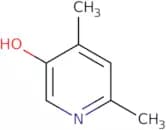
CAS:2,4-Dimethyl-5-hydroxypyridine (DMHP) is a useful intermediate that can be used to synthesize other compounds. DMHP has been shown to be a useful scaffold in the synthesis of various complex compounds, such as pharmaceuticals and fine chemicals. DMHP is also a versatile building block that can be used to produce many different types of chemical compounds. It can also be used as a research chemical or as a speciality chemical for use in laboratories.Formula:C7H9NOPurity:Min. 95%Color and Shape:PowderMolecular weight:123.07 g/molPyridine-2-sulfonamide
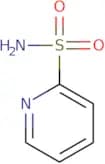
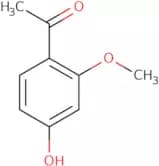
CAS:Pyridine-2-sulfonamide is a synthetic drug that has been shown to inhibit the growth of cancer cells. It binds to the endothelin-A receptor, which is found in many tissues including the heart, brain, and skin. This binding inhibits the binding of epidermal growth factor to its receptor. Pyridine-2-sulfonamide also inhibits pancreatitis by inhibiting the production of hydrogen ions from hydrochloric acid and reducing inflammation. This drug has been shown to be effective against HIV infection.Formula:C5H6N2O2SPurity:Min. 95%Color and Shape:PowderMolecular weight:158.18 g/mol4'-Hydroxy-2'-methoxyacetophenone
CAS:4'-Hydroxy-2'-methoxyacetophenone is a terpene that can be found in the genus Tripterygium. It has been shown to have lymphocyte transformation activity and shows antioxidant, anticancerous, and anti-inflammatory properties. It has also been shown to inhibit the growth of certain cancer cells by inducing apoptosis. 4'-Hydroxy-2'-methoxyacetophenone has been observed to have immunosuppressant effects on the immune system by inhibiting lymphocyte transformation, as well as being able to suppress the production of inflammatory cytokines such as TNF-α. This compound is used in clinical settings for its ability to treat autoimmune diseases such as rheumatoid arthritis and psoriasis.Formula:C9H10O3Purity:Min. 95%Color and Shape:Off-White PowderMolecular weight:166.17 g/mol2,4-Dimethoxybenzaldehyde
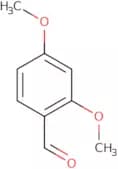
CAS:2,4-Dimethoxybenzaldehyde is a synthetic compound that has been shown to have activity against pancreatic lipase. It has been suggested as a potential drug for the treatment of metabolic disorders such as obesity or diabetes. 2,4-Dimethoxybenzaldehyde can be synthesized by reacting ethyl diazoacetate with an aldehyde in the presence of ammonium acetate. This chemical can also be used to produce ethyl esters and compounds belonging to the group of phlorotannins. 2,4-Dimethoxybenzaldehyde has been shown to have antioxidative activity and inhibitory effects on pancreatic lipase.
Formula:C9H10O3Purity:Min. 95%Color and Shape:White PowderMolecular weight:166.18 g/mol5'-Hydroxy-2'-methoxyacetophenone
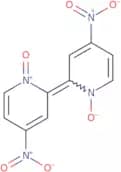
CAS:5'-Hydroxy-2'-methoxyacetophenone is a versatile precursor for the synthesis of ruthenium complexes. It is used in the hydroarylation reaction to form aryl ethers from alcohols and olefins. 5'-Hydroxy-2'-methoxyacetophenone has been shown to be an effective antioxidant with greater activity than vitamin C. This compound also releases oxygen, which helps to accelerate the rate of catalytic reactions. The hydroarylation and reductive deprotection of 5'-hydroxy-2'-methoxyacetophenone are regioselective, giving rise to phenols as the only by-products. The skeleton of 5'-hydroxy-2'-methoxyacetophenone is aglyconic, which means that it can be used as a building block or starting material for other organic compounds without any further modifications.Formula:C9H10O3Purity:Min. 95%Color and Shape:PowderMolecular weight:166.17 g/mol4,4'-Dinitro-2,2'-bipyridine-N,N'-dioxide
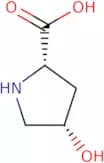
CAS:Please enquire for more information about 4,4'-Dinitro-2,2'-bipyridine-N,N'-dioxide including the price, delivery time and more detailed product information at the technical inquiry form on this pageFormula:C10H6N4O6Purity:Min. 94 Area-%Color and Shape:Yellow PowderMolecular weight:278.18 g/molcis-4-Hydroxy-L-proline
CAS:Cis-4-Hydroxy-L-proline is a bound form of proline that is formed by the condensation of two molecules of glyoxylate. It is a basic structure and an intermediate in the synthesis of collagen, which is a protein found in connective tissue. Cis-4-Hydoxy-L-proline has been shown to be an active form of proline for the treatment of primary sclerosing cholangitis, as it can decrease bile acid levels. This compound has also been used as an analytical method for determining collagen content in biological samples. The polymerase chain reaction technique uses cis-4-Hydroxy-L-proline as a matrix effect to amplify DNA sequences. Cis-4-Hydroxy-L-proline has also been shown to have optimum concentrations at 3mM and 0.5mM in model systems.br>Formula:C5H9NO3Purity:Min. 95%Color and Shape:White PowderMolecular weight:131.13 g/mol4-Dimethylaminobenzoic acid
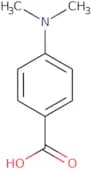
CAS:4-Dimethylaminobenzoic acid is a cationic surfactant that is used in analytical chemistry to measure the proton concentration. It reacts with protons and forms a positively charged ion. 4-Dimethylaminobenzoic acid can be used in experimental models to study the effects of protonation on cell growth and metabolism. Research has found that 4-dimethylaminobenzoic acid can be used as a growth factor by stimulating the production of protein, DNA, and RNA in cells. 4-Dimethylaminobenzoic acid is used as an ingredient in some skin care products because it has been shown to have anti-inflammatory properties.Formula:C9H11NO2Purity:Min. 98 Area-%Color and Shape:White PowderMolecular weight:165.19 g/molDibenzofuran
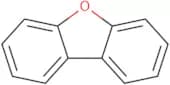
CAS:Dibenzofuran is a polycyclic aromatic hydrocarbon (PAH) that can be found in the environment and in living organisms. The body mass index, concentrations of dibenzofurans in maternal blood, and analytical method are factors that determine the levels of this compound. Dibenzofurans have been shown to induce enzyme activities in human serum. It is also an oral pathogen for humans, causing health problems such as DNA damage and cancer. Dibenzofurans are metabolized by cytochrome P450 enzymes and can react with other PAHs to form polychlorinated dibenzodioxins. Structural analysis shows nitrogen atoms on the benzene ring, which are essential for biological properties such as mutagenicity.Formula:C12H8OPurity:Min. 95%Color and Shape:White PowderMolecular weight:168.19 g/molDipropyl ether
CAS:Dipropyl ether is an ether that has a glycol ether backbone. It is used as a solvent in the production of optical sensors, and it may be used as a carrier for fatty acids. Dipropyl ether also has the ability to transport water, which makes it useful for wastewater treatment. This compound is synthesized by reacting ethylene diamine with two equivalents of propylene oxide. The glycol chain consists of two hydroxyl groups that are separated by an intramolecular hydrogen bond, which stabilizes the molecule and prevents it from reacting with other substances.Formula:C6H14OPurity:Min. 99.0 Area-%Color and Shape:Colorless Clear LiquidMolecular weight:102.17 g/mol5-Nitrothiophene-2-carboxylic acid
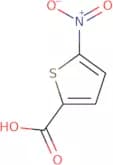
CAS:Used for preparation of pentathiophene amide
Formula:C5H3NO4SPurity:Min. 95%Color and Shape:White PowderMolecular weight:173.15 g/mol8-Hydroxyquinoline sulfate
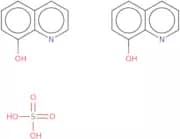
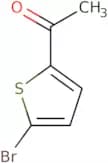
CAS:8-Hydroxyquinoline sulfate is a drug that has been used to study the cancer tissue response to various drugs. The 8-hydroxyl group in the molecule interacts with metals and forms chelate complexes, which may be the reason for its cytotoxic effect. 8-Hydroxyquinoline sulfate also inhibits mitochondrial membrane potential and blocks the receptor activity of some cell types. It has been shown to be significantly cytotoxic to HL-60 cells, as well as other cell lines.Formula:C18H14N2O2·H2SO4Purity:Min. 95%Color and Shape:Yellow PowderMolecular weight:388.4 g/mol2-Acetyl-5-bromothiophene
CAS:2-Acetyl-5-bromothiophene is an organosulfur compound that is a reactive intermediate in the Suzuki coupling reaction. It has been used as a substrate for biological studies of toxicity and cancer, and to generate unsymmetrical compounds with multi-walled carbon light emission. 2-Acetyl-5-bromothiophene also has the ability to inhibit glutamate dehydrogenase and hydroxide solution, which are enzymes necessary for the production of energy in cells. 2-Acetyl-5-bromothiophene is toxic to animals and humans because it can cause cancer and other health problems such as neurotoxicity, liver dysfunction, and kidney damage. 2-Acetyl-5-bromothiophene has been shown to cause DNA strand breaks in human breast cancer cells.Formula:C6H5BrOSPurity:Min. 98.5 Area-%Color and Shape:PowderMolecular weight:205.07 g/mol1,3-Diamino-2-hydroxypropane
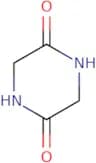
CAS:Intermediate 1,3-Diamino-2-hydroxypropane, also known as 1,3-Diamino-2-propanol, is the simplest amino alcohol containing two primary amino groups and one secondary alcohol group. 1,3-diamino-2-hydroxypropane is quite versatile, serving as a building block for the synthesis of many organometallic compounds and for the biological synthesis of peptides. In industry, 1,3-diamino-2-hydroxypropane is often used as a scrubber for industrial exhaust gases, used in organic synthesis and used biochemically for proteomics research.Formula:C3H10N2OPurity:Min. 97 Area-%Color and Shape:Yellow PowderMolecular weight:90.12 g/mol2,5-Diketopiperazine
CAS:2,5-Diketopiperazine is a trifluoroacetic acid derivative that has been shown to inhibit the growth of prostate cancer cells. The molecular docking analysis revealed that 2,5-Diketopiperazine binds to epidermal growth factor (EGF) and intermolecular hydrogen bonding may be involved in its interaction with EGF. 2,5-Diketopiperazine also inhibits the activity of fatty acid synthase by binding to the acyl carrier protein and blocking the formation of malonyl coenzyme A. This compound can be found in plants and some marine invertebrates as well as in etoac extract. It has been shown to have anti-inflammatory properties due to its ability to inhibit cyclic peptide production from arachidonic acid.Formula:C4H6N2O2Purity:Min. 98 Area-%Color and Shape:PowderMolecular weight:114.1 g/mol1,1,1,3,3,3-Hexafluoro-2-propanol
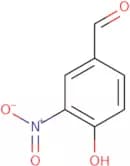
CAS:Hexafluoroisopropanol is a chemical compound that is used in the laboratory to study biological properties. It reacts with hydrogen fluoride, forming hydrogen hexafluoride gas and a fluorescent derivative. This reaction solution can be titrated using calorimetric techniques, which involves measuring the heat released by the reaction. Fluorescence probe studies can also be done to determine the conformational properties of hexafluoroisopropanol. Studying this molecule under different conditions can yield important thermodynamic data for its use in structural biology and fluorescence probe experiments.Formula:C3H2F6OPurity:Min. 98.5%Color and Shape:Clear LiquidMolecular weight:168.04 g/mol4-Hydroxy-3-nitrobenzaldehyde
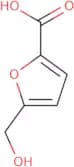
CAS:4-Hydroxy-3-nitrobenzaldehyde (4NBA) is a chemical compound that belongs to the class of aromatic compounds. It is an intermediate in the synthesis of various pharmaceuticals, including benzocaine and nitroglycerin, and has been researched for its potential use in cancer diagnosis. 4NBA has shown optical properties that allow it to be used as a model system for studying the interactions between water and benzyl groups. It also possesses anti-inflammatory properties due to its ability to inhibit the production of inflammatory cytokines such as IL-1β, IL-6, and TNFα.Formula:C7H5NO4Purity:Min. 95%Color and Shape:PowderMolecular weight:167.12 g/mol5-Hydroxymethyl-2-furancarboxylic acid
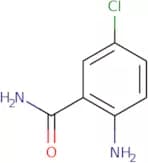
CAS:5-Hydroxymethylfurfural (5-HMF) is a structural analysis of the high values obtained in the reaction solution. 5-HMF is a polymerase chain reaction product that is obtained from p-hydroxybenzoic acid and malonic acid during the enzymatic conversion of carbohydrates. It can be used as a biocompatible polymer. The reaction mechanism for this process has been proposed to be through the formation of pyrazinoic acid, followed by an elimination reaction with chlorogenic acids. This mechanism is supported by modeling studies, which show that pyrazinoic acid is a key intermediate in the conversion of glucose to 5-HMF.Formula:C6H6O4Purity:Min. 95%Color and Shape:White PowderMolecular weight:142.11 g/mol2-Amino-5-chlorobenzamide
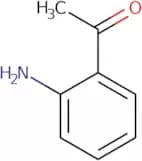
CAS:2-Amino-5-chlorobenzamide is a fluorescence probe that has been shown to react with anthranilic acid, which is a structural component of many active substances. It is used in organic solvents as an indicator for the presence of active oxygen. 2-Amino-5-chlorobenzamide can be used as a linker to connect different molecules and can be activated by dehydrating agents, such as sodium sulfite. This compound has been demonstrated to have a linear response over a wide range of concentrations. The molecular target of 2-amino-5-chlorobenzamide is unknown at this time, but it has been suggested that it may interact with amino acids or proteins. The structural formula for 2-amino-5-chlorobenzamide is C6H4ClN2O2.Formula:C7H7ClN2OPurity:Min. 95%Color and Shape:PowderMolecular weight:170.6 g/mol2'-Aminoacetophenone
CAS:2'-Aminoacetophenone is a chemical compound that belongs to the class of anthranilate. It is a water-soluble, white solid. 2'-Aminoacetophenone has been shown to have antimicrobial properties against bacteria and fungi. The mechanism of action of this compound is not known, but it may be due to its ability to disrupt mitochondrial function and affect the membrane potential. The stability of 2'-Aminoacetophenone in the presence of water vapor is greater than that observed for other anthranilates.Formula:C8H9NOPurity:Min. 95%Color and Shape:PowderMolecular weight:135.16 g/mol2-Methyl-3-biphenylmethanol
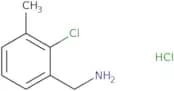
CAS:2-Methyl-3-biphenylmethanol (2MBPM) is a low potency chemical that is used as a surrogate for 2,4,6-trinitrotoluene (TNT). It has been shown to bind to the same sites on the death protein as TNT and other nitroaromatic compounds. 2MBPM can be synthesized by coupling biphenyl with methylmagnesium bromide in the suzuki coupling reaction. 2MBPM inhibits the growth of cancer cells by inhibiting PD-L1 expression. This compound also has oxidative properties and can act as an oxidation catalyst.Formula:C14H14OPurity:Min. 95%Color and Shape:PowderMolecular weight:198.26 g/mol2-Chloro-3-methylbenzylamine HCl - 90%
CAS:2-Chloro-3-methylbenzylamine HCl is a fine chemical that is a versatile building block for synthesis of pharmaceuticals and research chemicals. It is also a useful intermediate in the production of other compounds, such as speciality chemicals, complex compounds, and reaction components. 2-Chloro-3-methylbenzylamine HCl has many potential applications in both academia and industry because it is a high quality reagent with many uses.Formula:C8H10ClN·HClPurity:Min. 95%Color and Shape:PowderMolecular weight:192.09 g/molMethyl 5-nitrosalicylate
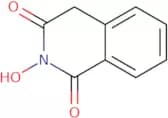
CAS:Methyl 5-nitrosalicylate is a chemical compound that belongs to the group of 4-hydroxycoumarin derivatives. It is an inhibitor of the reaction between salicylic acid and nitrous acid, inhibiting the formation of 5-nitrosalicylic acid. Methyl 5-nitrosalicylate has shown inhibitory activity against various nitro compounds, including benzofurans. The inhibitory effect on oxidation reactions may be due to its ability to act as a ligand and form coordination complexes with metal ions such as copper, zinc, and iron. Methyl 5-nitrosalicylate also has anti-inflammatory properties that are due to its ability to inhibit prostaglandin synthesis by blocking cyclooxygenase enzyme activity. Methyl 5-nitrosalicylate can be synthesized in a few ways. One method includes reacting methyl salicylate with nitrous acid in the presence of lightFormula:C8H7NO5Purity:Min. 95%Color and Shape:PowderMolecular weight:197.14 g/mol2-Hydroxyisoquinoline-1,3(2H,4H)-dione
CAS:2-Hydroxyisoquinoline-1,3(2H,4H)-dione (2HIQ) is a potent anti-viral agent that has been shown to inhibit the replication of viruses in cell cultures. 2HIQ inhibits viral replication by binding to the enzyme reverse transcriptase and inhibiting its ability to synthesize DNA from RNA. This drug also has inhibitory properties against human immunodeficiency virus type 1 (HIV-1) and hepatitis C virus (HCV). 2HIQ binds to the active site of the enzyme HIV reverse transcriptase, which is a key enzyme in viral replication. It also binds to HCV NS5B polymerase, which is an essential protein in HCV replication. These interactions lead to inhibition of viral replication and thus prevention of disease progression.Formula:C9H7NO3Purity:Min. 95%Color and Shape:Off-White To Brown SolidMolecular weight:177.16 g/mol1-Hydroxyisoquinoline
CAS:1-Hydroxyisoquinoline is a molecule with a carbonyl group and is found in heart tissue. It has been proposed as a treatment for herpes simplex virus, but no studies have been done to confirm this. 1-Hydroxyisoquinoline can be prepared by reacting hydrochloric acid with sodium salts. This molecule also has the ability to inhibit cancer cells and may have potential as an anticancer agent. It also has anti-inflammatory properties, which may be due to its inhibition of prostaglandin synthesis. The mechanism of action for 1-hydroxyisoquinoline is not yet fully understood, but it inhibits the replication of DNA and RNA in cancer cells.Formula:C9H7NOPurity:Min. 98 Area-%Color and Shape:White PowderMolecular weight:145.16 g/mol2-Amino-4-methoxybenzoic acid
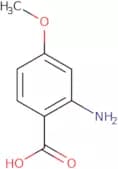
CAS:2-Amino-4-methoxybenzoic acid is a monophenolic compound that has been shown to have antioxidant properties. It is a redox potential with a pK of 7.8 and can be protonated at the phenolic hydroxyl group. 2-Amino-4-methoxybenzoic acid has been shown to inhibit the enzyme activities of histone proteins, which are enzymes that catalyze the formation of DNA from RNA. This compound also inhibits enzymes involved in amino acid synthesis such as anthranilate synthase and malic enzyme, as well as other enzymes such as phosphotransferase (PTS) and pyruvate kinase. 2-Amino-4-methoxybenzoic acid also causes inhibition of growth in phytophthora megasperma, an oomycete plant pathogen, by altering the redox potentials inside the cell membrane. The mechanism forFormula:C8H9NO3Purity:Min. 95%Color and Shape:PowderMolecular weight:167.16 g/mol4-Hydroxyindole
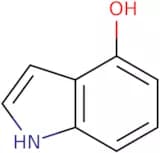
CAS:4-Hydroxyindole is an inorganic acid that is produced by the oxidation of 4-hydroxyphenylacetic acid. It is a metabolite of the synthetic cannabinoids, JWH-018 and JWH-073. The production of 4-hydroxyindole has been shown to be dependent on the presence of a nucleophilic attack on the diazonium salt, which leads to protonation. The fluorescence properties of this molecule are dependent on its hydroxyl group, which allows for detection using magnetic resonance spectroscopy. Hydrochloric acid can be used as an alternate solvent to produce 4-hydroxyindole from 4-hydroxyphenylacetic acid. 4-Hydroxyindole has been shown to have pharmacokinetic properties that are similar to those of THC, but it does not bind well to cannabinoid receptors or activate them.br> br> The structure of this molecule can be seen belowFormula:C8H7NOColor and Shape:White PowderMolecular weight:133.15 g/mol2-Amino-4-methoxy-benzoic acid methyl ester
CAS:2-Amino-4-methoxy-benzoic acid methyl ester is a high quality, versatile building block for the synthesis of complex compounds. It is an intermediate in the synthesis of a number of biologically active compounds and has been used as a reagent for the determination of amino acids. 2-Amino-4-methoxy-benzoic acid methyl ester is soluble in water and polar organic solvents.Formula:C9H11NO3Purity:Min. 95%Color and Shape:Off-White PowderMolecular weight:181.19 g/molcis-4-Hydroxycinnamic acid
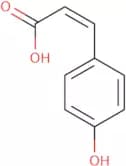
CAS:Cis-4-Hydroxycinnamic acid is a phenolic acid that is found in plants and is a natural compound. It has been shown to be an inhibitor of cell proliferation. Cis-4-Hydoxycinnamic acid inhibits the synthesis of DNA and RNA, which may inhibit the growth of bacteria and fungi. This compound can be extracted from plant materials by acetate extract or preparative high-performance liquid chromatography (HPLC). Cis-4-Hydoxycinnamic acid also has anti-inflammatory properties, which may be due to its inhibition of prostaglandin synthesis.
Formula:C9H8O3Purity:Min. 95%Color and Shape:PowderMolecular weight:164.16 g/mol3-Hydroxybenzaldehyde
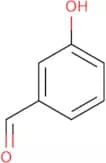
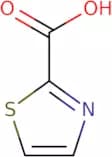
CAS:3-Hydroxybenzaldehyde (3HBA) is an organic molecule that belongs to the group of substituted benzaldehydes. It has been shown to induce muscle cell proliferation in vitro and in vivo, as well as increased levels of activated caspase-3 in vitro. 3HBA also has a high resistance to hydrochloric acid, hydrogen bond, and chemical structures. It also shows properties of intramolecular hydrogen bonding and aldehyde groups. 3HBA has been shown to be active against malonic acid-induced pulmonary edema in rats, which may be due to its ability to inhibit the release of erythrocytes from the bone marrow into the circulation.Formula:C7H6O2Purity:Min. 96 Area-%Color and Shape:Off-White PowderMolecular weight:122.12 g/mol2-Carboxythiazole
CAS:2-Carboxythiazole is a heterocyclic compound that contains a thiazole ring fused with a carboxylic acid. It has been shown to have potent antagonist effects at the histamine H4 receptor, which may be due to its hydrogen bond interactions with the receptor. 2-Carboxythiazole has also been shown to be an effective treatment for autoimmune diseases, such as psoriasis and rheumatoid arthritis. This compound inhibits the production of T cells in the immune system by binding to the H4 receptor on T cells. 2-Carboxythiazole is also used as an anti-tuberculosis drug for the treatment of tuberculosis infections. It inhibits bacterial growth by binding to DNA-dependent RNA polymerase, thereby preventing transcription and replication. The high frequency of human activity has been shown using a patch-clamp technique on human erythrocytes. This active form is metabolized through a number of metabolic transformations, including hydrolyFormula:C4H3NO2SPurity:Min. 95%Color and Shape:PowderMolecular weight:129.14 g/molHomovanillic acid
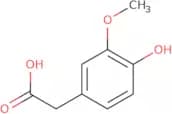
CAS:Homovanillic acid is widely used as a fluorogenic substrate of peroxidase. The reaction is however not specific and has been shown to react also with soybean lipoxygenase in the presence of hydrogen peroxide. Excitation and emission wavelengths for homovanillic acid are 312 and 420 nm, respectively.
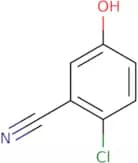
Formula:C9H10O4Purity:Min. 97.5 Area-%Color and Shape:Red PowderMolecular weight:182.17 g/mol2-Chloro-5-hydroxybenzonitrile
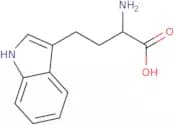
CAS:2-Chloro-5-hydroxybenzonitrile is a versatile, building block chemical that can be used as a reactant or intermediate in the synthesis of other compounds. It is also an excellent research chemical with a high quality and purity. 2-Chloro-5-hydroxybenzonitrile has many uses, such as being a reagent for organic synthesis, a speciality chemical, and a useful intermediate. This compound is suitable for complex synthesis and has been shown to be useful as a building block or scaffold in the production of other chemicals.Formula:C7H4ClNOPurity:Min. 95%Color and Shape:Off-White PowderMolecular weight:153.57 g/molD,L-Homotryptophan
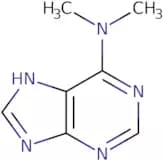
CAS:D,L-Homotryptophan is a fine chemical that is used as a building block in the synthesis of complex compounds. It has been used as a reagent, speciality chemical, and intermediate. D,L-Homotryptophan is also versatile in its use as a building block for the synthesis of various chemicals. This compound has been shown to react with other chemicals to form useful scaffolds.Formula:C12H14N2O2Purity:Min. 95%Color and Shape:PowderMolecular weight:218.25 g/mol6-(Dimethylamino)purine
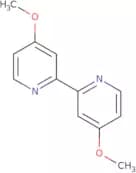
CAS:6-(Dimethylamino)purine (6-DAP) is a purine nucleoside that acts as an inhibitor of the transcription factor leukemia inhibitory factor (LIF). 6-DAP binds to the response element in the promoter region of LIF and blocks the binding of LIF to this site. This prevents transcription of LIF, which leads to cell cycle arrest. 6-DAP also has inhibitory effects on skin cells and inhibits the formation of fetal bovine serum protein in a model system. 6-DAP binds to nuclear DNA and alters its structure, which may cause problems with DNA replication or transcription.Formula:C7H9N5Purity:Min. 98 Area-%Color and Shape:White PowderMolecular weight:163.18 g/mol4,4'-Dimethoxy-2,2'-bipyridine
CAS:4,4'-Dimethoxy-2,2'-bipyridine (DMBP) is a reactive compound that can undergo nucleophilic attack on protonated molecules. DMBP has a high value for protonation and is able to react with water vapor in the air to form hydroxide. It has been used as a model protein to study the redox potential of biomolecules and the biological properties of halides. The crystal structure of DMBP has been studied by X-ray crystallography and is found to be related to technetium.Formula:C12H12N2O2Purity:Min. 95%Color and Shape:PowderMolecular weight:216.24 g/mol2,6-Diaminopurine
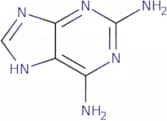
CAS:2,6-Diaminopurine is a nucleotide analogue that is synthesized from guanosine. It inhibits the enzyme ribonucleotide reductase and blocks the synthesis of DNA precursors, which are necessary for viral replication. 2,6-Diaminopurine has been shown to inhibit hiv infection in tissue culture and animal models by decreasing the levels of nucleotides in cells. This drug can be used as an anti-viral agent against HIV and other retroviruses. 2,6-Diaminopurine has also been shown to be effective against murine sarcoma virus. The compound binds to the enzyme ribonucleotide reductase, which is important for DNA synthesis, and prevents its activity by mimicking adenosine triphosphate (ATP). The binding of 2,6-diaminopurine to ATP results in a coordination geometry that causes a long hydrogen bond with one oxygen
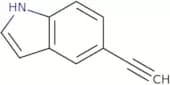
Formula:C5H6N6Purity:Min. 95%Color and Shape:PowderMolecular weight:150.14 g/mol5-Ethynyl-1H-indole
CAS:5-Ethynyl-1H-indole is a synthetic compound that has been shown to inhibit the enzyme p450, which is involved in the metabolism of dopamine. Dopamine is a neurotransmitter and hormone that regulates many functions including movement, emotional response, motivation, and sexual desire. It also plays an important role in the development of Parkinson's disease. 5-Ethynyl-1H-indole has also been shown to bind to nicotinic acetylcholine receptors (nAChR) at α7 nicotinic acetylcholine receptors. 5-Ethynyl-1H-indole is being studied as a potential cancer drug due to its antitumour activity. The anti-cancer effect may be related to its ability to inhibit enzymatic reactions involving acetylcholine or its ability to block acetylcholine from binding with its receptor on muscle cells.Formula:C10H7NPurity:Min. 95%Molecular weight:141.17 g/mol±,±,p-Tribromoacetophenone
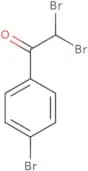
CAS:Tribromoacetophenone is a brominated analog of acetophenone. It can be accessed by the reaction of an acid chloride with acetylacetone and then reacting the resulting bromide with hydrogen bromide. Tribromoacetophenone has been studied as an anti-cancer agent, but has shown little activity in animals. It is also used in the synthesis of other compounds, such as covid-19, which is being studied for its potential use as a pandemic vaccine against influenza type A H5N1.
Formula:C8H5OBr3Purity:Min. 95%Color and Shape:PowderMolecular weight:356.84 g/mol6-Methoxy-2-methyl-1,2,3,4-tetrahydroquinoline
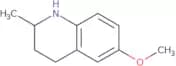
CAS:Versatile small molecule scaffold
Formula:C11H15NOPurity:Min. 95%Color and Shape:PowderMolecular weight:177.24 g/mol2-Chloro-4-fluorocinnamic acid
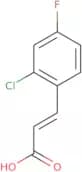
CAS:2-Chloro-4-fluorocinnamic acid is an organic compound that is a useful building block, reagent, and speciality chemical. It is a versatile intermediate for the production of other organic compounds. 2-Chloro-4-fluorocinnamic acid can be used as a reaction component or a scaffold in the synthesis of complex compounds. The synthesis of this product is also possible by coupling it with an appropriate amine, such as 4-(diethylamino)benzaldehyde.Formula:C9H6ClFO2Purity:Min. 95%Color and Shape:PowderMolecular weight:200.59 g/mol3,3-Diphenylpropylamine
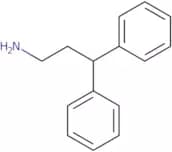
CAS:3,3-Diphenylpropylamine is an organic compound that is used in the analytical method for infectious diseases. It has been shown to be stable under acidic conditions and can be hydrolyzed by enzymes to form 3,3-diphenylpropionic acid. This chemical is also an enantiomer of 2,2-diphenylpropanolamine. The hydrochloride salt of 3,3-diphenylpropylamine has been used as a pharmaceutical preparation for the treatment of gastric ulcers. This drug has pharmacokinetic properties that include a long half-life and low oral bioavailability.
Formula:C15H17NPurity:Min. 95%Color and Shape:PowderMolecular weight:211.31 g/mol6-Bromo-3h-imidazo[4,5-β]pyridine-5-carboxylic acid
CAS:Versatile small molecule scaffoldFormula:C7H4BrN3O2Purity:Min. 95%Color and Shape:PowderMolecular weight:242.03 g/molHomogentisic acid
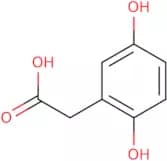
CAS:Precursor of melanine synthesis in bacteriaFormula:C8H8O4Purity:Min 96%Color and Shape:White PowderMolecular weight:168.15 g/mol4-Cyanobenzophenone
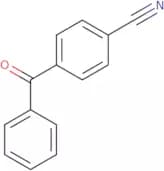
CAS:4-Cyanobenzophenone is a chemical compound that contains a benzene ring with a single carbon atom replaced by a cyano group. It is soluble in organic solvents such as acetonitrile and ether. 4-Cyanobenzophenone is reduced to the corresponding anion radical by reaction with deuterated water or hydrogen gas and is then protonated to give the corresponding protonated form. This process can be used for the determination of the concentration of carboxylic acid groups in carboxylic acid esters, which are additives in gasoline. The nature of this ion has been determined using cyclopentenone as an additive.Formula:C14H9NOPurity:Min. 95%Color and Shape:SolidMolecular weight:207.23 g/mol1-Amino-4,4-dimethylcyclohexane-1-carboxamide
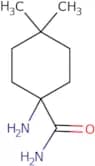
CAS:Versatile small molecule scaffoldFormula:C9H18N2OPurity:Min. 95%Color and Shape:PowderMolecular weight:170.25 g/mol4D-Hydroxysphinganine
CAS:Sphingolipid; cell membrane component; anti-inflammatory agentFormula:C18H39NO3Purity:Min. 97 Area-%Color and Shape:White PowderMolecular weight:317.51 g/mol(R)-2,5-Dihydro-3,6-dimethoxy-2-isopropylpyrazine
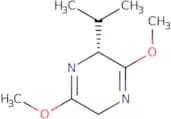
CAS:(R)-2,5-Dihydro-3,6-dimethoxy-2-isopropylpyrazine and its enantiomer (S)-2,5-Dihydro-3,6-dimethoxy-2-isopropylpyrazine are also known as Schöllkopf chiral auxiliaries or Schöllkopf reagents, and are used to produce optically pure α-amino acids via asymmetric synthesis. The Schöllkopf reagent can be deprotonated at the prochiral α-carbon, and the resulting enolate is trapped with electrophiles to yield adducts with high (typically > 95% d.e.) diastereoselectivity. The enolate is essentially planar, and the steric bulk of the isopropyl group directs the incoming electrophile to attack from the opposite face, yielding trans adducts. A wide range of electrophiles including alkyl halides, alkyl sulfonates, acyl chlorides, aldehydes, ketones, epoxides, thioketones and enones can be used. Hydrolysis, typically under mild acidic conditions, yields the non-substituted amino acid with high (typically > 95 e.e.) enantiopurity.
Formula:C9H16N2O2Purity:Min. 98%Color and Shape:Colorless Yellow Clear LiquidMolecular weight:184.24 g/mol1,2,5,6-Diepoxycyclooctane
CAS:1,2,5,6-Diepoxycyclooctane is a chemical compound that has been used as a crosslinking agent for the polymerization of epoxies. It is also used as a reactive intermediate in organic synthesis. 1,2,5,6-Diepoxycyclooctane can be prepared by reacting epichlorohydrin with ethylene oxide and then hydrogenation. This chemical compound is stable to ultraviolet light and does not react with cationic surfactants. 1,2,5,6-Diepoxycyclooctane can form monoadducts or diploid adducts when it reacts with chemicals such as dioxane and benzene. The nmr spectra of 1,2,5,6-diepoxycyclooctane show signals characteristic of epoxides.Formula:C8H12O2Purity:Min. 95%Color and Shape:PowderMolecular weight:140.18 g/mol2-Chloro-3,5-dihydroxybenzoic acid
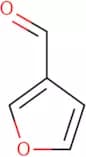
CAS:2-Chloro-3,5-dihydroxybenzoic acid (2C3HB) is a fine chemical that is used as a versatile building block in the synthesis of complex compounds. It is also used as a reagent for the production of pharmaceuticals and other chemicals. 2C3HB has been shown to be an important reaction component for the synthesis of drugs such as methotrexate and 6-fluoro-3-indoxyl-beta-D-galactopyranoside. This compound has a high quality and can be used as a building block in chemical reactions with other compounds.Formula:C7H5ClO4Purity:Min. 90%Color and Shape:PowderMolecular weight:188.56 g/mol3-Furaldehyde
CAS:Plant-derived; solvent
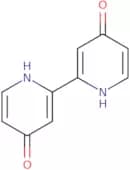
Formula:C5H4O2Purity:Min. 96 Area-%Color and Shape:Yellow To Dark Brown Clear LiquidMolecular weight:96.08 g/mol4,4'-Dihydroxy-2,2'-bipyridine
CAS:4,4'-Dihydroxy-2,2'-bipyridine is a metallo-organic compound that can be used as a homogeneous catalyst for the oxidation of hydroxyl groups. It is also used in cancer research because it has been shown to inhibit tumor cell proliferation and induce apoptosis. 4,4'-Dihydroxy-2,2'-bipyridine is an activated form of 2,2'-bipyridyl with a hydroxyl group on its ortho position. It can be prepared by reacting bromine with the metal salt of 2-hydroxybenzaldehyde in the presence of sodium hydroxide. This reaction produces two products: 4,4'-dihydroxy-2,2'-bipyridine and 2-bromoethanol. The deuterium isotope is used for nuclear magnetic resonance spectroscopy studies because it has a spin quantum number of one and does not cause chemical shift
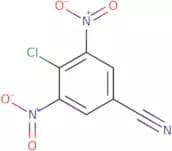
Formula:C10H8N2O2Purity:Min. 98 Area-%Color and Shape:White PowderMolecular weight:188.18 g/mol4-Chloro-3,5-dinitrobenzonitrile
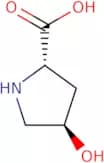
CAS:4-Chloro-3,5-dinitrobenzonitrile is a mesomeric compound that has four amines and one nitro group. It is a dipole with chloride as the negative end and amine as the positive end. The reaction mechanism of this chemical is nucleophilic substitution. 4-Chloro-3,5-dinitrobenzonitrile reacts with an organic solvent to form a buffer. A buffer is an ionized solution that resists changes in pH when acid or base are added to it. This chemical also reacts with thionyl chloride to form hydrochloric acid, which can be used to leishmania parasites. 4-Chloro-3,5-dinitrobenzonitrile also reacts with an anion such as ClO4− or NO2− to form a salt such as chlorate or nitrate respectively.Formula:C7H2ClN3O4Purity:Min. 95%Color and Shape:PowderMolecular weight:227.56 g/moltrans-4-Hydroxy-L-proline
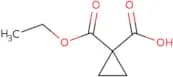
CAS:Proline is a non-essential amino acid that is found in the basic structure of collagen. Proline has been shown to have physiological effects, including a protective effect on the myocardium, and can be used as an analytical method for detecting proline residues in biological samples. Trans-4-Hydroxy-L-proline is a proline derivative that has been shown to inhibit collagenase activity in vitro. It was also shown to have an optimum concentration of 1 mM and a matrix effect at pH 6.5. The model system used to study trans-4-hydroxy-l-proline was the enzyme extracted from rat liver.Formula:C5H9NO3Color and Shape:White PowderMolecular weight:131.13 g/mol2-(Methoxycarbonyl)cyclopropane-1-carboxylic acid
CAS:Versatile small molecule scaffoldFormula:C6H8O4Purity:Min. 95%Color and Shape:PowderMolecular weight:144.13 g/mol3-Carboxybenzaldehyde
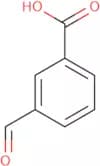
CAS:3-Carboxybenzaldehyde is a hydroxy aromatic compound with a molecular formula of C8H6O2. It is a synthetic chemical that can be used as an intermediate in the synthesis of other compounds, such as polycarboxylic acids. 3-Carboxybenzaldehyde has been shown to be an effective substrate for binding to polycarboxylic acid enzymes and activating them. This reaction generates the corresponding carboxylate product and releases CO2. 3-Carboxybenzaldehyde has also been used as a reactant in asymmetric synthesis reactions and shown to have some structural similarities with benzene ring structures.Formula:C8H6O3Purity:Min. 95%Color and Shape:PowderMolecular weight:150.13 g/molGemcitabine monophosphate disodium monohydrate
CAS:Please enquire for more information about Gemcitabine monophosphate disodium monohydrate including the price, delivery time and more detailed product information at the technical inquiry form on this pageFormula:C9H12F2N3O7P•Na2•H2OPurity:90%Min By HplcColor and Shape:PowderMolecular weight:407.16 g/mol6-Methoxyindole-2-carboxylic acid
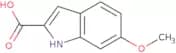
CAS:6-Methoxyindole-2-carboxylic acid (6MI) is a potent inhibitor of the enzyme catechol-O-methyltransferase (COMT). This inhibition prevents the conversion of catecholamines, such as dopamine and norepinephrine, to their corresponding methylated products. COMT inhibitors are used clinically to treat Parkinson's disease and other diseases that result from excessive levels of these neurotransmitters. 6MI is also an effective inhibitor of tyrosinase activity in vitro. It has been shown to inhibit the synthesis of melanin by melanocytes and inhibits the production of eumelanin, which is responsible for black or brown skin pigments. The inhibitory potency of 6MI was found to be greater than that for kojic acid, arbutin, and hydroquinone. Optimization studies showed that 6MI was most potent at a concentration of 1 mM and had an IC50 value of 0.3 mM in
Formula:C10H9NO3Purity:Min. 95%Color and Shape:PowderMolecular weight:191.18 g/molMonomethyl triazeno imidazole carboxamide
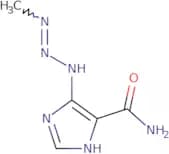
CAS:Monomethyl triazeno imidazole carboxamide (MTIC) is a drug that is used to treat cancer. It has been shown to inhibit the proliferation of tumor cells and induce apoptosis by inhibiting the expression of proteins, such as Bcl-2, which are involved in regulating mitochondrial membrane potential. MTIC has also been shown to inhibit protein synthesis and cell signaling pathways, such as the PI3K/Akt pathway. The use of MTIC for diagnosis purposes can be achieved using electrochemical impedance spectroscopy. A concentration–time curve can be obtained by incubating a biological sample with MTIC and measuring cell response using an impedance spectrophotometer. The clinical properties of MTIC include its ability to be administered orally or intravenously, have low toxicity, and inhibit the growth of tumor cells in vivo and in vitro.Formula:C5H8N6OPurity:(¹H-Nmr) Min. 95 Area-%Color and Shape:White PowderMolecular weight:168.16 g/mol2-(2-Aminoethyl)-2H,3H-[1,2,4]triazolo[4,3-a]pyridin-3-one
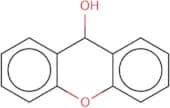
CAS:2-(2-Aminoethyl)-2H,3H-[1,2,4]triazolo[4,3-a]pyridin-3-one is a versatile building block that can be used as a reagent and reaction component in organic synthesis. This compound has been shown to have high quality and is useful in research on speciality chemicals. 2-(2-Aminoethyl)-2H,3H-[1,2,4]triazolo[4,3-a]pyridin-3-one has found use in the preparation of various compounds with diverse therapeutic properties. It is also an excellent building block for complex compounds.Formula:C8H10N4OPurity:Min. 95%Color and Shape:PowderMolecular weight:178.19 g/mol9-Hydroxyxanthene
CAS:9-Hydroxyxanthene is a natural drug that has been used in traditional Chinese medicine for treating a variety of diseases. It is extracted from Rhizoma Gastrodiae and Angelicae Dahuricae. 9-Hydroxyxanthene has shown to be effective against various metabolic disorders, including insulin resistance, hyperlipidemia, and diabetes. The mechanism of action of 9-hydroxyxanthene is not known but it is thought to be due to its ability to activate the immune system by transferring reactions and promoting the production of antibodies. 9-hydroxyxanthene also shows anti-inflammatory effects by inhibiting the production of prostaglandins and leukotrienes. 9-hydroxyxanthene can also inhibit angiotensin II, which may reduce high blood pressure and congestive heart failure.
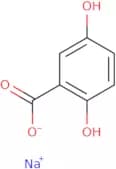
Formula:C13H10O2Purity:Min. 98 Area-%Color and Shape:White PowderMolecular weight:198.22 g/molGentisic acid sodium salt hydrate
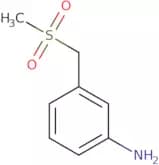
CAS:Gentisic acid sodium salt hydrate is a benzoate that is used as a diagnostic agent in the study of inflammatory bowel disease. Gentisic acid sodium salt hydrate is a sodium salt of gentisic acid and has been shown to have anti-inflammatory properties. It is used as a stabilizer for solid dispersions, such as capsules, tablets, and granules. Gentisic acid sodium salt hydrate also has the ability to prevent degradation of certain drugs by hydrolysis or oxidation. Gentisic acid sodium salt hydrate can be synthesized from 2,6-dihydroxybenzoic acid (2,6-DHB) and hippuric acid.Formula:C7H5NaO4·xH2OPurity:Min. 98 Area-%Color and Shape:White PowderMolecular weight:176.1 g/mol3-(Methanesulfonylmethyl)aniline
CAS:3-(Methanesulfonylmethyl)aniline is a growth factor inhibitor that binds to the receptor-2, which is a protein tyrosine kinase. This binding inhibits the activation of endothelial cells and angiogenesis, as well as tumor growth. 3-(Methanesulfonylmethyl)aniline has been shown to inhibit the proliferation of human cancer cells in vitro by interfering with their ability to secrete vascular endothelial growth factor (VEGF). The drug also inhibits VEGFR-2 signaling pathways in endothelial cells, leading to a decrease in cell proliferation and angiogenesis. The mechanism of action is not yet fully understood.Formula:C8H11NO2SPurity:Min. 95%Molecular weight:185.24 g/mol4-Hydroxy-3-methoxyphenylacetone
CAS:4-Hydroxy-3-methoxyphenylacetone is a natural compound that is found in lignin and has been studied as a potential treatment for congestive heart failure. The compound has been shown to inhibit the activity of enzymes involved in the transfer reactions of bacterial cells. It also reduces the production of acetate, which is used by bacteria for growth. 4-Hydroxy-3-methoxyphenylacetone has been found to be nontoxic to mice at doses up to 10 g/kg. This study also showed that 4-hydroxy-3-methoxyphenylacetone had no effect on enzyme activities in rat liver mitochondria or rat brain synaptosomes.
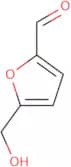
Formula:C10H12O3Purity:Min. 98 Area-%Color and Shape:Clear LiquidMolecular weight:180.2 g/mol5-Hydroxymethylfurfural
CAS:5-Hydroxymethylfurfural (5-HMF) is a model system used to study the effects of 5-hmf on therapy groups. It can be used as a catalyst in the production of p-hydroxybenzoic acid, and it has been shown to have an antioxidant effect in bowel disease and oxidative injury. 5-HMF is also able to produce hydroxymethylfurfural (HMF) from glucose injection. HMF can be found in foods such as fructose, and is toxic to humans when consumed at high levels.Formula:C6H6O3Purity:Min. 97%Color and Shape:Slightly Brown PowderMolecular weight:126.11 g/molMethyl 4-methoxybenzoate
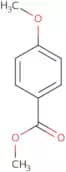
CAS:Methyl 4-methoxybenzoate is a white, crystalline powder that is soluble in alcohol and ether. The chemical formula for methyl 4-methoxybenzoate is C8H10O4. It has a molecular weight of 196.19 g/mol and a melting point of 136°C. Methyl 4-methoxybenzoate has been used as an organic reagent, as well as a pharmaceutical intermediate and additive in food manufacturing. It also has biological properties such as being an anti-inflammatory agent and being able to inhibit the growth of infectious diseases like tuberculosis and malaria. Methyl 4-methoxybenzoate can be synthesized by reacting benzoic acid with methanol, phosphoric acid, or hydrochloric acid. This molecule can also be synthesized from p-hydroxybenzoic acid by electrophilic substitution with methyl iodide followed by hydrolysis using sodium hydroxide. The chemicalFormula:C9H10O3Purity:Min. 98%Color and Shape:PowderMolecular weight:166.17 g/mol8-Methoxyquinoline-4-carboxylic acid
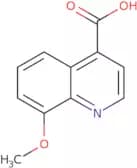
CAS:8-Methoxyquinoline-4-carboxylic acid is a potent inhibitor of phosphodiesterase I, II, IV and V. It has been shown to inhibit the production of inflammatory prostaglandins in asthma patients. 8-Methoxyquinoline-4-carboxylic acid has been used to study the fluorescence properties of acetonitrile and its derivatives. 8-Methoxyquinoline-4-carboxylic acid has been tested as a fluorescent probe for DNA sequencing and has also shown potential as a fluorescent probe for protein sequencing. This molecule is an inhibitor of phosphodiesterases, which are enzymes that break down cyclic nucleotides such as cAMP and cGMP. 8-Methoxyquinoline-4-carboxylic acid is a bicyclic heteroaryl compound with an electron donating group at position 4 on the heterocyclic ring. It can be synthesized from ethanol usingFormula:C11H9NO3Purity:(¹H-Nmr) Min. 95 Area-%Color and Shape:PowderMolecular weight:203.19 g/mol4-Nitrobenzeneethanol
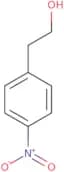
CAS:4-Nitrobenzeneethanol is a primary amine that is synthesized from the amino acid L-glutamic acid and the alcohol 4-nitrobenzyl alcohol. It is activated by reaction with sodium hydroxide solution, which releases hydrogen ions. The conjugates of this compound are isomers. 4-Nitrobenzeneethanol can be used to synthesize compounds that have different functional groups, such as monoclonal antibodies for the treatment of parasitic diseases.Formula:C8H9NO3Purity:Min. 95%Color and Shape:PowderMolecular weight:167.16 g/mol2-Amino-4-methoxybutanoic acid
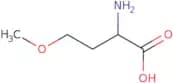
CAS:2-Amino-4-methoxybutanoic acid (2AMBA) is a diagnostic agent that belongs to the class of hydroxyl group containing antimicrobial agents. It has been shown to have conformational properties, which are the spatial arrangement of atoms in a molecule. 2AMBA is a small molecule with neutral pH and has been used as a substrate for peptide synthesis by the yeast Pichia pastoris. 2AMBA has also been shown to have antimicrobial activity against infectious diseases such as Escherichia coli and Pseudomonas aeruginosa, among others. This compound is synthesized by reacting malonic acid with an amine or amide. The reaction forms a cyclic peptide that contains a disulfide bond and fatty acid, which are important for its structure and function.
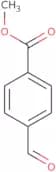
Formula:C5H11NO3Purity:Min. 95%Color and Shape:PowderMolecular weight:133.15 g/molMethyl 4-formylbenzoate
CAS:Methyl 4-formylbenzoate is a trifluoroacetic acid derivative that inhibits the conversion of androgens to estrogens. It has been shown to inhibit aromatase activity in human serum and cell culture, as well as in vitro cultured rat hepatocytes. Methyl 4-formylbenzoate also binds to copper(II) by forming a complex with copper(II) ions, which prevents the formation of an enzyme-substrate complex. The binding of methyl 4-formylbenzoate to copper(II) prevents the production of malonic acid from acetoacetate, which inhibits fatty acid synthesis. This compound also acts as an analytical reagent for the detection of acylation reactions, such as those involving benzimidazole compounds.
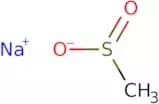
Formula:C9H8O3Purity:Min. 95%Color and Shape:PowderMolecular weight:164.16 g/molMethanesulfinic acid sodium salt
CAS:Methanesulfinic acid sodium salt (MSAS) is a chemical compound that inhibits the growth of bacteria by inhibiting the synthesis of proteins. It is used as an antimicrobial agent in plant physiology and has been shown to be effective against infectious diseases including HIV infection. MSAS inhibits protein synthesis by binding to the hydroxyl group of a substrate molecule, which is required for amino acid formation. This inhibitory effect leads to a decrease in the production of proteins vital for cell division. Inhibiting protein synthesis also prevents the production of enzymes needed for metabolism, leading to metabolic disorders.Formula:CH3O2S·NaPurity:Min. 95%Color and Shape:PowderMolecular weight:102.09 g/mol7-Azaindole
CAS:7-Azaindole is a chemical compound that can be used as a building block in organic synthesis. It can be used as a reactant in the preparation of other chemicals, such as dyes, rubber accelerators, and pharmaceuticals. 7-Azaindole is also useful as an intermediate in the production of polymers, such as polyurethanes and polyesters. This chemical is soluble in water and alcohols, but insoluble in ethers and chloroform. 7-Azaindole has been classified by the International Agency for Research on Cancer (IARC) as Group 3: Not Classifiable as to its Carcinogenicity to Humans.Formula:C7H6N2Purity:Min. 98.0 Area-%Molecular weight:118.14 g/molRef: 3D-A-9500
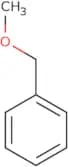
-Unit-kgkgTo inquire1kgTo inquire5kgTo inquire250gTo inquire500gTo inquire2500gTo inquireBenzyl methyl ether
CAS:Benzyl methyl ether is a colorless liquid with a sweet odor. It is used as an organic solvent in chemical reactions and as a solvent in the synthesis of pharmaceuticals, dyes, pesticides, and other organic compounds. Benzyl methyl ether has been shown to react with oxygen and light to produce benzoic acid. The reaction between benzyl methyl ether and glycol ether can be used for sample preparation prior to analysis using gas chromatography-mass spectrometry (GC-MS). GC-MS is often used for the identification of unknown substances in environmental samples. Benzyl methyl ether can also be used for chemical ionization (CI) in mass spectrometry.Formula:C8H10OPurity:Min. 95%Molecular weight:122.17 g/mol4-Methoxy-6-methyl-2H,5H,6H,7H,8H-[1,3]dioxolo[4,5-G]isoquinoline
CAS:4-Methoxy-6-methyl-2H,5H,6H,7H,8H-[1,3]dioxolo[4,5-G]isoquinoline is an electron donor that has been shown to have an excitatory effect on cells. It has been used for the treatment of cancer and other diseases. 4-Methoxy-6-methyl-2H,5H,6H,7H,8H-[1,3]dioxolo[4,5-G]isoquinoline has been shown to have a cavity inhibiting effect in mice and also inhibits the growth of tumor cells in rats. This drug has been evaluated for clinical use in humans and is available as a granule formulation. The particle size of 4-Methoxy-6-methyl-2H,5H,6H,7H,8H-[1,3]dioxolo[4,5-G]Formula:C12H15NO3Purity:Min. 95%Color and Shape:PowderMolecular weight:221.25 g/mol3-Methoxybenzoic acid
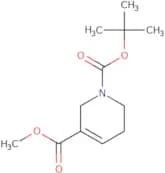
CAS:3-Methoxybenzoic acid is a compound that has two carboxyl groups, one on each of the two benzene rings. It is a white crystalline solid with a melting point of 86°C and a boiling point of 240°C at 1 mmHg. 3-Methoxybenzoic acid can be found in plants such as cranberries and strawberries. It also occurs naturally in animal fat, where it functions as an antioxidant and antimicrobial agent. 3-Methoxybenzoic acid has been shown to have synergistic effects when combined with protocatechuic acid in the treatment of carcinoma cells.Formula:C8H8O3Purity:Min. 95%Color and Shape:PowderMolecular weight:152.15 g/mol1-tert-Butyl 3-methyl 1,2,5,6-tetrahydropyridine-1,3-dicarboxylate
CAS:1-tert-Butyl 3-methyl 1,2,5,6-tetrahydropyridine-1,3-dicarboxylate is a chemical compound that is used as a reagent in organic synthesis. It is also a useful intermediate for the production of other chemicals such as pharmaceuticals and pesticides. This compound has been found to be an effective building block for the preparation of complex compounds. The 1,2,5,6-tetrahydropyridine moiety can be used as a scaffold or building block to produce various compounds with different modifications. This class of compounds has also been found to be versatile in chemical reactions due to their ability to form covalent bonds with many types of functional groups.
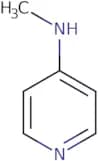
Formula:C12H19NO4Purity:Min. 90%Color and Shape:Clear Viscous LiquidMolecular weight:241.28 g/mol4-(Methylamino)pyridine
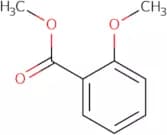
CAS:4-(Methylamino)pyridine (4-MAP) is an anticancer drug that belongs to the class of aromatic heterocyclic compounds. It has been shown to have a broad spectrum of anticancer activity with no toxic effects on normal cells. 4-MAP is immobilized on the surface of nanotubes and has demonstrated a high degree of stability in acidic and alkaline solutions. 4-MAP can be used as a carrier for transfection experiments and for the immobilization of enzymes, proteins, or other biomolecules. The most significant limitation with this material is its relatively low solubility in water.Formula:C6H8N2Purity:Min. 95%Color and Shape:PowderMolecular weight:108.14 g/molMethyl 2-methoxybenzoate
CAS:Methyl 2-methoxybenzoate is a synthetic chemical that is used in the treatment of wastewater. It inhibits the activity of enzymes such as fatty acid synthase, which are involved in the synthesis of long-chain fatty acids. Methyl 2-methoxybenzoate has been found to be an efficient method for the synthesis of prenyl compounds. This product is also an active methylene and hydrogen bond donor, and it can form products with carboxylic acid conjugates through acid catalysis. Methyl 2-methoxybenzoate has been used as a reagent for analytical chemistry, including gas chromatography and liquid chromatography.Formula:C9H10O3Purity:Min. 95%Color and Shape:Colorless Clear LiquidMolecular weight:166.17 g/mol8α-Phenyl-octahydropyrrolo[1,2-a]pyrimidin-6-one
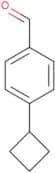
CAS:Versatile small molecule scaffoldFormula:C13H16N2OPurity:Min. 95%Color and Shape:PowderMolecular weight:216.3 g/mol4-Cyclobutylbenzaldehyde
CAS:4-Cyclobutylbenzaldehyde is a versatile building block that is used in the synthesis of complex compounds. This chemical is a reagent and speciality chemical which can be used for research purposes. It also has potential use as an intermediate or scaffold in organic synthesis. 4-Cyclobutylbenzaldehyde is a high quality compound with a CAS number of 875306-94-8.Formula:C11H12OPurity:Min. 95%Color and Shape:Clear LiquidMolecular weight:160.22 g/mol6-Benzyloxyindole
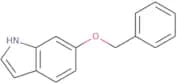
CAS:6-Benzyloxyindole is a high quality chemical compound that can be used as a research chemical, speciality chemical, or versatile building block.Formula:C15H13NOPurity:Min. 98.0 Area-%Molecular weight:223.28 g/molRef: 3D-B-1640
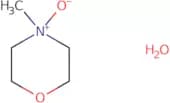
-Unit-ggTo inquire1kgTo inquire50gTo inquire100gTo inquire250gTo inquire500gTo inquire4-Methylmorpholine N-oxide monohydrate
CAS:Intermediate for organic synthesesFormula:C5H13NO3Color and Shape:PowderMolecular weight:135.16 g/molOrcinol monohydrate
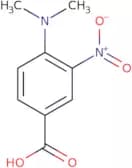
CAS:Orcinol monohydrate is a high quality chemical that can be used as a reagent, complex compound, or useful intermediate in the synthesis of fine chemicals. It is also an important building block in the synthesis of other compounds. This product has CAS No. 6153-39-5 and is classified as a speciality chemical. It is also a versatile building block that can be used as a reaction component in organic syntheses.Formula:C7H10O3Molecular weight:142.16 g/mol4-(Dimethylamino)-3-nitrobenzoic acid
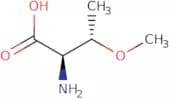
CAS:4-(Dimethylamino)-3-nitrobenzoic acid is a chemical compound with CAS No. 28096-56-2. It is a high quality chemical reagent, useful as an intermediate for the synthesis of complex compounds and fine chemicals. It is also a useful building block for the synthesis of versatile building blocks, and can be used in reactions to form new chemical compounds. 4-(Dimethylamino)-3-nitrobenzoic acid is also a versatile building block that can be used in many reactions to form new chemical compounds, and can be used as a research chemical or speciality chemical.Formula:C9H10N2O4Purity:Min. 95%Molecular weight:210.19 g/molO-Methyl-D-threonine
CAS:O-Methyl-D-threonine is an amino acid that is biosynthesized from O-methylserine and D-threonine. It belongs to the class of β-lactam antibiotics and inhibits peptidoglycan synthesis by binding to the catalytic site of the enzyme synthase, which is required for the formation of β-lactam rings in peptidoglycan. The crystal structure of O-methylserine has been determined and analyzed. Mutations in the catalytic tripeptide have been shown to affect its activity, as well as protonation state and carboxylate groups.Formula:C5H11NO3Purity:Min. 98 Area-%Color and Shape:White Off-White PowderMolecular weight:133.15 g/mol4-Mercaptoethylpyridine HCl
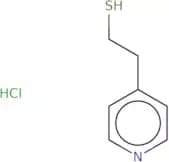
CAS:Used for antibody separation by hydrophobic charge induction chromatography
Formula:C7H9NS·HClPurity:Min. 97 Area-%Color and Shape:PowderMolecular weight:175.68 g/mol6-Methoxyindole
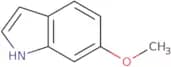
CAS:6-Methoxyindole is an acetate extract of the plant 5-methoxyindole. It has been shown to be a 5-HT1A receptor agonist in animals, and has been shown to have cardiac effects in rats. 6-Methoxyindole is also used as a precursor for the synthesis of diphenylacetylindoles. 6-Methoxyindole is one of the molecules that can be recombined to form a batcho-leimgruber indole (BLI).
Formula:C9H9NOPurity:Min. 99 Area-%Color and Shape:PowderMolecular weight:147.17 g/molMaleimide
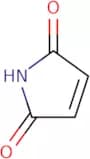
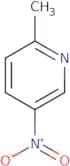
CAS:Maleimide is a chemical compound that can be synthesized from maleic anhydride and hydrogen fluoride. It has been used as a fluorescent probe for the measurement of electrochemical impedance spectroscopy (EIS) in biological systems. Maleimide is also used to study the interaction with mouse monoclonal antibody, which can be used to detect the presence of specific proteins or antigens in blood. Maleimides are covalently linked to proteins and other macromolecules through their thiol groups, forming a stable linkage. Maleimide reacts with hydrogen gas at high temperatures, leading to a decrease in its redox potentials. The reaction solution can be analyzed by plasma mass spectrometry, which determines the concentration of maleimide and its reactants by measuring ions produced by ionization or fragmentation reactions.Formula:C4H3NO2Purity:Min. 95%Color and Shape:Off-White PowderMolecular weight:97.07 g/mol2-Methyl-5-nitropyridine
CAS:2-Methyl-5-nitropyridine is an enamine that can be synthesized by the reaction of a primary amine with nitrous acid. It has been shown to react with hydrazines to form 2-methyl-5-nitropyridinium hydrazones, which are useful in organic synthesis. The reaction of 2-methyl-5-nitropyridine with acid anhydrides yields protonated carboxylic acids, which can be used as nucleophiles in the presence of metal ions. This amino acid also forms aliphatic amines and anions and reacts with aldehydes to form nitroalkenes.Formula:C6H6N2O2Purity:Min. 95%Color and Shape:Beige PowderMolecular weight:138.12 g/molβ-Glycerophosphate, disodium salt pentahydrate, max. 2% α
CAS:Beta-Glycerophosphate, Disodium Salt Pentahydrate is a complex compound that is used as a reagent, useful intermediate, and fine chemical. It is also useful as a scaffold or building block for the synthesis of organic compounds. Beta-glycerophosphate has CAS No. 13408-09-8 and is classified as a speciality chemical. This compound can be used in research and development for versatile building blocks and reaction components to synthesize organic compounds.Formula:C3H17Na2O11PMolecular weight:306.12 g/molRef: 3D-G-4200
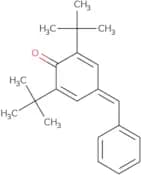
-Unit-kgkgTo inquire1kgTo inquire100gTo inquire250gTo inquire500gTo inquire2500gTo inquire4-Benzylidene-2,6-di-tert-butylcyclohexa-2,5-dien-1-one
CAS:4-Benzylidene-2,6-di-tert-butylcyclohexa-2,5-dien-1-one is an efficient catalyst for the formation of annular products from aldehydes and amines. It has been found to be superior to other catalysts such as morpholine or piperidine in terms of yields and catalytic activity. 4-Benzylidene-2,6-di-tert-butylcyclohexa-2,5-dien-1-one is a base that can also serve as a catalyst for the formation of aromatic aldehydes through the Robinson annulation reaction. This product can be used at low temperature in order to improve the yield significantly.Formula:C21H26OPurity:Min. 95%Color and Shape:PowderMolecular weight:294.44 g/mol6-Methoxy-2-naphthol
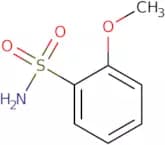
CAS:6-Methoxy-2-naphthol is a synthetic compound. It has been shown to be an effective antibacterial agent against Gram-positive bacteria when tested in vitro. 6-Methoxy-2-naphthol also inhibits methyltransferase activity and can be used in the treatment of cancer. The optical properties of 6-Methoxy-2-naphthol have been studied extensively, and it has been found to have strong absorption bands at 350 nm and 575 nm, making it a potential candidate for photodynamic therapy.Formula:C11H10O2Purity:Min. 95%Color and Shape:Brown PowderMolecular weight:174.2 g/mol2-Methoxybenzene sulphonamide
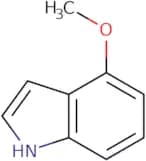
CAS:2-Methoxybenzene sulphonamide is an anti-cancer drug that belongs to the class of hydroxylated aromatic compounds. It has been shown to inhibit the growth of cancer cells in culture and in animals, and to prevent the formation of metastases. 2-Methoxybenzene sulphonamide is also a vasodilator drug used for the treatment of congestive heart failure. This drug binds to dopamine receptors in humans and may inhibit phosphatase activity. It has been shown to act as an antihypertensive by inhibiting angiotensin II mediated hypertrophy of cardiac tissue.Formula:C7H9NO3SPurity:Min. 95%Color and Shape:White PowderMolecular weight:187.22 g/mol4-Methoxyindole
CAS:4-Methoxyindole is a high-performance liquid chromatography (HPLC) solute that has been shown to interact with the fluoroquinolone antibiotic, 4-methoxyindole. The interaction of the two substances may be due to the formation of condensation products. 4-Methoxyindole can also react with monoamine oxidase inhibitors and form fluorescence as a result of chemical reactions. This compound is used in HPLC as a stationary phase for the separation of solutes by column chromatography. The density and bond cleavage properties of this substance make it suitable for use in this application.Formula:C9H9NOColor and Shape:PowderMolecular weight:147.17 g/mol2-(Methylamino)pyridine-3-methanol
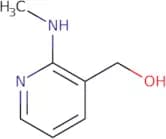
CAS:2-(Methylamino)pyridine-3-methanol is an industrial chemical that is used as a solvent and in the production of potassium sulfate. It has a high boiling point, which makes it a good choice for large-scale industrial processes. 2-(Methylamino)pyridine-3-methanol is also an organic solvent, which can be used to dissolve many other molecules. This product can be used as a conditioner or tertiary butylating agent in the production of organic compounds. Its product yield is high, with only 10 grams needed to produce 1 kilogram.Formula:C7H10N2OPurity:Min. 95%Color and Shape:Off-White PowderMolecular weight:138.17 g/mol5-Methoxyindole-2-carboxylic acid
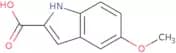
CAS:5-Methoxyindole-2-carboxylic acid is a molecule that belongs to the class of diazonium salts. It is a potent inhibitor of mitochondrial membrane potential and has been shown to have anti-diabetic effects in animal models. 5-Methoxyindole-2-carboxylic acid also inhibits sperm motility, which may be due to its ability to inhibit uv absorption. This compound has been shown to be an effective agent in the treatment of brain infarctions when administered chronically orally. The mechanism of action is not known, but it may involve inhibition of potassium ion uptake or hydrogen bond formation with fatty acids.Formula:C10H9NO3Color and Shape:PowderMolecular weight:191.18 g/molp-Naphtholbenzein
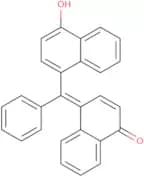
CAS:p-Naphtholbenzein is a fluorescent dye that is used in the diagnosis of human pathogens. It can be used to detect the presence of fatty acids, which are found on the surface of bacteria and in the cell wall. p-Naphtholbenzein elutes from an agar plate at pH 6.0 and can be detected using a spectrophotometer. The fluorescence of p-naphtholbenzein is absorbed by fatty acids, which emit light when excited by ultraviolet light. This makes it useful for detecting fatty acid content in cells, organisms, and surfaces. It is also used as an excipient in subclinical mastitis treatments to help reduce inflammation and improve milk production. In biodiesel reactions, p-naphtholbenzein acts as an optimal reaction catalyst because it stabilizes hydroxybenzoic acid (HBA) with benzalkonium chloride (BZK).
Formula:C27H18O2Color and Shape:PowderMolecular weight:374.43 g/mol4-Methyl-3-nitrobenzoic acid
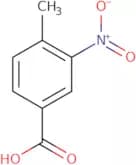
CAS:4-Methyl-3-nitrobenzoic acid is a hydroxide solution that has been shown to be cytotoxic to malignant melanoma cells in vitro. 4-Methyl-3-nitrobenzoic acid also inhibits the growth of normal cells by blocking epidermal growth factor receptor signaling. This molecule is converted to hippuric acid, which may have an anti-cancer effect by inhibiting metal ion uptake and causing DNA damage. There are no known adverse effects or interactions with other drugs.Formula:C8H7NO4Purity:Min. 95%Color and Shape:PowderMolecular weight:181.15 g/mol2-Methylindole
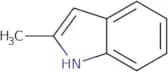
CAS:2-Methylindole is a reactive molecule that can undergo electrophilic substitution at the 2-position. It reacts with a variety of nitrogen nucleophiles, acylating them at the 2-position. These reactions are catalyzed by enzymes such as carbonyl reductase and methyl ketone reductase. The reaction mechanism is not yet fully understood, but it has been proposed that it proceeds through an acylation reaction between two molecules of 2-methylindole to form a linear product. The regiospecificity of this reaction has been demonstrated in vivo using a model system.Formula:C9H9NColor and Shape:PowderMolecular weight:131.17 g/mol6-Mercaptopurine hydrate
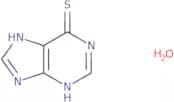
CAS:6-Mercaptopurine is a purine analog that suppresses the production of white blood cells by inhibiting the enzyme thiopurine methyltransferase. It has been used to treat bowel disease and also for long-term suppression of the immune system in patients with autoimmune diseases. 6-Mercaptopurine is metabolized to 6-mercaptopurine, which is then converted to dinucleotide phosphate (dNTP) by group P2 enzymes. This conversion allows 6-mercaptopurine to inhibit dNTP synthesis and cell division. The effects of 6-mercaptopurine are potentiated when given in conjunction with azathioprine, another drug that inhibits purine metabolism. 6-Mercaptopurine is not active against human serum albumin or erythrocytes because it cannot be cleaved into an active form by these proteins. However, it does inhibit enzyme activities such as DNA polymerase, RNA polymerase, and proteinFormula:C5H4N4S•H2OPurity:Min. 97 Area-%Color and Shape:Yellow PowderMolecular weight:152.18 g/mol









![6-Bromo-3h-imidazo[4,5-β]pyridine-5-carboxylic acid](/_next/image/?url=https%3A%2Fstatic.cymitquimica.com%2Fproducts%2F3D%2Fthumb-webp%2FPKB93941.webp&w=3840&q=75)




![2-(2-Aminoethyl)-2H,3H-[1,2,4]triazolo[4,3-a]pyridin-3-one](/_next/image/?url=https%3A%2Fstatic.cymitquimica.com%2Fproducts%2F3D%2Fthumb-webp%2FUQB10876.webp&w=3840&q=75)


![4-Methoxy-6-methyl-2H,5H,6H,7H,8H-[1,3]dioxolo[4,5-G]isoquinoline](/_next/image/?url=https%3A%2Fstatic.cymitquimica.com%2Fproducts%2F3D%2Fthumb-webp%2FAAA55010.webp&w=3840&q=75)

![8α-Phenyl-octahydropyrrolo[1,2-a]pyrimidin-6-one](/_next/image/?url=https%3A%2Fstatic.cymitquimica.com%2Fproducts%2F3D%2Fthumb-webp%2FGAA02925.webp&w=3840&q=75)