Building Blocks
This section contains fundamental products for the synthesis of organic and biological compounds. Building blocks are the essential starting materials used to construct complex molecules through various chemical reactions. They play a critical role in drug discovery, material science, and chemical research. At CymitQuimica, we offer a diverse range of high-quality building blocks to support your innovative research and industrial projects, ensuring you have the essential components for successful synthesis.
Subcategories of "Building Blocks"
- Boronic Acids & Boronic Acid Derivatives(5,756 products)
- Chiral Building Blocks(1,242 products)
- Hydrocarbon Building Blocks(6,095 products)
- Organic Building Blocks(61,038 products)
Found 196817 products of "Building Blocks"
Sort by
Purity (%)
0
100
|
0
|
50
|
90
|
95
|
100
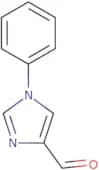
1-Phenyl-1H-imidazole-4-carbaldehyde
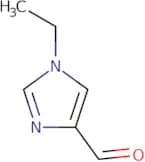
CAS:<p>Versatile small molecule scaffold</p>Formula:C10H8N2OPurity:Min. 95%Molecular weight:172.18 g/mol1-Ethyl-1H-imidazole-4-carbaldehyde
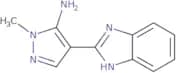
CAS:<p>Versatile small molecule scaffold</p>Formula:C6H8N2OPurity:Min. 95%Molecular weight:124.14 g/mol4-(1H-1,3-Benzodiazol-2-yl)-1-methyl-1H-pyrazol-5-amine
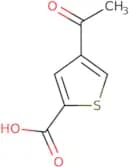
CAS:<p>Versatile small molecule scaffold</p>Formula:C11H11N5Purity:Min. 95%Molecular weight:213.24 g/mol4-Acetylthiophene-2-carboxylic acid
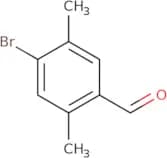
CAS:<p>Versatile small molecule scaffold</p>Formula:C7H6O3SPurity:Min. 95%Molecular weight:170.19 g/mol4-Bromo-2,5-dimethylbenzaldehyde
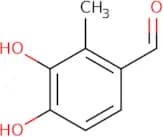
CAS:<p>4-Bromo-2,5-dimethylbenzaldehyde is a chiral compound with photoelectrochemical properties. It has been shown to be an efficient sensitizer for introducing fluorophores into organic materials, such as polymers and plastics. 4-Bromo-2,5-dimethylbenzaldehyde is also a fluorescent compound that can be used in affinity tests. It has been used in optical voltammetry to study the oxidation of organic compounds. The photovoltaic effect of this compound has been studied using cyclic voltammetry and ultrafast spectroscopy. 4-Bromo-2,5-dimethylbenzaldehyde has been applied in transfer and transport experiments on ruthenium surfaces. This enantiomer is also used as a catalyst for the synthesis of other compounds.</p>Formula:C9H9BrOPurity:Min. 95%Molecular weight:213.07 g/mol3,4-Dihydroxy-2-methylbenzaldehyde
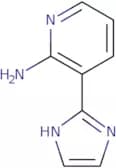
CAS:<p>Versatile small molecule scaffold</p>Formula:C8H8O3Purity:Min. 95%Molecular weight:152.15 g/mol3-(1H-Imidazol-2-yl)pyridin-2-amine
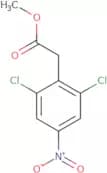
CAS:<p>Versatile small molecule scaffold</p>Formula:C8H8N4Purity:Min. 95%Molecular weight:160.18 g/molMethyl 2-(2,6-dichloro-4-nitrophenyl)acetate
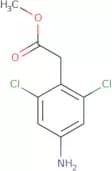
CAS:<p>Versatile small molecule scaffold</p>Formula:C9H7Cl2NO4Purity:Min. 95%Molecular weight:264.06 g/molMethyl 2-(4-amino-2,6-dichlorophenyl)acetate
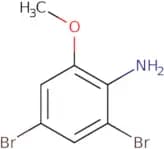
CAS:<p>Versatile small molecule scaffold</p>Formula:C9H9Cl2NO2Purity:Min. 95%Molecular weight:234.08 g/mol2,4-Dibromo-6-methoxyaniline
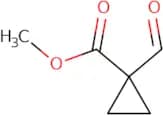
CAS:<p>Versatile small molecule scaffold</p>Formula:C7H7Br2NOPurity:Min. 95%Molecular weight:280.95 g/molmethyl 1-formylcyclopropane-1-carboxylate
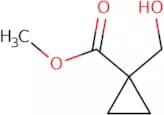
CAS:<p>Versatile small molecule scaffold</p>Formula:C6H8O3Purity:Min. 95%Molecular weight:128.1 g/molMethyl 1-(hydroxymethyl)cyclopropanecarboxylate
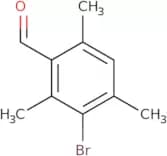
CAS:<p>Versatile small molecule scaffold</p>Formula:C6H10O3Purity:Min. 95%Molecular weight:130.14 g/mol3-Bromo-2,4,6-trimethylbenzaldehyde
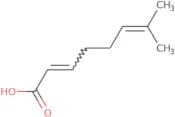
CAS:<p>Versatile small molecule scaffold</p>Formula:C10H11BrOPurity:Min. 95%Molecular weight:227.1 g/mol(2E)-7-Methylocta-2,6-dienoic acid
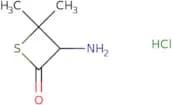
CAS:<p>Versatile small molecule scaffold</p>Formula:C9H14O2Purity:Min. 95%Molecular weight:154.21 g/mol(3R)-3-Amino-4,4-dimethylthietan-2-one hydrochloride
CAS:<p>Versatile small molecule scaffold</p>Formula:C5H10ClNOSPurity:Min. 95%Molecular weight:167.66 g/mol3-Chloro-5-(chloromethyl)-8-thia-4,6-diazatricyclo[7.4.0.0,2,7]trideca-1(9),2,4,6-tetraene
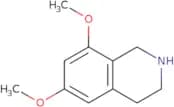
CAS:<p>Versatile small molecule scaffold</p>Formula:C11H10Cl2N2SPurity:Min. 95%Molecular weight:273.2 g/mol6,8-Dimethoxy-1,2,3,4-tetrahydroisoquinoline
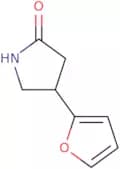
CAS:<p>Versatile small molecule scaffold</p>Formula:C11H15NO2Purity:Min. 95%Molecular weight:193.24 g/mol4-(Furan-2-yl)pyrrolidin-2-one
CAS:<p>Versatile small molecule scaffold</p>Formula:C8H9NO2Purity:Min. 95%Molecular weight:151.16 g/mol(3S)-3-{[(tert-Butoxy)carbonyl]amino}-4-oxo-4-(prop-2-en-1-yloxy)butanoic acid
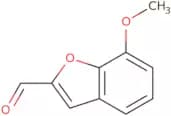
CAS:<p>Versatile small molecule scaffold</p>Formula:C12H19NO6Purity:Min. 95%Molecular weight:273.28 g/mol7-Methoxy-1-benzofuran-2-carbaldehyde
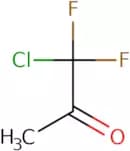
CAS:<p>Versatile small molecule scaffold</p>Formula:C10H8O3Purity:Min. 95%Molecular weight:176.17 g/mol1-Chloro-1,1-difluoropropan-2-one
CAS:<p>Versatile small molecule scaffold</p>Formula:C3H3ClF2OPurity:Min. 95%Molecular weight:128.5 g/molMethyl 2-azabicyclo[2.2.1]heptane-3-carboxylate hydrochloride
CAS:<p>Versatile small molecule scaffold</p>Formula:C8H14ClNO2Purity:Min. 95%Molecular weight:191.65 g/mol2-Azabicyclo[2.2.1]heptane-3-carboxylic acid
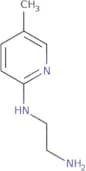
CAS:<p>2-Azabicyclo[2.2.1]heptane-3-carboxylic acid (AAV) is an antiviral agent that inhibits the replication of a number of viruses, including HIV and hepatitis C virus. It has been shown to be effective in treating patients with cirrhosis and multigram hepatitis B or C. 2-Azabicyclo[2.2.1]heptane-3-carboxylic acid is structurally similar to other antiviral agents, such as serine protease inhibitors, which are used to treat chronic hepatitis B and C virus infections. This drug has been shown to inhibit the NS3 protease enzyme that is essential for viral replication in vitro and in vivo. 2-Azabicyclo[2.2.1]heptane-3-carboxylic acid also has structural similarity to ester hydrochloride drugs, which are used for the treatment of em</p>Formula:C7H11NO2Purity:Min. 95%Molecular weight:141.17 g/molN-(2-Aminoethyl)-5-methylpyridin-2-amine
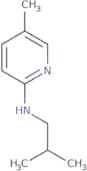
CAS:<p>Versatile small molecule scaffold</p>Formula:C8H13N3Purity:Min. 95%Molecular weight:151.21 g/mol5-Methyl-N-(2-methylpropyl)pyridin-2-amine
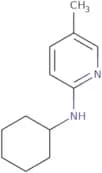
CAS:<p>Versatile small molecule scaffold</p>Formula:C10H16N2Purity:Min. 95%Molecular weight:164.25 g/molN-Cyclohexyl-5-methylpyridin-2-amine
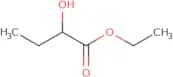
CAS:<p>Versatile small molecule scaffold</p>Formula:C12H18N2Purity:Min. 95%Molecular weight:190.28 g/mol(S)-Ethyl 2-hydroxybutanoate
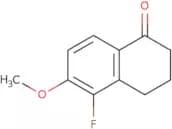
CAS:<p>Versatile small molecule scaffold</p>Formula:C6H12O3Purity:Min. 95%Molecular weight:132.16 g/mol5-Fluoro-6-methoxy-1,2,3,4-tetrahydronaphthalen-1-one
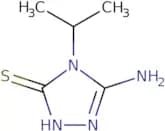
CAS:<p>Versatile small molecule scaffold</p>Formula:C11H11FO2Purity:Min. 95%Molecular weight:194.2 g/mol5-Amino-4-(propan-2-yl)-4H-1,2,4-triazole-3-thiol
CAS:<p>Versatile small molecule scaffold</p>Formula:C5H10N4SPurity:Min. 95%Molecular weight:158.23 g/mol6-Amino-1-(phenylsulfanyl)hexan-1-one hydrochloride
CAS:<p>Versatile small molecule scaffold</p>Formula:C12H18ClNOSPurity:Min. 95%Molecular weight:259.8 g/mol1-[4-Methyl-2-(propylamino)-1,3-thiazol-5-yl]ethan-1-one hydrochloride
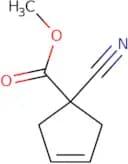
CAS:<p>Versatile small molecule scaffold</p>Formula:C9H15ClN2OSPurity:Min. 95%Molecular weight:234.75 g/mol3-Cyclopentene-1-carboxylic acid,1-cyano-,methyl ester
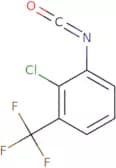
CAS:<p>Versatile small molecule scaffold</p>Formula:C8H9NO2Purity:Min. 95%Molecular weight:151.16 g/mol2-Chloro-1-isocyanato-3-(trifluoromethyl)benzene
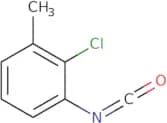
CAS:<p>Versatile small molecule scaffold</p>Formula:C8H3ClF3NOPurity:Min. 95%Molecular weight:221.56 g/mol2-Chloro-1-isocyanato-3-methylbenzene
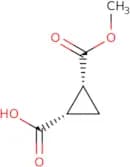
CAS:<p>Versatile small molecule scaffold</p>Formula:C8H6ClNOPurity:Min. 95%Molecular weight:167.59 g/mol(1S,2R)-2-(Methoxycarbonyl)cyclopropane-1-carboxylic acid ee
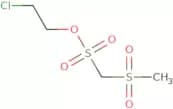
CAS:<p>Versatile small molecule scaffold</p>Formula:C6H8O4Purity:Min. 95%Molecular weight:144.13 g/mol2-Chloroethyl methanesulfonylmethanesulfonate
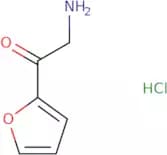
CAS:<p>2-Chloroethyl methanesulfonylmethanesulfonate (2CEMS) is a potent and selective inhibitor of the enzyme methyltransferase. This drug has been shown to be effective against leukemic mice, as well as against carcinoma cell lines in vitro. 2CEMS is also active in vivo, inhibiting the growth of bladder tumours in rats. The mechanism of action is not fully understood but may involve carbamoylation, which inhibits the production of fatty acids and nucleic acids. 2-Chloroethyl methanesulfonylmethanesulfonate has been shown to enhance antitumour activity when used in combination with specific antibodies.</p>Formula:C4H9ClO5S2Purity:Min. 95%Molecular weight:236.7 g/mol2-Amino-1-(furan-2-yl)ethan-1-one hydrochloride
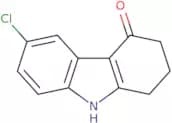
CAS:<p>Versatile small molecule scaffold</p>Formula:C6H8ClNO2Purity:Min. 95%Molecular weight:161.58 g/mol6-Chloro-2,3,4,9-tetrahydro-1H-carbazol-4-one
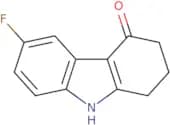
CAS:<p>Versatile small molecule scaffold</p>Formula:C12H10ClNOPurity:Min. 95%Molecular weight:219.66 g/mol6-Fluoro-2,3,4,9-tetrahydro-1H-carbazol-4-one
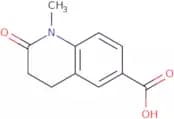
CAS:<p>Versatile small molecule scaffold</p>Formula:C12H10FNOPurity:Min. 95%Molecular weight:203.21 g/mol1-Methyl-2-oxo-1,2,3,4-tetrahydroquinoline-6-carboxylic acid
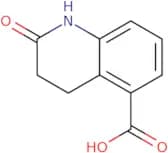
CAS:<p>Versatile small molecule scaffold</p>Formula:C11H11NO3Purity:Min. 95%Molecular weight:205.21 g/mol2-oxo-1,2,3,4-tetrahydroquinoline-5-carboxylic acid
CAS:<p>Versatile small molecule scaffold</p>Formula:C10H9NO3Purity:Min. 95%Molecular weight:191.18 g/mol5-(4-Chloro-phenoxymethyl)-4H-[1,2,4]triazole-3-thiol
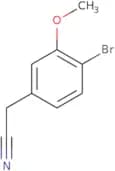
CAS:<p>Versatile small molecule scaffold</p>Formula:C9H8ClN3OSPurity:Min. 95%Molecular weight:241.7 g/mol2-(4-bromo-3-methoxyphenyl)acetonitrile
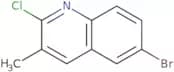
CAS:<p>Versatile small molecule scaffold</p>Formula:C9H8BrNOPurity:Min. 95%Molecular weight:226.07 g/mol6-Bromo-2-chloro-3-methylquinoline
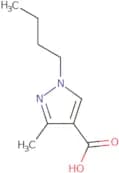
CAS:<p>Versatile small molecule scaffold</p>Formula:C10H7BrClNPurity:Min. 95%Molecular weight:256.53 g/mol1-Butyl-3-methyl-1H-pyrazole-4-carboxylic acid
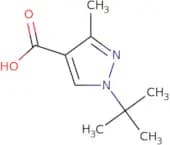
CAS:<p>Versatile small molecule scaffold</p>Formula:C9H14N2O2Purity:Min. 95%Molecular weight:182.22 g/mol1-tert-Butyl-3-methyl-1H-pyrazole-4-carboxylic acid
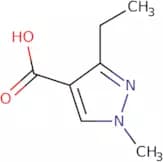
CAS:<p>Versatile small molecule scaffold</p>Formula:C9H14N2O2Purity:Min. 95%Molecular weight:182.22 g/mol3-Ethyl-1-methyl-1H-pyrazole-4-carboxylic acid
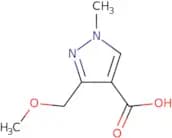
CAS:<p>Versatile small molecule scaffold</p>Formula:C7H10N2O2Purity:Min. 95%Molecular weight:154.17 g/mol3-(Methoxymethyl)-1-methyl-1H-pyrazole-4-carboxylic acid
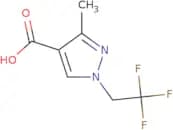
CAS:<p>Versatile small molecule scaffold</p>Formula:C7H10N2O3Purity:Min. 95%Molecular weight:170.17 g/mol3-Methyl-1-(2,2,2-trifluoroethyl-1H-pyrazole-4-carboxylic acid
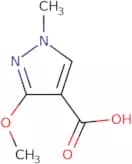
CAS:<p>Versatile small molecule scaffold</p>Formula:C7H7F3N2O2Purity:Min. 95%Molecular weight:208.14 g/mol3-Methoxy-1-methyl-1h-pyrazole-4-carboxylic acid
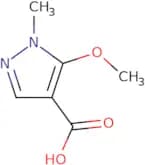
CAS:<p>Versatile small molecule scaffold</p>Formula:C6H8N2O3Purity:Min. 95%Molecular weight:156.14 g/mol5-Methoxy-1-methyl-1H-pyrazole-4-carboxylic acid
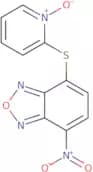
CAS:<p>Versatile small molecule scaffold</p>Formula:C6H8N2O3Purity:Min. 95%Molecular weight:156.14 g/molNSC 228155
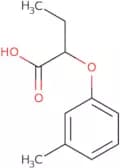
CAS:<p>NSC 228155 is a potent and selective inhibitor of histone deacetylases (HDACs) with anti-cancer activity. It was shown to inhibit the growth of human breast cancer cells, mda-mb-231, in culture by blocking the production of epidermal growth factor (EGF). NSC 228155 has a low toxicity profile and is effective at low doses. It inhibits angiogenesis through its ability to inhibit endothelial cell proliferation and migration. NSC 228155 also inhibits the growth of other types of cancer cells such as prostate cancer cells, colon cancer cells, and leukemia cells. The inhibition of HDACs leads to an increase in histone H3 acetylation levels and an increase in transcriptional activation. This results in higher protein synthesis rates and cell proliferation.</p>Formula:C11H6N4O4SPurity:Min. 95%Molecular weight:290.25 g/mol2-(3-Methylphenoxy)butanoic acid
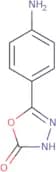
CAS:<p>Versatile small molecule scaffold</p>Formula:C11H14O3Purity:Min. 95%Molecular weight:194.23 g/mol5-(4-Aminophenyl)-1,3,4-oxadiazol-2-ol
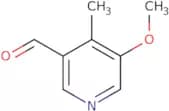
CAS:<p>Versatile small molecule scaffold</p>Formula:C8H7N3O2Purity:Min. 95%Molecular weight:177.16 g/mol5-Methoxy-4-methylpyridine-3-carboxaldehy
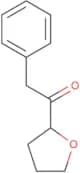
CAS:<p>Versatile small molecule scaffold</p>Formula:C8H9NO2Purity:Min. 95%Molecular weight:151.16 g/mol1-(Oxolan-2-yl)-2-phenylethan-1-one
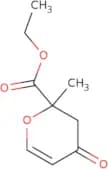
CAS:<p>Versatile small molecule scaffold</p>Formula:C12H14O2Purity:Min. 95%Molecular weight:190.24 g/molEthyl 2-methyl-4-oxo-3,4-dihydro-2H-pyran-2-carboxylate
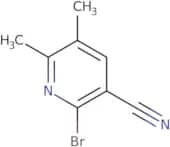
CAS:<p>Versatile small molecule scaffold</p>Formula:C9H12O4Purity:Min. 95%Molecular weight:184.19 g/mol2-Bromo-5,6-dimethylnicotinonitrile
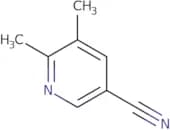
CAS:<p>Versatile small molecule scaffold</p>Formula:C8H7BrN2Purity:Min. 95%Molecular weight:211.06 g/mol5,6-Dimethylnicotinonitrile
CAS:<p>5,6-Dimethylnicotinonitrile is a compound that is used as a starting material for the synthesis of various other organic compounds. It can be synthesized in a multicomponent reaction that involves the ketone, mediated, aldehyde, ammonium acetate and ammonium. The reaction time is 1 hour and it requires an aromatic aldehyde such as benzaldehyde or pyridine.</p>Formula:C8H8N2Purity:Min. 95%Molecular weight:132.17 g/mol5,6-dimethylpyridine-3-carboxylic acid hydrochloride
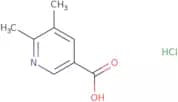
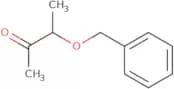
CAS:<p>Versatile small molecule scaffold</p>Formula:C8H10ClNO2Purity:Min. 95%Molecular weight:187.62 g/mol3-(Benzyloxy)butan-2-one
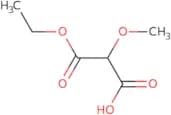
CAS:<p>Versatile small molecule scaffold</p>Formula:C11H14O2Purity:Min. 95%Molecular weight:178.23 g/mol3-Ethoxy-2-methoxy-3-oxopropanoic acid
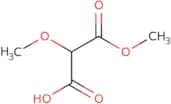
CAS:<p>Versatile small molecule scaffold</p>Formula:C6H10O5Purity:Min. 95%Molecular weight:162.14 g/mol2,3-Dimethoxy-3-oxopropanoic acid
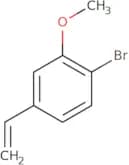
CAS:<p>Versatile small molecule scaffold</p>Formula:C5H8O5Purity:Min. 95%Molecular weight:148.11 g/mol1-Bromo-4-ethenyl-2-methoxybenzene
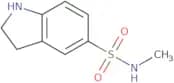
CAS:<p>Versatile small molecule scaffold</p>Formula:C9H9BrOPurity:Min. 95%Molecular weight:213.07 g/molN-Methyl-2,3-dihydro-1H-indole-5-sulfonamide
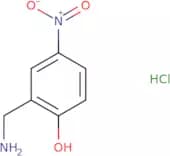
CAS:<p>Versatile small molecule scaffold</p>Formula:C9H12N2O2SPurity:Min. 95%Molecular weight:212.27 g/mol2-(Aminomethyl)-4-nitrophenol hydrochloride
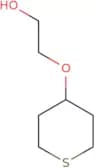
CAS:<p>Versatile small molecule scaffold</p>Formula:C7H9ClN2O3Purity:Min. 95%Molecular weight:204.61 g/mol2-(Thian-4-yloxy)ethan-1-ol
CAS:<p>Versatile small molecule scaffold</p>Formula:C7H14O2SPurity:Min. 95%Molecular weight:162.25 g/molO-(But-3-en-1-yl)hydroxylamine hydrochloride
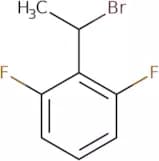
CAS:<p>Versatile small molecule scaffold</p>Formula:C4H10ClNOPurity:Min. 95%Molecular weight:123.58 g/mol2-(1-Bromoethyl)-1,3-difluorobenzene
CAS:<p>Versatile small molecule scaffold</p>Formula:C8H7BrF2Purity:Min. 95%Molecular weight:221.04 g/mol[4-(Phenylamino)piperidin-4-yl]methanol
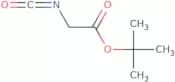
CAS:<p>Versatile small molecule scaffold</p>Formula:C12H18N2OPurity:Min. 95%Molecular weight:206.28 g/moltert-Butyl 2-isocyanatoacetate
CAS:<p>Versatile small molecule scaffold</p>Formula:C7H11NO3Purity:Min. 95%Molecular weight:157.17 g/mol1-[2-(3-chlorophenyl)ethyl]piperazine dihydrochloride
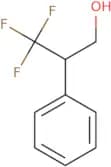
CAS:<p>Versatile small molecule scaffold</p>Formula:C12H19Cl3N2Purity:Min. 95%Molecular weight:297.65 g/mol3,3,3-Trifluoro-2-phenylpropan-1-ol
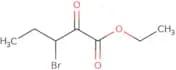
CAS:<p>Versatile small molecule scaffold</p>Formula:C9H9F3OPurity:Min. 95%Molecular weight:190.16 g/molEthyl 3-bromo-2-oxopentanoate
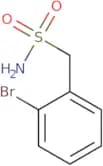
CAS:<p>Versatile small molecule scaffold</p>Formula:C7H11BrO3Purity:Min. 95%Molecular weight:223.07 g/mol2-Bromobenzylsulfonamide
CAS:<p>Versatile small molecule scaffold</p>Formula:C7H8BrNO2SPurity:Min. 95%Molecular weight:250.11 g/mol2-Amino-5-pyridinemethanol
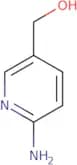
CAS:<p>2-Amino-5-pyridinemethanol is a human metabolite of zolpidem. It is synthesized by the esterification of 2-amino-4-(1,2,3,6-tetrahydropyridin-4-yl)benzaldehyde with methanol. This product can be used to analyze the concentration of zolpidem in human blood samples. The chemical structure has been confirmed by IR and MS spectra and it's hydrolyzed to form 2-(2'-hydroxyphenyl)-N-[(1S)-1-(3,4-dimethoxyphenyl)ethyl]acetamide after analysis.</p>Formula:C6H8N2OPurity:Min. 95%Molecular weight:124.14 g/mol2-Methyl-1-[(methylsulfanyl)methyl]-5-nitro-1H-imidazole
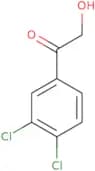
CAS:<p>Versatile small molecule scaffold</p>Formula:C6H9N3O2SPurity:Min. 95%Molecular weight:187.22 g/mol1-(3,4-Dichlorophenyl)-2-hydroxyethan-1-one
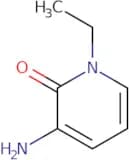
CAS:<p>Versatile small molecule scaffold</p>Formula:C8H6Cl2O2Purity:Min. 95%Molecular weight:205.04 g/mol3-Amino-1-ethyl-1,2-dihydropyridin-2-one
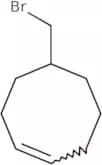
CAS:<p>Versatile small molecule scaffold</p>Formula:C7H10N2OPurity:Min. 95%Molecular weight:138.17 g/mol(1Z)-5-(Bromomethyl)cyclooct-1-ene
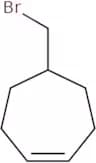
CAS:<p>Versatile small molecule scaffold</p>Formula:C9H15BrPurity:Min. 95%Molecular weight:203.12 g/mol5-(Bromomethyl)cyclohept-1-ene
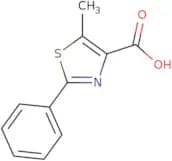
CAS:<p>Cyclohept-1-ene is an organic compound with the molecular formula C7H8. Cyclohept-1-ene is a cyclic compound, containing a five-membered ring. Cyclohept-1-ene can be synthesized by the reaction of two molecules of acrylaldehyde and dimethylamine in the presence of tributyltin chloride. The condensation reaction generates an enamine intermediate, which undergoes a radical cyclization to form the desired product. The axial conformer, which has a hydrogen atom on the opposite side of the double bond from the methyl group, is more stable than the equilibrating conformers because it does not have to break any bonds in order to form a new ring.<br>The molecule's shape and size allow for conformational changes that involve rotation about single bonds. This rotation may be either free or constrained.</p>Formula:C8H13BrPurity:Min. 95%Molecular weight:189.09 g/mol5-Methyl-2-phenyl-1,3-thiazole-4-carboxylic acid
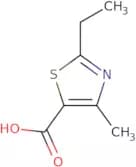
CAS:<p>Versatile small molecule scaffold</p>Formula:C11H9NO2SPurity:Min. 95%Molecular weight:219.26 g/mol2-Ethyl-4-methyl-1,3-thiazole-5-carboxylic acid
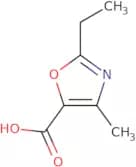
CAS:<p>Versatile small molecule scaffold</p>Formula:C7H9NO2SPurity:Min. 95%Molecular weight:171.22 g/mol2-Ethyl-4-methyl-oxazole-5-carboxylic acid
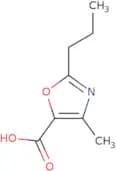
CAS:<p>Versatile small molecule scaffold</p>Formula:C7H9NO3Purity:Min. 95%Molecular weight:155.15 g/mol4-Methyl-2-propyl-1,3-oxazole-5-carboxylic acid
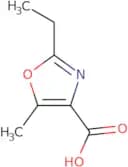
CAS:<p>Versatile small molecule scaffold</p>Formula:C8H11NO3Purity:Min. 95%Molecular weight:169.18 g/mol2-Ethyl-5-methyl-1,3-oxazole-4-carboxylic acid
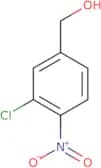
CAS:<p>Versatile small molecule scaffold</p>Formula:C7H9NO3Purity:Min. 95%Molecular weight:155.15 g/mol3-Chloro-4-nitrobenzyl alcohol
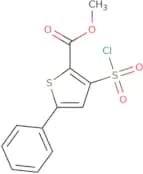
CAS:<p>Versatile small molecule scaffold</p>Formula:C7H6ClNO3Purity:Min. 95%Molecular weight:187.58 g/molMethyl 3-(chlorosulfonyl)-5-phenylthiophene-2-carboxylate
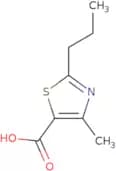
CAS:<p>Versatile small molecule scaffold</p>Formula:C12H9ClO4S2Purity:Min. 95%Molecular weight:316.8 g/mol4-Methyl-2-propyl-1,3-thiazole-5-carboxylic acid
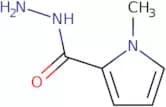
CAS:<p>Versatile small molecule scaffold</p>Formula:C8H11NO2SPurity:Min. 95%Molecular weight:185.25 g/mol1-Methyl-1H-pyrrole-2-carboxylic acid hydrazide
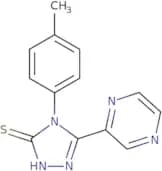
CAS:<p>Versatile small molecule scaffold</p>Formula:C6H9N3OPurity:Min. 95%Molecular weight:139.16 g/mol4-(4-Methylphenyl)-5-(pyrazin-2-yl)-4H-1,2,4-triazole-3-thiol
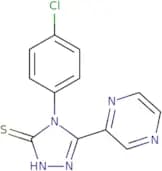
CAS:<p>4-(4-Methylphenyl)-5-(pyrazin-2-yl)-4H-1,2,4-triazole-3-thiol is a versatile compound with various characteristics and applications. It is a steroid-based research chemical that exhibits potent biological activities. This compound is commonly used in scientific research and experimentation.</p>Formula:C13H11N5SPurity:Min. 95%Molecular weight:269.33 g/mol4-(4-Chlorophenyl)-5-(pyrazin-2-yl)-4H-1,2,4-triazole-3-thiol
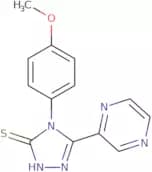
CAS:<p>Versatile small molecule scaffold</p>Formula:C12H8ClN5SPurity:Min. 95%Molecular weight:289.74 g/mol4-(4-Methoxyphenyl)-5-(pyrazin-2-yl)-4H-1,2,4-triazole-3-thiol
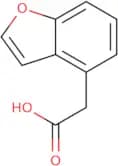
CAS:<p>Versatile small molecule scaffold</p>Formula:C13H11N5OSPurity:Min. 95%Molecular weight:285.33 g/mol2-(1-Benzofuran-4-yl)acetic acid
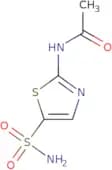
CAS:<p>Versatile small molecule scaffold</p>Formula:C10H8O3Purity:Min. 95%Molecular weight:176.17 g/molN-(5-Sulfamoyl-1,3-thiazol-2-yl)acetamide
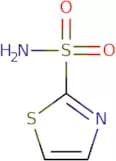
CAS:<p>Versatile small molecule scaffold</p>Formula:C5H7N3O3S2Purity:Min. 95%Molecular weight:221.3 g/mol1,3-Thiazole-2-sulfonamide
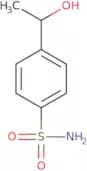
CAS:<p>1,3-Thiazole-2-sulfonamide is a supplement that can increase energy efficiency and reduce the need for oxygen. It can also promote cell function and suppress cancer cells. 1,3-Thiazole-2-sulfonamide has been shown to decapsulate DNA in vivo animal studies, indicating that it may have potential as a cancer therapy. This drug is synthesized from trifluoroacetic acid and has been shown to inhibit the polymerase chain reaction in vitro. The mechanism of action of 1,3-thiazole-2-sulfonamide is dependent on its ability to suppress suppressor genes and secretory protein expression. It also has an antiangiogenic effect by inhibiting the transfer mechanism of erythropoietin receptors.</p>Formula:C3H4N2O2S2Purity:Min. 95%Molecular weight:164.21 g/mol4-(1-Hydroxyethyl)benzene-1-sulfonamide
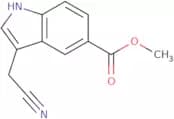
CAS:<p>Versatile small molecule scaffold</p>Formula:C8H11NO3SPurity:Min. 95%Molecular weight:201.25 g/molMethyl 3-(cyanomethyl)-1H-indole-5-carboxylate
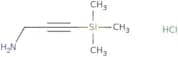
CAS:Versatile small molecule scaffoldFormula:C12H10N2O2Purity:Min. 95%Molecular weight:214.22 g/mol(3-Aminoprop-1-yn-1-yl)trimethylsilane hydrochloride
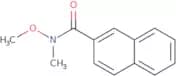
CAS:<p>Versatile small molecule scaffold</p>Formula:C6H14ClNSiPurity:Min. 95%Molecular weight:163.72 g/moln-methoxy-n-methylnaphthalene-2-carboxamide
CAS:<p>Versatile small molecule scaffold</p>Formula:C13H13NO2Purity:Min. 95%Molecular weight:215.24 g/mol

![3-Chloro-5-(chloromethyl)-8-thia-4,6-diazatricyclo[7.4.0.0,2,7]trideca-1(9),2,4,6-tetraene](/_next/image/?url=https%3A%2Fstatic.cymitquimica.com%2Fproducts%2F3D%2Fthumb-webp%2FNDA20317.webp&w=3840&q=75)
![(3S)-3-{[(tert-Butoxy)carbonyl]amino}-4-oxo-4-(prop-2-en-1-yloxy)butanoic acid](/_next/image/?url=https%3A%2Fstatic.cymitquimica.com%2Fproducts%2F3D%2Fthumb-webp%2FNDA22427.webp&w=3840&q=75)
![Methyl 2-azabicyclo[2.2.1]heptane-3-carboxylate hydrochloride](/_next/image/?url=https%3A%2Fstatic.cymitquimica.com%2Fproducts%2F3D%2Fthumb-webp%2FNDA25998.webp&w=3840&q=75)
![2-Azabicyclo[2.2.1]heptane-3-carboxylic acid](/_next/image/?url=https%3A%2Fstatic.cymitquimica.com%2Fproducts%2F3D%2Fthumb-webp%2FNDA26006.webp&w=3840&q=75)

![1-[4-Methyl-2-(propylamino)-1,3-thiazol-5-yl]ethan-1-one hydrochloride](/_next/image/?url=https%3A%2Fstatic.cymitquimica.com%2Fproducts%2F3D%2Fthumb-webp%2FNDA32389.webp&w=3840&q=75)
![5-(4-Chloro-phenoxymethyl)-4H-[1,2,4]triazole-3-thiol](/_next/image/?url=https%3A%2Fstatic.cymitquimica.com%2Fproducts%2F3D%2Fthumb-webp%2FNEA05645.webp&w=3840&q=75)

![[4-(Phenylamino)piperidin-4-yl]methanol](/_next/image/?url=https%3A%2Fstatic.cymitquimica.com%2Fproducts%2F3D%2Fthumb-webp%2FNEA23129.webp&w=3840&q=75)
![1-[2-(3-chlorophenyl)ethyl]piperazine dihydrochloride](/_next/image/?url=https%3A%2Fstatic.cymitquimica.com%2Fproducts%2F3D%2Fthumb-webp%2FNEA24038.webp&w=3840&q=75)
![2-Methyl-1-[(methylsulfanyl)methyl]-5-nitro-1H-imidazole](/_next/image/?url=https%3A%2Fstatic.cymitquimica.com%2Fproducts%2F3D%2Fthumb-webp%2FNEA29657.webp&w=3840&q=75)