Building Blocks
This section contains fundamental products for the synthesis of organic and biological compounds. Building blocks are the essential starting materials used to construct complex molecules through various chemical reactions. They play a critical role in drug discovery, material science, and chemical research. At CymitQuimica, we offer a diverse range of high-quality building blocks to support your innovative research and industrial projects, ensuring you have the essential components for successful synthesis.
Subcategories of "Building Blocks"
- Boronic Acids & Boronic Acid Derivatives(5,756 products)
- Chiral Building Blocks(1,242 products)
- Hydrocarbon Building Blocks(6,095 products)
- Organic Building Blocks(61,037 products)
Found 196200 products of "Building Blocks"
Sort by
Purity (%)
0
100
|
0
|
50
|
90
|
95
|
100
6-Methyl-5-nitrouracil
CAS:Formula:C5H5N3O4Purity:>95.0%(T)(HPLC)Color and Shape:Light orange to Yellow to Green powder to crystalMolecular weight:171.112-Toluenesulfonyl isocyanate
CAS:<p>2-Toluenesulfonyl isocyanate (2TSIC) is a reactive compound that belongs to the group of polyols. It has high resistance to water and other solvents, which makes it an excellent sealant. 2TSIC reacts with hydroxy groups on polymers and monomers to form hydrogen bonds. This reaction can be used in radiation curing of sealants. 2TSIC also interacts with m1 receptors, which are proteins found in the brain and spinal cord that regulate neurotransmitter release.</p>Formula:C8H7NO3SPurity:Min. 95%Color and Shape:Colourless liquid.Molecular weight:197.21 g/mol3-Nitro-5-(trifluoromethyl)benzoic acid
CAS:<p>3-Nitro-5-(trifluoromethyl)benzoic acid is a versatile chemical that is an intermediate in the synthesis of a number of pharmaceutical compounds. It can be used to synthesize complex compounds and has been shown to have a high reactivity as well as being useful as a building block for other reactions. 3-Nitro-5-(trifluoromethyl)benzoic acid is also used as a reagent or reaction component in various research projects, such as in the synthesis of many pharmaceuticals and fine chemicals. This chemical has CAS No. 328-80-3, which provides it with high quality and makes it a valuable speciality chemical.</p>Formula:C8H4F3NO4Purity:80%Color and Shape:PowderMolecular weight:235.12 g/molN-Carbobenzoxy-L-phenylalaninol
CAS:Formula:C17H19NO3Purity:>98.0%(HPLC)Color and Shape:White to Almost white powder to crystalMolecular weight:285.34N-Methyl-2-(4-methoxyphenyl)ethylamine
CAS:Formula:C10H15NOPurity:>95.0%(GC)(T)Color and Shape:Light orange to Yellow to Green clear liquidMolecular weight:165.24Methyl 3,4-Dichlorophenylacetate
CAS:Formula:C9H8Cl2O2Purity:>98.0%(GC)Color and Shape:Colorless to Light orange to Yellow clear liquidMolecular weight:219.06Methyl 3,5-Dihydroxy-4-methoxybenzoate
CAS:Formula:C9H10O5Purity:>98.0%(GC)Color and Shape:White to Almost white powder to crystalMolecular weight:198.172,6-Dimethylbenzaldehyde
CAS:<p>2,6-Dimethylbenzaldehyde is a colorless liquid with a sweet odor. It is used in the synthesis of fatty acids and as an intermediate for other compounds. This chemical has significant cytotoxicity against leukemia cells, and is used in the production of acrylonitrile. 2,6-Dimethylbenzaldehyde can be synthesized by reacting an amine with an acyl chloride, followed by hydrolysis of the resulting ester. A contactor is usually added to facilitate the reaction. The reaction can also be carried out in the presence of a phosphorane or organic solvent.<br>2,6-Dimethylbenzaldehyde can be hydrogenated to produce 2,4-dimethylaniline and 2,4,6-trimethylaniline.</p>Formula:C9H10OPurity:Min. 95%Color and Shape:Clear White Solid Or Liquid (May Vary)Molecular weight:134.18 g/mol2-Thiophenemethanol
CAS:<p>2-Thiophenemethanol is a colorless liquid that has a strong, disagreeable odor and is soluble in water. It can be prepared by the reaction of 2-methylpropanal with trifluoroacetic acid. This compound reacts with methapyrilene to form polymers, which have a cationic character. The chemical structure of the molecule was determined by a combination of experimental techniques such as proton nuclear magnetic resonance spectroscopy, infrared spectroscopy, and mass spectrometry. Hydrogen bonding plays an important role in the structure of 2-thiophenemethanol as it forms intermolecular hydrogen bonds with neighboring molecules. The chemical formula for this compound is CH3C6H4SO2H. Hydrochloric acid can be used to break down this compound into methylmercaptan and sulfur dioxide.</p>Formula:C5H6OSPurity:Min. 98%Color and Shape:Clear LiquidMolecular weight:114.17 g/mol6-Fluoropyridine-2-carbonyl chloride
CAS:<p>6-Fluoropyridine-2-carbonyl chloride (6FC) is a versatile building block that is used in the synthesis of complex compounds. It is also a reagent for organic chemistry, research chemicals, and speciality chemicals. 6FC has been shown to be useful as a building block for the preparation of high quality and useful intermediates. The compound reacts with nucleophiles in good yields to produce amines, nitriles, alcohols, and carboxylic acids. 6FC can also be used as a reaction component in organic reactions. It has been shown to be an excellent scaffold for the synthesis of bioactive molecules such as amino acid derivatives and natural products.</p>Formula:C6H3ClFNOPurity:Min. 95%Color and Shape:White PowderMolecular weight:159.55 g/mol4-Nitro-2-(trifluoromethyl)benzonitrile
CAS:Formula:C8H3F3N2O2Purity:>98.0%(GC)Color and Shape:White to Yellow to Green powder to crystalMolecular weight:216.12DL-Cysteine
CAS:<p>DL-Cysteine is a naturally occurring amino acid that is found in human cells and other living organisms. It has been shown to have antioxidant properties. DL-Cysteine has also been shown to be a cofactor for enzymes that synthesize proteins, DNA, and RNA. DL-Cysteine may also have the ability to regulate cellular iron homeostasis through its effects on the expression of genes that play a role in this process. This amino acid can also inhibit molecules that are involved in protein oxidation and provide biochemical properties for use as research tools.</p>Formula:C3H7NO2SPurity:Min. 95%Color and Shape:White PowderMolecular weight:121.16 g/molOctadecyl Vinyl Ether
CAS:Formula:C20H40OPurity:>85.0%(GC)Color and Shape:White to Almost white powder to lumpMolecular weight:296.541-(2-Amino-1-naphthyl)isoquinoline
CAS:Formula:C19H14N2Purity:>98.0%(T)Color and Shape:White to Orange to Green powder to crystalMolecular weight:270.342-Amino-5-(trifluoromethyl)benzoic acid methyl ester
CAS:<p>2-Amino-5-(trifluoromethyl)benzoic acid methyl ester is a fine chemical that can be used in research and development. It is an intermediate for the synthesis of other compounds, such as pharmaceuticals and pesticides. This compound has a wide range of uses in various chemical reactions, including as a building block or reaction component.</p>Formula:C9H8F3NO2Purity:Min. 95%Color and Shape:PowderMolecular weight:219.16 g/mol4-Dodecylbenzenesulfonic acid - mixture of C10-C13 isomers
CAS:<p>4-Dodecylbenzenesulfonic acid is a mixture of C10-C13 isomers. It is used as an additive to biodiesel or petroleum diesel fuel to reduce the corrosivity of the fuel and protect the engine. 4-Dodecylbenzenesulfonic acid can be synthesized by reacting hydrochloric acid with a fatty acid. The product is then purified by hydrophilic interaction chromatography and sodium carbonate. 4-Dodecylbenzenesulfonic acid has been shown to have synergistic effects when combined with other compounds, such as boron nitride, in treating breast cancer cells. This compound has also been shown to have antimicrobial properties against bacteria, fungi, and protozoa through its hydroxide solution reaction with nitrogen atoms on the surface of multi-walled carbon nanotubes. 4-Dodecylbenzenesulfonic acid is a white solid that can be crystallized at room</p>Formula:C18H30O3SPurity:Min. 95%Color and Shape:Brown Clear LiquidMolecular weight:326.5 g/mol4-(Dimethylamino)benzenethiol
CAS:<p>4-(Dimethylamino)benzenethiol (DMAT) is a thiol that has coordination chemistry with metal ions. DMAT exhibits transport properties, such as solubility in water and chloride, which may be due to its electrochemical properties. DMAT can be photooxidized by ultraviolet light to form the reactive species, 4-dimethylaminobenzoquinone. This reactive species can then react with hydrogen peroxide to produce the intermediate radical cation, which can react with other molecules to produce singlet oxygen and superoxide radicals. These reactions are responsible for the photooxidation of organic materials.<br>The enhanced Raman spectra of DMAT have been studied using surface-enhanced Raman spectroscopy (SERS). The SERS technique enhances the intensity of scattered laser light by orders of magnitude by tapping into a phenomenon known as surface plasmon resonance. The nmr spectra of DMAT have been studied and show that it is</p>Formula:C8H11NSPurity:Min. 95%Color and Shape:PowderMolecular weight:153.25 g/mol1,1-Bis(morpholino)ethylene
CAS:Formula:C10H18N2O2Purity:>97.0%(GC)(T)Color and Shape:White to Orange to Green powder to lumpMolecular weight:198.272-Cyano-1,5-dimethylpyrrole
CAS:<p>2-Cyano-1,5-dimethylpyrrole is a quinone antibiotic. It has been shown to have antibacterial activity against organisms such as Staphylococcus, Streptococcus, and Pyogenes. This chemical has been shown to be active in the gaseous phase and against test organisms in alcohol extracts. 2-Cyano-1,5-dimethylpyrrole also exhibits flavonoid and saponin properties that may contribute to its antimicrobial activity.</p>Formula:C7H8N2Purity:Min. 95%Color and Shape:PowderMolecular weight:120.15 g/mol3,4-Dimethoxyphenylacetic acid
CAS:3,4-Dimethoxyphenylacetic acid is an aromatic acid that has antimicrobial properties. It is used as a food additive for the preservation of meat and poultry. The 3,4-dimethoxyphenyl group in this molecule is an intramolecular hydrogen acceptor. This property allows it to undergo transfer reactions with other molecules, such as protocatechuic acid and lignin. 3,4-Dimethoxyphenylacetic acid also inhibits cellular physiology and can be used in the treatment of bacteria in biological systems. The hydroxyl group can form an acidic compound by reacting with a proton donor, such as water or trifluoroacetic acid (TFA). This reaction may be catalyzed by the enzyme cytochrome P450 reductase.Formula:C10H12O4Purity:Min. 95%Color and Shape:White PowderMolecular weight:196.2 g/molIsopropyl Cyclohexanecarboxylate
CAS:Formula:C10H18O2Purity:>98.0%(GC)Color and Shape:Colorless to Almost colorless clear liquidMolecular weight:170.255-Nitro-7-azaindole
CAS:<p>5-Nitro-7-azaindole is a heterocyclic compound that is structurally related to the furoquinolines. It has been shown to act as an inhibitor of benzene and pyridine oxidases, which are enzymes that catalyze the conversion of these compounds into reactive intermediates. The reaction mechanism of 5-Nitro-7-azaindole with benzene and pyridine oxidases involves the formation of covalent bonds with reactive sulfur atoms in the enzyme active site. 5-Nitro-7-azaindole also inhibits bacterial growth by inhibiting DNA synthesis. This compound has been found to be scalable and can be produced at large scales without loss in quality. 5-Nitro-7-azaindole is not stereoselective and it is not an aromatic system, meaning that it does not have a benzene ring.</p>Formula:C7H5N3O2Purity:Min. 95%Color and Shape:PowderMolecular weight:163.13 g/molIsoamyl n-Octanoate (contains 2-Methylbutyl n-Octanoate)
CAS:Formula:C13H26O2Purity:min. 97.0 %(total of isomer)(GC)Color and Shape:Colorless to Light yellow clear liquidMolecular weight:214.35(S)-(+)-3-Methyl-1-pentanol
CAS:<p>(S)-(+)-3-Methyl-1-pentanol is a branched-chain, β-unsaturated aldehyde that is produced by the elimination of two molecules of water from (R)-(+)-3-methylbutanal. It is an organocatalytic substrate for the family of enzymes that catalyze the first step in the biosynthetic pathway to abiotic long-chain alcohols. The product is an intermediate in the biosynthesis of escherichia coli and other bacteria. The enzyme involved in this reaction is initially activated by acetate and then inhibited by NADH. In nature, this compound can be found as a natural product or as a metabolic intermediate.</p>Formula:C6H14OPurity:Min. 95%Color and Shape:Colorless Clear LiquidMolecular weight:102.17 g/mol2-Nitrobenzylamine hydrochloride
CAS:<p>2-Nitrobenzylamine hydrochloride is a compound that has been shown to have cancer-fighting properties. It inhibits the synthesis of proteins necessary for the proliferation of cancer cells, but it does not affect the synthesis of proteins in healthy cells. This drug is used to diagnose and treat certain types of cancers, such as lymphoma and leukemia. 2-Nitrobenzylamine hydrochloride can be modified by genetic engineering techniques to specifically target cancer cells, which may help with the treatment of other types of diseases in the future. It is believed that this drug will be useful for treating cancers that are resistant to chemotherapy or radiation therapy, as well as those that are caused by mutations in DNA.</p>Formula:C7H9ClN2O2Purity:Min. 95%Color and Shape:PowderMolecular weight:188.61 g/mol2-Amino-2',4-dichlorodiphenyl Ether
CAS:Formula:C12H9Cl2NOPurity:>98.0%(GC)(T)Color and Shape:Colorless to Brown clear liquidMolecular weight:254.11Tris(trimethylsilyl) Phosphite
CAS:Formula:C9H27O3PSi3Purity:>95.0%(NMR)Color and Shape:Colorless to Almost colorless clear liquidMolecular weight:298.546-Bromo-2-(4-bromophenyl)-indole
CAS:<p>6-Bromo-2-(4-bromophenyl)-indole is a fine chemical with CAS No. 28718-96-9 that can be used as a versatile building block for the synthesis of complex compounds, useful scaffold for research chemicals, and reaction component for speciality chemicals. This compound has high quality and is a reagent in the synthesis of other compounds.</p>Formula:C14H9Br2NPurity:Min. 95%Color and Shape:Off white to pale yellow powder.Molecular weight:351.04 g/molEthyl 1-(tert-Butoxycarbonyl)-4-piperidinecarboxylate
CAS:Formula:C13H23NO4Purity:>97.0%(GC)Color and Shape:Colorless to Light yellow to Light orange clear liquid to slightly cloudy liquidMolecular weight:257.33Z-O-tert-Butyl-L-tyrosine
CAS:<p>Z-O-tert-Butyl-L-tyrosine is a fine chemical that is soluble in water and has a wide range of uses. It is a versatile scaffold for the synthesis of complex compounds, and can be used as a building block or reaction component in research chemicals. Z-O-tert-Butyl-L-tyrosine is an important reagent for organic synthesis, especially when combined with other chemicals. This chemical can also be used as a speciality chemical to produce high quality products.</p>Formula:C21H25NO5Purity:Min. 95%Color and Shape:White PowderMolecular weight:371.43 g/molN-Allyloxyphthalimide
CAS:Formula:C11H9NO3Purity:>98.0%(GC)Color and Shape:White to Light yellow powder to crystalMolecular weight:203.205,6,7,8-Tetrahydro-1-naphthol
CAS:<p>5,6,7,8-Tetrahydro-1-naphthol is a natural compound that belongs to the group of diazonium compounds. It reacts with an alkanoic acid and a hydrochloric acid in the presence of a diazo compound to form an alkylating product. This product can be used as a precursor for the synthesis of other organic compounds. The reaction mechanism has been studied using rat liver microsomes. 5,6,7,8-Tetrahydro-1-naphthol can react with dopamine in human liver samples to form 1-hydroxyindole and phenylhydroxyl radicals (a reactive oxygen species). 5,6,7,8-Tetrahydro-1-naphthol also reacts with soybean lipoxygenase to produce an alkyl radical intermediate that can react with molecular oxygen to form peroxides.</p>Formula:C10H12OPurity:Min. 98 Area-%Color and Shape:PowderMolecular weight:148.2 g/mol6-Bromo-2,3-dihydro-1H-indole
CAS:<p>6-Bromo-2,3-dihydro-1H-indole is a natural product that has been shown to inhibit cancer cell growth in vitro. In the presence of 6-bromoindole, cells are unable to proliferate and undergo apoptosis. This compound also shows anti-cancer activity against human leukemia cells. The mechanism of action for this molecule is not yet known but may be related to its ability to activate the caspase enzyme family or its ability to bind to DNA. 6-Bromoindole has been shown to have anti-inflammatory properties through inhibition of prostaglandin synthesis in animal models.</p>Formula:C8H8BrNPurity:Min. 95%Color and Shape:Off-White PowderMolecular weight:198.06 g/mol3,4-Difluorobenzaldehyde
CAS:<p>3,4-Difluorobenzaldehyde is a chemical inhibitor that has been shown to be effective in the treatment of cancer. It inhibits the activity of an enzyme called tyrosine kinase by reacting with its functional group, leading to decreased production of growth factors and cell proliferation. 3,4-Difluorobenzaldehyde has been shown to have a high reaction yield in animal health studies, and it can be used as a drug for treating carcinoma cells. This compound also has strong liquid crystal properties and can be used as a component of diphenyl ether molecules. 3,4-Difluorobenzaldehyde is metabolized by the liver or excreted through urine. The pharmacokinetic properties of this compound are similar to those of other drugs that are metabolized by humans.</p>Formula:C7H4F2OPurity:Min. 95%Color and Shape:Colorless Clear LiquidMolecular weight:142.1 g/molDiethylene glycol dimethanesulfonate
CAS:<p>Diethylene glycol dimethanesulfonate is a functional group that is used in the synthesis of organic compounds. It is a white crystalline solid with a melting point of about 130°C. Diethylene glycol dimethanesulfonate reacts slowly with water and hydrochloric acid to produce diethyl ether and hydrogen chloride gas. The reaction time for this process can be affected by the concentration of reactants, temperature, and pH. Diethylene glycol dimethanesulfonate undergoes acidic hydrolysis in the presence of hydrochloric acid or sodium hydroxide. This reaction produces sodium chloride and ethylene glycol. Busulfan, an anti-cancer drug, is produced by the dehydration of diethylene glycol dimethanesulfonate with copper chloride or chlorine gas. Intramolecular hydrogen bonds are formed during this process to give grandis as an intermediate product. Grandis can be converted into busulfan by</p>Formula:C6H14O7S2Purity:Min. 95%Color and Shape:PowderMolecular weight:262.3 g/mol4-Hydroxy-3,5-dimethoxybenzaldehyde
CAS:<p>4-Hydroxy-3,5-dimethoxybenzaldehyde (4HMB) is a phenolic compound that can be obtained from lignin. 4HMB is the precursor in the synthesis of vanillin, which has a characteristic flavor and odor. It is also used as an additive in perfumes. The compound is found naturally in plants, such as in the bark of cinchona trees, and can be extracted using preparative high performance liquid chromatography (HPLC). 4HMB can be synthesized by reacting p-hydroxybenzoic acid with 3,4,5-trimethoxybenzyl alcohol in the presence of copper chloride. This chemical reaction results in an aldehyde form of the molecule. 4HMB binds to sodium salts to form a water soluble salt that can be used for wastewater treatment. It also has antioxidant properties due to its ability to scavenge free radicals. The enzyme activities of 4HMB are not well</p>Formula:C9H10O4Purity:Min. 95%Color and Shape:Off-White PowderMolecular weight:182.17 g/mol2-Bromo-5-decylthiophene
CAS:Formula:C14H23BrSPurity:>97.0%(GC)Color and Shape:White - Yellow LiquidMolecular weight:303.302-(4-Chlorophenoxy)ethanol
CAS:<p>2-(4-Chlorophenoxy)ethanol is a fatty acid that has shown antimicrobial activity against a number of bacteria and fungi. 2-(4-Chlorophenoxy)ethanol is active against the protozoan Trichomonas vaginalis and has been used in the treatment of bacterial vaginosis. The mechanism of action for the antimicrobial activity of 2-(4-Chlorophenoxy)ethanol is unknown, but it may be due to interference with lipid metabolism or by producing reactive oxygen species and damaging cellular membranes. This compound also possesses anti-inflammatory properties and has been shown to inhibit tumor necrosis factor-α (TNF-α) production in human monocytes.</p>Formula:C8H9ClO2Purity:Min. 95%Color and Shape:PowderMolecular weight:172.61 g/mol4-Bromo-3-nitroacetophenone
CAS:<p>4-Bromo-3-nitroacetophenone is a potent anticancer agent that has been shown to inhibit cancer cell growth by inhibiting the activity of dehydrogenase enzymes. It has been shown to be active against g1 phase cells, which are cells in the phase of cell cycle before mitosis. 4-Bromo-3-nitroacetophenone also has anti-inflammatory effects and can cross the blood brain barrier due to its hydrogen bond formation. This drug is selectively toxic to cancer cells while sparing healthy tissues and has been shown to be effective in treating inflammatory diseases, such as arthritis, by decreasing the production of proinflammatory cytokines.</p>Formula:C8H6BrNO3Purity:Min. 95%Color and Shape:Yellow To Light (Or Pale) Yellow SolidMolecular weight:244.04 g/mol7,7,8,8-Tetracyanoquinodimethane
CAS:<p>7,7,8,8-Tetracyanoquinodimethane is a quinoid compound that is used as an analytical chemical reagent. It has been shown to be a powerful reducing agent and can be used in the determination of trace amounts of metals. 7,7,8,8-Tetracyanoquinodimethane also reacts with cationic surfactants and hydroxyl groups to form stable compounds. The nitrogen atoms in this molecule are capable of multiple transfer reactions with other molecules.br>br> <br>The redox potentials of this substance are negative and it has been shown to have the ability to transport pharmaceutical preparations across cell membranes. Boron nitride (BN) has been shown to stabilize the structure of 7,7,8,8-tetracyanoquinodimethane by forming strong hydrogen bonds between the BN and hydroxyl groups on this molecule.</p>Formula:C12H4N4Purity:Min. 95%Color and Shape:Yellow To Green Or Brown SolidMolecular weight:204.19 g/molDiethylisopropylsilyl Trifluoromethanesulfonate
CAS:Formula:C8H17F3O3SSiPurity:>98.0%(T)Color and Shape:Colorless to Light yellow to Light orange clear liquidMolecular weight:278.36Sodium trifluoromethanesulfonate
CAS:<p>Sodium trifluoromethanesulfonate is an inorganic salt that is used as a reagent in organic synthesis. It is prepared by treating sodium metal with hydrogen fluoride and carbon disulfide. Sodium trifluoromethanesulfonate can be used to form stable complexes with copper(II) chloride, which are useful for the synthesis of organic compounds. This compound has been shown to undergo intermolecular hydrogen bonding interactions with glycol ethers, which are model systems for polymers. Sodium trifluoromethanesulfonate also has the ability to form hydrogen bonds with water molecules, which is important for its use in electrolytes. The structural analysis of sodium trifluoromethanesulfonate reveals that it contains one asymmetric center, which may be responsible for its ability to form hydrogen bonds.</p>Formula:CHF3O3S•NaPurity:Min. 95%Color and Shape:White PowderMolecular weight:173.07 g/molSodium Dodecylbenzenesulfonate (soft type) (mixture)
CAS:<p>Sodium dodecylbenzenesulfonate is a surfactant that has been used in a wide variety of industrial and research applications. Sodium dodecylbenzenesulfonate is not considered to be toxicologically harmful, but it can produce byproducts that are hazardous. These byproducts are controlled by regulatory authorities and are removed during the manufacturing process. It can also absorb other chemicals, such as carbamates and silicone oils, from the atmosphere. The focus of its use is as an absorbent for water-based paints.</p>Formula:C18H29NaO3SPurity:Min. 95%Color and Shape:PowderMolecular weight:348.48 g/mol1,3-Thiazol-2-ylmethanol
CAS:<p>1,3-Thiazol-2-ylmethanol is a macrocyclic compound that has a structure similar to that of the natural product phenylbutazone. It is synthesized from 1,3-thiazol-2-amine and benzaldehyde by dehydrogenative condensation. The ligand binds with metal ions via its thionyl group. The metal ion coordinates with the chloride anion and the ligand to produce a planar geometry. This process also produces a distillate that contains phenylbutazone as a major product.</p>Formula:C4H5NOSPurity:Min. 95%Color and Shape:White PowderMolecular weight:115.15 g/mol2-Iodo-2-methylpropane (stabilized with Copper chip)
CAS:Formula:C4H9IPurity:>97.0%(GC)Color and Shape:Colorless to Yellow clear liquid to cloudy liquidMolecular weight:184.023-Bromo-2-methoxyaniline
CAS:Formula:C7H8BrNOPurity:>98.0%(GC)(T)Color and Shape:Light yellow to Brown clear liquidMolecular weight:202.05N-(5-Aminopentyl)-2-nitrobenzenesulfonamide Hydrochloride
CAS:Formula:C11H17N3O4S·HClPurity:>98.0%(T)Color and Shape:Light orange to Yellow to Green powder to crystalMolecular weight:323.796-Amino-m-cresol
CAS:Formula:C7H9NOPurity:>98.0%(GC)(T)Color and Shape:White to Brown powder to crystallineMolecular weight:123.163,5,5-Trimethylhexyl Acetate
CAS:Formula:C11H22O2Purity:>93.0%(GC)Color and Shape:Colorless to Almost colorless clear liquidMolecular weight:186.302,6-Dibromobenzaldehyde
CAS:<p>2,6-Dibromobenzaldehyde is an imidazole derivative that has been shown to be a potent inhibitor of tyrosine kinase. It has been shown to inhibit the replication of virus type-1 and is effective in the treatment of pain models. 2,6-Dibromobenzaldehyde also inhibits the activity of enzymes, such as phosphodiesterases and protein kinases. This compound has shown promising results in animal studies for the treatment of human immunodeficiency virus type 1 (HIV-1) infection. The pharmacokinetic properties of 2,6-dibromobenzaldehyde have been studied in rats and dogs with oral administration and found to be linear and rapid with high bioavailability.</p>Formula:C7H4Br2OPurity:Min. 95%Color and Shape:PowderMolecular weight:263.91 g/moltert-Butyl 4-(6-Amino-3-pyridyl)piperazine-1-carboxylate
CAS:Formula:C14H22N4O2Purity:>98.0%(T)(HPLC)Color and Shape:White to Yellow to Green powder to crystalMolecular weight:278.362-Amino-1,1,3-tricyano-1-propene
CAS:Formula:C6H4N4Purity:>98.0%(T)Color and Shape:White to Gray to Brown powder to crystalMolecular weight:132.13(Dimethylamino)acetonitrile
CAS:Formula:C4H8N2Purity:>96.0%(GC)(T)Color and Shape:Colorless to Light yellow to Light orange clear liquidMolecular weight:84.122-(tert-Butyldimethylsilyl)thiazole
CAS:Formula:C9H17NSSiPurity:>97.0%(GC)Color and Shape:Colorless to Light orange to Yellow clear liquidMolecular weight:199.391,2:5,6-Di-O-isopropylidene-α-D-allofuranose
CAS:Formula:C12H20O6Purity:>98.0%(GC)Color and Shape:White to Almost white powder to crystalMolecular weight:260.29(3R)-(-)-1-Benzyl-3-aminopyrrolidine
CAS:Formula:C11H16N2Purity:>98.0%(GC)(T)Color and Shape:Colorless to Almost colorless clear liquidMolecular weight:176.26N-tert-Butyl-2-thiophenesulfonamide
CAS:Formula:C8H13NO2S2Purity:>98.0%(GC)Color and Shape:White to Almost white powder to crystalMolecular weight:219.321,2-Dimethylnaphthalene
CAS:Formula:C12H12Purity:>95.0%(GC)Color and Shape:Colorless to Light orange to Yellow clear liquidMolecular weight:156.232,3-Dichlorobenzyl Bromide
CAS:Formula:C7H5BrCl2Purity:>98.0%(GC)(T)Color and Shape:White or Colorless to Light yellow powder to lump to clear liquidMolecular weight:239.922-(2,6-Dichlorophenyl)ethylamine
CAS:Formula:C8H9Cl2NPurity:>98.0%(GC)(T)Color and Shape:Colorless to Light orange to Yellow clear liquidMolecular weight:190.071,1'-[Biphenyl-4,4'-diylbis(methylene)]bis(4,4'-bipyridinium) Bis(hexafluorophosphate)
CAS:Formula:C34H28F12N4P2Purity:>98.0%(HPLC)Color and Shape:Light yellow to Yellow to Orange powder to crystalMolecular weight:782.552-Chloro-3-methoxyaniline
CAS:<p>2-Chloro-3-methoxyaniline is a high quality chemical. It is an intermediate in the synthesis of other complex compounds and has been used as a reagent for organic synthesis. It is also useful as a building block for the preparation of speciality chemicals, research chemicals, and versatile building blocks. 2-Chloro-3-methoxyaniline reacts with other chemicals to form new compounds that are useful for pharmaceuticals and agrochemicals.</p>Formula:C7H8ClNOPurity:Min. 95%Color and Shape:Brown PowderMolecular weight:157.6 g/mol4-(2-Aminoanilino)pyridine
CAS:<p>4-(2-Aminoanilino)pyridine is a pyridine that has been shown to be an impurity in the acid salt of 4-(2-aminophenyl)pyridine. It is an acidified impurity that can form when the pyridine reacts with hydrochloric acid or sulfuric acid.</p>Formula:C11H11N3Purity:Min. 95%Color and Shape:PowderMolecular weight:185.23 g/mol1-(3-Aminopropyl)imidazole
CAS:Formula:C6H11N3Purity:>97.0%(GC)Color and Shape:Colorless to Almost colorless clear liquidMolecular weight:125.186-Aza-5-methyl-1H-indazole
CAS:<p>6-Aza-5-methyl-1H-indazole is a chemical compound that acts as a building block for the synthesis of pharmaceuticals and other compounds. It is used in research for the development of new drugs, such as antihypertensive agents, antibiotics, and immunosuppressants. 6-Aza-5-methyl-1H-indazole has been shown to be an effective intermediate in the synthesis of many complex compounds, including cephalosporins, penicillins, carbapenems, and aminoglycosides. This versatile reagent can be used to synthesize a wide variety of organic compounds.</p>Formula:C7H7N3Purity:Min. 95%Color and Shape:White To Beige SolidMolecular weight:133.15 g/molDipropargylamine
CAS:Formula:C6H7NPurity:>97.0%(T)Color and Shape:Orange to Brown clear liquidMolecular weight:93.13(S)-1-Boc-3-methylpiperazine
CAS:Formula:C10H20N2O2Purity:>98.0%(GC)(T)Color and Shape:White to Light yellow powder to lumpMolecular weight:200.282-Phenylacetophenone
CAS:<p>2-Phenylacetophenone is a synthetic compound that has been shown to be cytotoxic and significantly inhibit the growth of bacteria. 2-Phenylacetophenone binds to fatty acids in the cell membrane and forms covalent linkages with them, leading to the permeabilization of the cell membrane. This leads to bacterial death because without a functional cell membrane, cells cannot maintain homeostasis. The mechanism for this is not fully understood but it is believed that 2-phenylacetophenone binds to toll-like receptor 4 (TLR4) on macrophages, which triggers an inflammatory response. 2-Phenylacetophenone also reacts with hydroxyl groups on DNA and may interfere with DNA repair mechanisms.</p>Formula:C14H12OPurity:Min. 95%Color and Shape:Red PowderMolecular weight:196.24 g/mol1,2-Ethanediol ditosylate
CAS:<p>1,2-Ethanediol ditosylate is a coumarin derivative that is used as a contrast agent in the diagnosis of prostate cancer. It has been shown to be effective against prostate cancer cells in vitro and in vivo. 1,2-Ethanediol ditosylate is injected into the excretory organ (e.g., urinary bladder) and then excreted from the body by the kidneys. The compound accumulates in the prostate gland, where it binds to fatty acids on the cell membrane and induces a positron emission that can be detected with positron emission tomography (PET). This compound also inhibits tumor growth by blocking epidermal growth factor receptor signaling through its ability to bind to carbonic anhydrase II (CAII) receptors on tumor cells.</p>Formula:C16H18O6S2Purity:Min. 95%Color and Shape:White PowderMolecular weight:370.44 g/mol3-Amino-5-bromo-2-chloropyridine
CAS:<p>3-Amino-5-bromo-2-chloropyridine is a synthetic compound that has been shown to be an inhibitor of phosphoinositide 3 kinase delta (PI3Kδ). It is also a potent inhibitor of the proliferation of human cancer cells in vitro and in vivo. The PI3Kδ is activated by insulin and other growth factors, which leads to the activation of downstream pathways. These pathways trigger cell growth and proliferation. 3-Amino-5-bromo-2-chloropyridine may have potential as a novel anticancer drug due to its ability to inhibit PI3Kδ activity and prevent the progression of cancer.</p>Formula:C5H4BrClN2Purity:Min. 95%Color and Shape:Yellow PowderMolecular weight:207.46 g/molEthyl 4-Chloroquinoline-3-carboxylate
CAS:Formula:C12H10ClNO2Purity:>98.0%(GC)(T)Color and Shape:White to Orange to Green powder to crystalMolecular weight:235.672-Chloro-5-(4,4,5,5-tetramethyl-1,3,2-dioxaborolan-2-yl)pyridine
CAS:Formula:C11H15BClNO2Purity:>98.0%(GC)(T)Color and Shape:White to Almost white powder to crystalMolecular weight:239.513-Fluoro-2-methylaniline
CAS:Formula:C7H8FNPurity:>98.0%(GC)(T)Color and Shape:Light yellow to Yellow to Orange clear liquidMolecular weight:125.152-Chloro-N-methylaniline
CAS:Formula:C7H8ClNPurity:>98.0%(GC)(T)Color and Shape:Colorless to Red to Green clear liquidMolecular weight:141.602-Iodo-3-fluoronitrobenzene
CAS:<p>2-Iodo-3-fluoronitrobenzene is a chemical compound that is used as a building block for the synthesis of pharmaceuticals, agrochemicals and other organic compounds. It is also used as a reagent in organic synthesis. This compound can be used as a reactant to produce various products with different functional groups. 2-Iodo-3-fluoronitrobenzene has a high quality and versatility, which makes it useful in the synthesis of many different types of molecules.</p>Formula:C6H3FINO2Purity:Min. 95%Color and Shape:White PowderMolecular weight:267 g/mol4-Fluorophenylacetone
CAS:Formula:C9H9FOPurity:>95.0%(GC)Color and Shape:Light yellow to Yellow to Orange clear liquidMolecular weight:152.174-(4-Fluorophenoxy)benzaldehyde
CAS:Formula:C13H9FO2Purity:>98.0%(GC)Color and Shape:White to Yellow to Orange powder to crystalMolecular weight:216.214-Fluorobenzil
CAS:Formula:C14H9FO2Purity:>98.0%(GC)Color and Shape:Light yellow to Brown powder to crystalMolecular weight:228.227-Chloro-1-ethyl-6-fluoro-1,4-dihydro-4-oxoquinoline-3-carboxylic Acid
CAS:Formula:C12H9ClFNO3Purity:>98.0%(T)(HPLC)Color and Shape:White to Orange to Green powder to crystalMolecular weight:269.663'-Iodoacetophenone
CAS:<p>3'-Iodoacetophenone is a synthetic analog of o-chloroaniline. 3'-Iodoacetophenone is used as a reagent for the kinetic study of anions and hydrogenated derivatives. It is also used in the palladium-catalyzed coupling of monobenzyl phenols to form phenol nucleophiles. The synthesis of 3'-iodoacetophenone starts with the dehydration of 2,6-dichloroaniline with phosphorous pentachloride and subsequent reaction with iodine in acetic acid.</p>Formula:C8H7IOPurity:Min. 95%Color and Shape:Off-White Clear LiquidMolecular weight:246.05 g/mol2-[1,2,4]Triazol-1-yl-benzylamine
CAS:<p>2-[1,2,4]Triazol-1-yl-benzylamine is a chemical compound that has been shown to be an excellent reagent in organic synthesis. It is also used as a building block for the synthesis of compounds related to pharmaceuticals, pesticides and other speciality chemicals. 2-[1,2,4]Triazol-1-yl-benzylamine is a versatile intermediate that can be used in the synthesis of complex compounds with good yields and high purity.</p>Formula:C9H10N4Purity:Min. 95%Color and Shape:PowderMolecular weight:174.2 g/mol4-Amino-2,6-dichloro-3-nitropyridine
CAS:<p>4-Amino-2,6-dichloro-3-nitropyridine is a synthetic compound that inhibits tyrosine kinases. It is an isomer of 2,6-Dichloropyridine and has been shown to inhibit the growth of lymphoma cells in vitro. 4-Amino-2,6-dichloro-3-nitropyridine has three substitutions on the pyridine ring as compared to 2,6-Dichloropyridine. The substitutions are thought to be responsible for the increased hydrophilic properties of this compound. This may lead to increased cellular uptake and better bioavailability.</p>Formula:C5H3Cl2N3O2Purity:Min. 95%Color and Shape:Slightly Yellow PowderMolecular weight:208 g/mol2-Amino-3-methoxybenzoic acid
CAS:<p>2-Amino-3-methoxybenzoic acid is a chemical compound that is found in humans. It has antioxidative activity, and it inhibits the conversion of picolinic acid to kynurenine in vitro. 2-Amino-3-methoxybenzoic acid also significantly inhibits the formation of 3-hydroxyanthranilic acid and xanthurenic acid from anthranilic acid. This inhibition may be due to its ability to form hydrogen bonds with the substrate or competitive inhibition of enzymes such as quinoline reductase.<br>2-Amino-3-methoxybenzoic acid has been shown to have significant inhibitory effects on thermodynamic parameters for hydroxy group addition reactions involving quinoline derivatives, which may be due to its ability to bind covalently with these substrates.</p>Formula:C8H9NO3Purity:Min. 95%Color and Shape:PowderMolecular weight:167.16 g/mol3,5-Dimethoxy-4-hydroxybenzoic acid methyl ester
CAS:<p>3,5-Dimethoxy-4-hydroxybenzoic acid methyl ester (DMHBME) is a natural compound that has been shown to have high redox potential values and chemical stability. This compound is an inhibitor of p-hydroxylases and has been shown to inhibit human serum laccase activity. DMHBME also inhibits polymerase chain reactions in the presence of DNA templates, which may be due to its ability to bind to the enzyme at the active site. DMHBME is a potent antimicrobial agent that can be used as a fungicide or preservative in food products. It is also effective against bacteria such as Staphylococcus aureus, Clostridium perfringens, Escherichia coli, and Mycobacterium tuberculosis.</p>Formula:C10H12O5Purity:Min. 95%Color and Shape:White PowderMolecular weight:212.2 g/mol5-Iodo-2-furaldehyde
CAS:Formula:C5H3IO2Purity:>98.0%(GC)Color and Shape:White to Yellow powder to crystalMolecular weight:221.98(S)-3-Hydroxypiperidine hydrochloride
CAS:<p>3-Hydroxypiperidine hydrochloride is an industrial chemical that is used in the synthesis of medicines. It is a nucleophile, and will react with electrophiles in a nucleophilic substitution reaction. 3-Hydroxypiperidine hydrochloride can be used for the synthesis of sulfinates, which are often used as medicine reagents. 3-Hydroxypiperidine hydrochloride has also been shown to be useful in the synthesis of five-membered heterocycles, such as diazepinones, from 2-aminoethanethiols.</p>Formula:C5H12ClNOPurity:Min. 95%Color and Shape:White PowderMolecular weight:137.61 g/mol2-Acetylpyrazine
CAS:<p>2-Acetylpyrazine is a nitrogen containing compound that has been used in biological studies. 2-Acetylpyrazine has been shown to have inhibitory properties against the growth of prostate cancer cells and other cell lines. It also inhibits the production of fatty acids and epidermal growth factor, which are important for cellular proliferation. The inhibition is due to the photochemical properties of 2-acetylpyrazine, which cause the formation of reactive species that react with biological molecules. The reactive species may be generated by either a reaction mechanism or a reaction pathway that involve coordination geometry.<br>2-acetylpyrazine has also been used as a fluorescence probe for fatty acid detection in lipid bilayers and liposomes.</p>Formula:C6H6N2OPurity:Min. 95%Color and Shape:PowderMolecular weight:122.12 g/mol(S)-3-(Benzoylthio)-2-methylpropionic Acid
CAS:Formula:C11H12O3SPurity:>98.0%(GC)(T)Color and Shape:White to Almost white powder to crystalMolecular weight:224.272-Chloro-5-methylbenzonitrile
CAS:<p>2-Chloro-5-methylbenzonitrile (2C5MB) is a versatile building block that is used in the production of fine chemicals, specialty chemicals, and pharmaceuticals. It is also used as a reagent for organic synthesis and as a speciality chemical. 2C5MB can be used in the synthesis of various complex compounds and research chemicals. The compound has been shown to have high reactivity and has been used as a reaction component or scaffold for the synthesis of other products.</p>Formula:C8H6ClNPurity:Min. 95%Color and Shape:PowderMolecular weight:151.59 g/molBithionol Disodium Salt
CAS:Formula:C12H4Cl4Na2O2SPurity:>98.0%(T)(HPLC)Color and Shape:White to Gray to Brown powder to crystalMolecular weight:400.00n-Octanal Diethyl Acetal
CAS:Formula:C12H26O2Purity:>97.0%(GC)Color and Shape:Colorless to Almost colorless clear liquidMolecular weight:202.346-Ethylmercaptopurine
CAS:<p>6-Ethylmercaptopurine is a purine analogue that inhibits the synthesis of DNA. It is used as an inhibitor of protein synthesis and in the treatment of inflammatory bowel disease. 6-Ethylmercaptopurine has been shown to inhibit the activity of ATPase, which may be responsible for its ability to suppress the proliferation of cells. This drug can also act as an analog to adenosine, which can be used to determine ATP levels in a cell or tissue sample by measuring the amount of p-nitrophenyl phosphate produced. 6-Ethylmercaptopurine has been shown to block phosphatase activity, which may lead to inflammation in some cases.<br>6-Ethylmercaptopurine has a molecular weight of 194.2 g/mol and an optimum pH of 4.5</p>Formula:C7H8N4SPurity:Min. 95%Color and Shape:Off-White PowderMolecular weight:180.23 g/mol4-Chloro-1H-imidazole
CAS:<p>4-Chloro-1H-imidazole is an organic chemical compound that contains a heterocyclic ring with one nitrogen and three carbons. It is classified as a weak acid. 4-Chloro-1H-imidazole can be found in hydrochloric acid, methyl ketones, and the acid conjugates of pyrazole rings. It has minimal toxicity. 4-Chloro-1H-imidazole binds to receptors in the body, which may account for its effects on blood pressure and heart rate. This drug also reacts with diazonium salts to form an intermediate that is then oxidized by chloride ions to form a reactive intermediate that can react with histidine or flavin (a type of vitamin B2) to form a fluorescent product that can be detected by light absorption or fluorescence emission spectroscopy.</p>Formula:C3H3ClN2Purity:Min. 95%Color and Shape:White PowderMolecular weight:102.52 g/mol2-Amino-5(6)-benzoylbenzimidazole
CAS:<p>2-Amino-5(6)-benzoylbenzimidazole is an antifilarial and anthelmintic drug that belongs to the benzimidazole class. It is used for the treatment of filarial infections in humans, including lymphatic filariasis, which is caused by worms transmitted by mosquitoes. 2-Amino-5(6)-benzoylbenzimidazole has low bioavailability due to its poor water solubility. The drug can be administered orally or topically and is metabolized in the liver. The metabolites are excreted in urine as glucuronides and sulfates.</p>Formula:C14H11N3OPurity:Min. 95%Color and Shape:PowderMolecular weight:237.26 g/mol5-Propyl-1,3-benzenediol
CAS:<p>5-Propyl-1,3-benzenediol is a chemical compound that is found in cannabis. It has been shown to have anti-inflammatory and neuroprotective effects in vitro. 5-Propyl-1,3-benzenediol also inhibits the growth of cancer cells in vivo by inducing apoptosis.<br>5-Propyl-1,3-benzenediol can be synthesized from cannabidiol with high yield and selectivity by a one-pot reaction. This product has not been studied for toxicity or other side effects on humans.</p>Formula:C9H12O2Purity:Min. 95%Color and Shape:PowderMolecular weight:152.19 g/mol2,2-Difluoroethanol
CAS:<p>2,2-Difluoroethanol is a chemical compound with the molecular formula C2H4F2O. It is a colorless liquid that has a distinctive odor and is highly flammable. 2,2-Difluoroethanol reacts in an electrophilic substitution reaction to replace chlorine atoms with hydrogen atoms from the ethyl formate molecule. This reaction can be described by the following equation:</p>Formula:C2H4OF2Purity:Min. 95%Color and Shape:PowderMolecular weight:82.05 g/mol3-Chloro-4-methoxybenzonitrile
CAS:<p>3-Chloro-4-methoxybenzonitrile is a chemical compound that can be used as a reactant, reagent, or building block in the synthesis of other chemicals. It is an important intermediate for the production of pharmaceuticals, pesticides and dyes. 3-Chloro-4-methoxybenzonitrile is also being investigated for use in the manufacture of photoresists for semiconductor device fabrication. This chemical is listed on the Chemical Abstracts Service registry with CAS number 102151-33-7.</p>Formula:C8H6ClNOPurity:Min. 95%Color and Shape:SolidMolecular weight:167.59 g/mol2-(1H-Pyrazol-3-yl)pyrazine
CAS:<p>2-(1H-Pyrazol-3-yl)pyrazine is a dinuclear compound that has been shown to inhibit the activity of anions. It has also been used in the treatment of diabetes by increasing the thermal expansion of beta cells and decreasing insulin resistance. 2-(1H-Pyrazol-3-yl)pyrazine has been shown to have magnetic properties, which can be exploited for its use in medicine. This compound is a single crystal x-ray diffraction research tool that is used to aid in understanding the structural changes that occur during thermal expansion. This compound also expands when heated, which may be due to an increase in volume or less electron density as a result of loss of hydrogens.</p>Formula:C7H6N4Purity:Min. 95%Color and Shape:White PowderMolecular weight:146.15 g/molDiethylcarbamoyl Chloride
CAS:Formula:C5H10ClNOPurity:>98.0%(GC)(T)Color and Shape:Colorless to Yellow to Orange clear liquidMolecular weight:135.595-Amino-6-(methylamino)quinoline
CAS:<p>5-Amino-6-(methylamino)quinoline is a molecule that inhibits the enzymatic activity of tyrosine phosphatases and has been shown to inhibit the growth of typhimurium ta98, which is resistant to quinoxaline. It has also been shown to be mutagenic in vitro. 5-Amino-6-(methylamino)quinoline has an imidazole ring and is synthesized from 2-methylbenzothiazole and N,N'-dimethylethylenediamine. The synthesis of this compound takes place in two steps with the first step being an oxidative cyclization followed by a reductive amination.</p>Formula:C10H11N3Purity:Min. 95%Color and Shape:Green Brown To Brown SolidMolecular weight:173.21 g/mol1,10-Undecadiene
CAS:Formula:C11H20Purity:>90.0%(GC)Color and Shape:Colorless to Light yellow clear liquidMolecular weight:152.288-oxa-5-azaspiro[3.5]nonane
CAS:<p>8-oxa-5-azaspiro[3.5]nonane is a high quality, non-toxic reagent with many uses as a building block for the synthesis of complex compounds. It can be used as an intermediate in the synthesis of fine chemicals, such as pharmaceuticals and agrochemicals, or as a building block for the synthesis of other chemical compounds. CAS No. 602326-48-7 is a versatile building block that can be used to synthesize molecules for research purposes. This compound has been shown to be useful in organic synthesis because it reacts easily with different functional groups.</p>Formula:C7H13NOPurity:Min. 95%Color and Shape:PowderMolecular weight:127.18 g/mol3,4,6-Tri-O-acetyl-2-deoxy-D-glucopyranose
CAS:Formula:C12H18O8Purity:>98.0%(GC)Color and Shape:White to Almost white powder to crystalMolecular weight:290.272,4-Dihydroxybenzoic acid
CAS:<p>2,4-Dihydroxybenzoic acid (2,4-DB) is a metabolite of salicylic acid. It is used as an intermediate in the production of various drugs and dyes. 2,4-DB has been shown to be effective against hepatic steatosis induced by hydrogen fluoride in mice. This drug also inhibits mitochondrial membrane potential and DNA binding activity in human serum. 2,4-DB can bind to the α subunit of mitochondrial ATPase and act as a competitive inhibitor for p-hydroxybenzoic acid which is essential for the activation of this enzyme. The x-ray diffraction data from crystalline 2,4-DB shows that this compound binds to dna with coordination geometry that resembles that of salicylic acid. The kinetic studies have shown that 2,4-DB reacts noncompetitively with nonsteroidal anti-inflammatory drugs (NSAIDs).</p>Formula:C7H6O4Purity:Min 98%Color and Shape:PowderMolecular weight:154.12 g/mol3,5-Dichlorosalicylic acid
CAS:<p>3,5-Dichlorosalicylic acid is a proton donor that is used to inhibit the 5-nitrosalicylic acid chain reaction. It has a high binding constant with the chlorine atom and can be used as a competitive inhibitor for the binding of 5-nitrosalicylic acid to its target enzyme. 3,5-Dichlorosalicylic acid inhibits the polymerase chain reaction by binding to DNA. This chemical also has biological properties that are similar to those of salicylic acid, including anti-inflammatory activities. 3,5-Dichlorosalicylic acid is not an effective anti-cancer agent because it does not form intramolecular hydrogen bonds or hydrogen bond interactions with DNA bases.</p>Formula:C7H4Cl2O3Purity:Min. 95%Color and Shape:White PowderMolecular weight:207.01 g/mol2-Methoxyethyl Chloroformate
CAS:Formula:C4H7ClO3Purity:>93.0%(GC)(T)Color and Shape:Colorless to Light yellow clear liquidMolecular weight:138.551-Bromo-5-fluoropentane
CAS:<p>1-Bromo-5-fluoropentane is a colorless liquid with a high viscosity. It is an inhibitor of enzymes that catalyze fatty acid synthesis, and can be used to treat hepatitis C. 1-Bromo-5-fluoropentane has been shown to have anti-HIV activity in vitro, inhibiting the infection of human cells by HIV. This compound blocks the cb2 receptor, which is involved in the inflammatory process. 1-Bromo-5-fluoropentane also inhibits hydroxylase and thiolase activities in human liver cells. This agent is a synthetic cannabinoid that is structurally similar to THC, but does not bind to CB1 or CB2 receptors. It has a liquid crystal composition at room temperature, but becomes a solid crystal at higher temperatures. 1-Bromo-5-fluoropentane exhibits spontaneous activity when heated to about 100°C. It reacts</p>Formula:C5H10BrFPurity:Min. 95%Color and Shape:Colorless Slightly Yellow Clear LiquidMolecular weight:169.04 g/molL-Norvaline ethyl ester hydrochloride
CAS:<p>L-Norvaline ethyl ester hydrochloride is an angiotensin-converting enzyme inhibitor. It has been shown to reduce the levels of angiotensin I and II, which are hormones that constrict blood vessels, resulting in a decrease in blood pressure. L-Norvaline ethyl ester hydrochloride also inhibits the production of aldosterone, a hormone involved in water retention. This drug is used as a supplement for people with congestive heart failure or those who have experienced a myocardial infarction. L-Norvaline ethyl ester hydrochloride is purified by elution from a column and then processed to remove impurities. The flow rate of the process is determined by measuring the height of the liquid in millimeters at various points on the column.</p>Formula:C7H15NO2·HClPurity:Min. 95%Color and Shape:PowderMolecular weight:181.66 g/molPivalamide
CAS:Formula:C5H11NOPurity:>98.0%(GC)(N)Color and Shape:White to Almost white powder to crystalMolecular weight:101.152-Amino-6-bromopyrazine
CAS:<p>2-Amino-6-bromopyrazine is a versatile building block that can be used in the synthesis of complex compounds. It is also used as a reagent, speciality chemical and useful scaffold for the synthesis of pharmaceuticals and other chemicals. 2-Amino-6-bromopyrazine is available from Sigma Aldrich with CAS No. 54237-53-5.</p>Formula:C4H4BrN3Purity:Min. 95%Color and Shape:White PowderMolecular weight:174 g/mol3-Chloro-N,N-diethylpropan-1-amine
CAS:Formula:C7H16ClNPurity:>98.0%(GC)(T)Color and Shape:Colorless to Almost colorless clear liquidMolecular weight:149.66trans-1,3-Cyclohexanediol
CAS:Formula:C6H12O2Purity:>98.0%(GC)Color and Shape:White to Almost white powder to crystalMolecular weight:116.16Boc-1-amino-3,6-dioxa-8-octanediamine
CAS:<p>Boc-1-amino-3,6-dioxa-8-octanediamine is a linker used to attach targeting moieties to drugs. It is capable of binding iron, chlorine and other metals. Boc-1-amino-3,6-dioxa-8-octanediamine has been shown to be a useful tool for the development of novel cancer treatments by enhancing the uptake of chemotherapeutic agents in tumor tissue. This linker can be modified with functional groups such as amines and carboxyls that allow it to bind various types of molecules. The cellular distribution of this compound is not well understood due to its lack of availability in cell culture models.</p>Formula:C11H24N2O4Purity:Min. 95%Color and Shape:Red Clear LiquidMolecular weight:248.32 g/mol3-Fluorobenzamide
CAS:Formula:C7H6FNOPurity:>97.0%(HPLC)(N)Color and Shape:White to Almost white powder to crystalMolecular weight:139.13Isoquinoline
CAS:<p>Isoquinoline is a heterocyclic organic compound that can be synthesized by the asymmetric addition of hydrochloric acid to an isoquinol. It has been shown to inhibit the enzyme DPP-IV, which is involved in the degradation of glucagon-like peptide-1 (GLP-1). Isoquinoline is also a potent antagonist of the NMDA receptor, and has been shown to have anti-inflammatory properties in HLA-60 cells. This drug is soluble in organic solvents and forms crystalline polymorphs. Isoquinoline has been used in polymerase chain reactions as a hydrogen bond donor.</p>Formula:C9H7NPurity:Min. 95%Color and Shape:PowderMolecular weight:129.16 g/mol2-Amino-5-ureido-4,6-pyrimidinedione
CAS:<p>2-Amino-5-ureido-4,6-pyrimidinedione is a chemical building block that can be used in research, as a reagent for the synthesis of other compounds, or as an intermediate. It is also a versatile building block and reaction component. 2-Amino-5-ureido-4,6-pyrimidinedione is a high purity compound with a CAS number of 21823-25-6.</p>Formula:C5H7N5O3Purity:Min. 95%Color and Shape:PowderMolecular weight:185.14 g/mol3-Bromo-5-methylpyridine
CAS:<p>3-Bromo-5-methylpyridine is a synthetic compound that has been found in the filtrate of a diethyl malonate synthesis. It was also observed as an impurity in the hydrogenation reduction of 3-bromo-5-methylpyridine. The addition of sodium nitrite to toluene results in the formation of 3-bromo-5-methylpyridine, which is an acidic organic compound.</p>Formula:C6H6BrNPurity:Min. 95%Color and Shape:PowderMolecular weight:172.02 g/molTrimethylsilylmethanethiol
CAS:Formula:C4H12SSiPurity:>97.0%(GC)Color and Shape:Colorless to Almost colorless clear liquidMolecular weight:120.296-N-Biotinylaminohexanol
CAS:<p>6-N-Biotinylaminohexanol is a fine chemical that is used as a reagent or as a speciality chemical in research. This compound has also been shown to be a versatile building block for the synthesis of complex compounds and useful scaffolds for medicinal chemistry. 6-N-Biotinylaminohexanol is soluble in organic solvents, such as alcohols and ethers, but insoluble in water. It can be used as an intermediate in organic synthesis or as a reactant for the preparation of other chemicals.</p>Formula:C16H29N3O3SPurity:Min. 95%Color and Shape:PowderMolecular weight:343.49 g/mol3-Bromo-5-hydroxypyridine
CAS:<p>3-Bromo-5-hydroxypyridine is a nicotinic acetylcholine receptor ligand that has been shown to be an analog of acetylcholine. It binds to the nicotinic acetylcholine receptors, which are found in the neuromuscular junction and autonomic ganglia. 3-Bromo-5-hydroxypyridine can be used as a probe for studying the function of acetylcholine receptors. This drug has also been shown to have anti-tumor activity in vivo and to inhibit the growth of tumor cells in vitro. 3-Bromo-5-hydroxypyridine inhibits cancer cell proliferation by binding to the cholinergic receptor on tumor cells and interfering with its function.</p>Formula:C5H4BrNOPurity:Min. 95%Color and Shape:PowderMolecular weight:174 g/mol1-Ethyl-1,2-dihydro-2,2,4-trimethyl-7-quinolinol hydrochloride
CAS:<p>Please enquire for more information about 1-Ethyl-1,2-dihydro-2,2,4-trimethyl-7-quinolinol hydrochloride including the price, delivery time and more detailed product information at the technical inquiry form on this page</p>Formula:C14H19NO•HClPurity:Min. 95%Color and Shape:PowderMolecular weight:253.77 g/molEthyl 4-Bromo-3-methylbenzoate
CAS:Formula:C10H11BrO2Purity:>98.0%(GC)Color and Shape:Colorless to Light yellow clear liquidMolecular weight:243.10(1S,2R)-1-Phenyl-2-(1-pyrrolidinyl)propan-1-ol
CAS:Formula:C13H19NOPurity:>97.0%(GC)Color and Shape:White or Colorless to Light yellow powder to lump to clear liquidMolecular weight:205.304-Nitrobenzoic anhydride
CAS:<p>4-Nitrobenzoic anhydride is a chemical compound that is used as a reagent in organic synthesis. It can be prepared by reacting magnesium with 4-nitrobenzoyl chloride in tetrahydrofuran. This reaction produces the salt of the acid, which can then be reacted with ethyl acetate to form the diethyl ester. The product can also be prepared by reacting propionyl chloride and peroxide in tetrahydrofuran or by reaction of 1-naphthaldehyde and chloride in acetic acid. 4-Nitrobenzoic anhydride is a salt that has been used as a corrosion inhibitor for metals and as a reducing agent for epoxides. It has also been used to produce other substances, such as methylamines, amines, and nitro compounds. 4-Nitrobenzoic anhydride reacts with nucleophiles such as water or alkalis to produce perox</p>Formula:C14H8N2O7Purity:Min. 95%Color and Shape:Off-White PowderMolecular weight:316.22 g/mol2-(Bromomethyl)-3-nitrobenzoic acid methyl ester
CAS:<p>2-(Bromomethyl)-3-nitrobenzoic acid methyl ester is a synthetic compound that is a byproduct of ammonium nitrate production. It is prepared by the reaction of 2-methyl-3-nitrobenzoic acid with bromine and methanol in the presence of palladium catalyst. The product is used to synthesize l-glutamic acid, which has many applications in industry.</p>Formula:C9H8BrNO4Purity:Min. 98 Area-%Color and Shape:Off-White PowderMolecular weight:274.07 g/molanti-(1R)-(+)-Camphorquinone 3-Oxime
CAS:Formula:C10H15NO2Purity:>95.0%(GC)(N)Color and Shape:White to Orange to Green powder to crystalMolecular weight:181.241,4-Diazabicyclo[3.2.2]nonane
CAS:<p>Diazepam (also known as Valium) is a benzodiazepine drug used to treat anxiety disorders, muscle spasms, alcohol withdrawal symptoms, and other conditions. Diazepam is a tranquilizer that works by slowing down the activity of the central nervous system. It may also be used to control seizures, prevent certain types of muscle spasms, treat insomnia and relieve anxiety before surgery. Diazepam has been shown to have an affinity for nicotinic acetylcholine receptors in rat brains. This drug can work by blocking these receptors and preventing the transmission of impulses between neurons. Diazepam is marketed in many countries as an anxiolytic agent under trade names such as Valium and Librium. The clinical use of diazepam should be limited because it has been shown to cause birth defects in animal studies when given at high doses or during pregnancy.</p>Formula:C7H14N2Purity:Min. 95%Color and Shape:White PowderMolecular weight:126.2 g/mol1,2-Dimethoxy-4,5-dinitrobenzene
CAS:<p>1,2-Dimethoxy-4,5-dinitrobenzene is a fluorescent compound that can be used as a probe to study the response elements in DNA. It has been shown to inhibit HDAC activity and induce nuclear translocation of Nrf2 in wild-type mice. 1,2-Dimethoxy-4,5-dinitrobenzene has also been shown to decrease the level of plasma protein carbonyls in cancer patients. This molecule has analytical applications for determining the presence of it's target compounds in biological samples.</p>Formula:C8H8N2O6Purity:Min. 95%Color and Shape:PowderMolecular weight:228.16 g/molEthyl (4-Methylphenoxy)acetate
CAS:Formula:C11H14O3Purity:>97.0%(GC)Color and Shape:Colorless to Light yellow clear liquidMolecular weight:194.231-Nitroso-2-naphthol
CAS:<p>1-Nitroso-2-naphthol is a copper complex that is used as an analytical reagent for the determination of nitrogen content in organic compounds. It has been shown to have linear calibration curves with a detection limit of 0.01% nitrogen at a concentration of 20 ppm. The thermodynamic data for the formation of this complex is available and includes free energy, enthalpy, entropy, and Gibbs free energy values. A reaction mechanism has also been proposed for this compound. 1-Nitroso-2-naphthol has been shown to chelate ligands such as picolinic acid and matrix effects on its electrochemical impedance spectra can be seen. Pharmaceutical preparations containing 1-nitroso-2-naphthol are on the market as treatment for gastric ulcers and duodenal ulcers.</p>Formula:C10H7NO2Purity:Min. 95%Color and Shape:Brown PowderMolecular weight:173.17 g/mol(2S,4R)-Boc-4-phenyl-pyrrolidine-2-carboxylic acid
CAS:<p>(2S,4R)-Boc-4-phenyl-pyrrolidine-2-carboxylic acid is a useful intermediate in the preparation of compounds with a pyrrolidine ring. It has been used as a reagent to convert amines into their corresponding carboxylic acids. The compound has also been used as a building block for other compounds and as an intermediate in the synthesis of more complex compounds. CAS No. 336818-78-1</p>Formula:C16H21NO4Purity:Min. 95%Color and Shape:PowderMolecular weight:291.34 g/mol2-Nitroimidazole
CAS:<p>2-Nitroimidazole is a compound that has been shown to have significant cytotoxicity against tumor cells. It is also an anti-cancer drug with a matrix effect on solid tumours, and has been shown to inhibit the synthesis of DNA, RNA, and proteins in vitro. 2-Nitroimidazole is also active against infectious diseases such as HIV, herpes simplex virus type 1, and influenza A virus. The biological properties of this compound are currently being studied by analytical methods such as LC/MS and HPLC/UV.</p>Formula:C3H3N3O2Purity:Min. 95%Color and Shape:PowderMolecular weight:113.07 g/mol4-(2-Hydroxyethyl)oxindole
CAS:Formula:C10H11NO2Purity:>98.0%(GC)Color and Shape:White to Orange to Green powder to crystalMolecular weight:177.202-(2,2-Diethoxyethyl)-1,3-propanediol
CAS:Formula:C9H20O4Purity:>88.0%(GC)Color and Shape:Colorless to Light yellow clear liquidMolecular weight:192.263-Ethynylbenzaldehyde
CAS:<p>3-Ethynylbenzaldehyde is a tryptic, nitro compound that contains terminal alkynes and has functional groups. The functional theory of this compound suggests that it may be used as a chemosensor for the detection of acidic compounds. 3-Ethynylbenzaldehyde reacts with sodium trifluoroacetate to form an aldehyde, which is then oxidized to an acid by the addition of water. This acid can be detected using NMR spectroscopy. 3-Ethynylbenzaldehyde has been shown to react with sodium trifluoroacetate in solid form at room temperature and above. The resulting product is a yellow crystalline solid that can be identified by its UV spectrum.</p>Formula:C9H6OPurity:Min. 95%Color and Shape:PowderMolecular weight:130.14 g/mol2-Amino-5-methylthiazole
CAS:<p>2-Amino-5-methylthiazole is a nonsteroidal anti-inflammatory drug (NSAID) that inhibits the enzyme cyclooxygenase. It has been shown to inhibit the activity of two different types of cyclooxygenase, COX-1 and COX-2, in vitro. 2-Amino-5-methylthiazole also has shown antimicrobial activity against Escherichia coli and Staphylococcus aureus. This compound is stable in high salt concentrations and at high pH values. 2-Amino-5-methylthiazole does not contain any nitrogen atoms but does have an electron rich aromatic ring and a methyl group on the side chain. The redox potential for this molecule is -0.16 V vs SHE at pH 7.4, making it more likely to be oxidized than reduced, which may explain its low reactivity with hydrogen peroxide and its ability to be stable in</p>Formula:C4H6N2SPurity:Min. 95%Color and Shape:Off-White PowderMolecular weight:114.17 g/mol(R)-(-)-2-Methylpiperazine
CAS:Formula:C5H12N2Purity:>98.0%(GC)(T)Color and Shape:White to Light yellow powder to crystalMolecular weight:100.173-Bromo-4-nitrobenzoic acid
CAS:<p>3-Bromo-4-nitrobenzoic acid is a chemical compound with the molecular formula CHBrNO2. It is a versatile building block that can be used in the synthesis of many different compounds. 3-Bromo-4-nitrobenzoic acid is a white crystalline solid that is soluble in water, ethanol, and ether. It reacts with many substances to produce other useful compounds. It can also be used as a reagent for the detection of proteins or nucleic acids. This product has been shown to be an effective intermediate in organic reactions and has been used as a scaffold in the synthesis of complex molecules such as natural products, pharmaceuticals, and agrochemicals.</p>Formula:C7H4BrNO4Purity:Min. 95%Color and Shape:PowderMolecular weight:246.02 g/mol(1S,2R,5S)-(+)-Menthol
CAS:<p>(1S,2R,5S)-(+)-Menthol is a pharmacological agent that has been shown to have anti-inflammatory activity. It inhibits prostaglandin synthesis by competitively blocking cyclooxygenase-1 and cyclooxygenase-2. (1S,2R,5S)-(+)-Menthol has also been shown to have x-ray crystal structures of the complex with sodium citrate in solution. These structures provide information about how menthol reacts with sodium citrate and water vapor for its reaction mechanism. The thermodynamic data for this process are also available. Menthol was found to be most effective when used in cell lysis experiments at a concentration of 1.0 mM and at room temperature. This compound is a white crystalline solid that is soluble in ethanol or chloroform but insoluble in water.</p>Formula:C10H20OPurity:Min. 98%Color and Shape:White PowderMolecular weight:156.27 g/mol6-Chloropyridine-3-sulfonyl chloride
CAS:<p>6-Chloropyridine-3-sulfonyl chloride is a synthetic compound that has been shown to be an inhibitor of the enzyme anhydrase, which is involved in the production of carbonic acid. This inhibition leads to a decrease in the pH of tissues and may inhibit the proliferation of malignant cancer cells. 6-Chloropyridine-3-sulfonyl chloride has also been shown to have anticancer activity against eukaryotes.</p>Formula:C5H3Cl2NO2SPurity:Min. 95%Color and Shape:PowderMolecular weight:212.05 g/mol3,5-Dimethoxybenzoic acid ethyl ester
CAS:<p>3,5-Dimethoxybenzoic acid ethyl ester is a carbonic acid ester that can be used as a synthetic intermediate. It is synthesized by reacting 3,5-dimethoxybenzoic acid with the ethyl chloride. The molecular weight of 3,5-dimethoxybenzoic acid ethyl ester is 222.6 g/mol. The homologous series includes dimethylformamide, diethylformamide, and diisopropylformamide. This compound has been shown to inhibit growth factor signaling in vitro and in vivo and may have potential therapeutic applications for cancer treatment. Impurities that may be found in 3,5-dimethoxybenzoic acid ethyl ester include chloride and sulfinyl groups. Synopses of the molecular modeling study are available on request.</p>Formula:C11H14O4Purity:Min. 95%Molecular weight:210.23 g/mol2-Ethoxy-1,3-thiazole-5-carbaldehyde
CAS:<p>2-Ethoxy-1,3-thiazole-5-carbaldehyde is a fine chemical that is a versatile building block for the synthesis of complex molecules. It can be used as a reagent in organic chemistry, and it is also an intermediate in the synthesis of drugs and other compounds. This compound has been shown to be useful as a scaffold in the development of novel drug candidates.</p>Formula:C6H7NO2SPurity:Min. 95%Color and Shape:PowderMolecular weight:157.19 g/molN-Methyl methanesulfonamide
CAS:<p>N-Methyl methanesulfonamide is an amide compound that has a vibrational frequency of 1605 cm-1. It is used in the manufacture of covid-19, a pandemic influenza virus vaccine. Covid-19 contains N-methyl methanesulfonamide as one of its ingredients. The vaccine has been shown to have a constant temperature and an inhibitory effect on the production of tyrosine kinase, which is a protein that regulates cell growth and division. The reaction product also inhibits sulfoxide reductase, an enzyme that catalyzes the reduction of sulfoxides. N-Methyl methanesulfonamide is susceptible to acidic hydrolysis and can be structurally represented as follows:</p>Formula:C2H7NO2SPurity:Min. 95%Color and Shape:Light (Or Pale) Yellow To Amber To Brown LiquidMolecular weight:109.15 g/molRhodanine-3-propionic Acid
CAS:Formula:C6H7NO3S2Purity:>98.0%(GC)(T)Color and Shape:Light yellow to Brown powder to crystalMolecular weight:205.25Difurfuryl Sulfide
CAS:Formula:C10H10O2SPurity:>98.0%(GC)Color and Shape:White or Colorless to Yellow powder to lump to clear liquidMolecular weight:194.254-(4-Bromophenyl)morpholine
CAS:Formula:C10H12BrNOPurity:>98.0%(GC)(T)Color and Shape:White to Light yellow to Light orange powder to crystalMolecular weight:242.122-Bromo-2-phenylacetophenone
CAS:Formula:C14H11BrOPurity:>95.0%(GC)Color and Shape:White to Light yellow to Light orange powder to crystalMolecular weight:275.157-Chloroquinoline-3-carboxylicacid
CAS:<p>7-Chloroquinoline-3-carboxylicacid (7CQCA) is a synthetic compound that has been shown to have regulatory, immunomodulatory, and anticancer properties. It is a potent inhibitor of mammalian DNA polymerase beta and it has been shown to induce apoptosis in human prostate cancer cells by inhibiting the production of cAMP. 7CQCA also inhibits the proliferation of mouse CD1 leukemia cells in vitro and induces apoptosis in these cells. The compound was found to be more effective when used with other agents such as triticum aestivum extract, which may be due to its synergistic interaction with these compounds.</p>Formula:C10H6ClNO2Purity:Min. 95%Color and Shape:Off-White PowderMolecular weight:207.61 g/mol3,5-Dibromo-4-hydroxytoluene
CAS:<p>3,5-Dibromo-4-hydroxytoluene (DBHT) is a brominated aromatic hydrocarbon. It has been shown to be an efficient debrominating agent for bromophenols and chloride, which are two major environmental pollutants. DBHT can also catalyze the conversion of styrene to benzene and acetic acid in the presence of hydrogen, as well as methylating styrene. This chemical is an effective catalyst for the formation of metabolic intermediates and crystal x-ray diffraction studies have shown that DBHT is a good substrate for enzyme activity.</p>Formula:C7H6Br2OPurity:Min. 95%Color and Shape:White To Yellow To Light Brown SolidMolecular weight:265.93 g/molPyridinium p-Toluenesulfonate
CAS:<p>Pyridinium p-toluenesulfonate is a reagent that can be used in the reduction of chloride to produce chloride ions. This process is called desulfurization. Pyridinium p-toluenesulfonate also reacts with cyclodepsipeptides, and can be used to recrystallize them. The main use for this reagent is in organic synthesis, where it can be used as an acid catalyst to synthesize polyene compounds or as a stereoselective agent for the preparation of dye cations.</p>Formula:C7H8O3S·C5H5NPurity:Min. 95%Color and Shape:White PowderMolecular weight:251.3 g/mol2-Methylnicotinic Acid
CAS:Formula:C7H7NO2Purity:>98.0%(GC)(T)Color and Shape:White to Green to Brown powder to crystalMolecular weight:137.14D-Phenylalanine
CAS:<p>D-Phenylalanine is an amino acid that is found in the human body and is used as a pharmacological agent. It has been shown to be an antimicrobial peptide with a broad spectrum of activity against bacteria, yeast, and fungi. D-Phenylalanine also has the ability to inhibit the production of peptide hormones, such as gastrin and vasopressin, and can be used as an inhibitor for enzymes such as acetylcholine esterase. Studies have shown that D-phenylalanine can increase mitochondrial membrane potential in cells by binding to ester hydrochloride. This leads to increased enzyme activities, which may result in a decrease in hydrogen bonding interactions.</p>Formula:C9H11NO2Purity:Min. 95%Color and Shape:White Off-White PowderMolecular weight:165.19 g/mol4-Chloro-7-(p-toluenesulfonyl)-7H-pyrrolo[2,3-d]pyrimidine
CAS:Formula:C13H10ClN3O2SPurity:>96.0%(HPLC)(N)Color and Shape:White to Orange to Green powder to crystalMolecular weight:307.75Octadecylcyclohexane
CAS:Formula:C24H48Purity:>98.0%(GC)Color and Shape:White to Almost white powder to crystalMolecular weight:336.652-Chloro-5-fluoro-4-pyrimidinone
CAS:Formula:C4H2ClFN2OPurity:>98.0%(T)Color and Shape:White to Light yellow powder to crystalMolecular weight:148.52Butyl Nitrite
CAS:Formula:C4H9NO2Purity:>95.0%(GC)Color and Shape:Light yellow to Yellow clear liquidMolecular weight:103.123,4-Dimethyl-1-pentyn-3-ol
CAS:Formula:C7H12OPurity:>96.0%(GC)Color and Shape:Colorless to Light orange to Yellow clear liquidMolecular weight:112.17DL-Valine
CAS:<p>Valine is a non-essential, branched-chain amino acid that is used for the treatment of bowel disease. Valine is a water-soluble, colorless and odorless crystalline powder that has a sour taste. It can be prepared by reacting valeric acid with ammonia in the presence of an alkali or by hydrolysis of proteins. Valine is also widely distributed in animal tissues, where it participates in the biosynthesis of important biological compounds such as coenzyme A. The optimum concentration to achieve maximum electrochemical impedance spectroscopy (EIS) signal was observed at 20 mM. The EIS signal was found to be dependent on the pH and protein content of the solution matrix. Valine binds to human serum albumin and exhibits strong hydrogen bonding interactions. In addition, valine possesses a signal peptide that helps export it from cells into blood plasma.</p>Formula:C5H11NO2Color and Shape:PowderMolecular weight:117.15 g/molL-Homoglutamine
CAS:<p>L-Homoglutamine is a non-essential amino acid that is an important part of the urea cycle. It also plays a role in protein synthesis, as well as in transfer reactions, such as the conversion of ammonia to urea. L-Homoglutamine has been shown to be an inhibitor of binding to collagenase, which may have therapeutic applications for diseases such as rheumatoid arthritis. This amino acid has been used in enzyme preparations and has been found to have biological properties that are similar to those of other carbonyl amino acids (e.g., L-glutamic acid).</p>Formula:C6H12N2O3Purity:Min. 95%Color and Shape:White PowderMolecular weight:160.17 g/mol2-Methylimidazole
CAS:<p>2-Methylimidazole is a crystalline solid that has been used in the preparation of coordination compounds. The compound is prepared by reacting 2-methylimidazole with an appropriate metal cyanide, such as copper cyanide or nickel cyanide. The crystal structure of 2-methylimidazole shows strong hydrogen bonding interaction between the nitrogen atoms and the carboxylate groups. This compound has been used in clinical pathology to detect increased levels of ammonia, uric acid, and lactic acid in the blood. 2-Methylimidazole is not toxic to humans but has shown some toxicity to mice when injected intravenously at high concentrations. It can be used as an analytical method for determining trace amounts of chlorine in chemical compounds by way of electrochemical impedance spectroscopy (EIS).</p>Formula:C4H6N2Purity:Min. 95%Color and Shape:White Clear LiquidMolecular weight:82.1 g/mol(+)-Menthyl Acetate
CAS:Formula:C12H22O2Purity:>98.0%(GC)Color and Shape:Colorless to Almost colorless clear liquidMolecular weight:198.311,3-Di-4-piperidylpropane
CAS:Formula:C13H26N2Purity:>97.0%(GC)Color and Shape:White to Light yellow powder to crystalMolecular weight:210.37(αS)-α-[[2-(4-Morpholinyl)acetyl]amino]benzenebutanoyl-L-leucyl-L-phenylalanine phenylmethyl ester
CAS:<p>Please enquire for more information about (αS)-α-[[2-(4-Morpholinyl)acetyl]amino]benzenebutanoyl-L-leucyl-L-phenylalanine phenylmethyl ester including the price, delivery time and more detailed product information at the technical inquiry form on this page</p>Formula:C38H48N4O6Purity:Min. 95%Color and Shape:PowderMolecular weight:656.81 g/mol3-Amino-2,6-dichloropyridine
CAS:<p>3-Amino-2,6-dichloropyridine is a carboxamidopyridine that is used as an antiplatelet agent. This drug inhibits the action of ADP and thrombin in platelets, thereby inhibiting platelet aggregation. 3-Amino-2,6-dichloropyridine has been shown to be effective when given orally and is not degraded by stomach acid. It has been shown to inhibit transcriptase activity in vitro. The drug also inhibits the synthesis of prostaglandin E2 (PGE2) through inhibition of cyclooxygenase (COX) enzymes and prevents platelet aggregation by suppressing the production of adenosine diphosphate (ADP).</p>Purity:Min. 95%Color and Shape:PowderMolecular weight:162.92 g/molMethyl L-(S)-b-Hydroxyisobutanoate
CAS:<p>Methyl L-(S)-b-hydroxyisobutanoate is a spiroketal that belongs to the class of methyl ketones. It has been found to inhibit the growth of cancer cells in vitro and in vivo. This effect is mediated by its ability to inhibit fatty acid synthesis and its ability to activate Bafilomycin A1, which inhibits ATP synthase. Methyl L-(S)-b-hydroxyisobutanoate also has an asymmetric carbon atom at position 4, which makes it possible to synthesize stereoisomers with different biological properties. The hydroxyl group on the side chain is important for its biological function because it facilitates the binding to biomolecules.</p>Formula:C5H10O3Purity:Min. 95%Color and Shape:PowderMolecular weight:118.13 g/mol12-(t-Boc-amino)-1-dodecanol
CAS:<p>12-(t-Boc-amino)-1-dodecanol is a versatile building block that is used in the synthesis of complex compounds. It can be used by itself or as a reagent or speciality chemical. This compound is useful for the synthesis of high quality research chemicals and useful scaffolds. 12-(t-Boc-amino)-1-dodecanol has CAS No. 67341-03-1 and is a fine chemical that has been widely used in the synthesis of pharmaceuticals, agrochemicals, and other organic compounds.</p>Formula:C17H35NO3Purity:Min. 95%Color and Shape:PowderMolecular weight:301.46 g/mol2-Amino-4-thiazole acetic acid
CAS:<p>2-Amino-4-thiazole acetic acid is a trifluoroacetic acid salt that is formed by the reaction of hydrochloric acid with 2-amino-4-thiazoleacetic acid. This compound has been shown to have antimicrobial activity against gram positive bacteria, such as Staphylococcus aureus and Enterococcus faecalis. The mechanism of action is not known, but it has been hypothesized that this compound may inhibit the bacterial gyrase enzyme.</p>Formula:C5H6N2O2SPurity:Min. 95%Color and Shape:PowderMolecular weight:158.18 g/mol3-Quinolinecarboxylic acid
CAS:<p>3-Quinolinecarboxylic acid is a water-soluble drug that is soluble in both organic solvents and water. It is reactive, which limits its therapeutic use. 3-Quinolinecarboxylic acid is used to treat inflammatory disease by inhibiting the production of prostaglandins and leukotrienes in the body. 3-Quinolinecarboxylic acid has been shown to have genotoxic effects on primary cells, as well as an antiinflammatory effect. It also has been shown to be effective for treating rheumatoid arthritis in animal models, but not humans.</p>Formula:C10H7NO2Purity:Min. 95%Color and Shape:PowderMolecular weight:173.17 g/mol1,8-Dibromopyrene
CAS:Formula:C16H8Br2Purity:>90.0%(HPLC)Color and Shape:White to Light yellow powder to crystalMolecular weight:360.056-Amino-1-hexanol
CAS:<p>6-Amino-1-hexanol is a chemical compound that belongs to the group of amines. It is also an ester of hexanol and ethylene diamine. 6-Amino-1-hexanol has been shown to have hemolytic activity, which is due to its ability to form an acyl chain with the hydroxyl group on the plate test. 6-Amino-1-hexanol has been used as a chemical intermediate in analytical chemistry and has been shown to be effective against bacterial strains such as Staphylococcus aureus and Bacillus subtilis. This substance also inhibits the growth of Streptococcus pneumoniae and Mycoplasma pneumoniae.6-Amino-1-hexanol does not inhibit uptake by bacteria, which may be due to its lack of amine functionality.</p>Formula:C6H15NOPurity:(Titration) Min. 97%Color and Shape:PowderMolecular weight:117.19 g/mol2,6-Pyridinedicarboxylic acid dimethyl ester
CAS:<p>2,6-Pyridinedicarboxylic acid dimethyl ester is a drug that has shown anticancer activity in animal models. It binds to DNA, forming a ternary complex with the DNA and the enzyme topoisomerase I. The binding of this drug to the enzyme prevents it from breaking the DNA strands during replication, causing the cell to die. It has been shown that 2,6-pyridinedicarboxylic acid dimethyl ester can be used as a non-competitive inhibitor of topoisomerase I. Furthermore, it has been demonstrated that 2,6-pyridinedicarboxylic acid dimethyl ester is able to bind to human endometrial cancer cells with high affinity. Finally, 2,6-pyridinedicarboxylic acid dimethyl ester was found in x-ray crystal structures of complexes with hydrogen bonds and low activation enthalpy and entropy.</p>Formula:C9H9NO4Purity:Min. 95%Color and Shape:White PowderMolecular weight:195.17 g/mol2,6-Dibromopyridine
CAS:<p>2,6-Dibromopyridine (2,6-DBP) is a chemical compound that has been used in the synthesis of other organic compounds. It is an aromatic heterocycle with nitrogen atoms at the 2 and 6 positions. 2,6-DBP is a monosubstituted pyridine derivative that undergoes a palladium-catalyzed coupling reaction with an aryl halide to form pyrazoles. This process can be done unsymmetrically by protonating the 2 position of the dibromopyridine molecule. The presence of serine protease has been shown to promote this reaction by increasing the surface area of the substrate.</p>Formula:C5H3Br2NPurity:Min. 98 Area-%Color and Shape:Off-White Yellow PowderMolecular weight:236.89 g/mol2-(3-Aminopropyl)isoindole-1,3(2H)-dione hydrochloride
CAS:<p>2-(3-Aminopropyl)isoindole-1,3(2H)-dione hydrochloride is a versatile building block and useful intermediate. It has been used as a reagent in organic synthesis, and also as a reaction component for the preparation of high quality research chemicals. 2-(3-Aminopropyl)isoindole-1,3(2H)-dione hydrochloride is an important building block for complex compounds with potential uses in medical research or as speciality chemicals. It can be used to prepare fine chemicals such as pharmaceuticals, agrochemicals, or dyes.</p>Formula:C11H12N2O2·HClPurity:Min. 95%Color and Shape:White PowderMolecular weight:240.69 g/mol3-Amino-5-bromo-2-chloropyridine
CAS:Formula:C5H4BrClN2Purity:>98.0%(GC)Color and Shape:White to Orange to Green powder to crystalMolecular weight:207.463-Amino-2-thiophenecarboxylic acid methyl ester
CAS:<p>3-Amino-2-thiophenecarboxylic acid methyl ester is a replication inhibitor that targets hydroxyl groups in the mitochondrial membrane. It has been shown to induce a decrease in the mitochondrial membrane potential, leading to a loss of cell viability and an increase in locomotor activity. 3-Amino-2-thiophenecarboxylic acid methyl ester also induces apoptosis by inhibiting the expression of cyclin D1 and Bcl-XL proteins, which are key regulators of cancer cell proliferation. 3-Amino-2-thiophenecarboxylic acid methyl ester is able to inhibit cancer cell growth in vitro, which may be due to its ability to inhibit h3 acetylation and MDA-MB231 cell proliferation. 3-Amino-2-thiophenecarboxylic acid methyl ester also has antiinflammatory effects by modulating inflammation pathways such as NFκB signaling.</p>Formula:C6H7NO2SPurity:Min. 95%Color and Shape:PowderMolecular weight:157.19 g/mol4,5-Difluoro-2-methylaniline
CAS:<p>4,5-Difluoro-2-methylaniline is a chemical intermediate that is used as a reaction component in the synthesis of organic compounds. It is a fine chemical with CAS No. 875664-57-6, and it can be used as a building block for the synthesis of complex organic molecules. This reagent is useful for the production of pharmaceuticals, agrochemicals, and other specialty chemicals. 4,5-Difluoro-2-methylaniline has been shown to act as an intermediate for the synthesis of many different types of compounds, including complex compounds such as imidazole derivatives and N-(4-fluorophenyl)benzo[d]oxazole derivatives.</p>Formula:C7H7F2NPurity:Min. 95%Color and Shape:Off-White PowderMolecular weight:143.13 g/mol2,6-Diacetylpyridine
CAS:<p>2,6-Diacetylpyridine is a chelate ligand that has significant cytotoxicity. It binds to nitrogen atoms and can form stable complexes with metals. The compound also has genotoxic activity that is shown through the formation of high values in plasma mass spectrometry. 2,6-Diacetylpyridine has been used as an antimicrobial agent, where it inhibits bacterial growth by binding to DNA and RNA. This compound also binds to the enzyme thymidylate synthase and inhibits its activity, which may be due to its coordination geometry. 2,6-Diacetylpyridine has been shown to have biological properties such as being able to inhibit cell proliferation and induce apoptosis in cell cultures.</p>Formula:C9H9NO2Purity:Min. 98 Area-%Color and Shape:White PowderMolecular weight:163.17 g/molDibutyl DL-Malate
CAS:Formula:C12H22O5Purity:>95.0%(GC)Color and Shape:Colorless to Light yellow to Light orange clear liquidMolecular weight:246.301-(Phenylsulfonyl)-1H-indole
CAS:<p>1-Phenylsulfonyl-1H-indole is a synthetic, non-naturally occurring compound that belongs to the class of indole alkaloids. It is an asymmetrical molecule with a dihedral angle of 12.2° and a molecular weight of 226.11 g/mol. The compound has two benzyl groups that are attached to the phenylsulfonyl group at C4 and C5 positions, which are both hydrogen bonded to the indole group at C3 position. 1-Phenylsulfonyl-1H-indole is used as a starting material in organic reactions. It can be reacted with organolithium reagents to form sulfonamides or with Friedel–Crafts reaction to produce ketones.</p>Formula:C14H11NO2SPurity:Min. 95%Molecular weight:257.31 g/molN-Benzyloxycarbonyl-L-proline
CAS:<p>N-Benzyloxycarbonyl-L-proline is a cationic polymerization inhibitor that has been shown to inhibit the growth of Pseudomonas aeruginosa. It inhibits bacterial growth by inhibiting the production of collagen, an important component in the cell wall. N-Benzyloxycarbonyl-L-proline is also used as a histological staining agent and has been shown to be effective against breast cancer cells resistant to tamoxifen therapy.</p>Formula:C13H15NO4Purity:Min. 95%Color and Shape:PowderMolecular weight:249.26 g/mol3,5-Dibromo-4-hydroxybenzylamine hydrochloride
CAS:<p>3,5-Dibromo-4-hydroxybenzylamine hydrochloride is a high quality reagent that can be used as an intermediate in the production of fine chemicals and speciality chemicals. It is also a versatile building block for the synthesis of complex compounds. 3,5-Dibromo-4-hydroxybenzylamine hydrochloride has been shown to be useful in research due to its ability to react with other compounds in a variety of ways. The CAS number for this compound is 1134950-89-2.</p>Formula:C7H8Br2ClNOPurity:Min. 95%Color and Shape:PowderMolecular weight:317.41 g/molN-(3-Fluoro-4-piperidinyl)formamide
CAS:<p>Please enquire for more information about N-(3-Fluoro-4-piperidinyl)formamide including the price, delivery time and more detailed product information at the technical inquiry form on this page</p>Formula:C6H11FN2OPurity:Min. 95%Molecular weight:146.16 g/mol3-Amino-2-pyrazinecarboxylic acid
CAS:<p>3-Amino-2-pyrazinecarboxylic acid (APC) is a molecule that has been studied from many different theoretical perspectives. It has been shown to have magnetic, vibrational and spectroscopic properties. APC has a molecular electrostatic potential that can be calculated by the functional theory of atoms in molecules. This theory predicts the distribution of electron density between atoms in molecules and is used to identify which parts of a molecule are more likely to react with other molecules. The Raman spectra of APC show an intense peak at 1108 cm-1 and two weak peaks at 1265 cm-1 and 1403 cm-1. The frequency of these peaks corresponds to a bond length of 1.3 Å, 1.5 Å, and 1.7 Å respectively, corresponding to π bonds in benzene rings, σ bonds and π bonds in amide groups respectively, or σ bonds in amide groups respectively.</p>Formula:C5H5N3O2Purity:Min. 95%Color and Shape:PowderMolecular weight:139.11 g/mol2-Bromo-5-hydroxybenzaldehyde
CAS:<p>Intermediate in the synthesis of crisaborole AN2728</p>Formula:C7H5BrO2Purity:Min. 95%Color and Shape:White PowderMolecular weight:201.02 g/molEthyl 5-Chlorothiophene-2-carboxylate
CAS:Formula:C7H7ClO2SPurity:>98.0%(GC)Color and Shape:Colorless to Light yellow clear liquidMolecular weight:190.642-Amino-3-pyridinecarbonitrile
CAS:<p>2-Amino-3-pyridinecarbonitrile is an analgesic that belongs to the group of nonsteroidal anti-inflammatory drugs. It is a member of the class of chemical compounds known as aminopyridines. 2-Amino-3-pyridinecarbonitrile has been shown to have a high affinity for binding to the water vapor in cells, and has physiological effects on tissues. 2APC binds to adenosine receptors in cell membranes and blocks their activation. As a result, it inhibits the release of substances such as prostaglandins and leukotrienes that are involved in inflammation. This drug also has an inhibitory effect on the growth of cancerous cells by interfering with cell proliferation.</p>Purity:Min. 95%Color and Shape:PowderMolecular weight:119.12 g/mol2-Methyl-1,5-hexadiene
CAS:Formula:C7H12Purity:>98.0%(GC)Color and Shape:Colorless to Almost colorless clear liquidMolecular weight:96.175,10-Dihydrophenazine
CAS:Formula:C12H10N2Purity:>98.0%(T)Color and Shape:White to Light yellow powder to crystalMolecular weight:182.23N,N-Bis(4-bromobenzyl)amine
CAS:Formula:C14H13Br2NPurity:>98.0%(GC)(T)Color and Shape:White to Orange to Green powder to crystalMolecular weight:355.07Galβ(1-4)[Neu5Acα(2-6)]GlcNAc-β-pNP
Formula:C31H45N3O21Purity:>90.0%(HPLC)Color and Shape:White to Light yellow powder to crystalMolecular weight:795.705-Nitroquinoline
CAS:<p>5-Nitroquinoline is a nitrogen-containing heterocyclic organic compound. It is a white solid that has a melting point of 104 °C and a boiling point of 212 °C. 5-Nitroquinoline can be synthesized by the addition of sodium carbonate to 6-nitroquinoline in hydrochloric acid. The product is then purified by vacuum distillation and recrystallization from nitric acid and acetic acid. 5-Nitroquinoline can be used as an intermediate in the synthesis of other molecules, such as quinolones, which are used in pharmaceuticals. This compound has been shown to cause metastatic colorectal cancer in mice, but not in human liver cells or human lymphocytes.</p>Formula:C9H6N2O2Purity:Min. 95%Color and Shape:Light (Or Pale) Yellow To Dark Yellow SolidMolecular weight:174.16 g/mol1-Hydroxymethyl-1-methylcyclohexane
CAS:<p>1-Hydroxymethyl-1-methylcyclohexane is a biodiesel that has been shown to be a good solvent for nonpolar compounds and can also be used as a reaction medium in organic synthesis. It has a relatively high boiling point and is soluble in both water and other nonpolar solvents. 1-Hydroxymethyl-1-methylcyclohexane is also known for its conformational properties and ability to bind to fatty acids, which are the main components of biodiesel.</p>Formula:C8H16OPurity:Min. 95%Color and Shape:PowderMolecular weight:128.21 g/mol4-(4-Pyridyl)benzaldehyde
CAS:Formula:C12H9NOPurity:>98.0%(GC)Color and Shape:White to Orange to Green powder to crystalMolecular weight:183.214-Butoxyphthalonitrile
CAS:Formula:C12H12N2OPurity:>96.0%(GC)Color and Shape:White to Light yellow powder to crystalMolecular weight:200.243,5-Dimethylanthranilic acid
CAS:<p>3,5-Dimethylanthranilic acid is an acridone that has significant effects on the topoisomerase enzymes. It is a reactive compound and can cause sensitivity to light and heat, as well as irritation in the respiratory tract. 3,5-Dimethylanthranilic acid has been shown to have antitumour activity in mice. 3,5-Dimethylanthranilic acid also has cytotoxic potency against cancer cells and can be used to evaluate the sensitivity of tumours to anticancer drugs. This compound may also have mutagenic properties. The dehalogenation of 3,5-dimethylanthranilic acid is not yet fully understood.</p>Formula:C9H11NO2Purity:Min. 95%Color and Shape:Off-White PowderMolecular weight:165.19 g/mol4-Nitropyridine-2-carboxylic acid
CAS:<p>4-Nitropyridine-2-carboxylic acid (4NPCA) is a nitro compound that can form both an n-oxide and a deuterium isotope effect. 4NPCA has been shown to react with picolinic acid, forming a stable chelate ligand that is stabilized by the electron withdrawal of the nitro group. 4NPCA also reacts with acetonitrile to form isotopomers, which are molecules that differ only in the number of atoms of hydrogen or deuterium present. The formation of these isotopomers occurs through an intramolecular hydrogen transfer from the hydroxyl group on one molecule to the nitro group on another.</p>Formula:C6H4N2O4Purity:Min. 95%Color and Shape:Pale yellow solid.Molecular weight:168.11 g/mol2,4-Dinitroaniline
CAS:<p>2,4-Dinitroaniline is a diazonium salt that is used in the wastewater treatment process. It is an analytical reagent that can be used to detect and identify nucleophilic groups. 2,4-Dinitroaniline is used as a precursor for other dyes and has been shown to have genotoxic activity in some cases. The chemical structure of 2,4-dinitroaniline is made up of two nitro groups attached to an amino group. This compound absorbs ultraviolet light at 260 nm and emits radiation at 360 nm, which can be measured using synchronous fluorescence spectroscopy. It reacts with hydrochloric acid to form diazonium salt.<br>2,4-Dinitroaniline has been shown to react with the protein monoclonal antibody CEA3B3 by binding to its reactive thiols. This binding leads to the disruption of the antibody's function and inhibits</p>Formula:C6H5N3O4Purity:Min. 95%Color and Shape:Yellow PowderMolecular weight:183.12 g/mol3-Chloro-2-nitroaniline
CAS:<p>3-Chloro-2-nitroaniline is an organic compound that regulates the neuron and can be used in the treatment of Alzheimer's disease. It has been shown to bind to the potassium channel, which regulates the flow of potassium ions across neuronal membranes. 3-Chloro-2-nitroaniline also binds to the CB2 receptor, which is found on immune cells, and has been shown to be a potent agonist for this receptor. The affinity of 3-chloro-2-nitroaniline for the CB2 receptor is about 100 times greater than for the CB1 receptor. 3-Chloro-2-nitroaniline also binds to other proteins such as ABCA1 and Abca1, which regulate cholesterol transport in cells. 3-Chloro-2-nitroaniline is currently being studied as a potential drug candidate for treatment of Alzheimer's disease and other neurological disorders.</p>Formula:C6H5ClN2O2Purity:Min. 95%Color and Shape:PowderMolecular weight:172.57 g/mol6-Bromopyrrolo[2,1-f][1,2,4]triazin-4(3H)-one
CAS:<p>Kinase inhibitor mimicking quinazoline kinase inhibitor scaffold</p>Formula:C6H4BrN3OPurity:Min. 95%Color and Shape:Yellow PowderMolecular weight:214.02 g/mol3-Methoxycinnamic acid
CAS:<p>3-Methoxycinnamic acid is a hydroxycinnamic acid that has been shown to inhibit the migration of polymorphonuclear cells and leukocytes. It also inhibits chemotaxis by blocking the production of intracellular cyclic AMP (cAMP) in these cells. 3-Methoxycinnamic acid has been shown to have an inhibitory effect on the production of cAMP in leukocytes and polymorphonuclear cells, as well as inhibiting chemotaxis. The compound is also known to be a potent antioxidant due to its ability to scavenge reactive oxygen species (ROS).</p>Formula:C10H10O3Purity:Min. 95%Color and Shape:PowderMolecular weight:178.18 g/mol
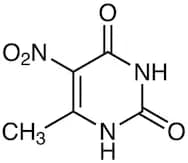



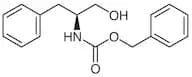
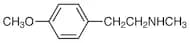
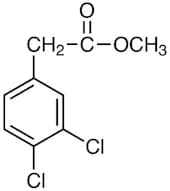
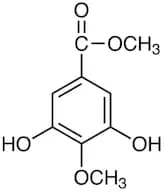


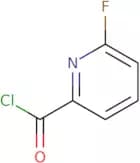

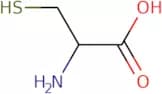

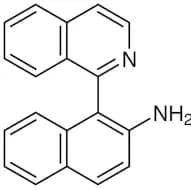

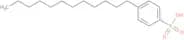
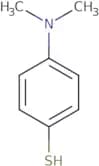
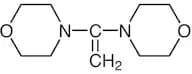
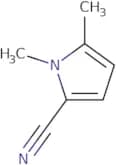
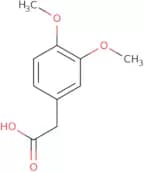
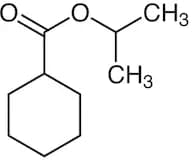

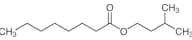


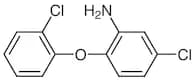
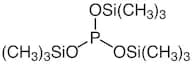

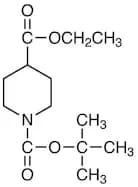
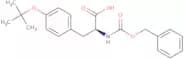
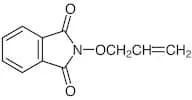

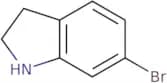
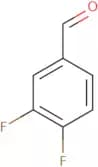
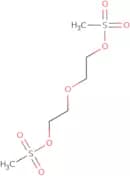
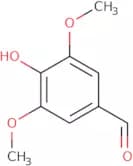
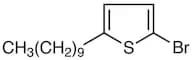
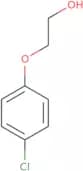

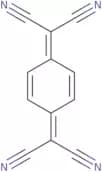
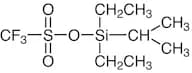


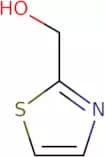

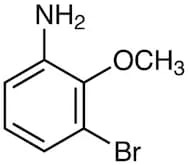
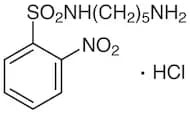
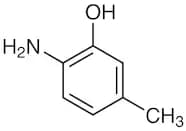
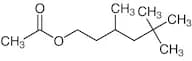
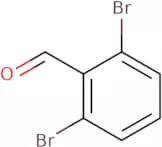
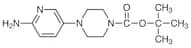
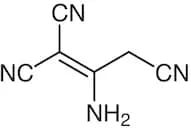
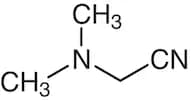

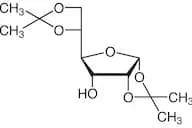

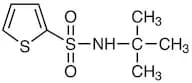
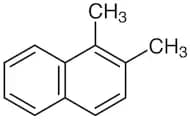
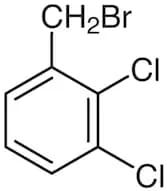
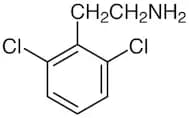
![1,1'-[Biphenyl-4,4'-diylbis(methylene)]bis(4,4'-bipyridinium) Bis(hexafluorophosphate)](/_next/image/?url=https%3A%2Fstatic.cymitquimica.com%2Fproducts%2F3B%2Fthumb-webp%2FB2280.webp&w=3840&q=75)
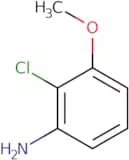

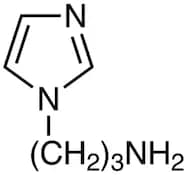
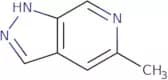
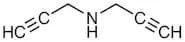
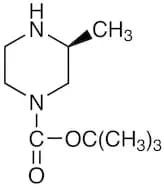
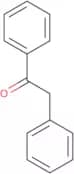

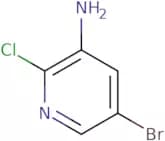
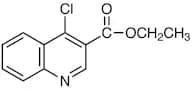

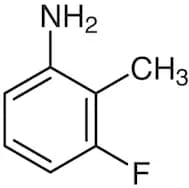
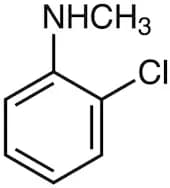

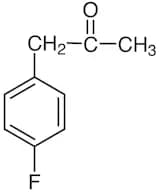
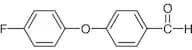
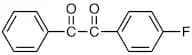
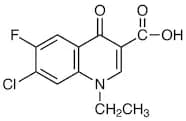

![2-[1,2,4]Triazol-1-yl-benzylamine](/_next/image/?url=https%3A%2Fstatic.cymitquimica.com%2Fproducts%2F3D%2Fthumb-webp%2FFT50933.webp&w=3840&q=75)
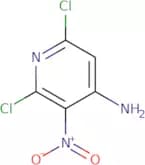
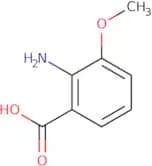


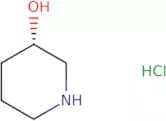

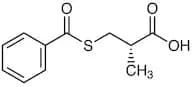
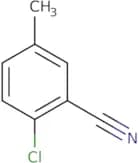
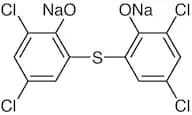
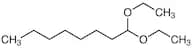
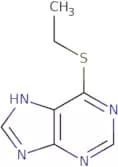
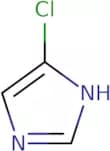
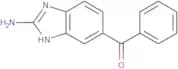
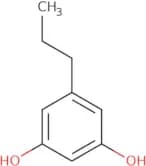
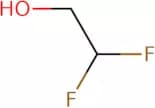
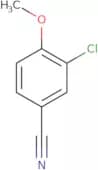
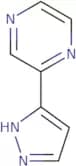
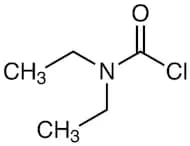
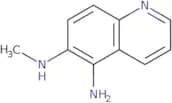

![8-oxa-5-azaspiro[3.5]nonane](/_next/image/?url=https%3A%2Fstatic.cymitquimica.com%2Fproducts%2F3D%2Fthumb-webp%2FFO76093.webp&w=3840&q=75)
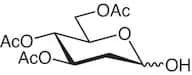

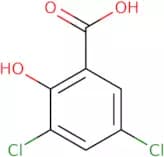
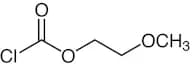

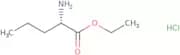
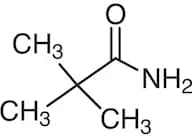
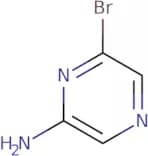
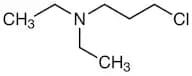
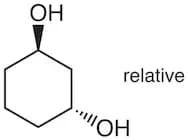

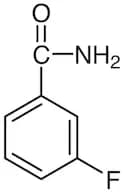
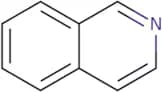
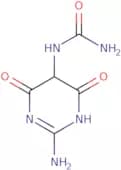
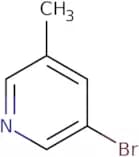
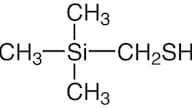
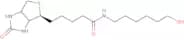


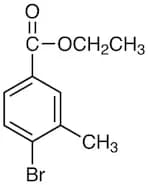
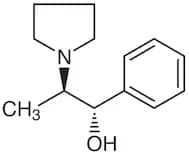
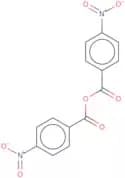

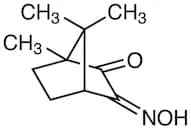
![1,4-Diazabicyclo[3.2.2]nonane](/_next/image/?url=https%3A%2Fstatic.cymitquimica.com%2Fproducts%2F3D%2Fthumb-webp%2FFD07111.webp&w=3840&q=75)
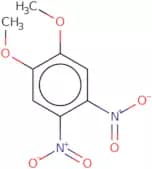
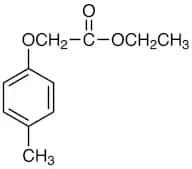
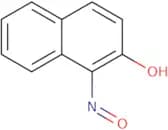
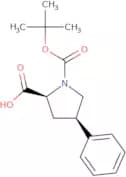

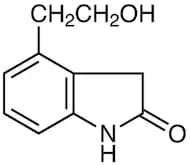

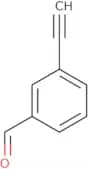
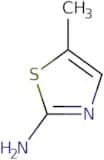
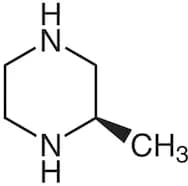
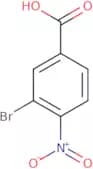
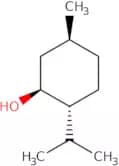
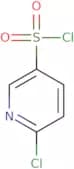
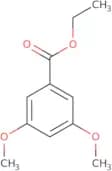


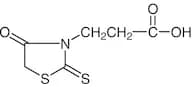
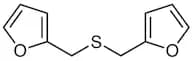
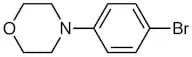
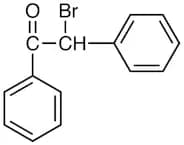

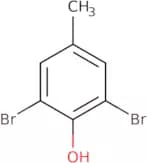
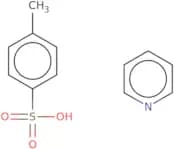
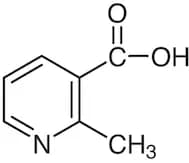
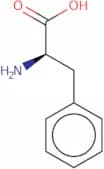
![4-Chloro-7-(p-toluenesulfonyl)-7H-pyrrolo[2,3-d]pyrimidine](/_next/image/?url=https%3A%2Fstatic.cymitquimica.com%2Fproducts%2F3B%2Fthumb-webp%2FC3036.webp&w=3840&q=75)

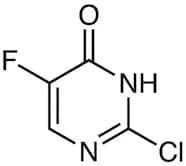
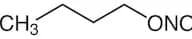
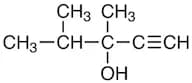


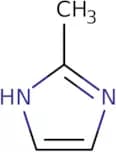
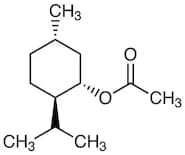
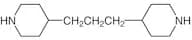
![(αS)-α-[[2-(4-Morpholinyl)acetyl]amino]benzenebutanoyl-L-leucyl-L-phenylalanine phenylmethyl ester](/_next/image/?url=https%3A%2Fstatic.cymitquimica.com%2Fproducts%2F3D%2Fthumb-webp%2FFM183824.webp&w=3840&q=75)
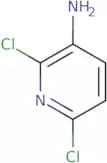
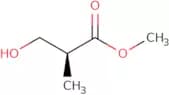

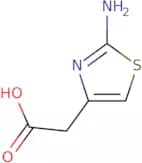
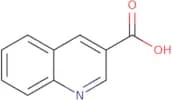
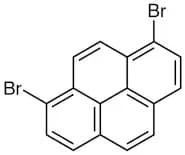



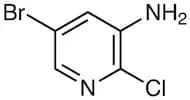
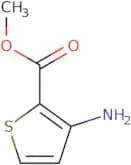
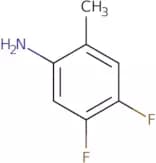

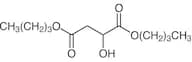

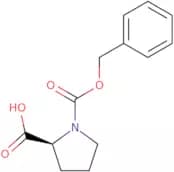
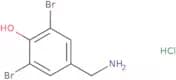
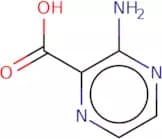
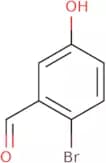
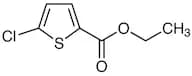
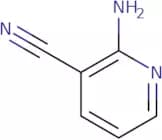
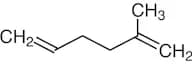
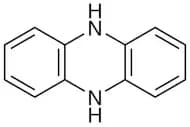

![Galβ(1-4)[Neu5Acα(2-6)]GlcNAc-β-pNP](/_next/image/?url=https%3A%2Fstatic.cymitquimica.com%2Fproducts%2F3B%2Fthumb-webp%2FG0353.webp&w=3840&q=75)
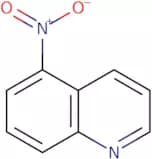

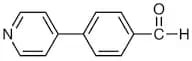

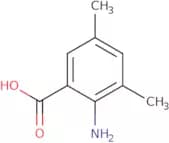


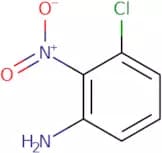
![6-Bromopyrrolo[2,1-f][1,2,4]triazin-4(3H)-one](/_next/image/?url=https%3A%2Fstatic.cymitquimica.com%2Fproducts%2F3D%2Fthumb-webp%2FFB63187.webp&w=3840&q=75)