Building Blocks
This section contains fundamental products for the synthesis of organic and biological compounds. Building blocks are the essential starting materials used to construct complex molecules through various chemical reactions. They play a critical role in drug discovery, material science, and chemical research. At CymitQuimica, we offer a diverse range of high-quality building blocks to support your innovative research and industrial projects, ensuring you have the essential components for successful synthesis.
Subcategories of "Building Blocks"
- Boronic Acids & Boronic Acid Derivatives(5,756 products)
- Chiral Building Blocks(1,242 products)
- Hydrocarbon Building Blocks(6,095 products)
- Organic Building Blocks(61,051 products)
Found 199813 products of "Building Blocks"
Sort by
Purity (%)
0
100
|
0
|
50
|
90
|
95
|
100
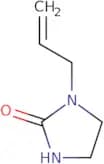
1-(Prop-2-en-1-yl)imidazolidin-2-one
CAS:<p>Versatile small molecule scaffold</p>Formula:C6H10N2OPurity:Min. 95%Molecular weight:126.16 g/mol1-Cyclohexylimidazolidin-2-one
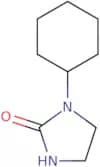
CAS:<p>Versatile small molecule scaffold</p>Formula:C9H16N2OPurity:Min. 95%Molecular weight:168.24 g/mol1-[(Pyridin-3-yl)methyl]imidazolidin-2-one
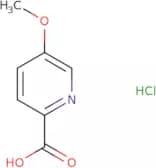
CAS:<p>Versatile small molecule scaffold</p>Formula:C9H11N3OPurity:Min. 95%Molecular weight:177.2 g/mol5-Methoxypyridine-2-carboxylic acid hydrochloride
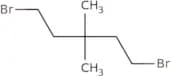
CAS:<p>Versatile small molecule scaffold</p>Formula:C7H8ClNO3Purity:Min. 95%Molecular weight:189.59 g/mol1,5-Dibromo-3,3-dimethylpentane
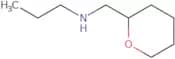
CAS:<p>Versatile small molecule scaffold</p>Formula:C7H14Br2Purity:Min. 95%Molecular weight:257.99 g/mol(Oxan-2-ylmethyl)(propyl)amine
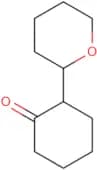
CAS:<p>Versatile small molecule scaffold</p>Formula:C9H19NOPurity:Min. 95%Molecular weight:157.25 g/mol2-(Oxan-2-yl)cyclohexan-1-one
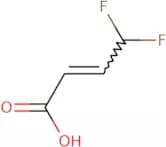
CAS:<p>Versatile small molecule scaffold</p>Formula:C11H18O2Purity:Min. 95%Molecular weight:182.3 g/mol4,4-Difluoro-but-2-enoic acid
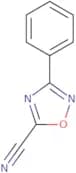
CAS:<p>Versatile small molecule scaffold</p>Formula:C4H4F2O2Purity:Min. 95%Molecular weight:122.07 g/mol3-Phenyl-1,2,4-oxadiazole-5-carbonitrile
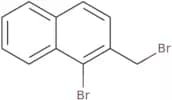
CAS:<p>Versatile small molecule scaffold</p>Formula:C9H5N3OPurity:Min. 95%Molecular weight:171.16 g/mol1-Bromo-2-(bromomethyl)naphthalene
CAS:<p>1-Bromo-2-(bromomethyl)naphthalene is an organic compound that has a chiral center. It is a ligand in coordination chemistry and can be used as a starting material for the synthesis of other compounds. 1-Bromo-2-(bromomethyl)naphthalene crystallizes in the orthorhombic space group Pna21, with cell dimensions of a = 15.02 Å, b = 13.77 Å, c = 13.91 Å, α = 90°, β = 90°, γ = 90°. The molecular structure has been determined by x-ray diffraction data collected at 100 K on beamline I06 at the Advanced Photon Source synchrotron facility in Illinois. The crystal structure contains two molecules per asymmetric unit, with an approximate Z value of 2 (atoms are ordered according to their atomic numbers). One molecule is oriented parallel to</p>Formula:C11H8Br2Purity:Min. 95%Molecular weight:299.99 g/mol2-(2-Bromo-6-chlorophenyl)acetic acid
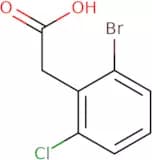
CAS:<p>Versatile small molecule scaffold</p>Formula:C8H6BrClO2Purity:Min. 95%Molecular weight:249.49 g/mol2-(3,4,5-Trimethoxyphenyl)ethanol
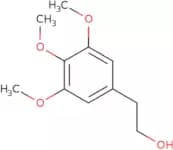
CAS:Controlled Product<p>2-(3,4,5-Trimethoxyphenyl)ethanol is a conjugate of 3,4,5-trimethoxybenzaldehyde and ethanol. It has shown in vitro antifungal activity against Candida strains and antibacterial activity against Escherichia coli and Staphylococcus aureus. 2-(3,4,5-Trimethoxyphenyl)ethanol can be used as an antifungal agent in the treatment of fungal infections. It has also been shown to act as an acetoacetate receptor for the conversion of acetoacetate into acetoacetyl CoA during fatty acid synthesis. This compound has also been used in the synthesis of mescaline.</p>Formula:C11H16O4Purity:Min. 95%Molecular weight:212.24 g/mol1-Methyl-2,6,7-trioxabicyclo[2.2.2]octan-4-amine
CAS:Versatile small molecule scaffoldFormula:C6H11NO3Purity:Min. 95%Molecular weight:145.16 g/mol4-Methanesulfinylbenzaldehyde
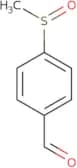
CAS:<p>4-Methanesulfinylbenzaldehyde is an antiinflammatory agent that inhibits the production of prostaglandin E2 (PGE2) by inhibiting the conversion of arachidonic acid to PGE2. It also has antioxidant properties, which may be due to its ability to inhibit peroxide oxidation. 4-Methanesulfinylbenzaldehyde is used in the treatment of inflammatory skin diseases such as atopic dermatitis, acne vulgaris and psoriasis.</p>Formula:C8H8O2SPurity:Min. 95%Molecular weight:168.21 g/molMethyl (1S,2R,3R,8S)-4-bromocubane-1-carboxylate
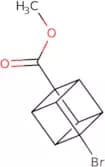
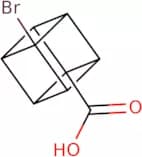
CAS:<p>Methyl (1S,2R,3R,8S)-4-bromocubane-1-carboxylate is an experimental compound that has been shown to produce efficient crystallization of various organic compounds. It is a vicinal difunctional reagent with the carbonyl group on one end and the fluorine atom at the other. It is an X-ray sensitive substance and can be used for x-ray diffraction studies. This compound is also useful for preparing carbonyl fluorides. Methyl (1S,2R,3R,8S)-4-bromocubane-1-carboxylate can be used in crystallography studies because it forms well defined crystals in space groups P21/n and P21/c.</p>Formula:C10H9BrO2Purity:Min. 95%Molecular weight:241.08 g/mol8-Bromocubane-1-carboxylic acid
CAS:<p>Versatile small molecule scaffold</p>Formula:C9H7BrO2Purity:Min. 95%Molecular weight:227.05 g/mol5-(Aminomethyl)benzo[b]furan
CAS:<p>5-(Aminomethyl)benzo[b]furan is a drug that has been shown to inhibit the histamine h3 receptor and transcriptase. It has been used in the treatment of allergic reactions, such as those caused by histamine release. The drug is classified as a non-nucleoside inhibitor of reverse transcriptase. 5-(Aminomethyl)benzo[b]furan has also been shown to be effective against viral strains that are resistant to nucleoside analogues, such as HIV-1, HIV-2, and influenza A. 5-(Aminomethyl)benzo[b]furan binds to the active site of reverse transcriptase and inhibits the synthesis of viral RNA from single-stranded DNA. This binding prevents the formation of a double-stranded DNA with complementary RNA template necessary for viral replication.</p>Formula:C9H9NOPurity:Min. 95%Molecular weight:147.17 g/mol4-Hydroxy-1-methyl-1H-pyrazolo[3,4-b]pyridine-5-carboxylic acid
CAS:<p>Versatile small molecule scaffold</p>Formula:C8H7N3O3Purity:Min. 95%Molecular weight:193.16 g/molEthyl 4-chloro-1-methyl-1H-pyrazolo[3,4-b]pyridine-5-carboxylate
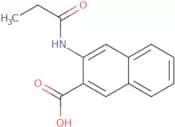
CAS:<p>Versatile small molecule scaffold</p>Formula:C10H10ClN3O2Purity:Min. 95%Molecular weight:239.66 g/mol3-Propanamidonaphthalene-2-carboxylic acid
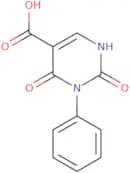
CAS:<p>Versatile small molecule scaffold</p>Formula:C14H13NO3Purity:Min. 95%Molecular weight:243.26 g/mol2,4-Dioxo-3-phenyl-1,2,3,4-tetrahydropyrimidine-5-carboxylic acid
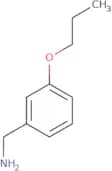
CAS:<p>Versatile small molecule scaffold</p>Formula:C11H8N2O4Purity:Min. 95%Molecular weight:232.19 g/mol(3-Propoxyphenyl)methanamine hydrochloride
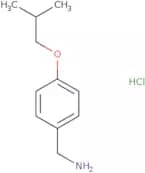
CAS:<p>Versatile small molecule scaffold</p>Formula:C10H16ClNOPurity:Min. 95%Molecular weight:201.7 g/mol(4-Isobutoxyphenyl)methanamine hydrochloride
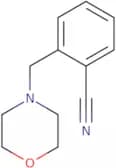
CAS:Versatile small molecule scaffoldFormula:C11H18ClNOPurity:Min. 95%Molecular weight:215.72 g/mol2-(Morpholinomethyl)benzonitrile
CAS:<p>Versatile small molecule scaffold</p>Formula:C12H14N2OPurity:Min. 95%Molecular weight:202.26 g/mol4-[(Phenylamino)methyl]benzonitrile
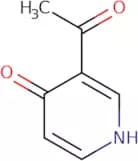
CAS:<p>Versatile small molecule scaffold</p>Formula:C14H12N2Purity:Min. 95%Molecular weight:208.26 g/mol3-Acetylpyridin-4(1H)-one
CAS:<p>Versatile small molecule scaffold</p>Formula:C7H7NO2Purity:Min. 95%Molecular weight:137.14 g/molO-[(3-Pyridyl)methyl]hydroxylamine
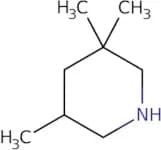
CAS:<p>O-[(3-Pyridyl)methyl]hydroxylamine is an epimer of hydroxylamine. It is a nucleic acid that can be enzymatically synthesized and is used in the synthesis of oligosaccharides with uronic acids, such as dermatan sulfate. O-[(3-Pyridyl)methyl]hydroxylamine attacks sulfated glycosaminoglycans and glycosaminoglycan chains in the skin, causing a loss of water from the skin. This drug has been shown to have affinity for dermatan and deuterium, which may result in its use as a marker for dermatan sulfate.</p>Formula:C6H8N2OPurity:Min. 95%Molecular weight:124.14 g/mol3,3,5-Trimethylpiperidine
CAS:<p>Versatile small molecule scaffold</p>Formula:C8H17NPurity:Min. 95%Molecular weight:127.23 g/mol1-(1-Methyl-piperidin-4-yl)-ethanol
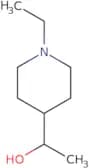
CAS:Versatile small molecule scaffoldFormula:C8H17NOPurity:Min. 95%Molecular weight:143.22 g/mol1-(1-Ethylpiperidin-4-yl)ethan-1-ol
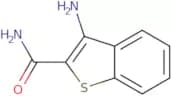
CAS:<p>Versatile small molecule scaffold</p>Formula:C9H19NOPurity:Min. 95%Molecular weight:157.25 g/mol3-Amino-1-benzothiophene-2-carboxamide
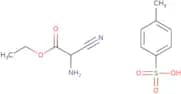
CAS:<p>Versatile small molecule scaffold</p>Formula:C9H8N2OSPurity:Min. 95%Molecular weight:192.24 g/molEthyl 2-amino-2-cyanoacetate 4-methylbenzenesulfonate
CAS:<p>Versatile small molecule scaffold</p>Formula:C12H16N2O5SPurity:Min. 95%Molecular weight:300.33 g/mol3-[(2-Aminophenyl)sulfanyl]-2-methylpropanenitrile
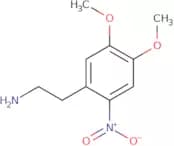
CAS:<p>Versatile small molecule scaffold</p>Formula:C10H12N2SPurity:Min. 95%Molecular weight:192.28 g/mol2-(4,5-Dimethoxy-2-nitrophenyl)ethan-1-amine
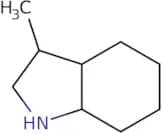
CAS:Controlled ProductVersatile small molecule scaffoldFormula:C10H14N2O4Purity:Min. 95%Molecular weight:226.23 g/mol3-Methyl-octahydro-1H-indole
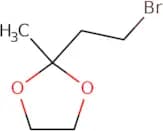
CAS:<p>Versatile small molecule scaffold</p>Formula:C9H17NPurity:Min. 95%Molecular weight:139.24 g/mol2-(2-Bromoethyl)-2-methyl-1,3-dioxolane
CAS:2-(2-Bromoethyl)-2-methyl-1,3-dioxolane is a carbonyl compound that can be used to form an asymmetric epoxide from an ethylene. This product has been shown to produce isolated yields of ketones and acetals. It is a reagent for the asymmetric synthesis of alcohols and amines. 2-(2-Bromoethyl)-2-methyl-1,3-dioxolane also reacts with benzene in the presence of an acid catalyst to give a mixture of epoxides.Formula:C6H11BrO2Purity:Min. 95%Molecular weight:195.06 g/mol4-Azaspiro[bicyclo[2.2.2]octane-2,4'-imidazolidine]-2',5'-dione
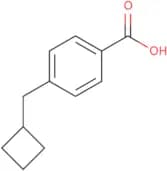
CAS:Versatile small molecule scaffoldFormula:C9H13N3O2Purity:Min. 95%Molecular weight:195.22 g/mol4-(Cyclobutylmethyl)benzoic acid
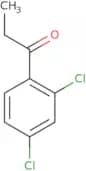
CAS:<p>Versatile small molecule scaffold</p>Formula:C12H14O2Purity:Min. 95%Molecular weight:190.24 g/mol2',4'-Dichloropropiophenone
CAS:<p>2',4'-Dichloropropiophenone is an organic solvent that is used in pharmaceuticals. It has been shown to be a versatile reagent for the synthesis of chalcones and other types of compounds. 2',4'-Dichloropropiophenone can be used in the cross-coupling reaction, which involves the coupling of two organic molecules using a metal catalyst (usually copper) to generate new compounds. The dehydrohalogenating reaction, which involves the conversion of epoxides into alcohols, can be performed with 2',4'-dichloropropiophenone. This compound also reacts with amines to form oximes or aziridines and with epoxy groups to form epoxy ethers. Finally, it is an oxidant that can react with benzene to produce phenols, biphenyls, or nitrobenzenes.</p>Formula:C9H8Cl2OPurity:Min. 95%Molecular weight:203.06 g/moltert-Butylamino-acetic acid ethyl ester
CAS:<p>Versatile small molecule scaffold</p>Formula:C8H17NO2Purity:Min. 95%Molecular weight:159.23 g/mol2-{[(2,2,2-Trifluoroethoxy)carbonyl]amino}acetic acid
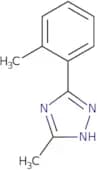
CAS:<p>Versatile small molecule scaffold</p>Formula:C5H6F3NO4Purity:Min. 95%Molecular weight:201.1 g/mol3-Methyl-5-(2-methylphenyl)-1H-1,2,4-triazole
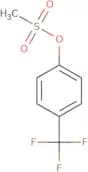
CAS:<p>Versatile small molecule scaffold</p>Formula:C10H11N3Purity:Min. 95%Molecular weight:173.21 g/mol4-(Trifluoromethyl)phenyl methanesulfonate
CAS:Versatile small molecule scaffoldFormula:C8H7F3O3SPurity:Min. 95%Molecular weight:240.2 g/mol2-Ethyl-3-methylquinoxaline
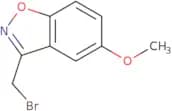
CAS:<p>Quinoxalines are a class of heterocyclic compounds that is structurally related to the more common amino acid, tryptophan. They are typically synthesized by modifications of the quinoxaline ring system with epoxide, amine, or carbonyl groups. Quinoxalines can be analyzed using many different techniques including gas chromatography-mass spectrometry, liquid chromatography-mass spectrometry, and nuclear magnetic resonance spectroscopy. The most common modification is the addition of an aminoguanidine group that is used to distinguish between 2-ethyl-3-methylquinoxaline and 3-ethyl-2-methylquinoxaline. The reaction time between glyoxal and aniline to produce 2-ethyl-3-methylquinoxaline can be optimized by adding potassium dichromate as a catalyst.</p>Formula:C11H12N2Purity:Min. 95%Molecular weight:172.23 g/mol3-(Bromomethyl)-5-methoxy-1,2-benzoxazole
CAS:Versatile small molecule scaffoldFormula:C9H8BrNO2Purity:Min. 95%Molecular weight:242.07 g/mol2,6-Dimethyl-4-methoxybenzoic acid
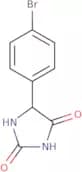
CAS:<p>Versatile small molecule scaffold</p>Formula:C10H12O3Purity:Min. 95%Molecular weight:180.2 g/mol5-(4-Bromophenyl)imidazolidine-2,4-dione
CAS:<p>Versatile small molecule scaffold</p>Formula:C9H7BrN2O2Purity:Min. 95%Molecular weight:255.07 g/mol2-[3-Bromo-4-(propan-2-yloxy)phenyl]acetonitrile
CAS:Versatile small molecule scaffoldFormula:C11H12BrNOPurity:Min. 95%Molecular weight:254.12 g/molEthyl 3-[(5-hydroxypentyl)(methyl)amino]propanoate
CAS:Versatile small molecule scaffoldFormula:C11H23NO3Purity:Min. 95%Molecular weight:217.31 g/mol5,6,8,9-Tetrahydrobenzocyclohepten-7-one
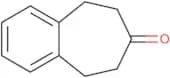
CAS:<p>5,6,8,9-Tetrahydrobenzocyclohepten-7-one is a methylated analogue of benzocycloheptene. It is prepared by the reaction of dichlorocarbene (1) with 7-hydroxybenzocycloheptene (2). The deuterium isotope effect on the conformation of 5,6,8,9-tetrahydrobenzocyclohepten-7-one has been investigated using a spectroscopic technique. The reaction parameters have been optimized for this transformation to produce the desired product in high yield.</p>Formula:C11H12OPurity:Min. 95%Molecular weight:160.22 g/mol3-(Benzyloxy)propanehydrazide
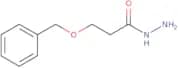
CAS:<p>Versatile small molecule scaffold</p>Formula:C10H14N2O2Purity:Min. 95%Molecular weight:194.23 g/mol2-[5-Oxo-1-(pyridin-2-yl)-2,5-dihydro-1H-pyrazol-3-yl]acetic acid
CAS:<p>Versatile small molecule scaffold</p>Formula:C10H9N3O3Purity:Min. 95%Molecular weight:219.2 g/mol3H,4H-Pyrido[3,2-d][1,2,3]triazin-4-one
CAS:<p>3H,4H-Pyrido[3,2-d][1,2,3]triazin-4-one is a heterocyclic compound that belongs to the group of endometriosis drugs. It has been shown to inhibit tyrosine kinase and thus has a proliferative effect on the skeleton. 3H,4H-Pyrido[3,2-d][1,2,3]triazin-4-one also has an antiangiogenic activity that prevents the formation of new blood vessels from pre-existing ones. This drug also inhibits tumor growth by blocking cell division and may cause cancerous cells to self destruct. 3H,4H-Pyrido[3,2-d][1,2,3]triazin-4-one can be used to treat symptom of endometriosis such as pain and infertility.</p>Formula:C6H4N4OPurity:Min. 95%Molecular weight:148.12 g/molEthyl 1H-pyrrole-3-carboxylate
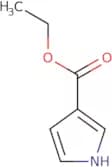
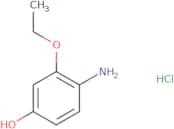
CAS:<p>Ethyl 1H-pyrrole-3-carboxylate is a nitro compound that has been shown to be efficient and multisubstituted. It reacts with carbon monoxide to form a nitro group, which can then be reduced by reductive means. Ethyl 1H-pyrrole-3-carboxylate is also capable of forming vinyl or carbonyl compounds in the presence of appropriate reagents.</p>Formula:C7H9NO2Purity:Min. 95%Molecular weight:139.15 g/mol4-Amino-3-ethoxyphenol hydrochloride
CAS:<p>Versatile small molecule scaffold</p>Formula:C8H12ClNO2Purity:Min. 95%Molecular weight:189.64 g/mol2-Chloro-4-ethynylpyrimidine
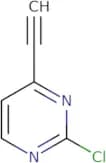
CAS:<p>2-Chloro-4-ethynylpyrimidine is a chemical compound that belongs to the family of meridianins. It has been shown to have medicinal properties, and is used in the treatment of trypanosomiasis. This molecule also has physicochemical properties that warrant further investigation. Optimization studies have shown that 2-chloro-4-ethynylpyrimidine can be synthesized with yields of up to 76% using nitrosoarenes as reactants.</p>Formula:C6H3ClN2Purity:Min. 95%Molecular weight:138.55 g/mol1-(3-Ethylpyridin-4-yl)ethan-1-one
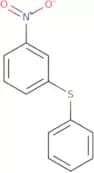
CAS:<p>Versatile small molecule scaffold</p>Formula:C9H11NOPurity:Min. 95%Molecular weight:149.19 g/mol1-Nitro-3-(phenylsulfanyl)benzene
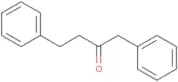
CAS:<p>1-Nitro-3-(phenylsulfanyl)benzene is a compound that belongs to the class of organic compounds with a molecular formula C11H10O3S. It has a transmittance of 0.10 and a polycondensation value of 3.2. The conformation of 1-nitro-3-(phenylsulfanyl)benzene is linear, and it has an average refractive index of 1.5214. This compound has high stabilities, as well as being n-methyl-2-pyrrolidone and sulfur stable, with birefringence values of 0.0805 and -0.0125 respectively. The steric effect on this compound is negligible, with the refractive index being polarizable in optical activity experiments, with an average optical rotation value of -5°/Mol at 20°C (298K).</p>Formula:C12H9NO2SPurity:Min. 95%Molecular weight:231.27 g/mol1,4-Diphenylbutan-2-one
CAS:<p>1,4-Diphenylbutan-2-one is a chemical compound that has been shown to have anticancer activity. It is an inhibitor of the enzyme tyrosinase and can be used as an anti-cancer treatment. 1,4-Diphenylbutan-2-one binds to the active site of tyrosinase and blocks the formation of melanin, which is the pigment in skin cells that gives the skin its color. 1,4-Diphenylbutan-2-one also inhibits growth factor receptors on cancer cells, which prevents tumor growth. This drug has minimal toxicity levels in humans and has been shown to have minimal interactions with other drugs or substances.</p>Formula:C16H16OPurity:Min. 95%Molecular weight:224.3 g/mol5-Methyl-4H,7H-thieno[3,2-b]pyridin-7-one
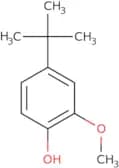
CAS:<p>Versatile small molecule scaffold</p>Formula:C8H7NOSPurity:Min. 95%Molecular weight:165.21 g/mol4-tert-Butyl-2-methoxyphenol
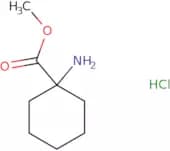
CAS:<p>Versatile small molecule scaffold</p>Formula:C11H16O2Purity:Min. 95%Molecular weight:180.24 g/molMethyl 1-aminocyclohexanecarboxylate hydrochloride
CAS:Versatile small molecule scaffoldFormula:C8H16ClNO2Purity:Min. 95%Molecular weight:193.67 g/mol2-[4-(3-Formyl-2,5-dimethyl-1H-pyrrol-1-yl)phenoxy]acetic acid
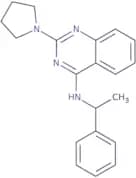
CAS:<p>Versatile small molecule scaffold</p>Formula:C15H15NO4Purity:Min. 95%Molecular weight:273.28 g/molImportazole
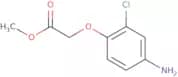
CAS:<p>Importazole is a protein that inhibits the polymerase chain reaction (PCR) by binding to the DNA strand. It has been shown to inhibit cancer cell proliferation and induce apoptosis in HL-60 cells. Importazole also prevents the binding of taxane drugs to nuclear receptors, which may be beneficial for chemotherapy treatment. Importazole binds to DNA and blocks transcriptional regulation, which leads to neuronal death in rats. This protein has been shown to bind to both DNA and receptor activity, and also has an effect on cell nuclei.</p>Formula:C20H22N4Purity:Min. 95%Molecular weight:318.42 g/molMethyl 2-(4-amino-2-chlorophenoxy)acetate
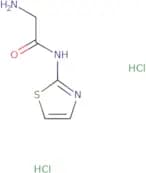
CAS:<p>Versatile small molecule scaffold</p>Formula:C9H10ClNO3Purity:Min. 95%Molecular weight:215.63 g/molN~1~-1,3-Thiazol-2-ylglycinamide dihydrochloride
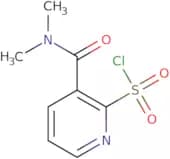
CAS:<p>Versatile small molecule scaffold</p>Formula:C5H9Cl2N3OSPurity:Min. 95%Molecular weight:230.12 g/mol3-(Dimethylcarbamoyl)pyridine-2-sulfonyl chloride
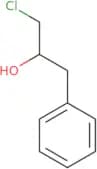
CAS:<p>Versatile small molecule scaffold</p>Formula:C8H9ClN2O3SPurity:Min. 95%Molecular weight:248.69 g/mol(2R)-1-Chloro-3-phenylpropan-2-ol
CAS:<p>Versatile small molecule scaffold</p>Formula:C9H11ClOPurity:Min. 95%Molecular weight:170.63 g/molCyclohexyl 3-methoxypropanoate
CAS:<p>Versatile small molecule scaffold</p>Formula:C10H18O3Purity:Min. 95%Molecular weight:186.2 g/molN-Cyclopropyl-4-nitroaniline
CAS:<p>Versatile small molecule scaffold</p>Formula:C9H10N2O2Purity:Min. 95%Molecular weight:178.19 g/mol2-Bromo-3,4-difluoro-6-nitroaniline
CAS:<p>Versatile small molecule scaffold</p>Formula:C6H3BrF2N2O2Purity:Min. 95%Molecular weight:253 g/mol2-Oxo-1H,2H,5H,6H,7H,8H,9H-cyclohepta[b]pyridine-3-carboxylic acid
CAS:<p>Versatile small molecule scaffold</p>Formula:C11H13NO3Purity:Min. 95%Molecular weight:207.23 g/mol6-Chloro-2-fluoroquinoxaline
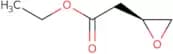
CAS:<p>Versatile small molecule scaffold</p>Formula:C8H4ClFN2Purity:Min. 95%Molecular weight:182.58 g/molEthyl (S)-3,4-epoxybutanoate
CAS:<p>Ai Product Descriptions 50 Creative</p>Formula:C6H10O3Purity:Min. 95%Molecular weight:130.14 g/mol[3-(1H-Imidazol-1-yl)propyl](methyl)amine
CAS:<p>Versatile small molecule scaffold</p>Formula:C7H13N3Purity:Min. 95%Molecular weight:139.2 g/mol3-{[(Pyridin-2-yl)methyl]amino}propanenitrile
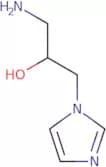
CAS:<p>Versatile small molecule scaffold</p>Formula:C9H11N3Purity:Min. 95%Molecular weight:161.2 g/mol1-Amino-3-(1H-imidazol-1-yl)propan-2-ol
CAS:<p>Versatile small molecule scaffold</p>Formula:C6H11N3OPurity:Min. 95%Molecular weight:141.17 g/mol1-{3-[2-(3-Acetylphenoxy)ethoxy]phenyl}ethan-1-one
CAS:<p>Versatile small molecule scaffold</p>Formula:C18H18O4Purity:Min. 95%Molecular weight:298.3 g/mol2-Cyclopropyl-2-phenylethan-1-amine
CAS:Controlled Product<p>Versatile small molecule scaffold</p>Formula:C11H15NPurity:Min. 95%Molecular weight:161.24 g/mol(2E)-3-(4-Fluorophenyl)prop-2-en-1-amine
CAS:<p>Versatile small molecule scaffold</p>Formula:C9H10FNPurity:Min. 95%Molecular weight:151.18 g/mol3-Methyl-5H,7H-furo[3,4-b]pyridine-5,7-dione
CAS:<p>Versatile small molecule scaffold</p>Formula:C8H5NO3Purity:Min. 95%Molecular weight:163.13 g/mol2-Methyl-4-(propan-2-yl)aniline
CAS:<p>Versatile small molecule scaffold</p>Formula:C10H15NPurity:Min. 95%Molecular weight:149.23 g/mol2-[5-(Trifluoromethyl)-1,3-benzothiazol-2-yl]acetonitrile
CAS:<p>Versatile small molecule scaffold</p>Formula:C10H5F3N2SPurity:Min. 95%Molecular weight:242.22 g/mol1-Amino-3-(2-bromophenoxy)propan-2-ol
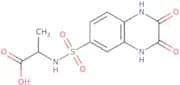
CAS:<p>Versatile small molecule scaffold</p>Formula:C9H12BrNO2Purity:Min. 95%Molecular weight:246.1 g/mol2-(2,3-Dioxo-1,2,3,4-tetrahydroquinoxaline-6-sulfonamido)propanoic acid
CAS:<p>Versatile small molecule scaffold</p>Formula:C11H11N3O6SPurity:Min. 95%Molecular weight:313.29 g/mol2-Benzoylpyrimidine
CAS:<p>2-Benzoylpyrimidine is a surfactant that has been shown to have anti-inflammatory properties. It has also been shown to be cytotoxic and antiproliferative, but it is not active against the growth of cancer cells. It is a fluoropyrimidine compound that has been synthesized in the laboratory by combining an aromatic hydrocarbon with a nitrogen atom. 2-Benzoylpyrimidine was originally developed as a pesticide, but its use in agriculture has declined due to environmental pollution concerns. 2-Benzoylpyrimidine can be found as an organic solvent.</p>Formula:C11H8N2OPurity:Min. 95%Molecular weight:184.19 g/mol4-(Chloromethyl)-1-(4-chlorophenyl)-1H-1,2,3-triazole
CAS:<p>Versatile small molecule scaffold</p>Formula:C9H7Cl2N3Purity:Min. 95%Molecular weight:228.07 g/mol6-Bromo-2-phenyl-1,4-dihydroquinolin-4-one
CAS:<p>Versatile small molecule scaffold</p>Formula:C15H10BrNOPurity:Min. 95%Molecular weight:300.15 g/mol2-(2-Methoxypyridin-3-yl)ethanol
CAS:<p>Versatile small molecule scaffold</p>Formula:C8H11NO2Purity:Min. 95%Molecular weight:153.18 g/mol1-Benzyl-3-hydroxypiperidine-3-carboxylic acid hydrochloride
CAS:<p>Versatile small molecule scaffold</p>Formula:C13H18ClNO3Purity:Min. 95%Molecular weight:271.74 g/molMethyl 1-benzyl-3-hydroxypiperidine-3-carboxylate
CAS:<p>Versatile small molecule scaffold</p>Formula:C14H19NO3Purity:Min. 95%Molecular weight:249.3 g/mol2-[(3-Chloropropyl)sulfanyl]acetonitrile
CAS:<p>Versatile small molecule scaffold</p>Formula:C5H8ClNSPurity:Min. 95%Molecular weight:149.64 g/mol2-Chloromethyl-imidazo[1,2-a]pyridine;hydrochloride
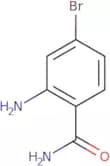
CAS:<p>Versatile small molecule scaffold</p>Formula:C8H8Cl2N2Purity:Min. 95%Molecular weight:203.07 g/mol2-Amino-4-bromobenzamide
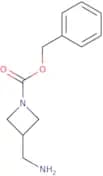
CAS:<p>2-Amino-4-bromobenzamide is a ring-opening reaction system that is used in the synthesis of isatins. It has been shown to be an efficient and rapid method for the synthesis of this class of heterocyclic compounds. The oxidative nature of this reaction makes it useful for generating reactive intermediates, which can be used for further transformations.</p>Formula:C7H7BrN2OPurity:Min. 95%Molecular weight:215.05 g/molbenzyl 3-aminoazetidine-1-carboxylate
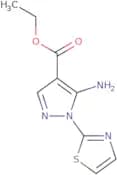
CAS:<p>Versatile small molecule scaffold</p>Formula:C11H14N2O2Purity:Min. 95%Molecular weight:206.2 g/molEthyl 5-amino-1-(1,3-thiazol-2-yl)-1H-pyrazole-4-carboxylate
CAS:<p>Versatile small molecule scaffold</p>Formula:C9H10N4O2SPurity:Min. 95%Molecular weight:238.27 g/mol2,2,6-Trimethyl-2,3,4,5-tetrahydropyridine
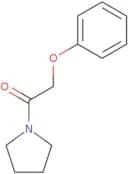
CAS:<p>Versatile small molecule scaffold</p>Formula:C8H15NPurity:Min. 95%Molecular weight:125.21 g/mol2-Phenoxy-1-(pyrrolidin-1-yl)ethan-1-one
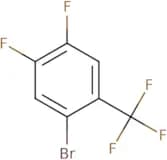
CAS:<p>2-Phenoxy-1-(pyrrolidin-1-yl)ethan-1-one is a novel compound that has been shown to inhibit the replication of viruses. It binds to the virus's RNA polymerase and prevents translation. 2-Phenoxy-1-(pyrrolidin-1-yl)ethan-1-one can be used as a diagnostic tool for infectious diseases, such as bacterial vaginosis. This drug has also been shown to have antiinflammatory properties, which may be due to its ability to inhibit cjun N terminal kinase (JNK). The compound is metabolized in mammalian cells by cytochrome P450 enzymes. It has also been shown to cause body fat mass loss in humans and mice with metabolic disorders.</p>Formula:C12H15NO2Purity:Min. 95%Molecular weight:205.25 g/mol2-Bromo-4,5-difluorobenzotrifluoride
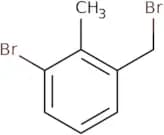
CAS:<p>Versatile small molecule scaffold</p>Formula:C7H2BrF5Purity:Min. 95%Molecular weight:260.99 g/mol1-Bromo-3-(bromomethyl)-2-methylbenzene
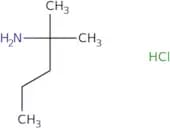
CAS:<p>Versatile small molecule scaffold</p>Formula:C8H8Br2Purity:Min. 95%Molecular weight:263.96 g/mol2-Methylpentan-2-amine hydrochloride
CAS:<p>Versatile small molecule scaffold</p>Formula:C6H16ClNPurity:Min. 95%Molecular weight:137.65 g/mol6-Chloro-3-methoxy-1,4-dihydropyridazin-4-one
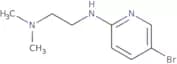
CAS:<p>Versatile small molecule scaffold</p>Formula:C5H5ClN2O2Purity:Min. 95%Molecular weight:160.56 g/molN1-(5-Bromo-2-pyridinyl)-N2,N2-dimethyl-1,2-ethanediamine
CAS:<p>N1-(5-Bromo-2-pyridinyl)-N2,N2-dimethyl-1,2-ethanediamine is a potent inhibitor of PI3K and p38 MAPK. It also has anti-inflammatory properties through the inhibition of alveolar macrophages. This compound can be used to treat idiopathic pulmonary fibrosis and chronic obstructive pulmonary disease (COPD), both of which are caused by the excessive accumulation of extracellular matrix proteins. N1-(5-Bromo-2-pyridinyl)-N2,N2-dimethyl-1,2-ethanediamine is also an important intermediate in the synthesis of other compounds that have been shown to be potent modulators for Alzheimer's disease and cancer.</p>Formula:C9H14BrN3Purity:Min. 95%Molecular weight:244.14 g/molFuro[3,2-b]pyridine-2-carbaldehyde
CAS:<p>Versatile small molecule scaffold</p>Formula:C8H5NO2Purity:Min. 95%Molecular weight:147.13 g/molFuro[3,2-c]pyridine-2-carbaldehyde
CAS:<p>Versatile small molecule scaffold</p>Formula:C8H5NO2Purity:Min. 95%Molecular weight:147.13 g/molFuro[3,2-b]pyridine-2-carboxylic acid
CAS:<p>Furo[3,2-b]pyridine-2-carboxylic acid is a borohydride diester with the molecular formula CHB(OCH)CHB(OH)COOH. It is created by the decarboxylation of furopyridine (a compound of the class of furopyridines), followed by hydrolysis and cyclization. It can be synthesized by reacting ethyl bromoacetate with phosphoric acid and then hydrolyzed to yield a hydroxy derivative. Furo[3,2-b]pyridine-2-carboxylic acid is used in organic chemistry as an intermediate for other compounds, such as pharmaceuticals and pesticides.</p>Formula:C8H5NO3Purity:Min. 95%Molecular weight:163.13 g/molFuro[2,3-c]pyridine-2-carboxylic acid
CAS:<p>Versatile small molecule scaffold</p>Formula:C8H5NO3Purity:Min. 95%Molecular weight:163.13 g/molFuro[3,2-c]pyridine-2-carboxylic acid
CAS:<p>Versatile small molecule scaffold</p>Formula:C8H5NO3Purity:Min. 95%Molecular weight:163.13 g/mol2-Benzyl-2-azabicyclo[2.2.1]hept-5-ene
CAS:<p>2-Benzyl-2-azabicyclo[2.2.1]hept-5-ene is a reactive molecule that belongs to the class of carbocyclic nucleosides. It reacts with a variety of functional groups, including amide groups and iminium groups, which makes it a useful monomer for peptidomimetic synthesis, as well as copolymerization with other monomers. This compound yields high molecular weight polymers with amide and iminium functionalities in good yield, making it an attractive polymer candidate for drug delivery and biomedical applications.</p>Formula:C13H15NPurity:Min. 95%Molecular weight:185.27 g/molEthyl 2-[(dimethylamino)methylidene]-3-oxohexanoate
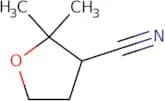
CAS:<p>Versatile small molecule scaffold</p>Formula:C11H19NO3Purity:Min. 95%Molecular weight:213.27 g/mol2,2-Dimethyloxolane-3-carbonitrile
CAS:<p>Versatile small molecule scaffold</p>Formula:C7H11NOPurity:Min. 95%Molecular weight:125.17 g/mol[(3R)-3-Amino-2-oxobutyl]phosphonic acid
CAS:<p>Versatile small molecule scaffold</p>Formula:C4H10NO4PPurity:Min. 95%Molecular weight:167.1 g/molMethyl 2-{[(tert-butoxy)carbonyl]amino}propanoate
CAS:<p>Methyl 2-{[(tert-butoxy)carbonyl]amino}propanoate is a chiral compound that has been synthesized in a gramicidin-based process. This process was optimized to yield the desired stereoselectivity and enantiopurity. The synthesis of Methyl 2-{[(tert-butoxy)carbonyl]amino}propanoate involves a three step reaction that starts with the condensation of L-alanine and methyl 2-(2,4,6-trimethoxyphenyl)acetate. In the second step, an aminoester intermediate is formed by reacting this condensation product with tert-butyl bromoacetate. The final step involves the hydrolysis of this aminoester intermediate to form Methyl 2-{[(tert-butoxy)carbonyl]amino}propanoate. Methyl 2-[(tert-but</p>Formula:C9H17NO4Purity:Min. 95%Molecular weight:203.24 g/mol(1R)-1-[(4S)-2,2-Dimethyl-1,3-dioxolan-4-yl]ethan-1-amine
CAS:<p>Versatile small molecule scaffold</p>Formula:C7H15NO2Purity:Min. 95%Molecular weight:145.2 g/mol(1S)-1-[(4S)-2,2-Dimethyl-1,3-dioxolan-4-yl]ethan-1-amine
CAS:<p>Versatile small molecule scaffold</p>Formula:C7H15NO2Purity:Min. 95%Molecular weight:145.2 g/mol2-[2-(4-Methoxyphenyl)-2-oxoethyl]-5,5-dimethylcyclohexane-1,3-dione
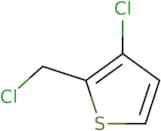
CAS:<p>Versatile small molecule scaffold</p>Formula:C17H20O4Purity:Min. 95%Molecular weight:288.34 g/mol3-Chloro-2-(chloromethyl)thiophene
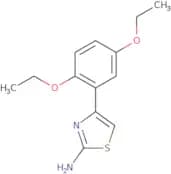
CAS:<p>Versatile small molecule scaffold</p>Formula:C5H4Cl2SPurity:Min. 95%Molecular weight:167.06 g/mol4-(2,5-Diethoxyphenyl)-1,3-thiazol-2-amine
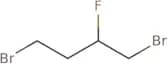
CAS:<p>Versatile small molecule scaffold</p>Formula:C13H16N2O2SPurity:Min. 95%Molecular weight:264.35 g/mol1,4-Dibromo-2-fluorobutane
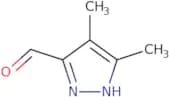
CAS:<p>Versatile small molecule scaffold</p>Formula:C4H7Br2FPurity:Min. 95%Molecular weight:233.9 g/mol4,5-Dimethyl-1H-pyrazole-3-carbaldehyde
CAS:<p>Versatile small molecule scaffold</p>Formula:C6H8N2OPurity:Min. 95%Molecular weight:124.14 g/mol3-Hydroxy-2,2-dimethyl-1,2,3,4-tetrahydroquinazolin-4-one
CAS:<p>Versatile small molecule scaffold</p>Formula:C10H12N2O2Purity:Min. 95%Molecular weight:192.2 g/mol5H,6H,7H-Pyrrolo[1,2-a]imidazol-7-ol
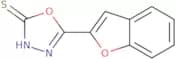
CAS:<p>The compound 5H,6H,7H-Pyrrolo[1,2-a]imidazol-7-ol is a chiral molecule that has been synthesized and characterized. It has shown to be an effective catalyst for the activation of alkenes and isatin. The reactivity of this compound is due to its dinuclear nature, which allows for two different reactive sites to come in contact with the substrate. The first site is the azomethine nitrogen, which reacts with electrophiles to form nitrenium ions. The second site is the dimeric macrocycle, which reacts with nucleophiles such as water or alcohols to form imidazolidinones. This reactivity makes this compound useful in organic synthesis because it can activate both alkenes and azomethines.</p>Formula:C6H8N2OPurity:Min. 95%Molecular weight:124.14 g/mol5-(1-Benzofuran-2-yl)-1,3,4-oxadiazole-2-thiol
CAS:<p>Versatile small molecule scaffold</p>Formula:C10H6N2O2SPurity:Min. 95%Molecular weight:218.23 g/mol1-(3-Aminophenyl)ethane-1,2-diol
CAS:<p>Versatile small molecule scaffold</p>Formula:C8H11NO2Purity:Min. 95%Molecular weight:153.18 g/molEthyl 2-({N'-[(tert-butoxy)carbonyl]hydrazinecarbonyl}amino)acetate
CAS:<p>Versatile small molecule scaffold</p>Formula:C10H19N3O5Purity:Min. 95%Molecular weight:261.28 g/mol1-Bromo-4-[chloro(difluoro)methoxy]benzene
CAS:<p>Versatile small molecule scaffold</p>Formula:C7H4BrClF2OPurity:Min. 95%Molecular weight:257.47 g/mol3,3-Dimethyl-1,2,3,4-tetrahydroquinoline
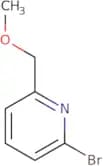
CAS:<p>Versatile small molecule scaffold</p>Formula:C11H15NPurity:Min. 95%Molecular weight:161.24 g/mol2-Bromo-6-(methoxymethyl)pyridine
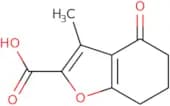
CAS:<p>Versatile small molecule scaffold</p>Formula:C7H8BrNOPurity:Min. 95%Molecular weight:202.05 g/mol3-Methyl-4-oxo-4,5,6,7-tetrahydro-benzofuran-2-carboxylic acid
CAS:<p>Versatile small molecule scaffold</p>Formula:C10H10O4Purity:Min. 95%Molecular weight:194.18 g/mol2,5,7-Trimethylpyrazolo[1,5-a]pyrimidine
CAS:<p>Versatile small molecule scaffold</p>Formula:C9H11N3Purity:Min. 95%Molecular weight:161.2 g/mol6-Chloroimidazo[2,1-b][1,3]thiazole-5-sulfonamide
CAS:<p>6-Chloroimidazo[2,1-b][1,3]thiazole-5-sulfonamide is a skin lightening agent. It is a sulfonamide derivative of imidazoles that inhibits the formation and activity of tyrosinase, an enzyme required for melanin production. 6-Chloroimidazo[2,1-b][1,3]thiazole-5-sulfonamide has been shown to be effective in treating hyperpigmentation in humans. It reduces the color intensity of the skin by decreasing the amount of melanin produced by inhibiting tyrosine hydroxylase activity. This drug also has calcium channel blocking properties which may make it useful in treating abnormal pigmentation due to excessive calcium levels in cells.</p>Formula:C5H4ClN3O2S2Purity:Min. 95%Molecular weight:237.7 g/molImidazo[1,2-a]pyridine sulfonamide
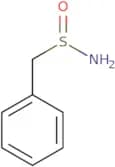
CAS:<p>Versatile small molecule scaffold</p>Formula:C7H7N3O2SPurity:Min. 95%Molecular weight:197.21 g/molPhenylmethanesulfinamide
CAS:<p>Phenylmethanesulfinamide is a compound that has been implicated in the development of atherosclerosis, renal disease, and liver disease. It belongs to the class of amines and is sterically hindered. Phenylmethanesulfinamide modulates lipid metabolism by binding to cholesterol and reducing hypercholesterolemia. Phenylmethanesulfinamide is also effective in reducing liver damage caused by alcohol consumption. Phenylmethanesulfinamide can be used as a biocide when applied to surfaces such as wood, metal, or plastic and has been shown to have antifouling properties when used on boat hulls.</p>Formula:C7H9NOSPurity:Min. 95%Molecular weight:155.22 g/mol2-chloro-6-(trifluoromethyl)imidazo[1,2-a]pyridine
CAS:<p>Versatile small molecule scaffold</p>Formula:C8H4ClF3N2Purity:Min. 95%Molecular weight:220.58 g/mol5-Amino-3-[(4-methoxyphenyl)amino]-1H-pyrazole-4-carbonitrile
CAS:<p>Versatile small molecule scaffold</p>Formula:C11H11N5OPurity:Min. 95%Molecular weight:229.24 g/mol2,3,4,5-Tetrahydro-1H-benzo[b]azepine hydrochloride
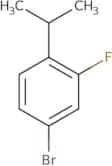
CAS:<p>Versatile small molecule scaffold</p>Formula:C10H14ClNPurity:Min. 95%Molecular weight:183.68 g/mol4-Bromo-2-fluoro-1-(propan-2-yl)benzene
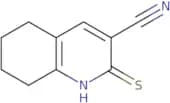
CAS:<p>Versatile small molecule scaffold</p>Formula:C9H10BrFPurity:Min. 95%Molecular weight:217.08 g/mol2-Sulfanyl-5,6,7,8-tetrahydroquinoline-3-carbonitrile
CAS:<p>Versatile small molecule scaffold</p>Formula:C10H10N2SPurity:Min. 95%Molecular weight:190.27 g/mol2H-Benzo[b][1,4]oxathiepin-3(4H)-one
CAS:<p>2H-Benzo[b][1,4]oxathiepin-3(4H)-one is a hydrazine that can be used as an intermediate in chemical synthesis. It has the chemical properties of a carbonyl group, which includes an acyclic structure and α-amino acid substituents. 2H-Benzo[b][1,4]oxathiepin-3(4H)-one is an interaction compound that has been shown to have a cyclic structure with carboxylic acid substituents. The chemical properties of 2H-benzo[b][1,4]oxathiepin-3(4H)-one are similar to hydroxylamine.END>></p>Formula:C9H8O2SPurity:Min. 95%Molecular weight:180.23 g/molN-[4-Chloro-2-methyl-3-(trifluoromethyl)phenyl]-2,2-dimethylpropanamide
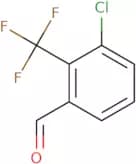
CAS:<p>Versatile small molecule scaffold</p>Formula:C13H15ClF3NOPurity:Min. 95%Molecular weight:293.71 g/mol3-Chloro-2-(trifluoromethyl)benzaldehyde
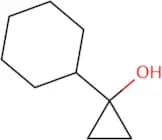
CAS:<p>Versatile small molecule scaffold</p>Formula:C8H4ClF3OPurity:Min. 95%Molecular weight:208.56 g/mol1-Cyclohexylcyclopropan-1-ol
CAS:<p>1-Cyclohexylcyclopropan-1-ol is an organic compound with the molecular formula C8H14O. It is a primary alcohol that can be obtained by the oxidation of cyclohexanol or cyclopentanol, or by the reduction of cyclopentanone. 1-Cyclohexylcyclopropan-1-ol can also be obtained from natural products, such as macrocyclic diterpenoids and tetraisopropoxide. 1CPC has been identified as a potential precursor to trifluoroacetylated cyclic peptides, which are more stable than linear peptides and have shown pluripotent properties in vitro. 1CPC is a good solvent for amines and it has been used in the synthesis of histone deacetylase inhibitors.</p>Formula:C9H16OPurity:Min. 95%Molecular weight:140.22 g/mol2-(Dimethoxymethyl)-1H-imidazole
CAS:<p>Versatile small molecule scaffold</p>Formula:C6H10N2O2Purity:Min. 95%Molecular weight:142.16 g/mol2-[(Pyridin-2-yl)amino]acetic acid hydrochloride
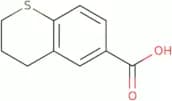
CAS:Versatile small molecule scaffoldFormula:C7H9ClN2O2Purity:Min. 95%Molecular weight:188.61 g/mol3,4-Dihydro-2H-1-benzothiopyran-6-carboxylic acid
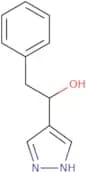
CAS:<p>Versatile small molecule scaffold</p>Formula:C10H10O2SPurity:Min. 95%Molecular weight:194.25 g/mol2-Phenyl-1-(1H-pyrazol-4-yl)ethan-1-ol
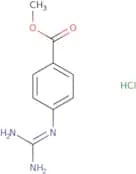
CAS:<p>Versatile small molecule scaffold</p>Formula:C11H12N2OPurity:Min. 95%Molecular weight:188.23 g/molMethyl 4-carbamimidamidobenzoate hydrochloride
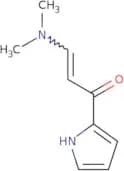
CAS:<p>Versatile small molecule scaffold</p>Formula:C9H12ClN3O2Purity:Min. 95%Molecular weight:229.66 g/mol(2E)-3-(Dimethylamino)-1-(1H-pyrrol-2-yl)prop-2-en-1-one
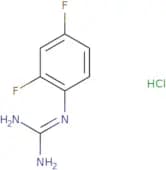
CAS:<p>Versatile small molecule scaffold</p>Formula:C9H12N2OPurity:Min. 95%Molecular weight:164.2 g/molN-(2,4-Difluorophenyl)guanidine hydrochloride
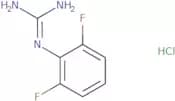
CAS:<p>Versatile small molecule scaffold</p>Formula:C7H8ClF2N3Purity:Min. 95%Molecular weight:207.61 g/molN-(2,6-Difluorophenyl)guanidine hydrochloride
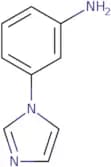
CAS:Versatile small molecule scaffoldFormula:C7H8ClF2N3Purity:Min. 95%Molecular weight:207.61 g/mol3-Imidazol-1-yl-phenylamine
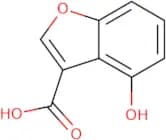
CAS:<p>3-Imidazol-1-yl-phenylamine is an organic compound that contains both aromatic and heterocyclic moieties. 3-Imidazol-1-yl-phenylamine has high thermal stability and selectivity, as well as affinity for ionic membranes. It is used in the chemical industry to transport cations such as K+, Na+, Li+, NH4+ and Ca2+. The imidazolium functional group in 3-imidazol-1-yl phenylamine contributes to its membrane affinity and ion transport properties. This compound also has a low toxicity and is not flammable or corrosive at room temperature.</p>Formula:C9H9N3Purity:Min. 95%Molecular weight:159.19 g/mol4-Hydroxy-1-benzofuran-3-carboxylic acid
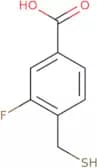
CAS:<p>Versatile small molecule scaffold</p>Formula:C9H6O4Purity:Min. 95%Molecular weight:178.14 g/mol3-Fluoro-4-(sulfanylmethyl)benzoic acid
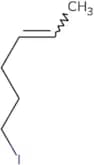
CAS:<p>Versatile small molecule scaffold</p>Formula:C8H7FO2SPurity:Min. 95%Molecular weight:186.21 g/mol(2E)-6-Iodohex-2-ene
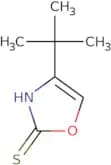
CAS:<p>Versatile small molecule scaffold</p>Formula:C6H11IPurity:Min. 95%Molecular weight:210.1 g/mol4-(tert-Butyl)oxazole-2-thiol
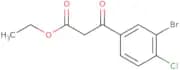
CAS:<p>Versatile small molecule scaffold</p>Formula:C7H11NOSPurity:Min. 95%Molecular weight:157.24 g/molEthyl 3-(3-bromo-4-chlorophenyl)-3-oxopropanoate
CAS:<p>Versatile small molecule scaffold</p>Formula:C11H10BrClO3Purity:Min. 95%Molecular weight:305.55 g/mol5-Chloro-1,3-dimethyl-1H,2H,3H,4H-pyrido[2,3-d]pyrimidine-2,4-dione
CAS:Versatile small molecule scaffoldFormula:C9H8ClN3O2Purity:Min. 95%Molecular weight:225.63 g/mol6-Amino-1,3-dimethyl-1H,2H,3H,4H-pyrido[2,3-d]pyrimidine-2,4-dione
CAS:<p>6-Amino-1,3-dimethyl-1H,2H,3H,4H-pyrido[2,3-d]pyrimidine-2,4-dione is a synthetic molecule that mimics the structure of pyridoxal phosphate. It has been shown to have antioxidant properties in micelles and has been used as a surfactant. This drug has also been found to have anti-inflammatory properties in animals. The mechanism of action is not known with certainty but may involve redox potentials or interaction with functional groups.</p>Formula:C9H10N4O2Purity:Min. 95%Molecular weight:206.2 g/mol6-Amino-1,2,3,4-tetrahydro-1,3-dimethyl-β,2,4-trioxo-5-pyrimidinepropanenitrile
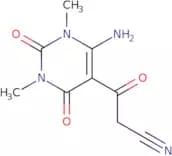
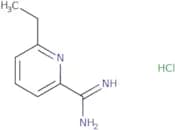
CAS:<p>Versatile small molecule scaffold</p>Formula:C9H10N4O3Purity:Min. 95%Molecular weight:222.2 g/mol6-EthylpicoliniMidaMide hydrochloride
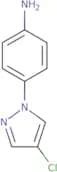
CAS:<p>Versatile small molecule scaffold</p>Formula:C8H12ClN3Purity:Min. 95%Molecular weight:185.65 g/mol4-(4-Chloro-1H-pyrazol-1-yl)aniline
CAS:<p>Versatile small molecule scaffold</p>Formula:C9H8ClN3Purity:Min. 95%Molecular weight:193.63 g/mol3,4-Dichloro-1-[(2-fluorophenyl)methyl]-2,5-dihydro-1H-pyrrole-2,5-dione
CAS:<p>Versatile small molecule scaffold</p>Formula:C11H6Cl2FNO2Purity:Min. 95%Molecular weight:274.07 g/mol3,4-Dichloro-1-[(4-fluorophenyl)methyl]-2,5-dihydro-1H-pyrrole-2,5-dione
CAS:<p>Versatile small molecule scaffold</p>Formula:C11H6Cl2FNO2Purity:Min. 95%Molecular weight:274.07 g/mol4,5-Dichloro-2-[(2-chlorophenyl)methyl]-2,3-dihydropyridazin-3-one
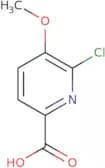
CAS:<p>Versatile small molecule scaffold</p>Formula:C11H7Cl3N2OPurity:Min. 95%Molecular weight:289.5 g/mol6-Chloro-5-methoxypyridine-2-carboxylic acid
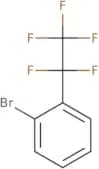
CAS:<p>Versatile small molecule scaffold</p>Formula:C7H6ClNO3Purity:Min. 95%Molecular weight:187.6 g/mol1-Bromo-2-pentafluoroethyl-benzene
CAS:<p>Versatile small molecule scaffold</p>Formula:C8H4BrF5Purity:Min. 95%Molecular weight:275.01 g/mol2-[4-(Chloromethyl)phenoxy]acetonitrile
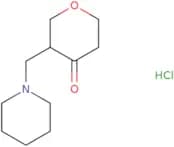
CAS:<p>Versatile small molecule scaffold</p>Formula:C9H8ClNOPurity:Min. 95%Molecular weight:181.62 g/mol3-(Piperidin-1-ylmethyl)oxan-4-one hydrochloride
CAS:<p>Versatile small molecule scaffold</p>Formula:C11H20ClNO2Purity:Min. 95%Molecular weight:233.73 g/mol3-Methyl-1H,2H,3H-pyrido[2,3-b][1,4]oxazin-2-one
CAS:<p>Versatile small molecule scaffold</p>Formula:C8H8N2O2Purity:Min. 95%Molecular weight:164.16 g/mol(1R)-1-(3-Chlorophenyl)propan-1-ol
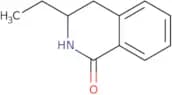
CAS:<p>Versatile small molecule scaffold</p>Formula:C9H11ClOPurity:Min. 95%Molecular weight:170.63 g/mol3-Ethyl-1,2,3,4-tetrahydroisoquinolin-1-one
CAS:<p>Versatile small molecule scaffold</p>Formula:C11H13NOPurity:Min. 95%Molecular weight:175.23 g/mol4-[(Trimethylsilyl)oxy]oxane-4-carbonitrile
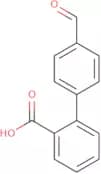
CAS:<p>Versatile small molecule scaffold</p>Formula:C9H17NO2SiPurity:Min. 95%Molecular weight:199.32 g/mol2-(4-formylphenyl)benzoic acid
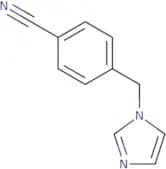
CAS:<p>Versatile small molecule scaffold</p>Formula:C14H10O3Purity:Min. 95%Molecular weight:226.2 g/mol4-(1H-Imidazol-1-ylmethyl)benzonitrile
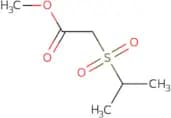
CAS:<p>4-(1H-Imidazol-1-ylmethyl)benzonitrile is a ligand that is used in coordination chemistry. It has been shown to inhibit the activity of carboxylate enzymes, such as aconitase and malate dehydrogenase. This compound binds to the terminal residues on these enzymes, which are hydrophobic and contain a carboxyl group. The coordination geometry of 4-(1H-imidazol-1-ylmethyl)benzonitrile is octahedral, with six ligands binding to the metal ion. The luminescence of this molecule is due to its fluorescence properties when excited by light at 365 nm.</p>Formula:C11H9N3Purity:Min. 95%Molecular weight:183.21 g/molMethyl 2-(propane-2-sulfonyl)acetate
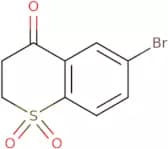
CAS:<p>Versatile small molecule scaffold</p>Formula:C6H12O4SPurity:Min. 95%Molecular weight:180.22 g/mol6-Bromo-2,3-dihydrothiochromen-1,1-dioxide-4-one
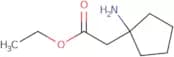
CAS:Versatile small molecule scaffoldFormula:C9H7BrO3SPurity:Min. 95%Molecular weight:275.12 g/molEthyl 2-(1-aminocyclopentyl)acetate
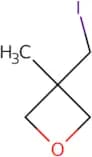
CAS:<p>Versatile small molecule scaffold</p>Formula:C9H17NO2Purity:Min. 95%Molecular weight:171.24 g/mol3-(Iodomethyl)-3-methyloxetane
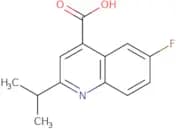
CAS:<p>Versatile small molecule scaffold</p>Formula:C5H9IOPurity:Min. 95%Molecular weight:212.03 g/mol6-Fluoro-2-(propan-2-yl)quinoline-4-carboxylic acid
CAS:<p>Versatile small molecule scaffold</p>Formula:C13H12FNO2Purity:Min. 95%Molecular weight:233.24 g/mol4-(1H-Pyrrol-1-yl)pyridine-2-carboxylic acid
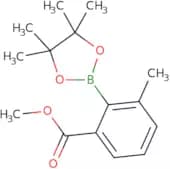
CAS:<p>4-(1H-Pyrrol-1-yl)pyridine-2-carboxylic acid (4HPPCA) is a polymerization initiator that is used in the production of polyurethane. It has been shown to have pharmacokinetic properties, such as being readily absorbed by the body and excreted in urine. 4HPPCA has been shown to be effective against cancer cells and nematodes, with inhibitory activities against protrusions and cell proliferation. The inhibitory activity may be due to its ability to interfere with the transposition of DNA segments or hyperproliferative disorders caused by pyridine compounds.</p>Formula:C10H8N2O2Purity:Min. 95%Molecular weight:188.18 g/molMethyl 3-methyl-2-(tetramethyl-1,3,2-dioxaborolan-2-yl)benzoate
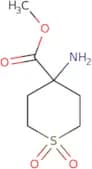
CAS:<p>Versatile small molecule scaffold</p>Formula:C15H21BO4Purity:Min. 95%Molecular weight:276.14 g/molMethyl 4-aminotetrahydro-2H-thiopyran-4-carboxylate 1,1-dioxide
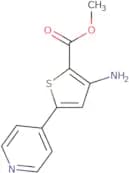
CAS:<p>Versatile small molecule scaffold</p>Formula:C7H13NO4SPurity:Min. 95%Molecular weight:207.25 g/molMethyl 3-amino-5-(pyridin-4-yl)thiophene-2-carboxylate
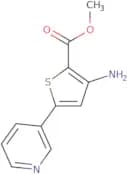
CAS:<p>Versatile small molecule scaffold</p>Formula:C11H10N2O2SPurity:Min. 95%Molecular weight:234.28 g/molMethyl 3-amino-5-(pyridin-3-yl)thiophene-2-carboxylate
CAS:<p>Versatile small molecule scaffold</p>Formula:C11H10N2O2SPurity:Min. 95%Molecular weight:234.28 g/mol(R)-1-(Benzo[b]thiophen-3-yl)ethanol
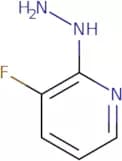
CAS:<p>Versatile small molecule scaffold</p>Formula:C10H10OSPurity:Min. 95%Molecular weight:178.25 g/mol3-Fluoro-2-hydrazinopyridine
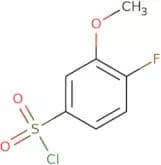
CAS:<p>Versatile small molecule scaffold</p>Formula:C5H6FN3Purity:Min. 95%Molecular weight:127.12 g/mol4-Fluoro-3-methoxybenzenesulfonyl chloride
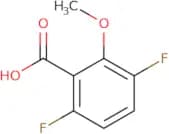
CAS:<p>Versatile small molecule scaffold</p>Formula:C7H6ClFO3SPurity:Min. 95%Molecular weight:224.63 g/mol3,6-Difluoro-2-methoxybenzoic acid
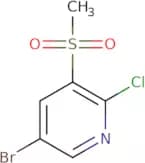
CAS:<p>3,6-Difluoro-2-methoxybenzoic acid is an analog of the herbicide fluazifop-P. It is a fluorine-containing herbicide that inhibits plant growth by inhibiting photosynthesis. 3,6-Difluoro-2-methoxybenzoic acid is used as a herbicide to control broadleaf weeds in rice paddies and soybean fields.</p>Formula:C8H6F2O3Purity:Min. 95%Molecular weight:188.13 g/mol5-Bromo-2-chloro-3-(methylsulfonyl)pyridine
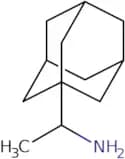
CAS:Versatile small molecule scaffoldFormula:C6H5BrClNO2SPurity:Min. 95%Molecular weight:270.53 g/mol(1S)-1-(Adamantan-1-yl)ethan-1-amine
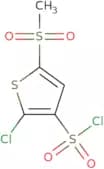
CAS:<p>Versatile small molecule scaffold</p>Formula:C12H21NPurity:Min. 95%Molecular weight:179.3 g/mol2-Chloro-5-methanesulfonylthiophene-3-sulfonyl chloride
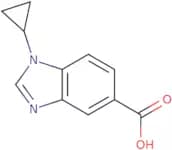
CAS:<p>Versatile small molecule scaffold</p>Formula:C5H4Cl2O4S3Purity:Min. 95%Molecular weight:295.2 g/mol1-Cyclopropyl-1,3-benzodiazole-5-carboxylic acid
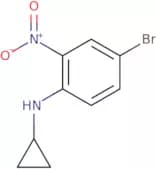
CAS:<p>Versatile small molecule scaffold</p>Formula:C11H10N2O2Purity:Min. 95%Molecular weight:202.21 g/molN-Cyclopropyl 4-bromo-2-nitroaniline
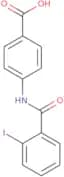
CAS:<p>Versatile small molecule scaffold</p>Formula:C9H9BrN2O2Purity:Min. 95%Molecular weight:257.09 g/mol4-(2-Iodobenzamido)benzoic acid
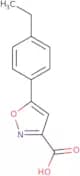
CAS:<p>Versatile small molecule scaffold</p>Formula:C14H10INO3Purity:Min. 95%Molecular weight:367.14 g/mol5-(4-Ethylphenyl)-1,2-oxazole-3-carboxylic acid
CAS:<p>Versatile small molecule scaffold</p>Formula:C12H11NO3Purity:Min. 95%Molecular weight:217.22 g/mol2-tert-Butylimidazo[1,2-a]pyrimidine
CAS:<p>Versatile small molecule scaffold</p>Formula:C10H13N3Purity:Min. 95%Molecular weight:175.23 g/mol1-Phenyl-3-(trifluoromethyl)-1H-thieno[2,3-c]pyrazole-5-carboxylic acid
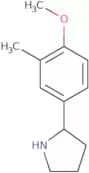
CAS:<p>Versatile small molecule scaffold</p>Formula:C13H7F3N2O2SPurity:Min. 95%Molecular weight:312.27 g/mol2-(4-Methoxy-3-methylphenyl)pyrrolidine
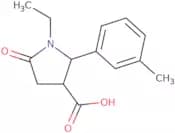
CAS:<p>Versatile small molecule scaffold</p>Formula:C12H17NOPurity:Min. 95%Molecular weight:191.27 g/mol1-Ethyl-2-(3-methylphenyl)-5-oxopyrrolidine-3-carboxylic acid
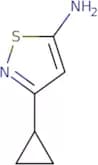
CAS:<p>Versatile small molecule scaffold</p>Formula:C14H17NO3Purity:Min. 95%Molecular weight:247.29 g/mol3-Cyclopropyl-1,2-thiazol-5-amine
CAS:<p>Versatile small molecule scaffold</p>Formula:C6H8N2SPurity:Min. 95%Molecular weight:140.21 g/mol

![1-[(Pyridin-3-yl)methyl]imidazolidin-2-one](/_next/image/?url=https%3A%2Fstatic.cymitquimica.com%2Fproducts%2F3D%2Fthumb-webp%2FMBA73290.webp&w=3840&q=75)
![1-Methyl-2,6,7-trioxabicyclo[2.2.2]octan-4-amine](/_next/image/?url=https%3A%2Fstatic.cymitquimica.com%2Fproducts%2F3D%2Fthumb-webp%2FMBA78752.webp&w=3840&q=75)
![5-(Aminomethyl)benzo[b]furan](/_next/image/?url=https%3A%2Fstatic.cymitquimica.com%2Fproducts%2F3D%2Fthumb-webp%2FMBA79808.webp&w=3840&q=75)
![4-Hydroxy-1-methyl-1H-pyrazolo[3,4-b]pyridine-5-carboxylic acid](/_next/image/?url=https%3A%2Fstatic.cymitquimica.com%2Fproducts%2F3D%2Fthumb-webp%2FMBA80004.webp&w=3840&q=75)
![Ethyl 4-chloro-1-methyl-1H-pyrazolo[3,4-b]pyridine-5-carboxylate](/_next/image/?url=https%3A%2Fstatic.cymitquimica.com%2Fproducts%2F3D%2Fthumb-webp%2FMBA80157.webp&w=3840&q=75)
![4-[(Phenylamino)methyl]benzonitrile](/_next/image/?url=https%3A%2Fstatic.cymitquimica.com%2Fproducts%2F3D%2Fthumb-webp%2FMBA81249.webp&w=3840&q=75)
![O-[(3-Pyridyl)methyl]hydroxylamine](/_next/image/?url=https%3A%2Fstatic.cymitquimica.com%2Fproducts%2F3D%2Fthumb-webp%2FMBA83220.webp&w=3840&q=75)
![3-[(2-Aminophenyl)sulfanyl]-2-methylpropanenitrile](/_next/image/?url=https%3A%2Fstatic.cymitquimica.com%2Fproducts%2F3D%2Fthumb-webp%2FMBA84563.webp&w=3840&q=75)
![4-Azaspiro[bicyclo[2.2.2]octane-2,4'-imidazolidine]-2',5'-dione](/_next/image/?url=https%3A%2Fstatic.cymitquimica.com%2Fproducts%2F3D%2Fthumb-webp%2FMBA87420.webp&w=3840&q=75)

![2-{[(2,2,2-Trifluoroethoxy)carbonyl]amino}acetic acid](/_next/image/?url=https%3A%2Fstatic.cymitquimica.com%2Fproducts%2F3D%2Fthumb-webp%2FMBA88815.webp&w=3840&q=75)


![2-[3-Bromo-4-(propan-2-yloxy)phenyl]acetonitrile](/_next/image/?url=https%3A%2Fstatic.cymitquimica.com%2Fproducts%2F3D%2Fthumb-webp%2FMBA94639.webp&w=3840&q=75)
![Ethyl 3-[(5-hydroxypentyl)(methyl)amino]propanoate](/_next/image/?url=https%3A%2Fstatic.cymitquimica.com%2Fproducts%2F3D%2Fthumb-webp%2FMBA94715.webp&w=3840&q=75)
![2-[5-Oxo-1-(pyridin-2-yl)-2,5-dihydro-1H-pyrazol-3-yl]acetic acid](/_next/image/?url=https%3A%2Fstatic.cymitquimica.com%2Fproducts%2F3D%2Fthumb-webp%2FMBA95919.webp&w=3840&q=75)
![3H,4H-Pyrido[3,2-d][1,2,3]triazin-4-one](/_next/image/?url=https%3A%2Fstatic.cymitquimica.com%2Fproducts%2F3D%2Fthumb-webp%2FMBA96289.webp&w=3840&q=75)

![5-Methyl-4H,7H-thieno[3,2-b]pyridin-7-one](/_next/image/?url=https%3A%2Fstatic.cymitquimica.com%2Fproducts%2F3D%2Fthumb-webp%2FMBA98604.webp&w=3840&q=75)
![2-[4-(3-Formyl-2,5-dimethyl-1H-pyrrol-1-yl)phenoxy]acetic acid](/_next/image/?url=https%3A%2Fstatic.cymitquimica.com%2Fproducts%2F3D%2Fthumb-webp%2FMBB15428.webp&w=3840&q=75)


![2-Oxo-1H,2H,5H,6H,7H,8H,9H-cyclohepta[b]pyridine-3-carboxylic acid](/_next/image/?url=https%3A%2Fstatic.cymitquimica.com%2Fproducts%2F3D%2Fthumb-webp%2FMEA07232.webp&w=3840&q=75)

amine](/_next/image/?url=https%3A%2Fstatic.cymitquimica.com%2Fproducts%2F3D%2Fthumb-webp%2FMEA08654.webp&w=3840&q=75)
![3-{[(Pyridin-2-yl)methyl]amino}propanenitrile](/_next/image/?url=https%3A%2Fstatic.cymitquimica.com%2Fproducts%2F3D%2Fthumb-webp%2FMEA08658.webp&w=3840&q=75)
![1-{3-[2-(3-Acetylphenoxy)ethoxy]phenyl}ethan-1-one](/_next/image/?url=https%3A%2Fstatic.cymitquimica.com%2Fproducts%2F3D%2Fthumb-webp%2FMEA09259.webp&w=3840&q=75)


![3-Methyl-5H,7H-furo[3,4-b]pyridine-5,7-dione](/_next/image/?url=https%3A%2Fstatic.cymitquimica.com%2Fproducts%2F3D%2Fthumb-webp%2FMEA11017.webp&w=3840&q=75)

![2-[5-(Trifluoromethyl)-1,3-benzothiazol-2-yl]acetonitrile](/_next/image/?url=https%3A%2Fstatic.cymitquimica.com%2Fproducts%2F3D%2Fthumb-webp%2FMEA14611.webp&w=3840&q=75)



![2-[(3-Chloropropyl)sulfanyl]acetonitrile](/_next/image/?url=https%3A%2Fstatic.cymitquimica.com%2Fproducts%2F3D%2Fthumb-webp%2FMEA21293.webp&w=3840&q=75)
![2-Chloromethyl-imidazo[1,2-a]pyridine;hydrochloride](/_next/image/?url=https%3A%2Fstatic.cymitquimica.com%2Fproducts%2F3D%2Fthumb-webp%2FMEA23020.webp&w=3840&q=75)


![Furo[3,2-b]pyridine-2-carbaldehyde](/_next/image/?url=https%3A%2Fstatic.cymitquimica.com%2Fproducts%2F3D%2Fthumb-webp%2FMEA37205.webp&w=3840&q=75)
![Furo[3,2-c]pyridine-2-carbaldehyde](/_next/image/?url=https%3A%2Fstatic.cymitquimica.com%2Fproducts%2F3D%2Fthumb-webp%2FMEA37207.webp&w=3840&q=75)
![Furo[3,2-b]pyridine-2-carboxylic acid](/_next/image/?url=https%3A%2Fstatic.cymitquimica.com%2Fproducts%2F3D%2Fthumb-webp%2FMEA37214.webp&w=3840&q=75)
![Furo[2,3-c]pyridine-2-carboxylic acid](/_next/image/?url=https%3A%2Fstatic.cymitquimica.com%2Fproducts%2F3D%2Fthumb-webp%2FMEA37215.webp&w=3840&q=75)
![Furo[3,2-c]pyridine-2-carboxylic acid](/_next/image/?url=https%3A%2Fstatic.cymitquimica.com%2Fproducts%2F3D%2Fthumb-webp%2FMEA37216.webp&w=3840&q=75)
![2-Benzyl-2-azabicyclo[2.2.1]hept-5-ene](/_next/image/?url=https%3A%2Fstatic.cymitquimica.com%2Fproducts%2F3D%2Fthumb-webp%2FMEA37505.webp&w=3840&q=75)
![Ethyl 2-[(dimethylamino)methylidene]-3-oxohexanoate](/_next/image/?url=https%3A%2Fstatic.cymitquimica.com%2Fproducts%2F3D%2Fthumb-webp%2FMEA38121.webp&w=3840&q=75)
![[(3R)-3-Amino-2-oxobutyl]phosphonic acid](/_next/image/?url=https%3A%2Fstatic.cymitquimica.com%2Fproducts%2F3D%2Fthumb-webp%2FMEA39253.webp&w=3840&q=75)
![Methyl 2-{[(tert-butoxy)carbonyl]amino}propanoate](/_next/image/?url=https%3A%2Fstatic.cymitquimica.com%2Fproducts%2F3D%2Fthumb-webp%2FMEA39266.webp&w=3840&q=75)
![(1R)-1-[(4S)-2,2-Dimethyl-1,3-dioxolan-4-yl]ethan-1-amine](/_next/image/?url=https%3A%2Fstatic.cymitquimica.com%2Fproducts%2F3D%2Fthumb-webp%2FMEA39573.webp&w=3840&q=75)
![(1S)-1-[(4S)-2,2-Dimethyl-1,3-dioxolan-4-yl]ethan-1-amine](/_next/image/?url=https%3A%2Fstatic.cymitquimica.com%2Fproducts%2F3D%2Fthumb-webp%2FMEA39574.webp&w=3840&q=75)
![2-[2-(4-Methoxyphenyl)-2-oxoethyl]-5,5-dimethylcyclohexane-1,3-dione](/_next/image/?url=https%3A%2Fstatic.cymitquimica.com%2Fproducts%2F3D%2Fthumb-webp%2FMEA40428.webp&w=3840&q=75)

![5H,6H,7H-Pyrrolo[1,2-a]imidazol-7-ol](/_next/image/?url=https%3A%2Fstatic.cymitquimica.com%2Fproducts%2F3D%2Fthumb-webp%2FMEA51379.webp&w=3840&q=75)

![Ethyl 2-({N'-[(tert-butoxy)carbonyl]hydrazinecarbonyl}amino)acetate](/_next/image/?url=https%3A%2Fstatic.cymitquimica.com%2Fproducts%2F3D%2Fthumb-webp%2FMEA55061.webp&w=3840&q=75)
![1-Bromo-4-[chloro(difluoro)methoxy]benzene](/_next/image/?url=https%3A%2Fstatic.cymitquimica.com%2Fproducts%2F3D%2Fthumb-webp%2FMEA55613.webp&w=3840&q=75)

![2,5,7-Trimethylpyrazolo[1,5-a]pyrimidine](/_next/image/?url=https%3A%2Fstatic.cymitquimica.com%2Fproducts%2F3D%2Fthumb-webp%2FMEA58174.webp&w=3840&q=75)
![6-Chloroimidazo[2,1-b][1,3]thiazole-5-sulfonamide](/_next/image/?url=https%3A%2Fstatic.cymitquimica.com%2Fproducts%2F3D%2Fthumb-webp%2FMEA58289.webp&w=3840&q=75)
![Imidazo[1,2-a]pyridine sulfonamide](/_next/image/?url=https%3A%2Fstatic.cymitquimica.com%2Fproducts%2F3D%2Fthumb-webp%2FMEA58313.webp&w=3840&q=75)
![2-chloro-6-(trifluoromethyl)imidazo[1,2-a]pyridine](/_next/image/?url=https%3A%2Fstatic.cymitquimica.com%2Fproducts%2F3D%2Fthumb-webp%2FMEA60116.webp&w=3840&q=75)
![5-Amino-3-[(4-methoxyphenyl)amino]-1H-pyrazole-4-carbonitrile](/_next/image/?url=https%3A%2Fstatic.cymitquimica.com%2Fproducts%2F3D%2Fthumb-webp%2FMEA60639.webp&w=3840&q=75)
![2,3,4,5-Tetrahydro-1H-benzo[b]azepine hydrochloride](/_next/image/?url=https%3A%2Fstatic.cymitquimica.com%2Fproducts%2F3D%2Fthumb-webp%2FMEA61003.webp&w=3840&q=75)
![2H-Benzo[b][1,4]oxathiepin-3(4H)-one](/_next/image/?url=https%3A%2Fstatic.cymitquimica.com%2Fproducts%2F3D%2Fthumb-webp%2FMEA63224.webp&w=3840&q=75)
![N-[4-Chloro-2-methyl-3-(trifluoromethyl)phenyl]-2,2-dimethylpropanamide](/_next/image/?url=https%3A%2Fstatic.cymitquimica.com%2Fproducts%2F3D%2Fthumb-webp%2FMEA64123.webp&w=3840&q=75)

![2-[(Pyridin-2-yl)amino]acetic acid hydrochloride](/_next/image/?url=https%3A%2Fstatic.cymitquimica.com%2Fproducts%2F3D%2Fthumb-webp%2FMEA65688.webp&w=3840&q=75)
![5-Chloro-1,3-dimethyl-1H,2H,3H,4H-pyrido[2,3-d]pyrimidine-2,4-dione](/_next/image/?url=https%3A%2Fstatic.cymitquimica.com%2Fproducts%2F3D%2Fthumb-webp%2FMEA73483.webp&w=3840&q=75)
![6-Amino-1,3-dimethyl-1H,2H,3H,4H-pyrido[2,3-d]pyrimidine-2,4-dione](/_next/image/?url=https%3A%2Fstatic.cymitquimica.com%2Fproducts%2F3D%2Fthumb-webp%2FMEA73489.webp&w=3840&q=75)
![3,4-Dichloro-1-[(2-fluorophenyl)methyl]-2,5-dihydro-1H-pyrrole-2,5-dione](/_next/image/?url=https%3A%2Fstatic.cymitquimica.com%2Fproducts%2F3D%2Fthumb-webp%2FMEA74947.webp&w=3840&q=75)
![3,4-Dichloro-1-[(4-fluorophenyl)methyl]-2,5-dihydro-1H-pyrrole-2,5-dione](/_next/image/?url=https%3A%2Fstatic.cymitquimica.com%2Fproducts%2F3D%2Fthumb-webp%2FMEA74950.webp&w=3840&q=75)
![4,5-Dichloro-2-[(2-chlorophenyl)methyl]-2,3-dihydropyridazin-3-one](/_next/image/?url=https%3A%2Fstatic.cymitquimica.com%2Fproducts%2F3D%2Fthumb-webp%2FMEA74952.webp&w=3840&q=75)
![2-[4-(Chloromethyl)phenoxy]acetonitrile](/_next/image/?url=https%3A%2Fstatic.cymitquimica.com%2Fproducts%2F3D%2Fthumb-webp%2FMEA77283.webp&w=3840&q=75)
![3-Methyl-1H,2H,3H-pyrido[2,3-b][1,4]oxazin-2-one](/_next/image/?url=https%3A%2Fstatic.cymitquimica.com%2Fproducts%2F3D%2Fthumb-webp%2FMEA77731.webp&w=3840&q=75)

![4-[(Trimethylsilyl)oxy]oxane-4-carbonitrile](/_next/image/?url=https%3A%2Fstatic.cymitquimica.com%2Fproducts%2F3D%2Fthumb-webp%2FMEA79902.webp&w=3840&q=75)

![(R)-1-(Benzo[b]thiophen-3-yl)ethanol](/_next/image/?url=https%3A%2Fstatic.cymitquimica.com%2Fproducts%2F3D%2Fthumb-webp%2FMKB25660.webp&w=3840&q=75)
![2-tert-Butylimidazo[1,2-a]pyrimidine](/_next/image/?url=https%3A%2Fstatic.cymitquimica.com%2Fproducts%2F3D%2Fthumb-webp%2FMKB36066.webp&w=3840&q=75)
![1-Phenyl-3-(trifluoromethyl)-1H-thieno[2,3-c]pyrazole-5-carboxylic acid](/_next/image/?url=https%3A%2Fstatic.cymitquimica.com%2Fproducts%2F3D%2Fthumb-webp%2FMKB36086.webp&w=3840&q=75)