


Building Blocks
This section contains fundamental products for the synthesis of organic and biological compounds. Building blocks are the essential starting materials used to construct complex molecules through various chemical reactions. They play a critical role in drug discovery, material science, and chemical research. At CymitQuimica, we offer a diverse range of high-quality building blocks to support your innovative research and industrial projects, ensuring you have the essential components for successful synthesis.
Subcategories of "Building Blocks"
- Boronic Acids & Boronic Acid Derivatives(5,756 products)
- Chiral Building Blocks(1,242 products)
- Hydrocarbon Building Blocks(6,095 products)
- Organic Building Blocks(61,037 products)
Found 196200 products of "Building Blocks"
Sort by
Purity (%)
0
100
|
0
|
50
|
90
|
95
|
100
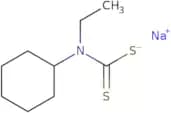
Sodium cyclohexyl(ethyl)carbamodithioate
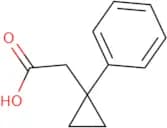
CAS:<p>Versatile small molecule scaffold</p>Formula:C9H16NNaS2Purity:Min. 95%Molecular weight:225.4 g/mol2-(1-Phenylcyclopropyl)acetic acid
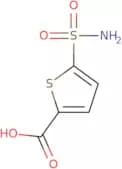
CAS:<p>Versatile small molecule scaffold</p>Formula:C11H12O2Purity:Min. 95%Molecular weight:176.21 g/mol5-Sulfamoylthiophene-2-carboxylic acid
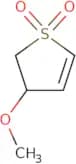
CAS:<p>Versatile small molecule scaffold</p>Formula:C5H5NO4S2Purity:Min. 95%Molecular weight:207.2 g/mol3-methoxy-2,3-dihydrothiophene 1,1-dioxide
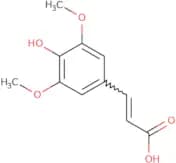
CAS:<p>Versatile small molecule scaffold</p>Formula:C5H8O3SPurity:Min. 95%Molecular weight:148.18 g/moltrans-Sinapic acid
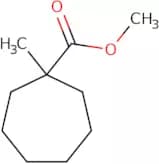
CAS:<p>Trans-Sinapic acid is an organic compound with the formula HOCHC(OH)CHCOH. It is a white solid that is soluble in water and ethanol. Trans-Sinapic acid is found in plants, such as the leaves of Vitexin, and has been shown to have various pharmacological activities including anti-inflammatory and anticholinesterase properties. Trans-Sinapic acid also has been shown to be a potent inhibitor of acetylcholinesterase (AChE) activity. AChE inhibitors are used clinically as treatments for Alzheimer's disease and other conditions involving memory loss and cognitive decline. Trans-Sinapic acid binds to AChE with high affinity and inhibits its ability to break down acetylcholine, thereby increasing its concentration at nerve junctions. This may lead to improvement in symptoms associated with Alzheimer's disease, such as memory loss and cognitive decline.</p>Formula:C11H12O5Purity:Min. 95%Color and Shape:PowderMolecular weight:224.21 g/molMethyl 1-methylcycloheptane-1-carboxylate
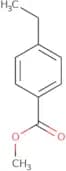
CAS:<p>Versatile small molecule scaffold</p>Formula:C10H18O2Purity:Min. 95%Molecular weight:170.25 g/molMethyl 4-ethylbenzoate
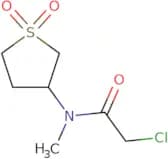
CAS:<p>Methyl 4-ethylbenzoate is an activated sensitizer that is used in the production of polyvinyl chloride. It is isolated from a reaction mixture by distillation and has been shown to be an efficient method for activation of ethylbenzene. The organoleptic properties of methyl 4-ethylbenzoate are dependent on the temperature, with higher temperatures producing a more unpleasant odor. Methyl 4-ethylbenzoate can also be used as a catalyst for electrocatalysis reactions that involve c–h bond activation. This chemical has been found to be useful in the production of polyethylene terephthalate and its derivatives, which are used in many products such as packaging materials, plastic bottles, fibers, and clothing.</p>Formula:C10H12O2Purity:Min. 95%Molecular weight:164.2 g/mol2-Chloro-N-(1,1-dioxo-tetrahydro-1λ(6)-thiophen-3-yl)-N-methyl-acetamide
CAS:<p>Versatile small molecule scaffold</p>Formula:C7H12ClNO3SPurity:Min. 95%Molecular weight:225.69 g/mol4-[(E)-2-(2-Methylphenyl)ethenyl]pyridine
CAS:<p>Versatile small molecule scaffold</p>Formula:C14H13NPurity:Min. 95%Molecular weight:195.26 g/mol2-[4-(Bromomethyl)phenyl]acetonitrile
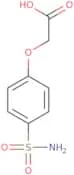
CAS:<p>Versatile small molecule scaffold</p>Formula:C9H8BrNPurity:Min. 95%Molecular weight:210.07 g/mol2-(4-Sulfamoylphenoxy)acetic acid
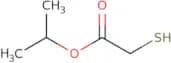
CAS:<p>2-(4-Sulfamoylphenoxy)acetic acid is a chemical compound with the formula CHOSO2H. It is a colorless liquid that is soluble in water and polar organic solvents. It can be prepared by treating 4-hydroxybenzoic acid with sulfuryl chloride to produce the ethyl ester, which hydrolyses to give 2-(4-sulfamoylphenoxy)acetic acid. The compound has been used as a model for kinetic studies of reactions involving protonated amines and hydroxyl groups. A microencapsulation technique was developed for preparing stable dispersions of the drug in water with an average particle size of 1.5 micrometres.</p>Formula:C8H9NO5SPurity:Min. 95%Molecular weight:231.23 g/molPropan-2-yl 2-sulfanylacetate
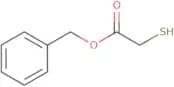
CAS:<p>Propan-2-yl 2-sulfanylacetate is a chloride that is the magnesium salt of propan-2-yl 2-sulfanylacetic acid. It has been shown to be a film forming polymer with a number of functional groups and has been used as a fixative agent for acrylonitrile. Propan-2-yl 2-sulfanylacetate has also been shown to have anti psychotic effects in patients with chronic schizophrenia, and may be due to its primary amino group.</p>Formula:C5H10O2SPurity:Min. 95%Molecular weight:134.2 g/molBenzyl 2-sulfanylacetate
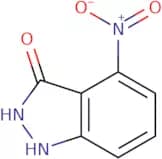
CAS:<p>Benzyl 2-sulfanylacetate is a liquid crystal compound that belongs to the group of aromatic hydrocarbons and fatty acids. It has a high resistance to chloride and an alkylthio group. Benzyl 2-sulfanylacetate can be used as a film-forming polymer, which is used in the stabilizing of pyrimidine compounds and phosphites. Benzyl 2-sulfanylacetate also has neurotrophic effects and can be used for dry extract enzymatic reactions.</p>Formula:C9H10O2SPurity:Min. 95%Molecular weight:182.24 g/mol4-Nitro-1H-indazol-3-ol
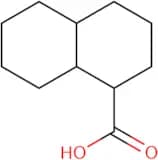
CAS:<p>Versatile small molecule scaffold</p>Formula:C7H5N3O3Purity:Min. 95%Molecular weight:179.13 g/moldecahydronaphthalene-1-carboxylic acid
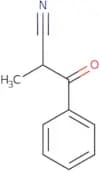
CAS:<p>Decahydronaphthalene-1-carboxylic acid is a polyester that is synthesized from a primary alcohol and the carboxylic acid. It is an efficient method to produce naphthalene by oxidation of decahydronaphthalene-1-carboxylic acid with manganese dioxide in the presence of peroxide. The reaction rate can be increased by using a suitable catalyst such as copper, iron, or nickel. Decahydronaphthalene-1-carboxylic acid has been used to synthesize cycloalkanes with high yields. The toxicity of decahydronaphthalene-1-carboxylic acid depends on its metal content.</p>Formula:C11H18O2Purity:Min. 95%Molecular weight:182.26 g/mol2-Methyl-3-oxo-3-phenylpropanenitrile
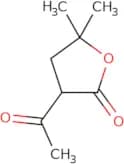
CAS:<p>2-Methyl-3-oxo-3-phenylpropanenitrile is an activated form of acetonitrile. It is a colorless liquid with a strong ammonia odor. 2-Methyl-3-oxo-3-phenylpropanenitrile is used as a reagent in organic synthesis and can be used to catalyze the elimination of hydroxyl groups, activating groups, and carbonyl groups. 2-Methyl-3-oxo-3-phenylpropanenitrile has been shown to be capable of hydrogenating unsaturated bonds during the course of nucleophilic substitution reactions. The compound can also be used to synthesize isoxazoles, which are used as pharmaceuticals or pesticides.</p>Formula:C10H9NOPurity:Min. 95%Molecular weight:159.18 g/mol3-Acetyl-5,5-dimethyloxolan-2-one
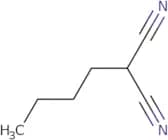
CAS:<p>Versatile small molecule scaffold</p>Formula:C8H12O3Purity:Min. 95%Molecular weight:156.18 g/mol2-Butylpropanedinitrile
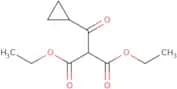
CAS:<p>2-Butylpropanedinitrile is an aliphatic hydrocarbon that is used as a solvent in the manufacture of pesticides and pharmaceutical preparations. It is also used to produce diphenyl ethers, which are used as solvents for dyes and lacquers. This compound has been shown to be sensitive to lithium and is nonaqueous. It reacts with ester compounds, such as pesticides, to form ester products which are reactive. The electrode potential of 2-butylpropanedinitrile is reversibly determined by the electrolyte solution it is in.</p>Formula:C7H10N2Purity:Min. 95%Molecular weight:122.17 g/mol1,3-Diethyl 2-cyclopropanecarbonylpropanedioate
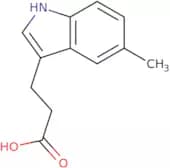
CAS:<p>Diethyl malonate is an organic compound that is used as a reactant in the synthesis of esters. It is prepared by the elimination of diethyl oxalate from diethyl acetoacetate with sodium hydroxide. Diethyl malonate reacts with propiolic acid to form 1,3-diethyl 2-cyclopropanecarbonylpropanedioate. This compound can also be prepared by reacting ethyl chloroformate with propiolic acid. The elimination reaction of diethyl malonate and propiolic acid yields 1,3-diethyl 2-cyclopropanecarbonylpropanedioate and water.</p>Formula:C11H16O5Purity:Min. 95%Molecular weight:228.24 g/mol3-(5-methyl-1H-indol-3-yl)propanoic acid
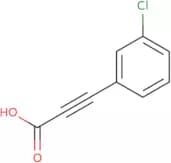
CAS:<p>Versatile small molecule scaffold</p>Formula:C12H13NO2Purity:Min. 95%Molecular weight:203.24 g/mol3-(3-chlorophenyl)prop-2-ynoic acid
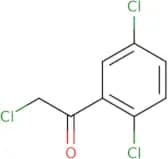
CAS:<p>Versatile small molecule scaffold</p>Formula:C9H5O2ClPurity:Min. 95%Molecular weight:180.59 g/mol2-Chloro-1-(2,5-dichlorophenyl)ethan-1-one
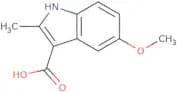
CAS:<p>Versatile small molecule scaffold</p>Formula:C8H5Cl3OPurity:Min. 95%Molecular weight:223.5 g/mol5-Methoxy-2-methyl-1H-indole-3-carboxylic acid
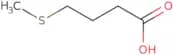
CAS:<p>Versatile small molecule scaffold</p>Formula:C11H11NO3Purity:Min. 95%Molecular weight:205.21 g/mol4-(Methylsulfanyl)butanoic acid
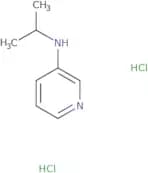
CAS:<p>4-(Methylsulfanyl)butanoic acid is an organic solvent that is used in the production of butyric acid and butyronitrile. It is also a reaction product of inorganic acids, such as sulfuric acid, hydrogen sulfate, and nitric acid. 4-(Methylsulfanyl)butanoic acid has a crystalline structure and optical properties that are similar to those of acetic acid. This compound is expressed in plasmids and can be used as an amide or metal chelate. The enzymatic methods of 4-(methylsulfanyl)butanoic acid are supplementing with hydrogen sulfate or recycled by adding an acid catalyst.</p>Formula:C5H10O2SPurity:Min. 95%Molecular weight:134.2 g/molN-(Propan-2-yl)pyridin-3-amine
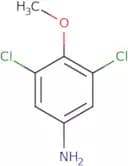
CAS:<p>Versatile small molecule scaffold</p>Formula:C8H14Cl2N2Purity:Min. 95%Molecular weight:209.11 g/mol3,5-Dichloro-4-methoxyaniline
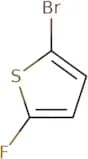
CAS:<p>3,5-Dichloro-4-methoxyaniline is a chemical compound that belongs to the group of medicinal compounds. It is used as an intermediate in organic synthesis and has been found to inhibit the growth of cancer cells. This molecule can be prepared by reacting 3,5-dichloroaniline with methoxyacetone in the presence of hydrochloric acid. The chemical shifts observed for this compound's proton resonances are consistent with its structure as a geometric isomer. This molecule has two chiral centers and eight possible stereoisomers. Tic10 (N-[3-(3,4-dichlorophenyl)propionyl]glycine) is one such stereoisomer that inhibits the growth of cancer cells through damage to protein structures. Tic10 has been shown to be more potent than bosutinib, an inhibitor of Bcr-Abl kinase, in inhibiting tumor growth in animal models.</p>Formula:C7H7Cl2NOPurity:Min. 95%Molecular weight:192.04 g/mol2-Bromo-5-fluorothiophene
CAS:<p>Versatile small molecule scaffold</p>Formula:C4H2BrFSPurity:Min. 95%Molecular weight:181.03 g/molN-[(5-Acetylthiophen-2-yl)methyl]acetamide
CAS:<p>Versatile small molecule scaffold</p>Formula:C9H11NO2SPurity:Min. 95%Molecular weight:197.26 g/molEthyl [(5-amino-1,3,4-thiadiazol-2-yl)thio]acetate
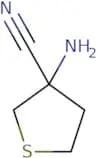
CAS:<p>Versatile small molecule scaffold</p>Formula:C6H9N3O2S2Purity:Min. 95%Molecular weight:219.3 g/mol3-Aminothiolane-3-carbonitrile
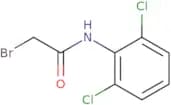
CAS:<p>Versatile small molecule scaffold</p>Formula:C5H8N2SPurity:Min. 95%Molecular weight:128.2 g/mol2-Bromo-N-(2,6-dichlorophenyl)acetamide
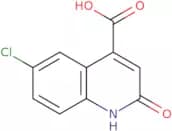
CAS:<p>Versatile small molecule scaffold</p>Formula:C8H6BrCl2NOPurity:Min. 95%Molecular weight:282.95 g/mol6-Chloro-2-oxo-1,2-dihydroquinoline-4-carboxylic acid
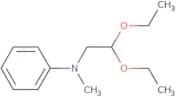
CAS:<p>6-Chloro-2-oxo-1,2-dihydroquinoline-4-carboxylic acid (6ClOQ) is a molecule that is used as a diagnostic agent and biodegradable drug. It has high affinity binding with target tissues, such as the liver and kidney. 6ClOQ also has potential as an anticancer drug, which may be due to its ability to inhibit DNA synthesis by interacting with hydroxyl groups. 6ClOQ can be conjugated with different molecules, such as monoclonal antibodies, and this characteristic can be used to increase its efficacy in targeting cancer cells. The conjugation of 6ClOQ to a monoclonal antibody increases the stability of the drug and decreases its toxicity.</p>Formula:C10H6ClNO3Purity:Min. 95%Molecular weight:223.61 g/molN-(2,2-Diethoxyethyl)-N-methylaniline
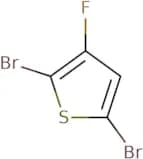
CAS:<p>Versatile small molecule scaffold</p>Formula:C13H21NO2Purity:Min. 95%Molecular weight:223.31 g/mol2,5-dibromo-3-fluorothiophene
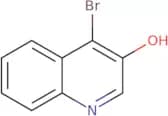
CAS:<p>Versatile small molecule scaffold</p>Formula:C4HBr2FSPurity:Min. 95%Molecular weight:259.9 g/mol4-bromoquinolin-3-ol
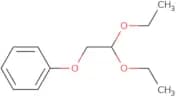
CAS:<p>4-bromoquinolin-3-ol is a piperidine derivative that belongs to the group of pyrrole derivatives. It is primarily used as a reagent in organic synthesis and in the preparation of 3-bromo-5-hydroxypyridine, 2-amino-4-hydroxypyridine, and 3-amino-2-bromopyridine. 4BQ3H is an isomeric nucleus with substitutions on the 2-, 4-, or 6 positions. The hydroxy group on the 3 position can be substituted with a variety of groups such as methoxy, ethoxy, or acetoxy. The oxindole moiety can also be replaced by a piperidide moiety. Note that the aminations are reversible under basic conditions.</p>Formula:C9H6NOBrPurity:Min. 95%Molecular weight:224.05 g/mol(2,2-Diethoxyethoxy)benzene
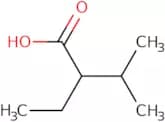
CAS:<p>2,2-Diethoxyethoxy)benzene is a chemical that belongs to the group of polyvinyl alcohols. It is an organic compound that can be found in the environment, usually as a byproduct of industrial processes. The chemical is used in coatings, plasticizers, and solvents. 2,2-Diethoxyethoxy)benzene has been shown to cause heart disease and eye disorders when it binds to the receptors in the body.</p>Formula:C12H18O3Purity:Min. 95%Molecular weight:210.27 g/mol2-Ethyl-3-methylbutanoic acid
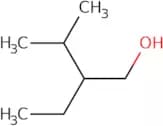
CAS:<p>2-Ethyl-3-methylbutanoic acid is a plant cell-active compound that belongs to the group of alkylating agents. It is an acetaldehyde analogue and can be used for the synthesis of trachelanthamine, which is a skeleton building agent in the biosynthesis pathway for valine. 2-Ethyl-3-methylbutanoic acid is activated by incubation with unlabelled ethyl groups. This compound can also be used to synthesize acetaldehyde, which can be analyzed using chromatography.</p>Formula:C7H14O2Purity:Min. 95%Molecular weight:130.18 g/mol2-Ethyl-3-methylbutan-1-ol
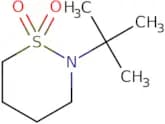
CAS:<p>2-Ethyl-3-methylbutan-1-ol is a chemical that can be activated at the 2-, 3-, or 4-position by a stepwise process. The amines are used in the synthesis of other compounds, such as pharmaceuticals and polymers. The selectivity for the alkylation reaction is high, with yields greater than 95%. The ethyl group can be removed from 2-ethyl-3-methylbutan-1-ol by using an alcohol catalyst. This chemical has been shown to have high yields when synthesized with a transfer hydrogenation reaction. It also has a byproduct that can be removed with hydrogen gas in the presence of palladium on carbon.</p>Formula:C7H16OPurity:Min. 95%Molecular weight:116.2 g/mol2-tert-Butyl-1λ⁶,2-thiazinane-1,1-dione
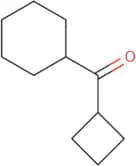
CAS:<p>Versatile small molecule scaffold</p>Formula:C8H17NO2SPurity:Min. 95%Molecular weight:191.29 g/molCyclobutyl(cyclohexyl)methanone
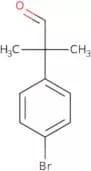
CAS:<p>Versatile small molecule scaffold</p>Formula:C11H18OPurity:Min. 95%Molecular weight:166.26 g/mol2-(4-Bromophenyl)-2-methylpropanal
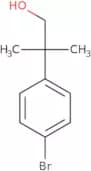
CAS:<p>Versatile small molecule scaffold</p>Formula:C10H11BrOPurity:Min. 95%Molecular weight:227.1 g/mol2-(4-Bromophenyl)-2-methylpropan-1-ol
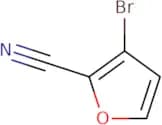
CAS:<p>Versatile small molecule scaffold</p>Formula:C10H13BrOPurity:Min. 95%Molecular weight:229.11 g/mol3-Bromofuran-2-carbonitrile
CAS:<p>Versatile small molecule scaffold</p>Formula:C5H2BrNOPurity:Min. 95%Molecular weight:171.98 g/mol1-[3-Methoxy-4-(methylsulfanyl)phenyl]ethan-1-one
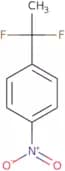
CAS:<p>Versatile small molecule scaffold</p>Formula:C10H12O2SPurity:Min. 95%Molecular weight:196.27 g/mol1-(1,1-Difluoroethyl)-4-nitrobenzene
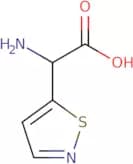
CAS:<p>Versatile small molecule scaffold</p>Formula:C8H7F2NO2Purity:Min. 95%Molecular weight:187.15 g/mol2-Amino-2-(1,2-thiazol-5-yl)acetic acid
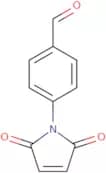
CAS:<p>Versatile small molecule scaffold</p>Formula:C5H6N2O2SPurity:Min. 95%Molecular weight:158.18 g/mol4-(2,5-Dioxo-2,5-dihydro-1H-pyrrol-1-yl)benzaldehyde
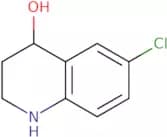
CAS:<p>Versatile small molecule scaffold</p>Formula:C11H7NO3Purity:Min. 95%Molecular weight:201.18 g/mol6-Chloro-1,2,3,4-tetrahydroquinolin-4-ol
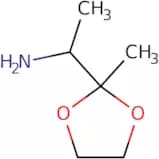
CAS:<p>Versatile small molecule scaffold</p>Formula:C9H10ClNOPurity:Min. 95%Molecular weight:183.63 g/mol1-(2-Methyl-1,3-dioxolan-2-yl)ethan-1-amine
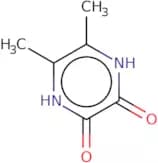
CAS:<p>Versatile small molecule scaffold</p>Formula:C6H13NO2Purity:Min. 95%Molecular weight:131.17 g/mol5,6-Dimethylpyrazine-2,3(1H,4H)-dione
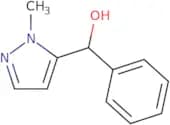
CAS:<p>Versatile small molecule scaffold</p>Formula:C6H8N2O2Purity:Min. 95%Molecular weight:140.14 g/mol(1-Methyl-1H-pyrazol-5-yl)(phenyl)methanol
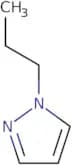
CAS:<p>Versatile small molecule scaffold</p>Formula:C11H12N2OPurity:Min. 95%Molecular weight:188.23 g/mol1-Propylpyrazole
CAS:<p>1-Propylpyrazole is a non-classical inhibitor of aldehyde oxidase that has been shown to have an inhibitory effect on pentane. 1-Propylpyrazole has peroxidase-like activity, which means it can bind to lipid hydroperoxides in the presence of hydrogen peroxide or peroxidase. It has also been shown to be an effective inhibitor of dehydrogenase, which is an enzyme that catalyzes the oxidation of aldehydes and ketones to carboxylic acids. This drug is not active against classical aldehyde oxidases such as alcohol dehydrogenase, but it does inhibit polyunsaturated fatty acid synthesis by binding with cytochrome P450 enzymes.</p>Formula:C6H10N2Purity:Min. 95%Molecular weight:110.16 g/mol1H-Pyrrolo[3,2-b]pyridin-2(3H)-one
CAS:<p>1H-Pyrrolo[3,2-b]pyridin-2(3H)-one belongs to a class of heterocyclic compounds that are structurally related to the pyridine ring. It has been shown to inhibit the activity of b-raf and may be used as an anticancer agent. 1H-Pyrrolo[3,2-b]pyridin-2(3H)-one is synthesized from formamide and ammonium acetate by a two step process involving nucleophilic substitution and elimination reactions. It is hypothesized that 1H-Pyrrolo[3,2-b]pyridin-2(3H)-one may have an effect on cancer due to its ability to inhibit protein synthesis.</p>Formula:C7H6N2OPurity:Min. 95%Molecular weight:134.14 g/mol2-Methylbicyclo[2.2.1]heptane-2-carboxylic acid
CAS:<p>2-Methylbicyclo[2.2.1]heptane-2-carboxylic acid is a carotenoid that is found in some bacteria and plants, including the green alga Chlorella sorokiniana. It has been shown to have anticancer activity by inducing apoptosis in cancer cells. 2-Methylbicyclo[2.2.1]heptane-2-carboxylic acid also reduces the redox potential of cancer cells and inhibits their growth, which may be due to its ability to regulate cell cycle progression and inhibit protein synthesis. This compound also has been shown to stimulate the formation of bacteriochlorophyll a and membrane systems in bacteria, such as Escherichia coli and Pseudomonas aeruginosa, respectively. The gene product responsible for this carotenoid biosynthesis has been identified as a transcriptional regulator of dna binding activity and protein expression in Escher</p>Formula:C9H14O2Purity:Min. 95%Molecular weight:154.21 g/molMethyl(1-phenylethyl)amine
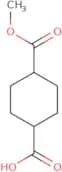
CAS:<p>Methyl(1-phenylethyl)amine is a receptor protein that binds to the factor receptor and has been shown to be a potent growth factor. It can be used in the diagnosis of diseases, such as cancer. Methyl(1-phenylethyl)amine is detected by mass spectrometry and chromatography. The chemical structure of this compound is amide, which is composed of an amine group with an organic acid molecule. Methyl(1-phenylethyl)amine has been shown to have constitutive activation activity due to its tyrosine kinase activity.</p>Formula:C9H13NPurity:Min. 95%Molecular weight:135.21 g/molcis-4-Carbomethoxycyclohexane-1-carboxylic acid
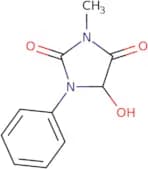
CAS:<p>cis-4-Carbomethoxycyclohexane-1-carboxylic acid is a dicarboxylic acid that is produced by the inorganic and organic hydrolysis of cyclohexanecarboxylic acid. The average yield of cis-4-carbomethoxycyclohexane-1-carboxylic acid is around 30%. It has been used for the production of diacids such as adipic acid, succinic acid, and glutaric acid. cis-4-Carbomethoxycyclohexane-1-carboxylic acid can be used as an activating agent for the industrial synthesis of monomethyl esters or methyl alcohols. In this reaction, cis-4-carbomethoxycyclohexane-1-carboxylic acid reacts with an alcohol to form a carbonyl group, which then reacts with methyl chloride to form a methyl es</p>Formula:C9H14O4Purity:Min. 95%Molecular weight:186.21 g/mol5-Hydroxy-3-methyl-1-phenylimidazolidine-2,4-dione
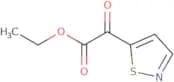
CAS:<p>5-Hydroxy-3-methyl-1-phenylimidazolidine-2,4-dione is a phenylcarbamate that is used as a herbicide and fungicide. The compound is transformed into glyoxylic acid by the action of sodium ethoxide in the presence of prototropic acid. It has been shown that this transformation occurs at a faster rate when it is added to water than when it is added to an organic solvent. The glyoxylic acid derivatives are then formed by adding an organic solvent such as isopropyl alcohol to the solution. This reaction produces various compounds depending on the type of alcohol used and its concentration.</p>Formula:C10H10N2O3Purity:Min. 95%Molecular weight:206.2 g/molEthyl 2-oxo-2-(1,2-thiazol-5-yl)acetate
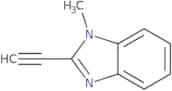
CAS:<p>Versatile small molecule scaffold</p>Formula:C7H7NO3SPurity:Min. 95%Molecular weight:185.2 g/mol2-Ethynyl-1-methyl-1H-1,3-benzodiazole
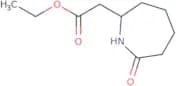
CAS:<p>2-Ethynyl-1-methyl-1H-1,3-benzodiazole is a fluorescent compound that has been shown to emit light in the visible region of the spectrum. The emission of light from this compound is due to its alkynyl group, which contains an electron with a high degree of reactivity. This chemical also has inorganic functionalities and optical properties that make it useful for inorganic chemistry and luminescent or optical devices.</p>Formula:C10H8N2Purity:Min. 95%Molecular weight:156.18 g/molEthyl 2-(7-oxoazepan-2-yl)acetate
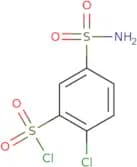
CAS:<p>Versatile small molecule scaffold</p>Formula:C10H17NO3Purity:Min. 95%Molecular weight:199.25 g/mol2-Chloro-5-sulfamoylbenzene-1-sulfonyl chloride
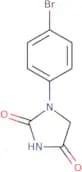
CAS:<p>Versatile small molecule scaffold</p>Formula:C6H5Cl2NO4S2Purity:Min. 95%Molecular weight:290.1 g/mol1-(4-Bromophenyl)imidazolidine-2,4-dione
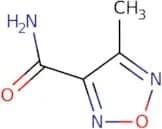
CAS:<p>Versatile small molecule scaffold</p>Formula:C9H7BrN2O2Purity:Min. 95%Molecular weight:255.07 g/mol4-Methyl-1,2,5-oxadiazole-3-carboxamide
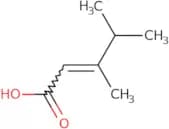
CAS:<p>Versatile small molecule scaffold</p>Formula:C4H5N3O2Purity:Min. 95%Molecular weight:127.1 g/mol3,4-Dimethylpent-2-enoic acid
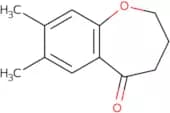
CAS:<p>3,4-Dimethylpent-2-enoic acid is an organic compound that is extracted from Brucea javanica. It has been shown to have antitumor and antiviral properties as well as being a potent inhibitor of glucose residue. This pentenoic acid is also a potent antiviral agent that can be used in the treatment of brucea, which is caused by the virus known as the human T-lymphotropic virus type I (HTLV-I). 3,4-Dimethylpent-2-enoic acid inhibits viral replication by inhibiting protein synthesis at the ribosomal level, preventing RNA polymerase from binding to a specific site on the DNA strand.</p>Formula:C7H12O2Purity:Min. 95%Molecular weight:128.17 g/mol7,8-Dimethyl-2,3,4,5-tetrahydro-1-benzoxepin-5-one
CAS:<p>Versatile small molecule scaffold</p>Formula:C12H14O2Purity:Min. 95%Molecular weight:190.24 g/mol1-[4-(Propan-2-yl)phenyl]propan-2-amine
CAS:Controlled Product<p>Versatile small molecule scaffold</p>Formula:C12H19NPurity:Min. 95%Molecular weight:177.29 g/mol1-(2,4-Dichlorophenyl)propan-2-amine
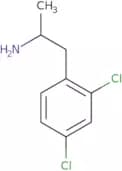
CAS:Controlled Product<p>Versatile small molecule scaffold</p>Formula:C9H11Cl2NPurity:Min. 95%Molecular weight:204.09 g/molN-[(1H-Imidazol-4-yl)methyl]aniline
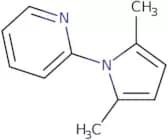
CAS:<p>Versatile small molecule scaffold</p>Formula:C10H11N3Purity:Min. 95%Molecular weight:173.21 g/mol2-(2,5-Dimethyl-1H-pyrrol-1-yl)pyridine
CAS:<p>2-(2,5-Dimethyl-1H-pyrrol-1-yl)pyridine is a pyrrole derivative that has been shown to undergo multistep reactions. It can be used as a starting material for the synthesis of other compounds, such as sulfophenylpyrroles and pyridinium salts. The reaction of 2-(2,5-dimethyl-1H-pyrrol-1-yl)pyridine with perchlorates generates an electron rich intermediate, which is susceptible to oxidation by air or hydrogen peroxide. This process leads to the production of aliphatic sulfoxides and sulfones. The reaction product can then react with amines to form zirconium complexes with unusual geometry and steric interactions.!--END--></p>Formula:C11H12N2Purity:Min. 95%Molecular weight:172.23 g/mol3-(Chloromethyl)-N,N-dimethyl-1,2,4-thiadiazol-5-amine
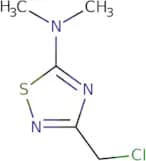
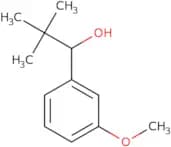
CAS:<p>Versatile small molecule scaffold</p>Formula:C5H8ClN3SPurity:Min. 95%Molecular weight:177.66 g/mol1-(3-Methoxyphenyl)-2,2-dimethylpropan-1-ol
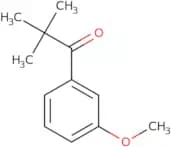
CAS:<p>Versatile small molecule scaffold</p>Formula:C12H18O2Purity:Min. 95%Molecular weight:194.27 g/mol1-(3-Methoxyphenyl)-2,2-dimethylpropan-1-one
CAS:<p>Versatile small molecule scaffold</p>Formula:C12H16O2Purity:Min. 95%Molecular weight:192.25 g/molN-[2-(1H-Indol-3-yl)ethyl]benzenesulfonamide
CAS:<p>N-[2-(1H-Indol-3-yl)ethyl]benzenesulfonamide is an indole derivative and a 5-HT6 receptor antagonist. It has been shown to have affinity for the serotonin transporter, with a Ki of 0.8 μM. N-[2-(1H-Indol-3-yl)ethyl]benzenesulfonamide has an interaction with the 5HT6 receptor and can be used in age-related disorders such as Alzheimer's disease, as well as for other diseases mediated by 5HT6 receptors. This compound is chiral, with a c1-c3 alkyl group attached to the sulfur atom.</p>Formula:C16H16N2O2SPurity:Min. 95%Molecular weight:300.4 g/molMethyl 3-(1H-pyrrol-2-yl)prop-2-enoate
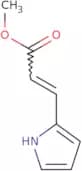
CAS:<p>Versatile small molecule scaffold</p>Formula:C8H9NO2Purity:Min. 95%Molecular weight:151.16 g/mol4-Nonylphenyl acetate
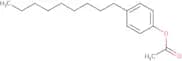
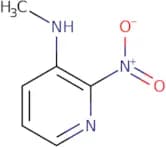
CAS:<p>4-Nonylphenyl acetate is a phenolic compound that belongs to the class of anhydrides. It is used as a catalyst for the synthesis of 4-nonylphenol, which is an important precursor for the production of polymers, resins, and synthetic fibers. 4-Nonylphenyl acetate can be synthesized by the reaction of phenols and anhydride in the presence of a catalyst such as copper chloride or zinc chloride. This reaction can be carried out in either organic solvents or water. The yields are increased when microwave irradiation is used instead of conventional heating methods.</p>Formula:C17H26O2Purity:Min. 95%Molecular weight:262.4 g/molN-Methyl-2-nitropyridin-3-amine
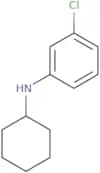
CAS:<p>N-Methyl-2-nitropyridin-3-amine is a hydroalcoholic compound that can stabilize the cell membrane of C. parapsilosis, which has been shown to inhibit growth and cause life-threatening effects. The benzyl group on the nitrogen atom of this compound helps to maintain its stability in water, as well as conferring some conformational rigidity to the molecule. Nitro groups are found on the ring of this organic compound, which gives it an inhibitory effect against pyridine rings in other molecules. This organic compound has a nitro group, which can be analyzed by parameters such as IR spectroscopy and NMR spectroscopy.</p>Formula:C6H7N3O2Purity:Min. 95%Molecular weight:153.13 g/mol3-Chloro-N-cyclohexylaniline
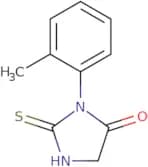
CAS:<p>Versatile small molecule scaffold</p>Formula:C12H16ClNPurity:Min. 95%Molecular weight:209.71 g/mol1-(2-Methylphenyl)-2-sulfanyl-4,5-dihydro-1H-imidazol-5-one
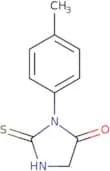
CAS:<p>1-(2-Methylphenyl)-2-sulfanyl-4,5-dihydro-1H-imidazol-5-one is a cross linking agent that is used in the production of polyurethanes. It is derived from 2,2'-oxydiethanol and can be used as a polymerization catalyst for polyurethane resins. 1-(2-Methylphenyl)-2-sulfanyl-4,5-dihydro-1H-imidazol-5 -one has been shown to have antibacterial properties against gram positive bacteria such as Staphylococcus aureus and Streptococcus pneumoniae. The antibacterial activity was attributed to its ability to form covalent bonds with carboxylic acid groups on the bacterial cell wall.</p>Formula:C10H10N2OSPurity:Min. 95%Molecular weight:206.27 g/mol1-(4-Methylphenyl)-2-sulfanyl-4,5-dihydro-1H-imidazol-5-one
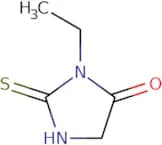
CAS:<p>Versatile small molecule scaffold</p>Formula:C10H10N2OSPurity:Min. 95%Molecular weight:206.27 g/mol3-Ethyl-2-thioxo-4-imidazolidinone
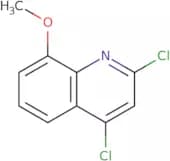
CAS:<p>Versatile small molecule scaffold</p>Formula:C5H8N2OSPurity:Min. 95%Molecular weight:144.2 g/mol2,4-dichloro-8-methoxyquinoline
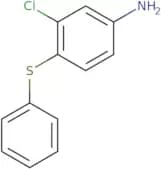
CAS:<p>Versatile small molecule scaffold</p>Formula:C10H7Cl2NOPurity:Min. 95%Molecular weight:228.1 g/mol3-Chloro-4-(phenylsulfanyl)aniline
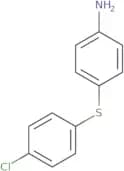
CAS:<p>Versatile small molecule scaffold</p>Formula:C12H10ClNSPurity:Min. 95%Molecular weight:235.73 g/mol4-Amino-4'-chloro diphenyl sulfide
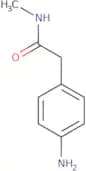
CAS:<p>Versatile small molecule scaffold</p>Formula:C12H10ClNSPurity:Min. 95%Molecular weight:235.73 g/mol2-(4-Aminophenyl)-N-methylacetamide
CAS:<p>Versatile small molecule scaffold</p>Formula:C9H12N2OPurity:Min. 95%Molecular weight:164.2 g/mol2-(2-Bromophenyl)-4,4-dimethyl-4,5-dihydro-1,3-oxazole
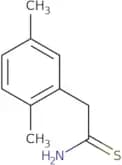
CAS:<p>2-(2-Bromophenyl)-4,4-dimethyl-4,5-dihydro-1,3-oxazole is an aryl boronic acid that can be synthesized by a Suzuki reaction with an alkyl halide and sodium carbonate. This compound is used as a reagent in organic synthesis for the production of various pharmaceuticals. The most common use of this chemical is for the synthesis of angiotensin II antagonists. 2-(2-Bromophenyl)-4,4-dimethyl-4,5-dihydro-1,3-oxazole has also been shown to be a selective antagonist of angiotensin II type 1 receptors.</p>Formula:C11H12BrNOPurity:Min. 95%Molecular weight:254.12 g/mol2-(2,5-Dimethylphenyl)ethanethioamide
CAS:<p>Versatile small molecule scaffold</p>Formula:C10H13NSPurity:Min. 95%Molecular weight:179.28 g/mol1-(2-Hydroxy-ethyl)-1,5-dihydro-pyrazolo[3,4-d]pyrimidin-4-one
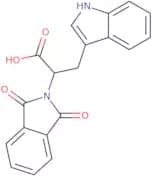
CAS:<p>Versatile small molecule scaffold</p>Formula:C7H8N4O2Purity:Min. 95%Molecular weight:180.16 g/molDNA methyltransferase inhibitor
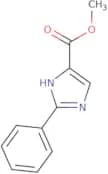
CAS:<p>Sodium citrate is a DNA methyltransferase inhibitor. It blocks the transfer of methyl groups to the dna, thereby inhibiting the production of methylated dna and preventing apoptosis. Sodium citrate also inhibits the expression of pro-apoptotic protein and can induce significant cytotoxicity in vitro. This drug has been shown to cause histological changes in cells through inhibition of DNA methyltransferases in HL-60 cells.</p>Formula:C19H14N2O4Purity:Min. 95%Molecular weight:334.3 g/molMethyl 2-phenyl-1H-imidazole-4-carboxylate
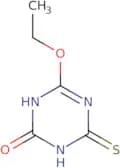
CAS:<p>Versatile small molecule scaffold</p>Formula:C11H10N2O2Purity:Min. 95%Molecular weight:202.21 g/mol6-Ethoxy-4-sulfanyl-1,2-dihydro-1,3,5-triazin-2-one
CAS:<p>Versatile small molecule scaffold</p>Formula:C5H7N3O2SPurity:Min. 95%Molecular weight:173.2 g/mol2-[1-(4-Chlorophenyl)-3,5-dimethyl-1H-pyrazol-4-yl]acetic acid
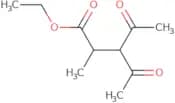
CAS:<p>Versatile small molecule scaffold</p>Formula:C13H13ClN2O2Purity:Min. 95%Molecular weight:264.71 g/molEthyl 3-acetyl-2-methyl-4-oxopentanoate
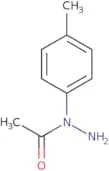
CAS:<p>Versatile small molecule scaffold</p>Formula:C10H16O4Purity:Min. 95%Molecular weight:200.23 g/molN-(4-Methylphenyl)acetohydrazide
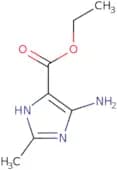
CAS:<p>Versatile small molecule scaffold</p>Formula:C9H12N2OPurity:Min. 95%Molecular weight:164.2 g/molEthyl 4-amino-2-methyl-1H-imidazole-5-carboxylate
CAS:<p>Versatile small molecule scaffold</p>Formula:C7H11N3O2Purity:Min. 95%Molecular weight:169.18 g/molEthyl imidazo[1,5-a]pyrimidine-8-carboxylate
CAS:<p>Versatile small molecule scaffold</p>Formula:C9H9N3O2Purity:Min. 95%Molecular weight:191.19 g/molEthyl 2,4-dimethylimidazo[1,5-a]pyrimidine-8-carboxylate
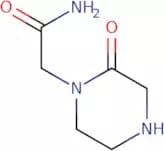
CAS:<p>Versatile small molecule scaffold</p>Formula:C11H13N3O2Purity:Min. 95%Molecular weight:219.24 g/mol2-(2-Oxopiperazin-1-yl)acetamide
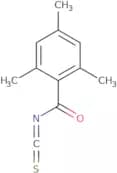
CAS:<p>Versatile small molecule scaffold</p>Formula:C6H11N3O2Purity:Min. 95%Molecular weight:157.17 g/mol2,4,6-Trimethylbenzoyl isothiocyanate
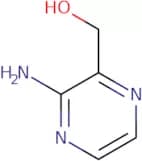
CAS:<p>Versatile small molecule scaffold</p>Formula:C11H11NOSPurity:Min. 95%Molecular weight:205.28 g/mol(3-Aminopyrazin-2-yl)methanol
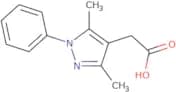
CAS:<p>Versatile small molecule scaffold</p>Formula:C5H7N3OPurity:Min. 95%Molecular weight:125.13 g/mol2-(3,5-Dimethyl-1-phenyl-1H-pyrazol-4-yl)acetic acid
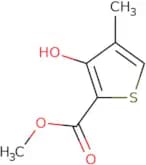
CAS:<p>2-(3,5-Dimethyl-1-phenyl-1H-pyrazol-4-yl)acetic acid is an analog of benzoic acid that has been found to be a potent inhibitor of the enzyme carboxylesterase. 2-(3,5-Dimethyl-1-phenyl-1H-pyrazol-4-yl)acetic acid is used in the synthesis of other compounds by esterification with methanol or benzoic acid.</p>Formula:C13H14N2O2Purity:Min. 95%Molecular weight:230.26 g/molMethyl 3-hydroxy-4-methylthiophene-2-carboxylate
CAS:<p>Versatile small molecule scaffold</p>Formula:C7H8O3SPurity:Min. 95%Molecular weight:172.2 g/mol1H,2H,3H,5H-Imidazolidino[2,1-b]quinazoline
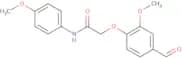
CAS:<p>Versatile small molecule scaffold</p>Formula:C10H11N3Purity:Min. 95%Molecular weight:173.21 g/mol2-(4-Formyl-2-methoxy-phenoxy)- N -(4-methoxy-phenyl)-acetamide
CAS:<p>Versatile small molecule scaffold</p>Formula:C17H17NO5Purity:Min. 95%Molecular weight:315.32 g/mol3-Methylnaphtho[1,2-b]furan-2-carboxylic acid
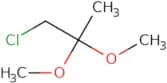
CAS:<p>Versatile small molecule scaffold</p>Formula:C14H10O3Purity:Min. 95%Molecular weight:226.23 g/mol1-Chloro-2,2-dimethoxypropane
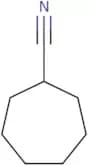
CAS:<p>Versatile small molecule scaffold</p>Formula:C5H11ClO2Purity:Min. 95%Molecular weight:138.59 g/molcycloheptanecarbonitrile
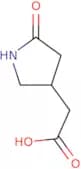
CAS:<p>Cycloheptanecarbonitrile is a homogeneous catalyst that acts as a stabilizer, coenzyme, and fatty acid. It has been shown to be an effective nutritional supplement for inflammatory bowel disease and autoimmune diseases. Cycloheptanecarbonitrile is also reactive with quinoline derivatives and aromatic hydrocarbons, which may lead to cancer. This product is used in medicines such as coenzyme q10, which aids in the production of energy.</p>Formula:C8H13NPurity:Min. 95%Molecular weight:123.2 g/mol2-(5-oxopyrrolidin-3-yl)acetic acid
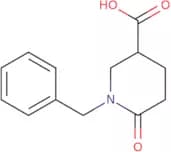
CAS:<p>2-(5-Oxopyrrolidin-3-yl)acetic acid is a succinimide monomer that can be polymerized to form polymers. It is also an isomer of hexacyclic and bicyclic compounds, which are both isomers of dimethyl glutarimide. The polymerization of 2-(5-oxopyrrolidin-3-yl)acetic acid is carried out by reacting it with other monomers such as ethylene glycol or methyl methacrylate. The polymerization reaction results in the formation of long chains of molecules called polymers. This process can be carried out in a two step process, where 2-(5-oxopyrrolidin-3-yl)acetic acid first reacts with ethylene glycol to form the desired product and then proceeds to react with methyl methacrylate to produce the desired polymer.</p>Formula:C6H9NO3Purity:Min. 95%Molecular weight:143.14 g/mol1-Benzyl-6-oxopiperidine-3-carboxylic acid
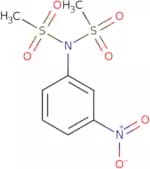
CAS:<p>1-Benzyl-6-oxopiperidine-3-carboxylic acid is a diastereomeric, intramolecular, efficient, functionalized primary amine. It is synthesized from the reaction of cyclohexanone and benzaldehyde in the presence of a base. The amine group is subsequently converted to an acid chloride with thionyl chloride and then reacted with 1,2-diaminocyclohexane. The product can be used as a precursor for other compounds.</p>Formula:C13H15NO3Purity:Min. 95%Molecular weight:233.27 g/molN-Methanesulfonyl-N-(3-nitrophenyl)methanesulfonamide
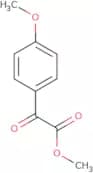
CAS:<p>Versatile small molecule scaffold</p>Formula:C8H10N2O6S2Purity:Min. 95%Molecular weight:294.3 g/molMethyl 2-(4-methoxyphenyl)-2-oxoacetate
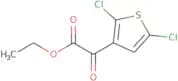
CAS:<p>Methyl 2-(4-methoxyphenyl)-2-oxoacetate is a chemical compound synthesized from the reaction of acetone, benzene, and phosphorous pentachloride. The product is an oily liquid that is soluble in ether and chloroform. It can be used as a reagent to synthesize phosphonates and phosphite esters. Methyl 2-(4-methoxyphenyl)-2-oxoacetate is also used to prepare tetronic acid by dehydration and grignard reaction with bromoanisole.</p>Formula:C10H10O4Purity:Min. 95%Molecular weight:194.18 g/molEthyl 2-(2,5-dichlorothiophen-3-yl)-2-oxoacetate
CAS:<p>This compound is a selective hydrogenation catalyst with a high degree of selectivity for the reduction of chlorinated aliphatic and aromatic compounds. The catalyst can be immobilized on different supports, such as palladium on alumina or carbon. It has been shown that the nature of the support has an effect on the catalytic activity and selectivity. This immobilized catalyst is more stable than unsupported catalysts and it can be used in batch processes.</p>Formula:C8H6Cl2O3SPurity:Min. 95%Molecular weight:253.1 g/molMethyl 4,4-dimethyl-2-oxocyclohexanecarboxylate
CAS:<p>Versatile small molecule scaffold</p>Formula:C10H16O3Purity:Min. 95%Molecular weight:184.23 g/mol1,7,7-Trimethylbicyclo[2.2.1]heptan-2-amine hydrochloride
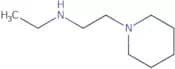
CAS:<p>Versatile small molecule scaffold</p>Formula:C10H20ClNPurity:Min. 95%Molecular weight:189.72 g/molN-Ethyl-2-piperidin-1-ylethanamine
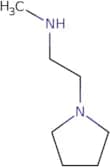
CAS:<p>Versatile small molecule scaffold</p>Formula:C9H20N2Purity:Min. 95%Molecular weight:156.27 g/molN-Methyl-N-(2-pyrrolidin-1-ylethyl)amine
CAS:<p>N-Methyl-N-(2-pyrrolidin-1-ylethyl)amine is a selective, orally bioavailable κ-opioid receptor antagonist. It has been shown to have improved selectivity for the κ-opioid receptor over the μ- and δ-opioid receptors. NMPEA has a long duration of action, with pharmacokinetic profiles that are independent of dose. This drug is a lead compound for the treatment of pain and opioid dependence.</p>Formula:C7H16N2Purity:Min. 95%Molecular weight:128.22 g/mol2-(2-Nitroethenyl)furan
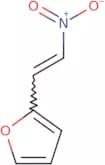
CAS:<p>2-(2-Nitroethenyl)furan is a phosphatase inhibitor that has been shown to be active against Leishmania, an intracellular parasite. This drug prevents the production of energy in the form of ATP by inhibiting the activity of phosphatases and thus disrupting cellular homeostasis. 2-(2-Nitroethenyl)furan binds to the enzyme with irreversible inhibition, which leads to clinical relevance in vitro and in vivo studies. The CD-1 mouse model has demonstrated that 2-(2-Nitroethenyl)furan inhibits bacterial growth with a prolonged half-life. In vitro assays have shown that this drug inhibits protein synthesis and is effective against resistant microorganisms.</p>Formula:C6H5NO3Purity:Min. 95%Molecular weight:139.11 g/molSodium 1-hydroxypropane-1-sulfonate
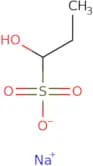
CAS:<p>Versatile small molecule scaffold</p>Formula:C3H7NaO4SPurity:Min. 95%Molecular weight:162.1 g/molN-Acetylprocainamide
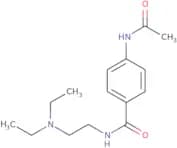
CAS:<p>N-Acetylprocainamide is a prodrug that is hydrolyzed in vivo to procainamide, its active form. Procainamide is used for the treatment of cardiac arrhythmias, but has been shown to have minimal toxicity. N-acetylprocainamide has been shown to be effective in experimental models and has minimal toxicity in long-term studies. This drug can be administered orally or intravenously and has been shown to have a low rate constant. The analytical method for this drug is chromatographic analysis.</p>Formula:C15H23N3O2Purity:Min. 95%Molecular weight:277.36 g/mol6-Methoxy-2-phenyl-quinoline-4-carboxylic acid
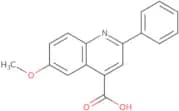
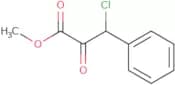
CAS:<p>Versatile small molecule scaffold</p>Formula:C17H13NO3Purity:Min. 95%Molecular weight:279.29 g/molMethyl 3-chloro-2-oxo-3-phenylpropanoate
CAS:<p>Methyl 3-chloro-2-oxo-3-phenylpropanoate is a covalent analog of paclitaxel. It has been synthesized by the chemoenzymatic reaction of acetyl chloride, chloroacetic acid, and phenylacetaldehyde in the presence of thiosemicarbazide. The yield is 80%. The product has been shown to have similar biological activity as paclitaxel. The synthesis of methyl 3-chloro-2-oxo-3-phenylpropanoate is based on nature.</p>Formula:C10H9ClO3Purity:Min. 95%Molecular weight:212.63 g/mol2-Methoxyisopropylcyanoacetate
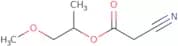
CAS:<p>Versatile small molecule scaffold</p>Formula:C7H11NO3Purity:Min. 95%Molecular weight:157.17 g/mol2-(2-Methylpropyl)pentanedioic acid
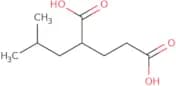
CAS:<p>Versatile small molecule scaffold</p>Formula:C9H16O4Purity:Min. 95%Molecular weight:188.22 g/molSodium dipentylcarbamodithioate
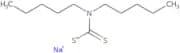
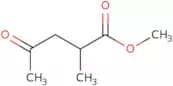
CAS:<p>Sodium dipentylcarbamodithioate is an aliphatic hydrocarbon that is used as a coupling agent in organic synthesis. It has been known to react with molybdenum, forming a product that resembles the structure of fatty acids. Sodium dipentylcarbamodithioate also reacts with glycerin to form an ester. This reaction product is a viscosity modifier and corrosion inhibitor for petroleum products. The functional groups of this compound are dithiocarbamic, which are acidic and react with fatty acids to form salts.</p>Formula:C11H22NNaS2Purity:Min. 95%Molecular weight:255.4 g/molMethyl 2-methyl-4-oxopentanoate
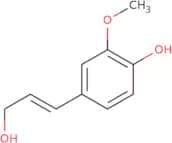
CAS:<p>Methyl 2-methyl-4-oxopentanoate is a natural product that can be prepared by enzymatic hydrolysis of methyl 2-methyl-4-oxobutanoate. It has been shown to have anti-inflammatory activities, which may be due to its ability to inhibit lipase activity in the pancreas. Methyl 2-methyl-4-oxopentanoate is an α,α′-(1,2,3,6,-tetrahydropyridyl) ester with an enantiomeric excess of 100%. This compound also has been shown to interact with lipases at physiological concentrations and kinetic parameters are known for the interaction. Methyl 2-methyl-4-oxopentanoate is able to inhibit lipase activity when it binds reversibly in a noncompetitive manner.</p>Formula:C7H12O3Purity:Min. 95%Molecular weight:144.17 g/mol(E)-Coniferol
CAS:<p>(E)-Coniferol is a coniferyl alcohol that is found in plants. It is synthesized from the coniferyl alcohol and eugenol by oxidation of the double bond with hydrogen peroxide. (E)-Coniferol has been shown to have physiological effects. It also binds to ATP-binding cassette transporter proteins and can be used as a model system for polymer compositions. (E)-Coniferol has been shown to have anti-inflammatory properties, which may be due to its ability to inhibit prostaglandin synthesis.</p>Formula:C10H12O3Purity:Min. 95%Molecular weight:180.2 g/molMethyl 3-hydroxycyclopentanecarboxylate
CAS:<p>Versatile small molecule scaffold</p>Formula:C7H12O3Purity:Min. 95%Molecular weight:144.17 g/mol3-Amino-1-{3-[methyl(phenyl)amino]propyl}thiourea
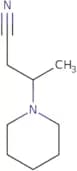
CAS:<p>Versatile small molecule scaffold</p>Formula:C11H18N4SPurity:Min. 95%Molecular weight:238.36 g/mol3-(Piperidin-1-yl)butanenitrile
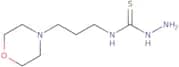
CAS:<p>Versatile small molecule scaffold</p>Formula:C9H16N2Purity:Min. 95%Molecular weight:152.24 g/mol4-(3-Morpholinopropyl)-3-thiosemicarbazide
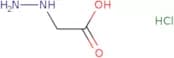
CAS:<p>4-(3-Morpholinopropyl)-3-thiosemicarbazide is a thiadiazine compound that inhibits protein glycation and glycation. It has been shown to effectively inhibit glycation in vitro and vivo with the model system. 4-(3-Morpholinopropyl)-3-thiosemicarbazide has been shown to have anti-inflammatory properties, which may be due to its ability to block the formation of advanced glycated end products (AGEs) by blocking the reaction between glucose and proteins.</p>Formula:C8H18N4OSPurity:Min. 95%Molecular weight:218.32 g/mol2-Hydrazinylacetic acid hydrochloride
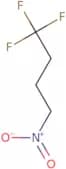
CAS:<p>2-Hydrazinylacetic acid hydrochloride is a nitro compound that is used as an intermediate in organic synthesis and as a pharmaceutical agent. This drug has antiviral activity, and has been shown to inhibit the replication of both influenza virus and human immunodeficiency virus. It also inhibits angiotensin-converting enzyme, which is involved in the regulation of blood pressure and blood volume. In addition, 2-hydrazinylacetic acid hydrochloride inhibits the production of hepatitis B virus surface antigen (HBsAg) in infected cells and inhibits the growth of cultured hepatoma cells. This drug also has anti-inflammatory properties and can be used to treat inflammatory diseases such as rheumatoid arthritis. 2-Hydrazinylacetic acid hydrochloride is absorbed by the skin when topically applied, but not through oral administration.</p>Formula:C2H7ClN2O2Purity:Min. 95%Molecular weight:126.54 g/mol1,1,1-Trifluoro-4-nitrobutane
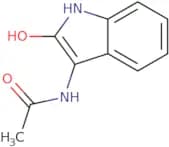
CAS:<p>Versatile small molecule scaffold</p>Formula:C4H6F3NO2Purity:Min. 95%Molecular weight:157.09 g/molN-(2-Hydroxy-1H-indol-3-yl)acetamide
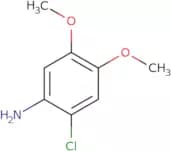
CAS:<p>Versatile small molecule scaffold</p>Formula:C10H10N2O2Purity:Min. 95%Molecular weight:190.2 g/mol2-Chloro-4,5-dimethoxyaniline
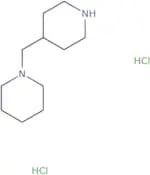
CAS:<p>2-Chloro-4,5-dimethoxyaniline is an organic compound that is a member of the class of ethers. It can be used in a variety of chemical reactions such as benzoquinone synthesis, arylation, and chlorination. 2-Chloro-4,5-dimethoxyaniline is soluble in methanol, but insoluble in water. It decomposes when heated and can react with hydrogen chloride or chlorine to form hydrogen chloride gas or chlorine gas respectively.</p>Formula:C8H10ClNO2Purity:Min. 95%Molecular weight:187.63 g/mol1-(4-Piperidinylmethyl)piperidine dihydrochloride
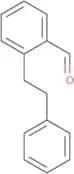
CAS:<p>Versatile small molecule scaffold</p>Formula:C11H24Cl2N2Purity:Min. 95%Molecular weight:255.23 g/mol2-phenethylbenzaldehyde
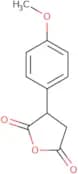
CAS:<p>2-Phenethylbenzaldehyde is a phenylaldehyde derivative that can be used as a reagent for the conversion of aldehydes to their corresponding hydroxylamines. It is also an important precursor in the synthesis of many heterocycles. 2-Phenethylbenzaldehyde can be used as an additive in perfumes and cosmetics because it has a pleasant odor and low toxicity. This substance is stable at room temperature, but decomposes at high temperatures. 2-Phenethylbenzaldehyde reacts with deuterium to produce carbenes, which are reactive intermediates that may react with other molecules to form new compounds. This compound reacts with light or ultraviolet light (UV) photons to form diazo, which may react with other molecules to form new compounds. The sensitivity of 2-phenethylbenzaldehyde is increased when it contains deuterium isotopes.</p>Formula:C15H14OPurity:Min. 95%Molecular weight:210.27 g/mol3-(4-Methoxyphenyl)oxolane-2,5-dione
CAS:<p>Versatile small molecule scaffold</p>Formula:C11H10O4Purity:Min. 95%Molecular weight:206.19 g/mol5,5-Dimethyldihydrothiophen-3(2H)-one
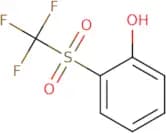
CAS:<p>Versatile small molecule scaffold</p>Formula:C6H10OSPurity:Min. 95%Molecular weight:130.21 g/mol2-Trifluoromethanesulfonylphenol
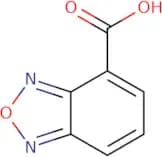
CAS:<p>Versatile small molecule scaffold</p>Formula:C7H5F3O3SPurity:Min. 95%Molecular weight:226.17 g/mol2,1,3-Benzoxadiazole-4-carboxylic acid
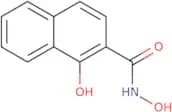
CAS:<p>Versatile small molecule scaffold</p>Formula:C7H4N2O3Purity:Min. 95%Molecular weight:164.12 g/molN,1-Dihydroxynaphthalene-2-carboxamide
CAS:<p>Versatile small molecule scaffold</p>Formula:C11H9NO3Purity:Min. 95%Molecular weight:203.19 g/mol6,6-Dimethylbicyclo[3.1.1]hept-2-ene
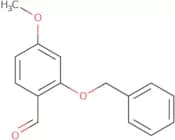
CAS:<p>6,6-Dimethylbicyclo[3.1.1]hept-2-ene is an α-pinene molecule that has been shown to have cytotoxic properties in mammalian cells and significant anticancer activity against pancreatic cancer cells. The molecular structure of 6,6-dimethylbicyclo[3.1.1]hept-2-ene includes a double bond between carbons 6 and 7, which is where the molecule gets its name from. This compound has been shown to be able to induce apoptosis in cancer cells by activating the CB2 receptor and inhibiting the activity of molecules called GPR55 and TRPV4. 6,6-Dimethylbicyclo[3.1.1]hept-2-ene also reacts with intramolecular hydrogen to form a bicyclic system with a double bond between carbons 1 and 2, which increases its cytotoxicity against cancer cells due to the</p>Formula:C9H14Purity:Min. 95%Molecular weight:122.21 g/mol2-(Benzyloxy)-4-methoxybenzenecarbaldehyde
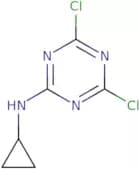
CAS:<p>2-(Benzyloxy)-4-methoxybenzenecarbaldehyde (BMB) is an anticancer agent that has been shown to induce apoptosis in cancer cells. This compound reduces the mitochondrial membrane potential, which leads to the release of cytochrome c and loss of mitochondrial membrane potential. BMB also inhibits protein synthesis and has a strong inhibitory effect on cell proliferation. In addition, it has been shown to be effective against pancreatic cancer cells. This compound may be useful for the treatment of other cancers as well, such as breast, colon, and prostate cancer.</p>Formula:C15H14O3Purity:Min. 95%Molecular weight:242.3 g/mol2-N-cyclopropylamino-4,6-dichloro triazine
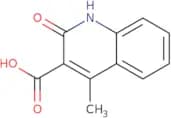
CAS:<p>2-N-Cyclopropylamino-4,6-dichloro triazine is a chlorinated triazine herbicide. It is used to control broadleaf weeds and grasses in rice fields. The toxic effects of 2-N-cyclopropylamino-4,6-dichloro triazine are related to its amination by ethanol in the presence of hydrochloric acid. This reaction takes place in the presence of water, yielding cyanuric chloride and hydrogen chloride gas. Cyanuric chloride reacts with water to form cyanuric acid and hydrogen chloride gas. Cyanuric acid is highly toxic because it inhibits the Krebs cycle in cells, which leads to cell death. The reaction time for this herbicide ranges from 8 hours to 24 hours depending on the temperature.</p>Formula:C6H8Cl2N4Purity:Min. 95%Molecular weight:207.61 g/mol2-Hydroxy-4-methylquinoline-3-carboxylic acid
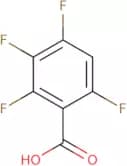
CAS:<p>2-Hydroxy-4-methylquinoline-3-carboxylic acid (HMQC) is a chloride thionyl bioactive compound that interacts with the kidneys. HMQC has been extracted from plants and is also found in human urine. The efficiency of this method for extracting HMQC depends on the amount of organic solvents used and the temperature at which it is hydrolyzed, as well as its stability. HMQC can be extracted by carbon tetrachloride (CCl) or tetrachloride (Cl), which are alkaline hydrolysis solvents. HMQC is an efficient diuretic and has shown to be an effective treatment for acute renal failure.</p>Formula:C11H9NO3Purity:Min. 95%Molecular weight:203.19 g/mol2,3,4,6-Tetrafluorobenzoic acid
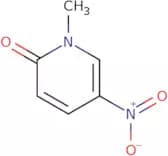
CAS:<p>2,3,4,6-Tetrafluorobenzoic acid is a synthetic chemical that is used as a growth regulator in plants. It is often found in the form of its sodium salt. 2,3,4,6-Tetrafluorobenzoic acid regulates plant growth by inhibiting the production of auxins and other hormones. This compound has been shown to inhibit the synthesis of chlorophyll and disrupt plant metabolism at high concentrations. 2,3,4,6-Tetrafluorobenzoic acid also has been shown to be an effective insecticide when applied to plants.</p>Formula:C7H2F4O2Purity:Min. 95%Molecular weight:194.08 g/mol1-Methyl-5-nitro-2-pyridone
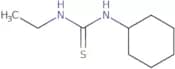
CAS:<p>Versatile small molecule scaffold</p>Formula:C6H6N2O3Purity:Min. 95%Molecular weight:154.12 g/mol1-Cyclohexyl-3-ethylthiourea
CAS:<p>Versatile small molecule scaffold</p>Formula:C9H18N2SPurity:Min. 95%Molecular weight:186.32 g/mol7-Methoxy-4,5-dihydro-1H-benzo[b][1,4]diazepin-2(3H)-one
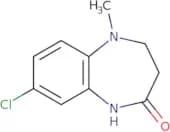
CAS:<p>Versatile small molecule scaffold</p>Formula:C10H12N2O2Purity:Min. 95%Molecular weight:192.21 g/mol8-Chloro-5-methyl-2,3,4,5-tetrahydro-1H-1,5-benzodiazepin-2-one
CAS:<p>Versatile small molecule scaffold</p>Formula:C10H11ClN2OPurity:Min. 95%Molecular weight:210.66 g/mol3-[(Adamantan-1-yl)amino]propanenitrile
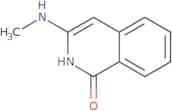
CAS:<p>Versatile small molecule scaffold</p>Formula:C13H20N2Purity:Min. 95%Molecular weight:204.31 g/mol3-(Methylamino)-1,2-dihydroisoquinolin-1-one
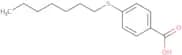
CAS:<p>Versatile small molecule scaffold</p>Formula:C10H10N2OPurity:Min. 95%Molecular weight:174.2 g/mol4-(Heptylsulfanyl)benzoic acid
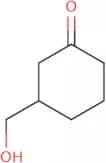
CAS:<p>Versatile small molecule scaffold</p>Formula:C14H20O2SPurity:Min. 95%Molecular weight:252.37 g/mol3-(Hydroxymethyl)cyclohexanone
CAS:<p>Versatile small molecule scaffold</p>Formula:C7H12O2Purity:Min. 95%Molecular weight:128.17 g/mol[2,2-Dimethyl-3-(2-methylprop-1-en-1-ylidene)cyclopropyl]methanol
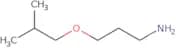
CAS:<p>Versatile small molecule scaffold</p>Formula:C10H16OPurity:Min. 95%Molecular weight:152.23 g/mol3-Isobutoxy propylamine
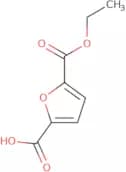
CAS:<p>Versatile small molecule scaffold</p>Formula:C7H17NOPurity:Min. 95%Molecular weight:131.22 g/mol5-(Ethoxycarbonyl)furan-2-carboxylic acid
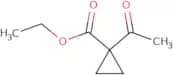
CAS:<p>Versatile small molecule scaffold</p>Formula:C8H8O5Purity:Min. 95%Molecular weight:184.15 g/molEthyl 1-acetylcyclopropane-1-carboxylate
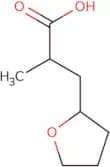
CAS:<p>Ethyl 1-acetylcyclopropane-1-carboxylate is a synthetic quinolone antibacterial agent. It has been shown to inhibit gram-positive bacteria, such as Streptococcus pyogenes, Staphylococcus aureus, and Enterococcus faecalis. The compound also inhibits the growth of other gram-positive pathogens, such as Propionibacterium acnes and Corynebacterium diphtheriae. Ethyl 1-acetylcyclopropane-1-carboxylate binds to the enzyme DNA gyrase, which is required for bacterial replication and transcription. This binding prevents DNA from unwinding during replication and transcription, which leads to cell death by inhibiting protein synthesis.</p>Formula:C8H12O3Purity:Min. 95%Molecular weight:156.18 g/mol2-Methyl-3-(oxolan-2-yl)propanoic acid
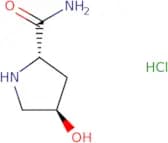
CAS:<p>Versatile small molecule scaffold</p>Formula:C8H14O3Purity:Min. 95%Molecular weight:158.19 g/mol(2S,4R)-4-Hydroxypyrrolidine-2-carboxamide hydrochloride
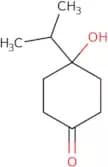
CAS:<p>Versatile small molecule scaffold</p>Formula:C5H10N2O2·HClPurity:Min. 95%Molecular weight:166.61 g/mol4-Hydroxy-4-(propan-2-yl)cyclohexan-1-one
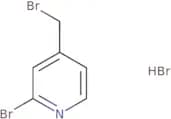
CAS:<p>Versatile small molecule scaffold</p>Formula:C9H16O2Purity:Min. 95%Molecular weight:156.22 g/mol2-bromo-4-(bromomethyl)pyridine hydrobromide
CAS:<p>Versatile small molecule scaffold</p>Formula:C6H6Br3NPurity:Min. 95%Molecular weight:331.83 g/mol2-Bromo-6-(bromomethyl)pyridine hydrobromide
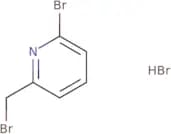
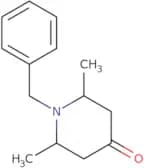
CAS:<p>Versatile small molecule scaffold</p>Formula:C6H6Br3NPurity:Min. 95%Molecular weight:331.83 g/mol1-Benzyl-2,6-dimethyl-piperidin-4-one
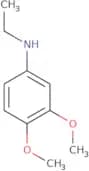
CAS:<p>Versatile small molecule scaffold</p>Formula:C14H19NOPurity:Min. 95%Molecular weight:217.31 g/molN-Ethyl-3,4-dimethoxyaniline
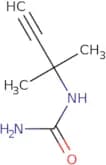
CAS:<p>Versatile small molecule scaffold</p>Formula:C10H15NO2Purity:Min. 95%Molecular weight:181.23 g/mol(2-Methylbut-3-yn-2-yl)urea
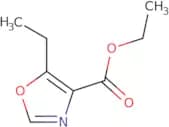
CAS:<p>Versatile small molecule scaffold</p>Formula:C6H10N2OPurity:Min. 95%Molecular weight:126.16 g/molethyl 5-ethyl-1,3-oxazole-4-carboxylate
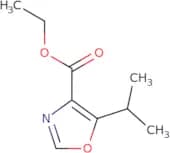
CAS:<p>Versatile small molecule scaffold</p>Formula:C8H11NO3Purity:Min. 95%Molecular weight:169.18 g/molEthyl 5-(propan-2-yl)-1,3-oxazole-4-carboxylate
CAS:<p>Versatile small molecule scaffold</p>Formula:C9H13NO3Purity:Min. 95%Molecular weight:183.2 g/mol3-bromo-5-chloro-1-benzothiophene
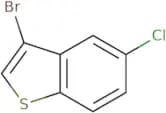
CAS:<p>Versatile small molecule scaffold</p>Formula:C8H4BrClSPurity:Min. 95%Molecular weight:247.53 g/mol1-(Carbamoylamino)cyclohexane-1-carboxylic acid
CAS:<p>Versatile small molecule scaffold</p>Formula:C8H14N2O3Purity:Min. 95%Molecular weight:186.21 g/mol4-Phenoxybut-2-ynoic acid
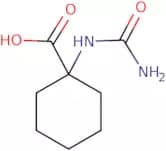
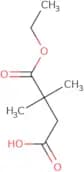
CAS:<p>Versatile small molecule scaffold</p>Formula:C10H8O3Purity:Min. 95%Molecular weight:176.17 g/mol4-Ethoxy-3,3-dimethyl-4-oxobutanoic acid
CAS:<p>Versatile small molecule scaffold</p>Formula:C8H14O4Purity:Min. 95%Molecular weight:174.19 g/moltert-Butyl N-[1-(hydrazinecarbonyl)-2-hydroxyethyl]carbamate
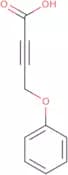
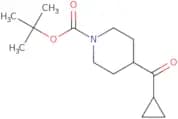
CAS:<p>The tert-butyl N-[1-(hydrazinecarbonyl)-2-hydroxyethyl]carbamate (TBHEC) is a molecule of tert-butyl with a carbonyl group. The carbonyl groups are mediated by hydrogen bonds. TBHEC has two-dimensional structure and is sandwiched between the carbonyl groups, forming a dihedral angle. One of the carbonyl groups has hydroxy group which forms a hydrogen bond with one of the hydroxy group on the other carbonyl group. The other three carbonyls of TBHEC form an equilateral triangle and are not involved in bonding.</p>Formula:C8H17N3O4Purity:Min. 95%Molecular weight:219.24 g/moltert-Butyl 4-(cyclopropanecarbonyl)piperidine-1-carboxylate
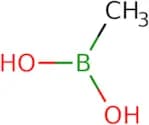
CAS:<p>Versatile small molecule scaffold</p>Formula:C14H23NO3Purity:Min. 95%Molecular weight:253.34 g/molMethylboronic acid-d3
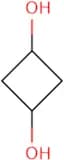
CAS:<p>Versatile small molecule scaffold</p>Formula:CH5BO2Purity:90%MinMolecular weight:62.88 g/molTrans-cyclobutane-1,3-diol
CAS:<p>Versatile small molecule scaffold</p>Formula:C4H8O2Purity:Min. 95%Molecular weight:88.11 g/mol{6-Methoxy-[1,2,4]triazolo[4,3-b]pyridazin-3-yl}methanamine
CAS:<p>Versatile small molecule scaffold</p>Formula:C7H9N5OPurity:Min. 95%Molecular weight:179.18 g/mol[6-(2-Methoxyethoxy)naphthalen-2-yl]boronic acid
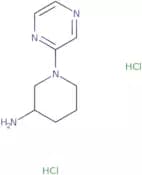
CAS:<p>Versatile small molecule scaffold</p>Formula:C13H15BO4Purity:Min. 95%Molecular weight:246.07 g/mol1-(2-Pyrazinyl)-3-piperidinamine dihydrochloride
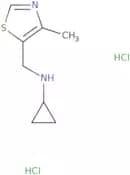
CAS:<p>Versatile small molecule scaffold</p>Formula:C9H16Cl2N4Purity:Min. 95%Molecular weight:251.15 g/mol5-Thiazolemethanamine, N-cyclopropyl-4-methyl-, dihydrochloride
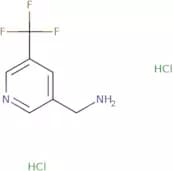
CAS:<p>Versatile small molecule scaffold</p>Formula:C8H14Cl2N2SPurity:Min. 95%Molecular weight:241.18 g/molC-(5-Trifluoromethyl-pyridin-3-yl)-methylaminedihydrochloride
CAS:<p>Versatile small molecule scaffold</p>Formula:C7H9Cl2F3N2Purity:Min. 95%Molecular weight:249.06 g/mol1-Oxa-9-azaspiro[5.5]undecan-4-ol hydrochloride
CAS:<p>Versatile small molecule scaffold</p>Formula:C9H18ClNO2Purity:Min. 95%Molecular weight:207.7 g/mol6-Azaspiro[2.5]octane-1-carboxylic acid hydrochloride
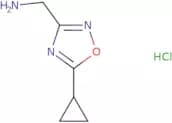
CAS:<p>Versatile small molecule scaffold</p>Formula:C8H14ClNO2Purity:Min. 95%Molecular weight:191.66 g/mol(5-Cyclopropyl-1,2,4-oxadiazol-3-yl)methanamine hydrochloride
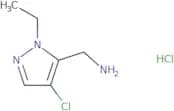
CAS:<p>Versatile small molecule scaffold</p>Formula:C6H10ClN3OPurity:Min. 95%Molecular weight:175.61 g/mol(4-Chloro-1-ethyl-1H-pyrazol-5-yl)methanamine hydrochloride
CAS:<p>Versatile small molecule scaffold</p>Formula:C6H11Cl2N3Purity:Min. 95%Molecular weight:196.07 g/mol3-Amino-N-methylbutanamide hydrochloride
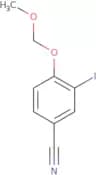
CAS:<p>Versatile small molecule scaffold</p>Formula:C5H13ClN2OPurity:Min. 95%Molecular weight:152.62 g/mol3-Iodo-4-(methoxymethoxy)benzonitrile
CAS:<p>Versatile small molecule scaffold</p>Formula:C9H8INO2Purity:Min. 95%Molecular weight:289.07 g/mol(1R)-1-(5-Chloro-2-fluorophenyl)ethan-1-amine hydrochloride
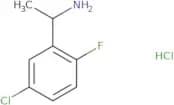
CAS:<p>Versatile small molecule scaffold</p>Formula:C8H10Cl2FNPurity:Min. 95%Molecular weight:210.07 g/mol(2S)-2-Bromo-4-ethoxy-4-oxobutanoic acid
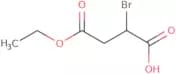
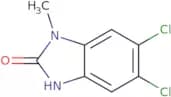
CAS:<p>Versatile small molecule scaffold</p>Formula:C6H9BrO4Purity:Min. 95%Molecular weight:225.04 g/mol5,6-Dichloro-1-methyl-2,3-dihydro-1H-1,3-benzodiazol-2-one
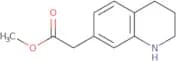
CAS:<p>Versatile small molecule scaffold</p>Formula:C8H6Cl2N2OPurity:Min. 95%Molecular weight:217.05 g/molMethyl 2-(1,2,3,4-tetrahydroquinolin-7-yl)acetate
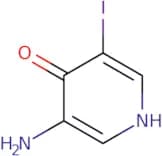
CAS:<p>Versatile small molecule scaffold</p>Formula:C12H15NO2Purity:Min. 95%Molecular weight:205.25 g/mol3-Amino-5-iodopyridin-4-ol
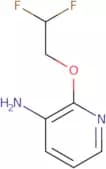
CAS:<p>Versatile small molecule scaffold</p>Formula:C5H5IN2OPurity:Min. 95%Molecular weight:236.01 g/mol2-(2,2-Difluoroethoxy)pyridin-3-amine
CAS:<p>Versatile small molecule scaffold</p>Formula:C7H8F2N2OPurity:Min. 95%Molecular weight:174.15 g/mol2-cyclopropyl-2-({[(9H-fluoren-9-yl)methoxy]carbonyl}amino)acetic acid
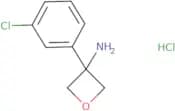
CAS:<p>Versatile small molecule scaffold</p>Formula:C20H19NO4Purity:Min. 95%Molecular weight:337.4 g/mol3-(3-Chlorophenyl)oxetan-3-amine hydrochloride
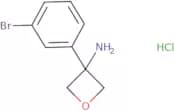
CAS:<p>Versatile small molecule scaffold</p>Formula:C9H11Cl2NOPurity:Min. 95%Molecular weight:220.09 g/mol3-(3-bromophenyl)oxetan-3-amine hcl
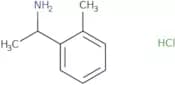
CAS:<p>Versatile small molecule scaffold</p>Formula:C9H11BrClNOPurity:Min. 95%Molecular weight:264.55 g/mol(S)-1-O-Tolylethanamine hydrochloride
CAS:<p>Versatile small molecule scaffold</p>Formula:C9H14ClNPurity:Min. 95%Molecular weight:171.67 g/mol4-Bromo-1H-pyrrolo[2,3-c]pyridin-5-amine
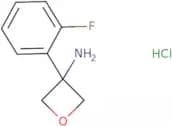
CAS:<p>Versatile small molecule scaffold</p>Formula:C7H6BrN3Purity:Min. 95%Molecular weight:212.05 g/mol3-(2-Fluorophenyl)oxetan-3-amine hydrochloride
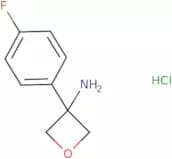
CAS:<p>Versatile small molecule scaffold</p>Formula:C9H11ClFNOPurity:Min. 95%Molecular weight:203.64 g/mol3-(4-Fluorophenyl)oxetan-3-amine hydrochloride
CAS:<p>Versatile small molecule scaffold</p>Formula:C9H11ClFNOPurity:Min. 95%Molecular weight:203.64 g/mol2-(1-{[(tert-Butoxy)carbonyl]amino}ethyl)-1,3-thiazole-5-carboxylic acid
CAS:<p>Versatile small molecule scaffold</p>Formula:C11H16N2O4SPurity:Min. 95%Molecular weight:272.32 g/mol

![4-[(E)-2-(2-Methylphenyl)ethenyl]pyridine](/_next/image/?url=https%3A%2Fstatic.cymitquimica.com%2Fproducts%2F3D%2Fthumb-webp%2FHAA37031.webp&w=3840&q=75)
![2-[4-(Bromomethyl)phenyl]acetonitrile](/_next/image/?url=https%3A%2Fstatic.cymitquimica.com%2Fproducts%2F3D%2Fthumb-webp%2FHAA37194.webp&w=3840&q=75)
![N-[(5-Acetylthiophen-2-yl)methyl]acetamide](/_next/image/?url=https%3A%2Fstatic.cymitquimica.com%2Fproducts%2F3D%2Fthumb-webp%2FHBA41545.webp&w=3840&q=75)
![Ethyl [(5-amino-1,3,4-thiadiazol-2-yl)thio]acetate](/_next/image/?url=https%3A%2Fstatic.cymitquimica.com%2Fproducts%2F3D%2Fthumb-webp%2FHBA41824.webp&w=3840&q=75)
![1-[3-Methoxy-4-(methylsulfanyl)phenyl]ethan-1-one](/_next/image/?url=https%3A%2Fstatic.cymitquimica.com%2Fproducts%2F3D%2Fthumb-webp%2FHBA46774.webp&w=3840&q=75)
![1H-Pyrrolo[3,2-b]pyridin-2(3H)-one](/_next/image/?url=https%3A%2Fstatic.cymitquimica.com%2Fproducts%2F3D%2Fthumb-webp%2FHBA50105.webp&w=3840&q=75)
![2-Methylbicyclo[2.2.1]heptane-2-carboxylic acid](/_next/image/?url=https%3A%2Fstatic.cymitquimica.com%2Fproducts%2F3D%2Fthumb-webp%2FHBA50822.webp&w=3840&q=75)

![1-[4-(Propan-2-yl)phenyl]propan-2-amine](/_next/image/?url=https%3A%2Fstatic.cymitquimica.com%2Fproducts%2F3D%2Fthumb-webp%2FHBA56062.webp&w=3840&q=75)
![N-[(1H-Imidazol-4-yl)methyl]aniline](/_next/image/?url=https%3A%2Fstatic.cymitquimica.com%2Fproducts%2F3D%2Fthumb-webp%2FHBA56381.webp&w=3840&q=75)
![N-[2-(1H-Indol-3-yl)ethyl]benzenesulfonamide](/_next/image/?url=https%3A%2Fstatic.cymitquimica.com%2Fproducts%2F3D%2Fthumb-webp%2FHBA58554.webp&w=3840&q=75)

![1-(2-Hydroxy-ethyl)-1,5-dihydro-pyrazolo[3,4-d]pyrimidin-4-one](/_next/image/?url=https%3A%2Fstatic.cymitquimica.com%2Fproducts%2F3D%2Fthumb-webp%2FHBA67282.webp&w=3840&q=75)
![2-[1-(4-Chlorophenyl)-3,5-dimethyl-1H-pyrazol-4-yl]acetic acid](/_next/image/?url=https%3A%2Fstatic.cymitquimica.com%2Fproducts%2F3D%2Fthumb-webp%2FHBA70192.webp&w=3840&q=75)
![Ethyl imidazo[1,5-a]pyrimidine-8-carboxylate](/_next/image/?url=https%3A%2Fstatic.cymitquimica.com%2Fproducts%2F3D%2Fthumb-webp%2FHBA70460.webp&w=3840&q=75)
![Ethyl 2,4-dimethylimidazo[1,5-a]pyrimidine-8-carboxylate](/_next/image/?url=https%3A%2Fstatic.cymitquimica.com%2Fproducts%2F3D%2Fthumb-webp%2FHBA70461.webp&w=3840&q=75)
![1H,2H,3H,5H-Imidazolidino[2,1-b]quinazoline](/_next/image/?url=https%3A%2Fstatic.cymitquimica.com%2Fproducts%2F3D%2Fthumb-webp%2FHBA72529.webp&w=3840&q=75)
![3-Methylnaphtho[1,2-b]furan-2-carboxylic acid](/_next/image/?url=https%3A%2Fstatic.cymitquimica.com%2Fproducts%2F3D%2Fthumb-webp%2FHBA73010.webp&w=3840&q=75)
![1,7,7-Trimethylbicyclo[2.2.1]heptan-2-amine hydrochloride](/_next/image/?url=https%3A%2Fstatic.cymitquimica.com%2Fproducts%2F3D%2Fthumb-webp%2FHBA76819.webp&w=3840&q=75)

![3-Amino-1-{3-[methyl(phenyl)amino]propyl}thiourea](/_next/image/?url=https%3A%2Fstatic.cymitquimica.com%2Fproducts%2F3D%2Fthumb-webp%2FHBA81312.webp&w=3840&q=75)

![6,6-Dimethylbicyclo[3.1.1]hept-2-ene](/_next/image/?url=https%3A%2Fstatic.cymitquimica.com%2Fproducts%2F3D%2Fthumb-webp%2FHBA86361.webp&w=3840&q=75)
![7-Methoxy-4,5-dihydro-1H-benzo[b][1,4]diazepin-2(3H)-one](/_next/image/?url=https%3A%2Fstatic.cymitquimica.com%2Fproducts%2F3D%2Fthumb-webp%2FHBA90019.webp&w=3840&q=75)
![3-[(Adamantan-1-yl)amino]propanenitrile](/_next/image/?url=https%3A%2Fstatic.cymitquimica.com%2Fproducts%2F3D%2Fthumb-webp%2FHBA90114.webp&w=3840&q=75)
![[2,2-Dimethyl-3-(2-methylprop-1-en-1-ylidene)cyclopropyl]methanol](/_next/image/?url=https%3A%2Fstatic.cymitquimica.com%2Fproducts%2F3D%2Fthumb-webp%2FHBA91663.webp&w=3840&q=75)
![tert-Butyl N-[1-(hydrazinecarbonyl)-2-hydroxyethyl]carbamate](/_next/image/?url=https%3A%2Fstatic.cymitquimica.com%2Fproducts%2F3D%2Fthumb-webp%2FHBA98838.webp&w=3840&q=75)
![{6-Methoxy-[1,2,4]triazolo[4,3-b]pyridazin-3-yl}methanamine](/_next/image/?url=https%3A%2Fstatic.cymitquimica.com%2Fproducts%2F3D%2Fthumb-webp%2FHDC49279.webp&w=3840&q=75)
![[6-(2-Methoxyethoxy)naphthalen-2-yl]boronic acid](/_next/image/?url=https%3A%2Fstatic.cymitquimica.com%2Fproducts%2F3D%2Fthumb-webp%2FHDC50517.webp&w=3840&q=75)
![1-Oxa-9-azaspiro[5.5]undecan-4-ol hydrochloride](/_next/image/?url=https%3A%2Fstatic.cymitquimica.com%2Fproducts%2F3D%2Fthumb-webp%2FHDC52993.webp&w=3840&q=75)
![6-Azaspiro[2.5]octane-1-carboxylic acid hydrochloride](/_next/image/?url=https%3A%2Fstatic.cymitquimica.com%2Fproducts%2F3D%2Fthumb-webp%2FHDC53045.webp&w=3840&q=75)

![2-cyclopropyl-2-({[(9H-fluoren-9-yl)methoxy]carbonyl}amino)acetic acid](/_next/image/?url=https%3A%2Fstatic.cymitquimica.com%2Fproducts%2F3D%2Fthumb-webp%2FHDC76555.webp&w=3840&q=75)
![4-Bromo-1H-pyrrolo[2,3-c]pyridin-5-amine](/_next/image/?url=https%3A%2Fstatic.cymitquimica.com%2Fproducts%2F3D%2Fthumb-webp%2FHDC83764.webp&w=3840&q=75)
![2-(1-{[(tert-Butoxy)carbonyl]amino}ethyl)-1,3-thiazole-5-carboxylic acid](/_next/image/?url=https%3A%2Fstatic.cymitquimica.com%2Fproducts%2F3D%2Fthumb-webp%2FHDC87309.webp&w=3840&q=75)