Building Blocks
This section contains fundamental products for the synthesis of organic and biological compounds. Building blocks are the essential starting materials used to construct complex molecules through various chemical reactions. They play a critical role in drug discovery, material science, and chemical research. At CymitQuimica, we offer a diverse range of high-quality building blocks to support your innovative research and industrial projects, ensuring you have the essential components for successful synthesis.
Subcategories of "Building Blocks"
- Boronic Acids & Boronic Acid Derivatives(5,756 products)
- Chiral Building Blocks(1,242 products)
- Hydrocarbon Building Blocks(6,095 products)
- Organic Building Blocks(60,526 products)
Found 195848 products of "Building Blocks"
Sort by
Purity (%)
0
100
|
0
|
50
|
90
|
95
|
100
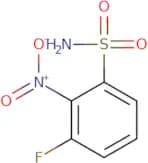
3-Fluoro-2-nitrobenzene-1-sulfonamide
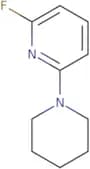
CAS:<p>Versatile small molecule scaffold</p>Formula:C6H5FN2O4SPurity:Min. 95%Molecular weight:220.18 g/mol2-Fluoro-6-(piperidin-1-yl)pyridine
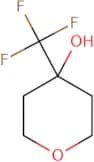
CAS:<p>Versatile small molecule scaffold</p>Formula:C10H13FN2Purity:Min. 95%Molecular weight:180.22 g/mol-4(Trifluoromethyl)Oxan-4-Ol
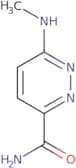
CAS:<p>Versatile small molecule scaffold</p>Formula:C6H9F3O2Purity:Min. 95%Molecular weight:170.13 g/mol6-(Methylamino)pyridazine-3-carboxamide
CAS:<p>Versatile small molecule scaffold</p>Formula:C6H8N4OPurity:Min. 95%Molecular weight:152.15 g/mol2-(1H-1,2,4-Triazol-3-yl)cyclopropane-1-carboxylic acid
CAS:<p>Versatile small molecule scaffold</p>Formula:C6H7N3O2Purity:Min. 95%Molecular weight:153.14 g/mol[(2-Chloropyridin-4-yl)methyl](2-methoxyethyl)methylamine
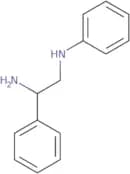
CAS:<p>Versatile small molecule scaffold</p>Formula:C10H15ClN2OPurity:Min. 95%Molecular weight:214.69 g/molN1,2-Diphenylethane-1,2-diamine
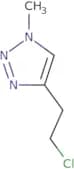
CAS:<p>Versatile small molecule scaffold</p>Formula:C14H16N2Purity:Min. 95%Molecular weight:212.29 g/mol4-(2-Chloroethyl)-1-methyl-1H-1,2,3-triazole
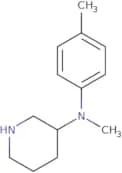
CAS:<p>Versatile small molecule scaffold</p>Formula:C5H8ClN3Purity:Min. 95%Molecular weight:145.59 g/molN-Methyl-N-(4-methylphenyl)piperidin-3-amine
CAS:<p>Versatile small molecule scaffold</p>Formula:C13H20N2Purity:Min. 95%Molecular weight:204.31 g/mol1-[(1,3-Thiazol-2-yl)amino]cyclohexane-1-carboxylic acid
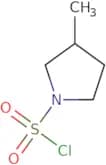
CAS:<p>Versatile small molecule scaffold</p>Formula:C10H14N2O2SPurity:Min. 95%Molecular weight:226.3 g/mol3-Methylpyrrolidine-1-sulfonyl chloride
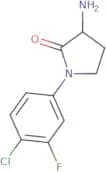
CAS:Versatile small molecule scaffoldFormula:C5H10ClNO2SPurity:Min. 95%Molecular weight:183.66 g/mol3-Amino-1-(4-chloro-3-fluorophenyl)pyrrolidin-2-one
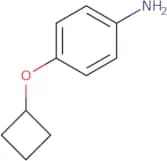
CAS:<p>Versatile small molecule scaffold</p>Formula:C10H10ClFN2OPurity:Min. 95%Molecular weight:228.65 g/mol4-Cyclobutoxyaniline
CAS:<p>Versatile small molecule scaffold</p>Formula:C10H13NOPurity:Min. 95%Molecular weight:163.22 g/mol1-[2-(2-Bromophenyl)-4-methyl-1,3-thiazol-5-yl]ethan-1-ol
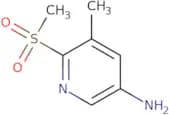
CAS:<p>Versatile small molecule scaffold</p>Formula:C12H12BrNOSPurity:Min. 95%Molecular weight:298.2 g/mol5-Methyl-6-(methylsulfonyl)pyridin-3-amine
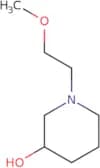
CAS:<p>Versatile small molecule scaffold</p>Formula:C7H10N2O2SPurity:Min. 95%Molecular weight:186.23 g/mol1-(2-Methoxyethyl)piperidin-3-ol
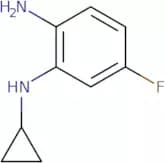
CAS:<p>Versatile small molecule scaffold</p>Formula:C8H17NO2Purity:Min. 95%Molecular weight:159.23 g/mol1-N-Cyclopropyl-5-fluorobenzene-1,2-diamine
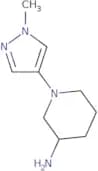
CAS:<p>Versatile small molecule scaffold</p>Formula:C9H11FN2Purity:Min. 95%Molecular weight:166.2 g/mol1-(1-Methyl-1H-pyrazol-4-yl)piperidin-3-amine
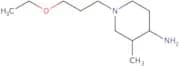
CAS:<p>Versatile small molecule scaffold</p>Formula:C9H16N4Purity:Min. 95%Molecular weight:180.25 g/mol1-(3-Ethoxypropyl)-3-methylpiperidin-4-amine
CAS:<p>Versatile small molecule scaffold</p>Formula:C11H24N2OPurity:Min. 95%Molecular weight:200.32 g/mol1-[4-(Furan-2-yl)-5-methyl-1,3-thiazol-2-yl]ethan-1-amine
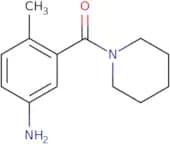
CAS:<p>Versatile small molecule scaffold</p>Formula:C10H12N2OSPurity:Min. 95%Molecular weight:208.28 g/mol4-Methyl-3-(piperidine-1-carbonyl)aniline
CAS:<p>Versatile small molecule scaffold</p>Formula:C13H18N2OPurity:Min. 95%Molecular weight:218.29 g/mol2-[(1-Methyl-1H-pyrazol-4-yl)methyl]cyclopentan-1-one
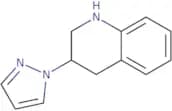
CAS:<p>Versatile small molecule scaffold</p>Formula:C10H14N2OPurity:Min. 95%Molecular weight:178.23 g/mol3-(1H-Pyrazol-1-yl)-1,2,3,4-tetrahydroquinoline
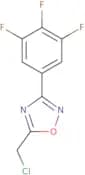
CAS:<p>Versatile small molecule scaffold</p>Formula:C12H13N3Purity:Min. 95%Molecular weight:199.25 g/mol5-(Chloromethyl)-3-(3,4,5-trifluorophenyl)-1,2,4-oxadiazole
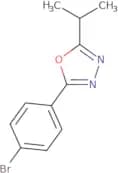
CAS:<p>Versatile small molecule scaffold</p>Formula:C9H4ClF3N2OPurity:Min. 95%Molecular weight:248.59 g/mol2-(4-Bromophenyl)-5-(propan-2-yl)-1,3,4-oxadiazole
CAS:<p>Versatile small molecule scaffold</p>Formula:C11H11BrN2OPurity:Min. 95%Molecular weight:267.12 g/mol3-[(4-Fluorophenyl)methyl]-1,2,4-oxadiazol-5-ol
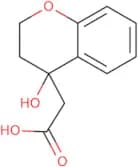
CAS:<p>Versatile small molecule scaffold</p>Formula:C9H7FN2O2Purity:Min. 95%Molecular weight:194.16 g/mol2-(4-Hydroxy-3,4-dihydro-2H-1-benzopyran-4-yl)acetic acid
CAS:<p>Versatile small molecule scaffold</p>Formula:C11H12O4Purity:Min. 95%Molecular weight:208.21 g/mol4-(2-Bromophenoxy)-6-chloropyrimidine
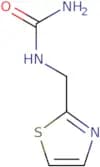
CAS:<p>Versatile small molecule scaffold</p>Formula:C10H6BrClN2OPurity:Min. 95%Molecular weight:285.52 g/mol(1,3-Thiazol-2-ylmethyl)urea
CAS:<p>(1,3-Thiazol-2-ylmethyl)urea is a synthetic compound that has been detected in honey and pollen samples. It is used as a preservative for edible oils. This compound is also used to treat HIV infection and immunodeficiency. The mechanism of action of this drug is not fully understood but it seems to stimulate the immune system by increasing production of cytokines, which are proteins involved in the immune response. (1,3-Thiazol-2-ylmethyl)urea has been found to have antiviral properties that may be related to its ability to inhibit viral replication or its anti-inflammatory effects.</p>Formula:C5H7N3OSPurity:Min. 95%Molecular weight:157.2 g/mol{4-Methyl-2-[(2-methylbutan-2-yl)oxy]phenyl}methanamine
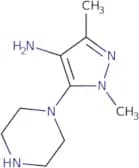
CAS:<p>Versatile small molecule scaffold</p>Formula:C13H21NOPurity:Min. 95%Molecular weight:207.31 g/mol1,3-Dimethyl-5-(piperazin-1-yl)-1H-pyrazol-4-amine
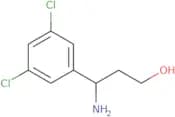
CAS:<p>Versatile small molecule scaffold</p>Formula:C9H17N5Purity:Min. 95%Molecular weight:195.27 g/mol3-Amino-3-(3,5-dichlorophenyl)propan-1-ol
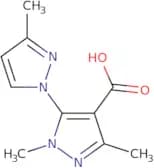
CAS:<p>Versatile small molecule scaffold</p>Formula:C9H11Cl2NOPurity:Min. 95%Molecular weight:220.09 g/mol1,3-Dimethyl-5-(3-methyl-1H-pyrazol-1-yl)-1H-pyrazole-4-carboxylic acid
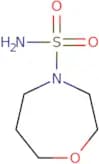
CAS:<p>Versatile small molecule scaffold</p>Formula:C10H12N4O2Purity:Min. 95%Molecular weight:220.23 g/mol1,4-Oxazepane-4-sulfonamide
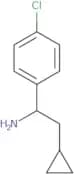
CAS:<p>Versatile small molecule scaffold</p>Formula:C5H12N2O3SPurity:Min. 95%Molecular weight:180.2 g/mol1-(4-Chlorophenyl)-2-cyclopropylethan-1-amine
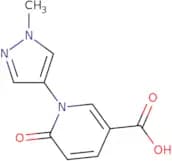
CAS:<p>Versatile small molecule scaffold</p>Formula:C11H14ClNPurity:Min. 95%Molecular weight:195.69 g/mol1-(1-Methyl-1H-pyrazol-4-yl)-6-oxo-1,6-dihydropyridine-3-carboxylic acid
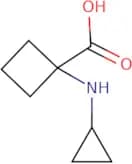
CAS:<p>Versatile small molecule scaffold</p>Formula:C10H9N3O3Purity:Min. 95%Molecular weight:219.2 g/mol1-(Cyclopropylamino)cyclobutane-1-carboxylic acid
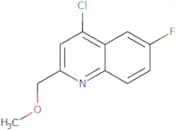
CAS:<p>Versatile small molecule scaffold</p>Formula:C8H13NO2Purity:Min. 95%Molecular weight:155.19 g/mol4-Chloro-6-fluoro-2-(methoxymethyl)quinoline
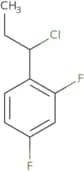
CAS:<p>Versatile small molecule scaffold</p>Formula:C11H9ClFNOPurity:Min. 95%Molecular weight:225.64 g/mol1-(1-Chloropropyl)-2,4-difluorobenzene
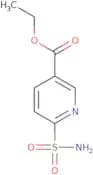
CAS:<p>Versatile small molecule scaffold</p>Formula:C9H9ClF2Purity:Min. 95%Molecular weight:190.62 g/molEthyl 6-sulfamoylpyridine-3-carboxylate
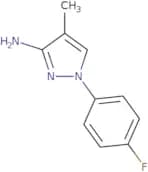
CAS:<p>Versatile small molecule scaffold</p>Formula:C8H10N2O4SPurity:Min. 95%Molecular weight:230.24 g/mol1-(4-Fluorophenyl)-4-methyl-1H-pyrazol-3-amine
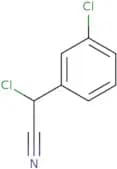
CAS:<p>Versatile small molecule scaffold</p>Formula:C10H10FN3Purity:Min. 95%Molecular weight:191.2 g/mol2-Chloro-2-(3-chlorophenyl)acetonitrile
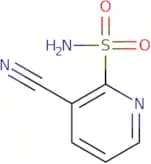
CAS:<p>Versatile small molecule scaffold</p>Formula:C8H5Cl2NPurity:Min. 95%Molecular weight:186.03 g/mol3-Cyanopyridine-2-sulfonamide
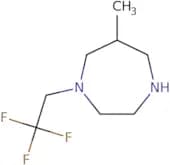
CAS:<p>Versatile small molecule scaffold</p>Formula:C6H5N3O2SPurity:Min. 95%Molecular weight:183.19 g/mol6-Methyl-1-(2,2,2-trifluoroethyl)-1,4-diazepane
CAS:<p>Versatile small molecule scaffold</p>Formula:C8H15F3N2Purity:Min. 95%Molecular weight:196.21 g/mol(1-(Benzo[D]oxazol-2-yl)pyrrolidin-2-yl)methanol
CAS:<p>Versatile small molecule scaffold</p>Formula:C12H14N2O2Purity:Min. 95%Molecular weight:218.25 g/mol3-[4-(Trifluoromethoxy)phenyl]cyclobutan-1-amine
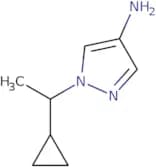
CAS:<p>Versatile small molecule scaffold</p>Formula:C11H12F3NOPurity:Min. 95%Molecular weight:231.21 g/mol1-(1-Cyclopropylethyl)-1H-pyrazol-4-amine
CAS:<p>Versatile small molecule scaffold</p>Formula:C8H13N3Purity:Min. 95%Molecular weight:151.21 g/mol1-[4-(Trifluoromethyl)phenyl]-1H-pyrazol-4-amine
CAS:<p>Versatile small molecule scaffold</p>Formula:C10H8F3N3Purity:Min. 95%Molecular weight:227.19 g/mol{3-[(Oxan-4-yloxy)methyl]phenyl}methanamine
CAS:<p>Versatile small molecule scaffold</p>Formula:C13H19NO2Purity:Min. 95%Molecular weight:221.29 g/mol1-[(4-Fluorophenyl)methyl]cyclopropan-1-ol
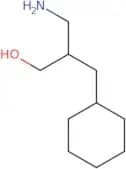
CAS:<p>Versatile small molecule scaffold</p>Formula:C10H11FOPurity:Min. 95%Molecular weight:166.19 g/mol3-Amino-2-(cyclohexylmethyl)propan-1-ol
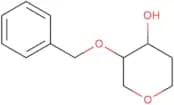
CAS:<p>Versatile small molecule scaffold</p>Formula:C10H21NOPurity:Min. 95%Molecular weight:171.28 g/mol3-(Benzyloxy)oxan-4-ol
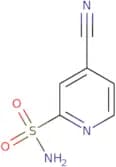
CAS:<p>Versatile small molecule scaffold</p>Formula:C12H16O3Purity:Min. 95%Molecular weight:208.25 g/mol4-Cyanopyridine-2-sulfonamide
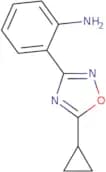
CAS:<p>Versatile small molecule scaffold</p>Formula:C6H5N3O2SPurity:Min. 95%Molecular weight:183.19 g/mol2-(5-Cyclopropyl-1,2,4-oxadiazol-3-yl)aniline
CAS:<p>Versatile small molecule scaffold</p>Formula:C11H11N3OPurity:Min. 95%Molecular weight:201.22 g/mol[1-(6-Methylpyridazin-3-yl)pyrrolidin-2-yl]methanol
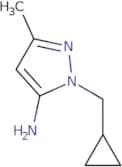
CAS:<p>Versatile small molecule scaffold</p>Formula:C10H15N3OPurity:Min. 95%Molecular weight:193.25 g/mol1-(Cyclopropylmethyl)-3-methyl-1H-pyrazol-5-amine
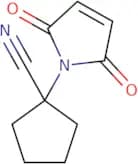
CAS:<p>Versatile small molecule scaffold</p>Formula:C8H13N3Purity:Min. 95%Molecular weight:151.21 g/mol1-(2,5-Dioxo-2,5-dihydro-1H-pyrrol-1-yl)cyclopentane-1-carbonitrile
CAS:<p>Versatile small molecule scaffold</p>Formula:C10H10N2O2Purity:Min. 95%Molecular weight:190.2 g/mol2-Amino-N-[2-(azepan-1-yl)ethyl]acetamide
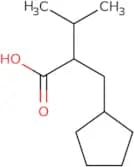
CAS:<p>Versatile small molecule scaffold</p>Formula:C10H21N3OPurity:Min. 95%Molecular weight:199.29 g/mol2-(Cyclopentylmethyl)-3-methylbutanoic acid
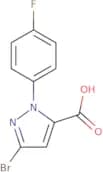
CAS:<p>Versatile small molecule scaffold</p>Formula:C11H20O2Purity:Min. 95%Molecular weight:184.27 g/mol3-bromo-1-(4-fluorophenyl)-1H-pyrazole-5-carboxylic acid
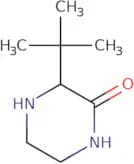
CAS:<p>Versatile small molecule scaffold</p>Formula:C10H6BrFN2O2Purity:Min. 95%Molecular weight:285.1 g/mol3-tert-Butylpiperazin-2-one
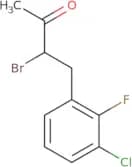
CAS:<p>Versatile small molecule scaffold</p>Formula:C8H16N2OPurity:Min. 95%Molecular weight:156.2 g/mol3-Bromo-4-(3-chloro-2-fluorophenyl)butan-2-one
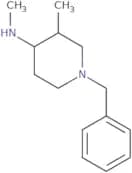
CAS:<p>Versatile small molecule scaffold</p>Formula:C10H9BrClFOPurity:Min. 95%Molecular weight:279.53 g/mol1-Benzyl-N,3-dimethylpiperidin-4-amine
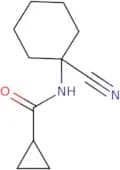
CAS:<p>Versatile small molecule scaffold</p>Formula:C14H22N2Purity:Min. 95%Molecular weight:218.34 g/molN-(1-Cyanocyclohexyl)cyclopropanecarboxamide
CAS:<p>Versatile small molecule scaffold</p>Formula:C11H16N2OPurity:Min. 95%Molecular weight:192.26 g/mol1-(6-Ethylpyrimidin-4-yl)piperidin-3-amine
CAS:<p>Versatile small molecule scaffold</p>Formula:C11H18N4Purity:Min. 95%Molecular weight:206.29 g/mol[(5-Aminopentyl)oxy]cyclohexane
CAS:<p>Versatile small molecule scaffold</p>Formula:C11H23NOPurity:Min. 95%Molecular weight:185.31 g/mol5-Nitro-2-(thiophen-2-ylsulfanyl)aniline
CAS:<p>Versatile small molecule scaffold</p>Formula:C10H8N2O2S2Purity:Min. 95%Molecular weight:252.3 g/mol5-Methyl-1-[(5-methyl-1,3,4-oxadiazol-2-yl)methyl]-1H-1,2,3-triazole-4-carboxylic acid
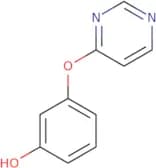
CAS:<p>Versatile small molecule scaffold</p>Formula:C8H9N5O3Purity:Min. 95%Molecular weight:223.19 g/mol3-(Pyrimidin-4-yloxy)phenol
CAS:<p>Versatile small molecule scaffold</p>Formula:C10H8N2O2Purity:Min. 95%Molecular weight:188.18 g/molMethyl 2-(4-fluoro-2-methylphenyl)-2-hydroxyacetate
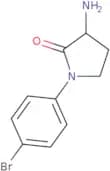
CAS:<p>Versatile small molecule scaffold</p>Formula:C10H11FO3Purity:Min. 95%Molecular weight:198.19 g/mol3-Amino-1-(4-bromophenyl)pyrrolidin-2-one
CAS:<p>Versatile small molecule scaffold</p>Formula:C10H11BrN2OPurity:Min. 95%Molecular weight:255.11 g/mol[(3-Bromothiophen-2-yl)methyl](2-methoxyethyl)amine
CAS:<p>Versatile small molecule scaffold</p>Formula:C8H12BrNOSPurity:Min. 95%Molecular weight:250.16 g/mol2-(3-Methyl-1-benzofuran-2-yl)acetic acid
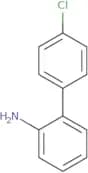
CAS:<p>Versatile small molecule scaffold</p>Formula:C11H10O3Purity:Min. 95%Molecular weight:190.19 g/mol4'-Chloro-biphenyl-2-ylamine
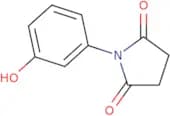
CAS:<p>4'-Chloro-biphenyl-2-ylamine is an organic solvent that is used in alkalization and as a reagent in chemical reactions. It has been shown to be bactericidal, with a broad spectrum of activity against Gram-positive and Gram-negative bacteria. 4'-Chloro-biphenyl-2-ylamine can be synthesized by the reaction of biphenyl with hydrogen chloride, producing an azide and chloride. The azide reacts with chloroacetic acid to produce the desired compound.</p>Formula:C12H10ClNPurity:Min. 95%Molecular weight:203.67 g/mol1-(3-Hydroxyphenyl)pyrrolidine-2,5-dione
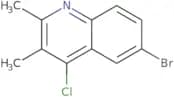
CAS:<p>Versatile small molecule scaffold</p>Formula:C10H9NO3Purity:Min. 95%Molecular weight:191.18 g/mol6-Bromo-4-chloro-2,3-dimethylquinoline
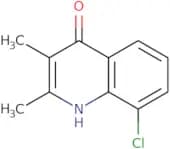
CAS:<p>Versatile small molecule scaffold</p>Formula:C11H9BrClNPurity:Min. 95%Molecular weight:270.55 g/mol8-Chloro-2,3-dimethyl-1,4-dihydroquinolin-4-one
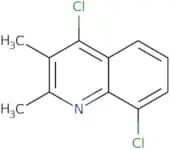
CAS:<p>Versatile small molecule scaffold</p>Formula:C11H10ClNOPurity:Min. 95%Molecular weight:207.65 g/mol4,8-Dichloro-2,3-dimethylquinoline
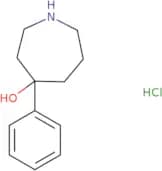
CAS:<p>Versatile small molecule scaffold</p>Formula:C11H9Cl2NPurity:Min. 95%Molecular weight:226.1 g/mol4-Phenylazepan-4-ol hydrochloride
CAS:<p>Versatile small molecule scaffold</p>Formula:C12H18ClNOPurity:Min. 95%Molecular weight:227.73 g/mol2-[(Cycloheptylideneamino)oxy]acetic acid
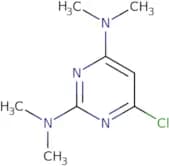
CAS:<p>Versatile small molecule scaffold</p>Formula:C9H15NO3Purity:Min. 95%Molecular weight:185.22 g/mol4-Chloro-2,6-bis(dimethylamino)pyrimidine
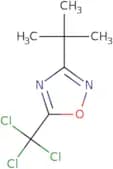
CAS:<p>Versatile small molecule scaffold</p>Formula:C8H13ClN4Purity:Min. 95%Molecular weight:200.67 g/mol3-tert-Butyl-5-(trichloromethyl)-1,2,4-oxadiazole
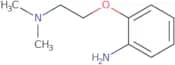
CAS:<p>Versatile small molecule scaffold</p>Formula:C7H9Cl3N2OPurity:Min. 95%Molecular weight:243.5 g/mol2-(2-Dimethylamino-ethoxy)-phenylamine
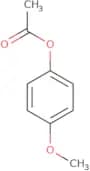
CAS:Controlled Product<p>2-(2-Dimethylamino-ethoxy)-phenylamine is a colorless liquid with a boiling point of 212 °C. The detection limit for this compound is 2 ppm. It has an acidity of 0.1 and can be synthesized from the reaction of two equivalents of phenol and two equivalents of ethylenediamine in the presence of conc. sulfuric acid, followed by reduction of the nitro group to an amine. This compound is used as an intermediate in the synthesis of several drugs such as amphetamine, methamphetamine, and ephedrine, as well as pharmaceuticals such as levamisole, clonidine, and mepyramine hydrochloride.<br>2-(2-Dimethylamino-ethoxy)-phenylamine can be detected using UV spectroscopy at wavelengths between 260 nm and 270 nm with maximum absorption at 266 nm.</p>Formula:C10H16N2OPurity:Min. 95%Molecular weight:180.25 g/mol4-Methoxyphenyl acetate
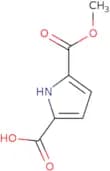
CAS:<p>4-Methoxyphenyl acetate is the product of a chloroformate reaction with an alcohol. It has been synthesized in high yield and purified by recrystallization from hexahydrate to produce a white crystalline solid. This compound is soluble in water and chloroform, and is stable at room temperature. 4-Methoxyphenyl acetate has been shown to be active against influenza virus strains Covid-19, H1N1, H3N2, PR8, H5N1, and H7N7. The mechanism of action is not fully understood but this molecule may act as a substrate for the enzyme active site of the viral polymerase complex or interfere with viral nucleic acid replication.</p>Formula:C9H10O3Purity:Min. 95%Molecular weight:166.17 g/mol5-(Methoxycarbonyl)-1H-pyrrole-2-carboxylic acid
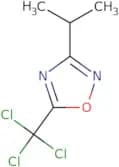
CAS:<p>Versatile small molecule scaffold</p>Formula:C7H7NO4Purity:Min. 95%Molecular weight:169.13 g/mol3-isopropyl-5-(trichloromethyl)-1,2,4-oxadiazole
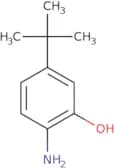
CAS:<p>Versatile small molecule scaffold</p>Formula:C6H7Cl3N2OPurity:Min. 95%Molecular weight:229.49 g/mol2-Amino-5-tert-butylphenol
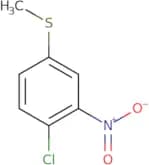
CAS:<p>Versatile small molecule scaffold</p>Formula:C10H15NOPurity:Min. 95%Molecular weight:165.23 g/mol(4-chloro-3-nitrophenyl)(methyl)sulfane
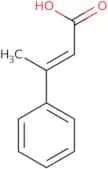
CAS:<p>Versatile small molecule scaffold</p>Formula:C7H6ClNO2SPurity:Min. 95%Molecular weight:203.64 g/mol3-Phenylbut-2-enoic acid
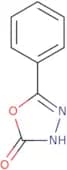
CAS:<p>3-Phenylbut-2-enoic acid is a prochiral, carbonyl compound that can be used in the synthesis of chiral pharmaceuticals. Mechanistic studies have shown that 3-phenylbut-2-enoic acid is a catalytic hydrogenation reagent that converts prochiral substrates to their corresponding chiral products. When combined with binap and butenoic acid, 3-phenylbut-2-enoic acid can catalyze the asymmetric synthesis of butenoate. The reaction yields high enantiomeric excesses and good yields.</p>Formula:C10H10O2Purity:Min. 95%Molecular weight:162.19 g/mol5-Phenyl-1,3,4-oxadiazol-2-ol
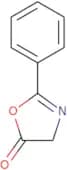
CAS:<p>5-Phenyl-1,3,4-oxadiazol-2-ol is an organic compound that belongs to the heterocyclic compounds. It is a white solid at room temperature with a melting point of 117°C. The reaction of 5-phenyl-1,3,4-oxadiazol-2-ol with hydrochloric acid gives solvents and polyelectrolytes. This compound also reacts with amines to give ring opening polymerization products and with anilines to give oxadiazolones. 5-Phenyl-1,3,4-oxadiazol-2-ol has been shown to have 5HT4 receptor agonist activity in mice and has been used as a lead compound for drug development against depression and anxiety disorders.<br>5HT4 receptors are located on the nerve cells in the brain and spinal cord and are involved in regulating mood and anxiety levels.</p>Formula:C8H6N2O2Purity:Min. 95%Molecular weight:162.15 g/mol2-Phenyl-5-oxazolone
CAS:<p>2-Phenyl-5-oxazolone is a chemical compound that has been used as a starting material for the synthesis of various other organic compounds. It can be synthesized by the reaction of 2-phenylacetamide with 3-chloro-5,6-dihydrobenzoxazole. The kinetic data for this reaction are provided in the table below. Monoclonal antibodies have been used to detect and quantify 2-phenyl-5-oxazolone in human urine samples, but it is not yet known whether this compound plays any role in the development of prostate cancer cells. Caproic acid is a metabolite that is formed from 2-phenylacetamide during its conversion to 2-phenyl 5 oxazolone.</p>Formula:C9H7NO2Purity:Min. 95%Molecular weight:161.16 g/mol3-Methyl-5-phenyl-1,2,4-oxadiazole
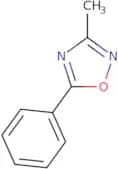
CAS:<p>3-Methyl-5-phenyl-1,2,4-oxadiazole is an organic compound that has been synthesized from aminoacids. It is a mesoionic heterocyclic compound with the chemical formula CHNO. 3-Methyl-5-phenyl-1,2,4-oxadiazole is a dipolarophile and can be used in cycloaddition reactions with nitrosobenzene to produce nitrostyrenes. 3-Methyl-5-phenyl-1,2,4-oxadiazole can also be synthesized by using diazomethane as a reagent and a regiospecific process.</p>Formula:C9H8N2OPurity:Min. 95%Molecular weight:160.17 g/mol3-Pyridin-3-yl-[1,2,4]oxadiazol-5-ol
CAS:<p>Versatile small molecule scaffold</p>Formula:C7H5N3O2Purity:Min. 95%Molecular weight:163.13 g/mol2,2-Dimethylchroman
CAS:<p>2,2-Dimethylchroman is a prenylated chroman that has been shown to have anti-oxidative activity in muscle. It is also a potent anti-platelet drug and may be used as an anti-inflammatory agent. 2,2-Dimethylchroman has been shown to inhibit platelet aggregation by blocking the action of adenosine diphosphate (ADP) on its receptor. This inhibitory effect may be due to the nitro group present in the molecule. 2,2-Dimethylchroman also inhibits lipid peroxidation and suppresses lipoxygenase activity.</p>Formula:C11H14OPurity:Min. 95%Molecular weight:162.23 g/mol5,7-Dimethylpyrazolo[1,5-a]pyrimidin-2-amine hydrochloride
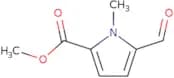
CAS:<p>Versatile small molecule scaffold</p>Formula:C8H11ClN4Purity:Min. 95%Molecular weight:198.65 g/molmethyl 5-formyl-1-methyl-1H-pyrrole-2-carboxylate
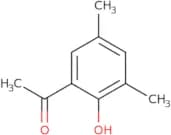
CAS:<p>Versatile small molecule scaffold</p>Formula:C8H9NO3Purity:Min. 95%Molecular weight:167.2 g/mol3',5'-Dimethyl-2'-hydroxyacetophenone
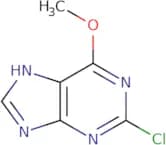
CAS:<p>3',5'-Dimethyl-2'-hydroxyacetophenone is a chemical compound that is used in the pharmaceutical industry. It has a controllable viscosity and is stable to heat, light, and acidity. 3',5'-Dimethyl-2'-hydroxyacetophenone can be used as an excipient for injectable pharmaceutical preparations. It can also be used as a polymerization agent or to control the impurities in mannitol, lactose, and other substances. This chemical can react with cysteine or glutathione to form 3',5'-dimethyl-2'-hydroxybenzylcysteine or 3',5'-dimethyl-2'-hydroxybenzylglutathione respectively.</p>Formula:C10H12O2Purity:Min. 95%Molecular weight:164.2 g/mol2-Chloro-6-methoxypurine
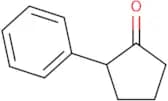
CAS:<p>2-Chloro-6-methoxypurine is a nucleoside that is synthesized by the enzyme nucleoside phosphorylase. It is used in an enzymatic reaction to produce 2-chloroadenine and allopurinol. The reaction requires ribose and d-arabinose as substrates, and can also be carried out at high temperatures (60°C). The bacteria E. coli can be used for the production of 2-chloro-6-methoxypurine. This product has been shown to inhibit bacterial growth in vitro when mixed with other substances such as xylosides, soluble form, and thermophilic.</p>Formula:C6H5ClN4OPurity:Min. 95%Molecular weight:184.58 g/mol2-Phenylcyclopentan-1-one
CAS:<p>2-Phenylcyclopentan-1-one is a compound with the molecular formula C10H12O. It can exist as two stereoisomers, which are mirror images of one another. The two isomers can be distinguished by their different melting points and by the difference in their infrared spectra. This compound belongs to a class of compounds called cyanoalkyls, which contain an alkyl group that is bonded to a cyanide group. 2-Phenylcyclopentan-1-one has been used as a probe for labeling chiral centers in biological systems. This probe is also useful for studying kinetic and photochemical reactions involving chiral molecules, such as catalysis and ionization by light.</p>Formula:C11H12OPurity:Min. 95%Molecular weight:160.21 g/mol1-Methyl-1,2,3,4-tetrahydroquinolin-4-one
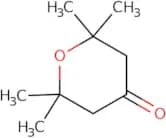
CAS:<p>1-Methyl-1,2,3,4-tetrahydroquinolin-4-one is a chemical compound that is the condensation product of aromatic aldehydes. It can be synthesized by condensing 1-methylbenzaldehyde with aniline. This compound has been used as an analog for the antidepressant drug amitriptyline.</p>Formula:C10H11NOPurity:Min. 95%Molecular weight:161.2 g/mol2,2,6,6-Tetramethyloxan-4-one
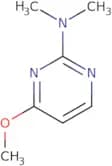
CAS:<p>2,2,6,6-Tetramethyloxan-4-one is a reactive compound that is sensitive to light. It has been used as a probe for the detection of hydrogen peroxide in microscopy and fluorescence. 2,2,6,6-Tetramethyloxan-4-one is also used as a fluorophore in research. The potential use of this compound includes the detection of peroxide in transfer reactions or benzoic anhydride in functional theory studies.</p>Formula:C9H16O2Purity:Min. 95%Molecular weight:156.22 g/mol4-Methoxy-N,N-dimethylpyrimidin-2-amine
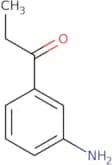
CAS:<p>Versatile small molecule scaffold</p>Formula:C7H11N3OPurity:Min. 95%Molecular weight:153.18 g/mol1-(3-Aminophenyl)propan-1-one
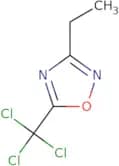
CAS:<p>1-(3-Aminophenyl)propan-1-one is a nicotinamide. Nicotinamide is a form of vitamin B3 and has been shown to protect against the toxicity of aromatic amines in the liver, kidneys, and lungs. 1-(3-Aminophenyl)propan-1-one is excreted unchanged in urine as aminoacetophenone and may be used as a marker for exposure to aromatic amines. It also has solubilizing properties, which are useful for the extraction of proteins from red blood cells. 1-(3-Aminophenyl)propan-1-one can be used in polynomial equations to determine the concentrations of nitrite anions at different temperatures.</p>Formula:C9H11NOPurity:Min. 95%Molecular weight:149.19 g/mol3-Ethyl-5-(trichloromethyl)-1,2,4-oxadiazole
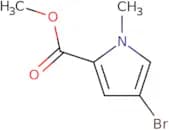
CAS:<p>Versatile small molecule scaffold</p>Formula:C5H5Cl3N2OPurity:Min. 95%Molecular weight:215.46 g/molMethyl 4-bromo-1-methyl-1H-pyrrole-2-carboxylate
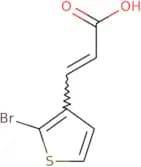
CAS:<p>Versatile small molecule scaffold</p>Formula:C7H8BrNO2Purity:Min. 95%Molecular weight:218.06 g/mol(2E)-3-(2-Bromothiophen-3-yl)prop-2-enoic acid
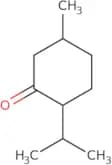
CAS:<p>Versatile small molecule scaffold</p>Formula:C7H5BrO2SPurity:Min. 95%Molecular weight:233.08 g/mol(2R,5R)-5-Methyl-2-(propan-2-yl)cyclohexan-1-one
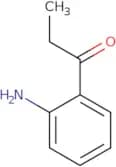
CAS:<p>(2R,5R)-5-Methyl-2-(propan-2-yl)cyclohexan-1-one is a mesomorphic compound that is synthesized by the reaction of 2,5-dimethylcyclohexanone and propane. The molecular structure of this compound can be determined using molecular modeling with intermolecular hydrogen bonding. The enantiomer has been shown to have acid catalytic activity, while the mesomorphic form has an optimum ph at around 8. The structural analysis of this compound was completed using X-ray crystallography and NMR spectroscopy. The synthesis of (2R,5R)-5-methyl cyclohexanone isomers can be achieved through a ph range from 1 to 14 using piperitone as an acid catalyst. This synthetic process also requires ruthenium complex and α pinene as starting materials.</p>Formula:C10H18OPurity:Min. 95%Molecular weight:154.25 g/mol1-(2-Aminophenyl)propan-1-one
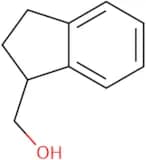
CAS:<p>1-(2-Aminophenyl)propan-1-one (1AP) is a cytotoxic agent that belongs to the class of iminoquinones. It is a synthetic compound that can be dimerized with copper(II) ions. 1AP has been shown to induce cell death in vitro by forming an imine with DNA, which results in the formation of reactive oxygen species and nitro groups. This drug also has nitro groups that are capable of binding to proteins and carbohydrates, which may contribute to its cytotoxic activity.</p>Formula:C9H11NOPurity:Min. 95%Molecular weight:149.19 g/mol1-(Hydroxymethyl)indan
CAS:<p>1-(Hydroxymethyl)indan is a molecule that contains a 6-chloropurine core. It has been shown to have anti-inflammatory properties and is a potential therapeutic agent for the treatment of inflammatory diseases. The conformation of 1-(hydroxymethyl)indan can be altered by the substitution of chlorine for methoxy groups at positions 2 and 3. This can produce optical isomers, which are chiral molecules with one mirror image and one enantiomer. The optical isomers of 1-(hydroxymethyl)indan have different effects on inflammation and tumor cells, with the (R)-enantiomer being more potent against tumors than its mirror image, the (S)-enantiomer.<br>1-(Hydroxymethyl)indan also has an interesting molecular structure because it contains a furan ring in addition to a phenyl group. Furans are not common in organic chemistry due to their instability, but they are found in nature as components</p>Formula:C10H12OPurity:Min. 95%Molecular weight:148.2 g/mol5-Bromo-3-methylbenzo[b]thiophene
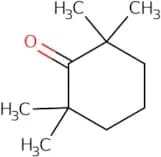
CAS:<p>Versatile small molecule scaffold</p>Formula:C9H7BrSPurity:Min. 95%Molecular weight:227.12 g/mol2,2,6,6-Tetramethylcyclohexan-1-one
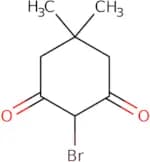
CAS:<p>2,2,6,6-Tetramethylcyclohexan-1-one is a chemical compound with the molecular formula CHO. It is a colorless liquid that boils around 100°C and has a strong odor. 2,2,6,6-Tetramethylcyclohexan-1-one can be used in the dehydrogenation of alicyclic compounds to form alkenes. The reaction proceeds by attack of the intermediate on the double bond and elimination of two hydrogen atoms from an adjacent methyl group. In this process, one molecule of water is also produced. This reaction mechanism can be postulated for homologues as well.</p>Formula:C10H18OPurity:Min. 95%Molecular weight:154.25 g/mol2-Bromo-5,5-dimethyl-1,3-cyclohexanedione
CAS:<p>2-Bromo-5,5-dimethyl-1,3-cyclohexanedione is a molecule that belongs to the class of triethyl orthoformate. It has been shown to have depressant activity in animals by inhibition of amines and deactivation of the brain monoamine oxidase system. The chemical structure of 2-bromo-5,5-dimethyl cyclohexanedione consists of a hydroxy group on the second carbon atom from the left, a chlorine atom on the third carbon atom from the left, and an isomer with a chlorine atom on the fourth carbon atom from the left. The molecular weight of this compound is 180.2 g/mol. It can be synthesized by reacting bromine with dimethoxyacetaldehyde in presence of sodium hydroxide and hydrochloric acid or by dehydrating ethyl formate with hydrogen chloride gas. This chemical can also be used as a precursor for other compounds such as</p>Formula:C8H11BrO2Purity:Min. 95%Molecular weight:219.08 g/mol7-Azaspiro[3.5]nonane-6,8-dione
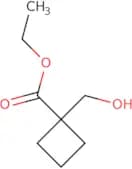
CAS:<p>Versatile small molecule scaffold</p>Formula:C8H11NO2Purity:Min. 95%Molecular weight:153.18 g/molEthyl 1-hydroxymethylcyclobutanecarboxylate
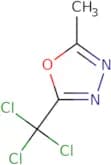
CAS:<p>Versatile small molecule scaffold</p>Formula:C8H14O3Purity:Min. 95%Molecular weight:158.19 g/mol2-Methyl-5-(trichloromethyl)-1,3,4-oxadiazole
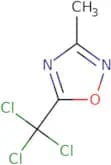
CAS:<p>Versatile small molecule scaffold</p>Formula:C4H3Cl3N2OPurity:Min. 95%Molecular weight:201.43 g/mol3-Methyl-5-(trichloromethyl)-1,2,4-oxadiazole
CAS:<p>3-Methyl-5-(trichloromethyl)-1,2,4-oxadiazole is an acylation agent that belongs to the group of c3-10 cycloalkyl derivs. It is a colorless, crystalline compound with a strong odor and a melting point of 171°C. 3-Methyl-5-(trichloromethyl)-1,2,4-oxadiazole can be used as an acylating agent for polymers. This chemical has been shown to cause erethism in humans and animals.</p>Formula:C4H3Cl3N2OPurity:Min. 95%Molecular weight:201.44 g/mol5-Methyl-2-oxo-1,3-oxazolidine-4-carboxylic acid
CAS:<p>Versatile small molecule scaffold</p>Formula:C5H7NO4Purity:Min. 95%Molecular weight:145.11 g/molrac-(3aR,7aR)-Octahydro-1H-indol-2-one
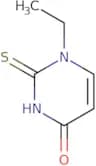
CAS:<p>Versatile small molecule scaffold</p>Formula:C8H13NOPurity:Min. 95%Molecular weight:139.2 g/mol1-Ethyl-2-sulfanyl-1,4-dihydropyrimidin-4-one
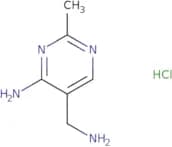
CAS:<p>Versatile small molecule scaffold</p>Formula:C6H8N2OSPurity:Min. 95%Molecular weight:156.21 g/mol5-(Aminomethyl)-2-methylpyrimidin-4-amine HCl
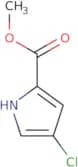
CAS:<p>Versatile small molecule scaffold</p>Formula:C6H11ClN4Purity:Min. 95%Molecular weight:174.63 g/molMethyl 4-chloro-1H-pyrrole-2-carboxylate
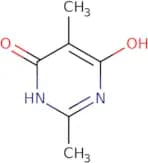
CAS:<p>Methyl 4-chloro-1H-pyrrole-2-carboxylate is a natural product that belongs to the class of pyrroles. It has been used as an insecticide and pheromone, and is also a substrate for the synthesis of other compounds. Methyl 4-chloro-1H-pyrrole-2-carboxylate has been shown to be stereoselective in its activity against insects, particularly moths. This molecule reacts with methyl ketones to form centrosymmetric molecules and is stable at temperatures between -5°C and 100°C. The compound can be purified using chromatography techniques, allowing it to be used in biomolecular research for the study of proteins.</p>Formula:C6H6ClNO2Purity:Min. 95%Molecular weight:159.57 g/mol2,5-Dimethyl-4,6-dihydroxypyrimidine
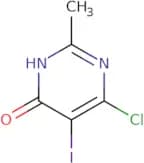
CAS:<p>Versatile small molecule scaffold</p>Formula:C6H8N2O2Purity:Min. 95%Molecular weight:140.14 g/mol6-Chloro-5-iodo-2-methyl-4-pyrimidinol
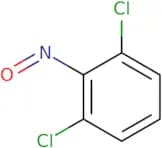
CAS:<p>Versatile small molecule scaffold</p>Formula:C5H4ClIN2OPurity:Min. 95%Molecular weight:270.46 g/mol2,6-Dichloronitrosobenzene
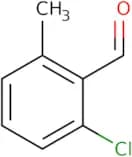
CAS:<p>2,6-Dichloronitrosobenzene is a solvent that is used in the production of textiles and plastics. It can be found as an impurity in solvents such as azobenzene, amines, and nitrosobenzene. 2,6-Dichloronitrosobenzene has been shown to have mutagenic activities and can cause mutations at the base pairs of DNA through mechanisms including oxidative stress and adduct formation with nucleobases. The uptake of this substance by cells may cause cell death due to its high reactivity with cellular components such as proteins and lipids. 2,6-Dichloronitrosobenzene also has a strong pyrylium ionization potential that causes it to form free radicals. 2,6-Dichloronitrosobenzene has been shown to induce cancer in animal models through the activation of carcinogenicity pathways such as p</p>Formula:C6H3Cl2NOPurity:Min. 95%Molecular weight:176 g/mol2-Chloro-6-methylbenzaldehyde
CAS:<p>2-Chloro-6-methylbenzaldehyde is a byproduct of the oxidation of metalloporphyrins. It is an organic compound that has nucleophilic properties and can react with chloride to form sulfoxide. 2-Chloro-6-methylbenzaldehyde can also react with magnesium to form a dihedral molecule, which is an isomer of 2-chloro-6-fluorobenzaldehyde. The nature of this chemical has not yet been determined, but it is known that it reacts with peroxide to produce silicon dioxide.</p>Formula:C8H7ClOPurity:Min. 95%Molecular weight:154.59 g/molPyrazolo[1,5-a]pyrimidin-7-amine
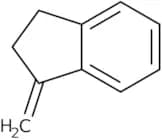
CAS:<p>Pyrazolo[1,5-a]pyrimidin-7-amine is a synthetic compound that was derived from the natural product pyrazolopyrimidine. It has been shown to be an effective inhibitor of growth in human liver cancer cells and in virus replication. Pyrazolo[1,5-a]pyrimidin-7-amine also inhibits the growth of human liver cancer cells by binding to the factor receptor, which is involved in platelet-derived growth. This drug inhibits the production of platelet-derived growth factor (PDGF) by binding to the PDGF receptor on cells. Pyrazolo[1,5-a]pyrimidin-7-amine does not inhibit cell proliferation but rather induces cell death by apoptosis in Mcf-7 human breast cancer cells.</p>Formula:C6H6N4Purity:Min. 95%Molecular weight:134.13 g/mol1-Methyleneindane
CAS:<p>1-Methyleneindane is a peroxide that has been synthesized to study the mechanistic aspects of hydrogen peroxide as a reactant in Wittig reactions. This molecule also serves as an intermediate in synthesizing phosphonium salts, which have been shown to have potential applications in perfluorinated and alcohol chemistry. The 1-methyleneindane skeleton is made up of two carbonyl groups and an interaction between the singlet state and the carbonyl group can be observed.</p>Formula:C10H10Purity:Min. 95%Molecular weight:130.19 g/mol4-Methylbicyclo[2.2.2]octan-1-amine hydrochloride
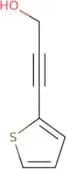
CAS:<p>Versatile small molecule scaffold</p>Formula:C9H18ClNPurity:Min. 95%Molecular weight:175.7 g/mol3-(Thiophen-2-yl)prop-2-yn-1-ol
CAS:<p>Versatile small molecule scaffold</p>Formula:C7H6OSPurity:Min. 95%Molecular weight:138.19 g/molCyclopentylurea
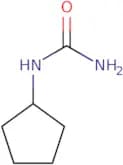
CAS:<p>Cyclopentylurea is an inhibitor of the NS3 protease, which is an enzyme that plays a key role in the replication of the hepatitis C virus. Cyclopentylurea binds to the active site of this enzyme and blocks its activity. This inhibition prevents the production of new viral particles and can help treat chronic hepatitis C. Cyclopentylurea has also been shown to have anti-cancer effects, as it inhibits protein synthesis in tumour cells and induces their apoptosis.</p>Formula:C6H12N2OPurity:Min. 95%Molecular weight:128.17 g/mol4-Cyano-1-methylpyridin-1-ium iodide
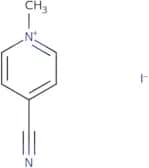
CAS:<p>4-Cyano-1-methylpyridin-1-ium iodide is a yellow solid that is insoluble in water and methanol. It has anions, which are negatively charged ions, such as chlorides and cations. The cation has a positive charge, while the anion has a negative charge. This chemical also crystallizes in different crystal structures and hydrogen bonds with other molecules in the crystal lattice.</p>Formula:C7H7IN2Purity:Min. 95%Molecular weight:246.05 g/mol2-Isocyanatooxane
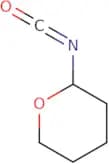
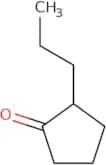
CAS:<p>Versatile small molecule scaffold</p>Formula:C6H9NO2Purity:Min. 95%Molecular weight:127.14 g/mol2-Propylcyclopentan-1-one
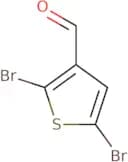
CAS:<p>2-Propylcyclopentan-1-one is a hydrolysate from the reaction of cyclopentanone and ethylene glycol, or with formaldehyde and water. It has been used for the synthesis of liquid crystals, which are composed of molecules that align parallel to each other in response to an applied electric field. 2-Propylcyclopentan-1-one is also used as a heat resistant crystal compound, and has been shown to be effective in the polymerization initiator reactions. The molecule contains a carbonyl group, which can be hydrogenated to produce saturated fatty acids. This chemical also reacts with fluorine at high temperatures, producing high kinetic energy.</p>Formula:C8H14OPurity:Min. 95%Molecular weight:126.2 g/mol2,5-Dibromothiophene-3-carboxaldehyde
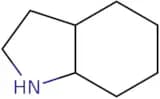
CAS:<p>2,5-Dibromothiophene-3-carboxaldehyde is a model complex that has been shown to have acceptor and photophysical properties. It can be used in organic electrochemical polymerization experiments, where it is dipolar and can act as an electron donor. This substance has also been shown to inhibit the rate of polymerization in polymer films. The morphology of 2,5-dibromothiophene-3-carboxaldehyde is determined by electron microscopy. It has a melting point of about 210 degrees Celsius and an electron microscopic efficiency of about 10%.</p>Formula:C5H2Br2OSPurity:Min. 95%Molecular weight:269.94 g/molrac-(3aR,7aR)-Octahydro-1H-indole
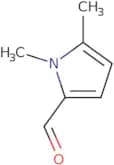
CAS:<p>Versatile small molecule scaffold</p>Formula:C8H15NPurity:Min. 95%Molecular weight:125.21 g/mol1,5-dimethyl-1H-pyrrole-2-carbaldehyde
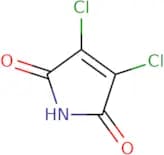
CAS:<p>Versatile small molecule scaffold</p>Formula:C7H9NOPurity:Min. 95%Molecular weight:123.16 g/mol3,4-dichloro-2,5-dihydro-1H-pyrrole-2,5-dione
CAS:<p>3,4-dichloro-2,5-dihydro-1H-pyrrole-2,5-dione is a compound that has been used in the synthesis of conjugates. It has been shown to be an inhibitor of mitochondrial protein synthesis and is able to inhibit the growth of Candida glabrata and Trichophyton mentagrophytes at concentrations of 2.0 mM. The compound is also reversible and can be hydrolyzed by hydrochloric acid. 3,4-Dichloro-2,5-dihydro-1H-pyrrole-2,5-dione shows synergistic effects with hepg2 cells and human liver cancer cells when combined with chlorine atom. This compound has been shown to have a high affinity for polycarbonates as well as a low molecular weight (270).</p>Formula:C4HCl2NO2Purity:Min. 95%Molecular weight:165.96 g/molBicyclo[2.2.2]octan-1-amine hydrochloride
CAS:<p>Versatile small molecule scaffold</p>Formula:C8H15N·HClPurity:Min. 95%Molecular weight:161.67 g/mol6-Azaspiro[3.4]octan-5-one
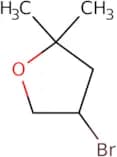
CAS:<p>Versatile small molecule scaffold</p>Formula:C7H11NOPurity:Min. 95%Molecular weight:125.17 g/mol4-Bromo-2,2-dimethyloxolane
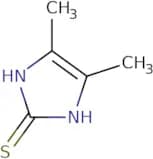
CAS:<p>Versatile small molecule scaffold</p>Formula:C6H11BrOPurity:Min. 95%Molecular weight:179.05 g/mol4,5-Dimethyl-1H-imidazole-2-thiol
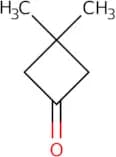
CAS:<p>4,5-Dimethyl-1H-imidazole-2-thiol is a potential drug candidate for cancer therapy. It is an insulin-like growth factor (IGF) inhibitor that can be used to treat cancer. 4,5-Dimethyl-1H-imidazole-2-thiol has the ability to inhibit IGF receptors and reduce cell proliferation in tumor cells. This compound also has the ability to inhibit tyrosine kinase activity and disrupt IGF receptor autophosphorylation. The isoquinolinedione derivative of 4,5-dimethyl 1H imidazole 2 thiol has been shown to have increased potency as an inhibitor of IGF receptors and tyrosine kinase activity in vitro.</p>Formula:C5H8N2SPurity:Min. 95%Molecular weight:128.19 g/mol3,3-Dimethylcyclobutan-1-one
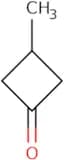
CAS:<p>3,3-Dimethylcyclobutan-1-one is a molecule that has been shown to be a sensitizer of ethylene in the presence of activated oxygen. The kinetics of this reaction were studied by determining the rate constant for the formation of 3,3-dimethylcyclobutan-1-one at various temperatures. This compound is an analog to cyclobutanone and can be synthesized by photolytic or reductive elimination. The nature of the substituents on the ring affects the bond cleavage and product yields during these reactions. 3,3-Dimethylcyclobutan-1-one has been used as a radiation sensitizer for polymers, although this application is limited because it reacts with oxygen. In addition, 3,3-dimethylcyclobutan-1-one can be used to produce isobutene by coupling with acetylene.</p>Formula:C6H10OPurity:Min. 95%Molecular weight:98.14 g/mol3-Methylcyclobutan-1-one
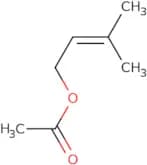
CAS:<p>3-Methylcyclobutan-1-one is a monoterpene that is used for the production of butenes, benzene, and aspartyl. It can be photolyzed or activated with radiation to form a cyclobutane ring. The three possible stereoisomers are in an equal ratio when 3-methylcyclobutan-1-one is synthesized from cyclopropanecarboxylic acid. There are many modifications that can be done to this molecule such as oxidation, reduction, and hydrogenation. The yields of product are dependent on the type of modification used.</p>Formula:C5H8OPurity:Min. 95%Molecular weight:84.12 g/molPrenyl acetate
CAS:<p>Prenyl acetate is a prenylated polyhydric alcohol with the chemical formula C10H22O4. It is a colorless liquid with a pleasant smell. Prenyl acetate can be used as an additive to make polymers such as polyesters or polyurethanes more flexible, or in the synthesis of cationic polymerization initiators, which are used in the production of films and coatings. Prenyl acetate has been shown to have physiological effects on animals by acting as an anti-inflammatory agent. Prenyl acetate may also act as a nucleophile that reacts with carboxylic acids to form esters, such as isopropyl palmitate.</p>Formula:C7H12O2Purity:Min. 95%Molecular weight:128.17 g/mol1,4-Butanedithiol
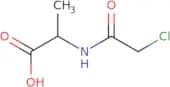
CAS:<p>1,4-Butanedithiol is a molecule with the chemical formula C4H9S. It is classified as an alcohol and has many uses in industry and academia. 1,4-Butanedithiol is soluble in water, methanol, and ethanol. The uptake of 1,4-butanedithiol in cells can be detected by uv absorption spectroscopy or enzymatic assay. 1,4-Butanedithiol also reacts with nucleophilic reagents such as hydrochloric acid or hydrogen fluoride to form ester linkages. The ester linkage between 1,4-butanedithiol and hydrochloric acid is reversible and has been shown to be pH dependent. In vitro assays have shown that 1,4-butanedithiol induces apoptotic effects on cells treated with hydrogen fluoride.</p>Formula:C4H10S2Purity:Min. 95%Molecular weight:122.24 g/molN-(2-Chloroacetyl)alanine
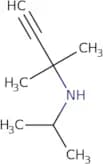
CAS:<p>N-(2-Chloroacetyl)alanine is a chloroacetic acid derivative that inhibits the enzyme activity of acetylcholinesterase. It has been shown to be more potent than other reversible inhibitors of this enzyme, such as clorgyline and pyridostigmine. N-(2-Chloroacetyl)alanine binds to the active site of acetylcholinesterase, causing denaturation and inactivation of the enzyme by irreversible inhibition. The binding constant for N-(2-chloroacetyl)alanine is 2.5 x 10 M. This irreversible inhibitor also causes a conformational change in the active site of acetylcholinesterase that increases the affinity for chloride ions. The optimum temperature for this reaction is between 25 and 30 degrees Celsius. Zinc ions may also increase the potency of N-(2-chloroacetyl)alanine by increasing its binding affinity to chloride ions at low concentrations</p>Formula:C5H8ClNO3Purity:Min. 95%Molecular weight:165.57 g/mol(2-Methylbut-3-yn-2-yl)(propan-2-yl)amine
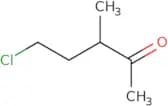
CAS:<p>Versatile small molecule scaffold</p>Formula:C8H15NPurity:Min. 95%Molecular weight:125.2 g/mol5-Chloro-3-methylpentan-2-one
CAS:<p>5-Chloro-3-methylpentan-2-one (5CMP) is an alkaloid that can be found in plants. It has been shown to have bioactive properties, such as being anti-inflammatory and anti-cancer. 5CMP is a precursor to the natural products physovenine and indoline. These compounds are used as targets for drug discovery because of their biological activity. In addition, 5CMP is an intermediate in the synthesis of other biologically active molecules, such as aldehydes and hydrazines.<br>5CMP is synthesized by dehydration of 2-isopropenyl acetate, which undergoes iminium ion formation and subsequent rearrangement to form the desired product. The reaction yields hydrogen chloride gas, which can be removed by passing through a solution of potassium hydroxide or sodium bicarbonate prior to isolation.</p>Formula:C6H11ClOPurity:Min. 95%Molecular weight:134.6 g/molO,O,S-Triethyl phosphorothioate
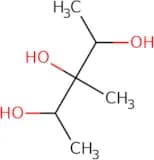
CAS:<p>O,O,S-Triethyl phosphorothioate is a pesticide that inhibits the growth of insects by binding to the active site of the enzyme acetylcholinesterase. It is used in agriculture as a synergist with piperonyl butoxide (PBO) for protection against pests such as termites and cockroaches. Triethyl phosphorothioate has been shown to cause lung damage in rats when given at high doses. The relevance of this finding to humans is not clear. It may be due to its ability to generate reactive oxygen species and lipid peroxidation products in tissues. This effect can be prevented by giving animals PBO pre-treatment or by using lower doses of triethanolamine phosphorothioate.</p>Formula:C6H15O3PSPurity:Min. 95%Molecular weight:198.22 g/mol3-Methylpentane-2,3,4-triol
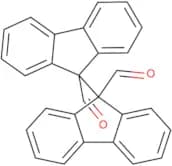
CAS:<p>Versatile small molecule scaffold</p>Formula:C6H14O3Purity:Min. 95%Molecular weight:134.17 g/molRaptinal
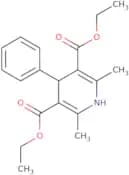
CAS:<p>Raptinal is a molecule that induces apoptotic cell death by interacting with hepg2 cells. It has been shown to induce the release of pro-inflammatory cytokines, such as IL-1β and IL-8, from the cells. Raptinal activates the apoptosis pathway by inducing caspase-3, which then cleaves poly(ADP-ribose) polymerase (PARP), leading to DNA fragmentation and cell death. The mechanism of action for Raptinal is similar to imidazotetrazine, an anti-cancer drug that also induces apoptosis in cancer cells. Raptinal has also been shown to inhibit tumor growth in vivo in animal models of meningioma. Raptinal has antioxidant properties and can protect cells from oxidative damage caused by free radicals. This activity may be due to its ability to scavenge reactive oxygen species or inhibit lipid peroxidation pathways.</p>Formula:C28H18O2Purity:Min. 95%Molecular weight:386.44 g/molDiethyl 2,6-dimethyl-4-phenyl-1,4-dihydropyridine-3,5-dicarboxylate
CAS:<p>Diethyl 2,6-dimethyl-4-phenyl-1,4-dihydropyridine-3,5-dicarboxylate is a conformationally restricted derivative of acetoacetate. It has been shown to scavenge free radicals and inhibit peroxidation in the presence of other antioxidants. The FTIR spectra show that the compound has a phenyl ring with an acetoacetate substituent at C2 and C3. This compound also contains an ethyl acetoacetate substituent at C2 and C3 as well as a hydrogen bond network between the carbonyl groups and the amide groups. Diethyl 2,6-dimethyl-4-phenyl-1,4-dihydropyridine-3,5-dicarboxylate is an antioxidative agent that can be found in food products such as wine and olive oil.</p>Formula:C19H23NO4Purity:Min. 95%Molecular weight:329.4 g/mol3-[4-(Dimethylao)phenyl]-1-(4-nitrophenyl)prop-2-en-1-one
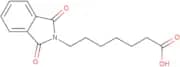
CAS:<p>Versatile small molecule scaffold</p>Formula:C17H16N2O3Purity:Min. 95%Molecular weight:296.32 g/mol7-(1,3-Dioxo-2,3-dihydro-1H-isoindol-2-yl)heptanoic acid
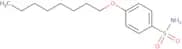
CAS:<p>7-(1,3-Dioxo-2,3-dihydro-1H-isoindol-2-yl)heptanoic acid is an intramolecularly acting phthalimide that has been shown to inhibit the production of prostaglandin E2. This compound is a macrocyclic indole derivative and has been shown to be effective in the treatment of inflammatory conditions such as Crohn's disease. 7-(1,3-Dioxo-2,3-dihydro-1H-isoindol-2-yl)heptanoic acid inhibits the enzyme cyclooxygenase II (COXII), which reduces inflammation by blocking the production of prostaglandins.</p>Formula:C15H17NO4Purity:Min. 95%Molecular weight:275.3 g/mol4-(Octyloxy)benzene-1-sulfonamide
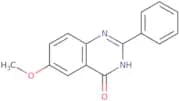
CAS:<p>Versatile small molecule scaffold</p>Formula:C14H23NO3SPurity:Min. 95%Molecular weight:285.4 g/mol6-Methoxy-2-phenylquinazolin-4(3H)-one
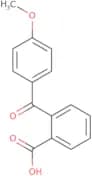
CAS:<p>Versatile small molecule scaffold</p>Formula:C15H12N2O2Purity:Min. 95%Molecular weight:252.27 g/mol2-(4-Methoxybenzoyl)benzenecarboxylic acid
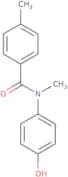
CAS:<p>2-(4-Methoxybenzoyl)benzenecarboxylic acid is a sweetener that is found in the class of benzophenones. It has a taste that is similar to benzoic acid, which is also considered to be a sweetener. 2-(4-Methoxybenzoyl)benzenecarboxylic acid has been shown to be an effective sweetener and can replace sugar in some applications. This compound has been found to have antimicrobial properties, but it is not yet known how these activities compare with those of other compounds in the same class.</p>Formula:C15H12O4Purity:Min. 95%Molecular weight:256.26 g/molN-(4-Hydroxyphenyl)-N,4-dimethylbenzamide
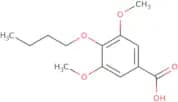
CAS:<p>Versatile small molecule scaffold</p>Formula:C15H15NO2Purity:Min. 95%Molecular weight:241.28 g/mol4-Butoxy-3,5-dimethoxybenzoic acid
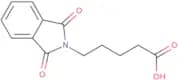
CAS:<p>Versatile small molecule scaffold</p>Formula:C13H18O5Purity:Min. 95%Molecular weight:254.28 g/mol5-(1,3-Dioxo-2,3-dihydro-1H-isoindol-2-yl)pentanoic acid
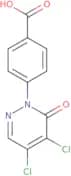
CAS:<p>5-(1,3-Dioxo-2,3-dihydro-1H-isoindol-2-yl)pentanoic acid is a synthetic compound that belongs to the class of enzyme inhibitors. It inhibits the catalytic activity of various enzymes and is used as a research tool for studying enzyme function. 5-(1,3-Dioxo-2,3-dihydro-1H-isoindol-2-yl)pentanoic acid is synthesized by introducing an amide bond between an aldehyde and a carboxylic acid. This compound has been found to focus on peptidyl and phosphonamidate bonds in proteins.</p>Formula:C13H13NO4Purity:Min. 95%Molecular weight:247.25 g/mol4-(4,5-Dichloro-6-oxo-1,6-dihydropyridazin-1-yl)benzoic acid
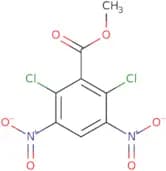
CAS:<p>Versatile small molecule scaffold</p>Formula:C11H6Cl2N2O3Purity:Min. 95%Molecular weight:285.08 g/molMethyl 2,6-dichloro-3,5-dinitrobenzoate
CAS:<p>Versatile small molecule scaffold</p>Formula:C8H4Cl2N2O6Purity:Min. 95%Molecular weight:295.03 g/mol4-(3-Chlorophenoxy)-benzoic acid
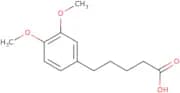
CAS:<p>Versatile small molecule scaffold</p>Formula:C13H9ClO3Purity:Min. 95%Molecular weight:248.66 g/mol5-(3,4-Dimethoxyphenyl)pentanoic acid
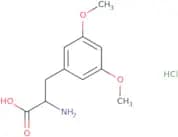
CAS:<p>Versatile small molecule scaffold</p>Formula:C13H18O4Purity:Min. 95%Molecular weight:238.28 g/mol2-Amino-3-(3,5-dimethoxyphenyl)propanoic acid hydrochloride
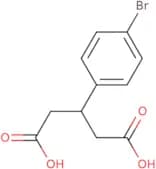
CAS:<p>Versatile small molecule scaffold</p>Formula:C11H16ClNO4Purity:Min. 95%Molecular weight:261.7 g/mol3-(4-Bromophenyl)pentanedioic acid
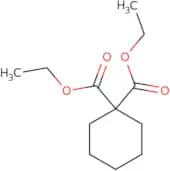
CAS:<p>Versatile small molecule scaffold</p>Formula:C11H11BrO4Purity:Min. 95%Molecular weight:287.11 g/molDiethyl 1,1-cyclohexanedicarboxylate
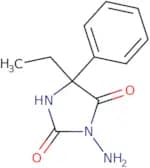
CAS:<p>Diethyl 1,1-cyclohexanedicarboxylate is an ester that can be hydrolyzed by alkaline conditions. It can be used as a solvent and as a raw material in the production of other chemicals. Diethyl 1,1-cyclohexanedicarboxylate is more soluble in water than diethyl ether and diethylene glycol. The cyclohexane ring helps to prevent the formation of peroxides when exposed to air. This product is mainly used as a solvent for lacquer thinners, paints, varnishes, and resins.</p>Formula:C12H20O4Purity:Min. 95%Molecular weight:228.29 g/mol3-Amino-5-ethyl-5-phenylimidazolidine-2,4-dione
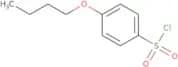
CAS:<p>Versatile small molecule scaffold</p>Formula:C11H13N3O2Purity:Min. 95%Molecular weight:219.24 g/mol4-Butoxybenzenesulfonyl Chloride
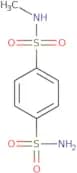
CAS:<p>4-Butoxybenzenesulfonyl Chloride is an inhibitor of pancreatic lipase, which is a digestive enzyme that hydrolyzes triglycerides and phospholipids. 4-Butoxybenzenesulfonyl Chloride has been shown to inhibit the synthesis of triglycerides and cholesterol from dietary lipids in rats. It also inhibits the activity of esterases, which are enzymes that catalyze the hydrolysis of esters, leading to a decrease in the concentration of plasma lipids. This drug also lowers triglyceride levels in human plasma and intestinal cells in culture.</p>Formula:C10H13ClO3SPurity:Min. 95%Molecular weight:248.72 g/mol1-N-Methylbenzene-1,4-disulfonamide
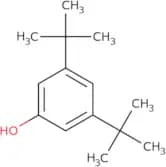
CAS:<p>Versatile small molecule scaffold</p>Formula:C7H10N2O4S2Purity:Min. 95%Molecular weight:250.3 g/mol3,5-Di-tert-butylphenol
CAS:<p>3,5-Di-tert-butylphenol is a reactive compound that has been used as an analytical control agent. It has been shown to have an absorption maximum at 230 nm and a strong absorption band in the ultraviolet region of the spectrum. 3,5-Di-tert-butylphenol is also known to have a high uptake capacity for citric acid and sodium carbonate in uptake assays. The hydrogen bond between 3,5-Di-tert-butylphenol and p-hydroxybenzoic acid is intramolecular and can be broken by heating with acetate extract. This compound has been shown to be toxic in Sprague Dawley rats. 3,5-Di-tert-butylphenol undergoes activation energies of 2.6 kcal/mol (1) and 10 kcal/mol (2).</p>Formula:C14H22OPurity:Min. 95%Molecular weight:206.33 g/mol3,5-Dimethyl-1-octyl-1H-pyrazole
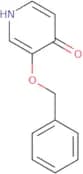
CAS:<p>Boceprevir is a non-peptide small molecule that prevents the hepatitis C virus from replicating by inhibiting the NS3/4A serine protease. It has been shown to be active against both genotype 1 and 4 of the hepatitis C virus in vitro. Boceprevir is used to treat chronic hepatitis C in adults who have not been previously treated or who are treatment-experienced with compensated liver disease. The drug is given as a tablet, taken once daily, with or without food. Side effects include nausea, vomiting, diarrhea, headache, dizziness, insomnia, and rash. Boceprevir can also cause birth defects if taken during pregnancy so it should not be used by women who are pregnant or planning to become pregnant during treatment.</p>Formula:C13H24N2Purity:Min. 95%Molecular weight:208.34 g/mol3-(Benzyloxy)-1,4-dihydropyridin-4-one
CAS:<p>Versatile small molecule scaffold</p>Formula:C12H11NO2Purity:Min. 95%Molecular weight:201.22 g/mol4-Hydroxy-3-(3-methylbut-2-en-1-yl)benzoic acid
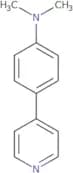
CAS:<p>4-Hydroxy-3-(3-methylbut-2-en-1-yl)benzoic acid is a cyclohexane ring with a hydroxyl group and a phenolic acid. It is synthesized using chemoenzymatic reactions. 4HBB is a substrate for gyrase, an enzyme that functions as part of the bacterial DNA replication machinery. As such, it can be used in studies of the molecular biology of this enzyme. The 4HBB mutant strain has been sequenced and shown to have the same base sequence as its wild type counterpart, but differs in its chemical structure. The 4HBB mutant strain was able to be used as a model system for studying the effects of p-hydroxybenzoic acid on gyrase activity.</p>Formula:C12H14O3Purity:Min. 95%Molecular weight:206.24 g/molN,N-Dimethyl-4-(pyridin-4-yl)aniline
CAS:<p>N,N-Dimethyl-4-(pyridin-4-yl)aniline is an antimicrobial agent that belongs to the group of diazotization agents. It is used as a precursor for the synthesis of various diazonium salts. N,N-Dimethyl-4-(pyridin-4-yl)aniline is also used in the production of dyes and pharmaceuticals. It has been shown to be active against many types of bacteria, including luteum cultures and some strains of Staphylococcus aureus. The mechanism of action is not fully understood but it may be due to its ability to hydrolyze chloride or nitrate. N,N-Dimethyl-4-(pyridin-4-yl)aniline can also be converted into intermediates for the synthesis of other chemicals such as diazonium salts, which are useful for producing synthetic rubber and other products.</p>Formula:C13H14N2Purity:Min. 95%Molecular weight:198.26 g/mol4-(4-Bromophenyl)piperidine-2,6-dione
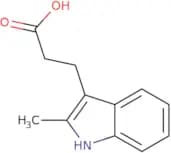
CAS:<p>Versatile small molecule scaffold</p>Formula:C11H10BrNO2Purity:Min. 95%Molecular weight:268.11 g/mol3-(2-Methyl-1H-indol-3-yl)propanoic acid
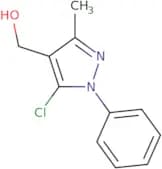
CAS:<p>Versatile small molecule scaffold</p>Formula:C12H13NO2Purity:Min. 95%Molecular weight:203.24 g/mol(5-Chloro-3-methyl-1-phenyl-1H-pyrazol-4-yl)methanol
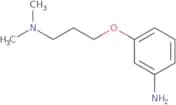
CAS:<p>Versatile small molecule scaffold</p>Formula:C11H11ClN2OPurity:Min. 95%Molecular weight:222.67 g/mol3-(3-(Dimethylamino)propoxy)aniline
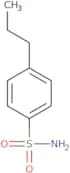
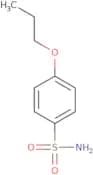
CAS:<p>Versatile small molecule scaffold</p>Formula:C11H18N2OPurity:Min. 95%Molecular weight:194.27 g/mol4-Propoxybenzene-1-sulfonamide
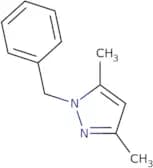
CAS:<p>4-Propoxybenzene-1-sulfonamide is a phosphodiesterase inhibitor that blocks the breakdown of cyclic guanosine monophosphate (cGMP), which regulates smooth muscle relaxation. It is used for the treatment of symptoms of benign prostatic hyperplasia, such as difficulty in urination and urinary retention. 4-Propoxybenzene-1-sulfonamide has been shown to inhibit phosphodiesterase type 5, an enzyme that breaks down cGMP in the prostate gland and bladder neck. This action leads to an increase in cGMP levels, which causes the smooth muscle cells in these areas to relax. The hydration state of 4-propoxybenzene-1-sulfonamide can be changed by adding water or alcohol (e.g., ethanol). The hydration state affects the solvation of 4-propoxybenzene-1sulfonamide and its ability to enter cells</p>Formula:C9H13NO3SPurity:Min. 95%Molecular weight:215.27 g/mol1-Benzyl-3,5-dimethyl-1H-pyrazole
CAS:Controlled Product<p>1-Benzyl-3,5-dimethyl-1H-pyrazole is a potent inhibitory drug that inhibits the hyperpolarization activated cyclic nucleotide gated ion channels. It has been shown to suppress the cardiac action potential and decrease heart rate in animal models. 1-Benzyl-3,5-dimethyl-1H-pyrazole has also been shown to have an inhibitory effect on pyrazoles, which are important mediators of pain and inflammation. The drug has been shown to be useful in the treatment of diseases such as pectoris and shift work disorder. This compound is a competitive inhibitor of the enzyme adenosine triphosphate (ATP) phosphohydrolase and has been used as a substrate for assay of this enzyme.</p>Formula:C12H14N2Purity:Min. 95%Molecular weight:186.25 g/mol2-{[3-(Dimethylamino)propyl]sulfanyl}aniline
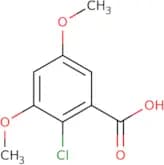
CAS:<p>Versatile small molecule scaffold</p>Formula:C11H18N2SPurity:Min. 95%Molecular weight:210.34 g/mol2-Chloro-3,5-dimethoxybenzoic acid
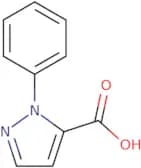
CAS:<p>Versatile small molecule scaffold</p>Formula:C9H9ClO4Purity:Min. 95%Molecular weight:216.62 g/mol2-Phenyl-2H-pyrazole-3-carboxylic acid
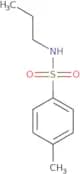
CAS:<p>2-Phenyl-2H-pyrazole-3-carboxylic acid is a heterocyclic compound that contains a pyrazole ring. It has shown anticoagulant activity and is being studied as an antidiabetic drug candidate. 2-Phenyl-2H-pyrazole-3-carboxylic acid can also be used in chemical reactions such as amide formation and amido formation. The compound also inhibits the conversion of vitamin B12 to its active form, which may contribute to its anticoagulant effects.</p>Formula:C10H8N2O2Purity:Min. 95%Molecular weight:188.18 g/mol4-Methyl-N-propylbenzene-1-sulfonamide
CAS:<p>4-Methyl-N-propylbenzene-1-sulfonamide is a colorless crystalline solid. It has an alkynyl group that can form metal hydrogen bonds and it has a functional group that can be substituted with other groups. The compound contains chlorides and sulfates, which are acidic functional groups. 4-Methyl-N-propylbenzene-1-sulfonamide can be synthesized by the reaction of toluene and acid chlorides in high yield. This compound is an organic chemistry reagent that is used for the synthesis of carboxylic acids.</p>Formula:C10H15NO2SPurity:Min. 95%Molecular weight:213.3 g/mol3-[(3-Chlorophenyl)sulfanyl]propanoic acid
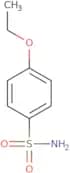
CAS:<p>Versatile small molecule scaffold</p>Formula:C9H9ClO2SPurity:Min. 95%Molecular weight:216.68 g/mol4-Ethoxybenzenesulfonamide
CAS:<p>Versatile small molecule scaffold</p>Formula:C8H11NO3SPurity:Min. 95%Molecular weight:201.25 g/mol4-N-Propylbenzenesulfonamide
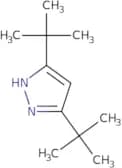
CAS:<p>4-N-Propylbenzenesulfonamide is a hydrophobic compound that binds to the active site of carbonyl reductase, an enzyme involved in the metabolism of ketones and aldehydes. It also inhibits the catalytic activity of this enzyme, which reduces the amount of carbonyls produced in the cell. 4-N-Propylbenzenesulfonamide has been shown to be effective in preventing kidney damage in animal models. The structural features of this drug are similar to those found in acetoacetate and propionate, which are important for stimulating renal function. These drugs can bind to alpha and beta subunits on the surface of renal tubules, resulting in increased blood flow, improved filtration rates, and decreased fluid retention. This leads to protection against acute kidney injury (AKI) and chronic kidney disease (CKD).</p>Formula:C9H13NO2SPurity:Min. 95%Molecular weight:199.27 g/mol3,5-Di-tert-butyl-1H-pyrazole
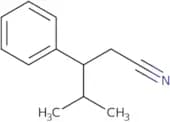
CAS:<p>3,5-Di-tert-butyl-1H-pyrazole is a molecule that has two phenyl groups and one hydrogen bond. It is used as a reagent in analytical chemistry for the determination of hydrochloric acid and in crystallography for the study of x-ray crystal structures. 3,5-Di-tert-butyl-1H-pyrazole has been shown to have x-ray crystal structures with four nitrogens and one proton. The molecule also has a pyrazole ring at the center that contains one hydroxy group and two phenyl groups. The molecular weight of 3,5-Di-tert-butyl-1H-pyrazole is 152.2 g/mol.</p>Formula:C11H20N2Purity:Min. 95%Molecular weight:180.29 g/mol4-Methyl-3-phenylpentanenitrile
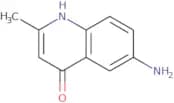
CAS:<p>Versatile small molecule scaffold</p>Formula:C12H15NPurity:Min. 95%Molecular weight:173.3 g/mol6-Amino-2-methyl-quinolin-4-ol
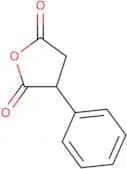
CAS:<p>Versatile small molecule scaffold</p>Formula:C10H10N2OPurity:Min. 95%Molecular weight:174.2 g/molPhenylsuccinic anhydride
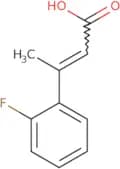
CAS:<p>Phenylsuccinic anhydride is a reactive, receptor binding, expressed, polycarboxylic acid that has nitrogen atoms. It can be used as an anticancer agent and has shown anticancer activity against α7 nicotinic acetylcholine receptors in the central nervous system. Phenylsuccinic anhydride is also used for the preparation of fluorinated anhydrides for use in nonaqueous solvents.</p>Formula:C10H8O3Purity:Min. 95%Molecular weight:176.17 g/mol3-(2-Fluorophenyl)but-2-enoic acid
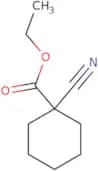
CAS:<p>Versatile small molecule scaffold</p>Formula:C10H9FO2Purity:Min. 95%Molecular weight:180.17 g/mol1-Cyano-cyclohexanecarboxylic acid ethyl ester
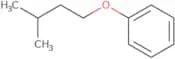
CAS:<p>1-Cyano-cyclohexanecarboxylic acid ethyl ester is a synthetic intermediate in the preparation of benzene. It is used as a reagent for the synthesis of methylcyclohexane and other cyclohexanones. The compound can be prepared by reacting chlorinated aliphatic hydrocarbons with carbon dioxide, followed by acidification and decarbonylation. 1-Cyano-cyclohexanecarboxylic acid ethyl ester can be purified by distillation or recrystallization from acetonitrile, chloroform, or benzene.</p>Formula:C10H15NO2Purity:Min. 95%Molecular weight:181.23 g/mol(3-Methylbutoxy)benzene
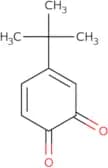
CAS:<p>(3-Methylbutoxy)benzene is a cyclic monomer that can be used in the production of polyester plastics. It has been shown to polymerize with isopentyl by means of an initiator. This reaction system produces a polymerized polymer. The phenyl group in this molecule has been shown to interact with eugenol through transition-state profile and reaction system studies, as well as polymerization reactions with benzene. The fluorescent properties of this compound make it suitable for use in fluorescent labelling of proteins and DNA.</p>Formula:C11H16OPurity:Min. 95%Molecular weight:164.24 g/mol4-tert-Butylcyclohexa-3,5-diene-1,2-dione
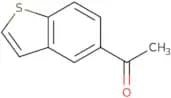
CAS:<p>4-tert-Butylcyclohexa-3,5-diene-1,2-dione is a flavonoid that inhibits the enzyme tyrosinase in the synthesis of melanin. It is used for the treatment of hyperpigmentation conditions, such as melasma and chloasma. The inhibitory effect of 4-tert-Butylcyclohexa-3,5-diene-1,2-dione has been shown to be competitive with respect to 3-hydroxyanthranilic acid and noncompetitive with respect to naphthol. 4BCD also inhibits the monophenolase activity of tyrosinase and its ability to oxidize phenols. This inhibition is due to its structural similarity with phenols and its ability to bind covalently with tyrosinase's active site.</p>Formula:C10H12O2Purity:90%NmrColor and Shape:PowderMolecular weight:164.2 g/mol5-Acetylbenzothiophene
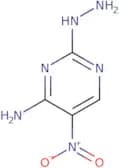
CAS:<p>Versatile small molecule scaffold</p>Formula:C10H8OSPurity:Min. 95%Molecular weight:176.23 g/mol2-Hydrazinyl-5-nitropyrimidin-4-amine
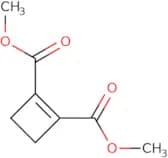
CAS:<p>Versatile small molecule scaffold</p>Formula:C4H6N6O2Purity:Min. 95%Molecular weight:170.13 g/molDimethyl cyclobut-1-ene-1,2-dicarboxylate
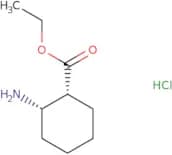
CAS:<p>Dimethyl cyclobut-1-ene-1,2-dicarboxylate (DMCB) is a lipase inhibitor that belongs to the class of dicarboxylic acid esters. It is used as an immobilized catalyst in organic synthesis and has a high stereoselectivity. This compound has been shown to be effective in catalyzing the thermal isomerization of maleates to produce 1,2-diols with high yields. DMCB also has a spontaneous reaction with photosensitizers such as rose bengal and benzoporphyrin derivative. The maleate form can be converted into the diacid form by the enzyme maleate dehydrogenase, which is found in porcine tissues. The diacid form can then undergo hydrolysis by an esterase or glucuronidase, releasing DMCB and regenerating the original maleate substrate.</p>Formula:C8H10O4Purity:Min. 95%Molecular weight:170.16 g/molEthyl (1S,2R/1R,2S)-2-aminocyclohexanecarboxylate hydrochloride
CAS:<p>Versatile small molecule scaffold</p>Formula:C9H18ClNO2Purity:Min. 95%Molecular weight:207.7 g/mol


methylamine](/_next/image/?url=https%3A%2Fstatic.cymitquimica.com%2Fproducts%2F3D%2Fthumb-webp%2FBAC35497.webp&w=3840&q=75)
![1-[(1,3-Thiazol-2-yl)amino]cyclohexane-1-carboxylic acid](/_next/image/?url=https%3A%2Fstatic.cymitquimica.com%2Fproducts%2F3D%2Fthumb-webp%2FBAC35372.webp&w=3840&q=75)
![1-[2-(2-Bromophenyl)-4-methyl-1,3-thiazol-5-yl]ethan-1-ol](/_next/image/?url=https%3A%2Fstatic.cymitquimica.com%2Fproducts%2F3D%2Fthumb-webp%2FBAC34265.webp&w=3840&q=75)
![1-[4-(Furan-2-yl)-5-methyl-1,3-thiazol-2-yl]ethan-1-amine](/_next/image/?url=https%3A%2Fstatic.cymitquimica.com%2Fproducts%2F3D%2Fthumb-webp%2FBAC32850.webp&w=3840&q=75)
![2-[(1-Methyl-1H-pyrazol-4-yl)methyl]cyclopentan-1-one](/_next/image/?url=https%3A%2Fstatic.cymitquimica.com%2Fproducts%2F3D%2Fthumb-webp%2FBAC32439.webp&w=3840&q=75)
![3-[(4-Fluorophenyl)methyl]-1,2,4-oxadiazol-5-ol](/_next/image/?url=https%3A%2Fstatic.cymitquimica.com%2Fproducts%2F3D%2Fthumb-webp%2FBAC31725.webp&w=3840&q=75)

![{4-Methyl-2-[(2-methylbutan-2-yl)oxy]phenyl}methanamine](/_next/image/?url=https%3A%2Fstatic.cymitquimica.com%2Fproducts%2F3D%2Fthumb-webp%2FBAC30456.webp&w=3840&q=75)
![(1-(Benzo[D]oxazol-2-yl)pyrrolidin-2-yl)methanol](/_next/image/?url=https%3A%2Fstatic.cymitquimica.com%2Fproducts%2F3D%2Fthumb-webp%2FBAC26890.webp&w=3840&q=75)
![3-[4-(Trifluoromethoxy)phenyl]cyclobutan-1-amine](/_next/image/?url=https%3A%2Fstatic.cymitquimica.com%2Fproducts%2F3D%2Fthumb-webp%2FBAC26862.webp&w=3840&q=75)
![1-[4-(Trifluoromethyl)phenyl]-1H-pyrazol-4-amine](/_next/image/?url=https%3A%2Fstatic.cymitquimica.com%2Fproducts%2F3D%2Fthumb-webp%2FBAC26473.webp&w=3840&q=75)
![{3-[(Oxan-4-yloxy)methyl]phenyl}methanamine](/_next/image/?url=https%3A%2Fstatic.cymitquimica.com%2Fproducts%2F3D%2Fthumb-webp%2FBAC26415.webp&w=3840&q=75)
![1-[(4-Fluorophenyl)methyl]cyclopropan-1-ol](/_next/image/?url=https%3A%2Fstatic.cymitquimica.com%2Fproducts%2F3D%2Fthumb-webp%2FBAC26292.webp&w=3840&q=75)
![[1-(6-Methylpyridazin-3-yl)pyrrolidin-2-yl]methanol](/_next/image/?url=https%3A%2Fstatic.cymitquimica.com%2Fproducts%2F3D%2Fthumb-webp%2FBAC25616.webp&w=3840&q=75)
![2-Amino-N-[2-(azepan-1-yl)ethyl]acetamide](/_next/image/?url=https%3A%2Fstatic.cymitquimica.com%2Fproducts%2F3D%2Fthumb-webp%2FBAC25156.webp&w=3840&q=75)

![[(5-Aminopentyl)oxy]cyclohexane](/_next/image/?url=https%3A%2Fstatic.cymitquimica.com%2Fproducts%2F3D%2Fthumb-webp%2FBAC23270.webp&w=3840&q=75)

![5-Methyl-1-[(5-methyl-1,3,4-oxadiazol-2-yl)methyl]-1H-1,2,3-triazole-4-carboxylic acid](/_next/image/?url=https%3A%2Fstatic.cymitquimica.com%2Fproducts%2F3D%2Fthumb-webp%2FBAC22833.webp&w=3840&q=75)

amine](/_next/image/?url=https%3A%2Fstatic.cymitquimica.com%2Fproducts%2F3D%2Fthumb-webp%2FBAC21605.webp&w=3840&q=75)

![2-[(Cycloheptylideneamino)oxy]acetic acid](/_next/image/?url=https%3A%2Fstatic.cymitquimica.com%2Fproducts%2F3D%2Fthumb-webp%2FBAA20245.webp&w=3840&q=75)
![3-Pyridin-3-yl-[1,2,4]oxadiazol-5-ol](/_next/image/?url=https%3A%2Fstatic.cymitquimica.com%2Fproducts%2F3D%2Fthumb-webp%2FBAA19899.webp&w=3840&q=75)

![5,7-Dimethylpyrazolo[1,5-a]pyrimidin-2-amine hydrochloride](/_next/image/?url=https%3A%2Fstatic.cymitquimica.com%2Fproducts%2F3D%2Fthumb-webp%2FBAA19879.webp&w=3840&q=75)

![5-Bromo-3-methylbenzo[b]thiophene](/_next/image/?url=https%3A%2Fstatic.cymitquimica.com%2Fproducts%2F3D%2Fthumb-webp%2FBAA19609.webp&w=3840&q=75)
![7-Azaspiro[3.5]nonane-6,8-dione](/_next/image/?url=https%3A%2Fstatic.cymitquimica.com%2Fproducts%2F3D%2Fthumb-webp%2FBAA19586.webp&w=3840&q=75)


![Pyrazolo[1,5-a]pyrimidin-7-amine](/_next/image/?url=https%3A%2Fstatic.cymitquimica.com%2Fproducts%2F3D%2Fthumb-webp%2FBAA19463.webp&w=3840&q=75)
![4-Methylbicyclo[2.2.2]octan-1-amine hydrochloride](/_next/image/?url=https%3A%2Fstatic.cymitquimica.com%2Fproducts%2F3D%2Fthumb-webp%2FBAA19443.webp&w=3840&q=75)
![Bicyclo[2.2.2]octan-1-amine hydrochloride](/_next/image/?url=https%3A%2Fstatic.cymitquimica.com%2Fproducts%2F3D%2Fthumb-webp%2FBAA19343.webp&w=3840&q=75)
![6-Azaspiro[3.4]octan-5-one](/_next/image/?url=https%3A%2Fstatic.cymitquimica.com%2Fproducts%2F3D%2Fthumb-webp%2FBAA19330.webp&w=3840&q=75)


![3-[4-(Dimethylao)phenyl]-1-(4-nitrophenyl)prop-2-en-1-one](/_next/image/?url=https%3A%2Fstatic.cymitquimica.com%2Fproducts%2F3D%2Fthumb-webp%2FBAA16123.webp&w=3840&q=75)




![2-{[3-(Dimethylamino)propyl]sulfanyl}aniline](/_next/image/?url=https%3A%2Fstatic.cymitquimica.com%2Fproducts%2F3D%2Fthumb-webp%2FBAA13477.webp&w=3840&q=75)
![3-[(3-Chlorophenyl)sulfanyl]propanoic acid](/_next/image/?url=https%3A%2Fstatic.cymitquimica.com%2Fproducts%2F3D%2Fthumb-webp%2FBAA13252.webp&w=3840&q=75)