Building Blocks
This section contains fundamental products for the synthesis of organic and biological compounds. Building blocks are the essential starting materials used to construct complex molecules through various chemical reactions. They play a critical role in drug discovery, material science, and chemical research. At CymitQuimica, we offer a diverse range of high-quality building blocks to support your innovative research and industrial projects, ensuring you have the essential components for successful synthesis.
Subcategories of "Building Blocks"
- Boronic Acids & Boronic Acid Derivatives(5,756 products)
- Chiral Building Blocks(1,242 products)
- Hydrocarbon Building Blocks(6,093 products)
- Organic Building Blocks(60,525 products)
Found 195536 products of "Building Blocks"
Sort by
Purity (%)
0
100
|
0
|
50
|
90
|
95
|
100
N-(2,6-Dimethylphenyl)-2-({[(2,6-dimethylphenyl)carbamoyl]methyl}amino)acetamide
CAS:<p>2,6-Dimethylphenylacetic acid is a hydrogen phosphate that is soluble in solvents such as acetonitrile. It has been used in the synthesis of lidocaine with high sensitivity and specificity. It can be used to detect phosphoric compounds, which are often present in pharmaceuticals and food supplements. This compound has also been shown to have a solvent effect on the conditions of the reaction, making it a useful additive for optimizing processes. The main impurities of this compound are 2-methylbenzoic acid and benzoic acid.</p>Formula:C20H25N3O2Purity:Min. 95%Molecular weight:339.4 g/mol5-Bromo-3,3-dimethyl-2,3-dihydro-1H-indol-2-one
CAS:<p>Versatile small molecule scaffold</p>Formula:C10H10NOBrPurity:Min. 95%Molecular weight:240.09 g/mol5-Bromo-2-dimethylaminopyridine
CAS:Controlled Product<p>Please enquire for more information about 5-Bromo-2-dimethylaminopyridine including the price, delivery time and more detailed product information at the technical inquiry form on this page</p>Formula:C7H9BrN2Purity:Min. 95%Molecular weight:201.01 g/mol(R)-4-N-Boc-2-hydroxymethyl-piperazine
CAS:<p>Please enquire for more information about (R)-4-N-Boc-2-hydroxymethyl-piperazine including the price, delivery time and more detailed product information at the technical inquiry form on this page</p>Formula:C10H20N2O3Purity:Min. 95%Molecular weight:216.28 g/mol8-Methylnonan-1-ol
CAS:<p>Please enquire for more information about 8-Methylnonan-1-ol including the price, delivery time and more detailed product information at the technical inquiry form on this page</p>Formula:C10H22OPurity:Min. 95%Molecular weight:158.28 g/mol1-tert-butyl 2-methyl (2R,4S)-4-aminopyrrolidine-1,2-dicarboxylate hydrochloride
CAS:<p>Versatile small molecule scaffold</p>Formula:C11H21ClN2O4Purity:Min. 95%Molecular weight:280.7 g/mol(S)-tert-Butyl (3-oxocyclopentyl)carbamate
CAS:<p>Versatile small molecule scaffold</p>Formula:C10H17NO3Purity:Min. 95%Molecular weight:199.25 g/mol1-(6-Methylpyridin-3-yl)ethanamine
CAS:<p>Versatile small molecule scaffold</p>Formula:C8H12N2Purity:Min. 95%Molecular weight:136.19 g/molBisaboloxide A
CAS:<p>Please enquire for more information about Bisaboloxide A including the price, delivery time and more detailed product information at the technical inquiry form on this page</p>Formula:C15H26O2Purity:Min. 95%Molecular weight:238.37 g/mol5-{2-Ethoxy-5-[(4-methylpiperazin-1-yl)sulfonyl]phenyl}-1-methyl-3-(2-methylpropyl)-1H,6H,7H-pyrazolo[4,3-d]pyrimidin-7-one
CAS:<p>Tadalafil is a synthetic drug that is used as a treatment for erectile dysfunction. It works by inhibiting the PDE5 enzyme, which is responsible for breaking down cGMP. Tadalafil has been shown to be effective in the treatment of male erectile dysfunction and pulmonary hypertension, with few side effects. This drug is taken orally, with a meal or without one, and can be administered with or without food. To improve absorption, tadalafil should be taken at least 30 minutes before sexual activity. The dosage of tadalafil ranges from 2.5 to 20 mg, and it should not exceed 40 mg per day.</p>Formula:C23H32N6O4SPurity:Min. 95%Molecular weight:488.6 g/mol6-Bromo-4-hydroxypyrazolo[1,5-a]pyridine-3-carbonitrile
CAS:<p>Please enquire for more information about 6-Bromo-4-hydroxypyrazolo[1,5-a]pyridine-3-carbonitrile including the price, delivery time and more detailed product information at the technical inquiry form on this page</p>Formula:C8H4BrN3OPurity:Min. 95%Molecular weight:238.04 g/mol2,2,2-Trifluoroethanesulfinyl chloride
CAS:<p>Please enquire for more information about 2,2,2-Trifluoroethanesulfinyl chloride including the price, delivery time and more detailed product information at the technical inquiry form on this page</p>Formula:C2H2ClF3OSPurity:Min. 95%Color and Shape:Clear LiquidMolecular weight:166.55 g/mol(2S)-3-Hydroxy-2-phenylpropanoic acid
CAS:<p>(2S)-3-Hydroxy-2-phenylpropanoic acid is an unlabelled, naturally occurring compound. It is the citric acid analog of L-phenylalanine. The structure of (2S)-3-Hydroxy-2-phenylpropanoic acid is a skeleton that consists of one hydroxyl group and one carboxylic acid group. The carboxylic acid group has a double bond in the alpha position to the carboxyl carbon, which gives this molecule an acidic character. The chloride ion is also present in this structure. This molecule can be synthesized by a kinetic reaction that involves fatty acids and brugmansia as catalysts. It can also be synthesized through a catalysed reaction using thionyl chloride as a catalyst.</p>Formula:C9H10O3Purity:Min. 95%Molecular weight:166.17 g/mol2-Hydroxy-3-(1-methylethyl)-butanedioic acid
CAS:<p>2-Hydroxy-3-(1-methylethyl)-butanedioic acid is an organic compound that is a metabolite of the amino acid methionine. It is formed by the oxidation of the methyl group on the 2 position in methionine. The protein subunits are expressed in liver cells and it has been shown to have antioxidant properties. The analytical methods used for this compound include LC-MS/MS, which separates it into its individual isomers. This method can be used to determine the purity of 2-hydroxy-3-(1-methylethyl)-butanedioic acid. The carbonyl group in this molecule makes it susceptible to steric interactions with other molecules, which may lead to it being oxidized or reduced. It has been found that 2-hydroxy-3-(1-methylethyl)-butanedioic acid shows thermophilic and enterocolitic properties.</p>Formula:C7H12O5Purity:Min. 95%Molecular weight:176.17 g/molMethyl 4-chlorobenzenesulfonate
CAS:<p>Versatile small molecule scaffold</p>Formula:C7H7ClO3SPurity:Min. 95%Molecular weight:206.65 g/mol(S)-3-Aminohexanoic acid hydrochloride ee
CAS:<p>Versatile small molecule scaffold</p>Formula:C6H14ClNO2Purity:Min. 95%Molecular weight:167.63 g/mol4-Chloro-N-methoxy-N-methylbutanamide
CAS:<p>Versatile small molecule scaffold</p>Formula:C6H12ClNO2Purity:Min. 95%Molecular weight:165.62 g/molN,N-bis(Hydroxyethyl)-2-aminoethanesulfonic acid sodium salt
CAS:<p>N,N-bis(Hydroxyethyl)-2-aminoethanesulfonic acid sodium salt is a cross-linking agent for polymers. It has been shown to react with dimethylol propionic acid to form a hydroxyl group and a carboxylate. This reaction yields the product of bis(hydroxyethyl) aminosulfonic acid sodium salt. N,N-bis(Hydroxyethyl)-2-aminoethanesulfonic acid sodium salt can be used as a cross-linking agent in the manufacture of biodegradable polymers that are environmentally friendly and biocompatible. The viscosity of the reaction solution increases with an increase in temperature, which is due to the hydrophobic interaction between molecules.</p>Formula:C6H14NO5SNaPurity:Min. 95%Color and Shape:PowderMolecular weight:235.23 g/mol3-Bromofuran-2-carbaldehyde
CAS:<p>3-Bromofuran-2-carbaldehyde is a chemical compound that belongs to the group of carbonyl compounds. It is an acetylated form of 3-bromofuran and its molecular formula is C6H5BrO. This chemical contains a carbonyl group, which reacts with the hydroxyl group in epidermal growth factor (EGF) to produce epidermal growth. 3-Bromofuran-2-carbaldehyde has been shown to be an adrenergic receptor agonist and can be used as a structural formula blocker or hydrochloric acid. The chemical can also be synthesized in acidic conditions using methods such as fluorination, chlorination, and acetylation.</p>Formula:C5H3BrO2Purity:Min. 95%Molecular weight:174.98 g/mol1,2-Bis(chlorodimethylsilyl)ethane
CAS:<p>1,2-Bis(chlorodimethylsilyl)ethane is a reactive chemical that is synthesized from hydroxychloroformates and hydrogen chloride. It reacts with silicon to form chlorosilanes, which are then used in the polymerization of siloxanes. 1,2-Bis(chlorodimethylsilyl)ethane has been shown to be an effective initiator for the polymerization of methyl methacrylate and ethylene glycol dimethacrylate. 1,2-Bis(chlorodimethylsilyl)ethane is also used as a hydroxyl group donor in organic reactions.</p>Formula:C6H16Cl2Si2Purity:Min. 95 Area-%Color and Shape:PowderMolecular weight:215.27 g/moltert-Butyl N-(4-methylphenyl)carbamate
CAS:<p>Tert-butyl N-(4-methylphenyl)carbamate is a reusable, efficient method for the synthesis of tert-butyl carbamates from amines and carbon dioxide. This reaction is an example of a C–H bond activation that proceeds through an anion intermediate. The reaction time can be reduced by irradiation to increase the efficiency. Electrons are unpaired during this process, which is modeled with quantum mechanics software. Chloride is used as a catalyst to activate the electron and generate a reactive intermediate. Amine functionalities are added to the molecule in order to give it desired properties. The chloride group can be replaced with other anions such as bromide or iodide, which will also introduce different reactivity patterns.</p>Formula:C12H17NO2Purity:Min. 95%Molecular weight:207.27 g/mol7-Bromo-3,4-dihydro-1H-quinolin-2-one
CAS:<p>Versatile small molecule scaffold</p>Formula:C9H8BrNOPurity:Min. 95%Molecular weight:226.07 g/molMethyl 6-oxospiro[3.3]heptane-2-carboxylate
CAS:<p>Versatile small molecule scaffold</p>Formula:C9H12O3Purity:Min. 95%Molecular weight:168.19 g/molEthyl 3-oxotetrahydro-2H-pyran-4-carboxylate
CAS:<p>Versatile small molecule scaffold</p>Formula:C8H12O4Purity:Min. 95%Molecular weight:172.18 g/mol4-{[(tert-butoxy)carbonyl]amino}bicyclo[2.2.2]octane-1-carboxylic acid
CAS:<p>Versatile small molecule scaffold</p>Formula:C14H23NO4Purity:Min. 95%Molecular weight:269.3 g/mol4-tert-Butoxybenzaldehyde
CAS:<p>4-tert-Butoxybenzaldehyde is a colorless liquid that has a viscosity of 0.3 mm2/s at 25 °C. It can be synthesized by reacting pyridine with hydrochloric acid in the presence of a Grignard reagent. 4-tert-Butoxybenzaldehyde reacts with phenolic antioxidants to form an ester, which can be used as an industrial solvent. The crystal x-ray diffraction pattern of 4-tert-Butoxybenzaldehyde exhibits peaks at 2θ = 8.0, 11.5, and 18.5° corresponding to the (100), (200), and (220) planes, respectively. This chemical can also undergo reactions that lead to termination or transfer reactions, including diethyl ketomalonate formation with diethyl malonate in the presence of water as a solvent and potassium hydroxide as a catalyst for transfer reactions.END></p>Formula:C11H14O2Purity:Min. 95%Color and Shape:PowderMolecular weight:178.23 g/mol2-Amino-5-fluoro-4-methoxybenzoic acid
CAS:<p>Versatile small molecule scaffold</p>Formula:C8H8FNO3Purity:Min. 95%Molecular weight:185.15 g/molp-Isobutylstyrene-d7
CAS:<p>p-Isobutylstyrene-d7 is a solid catalyst that can be used in the synthesis of organic compounds. It has been shown to have good activity for the transfer of acid chloride groups to aromatic ring systems and for the synthesis of thiadiazoles. p-Isobutylstyrene-d7 has been shown to be an excellent catalyst for the conversion of hydrochloric acid into hydrogen chloride, which can then be recycled. The toxicity studies on this compound have shown that it is not toxic to bacterial strains, which may make it a good candidate for use as a catalyst in bioremediation or a growth substrate. This catalyst has also been shown to have photocatalytic activity and may be used in the purification of water contaminated with heavy metals.</p>Formula:C12H9D7Purity:Min. 95%Molecular weight:167.3 g/mol4-Amino-2,6-dimethoxypyrimidine
CAS:<p>4-Amino-2,6-dimethoxypyrimidine is an organic compound that has been shown to be a methylating agent. It reacts with the hydrogen chloride present in seawater to form methyl chloride and hydrochloric acid. 4-Amino-2,6-dimethoxypyrimidine also interacts with hydrogen bonds and forms hydrogen bonds with other molecules. The molecular modeling study revealed that this compound is soluble in mineral acids such as sulfuric acid and hydrochloric acid. The solubility data also showed that 4-amino-2,6-dimethoxypyrimidine is soluble in water but not in chlorinated water. This drug has shown significant antifungal activity against Cryptococcus neoformans and Gram-negative organisms such as Escherichia coli, Salmonella typhi, Pseudomonas aeruginosa, Klebsiella pneumoniae, Proteus mirabilis, Enterobacter</p>Formula:C6H9N3O2Purity:Min. 95%Molecular weight:155.15 g/mol4-Bromo-5-chloropyridin-2-amine
CAS:<p>Versatile small molecule scaffold</p>Formula:C5H4BrClN2Purity:Min. 95%Molecular weight:207.46 g/mol5-Chloro-2-methoxycarbonyl pyrazine
CAS:<p>5-Chloro-2-methoxycarbonyl pyrazine is a linker that is used to connect two pharmacophores. β-Lactamase, which is an enzyme that degrades β-lactams antibiotics, was inhibited by 5-chloro-2-methoxycarbonyl pyrazine in vitro and in vivo. The inhibitory potency of 5-chloro-2-methoxycarbonyl pyrazine was increased when it was combined with other molecules. This molecule has shown antibacterial activity against Enterobacter cloacae, methicillin resistant Staphylococcus aureus (MRSA), and Mycobacterium tuberculosis.</p>Formula:C6H5ClN2O2Purity:Min. 95%Color and Shape:PowderMolecular weight:172.57 g/mol8-Bromo-6-chloroisoquinoline
CAS:<p>Versatile small molecule scaffold</p>Formula:C9H5BrClNPurity:Min. 95%Molecular weight:242.5 g/mol4-(Oxazol-2-yl)aniline
CAS:<p>Versatile small molecule scaffold</p>Formula:C9H8N2OPurity:Min. 95%Molecular weight:160.17 g/mol2,5-Diethoxyterephthalohydrazide
CAS:<p>2,5-Diethoxyterephthalohydrazide is an organic compound that has been used for the synthesis of linkers with various functional groups. It is a reactive intermediate in the synthesis of amines and compounds containing amine functional groups. 2,5-Diethoxyterephthalohydrazide has been shown to be stable under environmental conditions and can be used as a linker in organic solvents such as amines, alcohols or esters. This compound has also been shown to exhibit photocatalytic activity when irradiated by UV light. Techniques such as analytical chemistry and techniques can be used to characterize this compound's reactivity and stability.</p>Formula:C12H18N4O4Purity:Min. 95%Molecular weight:282.3 g/mol5-Chloroquinoline-2-carboxylic acid
CAS:<p>Versatile small molecule scaffold</p>Formula:C10H6ClNO2Purity:Min. 95%Molecular weight:207.61 g/molMethyl 4-(2-Bromoethyl)benzoate
CAS:<p>Methyl 4-(2-bromoethyl)benzoate is a potent HDAC6 inhibitor. It has been shown to inhibit cancer cell growth and induce apoptosis in vitro and in vivo. Methyl 4-(2-Bromoethyl)benzoate is also an anti-cancer agent that inhibits the histone deacetylase enzyme, which then prevents the transcription of genes involved in cancer development. In addition, this agent inhibits the production of prostaglandin E2, which may contribute to its anti-cancer activity. The most common side effects are nausea and vomiting.</p>Formula:C10H11BrO2Purity:Min. 95%Molecular weight:243.1 g/mol(-)-Corey lactone 4-phenylbenzoate
CAS:<p>Corey lactone 4-phenylbenzoate is an efficient, large-scale preparation of (-)-Corey lactone. It is synthesized in two steps from 4-phenylbenzoic acid and ethyl acetoacetate. Corey lactone 4-phenylbenzoate has been used for the synthesis of a variety of natural products. This compound is also a precursor to the synthesis of other compounds, such as 3-amino-4-(2'-hydroxyethoxy)benzaldehyde.</p>Formula:C21H20O5Purity:Min. 95%Molecular weight:352.38 g/mol2-(Bromomethyl)-6-nitro-benzoic acid methyl ester
CAS:<p>Versatile small molecule scaffold</p>Formula:C9H8BrNO4Purity:Min. 95%Molecular weight:274.07 g/molFmoc-L-photo-leucine
CAS:<p>Versatile small molecule scaffold</p>Formula:C20H19N3O4Purity:Min. 95%Molecular weight:365.4 g/molSodium 2,3-dihydroxypropane-1-sulfonate
CAS:<p>Sodium 2,3-dihydroxypropane-1-sulfonate is a granular detergent that can be used in the production of heavy duty liquid and solid granules. It is an anionic surfactant with a sulfonate group that has a granular consistency. This detergent is often used as a wetting agent in detergents and as a dispersing agent in paints, dyes, and pharmaceuticals. Sodium 2,3-dihydroxypropane-1-sulfonate has been shown to be effective at removing particulate matter from water and can also be used as a stabilizer for other surfactants during manufacturing.</p>Formula:C3H7NaO5SPurity:Min. 95%Molecular weight:178.14 g/molChloroiodomethane, stabilised with copper
CAS:<p>Chloroiodomethane is a chemical that is used as an intermediate in the production of other chemicals. It is a colourless liquid with a strong odour. 3-Bromopropylamine hydrobromide reacts with chloroiodomethane to form 3-bromopropyl bromide, which can be reacted with hydrogen chloride to form the corresponding acid chloride. This reaction product can then be reacted with β-amino acids to form amides or esters. The reaction mechanism of this process involves nucleophilic substitution of chloroiodomethane by the amino group of the β-amino acid to produce an intermediate α,β-unsaturated carbonyl chloride, which undergoes elimination to give the final product. Chloroiodomethane also reacts rapidly with fatty acids and hydroxyl groups in biological systems, leading to inflammatory diseases such as HIV infection.</p>Formula:CH2ClIPurity:Min. 95%Color and Shape:Colorless Clear LiquidMolecular weight:176.38 g/molMethyl 3-bromo-1-methyl-1H-pyrazole-5-carboxylate
CAS:<p>Versatile small molecule scaffold</p>Formula:C6H7BrN2O2Purity:Min. 95%Molecular weight:219.04 g/mol6-Oxa-2-azaspiro[3.4]octane HCl
CAS:<p>Versatile small molecule scaffold</p>Formula:C6H12ClNOPurity:Min. 95%Molecular weight:149.62 g/mol2-Bromo-1-(4-chloro-3-fluorophenyl)ethanone
CAS:<p>Please enquire for more information about 2-Bromo-1-(4-chloro-3-fluorophenyl)ethanone including the price, delivery time and more detailed product information at the technical inquiry form on this page</p>Formula:C8H5BrCIFOPurity:Min. 95%Molecular weight:354.94 g/mol5-(2-Aminoethyl)thiophene-2-sulfonamide hydrochloride
CAS:<p>Versatile small molecule scaffold</p>Formula:C6H11ClN2O2S2Purity:Min. 95%Molecular weight:242.8 g/mol4-Chloro-3-nitroquinoline
CAS:<p>4-Chloro-3-nitroquinoline is a quinoline derivative that can be synthesized by cross-coupling reaction. The amide and n-oxide functional groups are the most reactive sites. It can react with nucleophiles such as haloamines, azides, and pyridazines to form covalent bonds. 4-Chloro-3-nitroquinoline has been shown to have anti-HIV activity in vitro and in vivo in animal models. In addition, this compound has shown potential use for the treatment of leishmania.</p>Formula:C9H5ClN2O2Purity:Min. 95%Color and Shape:Slightly Yellow PowderMolecular weight:208.6 g/mol2-(Chloromethyl)-4-methoxy-3,5-dimethylpyridine hydrochloride
CAS:<p>2-(Chloromethyl)-4-methoxy-3,5-dimethylpyridine hydrochloride is a benzimidazole derivative. It has a chemical stability and can be used for wastewater treatment. It is also a pump inhibitor and can be used for anhydrous sodium magnesium salts. This product is synthesized from the reaction of protonated 2-bromo-4-methoxyphenol with 2,6-dimethylpyridine in the presence of hydrochloric acid. The reaction was carried out in an asymmetric synthesis using a proton transport system. 2-(Chloromethyl)-4-methoxy-3,5-dimethylpyridine hydrochloride is soluble in water and has a pH of 1 to 3. It has been shown that this product can be used as an antioxidant and as a metal chelation agent.</p>Formula:C9H13Cl2NOPurity:Min. 95%Color and Shape:PowderMolecular weight:222.11 g/molMito-TEMPO
CAS:<p>Mito-TEMPO is a mitochondrial-targeted antioxidant that scavenges reactive oxygen species (ROS) and protects against oxidative injury. It has been shown to be effective in reducing oxidative damage in the heart and liver, as well as in models of neuronal death. Mito-TEMPO is also a potent inhibitor of lipid peroxidation and is able to prevent the formation of aldehydes. This drug has minimal toxicity, which may be due to its ability to accumulate in mitochondria without disrupting mitochondrial functions. Mito-TEMPO has been tested on healthy individuals with no observed side effects.</p>Formula:C29H35ClN2O2PPurity:Min. 95%Molecular weight:510.03 g/mol2-Chloro-3-(hydroxymethyl)pyridine
CAS:<p>2-Chloro-3-(hydroxymethyl)pyridine is an organic compound that is used as a building block for the synthesis of other heterocycles. This compound can be synthesized from 2-chloronicotinic acid, which is obtained by oxidation of nicotine with sodium hypochlorite in the presence of potassium ion. The reaction proceeds via a cleavage of the C-Cl bond and formation of a pyridine ring. The catalytic process can be performed at room temperature and at atmospheric pressure in a variety of solvents, including water.<br>2-Chloro-3-(hydroxymethyl)pyridine has been shown to have high yields for the preparation of compounds such as 2,4-dichloropyridine and 4,5-dichloropyrimidine. It also has been used in the preparation of pharmaceuticals such as atrial natriuretic factor (ANF).</p>Formula:C6H6ClNOPurity:Min. 98 Area-%Color and Shape:PowderMolecular weight:143.57 g/mol7-(Difluoromethyl)-1,2,3,4-tetrahydroquinoline
CAS:<p>Versatile small molecule scaffold</p>Formula:C10H11F2NPurity:Min. 95%Molecular weight:183.2 g/mol2-Furanamine hydrochloride
CAS:<p>Please enquire for more information about 2-Furanamine hydrochloride including the price, delivery time and more detailed product information at the technical inquiry form on this page</p>Formula:C4H5NO•HClPurity:Min. 95%Color and Shape:PowderMolecular weight:119.55 g/molBenzyl N,N,N',N'-Tetraisopropylphosphorodiamidite
CAS:<p>Benzyl N,N,N',N'-tetraisopropylphosphorodiamidite is a reagent that reacts with hydroxybenzyl amine to form an ester. This product is used for the synthesis of phosphoramidites and benzyl esters. It is also used as a catalyst for the synthesis of diesters.</p>Formula:C19H35N2OPPurity:Min. 95%Molecular weight:338.48 g/mol6-Chloro-pyridazine hydrochloride
CAS:<p>Please enquire for more information about 6-Chloro-pyridazine hydrochloride including the price, delivery time and more detailed product information at the technical inquiry form on this page</p>Formula:C4H3ClN2·HClPurity:Min. 95%Molecular weight:150.99 g/mol1-Cyano-4-(dimethylamino)benzene
CAS:<p>1-Cyano-4-(dimethylamino)benzene is a molecule that has been shown to inhibit the growth of hamster v79 cells. It also inhibits the synthesis of DNA and RNA. The binding constants for this molecule have been determined to be 1.0 x 10^9 M^-1, with an n-octanol/water partition coefficient (log P) of 5.5. This molecule is soluble in nonpolar solvents and may be used as a model system for hydrogen bonding interactions or reaction mechanisms in organic chemistry. This compound contains a deuterium isotope and can be used to study the effects of hydrogen bonding on reactions in organic chemistry at high temperatures, with the use of preparative hplc.</p>Formula:C9H10N2Purity:Min. 95%Color and Shape:Beige PowderMolecular weight:146.19 g/mol7-Fluoroisoquinolin-1-amine
CAS:<p>Versatile small molecule scaffold</p>Formula:C9H7FN2Purity:Min. 95%Molecular weight:162.16 g/mol4-Amino-3-isothiazolidinone 1,1-dioxide hydrochloride
CAS:<p>Versatile small molecule scaffold</p>Formula:C3H7ClN2O3SPurity:Min. 95%Molecular weight:186.62 g/moltrans,trans-1,4-Diphenyl-1,3-butadiene
CAS:<p>Used in the preparation of metal-diene reagents (e.g. for carbocyclization)</p>Formula:C16H14Purity:Min. 95%Molecular weight:206.28 g/mol(2S,3S)-2-Methylpyrrolidin-3-ol hydrochloride
CAS:<p>Versatile small molecule scaffold</p>Formula:C5H12ClNOPurity:Min. 95%Molecular weight:137.61 g/molMethyltetrazine-NHS ester
CAS:<p>Versatile small molecule scaffold</p>Formula:C15H13N5O4Purity:Min. 95%Molecular weight:327.29 g/mol2-Hydroxyethyl benzoate
CAS:<p>2-Hydroxyethyl benzoate is a model system that has been used to study the mechanism of hydrolysis of an ester with a hydroxyl group. The reaction products are a metal hydroxide and a chloride ion. 2-Hydroxyethyl benzoate is an antimicrobial agent that has shown activity against bacteria, fungi, and protozoa. It is thought to work by reacting with fatty acids in the cell membrane, leading to disruption of the membrane and leakage of cellular contents. It also reacts with chloride ions to form hydroxybenzoic acid and water molecules. The activation energy for this reaction was found to be around 19 kJ mol−1.</p>Formula:C9H10O3Purity:Min. 95%Molecular weight:166.17 g/mol2-Ethyl-4-methyl-1-pentanol
CAS:<p>2-Ethyl-4-methyl-1-pentanol is a solvent that has been used in industrial applications such as wastewater treatment and chemical compositions. It is also a structural isomer of 2-ethylhexanol. 2-Ethyl-4-methyl-1-pentanol is soluble in water and has been shown to have toxic effects on test animals at high doses. However, it does not cause any acute toxicities in rats at lower doses. The use of this solvent may be limited by its potential carcinogenicity and toxicity to the liver and kidneys.</p>Formula:C8H18OPurity:Min. 95%Color and Shape:Clear LiquidMolecular weight:130.23 g/mol2-Ethyl-4-methylpentanoic acid
CAS:<p>2-Ethyl-4-methylpentanoic acid is an organic compound that can be found in vivo. It is a postoperative amide, which is used to reduce pain and inflammation. It has been shown to have anti-inflammatory effects in mice with allergic conjunctivitis. 2-Ethyl-4-methylpentanoic acid has also been shown to inhibit the proliferation of endothelial cells and increase ulceration in mice fed a high-fat diet. The compound binds to the CB2 receptor, inhibiting the production of matrix metalloproteinases, which are enzymes that break down collagen and cartilage. This drug also inhibits the production of nitric oxide and prostaglandin E2 by binding to the COX2 enzyme, which leads to reduced nasal congestion.br>br></p>Formula:C8H16O2Purity:Min. 95%Molecular weight:144.21 g/mol2-(2-(3-Aminopropoxy)ethoxy)ethan-1-ol
CAS:<p>Versatile small molecule scaffold</p>Formula:C7H17NO3Purity:Min. 95%Molecular weight:163.21 g/mol3,3,5-Trimethylcyclohexanone
CAS:<p>3,3,5-Trimethylcyclohexanone is an intermediate in the synthesis of polymers and polyesters. This compound is a reactive hydrogenation product which can be used to produce polymers with desired properties. The unsaturated side chain of 3,3,5-trimethylcyclohexanone reacts with borohydride to form a ketal. After being converted to the corresponding acid chloride, the 3,3,5-trimethylcyclohexanone can be used for the synthesis of polyesters. This compound has also been shown to be an effective catalyst for producing β-unsaturated ketones from aldehydes and dienes.</p>Formula:C9H16OPurity:Min. 95%Color and Shape:Clear LiquidMolecular weight:140.23 g/molFmoc-N-methylglycine
CAS:<p>Fmoc-N-methylglycine is a modified form of the amino acid glycine, which has been modified to include a reactive group that can be used to link other molecules. This molecule has gram-negative bacterial activity and exhibits potent antibacterial activity against many gram-positive bacteria. Fmoc-N-methylglycine is also an antimicrobial peptide with binding constants in the nanomolar range. It is also an agent that binds to serotonin, which may explain its effects on mood and sleep. Fmoc-N-methylglycine can be synthesized using stepwise solid phase synthesis methods or by conjugation with other molecules.</p>Formula:C18H17NO4Purity:Min. 95%Molecular weight:311.33 g/molN-Carbamoyl linagliptin
CAS:<p>N-Carbamoyl linagliptin is a synthetic drug that is a selective, reversible inhibitor of dipeptidyl peptidase-4 (DPP-4), an enzyme that breaks down the incretin hormones GLP-1 and GIP. This drug has been shown to help control blood glucose levels in patients with type 2 diabetes. It binds to the active site of DPP-4 and prevents it from breaking down GLP-1 and GIP, which leads to increased levels of these hormones in the body. N-Carbamoyl linagliptin has a long half life, making it suitable for once daily administration. It also lacks any significant interactions with other drugs or foods.</p>Formula:C26H29N9O3Purity:Min. 95%Molecular weight:515.6 g/mol6-Chlorohexanol
CAS:<p>6-Chlorohexanol is a fatty alcohol with a hydroxyl group. It is soluble in water and has a phase transition temperature of -114°C. 6-Chlorohexanol can be synthesized by reacting 2,6-dichlorophenol with hydrochloric acid and sodium hydroxide in the presence of azobenzene. The reaction solution is then heated to about 300°C for 3 hours. 6-Chlorohexanol is used as a model system for studying the photochemical reactions of fatty acids. Hydroxy groups are susceptible to light exposure, which leads to the formation of carbonyl compounds such as malonic acid and chloride monomers.</p>Formula:C6H13ClOPurity:Min. 95%Color and Shape:PowderMolecular weight:136.62 g/mol4,6-Dimethoxysalicylaldehyde
CAS:<p>4,6-Dimethoxysalicylaldehyde is a protonated molecule with a cyclohexane ring and 4 hydroxyl groups. Its chemical formula is C6H8O3. The compound has low bioavailability due to the presence of an intramolecular hydrogen bond that causes high redox potential. There are two amines on the aromatic ring which can coordinate with metal ions to form a complex. This compound's structural analysis has been conducted using X-ray crystallography, NMR spectroscopy, and IR spectroscopy. The structure of 4,6-dimethoxysalicylaldehyde is unsymmetrical due to the presence of two asymmetric carbon atoms in the molecule. It forms hydrogen bonds with other molecules due to its hydroxyl group and intramolecular hydrogen bond. Hydrogen bonding interactions occur between this compound and other molecules including water, alcohols, ammonia, amines, and carboxylic acids.</p>Formula:C9H10O4Purity:Min. 95%Color and Shape:Off-White PowderMolecular weight:182.17 g/moltrans-1,2-Dichloroethylene
CAS:<p>Trans-1,2-Dichloroethylene is a chlorinated hydrocarbon that is used in the production of polyvinyl chloride plastics. When ingested at dietary concentrations, trans-1,2-Dichloroethylene may cause liver damage and death in CD-1 mice. Trans-1,2-Dichloroethylene has been shown to react with nucleophilic substitutions and produce toxic reaction products. This chemical also causes polymerase chain reactions that can lead to cell death. The effective dose for this chemical is unknown because it has not been tested in clinical trials.</p>Formula:C2H2Cl2Purity:Min. 95%Molecular weight:96.94 g/mol1,1-Dibromo-2,2-bis(chloromethyl)cyclopropane
CAS:<p>1,1-Dibromo-2,2-bis(chloromethyl)cyclopropane is a synthetic chemical that can be used to synthesize lactams. It is a member of the class of enolates and has two isomers: sulfoxide and sulfone. The synthesis process begins with an amination reaction between 1,1-dibromo-2,2-bis(chloromethyl)cyclopropane and an amine in the presence of magnesium chloride. This reaction produces a sulfide intermediate that reacts with an aldehyde or ketone to form the desired lactam. The reaction time varies depending on the reactivity of the reactants, but it typically takes less than one hour at room temperature. Magnesium metal is needed as a catalyst for this reaction because it will not take place without it. 1,1-Dibromo-2,2-bis(chloromethyl)cyclopropane also reacts easily</p>Formula:C5H6Br2Cl2Purity:Min. 95%Molecular weight:296.81 g/mol(1R,5S,6r)-rel-3-Oxabicyclo[3.1.0]hexane-6-carboxylic acid
CAS:<p>Versatile small molecule scaffold</p>Formula:C6H8O3Purity:Min. 95%Molecular weight:128.13 g/molN-[2-[(2S)-2-Cyano-4,4-difluoro-1-pyrrolidinyl]-2-oxoethyl]-6-[methyl[3-(1-piperazinyl)propyl]amino]-4-quinolinecarboxamide trifluor oacetate
CAS:<p>Please enquire for more information about N-[2-[(2S)-2-Cyano-4,4-difluoro-1-pyrrolidinyl]-2-oxoethyl]-6-[methyl[3-(1-piperazinyl)propyl]amino]-4-quinolinecarboxamide trifluor oacetate including the price, delivery time and more detailed product information at the technical inquiry form on this page</p>Formula:C25H31F2N7O2•(C2HF3O2)xPurity:Min. 95%Molecular weight:499.56 g/molD-Carnosine trifluoroacetate
CAS:<p>Please enquire for more information about D-Carnosine trifluoroacetate including the price, delivery time and more detailed product information at the technical inquiry form on this page</p>Formula:C9H14N4O3•(C2HF3O2)xPurity:Min. 95%(αR)-α-(2-Chlorophenyl)-2H-tetrazole-2-ethanol
CAS:<p>Please enquire for more information about (αR)-α-(2-Chlorophenyl)-2H-tetrazole-2-ethanol including the price, delivery time and more detailed product information at the technical inquiry form on this page</p>Formula:C9H9ClN4OPurity:Min. 95%Molecular weight:224.65 g/mol4-Chloro-N-[2-(1,2-dihydro-2-oxo-4-quinolinyl)ethyl]benzamide
CAS:<p>Please enquire for more information about 4-Chloro-N-[2-(1,2-dihydro-2-oxo-4-quinolinyl)ethyl]benzamide including the price, delivery time and more detailed product information at the technical inquiry form on this page</p>Formula:C18H15ClN2O2Purity:Min. 95%Molecular weight:326.78 g/molCoproporphyrin III
CAS:<p>Please enquire for more information about Coproporphyrin III including the price, delivery time and more detailed product information at the technical inquiry form on this page</p>Formula:C36H38N4O8Purity:Min. 95%Molecular weight:654.71 g/molCyanidin 3-O-rutinoside
CAS:<p>Please enquire for more information about Cyanidin 3-O-rutinoside including the price, delivery time and more detailed product information at the technical inquiry form on this page</p>Formula:C27H31O15Purity:Min. 95%Molecular weight:595.53 g/mol6-(Chloromethyl)pteridine-2,4-diamine monohydrochloride
CAS:<p>Please enquire for more information about 6-(Chloromethyl)pteridine-2,4-diamine monohydrochloride including the price, delivery time and more detailed product information at the technical inquiry form on this page</p>Formula:C7H7ClN6•HClPurity:Min. 95%Molecular weight:247.08 g/molChlorpheniramine N-oxide
CAS:<p>Please enquire for more information about Chlorpheniramine N-oxide including the price, delivery time and more detailed product information at the technical inquiry form on this page</p>Formula:C16H19ClN2OPurity:Min. 95%Molecular weight:290.79 g/mol(3S)-3- [4- [(2-Chlorophenyl) methyl] phenoxy] tetrahydrofuran
CAS:<p>Please enquire for more information about (3S)-3- [4- [(2-Chlorophenyl) methyl] phenoxy] tetrahydrofuran including the price, delivery time and more detailed product information at the technical inquiry form on this page</p>Purity:Min. 95%Cyclobutanesulfonyl chloride
CAS:<p>Cyclobutanesulfonyl chloride is a reagent that is used for the synthesis of 1-6-alkylcyclobutanes. It can be used to synthesize heterocyclic compounds, including those with high optical purity. Cyclobutanesulfonyl chloride has been shown to have antiviral and antiproliferative properties. It has also been shown to exhibit anticancer activity in vitro and in vivo. The mechanism of action for this compound is unclear, but it may inhibit protein synthesis by attacking the amino acid methionine in proteins or by inhibiting DNA replication.</p>Formula:C4H7ClO2SPurity:Min. 95%Color and Shape:Clear LiquidMolecular weight:154.62 g/molH-β-Cyclohexyl-Ala-OMe·HCl
CAS:<p>Please enquire for more information about H-beta-Cyclohexyl-Ala-OMe·HCl including the price, delivery time and more detailed product information at the technical inquiry form on this page</p>Formula:C10H19NO2·HClPurity:Min. 95%Molecular weight:221.72 g/mol3,5-Dibromopyridin-4-ol
CAS:<p>Versatile small molecule scaffold</p>Formula:C5H3Br2NOPurity:Min. 95%Molecular weight:252.89 g/mol(Chloromethyl)cyclohexane
CAS:<p>(Chloromethyl)cyclohexane is a synthase gene that is responsible for synthesizing the enzyme chloromethyl cyclohexane, which is used as a solid catalyst. The synthesis of (chloromethyl)cyclohexane from phenyl groups and liquid crystal composition has been demonstrated using expression plasmids and active oxygen. The compound inhibits inflammatory diseases by preventing the production of arachidonic acid, which is an inflammatory agent. This compound also inhibits the production of prostaglandins, which are involved in the release of histamine from mast cells. Pharmaceutical preparations that contain this compound are primarily used to treat rheumatoid arthritis and other inflammatory diseases.</p>Formula:C7H13ClPurity:Min. 95%Molecular weight:132.63 g/moltert-butyl 2-amino-8-azaspiro[4.5]decane-8-carboxylate
CAS:<p>Versatile small molecule scaffold</p>Formula:C14H26N2O2Purity:Min. 95%Molecular weight:254.37 g/moltert-Butyl 5-bromo-3,4-dihydro-2,7-naphthyridine-2(1H)-carboxylate
CAS:<p>Versatile small molecule scaffold</p>Formula:C13H17BrN2O2Purity:Min. 95%Molecular weight:313.19 g/mol(2S,6S)-2,6-Dimethylmorpholine
CAS:<p>(2S,6S)-2,6-Dimethylmorpholine is an optically pure compound that can be used to optimize the epoxidase reaction. It belongs to the class of morpholines and has two enantiomers. The (2R,6R)-enantiomer is more active than the (2S,6S)-enantiomer in catalyzing the epoxidase reaction. The temperature optima for both enantiomers are different with the (2R,6R)-enantiomer having a higher optimal temperature than the (2S,6S) enantiomer. This compound can be used as a chiral auxiliary to separate racemic mixtures by focusing on one enantiomer at a time. It can also be used as an analytical method for determining plate number and plate height.</p>Formula:C6H13NOPurity:Min. 95%Molecular weight:115.17 g/mol4-hydroxy-5-methoxy-2-nitrobenzaldehyde
CAS:<p>4-Hydroxy-5-methoxy-2-nitrobenzaldehyde (4HMN) is a proton donor that can be used as a crosslinking agent. It is an acidic compound that binds to the substrate, usually via hydrogen bonds. 4HMN has been shown to have good binding affinity for tumour cell lines and can be used as a crosslinking agent in bioconjugation reactions. It is also a reversible chemical reaction, which means it can be hydrolyzed under certain conditions. 4HMN has been shown to be capable of enhancing the rate of enzymatic reactions by acting as a cofactor or coenzyme, such as degradable enzymes and enzymes with low turnover rates. The kinetic process of these reactions are measured by fluorescence techniques and gel permeation chromatography.</p>Formula:C8H7NO5Purity:Min. 95%Color and Shape:PowderMolecular weight:197.1 g/mol6,6-Difluorospiro[3.3]heptan-2-amine Hydrochloride
CAS:<p>Versatile small molecule scaffold</p>Formula:C7H11F2N·HClPurity:Min. 95%Molecular weight:147.17 g/mol4,7-dibromo-1H-benzo[d]imidazole
CAS:<p>Versatile small molecule scaffold</p>Formula:C7H4Br2N2Purity:Min. 95%Molecular weight:275.93 g/mol1-Methyl-3-(3-sulfopropyl)-1H-imidazol-3-ium
CAS:<p>Versatile small molecule scaffold</p>Formula:C7H12N2O3SPurity:Min. 95%Color and Shape:PowderMolecular weight:204.25 g/molMethyl 1-methylnaphthalene-2-carboxylate
CAS:<p>Versatile small molecule scaffold</p>Formula:C13H12O2Purity:Min. 95%Molecular weight:200.23 g/mol3-Bromo-6,7-dihydro-4H-pyrazolo[1,5-a]pyrazine-5-carboxylic acid tert-butyl ester
CAS:<p>Versatile small molecule scaffold</p>Formula:C11H16BrN3O2Purity:Min. 95%Molecular weight:302.17 g/moltert-Butyl 3-bromobenzylcarbamate
CAS:<p>Versatile small molecule scaffold</p>Formula:C12H16BrNO2Purity:Min. 95%Molecular weight:286.16 g/mol4-Bromo-2-(hydroxymethyl)benzyl alcohol
CAS:<p>Versatile small molecule scaffold</p>Formula:C8H9BrO2Purity:Min. 95%Molecular weight:217.06 g/mol2-Bromocyclopentanone
CAS:<p>2-Bromocyclopentanone is an organic molecule that is used in the synthesis of epoxides. It is also a potential precursor for the synthesis of polymers, dyes, and pharmaceuticals. 2-Bromocyclopentanone has been shown to undergo photolysis when irradiated with ultraviolet light or through chemical reaction with acetonitrile. This product has two conformers with different rotational barriers and corresponding spectral properties. The two conformers can be distinguished by their ultraviolet spectra. The synthetic methods for 2-bromocyclopentanone involve halogenation followed by hydrolysis to yield bromoacetic acid, which is then converted to the desired product by acylation or alkylation.</p>Formula:C5H7BrOPurity:Min. 95%Molecular weight:163.01 g/mol6-Iodo-1-hexyne
CAS:<p>Versatile small molecule scaffold</p>Formula:C6H9IPurity:Min. 95%Molecular weight:208.04 g/molPiperidine-3-sulfonamide hydrochloride
CAS:<p>Versatile small molecule scaffold</p>Formula:C5H13ClN2O2SPurity:Min. 95%Molecular weight:200.69 g/mol(Ir[dF(CF3)ppy]2(dtbpy))PF6
CAS:<p>Ir(dF(CF3)ppy)2 (dtbpy)PF6 is a photosensitizer that can be used in cycloaddition reactions. It is soluble in nonpolar solvents and can be used as a catalyst for cycloadditions involving uncharged substrates. Ir(dF(CF3)ppy)2 (dtbpy)PF6 has been shown to catalyze the transfer of an electron from a donor molecule to an acceptor molecule, which generates energy that can be transferred to the environment. This process is called "energy transfer."</p>Formula:C42H34F16IrN4PPurity:Min. 95%Molecular weight:1,121.91 g/mol8-Bromo-2-methylimidazo[1,2-a]pyridine
CAS:<p>Versatile small molecule scaffold</p>Formula:C8H7N2BrPurity:Min. 95%Molecular weight:211.05 g/mol2-Oxohexanoic acid
CAS:<p>2-Oxohexanoic acid (2-OHBA) is a fatty acid that is synthesized from the amino acids lysine and methionine. It is involved in mitochondrial metabolism and has been found to be necessary for spermatozoa motility. 2-OHBA has been shown to inhibit the activity of glutamate dehydrogenase, an enzyme that catalyzes the conversion of glutamate to α-ketoglutarate, which is required for energy production. This inhibition leads to a decrease in ATP levels, which may cause a variety of symptoms, including fatigue and weight loss. Furthermore, 2-OHBA inhibits protein synthesis by blocking the incorporation of amino acids into proteins. The inhibition of this process can lead to high ammonia levels in the blood and accumulation of other nitrogenous wastes in tissues such as liver or muscle tissue. Analysis of urine samples has shown that 2-OHBA is excreted unchanged in urine.</p>Formula:C6H10O3Purity:Min. 95%Molecular weight:130.14 g/mol5-Bromo-2,4-dimethoxypyridine
CAS:<p>Versatile small molecule scaffold</p>Formula:C7H8BrNO2Purity:Min. 95%Molecular weight:218.05 g/molR-(-)-3-Chloro-1,2-propanediol
CAS:<p>R-(-)-3-Chloro-1,2-propanediol is a chiral epoxide that is used in the synthesis of other chemicals. It has been shown to be active against bacterial strains such as corynebacterium and coryneform bacteria. This chemical can be synthesized from hydrochloric acid and chlorinated propane with an asymmetric synthesis. The R-(-)-3-Chloro-1,2-propanediol can also be synthesized through electrochemical methods using chloride ion as the reducing agent. This compound is soluble in water and shows kinetic activity with carbon sources when used as an antibiotic.</p>Formula:C3H7ClO2Purity:Min. 95%Color and Shape:Colorless Clear LiquidMolecular weight:110.54 g/mol4-Chloro-1H-pyrazolo[3,4-b]pyridine-3-carboxylic acid
CAS:<p>Versatile small molecule scaffold</p>Formula:C7H4ClN3O2Purity:Min. 95%Molecular weight:197.58 g/mol6-Cyanopyridine-2-boronic Acid Pinacol Ester
CAS:<p>Versatile small molecule scaffold</p>Formula:C12H15BN2O2Purity:Min. 95%Molecular weight:230.07 g/molbenzyl 5-(tetramethyl-1,3,2-dioxaborolan-2-yl)-1,2,3,6-tetrahydropyridine-1-carboxylate
CAS:<p>Versatile small molecule scaffold</p>Formula:C19H26BNO4Purity:Min. 95%Molecular weight:343.2 g/mol5-Bromopyridine-3-thiol
CAS:<p>Versatile small molecule scaffold</p>Formula:C5H4BrNSPurity:Min. 95%Molecular weight:190.06 g/mol(S)-(-)-1-Phenylpropylamine
CAS:<p>(S)-(-)-1-Phenylpropylamine is a compound that can be synthesized by the asymmetric synthesis of 1-phenylethylamine. It is an amine that is used in the production of other compounds and has been shown to be reactive with a number of different compounds. The chemical profile of (S)-(-)-1-Phenylpropylamine consists mainly of aldehydes, amides, amines, and alkylating agents. This chiral molecule can be used for the production of drugs or as a precursor for other chemicals.</p>Formula:C9H13NPurity:Min. 95%Molecular weight:135.21 g/mol6-Amino-2-propylhexanoic acid hydrochloride
CAS:<p>Versatile small molecule scaffold</p>Formula:C9H19NO2•HClPurity:Min. 95%Molecular weight:209.71 g/mol2-boc-5-oxo-2-azabicyclo[2.2.2]octane
CAS:<p>Versatile small molecule scaffold</p>Formula:C12H19NO3Purity:Min. 95%Molecular weight:225.29 g/mol(R)-2-[(9H-Fluoren-9-ylmethoxycarbonylamino)-methyl]-butyric acid
CAS:<p>Versatile small molecule scaffold</p>Formula:C20H21NO4Purity:Min. 95%Color and Shape:PowderMolecular weight:339.4 g/mol2-(Chloromethyl)-4H,6H,7H-pyrano[4,3-d][1,3]thiazole
CAS:<p>Versatile small molecule scaffold</p>Formula:C7H8ClNOSPurity:Min. 95%Molecular weight:189.66 g/mol1,3-Dioxo-2,3-dihydro-1H-isoindol-2-yl acetate
CAS:<p>1,3-Dioxo-2,3-dihydro-1H-isoindol-2-yl acetate is a reactive intermediate that can be used as a starting material for the synthesis of other organic compounds. It is synthesized by the reaction of an acid with an aldehyde or ketone in the presence of a base. The rate of this reaction depends on the functional groups present in both reactants and their relative concentrations. This intermediate can be converted to another chemical compound through various reactions, including hydroxymethylation, decarboxylation and oxidation. This chemical has been used as a cocatalyst for the production of 5-hydroxymethylfurfural (HMF).</p>Formula:C10H7NO4Purity:Min. 95%Molecular weight:205.17 g/mol6-Chloro-2-methyl-4-pyrimidinol
CAS:<p>6-Chloro-2-methyl-4-pyrimidinol is an aldehyde that reacts with hydrazine to form a monoxide, which reacts with carbon monoxide to form a hydrazide.</p>Formula:C5H5ClN2OPurity:Min. 95%Molecular weight:144.56 g/mol2,4,5,6-Tetra(9H-carbazol-9-yl)isophthalonitrile
CAS:<p>2,4,5,6-Tetra(9H-carbazol-9-yl)isophthalonitrile is a redox molecule that emits light when excited by an electron or photon. It is used in organic light emitting devices (OLEDs) as the emissive material. This compound has been shown to have low chemical stability and limited transport properties. Its efficiency can be improved by increasing the concentration of the molecule. Activated 2,4,5,6-tetra(9H-carbazol-9-yl)isophthalonitrile emits a bright red orange emission with a maximum at 569 nm and it is activated by electron transfer from an electrode. 2,4,5,6-Tetra(9H-carbazol-9-yl)isophthalonitrile has been shown to emit blue light when excited by UV light in the presence of oxygen as an oxidant.</p>Formula:C56H32N6Purity:Min. 98 Area-%Color and Shape:PowderMolecular weight:788.89 g/molEthyl 4-methoxy-3-oxobutanoate
CAS:<p>Versatile small molecule scaffold</p>Formula:C7H12O4Purity:Min. 95%Molecular weight:160.17 g/mol4-(1,3-Dioxolan-2-yl)benzonitrile
CAS:<p>Versatile small molecule scaffold</p>Formula:C10H9NO2Purity:Min. 95%Molecular weight:175.18 g/mol5-bromo-3-methoxy-1h-pyrazole
CAS:<p>Versatile small molecule scaffold</p>Formula:C4H5BrN2OPurity:Min. 95%Molecular weight:177 g/mol(1S,3R,4R)-3-(Boc-amino)-4-hydroxy-cyclohexanecarboxylic acid ethyl ester
CAS:<p>Versatile small molecule scaffold</p>Formula:C14H25NO5Purity:Min. 95%Molecular weight:287.35 g/mol4-(2,6-Difluorophenyl)piperidin-4-ol hydrochloride
CAS:<p>Versatile small molecule scaffold</p>Formula:C11H14ClF2NOPurity:Min. 95%Molecular weight:249.68 g/molN-Carbethoxy-4-hydroxypiperidine
CAS:<p>N-Carbethoxy-4-hydroxypiperidine is a drug substance that is a h1 receptor antagonist. It is used as an antihistamine to treat the symptoms of hay fever and other allergic reactions. N-Carbethoxy-4-hydroxypiperidine is available in two enantiomers, or mirror images, which are labelled S and R. The R enantiomer is more potent than the S enantiomer for inhibiting histamine h1 receptors. This drug has been shown to inhibit the growth of tuberculosis bacteria in cell culture and animal models, but not against Mycobacterium avium complex. N-Carbethoxy-4-hydroxypiperidine has also been shown to have significant antibacterial activity against Clostridium perfringens with minimal toxicity in mice.</p>Formula:C8H15NO3Purity:Min. 95%Molecular weight:173.21 g/mol7-(Bromomethyl)isoquinoline hydrobromide
CAS:<p>Versatile small molecule scaffold</p>Formula:C10H8BrN·HBrPurity:Min. 95%Molecular weight:303 g/mol3-Methoxy-5-(methoxycarbonyl)phenylboronic acid pinacol ester
CAS:<p>Versatile small molecule scaffold</p>Formula:C15H21BO5Purity:Min. 95%Molecular weight:292.14 g/molMethyl Pyridin-3-ylacetate
CAS:<p>Methyl Pyridin-3-ylacetate is an organic compound that is the methyl ester of pyridine-3-carboxylic acid. It has a melting point of 197°C, with an ionization potential of 1.78 eV and a lactam. Methyl Pyridin-3-ylacetate has been shown to react with hydrochloric acid to form picric acid and methyl 3-(hydroxymethyl)pyridine-2,5-dicarboxylate. Methyl Pyridin-3-ylacetate can be used in the preparation of picrates, which are used in the synthesis of dyes and explosives such as picric acid and TNT. Methyl Pyridin-3-ylacetate can also be demethylated by heating with sodium methoxide to give methyl pyridine carboxylate.</p>Formula:C8H9NO2Purity:Min. 95%Molecular weight:151.16 g/mol2,4-Dimethylphenyl isothiocyanate
CAS:<p>2,4-Dimethylphenyl isothiocyanate (DMIT) is a dipole molecule that has been used as a preservative and antimicrobial agent. DMIT has been shown to be an effective anti-microbial agent against Gram-positive bacteria such as Staphylococcus aureus, Enterococcus faecalis, and Streptococcus pyogenes. It also inhibits the growth of Gram-negative bacteria such as Escherichia coli, Pseudomonas aeruginosa, and Klebsiella pneumoniae. DMIT has been shown to be non-toxic to animals at high concentrations. It is also safe for use in food products because it does not react with polyunsaturated compounds.</p>Formula:C9H9NSPurity:Min. 95%Molecular weight:163.24 g/molTris(2-cyanoethyl)phosphine
CAS:<p>Tris(2-cyanoethyl)phosphine (TCEP) is a metal carbonyl compound that has been used as a reagent in organic chemistry. TCEP is an amphoteric molecule that can react with both acids and bases, and is stable in the pH range of 5 to 9. It has been shown to have anti-inflammatory properties by inhibiting neutrophil migration. TCEP also has biological properties, such as its ability to inhibit the growth of Cryptococcus neoformans. TCEP binds to the mitochondrial membrane potential, which prevents proton leakage through the membrane and inhibits oxidative phosphorylation. TCEP binds strongly to minerals such as sodium salts, which can be used to isolate this molecule from reaction solutions. TCEP can be obtained by laser ablation or X-ray crystallography techniques.</p>Formula:C9H12N3PPurity:Min. 95 Area-%Molecular weight:193.19 g/mol1-(4-Nitrophenyl)butane-1,3-dione
CAS:<p>1-(4-Nitrophenyl)butane-1,3-dione is a tautomer of 1,4-naphthoquinone. This compound has been reported to have an optical rotation of [alpha]D=+14.2° (C=1 in methanol). The triflate and carbonyl groups are involved in hydrogen bonding with each other. The hydrogen bond is a weak interaction that only occurs between polar molecules. This compound also has an x-ray crystal structure, which can be determined by diffraction studies. It is possible to synthesize this molecule from 1,4-naphthoquinone and butane-1,3-dione or by photolysis of 1-(4-nitrophenyl)-2,5-dioxopentanoic acid. In addition to its optical properties, the intramolecular hydrogen bonds give this molecule interesting optical properties.</p>Formula:C10H9NO4Purity:Min. 95%Molecular weight:207.18 g/molN-(11-Bromoundecyl)carbamic acid t-butyl ester
CAS:<p>Versatile small molecule scaffold</p>Formula:C16H32BrNO2Purity:Min. 95%Molecular weight:350.33 g/mol4-[1-(tert-Butoxy)-2-methyl-1-oxopropan-2-yl]benzoic acid
CAS:<p>Versatile small molecule scaffold</p>Formula:C15H20O4Purity:Min. 95%Molecular weight:264.32 g/molMethyl 1-methyl-4-oxocyclohexanecarboxylate
CAS:<p>Versatile small molecule scaffold</p>Formula:C9H14O3Purity:Min. 95%Molecular weight:170.21 g/moltert-Butyl 3,9-diazaspiro[5.5]undecane-3-carboxylate hydrochloride
CAS:<p>Versatile small molecule scaffold</p>Formula:C14H27ClN2O2Purity:Min. 95%Molecular weight:290.83 g/molEthyl 4-(hydroxymethyl)-1H-pyrazole-3-carboxylate
CAS:<p>Versatile small molecule scaffold</p>Formula:C7H10N2O3Purity:Min. 95%Molecular weight:170.17 g/mol2-(Bromomethyl)-6-fluorobenzonitrile
CAS:<p>Versatile small molecule scaffold</p>Formula:C8H5BrFNPurity:Min. 95%Molecular weight:214.04 g/mol3-chloro-4-cyanobenzoic acid
CAS:<p>Versatile small molecule scaffold</p>Formula:C8H4ClNO2Purity:Min. 95%Molecular weight:181.58 g/mol2,4,6-Trichloronicotinaldehyde
CAS:<p>Versatile small molecule scaffold</p>Formula:C6H2Cl3NOPurity:Min. 95%Molecular weight:210.45 g/moltert-butyl 4-(4,4,5,5-tetramethyl-1,3,2-dioxaborolan-2-yl)phenethylcarbamate
CAS:<p>Versatile small molecule scaffold</p>Formula:C19H30BNO4Purity:Min. 95%Molecular weight:347.26 g/mol(3R)-3-Methylpyrrolidine hydrochloride
CAS:<p>Versatile small molecule scaffold</p>Formula:C5H11N•HClPurity:Min. 95%Molecular weight:121.5 g/mol3,4,5-Trimethoxybenzoyl chloride
CAS:<p>3,4,5-Trimethoxybenzoyl Chloride is a reactive, active chemical that is used in the synthesis of cytotoxic amides. It is prepared by reacting 3,4,5-trimethoxybenzoic acid with an amine or ammonia in the presence of a base. The reaction yields an amide substituted at the 3- and 4-positions with trimethoxyphenyl groups.</p>Formula:C10H11ClO4Purity:Min. 95%Molecular weight:230.64 g/mol3,5-Bis(trifluoromethyl)-1H-pyrazole-4-carboxylic acid
CAS:<p>3,5-Bis(trifluoromethyl)-1H-pyrazole-4-carboxylic acid is a chiral compound that has been shown to be an active building block for coordination frameworks. It is prepared from the reaction of 3,5-bis(trifluoromethyl)-1H-pyrazole with a carboxylic acid and can be used in the synthesis of metalloporphyrins. 3,5-Bis(trifluoromethyl)-1H-pyrazole-4-carboxylic acid has been shown to form stable coordination complexes with ligands such as bidentate or tridentate phosphoramidites and dimethylammonium chloride. This compound undergoes thermal treatment during the preparation process and reacts with various solvents and reagents.</p>Formula:C6H2F6N2O2Purity:Min. 95%Molecular weight:248.08 g/mol4-Benzyloxy-1-butanol
CAS:Controlled Product<p>Versatile small molecule scaffold</p>Formula:C11H16O2Purity:Min. 95%Molecular weight:180.24 g/mol8-Chloroisoquinolin-5-amine
CAS:<p>Versatile small molecule scaffold</p>Formula:C9H7ClN2Purity:Min. 95%Molecular weight:178.62 g/mol8-chloro-3H,4H-pyrido[3,4-d]pyrimidin-4-one
CAS:<p>Versatile small molecule scaffold</p>Formula:C7H4N3OClPurity:Min. 95%Molecular weight:181.57 g/mol4-Iodo-1-methyl-1h-pyrazole-5-carbonitrile
CAS:<p>4-Iodo-1-methyl-1H-pyrazole-5-carbonitrile is a tetrazole molecule that has been shown to have potent and selective inhibitory activity against human PCSK9. This compound binds to the catalytic site of PCSK9 and prevents the formation of an active enzyme, therefore inhibiting the production of LDL cholesterol. 4-Iodo-1-methyl-1H-pyrazole-5-carbonitrile is a prodrug that is metabolized by acetaldehyde dehydrogenase to form an active inhibitor. The reaction proceeds in a chiral and enantioselective manner, which allows for the synthesis of racemic mixtures of this drug.</p>Formula:C5H4IN3Purity:Min. 95%Molecular weight:233.01 g/mol2-{[2-(2,6-Dioxopiperidin-3-yl)-1-oxo-2,3-dihydro-1H-isoindol-4-yl]oxy}acetic acid
CAS:<p>Versatile small molecule scaffold</p>Formula:C15H14N2O6Purity:Min. 95%Molecular weight:318.28 g/mol2-Acetylbenzoic acid
CAS:<p>2-Acetylbenzoic acid is a functional molecule that contains an acetyl group. It can form hydrogen bonds with other molecules and has been shown to induce apoptosis in cells. The reaction products of 2-acetylbenzoic acid are malonic acid, acetylsalicylic acid, and 2-benzoylbenzoic acid. These three compounds are made by the addition of hydrogen or hydroxide to the molecule 2-acetylbenzoic acid. The molecule has two functional groups: a carbonyl group and an acetyl group. The chemical structure of this molecule can be seen in the figure below.<br>2-Acetylbenzoic Acid</p>Formula:C9H8O3Purity:Min. 95%Color and Shape:PowderMolecular weight:164.16 g/mol1-Adamantane carboxylic acid
CAS:<p>1-Adamantane carboxylic acid is a hydrophobic molecule that can form a complex with metal hydroxides. It is used in the process optimization of the synthesis of sodium salts. 1-Adamantane carboxylic acid binds to metals, such as magnesium and calcium, in a coordination geometry that is similar to that observed for water molecules. The complexation of 1-Adamantane carboxylic acid with metal ions results in an acidic environment, which is important for bowel disease. This acid complex also has anti-inflammatory properties. The hydroxyl group on the 1-adamantane carboxylic acid reacts with oxygen to form an alcohol group and this reaction mechanism may be involved in physiological functions.</p>Formula:C11H16O2Purity:Min. 95%Color and Shape:White PowderMolecular weight:180.25 g/mol2-Amino-4-bromopyridine
CAS:<p>2-Amino-4-bromopyridine is a potent, selective antagonist of the nicotinic acetylcholine receptor (nAChR) that has been shown to inhibit the proliferation of cancer cells in vitro. 2-Amino-4-bromopyridine binds to the nAChR and stabilizes it by binding to an allosteric site on the receptor. 2-Amino-4-bromopyridine is synthesized from 4,5-dibromobenzene and 2,6-diaminopyridine in two steps with a yield of 47%. The synthesis of 2-amino-4-bromopyridine proceeds via reaction mechanism involving electrophilic substitution at the bromine atom followed by nucleophilic addition at the nitrogen atom.</p>Formula:C5H5BrN2Purity:Min. 95%Color and Shape:PowderMolecular weight:173.01 g/molMethacryloxypropyl terminated polydimethylsiloxanes
CAS:<p>MW 20,000 - 30,000</p>Formula:C20H40O6Si3Purity:Min. 95%Molecular weight:460.8 g/mol2,6-Dichloro-4-fluorobenzoic acid
CAS:<p>Versatile small molecule scaffold</p>Formula:C7H3Cl2FO2Purity:Min. 95%Molecular weight:209 g/mol(2R,4R)-1-[(2S)-5-Amino-1-oxo-2-[[(1,2,3,4-tetrahydro-3-methyl-8-quinolinyl)sulfonyl]amino]pentyl]-4-methyl-2-piperidinecarboxylic a cid
CAS:<p>Please enquire for more information about (2R,4R)-1-[(2S)-5-Amino-1-oxo-2-[[(1,2,3,4-tetrahydro-3-methyl-8-quinolinyl)sulfonyl]amino]pentyl]-4-methyl-2-piperidinecarboxylic a cid including the price, delivery time and more detailed product information at the technical inquiry form on this page</p>Formula:C22H34N4O5SPurity:Min. 95%Molecular weight:466.6 g/mol(R)-1-[3-[4-Amino-3-(4-phenoxyphenyl)-1H-pyrazolo[3,4-d]pyrimidin-1-yl]piperidin-1-yl]-3-chloropropan-1-one
CAS:<p>Please enquire for more information about (R)-1-[3-[4-Amino-3-(4-phenoxyphenyl)-1H-pyrazolo[3,4-d]pyrimidin-1-yl]piperidin-1-yl]-3-chloropropan-1-one including the price, delivery time and more detailed product information at the technical inquiry form on this page</p>Formula:C25H25ClN6O2Purity:Min. 95%Molecular weight:476.96 g/molBoc-Tyr(tBu)-OH
CAS:<p>Boc-Tyr(tBu)-OH is a chemical compound that is part of the class of lactams. It has been shown to have antitumor activity in vitro and in vivo, but it has not yet been tested for its cytotoxicity. This compound is synthesized by solid-phase synthesis and contains a disulfide bond, which may contribute to its cytotoxicity. Boc-Tyr(tBu)-OH has also been shown to have high affinity for the alpha 2A adrenergic receptor subtype and other receptors with an isosteric carbonyl group.</p>Formula:C18H27NO5Purity:Min. 95%Color and Shape:PowderMolecular weight:337.41 g/molN-(4-Bromophenyl)-N-phenylacrylamide
CAS:<p>Versatile small molecule scaffold</p>Formula:C15H12BrNOPurity:Min. 95%Color and Shape:PowderMolecular weight:302.16 g/molBoc-His(Trt)-OH
CAS:<p>Boc-His(Trt)-OH is a chemical compound that has been used in the laboratory to study uptake and binding of compounds. It is stable in complex with albumin, which has led to its use as a model system for studying hepatic steatosis. This chemical can be synthesized by solid-phase synthesis with trifluoroacetic acid and polypeptide synthesis. FT-IR spectroscopy has been used to characterize Boc-His(Trt)-OH, revealing its chemical diversity.</p>Formula:C30H31N3O4Purity:Min. 95%Color and Shape:PowderMolecular weight:497.58 g/mol4-Bromo-5-methoxy-2-methylpyridine
CAS:<p>Versatile small molecule scaffold</p>Formula:C7H8BrNOPurity:Min. 95%Molecular weight:202.05 g/mol6-Bromo-3-fluoropyridine-2-carbonitrile
CAS:<p>Versatile small molecule scaffold</p>Formula:C6H2N2FBrPurity:Min. 95%Molecular weight:200.99 g/mol3-(bromomethyl)-5-fluoropyridine hbr
CAS:<p>Versatile small molecule scaffold</p>Formula:C6H6Br2FNPurity:Min. 95%Molecular weight:270.93 g/mol2,4,5-Trimethoxybenzylamine
CAS:<p>2,4,5-Trimethoxybenzylamine is a synthetic compound that can be used as a precursor to the synthesis of other chemicals. It is prepared by reacting phenol with deuterium gas in a process called amination. This reaction is followed by reductive quaternization with cyanide. 2,4,5-Trimethoxybenzylamine is often used as an intermediate for the synthesis of drugs such as tamoxifen and clonidine.</p>Formula:C10H15NO3Purity:Min. 95%Color and Shape:PowderMolecular weight:197.23 g/mol(R)-4-Boc-2-methylpiperazine
CAS:<p>(R)-4-Boc-2-methylpiperazine is a picolinamide dehydrogenase inhibitor that is used to treat type 2 diabetes. It has been shown to reduce blood glucose levels in animal models and human subjects with type 2 diabetes mellitus. The mechanism of action is thought to be via inhibition of the 11β-hydroxysteroid dehydrogenase, which increases insulin sensitivity. This drug also has good oral bioavailability, does not cause weight gain, and has an acceptable safety profile.</p>Formula:C10H20N2O2Purity:Min. 95%Color and Shape:White PowderMolecular weight:200.28 g/mol8-Quinolinesulfonyl chloride
CAS:<p>8-Quinolinesulfonyl chloride (8QSC) is a quinoline derivative that has been shown to have anticancer activity. 8QSC binds to the receptor site of cells and inhibits the production of amines, which are important for cell growth and proliferation. It also binds to hydrogen bonds, which may be involved in the cytotoxicity observed in pancreatic cancer cells. 8QSC shows significant cytotoxicity against Panc-1 cells, but not against NIH 3T3 cells. This may be due to its ability to form supramolecular aggregates with copper ions and quinoline derivatives.</p>Purity:Min. 95%Pyrrole-2-carboxylic acid
CAS:<p>Pyrrole-2-carboxylic acid is a polycyclic aromatic compound that can be found in coal tar. It has been shown to have anti-inflammatory, antiallergic, and antifungal properties. Pyrrole-2-carboxylic acid is produced by the human body as an intermediate in the metabolism of tryptophan. This compound can also be synthesized and used to treat chronic bronchitis, which is caused by excessive mucus production and inflammation of the airways. The reaction mechanism for pyrrole-2-carboxylic acid is similar to that of other drugs that are used in respiratory therapy, such as aminophylline or acetylcysteine.</p>Formula:C5H5NO2Purity:Min. 95%Molecular weight:111.1 g/mol(R)-1-Propylpiperidin-3-amine
CAS:<p>Please enquire for more information about (R)-1-Propylpiperidin-3-amine including the price, delivery time and more detailed product information at the technical inquiry form on this page</p>Formula:C8H18N2Purity:Min. 95%Molecular weight:142.24 g/molPolycarbosilane
CAS:<p>Polycarbosilane is a cross-linking agent that can be used to modify the surface properties of polymers. It reacts with the hydroxyl groups on the polymer to form carbosilane bonds, which lead to a change in the viscosity and other physical properties of the material. Polycarbosilane is insoluble in water and has an absorption peak at 350 nm. When reacted with argon gas, polycarbosilane reacts with oxygen or nitrogen to produce carbonyls or amines, respectively. Polycarbosilane can react with x-rays or magnetic resonance spectroscopy to produce elemental analysis data for a variety of elements. This chemical also has optical properties that make it useful as an organic solution for optical devices such as lenses and mirrors. Polycarbosilane is stable under most conditions and can be used as an efficient method for environmental pollution control by removing heavy metals from wastewater streams.</p>Formula:(C2H6Si)nPurity:Min. 95%Color and Shape:PowderPyrazin-2-ylboronic acid
CAS:<p>Pyrazin-2-ylboronic acid is a white crystalline solid that is soluble in water. It is an efficient and economical selenium source for use in the synthesis of selenides and other selenium compounds. Pyrazin-2-ylboronic acid can be produced by the reaction of aniline with borohydride, or by the reaction of pyrazine with borane. This synthetic process also provides a convenient way to produce diaryl compounds.</p>Formula:C4H5BN2O2Purity:Min. 95%Molecular weight:123.91 g/mol2-Phenoxyaniline
CAS:<p>2-Phenoxyaniline is a nitro compound that can be converted to the corresponding palladium complexes. It is an inhibitor of the acylation reaction, which is a type of chemical reaction in which an organic molecule reacts with an acid. The inhibition of this reaction has been shown to have an effect on heart disease, specifically by lowering cholesterol levels and reducing atherosclerosis. 2-Phenoxyaniline has also been shown to inhibit the activation energy for electron transfer reactions, making it useful as a catalyst in analytical methods. 2-Phenoxyaniline also undergoes vibrational spectroscopy when exposed to liquid chromatography and other analytical methods.</p>Formula:C12H11NOPurity:Min. 95%Color and Shape:Brown PowderMolecular weight:185.22 g/mol2-Naphthol-6,8-disulfonic acid
CAS:<p>2-Naphthol-6,8-disulfonic acid is a synthetic organic compound that was identified as an impurity in the glyphosate formulation, Roundup. 2-Naphthol-6,8-disulfonic acid has been shown to have good analytical properties and can be used for the analysis of glyphosate in wastewater samples. It is thermally stable with a melting point of about 220°C. The UV detection wavelength ranges from 220nm to 240nm and the chloride ion is detectable at concentrations greater than 0.1 ppm. 2-Naphthol-6,8-disulfonic acid can also be used for the analysis of fatty acids in plants and animals.</p>Formula:C10H8O7S2Purity:Min. 95%Color and Shape:White PowderMolecular weight:304.3 g/molFmoc-L-aspartic acid β-allyl ester
CAS:<p>Fmoc-L-aspartic acid beta-allyl ester is a specific interaction between an amide and an enzyme target. It has been shown to have anti-inflammatory properties by inhibiting the activity of COX-2, which inhibits the production of prostaglandins. Fmoc-L-aspartic acid beta-allyl ester is a cyclic peptide with a lactam ring system that has been synthesized in a stepwise manner on a solid phase. This molecule interacts with cell line A549 and blocks the proliferation of cancer cells. Fmoc-L-aspartic acid beta-allyl ester also contains a disulfide bond that stabilizes its structure.</p>Formula:C22H21NO6Purity:Min. 95%Molecular weight:395.41 g/mol(2,2-Difluoroethyl)hydrazine hydrochloride
CAS:<p>Versatile small molecule scaffold</p>Formula:C2H7ClF2N2Purity:Min. 95%Molecular weight:132.54 g/mol2-Methylthiazole-4-carboxaldehyde
CAS:<p>2-Methylthiazole-4-carboxaldehyde is an aldehyde that is the product of the condensation of 2,4-dibenzoylacetone and acetone in the presence of diazomethane. It has been used as a precursor to other compounds such as benzoyl chloride, glyoxal, and aldehydes. 2-Methylthiazole-4-carboxaldehyde can be synthesized using acetylation or nitration of thiols or with glyoxal or aldehyde. The reactivity of this compound is high and can be carried out in high yield.</p>Formula:C5H5NOSPurity:Min. 95%Molecular weight:127.16 g/mol3-Bromobenzaldehyde
CAS:<p>3-Bromobenzaldehyde is an organic compound with the formula CHBrCHO. It is a colorless liquid that is soluble in many organic solvents. 3-Bromobenzaldehyde can be synthesized by the reaction of ethyl acetoacetate and anhydrous sodium in methanol, and can be purified by distillation or recrystallization from ethanol. This compound has been used as a solvent for analytical methods, such as GC-MS analysis, due to its high boiling point and low volatility. 3-Bromobenzaldehyde also reacts with hydrogen chloride to form benzoyl chloride, which can then be reacted with alcohols to produce esters. 3-Bromobenzaldehyde has been shown to react with chalcones to form optical active compounds, such as curcumin analogues. These reactions are typically carried out in solution using acetic acid or sulfuric acid as a catalyst.br>br></p>Formula:C7H5BrOPurity:Min. 95%Molecular weight:185.02 g/mol4-Bromo-2-ethyliodobenzene
CAS:<p>Versatile small molecule scaffold</p>Formula:C8H8BrIPurity:Min. 95%Molecular weight:310.96 g/moltert-Butyl N-[3-(tetramethyl-1,3,2-dioxaborolan-2-yl)propyl]carbamate
CAS:<p>Versatile small molecule scaffold</p>Formula:C14H28BNO4Purity:Min. 95%Molecular weight:285.19 g/molImidazolepyruvic acid hydrobromide hydrate
CAS:<p>Please enquire for more information about Imidazolepyruvic acid hydrobromide hydrate including the price, delivery time and more detailed product information at the technical inquiry form on this page</p>Formula:C6H6N2O3•(HBr)x•(H2O)xPurity:Min. 95%Color and Shape:PowderTimonacic
CAS:<p>Timonacic is an analog of nicotinamide that has been shown to be an effective inhibitor of energy metabolism in the mitochondria. It has antioxidative properties and can protect against the development of heart disease by inhibiting the production of reactive oxygen species. Timonacic's anti-inflammatory properties may be due to its ability to inhibit prostaglandin synthesis. It also has a high affinity for fatty acids, which may contribute to its inhibitory effects on lipid peroxidation. This drug has a carboxy terminal and is used as a sodium salt, which may play a role in its enzyme inhibition activity. Timonacic inhibits the activities of enzymes such as carnitine acetyltransferase and pyruvate dehydrogenase kinase, which are involved in the biosynthesis of fatty acids. The intramolecular hydrogen bonds formed with timonacic may contribute to its inhibitory effect on these enzymes.</p>Formula:C4H7NO2SPurity:Min. 95%Molecular weight:133.17 g/mol1-Methylpyrrolidin-3-amine dihydrochloride
CAS:<p>Versatile small molecule scaffold</p>Formula:C5H12N2·2HClPurity:Min. 95%Molecular weight:173.09 g/mol4-(Boc-amino)pyridine
CAS:<p>4-(Boc-amino)pyridine is a pyridine derivative that exhibits magnetic properties. It can be used to study the luminescence properties of pyridine rings. 4-(Boc-amino)pyridine inhibits cell proliferation and growth by binding to the kinase receptor in the cytoplasm, which blocks phosphorylation of proteins in the cell. This compound inhibits hCT-116 cells, which are human colorectal carcinoma cells, and has shown promising results in xenograft studies. 4-(Boc-amino)pyridine is an anionic molecule that can be used as a starting material for synthesis of other compounds. It was first synthesized by reacting 2-aminopyridine with boron trichloride in acetonitrile.</p>Formula:C10H14N2O2Purity:Min. 95%Color and Shape:White/Off-White SolidMolecular weight:194.23 g/mol1-Phenyl-1-butanol
CAS:<p>1-Phenyl-1-butanol (1PB) is a chiral compound that forms hydrogen bonds with itself. It is a colorless liquid that is soluble in organic solvents and has a boiling point of 61 °C. 1PB has been found to inhibit the growth of Pseudomonas aeruginosa by inhibiting fatty acid synthesis, which may be due to its ability to inhibit β-hydroxylase activity. 1PB also inhibits the growth of some bacteria (e.g., Staphylococcus aureus) by blocking the synthesis of fatty acids, which are important for bacterial cell membrane integrity. The hydroxyl group in 1PB helps it form hydrogen bonds with other molecules, including proteins and DNA strands, which makes it useful for chromatographic separation and as an antioxidant in food preservation.</p>Formula:C10H14OPurity:Min. 95%Molecular weight:150.22 g/mol2-Octyldecanoic acid
CAS:<p>2-Octyldecanoic acid is a fatty acid that is used as a stabilizer in detergent compositions. This stabilizer is also utilizable at high alkali metal concentrations, which makes it suitable for use in hard water conditions. 2-Octyldecanoic acid has a low viscosity at room temperature, and the nature of its hydrocarbon chain leads to increased stability against decomposition when heated or exposed to carbon tetrachloride. It can be synthesized from an aliphatic hydrocarbon, such as octane, to form a macrocyclic ring structure. 2-Octyldecanoic acid also has optical properties that depend on the configuration of the carbon atoms. The molecule has two chiral centers and can exist in four different forms: erythro (E), threo (T), dithreo (D) and meso (M). The optical activity of 2-octyldecanoic acid depends</p>Formula:C18H36O2Purity:Min. 95%Molecular weight:284.5 g/mol2-(2-Ethoxyphenoxy)acetic acid
CAS:<p>Versatile small molecule scaffold</p>Formula:C10H12O4Purity:Min. 95%Molecular weight:196.2 g/moltert-Butyl 4-hydroxy-1-oxa-7-azaspiro[4.4]nonane-7-carboxylate
CAS:<p>Versatile small molecule scaffold</p>Formula:C12H21NO4Purity:Min. 95%Molecular weight:243.3 g/molBenzophenone-4,4'-dicarboxylic acid
CAS:<p>Benzophenone-4,4'-dicarboxylic acid is a reactive compound that can form ethylene. It has been shown to be an ultrafast encapsulation material for organic molecules and metal ions. Benzophenone-4,4'-dicarboxylic acid can be used in simulations to study the molecule's surface properties and densities. The linker also plays an important role in determining the diffraction of the molecule. This compound is susceptible to delamination when exposed to silicon surfaces.</p>Formula:C15H10O5Purity:Min. 95%Color and Shape:White PowderMolecular weight:270.24 g/mol1,4-Benzenedicarboxylic acid, monoethyl ester
CAS:<p>1,4-Benzenedicarboxylic acid, monoethyl ester (1,4-BDE) is a monomer that is used in the manufacture of polycarbonates and other plastics. 1,4-BDE is also used as a solvent for xylene and butanol. It has been shown to be useful in the production of polyester fibers. The monomer can be synthesized by reacting ethylene with terephthalic acid or dimethyl terephthalate (DMT). This reaction produces 1,4-BDE and methanol as byproducts. The process is carried out at temperatures of 250 °C to 300 °C and under atmospheric pressure. The purified product can be isolated using distillation or extraction with organic solvents such as benzene or butanol. The reaction can be carried out in the presence of ruthenium, which acts as a catalyst.</p>Formula:C10H10O4Purity:Min. 95%Color and Shape:White PowderMolecular weight:194.18 g/moltert-butyl 2,5-diazabicyclo[4.1.0]heptane-2-carboxylate
CAS:<p>Versatile small molecule scaffold</p>Formula:C10H18N2O2Purity:Min. 95%Molecular weight:198.3 g/mol4-Bromo-1-fluoro-2-nitrobenzene
CAS:<p>4-Bromo-1-fluoro-2-nitrobenzene is a boron trifluoride compound that reacts with sulfuric acid to form the target product, 4-bromo-2-fluorobenzenesulfonic acid. It is used in the production of dyes and pharmaceuticals. The reaction is conducted at a temperature of 60°C in a reaction time of 8 hours. The repeatability of this process was found to be high, with a relative standard deviation (RSD) of 2.5% and an RSD for peak area of 3%. Experiments have been conducted to optimize the reaction conditions and determine the optimum reaction time and target product yield. A sulfuric acid concentration of 1M has been found to produce the highest yield, while maintaining the lowest RSD values.</p>Formula:C6H3BrFNO2Purity:Min. 98%Molecular weight:220 g/mol3-Fluoro-2-methoxypyridin-4-amine
CAS:<p>Versatile small molecule scaffold</p>Formula:C6H7FN2OPurity:Min. 95%Molecular weight:142.13 g/mol2-Amino-6-(trifluoromethyl)phenol
CAS:<p>Versatile small molecule scaffold</p>Formula:C7H6F3NOPurity:Min. 95%Molecular weight:177.12 g/mol5'-Bromo-2'-hydroxyacetophenone
CAS:<p>5'-Bromo-2'-hydroxyacetophenone is a chemical that is used as a substrate in the preparation of other chemicals. The reaction solution contains 5'-bromo-2'-hydroxyacetophenone, nitrogen atoms, and a biological sample. This substrate reacts with trifluoroacetic acid to form an intramolecular hydrogen bond. The magnetic resonance spectrum of this product reveals the presence of two carbon atoms, three hydrogen atoms, and one oxygen atom. The resulting chemical structure is that of 2-Aminobenzamide.</p>Formula:C8H7BrO2Purity:Min. 95%Color and Shape:White PowderMolecular weight:215.04 g/mol5-Bromo-7-methylquinoxaline
CAS:<p>Versatile small molecule scaffold</p>Formula:C9H7BrN2Purity:Min. 95%Molecular weight:223.07 g/molDibromoethane-d4
CAS:Controlled Product<p>Please enquire for more information about Dibromoethane-d4 including the price, delivery time and more detailed product information at the technical inquiry form on this page</p>Formula:C2H4Br2Purity:Min. 95%Molecular weight:191.89 g/mol2-Amino-N-(prop-2-yn-1-yl)acetamide hydrochloride
CAS:<p>Versatile small molecule scaffold</p>Formula:C5H9ClN2OPurity:Min. 95%Molecular weight:148.59 g/mol2,3,6-Trimethylpyridin-4(1H)-One
CAS:<p>Versatile small molecule scaffold</p>Formula:C8H11NOPurity:Min. 95%Molecular weight:137.18 g/molMethyl 5,6-diaminopyridine-3-carboxylate
CAS:<p>Versatile small molecule scaffold</p>Formula:C7H9N3O2Purity:Min. 95%Molecular weight:167.17 g/mol5-Methoxy-N1-methylbenzene-1,2-diamine
CAS:<p>Versatile small molecule scaffold</p>Formula:C8H12N2OPurity:Min. 95%Molecular weight:152.19 g/mol8-Boc-3,8-diaza-bicyclo[3.2.1]octane
CAS:<p>8-Boc-3,8-diaza-bicyclo[3.2.1]octane is a functional group that can be used in the preparation of pharmaceutical preparations. It is insoluble in water and soluble in organic solvents. This compound has been shown to be effective in the treatment of neurodegenerative diseases such as Alzheimer's disease and Parkinson's disease. 8-Boc-3,8-diaza-bicyclo[3.2.1]octane has also been shown to have protective effects against sae-cd induced cytotoxicity by upregulating the expression of antiapoptotic proteins Bcl2 and Bclxl, which are important for neuronal cell survival.</p>Formula:C11H20N2O2Purity:Min. 95%Molecular weight:212.29 g/mol6-Chloro-5-iodopyridin-2-amine
CAS:<p>Versatile small molecule scaffold</p>Formula:C5H4ClIN2Purity:Min. 95%Molecular weight:254.46 g/mol6-Amino-4H,5H,6H,7H,8H-thieno[3,2-b]azepin-5-one hydrochloride
CAS:<p>Versatile small molecule scaffold</p>Formula:C8H11ClN2OSPurity:Min. 95%Molecular weight:218.7 g/mol5-Bromo-3-(difluoromethyl)pyridine-2-carboxylic acid
CAS:<p>Versatile small molecule scaffold</p>Formula:C7H4BrF2NO2Purity:Min. 95%Molecular weight:252.01 g/mol4(4,4,5,5-Tetramethyl-1,3,2-dioxaborolan-2-yl)-2,3-dihydro-1H-inden-1-one
CAS:<p>Versatile small molecule scaffold</p>Formula:C15H19BO3Purity:Min. 95%Molecular weight:258.12 g/mol1-Boc-3-Oxo-1,4-diazepane
CAS:<p>Versatile small molecule scaffold</p>Formula:C10H18N2O3Purity:Min. 95%Molecular weight:214.27 g/mol3-amino-6-bromopyridin-2-ol hydrobromide
CAS:<p>Versatile small molecule scaffold</p>Formula:C5H6Br2N2OPurity:Min. 95%Molecular weight:269.9 g/mol
![N-(2,6-Dimethylphenyl)-2-({[(2,6-dimethylphenyl)carbamoyl]methyl}amino)acetamide](/_next/image/?url=https%3A%2Fstatic.cymitquimica.com%2Fproducts%2F3D%2Fthumb-webp%2FVEB79807.webp&w=3840&q=75)

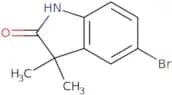

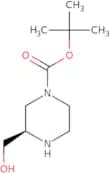
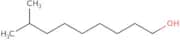

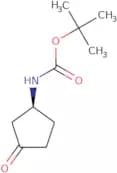
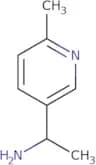

![5-{2-Ethoxy-5-[(4-methylpiperazin-1-yl)sulfonyl]phenyl}-1-methyl-3-(2-methylpropyl)-1H,6H,7H-pyraz…](/_next/image/?url=https%3A%2Fstatic.cymitquimica.com%2Fproducts%2F3D%2Fthumb-webp%2FRFC05395.webp&w=3840&q=75)
![6-Bromo-4-hydroxypyrazolo[1,5-a]pyridine-3-carbonitrile](/_next/image/?url=https%3A%2Fstatic.cymitquimica.com%2Fproducts%2F3D%2Fthumb-webp%2FFB182798.webp&w=3840&q=75)
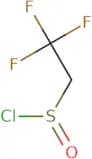

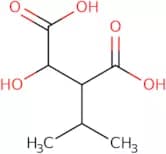

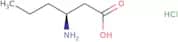
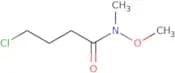

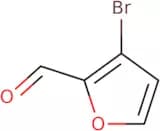


![Methyl 6-oxospiro[3.3]heptane-2-carboxylate](/_next/image/?url=https%3A%2Fstatic.cymitquimica.com%2Fproducts%2F3D%2Fthumb-webp%2FNVB48098.webp&w=3840&q=75)
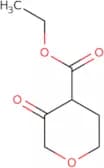
![4-{[(tert-butoxy)carbonyl]amino}bicyclo[2.2.2]octane-1-carboxylic acid](/_next/image/?url=https%3A%2Fstatic.cymitquimica.com%2Fproducts%2F3D%2Fthumb-webp%2FNJB30476.webp&w=3840&q=75)


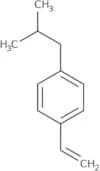
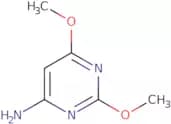
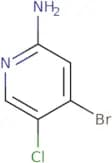
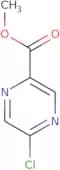

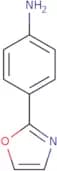

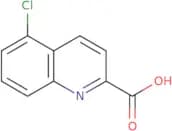

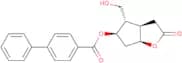

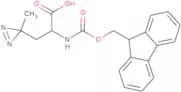
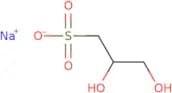
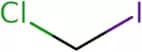

![6-Oxa-2-azaspiro[3.4]octane HCl](/_next/image/?url=https%3A%2Fstatic.cymitquimica.com%2Fproducts%2F3D%2Fthumb-webp%2FJEC65612.webp&w=3840&q=75)


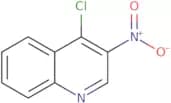
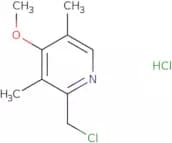

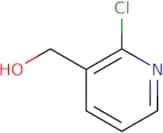
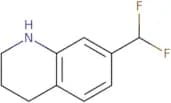

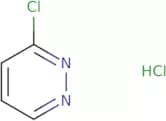
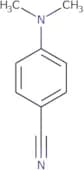
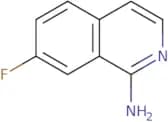
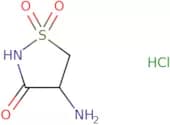
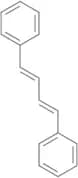

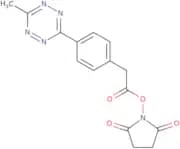
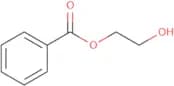





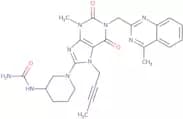

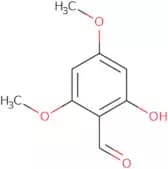


![(1R,5S,6r)-rel-3-Oxabicyclo[3.1.0]hexane-6-carboxylic acid](/_next/image/?url=https%3A%2Fstatic.cymitquimica.com%2Fproducts%2F3D%2Fthumb-webp%2FFCA78088.webp&w=3840&q=75)
![N-[2-[(2S)-2-Cyano-4,4-difluoro-1-pyrrolidinyl]-2-oxoethyl]-6-[methyl[3-(1-piperazinyl)propyl]amin…](/_next/image/?url=https%3A%2Fstatic.cymitquimica.com%2Fproducts%2F3D%2Fthumb-webp%2FFC184139.webp&w=3840&q=75)

![4-Chloro-N-[2-(1,2-dihydro-2-oxo-4-quinolinyl)ethyl]benzamide](/_next/image/?url=https%3A%2Fstatic.cymitquimica.com%2Fproducts%2F3D%2Fthumb-webp%2FFC184071.webp&w=3840&q=75)


![(3S)-3- [4- [(2-Chlorophenyl) methyl] phenoxy] tetrahydrofuran](/_next/image/?url=https%3A%2Fstatic.cymitquimica.com%2Fproducts%2F3D%2Fthumb-webp%2FFC181171.webp&w=3840&q=75)


![tert-butyl 2-amino-8-azaspiro[4.5]decane-8-carboxylate](/_next/image/?url=https%3A%2Fstatic.cymitquimica.com%2Fproducts%2F3D%2Fthumb-webp%2FBAC01090.webp&w=3840&q=75)


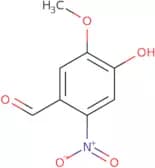
![6,6-Difluorospiro[3.3]heptan-2-amine Hydrochloride](/_next/image/?url=https%3A%2Fstatic.cymitquimica.com%2Fproducts%2F3D%2Fthumb-webp%2FYGC03271.webp&w=3840&q=75)
![4,7-dibromo-1H-benzo[d]imidazole](/_next/image/?url=https%3A%2Fstatic.cymitquimica.com%2Fproducts%2F3D%2Fthumb-webp%2FYFA18566.webp&w=3840&q=75)

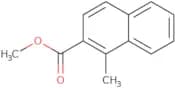
![3-Bromo-6,7-dihydro-4H-pyrazolo[1,5-a]pyrazine-5-carboxylic acid tert-butyl ester](/_next/image/?url=https%3A%2Fstatic.cymitquimica.com%2Fproducts%2F3D%2Fthumb-webp%2FWXB15425.webp&w=3840&q=75)


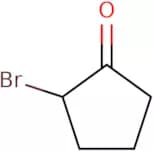
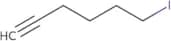

![(Ir[dF(CF3)ppy]2(dtbpy))PF6](/_next/image/?url=https%3A%2Fstatic.cymitquimica.com%2Fproducts%2F3D%2Fthumb-webp%2FVJB98763.webp&w=3840&q=75)
![8-Bromo-2-methylimidazo[1,2-a]pyridine](/_next/image/?url=https%3A%2Fstatic.cymitquimica.com%2Fproducts%2F3D%2Fthumb-webp%2FUXB37475.webp&w=3840&q=75)


![4-Chloro-1H-pyrazolo[3,4-b]pyridine-3-carboxylic acid](/_next/image/?url=https%3A%2Fstatic.cymitquimica.com%2Fproducts%2F3D%2Fthumb-webp%2FULD13261.webp&w=3840&q=75)
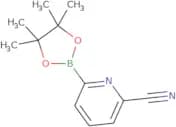

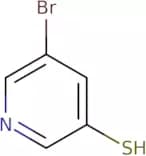
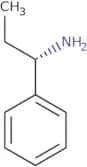

![2-boc-5-oxo-2-azabicyclo[2.2.2]octane](/_next/image/?url=https%3A%2Fstatic.cymitquimica.com%2Fproducts%2F3D%2Fthumb-webp%2FSZA71422.webp&w=3840&q=75)
![(R)-2-[(9H-Fluoren-9-ylmethoxycarbonylamino)-methyl]-butyric acid](/_next/image/?url=https%3A%2Fstatic.cymitquimica.com%2Fproducts%2F3D%2Fthumb-webp%2FSYB71157.webp&w=3840&q=75)
![2-(Chloromethyl)-4H,6H,7H-pyrano[4,3-d][1,3]thiazole](/_next/image/?url=https%3A%2Fstatic.cymitquimica.com%2Fproducts%2F3D%2Fthumb-webp%2FSDC46081.webp&w=3840&q=75)
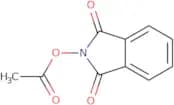

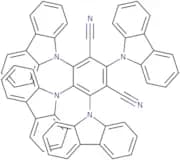
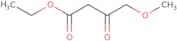
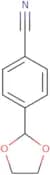

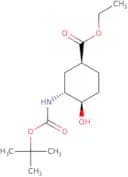


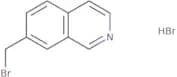
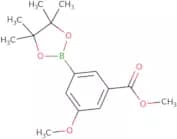

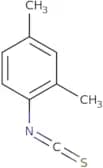
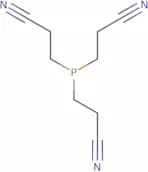
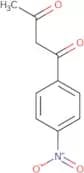

![4-[1-(tert-Butoxy)-2-methyl-1-oxopropan-2-yl]benzoic acid](/_next/image/?url=https%3A%2Fstatic.cymitquimica.com%2Fproducts%2F3D%2Fthumb-webp%2FNKD15780.webp&w=3840&q=75)

![tert-Butyl 3,9-diazaspiro[5.5]undecane-3-carboxylate hydrochloride](/_next/image/?url=https%3A%2Fstatic.cymitquimica.com%2Fproducts%2F3D%2Fthumb-webp%2FLJA40647.webp&w=3840&q=75)
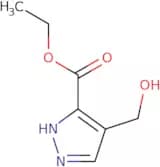


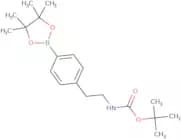


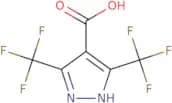


![8-chloro-3H,4H-pyrido[3,4-d]pyrimidin-4-one](/_next/image/?url=https%3A%2Fstatic.cymitquimica.com%2Fproducts%2F3D%2Fthumb-webp%2FJDA34113.webp&w=3840&q=75)

![2-{[2-(2,6-Dioxopiperidin-3-yl)-1-oxo-2,3-dihydro-1H-isoindol-4-yl]oxy}acetic acid](/_next/image/?url=https%3A%2Fstatic.cymitquimica.com%2Fproducts%2F3D%2Fthumb-webp%2FEPD97616.webp&w=3840&q=75)


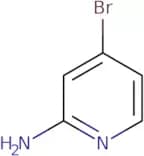
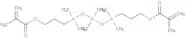

![(2R,4R)-1-[(2S)-5-Amino-1-oxo-2-[[(1,2,3,4-tetrahydro-3-methyl-8-quinolinyl)sulfonyl]amino]pentyl]…](/_next/image/?url=https%3A%2Fstatic.cymitquimica.com%2Fproducts%2F3D%2Fthumb-webp%2FFA182661.webp&w=3840&q=75)
![(R)-1-[3-[4-Amino-3-(4-phenoxyphenyl)-1H-pyrazolo[3,4-d]pyrimidin-1-yl]piperidin-1-yl]-3-chloropro…](/_next/image/?url=https%3A%2Fstatic.cymitquimica.com%2Fproducts%2F3D%2Fthumb-webp%2FFA183174.webp&w=3840&q=75)


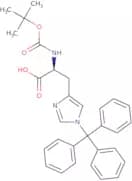
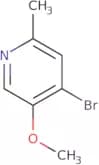
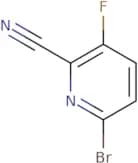
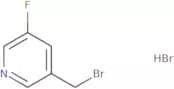
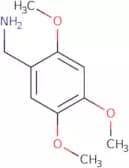
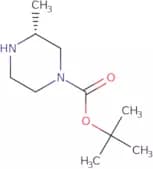

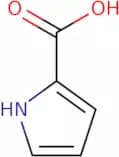

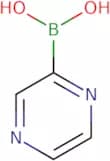
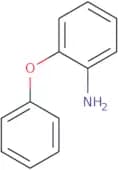
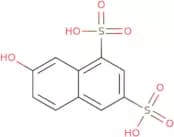
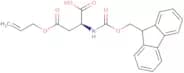


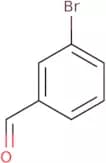
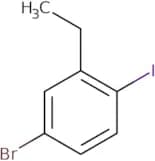
![tert-Butyl N-[3-(tetramethyl-1,3,2-dioxaborolan-2-yl)propyl]carbamate](/_next/image/?url=https%3A%2Fstatic.cymitquimica.com%2Fproducts%2F3D%2Fthumb-webp%2FAZC30580.webp&w=3840&q=75)
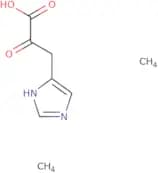

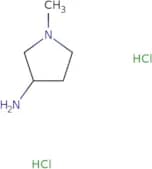
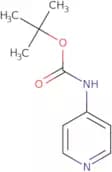



![tert-Butyl 4-hydroxy-1-oxa-7-azaspiro[4.4]nonane-7-carboxylate](/_next/image/?url=https%3A%2Fstatic.cymitquimica.com%2Fproducts%2F3D%2Fthumb-webp%2FXXC50503.webp&w=3840&q=75)
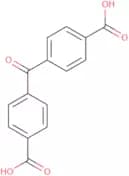
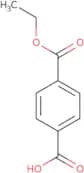
![tert-butyl 2,5-diazabicyclo[4.1.0]heptane-2-carboxylate](/_next/image/?url=https%3A%2Fstatic.cymitquimica.com%2Fproducts%2F3D%2Fthumb-webp%2FDZB67518.webp&w=3840&q=75)
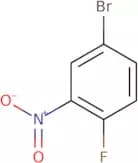
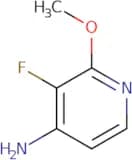
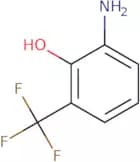
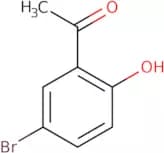
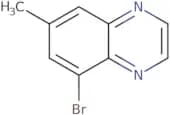

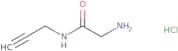
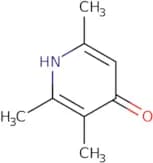
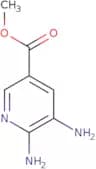
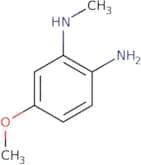
![8-Boc-3,8-diaza-bicyclo[3.2.1]octane](/_next/image/?url=https%3A%2Fstatic.cymitquimica.com%2Fproducts%2F3D%2Fthumb-webp%2FFB29382.webp&w=3840&q=75)
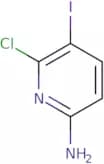
![6-Amino-4H,5H,6H,7H,8H-thieno[3,2-b]azepin-5-one hydrochloride](/_next/image/?url=https%3A%2Fstatic.cymitquimica.com%2Fproducts%2F3D%2Fthumb-webp%2FTHC97972.webp&w=3840&q=75)