Building Blocks
This section contains fundamental products for the synthesis of organic and biological compounds. Building blocks are the essential starting materials used to construct complex molecules through various chemical reactions. They play a critical role in drug discovery, material science, and chemical research. At CymitQuimica, we offer a diverse range of high-quality building blocks to support your innovative research and industrial projects, ensuring you have the essential components for successful synthesis.
Subcategories of "Building Blocks"
- Boronic Acids & Boronic Acid Derivatives(5,756 products)
- Chiral Building Blocks(1,242 products)
- Hydrocarbon Building Blocks(6,095 products)
- Organic Building Blocks(61,055 products)
Found 199650 products of "Building Blocks"
Sort by
Purity (%)
0
100
|
0
|
50
|
90
|
95
|
100
1-(4-Aminobenzenesulfonyl)piperidine-3-carboxylic acid
CAS:<p>Versatile small molecule scaffold</p>Formula:C12H16N2O4SPurity:Min. 95%Molecular weight:284.33 g/molN-[(2-Fluorophenyl)methyl]-5-methyl-[1,2,4]triazolo[1,5-a]pyrimidin-7-amine
CAS:<p>Versatile small molecule scaffold</p>Formula:C13H12FN5Purity:Min. 95%Molecular weight:257.27 g/molN-(Carbamoylmethyl)butanamide
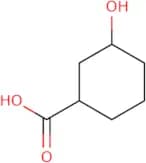
CAS:<p>Versatile small molecule scaffold</p>Formula:C6H12N2O2Purity:Min. 95%Molecular weight:144.17 g/mol3-Hydroxycyclohexanecarboxylic Acid (cis- and trans- mixture)
CAS:<p>3-Hydroxycyclohexanecarboxylic Acid is a chiral, synthesized organic compound. It is used as a precursor to medicines and has been shown to be effective in inhibiting plasmin activity through the formation of an aluminium complex. 3-Hydroxycyclohexanecarboxylic Acid is also used for the production of chromatographic columns, sensors, and aluminium oxide. It can be purified by crystallization or by using a formylation reaction with benzyl chloride. 3-Hydroxycyclohexanecarboxylic Acid has acidic properties at high pH and forms an aluminium complex with the cavity of an aluminium oxide sensor. The efficiency of this compound is related to its chirality, which can be determined by gas chromatography.</p>Formula:C7H12O3Purity:Min. 95%Molecular weight:144.17 g/mol3-Butanoyl-1,3-thiazolidine-4-carboxylic acid
CAS:<p>Versatile small molecule scaffold</p>Formula:C8H13NO3SPurity:Min. 95%Molecular weight:203.26 g/mol2,6-Difluoro-3-nitrobenzaldehyde
CAS:<p>2,6-Difluoro-3-nitrobenzaldehyde is a compound with an antiviral potential. It has been shown to inhibit the replication of the human cytomegalovirus (HCMV). This compound was found to be effective in immunocompromised patients, as well as resistant strains. The efficiency of 2,6-Difluoro-3-nitrobenzaldehyde was increased by optimizing its chemical structure and it has been shown to be safe for use in clinics.</p>Formula:C7H3F2NO3Purity:Min. 95%Molecular weight:187.1 g/mol1-[(tert-Butoxy)carbonyl]-4-(2-methoxyethyl)piperidine-4-carboxylic acid
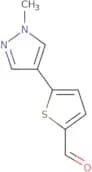
CAS:Versatile small molecule scaffoldFormula:C14H25NO5Purity:Min. 95%Molecular weight:287.35 g/mol5-(1-Methyl-1H-pyrazol-4-yl)thiophene-2-carbaldehyde
CAS:Versatile small molecule scaffoldFormula:C9H8N2OSPurity:Min. 95%Molecular weight:192.24 g/mol2-[(2-Hydroxy-4-methoxyphenyl)formamido]pentanedioic acid
CAS:<p>2-[(2-Hydroxy-4-methoxyphenyl)formamido]pentanedioic acid (2HMPDA) is a fluorescent dye that is used for staining and quantification of estrone. It can be used to measure the amount of estrone in wastewater samples. 2HMPDA is also a metabolic product of glutamate and can be used as an extracellular marker for this amino acid. The use of 2HMPDA to detect glutamate has been shown in both synthetic and natural environments, such as activated sludge and soil bacteria. 2HMPDA can also be used as an indicator for degraders in activated sludge wastewater treatment systems. The sequence of the gene encoding this compound has been determined, revealing it belongs to a novel group of enzymes called diterpene synthases.</p>Formula:C13H15NO7Purity:Min. 95%Molecular weight:297.3 g/mol5-bromo-2-methylphenylacetonitrile
CAS:<p>Versatile small molecule scaffold</p>Formula:C9H8BrNPurity:Min. 95%Molecular weight:210.07 g/mol4-Chloro-1-ethynyl-2-(trifluoromethyl)benzene
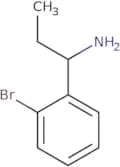
CAS:Versatile small molecule scaffoldFormula:C9H4ClF3Purity:Min. 95%Molecular weight:204.57 g/mol1-(2-Bromophenyl)propan-1-amine
CAS:<p>Versatile small molecule scaffold</p>Formula:C9H12BrNPurity:Min. 95%Molecular weight:214.1 g/mol(3-Methylbutyl)hydrazine hydrochloride
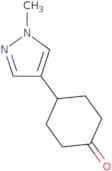
CAS:<p>Versatile small molecule scaffold</p>Formula:C5H15ClN2Purity:Min. 95%Molecular weight:138.64 g/mol4-(1-Methyl-1H-pyrazol-4-yl)cyclohexan-1-one
CAS:<p>Versatile small molecule scaffold</p>Formula:C10H14N2OPurity:Min. 95%Molecular weight:178.23 g/mol6-Hydroxy-4-methyl-2,3-dihydro-1,3-benzoxazol-2-one
CAS:<p>Versatile small molecule scaffold</p>Formula:C8H7NO3Purity:Min. 95%Molecular weight:165.15 g/mol4-Methyl-1H-1,3-benzodiazol-6-ol
CAS:<p>Versatile small molecule scaffold</p>Formula:C8H8N2OPurity:Min. 95%Molecular weight:148.16 g/mol7-Hydroxy-5-methyl-2H-benzo[b][1,4]oxazin-3(4H)-one
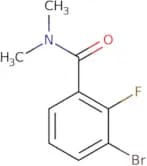
CAS:Versatile small molecule scaffoldFormula:C9H9NO3Purity:Min. 95%Molecular weight:179.17 g/mol3-Bromo-2-fluoro-N,N-dimethylbenzamide
CAS:<p>Versatile small molecule scaffold</p>Formula:C9H9BrFNOPurity:Min. 95%Molecular weight:246.08 g/mol3-Bromo-2-fluoro-N-methylbenzamide
CAS:Versatile small molecule scaffoldFormula:C8H7BrFNOPurity:Min. 95%Molecular weight:232.05 g/mol7-(4,4,5,5-tetramethyl-1,3,2-dioxaborolan-2-yl)-3,4-dihydroisoquinolin-1(2H)-one
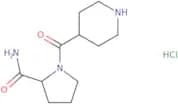
CAS:Versatile small molecule scaffoldFormula:C15H20BNO3Purity:Min. 95%Molecular weight:273.14 g/mol1-(Piperidine-4-carbonyl)pyrrolidine-2-carboxamide hydrochloride
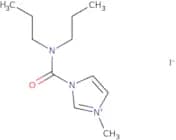
CAS:<p>Versatile small molecule scaffold</p>Formula:C11H20ClN3O2Purity:Min. 95%Molecular weight:261.75 g/mol1-(Dipropylcarbamoyl)-3-methyl-1H-imidazol-3-ium iodide
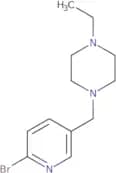
CAS:<p>Versatile small molecule scaffold</p>Formula:C11H20IN3OPurity:Min. 95%Molecular weight:337.2 g/mol1-((6-Bromopyridin-3-yl)methyl)-4-ethylpiperazine
CAS:<p>Versatile small molecule scaffold</p>Formula:C12H18BrN3Purity:Min. 95%Molecular weight:284.2 g/mol3-Methyl-6-(4,4,5,5-tetramethyl-1,3,2-dioxaborolan-2-yl)-[1,2,4]triazolo[4,3-a]pyridine
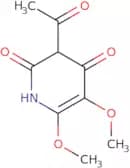
CAS:<p>Versatile small molecule scaffold</p>Formula:C13H18BN3O2Purity:Min. 95%Molecular weight:259.11 g/mol3-Acetyl-4-hydroxy-5,6-dimethoxy-1,2-dihydropyridin-2-one
CAS:<p>Versatile small molecule scaffold</p>Formula:C9H11NO5Purity:Min. 95%Molecular weight:213.19 g/mol1-[4-(Ethoxycarbonyl)piperidine-1-carbonyl]-3-methyl-1H-imidazol-3-ium iodide
CAS:<p>Versatile small molecule scaffold</p>Formula:C13H20IN3O3Purity:Min. 95%Molecular weight:393.22 g/molSodium 6-(3-((2-carboxylato-4-oxo-4H-chromen-5-yl)oxy)-2-hydroxypropoxy)-4-oxo-4H-chromene-2-carboxylate
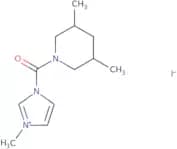
CAS:<p>Versatile small molecule scaffold</p>Formula:C23H14Na2O11Purity:Min. 95%Molecular weight:512.3 g/mol1-(3,5-Dimethylpiperidine-1-carbonyl)-3-methyl-1H-imidazol-3-ium iodide
CAS:<p>Versatile small molecule scaffold</p>Formula:C12H20IN3OPurity:Min. 95%Molecular weight:349.21 g/mol1-[Butyl(ethyl)carbamoyl]-3-methyl-1H-imidazol-3-ium iodide
CAS:<p>Versatile small molecule scaffold</p>Formula:C11H20IN3OPurity:Min. 95%Molecular weight:337.2 g/mol1-[4-(Methoxycarbonyl)piperidine-1-carbonyl]-3-methyl-1H-imidazol-3-ium iodide
CAS:Versatile small molecule scaffoldFormula:C12H18IN3O3Purity:Min. 95%Molecular weight:379.19 g/mol1-(Dibutylcarbamoyl)-3-methyl-1H-imidazol-3-ium iodide
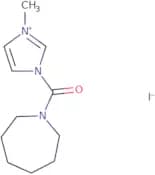
CAS:<p>Versatile small molecule scaffold</p>Formula:C13H24IN3OPurity:Min. 95%Molecular weight:365.25 g/mol1-(Azepane-1-carbonyl)-3-methyl-1H-imidazol-3-ium iodide
CAS:<p>Versatile small molecule scaffold</p>Formula:C11H18IN3OPurity:Min. 95%Molecular weight:335.18 g/mol[(5-tert-Butyl-1H-pyrazol-3-yl)methyl]methylaminedihydrochloride
CAS:<p>Versatile small molecule scaffold</p>Formula:C9H19Cl2N3Purity:Min. 95%Molecular weight:240.18 g/mol1-{[(3-Fluorophenyl)methyl](methyl)carbamoyl}-3-methyl-1H-imidazol-3-ium iodide
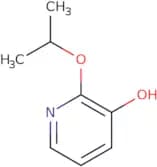
CAS:<p>Versatile small molecule scaffold</p>Formula:C13H15FIN3OPurity:Min. 95%Molecular weight:375.18 g/mol2-(Propan-2-yloxy)pyridin-3-ol
CAS:<p>Versatile small molecule scaffold</p>Formula:C8H11NO2Purity:Min. 95%Molecular weight:153.18 g/mol3-(2,2,2-Trifluoroethyl)-3-azabicyclo[3.1.0]hexane-6-carboxylic acid
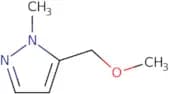
CAS:Versatile small molecule scaffoldFormula:C8H10F3NO2Purity:Min. 95%Molecular weight:209.17 g/mol5-(Methoxymethyl)-1-methyl-1H-pyrazole
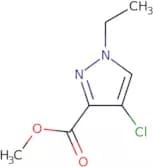
CAS:<p>Versatile small molecule scaffold</p>Formula:C6H10N2OPurity:Min. 95%Molecular weight:126.16 g/molMethyl 4-chloro-1-ethyl-1H-pyrazole-3-carboxylate
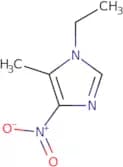
CAS:<p>Versatile small molecule scaffold</p>Formula:C7H9ClN2O2Purity:Min. 95%Molecular weight:188.61 g/mol1-Ethyl-5-methyl-4-nitro-1H-imidazole
CAS:<p>Versatile small molecule scaffold</p>Formula:C6H9N3O2Purity:Min. 95%Molecular weight:155.15 g/mol7-Oxabicyclo[2.2.1]heptane-2-carbohydrazide
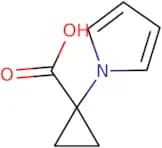
CAS:Versatile small molecule scaffoldFormula:C7H12N2O2Purity:Min. 95%Molecular weight:156.18 g/mol1-(1H-Pyrrol-1-yl)cyclopropane-1-carboxylic acid
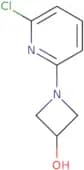
CAS:Versatile small molecule scaffoldFormula:C8H9NO2Purity:Min. 95%Molecular weight:151.16 g/mol1-(6-Chloropyridin-2-yl)azetidin-3-ol
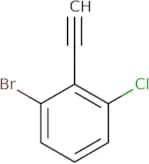
CAS:<p>Versatile small molecule scaffold</p>Formula:C8H9ClN2OPurity:Min. 95%Molecular weight:184.62 g/mol1-Bromo-3-chloro-2-ethynylbenzene
CAS:<p>Versatile small molecule scaffold</p>Formula:C8H4BrClPurity:Min. 95%Molecular weight:215.47 g/mol2-(Bromomethyl)-7-oxabicyclo[2.2.1]heptane
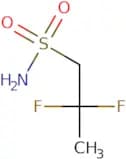
CAS:<p>Versatile small molecule scaffold</p>Formula:C7H11BrOPurity:Min. 95%Molecular weight:191.07 g/mol2,2-Difluoropropane-1-sulfonamide
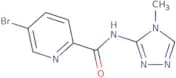
CAS:<p>Versatile small molecule scaffold</p>Formula:C3H7F2NO2SPurity:Min. 95%Molecular weight:159.16 g/mol5-Bromo-N-(4-methyl-4H-1,2,4-triazol-3-yl)pyridine-2-carboxamide
CAS:Versatile small molecule scaffoldFormula:C9H8BrN5OPurity:Min. 95%Molecular weight:282.1 g/mol6-(But-3-yn-1-yl)-6-azaspiro[3.5]nonane
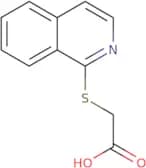
CAS:<p>Versatile small molecule scaffold</p>Formula:C12H19NPurity:Min. 95%Molecular weight:177.3 g/mol2-(Isoquinolin-1-ylsulfanyl)acetic acid
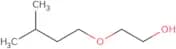
CAS:<p>Versatile small molecule scaffold</p>Formula:C11H9NO2SPurity:Min. 95%Molecular weight:219.26 g/mol2-(3-Methylbutoxy)ethan-1-ol
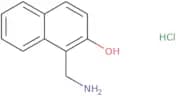
CAS:<p>2-(3-Methylbutoxy)ethan-1-ol is an organic solvent that is used as a raw material in the production of activated carbon. It is also used as a base for the neutralization of acids, and can be converted to other compounds such as ethylene glycol. 2-(3-Methylbutoxy)ethan-1-ol has a viscosity of 1.5 cP at 20 °C and a density of 0.898 g/cm³, and can be used in the production of solar cells. This chemical can be synthesized from ethanol by catalytic hydrogenation or hydroformylation using molybdenum oxide or rhodium oxide on phosphoric acid.</p>Formula:C7H16O2Purity:Min. 95%Molecular weight:132.2 g/mol1-(Aminomethyl)naphthalen-2-ol hydrochloride
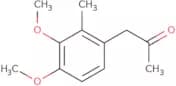
CAS:<p>Versatile small molecule scaffold</p>Formula:C11H12ClNOPurity:Min. 95%Molecular weight:209.67 g/mol1-(3,4-Dimethoxy-2-methylphenyl)propan-2-one
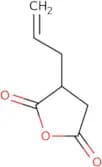
CAS:<p>Versatile small molecule scaffold</p>Formula:C12H16O3Purity:Min. 95%Molecular weight:208.25 g/mol3-Allyldihydro-2,5-furandione
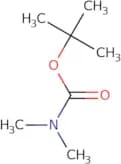
CAS:<p>3-Allyldihydro-2,5-furandione is a compound with a carbonyl group. It has been shown to be biocompatible and chemically stable in the presence of air and water. The chemical stability of the 3-allyldihydro-2,5-furandione is dependent on the linkage between its carbonyl group and the rest of its molecular structure. The ester linkages are more stable than ether or hydroxyl linkages. This compound has been shown to be an excellent candidate for use as a solvent in detergent compositions. 3-Allyldihydro-2,5-furandione can be synthesized by reacting phenol with 2,5-dihydroxybenzaldehyde and furan in an air entrainment reaction at an activation energy of 75 kJ/mol.</p>Formula:C7H8O3Purity:Min. 95%Molecular weight:140.14 g/moltert-Butyl N,N-dimethylcarbamate
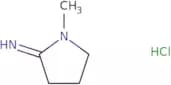
CAS:<p>Tert-butyl N,N-dimethylcarbamate is a surfactant that is used as an amine. It is also an intercalator, which means it has the ability to bind to DNA. Tert-butyl N,N-dimethylcarbamate binds to DNA and disrupts replication by inhibiting the enzyme DNA polymerase. It can be used in validation of regulatory section and long-chain sequences.</p>Formula:C7H15NO2Purity:Min. 95%Molecular weight:145.2 g/mol1-Methylpyrrolidin-2-imine hydrochloride
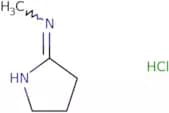
CAS:<p>Versatile small molecule scaffold</p>Formula:C5H11ClN2Purity:Min. 95%Molecular weight:134.61 g/molN-Methyl-3,4-dihydro-2H-pyrrol-5-amine hydrochloride
CAS:<p>Versatile small molecule scaffold</p>Formula:C5H11ClN2Purity:Min. 95%Molecular weight:134.61 g/mol4-(Benzylamino)butanenitrile hydrochloride
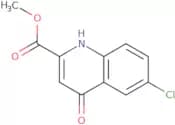
CAS:<p>Versatile small molecule scaffold</p>Formula:C11H15ClN2Purity:Min. 95%Molecular weight:210.7 g/molethyl 6-chloro-4-oxo-1,4-dihydroquinoline-2-carboxylate
CAS:<p>Versatile small molecule scaffold</p>Formula:C12H10ClNO3Purity:Min. 95%Molecular weight:251.67 g/mol1,2,3,4,5,6-Hexahydroazepino[4,5-b]indole
CAS:<p>1,2,3,4,5,6-Hexahydroazepino[4,5-b]indole is a synthetic opioid that binds to the κ opioid receptor. It is an inorganic compound and has two asymmetric carbon atoms. The two enantiomers of 1,2,3,4,5,6-Hexahydroazepino[4,5-b]indole have different affinities for the κ opioid receptor. The (R) enantiomer binds more tightly than the (S) enantiomer. This drug has been shown to stimulate dopamine d3 receptors and serotonin transporter activity. It also inhibits serotonin reuptake by binding to serotonin transporters in the presynaptic neuron. This action increases extracellular levels of serotonin that can activate postsynaptic receptors and produce antidepressant effects.</p>Formula:C12H14N2Purity:Min. 95%Molecular weight:186.25 g/molBenzene-1,3-disulfonyl fluoride
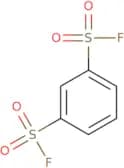
CAS:<p>Benzene-1,3-disulfonyl fluoride is a reagent that can be used in organic synthesis. It can be used to synthesize carboxylic acids and amides from carboxylic acid chlorides and amines. This agent yields high yields of functional groups with little or no steric hindrance. Benzene-1,3-disulfonyl fluoride is also a strong nucleophile that can react with amine to form an intermediate which reacts with another molecule of benzene-1,3-disulfonyl fluoride to form the desired product. As a nucleophile, it is reactive toward biological molecules such as proteins and DNA.</p>Formula:C6H4F2O4S2Purity:Min. 95%Molecular weight:242.22 g/mol2-(2,4-Dichlorophenyl)-2-hydroxyacetic acid
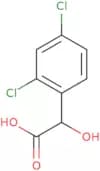
CAS:<p>2-(2,4-Dichlorophenyl)-2-hydroxyacetic acid (dichlophos) is a metabolite of the herbicide 2,4-dichlorophenoxyacetic acid. It is spontaneously generated in the cytosol and eliminated in the urine as its conjugate with glutathione. Dichlophos has been shown to inhibit the activity of glutathione transferase, which may be due to its ability to demethylate phospholipids and glutathione. Dichlophos has also been found to have an inhibitory effect on alkenyl and ketone metabolism, which may be due to its ability to block hydrogen phosphate synthesis. This compound has been shown to be metabolized by uronic acid oxidase in rats and humans, leading to the production of 2-keto-gluconic acid and hydrogen peroxide.</p>Formula:C8H6Cl2O3Purity:Min. 95%Molecular weight:221.03 g/mol2-[(2,4-Dichlorobenzoyl)amino]acetic acid
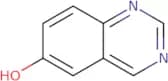
CAS:<p>Versatile small molecule scaffold</p>Formula:C9H7Cl2NO3Purity:Min. 95%Molecular weight:248.06 g/molQuinazolin-6-ol
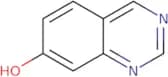
CAS:<p>Quinazolin-6-ol is a quinone that is synthesized by the reaction of anilines and phthalic acid. Quinazolin-6-ol inhibits NF-κB transcriptional activity in vitro, which may be due to its ability to bind to the heme moiety of the protein. This compound has been shown to have antibacterial activity against Gram-negative bacteria such as Phytophthora, but not Gram-positive bacteria such as Staphylococcus aureus or Bacillus cereus.</p>Formula:C8H6N2OPurity:Min. 95%Molecular weight:146.15 g/molQuinazolin-7-ol
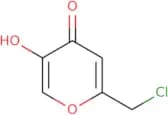
CAS:<p>Quinazolin-7-ol is a cancer drug that inhibits the growth of tumor cells by blocking the activity of epidermal growth factor receptors. It has been shown to inhibit tumor growth in vivo and to have an antitumor activity. Quinazolin-7-ol also inhibits the activation of epidermal growth factor receptor and tyrosine kinase, which are factors that activate the cell cycle and promote tumor cell proliferation. As an antineoplastic drug, it has shown an inhibitory effect on lung cancer cells and other types of cancer cells in vitro. Quinazolin-7-ol can be used as a chemotherapeutic agent for drug resistant tumors.</p>Formula:C8H6N2OPurity:Min. 95%Molecular weight:146.15 g/mol2-(Chloromethyl)-5-hydroxy-4H-pyran-4-one
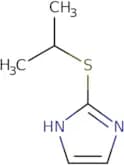
CAS:<p>2-(Chloromethyl)-5-hydroxy-4H-pyran-4-one (2CHP) is a nucleophilic compound that has been shown to be effective against colorectal adenocarcinoma cells. 2CHP is synthesized from the reaction of 2,5-dichloro-4H-pyran with hydroxylamine and HCl in water. It is also used for the treatment of infectious diseases such as malaria and tuberculosis. This compound induces tyrosinase activity through an intramolecular hydrogen bond with the hydroxyl group, which causes the hydroxyl group to become nucleophilic and react with a chlorine atom in order to form an acid conjugate.</p>Formula:C6H5ClO3Purity:Min. 95%Molecular weight:160.56 g/mol2-(Propan-2-ylsulfanyl)-1H-imidazole
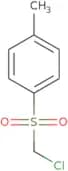
CAS:<p>Versatile small molecule scaffold</p>Formula:C6H10N2SPurity:Min. 95%Molecular weight:142.22 g/molp-Toluenesulfonylmethyl Chloride
CAS:<p>p-Toluenesulfonylmethyl Chloride is a reactive compound that can be used as an alkylating agent. It has a carbonyl group, which reacts with nucleophiles and can be used to form carbon-carbon bonds. p-Toluenesulfonylmethyl Chloride is also able to react with aldehydes and sulfoxides, forming anions and pyridazine. This chemical is used in the synthesis of organic compounds, including acetaldehyde. In addition, it can be used in magnetic resonance spectroscopy (MRS) experiments to identify the structure of aldehydes.</p>Formula:C8H9ClO2SPurity:Min. 95%Molecular weight:204.67 g/mol2-(5-Chloro-2-methoxyphenyl)ethan-1-ol
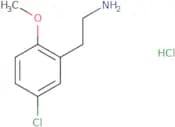
CAS:<p>Versatile small molecule scaffold</p>Formula:C9H11ClO2Purity:Min. 95%Molecular weight:186.63 g/mol2-(5-Chloro-2-methoxyphenyl)ethan-1-amine hydrochloride
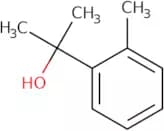
CAS:Controlled ProductVersatile small molecule scaffoldFormula:C9H13Cl2NOPurity:Min. 95%Molecular weight:222.11 g/mol2-(2-Methylphenyl)propan-2-ol
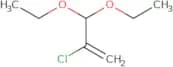
CAS:<p>2-(2-Methylphenyl)propan-2-ol is an abiotic chemical that is used as a solvent for ethanol. It has been shown to be toxic to microalgae and fatty acids, by inhibiting the conversion of nitrate into nitrogen gas. 2-(2-Methylphenyl)propan-2-ol has also been shown to inhibit denitrification in the presence of nitrate and carbon sources. The mechanism of inhibition is unknown, but it may be due to the formation of an unidentified aromatic hydrocarbon that prevents nitrite reduction.</p>Formula:C10H14OPurity:Min. 95%Molecular weight:150.22 g/mol2-Chloro-3,3-diethoxyprop-1-ene
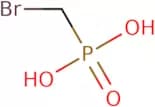
CAS:<p>Versatile small molecule scaffold</p>Formula:C7H13ClO2Purity:Min. 95%Molecular weight:164.63 g/mol(Bromomethyl)phosphonic acid
CAS:<p>Bromomethylphosphonic acid is a molecule that contains a carbonyl group, aliphatic hydrocarbon and an aromatic hydrocarbon. When reacted with humans, the molecule can be found in the reaction solution. Bromomethylphosphonic acid has been shown to have chemical stability and is not affected by alcohol residue or nitro groups. It has also been observed to inhibit fatty acid synthesis and to inhibit the activity of animal enzymes such as carboxylesterases in animals. This compound has optical properties that are acidic and are used in pharmaceutical preparations.</p>Formula:CH4BrO3PPurity:Min. 95%Molecular weight:174.92 g/mol2-(Piperidin-1-yl)cyclohexan-1-one hydrochloride
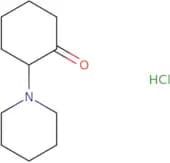
CAS:<p>Versatile small molecule scaffold</p>Formula:C11H20ClNOPurity:Min. 95%Molecular weight:217.73 g/mol3,5-Dimethylpyridine-2-carbonitrile
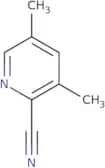
CAS:<p>3,5-Dimethylpyridine-2-carbonitrile is a chiral organic compound that has the formula CHNO. It is used in organic syntheses as a building block for various products. 3,5-Dimethylpyridine-2-carbonitrile can be synthesized by nitroaldol reaction of 3,5-dimethoxybenzaldehyde and formaldehyde catalyzed by copper(II) acetate. This product is also an important intermediate in the synthesis of bipyridines and oxazolines, which are useful in the manufacture of catalysts and amino alcohols.</p>Formula:C8H8N2Purity:Min. 95%Molecular weight:132.17 g/molN-(1-Cyclohexylethyl)cyclopropanamine
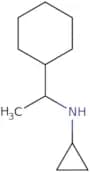
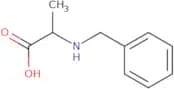
CAS:<p>Versatile small molecule scaffold</p>Formula:C11H21NPurity:Min. 95%Molecular weight:167.29 g/mol(2S)-2-(Benzylamino)propanoic acid
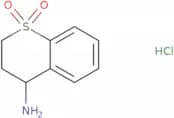
CAS:<p>(2S)-2-(Benzylamino)propanoic acid is an optical prodrug that has a high selectivity index against viruses. It is hydrolyzed to formamide and benzylamine in the presence of water, which can be used as a precursor for the synthesis of purines. 2-(Benzylamino)propanoic acid also has antiviral activity and can be used to synthesize nitroaromatic compounds. This compound displays nonlinear optical properties with an effective wavelength range of 400-500 nm, making it useful for applications such as laser treatment and photodynamic therapy. The solvents used in this reaction are n-dimethyl formamide (DMF) and hydrochloric acid.</p>Formula:C10H13NO2Purity:Min. 95%Molecular weight:179.22 g/mol3,4-Dihydro-2H-thiochromen-4-amine 1,1-dioxide hydrochloride
CAS:<p>Versatile small molecule scaffold</p>Formula:C9H12ClNO2SPurity:Min. 95%Molecular weight:233.72 g/mol1-(4-Methyl-1,3-thiazol-2-yl)ethan-1-ol
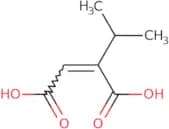
CAS:<p>Versatile small molecule scaffold</p>Formula:C6H9NOSPurity:Min. 95%Molecular weight:143.21 g/mol(2E)-2-(Propan-2-yl)but-2-enedioic acid
CAS:<p>(2E)-2-(Propan-2-yl)but-2-enedioic acid is a solid catalyst for the oxidation of alcohols to carbonyl compounds. It is used in vitro to study the effects of genotoxic agents on cells and to evaluate the efficacy of cancer treatments. (2E)-2-(Propan-2-yl)but-2-enedioic acid has been shown to induce mutations in corynebacterium, corynebacterium glutamicum, and other bacteria. This compound can also be used as a neutral pH buffer in assays. The gene product catalyzes the conversion of oxaloacetate into acetyl coenzyme A (acetyl CoA). Acetyl CoA is an important intermediate in cellular respiration that helps to generate energy. In vivo tests have shown that (2E)-2-(Propan-2-yl)but-2-enedioic acid inhibits the growth</p>Formula:C7H10O4Purity:Min. 95%Molecular weight:158.15 g/mol4-Hydroxy-1-benzofuran-6-carboxylic acid
CAS:Versatile small molecule scaffoldFormula:C9H6O4Purity:Min. 95%Molecular weight:178.14 g/mol3-[(Piperidin-1-yl)methyl]benzoic acid hydrochloride
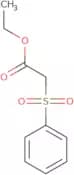
CAS:<p>Versatile small molecule scaffold</p>Formula:C13H18ClNO2Purity:Min. 95%Molecular weight:255.74 g/molEthyl Phenylsulfonylacetate
CAS:<p>Ethyl phenylsulfonylacetate (EPSA) is an organic compound that contains a hydroxy group, halides, and a hydrogen bond. EPSA inhibits the activity of palladium complexes by binding to the active methylene group. The phosphite group in EPSA may act as an absorber for electron density in the benzyl groups. This results in an intramolecular hydrogen bond formation and asymmetric synthesis that leads to higher isolated yields of EPSA.</p>Formula:C10H12O4SPurity:Min. 95%Molecular weight:228.26 g/mol(R)-1-(Pyridin-3-yl)ethanol
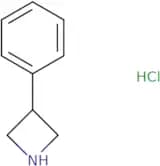
CAS:<p>The reaction rate of (R)-1-(pyridin-3-yl)ethanol is dependent on the type of organic ligands that are present. The biotransformations of this compound include triazolium, mutant, and biomolecular stereoselective reactions. The coordination of this compound with ionic liquids has been shown to be stereoselective. This molecule has also been synthesized using chiral ruthenium complexes as catalysts in order to generate a chiral product.</p>Formula:C7H9NOPurity:Min. 95%Molecular weight:123.16 g/mol3-Phenylazetidine hydrochloride
CAS:<p>Versatile small molecule scaffold</p>Formula:C9H11N·HClPurity:Min. 95%Molecular weight:133.19 g/mol3-(4-Chlorophenyl)azetidine hydrochloride
CAS:<p>Versatile small molecule scaffold</p>Formula:C9H11Cl2NPurity:Min. 95%Molecular weight:204.09 g/mol4-(Azetidin-3-yl)phenol hydrochloride
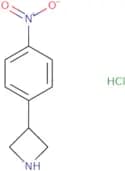
CAS:<p>Versatile small molecule scaffold</p>Formula:C9H12ClNOPurity:Min. 95%Molecular weight:185.7 g/mol3-(4-Nitrophenyl)azetidine hydrochloride
CAS:<p>Versatile small molecule scaffold</p>Formula:C9H11ClN2O2Purity:Min. 95%Molecular weight:214.65 g/mol3-(4-Methoxyphenyl)azetidine hydrochloride
CAS:Versatile small molecule scaffoldFormula:C10H14ClNOPurity:Min. 95%Molecular weight:199.68 g/mol3-Cyclohexylazetidine hydrochloride
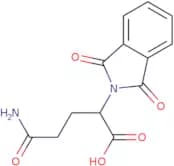
CAS:<p>Versatile small molecule scaffold</p>Formula:C9H18ClNPurity:Min. 95%Molecular weight:175.7 g/mol5-Amino-2-(1,3-dioxoisoindolin-2-yl)-5-oxopentanoic Acid
CAS:<p>5-Amino-2-(1,3-dioxoisoindolin-2-yl)-5-oxopentanoic acid is a synthetic derivative that is used as a drug substance. It has been shown to inhibit the activity of glycosylases and eicosatetraynoic acid in human serum. The drug also inhibits the growth of cancer cells in CD-1 mice and humans. 5-Amino-2-(1,3-dioxoisoindolin-2-yl)-5-oxopentanoic acid has been shown to be reactive with hydroxyl ions, nucleophilic attacks, and nucleophilic groups. This drug can be used for the treatment of diseases such as HIV/AIDS and cancer.</p>Formula:C13H12N2O5Purity:Min. 95%Molecular weight:276.25 g/mol2-tert-Butylsulfanylbenzoic acid
CAS:<p>Versatile small molecule scaffold</p>Formula:C11H14O2SPurity:Min. 95%Molecular weight:210.29 g/mol4-(Bromomethyl)benzenesulfonyl fluoride
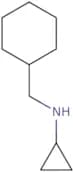
CAS:<p>4-(Bromomethyl)benzenesulfonyl fluoride (BMF) is a covalent inhibitor that binds to the active site of serum albumin and reversibly inhibits the enzyme. It has been shown to be an effective inhibitor, with low toxicity and high specificity for human serum albumin. BMF has been shown to inhibit the synthesis of glycosaminoglycans in human fibroblast cells. It also inhibits cellular protein synthesis and reduces the amount of albumin in serum.</p>Formula:C7H6BrFO2SPurity:Min. 95%Molecular weight:253.09 g/molN-(Cyclohexylmethyl)cyclopropanamine
CAS:<p>Versatile small molecule scaffold</p>Formula:C10H19NPurity:Min. 95%Molecular weight:153.26 g/mol1-Bromo-2-(2-bromoethanesulfonyl)ethane
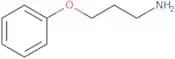
CAS:<p>Versatile small molecule scaffold</p>Formula:C4H8Br2O2SPurity:Min. 95%Molecular weight:279.98 g/mol(3-Phenoxy)propylamine
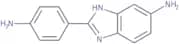
CAS:<p>Phenoxypropylamine is an alkylthio-substituted phenethylamine with a hydroxy group that is used in the synthesis of nitro, quinoline derivatives. It binds to the 5-hydroxytryptamine 1A receptor and inhibits serotonin reuptake. Phenoxypropylamine also has pharmacokinetic properties and is a transport inhibitor. This drug can be hydrolyzed by hydrochloric acid to form phenol and propranolol. In addition, it has been shown that phenoxypropylamine has a magnetic resonance spectroscopy binding site on human brain tissue. Furthermore, this drug has been shown to have an anti-inflammatory effect by inhibiting malic acid production in rats.</p>Formula:C9H13NOPurity:Min. 95%Molecular weight:151.21 g/mol5-Amino-2-(4-aminophenyl)benzimidazole
CAS:<p>5-Amino-2-(4-aminophenyl)benzimidazole is a chemical compound that is used in the synthesis of other compounds. It can be prepared by the reaction of 4-aminophenol with 2,5-dichlorobenzene imidazole followed by hydrogenation and purification. 5-Amino-2-(4-aminophenyl)benzimidazole has a high resistance to both UV and thermal degradation. It has been shown to have low solubility in water, but high solubility in organic solvents such as chloroform, ethyl acetate, and cyclohexane. This compound shows an orthorhombic crystal structure and reacts with proton (H+) or chloride ion. 5-Amino-2-(4-aminophenyl)benzimidazole is also used as a reagent for gel permeation chromatography in order to</p>Formula:C13H12N4Purity:Min. 95%Molecular weight:224.27 g/mol3-(3-Methoxyphenyl)prop-2-ynoic acid
CAS:<p>Versatile small molecule scaffold</p>Formula:C10H8O3Purity:Min. 95%Molecular weight:176.17 g/mol1-Methoxy-1-phenylpropan-2-one
CAS:<p>1-Methoxy-1-phenylpropan-2-one is a carbonyl compound that has been shown to have anti-aging properties. It is used in the synthesis of other organic compounds, such as hyaluronic acid and benzyl benzoate, with the involvement of amination reaction or organometallic reactions. This chemical can be found in human urine as a metabolite of benzyl alcohol. The symptoms and signs of nervous system diseases may be due to the effects of 1-methoxy-1-phenylpropan-2-one on the human brain. The asymmetric synthesis of this compound is a new process that has been developed by chemists.</p>Formula:C10H12O2Purity:Min. 95%Molecular weight:164.2 g/mol1-(Propan-2-yl)-1H-1,2,3,4-tetrazole-5-thiol
CAS:Versatile small molecule scaffoldFormula:C4H8N4SPurity:Min. 95%Molecular weight:144.2 g/mol1-(2-Methylpropyl)-2,5-dihydro-1H-1,2,3,4-tetrazole-5-thione
CAS:<p>Versatile small molecule scaffold</p>Formula:C5H10N4SPurity:Min. 95%Molecular weight:158.23 g/molMethyl 2-[(2S)-2-{[(tert-butoxy)carbonyl]amino}-3-phenylpropanamido]acetate
CAS:<p>Methyl 2-[(2S)-2-{[(tert-butoxy)carbonyl]amino}-3-phenylpropanamido]acetate is an antimalarial drug that has been shown to be effective against the parasite Plasmodium falciparum. It is a heptapeptide with a cyclic structure. This compound has been isolated from the fungus Penicillium griseofulvum and exhibits antimalarial activity in vitro. The chemical structure of Methyl 2-[(2S)-2-{[(tert-butoxy)carbonyl]amino}-3-phenylpropanamido]acetate was determined by spectrometry. Methyl 2-[(2S)-2-{[(tert-butoxy)carbonyl]amino}-3-phenylpropanamido]acetate can be synthesized by coupling of the</p>Formula:C17H24N2O5Purity:Min. 95%Molecular weight:336.4 g/molMethyl 2-[(2S)-2-amino-3-phenylpropanamido]acetate hydrochloride
CAS:<p>Versatile small molecule scaffold</p>Formula:C12H17ClN2O3Purity:Min. 95%Molecular weight:272.73 g/mol1-Nitroso-2,3-dihydro-1H-indole
CAS:<p>1-Nitroso-2,3-dihydro-1H-indole is a heterocyclic compound that contains a nitrogen atom with a primary amino group. It can be used as an oxidant in organic chemistry and has been shown to yield good yields. This compound is also reactive towards other compounds containing carbon-hydrogen bonds and can be used as a nitrosoamine to form amides.</p>Formula:C8H8N2OPurity:Min. 95%Molecular weight:148.16 g/molN-Acetyl-L-cysteine methyl ester
CAS:<p>N-Acetyl-L-cysteine methyl ester (NACME) is a reactive compound that is the methyl ester of cysteine. It belongs to the group of amides and is an important component of human serum. NACME has been shown to be effective in inhibiting the growth of bacteria such as Staphylococcus aureus, Salmonella enterica, Escherichia coli, and Pseudomonas aeruginosa. The mechanism by which NACME inhibits bacterial growth is not yet known, but it may involve oxidative reactions or irreversible inhibition of enzymes.</p>Formula:C6H11NO3SPurity:Min. 95%Molecular weight:177.22 g/mol1-(4,5-Dimethoxy-2-methylphenyl)propan-2-one
CAS:<p>Versatile small molecule scaffold</p>Formula:C12H16O3Purity:Min. 95%Molecular weight:208.25 g/mol2-Chloro-N-(5-phenyl-1,3,4-oxadiazol-2-yl)acetamide
CAS:<p>Versatile small molecule scaffold</p>Formula:C10H8ClN3O2Purity:Min. 95%Molecular weight:237.64 g/molOR-486
CAS:<p>OR-486 is a basic dye with pharmacological properties. It has been shown to have low-energy fluorescence, and it can be used for the detection of dopamine. OR-486 can also inhibit catechol-o-methyltransferase (COMT), an enzyme that catalyzes the methylation of catecholamines, including dopamine and epinephrine. In addition, OR-486 inhibits xanthine oxidase (XO) in vitro and in vivo. It has been shown to be effective against diabetic neuropathy in Sprague-Dawley rats as well as deficient mice. OR-486 has also been shown to increase the uptake of glucose by cells in a plate test.</p>Formula:C6H4N2O6Purity:Min. 95%Molecular weight:200.11 g/mol3-Bromo-N-(4-methoxyphenyl)propanamide
CAS:Versatile small molecule scaffoldFormula:C10H12BrNO2Purity:Min. 95%Molecular weight:258.11 g/mol1-(4-Bromophenyl)azetidin-2-one
CAS:<p>1-(4-Bromophenyl)azetidin-2-one is a β-lactam antibiotic that is used in the treatment of bacterial infections. It has a torsion angle of 180°, which is the same as other β-lactams, and it crystallizes in the monoclinic system with crystals that are planar. The molecular structure of 1-(4-bromophenyl)azetidin-2-one was determined using X-ray diffraction techniques.</p>Formula:C9H8BrNOPurity:Min. 95%Molecular weight:226.07 g/mol7-Ethylquinoline
CAS:<p>7-Ethylquinoline is a quinoline derivative that has been shown to have potential as an antimalarial drug. 7-Ethylquinoline has been found to be effective against malaria parasites in the laboratory, with many of its derivatives having high yields and low toxicity. The structure of 7-ethylquinoline can be analysed by nuclear magnetic resonance (NMR) spectroscopy, which can also be used to identify the isomers present. 7-Ethylquinoline is a heterocyclic ring that contains a basicity at position 3, with a pKa value of 10.2. This chemical does not contain any contaminants and can be produced using various techniques.</p>Formula:C11H11NPurity:Min. 95%Molecular weight:157.21 g/mol5-Methylquinoline
CAS:<p>5-Methylquinoline is a quinoline derivative that is used in the synthesis of other quinoline derivatives. It can be synthesized from cinnamaldehyde, which can be obtained from cinnamic acid or benzaldehyde. 5-Methylquinoline has been shown to have antioxidant properties and inhibit colorectal carcinoma cells in vitro. The compound also inhibits the growth of caco-2 cells. One isomer of 5-methylquinoline, ethenyl, has been shown to cause a shift in the spectrum of light absorbed by caco-2 cells.</p>Formula:C10H9NPurity:Min. 95%Molecular weight:143.18 g/mol1-(4-Aminophenyl)-2-[(propan-2-yl)amino]ethan-1-ol
CAS:<p>Versatile small molecule scaffold</p>Formula:C11H18N2OPurity:Min. 95%Molecular weight:194.27 g/mol[4-(Trimethylsilyl)phenyl]methanamine
CAS:<p>4-(Trimethylsilyl)phenyl]methanamine is a pharmacological molecule that has been synthesized to have fluorine atoms. 4-(Trimethylsilyl)phenyl]methanamine is used in bioconjugate chemistry, which is the process of attaching two molecules together. In this case, the molecule attaches itself to a nucleotide. The fluorine atom helps stabilize the bond between the nucleotide and the molecule by increasing its electron affinity. This radiolabeled molecule can be used as a radioactive isotope in radiotracer studies to study how cells metabolize drugs and other agents.</p>Formula:C10H17NSiPurity:Min. 95%Molecular weight:179.33 g/mol(2S)-3-Hydroxy-2-(4-methylbenzenesulfonamido)propanoic acid
CAS:<p>The chemical formula for 2-amino-3-(methylsulfonamido)propanoic acid is C6H12N2O4S. It has a molecular weight of 218.25, and the molecular formula is CH3N(SO2CH3)COOH. This product is a white crystalline powder that can be dissolved in water or ethanol.</p>Formula:C10H13NO5SPurity:Min. 95%Molecular weight:259.28 g/mol1-Propyl-1H-1,3-benzodiazole
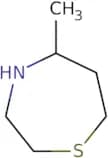
CAS:<p>1-Propyl-1H-1,3-benzodiazole is a nitro derivative of the benzimidazole compounds. It is used in the preparation of azo dyes and as a dye intermediate. 1-Propyl-1H-1,3-benzodiazole is metabolized through oxidative or reductive pathways to form reactive intermediates that bind to DNA and protein substrates. This compound also inhibits fatty acid synthesis by forming ternary complexes with enzyme acyl carrier protein (ACP) and coenzyme A (CoA). The metabolism of 1-propyl-1H-1,3-benzodiazole leads to the formation of reactive metabolites that can cause congestive heart failure in mammals.</p>Formula:C10H12N2Purity:Min. 95%Molecular weight:160.22 g/mol5-Methyl-1,4-thiazepane
CAS:<p>Versatile small molecule scaffold</p>Formula:C6H13NSPurity:Min. 95%Molecular weight:131.24 g/molEthyl 2-(2-acetamidophenyl)-2-oxoacetate
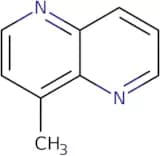
CAS:<p>Versatile small molecule scaffold</p>Formula:C12H13NO4Purity:Min. 95%Molecular weight:235.24 g/mol4-Methyl-1,5-naphthyridine
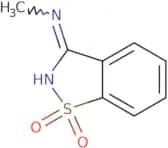
CAS:<p>4-Methyl-1,5-naphthyridine is an antitumor agent that inhibits the activity of an efflux pump in tumor cells. The drug was shown to inhibit the proliferation of a tumor cell line in vitro and inhibited tumor growth in vivo. 4-Methyl-1,5-naphthyridine also has potent synergistic effects with carbon disulfide, which is used as a chemotherapeutic agent for cancer treatment. This compound also inhibits the production of endocannabinoids and has been shown to have antidepressant and antinociceptive properties in animal models.</p>Formula:C9H8N2Purity:Min. 95%Molecular weight:144.17 g/mol3-(Methylamino)-1,2-benzothiazole-1,1-dione
CAS:<p>Versatile small molecule scaffold</p>Formula:C8H8N2O2SPurity:Min. 95%Molecular weight:196.23 g/molSpiro[1,3-dioxaindane-2,4'-piperidine]
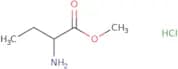
CAS:Controlled Product<p>Versatile small molecule scaffold</p>Formula:C11H13NO2Purity:Min. 95%Molecular weight:191.23 g/moldl-2-Aminobutyric acid methyl ester hydrochloride
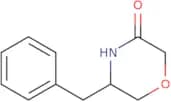
CAS:<p>Versatile small molecule scaffold</p>Formula:C5H12ClNO2Purity:Min. 95%Molecular weight:153.61 g/mol5-benzylmorpholin-3-one
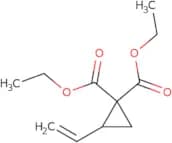
CAS:<p>Versatile small molecule scaffold</p>Formula:C11H13NO2Purity:Min. 95%Molecular weight:191.23 g/mol2-Vinylcyclopropane-1,1-dicarboxylic acid diethyl ester
CAS:2-Vinylcyclopropane-1,1-dicarboxylic acid diethyl ester (VCPD) is a molecule that is synthesized by the nucleophilic attack of an alcohol on the double bond of a cyclopropane ring. VCPD is used in the production of polymers and copolymers. VCPD can be copolymerized with other monomers such as styrene, chloromethylstyrene, acrylonitrile, vinyl acetate, vinyl chloride and butadiene to produce various types of polymers. The polymerization process involves three steps: initiation, propagation and termination. Initiation takes place when persulfate is added to VCPD and water at high temperature. The polymerization process ends when there are no more VCPD molecules available for reaction or when all the monomers have been consumed during the reaction.Formula:C11H16O4Purity:Min. 95%Molecular weight:212.24 g/mol1,3-Dichloro-5,6-dihydro-4H-cyclopenta[c]thiophen-4-one
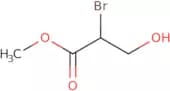
CAS:<p>Versatile small molecule scaffold</p>Formula:C7H4Cl2OSPurity:Min. 95%Molecular weight:207.08 g/molMethyl 2-bromo-3-hydroxypropanoate
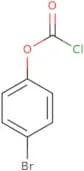
CAS:<p>Methyl 2-bromo-3-hydroxypropanoate is a linear molecule that can be used to produce polymers and copolymers. This compound is polymerized with other monomers to form poly(methyl 2-bromo-3-hydroxypropanoate) (PMBH). It can also be used as a crosslinker in the production of polyurethane. Methyl 2-bromo-3-hydroxypropanoate can be made by reacting sodium carbonate, chloride, and trifluoride with methyl 3-methoxypropanoate. The reaction produces an intermediate that is then reacted with bromine gas to yield methyl 2-bromo-3-hydroxypropanoate.<br>Methyl 2-bromo-3-hydroxypropanoate is biodegradable and has been shown to have low toxicity. It has been used in a number of biomedical applications such as</p>Formula:C4H7BrO3Purity:Min. 95%Molecular weight:183 g/mol4-Bromophenyl chloroformate
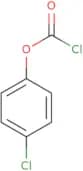
CAS:<p>Versatile small molecule scaffold</p>Formula:C7H4BrClO2Purity:Min. 95%Molecular weight:235.46 g/mol4-Chlorophenyl Chloroformate
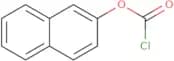
CAS:<p>4-Chlorophenyl Chloroformate is a chlorinating agent that has been shown to increase intracellular levels of carbon sources. It also has been shown to selectively act on the phenyl group of histidine and amines. 4-Chlorophenyl Chloroformate can be used as a synthetic intermediate in the synthesis of other compounds, including antidiabetic agents.</p>Formula:C7H4Cl2O2Purity:Min. 95%Molecular weight:191.01 g/mol2-Naphthyl Chloroformate
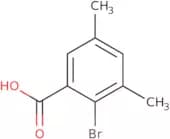
CAS:<p>2-Naphthyl chloroformate is a chemical reagent that is used to derivatize amines for chromatography. The compound reacts with the amine and forms an ester, which can be used as a chromatographic stationary phase. It has been shown that 2-naphthyl chloroformate can be used to detect serotonin in urine samples by fluorescence detection. This compound is also used in the production of ethylene diamine and citric acid. 2-Naphthyl chloroformate is not toxic and does not appear to cause any adverse effects on human health at levels up to 1,000 ppm.</p>Formula:C11H7ClO2Purity:Min. 95%Molecular weight:206.63 g/mol2-Bromo-3,5-dimethylbenzoic acid
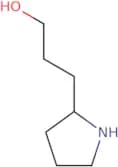
CAS:<p>Versatile small molecule scaffold</p>Formula:C9H9BrO2Purity:Min. 95%Molecular weight:229.07 g/mol3-(Pyrrolidin-2-yl)propan-1-ol
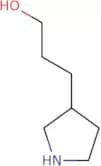
CAS:<p>Versatile small molecule scaffold</p>Formula:C7H15NOPurity:Min. 95%Molecular weight:129.2 g/mol3-(Pyrrolidin-3-yl)propan-1-ol
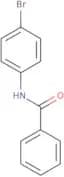
CAS:<p>Versatile small molecule scaffold</p>Formula:C7H15NOPurity:Min. 95%Molecular weight:129.2 g/molN-(4-Bromophenyl)benzamide
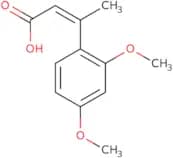
CAS:<p>Versatile small molecule scaffold</p>Formula:C13H10BrNOPurity:Min. 95%Molecular weight:276.13 g/mol2,4-Dimethoxy-²-methylcinnamic Acid
CAS:<p>2,4-Dimethoxy-²-methylcinnamic Acid is a phthalic acid derivative that is synthesized by the reaction of cinnamic acid with dimethylsulfate. It can be found in nature as well as being produced anthropogenically. This compound is used in the synthesis of medications and medicines. The chemical properties of 2,4-dimethoxy-²-methylcinnamic Acid are similar to those of related quinones and phenols, which makes it an effective agent for the treatment of hepatitis B and C. The chloride ion binds to the hydroxyl group on 2,4-dimethoxy-²-methylcinnamic Acid, forming hydrochloric acid (HCl) and water.</p>Formula:C12H14O4Purity:Min. 95%Molecular weight:222.24 g/mol3-(2-Methoxyphenyl)but-2-enoic acid
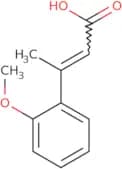
CAS:Versatile small molecule scaffoldFormula:C11H12O3Purity:Min. 95%Molecular weight:192.21 g/mol4-Amino-2-chloro-1,3,5-triazine
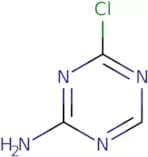
CAS:<p>4-Amino-2-chloro-1,3,5-triazine is a potent soil microorganism that utilizes reactive amines and naphthalene as its sole carbon source. It is a polymorphic species that can form four different types of crystals, which are typically found in untreated soil samples. 4-Amino-2-chloro-1,3,5-triazine can be used for the biotransformation of chaperones and detoxification of xenobiotics. It is also capable of deaminating hydrophobic compounds.</p>Formula:C3H3ClN4Purity:Min. 95%Molecular weight:130.54 g/mol2-(1,3-Thiazol-4-yl)acetonitrile
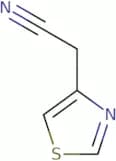
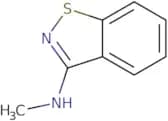
CAS:<p>Versatile small molecule scaffold</p>Formula:C5H4N2SPurity:Min. 95%Molecular weight:124.17 g/molN-Methyl-1,2-benzothiazol-3-amine
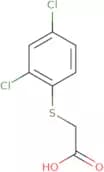
CAS:<p>Versatile small molecule scaffold</p>Formula:C8H8N2SPurity:Min. 95%Molecular weight:164.23 g/mol(2,4-Dichloro-phenylsulfanyl)-acetic acid
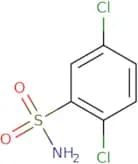
CAS:<p>Versatile small molecule scaffold</p>Formula:C8H6Cl2O2SPurity:Min. 95%Molecular weight:237.1 g/mol2,5-Dichlorobenzene-1-sulfonamide
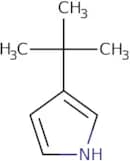
CAS:<p>2,5-Dichlorobenzene-1-sulfonamide is a sulfonamide herbicide that inhibits the growth of plants by inhibiting the photosynthetic electron transport chain. It has been shown to have a high thermal stability and crystallizes from water solutions. 2,5-Dichlorobenzene-1-sulfonamide has been used for weed control and as an antioxidant for rubber products and paints. This compound has been shown to inhibit the production of reactive oxygen species in cells and thus reduce oxidative stress.<br>2,5-Dichlorobenzene-1-sulfonamide has also been found to be cytotoxic to human cells in culture at higher concentrations (10 μM).</p>Formula:C6H5Cl2NO2SPurity:Min. 95%Molecular weight:226.08 g/mol3-tert-Butyl-1H-pyrrole
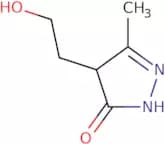
CAS:<p>3-tert-Butyl-1H-pyrrole is an organic compound that belongs to the group of primary amines. It can be synthesized by reacting 3-bromopyrrole with tert-butanol in the presence of a base catalyst. The cyclic voltammetry shows that this compound has a high oxidation potential, which makes it suitable for use as an electrochemical oxidation agent. The transfer rate constants are high, making this compound suitable for use in dehydrogenation reactions. 3-tert-Butyl-1H-pyrrole has been shown to have a high yield when reacted with amines in the presence of acetic acid and water.</p>Formula:C8H13NPurity:Min. 95%Molecular weight:123.2 g/mol4-(2-Hydroxyethyl)-3-methyl-4,5-dihydro-1H-pyrazol-5-one
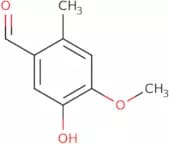
CAS:Versatile small molecule scaffoldFormula:C6H10N2O2Purity:Min. 95%Molecular weight:142.16 g/mol5-Hydroxy-4-methoxy-2-methylbenzaldehyde
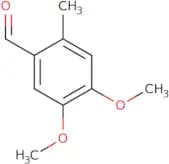
CAS:<p>Versatile small molecule scaffold</p>Formula:C9H10O3Purity:Min. 95%Molecular weight:166.17 g/mol4,5-Dimethoxy-2-methylbenzaldehyde
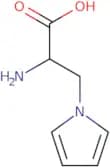
CAS:<p>4,5-Dimethoxy-2-methylbenzaldehyde is a reagent that can be used to synthesize esters, isopropyl groups, and guanidine hydrochloride. It is also used in the synthesis of codeine, an opioid drug. This product has been shown to be an effective virulent agent against large-scale bacterial cultures of Escherichia coli and Pseudomonas aeruginosa. 4,5-Dimethoxy-2-methylbenzaldehyde is also a component of oxazolinones, which are a class of antibiotics.</p>Formula:C10H12O3Purity:Min. 95%Molecular weight:180.21 g/mol2-Amino-3-(1H-pyrrol-1-yl)propanoic acid
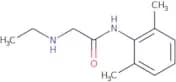
CAS:<p>Versatile small molecule scaffold</p>Formula:C7H10N2O2Purity:Min. 95%Molecular weight:154.17 g/molMonoethylglycinexylidine
CAS:<p>Monoethylglycinexylidine (MEGX) is a drug that has been shown to be effective in the treatment of chronic viral hepatitis. It has an activity index of 0.6-2.0 and can be used as a diagnostic tool for hepatic impairment. MEGX has also been found to be more effective in patients with primary sclerosing cholangitis than in those with non-primary sclerosing cholangitis. MEGX inhibits the P450 enzyme, which is involved in the metabolism of xenobiotics and endogenous compounds, and also inhibits Lidocaine-induced bronchoconstriction. The structural analysis of MEGX showed that it forms a stable complex with the active site of P450 enzymes, but does not form stable complexes with other enzymes such as cytochrome P450 reductase or epoxide hydrolase. In vivo experiments have shown that MEGX inhibits liver regeneration in mice by inhibiting hepatocyte</p>Formula:C12H18N2OPurity:Min. 95%Molecular weight:206.28 g/mol2-(Thiazol-4-yl)ethanamine
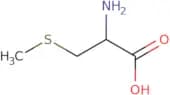
CAS:<p>2-(Thiazol-4-yl)ethanamine is a histamine H1 receptor agonist that is used in tumor models to study the activation of histamine receptors. It has been shown to be an orally active ligand for the histamine H1 receptor. 2-(Thiazol-4-yl)ethanamine binds to the benzyl group, which is present in both histamine and the h1 receptor, and interacts with the imidazole ring of histamine and phenyl ring of the h1 receptor. This drug has physicochemical properties that are similar to those of histamine.</p>Formula:C5H8N2SPurity:Min. 95%Molecular weight:128.2 g/mol2-Amino-3-(methylsulfanyl)propanoic acid
CAS:2-Amino-3-(methylsulfanyl)propanoic acid is a fatty acid that belongs to the group of selenium compounds. It has been shown to inhibit mitochondrial membrane potential and the redox cycle, which are important in plant physiology. 2-Amino-3-(methylsulfanyl)propanoic acid also has dose-dependent effects on physiological processes, such as protocatechuic acid synthesis and fatty acid synthesis. 2-Amino-3-(methylsulfanyl)propanoic acid may be found in food compositions that contain creatine kinase or asymmetric synthesis.Formula:C4H9NO2SPurity:Min. 95%Molecular weight:135.19 g/mol5-Thiazoleethanamine Dihydrochloride
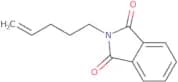
CAS:<p>Versatile small molecule scaffold</p>Formula:C5H8N2SPurity:Min. 95%Molecular weight:128.2 g/mol2-(Pent-4-en-1-yl)-2,3-dihydro-1H-isoindole-1,3-dione
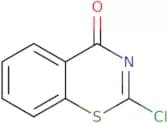
CAS:<p>Versatile small molecule scaffold</p>Formula:C13H13NO2Purity:Min. 95%Molecular weight:215.25 g/mol2-Chloro-4H-1,3-benzothiazin-4-one
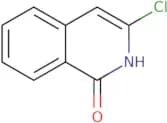
CAS:<p>Versatile small molecule scaffold</p>Formula:C8H4ClNOSPurity:Min. 95%Molecular weight:197.64 g/mol3-Chloro-1,2-dihydroisoquinolin-1-one
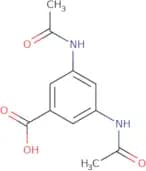
CAS:<p>3-Chloro-1,2-dihydroisoquinolin-1-one is a chemical compound that belongs to the group of ginsenoside compounds. It is a fluorescent and cyclopentyl skeleton that has been proven to be chemically stable in vitro studies. 3-Chloro-1,2-dihydroisoquinolin-1-one has also been shown to have anti-aging properties and can be used for treatments that involve temperatures of up to 45°C. This compound is insoluble in water but soluble in organic solvents. The structure of this molecule has been sequenced and is present in the form of ginsenoside rg1, which is found in Panax ginseng roots.</p>Formula:C9H6ClNOPurity:Min. 95%Molecular weight:179.6 g/mol3,5-bis(acetylamino)benzoic acid
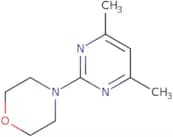
CAS:<p>3,5-bis(acetylamino)benzoic acid is an activated form of 3,5-diamino benzoic acid. It is a biodegradable agent that has been shown to be effective against inflammation and pain. 3,5-Bis(acetylamino)benzoic acid can be used to treat inflammatory diseases such as rheumatoid arthritis (RA), colitis, and psoriasis. The drug is also used in the treatment of periodontal diseases and in dental care. 3,5-Bis(acetylamino)benzoic acid is made by electrochemical methods from glycol chitosan nanoparticles at high concentrations with a mineralization envisaged at mammalian cells wastewater treatment plants. This compound has been shown to have potential for wastewater treatment as it can bind to both amines and carboxylic acids found in wastewater.</p>Formula:C11H12N2O4Purity:Min. 95%Molecular weight:236.23 g/mol4-(4,6-Dimethylpyrimidin-2-yl)morpholine
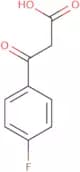
CAS:<p>Versatile small molecule scaffold</p>Formula:C10H15N3OPurity:Min. 95%Molecular weight:193.25 g/mol3-(4-Fluorophenyl)-2-oxopropanoic acid
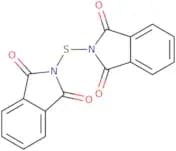
CAS:<p>Versatile small molecule scaffold</p>Formula:C9H7FO3Purity:Min. 95%Molecular weight:182.15 g/molN,N'-Thiodiphthalimide
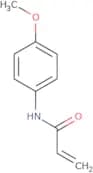
CAS:<p>N,N'-Thiodiphthalimide (TDPA) is a molecule that has the chemical formula C6H11NOS. TDPA is an amine with a catalytic effect and sulfur transfer activity. TDPA can be used in the synthesis of thianthrene. The reaction of TDPA with sulfur trioxide yields sulfhydryl groups on the ring, which are important for TDPA's catalytic properties. The addition of x-rays to TDPA causes absorption spectroscopy, which can be used to identify functional groups and interactions with other molecules. TDPA also has a solvent effect on reactions involving hydroxyl compounds such as phenols, alcohols, and ethers. This chemical is thermodynamically stable at room temperature and pressure.</p>Formula:C16H8N2O4SPurity:Min. 95%Molecular weight:324.31 g/molN-(4-Methoxyphenyl)prop-2-enamide
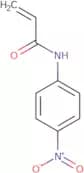
CAS:<p>Versatile small molecule scaffold</p>Formula:C10H11NO2Purity:Min. 95%Molecular weight:177.2 g/molN-(4-Nitrophenyl)prop-2-enamide
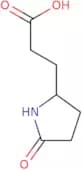
CAS:<p>4-Nitrophenylprop-2-enamide (NPPEA) is a chloride ionophore that can be used to measure the uptake of chloride ions. By adding NPPEA to a solution containing an organic solvent, such as acetonitrile, and metal ions, such as copper or zinc, it is possible to form a complex with the metal ions and measure its uptake by measuring the change in absorbance at 550 nm. This technique is used to measure the uptake of chloride ion by cells in culture. NPPEA has been shown to have anticancer activity in vitro and in vivo. It inhibits DNA synthesis by inhibiting hydroxylase activity and methylation reactions. The functional theory suggests that this inhibition may be due to binding of NPPEA to guanine molecules at sites on the DNA where they are susceptible to attack by reactive oxygen species generated during metabolism.</p>Formula:C9H8N2O3Purity:Min. 95%Molecular weight:192.17 g/mol3-(5-Oxo-pyrrolidin-2-yl)-propionic acid
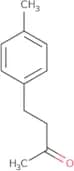
CAS:<p>3-(5-Oxo-pyrrolidin-2-yl)-propionic acid is a pharmacological agent that is used for animal studies. This drug is an activator of the glutamatergic system, which plays a role in cognition. 3-(5-Oxo-pyrrolidin-2-yl)-propionic acid was found to increase the number of methyl groups in rats and mice, which may be due to its ability to activate the enzyme methoxy radical. 3-(5-Oxo-pyrrolidin-2-yl)-propionic acid increases the amount of lactam in tissues, leading to increased production of amide, which may also increase cognitive function.</p>Formula:C7H11NO3Purity:Min. 95%Molecular weight:157.17 g/mol4-(p-Tolyl)butan-2-one
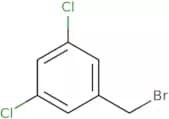
CAS:<p>4-(p-Tolyl)butan-2-one (4PtBA) is a chemical intermediate that is used in the synthesis of other compounds, such as pharmaceuticals. The reaction sequence begins with the addition of acetone to a solution of triphenylphosphine in an inert solvent. The resulting solution is then treated with a catalytic amount of rhodium and carbon monoxide gas. This yields 4PtBA and phosphine oxide, which are separated by distillation. 4PtBA can be reacted with phenylacetylene to produce diphenyldibenzofuran.</p>Formula:C11H14OPurity:Min. 95%Molecular weight:162.23 g/mol5-(Bromomethyl)-1,3-dichlorobenzene
CAS:<p>5-(Bromomethyl)-1,3-dichlorobenzene is a lead compound for the treatment of osteoarthritis. It inhibits aggrecanase and proteoglycanases, which are enzymes that break down proteins in cartilage. 5-(Bromomethyl)-1,3-dichlorobenzene has been shown to inhibit mmp-1 and tnf-α and to be selective for aggrecanase over other proteoglycanases. This drug also has anti-inflammatory properties due to its ability to inhibit cyclooxygenase enzymes, which are involved in prostaglandin synthesis. 5-(Bromomethyl)-1,3-dichlorobenzene is a racemic mixture of two enantiomers (enantiomer 1 and enantiomer 2). Enantiomer 1 is more potent than enantiomer 2 at inhibiting aggrecanase and proteoglycanases.</p>Formula:C7H5BrCl2Purity:Min. 95%Molecular weight:239.93 g/mol4-Methylpyrazole-3-carboxylic acid
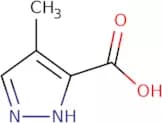
CAS:<p>4-Methylpyrazole-3-carboxylic acid is a monocarboxylic acid. It is a byproduct of the reaction between chloride and hydrogen chloride. 4-Methylpyrazole-3-carboxylic acid has been shown to have carcinogenic properties in animals, but not in humans. The mechanism for this effect is thought to be due to its ability to inhibit IL-17a production, which may lead to an increase in tumor growth. 4-Methylpyrazole-3-carboxylic acid has been shown to inhibit muscle glycogen synthesis and focus formation. It also inhibits the oxidation of fatty acids by binding with the enzyme acyl CoA oxidase. This compound can be used as an agrochemical and dechlorinated organic solvent for the extraction of phenylephrine from plants like tobacco leaves.</p>Formula:C5H6N2O2Purity:Min. 95%Color and Shape:PowderMolecular weight:126.11 g/mol3-Oxo-5,6-diphenyl-2,3-dihydropyridazine-4-carboxylic acid
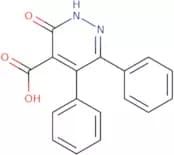
CAS:<p>Versatile small molecule scaffold</p>Formula:C17H12N2O3Purity:Min. 95%Molecular weight:292.29 g/molBenzyl 4-(2-ethoxy-2-oxoethylidene)piperidine-1-carboxylate
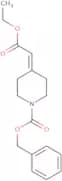
CAS:<p>Versatile small molecule scaffold</p>Formula:C17H21NO4Purity:Min. 95%Molecular weight:303.35 g/mol(1R)-2,2-Difluoro-1-phenylethan-1-ol
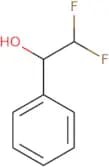
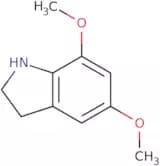
CAS:<p>Versatile small molecule scaffold</p>Formula:C8H8F2OPurity:Min. 95%Molecular weight:158.14 g/mol5,7-Dimethoxy-2,3-dihydro-1H-indole
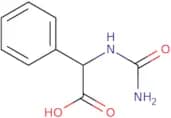
CAS:<p>Versatile small molecule scaffold</p>Formula:C10H13NO2Purity:Min. 95%Molecular weight:179.22 g/mol2-(Carbamoylamino)-2-phenylacetic acid
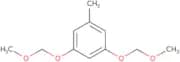
CAS:<p>2-Carbamoylamino-2-phenylacetic acid is a basic chemical that is used as a reagent in organic synthesis. It can be synthesized by the reaction of lithium aluminum hydride with phenylglycinol, and it can be purified by recrystallization from water. The compound is also used to reduce aluminium to aluminium hydride. 2-Carbamoylamino-2-phenylacetic acid has been shown to react with lithium or aluminium hydride, forming a lithium or aluminum salt respectively.</p>Formula:C9H10N2O3Purity:Min. 95%Molecular weight:194.19 g/mol1,3-Bis(methoxymethoxy)-5-methylbenzene
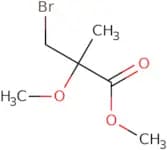
CAS:<p>Versatile small molecule scaffold</p>Formula:C11H16O4Purity:Min. 95%Molecular weight:212.24 g/molMethyl 3-bromo-2-methoxy-2-methylpropanoate
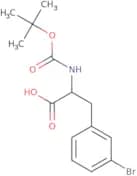
CAS:<p>Versatile small molecule scaffold</p>Formula:C6H11BrO3Purity:Min. 95%Molecular weight:211.05 g/molN-Boc-3-bromo-DL-phenylalanine
CAS:<p>Versatile small molecule scaffold</p>Formula:C14H18BrNO4Purity:Min. 95%Molecular weight:344.2 g/mol2-{[(tert-Butoxy)carbonyl]amino}-3-(3-methoxyphenyl)propanoic acid
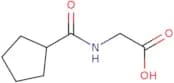
CAS:<p>Versatile small molecule scaffold</p>Formula:C15H21NO5Purity:Min. 95%Molecular weight:295.33 g/mol2-(Cyclopentylformamido)acetic acid
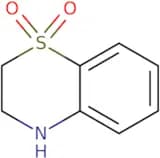
CAS:<p>Versatile small molecule scaffold</p>Formula:C8H13NO3Purity:Min. 95%Molecular weight:171.19 g/mol3,4-Dihydro-2H-1,4-benzothiazine-1,1-dione
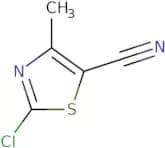
CAS:<p>Versatile small molecule scaffold</p>Formula:C8H9NO2SPurity:Min. 95%Molecular weight:183.23 g/mol2-Chloro-4-methyl-1,3-thiazole-5-carbonitrile
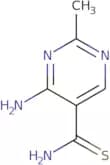
CAS:<p>Versatile small molecule scaffold</p>Formula:C5H3ClN2SPurity:Min. 95%Molecular weight:158.61 g/mol4-Amino-2-methylpyrimidine-5-carbothioamide
CAS:<p>Versatile small molecule scaffold</p>Formula:C6H8N4SPurity:Min. 95%Molecular weight:168.22 g/mol6-Bromo-2,2-dimethyl-2H-chromene
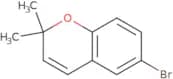
CAS:<p>Versatile small molecule scaffold</p>Formula:C11H11BrOPurity:Min. 95%Molecular weight:239.11 g/mol2-(2-Phenoxyethyl)-1H-1,3-benzodiazole
CAS:<p>Versatile small molecule scaffold</p>Formula:C15H14N2OPurity:Min. 95%Molecular weight:238.28 g/mol5-Benzoyl-1H-1,3-benzodiazole
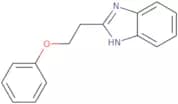
CAS:<p>Benzodiazole is a heterocyclic organic compound. Benzodiazoles are widely used in industry, and as pharmaceuticals, biologicals, and pesticides. They are also important for their use as chemical intermediates. Benzodiazole derivatives have been prepared from hydrogen chloride and benzoyl chloride.</p>Formula:C14H10N2OPurity:Min. 95%Molecular weight:222.25 g/mol2-[(1,3-Dimethyl-2,6-dioxo-2,3,6,9-tetrahydro-1H-purin-8-yl)sulfanyl]acetic acid
CAS:<p>Versatile small molecule scaffold</p>Formula:C9H10N4O4SPurity:Min. 95%Molecular weight:270.27 g/mol2-[(1,3-Dimethyl-2,6-dioxo-2,3,6,7-tetrahydro-1H-purin-8-yl)sulfanyl]propanoic acid
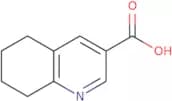
CAS:<p>Versatile small molecule scaffold</p>Formula:C10H12N4O4SPurity:Min. 95%Molecular weight:284.29 g/mol5,6,7,8-Tetrahydroquinoline-3-carboxylic acid
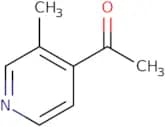
CAS:<p>5,6,7,8-Tetrahydroquinoline-3-carboxylic acid is a quinoline derivative that has been shown to have bacteriostatic activity against Staphylococcus aureus. It binds to the hydroxyl groups of the bacterial cell membrane and inhibits the production of enzymes necessary for protein synthesis. The interaction between the 5,6,7,8-tetrahydroquinoline-3-carboxylic acid and the hydroxyl group is reversible. 5,6,7,8-Tetrahydroquinoline-3-carboxylic acid also has bacteriostatic activity against other bacteria such as Mycobacterium tuberculosis and Mycobacterium avium complex.</p>Formula:C10H11NO2Purity:Min. 95%Molecular weight:177.2 g/mol1-(3-Methylpyridin-4-yl)ethan-1-one
CAS:<p>Versatile small molecule scaffold</p>Formula:C8H9NOPurity:Min. 95%Molecular weight:135.16 g/moltert-butyl N-[(2R)-1-oxopropan-2-yl]carbamate
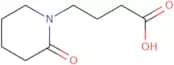
CAS:<p>Versatile small molecule scaffold</p>Formula:C8H15NO3Purity:Min. 95%Molecular weight:173.2 g/mol4-(2-Oxopiperidin-1-yl)butanoic acid
CAS:<p>Versatile small molecule scaffold</p>Formula:C9H15NO3Purity:Min. 95%Molecular weight:185.22 g/mol1-[(3-Methylphenyl)methyl]piperidin-4-amine
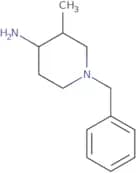
CAS:<p>Versatile small molecule scaffold</p>Formula:C13H20N2Purity:Min. 95%Molecular weight:204.31 g/mol1-Benzyl-3-methylpiperidin-4-amine
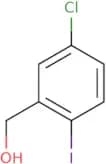
CAS:<p>Versatile small molecule scaffold</p>Formula:C13H20N2Purity:Min. 95%Molecular weight:204.32 g/mol(5-Chloro-2-iodophenyl)methanol
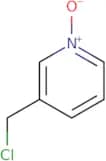
CAS:<p>Versatile small molecule scaffold</p>Formula:C7H6ClIOPurity:Min. 95%Molecular weight:268.48 g/mol3-(Chloromethyl)pyridin-1-ium-1-olate
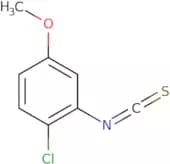
CAS:<p>Versatile small molecule scaffold</p>Formula:C6H6ClNOPurity:Min. 95%Molecular weight:143.57 g/mol1-Chloro-2-isothiocyanato-4-methoxybenzene
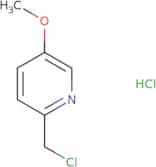
CAS:<p>Versatile small molecule scaffold</p>Formula:C8H6ClNOSPurity:Min. 95%Molecular weight:199.66 g/mol2-(Chloromethyl)-5-methoxypyridine hydrochloride
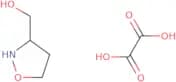
CAS:<p>Versatile small molecule scaffold</p>Formula:C7H9Cl2NOPurity:Min. 95%Molecular weight:194.06 g/mol(1,2-Oxazolidin-3-yl)methanol, oxalic acid
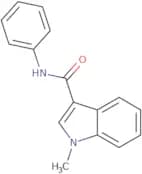
CAS:<p>Versatile small molecule scaffold</p>Formula:C6H11NO6Purity:Min. 95%Molecular weight:193.15 g/mol1-Methyl-N-phenyl-1H-indole-3-carboxamide
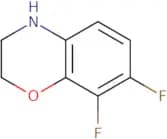
CAS:Controlled Product<p>The compound 1-Methyl-N-phenyl-1H-indole-3-carboxamide is a synthetic chemical with the formula C8H7BrN. It is a white solid that is soluble in organic solvents. The compound has been used as a reagent for the preparation of cyclopropanes and other carbon ring compounds. It has also been used to synthesize substituted pyridines, dibromomethane, and potassium phosphate.</p>Formula:C16H14N2OPurity:Min. 95%Molecular weight:250.29 g/mol7,8-Difluoro-3,4-dihydro-2H-1,4-benzoxazine
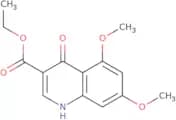
CAS:<p>Versatile small molecule scaffold</p>Formula:C8H7F2NOPurity:Min. 95%Molecular weight:171.14 g/molEthyl 5,7-dimethoxy-4-oxo-1,4-dihydroquinoline-3-carboxylate
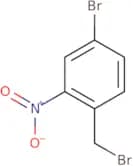
CAS:<p>Versatile small molecule scaffold</p>Formula:C14H15NO5Purity:Min. 95%Molecular weight:277.27 g/mol4-Bromo-2-nitrobenzyl bromide
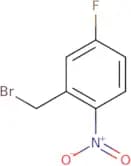
CAS:<p>Versatile small molecule scaffold</p>Formula:C7H5Br2NO2Purity:Min. 95%Molecular weight:294.93 g/mol2-(Bromomethyl)-4-fluoro-1-nitrobenzene
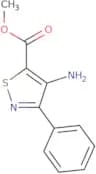
CAS:<p>Versatile small molecule scaffold</p>Formula:C7H5BrFNO2Purity:Min. 95%Molecular weight:234.02 g/molMethyl 4-amino-3-phenylisothiazole-5-carboxylate
CAS:<p>Methyl 4-amino-3-phenylisothiazole-5-carboxylate (MPI) is a molecule that has been synthesized for experimental purposes. MPI interacts with polymorphs of other molecules, such as the crystalline form of caffeine. Its interaction energies are dependent on the type and number of solvents used and the crystallographic orientation. The structure of MPI has been determined using a centrosymmetric crystal packing model, which is based on pairwise interactions.<br>MPI is volatile, but it can be stored at a temperature below −20 °C. It can be stored in an orientations with different molecular energies.</p>Formula:C11H10N2O2SPurity:Min. 95%Molecular weight:234.27 g/molMethyl 4-amino-3-[3-(trifluoromethyl)phenyl]-1,2-thiazole-5-carboxylate
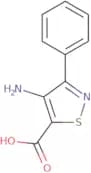
CAS:<p>Versatile small molecule scaffold</p>Formula:C12H9F3N2O2SPurity:Min. 95%Molecular weight:302.27 g/mol4-Amino-3-phenyl-1,2-thiazole-5-carboxylic acid
CAS:<p>Versatile small molecule scaffold</p>Formula:C10H8N2O2SPurity:Min. 95%Molecular weight:220.25 g/mol3-(3-Chlorophenyl)-1,2-thiazole-5-carboxylic acid
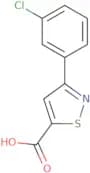
CAS:<p>Versatile small molecule scaffold</p>Formula:C10H6ClNO2SPurity:Min. 95%Molecular weight:239.68 g/mol3-(4-Chlorophenyl)-1,2-thiazole-5-carboxylic acid
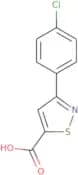
CAS:<p>Versatile small molecule scaffold</p>Formula:C10H6ClNO2SPurity:Min. 95%Molecular weight:239.68 g/mol2-(3-Methoxyphenyl)-1,3-dithiolane
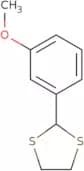
CAS:<p>Versatile small molecule scaffold</p>Formula:C10H12OS2Purity:Min. 95%Molecular weight:212.3 g/mol


![N-[(2-Fluorophenyl)methyl]-5-methyl-[1,2,4]triazolo[1,5-a]pyrimidin-7-amine](/_next/image/?url=https%3A%2Fstatic.cymitquimica.com%2Fproducts%2F3D%2Fthumb-webp%2FGZA13600.webp&w=3840&q=75)



![1-[(tert-Butoxy)carbonyl]-4-(2-methoxyethyl)piperidine-4-carboxylic acid](/_next/image/?url=https%3A%2Fstatic.cymitquimica.com%2Fproducts%2F3D%2Fthumb-webp%2FGZB15830.webp&w=3840&q=75)
![2-[(2-Hydroxy-4-methoxyphenyl)formamido]pentanedioic acid](/_next/image/?url=https%3A%2Fstatic.cymitquimica.com%2Fproducts%2F3D%2Fthumb-webp%2FGZB21768.webp&w=3840&q=75)





![7-Hydroxy-5-methyl-2H-benzo[b][1,4]oxazin-3(4H)-one](/_next/image/?url=https%3A%2Fstatic.cymitquimica.com%2Fproducts%2F3D%2Fthumb-webp%2FGZB75012.webp&w=3840&q=75)


![3-Methyl-6-(4,4,5,5-tetramethyl-1,3,2-dioxaborolan-2-yl)-[1,2,4]triazolo[4,3-a]pyridine](/_next/image/?url=https%3A%2Fstatic.cymitquimica.com%2Fproducts%2F3D%2Fthumb-webp%2FGZB93447.webp&w=3840&q=75)
![1-[4-(Ethoxycarbonyl)piperidine-1-carbonyl]-3-methyl-1H-imidazol-3-ium iodide](/_next/image/?url=https%3A%2Fstatic.cymitquimica.com%2Fproducts%2F3D%2Fthumb-webp%2FGZB95231.webp&w=3840&q=75)
![1-[Butyl(ethyl)carbamoyl]-3-methyl-1H-imidazol-3-ium iodide](/_next/image/?url=https%3A%2Fstatic.cymitquimica.com%2Fproducts%2F3D%2Fthumb-webp%2FGZB95575.webp&w=3840&q=75)
![1-[4-(Methoxycarbonyl)piperidine-1-carbonyl]-3-methyl-1H-imidazol-3-ium iodide](/_next/image/?url=https%3A%2Fstatic.cymitquimica.com%2Fproducts%2F3D%2Fthumb-webp%2FGZB95611.webp&w=3840&q=75)

![[(5-tert-Butyl-1H-pyrazol-3-yl)methyl]methylaminedihydrochloride](/_next/image/?url=https%3A%2Fstatic.cymitquimica.com%2Fproducts%2F3D%2Fthumb-webp%2FGZB96165.webp&w=3840&q=75)
carbamoyl}-3-methyl-1H-imidazol-3-ium iodide](/_next/image/?url=https%3A%2Fstatic.cymitquimica.com%2Fproducts%2F3D%2Fthumb-webp%2FGZB96734.webp&w=3840&q=75)
![3-(2,2,2-Trifluoroethyl)-3-azabicyclo[3.1.0]hexane-6-carboxylic acid](/_next/image/?url=https%3A%2Fstatic.cymitquimica.com%2Fproducts%2F3D%2Fthumb-webp%2FGZC04075.webp&w=3840&q=75)
![7-Oxabicyclo[2.2.1]heptane-2-carbohydrazide](/_next/image/?url=https%3A%2Fstatic.cymitquimica.com%2Fproducts%2F3D%2Fthumb-webp%2FGZC11130.webp&w=3840&q=75)
![2-(Bromomethyl)-7-oxabicyclo[2.2.1]heptane](/_next/image/?url=https%3A%2Fstatic.cymitquimica.com%2Fproducts%2F3D%2Fthumb-webp%2FGZC58378.webp&w=3840&q=75)
![6-(But-3-yn-1-yl)-6-azaspiro[3.5]nonane](/_next/image/?url=https%3A%2Fstatic.cymitquimica.com%2Fproducts%2F3D%2Fthumb-webp%2FGZC85420.webp&w=3840&q=75)

![1,2,3,4,5,6-Hexahydroazepino[4,5-b]indole](/_next/image/?url=https%3A%2Fstatic.cymitquimica.com%2Fproducts%2F3D%2Fthumb-webp%2FHAA54678.webp&w=3840&q=75)
![2-[(2,4-Dichlorobenzoyl)amino]acetic acid](/_next/image/?url=https%3A%2Fstatic.cymitquimica.com%2Fproducts%2F3D%2Fthumb-webp%2FHAA55479.webp&w=3840&q=75)



![3-[(Piperidin-1-yl)methyl]benzoic acid hydrochloride](/_next/image/?url=https%3A%2Fstatic.cymitquimica.com%2Fproducts%2F3D%2Fthumb-webp%2FHAA59682.webp&w=3840&q=75)










![Methyl 2-[(2S)-2-{[(tert-butoxy)carbonyl]amino}-3-phenylpropanamido]acetate](/_next/image/?url=https%3A%2Fstatic.cymitquimica.com%2Fproducts%2F3D%2Fthumb-webp%2FHAA62557.webp&w=3840&q=75)
![Methyl 2-[(2S)-2-amino-3-phenylpropanamido]acetate hydrochloride](/_next/image/?url=https%3A%2Fstatic.cymitquimica.com%2Fproducts%2F3D%2Fthumb-webp%2FHAA62559.webp&w=3840&q=75)


![1-(4-Aminophenyl)-2-[(propan-2-yl)amino]ethan-1-ol](/_next/image/?url=https%3A%2Fstatic.cymitquimica.com%2Fproducts%2F3D%2Fthumb-webp%2FHAA66224.webp&w=3840&q=75)
![[4-(Trimethylsilyl)phenyl]methanamine](/_next/image/?url=https%3A%2Fstatic.cymitquimica.com%2Fproducts%2F3D%2Fthumb-webp%2FHAA66283.webp&w=3840&q=75)



![Spiro[1,3-dioxaindane-2,4'-piperidine]](/_next/image/?url=https%3A%2Fstatic.cymitquimica.com%2Fproducts%2F3D%2Fthumb-webp%2FHAA67796.webp&w=3840&q=75)
![1,3-Dichloro-5,6-dihydro-4H-cyclopenta[c]thiophen-4-one](/_next/image/?url=https%3A%2Fstatic.cymitquimica.com%2Fproducts%2F3D%2Fthumb-webp%2FHAA68779.webp&w=3840&q=75)
![2-{[(tert-Butoxy)carbonyl]amino}-3-(3-methoxyphenyl)propanoic acid](/_next/image/?url=https%3A%2Fstatic.cymitquimica.com%2Fproducts%2F3D%2Fthumb-webp%2FHDA27899.webp&w=3840&q=75)

![2-[(1,3-Dimethyl-2,6-dioxo-2,3,6,9-tetrahydro-1H-purin-8-yl)sulfanyl]acetic acid](/_next/image/?url=https%3A%2Fstatic.cymitquimica.com%2Fproducts%2F3D%2Fthumb-webp%2FHDA33112.webp&w=3840&q=75)
![2-[(1,3-Dimethyl-2,6-dioxo-2,3,6,7-tetrahydro-1H-purin-8-yl)sulfanyl]propanoic acid](/_next/image/?url=https%3A%2Fstatic.cymitquimica.com%2Fproducts%2F3D%2Fthumb-webp%2FHDA33113.webp&w=3840&q=75)
![tert-butyl N-[(2R)-1-oxopropan-2-yl]carbamate](/_next/image/?url=https%3A%2Fstatic.cymitquimica.com%2Fproducts%2F3D%2Fthumb-webp%2FHDA35356.webp&w=3840&q=75)
![1-[(3-Methylphenyl)methyl]piperidin-4-amine](/_next/image/?url=https%3A%2Fstatic.cymitquimica.com%2Fproducts%2F3D%2Fthumb-webp%2FHDA37882.webp&w=3840&q=75)
![Methyl 4-amino-3-[3-(trifluoromethyl)phenyl]-1,2-thiazole-5-carboxylate](/_next/image/?url=https%3A%2Fstatic.cymitquimica.com%2Fproducts%2F3D%2Fthumb-webp%2FHDA42465.webp&w=3840&q=75)