Building Blocks
This section contains fundamental products for the synthesis of organic and biological compounds. Building blocks are the essential starting materials used to construct complex molecules through various chemical reactions. They play a critical role in drug discovery, material science, and chemical research. At CymitQuimica, we offer a diverse range of high-quality building blocks to support your innovative research and industrial projects, ensuring you have the essential components for successful synthesis.
Subcategories of "Building Blocks"
- Boronic Acids & Boronic Acid Derivatives(5,756 products)
- Chiral Building Blocks(1,242 products)
- Hydrocarbon Building Blocks(6,095 products)
- Organic Building Blocks(61,055 products)
Found 199650 products of "Building Blocks"
Sort by
Purity (%)
0
100
|
0
|
50
|
90
|
95
|
100
Prop-1-en-2-ylboronic acid
CAS:<p>Prop-1-en-2-ylboronic acid is a chemical compound that belongs to the group of aromatic hydrocarbons. It is used in pharmaceutical preparations as a monomer and as a chiral building block for the synthesis of oxazolidinones, which are used in medicinal chemistry as protein inhibitors against cancers. Prop-1-en-2-ylboronic acid is also used as a reagent in preparative high performance liquid chromatography. This chemical has shown maximal response against colorectal carcinoma cells and has been shown to be an inhibitor of cholesterol ester transfer.</p>Formula:C3H7BO2Purity:90%MinMolecular weight:85.9 g/molEdoxaban impurity 2 p-toluenesulfonic acid
CAS:<p>Please enquire for more information about Edoxaban impurity 2 p-toluenesulfonic acid including the price, delivery time and more detailed product information at the technical inquiry form on this page</p>Formula:C24H30ClN7O4S•C7H8O3SPurity:Min. 95%Molecular weight:720.26 g/mol5-Amino-2-bromo-3-fluoropyridine
CAS:<p>Versatile small molecule scaffold</p>Formula:C5H4BrFN2Purity:Min. 95%Molecular weight:191 g/molPotassium (cyclopropylmethyl)trifluoroborate
CAS:<p>Versatile small molecule scaffold</p>Formula:C4H7BF3KPurity:Min. 95%Molecular weight:162 g/molEdoxaban impurity G benzenesulfonate
CAS:<p>Please enquire for more information about Edoxaban impurity G benzenesulfonate including the price, delivery time and more detailed product information at the technical inquiry form on this page</p>Formula:C24H30ClN7O4S•C7H8O3SPurity:Min. 95%Molecular weight:720.26 g/mol1,3,5,7-Tetrabromoadamantane
CAS:<p>1,3,5,7-Tetrabromoadamantane is a molecule that has been synthesized and introduced as a mediator to introduce oxidants. The introduction of the oxidant is mediated by 1,3,5,7-tetrabromoadamantane. This molecule has been shown to be synthesized in two steps from hexamethylenetetramine (HMT) and iodomethane. The synthesis of this molecule can also be achieved by reacting synthons such as tetraphenylmethane with hydrochloric acid. 1,3,5,7-Tetrabromoadamantane is an equivalence mediator because it can mediate a redox reaction in which the oxidizing agent is reduced and the reducing agent is oxidized.</p>Formula:C10H12Br4Purity:Min. 95%Molecular weight:451.82 g/molMCPA 2-ethylhexyl ester
CAS:<p>Please enquire for more information about MCPA 2-ethylhexyl ester including the price, delivery time and more detailed product information at the technical inquiry form on this page</p>Formula:C17H25ClO3Purity:Min. 95%Molecular weight:312.83 g/molEthyl 2-(3-phthalimidopropyl)acetoacetate
CAS:<p>Please enquire for more information about Ethyl 2-(3-phthalimidopropyl)acetoacetate including the price, delivery time and more detailed product information at the technical inquiry form on this page</p>Formula:C17H19NO5Purity:Min. 95%Molecular weight:317.34 g/molc3-Ethylbenzoic acid
CAS:<p>C3-Ethylbenzoic acid is an organic compound that can be synthesized from the reactants ethyl bromide, propylene oxide, and acetic anhydride. The synthesis of C3-Ethylbenzoic acid is a stepwise process in which the starting materials are converted to intermediates and then reacted to form the desired product. The reaction mechanism involves bond cleavage, which generates a carboxylic acid group on one end of the molecule and a phenyl group on the other end. C3-Ethylbenzoic acid interacts with clausamine and isoprene during transport through cell membranes. This interaction may lead to increased permeability of cell membranes by c3-ethylbenzoic acid.</p>Formula:C9H10O2Purity:Min. 95%Molecular weight:150.17 g/molH-Glu(OMe)-NHdihydrochloride
CAS:<p>Versatile small molecule scaffold</p>Formula:C6H13ClN2O3Purity:Min. 95%Molecular weight:196.63 g/mol2,4-Dichloro-3-nitropyridine
CAS:<p>2,4-Dichloro-3-nitropyridine is a halogenated pyridinium salt that has been shown to inhibit the influenza virus in vitro. This compound is also reactive with nucleophilic groups such as amines, alcohols, and thiols. 2,4-Dichloro-3-nitropyridine has been used for the synthesis of quinoline derivatives that have potential applications in autoimmune diseases or cancer. 2,4-Dichloro-3-nitropyridine has also been found to be an inhibitor of tumor necrosis factor alpha (TNFα) production by LPS stimulated human monocytes.</p>Formula:C5H2Cl2N2O2Purity:Min. 95%Color and Shape:White PowderMolecular weight:192.99 g/mol2,4-Dinitrophenylacetic acid
CAS:<p>2,4-Dinitrophenylacetic acid is a chemical substance with the potential to inhibit acetylation. It can be used as an antigen and has been detected in environmental chemistry. 2,4-Dinitrophenylacetic acid is produced by the reaction of chemicals that are found in the environment and it can be detected at low concentrations. This compound is able to react with proteins in cells, leading to high cytotoxicity. 2,4-Dinitrophenylacetic acid can also stabilize optical systems.</p>Formula:C8H6N2O6Purity:Min. 95%Color and Shape:PowderMolecular weight:226.14 g/mol4,6-Dimethoxysalicylaldehyde
CAS:<p>4,6-Dimethoxysalicylaldehyde is a protonated molecule with a cyclohexane ring and 4 hydroxyl groups. Its chemical formula is C6H8O3. The compound has low bioavailability due to the presence of an intramolecular hydrogen bond that causes high redox potential. There are two amines on the aromatic ring which can coordinate with metal ions to form a complex. This compound's structural analysis has been conducted using X-ray crystallography, NMR spectroscopy, and IR spectroscopy. The structure of 4,6-dimethoxysalicylaldehyde is unsymmetrical due to the presence of two asymmetric carbon atoms in the molecule. It forms hydrogen bonds with other molecules due to its hydroxyl group and intramolecular hydrogen bond. Hydrogen bonding interactions occur between this compound and other molecules including water, alcohols, ammonia, amines, and carboxylic acids.</p>Formula:C9H10O4Purity:Min. 95%Color and Shape:Off-White PowderMolecular weight:182.17 g/mol3,5-Diiodo-L-tyrosine
CAS:<p>3,5-Diiodo-L-tyrosine (3DILT) is an iodinated amino acid that can be used as a marker for human immunodeficiency virus (HIV) infection. It is synthesized by the reaction of 3,5-diiodotyrosine with L-tyrosine in the presence of a metal chelate and dinucleotide phosphate. This reaction proceeds via nucleophilic substitution on the aromatic ring with an iodide ion. The product is then purified to remove unreacted 3,5-diiodotyrosine and the metal chelate. 3DILT reacts with antibodies in a luminescence immunoassay to produce light that can be detected. The detection limit of this assay is 10 pg/mL.</p>Formula:C9H9I2NO3Purity:Min. 95%Molecular weight:432.98 g/mol3-bromo-2,4-dimethylphenol
CAS:<p>Versatile small molecule scaffold</p>Formula:C8H9BrOPurity:Min. 95%Molecular weight:201.06 g/molDisodium 8-amino-1,3,6-naphthalenetrisulfonate
CAS:<p>Disodium 8-amino-1,3,6-naphthalenetrisulfonate is a fluorescent sensor that can detect albumin in human serum. Disodium 8-amino-1,3,6-naphthalenetrisulfonate selectively detects the molecule albumin in blood with a sensitivity of approximately 1.5 nmol/L and a selectivity of nearly 100%. The fluorescent sensor consists of an immobilized nanometer sized molecule of 8-aminonaphthalene trisulfonic acid on hydrotalcite. The sensor has been shown to be selective for albumin and does not react with other serum proteins such as immunoglobulins or fibrinogen.</p>Formula:C10H9NO9S3•Na2Purity:Min. 98 Area-%Color and Shape:White PowderMolecular weight:429.36 g/moltrans-1,2-Dichloroethylene
CAS:<p>Trans-1,2-Dichloroethylene is a chlorinated hydrocarbon that is used in the production of polyvinyl chloride plastics. When ingested at dietary concentrations, trans-1,2-Dichloroethylene may cause liver damage and death in CD-1 mice. Trans-1,2-Dichloroethylene has been shown to react with nucleophilic substitutions and produce toxic reaction products. This chemical also causes polymerase chain reactions that can lead to cell death. The effective dose for this chemical is unknown because it has not been tested in clinical trials.</p>Formula:C2H2Cl2Purity:Min. 95%Molecular weight:96.94 g/molMethyl 1-methylnaphthalene-2-carboxylate
CAS:<p>Versatile small molecule scaffold</p>Formula:C13H12O2Purity:Min. 95%Molecular weight:200.23 g/mol2-Amino-6-(trifluoromethyl)phenol
CAS:<p>Versatile small molecule scaffold</p>Formula:C7H6F3NOPurity:Min. 95%Molecular weight:177.12 g/mol1,1-Dibromo-2,2-bis(chloromethyl)cyclopropane
CAS:<p>1,1-Dibromo-2,2-bis(chloromethyl)cyclopropane is a synthetic chemical that can be used to synthesize lactams. It is a member of the class of enolates and has two isomers: sulfoxide and sulfone. The synthesis process begins with an amination reaction between 1,1-dibromo-2,2-bis(chloromethyl)cyclopropane and an amine in the presence of magnesium chloride. This reaction produces a sulfide intermediate that reacts with an aldehyde or ketone to form the desired lactam. The reaction time varies depending on the reactivity of the reactants, but it typically takes less than one hour at room temperature. Magnesium metal is needed as a catalyst for this reaction because it will not take place without it. 1,1-Dibromo-2,2-bis(chloromethyl)cyclopropane also reacts easily</p>Formula:C5H6Br2Cl2Purity:Min. 95%Molecular weight:296.81 g/mol2,4-Dichloropyrido [2,3-D] pyrimidine
CAS:<p>2,4-Dichloropyrido [2,3-D] pyrimidine is a regioselective chlorination agent that can be used for the synthesis of various organic compounds. It is often used in cross-coupling reactions to form carbon-carbon bonds. 2,4-Dichloropyrido [2,3-D] pyrimidine has been shown to give high yields and is selective for disubstituted or monosubstituted substrates. This compound is also useful for the functionalization of C-H bonds via palladium-catalyzed coupling reactions.</p>Formula:C7H3Cl2N3Purity:Min. 95%Color and Shape:White PowderMolecular weight:200.02 g/moltert-Butyl 9-oxo-4,8-diazaspiro[4.4]nonane-4-carboxylate
CAS:<p>Versatile small molecule scaffold</p>Formula:C12H20N2O3Purity:Min. 95%Molecular weight:240.3 g/mol2,6-Dichloro-4-methoxyaniline
CAS:<p>2,6-Dichloro-4-methoxyaniline is a chemical that belongs to the group of methyl derivatives. It is used as an industrial chemical and as a precursor to other chemicals in the production of pesticides, herbicides, and other products. 2,6-Dichloro-4-methoxyaniline can be found in brominated flame retardants and phenolic resins. It is also present in pentachlorophenol (PCP) and hydroxylated congeners. 2,6-Dichloro-4-methoxyaniline has been detected in humans at levels ranging from 10 to 100 parts per billion. The chemical structure of 2,6-dichloro-4-methoxyaniline is similar to that of triclosan, which has been shown to have antimicrobial activity against bacteria such as Staphylococcus aureus and Escherich</p>Formula:C7H7Cl2NOPurity:Min. 95%Molecular weight:192.04 g/mol8-Bromo-6-methoxyisoquinoline
CAS:<p>Versatile small molecule scaffold</p>Formula:C10H8BrNOPurity:Min. 95%Molecular weight:238.08 g/mol2-Methylthiazole-4-carboxaldehyde
CAS:<p>2-Methylthiazole-4-carboxaldehyde is an aldehyde that is the product of the condensation of 2,4-dibenzoylacetone and acetone in the presence of diazomethane. It has been used as a precursor to other compounds such as benzoyl chloride, glyoxal, and aldehydes. 2-Methylthiazole-4-carboxaldehyde can be synthesized using acetylation or nitration of thiols or with glyoxal or aldehyde. The reactivity of this compound is high and can be carried out in high yield.</p>Formula:C5H5NOSPurity:Min. 95%Molecular weight:127.16 g/mol2,2'-Dithiodianiline
CAS:<p>2,2'-Dithiodianiline is a redox-active molecule with a redox potential of -0.08 V. It has been shown to inhibit the polymerase chain reaction by binding to DNA and inhibiting the enzyme DNA polymerase. 2,2'-Dithiodianiline is a potent inhibitor of bacterial growth in vitro, and has been shown to be cytotoxic in vivo. 2,2'-Dithiodianiline inhibits the growth of resistant mutants that are resistant to other antibiotics such as penicillin and ampicillin. This compound binds to molybdenum at an optimum concentration of 0.5 mM and coordinates through electrostatic interactions with the molybdenum atom. Structural analysis reveals that 2,2'-dithiodianiline forms hydrogen bonds with adenine residues in DNA and interacts with guanine residues in RNA through π-π stacking interactions. This interaction prevents transcription by blocking the binding</p>Formula:C12H12N2S2Purity:Min. 98 Area-%Color and Shape:PowderMolecular weight:248.37 g/mol8-Bromo-2-methylimidazo[1,2-a]pyridine
CAS:<p>Versatile small molecule scaffold</p>Formula:C8H7N2BrPurity:Min. 95%Molecular weight:211.05 g/mol4,4'-Dithiopyridine
CAS:<p>4,4'-Dithiopyridine is a reactive molecule that can be used in the synthesis of other organic compounds. It is a disulfide bond with a redox potential of -0.43 V, which makes it readily available for reaction. The structural analysis of 4,4'-dithiopyridine has been performed using NMR spectroscopy and gas chromatography/mass spectrometry (GC/MS). This compound is an inhibitor of sugar transport and can be used to study the p-nitrophenyl phosphate reductase enzyme in bacteria. The reaction product between 4,4'-dithiopyridine and NADPH cytochrome P450 produces the fluorescent molecule 2-aminopurine. This fluorescent molecule may be used as a probe to study transfer reactions in bacteria.</p>Formula:C10H8N2S2Purity:Min. 95%Color and Shape:Off-White To Light (Or Pale) Yellow SolidMolecular weight:220.32 g/molMethyl 2-Bromo-5-iodobenzoate
CAS:<p>Please enquire for more information about Methyl 2-Bromo-5-iodobenzoate including the price, delivery time and more detailed product information at the technical inquiry form on this page</p>Formula:C8H8BrIO2Purity:Min. 95%Molecular weight:340.94 g/mol3,5-Dimethyl-4H-1,2,4-triazol-4-amine
CAS:<p>3,5-Dimethyl-4H-1,2,4-triazol-4-amine is a crystalline compound with antiproliferative and anti-inflammatory properties. It has been shown to inhibit the growth of cancer cells in vitro and in vivo. The mechanism of action is not fully understood but may be due to inhibition of DNA synthesis or by inhibiting the activity of topoisomerase II. 3,5-Dimethyl-4H-1,2,4-triazol-4-amine can also act as an antioxidant by scavenging reactive oxygen species (ROS). 3,5-Dimethyl-4H-1,2,4-triazol-4-amine has been shown to have a low toxicity in animals and humans.</p>Formula:C4H8N4Purity:Min. 95%Molecular weight:112.13 g/mol3-(Difluoromethyl)-1-methyl-1H-pyrazole-4-carboxylic acid
CAS:<p>3-(Difluoromethyl)-1-methyl-1H-pyrazole-4-carboxylic acid is a synthetic chemical that is used as a pesticide. This chemical has been found to be more effective than other pesticides because it can inhibit the synthesis of fatty acids, which are necessary for the growth of insect larvae. 3-(Difluoromethyl)-1-methyl-1H-pyrazole-4-carboxylic acid is synthesized by reacting sodium hydroxide solution with triethyl orthoformate in the presence of hexamethylenetetramine. This reaction produces a mixture of diethyl ester and carboxylate esters, which are then separated from each other. The resulting carboxylate ester is then oxidized to produce 3-(difluoromethyl)-1-methyl-1H pyrazole 4 carboxylic acid.</p>Formula:C6H6F2N2O2Purity:Min. 95%Color and Shape:White Off-White PowderMolecular weight:176.12 g/molDiiodomethane
CAS:<p>Diiodomethane is a chemical compound with the molecular formula CHI. It is a colorless gas that can be obtained by reacting methyl ethyl and hydroxyl group in the presence of an oxidant such as boron nitride. Diiodomethane has been used as a substrate film for n-dimethyl formamide and reaction solution, which have been studied using spectroscopic data. The product of this reaction is water vapor that leaves the system due to its low boiling point. Reaction mechanism for this process is thought to be due to the kinetic energy of the particles that collide and produce diiodomethane molecules.</p>Formula:CH2I2Purity:Min. 95%Color and Shape:Yellow Clear LiquidMolecular weight:267.84 g/mol2,4-Dibromothiazole
CAS:<p>2,4-Dibromothiazole is a nicotinic acetylcholine receptor (nAChR) antagonist which selectively blocks the binding of acetylcholine to nAChRs. It has been shown to be effective in treating inflammatory bowel disease by inhibiting the production of inflammatory mediators. This drug also has anti-inflammatory effects and can be used for the treatment of autoimmune diseases such as Crohn's disease. 2,4-Dibromothiazole also has low energy properties and is used in palladium complexes for cross-coupling reactions. It can also be used as a cancer chemotherapeutic agent and as a cardiac drug.</p>Formula:C3HBr2NSPurity:Min. 95%Color and Shape:White PowderMolecular weight:242.92 g/mol4,6-Dichloro-5-nitropyrimidine
CAS:<p>4,6-Dichloro-5-nitropyrimidine is an intermediate in the synthesis of Tenofovir, a nucleophilic drug that inhibits HIV. It is produced by the reaction of chloride with amines and nitro compounds in the presence of ammonium chloride. 4,6-Dichloro-5-nitropyrimidine has been shown to have anticancer activity against human lymphocytes and other cancer cells. It can also be used for the treatment of AIDS. The biological properties of this compound are dose dependent and are dependent on the size of chlorine atoms attached to nitrogen atoms.</p>Formula:C4HCl2N3O2Purity:Min. 95%Color and Shape:Yellow PowderMolecular weight:193.98 g/mol2,4-Diamino-5-nitropyrimidine
CAS:<p>2,4-Diamino-5-nitropyrimidine is a synthetic molecule that belongs to the class of heterocyclic amines. It has been shown to be a potent antiproliferative agent and has been found to inhibit hepg2 cell growth in vitro. This compound was also found to inhibit cancer cells, including mcf-7. 2,4-Diamino-5-nitropyrimidine binds nucleophilic sites on proteins and inhibits enzymes involved in DNA synthesis. The inhibition of these enzymes leads to cell death by preventing the production of new proteins needed for cell division.</p>Formula:C4H5N5O2Purity:Min. 95%Color and Shape:Off-White To Yellow SolidMolecular weight:155.12 g/molIsononyl alcohol
CAS:<p>Isononyl alcohol is a polycarboxylic acid that has been used in the treatment of skin conditions, such as atopic dermatitis and psoriasis. It has been shown to penetrate the skin and stimulate the production of sebum. Isononyl alcohol is also used as a plasticizer for polyvinyl chloride (PVC) and other plastics, which increases their flexibility. This chemical also has a hydrophobic effect, which may be due to its hydroxyl group. The unsaturated alkyl chain on this chemical also makes it susceptible to oxidation by ozone in air and water vapor in air. Isononyl alcohol is metabolized by humans through conjugation with glucuronic acid or sulfate esters.</p>Formula:C9H20OPurity:Min. 95%Color and Shape:Clear LiquidMolecular weight:144.25 g/mol4,4'-Diamino-2,2'-bipyridine
CAS:<p>4,4'-Diamino-2,2'-bipyridine (DABP) is a redox-active compound that is synthesized to be used as a single-stranded DNA probe. It has been shown to have high affinity for nucleic acids and can be used in many applications including the detection of mutations in human ovarian carcinoma cells. DABP can also be used as a model protein for studying interactions with other biomolecules. The immobilization of DABP on an electrode surface allows for the study of its electrochemical properties. This includes the correlation between the redox potential and luminescence intensity and the dependence on pH or ionic strength. DABP can also be used to detect oxygen concentration or ATP levels in mitochondria through its ability to absorb light at wavelengths from 400 nm to 800 nm which is then converted into light at lower wavelengths by uv irradiation.</p>Formula:C10H10N4Purity:Min. 97 Area-%Color and Shape:White PowderMolecular weight:186.21 g/mol2,5-Dibromo-3-aminopyrazine
CAS:<p>2,5-Dibromo-3-aminopyrazine is an experimental drug with anticancer activity. It has been shown to have a high affinity for DNA and inhibit the growth of tumor cells in vivo. 2,5-Dibromo-3-aminopyrazine has undergone stability tests in vivo and in vitro and also completed clinical trials. This drug binds to DNA and inhibits the enzyme protein kinase C, leading to suppression of cellular proliferation. The pharmacokinetics of this drug were evaluated by measuring the concentration of 2,5-dibromo-3-aminopyrazine in plasma after oral administration to mice. This study found that the maximum concentration was achieved at 1 hour post dose and that there was a decrease in concentration over time. The drug has been shown to bind to the dimethoxybenzene metabolic pathway, which is involved in regulating cell proliferation.<br>2,5-Dibromo-3-aminopyrazine</p>Formula:C4H3Br2N3Purity:Min. 95%Color and Shape:PowderMolecular weight:252.89 g/mol3-Chloro-5-iodobenzoic acid methyl ester
CAS:<p>3-Chloro-5-iodobenzoic acid methyl ester is a versatile building block that can be used to make many complex compounds, including research chemicals and reagents. 3-Chloro-5-iodobenzoic acid methyl ester is used as an intermediate for the production of speciality chemicals and has many uses in chemical reactions. This compound was previously sold under the CAS number 289039-85-6.</p>Formula:C8H6ClIO2Purity:Min. 95%Color and Shape:PowderMolecular weight:296.49 g/mol1,1'-Carbonimidoylbis-1H-imidazole
CAS:<p>1,1'-Carbonimidoylbis-1H-imidazole is a ligand that binds to amines and isosteres. It can be activated with electrophilic reagents to form an activated linker. This ligand has been shown to inhibit the growth of xenograft tumor cells in mice by binding to functional groups on the cell surface. This drug also has been shown to bind to the receptor for advanced glycation end products (RAGE) and inhibit its function. 1,1'-Carbonimidoylbis-1H-imidazole has also been evaluated as a cancer therapeutic agent in animal models.</p>Formula:C7H7N5Purity:Min. 95%Color and Shape:White PowderMolecular weight:161.16 g/mol6-Hydroxy-1-naphthoic acid
CAS:<p>6-Hydroxy-1-naphthoic acid is a synthetic carboxylate compound with an analog structure that has been shown to be cytotoxic to cancer cells. It inhibits the activity of protein kinases by binding to ATP, which blocks the phosphorylation of tyrosine residues on proteins. 6-Hydroxy-1-naphthoic acid has been shown to inhibit growth factor receptors and induce apoptosis in tumor cells. The mechanism of action for this drug is believed to be through ring opening and hydrolysis of the naphthalene ring, followed by reaction with p-hydroxybenzoic acid. This results in inhibition of histone deacetylase activity, leading to decreased expression of genes involved in cell proliferation.</p>Formula:C11H8O3Purity:Min. 95%Color and Shape:PowderMolecular weight:188.18 g/mol2-Hydroxy-3-mercapto-1-propanesulfonic acid sodium salt
CAS:<p>2-Hydroxy-3-mercapto-1-propanesulfonic acid sodium salt (2HMP) is a diagnostic agent that can be used for the detection of bacterial infections. The conformational properties of 2HMP are similar to those of ATP, which allows it to bind to the polymerase chain reaction enzyme and initiate an enzymatic reaction. This leads to the production of a signal that can be detected by spectrophotometry or fluorometry. 2HMP has also been shown to have chemokine activity in vitro, but this has not been tested in vivo. 2HMP is a competitive inhibitor of human protein serine proteases, such as trypsin and chymotrypsin, with an IC50 value of approximately 1 μM.</p>Formula:C3H7NaO4S2Purity:Min. 95%Molecular weight:194.2 g/mol4-Chloro-8-quinolinol
CAS:<p>4-Chloro-8-quinolinol is a quinoline derivative that has been shown to have pharmacological effects. It is used in the synthesis of other compounds, such as 5-chloro-8-hydroxyquinoline, which is used in the treatment of cancer. 4-Chloro-8-quinolinol can also be prepared by oxidizing 5,6,7,8 tetrachloroquinoline with chlorine and ammonia. The photophysical properties of this compound are analogous to those of benzothiazole derivatives. The fluorescence emission spectrum ranges from 360 nm to 450 nm with a maximum at 390 nm and emission intensity at 350 nm. This compound exhibits fungitoxicity against Penicillium notatum and Aspergillus fumigatus.</p>Formula:C9H6ClNOPurity:Min. 95%Molecular weight:179.6 g/molCucurbit[7]uril
CAS:<p>Cucurbit[7]uril is a chemical compound that can be used as a fluorescent probe for protein target. It has been shown to produce significant cytotoxicity against cancer cell lines in vitro. Cucurbit[7]uril also exhibits hydrophobic effects, which bind to the cell nuclei of cancer cells and inhibits DNA replication. The photophysical properties of cucurbit[7]uril are stable under physiological conditions and it can be used in vivo as a styryl dye. This chemical compound is also able to form stable complexes with carbonyl oxygens, making it an interesting candidate for anti-cancer drug development.</p>Formula:C42H42N28O14Purity:Min. 95%Color and Shape:White To Yellow SolidMolecular weight:1,162.96 g/molCyclopent-2-en-1-ol
CAS:<p>Cyclopent-2-en-1-ol is a reactive monomer that can react with chloride and hydroxyl groups. It can also undergo reaction with sodium carbonate to form a cyclic ester. Cyclopent-2-en-1-ol can be converted to an epoxide by the use of acid catalyst. This compound also has the ability to polymerize, forming polymers that are used in rayon production.</p>Formula:C5H8OPurity:Min. 95%Color and Shape:Clear LiquidMolecular weight:84.12 g/molCyclobutanesulfonyl chloride
CAS:<p>Cyclobutanesulfonyl chloride is a reagent that is used for the synthesis of 1-6-alkylcyclobutanes. It can be used to synthesize heterocyclic compounds, including those with high optical purity. Cyclobutanesulfonyl chloride has been shown to have antiviral and antiproliferative properties. It has also been shown to exhibit anticancer activity in vitro and in vivo. The mechanism of action for this compound is unclear, but it may inhibit protein synthesis by attacking the amino acid methionine in proteins or by inhibiting DNA replication.</p>Formula:C4H7ClO2SPurity:Min. 95%Color and Shape:Clear LiquidMolecular weight:154.62 g/mol1-Hydroxypyridine-2-thione zinc
CAS:<p>Zinc pyrithione is a chemical compound that can be used as an antifungal agent. It has been shown to have genotoxic activity in vitro and in vivo. Zinc pyrithione binds to the surface of the fungal cell wall and inhibits the synthesis of ergosterol, a component of the fungal cell membrane. This binding prevents the formation of an ergosterol-zinc complex with cytochrome P450 enzymes, which are required for sterol biosynthesis, leading to inhibition of energy metabolism. The model system for zinc pyrithione is a mixture of 1-hydroxypyridine-2-thione (1HP) and zinc ions in water. Some studies have shown that zinc pyrithione can cause long-term toxicity, including glycol ether toxicity, when applied topically on hair or skin. Acute toxicities may include skin irritation or contact dermatitis from shampoos containing this substance.</p>Formula:C10H8N2O2S2ZnPurity:Min. 95%Color and Shape:White/Off-White SolidMolecular weight:317.69 g/mol1,4-Benzenedicarboxylic acid, monoethyl ester
CAS:<p>1,4-Benzenedicarboxylic acid, monoethyl ester (1,4-BDE) is a monomer that is used in the manufacture of polycarbonates and other plastics. 1,4-BDE is also used as a solvent for xylene and butanol. It has been shown to be useful in the production of polyester fibers. The monomer can be synthesized by reacting ethylene with terephthalic acid or dimethyl terephthalate (DMT). This reaction produces 1,4-BDE and methanol as byproducts. The process is carried out at temperatures of 250 °C to 300 °C and under atmospheric pressure. The purified product can be isolated using distillation or extraction with organic solvents such as benzene or butanol. The reaction can be carried out in the presence of ruthenium, which acts as a catalyst.</p>Formula:C10H10O4Purity:Min. 95%Color and Shape:White PowderMolecular weight:194.18 g/molBoc-His(Trt)-OH
CAS:<p>Boc-His(Trt)-OH is a chemical compound that has been used in the laboratory to study uptake and binding of compounds. It is stable in complex with albumin, which has led to its use as a model system for studying hepatic steatosis. This chemical can be synthesized by solid-phase synthesis with trifluoroacetic acid and polypeptide synthesis. FT-IR spectroscopy has been used to characterize Boc-His(Trt)-OH, revealing its chemical diversity.</p>Formula:C30H31N3O4Purity:Min. 95%Color and Shape:PowderMolecular weight:497.58 g/mol8-Methylnonan-1-ol
CAS:<p>Please enquire for more information about 8-Methylnonan-1-ol including the price, delivery time and more detailed product information at the technical inquiry form on this page</p>Formula:C10H22OPurity:Min. 95%Molecular weight:158.28 g/mol1-Bromo-4-iodobenzene
CAS:<p>1-Bromo-4-iodobenzene is an aryl halide that can be synthesized by the cross coupling of ethyl formate and hydrochloric acid. This compound is useful in analytical applications, such as chromatographic methods, due to its high solubility in organic solvents. It is also used in synthetic procedures for the preparation of other aryl halides. 1-Bromo-4-iodobenzene has been used to synthesize calcium carbonate via the Suzuki coupling reaction with sodium salts, which are nucleophiles. The carbonyl group on this molecule reacts with the nucleophile, forming an alkyl group and a metal salt. Transfer reactions involving these salts can produce other products with different functional groups.</p>Formula:C6H4BrIPurity:Min. 95%Color and Shape:PowderMolecular weight:282.9 g/mol8-Boc-3,8-diaza-bicyclo[3.2.1]octane
CAS:8-Boc-3,8-diaza-bicyclo[3.2.1]octane is a functional group that can be used in the preparation of pharmaceutical preparations. It is insoluble in water and soluble in organic solvents. This compound has been shown to be effective in the treatment of neurodegenerative diseases such as Alzheimer's disease and Parkinson's disease. 8-Boc-3,8-diaza-bicyclo[3.2.1]octane has also been shown to have protective effects against sae-cd induced cytotoxicity by upregulating the expression of antiapoptotic proteins Bcl2 and Bclxl, which are important for neuronal cell survival.Formula:C11H20N2O2Purity:Min. 95%Molecular weight:212.29 g/mol3-Bromobenzaldehyde
CAS:<p>3-Bromobenzaldehyde is an organic compound with the formula CHBrCHO. It is a colorless liquid that is soluble in many organic solvents. 3-Bromobenzaldehyde can be synthesized by the reaction of ethyl acetoacetate and anhydrous sodium in methanol, and can be purified by distillation or recrystallization from ethanol. This compound has been used as a solvent for analytical methods, such as GC-MS analysis, due to its high boiling point and low volatility. 3-Bromobenzaldehyde also reacts with hydrogen chloride to form benzoyl chloride, which can then be reacted with alcohols to produce esters. 3-Bromobenzaldehyde has been shown to react with chalcones to form optical active compounds, such as curcumin analogues. These reactions are typically carried out in solution using acetic acid or sulfuric acid as a catalyst.br>br></p>Formula:C7H5BrOPurity:Min. 95%Molecular weight:185.02 g/mol4-Bromo-1-methyl-1H-pyrazolo[4,3-c]pyridine-6-carboxylic acid
CAS:<p>Please enquire for more information about 4-Bromo-1-methyl-1H-pyrazolo[4,3-c]pyridine-6-carboxylic acid including the price, delivery time and more detailed product information at the technical inquiry form on this page</p>Formula:C8H6BrN3O2Purity:Min. 95%Molecular weight:256.06 g/mol1-tert-butyl 2-methyl (2R,4S)-4-aminopyrrolidine-1,2-dicarboxylate hydrochloride
CAS:<p>Versatile small molecule scaffold</p>Formula:C11H21ClN2O4Purity:Min. 95%Molecular weight:280.7 g/mol4-Bromo-3-(trifluoromethoxy)pyridine hydrobromide
CAS:<p>Please enquire for more information about 4-Bromo-3-(trifluoromethoxy)pyridine hydrobromide including the price, delivery time and more detailed product information at the technical inquiry form on this page</p>Formula:C6H3BrF3NO•BrHPurity:Min. 95%Molecular weight:322.91 g/molN-Carbethoxy-4-hydroxypiperidine
CAS:<p>N-Carbethoxy-4-hydroxypiperidine is a drug substance that is a h1 receptor antagonist. It is used as an antihistamine to treat the symptoms of hay fever and other allergic reactions. N-Carbethoxy-4-hydroxypiperidine is available in two enantiomers, or mirror images, which are labelled S and R. The R enantiomer is more potent than the S enantiomer for inhibiting histamine h1 receptors. This drug has been shown to inhibit the growth of tuberculosis bacteria in cell culture and animal models, but not against Mycobacterium avium complex. N-Carbethoxy-4-hydroxypiperidine has also been shown to have significant antibacterial activity against Clostridium perfringens with minimal toxicity in mice.</p>Formula:C8H15NO3Purity:Min. 95%Molecular weight:173.21 g/mol3-bromo-6,7-dihydro-5h-pyrrolo[3,4-b]pyridine hcl
CAS:<p>Versatile small molecule scaffold</p>Formula:C7H8BrClN2Purity:Min. 95%Molecular weight:235.51 g/mol2,4,6-Trichloronicotinic acid
CAS:<p>Versatile small molecule scaffold</p>Formula:C6H2Cl3NO2Purity:Min. 95%Molecular weight:226.44 g/mol2-boc-5-oxo-2-azabicyclo[2.2.2]octane
CAS:<p>Versatile small molecule scaffold</p>Formula:C12H19NO3Purity:Min. 95%Molecular weight:225.29 g/mol(R)-2-[(9H-Fluoren-9-ylmethoxycarbonylamino)-methyl]-butyric acid
CAS:<p>Versatile small molecule scaffold</p>Formula:C20H21NO4Purity:Min. 95%Color and Shape:PowderMolecular weight:339.4 g/mol[Ir{dFCF3ppy}2(bpy)]PF6
CAS:<p>Iridium(III) bis-(2-phenylpyridine) (Ir{dFCF3ppy}2(bpy)) is a monomeric amido ligand that can be used in polymerization processes. It has an average molecular weight of 185.8 and a transition temperature of -55°C. Ir{dFCF3ppy}2(bpy) is soluble in organic solvents such as chloroform and acetone and will react with amines, anionic sites, and cycloalkyl groups to form polymers. The yields of the polymerization process are dependent on the starting materials used.</p>Formula:C34H18F16IrN4PPurity:Min. 95%Molecular weight:1,009.7 g/molImidazo[1,2-a]pyrazine-2-carbaldehyde
CAS:<p>Versatile small molecule scaffold</p>Formula:C7H5N3OPurity:Min. 95%Molecular weight:147.14 g/mol(S)-tert-Butyl (3-oxocyclopentyl)carbamate
CAS:<p>Versatile small molecule scaffold</p>Formula:C10H17NO3Purity:Min. 95%Molecular weight:199.25 g/mol2-Methyl-2-(4-nitrophenyl)propanoic acid
CAS:<p>Versatile small molecule scaffold</p>Formula:C10H11NO4Purity:Min. 95%Molecular weight:209.2 g/molMethyl 3-((tert-butoxycarbonyl)amino)propanoate
CAS:<p>Versatile small molecule scaffold</p>Formula:C9H17NO4Purity:Min. 95%Molecular weight:203.24 g/mol4-(Isopropylamino)butanol
CAS:4-(Isopropylamino)butanol is a colorless liquid with an alkaline reaction. It reacts easily with acids and is soluble in water. The boiling point of this substance is 242°C. In the presence of ammonium chloride, the solution becomes acidic. 4-(Isopropylamino)butanol is used as a solvent for paints, varnishes, and lacquers.Formula:C7H17NOPurity:Min. 95%Molecular weight:131.22 g/moltert-Butyl 5-hydroxy-3,4-dihydroisoquinoline-2(1H)-carboxylate
CAS:<p>Versatile small molecule scaffold</p>Formula:C14H19NO3Purity:Min. 95%Molecular weight:249.31 g/mol6,6-difluoro-1,4-oxazepane hydrochloride
CAS:<p>Versatile small molecule scaffold</p>Formula:C5H10ClF2NOPurity:Min. 95%Molecular weight:173.6 g/molMethyl 4-chlorobenzenesulfonate
CAS:<p>Versatile small molecule scaffold</p>Formula:C7H7ClO3SPurity:Min. 95%Molecular weight:206.65 g/mol3-Bromofuran-2-carbaldehyde
CAS:<p>3-Bromofuran-2-carbaldehyde is a chemical compound that belongs to the group of carbonyl compounds. It is an acetylated form of 3-bromofuran and its molecular formula is C6H5BrO. This chemical contains a carbonyl group, which reacts with the hydroxyl group in epidermal growth factor (EGF) to produce epidermal growth. 3-Bromofuran-2-carbaldehyde has been shown to be an adrenergic receptor agonist and can be used as a structural formula blocker or hydrochloric acid. The chemical can also be synthesized in acidic conditions using methods such as fluorination, chlorination, and acetylation.</p>Formula:C5H3BrO2Purity:Min. 95%Molecular weight:174.98 g/moltert-Butyl N-(4-methylphenyl)carbamate
CAS:<p>Tert-butyl N-(4-methylphenyl)carbamate is a reusable, efficient method for the synthesis of tert-butyl carbamates from amines and carbon dioxide. This reaction is an example of a C–H bond activation that proceeds through an anion intermediate. The reaction time can be reduced by irradiation to increase the efficiency. Electrons are unpaired during this process, which is modeled with quantum mechanics software. Chloride is used as a catalyst to activate the electron and generate a reactive intermediate. Amine functionalities are added to the molecule in order to give it desired properties. The chloride group can be replaced with other anions such as bromide or iodide, which will also introduce different reactivity patterns.</p>Formula:C12H17NO2Purity:Min. 95%Molecular weight:207.27 g/mol7-Bromo-3,4-dihydro-1H-quinolin-2-one
CAS:<p>Versatile small molecule scaffold</p>Formula:C9H8BrNOPurity:Min. 95%Molecular weight:226.07 g/molEthyl 3-oxotetrahydro-2H-pyran-4-carboxylate
CAS:<p>Versatile small molecule scaffold</p>Formula:C8H12O4Purity:Min. 95%Molecular weight:172.18 g/mol2,3,6-Trimethylpyridin-4(1H)-One
CAS:<p>Versatile small molecule scaffold</p>Formula:C8H11NOPurity:Min. 95%Molecular weight:137.18 g/mol2-Bromo-4-(4-fluorophenyl)-1,3-thiazole
CAS:<p>Versatile small molecule scaffold</p>Formula:C9H5NFSBrPurity:Min. 95%Molecular weight:258.11 g/mol1-(4-Chloro-3-fluorophenyl)ethan-1-amine HCl
CAS:<p>Versatile small molecule scaffold</p>Formula:C8H10Cl2FNPurity:Min. 95%Molecular weight:210.08 g/molSpiro[3.3]heptane-2,6-dicarboxylic acid, 2,6-dimethyl ester
CAS:<p>Versatile small molecule scaffold</p>Formula:C11H16O4Purity:Min. 95%Molecular weight:212.25 g/molMethyl 4-(2-Bromoethyl)benzoate
CAS:<p>Methyl 4-(2-bromoethyl)benzoate is a potent HDAC6 inhibitor. It has been shown to inhibit cancer cell growth and induce apoptosis in vitro and in vivo. Methyl 4-(2-Bromoethyl)benzoate is also an anti-cancer agent that inhibits the histone deacetylase enzyme, which then prevents the transcription of genes involved in cancer development. In addition, this agent inhibits the production of prostaglandin E2, which may contribute to its anti-cancer activity. The most common side effects are nausea and vomiting.</p>Formula:C10H11BrO2Purity:Min. 95%Molecular weight:243.1 g/mol2-(Chloromethyl)-4-methoxy-3-methylpyridine hydrochloride
CAS:<p>2-(Chloromethyl)-4-methoxy-3-methylpyridine hydrochloride is a lead compound that belongs to the family of pyridine derivatives. It has been shown to be a potent inhibitor of bacterial RNA synthesis, with an IC50 value of 1.2 μM for Escherichia coli and 8 μM for Bacillus subtilis. 2-(Chloromethyl)-4-methoxy-3-methylpyridine hydrochloride also inhibits the growth of Gram negative bacteria such as Pseudomonas aeruginosa and Enterobacter cloacae. The compound binds to the nucleophilic site on ribosomes, which prevents the formation of peptide bonds between amino acids in protein synthesis. This leads to cell death by inhibiting protein synthesis, leading to cell division.</p>Formula:C8H11Cl2NOPurity:Min. 95%Molecular weight:208.08 g/moltert-Butyl 1,8-diazaspiro[4.5]decane-1-carboxylate
CAS:<p>Versatile small molecule scaffold</p>Formula:C13H24N2O2Purity:Min. 95%Molecular weight:240.3 g/mol1-Boc-pyrrolidine-3-ethanol
CAS:<p>Versatile small molecule scaffold</p>Formula:C11H21NO3Purity:Min. 95%Molecular weight:215.29 g/mol7-(Difluoromethyl)-1,2,3,4-tetrahydroquinoline
CAS:<p>Versatile small molecule scaffold</p>Formula:C10H11F2NPurity:Min. 95%Molecular weight:183.2 g/mol5-Iodo-2-methylphenol
CAS:Versatile small molecule scaffoldFormula:C7H7IOPurity:Min. 95%Molecular weight:234.03 g/moltert-Butyl (3S,5S)-3-amino-5-fluoropiperidine-1-carboxylate
CAS:<p>Versatile small molecule scaffold</p>Formula:C10H19FN2O2Purity:Min. 95%Molecular weight:218.27 g/mol2-(2-Bromophenyl)-2-hydroxyacetic acid
CAS:<p>2-Bromophenyl-2-hydroxyacetic acid is a ligand that binds to the ethylene receptor in plants and can be used as a monomer for the polymerization of polyethylene. It has been shown that 2-bromophenyl-2-hydroxyacetic acid can also be used as an initiator for the polymerization of β-cyclodextrin. This compound has also been shown to be an analyte in gas chromatography, which is used to separate compounds based on their chemical properties. The use of this compound as a tethering agent has also been investigated with copolymerization reactions in order to create more stable polymers. 2-Bromophenyl-2-hydroxyacetic acid has been found to inhibit nonsteroidal antiinflammatory drugs and may have potential applications for chiral synthesis, such as mandelic acid production.</p>Formula:C8H7BrO3Purity:Min. 95%Molecular weight:231.04 g/mol6-fluoroquinoline-8-carboxylicacid
CAS:<p>Versatile small molecule scaffold</p>Formula:C10H6FNO2Purity:Min. 95%Molecular weight:191.16 g/mol2-Fluoro-4-methyl-5-nitrobenzene-1-sulfonyl chloride
CAS:<p>Versatile small molecule scaffold</p>Formula:C7H5ClFNO4SPurity:Min. 95%Color and Shape:PowderMolecular weight:253.64 g/molL-Tyrosine ethyl ester hydrochloride
CAS:<p>L-Tyrosine ethyl ester hydrochloride is a non-protein amino acid that inhibits the activity of metalloproteases, which are enzymes that break down proteins. It has been shown to be effective against bowel disease and cancer by inhibiting the release of inflammatory cytokines. L-Tyrosine ethyl ester hydrochloride also has anti-inflammatory properties and can be used in the treatment of depression and liver cirrhosis. This drug is an inhibitor of hydroxylase, which is an enzyme involved in the synthesis of melanin. It is a structural analogue to L-DOPA, which is used for Parkinson's disease. L-Tyrosine ethyl ester hydrochloride has been shown to have antihypertensive effects and can be used as a diuretic agent.</p>Formula:C11H15NO3·HClPurity:Min. 95%Color and Shape:PowderMolecular weight:245.7 g/mol2,4,6-Trichloropyrimidine
CAS:<p>2,4,6-Trichloropyrimidine is an antimicrobial agent that belongs to the chemical class of pyrimidine compounds. It inhibits bacterial growth by cross-linking with amino acids and nucleic acids in the cell wall, thereby inhibiting protein synthesis. 2,4,6-Trichloropyrimidine is also a cross-linking agent for polymers such as polyurethane and vinyl chloride. This compound has been shown to be effective against P. aeruginosa and other bacteria that are resistant to antibiotics. 2,4,6-Trichloropyrimidine reacts with water vapor or oxygen nucleophiles to form hydrogen chloride and amine groups. These reactions can be used for identification of this compound in the laboratory.</p>Formula:C4HCl3N2Purity:Min. 95%Color and Shape:PowderMolecular weight:183.42 g/molTert-butyl N-(8-bromooctyl)carbamate
CAS:<p>Please enquire for more information about Tert-butyl N-(8-bromooctyl)carbamate including the price, delivery time and more detailed product information at the technical inquiry form on this page</p>Formula:C13H26BrNO2Purity:Min. 95%Molecular weight:308.26 g/mol1,2,3,4-Tetrahydropyridin-4-one
CAS:<p>1,2,3,4-Tetrahydropyridin-4-one is an organic compound that can be synthesized by a cross-coupling reaction between a pyridine and chloroformate. The reaction mechanism involves nucleophilic addition of the amine to the electrophile followed by reductive elimination. This process leads to the formation of a tetrahydroquinoline skeleton with stereoselectivity. Tetrahydropyridin-4-one can also be synthesized from an iminium ion or an activated pyridinium salt. The resulting product will have a different skeleton because it was synthesized through different mechanisms.</p>Formula:C5H7NOPurity:Min. 95%Molecular weight:97.12 g/mol4-(1H-Tetrazol-5-yl)aniline
CAS:<p>Please enquire for more information about 4-(1H-Tetrazol-5-yl)aniline including the price, delivery time and more detailed product information at the technical inquiry form on this page</p>Formula:C7H7N5Purity:Min. 95%Molecular weight:161.16 g/mol3,4,7,8-Tetramethyl-1,10-phenanthroline
CAS:<p>Metal-chelating agent</p>Formula:C16H16N2Purity:Min. 98 Area-%Color and Shape:White PowderMolecular weight:236.31 g/mol(R)-1-Propylpiperidin-3-amine
CAS:Please enquire for more information about (R)-1-Propylpiperidin-3-amine including the price, delivery time and more detailed product information at the technical inquiry form on this pageFormula:C8H18N2Purity:Min. 95%Molecular weight:142.24 g/molPolycarbosilane
CAS:<p>Polycarbosilane is a cross-linking agent that can be used to modify the surface properties of polymers. It reacts with the hydroxyl groups on the polymer to form carbosilane bonds, which lead to a change in the viscosity and other physical properties of the material. Polycarbosilane is insoluble in water and has an absorption peak at 350 nm. When reacted with argon gas, polycarbosilane reacts with oxygen or nitrogen to produce carbonyls or amines, respectively. Polycarbosilane can react with x-rays or magnetic resonance spectroscopy to produce elemental analysis data for a variety of elements. This chemical also has optical properties that make it useful as an organic solution for optical devices such as lenses and mirrors. Polycarbosilane is stable under most conditions and can be used as an efficient method for environmental pollution control by removing heavy metals from wastewater streams.</p>Formula:(C2H6Si)nPurity:Min. 95%Color and Shape:PowderPyrazin-2-ylboronic acid
CAS:<p>Pyrazin-2-ylboronic acid is a white crystalline solid that is soluble in water. It is an efficient and economical selenium source for use in the synthesis of selenides and other selenium compounds. Pyrazin-2-ylboronic acid can be produced by the reaction of aniline with borohydride, or by the reaction of pyrazine with borane. This synthetic process also provides a convenient way to produce diaryl compounds.</p>Formula:C4H5BN2O2Purity:Min. 95%Molecular weight:123.91 g/molPyridoxal-5-phosphate monohydrate
CAS:Bioavailable form of vitamin B6; coenzyme; food supplementFormula:C8H10NO6P·H2OPurity:Min. 98.5 Area-%Color and Shape:Off-White Slightly Yellow PowderMolecular weight:265.16 g/mol2,2-Paracyclophane
CAS:<p>2,2-Paracyclophane is a high-sensitivity c-reactive protein (hsCRP) that has been isolated from the fungus Cryptococcus neoformans. This compound has shown to have anti-cancer properties in animal studies. 2,2-Paracyclophane binds to fatty acids and is soluble in water, which may be due to its hydrogen bonding with the hydroxyl group at C1. The crystal structure of this compound reveals that it has a cyclohexane ring and two fatty acids. The thermal expansion coefficient of this molecule is also high, which suggests that it may be suitable for use as a solid lubricant.</p>Formula:C16H16Purity:Min. 98.5 Area-%Color and Shape:White PowderMolecular weight:208.3 g/molPyridine-2-aldehyde
CAS:<p>Pyridine-2-aldehyde is a stable complex that can be synthesized using the asymmetric synthesis of ethylene diamine and picolinic acid. The solid catalyst is the copper chloride, which coordinates to two nitrogen atoms in the pyridine ring. The coordination geometry is octahedral. Pyridine-2-aldehyde has been shown to react with copper complexes to form stable complexes, as well as undergoing kinetic reactions with metal carbonyls. Pyridine-2-aldehyde has also demonstrated analytical chemistry properties by reacting with picolinic acid to form a picolinic acid derivative.</p>Purity:Min. 95%Pyridine-2-aldoxime
CAS:<p>Pyridine-2-aldoxime is a chemical compound that is used as a pesticide. It is an inhibitor of acetylcholinesterase, and it can be toxic at low doses. Pyridine-2-aldoxime binds to the active site of acetylcholinesterase and prevents the breakdown of acetylcholine by this enzyme, leading to paralysis of the respiratory muscles. Pyridine-2-aldoxime has been shown to be effective against chronic oral exposure to sarin gas, with lethal dose (LD) values ranging from 0.5–1 mg/kg in rats.</p>Formula:C6H6N2OPurity:Min. 95%Color and Shape:White PowderMolecular weight:122.12 g/mol(Oc-6-21)-(4-Bromophenyl)Pentafluoro-Sulfur
CAS:<p>(Oc-6-21)-(4-Bromophenyl)Pentafluoro-Sulfur is the chemical compound with the formula BrSbF5. It is a yellow solid that is soluble in organic solvents. The molecule consists of a pentafluorothiophenium cation and a bromine anion. It has two regioisomers, one with the sulfur atom in the 4 position and one with it in the 6 position. The compound has been studied as a precursor to polythiophene, which can be synthesized by heating BrSbF5 with sulfur dichloride.</p>Formula:C6H4BrF5SPurity:Min. 95%Molecular weight:283.06 g/molN-Boc-4-piperidineacetaldehyde
CAS:<p>N-Boc-4-piperidineacetaldehyde is a chiral, stable, and readily available aldehyde. It has been used in the synthesis of various biologically active molecules including imidazolidinones, which are important for their use as catalysts in organic chemistry. The synthesis of this molecule by the condensation of 4-piperidineacetic acid with acetaldehyde followed by reduction with sodium borohydride is an example of this type of reaction. N-Boc-4-piperidineacetaldehyde can be used to synthesize imines and linkers that are covalently bonded to the protein backbone. This molecule also has conformational stability and is not susceptible to oxidation or radiation damage.</p>Formula:C12H21NO3Purity:Min. 95%Molecular weight:227.3 g/mol4-Methylenepiperidine hydrochloride
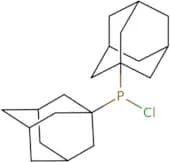
CAS:<p>4-Methylenepiperidine hydrochloride is a synthetic, ethylene oxide derivative that is used as an antifungal drug. It is also used in the synthesis of other compounds and as a reagent in organic chemistry. 4-Methylenepiperidine hydrochloride can be synthesized by reacting ethylene with an alkoxide, followed by adding a metal halide such as organolithium reagents to form the desired product. The yield rate of this reaction is high and it is easy to perform on a large scale.</p>Formula:C6H11N·HClPurity:Min. 95%Color and Shape:White PowderMolecular weight:133.62 g/molMethanesulfonato(diadamantyl-n-butylphosphino)-2'-amino-1,1'-biphenyl-2-yl)palladium(II) dichloromethane adduct
CAS:<p>Please enquire for more information about Methanesulfonato(diadamantyl-n-butylphosphino)-2'-amino-1,1'-biphenyl-2-yl)palladium(II) dichloromethane adduct including the price, delivery time and more detailed product information at the technical inquiry form on this page</p>Formula:C37H52NO3PPdSPurity:Min. 95%Molecular weight:728.27 g/molα-Ketoglutaric acid disodium dihydrate
CAS:<p>α-Ketoglutaric acid (α-KGA) is a natural metabolite of glucose and is an intermediate in the citric acid cycle. α-KGA has been shown to have powerful anti-cancer properties, which may be due to its ability to inhibit glucose uptake and metabolism in tumor cells. α-KGA has also been shown to reduce locomotor activity, which may be due to its ability to induce transcriptional regulation of genes that are involved in glucose regulation. In addition, α-KGA has been shown to regulate fatty acid synthesis by inhibiting acetyl CoA carboxylase, which is an enzyme that catalyzes the production of malonyl CoA.</p>Formula:C5H4Na2O5•(H2O)2Purity:Min. 95%Color and Shape:PowderMolecular weight:226.09 g/mol1H-Indol-2-ylmethanol
CAS:<p>1H-Indol-2-ylmethanol is a model compound for the synthesis of bioactive molecules. It is used in biological studies as an inhibitor of chronic lymphocytic leukemia, heart disease, and inflammatory pain. The nitro group on 1H-Indol-2-ylmethanol has been shown to activate various enzymes involved in the inflammatory response. The hydroxy group on 1H-Indol-2-ylmethanol has been shown to inhibit cyclooxygenase (COX) enzymes, which are responsible for the production of prostaglandins that cause inflammation.</p>Formula:C9H9NOPurity:Min. 95%Color and Shape:PowderMolecular weight:147.17 g/mol4-Imidazole methyl carboxylate
CAS:<p>4-Imidazole methyl carboxylate is a drug that inhibits the activity of dehydrogenases and other enzymes. It has been shown to be an inhibitor of the enzyme catalase in vitro and in vivo, which may be due to its ability to bind bidentately with the active site. 4-Imidazole methyl carboxylate is effective when administered orally, and it has been shown to improve symptoms of neurodegenerative diseases such as Alzheimer's disease. This drug also has a trifunctional chemical structure that contains a macrocyclic ring system with an imidazole group and a carboxylic acid group. The redox potential of this molecule makes it suitable for use as an antioxidant.</p>Formula:C5H6N2O2Purity:Min. 95%Color and Shape:White PowderMolecular weight:126.11 g/mol5-Hydroxypyrazine-2-carboxylic acid
CAS:<p>5-Hydroxypyrazine-2-carboxylic acid is a drug that inhibits the activation of proteins involved in cell signaling pathways. It has been shown to have an inhibitory effect on the activation of protein kinase C, which plays a key role in the proliferation and differentiation of cells. 5-Hydroxypyrazine-2-carboxylic acid also inhibits sorafenib, a drug used for the treatment of cancer. Sorafenib is metabolized in rats by cytochrome P450 (CYP) enzymes, which are found in human liver tissue as well. The metabolism rate of sorafenib can be reduced by coadministration with caffeine or other substances that induce CYP activity. 5-Hydroxypyrazine-2-carboxylic acid is not active against pyrazinoic acid and pyrazine-2 carboxylate, which are metabolites produced by CYP enzymes.</p>Formula:C5H4N2O3Purity:Min. 98 Area-%Color and Shape:Brown PowderMolecular weight:140.1 g/molN-Carbamoyl linagliptin
CAS:<p>N-Carbamoyl linagliptin is a synthetic drug that is a selective, reversible inhibitor of dipeptidyl peptidase-4 (DPP-4), an enzyme that breaks down the incretin hormones GLP-1 and GIP. This drug has been shown to help control blood glucose levels in patients with type 2 diabetes. It binds to the active site of DPP-4 and prevents it from breaking down GLP-1 and GIP, which leads to increased levels of these hormones in the body. N-Carbamoyl linagliptin has a long half life, making it suitable for once daily administration. It also lacks any significant interactions with other drugs or foods.</p>Formula:C26H29N9O3Purity:Min. 95%Molecular weight:515.6 g/mol3,5-Dihydroxybenzaldehyde
CAS:<p>3,5-Dihydroxybenzaldehyde (DHBA) is a plant metabolite that is classified as a phenolic compound. It is found in many plants and has important biological functions such as the production of carotenoids or the cleavage of carotenoid to form other compounds. DHBA can be extracted from plant tissue with hydrochloric acid or carbon sources. It has been shown that DHBA inhibits the growth of soil bacteria by binding to amines and thus preventing them from reacting with substrates. This may be due to its ability to act as an electron donor, which could also explain its inhibitory activity on carotenoid cleavage.</p>Formula:C7H6O3Purity:Min. 98 Area-%Color and Shape:Off-White To Beige To Brown SolidMolecular weight:138.12 g/mol3,5-Dihydroxy-4-methylbenzoic acid
CAS:<p>3,5-Dihydroxy-4-methylbenzoic acid is an efficient synthesis of the natural product lucidin. It is a quinone that is found in citrifolia and morindone, compounds which are used as analgesics and antipyretics. This compound has been shown to inhibit the growth of fungi by inhibition of protein synthesis. 3,5-Dihydroxy-4-methylbenzoic acid also inhibits the production of citric acid cycle intermediates such as succinic acid and fumaric acid.</p>Formula:C8H8O4Purity:Min. 80%Color and Shape:PowderMolecular weight:168.15 g/mol3,4-Diaminobenzophenone
CAS:<p>3,4-Diaminobenzophenone is an unsymmetrical compound and a derivative of benzophenone. It is used in the synthesis of other organic compounds, such as pharmaceuticals. 3,4-Diaminobenzophenone is also used as a solubilizing agent for drugs that are insoluble in water. The molecular weight of 3,4-Diaminobenzophenone can be determined by gravimetric analysis or FTIR methods. 3,4-Diaminobenzophenone has been shown to have antioxidative properties. This molecule can bind to hydroxyl groups on biomolecules and protect them from oxidation by reactive oxygen species (ROS).</p>Formula:C13H12N2OPurity:Min 98.5%Color and Shape:PowderMolecular weight:212.25 g/mol2,6-Diaminopyridine
CAS:<p>2,6-Diaminopyridine is a heterocyclic compound that is used in analytical chemistry as an indicator for the presence of protonated amines. It is prepared by coupling 2,6-diamino-pyridine with 1,3-benzodioxole-5-carboxylic acid. The nitrogen atoms are electron withdrawing groups and form hydrogen bonding interactions with the protonated amine. This type of interaction leads to a phase transition temperature of about 115°C and a high value for electrochemical impedance spectroscopy (EIS) measurements. The reaction mechanism involves the formation of a protonated amine from 2,6-diaminopyridine and 1,3-benzodioxole-5-carboxylic acid followed by proton transfer to yield the corresponding pyridinium salt.</p>Formula:C5H7N3Purity:Min. 95%Color and Shape:Beige To Brown SolidMolecular weight:109.13 g/molN-[2-[(2S)-2-Cyano-4,4-difluoro-1-pyrrolidinyl]-2-oxoethyl]-6-[methyl[3-(1-piperazinyl)propyl]amino]-4-quinolinecarboxamide trifluor oacetate
CAS:<p>Please enquire for more information about N-[2-[(2S)-2-Cyano-4,4-difluoro-1-pyrrolidinyl]-2-oxoethyl]-6-[methyl[3-(1-piperazinyl)propyl]amino]-4-quinolinecarboxamide trifluor oacetate including the price, delivery time and more detailed product information at the technical inquiry form on this page</p>Formula:C25H31F2N7O2•(C2HF3O2)xPurity:Min. 95%Molecular weight:499.56 g/molD-Carnosine trifluoroacetate
CAS:<p>Please enquire for more information about D-Carnosine trifluoroacetate including the price, delivery time and more detailed product information at the technical inquiry form on this page</p>Formula:C9H14N4O3•(C2HF3O2)xPurity:Min. 95%(αR)-α-(2-Chlorophenyl)-2H-tetrazole-2-ethanol
CAS:<p>Please enquire for more information about (αR)-α-(2-Chlorophenyl)-2H-tetrazole-2-ethanol including the price, delivery time and more detailed product information at the technical inquiry form on this page</p>Formula:C9H9ClN4OPurity:Min. 95%Molecular weight:224.65 g/mol4-Chloro-N-[2-(1,2-dihydro-2-oxo-4-quinolinyl)ethyl]benzamide
CAS:<p>Please enquire for more information about 4-Chloro-N-[2-(1,2-dihydro-2-oxo-4-quinolinyl)ethyl]benzamide including the price, delivery time and more detailed product information at the technical inquiry form on this page</p>Formula:C18H15ClN2O2Purity:Min. 95%Molecular weight:326.78 g/molCoproporphyrin III
CAS:<p>Please enquire for more information about Coproporphyrin III including the price, delivery time and more detailed product information at the technical inquiry form on this page</p>Formula:C36H38N4O8Purity:Min. 95%Molecular weight:654.71 g/molCyanidin 3-O-rutinoside
CAS:<p>Please enquire for more information about Cyanidin 3-O-rutinoside including the price, delivery time and more detailed product information at the technical inquiry form on this page</p>Formula:C27H31O15Purity:Min. 95%Molecular weight:595.53 g/mol6-(Chloromethyl)pteridine-2,4-diamine monohydrochloride
CAS:<p>Please enquire for more information about 6-(Chloromethyl)pteridine-2,4-diamine monohydrochloride including the price, delivery time and more detailed product information at the technical inquiry form on this page</p>Formula:C7H7ClN6•HClPurity:Min. 95%Molecular weight:247.08 g/molChlorpheniramine N-oxide
CAS:<p>Please enquire for more information about Chlorpheniramine N-oxide including the price, delivery time and more detailed product information at the technical inquiry form on this page</p>Formula:C16H19ClN2OPurity:Min. 95%Molecular weight:290.79 g/mol(3S)-3- [4- [(2-Chlorophenyl) methyl] phenoxy] tetrahydrofuran
CAS:<p>Please enquire for more information about (3S)-3- [4- [(2-Chlorophenyl) methyl] phenoxy] tetrahydrofuran including the price, delivery time and more detailed product information at the technical inquiry form on this page</p>Purity:Min. 95%Cytosine
CAS:<p>Pyrimidine nucleobase; component of nucleic acids</p>Formula:C4H5N3OPurity:(Hplc) Min. 99%Color and Shape:White PowderMolecular weight:111.1 g/molChlorbutanol hemihydrate
CAS:Chlorbutanol hemihydrate is an antimicrobial agent that is used as an intra-articular injection, and has been shown to be effective against choline chloride. Chlorbutanol hemihydrate binds to the active substances and reacts with chlorine atom to form an active substance. The reaction rate of chlorbutanol hemihydrate with chlorine atoms is slow, so it can be administered intravenously or intramuscularly. Functional assays have shown that chlorbutanol hemihydrate can inhibit the growth of cancer cells in a dose-dependent manner. It also inhibits the production of oxytocin receptor in mice tissues. Chlorbutanol hemihydrate has been shown to be safe for humans when given at doses up to 10 times higher than the recommended dosage, but may cause allergic reactions in some people.Formula:C4H7Cl3O•(H2O)0Purity:Min. 95%Color and Shape:White PowderMolecular weight:186.46 g/mol6-Chloro-2-fluoropurine
CAS:<p>6-Chloro-2-fluoropurine is an analytical reagent with a monoclonal antibody that binds to the nucleic acid of HL-60 cells and can be used for optical analysis. 6-Chloro-2-fluoropurine has been shown to have significant cytotoxicity against HL-60 cells, which may be due to its ability to bind to intracellular targets. 6-Chloro-2-fluoropurine has also been shown to inhibit the growth of HL-60 cells in a fluorescein angiography study and is used as a diagnostic agent for diagnosis of cancer.</p>Formula:C5H2ClFN4Purity:Min. 98 Area-%Color and Shape:Off-White PowderMolecular weight:172.55 g/mol(R)-4-Boc-2-methylpiperazine
CAS:<p>(R)-4-Boc-2-methylpiperazine is a picolinamide dehydrogenase inhibitor that is used to treat type 2 diabetes. It has been shown to reduce blood glucose levels in animal models and human subjects with type 2 diabetes mellitus. The mechanism of action is thought to be via inhibition of the 11β-hydroxysteroid dehydrogenase, which increases insulin sensitivity. This drug also has good oral bioavailability, does not cause weight gain, and has an acceptable safety profile.</p>Formula:C10H20N2O2Purity:Min. 95%Color and Shape:White PowderMolecular weight:200.28 g/mol1,2-Bis(chlorodimethylsilyl)ethane
CAS:<p>1,2-Bis(chlorodimethylsilyl)ethane is a reactive chemical that is synthesized from hydroxychloroformates and hydrogen chloride. It reacts with silicon to form chlorosilanes, which are then used in the polymerization of siloxanes. 1,2-Bis(chlorodimethylsilyl)ethane has been shown to be an effective initiator for the polymerization of methyl methacrylate and ethylene glycol dimethacrylate. 1,2-Bis(chlorodimethylsilyl)ethane is also used as a hydroxyl group donor in organic reactions.</p>Formula:C6H16Cl2Si2Purity:Min. 95 Area-%Color and Shape:PowderMolecular weight:215.27 g/mol4-Bromo-1-fluoro-2-nitrobenzene
CAS:<p>4-Bromo-1-fluoro-2-nitrobenzene is a boron trifluoride compound that reacts with sulfuric acid to form the target product, 4-bromo-2-fluorobenzenesulfonic acid. It is used in the production of dyes and pharmaceuticals. The reaction is conducted at a temperature of 60°C in a reaction time of 8 hours. The repeatability of this process was found to be high, with a relative standard deviation (RSD) of 2.5% and an RSD for peak area of 3%. Experiments have been conducted to optimize the reaction conditions and determine the optimum reaction time and target product yield. A sulfuric acid concentration of 1M has been found to produce the highest yield, while maintaining the lowest RSD values.</p>Formula:C6H3BrFNO2Purity:Min. 98%Molecular weight:220 g/mol5'-Bromo-2'-hydroxyacetophenone
CAS:5'-Bromo-2'-hydroxyacetophenone is a chemical that is used as a substrate in the preparation of other chemicals. The reaction solution contains 5'-bromo-2'-hydroxyacetophenone, nitrogen atoms, and a biological sample. This substrate reacts with trifluoroacetic acid to form an intramolecular hydrogen bond. The magnetic resonance spectrum of this product reveals the presence of two carbon atoms, three hydrogen atoms, and one oxygen atom. The resulting chemical structure is that of 2-Aminobenzamide.Formula:C8H7BrO2Purity:Min. 95%Color and Shape:White PowderMolecular weight:215.04 g/mol6-Chloro-1H-benzimidazol-2-amine
CAS:<p>Aminoguanidine is a drug that inhibits the activity of the enzyme guanidinoacetate methyltransferase (GAMT). It is used to treat some types of cancer, such as bladder cancer. Aminoguanidine has been shown to inhibit tumour growth and induce apoptosis in animal models. It has also been reported to be effective in a number of other cancers, including breast cancer, prostate cancer and colon cancer. Aminoguanidine binds with high affinity to protein targets, including x-ray crystallography, magnetic resonance imaging and devices. The binding site on the ligand is highly conserved among different proteins, which may explain the broad spectrum of its activity. Aminoguanidine is dose-dependent and can be administered either stepwise or as one large dose.</p>Formula:C7H6ClN3Purity:Min. 95%Molecular weight:167.6 g/mol6-chloro-1H-pyrazolo[3,4-d]pyrimidin-4-amine
CAS:<p>Versatile small molecule scaffold</p>Formula:C5H4ClN5Purity:Min. 95%Molecular weight:169.6 g/mol2-{[2-(2,6-Dioxopiperidin-3-yl)-1-oxo-2,3-dihydro-1H-isoindol-4-yl]oxy}acetic acid
CAS:<p>Versatile small molecule scaffold</p>Formula:C15H14N2O6Purity:Min. 95%Molecular weight:318.28 g/mol3,3-Dimethylglutaric Anhydride
CAS:<p>3,3-Dimethylglutaric Anhydride is a molecule that belongs to the group of daptomycin analogues. It has shown promising in vitro activity against cancer cells and is currently being investigated for its potential as a novel chemotherapeutic agent. The synthesis of this compound involves a Friedel-Crafts reaction, which creates a five-membered ring by reacting two carbonyl groups with an alkyl halide or phenyl sulfonium salt. 3,3-Dimethylglutaric Anhydride has been shown to bind to 5-HT1A receptors and inhibit their function. This compound also interacts with phosphate groups on proteins, creating a phosphate derivative. This interaction may be due to its ability to form an electrochemical bond with the phosphate group.</p>Formula:C7H10O3Purity:Min. 95%Molecular weight:142.15 g/mol1-(Oxan-2-yl)-3-phenyl-5-(tetramethyl-1,3,2-dioxaborolan-2-yl)-1H-pyrazole
CAS:<p>Versatile small molecule scaffold</p>Formula:C20H27BN2O3Purity:Min. 95%Molecular weight:354.3 g/mol4-Bromo-2,3-difluoropyridine
CAS:<p>Versatile small molecule scaffold</p>Formula:C5H2BrF2NPurity:Min. 95%Molecular weight:193.98 g/mol6-(tert-butoxy)-6-oxohexanoic acid
CAS:<p>Versatile small molecule scaffold</p>Formula:C10H18O4Purity:Min. 95%Molecular weight:202.2 g/mol2,2-Dipropylpentanoic acid
CAS:<p>2,2-Dipropylpentanoic acid is a white crystalline solid with a melting point of -51°C. It has a hydroxyl group and an ester linkage. The chemical formula is CH3(CH2)3COOC3H7. It has a molecular weight of 182.27 g/mol and a density of 1.071 g/cm3. It is soluble in organic solvents such as chloroform, ether, benzene, acetone, and carbon tetrachloride but insoluble in water. 2,2-Dipropylpentanoic acid can be used as a catalyst for the synthesis of polymers from monocarboxylic acids and chloride or magnesium halides. This compound also has antidepressant activity by inhibiting the reuptake of serotonin from the synapse into the presynaptic neuron.</p>Formula:C11H22O2Purity:Min. 95%Molecular weight:186.29 g/mol3-(p-tolyl)propiolic acid
CAS:<p>3-(p-tolyl)propiolic acid is a functional group that is used in organic chemistry. It is an alkynoic acid with a terminal triple bond. The compound can be synthesized by the reaction of propiolic acid with an alkyne, followed by oxidation. The 3-(p-tolyl)propiolic acid can be used as a surrogate for other functional groups in organic synthesis, and it has been shown to react as an oxidant in biomolecular systems.</p>Formula:C10H8O2Purity:Min. 95%Molecular weight:160.17 g/molChromane-2-carboxylic Acid
CAS:<p>Chromane-2-carboxylic acid is an amide with a hydroxy group that has inhibitory effects on alkoxyphenols. It has been shown to have the ability to inhibit the growth of cancer cells in mammalian tissue and has been used in synthesizing nitro compounds. Chromane-2-carboxylic acid also inhibits matrix metalloproteinases, which are enzymes that break down proteins in the extracellular matrix and are associated with tumor invasion and metastasis. This compound also has radical scavenging activities, which may be due to its ability to form hydrogen bonds or intramolecular hydrogen bonds with aromatic hydrocarbons or fatty acids.</p>Formula:C10H10O3Purity:Min. 95%Molecular weight:178.18 g/molDimethyl pyridine-3,4-dicarboxylate
CAS:<p>Dimethyl pyridine-3,4-dicarboxylate is an organic compound that is used as a precursor to make other chemicals. It is a pyridinedicarboxylic acid and it can be synthesized from the reduction of pyridine with sodium borohydride in ethanol. Dimethyl pyridine-3,4-dicarboxylate is also used in the production of acetaldehyde by way of hydrosilylation with chloride and chloroform. This chemical has been found to be useful for the synthesis of various drugs such as antiepileptics, antihistamines, antipsychotics, and antidepressants.</p>Formula:C9H9NO4Purity:Min. 95%Molecular weight:195.17 g/molNerol oxide
CAS:<p>Nerol oxide is a natural compound and fragrance ingredient that has been shown to have anti-aging effects. Nerol oxide is an ester of citronellal, nerolic acid and ethyl decanoate. It is found naturally in orange blossoms and other citrus plants, as well as in lavender oil. Nerol oxide can be extracted from the plant material using solid phase microextraction. The chemical analyses of this extract reveal the presence of various fatty acids, including ethyl esters, fatty acids and their corresponding alcohols. These compounds are used to produce nerol oxide by polymerization with an initiator such as potassium hydroxide or sodium hydroxide at a neutral pH.</p>Formula:C10H16OPurity:Min. 95%Molecular weight:152.23 g/mol3,6-Dichloropicolinonitrile
CAS:<p>3,6-Dichloropicolinonitrile is a peroxide that is used in the synthesis of organic compounds. It is produced by the reaction of sodium carbonate and hydrochloric acid with nitric acid as a catalyst. 3,6-Dichloropicolinonitrile has been shown to be more selective than other oxidizing agents such as hydrogen peroxide and potassium permanganate. The product can then be purified by adding diacetate, which selectively reacts with the chlorine to form acetyl chloride and glycolic acid. The resulting mixture can then be distilled to produce 3,6-dichloropicolinonitrile in high purity. 3,6-Dichloropicolinonitrile can also be used in electrochemical methods for the synthesis of cyanides or biochemically for virulent products such as pesticides and organic solvents.</p>Formula:C6H2Cl2N2Purity:Min. 95%Molecular weight:173 g/mol3-Bromo-5-fluoro-2-iodotoluene
CAS:<p>Versatile small molecule scaffold</p>Formula:C7H5BrFIPurity:Min. 95%Molecular weight:314.92 g/mol3,4-Dichloro-5-fluorobromobenzene
CAS:<p>Versatile small molecule scaffold</p>Formula:C6H2BrCl2FPurity:Min. 95%Molecular weight:243.88 g/molMethyl 3-amino-4-(tetramethyl-1,3,2-dioxaborolan-2-yl)benzoate
CAS:<p>Versatile small molecule scaffold</p>Formula:C14H20BNO4Purity:Min. 95%Molecular weight:277.13 g/mol2-(tert-Butyl)-5-chloroisothiazol-3(2H)-one
CAS:Versatile small molecule scaffoldFormula:C7H10ClNOSPurity:Min. 95%Molecular weight:191.68 g/mol(R)-3-Phenylbutyric Acid
CAS:<p>Versatile small molecule scaffold</p>Formula:C10H12O2Purity:Min. 95%Molecular weight:164.2 g/molTimonacic
CAS:<p>Timonacic is an analog of nicotinamide that has been shown to be an effective inhibitor of energy metabolism in the mitochondria. It has antioxidative properties and can protect against the development of heart disease by inhibiting the production of reactive oxygen species. Timonacic's anti-inflammatory properties may be due to its ability to inhibit prostaglandin synthesis. It also has a high affinity for fatty acids, which may contribute to its inhibitory effects on lipid peroxidation. This drug has a carboxy terminal and is used as a sodium salt, which may play a role in its enzyme inhibition activity. Timonacic inhibits the activities of enzymes such as carnitine acetyltransferase and pyruvate dehydrogenase kinase, which are involved in the biosynthesis of fatty acids. The intramolecular hydrogen bonds formed with timonacic may contribute to its inhibitory effect on these enzymes.</p>Formula:C4H7NO2SPurity:Min. 95%Molecular weight:133.17 g/mol2-(4-Amino-1h-pyrazol-1-yl)ethanol
CAS:<p>Versatile small molecule scaffold</p>Formula:C5H9N3OPurity:Min. 95%Molecular weight:127.15 g/mol3-Dimethylamino-1-pyridin-3-yl-propenone
CAS:<p>Versatile small molecule scaffold</p>Formula:C10H12N2OPurity:Min. 95%Molecular weight:176.22 g/mol2-Amino-N-(prop-2-yn-1-yl)acetamide hydrochloride
CAS:<p>Versatile small molecule scaffold</p>Formula:C5H9ClN2OPurity:Min. 95%Molecular weight:148.59 g/mol6-Chloro-5-iodopyridin-2-amine
CAS:<p>Versatile small molecule scaffold</p>Formula:C5H4ClIN2Purity:Min. 95%Molecular weight:254.46 g/mol4(4,4,5,5-Tetramethyl-1,3,2-dioxaborolan-2-yl)-2,3-dihydro-1H-inden-1-one
CAS:<p>Versatile small molecule scaffold</p>Formula:C15H19BO3Purity:Min. 95%Molecular weight:258.12 g/mol2-Bromocyclopentanone
CAS:<p>2-Bromocyclopentanone is an organic molecule that is used in the synthesis of epoxides. It is also a potential precursor for the synthesis of polymers, dyes, and pharmaceuticals. 2-Bromocyclopentanone has been shown to undergo photolysis when irradiated with ultraviolet light or through chemical reaction with acetonitrile. This product has two conformers with different rotational barriers and corresponding spectral properties. The two conformers can be distinguished by their ultraviolet spectra. The synthetic methods for 2-bromocyclopentanone involve halogenation followed by hydrolysis to yield bromoacetic acid, which is then converted to the desired product by acylation or alkylation.</p>Formula:C5H7BrOPurity:Min. 95%Molecular weight:163.01 g/mol(1R)-1-(3-Fluoro-4-methylphenyl)ethan-1-amine hydrochloride
CAS:<p>Versatile small molecule scaffold</p>Formula:C9H13ClFNPurity:Min. 95%Molecular weight:189.66 g/molMethyltetrazine-NHS ester
CAS:<p>Versatile small molecule scaffold</p>Formula:C15H13N5O4Purity:Min. 95%Molecular weight:327.29 g/mol(R)-2-(Methoxymethyl)-morpholine hydrochloride
CAS:<p>Versatile small molecule scaffold</p>Formula:C6H14ClNO2Purity:Min. 95%Molecular weight:167.63 g/mol7-Chloro-5-nitro-1H-indazole
CAS:<p>Versatile small molecule scaffold</p>Formula:C7H4ClN3O2Purity:Min. 95%Molecular weight:197.58 g/molDoxazosin
CAS:Doxazosin is a research chemical that has shown potential in various fields. It is a water-soluble compound that has been studied for its effects on microcystins, cytidine, and vitamins. Doxazosin has also been found to have aldehyde and particulate properties, making it a versatile compound for different applications. In the field of medicine, Doxazosin has been researched for its potential in treating certain conditions. Studies have shown that Doxazosin can interact with 1-hydroxy-2-naphthoic acid and glutamate, which are important molecules involved in various biological processes. Additionally, Doxazosin has shown promising results in inhibiting the growth of e. cloacae bacteria, making it a potential candidate for antibacterial treatments. Furthermore, Doxazosin has been studied in the field of chemistry due to its unique properties. It can undergo derivatization reactions with fatty acids and zFormula:C23H25N5O5Purity:Min. 95%Molecular weight:451.48 g/mol6,6-Difluorospiro[3.3]heptan-2-amine Hydrochloride
CAS:<p>Versatile small molecule scaffold</p>Formula:C7H11F2N·HClPurity:Min. 95%Molecular weight:147.17 g/mol3-Bromo-6,7-dihydro-4H-pyrazolo[1,5-a]pyrazine-5-carboxylic acid tert-butyl ester
CAS:<p>Versatile small molecule scaffold</p>Formula:C11H16BrN3O2Purity:Min. 95%Molecular weight:302.17 g/molBromo-PEG3-azide
CAS:<p>Bromo-PEG3-azide is a PEG compound with two different functional groups (also known as heterobifunctional). Unlike homobifunctional PEG compounds (same functional group on both ends), this type of compounds are more versatile as have two different anchor points. Bromo-PEG3-azide is used as a linker and spacer to add a PEG moiety, via pegylation (a bioconjugation technique) to proteins, peptides, oligonucleotides, small molecules and nanoparticles.</p>Formula:C8H16BrN3O3Purity:Min. 95%Color and Shape:Clear LiquidMolecular weight:282.14 g/mol2-Bromo-3-hydroxy-benzaldehyde
CAS:<p>2-Bromo-3-hydroxy-benzaldehyde is a nitrate that has been shown to have anti-cancer properties. It inhibits the growth of cancer cells by binding to bromodomains in their DNA, thereby preventing transcription and replication. 2-Bromo-3-hydroxy-benzaldehyde also inhibits the production of nitric oxide, which may lead to an inhibitory effect on tumour angiogenesis. The stereoisomers of this compound are used as precursors for the synthesis of ammonium nitrate, which is used as a fertilizer and explosive. 2-Bromo-3-hydroxy-benzaldehyde is also used in organic synthesis as a precursor for acetylation or halide reactions with palladium complexes or halides.</p>Formula:C7H5BrO2Purity:Min. 95%Molecular weight:201.02 g/moltert-butyl (2-amino-2-methylpropyl)carbamate
CAS:<p>Versatile small molecule scaffold</p>Formula:C9H20N2O2Purity:Min. 95%Molecular weight:188.27 g/mol3-Bromo-5-cyanobenzaldehyde
CAS:<p>Versatile small molecule scaffold</p>Formula:C8H4BrNOPurity:Min. 95%Molecular weight:210.04 g/mol5-Bromo-7-methylquinoxaline
CAS:<p>Versatile small molecule scaffold</p>Formula:C9H7BrN2Purity:Min. 95%Molecular weight:223.07 g/mol2-(Chloromethyl)-4H,6H,7H-pyrano[4,3-d][1,3]thiazole
CAS:<p>Versatile small molecule scaffold</p>Formula:C7H8ClNOSPurity:Min. 95%Molecular weight:189.66 g/mol1,3-Dioxo-2,3-dihydro-1H-isoindol-2-yl acetate
CAS:<p>1,3-Dioxo-2,3-dihydro-1H-isoindol-2-yl acetate is a reactive intermediate that can be used as a starting material for the synthesis of other organic compounds. It is synthesized by the reaction of an acid with an aldehyde or ketone in the presence of a base. The rate of this reaction depends on the functional groups present in both reactants and their relative concentrations. This intermediate can be converted to another chemical compound through various reactions, including hydroxymethylation, decarboxylation and oxidation. This chemical has been used as a cocatalyst for the production of 5-hydroxymethylfurfural (HMF).</p>Formula:C10H7NO4Purity:Min. 95%Molecular weight:205.17 g/mol6-Chloro-2-methyl-4-pyrimidinol
CAS:<p>6-Chloro-2-methyl-4-pyrimidinol is an aldehyde that reacts with hydrazine to form a monoxide, which reacts with carbon monoxide to form a hydrazide.</p>Formula:C5H5ClN2OPurity:Min. 95%Molecular weight:144.56 g/molMethyl amino(2-chlorophenyl)acetate hydrochloride
CAS:<p>Versatile small molecule scaffold</p>Formula:C9H11Cl2NO2Purity:Min. 95%Molecular weight:236.1 g/mol3,3-Diethoxypropan-1-amine
CAS:<p>3,3-Diethoxypropan-1-amine is a synthetic drug that reversibly inhibits the growth of bacteria. It has been shown to be effective against methicillin resistant strains of Staphylococcus aureus and Clostridium perfringens, with no detectable activity against acid-fast bacteria such as Mycobacterium tuberculosis or Mycobacterium avium complex. 3,3-Diethoxypropan-1-amine is a heterobifunctional compound that binds to epidermal growth factor with high affinity. 3,3-Diethoxypropan-1-amine can also bind to collagen and liposomal formulations, which may be useful for the treatment of wounds. This drug has been shown to inhibit δ opioid receptors in mice and rats, which is thought to contribute to its analgesic effects.</p>Formula:C7H17NO2Purity:Min. 95%Molecular weight:147.22 g/mol4-(Methylamino)benzene-1-sulfonamide
CAS:<p>Versatile small molecule scaffold</p>Formula:C7H10N2O2SPurity:Min. 95%Molecular weight:186.23 g/mol2-[(6-Chloro-3,4-dihydro-3-methyl-2,4-dioxo-1(2H)-pyrimidinyl)methyl]-benzonitrile
CAS:<p>2-[(6-Chloro-3,4-dihydro-3-methyl-2,4-dioxo-1(2H)-pyrimidinyl)methyl]-benzonitrile is an antibacterial agent that belongs to the group of nitro compounds. It inhibits bacterial growth by blocking the synthesis of proteins and DNA. 2-[(6-Chloro-3,4-dihydro-3-methyl-2,4-dioxo-1(2H)-pyrimidinyl)methyl]-benzonitrile has been shown to be active against a wide range of bacteria including Gram positive and Gram negative organisms. This compound also exhibits metal ion chelating properties and can be used for the removal of heavy metals from water. The square planar geometry of 2-[(6-Chloro-3,4-(dihydro)-3-(methyl)-2,4-(dioxo)-1</p>Formula:C13H10ClN3O2Purity:Min. 95%Molecular weight:275.69 g/mol3-(4-Hydroxyphenyl)hex-4-ynoic acid
CAS:Versatile small molecule scaffoldFormula:C12H12O3Purity:Min. 95%Molecular weight:204.22 g/mol2,4,6-trichloropyridine-3-carbonitrile
CAS:<p>Versatile small molecule scaffold</p>Formula:C6HCl3N2Purity:Min. 95%Molecular weight:207.4 g/mol1-(1-Benzyl-1H-pyrazol-4-yl)-ethanone
CAS:<p>Versatile small molecule scaffold</p>Formula:C12H12N2OPurity:Min. 95%Molecular weight:200.23 g/molN-(11-Bromoundecyl)carbamic acid t-butyl ester
CAS:<p>Versatile small molecule scaffold</p>Formula:C16H32BrNO2Purity:Min. 95%Molecular weight:350.33 g/mol1,5,6,7-Tetrahydro-2H-cyclopenta[b]pyridin-2-one
CAS:<p>Versatile small molecule scaffold</p>Formula:C8H9NOPurity:Min. 95%Molecular weight:135.17 g/mol(6-Methoxy-pyridin-2-yl)-methanol
CAS:<p>Versatile small molecule scaffold</p>Formula:C7H9NO2Purity:Min. 95%Molecular weight:139.16 g/mol(1R,8S,9s)-Bicyclo[6.1.0]non-4-yn-9-ylmethanol
CAS:<p>(1R,8S,9s)-Bicyclo[6.1.0]non-4-yn-9-ylmethanol is a congener that belongs to the class of monoclonal antibodies. It is a degradable and photophysical agent that enhances ionotropic gelation and proton exchange in an acidic environment. This agent has been shown to react with nucleophilic groups, such as amines and thiols, and has fluorescence properties that are sensitive to pH changes. The reactive nature of this compound makes it useful for the localization of model proteins in analytical chemistry experiments.</p>Formula:C10H14OPurity:Min. 95%Molecular weight:150.22 g/mol4-Amino-2,6-dimethoxypyrimidine
CAS:<p>4-Amino-2,6-dimethoxypyrimidine is an organic compound that has been shown to be a methylating agent. It reacts with the hydrogen chloride present in seawater to form methyl chloride and hydrochloric acid. 4-Amino-2,6-dimethoxypyrimidine also interacts with hydrogen bonds and forms hydrogen bonds with other molecules. The molecular modeling study revealed that this compound is soluble in mineral acids such as sulfuric acid and hydrochloric acid. The solubility data also showed that 4-amino-2,6-dimethoxypyrimidine is soluble in water but not in chlorinated water. This drug has shown significant antifungal activity against Cryptococcus neoformans and Gram-negative organisms such as Escherichia coli, Salmonella typhi, Pseudomonas aeruginosa, Klebsiella pneumoniae, Proteus mirabilis, Enterobacter</p>Formula:C6H9N3O2Purity:Min. 95%Molecular weight:155.15 g/mol4-Bromo-5-chloropyridin-2-amine
CAS:<p>Versatile small molecule scaffold</p>Formula:C5H4BrClN2Purity:Min. 95%Molecular weight:207.46 g/mol2,2-Difluorobenzo[d][1,3]dioxol-5-ol
CAS:<p>Versatile small molecule scaffold</p>Formula:C7H4F2O3Purity:Min. 95%Molecular weight:174.1 g/mol2-Bromo-6-fluoro-3-methylpyridine
CAS:<p>Versatile small molecule scaffold</p>Formula:C6H5BrFNPurity:Min. 95%Molecular weight:190.02 g/mol[2'-(Amino-ºN)[1,1'-biphenyl]-2-yl-C][[3,6-dimethoxy-2',4',6'-tris(1-methylethyl)[1,1'-biphenyl]-2-yl]bis(1,1-dimethylethyl)phosphin e-ºP](methanesulfonato-ºO)palladium (tBuBrettPhos Pd G3)
CAS:<p>The chemical is a palladium-based complex that inhibits the activity of α4β7 integrin. It has been shown to be effective in prophylaxis and treatment of inflammatory diseases, such as autoimmune diseases, and other conditions, such as congenital disorders. The compound has been shown to inhibit the growth of plants by causing phytotoxic effects.</p>Formula:C44H62NO5PPdSPurity:Min. 95%Molecular weight:854.43 g/molMethyl 4-chloropyrimidine-2-carboxylate
CAS:<p>Versatile small molecule scaffold</p>Formula:C6H5ClN2O2Purity:Min. 95%Molecular weight:172.57 g/mol2-Cyano-5-fluorophenol
CAS:<p>2-Cyano-5-fluorophenol is an organic compound that is used as a precursor to medicines and other chemicals. It reacts with calcium hydroxide in water to form 2-cyano-5-hydroxyfluorobenzene, which can be hydrolyzed to form 2-cyano-5-chlorofluorobenzene. This compound can also react with sodium hydroxide to produce sodium cyanate, which can be hydrolyzed to form sodium chloride and hydrogen cyanide gas. The alkali metal ions are needed for this reaction, which is why the product should not be exposed to water or moisture. 2-Cyano-5-fluorophenol has been shown to have liquid crystal properties and is used in the production of certain types of polymers. 2Cyano-5Fluorophenol crystals are also used in some medicines such as acetaminophen (paracetamol).</p>Formula:C7H4FNOPurity:Min. 95%Molecular weight:137.11 g/molEthyl 4-(hydroxymethyl)-1H-pyrazole-3-carboxylate
CAS:<p>Versatile small molecule scaffold</p>Formula:C7H10N2O3Purity:Min. 95%Molecular weight:170.17 g/molethyl 3-formyl-1H-pyrrole-2-carboxylate
CAS:<p>Ethyl 3-formyl-1H-pyrrole-2-carboxylate is a formyl compound with the molecular formula C8H8O3. It is a colorless liquid that has a strong odor. The compound can be obtained by the reaction of ethyl acetoacetate and pyrrole in the presence of aluminum chloride. The compound has been studied for its nuclear magnetic resonance (NMR) properties. It has two conformers, which are distinguished by their different chemical shifts, and this difference can be used to study coupling between the carbonyl group and other groups in the molecule.</p>Formula:C8H9NO3Purity:Min. 95%Molecular weight:167.2 g/mol1-chloro-4-fluoroisoquinoline
CAS:<p>1-chloro-4-fluoroisoquinoline is a chlorinating agent that has been used as a synthetic method for the synthesis of oxychloride. It is typically used in the presence of palladium catalyst, in the presence of phosphorus and under reductive conditions. The chlorination reaction is initiated by addition of hydrochloric acid or phosphorous oxychloride. The 1-hydroxyisoquinoline reacts with phosphorus to form a chloroformate, which reacts with fluorine gas to produce an intermediate chlorofluorinate. This intermediate then reacts with chlorine gas in the presence of palladium catalyst to generate the desired product, 1-chloro-4-fluoroisoquinoline.</p>Formula:C9H5ClFNPurity:Min. 95%Molecular weight:181.59 g/mol1-(4-Chloro-2,6-dimethylphenyl)ethanone
CAS:<p>Versatile small molecule scaffold</p>Formula:C10H11ClOPurity:Min. 95%Molecular weight:182.64 g/mol8-chloro-3H,4H-pyrido[3,4-d]pyrimidin-4-one
CAS:<p>Versatile small molecule scaffold</p>Formula:C7H4N3OClPurity:Min. 95%Molecular weight:181.57 g/mol3-Methoxy-benzenesulfonic acid
CAS:<p>Versatile small molecule scaffold</p>Formula:C7H8O4SPurity:Min. 95%Molecular weight:188.2 g/mol2-Methoxy-benzenesulfonic acid
CAS:<p>2-Methoxy-benzenesulfonic acid is a synthetic chemical compound that is used in the production of polymers and other ester compounds. It can be produced by reacting benzenesulfonyl chloride with methanol in the presence of a strong acid catalyst. 2-Methoxy-benzenesulfonic acid reacts with radiation to produce reactive oxygen species that are capable of damaging cellular structures. The molecule contains an intramolecular hydrogen bond, which stabilizes the structure and helps to form hydrogen bonds with other molecules. 2-Methoxy-benzenesulfonic acid also has a hydroxyl group, which allows it to function as an acidic compound that can react with water and cause inflammation. This functional group also makes it soluble in water, allowing it to penetrate tissue structures.</p>Formula:C7H8O4SPurity:Min. 95%Molecular weight:188.2 g/mol7-Bromo-1-methylnaphthalene
CAS:<p>7-Bromo-1-methylnaphthalene is a fluorescent dye that can be used to measure the concentration of DNA, RNA, and proteins. This compound is an intercalator, which means that it can bind to double stranded DNA or RNA near the center of the molecule where there is a space for binding. It has been used in the study of the thymic gland because it binds to DNA and RNA in cells from this organ. 7-Bromo-1-methylnaphthalene has also been used as a skeleton for organic compounds, such as dimethylammonium. The bromine atom in this compound can be replaced with other atoms like iodine or chlorine to make different colored dyes.</p>Formula:C11H9BrPurity:Min. 95%Molecular weight:221.09 g/mol6,7-dihydro-5h-pyrrolo[3,4-d]pyrimidin-2-amine 2hcl
CAS:<p>Versatile small molecule scaffold</p>Formula:C6H10Cl2N4Purity:Min. 95%Molecular weight:209.07 g/molDi(1-adamantyl)chlorophosphine
CAS:<p>Di(1-adamantyl)chlorophosphine is a bifunctional ligand that can be used for the palladium-catalyzed coupling of aryl chlorides and amines. Di(1-adamantyl)chlorophosphine is synthesized from adamantane, phosphorous pentachloride, and anhydrous ammonia in the presence of catalytic amounts of palladium. Di(1-adamantyl)chlorophosphine is immobilized on silica gel to prevent hydrolysis. This ligand reacts with primary amines to form iminophosphoranes, which can then be reacted with aryl chlorides to form aryl chloroamines.</p>Formula:C20H30ClPPurity:Min. 95%Molecular weight:336.88 g/molFlurbiprofen Related Compound A
CAS:<p>Flurbiprofen Related Compound A is a compound that inhibits the activity of serine proteases. It binds to the active site of the enzyme, preventing it from breaking down proteins in the body. Flurbiprofen Related Compound A binds to metal surfaces and is also used as a fluorescent probe for biological research. It has been shown to have optical properties and fluorescence properties, which are amplified by an amplifier.</p>Formula:C15H14O2Purity:Min. 95%Molecular weight:226.27 g/mol
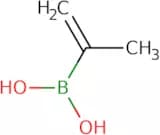



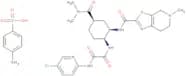
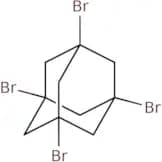
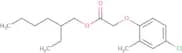
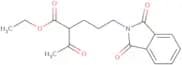
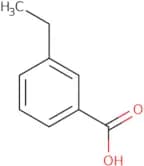
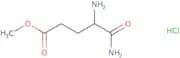
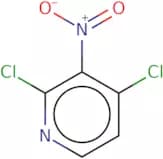
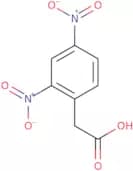
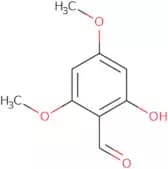
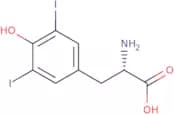
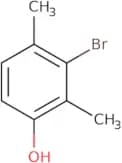
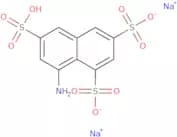

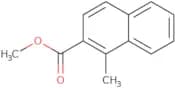
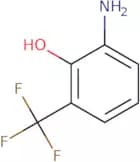

![2,4-Dichloropyrido [2,3-D] pyrimidine](/_next/image/?url=https%3A%2Fstatic.cymitquimica.com%2Fproducts%2F3D%2Fthumb-webp%2FFD31600.webp&w=3840&q=75)
![tert-Butyl 9-oxo-4,8-diazaspiro[4.4]nonane-4-carboxylate](/_next/image/?url=https%3A%2Fstatic.cymitquimica.com%2Fproducts%2F3D%2Fthumb-webp%2FWYB81845.webp&w=3840&q=75)


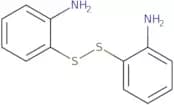
![8-Bromo-2-methylimidazo[1,2-a]pyridine](/_next/image/?url=https%3A%2Fstatic.cymitquimica.com%2Fproducts%2F3D%2Fthumb-webp%2FUXB37475.webp&w=3840&q=75)
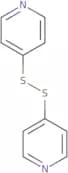
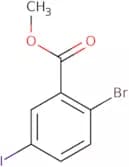


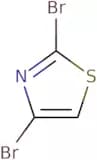
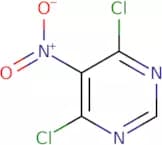
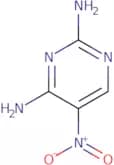
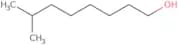
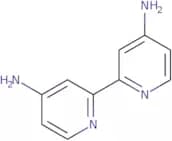
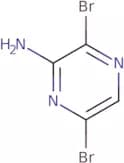
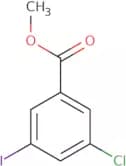
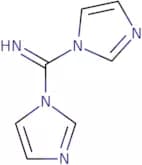

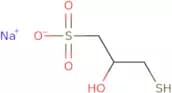

![Cucurbit[7]uril](/_next/image/?url=https%3A%2Fstatic.cymitquimica.com%2Fproducts%2F3D%2Fthumb-webp%2FFC171865.webp&w=3840&q=75)


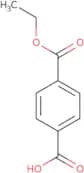
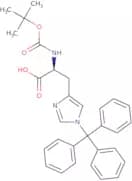
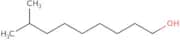

![8-Boc-3,8-diaza-bicyclo[3.2.1]octane](/_next/image/?url=https%3A%2Fstatic.cymitquimica.com%2Fproducts%2F3D%2Fthumb-webp%2FFB29382.webp&w=3840&q=75)
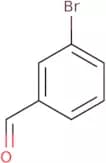
![4-Bromo-1-methyl-1H-pyrazolo[4,3-c]pyridine-6-carboxylic acid](/_next/image/?url=https%3A%2Fstatic.cymitquimica.com%2Fproducts%2F3D%2Fthumb-webp%2FFB183353.webp&w=3840&q=75)


![3-bromo-6,7-dihydro-5h-pyrrolo[3,4-b]pyridine hcl](/_next/image/?url=https%3A%2Fstatic.cymitquimica.com%2Fproducts%2F3D%2Fthumb-webp%2FUFC11724.webp&w=3840&q=75)

![2-boc-5-oxo-2-azabicyclo[2.2.2]octane](/_next/image/?url=https%3A%2Fstatic.cymitquimica.com%2Fproducts%2F3D%2Fthumb-webp%2FSZA71422.webp&w=3840&q=75)
![(R)-2-[(9H-Fluoren-9-ylmethoxycarbonylamino)-methyl]-butyric acid](/_next/image/?url=https%3A%2Fstatic.cymitquimica.com%2Fproducts%2F3D%2Fthumb-webp%2FSYB71157.webp&w=3840&q=75)
![[Ir{dFCF3ppy}2(bpy)]PF6](/_next/image/?url=https%3A%2Fstatic.cymitquimica.com%2Fproducts%2F3D%2Fthumb-webp%2FSTB77562.webp&w=3840&q=75)
![Imidazo[1,2-a]pyrazine-2-carbaldehyde](/_next/image/?url=https%3A%2Fstatic.cymitquimica.com%2Fproducts%2F3D%2Fthumb-webp%2FSQB78215.webp&w=3840&q=75)
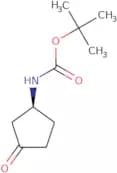
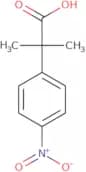
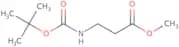
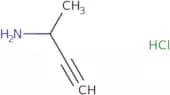
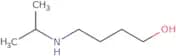
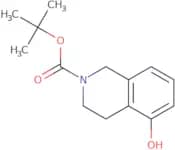
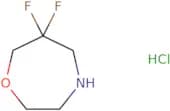

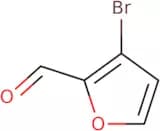


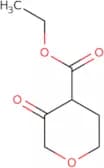
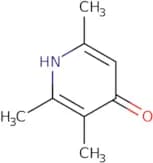


![Spiro[3.3]heptane-2,6-dicarboxylic acid, 2,6-dimethyl ester](/_next/image/?url=https%3A%2Fstatic.cymitquimica.com%2Fproducts%2F3D%2Fthumb-webp%2FMBA94279.webp&w=3840&q=75)

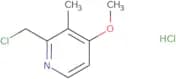
![tert-Butyl 1,8-diazaspiro[4.5]decane-1-carboxylate](/_next/image/?url=https%3A%2Fstatic.cymitquimica.com%2Fproducts%2F3D%2Fthumb-webp%2FKKB27992.webp&w=3840&q=75)

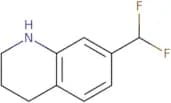

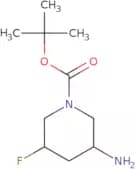
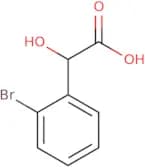

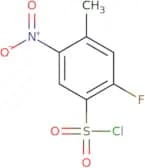
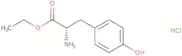
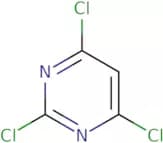

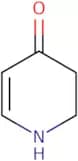
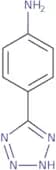
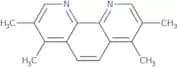

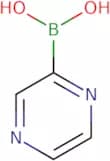
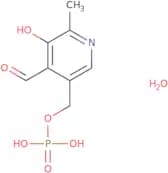
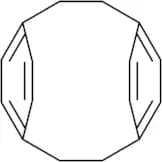

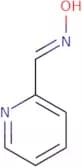

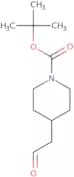
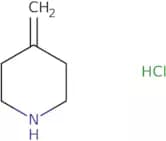


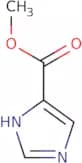
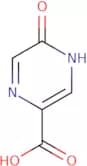
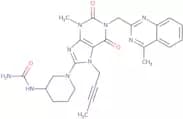
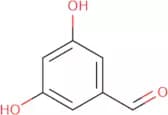
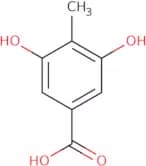
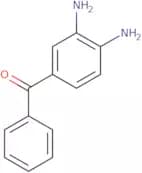
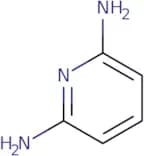
![N-[2-[(2S)-2-Cyano-4,4-difluoro-1-pyrrolidinyl]-2-oxoethyl]-6-[methyl[3-(1-piperazinyl)propyl]amin…](/_next/image/?url=https%3A%2Fstatic.cymitquimica.com%2Fproducts%2F3D%2Fthumb-webp%2FFC184139.webp&w=3840&q=75)

![4-Chloro-N-[2-(1,2-dihydro-2-oxo-4-quinolinyl)ethyl]benzamide](/_next/image/?url=https%3A%2Fstatic.cymitquimica.com%2Fproducts%2F3D%2Fthumb-webp%2FFC184071.webp&w=3840&q=75)


![(3S)-3- [4- [(2-Chlorophenyl) methyl] phenoxy] tetrahydrofuran](/_next/image/?url=https%3A%2Fstatic.cymitquimica.com%2Fproducts%2F3D%2Fthumb-webp%2FFC181171.webp&w=3840&q=75)
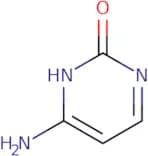
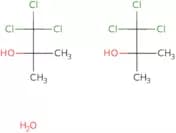
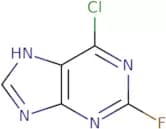
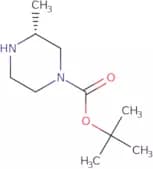

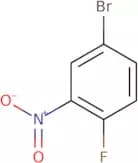
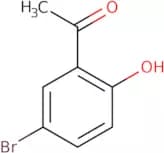

![6-chloro-1H-pyrazolo[3,4-d]pyrimidin-4-amine](/_next/image/?url=https%3A%2Fstatic.cymitquimica.com%2Fproducts%2F3D%2Fthumb-webp%2FFAA41778.webp&w=3840&q=75)
![2-{[2-(2,6-Dioxopiperidin-3-yl)-1-oxo-2,3-dihydro-1H-isoindol-4-yl]oxy}acetic acid](/_next/image/?url=https%3A%2Fstatic.cymitquimica.com%2Fproducts%2F3D%2Fthumb-webp%2FEPD97616.webp&w=3840&q=75)
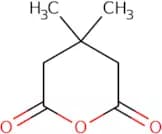


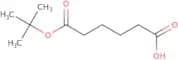


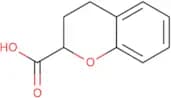

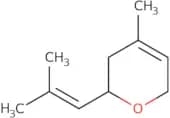

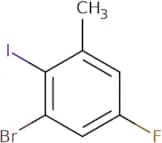
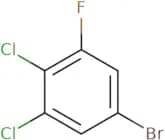
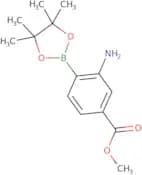

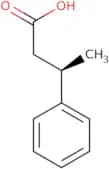


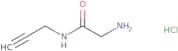
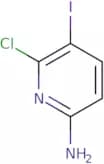

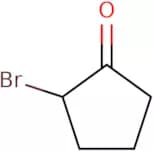

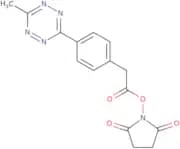
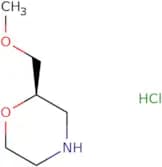

![6,6-Difluorospiro[3.3]heptan-2-amine Hydrochloride](/_next/image/?url=https%3A%2Fstatic.cymitquimica.com%2Fproducts%2F3D%2Fthumb-webp%2FYGC03271.webp&w=3840&q=75)
![3-Bromo-6,7-dihydro-4H-pyrazolo[1,5-a]pyrazine-5-carboxylic acid tert-butyl ester](/_next/image/?url=https%3A%2Fstatic.cymitquimica.com%2Fproducts%2F3D%2Fthumb-webp%2FWXB15425.webp&w=3840&q=75)

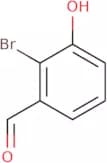


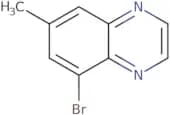
![2-(Chloromethyl)-4H,6H,7H-pyrano[4,3-d][1,3]thiazole](/_next/image/?url=https%3A%2Fstatic.cymitquimica.com%2Fproducts%2F3D%2Fthumb-webp%2FSDC46081.webp&w=3840&q=75)
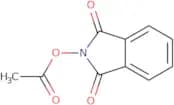


![2-[(6-Chloro-3,4-dihydro-3-methyl-2,4-dioxo-1(2H)-pyrimidinyl)methyl]-benzonitrile](/_next/image/?url=https%3A%2Fstatic.cymitquimica.com%2Fproducts%2F3D%2Fthumb-webp%2FQJB75896.webp&w=3840&q=75)

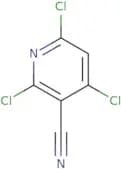


![1,5,6,7-Tetrahydro-2H-cyclopenta[b]pyridin-2-one](/_next/image/?url=https%3A%2Fstatic.cymitquimica.com%2Fproducts%2F3D%2Fthumb-webp%2FNDA49985.webp&w=3840&q=75)

![(1R,8S,9s)-Bicyclo[6.1.0]non-4-yn-9-ylmethanol](/_next/image/?url=https%3A%2Fstatic.cymitquimica.com%2Fproducts%2F3D%2Fthumb-webp%2FNAC16690.webp&w=3840&q=75)
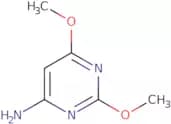
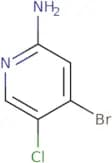
![2,2-Difluorobenzo[d][1,3]dioxol-5-ol](/_next/image/?url=https%3A%2Fstatic.cymitquimica.com%2Fproducts%2F3D%2Fthumb-webp%2FLYB53982.webp&w=3840&q=75)

![[2'-(Amino-ºN)[1,1'-biphenyl]-2-yl-C][[3,6-dimethoxy-2',4',6'-tris(1-methylethyl)[1,1'-biphenyl]-2…](/_next/image/?url=https%3A%2Fstatic.cymitquimica.com%2Fproducts%2F3D%2Fthumb-webp%2FLLC47372.webp&w=3840&q=75)
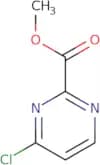

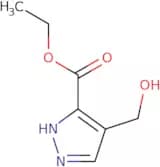
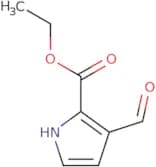
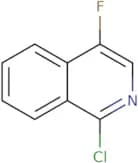

![8-chloro-3H,4H-pyrido[3,4-d]pyrimidin-4-one](/_next/image/?url=https%3A%2Fstatic.cymitquimica.com%2Fproducts%2F3D%2Fthumb-webp%2FJDA34113.webp&w=3840&q=75)


![6,7-dihydro-5h-pyrrolo[3,4-d]pyrimidin-2-amine 2hcl](/_next/image/?url=https%3A%2Fstatic.cymitquimica.com%2Fproducts%2F3D%2Fthumb-webp%2FHGA32752.webp&w=3840&q=75)