Building Blocks
This section contains fundamental products for the synthesis of organic and biological compounds. Building blocks are the essential starting materials used to construct complex molecules through various chemical reactions. They play a critical role in drug discovery, material science, and chemical research. At CymitQuimica, we offer a diverse range of high-quality building blocks to support your innovative research and industrial projects, ensuring you have the essential components for successful synthesis.
Subcategories of "Building Blocks"
- Boronic Acids & Boronic Acid Derivatives(5,756 products)
- Chiral Building Blocks(1,242 products)
- Hydrocarbon Building Blocks(6,095 products)
- Organic Building Blocks(61,051 products)
Found 199813 products of "Building Blocks"
Sort by
Purity (%)
0
100
|
0
|
50
|
90
|
95
|
100
tert-Butyl 3-amino-5-methyl-1H-pyrazole-1-carboxylate
CAS:Versatile small molecule scaffoldFormula:C9H15N3O2Purity:Min. 95%Molecular weight:197.23 g/mol4-(2,6-Difluorophenyl)piperidin-4-ol hydrochloride
CAS:<p>Versatile small molecule scaffold</p>Formula:C11H14ClF2NOPurity:Min. 95%Molecular weight:249.68 g/mol6-Amino-2-propylhexanoic acid hydrochloride
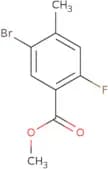
CAS:<p>Versatile small molecule scaffold</p>Formula:C9H19NO2•HClPurity:Min. 95%Molecular weight:209.71 g/molMethyl 5-bromo-2-fluoro-4-methylbenzoate
CAS:<p>Versatile small molecule scaffold</p>Formula:C9H8BrFO2Purity:Min. 95%Molecular weight:247.06 g/mol1-Bromo-4-isobutylbenzene
CAS:<p>1-Bromo-4-isobutylbenzene is a ketone that can be synthesized by the reaction of benzene with acetonitrile in the presence of a catalytic amount of oxone. The synthesis is an example of an arylation, which is the addition of an aromatic group to another molecule. It has been shown experimentally that 1-bromo-4-isobutylbenzene undergoes a transition from the x-ray structure analysis to the crystal x-ray structure when dissolved in acetonitrile and heated to 100°C. The final product is then purified by recrystallization with ethylene as a solvent.</p>Formula:C10H13BrPurity:Min. 95%Molecular weight:213.11 g/molGSK'547
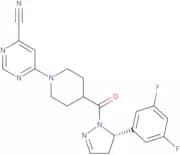
CAS:GSK'547 is a small molecule that can interact with the ferroptosis pathway, which is involved in both acute and chronic kidney injury. GSK'547 has been shown to inhibit ischemia reperfusion-induced renal dysfunction by suppressing inflammation and oxidative stress. GSK'547 also inhibits cancer cell proliferation and acts as an anti-inflammatory agent. In addition, GSK'547 has been shown to be beneficial for treating tuberculosis infections and cavity diseases. The mechanism of action of GSK'547 involves inhibiting bacterial cell wall synthesis by binding to the beta-subunit of DNA gyrase. This binding prevents the formation of an antibiotic-inhibitor complex with the enzyme cell wall synthesis that is required for cell wall biosynthesis, inhibiting protein synthesis and cell division.Formula:C20H18F2N6OPurity:Min. 95%Molecular weight:396.39 g/molBromo-PEG4-azide
CAS:<p>Bromo-PEG4-azide is a PEG compound with two different functional groups (also known as heterobifunctional). Unlike homobifunctional PEG compounds (same functional group on both ends), this type of compounds are more versatile as have two different anchor points. Bromo-PEG4-azide is used as a linker and spacer to add a PEG moiety, via pegylation (a bioconjugation technique) to proteins, peptides, oligonucleotides, small molecules and nanoparticles.</p>Formula:C10H20BrN3O4Purity:Min. 95%Molecular weight:326.19 g/mol(4-Nitrophenyl)methanethiol
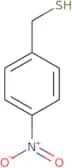
CAS:<p>4-Nitrophenylmethanethiol is a reactive molecule that reacts with dopamine D3, an important cytosolic protein, to form a stable covalent bond. This reaction was shown to be pH-dependent and the products were identified by x-ray diffraction data. The disulfide bond formed by this reaction is then reduced to the corresponding sulfhydryl group with sodium borohydride or hydroxide solution. 4-Nitrophenylmethanethiol also reacts with inorganic acid and sodium carbonate to form a molecule containing carbapenem, which is a model protein used in research on chemical reactions. 4-Nitrophenylmethanethiol reacts with chloride ions and phenyl groups to yield hydrochloric acid as the final product of the chemical reaction.</p>Formula:C7H7NO2SPurity:Min. 95%Molecular weight:169.2 g/molDimethyl pyridine-3,4-dicarboxylate
CAS:<p>Dimethyl pyridine-3,4-dicarboxylate is an organic compound that is used as a precursor to make other chemicals. It is a pyridinedicarboxylic acid and it can be synthesized from the reduction of pyridine with sodium borohydride in ethanol. Dimethyl pyridine-3,4-dicarboxylate is also used in the production of acetaldehyde by way of hydrosilylation with chloride and chloroform. This chemical has been found to be useful for the synthesis of various drugs such as antiepileptics, antihistamines, antipsychotics, and antidepressants.</p>Formula:C9H9NO4Purity:Min. 95%Molecular weight:195.17 g/molNerol oxide
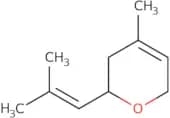
CAS:<p>Nerol oxide is a natural compound and fragrance ingredient that has been shown to have anti-aging effects. Nerol oxide is an ester of citronellal, nerolic acid and ethyl decanoate. It is found naturally in orange blossoms and other citrus plants, as well as in lavender oil. Nerol oxide can be extracted from the plant material using solid phase microextraction. The chemical analyses of this extract reveal the presence of various fatty acids, including ethyl esters, fatty acids and their corresponding alcohols. These compounds are used to produce nerol oxide by polymerization with an initiator such as potassium hydroxide or sodium hydroxide at a neutral pH.</p>Formula:C10H16OPurity:Min. 95%Molecular weight:152.23 g/mol3,6-Dichloropicolinonitrile
CAS:<p>3,6-Dichloropicolinonitrile is a peroxide that is used in the synthesis of organic compounds. It is produced by the reaction of sodium carbonate and hydrochloric acid with nitric acid as a catalyst. 3,6-Dichloropicolinonitrile has been shown to be more selective than other oxidizing agents such as hydrogen peroxide and potassium permanganate. The product can then be purified by adding diacetate, which selectively reacts with the chlorine to form acetyl chloride and glycolic acid. The resulting mixture can then be distilled to produce 3,6-dichloropicolinonitrile in high purity. 3,6-Dichloropicolinonitrile can also be used in electrochemical methods for the synthesis of cyanides or biochemically for virulent products such as pesticides and organic solvents.</p>Formula:C6H2Cl2N2Purity:Min. 95%Molecular weight:173 g/mol2,5-Diazabicyclo[2.2.2]octane dihydrochloride
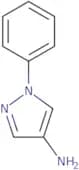
CAS:Versatile small molecule scaffoldFormula:C6H12N2·2HClPurity:Min. 95%Molecular weight:185.1 g/mol1-Phenyl-1H-pyrazol-4-amine
CAS:<p>1-Phenyl-1H-pyrazol-4-amine is a white crystalline solid that can be used in organic synthesis. It is soluble in water and acetone, but insoluble in ether and chloroform. The chemical formula for 1-phenyl-1H-pyrazol-4-amine is C6H5N3O. It has a molecular weight of 147.17, an empirical formula of C6H5N3O and a density of 1.47g/mL at 20°C. 1-Phenyl-1H-pyrazol-4-amine reacts with the hydroxyl group on l -glutamic acid to form the corresponding ester, which can be hydrolyzed under alkaline conditions to produce ammonia and benzoic acid. This molecule also contains an anion that can be deprotonated by an alkali metal such as sodium or potassium to form the corresponding salt, which</p>Formula:C9H9N3Purity:Min. 95%Molecular weight:159.19 g/mol2-Mercaptopyridine
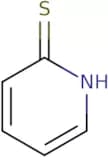
CAS:<p>2-Mercaptopyridine is a quinone that has been used as an inhibitor of the HIV reverse transcriptase enzyme. It binds to the active site of the enzyme and inhibits its activity by forming a stable covalent bond with two cysteine residues in the enzyme. The molecule is stabilized by two adjacent sulfide bonds, which form a six-membered ring with three nitrogen atoms and one oxygen atom. This ring coordinates to the zinc ion in the active site of the enzyme. 2-Mercaptopyridine has also been found to be effective against methicillin-resistant Staphylococcus aureus (MRSA) and Mycobacterium tuberculosis. 2-Mercaptopyridine binds to DNA at positions where it is complementary to guanine or adenine nucleotides, thus preventing RNA synthesis and replication.</p>Formula:C5H5NSPurity:Min. 95%Color and Shape:PowderMolecular weight:111.17 g/molN-alpha-Z-L-lysine methyl ester hydrochloride
CAS:<p>N-alpha-Z-L-lysine methyl ester hydrochloride is a preparation that is used as a methyl ester. It is an ester of lysine and methyl chloride. This product has a molecular weight of 170.16 g/mol and the chemical formula CH3CONHCH2CH(NH)CO2CH3. The structural data has not been confirmed by X-ray crystallography, but it can be assumed to be in the form of a zwitterion. N-alpha-Z-L-lysine methyl ester hydrochloride can be used for the synthesis of peptides, which are building blocks for proteins and enzymes. N-alpha-Z-L-lysine methyl ester hydrochloride is also used in the production of certain kinds of drugs and organic acids such as acetylsalicylic acid (aspirin).</p>Formula:C15H22N2O4·HClPurity:Min. 95%Molecular weight:330.81 g/mol5-bromo-3-iodopyrazolo[1,5-a]pyridine
CAS:Versatile small molecule scaffoldFormula:C7H4BrIN2Purity:Min. 95%Molecular weight:322.9 g/molEthyl 3-amino-5-bromo-1H-pyrazole-4-carboxylate
CAS:<p>Versatile small molecule scaffold</p>Formula:C6H8BrN3O2Purity:Min. 95%Molecular weight:234.05 g/molEthyl 4,6-dihydroxypyridazine-3-carboxylate
CAS:<p>Versatile small molecule scaffold</p>Formula:C7H8N2O4Purity:Min. 95%Molecular weight:184.15 g/mol5-bromo-6-methoxy-1h-indole
CAS:<p>5-bromo-6-methoxy-1H-indole is a synthetic, nonsteroidal compound that is structurally related to prednisolone. It has been shown to induce the synthesis of collagen by stimulating fibroblasts in culture. This drug also has anti-inflammatory and modulating effects on s1p receptors, which may be due to its ability to inhibit the production of proinflammatory cytokines such as tumor necrosis factor alpha (TNFα). 5-bromo-6-methoxy-1H-indole is a potent inhibitor of acid methyl esters, which are involved in inflammation and tissue destruction. 5-bromo-6-methoxy-1H--indole also has an effect on dermal cells, which may be due to its ability to inhibit the production of matrix metalloproteinase enzymes. This drug can also cause atrophy in granuloma cells and prevent the development of inflammatory</p>Formula:C9H8BrNOPurity:Min. 95%Molecular weight:226.07 g/molMethyl 2-(chloromethyl)nicotinate
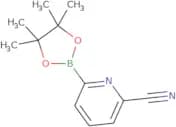
CAS:<p>Methyl 2-(chloromethyl)nicotinate is an organic compound that belongs to the class of esters. It is a reaction product of methyl 3-hydroxybenzoate and nitrous acid. This compound has antimicrobial activity and can be used to treat bacterial infections. Methyl 2-(chloromethyl)nicotinate has been shown to inhibit the growth of various bacteria, including methicillin-resistant Staphylococcus aureus (MRSA), Escherichia coli, Klebsiella pneumoniae, Pseudomonas aeruginosa, Salmonella typhi, and Salmonella typhimurium. The cyano group in this molecule may be responsible for its antibacterial activity. <br>The efficiency of methyl 2-(chloromethyl)nicotinate varies with different types of bacteria. For example, it was more effective against MRSA than against Escherichia coli or Klebsiella pneumoniae</p>Formula:C8H8ClNO2Purity:Min. 95%Molecular weight:185.61 g/mol6-Cyanopyridine-2-boronic Acid Pinacol Ester
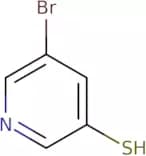
CAS:<p>Versatile small molecule scaffold</p>Formula:C12H15BN2O2Purity:Min. 95%Molecular weight:230.07 g/mol5-Bromopyridine-3-thiol
CAS:<p>Versatile small molecule scaffold</p>Formula:C5H4BrNSPurity:Min. 95%Molecular weight:190.06 g/molGlycidyltrimethylammonium Chloride
CAS:<p>Glycidyltrimethylammonium chloride is a quaternary ammonium compound that has been widely used as a disinfectant and in wastewater treatment. It is mainly used to kill bacteria and viruses, although it can also be used to remove hazardous material from water. Glycidyltrimethylammonium chloride has the ability to inhibit bacterial growth by causing cell membrane damage. This compound is also able to inhibit the synthesis of DNA, RNA, and protein in cells by binding to their respective building blocks. In addition, glycidyltrimethylammonium chloride has cytotoxic effects on human cells and significantly inhibits the replication of oral pathogens.</p>Formula:C6H14ClNOPurity:Min. 95%Color and Shape:Clear LiquidMolecular weight:151.63 g/mol(2R)-2-Acetamido-3,3-dimethylbutanoic acid
CAS:Versatile small molecule scaffoldFormula:C8H15NO3Purity:Min. 95%Molecular weight:173.21 g/mol3-Methylbenzo[b]thiophene-2-carboxylic acid
CAS:<p>3-Methylbenzo[b]thiophene-2-carboxylic acid (MBTCA) is a heterocyclic compound that is an intermediate in the synthesis of 3-methylthiophene-2-carboxylic acid, a precursor to other drugs. MBTCA is an aerobic, nonpolar compound that has shown antimicrobial activity against some bacteria and fungi. It also has been shown to have practicality as a biomolecular probe for methyl groups in organic solvents. MBTCA can be synthesized by nitration of benzene in the presence of sulfur and sulfoxides. This reaction produces nitrobenzene, which can then be oxidized by potassium permanganate or hydrogen peroxide to produce MBTCA. The most common isomer of MBTCA is 2-(3,5-dimethoxybenzylidene)tetrahydrofuran, with three methyl groups on the</p>Formula:C10H8O2SPurity:Min. 95%Molecular weight:192.23 g/mol3,4,5-Trimethoxybenzoyl chloride
CAS:<p>3,4,5-Trimethoxybenzoyl Chloride is a reactive, active chemical that is used in the synthesis of cytotoxic amides. It is prepared by reacting 3,4,5-trimethoxybenzoic acid with an amine or ammonia in the presence of a base. The reaction yields an amide substituted at the 3- and 4-positions with trimethoxyphenyl groups.</p>Formula:C10H11ClO4Purity:Min. 95%Molecular weight:230.64 g/mol4-Benzyloxy-1-butanol
CAS:Controlled Product<p>Versatile small molecule scaffold</p>Formula:C11H16O2Purity:Min. 95%Molecular weight:180.24 g/mol5-Bromo-1-methyl-1H-pyrazole-4-carboxylic acid
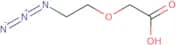
CAS:<p>Versatile small molecule scaffold</p>Formula:C5H5BrN2O2Purity:Min. 95%Molecular weight:205.01 g/mol2-(2-Azidoethoxy)acetic Acid
CAS:<p>2-(2-Azidoethoxy)acetic Acid is a hydrophobic antibacterial agent that can be used to inhibit bacterial growth by disrupting the cell membrane. It has been shown to inhibit the growth of Staphylococcus aureus and Escherichia coli, which may be due to its ability to bind to the glutathione moiety in the bacterial cell membrane. 2-(2-Azidoethoxy)acetic Acid has been shown to have antimicrobial activity against both Gram-positive and Gram-negative bacteria in vitro. This compound is also able to cross the cell membrane, inhibiting bacterial replication in vivo.</p>Formula:C4H7N3O3Purity:Min. 95%Molecular weight:145.12 g/mol(2,3-Dihydrobenzo[b][1,4]dioxin-5-yl)boronic acid
CAS:<p>Versatile small molecule scaffold</p>Formula:C8H9BO4Purity:Min. 95%Molecular weight:179.97 g/mol2-{[(3αR,4S,6R,6αS)-6-Amino-2,2-dimethyltetrahydro-3αH-cyclopenta[d][1,3]-dioxol-4-yl] oxy}-1-ethol
CAS:<p>Versatile small molecule scaffold</p>Formula:C10H19NO4Purity:Min. 95%Color and Shape:PowderMolecular weight:217.26 g/mol2-[[(3aS,4R,6S,6aa)-4-[7-[[(1R,2S)-2-(3 ,4-Difluorophenyl)cyclopropyl]amino]-5-(propylthio)-3H-[1,2,3]triazolo[4 ,5-d]pyrimidin-3-yl]-2,2-dimethyl-tetrahydro-3aH-cyclopenta[d][1 ,3]dioxol-6-yl]oxy]ethanol
CAS:<p>2-[[(3aS,4R,6S,6aa)-4-[7-[[(1R,2S)-2-(3,4-Difluorophenyl)cyclopropyl]amino]-5-(propylthio)-3H-[1,2,3]triazolo[4,5-d]pyrimidin-3-yl]- 2,2-dimethyl-tetrahydro-3aH-cyclopenta[d][1,3]dioxol-6-yl]oxy]ethanol-d7 is a compound with brominated sparfloxacin. It has various applications in the field of biochemistry and research chemicals. This compound has been found to have interactions with adipocytes and adipose tissues. Additionally, it has shown potential effects on glycan metabolism and potassium ion channels. Furthermore, this compound has been studied for its potential as an herbicide and its interaction with other substances such as</p>Formula:C26H32F2N6O4SPurity:Min. 95%Molecular weight:562.63 g/mol2-Amino-5-bromo-3-fluorobenzoic acid
CAS:<p>Versatile small molecule scaffold</p>Formula:C7H5BrFNO2Purity:Min. 95%Molecular weight:234.03 g/molMethyl 3-chloro-4-iodobenzoate
CAS:Versatile small molecule scaffoldFormula:C8H6ClIO2Purity:Min. 95%Molecular weight:296.49 g/mol3-(Methoxycarbonyl)pyridine-4-carboxylic acid
CAS:<p>Versatile small molecule scaffold</p>Formula:C8H7NO4Purity:Min. 95%Molecular weight:181.15 g/mol7-Chloroisoquinolin-1-ol
CAS:<p>Versatile small molecule scaffold</p>Formula:C9H6ClNOPurity:Min. 95%Molecular weight:179.6 g/mol2-chloro-5-(trifluoromethyl)pyrimidin-4-amine
CAS:<p>Versatile small molecule scaffold</p>Formula:C5H3ClF3N3Purity:Min. 95%Molecular weight:197.55 g/mol2-(Oxan-4-yloxy)ethan-1-ol
CAS:<p>Versatile small molecule scaffold</p>Formula:C7H14O3Purity:Min. 95%Molecular weight:146.18 g/mol6,6-Difluorospiro[3.3]heptan-2-amine Hydrochloride
CAS:<p>Versatile small molecule scaffold</p>Formula:C7H11F2N·HClPurity:Min. 95%Molecular weight:147.17 g/mol3-Dimethylamino-1-pyridin-3-yl-propenone
CAS:<p>Versatile small molecule scaffold</p>Formula:C10H12N2OPurity:Min. 95%Molecular weight:176.22 g/mol4-Iodo-1-methyl-1h-pyrazole-5-carbonitrile
CAS:<p>4-Iodo-1-methyl-1H-pyrazole-5-carbonitrile is a tetrazole molecule that has been shown to have potent and selective inhibitory activity against human PCSK9. This compound binds to the catalytic site of PCSK9 and prevents the formation of an active enzyme, therefore inhibiting the production of LDL cholesterol. 4-Iodo-1-methyl-1H-pyrazole-5-carbonitrile is a prodrug that is metabolized by acetaldehyde dehydrogenase to form an active inhibitor. The reaction proceeds in a chiral and enantioselective manner, which allows for the synthesis of racemic mixtures of this drug.</p>Formula:C5H4IN3Purity:Min. 95%Molecular weight:233.01 g/mol1-Boc-3-Oxo-1,4-diazepane
CAS:<p>Versatile small molecule scaffold</p>Formula:C10H18N2O3Purity:Min. 95%Molecular weight:214.27 g/mol2-Acetylbenzoic acid
CAS:<p>2-Acetylbenzoic acid is a functional molecule that contains an acetyl group. It can form hydrogen bonds with other molecules and has been shown to induce apoptosis in cells. The reaction products of 2-acetylbenzoic acid are malonic acid, acetylsalicylic acid, and 2-benzoylbenzoic acid. These three compounds are made by the addition of hydrogen or hydroxide to the molecule 2-acetylbenzoic acid. The molecule has two functional groups: a carbonyl group and an acetyl group. The chemical structure of this molecule can be seen in the figure below.<br>2-Acetylbenzoic Acid</p>Formula:C9H8O3Purity:Min. 95%Color and Shape:PowderMolecular weight:164.16 g/moltert-Butyl 9-oxo-4,8-diazaspiro[4.4]nonane-4-carboxylate
CAS:<p>Versatile small molecule scaffold</p>Formula:C12H20N2O3Purity:Min. 95%Molecular weight:240.3 g/moltert-Butyl 5-(4,4,5,5-tetramethyl-1,3,2-dioxaborolan-2-yl)-3,4-dihydropyridine-1(2h)-carboxylate
CAS:<p>Versatile small molecule scaffold</p>Formula:C16H28BNO4Purity:Min. 95%Molecular weight:309.21 g/mol1-Adamantane carboxylic acid
CAS:1-Adamantane carboxylic acid is a hydrophobic molecule that can form a complex with metal hydroxides. It is used in the process optimization of the synthesis of sodium salts. 1-Adamantane carboxylic acid binds to metals, such as magnesium and calcium, in a coordination geometry that is similar to that observed for water molecules. The complexation of 1-Adamantane carboxylic acid with metal ions results in an acidic environment, which is important for bowel disease. This acid complex also has anti-inflammatory properties. The hydroxyl group on the 1-adamantane carboxylic acid reacts with oxygen to form an alcohol group and this reaction mechanism may be involved in physiological functions.Formula:C11H16O2Purity:Min. 95%Color and Shape:White PowderMolecular weight:180.25 g/mol2-(3,4-Dihydro-2H-1,5-benzodioxepin-6-yl)-4,4,5,5-tetramethyl-1,3,2-dioxaborolane
CAS:<p>Versatile small molecule scaffold</p>Formula:C15H21BO4Purity:Min. 95%Molecular weight:276.14 g/mol1-(3,3-Difluorocyclobutyl)ethan-1-one
CAS:<p>Versatile small molecule scaffold</p>Formula:C6H8F2OPurity:Min. 95%Molecular weight:134.13 g/moltert-Butyl 3-bromobenzylcarbamate
CAS:<p>Versatile small molecule scaffold</p>Formula:C12H16BrNO2Purity:Min. 95%Molecular weight:286.16 g/mol4-Bromo-2-(hydroxymethyl)benzyl alcohol
CAS:<p>Versatile small molecule scaffold</p>Formula:C8H9BrO2Purity:Min. 95%Molecular weight:217.06 g/mol2-Amino-4-bromopyridine
CAS:<p>2-Amino-4-bromopyridine is a potent, selective antagonist of the nicotinic acetylcholine receptor (nAChR) that has been shown to inhibit the proliferation of cancer cells in vitro. 2-Amino-4-bromopyridine binds to the nAChR and stabilizes it by binding to an allosteric site on the receptor. 2-Amino-4-bromopyridine is synthesized from 4,5-dibromobenzene and 2,6-diaminopyridine in two steps with a yield of 47%. The synthesis of 2-amino-4-bromopyridine proceeds via reaction mechanism involving electrophilic substitution at the bromine atom followed by nucleophilic addition at the nitrogen atom.</p>Formula:C5H5BrN2Purity:Min. 95%Color and Shape:PowderMolecular weight:173.01 g/mol2-Imidazolidone-4-carboxylic acid
CAS:2-Imidazolidone-4-carboxylic acid is a potent inhibitor of matrix metalloproteinases, which are enzymes that break down proteins in the extracellular matrix. 2-Imidazolidone-4-carboxylic acid inhibits the activity of both serine protease and matrix metalloproteinase, two enzymes involved in the inflammation process. 2-Imidazolidone-4-carboxylic acid has been shown to inhibit the transport of amino acids, leading to decreased protein synthesis and cell growth. It also inhibits cancer cells by disrupting their ability to grow new blood vessels and invade other tissues.Formula:C4H6N2O3Purity:Min. 95%Molecular weight:130.1 g/molFmoc-α-Me-Lys(Boc)-OH
CAS:<p>Fmoc-a-Me-Lys(Boc)-OH is a versatile building block that can be used in the synthesis of complex compounds. It is a reagent and speciality chemical, which are substances used in research laboratories. Fmoc-a-Me-Lys(Boc)-OH has been used as an intermediate in the synthesis of drugs such as antihypertensive agents, anticonvulsants, and antibiotics. It has also been used as a reaction component in organic syntheses to produce peptides, polymers, and other compounds with biologically active properties.</p>Formula:C27H34N2O6Purity:Min. 95%Color and Shape:White PowderMolecular weight:482.57 g/molFmoc-Lys-OH·HCl
CAS:<p>Fmoc-Lys-OH·HCl is an acidic pyrylium that has been shown to be a potent inhibitor of tumor vasculature. It binds to the human serum albumin and inhibits the binding of ligands to the receptor tyrosine kinases, which are involved in brain tumor proliferation. Fmoc-Lys-OH·HCl has also been shown to inhibit the growth of cancer cells by binding to cell membrane receptors and inhibiting protein synthesis. This compound is also isomeric, meaning it can exist in different forms with different properties.</p>Formula:C21H24N2O4·HClPurity:Min. 95 Area-%Color and Shape:White PowderMolecular weight:404.89 g/mol3-bromo-6,7-dihydro-5h-pyrrolo[3,4-b]pyridine hcl
CAS:<p>Versatile small molecule scaffold</p>Formula:C7H8BrClN2Purity:Min. 95%Molecular weight:235.51 g/mol3-bromo-5-chloro-2-fluorobenzaldehyde
CAS:Versatile small molecule scaffoldFormula:C7H3BrClFOPurity:Min. 95%Molecular weight:237.5 g/mol6-Amino-4H,5H,6H,7H,8H-thieno[3,2-b]azepin-5-one hydrochloride
CAS:<p>Versatile small molecule scaffold</p>Formula:C8H11ClN2OSPurity:Min. 95%Molecular weight:218.7 g/mol(5-methylbenzofuran-2-yl)boronic acid
CAS:<p>Versatile small molecule scaffold</p>Formula:C9H9BO3Purity:Min. 95%Molecular weight:175.98 g/mol1-(piperazin-1-yl)butan-1-one
CAS:<p>1-(Piperazin-1-yl)butan-1-one is a neoplastic cell growth inhibitor that inhibits the proliferation of myeloid, k562 and HL60 cells. It has been shown to inhibit the growth of tumor cells in vitro. 1-(Piperazin-1-yl)butan-1-one is an analog of piperazine, which is known to be a cytotoxic agent with anticancer activity. The mechanism of action is not known, but it may be due to its ability to inhibit DNA synthesis or its inhibition of protein synthesis.</p>Formula:C8H16N2OPurity:Min. 95%Molecular weight:156.23 g/molL-Glutamic acid 5-benzyl ester
CAS:<p>L-Glutamic acid 5-benzyl ester is an amino acid that has been synthesized to have a lysine residue. It is an ester hydrochloride and has been shown to have broad-spectrum antimicrobial properties. L-glutamic acid 5-benzyl ester's antimicrobial activity is thought to be due to its chemical structure which allows it to act as an antimicrobial peptide, binding to receptors on the surface of bacterial cells and inhibiting their growth. L-glutamic acid 5-benzyl ester also inhibits osteogenic genes in cervical cancer cells, but not in normal cells.</p>Formula:C12H15NO4Purity:Min. 95%Color and Shape:White Off-White PowderMolecular weight:237.25 g/molMethyl 4-(hydroxymethyl)pyridine-2-carboxylate
CAS:<p>Versatile small molecule scaffold</p>Formula:C8H9NO3Purity:Min. 95%Molecular weight:167.16 g/mol7-Oxa-2-azaspiro[3.5]nonane hydrochloride
CAS:<p>Versatile small molecule scaffold</p>Formula:C7H14ClNOPurity:Min. 95%Molecular weight:163.6 g/mol2-(Morpholin-4-yl)acetyl chloride hydrochloride
CAS:<p>2-(Morpholin-4-yl)acetyl chloride hydrochloride is a fine chemical that is used as a building block for the synthesis of other compounds. It can be used in research and development, or as a reagent. 2-(Morpholin-4-yl)acetyl chloride hydrochloride has high purity and is easily soluble in water. This compound can be used as an intermediate to synthesize other compounds, or it can be used as a scaffold for the formation of complex structures.</p>Formula:C6H11Cl2NO2Purity:Min. 95%Color and Shape:PowderMolecular weight:200.06 g/mol4-Hydroxybenzenesulfonic acid, 65% aqueous solution
CAS:<p>4-Hydroxybenzenesulfonic acid is a chemical compound that is used as an antimicrobial agent in industrial applications. It is commonly used as a corrosion inhibitor, a chelating agent, and an additive for detergents and other cleaning products. 4-Hydroxybenzenesulfonic acid has been shown to inhibit the growth of bacteria by binding to fatty acids in the cell membrane and preventing them from being incorporated into the cell wall. This process causes the cell wall to weaken and eventually rupture. The reaction mechanism of 4-hydroxybenzenesulfonic acid is similar to that of p-hydroxybenzoic acid, which also inhibits bacterial growth by attacking fatty acids in the cell membrane. 4-Hydroxybenzenesulfonic acid may be preferable because it can be produced from renewable sources rather than from petroleum or natural gas.</p>Formula:C6H6O4SPurity:65%MinColor and Shape:Red PowderMolecular weight:174.18 g/mol3,3²-Dithiobis(propionitrile)
CAS:<p>3,3²-Dithiobis(propionitrile) is a molecule that includes sodium hydroxide solution and acrylonitrile. It reacts with 3-mercaptopropionic acid to form sodium hydrogen ester compounds. This reaction takes place in a sealed container and is catalyzed by carbonic and hydrochloric acids. The product of this reaction is 3-thiocyanatoacrylic acid.</p>Formula:C6H8N2S2Purity:Min. 95%Molecular weight:172.27 g/mol4-(2-Bromoethyl)morpholine hydrobromide
CAS:<p>4-(2-Bromoethyl)morpholine hydrobromide is a solvent that is used as an agent in the production of other chemicals. It is a colorless, crystalline solid with a constant melting point of 130 to 131 degrees Celsius. 4-(2-Bromoethyl)morpholine hydrobromide is soluble in acetone, ethanol, ether, and water. This chemical has been shown to be toxic and should be handled with care.</p>Formula:C6H13Br2NOPurity:Min. 95%Molecular weight:274.98 g/mol1-(Difluoromethyl)-1H-pyrazole-4-carbaldehyde
CAS:<p>Versatile small molecule scaffold</p>Formula:C5H4F2N2OPurity:Min. 95%Molecular weight:146.09 g/molMethyl 2-(2-chloropyrimidin-4-yl)acetate
CAS:<p>Versatile small molecule scaffold</p>Formula:C7H7ClN2O2Purity:Min. 95%Molecular weight:186.59 g/mol5-Chloro-1-methyl-1H-pyrazol-3-amine
CAS:<p>Versatile small molecule scaffold</p>Formula:C4H6N3ClPurity:Min. 95%Molecular weight:131.56 g/mol2,4,5,6-Tetra(9H-carbazol-9-yl)isophthalonitrile
CAS:<p>2,4,5,6-Tetra(9H-carbazol-9-yl)isophthalonitrile is a redox molecule that emits light when excited by an electron or photon. It is used in organic light emitting devices (OLEDs) as the emissive material. This compound has been shown to have low chemical stability and limited transport properties. Its efficiency can be improved by increasing the concentration of the molecule. Activated 2,4,5,6-tetra(9H-carbazol-9-yl)isophthalonitrile emits a bright red orange emission with a maximum at 569 nm and it is activated by electron transfer from an electrode. 2,4,5,6-Tetra(9H-carbazol-9-yl)isophthalonitrile has been shown to emit blue light when excited by UV light in the presence of oxygen as an oxidant.</p>Formula:C56H32N6Purity:Min. 98 Area-%Color and Shape:PowderMolecular weight:788.89 g/mol5-(Methylamino)nicotinic acid
CAS:<p>Versatile small molecule scaffold</p>Formula:C7H8N2O2Purity:Min. 95%Molecular weight:152.15 g/mol(S)-1-N-Boc-2-methylpiperazine
CAS:<p>(S)-1-N-Boc-2-methylpiperazine is a quinolone synthon that has been shown to have antibacterial activity against bacteria. The synthesis of this compound is done through the condensation of piperazine with an N-Boc protected 2,6-dichloroquinoline. This reaction proceeds in good yield and enantioselectivity. The antibacterial properties of (S)-1-N-Boc-2-methylpiperazine are not yet known.</p>Formula:C10H20N2O2Purity:Min. 95%Color and Shape:White PowderMolecular weight:200.28 g/molN-Me-D-Ala-OMe·HCl
CAS:<p>Please enquire for more information about N-Me-D-Ala-OMe·HCl including the price, delivery time and more detailed product information at the technical inquiry form on this page</p>Formula:C5H11NO2·HClPurity:Min. 95%Molecular weight:153.61 g/mol4-Methylenepiperidine hydrochloride
CAS:<p>4-Methylenepiperidine hydrochloride is a synthetic, ethylene oxide derivative that is used as an antifungal drug. It is also used in the synthesis of other compounds and as a reagent in organic chemistry. 4-Methylenepiperidine hydrochloride can be synthesized by reacting ethylene with an alkoxide, followed by adding a metal halide such as organolithium reagents to form the desired product. The yield rate of this reaction is high and it is easy to perform on a large scale.</p>Formula:C6H11N·HClPurity:Min. 95%Color and Shape:White PowderMolecular weight:133.62 g/mol2-Methyl-2H-indazol-5-ylamine
CAS:<p>Please enquire for more information about 2-Methyl-2H-indazol-5-ylamine including the price, delivery time and more detailed product information at the technical inquiry form on this page</p>Formula:C8H9N3Purity:Min. 95%Molecular weight:147.18 g/molLeu-Leu-Leu-OH
CAS:<p>Leu-Leu-Leu-OH is a pentapeptide that is used in cancer treatment to inhibit the growth of cancer cells. It prevents the production of proteins and, as a result, cell division. Leu-Leu-Leu-OH has been shown to be effective against tumor cells with an antibody that binds to the surface of cells. The monoclonal antibody is taken up by the cancer cells through receptor mediated endocytosis, which leads to inhibition of protein synthesis and cell death.</p>Formula:C18H35N3O4Purity:Min. 95%Color and Shape:White PowderMolecular weight:357.49 g/molPotassium (1-(tert-butoxycarbonyl)piperidin-4-yl)trifluoroborate
CAS:<p>Versatile small molecule scaffold</p>Formula:C10H18BF3KNO2Purity:Min. 95%Molecular weight:291.16 g/mol2-Iodobenzoic acid methyl ester
CAS:<p>2-Iodobenzoic acid methyl ester is a palladium complex that can be used as a catalyst for the hydrolysis of ketoesters, imines, and halides. The reaction mechanism involves the coordination of the metal center to the carboxylate or amine group on the substrate, followed by a nucleophilic attack at the benzoate or chloride group. The resulting product is an alkyl halide. 2-Iodobenzoic acid methyl ester has been shown to catalyze the cross-coupling of diphenyl ethers with various amines in water and in organic solvents.</p>Formula:C8H7IO2Purity:Min. 95%Color and Shape:Clear LiquidMolecular weight:262.04 g/mol2,4,6-trichloropyridine-3-carbonitrile
CAS:<p>Versatile small molecule scaffold</p>Formula:C6HCl3N2Purity:Min. 95%Molecular weight:207.4 g/molMethyl 2-(2-methoxypyridin-4-yl)acetate
CAS:<p>Versatile small molecule scaffold</p>Formula:C9H11NO3Purity:Min. 95%Molecular weight:181.19 g/mol3-(p-tolyl)propiolic acid
CAS:<p>3-(p-tolyl)propiolic acid is a functional group that is used in organic chemistry. It is an alkynoic acid with a terminal triple bond. The compound can be synthesized by the reaction of propiolic acid with an alkyne, followed by oxidation. The 3-(p-tolyl)propiolic acid can be used as a surrogate for other functional groups in organic synthesis, and it has been shown to react as an oxidant in biomolecular systems.</p>Formula:C10H8O2Purity:Min. 95%Molecular weight:160.17 g/mol3-Methoxy-5-(methoxycarbonyl)phenylboronic acid pinacol ester
CAS:<p>Versatile small molecule scaffold</p>Formula:C15H21BO5Purity:Min. 95%Molecular weight:292.14 g/mol2-Iodobenzoic acid
CAS:<p>2-Iodobenzoic acid is a synthetic compound that is used in the treatment of wastewater. It is produced by the reaction of benzoate and nitrite in the presence of sodium hydroxide. The intramolecular hydrogen atom transfer from the 2-iodobenzoic acid to benzoate is a reversible reaction. This process can be catalyzed by palladium, which has been shown to be effective in coupling 2-iodobenzoic acid with other compounds to produce cyclic peptides. The use of 2-iodobenzoic acid as a contraceptive has been investigated for its ability to inhibit acetylcholinesterase activity, which may lead to increased levels of acetylcholine and inhibition of muscle contractions.</p>Formula:C7H5IO2Purity:Min. 98 Area-%Color and Shape:PowderMolecular weight:248.02 g/molp-Isobutylstyrene-d7
CAS:<p>p-Isobutylstyrene-d7 is a solid catalyst that can be used in the synthesis of organic compounds. It has been shown to have good activity for the transfer of acid chloride groups to aromatic ring systems and for the synthesis of thiadiazoles. p-Isobutylstyrene-d7 has been shown to be an excellent catalyst for the conversion of hydrochloric acid into hydrogen chloride, which can then be recycled. The toxicity studies on this compound have shown that it is not toxic to bacterial strains, which may make it a good candidate for use as a catalyst in bioremediation or a growth substrate. This catalyst has also been shown to have photocatalytic activity and may be used in the purification of water contaminated with heavy metals.</p>Formula:C12H9D7Purity:Min. 95%Molecular weight:167.3 g/molIsocytosine
CAS:<p>Isocytosine is a prodrug that has been synthesized with the intramolecular hydrogen on the nitrogen atoms, which makes it more chemically stable. Isocytosine is a reactive molecule, and can react with tautomers to form isocytosine derivatives. Isocytosine contains three hydrogen atoms that are transferable through reactions to other molecules. The chemical stability of isocytosine allows for its use in wastewater treatment. It also has metabolic effects, such as the inhibition of colorectal adenocarcinoma and metabolic disorders. Isocytosine can be used as a model system for studying transfer reactions and reaction mechanisms.</p>Formula:C4H5N3OPurity:Min. 95%Color and Shape:PowderMolecular weight:111.1 g/mol1-Boc-pyrrolidine-3-ethanol
CAS:<p>Versatile small molecule scaffold</p>Formula:C11H21NO3Purity:Min. 95%Molecular weight:215.29 g/mol1-Bromo-3,3-difluorocyclobutane
CAS:<p>Versatile small molecule scaffold</p>Formula:C4H5BrF2Purity:Min. 95%Molecular weight:170.98 g/mol3-Ethynylbenzenesulfonamide
CAS:<p>3-Ethynylbenzenesulfonamide is a synthetic, hydrophobic, antimicrobial compound that disrupts the cell membrane. It has been shown to be effective against both mammalian and microbial cells. The antimicrobial use of this compound is still under study, but it may provide an alternative to the current antibiotics. 3-Ethynylbenzenesulfonamide is amphipathic in nature and has an extremely large expansion ratio. This molecule is also hydrophobic, which may help with its ability to penetrate the cell membrane. Antimicrobial compounds are designed to inhibit or kill microorganisms such as bacteria or fungi by disrupting their cellular membranes. They work by interacting with specific targets on the surface of the target organism and producing a lethal effect on its function. 3-Ethynylbenzenesulfonamide interacts with proteins found on bacterial membranes called porins, resulting in a loss of osmotic stability and then permeability through the bilayer. This leads</p>Formula:C8H7NO2SPurity:Min. 95%Molecular weight:181.21 g/mol1H-[1,2,3]Triazolo[4,5-d]pyrimidin-5-amine
CAS:<p>1H-[1,2,3]Triazolo[4,5-d]pyrimidin-5-amine is a nitro compound that binds to the receptor binding sites of certain inflammatory bowel disease and cancer cells. It also inhibits the production of adenosine in these cells. 1H-[1,2,3]Triazolo[4,5-d]pyrimidin-5-amine has been shown to be effective against bowel disease and cancer by inhibiting cyclic AMP (cAMP) degradation. This drug has also been shown to be an irreversible inhibitor of ischemia reperfusion injury in animal models. 1H-[1,2,3]Triazolo[4,5-d]pyrimidin-5-amine is a nitro compound that binds to the receptor binding sites of certain inflammatory bowel disease and cancer cells. It also inhibits the production of adenosine in these cells. 1H</p>Formula:C4H4N6Purity:Min. 95%Molecular weight:136.12 g/mol6,7-dihydro-5h-pyrrolo[3,4-d]pyrimidin-2-amine 2hcl
CAS:<p>Versatile small molecule scaffold</p>Formula:C6H10Cl2N4Purity:Min. 95%Molecular weight:209.07 g/molDi(1-adamantyl)chlorophosphine
CAS:<p>Di(1-adamantyl)chlorophosphine is a bifunctional ligand that can be used for the palladium-catalyzed coupling of aryl chlorides and amines. Di(1-adamantyl)chlorophosphine is synthesized from adamantane, phosphorous pentachloride, and anhydrous ammonia in the presence of catalytic amounts of palladium. Di(1-adamantyl)chlorophosphine is immobilized on silica gel to prevent hydrolysis. This ligand reacts with primary amines to form iminophosphoranes, which can then be reacted with aryl chlorides to form aryl chloroamines.</p>Formula:C20H30ClPPurity:Min. 95%Molecular weight:336.88 g/mol5,6-Dibromopyridin-2-ol
CAS:<p>Versatile small molecule scaffold</p>Formula:C5H3Br2NOPurity:Min. 95%Molecular weight:252.89 g/moltert-Butyl (3S,5S)-3-amino-5-fluoropiperidine-1-carboxylate
CAS:<p>Versatile small molecule scaffold</p>Formula:C10H19FN2O2Purity:Min. 95%Molecular weight:218.27 g/molMethyl 2-cyano-5-fluorobenzoate
CAS:<p>Versatile small molecule scaffold</p>Formula:C9H6FNO2Purity:Min. 95%Molecular weight:179.15 g/mol3-Chloro-4-(pyridin-3-yl)-1,2,5-thiadiazole
CAS:<p>Versatile small molecule scaffold</p>Formula:C7H4ClN3SPurity:Min. 95%Molecular weight:197.64 g/mol1-(2,4-Difluoro-6-hydroxyphenyl)ethan-1-one
CAS:<p>Versatile small molecule scaffold</p>Formula:C8H6F2O2Purity:Min. 95%Molecular weight:172.13 g/mol2,4,6-Trichloropyrimidine
CAS:<p>2,4,6-Trichloropyrimidine is an antimicrobial agent that belongs to the chemical class of pyrimidine compounds. It inhibits bacterial growth by cross-linking with amino acids and nucleic acids in the cell wall, thereby inhibiting protein synthesis. 2,4,6-Trichloropyrimidine is also a cross-linking agent for polymers such as polyurethane and vinyl chloride. This compound has been shown to be effective against P. aeruginosa and other bacteria that are resistant to antibiotics. 2,4,6-Trichloropyrimidine reacts with water vapor or oxygen nucleophiles to form hydrogen chloride and amine groups. These reactions can be used for identification of this compound in the laboratory.</p>Formula:C4HCl3N2Purity:Min. 95%Color and Shape:PowderMolecular weight:183.42 g/molN-Boc-4-piperidineacetaldehyde
CAS:<p>N-Boc-4-piperidineacetaldehyde is a chiral, stable, and readily available aldehyde. It has been used in the synthesis of various biologically active molecules including imidazolidinones, which are important for their use as catalysts in organic chemistry. The synthesis of this molecule by the condensation of 4-piperidineacetic acid with acetaldehyde followed by reduction with sodium borohydride is an example of this type of reaction. N-Boc-4-piperidineacetaldehyde can be used to synthesize imines and linkers that are covalently bonded to the protein backbone. This molecule also has conformational stability and is not susceptible to oxidation or radiation damage.</p>Formula:C12H21NO3Purity:Min. 95%Molecular weight:227.3 g/molα-Ketoglutaric acid disodium dihydrate
CAS:<p>α-Ketoglutaric acid (α-KGA) is a natural metabolite of glucose and is an intermediate in the citric acid cycle. α-KGA has been shown to have powerful anti-cancer properties, which may be due to its ability to inhibit glucose uptake and metabolism in tumor cells. α-KGA has also been shown to reduce locomotor activity, which may be due to its ability to induce transcriptional regulation of genes that are involved in glucose regulation. In addition, α-KGA has been shown to regulate fatty acid synthesis by inhibiting acetyl CoA carboxylase, which is an enzyme that catalyzes the production of malonyl CoA.</p>Formula:C5H4Na2O5•(H2O)2Purity:Min. 95%Color and Shape:PowderMolecular weight:226.09 g/molFipexide hydrochloride
CAS:<p>Fipexide is a dopamine analog that is used as an anti-inflammatory drug. Fipexide has been shown to be effective against inflammatory bowel disease, autoimmune diseases and chronic oral toxicity in animal models. The symptoms of fipexide are similar to the symptoms of Parkinson's disease, which include tremors, muscle rigidity and slowness of movement. Fipexide also has a reactive nitrogen atom in its molecular structure, which may contribute to its toxicity. It has been shown to have no effect on locomotor activity in animals with bowel disease.</p>Formula:C20H21ClN2O4·HClPurity:Min. 95%Molecular weight:425.31 g/molTri-b-GalNAc-PEG5-NHS ester
CAS:<p>Tri-GalNAc-NHS ester is a multivalent molecule composed of three GalNAc cluster arms. It is a protein degrader and a ligand of the asialoglycoprotein receptor (ASGPR) used for the development of targeted therapies for liver diseases. The GalNAc arms enable high-affinity binding to the ASGPR on hepatocyte surfaces. The crucial functional group, N-hydroxysuccinimide (NHS) ester, is known for its ease of conjugation with various biomolecules possessing amine (NH2) groups. This biocompatible reaction strategy allows the design and development of targeted conjugates such as drug-GalNAc conjugates, siRNA delivery vehicles, or probes for ASGPR imaging in the liver.</p>Formula:C79H137N11O37Purity:Min. 95%Color and Shape:PowderMolecular weight:1,832.99 g/mol5-aminoresorcinol
CAS:<p>5-aminoresorcinol is a nucleophilic compound that can be used in oriented photocatalysis. It has good operational stability and high photoreactivity, with a hydroxyl group and an aromatic benzyl group. The product has been shown to have neutral pH levels, which is suitable for the environment. 5-Aminoresorcinol can be reused for photoelectron mineralization and nitrate reduction.</p>Formula:C6H7NO2Purity:Min. 95%Molecular weight:125.13 g/mol1-tert-Butyl-1H-pyrazol-4-amine hydrochloride
CAS:<p>Versatile small molecule scaffold</p>Formula:C10H14ClN3O4Purity:Min. 95%Molecular weight:275.69 g/mol3-[(tert-butoxy)carbonyl]-3-azaspiro[5.5]undecane-9-carboxylic acid
CAS:Versatile small molecule scaffoldFormula:C16H27NO4Purity:Min. 95%Molecular weight:297.4 g/molProtoporphyrin IX dimethyl ester
CAS:Please enquire for more information about Protoporphyrin IX dimethyl ester including the price, delivery time and more detailed product information at the technical inquiry form on this pageFormula:C36H38N4O4Purity:Min. 95%Molecular weight:590.71 g/mol3,3',5'-Triiodo-D-thyronine
CAS:<p>3,3',5'-Triiodo-D-thyronine is a thyroid hormone that is used in the treatment of hypothyroidism. It is administered by injection or by mouth. 3,3',5'-Triiodo-D-thyronine is an insoluble drug, which means it cannot be dissolved in water. This drug can be injected into the body or taken as a pill. 3,3',5'-Triiodo-D-thyronine has been shown to increase metabolic rate and may also inhibit the growth of certain types of tumors. 3,3',5'-Triiodo-D-thyronine has been used in diagnostic procedures such as iontophoresis and implanting devices to treat prostate cancer. This medication can also be used for cosmetic purposes such as skin rejuvenation and hair loss prevention. 3,3',5'-Triiodo-D-thyronine has two structural isomers: levothyroxine and</p>Formula:C15H12I3NO4Purity:Min. 95%Molecular weight:650.97 g/mol1-(2-Chlorophenyl)-2-(methylamino)propan-1-one hydrochloride
CAS:Controlled Product<p>Versatile small molecule scaffold</p>Formula:C10H12ClNO•HClPurity:Min. 95%Color and Shape:PowderMolecular weight:234.12 g/mol(1S)-1-{[1,2,4]Triazolo[4,3-a]pyridin-3-yl}ethan-1-amine
CAS:<p>Versatile small molecule scaffold</p>Formula:C8H10N4Purity:Min. 95%Molecular weight:162.19 g/molIsostearic acid
CAS:<p>Please enquire for more information about Isostearic acid including the price, delivery time and more detailed product information at the technical inquiry form on this page</p>Formula:C18H36O2Molecular weight:284.48 g/mol1-(4-Ethylphenyl)-2,2,2-trifluoroethan-1-ol
CAS:<p>Versatile small molecule scaffold</p>Formula:C10H11F3OPurity:Min. 95%Molecular weight:204.19 g/mol1-(4-Amino-2-trifluoromethyl-phenyl)-ethanone
CAS:<p>Versatile small molecule scaffold</p>Formula:C9H8F3NOPurity:Min. 95%Molecular weight:203.16 g/moltrans-Cinnamic acid
CAS:<p>Cinnamic acid is a phenolic acid that is found in plants and has a general structure of CH2-C6H4-CO2H. It can be metabolized by the enzyme cinnamate 4-hydroxylase to caffeic acid. Cinnamic acid has been shown to have genotoxic activity through its ability to form DNA adducts, which can cause mutations in cells. This compound also has antioxidant properties and may be used as an anticancer agent due to its ability to inhibit proliferation of cancer cells and induce apoptosis. Cinnamic acid inhibits the production of prostaglandin E2 (PGE2) in rat primary astrocytes, which may lead to the development of inflammatory eye disorders such as uveitis or retinal detachment. The compound is also able to suppress the expression of toll-like receptor 2 (TLR2), which may make it useful for treatment of infectious diseases. Cinnamic acid also forms hydrogen bonds</p>Formula:C9H8O2Purity:Min. 95%Color and Shape:White PowderMolecular weight:148.16 g/mol1,2,3,4,5-Pentaphenyl-1'-(di-tert-butylphosphino)ferrocene
CAS:<p>1,2,3,4,5-Pentaphenyl-1'-(di-tert-butylphosphino)ferrocene (Pd(dba)2) is a reagent in the form of a dark brown liquid that can be used to synthesize benzene derivatives. It has been shown to be soluble in chloroform and toluene. This compound is stable at room temperature and it can be eluted with phenyl chloride. Pd(dba)2 is a ligand that binds to the metal palladium in order to facilitate the formation of complex compounds.</p>Formula:C48H47FePPurity:Min. 95%Color and Shape:Pink To Dark Red SolidMolecular weight:710.71 g/molPoly(dioxanone)
CAS:<p>Poly(dioxanone) is a biocompatible polymer that has been shown to promote bone growth in animal models. It is a cross-linking agent and can be used as an alternative to copper chromite, which is the most common cross-linking agent used in tissue engineering. Poly(dioxanone) has been shown to promote bone growth by stimulating the production of growth factors and increasing the activity of osteoblasts, cells that produce new bone. The material also promotes matrix deposition and remodeling, leading to increased bone density.</p>Formula:(C4H6O3)nPurity:Min. 95%Color and Shape:Powder1-[(4-Chlorophenyl)phenylmethyl]-4-[(3-methylphenyl)methyl]-piperazine hydrochloride
CAS:Please enquire for more information about 1-[(4-Chlorophenyl)phenylmethyl]-4-[(3-methylphenyl)methyl]-piperazine hydrochloride including the price, delivery time and more detailed product information at the technical inquiry form on this pageFormula:C25H27ClN2•HClPurity:Min. 95%Molecular weight:427.41 g/mol4-[[5-[(4-Carboxyphenyl)amino]-2,4-dioxo-3-thiazolidinyl]methyl]benzoic acid
CAS:<p>Please enquire for more information about 4-[[5-[(4-Carboxyphenyl)amino]-2,4-dioxo-3-thiazolidinyl]methyl]benzoic acid including the price, delivery time and more detailed product information at the technical inquiry form on this page</p>Formula:C1814N2O6SPurity:Min. 95%Molecular weight:386.38 g/mol1-Cyclobutylpiperidine-4-carboxylic acid
CAS:<p>Versatile small molecule scaffold</p>Formula:C10H17NO2Purity:Min. 95%Molecular weight:183.25 g/mol(2-Piperidin-1-yl-phenyl)methanol
CAS:<p>Versatile small molecule scaffold</p>Formula:C12H17NOPurity:Min. 95%Molecular weight:191.27 g/mol1-Methyl-4-(4,4,5,5-tetramethyl-1,3,2-dioxaborolan-2-yl)-1H-pyrazole-3-carboxaldehyde
CAS:<p>Versatile small molecule scaffold</p>Formula:C11H17BN2O3Purity:Min. 95%Molecular weight:236.08 g/mol1-(Propan-2-yl)cyclopentan-1-ol
CAS:<p>1-(Propan-2-yl)cyclopentan-1-ol is a chemical that belongs to the group of aliphatic alcohols. It has been synthesized in Australia.</p>Formula:C8H16OPurity:Min. 95%Molecular weight:128.21 g/mol8-Chloro-3,7-dihydro-1H-purine-2,6-dione
CAS:<p>8-Chloro-3,7-dihydro-1H-purine-2,6-dione is a reactive molecule that binds to the active site of bacterial cyclic nucleotide phosphodiesterases and inhibits their activity. This inhibition prevents the breakdown of cAMP and cGMP, which are important second messengers in eukaryotic cells. 8-Chloro-3,7-dihydro-1H-purine-2,6-dione is also a potent inhibitor of protein synthesis and has been used in research studies on wheat leaves.</p>Formula:C5H3N4O2ClPurity:Min. 95%Color and Shape:PowderMolecular weight:186.56 g/mol1-(2-Amino-4-methylthiazol-5-yl)-2-bromoethanone
CAS:<p>Versatile small molecule scaffold</p>Formula:C6H7BrN2OSPurity:Min. 95%Molecular weight:235.1 g/molAtorvastatin 3-deoxyhept-2-enoic acid calcium
CAS:<p>Please enquire for more information about Atorvastatin 3-deoxyhept-2-enoic acid calcium including the price, delivery time and more detailed product information at the technical inquiry form on this page</p>Formula:(C33H33FN2O4)2•CaPurity:Min. 95%Molecular weight:1,121.26 g/molH-Ala-Ala-Pro-OH trifluoroacetate
CAS:<p>Please enquire for more information about H-Ala-Ala-Pro-OH trifluoroacetate including the price, delivery time and more detailed product information at the technical inquiry form on this page</p>Formula:C11H19N3O4•C2HF3O2Purity:Min. 95%Molecular weight:371.31 g/mol1-(4-Cyclopropylphenyl)ethan-1-ol
CAS:<p>Versatile small molecule scaffold</p>Formula:C11H14OPurity:Min. 95%Color and Shape:Clear LiquidMolecular weight:162.23 g/molLithium orotate monohydrate
CAS:<p>Please enquire for more information about Lithium orotate monohydrate including the price, delivery time and more detailed product information at the technical inquiry form on this page</p>Formula:C5H3LiN2O4Purity:Min. 95%Molecular weight:162.10 g/mol5-Chloro-3-methylpyridazine hydrochloride
CAS:<p>Versatile small molecule scaffold</p>Formula:C5H6Cl2N2Purity:Min. 95%Molecular weight:165 g/moltert-Butyl 6-(4,4,5,5-tetramethyl-1,3,2-dioxaborolan-2-yl)picolinate
CAS:<p>Versatile small molecule scaffold</p>Formula:C16H24BNO4Purity:Min. 95%Molecular weight:305.2 g/molH-His-pNA trifluoroacetate
CAS:<p>Please enquire for more information about H-His-pNA trifluoroacetate including the price, delivery time and more detailed product information at the technical inquiry form on this page</p>Formula:C12H13N5O3•(C2HF3O2)xPurity:Min. 95%3-Formyl-N-methyl-benzenesulfonamide
CAS:<p>Versatile small molecule scaffold</p>Formula:C8H9NO3SPurity:Min. 95%Color and Shape:PowderMolecular weight:199.23 g/mol4-(Boc-aminomethyl)pyrazole
CAS:<p>Versatile small molecule scaffold</p>Formula:C9H15N3O2Purity:Min. 95%Molecular weight:197.24 g/mol2,4-Dichloro-5-fluoropyrimidine
CAS:<p>2,4-Dichloro-5-fluoropyrimidine is an aromatic hydrocarbon that has been shown to inhibit the growth of mouse tumor cells in vitro. It also inhibits the production of amines by reacting with industrial chemicals and sodium carbonate. This compound has potent inhibitory activity against autoimmune diseases and cytotoxic potency on mcf-7 cells. Furthermore, 2,4-Dichloro-5-fluoropyrimidine has been shown to have a chlorinating effect on cancer cells.</p>Formula:C4HCl2FN2Purity:Min. 95%Color and Shape:Off-White PowderMolecular weight:166.97 g/mol1-(3-Aminophenyl)-3-methyl-1H-pyrazol-5(4H)-one
CAS:<p>Versatile small molecule scaffold</p>Formula:C10H11N3OPurity:90%MinColor and Shape:PowderMolecular weight:189.21 g/mol3-(Methoxymethoxy)bromobenzene
CAS:<p>3-(Methoxymethoxy)bromobenzene is a white crystalline solid that is soluble in organic solvents. It has been shown to form polyethers and macrocyclic compounds, such as rotaxanes and catenanes. 3-(Methoxymethoxy)bromobenzene can be synthesized by reacting methoxymethanol with bromoiodobenzene in the presence of ammonium hexafluorophosphate. The compound has an x-ray crystallography and the chemical structure is determined by x-ray crystallography. It also has an NMR spectrum that consists of signals at δ 7.2, 6.7, 6.5, 5.0, 4.2, 3.7 ppm for C-H protons, which are characteristic of ethers; δ 190 for NH protons; δ 1.4 for CH protons; and δ 2.3 for</p>Formula:C8H9BrO2Purity:Min. 95%Molecular weight:217.06 g/mol2-(4-Methoxy-1H-indol-3-yl)ethan-1-amine
CAS:Controlled Product<p>2-(4-Methoxy-1H-indol-3-yl)ethan-1-amine is a synthetic compound that belongs to the class of organocatalysts. It is a serotonin receptor agonist, and has been shown to act as an antagonist at the 5HT2AR. This drug has been shown to have stereoselective effects in vitro, with high affinity for the S form of 5HT2AR. 2-(4-Methoxy-1H-indol-3-yl)ethan-1-amine also has some activity against dopamine receptors, but not as much as other compounds in its class. !--[if !supportLists]-->· !--[endif]-->This drug binds to speciogynine and alstovenine receptors, which are part of the opioid system.!--[if !supportLists]-->· !--[endif]-->Modelling studies suggest that 2-(4-M</p>Formula:C11H14N2OPurity:Min. 95%Color and Shape:PowderMolecular weight:190.24 g/mol5-Amino-4-methylnicotinonitrile
CAS:<p>Versatile small molecule scaffold</p>Formula:C7H7N3Purity:Min. 95%Molecular weight:133.15 g/molDecahydroquinoxaline
CAS:<p>Decahydroquinoxaline is a heterocyclic compound that contains a nitrogen atom in its structure. The hydroxyl group on the ring can act as an electron-donating group, which can be important for receptor binding and neurotransmission. It also has anti-inflammatory properties. Decahydroquinoxaline has been shown to have anticancer and anti-inflammatory effects, as well as being used for the treatment of chronic arthritis, bowel disease, and dopamine production.</p>Formula:C8H16N2Purity:Min. 95%Molecular weight:140.23 g/molγ-Ethyl L-glutamate N-carboxyanhydride
CAS:<p>Please enquire for more information about γ-Ethyl L-glutamate N-carboxyanhydride including the price, delivery time and more detailed product information at the technical inquiry form on this page</p>Formula:C8H11NO5Purity:Min. 95%Molecular weight:201.18 g/molEcamsule
CAS:<p>Ecamsule is a broad spectrum sunscreen agent that is used to protect skin from the harmful effects of ultraviolet radiation. It is a synthetic chemical compound with a molecular structure consisting of an octocrylene core and an organic side chain. Ecamsule is applied to the skin in the form of microcapsules and protects against UVA and UVB rays by absorbing them or by reflecting them away. The efficacy of this product has been shown in clinical studies on humans. Ecamsule has shown no adverse reactions in humans, but toxicological studies have not been conducted.</p>Formula:C28H34O8S2Purity:Min. 95%Molecular weight:562.69 g/mol2-(4-Biphenyl)ethylamine
CAS:<p>2-(4-Biphenyl)ethylamine is a monovalent cation with a quaternary ammonium group. It has been shown to be an effective crystallization agent for the synthesis of 4-biphenylcarboxylic acid. The compound can be used as a standard for evaporative techniques and has been studied by x-ray crystallography. 2-(4-Biphenyl)ethylamine is soluble in water, ethanol, and chloroform but insoluble in ether. It appears as a white solid or colorless liquid with an amine odor that melts at 138 °C. 2-(4-Biphenyl)ethylamine exhibits optical properties similar to those of tetramethylenediamine and x-ray diffraction patterns similar to those of divalent metal ions such as iron.</p>Formula:C14H15NPurity:Min. 95%Color and Shape:PowderMolecular weight:197.28 g/mol6-Methylbenzimidazole-5-carboxylic acid
CAS:<p>Versatile small molecule scaffold</p>Formula:C9H8N2O2Purity:Min. 95%Molecular weight:176.17 g/mol4-tert-Butyl-2,6-dimethylphenylsulfur trifluoride
CAS:<p>4-tert-Butyl-2,6-dimethylphenylsulfur Trifluoride is a chemical compound that is used as an intermediate in the synthesis of pharmaceuticals. It has been shown to be effective against 5-HT2C receptors and is used in the treatment of obesity. The mechanism of action for 4-tert-Butyl-2,6-dimethylphenylsulfur Trifluoride is not yet known but it may involve cleavage of amide bonds or stereoisomerism. 4-tert-Butyl-2,6-dimethylphenylsulfur Trifluoride has been synthesized by reacting hydrogen fluoride with sulfur trifluoride in the presence of a base.</p>Formula:C12H17F3SPurity:90%MinColor and Shape:PowderMolecular weight:250.32 g/molTrans-3-aminocyclohexanecarboxylic acidhydrochloride
CAS:<p>Versatile small molecule scaffold</p>Formula:C7H14ClNO2Purity:Min. 95%Molecular weight:179.64 g/molH-Ser-Ala-Glu-Glu-Tyr-Glu-Tyr-Pro-Ser OH trifluoroacetate
CAS:<p>Please enquire for more information about H-Ser-Ala-Glu-Glu-Tyr-Glu-Tyr-Pro-Ser OH trifluoroacetate including the price, delivery time and more detailed product information at the technical inquiry form on this page</p>Formula:C47H63N9O20•(C2HF3O2)xPurity:Min. 95%Methyl 3-bromo-2,2-dimethylpropanoate
CAS:<p>Versatile small molecule scaffold</p>Formula:C6H11BrO2Purity:Min. 95%Molecular weight:195.05 g/mol4,5-Dihydroxy-2,3-Pentanedione
CAS:<p>4,5-Dihydroxy-2,3-pentanedione is a carbonyl compound that is the product of the oxidation of ascorbic acid. It is used in wastewater treatment and has antimicrobial properties against infectious diseases. This compound has been shown to inhibit protein synthesis by binding to the ribosome and preventing the formation of peptide bonds between amino acids. 4,5-Dihydroxy-2,3-pentanedione has also been shown to bind to plasma proteins, which may be due to its acyl chain structure. 4,5-Dihydroxy-2,3-pentanedione can be synthesized in a catalytic mechanism that involves dehydroascorbic acid and molecular oxygen.</p>Formula:C5H8O4Purity:Min. 95%Color and Shape:PowderMolecular weight:132.11 g/mol2-Sulfamoyl-1,3-thiazole-4-carboxylic acid
CAS:<p>Please enquire for more information about 2-Sulfamoyl-1,3-thiazole-4-carboxylic acid including the price, delivery time and more detailed product information at the technical inquiry form on this page</p>Formula:C4H4N2O4S2Purity:Min. 95%Molecular weight:208.22 g/mol6-Chloroisoquinoline-8-carboxylic acid
CAS:<p>Versatile small molecule scaffold</p>Formula:C10H6ClNO2Purity:90%MinMolecular weight:207.61 g/mol4-Amino-2-mercaptopyrimidine-5-carboxylic acid methyl ester
CAS:<p>Please enquire for more information about 4-Amino-2-mercaptopyrimidine-5-carboxylic acid methyl ester including the price, delivery time and more detailed product information at the technical inquiry form on this page</p>Formula:C6H7N3O2SPurity:Min. 95%Molecular weight:185.21 g/molMethyl 5-hydroxy-1-methyl-1H-pyrrole-2-carboxylate
CAS:<p>Please enquire for more information about Methyl 5-hydroxy-1-methyl-1H-pyrrole-2-carboxylate including the price, delivery time and more detailed product information at the technical inquiry form on this page</p>Formula:C7H9NO3Purity:Min. 95%Color and Shape:PowderMolecular weight:155.2 g/mol2-(3,3-Difluoro-piperidin-1-yl)-ethylamine
CAS:<p>Versatile small molecule scaffold</p>Formula:C7H14F2N2Purity:Min. 95%Molecular weight:164.2 g/mol6-Amino-1,2-dihydro-2-thioxo-5-pyrimidinecarboxylic acid sodium
CAS:<p>Please enquire for more information about 6-Amino-1,2-dihydro-2-thioxo-5-pyrimidinecarboxylic acid sodium including the price, delivery time and more detailed product information at the technical inquiry form on this page</p>Formula:C5H5N3O2S•NaPurity:Min. 95%Molecular weight:194.17 g/molChloromethylstyrene (m- and p- mixture) (stabilized with TBC + ONP + o-Nitrocresol)
CAS:<p>Chloromethylstyrene is a hydrophobic chemical that is soluble in organic solvents. It is used as a monomer and crosslinker in the production of polymers, such as polypropylene, polyethylene, and polyvinyl chloride. Chloromethylstyrene (m- and p- mixture) (stabilized with TBC + ONP + o-Nitrocresol) also has an affinity for metal hydroxides and can be used to remove these substances from wastewater. This chemical is highly stable in the presence of radiation and many other chemicals. Chloromethylstyrene has been shown to have good performance as a polymerization initiator for organic reactions and is used in the production of membranes. The Langmuir adsorption isotherm model has been used to study chloromethylstyrene's reaction with chloride ions, nitrogen atoms, and oligosaccharides.</p>Formula:C9H9ClPurity:Min. 95%Molecular weight:152.62 g/molN-(2-Methyl-6-benzoxazolyl)-2-propenamide
CAS:<p>Please enquire for more information about N-(2-Methyl-6-benzoxazolyl)-2-propenamide including the price, delivery time and more detailed product information at the technical inquiry form on this page</p>Formula:C11H10N2O2Purity:Min. 95%Molecular weight:202.21 g/mol(8-Methylquinoxalin-5-yl)boronic acid
<p>Please enquire for more information about (8-Methylquinoxalin-5-yl)boronic acid including the price, delivery time and more detailed product information at the technical inquiry form on this page</p>Formula:C9H9BN2O2Purity:Min. 95%Molecular weight:188 g/mol±,±,±²,±²-Tetramethyl-1,3-benzenedipropionic acid
CAS:<p>Versatile small molecule scaffold</p>Formula:C16H22O4Purity:Min. 95%Molecular weight:278.34 g/mol(3aR,4R,6S,6aS)-6-Aminotetrahydro-2,2-dimethyl-4H-cyclopenta-1,3-dioxol-4-ol
CAS:<p>Please enquire for more information about (3aR,4R,6S,6aS)-6-Aminotetrahydro-2,2-dimethyl-4H-cyclopenta-1,3-dioxol-4-ol including the price, delivery time and more detailed product information at the technical inquiry form on this page</p>Formula:C8H15NO3Purity:Min. 95%Molecular weight:173.21 g/molIsosorbide diglycidyl ether
CAS:<p>Please enquire for more information about Isosorbide diglycidyl ether including the price, delivery time and more detailed product information at the technical inquiry form on this page</p>Formula:C12H18O6Purity:Min. 95%Color and Shape:Clear LiquidMolecular weight:258.27 g/mol5-Amino-3-chloro-4-isothiazolecarboxylic acid hydrochloride
CAS:<p>Please enquire for more information about 5-Amino-3-chloro-4-isothiazolecarboxylic acid hydrochloride including the price, delivery time and more detailed product information at the technical inquiry form on this page</p>Formula:C4H3ClN2O2S•(HCl)xPurity:Min. 95%(αR)-α-(2-Chlorophenyl)-1H-tetrazole-1-ethanol
CAS:<p>Please enquire for more information about (αR)-α-(2-Chlorophenyl)-1H-tetrazole-1-ethanol including the price, delivery time and more detailed product information at the technical inquiry form on this page</p>Formula:C9H9ClN4OPurity:Min. 95%Molecular weight:224.65 g/mol2-Cyclopentyl-2-oxoacetic acid
CAS:<p>Versatile small molecule scaffold</p>Formula:C7H10O3Purity:Min. 95%Molecular weight:142.15 g/mol1-bromo-1,2,3,4-tetrahydronaphthalene
CAS:<p>1-Bromo-1,2,3,4-tetrahydronaphthalene is a brominated organic compound. It is a benzyl ester that can be used as a substrate for copper-catalyzed cross-coupling reactions. 1,2,3,4-Tetrahydronaphthalene is also used in the synthesis of oxadiazoles and other heterocycles. Oxadiazoles are aromatic compounds that contain two nitrogen atoms and one oxygen atom. The photolytic decomposition of 1-bromo-1,2,3,4-tetrahydronaphthalene yields radical species that are useful in organic chemistry. The following product descriptions were generated using the high quality guidelines: 6-Fluoro-3-indoxyl-beta-D-galactopyranoside: "Rifapentine is an anti tuberculosis drug that belongs to</p>Formula:C10H11BrPurity:Min. 95%Molecular weight:211.1 g/mol(S)-N-(2-(2-Cyano-4,4-difluoropyrrolidin-1-yl)-2-oxoethyl)-6-(3-(piperazine-1-yl)propoxy)quinoline-4-carboxamide
CAS:<p>Please enquire for more information about (S)-N-(2-(2-Cyano-4,4-difluoropyrrolidin-1-yl)-2-oxoethyl)-6-(3-(piperazine-1-yl)propoxy)quinoline-4-carboxamide including the price, delivery time and more detailed product information at the technical inquiry form on this page</p>Formula:C24H28F2N6O3Purity:Min. 95%Molecular weight:486.52 g/mol2-Oxo-2-(2,4,6-trihydroxyphenyl)acetic acid
CAS:2-Oxo-2-(2,4,6-trihydroxyphenyl)acetic acid is a useful synthetic building block/scaffold.Formula:C8H6O6Purity:Min. 95%Molecular weight:198.13 g/molGivinostat hydrochloride
CAS:<p>Givinostat hydrochloride is a research chemical that has shown potential in various fields. It is a molybdenum-based compound that has been studied for its effects on dopamine release and hydrogen evolution. Givinostat hydrochloride has also been investigated as an osteoclast inhibitor, which may be beneficial in the treatment of bone-related disorders such as osteoporosis. Additionally, it has shown promise as a retinoid and calpain inhibitor, suggesting its potential use in dermatological conditions and neurodegenerative diseases. The compound contains fluorine atoms, making it suitable for imaging studies using fluorine MRI techniques. Givinostat hydrochloride has been tested on MDA-MB-231 cells and has shown inhibitory effects on their growth, indicating its potential as an anticancer agent.</p>Formula:C24H27N3O4·HClPurity:Min. 95%Molecular weight:457.95 g/molCarbamic acid (R)-1-(2-chlorophenyl)-2-(1H-tetrazol-1-yl)ethyl ester
CAS:<p>Please enquire for more information about Carbamic acid (R)-1-(2-chlorophenyl)-2-(1H-tetrazol-1-yl)ethyl ester including the price, delivery time and more detailed product information at the technical inquiry form on this page</p>Formula:C10H10ClN5O2Purity:Min. 95%Molecular weight:267.67 g/molD-Carnosine
CAS:<p>Please enquire for more information about D-Carnosine including the price, delivery time and more detailed product information at the technical inquiry form on this page</p>Formula:C9H14N4O3Purity:Min. 95%Molecular weight:226.23 g/mol1-(4-Iodophenyl)ethan-1-ol
CAS:<p>Versatile small molecule scaffold</p>Formula:C8H9IOPurity:Min. 95%Molecular weight:248.06 g/mol2-[(tert-Butoxy)carbonyl]-2-azabicyclo[3.1.0]hexane-5-carboxylic acid
CAS:<p>Versatile small molecule scaffold</p>Formula:C11H17NO4Purity:Min. 95%Molecular weight:227.26 g/mol6-Bromo-4-methoxy-1H-pyrrolo[3,2-c]pyridine
CAS:<p>Versatile small molecule scaffold</p>Formula:C8H7BrN2OPurity:Min. 95%Molecular weight:227.06 g/mol5-Nitrothiophen-2-ol
CAS:Versatile small molecule scaffoldFormula:C4H3NO3SPurity:Min. 95%Molecular weight:145.14 g/molL-Tryptophan methyl ester hydrochloride
CAS:L-Tryptophan methyl ester hydrochloride is an allylation product of L-tryptophan, which is a precursor to serotonin and melatonin. It is used in the synthesis of benzodiazepine receptor ligands and has serotonergic activity. L-Tryptophan methyl ester hydrochloride can be synthesized from L-tryptophan by amination reaction with methylamine and formaldehyde in the presence of a base. This chemical compound was also shown to have antitumour activity against MDA-MB231 breast cancer cells, which may be due to its ability to inhibit cell proliferation.Formula:C12H15ClN2O2Purity:Min. 95%Color and Shape:PowderMolecular weight:254.71 g/molMethyl 4-chloro-5-hydroxy-3-pyridinecarboxylate
CAS:<p>Versatile small molecule scaffold</p>Formula:C7H6ClNO3Purity:Min. 95%Molecular weight:187.58 g/mol6-(Trifluoromethyl)-1,4-oxazepane hydrochloride
CAS:Please enquire for more information about 6-(Trifluoromethyl)-1,4-oxazepane hydrochloride including the price, delivery time and more detailed product information at the technical inquiry form on this pageFormula:C6H10F3NO•HClPurity:Min. 95%Molecular weight:205.61 g/mol1,2,3,5,6,7-Hexahydrodicyclopenta[b,e]pyridin-8-amine
CAS:<p>Versatile small molecule scaffold</p>Formula:C11H14N2Purity:Min. 95%Molecular weight:174.24 g/mol2,3-Epoxy-1-(1-ethoxyethoxy)propane
CAS:<p>2,3-Epoxy-1-(1-ethoxyethoxy)propane is a water-insoluble solid that has been shown to form stable complexes with metal ions. It is soluble in hydrochloric acid and is polymerized by cationic polymerization. 2,3-Epoxy-1-(1-ethoxyethoxy)propane reacts with the hydroxyl group of polymers to produce epoxides. The epoxide ring can be opened to produce ethers or oxiranes through ring opening reactions. 2,3-Epoxy-1-(1-ethoxyethoxy)propane is an acidic compound and reacts with water vapor to form hydroxy groups. This compound can also be synthesized by transfer reactions from 1,2,4,5-tetrahydrobenzene and ethylene oxide.</p>Formula:C7H14O3Purity:Min. 95%Molecular weight:146.18 g/mol4-(Benzyloxy)thiophenol
CAS:<p>Versatile small molecule scaffold</p>Formula:C13H12OSPurity:Min. 95%Molecular weight:216.3 g/mol3-(1-Methyl-1H-pyrazol-4-yl)prop-2-ynoic acid
CAS:<p>Versatile small molecule scaffold</p>Formula:C7H6N2O2Purity:Min. 95%Molecular weight:150.1 g/mol1H-Pyrrole-2,3,4,5-tetracarboxylic acid
CAS:<p>Please enquire for more information about 1H-Pyrrole-2,3,4,5-tetracarboxylic acid including the price, delivery time and more detailed product information at the technical inquiry form on this page</p>Formula:C8H5NO8Purity:Min. 95%Molecular weight:243.13 g/mol(R)-tert-Butyl 1-(3-aminopyridin-2-yl)pyrrolidin-3-ylcarbamate
CAS:<p>Versatile small molecule scaffold</p>Formula:C14H22N4O2Purity:Min. 95%Molecular weight:278.35 g/mol5-Methyl-1-(piperidin-4-yl)-1H-pyrazole-4-carboxylic acid dihydrochloride
CAS:<p>Versatile small molecule scaffold</p>Formula:C10H17Cl2N3O2Purity:Min. 95%Molecular weight:282.16 g/mol(Z)-2-Propylpent-3-enoic acid
CAS:<p>Please enquire for more information about (Z)-2-Propylpent-3-enoic acid including the price, delivery time and more detailed product information at the technical inquiry form on this page</p>Formula:C8H14O2Purity:Min. 95%Molecular weight:142.2 g/molDimethyl (hydroxymethyl)phosphonate
CAS:<p>Dimethyl (hydroxymethyl)phosphonate is a research chemical that has various applications in different fields. It is commonly used as a precursor in the synthesis of organic compounds and pharmaceuticals. Dimethyl (hydroxymethyl)phosphonate has been found to be a potent inhibitor of biosynthesis enzymes, making it useful in drug discovery and development. In addition, this compound has been studied for its electrochemical properties, showing potential for use in electrode materials. It has also been investigated for its antioxidant properties, with studies suggesting that it may have protective effects against oxidative stress. Furthermore, Dimethyl (hydroxymethyl)phosphonate has been used as an intermediate in the production of various chemicals such as potassium, 1-nitropyrene, isobutyl ketone, ascorbic acid, aluminum compounds, alkaloids, isopropyl palmitate, eugenol, methyl ethyl ketone, dimethyl fumarate, and</p>Formula:C3H9O4PPurity:90%MinMolecular weight:140.07 g/mol4-Benzylphenylacetonitrile
CAS:<p>Versatile small molecule scaffold</p>Formula:C15H13NPurity:Min. 95%Molecular weight:207.28 g/molDebacarb
CAS:<p>Debacarb is a subtilis mutant strain that produces the active substances debacarb and debacin. Debacarb inhibits the mitochondrial cytochrome b-245, which is an enzyme in the electron transport chain of mitochondria. It also inhibits bacterial growth by binding to nicotinic acetylcholine, which is an enzyme involved in the synthesis of bacterial cell walls. The target enzymes for this compound are not yet known. The bacterium Agrobacterium tumefaciens was found to be sensitive to Debacarb, but resistant strains were also obtained. Debacarb has been used as an agrochemical against bacterial strains such as Pseudomonas syringae and Erwinia carotovora. The effective dose for Debacarb varies depending on the bacterial strain. The most common effective doses are between 2 and 5 ppm, but higher concentrations may be needed against some bacteria.br> Debacarb can inhibit polymerase chain reactions, which</p>Formula:C14H19N3O4Purity:Min. 95%Molecular weight:293.32 g/molEthyl 1,2,3,4-tetrahydro-6-methyl-1-isoquinolinecarboxylate
CAS:<p>Please enquire for more information about Ethyl 1,2,3,4-tetrahydro-6-methyl-1-isoquinolinecarboxylate including the price, delivery time and more detailed product information at the technical inquiry form on this page</p>Formula:C13H17NO2Purity:Min. 95%Molecular weight:219.28 g/mol1-(1H-Imidazol-2-yl)propan-1-one
CAS:<p>1-(1H-Imidazol-2-yl)propan-1-one is a potent antagonist of the histamine H2 receptor. It has been shown to have blood pressure lowering effects and is used in some pharmaceutical preparations for this purpose. 1-(1H-Imidazol-2-yl)propan-1-one is also an antimicrobial agent that inhibits bacterial growth by acting as a competitive inhibitor of the enzyme catalysis of amino acid metabolism. In addition, it can be used as a crosslinking agent in the synthesis of proteins or peptides.</p>Formula:C6H8N2OPurity:Min. 95%Color and Shape:PowderMolecular weight:124.14 g/mol6-Bromo-3-methyl-3H-imidazo[4,5-c]pyridine
CAS:<p>Versatile small molecule scaffold</p>Formula:C7H6BrN3Purity:Min. 95%Molecular weight:212.05 g/mol4-[(1,1-Dimethylethoxy)carbonyl]-2-thiomorpholineacetic acid
CAS:<p>Please enquire for more information about 4-[(1,1-Dimethylethoxy)carbonyl]-2-thiomorpholineacetic acid including the price, delivery time and more detailed product information at the technical inquiry form on this page</p>Formula:C11H19NO4SPurity:Min. 95%Molecular weight:261.34 g/mol3-(1-Methyl-1H-pyrazol-4-yl)piperidine
CAS:Versatile small molecule scaffoldFormula:C9H15N3Purity:Min. 95%Molecular weight:165.24 g/molPiperyline
CAS:<p>Piperyline is an alkanoic acid that has shown to be effective against skin cancer. It also has antimicrobial properties, which may be due to its ability to bind metal ions and form polymeric compounds. Piperyline inhibits microbial growth by inhibiting the synthesis of proteins and nucleic acids. The antimicrobial activity is related to its cationic polymerization with hydroxyl groups, which forms a structure that can inhibit microbial enzymes and disrupt microbial cell membranes. This compound also interacts with the skin's natural lipids, making it difficult for microorganisms to attach and grow on the skin. Piperyline is synthesized in organic chemistry laboratories as an amide precursor of other pharmaceuticals such as penicillin.</p>Formula:C16H17NO3Purity:Min. 95%Molecular weight:271.31 g/mol6-Bromooxazolo[5,4-b]pyridin-2(1H)-one
CAS:<p>Versatile small molecule scaffold</p>Formula:C6H3BrN2O2Purity:Min. 95%Molecular weight:215.01 g/molFmoc-2,6-dichloro-L-phenylalanine
CAS:<p>Please enquire for more information about Fmoc-2,6-dichloro-L-phenylalanine including the price, delivery time and more detailed product information at the technical inquiry form on this page</p>Formula:C24H19Cl2NO4Purity:Min. 95%Molecular weight:456.32 g/mol1-(3-Amino-1H-pyrazol-1-yl)-2-methylpropan-2-ol
CAS:<p>Versatile small molecule scaffold</p>Formula:C7H13N3OPurity:Min. 95%Molecular weight:155.2 g/mol1,3-Bis(bromomethyl)-5-iodobenzene
CAS:<p>Versatile small molecule scaffold</p>Formula:C8H7Br2IPurity:Min. 95%Molecular weight:389.85 g/mol1,1-Dimethylethyl 4-[3-[[4-[[[2-[(2S)-2-cyano-4,4-difluoro-1-pyrrolidinyl]-2-oxoethyl]amino]carbonyl]-6-quinolinyl]methylamino]propy l]-1-piperazinecarboxylate
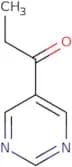
CAS:<p>Please enquire for more information about 1,1-Dimethylethyl 4-[3-[[4-[[[2-[(2S)-2-cyano-4,4-difluoro-1-pyrrolidinyl]-2-oxoethyl]amino]carbonyl]-6-quinolinyl]methylamino]propy l]-1-piperazinecarboxylate including the price, delivery time and more detailed product information at the technical inquiry form on this page</p>Formula:C30H39F2N7O4Purity:Min. 95%Molecular weight:599.67 g/mol1-(Pyrimidin-5-yl)propan-1-one
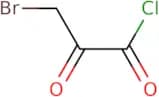
CAS:<p>Versatile small molecule scaffold</p>Formula:C7H8N2OPurity:Min. 95%Molecular weight:136.15 g/mol3-Bromo-2-oxopropanoyl chloride, 50% DCM solution
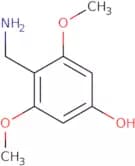
CAS:<p>Versatile small molecule scaffold</p>Formula:C3H2BrClO2Purity:90%MinColor and Shape:PowderMolecular weight:185.4 g/mol2,6-Dimethoxy-4-hydroxybenzylamine
CAS:<p>2,6-Dimethoxy-4-hydroxybenzylamine is a fine chemical that is used as a versatile building block for the synthesis of complex compounds. It is also used as a reagent and reaction component in various chemical reactions. CAS No. 130632-98-3.</p>Formula:C9H13NO3Purity:Min. 95%Color and Shape:Yellow PowderMolecular weight:183.2 g/mol4-(Dibromomethyl)-2(1H)-quinolinone
CAS:<p>Please enquire for more information about 4-(Dibromomethyl)-2(1H)-quinolinone including the price, delivery time and more detailed product information at the technical inquiry form on this page</p>Formula:C10H7Br2NOPurity:Min. 95%Molecular weight:316.98 g/mol






![2,5-Diazabicyclo[2.2.2]octane dihydrochloride](/_next/image/?url=https%3A%2Fstatic.cymitquimica.com%2Fproducts%2F3D%2Fthumb-webp%2FBAA19292.webp&w=3840&q=75)

![5-bromo-3-iodopyrazolo[1,5-a]pyridine](/_next/image/?url=https%3A%2Fstatic.cymitquimica.com%2Fproducts%2F3D%2Fthumb-webp%2FCEC88182.webp&w=3840&q=75)




![3-Methylbenzo[b]thiophene-2-carboxylic acid](/_next/image/?url=https%3A%2Fstatic.cymitquimica.com%2Fproducts%2F3D%2Fthumb-webp%2FDAA13378.webp&w=3840&q=75)


![(2,3-Dihydrobenzo[b][1,4]dioxin-5-yl)boronic acid](/_next/image/?url=https%3A%2Fstatic.cymitquimica.com%2Fproducts%2F3D%2Fthumb-webp%2FZUA76988.webp&w=3840&q=75)
![2-{[(3αR,4S,6R,6αS)-6-Amino-2,2-dimethyltetrahydro-3αH-cyclopenta[d][1,3]-dioxol-4-yl] oxy}-1-ethol](/_next/image/?url=https%3A%2Fstatic.cymitquimica.com%2Fproducts%2F3D%2Fthumb-webp%2FZKA69355.webp&w=3840&q=75)
![2-[[(3aS,4R,6S,6aa)-4-[7-[[(1R,2S)-2-(3 ,4-Difluorophenyl)cyclopropyl]amino]-5-(propylthio)-3H-[1,…](/_next/image/?url=https%3A%2Fstatic.cymitquimica.com%2Fproducts%2F3D%2Fthumb-webp%2FZKA69326.webp&w=3840&q=75)


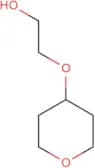
![6,6-Difluorospiro[3.3]heptan-2-amine Hydrochloride](/_next/image/?url=https%3A%2Fstatic.cymitquimica.com%2Fproducts%2F3D%2Fthumb-webp%2FYGC03271.webp&w=3840&q=75)


![tert-Butyl 9-oxo-4,8-diazaspiro[4.4]nonane-4-carboxylate](/_next/image/?url=https%3A%2Fstatic.cymitquimica.com%2Fproducts%2F3D%2Fthumb-webp%2FWYB81845.webp&w=3840&q=75)


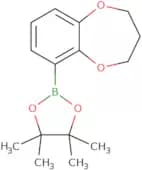
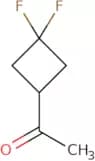


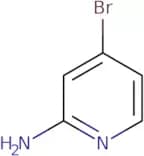

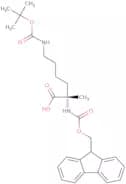
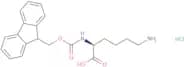
![3-bromo-6,7-dihydro-5h-pyrrolo[3,4-b]pyridine hcl](/_next/image/?url=https%3A%2Fstatic.cymitquimica.com%2Fproducts%2F3D%2Fthumb-webp%2FUFC11724.webp&w=3840&q=75)
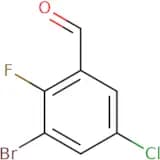
![6-Amino-4H,5H,6H,7H,8H-thieno[3,2-b]azepin-5-one hydrochloride](/_next/image/?url=https%3A%2Fstatic.cymitquimica.com%2Fproducts%2F3D%2Fthumb-webp%2FTHC97972.webp&w=3840&q=75)
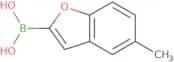

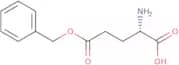
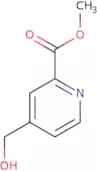
![7-Oxa-2-azaspiro[3.5]nonane hydrochloride](/_next/image/?url=https%3A%2Fstatic.cymitquimica.com%2Fproducts%2F3D%2Fthumb-webp%2FSGC63309.webp&w=3840&q=75)


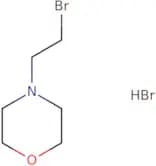
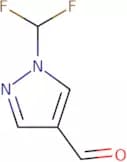
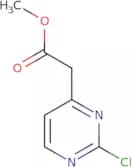
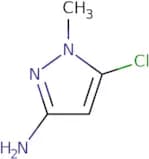
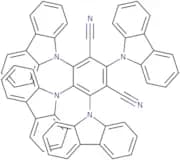

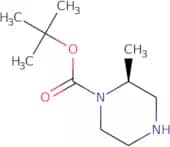
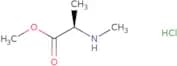
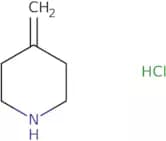

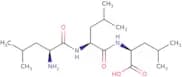

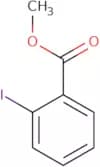
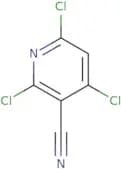
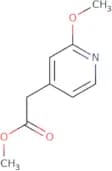

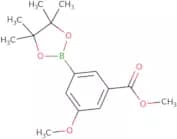
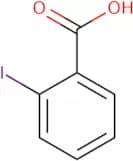
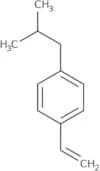
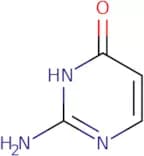


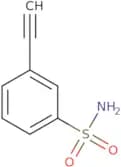
![1H-[1,2,3]Triazolo[4,5-d]pyrimidin-5-amine](/_next/image/?url=https%3A%2Fstatic.cymitquimica.com%2Fproducts%2F3D%2Fthumb-webp%2FKAA17984.webp&w=3840&q=75)
![6,7-dihydro-5h-pyrrolo[3,4-d]pyrimidin-2-amine 2hcl](/_next/image/?url=https%3A%2Fstatic.cymitquimica.com%2Fproducts%2F3D%2Fthumb-webp%2FHGA32752.webp&w=3840&q=75)
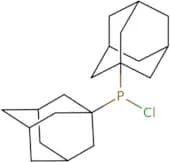
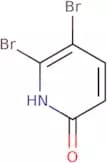
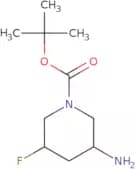
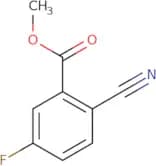
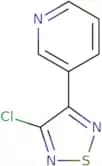

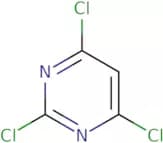
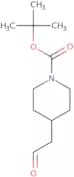

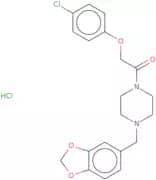
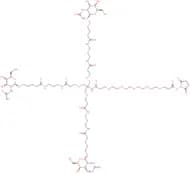
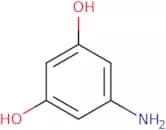
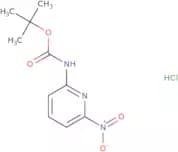
![3-[(tert-butoxy)carbonyl]-3-azaspiro[5.5]undecane-9-carboxylic acid](/_next/image/?url=https%3A%2Fstatic.cymitquimica.com%2Fproducts%2F3D%2Fthumb-webp%2FVGA22881.webp&w=3840&q=75)

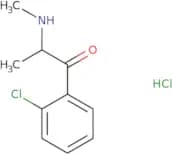
![(1S)-1-{[1,2,4]Triazolo[4,3-a]pyridin-3-yl}ethan-1-amine](/_next/image/?url=https%3A%2Fstatic.cymitquimica.com%2Fproducts%2F3D%2Fthumb-webp%2FMYB82328.webp&w=3840&q=75)


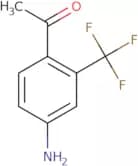
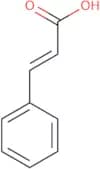
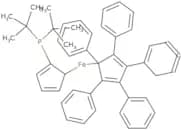

![1-[(4-Chlorophenyl)phenylmethyl]-4-[(3-methylphenyl)methyl]-piperazine hydrochloride](/_next/image/?url=https%3A%2Fstatic.cymitquimica.com%2Fproducts%2F3D%2Fthumb-webp%2FFC183829.webp&w=3840&q=75)
![4-[[5-[(4-Carboxyphenyl)amino]-2,4-dioxo-3-thiazolidinyl]methyl]benzoic acid](/_next/image/?url=https%3A%2Fstatic.cymitquimica.com%2Fproducts%2F3D%2Fthumb-webp%2FFC183981.webp&w=3840&q=75)
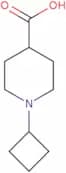
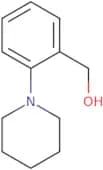
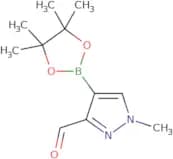
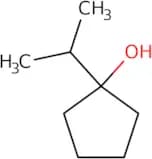
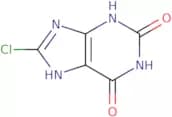

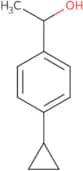
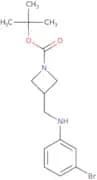

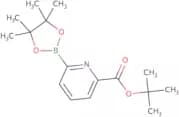

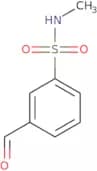
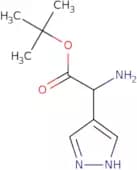
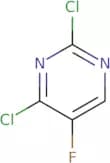
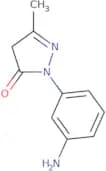

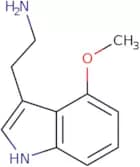
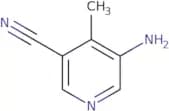
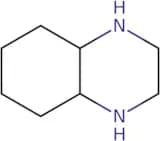

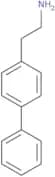
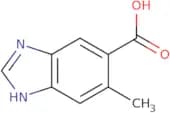


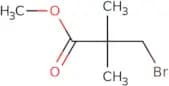

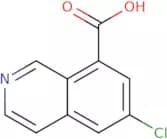
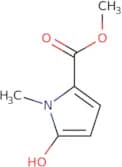



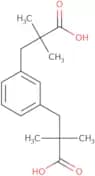
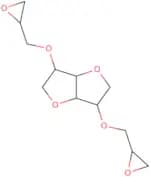
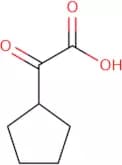
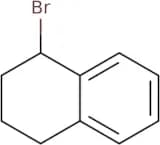
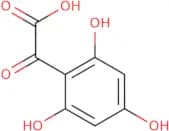


![2-[(tert-Butoxy)carbonyl]-2-azabicyclo[3.1.0]hexane-5-carboxylic acid](/_next/image/?url=https%3A%2Fstatic.cymitquimica.com%2Fproducts%2F3D%2Fthumb-webp%2FBAC00454.webp&w=3840&q=75)
![6-Bromo-4-methoxy-1H-pyrrolo[3,2-c]pyridine](/_next/image/?url=https%3A%2Fstatic.cymitquimica.com%2Fproducts%2F3D%2Fthumb-webp%2FAQB34281.webp&w=3840&q=75)
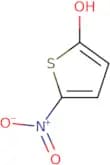
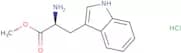
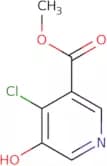
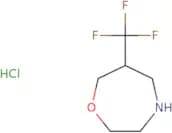
![1,2,3,5,6,7-Hexahydrodicyclopenta[b,e]pyridin-8-amine](/_next/image/?url=https%3A%2Fstatic.cymitquimica.com%2Fproducts%2F3D%2Fthumb-webp%2FMCA73243.webp&w=3840&q=75)
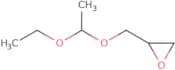
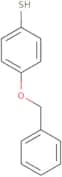
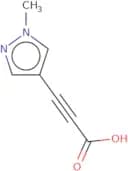
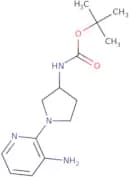
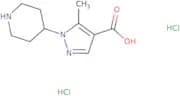
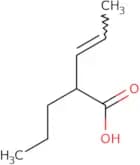
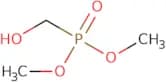
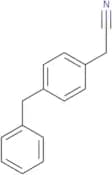
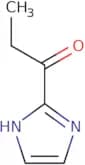
![6-Bromo-3-methyl-3H-imidazo[4,5-c]pyridine](/_next/image/?url=https%3A%2Fstatic.cymitquimica.com%2Fproducts%2F3D%2Fthumb-webp%2FFDD54834.webp&w=3840&q=75)
![4-[(1,1-Dimethylethoxy)carbonyl]-2-thiomorpholineacetic acid](/_next/image/?url=https%3A%2Fstatic.cymitquimica.com%2Fproducts%2F3D%2Fthumb-webp%2FFD183547.webp&w=3840&q=75)
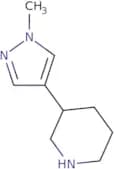

![6-Bromooxazolo[5,4-b]pyridin-2(1H)-one](/_next/image/?url=https%3A%2Fstatic.cymitquimica.com%2Fproducts%2F3D%2Fthumb-webp%2FTEC75849.webp&w=3840&q=75)
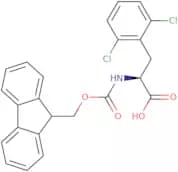

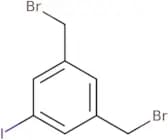
![1,1-Dimethylethyl 4-[3-[[4-[[[2-[(2S)-2-cyano-4,4-difluoro-1-pyrrolidinyl]-2-oxoethyl]amino]carbon…](/_next/image/?url=https%3A%2Fstatic.cymitquimica.com%2Fproducts%2F3D%2Fthumb-webp%2FFD184138.webp&w=3840&q=75)