Building Blocks
This section contains fundamental products for the synthesis of organic and biological compounds. Building blocks are the essential starting materials used to construct complex molecules through various chemical reactions. They play a critical role in drug discovery, material science, and chemical research. At CymitQuimica, we offer a diverse range of high-quality building blocks to support your innovative research and industrial projects, ensuring you have the essential components for successful synthesis.
Subcategories of "Building Blocks"
- Boronic Acids & Boronic Acid Derivatives(5,778 products)
- Chiral Building Blocks(1,242 products)
- Hydrocarbon Building Blocks(6,098 products)
- Organic Building Blocks(61,063 products)
Found 197855 products of "Building Blocks"
Sort by
Purity (%)
0
100
|
0
|
50
|
90
|
95
|
100
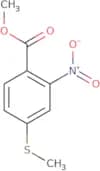
Methyl 4-(methylsulfanyl)-2-nitrobenzoate
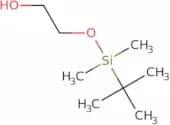
CAS:Versatile small molecule scaffoldFormula:C9H9NO4SPurity:Min. 95%Molecular weight:227.24 g/mol2-tert-Butyldimethylsilyloxyethanol
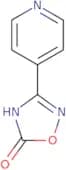
CAS:2-tert-Butyldimethylsilyloxyethanol is a molecule that is used as an antimicrobial agent. It inhibits the efflux pump in gram-negative bacteria, which prevents them from removing antibiotics and other toxic substances from their cells. This results in a high level of antibiotic accumulation within the bacterial cell, which leads to cell death. 2-tert-Butyldimethylsilyloxyethanol has been shown to be effective against Staphylococcus aureus and Escherichia coli (E. coli) but not against Enterobacter aerogenes or Serratia marcescens. 2-tert-Butyldimethylsilyloxyethanol also has antiplasmid activity, inhibiting replication of plasmids in Escherichia coli and Salmonella typhimurium by blocking DNA synthesis at the initiation stage of replication.Formula:C8H20O2SiPurity:Min. 95%Molecular weight:176.33 g/mol3-(Pyridin-4-yl)-4,5-dihydro-1,2,4-oxadiazol-5-one
CAS:Versatile small molecule scaffoldFormula:C7H5N3O2Purity:Min. 95%Molecular weight:163.13 g/mol2H-Pyrido[4,3-b][1,4]oxazin-3(4h)-one
CAS:<p>Versatile small molecule scaffold</p>Formula:C7H6N2O2Purity:Min. 95%Molecular weight:150.14 g/mol[2-Ethenyl-1-(hydroxymethyl)cyclopropyl]methanol
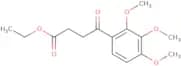
CAS:2-Ethenyl-1-(hydroxylmethyl)cyclopropane is a cyclopropane ring that has been opened by a ring-opening reaction. It is a member of the class of compounds known as olefinic alcohols. These compounds are hydrolyzed to form an ester and an alkene, which can be used in polymerizations. The 2-ethynyl group is a weak hydrogen bond acceptor, meaning that it can react with polar molecules such as water and alcohols. This group also has low energies, which allow for polymerization reactions. This compound is soluble in organic solvents but not in water because of its hydroxyl group, which allows it to form hydrogen bonds with other compounds.Formula:C7H12O2Purity:Min. 95%Molecular weight:128.17 g/molEthyl 4-oxo-4-(2,3,4-trimethoxyphenyl)butanoate
CAS:Versatile small molecule scaffoldFormula:C15H20O6Purity:Min. 95%Molecular weight:296.31 g/mol[4-(2-Methoxyethoxy)phenyl]methanamine
CAS:<p>Versatile small molecule scaffold</p>Formula:C10H15NO2Purity:Min. 95%Molecular weight:181.23 g/mol4-(Pyrimidin-2-yloxy)phenol
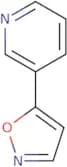
CAS:Versatile small molecule scaffoldFormula:C10H8N2O2Purity:Min. 95%Molecular weight:188.2 g/mol3-(1,2-Oxazol-5-yl)pyridine
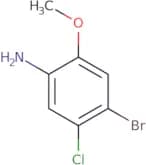
CAS:<p>Versatile small molecule scaffold</p>Formula:C8H6N2OPurity:Min. 95%Molecular weight:146.15 g/mol4-Bromo-5-chloro-2-methoxyaniline
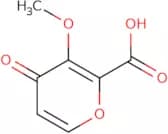
CAS:<p>Versatile small molecule scaffold</p>Formula:C7H7BrClNOPurity:Min. 95%Molecular weight:236.49 g/mol3-Methoxy-4-oxo-4H-pyran-2-carboxylic acid
CAS:3-Methoxy-4-oxo-4H-pyran-2-carboxylic acid is an inhibitor of HIV integrase (IN), which is an enzyme that catalyzes the integration of HIV DNA into human chromosome. 3-Methoxy-4-oxo-4H-pyran-2-carboxylic acid has been shown to be active against HIV in vitro and showed potent inhibition of virus replication in cell culture. It also has a long half life, making it suitable for chronic therapy. 3-Methoxy 4 oxo 4H pyran 2 carboxylic acid is a member of the spirocyclic class of compounds, which are active against HIV and have high potency and low toxicity.Formula:C7H6O5Purity:Min. 95%Molecular weight:170.12 g/mol5-Methyl-[1,2,4]triazolo[1,5-a]pyrimidine-6-carboxylic acid
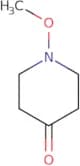
CAS:<p>Versatile small molecule scaffold</p>Formula:C7H6N4O2Purity:Min. 95%Molecular weight:178.1 g/mol1-Methoxypiperidin-4-one
CAS:1-Methoxypiperidin-4-one is a dione that is used as a fungicide. It inhibits the development of resistance in organisms and can be used to control diseases caused by fungi. 1-Methoxypiperidin-4-one has been shown to be effective against crop plants, such as cucumbers and melons, but not against pollinators such as bees. It is also effective against organisms that are resistant to other fungicides, such as neonicotinoids. This compound is produced through a phenylalanine pathway and has a fatty acid profile that consists mainly of unsaturated fatty acids with an odd number of carbon atoms.Formula:C6H11NO2Purity:Min. 95%Molecular weight:129.15 g/mol7-Methyl-[1,2,4]triazolo[1,5-a]pyrimidine-6-carboxylic acid
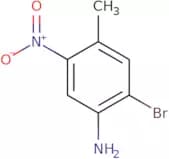
CAS:<p>Versatile small molecule scaffold</p>Formula:C7H6N4O2Purity:Min. 95%Molecular weight:178.15 g/mol2-Bromo-4-methyl-5-nitroaniline
CAS:2-Bromo-4-methyl-5-nitroaniline is a chemical intermediate that is used in the production of various 2,4,5-trichlorophenol derivatives. It can be synthesized by the reaction of methylbenzene with nitrous acid and sodium nitrite. The product has a melting point of 170°C and is stable in water solution. 2-Bromo-4-methyl-5-nitroaniline can be used as a catalyst to produce target products in an industrialized environment. !-- END -->Formula:C7H7BrN2O2Purity:Min. 95%Molecular weight:231.05 g/mol5-Bromo-4-chloro-2-methoxyaniline
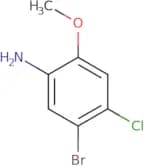
CAS:<p>Versatile small molecule scaffold</p>Formula:C7H7BrClNOPurity:Min. 95%Molecular weight:236.5 g/molMethyl 5-formylfuran-3-carboxylate
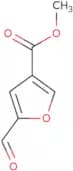
CAS:Methyl 5-formylfuran-3-carboxylate is a synthetic t-cell leukemia agent that has been shown to have cytotoxic effects on carcinoma cells. This compound is an isomer of methyl 5-formylhydroquinone and has been shown to inhibit the growth of staphylococcus, faecalis, and other bacteria. Methyl 5-formylfuran-3-carboxylate also inhibits the growth of various cancer cells in vitro and in vivo. The mechanism of action for this compound relies on its ability to inhibit cellular respiration by inhibiting mitochondrial ATP synthase. Methyl 5-formylfuran-3-carboxylate can be used as a cytotoxic agent against a number of cancers including those that are resistant to other chemotherapeutic agents.Formula:C7H6O4Purity:Min. 95%Molecular weight:154.12 g/molN,N'-Bis(1-phenylethyl)propanediamide
CAS:Versatile small molecule scaffoldFormula:C19H22N2O2Purity:Min. 95%Molecular weight:310.4 g/molDimethyl[2-(4-methyl-1,3-thiazol-2-yl)ethyl]amine
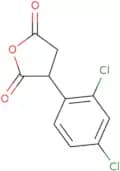
CAS:<p>Versatile small molecule scaffold</p>Formula:C8H14N2SPurity:Min. 95%Molecular weight:170.28 g/mol3-(2,4-Dichlorophenyl)oxolane-2,5-dione
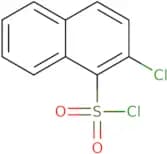
CAS:Versatile small molecule scaffoldFormula:C10H6Cl2O3Purity:Min. 95%Molecular weight:245.06 g/mol2-Chloronaphthalene-1-sulfonyl chloride
CAS:<p>Versatile small molecule scaffold</p>Formula:C10H6Cl2O2SPurity:Min. 95%Molecular weight:261.12 g/mol2,7-Dimethyl-7H-purin-6-amine
CAS:<p>Versatile small molecule scaffold</p>Formula:C7H9N5Purity:Min. 95%Molecular weight:163.18 g/mol3-Amino-5-iodobenzoic acid
CAS:Versatile small molecule scaffoldFormula:C7H6INO2Purity:Min. 95%Molecular weight:263.03 g/mol7-Chloronaphthalene-1-sulfonyl chloride
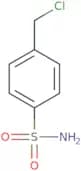
CAS:Versatile small molecule scaffoldFormula:C10H6Cl2O2SPurity:Min. 95%Molecular weight:261.12 g/mol4-(Chloromethyl)benzene-1-sulfonamide
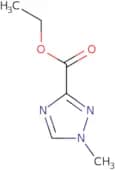
CAS:<p>Versatile small molecule scaffold</p>Formula:C7H8ClNO2SPurity:Min. 95%Molecular weight:205.66 g/molEthyl 1-methyl-1H-1,2,4-triazole-3-carboxylate
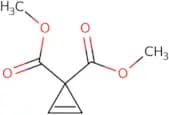
CAS:Versatile small molecule scaffoldFormula:C6H9N3O2Purity:Min. 95%Molecular weight:155.15 g/mol1,1-Dimethyl cycloprop-2-ene-1,1-dicarboxylate
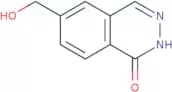
CAS:Versatile small molecule scaffoldFormula:C7H8O4Purity:Min. 95%Molecular weight:156.1 g/mol6-(Hydroxymethyl)-1,2-dihydrophthalazin-1-one
CAS:Versatile small molecule scaffoldFormula:C9H8N2O2Purity:Min. 95%Molecular weight:176.17 g/mol1-Oxo-1,2-dihydrophthalazine-6-carboxylic acid
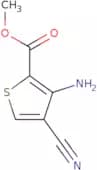
CAS:Versatile small molecule scaffoldFormula:C9H6N2O3Purity:Min. 95%Molecular weight:190.16 g/molMethyl 3-amino-4-cyano thiophene-2-carboxylate
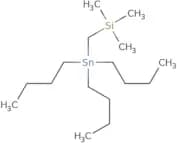
CAS:Versatile small molecule scaffoldFormula:C7H6N2O2SPurity:Min. 95%Molecular weight:182.2 g/molTri-N-butyl(trimethylsilylmethyl)tin
CAS:Controlled Product<p>Versatile small molecule scaffold</p>Formula:C16H38SiSnPurity:Min. 95%Molecular weight:377.3 g/molMethyl 8-aminooctanoate hydrochloride
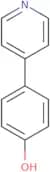
CAS:Methyl 8-aminooctanoate hydrochloride (MAO) is a drug that has been shown to have an optimal activity in the nanomolar range. MAO is a betulinic acid amide derivative and interacts with the transcriptase and RNA polymerase of HIV type 1. The immunodeficiency of MAO was tested in vitro on human T cells, which showed that it had no effect on the growth of these cells. This may be due to its inability to cross the cell membrane.Formula:C9H20ClNO2Purity:Min. 95%Molecular weight:209.71 g/mol4-(Pyridin-4-yl)phenol
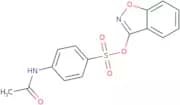
CAS:<p>4-Pyridin-4-ylphenol is a redox active compound that can undergo one-electron reduction. It has been shown to be an excellent electron donor and acceptor in the electrochemical studies. 4-(Pyridin-4-yl)phenol also has a biradical structure, which is responsible for its unpaired electrons and unpaired spectra. This compound can be used as an initiator of free radical reactions due to its high redox potentials. The electron transfer properties of this ligand have been studied using electrochemical techniques and it was found to be capable of initiating oxidation or reduction of other compounds.</p>Formula:C11H9NOPurity:Min. 95%Molecular weight:171.2 g/mol1,2-Benzoxazol-3-yl 4-acetamidobenzene-1-sulfonate
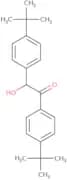
CAS:Versatile small molecule scaffoldFormula:C15H12N2O5SPurity:Min. 95%Molecular weight:332.3 g/mol1,2-Bis(4-tert-butylphenyl)-2-hydroxyethan-1-one
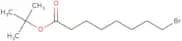
CAS:<p>Versatile small molecule scaffold</p>Formula:C22H28O2Purity:Min. 95%Molecular weight:324.5 g/moltert-Butyl 8-bromooctanoate
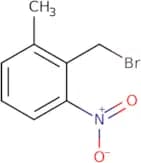
CAS:<p>Tert-Butyl 8-bromooctanoate is a pseudopepetide that has an affinity for the cck-A receptor. It has also been shown to inhibit membrane phospholipase A2 and increase inositol phosphate levels. This pseudopepetide was found to have pharmacological effects on the central nervous system, such as sedation, and may be useful in the treatment of pain or anxiety. Tert-Butyl 8-bromooctanoate is a macrocyclic compound that can form conformational changes in membranes. These changes may lead to an increase in intracellular calcium ion concentrations and stimulate insulin secretion from pancreatic beta cells.</p>Formula:C12H23BrO2Purity:Min. 95%Molecular weight:279.21 g/mol2-(bromomethyl)-1-methyl-3-nitrobenzene
CAS:Versatile small molecule scaffoldFormula:C8H8BrNO2Purity:Min. 95%Molecular weight:230.06 g/molSpiro[1,3-dioxaindane-2,1'-cyclopentane]-6-ol
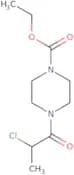
CAS:<p>Versatile small molecule scaffold</p>Formula:C11H12O3Purity:Min. 95%Molecular weight:192.21 g/molEthyl 4-(2-chloropropanoyl)piperazine-1-carboxylate
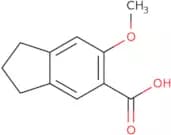
CAS:<p>Versatile small molecule scaffold</p>Formula:C10H17ClN2O3Purity:Min. 95%Molecular weight:248.7 g/mol6-Methoxy-2,3-dihydro-1H-indene-5-carboxylic acid
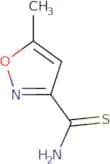
CAS:<p>Versatile small molecule scaffold</p>Formula:C11H12O3Purity:Min. 95%Molecular weight:192.21 g/mol5-Methylisoxazole-3-carbothioamide
CAS:<p>Versatile small molecule scaffold</p>Formula:C5H6N2OSPurity:Min. 95%Molecular weight:142.18 g/mol2-[(Methoxycarbonyl)amino]-3-phenylpropanoic acid
CAS:Versatile small molecule scaffoldFormula:C11H13NO4Purity:Min. 95%Molecular weight:223.22 g/molEthyl 4-(acetyloxy)-3-[(acetyloxy)methyl]but-2-enoate
CAS:Versatile small molecule scaffoldFormula:C11H16O6Purity:Min. 95%Molecular weight:244.24 g/mol1,3-Bis(benzyloxy)propan-2-one
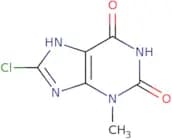
CAS:<p>1,3-Bis(benzyloxy)propan-2-one is an efficient and stereoselective synthesis of epoxides. It is a chiral molecule that can be used in the synthesis of enantiomers. The reaction involves a nucleophile (such as an alcohol) and an electrophile (an epoxide). This reaction proceeds in two steps with the nucleophile attacking at the carbon atom adjacent to the carbonyl group. The first step is a nucleophilic addition to form a tetrahedral intermediate which collapses to give an intermediate with two new stereogenic centers. The second step is then a nucleophilic attack by water on one of these new stereogenic centers, leading to formation of the product and release of hydrogen gas. 1,3-Bis(benzyloxy)propan-2-one has been shown to be more efficient than other methods for synthesizing epoxides, such as using acid chlorides or ox</p>Formula:C17H18O3Purity:Min. 95%Molecular weight:270.32 g/mol8-Chloro-3-methyl-2,3,6,9-tetrahydro-1H-purine-2,6-dione
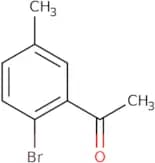
CAS:Controlled Product<p>8-Chloro-3-methyl-2,3,6,9-tetrahydro-1H-purine-2,6-dione is a fluorescent amine that can be used in spectroscopy to detect the presence of ammonia. This product has a molar extinction coefficient of 3600 M−1cm−1 at 280 nm and can be used as a pH indicator.</p>Formula:C6H5ClN4O2Purity:Min. 95%Molecular weight:200.58 g/mol1-(2-Bromo-5-methylphenyl)ethan-1-one
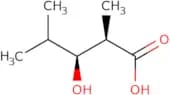
CAS:Versatile small molecule scaffoldFormula:C9H9BrOPurity:Min. 95%Molecular weight:213.07 g/mol(2R,3S)-3-Hydroxy-2,4-dimethylpentanoic acid
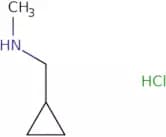
CAS:Versatile small molecule scaffoldFormula:C7H14O3Purity:Min. 95%Molecular weight:146.2 g/mol(Cyclopropylmethyl)methylamine hydrochloride
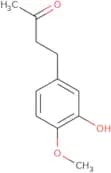
CAS:<p>Cyclopropylmethylmethylamine hydrochloride (CPMMA) is an experimental drug that belongs to the class of medicaments. It is a selective cannabinoid receptor type 1 (CB1) agonist which has been shown to reduce infarct size in animal models of myocardial reperfusion injury. CPMMA also has angiogenic and anti-inflammatory properties, which may be due to its ability to decrease cholesterol levels and inhibit the production of vascular endothelial growth factor (VEGF). This agent has potential as a treatment for hypercholesterolemia, coronary artery disease, and other cardiovascular disorders.</p>Formula:C5H12NClPurity:Min. 95%Molecular weight:121.61 g/mol4-(3-Hydroxy-4-methoxyphenyl)butan-2-one
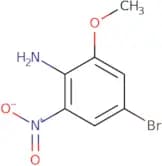
CAS:Versatile small molecule scaffoldFormula:C11H14O3Purity:Min. 95%Molecular weight:194.23 g/mol4-bromo-2-methoxy-6-nitroaniline
CAS:<p>Versatile small molecule scaffold</p>Formula:C7H7BrN2O3Purity:Min. 95%Molecular weight:247 g/mol

![2H-Pyrido[4,3-b][1,4]oxazin-3(4h)-one](/_next/image/?url=https%3A%2Fstatic.cymitquimica.com%2Fproducts%2F3D%2Fthumb-webp%2FCEA22640.webp&w=3840&q=75)
![[2-Ethenyl-1-(hydroxymethyl)cyclopropyl]methanol](/_next/image/?url=https%3A%2Fstatic.cymitquimica.com%2Fproducts%2F3D%2Fthumb-webp%2FCEA22594.webp&w=3840&q=75)
![[4-(2-Methoxyethoxy)phenyl]methanamine](/_next/image/?url=https%3A%2Fstatic.cymitquimica.com%2Fproducts%2F3D%2Fthumb-webp%2FCEA19620.webp&w=3840&q=75)
![5-Methyl-[1,2,4]triazolo[1,5-a]pyrimidine-6-carboxylic acid](/_next/image/?url=https%3A%2Fstatic.cymitquimica.com%2Fproducts%2F3D%2Fthumb-webp%2FCEA17048.webp&w=3840&q=75)
![7-Methyl-[1,2,4]triazolo[1,5-a]pyrimidine-6-carboxylic acid](/_next/image/?url=https%3A%2Fstatic.cymitquimica.com%2Fproducts%2F3D%2Fthumb-webp%2FCEA17006.webp&w=3840&q=75)

![Dimethyl[2-(4-methyl-1,3-thiazol-2-yl)ethyl]amine](/_next/image/?url=https%3A%2Fstatic.cymitquimica.com%2Fproducts%2F3D%2Fthumb-webp%2FCEA15855.webp&w=3840&q=75)




![Spiro[1,3-dioxaindane-2,1'-cyclopentane]-6-ol](/_next/image/?url=https%3A%2Fstatic.cymitquimica.com%2Fproducts%2F3D%2Fthumb-webp%2FCDA37709.webp&w=3840&q=75)
![2-[(Methoxycarbonyl)amino]-3-phenylpropanoic acid](/_next/image/?url=https%3A%2Fstatic.cymitquimica.com%2Fproducts%2F3D%2Fthumb-webp%2FCDA35758.webp&w=3840&q=75)
![Ethyl 4-(acetyloxy)-3-[(acetyloxy)methyl]but-2-enoate](/_next/image/?url=https%3A%2Fstatic.cymitquimica.com%2Fproducts%2F3D%2Fthumb-webp%2FCDA35633.webp&w=3840&q=75)