Building Blocks
Subcategories of "Building Blocks"
- Boronic Acids & Boronic Acid Derivatives(5,781 products)
- Chiral Building Blocks(1,242 products)
- Hydrocarbon Building Blocks(6,101 products)
- Organic Building Blocks(61,033 products)
Found 205320 products of "Building Blocks"
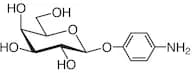
4-Aminophenyl β-D-Galactopyranoside
CAS:Formula:C12H17NO6Purity:>98.0%(HPLC)Color and Shape:White to Almost white powder to crystalMolecular weight:271.275-Chloro-2-phenyl-1H-imidazole-4-carboxaldehyde
CAS:Formula:C10H7ClN2OPurity:>97.0%(HPLC)(N)Color and Shape:Orange to Amber to Dark red powder to crystalMolecular weight:206.638-oxa-5-azaspiro[3.5]nonane
CAS:8-oxa-5-azaspiro[3.5]nonane is a high quality, non-toxic reagent with many uses as a building block for the synthesis of complex compounds. It can be used as an intermediate in the synthesis of fine chemicals, such as pharmaceuticals and agrochemicals, or as a building block for the synthesis of other chemical compounds. CAS No. 602326-48-7 is a versatile building block that can be used to synthesize molecules for research purposes. This compound has been shown to be useful in organic synthesis because it reacts easily with different functional groups.
Formula:C7H13NOPurity:Min. 95%Color and Shape:PowderMolecular weight:127.18 g/molRef: 3D-FO76093
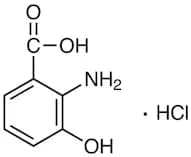
Discontinued product2-Amino-3-hydroxybenzoic Acid Hydrochloride
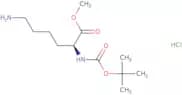
CAS:Formula:C7H7NO3·HClPurity:>98.0%(T)(HPLC)Color and Shape:White to Light yellow to Purple powder to crystalMolecular weight:189.60Boc-Lys-OMe HCl
CAS:Boc-Lys-OMe HCl is an ester hydrochloride of N-Boc-Lysine. It is a macrocyclic compound that has been used in the laboratory as an acidifying agent to convert sodium borohydride to methyl ester hydrochloride. Boc-Lys-OMe HCl is also used in the synthesis of macrocyclic compounds, such as n-boc-l-lysine and other polyamino compounds.
Formula:C12H24N2O4·HClPurity:Min. 95%Color and Shape:White PowderMolecular weight:296.79 g/molRef: 3D-FB36993
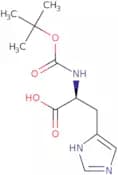
Discontinued productBoc-L-Histidine
CAS:Boc-L-histidine is a histidine derivative with a boronic acid group that can be used to synthesize imines. It is an organic solvent and can be used in magnetic resonance spectroscopy. Boc-L-histidine has been shown to inhibit the tyrosine activity of tyrosinase, which is involved in melanin synthesis. This compound also inhibits cancer cells by inhibiting the cellular process of protein synthesis and, as such, may be useful for the treatment of cancers.
Formula:C11H17N3O4Purity:Min. 98 Area-%Color and Shape:White PowderMolecular weight:255.27 g/molRef: 3D-FB36891
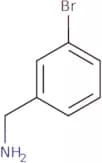
Discontinued product3-Bromobenzylamine
CAS:3-Bromobenzylamine is a chemical compound that belongs to the class of amines. It is used as an intermediate in organic synthesis, and its derivative 3-bromobenzylamine hydrochloride is used in pharmaceuticals as a heart stimulant. 3-Bromobenzylamine can be synthesized by reacting an amine with phosgene and then brominating it. This chemical has been shown to have inhibitory activity against cancer cells and can be used for the treatment of cancer. 3-Bromobenzylamine has also been shown to inhibit the growth of bacteria, fungi, and viruses in vitro. 3-Bromobenzylamine may also be useful for treating psoriasis due to its ability to inhibit prostaglandin synthesis.
Formula:C7H8BrNPurity:Min. 95%Color and Shape:Colorless PowderMolecular weight:186.04 g/molRef: 3D-FB10708
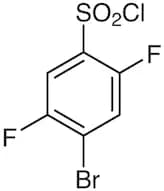
Discontinued product4-Bromo-2,5-difluorobenzenesulfonyl Chloride
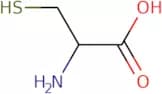
CAS:Formula:C6H2BrClF2O2SPurity:>98.0%(GC)(T)Color and Shape:White to Light yellow to Light orange powder to crystalMolecular weight:291.49DL-Cysteine
CAS:DL-Cysteine is a naturally occurring amino acid that is found in human cells and other living organisms. It has been shown to have antioxidant properties. DL-Cysteine has also been shown to be a cofactor for enzymes that synthesize proteins, DNA, and RNA. DL-Cysteine may also have the ability to regulate cellular iron homeostasis through its effects on the expression of genes that play a role in this process. This amino acid can also inhibit molecules that are involved in protein oxidation and provide biochemical properties for use as research tools.
Formula:C3H7NO2SPurity:Min. 95%Color and Shape:White PowderMolecular weight:121.16 g/molRef: 3D-FC52445
Discontinued product2-(Chloromethyl)-1,3-thiazole
CAS:2-(Chloromethyl)-1,3-thiazole is an aromatic hydrocarbon that is used as a pesticide. It is also a metabolic intermediate in the metabolism of chlorinating agents and has been shown to be carcinogenic. This compound degrades by reacting with hydrochloric acid, nitric acid, sodium hydroxide solution, or hydrogen chloride to form 2-chloro-1,3-thiazole or 2-chloromethyltetrahydrothiophene. The pharmacokinetic properties of this compound are unknown.
Formula:C4H4ClNSPurity:Min. 95%Color and Shape:PowderMolecular weight:133.6 g/molRef: 3D-FC124123
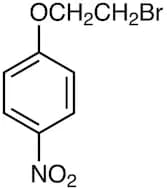
Discontinued productβ-Bromo-4-nitrophenetole
CAS:Formula:C8H8BrNO3Purity:>97.0%(GC)Color and Shape:White to Light yellow powder to crystalMolecular weight:246.062-Bromo-3-fluorobenzotrifluoride
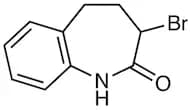
CAS:Formula:C7H3BrF4Purity:>98.0%(GC)Color and Shape:Colorless to Light yellow to Light orange clear liquidMolecular weight:243.003-Bromo-1,3,4,5-tetrahydro-2H-1-benzazepin-2-one
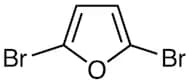
CAS:Formula:C10H10BrNOPurity:>98.0%(GC)Color and Shape:White to Almost white powder to crystalMolecular weight:240.102,5-Dibromofuran (stabilized with MgO)
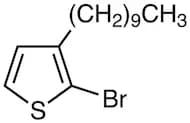
CAS:Formula:C4H2Br2OPurity:>97.0%(GC)Color and Shape:Colorless to Yellow to Orange clear liquid to cloudy liquidMolecular weight:225.872-Bromo-3-decylthiophene
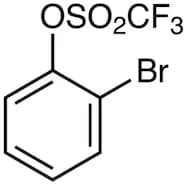
CAS:Formula:C14H23BrSPurity:>97.0%(GC)Color and Shape:Colorless to Light orange to Yellow clear liquidMolecular weight:303.302-Bromophenyl Trifluoromethanesulfonate
CAS:Formula:C7H4BrF3O3SPurity:>98.0%(GC)Color and Shape:Light orange to Yellow to Green clear liquidMolecular weight:305.072-(Chloromethyl)-1,2-epoxybutane
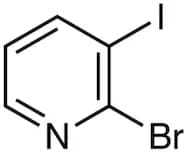
CAS:Formula:C5H9ClOPurity:>95.0%(GC)Color and Shape:Colorless to Almost colorless clear liquidMolecular weight:120.582-Bromo-3-iodopyridine
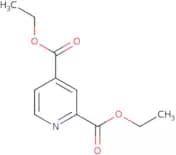
CAS:Formula:C5H3BrINPurity:>95.0%(GC)Color and Shape:Light yellow to Brown powder to crystalMolecular weight:283.892,4-Pyridinedicarboxylic acid diethyl ester
CAS:2,4-Pyridinedicarboxylic acid diethyl ester is an aliphatic hydrocarbon that has been shown to be a potent active oxygen scavenger. It has also been shown to inhibit the uptake of fatty acids and organic anions by tubule cells in the liver, as well as to reduce collagen breakdown in the endoplasmic reticulum. This compound is converted into pyridinedicarboxylic acid, which inhibits hepcidin production and thus increases iron absorption. 2,4-Pyridinedicarboxylic acid diethyl ester also has a biochemical profile that is similar to that of a lipophilic fatty acid ester.
Formula:C11H13NO4Purity:Min. 95%Color and Shape:Colorless PowderMolecular weight:223.23 g/molRef: 3D-FP138504
Discontinued product(S)-1,1'-Bi-2-Naphthol
CAS:The chemical structure of 1,1'-bi-2-naphthol is an alkanoic acid with a hydroxyl group. It has been shown to react in the presence of amines and sodium salts to form hydrogen bonding interactions. The x-ray crystal structures of magnesium salt and hydrogen bonding interactions were found to have a steric interaction with the fatty acids. The reaction mechanism for 1,1'-bi-2-naphthol is similar to that of other alkanoic acids: it reacts with a nucleophilic compound, such as water or ammonia, to produce an alcohol (hydroxyl group). When these reactions occur intramolecularly, the hydrogen bonds are formed between adjacent molecules.
Formula:C20H14O2Purity:Min. 95%Color and Shape:White PowderMolecular weight:286.32 g/molRef: 3D-FB01811
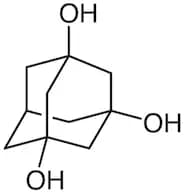
Discontinued product1,3,5-Adamantanetriol
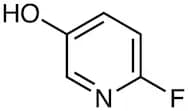
CAS:Formula:C10H16O3Purity:>97.0%(GC)Color and Shape:White to Almost white powder to crystalMolecular weight:184.242-Fluoro-5-hydroxypyridine
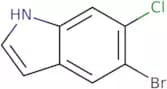
CAS:Formula:C5H4FNOPurity:>98.0%(GC)(T)Color and Shape:White to Almost white powder to crystalMolecular weight:113.095-Bromo-6-chloro-1H-indole
CAS:5-Bromo-6-chloro-1H-indole is a fine chemical that is used as a building block for research chemicals, reagents, and speciality chemicals. It is soluble in chloroform and benzene, but insoluble in water. This product can be used as a reaction component or a useful intermediate in the production of complex compounds. 5-Bromo-6-chloro-1H-indole has been reported to be an effective scaffold for the synthesis of many novel compounds with potential applications such as pharmaceuticals, agrochemicals, and dyes.
Formula:C8H5BrClNPurity:Min. 95%Color and Shape:PowderMolecular weight:230.49 g/molRef: 3D-FB29903
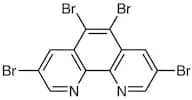
Discontinued product3,5,6,8-Tetrabromo-1,10-phenanthroline
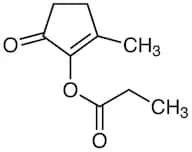
CAS:Formula:C12H4Br4N2Purity:>95.0%(HPLC)Color and Shape:White to Orange to Green powder to crystalMolecular weight:495.792-Methyl-5-oxo-1-cyclopentenyl Propionate
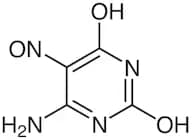
CAS:Formula:C9H12O3Purity:>98.0%(GC)Color and Shape:White to Light yellow powder to lumpMolecular weight:168.194-Amino-2,6-dihydroxy-5-nitrosopyrimidine
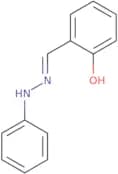
CAS:Formula:C4H4N4O3Purity:>93.0%(HPLC)Color and Shape:Red to Purple powder to crystalMolecular weight:156.10Salicylaldehyde phenylhydrazone
CAS:Salicylaldehyde phenylhydrazone is a covid-19 pandemic, organometallic compound. It is a colorless solid that reacts with water to give hydrogen chloride and salicylaldehyde. Salicylaldehyde phenylhydrazone has been shown to react with amines, which may be due to its chelate ring system. The analytical method for this compound is gravimetric analysis, which involves the use of lanthanum as an indicator. This compound has good transport properties and can be activated by hydrogen gas.
Formula:C13H12N2OPurity:Min. 97 Area-%Color and Shape:PowderMolecular weight:212.25 g/molRef: 3D-FS30260
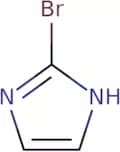
Discontinued product2-Bromo-1H-imidazole
CAS:2-Bromo-1H-imidazole is an environmental pollutant that has been detected in the atmosphere, water, and soil. It is used as a pesticide and has been found to be an impurity in biphenyl. 2-Bromo-1H-imidazole can be used as a substrate for the Suzuki coupling reaction or as a starting material for the synthesis of imidazole derivatives. The compound spontaneously fragments under acidic conditions to form nitric acid and hydrogen bromide. 2-Bromo-1H-imidazole has been shown to inhibit hepatitis C virus (HCV) replication and induce cancer cell apoptosis in vitro.
2-Bromo-1H-imidazole is also known to cause DNA fragmentation in cells through oxidation by reactive oxygen species or through spontaneous decomposition of the molecule into acid, bromine radicals, and ammonia.Formula:C3H3BrN2Purity:Min. 95%Color and Shape:PowderMolecular weight:146.97 g/molRef: 3D-FB12791
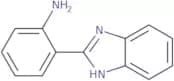
Discontinued product2-(2-Aminophenyl)benzimidazole
CAS:2-(2-Aminophenyl)benzimidazole is a synthetic compound with the chemical formula C8H6N2. It has an intramolecular hydrogen bond and reacts with salicylaldehyde to form 2-aminobenzimidazole, which is a reaction product. 2-(2-Aminophenyl)benzimidazole may be used as an antimicrobial agent, but it also has other uses such as a reagent in organic synthesis. It is soluble in water and can be obtained through liquid chromatography.
Formula:C13H11N3Purity:Min. 95%Color and Shape:Off-White PowderMolecular weight:209.25 g/molRef: 3D-FA10624
Discontinued product1-Amino-1-cyclopropanecarbonitrile hydrochloride
CAS:1-Amino-1-cyclopropanecarbonitrile hydrochloride (ACN) is a synthetic compound that has been shown to be effective against cancer and inflammatory diseases. It is an acidic compound that has been shown to inhibit the growth of tumor cells by inducing apoptosis. This drug also binds to chloride ions and inhibits the production of inflammatory cytokines, such as IL-6, TNFα, and IL-2. 1-Amino-1-cyclopropanecarbonitrile hydrochloride is soluble in water and acetonitrile with a melting point of about 157°C. The molecule's structure was determined through kinetic measurements and thermodynamic calculations.
Formula:C4H6N2·HClPurity:Min. 95%Color and Shape:Off-White PowderMolecular weight:118.56 g/molRef: 3D-FA10827
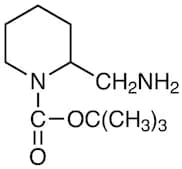
Discontinued product2-(Aminomethyl)-1-tert-butoxycarbonylpiperidine
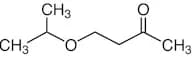
CAS:Formula:C11H22N2O2Purity:>98.0%(T)Color and Shape:Colorless to Light yellow clear liquidMolecular weight:214.314-Isopropoxy-2-butanone
CAS:Formula:C7H14O2Purity:>98.0%(GC)Color and Shape:Colorless to Almost colorless clear liquidMolecular weight:130.192-Nitrobenzylamine hydrochloride
CAS:2-Nitrobenzylamine hydrochloride is a compound that has been shown to have cancer-fighting properties. It inhibits the synthesis of proteins necessary for the proliferation of cancer cells, but it does not affect the synthesis of proteins in healthy cells. This drug is used to diagnose and treat certain types of cancers, such as lymphoma and leukemia. 2-Nitrobenzylamine hydrochloride can be modified by genetic engineering techniques to specifically target cancer cells, which may help with the treatment of other types of diseases in the future. It is believed that this drug will be useful for treating cancers that are resistant to chemotherapy or radiation therapy, as well as those that are caused by mutations in DNA.
Formula:C7H9ClN2O2Purity:Min. 95%Color and Shape:PowderMolecular weight:188.61 g/molRef: 3D-FN69987
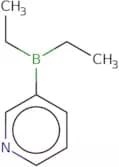
Discontinued product3-(Diethylboryl) pyridine
CAS:3-(Diethylboryl) pyridine is a halogenated biphenyl. It is used in the synthesis of 3-aryl substituted pyridines by cross-coupling reactions with aryl iodides, bromides and chlorides. Cross-coupling reactions are usually carried out at low temperatures (0 to 20°C) in order to minimize side reactions. The reaction is usually conducted in a biphasic system containing an organic solvent and water, which facilitates the extraction of the product from the mixture. 3-(Diethylboryl) pyridine reacts with halide ions via an electrophilic substitution reaction to form a reactive intermediate, which reacts with palladium catalyst to produce the desired product. This process is also called catalytic hydrogenation. 3-(Diethylboryl) pyridine has been shown to inhibit human cytochrome P450 enzymes, which are involved in drug metabolism and break down drugs
Formula:C9H14BNPurity:Min. 95%Color and Shape:PowderMolecular weight:147.03 g/molRef: 3D-FD29987
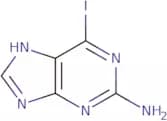
Discontinued product2-Amino-6-iodopurine
CAS:2-Amino-6-iodopurine is an analog of the purine nucleoside guanine, which has been used to synthesize a variety of boronic acids. The most common use for 2-amino-6-iodopurine is in the synthesis of benzylboronic acid, which can be used as an organometallic reagent in organic synthesis. This compound also has dehydrogenase activity and has been shown to catalyze the conversion of benzoic acid to benzaldehyde, mediated by NADH. 2-Amino-6-iodopurine is found in the biosynthesis of ribonucleotides and deoxyribonucleotides, where it reacts with chloride ions and phosphate groups to form adenylate and xanthosine monophosphates.
Formula:C5H4IN5Purity:Min. 95%Color and Shape:PowderMolecular weight:261.02 g/molRef: 3D-FA08193
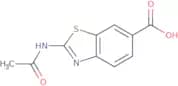
Discontinued product2-(Acetylamino)-1,3-benzothiazole-6-carboxylic acid
CAS:2-(Acetylamino)-1,3-benzothiazole-6-carboxylic acid is a chemical intermediate that is used in organic synthesis as a reagent for the preparation of other compounds. It is a versatile building block and useful scaffold for the preparation of complex compounds. This compound can be used as a reaction component for research chemicals and speciality chemicals.Formula:C10H8N2O3SPurity:Min. 95%Color and Shape:PowderMolecular weight:236.25 g/molRef: 3D-FA124679
Discontinued product4-(Acetylamino)-2-nitrobenzoic acid
CAS:4-(Acetylamino)-2-nitrobenzoic acid (AAANB) is a versatile building block that can be used in the synthesis of a wide range of organic and pharmaceutical compounds. AAANB is an intermediate in the preparation of 4-Amino-3-nitrophenol, which is an important research chemical. This compound is a useful scaffold for the synthesis of organic compounds with various biological activities. The CAS number for this product is 21573-29-5.
Formula:C9H8N2O5Purity:Min. 95%Color and Shape:PowderMolecular weight:224.17 g/molRef: 3D-FA131194
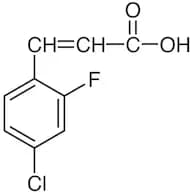
Discontinued product4-Chloro-2-fluorocinnamic Acid
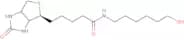
CAS:Formula:C9H6ClFO2Purity:>97.0%(GC)(T)Color and Shape:White to Almost white powder to crystalMolecular weight:200.596-N-Biotinylaminohexanol
CAS:6-N-Biotinylaminohexanol is a fine chemical that is used as a reagent or as a speciality chemical in research. This compound has also been shown to be a versatile building block for the synthesis of complex compounds and useful scaffolds for medicinal chemistry. 6-N-Biotinylaminohexanol is soluble in organic solvents, such as alcohols and ethers, but insoluble in water. It can be used as an intermediate in organic synthesis or as a reactant for the preparation of other chemicals.
Formula:C16H29N3O3SPurity:Min. 95%Color and Shape:PowderMolecular weight:343.49 g/molRef: 3D-FB18627
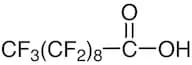
Discontinued productNonadecafluorodecanoic Acid
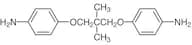
CAS:Formula:C10HF19O2Purity:>98.0%(T)Color and Shape:White to Almost white powder to crystalineMolecular weight:514.09Neopentyl Glycol Bis(4-aminophenyl) Ether
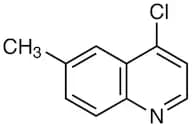
CAS:Formula:C17H22N2O2Purity:>97.0%(T)Color and Shape:White to Light yellow to Light orange powder to crystalMolecular weight:286.384-Chloro-6-methylquinoline
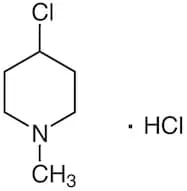
CAS:Formula:C10H8ClNPurity:>98.0%(GC)Color and Shape:Light orange to Yellow to Green powder to crystalMolecular weight:177.634-Chloro-1-methylpiperidine Hydrochloride
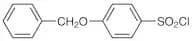
CAS:Formula:C6H12ClN·HClPurity:>98.0%(T)Color and Shape:White to Light yellow powder to crystalMolecular weight:170.084-(Benzyloxy)benzenesulfonyl Chloride
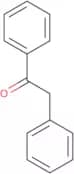
CAS:Formula:C13H11ClO3SPurity:>98.0%(T)Color and Shape:White to Light yellow powder to crystalMolecular weight:282.742-Phenylacetophenone
CAS:2-Phenylacetophenone is a synthetic compound that has been shown to be cytotoxic and significantly inhibit the growth of bacteria. 2-Phenylacetophenone binds to fatty acids in the cell membrane and forms covalent linkages with them, leading to the permeabilization of the cell membrane. This leads to bacterial death because without a functional cell membrane, cells cannot maintain homeostasis. The mechanism for this is not fully understood but it is believed that 2-phenylacetophenone binds to toll-like receptor 4 (TLR4) on macrophages, which triggers an inflammatory response. 2-Phenylacetophenone also reacts with hydroxyl groups on DNA and may interfere with DNA repair mechanisms.
Formula:C14H12OPurity:Min. 95%Color and Shape:Red PowderMolecular weight:196.24 g/molRef: 3D-FP26930
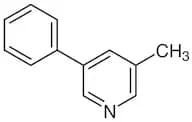
Discontinued product3-Methyl-5-phenylpyridine
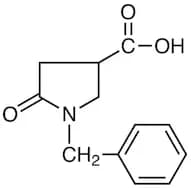
CAS:Formula:C12H11NPurity:>95.0%(GC)Color and Shape:Light yellow to Brown to Dark green clear liquidMolecular weight:169.231-Benzyl-5-oxopyrrolidine-3-carboxylic Acid
CAS:Formula:C12H13NO3Purity:>98.0%(GC)(T)Color and Shape:White to Almost white powder to crystalMolecular weight:219.243-Bromo-5-cyanobenzoic acid
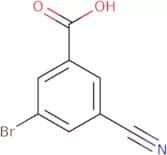
CAS:3-Bromo-5-cyanobenzoic acid is a fine chemical that is used as a reagent or intermediate in the production of other chemicals. 3-Bromo-5-cyanobenzoic acid can be used as an intermediate in the synthesis of pharmaceuticals, agrochemicals, and perfumes. This compound is also useful as a building block for making speciality chemicals and research chemicals. 3-Bromo-5-cyanobenzoic acid is versatile because it can be used in many different reactions with many different substrates to make many different products.
Formula:C8H4BrNO2Purity:Min. 95%Color and Shape:PowderMolecular weight:226.03 g/molRef: 3D-FB12102
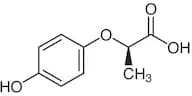
Discontinued product(R)-(+)-2-(4-Hydroxyphenoxy)propionic Acid
CAS:Formula:C9H10O4Purity:>98.0%(GC)(T)Color and Shape:White to Light yellow powder to crystalMolecular weight:182.184-Chloro-1H-imidazole
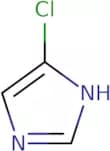
CAS:4-Chloro-1H-imidazole is an organic chemical compound that contains a heterocyclic ring with one nitrogen and three carbons. It is classified as a weak acid. 4-Chloro-1H-imidazole can be found in hydrochloric acid, methyl ketones, and the acid conjugates of pyrazole rings. It has minimal toxicity. 4-Chloro-1H-imidazole binds to receptors in the body, which may account for its effects on blood pressure and heart rate. This drug also reacts with diazonium salts to form an intermediate that is then oxidized by chloride ions to form a reactive intermediate that can react with histidine or flavin (a type of vitamin B2) to form a fluorescent product that can be detected by light absorption or fluorescence emission spectroscopy.
Formula:C3H3ClN2Purity:Min. 95%Color and Shape:White PowderMolecular weight:102.52 g/molRef: 3D-FC19980
Discontinued product


![8-oxa-5-azaspiro[3.5]nonane](/_next/image/?url=https%3A%2Fstatic.cymitquimica.com%2Fproducts%2F3D%2Fthumb-webp%2FFO76093.webp&w=3840&q=75)