Alcohols
Alcohols are a wide range of organic molecules derived from hydrocarbons that contain one or more hydroxyl groups (OH group). These compounds are essential in various chemical reactions and are widely used in laboratory settings for synthesis, as solvents, and in analytical chemistry. At CymitQuimica, we offer high-quality alcohols prepared for laboratory use, supporting your research and industrial applications with reliable and effective products. Our selection ensures you have the right alcohols for your specific needs, whether for routine laboratory work or specialized research projects.
Subcategories of "Alcohols"
Found 5814 products of "Alcohols"
Sort by
Purity (%)
0
100
|
0
|
50
|
90
|
95
|
100
T2 toxin triol
CAS:Controlled Product<p>T2 toxin triol is a bacterial strain that is used as a model system for the study of zearalenone. It has been shown to inhibit the growth of trifluoroacetic acid-treated cells and prevent the formation of glucuronide conjugates. T2 toxin triol has also been shown to be toxic to rat liver microsomes in vitro, but not to tissue culture or monoclonal antibody-transfected cells. The toxicity was found to be due to its basic structure, which causes an increase in intracellular levels of reactive oxygen species and lipid peroxidation.</p>Formula:C20H30O7Purity:Min. 95%Molecular weight:382.45 g/molBoc-(3S)-1,2,3,4-tetrahydroisoquinoline-7-hydroxy-3-carboxylic acid
CAS:<p>Boc-(3S)-1,2,3,4-tetrahydroisoquinoline-7-hydroxy-3-carboxylic acid is a synthetic opioid that is chemically related to morphine. It binds to the δ opioid receptor and has a clinical development in the treatment of pain. The drug has been shown to inhibit the binding of gtpγs, which leads to the suppression of neuronal activity. Boc-(3S)-1,2,3,4-tetrahydroisoquinoline-7-hydroxy-3-carboxylic acid also has low molecular weight and low toxicity.</p>Formula:C15H19NO5Purity:Min. 95%Color and Shape:PowderMolecular weight:293.32 g/mol(3β,5β,17α)-19-Norpregnane-3,17-diol
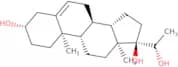
CAS:Controlled Product<p>Please enquire for more information about (3β,5β,17α)-19-Norpregnane-3,17-diol including the price, delivery time and more detailed product information at the technical inquiry form on this page</p>Formula:C20H34O2Purity:Min. 95%Color and Shape:PowderMolecular weight:306.48 g/molPotassium trimethylsilanolate
CAS:<p>Potassium trimethylsilanolate is a chemical substance that has inhibitory properties. It is a trifluoroacetic acid derivative that inhibits the activity of certain enzymes, such as proteases and lipases. The compound's inhibitory properties are due to its ability to bind to cytochrome cb2 receptors by means of hydrogen bonding. The binding of potassium trimethylsilanolate to the receptor prevents the activation of apoptosis proteins and protein synthesis in cells. This substance also has an inhibitory effect on water vapor, inhibiting the formation of water molecules from hydrogen atoms and oxygen atoms. Potassium trimethylsilanolate can be used as an anti-cancer agent by preventing cell division in tumor cells and preventing cancer metastasis through inhibition of protease activity.</p>Formula:C3H9KOSiPurity:Min. 95%Molecular weight:128.29 g/mol20-Epipregnantriol
CAS:Controlled Product<p>20-Epipregnantriol is a natural metabolite of pregnancy, which is a mixture of 20-hydroxyprogesterone, 17-hydroxyprogesterone, and pregnanediol. This hormone has been shown to be produced in the testes and ovaries. It stimulates the production of estrogen by the ovaries and may have an effect on inhibiting testosterone production in the testes. 20-Epipregnantriol has been used as an analytical control in studies on steroidogenesis.</p>Formula:C21H36O3Purity:Min. 95%Molecular weight:336.51 g/mol2-Diethylamino)ethanol hydrochloride
CAS:Controlled Product<p>2-Diethylamino)ethanol hydrochloride is a chemical compound that is used in analytical chemistry as a stationary phase for thin layer chromatography. Sephadex G-100 was developed by Pharmacia & Upjohn Company and marketed in the 1970s. It has been shown to be useful in plasma mass spectrometry experiments, which measure the molecular weight of proteins and other compounds. The solubility of 2-diethylamino)ethanol hydrochloride has been studied using experimental solubility data, electrochemical impedance spectroscopy, and amines. The reaction mechanism of 2-diethylamino)ethanol hydrochloride is not well understood but it appears to involve potassium dichromate, hydrochloric acid, fluoroacetic acid, benzalkonium chloride and other chemicals.</p>Formula:C6H16ClNOPurity:Min. 95%Molecular weight:153.65 g/molEstradiol 3-valerate
CAS:Controlled Product<p>Please enquire for more information about Estradiol 3-valerate including the price, delivery time and more detailed product information at the technical inquiry form on this page</p>Formula:C23H32O3Purity:Min. 95%Color and Shape:PowderMolecular weight:356.5 g/mol(1S,2R)-2-[N-Benzyl-N-(mesitylenesulfonyl)amino]-1-phenyl-1-propanol
CAS:Controlled Product<p>Please enquire for more information about (1S,2R)-2-[N-Benzyl-N-(mesitylenesulfonyl)amino]-1-phenyl-1-propanol including the price, delivery time and more detailed product information at the technical inquiry form on this page</p>Formula:C25H29NO3SPurity:Min. 95%Molecular weight:423.57 g/molrac 2-palmitoyl-3-chloropropanediol
CAS:<p>Please enquire for more information about rac 2-palmitoyl-3-chloropropanediol including the price, delivery time and more detailed product information at the technical inquiry form on this page</p>Formula:C19H37ClO3Purity:Min. 95%Molecular weight:348.95 g/mol(+)-cis-Abienol
CAS:<p>(+)-Cis-abienol is a diterpene that is found in the leaves of the tobacco plant. It has been suggested to be involved in the synthesis of abscisic acid, which is an important hormone related to plant responses to water and salt stress. (+)-Cis-abienol may also have insecticidal properties and may play a role in resistance to insects. (+)-Cis-abienol has shown activity as an analytical reagent for the detection of hydroxyl groups, due to its UV absorption at 275 nm. The signal peptide sequence for this compound has been determined by analysis of tobacco sequences. This molecule's phase behavior can be predicted from its X-ray crystal structures and it is soluble in organic solvents such as benzyl alcohols or ethers. The mechanism for the reaction between (+)-cis-abienol and dehydroabietic acid has not yet been elucidated but it is thought that benzyl</p>Formula:C20H34OPurity:Min. 95%Color and Shape:PowderMolecular weight:290.48 g/mol2-Hydroxy-4-methylquinoline
CAS:<p>2-Hydroxy-4-methylquinoline is an organic compound that has a chelate ring. It is soluble in deionized water and reacts with metal ions to form a fluorescent product. The molecule also has antibacterial activity, which may be due to its ability to inhibit the growth of bacteria by acting as a metal ion chelator. 2-Hydroxy-4-methylquinoline can react with halides and ammonium persulfate to form isomeric products, such as 4,5-dihydroxyquinoline, which have been shown to have antimicrobial properties. 2-Hydroxy-4-methylquinoline can also react with phosphorus oxychloride and alkylating agents such as chloroethane or chloroform to form substituted derivatives.</p>Formula:C10H9NOPurity:Min. 95%Color and Shape:PowderMolecular weight:159.18 g/molKushenol X
CAS:<p>Kushenol X is a bioactive flavonoid compound, which is derived from the traditional Chinese medicinal plant Sophora flavescens. Known for its diverse pharmacological activities, Kushenol X primarily exerts its effects through the modulation of various cellular pathways. This compound has been found to interact with signaling molecules and pathways implicated in inflammation and cancer, exhibiting both anti-inflammatory and anticancer properties.</p>Purity:Min. 95%L-Phenylglycinol
CAS:<p>L-phenylglycinol is a chiral compound that is synthesized by the reaction of phenylglycinol with hydroxide solution in the presence of an asymmetric synthesis catalyst. It is used as a precursor to chiral amides and aziridines, which are important for addressing the need for enantiopure compounds. The reaction mechanism involves nucleophilic substitution at the amino function, which can be catalyzed by copper complexes in solution. This reaction can also be monitored using liquid chromatography methods.</p>Formula:C8H11NOPurity:Min. 95%Color and Shape:White PowderMolecular weight:137.18 g/molDoxorubicinol hydrochloride - Mixture of Diasteromers
CAS:<p>Please enquire for more information about Doxorubicinol hydrochloride - Mixture of Diasteromers including the price, delivery time and more detailed product information at the technical inquiry form on this page</p>Formula:C27H32ClNO11Purity:Min. 95%Molecular weight:582 g/mol1,3-Difluoro-2-propanol
CAS:<p>1,3-Difluoro-2-propanol is a hydrogen bond donor. It is used as an animal repellent and insecticide. It has been shown to be effective against the larvae of mosquitoes and flies. 1,3-Difluoro-2-propanol has also been found to be effective against some fungi, although it is not active against bacteria. The octanol/water partition coefficient (log Kow) of 1,3-difluoro-2-propanol is -0.86. 1,3-Difluoro-2-propanol has been shown to inhibit biochemical reactions in animals by inhibiting ATPase and phosphate uptake in mitochondria. This inhibition leads to the accumulation of metabolites such as lactic acid and pyruvic acid which are responsible for the symptoms seen with exposure to this chemical. 1,3-Difluoro-2-propanol has also been shown</p>Formula:C3H6F2OPurity:Min. 99 Area-%Color and Shape:Colorless Clear LiquidMolecular weight:96.08 g/molDrostanolone acetate
CAS:Controlled Product<p>Please enquire for more information about Drostanolone acetate including the price, delivery time and more detailed product information at the technical inquiry form on this page</p>Formula:C22H34O3Purity:Min. 95%Molecular weight:346.5 g/mol2-Octyldodecan-1-ol
CAS:<p>2-Octyldodecan-1-ol is a fatty alcohol that is used as a lubricant and surfactant in cosmetic products. It has been shown to have surface coating properties, which may be due to its ability to form hydrogen bonds with hydroxyl groups at the surface of the skin. 2-Octyldodecan-1-ol is also known for its biological effects, such as anti-inflammatory and anti-bacterial properties. This compound has been shown to inhibit bacterial growth by inhibiting membrane synthesis and by binding to fatty acids in the cell wall. It also has an effect on sodium carbonate, p-hydroxybenzoic acid, alcohol residue, hydroxyl group, glycol ether, particle, and inorganic acid.</p>Formula:C20H42OPurity:Min. 95%Molecular weight:298.55 g/mol3-Methyl-1-butanethiol
CAS:<p>3-Methyl-1-butanethiol is a chemical compound that belongs to the class of sulfonic acids. It has been shown to be an effective inhibitor of the formation of sulfonated compounds in urine samples. 3-Methyl-1-butanethiol also possesses a hydroxyl group and chlorine atom, which are responsible for its inhibitory effects on the polymerization initiator. The hydroxyl group is involved in the synthesis of 3-methyl-1-butanol and 3,3′,5′-trimethylhexane by reacting with methanol and ethylene oxide respectively. The chlorine atom acts as a nucleophile in the reaction with sodium chloride to form chloroacetic acid. This chemical compound also contains a divalent magnesium ion that can act as a cocatalyst for polymerization reactions.</p>Formula:C5H12SPurity:Min. 95%Molecular weight:104.21 g/mol3b-Acetoxy-6a-chloroergosta-7,22-dien-5a-ol
CAS:Controlled Product<p>Please enquire for more information about 3b-Acetoxy-6a-chloroergosta-7,22-dien-5a-ol including the price, delivery time and more detailed product information at the technical inquiry form on this page</p>Formula:C30H47ClO3Purity:Min. 95%Molecular weight:491.15 g/mol2-Cyclopentyl-4-chlorophenol
CAS:<p>2-Cyclopentyl-4-chlorophenol is a synthetic fatty acid that is used as an antiviral agent. It inhibits the synthesis of fatty acids by inhibiting the conversion of 2,4-dienoyl CoA to 3-hydroxyacyl CoA. 2-Cyclopentyl-4-chlorophenol has been shown to be effective against a number of test organisms, including bacteria such as staphylococcus and virus such as herpes simplex virus. 2-Cyclopentyl-4-chlorophenol inhibits viral protein synthesis by blocking the action of host enzymes required for this process. The target cell for this drug is the host cell infected with a virus. This drug also has antihelminthic properties and can be used to treat parasitic infections caused by schistosoma haematobium and clonorchis sinensis worms. 2CPCP's structural formula is shown below:</p>Formula:C11H13ClOPurity:Min. 95%Molecular weight:196.67 g/mol4,4'-Bis(dimethylamino)diphenyl carbinol
CAS:<p>4,4'-Bis(dimethylamino)diphenyl carbinol is a bathochromic compound that belongs to the group of amines. It has been synthesized from 4,4'-diaminodiphenylmethane and hydrochloric acid. This molecule has been shown to react with protonated nitrogen atoms in an oxidation-reduction reaction. The protonation process occurs via kinetic, thermodynamic, and photophysical mechanisms. 4,4'-Bis(dimethylamino)diphenyl carbinol was used to study the proton transfer reactions between chlorine and nitrogen atoms in molecular modeling studies. On the other hand, this molecule has been shown to have fluorescence properties due to its carbonyl group.</p>Formula:C17H22N2OPurity:Min. 95%Color and Shape:White PowderMolecular weight:270.37 g/mol2-Methyl-2-propanethiol
CAS:<p>2-Methyl-2-propanethiol is an electron acceptor and a reagent that can be used for the synthesis of organic compounds. It is soluble in polar solvents, but insoluble in nonpolar solvents. 2-Methyl-2-propanethiol has been shown to react with thiols at concentrations below its optimum concentration. The reaction mechanism is believed to involve adsorption and intramolecular hydrogen transfer. The adsorption process occurs on the surface of the substrate and the intramolecular hydrogen transfer occurs through an intermolecular hydrogen bond with the substrate's hydroxyl group or disulfide bond. When 2-methyl-2-propanethiol reacts with a thiol, it forms a mercaptan group called p2 that contains two substituents, one on each carbon atom. This reaction produces a disulfide bond as well as an electrochemical detector signal known as "activated."</p>Formula:C4H10SPurity:Min. 98%Color and Shape:Clear LiquidMolecular weight:90.19 g/mol(2-(Bromomethyl)phenyl)methanol
CAS:<p>(2-(Bromomethyl)phenyl)methanol is an acceptor of a palladium complex. It is used in the synthesis of amides and other functional groups, as well as in catalysis. 2-(Bromomethyl)phenyl)methanol can be quaternized with methyl iodide to form a bromoalkylamine. The reaction proceeds via an amide group on the bromoalkylamine and a hydrogen atom from the alkyl halide. This process is known as "supramolecular" or "intermolecular" hydrogen bonding. It has been found that 2-(Bromomethyl)phenyl)methanol forms complexes with palladium through intermolecular hydrogen bonding, which are more stable than those formed by other ligands such as phosphines and cyanides.</p>Formula:C8H9BrOPurity:95%NmrMolecular weight:201.06 g/mol1,4-Bis[3,4-dihydro-2(1H)-quinolinon-7-oxy]butane
CAS:Controlled Product<p>Please enquire for more information about 1,4-Bis[3,4-dihydro-2(1H)-quinolinon-7-oxy]butane including the price, delivery time and more detailed product information at the technical inquiry form on this page</p>Formula:C22H24N2O4Purity:Min. 95%Molecular weight:380.44 g/moltrans-4-Aminocyclohexanol
CAS:<p>Trans-4-aminocyclohexanol is a cell signaling molecule that belongs to the class of heterocyclic compounds. It has been shown to have an anti-inflammatory effect and inhibit the production of pro-inflammatory cytokines in vitro. Trans-4-aminocyclohexanol also inhibits cyclooxygenase (COX) activity, which is responsible for the conversion of arachidonic acid into prostaglandins. This inhibition leads to decreased inflammation and pain. Trans-4-aminocyclohexanol is orally bioavailable and can be detected in the blood plasma within one hour after administration. The compound has been shown to bind to the enzyme protein kinase C, which is involved in cell signaling pathways, and inhibit its activity.</p>Formula:C6H13NOPurity:Min. 95%Color and Shape:PowderMolecular weight:115.17 g/mol2-Bromoallyl alcohol
CAS:<p>2-Bromoallyl alcohol is a halogenated aromatic hydrocarbon that is an analyte in the chemical analysis of soil. It is also used as a reagent for the debromination of 2-bromopropane and as a dehalogenating agent for the removal of bromine from organic compounds. 2-Bromoallyl alcohol can be distilled at high temperatures, but it will volatilize if heated to 80°C or higher. It has been reported that 2-bromoallyl alcohol was found to be present in all replicates analyzed. The recovery of this compound ranged from 83% to 114%. 2-Bromoallyl alcohol is used as a reagent in organic synthesis, such as in palladium catalyzed couplings with boronic acids and esters. This compound may also be used to synthesize N-(2-hydroxyethyl)hydroxylamines by reacting with sodium hydroxide</p>Formula:C3H5BrOPurity:Min. 95%Molecular weight:136.98 g/mol2-Morpholinoethanol
CAS:<p>2-Morpholinoethanol is a potent inhibitor of the enzyme nitric oxide synthase, which is involved in the synthesis of nitric oxide. Nitric oxide is an important molecule that regulates many physiological processes, such as inflammation and blood flow. 2-Morpholinoethanol has been shown to have high resistance to thermal expansion, due to its intramolecular hydrogen bonding. It also inhibits the activity of amine oxidases, which are enzymes that catalyze reactions involving amines and oxygen. The mechanism of action of 2-morpholinoethanol has been studied by using group P2 fatty acids and amines as substrates for nitric oxide synthase.</p>Formula:C6H13NO2Purity:Min. 95%Molecular weight:131.17 g/mol(7-bromo-2H-1,3-benzodioxol-5-yl)methanol
CAS:Controlled Product<p>Please enquire for more information about (7-bromo-2H-1,3-benzodioxol-5-yl)methanol including the price, delivery time and more detailed product information at the technical inquiry form on this page</p>Purity:Min. 95%Molecular weight:231.0451-Acetyl-5-bromoindol-3-ol
CAS:<p>Please enquire for more information about 1-Acetyl-5-bromoindol-3-ol including the price, delivery time and more detailed product information at the technical inquiry form on this page</p>Formula:C10H8BrNO2Purity:Min. 95%Color and Shape:PowderMolecular weight:254.08 g/mol2-Cyclohexyl-4,6-dinitrophenol
CAS:<p>2-Cyclohexyl-4,6-dinitrophenol is a chemical that inhibits the synthesis of viral DNA. It has been shown to have minimal toxicity in animal models and may be used for the treatment of metabolic disorders, such as hepatic steatosis or hepatitis. 2-Cyclohexyl-4,6-dinitrophenol has also been shown to inhibit the toll-like receptor (TLR) pathway and induce an antiviral state in vitro. In addition, it was found to have an effect on mitochondrial membrane potential, which may explain its antiviral activity. 2-Cyclohexyl-4,6-dinitrophenol has also been shown to inhibit viral replication in cells infected with HIV and other viruses such as Hepatitis C virus.</p>Formula:C12H14N2O5Purity:Min. 95%Molecular weight:266.25 g/molL-Phenylalaninol 2-chlorotrityl resin
<p>Please enquire for more information about L-Phenylalaninol 2-chlorotrityl resin including the price, delivery time and more detailed product information at the technical inquiry form on this page</p>Purity:Min. 95%Isoeugenol methyl ether
CAS:<p>Isoeugenol methyl ether is a plant-derived natural compound that is used in vitro as an antioxidant. It has been shown to inhibit the activity of enzymes such as hydroxylase, glucuronidase, and cytochrome P450. Isoeugenol methyl ether has also been shown to have anti-inflammatory properties and may be useful for treatment of colorectal adenocarcinoma. The mechanism by which isoeugenol methyl ether inhibits the enzyme activity is not clear but it may be due to its ability to bind reversibly with free enzyme form.</p>Formula:C11H14O2Purity:Min. 95%Color and Shape:LiquidMolecular weight:178.23 g/mol5-Nitropyridin-3-ol
CAS:<p>Please enquire for more information about 5-Nitropyridin-3-ol including the price, delivery time and more detailed product information at the technical inquiry form on this page</p>Formula:C5H4N2O3Purity:Min. 95%Molecular weight:140.1 g/mol5-Nitrosoquinolin-8-ol
CAS:<p>5-Nitrosoquinolin-8-ol is a chemical inhibitor that can be used in the study of enzyme function. It reacts with the active site of the enzymes and prevents them from carrying out their normal functions. 5-Nitrosoquinolin-8-ol has been shown to inhibit the growth of cancer cells and to have antiinflammatory properties. 5-Nitrosoquinolin-8-ol has been shown to bind to sephadex G-100 and potassium dichromate, which are both types of ion exchangers. The redox potential for this compound is -0.84 V. This means it will not react easily with other compounds, which makes it a good candidate for use as an inhibitor in biochemical studies. The nitrogen atoms in this compound are reactive, which means they can form covalent bonds with other molecules in a reaction called nitrosation. Structural biology is a branch of science that deals with studying the three dimensional structure of biological mac</p>Formula:C9H6N2O2Purity:Min. 95%Color and Shape:Yellow To Green SolidMolecular weight:174.16 g/mol(R)-1,2-Butanediol
CAS:<p>(R)-1,2-Butanediol is a chemical compound that is classified as a diol. It has two hydroxyl groups and is an active substance. The (R)-1,2-Butanediol molecule consists of two asymmetric carbon atoms. In the presence of oxygen, it can form a ternary complex with copper and the hydroxyl group. This ternary complex catalyzes the conversion of various substrates such as L-xylulose to its corresponding ketones or L-arabinose to its corresponding acetals. The reaction proceeds via substrate binding to the active site on the ternary complex and subsequent functional group participation in the reaction.</p>Formula:C4H10O2Purity:Min. 95%Molecular weight:90.12 g/mol1-(3,4-Dimethoxyphenyl)-2-(2-methoxyphenoxy)propane-1,3-diol
CAS:<p>1,3-Dimethoxy-2-(2-methoxyphenoxy)propane-1,3-diol (DMMP) is a natural product with antioxidant properties. It has been shown to be a potent inhibitor of the epidermal growth factor receptor (EGFR), and also inhibits the activity of the response elements for EGFR. DMMP is also a potent inhibitor of proliferation in human cancer cells and can inhibit the growth of tumour cells that are resistant to methotrexate. DMMP is a precursor to protocatechuic acid, which has been shown to have anti-herpes virus effects. DMMP has been shown to decrease the rate of second order reactions through its ability to react with carbonyl groups on proteins. This reaction leads to an increase in stability and decreases the rate of protein degradation by proteases. A mutant strain was found that can produce this compound without any external stimulus, making it ideal for use as an antibiotic against bacterial</p>Formula:C18H22O6Purity:Min. 95 Area-%Color and Shape:PowderMolecular weight:334.36 g/mol2,3-Dimercapto-1-propanol
CAS:<p>2,3-Dimercapto-1-propanol (DMPC) is an antibiotic that has been shown to have a potent synergistic effect when used in combination with other antibiotics. DMPC inhibits the enzyme fatty acid synthase and prevents the synthesis of long-chain fatty acids. It also inhibits the uptake of long-chain fatty acids by tissues such as liver, muscle, and fat cells. DMPC is also a reactive chemical that reacts with oxygen from the air to form 2,3-dimercapto-1-propanol peroxyl radicals and hydrogen peroxide. These reactive species are toxic to cells exposed to DMPC in tissue culture or in vivo. This chemical is also a potent inducer of all-trans retinoic acid and dehydroascorbic acid production.</p>Formula:C3H8OS2Purity:Min. 95%Color and Shape:Clear LiquidMolecular weight:124.23 g/mol1-Phenylcyclohexanol
CAS:Controlled Product<p>1-Phenylcyclohexanol (1-PC) is an organic compound that is used as a reagent in the synthesis of other compounds. It is a colorless liquid with a pleasant odor. 1-PC has been shown to have synergic effects when reacted with various types of oxidizing agents, such as magnesium and boron trichloride. The reaction products are cyclohexanol, dehydration, and modifiers. When 1-PC reacts with phenylcyclohexene, it forms the antigen hemiketal.</p>Formula:C12H16OPurity:Min. 95%Molecular weight:176.25 g/mol2-Chlorothiophenol
CAS:<p>2-Chlorothiophenol is a chemical compound that belongs to the group of fatty acids. It is synthesized by reacting phosphorus pentachloride with 2-chloroethanol in the presence of magnesium salt. The corresponding molecule has a diameter of 4.8 Å and a thermal expansion coefficient of 1.5×10 K−1, which is similar to the thermal expansion coefficients of fatty acids. 2-Chlorothiophenol reacts with carbonyl groups in the presence of oxygen to form 2-chlorophenol and hydrogen chloride gas, which are products that can be detected using spectroscopic techniques such as infrared or nuclear magnetic resonance spectroscopy. The reaction mechanism for this reaction is not well understood, but it is thought that the intramolecular hydrogen acts as an electron donor to form a pi bond between carbon atoms on adjacent molecules, leading to formation of an oxygenated molecule. 2-Chlorothiophenol also has protein</p>Formula:C6H5ClSPurity:Min. 95%Color and Shape:Clear Colourless LiquidMolecular weight:144.62 g/mol4-(1-Adamantyl)-2-aminophenol
CAS:<p>Please enquire for more information about 4-(1-Adamantyl)-2-aminophenol including the price, delivery time and more detailed product information at the technical inquiry form on this page</p>Formula:C16H21NOPurity:Min. 95%Molecular weight:243.34 g/mol(2-Iodophenyl)(2,3,6,7-tetrahydro-1H,5H-benzo[ij]quinolizin-9-yl)methanone
<p>2-Iodophenyl)(2,3,6,7-tetrahydro-1H,5H-benzo[ij]quinolizin-9-yl)methanone is a high quality reagent that can be used as a useful intermediate and building block in the synthesis of complex compounds.</p>Formula:C19H18INOPurity:Min. 95 Area-%Molecular weight:403.26 g/mol(1-Butyl-1H-benzimidazol-2-yl)methanol
CAS:Controlled Product<p>Please enquire for more information about (1-Butyl-1H-benzimidazol-2-yl)methanol including the price, delivery time and more detailed product information at the technical inquiry form on this page</p>Formula:C12H16N2OPurity:Min. 95%Molecular weight:204.27 g/mol{1-[2-(4-Methylphenoxy)ethyl]-1H-benzimidazol-2-yl}methanol
CAS:Controlled Product<p>Please enquire for more information about {1-[2-(4-Methylphenoxy)ethyl]-1H-benzimidazol-2-yl}methanol including the price, delivery time and more detailed product information at the technical inquiry form on this page</p>Formula:C17H18N2O2Purity:Min. 95%Molecular weight:282.34 g/molBromoform - Stabilized with ethanol
CAS:<p>Bromoform is a colorless, sweet-smelling liquid that was formerly used as an industrial solvent and disinfectant. Bromoform is a potent liver toxin and has been implicated in the development of liver cancer. In animal studies, bromoform causes significant genotoxic effects, including DNA single-strand breaks and chromosomal aberrations. Bromoform also inhibits the activity of enzymes involved in lipid metabolism, which may be due to its ability to bind to proteins in the cell membrane and alter their function. Bromoform is absorbed through the lungs or gastrointestinal tract after inhalation or ingestion. It undergoes rapid metabolism by oxidation followed by conjugation with glutathione, which renders it non-toxic and allows for its elimination from the body.</p>Formula:CHBr3Purity:Min. 95%Color and Shape:Clear LiquidMolecular weight:252.73 g/molTrimethylsilylmethanethiol
CAS:<p>Trimethylsilylmethanethiol (TMSET) is a thiol that is used as a reagent in organic synthesis. It is soluble in water and it has a high boiling point, making it useful for reactions that require heat. TMSET has been shown to be an effective antiviral agent against hepatitis C virus (HCV) and influenza A virus by binding to the viral receptor on the cell surface and preventing its entry into the cell. TMSET also inhibits neuronal function by binding to the hydroxy group of proteins, thereby disrupting their structure and function.</p>Formula:C4H12SSiPurity:Min. 95%Molecular weight:120.29 g/mol3-[4-(2-Chlorophenyl)-9-methyl-6H-thieno[3,2-f][1,2,4]triazolo[4,3-a][1,4]diazepin-2-yl]-2-propyn-1-ol
CAS:Controlled Product<p>Please enquire for more information about 3-[4-(2-Chlorophenyl)-9-methyl-6H-thieno[3,2-f][1,2,4]triazolo[4,3-a][1,4]diazepin-2-yl]-2-propyn-1-ol including the price, delivery time and more detailed product information at the technical inquiry form on this page</p>Formula:C18H13ClN4OSPurity:Min. 95%Molecular weight:368.84 g/mol(1-Methyl-1H-benzimidazol-2-yl)methanol
CAS:Controlled Product<p>1-Methyl-1H-benzimidazol-2-yl)methanol is a mononuclear, ligand anion with a sulfate group. The compound has a molecular weight of 180.07 and its chemical formula is C6H5NOSO3S. It is soluble in water and alcohols, but insoluble in ethers and chloroform. 1-Methyl-1H-benzimidazol-2-yl)methanol reacts with oxygen to form the corresponding peroxide, which has a boiling point of 228°C at 760 mm Hg pressure. This compound also reacts with nitric acid to form the corresponding nitrate salt, which can be precipitated by adding sodium chloride or ammonium chloride.</p>Formula:C9H10N2OPurity:Min. 95%Molecular weight:162.19 g/mol1,3-Distearoyl-2-chloropropanediol-d5
CAS:<p>Please enquire for more information about 1,3-Distearoyl-2-chloropropanediol-d5 including the price, delivery time and more detailed product information at the technical inquiry form on this page</p>Formula:C39H70D5CIO4Purity:Min. 95%Molecular weight:751.95 g/molDiphenylprolinol
CAS:Controlled Product<p>Diphenylprolinol is a synthetic cannabinoid that is used as an agonist of the CB1 and CB2 receptors in the brain. It has been shown to have high affinity for both the CB1 and CB2 receptors, with Ki values of 0.07 and 0.05 nM respectively. Diphenylprolinol is a full agonist of the CB1 receptor, but only a partial agonist of the CB2 receptor. Diphenylprolinol binds to these receptors in a manner that resembles endocannabinoids, which are endogenous cannabinoids produced by animals. This drug has shown antipsychotic effects through its binding to serotonin reuptake inhibitors and its ability to block dopamine release in the prefrontal cortex. Diphenylprolinol also acts as a potent growth factor by stimulating cell proliferation via activation of protein kinase C (PKC). PKC activation leads to increased levels of intracellular calcium ions (Ca2+) and stimulates growth factor production such as</p>Purity:Min. 95%(3b,20R)-Pregn-5-ene-3,17,20-triol
CAS:Controlled Product<p>Please enquire for more information about (3b,20R)-Pregn-5-ene-3,17,20-triol including the price, delivery time and more detailed product information at the technical inquiry form on this page</p>Formula:C21H34O3Purity:Min. 95%Molecular weight:334.49 g/mol4-Cinnolinecarboxaldehyde
CAS:<p>4-Cinnolinecarboxaldehyde is an organic compound that belongs to the group of cinnoline. It is a colorless liquid that can be used as a precursor in the production of aluminum metal. 4-Cinnolinecarboxaldehyde reacts with lithium aluminum hydride to form a compound that can be used as a reducing agent in organic chemistry. 4-Cinnolinecarboxaldehyde is also used as a precursor for preparing other compounds, such as lithium aluminum hydride and lithium aluminum trihydride.</p>Formula:C9H6N2OPurity:Min. 95%Molecular weight:158.16 g/mol1-Tetradecanethiol
CAS:<p>1-Tetradecanethiol is a high-resistance, detergent composition that is used in vitro to test the effects of boron nitride. This chemical has been shown to be an effective cross-linking agent for polymers and other materials. It also acts as a viscosity reducer and has low energy requirements. 1-Tetradecanethiol can be used as a cationic surfactant and as a molecule in 3-mercaptopropionic acid.</p>Purity:Min. 95%Androst-16-en-3-ol
CAS:Controlled Product<p>Androst-16-en-3-ol is a pheromone that is produced by male pigs and has been shown to be a potent stimulant of female pigs. It is also an anti-cancer agent that can inhibit the growth of human cancer cells in culture. Androst-16-en-3-ol has been shown to have high cytotoxicity against human testicular, prostate, breast, and colon cancer cells with IC50 values ranging from 0.1 to 2 microM. This chemical was also found to be a potent inhibitor of protein synthesis in all four cell lines tested. Androstenone can act as a chemical conjugate with sulphates or other molecules, which can be detected by gas chromatography/mass spectrometry (GC/MS) or liquid chromatography/mass spectrometry (LC/MS).</p>Formula:C19H30OPurity:Min. 95%Color and Shape:SolidMolecular weight:274.44 g/molDodecane-1-thiol
CAS:<p>Dodecane-1-thiol is a chemical that is used as an ingredient in the production of nanoparticles. It has been shown to have high resistance to sodium salts and is chemically stable. Dodecane-1-thiol can be synthesized by reacting dodecane with hydroxylamine and mercaptan, which are both highly reactive compounds. Dodecane-1-thiol has a hydroxyl group on the thiol group and a dimethyl fumarate molecule attached to it. The hydroxyl group reacts with mercaptan, while the dimethyl fumarate molecule attaches to the thiol group to provide stability. Dodecane-1-thiol can also be synthesized using polymerization reactions.</p>Formula:C12H26SPurity:95%MinMolecular weight:202.4 g/mol6-Amino-1,3,5-triazine-2,4-diol
CAS:<p>6-Amino-1,3,5-triazine-2,4-diol is a chemical that is soluble in water and has been shown to be an effective inhibitor of cyanuric acid degradation. It has been used in wastewater treatment and as a model system for the study of melamine and cyanuric acid interactions. 6-Amino-1,3,5-triazine-2,4-diol binds to cyanuric acid by forming a complex with it. This prevents the formation of reactive intermediates that lead to the degradation of cyanuric acid. 6-Amino-1,3,5-triazine-2,4-diol also inhibits the oxidation catalyst activity of sodium carbonate at pH 8.5. The toxicity of this chemical has been studied in rats and was found to be low.</p>Formula:C3H4N4O2Purity:Min. 95%Molecular weight:128.09 g/mol3-O-Methyl 4-hydroxy estradiol
CAS:Controlled Product<p>Please enquire for more information about 3-O-Methyl 4-hydroxy estradiol including the price, delivery time and more detailed product information at the technical inquiry form on this page</p>Formula:C19H26O3Purity:Min. 95%Molecular weight:302.41 g/molδ9,11-Estradiol
CAS:Controlled Product<p>Delta9,11-Estradiol is an estrogen that has been found to bind to the estrogen receptor α. The growth factor activity of this drug is mediated through the binding of this receptor and the activation of various intracellular signaling pathways. This drug is effective in treating eye disorders such as macular degeneration. Delta9,11-Estradiol also has a protective effect on ganglion cells by reducing oxidative stress, inhibiting apoptosis, and modulating inflammatory responses. The hydroxyl group in Delta9,11-Estradiol can be used as a corrosion inhibitor in eye drops and other ophthalmic solutions. It binds to viral gene promoters and inhibits transcriptional activity of these genes.</p>Formula:C18H22O2Purity:Min. 95%Color and Shape:SolidMolecular weight:270.37 g/mol1-Methylcyclopropanol
CAS:<p>1-Methylcyclopropanol is a multigram chemical that can be produced on a large scale. It is an organic compound with the molecular formula CH3CCH2OH. It can be synthesized from monomers such as cyclobutanone, amines, and hydrogen bond by ring-opening polymerization to produce polycyclohexane rings. 1-Methylcyclopropanol has been used in the synthesis of polymers such as poly(1-methylcyclopropane). This chemical has also been investigated for use in laser ablation techniques that remove material from surfaces and in laser cutting techniques that cut materials into shapes. 1-Methylcyclopropanol has been found to react with hypobromous acid to form a diol ether product.</p>Formula:C4H8OPurity:80%MinColor and Shape:Clear LiquidMolecular weight:72.11 g/mol[1-(4-Chlorobenzyl)-1H-benzimidazol-2-yl]methanol
CAS:Controlled Product<p>Please enquire for more information about [1-(4-Chlorobenzyl)-1H-benzimidazol-2-yl]methanol including the price, delivery time and more detailed product information at the technical inquiry form on this page</p>Formula:C15H13ClN2OPurity:Min. 95%Molecular weight:272.73 g/molRac 1,2-bis-palmitoyl-3-chloropropanediol
CAS:<p>Rac-1,2-bis-palmitoyl-3-chloropropanediol is a dispersive molecule that is composed of a fatty acid and a chlorinated derivative of palmitic acid. It is used to calibrate the mass spectrometer and as an internal standard in quantitative analysis. Rac-1,2-bis-palmitoyl-3-chloropropanediol reacts with electrospray ionization with a dose-dependent response. It has been shown to be toxic to kidney cells at high doses but not at low doses. This chemical has been detected in food samples after being absorbed from the gastrointestinal tract. Rac 1,2-bis-palmitoyl 3 chloropropanediol can be found in the dipalmitate form or as formic acid.</p>Formula:C35H67ClO4Purity:95%NmrColor and Shape:PowderMolecular weight:587.36 g/molPoly(1,2-dihydro-2,2,4-trimethylquinoline)
CAS:<p>Poly(1,2-dihydro-2,2,4-trimethylquinoline) is a high molecular weight polymeric quinoline. It is an intramolecular hydrogen bond donor. The nitrogen atoms in the polymers are bound to hydrogen and form a ring with two amino groups. Poly(1,2-dihydro-2,2,4-trimethylquinoline) has been shown to be resistant to many chemical agents such as hydrogen fluoride and glycoside derivatives. It also has a carcinogenic potential and can induce liver lesions. The carcinogenesis studies of poly(1,2-dihydro-2,2,4-trimethylquinoline) have shown that it may cause cancer in animals via diazonium salt and methyl ethyl hydrochloric acid</p>Formula:(C12H15N)xPurity:Min. 95%Color and Shape:PowderAllopurinol-d2
CAS:<p>Allopurinol-d2 is an inhibitor of xanthine oxidase, which is an enzyme that catalyzes the conversion of hypoxanthine to xanthine and then to uric acid. Allopurinol-d2 is used for the treatment of gout and hyperuricemia. The compound was expressed in Escherichia coli and purified by electrospray ionization mass spectrometry. It has been shown to inhibit methyltransferase activity, thereby decreasing the production of urate. Allopurinol-d2 has also been shown to decrease disease activity in animal models of colitis and ulcerative colitis.</p>Formula:C5H2D2N4OPurity:Min. 95%Molecular weight:138.12 g/mol2,4-Difluorobenzenethiol
CAS:<p>2,4-Difluorobenzenethiol is a chemical with the molecular formula CHClF2SH. It has a high yield and can be used in the production of medicines and chemicals. Industrially, 2,4-difluorobenzenethiol is used as a raw material for the manufacture of dyes, perfumes and other products. The synthesis of this chemical involves treating 2-fluoroaniline with sulfuric acid. This process produces 2,4-difluorobenzenethiol as a byproduct.</p>Formula:C6H4F2SPurity:Min. 95%Molecular weight:146.16 g/mol4-Phenylphenol
CAS:<p>4-Phenylphenol is a phenolic compound that is used in the synthesis of other compounds. 4-Phenylphenol was found to react with rat liver microsomes and showed a hydroxyl group as its reactive site. 4-Phenylphenol also inhibited the activities of enzymes such as diazonium salt, sodium carbonate, monoclonal antibodies, analytical methods, light emission and p-hydroxybenzoic acid. The reaction mechanism of 4-Phenylphenol involves hydrogen bonding with human serum biphenyl.</p>Formula:C12H10OPurity:Min. 95%Color and Shape:PowderMolecular weight:170.21 g/mol(1S,2S)-(+)-2-Amino-1-phenyl-1,3-propanediol
CAS:<p>(1S,2S)-(+)-2-Amino-1-phenyl-1,3-propanediol is a synthetic compound that has been synthesized and studied as an amide. It has a hydroxy group on the skeleton of the molecule. The enantiomer of this compound is (1R,2R)-(-)-2-amino-1-phenyl-1,3-propanediol. This compound contains two chiral centers and four stereoisomers. These stereoisomers are not mirror images of each other. (1S,2S)-(+)-2-Amino-1-phenyl-1,3-propanediol has been shown to be effective against cryptococcus neoformans in cell culture experiments.</p>Formula:C9H13NO2Purity:Min. 95%Molecular weight:167.21 g/mol1-Undecanethiol
CAS:<p>1-Undecanethiol is a carboxylic acid that inhibits the cell cycle and induces cell death in cancer cells. It is a potent inhibitor of cell growth and prevents protein synthesis. 1-Undecanethiol has been shown to inhibit the proliferation of breast cancer cells in cell culture. This compound also induces apoptosis by binding to the protein p53, which stabilizes it and reduces its ability to bind to DNA, preventing transcriptional activation of various genes that are involved in apoptosis.</p>Formula:C11H24SPurity:Min. 95%Molecular weight:188.37 g/mol(1-Isobutyl-1H-benzimidazol-2-yl)methanol
CAS:Controlled Product<p>Please enquire for more information about (1-Isobutyl-1H-benzimidazol-2-yl)methanol including the price, delivery time and more detailed product information at the technical inquiry form on this page</p>Formula:C12H16N2OPurity:Min. 95%Molecular weight:204.27 g/mol3-Propylphenol
CAS:<p>3-Propylphenol is a naturally occurring fatty acid found in animals and plants. It is used as an industrial chemical and as a solvent for fats, oils, waxes, and resins. 3-Propylphenol has been shown to have a high affinity for caproic acid, which is a fatty acid that can be found in the urine of humans and animals. 3-Propylphenol also has the ability to inhibit methyl ketone formation by diptera during metathesis reactions. This compound is used in the production of industrial chemicals like phenols, acetates, and esters.</p>Formula:C9H12OPurity:Min. 95%Molecular weight:136.19 g/mol3-Fluoro-4-nitrophenol
CAS:<p>3-Fluoro-4-nitrophenol is an organic solvent that is used in the synthesis of a number of organic and inorganic compounds, including diazonium salts. 3-Fluoro-4-nitrophenol can be reacted with organometallic reagents to form tetraphenylmethane derivatives. It has been shown to have potential use as a precursor for the synthesis of a number of pharmaceuticals, such as regorafenib, which is an antiangiogenic drug. 3-Fluoro-4-nitrophenol reacts with chloride ions to form coelomic acid (3-fluoroaniline) and other organic acids. Reaction with magnesium and aluminium produces silicon nitride.</p>Formula:C6H4FNO3Purity:Min. 95%Molecular weight:157.1 g/mol4-[2-(Cyclopropylmethoxy)ethyl]phenol
CAS:<p>4-[2-(Cyclopropylmethoxy)ethyl]phenol is a potent beta-blocker that has been used as an antiglaucoma drug. This substance has been shown to have cardiovascular effects, such as vasodilation and peripheral vasoconstriction, that are mediated by its blockade of beta-adrenergic receptors. 4-[2-(Cyclopropylmethoxy)ethyl]phenol also reduces intraocular pressure in the eye, which may be due to its inhibition of prostaglandin synthesis.</p>Formula:C12H16O2Purity:Min. 95%Molecular weight:192.25 g/mol4-(Dimethylamino)cyclohexanol
CAS:<p>4-(Dimethylamino)cyclohexanol is a colorless liquid that has a sweet odor. It is insoluble in water but soluble in alcohol, ether, and chloroform. This compound has been used as a solvent for fats, oils, waxes, resins, and rubber. 4-(Dimethylamino)cyclohexanol is found in the environment as a result of its use in insecticides and herbicides. 4-(Dimethylamino)cyclohexanol has been shown to be carcinogenic in animal studies.</p>Formula:C8H17NOPurity:Min. 95%Molecular weight:143.23 g/molBromadiolone
CAS:<p>Bromadiolone NA is a rodenticide that is used in the treatment of rodents in wastewater treatment. Bromadiolone NA has been shown to inhibit the mitochondrial membrane potential, which leads to the release of cytochrome C and activation of caspase 3. Bromadiolone NA also has antioxidative properties that protect against oxidative injury and its metabolites have been found to inhibit human serum albumin. This compound has been used as an antimicrobial agent to control biofilm formation and prevent microbial growth. The mode of action for bromadiolone is through the inhibition of chitosan polymerization, which prevents bacterial attachment and biofilm formation on surfaces. Bromadiolone NA was also shown to bind with DNA, inhibiting replication and transcription.</p>Formula:C30H23BrO4Purity:Min. 95%Color and Shape:PowderMolecular weight:527.41 g/mol4-Bromo-1-butanol
CAS:<p>4-Bromo-1-butanol is a synthetic fatty acid used as a reagent in the synthesis of glycyrrhetinic acid. It is a colorless liquid with a strong odor. This substance has impurities that are not specified. It reacts with n-hexane and thionyl chloride to form bromobutanoic acid, which can be used as an intermediate in the production of other substances. 4-Bromo-1-butanol is also used in the synthesis of polyvinyl pyrrolidone, which is an organic polymer that is soluble in water and polar solvents such as alcohols and acetone. The molecular weight of this compound ranges from 300 to 3,000 g/mol, with a melting point below 100 °C. Formamide is another substance that can be synthesized using 4-bromo-1 butanol. Formamide is a colorless liquid with a pungent odor and it has</p>Formula:C4H9BrOPurity:80%MinColor and Shape:Colorless Clear LiquidMolecular weight:153.02 g/molEstra-1,3,5(10),6-tetraene-3,17-diol
CAS:Controlled Product<p>Estra-1,3,5(10),6-tetraene-3,17-diol is a sulfonated derivative of estradiol. It is used as a ligand in binding assays to measure the affinity of various compounds for estrogens. Estra-1,3,5(10),6-tetraene-3,17-diol binds with high affinity to 17β-estradiol and other estrogens at the estrogen receptor. The binding of estradiol and its derivatives to the receptor leads to a conformational change that causes dissociation of heat shock proteins from the receptor. This results in an increase in transcriptional activity of the receptor and increased synthesis of mRNA.</p>Formula:C18H22O2Purity:Min. 95%Molecular weight:270.37 g/mol3,4-Dihydroisoquinolin-2(1H)-ylacetic acid
CAS:<p>3,4-Dihydroisoquinolin-2(1H)-ylacetic acid is a chemical compound with the molecular formula of C8H11NO2. It is a useful scaffold for the synthesis of complex compounds and research chemicals. 3,4-Dihydroisoquinolin-2(1H)-ylacetic acid is also a versatile building block for the preparation of fine chemicals. It is used as a reaction component in many organic reactions and can be used as a speciality chemical or reagent due to its high quality.</p>Formula:C11H13NO2Purity:Min. 95%Color and Shape:PowderMolecular weight:191.23 g/mol1,2-O-Dioctadecyl-rac-glycerol
CAS:<p>1,2-O-Dioctadecyl-rac-glycerol is a lipid that belongs to the class of synthetic lipids. It has been used as a model system for studying the interactions between phosphatidylcholine (PC) and other lipids. The systematic study of the morphology of 1,2-O-dioctadecyl-rac-glycerol in various solvents revealed that it is an amphiphile with an elongated shape. This molecule interacts with PC membranes in a specific manner, which can be detected using optical measurements. The transition from the solid to liquid state causes 1,2-O-dioctadecyl-rac-glycerol to change its shape from a rod to an ellipsoid. This property can be used as a diagnostic tool for identifying transitions in nanomaterials.</p>Formula:C39H80O3Purity:Min. 95%Molecular weight:597.05 g/mol4-(N-Methyl-N-nitrosamino)-4-(3-pyridyl)butane-1-ol
CAS:<p>4-(N-Methyl-N-nitrosamino)-4-(3-pyridyl)butane-1-ol is a chemical that can be found in tobacco smoke. It has been shown that chronic exposure to 4-(N-methyl-N-nitrosamino)-4-(3-pyridyl)butane-1-ol causes cancer in rodents, as evidenced by increased rates of tumorigenesis. This chemical also has the ability to inhibit butyric acid formation, which may reduce the risk of colon cancer. The carcinogenic effect of this chemical is due to its ability to react with DNA and form adducts that cause methylation at C8 position on guanine nucleotide (G). These adducts lead to mutations, which can lead to cancer.</p>Formula:C10H15N3O2Purity:Min. 95%Molecular weight:209.25 g/mol2-Carboxy mestanolone methyl ester
CAS:Controlled Product<p>Please enquire for more information about 2-Carboxy mestanolone methyl ester including the price, delivery time and more detailed product information at the technical inquiry form on this page</p>Formula:C22H34O4Purity:Min. 95%Molecular weight:362.5 g/molL-Alaninol-2-chlorotrityl resin
<p>Please enquire for more information about L-Alaninol-2-chlorotrityl resin including the price, delivery time and more detailed product information at the technical inquiry form on this page</p>Purity:Min. 95%[5-(Trifluoromethyl)-1,2-Oxazol-3-Yl]Methanol
CAS:<p>Please enquire for more information about [5-(Trifluoromethyl)-1,2-Oxazol-3-Yl]Methanol including the price, delivery time and more detailed product information at the technical inquiry form on this page</p>Formula:C5H4F3NO2Purity:Min. 95%Molecular weight:167.09 g/molCP 55940
CAS:Controlled Product<p>CP 55940 is a cannabinoid receptor agonist that inhibits acetylcholine release in the brain and has been shown to cause neuronal death. CP 55940 binds to the α7 nicotinic acetylcholine receptor, which is important for memory and learning. The binding of this drug causes an increase in guanine nucleotide-binding protein (G protein) activity by reducing the rate of GTP hydrolysis, leading to inhibition of adenylyl cyclase activity and subsequent decrease in cAMP levels. CP 55940 has significant up-regulation of toll-like receptors following exposure, which leads to an increased immune response. This drug can also cause bowel disease or side effects such as seizures and psychotic symptoms. CP 55940 can interact with other drugs, including cannabinoids that may lead to serious side effects.</p>Formula:C24H40O3Purity:Min. 95%Molecular weight:376.57 g/mol1,2,3,4-Tetrahydroquinoline-3-carboxylic acid
CAS:<p>Tetrahydroquinoline-3-carboxylic acid is a crystalline, water-soluble compound. It is an intermediate in the synthesis of l-phenylalanine, paraformaldehyde and formaldehyde. Tetrahydroquinoline-3-carboxylic acid can be hydrolyzed to produce formic acid and hydrogen chloride. This product is also optically active and can be used as an indicator for hydroiodic acid.</p>Formula:C10H11NO2Purity:Min. 95%Molecular weight:177.2 g/mol8-Hydroxyquinoline copper(II)
CAS:<p>8-Hydroxyquinoline copper(II) salt is a metal chelate that can be used as an analytical reagent. It is prepared by the reaction of ethylene diamine with 8-hydroxyquinoline and copper(II) chloride. The product has been found to emit light when irradiated with UV light. This product is also used as a substrate for methyl transferase, which is an enzyme involved in the metabolism of drugs. 8-Hydroxyquinoline copper(II) salt has been shown to inhibit the activity of P-glycoprotein (Pgp), which is a drug transporter protein found in mammalian cells that functions to pump xenobiotics from the inside of cells out into the bloodstream. When Pgp is inhibited, it causes cellular accumulation of certain drugs, such as cyclosporin A and tacrolimus.</p>Formula:C18H12CuN2O2Purity:Min. 95%Color and Shape:PowderMolecular weight:351.85 g/mol(R)-2-Methylbutanol
CAS:<p>(R)-2-Methylbutanol is a volatile pheromone that is produced by both sexes of the avocado tree. It is emitted from the flowers, fruits, and leaves of the plant as well as from wounds on the bark and branches. (R)-2-Methylbutanol has also been identified in other plants such as pine trees. This compound is synthesized in organisms through a cross-coupling reaction and an acetylation reaction. The acetylation reaction involves the addition of an acetyl group to an organic molecule, which may be accomplished using a host plant or synthetic reagents. The cross-coupling reaction involves two molecules that are coupled together by a metal catalyst such as palladium or nickel. In this process, one molecule donates a pair of electrons to another molecule, which accepts them and becomes reduced. This compound has been found to be important for microhabitat selection in some insects because it plays a role in pherom</p>Formula:C5H12OPurity:Min. 95%Molecular weight:88.15 g/molrac 1-oleoyl-3-linoleoylglycerol
CAS:<p>Rac-1-oleoyl-3-linoleoylglycerol is a synthetic compound that has been shown to have cytotoxic effects on leukemia cells. This drug induces apoptosis in leukemia cells by binding with the enzyme protein kinase C, which leads to the activation of caspases. Rac-1-oleoyl-3-linoleoylglycerol also inhibits the growth of murine leukemia cells by inducing apoptosis via an increase in reactive oxygen species and DNA damage. The cytotoxicity of rac 1-oleoyl-3-linoleoylglycerol may be due to its ability to inhibit glyceryl synthesis and accumulate stigmasterol within the cell.</p>Formula:C39H70O5Purity:Min. 95%Molecular weight:618.97 g/mol2-Methyl-3-buten-2-ol
CAS:<p>2-Methyl-3-buten-2-ol is a reactive oxygenated compound that can be found in the environment. It is produced by the oxidation of glyoxal, glycolaldehyde, and other simple sugars. 2-Methyl-3-buten-2-ol has been found to have toxic effects on wild type strains of Escherichia coli, including inhibition of growth and induction of cell death. In addition, 2-methyl-3 buten 2 ol has been shown to react with other molecules in the environment to produce epoxides. This compound can also be found in some foods and beverages as a result of its presence as a natural component or from contamination during processing. !-- END--></p>Formula:C5H10OPurity:Max. 98%Molecular weight:86.13 g/molDoxorubicinol,mixture of diastereomers
CAS:<p>Doxorubicinol, a mixture of diastereomers, is an anthracycline antibiotic that inhibits the growth of cells by binding to DNA and preventing the production of RNA. Doxorubicinol has been shown to be effective in treating breast cancer and solid tumours, including those resistant to doxorubicin. This drug has also been shown to inhibit the production of matrix metalloproteinases that are involved in tumor invasion and metastasis. The concentration-time curve for doxorubicinol can be determined experimentally by blood sampling and measuring its metabolites. The ryanodine receptor is a calcium channel found on the surface membrane of cardiac muscle cells that regulates intracellular calcium levels. Doxorubicinol may bind to this receptor, which could account for its cardiotoxic effects.</p>Formula:C27H31NO11Purity:(%) Min. 90%Molecular weight:545.54 g/mol2-(Trimethylsily)ethanol
CAS:<p>2- (Trimethylsily)ethanol is a hdac inhibitor that is used in the synthesis of other chemical substances. It inhibits HDAC activity by binding to the hydroxyl group on the histone and prevents acetylation of lysine residues, preventing gene transcription. 2-(Trimethylsily)ethanol has been shown to inhibit oxidation reactions in biological systems, such as those caused by trifluoroacetic acid or trichloroacetic acid. In addition, this reagent can be used to prepare functional groups through a synthetic method with an activation energy of 15 kcal/mol and a reaction rate constant of 0.04 M-1 s-1. 2-(Trimethylsily)ethanol has also been used for preparative methods with cleavage products including sulfamoyl chloride.</p>Formula:C5H14OSiPurity:95%NmrColor and Shape:PowderMolecular weight:118.25 g/mol(1-Chloroisoquinolin-4-yl)boronic acid
CAS:<p>Please enquire for more information about (1-Chloroisoquinolin-4-yl)boronic acid including the price, delivery time and more detailed product information at the technical inquiry form on this page</p>Formula:C9H7BClNO2Purity:Min. 95%Molecular weight:207.42 g/mol1-Docosahexaenoin-2-oleoyl 3-phosphocholine
CAS:<p>1-Docosahexaenoin-2-oleoyl 3-phosphocholine is a phospholipid compound that has shown promising potential in cancer research. This compound belongs to the steroid family and has been studied for its diagnostic capabilities in detecting breast cancer. It has also been investigated for its antiviral properties, particularly against HIV-1. Additionally, 1-Docosahexaenoin-2-oleoyl 3-phosphocholine has been researched for its use in diabetes management, with studies exploring its effects on insulin secretion and glucose metabolism. This compound has also been evaluated as a potential therapeutic agent for certain types of tumors due to its ability to inhibit tumor growth.</p>Formula:C48H82NO8PPurity:Min. 95%Molecular weight:832.14 g/mol7-Bromo-3-O-acetyl pregnenolone
CAS:Controlled Product<p>Please enquire for more information about 7-Bromo-3-O-acetyl pregnenolone including the price, delivery time and more detailed product information at the technical inquiry form on this page</p>Formula:C23H33BrO3Purity:Min. 95%Molecular weight:437.41 g/molL-Prolinol 2-chlorotrityl resin
<p>Please enquire for more information about L-Prolinol 2-chlorotrityl resin including the price, delivery time and more detailed product information at the technical inquiry form on this page</p>Purity:Min. 95%Midazolam-d4 maleate - 100 mg/mL in methanol
CAS:Controlled Product<p>Please enquire for more information about Midazolam-d4 maleate - 100 mg/mL in methanol including the price, delivery time and more detailed product information at the technical inquiry form on this page</p>Formula:C18D4H9ClFN3·C4H4O4Purity:Min. 95%Molecular weight:445.86 g/mol(R,R)-(-)-2,3-Butanediol
CAS:<p>(R,R)-(-)-2,3-Butanediol is a chiral hydroxy alcohol that is a process optimization for the synthesis of β-hydroxy esters. It has been shown to have antimicrobial activity against Gram-positive bacteria and can inhibit the growth of Gram-negative bacteria in low concentrations. (R,R)-(-)-2,3-Butanediol also inhibits the production of phospolipase A2 by wild-type strains of Escherichia coli. This compound also has an effect on energy metabolism by inhibiting the formation of acetaldehyde from pyruvate.</p>Formula:C4H10O2Purity:Min. 95%Molecular weight:90.12 g/mol(6-Chloro-1-isopropyl-1H-benzimidazol-2-yl)methanol
CAS:Controlled Product<p>Please enquire for more information about (6-Chloro-1-isopropyl-1H-benzimidazol-2-yl)methanol including the price, delivery time and more detailed product information at the technical inquiry form on this page</p>Formula:C11H13ClN2OPurity:Min. 95%Molecular weight:224.69 g/mol[1-(2-Chlorobenzyl)-1H-benzimidazol-2-yl]methanol
CAS:Controlled Product<p>Please enquire for more information about [1-(2-Chlorobenzyl)-1H-benzimidazol-2-yl]methanol including the price, delivery time and more detailed product information at the technical inquiry form on this page</p>Formula:C15H13ClN2OPurity:Min. 95%Molecular weight:272.73 g/molβ-γ Hexenol
CAS:<p>b-Gamma hexenol is a chemical compound that belongs to the group of odorants. It is a volatile compound that has been identified as an important component in the fragrance of many flowers, such as roses and lavender. b-Gamma hexenol has been found to have significant binding affinity for proteins and enzymes, which may be due to its ability to form soluble complexes at the interface between organic phases and aqueous solutions. b-Gamma hexenol is used in vitro assays as a pharmacological agent that blocks acetylcholine release from nerve endings, thereby reducing pain sensation. In addition, it is also used as an anion radical scavenger due to its high resistance against acid hydrolysis. !--</p>Formula:C6H12OPurity:Min. 95%Color and Shape:Clear LiquidMolecular weight:100.16 g/mol4-Fluorothiophenol
CAS:<p>4-Fluorothiophenol is a reactive chemical that can be used as a monomer for the synthesis of polymers. It has been shown to polymerize with acrylonitrile and methacrylate in the presence of an initiator to form polyacrylonitrile and polymethacrylate, respectively. 4-Fluorothiophenol reacts with unsaturated fatty acids to form thiolates, which are useful intermediates in organic synthesis. 4-Fluorothiophenol also reacts with sulfur transfer agents such as thiourea or mercaptoethanol, leading to S-sulfides that are useful intermediates in organic synthesis. These reactions can be followed by kinetic energy spectroscopy (photoelectron) and nuclear magnetic resonance spectroscopy (NMR). 4-Fluorothiophenol has been shown to undergo intramolecular hydrogen transfer reactions with second order rate constants ranging from</p>Formula:C6H5FSPurity:Min. 95%Molecular weight:128.17 g/mol4-(Butoxymethyl)-2-methoxyphenol
CAS:<p>4-(Butoxymethyl)-2-methoxyphenol is an antimicrobial agent that has been shown to be effective against Candida glabrata. It is a non-ionic surfactant with a C8 alkyl chain, which is derived from the reaction of butyl alcohol and phenol. 4-(Butoxymethyl)-2-methoxyphenol can be used in oral care products such as toothpaste or mouthwash. This product also has a control analysis for sodium citrate and root powder, which may be due to its fatty acid and magnesium salt content.</p>Formula:C12H18O3Purity:Min. 95%Molecular weight:210.27 g/mol3-O-Benzyl 16-epiestriol
CAS:Controlled Product<p>Please enquire for more information about 3-O-Benzyl 16-epiestriol including the price, delivery time and more detailed product information at the technical inquiry form on this page</p>Formula:C25H30O3Purity:Min. 95%Molecular weight:378.5 g/mol17-Methyl-4-androstene-3a,17a-diol
CAS:Controlled Product<p>Please enquire for more information about 17-Methyl-4-androstene-3a,17a-diol including the price, delivery time and more detailed product information at the technical inquiry form on this page</p>Formula:C20H32O2Purity:Min. 95%Molecular weight:304.47 g/molArjunolic acid
CAS:Controlled Product<p>Arjunolic acid is a hypoglycemic agent that belongs to the group of pharmacological agents. It is a reactive compound, which can be found in pueraria lobata and melaleuca alternifolia. Studies have shown that arjunolic acid has an effect on mitochondrial membrane potential, enzyme activities, and cardiac function. This compound also has anti-inflammatory activity and could be used for the treatment of inflammation. Arjunolic acid may have many other effects due to its ability to inhibit proinflammatory transcription factors such as NF-κB and AP-1.</p>Formula:C30H48O5Purity:(Hplc-Ms) Min. 95 Area-%Color and Shape:PowderMolecular weight:488.7 g/mol2-Bromo-4-nitrophenol
CAS:<p>2-Bromo-4-nitrophenol is a byproduct of the reaction between hydrogen peroxide and sodium bromate. It can be detected in the presence of hydrochloric acid, which reacts with 2-bromo-4-nitrophenol to form an orange color that can be detected spectrophotometrically. 2-Bromo-4-nitrophenol has been shown to inhibit the growth of various strains of bacteria, including Escherichia coli, Bacillus subtilis, and Pseudomonas aeruginosa. This compound binds to flavin adenine dinucleotide (FAD) as well as other nucleophilic cofactors such as thioredoxin reductase. The binding affinity is increased when carbon sources are present. This property makes it a useful inhibitor for catalytic reduction reactions in biotechnology and synthetic chemistry applications.br>br> 2B4NP is a by</p>Formula:C6H4BrNO3Purity:Min. 95%Color and Shape:PowderMolecular weight:218 g/molrac 1,2-Bis-palmitoyl-3-chloropropanediol-D5
CAS:Controlled Product<p>Rac-1,2-Bis-palmitoyl-3-chloropropanediol (rac1,2BPC) is a dispersive compound that has been used in the experimental phase of extraction. It has been shown to be efficient in the quantification and screening of fatty acids. Rac1,2BPC has also been used as a spiking agent for food samples to identify contaminants. The recoveries have been validated and linearity has been demonstrated. Rac1,2BPC is an anion that can be quantified by liquid chromatography with wavelength detection at 202 nm.</p>Formula:C35H62D5ClO4Purity:Min. 95%Molecular weight:592.38 g/mol1-Cyclopropyl-7-(2,8-diazabicyclo[4.3.0]non-8-yl)-6-fluoro-8-methoxy-4-oxoquinoline-3-carboxylic acid
CAS:<p>This is a broad-spectrum antibacterial agent that inhibits bacterial DNA gyrase. It is active against atypical bacterial species, such as Chlamydia and Mycoplasma, and has been shown to be effective against certain strains of the methicillin-resistant Staphylococcus aureus (MRSA) bacteria. This drug also inhibits the growth of other bacteria by binding to their DNA. The drug is used in combination with other antibiotics to treat infections caused by Clostridium difficile, Helicobacter pylori, Borrelia burgdorferi, and Salmonella enterica. However, this drug does not work against Pseudomonas aeruginosa or Enterobacteriaceae infections.</p>Formula:C21H24FN3O4Purity:Min. 95%Color and Shape:PowderMolecular weight:401.43 g/molCyclobutanemethanol
CAS:<p>Cyclobutanemethanol is a drug used to treat inflammatory diseases. It is an uptake inhibitor that blocks the transport of uridine into cells, preventing the activation of G-protein coupled receptors and the subsequent production of inflammatory mediators. Cyclobutanemethanol has been shown to have anti-inflammatory properties by inhibiting the CB2 receptor, which is found in large quantities in inflammatory tissues. Cyclobutanemethanol also prevents dehydration and increases blood flow to inflamed areas by acting on vascular endothelial cells. It can be synthesized from two molecules of hydrochloric acid and one molecule of cyclobutane. The synthesis pathway includes removal of a hydroxy group and addition of an alkynyl group via hydrogen bonding interactions with chloride ions. Cyclobutanemethanol has been shown to inhibit influenza virus replication in vitro, but not in vivo.</p>Formula:C5H10OPurity:Min. 95%Molecular weight:86.13 g/mol3-Thiopheneethanol
CAS:<p>3-Thiopheneethanol is a synthetic polymer that can be used as an insoluble polymer. It has been shown to undergo chemical reactions with hydroxy groups, which form a polymer film. The untreated control group did not show any change in the film thickness, but the electrochemical methods group showed a significant increase in the film thickness. 3-Thiopheneethanol may have potential applications in medical devices and sensors. The detection time of 3-thiopheneethanol was found to be longer than that of other polymers, such as polystyrene sulfonic acid (PSSA).</p>Formula:C6H8OSPurity:Min. 95%Molecular weight:128.19 g/mol2-Amino-1-(2,3-dihydro-benzofuran-5-yl)-ethanolHydrochloride
CAS:Controlled Product<p>Please enquire for more information about 2-Amino-1-(2,3-dihydro-benzofuran-5-yl)-ethanolHydrochloride including the price, delivery time and more detailed product information at the technical inquiry form on this page</p>Formula:C10H14ClNO2Purity:Min. 95%Molecular weight:215.68 g/molDL-Panthenol
CAS:<p>DL-Panthenol is a form of pantothenic acid. It is used in combination with sodium citrate and calcium pantothenate to prevent cisplatin-induced nephrotoxicity. DL-Panthenol has been shown to protect against cisplatin-induced nephrotoxicity. DL-Panthenol has also been shown to be effective in solid tumours, where it exerts its anticancer effects by regulating signal pathways and inhibiting the growth of cancer cells via benzalkonium chloride. DL-Panthenol is an antimicrobial agent that can be used as an experimental model for bowel disease. This drug also exhibits anti-inflammatory properties, which are due to its ability to inhibit gsh-px activities and laser ablation in an experimental model.</p>Formula:C9H10NO4Purity:Min. 95%Molecular weight:196.18 g/molToluene-3,4-dithiol
CAS:<p>Toluene-3,4-dithiol is a reactive dithiol that has been shown to have synergistic effects with other organic compounds. It is used in the preparation of methyl ethyl and its derivatives. Toluene-3,4-dithiol has also been shown to inhibit both the activity of enzymes and the growth of bacteria. The biological properties of this compound are not well understood, but it can be used as a model system for studying disulfide bonds and their role in protein folding. Studies have shown that this compound inhibits enzymatic activity and reduces bacterial growth without affecting cell viability.</p>Formula:C7H8S2Purity:Min. 95%Molecular weight:156.27 g/mol(3,5-Dimethylpyridin-2-yl)methanol
CAS:<p>3,5-Dimethylpyridin-2-yl)methanol is a compound used in the synthesis of esomeprazole. It is not considered an impurity or a target compound and does not need to be analyzed. 3,5-Dimethylpyridin-2-yl)methanol is synthesized by reacting 3,5-dimethylpyridine with methanol.</p>Formula:C8H11NOPurity:Min. 95%Molecular weight:137.18 g/mol4-Aminotetrahydrothiophene-3-ol 1,1-dioxide
CAS:<p>Please enquire for more information about 4-Aminotetrahydrothiophene-3-ol 1,1-dioxide including the price, delivery time and more detailed product information at the technical inquiry form on this page</p>Formula:C4H9NO3SPurity:Min. 95%Molecular weight:151.19 g/molAzacyclonol
CAS:Controlled Product<p>Azacyclonol is a cytotoxic drug that prevents the proliferation of cancer cells, by inhibiting DNA synthesis. This drug has shown to be effective in treating bowel diseases, and is also used as a pharmacological agent for the treatment of infectious diseases. Azacyclonol has been shown to inhibit the growth of bacteria such as Mycobacterium tuberculosis, Listeria monocytogenes, and Haemophilus influenzae. It is also used to treat infections caused by HIV. The mechanism of action for azacyclonol is unknown; however, it may be due to its ability to bind with cell factor or stem cell factor.</p>Formula:C18H21NOPurity:Min. 95%Molecular weight:267.37 g/molTris(dimethylaminomethyl)phenol
CAS:<p>Tris(dimethylaminomethyl)phenol (TDAP) is a compound that has been used as an additive in detergents, paints, and sealants. TDAP is a reactive chemical with the potential to cause adverse effects in humans such as allergic reactions and environmental pollution. TDAP is classified as an extremely hazardous substance by the United States Environmental Protection Agency. TDAP can be found in many household products and building materials, including paint and sealants. TDAP can also be found in cosmetics such as shampoos, lotions, and deodorant. TDAP may also be found in some types of food packaging materials. Long-term exposure to TDAP may lead to calcium carbonate deposits on the lungs or kidney stones due to increased levels of boron nitride-induced calcium oxalate crystals in urine.</p>Formula:C15H27N3OPurity:Min. 95%Color and Shape:Clear LiquidMolecular weight:265.39 g/molPetromyzonol
CAS:Controlled Product<p>Petromyzonol is an analytical agent for the determination of insulin resistance. It has been shown to be a potent inhibitor of ATP-binding cassette transporter A1 (ABCA1), which is responsible for the transport of cholesterol from peripheral tissues to the liver. Petromyzonol has also been shown to inhibit fatty acid and cholesterol synthesis, which may be due to its ability to bind disulfate groups and inhibit structural studies.</p>Formula:C24H42O4Purity:Min. 95%Molecular weight:394.59 g/mol3-(2-Methyl-1H-imidazol-1-yl)propan-1-ol hydrochloride
CAS:<p>Please enquire for more information about 3-(2-Methyl-1H-imidazol-1-yl)propan-1-ol hydrochloride including the price, delivery time and more detailed product information at the technical inquiry form on this page</p>Formula:C7H12N2OPurity:Min. 95%Molecular weight:140.18 g/mol2-(2-Aminoethoxy)ethanol
CAS:<p>2-(2-Aminoethoxy)ethanol (2-AE) is a natural compound that has been synthesized from ethanol and 2-aminoethanol. It has been shown to react with sodium carbonate to form stable complexes that are resistant to hydrolysis by amines. The stability of the complex is attributed to the formation of an intermolecular hydrogen bond between the hydroxyl group on the 2-AE molecule and the carboxylate group on the sodium carbonate molecule. 2-AE reacts with benzalkonium chloride, a quaternary ammonium salt, in water vapor to produce an alcohol and a fatty acid, which is then hydrolyzed by glycol ethers into glycolates. This mechanism is similar to that of other reactions involving quaternary ammonium salts, such as those in fatty acids or glycol ethers.</p>Formula:C4H11NO2Purity:Min. 95%Molecular weight:105.14 g/mol2,2-Dimethyl-1-propanol
CAS:<p>2,2-Dimethyl-1-propanol (DMPA) is an inorganic acid that can be used as a coagulant for wastewater treatment. It has been shown to be effective in removing malonic acid from water at pH 4.0 and below. The reaction mechanism of DMPA is not fully understood, but it is thought to involve the formation of a hydroxyl group on the methyl group of DMPA, which then reacts with the acid and releases hydrogen ions. The hydrogen ions react with sodium carbonate to form sodium bicarbonate and release water vapor. This process continues until all the DMPA has reacted or until there is no more acid present. Asymmetric synthesis of DMPA is possible using neopentyl alcohol and fatty acids as starting materials.</p>Formula:C5H12OPurity:Min. 95%Color and Shape:White Clear LiquidMolecular weight:88.15 g/mol2-(4-(4,4,5,5-Tetramethyl-l.3,2-dioxaborolan-2-yl)phenyl)ethanol
CAS:<p>2-(4-(4,4,5,5-Tetramethyl-l,3,2-dioxaborolan-2-yl)phenyl)ethanol is a fine chemical that has been used as a reagent and as a building block for the synthesis of complex compounds. It is also an intermediate in organic reactions and has been used as a reaction component in the synthesis of various drugs and agrochemicals. 2-(4-(4,4,5,5-Tetramethyl-l,3,2-dioxaborolan-2-yl)phenyl)ethanol is useful as a scaffold in organic synthesis. This compound can be converted to other useful chemicals such as tetrahydropyranones and dibenzalacetone derivatives. 2-(4-(4,4,5,5-Tetramethyl-l,3,2-dioxaborolan-2-yl)phenyl)ethanol</p>Formula:C14H21BO3Purity:Min. 95%Color and Shape:White PowderMolecular weight:248.13 g/mol4-Bromoisoquinoline
CAS:<p>4-Bromoisoquinoline is an aryl halide that can be used in the cross-coupling reaction with other aryl halides. It has been shown to have anticancer activity and to inhibit the growth of tumour cell lines in vitro. This compound is also efficient for inhibiting leukemia cells. 4-Bromoisoquinoline has been shown to have an inhibitory effect on cancer cells through the inhibition of DNA synthesis and RNA transcription, as well as by inducing apoptosis. The mechanism of action may be due to its ability to bind to aromatic hydrocarbons and halides, which leads to thermodynamic changes and vibrational energy transfer.</p>Formula:C9H6BrNPurity:Min. 95%Molecular weight:208.05 g/molErythromycin A enol ether
CAS:<p>Erythromycin A enol ether is an antimicrobial agent that is used as an antiretroviral therapy for HIV. It has been shown to be active against microbial infections caused by resistant microorganisms, such as methicillin-resistant Staphylococcus aureus and erythromycin-resistant Enterobacteriaceae. Erythromycin A enol ether has been found to be a promising candidate for topical applications due to its low toxicity and ability to penetrate the skin. The metabolite of erythromycin A enol ether is formed through hydrolysis with hydrochloric acid in the presence of glycol ester. The resulting product, erythromycin A, is an antibiotic that inhibits bacterial growth by blocking peptide synthesis at the ribosome level.</p>Formula:C37H65NO12Purity:Min. 95%Molecular weight:715.91 g/molPyridine-2,5-diol
CAS:<p>Pyridine-2,5-diol is a bacterial metabolite that is the product of the enzyme pyridoxal 5'-phosphate oxidase. This enzyme has been shown to be involved in microbial metabolism and enzymatic reactions, such as the conversion of picolinic acid to pyridine-2,5-diol. Pyridine-2,5-diol has been found to be expressed in wild type strains but not in mutant strains. The gene product for this enzyme has also been identified as maleate dehydrogenase.</p>Formula:C5H5NO2Purity:Min. 95%Molecular weight:111.1 g/mol2-Hydroxy ethynyl estradiol
CAS:<p>2-Hydroxy ethynyl estradiol is a synthetic estrogen that has been used in animal studies to study the effects of estrogens on the brain. It is active as an antiestrogen at high doses and has been shown to be a potent inhibitor of brain norepinephrine uptake. 2-Hydroxy ethynyl estradiol has been used as a marker for cytochrome P450 enzymes and NADPH-cytochrome P450 reductase in rat brain. This compound also binds to estrogen receptors in women, although it does not have any biological activity due to its lack of a 17β-hydroxyl group. The drug has also been shown to inhibit noradrenergic neurons in the central nervous system.</p>Formula:C20H24O3Purity:Min. 95%Molecular weight:312.4 g/mol(3b,7a)-Cholest-5-ene-3,7-diol 3-benzoate
CAS:Controlled Product<p>Please enquire for more information about (3b,7a)-Cholest-5-ene-3,7-diol 3-benzoate including the price, delivery time and more detailed product information at the technical inquiry form on this page</p>Formula:C34H50O3Purity:Min. 95%Molecular weight:506.76 g/molDes(isopropylamino) atenolol diol
CAS:<p>Des(isopropylamino) atenolol diol is a synthetic, high-performance liquid chromatography (HPLC) analyte with an absorbance maximum of 254 nm. It is a white/off-white solid that is soluble in water and has a molecular weight of 187.5 g/mol. This compound can be analyzed using multichannel or liquid chromatographic techniques. Des(isopropylamino) atenolol diol can be used to measure the concentration of various compounds, such as impurities, by elution from the column. The elution profile has been shown to be dependent on the type of sample and technique used for analysis.</p>Formula:C11H15NO4Purity:Min. 95%Molecular weight:225.24 g/mol2-Amino-3-(1.2-dihydro-2-oxoquinoline-4-yl)propanoic acid
CAS:<p>Please enquire for more information about 2-Amino-3-(1.2-dihydro-2-oxoquinoline-4-yl)propanoic acid including the price, delivery time and more detailed product information at the technical inquiry form on this page</p>Formula:C12H12N2O3Purity:Min. 95%Molecular weight:232.24 g/mol2-(1-Adamantyl)propan-2-ol
CAS:<p>2-(1-Adamantyl)propan-2-ol is an alcohol that can be synthesized in a multistep process. This molecule has been shown to inhibit the influenza virus, which is a type of negative strand RNA virus. It reacts with the sulfide group on the influenza virus, forming a covalent bond. The structure of 2-(1-Adamantyl)propan-2-ol is similar to that of amantadine and azetidine, which are also antiviral drugs used for the treatment of influenza.</p>Formula:C13H22OPurity:Min. 95%Molecular weight:194.31 g/mol2-Amino-5-ethylphenol hydrochloride
CAS:<p>Please enquire for more information about 2-Amino-5-ethylphenol hydrochloride including the price, delivery time and more detailed product information at the technical inquiry form on this page</p>Formula:C8H12ClNOPurity:Min. 95%Molecular weight:173.64 g/mol5-Hydroxyquinolin-2(1H)-one
CAS:<p>5-Hydroxyquinolin-2(1H)-one is a chalcone that can be synthesized from 2,5-dihydroxybenzaldehyde and quinoline. It is a bacteriostatic agent that inhibits bacterial growth by binding to the 50S ribosomal subunit, blocking the formation of an antibiotic-substrate complex with the enzyme cell wall synthesis that is required for cell wall biosynthesis, inhibiting protein synthesis and cell division. 5-Hydroxyquinolin-2(1H)-one has shown activity against methicillin resistant Staphylococcus aureus (MRSA) and methicillin resistant Enterococcus faecium. 5-Hydroxyquinolin-2(1H)-one also represses the expression of DNA topoisomerase II genes, which may be associated with its inhibitory effects on bacterial growth.</p>Formula:C9H7NO2Purity:Min. 95%Molecular weight:161.16 g/molEupalinolide A
CAS:<p>Eupalinolide A is a sesquiterpene lactone that is extracted from Eupatorium. It has been shown to have anti-inflammatory and antioxidant properties, as well as the ability to activate caspase-9 in cells. This drug also inhibits the production of reactive oxygen species (ROS) by inhibiting mitochondrial membrane potential, which leads to cell death. Eupalinolide A also has the ability to inhibit collagen synthesis and can be used for the treatment of chronic bronchitis, hepatitis, and liver cirrhosis.</p>Formula:C24H30O9Purity:Min. 95%Molecular weight:462.49 g/mol(2-Chloro-4-nitrophenyl)methanol
CAS:<p>Please enquire for more information about (2-Chloro-4-nitrophenyl)methanol including the price, delivery time and more detailed product information at the technical inquiry form on this page</p>Formula:C7H6ClNO3Purity:Min. 95%Color and Shape:PowderMolecular weight:187.58 g/mol1-Aziridineethanol
CAS:<p>1-Aziridineethanol is a chemical used in research to study the effects of radiation on cells. It has been shown that the presence of 1-aziridineethanol in cells increases their sensitivity to radiation. In addition, this compound can be used as a chelate ligand for potassium ions. This product is also hydrophilic, allowing it to be dissolved in water and other polar solvents. Moreover, this chemical contains one hydroxy group and can undergo dehydration reactions with acids such as hydrochloric acid. The patterning of this product is determined by the presence of hydroxyl groups, which are reactive with hydrogen bond formation. 1-Aziridineethanol is also able to react with aromatic hydrocarbons and proteins due to its nucleophilic property. This product can undergo a number of chemical reactions, including the formation of azo bonds with azides and amines, as well as epoxidation reactions with peroxyacids such as m-</p>Formula:C4H9NOPurity:Min. 95%Molecular weight:87.12 g/mol2-(2-Methyl-4-nitro-1H-imidazol-1-yl)ethanol
CAS:<p>Please enquire for more information about 2-(2-Methyl-4-nitro-1H-imidazol-1-yl)ethanol including the price, delivery time and more detailed product information at the technical inquiry form on this page</p>Formula:C6H9N3O3Purity:Min. 95%Molecular weight:171.15 g/mol2-Methoxy-4-methylbenzenethiol
CAS:<p>Please enquire for more information about 2-Methoxy-4-methylbenzenethiol including the price, delivery time and more detailed product information at the technical inquiry form on this page</p>Formula:C8H10OSPurity:Min. 95%Molecular weight:154.23 g/mol(5-Methoxy-1-methyl-1H-benzimidazol-2-yl)methanol
CAS:Controlled Product<p>Please enquire for more information about (5-Methoxy-1-methyl-1H-benzimidazol-2-yl)methanol including the price, delivery time and more detailed product information at the technical inquiry form on this page</p>Formula:C10H12N2O2Purity:Min. 95%Molecular weight:192.21 g/mol4-(Methylthio)benzyl Alcohol
CAS:<p>4-(Methylthio)benzyl Alcohol (MSBA) is a sulfate salt of 4-(methylthio)benzol, which is used as an inhibitor for cytochrome P450 enzymes. MSBA forms a covalent bond with cytochrome P450 and inhibits the oxidation of substrates to form reactive metabolites. This inhibitor can also be used to identify the active site of cytochrome P450 enzymes by docking analysis. The inhibition by MSBA has been demonstrated in recombinant cytochrome P450s using acetonitrile and stilbene derivatives as substrates. The inhibitory potency of MSBA is related to its methoxy groups and sulfate salt groups, which are important for binding with the enzyme. MSBA has been shown to metabolize into primary alcohols, such as 2-propynyl ethyl alcohol, that have inhibitory activities against cytochrome P450 enzymes.</p>Formula:C8H10OSPurity:Min. 95%Molecular weight:154.23 g/mol(3b,5a,17a)-19-Norpregnane-3,17-diol
CAS:Controlled Product<p>Please enquire for more information about (3b,5a,17a)-19-Norpregnane-3,17-diol including the price, delivery time and more detailed product information at the technical inquiry form on this page</p>Formula:C20H34O2Purity:Min. 95%Molecular weight:306.48 g/molSodium linoleate
CAS:<p>Sodium linoleate is a model system for studying the effect of radiation on tumorigenesis. Sodium linoleate is used to study the relationship between light exposure and cancer. It has been shown to inhibit Cox-2 expression in carcinoma cell lines, which may be due to its ability to inhibit cox-2 activity by preventing the production of prostaglandins E2 (PGE2). The increased levels of PGE2 can lead to an increase in inflammation and cancer growth. Sodium linoleate has also been shown to have a synergic effect with sodium carbonate in inhibiting tumour growth, which is due to the inhibition of nuclear DNA transcription and protein synthesis.</p>Formula:C18H32O2·NaPurity:Min. 95%Color and Shape:PowderMolecular weight:303.44 g/mol2-Indanol
CAS:<p>2-Indanol is a hydroxy compound that has a human immunodeficiency virus (HIV) replication inhibitor, antiviral activity, and structural formula. It has been shown to have anti-HIV activity in vitro at concentrations of 0.1 μM and 1 μM. 2-Indanol inhibits the process of reverse transcription by specifically binding to the hydroxyl group of the viral RNA polymerase and preventing it from making a hydrogen bond with the viral DNA template strand. 2-Indanol also slows down HIV replication by inhibiting protein synthesis. This inhibition is due to its ability to inhibit phosphorylation and dephosphorylation reactions in the host cell's ribosome machinery, which are required for protein synthesis. 2-Indanol has been shown to be active against covid-19 pandemic influenza viruses and has been used as an antiviral agent in mice infected with these viruses.</p>Formula:C9H10OPurity:Min. 95%Molecular weight:134.18 g/molPseudoerythromycin A enol ether
CAS:<p>Pseudoerythromycin A enol ether (PSEA) is an analog of erythromycin and has been used as a predictive model for the diagnosis of urinary tract infections. It is used in the treatment of bacterial infections caused by E. coli, Proteus mirabilis, Enterococcus faecalis, and Klebsiella pneumoniae. PSEA is an acidic compound that reacts with water to form hydroxyethyl pseudo-erythromycine (HEPE). HEPE can be detected in human urine following dehydration, which may be due to its reaction rate with water at pH 5.5-6.0. PSEA has also been used as a reagent for the detection of alkynyl group and ethyl group in liquid chromatography methods.br>br></p>Formula:C37H65NO12Purity:Min. 95%Molecular weight:715.91 g/mol1,2,3,4-Tetrahydro-4,6-dihydroxy-2-methyl-isoquinoline
CAS:<p>1,2,3,4-Tetrahydro-4,6-dihydroxy-2-methyl-isoquinoline is a useful building block in the synthesis of various compounds such as pharmaceuticals and pesticides. It is an intermediate for the preparation of other valuable chemicals such as the antihistamine diphenhydramine, which is used to treat allergies. Tetrahydroisoquinoline can also be used as a reagent to synthesize other chemical compounds. This compound has been used in research as well as commercial applications. Tetrahydroisoquinoline is also a versatile scaffold that can be modified to produce different derivatives with different properties.</p>Formula:C10H13NO2Purity:Min. 95%Color and Shape:White PowderMolecular weight:179.22 g/mol3-O-Methyl 17a-estradiol
CAS:Controlled Product<p>Please enquire for more information about 3-O-Methyl 17a-estradiol including the price, delivery time and more detailed product information at the technical inquiry form on this page</p>Formula:C19H26O2Purity:Min. 95%Molecular weight:286.41 g/mol2-(Methyl-2-pyridylamino)ethanol
CAS:<p>2-(Methyl-2-pyridylamino)ethanol (2MPE) is a small molecule that has been studied for its potential use as an inhibitor of the enzyme protein kinase C-alpha. The reaction mechanism of 2MPE with rosiglitazone, a drug used to treat type II diabetes mellitus, has been shown to be nucleophilic and proceeds through an addition-elimination mechanism. The kinetic parameters for this reaction have been determined by studying the effect of temperature on the reaction rate. Density measurements indicate that 2MPE is a low-molecular weight compound with a density of 1.08 g/mL at 25°C and 1 atm pressure. This study also found that microreactors are capable of producing high reaction yields in shorter amounts of time than larger reactors, making them well suited to the synthesis of small molecules such as 2MPE.</p>Formula:C8H12N2OPurity:Min. 95%Molecular weight:152.19 g/molPentafluorobenzenethiol
CAS:<p>Pentafluorobenzenethiol is an organosulfur compound that is synthesized by the nucleophilic attack of deuterium on a hydrogenated aliphatic hydrocarbon. It is a colorless liquid with a characteristic low boiling point and high volatility. Pentafluorobenzenethiol has been shown to react with chelate rings and to form irreversible oxidation products. This chemical has analytical applications in the determination of potassium, sodium, and lithium in water samples; it also has semiconductor properties. The diameter of pentafluorobenzenethiol is 6.2 Å, which makes it a low energy aromatic hydrocarbon that can be easily transported through porous media.</p>Formula:C6HF5SPurity:Min. 95%Color and Shape:Colorless Clear LiquidMolecular weight:200.13 g/molMycophenolic acid carboxybutoxy ether
CAS:<p>Mycophenolic acid carboxybutoxy ether is an active form of mycophenolic acid. It has been shown to activate the immune system by increasing the production of lymphokines, including interleukin-2 and gamma-interferon. Mycophenolic acid carboxybutoxy ether has been shown to be effective in vivo in models for autoimmune diseases and cancer. This compound has a high affinity for glycoside derivatives, which are important for the formation of body tissues, such as collagen and elastin. The drug binds to monoclonal antibodies that are used in diagnostic tests for cervical cancer and other cancers. Mycophenolic acid carboxybutoxy ether also binds to x-ray diffraction data, which aids in the structural analysis of glycoside derivatives. This drug can be analyzed using surface methodology.</p>Formula:C22H28O8Purity:Min. 95%Molecular weight:420.45 g/mol3-O-Benzyl estriol
CAS:Controlled Product<p>3-O-Benzyl estriol is a synthetic estrogen that is used to treat menopausal symptoms. This drug has been shown to have a high affinity for the estrogen receptor, and it is also able to activate the estrogen receptor in cells. 3-O-Benzyl estriol has been shown to be more potent than other estrogens such as estrone or estriol and has been shown to increase the synthesis of proteins by increasing RNA synthesis. 3-O-Benzyl estriol is conjugated with glucuronic acid and excreted in the bile. It also has a number of metabolic transformations, including pyrolysis, which produces cyanamid and triethylamine.</p>Formula:C25H30O3Purity:Min. 95%Molecular weight:378.5 g/mol2-Methylaminoethanol
CAS:<p>2-Methylaminoethanol is a colorless, water-soluble liquid. It is an alkanolamine that has a dipole moment of 1.8 debye. 2-Methylaminoethanol can be synthesized by reacting potassium dichromate with ethanolamine in the presence of borohydride and ammonia. The reaction yield for this process is about 50%. 2-Methylaminoethanol reacts with maleic acid to form maleate salt. Maleate salt molecules have two amine groups attached to a carbonyl group, which are used as raw materials for the production of various other chemicals like nylon 11, nylon 12, and polyethylene terephthalate (PET). Maleates also serve as intermediates in the manufacture of esters and nitrites from alcohols and phenols. 2-Methylaminoethanol has been shown to cause blood pressure reduction in mammals due to its ability to inhibit vasoconstriction caused by</p>Formula:C3H9NOPurity:Min. 95%Color and Shape:Clear LiquidMolecular weight:75.11 g/mol4-Methylquinoline
CAS:<p>4-Methylquinoline is a natural compound that is structurally related to coumarin. It serves as an enzyme substrate for various types of enzymes, and has been shown to inhibit the activity of enzymes such as N-acetyltransferase, indoleamine 2,3-dioxygenase, and tryptophan 2,3-dioxygenase. 4-Methylquinoline has also been shown to be effective against infectious diseases such as toxoplasmosis and leishmaniasis. Furthermore, 4-methylquinoline has been shown to have anti-inflammatory properties in autoimmune diseases such as multiple sclerosis. The mechanism of action of 4-methylquinoline is not fully understood but it may interfere with the production of nitric oxide by inhibiting the enzyme nitric oxide synthase.</p>Formula:C10H9NPurity:Min. 95%Molecular weight:143.19 g/mol5α-Androst-16-en-3α-ol
CAS:Controlled Product<p>5alpha-Androst-16-en-3alpha-ol is a pheromone that is produced by the human body. It has been shown to be a potent inducer of transcriptional activation in mammalian cells. 5alpha-Androst-16-en-3alpha-ol also has biological properties that are similar to those of androstenol, another pheromone produced by the human body. 5alpha-Androstenol binds to the androgen receptor, which then regulates gene transcription and protein synthesis in target cells. This process can lead to changes in cell metabolism, proliferation, or apoptosis. It has been shown that 5alpha-androstenol can increase testosterone levels in humans as well as other primates such as rhesus monkeys. The odorant binding site of 5alpha-androstenol is unknown; however, it may be able to bind with odorant receptors through hydrophobic interactions.</p>Formula:C19H30OPurity:Min. 98 Area-%Color and Shape:White PowderMolecular weight:274.44 g/molp,a,a-Trimethylbenzyl alcohol
CAS:<p>p,a,a-Trimethylbenzyl alcohol is a naturally occurring compound that is found in the essential oils of plants. It has been shown to have an antifungal effect on Streptococcus faecalis and Candida glabrata. p,a,a-Trimethylbenzyl alcohol also inhibits the growth of bacteria by binding to fatty acids. The mechanism of action for this inhibition is unknown but may be due to its ability to interfere with various enzymatic reactions that are necessary for lipid synthesis. This alcohol has been shown to be a potent inhibitor of bacterial growth with minimal inhibitory concentrations below 1ug/ml and has also been shown to have anti-inflammatory effects in animal studies.</p>Formula:C10H14OPurity:Min. 90%Color and Shape:Colorless Clear LiquidMolecular weight:150.22 g/molrac-prolinol
CAS:<p>Rac-prolinol is a picolinic acid derivative that has been shown to inhibit the production of pyrrolidinecarboxylic acid in the form of l-tartaric acid. This inhibition is due to the formation of a hydrogen bond with the hydroxyl group on the substrate molecule, which prevents its conversion into pyrrolidinecarboxylic acid. Rac-prolinol has also been shown to inhibit collagen production in cells. Rac-prolinol binds to receptors that are involved in regulating cell proliferation and differentiation, including transforming growth factor beta receptor and epidermal growth factor receptor. It inhibits collagen synthesis by acting as a competitive inhibitor of proline hydroxylase, an enzyme responsible for catalyzing proline into hydroxyproline. The molecule also inhibits DNA synthesis by binding to the erythrocyte membrane skeleton and blocking ATP synthesis.</p>Formula:C5H11NOPurity:Min. 95%Molecular weight:101.15 g/molSorbitan trioleate
CAS:<p>Sorbitan trioleate is a model system used in pharmaceutical preparations. It is also a particle that consists of three fatty acid chains attached to a hydroxyl group. Sorbitan trioleate has been shown to have many pharmacological effects, including receptor activity and treating allergic reactions. It is also used as a cationic surfactant with magnetic particles for the treatment of bacterial infections. The type strain for this compound is Staphylococcus epidermidis ATCC 12228.</p>Formula:C60H108O8Color and Shape:Clear LiquidMolecular weight:957.49 g/mol1-(3',4'-Dimethoxyphenyl)-1-propanol
CAS:<p>1-(3’,4’-Dimethoxyphenyl)-1-propanol is a naturally occurring chemical with the molecular formula C10H14O2. It has been found in the bark of Pinus pinaster and the rhizome of Piper auritum. This compound has been shown to have an antiinflammatory effect by inhibiting prostaglandin synthesis. It also inhibits nitrosation reactions and is being studied for its potential as a cancer chemopreventive agent. 1-(3’,4’-Dimethoxyphenyl)-1-propanol is an enantiomer of 2-(3',4'-dimethoxyphenyl)propane-1,3-diol.</p>Formula:C11H16O3Purity:Min. 95%Molecular weight:196.24 g/molDesmethoxy ranolazine
CAS:<p>Please enquire for more information about Desmethoxy ranolazine including the price, delivery time and more detailed product information at the technical inquiry form on this page</p>Formula:C23H31N3O3Purity:Min. 95%Molecular weight:397.51 g/molβ-Alaninol 2-chlorotrityl resin
<p>Please enquire for more information about beta-Alaninol 2-chlorotrityl resin including the price, delivery time and more detailed product information at the technical inquiry form on this page</p>Purity:Min. 95%(1R,2S)-2-[N-Benzyl-N-(mesitylenesulfonyl)amino]-1-phenyl-1-propanol
CAS:Controlled Product<p>Please enquire for more information about (1R,2S)-2-[N-Benzyl-N-(mesitylenesulfonyl)amino]-1-phenyl-1-propanol including the price, delivery time and more detailed product information at the technical inquiry form on this page</p>Formula:C25H29NO3SPurity:Min. 95%Molecular weight:423.57 g/mol2-Methyl-2-propyl-1,3-propanediol
CAS:<p>Propanediol is a chemical compound that is a diol, or a molecule containing two hydroxyl groups. The propanediol molecule contains two alcohol functional groups. It is an organic solvent with a sweet odor and a slightly viscous consistency. Propanediol can be found in cosmetics, pharmaceuticals, and food products as an inactive ingredient and solute. Propanediol has been shown to have anti-allergic properties in experimental studies. This drug also has the ability to modify the properties of other compounds that are mixed with it, such as glycol esters, which are used in pharmaceuticals and cosmetics. 2-Methyl-2-propyl-1,3-propanediol is soluble in water and readily dissolves in most organic solvents at room temperature. It has been shown to be reactive with oxalyl chloride, forming 2-(2-methylpropyl)oxirane chloride: CH3(CHOH)CH(</p>Formula:C7H16O2Purity:Min. 95%Molecular weight:132.2 g/molEltrombopag olamine
CAS:<p>Eltrombopag olamine is an orally active drug that belongs to the class of thiazolidinones. It has been used for the treatment of thrombocytopenia in patients with chronic liver disease and myelodysplastic syndrome. Eltrombopag olamine inhibits platelet aggregation by binding to glycoprotein IIb/IIIa receptors on the surface of platelets. The drug is a prodrug that is metabolized in vivo to its active form, eltrombopag. This conversion is catalysed by CYP3A4 and CYP2D6 enzymes and can be inhibited by drugs that inhibit these enzymes, such as trifluoroacetic acid and hydroxyl group-containing compounds. Eltrombopag olamine binds to erythrocytes, which may be due to its ability to form intramolecular hydrogen bonds with nitrogen atoms. The synthesis of elt</p>Formula:C25H22N4O4•(C2H7NO)2Purity:Min. 95%Color and Shape:PowderMolecular weight:564.63 g/mol2-Chloro-5-(trifluoromethyl)pyridin-4-ol
CAS:<p>Please enquire for more information about 2-Chloro-5-(trifluoromethyl)pyridin-4-ol including the price, delivery time and more detailed product information at the technical inquiry form on this page</p>Formula:C6H3ClF3NOPurity:Min. 95%Molecular weight:197.54 g/mol4-Hexylresorcinol
CAS:<p>4-Hexylresorcinol is a polyphenolic compound that has been shown to have inhibitory properties. It has been shown to have synergistic effects with other compounds, such as growth factor-β1, in the treatment of squamous carcinoma. 4-Hexylresorcinol binds to the serine hydroxyl group of the enzyme protein kinase C (PKC) and inhibits PKC activity. This inhibition leads to an increase in intracellular cAMP levels and subsequently activation of protein kinase A (PKA). The optimum concentration for 4-hexylresorcinol is 0.2 mM, which can be determined using a polymerase chain reaction (PCR) assay. However, this compound has not been tested for toxicity studies or structural analysis.</p>Formula:C12H18O2Purity:Min. 95%Color and Shape:PowderMolecular weight:194.27 g/mol3-Phenyl-1,2,4-oxadiazol-5-ol
CAS:<p>3-Phenyl-1,2,4-oxadiazol-5-ol is a thione that has been shown to be conjugated with DNA and RNA. It is also able to form complexes with metal ions. This compound is spectroscopically active and can be used for the evaluation of biomolecules in vitro. 3-Phenyl-1,2,4-oxadiazol-5-ol can be used as an alternative to ethidium bromide for the detection of nucleic acids in agarose gel electrophoresis. It has been shown to inhibit protein synthesis in bacteria by binding to ribosomes and inhibiting protein synthesis.</p>Formula:C8H6N2O2Purity:Min. 95%Molecular weight:162.15 g/mol3-Methyl-1-pentyn-3-ol
CAS:Controlled Product<p>3-Methyl-1-pentyn-3-ol is a chemical that has been shown to have interactive effects on the metabolism of urea nitrogen and low light. 3-Methyl-1-pentyn-3-ol has been shown to produce a depressant effect in animals, which may be due to its ability to inhibit the production of acetylcholine by blocking the enzyme cholinesterase. This chemical has also been shown to react with hydroxyl groups, producing a pharmacological agent. The reaction mechanism for 3-methyl pentynol is via hydrolysis by hydrochloric acid or pentobarbital sodium.</p>Formula:C6H10OPurity:Min. 95%Molecular weight:98.14 g/mol1,2,3,4-Tetrahydro-4,8-dihydroxy-2-methyl-isoquinoline
CAS:<p>1,2,3,4-Tetrahydro-4,8-dihydroxy-2-methyl-isoquinoline is a chemical compound that has been used as an intermediate in the synthesis of pharmaceuticals. It is also a useful building block for the production of other chemicals. This compound is soluble in water. 1,2,3,4-Tetrahydro-4,8-dihydroxy-2-methyl-isoquinoline has shown to be a versatile and high quality reagent with many research applications.</p>Formula:C10H13NO2Purity:Min. 95%Color and Shape:Yellow PowderMolecular weight:179.22 g/mol3b-Acetoxyergosta-7,22-dien-5a-ol
CAS:Controlled Product<p>Please enquire for more information about 3b-Acetoxyergosta-7,22-dien-5a-ol including the price, delivery time and more detailed product information at the technical inquiry form on this page</p>Formula:C30H48O3Purity:Min. 95%Molecular weight:456.7 g/mol3,17-Di-O-acetyl androsta-5,14,16-triene-3b,17-diol
CAS:Controlled Product<p>Please enquire for more information about 3,17-Di-O-acetyl androsta-5,14,16-triene-3b,17-diol including the price, delivery time and more detailed product information at the technical inquiry form on this page</p>Formula:C23H30O4Purity:Min. 95%Molecular weight:370.48 g/mol5-Benzyl-4-methyl-4H-1,2,4-triazole-3-thiol
CAS:<p>Please enquire for more information about 5-Benzyl-4-methyl-4H-1,2,4-triazole-3-thiol including the price, delivery time and more detailed product information at the technical inquiry form on this page</p>Formula:C10H11N3SPurity:Min. 95%Molecular weight:205.28 g/molResorcinol
CAS:<p>A phenolic compound</p>Formula:C6H6O2Purity:Min. 98 Area-%Color and Shape:PowderMolecular weight:110.11 g/mol6-Amino-5,6,7,8-tetrahydronaphthalene-2,3-diol
CAS:Controlled Product<p>6-Amino-5,6,7,8-tetrahydronaphthalene-2,3-diol is a potent dopamine D2 receptor antagonist. It has been shown to inhibit the light emission of dopamine in vitro. This compound also has a high affinity for 5-HT receptors and has been shown to be a potent agonist at these sites. 6-Amino-5,6,7,8-tetrahydronaphthalene-2,3-diol has been found to induce pluripotent stem cells from human fibroblasts. These cells can differentiate into virtually any cell type in the body and may be used to study diseases such as Parkinson's disease and cancer.</p>Formula:C10H13NO2Purity:Min. 95%Molecular weight:179.22 g/mol1,1,1-Trichloro-3-(1-methyl-1H-benzimidazol-2-yl)propan-2-ol
CAS:Controlled Product<p>Please enquire for more information about 1,1,1-Trichloro-3-(1-methyl-1H-benzimidazol-2-yl)propan-2-ol including the price, delivery time and more detailed product information at the technical inquiry form on this page</p>Formula:C11H11Cl3N2OPurity:Min. 95%Molecular weight:293.58 g/mol3-Deoxy-3-oxo-20(S)-protopanaxatriol
CAS:Controlled Product<p>3-Deoxy-3-oxo-20(S)-protopanaxatriol is a compound that has been shown to have cardioprotective effects in vitro. This compound inhibits the production of malondialdehyde (MDA), an end product of lipid peroxidation, and increases the glutathione content of rat heart tissue. 3-Deoxy-3-oxo-20(S)-protopanaxatriol also protects against ischemic injury by lowering creatine kinase levels and preserving the myocardium during reperfusion. It has been shown to inhibit oxidative stress and reduce tissue damage in rats with induced myocardial infarction. 3-Deoxy-3-oxo-20(S)-protopanaxatriol is orally active, but must be injected for pharmacological studies due to its high molecular weight. This molecule has also been shown to have antioxidant properties in vitro, which may be due to its ability to</p>Formula:C30H50O4Purity:Min. 95%Molecular weight:474.72 g/molKushenol W
CAS:<p>Kushenol W is a flavonoid compound, which is derived from the root of the Sophora flavescens plant. This plant, commonly known as "Kushen," is an important component in traditional Chinese medicine. The mode of action of Kushenol W involves multiple biological pathways, primarily exerting its effects through anti-inflammatory and anti-tumor activities. It interacts with various molecular targets, modulating pathways associated with oxidative stress and cell proliferation.</p>Purity:Min. 95%11α-Methylandrostan-17β-ol-3-one
CAS:Controlled Product<p>11alpha-Methylandrostan-17beta-ol-3-one is a pharmacological agent that belongs to the group of androgens. It is an oral preparation and has been used in the treatment of infectious diseases, autoimmune diseases, and metabolic disorders. It has also been used as a matrix effect control in biological samples. The biological effects of 11alpha-Methylandrostan-17beta-ol-3-one are mediated by its direct action on cells or through conversion to testosterone or dihydrotestosterone (DHT). These effects include increasing protein synthesis, promoting bone formation, lowering cholesterol levels, stimulating the production of red blood cells, and decreasing fat deposition. The main side effects are acne vulgaris, male pattern baldness, prostate enlargement, increased risk for prostate cancer, and increased risk for developing breast cancer.</p>Formula:C20H32O2Purity:Min. 95%Color and Shape:PowderMolecular weight:304.47 g/mol(3',5',7')-Cholane-3,7,24-triol
CAS:Controlled Product<p>Please enquire for more information about (3',5',7')-Cholane-3,7,24-triol including the price, delivery time and more detailed product information at the technical inquiry form on this page</p>Formula:C24H42O3Purity:Min. 95%Molecular weight:378.59 g/mol(S)-5,6,6a,7-Tetrahydro-6-methyl- 4H-dibenzo[de,g]quinoline-10,11-diol hydrochloride
CAS:Controlled Product<p>Please enquire for more information about (S)-5,6,6a,7-Tetrahydro-6-methyl- 4H-dibenzo[de,g]quinoline-10,11-diol hydrochloride including the price, delivery time and more detailed product information at the technical inquiry form on this page</p>Formula:C17H17NO2·HClPurity:Min. 95%Color and Shape:SolidMolecular weight:303.78 g/mol2-Methyl-1-propanol
CAS:Controlled Product<p>2-Methyl-1-propanol is a small molecule that inhibits the activity of certain enzymes. It is an inhibitor of alcohol dehydrogenase, which converts ethanol to acetaldehyde. 2-Methyl-1-propanol also inhibits the enzyme pyruvate decarboxylase, which catalyzes the conversion of pyruvic acid to acetaldehyde. These two effects result in increased levels of acetaldehyde in the blood and reduced levels of acetate in the blood. The effect on alcohol dehydrogenase has been shown in recombinant cells and in yeast cells with a mutation that leads to decreased alcohol dehydrogenase activity. 2-Methyl-1-propanol has been shown to inhibit the growth of wild type strains but not mutant strains of Escherichia coli, suggesting that its physiological effects are due to inhibition of alcohol dehydrogenase and pyruvate decarboxylase activities.</p>Formula:C4H10OPurity:Min. 95%Color and Shape:Clear LiquidMolecular weight:74.12 g/mol(1-Benzyl-1H-benzimidazol-2-yl)methanol
CAS:Controlled Product<p>Please enquire for more information about (1-Benzyl-1H-benzimidazol-2-yl)methanol including the price, delivery time and more detailed product information at the technical inquiry form on this page</p>Formula:C15H14N2OPurity:Min. 95%Molecular weight:238.28 g/mol(S)-1-(tert-Butoxycarbonyl)-2-azetidinemethanol
CAS:<p>Please enquire for more information about (S)-1-(tert-Butoxycarbonyl)-2-azetidinemethanol including the price, delivery time and more detailed product information at the technical inquiry form on this page</p>Formula:C9H17NO3Purity:Min. 95%Molecular weight:187.24 g/molChromagnol
CAS:<p>Chromagnol is a drug that inhibits the enzyme protein kinase C (PKC). It has been shown to have inhibitory properties on cardiac muscle cells and whole-cell recordings of heart cells. Chromagnol has also been shown to affect the function of bowel disease, including papillary muscle. Chromagnol has been shown to have effects on cardiac and atrial tissue. This drug may be a potential treatment for autoimmune diseases, such as multiple sclerosis, or other diseases that are caused by PKC overactivity. The mechanisms of action are not fully understood but it is believed that chromanol binds to the cytosolic Ca2+ ion channel, preventing it from opening and releasing Ca2+, which leads to an increase in intracellular Ca2+.</p>Formula:C15H20N2O4SPurity:Min. 95%Molecular weight:324.4 g/mol(S)-3',5'-Bis(trifluoromethyl)-1-phenethanol
CAS:<p>(S)-3',5'-Bis(trifluoromethyl)-1-phenethanol is a choline derivative that is used in the treatment of liver cancer. It has been shown to increase the permeability of cell membranes and to suppress the growth of tumor cells by inhibiting protein synthesis. (S)-3',5'-Bis(trifluoromethyl)-1-phenethanol can be used as a surfactant and a hydrophobic solvent for optimization of reaction parameters. This chemical also has been shown to be active against Gram-positive bacteria such as Staphylococcus aureus and Enterococcus faecalis, but not against Gram-negative bacteria such as Escherichia coli or Pseudomonas aeruginosa. The mechanism of this effect is mediated by chloride ions that act as bioreductive agents on cellular membranes, leading to increased permeability and cell death.</p>Formula:C10H8F6OPurity:Min. 95%Molecular weight:258.16 g/molErgosta-5,24(28)-diene-3,7,16-triol
CAS:Controlled Product<p>Please enquire for more information about Ergosta-5,24(28)-diene-3,7,16-triol including the price, delivery time and more detailed product information at the technical inquiry form on this page</p>Formula:C28H46O3Purity:Min. 95%Molecular weight:430.66 g/mol1,4-Butanediol biscrylate - Hydroquinone as inhibitor
CAS:Controlled Product<p>1,4-Butanediol biscrylate - Hydroquinone as inhibitor is a glycol ester that is used in the process of laser ablation. It has been shown to be a biocompatible polymer that can be used for surface methodology. This polymer is synthesized by reacting monosodium salt of butanediol with hydroquinone and sodium carbonate in aqueous solution. 1,4-Butanediol biscrylate - Hydroquinone as inhibitor has been tested using cervical cancer cells and it was found to have a cytotoxic effect on these cells.</p>Formula:C10H14O4Purity:Min. 95%Molecular weight:198.22 g/mol(S)-(+)-2-Butanol
CAS:Controlled Product<p>The compound (S)-(+)-2-Butanol is a chiral molecule that is used in the synthesis of benzodiazepines. The (+) enantiomer of 2-butanol has been shown to bind to the GABA receptor and has an inhibitory effect on benzodiazepine binding. It is also a competitive inhibitor for the enzyme dehydrogenase, which converts 2-butanol to acetaldehyde. The (-) enantiomer of 2-butanol does not have any effect on the GABA receptor or dehydrogenase activity. This means that the (+) enantiomer is responsible for the activation energy and stereoselectivity of this reaction. The activation energy for this reaction can be calculated by measuring the amount of heat released during the reaction. This process can be done through vibrational spectroscopy or by running control experiments with a known concentration of reactants and products. There are many ways to determine whether this reaction follows an elimination or dehydration mechanism,</p>Formula:C4H10OPurity:Min. 95%Color and Shape:Clear LiquidMolecular weight:74.12 g/molTriethanolamine hydrochloride
CAS:Controlled Product<p>Triethanolamine hydrochloride, widely known as TEA-HCl, is a buffer used in biochemistry to maintain a stable pH in the range of 7.3 to 8.3 during processes like protein extraction and purification. They are also used in enzyme assays.</p>Formula:C6H15NO3·HClPurity:Min. 95%Color and Shape:PowderMolecular weight:185.65 g/mol[1-(3-Methylbutyl)-1H-benzimidazol-2-yl]methanol
CAS:Controlled Product<p>Please enquire for more information about [1-(3-Methylbutyl)-1H-benzimidazol-2-yl]methanol including the price, delivery time and more detailed product information at the technical inquiry form on this page</p>Formula:C13H18N2OPurity:Min. 95%Molecular weight:218.29 g/mol2-(Dimethylamino)ethanol
CAS:Controlled Product<p>2-(Dimethylamino)ethanol is a colorless liquid that has a molecular weight of 78.1 g/mol and a boiling point of 176.1 °C. It can be found in many household products as well as cosmetics, pharmaceuticals, and chemical manufacturing. 2-(Dimethylamino)ethanol is a precursor to acetaldehyde and acetic acid, which are important intermediates in the production of polymers such as nylon. It can also be used to synthesize other chemicals such as dimethylformamide, ethylene glycol, and methyl methacrylate. This chemical reacts with calcium to form insoluble calcium 2-(dimethylamino)ethanolate (Ca(DMAE)). This reaction is reversible and the equilibrium can be shifted by changing the pH or adding another reactant such as hydrogen peroxide or hydroxide ions.</p>Formula:C4H11NOPurity:Min. 95%Color and Shape:Clear LiquidMolecular weight:89.14 g/mol11-Heneicosanol
CAS:<p>Please enquire for more information about 11-Heneicosanol including the price, delivery time and more detailed product information at the technical inquiry form on this page</p>Formula:C21H44OPurity:Min. 95%Molecular weight:312.57 g/mol2-((3-Amino-4-methoxyphenyl)amino)ethanol sulfate
CAS:<p>2-((3-Amino-4-methoxyphenyl)amino)ethanol sulfate is a potent antibacterial agent that inhibits the growth of bacteria by binding to the 50S ribosomal subunit. It is also used in dermatology, as an aminophenol, and as an ingredient in cosmetics. 2-((3-Amino-4-methoxyphenyl)amino)ethanol sulfate has been shown to be efficacious against bacterial infections caused by methicillin resistant Staphylococcus aureus (MRSA), Pseudomonas aeruginosa, Proteus mirabilis, and Klebsiella pneumoniae. This compound also has antihistamine properties.</p>Formula:C9H16N2O6SPurity:Min. 95%Molecular weight:280.3 g/mol6-Heptyn-1-ol
CAS:<p>6-Heptyn-1-ol is a naturally occurring chemical compound that has been isolated from the human colon and shown to have potent cytotoxicity against human colon carcinoma cells. 6-Heptyn-1-ol inhibits the growth of cancer cells by inducing apoptosis, the process by which a cell commits suicide. It also inhibits pancreatic lipase, an enzyme involved in fat digestion. 6-Heptyn-1-ol has been shown to be a chiral molecule with two enantiomers that can be synthesized artificially. The (R) form of 6-heptyn-1-ol is more potent than the (S) form in inducing apoptosis and inhibiting pancreatic lipase activity.</p>Formula:C7H12OPurity:Min. 95%Molecular weight:112.17 g/mol4-Nitrophenol
CAS:<p>4-Nitrophenol is a chemical compound that is used in wastewater treatment to remove iron and copper ions. 4-Nitrophenol has been shown to catalyze the oxidation of picolinic acid by copper chloride, forming oxalic acid. The redox potential of 4-nitrophenol is -0.53 V, which makes it a suitable electron acceptor for the reaction. The reaction mechanism of this process involves the formation of a nitroso radical intermediate, which reacts with copper ions to form copper nitroso complexes and then reacts with oxygen to form hydroxylamine radicals. This reaction can also be followed using fluorescence probe measurements or electrochemical impedance spectroscopy (EIS).</p>Formula:C6H5NO3Purity:Min. 95%Color and Shape:PowderMolecular weight:139.11 g/mol3-O-Benzyl 17a-estradiol
CAS:Controlled Product<p>Please enquire for more information about 3-O-Benzyl 17a-estradiol including the price, delivery time and more detailed product information at the technical inquiry form on this page</p>Formula:C25H30O2Purity:Min. 95%Molecular weight:362.5 g/mol2-Valeryl-17'-estradiol 17-valerate
CAS:Controlled Product<p>Please enquire for more information about 2-Valeryl-17'-estradiol 17-valerate including the price, delivery time and more detailed product information at the technical inquiry form on this page</p>Formula:CHOPurity:Min. 95%3-Benzyl-phenol
CAS:<p>3-Benzyl-phenol is a formaldehyde and aliphatic compound that is used as a chemical intermediate. It can be synthesized from 3-phenylglycine, which is an amino acid with the formula CH(CH)CONH. The hydroxyl group of 3-benzyl-phenol can be converted to a sulphonic or salicylic acid by hydrolysis with hydrochloric acid or salicylic acid respectively. 3-Benzyl phenol also catalyzes the reaction between paraformaldehyde and hexamine in the presence of water, yielding acetaldehyde and hydrogen gas.</p>Purity:Min. 95%1,3-Dioleoyl-2-palmitoylglycerol
CAS:<p>Dipalmitoylglycerol is a fatty acid that is naturally found in catfish. The optimal conditions for the synthesis of dipalmitoylglycerol from tripalmitin have been determined by surface methodology to be at pH 5 and at 0°C. Dipalmitoylglycerol has been shown to bind to the enzyme acetyl-CoA carboxylase, which is involved in the synthesis of fatty acids, and prevent its activation. As a result, there is no production of malonyl CoA, which is an important precursor in the synthesis of fatty acids. This may be beneficial for infants because it prevents them from developing allergies and asthma.</p>Formula:C55H102O6Purity:Min. 95%Molecular weight:859.39 g/mol4-[(4-Chlorophenyl)phenylmethyl]-1-piperazineethanol dihydrochloride
CAS:<p>4-[(4-Chlorophenyl)phenylmethyl]-1-piperazineethanol dihydrochloride is a cholinergic drug that is used to treat allergic rhinitis in children and adults. It has been shown to be well tolerated in pediatric patients and geriatric patients, as well as being an innovative, labile, and biopharmaceutical compound. 4-[(4-Chlorophenyl)phenylmethyl]-1-piperazineethanol dihydrochloride is not metabolized by the liver and does not have significant side effects. It has a low potential for abuse because of its low solubility in water. It is an antihistamine that blocks the action of histamine at H1 receptors on smooth muscle cells in the nose, which helps reduce nasal congestion and sneezing.</p>Formula:C19H23ClN2O·2HClPurity:Min. 95%Molecular weight:403.77 g/mol(S)-1-Benzyl-pyrrolidin-3-ol
CAS:<p>(S)-1-Benzyl-pyrrolidin-3-ol is an enantiopure chiral drug that is used as a reagent for the synthesis of sodium salts. It is also used in environmental pollution studies, where it was found to inhibit the reaction between sulfate and sodium salts. (S)-1-Benzyl-pyrrolidin-3-ol has been shown to be stereoselective and has been used for the analysis of sulfate fractions in environmental samples. The compound can also be alkylated with various alcohols to form compounds with different properties, such as antiviral properties. (S)-1-Benzyl-pyrrolidin-3-ol is a chiral molecule that exists as two enantiomers: capitatum and helicatum. When analyzed by HPLC, these two forms can be distinguished by their retention times on a sds polyacrylamide gel electrophoresis system.</p>Formula:C11H15NOPurity:Min. 95%Molecular weight:177.24 g/molKushenol R
CAS:<p>Kushenol R is a bioactive flavonoid compound, which is extracted from the roots of the plant Sophora flavescens, commonly known as the shrubby sophora. Its chemical structure contributes to its role as a compound of interest in the realm of natural product chemistry and pharmacology. As a flavonoid, Kushenol R exhibits significant antioxidant activity, attributed to its ability to scavenge free radicals and mitigate oxidative stress at the cellular level. This mechanism of action is crucial as it offers potential therapeutic effects in combating diseases associated with oxidative damage, such as cancer and inflammatory disorders.</p>Purity:Min. 95%3-(4-Hydroxyphenyl)-1-propanol
CAS:<p>Produces a fluorogenic signal in the presence of peroxidase</p>Formula:C9H12O2Purity:Min. 95%Molecular weight:152.19 g/molAndrostanolone
CAS:Controlled Product<p>Dihydrotestosterone is a potent androgen that is used in hormone replacement therapy to treat conditions such as testosterone deficiency, delayed puberty, and impotence. It is also used to treat breast cancer in women and prostate cancer in men. Dihydrotestosterone binds to the androgen receptor, which alters the expression of genes by altering their nucleotide sequences. It has been shown to have anti-tumor effects on prostate cells in vitro, but not on breast or ovarian carcinoma cell lines. The drug has been shown to be active against HIV replication in cell culture models.</p>Formula:C19H30O2Purity:Min. 95%Color and Shape:SolidMolecular weight:290.44 g/mol(3b,20S)-Pregn-5-ene-3,17,20-triol
CAS:Controlled Product<p>(3b,20S)-Pregn-5-ene-3,17,20-triol is a metabolite of the adrenal and ovarian hormones dehydroepiandrosterone (DHEA) and pregnenolone, respectively. It can be detected in urine samples for up to 2 days after administration of a single dose of DHEA. The measurement of this metabolite may be used as an aid in the diagnosis of polycystic ovary syndrome (PCOS). In women with PCOS, high levels of 3b,20S)-pregn-5-ene-3,17,20-triol are found in urine samples together with high levels of sulphates.</p>Formula:C21H34O3Purity:Min. 95%Molecular weight:334.49 g/mol9-Chloro triamcinolone acetonide
CAS:<p>Please enquire for more information about 9-Chloro triamcinolone acetonide including the price, delivery time and more detailed product information at the technical inquiry form on this page</p>Formula:C24H31ClO6Purity:Min. 95%Molecular weight:450.95 g/mol
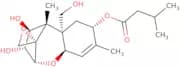

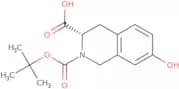
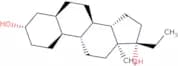
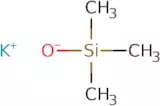
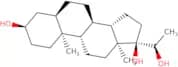

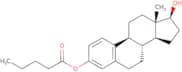
![(1S,2R)-2-[N-Benzyl-N-(mesitylenesulfonyl)amino]-1-phenyl-1-propanol](/_next/image/?url=https%3A%2Fstatic.cymitquimica.com%2Fproducts%2F3D%2Fthumb-webp%2FFB59939.webp&w=3840&q=75)

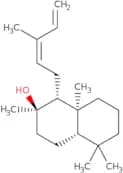
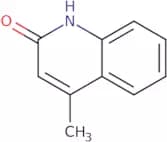
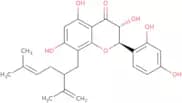
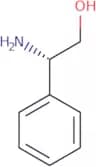
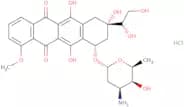
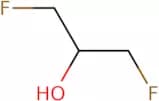


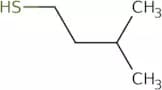
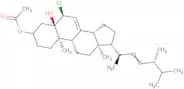
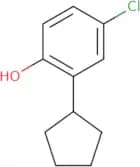
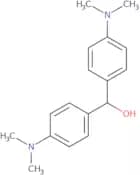
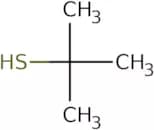
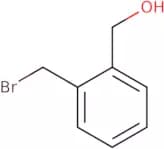
![1,4-Bis[3,4-dihydro-2(1H)-quinolinon-7-oxy]butane](/_next/image/?url=https%3A%2Fstatic.cymitquimica.com%2Fproducts%2F3D%2Fthumb-webp%2FFB18792.webp&w=3840&q=75)

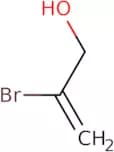
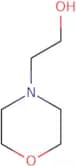
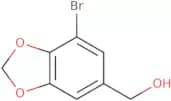

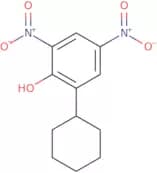
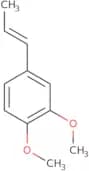


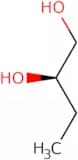
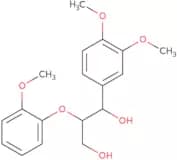
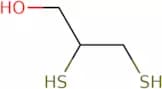


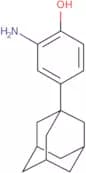
![(2-Iodophenyl)(2,3,6,7-tetrahydro-1H,5H-benzo[ij]quinolizin-9-yl)methanone](/_next/image/?url=https%3A%2Fstatic.cymitquimica.com%2Fproducts%2F3D%2Fthumb-webp%2FI-7660.webp&w=3840&q=75)
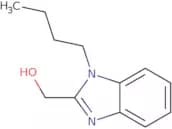
![{1-[2-(4-Methylphenoxy)ethyl]-1H-benzimidazol-2-yl}methanol](/_next/image/?url=https%3A%2Fstatic.cymitquimica.com%2Fproducts%2F3D%2Fthumb-webp%2FFM135811.webp&w=3840&q=75)
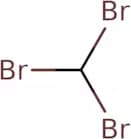

![3-[4-(2-Chlorophenyl)-9-methyl-6H-thieno[3,2-f][1,2,4]triazolo[4,3-a][1,4]diazepin-2-yl]-2-propyn-…](/_next/image/?url=https%3A%2Fstatic.cymitquimica.com%2Fproducts%2F3D%2Fthumb-webp%2FFC20335.webp&w=3840&q=75)
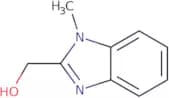

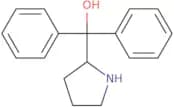
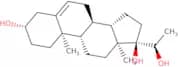
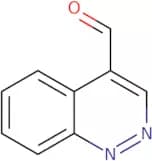

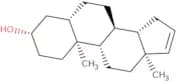

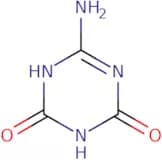


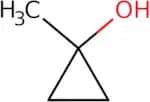
![[1-(4-Chlorobenzyl)-1H-benzimidazol-2-yl]methanol](/_next/image/?url=https%3A%2Fstatic.cymitquimica.com%2Fproducts%2F3D%2Fthumb-webp%2FFC135813.webp&w=3840&q=75)

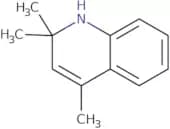

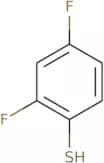
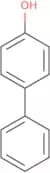
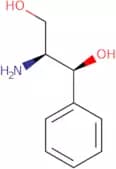

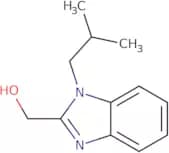
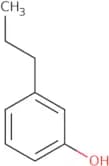
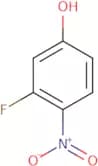
![4-[2-(Cyclopropylmethoxy)ethyl]phenol](/_next/image/?url=https%3A%2Fstatic.cymitquimica.com%2Fproducts%2F3D%2Fthumb-webp%2FFC20740.webp&w=3840&q=75)
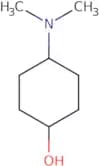
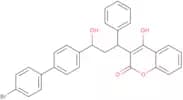

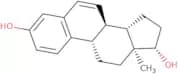


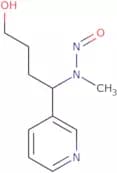
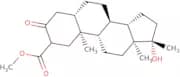
![[5-(Trifluoromethyl)-1,2-Oxazol-3-Yl]Methanol](/_next/image/?url=https%3A%2Fstatic.cymitquimica.com%2Fproducts%2F3D%2Fthumb-webp%2FFT89239.webp&w=3840&q=75)
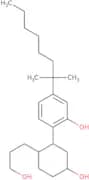

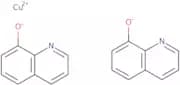


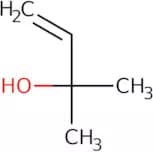
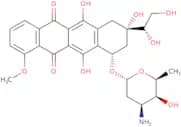
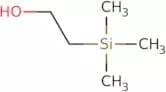
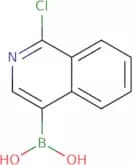
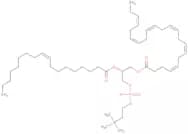
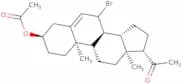

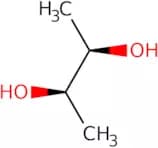
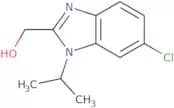
![[1-(2-Chlorobenzyl)-1H-benzimidazol-2-yl]methanol](/_next/image/?url=https%3A%2Fstatic.cymitquimica.com%2Fproducts%2F3D%2Fthumb-webp%2FFC135810.webp&w=3840&q=75)
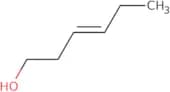
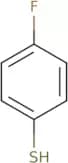
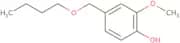
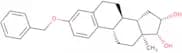
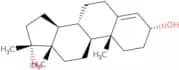
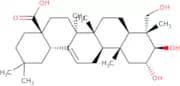
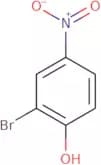

![1-Cyclopropyl-7-(2,8-diazabicyclo[4.3.0]non-8-yl)-6-fluoro-8-methoxy-4-oxoquinoline-3-carboxylic a…](/_next/image/?url=https%3A%2Fstatic.cymitquimica.com%2Fproducts%2F3D%2Fthumb-webp%2FFC102529.webp&w=3840&q=75)
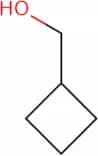
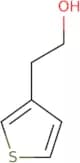
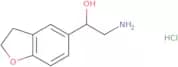
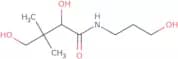
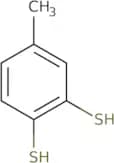
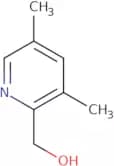
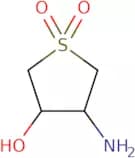
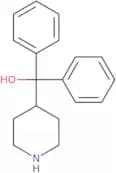
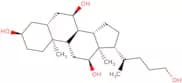
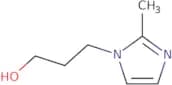
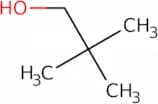
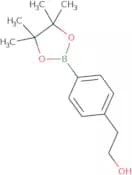

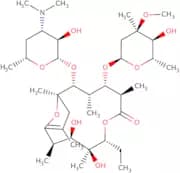
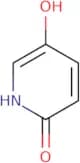
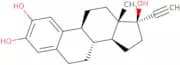
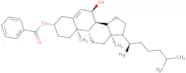
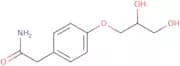
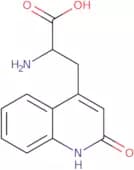
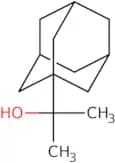
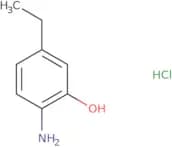
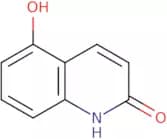
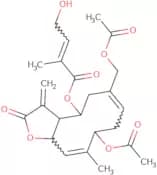
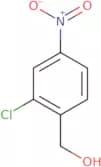
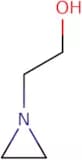
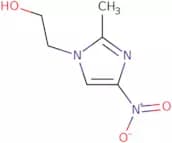

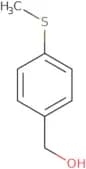
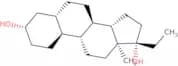
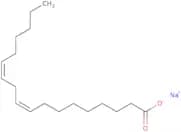
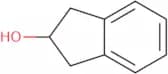
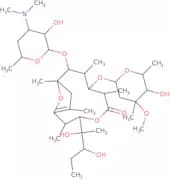
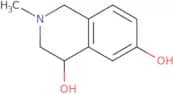
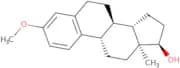
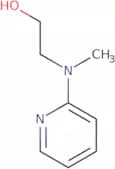
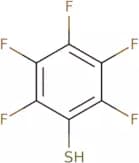
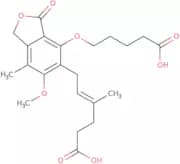
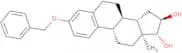


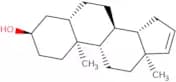
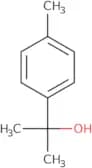
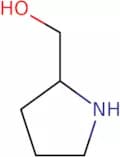
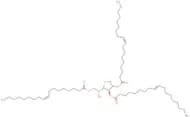
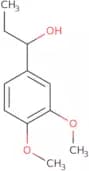

![(1R,2S)-2-[N-Benzyl-N-(mesitylenesulfonyl)amino]-1-phenyl-1-propanol](/_next/image/?url=https%3A%2Fstatic.cymitquimica.com%2Fproducts%2F3D%2Fthumb-webp%2FFB59938.webp&w=3840&q=75)
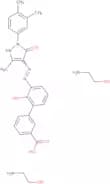
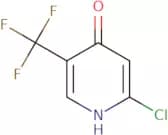
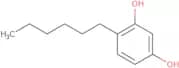
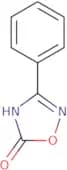
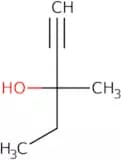
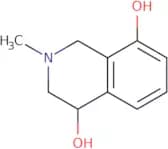
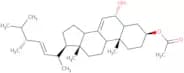
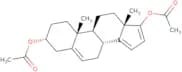
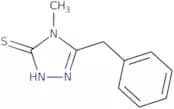

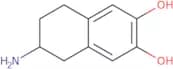
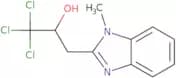
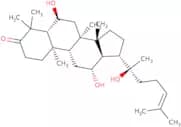
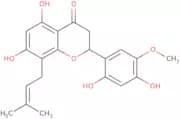
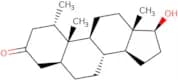
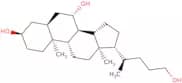
![(S)-5,6,6a,7-Tetrahydro-6-methyl- 4H-dibenzo[de,g]quinoline-10,11-diol hydrochloride](/_next/image/?url=https%3A%2Fstatic.cymitquimica.com%2Fproducts%2F3D%2Fthumb-webp%2FFT46165.webp&w=3840&q=75)
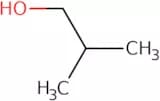
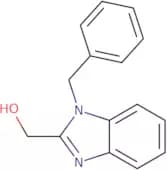
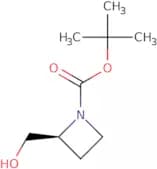
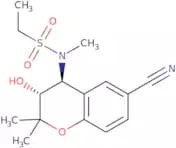
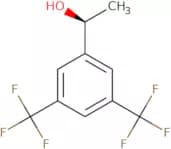
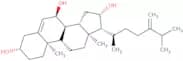
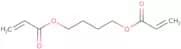
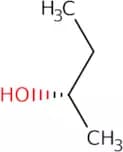
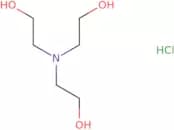
![[1-(3-Methylbutyl)-1H-benzimidazol-2-yl]methanol](/_next/image/?url=https%3A%2Fstatic.cymitquimica.com%2Fproducts%2F3D%2Fthumb-webp%2FFM135812.webp&w=3840&q=75)
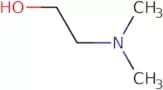

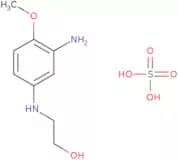

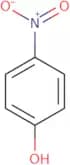
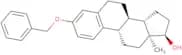
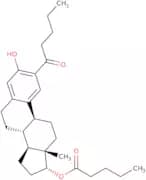
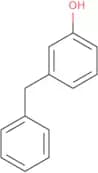

![4-[(4-Chlorophenyl)phenylmethyl]-1-piperazineethanol dihydrochloride](/_next/image/?url=https%3A%2Fstatic.cymitquimica.com%2Fproducts%2F3D%2Fthumb-webp%2FFC53582.webp&w=3840&q=75)