Amines
Subcategories of "Amines"
- Nitrosamines(3,127 products)
- Primary Amines(30,967 products)
- Quaternary Ammonium Cations and Salts(1,110 products)
- Secondary Amines(20,913 products)
- Tertiary Amines(17,219 products)
Found 8795 products of "Amines"
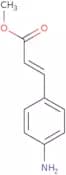
Methyl 4-aminocinnamate
CAS:Methyl 4-aminocinnamate is an inhibitor of the integrase enzyme. It inhibits HIV-1 integrase and has been shown to be selective for this enzyme over other cellular enzymes. Methyl 4-aminocinnamate has been shown to inhibit cervical carcinoma, breast carcinoma, and esters as well as inhibiting the growth of human cancer cells in culture. The IC50 for methyl 4-aminocinnamate against cervical carcinoma was found to be in the micromolar range, which is considerably less than that of other anti-cancer agents.
Formula:C10H11NO2Purity:Min. 95%Color and Shape:Off-White PowderMolecular weight:177.2 g/mol{[2-(2-Methoxyphenyl)-1,3-thiazol-5-yl]methyl}amine
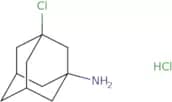
CAS:Please enquire for more information about {[2-(2-Methoxyphenyl)-1,3-thiazol-5-yl]methyl}amine including the price, delivery time and more detailed product information at the technical inquiry form on this pageFormula:C11H12N2OSPurity:Min. 95%Color and Shape:PowderMolecular weight:220.29 g/mol3-Chloro-1-aminoadamantane hydrochloride
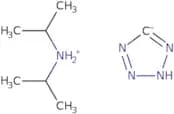
CAS:3-Chloro-1-aminoadamantane hydrochloride is a versatile building block that can be used to synthesize a variety of complex compounds. It has been shown to be an effective reagent for the synthesis of new chemical compounds and has also been used in the synthesis of pharmaceuticals, agrochemicals, and other useful organic compounds. 3-Chloro-1-aminoadamantane hydrochloride can be used as a high quality intermediate for the synthesis of other chemicals or as a reaction component for organic reactions. This compound is also an important scaffold for the construction of biologically active molecules.Formula:C10H16ClN•HClPurity:Min. 95%Color and Shape:PowderMolecular weight:222.15 g/molDiisopropylammonium tetrazolide
CAS:Controlled ProductDiisopropylammonium tetrazolide or tetrazole diisopropylamine is used to synthesize nucleoside 3'-CE phosphoramidites, which are building blocks in the chemical synthesis of novel oligonucleotides. Tetrazole diisopropylamine catalyses the reaction of 2-cyanoethyl tetraisopropylphosphorodiamidite with a nucleophile, usually the 3’-OH of a suitably protected nucleoside. This approach has been used to efficiently make modified cytosine oligonucleotides.Formula:C7H17N5Purity:Min. 95%Color and Shape:White PowderMolecular weight:171.24 g/molN-[2-(p-Cinnamylamino)ethyl]-5-isoquinolone sulfonamide
CAS:N-[2-(p-Cinnamylamino)ethyl]-5-isoquinolone sulfonamide is a high quality chemical that can be used as a reagent, complex compound, and useful intermediate. N-[2-(p-Cinnamylamino)ethyl]-5-isoquinolone sulfonamide is a fine chemical that is useful in the production of speciality chemicals. It can be used as a versatile building block and reaction component to produce various compounds.Formula:C20H21N3O2SPurity:Min. 95%Color and Shape:SolidMolecular weight:367.47 g/mol1-Heptylamine
CAS:1-Heptylamine is a chiral dinucleotide phosphate. It has been shown to have a high affinity for the nicotinic acetylcholine receptors in the human body, where it acts as an agonist. This compound also has a variety of other reactions that are not yet fully understood. 1-Heptylamine is found naturally in the human body and can be detected in wastewater treatment plants.
1-Heptylamine has been used in analytical methods such as titration calorimetry and laser ablation to measure nitrogen atoms or chiral compounds respectively. The compound is also used as an amide or alkanoic acid, although its role in these reactions is unknown.Formula:C7H17NPurity:Min. 95%Color and Shape:Clear LiquidMolecular weight:115.22 g/mol3-Amino-2,4,6-tribromobenzoic acid
CAS:3-Amino-2,4,6-tribromobenzoic acid is an antibacterial agent that has a strong interaction with the optical properties of diaminopyridine. This interaction leads to an enhancement in the fluorescence of 3-amino-2,4,6-tribromobenzoic acid. The photophysical properties of 3-amino-2,4,6-tribromobenzoic acid have been investigated by measuring its fluorescence emission in acetonitrile and zirconium chloride solutions. It has been shown that this compound is active against many bacterial strains including methicillin resistant Staphylococcus aureus (MRSA). This compound has also been shown to be effective against Mycobacterium tuberculosis and Mycobacterium avium complex.
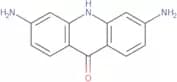
Formula:C7H4Br3NO2Purity:Min. 95%Color and Shape:PowderMolecular weight:373.82 g/mol3,6-Diamino-9(10H)-acridone
CAS:3,6-Diamino-9(10H)-acridone is a nucleophilic compound that is used as a catalyst in peptide synthesis. It can be used to selectively introduce an acridine group into a peptide or other organic molecule. 3,6-Diamino-9(10H)-acridone is an example of a hypervalent organometallic compound that has been shown to catalyze the iodocyclization of aromatic rings. It also has been shown to catalyze the substitution of electron-deficient alkenes with electrophiles.Formula:C13H11N3OPurity:Min. 97 Area-%Color and Shape:Yellow PowderMolecular weight:225.25 g/molDibenzocyclooctyne-amine
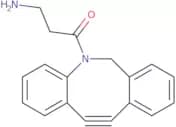
CAS:Dibenzocyclooctyne-amine is used in SPAAC reactions to link drugs or biomolecules to provide stable conjugates in ADC synthesis.
Formula:C18H16N2OPurity:Min. 95%Molecular weight:276.33 g/mol1-N-Acetyl-3-nitro-p-phenylenediamine
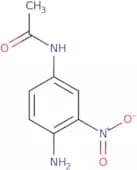
CAS:1-N-Acetyl-3-nitro-p-phenylenediamine is a hydrolytic product of 1,4-diaminobenzene. It is an intermediate in the preparation of naphthalene diamine and has been shown to hydrolyze in acidic solutions.Formula:C8H9N3O3Purity:Min. 95%Color and Shape:PowderMolecular weight:195.18 g/molN,N'-Di-2-naphthyl-1,4-phenylenediamine
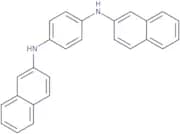
CAS:N,N'-Di-2-naphthyl-1,4-phenylenediamine is a chemical compound that is used in the production of polyvinyl chloride (PVC). It can be used as an antimicrobial agent to prevent the growth of bacteria and fungi. It is also used as a crosslinking agent in the production of PVC. The reaction solution consists of hydrochloric acid and methyl ethyl chloride. The monochloride is then reacted with 2-naphthol, followed by reaction with benzalkonium chloride. The final product is N,N'-di-(2-naphthyl)-1,4-(phenylene) diamine monochloride.
Formula:C26H20N2Purity:Min. 95 Area-%Color and Shape:PowderMolecular weight:360.45 g/molPhenyl(9H-purin-6-yl)amine
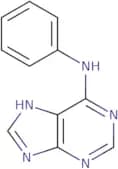
CAS:Phenyl(9H-purin-6-yl)amine is a chemical compound that belongs to the class of alkylating agents. It has optimum concentrations of 10-100 μg/mL and inhibits the growth of bacteria. Phenyl(9H-purin-6-yl)amine has been shown to inhibit nitrosation reactions in vitro by reacting with nitrite, hydroxyl groups, and amines. This chemical can also be used as a nutrient for cell cultures because it does not interfere with other nutrients and can be used at high concentrations without affecting cell growth. Phenyl(9H-purin-6-yl)amine has also been shown to inhibit dehydrogenase activity on excised tissues in vitro.Formula:C11H9N5Purity:Min. 95%Molecular weight:211.22 g/mol2-(Dimethylamino)-6-dodecanoylnaphthalene
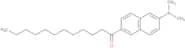
CAS:2-(Dimethylamino)-6-dodecanoylnaphthalene (2DODN) is a fluorescent probe that interacts with cell membranes and has been shown to be cytotoxic. This compound also has high values for phase transition temperature, fluorescence and emission. 2DODN is used as a fluorescence probe in the study of HIV infection and can be used to measure the fatty acid composition of cellular membranes. 2DODN has been shown to bind to hiv viral envelope protein gp120 and inhibit its function. 2DODN binds to model systems such as k562 cells, which are primary cells derived from human erythrocytes and can be used for titration calorimetry measurements.Formula:C24H35NOColor and Shape:PowderMolecular weight:353.54 g/mol1S,2S-(+)-Diaminocyclohexane
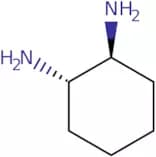
CAS:1S,2S-(+)-Diaminocyclohexane is a copper complex that has been reported to have anticancer activity. It has been shown to chelate metal ions and form hydrogen bonding interactions with acidic groups on the surface of cancer cells. The solubility data for 1S,2S-(+)-Diaminocyclohexane indicates that it is not soluble in water, but soluble in methanol and ethanol. Cyclic voltammetry studies indicate that the reaction mechanism for 1S,2S-(+)-Diaminocyclohexane involves electron transfer from the cyclohexane ring to a benzimidazole derivative. Linear regression analysis of carcinoma cell lines indicates that 1S,2S-(+)-Diaminocyclohexane is selective for cancer cells over normal cells.Formula:C6H14N2Purity:Min. 95%Color and Shape:PowderMolecular weight:114.19 g/molN,N,N' -Trimethylpropan-1,3-diamine
CAS:Trimethylamine is a basic chemical that is the simplest primary amine. It can be prepared by reacting methylamine with trimethylchlorosilane in liquid ammonia. Trimethylamine can be used as a solvent and as a catalyst in the production of polyamide plastics. It also has an important role in the catalytic hydroamination of alkenes, which are compounds that contain at least one double-bonded carbon atom. Trimethylamine reacts with hydrogen gas to form trimethylammonium chloride and ammonia. The polarities of this compound depend on its microenvironment, for example it will be more polar in water than in methane.Formula:C6H16N2Purity:Min. 90 Area-%Color and Shape:Slightly Yellow Clear LiquidMolecular weight:116.2 g/molFmoc-(R)-4-amino-5-methylhexanoic acid
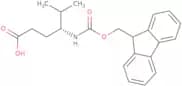
CAS:Fmoc-(R)-4-amino-5-methylhexanoic acid is a versatile building block, useful scaffold, and useful intermediate. It can be used in the synthesis of complex compounds with high quality and purity. Fmoc-(R)-4-amino-5-methylhexanoic acid is also an important reaction component for research chemicals, speciality chemicals, and many other chemical reactions. It can be used as a reagent in organic synthesis.Formula:C22H25NO4Purity:Min. 95%Color and Shape:PowderMolecular weight:367.44 g/mol(+/-)-Butoxamine
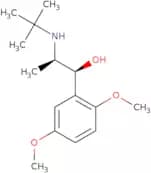
CAS:Controlled ProductButoxamine is a 5-HT1A receptor agonist that has been shown to activate cardiac 2-adrenergic receptors. It also inhibits ATP-sensitive K+ channels in the heart, thereby inhibiting cardiac excitability and promoting relaxation. Butoxamine has been shown to have anticholinergic effects on the detrusor muscle of the bladder, as well as other effects on smooth muscle. The ester hydrochloride salt of butoxamine has been used in polymerase chain reaction (PCR) studies for its ability to bind single-stranded DNA templates. The drug also inhibits bacterial translocation by blocking bacterial DNA gyrase, an enzyme that maintains the integrity of bacterial DNA. Butoxamine is also a cyclase inhibitor, which prevents the production of cAMP from ATP. This inhibition leads to reduced levels of phosphodiesterase and may have anti-inflammatory effects.Formula:C15H25NO3Purity:Min. 95%Molecular weight:267.36 g/mol2-[[1-Methyl-2-[3-(Trifluoromethyl)Phenyl]Ethyl]Amino]Ethyl
CAS:Controlled Product2-[[1-Methyl-2-[3-(Trifluoromethyl)Phenyl]Ethyl]Amino]Ethyl (2ME2EAE) is a natriuretic drug that is used to treat congestive heart failure. It has been shown to reduce the production of brain natriuretic peptide (BNP) by the kidneys and to increase blood flow in the lungs. 2ME2EAE has also been shown to have positive effects on blood pressure, glycerides, and fatty acid levels in animals with congestive heart failure. 2ME2EAE can be taken orally or injected into the pleural cavity. It should not be given intravenously as it may cause kidney damage.Formula:C19H20ClF3N2O4SPurity:Min. 95%Molecular weight:464.89 g/mol10-Aminodecanoic acid
CAS:10-Aminodecanoic acid is an organic compound that belongs to the group of fatty acids. It is a monomeric molecule with two carboxylic acid groups and one hydroxyl group. 10-Aminodecanoic acid has been shown to induce tumor regression in xenograft models for human prostate, breast, and colon cancer cells. The mechanism of action is currently unclear but may be due to specific interactions with amino acids on glycoproteins or amides on proteins. 10-Aminodecanoic acid also stabilizes membranes by forming hydrogen bonds with phospholipids.
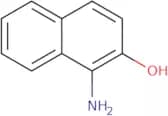
Formula:C10H21NO2Purity:Min. 95%Color and Shape:White PowderMolecular weight:187.28 g/mol1-amino-2-naphthol hydrochloride
CAS:1-Amino-2-naphthol hydrochloride (1ANH) is a sulphanilic compound that has been used as a test compound in flow system experiments. 1ANH reacts with methoxy groups to form an amine, which is then converted to a reactive intermediate. This intermediate can react with the hydroxy group of another molecule and produce a new product that contains both the reactive and hydroxy groups. 1ANH has been shown to be cytotoxic, inhibiting the growth of cultured cells. It also has potential as a biomarker for pharmaceutical preparations, since it may have effects on metabolism or cell proliferation.
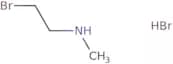
Formula:C10H9NO·HClPurity:Min. 95%Color and Shape:PowderMolecular weight:195.65 g/mol2-Bromo-N-methyl-ethylamine hydrobromide
CAS:2-Bromo-N-methyl-ethylamine hydrobromide is a versatile building block that can be used in the synthesis of many fine chemicals. It is a high quality research chemical that is used to synthesize complex compounds. 2-Bromo-N-methyl-ethylamine hydrobromide is also used as a reagent and reaction component for organic synthesis, especially for the production of pharmaceuticals and other speciality chemicals. CAS No. 40052-63-9Formula:C3H9Br2NPurity:Min. 95%Color and Shape:PowderMolecular weight:218.92 g/mol2-Amino-5-chlorothiophenol
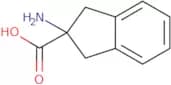
CAS:2-Amino-5-chlorothiophenol is an aminothiophene derivative that has been shown to be an effective antibacterial agent. It is a substrate in the synthesis of polyesters and is used as a precursor in the synthesis of ciprofloxacin, a broad spectrum antibiotic. 2-Amino-5-chlorothiophenol has been shown to catalyze the reaction between phenyl groups and heterocycles, which is an important step in the synthesis of ciprofloxacin and fluconazole. The optimal reaction temperature for this process is between 150°C - 180°C. The irradiation time for this process varies depending on the intensity of light used, with optimal results obtained after 10 minutes at 25 kGy.Formula:C6H6ClNSPurity:Min. 95 Area-%Color and Shape:PowderMolecular weight:159.64 g/mol2-Aminoindane-2-carboxylic acid
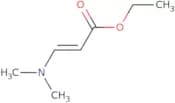
CAS:2-Aminoindane-2-carboxylic acid is a potent opioid analgesic with a high affinity for kappa-opioid receptors. Molecular modeling studies suggest that it binds to the receptor in an orientation similar to morphine and has a higher binding affinity than morphine. In functional assays, 2-Aminoindane-2-carboxylic acid showed low potency at the delta opioid receptor. It also has been shown to have a high affinity for the kappa opioid receptor and a low affinity for delta opioid receptors, which are associated with respiratory depression. This drug can be made from indole and carboxylic acids or by treating 2 aminoindanone with hydrochloric acid and hydrogen gas.Formula:C10H11NO2Purity:Min. 95%Color and Shape:PowderMolecular weight:177.2 g/molEthyl 3-(dimethylamino)acrylate - Liquid
CAS:Ethyl 3-(dimethylamino)acrylate (EDMA) is a liquid amide that has potent inhibitory activity against the chloride ion. EDMA is reactive and can form an adduct with the chloride ion. Molecular modeling studies have shown that EDMA binds to the cap-dependent endonuclease domain of the protein, inhibiting dioxime formation and DNA synthesis in bacteria. The β-unsaturated ketones in EDMA are also antibacterial. This compound has been found to be efficient at reducing oxalyl levels, which may be due to its ability to react with oxalate ions.
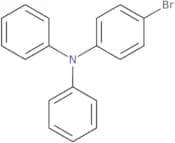
Formula:C7H13NO2Purity:Min. 95%Color and Shape:Yellow Clear LiquidMolecular weight:143.18 g/mol4-Bromotriphenylamine
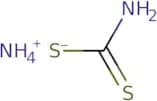
CAS:4-Bromotriphenylamine is a molecule that has two acceptor groups and one donor group. It reacts with methylamine to form the product 4,4′-dibromobutyric acid. The reaction rate of this chemical is increased by the presence of an electron withdrawing substituent on the aromatic ring such as bromine. This compound is stable at higher temperatures, but not at lower ones. When heated, it undergoes thermal expansion and molecules are forced apart from each other. The butyric acid formed in this reaction may be used to synthesize butyrate esters for use in cancer therapy or light emission systems. Light emission from this compound is due to its fluorescence properties, which depend on the chemical structure of the molecule and its environment. The efficiency of light emission is related to the number of electron-hole pairs created during excitation, which depends on the energy of incident photons and their wavelength.Formula:C18H14BrNPurity:Min. 95%Color and Shape:PowderMolecular weight:324.21 g/molAmmoniumdithiocarbamate
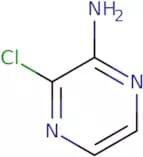
CAS:Ammoniumdithiocarbamate is a group p2 compound that reacts with hydrochloric acid to form a dithiocarbamic acid. This reaction is reversible and an equilibrium between the two compounds exists. Ammoniumdithiocarbamate can be used to synthesize nucleophilic substitutions, which are used in many industrial applications. The reactivity of ammoniumdithiocarbamate is increased by the presence of amp-activated protein, which increases hydrogen bonding interactions with the dithiocarbamic acid. Ammoniumdithiocarbamate has been shown in animal studies to inhibit inflammatory diseases and lung damage caused by carbon disulphide.Formula:CH6N2S2Purity:Min. 95%Color and Shape:PowderMolecular weight:110.2 g/mol2-Amino-3-chloropyrazine
CAS:2-Amino-3-chloropyrazine is an active analogue of pyrazinamide, which is a potent antimycobacterial drug. It has been shown to have bacteriostatic activity against Mycobacterium tuberculosis in vitro and in vivo. 2-Amino-3-chloropyrazine has been shown to inhibit mitochondrial membrane potential, which may be due to its ability to inhibit hepg2 cell growth by decreasing intracellular ATP levels. It also inhibits the synthesis of bacterial DNA and protein, thereby inhibiting bacterial growth. 2-Amino-3-chloropyrazine has also been shown to have antitumor properties against mouse tumor cells. The pharmacokinetic properties of this drug are not well understood yet, but it has been shown that it can be detected in serum after administration
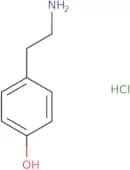
Purity:Min. 95%Color and Shape:PowderMolecular weight:129.55 g/molTyramine
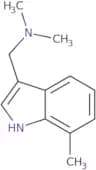
CAS:Tyramine targets peroxidase to form a brown colorFormula:C8H11NOColor and Shape:Off-White Slightly Brown PowderMolecular weight:137.18 g/mol7-Methylgramine
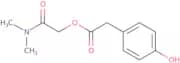
CAS:Please enquire for more information about 7-Methylgramine including the price, delivery time and more detailed product information at the technical inquiry form on this pageFormula:C12H16N2Purity:Min. 95%Color and Shape:PowderMolecular weight:188.27 g/mol4-Hydroxy benzeneacetic acid 2-(dimethylamino)-2-oxoethyl ester
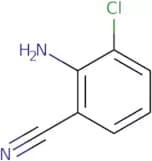
CAS:4-Hydroxybenzeneacetic acid 2-(dimethylamino)-2-oxoethyl ester is a reagent with a CAS number of 59721-16-3. It is one of the building blocks of complex compounds, useful as an intermediate in fine chemicals and research chemicals. This chemical is used in reactions as a reaction component or scaffold. The versatility of this chemical makes it a useful building block for speciality chemicals.Formula:C12H15NO4Purity:Min. 95%Color and Shape:PowderMolecular weight:237.25 g/mol2-Amino-3-chlorobenzonitrile
CAS:2-Amino-3-chlorobenzonitrile is a linker in the synthesis of serotonin, an endogenous neurotransmitter that is involved in many physiological and psychological processes. The x-ray crystallographic studies of this molecule revealed that it has a similar structure to the analogs used for anticancer activity and bioassays. This molecule has shown anticancer activity against tumor cell lines with high levels of serotonin production, such as colon cancer cells. It also shows anti-cancer effects by binding to cryptochrome and stabilizing its structure. 2-Amino-3-chlorobenzonitrile interacts with hydrogen bonding interactions.
Formula:C7H5ClN2Purity:Min. 95%Color and Shape:PowderMolecular weight:152.58 g/mol7-Aminodesacetoxycephalosporanic acid
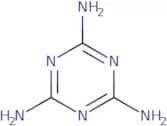
CAS:7-Aminodesacetoxycephalosporanic acid is a chemical compound that is used for wastewater treatment as a biocatalyst. It has been shown to have group P2 activity and can be used in the treatment of corynebacterium glutamicum. 7-Adca has been found to bind to the magnesium salt, which leads to control analysis and kinetic studies. The reactions are initiated by the addition of an electron donor, such as penicillin, which results in a transfer reaction. The nitrogen atoms are substituted with hydrogen atoms, which produces a fatty acid intermediate. This intermediate reacts with nitrogen atoms from another molecule of 7-Adca or 7-adca to form an amide bond. The amide bond is then hydrolyzed in water to produce 7-aminodesacetoxycephalosporanic acid and ammonia.Formula:C8H10N2O3SPurity:Min. 95%Color and Shape:White PowderMolecular weight:214.24 g/molMelamine
CAS:Melamine is a nitrogen-containing heterocyclic amine that is used as a flame retardant, plasticizer, and textile dye. The toxicity of melamine has been evaluated in animal studies, which showed that it has low acute oral toxicity but high inhalation and dermal toxicity profiles. The acute effects of melamine are due to its capacity to bind to the erythrocyte membrane and cause hemolysis. Melamine can also react with cyanuric acid to form cyanuramide, which can be detected by gas chromatography/mass spectrometry (GC/MS) analysis. The carcinogenic potential of melamine has not been determined, but there is evidence that it may be genotoxic and have the potential to induce cancer in humans.
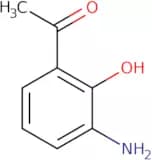
Formula:C3H6N6Purity:Min. 95%Color and Shape:SolidMolecular weight:126.12 g/mol3'-Amino-2'-hydroxyacetophenone
CAS:3'-Amino-2'-hydroxyacetophenone is a synthetic compound that reacts with salicylaldehyde and hydrochloric acid to form an aromatic hydrocarbon. The reaction vessel used is made of glass and contains potassium dichromate, copper complex, and nitro. This product can be produced in acidic conditions with the addition of phosphotungstic acid and chloride. 3'-Amino-2'-hydroxyacetophenone can also be produced by reacting mercuric chloride, which is an oxidizing agent, with an aromatic hydrocarbon. This product has a rotator.
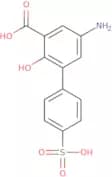
Formula:C8H9NO2Purity:Min. 95%Color and Shape:PowderMolecular weight:151.16 g/molMesalamine impurity P
CAS:Please enquire for more information about Mesalamine impurity P including the price, delivery time and more detailed product information at the technical inquiry form on this pageFormula:C13H11NO6SPurity:Min. 95%Color and Shape:Yellow SolidMolecular weight:309.3 g/mol9-[[[4-[(2,5-Dioxo-1-pyrrolidinyl) oxy]-4-oxobutyl][(4-methylphenyl) sulfonyl]amino]carbonyl]-10- (3-sulfopropyl)-acridinium inner salt
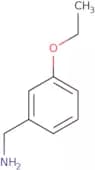
CAS:9-[(4-Methylphenyl) sulfonyl]amino]carbonyl]-10-[3-sulfopropyl)-acridinium inner salt is a synthetic antigen that is conjugated to an acridinium moiety. The 9-[[[4-[(2,5-Dioxo-1-pyrrolidinyl) oxy]-4-oxobutyl][(4-methylphenyl) sulfonyl]amino]carbonyl]-10-(3-sulfopropyl)-acridinium inner salt antigen has been shown to be effective for the detection of antibodies to the human immunodeficiency virus type 1 (HIV-1). It has a high affinity for both CD4 and CD8 T cells, which are important in the immune response to HIV infection. The 9-[(4-methylphenyl) sulfonyl]amino]carbonyl]-10-[3Formula:C32H31N3O10S2Purity:Min. 95 Area-%Color and Shape:PowderMolecular weight:681.73 g/mol3-Ethoxybenzylamine hydrochloride
CAS:3-Ethoxybenzylamine hydrochloride is a chemical compound that belongs to the group of industrial chemicals. It is used as an intermediate for the production of vanillin and as a catalyst for hydrogenation reactions. 3-Ethoxybenzylamine hydrochloride can be used in large-scale, industrial reactions. The target product is a reaction solvent that can be used in reduction reactions and aminations. The catalytic activity of 3-ethoxybenzylamine hydrochloride has been shown to increase with increasing pH, temperature, and concentration. The use of this product as a catalyst in the hydrogenation process results in high yield products with low levels of byproducts.
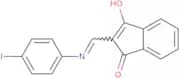
Formula:C9H13NO·HClPurity:Min. 95%Color and Shape:White PowderMolecular weight:187.67 g/mol2-(((4-iodophenyl)amino)methylene)indane-1,3-dione
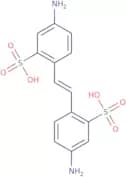
CAS:Please enquire for more information about 2-(((4-iodophenyl)amino)methylene)indane-1,3-dione including the price, delivery time and more detailed product information at the technical inquiry form on this pageFormula:C16H10INO2Purity:Min. 95%Color and Shape:PowderMolecular weight:375.16 g/mol4,4'-Diaminostilbene-2,2'-disulfonic acid
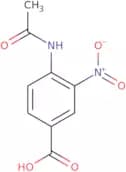
CAS:4,4'-Diaminostilbene-2,2'-disulfonic acid (DAIDS) is a fluorescent dye that can be used to measure the activity of mitochondrial enzymes. It is a substrate for polymerase chain reaction and can be used as a cell viability assay. DAIDS has been shown to cause mitochondrial membrane depolarization and cytosolic calcium release in prostate cancer cells. This compound also inhibits the proliferation of human liver cells and has been proposed as a potential analytical method for wastewater samples. The anhydrous sodium form of DAIDS has been shown to increase the rate of metabolism by up to 30% in rats with body mass index greater than 25 kg/m^2.Formula:C14H14N2O6S2Purity:Min. 95%Color and Shape:SolidMolecular weight:370.4 g/mol4-(Acetylamino)-3-nitrobenzoic acid
CAS:4-(Acetylamino)-3-nitrobenzoic acid (AANBA) is a molecule that inhibits the growth of Mycobacterium tuberculosis and influenza virus. It has been shown to have tuberculostatic activity and is able to adsorb to the cavity of the enzyme protein, preventing access by other molecules. AANBA also has antiviral properties that may be due to its ability to inhibit viral particles from binding with a cell surface receptor or inhibiting the synthesis of viral proteins. AANBA binds to the chloride ion in order to maintain the negative charge of the molecule, which is crucial for its antiviral activity.
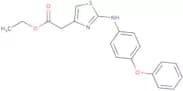
Formula:C9H8N2O5Purity:Min. 95%Color and Shape:Slightly Yellow PowderMolecular weight:224.17 g/molethyl 2-(4-((4-phenoxyphenyl)amino)-3,5-thiazolyl)acetate
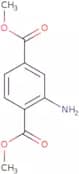
CAS:Please enquire for more information about ethyl 2-(4-((4-phenoxyphenyl)amino)-3,5-thiazolyl)acetate including the price, delivery time and more detailed product information at the technical inquiry form on this pagePurity:Min. 95%2-Aminoterephthalic acid dimethyl ester
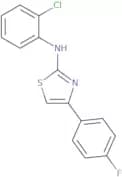
CAS:2-Aminoterephthalic acid dimethyl ester is a proton receptor that binds to the C-terminus of the proton receptor. It has been shown to inhibit serine protease activity and chemokine production, which may lead to dysuria. The proton receptor-binding site is composed of a five-membered heteroaryl ring with a methylthio group, which interacts with the protonated amino group at the 2 position of the 2-aminoterephthalic acid. This interaction results in an electrochemical impedance spectroscopy signal that has a low energy.Formula:C10H11NO4Purity:Min. 98.5 Area-%Color and Shape:Off-White PowderMolecular weight:209.2 g/mol(2-chlorophenyl)(4-(4-fluorophenyl)(2,5-thiazolyl))amine
CAS:Please enquire for more information about (2-chlorophenyl)(4-(4-fluorophenyl)(2,5-thiazolyl))amine including the price, delivery time and more detailed product information at the technical inquiry form on this pagePurity:Min. 95%1-Methyl-3-propylamine hydrochloride
CAS:1-Methyl-3-propylamine hydrochloride is a fine chemical, research chemicals, and speciality chemical. It is a versatile building block for organic synthesis and has been used as a reagent in the production of other compounds. 1-Methyl-3-propylamine hydrochloride is also used as an intermediate in reactions involving complex compounds. This product has CAS number 578-72-5 and is of high quality.Formula:C4H11N•HClPurity:Min. 95%Molecular weight:109.6 g/mol2'-Aminoacetanilide
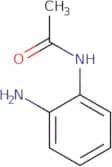
CAS:2'-Aminoacetanilide is a colorless, crystalline compound that is soluble in water and has a bitter taste. It is used as an acidity regulator in food products, particularly bakery products. 2'-Aminoacetanilide can be found naturally in some microflora, such as lactic acid bacteria.
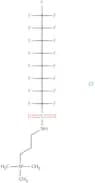
2'-Aminoacetanilide is an aromatic amine that contains both primary amino and functional groups. It is nucleophilic and reacts with proton by nucleophilic attack to form the corresponding amide or carbonyl group. 2'-Aminoacetanilide also has the ability to react with nitro compounds to form an amido-nitro adduct.Formula:C8H10N2OPurity:Min. 95%Color and Shape:PowderMolecular weight:150.18 g/mol3-(1,1,2,2,3,3,4,4,5,5,6,6,7,7,8,8,8-Heptadecafluorooctylsulfonylamino)propyl-trimethylazanium chloride
CAS:Controlled Product3-(1,1,2,2,3,3,4,4,5,5,6,6,7,7,8,8,8-Heptadecafluorooctylsulfonylamino)Propyl-Trimethylazanium Chloride is a polyfluoroalkyl sulfonate (PFAS) that belongs to the group of substances. It is used in the manufacturing of electroplating and other chemical processes. PFAS are persistent organic pollutants that can accumulate in human and environmental tissues. The PFAS was originally synthesized as an analytical reagent for chromatography columns. 3-(1,1,2,2,3 ,3 ,4 ,4 ,5 ,5 ,6 ,6
Formula:C14H16F17N2O2S•ClPurity:Min. 95%Color and Shape:PowderMolecular weight:634.78 g/mol4-(Methylamino)-1-(3-pyridyl)-1-butanone dihydrochloride
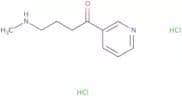
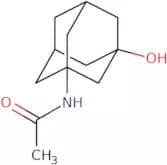
CAS:4-(Methylamino)-1-(3-pyridyl)-1-butanone dihydrochloride (4-MBA) is a natural product that has been shown to have anti-cancer properties in vitro and in vivo. It inhibits the growth of cancer cells by inhibiting DNA synthesis and inducing apoptosis, as well as by inhibiting the production of certain proteins. 4-MBA has been shown to be effective against strains of Escherichia coli and Salmonella typhimurium. This compound is found in honeybush tea, Aspalathus linearis, and other plants, but is not present in humans or animals. 4-MBA has also been shown to inhibit nicotine metabolism in humans and rats.Formula:C10H16Cl2N2OPurity:Min. 95%Color and Shape:SolidMolecular weight:251.15 g/mol3-Acetylamino-1-adamantanol
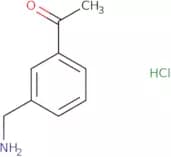
CAS:3-Acetylamino-1-adamantanol is a fluorescent, non-ionic dye that is used in the preparation of coatings and optical elements. It can also be used as an oxidation catalyst for alcohols. This compound has been shown to have excellent alkaline hydrolysis and high yield in the acetonitrile process. 3-Acetylamino-1-adamantanol has been shown to react with nitro groups to form a fluorescent product. This reaction is important because it allows for the identification of explosives. 3-Acetylamino-1-adamantanol has also been found to be useful as a hologram developer or photoresist for optical discs and lenses.Formula:C12H19NO2Purity:Min. 95%Color and Shape:White/Off-White SolidMolecular weight:209.28 g/mol3-Acetylbenzylamine hydrochloride
CAS:3-Acetylbenzylamine hydrochloride is a versatile building block that can be used as a reagent, speciality chemical, and useful scaffold. It is a complex compound with CAS No. 149889-64-5 that has been shown to have fine chemical characteristics. 3-Acetylbenzylamine hydrochloride is also a high quality research chemical that has been shown to be useful in the synthesis of various products, such as pharmaceuticals and organic compounds. 3-Acetylbenzylamine hydrochloride can be used as an intermediate for reactions in the production of fine chemicals, such as pharmaceuticals or organic compounds.
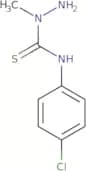
Formula:C9H12ClNOPurity:Min. 95%Color and Shape:PowderMolecular weight:185.65 g/mol(Aminomethylamino)((4-chlorophenyl)amino)methane-1-thione
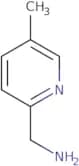
CAS:Please enquire for more information about (Aminomethylamino)((4-chlorophenyl)amino)methane-1-thione including the price, delivery time and more detailed product information at the technical inquiry form on this pageFormula:C8H10ClN3SPurity:Min. 95%Color and Shape:PowderMolecular weight:215.7 g/mol(5-Methylpyridin-2-yl)methanamine
CAS:5-Methylpyridin-2-yl)methanamine is a high quality reagent that is used as a building block in the synthesis of complex compounds. It can be used as an intermediate, useful for the preparation of fine chemicals and useful scaffolds. It can also be used as a speciality chemical and is often used as a reaction component in research chemicals.
Formula:C7H10N2Purity:Min. 98 Area-%Color and Shape:Clear LiquidMolecular weight:122.17 g/mol3-[(4-Chlorophenyl)amino]-5,5-dimethylcyclohex-2-en-1-one
CAS:The compound is a chiral molecule, meaning that it has two different structures. One side of the molecule is the mirror image of the other. The translation and conformation of this molecule are asymmetric because the carbon atoms in its chain are not lined up in a straight line. The hydrogen bonds that form between these chains are also asymmetric, as one side of the molecule has more than one hydrogen bond while the other side only has one hydrogen bond.Formula:C14H16ClNOPurity:Min. 95%Molecular weight:249.74 g/mol[1-(Methoxymethyl)cyclopropyl]amine hydrochloride
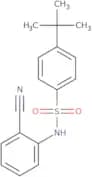
CAS:1-(Methoxymethyl)cyclopropyl]amine hydrochloride is a versatile building block that can be used in the synthesis of complex compounds. It has been shown to be useful as a reagent, speciality chemical, and research chemical. This compound is also a useful intermediate in the synthesis of other compounds and as a reaction component for several chemical reactions. 1-(Methoxymethyl)cyclopropyl]amine hydrochloride is high-quality and has CAS No. 1029716-05-9.Formula:C5H11NO•HClPurity:Min. 95%Color and Shape:PowderMolecular weight:137.61 g/mol2-(((4-(tert-butyl)phenyl)sulfonyl)amino)benzenecarbonitrile
CAS:Please enquire for more information about 2-(((4-(tert-butyl)phenyl)sulfonyl)amino)benzenecarbonitrile including the price, delivery time and more detailed product information at the technical inquiry form on this pagePurity:Min. 95%N-Boc-hydroxylamine
CAS:N-Boc-hydroxylamine is an efficient method for the preparation of epoxides from carboxylic acids. The reaction system is a ruthenium complex in trifluoroacetic acid with an effective reaction time of 20 minutes and a stereoselective transfer mechanism. The carbamic acid group on the amine reacts with the epoxide to form a hydroxamic ester. Preparation of N-Boc-hydroxylamine can be accomplished by reacting hydroxylamine with a boc-protected alcohol, which then undergoes decarboxylation.
Formula:C5H11NO3Purity:Min. 95%Color and Shape:White PowderMolecular weight:133.15 g/mol5-Fluoro-N,N-Dimethyl-1H-Indole-3-Ethanamine
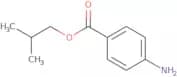
CAS:Controlled Product5-Fluoro-N,N-Dimethyl-1H-Indole-3-Ethanamine is a psychedelic drug with affinity for the serotonin 5HT2A receptor. It has been shown to interact with a diversity of ion channels and transporters. The affinity of 5FEDME for the 5HT2C receptor may also be normalizing. This drug has been shown to be an agonist at the 5HT2A receptor, which may contribute to its psychedelic effects.Formula:C12H15FN2Purity:Min. 95%Molecular weight:206.26 g/molIsobutyl 4-aminobenzoate
CAS:Isobutyl 4-aminobenzoate is an anesthetic that has been shown to be effective in epidural anesthesia. It has been evaluated for the prevention of post-epidural pain and found to be chemically similar to lidocaine and bupivacaine. Isobutyl 4-aminobenzoate is also used topically as a nerve block agent.Formula:C11H15NO2Purity:Min. 95%Color and Shape:Yellow PowderMolecular weight:193.24 g/molRactopamine hydrochloride, 95%
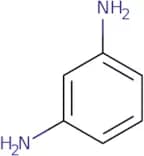
CAS:Controlled ProductRactopamine HCl - 95% is a preparation of the drug Ractopamine, which is used as an animal feed additive to promote muscle growth. The drug is commonly used in pigs, cattle, and turkeys. It binds to the beta-adrenergic receptor and stimulates the release of catecholamines from the adrenal gland. This stimulation leads to an increase in protein synthesis and muscle growth. Ractopamine HCl - 95% can be analyzed by flow assay for antimicrobial resistance, sample preparation, estradiol benzoate, sodium carbonate, camp levels, ractopamine detection sensitivity and electrochemical detector. The matrix effect can be controlled by analyzing acid complex or control analysis with electrochemical impedance spectroscopy.Formula:C18H23NO3•HClPurity:Min. 95%Color and Shape:White PowderMolecular weight:337.84 g/molm-Phenylenediamine
CAS:m-Phenylenediamine is a model system for studying the adsorption mechanism of dyes, pigments, and other organic molecules on solid surfaces. It has been shown to be capable of adsorbing at high concentrations on various materials such as calcium carbonate, sandstone, and kaolinite. The adsorption of m-phenylenediamine is influenced by the thermal expansion coefficient of the surface material. Adsorption is also influenced by the pH of the solution, with optimum concentrations occurring at acidic pH levels. Adsorbed m-phenylenediamine may be transported away from the surface in both water and wastewater treatment systems. Inorganic acids can cause significant degradation to adsorbed m-phenylenediamine due to their ability to hydrolyze hydrogen bonds between adsorbate molecules. A number of electrochemical impedance spectroscopy studies have been performed on this molecule in order to better understand its transport properties and electron transfer mechanisms.Formula:C6H8N2Purity:Min. 95%Color and Shape:PowderMolecular weight:108.14 g/molN-(5-Amino-2-methylphenyl)-4-(3-pyridyl)-2-pyrimidineamine
CAS:Imatinib is an anticancer drug that belongs to the class of trimethyls. It is a potent inhibitor of tyrosine-specific protein kinases, including Bcr-Abl and Src family kinases. It has been shown to have antineoplastic properties in human cells in vitro. Imatinib is structurally similar to the anticancer agent lapatinib and inhibits G1 phase cell cycle progression by preventing phosphorylation of retinoblastoma protein (Rb). Imatinib is also genotoxic due to its structural similarity to other known genotoxic compounds such as bromo-2′-deoxyuridine and 2-chloroimidazole.
Formula:C16H15N5Purity:Min. 95%Color and Shape:PowderMolecular weight:277.32 g/mol(+)-Biotin-(PEO)4-amine
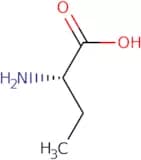
CAS:Nucleophilic biotinylation reagent. Attaches cell surface glycosides to ELISA-type surfaces, mediated by a hydrophilic spacer/linker.Formula:C18H34N4O5SPurity:Min. 95%Color and Shape:White PowderMolecular weight:418.55 g/molL-2-Aminobutyric acid
CAS:L-2-Aminobutyric acid is a nonessential amino acid that serves as a substrate for enzymes that catalyze the alpha-elimination of hydroxyl groups. This process is used in the synthesis of proteins and other biological molecules. The L-2-Aminobutyric acid is also an analog to 2-aminoethanol, which has been shown to inhibit amyloid protein production in human serum. A synthetic route for the preparation of L-2-Aminobutyric acid has been developed using anhydrous sodium hydroxide and blood sampling from a bacterial strain. L-2-Aminobutyric acid inhibits protease activity and has been shown to have antibacterial properties. The optimum pH for this compound is 5.5, with an approximate intramolecular hydrogen bond distance of 3.1 angstroms.
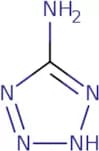
Formula:C4H9NO2Purity:Min. 95%Color and Shape:White PowderMolecular weight:103.12 g/mol5-Amino-1H-tetrazole
CAS:5-Amino-1H-tetrazole is a pharmaceutical preparation that is used in the treatment of bacterial infections. It has been shown to inhibit the growth of bacteria by binding to the cell wall and disrupting its integrity. This drug is chemically stable in aqueous solution and can be administered orally or intravenously. 5-Amino-1H-tetrazole has shown antimicrobial activity against gram-positive bacteria such as staphylococci, Streptococcus pneumoniae, and Enterococcus faecalis, but not gram-negative bacteria such as Pseudomonas aeruginosa. 5-Amino-1H-tetrazole also displays broad spectrum activity against fungi and yeast in vitro. This drug binds to the nitrogen atom of the hydroxyl group and forms an intermediate with hydrogen bond formation. The chemical structures of this drug are: N+2N=O N+OH=O OFormula:CH3N5Purity:Min. 95%Color and Shape:PowderMolecular weight:85.07 g/molSodium ammonium phosphate tetrahydrate
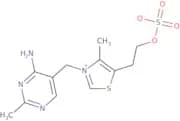
CAS:Sodium ammonium phosphate tetrahydrate is an inorganic compound that is a salt. It is used as a test compound to measure the inhibition of viral growth. The test compound binds to the virus and prevents it from binding to cells, thus inhibiting viral replication. Sodium ammonium phosphate tetrahydrate can also be used as a means of preventing cavities by lowering the pH level in the mouth and inhibiting bacterial growth. Selenium compounds have been shown to have antiviral properties when tested on the typhimurium virus. Selenium compounds are not active against herpes simplex virus, but protocatechuic acid has been shown to inhibit herpes simplex virus replication in vitro and in vivo. Protocatechuic acid has also been shown to inhibit fatty acid synthesis and chloride ion uptake into cells, which may be responsible for its anti-viral properties.Formula:NaNH5PO4·4H2OPurity:Min. 95%Color and Shape:PowderMolecular weight:209.07 g/molThiamine sulfate inner salt
CAS:Thiamine sulfate inner salt is a hyaluronic acid that is used in skin cancer treatment. It has been shown to have antimicrobial properties, which may be due to its ability to disrupt the cell membrane. Thiamine sulfate inner salt has also been shown to increase the germination rate of damaged seeds and can be used as a stabilizer for carrageenan. This compound is an acidic substance with a pH of 2-3. It is soluble in water and hydrochloric acid and reacts with magnesium salts, ethylene diamine, diamine tetraacetic acid, and antimicrobial peptides.
Formula:C12H16N4O4S2Purity:Min. 95%Color and Shape:White PowderMolecular weight:344.41 g/mol5-Aminoisatin
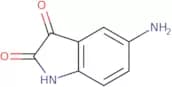
CAS:5-Aminoisatin is a serotonin receptor agonist and has been shown to have protective effects against liver cancer in vitro in human liver cancer cells. It also has a number of other biological activities, including anti-inflammatory, natriuretic, and leukemia inhibitory activities. 5-Aminoisatin interacts with the mitochondrial membrane and prevents cell death by inhibiting the opening of the mitochondrial permeability transition pore (MPTP). This activity may be due to its ability to form ternary complexes with ATP and the voltage sensor domain of the mitochondrial protein voltage dependent anion channel (VDAC). 5-Aminoisatin binds to both the alpha subunit and beta subunit of the calcium/calmodulin-dependent protein kinase II (CaMKII) enzyme. The binding of 5-aminoisatin to CaMKII leads to inhibition of phosphorylation at serine residue 397, which disrupts ATP binding.
Formula:C8H6N2O2Purity:(%) Min. 85%Color and Shape:PowderMolecular weight:162.15 g/molR-a-Lipoic acid tromethamine salt
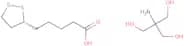
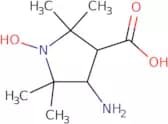
CAS:R-a-Lipoic acid tromethamine salt is a reaction component and reagent that is used in the synthesis of high quality chemical products. The compound has many applications, including being a useful scaffold for the synthesis of complex compounds. R-a-Lipoic acid tromethamine salt can be used as a versatile building block or as a fine chemical. This compound is also listed under CAS No. 14358-90-8, which makes it an excellent choice for research chemicals and speciality chemicals.Formula:C8H14O2S2·C4H11NO3Purity:Min. 95%Color and Shape:PowderMolecular weight:327.46 g/molrac trans-3-amino-1-oxyl-2,2,5,5-tetramethylpyrrolidine-4-carboxylic acid
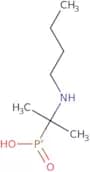
CAS:Rac-trans-3-amino-1-oxyl-2,2,5,5-tetramethylpyrrolidine 4-carboxylic acid (rac TAT) is an axial chiral compound. It has a molecular weight of 246.36 and the empirical formula C11H19N3O4. Rac TAT is soluble in water and alcohols. Rac TAT crystallizes as a racemic mixture of enantiomers (Rac=50% + 50%). Rac TAT has been used as a probe for cyclic secondary amines with high resolution. Rac TAT also shows high selectivity for β-amino acids over α-amino acids. The configuration of the molecule is determined by the configuration of the biphenyl substituents at C4 and C5. Rac TAT can be synthesized from racemic trans 3 amino 1 oxyl 2 2 5 5 tetramethyl pyrrolidin 4Formula:C9H17N2O3Purity:Min. 95%Color and Shape:PowderMolecular weight:201.24 g/molButaphosphan
CAS:Butaphosphan is a drug that has been shown to have clinical relevance for the treatment of metabolic disorders. It is a prodrug that is converted into butaprost-diol, which has been shown to improve insulin sensitivity and reduce aminotransferase activity in rats. Butaphosphan can be used as an alternative to aminotransferase inhibitors such as ursodeoxycholic acid and cholestyramine for the treatment of patients with primary biliary cirrhosis. This drug has also been shown to have a protective effect on fatty acid metabolism, which may be due to its ability to inhibit the activity of enzymes involved in fatty acid synthesis. Butaphosphan is metabolized by cytochrome P450 enzymes and hydroxylases and can be detected using LC-MS/MS methods. The drug has also been shown to have beneficial effects on cortisol concentrations and liver histology when administered orally.Formula:C7H18NO2PPurity:Min. 95%Color and Shape:White PowderMolecular weight:179.2 g/molDeferoxamine mesylate
CAS:Deferoxamine mesylate is an iron chelator that is used in the treatment of iron overload and to treat patients with chronic renal failure. Deferoxamine mesylate has been shown to inhibit angiogenesis by inhibiting the basic protein required for this process. It is also known to have a protective effect on myocardial cells, preventing cell death due to lack of oxygen (reactive oxygen species). Deferoxamine mesylate also inhibits neuronal death in a model system. Deferoxamine mesylate binds to DNA and inhibits RNA synthesis, which has led to its use as a fluorescence probe for the detection of DNA binding activity. The drug has also been shown to act as a metal chelate, binding with metals such as iron, copper, and zinc.Formula:C26H52N6O11SPurity:Min. 95 Area-%Color and Shape:PowderMolecular weight:656.79 g/mol2-[[(Heptadecafluorooctyl)Sulphonyl]Propylamino]Ethyl Methacrylate
CAS:Controlled Product2-[[(Heptadecafluorooctyl)Sulphonyl]Propylamino]Ethyl Methacrylate is a sulfonate that is used as a crosslinker in various chemical substances. It is also used to connect substances together, such as chemicals. 2-[[(Heptadecafluorooctyl)Sulphonyl]Propylamino]Ethyl Methacrylate has the chemical formula CH2=CFCF2CF(OCH2CH2)SO3H. 2-[[(Heptadecafluorooctyl)Sulphonyl]Propylamino]Ethyl Methacrylate is an oily liquid that is colorless and odorless.Formula:C17H16F17NO4SPurity:Min. 95%Molecular weight:653.35 g/molN-Methyldibutylamine
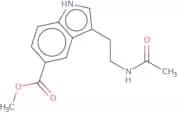
CAS:N-Methyldibutylamine is an aliphatic hydrocarbon that has antimicrobial activity. It is a colorless liquid at room temperature and has a boiling point of 78°C. N-Methyldibutylamine can be used as a solvent for polymers and resins, in the manufacture of plastics, and in the production of enamels. It also has potential applications in cancer research due to its ability to inhibit the growth of tumor cells.Formula:C9H21NPurity:Min. 95%Color and Shape:Clear LiquidMolecular weight:143.27 g/molN-Acetyl-5-carboxymethoxy tryptamine
CAS:N-Acetyl-5-carboxymethoxy tryptamine is a versatile building block that is used as a reagent and in the synthesis of complex compounds. It can also be used as an intermediate or a reaction component in the synthesis of other compounds. This compound has been shown to have high quality and, when used as an intermediate, can serve as a useful scaffold for the synthesis of new molecules. N-Acetyl-5-carboxymethoxy tryptamine belongs to CAS No. 1397243-36-5, which is a speciality chemical that is not regulated by law.
Formula:C14H16N2O3Purity:Min. 95%Molecular weight:260.29 g/molEthylamine HCl
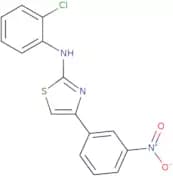
CAS:Controlled ProductEthylamine HCl is the salt of ethylamine and hydrochloric acid. It is a basic compound with a high affinity for water. Ethylamine HCl has been shown to have anti-inflammatory properties, which may be due to its ability to inhibit prostaglandin synthesis. This chemical also has an important role in the formation of polymers such as cellulose and can be used to prepare other chemicals such as ethyl alcohol.Formula:C2H7N·HClColor and Shape:White Off-White PowderMolecular weight:81.54 g/mol(2-Chlorophenyl)(4-(3-nitrophenyl)(2,5-thiazolyl))amine
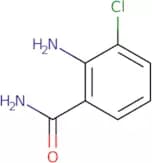
CAS:Please enquire for more information about (2-Chlorophenyl)(4-(3-nitrophenyl)(2,5-thiazolyl))amine including the price, delivery time and more detailed product information at the technical inquiry form on this pagePurity:Min. 95%2-Amino-3-chlorobenzamide
CAS:This compound is a benzamide derivative that is oxidized by nature. It has been shown to undergo ring-opening in the presence of reducing agents, such as sodium borohydride, and yields 2-amino-4-chlorobenzaldehyde. This reaction system uses an efficient catalyst such as manganese dioxide to help speed up the rate of this reaction. The product of this reaction is then converted into a variety of isatins depending on the conditions used.Formula:C7H7ClN2OPurity:Min. 95%Color and Shape:Off-White PowderMolecular weight:170.6 g/molMethyl 2-amino-4-(trifluoromethyl)benzoate
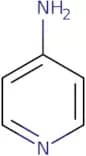
CAS:Methyl 2-amino-4-(trifluoromethyl)benzoate is a non-steroidal anti-inflammatory drug that is structurally related to anthranilic acid. It has been shown to reduce the proliferation of human breast cancer cells in vitro. This drug inhibits the activity of cellular senescence, which has been implicated in aging and cancer progression. Methyl 2-amino-4-(trifluoromethyl)benzoate binds to receptor sites on the cell nucleus and prevents the binding of ligands to these receptors, thereby inhibiting transcriptional activity. This compound also increases cell sensitivity to radiation and chemotherapeutic agents by preventing DNA repair mechanisms from functioning properly. Methyl 2-amino-4-(trifluoromethyl)benzoate inhibits the production of reactive oxygen species by inducing oxidative stress in cells and may inhibit protein synthesis through its ability to bind tightly to proteins.Formula:C9H8F3NO2Purity:Min. 95%Color and Shape:Slightly Yellow PowderMolecular weight:219.16 g/mol4-Aminopyridine
CAS:4-Aminopyridine, sometimes abbreviated as 4-AP, is an organic compound and one of the three isomeric amines of pyridine. It is an ion channel modulator used as a research tool in characterizing subtypes of the potassium channel (K channel), which is associated with multiple sclerosis disease. 4-Aminopyridine (4AP) acts a K channel blocker that is useful clinically. It is reported that the use of 4-AP can potentially improve cognitive functions. 4-aminopyridine has shown strong evidence as potent neurotransmitter modulator with the capacity to target the damaged nervous system through blockage of voltage-gated potassium channels. This fact widen the spectrum for new therapies for another related diseases such as Parkinson.Formula:C5H6N2Purity:Min. 95%Color and Shape:PowderMolecular weight:94.11 g/mol4-Cyano-4'-aminobiphenyl
CAS:4-Cyano-4'-aminobiphenyl is a fluorescent dye that exhibits a strong fluorescence under UV irradiation. The dye has an absorption maximum at about 335 nm and a fluorescence emission maximum at about 455 nm, with excitation maxima of 333 nm and 478 nm. It has been used in the development of photocurrent devices, which are used for photochemical reactions and electrochemistry studies. This compound can also be used for the determination of amino groups in organic molecules such as carbostyril. The compound can be synthesized by reacting an amine with an aldehyde in the presence of acid.
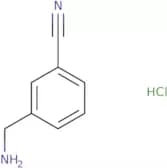
Formula:C13H10N2Color and Shape:PowderMolecular weight:194.23 g/mol3-Cyanobenzylamine HCl
CAS:3-Cyanobenzylamine HCl is a high quality chemical that is used as a reagent, intermediate, or building block in the synthesis of complex compounds. It is a fine chemical and speciality chemical that may be used as a research chemical and versatile building block for the synthesis of organic compounds. 3-Cyanobenzylamine HCl has been shown to react with other chemicals to form useful scaffolds and building blocks, such as amides, amino acid esters, and ureas.Formula:C8H9ClN2Purity:Min. 95%Color and Shape:PowderMolecular weight:168.62 g/molTyramine hydrochloride
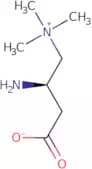
CAS:Controlled ProductTyramine hydrochloride is a model system for the enzyme dopamine β-hydroxylase. Tyramine hydrochloride has shown anti-inflammatory activity, which may be due to its ability to inhibit the synthesis of prostaglandins in human serum. Tyramine hydrochloride also has been used as a cell specific reactive reagent in experiments with human cells. This compound has been shown to have optical sensor and kinetic energy properties that make it suitable for use as a model system in studies of tyrosine metabolism.Formula:C8H12ClNOPurity:Min. 95%Color and Shape:White PowderMolecular weight:173.64 g/mol(R)-Amino carnitine
CAS:(R)-Amino carnitine is a pancreatic enzyme that is used as an experimental treatment for fatty liver disease. It has been shown to inhibit the synthesis of fatty acids, which are the main components of triglycerides. The inhibition of this enzyme leads to a decrease in the production of triglycerides and their accumulation in the liver, thereby reducing hepatic steatosis. (R)-Amino carnitine also has an inhibitory effect on protein synthesis, which is important for the conversion of amino acids into proteins essential for cell division and growth. This mechanism may explain its beneficial effects on insulin resistance, obesity, and diabetes.
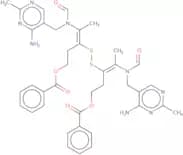
Formula:C7H16N2O2Purity:Min. 95%Molecular weight:160.21 g/molBisbentiamine
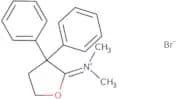
CAS:Bisbentiamine is a glycerin analog that can be used as a drug and food additive. It is an effective inhibitor of the autoimmune disease, bowel disease, and cavity. Bisbentiamine inhibits the production of reactive oxygen species and oxidative stress in skin cells by inhibiting the formation of disulfide bonds. This compound has been shown to have protective effects against inflammatory bowel disease, which may be due to its ability to inhibit fatty acid synthesis in the gut that is associated with inflammation.Formula:C38H42N8O6S2Purity:Min. 95%Color and Shape:PowderMolecular weight:770.92 g/molN,N-Dimethyl-(tetrahydro-3,3 diphenyl-2-furilidine)ammonium bromide
CAS:N,N-Dimethyl-(tetrahydro-3,3 diphenyl-2-furilidine)ammonium bromide is a synthetic opioid analgesic and is used in the treatment of severe pain. It has been shown to cause life-threatening cardiac effects, supratherapeutic concentrations, or fatalities in humans and animals. N,N-Dimethyl-(tetrahydro-3,3 diphenyl-2-furilidine)ammonium bromide has also been shown to cause gastrointestinal inflammation in animal models. This drug acts as an agonist at opioid receptors and can be fatal at high doses.
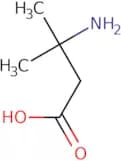
Formula:C18H20BrNOPurity:Min. 95%Color and Shape:White PowderMolecular weight:346.26 g/mol3-Amino-3-methylbutanoic acid
CAS:3-Amino-3-methylbutanoic acid is a carbonaceous compound that can be synthesized from b-alanine and perchloroethylene. It is used in the manufacture of butanoic acid, which is an important industrial chemical. 3-Amino-3-methylbutanoic acid has been shown to exist as four isomers, each with a different molecular weight. The isomers are produced by a synthetic process involving the reaction of b-alanine and perchloroethylene. In an amination reaction, the compounds are heated in the presence of ammonia gas or ammonium chloride to form 3-amino-3-methylbutanoic acid.
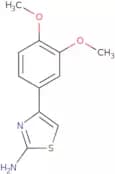
Formula:C5H11NO2Purity:Min 95%Color and Shape:PowderMolecular weight:117.15 g/mol4-(3,4-Dimethoxyphenyl)-1,3-thiazol-2-amine
CAS:Please enquire for more information about 4-(3,4-Dimethoxyphenyl)-1,3-thiazol-2-amine including the price, delivery time and more detailed product information at the technical inquiry form on this page
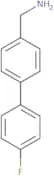
Formula:C11H12N2O2SPurity:Min. 95%Molecular weight:236.29 g/mol4'-Fluoro-biphenyl-4-methanamine
CAS:4'-Fluoro-biphenyl-4-methanamine is a fine chemical that is a versatile building block, useful intermediate, and research chemical. It is used as a reaction component in the production of other chemicals. 4'-Fluoro-biphenyl-4-methanamine can be used as an additive in many commercial products. This compound is an important reagent and can be found in high quality research laboratories. CAS No. 776291-03-3Formula:C13H12FNPurity:Min. 95%Color and Shape:SolidMolecular weight:201.24 g/mol7-Amino-3-[[(2,5-dihydro-6-hydroxy-2-methyl-5-oxo- 1,2,4-triazin-3-yl)thio]methyl]cephalosporanic acid
CAS:Ceftriaxone is a semisynthetic, broad-spectrum antibiotic that is used to treat bacterial infections. It is especially effective against the following microorganisms: Gram-positive cocci and rods, Gram-positive bacilli, Gram-negative cocci and rods, and anaerobic bacteria. Ceftriaxone is a crystalline solid that can be dissolved in water or an organic solvent. It has been shown to have excellent stability in acidic solutions and at high temperatures. Ceftriaxone has a residue of 3% when it is administered intravenously or intramuscularly. The use of ceftriaxone as an antibiotic can be optimized by using reverse-phase chromatography with a cyclic gradient elution method.
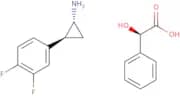
Formula:C12H13N5O5S2Purity:95%NmrColor and Shape:PowderMolecular weight:371.39 g/mol(1R,2S)-2-(3,4-Difluorophenyl)cyclopropanamine (2R)-Hydroxy(phenyl)ethanoate
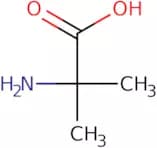
CAS:Controlled ProductIntermediate in the synthesis of ticagrelorFormula:C9H9F2N·C8H8O3Purity:Min. 95%Color and Shape:White PowderMolecular weight:321.32 g/mol2-Aminoisobutyric acid
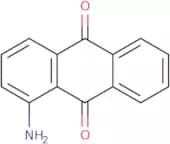
CAS:2-Aminoisobutyric acid (2-AIBA) is a natural compound that has been shown to have significant cytotoxicity against cancer cells. It is also thermodynamically stable and has a low toxicity in normal cells. 2-AIBA is able to cross the blood-brain barrier and can be taken up by the trigeminal nerve. It has been found to have lactogenic effects on the mammary gland, which may be due to its ability to increase prolactin levels. 2-AIBA has been shown to significantly inhibit radiation induced apoptosis in a model system of human papillary muscle cells. The uptake of 2-AIBA was found to be dependent on its ester hydrochloride form, with titration calorimetry being used for this study.Formula:C4H9NO2Purity:Min. 95%Color and Shape:PowderMolecular weight:103.12 g/mol1-Aminoanthraquinone
CAS:1-Aminoanthraquinone is a fluorescent dye that reacts with amino groups. It can be detected in urine samples using electrochemical impedance spectroscopy and has a detection time of about 2 hours. 1-Aminoanthraquinone is used as a marker for protein synthesis, which occurs when nitrogen atoms react with an inorganic acid to form a diazonium salt. This reaction proceeds via the formation of hydrogen bonds between the nitrogen and oxygen atoms of the diazonium salt and the hydrogen atoms on the amino group. The amine group on 1-aminoanthraquinone will then react with the hydrogen bond to form an intramolecular hydrogen bond. Structural analysis of this molecule shows that it has one benzene ring, two nitrogens, two oxygens, and one carbon atom.
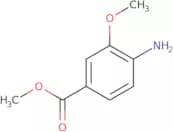
Formula:C14H9NO2Purity:Min. 95%Color and Shape:Red PowderMolecular weight:223.23 g/mol4-Amino-3-methoxybenzoic acid methyl ester
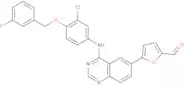
CAS:4-Amino-3-methoxybenzoic acid methyl ester is a reactive molecule that has been used as a radiotracer for positron emission tomography (PET). It is also used in the synthesis of oligodeoxynucleotides and hybridization probes. 4-Amino-3-methoxybenzoic acid methyl ester is not soluble in water, but it can be dissolved in organic solvents such as acetone or methanol. This compound has shown to have anticancer activity and may be useful for treating cancers of the brain, breast, colon, lung, prostate, and stomach.Formula:C9H11NO3Purity:Min. 95%Color and Shape:PowderMolecular weight:181.19 g/mol5-(4-((3-Chloro-4-((3-fluorobenzyl)oxy)phenyl)amino) quinazolin-6-yl)furan-2-carbaldehyde
CAS:5-(4-((3-Chloro-4-((3-fluorobenzyl)oxy)phenyl)amino)quinazolin-6-yl)furan-2-carbaldehyde is a heterocyclic compound that has been used to study protein tyrosine kinase activity. This drug binds to the active site of the enzyme and inhibits its function by forming an irreversible covalent bond with the enzyme's reactive cysteine residue, which prevents the transfer of phosphate groups from ATP to the substrate (tyrosine).Formula:C26H17ClFN3O3Purity:Min. 95%Molecular weight:473.88 g/mol[(2,5-Dichlorophenyl)sulphonyl]phenylamine
CAS:[(2,5-Dichlorophenyl)sulphonyl]phenylamine is a versatile building block with a number of potential applications. It can be used as a reagent in the synthesis of complex compounds or as an intermediate in the preparation of useful scaffolds. This compound has been studied for use in the production of research chemicals and other speciality chemicals. [(2,5-Dichlorophenyl)sulphonyl]phenylamine is also a useful building block that can be used to produce high quality fine chemicals with diverse properties.
Formula:C12H9Cl2NO2SPurity:Min. 95%Molecular weight:302.18 g/molN-t-Boc-1-adamantylamine
CAS:Please enquire for more information about N-t-Boc-1-adamantylamine including the price, delivery time and more detailed product information at the technical inquiry form on this pageFormula:C15H25NO2Purity:Min. 95%Color and Shape:PowderMolecular weight:251.36 g/mol2-[[(Heptadecafluorooctyl)sulphonyl]methylamino]ethyl acrylate
CAS:Controlled Product2-[(Heptadecafluorooctyl)sulphonylamino]ethyl acrylate is a chemical used to remove contaminants from water. It is often used in industrial wastewater treatment, as well as for municipal and domestic wastewater treatment. This chemical binds to organic compounds and removes them from the water through adsorption. 2-[(Heptadecafluorooctyl)sulphonylamino]ethyl acrylate is also used in the filtration of surface water and drinking water. The efficacy of this chemical has been tested on humans, but it was not found to be toxic.
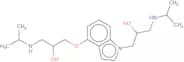
Formula:C14H10F17NO4SPurity:Min. 95%Color and Shape:PowderMolecular weight:611.27 g/molN-(3-Isopropylamino-2-hydroxypropyl) pindolol
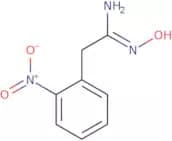
CAS:Please enquire for more information about N-(3-Isopropylamino-2-hydroxypropyl) pindolol including the price, delivery time and more detailed product information at the technical inquiry form on this pageFormula:C20H33N3O3Purity:Min. 95%Color and Shape:PowderMolecular weight:363.49 g/mol1-(Hydroxyimino)-2-(2-nitrophenyl)ethylamine
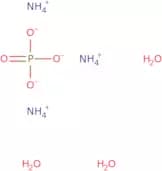
CAS:Please enquire for more information about 1-(Hydroxyimino)-2-(2-nitrophenyl)ethylamine including the price, delivery time and more detailed product information at the technical inquiry form on this pageFormula:C8H9N3O3Purity:Min. 95%Color and Shape:PowderMolecular weight:196.18 g/molTriammonium phosphate trihydrate
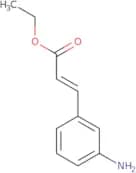
CAS:Triammonium phosphate trihydrate is a white or yellowish solid that is chemically stable. It is primarily used as a molybdenum-containing coating for animal feed and in the production of hydrogen fluoride. This compound has been shown to be toxic to animals, but has low toxicity and no carcinogenicity in humans. Triammonium phosphate trihydrate has been shown to have surface properties that are conducive to the adsorption of hydroxyapatite, which may be due to its high affinity for hydrogen bonds. Triammonium phosphate trihydrate can also be used as an acid catalyst and as a precursor in the production of lithium. It can be synthesized by reacting ammonium nitrate with plasma mass spectrometry or by heating lithium chloride with ammonium nitrate. This compound is also an optical material that can be used in lithium ion batteries.Formula:H12N3PO4•(H2O)3Purity:Min. 95%Color and Shape:PowderMolecular weight:203.13 g/mol3-Aminocinnamic acid ethyl ester
CAS:3-Aminocinnamic acid ethyl ester is a synthetic compound that is derived from pyridine and has a liriodenine ring. The synthesis of this compound starts with an olefinic coupling reaction, which yields an imine intermediate. The imine is hydrolyzed to yield the desired product. 3-Aminocinnamic acid ethyl ester can be found in plants such as liriodenine and liriodendronine, as well as in animal tissues. It also acts as a neurotransmitter and activates the nitrate receptor on nerves, which leads to increased blood pressure or heart rate. 3-Aminocinnamic acid ethyl ester also binds to the cation channel of benzoquinoline drugs and mediates their effects on the central nervous system.Formula:C11H13NO2Purity:Min. 95%Color and Shape:PowderMolecular weight:191.23 g/mol

![{[2-(2-Methoxyphenyl)-1,3-thiazol-5-yl]methyl}amine](/_next/image/?url=https%3A%2Fstatic.cymitquimica.com%2Fproducts%2F3D%2Fthumb-webp%2FFM124085.webp&w=3840&q=75)
![N-[2-(p-Cinnamylamino)ethyl]-5-isoquinolone sulfonamide](/_next/image/?url=https%3A%2Fstatic.cymitquimica.com%2Fproducts%2F3D%2Fthumb-webp%2FFC20451.webp&w=3840&q=75)



![2-[[1-Methyl-2-[3-(Trifluoromethyl)Phenyl]Ethyl]Amino]Ethyl](/_next/image/?url=https%3A%2Fstatic.cymitquimica.com%2Fproducts%2F3D%2Fthumb-webp%2FFM101485.webp&w=3840&q=75)




![9-[[[4-[(2,5-Dioxo-1-pyrrolidinyl) oxy]-4-oxobutyl][(4-methylphenyl) sulfonyl]amino]carbonyl]-10- …](/_next/image/?url=https%3A%2Fstatic.cymitquimica.com%2Fproducts%2F3D%2Fthumb-webp%2FFD106522.webp&w=3840&q=75)
![3-[(4-Chlorophenyl)amino]-5,5-dimethylcyclohex-2-en-1-one](/_next/image/?url=https%3A%2Fstatic.cymitquimica.com%2Fproducts%2F3D%2Fthumb-webp%2FFC123031.webp&w=3840&q=75)
![[1-(Methoxymethyl)cyclopropyl]amine hydrochloride](/_next/image/?url=https%3A%2Fstatic.cymitquimica.com%2Fproducts%2F3D%2Fthumb-webp%2FFM129588.webp&w=3840&q=75)







![2-[[(Heptadecafluorooctyl)Sulphonyl]Propylamino]Ethyl Methacrylate](/_next/image/?url=https%3A%2Fstatic.cymitquimica.com%2Fproducts%2F3D%2Fthumb-webp%2FFH97996.webp&w=3840&q=75)




![7-Amino-3-[[(2,5-dihydro-6-hydroxy-2-methyl-5-oxo- 1,2,4-triazin-3-yl)thio]methyl]cephalosporanic …](/_next/image/?url=https%3A%2Fstatic.cymitquimica.com%2Fproducts%2F3D%2Fthumb-webp%2FFA17508.webp&w=3840&q=75)
![[(2,5-Dichlorophenyl)sulphonyl]phenylamine](/_next/image/?url=https%3A%2Fstatic.cymitquimica.com%2Fproducts%2F3D%2Fthumb-webp%2FFD145674.webp&w=3840&q=75)

![2-[[(Heptadecafluorooctyl)sulphonyl]methylamino]ethyl acrylate](/_next/image/?url=https%3A%2Fstatic.cymitquimica.com%2Fproducts%2F3D%2Fthumb-webp%2FFH96868.webp&w=3840&q=75)