Amines
Amines are a set of molecules containing an amino functional group (derived from ammonia). This category includes amines at any level of substitution : primary, secondary, tertiary, and ammonium salts. Amines are fundamental in organic synthesis and are widely used in pharmaceuticals, agrochemicals, and materials science. At CymitQuimica, we provide a comprehensive selection of amines to meet your research and industrial needs. Our range ensures access to various amines for diverse chemical processes and innovative research.
Subcategories of "Amines"
- Nitrosamines(2,605 products)
- Primary Amines(30,821 products)
- Quaternary Ammonium Cations and Salts(1,099 products)
- Secondary Amines(20,817 products)
- Tertiary Amines(17,117 products)
Found 8778 products of "Amines"
Sort by
Purity (%)
0
100
|
0
|
50
|
90
|
95
|
100
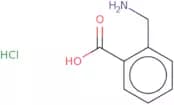
(3-Aminomethyl)benzoic acid hydrochloride
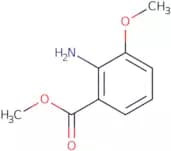
CAS:<p>(3-Aminomethyl)benzoic acid hydrochloride is a high-quality, versatile compound that can be used as a reagent or scaffold for the synthesis of complex compounds. It is a fine chemical that can be used as an intermediate in organic chemistry and has been shown to be useful in the synthesis of speciality chemicals. The CAS number for this chemical is 876-03-9. This chemical is also a versatile building block for reactions, and has been shown to be an excellent reaction component for research purposes.</p>Formula:C8H9NO2•HClPurity:Min. 95%Color and Shape:PowderMolecular weight:187.62 g/mol2-Amino-3-methoxybenzoic acid methyl ester
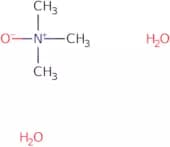
CAS:<p>2-Amino-3-methoxybenzoic acid methyl ester can be used as a chiral auxiliary in enantioselective synthesis. It is synthesised by reaction of l-valine with methyl iodide, followed by hydrolysis of the resulting ester under basic conditions. 2-Amino-3-methoxybenzoic acid methyl ester is used as a chiral auxiliary for the asymmetric synthesis of d-mannitol and related compounds.</p>Formula:C9H11NO3Purity:Min. 95%Color and Shape:PowderMolecular weight:181.19 g/molTrimethylamine-N-oxide dihydrate
CAS:<p>Trimethylamine-N-oxide dihydrate (TMAO) is the anhydrous form of trimethylamine oxide (TMAO). It has a number of applications in industry and research. TMAO is used as a diagnostic agent for metal carbonyls, such as lead and arsenic, and also for hydrogen bond. In addition, it can be used to determine the presence of hydroxyl groups in organic compounds, such as fatty acids. The hydroxyl group reacts with Iodosobenzene to form an iodide ion that can be measured by nmr spectroscopy. This reaction is affected by the presence of other atoms or molecules that have electron donating properties, such as an oxygen atom or a carbonyl group. TMAO can also be used in cancer research to study how tumors develop resistance to chemotherapy drugs.</p>Formula:C3H13NO3Color and Shape:White PowderMolecular weight:111.14 g/mol2-Amino-6-bromo-4-methoxyphenol
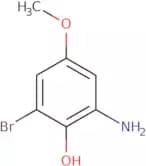
CAS:<p>2-Amino-6-bromo-4-methoxyphenol (2ABMP) is a benzyl compound that can be used as a substitute for 2,4-diaminophenol. It has been shown to have estrogenic activity and may function as an estrogen receptor agonist. 2ABMP has also been shown to inhibit the growth of breast cancer cells in culture. The role of this drug in the treatment of breast cancer is not yet clear, but it may be useful in combination therapy with other drugs.</p>Formula:C7H8BrNO2Purity:Min. 95%Color and Shape:PowderMolecular weight:218.05 g/mol2-Amino-5-nitro-2'-chlorobenzophenone
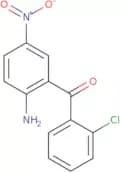
CAS:<p>2-Amino-5-nitro-2'-chlorobenzophenone (2ACCB) is a precursor for the synthesis of 2,4,6-trichlorophenol. 2ACCB reacts with hydrochloric acid in the presence of a scrubber to produce diphenyl ether and activated 2ACCB. The reaction rate can be increased by adding sodium hydroxide solution to the reaction solution. The hydroxy group on the 2ACCB molecule can be converted to a terpene by transfer reactions with glycol esters. This compound has been used as a sterilant and disinfectant in reaction solutions containing chlorine atoms or carbonyl groups.</p>Formula:C13H9ClN2O3Purity:Min. 95%Color and Shape:PowderMolecular weight:276.67 g/mol2-Benzyltryptamine
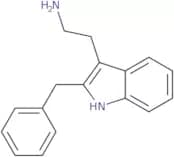
CAS:<p>2-Benzyltryptamine (2BT) is a synthetic substance that has been used as a research chemical in the study of the interactions between serotonergic and dopaminergic neurotransmission. In one study, 2BT was found to inhibit dopamine uptake in rat brain synaptosomes and to bind to both serotonin and dopamine receptors. 2BT has also been shown to have an affinity for melatonin receptors, which may be due to its structural similarity to melatonin.</p>Formula:C17H18N2Purity:Min. 95%Color and Shape:SolidMolecular weight:250.34 g/mol(S)-trans-2-Amino-4-(2-aminoethoxy)-3-butenoic acid hydrochloride
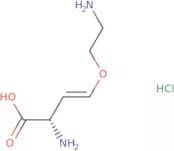
CAS:<p>(S)-trans-2-Amino-4-(2-aminoethoxy)-3-butenoic acid hydrochloride is a chemical pesticide that inhibits the production of ethylene in plants. It is used to control growth and enhance the fruit quality of horticultural crops. It is also used as an inhibitor of serine proteases, which are enzymes that catalyze the hydrolysis of proteins. This product has been shown to act as a growth regulator by inhibiting the activity of serine proteases and blocking the biosynthesis of ethylene. (S)-trans-2-Amino-4-(2-aminoethoxy)-3-butenoic acid hydrochloride also blocks the biosynthesis of human chorionic gonadotropin, a hormone involved in reproduction and development.</p>Formula:C6H13ClN2O3Purity:Min. 97 Area-%Color and Shape:Off-White PowderMolecular weight:196.63 g/mol9-[5-Deoxy-5-[[cis-3-[2-[6-(1,1-dimethylethyl)-1H-benzimidazol-2-yl]ethyl]cyclobutyl](1-methylethyl)amino]-β-D-ribofuranosyl]-9H- purin-6-amine
CAS:<p>Nilotinib is a small molecule that inhibits the tyrosine kinase activity of TK1, TK2, and TK3. It binds to the ATP-binding site of these kinases and prevents the phosphorylation of the cellular substrate. Nilotinib has been shown to inhibit the proliferation of leukemia cells in vitro, as well as to have antiproliferative effects in vivo. Nilotinib can be used for the treatment of chronic myelogenous leukemia (CML) and Philadelphia chromosome-positive acute lymphoblastic leukemia (Ph+ ALL). In addition, it has been shown to have synergistic effects with other drugs such as α1-acid glycoprotein inhibitors or methyltransferase inhibitors. Nilotinib can also be used for cases of hepatic steatosis.</p>Formula:C30H42N8O3Purity:Min. 95%Color and Shape:PowderMolecular weight:562.71 g/molN-(4-(((2-Indol-3-ylethyl)amino)sulfonyl)phenyl)ethanamide
CAS:<p>Please enquire for more information about N-(4-(((2-Indol-3-ylethyl)amino)sulfonyl)phenyl)ethanamide including the price, delivery time and more detailed product information at the technical inquiry form on this page</p>Formula:C18H19N3O3SPurity:Min. 95%Color and Shape:PowderMolecular weight:357.43 g/mol4-Bromo-2-(trifluoromethyl)benzylamine hydrochloride
CAS:<p>4-Bromo-2-(trifluoromethyl)benzylamine hydrochloride is a versatile building block useful for the synthesis of complex compounds. It is also a research chemical, which is used as a reaction component and a speciality chemical. 4-Bromo-2-(trifluoromethyl)benzylamine hydrochloride has high purity and can be used as a reagent in the synthesis of new pharmaceuticals or fine chemicals.</p>Formula:C8H7BrF3N•HClPurity:Min. 95%Color and Shape:PowderMolecular weight:290.51 g/mol2-Amino-4-bromocinnamic acid
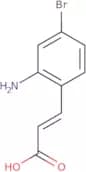
CAS:<p>2-Amino-4-bromocinnamic acid is a fine chemical with a CAS number of 914636-63-8. It is used in the synthesis of complex compounds and useful building blocks, as well as in research. This compound has been shown to be an intermediate for the preparation of derivatives with potential pharmaceutical applications, such as antihistamines, antipsychotics, and antibiotics. 2-Amino-4-bromocinnamic acid is also an important reagent for organic syntheses.</p>Formula:C9H8BrNO2Purity:Min. 98 Area-%Color and Shape:PowderMolecular weight:242.07 g/mol2-N-Methylaminoethyl chloride·HCl
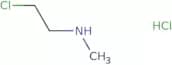
CAS:<p>2-N-Methylaminoethyl chloride·HCl is a nitro compound that has been programmed to inhibit PD-1. It is an inhibitor of this protein, which is involved in the regulation of immune responses. Inhibition of PD-1 can lead to an increase in T cell function and proliferation, as well as the production of cytokines. 2-N-Methylaminoethyl chloride·HCl has been shown to be a potent inhibitor of PD-1 with a Ki value of 2 nM, and it inhibits PD-L1 at concentrations up to 10 μM. This drug also inhibits resorcinol at low concentrations (0.5 μM). It is a synthetic molecule that was generated for screening purposes and does not have any other known biological activity.</p>Formula:C3H8ClN·HClPurity:Min. 95%Color and Shape:PowderMolecular weight:130.02 g/mol2-Bromo-N-methyl-ethylamine hydrobromide
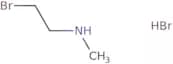
CAS:<p>2-Bromo-N-methyl-ethylamine hydrobromide is a versatile building block that can be used in the synthesis of many fine chemicals. It is a high quality research chemical that is used to synthesize complex compounds. 2-Bromo-N-methyl-ethylamine hydrobromide is also used as a reagent and reaction component for organic synthesis, especially for the production of pharmaceuticals and other speciality chemicals. CAS No. 40052-63-9</p>Formula:C3H9Br2NPurity:Min. 95%Color and Shape:PowderMolecular weight:218.92 g/mol2-(4-Ethoxyphenylamino)-4-(3-methyl-4-fluorophenyl)thiazole
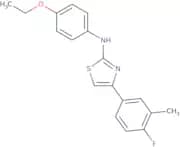
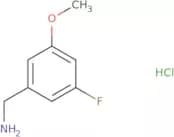
CAS:<p>Please enquire for more information about 2-(4-Ethoxyphenylamino)-4-(3-methyl-4-fluorophenyl)thiazole including the price, delivery time and more detailed product information at the technical inquiry form on this page</p>Purity:Min. 95%3-Fluoro-5-methoxybenzylamine hydrochloride
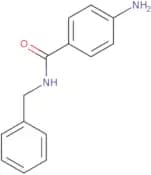
CAS:<p>3-Fluoro-5-methoxybenzylamine hydrochloride is a chemical building block that can be used in organic synthesis. It is a versatile building block and can be used to synthesize complex compounds. 3-Fluoro-5-methoxybenzylamine hydrochloride is used as a reaction component and reagent for the production of pharmaceuticals, agricultural chemicals, and other organic compounds. It has CAS number 1158269-22-7 and can be found in the Chemical Abstract Services database.</p>Formula:C8H10FNO•HClPurity:Min. 95%Color and Shape:Clear LiquidMolecular weight:191.63 g/mol4-Amino-N-benzylbenzamide
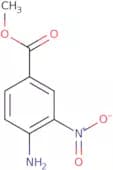
CAS:<p>4-Amino-N-benzylbenzamide is a high quality chemical that is an intermediate in the synthesis of other useful compounds. It is a reagent for organic synthesis, and has many uses as a complex compound, as well as being a useful building block for more complicated molecules. 4-Amino-N-benzylbenzamide is also used as a speciality chemical in research labs, and can be used as a versatile building block to make different products.</p>Formula:C14H14N2OPurity:Min. 95%Color and Shape:PowderMolecular weight:226.27 g/molMethyl 4-amino-3-nitrobenzoate
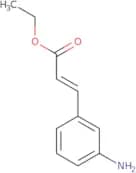
CAS:<p>Methyl 4-amino-3-nitrobenzoate is a synthetic compound that has been found to have a variety of uses. It has been used to prepare intramolecular hydrogen bonds in anilines, and it can be used as an intermediate to synthesize amides and anilines. This molecule also forms resonance structures with the nitro group, which allows for increased stability. The proton magnetic resonance spectra of Methyl 4-amino-3-nitrobenzoate show that the molecule has a high degree of symmetry, which is due to the presence of intramolecular hydrogen bonding.</p>Formula:C8H8N2O4Purity:Min. 95%Molecular weight:196.16 g/mol3-Aminocinnamic acid ethyl ester
CAS:<p>3-Aminocinnamic acid ethyl ester is a synthetic compound that is derived from pyridine and has a liriodenine ring. The synthesis of this compound starts with an olefinic coupling reaction, which yields an imine intermediate. The imine is hydrolyzed to yield the desired product. 3-Aminocinnamic acid ethyl ester can be found in plants such as liriodenine and liriodendronine, as well as in animal tissues. It also acts as a neurotransmitter and activates the nitrate receptor on nerves, which leads to increased blood pressure or heart rate. 3-Aminocinnamic acid ethyl ester also binds to the cation channel of benzoquinoline drugs and mediates their effects on the central nervous system.</p>Formula:C11H13NO2Purity:Min. 95%Color and Shape:PowderMolecular weight:191.23 g/molAncamine T
CAS:<p>Ancamine T is an amine curing agent, which is derived from synthetic chemical processes, specifically developed for use in epoxy systems. Its mode of action involves catalyzing the cross-linking reaction between epoxide groups in epoxy resins, leading to the formation of a highly cross-linked, thermoset polymer network. This curing process is essential for achieving the desired mechanical, thermal, and chemical resistance properties of the final product.</p>Purity:Min. 95%3,4,5-Trimethoxybenzoic acid 8-(diethylamino)octyl ester, hydrochloride
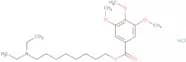
CAS:<p>3,4,5-Trimethoxybenzoic acid 8-(diethylamino)octyl ester, hydrochloride is a chemical substance that binds to the intracellular calcium ion channels and causes an excitatory effect. It has been shown to cause cell lysis in wheat germ and influenza virus. 3,4,5-Trimethoxybenzoic acid 8-(diethylamino)octyl ester, hydrochloride also inhibits the production of TNF-α by activated tubule cells.</p>Formula:C22H38ClNO5Purity:Min. 95%Color and Shape:PowderMolecular weight:431.99 g/moltrans-4-(Diethylamino)cinnamaldehyde
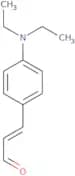
CAS:<p>Trans-4-(Diethylamino)cinnamaldehyde is a molecule that has been systematically studied with several techniques, such as x-ray crystallography. It has been shown to be a fluorophore and can be used as a fluorescent probe. Trans-4-(Diethylamino)cinnamaldehyde can be used in the fluorescence method in which it reacts with other molecules and emits light. This reaction scheme is based on the principle of irradiation by UV light or visible light to produce an excited state. Fluorescence is detected at various wavelengths depending on the dye used. Trans-4-(Diethylamino)cinnamaldehyde also emits fluorescence when irradiated with ultraviolet light, which is often referred to as "violet" fluorescence. The wavelength of this emission is 365 nm and it can be detected using high yield techniques, such as fluorometers.</p>Formula:C13H17NOPurity:Min. 95%Color and Shape:PowderMolecular weight:203.28 g/molN-(3-Isopropylamino-2-hydroxypropyl) pindolol
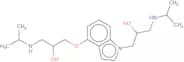
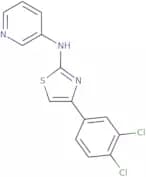
CAS:<p>Please enquire for more information about N-(3-Isopropylamino-2-hydroxypropyl) pindolol including the price, delivery time and more detailed product information at the technical inquiry form on this page</p>Formula:C20H33N3O3Purity:Min. 95%Color and Shape:PowderMolecular weight:363.49 g/mol(4-(3,4-dichlorophenyl)(2,5-thiazolyl))-3-pyridylamine
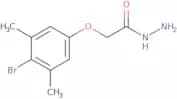
CAS:<p>Please enquire for more information about (4-(3,4-dichlorophenyl)(2,5-thiazolyl))-3-pyridylamine including the price, delivery time and more detailed product information at the technical inquiry form on this page</p>Purity:Min. 95%N-amino-2-(4-bromo-3,5-dimethylphenoxy)ethanamide
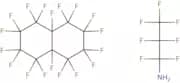
CAS:<p>Please enquire for more information about N-amino-2-(4-bromo-3,5-dimethylphenoxy)ethanamide including the price, delivery time and more detailed product information at the technical inquiry form on this page</p>Formula:C10H13BrN2O2Purity:Min. 95%Color and Shape:PowderMolecular weight:273.13 g/mol1,1,2,2,3,3,4,4,4a,5,5,6,6,7,7,8,8,8a-Octadecafluoronaphthalene; 1,1,2,2,3,3,3-Heptafluoropropan-1-Amine
CAS:Controlled Product<p>1,1,2,2,3,3,4,4a,5-Octadecafluoronaphthalene is a fluorinated derivative of an organic compound that is used as an intestinal antiseptic and as a cardioplegic solution. Sodium salts of this drug are used to treat intestinal disorders such as colitis and Crohn's disease. It is also used to treat cardiac diseases such as myocardial infarction by reducing the size of the infarcted area. The drug has been shown to be effective in preventing muscle degeneration in patients with AIDS. 1,1,2,2,3,3-Heptafluoropropan-1-amine is a chemical that belongs to the group of adjuvant therapies. It is used as a pharmaceutical preparation for kinetic studies and particle characterization.</p>Formula:C13H2F25NPurity:Min. 95%Molecular weight:647.12 g/molN-t-Boc-1-adamantylamine
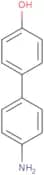
CAS:<p>Please enquire for more information about N-t-Boc-1-adamantylamine including the price, delivery time and more detailed product information at the technical inquiry form on this page</p>Formula:C15H25NO2Purity:Min. 95%Color and Shape:PowderMolecular weight:251.36 g/mol4-Hydroxy-4'-aminobiphenyl
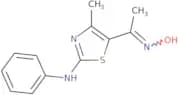
CAS:<p>4-Hydroxy-4'-aminobiphenyl (4-OH-4'ABP) is a test compound that is an aromatic aminobiphenyl and has been shown to be carcinogenic. This compound has been found in the urine and serum of human subjects as well as in the liver, lung and brain of experimental animals. 4-OH-4'ABP has been shown to cause cancer in target organs such as the liver and lung. It is also considered a carcinogen due to its ability to bind to DNA, inhibit protein synthesis, and induce oxidative stress. 4-OH-4'ABP can be hydroxylated at position 3 or 4 by cytochrome P450 enzymes into reactive metabolites which are then able to bind covalently with cellular macromolecules like DNA, proteins, or lipids. This binding can lead to mutations or cell death.</p>Formula:C12H11NOPurity:Min. 95%Color and Shape:PowderMolecular weight:185.22 g/mol(3-((hydroxyimino)ethyl)-4-methyl(2,5-thiazolyl))phenylamine
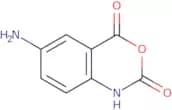
CAS:<p>Please enquire for more information about (3-((hydroxyimino)ethyl)-4-methyl(2,5-thiazolyl))phenylamine including the price, delivery time and more detailed product information at the technical inquiry form on this page</p>Formula:C12H13N3OSPurity:Min. 95%Color and Shape:Clear LiquidMolecular weight:247.32 g/mol5-Aminoisatoic anhydride
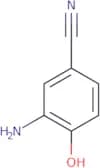
CAS:<p>5-Aminoisatoic anhydride is a versatile chemical that has been shown to be useful in the synthesis of complex compounds. It is also used as a reaction component and as a building block for research chemicals.</p>Formula:C8H6N2O3Purity:Min. 95%Color and Shape:PowderMolecular weight:178.14 g/mol2-Amino-4-cyano-phenol
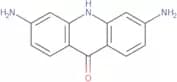
CAS:<p>2-Amino-4-cyano-phenol is a compound that has been shown to have antitubercular activity. It modulates the activity of cromakalim, which is a drug used for the treatment of tuberculosis. 2-Amino-4-cyano-phenol is also an antibacterial agent and has been shown to activate bacterial DNA replication and protein synthesis. The mechanism of action of this compound is thought to be due in part to its ability to bind with the ribosomes on the outside surface of cells and inhibit their function. 2-Amino-4-cyano-phenol has also been shown to have structural similarities with phenylephrine, which inhibits bacterial growth by binding to DNA gyrase, thereby preventing transcription and replication.</p>Formula:C7H6N2OPurity:Min. 95%Color and Shape:PowderMolecular weight:134.14 g/mol3,6-Diamino-9(10H)-acridone
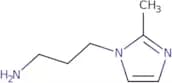
CAS:<p>3,6-Diamino-9(10H)-acridone is a nucleophilic compound that is used as a catalyst in peptide synthesis. It can be used to selectively introduce an acridine group into a peptide or other organic molecule. 3,6-Diamino-9(10H)-acridone is an example of a hypervalent organometallic compound that has been shown to catalyze the iodocyclization of aromatic rings. It also has been shown to catalyze the substitution of electron-deficient alkenes with electrophiles.</p>Formula:C13H11N3OPurity:Min. 97 Area-%Color and Shape:Yellow PowderMolecular weight:225.25 g/mol2-Methyl-1H-imidazole-1-propanamine
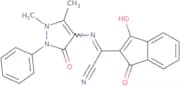
CAS:<p>2-Methyl-1H-imidazole-1-propanamine is a byproduct of the reaction that produces acrylonitrile. It is a polar compound that has been shown to be an effective viscosity modifier for various types of formulations. 2-Methyl-1H-imidazole-1-propanamine can be used as an additive in pharmaceutical formulations, such as those for thiamine pyrophosphate, and is nonpolluting. The optimum concentration for this product is between 0.5% and 1%.</p>Formula:C7H13N3Purity:Min. 95 Area-%Color and Shape:Clear LiquidMolecular weight:139.2 g/mol2-((2,3-dimethyl-5-oxo-1-phenyl(3-pyrazolin-4-yl))amino)-2-(1,3-dioxoindan-2-ylidene)ethanenitrile
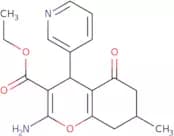
CAS:<p>Please enquire for more information about 2-((2,3-dimethyl-5-oxo-1-phenyl(3-pyrazolin-4-yl))amino)-2-(1,3-dioxoindan-2-ylidene)ethanenitrile including the price, delivery time and more detailed product information at the technical inquiry form on this page</p>Purity:Min. 95%ethyl 2-amino-7-methyl-5-oxo-4-(3-pyridyl)-4,6,7,8-tetrahydro2H-chromene-3-carboxylate
CAS:<p>Please enquire for more information about ethyl 2-amino-7-methyl-5-oxo-4-(3-pyridyl)-4,6,7,8-tetrahydro2H-chromene-3-carboxylate including the price, delivery time and more detailed product information at the technical inquiry form on this page</p>Purity:Min. 95%4-Bromobutan-1-amine hydrobromide
CAS:<p>4-Bromobutan-1-amine hydrobromide is a microtubule stabilizer that blocks the polymerization of tubulin and prevents cell division. It is activated by protonation and can be used to probe for cisplatin sensitivity. 4-Bromobutan-1-amine hydrobromide has been shown to have a high degree of specificity for cancer cells in culture, as well as sensitivity in animal models. This drug also has an excellent safety profile in humans and is an FDA approved chemotherapeutic agent.</p>Formula:C4H11Br2NPurity:Min. 95%Color and Shape:PowderMolecular weight:232.94 g/molRactopamine hydrochloride, 95%
CAS:Controlled Product<p>Ractopamine HCl - 95% is a preparation of the drug Ractopamine, which is used as an animal feed additive to promote muscle growth. The drug is commonly used in pigs, cattle, and turkeys. It binds to the beta-adrenergic receptor and stimulates the release of catecholamines from the adrenal gland. This stimulation leads to an increase in protein synthesis and muscle growth. Ractopamine HCl - 95% can be analyzed by flow assay for antimicrobial resistance, sample preparation, estradiol benzoate, sodium carbonate, camp levels, ractopamine detection sensitivity and electrochemical detector. The matrix effect can be controlled by analyzing acid complex or control analysis with electrochemical impedance spectroscopy.</p>Formula:C18H23NO3•HClPurity:Min. 95%Color and Shape:White PowderMolecular weight:337.84 g/mol1H-Pyrrolo[3,2-b]pyridin-7-amine
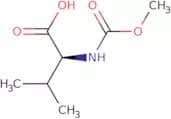
CAS:<p>1H-Pyrrolo[3,2-b]pyridin-7-amine is a potent inhibitor of cyclization catalysed by 7-azaindole. It was synthesized as a modification of the 7-azaindole synthesis and has been shown to be a lipophilic heterocycle. This compound is not readily soluble in water and can be used for the synthesis of other heterocycles with similar properties. The yields are high and the modifications are easy to make, making this compound an excellent candidate for use in research.</p>Purity:Min. 95%Color and Shape:PowderMolecular weight:133.15 g/mol(S)-2-((Methoxycarbonyl)amino)-3-methylbutanoic acid
CAS:<p>(S)-2-((Methoxycarbonyl)amino)-3-methylbutanoic acid is a synthetic molecule that has been studied for its antiviral activity against hepatitis C virus. The compound was found to inhibit the replication of the virus, with an IC50 of 0.5 mM in cell culture studies. It also inhibited the replicon and reaction yield of the virus in vitro. (S)-2-((Methoxycarbonyl)amino)-3-methylbutanoic acid is effective against genotype 1 and 2, but not against genotype 3. It is active against a broad range of HCV isolates, including those resistant to other drugs such as ribavirin or telaprevir. The drug has been shown to be well tolerated in animals and humans. END></p>Formula:C7H13NO4Purity:Min. 95%Color and Shape:White PowderMolecular weight:175.18 g/molN1-(6-Methoxy-8-quinolinyl)-1,4-pentanediamine
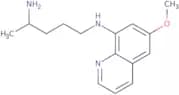
CAS:<p>Impurity found in Primaquine diphosphate</p>Formula:C15H21N3OPurity:Min. 95%Color and Shape:Yellow PowderMolecular weight:259.35 g/mol3-Noradamantaneamine hydrochloride
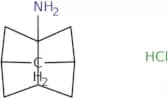
CAS:<p>3-Noradamantaneamine hydrochloride is a thioamide that has inhibitory activities on biological processes, such as the production of tumor necrosis factor-α (TNF-α). 3-Noradamantaneamine hydrochloride also inhibits angiogenesis and the proliferation of endothelial cells. The drug was shown to be neuroprotective in animal models and to have anti-angiogenic properties. The mechanism of action is not yet clear, but may involve nitric oxide synthase inhibition or nitration of the drug.</p>Formula:C9H15N·HClPurity:Min. 95%Color and Shape:White PowderMolecular weight:173.68 g/molm-Phenylenediamine
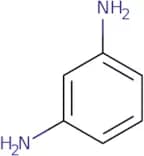
CAS:<p>m-Phenylenediamine is a model system for studying the adsorption mechanism of dyes, pigments, and other organic molecules on solid surfaces. It has been shown to be capable of adsorbing at high concentrations on various materials such as calcium carbonate, sandstone, and kaolinite. The adsorption of m-phenylenediamine is influenced by the thermal expansion coefficient of the surface material. Adsorption is also influenced by the pH of the solution, with optimum concentrations occurring at acidic pH levels. Adsorbed m-phenylenediamine may be transported away from the surface in both water and wastewater treatment systems. Inorganic acids can cause significant degradation to adsorbed m-phenylenediamine due to their ability to hydrolyze hydrogen bonds between adsorbate molecules.<br>A number of electrochemical impedance spectroscopy studies have been performed on this molecule in order to better understand its transport properties and electron transfer mechanisms.</p>Formula:C6H8N2Purity:Min. 95%Color and Shape:PowderMolecular weight:108.14 g/molThiamine sulfate inner salt
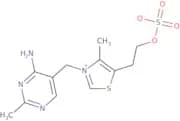
CAS:<p>Thiamine sulfate inner salt is a hyaluronic acid that is used in skin cancer treatment. It has been shown to have antimicrobial properties, which may be due to its ability to disrupt the cell membrane. Thiamine sulfate inner salt has also been shown to increase the germination rate of damaged seeds and can be used as a stabilizer for carrageenan. This compound is an acidic substance with a pH of 2-3. It is soluble in water and hydrochloric acid and reacts with magnesium salts, ethylene diamine, diamine tetraacetic acid, and antimicrobial peptides.</p>Formula:C12H16N4O4S2Purity:Min. 95%Color and Shape:White PowderMolecular weight:344.41 g/mol(E)-N-(3-Methylaminopropyl)-2-thiopheneacrylamide hydrochloride
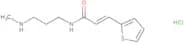
CAS:<p>(E)-N-(3-Methylaminopropyl)-2-thiopheneacrylamide hydrochloride is a high quality, reagent, complex compound, useful intermediate, fine chemical. It has CAS No. 1449108-90-0 and is used as a research chemical and building block in the synthesis of other compounds. (E)-N-(3-Methylaminopropyl)-2-thiopheneacrylamide hydrochloride can be used as a versatile building block in organic synthesis reactions and is an important reaction component for the preparation of speciality chemicals.</p>Formula:C11H17N2OSClPurity:Min. 95%Color and Shape:White PowderMolecular weight:260.78 g/mol5-Aminophthalide
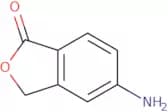
CAS:<p>5-Aminophthalide is a chemical compound that can be found as an oxidation product in cellular structures. It has been shown to have cancer-inhibiting properties and may be used for the treatment of prostate carcinoma. 5-Aminophthalide is a molecule that has two isomers, one with two chlorine atoms and one with three chlorine atoms. The molecule contains functional groups such as carbonyl, amine, and nitro groups. These functional groups are important for its activity and can bind to the enzyme dehydrogenase in bacteria, which is involved in the biosynthesis of guanine nucleotides. 5-Aminophthalide inhibits bacterial growth by binding to this enzyme and preventing it from functioning normally. This causes an accumulation of guanine nucleotides within cells, which prevents them from dividing.</p>Formula:C8H7NO2Purity:Min. 95%Color and Shape:Off-White PowderMolecular weight:149.15 g/molDi-(1-adamantyl)amine hydrochloride
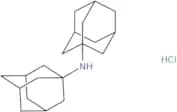
CAS:<p>Di-(1-adamantyl)amine hydrochloride is a fine chemical that is used as a building block in research. It has been shown to be an effective reagent for the preparation of polymers and as a speciality chemical. Di-(1-adamantyl)amine hydrochloride can be used as a reaction component for the synthesis of other compounds and is available in high quality. It is also versatile, being able to react with carboxylic acids, amines, alcohols, phosphorus halides, and thiols. This compound is not listed with CAS No., but it is available from many suppliers.</p>Formula:C20H32ClNPurity:Min. 95%Color and Shape:PowderMolecular weight:321.93 g/molN-Cyclopropyl-N-tetrahydro-2H-pyran-4-ylamine HCl
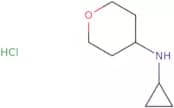
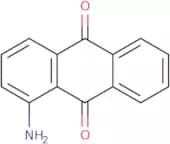
CAS:<p>N-Cyclopropyl-N-tetrahydro-2H-pyran-4-ylamine HCl is a fine chemical used as a building block in the synthesis of many compounds. It is also used in research and development, as a reagent, and as a speciality chemical. N-Cyclopropyl-N-tetrahydro-2H-pyran-4-ylamine HCl has been shown to be an excellent intermediate for the synthesis of many different products. This product is versatile and can be used as a building block or scaffold for synthesizing other compounds. N-Cyclopropyl-N-tetrahydro-2H-pyran-4-ylamine HCl has a CAS number of 1158426–65–3.</p>Formula:C8H16NOClPurity:Min. 95%Color and Shape:PowderMolecular weight:177.67 g/mol1-Aminoanthraquinone
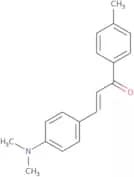
CAS:<p>1-Aminoanthraquinone is a fluorescent dye that reacts with amino groups. It can be detected in urine samples using electrochemical impedance spectroscopy and has a detection time of about 2 hours. 1-Aminoanthraquinone is used as a marker for protein synthesis, which occurs when nitrogen atoms react with an inorganic acid to form a diazonium salt. This reaction proceeds via the formation of hydrogen bonds between the nitrogen and oxygen atoms of the diazonium salt and the hydrogen atoms on the amino group. The amine group on 1-aminoanthraquinone will then react with the hydrogen bond to form an intramolecular hydrogen bond. Structural analysis of this molecule shows that it has one benzene ring, two nitrogens, two oxygens, and one carbon atom.</p>Formula:C14H9NO2Purity:Min. 95%Color and Shape:Red PowderMolecular weight:223.23 g/mol4-Dimethylamino-4'-methylchalcone
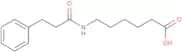
CAS:<p>4-Dimethylamino-4'-methylchalcone is a versatile building block that can be used in synthesis of fine chemicals, research chemicals, and reagents. It can also be used as a speciality chemical or useful intermediate for the preparation of other compounds. 4-Dimethylamino-4'-methylchalcone has been shown to react with many different functional groups and is useful as a scaffold for the synthesis of complex molecules. It has been shown to have high quality, making it an excellent choice for use in reactions.</p>Formula:C18H19NOPurity:Min. 95%Color and Shape:PowderMolecular weight:265.35 g/molN-Dihydrocinnamoylaminocaproic acid
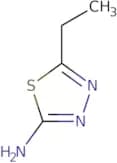
CAS:<p>Please enquire for more information about N-Dihydrocinnamoylaminocaproic acid including the price, delivery time and more detailed product information at the technical inquiry form on this page</p>Formula:C15H21NO3Purity:Min. 95%Molecular weight:263.33 g/mol2-Amino-5-ethyl-1,3,4-thiadiazole
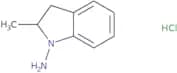
CAS:<p>2-Amino-5-ethyl-1,3,4-thiadiazole is an experimental solubility data that has been shown to inhibit the growth of some bacteria. This compound is metastable and can be used as a nitrogen atom in experimental studies. The Langmuir adsorption isotherm has been used to study the adsorption of 2-amino-5-ethyl-1,3,4-thiadiazole on copper chloride particles. This molecule also interacts with substrate film and reactants such as pyridoxine hydrochloride by light emission or electrochemical impedance spectroscopy.</p>Formula:C4H7N3SPurity:Min. 95%Molecular weight:129.18 g/molN-Amino-2-methylindoline hydrochloride
CAS:<p>N-Amino-2-methylindoline HCl is an organic chemical compound that belongs to the class of acylating agents. It is a colorless solid that is soluble in water and methanol. The compound has been used in the acylation reaction with triethylamine and chloride to synthesize dioxane. N-Amino-2-methylindoline HCl is also a substance that can be found in nature, such as in the leaves of plants. Organic chemistry deals with the study of compounds and their reactions, which includes N-Amino-2-methylindoline HCl and its uses.</p>Formula:C9H12N2•HClPurity:Min. 95%Color and Shape:PowderMolecular weight:184.67 g/mol7-Amino-3-[[(2,5-dihydro-6-hydroxy-2-methyl-5-oxo- 1,2,4-triazin-3-yl)thio]methyl]cephalosporanic acid
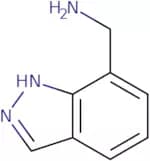
CAS:<p>Ceftriaxone is a semisynthetic, broad-spectrum antibiotic that is used to treat bacterial infections. It is especially effective against the following microorganisms: Gram-positive cocci and rods, Gram-positive bacilli, Gram-negative cocci and rods, and anaerobic bacteria. Ceftriaxone is a crystalline solid that can be dissolved in water or an organic solvent. It has been shown to have excellent stability in acidic solutions and at high temperatures. Ceftriaxone has a residue of 3% when it is administered intravenously or intramuscularly. The use of ceftriaxone as an antibiotic can be optimized by using reverse-phase chromatography with a cyclic gradient elution method.</p>Formula:C12H13N5O5S2Purity:95%NmrColor and Shape:PowderMolecular weight:371.39 g/mol(1H-Indazol-7-yl)methanamine
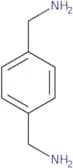
CAS:<p>Please enquire for more information about (1H-Indazol-7-yl)methanamine including the price, delivery time and more detailed product information at the technical inquiry form on this page</p>Formula:C8H9N3Purity:Min. 95%Color and Shape:PowderMolecular weight:147.18 g/molp-Xylylenediamine
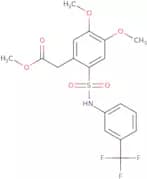
CAS:<p>p-Xylylenediamine is a chemical compound that has hydrogen bonding interactions with its environment and is a substrate for film deposition. It also has the ability to form hydrogen bonds with other molecules such as DNA duplexes and sodium salts. p-Xylylenediamine is soluble in water and can be used to coat the surface of objects, which can result in reduced transport properties. This molecule has been found to be present in urine samples and may be used as a biomarker for prostate cancer diagnosis.</p>Formula:C8H12N2Purity:Min. 95%Color and Shape:White PowderMolecular weight:136.19 g/molmethyl 2-(4,5-dimethoxy-2-(((3-(trifluoromethyl)phenyl)amino)sulfonyl)phenyl)acetate
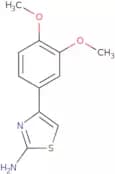
CAS:<p>Please enquire for more information about methyl 2-(4,5-dimethoxy-2-(((3-(trifluoromethyl)phenyl)amino)sulfonyl)phenyl)acetate including the price, delivery time and more detailed product information at the technical inquiry form on this page</p>Purity:Min. 95%4-(3,4-Dimethoxyphenyl)-1,3-thiazol-2-amine
CAS:<p>Please enquire for more information about 4-(3,4-Dimethoxyphenyl)-1,3-thiazol-2-amine including the price, delivery time and more detailed product information at the technical inquiry form on this page</p>Formula:C11H12N2O2SPurity:Min. 95%Molecular weight:236.29 g/mol2-[2-(2-t-Boc-aminoethoxy)ethoxy]ethanol
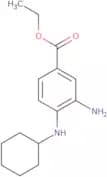
CAS:<p>2-[2-(2-t-Boc-aminoethoxy)ethoxy]ethanol is a versatile chemical building block that can be used to synthesize a variety of compounds. It has been shown to be useful as a reaction component in the synthesis of pharmaceuticals and agrochemicals. The compound is also used as an intermediate for the preparation of other compounds. 2-[2-(2-t-Boc-aminoethoxy)ethoxy]ethanol is soluble in organic solvents, such as chloroform, ethanol, or acetone. It has a CAS number of 139115-92-7 and is relatively easy to purify by recrystallization from methanol.</p>Formula:C11H23NO5Purity:Min. 95%Color and Shape:Clear LiquidMolecular weight:249.3 g/molEthyl 3-amino-4-(cyclohexylamino)benzoate
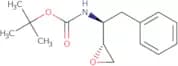
CAS:<p>Ethyl 3-amino-4-(cyclohexylamino)benzoate is a potent inhibitor of cellular death. It induces ferroptosis, a caspase-independent cell death mechanism, in cells that are normally resistant to apoptosis. Ethyl 3-amino-4-(cyclohexylamino)benzoate has been shown to induce the release of iron from ferritin and inhibit iron uptake by macrophages. This drug has also been shown to protect against oxidative injury and radiation, as well as neuronal death. Ethyl 3-amino-4-(cyclohexylamino)benzoate may be beneficial for treating bowel disease by reducing inflammation and protecting against damage from radiation therapy.</p>Formula:C15H22N2O2Purity:Min. 95%Color and Shape:PowderMolecular weight:262.35 g/mol(2R,3S)-3-(tert-Butoxycarbonyl)amino-1,2-epoxy-4-phenylbutane
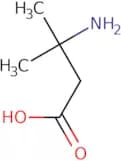
CAS:<p>The compound (2R,3S)-3-(tert-Butoxycarbonyl)amino-1,2-epoxy-4-phenylbutane is an epoxide with a thionyl chloride mediated reaction. This compound has been shown to react with amines and nucleophiles to form epoxides. The time required for this reaction was found to be dependent on the concentration of the amine. The reaction was also found to be chiral as it produced a mixture of diastereomers. When irradiated, this compound undergoes a stereoselective reaction that leads to a new epoxide product.</p>Formula:C15H21NO3Purity:Min. 95%Color and Shape:Off-White PowderMolecular weight:263.34 g/mol3-Amino-3-methylbutanoic acid
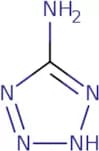
CAS:<p>3-Amino-3-methylbutanoic acid is a carbonaceous compound that can be synthesized from b-alanine and perchloroethylene. It is used in the manufacture of butanoic acid, which is an important industrial chemical. 3-Amino-3-methylbutanoic acid has been shown to exist as four isomers, each with a different molecular weight. The isomers are produced by a synthetic process involving the reaction of b-alanine and perchloroethylene. In an amination reaction, the compounds are heated in the presence of ammonia gas or ammonium chloride to form 3-amino-3-methylbutanoic acid.</p>Formula:C5H11NO2Purity:Min 95%Color and Shape:PowderMolecular weight:117.15 g/mol5-Amino-1H-tetrazole
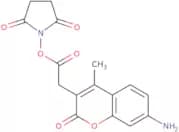
CAS:<p>5-Amino-1H-tetrazole is a pharmaceutical preparation that is used in the treatment of bacterial infections. It has been shown to inhibit the growth of bacteria by binding to the cell wall and disrupting its integrity. This drug is chemically stable in aqueous solution and can be administered orally or intravenously. 5-Amino-1H-tetrazole has shown antimicrobial activity against gram-positive bacteria such as staphylococci, Streptococcus pneumoniae, and Enterococcus faecalis, but not gram-negative bacteria such as Pseudomonas aeruginosa. 5-Amino-1H-tetrazole also displays broad spectrum activity against fungi and yeast in vitro. This drug binds to the nitrogen atom of the hydroxyl group and forms an intermediate with hydrogen bond formation. The chemical structures of this drug are:<br>N+2N=O<br>N+OH=O<br>O</p>Formula:CH3N5Purity:Min. 95%Color and Shape:PowderMolecular weight:85.07 g/mol7-Amino-4-methyl-3-coumarinacetic acid N-succinimidyl ester
CAS:<p>7-Amino-4-methyl-3-coumarinacetic acid N-succinimidyl ester is a synthetic amino acid with a reactive carboxylic acid group. It is used as a crosslinker in biochemistry and has been shown to have biological properties in plants. 7-Amino-4-methyl-3-coumarinacetic acid N-succinimidyl ester reacts with the acidic groups of proteins, DNA, or RNA, and is an important component of some second order rate constants. This chemical is also used for the neutralization of histological stains such as haematoxylin.</p>Formula:C16H14N2O6Purity:Min. 90 Area-%Color and Shape:PowderMolecular weight:330.29 g/mol1,4-Dioxaspiro[4.5]decan-8-ylmethanamine
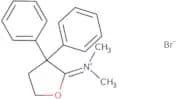
CAS:<p>1,4-Dioxaspiro[4.5]decan-8-ylmethanamine is a fine chemical that is a versatile building block and reagent. It can be used as a reaction component, useful intermediate, or useful scaffold in the synthesis of complex compounds. The CAS number for 1,4-Dioxaspiro[4.5]decan-8-ylmethanamine is 30482-25-8.</p>Formula:C9H17NO2Purity:(%) Min. 95%Color and Shape:Brown PowderMolecular weight:171.24 g/molN,N-Dimethyl-(tetrahydro-3,3 diphenyl-2-furilidine)ammonium bromide
CAS:<p>N,N-Dimethyl-(tetrahydro-3,3 diphenyl-2-furilidine)ammonium bromide is a synthetic opioid analgesic and is used in the treatment of severe pain. It has been shown to cause life-threatening cardiac effects, supratherapeutic concentrations, or fatalities in humans and animals. N,N-Dimethyl-(tetrahydro-3,3 diphenyl-2-furilidine)ammonium bromide has also been shown to cause gastrointestinal inflammation in animal models. This drug acts as an agonist at opioid receptors and can be fatal at high doses.</p>Formula:C18H20BrNOPurity:Min. 95%Color and Shape:White PowderMolecular weight:346.26 g/molR-a-Lipoic acid tromethamine salt
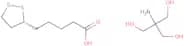
CAS:<p>R-a-Lipoic acid tromethamine salt is a reaction component and reagent that is used in the synthesis of high quality chemical products. The compound has many applications, including being a useful scaffold for the synthesis of complex compounds. R-a-Lipoic acid tromethamine salt can be used as a versatile building block or as a fine chemical. This compound is also listed under CAS No. 14358-90-8, which makes it an excellent choice for research chemicals and speciality chemicals.</p>Formula:C8H14O2S2·C4H11NO3Purity:Min. 95%Color and Shape:PowderMolecular weight:327.46 g/mol3-Aminophenylboronic acid hemisulphate
CAS:<p>3-Aminophenylboronic acid hemisulphate is a cross-linking agent that has been shown to induce apoptosis in mammalian cells. It also has the ability to bind to glycan, a sugar molecule on the surface of cells. The binding of 3-aminophenylboronic acid hemisulphate induces morphogenetic protein (MP) secretion, which leads to cell death. This compound is used as an adjuvant in vaccines and also as a research reagent for studying protein sequences and antigen/antibody interactions.</p>Formula:C6H8BNO2•(H2SO4)0Purity:Min. 95%Color and Shape:White PowderMolecular weight:185.98 g/molN,N-Bis-(3-aminopropyl)-methylamine
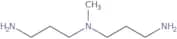
CAS:<p>N,N-Bis-(3-aminopropyl)-methylamine is a polyamine that is used as an electrolyte, a polymer, and a probe for the determination of the molecular weight of other compounds. It is also used in the preparation of N,N'-bis(3-aminopropyl)ethylenediamine and ethylenediaminetetraacetic acid (EDTA). Methylpropylamine has been shown to be an effective polymerization agent. This compound contains two aminopropyl groups that are attached to one another through an ether linkage. The molecular weight of methylpropylamine can be determined by measuring the amount of light absorbed at 280 nm or by measuring its melting point. The crystallinity can be determined by x-ray diffraction.<br>Methylpropylamine has been shown to react with sodium cyanide to form methylpropyl cyanide and hydrogen cyanide.</p>Formula:C7H19N3Purity:Min. 98%Color and Shape:Clear LiquidMolecular weight:145.25 g/mol(R)-Amino carnitine
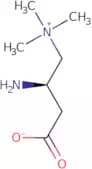
CAS:<p>(R)-Amino carnitine is a pancreatic enzyme that is used as an experimental treatment for fatty liver disease. It has been shown to inhibit the synthesis of fatty acids, which are the main components of triglycerides. The inhibition of this enzyme leads to a decrease in the production of triglycerides and their accumulation in the liver, thereby reducing hepatic steatosis. (R)-Amino carnitine also has an inhibitory effect on protein synthesis, which is important for the conversion of amino acids into proteins essential for cell division and growth. This mechanism may explain its beneficial effects on insulin resistance, obesity, and diabetes.</p>Formula:C7H16N2O2Purity:Min. 95%Molecular weight:160.21 g/molrac trans-3-amino-1-oxyl-2,2,5,5-tetramethylpyrrolidine-4-carboxylic acid
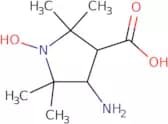
CAS:<p>Rac-trans-3-amino-1-oxyl-2,2,5,5-tetramethylpyrrolidine 4-carboxylic acid (rac TAT) is an axial chiral compound. It has a molecular weight of 246.36 and the empirical formula C11H19N3O4. Rac TAT is soluble in water and alcohols. Rac TAT crystallizes as a racemic mixture of enantiomers (Rac=50% + 50%). Rac TAT has been used as a probe for cyclic secondary amines with high resolution. Rac TAT also shows high selectivity for β-amino acids over α-amino acids. The configuration of the molecule is determined by the configuration of the biphenyl substituents at C4 and C5. Rac TAT can be synthesized from racemic trans 3 amino 1 oxyl 2 2 5 5 tetramethyl pyrrolidin 4</p>Formula:C9H17N2O3Purity:Min. 95%Color and Shape:PowderMolecular weight:201.24 g/molButaphosphan
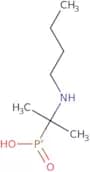
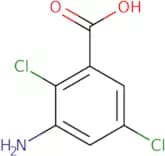
CAS:<p>Butaphosphan is a drug that has been shown to have clinical relevance for the treatment of metabolic disorders. It is a prodrug that is converted into butaprost-diol, which has been shown to improve insulin sensitivity and reduce aminotransferase activity in rats. Butaphosphan can be used as an alternative to aminotransferase inhibitors such as ursodeoxycholic acid and cholestyramine for the treatment of patients with primary biliary cirrhosis. This drug has also been shown to have a protective effect on fatty acid metabolism, which may be due to its ability to inhibit the activity of enzymes involved in fatty acid synthesis. Butaphosphan is metabolized by cytochrome P450 enzymes and hydroxylases and can be detected using LC-MS/MS methods. The drug has also been shown to have beneficial effects on cortisol concentrations and liver histology when administered orally.</p>Formula:C7H18NO2PPurity:Min. 95%Color and Shape:White PowderMolecular weight:179.2 g/mol3-Amino-2,5-dichlorobenzoic acid
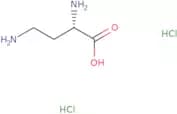
CAS:<p>2,5-Dichlorobenzoic acid is a chemical compound that is used as an intermediate in the production of herbicides and other agricultural chemicals. It is also used for the synthesis of pharmaceuticals and dyes. 2,5-Dichlorobenzoic acid has been shown to have significant physiological effects at high doses. The use of 2,5-dichlorobenzoic acid may cause death in humans through kidney failure, although it has not been shown to be toxic to humans at low doses. The mechanism by which this effect occurs is not known.<br>2,5-Dichlorobenzoic acid has been found to be moderately toxic in animal studies with acute oral LD50 values ranging from 1,000 mg/kg body weight (mg/kg BW) to 10,000 mg/kg BW depending on the animal species tested.</p>Formula:C7H5Cl2NO2Purity:Min. 95%Color and Shape:White PowderMolecular weight:206.03 g/molL-2,4-Diaminobutyric acid dihydrochloride
CAS:<p>L-2,4-Diaminobutyric acid, dihydrochloride is a chemical compound that is a non-protein amino acid. It is used in the production of gamma-aminobutyric acid (GABA) and has been shown to be able to penetrate the blood-brain barrier. However, it also has many other health effects such as increasing fatty acids in the brain and decreasing GABA uptake. L-2,4-Diaminobutyric acid, dihydrochloride can be used for diagnostic purposes or animal health.</p>Formula:C4H10N2O2•(HCl)2Purity:Min. 95%Color and Shape:White to off-white solid.Molecular weight:191.06 g/mol4-Cyano-4'-aminobiphenyl
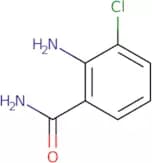
CAS:<p>4-Cyano-4'-aminobiphenyl is a fluorescent dye that exhibits a strong fluorescence under UV irradiation. The dye has an absorption maximum at about 335 nm and a fluorescence emission maximum at about 455 nm, with excitation maxima of 333 nm and 478 nm. It has been used in the development of photocurrent devices, which are used for photochemical reactions and electrochemistry studies. This compound can also be used for the determination of amino groups in organic molecules such as carbostyril. The compound can be synthesized by reacting an amine with an aldehyde in the presence of acid.</p>Formula:C13H10N2Color and Shape:PowderMolecular weight:194.23 g/mol2-Amino-3-chlorobenzamide
CAS:<p>This compound is a benzamide derivative that is oxidized by nature. It has been shown to undergo ring-opening in the presence of reducing agents, such as sodium borohydride, and yields 2-amino-4-chlorobenzaldehyde. This reaction system uses an efficient catalyst such as manganese dioxide to help speed up the rate of this reaction. The product of this reaction is then converted into a variety of isatins depending on the conditions used.</p>Formula:C7H7ClN2OPurity:Min. 95%Color and Shape:Off-White PowderMolecular weight:170.6 g/mol(S)-Fmoc-2-amino-heptanedioic acid-7-tert-butyl ester
CAS:<p>Please enquire for more information about (S)-Fmoc-2-amino-heptanedioic acid-7-tert-butyl ester including the price, delivery time and more detailed product information at the technical inquiry form on this page</p>Formula:C26H31NO6Purity:Min. 95%Molecular weight:453.53 g/molDL-3-Aminoisobutyric acid
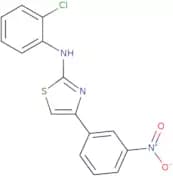
CAS:<p>DL-3-Aminoisobutyric acid (LAA) is a metabolite of the amino acid L-arginine. It is produced in the liver by the enzyme arginase and can be used to diagnose hepatic steatosis. It is also found in urine and human serum, as well as in microbial metabolism. LAA has been shown to regulate gene transcription and metabolism through its ability to inhibit the activity of gamma-aminobutyric acid (GABA), an inhibitory neurotransmitter that regulates energy metabolism and metabolic disorders. In addition, LAA has been shown to have antioxidant properties, which may be related to its role in caproic acid biosynthesis.</p>Formula:C4H9NO2Color and Shape:White Off-White PowderMolecular weight:103.12 g/mol(2-Chlorophenyl)(4-(3-nitrophenyl)(2,5-thiazolyl))amine
CAS:<p>Please enquire for more information about (2-Chlorophenyl)(4-(3-nitrophenyl)(2,5-thiazolyl))amine including the price, delivery time and more detailed product information at the technical inquiry form on this page</p>Purity:Min. 95%N-Methyldibutylamine
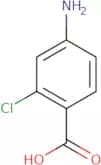
CAS:<p>N-Methyldibutylamine is an aliphatic hydrocarbon that has antimicrobial activity. It is a colorless liquid at room temperature and has a boiling point of 78°C. N-Methyldibutylamine can be used as a solvent for polymers and resins, in the manufacture of plastics, and in the production of enamels. It also has potential applications in cancer research due to its ability to inhibit the growth of tumor cells.</p>Formula:C9H21NPurity:Min. 95%Color and Shape:Clear LiquidMolecular weight:143.27 g/mol4-Amino-2-chlorobenzoic acid - 98%
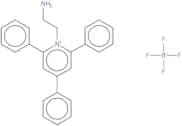
CAS:<p>4-Amino-2-chlorobenzoic acid (4ACBA) is a pharmaceutical chemical that is used in the preparation of pharmaceutical preparations. 4ACBA has been shown to be absorbed through the maternal blood and have an inhibitory effect on rat sciatic nerve. The uptake of 4ACBA was found to be dose dependent, with a maximum concentration reached after 30 minutes. The pharmacokinetic properties of 4ACBA have been shown to be nonlinear, with plasma concentrations decreasing as dosage increases.</p>Formula:C7H6ClNO2Purity:Min. 95%Color and Shape:PowderMolecular weight:171.58 g/molN-Ethylamine-2,4,6-triphenyl pyridinium tetrafluoroborate
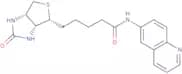
CAS:<p>N-Ethylamine-2,4,6-triphenyl pyridinium tetrafluoroborate is a chemical reagent that belongs to the group of fine chemicals. It is soluble in water and ethanol, and has a melting point of around 100°C. N-Ethylamine-2,4,6-triphenyl pyridinium tetrafluoroborate is used in organic synthesis as a useful building block or as a research chemical for the production of other compounds. This compound is a versatile building block that can be used in the preparation of complex compounds such as pharmaceuticals. N-Ethylamine-2,4,6-triphenyl pyridinium tetrafluoroborate has been classified as an extremely hazardous substance by the US Department of Transportation due to its high reactivity with water.</p>Formula:C25H23N2·BF4Purity:Min. 95%Molecular weight:438.27 g/molBiotinyl-6-aminoquinoline
CAS:<p>Biotinyl-6-aminoquinoline is a synthetic chemical that has been shown to inhibit the growth of cancer cells in laboratory mice. It was synthesized to be a substrate for the enzyme quinolinate synthase, which is involved in the synthesis of nicotinic acid. Biotinyl-6-aminoquinoline is an analytical method that has been used in urinary samples from patients with bladder cancer as well as healthy individuals. The sequences of each individual were determined and analyzed using an algorithm that performs logistic regression, which can predict whether or not the patient has bladder cancer.</p>Formula:C19H22N4O2SPurity:Min. 95 Area-%Color and Shape:PowderMolecular weight:370.47 g/molDeferoxamine mesylate
CAS:<p>Deferoxamine mesylate is an iron chelator that is used in the treatment of iron overload and to treat patients with chronic renal failure. Deferoxamine mesylate has been shown to inhibit angiogenesis by inhibiting the basic protein required for this process. It is also known to have a protective effect on myocardial cells, preventing cell death due to lack of oxygen (reactive oxygen species). Deferoxamine mesylate also inhibits neuronal death in a model system.<br>Deferoxamine mesylate binds to DNA and inhibits RNA synthesis, which has led to its use as a fluorescence probe for the detection of DNA binding activity. The drug has also been shown to act as a metal chelate, binding with metals such as iron, copper, and zinc.</p>Formula:C26H52N6O11SPurity:Min. 95 Area-%Color and Shape:PowderMolecular weight:656.79 g/mol4-((4-(dimethylamino)phenyl)methylene)-3-methyl-1-phenyl-2-pyrazolin-5-one
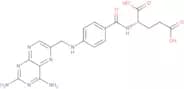
CAS:<p>Please enquire for more information about 4-((4-(dimethylamino)phenyl)methylene)-3-methyl-1-phenyl-2-pyrazolin-5-one including the price, delivery time and more detailed product information at the technical inquiry form on this page</p>Purity:Min. 95%Aminopterin
CAS:<p>Aminopterin is an antineoplastic agent and antifolate, which is a synthetic derivative of pteroylglutamic acid. It functions as a chemotherapeutic agent by inhibiting dihydrofolate reductase, an enzyme crucial in the folic acid pathway, thereby preventing the conversion of dihydrofolate to tetrahydrofolate. This disruption leads to impaired synthesis of purine nucleotides and thymidylate, which are essential for DNA synthesis and cell division.</p>Formula:C19H20N8O5Purity:Min. 97 Area-%Color and Shape:Slightly Yellow PowderMolecular weight:440.41 g/mol2-Amino-3-methylpyridine
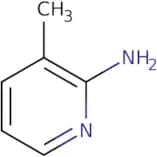
CAS:<p>2-Amino-3-methylpyridine is a colorless crystalline compound. It has the molecular formula of CHN and a molecular weight of 115.2 g/mol. 2-Amino-3-methylpyridine has an asymmetric carbon atom, so it is chiral and can be found in two different forms, enantiomers. The intermolecular hydrogen bond between nitrogen atoms is responsible for the high melting point of -40°C. The coordination geometry of group P2 is pyramidal with the nitrogen atom at the apex and two hydrogen atoms bonded to each other on either side of the nitrogen atom at 120° angles. X ray crystal structures have shown that 2-amino-3-methylpyridine exists as a molecule with an acylation reaction mechanism and intramolecular hydrogen bonding. Methanol solvent was used in this study to dissolve 2 amino 3 methyl pyridine because it does not react with copper chloride</p>Formula:C6H8N2Purity:Min. 98 Area-%Color and Shape:Solidified MassMolecular weight:108.14 g/molAcetaminophen cysteine
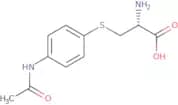
CAS:<p>Acetaminophen cysteine is a prodrug of acetaminophen that is metabolized by the liver into acetaminophen. Acetaminophen cysteine has been shown to be safe and effective in children with fever-associated pain and as an analgesic for acute pain management in adults. It has a good safety profile, with minimal toxicity observed at therapeutic doses. Acetaminophen cysteine may be useful for patients who are unable to take or do not respond to standard doses of acetaminophen due to intolerance or lack of response. The pharmacokinetics of acetaminophen cysteine have been studied in healthy volunteers, as well as in patients with chronic renal failure and hepatic impairment. Pharmacokinetic data suggest that acetaminophen cysteine is well tolerated and can be used as an alternative treatment for patients who are unable to take or do not respond to standard doses of acetaminophen.</p>Formula:C11H14N2O3SPurity:Min. 98 Area-%Color and Shape:PowderMolecular weight:254.31 g/mol4-Amino-3,5-dinitrobenzoic acid
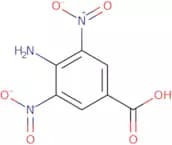
CAS:<p>4-Amino-3,5-dinitrobenzoic acid (4ADBA) is a reactive chemical compound with acidic properties. It reacts with nucleophiles to form diazo compounds, which are used in analytical methods for the detection of amines and phenols. 4ADBA can be used to measure the concentration of aspirin in pharmaceutical formulations. The reaction is linear over a wide range of concentrations and has an optimal reaction time of 10 minutes at pH 2.0–2.5. The half-life values for 4ADBA are approximately 3 hours at pH 3 and 7 hours at pH 5.</p>Formula:C7H5N3O6Purity:Min. 95%Color and Shape:SolidMolecular weight:227.13 g/mol2-Fluoro-6-hydroxybenzylamine hydrochloride
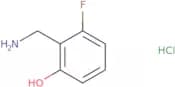
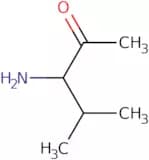
CAS:<p>2-Fluoro-6-hydroxybenzylamine hydrochloride is a chemical intermediate that can be used for the synthesis of more complex compounds. It reacts with acetic anhydride to produce 2-fluoro-6-acetoxybenzamide. It also reacts with chloroacetic acid to produce 2,6-dichloroquinoline. This compound has been shown to be useful in research and development as a versatile building block or a reagent for the synthesis of various complex compounds. CAS No. 2094868-94-5.</p>Formula:C7H8FNO•HClPurity:Min. 95%Color and Shape:PowderMolecular weight:177.6 g/mol3-Amino-4-methylpentan-2-one hydrochloride
CAS:<p>3-Amino-4-methylpentan-2-one hydrochloride is a versatile building block that is used for the synthesis of high quality research chemicals, useful scaffolds, and speciality chemicals. It is also used as a reagent in organic syntheses. This chemical has a wide range of uses and is a fine chemical that can be used as an intermediate or reaction component. 3-Amino-4-methylpentan-2-one hydrochloride can be reacted with other compounds to form complex molecules that have many different applications.</p>Formula:C6H13NO•HClPurity:Min. 95%Color and Shape:SolidMolecular weight:151.63 g/mol2,4-Diamino-6-(hydroxymethyl)pteridine hydrobromide
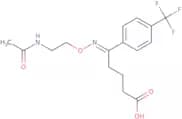
CAS:<p>Please enquire for more information about 2,4-Diamino-6-(hydroxymethyl)pteridine hydrobromide including the price, delivery time and more detailed product information at the technical inquiry form on this page</p>Formula:C7H8N6O•HBrPurity:Min. 95%Molecular weight:273.9 g/molN-Acetyl fluvoxamine acid
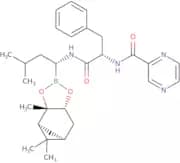
CAS:<p>N-Acetyl fluvoxamine acid is a versatile building block that can be used as a reagent, speciality chemical, or useful scaffold. It has uses in research and as a building block for complex compounds. N-Acetyl fluvoxamine acid is also a useful intermediate and reaction component. This compound has CAS number 88699-87-0.</p>Formula:C16H19F3N2O4Purity:Min. 95%Color and Shape:PowderMolecular weight:360.33 g/mol(1R)-(1S,2S,3R,5S)-Pinanediol-N-(N-pyrazinylphenylalaninoyl)-1-amino-3-methyl-butane-1-boronate
CAS:<p>(1R)-(1S,2S,3R,5S)-Pinanediol-N-(N-pyrazinylphenylalaninoyl)-1-amino-3-methyl-butane-1-boronate is a boronic acid derivative that has been shown to have an antiproliferative effect on cancer cells. It is a biodegradable, water soluble drug with a low toxicity profile. The maximum tolerated dose has been established in vivo studies and it can be used as an imaging agent for diagnosis. (1R)-(1S,2S,3R,5S)-Pinanediol-N-(N-pyrazinylphenylalaninoyl)-1-amino-3-methyl-butane-1-boronate may be used to treat cancers such as breast cancer or leukemia. This drug targets the proteasome and inhibits its activity by binding to the active site of the 20s</p>Formula:C29H39BN4O4Purity:Min. 95%Color and Shape:SolidMolecular weight:518.46 g/molN-Boc-N, N-bis(2-bromoethyl)amine
CAS:<p>N-Boc-N, N-bis(2-bromoethyl)amine is a versatile building block which can be used to generate complex compounds. It has been used as a reagent in the synthesis of various research chemicals, and as a speciality chemical in the manufacture of herbicides. N-Boc-N, N-bis(2-bromoethyl)amine is also an intermediate for the production of certain pharmaceuticals and as a scaffold for organic syntheses. This compound is also useful as a reaction component in the synthesis of high quality pharmaceuticals with diverse metabolic profiles.</p>Formula:C9H17O2NBr2Purity:Min. 95%Color and Shape:PowderMolecular weight:331.04 g/mol4-[(7-Chloro-4-quinolinyl)amino]-1-pentanol
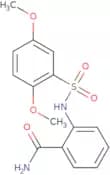
CAS:<p>4-[(7-Chloro-4-quinolinyl)amino]-1-pentanol (QLT) is a drug that has been shown to be effective against both healthy volunteers and malaria patients. It is a prodrug that is metabolized by the liver into 7-chloroquinalone, which inhibits the growth of plasmodium falciparum. QLT has been shown to be safe and well tolerated in studies with healthy volunteers, and it does not appear to cause significant adverse effects. QLT also has an effect on T cells, which may be due to its ability to inhibit protein synthesis and cell division.</p>Formula:C14H17ClN2OPurity:Min. 95%Color and Shape:Yellow SolidMolecular weight:264.75 g/mol2-(((2,5-dimethoxyphenyl)sulfonyl)amino)benzamide
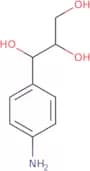
CAS:<p>Please enquire for more information about 2-(((2,5-dimethoxyphenyl)sulfonyl)amino)benzamide including the price, delivery time and more detailed product information at the technical inquiry form on this page</p>Purity:Min. 95%1-(4-Aminophenyl)propane-1,2,3-triol
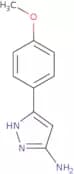
CAS:<p>1-(4-Aminophenyl)propane-1,2,3-triol is a fine chemical that is useful for research and development of pharmaceuticals. It has the CAS number 695191-72-1. This compound has been used as a building block in the synthesis of a wide range of complex molecules. It is also used as a reagent and speciality chemical in the production of pharmaceuticals and agrochemicals. 1-(4-Aminophenyl)propane-1,2,3-triol is a versatile building block that can be used to create new compounds with different properties. It also functions as a useful intermediate or scaffold for drug discovery programs.</p>Formula:C9H13NO3Purity:Min. 95%Color and Shape:Off-White To Brown SolidMolecular weight:183.2 g/mol5-Amino-3-(4-methoxyphenyl)pyrazole
CAS:<p>5-Amino-3-(4-methoxyphenyl)pyrazole (5AMPAP) is an anti-cancer agent that is effective against a number of different cancers, including breast, lung, and prostate. It selectively inhibits the growth of cancer cells by targeting enzymes in the mitochondria that are required for ATP production. 5AMPAP binds to the enzyme pyruvate dehydrogenase kinase, which has been shown to be involved in regulating cell proliferation and apoptosis. In addition, it has been demonstrated that this compound has anti-inflammatory properties. The regioselectivity of 5AMPAP was determined by x-ray crystallography and was found to form a pyrazolopyrimidine ring with two nitrogens on opposite sides of the ring. This regioselectivity is necessary for its anti-cancer activity.</p>Formula:C10H11N3OPurity:Min. 95%Molecular weight:189.21 g/mol[(3-Methylphenyl)(phenyl)methyl]amine hydrochloride
CAS:<p>[(3-Methylphenyl)(phenyl)methyl]amine hydrochloride is a useful building block in the synthesis of many organic compounds. It has been used extensively as a research chemical, and is often used as an intermediate to synthesize other chemicals. [(3-Methylphenyl)(phenyl)methyl]amine hydrochloride is also a versatile scaffold for drug design, and has shown anti-inflammatory properties.</p>Formula:C14H16ClNPurity:Min. 95 Area-%Color and Shape:PowderMolecular weight:233.74 g/mol3-(2-(2-(2-Aminoethoxy)ethoxy)ethoxy)propanoic acid HCI
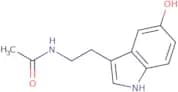
CAS:<p>3-(2-(2-(2-Aminoethoxy)ethoxy)ethoxy)propanoic acid HCI is a PEG compound with two different functional groups (also known as heterobifunctional). Unlike homobifunctional PEG compounds (same functional group on both ends), this type of compounds are more versatile as have two different anchor points. 3-(2-(2-(2-Aminoethoxy)ethoxy)ethoxy)propanoic acid HCI is used as a linker and spacer to add a PEG moiety, via pegylation (a bioconjugation technique) to proteins, peptides, oligonucleotides, small molecules and nanoparticles.</p>Formula:C9H19NO5·HClColor and Shape:Slightly Yellow Yellow Clear Liquid PowderMolecular weight:257.71 g/molN-Acetyl-5-hydroxytryptamine
CAS:<p>N-Acetyl-5-hydroxytryptamine is a compound that can be synthesized from the amino acid tryptophan and has been shown to have hypoglycemic effects. It is also found in pineal gland and other organs, where it binds to DNA and alters gene expression. N-Acetyl-5-hydroxytryptamine has been shown to bind to response elements in the promoter region of protein genes, which may lead to a significant upregulation of these genes. This compound also has chemiluminescent properties, which can be measured using a cdna clone.</p>Formula:C12H14N2O2Purity:Min. 98 Area-%Color and Shape:PowderMolecular weight:218.25 g/mol

![9-[5-Deoxy-5-[[cis-3-[2-[6-(1,1-dimethylethyl)-1H-benzimidazol-2-yl]ethyl]cyclobutyl](1-methylethy…](/_next/image/?url=https%3A%2Fstatic.cymitquimica.com%2Fproducts%2F3D%2Fthumb-webp%2FFD146242.webp&w=3840&q=75)





![1H-Pyrrolo[3,2-b]pyridin-7-amine](/_next/image/?url=https%3A%2Fstatic.cymitquimica.com%2Fproducts%2F3D%2Fthumb-webp%2FFP142011.webp&w=3840&q=75)
![7-Amino-3-[[(2,5-dihydro-6-hydroxy-2-methyl-5-oxo- 1,2,4-triazin-3-yl)thio]methyl]cephalosporanic …](/_next/image/?url=https%3A%2Fstatic.cymitquimica.com%2Fproducts%2F3D%2Fthumb-webp%2FFA17508.webp&w=3840&q=75)
![2-[2-(2-t-Boc-aminoethoxy)ethoxy]ethanol](/_next/image/?url=https%3A%2Fstatic.cymitquimica.com%2Fproducts%2F3D%2Fthumb-webp%2FFB18924.webp&w=3840&q=75)
![1,4-Dioxaspiro[4.5]decan-8-ylmethanamine](/_next/image/?url=https%3A%2Fstatic.cymitquimica.com%2Fproducts%2F3D%2Fthumb-webp%2FFD153838.webp&w=3840&q=75)








![4-[(7-Chloro-4-quinolinyl)amino]-1-pentanol](/_next/image/?url=https%3A%2Fstatic.cymitquimica.com%2Fproducts%2F3D%2Fthumb-webp%2FFC20107.webp&w=3840&q=75)
![[(3-Methylphenyl)(phenyl)methyl]amine hydrochloride](/_next/image/?url=https%3A%2Fstatic.cymitquimica.com%2Fproducts%2F3D%2Fthumb-webp%2FFM134405.webp&w=3840&q=75)