Amines
Subcategories of "Amines"
- Nitrosamines(2,617 products)
- Primary Amines(30,967 products)
- Quaternary Ammonium Cations and Salts(1,102 products)
- Secondary Amines(20,913 products)
- Tertiary Amines(17,219 products)
Found 8793 products of "Amines"
[1-(Pyrrolidin-1-ylcarbonyl)butyl]amine hydrochloride
CAS:Controlled ProductPlease enquire for more information about [1-(Pyrrolidin-1-ylcarbonyl)butyl]amine hydrochloride including the price, delivery time and more detailed product information at the technical inquiry form on this page
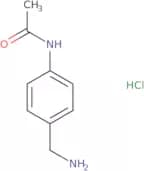
Formula:C9H18N2OPurity:Min. 95%Molecular weight:170.25 g/mol4-Acetamidobenzylamine hydrochloride
CAS:4-Acetamidobenzylamine hydrochloride is a chemical intermediate that belongs to the group of complex compounds. It is used as a reactant in the synthesis of other chemicals and can be used as a building block for the preparation of fine chemicals or research chemicals. 4-Acetamidobenzylamine hydrochloride has versatile uses due to its ability to react with many other chemical substances. This reagent also has high purity and can be used as a research tool in organic chemistry.Formula:C9H12N2O•HClPurity:Min. 95%Color and Shape:Off-White To Yellow SolidMolecular weight:200.67 g/molcis-2-Amino-1-cyclohexane-carboxylic acid
CAS:Cis-2-Amino-1-cyclohexane-carboxylic acid (ACCA) is a β-amino acid that binds to peptides and cyclohexane rings. ACCA has been shown to have high resistance against denaturation, which may be due to its ability to form hydrogen bonds with water molecules. It also has an analog, cis-2-(aminomethyl)cyclohexanol (CAMCH), which is used in the treatment of Gram-positive bacterial infections. ACCA can be found in glycopeptide antibiotics such as vancomycin and teicoplanin, which are used for the treatment of resistant bacteria including methicillin resistant Staphylococcus aureus (MRSA).
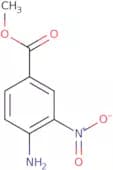
Formula:C7H13NO2Purity:Min. 95%Color and Shape:PowderMolecular weight:143.18 g/molMethyl 4-amino-3-nitrobenzoate
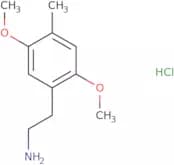
CAS:Methyl 4-amino-3-nitrobenzoate is a synthetic compound that has been found to have a variety of uses. It has been used to prepare intramolecular hydrogen bonds in anilines, and it can be used as an intermediate to synthesize amides and anilines. This molecule also forms resonance structures with the nitro group, which allows for increased stability. The proton magnetic resonance spectra of Methyl 4-amino-3-nitrobenzoate show that the molecule has a high degree of symmetry, which is due to the presence of intramolecular hydrogen bonding.Formula:C8H8N2O4Purity:Min. 95%Molecular weight:196.16 g/mol2,5-Dimethoxy-4-methylphenethylamine hydrochloride
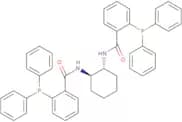
CAS:Controlled ProductPlease enquire for more information about 2,5-Dimethoxy-4-methylphenethylamine hydrochloride including the price, delivery time and more detailed product information at the technical inquiry form on this pageFormula:C11H18ClNO2Purity:Min. 98 Area-%Molecular weight:231.72 g/mol(1R,2R)-(+)-1,2-Diaminocyclohexane-N,N'-bis(2'-diphenylphosphinobenzoyl)
CAS:(+)-1,2-Diaminocyclohexane-N,N'-bis(2'-diphenylphosphinobenzoyl) is an important chemical building block and intermediate that can be used in a wide range of organic synthesis. This compound is a versatile building block with high quality and has been shown to be useful for the synthesis of complex compounds. (+)-1,2-Diaminocyclohexane-N,N'-bis(2'-diphenylphosphinobenzoyl) can be used as a reagent in many reactions. CAS No. 138517-61-0 is a fine chemical that has been widely used in research laboratories around the world.Formula:C44H40N2O2P2Purity:Min. 95%Color and Shape:White PowderMolecular weight:690.75 g/mol4-Dimethylaminostilbene
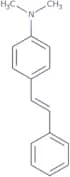
CAS:4-Dimethylaminostilbene is a stilbene derivative that is used in the laboratory as an inhibitor of protein synthesis. 4-Dimethylaminostilbene inhibits the activity of enzymes such as acid conjugates, which are enzymes that catalyze reactions involving the addition of an acid to a molecule. This drug has been shown to inhibit sarcoma cells and to be active against animals. 4-Dimethylaminostilbene reacts with proteins by forming adducts with amino groups on the side chains of lysine or arginine residues in proteins, thereby inhibiting their function. The reaction products are excreted from the body through urine and bile. 4-Dimethylaminostilbene can be administered orally, but it must be taken with acidic foods or drinks to prevent its destruction.Formula:C16H17NPurity:95%NmrMolecular weight:223.31 g/molMethyl 2-amino-3,4-diethoxybenzoate
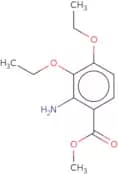
CAS:Methyl 2-amino-3,4-diethoxybenzoate is a chemical compound that is used as a reagent for the preparation of other complex compounds. Methyl 2-amino-3,4-diethoxybenzoate has a CAS number of 1017083-69-0 and can be found in fine chemicals, research chemicals, and speciality chemicals. This chemical is also an intermediate for the synthesis of other compounds and has been shown to have many uses as a building block for more complex compounds. As a versatile building block, methyl 2-amino-3,4-diethoxybenzoate has been used in organic synthesis reactions to produce new compounds with unique properties.Formula:C12H17NO4Purity:Min. 95%Color and Shape:PowderMolecular weight:239.27 g/mol2-Amino-3-benzoylbenzeneacetamide
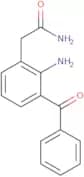
CAS:2-Amino-3-benzoylbenzeneacetamide is an ophthalmic drug that has significant cytotoxicity. It is used to treat inflammation of the retina and macula, as well as other diseases of the eye such as uveitis. 2-Amino-3-benzoylbenzeneacetamide is a nonsteroidal anti-inflammatory drug (NSAID) that inhibits prostaglandin synthesis by blocking cyclooxygenase. This agent has been shown to be effective in reducing pain and inflammation in animal models, but there are no studies on its side effects or analytical methods for detection. There are also no studies on the effectiveness of this drug for treating uveitis.Formula:C15H14N2O2Purity:Min. 95%Color and Shape:PowderMolecular weight:254.28 g/molTrimipramine maleate salt
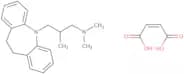
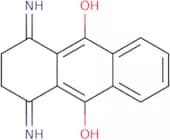
CAS:Controlled ProductTrimipramine is an antidepressant drug of the tricyclic type. It is used in the treatment of depression, anxiety, and insomnia. Trimipramine also possesses anti-cancer effects and has been shown to inhibit prostate cancer cells. In addition, trimipramine inhibits the accumulation of cholesterol by inhibiting its synthesis. Trimipramine maleate salt is a maleate salt of trimipramine that is soluble in water and alcohols. The biological properties and pharmacological treatments are similar to those of trimipramine.Formula:C24H30N2O4Purity:Min. 95%Color and Shape:PowderMolecular weight:410.51 g/mol1,4-Diamino-2,3-dihydroanthraquinone
CAS:1,4-Diamino-2,3-dihydroanthraquinone is an impurity found in the manufacture of the drug dermatan sulfate. It can be used as a chromatographic method for the detection of skin tumor cells. This compound has been shown to have neurodevelopmental and environmental effects. The liquid chromatography methods for this compound are based on its fluorescence properties, but it can also be detected by optical absorbance or by nmr spectroscopy. 1,4-Diamino-2,3-dihydroanthraquinone has been shown to cause cytotoxicity and morphological changes in liver cells in vitro.
Formula:C14H12N2O2Purity:Min. 95%Color and Shape:Green PowderMolecular weight:240.26 g/mol3-Nitro-5-(trifluoromethyl)benzene-1,2-diamine
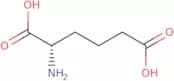
CAS:3-Nitro-5-(trifluoromethyl)benzene-1,2-diamine is a chemical compound that can be used as a reaction component or reagent in research. It is a useful scaffold and building block for complex compounds. 3-Nitro-5-(trifluoromethyl)benzene-1,2-diamine has CAS No. 2078-01-5 and is classified as a speciality chemical. This chemical is versatile because it has many uses in both organic chemistry and biology, including use as an intermediate or building block for more complex compounds.Formula:C7H6F3N3O2Purity:Min. 95%Color and Shape:PowderMolecular weight:221.14 g/molL-α-Aminoadipic acid
CAS:L-alpha-Aminoadipic acid is a metabolite of the amino acid L-lysine. It is an intermediate in the synthesis of polyamines, which are essential for cell growth and replication. L-alpha-Aminoadipic acid has been shown to be important in energy metabolism and has also been found to have neuroprotective properties, which may be due to its ability to inhibit glutamate excitotoxicity by blocking neuronal death pathways. This amino acid is not active against most bacteria, but it inhibits the growth of pathogenic strains such as Escherichia coli and Clostridium difficile.
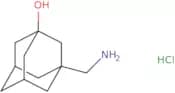
Formula:C6H11NO4Purity:Min. 95%Color and Shape:White PowderMolecular weight:161.16 g/mol3-(Aminomethyl)adamantan-1-ol HCl
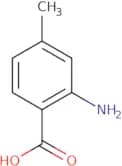
CAS:3-(Aminomethyl)adamantan-1-ol HCl is a chemical substance that can be used as a reaction component, reagent, and useful scaffold in the synthesis of pharmaceuticals. It is also a speciality chemical with versatile building block and useful intermediate properties. 3-(Aminomethyl)adamantan-1-ol HCl has been shown to be an effective building block for complex compounds, such as those used in the synthesis of anti-inflammatory drugs.Formula:C11H19NO·HClPurity:Min. 95%Color and Shape:PowderMolecular weight:217.74 g/mol2-Amino-4-methyl benzoic acid
CAS:2-Amino-4-methyl benzoic acid (AMBA) is a methyltransferase inhibitor. It has been shown to inhibit the enzyme in the methyl group transfer process, which is important for the synthesis of anthranilic acid, an intermediate of choline. AMBA inhibits acetylcholine production by blocking the enzyme that converts choline to acetylcholine. In addition, this compound has been shown to be a potent anticancer agent and a chemical biology tool that can be used to study protein function.
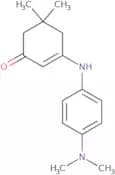
Formula:C8H9NO2Purity:Min. 95%Color and Shape:PowderMolecular weight:151.16 g/mol3-((4-(dimethylamino)phenyl)amino)-5,5-dimethylcyclohex-2-en-1-one
CAS:Please enquire for more information about 3-((4-(dimethylamino)phenyl)amino)-5,5-dimethylcyclohex-2-en-1-one including the price, delivery time and more detailed product information at the technical inquiry form on this pagePurity:Min. 95%N-[(1-Methyl-1H-indol-3-yl)methyl]cyclohexanamine
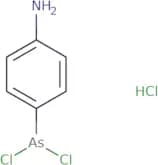
CAS:Controlled ProductPlease enquire for more information about N-[(1-Methyl-1H-indol-3-yl)methyl]cyclohexanamine including the price, delivery time and more detailed product information at the technical inquiry form on this pageFormula:C16H22N2Purity:Min. 95%Molecular weight:242.36 g/molp-Aminophenyldichloroarsine hydrochloride
CAS:p-Aminophenyldichloroarsine hydrochloride (APD) is a reversible alkylating agent that binds to sulphydryls and reversibly inhibits the activity of nicotinic acetylcholine receptors. It is also an arsenical that has been shown to react with other proteins, such as acetylcholine receptor subunits. When it reacts with the acetylcholine receptor, it forms stable complexes and irreversible bonds. This prevents the receptor from functioning normally and leads to paralysis of muscles. The APD also binds to the reactive sites on DNA and blocks rRNA synthesis, leading to cell death.
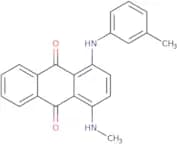
APD is active against many bacteria, including Mycobacterium tuberculosis, but not against Gram-positive bacteria such as staphylococci or streptococci. It is also active against some fungi and protozoa but not against viruses.Formula:C6H7AsCl3NPurity:Min. 95%Color and Shape:PowderMolecular weight:274.41 g/molSolvent Blue 63
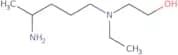
CAS:1-[2,(3)-Methylanilino]-4-(methylamino)anthraquinone is a diazo dye that emits light when irradiated with UV-A or UV-B radiation. It is used as a fluorescent stain in electron microscopy to detect and identify the presence of metals and metal oxides in films. The compound is also used in polyvinyl chloride (PVC) films to increase thermal expansion and viscosity. 1-[2,(3)-Methylanilino]-4-(methylamino)anthraquinone may be used as a substrate film for the production of polyurethane foam for furniture cushions and automotive components. The compound can be acylated with fatty acids such as p-hydroxybenzoic acid to give it desirable properties such as lower viscosity, better adhesion, or improved light emission. This reaction can be catalyzed by heat or radiation.Formula:C22H18N2O2Purity:Min. 95%Color and Shape:PowderMolecular weight:342.39 g/mol5-(N-Ethyl-N-2-hydroxyethylamino)-2-pentylamine
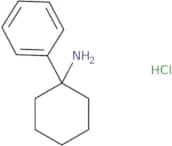
CAS:Chloroquine metaboliteFormula:C9H22N2OPurity:Min. 95%Color and Shape:Clear LiquidMolecular weight:174.28 g/mol1-Phenylcyclohexanamine hydrochloride
CAS:Controlled Product1-Phenylcyclohexanamine hydrochloride is a secondary amine that binds to the nicotinic acetylcholine receptor. It has been shown to inhibit the activity of rat liver microsomes and dopamine, with a primary amino group. The analogs of 1-phenylcyclohexanamine hydrochloride are active and have been shown to inhibit acetylcholinesterase in rat brain tissue. This inhibition leads to an increase in the neurotransmitter acetylcholine, which causes an excitatory effect on the central nervous system. 1-Phenylcyclohexanamine hydrochloride is also used as a molecular model for studying glutamate receptors because of its similar structure.Formula:C12H18ClNPurity:Min. 95%Molecular weight:211.73 g/mol5(6)-Carboxytetramethylrhodamine succinimidyl ester - Mixture of 2 isomers
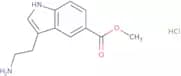
CAS:5(6)-Carboxytetramethylrhodamine succinimidyl ester is a chemical that can be used as a research chemical, speciality chemical, or a building block in the synthesis of other compounds. It is a high quality product and has been shown to be useful in the synthesis of complex compounds. This compound reacts with amines to form N-hydroxysuccinimide esters and is an excellent reagent for the production of fluorescamine derivatives. 5(6)-Carboxytetramethylrhodamine succinimidyl ester is also an excellent scaffold for the production of other chemicals such as peptides, proteins, and drugs. CAS No: 246256-50-8Formula:C29H25N3O7Purity:Min. 95%Color and Shape:Red PowderMolecular weight:527.52 g/mol5-Carbomethoxytryptamine hydrochloride
CAS:5-Carbomethoxytryptamine hydrochloride is a chemical building block that can be used as a reaction component for organic synthesis. It is a versatile intermediate and can be used in the production of fine chemicals, such as pharmaceuticals, dyestuffs, and pesticides. 5-Carbomethoxytryptamine hydrochloride is also an important reagent in both organic synthesis and analytical chemistry. The compound belongs to the group of indole alkaloids, which are found in plants of the Apocynaceae family. CAS No.: 74884-81-4.Formula:C12H14N2O2·HClPurity:Min. 95%Color and Shape:PowderMolecular weight:254.71 g/mol4-(Dimethylamino)pyridine, polymer-bound
CAS:4-(Dimethylamino)pyridine, polymer-bound (4DAP-P), is a chemical compound that belongs to the aminopyridine class of compounds. 4DAP-P has been shown to have antibacterial efficacy against bacteria such as Escherichia coli and Klebsiella pneumoniae in vitro assays. It also has anti-inflammatory properties and can be used for the treatment of inflammatory bowel disease. 4DAP-P is not absorbed through the skin or mucus membranes, but can be taken orally with food or liquid. The polymer-bound form of 4DAP-P has been shown to be more stable than its free form, which may make it a better choice for some applications.Purity:Min. 95%Color and Shape:Orange PowderMolecular weight:104.153-Aminopyrazole
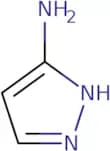
CAS:3-Aminopyrazole is a redox potential small molecule drug that has been shown to have tuberculostatic activity. It binds to the 5-HT2 receptor on the surface of tumor cells, which causes an increase in intracellular calcium levels and cell death. 3-Aminopyrazole also inhibits growth factor production, and this may be a part of its mechanism of action. 3-Aminopyrazole has been shown to be active against gram positive bacteria such as staphylococcus aureus and streptococcus pneumoniae. It also shows antimicrobial activity against gram negative bacteria such as pseudomonas aeruginosa, e.g., in vitro assays.
Formula:C3H5N3Purity:Min. 95%Color and Shape:PowderMolecular weight:83.09 g/mol4-Aminosalicylic acid hydrazide
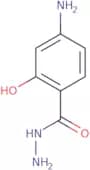
CAS:4-Aminosalicylic acid hydrazide is a reactive functional group that is used as an intermediate in organic synthesis. It has a structural formula of C6H7N3O2 and is a white solid. 4-Aminosalicylic acid hydrazide has been shown to be highly resistant to mycobacterium avium, and can be used for the treatment of tuberculosis. The reactivity of this compound was studied by gravimetric analysis. This reaction is also degradable due to the presence of chloride ions and amido groups.
Formula:C7H9N3O2Purity:Min. 95%Color and Shape:PowderMolecular weight:167.17 g/mol4-Octyloxybenzylamine
CAS:4-Octyloxybenzylamine is a fine chemical that is used as a building block in research or as a reagent in the synthesis of other compounds. It has CAS No. 37806-64-7 and can be used in organic synthesis as a speciality chemical or as an intermediate or scaffold for complex organic molecules. 4-Octyloxybenzylamine has many uses, including being a versatile building block for synthesizing other compounds, such as polymers and polyesters, which are useful for commercial applications, such as textiles and plastics.
Formula:C15H25NOPurity:Min. 95%Color and Shape:PowderMolecular weight:235.37 g/molN-Methyl-N-[(1,3,5-trimethyl-1H-pyrazol-4-yl)methyl]amine
CAS:Please enquire for more information about N-Methyl-N-[(1,3,5-trimethyl-1H-pyrazol-4-yl)methyl]amine including the price, delivery time and more detailed product information at the technical inquiry form on this page
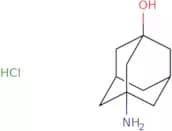
Formula:C8H15N3Purity:Min. 95%Molecular weight:153.22 g/mol3-Amino-1-adamantanol hydrochloride
CAS:3-Amino-1-adamantanol hydrochloride (3AAAH) is a versatile building block that can be used for the synthesis of complex compounds. It has been shown to have a high quality and is useful as a reagent, research chemical, speciality chemical, or useful scaffold in organic synthesis.Formula:C10H17NO·HClPurity:Min. 95%Molecular weight:203.71 g/molChlorpheniramine maleate
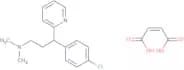
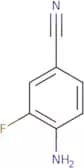
CAS:Histamine (H1) antagonist; used to treat allergiesFormula:C16H19ClN2•C4H4O4Purity:Min. 95%Color and Shape:White PowderMolecular weight:390.86 g/mol4-Amino-3-fluorobenzonitrile
CAS:4-Amino-3-fluorobenzonitrile is an agonist of the DPP-4 enzyme. It has been shown to decrease blood glucose levels in a rat model. 4-Amino-3-fluorobenzonitrile binds to the active site of DPP-4, increasing its activity and inhibiting the breakdown of incretin hormones such as glucagon-like peptide 1 (GLP1) and glucose-dependent insulinotropic polypeptide (GIP). 4-Amino-3-fluorobenzonitrile inhibits glucagon secretion from pancreatic alpha cells, which leads to a decrease in blood glucose levels. The compound also inhibits GLP1 secretion from intestinal L cells, leading to decreased appetite and weight loss. 4-Amino-3-fluorobenzonitrile has been shown to be an agonist with biphenyl, which may explain its agonistic activity.
Formula:C7H5FN2Purity:Min. 95%Color and Shape:PowderMolecular weight:136.13 g/molN,N-Diethyl-2-[4-[(Z)-1-(4-Fluorophenyl)-2-Phenylethenyl]Phenoxy]Ethanamine
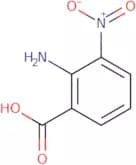
CAS:Controlled ProductDiethylstilbestrol (DES) is a synthetic, nonsteroidal estrogen that is used to treat breast cancer and other estrogen-dependent conditions. DES binds to the estrogen receptor and acts as an agonist. It has minimal liver toxicity and is not metabolized by the body because it is rapidly excreted in urine. DES can be synthesized from benzyl chloride and diethylstolbesterol. This process requires two steps: first, benzyl chloride reacts with diethylstilbesterol to form a triazene intermediate; second, treatment of the triazene intermediate with hydrogen chloride yields DES.Formula:C26H28FNOPurity:Min. 95%Molecular weight:389.51 g/mol2-Amino-3-nitrobenzoic acid
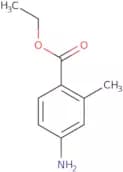
CAS:2-Amino-3-nitrobenzoic acid (2ABN) is a peroxide that is used as an antiviral. 2ABN has been shown to inhibit the formation of reactive oxygen species in cancer cells, leading to apoptosis. It also inhibits the growth of carcinoma cell lines and tissues. 2ABN reacts with chloral hydrate to form a particle that can be encapsulated for delivery and release in vivo. This drug has been expressed in Escherichia coli, which may lead to improved stability and ease of production. 2ABN is thought to have anti-inflammatory properties due to its ability to inhibit the production of prostaglandins. The reactivity of 2ABN with surfactants such as sodium laureth sulfate (SLES) has been shown, which leads to it being used as an emulsifying agent for topical application.Formula:C7H6N2O4Purity:Min. 95%Color and Shape:PowderMolecular weight:182.13 g/mol4-Amino-2-methylbenzoic acid ethyl ester
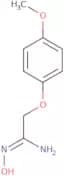
CAS:4-Amino-2-methylbenzoic acid ethyl ester is a versatile building block that can be used in the synthesis of complex compounds. It has been shown to have a number of useful applications, such as in the synthesis of pharmaceuticals, research chemicals, and speciality chemicals. 4-Amino-2-methylbenzoic acid ethyl ester is also an important reagent for the production of high quality pharmaceuticals and intermediates. This chemical is also a useful scaffold for organic reactions.Formula:C10H13NO2Purity:Min. 95%Molecular weight:179.22 g/molN-Hydroxy-2-(4-methoxyphenoxy)ethanimidamide
CAS:Please enquire for more information about N-Hydroxy-2-(4-methoxyphenoxy)ethanimidamide including the price, delivery time and more detailed product information at the technical inquiry form on this pageFormula:C9H12N2O3Purity:Min. 95%Color and Shape:PowderMolecular weight:196.2 g/molTetraethylammonium acetate tetrahydrate
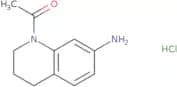
CAS:Tetraethylammonium acetate tetrahydrate (TEAT) is a trifluoroacetic acid salt that is used as a cyclase inhibitor. TEAT inhibits the activity of cyclases, which are enzymes that catalyze the formation of cyclic AMP (cAMP). This inhibition prevents the activation of protein kinases and subsequent phosphorylation of cytosolic proteins. TEAT has been shown to inhibit human serum albumin binding, transport properties, and fluorescence detector response in vitro. It also binds to DNA as a hydrogen-bond acceptor and can be used in enzymatic assays for DNA polymerase chain reaction.Formula:C10H23NO2·4H2OColor and Shape:PowderMolecular weight:261.36 g/mol1-Acetyl-1,2,3,4-tetrahydroquinolin-7-amine hydrochloride
CAS:1-Acetyl-1,2,3,4-tetrahydroquinolin-7-amine hydrochloride is a versatile building block that can be used in the synthesis of complex compounds with high quality and as a speciality chemical. This compound is useful as a reagent and reaction component in organic synthesis. It has been shown to be useful in the synthesis of new scaffolds for drug discovery.
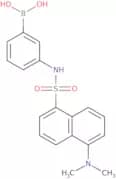
Formula:C11H14N2O·HClPurity:Min. 95%Color and Shape:Off-White PowderMolecular weight:226.7 g/mol3-Dansylaminophenylboronic acid
CAS:3-Dansylaminophenylboronic acid is a boronic acid that forms reversible covalent bonds with dopamine. It can be used in the diagnosis of cancer, as it binds to histone lysine and magnetic particles. The fluorescence resonance of 3-Dansylaminophenylboronic acid can also be used in the diagnosis of cancer, as it produces a strong signal. This compound has been shown to have homogeneous assays for the detection of dopamine and lipoprotein lipase in urine samples. 3-Dansylaminophenylboronic acid has also been found to be effective against cancer cells in culture, although it is not active against polysialic-expressing cells.Formula:C18H19BN2O4SPurity:Min. 95%Color and Shape:PowderMolecular weight:370.23 g/molCyclohexylamine
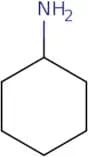
CAS:Cyclohexylamine is a basic organic compound with the molecular formula CH(NH). It can be synthesized by the reaction of anhydrous sodium with p-nitrophenyl phosphate. Cyclohexylamine has been shown to have synergistic effects when combined with metal hydroxides and metal carbonyls, which may be due to its ability to reduce their potential for oxidation. Cyclohexylamine has been used as a model compound in an electrochemical impedance spectroscopy study of the interaction between enzyme activity and metal ions. In addition, cyclohexylamine has been found to have carcinogenic properties in cell line studies.Formula:C6H13NPurity:Min. 98%Color and Shape:Clear LiquidMolecular weight:99.17 g/mol20-Deoxo-23-deoxy-5-O-[3,6-dideoxy-3-(dimethylamino)-β-D-glucopyranosyl]-20,23-di-1-piperidinyltylonolide
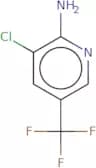
CAS:20-Deoxo-23-deoxy-5-O-[3,6-dideoxy-3-(dimethylamino)-beta-D-glucopyranosyl]-20,23-di-1-piperidinyltylonolide is an antimicrobial agent that belongs to the group of chemotherapeutic agents. It is a fluorinated analog of tilmicosin. The low dose group was treated with this drug for five days, and the high dose group received 20 times the amount of drug. Fluorescence spectrometry showed that there was no significant difference in the fluorescence intensity between these two groups after 24 hours. This drug has been shown to have pharmacokinetic properties in rats and mice, but further optimization may be required to improve its process.Formula:C41H71N3O8Purity:Min. 95%Color and Shape:Off-White PowderMolecular weight:734.02 g/mol2-Amino-3-chloro-5-(trifluoromethyl)pyridine
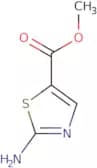
CAS:2-Amino-3-chloro-5-(trifluoromethyl)pyridine is a versatile building block that can be used in the synthesis of complex compounds. It is a useful intermediate for synthetic organic chemistry, and can be used as a reagent or speciality chemical. This compound has shown to have high quality and is useful as a scaffold in the synthesis of research chemicals.Formula:C6H4ClF3N2Purity:Min. 95%Color and Shape:PowderMolecular weight:196.56 g/molMethyl 2-aminothiazole-5-carboxylate
CAS:Methyl 2-aminothiazole-5-carboxylate is a molecule that has been shown to have anticancer effects in vivo. It is an aromatic heterocycle with the chemical formula C6H4N2S. Methyl 2-aminothiazole-5-carboxylate has been found to inhibit the chloride channel ClC-2, which leads to decreased cell proliferation and cancer progression. This molecule also demonstrated synergistic effects when used with other anticancer therapeutics, such as chloroquinoxaline. Methyl 2-aminothiazole-5-carboxylate is a synthetic compound that can be used as an anticancer drug for the treatment of cancer.Formula:C5H6N2O2SPurity:Min. 95%Molecular weight:158.18 g/mol2-Aminochrysene
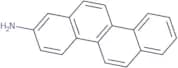
CAS:2-Aminochrysene is a chemical that binds to DNA and causes a genotoxic effect. It has been shown to be carcinogenic to rats and is carcinogenic in humans. 2-Aminochrysene is metabolized by conjugation with glucuronic acid or glutathione, which are found in the liver, kidney, and other tissues. The binding constants for 2-aminochrysene were measured using the calf thymus DNA as a substrate and amines as ligands. Transfer of 2-aminochrysene from the plasma membrane to the cytosol was observed in cells treated with nitrous oxide (NO). The cytosolic enzyme binding assay showed that 2-aminochrysene binds to the S9 protein of hepatic microsomes.
2-Aminochrysene has also been shown to inhibit phospholipase A2 activity, which may be due to its ability to bind to the enzyme's active site.Formula:C18H13NPurity:Min. 95%Color and Shape:Yellow PowderMolecular weight:243.3 g/mol2-Aminoethyl diphenylborinate
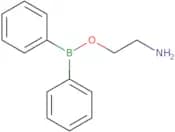
CAS:2-Aminoethyl diphenylborinate (2-APB) is a pharmacological agent that has been shown to be an effective inhibitor of growth factor-β1. This compound also has minimal toxicity, and it is a natural product. 2-APB inhibits the activity of borate channels in cell membranes and blocks intracellular calcium channels, which prevents the influx of calcium into cells. This compound has been shown to act as an inhibitor molecule by blocking the channel or 2-aminoethoxydiphenyl borate, which is an intracellular inhibitor molecule.Formula:C14H16BNOPurity:(%) Min. 97%Color and Shape:PowderMolecular weight:225.09 g/molAlkylated diphenylamines
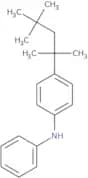
CAS:Alkylated diphenylamines are reactive compounds that have been used as antioxidants in industrial processes. These antioxidants inhibit the propagation of oxidation reactions, which can lead to the degradation of polycarboxylic acids. Alkylated diphenylamines are usually synthesized from phenyl groups and fatty acid esters. They are also known as synthetic antioxidants and are used in a variety of industries, such as food production and textiles. Alkylated diphenylamines have been shown to react with metal hydroxides, such as magnesium oxide or sodium nitrate, to form reaction products that include alkanes and alkenes. The viscosity of these compounds is dependent on the length of their fatty acid chains; the longer the chain length, the lower the viscosity.Purity:Min. 95%Color and Shape:Clear Viscous LiquidMolecular weight:281.4 g/molTetramethylammonium Bromide
CAS:Controlled ProductApplications Tetramethylammonium Bromide (cas# 64-20-0) is a useful research chemical.
Formula:C4H12BrNColor and Shape:NeatMolecular weight:154.052-Amino-2-hydroxymethylpropionitrile
CAS:Controlled ProductApplications 2-Amino-2-hydroxymethylpropionitrile is an intermediate in synthesizing rac-Monepantel Sulfone (M515810), which is a recently discovered anthelmitic used in the treatment of parasitic nematodes via stun or kill without damaging the host entity.
References Baur, R. et al.: Mol. Pharm., 87, 96 (2015); Stuchlikova, L. et al.: Chemico. Biol. Interact., 227, 63 (2015);Formula:C4H8N2OColor and Shape:NeatMolecular weight:100.122-Amino-4,5,7,8-tetrahydro-6-(N-carbethoxy)thiazolo[5,4-d]azepine
CAS:Controlled ProductApplications 2-Amino-4,5,7,8-tetrahydro-6-(N-carbethoxy)thiazolo[5,4-d]azepine (cas# 887352-57-0) is a compound useful in organic synthesis.
Formula:C10H15N3O2SColor and Shape:NeatMolecular weight:241.314-Aminomorpholine
CAS:Controlled ProductApplications 4-Aminomorpholine (cas# 4319-49-7) is a useful research chemical.
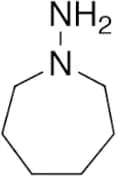
Formula:C4H10N2OColor and Shape:NeatMolecular weight:102.14N-Aminohexamethylenimine
CAS:Controlled ProductApplications N-Aminohexamethylenimine is a sesquiterpene lactones with anti-hepatitis C virus activity.
Not a dangerous good if item is equal to or less than 1g/ml and there is less than 100g/ml in the package
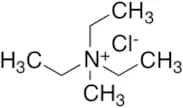
References Rossini, M., et al.: Lett. Drug. Des. Discov., 9, 881 (2012); Hines, R.N., et al.: J. Pharmacol. Exp. Therap., 214, 88 (1980);Formula:C6H14N2Color and Shape:NeatMolecular weight:114.19Triethylmethylammonium Chloride
CAS:Controlled ProductApplications Triethylmethylammonium Chloride (cas# 10052-47-8) is a useful research chemical.
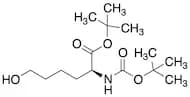
Formula:C7H18ClNColor and Shape:NeatMolecular weight:151.68(S)-tert-Butyl 2-((tert-butoxycarbonyl)amino)-6-hydroxyhexanoate
CAS:Controlled ProductApplications (S)-Tert-butyl 2-((tert-butoxycarbonyl)amino)-6-hydroxyhexanoate which is a biochemical marker of bone turnover for management of metabolic bone diseases.
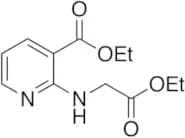
References Turner, W., et al.: Biol. Psychiatry, 14, 177 (1979), Miyata, T., et al.: Kidney Int., 60, 2351 (2001), Politi, P., et al.: Neurosci. Lett., 396, 163 (2006),Formula:C15H29NO5Color and Shape:NeatMolecular weight:303.392-(Carboxymethylamino) Nicotinic Acid Diethyl Ester
CAS:Controlled ProductApplications 2-(Carboxymethylamino) Nicotinic Acid Diethyl Ester (cas# 1178176-00-5) is a compound useful in organic synthesis.
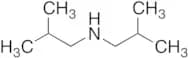
Formula:C12H16N2O4Color and Shape:NeatMolecular weight:252.27Diisobutylamine
CAS:Controlled ProductApplications Diisobutylamine is a reagent used in organic synthesis including the preparation of bx7 inhibitors which may be useful in the treatment of certain cancers.
Not a dangerous good if item is equal to or less than 1g/ml and there is less than 100g/ml in the package
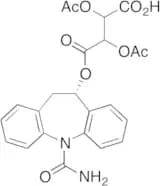
References Simhadri, C. et al.:ACS Omega, 1, 541 (2016);Formula:C8H19NColor and Shape:NeatMolecular weight:129.24(2R,3R)-2,3-Bis(acetyloxy)butanedioic Acid Mono[(10S)-5-(aminocarbonyl)-10,11-dihydro-5H-dibenz[b,f]azepin-10-yl] Ester
CAS:Controlled ProductApplications (2R,3R)-2,3-Bis(acetyloxy)butanedioic Acid Mono[(10S)-5-(aminocarbonyl)-10,11-dihydro-5H-dibenz[b,f]azepin-10-yl] Ester is an intermediate in the synthesis of Eslicarbazepine (M546510), a novel central nervous system drug.
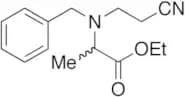
References Duncan, J., et al.: Br. J. Clin. Pharmacol., 53, 123 (2002), Almeida, L., et al.: J. Clin. Pharmacol., 45, 1062 (2005), Coppola, G., et al.: CNS Drugs, 18, 133 (2004),Formula:C23H22N2O9Color and Shape:NeatMolecular weight:470.43N-(beta-Cyanoethyl)-N-(ethoxycarbonylethyl)benzylamine
CAS:Controlled ProductApplications N-(β-Cyanoethyl)-N-(ethoxycarbonylethyl)benzylamine is a compound useful in organic synthesis.
Not a dangerous good if item is equal to or less than 1g/ml and there is less than 100g/ml in the packageFormula:C15H20N2O2Color and Shape:NeatMolecular weight:260.33Tetrahydro-2-furanmethanamine
CAS:Controlled ProductApplications Tetrahydro-2-furanmethanamine is used in the synthesis of novel topoisomerase I targeting anti-cancer agents with mild to potent cytotoxic activity. Also used in the discovery and synthesis of orally bioavailable stearoyl-CoA desaturase 1 inhibitors
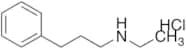
References Lopez-Rodriguez, M. et al.: 44, 4504 (2001); Liu, G. et al.: J. Med. Chem., 50, 3086 (2007);Formula:C5H11NOColor and Shape:NeatMolecular weight:101.15N-ethyl-3-phenyl-1-propanamine hydrochloride
CAS:Controlled ProductApplications N-ethyl-3-phenyl-1-propanamine hydrochloride (cas# 13125-63-8) is a useful research chemical.
Formula:C11H17N·ClHColor and Shape:NeatMolecular weight:199.72(Z)-5-(2,3-Bis(tert-butoxycarbonyl)guanidino)-2-((tert-butoxycarbonyl)amino)pentanoic Acid
Controlled ProductApplications (Z)-5-(2,3-Bis(tert-butoxycarbonyl)guanidino)-2-((tert-butoxycarbonyl)amino)pentanoic Acid is an intermediate used in the synthesis of N-(4-Amino-5-oxoheptyl)guanidine Trifluoroacetate Salt (A633006), which is a biosynthetic intermediate in the study of saxitoxin gene cluster in cyanobacteria.
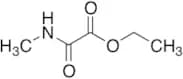
References Kellmann, R., et al.: Appl. Environ. Microbiol., 74, 4044 (2008)Formula:C21H38N4O8Color and Shape:NeatMolecular weight:474.548ethyl 2-(methylamino)-2-oxoacetate
CAS:Controlled ProductApplications ethyl 2-(methylamino)-2-oxoacetate (cas# 18522-95-7) is a useful research chemical.
Formula:C5H9NO3Color and Shape:NeatMolecular weight:131.12Isopropylamine
CAS:Stability Volatile
Applications Isopropylamine is an organic compound is a widely used for the synthesis of pharmaceutical and agricultural goods such as glyphosphate herbicides and as an additive for petroleum industry.
E0
References Dam, J.H. et al.: Chem. A. Eur. J., 16, 6820 (2010); Latli, B. et al.: J Labelled. Compd. Radiopharm., 48, 447 (2005); Guadry, D., et al.: Biomed. Mass. Spectro., 12, 269 (1985);Formula:C3H9NColor and Shape:NeatMolecular weight:59.113-Morpholinopropylamine
CAS:Controlled ProductApplications 3-Morpholinopropylamine is a reactant used in the preparation of pyridinyl-quinazolinone derivatives as potential anti-influenza A virus compounds.
Not a dangerous good if item is equal to or less than 1g/ml and there is less than 100g/ml in the package
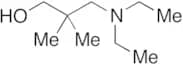
References Liu, S., et. al.: Chem. Biol. Drug Design., (Ahead of Print) (2015)Formula:C7H16N2OColor and Shape:NeatMolecular weight:144.213-(Diethylamino)-2,2-dimethylpropanol
CAS:Controlled ProductApplications 3-(Diethylamino)-2,2-dimethylpropanol is a reactant used in the preparation of herbicides, several local anesthetics and histamine H3 receptor antagonists.
Formula:C9H21NOColor and Shape:NeatMolecular weight:159.27N-Benzylethanolamine
CAS:Controlled ProductApplications N-Benzylethanolamine is used in the synthesis of imidazoles as potent calcitonin (CGRP) antagonists. Also it aids in the preparation of benzofused hydroxamix acids, as useful fragments for the synthesis of histone deacetylase inhibitors.
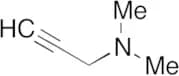
References Tora, G. et al.: Bioorg. Med. Chem. Lett., 23, 5684 (2013); Marastoni, E. et al.: Bioorg. Med. Chem. Lett., 23, 4091 (2013);Formula:C9H13NOColor and Shape:NeatMolecular weight:151.213-Dimethylamino-1-propyne
CAS:Controlled ProductApplications 3-Dimethylamino-1-propyne is used as a reactant in the synthesis of quinazoline derivatives such as (2Z)-Afatinib (A355305) which may be used in the treatment of some cancers.
Not a dangerous good if item is equal to or less than 1g/ml and there is less than 100g/ml in the package
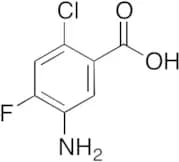
References Tsou, H., et. al.: J. Med. Chem., 44, 2719 (2001)Formula:C5H9NColor and Shape:NeatMolecular weight:83.135-Amino-2-chloro-4-fluorobenzoic Acid
CAS:Controlled ProductApplications 5-Amino-2-chloro-4-fluorobenzoic Acid is an intermediate in the synthesis of Saflufenacil-d7 (S081802). Saflufenacil-d7 is the labeled version of Saflufenacil (S081800), which is a herbicide of the pyrimidinedione chemical class used for the preplant burndown and selective preemergence dicot weed control in different field crops. It was found to inhibit protoporphyrinogen IX oxidase (PPO) enzyme.
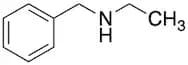
References Knezevic, S., et al.: Crop Prot., 29, 148 (2010); Grossmann, K., et al.: Weed Sci., 58, 1 (2010)Formula:C7H5ClFNO2Color and Shape:NeatMolecular weight:189.57N-Ethylbenzylamine
CAS:Controlled ProductApplications N-Ethylbenzylamine is a reactant or reagent used in various organic syntheses. It is used in the preparation of CXCR4 injhibitors which are used to treat cancer metastasis and inflammation.
Not a dangerous good if item is equal to or less than 1g/ml and there is less than 100g/ml in the package
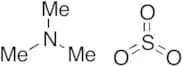
References Bai, R. et al.: Eur. J. Med. Chem., 118, 340 (2016);Formula:C9H13NColor and Shape:NeatMolecular weight:135.21Sulfur Trioxide Trimethylamine Complex
CAS:Controlled ProductApplications Sulfur Trioxide Trimethylamine Complex is a reagent that is used for the design and synthesis of Rho kinase inhibitors.
Not a dangerous good if item is equal to or less than 1g/ml and there is less than 100g/ml in the package
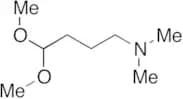
References Takami, A., et al.: Bioorg. Med. Chem., 12, 6317 (2004);Formula:C3H9NO3SColor and Shape:NeatMolecular weight:139.174-(N,N-Dimethylamino)butanal Dimethyl Acetal
CAS:Controlled ProductStability Moisture Sensitive
Applications 4-(N,N-Dimethylamino)butanal Dimethyl Acetal is a reactant used in the synthesis of hallucinogenic tryptamines.
References Blair, J..B., et. al.: J. Med. Chem., 43, 4701 (2000)Formula:C8H19NO2Color and Shape:NeatMolecular weight:161.24(2S)-2-[[(phenylmethoxy)carbonyl]amino]-4-Pentenoic acid
CAS:Controlled ProductApplications (2S)-2-[[(phenylmethoxy)carbonyl]amino]-4-Pentenoic acid is a useful building block, and has been used in the regioselective preparation of nonracemic silylated amino acids.
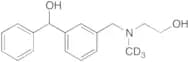
References Marchand, D.; et al.: Eur. J. Org. Chem., 18, 3107 (2008).Formula:C13H15NO4Color and Shape:NeatMolecular weight:249.262-((3-Hydroxy(phenyl)methyl)benzyl)(methyl)amino)ethanol
Controlled ProductApplications (3-(((2-Hydroxyethyl)(methyl)amino)methyl)phenyl)(phenyl)methanone-d3 is an intermediate in the synthesis of Nefopam-d3 (N389402), a cyclized labelled analog of orphenadrine and diphenhydramine; representative of a new class of centrally acting skeletal muscle relaxants.
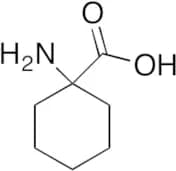
References Bassett, et al.: Br. J. Pharmacol., 37, 69 (1969), Klohs, et al.: Arzneim.-Forsch., 22, 132 (1972), Hell, et al.: Drugs, 19, 249 (1980),Formula:C17D3H18NO2Color and Shape:NeatMolecular weight:274.373α-Aminocyclohexanecarboxylic Acid
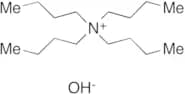
CAS:Controlled ProductFormula:C7H13NO2Color and Shape:NeatMolecular weight:143.184Tetrabutylammonium Hydroxide (~50% in water)
CAS:Controlled ProductApplications Tetrabutylammonium Hydroxide is used in biological studies for the detection of counter-anion effect on antimicrobial activity of tetrabutylammonium salts.
Not a dangerous good if item is equal to or less than 1g/ml and there is less than 100g/ml in the package
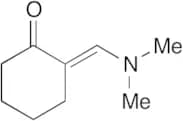
References Ingalsbe, M.L., et al.: Bioorg. Med. Chem., 19, 4984 (2009)Formula:C16H36N·HOColor and Shape:Single SolutionMolecular weight:259.472-(Dimethylaminomethylene)cyclohexanone
CAS:Controlled ProductApplications 2-(Dimethylaminomethylene)cyclohexanone is an intermediate in the synthesis of 2-Pentylidenecyclohexanone (P280255), a fragrance chemical. It can also be used in the synthesis of dialkylphenols in the presence of zirconium catalyst.
References Tetsuo, B. et al.: Kenkyu Hokoku - Asahi Garasu Zaidan, 58, 201 (1991); Hostynek, J. J., et al.: Toxicology in Vitro, 11, 377 (1997);Formula:C9H15NOColor and Shape:NeatMolecular weight:153.2210-Amino-1-decanol
CAS:Controlled ProductApplications 10-Amino-1-decanol (cas# 23160-46-5) is a compound useful in organic synthesis.
References Lee, T., et al.: J. Biol. Chem., 270, 5375 (1995),Formula:C10H23NOColor and Shape:NeatMolecular weight:173.33-Phenylpropylamine
CAS:Controlled ProductStability Hygroscopic
Applications 3-Phenylpropylamine is an compound used for the synthesis of various pharmaceuticals.
Not a dangerous good if item is equal to or less than 1g/ml and there is less than 100g/ml in the package
References Kamochi, Y., et al.: Tetrahedron. Lett., 32, 3511 (1991);Formula:C9H13NColor and Shape:NeatMolecular weight:135.21N,N’-Di-Boc (R)-1-Azido-3-[[3-fluoro-4-(morpholin-4-yl)phenyl]amino]propan-2-yl Acetate
Controlled ProductApplications N,N’-Di-Boc (R)-1-Azido-3-[[3-fluoro-4-(morpholin-4-yl)phenyl]amino]propan-2-yl Acetate is an intermediate used in the synthesis of N-Desacetyl-N,O-descarbonyl O-Acetyl Linezolid (D288280), which is an impurity of Linezolid (L466500); an oxazolidinone antimicrobial that inhibits bacterial mRNA translation.
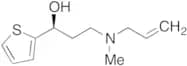
References Brickner, S.J., et al.: J. Med. Chem., 39, 673 (1996); Ford, C.W., et al.: Antimicrob. Agents Chemother., 40, 1508 (1996); Rybak, M.J., et al.: Pharmacotherapy, 18, 456 (1998); Stevens, D.L., et al.: Clin. Infect. Dis., 34, 1481 (2002)Formula:C25H38FN3O7Color and Shape:NeatMolecular weight:511.58(S)-3-(Allyl(methyl)amino)-1-(thiophen-2-yl)propan-1-ol
Controlled ProductApplications (S)-3-(Allyl(methyl)amino)-1-(thiophen-2-yl)propan-1-ol is an intermediate in the syntehsis of 4-Hydroxy Duloxetine β-D-Glucuronide Sodium Salt (H941805), which is a metabolite of Duloxetine.
References Lantz, R.J., et al.: Drug Dispos. Metab., 31, 1142 (2003); Detke, M., et al.: J. Clin Psy., 63, 308 (2002); Bymaster, F.P., et al.: Bioorg. Med., Chem. Lett., 13, 4477 (2003);Formula:C11H17NOSColor and Shape:NeatMolecular weight:211.324(AlphaS)-Alpha-Amino-4-nitrobenzenepropanamide
CAS:Controlled ProductApplications (αS)-α-Amino-4-nitrobenzenepropanamide (cas# 81677-61-4) is a compound useful in organic synthesis.
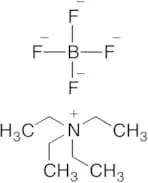
Formula:C9H11N3O3Color and Shape:NeatMolecular weight:209.2Tetraethylammonium Tetrafluoroborate
CAS:Controlled ProductApplications Tetraethylammonium Tetrafluoroborate is used in the preparation of some organic salts of fluoboric acids.
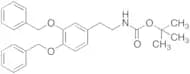
References Wilke-D., et al.: Ber. Dtsch Chem. Ges.; 60B, 115 (1927)Formula:C8H20BF4N3Color and Shape:NeatMolecular weight:217.06N-tert-Butoxycarbonyl-3,4-dibenzyloxyphenylethylamine
CAS:Controlled ProductApplications N-tert-Butoxycarbonyl-3,4-dibenzyloxyphenylethylamine is an intermediate used in the synthesis of S-(-)-Tretoquinol Hydrochloride (T798100), which belongs to the class of adrenergic inhalants, selective β-2-adrenoreceptor agonists. S-(-)-Tretoquinol is used in the treatment of obstructive airway diseases. S-(-)-Tretoquinol is a bronchodilator.
References Meshi, et al.: Biochem. Pharmacol., 19, 2937 (1970), Satoh, et al.: Chem. Pharm. Bull., 19, 667 (1971),Formula:C27H31NO4Color and Shape:NeatMolecular weight:433.54Cumylamine
CAS:Controlled ProductApplications Cumylamine is a reactant in the preparation of anti-malarial drugs. Also used in the preparation of HCV inhibitors.
References Ciana, C. et al.: Bioorg. Med. Chem. Lett., 23, 658 (2013); Girijavallabhan, V. et al.: Bioorg. Med. Chem. Lett., 22, 5652 (2012);Formula:C9H13NColor and Shape:NeatMolecular weight:135.21N-(Methoxymethyl)-N-[(trimethylsilyl)methyl]benzenemethanamine (>90%)
CAS:Controlled ProductApplications N-(Methoxymethyl)-N-[(trimethylsilyl)methyl]benzenemethanamine is used in the synthesis of pyrrolidine derivatives as novel sodium channel blockers used to treat ischemic related ailments.
References Seki, M. et al.: Bioorg. Med. Chem. Lett., 23, 4230 (2013);Formula:C13H23NOSiPurity:>90%Color and Shape:NeatMolecular weight:237.412-(4-Phenoxyphenoxy)ethanamine
CAS:Controlled ProductApplications 2-(4-Phenoxyphenoxy)ethanamine is an intermediate in the synthesis of Fenoxycarb-d3 (F248871), a labelled form of Fenoxycarb (F248870). Fenoxycarb is a carbamate insect growth regulator by preventing immature insects from reaching maturity by mimicking juvenile hormone. Used as a standard for Pesticide detection. Fenoxycarb is also used in cannabis testing kits as a component of pesticide mixes (P698235).
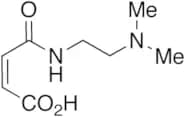
References El-Saeid, M.H., et al.: J. Chem., 10, (2013); Coors, A., et al.: Environ. Toxicol. Chem., 31, 1239 (2012);Formula:C14H15NO2Color and Shape:NeatMolecular weight:229.27N-(2-N’,N’-Dimethylaminoethyl)maleamic Acid
CAS:Controlled ProductApplications N-(2-N’,N’-Dimethylaminoethyl)maleamic Acid (cas# 116503-79-8) is a compound useful in organic synthesis.
Formula:C8H14N2O3Color and Shape:NeatMolecular weight:186.219-(2-Carboxyphenyl)-2,7-dimethyl-3,6-bis(ethylamino)xanthylium
CAS:Controlled ProductApplications 9-(2-Carboxyphenyl)-2,7-dimethyl-3,6-bis(ethylamino)xanthylium is an intermediate in the synthesis of SkQR1 (S555050), a mitochondria-targeted plastoquinone antioxidant that exhibits neuroprotective effect. Potent Mitochondrial Targeted antioxidant protecting against the anti-cancer treatment related to oxidative stress (1). Depicted positive effects on rat memory. (2)SkQRl is the substrate of multidrug resistance pump P-glycoproten (Pgp 170) and selectively protects Pgp 170-negative cells against oxidative stress (3)
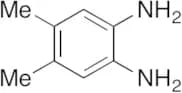
References Fetisova EK, et al. 2010. FEBS Lett. Feb 5;584(3):562-6Stelmashook EV, 2015. Biochemistry (Mosc). May;80(5):592-5 Fetisova EK, et al. 2015. Radiat Res. Jan;183(1):64-71Formula:C26H26N2O3Color and Shape:NeatMolecular weight:414.54,5-Dimethyl-o-phenylenediamine
CAS:Controlled ProductApplications 4,5-Dimethyl-o-phenylenediamine is used in biological processes as a substrate for CobT nicotinate-mononucleotide:5,6-dimethylbenzimidazole phosphoribosyltransferase from Salmonella typhimurium LT2.
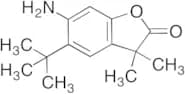
References Trzebiatowski, J.R., et al.: J. Biol. Chem., 272, 17662 (1997); Johnson, M.G., et al., J. Biol. Chem., 267, 13302 (1992); Cheong, C., et al.: J. Biol. Chem., 277, 41120 (2002)Formula:C8H12N2Color and Shape:NeatMolecular weight:136.196-Amino-5-(1,1-dimethylethyl)-3,3-dimethyl-2(3H)-benzofuranone
CAS:Controlled ProductApplications 6-Amino-5-(1,1-dimethylethyl)-3,3-dimethyl-2(3H)-benzofuranone is an intermediate in synthesizing Ivacaftor Carboxylic Acid (I940605). It is an impurity of Ivacaftor (I940600); a drug used in the treatment of cystic fibrosis.
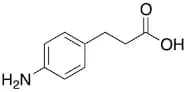
References Clancy, J. et al.: Am. J. Resp. Crit. Care. Med., 186, 593 (2012)Formula:C14H19NO2Color and Shape:NeatMolecular weight:233.313-(4-Aminophenyl)propionic Acid
CAS:Controlled ProductApplications 3-(4-Aminophenyl)propionic acid (cas# 2393-17-1) is a useful research chemical.
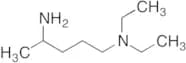
Formula:C9H11NO2Color and Shape:NeatMolecular weight:165.194-Amino-1-(diethylamino)pentane
CAS:Controlled ProductApplications 4-Amino-1-(diethylamino)pentane was used as a reagent in the synthesis of chromone-2-carboxamide derivatives which displayed cytotoxic activity against specific cancer cell lines.
Not a dangerous good if item is equal to or less than 1g/ml and there is less than 100g/ml in the package
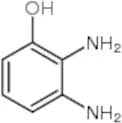
References Bousejra-ElGarah, F., et al.: Med. Chem. Res., 1054, pages ahead of print (2016);Formula:C9H22N2Color and Shape:NeatMolecular weight:158.282,3-Diaminophenol
CAS:Controlled ProductApplications 2,3-Diaminophenol
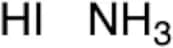
Formula:C6H8N2OColor and Shape:NeatMolecular weight:124.14Ammonium Iodide
CAS:Controlled ProductApplications AMMONIUM IODIDE (cas# 12027-06-4) is a useful research chemical.
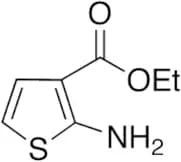
Formula:HI·H3NColor and Shape:NeatMolecular weight:144.94Ethyl 2-Aminothiophene-3-carboxylate
CAS:Controlled ProductApplications Ethyl 2-Aminothiophene-3-carboxylate (cas# 31891-06-2) is a compound useful in organic synthesis.
Formula:C7H9NO2SColor and Shape:NeatMolecular weight:171.229-[2-[[[10-(4,5-Dimethyl-3,6-dioxo-1,4-cyclohexadien-1-yl)decyl]oxy]carbonyl]phenyl]-3,6-bis(ethylamino)-2,7-dimethyl-Xanthylium
CAS:Controlled ProductApplications 9-[2-[[[10-(4,5-Dimethyl-3,6-dioxo-1,4-cyclohexadien-1-yl)decyl]oxy]carbonyl]phenyl]-3,6-bis(ethylamino)-2,7-dimethyl-Xanthylium is an intermediate in the synthesis of SkQR1 (S555050), a mitochondria-targeted plastoquinone antioxidant that exhibits neuroprotective effect.
References Isaev, N.K.: Biochem. 77, 996 (2012)Formula:C44H53N2O5Color and Shape:NeatMolecular weight:689.99-Amino-3,4-dihydroacridin-1(2H)-one
CAS:Controlled ProductApplications Intermediate in the preparation of Mentane.
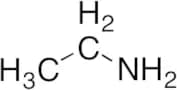
References Shutske, G., et al.: Bioorg. Med. Chem. Lett., 2, 865 (1992),Formula:C13H12N2OColor and Shape:NeatMolecular weight:212.25Ethylamine Solution (2.0 M in THF)
CAS:Controlled ProductApplications Ethylamine Solution is used as a reagent in the synthesis of a series of hexadentate ligands as potential antibacterial agents. Also used as a reagent in the synthesis of tetrahydrothiazolopyridine derivatives as potent smoothened antagonists.
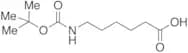
References Zhang, M., et al.: Chem. Biol. Drug Des., 84, 659 (2014); Ma, H., et al.: Eur. J. Med. Chem., 89, 721 (2015)Formula:C2H7NColor and Shape:Clear ColourlessMolecular weight:45.08tert-Butoxycarbonyl-ε-aminocaproic Acid
CAS:Controlled ProductApplications Protected ε-Aminocaproic Acid (A603015). Used in the preparatiom of esters of 6-aminohexanoic acid as antibacterial agents. EACA is reported to inhibit chymotrypsin, Factor VIIa, lysine carboxy peptidase, plasmin, and plasminogen activator.
References Dolezal, P., et al.: Pharm. Res., 10, 1015 (1993), Vavrova, K., et al.: Curr. Med. Chem., 12, 2273 (2005), Holas, T., et al.: Bioorg. Med. Chem., 14, 7671 (2006),Formula:C11H21NO4Color and Shape:NeatMolecular weight:231.29Ammonium sulfide solution 40-48% wt. in H2O
CAS:Controlled ProductApplications Ammonium sulfide is a very useful reagent in various aspects ranging from large scale production of textile manufacture, trace metal analysis, patina to bronze, and as well as cell culture and organic reactions/synthesis. Recently it has been used as a cleaning solution in the study of semiconductor growth on indium phosphide with various metals.
Not a dangerous good if item is equal to or less than 1g/ml and there is less than 100g/ml in the package
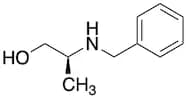
References Ferrandis, P., et al.: J. Appl. Phys., 123, 161534/1-161534/10 (2018)Formula:H8N2SColor and Shape:Single SolutionMolecular weight:68.14(S)-2-(Benzylamino)propan-1-ol
CAS:Controlled ProductApplications (S)-2-(Benzylamino)propan-1-ol is a useful research chemical for the preparation of cross-benzoin products of heteroaromatic aldehydes and amino aldehydes.
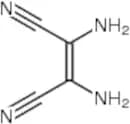
References Haghshenas, P., et al.: J. Org. Chem., 81, 12075-83 (2016);Formula:C10H15NOColor and Shape:NeatMolecular weight:165.23Diaminomaleonitrile
CAS:Controlled ProductApplications Diaminomaleonitrile is a reagent used for the synthesis of 1,4-diazepine-2,3-dicarbonitrile dervatives. Also, it is used for the synthesis of Diaminomaleonitrile-based Schiff bases with a donor-acceptor structure and an aggregation-enhanced emission feature.
Not a dangerous good if item is equal to or less than 1g/ml and there is less than 100g/ml in the package
References Wieczorek, E., et al.: Tetrahedron Lett., 58, 758-761 (2017); Han, T., et al.: J. Mater. Chem. C Mater. Opt. Electron Devices, 4, 10430-10434 (2016);Formula:C4H4N4Color and Shape:NeatMolecular weight:108.1
![[1-(Pyrrolidin-1-ylcarbonyl)butyl]amine hydrochloride](/_next/image/?url=https%3A%2Fstatic.cymitquimica.com%2Fproducts%2F3D%2Fthumb-webp%2FFP130657.webp&w=3840&q=75)


![N-[(1-Methyl-1H-indol-3-yl)methyl]cyclohexanamine](/_next/image/?url=https%3A%2Fstatic.cymitquimica.com%2Fproducts%2F3D%2Fthumb-webp%2FFM128410.webp&w=3840&q=75)


![N-Methyl-N-[(1,3,5-trimethyl-1H-pyrazol-4-yl)methyl]amine](/_next/image/?url=https%3A%2Fstatic.cymitquimica.com%2Fproducts%2F3D%2Fthumb-webp%2FFM112110.webp&w=3840&q=75)
![N,N-Diethyl-2-[4-[(Z)-1-(4-Fluorophenyl)-2-Phenylethenyl]Phenoxy]Ethanamine](/_next/image/?url=https%3A%2Fstatic.cymitquimica.com%2Fproducts%2F3D%2Fthumb-webp%2FFD99813.webp&w=3840&q=75)

![20-Deoxo-23-deoxy-5-O-[3,6-dideoxy-3-(dimethylamino)-β-D-glucopyranosyl]-20,23-di-1-piperidinyltyl…](/_next/image/?url=https%3A%2Fstatic.cymitquimica.com%2Fproducts%2F3D%2Fthumb-webp%2FFT137728.webp&w=3840&q=75)


![2-Amino-4,5,7,8-tetrahydro-6-(N-carbethoxy)thiazolo[5,4-d]azepine](/_next/image/?url=https%3A%2Fstatic.cymitquimica.com%2Fproducts%2FTR%2Fthumb-webp%2FA629920.webp&w=3840&q=75)






![(2S)-2-[[(phenylmethoxy)carbonyl]amino]-4-Pentenoic acid](/_next/image/?url=https%3A%2Fstatic.cymitquimica.com%2Fproducts%2FTR%2Fthumb-webp%2FP228100.webp&w=3840&q=75)


![N,N’-Di-Boc (R)-1-Azido-3-[[3-fluoro-4-(morpholin-4-yl)phenyl]amino]propan-2-yl Acetate](/_next/image/?url=https%3A%2Fstatic.cymitquimica.com%2Fproducts%2FTR%2Fthumb-webp%2FD422605.webp&w=3840&q=75)


![N-(Methoxymethyl)-N-[(trimethylsilyl)methyl]benzenemethanamine (>90%)](/_next/image/?url=https%3A%2Fstatic.cymitquimica.com%2Fproducts%2FTR%2Fthumb-webp%2FM264620.webp&w=3840&q=75)


![9-[2-[[[10-(4,5-Dimethyl-3,6-dioxo-1,4-cyclohexadien-1-yl)decyl]oxy]carbonyl]phenyl]-3,6-bis(ethyl…](/_next/image/?url=https%3A%2Fstatic.cymitquimica.com%2Fproducts%2FTR%2Fthumb-webp%2FD469485.webp&w=3840&q=75)