Amines
Amines are a set of molecules containing an amino functional group (derived from ammonia). This category includes amines at any level of substitution : primary, secondary, tertiary, and ammonium salts. Amines are fundamental in organic synthesis and are widely used in pharmaceuticals, agrochemicals, and materials science. At CymitQuimica, we provide a comprehensive selection of amines to meet your research and industrial needs. Our range ensures access to various amines for diverse chemical processes and innovative research.
Subcategories of "Amines"
- Nitrosamines(2,606 products)
- Primary Amines(30,821 products)
- Quaternary Ammonium Cations and Salts(1,099 products)
- Secondary Amines(20,817 products)
- Tertiary Amines(17,117 products)
Found 8778 products of "Amines"
Sort by
Purity (%)
0
100
|
0
|
50
|
90
|
95
|
100
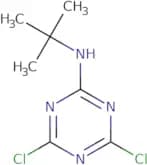
2-(tert-Butylamino)-4,6-dichloro-1,3,5-triazine
CAS:<p>Please enquire for more information about 2-(tert-Butylamino)-4,6-dichloro-1,3,5-triazine including the price, delivery time and more detailed product information at the technical inquiry form on this page</p>Formula:C7H10Cl2N4Purity:Min. 95%Molecular weight:221.09 g/mol2-Amino-7-Benzyl-1H-Purin-6(7H)-One
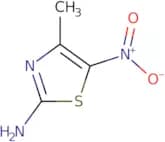
CAS:<p>Please enquire for more information about 2-Amino-7-Benzyl-1H-Purin-6(7H)-One including the price, delivery time and more detailed product information at the technical inquiry form on this page</p>Formula:C12H11N5OPurity:Min. 95%Molecular weight:241.25 g/mol4-Methyl-5-nitrothiazol-2-amine
CAS:<p>Please enquire for more information about 4-Methyl-5-nitrothiazol-2-amine including the price, delivery time and more detailed product information at the technical inquiry form on this page</p>Formula:C4H5N3O2SPurity:Min. 95%Color and Shape:PowderMolecular weight:159.17 g/molDiethylaminosulfur trifluoride
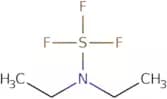
CAS:<p>Diethylaminosulfur trifluoride (DAST) is a reactive chemical that can be used as a methylating agent. It reacts with the hydroxyl group of carotenoids, including β-carotene, to produce x-ray crystal structures with the alcohol methanol solvent. DAST also reacts with 6alkyl and methyl glycosides, such as sucrose, producing a hydroxy derivative. DAST has been shown to have carcinogenic properties in tumor cell lines and is able to induce apoptosis in these cells by damaging their DNA. The use of DAST for cancer treatment can be done through laser ablation or injection into tumors.</p>Formula:C4H10F3NSPurity:(1H-Nmr) Min. 95%Color and Shape:Clear LiquidMolecular weight:161.19 g/molO,O'-Bis(3-aminopropyl)polyethylene glycol
CAS:Controlled Product<p>O,O'-Bis(3-aminopropyl)polyethylene glycol is a PEG polymer categorised as homobifunctional PEG (X-PEG X). Used as a linker, O,O'-bis(3-aminopropyl)polyethylene glycol is used to attached PEG to proteins, peptides, oligonucleotides, nanoparticles and small molecules via pegylation, a bioconjugation technique.</p>Formula:(C2H4O)nC6H16N2OPurity:Min. 95%Color and Shape:White Powder2,6-Dichloro-5-nitropyrimidin-4-amine
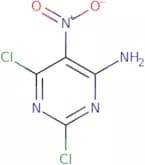
CAS:<p>2,6-Dichloro-5-nitropyrimidin-4-amine is a chlorinating agent that reacts with aliphatic and aromatic amines to form substituted pyrimidines. The substitution pattern of the product depends on the regioselectivity of the reaction. 2,6-Dichloro-5-nitropyrimidin-4-amine is one of the few chlorinating agents that react with propylamine. Substitution at position 2 of the purine ring has been found to be more selective than substitution at position 6. The 2,6-dichloropyrimidine can also be used as a nitro group source in chemical synthesis or as an intermediate in production of other compounds.</p>Formula:C4H2Cl2N4O2Purity:Min. 95%Color and Shape:SolidMolecular weight:208.99 g/mol1H-Indene-1-methanamine, 2,3-dihydro-
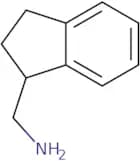
CAS:<p>Indene-1-methanamine is a drug that has been used for the treatment of neurologic disorders and is an ester of aliphatic hydrocarbons. It has been shown to have antidepressant effects in animal models, which may be due to its ability to bind to 5-HT1A receptors. Indene-1-methanamine also has antimicrobial properties and can be used for treating bladder infections as well as cancer. This drug binds to the quinolizine site on bacterial DNA gyrase, which inhibits DNA synthesis and leads to cell death.</p>Formula:C10H13N·HClPurity:90%MinMolecular weight:183.68 g/mol1-(2-Phenylethyl)piperidin-4-amine dihydrochloride
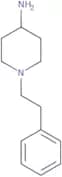
CAS:Controlled Product<p>Please enquire for more information about 1-(2-Phenylethyl)piperidin-4-amine dihydrochloride including the price, delivery time and more detailed product information at the technical inquiry form on this page</p>Formula:C13H20N2Purity:Min. 95%Molecular weight:204.31 g/mol(1R,2R)-Boc-aminocyclopentane carboxylic acid
CAS:<p>(1R,2R)-Boc-aminocyclopentane carboxylic acid (BCPC) is a high quality, reagent, and useful intermediate. It is a versatile building block that can be used as a speciality chemical or research chemical. BCPC has been shown to react with amines to form ureas, with nitriles to form oxazolidines, and with epoxides to form aziridinones.</p>Formula:C11H19NO4Purity:Min. 95%Color and Shape:White PowderMolecular weight:229.27 g/mol4,6-Diaminobenzene-1,3-dicarboxylic acid
CAS:<p>4,6-Diaminobenzene-1,3-dicarboxylic acid is an inorganic copper compound that is used as a copper salt. It has been shown to be effective as a chelating agent for the treatment of copper toxicity. 4,6-Diaminobenzene-1,3-dicarboxylic acid binds to metal ions and forms a complex with them. This complex can then be excreted from the body through urine or bile.</p>Formula:C8H8N2O4Purity:Min. 95%Molecular weight:196.16 g/molrac benzodioxole-5-butanamine hydrochloride
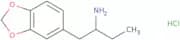
CAS:Controlled Product<p>Racemic benzodioxole-5-butanamine hydrochloride (RAC) is a pharmacologic agent that has been shown to bind to dopamine receptors, thereby activating them. It has been shown to be an effective treatment for depression and other mental illnesses. Racemic benzodioxole-5-butanamine hydrochloride is also used in analytical toxicology as a chromatographic standard. This compound has been synthesized using the asymmetric synthesis of primary amines. RAC is also an enantiomer and can exist in two forms: (+)-RAC and (-)-RAC, which are mirror images of each other. The (+) form of racemic benzodioxole-5-butanamine hydrochloride is the more active form, with greater binding affinity for dopamine receptors than the (-) form.</p>Formula:C11H16ClNO2Purity:Min. 95%Molecular weight:229.7 g/mol2-(Trifluoroacetamido)Ethylamine Hydrochloride
CAS:<p>Please enquire for more information about 2-(Trifluoroacetamido)Ethylamine Hydrochloride including the price, delivery time and more detailed product information at the technical inquiry form on this page</p>Formula:C4H7F3N2OPurity:Min. 95%Molecular weight:156.11 g/mol3-Methoxy methamphetamine hydrochloride
CAS:Controlled Product<p>Please enquire for more information about 3-Methoxy methamphetamine hydrochloride including the price, delivery time and more detailed product information at the technical inquiry form on this page</p>Formula:C11H18ClNOPurity:Min. 95%Molecular weight:215.72 g/mol1-(Methylamino)adamantane
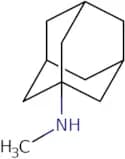
CAS:<p>1-(Methylamino)adamantane is a dopamine receptor ligand that has been shown to be neuroprotective in rodent models of ischemia-reperfusion injury. 1-(Methylamino)adamantane exhibits high affinity for the D2 subtype, with potency and efficacy that are comparable to those of dopamine. It also acts as an agonist at the D1 and D3 receptors, although it displays weaker binding affinity than dopamine. The neuroprotective effects of 1-(methylamino)adamantane have been demonstrated in wild-type mice following ischemia-reperfusion injury, but not in animals with a mutant form of the gene encoding dopamine receptors. These findings suggest that 1-(methylamino)adamantane may be able to provide protection against ischemia-reperfusion injury by acting on downstream pathways such as protein kinase C or nitric oxide synthase.</p>Formula:C11H19NPurity:Min. 95%Molecular weight:165.28 g/mol5'-Amino-5'-deoxy-2',3'-O-(1-methylethylidene)-adenosine
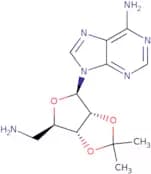
CAS:<p>Please enquire for more information about 5'-Amino-5'-deoxy-2',3'-O-(1-methylethylidene)-adenosine including the price, delivery time and more detailed product information at the technical inquiry form on this page</p>Formula:C13H18N6O3Purity:Min. 95%Molecular weight:306.32 g/mol[2-(5-Fluoro-1-methyl-1H-indol-3-yl)ethyl]amine hydrochloride
CAS:Controlled Product<p>Please enquire for more information about [2-(5-Fluoro-1-methyl-1H-indol-3-yl)ethyl]amine hydrochloride including the price, delivery time and more detailed product information at the technical inquiry form on this page</p>Formula:C11H13FN2·HClPurity:Min. 95%Molecular weight:228.69 g/mol2-Aminomethyl-4-(4-fluorobenzyl)morpholine
CAS:<p>2-Aminomethyl-4-(4-fluorobenzyl)morpholine (2AMFM) is a prokinetic agent that has been shown to be effective as a treatment for gastrointestinal motility disorders. This drug binds to the 5HT4 receptors, which are found on the enteric nervous system and in the gut. 2AMFM has been shown to increase the frequency of contractions in rat ileum and small intestine preparations. It also increases gastric emptying time and decreases postprandial acidity in dogs. 2AMFM is an enantiomeric mixture of two chiral molecules that are mirror images of each other. The racemic mixture is synthesized by reacting 2-aminomethyl-4-(4-fluorobenzyl)morpholine with chloroacetic acid ethyl ester.</p>Formula:C12H17FN2OPurity:Min. 95%Color and Shape:Clear LiquidMolecular weight:224.27 g/molDiethyl[2-(4-nitrophenoxy)ethyl]amine
CAS:Controlled Product<p>Please enquire for more information about Diethyl[2-(4-nitrophenoxy)ethyl]amine including the price, delivery time and more detailed product information at the technical inquiry form on this page</p>Formula:C12H18N2O3Purity:Min. 95%Molecular weight:238.28 g/mol1-(Boc-amino)-4,9-dioxa-12-dodecanamine
CAS:Controlled Product<p>Please enquire for more information about 1-(Boc-amino)-4,9-dioxa-12-dodecanamine including the price, delivery time and more detailed product information at the technical inquiry form on this page</p>Formula:C15H32N2O4Purity:Min. 95%Molecular weight:304.43 g/molTetrabutylammonium hexafluorophosphate
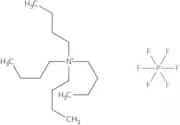
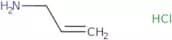
CAS:<p>Tetrabutylammonium hexafluorophosphate is a chemical reagent that is used in organic synthesis. It is a strong Lewis acid that reacts with substrates to form adducts. Tetrabutylammonium hexafluorophosphate reacts with trifluoroacetic acid, ethylene diamine, and hydrogen fluoride to produce the salt tetrabutylammonium hexafluorophosphate dihydrate (TBAPF). The reaction proceeds through an ionic intermediate that involves the abstraction of a proton from the substrate by the tetrabutylammonium cation followed by nucleophilic attack on the anion by water. Tetrabutylammonium hexafluorophosphate dihydrate can be formed via this mechanism as well as through a simple salt metathesis reaction between TBAPF and sodium carbonate. This reagent has been shown to form crystals of good quality for</p>Formula:C16H36F6NPPurity:Min. 98.0%Color and Shape:PowderMolecular weight:387.43 g/molPoly(allylamine hydrochloride) - MW 15000
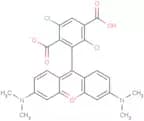
CAS:<p>Allylamine HCl content - max 7%</p>Formula:(C3H7N)x•(HCl)xColor and Shape:Clear Liquid1,4-Dichloro 6-carboxytetramethylrhodamine
CAS:<p>1,4-Dichloro 6-carboxytetramethylrhodamine is a rhodamine-class fluorescent dye with excitation/emission wavelengths of 541/568 nm.</p>Formula:C25H20Cl2N2O5Purity:99.99%Color and Shape:SolidMolecular weight:499.34N-[(1S)-1-(Aminocarbonyl)propyl]-4-chlorobutanamide
CAS:<p>Please enquire for more information about N-[(1S)-1-(Aminocarbonyl)propyl]-4-chlorobutanamide including the price, delivery time and more detailed product information at the technical inquiry form on this page</p>Formula:C8H15ClN2O2Purity:Min. 95%Color and Shape:PowderMolecular weight:206.67 g/mol2-[(1S)-1-Aminopropyl]-5-fluoro-3-phenyl-4(3H)-quinazolinone
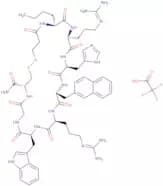
CAS:Controlled Product<p>Intermediate in the synthesis of idelalisib (CAL 101)</p>Formula:C17H16FN3OPurity:Min. 95%Molecular weight:297.33 g/mol(Deamino-Cys3, Nle 4,Arg5,D-2-Nal 7,Cys11)-a-MSH (3-11) amide trifluoroacetate salt
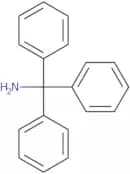
CAS:<p>Please enquire for more information about (Deamino-Cys3, Nle 4,Arg5,D-2-Nal 7,Cys11)-a-MSH (3-11) amide trifluoroacetate salt including the price, delivery time and more detailed product information at the technical inquiry form on this page</p>Formula:C56H76N18O9S2Purity:Min. 95%Molecular weight:1,209.45 g/molTritylamine
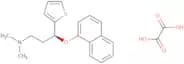
CAS:<p>Tritylamine is an inorganic acid that is synthesized by the reaction of trifluoroacetic acid with ammonia. It can be used to treat autoimmune diseases, such as rheumatoid arthritis, and has been shown to have a beneficial effect on collagen synthesis. Tritylamine has also been studied as a fluorescent probe for the detection of metal ions in biological systems. Tritylamine has been used in asymmetric synthesis and can also inhibit enzymes that catalyze metabolic reactions.</p>Formula:C19H17NPurity:Min. 98 Area-%Color and Shape:White PowderMolecular weight:259.35 g/molS-(+)-N,N-Dimethyl-3-(1-naphthalenyloxy)-3-(2-thienyl)-1-propanamine oxalate
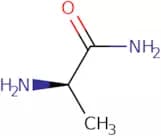
CAS:<p>Please enquire for more information about S-(+)-N,N-Dimethyl-3-(1-naphthalenyloxy)-3-(2-thienyl)-1-propanamine oxalate including the price, delivery time and more detailed product information at the technical inquiry form on this page</p>Purity:Min. 95%(2R)-2-Aminopropanamide
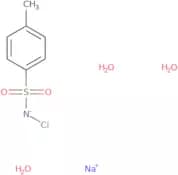
CAS:<p>(2R)-2-Aminopropanamide is a chemical compound that is classified as an amide. It has been shown to inhibit bacterial growth and induce apoptosis in mammalian cells, but not in bacteria. This drug has a number of hydrogen bonding interactions with the carbonyl group and amide functional groups and can bind to affinity ligands with hydrogen bonding interactions. (2R)-2-Aminopropanamide inhibits the activity of enzymes that are involved in the synthesis of d-alanine, which is a precursor for protein synthesis. It also inhibits the enzyme glutamine synthase, which plays a key role in building up nitrogen reserves in bacteria. The drug binds to DNA by forming hydrogen bonds with the phosphate backbone and intercalates into double-stranded DNA by forming van der Waals interactions with base pairs.</p>Formula:C3H8N2OPurity:Min. 95%Molecular weight:88.11 g/molChloramine T trihydrate
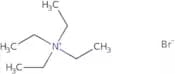
CAS:<p>Chloramine T trihydrate is a water-soluble and biodegradable chemical that is used in wastewater treatment. It reacts with chloramines to produce chloramine, which has a higher disinfectant potential than chlorine. Chloramine T trihydrate also has antimicrobial properties and can be used to control microbial growth in biological samples. In addition, it can inhibit the activity of certain enzymes, such as aziridination, which is involved in the production of nitrosamines and nitric oxide. The matrix effect for chloramine-t may be different from other antimicrobial agents because it does not have a high affinity for proteins. It was found that benzalkonium chloride had an inhibitory effect on chloramine-t activity.<br>MECHANISM OF ACTION: Chloramine T trihydrate is an oxidizing agent that reacts with organic matter to form chloramines and other oxidized products. When these reactions occur in the presence of water or organic material,</p>Formula:C7H7ClNNaO2S•(H2O)3Purity:Min. 98 Area-%Color and Shape:PowderMolecular weight:282.7 g/molTetraethylammonium bromide
CAS:<p>Tetraethylammonium bromide is an ionic liquid that has a low viscosity and high water solubility. It is used as an antimicrobial agent in the process of producing polymers, such as polyurethane. Tetraethylammonium bromide has been shown to be effective against a broad range of bacteria, including Bacillus subtilis and Escherichia coli. It has also been shown to have a protective effect on neurons by preventing neuronal death in response to oxidative stress. This protection may be due to its ability to increase the concentration of cytosolic Ca2+ ions, which are involved in neuronal survival pathways.</p>Formula:C8H20BrNPurity:Min. 95%Color and Shape:White Off-White PowderMolecular weight:210.16 g/molN-Methyl-1-propanamine
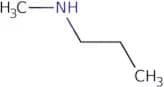
CAS:<p>N-Methyl-1-propanamine is a compound made up of ethylene diamine and activated chlorine. It has been used as a model system to study the biological properties of amines. This compound has been shown to have anti-cancer effects in human serum and is active against inflammation diseases. N-Methyl-1-propanamine is soluble in water, but not in ethanol or acetone. It has a pH optimum at 10 and decomposes at temperatures higher than 120°C. The activation energies for the reactions of this compound with hydrogen bond acceptors, such as alcohols and ethers, are relatively low (around 20 kcal/mol).</p>Formula:C4H11NPurity:Min. 95%Molecular weight:73.14 g/mol6-Aminochrysene
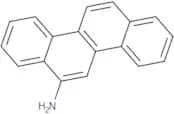
CAS:<p>Inhibitor of benzopyrene metabolism</p>Formula:C18H13NPurity:Min. 95%Color and Shape:Slightly Yellow PowderMolecular weight:243.3 g/mol4,4'-Diaminostilbene
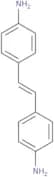
CAS:<p>4,4'-Diaminostilbene is a chemical compound that is stable in the presence of alkali metals. It also has been shown to be titrated with sodium salts and to have a cavity that can be analyzed by fluorescence. 4,4'-Diaminostilbene has been used for the detection of beta-cyclodextrin and sodium ion in analytical methods. The intensity of its fluorescence depends on the concentration of aniline and protonated amines. This compound has been used as a reagent for nmr spectroscopy analysis.</p>Formula:C14H14N2Purity:Min. 95%Color and Shape:PowderMolecular weight:210.27 g/mol2-Hydroxy-5-[(4-{[(6-methoxypyridazin-3-yl)amino]sulfonyl}phenyl)diazenyl]benzoic acid
CAS:<p>Used in treatment of nonspecific ulcerative colitis</p>Formula:C18H15N5O6SPurity:Min. 95%Color and Shape:PowderMolecular weight:429.41 g/mol4-[2-(Fmoc-amino)ethyl]-1-piperazineacetic acid dihydrochloride
CAS:<p>Please enquire for more information about 4-[2-(Fmoc-amino)ethyl]-1-piperazineacetic acid dihydrochloride including the price, delivery time and more detailed product information at the technical inquiry form on this page</p>Formula:C23H27N3O4•2HClPurity:Min. 95%Color and Shape:PowderMolecular weight:482.4 g/molPhenolphthalein monophosphate di(cyclohexylammonium)
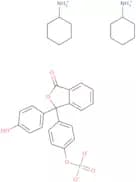
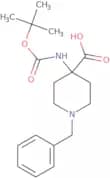
CAS:<p>Phenolphthalein monophosphate di(cyclohexylammonium) is a fine chemical that can be used as a building block in research, reagent, or speciality chemical. It is a versatile building block and reaction component that can be used as an intermediate to make other compounds. Phenolphthalein monophosphate di(cyclohexylammonium) is also used as a scaffold for the synthesis of complex chemicals. This complex compound has CAS number 14815-59-9.</p>Formula:C20H15O7P•2C6H13NPurity:Min. 90%Color and Shape:PowderMolecular weight:596.65 g/mol1-Benzyl-4-((tert-butoxycarbonyl)amino)piperidine-4-carboxylic acid
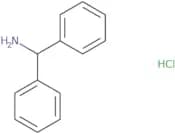
CAS:<p>Please enquire for more information about 1-Benzyl-4-((tert-butoxycarbonyl)amino)piperidine-4-carboxylic acid including the price, delivery time and more detailed product information at the technical inquiry form on this page</p>Formula:C18H26N2O4Purity:Min. 95%Molecular weight:334.41 g/molBenzhydrylamine resin (200-400 mesh)·HCl
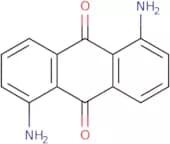
<p>Please enquire for more information about Benzhydrylamine resin (200-400 mesh)·HCl including the price, delivery time and more detailed product information at the technical inquiry form on this page</p>Purity:Min. 95%1,5-Diaminoanthraquinone
CAS:<p>1,5-Diaminoanthraquinone (1,5-DA) is an intermolecular hydrogen bonding compound that has been used as an optical sensor. The 1,5-DA molecule has the ability to form hydrogen bonds with chloride and sodium carbonate. This interaction can be exploited for surface-enhanced Raman spectroscopy of cell nuclei. The 1,5-DA molecule also interacts with supramolecular assemblies to produce surface-enhanced Raman scattering. In addition, 1,5-DA has a metal chelate property that allows it to bind to ferrocene carboxylic acid molecules. It can also form hydrogen bonds with vinyl alcohol molecules in multiwall carbon nanotubes. The molecular structure of 1,5-DA consists of rings containing five carbons each. These rings are linked together by amine groups and are attached to a central nitrogen atom on one end and a hydroxyl group on the other end.</p>Formula:C14H10N2O2Purity:Min. 95%Color and Shape:Red PowderMolecular weight:238.24 g/molMyristyl dimethylamine oxide
CAS:<p>Myristyl dimethylamine oxide is a surfactant that is used in wastewater treatment. It is also an antimicrobial agent that exhibits broad-spectrum activity against bacteria, yeast and moulds. Myristyl dimethylamine oxide has been shown to have a low toxicity to humans and other mammals. The antimicrobial activity of this compound may be due to its ability to inhibit microbial growth by disrupting the cell membrane or by inhibiting protein synthesis. Myristyl dimethylamine oxide can be found in many household products, including soaps, shampoos, toothpaste, mouthwash, and cosmetics. !-- -->Myristyl dimethylamine oxide is also used in the prevention of HIV infection by blocking the binding of HIV to the CD4 receptor on cells. This compound has been shown to block HIV-1 entry into human cells and inhibit HIV replication in vitro with high values for protonation.</p>Formula:C16H35NOPurity:(%) Min. 98%Color and Shape:Clear LiquidMolecular weight:257.46 g/mol3-Boc-amino-2,6-dioxopiperidine
CAS:<p>Please enquire for more information about 3-Boc-amino-2,6-dioxopiperidine including the price, delivery time and more detailed product information at the technical inquiry form on this page</p>Formula:C10H16N2O4Purity:Min. 95%Molecular weight:228.25 g/molDes[3-acetyl-5-(2-dimethylamino)ethyl] diltiazem
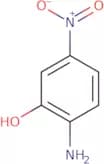
CAS:<p>Diltiazem is an anti-anginal agent that belongs to the group of calcium channel blockers. It is used to treat chest pain (angina) due to coronary artery disease and other conditions. Diltiazem is a racemic mixture of two enantiomers, (+)-diltiazem and (-)-diltiazem. The synthesis of diltiazem from (+)-diltiazem has been reported by asymmetric synthesis with a chiral catalyst. In this process, irradiation of the reaction mixture at 254 nm converts the nitro group in the molecule into an anisaldehyde group, which can be cleaved by nucleophilic substitution with phenylmethyl sulfide. This high yield, efficient method produces diltiazem hydrochloride as a white solid that crystallizes in needles or crystals.</p>Formula:C16H15NO3SPurity:Min. 95%Color and Shape:Beige PowderMolecular weight:301.36 g/mol5-Nitro-2-aminophenol
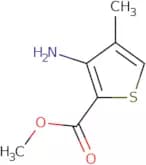
CAS:<p>5-Nitro-2-aminophenol is an aminophenol that has been shown to be a carcinogen in animal studies. It can cause allergic reactions and has been shown to have oxidative DNA damage, which can lead to cancer. 5-Nitro-2-aminophenol is used as a chemical intermediate in the preparation of other chemicals and pharmaceuticals. This chemical has been studied extensively for its analytical properties and is used as a reagent in chromatography. The coordination geometry of 5-nitro-2-aminophenol is octahedral, with nitro groups occupying one axial site each. The toxicity of this compound in animals has been studied extensively, including carcinogenic potential and mutagenicity studies, and it has been shown to inhibit the growth of cultured cells at high concentrations.</p>Formula:C6H6N2O3Purity:Min. 95%Molecular weight:154.12 g/mol3-Amino-4-methyl-thiophen-2-carboxylic acid methyl ester
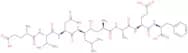
CAS:<p>3-Amino-4-methylthiophen-2-carboxylic acid methyl ester (3AMTC) is a novel compound that has been shown to have antihypertensive activity, as well as other pharmacological actions. 3AMTC is an allosteric modulator of α7 nicotinic acetylcholine receptors, which are found in the central and peripheral nervous system. The efficacy of 3AMTC was evaluated using magnetic resonance spectroscopy to measure the effects on mouse tumor cells. This compound showed no carcinogenic potential, which may be due to its inability to cross the blood brain barrier.</p>Purity:Min. 95%Molecular weight:171.22 g/molH-Glu-Leu-Asp-[(2R,4S,5S)-5-amino-4-hydroxy-2,7-dimethyl-octanoyl]-Ala-Glu-Phe-OH
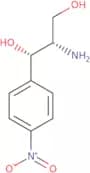
CAS:<p>Please enquire for more information about H-Glu-Leu-Asp-[(2R,4S,5S)-5-amino-4-hydroxy-2,7-dimethyl-octanoyl]-Ala-Glu-Phe-OH including the price, delivery time and more detailed product information at the technical inquiry form on this page</p>Formula:C42H65N7O15Purity:Min. 95%Molecular weight:908 g/molL-threo-(+)-2-Amino-1-(4-nitrophenyl)-1,3-propanediol
CAS:<p>L-threo-(+)-2-amino-1-(4-nitrophenyl)-1,3-propanediol is a functional group that is composed of a fatty acid and an amino acid. It has been shown to inhibit the growth of corynebacterium glutamicum bacteria by hydrolyzing their cell wall. This compound also inhibits the activity of bacterial enzymes that are involved in the synthesis of proteins. This functional group may be useful for the treatment of chronic lymphocytic leukemia and HIV infection.</p>Formula:C9H12N2O4Purity:Min. 95%Color and Shape:PowderMolecular weight:212.2 g/mol[5-(5,6-Dimethyl-1,3-benzoxazol-2-yl)-2-methylphenyl]amine
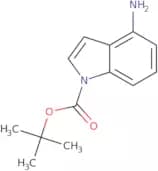
CAS:<p>[5-(5,6-Dimethyl-1,3-benzoxazol-2-yl)-2-methylphenyl]amine is a high quality chemical used in the research and development of new drugs. It is useful as a building block or intermediate for complex compounds, such as pharmaceuticals, agrochemicals, and dyes. It is also used as an intermediate to produce other chemicals with antimicrobial properties. This compound can be used in the production of many different types of products.</p>Formula:C16H16N2OPurity:Min. 95%Color and Shape:Beige PowderMolecular weight:252.31 g/mol1-Boc-4-aminoindole
CAS:<p>Please enquire for more information about 1-Boc-4-aminoindole including the price, delivery time and more detailed product information at the technical inquiry form on this page</p>Formula:C13H16N2O2Purity:Min. 95%Molecular weight:232.28 g/molMca-(Asn670,Leu671)-Amyloid β/A4 Protein Precursor770 (667-674)-Dap (Dnp) ammonium acetate salt
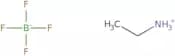
CAS:<p>Please enquire for more information about Mca-(Asn670,Leu671)-Amyloid beta/A4 Protein Precursor770 (667-674)-Dap (Dnp) ammonium acetate salt including the price, delivery time and more detailed product information at the technical inquiry form on this page</p>Formula:C56H73N13O26Purity:Min. 95%Molecular weight:1,344.25 g/molEthylammonium Tetrafluoroborate
CAS:Controlled Product<p>Ethylammonium tetrafluoroborate is an ionic liquid that is a colorless, nonvolatile liquid at room temperature. It has a melting point of -9 °C and a boiling point of 230 °C. This compound is soluble in water and organic solvents, but insoluble in diethyl ether. Ethylammonium tetrafluoroborate can be used as an electrolyte for lithium-ion batteries. The reversible oxidation reaction of ethylammonium tetrafluoroborate can be catalyzed by the addition of fluorine or carbonyl groups to the molecule. The NMR spectra of ethylammonium tetrafluoroborate show that it contains an alcohol group with a phase transition temperature near 35 °C and an activation energy near 15 kJ/mol. This compound also undergoes polymerization reactions with various types of monomers, such as vinyl acetate and methyl methacrylate,</p>Formula:C2H7BF4NPurity:Min. 95%Color and Shape:PowderMolecular weight:131.89 g/mol4-Aminopicolinic acid
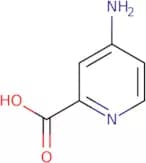
CAS:<p>4-Aminopicolinic acid is a synthetic amine that has been shown to activate plant science. 4-Aminopicolinic acid is a cyclic peptide with two subunits, one of which is 4-amino-3-pyridinecarboxylic acid. This compound has been synthesized from picolinic acid, an agriculturally important compound that is found in plant and animal tissues. The synthesis of 4-aminopicolinic acid involves the reaction of picolinic acid with nitrous oxide, followed by hydrolysis and oxidation to form the desired product. Hplc analyses have confirmed the presence of picolinic acid in extracts from various plants containing this compound.</p>Formula:C6H6N2O2Purity:Min. 95%Color and Shape:White To Beige Or Pink To Light Brown SolidMolecular weight:138.12 g/mol6-Fluoro-3,4-Pyridinediamine
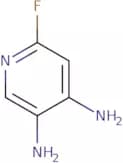
CAS:<p>Please enquire for more information about 6-Fluoro-3,4-Pyridinediamine including the price, delivery time and more detailed product information at the technical inquiry form on this page</p>Formula:C5H6FN3Purity:Min. 95%Molecular weight:127.12 g/mol(2-Furylmethyl)methylamine
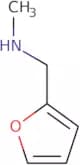
CAS:<p>(2-Furylmethyl)methylamine is a protein inhibitor that has been shown to inhibit γ-secretase, an enzyme responsible for the cleavage of amyloid precursor protein (APP) and the production of beta-amyloid. It has also been shown to be effective in treating cancer and Alzheimer's disease when administered as an intravenous injection or oral medication. The effects on animals were observed in a study involving mice with bladder cancer. (2-Furylmethyl)methylamine was found to inhibit the growth of bladder cancer cells and induce apoptosis. This compound also inhibits glycogen synthase kinase 3 (GSK3), which is involved in cell proliferation. Trichophyton mentagrophytes, a fungus that causes athlete's foot, has also been found to be sensitive to this drug. Heterocycles are not affected by this compound because they lack nitrogen atoms at their positions corresponding to those in the amide group</p>Formula:C6H9NOPurity:Min. 95%Color and Shape:Colorless Clear LiquidMolecular weight:111.14 g/mol2-Amino-5-methylpyridine
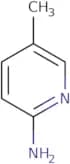
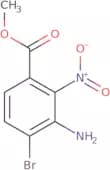
CAS:<p>2-Amino-5-methylpyridine is a chemical compound that belongs to the group of methyl ketones. It has a nitrogen atom and an oxygen atom in its structure, which allows it to form hydrogen bonds with other molecules. 2-Amino-5-methylpyridine can be obtained by reacting hydrochloric acid and xanthone in the presence of a base. The compound is highly reactive and has been shown to have antiinflammatory properties. This can be attributed to its ability to inhibit prostaglandin synthesis. 2-Amino-5-methylpyridine also has fluorescence properties that are sensitive to pH changes and can be used as a probe for metal ions.<br>2-Amino-5-methylpyridine is an organic compound that contains a methyl group, two nitrogen atoms, and one oxygen atom in its chemical structure. This molecule can form hydrogen bonds with other molecules due to its nitrogen atoms and oxygen atom,</p>Formula:C6H8N2Purity:Min. 95%Color and Shape:PowderMolecular weight:108.14 g/molMethyl 3-amino-4-bromo-2-nitrobenzoate
CAS:<p>Please enquire for more information about Methyl 3-amino-4-bromo-2-nitrobenzoate including the price, delivery time and more detailed product information at the technical inquiry form on this page</p>Formula:C8H7BrN2O4Purity:Min. 95%Molecular weight:275.06 g/molGastrin I (1-14) (human) ammonium salt
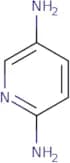
CAS:<p>Please enquire for more information about Gastrin I (1-14) (human) ammonium salt including the price, delivery time and more detailed product information at the technical inquiry form on this page</p>Formula:C79H100N16O27Purity:Min. 95%Molecular weight:1,705.73 g/mol2,5-Diaminopyridine
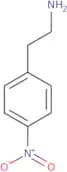
CAS:<p>2,5-Diaminopyridine is an organic compound that is expressed in the human body. It has been shown to inhibit the growth of cells in culture by binding to their DNA and preventing the production of hydrogen bonds. 2,5-Diaminopyridine has also been used clinically to treat inflammatory diseases such as rheumatoid arthritis. The hydrogen bond formation and inhibition of cell growth occurs at a low concentration of 2,5-Diaminopyridine. This drug may have potential as a therapeutic agent for cancer treatment because it inhibits the transcription factor CXCR4.</p>Formula:C5H7N3Purity:Min. 98.0 Area-%Color and Shape:Yellow To Purple To Brown SolidMolecular weight:109.13 g/mol4-Nitrophenethylamine
CAS:Controlled Product<p>4-Nitrophenethylamine is a synthetic chemical that is used as an antigen to raise antibodies. It is used in the detection of chemical substances that are associated with the production of histamine and acetylcholine. This chemical has been shown to inhibit the reaction between nitro and acylation, which can lead to the formation of carcinogenic nitrosamines. 4-Nitrophenethylamine also has an inhibitory effect on oxidases and amines, which are enzymes found in cells. This chemical binds to amide groups in proteins and inhibits their activity.</p>Formula:C8H10N2O2Purity:Min. 95%Color and Shape:LiquidMolecular weight:166.18 g/mol1-[(3,3-Diphenylpropyl)methylamino]-2-methyl-2-propanol
CAS:<p>1-[(3,3-Diphenylpropyl)methylamino]-2-methyl-2-propanol is an epoxy that can be synthesized from benzene and lercanidipine. It has been used in the production of cinnamic acid and other molecules. This molecule can be prepared by reacting cinnamic acid with chloromethyl methyl ether in a ring-opening reaction. The chloride ion is utilized as a nucleophile to react with the amide nitrogen atom of the cinnamic acid molecule to form the amide bond. The large-scale production of 1-[(3,3-diphenylpropyl)methylamino]-2-methyl-2-propanol utilizes refluxing to remove water and other byproducts that are formed during the process.</p>Formula:C20H27NOPurity:Min. 95%Molecular weight:297.43 g/molAminomethyl resin (200-400 mesh)
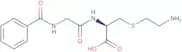
CAS:<p>Aminomethyl resin is a polymeric solid that is used in peptide synthesis. It has been shown to interact with peptides and peptide fragments with high efficiency. Aminomethyl resin also has the ability to form specific interactions with amino acids and other molecules that are involved in the chemical synthesis of peptides. This resin can be used for screening and purification of peptides.</p>Purity:Min. 95%Hippuryl-Cys(2-aminoethyl)-OH hydrochloride salt
CAS:<p>Please enquire for more information about Hippuryl-Cys(2-aminoethyl)-OH hydrochloride salt including the price, delivery time and more detailed product information at the technical inquiry form on this page</p>Formula:C14H19N3O4SPurity:Min. 95%Molecular weight:325.38 g/molAc-p-amino-Phe-OMe
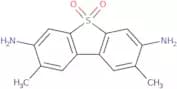
CAS:<p>Please enquire for more information about Ac-p-amino-Phe-OMe including the price, delivery time and more detailed product information at the technical inquiry form on this page</p>Formula:C12H16N2O3Purity:Min. 95%Molecular weight:236.27 g/mol3,7-Diamino-2,8-dimethyldibenzothiophene sulfone, contains 2,6-Dimethyl isomer
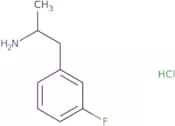
CAS:<p>3,7-Diamino-2,8-dimethyldibenzothiophene sulfone (contains 2,6-Dimethyl isomer) is a hydrophilic aromatic hydrocarbon that is used in the production of polymers. It is a copolymerization agent and monomer for epoxy resins and vulcanizates. The product contains impurities such as benzene and sulfur.</p>Formula:C14H14N2O2SPurity:Min. 95%Color and Shape:Slightly Yellow PowderMolecular weight:274.34 g/molrac 3-fluoro amphetamine hydochloride
CAS:Controlled Product<p>3-Fluoroamphetamine hydrochloride (3FAH) is a histological and microscopic technique used to study the effects of analgesics on human skin. 3FAH is an analgesic that has been shown to reduce pain in a number of studies. It has also been observed to enhance the effects of laser treatments on human skin, as it reduces inflammation and increases transdermal permeation. This drug is applied topically or injected for the treatment of pain, muscle spasms, or Parkinson’s disease. 3FAH can be administered by iontophoresis or permeation techniques, which are both effective ways to deliver drugs through skin.</p>Formula:C9H13ClFNPurity:Min. 95%Molecular weight:189.66 g/molBoc-15-amino-4,7,10,13-tetraoxapentadecanoic acid
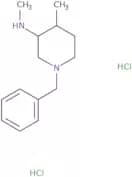
CAS:<p>Boc-15-amino-4,7,10,13-tetraoxapentadecanoic acid is a PEG compound with two different functional groups (also known as heterobifunctional). Unlike homobifunctional PEG compounds (same functional group on both ends), this type of compounds are more versatile as have two different anchor points. Boc-15-amino-4,7,10,13-tetraoxapentadecanoic acid is used as a linker and spacer to add a PEG moiety, via pegylation (a bioconjugation technique) to proteins, peptides, oligonucleotides, small molecules and nanoparticles.</p>Formula:C16H31NO8Purity:Min. 95%Molecular weight:365.42 g/molN,4-Dimethyl-1-(phenylmethyl)-3-piperidinamine hydrochloride (1:2)
CAS:<p>Intermediate in the synthesis of tofacitinib</p>Formula:C14H24N2Cl2Purity:Min. 95%Molecular weight:291.26 g/mol(7-Diethylaminocoumarin-3-yl)carbonyl-Amyloid b-Protein (1-40) trifluoroacetate salt
CAS:<p>Please enquire for more information about (7-Diethylaminocoumarin-3-yl)carbonyl-Amyloid b-Protein (1-40) trifluoroacetate salt including the price, delivery time and more detailed product information at the technical inquiry form on this page</p>Formula:C208H308N54O61SPurity:Min. 95%Molecular weight:4,573.06 g/mol2-Methoxy-5-[[(phenylmethyl)sulfonyl]methyl]benzenamine
CAS:<p>3-Amino-4-methoxybenzyl sulphone is a high quality, versatile building block that is used in the synthesis of complex compounds. It is a reagent that can be used for reactions such as the coupling of amines and carboxylic acids. 3-Amino-4-methoxybenzyl sulphone is also useful in the synthesis of pharmaceuticals and speciality chemicals. The compound has been shown to react with other substances, such as thiols and alcohols, to form new materials with interesting properties.</p>Formula:C15H17NO3SPurity:Min. 95%Color and Shape:PowderMolecular weight:291.37 g/molOM99-2trifluoroacetate salt
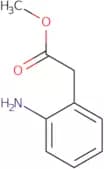
CAS:<p>Please enquire for more information about OM99-2trifluoroacetate salt including the price, delivery time and more detailed product information at the technical inquiry form on this page</p>Formula:C41H64N8O14Purity:Min. 95%Molecular weight:892.99 g/molMethyl 2-(2-aminophenyl)acetate
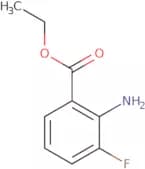
CAS:<p>Methyl 2-(2-aminophenyl)acetate is a synthetic compound that can be activated with nanomolar concentrations of cyanide. It is a potent cytotoxic agent that exhibits minimal activity in the presence of cells. Methyl 2-(2-aminophenyl)acetate has shown to have antiviral and antitumor properties, as well as potential use in cancer therapy. Methyl 2-(2-aminophenyl)acetate is synthesized by reacting an aldehyde group with a primary amine to produce an amide bond. This reaction also produces a linker molecule, which can be used for immobilization. Immobilization occurs when the chemical is bound to an insoluble support or carrier, such as silica gel or glass beads. Immobilization can increase the stability of the reactant, decrease its rate of degradation, and facilitate separation from unreacted components.</p>Formula:C9H11NO2Purity:Min. 95%Molecular weight:165.19 g/mol2-Amino-3-fluorobenzoic acid ethyl ester
CAS:<p>Please enquire for more information about 2-Amino-3-fluorobenzoic acid ethyl ester including the price, delivery time and more detailed product information at the technical inquiry form on this page</p>Formula:C9H10FNO2Purity:Min. 95%Color and Shape:PowderMolecular weight:183.18 g/mol(2S)-2-Amino-4-methyl-1-[(2R)-2-methyloxiranyl]-1-pentanone trifluoroacetate
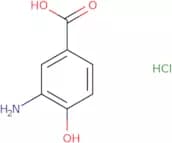
CAS:Controlled Product<p>Please enquire for more information about (2S)-2-Amino-4-methyl-1-[(2R)-2-methyloxiranyl]-1-pentanone trifluoroacetate including the price, delivery time and more detailed product information at the technical inquiry form on this page</p>Formula:C9H17NO2•C2HF3O2Purity:Min. 95%Color and Shape:PowderMolecular weight:285.26 g/mol3-Amino-4-hydroxybenzoic acid hydrochloride
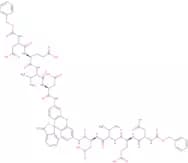
CAS:<p>3-Amino-4-hydroxybenzoic acid hydrochloride (3ABA) is a crystalline compound with a molecular formula of C6H5NO2. It is an acidic compound that is soluble in water and alcohol, but not in ether. 3ABA has been used as the starting material for the synthesis of many other organic compounds. It can be obtained by reacting phenol with chlorobenzoyl chloride to form the chlorobenzoate salt, which on hydrolysis yields 3ABA. This compound has also been used as a reagent for synthesizing carbon nanotubes. The crystal structure of 3ABA was determined using X-ray diffraction data from crystallographic studies, and it was found to have three independent molecules per unit cell. Diffraction indicated that each molecule is composed of two benzene rings joined by a single bond between carbon atoms 1 and 2 and another bond between carbon atoms 2 and 3.</p>Formula:C7H8ClNO3Purity:Min. 95%Molecular weight:189.6 g/mol(Z-Asp-Glu-Val-Asp)2-Rhodamine 110
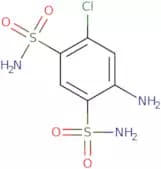
CAS:<p>Fluorogenic dye targeting caspase 3</p>Formula:C72H78N10O27Purity:Min. 95%Molecular weight:1,515.44 g/mol4-Amino-6-chloro-1,3-benzenedisulfonamide
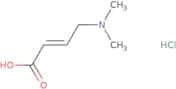
CAS:<p>4-Amino-6-chloro-1,3-benzenedisulfonamide is a natural substance that has been used in Chinese medicine preparations for the treatment of cardiac problems. It belongs to the class of organic compounds called benzenedisulfonamides. 4-Amino-6-chloro-1,3-benzenedisulfonamide is produced by the bacterial enzyme aminase from amino acid and benzoic acid. The adsorption mechanism of 4-Amino-6-chloro-1,3-benzenedisulfonamide is not fully understood, but it is believed that the benzyl groups are key players in this process. The high affinity of 4-Amino-6-chloro1,3 benzenedisulfonamide to proteins may be due to its ability to form hydrogen bonds with protein side chains, such as serine or threonine residues. 4 Amino</p>Formula:C6H8ClN3O4S2Purity:Min. 95%Color and Shape:White To Light Brown SolidMolecular weight:285.73 g/moltrans 4-Dimethylaminocrotonic acid HCl
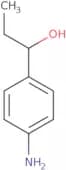
CAS:<p>Intermediate in the synthesis of afatinib</p>Formula:C6H12ClNO2Purity:Min. 95%Color and Shape:White To Off-White SolidMolecular weight:165.62 g/mol4-Aminophenyl ethyl carbinol
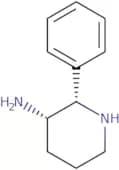
CAS:<p>Please enquire for more information about 4-Aminophenyl ethyl carbinol including the price, delivery time and more detailed product information at the technical inquiry form on this page</p>Formula:C9H13NOPurity:Min. 95%Color and Shape:PowderMolecular weight:151.21 g/mol(2S,3S)-(-)-3-Amino-2-phenylpiperidine
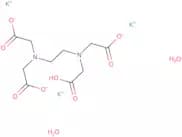
CAS:<p>The process of asymmetric epoxidation is used to convert alkenes into epoxides in a single step. This reaction is catalyzed by the use of a chiral catalyst with an enantiomeric excess (ee) greater than 50%. The reactants are added to the catalyst and hydrogen peroxide, which oxidizes the alkenes. The resulting epoxides can be isolated from the reaction mixture by distillation or extraction. Factors that affect this reaction include the type of reactant, solvent, temperature, and pressure.</p>Formula:C11H16N2Purity:Min. 95%Molecular weight:176.26 g/molEthylenediaminetetraacetic acid tripotassium salt dihydrate
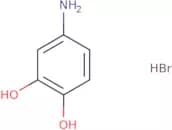
CAS:<p>Ethylenediaminetetraacetic acid tripotassium salt dihydrate is an anticoagulant that can be used as a coagulant for blood samples. It is often used in polymerase chain reactions to synthesize DNA, or to isolate and purify genomic DNA. This compound has ferroelectric properties and can be used as a target cell in optical imaging applications. Ethylenediaminetetraacetic acid tripotassium salt dihydrate is also used in the production of polyurethanes and as a polymerization inhibitor in cinnamon oil.</p>Formula:C10H13K3N2O8·2H2OPurity:Min. 95%Molecular weight:442.54 g/mol4-Aminocatechol hydrobromide
CAS:<p>Please enquire for more information about 4-Aminocatechol hydrobromide including the price, delivery time and more detailed product information at the technical inquiry form on this page</p>Formula:C6H8NO2BrPurity:Min. 95%Color and Shape:Black PowderMolecular weight:206.04 g/molTRAP-6 ammonium acetate salt
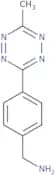
CAS:<p>TRAP-6 is a biocompatible polymer that is used to prevent adhesion of platelets to the endothelium and activation of coagulation. TRAP-6 has been shown to be effective in preventing inflammatory bowel disease, as well as other bowel diseases, by inhibiting the release of inflammatory cytokines such as fibrinogen and erythropoietin. This drug has been shown to have clinical relevance in treating inflammatory bowel disease in animal models. TRAP-6 can also be used to inhibit the growth of bacteria by binding to bacterial cells or by inducing their death. In addition, TRAP-6 can bind with monoclonal antibodies and target specific cells for destruction.</p>Formula:C34H56N10O9Purity:Min. 95%Molecular weight:748.87 g/molMethyltetrazine amine
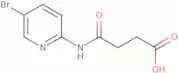
CAS:<p>A building block used for derivatization of carboxylic acids or activated esters with methytetrazine moiety. The stability of Methyltetrazine Amine is substantially improved compared to hydrogen substituted tetrazine-tmine. Superior stability of methyltetrazine-amine allows this reagent to be used in wider range of chemical transformations. Long-term storage of methyltetrazine-amine, especially in aqueous buffer, is also greatly improved compared to Tetrazine Amine.Supplied as the HCl salt</p>Formula:C10H11N5Purity:Min. 95%Color and Shape:PowderMolecular weight:201.23 g/mol4-((5-Bromopyridin-2-yl)amino)-4-oxobutanoic acid
CAS:<p>4-((5-Bromopyridin-2-yl)amino)-4-oxobutanoic acid (BABA) is a potent photosynthetic inhibitor that inhibits light-driven electron transport in chloroplasts. This inhibition of electron transport leads to the accumulation of reactive oxygen species and cellular dysfunction. BABA is used to induce dormancy in plants and is also used as a chemical inhibitor for arabidopsis thaliana, a type of plant commonly used in molecular biology research. Studies have shown that BABA inhibits the growth of fat cells, which may be due to its ability to inhibit protein synthesis, leading to decreased fat deposition. In addition, this drug has been shown to reduce eye disorders such as retinal degeneration and cataracts by inhibiting the production of reactive oxygen species, which causes oxidative stress.</p>Formula:C9H9BrN2O3Purity:(Elemental Analysis) Min. 97%Color and Shape:PowderMolecular weight:273.08 g/mol4-(Fmoc-hydrazino)-benzoylaminomethyl resin (200-400 mesh)
<p>Please enquire for more information about 4-(Fmoc-hydrazino)-benzoylaminomethyl resin (200-400 mesh) including the price, delivery time and more detailed product information at the technical inquiry form on this page</p>Purity:Min. 95%Fmoc-4-methoxy-4'-(γ-carboxypropyloxy)-benzhydrylamine linked to Alanyl-aminomethyl resin (200-400 mesh)
<p>Please enquire for more information about Fmoc-4-methoxy-4'-(gamma-carboxypropyloxy)-benzhydrylamine linked to Alanyl-aminomethyl resin (200-400 mesh) including the price, delivery time and more detailed product information at the technical inquiry form on this page</p>Purity:Min. 95%N-[2-[(2-Bromo-4,6-dinitrophenyl)azo]-5-(diethylamino)phenyl]acetamide
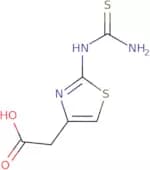
CAS:<p>N-2-[(2-bromo-4,6-dinitrophenyl)azo]-5-(diethylamino)phenyl]acetamide (NBDPA) is a yellowish solid that is soluble in water. It has a molecular weight of 308.3 and chemical formula C14H21BrN2O4. NBDPA is used as an analytical reagent for the kinetic data of liver cells and in wastewater treatment. This compound has been shown to exhibit carcinogenic potential in rats, causing genetic damage to the DNA of liver cells and kidney tissue. NBDPA has also been shown to be toxic to fish embryos and larvae, with significant effects on the development of larvae at high concentrations.</p>Formula:C18H19BrN6O5Purity:90%MinMolecular weight:479.28 g/mol2-(4-((aminothioxomethyl)amino)-3,5-thiazolyl)acetic acid
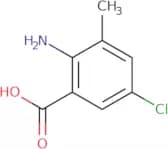
CAS:<p>Please enquire for more information about 2-(4-((aminothioxomethyl)amino)-3,5-thiazolyl)acetic acid including the price, delivery time and more detailed product information at the technical inquiry form on this page</p>Formula:C6H7N3O2S2Purity:Min. 95%Color and Shape:PowderMolecular weight:217.27 g/mol2-Amino-5-chloro-3-methylbenzoic acid
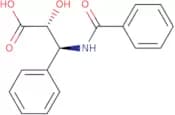
CAS:<p>2-Amino-5-chloro-3-methylbenzoic acid (ACMB) is a substructure of the insecticidal compound chlorantraniliprole. It is a solid at room temperature and has a molecular weight of 142.15 g/mol. ACMB can be extracted from n-hexane, chlorantraniliprole, or xylene using gravimetric analysis. The bioactivity of ACMB can be determined by an anthranilic assay, while its solubility data are available in the literature. ACMB has been shown to have insecticidal activity against lepidoptera larvae and cyanuric activity against mosquito larvae.</p>Formula:C8H8ClNO2Purity:Min. 95%Molecular weight:185.61 g/molN-Benzoyl-(2R,3S)-3-amino-2-hydroxy-3-phenyl-propionicacid
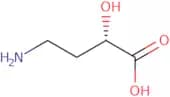
CAS:<p>N-Benzoyl-(2R,3S)-3-amino-2-hydroxy-3-phenylpropionic acid (BAPA) is a substance that is used in the manufacture of various drugs. It is also a potent anticancer drug that can be used for the treatment of cancer. BAPA has been shown to be an effective chemotherapeutic agent against many types of cancer cells. This drug is synthesized through an asymmetric synthesis process and has been shown to have potent cytotoxic effects against cancer cells with low levels of glutathione peroxide reductase. BAPA also inhibits the growth of bacteria by hydrolyzing or oxidizing proteins or by binding to DNA and RNA.</p>Formula:C16H15NO4Purity:Min. 95%Molecular weight:285.29 g/mol(S)-(-)-4-Amino-2-hydroxybutyric acid
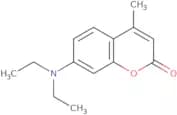
CAS:<p>(S)-(-)-4-Amino-2-hydroxybutyric acid is an antibacterial agent that binds to the bacterial ribosome and prevents protein synthesis. It has been shown to be active against a range of bacteria, including Mycobacterium tuberculosis, Salmonella typhimurium, Staphylococcus aureus, and Streptococcus pyogenes. (S)-(-)-4-Amino-2-hydroxybutyric acid is also used in the analytical determination of other substances such as trifluoroacetic acid and malic acid. The pH optimum for this compound's activity is between 6.5 and 8.5.</p>Formula:C4H9NO3Purity:Min. 95%Color and Shape:White To Yellow SolidMolecular weight:119.12 g/mol7-Diethylamino-4-methylcoumarin
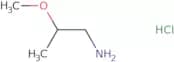
CAS:<p>7-Diethylamino-4-methylcoumarin is a fluorescence probe that can be used in applications such as the study of hydrogen bonding interactions. It is excited by laser light and emits a red-shifted fluorescent light. 7-Diethylamino-4-methylcoumarin is a hydroxyl group analogue of coumarin, which has been shown to have physiological effects on the liver cells. The absorption spectrum of 7-Diethylamino-4-methylcoumarin is sensitive to changes in pH and chemical stability. A decrease in pH increases the intensity of the emission while an increase in pH decreases the intensity of the emission. This compound can also be used to label nucleic acids during polymerase chain reactions (PCR) or for sample preparation before analysis using nuclear magnetic resonance spectroscopy (NMR).</p>Formula:C14H17NO2Purity:Min. 98 Area-%Color and Shape:PowderMolecular weight:231.29 g/mol(2-Methoxypropyl)amine hydrochloride
CAS:<p>2-Methoxypropyl)amine hydrochloride (2MPPA) is a versatile building block that can be used in the synthesis of complex compounds. It is a research chemical that is used as a reagent and as a speciality chemical for the production of pharmaceuticals, agrochemicals, and other organic chemicals. 2MPPA can be used as an intermediate in the manufacture of useful scaffolds or useful reaction components. This product has CAS number 70807-90-8 and is of high quality.</p>Formula:C4H11NO·HClPurity:Min. 95%Color and Shape:SolidMolecular weight:125.6 g/mol([D2]Gly4)-Cholecystokinin Octapeptide (sulfated) ammonium salt
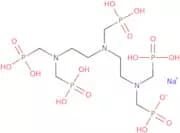
<p>Please enquire for more information about ([D2]Gly4)-Cholecystokinin Octapeptide (sulfated) ammonium salt including the price, delivery time and more detailed product information at the technical inquiry form on this page</p>Formula:C49H60D2N10O16S3Purity:Min. 95%Molecular weight:1,145.28 g/molDiethylenetriaminepenta(methylenephosphonic acid) sodiumsalt
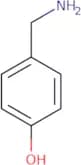
CAS:<p>Diethylenetriaminepenta(methylenephosphonic acid) sodium salt (DTPMP) is a substance that can be found in the environment. It is toxic to living organisms and may cause toxic effects if it is swallowed or inhaled. DTPMP has been classified as a toxic substance by the United States Environmental Protection Agency (EPA).</p>Formula:C9H18N3Na10O15P5Purity:Min. 95%Color and Shape:LiquidMolecular weight:793.02 g/mol4-Hydroxybenzylamine
CAS:<p>4-Hydroxybenzylamine is a reactive compound that belongs to the class of amides. It is found in dietary sources and has been shown to have antihypertensive effects. 4-Hydroxybenzylamine is also used as a chemical intermediate in the synthesis of other compounds, such as 4-hydroxybenzoic acid. The mechanism of this reaction involves hydroxylation of the amide nitrogen by an oxidizing agent, such as trifluoroacetic acid, followed by replacement of hydrogen atoms on the carbonyl carbon with a hydroxyl group. The bioavailability of 4-hydroxybenzylamine is low because it is rapidly metabolized in erythrocytes, liver cells, and lung tissue. This metabolite may be responsible for some side effects seen with 4-hydroxybenzylamine therapy, including cardiac arrhythmias and lysinuria.</p>Formula:C7H9NOPurity:Min. 95%Color and Shape:PowderMolecular weight:123.16 g/mol(2-{Ethyl-[4-(4-nitro-phenylazo)-phenyl]-amino}-ethoxy)-acetic acid-4-nitro-phenyl ester
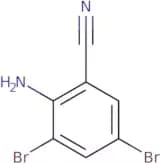
CAS:<p>Please enquire for more information about (2-{Ethyl-[4-(4-nitro-phenylazo)-phenyl]-amino}-ethoxy)-acetic acid-4-nitro-phenyl ester including the price, delivery time and more detailed product information at the technical inquiry form on this page</p>Formula:C24H23N5O7Purity:Min. 95%Molecular weight:493.47 g/mol2-Amino-3,5-dibromobenzonitrile
CAS:<p>2-Amino-3,5-dibromobenzonitrile is an electrophile that is used to synthesize various boronic acid derivatives. It also inhibits butyrylcholinesterase and 2-aminobenzonitrile, enhancing the activity of organophosphorus cholinesterase inhibitors. 2-Amino-3,5-dibromobenzonitrile has been shown to react with nucleophiles at the alpha position to form a stable intermediate. This reaction has been shown to be reversible in aqueous solution. The compound has been evaluated as a potential chemotherapeutic agent against cancer cells in vitro.</p>Formula:C7H4Br2N2Purity:Min. 95%Molecular weight:275.93 g/mol3-Nitro-4-[[(tetrahydropyran-4-yl)methyl]amino]benzenesulfonamide
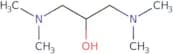
CAS:<p>Please enquire for more information about 3-Nitro-4-[[(tetrahydropyran-4-yl)methyl]amino]benzenesulfonamide including the price, delivery time and more detailed product information at the technical inquiry form on this page</p>Formula:C12H17N3O5SPurity:Min. 95%Molecular weight:315.35 g/mol1,3-Bis(Dimethylamino)-2-Propanol
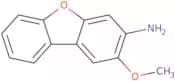
CAS:<p>1,3-Bis(dimethylamino)-2-propanol is a polymeric compound that is soluble in water and organic solvents. It has been shown to have a viscosity of less than 2.0 centipoise (cP) at 20°C and pH 8.5. This compound also has a high solubility in buffers, carboxylates, and chloride ions. 1,3-Bis(dimethylamino)-2-propanol has been used as an additive for silicone surfactants and in the production of tetranuclear gold nanoparticles for use in chemiluminescence applications.</p>Formula:C7H18N2OPurity:Min. 95%Molecular weight:146.23 g/mol3-Amino-2-methoxy-dibenzofuran
CAS:<p>3-Amino-2-methoxy-dibenzofuran (3AMD) is a cytotoxic agent that is used in the treatment of bladder carcinoma. 3AMD inhibits DNA synthesis, leading to cell death by inhibiting the production of proteins vital for cell division. 3AMD has been shown to be a potent inhibitor of cyclen-dependent kinases and to induce DNA damage in human cells. 3AMD also has significant cytotoxicity against malignant cells and has been shown to inhibit the growth of tumours in mice. 3AMD may have carcinogenic potential due to its structural similarity with other carcinogens such as aniline and aminobiphenyl.</p>Purity:Min. 95%Molecular weight:213.23 g/mol







![[2-(5-Fluoro-1-methyl-1H-indol-3-yl)ethyl]amine hydrochloride](/_next/image/?url=https%3A%2Fstatic.cymitquimica.com%2Fproducts%2F3D%2Fthumb-webp%2FFF118334.webp&w=3840&q=75)

![Diethyl[2-(4-nitrophenoxy)ethyl]amine](/_next/image/?url=https%3A%2Fstatic.cymitquimica.com%2Fproducts%2F3D%2Fthumb-webp%2FFD21808.webp&w=3840&q=75)


![N-[(1S)-1-(Aminocarbonyl)propyl]-4-chlorobutanamide](/_next/image/?url=https%3A%2Fstatic.cymitquimica.com%2Fproducts%2F3D%2Fthumb-webp%2FFA171302.webp&w=3840&q=75)
![2-[(1S)-1-Aminopropyl]-5-fluoro-3-phenyl-4(3H)-quinazolinone](/_next/image/?url=https%3A%2Fstatic.cymitquimica.com%2Fproducts%2F3D%2Fthumb-webp%2FFA96431.webp&w=3840&q=75)
![2-Hydroxy-5-[(4-{[(6-methoxypyridazin-3-yl)amino]sulfonyl}phenyl)diazenyl]benzoic acid](/_next/image/?url=https%3A%2Fstatic.cymitquimica.com%2Fproducts%2F3D%2Fthumb-webp%2FFH134950.webp&w=3840&q=75)
![4-[2-(Fmoc-amino)ethyl]-1-piperazineacetic acid dihydrochloride](/_next/image/?url=https%3A%2Fstatic.cymitquimica.com%2Fproducts%2F3D%2Fthumb-webp%2FFF48264.webp&w=3840&q=75)


![Des[3-acetyl-5-(2-dimethylamino)ethyl] diltiazem](/_next/image/?url=https%3A%2Fstatic.cymitquimica.com%2Fproducts%2F3D%2Fthumb-webp%2FFD21106.webp&w=3840&q=75)
![H-Glu-Leu-Asp-[(2R,4S,5S)-5-amino-4-hydroxy-2,7-dimethyl-octanoyl]-Ala-Glu-Phe-OH](/_next/image/?url=https%3A%2Fstatic.cymitquimica.com%2Fproducts%2F3D%2Fthumb-webp%2FFG111094.webp&w=3840&q=75)
![[5-(5,6-Dimethyl-1,3-benzoxazol-2-yl)-2-methylphenyl]amine](/_next/image/?url=https%3A%2Fstatic.cymitquimica.com%2Fproducts%2F3D%2Fthumb-webp%2FFD134975.webp&w=3840&q=75)

![1-[(3,3-Diphenylpropyl)methylamino]-2-methyl-2-propanol](/_next/image/?url=https%3A%2Fstatic.cymitquimica.com%2Fproducts%2F3D%2Fthumb-webp%2FFD22513.webp&w=3840&q=75)


![2-Methoxy-5-[[(phenylmethyl)sulfonyl]methyl]benzenamine](/_next/image/?url=https%3A%2Fstatic.cymitquimica.com%2Fproducts%2F3D%2Fthumb-webp%2FFA70820.webp&w=3840&q=75)
![(2S)-2-Amino-4-methyl-1-[(2R)-2-methyloxiranyl]-1-pentanone trifluoroacetate](/_next/image/?url=https%3A%2Fstatic.cymitquimica.com%2Fproducts%2F3D%2Fthumb-webp%2FFA100028.webp&w=3840&q=75)

![N-[2-[(2-Bromo-4,6-dinitrophenyl)azo]-5-(diethylamino)phenyl]acetamide](/_next/image/?url=https%3A%2Fstatic.cymitquimica.com%2Fproducts%2F3D%2Fthumb-webp%2FFB151321.webp&w=3840&q=75)
![([D2]Gly4)-Cholecystokinin Octapeptide (sulfated) ammonium salt](/_next/image/?url=https%3A%2Fstatic.cymitquimica.com%2Fproducts%2F3D%2Fthumb-webp%2FFG110020.webp&w=3840&q=75)
![(2-{Ethyl-[4-(4-nitro-phenylazo)-phenyl]-amino}-ethoxy)-acetic acid-4-nitro-phenyl ester](/_next/image/?url=https%3A%2Fstatic.cymitquimica.com%2Fproducts%2F3D%2Fthumb-webp%2FFE111186.webp&w=3840&q=75)
![3-Nitro-4-[[(tetrahydropyran-4-yl)methyl]amino]benzenesulfonamide](/_next/image/?url=https%3A%2Fstatic.cymitquimica.com%2Fproducts%2F3D%2Fthumb-webp%2FFN145631.webp&w=3840&q=75)