Amines
Amines are a set of molecules containing an amino functional group (derived from ammonia). This category includes amines at any level of substitution : primary, secondary, tertiary, and ammonium salts. Amines are fundamental in organic synthesis and are widely used in pharmaceuticals, agrochemicals, and materials science. At CymitQuimica, we provide a comprehensive selection of amines to meet your research and industrial needs. Our range ensures access to various amines for diverse chemical processes and innovative research.
Subcategories of "Amines"
- Nitrosamines(2,605 products)
- Primary Amines(30,821 products)
- Quaternary Ammonium Cations and Salts(1,099 products)
- Secondary Amines(20,817 products)
- Tertiary Amines(17,117 products)
Found 8778 products of "Amines"
Sort by
Purity (%)
0
100
|
0
|
50
|
90
|
95
|
100
2-Amino-1-phenylpropan-1-one hydrochloride
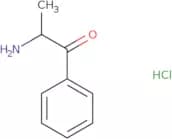
CAS:Controlled Product<p>2-Amino-1-phenylpropan-1-one hydrochloride is a chemical compound that can be used as an intermediate in the synthesis of ethyl formate. It is also a pharmaceutical intermediate, which is used to prepare triazine and alicyclic compounds. It has been shown to have potential use in the treatment of prostatic hypertrophy and heterocycle disorders. 2-Amino-1-phenylpropan-1-one hydrochloride has been found to be active in animals and humans and is not toxic to women or animals. This drug has shown no adverse effects on human health at doses up to 10 g/kg body weight.</p>Formula:C9H11NO•HClPurity:Min. 95%Color and Shape:PowderMolecular weight:185.65 g/molEthyl 4-amino-2-mercaptopyrimidine-5-carboxylate
CAS:<p>Please enquire for more information about Ethyl 4-amino-2-mercaptopyrimidine-5-carboxylate including the price, delivery time and more detailed product information at the technical inquiry form on this page</p>Formula:C7H9N3O2SPurity:Min. 95%Molecular weight:199.23 g/molN-Boc-(3S)-3-phenyl-3-aminopropionaldehyde
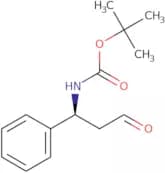
CAS:<p>N-Boc-(3S)-3-phenyl-3-aminopropionaldehyde is a synthetic chiral ligand that can be used as a building block in the synthesis of other compounds. It has been used to optimize the synthetic process, and it can be used in buffers, ammonium formate, metal chelate, and other additives to synthesize new compounds. N-Boc-(3S)-3-phenyl-3-aminopropionaldehyde is an optical isomer that can be used for supercritical fluid chromatography (SCFC) or liquid chromatography (LC). This compound has been shown to have a high affinity for ligands with a phenol group.</p>Formula:C14H19NO3Purity:Min. 95%Molecular weight:249.31 g/mol4-Amino-5-methoxy-2-methylbenzenesulfonic acid
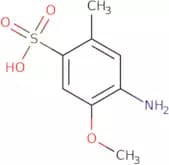
CAS:<p>4-Amino-5-methoxy-2-methylbenzenesulfonic acid is a compound that has been used as an additive to analytical reagents in order to improve their sensitivity. This compound is used as the sodium salt, which is water soluble and has a high degree of reproducibility. 4-Amino-5-methoxy-2-methylbenzenesulfonic acid has also been used for the validation of analytical methods, including calibration and cytotoxicity testing. The validation procedure includes colorants, spectra analysis, impurities, and solvents.</p>Formula:C8H11NO4SPurity:Min. 95%Color and Shape:PowderMolecular weight:217.24 g/mol2-Chloro-N-[2-(diethylamino)ethyl]-4-quinolinecarboxamide
CAS:<p>2-Chloro-N-[2-(diethylamino)ethyl]-4-quinolinecarboxamide is a carboxamide analog of dibucaine. It is synthesized from chloroacetyl chloride and isatin in the presence of sodium hydroxide. The synthesis has been scaled to an industrial level. 2-Chloro-N-[2-(diethylamino)ethyl]-4-quinolinecarboxamide has been shown to have analgesic properties, similar to those of dibucaine. Radiolysis of this compound gives a carboxylic acid and a heterocyclic ring product.</p>Formula:C16H20ClN3OPurity:95%MinColor and Shape:PowderMolecular weight:305.8 g/mol2,7-Bis[2-(diethylamino)ethoxy]-9-fluorenone dihydrochloride
CAS:Controlled Product<p>2,7-Bis[2-(diethylamino)ethoxy]-9-fluorenone dihydrochloride (2,7-BDFE) is a potent inducer of interferon. It is a natural compound that has been shown to have significant cytotoxicity against murine sarcoma virus and opportunistic fungal infections. 2,7-BDFE has also been shown to induce toll-like receptor 4 (TLR4), which triggers the production of other cytokines and chemokines. 2,7-BDFE has also been found to inhibit the growth of cancer cells in vitro and in vivo. This drug is used as an inhibitor for benzalkonium chloride for the prevention of bacterial contamination on surfaces.</p>Formula:C25H36N2O3Cl2Purity:Min. 95%Color and Shape:Yellow PowderMolecular weight:483.47 g/molL-threo-(+)-2-Amino-1-(4-nitrophenyl)-1,3-propanediol
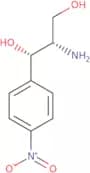
CAS:<p>L-threo-(+)-2-amino-1-(4-nitrophenyl)-1,3-propanediol is a functional group that is composed of a fatty acid and an amino acid. It has been shown to inhibit the growth of corynebacterium glutamicum bacteria by hydrolyzing their cell wall. This compound also inhibits the activity of bacterial enzymes that are involved in the synthesis of proteins. This functional group may be useful for the treatment of chronic lymphocytic leukemia and HIV infection.</p>Formula:C9H12N2O4Purity:Min. 95%Color and Shape:PowderMolecular weight:212.2 g/molFmoc-4-(neopentyloxysulfonyl)-Abu-OH (S)-2-(Fmoc-amino)-4-neopentyloxysulfonyl-butyric acid
CAS:<p>Please enquire for more information about Fmoc-4-(neopentyloxysulfonyl)-Abu-OH (S)-2-(Fmoc-amino)-4-neopentyloxysulfonyl-butyric acid including the price, delivery time and more detailed product information at the technical inquiry form on this page</p>Formula:C24H29NO7SPurity:Min. 95%Molecular weight:475.56 g/mol1-Fluoro-3-phenylpropan-2-amine
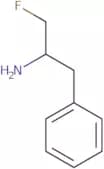
CAS:Controlled Product<p>Please enquire for more information about 1-Fluoro-3-phenylpropan-2-amine including the price, delivery time and more detailed product information at the technical inquiry form on this page</p>Formula:C9H12FNPurity:Min. 95%Color and Shape:Clear LiquidMolecular weight:153.2 g/mol2-[4-(Diethylamino)-2-hydroxybenzoyl]benzoic acid hexyl ester
CAS:<p>2-[4-(Diethylamino)-2-hydroxybenzoyl]benzoic acid hexyl ester is a sunscreen agent that has been shown to be effective against the formation of skin cancer. This compound is a white powder that can be used as a cream or lotion and is typically applied to the skin before going out in the sun. 2-[4-(Diethylamino)-2-hydroxybenzoyl]benzoic acid hexyl ester absorbs ultraviolet radiation, preventing it from penetrating the skin and causing damage. The compound also acts as an antioxidant, protecting cells from oxidative stress.</p>Formula:C24H31NO4Purity:Min. 95%Color and Shape:PowderMolecular weight:397.51 g/molLys(Dabsyl)-(Asn670,Leu671)-Amyloid β/A4 Protein Precursor770 (667-676)-Gln-Lucifer Yellow ammonium salt
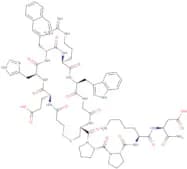
CAS:<p>Please enquire for more information about Lys(Dabsyl)-(Asn670,Leu671)-Amyloid beta/A4 Protein Precursor770 (667-676)-Gln-Lucifer Yellow ammonium salt including the price, delivery time and more detailed product information at the technical inquiry form on this page</p>Formula:C89H122N24O31S3Purity:Min. 95%Molecular weight:2,120.26 g/mol(Deamino-Cys11,D-2-Nal 14,Cys18)-b-MSH (11-22) amide trifluoroacetate salt
CAS:<p>Please enquire for more information about (Deamino-Cys11,D-2-Nal 14,Cys18)-b-MSH (11-22) amide trifluoroacetate salt including the price, delivery time and more detailed product information at the technical inquiry form on this page</p>Formula:C69H91N19O16S2Purity:Min. 95%Molecular weight:1,506.71 g/mol3-Nitro-4-[[(tetrahydropyran-4-yl)methyl]amino]benzenesulfonamide
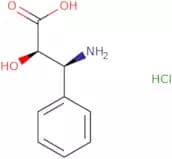
CAS:<p>Please enquire for more information about 3-Nitro-4-[[(tetrahydropyran-4-yl)methyl]amino]benzenesulfonamide including the price, delivery time and more detailed product information at the technical inquiry form on this page</p>Formula:C12H17N3O5SPurity:Min. 95%Molecular weight:315.35 g/mol(2R,3S)-3-Amino-2-hydroxy-3-phenylpropanoic acid hydrochloride
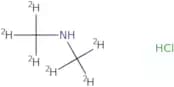
CAS:<p>(2R,3S)-3-Amino-2-hydroxy-3-phenylpropanoic acid hydrochloride is an organic compound that is used in the manufacture of taxol, an anticancer drug. It is synthesized by reacting chloroacetic acid with a metal hydroxide, such as sodium hydroxide or potassium hydroxide. The reaction proceeds spontaneously to form the enantiomerically pure (2R,3S) form and unreacted (2S,3R) form. The (2R,3S) enantiomer has been found to be more reactive than the (2S,3R) form. Quaternary ammonium salts are formed when the (2R,3S) enantiomer reacts with quaternary ammonium compounds such as benzyltrimethylammonium chloride. This compound can also be used in catalytic reactions to produce drugs such as carbapenems and pen</p>Formula:C9H12ClNO3Purity:Min. 95%Molecular weight:217.65 g/molDimethyl-d6-amine HCl
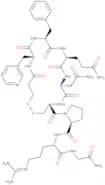
CAS:Controlled Product<p>Dimethyl-d6-amine HCl is a drug that inhibits the growth of cancer cells. It is an inhibitor of epidermal growth factor (EGF), which has been shown to be effective in the treatment of skin cancer. Dimethyl-d6-amine HCl is also effective against some strains of bacteria that are resistant to other antibiotics, such as erythromycin and tetracycline. Dimethyl-d6-amine HCl has been shown to have a suppressive effect on the production of sesquiterpene lactones by dehydrocostus lactone, which may be responsible for its anti-inflammatory properties.</p>Formula:C2H2ClD6NPurity:Min. 95%Color and Shape:White PowderMolecular weight:87.58 g/mol(Deamino-Cys1,b-(3-pyridyl)-D-Ala2,Arg8)-Vasopressin trifluoroacetate salt
CAS:<p>DDAVP is an analogue of vasopressin, which belongs to the class of inositol phosphates. It is a potent agonist for the V1 receptor and has a higher affinity for this receptor than vasopressin. DDAVP also has antagonist properties at the V2 receptor. The biological activity of DDAVP is mediated by its ability to increase phospholipase A2 activity and cause the release of arachidonic acid from membrane phospholipids. This activation causes an increase in prostaglandin synthesis, leading to increased vascular permeability and hypotension. DDAVP may also have antidiuretic effects due to its antagonism of oxytocin receptors.</p>Formula:C45H63N15O11S2Purity:Min. 95%Molecular weight:1,054.21 g/mol3-[(Dimethylamino)methyl]-1,2,4-oxadiazol-5-amine hydrochloride
CAS:<p>3-[(Dimethylamino)methyl]-1,2,4-oxadiazol-5-amine hydrochloride is a versatile building block that is used as an intermediate in the synthesis of fine chemicals. It is also a useful scaffold for the synthesis of biologically active compounds and research chemicals. 3-[(Dimethylamino)methyl]-1,2,4-oxadiazol-5-amine hydrochloride can be prepared by reacting methylamine with 2-aminothiophenol in the presence of a base. This reagent is also useful for the preparation of other compounds such as carbamates and cyclic ureas.</p>Formula:C5H10N4O•HClPurity:Min. 95%Color and Shape:PowderMolecular weight:178.62 g/mol4-Aminostyrene
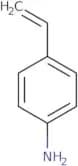
CAS:<p>4-Aminostyrene is a chemical compound that belongs to the class of ethylene diamines. It is a photoelectron acceptor and can be used as a cross-linking agent. 4-Aminostyrene reacts with nitro groups to form polycarboxylic acid amines, which are used in the preparation of model proteins. The use of 4-aminostyrene is limited by its high reactivity with oxygen and light, which leads to degradation.</p>Formula:C8H9NPurity:Min. 95%Color and Shape:Liquid.Molecular weight:119.16 g/mol(S)-4-(4-Aminobenzyl)-2-(1H)-oxazolidinone
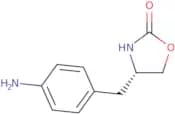
CAS:<p>(S)-4-(4-Aminobenzyl)-2-(1H)-oxazolidinone is a drug substance. It is an intermediate in the synthesis of doripenem, an antibiotic used to treat bacterial infections. The compound's purity can be determined using LC-MS/MS methods. (S)-4-(4-Aminobenzyl)-2-(1H)-oxazolidinone can be quantitated by utilizing the following analytical methods: isocratic high performance liquid chromatography with UV detection at 254 nm, isocratic high performance liquid chromatography with UV detection at 280 nm, and electrospray ionization mass spectrometry.</p>Formula:C10H12N2O2Purity:Min. 95%Molecular weight:192.21 g/mol3-Amino-4-hydroxybenzoic acid hydrochloride
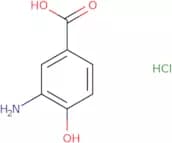
CAS:<p>3-Amino-4-hydroxybenzoic acid hydrochloride (3ABA) is a crystalline compound with a molecular formula of C6H5NO2. It is an acidic compound that is soluble in water and alcohol, but not in ether. 3ABA has been used as the starting material for the synthesis of many other organic compounds. It can be obtained by reacting phenol with chlorobenzoyl chloride to form the chlorobenzoate salt, which on hydrolysis yields 3ABA. This compound has also been used as a reagent for synthesizing carbon nanotubes. The crystal structure of 3ABA was determined using X-ray diffraction data from crystallographic studies, and it was found to have three independent molecules per unit cell. Diffraction indicated that each molecule is composed of two benzene rings joined by a single bond between carbon atoms 1 and 2 and another bond between carbon atoms 2 and 3.</p>Formula:C7H8ClNO3Purity:Min. 95%Molecular weight:189.6 g/molTetrabutylammonium nitrite
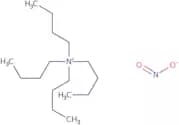
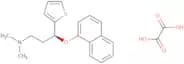
CAS:<p>Tetrabutylammonium nitrite is a tosylate salt. It reversibly binds to copper ions, forming a copper complex that is activated by the presence of nitroalkanes. The binding of tetrabutylammonium nitrite to glycosidic bonds in sugar residues, such as the hemoglobin molecule, leads to the formation of reactive oxygen species (ROS), which are responsible for cell damage. Tetrabutylammonium nitrite has been shown to reduce infarct size and improve cardiac function in animal models following ischemic reperfusion injury. Tetrabutylammonium nitrite also has antioxidant properties due to its ability to scavenge ROS and protect against oxidative stress.</p>Formula:C16H36N2O2Purity:Min. 95%Color and Shape:White PowderMolecular weight:288.47 g/molS-(+)-N,N-Dimethyl-3-(1-naphthalenyloxy)-3-(2-thienyl)-1-propanamine oxalate
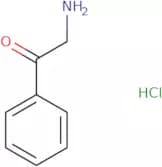
CAS:<p>Please enquire for more information about S-(+)-N,N-Dimethyl-3-(1-naphthalenyloxy)-3-(2-thienyl)-1-propanamine oxalate including the price, delivery time and more detailed product information at the technical inquiry form on this page</p>Purity:Min. 95%2-Aminoacetophenone hydrochloride
CAS:Controlled Product<p>2-Aminoacetophenone hydrochloride is a chemical compound that is used in analytical chemistry as a reagent for the determination of protein and amino acid concentrations. This reagent can be prepared in various forms, depending on the type of analysis being performed. 2-Aminoacetophenone hydrochloride is used to determine the concentration of free amino acids in a sample by binding to it. It can also be used for determining the concentration of bound amino acids by reacting with them with hydrochloric acid. 2-Aminoacetophenone hydrochloride is an excellent substrate for matrix effect, which may cause errors in measurement due to interference from other substances present in the sample. The use of light exposure reduces this problem by removing interfering substances from the sample.</p>Formula:C8H9NO·HClPurity:Min. 95%Color and Shape:PowderMolecular weight:171.62 g/molDABCYL-(Asn670,Leu671)-Amyloid b/A4 Protein Precursor770 (669-674)-EDANS ammonium salt
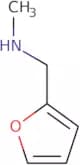
CAS:<p>Please enquire for more information about DABCYL-(Asn670,Leu671)-Amyloid b/A4 Protein Precursor770 (669-674)-EDANS ammonium salt including the price, delivery time and more detailed product information at the technical inquiry form on this page</p>Formula:C54H70N12O15SPurity:Min. 95%Molecular weight:1,159.27 g/mol(2-Furylmethyl)methylamine
CAS:<p>(2-Furylmethyl)methylamine is a protein inhibitor that has been shown to inhibit γ-secretase, an enzyme responsible for the cleavage of amyloid precursor protein (APP) and the production of beta-amyloid. It has also been shown to be effective in treating cancer and Alzheimer's disease when administered as an intravenous injection or oral medication. The effects on animals were observed in a study involving mice with bladder cancer. (2-Furylmethyl)methylamine was found to inhibit the growth of bladder cancer cells and induce apoptosis. This compound also inhibits glycogen synthase kinase 3 (GSK3), which is involved in cell proliferation. Trichophyton mentagrophytes, a fungus that causes athlete's foot, has also been found to be sensitive to this drug. Heterocycles are not affected by this compound because they lack nitrogen atoms at their positions corresponding to those in the amide group</p>Formula:C6H9NOPurity:Min. 95%Color and Shape:Colorless Clear LiquidMolecular weight:111.14 g/mol2-Hydroxy-5-[(4-{[(6-methoxypyridazin-3-yl)amino]sulfonyl}phenyl)diazenyl]benzoic acid
CAS:<p>Used in treatment of nonspecific ulcerative colitis</p>Formula:C18H15N5O6SPurity:Min. 95%Color and Shape:PowderMolecular weight:429.41 g/mol1,5-Diaminoanthraquinone
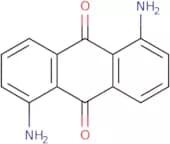
CAS:<p>1,5-Diaminoanthraquinone (1,5-DA) is an intermolecular hydrogen bonding compound that has been used as an optical sensor. The 1,5-DA molecule has the ability to form hydrogen bonds with chloride and sodium carbonate. This interaction can be exploited for surface-enhanced Raman spectroscopy of cell nuclei. The 1,5-DA molecule also interacts with supramolecular assemblies to produce surface-enhanced Raman scattering. In addition, 1,5-DA has a metal chelate property that allows it to bind to ferrocene carboxylic acid molecules. It can also form hydrogen bonds with vinyl alcohol molecules in multiwall carbon nanotubes. The molecular structure of 1,5-DA consists of rings containing five carbons each. These rings are linked together by amine groups and are attached to a central nitrogen atom on one end and a hydroxyl group on the other end.</p>Formula:C14H10N2O2Purity:Min. 95%Color and Shape:Red PowderMolecular weight:238.24 g/molN-Methyl-2-fluoro-4-aminobenzamide
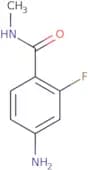
CAS:<p>N-Methyl-2-fluoro-4-aminobenzamide is a toxic compound that is commonly used as a reagent in chemical synthesis and research. It has been studied for its potential use in medicine, particularly in the treatment of castration-resistant prostate cancer. N-Methyl-2-fluoro-4-aminobenzamide acts as a nucleophilic agent, participating in reactions that involve the addition of an acyl group to a target molecule. Its stable formyl group allows for efficient reaction yields and reliable results. However, due to its toxic nature, caution must be exercised when handling this compound.</p>Formula:C8H9FN2OPurity:Min. 95%Molecular weight:168.17 g/mol3-Boc-amino-2,6-dioxopiperidine
CAS:<p>Please enquire for more information about 3-Boc-amino-2,6-dioxopiperidine including the price, delivery time and more detailed product information at the technical inquiry form on this page</p>Formula:C10H16N2O4Purity:Min. 95%Molecular weight:228.25 g/molAminoguanidine hydrochloride
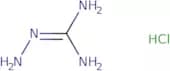
CAS:<p>Aminoguanidine hydrochloride is a basic compound that can be used as an anti-inflammatory drug. It has been shown to have a hypoglycemic effect, which may be due to its ability to increase the activity of glutathione peroxidase and glutathione reductase in experimental models. Aminoguanidine hydrochloride also inhibits the production of inflammatory cytokines such as TNF-α, IL-1β and IL-6. Experiments with transfected cells have shown that aminoguanidine hydrochloride induces neuronal death, which may be due to its ability to inhibit protein synthesis by interfering with ribosomal function.</p>Formula:CH6N4·HClPurity:Min. 95%Color and Shape:White PowderMolecular weight:110.55 g/mol2-Amino-6-hydroxybenzothiazole
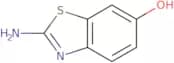
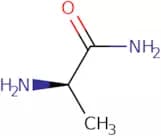
CAS:<p>2-Amino-6-hydroxybenzothiazole is a chemical compound that has been shown to have chemiluminescence properties. It is produced in vivo by the synthetase enzyme from the amino acid L-phenylalanine and hydroxybenzothiazole. The compound is expressed in basophilic leukemia cells, which are cells that stain with basic dyes. 2-Amino-6-hydroxybenzothiazole can be used as a marker of these cells in vitro. A second order rate constant of 1.5 × 10 M−1 s−1 was determined for this reaction, which is consistent with other reactions of this type. 2-Amino-6-hydroxybenzothiazole has also been shown to be effective at treating cancer and inflammatory bowel disease by enhancing growth factor production and inhibiting cell proliferation.</p>Formula:C7H6N2OSPurity:Min. 95%Color and Shape:White To Grey SolidMolecular weight:166.2 g/mol(2R)-2-Aminopropanamide
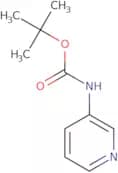
CAS:<p>(2R)-2-Aminopropanamide is a chemical compound that is classified as an amide. It has been shown to inhibit bacterial growth and induce apoptosis in mammalian cells, but not in bacteria. This drug has a number of hydrogen bonding interactions with the carbonyl group and amide functional groups and can bind to affinity ligands with hydrogen bonding interactions. (2R)-2-Aminopropanamide inhibits the activity of enzymes that are involved in the synthesis of d-alanine, which is a precursor for protein synthesis. It also inhibits the enzyme glutamine synthase, which plays a key role in building up nitrogen reserves in bacteria. The drug binds to DNA by forming hydrogen bonds with the phosphate backbone and intercalates into double-stranded DNA by forming van der Waals interactions with base pairs.</p>Formula:C3H8N2OPurity:Min. 95%Molecular weight:88.11 g/mol3-(Boc-amino)pyridine
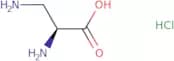
CAS:<p>3-(Boc-amino)pyridine is a glycine derivative with a trigonal, chelate ring. It can be hydrolyzed by acid to form 3-aminopyridine. 3-(Boc-amino)pyridine has been shown to react with trimethyltin chloride to form an intramolecular complex in the presence of alkyllithiums. This reaction proceeds through lithiation and methylation of the carboxyl group of 3-(Boc-amino)pyridine. The interaction between 3-(Boc-amino)pyridine and trimethyltin chloride forms an antiaromatic six membered ring that resembles a benzene molecule.</p>Formula:C10H14N2O2Purity:Min. 95%Molecular weight:194.23 g/molL(+)-2,3-Diaminopropionic acid HCl
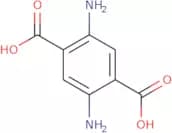
CAS:<p>L(+)-2,3-Diaminopropionic acid HCl is a chiral modifier that is used in the separation of organic compounds. It has been shown to selectively interact with borate, sulfate, and hydroxyapatite. This interaction changes the physical properties of these substances by modifying their surface charge or adsorption capacity. L(+)-2,3-Diaminopropionic acid HCl has also been shown to be useful in diastereoselective reactions. The technique of elution can be used to isolate specific compounds from mixtures using this compound as a modifier. Hydrogen bonding groups and moieties on the functional group are important factors in the specificity of this interaction.END>></p>Formula:C3H8N2O2·HClPurity:Min. 95%Color and Shape:White PowderMolecular weight:140.57 g/mol2,5-Diaminoterephthalic acid
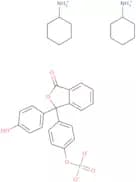
CAS:<p>2,5-Diaminoterephthalic acid is a synthetic organic compound that is used as a building block for the synthesis of polyamides. It has been shown to have high salt adsorption properties and low detection limits for certain analytes. 2,5-Diaminoterephthalic acid has also been found to have photocatalytic activity and can be used in the treatment of cancer. This chemical reacts with nitro groups on nucleophilic attack to form the carcinogenic nitrosamine. The formation rate of this nitrosamine depends on the presence of methoxy groups and nitrogen atoms in 2,5-diaminoterephthalic acid.</p>Formula:C8H8N2O4Purity:Min. 95%Molecular weight:196.16 g/molPhenolphthalein monophosphate di(cyclohexylammonium)
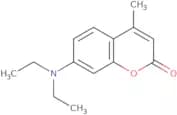
CAS:<p>Phenolphthalein monophosphate di(cyclohexylammonium) is a fine chemical that can be used as a building block in research, reagent, or speciality chemical. It is a versatile building block and reaction component that can be used as an intermediate to make other compounds. Phenolphthalein monophosphate di(cyclohexylammonium) is also used as a scaffold for the synthesis of complex chemicals. This complex compound has CAS number 14815-59-9.</p>Formula:C20H15O7P•2C6H13NPurity:Min. 90%Color and Shape:PowderMolecular weight:596.65 g/mol7-Diethylamino-4-methylcoumarin
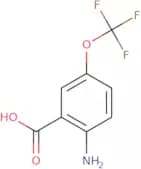
CAS:<p>7-Diethylamino-4-methylcoumarin is a fluorescence probe that can be used in applications such as the study of hydrogen bonding interactions. It is excited by laser light and emits a red-shifted fluorescent light. 7-Diethylamino-4-methylcoumarin is a hydroxyl group analogue of coumarin, which has been shown to have physiological effects on the liver cells. The absorption spectrum of 7-Diethylamino-4-methylcoumarin is sensitive to changes in pH and chemical stability. A decrease in pH increases the intensity of the emission while an increase in pH decreases the intensity of the emission. This compound can also be used to label nucleic acids during polymerase chain reactions (PCR) or for sample preparation before analysis using nuclear magnetic resonance spectroscopy (NMR).</p>Formula:C14H17NO2Purity:Min. 98 Area-%Color and Shape:PowderMolecular weight:231.29 g/mol2-Amino-5-(trifluoromethoxy)benzoic acid
CAS:<p>Please enquire for more information about 2-Amino-5-(trifluoromethoxy)benzoic acid including the price, delivery time and more detailed product information at the technical inquiry form on this page</p>Formula:C8H6F3NO3Purity:Min. 95%Molecular weight:221.13 g/mol4-Amino-3,5,6-trichloropyridine-2-carboxylic acid
CAS:<p>4-Amino-3,5,6-trichloropyridine-2-carboxylic acid (4ATC) is a herbicide that inhibits the activity of pyridoxal phosphate (PLP)-dependent enzymes. 4ATC has been shown to be more toxic to plants than temozolomide and is used in vitro to study the effects of herbicides on cells. It inhibits cell growth and induces apoptosis in human cancer cells. In addition, 4ATC has been shown to inhibit the enzyme activities of group P2 proteins and nucleic acid synthesis. 4ATC also inhibits protein synthesis by inhibiting RNA synthesis in eukaryotic cells. 4ATC is not active against bacteria or fungi.</p>Formula:C6H3Cl3N2O2Purity:Min. 95%Color and Shape:White To Tan SolidMolecular weight:241.46 g/molImidazo[1,2-a]pyridin-7-amine hydrobromide
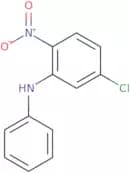
CAS:<p>Please enquire for more information about Imidazo[1,2-a]pyridin-7-amine hydrobromide including the price, delivery time and more detailed product information at the technical inquiry form on this page</p>Formula:C7H8BrN3Purity:Min. 95%Molecular weight:214.06 g/mol5-Chloro-2-nitrodiphenylamine
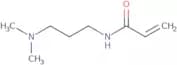
CAS:<p>5-Chloro-2-nitrodiphenylamine is a synthetic dyestuff that belongs to the class of acridones. It can be used as an anti-epileptic drug, although it has not been approved for this use in any country. 5-Chloro-2-nitrodiphenylamine is manufactured by reacting a 6-carboxylic acid with an organic solvent and ammonolysis. This chemical is also known as 6'-chloroacridone and is used in the production of dyes and pigments. The manufacturing process produces impurities such as chloride, which must be removed by evaporation. Nitro groups are introduced during the manufacturing process to improve the dye's stability and color fastness under light exposure.</p>Formula:C12H9ClN2O2Purity:Min. 95%Color and Shape:Orange To Red SolidMolecular weight:248.66 g/molN-(3-Dimethylaminopropyl)acrylamide, stabilized with MEHQ
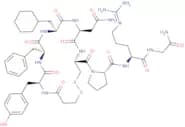
CAS:<p>N-(3-Dimethylaminopropyl)acrylamide is a polymerization initiator that is used in the synthesis of polymers. It is also a model protein, which can be used to study bacterial growth rates and tissue metabolism. N-(3-Dimethylaminopropyl)acrylamide has been shown to have biological properties similar to human serum, as well as to serve as a model for primary cells. The FT-IR spectroscopy of N-(3-Dimethylaminopropyl)acrylamide reveals the presence of chloride ions in its molecular structure. The reaction mechanism for this compound has been determined by deionized water and ionic reactions with chloride ions.</p>Formula:C8H16N2OPurity:Min. 95%Molecular weight:156.23 g/mol(Deamino-Cys1,b-cyclohexyl-Ala4,Arg8)-Vasopressin trifluoroacetate salt
CAS:<p>Desmopressin is a synthetic analogue of vasopressin, which is used to treat disorders associated with insufficient secretion of vasopressin. It has been shown that desmopressin binds to the vasopressin V2 receptor subtype and stimulates the release of arginine-vasopressin in corticotropin-releasing hormone (CRH)-treated rat pituitary cells. This stimulation was mediated by a residue on the Cys1,b-cyclohexyl residue. The binding of desmopressin to this site was demonstrated in vitro using binding experiments on rat brain synaptosomes. Desmopressin has also been shown to stimulate ovulation in rats and humans, and it has been shown to be effective for treating nocturnal enuresis in children.</p>Formula:C50H71N13O11S2Purity:Min. 95%Molecular weight:1,094.31 g/mol2-Methoxy-5-[[(phenylmethyl)sulfonyl]methyl]benzenamine
CAS:<p>3-Amino-4-methoxybenzyl sulphone is a high quality, versatile building block that is used in the synthesis of complex compounds. It is a reagent that can be used for reactions such as the coupling of amines and carboxylic acids. 3-Amino-4-methoxybenzyl sulphone is also useful in the synthesis of pharmaceuticals and speciality chemicals. The compound has been shown to react with other substances, such as thiols and alcohols, to form new materials with interesting properties.</p>Formula:C15H17NO3SPurity:Min. 95%Color and Shape:PowderMolecular weight:291.37 g/molMca-(Asn670,Leu671)-Amyloid β/A4 Protein Precursor770 (667-674)-Dap (Dnp) ammonium acetate salt
CAS:<p>Please enquire for more information about Mca-(Asn670,Leu671)-Amyloid beta/A4 Protein Precursor770 (667-674)-Dap (Dnp) ammonium acetate salt including the price, delivery time and more detailed product information at the technical inquiry form on this page</p>Formula:C56H73N13O26Purity:Min. 95%Molecular weight:1,344.25 g/molMethyltetrazine amine
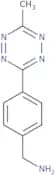
CAS:<p>A building block used for derivatization of carboxylic acids or activated esters with methytetrazine moiety. The stability of Methyltetrazine Amine is substantially improved compared to hydrogen substituted tetrazine-tmine. Superior stability of methyltetrazine-amine allows this reagent to be used in wider range of chemical transformations. Long-term storage of methyltetrazine-amine, especially in aqueous buffer, is also greatly improved compared to Tetrazine Amine.Supplied as the HCl salt</p>Formula:C10H11N5Purity:Min. 95%Color and Shape:PowderMolecular weight:201.23 g/mol4-Amino-3-methoxypyridine
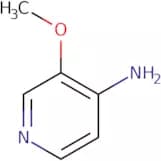
CAS:<p>4-Amino-3-methoxypyridine (4AMMP) is a naturally occurring amino acid that can be found in the nuclei of innervated tissues. It is an inhibitor of the enzyme tyrosine hydroxylase and inhibits the synthesis of catecholamines. The concentration of 4AMMP in blood was measured by radioactivity. This agent has been used for studies on the thalamic nucleus and cortex, as well as for measuring catecholamine levels in tissue homogenates.</p>Formula:C6H8N2OPurity:Min. 95%Molecular weight:124.14 g/molAzido-PEG2-amine
CAS:<p>Azido-PEG2-amine is a PEG compound with two different functional groups (also known as heterobifunctional). Unlike homobifunctional PEG compounds (same functional group on both ends), this type of compounds are more versatile as have two different anchor points. Azido-PEG2-amine is used as a linker and spacer to add a PEG moiety, via pegylation (a bioconjugation technique) to proteins, peptides, oligonucleotides, small molecules and nanoparticles.</p>Formula:C6H14N4O2Purity:Min. 95%Color and Shape:Clear LiquidMolecular weight:174.2 g/molMethyl 2-amino-6-bromobenzoate
CAS:<p>Please enquire for more information about Methyl 2-amino-6-bromobenzoate including the price, delivery time and more detailed product information at the technical inquiry form on this page</p>Formula:C8H8BrNO2Purity:Min. 95%Color and Shape:Clear LiquidMolecular weight:230.06 g/mol2-Thien-2-ylethanamine
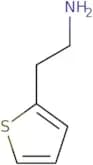
CAS:Controlled Product<p>2-Thien-2-ylethanamine is an ethylene diamine that inhibits the production of hydrochloric acid. It has been shown to have potent antitumor activity and inhibitory effects on infectious diseases, such as malaria, caused by Plasmodium falciparum. 2-Thien-2-ylethanamine has also been shown to be a mitochondrial membrane potential inhibitor. These properties may be due to its ability to inhibit the action of malonic acid and other molecules that are involved in mitochondrial function. The inhibition of polycystic ovarian syndrome (PCOS) is also thought to be related to the inhibition of mitochondrial function.</p>Formula:C6H9NSPurity:Min. 95%Molecular weight:127.21 g/mol


![2-Chloro-N-[2-(diethylamino)ethyl]-4-quinolinecarboxamide](/_next/image/?url=https%3A%2Fstatic.cymitquimica.com%2Fproducts%2F3D%2Fthumb-webp%2FFC20289.webp&w=3840&q=75)
![2,7-Bis[2-(diethylamino)ethoxy]-9-fluorenone dihydrochloride](/_next/image/?url=https%3A%2Fstatic.cymitquimica.com%2Fproducts%2F3D%2Fthumb-webp%2FFB37106.webp&w=3840&q=75)

![2-[4-(Diethylamino)-2-hydroxybenzoyl]benzoic acid hexyl ester](/_next/image/?url=https%3A%2Fstatic.cymitquimica.com%2Fproducts%2F3D%2Fthumb-webp%2FFD161840.webp&w=3840&q=75)

![3-Nitro-4-[[(tetrahydropyran-4-yl)methyl]amino]benzenesulfonamide](/_next/image/?url=https%3A%2Fstatic.cymitquimica.com%2Fproducts%2F3D%2Fthumb-webp%2FFN145631.webp&w=3840&q=75)
![3-[(Dimethylamino)methyl]-1,2,4-oxadiazol-5-amine hydrochloride](/_next/image/?url=https%3A%2Fstatic.cymitquimica.com%2Fproducts%2F3D%2Fthumb-webp%2FFD135937.webp&w=3840&q=75)
![2-Hydroxy-5-[(4-{[(6-methoxypyridazin-3-yl)amino]sulfonyl}phenyl)diazenyl]benzoic acid](/_next/image/?url=https%3A%2Fstatic.cymitquimica.com%2Fproducts%2F3D%2Fthumb-webp%2FFH134950.webp&w=3840&q=75)

![Imidazo[1,2-a]pyridin-7-amine hydrobromide](/_next/image/?url=https%3A%2Fstatic.cymitquimica.com%2Fproducts%2F3D%2Fthumb-webp%2FFI111192.webp&w=3840&q=75)
![2-Methoxy-5-[[(phenylmethyl)sulfonyl]methyl]benzenamine](/_next/image/?url=https%3A%2Fstatic.cymitquimica.com%2Fproducts%2F3D%2Fthumb-webp%2FFA70820.webp&w=3840&q=75)