Ethers
Ethers are organic compounds containing an ether functional group, characterized by an oxygen atom bonded to two hydrocarbon radicals. These compounds are valuable in synthesis and serve as solvents in various chemical reactions. At CymitQuimica, we offer a selection of high-quality ethers to support your research and industrial applications, ensuring reliable and effective results. Our range of ethers meets diverse laboratory requirements, from routine experiments to advanced research.
Found 40711 products of "Ethers"
Sort by
Purity (%)
0
100
|
0
|
50
|
90
|
95
|
100
4-(Methoxycarbonyl)bicyclo[2.1.1]hexane-1-carboxylic acid
CAS:<p>Please enquire for more information about 4-(Methoxycarbonyl)bicyclo[2.1.1]hexane-1-carboxylic acid including the price, delivery time and more detailed product information at the technical inquiry form on this page</p>Formula:C9H12O4Purity:Min. 95%Molecular weight:184.19 g/mol2-Dehydro-3-methoxy tibolone
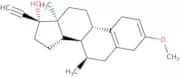
CAS:Controlled Product<p>Please enquire for more information about 2-Dehydro-3-methoxy tibolone including the price, delivery time and more detailed product information at the technical inquiry form on this page</p>Formula:C22H30O2Purity:Min. 95%Molecular weight:326.47 g/mol3-Amino-5-methoxybenzoic acid
CAS:<p>3-Amino-5-methoxybenzoic acid is a macrocyclist, which means that it can switch between two different forms. When the temperature is below 27 degrees Celsius, it exists as a mesomorphic phase and when the temperature increases above 27 degrees Celsius, it exists as an isotropic phase. 3-Amino-5-methoxybenzoic acid also has homologues that are also mesomorphic or isotropic depending on their temperatures. The chemoenzymatic parameters of the two phases are different and so are their lamellar morphologies. The fluorine atom in 3-amino-5-methoxybenzoic acid makes it act like a Lewis acid, decreasing its melting point and increasing its vapor pressure. There are two isomers of 3-amino-5-methoxybenzoic acid: dodecyl and octadecyl 3--amino--5--methoxyben</p>Formula:C8H9NO3Purity:Min. 95%Color and Shape:White To Yellow To Light Brown SolidMolecular weight:167.16 g/molN-Benzyl-4-carboethoxypiperidine
CAS:<p>N-Benzyl-4-carboethoxypiperidine (NBP) is a potential drug for the treatment of Alzheimer's disease. It is an acetylcholinesterase inhibitor that blocks the breakdown of acetylcholine, leading to increased levels of this neurotransmitter in the brain. NBP has been shown to inhibit butyrylcholinesterase, an enzyme responsible for breaking down acetylcholine. This inhibition leads to increased levels of acetylcholine in the brain and prevents the development of Alzheimer's disease. NBP has also been shown to have a low level of toxicity in mice and rats and does not inhibit other enzymes such as carboxypeptidases or aminopeptidases.</p>Formula:C15H21NO2Purity:Min. 95%Color and Shape:Clear LiquidMolecular weight:247.33 g/mol(4-Ethoxyphenyl)ethylamine
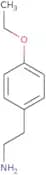
CAS:Controlled Product<p>Please enquire for more information about (4-Ethoxyphenyl)ethylamine including the price, delivery time and more detailed product information at the technical inquiry form on this page</p>Formula:C10H15NOPurity:Min. 95%Molecular weight:165.23 g/mol1-(3,4-Dimethoxyphenyl)-2-(2-methoxyphenoxy)propane-1,3-diol
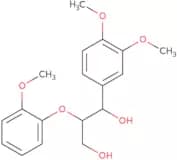
CAS:<p>1,3-Dimethoxy-2-(2-methoxyphenoxy)propane-1,3-diol (DMMP) is a natural product with antioxidant properties. It has been shown to be a potent inhibitor of the epidermal growth factor receptor (EGFR), and also inhibits the activity of the response elements for EGFR. DMMP is also a potent inhibitor of proliferation in human cancer cells and can inhibit the growth of tumour cells that are resistant to methotrexate. DMMP is a precursor to protocatechuic acid, which has been shown to have anti-herpes virus effects. DMMP has been shown to decrease the rate of second order reactions through its ability to react with carbonyl groups on proteins. This reaction leads to an increase in stability and decreases the rate of protein degradation by proteases. A mutant strain was found that can produce this compound without any external stimulus, making it ideal for use as an antibiotic against bacterial</p>Formula:C18H22O6Purity:Min. 95 Area-%Color and Shape:PowderMolecular weight:334.36 g/molN-Methoxy-N-methylacetamide
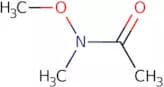
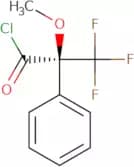
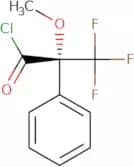
CAS:<p>N-Methoxy-N-methylacetamide is a nucleophilic amide that can be synthesized by the reaction of acetamide with methylmagnesium chloride. It has been used to synthesize an enantiopure derivative of 2-aminopropanol, which is used in the synthesis of potent antitumor agents. N-Methoxy-N-methylacetamide has shown potent anticancer activity in mice and rats. This molecule exhibits a carbonyl group that can act as an enolate, which is a reactive intermediate within chemical reactions. The nucleophilic attack on this carbonyl group leads to intramolecular hydrogen transfer, producing a more stable product.</p>Formula:C4H9NO2Purity:Min. 95%Molecular weight:103.12 g/mol(R)-(-)-α-Methoxy-α-(trifluoromethyl)phenylacetyl chloride
CAS:<p>(R)-(-)-alpha-Methoxy-alpha-trifluoromethyl-phenylacetyl chloride is an enantiomer that has a chiral center. It is used in the synthesis of metoprolol and bisoprolol, which are drugs that are prescribed to treat hypertension and angina pectoris. The racemate is used in the separation of amines by high performance liquid chromatography (Hplc). This compound also has a hydroxyl group and two fatty acids, which can be identified using a chromatographic method. The compound contains a chloride as well as a transfer group.</p>Formula:C10H8ClF3O2Purity:Min. 95%Color and Shape:Clear LiquidMolecular weight:252.62 g/mol2-[2-[2-(2-Azidoethoxy)ethoxy]ethoxy]ethanol
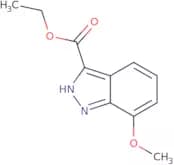
CAS:<p>2-[2-[2-(2-Azidoethoxy)ethoxy]ethoxy]ethanol is a PEG polymer categorised as monofunctional (OH-PEG-X). Used as a linker, 2-[2-[2-(2-azidoethoxy)ethoxy]ethoxy]ethanol is used to attached PEG to proteins, peptides, oligonucleotides, nanoparticles and small molecules via pegylation, a bioconjugation technique.</p>Formula:C8H17N3O4Purity:Min. 95%Color and Shape:Colorless PowderMolecular weight:219.24 g/molEthyl 7-Methoxy-1H-Indazole-3-Carboxylate
CAS:Controlled Product<p>Please enquire for more information about Ethyl 7-Methoxy-1H-Indazole-3-Carboxylate including the price, delivery time and more detailed product information at the technical inquiry form on this page</p>Formula:C11H12N2O3Purity:Min. 95%Molecular weight:220.22 g/mol[2-(4-methoxyphenyl)ethyl]methylamine
CAS:Controlled Product<p>2-(4-methoxyphenyl)ethyl]methylamine is a pharmacological agent that inhibits protein synthesis. It has been shown to have an optimum concentration of 1 μM, with maximal inhibition at 10 μM. 2-(4-methoxyphenyl)ethyl]methylamine binds to the basic amino acid residues of proteins and inhibits the activity of eosinophil cationic protein, which is responsible for histamine release. 2-(4-Methoxyphenyl)ethyl]methylamine has also been shown to reduce the activity of epidermal growth factor, which is responsible for cell proliferation and differentiation. The drug has been demonstrated to be an effective inhibitor of activated eosinophils, but not normal cells. 2-(4-Methoxyphenyl)ethyl]methylamine may be used as a treatment for chronic asthma patients who suffer from eosinophilic inflammation in their</p>Formula:C10H15NOPurity:Min. 95%Molecular weight:165.23 g/mol2-(2-Aminoethoxy)ethanol
CAS:<p>2-(2-Aminoethoxy)ethanol (2-AE) is a natural compound that has been synthesized from ethanol and 2-aminoethanol. It has been shown to react with sodium carbonate to form stable complexes that are resistant to hydrolysis by amines. The stability of the complex is attributed to the formation of an intermolecular hydrogen bond between the hydroxyl group on the 2-AE molecule and the carboxylate group on the sodium carbonate molecule. 2-AE reacts with benzalkonium chloride, a quaternary ammonium salt, in water vapor to produce an alcohol and a fatty acid, which is then hydrolyzed by glycol ethers into glycolates. This mechanism is similar to that of other reactions involving quaternary ammonium salts, such as those in fatty acids or glycol ethers.</p>Formula:C4H11NO2Purity:Min. 95%Molecular weight:105.14 g/mol2-Methoxy-4-methylbenzenethiol
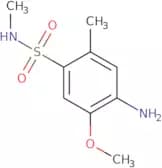
CAS:<p>Please enquire for more information about 2-Methoxy-4-methylbenzenethiol including the price, delivery time and more detailed product information at the technical inquiry form on this page</p>Formula:C8H10OSPurity:Min. 95%Molecular weight:154.23 g/mol4-Amino-5-methoxy-2-methyl-N-methylbenzenesulfonamide
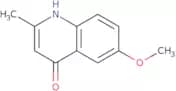
CAS:<p>4-Amino-5-methoxy-2-methyl-N-methylbenzenesulfonamide is a surfactant that is used in the chemical industry to dissolve diazotized aromatic amines. It is also used in the preparation of coupling agents, such as naphthol, and hydrochloric acid. 4-Amino-5-methoxy-2-methylbenzenesulfonamide can be prepared by the diazotization of aniline followed by coupling with hydrochloric acid and sodium phosphate. The product can then be purified by recrystallization from a salt solution containing sodium acetate.</p>Formula:C9H14N2O3SPurity:Min. 95%Molecular weight:230.29 g/mol6-Methoxy-2-methylquinolin-4(1H)-one
CAS:<p>6-Methoxy-2-methylquinolin-4(1H)-one is a heterocyclic molecule that has the ability to undergo oxidation reactions. It is an intermediate in the synthesis of other molecules, such as 4-hydroxyquinoline and 4-hydroxybenzaldehyde. The acidity of 6-methoxy-2-methylquinolin-4(1H)-one can be increased by adding alkali, which will cause it to react with hydroxyl and form a phenylhydrazine. When heated with hydrazine, 6-methoxy-2-methylquinolin-4(1H)-one undergoes tautomerism and forms 2-(phenylhydrazinyl) quinoline. The chemical structure of 6-methoxy-2 methylquinolin 4(1H)-one can be detected by analyzing its spectrum (i.e., absorption or emission spectra). This chemical shows bands</p>Formula:C11H11NO2Purity:Min. 95%Molecular weight:189.21 g/mol1-Cyclopropyl-7-(2,8-diazabicyclo[4.3.0]non-8-yl)-6-fluoro-8-methoxy-4-oxoquinoline-3-carboxylic acid
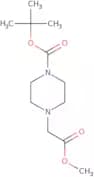
CAS:<p>This is a broad-spectrum antibacterial agent that inhibits bacterial DNA gyrase. It is active against atypical bacterial species, such as Chlamydia and Mycoplasma, and has been shown to be effective against certain strains of the methicillin-resistant Staphylococcus aureus (MRSA) bacteria. This drug also inhibits the growth of other bacteria by binding to their DNA. The drug is used in combination with other antibiotics to treat infections caused by Clostridium difficile, Helicobacter pylori, Borrelia burgdorferi, and Salmonella enterica. However, this drug does not work against Pseudomonas aeruginosa or Enterobacteriaceae infections.</p>Formula:C21H24FN3O4Purity:Min. 95%Color and Shape:PowderMolecular weight:401.43 g/moltert-Butyl 4-(2-methoxy-2-oxoethyl)piperazine-1-carboxylate
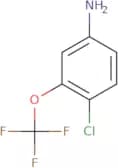
CAS:<p>Please enquire for more information about tert-Butyl 4-(2-methoxy-2-oxoethyl)piperazine-1-carboxylate including the price, delivery time and more detailed product information at the technical inquiry form on this page</p>Formula:C12H22N2O4Purity:Min. 95%Molecular weight:258.31 g/mol4-Chloro-3-(trifluoromethoxy)aniline
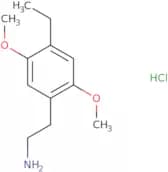
CAS:<p>Please enquire for more information about 4-Chloro-3-(trifluoromethoxy)aniline including the price, delivery time and more detailed product information at the technical inquiry form on this page</p>Formula:C7H5ClF3NOPurity:Min. 95%Color and Shape:Clear LiquidMolecular weight:211.57 g/mol4-Ethyl-2,5-dimethoxy-benzeneethanamineHydrochloride
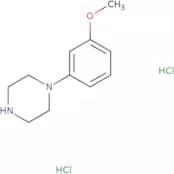
CAS:Controlled Product<p>4-Ethyl-2,5-dimethoxy-benzeneethanamineHydrochloride is a metabolic substrate of CYP2D6. It is also an inhibitor of CYP1A2 and CYP3A4. The class of 4-Ethyl-2,5-dimethoxy-benzeneethanamineHydrochloride is not yet known. 4-Ethyl-2,5-dimethoxy-benzeneethanamineHydrochloride has been shown to cause toxicity in animal studies. Toxicity may be due to its inhibition of cytochrome P450 enzymes, which are involved in metabolism and detoxification.</p>Formula:C12H20ClNO2Purity:Min. 95%Molecular weight:245.75 g/mol1-(3-Methoxyphenyl)piperazine dihydrochloride
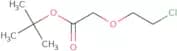
CAS:Controlled Product<p>Please enquire for more information about 1-(3-Methoxyphenyl)piperazine dihydrochloride including the price, delivery time and more detailed product information at the technical inquiry form on this page</p>Formula:C11H18Cl2N2OPurity:Min. 95%Color and Shape:PowderMolecular weight:265.18 g/moltert-Butyl 2-(2-chloroethoxy)acetate
CAS:<p>Please enquire for more information about tert-Butyl 2-(2-chloroethoxy)acetate including the price, delivery time and more detailed product information at the technical inquiry form on this page</p>Formula:C8H15ClO3Purity:Min. 95%Color and Shape:Clear, colourless liquid.Molecular weight:194.66 g/mol3,4-Dimethoxy-Benzamidine HCl
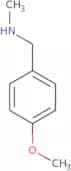
CAS:<p>Please enquire for more information about 3,4-Dimethoxy-Benzamidine HCl including the price, delivery time and more detailed product information at the technical inquiry form on this page</p>Formula:C9H12N2O2·HClPurity:Min. 95%Molecular weight:216.66 g/mol4-Methoxy-N-methylbenzylamine
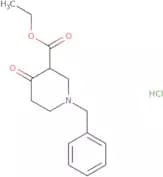
CAS:<p>4-Methoxy-N-methylbenzylamine is a synthesized compound that is structurally similar to piperazine. It has been synthesized using the Chloramine T method and has been shown to be active as an amine receptor ligand. This molecule binds to the amine receptor site of the GABAA receptor with high affinity, inhibiting chloride ion flow. The functional groups on this molecule are likely responsible for its binding activity. 4-Methoxy-N-methylbenzylamine may be useful in the treatment of scopolamine-induced amnesia, due to its ability to bind to specific receptors in the brain.</p>Formula:C9H13NOPurity:Min. 95%Color and Shape:Clear LiquidMolecular weight:151.21 g/mol1-Benzyl-3-carbethoxy-4-piperidone hydrochloride
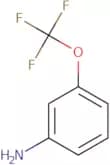
CAS:<p>1-Benzyl-3-carbethoxy-4-piperidone hydrochloride is a carboxylic acid that is used as a waterproofing agent in cyclohexane. It is absorbed by the skin and other tissues, which may lead to adverse effects on the body. Exposure to this compound has been shown to result in irritation of the skin, eyes, and respiratory tract, as well as changes in heart rate and blood pressure.</p>Formula:C15H19NO3•HClPurity:Min. 95%Molecular weight:297.78 g/mol3-(trifluoromethoxy)aniline
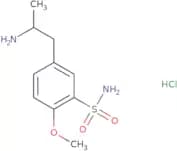
CAS:<p>3-(trifluoromethoxy)aniline is a compound that contains a trifluoromethoxy group. It has been shown to have antiproliferative effects in prostate cancer cells. 3-(trifluoromethoxy)aniline inhibits the activity of pim-1, which is important for cell proliferation and differentiation. The synthesis of 3-(trifluoromethoxy)aniline can be accomplished by one of two methods. In the first method, 3-chloroaniline is reacted with trifluoroacetic acid and bis(trimethylsilyl)acetamide in dichloromethane to form 3-hydroxy-4-chlorobenzenesulfonyl chloride (3HCBSCl). In the second method, the desired product is synthesized from 3-aminophenol and trifluoroacetic acid in acetonitrile. These two methods produce different isomers</p>Formula:C7H6F3NOPurity:Min. 95%Color and Shape:PowderMolecular weight:177.12 g/mol3-(4'-Methoxy-3'-sulfonamidophenyl)-2-propylamine, hydrochloride
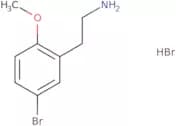
CAS:Controlled Product<p>Please enquire for more information about 3-(4'-Methoxy-3'-sulfonamidophenyl)-2-propylamine, hydrochloride including the price, delivery time and more detailed product information at the technical inquiry form on this page</p>Formula:C10H16N2O3S•HClPurity:Min. 95%Color and Shape:PowderMolecular weight:280.77 g/mol5-Bromo-2-methoxyphenethylamine hydrobromide
CAS:Controlled Product<p>Please enquire for more information about 5-Bromo-2-methoxyphenethylamine hydrobromide including the price, delivery time and more detailed product information at the technical inquiry form on this page</p>Formula:C9H13Br2NOPurity:Min. 95%Molecular weight:311.01 g/molTrimethylolpropane ethoxylate - average Mn ~170
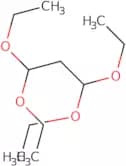
CAS:<p>Please enquire for more information about Trimethylolpropane ethoxylate - average Mn ~170 including the price, delivery time and more detailed product information at the technical inquiry form on this page</p>Formula:(C2H4O)n•(C2H4O)n•(C2H4O)n•C6H14O3Purity:Min. 95%1,1,3,3-Tetraethoxypropane
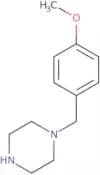
CAS:<p>1,1,3,3-Tetraethoxypropane is a fatty acid that is produced by the metabolism of plant and animal lipids. It has been used as a food additive to bind water and improve texture in baked goods. It also has shown to have antioxidant properties. In addition, 1,1,3,3-Tetraethoxypropane has been shown to be reactive with human feces and inhibit enzyme activities in infectious diseases. This compound is also an autoimmune disease agent that inhibits physiological activities in humans. The bound form of 1,1,3,3-Tetraethoxypropane can be found in human serum and liver cells.</p>Formula:C11H24O4Purity:Min. 95%Color and Shape:Clear LiquidMolecular weight:220.31 g/mol1-(4-Methoxybenzyl)piperazine
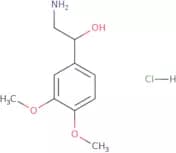
CAS:Controlled Product<p>1-(4-Methoxybenzyl)piperazine is a chemical compound that has been shown to have inhibitory activities against cancer cells. It also shows potential for the treatment of type 2 diabetes and Alzheimer's disease. The mechanism of action is not well understood, but it may be due to its ability to induce mitochondrial biogenesis and insulin sensitivity. 1-(4-Methoxybenzyl)piperazine has also been shown to improve memory in rats with spontaneous dementia, similar to the effects of donepezil (a drug used for Alzheimer's disease). 1-(4-Methoxybenzyl)piperazine can be taken orally or administered via injection.</p>Formula:C12H18N2OPurity:Min. 95%Molecular weight:206.28 g/mol2-Hydroxy-2-(3,4-dimethoxyphenyl)ethylamine hydrochloride
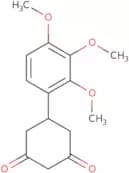
CAS:Controlled Product<p>Please enquire for more information about 2-Hydroxy-2-(3,4-dimethoxyphenyl)ethylamine hydrochloride including the price, delivery time and more detailed product information at the technical inquiry form on this page</p>Formula:C10H15NO3·HClPurity:Min. 95%Molecular weight:233.69 g/mol5-(2,3,4-Trimethoxyphenyl)cyclohexane-1,3-dione
CAS:Controlled Product<p>Please enquire for more information about 5-(2,3,4-Trimethoxyphenyl)cyclohexane-1,3-dione including the price, delivery time and more detailed product information at the technical inquiry form on this page</p>Formula:C15H18O5Purity:Min. 95%Molecular weight:278.3 g/molα-(1,1,2,2,2-Pentafluoroethyl)-ω-[Tetrafluoro(Trifluoromethyl)Ethoxy]-Poly[Oxy[Trifluoro(Trifluoromethyl)-1,2-Ethanediyl]] - Average MW 2000
CAS:Controlled Product<p>Alpha-(1,1,2,2,2-Pentafluoroethyl)-omega-[Tetrafluoro(Trifluoromethyl)Ethoxy]-Poly[Oxy[Trifluoro(Trifluoromethyl)-1,2-Ethanediyl]] - Average MW 2000 (FTFEPA) is a fluorinated compound that is a monofluorophosphate. It is used as an electrolyte in nonaqueous systems. FTFEPA has been shown to be effective in reducing the corrosion of metals such as magnesium and aluminum.</p>Formula:(C3F6O)n•C5F12OPurity:Min. 95%1-(4-Bromo-2,5-dimethoxybenzyl)piperazine
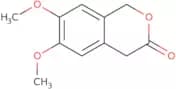
CAS:Controlled Product<p>Please enquire for more information about 1-(4-Bromo-2,5-dimethoxybenzyl)piperazine including the price, delivery time and more detailed product information at the technical inquiry form on this page</p>Formula:C13H19BrN2O2Purity:Min. 95%Molecular weight:315.21 g/mol6,7-Dimethoxy-1,4-dihydro-3H-isochromen-3-one
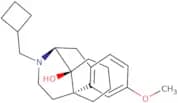
CAS:<p>6,7-Dimethoxy-1,4-dihydro-3H-isochromen-3-one is a hydrazide with the chemical formula C8H8N2O3. It belongs to the family of natural products and has the molecular weight of 172.15. 6,7-Dimethoxy-1,4-dihydro-3H-isochromen-3-one is an isoquinolone derivative that contains two methyl groups on carbons 6 and 7. The compound is a symmetric molecule that can be found as a hydroxy or methoxy derivative. It reacts with 3,4 dimethoxyphenylacetic acid to form yohimbane in the presence of an oxidizing agent such as electrochemical oxidation or maldi tof. 6,7 Dimethoxy 1,4 dihydro 3H isochromen 3 one was obtained from endohedral metalloful</p>Formula:C11H12O4Purity:Min. 95%Molecular weight:208.21 g/mol(-)-3-Methoxy butorphanol
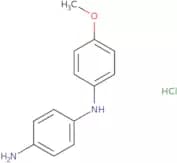
CAS:Controlled Product<p>Please enquire for more information about (-)-3-Methoxy butorphanol including the price, delivery time and more detailed product information at the technical inquiry form on this page</p>Formula:C22H31NO2Purity:Min. 95%Molecular weight:341.49 g/mol4-Amino-4'-methoxydiphenylamine HCl
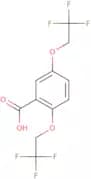
CAS:<p>4-Amino-4'-methoxydiphenylamine HCl is a chemical compound that can be used as an analytical tool. It is prepared by the reaction of 4-aminophenol with 4-chloromethylphenol and formaldehyde in the presence of hydrochloric acid. This product has been found to have a potentiodynamic polarization curve that resembles that of a cationic surfactant. The detection methods for this product are electrochemical impedance spectroscopy, microscopy, and chemical reactions.</p>Purity:Min. 95%Molecular weight:250.72 g/mol2,5-Bis(2,2,2-trifluoroethoxy)benzoic acid
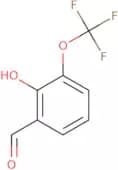
CAS:<p>Please enquire for more information about 2,5-Bis(2,2,2-trifluoroethoxy)benzoic acid including the price, delivery time and more detailed product information at the technical inquiry form on this page</p>Formula:C11H8F6O4Purity:Min. 95%Color and Shape:PowderMolecular weight:318.17 g/mol2-Hydroxy-3-(Trifluoromethoxy)Benzaldehyde
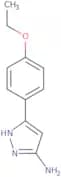
CAS:<p>2-Hydroxy-3-(trifluoromethoxy)benzaldehyde is a coordination compound that is used as a ligand. It has two-dimensional and crystal structures. The ligated molecule is usually coordinated to the metal ion, forming a dimer.</p>Formula:C8H5F3O3Purity:Min. 95%Molecular weight:206.12 g/mol5-(4-Ethoxyphenyl)-1H-pyrazol-3-amine
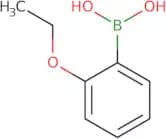
CAS:<p>Please enquire for more information about 5-(4-Ethoxyphenyl)-1H-pyrazol-3-amine including the price, delivery time and more detailed product information at the technical inquiry form on this page</p>Formula:C11H13N3OPurity:Min. 95%Molecular weight:203.24 g/mol2-Ethoxyphenylboronic acid
CAS:<p>Ethoxyphenylboronic acid is a triazine compound which inhibits inflammation by inhibiting the kinase that catalyzes the phosphorylation of arachidonic acid. It also inhibits lipid kinase, which is involved in the metabolism of lipids, and it has been shown to inhibit cancer cell growth through hydrogen bond interactions with DNA. Ethoxyphenylboronic acid has been shown to have anti-inflammatory properties and may be useful for the treatment of inflammatory diseases such as arthritis. The compound can also inhibit hydrogen peroxide-induced oxidative damage in cells, due to its ability to release intracellular glutathione.</p>Formula:C8H11BO3Purity:Min. 95%Molecular weight:165.98 g/mol3-Methoxy methamphetamine hydrochloride
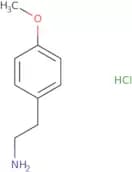
CAS:Controlled Product<p>Please enquire for more information about 3-Methoxy methamphetamine hydrochloride including the price, delivery time and more detailed product information at the technical inquiry form on this page</p>Formula:C11H18ClNOPurity:Min. 95%Molecular weight:215.72 g/mol4-Methoxyphenethylamine HCl
CAS:Controlled Product<p>4-Methoxyphenethylamine HCl is a chemical that inhibits the activity of the protein tyrosine phosphatase 1B (PTP1B). It has been shown to inhibit the growth of lung fibroblasts and fruit tree cells. 4-Methoxyphenethylamine HCl has also been used in animal experiments to diagnose animals with growth factor-β1 deficiency. It is also used to stain collagen for diagnosis.</p>Formula:C9H13NO·HClPurity:Min. 95%Molecular weight:187.67 g/mol3-[1-(2-Methoxyethyl)-1H-indol-3-yl]propanoic acid
CAS:Controlled Product<p>Please enquire for more information about 3-[1-(2-Methoxyethyl)-1H-indol-3-yl]propanoic acid including the price, delivery time and more detailed product information at the technical inquiry form on this page</p>Formula:C14H17NO3Purity:Min. 95%Molecular weight:247.29 g/mol7-(2-Carbomethoxyethyl)-5-(2-chlorophenyl)-thieno-1,4-diazepin-2-one
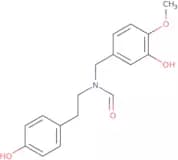
CAS:Controlled Product<p>Please enquire for more information about 7-(2-Carbomethoxyethyl)-5-(2-chlorophenyl)-thieno-1,4-diazepin-2-one including the price, delivery time and more detailed product information at the technical inquiry form on this page</p>Formula:C17H15ClN2O3SPurity:Min. 95%Molecular weight:362.83 g/molN-(p-Hydroxyphenethyl)-N-(3-hydroxy-4-methoxybenzyl)formamide
CAS:Controlled Product<p>Please enquire for more information about N-(p-Hydroxyphenethyl)-N-(3-hydroxy-4-methoxybenzyl)formamide including the price, delivery time and more detailed product information at the technical inquiry form on this page</p>Formula:C17H19NO4Purity:Min. 95%Molecular weight:301.34 g/mol(S)-1,2,3,4,5,6,7,8-Octahydro-1-[(4-methoxyphenyl)methyl]isoquinoline (acetate salt )
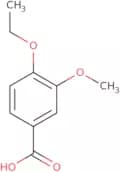
CAS:<p>(S)-1,2,3,4,5,6,7,8-Octahydro-1-[(4-methoxyphenyl)methyl]isoquinoline (acetate salt ) is a diphosphine that can be used as a catalyst to produce formic acid from methanol and carbon monoxide. This product is an enantiomer of picric acid and has been shown to be an effective additive in the crystallization of picric acid. The acetate salt is also optically pure.</p>Purity:Min. 95%4-Ethoxy-3-methoxybenzoic acid
CAS:<p>4-Ethoxy-3-methoxybenzoic acid is a white crystalline solid that belongs to the class of isomers. This compound has been used in biological studies to study the functional theory of bond cleavage, hydroxyl group, and cleavage products. 4-Ethoxy-3-methoxybenzoic acid has also been shown to be a substrate for radical chain reactions, which are initiated by electron transfer from an organic molecule and may produce hydroperoxides or peroxides. The fatty acids found in this chemical react with trichloroacetic acid to form esters and conjugates. These esters are more water soluble than the original fatty acids, making them useful as solvents for organic reactions. 4-Ethoxy-3-methoxybenzoic acid is a precursor for coriolus pigment, which provides coloration for coniferous trees such as pine and spruce.</p>Formula:C10H12O4Purity:Min. 95%Molecular weight:196.2 g/molS-(+)-α-Methoxy-α-(trifluoromethyl)phenylacetic acid chloride
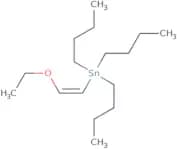
CAS:<p>S-(+)-alpha-Methoxy-alpha-(trifluoromethyl)phenylacetic acid chloride is an optical, amide, and epoxidation derivatizing agent that is used to chiralify amines. It is a liquid at room temperature with a molecular weight of 123.87 g/mol. This chemical reacts with alcohols to form esters, which can be identified by their different retention times in chromatography. It also reacts with hydroxyl groups to form ethers and esters, as well as hydroxyls on other molecules such as amino acids, peptides, and proteins. S-(+)-alpha-Methoxy-alpha-(trifluoromethyl)phenylacetic acid chloride has been used for the synthesis of bisoprolol from metoprolol and triethylphosphite.</p>Formula:C10H8ClF3O2Purity:Min. 95%Molecular weight:252.62 g/mol(Z)-1-Ethoxy-2-(tributylstannyl)ethene
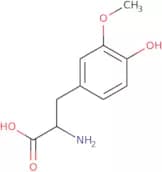
CAS:Controlled Product<p>(Z)-1-Ethoxy-2-(tributylstannyl)ethene is a synthetic intermediate that is used in palladium-catalyzed cross-coupling reactions. The product of the reaction can be an acetaldehyde or a halopyridine. The yield and selectivity of the reaction depends on the nature of the reactants, solvent, and catalyst. This compound has also been reinvestigated for its ability to form an anion with electrophilic reactants.</p>Purity:Min. 95%2-Amino-3-(4-hydroxy-3-methoxyphenyl)propanoic acid
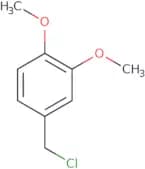
CAS:Controlled Product<p>2-Amino-3-(4-hydroxy-3-methoxyphenyl)propanoic acid is a metabolite of levodopa in the body. It is formed by oxidation of levodopa via the enzyme catechol-O-methyltransferase (COMT). This compound is used as an analytical reagent to measure levels of levodopa and its metabolites in biological samples. 2-Amino-3-(4-hydroxy-3-methoxyphenyl)propanoic acid can also be used to diagnose Parkinson’s disease, since it is produced in excess when dopamine production decreases due to the degeneration of dopaminergic neurons. The concentration–time curve for this compound can be used to calculate the clearance rate of levodopa from the blood plasma.</p>Formula:C10H13NO4Purity:Min. 95 Area-%Color and Shape:PowderMolecular weight:211.21 g/mol3,4-Dimethoxybenzyl chloride
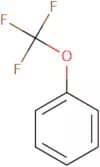
CAS:<p>3,4-Dimethoxybenzyl chloride is an acetate extract that has been shown to have anticancer properties. It is also a corrosion inhibitor with the ability to inhibit fatty acid demethylation and antimicrobial agents. It has been used in pharmaceutical preparations for treating high blood pressure, as well as in the production of eugenol, papaverine and other drugs.</p>Formula:C9H11ClO2Purity:Min. 95%Molecular weight:186.64 g/mol(Trifluoromethoxy)benzene
CAS:<p>(Trifluoromethoxy)benzene is a colorless liquid that has a boiling point of 97.1°C and a flashpoint of 23°C. It is an aromatic hydrocarbon with the molecular formula C6H3(OCH2CF3) and a molecular weight of 132.2 g/mol. The compound belongs to group P2, it's soluble in water, and can be prepared by reacting trifluoroacetic acid with methyl pentanoate. (Trifluoromethoxy)benzene has antimicrobial properties, but it also causes autoimmune diseases in animals. It is used as an industrial solvent and as a reagent for the preparation of other chemicals.</p>Formula:C7H5OF3Purity:Min. 95%Molecular weight:162.11 g/mol[1-(2-Methoxyethyl)-1H-indol-3-yl]acetic acid
CAS:Controlled Product<p>Please enquire for more information about [1-(2-Methoxyethyl)-1H-indol-3-yl]acetic acid including the price, delivery time and more detailed product information at the technical inquiry form on this page</p>Formula:C13H15NO3Purity:Min. 95%Molecular weight:233.26 g/mol3-(4-Methoxyphenyl)pyrazole
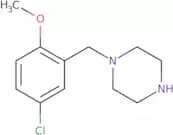
CAS:<p>3-(4-Methoxyphenyl)pyrazole is a fungicide that belongs to the group of nitrophenol derivatives. It inhibits the growth of plant pathogenic fungi by inhibiting the synthesis of proteins and nucleic acids. 3-(4-Methoxyphenyl)pyrazole has an inhibitory effect on seed germination and germination, as well as on hydroxymethylation reactions in fungal mycelia. 3-(4-Methoxyphenyl)pyrazole also has bactericidal properties and can be used for controlling bacteria in water systems.</p>Formula:C10H10N2OPurity:Min. 95%Molecular weight:174.2 g/mol1-(5-Chloro-2-methoxybenzyl)piperazine
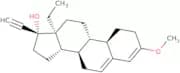
CAS:Controlled Product<p>Please enquire for more information about 1-(5-Chloro-2-methoxybenzyl)piperazine including the price, delivery time and more detailed product information at the technical inquiry form on this page</p>Formula:C12H17ClN2OPurity:Min. 95%Molecular weight:240.73 g/mol(17a)-13-Ethyl-3-methoxy-18,19-dinorpregna-3,5-dien-20-yn-17-ol
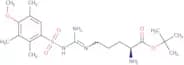
CAS:Controlled Product<p>Please enquire for more information about (17a)-13-Ethyl-3-methoxy-18,19-dinorpregna-3,5-dien-20-yn-17-ol including the price, delivery time and more detailed product information at the technical inquiry form on this page</p>Formula:C22H30O2Purity:Min. 95%Molecular weight:326.47 g/molNω-(4-Methoxy-2,3,6-trimethylbenzenesulfonyl)-L-arginine tert-butyl ester
CAS:<p>Please enquire for more information about Nomega-(4-Methoxy-2,3,6-trimethylbenzenesulfonyl)-L-arginine tert-butyl ester including the price, delivery time and more detailed product information at the technical inquiry form on this page</p>Formula:C20H34N4O5SPurity:Min. 95%Molecular weight:442.57 g/mol5-[(2-Methoxyphenoxy)-methyl]-2-oxazolidinone
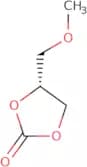
CAS:Controlled Product<p>5-[(2-Methoxyphenoxy)-methyl]-2-oxazolidinone is a pharmacological agent that is structurally similar to rapamycin. It has been shown to inhibit the production of creatine kinase in rat liver microsomes and has been used in studies on degenerative diseases. 5-[(2-Methoxyphenoxy)-methyl]-2-oxazolidinone inhibits the activity of polymerase chain reaction (PCR) by binding to the DNA polymerase and blocking the extension of an oligonucleotide primer. It has also been shown to be toxic to humans, as it can cause fatty acid accumulation and a clinical response. In addition, this drug is enantiopure, meaning that it is composed of only one type of molecule with a specific configuration. The analytical chemistry for this drug includes gas chromatography (GC) and high performance liquid chromatography (HPLC).</p>Formula:C11H13NO4Purity:Min. 95%Color and Shape:White PowderMolecular weight:223.23 g/mol(R)-(+)-4-(Methoxymethyl)-1,3-dioxolan-2-one
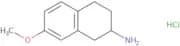
CAS:<p>Please enquire for more information about (R)-(+)-4-(Methoxymethyl)-1,3-dioxolan-2-one including the price, delivery time and more detailed product information at the technical inquiry form on this page</p>Formula:C5H8O4Purity:Min. 95%Molecular weight:132.11 g/mol7-Methoxy-1,2,3,4-tetrahydronaphthalen-2-ylamine hydrochloride
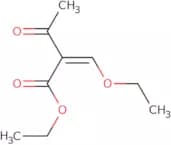
CAS:Controlled Product<p>Please enquire for more information about 7-Methoxy-1,2,3,4-tetrahydronaphthalen-2-ylamine hydrochloride including the price, delivery time and more detailed product information at the technical inquiry form on this page</p>Formula:C11H15NO•HClPurity:Min. 95%Molecular weight:213.7 g/molEthyl 2-(ethoxymethylene)-3-oxobutanoate
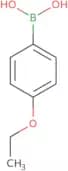
CAS:<p>Ethyl 2-(ethoxymethylene)-3-oxobutanoate is an industrial chemical that is used as a precursor to acetoacetate. It is produced by the condensation of formaldehyde and ethyl acetoacetate, which yields two molecules of ethyl 2-(ethoxymethylene)-3-oxobutanoate. This reaction can be performed in three steps, with the first step involving the addition of formaldehyde and hydrazine to acetoacetate. The second step involves heating the reaction mixture until it boils, followed by cooling and filtering. The third step requires refluxing for six hours before distilling off the liquid. Ethyl 2-(ethoxymethylene)-3-oxobutanoate can also be synthesized from orthoformic acid and ethyl acetoacetate in an experiment that produces 1 mole of product for every mole of starting material.</p>Formula:C9H14O4Purity:Min. 95%Molecular weight:186.21 g/mol(4-Ethoxyphenyl)boronic acid
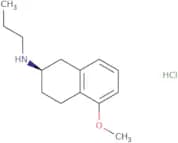
CAS:<p>4-Ethoxyphenylboronic acid is a boron-containing compound that has been shown to have potent antiviral activity. This compound is synthesized from adipose tissue and optical properties of the phenoxazine derivative are studied in order to find an efficient process for solid-phase synthesis. 4-Ethoxyphenylboronic acid has been shown to inhibit triglyceride lipase and fatty acid, which may be an important drug target. It has also been found to have potent antagonistic effects on fatty acids.</p>Formula:C8H11BO3Purity:Min. 95%Molecular weight:165.98 g/mol(R)-1,2,3,4-Tetrahydro-5-methoxy-N-propyl-2-naphthalenamine hydrochloride
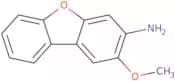
CAS:Controlled Product<p>Please enquire for more information about (R)-1,2,3,4-Tetrahydro-5-methoxy-N-propyl-2-naphthalenamine hydrochloride including the price, delivery time and more detailed product information at the technical inquiry form on this page</p>Formula:C14H22ClNOPurity:Min. 95%Molecular weight:255.78 g/mol3-Amino-2-methoxy-dibenzofuran
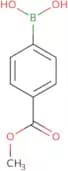
CAS:<p>3-Amino-2-methoxy-dibenzofuran (3AMD) is a cytotoxic agent that is used in the treatment of bladder carcinoma. 3AMD inhibits DNA synthesis, leading to cell death by inhibiting the production of proteins vital for cell division. 3AMD has been shown to be a potent inhibitor of cyclen-dependent kinases and to induce DNA damage in human cells. 3AMD also has significant cytotoxicity against malignant cells and has been shown to inhibit the growth of tumours in mice. 3AMD may have carcinogenic potential due to its structural similarity with other carcinogens such as aniline and aminobiphenyl.</p>Purity:Min. 95%Molecular weight:213.23 g/mol4-Methoxycarbonylphenylboronic acid
CAS:<p>4-Methoxycarbonylphenylboronic acid is an organic compound that can be synthesized from biphenyl. It is a diazonium salt with a bidentate ligand and a carbonyl group, which allows it to form an intermolecular hydrogen bond. The phenyl group of 4-methoxycarbonylphenylboronic acid can be oxidized to the corresponding carboxylic acid or reduced to the corresponding alcohol.<br>4-Methoxycarbonylphenylboronic acid is also soluble in halides, iodinations, and mercaptoacetic acid. This compound has been used as an acceptor in the oxidation of aluminium with diborane as a catalyst. 4-Methoxycarbonylphenylboronic acid has also been used to synthesize other compounds such as metronidazole (a drug) and erythromycin (an antibiotic).</p>Formula:C8H9BO4Purity:Min. 95%Color and Shape:White PowderMolecular weight:179.97 g/mol4-Fluoro-2-methoxy-5-nitroaniline
CAS:<p>Intermediate in the synthesis of osimertinib (AZD9291)</p>Formula:C7H7FN2O3Purity:Min. 95%Molecular weight:186.14 g/mol(2-{Ethyl-[4-(4-nitro-phenylazo)-phenyl]-amino}-ethoxy)-acetic acid-4-nitro-phenyl ester
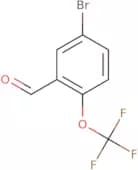
CAS:<p>Please enquire for more information about (2-{Ethyl-[4-(4-nitro-phenylazo)-phenyl]-amino}-ethoxy)-acetic acid-4-nitro-phenyl ester including the price, delivery time and more detailed product information at the technical inquiry form on this page</p>Formula:C24H23N5O7Purity:Min. 95%Molecular weight:493.47 g/mol5-Bromo-2-(trifluoromethoxy)benzaldehyde
CAS:<p>5-Bromo-2-(trifluoromethoxy)benzaldehyde is a chemical that is used as a reactant in organic chemistry. It can be used as a building block for the synthesis of complex compounds, or as an intermediate in the preparation of fine chemicals. 5-Bromo-2-(trifluoromethoxy)benzaldehyde is also useful in research and development. It has been used to synthesize pharmaceuticals, pesticides, and other organic compounds.</p>Formula:C8H4BrF3O2Purity:Min. 95%Color and Shape:PowderMolecular weight:269.02 g/mol4-Chloro-6-methoxyquinoline
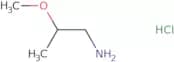
CAS:<p>4-Chloro-6-methoxyquinoline is an inhibitor of bacterial DNA gyrase. It has antibacterial activity against Gram-positive and Gram-negative bacteria, including Staphylococcus aureus, Enterococcus faecalis, and Pseudomonas aeruginosa. 4-Chloro-6-methoxyquinoline is a synthetic compound that was reinvestigated for its antibacterial activity. It has been shown to be effective in the treatment of Staphylococcal infections. The mechanism of action may involve inhibition of topoisomerase II or interference with the synthesis of DNA by binding to the enzyme bacterial DNA gyrase. Quinidine and cinchonidine are quinine derivatives that have been found to inhibit bacterial DNA gyrase. These compounds are found in the bark of Cinchona species, which includes Cinchona ledgeriana, Cinchona officinalis, and Cinchona succirub</p>Formula:C10H8ClNOPurity:Min. 95%Molecular weight:193.02944(2-Methoxypropyl)amine hydrochloride
CAS:<p>2-Methoxypropyl)amine hydrochloride (2MPPA) is a versatile building block that can be used in the synthesis of complex compounds. It is a research chemical that is used as a reagent and as a speciality chemical for the production of pharmaceuticals, agrochemicals, and other organic chemicals. 2MPPA can be used as an intermediate in the manufacture of useful scaffolds or useful reaction components. This product has CAS number 70807-90-8 and is of high quality.</p>Formula:C4H11NO·HClPurity:Min. 95%Color and Shape:SolidMolecular weight:125.6 g/mol4-Fluoro-2-methoxyphenol
CAS:<p>4-Fluoro-2-methoxyphenol is a fluorinating agent that is used in the manufacture of pharmaceuticals, plastics and pesticides. It has been shown to induce apoptosis in cultured cells by upregulating reactive oxygen species (ROS) and increasing mitochondrial membrane permeability, as well as inhibiting cellular physiology. 4-Fluoro-2-methoxyphenol also inhibits the production of ATP and may be toxic to cells by interfering with dinucleotide phosphate.</p>Formula:C7H7FO2Purity:Min. 95%Color and Shape:Clear LiquidMolecular weight:142.13 g/molFmoc-4-methoxy-4'-(γ-carboxypropyloxy)-benzhydrylamine linked to Alanyl-aminomethyl resin (200-400 mesh)
<p>Please enquire for more information about Fmoc-4-methoxy-4'-(gamma-carboxypropyloxy)-benzhydrylamine linked to Alanyl-aminomethyl resin (200-400 mesh) including the price, delivery time and more detailed product information at the technical inquiry form on this page</p>Purity:Min. 95%2,2-Dimethoxyacetaldehyde - About 60% water solution
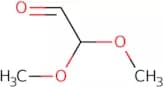
CAS:<p>2,2-Dimethoxyacetaldehyde is an inhibitor of the enzyme DNA polymerase. It has been shown to inhibit replication of the herpes simplex virus type 1 and 2 (HSV-1, HSV-2) in cell cultures. 2,2-Dimethoxyacetaldehyde has also been shown to inhibit the replication of HIV in cells and is a potential antiviral agent. This compound is also used as a building block for other drugs such as amide and ester hydrochloride. It is synthesized from 2,2-dimethoxypropane and formaldehyde with a two step process that starts with an asymmetric synthesis reaction between formaldehyde and methoxide ion followed by an ester hydrochloride formation reaction with methylamine. The product can be purified by recrystallization from water or acetone solution.</p>Formula:C4H8O3Purity:Min. 95%Molecular weight:104.1 g/mol2,7-Bis[2-(diethylamino)ethoxy]-9-fluorenone dihydrochloride
CAS:Controlled Product<p>2,7-Bis[2-(diethylamino)ethoxy]-9-fluorenone dihydrochloride (2,7-BDFE) is a potent inducer of interferon. It is a natural compound that has been shown to have significant cytotoxicity against murine sarcoma virus and opportunistic fungal infections. 2,7-BDFE has also been shown to induce toll-like receptor 4 (TLR4), which triggers the production of other cytokines and chemokines. 2,7-BDFE has also been found to inhibit the growth of cancer cells in vitro and in vivo. This drug is used as an inhibitor for benzalkonium chloride for the prevention of bacterial contamination on surfaces.</p>Formula:C25H36N2O3Cl2Purity:Min. 95%Color and Shape:Yellow PowderMolecular weight:483.47 g/mol(2-(2-Methoxyethoxy)ethoxy)acetic acid
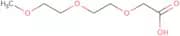
CAS:<p>2-(2-Methoxyethoxy)ethoxy)acetic acid (MEAA) is a cell stabilizer that can be used in the treatment of cancer, diabetes, and other diseases. MEAA has been shown to inhibit the growth of cells by binding to and stabilizing the cytoskeleton through inhibition of protein synthesis. It also prevents the activation of pro-inflammatory cytokines and reactive oxygen species. MEAA's magnetic resonance spectroscopy properties have been studied in detail and it has been shown to bind well with silver ions. MEAA has also been shown to have high cytotoxicity when combined with laser ablation therapy.</p>Formula:C7H14O5Purity:90%Color and Shape:Clear LiquidMolecular weight:178.18 g/molMethoxyacetaldehyde diethyl acetal
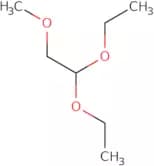
CAS:<p>Methoxyacetaldehyde diethyl acetal is a viscous liquid with a low vapor pressure. This substance is stable at high temperatures and has a high resistance to chemical interactions. It is also hydrophobic in nature. Methoxyacetaldehyde diethyl acetal has been shown to interact with the aminoglycoside antibiotics, erythromycin, streptomycin, and neomycin. The interaction of this substance with these antibiotics may be due to the fact that it has proton resonances similar to those of amino acids, as well as its ability to form hydrogen bonds with the antibiotic molecules. Methoxyacetaldehyde diethyl acetal also interacts with triethyl orthoformate, which can lead to the formation of an ester bond between them.</p>Formula:C7H16O3Purity:Min. 95%Color and Shape:Colorless Clear LiquidMolecular weight:148.2 g/mol(1S)-1-(3,4-Dimethoxyphenyl)ethan-1-amine
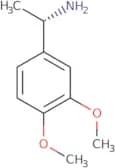
CAS:<p>Please enquire for more information about (1S)-1-(3,4-Dimethoxyphenyl)ethan-1-amine including the price, delivery time and more detailed product information at the technical inquiry form on this page</p>Formula:C10H15NO2Purity:Min. 95%Molecular weight:181.23 g/mol8-Desmethoxy-8-fluoro moxifloxacin
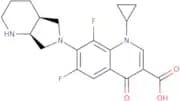
CAS:<p>8-Desmethoxy-8-fluoro moxifloxacin is a photolytic drug that is used to treat bacterial infections. It has a high degree of antibacterial activity against methicillin-resistant staphylococcus aureus, including methicillin resistant strains of Staphylococcus epidermidis. 8-Desmethoxy-8-fluoro moxifloxacin hydrochloride is produced by the addition of hydrochloric acid to moxifloxacin, which is then purified by ion chromatography. The compound has been shown to have good stability in human plasma and urine. It also shows excellent recoveries in acetonitrile and quantification results in flow rates.</p>Formula:C20H21F2N3O3Purity:Min. 95%Molecular weight:389.4 g/mol2-Chloro-3-methoxybenzaldehyde
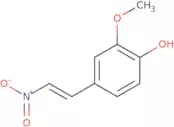
CAS:<p>Please enquire for more information about 2-Chloro-3-methoxybenzaldehyde including the price, delivery time and more detailed product information at the technical inquiry form on this page</p>Formula:C8H7ClO2Purity:Min. 95%Molecular weight:170.59 g/mol1-(4-Hydroxy-3-methoxyphenyl)-2-nitroethene
CAS:<p>1-(4-Hydroxy-3-methoxyphenyl)-2-nitroethene is an experimental molecule that was not previously known to exist. The intramolecular reaction of 1,4-dihydroxynitrobenzene and glyoxylic acid yields the product. It is a phenolic compound with biological activity, which has been shown to inhibit glycosidases and alkaloids.</p>Formula:C9H9NO4Purity:Min. 95%Color and Shape:SolidMolecular weight:195.17 g/molKaempferol-7,4'-dimethoxy-8-butyryl ester
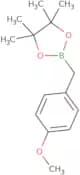
CAS:<p>Kaempferol-7,4'-dimethoxy-8-butyryl ester is a fine chemical that is used as a versatile building block for the synthesis of complex compounds. It is also used in research chemicals and as a reagent and speciality chemical. Kaempferol-7,4'-dimethoxy-8-butyryl ester has CAS number 1284229-43-1 and can be used as an intermediate for the synthesis of other compounds. It is also a useful scaffold for the synthesis of high quality compounds with potential pharmaceutical applications.</p>Formula:C21H20O7Purity:Min. 95%Molecular weight:384.38 g/mol4-Methoxybenzylboronic acid pinacolester
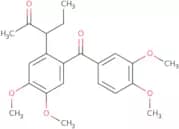
CAS:<p>Please enquire for more information about 4-Methoxybenzylboronic acid pinacolester including the price, delivery time and more detailed product information at the technical inquiry form on this page</p>Formula:C14H21BO3Purity:Min. 95%Molecular weight:248.13 g/mol3-(2-(3,4-Dimethoxybenzoyl)-4,5-dimethoxyphenyl)pentan-2-one
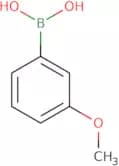
CAS:<p>3-(2-(3,4-Dimethoxybenzoyl)-4,5-dimethoxyphenyl)pentan-2-one is an alkylene that is produced by the reaction of hydrazine with 2,3,4-trimethoxybenzoic acid. This molecule has been shown to have anxiolytic properties in animal studies and hydrolyzes to form ethylene glycol. 3-(2-(3,4-Dimethoxybenzoyl)-4,5-dimethoxyphenyl)pentan-2-one also has a hydrolysis product of tofisopam. Tofisopam is an organic acid that has been used as an antidepressant for the treatment of anxiety disorders.</p>Formula:C22H26O6Purity:Min. 95%Molecular weight:386.44 g/mol3-Methoxyphenylboronic acid
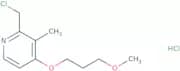
CAS:<p>3-Methoxyphenylboronic acid is a photophysical molecule that can be used as an analytical reagent in plant physiology and analytical chemistry. 3-Methoxyphenylboronic acid reacts reversibly with copper ions to form a complex. The binding constants of the copper complex depend on the pH of the solution, which can be altered by adding a phosphate derivative to the solution. This reaction was investigated using cross-coupling techniques and showed that the binding constants for this complex are dependent on the type of solvent used. 3-Methoxyphenylboronic acid has also been used to measure glucose levels in blood samples.</p>Formula:C7H9BO3Purity:Min. 95%Color and Shape:White PowderMolecular weight:151.96 g/mol2-Chloromethyl-4-(3-methoxypropoxy)-3-methylpyridine hydrochloride
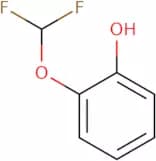
CAS:<p>Please enquire for more information about 2-Chloromethyl-4-(3-methoxypropoxy)-3-methylpyridine hydrochloride including the price, delivery time and more detailed product information at the technical inquiry form on this page</p>Formula:C11H17Cl2NO2Purity:Min. 95%Molecular weight:266.16 g/mol2-(Difluoromethoxy)Phenol
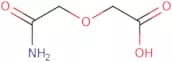
CAS:<p>2-(Difluoromethoxy)Phenol is a purine derivative and pyrimidine derivative. It has been shown to inhibit the growth of cancer cells in vitro and in vivo. 2-(Difluoromethoxy)phenol inhibits multidrug resistance by inhibiting the transport of drugs into cells and thereby preventing their accumulation. As a result, it suppresses inflammatory diseases and autoimmune diseases. The hydroxyl group in this compound can be replaced with fluorine or nitro groups to generate new derivatives with different properties. Piperidine can also be added to this molecule to create an analogue that is more potent than 2-(difluoromethoxy)phenol and has a longer duration of action.</p>Formula:C7H6F2O2Purity:Min. 95%Molecular weight:160.12 g/mol(2-Amino-2-oxoethoxy)acetic acid
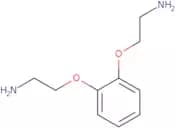
CAS:<p>2-Amino-2-oxoethoxy)acetic acid is a product that can be used as a transport agent in the process of extracting glycosides. It has been shown to have strong adsorption properties and is able to extract glycosides from plant material. 2-Amino-2-oxoethoxy)acetic acid has a high affinity for calcium, which is an important component in the adsorption mechanism.</p>Formula:C4H7NO4Purity:Min. 95%Molecular weight:133.1 g/molO-Bis(2-aminoethoxy)benzene
CAS:<p>O-Bis(2-aminoethoxy)benzene is a cyclic compound that has a predominantly thionyl character. It has an amide group, which is formed by the condensation of two carboxylic acids. O-Bis(2-aminoethoxy)benzene can act as a ligand for metal ions in the form of an anion or chloride ion, and it also interacts with neutral ligands. This compound can be used to prepare ferrocenyl derivatives through alkylation. The interaction between O-Bis(2-aminoethoxy)benzene and ferrocene was studied using voltammetry.</p>Formula:C10H16N2O2Purity:Min. 95%Molecular weight:196.25 g/mol4-Difluoromethoxyphenylboronic acid pinacol ester
CAS:<p>Please enquire for more information about 4-Difluoromethoxyphenylboronic acid pinacol ester including the price, delivery time and more detailed product information at the technical inquiry form on this page</p>Formula:C13H17BF2O3Purity:Min. 95%Molecular weight:270.08 g/mol4-Chloro-2-(trifluoromethoxy)aniline
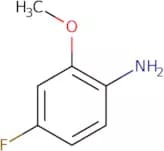
CAS:<p>4-Chloro-2-(trifluoromethoxy)aniline is a fine chemical that is used as a building block in the synthesis of other chemicals, such as pharmaceuticals and agrochemicals. It is also used in research as a reagent for organic synthesis and as a speciality chemical. 4-Chloro-2-(trifluoromethoxy)aniline has versatile applications in the manufacture of complex compounds, intermediates, and scaffolds.</p>Formula:C7H5ClF3NOPurity:Min. 95%Molecular weight:211.57 g/mol4-Fluoro-2-methoxyaniline
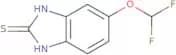
CAS:<p>4-Fluoro-2-methoxyaniline is an inhibitor of tyrosine kinase. It is a molecule that has been isolated from the ground leaves of erythroxylon coca and is used in the treatment of diabetes mellitus. 4-Fluoro-2-methoxyaniline inhibits the growth factor receptor, epidermal growth factor (EGF), and its receptor, EGF receptor. This inhibition leads to decreased proliferation of epidermal cells and decreased insulin production by pancreatic beta cells. 4-Fluoro-2-methoxyaniline also has antioxidant properties, which may be due to its ability to scavenge free radicals.</p>Formula:C7H8FNOPurity:Min. 95%Color and Shape:Light Brown To Brown LiquidMolecular weight:141.14 g/mol5-(Difluoromethoxy)-2-mercaptobenzimidazole
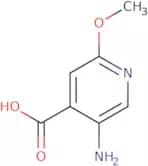
CAS:<p>5-(Difluoromethoxy)-2-mercaptobenzimidazole is an organic solvent that is used in the crystallization process of pantoprazole, a benzimidazole derivative. It is also used as a corrosion inhibitor and pump inhibitor in analytical chemistry. The purity of 5-(difluoromethoxy)-2-mercaptobenzimidazole can be determined by chromatographic methods or by the use of analytical chemistry. Impurities may be genotoxic and include reactive impurities such as thiourea and 2-thiouracil. These impurities are removed during the synthetic process to produce 5-(difluoromethoxy)-2-mercaptobenzimidazole. This drug substance has been found to inhibit DNA polymerase activity in vitro, but its effects on human cells have not been studied.</p>Formula:C8H6F2N2OSPurity:Min. 95%Color and Shape:Off-White PowderMolecular weight:216.21 g/mol5-Amino-2-methoxyisonicotinic acid
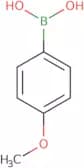
CAS:<p>5-Amino-2-methoxyisonicotinic acid is a carboxylic acid that is used in the synthesis of aminopyridines. The compound can be synthesized from formamidine acetate and diethyl dicarbonate. This process involves lithiation, followed by addition of an amine and finally conversion to the desired product with formamidine acetate. 5-Amino-2-methoxyisonicotinic acid can also be synthesized from formamide and diethyl ether. 5-Amino-2-methoxyisonicotinic acid is an analog of 2,4,6-trimethylaniline and has been shown to have similar properties to this compound, including strong basicity.</p>Formula:C7H8N2O3Purity:Min. 95%Molecular weight:168.15 g/mol4-Methoxyphenyl boronic acid
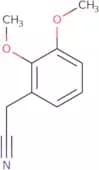
CAS:<p>4-Methoxyphenyl boronic acid is a molecule with a hydroxyl group and a boronic acid. It is synthesized by reacting biphenyl with trifluoroacetic acid in the presence of sodium carbonate and palladium-catalyzed coupling. 4-Methoxyphenyl boronic acid has shown to bind to the receptor for fatty acids, which may be due to its structural similarity to p-hydroxybenzoic acid. The protonated form of this molecule has been shown to react with an electrophilic carbon atom and an electron-deficient alkyl or vinyl halide, resulting in ring formation. This reaction is known as the Suzuki coupling reaction.</p>Formula:C7H9BO3Purity:Min. 95%Color and Shape:PowderMolecular weight:151.96 g/mol2,3-(Dimethoxyphenyl)acetonitrile
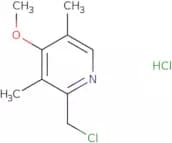
CAS:<p>2,3-(Dimethoxyphenyl)acetonitrile is a chemical intermediate that is used in the synthesis of pharmaceuticals and specialty chemicals. It can be used as a reaction component and reagent for the synthesis of other chemicals. This compound has a high quality and is also a versatile building block for complex compounds. 2,3-(Dimethoxyphenyl)acetonitrile has been shown to be useful in the production of fine chemicals such as pharmaceuticals, agrochemicals, and dyes. The CAS number for this compound is 4468-57-9.</p>Formula:C10H11NO2Purity:Min. 95%Molecular weight:177.2 g/mol2-(Chloromethyl)-4-methoxy-3,5-dimethylpyridine hydrochloride
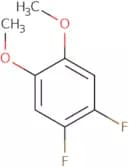
CAS:<p>2-(Chloromethyl)-4-methoxy-3,5-dimethylpyridine hydrochloride is a benzimidazole derivative. It has a chemical stability and can be used for wastewater treatment. It is also a pump inhibitor and can be used for anhydrous sodium magnesium salts. This product is synthesized from the reaction of protonated 2-bromo-4-methoxyphenol with 2,6-dimethylpyridine in the presence of hydrochloric acid. The reaction was carried out in an asymmetric synthesis using a proton transport system. 2-(Chloromethyl)-4-methoxy-3,5-dimethylpyridine hydrochloride is soluble in water and has a pH of 1 to 3. It has been shown that this product can be used as an antioxidant and as a metal chelation agent.</p>Formula:C9H13Cl2NOPurity:Min. 95%Color and Shape:PowderMolecular weight:222.11 g/mol1,2-Difluoro-4,5-dimethoxybenzene
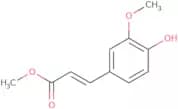
CAS:<p>Diffraction is a technique that is used to measure the angles of the reflections from a crystal or other material. Single-crystal x-ray diffraction (SCXRD) is one form of diffraction that uses a single crystal to generate an image. Diffraction was first observed in 1807 by English scientist William Hyde Wollaston and French physicist Joseph von Fraunhofer. Diffraction can be used to determine the structures of ionic, linear, or annulated frameworks, such as those found in 1,2-Difluoro-4,5-dimethoxybenzene. The molecular geometry and relative orientation of the atoms in these frameworks can be determined through diffraction. This technique is often used to characterize polymers with cyclic structures such as penicillin and cyclic voltammetry. <br>Diffraction studies have shown that 1,2-Difluoro-4,5-dimethoxybenzene has a hydroxylase</p>Formula:C8H8F2O2Purity:Min. 97 Area-%Color and Shape:PowderMolecular weight:174.14 g/molMethyl (2E)-3-(4-hydroxy-3-methoxyphenyl)acrylate
CAS:<p>Methyl (2E)-3-(4-hydroxy-3-methoxyphenyl)acrylate is a natural compound, which belongs to the group of ferulate esters. It has been shown that methyl (2E)-3-(4-hydroxy-3-methoxyphenyl)acrylate inhibits the activity of esterases, which are enzymes that hydrolyze esters. This inhibition leads to an accumulation of ferulic acid in the blood, which is associated with bowel disease. Methyl (2E)-3-(4-hydroxy-3-methoxyphenyl)acrylate has been shown to be effective against murine hepatoma cells and polymorphonuclear leucocytes, which are white blood cells that can be found in the blood and other tissues. The inhibitory effect on these cells may be due to its ability to bind to ferulic acid and caffeic acids.</p>Formula:C11H12O4Purity:Min. 95%Color and Shape:White PowderMolecular weight:208.21 g/molH-Cys(4-methoxytrityl)-2-chlorotrityl resin (200-400 mesh)
<p>Please enquire for more information about H-Cys(4-methoxytrityl)-2-chlorotrityl resin (200-400 mesh) including the price, delivery time and more detailed product information at the technical inquiry form on this page</p>Purity:Min. 95%
![4-(Methoxycarbonyl)bicyclo[2.1.1]hexane-1-carboxylic acid](/_next/image/?url=https%3A%2Fstatic.cymitquimica.com%2Fproducts%2F3D%2Fthumb-webp%2FFM76248.webp&w=3840&q=75)



![2-[2-[2-(2-Azidoethoxy)ethoxy]ethoxy]ethanol](/_next/image/?url=https%3A%2Fstatic.cymitquimica.com%2Fproducts%2F3D%2Fthumb-webp%2FFA09300.webp&w=3840&q=75)
![[2-(4-methoxyphenyl)ethyl]methylamine](/_next/image/?url=https%3A%2Fstatic.cymitquimica.com%2Fproducts%2F3D%2Fthumb-webp%2FFM51362.webp&w=3840&q=75)
![1-Cyclopropyl-7-(2,8-diazabicyclo[4.3.0]non-8-yl)-6-fluoro-8-methoxy-4-oxoquinoline-3-carboxylic a…](/_next/image/?url=https%3A%2Fstatic.cymitquimica.com%2Fproducts%2F3D%2Fthumb-webp%2FFC102529.webp&w=3840&q=75)


![α-(1,1,2,2,2-Pentafluoroethyl)-ω-[Tetrafluoro(Trifluoromethyl)Ethoxy]-Poly[Oxy[Trifluoro(Trifluoro…](/_next/image/?url=https%3A%2Fstatic.cymitquimica.com%2Fproducts%2F3D%2Fthumb-webp%2FFP103632.webp&w=3840&q=75)


![3-[1-(2-Methoxyethyl)-1H-indol-3-yl]propanoic acid](/_next/image/?url=https%3A%2Fstatic.cymitquimica.com%2Fproducts%2F3D%2Fthumb-webp%2FFM135770.webp&w=3840&q=75)

![(S)-1,2,3,4,5,6,7,8-Octahydro-1-[(4-methoxyphenyl)methyl]isoquinoline (acetate salt )](/_next/image/?url=https%3A%2Fstatic.cymitquimica.com%2Fproducts%2F3D%2Fthumb-webp%2FFO29465.webp&w=3840&q=75)
![[1-(2-Methoxyethyl)-1H-indol-3-yl]acetic acid](/_next/image/?url=https%3A%2Fstatic.cymitquimica.com%2Fproducts%2F3D%2Fthumb-webp%2FFM135744.webp&w=3840&q=75)

![5-[(2-Methoxyphenoxy)-methyl]-2-oxazolidinone](/_next/image/?url=https%3A%2Fstatic.cymitquimica.com%2Fproducts%2F3D%2Fthumb-webp%2FFM25063.webp&w=3840&q=75)

![(2-{Ethyl-[4-(4-nitro-phenylazo)-phenyl]-amino}-ethoxy)-acetic acid-4-nitro-phenyl ester](/_next/image/?url=https%3A%2Fstatic.cymitquimica.com%2Fproducts%2F3D%2Fthumb-webp%2FFE111186.webp&w=3840&q=75)


![2,7-Bis[2-(diethylamino)ethoxy]-9-fluorenone dihydrochloride](/_next/image/?url=https%3A%2Fstatic.cymitquimica.com%2Fproducts%2F3D%2Fthumb-webp%2FFB37106.webp&w=3840&q=75)