Ethers
Ethers are organic compounds containing an ether functional group, characterized by an oxygen atom bonded to two hydrocarbon radicals. These compounds are valuable in synthesis and serve as solvents in various chemical reactions. At CymitQuimica, we offer a selection of high-quality ethers to support your research and industrial applications, ensuring reliable and effective results. Our range of ethers meets diverse laboratory requirements, from routine experiments to advanced research.
Found 40711 products of "Ethers"
Sort by
Purity (%)
0
100
|
0
|
50
|
90
|
95
|
100
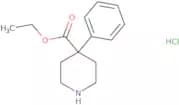
4-Phenyl-4-carbethoxy piperidineHCl
CAS:Controlled Product<p>4-Phenyl-4-carbethoxy piperidineHCl is a germanium compound that can be used as a diagnostic agent to detect the presence of magnesium in the blood. It has been shown to bind to acidic and basic sites on the brain, regulating the functions of these regions. The drug has also been shown to have analgesic properties, as it activates opioid receptors in the brain. 4-Phenyl-4-carbethoxy piperidineHCl binds with high affinity to meperidine and naloxone, which are opioid receptor agonists. It is also able to bind to pentazocine, an opioid receptor antagonist. This drug is not active against molybdenum or thebaine.</p>Formula:C14H20ClNO2Purity:Min. 95%Molecular weight:269.77 g/mol(-)-N-[1-(R)-Ethoxycarbonxyl-3-phenylpropyl]-L-alanine
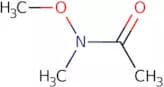
CAS:<p>Please enquire for more information about (-)-N-[1-(R)-Ethoxycarbonxyl-3-phenylpropyl]-L-alanine including the price, delivery time and more detailed product information at the technical inquiry form on this page</p>Formula:C15H21NO4Purity:Min. 95%Molecular weight:279.33 g/molN-Methoxy-N-methylacetamide
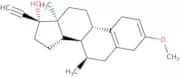
CAS:<p>N-Methoxy-N-methylacetamide is a nucleophilic amide that can be synthesized by the reaction of acetamide with methylmagnesium chloride. It has been used to synthesize an enantiopure derivative of 2-aminopropanol, which is used in the synthesis of potent antitumor agents. N-Methoxy-N-methylacetamide has shown potent anticancer activity in mice and rats. This molecule exhibits a carbonyl group that can act as an enolate, which is a reactive intermediate within chemical reactions. The nucleophilic attack on this carbonyl group leads to intramolecular hydrogen transfer, producing a more stable product.</p>Formula:C4H9NO2Purity:Min. 95%Molecular weight:103.12 g/mol2-Dehydro-3-methoxy tibolone
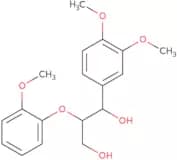
CAS:Controlled Product<p>Please enquire for more information about 2-Dehydro-3-methoxy tibolone including the price, delivery time and more detailed product information at the technical inquiry form on this page</p>Formula:C22H30O2Purity:Min. 95%Molecular weight:326.47 g/mol1-(3,4-Dimethoxyphenyl)-2-(2-methoxyphenoxy)propane-1,3-diol
CAS:<p>1,3-Dimethoxy-2-(2-methoxyphenoxy)propane-1,3-diol (DMMP) is a natural product with antioxidant properties. It has been shown to be a potent inhibitor of the epidermal growth factor receptor (EGFR), and also inhibits the activity of the response elements for EGFR. DMMP is also a potent inhibitor of proliferation in human cancer cells and can inhibit the growth of tumour cells that are resistant to methotrexate. DMMP is a precursor to protocatechuic acid, which has been shown to have anti-herpes virus effects. DMMP has been shown to decrease the rate of second order reactions through its ability to react with carbonyl groups on proteins. This reaction leads to an increase in stability and decreases the rate of protein degradation by proteases. A mutant strain was found that can produce this compound without any external stimulus, making it ideal for use as an antibiotic against bacterial</p>Formula:C18H22O6Purity:Min. 95 Area-%Color and Shape:PowderMolecular weight:334.36 g/mol4-[2-(Cyclopropylmethoxy)ethyl]phenol
CAS:<p>4-[2-(Cyclopropylmethoxy)ethyl]phenol is a potent beta-blocker that has been used as an antiglaucoma drug. This substance has been shown to have cardiovascular effects, such as vasodilation and peripheral vasoconstriction, that are mediated by its blockade of beta-adrenergic receptors. 4-[2-(Cyclopropylmethoxy)ethyl]phenol also reduces intraocular pressure in the eye, which may be due to its inhibition of prostaglandin synthesis.</p>Formula:C12H16O2Purity:Min. 95%Molecular weight:192.25 g/mol1-[2-(5-Methoxy-1H-indol-3-yl)ethyl]-5-oxopyrrolidine-3-carboxylic acid
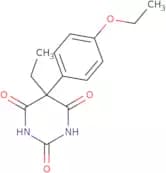
CAS:Controlled Product<p>Please enquire for more information about 1-[2-(5-Methoxy-1H-indol-3-yl)ethyl]-5-oxopyrrolidine-3-carboxylic acid including the price, delivery time and more detailed product information at the technical inquiry form on this page</p>Formula:C16H18N2O4Purity:Min. 95%Molecular weight:302.33 g/mol5-(4-Ethoxyphenyl)-5-ethylbarbituric acid
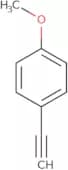
CAS:Controlled Product<p>Please enquire for more information about 5-(4-Ethoxyphenyl)-5-ethylbarbituric acid including the price, delivery time and more detailed product information at the technical inquiry form on this page</p>Formula:C14H16N2O4Purity:Min. 95%Molecular weight:276.29 g/mol4-Methoxyphenylacetylene
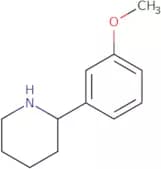
CAS:<p>4-Methoxyphenylacetylene is a phosphane that has been extensively studied for its reactivity in cross-coupling reactions with electron-deficient olefins. 4-Methoxyphenylacetylene has been shown to react with chlorides and form an intermediate chloride, which reacts with an olefin to form an ether. X-ray crystal structures of the reaction mechanism have been determined. The transfer mechanism involves nucleophilic attack of chloride on the phosphorus atom followed by elimination of hydrogen chloride from the phosphorus. The reaction product is an ether.</p>Formula:C9H8OPurity:Min. 95%Color and Shape:White Clear LiquidMolecular weight:132.16 g/mol2-(3-Methoxyphenyl)piperidine
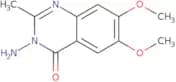
CAS:<p>Please enquire for more information about 2-(3-Methoxyphenyl)piperidine including the price, delivery time and more detailed product information at the technical inquiry form on this page</p>Formula:C12H17NOPurity:Min. 95%Color and Shape:PowderMolecular weight:191.27 g/mol3-Amino-6,7-dimethoxy-2-methylquinazolin-4(3H)-one
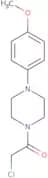
CAS:Controlled Product<p>Please enquire for more information about 3-Amino-6,7-dimethoxy-2-methylquinazolin-4(3H)-one including the price, delivery time and more detailed product information at the technical inquiry form on this page</p>Formula:C11H13N3O3Purity:Min. 95%Molecular weight:235.24 g/mol1-(Chloroacetyl)-4-(4-methoxyphenyl)piperazine
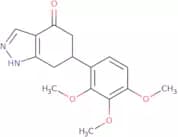
CAS:Controlled Product<p>Please enquire for more information about 1-(Chloroacetyl)-4-(4-methoxyphenyl)piperazine including the price, delivery time and more detailed product information at the technical inquiry form on this page</p>Formula:C13H17ClN2O2Purity:Min. 95%Molecular weight:268.74 g/mol6-(2,3,4-Trimethoxyphenyl)-1,5,6,7-tetrahydro-4H-indazol-4-one
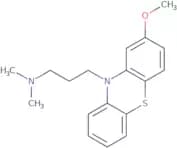
CAS:Controlled Product<p>Please enquire for more information about 6-(2,3,4-Trimethoxyphenyl)-1,5,6,7-tetrahydro-4H-indazol-4-one including the price, delivery time and more detailed product information at the technical inquiry form on this page</p>Formula:C16H18N2O4Purity:Min. 95%Molecular weight:302.33 g/mol2-Methoxy promazine
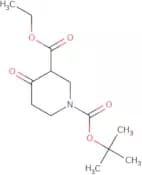
CAS:Controlled Product<p>2-Methoxy promazine is a phenothiazine antipsychotic drug which has been used to treat chronic schizophrenia. It binds to the D2 receptor, and it is one of the most potent antipsychotic drugs for this receptor. 2-Methoxy promazine also binds to dopamine receptors, with a binding constant of 0.1 nM. 2-Methoxy promazine may be useful in the treatment of bowel disease because it has been shown to decrease bowel motility and increase colonic tone. 2-Methoxy promazine is not metabolized by cytochrome P450 enzymes, but it does have photochemical properties that can cause skin damage when exposed to sunlight. It is also an analog of promethazine, which belongs to the class of phenothiazine drugs. Promethazine is synthesized from 2-methylaminophenol and methylamine through a series of transfer reactions and hydrogen bonding.</p>Formula:C18H22N2OSPurity:Min. 95%Color and Shape:PowderMolecular weight:314.45 g/molN-Boc-3-carboethoxy-4-piperidone
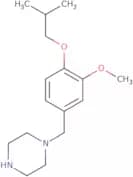
CAS:<p>Please enquire for more information about N-Boc-3-carboethoxy-4-piperidone including the price, delivery time and more detailed product information at the technical inquiry form on this page</p>Formula:C13H21NO5Purity:Min. 95%Molecular weight:271.31 g/mol1-(4-Isobutoxy-3-methoxybenzyl)piperazine
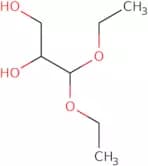
CAS:Controlled Product<p>Please enquire for more information about 1-(4-Isobutoxy-3-methoxybenzyl)piperazine including the price, delivery time and more detailed product information at the technical inquiry form on this page</p>Formula:C16H26N2O2Purity:Min. 95%Molecular weight:278.39 g/mol3,3-Diethoxy-1,2-propanediol
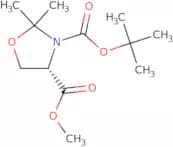
CAS:<p>3,3-Diethoxy-1,2-propanediol is a chemical compound that has been found to have an acidic character and to be an allylation agent. This ingredient also has the ability to form flavonoids and act as a ring-opening polymerization catalyst. It can be used in leaf extract as an astringent or antibacterial. 3,3-Diethoxy-1,2-propanediol is used in the production of this product. The medicinal properties of this compound are scientifically analysed and tested for efficacy. It has been shown to act as a laxative when taken in excessive amounts. 3,3-Diethoxy-1,2-propanediol is not known to have any negative side effects on the human body such as skin irritation or sensitization.</p>Formula:C7H16O4Purity:Min. 95%Molecular weight:164.2 g/mol(S)-(-)-3-tert-Butoxycarbonyl-4-methoxycarbonyl-2,2-dimethyl-1,3-oxazolidine
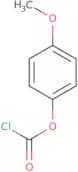
CAS:<p>Please enquire for more information about (S)-(-)-3-tert-Butoxycarbonyl-4-methoxycarbonyl-2,2-dimethyl-1,3-oxazolidine including the price, delivery time and more detailed product information at the technical inquiry form on this page</p>Formula:C12H21NO5Purity:Min. 95%Molecular weight:259.3 g/mol4-Methoxyphenyl chloroformate
CAS:<p>4-Methoxyphenyl chloroformate is a reactive chemical that can be used to synthesize amides, esters, and anhydrides. It reacts with nucleophiles such as chloride or hydroxide to form an intermediate product. This intermediate product then reacts with the desired molecule to form the desired final product. 4-Methoxyphenyl chloroformate has shown selectivity for binding to opioid receptors, including mu and delta subtypes. This chemical may be used in the synthesis of antibiotic drugs that have similar receptor subtypes. 4-Methoxyphenyl chloroformate also has been shown to modulate G protein signaling pathways in cells, which may lead to improved pharmacokinetic properties.</p>Formula:C8H7ClO3Purity:Min. 95%Color and Shape:Clear LiquidMolecular weight:186.59 g/mol1-(4-Methoxyphenyl)-3-phenyl-1H-pyrazole-5-carboxylic acid
CAS:Controlled Product<p>Please enquire for more information about 1-(4-Methoxyphenyl)-3-phenyl-1H-pyrazole-5-carboxylic acid including the price, delivery time and more detailed product information at the technical inquiry form on this page</p>Formula:C17H14N2O3Purity:Min. 95%Color and Shape:PowderMolecular weight:294.3 g/mol2,3-Dihydro-1-(3-hydroxypropyl)-5-[(2R)-2-[[2-[2-(2,2,2-trifluoroethoxy)phenoxy]ethyl]amino]propyl]-1H-indole-7-carbonitrile
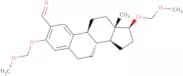
CAS:<p>Please enquire for more information about 2,3-Dihydro-1-(3-hydroxypropyl)-5-[(2R)-2-[[2-[2-(2,2,2-trifluoroethoxy)phenoxy]ethyl]amino]propyl]-1H-indole-7-carbonitrile including the price, delivery time and more detailed product information at the technical inquiry form on this page</p>Formula:C25H30F3N3O3Purity:Min. 95%Molecular weight:477.52 g/mol2-Formyl-3,17b-O-bis(methoxymethyl)estradiol
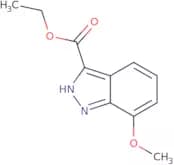
CAS:Controlled Product<p>Please enquire for more information about 2-Formyl-3,17b-O-bis(methoxymethyl)estradiol including the price, delivery time and more detailed product information at the technical inquiry form on this page</p>Formula:C23H32O5Purity:Min. 95%Molecular weight:388.5 g/molEthyl 7-Methoxy-1H-Indazole-3-Carboxylate
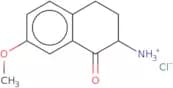
CAS:Controlled Product<p>Please enquire for more information about Ethyl 7-Methoxy-1H-Indazole-3-Carboxylate including the price, delivery time and more detailed product information at the technical inquiry form on this page</p>Formula:C11H12N2O3Purity:Min. 95%Molecular weight:220.22 g/mol2-Amino-3,4-dihydro-7-methoxy-2H-1-naphthalenone, hydrochloride
CAS:Controlled Product<p>Please enquire for more information about 2-Amino-3,4-dihydro-7-methoxy-2H-1-naphthalenone, hydrochloride including the price, delivery time and more detailed product information at the technical inquiry form on this page</p>Formula:C11H14ClNO2Purity:Min. 95%Molecular weight:227.69 g/mol[2-(3,4-Dimethoxyphenyl)-1,3-thiazol-4-yl]acetic acid
CAS:<p>Please enquire for more information about [2-(3,4-Dimethoxyphenyl)-1,3-thiazol-4-yl]acetic acid including the price, delivery time and more detailed product information at the technical inquiry form on this page</p>Formula:C13H13NO4SPurity:Min. 95%Molecular weight:279.31 g/molN-(1H-Indol-4-ylmethyl)-N-[2-(4-methoxyphenyl)ethyl]amine hydrochloride
CAS:Controlled Product<p>Please enquire for more information about N-(1H-Indol-4-ylmethyl)-N-[2-(4-methoxyphenyl)ethyl]amine hydrochloride including the price, delivery time and more detailed product information at the technical inquiry form on this page</p>Formula:C18H20N2OPurity:Min. 95%Molecular weight:280.36 g/mol3-[4-(4-Methoxyphenyl)piperazin-1-yl]-3-oxopropanenitrile
CAS:Controlled Product<p>Please enquire for more information about 3-[4-(4-Methoxyphenyl)piperazin-1-yl]-3-oxopropanenitrile including the price, delivery time and more detailed product information at the technical inquiry form on this page</p>Formula:C14H17N3O2Purity:Min. 95%Molecular weight:259.3 g/mol4-Formyl-3-methoxy-phenyloxymethyl polystyrene resin (200-400 mesh)
<p>Please enquire for more information about 4-Formyl-3-methoxy-phenyloxymethyl polystyrene resin (200-400 mesh) including the price, delivery time and more detailed product information at the technical inquiry form on this page</p>Purity:Min. 95%4-Hydroxy-7-methoxyquinoline
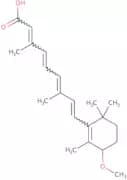
CAS:<p>4-Hydroxy-7-methoxyquinoline is an anti-malarial drug that belongs to the class of trimethyl, trifluoromethyl group. It is a cyclic compound and its synthesis starts with cyclization of the methyl derivative, which forms a ring. This product is used in clinical practice as an inhibitor of malarial protozoa and has been shown to have mechanistic effects on the cytochrome bc1 complex containing red blood cells. 4-Hydroxy-7-methoxyquinoline also inhibits the growth of bacteria by binding to the enzyme methionine synthase, which is involved in the biosynthesis of methionine from homocysteine. The product also has an inhibitory effect on DNA synthesis and protein synthesis.</p>Formula:C10H9NO2Purity:Min. 95%Molecular weight:175.18 g/mol4-Methoxy retinoic acid
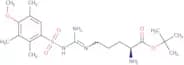
CAS:<p>Please enquire for more information about 4-Methoxy retinoic acid including the price, delivery time and more detailed product information at the technical inquiry form on this page</p>Formula:C21H30O3Purity:Min. 95%Molecular weight:330.46 g/molNω-(4-Methoxy-2,3,6-trimethylbenzenesulfonyl)-L-arginine tert-butyl ester
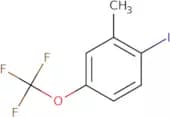
CAS:<p>Please enquire for more information about Nomega-(4-Methoxy-2,3,6-trimethylbenzenesulfonyl)-L-arginine tert-butyl ester including the price, delivery time and more detailed product information at the technical inquiry form on this page</p>Formula:C20H34N4O5SPurity:Min. 95%Molecular weight:442.57 g/mol2-Methyl-4-(trifluoromethoxy)iodobenzene
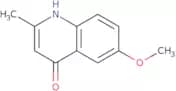
CAS:<p>Please enquire for more information about 2-Methyl-4-(trifluoromethoxy)iodobenzene including the price, delivery time and more detailed product information at the technical inquiry form on this page</p>Formula:C8H6F3IOPurity:Min. 95%Molecular weight:302.03 g/mol6-Methoxy-2-methylquinolin-4(1H)-one
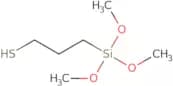
CAS:<p>6-Methoxy-2-methylquinolin-4(1H)-one is a heterocyclic molecule that has the ability to undergo oxidation reactions. It is an intermediate in the synthesis of other molecules, such as 4-hydroxyquinoline and 4-hydroxybenzaldehyde. The acidity of 6-methoxy-2-methylquinolin-4(1H)-one can be increased by adding alkali, which will cause it to react with hydroxyl and form a phenylhydrazine. When heated with hydrazine, 6-methoxy-2-methylquinolin-4(1H)-one undergoes tautomerism and forms 2-(phenylhydrazinyl) quinoline. The chemical structure of 6-methoxy-2 methylquinolin 4(1H)-one can be detected by analyzing its spectrum (i.e., absorption or emission spectra). This chemical shows bands</p>Formula:C11H11NO2Purity:Min. 95%Molecular weight:189.21 g/mol(3-Mercaptopropyl)trimethoxysilane
CAS:<p>3-Mercaptopropyl)trimethoxysilane is a molecule made up of three parts: a trimethoxysilane group, a trimethylsilyl group, and a mercapto group. The trimethoxysilane group is hydrophilic in nature and has an electron withdrawing effect on the molecule. The trimethylsilyl group is hydrophobic in nature and has an electron donating effect on the molecule. The mercapto group is reactive in nature and has a high redox potential. 3-Mercaptopropyl)trimethoxysilane can be used as a chemical additive to increase the stability of hydrochloric acid in water vapor by reacting with the hydroxyl groups to form stable compounds. This compound also reacts with hydrogen gas to produce methane gas, which can be used as fuel or as an alternative energy source. 3-Mercaptopropyl)trimethoxysilane also has synergistic</p>Formula:C6H16O3SSiPurity:Min. 98 Area-%Color and Shape:Colorless Clear LiquidMolecular weight:196.34 g/mol4-Chloro-2,5-dimethoxynitrobenzene
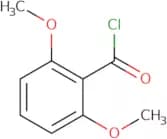
CAS:Controlled Product<p>4-Chloro-2,5-dimethoxynitrobenzene (CDMNB) is a solvent and a synthetic intermediate. It is soluble in diethylene, solvents, and sodium formate. CDMNB can be reduced with catalytic reduction or amines to 2,5-dimethoxybenzoic acid. CDMNB has been shown to react with xylene under catalytic conditions to produce 4-chloro-3,5-dimethoxybenzoic acid. This reaction can be monitored by liquid phase chromatography or cyclic voltammetry.</p>Formula:C8H8ClNO4Purity:Min. 95%Molecular weight:217.61 g/mol2,6-Dimethoxybenzoyl Chloride
CAS:<p>2,6-Dimethoxybenzoyl chloride is a halide that is used in the synthesis of other compounds. It can be synthesized by the reaction of methoxy groups with demethylation and regiospecific chlorination. This compound has been used to synthesize other substances, such as 2-chloro-2′,6′-diethoxybenzophenone. 2,6-Dimethoxybenzoyl chloride also has enzymatic activity that can be catalyzed by chromatographic science. The chloride ion is the most common anion found in living cells and it is involved in a variety of reactions. Dimethoxybenzamido and tribromide are two types of organic compounds that contain chlorine.</p>Formula:C9H9ClO3Purity:Min. 95%Molecular weight:200.62 g/mol3-(4-Methoxyphenyl)pyrazole
CAS:<p>3-(4-Methoxyphenyl)pyrazole is a fungicide that belongs to the group of nitrophenol derivatives. It inhibits the growth of plant pathogenic fungi by inhibiting the synthesis of proteins and nucleic acids. 3-(4-Methoxyphenyl)pyrazole has an inhibitory effect on seed germination and germination, as well as on hydroxymethylation reactions in fungal mycelia. 3-(4-Methoxyphenyl)pyrazole also has bactericidal properties and can be used for controlling bacteria in water systems.</p>Formula:C10H10N2OPurity:Min. 95%Molecular weight:174.2 g/mol4-Methoxybenzylamine
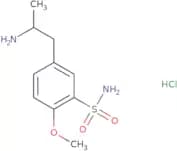
CAS:<p>4-Methoxybenzylamine is an organic amine that has a redox potential of -0.14 V (vs. SHE) and a pK a of 10.5. It is used in the synthesis of trifluoroacetic acid esters, which are used as pharmaceutical intermediates. 4-Methoxybenzylamine has been shown to be effective in alleviating pain in animal models, and its mechanism of action may be due to inhibition of the enzyme cyclooxygenase. The kinetic data for this reaction were obtained by studying the deuterium isotope effect, which is characterized by a low energy barrier and rapid reaction rate. The hydrolysis step is also important for the reaction mechanism, with protocatechuic acid being an intermediate product. Hydrochloric acid is needed for dehydration of the reactants, while an aryl halide can be used instead in some cases. In these reactions, there are many possible reaction</p>Formula:C8H11NOPurity:Min. 95%Molecular weight:137.18 g/mol3-(4'-Methoxy-3'-sulfonamidophenyl)-2-propylamine, hydrochloride
CAS:Controlled Product<p>Please enquire for more information about 3-(4'-Methoxy-3'-sulfonamidophenyl)-2-propylamine, hydrochloride including the price, delivery time and more detailed product information at the technical inquiry form on this page</p>Formula:C10H16N2O3S•HClPurity:Min. 95%Color and Shape:PowderMolecular weight:280.77 g/molMethyl 3-formyl-4,6-dimethoxy-1-methyl-1H-indole-2-carboxylate
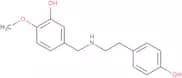
CAS:Controlled Product<p>Please enquire for more information about Methyl 3-formyl-4,6-dimethoxy-1-methyl-1H-indole-2-carboxylate including the price, delivery time and more detailed product information at the technical inquiry form on this page</p>Formula:C14H15NO5Purity:Min. 95%Molecular weight:277.27 g/molN-(p-Hydroxyphenethyl)-N-(3-hydroxy-4-methoxy)benzylamine
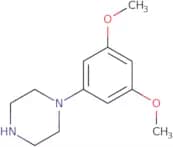
CAS:Controlled Product<p>Narciprimine is a natural product with cytotoxic activity and was first isolated from the Narcissus plant. It is a n-oxide that contains a hydroxyphenethyl group, which is substituted by an oxygen function. This compound has been shown to have biological properties and chemical diversity due to its n-oxide structure. Narciprimine has been shown to inhibit the biosynthesis of narciclasine and haemanthamine, which are alkaloids with cytotoxic activities. The protopine moiety has also been found in narciprimin, but is not present in other related compounds such as narciclasine or haemanthamine. Narciprimin belongs to the chemical class of n-oxides, which are derived from nitrosobenzene derivatives.</p>Formula:C16H19NO3Purity:Min. 95%Color and Shape:PowderMolecular weight:273.33 g/mol1-(3,5-Dimethoxyphenyl)piperazine
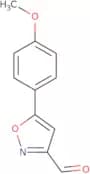
CAS:Controlled Product<p>1-(3,5-Dimethoxyphenyl)piperazine (1DMPP) is a phenylpiperazine derivative that has shown anticancer activity in vitro against human cancer cells. It is orally bioavailable and has been found to inhibit the growth of cancer cells in vivo. 1DMPP is metabolized by the liver into a number of metabolites that are excreted via the kidneys. The pharmacokinetic properties of 1DMPP have been studied in rats and mice, which revealed that it is well absorbed when administered orally and has a short terminal half-life. In vitro studies have demonstrated that 1DMPP inhibits cell growth through inhibition of protein synthesis and DNA replication.</p>Formula:C12H18N2O2Purity:Min. 95%Molecular weight:222.28 g/mol5-(4-Methoxyphenyl)isoxazole-3-carboxaldehyde
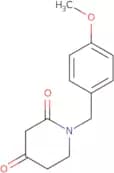
CAS:<p>5-(4-Methoxyphenyl)isoxazole-3-carboxaldehyde (5MI) is a broad-spectrum antimicrobial agent that exhibits activity against bacteria and fungi. It has been shown to be active against gram-positive bacteria, including Staphylococcus aureus, as well as Candida albicans and other pathogenic fungi. 5MI is active in the presence of ethanol, but not in the absence of alcohol. In vitro studies show that 5MI inhibits the growth of gram-negative bacteria such as Escherichia coli and Salmonella enterica serovar Typhimurium. 5MI also exhibits antifungal activity against Aspergillus niger and Saccharomyces cerevisiae.</p>Formula:C11H9NO3Purity:Min. 95%Molecular weight:203.19 g/mol1-(4-Methoxybenzyl)piperidine-2,4-dione
CAS:<p>Please enquire for more information about 1-(4-Methoxybenzyl)piperidine-2,4-dione including the price, delivery time and more detailed product information at the technical inquiry form on this page</p>Formula:C13H15NO3Purity:Min. 95%Molecular weight:233.26 g/molJ147
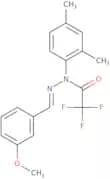
CAS:<p>2,2,2-Trifluoroacetic acid 1-(2,4-dimethylphenyl)-2-[(3-methoxyphenyl)methylene]hydrazide is a neuroprotective drug that belongs to the class of hydrazides. It has been shown to have neurotrophic activity in vitro and in vivo and can be used for the treatment of conditions such as diabetic neuropathy or cancer tissues. 2,2,2-Trifluoroacetic acid 1-(2,4-dimethylphenyl)-2-[(3-methoxyphenyl)methylene]hydrazide also has anti-inflammatory properties and can be used for the treatment of autoimmune diseases. The drug's mechanism of action is not fully understood but is thought to involve monoamine neurotransmitters.</p>Formula:C18H17F3N2O2Purity:Min. 95%Molecular weight:350.34 g/mol6-Methoxy-1,2,3,4-tetrahydronaphthalen-2-ylamine
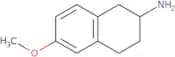
CAS:Controlled Product<p>Please enquire for more information about 6-Methoxy-1,2,3,4-tetrahydronaphthalen-2-ylamine including the price, delivery time and more detailed product information at the technical inquiry form on this page</p>Formula:C11H15NOPurity:Min. 95%Molecular weight:177.24 g/mol3-(Difluoromethoxy)benzaldehyde
CAS:<p>Please enquire for more information about 3-(Difluoromethoxy)benzaldehyde including the price, delivery time and more detailed product information at the technical inquiry form on this page</p>Formula:C8H6F2O2Purity:Min. 95%Molecular weight:172.13 g/molMethyl trans -3-methoxy acrylate
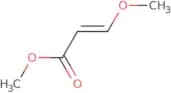
CAS:<p>Methyl trans-3-methoxy acrylate is a reactive monocarboxylic acid. It is used in the synthesis of other compounds, such as polymers and pharmaceuticals. Methyl trans-3-methoxy acrylate reacts with hydrogen chloride to form methyl 3-chloroacrylate and hydrochloric acid, and with trimethyl borate to form methyl 3-bromoacrylate. The reaction mechanism for the formation of methyl 3-bromoacrylate is similar to that for the formation of methyl 3-chloroacrylate. The reaction can be carried out in a steel or glass vessel equipped with a magnetic stirring device and equipped with an electric heating mantle or flame. The activation energies for these reactions are relatively high at 43 kcal/mol (for the metathesis reaction) and 44 kcal/mol (for the reaction with trimethyl borate). This product has been shown to react with propionate</p>Formula:C5H8O3Purity:Min. 95%Color and Shape:Clear LiquidMolecular weight:116.12 g/molN-Methyl-1-(3,4,5-trimethoxyphenyl)methanamine hydrochloride
CAS:Controlled Product<p>Please enquire for more information about N-Methyl-1-(3,4,5-trimethoxyphenyl)methanamine hydrochloride including the price, delivery time and more detailed product information at the technical inquiry form on this page</p>Formula:C11H17NO3Purity:Min. 95%Molecular weight:211.26 g/mol3-[4-(2-Methoxyethyl)phenoxy]-1,2-epoxypropane
CAS:<p>3-[4-(2-Methoxyethyl)phenoxy]-1,2-epoxypropane is a chemical compound that is used in the industrial process of chloropropane production. It reacts with metoprolol to produce 3-[4-(2-methoxyethyl)phenoxy]-1,2-epoxypropane diol and metoprolol diol. This reaction occurs at lower temperatures than chlorination reactions, and without the use of radiation. 3-[4-(2-Methoxyethyl)phenoxy]-1,2-epoxypropane also reacts with chloropropane to produce 3-[4-(2-methoxyphenyl)phenyl]propene, which can be recycled for additional use.</p>Formula:C12H16O3Purity:Min. 95%Molecular weight:208.25 g/mol2-Methoxybenzenesulphonyl chloride
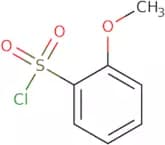
CAS:<p>2-Methoxybenzenesulphonyl chloride is an enzyme inhibitor that has been shown to have anti-cancer and anti-HIV activity. It inhibits the growth of cancer cells by interfering with protein synthesis and preventing RNA transcription. 2-Methoxybenzenesulphonyl chloride has also been shown to be effective in treating chronic hepatitis, degenerative diseases, and autoimmune diseases. This drug is metabolized through a number of metabolic transformations, including oxidation by cytochrome P450 enzymes or conjugation with glucuronic acid. The pro-apoptotic protein Bax is induced by 2-methoxybenzenesulphonyl chloride in human HL60 cells, which may be due to its ability to induce transcriptional regulation.</p>Formula:C7H7ClO3SPurity:Min. 97%Color and Shape:PowderMolecular weight:206.65 g/mol4-(Methoxycarbonyl)bicyclo[2.1.1]hexane-1-carboxylic acid
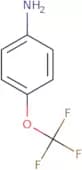
CAS:<p>Please enquire for more information about 4-(Methoxycarbonyl)bicyclo[2.1.1]hexane-1-carboxylic acid including the price, delivery time and more detailed product information at the technical inquiry form on this page</p>Formula:C9H12O4Purity:Min. 95%Molecular weight:184.19 g/mol4-(Trifluoromethoxy)aniline
CAS:<p>4-(Trifluoromethoxy)aniline is a reactive intermediate used in the synthesis of pharmaceuticals, dyes, and pesticides. It is prepared by reacting hydrogen fluoride with aniline in the presence of an acid catalyst. 4-(Trifluoromethoxy)aniline can be used to synthesize epoxyeicosatrienoic acids, which are potent anti-inflammatory agents. 4-(Trifluoromethoxy)aniline has been shown to have a pharmacokinetic profile that is similar to those of other fluoroquinolones, but has not been studied for clinical development.</p>Formula:C7H6F3NOPurity:Min. 95%Color and Shape:Clear LiquidMolecular weight:177.12 g/mol3-(Chloromethyl)-4-methoxybenzaldehyde
CAS:<p>3-(Chloromethyl)-4-methoxybenzaldehyde is a natural product that can be extracted from the rhizomes of the plant. It has been shown to have antibacterial activity in laboratory experiments and has been used in traditional medicine for the treatment of fungus infections. 3-(Chloromethyl)-4-methoxybenzaldehyde is an imidazolylmethyl derivative with a hexane structure. It reacts with hydrochloric acid to form a molecule called chloromethylation, which is also known as an esterification reaction. Piperazine acts as a catalyst in this reaction, increasing its scalability and making it suitable for large-scale production. The compound exhibits radical scavenging activity, which may be due to its ability to donate electrons or hydrogen atoms to free radicals.</p>Formula:C9H9CIO2Purity:Min. 95%Molecular weight:288.08 g/mol7-[(4Methoxyphenyl)methyl]-5-methyl-2H-pyrazolo[3,4-d]pyrimidine-4,6(5H,7H)-dione
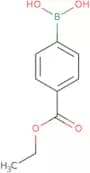
CAS:Controlled Product<p>Please enquire for more information about 7-[(4Methoxyphenyl)methyl]-5-methyl-2H-pyrazolo[3,4-d]pyrimidine-4,6(5H,7H)-dione including the price, delivery time and more detailed product information at the technical inquiry form on this page</p>Formula:C14H14N4O3Purity:Min. 95%Molecular weight:286.29 g/mol4-(Ethoxycarbonyl)phenylboronic acid
CAS:<p>4-(Ethoxycarbonyl)phenylboronic acid is a potential use for picric acid detection. It has been shown to be a chemosensor with an electrochemical impedance spectroscopy response that is sensitive to chloride ions. 4-(Ethoxycarbonyl)phenylboronic acid can be used as a linker in multigram-scale synthesis of aryl halides, and its reaction mechanism has been elucidated by crystal x-ray diffraction. The synthesis of this compound is scalable and involves the formation of an apical carboxylate from ethoxycarbonyl phenyl boronic acid and an aryl halide.</p>Formula:C9H11BO4Purity:Min. 95%Color and Shape:PowderMolecular weight:193.99 g/mol4-Hydroxy-N-(2-Piperidinylmethyl)-2,5-Bis(2,2,2-Trifluoroethoxy)Benzamide
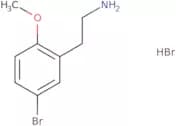
CAS:<p>Please enquire for more information about 4-Hydroxy-N-(2-Piperidinylmethyl)-2,5-Bis(2,2,2-Trifluoroethoxy)Benzamide including the price, delivery time and more detailed product information at the technical inquiry form on this page</p>Formula:C17H20F6N2O4Purity:Min. 95%Molecular weight:430.34 g/mol5-Bromo-2-methoxyphenethylamine hydrobromide
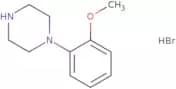
CAS:Controlled Product<p>Please enquire for more information about 5-Bromo-2-methoxyphenethylamine hydrobromide including the price, delivery time and more detailed product information at the technical inquiry form on this page</p>Formula:C9H13Br2NOPurity:Min. 95%Molecular weight:311.01 g/mol1-(2-Methoxylphenyl)-piperazine monohydrobromide
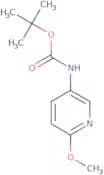
CAS:Controlled Product<p>Please enquire for more information about 1-(2-Methoxylphenyl)-piperazine monohydrobromide including the price, delivery time and more detailed product information at the technical inquiry form on this page</p>Purity:Min. 95%tert-Butyl-n-(6-methoxy-3-pyridyl)carbamate
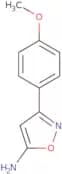
CAS:<p>Please enquire for more information about tert-Butyl-n-(6-methoxy-3-pyridyl)carbamate including the price, delivery time and more detailed product information at the technical inquiry form on this page</p>Formula:C11H16N2O3Purity:Min. 95%Molecular weight:224.26 g/mol3-(4-Methoxyphenyl)-1,2-oxazol-5-amine
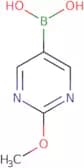
CAS:<p>Please enquire for more information about 3-(4-Methoxyphenyl)-1,2-oxazol-5-amine including the price, delivery time and more detailed product information at the technical inquiry form on this page</p>Formula:C10H10N2O2Purity:Min. 95%Molecular weight:190.2 g/mol2-Methoxypyrimidine-5-boronic acid
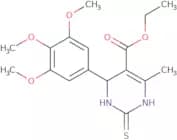
CAS:<p>Please enquire for more information about 2-Methoxypyrimidine-5-boronic acid including the price, delivery time and more detailed product information at the technical inquiry form on this page</p>Formula:C5H7BN2O3Purity:Min. 95%Molecular weight:153.93 g/molEthyl 6-methyl-2-thioxo-4-(3,4,5-trimethoxyphenyl)-1,2,3,4-tetrahydropyrimidine-5-carboxylate
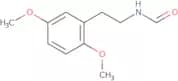
CAS:<p>Please enquire for more information about Ethyl 6-methyl-2-thioxo-4-(3,4,5-trimethoxyphenyl)-1,2,3,4-tetrahydropyrimidine-5-carboxylate including the price, delivery time and more detailed product information at the technical inquiry form on this page</p>Formula:C17H22N2O5SPurity:90%MinMolecular weight:366.43 g/mol2-(2,5-Dimethoxyphenyl)ethylformamide
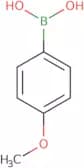
CAS:Controlled Product<p>Please enquire for more information about 2-(2,5-Dimethoxyphenyl)ethylformamide including the price, delivery time and more detailed product information at the technical inquiry form on this page</p>Formula:C11H15NO3Purity:Min. 95%Molecular weight:209.24 g/mol4-Methoxyphenyl boronic acid
CAS:<p>4-Methoxyphenyl boronic acid is a molecule with a hydroxyl group and a boronic acid. It is synthesized by reacting biphenyl with trifluoroacetic acid in the presence of sodium carbonate and palladium-catalyzed coupling. 4-Methoxyphenyl boronic acid has shown to bind to the receptor for fatty acids, which may be due to its structural similarity to p-hydroxybenzoic acid. The protonated form of this molecule has been shown to react with an electrophilic carbon atom and an electron-deficient alkyl or vinyl halide, resulting in ring formation. This reaction is known as the Suzuki coupling reaction.</p>Formula:C7H9BO3Purity:Min. 95%Color and Shape:PowderMolecular weight:151.96 g/molPAL resin (200-400 mesh) 4-Alkoxy-2,6-dimethoxybenzylamine resin
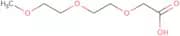
<p>Please enquire for more information about PAL resin (200-400 mesh) 4-Alkoxy-2,6-dimethoxybenzylamine resin including the price, delivery time and more detailed product information at the technical inquiry form on this page</p>Purity:Min. 95%(2-(2-Methoxyethoxy)ethoxy)acetic acid
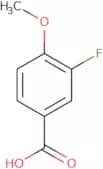
CAS:<p>2-(2-Methoxyethoxy)ethoxy)acetic acid (MEAA) is a cell stabilizer that can be used in the treatment of cancer, diabetes, and other diseases. MEAA has been shown to inhibit the growth of cells by binding to and stabilizing the cytoskeleton through inhibition of protein synthesis. It also prevents the activation of pro-inflammatory cytokines and reactive oxygen species. MEAA's magnetic resonance spectroscopy properties have been studied in detail and it has been shown to bind well with silver ions. MEAA has also been shown to have high cytotoxicity when combined with laser ablation therapy.</p>Formula:C7H14O5Purity:90%Color and Shape:Clear LiquidMolecular weight:178.18 g/mol3-Fluoro-4-methoxybenzoic acid
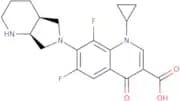
CAS:<p>3-Fluoro-4-methoxybenzoic acid is a dipolar molecule with a fluorine atom. It has been synthesized experimentally and the yields are determined by the experimental conditions. 3-Fluoro-4-methoxybenzoic acid has two isomers, which can be differentiated by their resonances. The molecule also has an asymmetric C3(CF)2Cl group in the middle of its structure that can rotate freely.</p>Formula:C8H7FO3Purity:Min. 95%Color and Shape:PowderMolecular weight:170.14 g/mol8-Desmethoxy-8-fluoro moxifloxacin
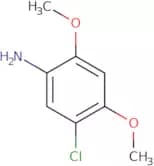
CAS:<p>8-Desmethoxy-8-fluoro moxifloxacin is a photolytic drug that is used to treat bacterial infections. It has a high degree of antibacterial activity against methicillin-resistant staphylococcus aureus, including methicillin resistant strains of Staphylococcus epidermidis. 8-Desmethoxy-8-fluoro moxifloxacin hydrochloride is produced by the addition of hydrochloric acid to moxifloxacin, which is then purified by ion chromatography. The compound has been shown to have good stability in human plasma and urine. It also shows excellent recoveries in acetonitrile and quantification results in flow rates.</p>Formula:C20H21F2N3O3Purity:Min. 95%Molecular weight:389.4 g/mol5-Chloro-2,4-dimethoxyaniline
CAS:<p>5-Chloro-2,4-dimethoxyaniline (5-CDA) is a crystalline solid that belongs to the amine class of chemical compounds. It is used in the production of polyhalogenated anilines and nitrosamines, which are known carcinogens. 5-CDA has been shown to be toxic to animals at high doses and can cause health effects such as irritation of the eyes, skin, and respiratory tract; central nervous system depression; and gastrointestinal disturbances. The toxicity of this compound is related to its ability to form nitrosamines when it comes into contact with nitrite or other N-nitroso compounds. 5-CDA is also present in wastewater effluents from paper mills and agricultural runoff from triticum aestivum fields.</p>Formula:C8H10ClNO2Purity:Min. 95%Molecular weight:187.62 g/molDolastatin 15 (5S)-1-[(2S)-O-(N,N-Dimethyl-Val-Val-N-Me-Val-Pro-Pro)-2-hydroxyisovaleryl]-2-oxo-4-methoxy-5-benzyl-3-pyrroline
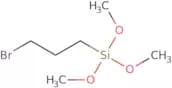
CAS:<p>Dolastatin 15 (5S)-1-[(2S)-O-(N,N-Dimethyl-Val-Val-N-Me-Val-Pro-Pro)-2-hydroxyisovaleryl]-2-oxo-4-methoxy-5-benzylpyrrolidinium is a natural compound that has been isolated from the Indian Ocean sea hare Dolabella auricularia. It has shown significant cytotoxicity against cancer cells as well as significant immunosuppressive activities in animals. Dolastatin 15 is an analog of dolastatin 10 and has been shown to be active against hepatitis B and C virus. It also has antiinflammatory properties and may be effective in combating autoimmune diseases. The synthesis of this compound is an asymmetric synthesis with a hydroxyl group on one side of the molecule and an amide on the other side.</p>Formula:C45H68N6O9Purity:Min. 95%Molecular weight:837.06 g/mol(3-Bromopropyl)trimethoxysilane
CAS:<p>3-Bromopropyltrimethoxysilane is a divalent hydrocarbon that has been used as a model compound for the study of detection methods. It has been shown to have biocompatible properties and can be used as an immobilization template molecule. 3-Bromopropyltrimethoxysilane also reacts with pyridinium ions to form complexes that are highly stable. The stability of these complexes can be attributed to the functional groups on the pyridine ring, which are more susceptible to hydrolysis than those on the silica surface. 3-Bromopropyltrimethoxysilane is a substrate for nitrate reductase enzymes, resulting in inhibition of growth at concentrations low enough not to cause cytotoxicity.</p>Formula:C6H15BrO3SiPurity:Min. 95%Molecular weight:243.17 g/molKaempferol-7,4'-dimethoxy-8-butyryl ester
CAS:<p>Kaempferol-7,4'-dimethoxy-8-butyryl ester is a fine chemical that is used as a versatile building block for the synthesis of complex compounds. It is also used in research chemicals and as a reagent and speciality chemical. Kaempferol-7,4'-dimethoxy-8-butyryl ester has CAS number 1284229-43-1 and can be used as an intermediate for the synthesis of other compounds. It is also a useful scaffold for the synthesis of high quality compounds with potential pharmaceutical applications.</p>Formula:C21H20O7Purity:Min. 95%Molecular weight:384.38 g/molMidodrine
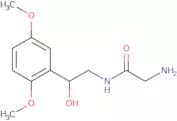
CAS:Controlled Product<p>2-Amino-N-[2-(2,5-dimethoxyphenyl)-2-hydroxyethyl]-acetamide is a drug that has been used to treat a variety of diseases and conditions. It is an alpha adrenergic agonist that works by stimulating the alpha receptors in the body, which increase blood pressure and improve blood flow. This drug also has significant effects on energy metabolism, including the production of ATP. 2-Amino-N-[2-(2,5-dimethoxyphenyl)-2-hydroxyethyl]-acetamide is used to treat patients with congestive heart failure who are taking low doses of midodrine hydrochloride or nonsteroidal antiinflammatory drugs.</p>Formula:C12H18N2O4Purity:Min. 95%Color and Shape:PowderMolecular weight:254.28 g/mol5-Fluoro-2-methoxyphenylacetone
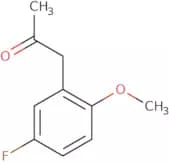
CAS:<p>5-Fluoro-2-methoxyphenylacetone is a chemical with a wide array of applications in research and industry. It is a versatile building block, useful intermediate, and reagent for organic synthesis. This compound has been used as a starting material in the synthesis of other compounds. CAS No. 1017082-10-8</p>Formula:C10H11FO2Color and Shape:PowderMolecular weight:182.19 g/mol5-(Difluoromethoxy)-2-mercaptobenzimidazole
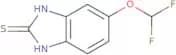
CAS:<p>5-(Difluoromethoxy)-2-mercaptobenzimidazole is an organic solvent that is used in the crystallization process of pantoprazole, a benzimidazole derivative. It is also used as a corrosion inhibitor and pump inhibitor in analytical chemistry. The purity of 5-(difluoromethoxy)-2-mercaptobenzimidazole can be determined by chromatographic methods or by the use of analytical chemistry. Impurities may be genotoxic and include reactive impurities such as thiourea and 2-thiouracil. These impurities are removed during the synthetic process to produce 5-(difluoromethoxy)-2-mercaptobenzimidazole. This drug substance has been found to inhibit DNA polymerase activity in vitro, but its effects on human cells have not been studied.</p>Formula:C8H6F2N2OSPurity:Min. 95%Color and Shape:Off-White PowderMolecular weight:216.21 g/molPotassium 4-methoxycinnamate
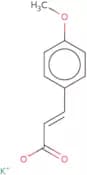
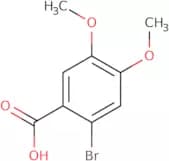
CAS:<p>Potassium 4-methoxycinnamate is a fine chemical that is used as a versatile building block in the synthesis of complex compounds. It can be used in research and as a reagent or speciality chemical. It is also a useful building block for high quality, useful intermediate, and reaction component. Potassium 4-methoxycinnamate can be used as a scaffold to synthesize compounds with diverse applications such as pharmaceuticals, polymers, and agrochemicals.</p>Formula:C10H9O3·KPurity:Min. 95%Molecular weight:216.27 g/mol2-Bromo-4,5-dimethoxybenzoic acid
CAS:<p>2-Bromo-4,5-dimethoxybenzoic acid is a synthetic compound that belongs to the group of anticancer drugs. It is a potent inhibitor of mitochondrial membrane depolarization and has been shown to inhibit tumor growth in vivo. 2-Bromo-4,5-dimethoxybenzoic acid also induces cell death by demethylation and hydroxylation of DNA, leading to apoptosis. This compound is synthesized by reacting 3,4-dihydroxybenzoic acid with bromine and potassium hydroxide. Surrogates such as amides are used for this synthesis because the original product is not stable enough. Protocatechuic acid can be produced from 2-bromo-4,5-dimethoxybenzoic acid through hydrolysis.</p>Formula:C9H9BrO4Purity:Min. 95%Color and Shape:PowderMolecular weight:261.07 g/molO-Bis(2-aminoethoxy)benzene
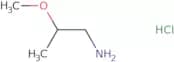
CAS:<p>O-Bis(2-aminoethoxy)benzene is a cyclic compound that has a predominantly thionyl character. It has an amide group, which is formed by the condensation of two carboxylic acids. O-Bis(2-aminoethoxy)benzene can act as a ligand for metal ions in the form of an anion or chloride ion, and it also interacts with neutral ligands. This compound can be used to prepare ferrocenyl derivatives through alkylation. The interaction between O-Bis(2-aminoethoxy)benzene and ferrocene was studied using voltammetry.</p>Formula:C10H16N2O2Purity:Min. 95%Molecular weight:196.25 g/mol(2-Methoxypropyl)amine hydrochloride
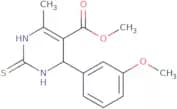
CAS:<p>2-Methoxypropyl)amine hydrochloride (2MPPA) is a versatile building block that can be used in the synthesis of complex compounds. It is a research chemical that is used as a reagent and as a speciality chemical for the production of pharmaceuticals, agrochemicals, and other organic chemicals. 2MPPA can be used as an intermediate in the manufacture of useful scaffolds or useful reaction components. This product has CAS number 70807-90-8 and is of high quality.</p>Formula:C4H11NO·HClPurity:Min. 95%Color and Shape:SolidMolecular weight:125.6 g/molMethyl 4-(3-methoxyphenyl)-6-methyl-2-thioxo-1,2,3,4-tetrahydropyrimidine-5-carboxylate
CAS:<p>Please enquire for more information about Methyl 4-(3-methoxyphenyl)-6-methyl-2-thioxo-1,2,3,4-tetrahydropyrimidine-5-carboxylate including the price, delivery time and more detailed product information at the technical inquiry form on this page</p>Formula:C14H16N2O3SPurity:85%MinMolecular weight:292.35 g/molDibenzoyl-(-)-p-methoxy-L-tartaric acid
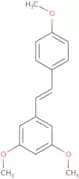
CAS:<p>Dibenzoyl-(-)-p-methoxy-L-tartaric acid is a chiral compound that has been extracted from plants and synthesized. It has a bitter taste and can be used as an enantiomer to treat schistosomiasis, a disease caused by parasitic flatworms. Dibenzoyl-(-)-p-methoxy-L-tartaric acid can be used as an enantiomer to treat schistosomiasis, which is caused by parasitic flatworms. The chemical is an anionic β-cyclodextrin derivative that binds to the parasites in the host's body and prevents them from releasing eggs into the water supply. This chemical also has pharmacological properties, such as antiinflammatory activities.</p>Formula:C20H18O10Purity:Min. 95%Color and Shape:White PowderMolecular weight:418.35 g/mol3,4',5-Trimethoxystilbene
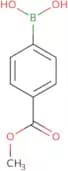
CAS:<p>3,4',5-Trimethoxystilbene is a coumarin derivative that has been found to have inhibitory properties for mitochondrial functions. It also inhibits the production of epidermal growth factor and collagen synthesis in cells. 3,4',5-Trimethoxystilbene may be useful in treating skin conditions such as psoriasis and ichthyosis. This compound has been shown to bind to protein targets in the mitochondria and inhibit mitochondrial membrane potential by hydroxyl group reaction with proteins. 3,4',5-Trimethoxystilbene also binds to dna duplexes, which may affect its biological properties.</p>Formula:C17H18O3Purity:Min. 95%Molecular weight:270.32 g/mol4-Methoxycarbonylphenylboronic acid
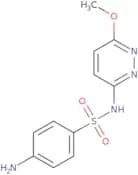
CAS:<p>4-Methoxycarbonylphenylboronic acid is an organic compound that can be synthesized from biphenyl. It is a diazonium salt with a bidentate ligand and a carbonyl group, which allows it to form an intermolecular hydrogen bond. The phenyl group of 4-methoxycarbonylphenylboronic acid can be oxidized to the corresponding carboxylic acid or reduced to the corresponding alcohol.<br>4-Methoxycarbonylphenylboronic acid is also soluble in halides, iodinations, and mercaptoacetic acid. This compound has been used as an acceptor in the oxidation of aluminium with diborane as a catalyst. 4-Methoxycarbonylphenylboronic acid has also been used to synthesize other compounds such as metronidazole (a drug) and erythromycin (an antibiotic).</p>Formula:C8H9BO4Purity:Min. 95%Color and Shape:White PowderMolecular weight:179.97 g/molSulfamethoxypyridazine
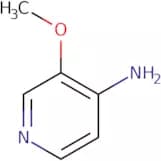
CAS:<p>Sulfamethoxypyridazine is a sulfa drug that inhibits bacterial growth by inhibiting the synthesis of folic acid, which is essential for DNA and RNA production. It has been shown to be effective in the treatment of urinary infections and infectious diseases. Sulfamethoxypyridazine interacts with other drugs, such as oral contraceptives, to increase their blood levels. This drug also has a matrix effect on urine samples, which can be used to detect the presence of bacteria. The matrix effect is due to its hydrophobic nature and ability to form aggregates with other compounds. Sulfamethoxypyridazine is used in wastewater treatment plants as an analytical method for nitrogen atoms.</p>Formula:C11H12N4O3SPurity:Min. 95%Molecular weight:280.3 g/mol4-Amino-3-methoxypyridine
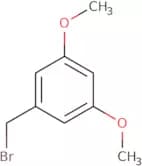
CAS:<p>4-Amino-3-methoxypyridine (4AMMP) is a naturally occurring amino acid that can be found in the nuclei of innervated tissues. It is an inhibitor of the enzyme tyrosine hydroxylase and inhibits the synthesis of catecholamines. The concentration of 4AMMP in blood was measured by radioactivity. This agent has been used for studies on the thalamic nucleus and cortex, as well as for measuring catecholamine levels in tissue homogenates.</p>Formula:C6H8N2OPurity:Min. 95%Molecular weight:124.14 g/mol3,5-Dimethoxybenzyl bromide
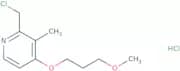
CAS:<p>3,5-Dimethoxybenzyl bromide is a difluoro compound that has been synthesized as a potential CB2 receptor agonist. It has been shown to bind to both CB1 and CB2 receptors in cell culture. 3,5-Dimethoxybenzyl bromide has also been shown to inhibit the growth of mouse melanoma cells by inducing apoptosis and cell cycle arrest, which may be due to its ability to demethylate pterostilbene derivatives. 3,5-Dimethoxybenzyl bromide is an example of a nucleophilic agent because it can donate a proton from the hydroxyl group on the benzene ring. The chloride ion forms an ionic bond with the negatively charged oxygen atom on the benzoic acid group. This type of bond is called an ester linkage or ester bond.</p>Formula:C9H11O2BrPurity:Min. 94%Color and Shape:PowderMolecular weight:231.09 g/mol2-Chloromethyl-4-(3-methoxypropoxy)-3-methylpyridine hydrochloride
CAS:<p>Please enquire for more information about 2-Chloromethyl-4-(3-methoxypropoxy)-3-methylpyridine hydrochloride including the price, delivery time and more detailed product information at the technical inquiry form on this page</p>Formula:C11H17Cl2NO2Purity:Min. 95%Molecular weight:266.16 g/mol2-Chloro-3-methoxybenzaldehyde
CAS:<p>Please enquire for more information about 2-Chloro-3-methoxybenzaldehyde including the price, delivery time and more detailed product information at the technical inquiry form on this page</p>Formula:C8H7ClO2Purity:Min. 95%Molecular weight:170.59 g/mol2-Chloro-6-methoxypyridine
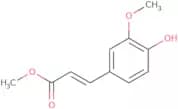
CAS:<p>2-Chloro-6-methoxypyridine (2CMP) is a potent antagonist that binds to copper chloride, inhibiting its ability to activate aryl chlorides. This chemical has been shown to have anti-angiogenic effects in human cancer cells and can be used for the treatment of cancer. 2CMP has also been shown to be effective at blocking angiogenesis in mice with breast cancer. 2CMP is synthesized through an asymmetric synthesis process, which involves the use of a dipole and molecular docking analysis.</p>Formula:C6H6ClNOPurity:Min. 95%Color and Shape:Clear LiquidMolecular weight:143.57 g/molMethyl (2E)-3-(4-hydroxy-3-methoxyphenyl)acrylate
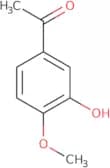
CAS:<p>Methyl (2E)-3-(4-hydroxy-3-methoxyphenyl)acrylate is a natural compound, which belongs to the group of ferulate esters. It has been shown that methyl (2E)-3-(4-hydroxy-3-methoxyphenyl)acrylate inhibits the activity of esterases, which are enzymes that hydrolyze esters. This inhibition leads to an accumulation of ferulic acid in the blood, which is associated with bowel disease. Methyl (2E)-3-(4-hydroxy-3-methoxyphenyl)acrylate has been shown to be effective against murine hepatoma cells and polymorphonuclear leucocytes, which are white blood cells that can be found in the blood and other tissues. The inhibitory effect on these cells may be due to its ability to bind to ferulic acid and caffeic acids.</p>Formula:C11H12O4Purity:Min. 95%Color and Shape:White PowderMolecular weight:208.21 g/mol3'-Hydroxy-4'-methoxyacetophenone
CAS:<p>3'-Hydroxy-4'-methoxyacetophenone is a chemical compound with the molecular formula CHO and it belongs to the group of bisbenzylisoquinoline alkaloids. It is a white crystalline powder that has a dry weight of 155.2g/mol and melting point of 154-158°C. 3'-Hydroxy-4'-methoxyacetophenone is used as an intermediate in the synthesis of other chemicals, such as methyl transferase inhibitors like metronidazole or oxidative stress agents like benzoquinones. 3'-Hydroxy-4'-methoxyacetophenone can be found in bowel disease patients, where it may be produced by bacteria in the gut. This chemical also has UV absorption properties and can be used as a sample preparation agent for hydroalcoholic samples.</p>Formula:C9H10O3Purity:Min. 95%Color and Shape:PowderMolecular weight:166.17 g/mol2-Amino-a-(methoxyimino)-4-thiazoleacetic acid
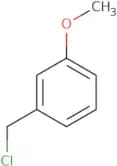
CAS:<p>2-Amino-a-(methoxyimino)-4-thiazoleacetic acid is a reaction product of cefotaxime and n-dimethyl formamide. It has been shown to be an effective agent for the treatment of wastewater with a high organic content. 2-Amino-a-(methoxyimino)-4-thiazoleacetic acid also reacts with chloride ions to form cleavage products that are soluble in water, making it an ideal choice for wastewater treatment. This compound is not toxic and can be used as a drug to treat patients with infections caused by bacteria resistant to other antibiotics. 2-Amino-a-(methoxyimino)-4-thiazoleacetic acid binds to mismatched base pairs in DNA, inhibiting DNA synthesis and causing cell death by apoptosis.</p>Formula:C6H7N3O3SPurity:Min. 95%Molecular weight:201.2 g/mol3-Methoxybenzyl chloride
CAS:<p>3-Methoxybenzyl chloride is a polymer conjugate that has the chemical formula C6H5CH2ClO. It reacts with hydroxy groups to form ester bonds. The compound was synthesized by reacting 3-methoxybenzyl chloride with hydrochloric acid in vitro, and the resulting product was found to have antimicrobial properties. In vivo studies have shown that this compound binds to receptors in rat striatal tissue. 3-Methoxybenzyl chloride also showed fluorescence properties when exposed to ultraviolet light and can be used for molecular modeling. Titration calorimetry has been used to study the thermal stability of this polymer conjugate.</p>Formula:C8H9ClOPurity:Min. 95%Molecular weight:156.61 g/mol6-Methoxy-2,3,4,9-tetrahydro-1H-β-carbolin-1-one
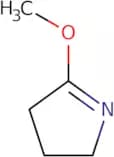
CAS:<p>6-Methoxy-2,3,4,9-tetrahydro-1H-beta-carbolin-1-one is a β-carboline alkaloid that is structurally related to harmaline and tetrahydroharmine. It has been shown to have antidepressant activity in animals. 6-Methoxy-2,3,4,9-tetrahydro-1H-beta-carbolin-1-one was analyzed by GC/MS and found to be present in the leaves of plants from the genus Tetraclinis. 6MHBC was also identified as a metabolite of diazepam in rat urine after administration of a single oral dose of 10 mg/kg diazepam. The observed β carboline metabolite was determined to be 6MHBC.</p>Formula:C12H12N2O2Purity:Min. 95%Molecular weight:216.24 g/mol5-Methoxy-3,4-dihydro-2H-pyrrole
CAS:<p>5-Methoxy-3,4-dihydro-2H-pyrrole is a chemical compound that contains a pyrrole ring. It can be found in the form of dehydrogenation and intramolecular hydrogen. 5-Methoxy-3,4-dihydro-2H-pyrrole has been shown to have antibacterial effects against Mycobacterium tuberculosis and other bacteria. 5-Methoxy-3,4-dihydro-2H-pyrrole also reacts with nitroacetate to form an aziridine, which is an intermediate in the synthesis of several pharmaceuticals. This chemical compound is used in the preparation of bipyrrole compounds such as naphthalene and alicyclic compounds such as nitrophenols.</p>Formula:C5H9NOPurity:Min. 95%Molecular weight:99.13 g/mol4-Fluoro-2-methoxyphenol
CAS:<p>4-Fluoro-2-methoxyphenol is a fluorinating agent that is used in the manufacture of pharmaceuticals, plastics and pesticides. It has been shown to induce apoptosis in cultured cells by upregulating reactive oxygen species (ROS) and increasing mitochondrial membrane permeability, as well as inhibiting cellular physiology. 4-Fluoro-2-methoxyphenol also inhibits the production of ATP and may be toxic to cells by interfering with dinucleotide phosphate.</p>Formula:C7H7FO2Purity:Min. 95%Color and Shape:Clear LiquidMolecular weight:142.13 g/molFmoc-4-methoxy-4'-(γ-carboxypropyloxy)-benzhydrylamine linked to Alanyl-aminomethyl resin (200-400 mesh)
<p>Please enquire for more information about Fmoc-4-methoxy-4'-(gamma-carboxypropyloxy)-benzhydrylamine linked to Alanyl-aminomethyl resin (200-400 mesh) including the price, delivery time and more detailed product information at the technical inquiry form on this page</p>Purity:Min. 95%2-[2-Trifluoroethoxyphenoxy]ethyl methanesulfonate
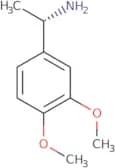
CAS:<p>2-[2-Trifluoroethoxyphenoxy]ethyl methanesulfonate is a research chemical that is commonly used in the synthesis of enantioselective compounds. It has been clinically studied for its potential use in the treatment of prostatic hyperplasia, a condition characterized by an enlargement of the prostate gland. This compound has shown promising results in inhibiting the growth of prostatic cells and reducing symptoms associated with hyperplasia. Its enantioselective properties make it an ideal candidate for targeted therapy, allowing for more precise and effective treatment options. Researchers continue to explore the potential applications of 2-[2-Trifluoroethoxyphenoxy]ethyl methanesulfonate in various fields, including medicine and pharmaceuticals.</p>Formula:C11H13F3O5SPurity:Min. 95%Molecular weight:314.28 g/mol(1S)-1-(3,4-Dimethoxyphenyl)ethan-1-amine
CAS:<p>Please enquire for more information about (1S)-1-(3,4-Dimethoxyphenyl)ethan-1-amine including the price, delivery time and more detailed product information at the technical inquiry form on this page</p>Formula:C10H15NO2Purity:Min. 95%Molecular weight:181.23 g/mol

![(-)-N-[1-(R)-Ethoxycarbonxyl-3-phenylpropyl]-L-alanine](/_next/image/?url=https%3A%2Fstatic.cymitquimica.com%2Fproducts%2F3D%2Fthumb-webp%2FFE22879.webp&w=3840&q=75)
![4-[2-(Cyclopropylmethoxy)ethyl]phenol](/_next/image/?url=https%3A%2Fstatic.cymitquimica.com%2Fproducts%2F3D%2Fthumb-webp%2FFC20740.webp&w=3840&q=75)
![1-[2-(5-Methoxy-1H-indol-3-yl)ethyl]-5-oxopyrrolidine-3-carboxylic acid](/_next/image/?url=https%3A%2Fstatic.cymitquimica.com%2Fproducts%2F3D%2Fthumb-webp%2FFM119445.webp&w=3840&q=75)

![2,3-Dihydro-1-(3-hydroxypropyl)-5-[(2R)-2-[[2-[2-(2,2,2-trifluoroethoxy)phenoxy]ethyl]amino]propyl…](/_next/image/?url=https%3A%2Fstatic.cymitquimica.com%2Fproducts%2F3D%2Fthumb-webp%2FFD103483.webp&w=3840&q=75)
![[2-(3,4-Dimethoxyphenyl)-1,3-thiazol-4-yl]acetic acid](/_next/image/?url=https%3A%2Fstatic.cymitquimica.com%2Fproducts%2F3D%2Fthumb-webp%2FFD124430.webp&w=3840&q=75)
![N-(1H-Indol-4-ylmethyl)-N-[2-(4-methoxyphenyl)ethyl]amine hydrochloride](/_next/image/?url=https%3A%2Fstatic.cymitquimica.com%2Fproducts%2F3D%2Fthumb-webp%2FFI116235.webp&w=3840&q=75)
![3-[4-(4-Methoxyphenyl)piperazin-1-yl]-3-oxopropanenitrile](/_next/image/?url=https%3A%2Fstatic.cymitquimica.com%2Fproducts%2F3D%2Fthumb-webp%2FFM118645.webp&w=3840&q=75)







![3-[4-(2-Methoxyethyl)phenoxy]-1,2-epoxypropane](/_next/image/?url=https%3A%2Fstatic.cymitquimica.com%2Fproducts%2F3D%2Fthumb-webp%2FFM25303.webp&w=3840&q=75)
![4-(Methoxycarbonyl)bicyclo[2.1.1]hexane-1-carboxylic acid](/_next/image/?url=https%3A%2Fstatic.cymitquimica.com%2Fproducts%2F3D%2Fthumb-webp%2FFM76248.webp&w=3840&q=75)

![7-[(4Methoxyphenyl)methyl]-5-methyl-2H-pyrazolo[3,4-d]pyrimidine-4,6(5H,7H)-dione](/_next/image/?url=https%3A%2Fstatic.cymitquimica.com%2Fproducts%2F3D%2Fthumb-webp%2FFM168534.webp&w=3840&q=75)

![Dolastatin 15 (5S)-1-[(2S)-O-(N,N-Dimethyl-Val-Val-N-Me-Val-Pro-Pro)-2-hydroxyisovaleryl]-2-oxo-4-…](/_next/image/?url=https%3A%2Fstatic.cymitquimica.com%2Fproducts%2F3D%2Fthumb-webp%2FFD110329.webp&w=3840&q=75)








![2-[2-Trifluoroethoxyphenoxy]ethyl methanesulfonate](/_next/image/?url=https%3A%2Fstatic.cymitquimica.com%2Fproducts%2F3D%2Fthumb-webp%2FFT33048.webp&w=3840&q=75)