Organoboranes
Found 6123 products of "Organoboranes"
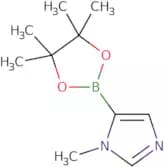
1-Methyl-1H-imidazole-5-boronic acid pinacol ester
CAS:Please enquire for more information about 1-Methyl-1H-imidazole-5-boronic acid pinacol ester including the price, delivery time and more detailed product information at the technical inquiry form on this page
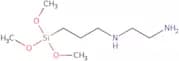
Formula:C10H17BN2O2Purity:Min. 95%Molecular weight:208.07 g/molN-(2-Aminoethyl)-3-(trimethoxysilyl)propylamine
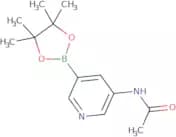
CAS:N-(2-Aminoethyl)-3-(trimethoxysilyl)propylamine (NAP) is a cationic surfactant that is used as a fluorescent probe to study the binding of proteins to cell surface integrin receptors. The adsorption mechanism is based on the interaction between the hydrophobic parts of the protein and the hydrophobic parts of NAP. This interaction leads to an increase in the concentration of NAP at the interface and thus an increase in fluorescence. NAP has been shown to bind human serum albumin, fatty acids, and monoclonal antibodies with high affinity. It also has been shown to bind to plasma proteins through hydrogen bonding. The optimum concentration for NAP adsorption is 1mM.Formula:C8H22N2O3SiPurity:Min. 95%Molecular weight:222.36 g/molN-(5-(4,4,5,5-Tetramethyl-1,3,2-dioxaborolan-2-yl)pyridin-3-yl)acetamide
CAS:Please enquire for more information about N-(5-(4,4,5,5-Tetramethyl-1,3,2-dioxaborolan-2-yl)pyridin-3-yl)acetamide including the price, delivery time and more detailed product information at the technical inquiry form on this pageFormula:C13H19BN2O3Purity:Min. 95%Molecular weight:262.11 g/mol4-Methoxybenzylboronic acid pinacolester
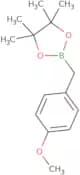
CAS:Please enquire for more information about 4-Methoxybenzylboronic acid pinacolester including the price, delivery time and more detailed product information at the technical inquiry form on this pageFormula:C14H21BO3Purity:Min. 95%Molecular weight:248.13 g/mol3-Formylfuran-2-boronic acid
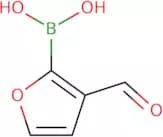
CAS:3-Formylfuran-2-boronic acid is a molecule that can reversibly form an imine with primary amines. 3-Formyl group and fluorophore are the main features of this molecule. The fluorescent properties of 3-formyl group have been extensively studied by functional theory, structural studies and kinetic experiments. The study of these properties has led to the discovery of new fluorescent probes for use in biochemical studies. 3-Formyl furan also interacts with anthracene and other heterocycles by binding constants. These interactions were studied using quantum chemical calculations.
Formula:C5H5BO4Purity:Min. 95%Color and Shape:PowderMolecular weight:139.9 g/mol1-Methyl-4-(4,4,5,5-tetramethyl-[1,3,2]dioxaborolan-2-yl)-1h-imidazole
CAS:Please enquire for more information about 1-Methyl-4-(4,4,5,5-tetramethyl-[1,3,2]dioxaborolan-2-yl)-1h-imidazole including the price, delivery time and more detailed product information at the technical inquiry form on this pageFormula:C10H17BN2O2Purity:Min. 95%Color and Shape:PowderMolecular weight:208.07 g/mol3-Maleimidophenyl boronic acid
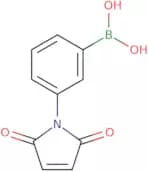
CAS:Please enquire for more information about 3-Maleimidophenyl boronic acid including the price, delivery time and more detailed product information at the technical inquiry form on this page
Formula:C10H8NO4BPurity:Min. 95%Molecular weight:216.99 g/mol2-Fluoro-6-(trifluoroMethyl)pyridine-3-boronic acid
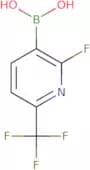
CAS:Please enquire for more information about 2-Fluoro-6-(trifluoroMethyl)pyridine-3-boronic acid including the price, delivery time and more detailed product information at the technical inquiry form on this page
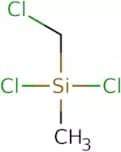
Formula:C6H4BF4NO2Purity:Min. 95%Molecular weight:208.91 g/molChloromethyl(dichloro)methylsilane
CAS:Chloromethyl(dichloro)methylsilane is a diphenyl ether that can be generated by the reaction of chloromethylchlorosilane with sodium in liquid ammonia. Chloromethyl(dichloro)methylsilane is used to prepare Grignard reagents and coatings. It reacts with benzyl groups in the presence of base to form phenyldichlorosilanes, which are used as thermally stable coatings. Chloromethyl(dichloro)methylsilane has been shown to undergo bond cleavage under thermal conditions, forming a molecule with a hydroxyl group and chloride functional group. Gel permeation chromatography has revealed that this substance contains no reactive functional groups other than the chloromethoxy group.
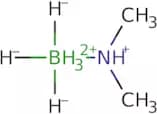
Formula:C2H5Cl3SiPurity:Min. 95%Color and Shape:Clear LiquidMolecular weight:163.5 g/molBorane dimethylamine complex
CAS:Please enquire for more information about Borane dimethylamine complex including the price, delivery time and more detailed product information at the technical inquiry form on this page
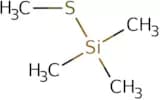
Formula:C2H10BNPurity:Min. 95%Color and Shape:White Clear LiquidMolecular weight:58.92 g/molTrimethyl(methylthio)silane
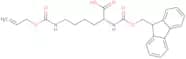
CAS:Trimethyl(methylthio)silane is a synthetic chemical substance with the formula (CH3)3SiH. It is a colorless liquid that is soluble in organic solvents and insoluble in water. Trimethyl(methylthio)silane has been used to synthesize indole alkaloids such as benzylidene acetal, which are important precursors in organic chemistry. This functional group has also been used to synthesize other synthetic compounds, including fatty acids and halides. The synthesis of these substances is often achieved through the use of hydrochloric acid and hydrogen fluoride as catalysts. Trimethyl(methylthio)silane can be prepared by reacting chloromethyl methyl ether with sodium hydroxide followed by decarboxylation of the resulting product with hydrochloric acid.Formula:C4H12SSiPurity:Min. 95%Molecular weight:120.29 g/molN-alpha-Fmoc-Nepsilon-allyloxycarbonyl-D-lysine
CAS:N-alpha-Fmoc-Nepsilon-allyloxycarbonyl-D-lysine is a medicament that is modified with an amino group at the alpha position. It is synthesized by modification of the chain with a ganirelix acetate. N-alpha-Fmoc-Nepsilon-allyloxycarbonyl-D-lysine can be used to produce ganirelix, which inhibits the release of follicle stimulating hormone (FSH). The chemical synthesis of this drug has been shown to be successful in large scale production, and it has been shown to be effective in treating patients with prostate cancer. Impurities in this drug have been found and treated by removing the methyl ester group from the lysine residue.Formula:C25H28N2O6Purity:Min. 95%Molecular weight:452.5 g/mol[4-(1-Cyano-1-methylethyl)phenyl]boronic acid
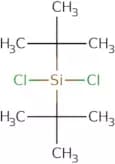
CAS:Please enquire for more information about [4-(1-Cyano-1-methylethyl)phenyl]boronic acid including the price, delivery time and more detailed product information at the technical inquiry form on this pageFormula:C10H12BNO2Purity:Min. 95%Molecular weight:189.02 g/molDi-tert-butyldichlorosilane
CAS:Di-tert-butyldichlorosilane is a silicon compound that has been used to silylate amines and primary alcohols. It is a sterically hindered molecule with two chloro groups at the same position on one of the silicon atoms, which prevents or limits steric interactions with other molecules. Covid-19 Pandemic is the name given to a new strain of influenza virus that was discovered in 2009. The new strain contains some genetic material from bird flu, which makes it resistant to oseltamivir and zanamivir, drugs commonly used to fight against influenza infection.
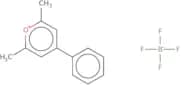
Formula:C8H18Cl2SiPurity:Min. 95%Color and Shape:Clear LiquidMolecular weight:213.22 g/mol2,6-Dimethyl-4-phenylpyronium tetrafluoroborate
CAS:2,6-Dimethyl-4-phenylpyronium tetrafluoroborate is a high quality reagent that is useful for the preparation of complex compounds. It is also a useful intermediate and building block. The CAS No. 97606-13-8, 2,6-Dimethyl-4-phenylpyronium tetrafluoroborate has been used in research chemicals and as a versatile building block for the synthesis of speciality chemicals. This reagent can be used in reactions to form many organic molecules that are not commercially available or difficult to synthesize.Formula:C13H13O·BF4Purity:Min. 95%Color and Shape:PowderMolecular weight:272.05 g/mol1-Phenyl-4-[4-(4,4,5,5-tetramethyl-[1,3,2]dioxaborolan-2-yl)-benzyl]piperazine
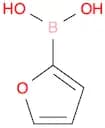
CAS:Please enquire for more information about 1-Phenyl-4-[4-(4,4,5,5-tetramethyl-[1,3,2]dioxaborolan-2-yl)-benzyl]piperazine including the price, delivery time and more detailed product information at the technical inquiry form on this pageFormula:C23H31BN2O2Purity:Min. 95%Color and Shape:PowderMolecular weight:378.32 g/molBoronic acid, B-2-furanyl-
CAS:Formula:C4H5BO3Purity:97%Color and Shape:SolidMolecular weight:111.8917Ref: 4Z-B-164012
Discontinued product1-Boc-3-trifluoromethylpyrazole-5-boronic acid
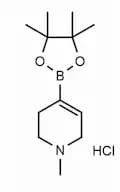
CAS:Formula:C9H12BF3N2O4Purity:98%Molecular weight:280.0091-Methyl-1,2,3,6-tetrahydropyridine-4-boronic acid pinacol ester hydrochloride
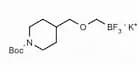
CAS:Purity:>95%Molecular weight:259.581Potassium (1-Boc-4-piperidinylmethoxyoxy)methyltrifluoroborate
CAS:Purity:>95%Molecular weight:335.212Poly ε L-lysine HCl - Average MW 2000~4700Da
CAS:Antimicrobial cationic peptide; used for microscopy glass slides coating
Formula:(C6H12N2O•HCl)nPurity:Min. 95 Area-%Color and Shape:White Yellow PowderRef: 3D-FP159079
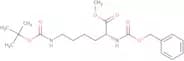
Discontinued productNα-Z-Nε-Boc-D-lysine methyl ester
CAS:Please enquire for more information about Nα-Z-Nε-Boc-D-lysine methyl ester including the price, delivery time and more detailed product information at the technical inquiry form on this page
Formula:C20H30N2O6Purity:Min. 95%Color and Shape:PowderMolecular weight:394.46 g/mol2,3-Dimethoxyphenylboronic acid
CAS:2,3-Dimethoxyphenylboronic acid is a synthetic molecule that contains a boronic acid group. This compound has been shown to interact with histones H3 and L6. It has also been shown to modify lysine residues on the histone H3 protein by methylation. In addition, 2,3-dimethoxyphenylboronic acid interacts with other molecules in a way that changes their conformation and this interaction can be studied using vibrational spectroscopy. Organic chemists may use 2,3-dimethoxyphenylboronic acid as a ligand for biological targets or as a means of modifying proteins.
Formula:C8H11BO4Purity:Min. 95%Color and Shape:PowderMolecular weight:181.98 g/molRef: 3D-FD29965
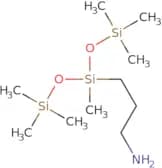
Discontinued product3-Aminopropyldiisopropylethoxysilane
CAS:3-Aminopropyldiisopropylethoxysilane (APDS) is a monolayer chemical that is used to modify the surface properties of a variety of substrates. This chemical can be used for patterning, functionalization, and immobilization of biomolecules. APDS has been shown to have a protective effect on cells in culture by preventing oxidation and denaturation of proteins. APDS also has been used for detection methods such as electron microscopy and photoelectron spectroscopy.
Formula:C10H29NO2Si3Purity:Min. 95%Color and Shape:Clear LiquidMolecular weight:279.6 g/molRef: 3D-FA149583
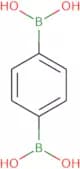
Discontinued product1,4-Phenylenebisboronic acid
CAS:1,4-Phenylenebisboronic acid is a chemical compound with the following structural formula:
It is a white crystalline solid, soluble in water and ethanol. 1,4-Phenylenebisboronic acid has been used for analytical chemistry and photochemical studies. It has also been studied as a model system for ternary complex formation, x-ray diffraction data analysis, and ester linkages. Structural analysis of 1,4-phenylenebisboronic acid reveals hydrogen bonding interactions between the nitrogen atoms and the boron atoms.Formula:C6H8B2O4Purity:Min. 95 Area-%Color and Shape:PowderMolecular weight:165.75 g/molRef: 3D-FP74696
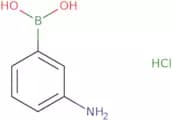
Discontinued product(3-Aminophenyl)boronic acid hydrochloride
CAS:3-Aminophenylboronic acid hydrochloride is a chemical compound that is used for analytical chemistry, bioconjugate chemistry, and clinical diagnostics. The compound binds to model proteins with high affinity and specificity. 3-Aminophenylboronic acid hydrochloride has been shown to have low binding constants with polyols, which make it ideal for use in cell culture. 3-Aminophenylboronic acid hydrochloride has a pK of 2.7 at pH 7.4, making it acidic at this pH. The compound also has a pK of 9.3 at pH 4.5, making it neutral at this pH. 3-Aminophenylboronic acid hydrochloride is an electrochemically active molecule and can be used as an electrode material in electrochemical impedance spectroscopy experiments.
Formula:C6H9BClNO2Purity:Min. 95%Color and Shape:PowderMolecular weight:173.4 g/molRef: 3D-FA139811
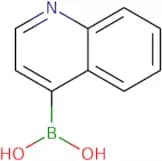
Discontinued productQuinolin-4-ylboronic acid
CAS:Quinolin-4-ylboronic acid is a heterocyclic compound with two nitrogen atoms that are attached to the ring by means of carbonyl groups. This compound is a precursor in the synthesis of the drug dorsomorphin, which is used for pain relief. It also has an important role in pharmacokinetics because it can be used as a marker for estimating blood levels of other drugs. Quinolin-4-ylboronic acid yields an active form, quinolin-4-yl boronic acid, when reacted with piperazine in basic conditions. The drug ldn-193189 is a derivative of this active form and has been evaluated as a potential drug for treating osteoporosis and cancer.
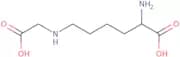
Formula:C9H8BNO2Purity:Min. 95 Area-%Color and Shape:PowderMolecular weight:172.98 g/molN-ε-(1-Carboxymethyl)-L-lysine
CAS:N-ε-(1-Carboxymethyl)-L-lysine (NEM) is a versatile building block that is used in the synthesis of complex compounds. It is a reagent and speciality chemical that can be used as an intermediate to produce other useful chemicals or as a reaction component. It has been shown to be useful in the synthesis of peptides, oligonucleotides, and organic molecules. NEM has also been shown to have high quality and purity, making it a useful scaffold for further research into new compounds.
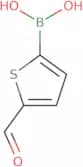
Formula:C8H16N2O4Purity:Min. 97%Color and Shape:White PowderMolecular weight:204.22 g/mol5-Formyl-2-thiopheneboronic acid
CAS:5-Formyl-2-thiopheneboronic acid is a synthetic molecule that has been shown to be an effective electron microscope stabilizer. It is a boronate ester with a formyl group at the 2-position and a thiophene ring at the 5-position. The chloride in this molecule is used as a functional group, which can then react with other molecules to form new compounds. The functional theory of 5-formyl-2-thiopheneboronic acid includes its ability to form bonds with other molecules and its use as an inorganic base. The particle size of 5-formyl-2-thiopheneboronic acid is unsymmetrical, making it different from other molecules.
Formula:C5H5BO3SPurity:Min. 95%Color and Shape:PowderMolecular weight:155.97 g/molRef: 3D-FF31588
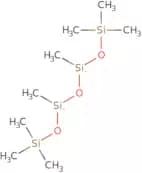
Discontinued product1,1,1,3,5,7,7,7-Octamethyltetrasiloxane
CAS:1,1,1,3,5,7,7,7-Octamethyltetrasiloxane is a volatile liquid that is used as a fumigant. It is used in the manufacture of silicone elastomers and sealants. This chemical has been shown to be an effective sealant and to have good adhesion properties. It also has excellent resistance to high temperatures and chemicals. The mechanism of 1,1,1,3,5,7,7,7-octamethyltetrasiloxane is not fully understood but it may involve hydrogen bonding with the organic solvent. In addition to its use as a sealant and fumigant this chemical can be used as a ligand for bifunctional catalysts for polymerization reactions or for kinetic studies on polyolefins
Formula:C8H26O3Si4Purity:Min. 95%Color and Shape:Clear LiquidMolecular weight:282.63 g/molRef: 3D-FO29717
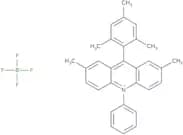
Discontinued product9-Mesityl-2,7-dimethyl-10-phenylacridinium tetrafluoroborate
CAS:9-Mesityl-2,7-dimethyl-10-phenylacridinium tetrafluoroborate is a versatile building block and reagent for organic synthesis. It is a fine chemical that is used in the production of research chemicals and speciality chemicals. 9-Mesityl-2,7-dimethyl-10-phenylacridinium tetrafluoroborate can be used as a reaction component to synthesize complex compounds with various functional groups. It has been reported to have high quality, being both useful and stable. CAS NO: 1621020-00-5Formula:C30H28BF4NColor and Shape:Yellow PowderMolecular weight:489.35 g/molRef: 3D-FM76605
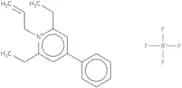
Discontinued productN-Propyl-1-ene-2,6-diethyl-4-phenylpyridinium tetrafluoroborate
CAS:N-Propyl-1-ene-2,6-diethyl-4-phenylpyridinium tetrafluoroborate (NPEEDPBF) is a fine chemical that has been used as a building block in research and industrial chemistry. The synthesis of NPEEDPBF typically involves the reaction of diethyl phenylpyridinium bromide with n propyl iodide. It can be used as a reagent for organic syntheses and as an intermediate for other compounds. NPEEDPBF is also a versatile building block for complex compounds.Formula:C18H22N•BF4Purity:Min. 95%Molecular weight:339.18 g/molRef: 3D-FP145686
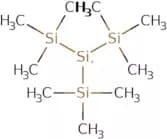
Discontinued productTris(trimethylsilyl)silane
CAS:Tris(trimethylsilyl)silane is a reactive functional group that is used in the synthesis of monoclonal antibodies. It reacts with halides to form an intermediate, which then undergoes chain reactions with other molecules to form the final product. Tris(trimethylsilyl)silane can be used for cancer therapy and for the detection of antibodies. It has been shown that tris(trimethylsilyl)silane will react with a light emitting compound (e.g., 4-dimethylaminopyridine) and a cationic polymerization initiator (e.g., diallyldimethylammonium chloride). This reaction produces high values of light emission, which can be detected by x-ray crystal structures.
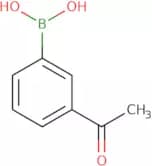
Formula:C9H28Si4Purity:Min. 97 Area-%Color and Shape:Clear LiquidMolecular weight:248.66 g/mol3-Acetylphenylboronic acid
CAS:3-Acetylphenylboronic acid is a functional group with an acetyl group substituted for the hydroxyl group of phenol. 3-Acetylphenylboronic acid has been shown to inhibit cholinesterase through competitive inhibition. It also binds to the endocannabinoid receptor CB1 and competes with anandamide, which is a natural ligand of this receptor. 3-Acetylphenylboronic acid may be used as a replacement for fatty acids in carbon nanotubes because it has the same basic structure but does not react with oxygen or other chemicals. 3-Acetylphenylboronic acid also reacts with metal ions such as copper and zinc, which may be due to its electron withdrawing ability.
Formula:C8H9BO3Purity:Min. 98 Area-%Color and Shape:White Slightly Yellow PowderMolecular weight:163.97 g/molRef: 3D-FA36799
Discontinued productCarboxyethylsilanetriol sodium salt - 25% in water
CAS:Carboxyethylsilanetriol sodium salt - 25% in water is a reagent that is used to form complex compounds. It can be used as a reaction component or a building block to create more complex compounds, such as new medicines. Carboxyethylsilanetriol sodium salt - 25% in water has been shown to be an efficient and versatile scaffold for the production of fine chemicals and research chemicals. CAS No. 18191-40-7 is a speciality chemical that can react with other organic compounds to form new compounds for research purposes. Carboxyethylsilanetriol sodium salt - 25% in water is a useful intermediate and building block for various synthetic reactions because it can easily react with other organics to form new compounds which are useful in pharmaceuticals, agrochemicals, and other industries.
Formula:C3H6Na2O5SiPurity:Approximately 25%Color and Shape:Clear LiquidMolecular weight:196.14 g/molRef: 3D-FC139273
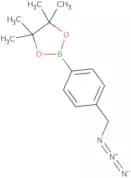
Discontinued product2-(4-(AzidoMethyl)phenyl)-4,4,5,5-tetraMethyl-1,3,2-dioxaborolane
CAS:2-(4-(AzidoMethyl)phenyl)-4,4,5,5-tetraMethyl-1,3,2-dioxaborolane is a high quality reagent that is useful for complex compound synthesis. It has CAS No. 1239481-05-0 and has been shown to be a useful intermediate in many reactions. 2-(4-(AzidoMethyl)phenyl)-4,4,5,5-tetraMethyl-1,3,2-dioxaborolane is also a fine chemical that can be used as a research chemical or as a building block for speciality chemicals. This compound has shown to be versatile because it can react with nucleophiles and electrophiles to produce diverse products.
Formula:C13H19BN3O2Purity:Min. 95%Molecular weight:260.12 g/molRef: 3D-FA39907
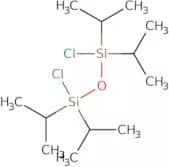
Discontinued product1,3-Dichloro-1,1,3,3-tetraisopropyldisiloxane
CAS:1,3-Dichloro-1,1,3,3-tetraisopropyldisiloxane is a chromatographic stationary phase that has been used for the analysis of oligosaccharides and hydrogen bonds. 1,3-Dichloro-1,1,3,3-tetraisopropyldisiloxane has been shown to be useful in the separation of uridine from other nucleotides. It also has been shown to be useful as a titration calorimetry standard. This stationary phase can be used with fluorescence spectrometry and tryptophan fluorescence for structural analysis of pyrimidine compounds. Molecular modeling studies have also demonstrated that this stationary phase is stereoselective with regards to hydroxyl group emissions. The 1,3-Dichloro-1,1,3,3-tetraisopropyldisiloxane stationary phase is
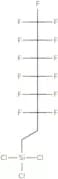
Formula:C12H28Cl2OSi2Purity:Min. 95%Color and Shape:Colorless Slightly Yellow Clear LiquidMolecular weight:315.43 g/molTrichloro(1H,1H,2H,2H- tridecafluoro-n-octyl)silane
CAS:Trichloro(1H,1H,2H,2H-tridecafluoro-n-octyl)silane is a chemical compound with the formula CClF[CF(CF)CFSiCl]. It is a colorless liquid that can be used in coatings and as a precursor to other fluorinated compounds. Trichloro(1H,1H,2H,2H-tridecafluoro-n-octyl)silane has been shown to have synergistic effects when combined with cationic surfactants and laser ablation techniques for microbial infection. This compound also has transport properties that are influenced by the presence of water vapor. Trichloro(1H,1H,2H,2H-tridecafluoro-n-octyl)silane is an inert monolayer on boron nitride substrates and has constant optical properties.
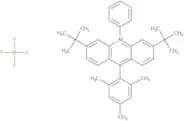
Formula:C8H4Cl3F13SiPurity:Min. 95%Color and Shape:Clear LiquidMolecular weight:481.54 g/mol3,6-Bis(1,1-dimethylethyl)-10-phenyl-9-(2,4,6-trimethylphenyl)-acridinium tetrafluoroborate
CAS:3,6-Bis(1,1-dimethylethyl)-10-phenyl-9-(2,4,6-trimethylphenyl)-acridinium tetrafluoroborate is a high quality reagent that is used as an intermediate in the synthesis of other compounds. It has CAS No. 1810004-87-5 and a molecular weight of 345.7 g/mol. This compound is useful for the synthesis of complex compounds and can be used in fine chemicals. 3,6-Bis(1,1-dimethylethyl)-10-phenyl-9-(2,4,6-trimethylphenyl)-acridinium tetrafluoroborate is also useful for research purposes and can be used as a scaffold for drug discovery. It is also a versatile building block that can be used in reactions to produce speciality chemicals and reaction components such as esters or amides.Formula:C36H40BF4NPurity:Min 95%Color and Shape:PowderMolecular weight:573.51 g/molRef: 3D-FB76607
Discontinued productCalcium dobesilate
CAS:Calcium dobesilate is a calcium salt that emits chemiluminescence in the presence of an oxidant. It has been used as a treatment for hypercalcemia, which is caused by high levels of calcium in the blood, and to prevent skin cancer. The experimental model was conducted on human serum and showed that calcium dobesilate reduced the enzyme activities in serum samples by 30% after 15 minutes of incubation. This reduction was statistically significant when compared to untreated groups. Calcium dobesilate also inhibited the growth of skin cancer cells in a pharmacological agent-induced experimental model.
Formula:C8H6O5S•Ca0Purity:Min. 98 Area-%Color and Shape:PowderMolecular weight:418.41 g/molRef: 3D-FC40877
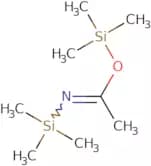
Discontinued productN,O-Bis(trimethylsilyl) acetamide
CAS:N,O-Bis(trimethylsilyl) acetamide is a protein that is used as a reagent for the detection of integrin receptors. It can be used to identify human immunoglobulin and human serum proteins. This compound has been shown to be pluripotent in cells, which means that it can differentiate into any type of cell. N,O-Bis(trimethylsilyl) acetamide has been shown to have surfactant properties and can be used as an alternative in toxicity studies. This compound has been shown to be toxic to bowel disease cells when tested with a dose of 3mg/mL. The disulfide bond within this molecule may be important for its biological activity. Synchronous fluorescence spectroscopy and plasma mass spectrometry are two methods that have been used to study the structure of this molecule. Electrochemical impedance spectroscopy is another method that has been used in the structural analysis of this molecule.
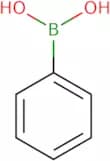
Formula:C8H21NOSi2Purity:Min. 95 Area-%Color and Shape:Colorless Yellow Clear LiquidMolecular weight:203.43 g/molPhenylboronic acid
CAS:Phenylboronic acid is a natural compound that has been shown to inhibit the growth of squamous carcinoma cells. The optical sensor can be used to measure the amount of phenylboronic acid in a solution. The sensor is made from a thin film of colloidal gold, which changes color in response to phenylboronic acid. This method of detection is not as accurate as other methods and can only be used with low concentrations. Phenylboronic acid has been shown to have anti-inflammatory properties, which may be due to its ability to inhibit toll-like receptor 4 and toll-like receptor 6 signaling pathways.
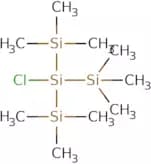
Formula:C6H7BO2Purity:Min. 95%Color and Shape:White PowderMolecular weight:121.93 g/molChlorotris(trimethylsilyl)silane
CAS:Chlorotris(trimethylsilyl)silane is a chlorosilane with a trifluoromethyl group and one other organic group. It can be prepared by thermal decomposition of chlorotrimethylsilane. Chlorotris(trimethylsilyl)silane has been used in the synthesis of branched-chain alkanes and cycloalkanes, as well as in the preparation of molecular fragments for use in organometallic syntheses. This molecule absorbs ultraviolet light strongly at 254 nm, making it useful for measurements of UV absorption spectra.
Formula:C9H27ClSi4Purity:Min. 95 Area-%Color and Shape:White PowderMolecular weight:283.11 g/molRef: 3D-FC61091
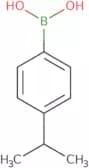
Discontinued product4-Isopropylphenylboronic acid
CAS:4-Isopropylphenylboronic acid is a chiral organic chemical that is used as a Grignard reagent. It is an optically pure compound that can be isolated by recrystallization. The optical purity of 4-isopropylphenylboronic acid has been confirmed by the red shift observed in its IR spectrum. This compound undergoes nucleophilic substitution reactions, and it also catalyses the hydrostannylation of styrene with phenyllithium or butyllithium. The synthesis of this molecule requires relatively mild reaction conditions, and it can be obtained in high yield.
Formula:C9H13BO2Purity:Min. 95%Color and Shape:PowderMolecular weight:164.01 g/molRef: 3D-FI46458
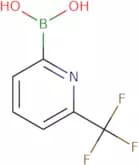
Discontinued product6-(Trifluoromethyl)pyridine-2-boronic acid
CAS:6-(Trifluoromethyl)pyridine-2-boronic acid is a solid chemical that is soluble in organic solvents. It is a building block for the synthesis of more complex compounds, and also serves as an intermediate in the synthesis of pharmaceuticals. 6-(Trifluoromethyl)pyridine-2-boronic acid has been shown to be useful for the preparation of fine chemicals and has been widely used as a reagent in research.
Formula:C6H5BF3NO2Purity:Min. 95%Color and Shape:PowderMolecular weight:190.92 g/molRef: 3D-FT160126
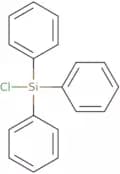
Discontinued productTriphenylchlorosilane
CAS:Triphenylchlorosilane is a reactive compound that has been used as a model system for studying the reaction of congestive heart failure. It has been shown to inhibit energy metabolism and cell factor, which are important factors in the progression of congestive heart failure. Triphenylchlorosilane also reacts with p-hydroxybenzoic acid to form an unstable intermediate, which undergoes intramolecular hydrogen transfer to give the final product. The reaction mechanism is proposed to be a coordination geometry involving three chlorine atoms. This compound is not reactive with sodium salts or structural analysis, but it does bind signal peptide in vivo models and can be used as a probe for protein-protein interactions.
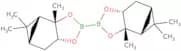
Formula:C18H15ClSiPurity:Min. 95%Color and Shape:PowderMolecular weight:294.85 g/mol(-)-Bis(pinanediolato)diboron
CAS:(-)-Bis(pinanediolato)diboron is a reactive component that can be used as a reagent. It reacts with alkenes to form pinacolboronates, which are useful for the synthesis of complex compounds. (-)-Bis(pinanediolato)diboron is also an intermediate in the synthesis of diboronic acid and pinacolborane. This compound has broad utility as a building block, scaffold, or intermediate in organic synthesis.
-Pinanediolato boron is also a versatile building block that can be used to synthesize many other chemical compounds. For example, it can be used as an intermediate to synthesize (-)-pinanediol and 3-hydroxy-1-methylpyridinium iodide (3HMPI), which are speciality chemicals.
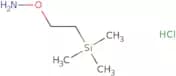
-Pinanediolato boron is also an excellent building block for organic synthesis due to its abilityFormula:C20H32B2O4Purity:Min. 95%Color and Shape:White SolidMolecular weight:358.09 g/molO-(2-Trimethylsilylethyl)hydroxylamine HCl
CAS:O-(2-Trimethylsilylethyl)hydroxylamine HCl is a fine chemical that can be used as a versatile building block in the synthesis of complex compounds. It is also an intermediate for research chemicals, reagents, and speciality chemicals. O-(2-Trimethylsilylethyl)hydroxylamine HCl can be used as a reaction component in organic synthesis and has been shown to be useful in the synthesis of new scaffolds.
Formula:C5H15NOSi·HClPurity:Min. 95%Color and Shape:White PowderMolecular weight:169.72 g/mol2-Aminophenylboronic acid
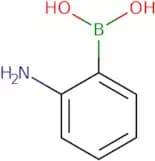
CAS:2-Aminophenylboronic acid is an organic compound that can be used as a cross-coupling agent in the Suzuki coupling reaction. It has been used to synthesize amides and β-unsaturated ketones. It has also been used to prepare fluorescent molecules for use in clinical diagnostics. The phase transition temperature of 2-aminophenylboronic acid is approximately -6°C, which makes it useful for the synthesis of amides and β-unsaturated ketones at low temperatures. This compound is not reactive towards nucleophiles due to its acidic character, but it can undergo a nucleophilic attack when protonated. Its fluorescence assay can be used to detect the presence of low concentrations of hydrogen sulfide gas in natural gas pipelines.
Formula:C6H8BNO2Purity:Min. 95%Color and Shape:PowderMolecular weight:136.94 g/molRef: 3D-FA10483
Discontinued product3-(Trimethylsilyl)-2-propynal
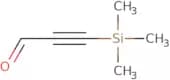
CAS:3-(Trimethylsilyl)-2-propynal is a molecule that has been studied for its potential use as a vitamin D3 analog. It contains a hydroxy group and an asymmetric carbon atom that could allow it to bind to the vitamin D receptor. 3-(Trimethylsilyl)-2-propynal is also an intramolecular hydrogen bond donor, which may play a role in receptor binding. This compound has shown promising results in animal models of inflammatory diseases, such as asthma and arthritis. The compound binds to the receptor with low energy and has a stereoselective orientation of the benzimidazole ring, which may give it an advantage over other compounds that have similar activity.
Formula:C6H10OSiPurity:Min. 95%Color and Shape:Colorless Clear LiquidMolecular weight:126.23 g/molRef: 3D-FT165825
Discontinued product2-Difluoromethoxyphenylboronic acid pinacol ester
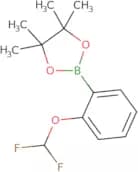
CAS:2-Difluoromethoxyphenylboronic acid pinacol ester is a high quality reagent that can be used as a useful intermediate, fine chemical, or speciality chemical in reactions. This compound is an important building block for synthesizing other chemicals and can also be used to make novel compounds with pharmaceutical properties. 2-Difluoromethoxyphenylboronic acid pinacol ester is versatile and can be used in many different reactions. It has been reported to react with various other molecules to form new scaffolds and building blocks for use in organic synthesis.
Formula:C13H17BF2O3Purity:Min. 95%Color and Shape:PowderMolecular weight:270.08 g/molRef: 3D-FD103354
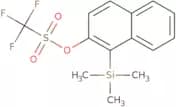
Discontinued product1-(Trimethylsilyl)-2-naphthyl Trifluoromethanesulfonate
CAS:1-(Trimethylsilyl)-2-naphthyl Trifluoromethanesulfonate is a solvent that has been used for the synthesis of oxygen heterocycles. It is also used as a reagent to cleave bonds in organic molecules, such as alkene, solvents, aldehydes and activated esters. This compound is an unsymmetrical nucleophile that reacts with electron-poor alkenes to generate an unsaturated bond between two carbons. Mechanistic studies have shown that the reaction proceeds through a concerted mechanism involving the formation of a covalent phosphine intermediate.
Formula:C14H15F3O3SSiPurity:Min. 95%Color and Shape:PowderMolecular weight:348.41 g/molRef: 3D-FT60048
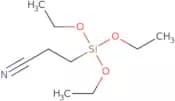
Discontinued product2-Cyanoethyltriethoxysilane
CAS:2-Cyanoethyltriethoxysilane is a cross-linking agent that is used in coatings and adhesives. It has been shown to have an adsorption mechanism that is dependent on the pH of the solution, with a maximum adsorption at pH 3.2 and a minimum at pH 11. The rate of adsorption is also dependent on the concentration of 2-cyanoethyltriethoxysilane, with higher concentrations leading to faster adsorption rates. Kinetic data for 2-cyanoethyltriethoxysilane has been shown using gravimetric analysis to show that it has an adsorption rate constant of 1.0 × 10^4 s^(-1) at pH 3.2 and 6.5 × 10^4 s^(-1) at pH 11, which are independent of the concentration of this molecule in solution. Pluronic P123 was used as a model polymer
Formula:C9H19NO3SiPurity:Min. 97 Area-%Color and Shape:PowderMolecular weight:217.34 g/molRef: 3D-FC62904
Discontinued product1,2-Bis(hydroxymethyl)-O-carborane
CAS:Controlled Product1,2-Bis(hydroxymethyl)-O-carborane is a cyclic molecule that can be used in the synthesis of organic compounds. It can be prepared by reacting anhydrous sodium chloride with propiolic acid. It has been shown to produce decaborane and anion when reacted with chlorine. The chlorides are catalytic for the formation of methyl alcohol and methacrylates. 1,2-Bis(hydroxymethyl)-O-carborane has been used as a starting material for the synthesis of triflates and methyl alcohols. This compound has also been found to produce diffraction patterns that can be used for structural analysis.
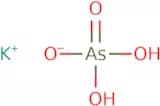
Formula:C4H16B10O2Purity:Min. 95%Molecular weight:204.28 g/molPotassium dihydrogen arsenate
CAS:Potassium dihydrogen arsenate is an inorganic chemical that is used as a pesticide. It prevents the synthesis of proteins by inhibiting soybean trypsin. The optimum concentration for chrysoperla is 1.6 mg/L, which has been shown to be sublethal at levels below 5 mg/L. This chemical has also been shown to have effects on light exposure and thermal expansion. Potassium dihydrogen arsenate belongs to the ferroelectric class of compounds and has a hydrogen bond with water, which may explain its uptake into plants.
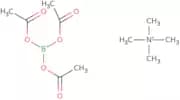
Formula:H2AsKO4Purity:Min. 95%Molecular weight:180.04 g/molTetramethylammonium triacetoxyborohydride
CAS:Tetramethylammonium triacetoxyborohydride is a potent antagonist that binds to the active site of hydrogen-bond forming enzymes. It is used in the treatment of bowel disease, as well as other diseases such as cancer, diabetic neuropathy and inflammatory bowel disease. Tetramethylammonium triacetoxyborohydride has been shown to inhibit the growth of certain bacteria by inhibiting their ability to form hydrogen bonds. This chemical can also be used in asymmetric synthesis, which is the process of synthesizing only one enantiomer from a racemic mixture. Tetramethylammonium triacetoxyborohydride can function as an organocatalyst for this process by activating achiral substrates into chiral ones.
Formula:C10H22BNO6Purity:Min. 95%Color and Shape:White PowderMolecular weight:263.1 g/molRef: 3D-FT61137
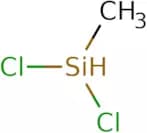
Discontinued productDichloromethylsilane
CAS:Dichloromethylsilane (DCS) is a chemical compound that is used in the synthesis of silicone rubber, silicone elastomers, and silicone sealants. It can also be used as a cross-linking agent for polymers such as polyurethane, epoxy resin, and silicone. The synthesis of DCS is achieved by reacting chlorosilanes with methyl alcohol or methyl chloride in the presence of an acid catalyst. DCS exhibits high chemical stability and can be activated at room temperature. This product has been shown to be useful for fabricating medical devices that are implanted into the human body because it does not react with water or blood.
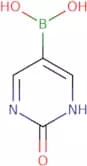
Formula:CH4Cl2SiPurity:Min. 95%Molecular weight:115.03 g/mol2-Hydroxypyrimidine-5-boronicacid
CAS:Please enquire for more information about 2-Hydroxypyrimidine-5-boronicacid including the price, delivery time and more detailed product information at the technical inquiry form on this page
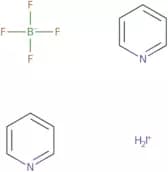
Formula:C4H5BN2O3Purity:Min. 95%Molecular weight:139.91 g/molBis(pyridine)iodonium tetrafluoroborate
CAS:Bis(pyridine)iodonium tetrafluoroborate is a reagent that can be used to iodinate organic compounds. It is prepared by the reaction of pyridine with iodine and bromine in tetrafluoroboric acid. Bis(pyridine)iodonium tetrafluoroborate is an active compound that can be used for amino acid analysis, optical properties, and functional groups. This compound also can be used for magnetic resonance analysis, palladium-catalyzed coupling, and synthetic reactions. Bis(pyridine)iodonium tetrafluoroborate has been found to have radiation transport properties and a strong reactivity towards acids.
Formula:C10H10BF4IN2Purity:Min. 95%Molecular weight:371.91 g/molRef: 3D-FB50720
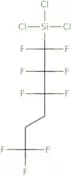
Discontinued productNonafluorohexyltrichlorosilane
CAS:Nonafluorohexyltrichlorosilane is a silicon-based surfactant that can be used as a surface treatment agent. It is hydrophilic and has excellent wetting properties. Nonafluorohexyltrichlorosilane is also an effective coagulant, which makes it useful for the treatment of wastewater containing suspended solids. This agent can be used to coat surfaces with silicon to make them more hydrophobic, making it useful in the production of photoreceptors, emulsions, and immobilized cell culture. The chemical structure of Nonafluorohexyltrichlorosilane allows it to be easily synthesized by the reaction between chlorosilanes and alcohols.
Formula:C6H4Cl3F9SiPurity:Min. 95%Color and Shape:Clear LiquidMolecular weight:381.53 g/molRef: 3D-FN79644
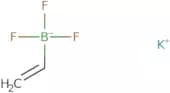
Discontinued productPotassium vinyltrifluoroborate
CAS:Potassium vinyltrifluoroborate is a salt that contains the inorganic anion potassium and the organic ligand vinyltrifluoroborate. It is used as an electrolyte in electrochemical cells, such as fuel cells, to increase power output by increasing the conductivity of the electrolyte. This compound has been shown to be effective against chronic kidney disease and infectious diseases such as HIV and malaria. Potassium vinyltrifluoroborate also has anti-cancer properties due to its ability to inhibit cellular proliferation and induce apoptosis in cancer cells. The mechanism of action of this drug is still unclear but may be due to its ability to inhibit proteases, such as ns3 protease found in human erythrocytes.
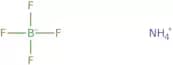
Formula:C2H3BF3KPurity:Min. 95%Color and Shape:PowderMolecular weight:133.95 g/molAmmonium tetrafluoroborate
CAS:Ammonium tetrafluoroborate is a salt of the organic compound tetrafluoroborate and ammonium. It is a colorless solid that can be used as a chemical reagent. Ammonium tetrafluoroborate has a higher chemical stability than other salts of tetrafluoroborate, such as ammonium hexafluorophosphate and ammonium hexafluoroarsenate. Ammonium tetrafluoroborate is used to make the dinucleotide phosphate, which is an important component in DNA synthesis. In a redox potential test, ammonium tetrafluoroborate showed no electrochemical activity in water vapor at pH 7. Ammonium tetrafluoroborate reacts with trifluoroacetic acid to produce hydrogen fluoride and ammonium chloride. This reaction is reversible, which means that it can be used for the synthesis of ammonia gas from hydrogen and nitrogen gases or for the
Formula:NH4BF4Purity:Min. 98%Color and Shape:White PowderMolecular weight:104.84 g/molRef: 3D-FA55588
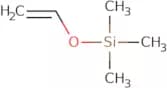
Discontinued productVinyloxytrimethylsilane
CAS:Controlled ProductVinyloxytrimethylsilane is an organosilicon compound that is used as a polymerization initiator. It reacts with cyclobutanone to form a ruthenium complex, which can be used to coat surfaces and produce polymers. The use of this compound has been shown to increase the reaction yield and decrease the amount of by-products in the polymerization process. Vinyloxytrimethylsilane is biodegradable, making it an environmentally friendly alternative for coating surfaces or producing polymers.
Formula:C5H12OSiPurity:Min. 95%Molecular weight:116.23 g/molRef: 3D-FV153134
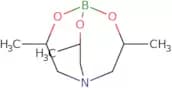
Discontinued productTriisopropanolamine Borate
CAS:Triisopropanolamine borate is an organic compound with the formula (CH3)3N(CH2)3OH. It is a colorless liquid with a sweet, amine-like odor. Triisopropanolamine borate is widely used as a cross-linking agent in coatings, and as a reactive functional group in polycarboxylic acid synthesis and cationic polymerization. It also has been used as a blood pressure lowering agent and to treat high calcium levels in the blood. The chemical structure of triisopropanolamine borate can be seen below: Triisopropanolamine Borate, Chemical Structure The chemical formula for triisopropanolamine borate is CH3N(CH2)3OH. Triisopropanolamine borate has many applications due to its reactive functional groups, including cross-linking agents for coatings and polycarboxylic acid synthesis
Formula:C9H18BNO3Purity:Min. 95%Molecular weight:199.06 g/molRef: 3D-FT159810
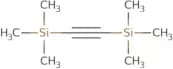
Discontinued productBis(trimethylsilyl)acetylene
CAS:Bis(trimethylsilyl)acetylene (bis-TMS) is a reactive ancillary that can be used in polymerization reactions as an initiator. The bis-TMS is prepared by reaction of trimethylsilyl chloride with acetylene to form the trimethylsilyl acetylene, which is then reacted with copper to generate the bis-TMS. Bis-TMS reacts with nucleophiles such as alcohols and amines to produce polymers through a nucleophilic attack. It also has been used for sample preparation for NMR spectra. Bis-TMS is a synthetic compound that has been characterized using nmr spectroscopy and analytical methods. The molecular formula of bis-TMS is C8H16Si2 and its molecular weight is 196.13 g/mol. The chemical structure of bis-TMS consists of two benzyl groups connected by a single carbon bond at the 3 o'clock position on the central
Formula:C8H18Si2Purity:Min. 95%Color and Shape:Clear LiquidMolecular weight:170.4 g/mol

![1-Methyl-4-(4,4,5,5-tetramethyl-[1,3,2]dioxaborolan-2-yl)-1h-imidazole](/_next/image/?url=https%3A%2Fstatic.cymitquimica.com%2Fproducts%2F3D%2Fthumb-webp%2FFM166321.webp&w=3840&q=75)
![[4-(1-Cyano-1-methylethyl)phenyl]boronic acid](/_next/image/?url=https%3A%2Fstatic.cymitquimica.com%2Fproducts%2F3D%2Fthumb-webp%2FFC121870.webp&w=3840&q=75)
![1-Phenyl-4-[4-(4,4,5,5-tetramethyl-[1,3,2]dioxaborolan-2-yl)-benzyl]piperazine](/_next/image/?url=https%3A%2Fstatic.cymitquimica.com%2Fproducts%2F3D%2Fthumb-webp%2FFP33228.webp&w=3840&q=75)





![1H-Pyrazolo[3,4-b]pyridine-5-boronic acid pinacol ester](/_next/image/?url=https%3A%2Fstatic.cymitquimica.com%2Fproducts%2FFT%2Fthumb-webp%2FW14562.webp&w=3840&q=75)