Ketones
Found 18868 products of "Ketones"
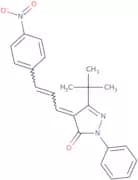
3-(tert-butyl)-4-(3-(4-nitrophenyl)prop-2-enylidene)-1-phenyl-2-pyrazolin-5-one
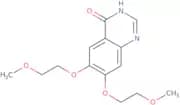
CAS:Please enquire for more information about 3-(tert-butyl)-4-(3-(4-nitrophenyl)prop-2-enylidene)-1-phenyl-2-pyrazolin-5-one including the price, delivery time and more detailed product information at the technical inquiry form on this pagePurity:Min. 95%6,7-Bis(2-methoxyethoxy)-3,4-dihydroquinazolin-4-one
CAS:This compound is a synthetic molecule that has been shown to have growth factor activity and may be useful in cancer research. The molecule is a nucleophile and reacts with epidermal growth factor (EGF) to form the corresponding adduct. This adduct can then react with chloride to form the corresponding chloro-adduct. It also binds to cellular proteins, such as antigen and factor receptors. The piperazine ring of this molecule is responsible for its binding affinity for these receptors.
The compound was expressed from a plasmid under normoxic conditions, but was not expressed under hypoxic conditions.Formula:C14H18N2O5Purity:Min. 95%Color and Shape:White PowderMolecular weight:294.3 g/mol3-Methyl 2H-furo[2,3-c]pyran-2-one
CAS:3-Methyl 2H-furo[2,3-c]pyran-2-one (3MHFP) is a plant hormone that belongs to the group of butenolides. It is a karrikin and has been shown to have a variety of physiological effects in plants. 3MHFP binds to specific receptors on the plasma membrane, which causes an increase in Ca++ and K+ ion flow through cell membranes. This leads to inhibition of enzymes such as dehydrocostus lactone oxidase, which are involved in the production of reactive oxygen species (ROS). 3MHFP also affects seed germination, stimulating it at low concentrations and inhibiting it at high concentrations. The mechanisms underlying these effects are not fully understood, but may be due to its ability to regulate metabolism.
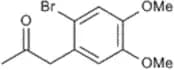
Formula:C8H6O3Purity:Min. 98 Area-%Color and Shape:Yellow PowderMolecular weight:150.13 g/mol(6-Bromo-3,4-dimethoxyphenyl)acetone
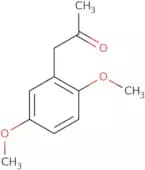
CAS:(6-Bromo-3,4-dimethoxyphenyl)acetone is a fine chemical that can be used as a versatile building block. This compound is typically used in research and development for the synthesis of complex compounds. It has been shown to be useful in the synthesis of high quality pharmaceuticals and speciality chemicals. The CAS number for this chemical is 116145-28-9.Formula:C11H13BrO3Purity:Min. 95%Molecular weight:273.12 g/mol(2,5-Dimethoxyphenyl)acetone
CAS:2,5-Dimethoxyphenyl)acetone is an impure chemical compound that has been used in the synthesis of 4-methoxyamphetamine. 2,5-Dimethoxyphenyl)acetone is a colorless liquid with a sweet odor. It can be purified by passing through a column of activated charcoal and washing with water or alcohol. The purity can be determined by spectrometry or magnetic resonance spectroscopy. The compound's homologues are also available for purchase on our website.
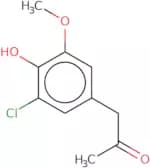
Formula:C11H14O3Purity:Min. 95%Color and Shape:Clear LiquidMolecular weight:194.23 g/mol(5-Chloro-4-hydroxy-3-methoxyphenyl)acetone
CAS:(5-Chloro-4-hydroxy-3-methoxyphenyl)acetone is a high quality reagent that is useful as an intermediate in the synthesis of complex compounds. It can be used to synthesize a wide range of fine chemicals, such as pharmaceuticals, pesticides, and fragrances. (5-Chloro-4-hydroxy-3-methoxyphenyl)acetone is also a versatile building block for the synthesis of speciality chemicals. This compound has been shown to react with other compounds to form reaction components for research purposes.
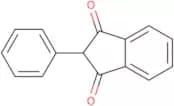
Formula:C10H11ClO3Purity:Min. 95%Molecular weight:214.65 g/mol2-Phenyl-1,3-indandione
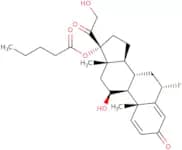
CAS:2-Phenyl-1,3-indandione is a coumarin derivative that is used as an anti-inflammatory drug. It inhibits the release of arachidonic acid from phospholipids in the cell membrane and consequently inhibits the formation of prostaglandins. The drug has been shown to inhibit light-induced tumor promotion in mice with cervical cancer, which may be due to its ability to inhibit the activity of oxidative enzymes such as cytochrome P450. 2-Phenyl-1,3-indandione also inhibits sodium-dependent glucose transport and energy metabolism by binding to potassium channels. This drug also has immunosuppressive effects on lymphocyte transformation and autoimmune diseases through hydrogen bonding interactions with protein molecules.Formula:C15H10O2Purity:Min. 95%Color and Shape:PowderMolecular weight:222.24 g/mol6α-Fluoro-11β,17,21-Trihydroxypregna-1,4-Diene-3,20-Dione 17-Valerate
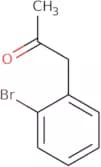
CAS:Controlled Product6alpha-Fluoro-11beta,17,21-Trihydroxypregna-1,4-Diene-3,20-Dione 17-Valerate is a hydrogenated and esterified form of 6alpha-fluoro-11beta,17,21-trihydroxypregna1,4diene3,20dione. It is an oil with a fatty acid ester that has been synthetically modified to be more hydrophobic. 6alpha-Fluoro-11beta,17,21-Trihydroxypregna1,4diene3,20dione 17valerate is used in the synthesis of pharmaceuticals and hormones. It can also be used as an enhancer for the stability of pharmaceutical preparations.Formula:C26H35FO6Purity:Min. 95%Molecular weight:462.55 g/mol2-Bromophenylacetone
CAS:Controlled Product2-Bromophenylacetone is a reagent that is used to synthesize sulfonamides. It can be prepared by the reaction of phenylacetic acid with bromine in the presence of sodium hydroxide. The product can then be treated with sulfuric acid and hydrochloric acid to give 2-bromophenylacetone. This compound has been shown to have bacteriostatic activity against Gram-positive bacteria, as well as being an efficient method for synthesizing thiosemicarbazide.Formula:C9H9BrOPurity:Min. 95%Color and Shape:Clear LiquidMolecular weight:213.07 g/mol3,8-Dihydroxy-6H-benzo[c]chromen-6-one
CAS:3,8-Dihydroxy-6H-benzo[c]chromen-6-one (3,8 DHC) is a natural compound that has been shown to have antioxidant and anti-inflammatory properties. It increases the production of ATP (cellular energy) by activating the ATP binding cassette transporter and increasing autophagy. 3,8 DHC may also inhibit apoptosis (cell death), which has been observed in studies involving balloon injury and atherosclerotic lesions. This compound may also have potential therapeutic benefits for bowel disease, cancer, and neuronal death.
Formula:C13H8O4Purity:Min. 95%Color and Shape:White To Beige To Yellow To Brown SolidMolecular weight:228.2 g/mol2-(benzo[3,4-d]1,3-dioxolen-5-ylmethylene)indane-1,3-dione
CAS:Please enquire for more information about 2-(benzo[3,4-d]1,3-dioxolen-5-ylmethylene)indane-1,3-dione including the price, delivery time and more detailed product information at the technical inquiry form on this pageFormula:C17H10O4Purity:Min. 95%Color and Shape:PowderMolecular weight:278.26 g/mol7-Amino-2-(4-methoxyphenyl)[1,2,4]triazolo[1,5-a]pyrimidin-5(4H)-one
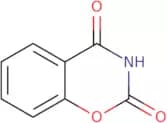
CAS:7-Amino-2-(4-methoxyphenyl)[1,2,4]triazolo[1,5-a]pyrimidin-5(4H)-one is a fine chemical that belongs to the category of versatile building blocks. It can be used as a reagent for research purposes and as a speciality chemical for the production of complex compounds. This compound is also an important building block for the synthesis of compounds with high quality and useful scaffolds.Formula:C12H11N5O2Purity:Min. 95%Color and Shape:PowderMolecular weight:257.25 g/mol2H-1,3-Benzoxazine-2,4(3H)-dione
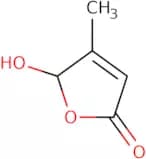
CAS:2H-1,3-Benzoxazine-2,4(3H)-dione is an analog of 5-HT7 receptor ligands. It has inhibitory properties and can be used to treat skin conditions such as psoriasis. It may also be used to increase insulin sensitivity in type 2 diabetes mellitus and for the treatment of inflammatory diseases. The 2H-1,3-benzoxazine-2,4(3H)-dione binds to the 5-HT7 receptors in the target tissue, which may lead to a reduction in inflammation. This drug has shown activity against both 5-HT2A receptors and 5-HT7 receptors in vitro.Formula:C8H5NO3Purity:Min. 95%Color and Shape:White PowderMolecular weight:163.13 g/mol5-Hydroxy-4-methyl 2(5H) furanone
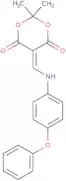
CAS:5-Hydroxy-4-Methyl 2(5H) furanone is an organic solvent that can be used as a byproduct of the reaction between alkali metal and dimethylformamide. It can also be generated by catalytic isomerization of methyl 2-furoate with hydrochloric acid, yielding enolate. This compound has been shown to have high yield in the conversion of 13-cis-retinoic acid into its corresponding trans isomer. 5-Hydroxy-4-Methyl 2(5H) furanone can be used as a reactant for lipase enzymes.Formula:C5H6O3Purity:Min. 95%Molecular weight:114.1 g/mol2,2-dimethyl-5-(((4-phenoxyphenyl)amino)methylene)-1,3-dioxane-4,6-dione
CAS:Please enquire for more information about 2,2-dimethyl-5-(((4-phenoxyphenyl)amino)methylene)-1,3-dioxane-4,6-dione including the price, delivery time and more detailed product information at the technical inquiry form on this page
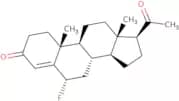
Purity:Min. 95%6-α-Fluoro-Pregn-4-ene-3,20-dione
CAS:Controlled Product6-alpha-Fluoro-Pregn-4-ene-3,20-dione is a polymer that belongs to the class of polymers. It is a three component polymer composed of vinyl acetate, vinyl chloride and ethylene. 6-alpha-Fluoro-Pregn-4-ene-3,20-dione is used as a monomer in the production of polypropylene and polyethylene. This polymer has shown to have good mechanical properties such as strength and toughness.
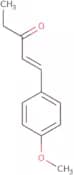
Formula:C21H29FO2Purity:Min. 95%Molecular weight:332.45 g/molα-Methylanisalacetone
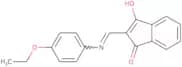
CAS:Alpha-Methylanisalacetone is a chemical substance that is used as a reagent in the production of other chemicals. It is also an allergen and a sensitizer, which may cause health risks. Alpha-Methylanisalacetone can react with trifluoroacetic acid to form alpha-methylbenzeneacetic acid, which can be detected by an ionization detector. This reaction takes about 1 hour. The fluid extract from alpha-methylanisalacetone contains histidine, which reacts with the reagent 2,4-dinitrophenylhydrazine hydrochloride and produces dinitrophenylhydrazine. The analytical method for alpha-methylanisalacetone involves measuring the turbidity of the solution at 660 nm using a spectrophotometer.Formula:C12H14O2Purity:Min. 95%Color and Shape:White PowderMolecular weight:190.24 g/mol2-(((4-ethoxyphenyl)amino)methylene)indane-1,3-dione
CAS:Please enquire for more information about 2-(((4-ethoxyphenyl)amino)methylene)indane-1,3-dione including the price, delivery time and more detailed product information at the technical inquiry form on this page
Purity:Min. 95%Anthra[9,1,2-cde]benzo[rst]pentaphene-5,10-dione
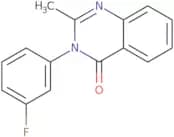
CAS:Anthra[9,1,2-cde]benzo[rst]pentaphene-5,10-dione is a polycyclic aromatic hydrocarbon. This compound is soluble in chloroform and has good transport properties. The methoxy groups on the benzene ring make it soluble in organic solvents and low light radiation. It also has an electrophotographic property that can be used for developing printed circuit boards. Anthra[9,1,2-cde]benzo[rst]pentaphene-5,10-dione is also a cationic polymerization agent with chloride as the counterion. The compound's reaction mechanism involves photochemical reactions in the presence of light or radiation. Anthra[9,1,2-cde]benzo[rst]pentaphene-5,10-dione has been shown to absorb ultraviolet light at wavelengths between 350 and 450 nm. This compound also absorbsFormula:C34H16O2Purity:Min. 95%Color and Shape:PowderMolecular weight:456.49 g/mol3-(3-Fluorophenyl)-2-Methylquinazolin-4(3H)-One
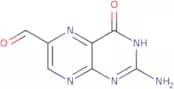
CAS:Controlled ProductQuinazolinones are a class of chemicals that inhibit the enzyme acetylcholinesterase. 3-Fluorophenyl-2-methylquinazolin-4(3H)-one (3FPMQ) is a connector molecule that has been shown to be an inhibitor of acetylcholinesterase, the enzyme responsible for the breakdown of the neurotransmitter acetylcholine. It is also an antenna molecule that can be used in ethyl esters and enzymatic assays. The high resistance of this molecule has been shown by chemical treatments and chemical analyses. Amplitudes generated by 3FPMQ have been shown to be effective at positioning it next to naphthalene, which is a ring structure with two c1-c6 alkoxy groups on either side. This molecule has also shown muscle relaxant properties.Formula:C15H11FN2OPurity:Min. 95%Molecular weight:254.26 g/mol2-Amino-6-formylpteridin-4-one
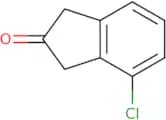
CAS:2-Amino-6-formylpteridin-4-one is a reactive compound that can cause oxidative injury in humans. It has been shown to cause hydrogen bond cleavage and the loss of structural integrity in human serum. 2-Amino-6-formylpteridin-4-one also induces apoptosis by inhibiting the mitochondrial membrane potential and releasing cytochrome c from the mitochondria into the cytosol. 2-Amino-6-formylpteridin-4-one is an inhibitor of binding to anion radicals, which may be beneficial for treating skin disorders such as psoriasis.Formula:C7H5N5O2Purity:Min. 97 Area-%Color and Shape:PowderMolecular weight:191.15 g/mol4-Chloro-1H-inden-2(3H)-one
CAS:4-Chloro-1H-inden-2(3H)-one is a reagent that is useful in organic synthesis. It has been used as an intermediate, building block, and scaffold for the preparation of complex compounds. 4-Chloro-1H-inden-2(3H)-ones are also used as research chemicals and speciality chemicals. This compound can be prepared by reacting 4-chloroindan-1,3(2H)-dione with hydrochloric acid or sodium nitrite in aqueous solution at room temperature.
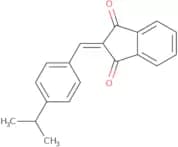
Formula:C9H7ClOPurity:(%) Min. 95%Color and Shape:PowderMolecular weight:166.6 g/mol2-((4-(isopropyl)phenyl)methylene)indane-1,3-dione
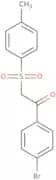
CAS:Please enquire for more information about 2-((4-(isopropyl)phenyl)methylene)indane-1,3-dione including the price, delivery time and more detailed product information at the technical inquiry form on this pageFormula:C19H16O2Purity:Min. 95%Color and Shape:Powder1-(4-bromophenyl)-2-((4-methylphenyl)sulfonyl)ethan-1-one
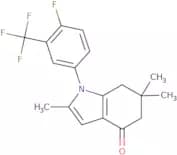
CAS:Please enquire for more information about 1-(4-bromophenyl)-2-((4-methylphenyl)sulfonyl)ethan-1-one including the price, delivery time and more detailed product information at the technical inquiry form on this pagePurity:Min. 95%1-(4-Fluoro-3-(trifluoromethyl)phenyl)-2,6,6-trimethyl-5,6,7-trihydroindol-4-one
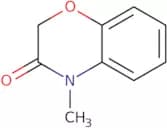
CAS:Please enquire for more information about 1-(4-Fluoro-3-(trifluoromethyl)phenyl)-2,6,6-trimethyl-5,6,7-trihydroindol-4-one including the price, delivery time and more detailed product information at the technical inquiry form on this pageFormula:C18H17F4NOPurity:Min. 95%Color and Shape:PowderMolecular weight:339.33 g/mol4-Methyl-2H-1,4-benzoxazin-3(4H)-one
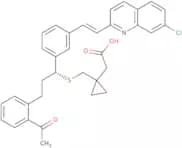
CAS:4-Methyl-2H-1,4-benzoxazin-3(4H)-one is an organic compound that is a hydrogen chloride salt. It is used in the isolation and identification of catechols. The compound has been shown to form condensation products with cellulose, which are detected using analytical techniques such as chromatography and spectrophotometry. 4-Methyl-2H-1,4-benzoxazin-3(4H)-one has a trifluoride ion as its chromophore, which can be detected using analytical techniques.Formula:C9H9NO2Purity:Min. 95%Color and Shape:PowderMolecular weight:163.17 g/molMontelukast methyl ketone
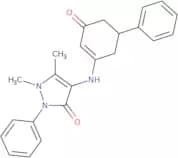
CAS:Montelukast is a sulfonyl-containing leukotriene receptor antagonist with anti-inflammatory and bronchodilator properties. It is used in the treatment of asthma and chronic obstructive pulmonary disease. Oral administration of Montelukast methyl ketone to rats caused prolonged retention of the drug (1.5 times) in the stomach, which may be due to its impurities or salts. The use of this medication can lead to an increase in blood pressure and heart rate, as well as other side effects such as dizziness, headache, nausea, vomiting, and diarrhea.Formula:C34H32ClNO3SPurity:(%) Min. 95%Color and Shape:PowderMolecular weight:570.14 g/mol2,3-dimethyl-4-((3-oxo-5-phenylcyclohex-1-enyl)amino)-1-phenyl-3-pyrazolin-5-one
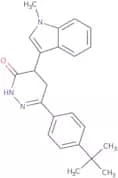
CAS:Please enquire for more information about 2,3-dimethyl-4-((3-oxo-5-phenylcyclohex-1-enyl)amino)-1-phenyl-3-pyrazolin-5-one including the price, delivery time and more detailed product information at the technical inquiry form on this pagePurity:Min. 95%3-(4-(tert-butyl)phenyl)-5-(1-methylindol-3-yl)-1H,4H,5H-1,2-diazin-6-one
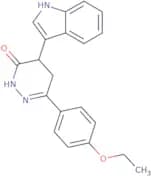
CAS:Please enquire for more information about 3-(4-(tert-butyl)phenyl)-5-(1-methylindol-3-yl)-1H,4H,5H-1,2-diazin-6-one including the price, delivery time and more detailed product information at the technical inquiry form on this pageFormula:C23H25N3OPurity:Min. 95%Molecular weight:359.46 g/mol3-(4-ethoxyphenyl)-5-indol-3-yl-1H,4H,5H-1,2-diazin-6-one
CAS:Please enquire for more information about 3-(4-ethoxyphenyl)-5-indol-3-yl-1H,4H,5H-1,2-diazin-6-one including the price, delivery time and more detailed product information at the technical inquiry form on this page
Purity:Min. 95%Flavanone azine
CAS:Flavanone azine is a synthetic compound derived from flavonoid sources, specifically engineered through the structural manipulation of flavanone molecules. Flavonoids are naturally occurring compounds found in plants known for their diverse biological activities. The synthetic derivation allows for enhanced stability and bioavailability compared to natural counterparts.
Formula:C30H24N2O2Purity:Min. 95%Molecular weight:444.52 g/moltrans-4,5-Dichloro-4,5-dimethyl-1,3-dioxolan-2-one
CAS:Trans-4,5-Dichloro-4,5-dimethyl-1,3-dioxolan-2-one is a fine chemical that can be used as a versatile building block and as an intermediate. It is also useful in research. Trans-4,5-Dichloro-4,5-dimethyl-1,3-dioxolan-2-one has been shown to be a useful reagent in complex organic synthesis because of its high quality. This compound is used to produce useful scaffolds and reaction components.
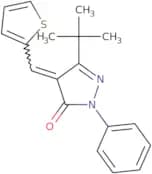
Formula:C5H6Cl2O3Purity:Min. 95%Color and Shape:PowderMolecular weight:185.01 g/mol3-(tert-butyl)-1-phenyl-4-(2-thienylmethylene)-2-pyrazolin-5-one
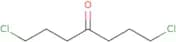
CAS:Please enquire for more information about 3-(tert-butyl)-1-phenyl-4-(2-thienylmethylene)-2-pyrazolin-5-one including the price, delivery time and more detailed product information at the technical inquiry form on this pagePurity:Min. 95%1,7-Dichloroheptan-4-one
CAS:1,7-Dichloroheptan-4-one is a synthetic organic compound that has been used as a pharmaceutical intermediate. It is an H2 receptor antagonist and reactive with mammalian cells. 1,7-Dichloroheptan-4-one has been shown to inhibit the production of inflammatory mediators in the lung, which may be due to its ability to reduce chloride levels. This compound has also been shown to have antipsychotic effects in animals and is currently being studied for use in treating cardiovascular disorders such as hypertension.
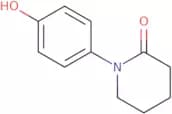
Formula:C7H12Cl2OPurity:Min. 95 Area-%Molecular weight:183.07 g/mol1-(4-Hydroxyphenyl)piperidin-2-one
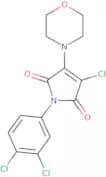
CAS:1-(4-Hydroxyphenyl)piperidin-2-one is a versatile building block that has been used as a research chemical, reagent and reaction component. It can be found in the CAS registry under number 79557-03-2. This compound is used as an intermediate to synthesize other pharmaceutical compounds with a variety of effects including analgesic, antipyretic, antihistaminic, and antidepressant activities. 1-(4-Hydroxyphenyl)piperidin-2-one is also known for its use in the production of high quality reagents for use in laboratory settings.Formula:C11H13NO2Purity:Min. 95%Color and Shape:Off-White PowderMolecular weight:191.23 g/mol3-Chloro-1-(3,4-dichlorophenyl)-4-morpholin-4-yl-1H-pyrrole-2,5-dione
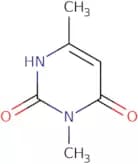
CAS:3-Chloro-1-(3,4-dichlorophenyl)-4-morpholin-4-yl-1H-pyrrole-2,5-dione is a chemical compound that can be used as a reaction component, reagent, or useful scaffold for chemical synthesis. It is a high quality chemical with CAS No. 415713-60-9 and has the molecular formula C14H10Cl2N2O3. This versatile building block has been shown to be useful as an intermediate in organic chemistry and as a building block for complex compounds.Formula:C14H11Cl3N2O3Purity:Min. 95%Color and Shape:PowderMolecular weight:361.61 g/mol3,6-Dimethylpyrimidine-2,4(1H,3H)-dione
CAS:3,6-Dimethylpyrimidine-2,4(1H,3H)-dione is a chemical compound that has been found to be active against influenza virus. It is an acidic compound that binds to positively charged amino acids on the viral envelope and inhibits viral fusion with host cells. The linker group in 3,6-dimethylpyrimidine-2,4(1H,3H)-dione is the same as that of dimethylsulfate, which is a chemical compound used for the synthesis of other compounds. X-ray diffraction data for this compound have been obtained at high resolution and show it to be a chloride salt. The chloride ion may be important in the antiviral activity of 3,6-dimethylpyrimidine-2,4(1H,3H)-dione because it can react with radicals formed during influenza replication. This compound also has antiradical activities against Coxsackievirus B3 (
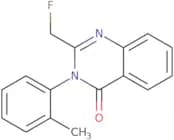
Formula:C6H8N2O2Purity:Min. 95%Molecular weight:140.14 g/mol2-(Fluoromethyl)-3-(2-Methylphenyl)Quinazolin-4-One
CAS:Controlled Product2-(Fluoromethyl)-3-(2-Methylphenyl)Quinazolin-4-One (RUG) is a new synthetic drug that is structurally related to diazepam and lorazepam. The drug has been shown to have sedative, muscle relaxant, anti-convulsant, and analgesic properties in animal studies. RUG has been shown to inhibit the activities of enzymes such as serum cholinesterase and acetylcholinesterase in animals. It also stimulates salivation and inhibits muscle contractions, which may be due to its ability to enhance the effects of gamma aminobutyric acid (GABA). When administered orally or intraperitoneally, RUG produces a dose-dependent reduction in spontaneous activity in rats. These effects are similar to those produced by rugulovasine, a natural indole alkaloid from the plant Uncaria rhynchophylla.Formula:C16H13FN2OPurity:Min. 95%Molecular weight:268.29 g/mol1,3-Bis-(Z-Leu-Leu)-diaminoacetone
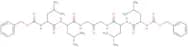
CAS:1,3-Bis-(Z-Leu-Leu)-diaminoacetone is a synthetic diketone inhibitor, which is a formulation derived through specialized organic synthesis. It functions by targeting and inhibiting aspartic proteases, a class of enzymes that play critical roles in numerous biological processes, including protein degradation and processing. This compound's mechanism involves the reversible covalent modification of the enzyme's active site, leading to an obstruction of its catalytic function.Formula:C43H64N6O9Purity:Min. 95%Color and Shape:PowderMolecular weight:809 g/mol3-ethyl-5-((2-hydroxy-3-methoxyphenyl)methylene)-2-thioxo-1,3-thiazolidin-4-one
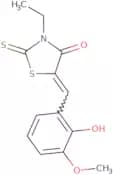
CAS:Please enquire for more information about 3-ethyl-5-((2-hydroxy-3-methoxyphenyl)methylene)-2-thioxo-1,3-thiazolidin-4-one including the price, delivery time and more detailed product information at the technical inquiry form on this pagePurity:Min. 95%1-[1-[4-(4-Fluorophenyl)-4-Oxobutyl]Piperidin-4-Yl]-3-Methylbenzimidazol-2-One
CAS:Controlled Product1-[1-[4-(4-Fluorophenyl)-4-Oxobutyl]Piperidin-4-Yl]-3-Methylbenzimidazol-2-One is a novel dopamine agonist that has been shown to be an alerting agent with potential therapeutic use in the treatment of ADHD and other sleep disorders. Studies have also shown that it has a stimulatory effect on dopamine receptors, which are located in the striatum. 1-[1-[4-(4-Fluorophenyl)-4-Oxobutyl]Piperidin-4-Yl]-3-Methylbenzimidazol-2-One binds to both D2 and D3 dopamine receptors with high affinity and selectivity. It has been shown that 1-[1-[4-(4-Fluorophenyl)-4-Oxobutyl]Piperidin-4-Yl]-3-MethylFormula:C23H26FN3O2Purity:Min. 95%Molecular weight:395.47 g/molTetrahydro-1,3,4,6-tetramethylimidazo(4,5-d)imidazole-2,5(1H,3H)-dione
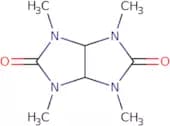
CAS:Tetrahydro-1,3,4,6-tetramethylimidazo(4,5-d)imidazole-2,5(1H,3H)-dione (DMTI) is a phosphotungstic acid analog that has been shown to have potent synergic activity with pharmacological agents used in the treatment of congestive heart failure. It increases ATP production in cells by inhibiting the enzyme pyruvate dehydrogenase kinase and stimulating protein kinase C. DMTI also has an effect on energy metabolism by increasing the concentration of adenosine monophosphate (AMP) and decreasing the concentration of adenosine triphosphate (ATP). DMTI is a chiral compound that contains two asymmetric carbon atoms. The molecule itself is not biologically active but must be metabolized to produce the active form. This compound has a high affinity for oxytocin receptors and can be used to induceFormula:C8H14N4O2Purity:Min. 95 Area-%Color and Shape:PowderMolecular weight:198.22 g/mol4-Pregnen-20-α-ol-3-one
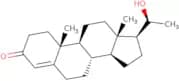
CAS:Controlled ProductProgesterone is a hormone that regulates the menstrual cycle and plays a key role in pregnancy. It is produced by the corpus luteum, the placenta, and the ovaries. Progesterone is also involved in regulating other functions such as cell growth, fat metabolism, blood clotting, and water balance. The level of progesterone in urine has been shown to be a good indicator of follicular growth during ovulation. In women with metabolic disorders or lactogenic hormone deficiencies, low levels of progesterone can lead to infertility.Formula:C21H32O2Purity:Min. 95%Color and Shape:White PowderMolecular weight:316.48 g/mol1-Bromobutane-2,3-dione
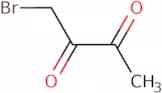
CAS:1-Bromobutane-2,3-dione is a chemical reagent that is used as a building block for the synthesis of complex compounds. It is soluble in many solvents and has a boiling point of 205°C. It is also useful as an intermediate in organic chemistry. 1-Bromobutane-2,3-dione can be converted to a variety of chemicals with different functional groups such as amides, esters, nitriles, and epoxides with the use of catalysts. This compound is also used in research to create diverse chemical scaffolds or building blocks for pharmaceuticals and other fine chemicals.
Formula:C4H5BrO2Purity:Min. 95%Color and Shape:Clear LiquidMolecular weight:164.99 g/molCabazitaxel acetone
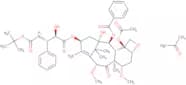
CAS:Controlled ProductInhibitor of tubulin depolymerization; anti-neoplastic.Acetone content: 6-7%Formula:C48H63NO15Purity:Min. 95%Color and Shape:PowderMolecular weight:894.01 g/mol3-(4-(tert-butyl)phenyl)-5-indol-3-yl-1H,4H,5H-1,2-diazin-6-one
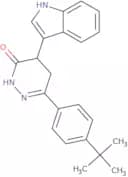
CAS:Please enquire for more information about 3-(4-(tert-butyl)phenyl)-5-indol-3-yl-1H,4H,5H-1,2-diazin-6-one including the price, delivery time and more detailed product information at the technical inquiry form on this pagePurity:Min. 95%3-Methoxy-4-methylphenylacetone
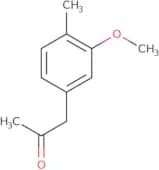
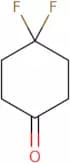
CAS:3-Methoxy-4-methylphenylacetone is a reagent that can be used as a useful intermediate for the synthesis of complex organic compounds. It is soluble in water, but insoluble in most organic solvents. 3-Methoxy-4-methylphenylacetone is also a fine chemical with CAS No. 51814-28-9 and has been shown to be an effective building block for synthetic chemistry. It is used in the synthesis of speciality chemicals and research chemicals, such as pharmaceuticals and agrochemicals. This compound can be used as a versatile building block in many reactions and has been shown to react with epoxide, nitrile, amine, thioether, amide, alcohols, carboxylic acids or esters.Formula:C11H14O2Purity:Min. 95%Color and Shape:PowderMolecular weight:178.23 g/mol4,4-Difluorocyclohexan-1-one
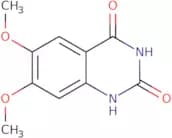
CAS:4,4-Difluorocyclohexan-1-one (DFCO) is a colorless liquid that is soluble in organic solvents. It has been shown to have potential as a treatment for Alzheimer's disease due to its ability to inhibit the conformational changes in the amyloid beta peptide. DFCO was synthesized by reacting pyridazine with difluoroethanol, which led to the formation of two stereoisomers: R and S. The R stereoisomer was found to be more potent than the S stereoisomer in inhibiting acetylcholine release from human lung cells and had better binding affinity for adenosine receptors. This compound also showed antiinflammatory properties when it was used as an inhibitor of prostaglandin synthesis in mice.Formula:C6H8F2OPurity:Min. 95%Color and Shape:White PowderMolecular weight:134.12 g/mol6,7-Dimethoxyquinazoline-2,4-dione
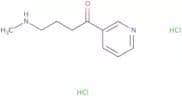
CAS:6,7-Dimethoxyquinazoline-2,4-dione is a chemical compound that can be synthesized by reacting amide and formaldehyde. It has been investigated as an efficient method for the synthesis of amides. 6,7-Dimethoxyquinazoline-2,4-dione is also a potential antibacterial agent which may prevent bacterial growth by inhibiting choline uptake or by binding to ribosomes and blocking protein synthesis. The reaction mechanism of this compound is not well understood, but it may involve hydrolysis of cyanate to produce hydrogen cyanide (HCN), which then reacts with the amide to form the quinazoline ring.Formula:C10H10N2O4Purity:Min. 95%Color and Shape:PowderMolecular weight:222.2 g/mol4-(Methylamino)-1-(3-pyridyl)-1-butanone dihydrochloride
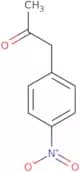
CAS:4-(Methylamino)-1-(3-pyridyl)-1-butanone dihydrochloride (4-MBA) is a natural product that has been shown to have anti-cancer properties in vitro and in vivo. It inhibits the growth of cancer cells by inhibiting DNA synthesis and inducing apoptosis, as well as by inhibiting the production of certain proteins. 4-MBA has been shown to be effective against strains of Escherichia coli and Salmonella typhimurium. This compound is found in honeybush tea, Aspalathus linearis, and other plants, but is not present in humans or animals. 4-MBA has also been shown to inhibit nicotine metabolism in humans and rats.Formula:C10H16Cl2N2OPurity:Min. 95%Color and Shape:SolidMolecular weight:251.15 g/mol(4-Nitrophenyl)acetone
CAS:4-Nitrophenylacetone is a hypoglycemic agent that is used for the treatment of diabetes mellitus. It has been shown to be effective in vivo and in vitro studies at low concentrations. The mechanism of action is not well understood, but it may have effects on insulin sensitivity and the release of insulin from pancreatic beta cells, as well as an effect on the liver. 4-Nitrophenylacetone has been shown to have organocatalytic properties that allow it to catalyze acylation reactions with acetanilides or amides. This reaction produces iminium ion intermediates that can be hydrolyzed by water to form a variety of products, including carboxylic acids, amides, and nitriles.
Formula:C9H9NO3Purity:Min. 95%Color and Shape:PowderMolecular weight:179.17 g/mol(2R,3S,4S,5S)-5-Hydroxy-2,3,4-tris(phenylmethoxy)-5-[(phenylmethoxy)methyl]-cyclohexanone
CAS:(2R,3S,4S,5S)-5-Hydroxy-2,3,4-tris(phenylmethoxy)-5-[(phenylmethoxy)methyl]-cyclohexanone is a fine chemical that is used as a versatile building block in the synthesis of complex compounds. It has been shown to be an intermediate in the synthesis of some useful chemicals and it is one of the most commonly used reagents for organic chemistry reactions. The compound has a CAS number of 115250-38-9 and is soluble in various organic solvents such as dichloromethane or chloroform.Formula:C35H36O6Purity:Min. 95%Color and Shape:PowderMolecular weight:552.66 g/mol(S)-(+)-5,6,7,8-Tetrahydro-8-methylindan-1,5-dione
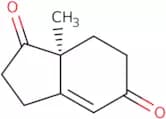
CAS:(S)-(+)-5,6,7,8-Tetrahydro-8-methylindan-1,5-dione is a chemical compound with a molecular formula of C9H14O2 that has the chemical name of methyl 8-(hydroxymethyl)indane-1,5-dione. This compound is an enantiopure substance that exists as a single stereoisomer and can be synthesized from two different starting materials. It is not commercially available but can be prepared from boronic acid and methanol or from methylamine and hydroxyacetone. The reaction time for this synthesis varies depending on the starting material used and the desired purity level. (S)-(+)-5,6,7,8-Tetrahydro-8-methylindan-1,5-dione is used in organic synthesis as an alternative to other chiral diols.Formula:C10H12O2Purity:Min. 95%Color and Shape:White PowderMolecular weight:164.2 g/mol19-Hydroxy-androstene-4-ene-3,17-dione
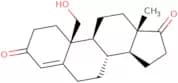
CAS:Controlled Product19-hydroxy-androstene-4-ene-3,17-dione is a metabolite of androstenedione that has been shown to have inhibitory effects on prostate cancer cells. This compound binds to the plasma membrane of these cells, leading to changes in its structure and function. 19-hydoxy-androstene-4-ene-3,17-dione has also been shown to have an inhibitory effect on human chorionic gonadotropin (HCG) and oestrone production by inhibiting the release of luteinizing hormone from the pituitary gland. This compound also inhibits the activity of protein kinase C (PKC), which is important for cell signaling. 19 hydroxyandrostene 4, 17 dione inhibits tissue culture reactions that rely on PKC as well as other enzymes involved in this process.Formula:C19H26O3Purity:Min. 98 Area-%Color and Shape:Off-White PowderMolecular weight:302.41 g/mol3-(tert-butyl)-1-(4-nitrophenyl)indeno[2,3-d]pyrazol-4-one
CAS:Please enquire for more information about 3-(tert-butyl)-1-(4-nitrophenyl)indeno[2,3-d]pyrazol-4-one including the price, delivery time and more detailed product information at the technical inquiry form on this pagePurity:Min. 95%2-Methylphenylacetone
CAS:2-Methylphenylacetone (2MP) is a cocatalyst that is used in cross-coupling reactions. It has been shown to be an effective methyl donor and titanium oxide activator. 2MP is also used in the dehydrogenative coupling of acetone and toluene, which leads to the formation of aliphatic products with nature and mechanisms of reactivity similar to those observed in benzene.Formula:C10H12OPurity:Min. 95%Color and Shape:LiquidMolecular weight:148.2 g/mol3α-Hydroxy-17-androstanone
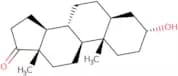
CAS:Controlled Product3α-Hydroxy-17-androstanone is a metabolite of testosterone. This compound has been used in vitro to study the effects of testosterone on cellular metabolism and has been shown to have an inhibitory effect on the activity of enzymes such as 3α-hydroxysteroid dehydrogenase, which is involved in energy metabolism. The effects of 3α-hydroxy-17-androstanone on human serum have also been studied and it has been found that this compound displays low potency.Formula:C19H30O2Purity:Min. 95 Area-%Color and Shape:White Off-White PowderMolecular weight:290.44 g/mol5-Isobutylcyclohexane-1,3-dione
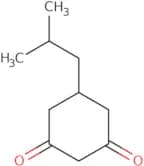
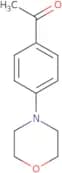
CAS:Please enquire for more information about 5-Isobutylcyclohexane-1,3-dione including the price, delivery time and more detailed product information at the technical inquiry form on this pageFormula:C10H16O2Purity:Min. 95%Color and Shape:PowderMolecular weight:168.23 g/mol1-(4-Morpholin-4-ylphenyl)ethanone
CAS:1-(4-Morpholin-4-ylphenyl)ethanone is a compound that has been shown to interact with the cox-1 enzyme. This interaction can be seen in the functional theory, which states that the rate of intramolecular hydrogen transfer is dependent on the temperature and cox-1 concentration. This inhibition of cox-1 by 1-(4-morpholin-4-ylphenyl)ethanone leads to an antibacterial effect and may be due to its ability to inhibit bacterial growth by disrupting DNA replication. The molecular modeling technique was used to determine the relationship between 1-(4-morpholin-4-ylphenyl)ethanone and cox-1. The dipole moment of this molecule was determined using various alkyl substituents, which have been found to have an inhibitory effect on cox-1. These results are consistent with those obtained from an experiment using carrageenan, which also showed
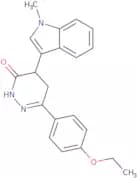
Formula:C12H15NO2Purity:Min. 95%Color and Shape:Slightly Yellow PowderMolecular weight:205.25 g/mol3-(4-ethoxyphenyl)-5-(1-methylindol-3-yl)-1H,4H,5H-1,2-diazin-6-one
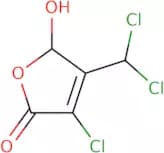
CAS:Please enquire for more information about 3-(4-ethoxyphenyl)-5-(1-methylindol-3-yl)-1H,4H,5H-1,2-diazin-6-one including the price, delivery time and more detailed product information at the technical inquiry form on this pagePurity:Min. 80%3-Chloro-4-(dichloromethyl)-5-hydroxy-2(5H)-furanone
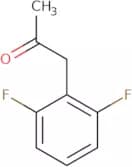
CAS:3-Chloro-4-(dichloromethyl)-5-hydroxy-2(5H)-furanone belongs to the class of polymerase chain inhibitors. It inhibits DNA synthesis by binding to the enzyme DNA polymerase and blocking the progression of DNA synthesis. 3-Chloro-4-(dichloromethyl)-5-hydroxy-2(5H)-furanone has significant cytotoxicity in mammalian cells and is genotoxic, which may be due to its mutagenicity. The mechanism of its mutagenicity is not known, but it has been shown that this compound reacts with effector proteins such as thiols and sulfhydryls. 3-Chloro-4-(dichloromethyl)-5-hydroxy-2(5H)-furanone can react with chlorine in water to form a chlorinated derivative that is more stable than the parent compound. This chemical stability has been usedFormula:C5H3Cl3O3Purity:(%) Min. 95%Color and Shape:PowderMolecular weight:217.43 g/mol(2,6-Difluorophenyl)acetone
CAS:(2,6-Difluorophenyl)acetone is an organic compound with the chemical formula CH3C(O)CH=CHF. It is a colorless liquid that boils at 142 °C and has a melting point of about -5 °C. This compound is mainly used as a reagent in organic synthesis, but it can also be used as a building block for complex compounds. The synthesis of (2,6-difluorophenyl)acetone starts by reacting 2-bromo-1,4-phenylene with 2,6-difluoroaniline in benzene. The product can then be purified by distillation or recrystallization to yield high quality (2,6-difluorophenyl)acetone.
Formula:C9H8F2OPurity:Min. 95%Color and Shape:Clear LiquidMolecular weight:170.16 g/mol5-Chloro-1-indanone
CAS:5-Chloro-1-indanone is an organic molecule with a reactive functional group that can react with other molecules. The most common reaction is the Friedel-Crafts reaction, which is used to make alkenes from aldehydes and aluminum chloride. 5-Chloro-1-indanone is also used in the acylation reaction, which involves the transfer of an acyl group to a molecule. This process has many applications, such as synthesis of pesticides and pharmaceuticals, and can be used to produce low energy chlorine gas. Panc-1 cells are often used in anticancer research because they are sensitive to carcinogens. 5-Chloro-1-indanone was shown to inhibit cell growth in these cells by reacting with hydrogen chloride (HCl) in water to form 5-(chloromethyl)-1H indene and hydrochloric acid (HCl).Formula:C9H7ClOPurity:Min. 95%Color and Shape:PowderMolecular weight:166.6 g/mol(2,4-Difluorophenyl)acetone
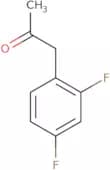
CAS:(2,4-Difluorophenyl)acetone is a high quality chemical that can be used as a reagent, intermediate or building block for the synthesis of complex compounds. It is also a versatile building block for the synthesis of speciality chemicals, research chemicals and reaction components. (2,4-Difluorophenyl)acetone is an important intermediate in the synthesis of fluoroquinolones and it has been shown to be useful in the preparation of dyes such as indigo and phthalocyanine. This compound is also used to synthesize other pharmaceuticals such as aspirin and acetaminophen.
Formula:C9H8F2OPurity:Min. 95%Color and Shape:PowderMolecular weight:170.16 g/mol5α-Pregnan-3β-ol-20-one 3β-acetate
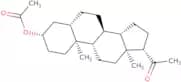
CAS:Controlled Product5α-Pregnan-3β-ol-20-one 3β-acetate is a synthetic steroid that is used to treat various neurological disorders, including dystonias, depression, and dyskinesias. It is an agonist of the GABA receptor and has been shown to have antidepressant effects in hamsters. 5α-Pregnan-3β-ol-20-one 3β-acetate has also been shown to have antiaggressive effects in mice and to decrease hormone levels in animals. The drug has been found to be safe for use in humans and does not affect fertility. 5α-Pregnan-3β-ol-20-one 3βacetate has been shown to be effective only when administered at high doses, which may be due to its poor oral bioavailability.
Formula:C23H36O3Purity:Min. 95%Color and Shape:White PowderMolecular weight:360.53 g/mol3-(4-ethoxyphenyl)spiro[1,3-thiazolidine-2,3'-indoline]-4,7-dione
CAS:Please enquire for more information about 3-(4-ethoxyphenyl)spiro[1,3-thiazolidine-2,3'-indoline]-4,7-dione including the price, delivery time and more detailed product information at the technical inquiry form on this pagePurity:Min. 95%3-Acetyl-4-hydroxy-2H-chromen-2-one
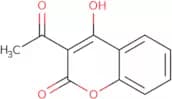
CAS:3-Acetyl-4-hydroxy-2H-chromen-2-one is a potent inhibitor of human lipoxygenase and soybean lipoxygenase. This compound has been shown to inhibit the growth of cancer cells in culture, with IC50 values ranging from 1.5 to 8.0 μM. 3-Acetyl-4-hydroxy-2H-chromen-2-one inhibits the activation of hydrogen peroxide by inhibiting the activity of enzymes such as amine oxidases and coumarin hydroxylases that are involved in the production of hydrogen peroxide. 3-(3'-acetylphenyl)acrylic acid (3APAA), which is structurally related to 3-(3'-acetylphenethyl)acrylic acid, was identified as an additional metabolite for this compound. The molecular docking analysis of these two compounds revealed that they have similar binding modes with regard to their binding affinity for the enzyme active
Formula:C11H8O4Purity:Min. 95%Color and Shape:PowderMolecular weight:204.18 g/mol(+)-(1R,2R,5R)-2-Hydroxy-3-pinanone
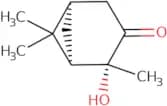
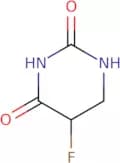
CAS:(+)-(1R,2R,5R)-2-Hydroxy-3-pinanone is an organic compound that can be prepared by a kinetic resolution of the racemic mixture of (+)-(1S,2S,5S)-2-hydroxy-3-pinanone. This reaction is performed in two steps: first the racemic mixture is converted to the corresponding chiral acetylacetonate by reaction with acetic anhydride followed by hydrolysis with sodium hydroxide. The pentane reacts with the ring opening of the acetylacetonate to give (+)-(1R,2R,5R)-2-hydroxypinanone and its enantiomer. The nature of this preparative method means that it is not possible to recover (+)-(1R,2R,5R)-2-hydroxypinanone from the reaction products.Formula:C10H16O2Purity:Min. 95%Color and Shape:PowderMolecular weight:168.23 g/mol5-Fluorodihydropyrimidine-2,4-dione
CAS:5-Fluorodihydropyrimidine-2,4-dione is a drug that inhibits the activity of certain enzymes. It has been shown to inhibit the activity of dehydrogenase in human serum and liver cells. This drug has also been shown to be successful in treating autoimmune diseases. 5-Fluorodihydropyrimidine-2,4-dione is an oral prodrug which is converted into its active form by esterases in the gastrointestinal tract. The enzyme inhibitors are used to increase the bioavailability of the drug. This conversion process can be monitored using urine samples or blood sampling.
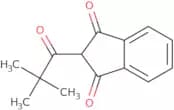
Formula:C4H5FN2O2Purity:Min. 95%Color and Shape:PowderMolecular weight:132.09 g/mol2-Pivaloylindane-1,3-dione
CAS:2-Pivaloylindane-1,3-dione is a coumarin derivative that inhibits the replication of RNA by binding to the enzyme RNA polymerase. It binds to the hydroxyl group in a human serum and intramolecular hydrogen in an aromatic ring. 2-Pivaloylindane-1,3-dione also has a chemical stability and high kinetic data. It is used as an additive to inhibit the growth of bacteria that cause infectious diseases such as tuberculosis, leprosy, and malaria.Purity:Min. 95%6-Bromo-2H-pyrido[3,2-b][1,4]oxazin-3(4H)-one
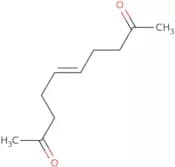
CAS:6-Bromo-2H-pyrido[3,2-b][1,4]oxazin-3(4H)-one is a versatile building block that can be used in a variety of chemical reactions as an intermediate. It is also useful in the synthesis of a variety of compounds, such as pharmaceuticals and research chemicals. 6-Bromo-2H-pyrido[3,2-b][1,4]oxazin-3(4H)-one is an organic compound with a molecular formula of C8H5BrN4O. It has an mp of 152°C and decomposes to form nitrogen gas and carbon monoxide at higher temperatures.Formula:C7H5BrN2O2Purity:Min. 95%Color and Shape:SolidMolecular weight:229.03 g/molE-Dec-5-ene-2,9-dione
CAS:E-Dec-5-ene-2,9-dione is a deodorant that is used in combination with other deodorants or antiperspirants to reduce body odor. E-Dec-5-ene-2,9-dione is a synthetic product that does not contain aluminum salts. It works by blocking the sweat glands and preventing perspiration.
Formula:C10H16O2Purity:Min. 95%Color and Shape:PowderMolecular weight:168.23 g/mol1-[4-(Benzyloxy)phenyl]-2-bromopropan-1-one
CAS:1-[4-(Benzyloxy)phenyl]-2-bromopropan-1-one is an estrogenic compound. It is a reactive substance that can be synthesized by reductive amination of hydroxybenzaldehyde with benzyl bromide. 1-[4-(Benzyloxy)phenyl]-2-bromopropan-1-one has been shown to be metabolized in the liver by cytochrome P450 enzymes to form the corresponding alcohol and carboxylic acid. It binds to estrogen receptors, which may be due to its ability to bind to DNA. The binding of this substance to estrogen receptors may induce transcriptional activation and increase protein synthesis in cells.
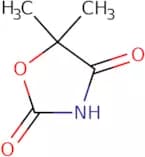
Formula:C16H15O2BrPurity:Min. 95%Color and Shape:PowderMolecular weight:319.19 g/mol5,5-Dimethyloxazolidine-2,4-dione
CAS:5,5-Dimethyloxazolidine-2,4-dione (DMOD) is a chemical inhibitor that inhibits human cytochrome P450 3A4. DMOD also inhibits the activities of other enzymes such as trimethadione reductase and methyldopa reductase. DMOD is used for the treatment of symptoms associated with congestive heart failure in humans. It has been shown to increase the levels of serum creatinine and blood urea nitrogen, which may be attributed to its inhibition of renal function production. DMOD also has an effect on locomotor activity and causes decreased appetite in rats. This drug is well absorbed following oral administration and has a short half-life of 2 hours.Formula:C5H7NO3Purity:Min. 95%Color and Shape:PowderMolecular weight:129.11 g/mol6(R)-[2-(8(S)-Hydroxy]-2(S),6(R)-dimethyl-1,2,6,7,8,8a(R)-hexahydro-1(S)-naphthyl]ethyl-4(R)-hydroxy-3,4,5,6-tetrahydro-2H-pyran-2-o ne
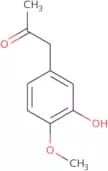
CAS:6(R)-[2-(8(S)-Hydroxy]-2(S),6(R)-dimethyl-1,2,6,7,8,8a(R)-hexahydro-1(S)-naphthyl]ethyl-4(R)-hydroxy-3,4,5,6-tetrahydro-2H-pyran-2-o ne is a useful scaffold that can be used as a building block for the synthesis of numerous chemical compounds. It is a versatile intermediate used in the synthesis of research chemicals and speciality chemicals. This compound has been shown to have high purity. The CAS number for this compound is 79952-42-4.Formula:C19H28O4Purity:Min. 95%Color and Shape:White PowderMolecular weight:320.42 g/mol(3-Hydroxy-4-methoxyphenyl)acetone
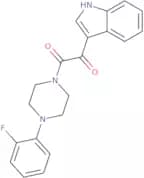
CAS:(3-Hydroxy-4-methoxyphenyl)acetone is a versatile building block that can be used as a reagent or in the synthesis of complex compounds. It is a useful intermediate in the synthesis of pharmaceuticals, agrochemicals, and other specialty chemicals. This compound also has the potential to serve as a scaffold for drug discovery.Formula:C10H12O3Purity:(%) Min. 85%Color and Shape:PowderMolecular weight:180.2 g/mol2-(4-(2-fluorophenyl)piperazinyl)-1-indol-3-ylethane-1,2-dione
CAS:Controlled ProductPlease enquire for more information about 2-(4-(2-fluorophenyl)piperazinyl)-1-indol-3-ylethane-1,2-dione including the price, delivery time and more detailed product information at the technical inquiry form on this page
Formula:C20H18FN3O2Purity:Min. 95%Color and Shape:PowderMolecular weight:351.37 g/mol2-Bromo-2-(2-fluorophenyl)-1-cyclopropylethanone
CAS:2-Bromo-2-(2-fluorophenyl)-1-cyclopropylethanone is a synthetic peroxide that is used as an additive in the production of polyvinylpyrrolidone. It has been shown to have efficient methods for the reduction of amines and chlorides to the corresponding hydroxylamine and hydrochloride, respectively. The tribromide may be generated by treatment with bromine and a base, such as potassium hydroxide or sodium hydroxide, in an inert solvent such as benzene or dichloromethane. 2-Bromo-2-(2-fluorophenyl)-1-cyclopropylethanone can also be synthesized from phenacyl chloride and acetylene.
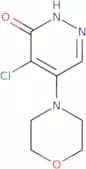
Formula:C11H10BrFOPurity:Min. 95 Area-%Color and Shape:Clear LiquidMolecular weight:257.1 g/mol4-Chloro-5-morpholin-4-ylpyridazin-3(2H)-one
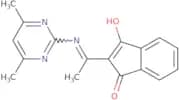
CAS:Please enquire for more information about 4-Chloro-5-morpholin-4-ylpyridazin-3(2H)-one including the price, delivery time and more detailed product information at the technical inquiry form on this pageFormula:C8H10ClN3O2Purity:90%MinColor and Shape:PowderMolecular weight:215.64 g/mol2-(((4,6-dimethylpyrimidin-2-yl)amino)ethylidene)indane-1,3-dione
CAS:Please enquire for more information about 2-(((4,6-dimethylpyrimidin-2-yl)amino)ethylidene)indane-1,3-dione including the price, delivery time and more detailed product information at the technical inquiry form on this page
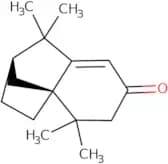
Purity:Min. 95%(-)-Isolongifolen-9-one
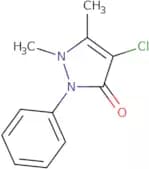
CAS:(-)-Isolongifolen-9-one is a sesquiterpenoid compound, which is a type of naturally occurring terpenoid. It is primarily derived from plants and essential oils, particularly those in the Pinaceae family. The compound's molecular structure contributes to its characteristic aromatic properties, making it a subject of interest in both chemical and biological research.Formula:C15H22OPurity:Min. 95%Molecular weight:218.33 g/mol1,2-Dihydro-1,5-dimethyl-2-phenyl-3H-pyrazol-3-one
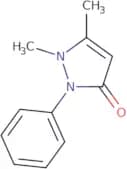
CAS:1,2-Dihydro-1,5-dimethyl-2-phenyl-3H-pyrazol-3-one (1,2DHDP) is a chemical inhibitor that prevents the activity of enzymes by binding to their active site. 1,2DHDP has been shown to inhibit the enzyme pyrazole ring synthesis in rat liver microsomes. It also inhibits the production of antimicrobial agents and has been used as a sample preparation agent. 1,2DHDP also interferes with drug interactions by inhibiting cytochrome P450 enzymes in the liver. This compound can be used for wastewater treatment because it is not toxic to bacteria or plants. The mechanism of this inhibitor is unknown but may be due to its ability to bind to the dinucleotide phosphate cofactor at the active site of an enzyme.
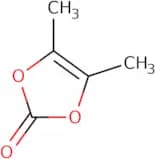
Formula:C11H12N2OPurity:Min. 95%Color and Shape:White/Off-White SolidMolecular weight:188.23 g/mol4,5-Dimethyl-1,3-dioxol-2-one
CAS:4,5-Dimethyl-1,3-dioxol-2-one is a cyclohexane ring with a chlorine atom at one of the methyl positions. It has been shown to react with fatty acids under constant pressure in order to form alkynyl groups. The reaction yield can be increased by adding chloride as a catalyst or by using electrochemical methods. This molecule has been shown to be rechargeable and is an aliphatic hydrocarbon that is an important intermediate in the production of polymers and plastics. 4,5-Dimethyl-1,3-dioxol-2-one also forms disaccharides when reacted with water molecules.Formula:C5H6O3Purity:Min. 95%Color and Shape:PowderMolecular weight:114.1 g/mol(+)-1-(9Fluorenyl)ethyl chloroformate - 18mM acetone solution
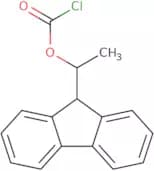
CAS:(+)-1-(9-Fluorenyl)ethyl chloroformate is a chemical reagent that is used to prepare pharmaceutical preparations. It is an acetone solution with a concentration of 18mM. Its thermal expansion properties are such that it can be used in the manufacturing of microcapsules and analytical chemistry techniques. The emission of (+)-1-(9-Fluorenyl)ethyl chloroformate has been shown to be carcinogenic, but only at high concentrations. Toxicity profiles have not been established for this compound. It is also known to cause biochemical changes in the heart and skin cells, as well as act on the calcium overload and epidermal growth factor receptor (EGFR).Formula:C16H13ClO2Color and Shape:Colorless Clear LiquidMolecular weight:272.73 g/mol1,4-Dibromo-2,3-butanedione
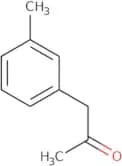
CAS:1,4-Dibromo-2,3-butanedione is an organic compound that is used as a model organism in organic chemistry. It is reactive with light and can emit light when it reacts with oxygen. 1,4-Dibromo-2,3-butanedione has been studied for its use in the synthesis of adenine nucleotides and amino acids. This chemical also has reactive functional groups that can be used to synthesize other molecules. The chlorine atom present in the molecule makes it reactive with many other compounds. 1,4-Dibromo-2,3-butanedione is not found naturally but can be synthesized from dehydroabietic acid through a series of steps involving oxidation and reduction reactions.Formula:C4H4Br2O2Purity:Min. 95%Color and Shape:PowderMolecular weight:243.88 g/mol3-Methylphenylacetone
CAS:3-Methylphenylacetone is a dioxane with functional groups, which can be synthesized by coupling of acetoacetate and nitrobenzene. 3-Methylphenylacetone is a versatile precursor for the synthesis of various esters, such as phenylethyl acetate. This compound can also be deacylated to form 3-methylphenol, which is used in the synthesis of nitrophenols. In addition, 3-methylphenylacetone can be used in the production of acetophenones, ketones, and other aromatic compounds by using catalysts such as iodine or phosphoric acid. Nitro groups on 3-methylphenylacetone react with chloro-, bromo-, or methoxy-substituted substrates to form nitrosated derivatives. The tert-butyl group is eliminated spontaneously to form an amine.
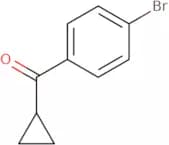
Formula:C10H12OPurity:Min. 95%Color and Shape:Clear LiquidMolecular weight:148.2 g/mol(4-Bromophenyl)cyclopropylmethanone
CAS:(4-Bromophenyl)cyclopropylmethanone is a cyclopropane derivative that can be synthesized from 4-bromobenzaldehyde and cyclopropylmagnesium bromide. It is an important precursor to fluoroquinolones in the pharmaceutical industry, as well as to other derivatives used in the synthesis of antihistamines and antimalarial drugs. This compound has been shown to have biomolecular mediated intramolecular cyclopropane ring formation and pentacyclic cyclopropane ring formation.
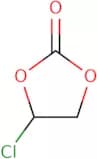
Formula:C10H9BrOPurity:Min. 95%Color and Shape:PowderMolecular weight:225.09 g/mol4-Chloro-1,3-dioxolan-2-one
CAS:4-Chloro-1,3-dioxolan-2-one is a reactive functional group that can be classified as a carbonyl compound. It has been shown to react with hydroxyl groups and methyl ethyl groups. 4-Chloro-1,3-dioxolan-2-one is also a strong nucleophile and can also be used in transfer reactions.
The reaction solution of 4-chloro-1,3-dioxolan 2 one contains constant pressure and electrochemical impedance spectroscopy (EIS). The carbonate anion reacts with hydrogen fluoride to release CO2 gas, which was observed by particle tracking velocimetry (PTV) and PTV analysis. The nitrogen atoms in the molecule are low energy and react with HCl at room temperature to produce NH4Cl.
4 Chloro 1,3 dioxolan 2 one is not soluble in water but it is soluble in hydrochloricFormula:C3H3ClO3Purity:Min. 95%Color and Shape:Colorless Clear LiquidMolecular weight:122.51 g/mol4-chloro-2,3-dimethyl-1-phenyl-3-pyrazolin-5-one
CAS:Please enquire for more information about 4-chloro-2,3-dimethyl-1-phenyl-3-pyrazolin-5-one including the price, delivery time and more detailed product information at the technical inquiry form on this page
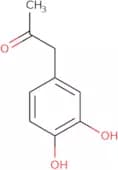
Purity:Min. 95%3',4'-Dihydroxyphenylacetone
CAS:3',4'-Dihydroxyphenylacetone (DOPA) is a metabolite of dopamine that is produced in the brain and kidneys. DOPA has been shown to have pharmacological properties, but its function as an endogenous neurotransmitter has not been confirmed. DOPA is also a precursor for the synthesis of melanin, which is found in skin cells. The detection of DOPA in urine samples can be used to diagnose Parkinson's disease or other conditions characterized by low levels of dopamine. The enzyme glutamate dehydrogenase converts DOPA into 3-methoxytyramine, which can be detected in urine samples using chromatographic methods. 3',4'-Dihydroxyphenylacetone may be measured in the blood plasma of patients with bacterial infections and urinary tract infections. A detectable concentration of this metabolite could indicate that the body is making use of an alternate pathway for synthesizing amines.Formula:C9H10O3Purity:Min. 95%Color and Shape:Off-White PowderMolecular weight:166.17 g/mol2,6-Dimethyl-2,5-heptadien-4-one
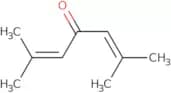
CAS:2,6-Dimethyl-2,5-heptadien-4-one is an organic compound that belongs to a class of compounds called reactive oxygen species (ROS). It is produced by the oxidation of 2,6-dimethyl-2,5-heptadienoic acid. ROS are formed in the mitochondria and have been shown to be involved in many cellular processes including mitochondrial function. ROS can induce oxidative stress leading to cell death. This compound has been shown to enhance the antibacterial efficacy of other antibiotics such as gentamycin and vancomycin. The mechanism of action is not fully understood but appears to involve intracellular glutathione depletion and damage to mitochondrial membrane potential.Formula:C9H14OPurity:Min. 95%Color and Shape:Yellow Clear LiquidMolecular weight:138.21 g/molSpiro[4.5]decan-6-one
CAS:Spiro[4.5]decan-6-one is a spirocyclic compound that belongs to the class of dienones. It is postulated to be synthesized from the condensation reaction of an imidazole and a cyclic ketone. This compound was originally isolated as a product in the crystallization process of zirconium dichloride, which was used in the immobilization of enzymes for biofuel production. Spiro[4.5]decan-6-one has been shown to be catalysed by trifluoride, which may be due to its natural products activity.
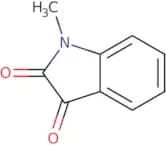
Formula:C10H16OPurity:Min. 95%Molecular weight:152.23 g/mol1-Methyl-1H-indole-2,3-dione
CAS:1-Methyl-1H-indole-2,3-dione is a chemical compound that belongs to the class of indole derivatives. It can be synthesized by reacting 2,3-dihydroxybenzaldehyde with 2,2'-azobis(2-amidinopropane) dihydrochloride and methyl iodide in the presence of copper (II) acetate. This reaction mechanism is similar to that of other reactions involving an intramolecular hydrogen transfer. The binding constants for 1-methyl-1H-indole-2,3-dione are very high and this compound has been shown to inhibit herpes simplex virus replication in vitro. 1MIDD binds to the active site of tryptophan fluorescence and synchronous fluorescence proteins. 1MIDD also binds to copper ions in a coordination geometry that is similar to that found for other compounds containing a carbonyl group.
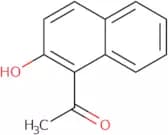
Formula:C9H7NO2Purity:Min. 95%Color and Shape:PowderMolecular weight:161.16 g/mol1-(2-Hydroxy-1-naphthyl)ethan-1-one
CAS:1-(2-Hydroxy-1-naphthyl)ethan-1-one is a carbonyl compound that can be used as a fluorescent probe for the determination of copper(II) ions. It has been shown to have selective binding properties and fluorescence properties with cancer cells, which may be due to its ability to bind to the active methylene group of the cancer cell's protein. Crystallographic studies have shown that 1-(2-Hydroxy-1-naphthyl)ethan-1-one binds to hydrogen bonds and hydroxide solution in water.Formula:C12H10O2Purity:Min. 95%Color and Shape:Yellow PowderMolecular weight:186.21 g/mol3-[(4-Fluorophenyl)amino]cyclohex-2-en-1-one
CAS:3-[(4-Fluorophenyl)amino]cyclohex-2-en-1-one is a drug that has been shown to have both inotropic and chronotropic effects on the heart. It also has a hypotensive activity, which may be due to its ability to reduce peripheral resistance by blocking alpha 1 receptors. 3-[(4-Fluorophenyl)amino]cyclohex-2-en-1-one is an anaesthetic agent with the potential for use in surgical procedures. The structural similarity of 3-[(4-Fluorophenyl)amino]cyclohex-2-en-1-one to acrylonitrile suggests that this drug may be toxic to the heart, as acrylonitrile is a known cardiotoxin.Formula:C12H12FNOPurity:Min. 95%Color and Shape:PowderMolecular weight:205.23 g/mol2(5H)-Furanone
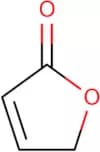
CAS:2(5H)-Furanone is a naturally occurring compound that has been found to have hypoglycemic effects. Studies have shown that 2(5H)-furanone inhibits the activity of cox-2, an enzyme involved in the synthesis of prostaglandins, which are inflammatory compounds. This chemical may be useful as an anti-inflammatory agent and for the treatment of bowel diseases. 2(5H)-Furanone also has antimicrobial properties and has been shown to inhibit the growth of animal cells that are resistant to anticancer drugs. It binds to cell nuclei and disrupts DNA synthesis by competing with basic proteins for binding sites on DNA strands. The chemical structure of 2(5H)-furanone is very similar to butenolide, a natural plant compound used in traditional Chinese medicine; both compounds have been shown to inhibit COX-2 activity.Formula:C4H4O2Purity:Min. 95%Color and Shape:Clear LiquidMolecular weight:84.07 g/mol4-(Indol-3-ylmethylene)-1,3-diphenyl-2-pyrazolin-5-one
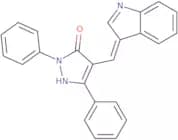
CAS:Please enquire for more information about 4-(Indol-3-ylmethylene)-1,3-diphenyl-2-pyrazolin-5-one including the price, delivery time and more detailed product information at the technical inquiry form on this page
Formula:C24H17N3OPurity:Min. 95%Color and Shape:PowderMolecular weight:363.41 g/mol3-(4-chlorophenyl)spiro[1,3-thiazolidine-2,3'-indoline]-4,7-dione
CAS:Please enquire for more information about 3-(4-chlorophenyl)spiro[1,3-thiazolidine-2,3'-indoline]-4,7-dione including the price, delivery time and more detailed product information at the technical inquiry form on this pageFormula:C16H11ClN2O2SPurity:Min. 95%Color and Shape:PowderMolecular weight:330.79 g/mol7-[4-[4-(4-Fluorobenzoyl)Piperidin-1-Yl]Butyl]-1,3-Dimethylpurine-2,6-Dione
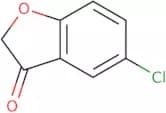
CAS:Controlled Product7-[4-[4-(4-Fluorobenzoyl)Piperidin-1-Yl]Butyl]-1,3-Dimethylpurine-2,6-Dione is a drug that belongs to the group of adenosine receptor antagonists. It has been shown to inhibit phosphodiesterase activity and is used as a pharmaceutical dosage. 7-[4-[4-(4-Fluorobenzoyl)Piperidin-1-Yl]Butyl]-1,3-Dimethylpurine-2,6-Dione has been shown to bind to the 5HT2C receptor in vitro. This drug may have therapeutic potential for obesity and type 2 diabetes mellitus treatment.Formula:C23H28FN5O3Purity:Min. 95%Molecular weight:441.5 g/mol5-Chloro-1-benzofuran-3(2H)-one
CAS:5-Chloro-1-benzofuran-3(2H)-one (5CBF) is a versatile building block that can be used to make a wide range of different compounds. It has been shown as an effective reagent in the synthesis of complex compounds and research chemicals. 5CBF is also used as a high quality intermediate in organic synthesis, as well as being a useful scaffold for chemical reactions.
Formula:C8H5ClO2Purity:Min. 98 Area-%Color and Shape:PowderMolecular weight:168.58 g/mol

![3-Methyl 2H-furo[2,3-c]pyran-2-one](/_next/image/?url=https%3A%2Fstatic.cymitquimica.com%2Fproducts%2F3D%2Fthumb-webp%2FFM25390.webp&w=3840&q=75)
![3,8-Dihydroxy-6H-benzo[c]chromen-6-one](/_next/image/?url=https%3A%2Fstatic.cymitquimica.com%2Fproducts%2F3D%2Fthumb-webp%2FFD171109.webp&w=3840&q=75)
![2-(benzo[3,4-d]1,3-dioxolen-5-ylmethylene)indane-1,3-dione](/_next/image/?url=https%3A%2Fstatic.cymitquimica.com%2Fproducts%2F3D%2Fthumb-webp%2FFB169790.webp&w=3840&q=75)
![7-Amino-2-(4-methoxyphenyl)[1,2,4]triazolo[1,5-a]pyrimidin-5(4H)-one](/_next/image/?url=https%3A%2Fstatic.cymitquimica.com%2Fproducts%2F3D%2Fthumb-webp%2FFA134729.webp&w=3840&q=75)
![Anthra[9,1,2-cde]benzo[rst]pentaphene-5,10-dione](/_next/image/?url=https%3A%2Fstatic.cymitquimica.com%2Fproducts%2F3D%2Fthumb-webp%2FFA143390.webp&w=3840&q=75)


![1-[1-[4-(4-Fluorophenyl)-4-Oxobutyl]Piperidin-4-Yl]-3-Methylbenzimidazol-2-One](/_next/image/?url=https%3A%2Fstatic.cymitquimica.com%2Fproducts%2F3D%2Fthumb-webp%2FFF100333.webp&w=3840&q=75)
![(2R,3S,4S,5S)-5-Hydroxy-2,3,4-tris(phenylmethoxy)-5-[(phenylmethoxy)methyl]-cyclohexanone](/_next/image/?url=https%3A%2Fstatic.cymitquimica.com%2Fproducts%2F3D%2Fthumb-webp%2FFH148464.webp&w=3840&q=75)
![3-(tert-butyl)-1-(4-nitrophenyl)indeno[2,3-d]pyrazol-4-one](/_next/image/?url=https%3A%2Fstatic.cymitquimica.com%2Fproducts%2F3D%2Fthumb-webp%2FFB169695.webp&w=3840&q=75)


![3-(4-ethoxyphenyl)spiro[1,3-thiazolidine-2,3'-indoline]-4,7-dione](/_next/image/?url=https%3A%2Fstatic.cymitquimica.com%2Fproducts%2F3D%2Fthumb-webp%2FFE169782.webp&w=3840&q=75)
![6-Bromo-2H-pyrido[3,2-b][1,4]oxazin-3(4H)-one](/_next/image/?url=https%3A%2Fstatic.cymitquimica.com%2Fproducts%2F3D%2Fthumb-webp%2FFB144104.webp&w=3840&q=75)
![1-[4-(Benzyloxy)phenyl]-2-bromopropan-1-one](/_next/image/?url=https%3A%2Fstatic.cymitquimica.com%2Fproducts%2F3D%2Fthumb-webp%2FFB15610.webp&w=3840&q=75)
![6(R)-[2-(8(S)-Hydroxy]-2(S),6(R)-dimethyl-1,2,6,7,8,8a(R)-hexahydro-1(S)-naphthyl]ethyl-4(R)-hydro…](/_next/image/?url=https%3A%2Fstatic.cymitquimica.com%2Fproducts%2F3D%2Fthumb-webp%2FFH24175.webp&w=3840&q=75)


![Spiro[4.5]decan-6-one](/_next/image/?url=https%3A%2Fstatic.cymitquimica.com%2Fproducts%2F3D%2Fthumb-webp%2FFS122046.webp&w=3840&q=75)
![3-[(4-Fluorophenyl)amino]cyclohex-2-en-1-one](/_next/image/?url=https%3A%2Fstatic.cymitquimica.com%2Fproducts%2F3D%2Fthumb-webp%2FFF123027.webp&w=3840&q=75)
![3-(4-chlorophenyl)spiro[1,3-thiazolidine-2,3'-indoline]-4,7-dione](/_next/image/?url=https%3A%2Fstatic.cymitquimica.com%2Fproducts%2F3D%2Fthumb-webp%2FFC169673.webp&w=3840&q=75)
![7-[4-[4-(4-Fluorobenzoyl)Piperidin-1-Yl]Butyl]-1,3-Dimethylpurine-2,6-Dione](/_next/image/?url=https%3A%2Fstatic.cymitquimica.com%2Fproducts%2F3D%2Fthumb-webp%2FFF99814.webp&w=3840&q=75)