Amides
Amides are a wide range of chemical compounds that contain at least one heterocyclic ring, which has atoms of at least two different elements in the ring structure, and at least one amide group (-CONH2). These compounds are crucial in the synthesis of pharmaceuticals, polymers, and agrochemicals. Amides exhibit unique properties and reactivity, making them valuable intermediates in organic synthesis. At CymitQuimica, we offer a comprehensive selection of high-quality amides to support your research and industrial needs.
Found 16393 products of "Amides"
Sort by
Purity (%)
0
100
|
0
|
50
|
90
|
95
|
100
3-[(2S)-PIPERIDIN-2-YL]-1-(2,3,4-TRIFLUOROBENZOYL)AZETIDIN-3-OL
CAS:Purity:95.0%Molecular weight:314.30801391601562-CHLORO-8-FLUORO-5,11-DIMETHYL-5H-BENZO[E]PYRIMIDO[5,4-B][1,4]DIAZEPIN-6(11H)-ONE
Purity:95.0%Molecular weight:292.70001220703125(2S)-3-methyl-2-(N-{[2'-(1H-1,2,3,4-tetrazol-5-yl)-[1,1'-biphenyl]-4-yl]methyl}pentanamido)butanoic acid
CAS:Purity:97%Color and Shape:SolidMolecular weight:435.52801513671875N-[bis(4-methoxyphenyl)methyl]-6-oxo-2-(pyridazin-3-yl)-1,6-dihydropyrimidine-5-carboxamide
CAS:Purity:95%Molecular weight:443.46301269531257-Hydroxy-6-(4-methoxybenzyl)-6,7-dihydro-5H-pyrrolo[3,4-b]pyridin-5-one
CAS:Purity:98%Molecular weight:270.2879943847656Tert-butyl 2-(3-trifluoromethylphenyl)-5-(pyrrolidin-1-ylcarbonyl)-5,7-dihydro-6H-pyrrolo[3,4-d]pyrimidine-6-carboxylate
Molecular weight:462.4729919433594N-Methylmethacrylamide
CAS:Purity:95.0%Color and Shape:Liquid, ClearMolecular weight:99.13300323486328(2S,4R)-1-((S)-2-((Cyclopentyloxy)carbonyl)-3,3-dimethylbutanoyl)-4-hydroxypyrrolidine-2-carboxylic acid
CAS:Purity:95.0%Molecular weight:341.40399169921875Piperazin-1-yl(quinoxalin-6-yl)methanone hydrochloride
CAS:Purity:95.0%Color and Shape:SolidMolecular weight:278.7399902343754-(4-fluorobenzoyl)-1-oxa-4-azaspiro[4.5]decane-3-carboxylic acid
CAS:Purity:95.0%Molecular weight:307.3210144042969N-[4-(adamantan-1-yl)phenyl]-2-(4H-1,2,4-triazol-3-ylsulfanyl)acetamide
CAS:Purity:97%Molecular weight:368.52-(2-([1,2,4]TRIAZOLO[1,5-A]PYRIDIN-2-YL)ETHYL)-7-CHLORO-5-METHYL-2,3-DIHYDRO-1H-PYRROLO[3,4-C]PYRIDINE-1,6(5H)-DIONE
CAS:Purity:95.0%Molecular weight:343.76998901367194-(3-methoxybenzoyl)-8-methyl-1-oxa-4-azaspiro[4.5]decane-3-carboxylic acid
CAS:Purity:95.0%Molecular weight:333.38400268554694-(2-bromobenzoyl)-8-methyl-1-oxa-4,8-diazaspiro[4.5]decane-3-carboxylic acid
CAS:Purity:95.0%Molecular weight:383.24200439453125(S)-3-Amino-4-((carboxymethyl)amino)-4-oxobutanoic acid
CAS:Purity:95%Molecular weight:190.154998779296888-methyl-4-(naphthalene-1-carbonyl)-1-oxa-4,8-diazaspiro[4.5]decane-3-carboxylic acid
CAS:Purity:95.0%Molecular weight:354.4060058593754-(3,4-dichlorobenzoyl)-8-methyl-1-oxa-4,8-diazaspiro[4.5]decane-3-carboxylic acid
CAS:Purity:95.0%Molecular weight:373.2300109863281Ethyl 2-(2-(2-fluorophenoxy)acetamido)-4-methyl-5-(phenylcarbamoyl)thiophene-3-carboxylate
CAS:Purity:98%Molecular weight:456.489990234375N-(4-{[(Pyridin-4-ylmethyl)amino]methyl}phenyl)-acetamide
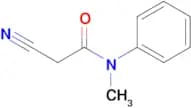
CAS:Formula:C15H17N3OPurity:98%Color and Shape:SolidMolecular weight:255.3212-Cyano-N-methyl-n-phenylacetamide
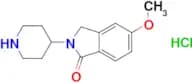
CAS:Formula:C10H10N2OPurity:95+%Color and Shape:SolidMolecular weight:174.2035-Methoxy-2-(piperidin-4-yl)-2,3-dihydro-1H-isoindol-1-one hydrochloride
CAS:Molecular weight:282.7699890136719N-Benzyl-4-(benzylamino)-6-methyl-2-oxocyclohex-3-ene-1-carboxamide
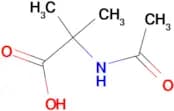
CAS:Purity:96.0%Molecular weight:348.4460144042969N-acetyl-2-methylalanine
CAS:Purity:95.0%Color and Shape:Solid, Light beige powderMolecular weight:145.15800476074228-benzyl-4-(2-methylbenzoyl)-1-oxa-4,8-diazaspiro[4.5]decane-3-carboxylic acid
CAS:Purity:95.0%Molecular weight:394.471008300781255-amino-1-propyl-1H-imidazole-4-carboxamide
CAS:Formula:C7H12N4OPurity:95.0%Color and Shape:SolidMolecular weight:168.24-(2,4-dichlorobenzoyl)-8-ethyl-1-oxa-4,8-diazaspiro[4.5]decane-3-carboxylic acid
CAS:Purity:95.0%Molecular weight:387.260009765625BENZYL 1-OXO-2,5-DIAZASPIRO[3.4]OCTANE-5-CARBOXYLATE
CAS:Purity:95.0%Molecular weight:260.2929992675781N-[2-(4-Methylphenyl)-1-[(4-nitrophenyl)amino]-2-oxoethyl]-2-furancarboxamide
CAS:Molecular weight:379.372009277343752-(1-Oxo-1,3-dihydro-isoindol-2-yl)-2-phenyl-N-thiazol-2-yl-acetamide
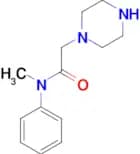
CAS:Purity:95%Molecular weight:349.4100036621094N-(2-Piperazino-acetyl)-N-methylaniline
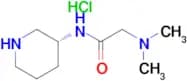
CAS:Formula:C13H19N3OPurity:97.0%Color and Shape:Solid, PowderMolecular weight:233.315(R)-2-(Dimethylamino)-N-(piperidin-3-yl)acetamide hydrochloride
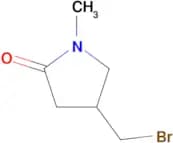
CAS:Purity:95.0%Molecular weight:221.729995727539064-(bromomethyl)-1-methylpyrrolidin-2-one
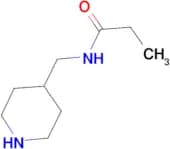
CAS:Formula:C6H10BrNOPurity:95.0%Color and Shape:LiquidMolecular weight:192.056N -Piperidin-4-ylmethyl-propionamide
CAS:Formula:C9H18N2OColor and Shape:SolidMolecular weight:170.2562-(Benzoylamino)-5,6-dihydro-4H-cyclopenta[d][1,3]thiazole-4-carboxylic acid
CAS:Purity:95.0%Molecular weight:288.320007324218758-tert-butyl-4-(4-fluorobenzoyl)-1-oxa-4-azaspiro[4.5]decane-3-carboxylic acid
CAS:Purity:95.0%Molecular weight:363.42898559570314-(3,4-dichlorobenzoyl)-8-ethyl-1-oxa-4,8-diazaspiro[4.5]decane-3-carboxylic acid
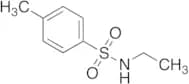
CAS:Purity:95.0%Molecular weight:387.260009765625N-Ethyl-p-toluenesulfonamide
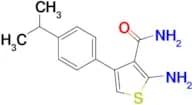
CAS:Controlled Product<p>Applications N-Ethyl-p-toluenesulfonamide is a reagent used in the sulfonamidation of imidazopyridines.<br>References Gao, Y. et al.: Org. Biomol. Chem., 15, 8102 (2017);<br></p>Formula:C9H13NO2SColor and Shape:White To Off-WhiteMolecular weight:199.272-Amino-4-(4-isopropyl-phenyl)-thiophene-3-carboxylic acid amide
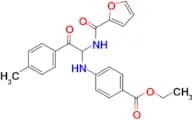
CAS:Formula:C14H16N2OSPurity:97%Color and Shape:SolidMolecular weight:260.36Ethyl 4-((1-(furan-2-carboxamido)-2-oxo-2-(p-tolyl)ethyl)amino)benzoate
CAS:Purity:98%Molecular weight:406.43798828125(S)-tert-Butyl 2-(dimethylcarbamoyl)piperazine-1-carboxylate hydrochloride
CAS:Purity:95%Molecular weight:293.79000854492194-(4-chloro-2-fluorobenzoyl)-8-propyl-1-oxa-4,8-diazaspiro[4.5]decane-3-carboxylic acid
CAS:Purity:95.0%Molecular weight:384.82998657226561-Chloro-5H-pyrido[4,3-b]indole-4-carboxamide
CAS:Purity:97.0%Color and Shape:SolidMolecular weight:245.66999816894537-Benzoyl-1,3-dihydro-indol-2-one
CAS:Purity:97.0%Color and Shape:SolidMolecular weight:237.25799560546875Tert-butyl (3aS,7aR)-4-oxo-3,3a,5,6,7,7a-hexahydro-1H-pyrrolo[3,4-c]pyridine-2-carboxylate
CAS:Purity:95+%Molecular weight:240.302993774414063,6-Bis(5-bromothiophen-2-yl)-2,5-dioctylpyrrolo[3,4-c]pyrrole-1,4(2H,5H)-dione
CAS:Purity:95%Molecular weight:682.5700073242188METHYL 4,4-DIMETHYL-2-OXOPYRROLIDINE-3-CARBOXYLATE
CAS:Purity:97.0%Molecular weight:171.19599914550782-Bromo-2,2-difluoro-acetamide
CAS:Purity:98.0%Color and Shape:SolidMolecular weight:173.94500732421875(R)-tert-Butyl 2-(methoxy(methyl)carbamoyl)pyrrolidine-1-carboxylate
CAS:Purity:95+%Molecular weight:258.31799316406258-tert-butyl-4-(4-chlorobenzoyl)-1-oxa-4-azaspiro[4.5]decane-3-carboxylic acid
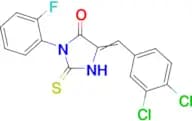
CAS:Purity:95.0%Molecular weight:379.88000488281255-(3,4-Dichlorobenzylidene)-3-(2-fluorophenyl)-2-thioxoimidazolidin-4-one
CAS:Purity:98%Molecular weight:367.224-{[1,1'-biphenyl]-4-carbonyl}-8-methyl-1-oxa-4,8-diazaspiro[4.5]decane-3-carboxylic acid
CAS:Purity:95.0%Molecular weight:380.44400024414068-methyl-4-(2,4,6-trimethylbenzoyl)-1-oxa-4,8-diazaspiro[4.5]decane-3-carboxylic acid
CAS:Purity:95.0%Molecular weight:346.4270019531254-(Chloromethyl)-N-(4-methyl-3-((4-(pyridin-3-yl)pyrimidin-2-yl)amino)phenyl)benzamide
CAS:Purity:95+%Molecular weight:429.91000366210944-((5,5,8,8-Tetramethyl-5,6,7,8-tetrahydronaphthalen-2-yl)carbamoyl)benzoic acid
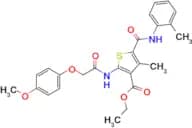
CAS:Purity:95.0%Color and Shape:SolidMolecular weight:351.4460144042969Ethyl 2-(2-(4-methoxyphenoxy)acetamido)-4-methyl-5-(o-tolylcarbamoyl)thiophene-3-carboxylate
CAS:Purity:98%Molecular weight:482.549987792968751-(3-NITRO-10,11-DIHYDRO-5H-DIBENZO[B,F]AZEPIN-5-YL)ETHANONE
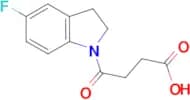
CAS:Purity:95.0%Molecular weight:282.299011230468754-(5-Fluoro-2,3-dihydro-1H-indol-1-yl)-4-oxobutanoic acid
CAS:Formula:C12H12FNO3Purity:95.0%Color and Shape:SolidMolecular weight:237.234-(2-phenylbutanoyl)-8-propyl-1-oxa-4,8-diazaspiro[4.5]decane-3-carboxylic acid
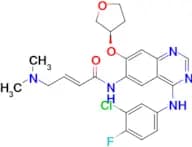
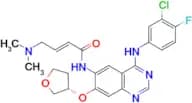
CAS:Purity:95.0%Molecular weight:374.4809875488281(R,E)-N-(4-((3-Chloro-4-fluorophenyl)amino)-7-((tetrahydrofuran-3-yl)oxy)quinazolin-6-yl)-4-(dimethylamino)but-2-enamide
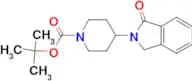
CAS:Purity:99.0%Molecular weight:485.94000244140625Tert-Butyl 4-(1-oxoisoindolin-2-yl)piperidine-1-carboxylate
CAS:Purity:95.0%Molecular weight:316.4010009765625(6R,7R)-7-Amino-3-(((5-methyl-1,3,4-thiadiazol-2-yl)thio)methyl)-8-oxo-5-thia-1-azabicyclo[4.2.0]oct-2-ene-2-carboxylic acid
CAS:Purity:97.0%Molecular weight:344.42001342773448-benzyl-4-hexanoyl-1-oxa-4,8-diazaspiro[4.5]decane-3-carboxylic acid
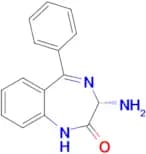
CAS:Purity:95.0%Molecular weight:374.48098754882812H-1,4-Benzodiazepin-2-one, 3-amino-1,3-dihydro-5-phenyl-, (3S)-
CAS:Purity:98%Molecular weight:251.2898-benzyl-4-(thiophene-2-carbonyl)-1-oxa-4,8-diazaspiro[4.5]decane-3-carboxylic acid
CAS:Purity:95.0%Molecular weight:386.4700012207031Tert-butyl 4-[5-phenyl-3,7-dioxo-1,4-diazepan-1-yl]piperidine-1-carboxylate
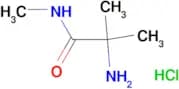
Molecular weight:387.4800109863281N~1~,2-dimethylalaninamide hydrochloride
CAS:Purity:95.0%Color and Shape:Solid, White powderMolecular weight:152.61999511718751-(4-Acetyl-piperazin-1-yl)-3-amino-propan-1-one hydrochloride
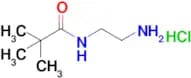
CAS:Formula:C9H18ClN3O2Purity:98.0%Color and Shape:SolidMolecular weight:235.71N-(2-Aminoethyl)-2,2-dimethylpropanamide hydrochloride
CAS:Purity:95%Molecular weight:180.679992675781251-(Piperidin-4-yl)piperidin-2-one hydrochloride
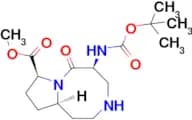
CAS:Purity:95.0%Color and Shape:SolidMolecular weight:218.72999572753906Methyl (5S,8S,10aR)-5-(tert-butoxycarbonylamino)-6-oxo-2,3,4,5,8,9,10,10a-octahydro-1H-pyrrolo[1,2-a][1,5]diazocine-8-carboxylate
CAS:Purity:97Color and Shape:SolidMolecular weight:341.4079895019531Tert-Butyl 2-oxo-1,9-diazaspiro[5.5]undecane-9-carboxylate
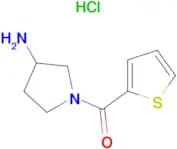
CAS:Purity:95.0%Color and Shape:SolidMolecular weight:268.35699462890625(3-Amino-pyrrolidin-1-yl)-thiophen-2-yl-methanone hydrochloride
CAS:Purity:95.0%Molecular weight:232.72999572753906Afatinib, Free Base
CAS:Purity:99.0%Color and Shape:Solid, No data available.Molecular weight:485.940002441406256-BROMO-7-METHYLISOINDOLIN-1-ONE
CAS:Purity:97.0%Color and Shape:SolidMolecular weight:226.072998046875(3aS,6aS)-Benzyl 5-oxohexahydropyrrolo[3,2-b]pyrrole-1(2H)-carboxylate
CAS:Purity:96%Molecular weight:260.29299926757818-tert-butyl-4-[2-(4-methoxyphenyl)acetyl]-1-oxa-4-azaspiro[4.5]decane-3-carboxylic acid
CAS:Purity:95.0%Molecular weight:389.492004394531254-(3-nitrobenzoyl)-8-propyl-1-oxa-4,8-diazaspiro[4.5]decane-3-carboxylic acid
CAS:Purity:95.0%Molecular weight:377.3970031738281N-{1-[(2-methoxyphenyl)amino]-2-(4-methylphenyl)-2 oxoethyl}furan-2-carboxamide
CAS:Molecular weight:364.40100097656258-benzyl-4-propanoyl-1-oxa-4,8-diazaspiro[4.5]decane-3-carboxylic acid
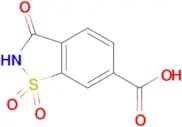
CAS:Purity:95.0%Molecular weight:332.39999389648441,1,3-Trioxo-2,3-dihydro-1,2-benzothiazole-6-carboxylic acid
CAS:Color and Shape:SolidMolecular weight:227.19000244140625Ref: 10-F057861
1gTo inquire5gTo inquire10gTo inquire2.5gTo inquire50mgTo inquire100mgTo inquire500mgTo inquire8-benzyl-4-(2,2-dimethylpropanoyl)-1-oxa-4,8-diazaspiro[4.5]decane-3-carboxylic acid
CAS:Purity:95.0%Molecular weight:360.4540100097656N-Ethyl-2-(2-(4-methoxyphenoxy)acetamido)-4,5,6,7-tetrahydrobenzo[b]thiophene-3-carboxamide
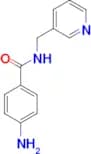
CAS:Purity:98%Molecular weight:388.48001098632814-Amino-N-pyridin-3-ylmethylbenzamide
CAS:Formula:C13H13N3OPurity:97%Color and Shape:SolidMolecular weight:227.2672-(4-FLUOROPHENYL)-6,7-DIHYDROPYRAZOLO[1,5-A]PYRAZIN-4(5H)-ONE
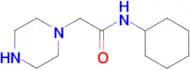
CAS:Purity:95.0%Molecular weight:231.22999572753906N-Cyclohexyl-2-piperazin-1-yl-acetamide
CAS:Purity:98.0%Color and Shape:SolidMolecular weight:225.335998535156258-ethyl-4-(2-phenylbutanoyl)-1-oxa-4,8-diazaspiro[4.5]decane-3-carboxylic acid
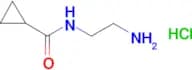
CAS:Purity:95.0%Molecular weight:360.4540100097656Cyclopropanecarboxylic acid (2-amino-ethyl)-amide hydrochloride
CAS:Purity:95.0%Molecular weight:164.6300048828125Tert-Butyl 2'-oxo-3'H-spiro{piperidine-4,1'-pyrrolo[3,2-b]pyridine}-1-carboxylate
CAS:Purity:95%Color and Shape:SolidMolecular weight:303.361999511718758-benzyl-4-heptanoyl-1-oxa-4,8-diazaspiro[4.5]decane-3-carboxylic acid
CAS:Purity:95.0%Molecular weight:388.50799560546875N-((4aR,7R,8R,8aS)-6,8-Dihydroxy-2-phenylhexahydropyrano[3,2-d][1,3]dioxin-7-yl)acetamide
CAS:Purity:95.0%Molecular weight:309.3179931640625Ref: 10-F505690
1gTo inquire2gTo inquire5gTo inquire10gTo inquire100mgTo inquire250mgTo inquire500mgTo inquireN-(3,4-Dimethyl-phenyl)-2-[5-(2-hydroxy-phenyl)-[1,3,4]oxadiazol-2-ylsulfanyl]-propionamide
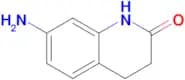
CAS:Molecular weight:369.440002441406257-Amino-1,2,3,4-tetrahydro-2-quinolinone
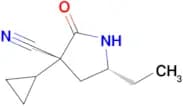
CAS:Formula:C9H10N2OPurity:95%Color and Shape:SolidMolecular weight:162.192(3r,5r)-3-Cyclopropyl-5-ethyl-2-oxo-pyrrolidine-3-carbonitrile
CAS:Purity:98%Molecular weight:178.23500061035156N-[2-(1,2,6,7-Tetrahydro-8H-indeno[5,4-b]furan-8-ylidene)ethyl]propanamide
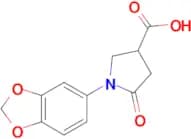
CAS:Purity:98%Molecular weight:257.33300781251-(1,3-benzodioxol-5-yl)-5-oxopyrrolidine-3-carboxylic acid
CAS:Purity:95.0%Molecular weight:249.2220001220703N-[1,3-Bis(1H-1,2,3-benzotriazol-1-yl)propyl]benzamide
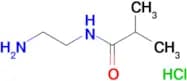
CAS:Purity:90.0%Molecular weight:397.4419860839844N-(2-aminoethyl)-2-methylpropanamide hydrochloride
CAS:Purity:95.0%Molecular weight:166.64999389648438Ref: 10-F359821
1gTo inquire2gTo inquire5gTo inquire10gTo inquire100mgTo inquire250mgTo inquire500mgTo inquire8-methyl-4-(2-phenylbutanoyl)-1-oxa-4-azaspiro[4.5]decane-3-carboxylic acid
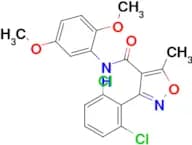
CAS:Purity:95.0%Molecular weight:345.43899536132813-(2,6-Dichlorophenyl)-N-(2,5-dimethoxyphenyl)-5-methylisoxazole-4-carboxamide
CAS:Purity:97%Molecular weight:407.25(8β)-N-[3-(Dimethylamino)propyl]-N-[(ethylamino)carbonyl] -6-(2-propen-1-yl)-ergoline-8-carboxamide
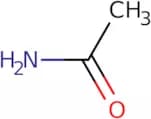
CAS:<p>Agonist of D2 dopamine receptors</p>Formula:C26H37N5O2Purity:Min. 95%Color and Shape:PowderMolecular weight:451.6 g/molAcetamide
CAS:<p>Acetamide is an acyclic nucleoside phosphonate with a basic structure. Acetamide is metabolized to the corresponding ester hydrochloride, which has been shown to inhibit the polymerase chain reaction. This inhibition may be due to the effector proteins that are inactivated by acetamide, or it could be due to radiation-induced changes in the amide bond of the enzyme. Acetamide and its ester hydrochloride have been shown to inhibit skin cancer cells and carcinoma cell lines.</p>Formula:C2H5NOColor and Shape:Colorless Clear LiquidMolecular weight:59.07 g/mol3-[(Aminocarbonyl)amino]-5-[4-(morpholin-4-ylmethyl)phenyl]thiophene-2-carboxamide
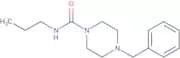
CAS:<p>3-[(Aminocarbonyl)amino]-5-[4-(morpholin-4-ylmethyl)phenyl]thiophene-2-carboxamide is a chemical inhibitor that inhibits the activity of kinases. It has been shown to be cytotoxic against cancer cells and to induce apoptosis through a number of different mechanisms. 3-[(Aminocarbonyl)amino]-5-[4-(morpholin-4-ylmethyl)phenyl]thiophene-2-carboxamide binds to DNA and induces DNA repair, which can lead to cell death. This drug also has an anti-inflammatory effect, which may be due to its ability to inhibit pro-inflammatory cytokines such as TNFα and IL1β.</p>Formula:C17H20N4O3SPurity:Min. 95%Color and Shape:PowderMolecular weight:360.43 g/mol(4-Benzylpiperazinyl)-N-propylformamide
CAS:Controlled Product<p>Please enquire for more information about (4-Benzylpiperazinyl)-N-propylformamide including the price, delivery time and more detailed product information at the technical inquiry form on this page</p>Formula:C15H23N3OPurity:Min. 95%Color and Shape:PowderMolecular weight:261.36 g/mol2'-Hydroxy-5'-nitrohexadecanamide
CAS:<p>2'-Hydroxy-5'-nitrohexadecanamide is a synthetic fatty acid derivative that inhibits lysosomal hydrolase, which is an enzyme that breaks down cellular lipids. This compound can be used as a diagnostic agent for the detection of certain types of cancer. 2'-Hydroxy-5'-nitrohexadecanamide reacts with the magnesium ion in the lysosome to form an insoluble precipitate, which then settles to the bottom of the test tube, allowing for easy detection of cells with high levels of lysosomal hydrolase.</p>Formula:C22H36N2O4Purity:Min. 95%Color and Shape:PowderMolecular weight:392.53 g/molD-Valine amide hydrochloride
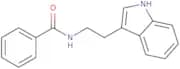
CAS:<p>Please enquire for more information about D-Valine amide hydrochloride including the price, delivery time and more detailed product information at the technical inquiry form on this page</p>Formula:C5H12N2O•HClPurity:Min. 95%Color and Shape:PowderMolecular weight:152.62 g/molN-(2-Indol-3-ylethyl)benzamide
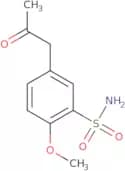
CAS:<p>N-(2-indol-3-ylethyl)benzamide (4-AIBA) is a functional, health functional food. It has shown anticancer activity in a human colon carcinoma cell line, and it inhibits the production of nitrous oxide from inducible nitric oxide synthase, which is important for tumor invasion. 4-AIBA also inhibits tyrosinase activity, an enzyme that is involved in melanin synthesis. This inhibition may be beneficial to skin conditions such as acne or pigmentation disorders. The compound also inhibits the degranulation of mast cells and stimulates cell proliferation in rat mesenteric lymph nodes.</p>Formula:C17H16N2OPurity:Min. 95%Color and Shape:PowderMolecular weight:264.32 g/mol2-Methoxy-5-(2-oxopropyl)benzenesulfonamide
CAS:<p>2-Methoxy-5-(2-oxopropyl)benzenesulfonamide is a metal catalyst that can be used in the synthesis of tamsulosin hydrochloride, an alpha blocker that is used to treat benign prostatic hyperplasia. It catalyzes the reaction between 2-methoxybenzenesulfonyl chloride and 3-amino-1,2,4-triazole. The industrial importance of this compound is due to its ability to be used as a catalyst for various chemical reactions.</p>Formula:C10H13NO4SPurity:Min. 95%Color and Shape:PowderMolecular weight:243.28 g/molN-[2-(2,3-Dimethoxyphenyl)ethyl]-2-chlorobenzamide
CAS:Controlled Product<p>N-[2-(2,3-Dimethoxyphenyl)ethyl]-2-chlorobenzamide is a versatile building block that can be used as a reaction component and reagent. It is an intermediate in the synthesis of pharmaceuticals and fine chemicals and has been shown to be useful in the synthesis of complex compounds. This compound reacts with nucleophiles, such as amines and alcohols, by replacing the chloride group with a variety of functional groups. The product is then hydrolyzed to release the original reactant. N-[2-(2,3-Dimethoxyphenyl)ethyl]-2-chlorobenzamide has a CAS number of 320576-19-0 and can be found at ChemDiv.com.</p>Formula:C17H18ClNO3Purity:Min. 95%Molecular weight:319.78 g/molCyanamide
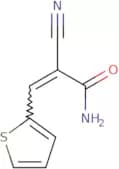
CAS:Controlled Product<p>Cyanamide is a nitrogen-containing organic compound that is used as a plant nutrient. It has been shown to increase the activity of enzymes in methyl ethyl x-ray crystal structures and locomotor activity in mice. Cyanamide is also used as an herbicide and chemical pesticide, with calcium as its main target. The cyanamide molecule binds to the calcium ion and undergoes a reaction mechanism that results in the release of ammonia gas, which is toxic to plants. In addition, cyanamide can cause kidney damage in humans due to its ability to inhibit protein synthesis.</p>Formula:CH2N2Purity:Min. 95%Color and Shape:White PowderMolecular weight:42.02 g/mol2-Nitrilo-3-(2-thienyl)prop-2-enamide
CAS:<p>This compound is a recyclable, multicomponent, element analysis, element, diversity and catalyzed reaction that yields high purity products with high yields. The catalyst is reusable and the NMR data are reproducible.</p>Formula:C8H6N2OSPurity:Min. 95%Color and Shape:PowderMolecular weight:178.21 g/molN-[S-(2-Pyridylthio)cysteaminyl]ethylenediamine-N,N,N',N'-tetraacetic acid, monoamide - Technical grade 90%
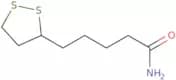
CAS:<p>Furiosus is a monomeric and homodimeric protein that belongs to the group of S-adenosylmethionine synthetases. Furiosus is an enzyme that catalyzes the formation of S-adenosylmethionine from methylamine and ATP. Furiosus interacts with polymerase, subtilis, and catalysis to form a holoenzyme complex. Furiosus has been shown to have cleavage activity against peroxide and hydrogen peroxide, which is due to its ability to generate reactive oxygen species. Furiosus has also been shown to be a molecular modeling target for the development of new antibiotics.</p>Formula:C17H24N4O7S2Purity:Min. 95%Color and Shape:Pale yellow solid.Molecular weight:460.53 g/molThioctamide
CAS:<p>Thioctamide is a drug that belongs to the class of drugs called sulfonylureas. It is an anti-diabetic drug that has been used for the treatment of insulin-resistant type II diabetes. Thioctamide binds to mitochondrial dehydrogenases and lipoamidases, inhibiting mitochondrial functions and energy metabolism. This leads to a decrease in cellular ATP levels, which can be measured by electrochemical impedance spectroscopy (EIS). The effects of thioctamide on cells can also be determined by examining the response of cells to different concentrations of thioctamide using a cell viability assay. This drug has been shown to inhibit the growth of HL60 cells, with IC50 values ranging from 2.6 µM to 6.4 µM depending on concentration. Thioctamide inhibits the expression of toll-like receptor 4 (TLR4) and integrin receptor β1 in HL60 cells, which may be due to its ability to act</p>Formula:C8H15NOS2Purity:Min. 95 Area-%Color and Shape:Slightly Yellow PowderMolecular weight:205.34 g/molRetinamide
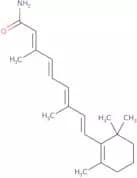
CAS:<p>Retinamide is a synthetic retinoid that is used for the treatment of skin cancer. It has been shown to induce apoptosis by activation of the c-jun N-terminal kinase (JNK) and p38 pathways, as well as by suppression of signaling through the phosphatidylinositol 3-kinase (PI3K)/Akt pathway. Retinamide also inhibits proliferation of HL60 cells and induces mitochondrial membrane depolarization in colon carcinoma cells. This drug has been shown to be a potent inhibitor of squamous cell carcinoma growth in vitro and in vivo, especially when combined with other chemotherapeutic agents. Retinamide has also been found to be effective against group P2 carcinomas, which are characterized by mutations in the BRAF gene.<br>Retinamide is metabolized by cytochrome P450 enzymes, leading to reactive metabolites that may cause toxic effects on cells. These metabolites can bind to DNA and cause strand breaks</p>Formula:C20H29NOPurity:Min. 95%Color and Shape:PowderMolecular weight:299.45 g/mol4-Aminobenzamide
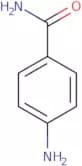
CAS:<p>4-Aminobenzamide is a compound that is used as an anti-tuberculosis drug. It inhibits the activity of aminotransferase, which is an enzyme responsible for converting amino acids into other compounds. 4-Aminobenzamide has been shown to have antimicrobial properties against bacteria, fungi and protozoa. It also has a protective effect on human liver cells, but can cause damage to rat liver cells in vitro. 4-Aminobenzamide also shows some activity against microbial metabolism and can be hydrolyzed by hydrochloric acid to form phenylacetic acid and ammonia. This compound has been shown to inhibit the nervous system disease progression of Huntington's disease in mice.</p>Purity:Min. 95%Color and Shape:PowderMolecular weight:136.15 g/mol1-Methyl-4-nitro-3-propylpyrazole-5-carboxamide
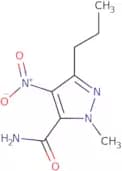
CAS:<p>1-Methyl-4-nitro-3-propylpyrazole-5-carboxamide is an impurity of sildenafil, which is used as a treatment for erectile dysfunction. It has been found in the environment due to its widespread use and it can be detected using chromatographic methods. 1-Methyl-4-nitro-3-propylpyrazole-5-carboxamide binds to thiol groups and may cause male infertility in animals. The detection time for this compound ranges from 2 hours to 24 hours, depending on the detection method. This impurity also has fluorescence properties that can be detected with UV light.</p>Formula:C8H12N4O3Purity:Min. 96 Area-%Color and Shape:PowderMolecular weight:212.21 g/mol2-Amino-4-methylthiophene-3-carboxamide
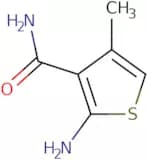
CAS:<p>2-Amino-4-methylthiophene-3-carboxamide is a small molecule that is a potent inhibitor of the JAK2 kinase. This enzyme is associated with human fibrosis and has been shown to be involved in the development of liver fibrosis in rats. 2-Amino-4-methylthiophene-3-carboxamide inhibits the production of cytokines such as IL1α, IL6, and TNFα. It also blocks the activation of transcription factors such as NFκB, which are involved in inflammation. The compound has been shown to be orally active and has demonstrated efficacy in animal studies. Analogues have also been synthesized for this compound that show similar activity.</p>Formula:C6H8N2OSPurity:(%) Min. 85%Color and Shape:PowderMolecular weight:156.21 g/molN-(3,5-Dichloro-4-Pyridinyl)-2-[1-(4-Fluorobenzyl)-5-Hydroxy-1H-Indol-3-Yl]-2-Oxoacetamide
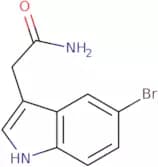
CAS:Controlled Product<p>N-(3,5-Dichloro-4-Pyridinyl)-2-[1-(4-Fluorobenzyl)-5-Hydroxy-1H-Indol-3-Yl]-2-Oxoacetamide is a prodrug that is metabolized to the active form in vivo. It inhibits the activity of cyclic nucleotide phosphodiesterase (PDE), an enzyme that catalyzes the conversion of cAMP to AMP and PDE, which catalyzes the conversion of cGMP to GMP. This drug has been shown to have a potent inhibitory effect on inflammatory cytokines such as IL-6 and TNFα. N-(3,5-Dichloro-4-pyridinyl)-2-[1-(4 fluorobenzyl)-5 hydroxy 1H indol 3 yl]-2 oxoacetamide has been shown to be effective for treatment of inflammatory diseases such as bronch</p>Formula:C22H14Cl2FN3O3Purity:Min. 95%Molecular weight:458.27 g/mol2-(5-Bromo-1H-indol-3-yl)acetamide
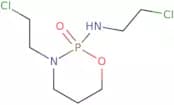
CAS:<p>2-(5-Bromo-1H-indol-3-yl)acetamide is a high quality, reagent, complex compound, useful intermediate and fine chemical. It is also a useful scaffold or building block for the synthesis of speciality chemicals. 2-(5-Bromo-1H-indol-3-yl)acetamide is used in research and development as a versatile building block for the synthesis of new compounds. The CAS number for this compound is 196081-79-5.</p>Formula:C10H9BrN2OPurity:Min. 98 Area-%Color and Shape:PowderMolecular weight:253.1 g/molIfosfamide
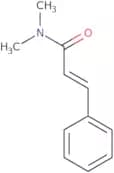
CAS:<p>Alkylating agent; anti-cancer agent</p>Formula:C7H15Cl2N2O2PPurity:Min. 98 Area-%Color and Shape:White Off-White PowderMolecular weight:261.09 g/mol(2E)-N,N-Dimethyl-3-phenylprop-2-enamide
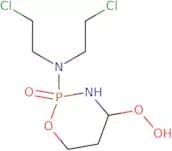
CAS:<p>2,2-diphenyl-N,N-dimethylpropeneamide (DPPA) is a disulfide compound that has photolytic, thermolytic and modelling properties. DPPA can be used to produce alkylcobalt complexes with various substituents at the α position of the phenyl ring. The lactam structure of DPPA has been shown to undergo thermolysis at temperatures of 250°C in a vacuum. Cinnamic acids have been shown to form lactams with DPPA as well as cinnamic acid derivatives. Molecular modelling studies have been conducted on 2,2-diphenyl-N,N-dimethylpropeneamide and its molecular interactions with styrene and amido groups.</p>Formula:C11H13NOPurity:Min. 95%Color and Shape:PowderMolecular weight:175.23 g/mol4-Hydroperoxy cyclophosphamide
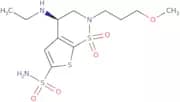
CAS:<p>4-Hydroperoxycyclophosphamide (4-HPPC) is a cytotoxic agent with anti-cancer properties. It is a prodrug that is converted to 4-hydroxycyclophosphamide, the active form of the drug, by hydrolases in cells. The cytotoxicity of 4-HPPC has been demonstrated using a model system of human erythrocytes and HL60 cells. This drug also has an effect on tumor growth and metastasis, as well as on bowel disease. Rats treated with 4-HPPC showed decreased levels of blood glucose, increased glutathione peroxidase activity, and a decrease in the number of colonic tumors after only one dose. The low-dose group had improved mitochondrial membrane potential and an increase in cell factor receptor activity. These results indicate that 4-HPPC may be a useful anti-cancer compound for treating various types of cancer including colon cancer.</p>Formula:C7H15Cl2N2O4PPurity:Min. 95%Color and Shape:PowderMolecular weight:293.08 g/molBrinzolamide
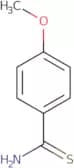
CAS:<p>Inhibitor of carbonic anhydrase</p>Formula:C12H21N3O5S3Purity:Min. 98 Area-%Color and Shape:PowderMolecular weight:383.51 g/mol4-Methoxybenzenecarbothioamide
CAS:<p>4-Methoxybenzenecarbothioamide is a urea nitrogen analogue that inhibits the synthesis of urea and other nitrogenous compounds. It is an inhibitor of the enzyme pyruvic transaminase, which converts pyruvate to alanine. The drug is also an inhibitor of the enzyme lactam synthetase, which catalyzes the formation of lactams from amino acids. This activity results in decreased production of cancer cells and renal toxicity. 4-Methoxybenzenecarbothioamide has been shown to have anticancer activity in vitro against a number of human cancer cell lines, including A549 lung carcinoma cells and MCF-7 breast cancer cells.</p>Formula:C8H9NOSPurity:Min. 98 Area-%Color and Shape:Off-White Yellow PowderMolecular weight:167.23 g/molN-Benzyl Hexadecanamide
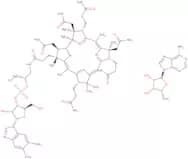
CAS:<p>N-Benzyl Hexadecanamide is a long-chain amide that is used in analytical chemistry as a sample preparation agent and to extract fatty acids from biological samples. It has been shown to have neuroprotective properties by reducing the uptake of glutamate and preventing neuronal cell death. N-Benzyl Hexadecanamide has also been found to prevent tumor growth and induce apoptosis in human cancer cells, which may be due to its ability to inhibit creatine kinase activity. This compound has also been shown to have anti-inflammatory effects, which are mediated through the inhibition of the activation of nuclear factor kappa B (NF-κB).</p>Formula:C23H39NOPurity:Min. 98 Area-%Color and Shape:PowderMolecular weight:345.56 g/molCoenzyme B12
CAS:<p>Coenzyme B12, also known as vitamin B12, is a coenzyme that participates in the metabolism of amino acids and fatty acids. It is required for the conversion of homocysteine to methionine, which is an important step in the synthesis of S-adenosylmethionine (SAM), a major methyl donor. Coenzymes are required for many different reactions in cells, but they are not consumed during these reactions. Instead, they are regenerated and reused. Coenzyme B12 is synthesized by bacteria and archaea but not by animals. The cobalamin form of this coenzyme is made from cobaltous chloride or cobaltous sulfate and cyanide. This coenzyme has been shown to bind to riboswitches in bacteria and to ATP-binding cassette transporters in humans. Coenzyme B12 can exist in two different forms: adenosylcobalamin and methylcobalamin.</p>Formula:C72H100CoN18O17PPurity:Min. 97 Area-%Color and Shape:PowderMolecular weight:1,579.58 g/mol3-(Dimethylphosphono)-N-methylolpropionamide
CAS:<p>Dimethylphosphonoacetamide (DMPPA) is a phosphorus-containing compound that is used as an intermediate in the synthesis of fatty acids. DMPPA can be synthesized by the reaction of ethylene diamine and phosphorus pentoxide, which is a common reagent for preparing phosphorus compounds. The reaction mechanism has been studied using electrochemical impedance spectroscopy. This study revealed that DMPPA can be converted to a water-soluble product by treatment with water vapor or by adding cotton. In addition, the kinetic data obtained from this study showed that the reaction rate was affected by temperature and the type of solvent used. The frequency shift observed during this study indicated that nitrogen atoms are involved in the reaction mechanism.</p>Formula:C6H14NO5PPurity:(%) Min. 80%Molecular weight:211.15 g/mol2-(Methylthio)acetamide
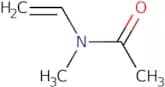
CAS:<p>Methylthioacetic acid is a weak organic acid that is used as an ophthalmic drug. When methylthioacetic acid is activated, intramolecular hydrogen bonds form between the methylthiosulfonate ion and the nitrate ion. This process requires spin resonance to take place, which can be explained by the functional theory of kinetics. The reaction of methylthioacetic acid with nitrate ions to form methylthiosulfonate ions has been shown to be rapid and reversible in both dry weight and wet weight experiments. The alkylation of methylthioacetic acid with ethyl bromoacetate has been shown to produce thermochemically stable imine and phosphate ions.</p>Formula:C3H7NOSPurity:Min. 95%Color and Shape:PowderMolecular weight:105.16 g/molN-Methyl-N-vinylacetamide
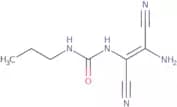
CAS:<p>N-Methyl-N-vinylacetamide is a colorless liquid with a boiling point of 105.6°C. It is produced by the reaction of acetamide and vinyl chloride in the presence of hydrochloric acid, glycol ether, and methyl ethyl ketone. The viscosity of this compound is low, which makes it an ideal solvent for paints and coatings. N-Methyl-N-vinylacetamide also has genetic damaging effects and can cause mutations in bacteria that are exposed to this compound in high concentrations. This product has an unusual chemical structure due to its hydrogen bonding interactions.br>br><br>br>br><br>Hydrogen bonds are weak intermolecular forces between polar molecules, such as water or alcohols, that are formed by the attraction between a partially positive hydrogen atom on one molecule and the negative end of another nearby molecule. Hydrogen bonds stabilize certain molecular structures because they provide partial shielding from electrostatic interactions with</p>Formula:C5H9NOPurity:Min. 97.5%Color and Shape:Clear LiquidMolecular weight:99.13 g/molN-(2-Amino-1,2-dinitrilovinyl)(propylamino)formamide
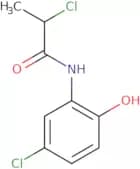
CAS:<p>Please enquire for more information about N-(2-Amino-1,2-dinitrilovinyl)(propylamino)formamide including the price, delivery time and more detailed product information at the technical inquiry form on this page</p>Formula:C8H11N5OPurity:Min. 95%Color and Shape:PowderMolecular weight:193.21 g/molN-(5-Chloro-2-hydroxyphenyl)-2-chloropropanamide
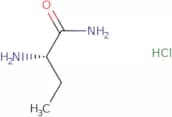
CAS:<p>Please enquire for more information about N-(5-Chloro-2-hydroxyphenyl)-2-chloropropanamide including the price, delivery time and more detailed product information at the technical inquiry form on this page</p>Purity:Min. 95%(S)-2-Aminobutyramide hydrochloride
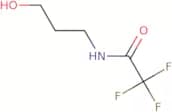
CAS:<p>(S)-2-Aminobutyramide hydrochloride is a strong acid that can be used in the synthesis of other compounds. It is made by dissociating acetic acid with hydrogen chloride, or by reacting ammonia with hydrochloric acid. (S)-2-Aminobutyramide hydrochloride is also known as 2-aminobutyric acid dihydrochloride and protonated aminobutyric acid. It can be used to synthesize many other compounds, including amino acids, pharmaceuticals, and polymers. The virulent properties of this compound make it useful for industrial purposes.</p>Formula:C4H11ClN2OPurity:Min. 95%Color and Shape:White PowderMolecular weight:138.6 g/molN-(3-Hydroxypropyl)trifluoroacetamide
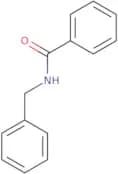
CAS:<p>N-(3-Hydroxypropyl)trifluoroacetamide is an alkaline hydrolysis product of 3-hydroxypropyl trifluoroacetate. It is a primary amino compound that can be used as an intermediate in the production of vinyl ethers and acetals. This chemical is used for the synthesis of vinyl acetals, which are important intermediates in the manufacturing of polymers.</p>Formula:C5H8F3NO2Purity:90%Color and Shape:PowderMolecular weight:171.12 g/molN-Benzylbenzamide
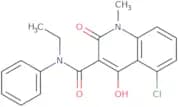
CAS:<p>N-Benzylbenzamide is a molecule that contains an amide group, which is considered to be a hydrogen bond acceptor. The amine group of this compound can also act as a hydrogen bond donor. It has been shown to inhibit the activity of tyrosinase, which is an enzyme responsible for the production of melanin in melanocytes. N-Benzylbenzamide has been shown to have a molecular mechanism similar to that of hydroquinone and other phenolic compounds. In addition, it has been found to decrease microvessel density and inhibit the growth of cancer cells in vitro. This compound is not yet approved for use as a drug but may be used in future research studies as an alternative treatment for cancer.</p>Formula:C14H13NOPurity:Min. 95%Color and Shape:White PowderMolecular weight:211.26 g/mol5-Chloro-4-hydroxy-1-methyl-2-oxo-1,2-dihydro-quinoline-3-carboxylic acid ethyl-phenyl-amide
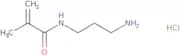
CAS:<p>Laquinimod is an immunomodulator drug that inhibits the activity of the immune system. It binds to toll-like receptor 7, which is a protein on the surface of certain cells that responds to infection and inflammation. Laquinimod has been shown to inhibit neurodegeneration in vitro, which may be due to its ability to bind with neuronal death receptors and block the inflammatory response. Laquinimod also inhibits bowel disease by reducing inflammation and controlling immunity in the intestinal tract. Laquinimod has been shown to have long-term efficacy when administered at physiological levels. This drug is chemically stable, even after exposure to light.</p>Formula:C19H17ClN2O3Purity:Min. 95%Color and Shape:White PowderMolecular weight:356.8 g/molN-(3-Aminopropylmethacrylamide HCl
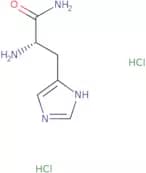
CAS:<p>N-(3-Aminopropylmethacrylamide HCl is a water-soluble optical sensor that has been used in the field of bioanalysis. This compound has been shown to react with propranolol hydrochloride and produce a fluorescent product. The fluorescence intensity depends on the concentration of propranolol hydrochloride, which can be measured using an optical detector. N-(3-Aminopropylmethacrylamide HCl is synthesized from trifluoroacetic acid and 3-aminopropylamine using a solid-phase synthesis technique. This compound has also been used as a ligand for affinity chromatography and as a template molecule in nonsteroidal anti-inflammatory drug research.</p>Formula:C7H14N2O·HClPurity:Min. 95%Color and Shape:Brown White Yellow PowderMolecular weight:178.66 g/molL-Histidine amide dihydrochloride
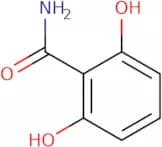
CAS:<p>Please enquire for more information about L-Histidine amide dihydrochloride including the price, delivery time and more detailed product information at the technical inquiry form on this page</p>Formula:C6H10N4O•(HCl)2Purity:Min. 95%Color and Shape:PowderMolecular weight:227.09 g/mol2,6-Dihydroxybenzamide
CAS:<p>2,6-Dihydroxybenzamide is a compound that belongs to the class of antibiotics. It is used in the production of supplements and has been found to be biodegradable. This antibiotic has been shown to have a viscosity of 2cP at 25°C and a pH range of 3-9. The functional groups present in this compound are carboxylic acids, amines, and flavonoid derivatives. In addition, 2,6-dihydroxybenzamide has been shown to inhibit the growth of bacteria by inhibiting amine synthesis and by reacting with chloride ions. This antibiotic also shows inhibitory effects against heterocyclic amines that are generated from cooking meat at high temperatures. 2,6-Dihydroxybenzamide is metabolized through oxidation or reduction and can be excreted unchanged in urine or as glucuronide conjugates in the bile.</p>Formula:C7H7NO3Purity:Min. 95%Color and Shape:PowderMolecular weight:153.14 g/mol2-Methylbenzamide
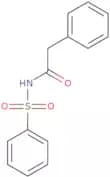
CAS:<p>2-Methylbenzamide is an amide with a carbonyl group and an intramolecular hydrogen. It has been shown to have synergic effects when combined with piperonyl butoxide in the treatment of autoimmune diseases. This synergistic effect is due to the inhibition of inflammatory mediator release, which can be achieved by blocking the enzyme cyclooxygenase-2. 2-Methylbenzamide has also been shown to inhibit deuterium isotope effect in cd-1 mice, which could make it beneficial for patients who are unable to tolerate other drugs.</p>Formula:C8H9NOPurity:Min. 95%Color and Shape:White PowderMolecular weight:135.16 g/mol2-Phenyl-N-(phenylsulfonyl)acetamide
CAS:<p>2-Phenyl-N-(phenylsulfonyl)acetamide is a fine chemical, useful intermediate and research chemicals. It has a CAS number of 92200-24-3. This compound can be used as a versatile building block in the synthesis of complex compounds with high quality and purity. 2-Phenyl-N-(phenylsulfonyl)acetamide can also be used as a reaction component in the synthesis of speciality chemicals or as a reagent.</p>Formula:C14H13NO3SMolecular weight:275.33 g/mol5-Amino-N,N'-bis(2,3-dihydroxypropyl)-2,4,6-triiodo-1,3-benzenedicarboxamide
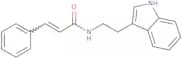
CAS:<p>5-Amino-N,N'-bis(2,3-dihydroxypropyl)-2,4,6-triiodo-1,3-benzenedicarboxamide is an experimental compound that is used in the industrial preparation of pharmaceuticals and agricultural chemicals. It has a molecular weight of 191.14 g/mol. The crystallization process involves the use of ethanol to create supersaturation and then cooling to induce crystallization. This compound can be synthesized by an iodination reaction with x-ray irradiation at low temperatures.</p>Formula:C14H18I3N3O6Purity:Min. 95%Color and Shape:White PowderMolecular weight:705.02 g/molN-(2-Indol-3-ylethyl)-3-phenylprop-2-enamide
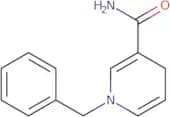
CAS:<p>N-(2-indol-3-ylethyl)-3-phenylprop-2-enamide is a serotonin analog that has been shown to inhibit the production of tryptophan decarboxylase in organisms. This compound has also been shown to be an inhibitor of the biosynthesis of p-coumaric acid, which is involved in the synthesis of lignin, phytoalexins, and other phenolic compounds. N-(2-indol-3-ylethyl)-3-phenylprop-2-enamide may be useful as a fungicide against pyricularia or as an antimicrobial against microbial infections.</p>Formula:C19H18N2OPurity:Min. 95%Color and Shape:PowderMolecular weight:290.36 g/mol1-Benzyl-1,4-dihydronicotinamide
CAS:<p>1-Benzyl-1,4-dihydronicotinamide is a drug that has been shown to have potential in treating metabolic disorders by restoring the balance of nitrogen atoms. It has been shown to be effective in inhibiting the production of nitric oxide and other reactive oxygen species (ROS) which are involved in the pathogenesis of inflammation, septic shock and HIV infection. 1-Benzyl-1,4-dihydronicotinamide also inhibits light emission from cells. This effect is due to its ability to reduce the concentration of NADH and ATP, which are necessary for the light emitting reaction. The drug's mechanism of action is not well understood but it may be related to its ability to block dimethyl fumarate (DMF), an inhibitor of monoclonal antibody production. The physiological function of this drug is not yet well understood but it may be related to its ability to inhibit the proliferation of human immunodeficiency virus (HIV).</p>Formula:C13H14N2OPurity:Min. 95%Color and Shape:PowderMolecular weight:214.26 g/molLY2112688 trifluoroacetate
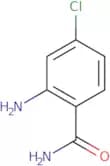
CAS:<p>Please enquire for more information about LY2112688 trifluoroacetate including the price, delivery time and more detailed product information at the technical inquiry form on this page</p>Formula:C51H70N18O11S2•(C2HF3O2)xPurity:Min. 95%Color and Shape:PowderMolecular weight:1,175.35 g/mol2-Amino-4-chlorobenzamide
CAS:<p>2-Amino-4-chlorobenzamide is a chemical compound that has been shown to be an effective oxidant in biological systems. It is an oxidative condensation product of 4-chloro-2-nitrobenzoic acid and ammonium chloride, which is formed by the reaction of these two compounds at room temperature. The nature of the functional group on 2-amino-4-chlorobenzamide allows it to be used as a transition state analogue for the study of reactions involving amines and nitrates. This compound can also be used in experiments with isatins, due to its ability to react with ammonia hydroxide to form 2-amino-4,6 dichlorobenzamide.</p>Formula:C7H7ClN2OPurity:Min. 95%Color and Shape:PowderMolecular weight:170.6 g/molN-[1-[2-(4-Ethyl-5-Oxotetrazol-1-Yl)Ethyl]-4-Phenylpiperidin-4-Yl]-N-(2-Fluorophenyl)Propanamide
CAS:Controlled Product<p>N-[1-[2-(4-Ethyl-5-Oxotetrazol-1-Yl)Ethyl]-4-Phenylpiperidin-4-Yl]-N-(2-Fluorophenyl)Propanamide is a drug that is used clinically for the treatment of depression. It is an analog of amitriptyline, an antidepressant and a tricyclic compound. N-[1-[2-(4-Ethyl-5-Oxotetrazol-1-Yl)Ethyl]-4-Phenylpiperidin-4-Yl]-N-(2-Fluorophenyl)Propanamide has been shown to increase the concentration of plasma drug levels by increasing transporter gene expression in muscle tissue. This drug also has clinical pharmacology and thermal expansion properties.</p>Formula:C25H31FN6O2Purity:Min. 95%Molecular weight:466.55 g/molN-(2,6-Dimethylphenyl)-1-piperazineacetamide
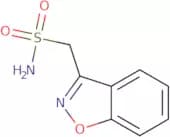
CAS:<p>N-(2,6-Dimethylphenyl)-1-piperazineacetamide is a byproduct of solvents and stabilizers. It has been found to be a crystalline solid with a molecular weight of 233.3 g/mol. The crystal structure was determined and found to be composed of two molecules of acetamide that are connected through hydrogen bonds. N-(2,6-Dimethylphenyl)-1-piperazineacetamide is soluble in ethanol and ether, but insoluble in water. This compound interacts with other substances, such as recrystallizing or substituting acetamides.</p>Formula:C14H21N3OPurity:Min. 95%Molecular weight:247.34 g/molZonisamide
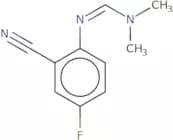
CAS:<p>Voltage-gated sodium channel blocker</p>Formula:C8H8N2O3SPurity:Min. 95%Color and Shape:White Slightly Yellow PowderMolecular weight:212.23 g/molN'-(2-Cyano-4-fluorophenyl)-N,N-dimethylimidoformamide
CAS:<p>N'-(2-Cyano-4-fluorophenyl)-N,N-dimethylimidoformamide is a high quality, reagent that is useful for the synthesis of complex compounds. It can be used as a fine chemical and speciality chemical in research and development. The CAS number for this compound is 1017082-62-0. N'-(2-Cyano-4-fluorophenyl)-N,N-dimethylimidoformamide has shown to be a versatile building block for the synthesis of novel compounds that are not commercially available. This product is suitable for use in reaction components as well as being an intermediate for the synthesis of other compounds.</p>Formula:C10H10FN3Purity:Min. 95%Color and Shape:PowderMolecular weight:191.21 g/molL-Alanine-β-naphthylamide
CAS:<p>L-alanine-β-naphthylamide is an amino acid that is synthesized by the action of β-Naphtholactamase on l-alanine. It is used as a substrate for enzyme studies and to determine the uptake of substances by cells. L-Alanine-β-naphthylamide has been shown to inhibit the activity of some enzymes, such as aminopeptidases and peptidases. The inhibition may be due to its ability to bind to lysine residues in the active site of these enzymes. This amino acid also inhibits the growth of bacteria at neutral pH and has a bacteriostatic effect at a pH range from 4.5 to 5.5.</p>Formula:C13H14N2OPurity:Min. 95%Color and Shape:PowderMolecular weight:214.26 g/mol(+/-)-tert-Butylsulphonamide
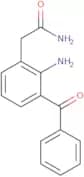
CAS:<p>(+/-)-tert-Butylsulphonamide is a synthetic molecule that is a functional group with two aryl halides. It has been shown to inhibit the mitochondrial protein synthesis by preventing the nitrosylation of tyrosine residues in proteins. This inhibition prevents the production of growth factors and other bioactive molecules, leading to an increase in the cell's sensitivity to genotoxic agents. (+/-)-tert-Butylsulphonamide has also been shown to inhibit viral replication and infectivity by targeting viral RNA polymerase, which is responsible for viral transcription. The chloride anion present in (+/-)-tert-butylsulphonamide may have an inhibitory effect on viruses with a low pH environment, such as naphthalene or carbonic acid; however, it does not affect viruses with a neutral pH.END></p>Formula:C4H11NO2SPurity:Min. 95%Color and Shape:White PowderMolecular weight:137.2 g/mol2-Amino-3-benzoylbenzeneacetamide
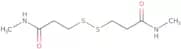
CAS:<p>2-Amino-3-benzoylbenzeneacetamide is an ophthalmic drug that has significant cytotoxicity. It is used to treat inflammation of the retina and macula, as well as other diseases of the eye such as uveitis. 2-Amino-3-benzoylbenzeneacetamide is a nonsteroidal anti-inflammatory drug (NSAID) that inhibits prostaglandin synthesis by blocking cyclooxygenase. This agent has been shown to be effective in reducing pain and inflammation in animal models, but there are no studies on its side effects or analytical methods for detection. There are also no studies on the effectiveness of this drug for treating uveitis.</p>Formula:C15H14N2O2Purity:Min. 95%Color and Shape:PowderMolecular weight:254.28 g/molN,N'-Dimethyl-3,3'-dithiodipropionamide
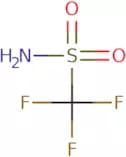
CAS:<p>N,N'-Dimethyl-3,3'-dithiodipropionamide (DTDPA) is a strong oxidizing agent that is used as a catalyst in organic synthesis. It can be used to convert xylene and benzene into products that are less toxic and more easily removed from the environment. DTDPA can also be used to remove 2-methyl-4-isothiazolin-3-one, chloroform, and other pollutants from water. DTDPA has been shown to react with hydrogen peroxide or hydrochloric acid to produce oxygen gas and chlorine, which is an effective disinfectant against bacteria such as Staphylococcus aureus or Pseudomonas aeruginosa. This chemical also reacts with toluene or chloroform to produce peroxides which have been shown to have an anti-inflammatory effect on cells.</p>Formula:C8H16N2O2S2Purity:(Q-1H Nmr) Min 95%Color and Shape:White/Off-White SolidMolecular weight:236.36 g/molTrifluoromethanesulfonamide
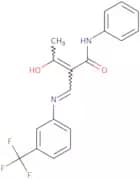
CAS:<p>Trifluoromethanesulfonamide is a strong acid that has been shown to inhibit the proteolytic activity of human secretase. It binds to a specific site on the enzyme and prevents it from cleaving the substrate. This inhibition slows down the progression of Alzheimer's disease, Parkinson's disease, and other related disorders. Trifluoromethanesulfonamide has also been shown to bind to metal hydroxides, such as iron hydroxide, which may be due to its ability to form hydrogen bonds with these metals. Structural analysis reveals that trifluoromethanesulfonamide contains a pyrazole ring and two chlorine atoms, one in the para position and one in the meta position.</p>Formula:CH2F3NO2SColor and Shape:PowderMolecular weight:149.09 g/mol2-acetyl-N-phenyl-3-((3-(trifluoromethyl)phenyl)amino)prop-2-enamide
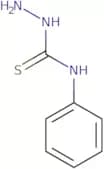
CAS:<p>Please enquire for more information about 2-acetyl-N-phenyl-3-((3-(trifluoromethyl)phenyl)amino)prop-2-enamide including the price, delivery time and more detailed product information at the technical inquiry form on this page</p>Formula:C18H15F3N2O2Purity:Min. 95%Color and Shape:PowderMolecular weight:348.32 g/molN-Phenylhydrazinecarbothioamide
CAS:<p>N-Phenylhydrazinecarbothioamide is a chemical compound that is used in wastewater treatment. It is an organic molecule that is composed of hydrophobic and hydrophilic parts. The hydrophobic part, which contains the phenyl group, binds to the hydrophobic region of the cell membrane and causes the cell to lyse. The hydrophilic part has an affinity for water and can be used as an electrode material in electrochemical impedance spectroscopy. N-Phenylhydrazinecarbothioamide also has been shown to have antibacterial properties against human pathogens, including Mycobacterium tuberculosis, Clostridium perfringens, and Escherichia coli O157:H7. The compound has been shown to inhibit cervical cancer cells by inhibiting protein synthesis through inhibition of ribosomal activity and fragmentation assay analysis showed that N-phenylhydrazinecarbothioamide binds to copper ions at a coordination geometry of</p>Formula:C7H9N3SPurity:Min. 95%Color and Shape:SolidMolecular weight:167.23 g/molN-((4-(2-Furylcarbonyl)piperazinyl)thioxomethyl)benzamide
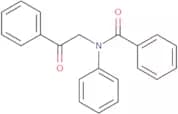
CAS:<p>Please enquire for more information about N-((4-(2-Furylcarbonyl)piperazinyl)thioxomethyl)benzamide including the price, delivery time and more detailed product information at the technical inquiry form on this page</p>Formula:C17H17N3O3SPurity:Min. 95%Color and Shape:PowderMolecular weight:343.4 g/molN-(2-Oxo-2-phenylethyl)-N-phenylbenzamide
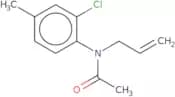
CAS:<p>N-(2-Oxo-2-phenylethyl)-N-phenylbenzamide is a fine chemical that can be used as a versatile building block and reagent for the synthesis of complex compounds. This compound has been shown to react with both amines and alcohols in the presence of acid to produce useful products. It is also an intermediate for the synthesis of other compounds, such as pharmaceuticals, pesticides, and herbicides. N-(2-Oxo-2-phenylethyl)-N-phenylbenzamide is soluble in organic solvents and can be purified by recrystallization or column chromatography. The purity of this compound can be confirmed by nuclear magnetic resonance spectroscopy (1H NMR) or mass spectrometry (MS).</p>Formula:C21H17NO2Purity:Min. 95%Molecular weight:315.37 g/molN-Allyl-n-(4-cyano-2-chlorophenyl)acetamide
CAS:<p>N-Allyl-N-(4-cyano-2-chlorophenyl)acetamide is a high quality reagent that has been used as an intermediate in the synthesis of fine chemicals, useful scaffolds and building blocks. It is also a versatile building block that can be used to synthesize high quality compounds with a wide range of functionalities. N-Allyl-N-(4-cyano-2-chlorophenyl)acetamide is a speciality chemical that can be used for research purposes. This compound has been shown to produce reactions with other compounds, such as nitrobenzene, to generate useful products.</p>Formula:C12H11ClN2OPurity:Min. 95%Molecular weight:234.68 g/molN-[(8-Fluoro-2,3-Dihydro-1-Methyl-5-Phenyl-1H-1,4-Benzodiazepin-2-Yl)Methyl]-3-Furancarboxamide
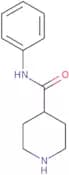
CAS:Controlled Product<p>N-[(8-Fluoro-2,3-Dihydro-1-Methyl-5-Phenyl-1H-1,4-Benzodiazepin-2-Yl)Methyl]-3-Furancarboxamide is a hydrophobic, implanting drug with an iontophoresis device. It has been shown to have therapeutic effects in cancer. The drug is a targetable molecule that can be used for diagnostic purposes and the treatment of various cancers. N-[(8-Fluoro-2,3-Dihydro-1,5 -Phenyl 1H -1,4 Benzodiazepin 2 Yl) Methyl] 3 Furancarboxamide has been shown to inhibit cell proliferation by blocking the synthesis of proteins required for DNA replication and also inhibits the activity of protein kinase C.</p>Purity:Min. 95%N-Phenylpiperidine-4-carboxamide
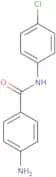
CAS:<p>N-Phenylpiperidine-4-carboxamide is a drug that inhibits the production of thromboxane A2 and other substances that promote clotting. It is used to treat patients with high blood pressure, as well as for the prevention of strokes and heart attacks. N-Phenylpiperidine-4-carboxamide is an analog of biphenyl and has been shown to have antiplatelet activity in humans. This drug also inhibits soluble guanylate cyclase, which prevents platelets from sticking together and forming clots. N-Phenylpiperidine-4-carboxamide is rapidly metabolized by esterases in the human body and excreted primarily in urine. The pharmacokinetic properties of this drug are not well understood but it can be synthesized using a number of different methods involving amide bonds.</p>Formula:C12H16N2OPurity:Min. 95%Color and Shape:White PowderMolecular weight:204.27 g/mol(4-Aminophenyl)-N-(4-chlorophenyl)formamide
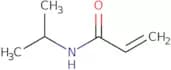
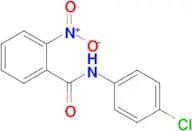
CAS:<p>Please enquire for more information about (4-Aminophenyl)-N-(4-chlorophenyl)formamide including the price, delivery time and more detailed product information at the technical inquiry form on this page</p>Formula:C13H11ClN2OPurity:Min. 95%Color and Shape:PowderMolecular weight:246.69 g/molN-Isopropylacrylamide
CAS:<p>N-Isopropylacrylamide is a biocompatible polymer that is used in the preparation of polymers. It is a solid phase microextraction material that is used in sample preparation and purification. N-Isopropylacrylamide has a phase transition temperature of -5°C and can be polymerized to form a polymer. This polymerization process can be done with or without catalysts, which are required for the formation of many other types of polymers. N-Isopropylacrylamide has been shown to have good affinity for human serum and wastewater treatment effluent samples, as well as for chitosan polymer surfaces. The kinetic data show that this polymer possesses high capacity for trifluoroacetic acid (TFA) reactivity, which makes it suitable for use in reaction solutions.</p>Formula:C6H11NOPurity:Min. 98.5 Area-%Color and Shape:White PowderMolecular weight:113.16 g/molL-Alaninamide
CAS:<p>L-Alaninamide is a protonated amino acid that reacts with the bacterial cell membrane and causes it to rupture. L-Alaninamide is synthesized by hydrolysis of the ester bond between butyric acid and serine protease in the presence of immobilized d-alanine. The reaction is carried out at a pH of 5.5, and the release of pressor is observed. This reaction takes place in an aqueous solution containing fatty acids as solvents. The type strain of this amino acid is E. coli.</p>Formula:C3H8N2OPurity:Min. 95%Color and Shape:PowderMolecular weight:88.11 g/mol
![3-[(2S)-PIPERIDIN-2-YL]-1-(2,3,4-TRIFLUOROBENZOYL)AZETIDIN-3-OL](/_next/image/?url=https%3A%2Fstatic.cymitquimica.com%2Fproducts%2F10%2Fthumb-webp%2FF513367.webp&w=3840&q=75)

![2-CHLORO-8-FLUORO-5,11-DIMETHYL-5H-BENZO[E]PYRIMIDO[5,4-B][1,4]DIAZEPIN-6(11H)-ONE](/_next/image/?url=https%3A%2Fstatic.cymitquimica.com%2Fproducts%2F10%2Fthumb-webp%2FF528705.webp&w=3840&q=75)
![(2S)-3-methyl-2-(N-{[2'-(1H-1,2,3,4-tetrazol-5-yl)-[1,1'-biphenyl]-4-yl]methyl}pentanamido)butanoi…](/_next/image/?url=https%3A%2Fstatic.cymitquimica.com%2Fproducts%2F10%2Fthumb-webp%2FF794020.webp&w=3840&q=75)
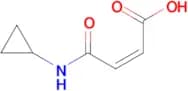
![N-[bis(4-methoxyphenyl)methyl]-6-oxo-2-(pyridazin-3-yl)-1,6-dihydropyrimidine-5-carboxamide](/_next/image/?url=https%3A%2Fstatic.cymitquimica.com%2Fproducts%2F10%2Fthumb-webp%2FF811127.webp&w=3840&q=75)
![7-Hydroxy-6-(4-methoxybenzyl)-6,7-dihydro-5H-pyrrolo[3,4-b]pyridin-5-one](/_next/image/?url=https%3A%2Fstatic.cymitquimica.com%2Fproducts%2F10%2Fthumb-webp%2FF757309.webp&w=3840&q=75)
![Tert-butyl 2-(3-trifluoromethylphenyl)-5-(pyrrolidin-1-ylcarbonyl)-5,7-dihydro-6H-pyrrolo[3,4-d]py…](/_next/image/?url=https%3A%2Fstatic.cymitquimica.com%2Fproducts%2F10%2Fthumb-webp%2FF300378.webp&w=3840&q=75)


![4-(4-fluorobenzoyl)-1-oxa-4-azaspiro[4.5]decane-3-carboxylic acid](/_next/image/?url=https%3A%2Fstatic.cymitquimica.com%2Fproducts%2F10%2Fthumb-webp%2FF525513.webp&w=3840&q=75)
![N-[4-(adamantan-1-yl)phenyl]-2-(4H-1,2,4-triazol-3-ylsulfanyl)acetamide](/_next/image/?url=https%3A%2Fstatic.cymitquimica.com%2Fproducts%2F10%2Fthumb-webp%2FF864159.webp&w=3840&q=75)
![2-(2-([1,2,4]TRIAZOLO[1,5-A]PYRIDIN-2-YL)ETHYL)-7-CHLORO-5-METHYL-2,3-DIHYDRO-1H-PYRROLO[3,4-C]PYR…](/_next/image/?url=https%3A%2Fstatic.cymitquimica.com%2Fproducts%2F10%2Fthumb-webp%2FF386425.webp&w=3840&q=75)
![4-(3-methoxybenzoyl)-8-methyl-1-oxa-4-azaspiro[4.5]decane-3-carboxylic acid](/_next/image/?url=https%3A%2Fstatic.cymitquimica.com%2Fproducts%2F10%2Fthumb-webp%2FF525593.webp&w=3840&q=75)
![4-(2-bromobenzoyl)-8-methyl-1-oxa-4,8-diazaspiro[4.5]decane-3-carboxylic acid](/_next/image/?url=https%3A%2Fstatic.cymitquimica.com%2Fproducts%2F10%2Fthumb-webp%2FF525646.webp&w=3840&q=75)

![8-methyl-4-(naphthalene-1-carbonyl)-1-oxa-4,8-diazaspiro[4.5]decane-3-carboxylic acid](/_next/image/?url=https%3A%2Fstatic.cymitquimica.com%2Fproducts%2F10%2Fthumb-webp%2FF525637.webp&w=3840&q=75)

![4-(3,4-dichlorobenzoyl)-8-methyl-1-oxa-4,8-diazaspiro[4.5]decane-3-carboxylic acid](/_next/image/?url=https%3A%2Fstatic.cymitquimica.com%2Fproducts%2F10%2Fthumb-webp%2FF525632.webp&w=3840&q=75)

![N-(4-{[(Pyridin-4-ylmethyl)amino]methyl}phenyl)-acetamide](/_next/image/?url=https%3A%2Fstatic.cymitquimica.com%2Fproducts%2F10%2Fthumb-webp%2FF015165.webp&w=3840&q=75)

![N-[1-(1H-1,2,3-Benzotriazol-1-yl)hexyl]benzamide](/_next/image/?url=https%3A%2Fstatic.cymitquimica.com%2Fproducts%2F10%2Fthumb-webp%2FF182833.webp&w=3840&q=75)
![4-[(quinolin-2-ylcarbonyl)amino]benzoic acid](/_next/image/?url=https%3A%2Fstatic.cymitquimica.com%2Fproducts%2F10%2Fthumb-webp%2FF314732.webp&w=3840&q=75)
![8-benzyl-4-(2-methylbenzoyl)-1-oxa-4,8-diazaspiro[4.5]decane-3-carboxylic acid](/_next/image/?url=https%3A%2Fstatic.cymitquimica.com%2Fproducts%2F10%2Fthumb-webp%2FF525803.webp&w=3840&q=75)


![4-(2,4-dichlorobenzoyl)-8-ethyl-1-oxa-4,8-diazaspiro[4.5]decane-3-carboxylic acid](/_next/image/?url=https%3A%2Fstatic.cymitquimica.com%2Fproducts%2F10%2Fthumb-webp%2FF525669.webp&w=3840&q=75)
![BENZYL 1-OXO-2,5-DIAZASPIRO[3.4]OCTANE-5-CARBOXYLATE](/_next/image/?url=https%3A%2Fstatic.cymitquimica.com%2Fproducts%2F10%2Fthumb-webp%2FF502166.webp&w=3840&q=75)

![N-[2-(4-Methylphenyl)-1-[(4-nitrophenyl)amino]-2-oxoethyl]-2-furancarboxamide](/_next/image/?url=https%3A%2Fstatic.cymitquimica.com%2Fproducts%2F10%2Fthumb-webp%2FF101696.webp&w=3840&q=75)

![2-(Benzoylamino)-5,6-dihydro-4H-cyclopenta[d][1,3]thiazole-4-carboxylic acid](/_next/image/?url=https%3A%2Fstatic.cymitquimica.com%2Fproducts%2F10%2Fthumb-webp%2FF495762.webp&w=3840&q=75)

![8-tert-butyl-4-(4-fluorobenzoyl)-1-oxa-4-azaspiro[4.5]decane-3-carboxylic acid](/_next/image/?url=https%3A%2Fstatic.cymitquimica.com%2Fproducts%2F10%2Fthumb-webp%2FF525752.webp&w=3840&q=75)
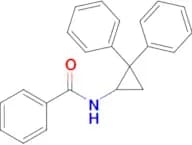
![4-(3,4-dichlorobenzoyl)-8-ethyl-1-oxa-4,8-diazaspiro[4.5]decane-3-carboxylic acid](/_next/image/?url=https%3A%2Fstatic.cymitquimica.com%2Fproducts%2F10%2Fthumb-webp%2FF525681.webp&w=3840&q=75)


![4-(4-chloro-2-fluorobenzoyl)-8-propyl-1-oxa-4,8-diazaspiro[4.5]decane-3-carboxylic acid](/_next/image/?url=https%3A%2Fstatic.cymitquimica.com%2Fproducts%2F10%2Fthumb-webp%2FF525750.webp&w=3840&q=75)
![1-Chloro-5H-pyrido[4,3-b]indole-4-carboxamide](/_next/image/?url=https%3A%2Fstatic.cymitquimica.com%2Fproducts%2F10%2Fthumb-webp%2FF540374.webp&w=3840&q=75)
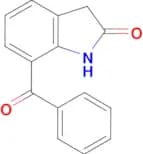
![Tert-butyl (3aS,7aR)-4-oxo-3,3a,5,6,7,7a-hexahydro-1H-pyrrolo[3,4-c]pyridine-2-carboxylate](/_next/image/?url=https%3A%2Fstatic.cymitquimica.com%2Fproducts%2F10%2Fthumb-webp%2FF609071.webp&w=3840&q=75)
![3,6-Bis(5-bromothiophen-2-yl)-2,5-dioctylpyrrolo[3,4-c]pyrrole-1,4(2H,5H)-dione](/_next/image/?url=https%3A%2Fstatic.cymitquimica.com%2Fproducts%2F10%2Fthumb-webp%2FF694915.webp&w=3840&q=75)
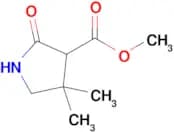
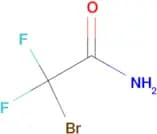

![5-(Phenylmethyl)-5-azaspiro[2.4]heptane-4,7-dione](/_next/image/?url=https%3A%2Fstatic.cymitquimica.com%2Fproducts%2F10%2Fthumb-webp%2FF790254.webp&w=3840&q=75)
![8-tert-butyl-4-(4-chlorobenzoyl)-1-oxa-4-azaspiro[4.5]decane-3-carboxylic acid](/_next/image/?url=https%3A%2Fstatic.cymitquimica.com%2Fproducts%2F10%2Fthumb-webp%2FF525756.webp&w=3840&q=75)
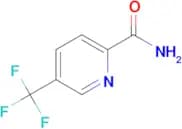
![4-{[1,1'-biphenyl]-4-carbonyl}-8-methyl-1-oxa-4,8-diazaspiro[4.5]decane-3-carboxylic acid](/_next/image/?url=https%3A%2Fstatic.cymitquimica.com%2Fproducts%2F10%2Fthumb-webp%2FF525635.webp&w=3840&q=75)
![8-methyl-4-(2,4,6-trimethylbenzoyl)-1-oxa-4,8-diazaspiro[4.5]decane-3-carboxylic acid](/_next/image/?url=https%3A%2Fstatic.cymitquimica.com%2Fproducts%2F10%2Fthumb-webp%2FF525662.webp&w=3840&q=75)
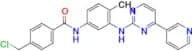
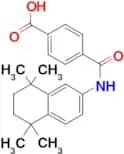
![1-(3-NITRO-10,11-DIHYDRO-5H-DIBENZO[B,F]AZEPIN-5-YL)ETHANONE](/_next/image/?url=https%3A%2Fstatic.cymitquimica.com%2Fproducts%2F10%2Fthumb-webp%2FF530501.webp&w=3840&q=75)
![4-(2-phenylbutanoyl)-8-propyl-1-oxa-4,8-diazaspiro[4.5]decane-3-carboxylic acid](/_next/image/?url=https%3A%2Fstatic.cymitquimica.com%2Fproducts%2F10%2Fthumb-webp%2FF525728.webp&w=3840&q=75)

![(6R,7R)-7-Amino-3-(((5-methyl-1,3,4-thiadiazol-2-yl)thio)methyl)-8-oxo-5-thia-1-azabicyclo[4.2.0]o…](/_next/image/?url=https%3A%2Fstatic.cymitquimica.com%2Fproducts%2F10%2Fthumb-webp%2FF546079.webp&w=3840&q=75)
![8-benzyl-4-hexanoyl-1-oxa-4,8-diazaspiro[4.5]decane-3-carboxylic acid](/_next/image/?url=https%3A%2Fstatic.cymitquimica.com%2Fproducts%2F10%2Fthumb-webp%2FF525801.webp&w=3840&q=75)

![8-benzyl-4-(thiophene-2-carbonyl)-1-oxa-4,8-diazaspiro[4.5]decane-3-carboxylic acid](/_next/image/?url=https%3A%2Fstatic.cymitquimica.com%2Fproducts%2F10%2Fthumb-webp%2FF525799.webp&w=3840&q=75)
![Tert-butyl 4-[5-phenyl-3,7-dioxo-1,4-diazepan-1-yl]piperidine-1-carboxylate](/_next/image/?url=https%3A%2Fstatic.cymitquimica.com%2Fproducts%2F10%2Fthumb-webp%2FF300186.webp&w=3840&q=75)



![Tert-Butyl 2-oxo-1,9-diazaspiro[5.5]undecane-9-carboxylate](/_next/image/?url=https%3A%2Fstatic.cymitquimica.com%2Fproducts%2F10%2Fthumb-webp%2FF044884.webp&w=3840&q=75)


![(3aS,6aS)-Benzyl 5-oxohexahydropyrrolo[3,2-b]pyrrole-1(2H)-carboxylate](/_next/image/?url=https%3A%2Fstatic.cymitquimica.com%2Fproducts%2F10%2Fthumb-webp%2FF613690.webp&w=3840&q=75)
![8-tert-butyl-4-[2-(4-methoxyphenyl)acetyl]-1-oxa-4-azaspiro[4.5]decane-3-carboxylic acid](/_next/image/?url=https%3A%2Fstatic.cymitquimica.com%2Fproducts%2F10%2Fthumb-webp%2FF525764.webp&w=3840&q=75)
![4-(3-nitrobenzoyl)-8-propyl-1-oxa-4,8-diazaspiro[4.5]decane-3-carboxylic acid](/_next/image/?url=https%3A%2Fstatic.cymitquimica.com%2Fproducts%2F10%2Fthumb-webp%2FF525721.webp&w=3840&q=75)
![N-{1-[(2-methoxyphenyl)amino]-2-(4-methylphenyl)-2 oxoethyl}furan-2-carboxamide](/_next/image/?url=https%3A%2Fstatic.cymitquimica.com%2Fproducts%2F10%2Fthumb-webp%2FF094166.webp&w=3840&q=75)
![8-benzyl-4-propanoyl-1-oxa-4,8-diazaspiro[4.5]decane-3-carboxylic acid](/_next/image/?url=https%3A%2Fstatic.cymitquimica.com%2Fproducts%2F10%2Fthumb-webp%2FF525787.webp&w=3840&q=75)
![Spiro[isoindoline-1,4'-piperidin]-3-one](/_next/image/?url=https%3A%2Fstatic.cymitquimica.com%2Fproducts%2F10%2Fthumb-webp%2FF637005.webp&w=3840&q=75)
![8-benzyl-4-(2,2-dimethylpropanoyl)-1-oxa-4,8-diazaspiro[4.5]decane-3-carboxylic acid](/_next/image/?url=https%3A%2Fstatic.cymitquimica.com%2Fproducts%2F10%2Fthumb-webp%2FF525790.webp&w=3840&q=75)
![N-Ethyl-2-(2-(4-methoxyphenoxy)acetamido)-4,5,6,7-tetrahydrobenzo[b]thiophene-3-carboxamide](/_next/image/?url=https%3A%2Fstatic.cymitquimica.com%2Fproducts%2F10%2Fthumb-webp%2FF702411.webp&w=3840&q=75)
![2-(4-FLUOROPHENYL)-6,7-DIHYDROPYRAZOLO[1,5-A]PYRAZIN-4(5H)-ONE](/_next/image/?url=https%3A%2Fstatic.cymitquimica.com%2Fproducts%2F10%2Fthumb-webp%2FF388533.webp&w=3840&q=75)
![8-ethyl-4-(2-phenylbutanoyl)-1-oxa-4,8-diazaspiro[4.5]decane-3-carboxylic acid](/_next/image/?url=https%3A%2Fstatic.cymitquimica.com%2Fproducts%2F10%2Fthumb-webp%2FF525680.webp&w=3840&q=75)
![Tert-Butyl 2'-oxo-3'H-spiro{piperidine-4,1'-pyrrolo[3,2-b]pyridine}-1-carboxylate](/_next/image/?url=https%3A%2Fstatic.cymitquimica.com%2Fproducts%2F10%2Fthumb-webp%2FF516111.webp&w=3840&q=75)
![8-benzyl-4-heptanoyl-1-oxa-4,8-diazaspiro[4.5]decane-3-carboxylic acid](/_next/image/?url=https%3A%2Fstatic.cymitquimica.com%2Fproducts%2F10%2Fthumb-webp%2FF525806.webp&w=3840&q=75)

![N-((4aR,7R,8R,8aS)-6,8-Dihydroxy-2-phenylhexahydropyrano[3,2-d][1,3]dioxin-7-yl)acetamide](/_next/image/?url=https%3A%2Fstatic.cymitquimica.com%2Fproducts%2F10%2Fthumb-webp%2FF325163.webp&w=3840&q=75)
![N-(3,4-Dimethyl-phenyl)-2-[5-(2-hydroxy-phenyl)-[1,3,4]oxadiazol-2-ylsulfanyl]-propionamide](/_next/image/?url=https%3A%2Fstatic.cymitquimica.com%2Fproducts%2F10%2Fthumb-webp%2FF055870.webp&w=3840&q=75)

![N-[2-(1,2,6,7-Tetrahydro-8H-indeno[5,4-b]furan-8-ylidene)ethyl]propanamide](/_next/image/?url=https%3A%2Fstatic.cymitquimica.com%2Fproducts%2F10%2Fthumb-webp%2FF788113.webp&w=3840&q=75)
![N-[1,3-Bis(1H-1,2,3-benzotriazol-1-yl)propyl]benzamide](/_next/image/?url=https%3A%2Fstatic.cymitquimica.com%2Fproducts%2F10%2Fthumb-webp%2FF183516.webp&w=3840&q=75)
![8-methyl-4-(2-phenylbutanoyl)-1-oxa-4-azaspiro[4.5]decane-3-carboxylic acid](/_next/image/?url=https%3A%2Fstatic.cymitquimica.com%2Fproducts%2F10%2Fthumb-webp%2FF525580.webp&w=3840&q=75)
![(8β)-N-[3-(Dimethylamino)propyl]-N-[(ethylamino)carbonyl] -6-(2-propen-1-yl)-ergoline-8-carboxamide](/_next/image/?url=https%3A%2Fstatic.cymitquimica.com%2Fproducts%2F3D%2Fthumb-webp%2FFD19622.webp&w=3840&q=75)

![3-[(Aminocarbonyl)amino]-5-[4-(morpholin-4-ylmethyl)phenyl]thiophene-2-carboxamide](/_next/image/?url=https%3A%2Fstatic.cymitquimica.com%2Fproducts%2F3D%2Fthumb-webp%2FFA18119.webp&w=3840&q=75)


![N-[2-(2,3-Dimethoxyphenyl)ethyl]-2-chlorobenzamide](/_next/image/?url=https%3A%2Fstatic.cymitquimica.com%2Fproducts%2F3D%2Fthumb-webp%2FFD66108.webp&w=3840&q=75)
![N-[S-(2-Pyridylthio)cysteaminyl]ethylenediamine-N,N,N',N'-tetraacetic acid, monoamide - Technical …](/_next/image/?url=https%3A%2Fstatic.cymitquimica.com%2Fproducts%2F3D%2Fthumb-webp%2FFP27342.webp&w=3840&q=75)
![N-(3,5-Dichloro-4-Pyridinyl)-2-[1-(4-Fluorobenzyl)-5-Hydroxy-1H-Indol-3-Yl]-2-Oxoacetamide](/_next/image/?url=https%3A%2Fstatic.cymitquimica.com%2Fproducts%2F3D%2Fthumb-webp%2FFD101748.webp&w=3840&q=75)





![N-[1-[2-(4-Ethyl-5-Oxotetrazol-1-Yl)Ethyl]-4-Phenylpiperidin-4-Yl]-N-(2-Fluorophenyl)Propanamide](/_next/image/?url=https%3A%2Fstatic.cymitquimica.com%2Fproducts%2F3D%2Fthumb-webp%2FFE102162.webp&w=3840&q=75)




![N-[(8-Fluoro-2,3-Dihydro-1-Methyl-5-Phenyl-1H-1,4-Benzodiazepin-2-Yl)Methyl]-3-Furancarboxamide](/_next/image/?url=https%3A%2Fstatic.cymitquimica.com%2Fproducts%2F3D%2Fthumb-webp%2FFF102093.webp&w=3840&q=75)