Carboxylic Acids
Carboxylic acids are organic molecules characterized by having a carboxyl-type functional group (-COOH). These acids are fundamental in various chemical reactions, including esterification, amidation, and decarboxylation. Carboxylic acids are widely used in the production of pharmaceuticals, polymers, and agrochemicals. In this section, you can find a large number of carboxylic acids ready to be used. At CymitQuimica, we provide a broad range of high-quality carboxylic acids to support your research and industrial applications.
Found 12453 products of "Carboxylic Acids"
Sort by
Purity (%)
0
100
|
0
|
50
|
90
|
95
|
100
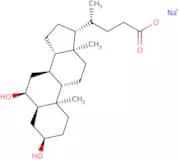
Hyodeoxycholic acid sodium salt
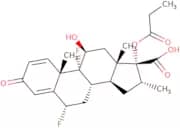
CAS:Controlled Product<p>Hyodeoxycholic acid sodium salt is a nonsteroidal anti-inflammatory drug that belongs to the class of hyodeoxycholic acids. It is an inhibitor of the enzyme activities that are involved in the synthesis of prostaglandins from arachidonic acid. Hyodeoxycholic acid sodium salt has been shown to inhibit the activity of enzymes such as cyclooxygenase, lipoxygenase, and 5-lipoxigenase. This inhibition leads to decreased production of inflammatory prostaglandins, which are responsible for inflammation and pain. Hyodeoxycholic acid sodium salt also has neurotrophic effects that may be due to its ability to stimulate NGF synthesis by neurons in vitro.</p>Formula:C24H39NaO4Purity:Min. 95%Molecular weight:414.55 g/molFluticasone 17b-carboxylic acid propionate
CAS:Controlled Product<p>Fluticasone propionate is a synthetic corticosteroid that is used in the treatment of asthma. It is an esterified prodrug which requires hydrolysis by esterases in order to become active. Fluticasone propionate has shown clinical efficacy with oral administration and can be administered by inhalation or through the skin. This drug is available as a deuterated form for use in nuclear magnetic resonance spectroscopy and reaction monitoring. It also has a linear range of 10-1000 ng/mL and a quadrupole mass spectrometer detection limit of 0.1 pmol, which allows it to be used for plasma samples and reconstituted drugs.</p>Formula:C24H30F2O6Purity:(¹H-Nmr) Min. 95 Area-%Color and Shape:White Off-White PowderMolecular weight:452.49 g/molPiperazine-2-carboxylic acid methyl esterdihydrochloride
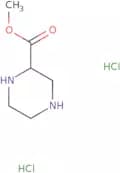
CAS:<p>Piperazine-2-carboxylic acid methyl ester (PPCM) is a chemical compound that is used as an intermediate in the production of ethylenediamine and piperazine-2-carboxylic acid dihydrochloride. It is a white crystalline solid that can be synthesized by reacting ethylene diamine with piperazine-2-carboxylic acid. PPCM has been shown to inhibit the growth of bacteria, yeast, and fungi by inhibiting protein synthesis. This chemical also inhibits the production of proteins essential for respiration and cell wall formation.</p>Formula:C6H14Cl2N2O2Purity:Min. 95%Molecular weight:217.09 g/mol1-(4-Methoxyphenyl)-3-phenyl-1H-pyrazole-5-carboxylic acid
CAS:Controlled Product<p>Please enquire for more information about 1-(4-Methoxyphenyl)-3-phenyl-1H-pyrazole-5-carboxylic acid including the price, delivery time and more detailed product information at the technical inquiry form on this page</p>Formula:C17H14N2O3Purity:Min. 95%Color and Shape:PowderMolecular weight:294.3 g/molLys-Bradykinin acetate salt
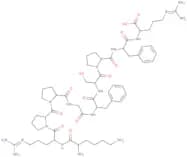
CAS:<p>Lys-Bradykinin is a peptide that is a member of the group of kinins. It has been shown to be effective at inhibiting the activity of kallikrein, which is an enzyme that converts kininogen to bradykinin. This inhibition lowers the levels of bradykinin in the blood and may be used as a diagnostic tool for identifying diseases such as congestive heart failure, pulmonary edema, and acute renal failure. Lys-Bradykinin can also be used as a model system for studying kinins and their biological effects on various systems. For example, it has been shown to have natriuretic properties in humans by increasing levels of erythropoietin and ANP.</p>Formula:C56H85N17O12Purity:Min. 95%Molecular weight:1,188.38 g/mol4,4-Difluorpentanoic acid
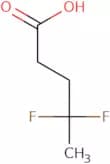
CAS:<p>4,4-Difluorpentanoic acid is an intermediate in the synthesis of amantadine hydrochloride. It is also used as a food additive to inhibit proteolytic enzymes and to produce alkyl esters. 4,4-Difluorpentanoic acid can be used as a competitive inhibitor of serine proteases and cysteine proteases. The compound binds reversibly to the active site of these enzymes and inhibits their activity by competing with the natural substrate for binding. This compound is often used in combination with other protease inhibitors such as phenylmethanesulfonyl fluoride or N-phenylmaleimide.</p>Formula:C5H8F2O2Purity:Min. 95%Molecular weight:138.11 g/mol7-Phenylacetamide-3-chloromethyl-3-cephem-4-carboxylic acid diphenylmethyl ester
CAS:<p>7-Phenylacetamide-3-chloromethyl-3-cephem-4-carboxylic acid diphenylmethyl ester is an organic solution that is used in the detoxification of chemical substances. It has a hydroxyl group and is soluble in nonpolar solvents. 7PAMC has been shown to be effective against bone lesions caused by acylation reactions. This drug also binds to the enzyme called cytochrome P450, which is involved in the metabolism of many drugs. It also inhibits bacterial growth by binding to DNA gyrase and topoisomerase IV, enzymes that maintain bacterial DNA integrity. The particle size of this drug is small, with a diameter of less than 10 microns. 7PAMC has a viscosity of 1 cps at 25°C and a melting point of 129°C.</p>Formula:C29H25ClN2O4SPurity:Min. 95%Molecular weight:533.04 g/molHeptadecafluorooctanesulfonic acid potassium
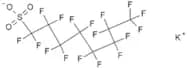
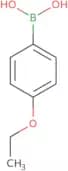
CAS:<p>Please enquire for more information about Heptadecafluorooctanesulfonic acid potassium including the price, delivery time and more detailed product information at the technical inquiry form on this page</p>Formula:C8HF17O3S•KPurity:Min. 95%Color and Shape:PowderMolecular weight:539.23 g/mol(4-Ethoxyphenyl)boronic acid
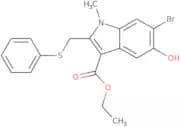
CAS:<p>4-Ethoxyphenylboronic acid is a boron-containing compound that has been shown to have potent antiviral activity. This compound is synthesized from adipose tissue and optical properties of the phenoxazine derivative are studied in order to find an efficient process for solid-phase synthesis. 4-Ethoxyphenylboronic acid has been shown to inhibit triglyceride lipase and fatty acid, which may be an important drug target. It has also been found to have potent antagonistic effects on fatty acids.</p>Formula:C8H11BO3Purity:Min. 95%Molecular weight:165.98 g/molEthyl 6-bromo-5-hydroxy-1-methyl-2-(phenylsulfanylmethyl)indole-3-carboxylate
CAS:Controlled Product<p>Please enquire for more information about Ethyl 6-bromo-5-hydroxy-1-methyl-2-(phenylsulfanylmethyl)indole-3-carboxylate including the price, delivery time and more detailed product information at the technical inquiry form on this page</p>Purity:Min. 95%(S)-tert-Butyl 3-(methylamino)pyrrolidine-1-carboxylate
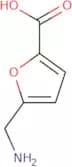
CAS:<p>(S)-tert-Butyl 3-(methylamino)pyrrolidine-1-carboxylate is a research chemical that can be used as a versatile building block for the synthesis of complex compounds. It is also a reaction component in the synthesis of speciality chemicals and useful scaffolds. It has been shown to have high quality, reagent grade and purity.</p>Formula:C10H20N2O2Purity:Min. 95%Color and Shape:PowderMolecular weight:200.28 g/mol5-(Aminomethyl)-2-furoic acid hydrochloride
CAS:<p>5-(Aminomethyl)-2-furoic acid hydrochloride is a molecule that belongs to the group of carboxylates. It has a molecular weight of 191.2 g/mol and a chemical formula of CHNO. The structure of 5-(aminomethyl)-2-furoic acid hydrochloride is similar to that of hexamethylenetetramine, a common organic compound with the formula (CH)N(H)CH. 5-(Aminomethyl)-2-furoic acid hydrochloride can be used as an acceptor in hydrogen chloride gas generation reactions, which are used in the synthesis of some pharmaceutical drugs and other organic compounds. The molecule also has potential use in telomerase research because it is structurally similar to natural telomeres. In addition, this molecule has been shown to have anti-inflammatory properties due to its ability to inhibit prostaglandin synthesis.</p>Formula:C6H7NO3Purity:Min. 95%Molecular weight:141.12 g/mol4-[1-(2-Methoxyethyl)-1H-indol-3-yl]butanoic acid
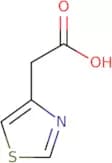
CAS:Controlled Product<p>Please enquire for more information about 4-[1-(2-Methoxyethyl)-1H-indol-3-yl]butanoic acid including the price, delivery time and more detailed product information at the technical inquiry form on this page</p>Formula:C15H19NO3Purity:Min. 95%Molecular weight:261.32 g/mol1,3-Thiazol-4-ylacetic acid hydrochloride
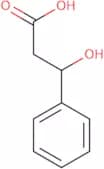
CAS:<p>1,3-Thiazol-4-ylacetic acid hydrochloride is an antimicrobial agent that has been shown to be active against Gram-negative bacteria. It is an acidic compound that hydrolyzes in water to produce a carboxylic acid and an alcohol. 1,3-Thiazol-4-ylacetic acid hydrochloride has been used in pharmaceutical preparations as an antimicrobial and blood platelet aggregating agent. It also inhibits the coagulation of blood platelets and the aggregation of platelets. The mechanism for this may involve the interference with phospholipid biosynthesis or with the cytochrome P450 enzyme system involved in the metabolism of arachidonic acid into prostaglandins.</p>Formula:C5H5NO2SPurity:Min. 95%Molecular weight:143.16 g/mol3-Hydroxy-3-phenylpropanoic acid
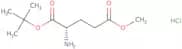
CAS:<p>3-Hydroxy-3-phenylpropanoic acid, or 3HPPA, is an intermediate in the synthesis of salicylic acid. It is also an endogenous metabolite found in urine samples and is a product of the metabolism of glucosinolates by hydrolysis. The hydroxyl group on 3HPPA reacts with a carbonyl group to form a Schiff base, which is then hydrolyzed by hydrochloric acid to form hippuric acid. The biosynthesis of 3HPPA occurs through the oxidation of fatty acids with the addition of a hydroxyl group from water.</p>Formula:C9H10O3Purity:Min. 95%Color and Shape:PowderMolecular weight:166.17 g/molL-Glutamic acid γ-methyl ester α-tert-butyl ester hydrochloride
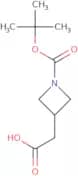
CAS:<p>Please enquire for more information about L-Glutamic acid gamma-methyl ester alpha-tert-butyl ester hydrochloride including the price, delivery time and more detailed product information at the technical inquiry form on this page</p>Formula:C10H19NO4·HClPurity:Min. 95%Molecular weight:253.72 g/mol2-(1-(tert-Butoxycarbonyl)azetidin-3-yl)acetic acid
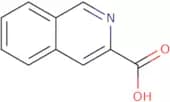
CAS:<p>Please enquire for more information about 2-(1-(tert-Butoxycarbonyl)azetidin-3-yl)acetic acid including the price, delivery time and more detailed product information at the technical inquiry form on this page</p>Formula:C10H17NO4Purity:Min. 95%Molecular weight:215.25 g/mol3-Isoquinolinecarboxylic acid
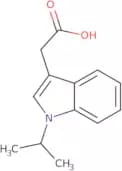
CAS:<p>3-Isoquinolinecarboxylic acid is a molecule with a reactive group that can form cyclic structures. It has been shown that 3-Isoquinolinecarboxylic acid is an apoptotic agent in human macrophages and induces the release of picolinic acid from these cells. This molecule also has a high affinity for α7 nicotinic acetylcholine receptors, which are present on the surface of nerve cells. 3-Isoquinolinecarboxylic acid can be synthesized by condensing picolinic acid, an aromatic aminoacid, with an appropriate amine. The synthesis of this heterocycle is catalyzed by an enzyme called quinolinate synthase. The product of this reaction is oxidized to form 3-isoquinolyl carboxylic acid. The final step in the synthesis involves the oxidative cleavage of a disulfide bond using hydrogen peroxide, yielding 3-isoquinoly</p>Formula:C10H7NO2Purity:Min. 95%Molecular weight:173.17 g/mol(1-Isopropyl-1H-indol-3-yl)acetic acid
CAS:Controlled Product<p>Please enquire for more information about (1-Isopropyl-1H-indol-3-yl)acetic acid including the price, delivery time and more detailed product information at the technical inquiry form on this page</p>Formula:C13H15NO2Purity:Min. 95%Molecular weight:217.26 g/molPhenylphosphonic Acid
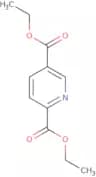
CAS:<p>Phenylphosphonic acid is an inorganic compound that belongs to the group of phosphonic acids. It is used as a model system for reactions involving zirconium oxide, pyrazole ring, and p-nitrophenyl phosphate. Phenylphosphonic acid has been shown to be able to efficiently react with metal hydroxides under acidic conditions. The rate of this reaction increases with increasing concentration of the metal hydroxide and decreasing pH. This reaction also produces picolinic acid, which can be detected by its yellow color. Phenylphosphonic acid has been shown to have covalent linkages between nitrogen atoms and phosphorus atoms. X-ray crystal structures have revealed that the molecule has a linear structure with the nitrogen atom located on one side of the molecule and the phosphorus atom on the other side. It also contains two electron pairs at its center, which are responsible for its electrochemical properties.</p>Formula:C6H7O3PPurity:Min. 95%Molecular weight:158.09 g/mol2,5-Pyridinedicarboxylic acid diethyl ester
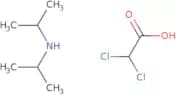
CAS:<p>2,5-Pyridinedicarboxylic acid diethyl ester is a porphyrin derivative that has been used in the synthesis of phthalocyanines and porphyrins. It is reactive and can be made to react with other compounds by cross-coupling reactions. This compound can also be synthesized through the reaction of picolyl chloride with 2,5-diketopiperazine. The yield of this product is low, but it can be improved through cross-coupling reactions. The functionality of this molecule is determined by the pyridyl group at one end and the diethyl ester at the other.</p>Formula:C11H13NO4Purity:Min. 95%Color and Shape:White PowderMolecular weight:223.23 g/molDiisopropylammonium dichloroacetate
CAS:Controlled Product<p>Diisopropylammonium dichloroacetate (DADCA) is a chemical that inhibits the metabolism of glucose. It has been shown to have a hypoglycemic effect in rats and is being investigated as a treatment for metabolic disorders such as diabetes and obesity. DADCA has also been shown to reduce liver lesions in animals with chronic viral hepatitis, and has been found to be effective in reducing tumor growth in mice. This drug can also be used to treat bowel disease by reducing the amount of ammonia released by bacteria. DADCA may also have physiological effects on humans, including an increase in blood pressure and fever, although these effects have not yet been studied.</p>Purity:Min. 95%Octyl 3-octyloxiraneoctanoic acid
CAS:<p>Octyl 3-octyloxiraneoctanoic acid is a chloride compound that is used as a surfactant in the formulation of paints, lacquers, and coatings. Octyl 3-octyloxiraneoctanoic acid has been shown to be an effective emulsifier for water and oil based systems. It can also be used as a solvent for polyvinyl chloride. This compound reacts with water to form hydrogen chloride gas. The octadecyl group on the molecule is responsible for this property. Octyl 3-octyloxiraneoctanoic acid has been shown to react with boron nitride and cationic polymerization products, such as polylactic acid or polyethyleneimine. This reactive functional group allows it to be used in reactive coating applications, including powder coating and flame retardants.</p>Formula:C26H50O3Purity:Min. 95%Color and Shape:Colorless PowderMolecular weight:410.67 g/mol4-(4-Chlorophenoxy)butyric acid
CAS:Controlled Product<p>4-(4-Chlorophenoxy)butyric acid (4CBA) is a nitrobenzodiazepine derivative. It has been shown to bind to the benzodiazepine receptor at the same site as benzodiazepines, but with a different conformation. This drug has been shown to be an effective treatment for anxiety, but not depression. In addition, 4CBA has been shown to interact with GABA receptors and modulate their activity. It also appears that this drug may be useful in the treatment of epilepsy and other neurological disorders because it can enhance GABAergic transmission. 4CBA binds to the carboxylate site on GABA A receptors and inhibits chloride ion influx, which leads to membrane hyperpolarization. This binding also causes conformational changes in the receptor protein that have an effect on the binding of other ligands at the same site. The molecular modelling techniques used for this research showed that 4CBA binds in a similar manner as benzod</p>Formula:C10H11ClO3Purity:Min. 95%Molecular weight:214.65 g/molEthyl 5-fluoroindole-2-carboxylate
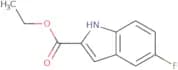
CAS:<p>Ethyl 5-fluoroindole-2-carboxylate is a cytotoxic compound that belongs to the class of organic compounds called aryl rings. It has been shown to inhibit tumor growth in vitro and in vivo through the inhibition of protein synthesis. The molecular docking studies have shown that this compound binds to the enzyme SMMC-7721 cell, which is involved in DNA transcription and replication. It also inhibits activity of other enzymes, such as kinases and phosphatases, which are involved in cellular processes such as proliferation and differentiation. Ethyl 5-fluoroindole-2-carboxylate may be used for the treatment of blood cancer or monosugar diseases, such as diabetes mellitus or hyperlipidemia.</p>Formula:C11H10FNO2Purity:Min. 95%Molecular weight:207.2 g/molBoc-(S)-3-amino-3-(2-methoxyphenyl)propionic acid
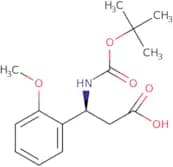
CAS:<p>Please enquire for more information about Boc-(S)-3-amino-3-(2-methoxyphenyl)propionic acid including the price, delivery time and more detailed product information at the technical inquiry form on this page</p>Formula:C15H21NO5Purity:Min. 95%Color and Shape:PowderMolecular weight:295.33 g/mol6-(Methoxycarbonyl)spiro[3.3]heptane-2-carboxylic acid
CAS:<p>Please enquire for more information about 6-(Methoxycarbonyl)spiro[3.3]heptane-2-carboxylic acid including the price, delivery time and more detailed product information at the technical inquiry form on this page</p>Formula:C10H14O4Purity:Min. 95%Molecular weight:198.22 g/mol4-Aminomethylphenylacetic acid
CAS:<p>4-Aminomethylphenylacetic acid is a nonsteroidal anti-inflammatory drug that is used to treat inflammation and pain. It belongs to the class of peptidomimetics, which are compounds that mimic the structure of a natural biological molecule. 4-Aminomethylphenylacetic acid has an analog with a lactam ring at position 3, which is not present in other NSAIDs. This structural difference may contribute to its high stability and low reactivity. 4-Aminomethylphenylacetic acid has been shown to exhibit antiviral activity against viruses such as HIV or Hepatitis C virus by inhibiting viral replication.</p>Formula:C9H11NO2·HClPurity:Min. 95%Molecular weight:201.65 g/mol1-[2-(1H-Indol-3-yl)ethyl]-2,5-dimethyl-1H-pyrrole-3-carboxylic acid
CAS:Controlled Product<p>Please enquire for more information about 1-[2-(1H-Indol-3-yl)ethyl]-2,5-dimethyl-1H-pyrrole-3-carboxylic acid including the price, delivery time and more detailed product information at the technical inquiry form on this page</p>Formula:C17H18N2O2Purity:Min. 95%Molecular weight:282.34 g/mol2,3-Dibromopropanoic acid
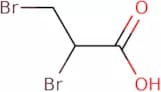
CAS:<p>2,3-Dibromopropanoic acid is a carcinogenic chemical that has been shown to cause liver tumors in rats. It is a nucleophile that reacts with amide groups to form an amide bond. The analytical method for 2,3-dibromopropanoic acid is gas chromatography with flame ionization detection. Its structural formula is CHBrCHBrCOH. It has a carbonyl group and acidic properties, as well as a chloride ion present on the molecule. 2,3-Dibromopropanoic acid is an anxiolytic drug that has been shown to have health effects such as drowsiness and headache.</p>Formula:C3H4Br2O2Purity:Min. 95%Color and Shape:PowderMolecular weight:231.87 g/molMethyl (2S)-2-methylpyrrolidine-2-carboxylate hydrochloride
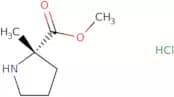
CAS:<p>Please enquire for more information about Methyl (2S)-2-methylpyrrolidine-2-carboxylate hydrochloride including the price, delivery time and more detailed product information at the technical inquiry form on this page</p>Formula:C7H13NO2•HClPurity:Min. 95%Molecular weight:179.64 g/mol(3R)-1-Azabicyclo[2.2.2]oct-3-yl N-[2-(2-benzoylphenyl)ethyl]carbamate
CAS:<p>Please enquire for more information about (3R)-1-Azabicyclo[2.2.2]oct-3-yl N-[2-(2-benzoylphenyl)ethyl]carbamate including the price, delivery time and more detailed product information at the technical inquiry form on this page</p>Formula:C23H26N2O3Purity:Min. 95%Molecular weight:378.46 g/mol[2-(4-Aminophenyl)ethyl]carbamic acid tert-butyl ester
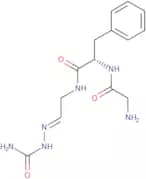
CAS:<p>Please enquire for more information about [2-(4-Aminophenyl)ethyl]carbamic acid tert-butyl ester including the price, delivery time and more detailed product information at the technical inquiry form on this page</p>Formula:C13H20N2O2Purity:Min. 95%Color and Shape:Slightly Yellow PowderMolecular weight:236.31 g/molH-Gly-Phe-Gly-aldehyde semicarbazone acetate salt
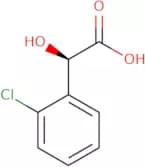
CAS:<p>Please enquire for more information about H-Gly-Phe-Gly-aldehyde semicarbazone acetate salt including the price, delivery time and more detailed product information at the technical inquiry form on this page</p>Formula:C14H20N6O3Purity:Min. 95%Molecular weight:320.35 g/mol(R)-2-Chloromandelic acid
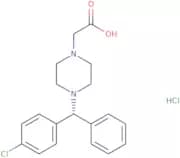
CAS:<p>(R)-2-Chloromandelic acid is an organic compound with the formula CHClCOH. It is a mandelonitrile, which is a benzene ring fused to a nitrile. It has an optimal reaction at acidic pH and in organic solvents and is enantiopure. The cell lysis of Escherichia coli can be achieved by this compound, as seen through the use of acid dehydrogenase. (R)-2-Chloromandelic acid has been shown to inhibit platelet aggregation, making it an antiplatelet agent. This product can be synthesized using methods such as the enantioselective synthesis of clopidogrel or the asymmetric synthesis of D-mandelic acid methyl ester. The isolated yield for (R)-2-Chloromandelic acid is about 45%.</p>Formula:C8H7ClO3Purity:Min. 95%Color and Shape:SolidMolecular weight:186.59 g/mol(R)-De(carboxymethoxy) cetirizine acetic acid hydrochloride
CAS:<p>Please enquire for more information about (R)-De(carboxymethoxy) cetirizine acetic acid hydrochloride including the price, delivery time and more detailed product information at the technical inquiry form on this page</p>Formula:C19H22Cl2N2O2Purity:Min. 95%Molecular weight:381.3 g/mol2-[(2S,3S,4S)-3-Formyl-5-Methoxycarbonyl-2-Methyl-3,4-Dihydro-2H-Pyran-4-Yl]Acetic Acid
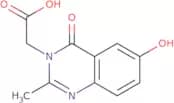
CAS:<p>2-[(2S,3S,4S)-3-Formyl-5-Methoxycarbonyl-2-Methyl-3,4-Dihydro-2H-Pyran-4-Yl]Acetic Acid (PCA) is a natural phenolic compound that is found in olive oil. PCA has been shown to possess antioxidant and antiinflammatory properties. It also has minimal toxicity, with no adverse effects on the liver or kidney. PCA is metabolized by hydrolysis to form hydroxytyrosol and tyrosol. Hydroxytyrosol can be further metabolized to produce the aglycon 2-[(2S,3S,4S)-3-(acetyloxy)-5-(hydroxymethyl)oxolan-4-yl]acetic acid (OHA). OHA is an intermediate in the biosynthesis of erythromycin and other macrolide antibiotics such as</p>Formula:C11H14O6Purity:90%MinMolecular weight:242.23 g/mol(6-Hydroxy-2-methyl-4-oxoquinazolin-3(4H)-yl)acetic acid
CAS:Controlled Product<p>Please enquire for more information about (6-Hydroxy-2-methyl-4-oxoquinazolin-3(4H)-yl)acetic acid including the price, delivery time and more detailed product information at the technical inquiry form on this page</p>Formula:C11H10N2O4Purity:Min. 95%Molecular weight:234.21 g/molDelmadinone acetate
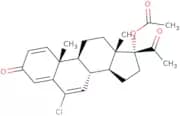
CAS:Controlled Product<p>Delmadinone acetate is an oestrogenic amorphous drug that has been used in the treatment of prostatic hypertrophy, diabetic neuropathy and other conditions. It is a prodrug that is hydrolyzed to delmadinone, its active form, following oral administration. Delmadinone acetate has shown efficacy against a number of pharmacological agents, including fatty alcohols and pharmaceutical dosage form preparations. It binds to fatty acids and carbon sources in the body and is removed by dispersive solid-phase extraction. The effects of this drug are dose-dependent; it can be used for control experiments at low doses but has adverse effects at higher doses.</p>Formula:C23H27ClO4Purity:Min. 95%Color and Shape:PowderMolecular weight:402.91 g/molBenzene-1,3-disulfonic acid disodium
CAS:<p>This is a polynuclear compound that has an electrochemical method for detection. It is catalytic, with a low detection limit. The shape of the crystals are spherical, which is due to the size of the crystals. There are no interferences in these measurements, as well as photomicrographs and dopamine sensor. This compound will have synergistic effects with chloride and glucose sensors. The following are some properties of benzene-1,3-disulfonic acid disodium salt: -It has a molecular weight of 227.2 -It has a melting point of about 237 degrees Celsius -It is soluble in water -It has a boiling point at about 515 degrees Celsius -Benzene-1,3-disulfonic acid disodium salt is not hazardous to humans if it is ingested orally; however, it can be harmful if inhaled or if it comes into contact with skin</p>Formula:C6H4Na2O6S2Purity:Min. 95%Color and Shape:PowderMolecular weight:282.2 g/mol(Asp371)-Tyrosinase (369-377) (human) acetate salt
CAS:<p>Tyrosinase protein:<br>Peptide Tyrosinase (Asp371) – HLA-A*0201 (YMDGTMSQV) is a human tyrosinase-derived (369-377) peptide by posttranslational conversion of the sequence YMNGTMSQV. Tyrosinase is an oxidase membrane-bound protein. Tyrosinase play a key role in the melanin synthesis pathway. Tyrosinase is presented on the surface of HLA-A*02:01 melanomas and also expressed in melanocytes. Tyrosinase has been still suggested to be a tumor antigen and might be implicated in improvement of immunotherapeutic strategies such as for efficient anticancer vaccine development.<br>Applications of Peptide Tyrosinase (Asp371) – HLA-A*0201 (YMDGTMSQV):<br>Peptide Tyrosinase (Asp371) – HLA-A*0201 (YMDGTMSQV) is used to stimulate specific cytotoxic T lymphocytes (CTL) in PBMCs and then to analyze CTL response especially the cytokine production by ELISPOT assay. Peptide Tyrosinase (Asp371) – HLA-A*0201 (YMDGTMSQV) is also involved in experimental therapies of metastatic melanoma by allogeneic hematopoietic stem cell transplantation. In fact, cytotoxic T cells were generated from peripherical blood mononuclear cells (PBMCs) of HLA-A*02:01 healthy donors after being stimulated by injection of Asp371 antigen (2). This strategy raises issues which concern the graft versus tumor (GvT) effect and graft versus host disease (GvHD).</p>Formula:C42H66N10O16S2Purity:Min. 95%Molecular weight:1,031.16 g/mol4-Chloro-benzene-sulfinic acid sodium salt
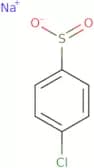
CAS:<p>The 4-chloro-benzenesulfinic acid sodium salt is a type of sulfinic acid. It can be used to control experiments involving methides, halides, and human macrophages. Sodium salts of this compound have been shown to inhibit the growth of Candida glabrata and Galleria mellonella in vitro. The 4-chloro-benzenesulfinic acid sodium salt reacts with chloride ion to form a nucleophilic trifluoroacetate anion, which reacts with thiosulfonates to produce type strain. Trifluoroacetic acid is used as a solvent in the reaction.</p>Formula:C6H4ClNaO2SPurity:Min. 95%Molecular weight:198.6 g/molL-Glutamic acid γ-tert-butyl ester α-amide hydrochloride
CAS:<p>Please enquire for more information about L-Glutamic acid gamma-tert-butyl ester alpha-amide hydrochloride including the price, delivery time and more detailed product information at the technical inquiry form on this page</p>Formula:C9H18N2O3·HClPurity:Min. 95%Molecular weight:238.71 g/molDehydrotumulosic acid
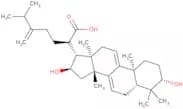
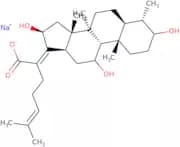
CAS:Controlled Product<p>Dehydrotumulosic acid is a natural product that has been shown to inhibit the activity of P-glycoprotein (P-gp) in vitro. It also inhibits tumor growth and metastasis by inducing apoptosis in HL60 cells, as well as inhibiting the proliferation of human leukemia cells. Dehydrotumulosic acid is not toxic to normal cells because it does not induce apoptosis in these cells. The effect on tumor cell proliferation was found with an acetate extract of dehydrotumulosic acid and matrix effects were observed by use of poria, which may lead to a more accurate analytical method. Pharmacokinetic studies have been done with dehydrotumulosic acid, but no toxicity or adverse effects have been reported for this drug. This compound is being investigated for its potential use in cancer therapy and treatment.</p>Formula:C31H48O4Purity:Min. 95%Color and Shape:SolidMolecular weight:484.71 g/mol16-Deacetyl fusidic acid sodium salt
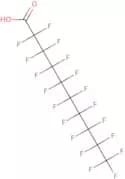
CAS:Controlled Product<p>Please enquire for more information about 16-Deacetyl fusidic acid sodium salt including the price, delivery time and more detailed product information at the technical inquiry form on this page</p>Formula:C29H45NaO5Purity:Min. 95%Molecular weight:496.65 g/molNonadecafluorodecanoic acid
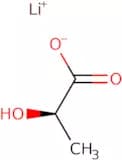
CAS:<p>Nonadecafluorodecanoic acid (NDFA) is a fatty acid that has been shown to be an effective solvent for wastewater treatment. This product has been found to have a matrix effect on mouse tumor cells, as well as enzyme activities in vitro. NDFA has also been shown to have acute toxicities in mice and genotoxic activity in vitro. NDFA is not carcinogenic and does not react with DNA, but does cause mutagenic effects such as single-stranded breaks, double-stranded breaks, or cross-linkages between DNA strands. The molecular weight of NDFA is 216 g/mol and the melting point is -52°C. It can be detected by electrochemical detector at concentrations of 0.1 ppm and by optical sensor at concentrations of 1 ppm. The analytical method used for NDFA quantification is gas chromatography/mass spectrometry (GC/MS).</p>Formula:C10HF19O2Purity:Min. 95%Color and Shape:PowderMolecular weight:514.08 g/molD-Lactic acid lithium
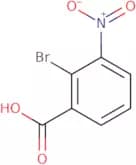
CAS:<p>D(+)-Lactic acid lithium salt is a dipolar molecule with an activation energy of about 44 kJ/mol. It has been studied by NMR techniques and found to have a resonance in the range of 1.8-2.0 ppm, which is characteristic of protons on the oxygen atom. The proton magnetic resonance (PMR) study showed that the d-lactate resonances were very broad and shifted to higher frequencies, whereas the l-lactate resonances were sharp and shifted to lower frequencies. This may be due to the different number of protons on each type of lactate molecule. The magnetic resonance (NMR) study showed that lithium salt was a radical with a spin density distribution around 2.6 ppm in the nmr spectrum.</p>Formula:C3H6O3•LiPurity:Min. 95%Color and Shape:PowderMolecular weight:97.02 g/mol2-Bromo-3-nitrobenzoic acid
CAS:<p>2-Bromo-3-nitrobenzoic acid is a reactive chemical used as an antibacterial agent. It inhibits the growth of staphylococcus by inhibiting the synthesis of DNA and protein, which are required for cell division. 2-Bromo-3-nitrobenzoic acid is also effective against mammalian cells, but not against bacteria that grow in a thionyl environment. The chemical reacts with chloride to form 2-bromo-3-chlorobenzoic acid, which can be converted to mercaptoacetic acid by means of reduction with sodium dithionite. Mercaptoacetic acid inhibits bacterial growth by blocking the synthesis of proteins necessary for cell division. 2-Bromo-3-nitrobenzoic acid is synthesized from bromine and nitric acid, while mercaptoacetic acid is synthesized from bromine and acetic anhydride.</p>Formula:C7H4BrNO4Purity:Min. 95%Color and Shape:PowderMolecular weight:246.02 g/mol2,5-Dichloro-4-methoxybenzoic acid
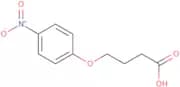
CAS:<p>2,5-Dichloro-4-methoxybenzoic acid is a synthetic herbicide that inhibits the enzyme 5-enolpyruvylshikimate-3-phosphate synthase (EPSPS). This enzyme is necessary for the synthesis of aromatic amino acids. 2,5-Dichloro-4-methoxybenzoic acid is used as a selective herbicide in plants grown in vitro to eliminate weeds. It is also used to control populations of wild plants and grasses. 2,5-Dichloro-4-methoxybenzoic acid has been shown to inhibit the growth of glyphosate resistant weed species by inhibiting EPSPS activity.</p>Purity:Min. 95%4-(4-Nitrophenoxy)butanoic acid
CAS:Controlled Product<p>Please enquire for more information about 4-(4-Nitrophenoxy)butanoic acid including the price, delivery time and more detailed product information at the technical inquiry form on this page</p>Formula:C10H11NO5Purity:Min. 95%Molecular weight:225.2 g/mol5-[2-[4',5-Bis(Pyridin-2-ylsulfamoyl)biphenyl-2-yl]diazenyl]-2-hydroxybenzoic acid
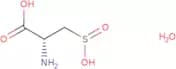
CAS:<p>Please enquire for more information about 5-[2-[4',5-Bis(Pyridin-2-ylsulfamoyl)biphenyl-2-yl]diazenyl]-2-hydroxybenzoic acid including the price, delivery time and more detailed product information at the technical inquiry form on this page</p>Formula:C29H22N6O7S2Purity:Min. 95%Molecular weight:630.65 g/molL-Cysteinesulfinic acid, monohydrate
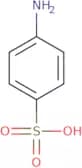
CAS:<p>Please enquire for more information about L-Cysteinesulfinic acid, monohydrate including the price, delivery time and more detailed product information at the technical inquiry form on this page</p>Formula:C3H7NO4S·H2OPurity:Min. 95%Molecular weight:171.17 g/mol4-Aminobenzenesulfonic acid
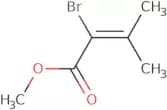
CAS:<p>4-Aminobenzenesulfonic acid is a sulfonic acid that is used in wastewater treatment. It has been shown to be an excellent water permeability agent and can be used as an additive to the process of making sulfonated polymers for use in water filtration. 4-Aminobenzenesulfonic acid has been shown to have enzyme inhibitory effects on metal hydroxide-dependent enzymes, such as sulphanilic and sulfanilic acid. This compound also has been investigated as a potential therapeutic agent for the treatment of cancer, with some success. It has been shown to stimulate the production of picolinic acid, which is an intermediate in the kynurenine pathway leading to production of nicotinamide adenine dinucleotide (NAD+). In humans, 4-aminobenzenesulfonic acid can bind toll-like receptors (TLRs) and activate TLR4 signaling pathways.</p>Formula:C6H7NO3SPurity:Min. 95%Molecular weight:173.19 g/mol2-Bromo-3-methylbutenoic acid methyl ester
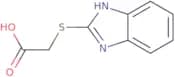
CAS:<p>Please enquire for more information about 2-Bromo-3-methylbutenoic acid methyl ester including the price, delivery time and more detailed product information at the technical inquiry form on this page</p>Formula:C6H9BrO2Purity:Min. 95%Molecular weight:193.04 g/mol2-(Benzimidazolylthio) acetic acid
CAS:<p>2-(Benzimidazolylthio) acetic acid is a ligand that can be used as an antihelminthic. It can also be used to produce luminescent substances, inorganic salts and heterocycles. 2-(Benzimidazolylthio) acetic acid reacts with nucleophiles by nucleophilic attack, cleaving the bond and releasing the atom or group. 2-(Benzimidazolylthio) acetic acid has been used to synthesize condensation products with irradiation. This chemical has been shown to have antimicrobial properties against bacteria and fungi.</p>Formula:C9H8N2O2SPurity:Min. 95%Color and Shape:PowderMolecular weight:208.24 g/mol5-Oxo-1-(pyridin-3-ylmethyl)pyrrolidine-3-carboxylic acid
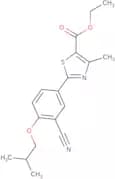
CAS:<p>Please enquire for more information about 5-Oxo-1-(pyridin-3-ylmethyl)pyrrolidine-3-carboxylic acid including the price, delivery time and more detailed product information at the technical inquiry form on this page</p>Formula:C11H12N2O3Purity:Min. 95%Molecular weight:220.22 g/molEthyl 2-(3-cyano-4-isobutoxyphenyl)-4-methyl-5-thiazolecarboxylate
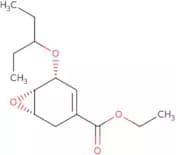
CAS:<p>Ethyl 2-(3-cyano-4-isobutoxyphenyl)-4-methyl-5-thiazolecarboxylate (ECIT) is a derivative of formyl that has been used as a solvent for industrial and laboratory purposes. ECIT is an amorphous substance with the chemical formula CH3COC6H2CH2COCH=N(C=O)C6H4CN. The compound has been quantified in various solvents, such as n-butyl alcohol and acetonitrile. ECIT is a colorless liquid that boils at 140° C. It has a formyl group and an alkynyl group, which are both reactive groups that can be used to synthesize other compounds. ECIT also contains two stereoisomers: the erythro isomer and the threo isomer. The erythro isomer has the structural formula of CH3COC6H2CH</p>Purity:Min. 95%Ethyl (3R,4S,5S)-4,5-epoxy-3-(1-ethylpropoxy)cyclohex-1-ene-1-carboxylate
CAS:<p>Please enquire for more information about Ethyl (3R,4S,5S)-4,5-epoxy-3-(1-ethylpropoxy)cyclohex-1-ene-1-carboxylate including the price, delivery time and more detailed product information at the technical inquiry form on this page</p>Formula:C14H22O4Purity:Min. 95%Molecular weight:254.32 g/molMethyl 2-amino-4,6-dichloropyridine-3-carboxylate
CAS:<p>Please enquire for more information about Methyl 2-amino-4,6-dichloropyridine-3-carboxylate including the price, delivery time and more detailed product information at the technical inquiry form on this page</p>Formula:C7H6Cl2N2O2Purity:Min. 95%Molecular weight:221.04 g/molMethyl 6-methyl-2-oxo-4-phenyl-1,2,3,4-tetrahydropyrimidine-5-carboxylate
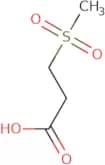
CAS:<p>Please enquire for more information about Methyl 6-methyl-2-oxo-4-phenyl-1,2,3,4-tetrahydropyrimidine-5-carboxylate including the price, delivery time and more detailed product information at the technical inquiry form on this page</p>Formula:C13H14N2O3Purity:Min. 95%Molecular weight:246.26 g/mol3-(Methylsulfonyl)propanoic acid
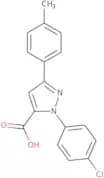
CAS:<p>3-(Methylsulfonyl)propanoic acid is a polynucleotide that is used in sequencing reactions. It has been shown to bind to the protein Smegmatis and increase the rate of the polymer composition. 3-(Methylsulfonyl)propanoic acid has also been shown to have a structural similarity with porins, which are proteins that form pores in cell membranes for ion transport. 3-methylsulfanylpropanoic acid binds to porins by coordinating geometry, allowing it to be transported into cells. The 6-Fluoro-3-indoxyl-beta-D-galactopyranoside is an antituberculosis drug that belongs to the class of rifamycins. Rifapentine inhibits bacterial growth by binding to DNA-dependent RNA polymerase, thereby preventing transcription and replication. The high frequency of human activity has been shown using a patch-clamp technique on human ery</p>Formula:C4H8O4SPurity:Min. 95%Molecular weight:152.17 g/mol1-(4-Chlorophenyl)-3-(4-methylphenyl)-1H-pyrazole-5-carboxylic acid
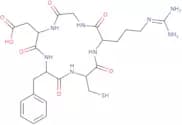
CAS:Controlled Product<p>Please enquire for more information about 1-(4-Chlorophenyl)-3-(4-methylphenyl)-1H-pyrazole-5-carboxylic acid including the price, delivery time and more detailed product information at the technical inquiry form on this page</p>Formula:C17H13ClN2O2Purity:Min. 95%Molecular weight:312.75 g/molCyclo(-Arg-Gly-Asp-D-Phe-Cys) acetate salt
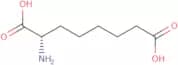
CAS:<p>Cyclo(-Arg-Gly-Asp-D-Phe-Cys) acetate salt is a peptide that has been modified to be an active targeting agent. It is an amphipathic molecule that can be used to deliver therapeutic agents specifically to cancer cells. Cyclo(-Arg-Gly-Asp-D-Phe-Cys) acetate salt is conjugated to a drug and is taken up by cells through the process of endocytosis. Once inside the cell, the drug is released and binds with the cell membrane, which leads to cell death. The uptake of this peptide has been shown to be pH dependent; it is taken up more readily in acidic environments than in neutral or alkaline environments. This peptide has also been shown to have cytotoxic effects on both MFC7 cells and rat liver cells.</p>Formula:C24H34N8O7SPurity:Min. 95%Molecular weight:578.64 g/molL-a-Aminosuberic acid
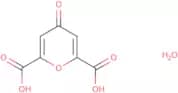
CAS:<p>L-a-aminosuberic acid is a synthetic amino acid that has been used as an analog of L-cysteine. It can be used to induce tumor cell death by inhibiting the uptake of fatty acids in prostate cancer cells. L-a-aminosuberic acid is also able to inhibit the expression of proteins that are involved in prostate cancer, such as monoclonal antibodies and sequences. This compound may be a potential biomarker for the diagnosis of prostate cancer. The low expression levels may be due to the lack of disulfide bond formation, which is necessary for protein activity.</p>Formula:C8H15NO4Purity:Min. 95%Molecular weight:189.21 g/molChelidonic acid monohydrate
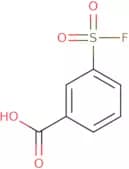
CAS:<p>Chelidonic acid monohydrate is an organometallic compound that can be synthesized by reacting 4-hydroxybenzoic acid with an organometallic reagent. Chelidonic acid monohydrate has antihypertensive activity and is used in the treatment of viral infections. Chelidonic acid monohydrate has a hydroxy group on the skeleton, which is a molecule that contains two or more amino groups. It also has a carboxylic group and alkynyl group, which are both organic functional groups that contain at least one carbon atom bonded to a hydroxyl group. Chelidonic acid monohydrate is a metal complex with calixarenes as ligands, which are heterocycles that have six members in their ring system. Chelidonic acid monohydrate is also cisplatin-resistant and can be used for the treatment of cancers such as breast cancer and leukemia.</p>Purity:Min. 95%3-(Fluorosulphonyl)Benzoic Acid
CAS:<p>3-(Fluorosulphonyl)benzoic acid is a potent anti-cancer drug that belongs to the class of natural products. It has been shown to exhibit anti-cancer activity against carcinoma cell lines. 3-(Fluorosulphonyl)benzoic acid inhibits DNA replication, RNA synthesis and protein synthesis by binding to the ribosome. This compound may also have chemopreventive effects on colorectal cancer through its ability to induce apoptosis in cancer cells. 3-(Fluorosulphonyl)benzoic acid is an analog of the natural product alkaloid cytisine, which is found in tobacco plants and has been used for centuries as a smoking cessation aid.</p>Formula:C7H5FO4SPurity:Min. 95%Molecular weight:204.18 g/mol(1R,2R)-Boc-aminocyclopentane carboxylic acid
CAS:<p>(1R,2R)-Boc-aminocyclopentane carboxylic acid (BCPC) is a high quality, reagent, and useful intermediate. It is a versatile building block that can be used as a speciality chemical or research chemical. BCPC has been shown to react with amines to form ureas, with nitriles to form oxazolidines, and with epoxides to form aziridinones.</p>Formula:C11H19NO4Purity:Min. 95%Color and Shape:White PowderMolecular weight:229.27 g/mol3-[2-(Ethoxycarbonyl)-1-methyl-1H-indol-3-yl]propanoic acid
CAS:Controlled Product<p>Please enquire for more information about 3-[2-(Ethoxycarbonyl)-1-methyl-1H-indol-3-yl]propanoic acid including the price, delivery time and more detailed product information at the technical inquiry form on this page</p>Formula:C15H17NO4Purity:Min. 95%Molecular weight:275.3 g/mol3,4-Dihydroisoquinolin-2(1H)-ylacetic acid
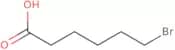
CAS:<p>3,4-Dihydroisoquinolin-2(1H)-ylacetic acid is a chemical compound with the molecular formula of C8H11NO2. It is a useful scaffold for the synthesis of complex compounds and research chemicals. 3,4-Dihydroisoquinolin-2(1H)-ylacetic acid is also a versatile building block for the preparation of fine chemicals. It is used as a reaction component in many organic reactions and can be used as a speciality chemical or reagent due to its high quality.</p>Formula:C11H13NO2Purity:Min. 95%Color and Shape:PowderMolecular weight:191.23 g/mol6-Bromohexanoic acid
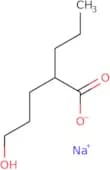
CAS:<p>6-Bromohexanoic acid is a fatty acid that has been shown to be an effective agent for the treatment of cancer. It is used in gene therapy to inhibit the growth of cancer cells by binding to and then activating transcription factors. 6-Bromohexanoic acid can also be used as a chemotherapeutic agent and has been shown to cause apoptosis in monoclonal antibody-treated cells. 6-Bromohexanoic acid has pharmacokinetic properties that are similar to those of other fatty acids. The reaction solution was found to have high chemical stability, which may be due to the presence of nitrogen atoms. This reaction solution was found to adsorb onto the surface of monoclonal antibodies and cell culture, altering their properties.</p>Formula:C6H11BrO2Purity:Min. 97.0%Color and Shape:PowderMolecular weight:195.05 g/molrac 5-Hydroxy valproic acid sodium
CAS:<p>Please enquire for more information about rac 5-Hydroxy valproic acid sodium including the price, delivery time and more detailed product information at the technical inquiry form on this page</p>Formula:C8H16O3•NaPurity:Min. 95%Color and Shape:PowderMolecular weight:183.2 g/mol4-Amino-3,5-difluorobenzoic Acid
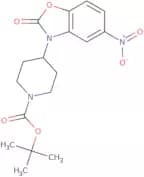
CAS:<p>4-Amino-3,5-difluorobenzoic Acid is a chemical compound that is used to manufacture dyes and pharmaceuticals. It is prepared by the reaction of dimethyl formamide with bromobenzoate and hydrobromic acid. The reaction product is decompressed to remove the toxic hydrogen cyanide gas and then reacted with sodium borohydride in liquid ammonia. This process yields 4-amino-3,5-difluorobenzoic acid which can be purified by recrystallization from water or chloroform.</p>Formula:C7H5F2NO2Purity:Min. 95%Molecular weight:173.12 g/moltert-Butyl 4-(5-nitro-2-oxo-1,3-benzoxazol-3(2H)-yl)piperidine-1-carboxylate
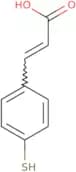
CAS:Controlled Product<p>Please enquire for more information about tert-Butyl 4-(5-nitro-2-oxo-1,3-benzoxazol-3(2H)-yl)piperidine-1-carboxylate including the price, delivery time and more detailed product information at the technical inquiry form on this page</p>Formula:C17H21N3O6Purity:Min. 95%Molecular weight:363.37 g/mol4-Mercaptocinnamic acid
CAS:<p>4-Mercaptocinnamic acid is a liquid crystal that belongs to the class of aromatic compounds. It is chiral and has a high melting point. 4-Mercaptocinnamic acid has been used in electronic devices, such as liquid crystal displays and ferroelectric liquid crystals, for its high boiling point and low viscosity. It can also be used as an additive for other chemicals or as a solvent for coatings. The acid group (COOH) in this compound makes it reactive with elements such as chlorine, fluorine, and bromine. It reacts with dicyclohexylcarbodiimide to form cinnamic acid derivatives and toluene to form trifluoromethylbenzenes. This chemical also has alkylthio groups (CH3S) and alkoxy groups (CH2O).</p>Formula:C9H8O2SPurity:Min. 95%Molecular weight:180.22 g/mol(S)-1,2,3,4,5,6,7,8-Octahydro-1-[(4-methoxyphenyl)methyl]isoquinoline (acetate salt )
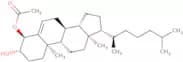
CAS:<p>(S)-1,2,3,4,5,6,7,8-Octahydro-1-[(4-methoxyphenyl)methyl]isoquinoline (acetate salt ) is a diphosphine that can be used as a catalyst to produce formic acid from methanol and carbon monoxide. This product is an enantiomer of picric acid and has been shown to be an effective additive in the crystallization of picric acid. The acetate salt is also optically pure.</p>Purity:Min. 95%4β-Hydroxy cholesterol 4-acetate
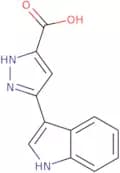
CAS:Controlled Product<p>4b-Hydoxy cholesterol 4-acetate is a pleiotropic drug with a wide range of pharmacological activities. It is an inhibitor of the sirtuin family of proteins and may have anti-cancer effects. It has also been shown to be effective in the treatment of depression and myelodysplastic syndrome. The mechanism of action for this agent is not well understood, but it may be due to its ability to inhibit DNA methyltransferases, which would lead to a change in DNA methylation patterns. 4b-Hydroxy cholesterol 4-acetate has also been shown to decrease lipid levels in the blood and increase the activity of liver enzymes that metabolize fatty acids. This drug can also modify lamellar bodies and short-chain fatty acids by inhibiting the enzyme ATP citrate lyase, which catalyzes citrate cleavage into acetyl CoA and oxaloacetate.</p>Formula:C29H48O3Purity:Min. 95%Molecular weight:444.69 g/mol5-(1H-Indol-3-yl)-1H-pyrazole-3-carboxylic acid
CAS:<p>Please enquire for more information about 5-(1H-Indol-3-yl)-1H-pyrazole-3-carboxylic acid including the price, delivery time and more detailed product information at the technical inquiry form on this page</p>Formula:C12H9N3O2Purity:Min. 95%Molecular weight:227.22 g/molγ-Aminobutyric acid
CAS:<p>Gamma-aminobutyric acid (GABA) is a neurotransmitter that inhibits the transmission of nerve impulses in the brain. GABA binds to specific receptors and blocks voltage-dependent calcium channels, which are ion channels that allow the passage of calcium ions into cells. GABA also has a number of other functions, including biochemical properties, its role in brain function and drug interactions. The GABA receptor is found on neurons and is subject to modulation by drugs that interact with GABA receptors. In addition, GABA can react with water vapor to produce hydrogen bonding interactions. This reaction is used in electrochemical impedance spectroscopy as an analytical tool for determining the concentration of free water in a sample.</p>Formula:C4H9NO2Purity:Min. 98.0%Color and Shape:White PowderMolecular weight:103.12 g/molPeptide YY (canine, mouse, porcine, rat)
CAS:<p>Peptide YY (PYY) is a peptide hormone that inhibits gastric emptying and increases intestinal transit time. This peptide can be given as an intubation, perfusion, or intravenous infusion to increase the absorption of nutrients. It also has the potential to reduce body weight in obese people. PYY is a potent activator of protein synthesis and it has been shown to stimulate lipolysis in adipocytes. PYY is found in the ileum and colon, where it may have its effects on appetite suppression and regulation of gastrointestinal motility.</p>Formula:C190H288N54O57Purity:Min. 95%Color and Shape:PowderMolecular weight:4,240.65 g/molRibonucleic acid free acid
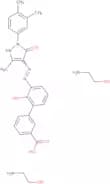
CAS:<p>Ribonucleic acid free acid (ribo-FAA) is a derivative of the immunosuppressive drug rapamycin. It is an immunosuppressant that inhibits the immune system by binding to a protein called FKBP12, which is involved in the activation of T cells and other immune system cells. Ribo-FAA has been shown to be effective in treating HIV patients undergoing active antiretroviral therapy, as well as for treatment of other infectious diseases such as tuberculosis or leishmaniasis. Ribo-FAA binds to FKBP12 and prevents it from activating T cells or other immune system cells, which leads to suppression of the immune response.</p>Purity:Min. 95%Color and Shape:Yellow PowderEltrombopag olamine
CAS:<p>Eltrombopag olamine is an orally active drug that belongs to the class of thiazolidinones. It has been used for the treatment of thrombocytopenia in patients with chronic liver disease and myelodysplastic syndrome. Eltrombopag olamine inhibits platelet aggregation by binding to glycoprotein IIb/IIIa receptors on the surface of platelets. The drug is a prodrug that is metabolized in vivo to its active form, eltrombopag. This conversion is catalysed by CYP3A4 and CYP2D6 enzymes and can be inhibited by drugs that inhibit these enzymes, such as trifluoroacetic acid and hydroxyl group-containing compounds. Eltrombopag olamine binds to erythrocytes, which may be due to its ability to form intramolecular hydrogen bonds with nitrogen atoms. The synthesis of elt</p>Formula:C25H22N4O4•(C2H7NO)2Purity:Min. 95%Color and Shape:PowderMolecular weight:564.63 g/molFluorometholone acetate
CAS:Controlled Product<p>Fluorometholone acetate is a fluorinated corticosteroid that is used in ophthalmology to treat eye disorders. It has been shown to reduce intraocular pressure in patients with glaucoma and other eye diseases. Fluorometholone acetate inhibits the activity of the glucocorticoid receptor, which prevents it from binding to DNA and altering gene expression. This leads to a decrease in inflammatory responses by decreasing the production of cytokines and chemokines that are involved in inflammation. Fluorometholone acetate also binds to other receptors, such as the mineralocorticoid receptor, which may lead to its use as a potential biomarker for infectious diseases.</p>Formula:C24H31FO5Purity:Min. 95%Molecular weight:418.5 g/molBoc-L-aspartic acid 4-tert-butyl ester
CAS:<p>Boc-L-aspartic acid 4-tert-butyl ester is a synthetic aminoacylase that is used in the synthesis of ergosterol. It is an efficient and economical reagent for the preparation of esters of aspartic acid, which are used in fungal antifungal agents. Boc-L-aspartic acid 4-tert-butyl ester has been shown to have various physiological functions, including the ability to inhibit ergosterol synthesis by inhibiting the enzyme polymeric ergosterol synthase in fungi. This compound can also be used to synthesize n-substituted aspartates.</p>Formula:C13H23NO6Purity:Min. 95 Area-%Color and Shape:PowderMolecular weight:289.32 g/molEthyl mercaptoacetate
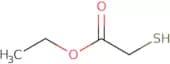
CAS:<p>Ethyl mercaptoacetate (EM) is a metabolite of ethyl diazoacetate (EDA) that reacts with nucleophilic groups such as hydroxyl, amino, and thiol groups. It binds to the receptor binding sites of an enzyme that is involved in inflammatory diseases. EM has been shown to have inhibitory effects on the activity of this enzyme and may be used for the treatment of inflammatory diseases. EM also inhibits the production of epoxides by acting as an alkylating agent on protein cysteine residues. This reaction leads to changes in the nmr spectra which can be used for identification purposes.</p>Formula:C4H8O2SPurity:Min. 95%Molecular weight:120.17 g/mol(3a,5b,12a)-3,12-Dihydroxy-7-oxocholan-24-oic acid methyl ester
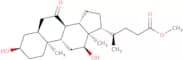
CAS:Controlled Product<p>(3a,5b,12a)-3,12-Dihydroxy-7-oxocholan-24-oic acid methyl ester is an organic compound that belongs to the family of bile acids. It is synthesized in the liver by a series of reactions involving the conversion of cholesterol. The synthesis of this compound has been studied by x-ray analysis on single crystals and by various electron diffraction methods. This study revealed that the molecule is electron deficient and binds well to chloroform. (3a,5b,12a)-3,12-Dihydroxy-7-oxocholan-24-oic acid methyl ester has also been shown to have a constant molecular weight with a molecular formula of C37H64O4.</p>Formula:C25H40O5Purity:Min. 95%Molecular weight:420.58 g/molMethyl 4-chloroacetoacetate
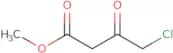
CAS:<p>Methyl 4-chloroacetoacetate is a neutral compound that reacts with hydrochloric acid to produce a salt, chloromethyl acetate. The reaction solution is then heated to evaporate the water and produce an organic solution. This reaction produces a molecular model of the compound, which has potent antibacterial activity against gram-positive and gram-negative bacteria.</p>Formula:C5H7ClO3Purity:Min. 95%Color and Shape:Clear LiquidMolecular weight:150.56 g/molBoc-L-aspartic acid a-9-fluorenylmethyl ester
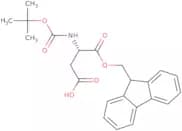
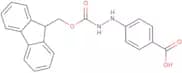
CAS:<p>Boc-L-aspartic acid a-9-fluorenylmethyl ester is a synthetic compound that mimics the structure of acetylcholine. It has been shown to be an efficient method for generating pseudopeptides and cyclic peptides. This compound may be used as a surrogate for acetylcholine in virus research, since it can bind to the same receptor. Boc-L-aspartic acid a-9-fluorenylmethyl ester has also been used to generate monoclonal antibodies that are neutralizing against foot-and-mouth disease viruses.</p>Formula:C23H25NO6Purity:Min. 97 Area-%Molecular weight:411.45 g/molFmoc-4-hydrazinobenzoic acid
CAS:<p>Please enquire for more information about Fmoc-4-hydrazinobenzoic acid including the price, delivery time and more detailed product information at the technical inquiry form on this page</p>Formula:C22H18N2O4Purity:Min. 95%Molecular weight:374.39 g/molEthyl 2-(2-Amino-4-thiazolyl)-2-(hydroxyimino)acetate
CAS:<p>Ethyl 2-(2-amino-4-thiazolyl)-2-(hydroxyimino)acetate is a phosphomolybdate antibiotic that is used in the treatment of respiratory tract infections. It binds to the bacterial enzyme, phosphomolybdate oxidase, and inhibits the formation of acid in the body. The reaction solution is recycled and activated with an acid catalyst to increase the yield of acetonitrile. The ion-pair formed by ethyl 2-(2-amino-4-thiazolyl)-2-(hydroxyimino)acetate and sodium carbonate is nucleophilic and reacts with nitrous to produce acetonitrile as a side product.</p>Formula:C7H9N3O3SPurity:Min. 95%Molecular weight:215.23 g/mol(D-His1)-Exenatide trifluoroacetate salt
CAS:<p>Please enquire for more information about (D-His1)-Exenatide trifluoroacetate salt including the price, delivery time and more detailed product information at the technical inquiry form on this page</p>Formula:C184H282N50O60SPurity:Min. 95%Molecular weight:4,186.57 g/molButyl acetate
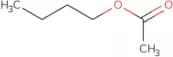
CAS:<p>Butyl acetate is a reactive solvent that has been used in wastewater treatment. It has also been proposed as an analytical method for the determination of the concentration of butyl ester in mixtures. In this technique, a constant pressure is maintained until the butyl ester is released from the sample matrix and enters into a gas phase. The gas phase is then drawn into a solid-phase microextraction (SPME) fiber and analyzed by gas chromatography/mass spectrometry. Butyl acetate has limited solubility in water, which limits its practical use as a solvent. However, it can be mixed with other solvents such as ethanoate or n-butyl acetate to produce solutions that are more easily soluble in water. The structural analysis of butyl acetate was carried out using infrared spectroscopy and nuclear magnetic resonance (NMR).</p>Formula:C6H12O2Purity:Min. 95%Color and Shape:Clear LiquidMolecular weight:116.16 g/mol(4R-cis)-6-Chloromethyl-2,2-dimethyl-1,3-dioxane-4-acetic acid tert-butyl ester
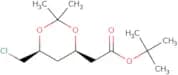
CAS:<p>Please enquire for more information about (4R-cis)-6-Chloromethyl-2,2-dimethyl-1,3-dioxane-4-acetic acid tert-butyl ester including the price, delivery time and more detailed product information at the technical inquiry form on this page</p>Formula:C13H23ClO4Purity:Min. 95%Molecular weight:278.77 g/mol12-Amino-1-dodecanoic acid methyl ester hydrochloride salt
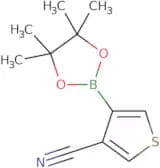
CAS:<p>12-Amino-1-dodecanoic acid methyl ester hydrochloride salt (12ADM) has been shown to have immunomodulatory properties. It has a nanomolar range of activity, which is the optimal for an immunosuppressant. 12ADM inhibits the transcriptional activity of human immunodeficiency virus type 1 (HIV-1) and HIV-2, as well as other retroviruses, through interactions with specific RNA sequences in the viral genome. The amide group in this compound is essential for its antiviral activity, and it also interacts with betulinic acid to enhance its cytotoxicity.</p>Formula:C13H28ClNO2Purity:Min. 95%Color and Shape:PowderMolecular weight:265.82 g/mol3-Cyanothiophene-4-boronic acid pinacol ester
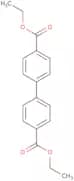
CAS:<p>Please enquire for more information about 3-Cyanothiophene-4-boronic acid pinacol ester including the price, delivery time and more detailed product information at the technical inquiry form on this page</p>Formula:C11H14BNO2SPurity:Min. 95%Molecular weight:235.11 g/molDiethyl 4,4'-Biphenyldicarboxylate
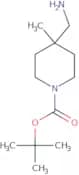
CAS:<p>Diethyl 4,4'-biphenyldicarboxylate is an organic compound that has a chiral center, making it optically active. It is an ester of biphenyl and dicarboxylic acid with the chemical formula CH2=C(CH3)2. The compound has been shown to be a model for other aromatic compounds with similar structures such as phenyl benzoate, which can also form crystals. Diethyl 4,4'-biphenyldicarboxylate is also a mesogen, which means it has liquid crystalline properties and can form thin films. The molecule's conformations are centrosymmetric and its crystal structure is spacer-type centrosymmetric.</p>Formula:C18H18O4Purity:Min. 95%Molecular weight:298.33 g/moltert-Butyl 4-(aminomethyl)-4-methylpiperidine-1-carboxylate
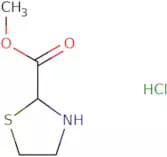
CAS:<p>Please enquire for more information about tert-Butyl 4-(aminomethyl)-4-methylpiperidine-1-carboxylate including the price, delivery time and more detailed product information at the technical inquiry form on this page</p>Formula:C12H24N2O2Purity:Min. 95%Molecular weight:228.33 g/molMethyl thiazolidine-2-carboxylate hydrochloride
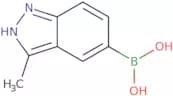
CAS:<p>Please enquire for more information about Methyl thiazolidine-2-carboxylate hydrochloride including the price, delivery time and more detailed product information at the technical inquiry form on this page</p>Formula:C5H9NO2S•HClPurity:Min. 95%Color and Shape:PowderMolecular weight:183.66 g/mol3-Methyl-1H-indazol-5-yl-5-boronic acid
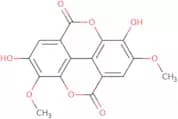
CAS:<p>Please enquire for more information about 3-Methyl-1H-indazol-5-yl-5-boronic acid including the price, delivery time and more detailed product information at the technical inquiry form on this page</p>Formula:C8H9BN2O2Purity:Min. 95%Molecular weight:175.98 g/mol3,4’-O-dimethylellagic acid
CAS:<p>3,4’-O-dimethylellagic acid is a phenolic compound, which is a type of ellagic acid derivative. It is derived from natural sources, typically found in various fruits, nuts, and vegetables, particularly in certain berries and pomegranates. The compound is formed through the methylation of ellagic acid, which amplifies its lipophilicity and enhances its bioavailability.</p>Purity:Min. 95%(R)-(-)-3-Hydroxybutyric acid methyl ester
CAS:<p>(R)-(-)-3-Hydroxybutyric acid methyl ester is a monocarboxylic acid that is metabolized by phosphofructokinase and other enzymes to produce the corresponding 3-hydroxybutyrate. This compound is synthesized from tiglic acid, which can be obtained from corynebacterium. The production of (R)-(-)-3-Hydroxybutyric acid methyl ester can be optimized by using a biotransformation process. This process includes enzymatic reactions and chemical transformations, such as hydroxylation, carbonylation, and stereoselective synthesis. The metabolic pathway for this compound has been studied using a DNA microarray analysis.</p>Formula:C5H10O3Purity:Min. 95%Molecular weight:118.13 g/mol




![4-[1-(2-Methoxyethyl)-1H-indol-3-yl]butanoic acid](/_next/image/?url=https%3A%2Fstatic.cymitquimica.com%2Fproducts%2F3D%2Fthumb-webp%2FFM135737.webp&w=3840&q=75)


![6-(Methoxycarbonyl)spiro[3.3]heptane-2-carboxylic acid](/_next/image/?url=https%3A%2Fstatic.cymitquimica.com%2Fproducts%2F3D%2Fthumb-webp%2FFM161396.webp&w=3840&q=75)

![1-[2-(1H-Indol-3-yl)ethyl]-2,5-dimethyl-1H-pyrrole-3-carboxylic acid](/_next/image/?url=https%3A%2Fstatic.cymitquimica.com%2Fproducts%2F3D%2Fthumb-webp%2FFI117604.webp&w=3840&q=75)
![(3R)-1-Azabicyclo[2.2.2]oct-3-yl N-[2-(2-benzoylphenyl)ethyl]carbamate](/_next/image/?url=https%3A%2Fstatic.cymitquimica.com%2Fproducts%2F3D%2Fthumb-webp%2FFQ171047.webp&w=3840&q=75)
![[2-(4-Aminophenyl)ethyl]carbamic acid tert-butyl ester](/_next/image/?url=https%3A%2Fstatic.cymitquimica.com%2Fproducts%2F3D%2Fthumb-webp%2FFA51360.webp&w=3840&q=75)
![2-[(2S,3S,4S)-3-Formyl-5-Methoxycarbonyl-2-Methyl-3,4-Dihydro-2H-Pyran-4-Yl]Acetic Acid](/_next/image/?url=https%3A%2Fstatic.cymitquimica.com%2Fproducts%2F3D%2Fthumb-webp%2FFF71925.webp&w=3840&q=75)



![5-[2-[4',5-Bis(Pyridin-2-ylsulfamoyl)biphenyl-2-yl]diazenyl]-2-hydroxybenzoic acid](/_next/image/?url=https%3A%2Fstatic.cymitquimica.com%2Fproducts%2F3D%2Fthumb-webp%2FFB167032.webp&w=3840&q=75)




![3-[2-(Ethoxycarbonyl)-1-methyl-1H-indol-3-yl]propanoic acid](/_next/image/?url=https%3A%2Fstatic.cymitquimica.com%2Fproducts%2F3D%2Fthumb-webp%2FFE127998.webp&w=3840&q=75)


![(S)-1,2,3,4,5,6,7,8-Octahydro-1-[(4-methoxyphenyl)methyl]isoquinoline (acetate salt )](/_next/image/?url=https%3A%2Fstatic.cymitquimica.com%2Fproducts%2F3D%2Fthumb-webp%2FFO29465.webp&w=3840&q=75)