Carboxylic Acids
Carboxylic acids are organic molecules characterized by having a carboxyl-type functional group (-COOH). These acids are fundamental in various chemical reactions, including esterification, amidation, and decarboxylation. Carboxylic acids are widely used in the production of pharmaceuticals, polymers, and agrochemicals. In this section, you can find a large number of carboxylic acids ready to be used. At CymitQuimica, we provide a broad range of high-quality carboxylic acids to support your research and industrial applications.
Found 12453 products of "Carboxylic Acids"
Sort by
Purity (%)
0
100
|
0
|
50
|
90
|
95
|
100
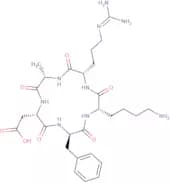
Cyclo(-Arg-Ala-Asp-D-Phe-Lys) trifluoroacetate salt
CAS:<p>Cyclo(-Arg-Ala-Asp-D-Phe-Lys) trifluoroacetate salt is a peptidomimetic that inhibits the growth of tumor cells by inhibiting angiogenesis, which is the formation of new blood vessels. It has been shown to effectively inhibit the proliferation of endothelial cells and decrease tumor vasculature in human ovarian carcinoma. Cyclo(-Arg-Ala-Asp-D-Phe-Lys) trifluoroacetate salt binds to cyclic peptides in the body and prevents them from being broken down by peptidases. This increases their uptake into cancer cells and inhibits angiogenesis, leading to a decrease in tumor size and number.</p>Formula:C28H43N9O7Purity:Min. 95%Molecular weight:617.7 g/molH-Nle-Arg-Phe-NH2 acetate salt
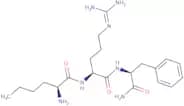
CAS:<p>Please enquire for more information about H-Nle-Arg-Phe-NH2 acetate salt including the price, delivery time and more detailed product information at the technical inquiry form on this page</p>Formula:C21H35N7O3Purity:Min. 95%Molecular weight:433.55 g/molH-Lys-Lys-Lys-Lys-OH acetate salt
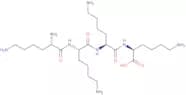
CAS:<p>H-Lys-Lys-Lys-Lys-OH acetate salt is a fatty acid that has been shown to form stable complexes with DNA and act as an intercalator. It also provides a repair mechanism for DNA, which may be due to its ability to bind to stem cell factor (SCF) and increase the proliferation of stem cells. H-Lys-Lys-Lys-Lys-OH acetate salt has significant cytotoxicity against viruses, such as human immunodeficiency virus type 1 (HIV1) and human papilloma virus type 16. This drug can also be used as an adjuvant in monoclonal antibody production by stimulating the production of antibodies from mouse spleen cells. H-Lys-Lys-Lys-Lys-OH acetate salt has been shown to inhibit the growth of E. coli K12 and Bacteria Corynebacterium diphtheriae, both of</p>Formula:C24H50N8O5Purity:Min. 95%Molecular weight:530.7 g/mol(Ile3)-Pressinoic acid
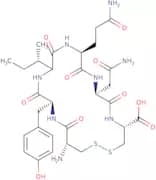
CAS:<p>Ile3-pressinoic acid is an amide that is structurally similar to gamma-aminobutyric acid. It has dose-dependent effects on fatty acid synthesis and redox potential. Ile3-pressinoic acid is a leishmania molecule that can be used as a diagnostic agent for the disease, as well as a potential treatment in cell culture and animal models. It also has been shown to have receptor activity on peptide hormones, including oxytocin receptors.</p>Formula:C30H44N8O10S2Purity:Min. 95%Molecular weight:740.85 g/mol3,4,9,10-Perylenetetracarboxylic dianhydride
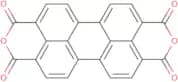
CAS:<p>3,4,9,10-Perylenetetracarboxylic dianhydride is a dianhydride that is used in the production of polyesters. It has been shown to form herringbone structures when it is heated and forms kinetic energy. The formation of these structures can be induced by laser ablation. 3,4,9,10-Perylenetetracarboxylic dianhydride also has a redox potential that is more positive than most other organic compounds. This compound can undergo intermolecular hydrogen bonding with glycol ethers and copper chloride and can react with nitrogen atoms to produce photocurrent in model systems. 3,4,9,10-Perylenetetracarboxylic dianhydride also has hydroxyl groups that are important for the biosynthesis of fatty acids.</p>Formula:C24H8O6Purity:Min. 95%Color and Shape:Red PowderMolecular weight:392.32 g/molSuc-Ala-Phe-Lys-AMC acetate
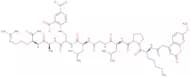
CAS:<p>Suc-Ala-Phe-Lys-AMC acetate salt is a fatty acid that is metabolized by the enzyme plasminogen activator inhibitor 1 (PAI-1) to form AMC. It is used as a marker for PAI-1 activity in plasma, as well as in other extracellular fluids. Suc-Ala-Phe-Lys-AMC acetate salt has been shown to be effective in treating diseases caused by low blood sugar levels, such as diabetes mellitus type 2. Studies have also shown that it can be used to monitor the progress of metabolic disorders such as obesity and type 2 diabetes mellitus.</p>Formula:C32H39N5O8•C2H4O2Purity:Min. 95%Color and Shape:PowderMolecular weight:681.73 g/molCART (55-76) (rat) trifluoroacetate salt
CAS:<p>Please enquire for more information about CART (55-76) (rat) trifluoroacetate salt including the price, delivery time and more detailed product information at the technical inquiry form on this page</p>Formula:C107H166N26O33S3Purity:Min. 95%Molecular weight:2,440.82 g/molNeuromedin U-23 (rat) trifluoroacetate salt
CAS:<p>Neuromedin U-23 (rat) is a peptide that belongs to the family of tachykinins, which are small neuropeptides that act as neurotransmitters in the central nervous system. It is a potent stimulator of intestinal motility and has been shown to have protective effects against oxidative stress in cells. Neuromedin U-23 (rat) shares sequence similarity with human neuromedin N-19 and binds to the same receptors in the brain, suggesting it may have similar physiological effects. This peptide has been shown to inhibit tumor cell growth by inducing apoptosis, but it does not appear to have any effect on healthy cells.</p>Formula:C124H180N34O31Purity:Min. 95%Molecular weight:2,642.97 g/moltert-Butyl cis-4-hydroxycyclohexylcarbamate
CAS:<p>Tert-butyl cis-4-hydroxycyclohexylcarbamate is a pharmacological agent that has been shown to have anticonvulsant activity. It is a phenytoin amide that has neurotoxic effects and can cause convulsions. Tert-butyl cis-4-hydroxycyclohexylcarbamate binds to the sulfonamide site on the enzyme GABA transaminase, which converts GABA into succinic semialdehyde, thereby inhibiting the synthesis of GABA. This drug also inhibits the production of acetaldehyde from ethanol by preventing oxidation of NADH and NADPH. The tert-butyl cis-4-hydroxycyclohexylcarbamate was found to have an anticonvulsant effect in animals when given intravenously and orally. It also showed a protective effect against electroshock seizures in rats, suggesting an anticonvulsant activity.</p>Formula:C11H21NO3Purity:Min. 95%Color and Shape:White PowderMolecular weight:215.29 g/molBiotinyl-Obestatin (human) trifluoroacetate salt
CAS:<p>Please enquire for more information about Biotinyl-Obestatin (human) trifluoroacetate salt including the price, delivery time and more detailed product information at the technical inquiry form on this page</p>Formula:C126H190N34O35SPurity:Min. 95%Molecular weight:2,773.13 g/molGastrin I (rat) trifluoroacetate salt
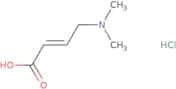
CAS:<p>Trifluoroacetate salt</p>Formula:C94H128N22O31S2Purity:Min. 95%Molecular weight:2,126.28 g/moltrans 4-Dimethylaminocrotonic acid HCl
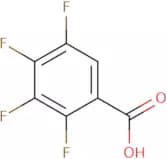
CAS:<p>Intermediate in the synthesis of afatinib</p>Formula:C6H12ClNO2Purity:Min. 95%Color and Shape:White To Off-White SolidMolecular weight:165.62 g/mol2,3,4,5-Tetrafluorobenzoic acid
CAS:<p>Tetrafluorobenzoic acid is a synthetic chemical that is used in the synthesis of antimicrobial agents. Tetrafluorobenzoic acid has been shown to bind to the hydroxyl group of 2,3,4,5-tetrafluorobenzoyl chloride and form a covalent bond. The reaction solution was analyzed using crystallography and showed that there are no intermolecular hydrogen bonds between tetrafluorobenzoic acid molecules. The crystal structure was determined by X-ray diffraction analysis and found that the intramolecular hydrogen bonding may be responsible for the anti-microbial activity of this substance.</p>Formula:C7H2F4O2Molecular weight:194.08 g/molH-Ser-Ile-Gly-Ser-Leu-Ala-Lys-OH trifluoroacetate salt
CAS:<p>H-Ser-Ile-Gly-Ser-Leu-Ala-Lys-OH trifluoroacetate salt is a recombinant, fluorescent, hydrazide, labile protein that has been synthesized with a murine amino acid sequence. This protein has been shown to be reactive with the cytokine IL2 and can be used for labeling of cells or proteins in cytometric analysis. The N-terminal end of this protein is acidic, allowing for it to react with periodate or hydroxylamine for tagging purposes.</p>Formula:C29H54N8O10Purity:Min. 95%Molecular weight:674.79 g/molN-Boc-isonipecotic acid
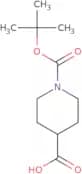
CAS:<p>N-Boc-isonipecotic acid is a potent antitumor agent that has been clinically shown to be effective against leukemia and lymphoma. It has potent antibacterial activity against Gram-positive bacteria such as Staphylococcus aureus and Streptococcus pyogenes. N-Boc-isonipecotic acid binds to the gyrase enzyme, which is used by these bacteria to maintain the integrity of their DNA, inhibiting protein synthesis and cell division. This drug also has anti-inflammatory properties. N-Boc-isonipecotic acid inhibits prostaglandin synthesis in cells, which may be due to its ability to inhibit the production of tumor necrosis factor α (TNFα) in macrophages.</p>Formula:C11H19NO4Purity:Min. 95%Molecular weight:229.27 g/mol1,3,6,8-Pyrenetetrasulfonic acid tetrasodium, 10% aqueous solution
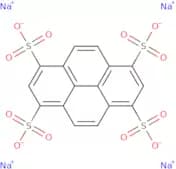
CAS:1,3,6,8-Pyrenetetrasulfonic acid tetrasodium salt (PTS) is a palladium complex that is used as a catalyst in the chemical industry. It can be prepared by the reaction of palladium chloride with sodium sulfide and sodium hydroxide. PTS has been shown to react with diethyl succinate, forming a solid catalyst that can be stored for longer periods of time. This compound has been found to catalyze hydrogenations under constant pressure conditions and also exhibit low energy consumption when performing reactions. PTS is able to bind to DNA, leading to cancer cell death. PTS also has fluorescence properties and can be used in electrochemical impedance spectroscopy.Formula:C16H10O12S4•Na4Purity:Min. 95%Color and Shape:Clear LiquidMolecular weight:614.47 g/mol1-Pyreneboronic Acid (contains varying amounts of Anhydride)
CAS:<p>1-Pyreneboronic acid is a fluorescent derivative of boronic acid. It has been shown to have synergistic effects with other compounds, such as glucose monitoring. 1-Pyreneboronic acid is used in the preparation of a fluorescent probe for use in dna duplex assays. The fluorescence properties of this compound are affected by the presence of hydroxy groups and benzyl groups, making it useful for protein detection and identification. This compound can be prepared using the suzuki coupling reaction and it has been shown that it has an effect on cell line raw264.7 cells.</p>Formula:C16H11BO2Purity:Min. 95%Molecular weight:246.07 g/molDynorphin A (1-13) amide trifluoroacetate salt
CAS:<p>Please enquire for more information about Dynorphin A (1-13) amide trifluoroacetate salt including the price, delivery time and more detailed product information at the technical inquiry form on this page</p>Formula:C75H127N25O14Purity:Min. 95%Molecular weight:1,602.97 g/molDABCYL-TNF-alpha-EDANS (-4 to +6) (human) trifluoroacetate salt
CAS:<p>DABCYL-TNF-alpha-EDANS (-4 to +6) (human) trifluoroacetate salt is a fine chemical that has been shown to be useful in research. It is a versatile building block for the synthesis of complex compounds and can be used as a reaction component for the synthesis of speciality chemicals. The compound is a high quality reagent, which can be used as an intermediate for the synthesis of other chemical compounds.</p>Formula:C70H104N22O18S·C2HF3O2Purity:Min. 95%Color and Shape:Red SolidMolecular weight:1,687.8 g/mol(D-Phe2·6,Pro3)-LHRH trifluoroacetate salt
CAS:<p>Please enquire for more information about (D-Phe2·6,Pro3)-LHRH trifluoroacetate salt including the price, delivery time and more detailed product information at the technical inquiry form on this page</p>Formula:C59H80N14O13Purity:Min. 95%Molecular weight:1,193.35 g/mol(D-Trp6)-LHRH (2-10) trifluoroacetate salt
CAS:<p>Please enquire for more information about (D-Trp6)-LHRH (2-10) trifluoroacetate salt including the price, delivery time and more detailed product information at the technical inquiry form on this page</p>Formula:C59H77N17O11Purity:Min. 95%Molecular weight:1,200.35 g/molH-Ile-Arg-OH acetate salt
CAS:<p>H-Ile-Arg-OH acetate salt is an antioxidant that belongs to the group of amino acids. It has been shown to have antioxidative activity in vitro, as well as interaction with radicals and free radicals. Cryo-electron microscopy was used to show this compound's radical scavenging activity. H-Ile-Arg-OH acetate salt has also been found to have antioxidative properties in eukaryotes. This compound is composed of two isomers: H-Ile and Arg. The hydroxyl group on the H-Ile isomer gives this compound its antioxidative properties, while the Arg isomer possesses hydrolytic properties. The subunits are linked together by a peptide bond between the carboxyl group on Arg and the amine group on H-Ile. In addition, H-Ile has an -OH hydroxyl group that can be scavenged by hydroxyl radicals, which provides antioxidative activity.</p>Formula:C12H25N5O3Purity:Min. 95%Molecular weight:287.36 g/molRetrocyclin-1 trifluoroacetate salt
CAS:<p>Retrocyclin-1 trifluoroacetate salt is a synthetic antimicrobial peptide, which is derived from humanized sequences based on the theta-defensin family, originally found in certain primates. Retrocyclin-1 is particularly notable for its circular structure which contributes to its stability and biological activity. The peptide is produced through a process of solid-phase peptide synthesis, designed to mimic the native cyclic conformation of natural theta-defensins.</p>Formula:C74H128N30O18S6Purity:Min. 95%Molecular weight:1,918.4 g/molBiotinyl-LL-37 amide trifluoroacetate salt
CAS:<p>Please enquire for more information about Biotinyl-LL-37 amide trifluoroacetate salt including the price, delivery time and more detailed product information at the technical inquiry form on this page</p>Formula:C215H355N63O54SPurity:Min. 95%Molecular weight:4,718.58 g/mol3-Amino-4-fluorobenzoic acid
CAS:<p>3-Amino-4-fluorobenzoic acid is a hydrocarbon that is used as an analgesic. It has been shown to be nontoxic and has analgesic effects in the intestinal tract. 3-Amino-4-fluorobenzoic acid also has radiopaque properties, which makes it useful for diagnosis and treatment of certain types of cancer and other tumors. The analgesic effect of 3-amino-4-fluorobenzoic acid may be due to its ability to act as a competitive antagonist at the N -methyl--aspartate (NMDA) receptor, which is important in pain perception.</p>Formula:C7H6FNO2Purity:Min. 95%Molecular weight:155.13 g/molPAR-3 (1-6) amide (mouse) trifluoroacetate salt
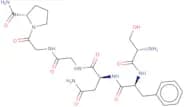
CAS:<p>Please enquire for more information about PAR-3 (1-6) amide (mouse) trifluoroacetate salt including the price, delivery time and more detailed product information at the technical inquiry form on this page</p>Formula:C25H36N8O8Purity:Min. 95%Molecular weight:576.6 g/molH-Gly-Pro-Pro-OH trifluoroacetate salt
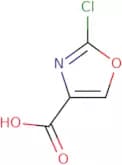
CAS:<p>H-Gly-Pro-Pro-OH trifluoroacetate salt is an amide with a high specificity and low energy. This compound is activated by sequences of collagen, which may be due to its ability to hydrate intracellular calcium concentrations. H-Gly-Pro-Pro-OH trifluoroacetate salt has been shown to have polymerase chain activation activity in the presence of lysine residues, and it can bind to regulatory sites on DNA. H-Gly-Pro-Pro-OH trifluoroacetate salt has also been shown to have hydroxyproline hydroxylase activity, which leads to a helical structure.</p>Formula:C12H19N3O4Purity:Min. 95%Molecular weight:269.3 g/mol2-Chlorooxazole-4-carboxylicacid
CAS:<p>2-Chlorooxazole-4-carboxylic acid is a synthetic compound belonging to the group of long-chain aliphatic carboxylic acids. It is an ester that can be synthesized by the reaction of toluene with 2,4-dichlorooxazole. The stereochemical configuration of this molecule is unknown. The synthesis of this compound has been reported in marine invertebrates and plants, including Mycalolide from the marine sponge Mycale sp.</p>Formula:C4H2ClNO3Purity:Min. 95%Molecular weight:147.52 g/molMAGE-1 Antigen (161-169) (human) acetate salt
CAS:<p>MAGE-1 is a costimulatory molecule that is expressed on the surface of antigen presenting cells. It has been shown to be a very potent target for monoclonal antibodies. MAGE-1 can be used as an antigen in diagnostic tests, such as ELISA and Western blotting. It can also be used to generate monoclonal antibodies for use as therapeutic agents in cancer therapy and for the treatment of viral infections such as influenza virus. The MAGE-1 antigen has been shown to have high affinity binding with the paratope of Papilloma virus, which may help explain its clinical relevance in these diseases.</p>Formula:C41H57N11O17Purity:Min. 95%Molecular weight:975.96 g/molDibenzoyl-(-)-p-methoxy-L-tartaric acid
CAS:<p>Dibenzoyl-(-)-p-methoxy-L-tartaric acid is a chiral compound that has been extracted from plants and synthesized. It has a bitter taste and can be used as an enantiomer to treat schistosomiasis, a disease caused by parasitic flatworms. Dibenzoyl-(-)-p-methoxy-L-tartaric acid can be used as an enantiomer to treat schistosomiasis, which is caused by parasitic flatworms. The chemical is an anionic β-cyclodextrin derivative that binds to the parasites in the host's body and prevents them from releasing eggs into the water supply. This chemical also has pharmacological properties, such as antiinflammatory activities.</p>Formula:C20H18O10Purity:Min. 95%Color and Shape:White PowderMolecular weight:418.35 g/molNeurokinin A trifluoroacetate salt
CAS:<p>Neurokinin A trifluoroacetate salt H-His-Lys-Thr-Asp-Ser-Phe-Val-Gly-Leu-Met-NH2 trifluoroacetate salt is a potent inducer of the basic protein. It has been shown to have cytotoxic effects on pluripotent cells in vitro. Neurokinin A is also a potent inducer of substance P, which is a neurotransmitter that mediates inflammatory lesions and cardiac effects. Neurokinin A has also been shown to have an effect on locomotor activity and polymerase chain reaction (PCR) amplification in vitro.</p>Formula:C50H80N14O14SPurity:Min. 95%Molecular weight:1,133.32 g/molBIM-23627 trifluoroacetate salt
CAS:<p>Please enquire for more information about BIM-23627 trifluoroacetate salt including the price, delivery time and more detailed product information at the technical inquiry form on this page</p>Formula:C58H69ClN12O8S2Purity:Min. 95%Molecular weight:1,161.83 g/molPAR-4 (1-6) (human) trifluoroacetate salt
CAS:<p>Please enquire for more information about PAR-4 (1-6) (human) trifluoroacetate salt including the price, delivery time and more detailed product information at the technical inquiry form on this page</p>Formula:C28H41N7O9Purity:Min. 95%Molecular weight:619.67 g/molH-Gly-Pro-Arg-Pro-NH2 acetate salt
CAS:<p>H-Gly-Pro-Arg-Pro-NH2 acetate salt is a peptide with antiplatelet activity. It has been shown to inhibit the interaction between fibrinogen and platelets, which leads to the inhibition of thrombin formation and subsequent clotting. The amide bond in this peptide is susceptible to hydrolysis by enzymes such as phospholipase A2, which means that it can be broken down into smaller fragments that have different biological activities. H-Gly-Pro-Arg-Pro-NH2 acetate salt has been shown to inhibit the growth of babesia microti, a causative agent of babesiosis in cattle, through lysis of infected erythrocytes. This drug also inhibits the growth of hemagglutinating virus type 3 (HV3) and filovirus, two viruses that are not yet fully understood.</p>Formula:C18H32N8O4Purity:Min. 95%Molecular weight:424.5 g/molPreptin (rat) trifluoroacetate salt
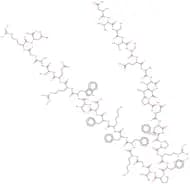
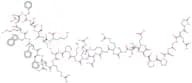
CAS:<p>Please enquire for more information about Preptin (rat) trifluoroacetate salt including the price, delivery time and more detailed product information at the technical inquiry form on this page</p>Formula:C181H268N48O51Purity:Min. 95%Molecular weight:3,932.36 g/mol4-[2-(Fmoc-amino)ethyl]-1-piperazineacetic acid dihydrochloride
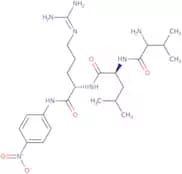
CAS:<p>Please enquire for more information about 4-[2-(Fmoc-amino)ethyl]-1-piperazineacetic acid dihydrochloride including the price, delivery time and more detailed product information at the technical inquiry form on this page</p>Formula:C23H27N3O4•2HClPurity:Min. 95%Color and Shape:PowderMolecular weight:482.4 g/molH-DL-Val-Leu-Arg-pNA acetate salt
CAS:<p>H-DL-Val-Leu-Arg-pNA acetate salt is a natriuretic that is used to treat chronic kidney failure. It has an inhibitory effect on serine protease and epidermal growth factor, which are enzymes involved in the production of atrial natriuretic peptide (ANP). The drug also reduces blood pressure by inhibiting the activity of angiotensin II, which is a potent vasoconstrictor. H-DL-Val-Leu-Arg-pNA acetate salt has been shown to increase urea nitrogen levels by inhibiting the activity of alkaline phosphatase, which breaks down ammonia in the liver.</p>Formula:C23H38N8O5Purity:Min. 95%Molecular weight:506.6 g/molEthyl 2-(chlorosulfonyl)acetate
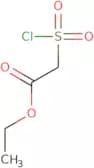
CAS:<p>Ethyl 2-(chlorosulfonyl)acetate is a drug candidate that inhibits the enzyme cholesterol acyltransferase (ACAT), which is responsible for the formation of cholesterol esters. It has been shown to be effective in animal models for the treatment of metabolic disorders, such as hypercholesterolemia and hypertriglyceridemia. In addition, it has been shown to inhibit the activity of serine proteases, which are involved in coagulation, amido hydrolase, and nucleophilic attack reactions. Ethyl 2-(chlorosulfonyl)acetate has also been shown to activate gene product in cellular studies with mouse fibroblasts.</p>Purity:Min. 95%Color and Shape:PowderMolecular weight:186.61 g/molpTH-Related Protein Splice Isoform 3 (140-173) (human) trifluoroacetate salt
CAS:Please enquire for more information about pTH-Related Protein Splice Isoform 3 (140-173) (human) trifluoroacetate salt including the price, delivery time and more detailed product information at the technical inquiry form on this pageFormula:C186H313N53O44S2Purity:Min. 95%Molecular weight:4,059.94 g/molDibenzoyl-D-(+)-tartaric acid monohydrate
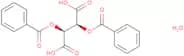
CAS:<p>Dibenzoyl-D-(+)-tartaric acid monohydrate is a weak organic acid that can be used as a neutralizing agent. It has been shown to react with hydrochloric acid, calcium carbonate, and other inorganic acids to form water soluble salts. This compound is also useful for the separation of enantiomers in chromatography and for the determination of the rate of reaction between an organic molecule and an inorganic acid. Dibenzoyl-D-(+)-tartaric acid monohydrate has been used as a template molecule for determining thermodynamic data on various molecules.</p>Formula:C18H14O8·H2OPurity:Min. 95%Color and Shape:White To Off-White SolidMolecular weight:376.31 g/molGastric Inhibitory Polypeptide (3-42) (human) trifluoroacetate salt
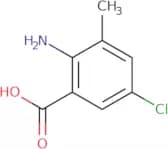
CAS:<p>Please enquire for more information about Gastric Inhibitory Polypeptide (3-42) (human) trifluoroacetate salt including the price, delivery time and more detailed product information at the technical inquiry form on this page</p>Formula:C214H324N58O63SPurity:Min. 95%Molecular weight:4,749.28 g/mol2-Amino-5-chloro-3-methylbenzoic acid
CAS:<p>2-Amino-5-chloro-3-methylbenzoic acid (ACMB) is a substructure of the insecticidal compound chlorantraniliprole. It is a solid at room temperature and has a molecular weight of 142.15 g/mol. ACMB can be extracted from n-hexane, chlorantraniliprole, or xylene using gravimetric analysis. The bioactivity of ACMB can be determined by an anthranilic assay, while its solubility data are available in the literature. ACMB has been shown to have insecticidal activity against lepidoptera larvae and cyanuric activity against mosquito larvae.</p>Formula:C8H8ClNO2Purity:Min. 95%Molecular weight:185.61 g/molH-Lys-Gly-Lys-OH acetate salt
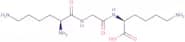
CAS:<p>The solute-solvent interaction is the process in which solutes are dissolved in a solvent. The solute is the substance that is dissolved and the solvent is the liquid that holds the solute. There are two types of interactions between an ionic solute and a polar solvent: electrostatic and hydrophobic. Electrostatic interactions are due to charge differences, while hydrophobic interactions are due to differences in molecular size or shape. In simulations, molecular dynamics was used to study how ligands interact with receptors using a thermodynamic model system. A frequency shift was observed when ligand binding occurred, which indicates that binding can be detected by monitoring changes in frequency.</p>Formula:C14H29N5O4Purity:Min. 95%Molecular weight:331.41 g/molNeuromedin B trifluoroacetate salt
CAS:<p>Neuromedin B is a peptide hormone that is produced by the hypothalamus and regulates many physiological processes such as energy metabolism, appetite, and sleep. Neuromedin B is a member of the family of guanine nucleotide-binding proteins (G proteins) that bind to G protein-coupled receptors on the surface of cells. It has been shown to stimulate calcium release from intracellular stores in response to an increase in cytosolic Ca2+. Neuromedin B has been shown to have anti-inflammatory effects on infectious diseases such as meningitis, sepsis, and tuberculosis, which may be due to its ability to inhibit neutrophil migration. Neuromedin B also stimulates hippocampal formation activity in rats during the rotarod test, which may be due to its effects on dopamine release.</p>Formula:C52H73N15O12SPurity:Min. 95%Molecular weight:1,132.3 g/mol6-FAM-(Glu13·17·20)-Osteocalcin (1-46) (mouse) trifluoroacetate salt
CAS:<p>Please enquire for more information about 6-FAM-(Glu13·17·20)-Osteocalcin (1-46) (mouse) trifluoroacetate salt including the price, delivery time and more detailed product information at the technical inquiry form on this page</p>Formula:C247H361N57O80S2Purity:Min. 95%Molecular weight:5,472.98 g/molRVG-9R trifluoroacetate salt
CAS:<p>Please enquire for more information about RVG-9R trifluoroacetate salt including the price, delivery time and more detailed product information at the technical inquiry form on this page</p>Formula:C201H334N82O55S2Purity:Min. 95%Molecular weight:4,843.45 g/molH-Glu-Arg-OH acetate salt
CAS:Controlled Product<p>Please enquire for more information about H-Glu-Arg-OH acetate salt including the price, delivery time and more detailed product information at the technical inquiry form on this page</p>Formula:C11H21N5O5Purity:Min. 95%Molecular weight:303.32 g/molConjugated linoleic acid - liquid
CAS:<p>Conjugated linoleic acid (CLA) is a fatty acid found in beef and dairy products. It is a conjugated form of linoleic acid, which means it has two or more double bonds in its chemical structure. CLA may help to regulate energy metabolism by inhibiting the activity of enzymes involved in fat and carbohydrate metabolism. CLA has also been shown to have inhibitory properties against polymerase chain reaction (PCR), an enzyme that copies DNA during cell division. CLA has also been shown to reduce the symptoms of bowel disease, including reducing inflammation and improving insulin sensitivity. CLA may suppress body weight gain and fat accumulation in humans, as well as reduce the development of type 2 diabetes mellitus. In addition, CLA may be effective against infectious diseases such as tuberculosis and HIV/AIDS because it can lower levels of pro-inflammatory cytokines like tumor necrosis factor-α (TNF-α)</p>Formula:C18H32O2Purity:Min. 95%Color and Shape:Slightly Yellow Clear LiquidMolecular weight:280.45 g/molH-Asn-Gln-Glu-Gln-Glu(EDANS)-Arg-OH trifluoroacetate salt
<p>Please enquire for more information about H-Asn-Gln-Glu-Gln-Glu(EDANS)-Arg-OH trifluoroacetate salt including the price, delivery time and more detailed product information at the technical inquiry form on this page</p>Formula:C42H62N14O16SPurity:Min. 95%Molecular weight:1,051.09 g/molPAR-2 (1-6) amide (mouse, rat) trifluoroacetate salt
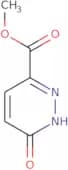
CAS:<p>PAR-2 agonist is a synthetic peptide that activates PAR-2. It binds to PAR-2 receptors, which are present in the mesenteric vasculature and in various other tissues. Activation of PAR-2 leads to an increase in intracellular calcium concentration, activation of protein kinase C, cytosolic calcium ion release, phosphorylation of myosin light chain, muscle cell proliferation, transcription and translation initiation, and increased production of vasoactive intestinal peptide. This drug also has anti-inflammatory effects and stimulates epidermal growth factor (EGF) and thrombin receptor expression as well as growth factor production.</p>Formula:C29H56N10O7Purity:Min. 95%Molecular weight:656.82 g/molMethyl 6-oxo-1,6-dihydropyridazine-3-carboxylate
CAS:<p>Please enquire for more information about Methyl 6-oxo-1,6-dihydropyridazine-3-carboxylate including the price, delivery time and more detailed product information at the technical inquiry form on this page</p>Formula:C6H6N2O3Purity:Min. 95%Molecular weight:154.12 g/molH-Arg-Pro-pNA trifluoroacetate salt
CAS:Controlled Product<p>Please enquire for more information about H-Arg-Pro-pNA trifluoroacetate salt including the price, delivery time and more detailed product information at the technical inquiry form on this page</p>Formula:C17H25N7O4Purity:Min. 95%Molecular weight:391.43 g/molDnp-Pro-Leu-Gly-Leu-Trp-Ala-D-Arg-NH2 trifluoroacetate salt
CAS:<p>Please enquire for more information about Dnp-Pro-Leu-Gly-Leu-Trp-Ala-D-Arg-NH2 trifluoroacetate salt including the price, delivery time and more detailed product information at the technical inquiry form on this page</p>Formula:C45H64N14O11Purity:Min. 95%Molecular weight:977.08 g/mol2-Hydroxysuccinic acid methyl ester
CAS:<p>2-Hydroxysuccinic acid methyl ester is an organic compound that has a carbonyl group, a hydroxyl group, and two carboxylic esters. It is a colorless liquid with a sweet taste. 2-Hydroxysuccinic acid methyl ester is classified as a dicarboxylic acid. It can be found in nature as malic acid, which is found in apples and other fruits. 2-Hydroxysuccinic acid methyl ester can also be synthesized from citric acid and formaldehyde.</p>Formula:C5H8O5Purity:90% MinMolecular weight:148.11 g/molH-Arg-Arg-Arg-Arg-Arg-Arg-OH trifluoroacetate salt
CAS:<p>H-Arg-Arg-Arg-Arg-Arg-Arg-OH trifluoroacetate salt is a compound that can be used as a cancer treatment. It has been shown to inhibit the growth of human retinal pigmented epithelial cells (p. pastoris) and induce apoptosis in these cells. H-Arg-Arg-Arg-Arg-Arg-Arg-OH trifluoroacetate salt interacts with the membrane of cells, blocking the binding site for growth factor and preventing the activation of downstream signaling pathways. This agent also binds to lysine residues on peptides, which are then degraded by proteases. H-Argo Arg Arg Arg Arg Arg Arg OH trifluoroacetate salt has been shown to have an affinity for flavone luteolin at neutral pH, as well as fatty acid molecules.</p>Formula:C36H74N24O7Purity:Min. 95%Molecular weight:955.13 g/mol(D-Tyr1,N-Me-Phe3)-Neuropeptide FF trifluoroacetate salt
CAS:<p>Please enquire for more information about (D-Tyr1,N-Me-Phe3)-Neuropeptide FF trifluoroacetate salt including the price, delivery time and more detailed product information at the technical inquiry form on this page</p>Formula:C55H78N14O11Purity:Min. 95%Molecular weight:1,111.3 g/molpTH (1-84) (rat) trifluoroacetate salt
<p>Please enquire for more information about pTH (1-84) (rat) trifluoroacetate salt including the price, delivery time and more detailed product information at the technical inquiry form on this page</p>Formula:C406H670N122O126S3Purity:Min. 95%Molecular weight:9,372.61 g/molAmyloid b-Protein (6-20) trifluoroacetate salt
CAS:<p>Please enquire for more information about Amyloid b-Protein (6-20) trifluoroacetate salt including the price, delivery time and more detailed product information at the technical inquiry form on this page</p>Formula:C86H119N23O23Purity:Min. 95%Molecular weight:1,843.01 g/moltrans-Methyl 4-(hydroxymethyl)cyclohexanecarboxylate
CAS:<p>Please enquire for more information about trans-Methyl 4-(hydroxymethyl)cyclohexanecarboxylate including the price, delivery time and more detailed product information at the technical inquiry form on this page</p>Purity:Min. 95%Neuropeptide Y (13-36) (human, rat) trifluoroacetate salt
CAS:<p>Trifluoroacetate salt</p>Formula:C134H207N41O36SPurity:Min. 95%Molecular weight:3,000.4 g/molPrion Protein (118-135) (human) trifluoroacetate salt
CAS:<p>Please enquire for more information about Prion Protein (118-135) (human) trifluoroacetate salt including the price, delivery time and more detailed product information at the technical inquiry form on this page</p>Formula:C68H112N18O22S2Purity:Min. 95%Molecular weight:1,597.86 g/molOsteoblast Activating Peptide (mouse, rat) trifluoroacetate salt
CAS:<p>Please enquire for more information about Osteoblast Activating Peptide (mouse, rat) trifluoroacetate salt including the price, delivery time and more detailed product information at the technical inquiry form on this page</p>Formula:C120H196N38O37Purity:Min. 95%Molecular weight:2,763.07 g/molCortistatin-29 (human) trifluoroacetate salt
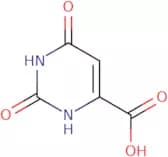
CAS:<p>Please enquire for more information about Cortistatin-29 (human) trifluoroacetate salt including the price, delivery time and more detailed product information at the technical inquiry form on this page</p>Formula:C149H223N47O42S3Purity:Min. 95%Molecular weight:3,440.85 g/molOrotic acid anhydrous
CAS:<p>Orotic acid anhydrous is a hydrogen bonding interaction that can be found in biological systems. It plays a role in the physiological effects of orotic acid, which is a metabolite of uridine and an intermediate in the synthesis of pyrimidine nucleotides. Orotic acid has antimicrobial properties and has been shown to inhibit enzyme activities involved in energy metabolism, such as polymerase chain reaction (PCR) and adenosine triphosphate (ATP) synthase. Orotic acid also inhibits the growth of bacteria, fungi, and parasites. Orotic acid anhydrous is used for treating myocardial infarcts or brain functions. The untreated group was given no treatment at all.</p>Formula:C5H4N2O4Purity:Min. 98 Area-%Color and Shape:White PowderMolecular weight:156.1 g/molFibrinopeptide B (human) trifluoroacetate salt
CAS:<p>Fibrinopeptide B is a fibrinogen-derived peptide that has shown to inhibit the growth of HL-60 cells. It may be active as a receptor antagonist for thrombin and caproic acid. Fibrinopeptide B also inhibits angiogenesis by inhibiting the binding of acidic, basic proteins to the vascular endothelium in atherosclerotic lesions. The biological sample can be obtained from human serum or plasma.</p>Formula:C66H93N19O25Purity:Min. 95%Molecular weight:1,552.56 g/mol(Nle 13,Glu14)-Motilin (human, porcine) trifluoroacetate salt
CAS:<p>Please enquire for more information about (Nle 13,Glu14)-Motilin (human, porcine) trifluoroacetate salt including the price, delivery time and more detailed product information at the technical inquiry form on this page</p>Formula:C121H189N33O36Purity:Min. 95%Molecular weight:2,682 g/mol(Gln22,Asn23)-Amyloid b-Protein (1-40) trifluoroacetate salt
CAS:<p>Please enquire for more information about (Gln22,Asn23)-Amyloid b-Protein (1-40) trifluoroacetate salt including the price, delivery time and more detailed product information at the technical inquiry form on this page</p>Formula:C194H297N55O56SPurity:Min. 95%Molecular weight:4,327.84 g/molBiotinyl-Amylin (mouse, rat) trifluoroacetate salt
CAS:<p>Please enquire for more information about Biotinyl-Amylin (mouse, rat) trifluoroacetate salt including the price, delivery time and more detailed product information at the technical inquiry form on this page</p>Formula:C177H286N54O55S3Purity:Min. 95%Molecular weight:4,146.69 g/mol(Val438)-Tyrosinase (432-444) (human) acetate salt
CAS:<p>H-SYLQDSVPDSFQD-OH peptide, corresponding to amino acids 432-444 of human Tyrosinase. The peptide is supplied as an acetate salt.</p>Formula:C65H93N15O26Purity:Min. 95%Molecular weight:1,500.52 g/molN-alpha-Boc-Nbeta-1-(4,4-dimethyl-2,6-dioxocyclohex-1-ylidene)ethyl-D-2,3-diaminopropionic acid
CAS:<p>Please enquire for more information about N-alpha-Boc-Nbeta-1-(4,4-dimethyl-2,6-dioxocyclohex-1-ylidene)ethyl-D-2,3-diaminopropionic acid including the price, delivery time and more detailed product information at the technical inquiry form on this page</p>Formula:C18H28N2O6Purity:Min. 95%Molecular weight:368.42 g/molH-p-Chloro-Phe-D-Cys-b-(3-pyridyl)-Ala-D-Trp-Lys-Val-Cys-p-chloro-Phe-NH2 trifluoroacetate salt (Disulfide bond)
CAS:<p>Please enquire for more information about H-p-Chloro-Phe-D-Cys-b-(3-pyridyl)-Ala-D-Trp-Lys-Val-Cys-p-chloro-Phe-NH2 trifluoroacetate salt (Disulfide bond) including the price, delivery time and more detailed product information at the technical inquiry form on this page</p>Formula:C54H66Cl2N12O8S2Purity:Min. 95%Molecular weight:1,146.22 g/molBis-ACV trifluoroacetate salt
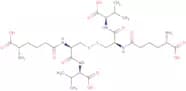
CAS:<p>Bis-ACV trifluoroacetate salt is a regulatory compound that belongs to the class of bis-acids. It is a cytosolic calcium ionophore that binds to the cytosolic calcium ion channel and regulates its activity. Bis-ACV trifluoroacetate salt also has nucleophilic attack on phosphate groups, which are essential for biosynthesis. The enzyme activity of this compound has been studied in various strains of bacteria such as E. coli and S. cerevisiae, and it was found to be involved in the synthesis of oligosaccharides and polysaccharides. This compound can be solubilized by the addition of sodium bicarbonate or urea, which facilitates its use in synthetic reactions. The synthase gene for this compound has been identified from various strains of bacteria such as E. coli and S. cerevisiae, but not from mammalian cells or plants.</p>Formula:C28H48N6O12S2Purity:Min. 95%Molecular weight:724.85 g/molFITC-epsilonAhx-Amyloid b-Protein (1-42) trifluoroacetate salt
<p>Please enquire for more information about FITC-epsilonAhx-Amyloid b-Protein (1-42) trifluoroacetate salt including the price, delivery time and more detailed product information at the technical inquiry form on this page</p>Formula:C230H333N57O66S2Purity:Min. 95%Molecular weight:5,016.58 g/molD,L-Mevalonic acid lactone
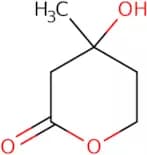
CAS:<p>Mevalonic acid lactone is a natural compound that has been shown to have an effect on mitochondrial membrane potential. It has also been shown to inhibit the drug transporter P-glycoprotein, which is involved in the transport of drugs out of cells. Mevalonic acid lactone has also demonstrated an anti-inflammatory effect, as it inhibits the production of TNF-α and IL-6 in human serum. This compound also possesses antioxidant properties, which may be due to its hydroxyl group and phenoxy groups. Mevalonic acid lactone can be used as a model system for sesquiterpene lactones, and it is able to improve mitochondrial functions by inhibiting pyrazole ring formation.</p>Formula:C6H10O3Purity:Min. 95%Color and Shape:PowderMolecular weight:130.14 g/molAnnexin A1 (1-11) (dephosphorylated) (human, bovine, chicken, porcine) trifluoroacetate salt
CAS:<p>Annexin A1 (1-11) is a peptide that is part of the annexin family. It is involved in the degranulation of cells and inhibits inflammation by inhibiting the production of pro-inflammatory cytokines. Annexin A1 (1-11) has been shown to be an anti-inflammatory compound as it binds to phospholipids on the surface of neutrophils, leading to inhibition of their chemotaxis and phagocytosis. This peptide also interacts with other annexins and prevents apoptosis by blocking caspase activity. Finally, it has been found that annexin A1 (1-11) can promote the healing of wounds in mice by accelerating reepithelialization and reducing scar formation. The concentration required for these effects are nanomolar concentrations.</p>Formula:C63H94N14O17SPurity:Min. 95%Molecular weight:1,351.57 g/mol(Tyr9)-beta-MSH (porcine) trifluoroacetate salt
CAS:<p>Please enquire for more information about (Tyr9)-beta-MSH (porcine) trifluoroacetate salt including the price, delivery time and more detailed product information at the technical inquiry form on this page</p>Formula:C101H140N24O30SPurity:Min. 95%Molecular weight:2,202.4 g/molEthyl diphenylacetate
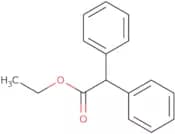
CAS:<p>Ethyl diphenylacetate is a trifluoromethyl group that has the potential for use as a fungicide. The hydrochloride salt of this compound exhibits high activity against various fungi, such as Rhizoctonia solani, Sclerotium rolfsii, and Botrytis cinerea. Ethyl diphenylacetate has also been shown to be an effective herbicide in plants, as it inhibits the enzyme acetolactate synthase and prevents the formation of branched-chain amino acids. It can also inhibit germination of seeds.</p>Formula:C16H16O2Purity:Min. 95%Molecular weight:240.3 g/mol4-(3-(Trifluoromethyl)-3H-diazirin-3-yl)benzoic acid
CAS:<p>4-(3-(Trifluoromethyl)-3H-diazirin-3-yl)benzoic acid is a diazirine that is used to form copper complexes. These complexes are then used as diagnostic agents for the detection of nucleic acids in biological samples, such as wheat germ and human tissue. 4-(3-(Trifluoromethyl)-3H-diazirin-3-yl)benzoic acid may also be used in the production of polymer films. It has been shown to have a dihedral angle (C), which is an important factor in the properties of surfactants. The properties of 4-(3-(Trifluoromethyl)-3H-diazirin-3-yl)benzoic acid depend on its functional groups, fatty acids, and dimethylformamide content.</p>Formula:C9H5F3N2O2Purity:Min. 95%Color and Shape:White/Off-White SolidMolecular weight:230.14 g/molPreangiotensinogen (11-14) (human) acetate salt
CAS:<p>Please enquire for more information about Preangiotensinogen (11-14) (human) acetate salt including the price, delivery time and more detailed product information at the technical inquiry form on this page</p>Formula:C21H35N7O6Purity:Min. 95%Molecular weight:481.55 g/mol16-Hydroxyhexadecanoic acid
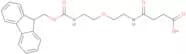
CAS:<p>16-Hydroxyhexadecanoic acid is a fatty acid that contains 16 carbons and 2 hydroxyl groups. It can be found in rat liver microsomes, where it binds to the cytochrome P450 enzyme, inhibiting its activity. The structural analysis of this compound has been shown to have intermolecular hydrogen bonding between the nitrogen atoms and the oxygen atoms in the hydroxyl group. 16-Hydroxyhexadecanoic acid also exhibits phase transition temperatures, which are increased by adding water molecules. This compound also has an inhibitory effect on recombinant cytochrome P450 enzymes from p. pastoris and can be used as a substrate for methyl myristate metabolism. In addition, 16-hydroxyhexadecanoic acid binds to dinucleotide phosphate (NADPH) and fluoresces when excited at 340 nm using a fluorescence detector.</p>Formula:C16H32O3Purity:Min. 95%Color and Shape:White PowderMolecular weight:272.42 g/molN-(Fmoc-5-amino-3-oxa-pentyl)succinamic acid
CAS:<p>N-(Fmoc-5-amino-3-oxa-pentyl)succinamic acid is a high quality chemical that is used as an intermediate in the production of pharmaceuticals and other fine chemicals. It is also a reagent for use in peptide synthesis. N-(Fmoc-5-amino-3-oxa-pentyl)succinamic acid has a CAS No. 669073-62-5 and can be used as a useful scaffold for the production of complex compounds. This compound is also useful for research purposes, due to its versatility as a building block with speciality chemical applications.</p>Formula:C23H26N2O6Purity:Min. 95%Molecular weight:426.46 g/moltrans-1,2-Diaminocyclohexane-N,N,N',N'-tetraacetic acid monohydrate
CAS:<p>Trans-1,2-Diaminocyclohexane-N,N,N',N'-tetraacetic acid monohydrate (CDTA) is a chelating agent that has been shown to be effective in the treatment of some cancers. CDTA has been shown to inhibit the growth of tumor cells by binding to lysine residues on histones and DNA and inhibiting their acetylation. CDTA also prevents the genotoxicity induced by irradiation. CDTA can be used as an adjuvant in cancer therapy due to its ability to inhibit histone deacetylase activity. Trans-1,2-Diaminocyclohexane-N,N,N',N'-tetraacetic acid monohydrate is synthesized from two amino acids: lysine and glutamic acid. This molecule is a polymeric compound composed of cyclic molecules linked together through amide bonds. These polymers are linear chains of</p>Formula:C14H22N2O8·H2OColor and Shape:White PowderMolecular weight:364.35 g/molNeuropeptide W-23 (rat) trifluoroacetate salt
CAS:<p>Please enquire for more information about Neuropeptide W-23 (rat) trifluoroacetate salt including the price, delivery time and more detailed product information at the technical inquiry form on this page</p>Formula:C119H183N35O29SPurity:Min. 95%Molecular weight:2,600.01 g/molN-[(RS)-1-Carboxy-3-phenyl-propyl]-Ala-Ala-Phe-4-Abz-OH trifluoroacetate salt
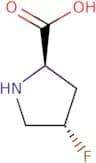
CAS:<p>The N-[(RS)-1-carboxy-3-phenyl-propyl]-Ala-Ala-Phe-4-Abz-OH trifluoroacetate salt is a synthetic substrate for the study of metalloendopeptidase. This compound was used to develop a model system to study the function of human liver, and has been shown to inhibit the growth of PC12 cells. The N-[(RS)-1-Carboxy-3-phenyl-propyl]-Ala-Ala-Phe-4-Abz-OH trifluoroacetate salt is also an experimental model for congestive heart failure. This compound has been shown to increase glomerular filtration rate in experimental animals as well as basic fibroblast growth factor activity in cell culture by increasing intracellular calcium levels.</p>Formula:C32H36N4O7Purity:Min. 95%Molecular weight:588.65 g/mol(2R,4S)-4-Fluoropyrrolidine-2-carboxylic acid
CAS:<p>Please enquire for more information about (2R,4S)-4-Fluoropyrrolidine-2-carboxylic acid including the price, delivery time and more detailed product information at the technical inquiry form on this page</p>Formula:C5H8FNO2Purity:Min. 95%Molecular weight:133.12 g/molPentafluoropropionic acid
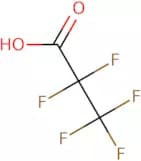
CAS:<p>Pentafluoropropionic acid is a glycol ether that is used in the preparation of coumarin derivatives. It reacts with sodium carbonate and trifluoroacetic acid to form the corresponding acyl chloride, which then reacts with nitrogen atoms (e.g., ammonia) to form an amide or urea derivative. Pentafluoropropionic acid also reacts with hydrogen fluoride to form pentafluoropropane and hydrogen fluoride gas, which can be used as a propellant for aerosol sprays. Pentafluoropropionic acid binds to toll-like receptors on cancer cells and human serum, inhibiting their ability to synthesize DNA. The compound has been shown to inhibit tumor growth in mice by blocking the formation of cancer tissues.</p>Formula:C3HF5O2Purity:Min. 95%Color and Shape:Clear LiquidMolecular weight:164.03 g/molBradykinin (1-5) trifluoroacetate salt
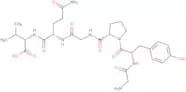
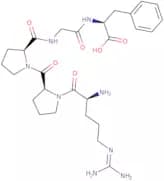
CAS:<p>Bradykinin (1-5) trifluoroacetate salt H-Arg-Pro-Pro-Gly-Phe-OH is a peptide that has been shown to have anti-cancer properties. The effect of Bradykinin (1-5) trifluoroacetate salt H-Arg-Pro-Pro-Gly-Phe-OH on prostate cancer cells was studied in vitro by measuring the extent of cell growth. The results showed a dose dependent decrease in tumor growth rate, suggesting that this peptide may be useful as an adjuvant therapy for prostate cancer. Bradykinin (1-5) trifluoroacetate salt H-Arg-Pro-Pro-Gly-Phe has also been shown to inhibit diabetic nephropathy and reduce proteinuria in diabetic patients. This peptide may also be used to diagnose prostate cancer because it binds to the thrombin receptor, which is present on cancer cells but not</p>Formula:C27H40N8O6Purity:Min. 95%Molecular weight:572.66 g/molmeso-Tartaric acid monohydrate
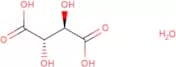
CAS:<p>Meso-tartaric acid monohydrate is a white crystalline substance that is soluble in water and has a strong acidic taste. It is an organic acid, which can be found in many fruits and vegetables. Meso-tartaric acid monohydrate is used as the sodium salt or potassium salt, which may lead to drug interactions with other drugs that are excreted through the kidneys. The product also inhibits the enzyme DPP-IV, which is involved in the degradation of glucagon and insulin. In addition, meso-tartaric acid monohydrate can cause an increase in surfactant sodium dodecyl sulfate (SDS) activity when it interacts with trifluoroacetic acid (TFA). Meso-tartaric acid monohydrate also prevents the growth of coli k-12 by inhibiting protein synthesis. This product has been shown to inhibit dpp-iv inhibitors from forming hydrogen bonds with malonic acid and polymorphon</p>Formula:C4H6O6·H2OPurity:Min. 95%Color and Shape:White PowderMolecular weight:168.1 g/mol2-[(3,5,6-Trichloro-2-pyridinyl)oxy]acetic acid
CAS:<p>Carbaryl is a broad-spectrum insecticide that has been used to control pests in homes, gardens, and agricultural fields. It can be found in many products for use around the home, including flea collars and ant traps. Carbaryl is absorbed by plants through their leaves and roots and can affect photosynthetic activity. Carbaryl also affects plant metabolism by inhibiting proximal tubule function, which leads to an increase in urea nitrogen and urine production. Carbaryl can be toxic to humans when ingested or inhaled. The toxicity of carbaryl depends on its route of exposure (oral, inhalation, or skin). Carbaryl is metabolized through a number of metabolic reactions that include oxidation by cytochrome P450 enzymes, reduction by glutathione reductase, or conjugation with glucuronic acid.</p>Formula:C7H4Cl3NO3Purity:Min. 95%Color and Shape:PowderMolecular weight:256.47 g/molL-Glutamic acid alpha-amide
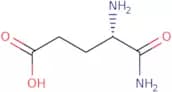
CAS:<p>L-Glutamic acid alpha-amide is an ester hydrochloride that is a tissue culture amide. It is a cyclic peptide analog and a hydroxyl group. L-glutamic acid alpha-amide has been shown to inhibit the inflammatory response in the bowel disease, Crohn's disease, by blocking the toll-like receptor 4 and 5. This drug also inhibits protein synthesis, which may be due to its ability to bind to fatty acids, thereby inhibiting the production of proteins vital for cell division.</p>Formula:C5H10N2O3Purity:Min. 95%Color and Shape:White PowderMolecular weight:146.14 g/mol2-Amino-a-(methoxyimino)-4-thiazoleacetic acid
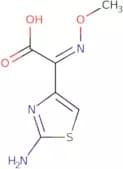
CAS:<p>2-Amino-a-(methoxyimino)-4-thiazoleacetic acid is a reaction product of cefotaxime and n-dimethyl formamide. It has been shown to be an effective agent for the treatment of wastewater with a high organic content. 2-Amino-a-(methoxyimino)-4-thiazoleacetic acid also reacts with chloride ions to form cleavage products that are soluble in water, making it an ideal choice for wastewater treatment. This compound is not toxic and can be used as a drug to treat patients with infections caused by bacteria resistant to other antibiotics. 2-Amino-a-(methoxyimino)-4-thiazoleacetic acid binds to mismatched base pairs in DNA, inhibiting DNA synthesis and causing cell death by apoptosis.</p>Formula:C6H7N3O3SPurity:Min. 95%Molecular weight:201.2 g/molNeuropeptide Y (free acid) (human, rat) trifluoroacetate salt
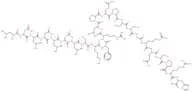
CAS:<p>Please enquire for more information about Neuropeptide Y (free acid) (human, rat) trifluoroacetate salt including the price, delivery time and more detailed product information at the technical inquiry form on this page</p>Formula:C189H284N54O58SPurity:Min. 95%Molecular weight:4,272.67 g/molGLP-2 (1-34) (human) trifluoroacetate salt
CAS:<p>Structure/Function: human; Trifluoroacetate salt</p>Formula:C171H266N48O56SPurity:Min. 95%Molecular weight:3,922.3 g/mol(D-Ala2,N-Me-Phe4,methionin(O)-ol5)-Enkephalin trifluoroacetate salt
CAS:<p>D-Ala2,N-Me-Phe4,methionin(O)-ol5)-Enkephalin trifluoroacetate salt H-Tyr-D-Ala-Gly-N-Me-Phe-methionin(O)-ol trifluoroacetate salt is an analog of the endocannabinoid neurotransmitter, anandamide. It has been shown to be effective in the treatment of autoimmune diseases such as multiple sclerosis and inflammatory bowel disease. D-(3R)-3-[(1S,2R,3R,5R) -3-[2-(2,6 dichlorophenyl)ethenyl] -1H -indole]-1 -butanamine trifluoroacetate salt has been shown to inhibit the replication of a number of viruses including human immunodeficiency virus type 1 (HIV). This drug also inhibits the growth of organisms that are resistant</p>Formula:C29H41N5O7SPurity:Min. 95%Molecular weight:603.73 g/molMca-Lys-Pro-Leu-Gly-Leu-Dap (Dnp)-Ala-Arg-NH2 trifluoroacetate salt
CAS:<p>Please enquire for more information about Mca-Lys-Pro-Leu-Gly-Leu-Dap (Dnp)-Ala-Arg-NH2 trifluoroacetate salt including the price, delivery time and more detailed product information at the technical inquiry form on this page</p>Formula:C55H80N16O16Purity:Min. 95%Molecular weight:1,221.32 g/mol(Pro3)-Dynorphin A (1-11) amide trifluoroacetate salt
CAS:<p>Please enquire for more information about (Pro3)-Dynorphin A (1-11) amide trifluoroacetate salt including the price, delivery time and more detailed product information at the technical inquiry form on this page</p>Formula:C66H108N22O12Purity:Min. 95%Molecular weight:1,401.7 g/molBombesin (8-14) acetate salt
CAS:<p>Bombesin (8-14) acetate salt H-Trp-Ala-Val-Gly-His-Leu-Met-NH2 acetate salt is a bifunctional peptide that has been shown to inhibit the growth of prostate cancer cells. Bombesin (8-14) acetate salt H-Trp-Ala-Val-Gly-His-Leu-Met-NH2 acetate salt also has antiinflammatory properties and is used in treating inflammatory diseases. It inhibits collagen synthesis and fibrinogen activation, which may be important in the treatment of autoimmune diseases such as rheumatoid arthritis. Bombesin (8 14) acetate salt H Trp Ala Val Gly His Leu Met NH2 Acetate Salt has been shown to have no effect on healthy tissues when administered systemically.</p>Formula:C38H57N11O7SPurity:Min. 95%Molecular weight:812 g/molACTH (4-10) trifluoroacetate salt
CAS:<p>ACTH (4-10) trifluoroacetate salt is a cholinergic agent that belongs to the class of neurotransmitters. It is synthesized from the naturally occurring hormone ACTH, which is released by the anterior pituitary gland in response to a variety of stimuli. This compound has been shown to have physiological effects on various organs, including adipose tissue and locomotor activity. It also shows neuroprotective effects in animal models and has neurotrophic properties. The therapeutic potential of this compound for brain functions is currently being explored.</p>Formula:C44H59N13O10SPurity:Min. 95%Molecular weight:962.09 g/molPancreastatin (33-48) (human) trifluoroacetate salt
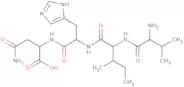
CAS:<p>Pancreastatin (33-48) is a synthetic, acidic, sulfated peptide that has been shown to have high activity against pancreatic cancer cells. Pancreastatin (33-48) has been synthesized by reacting an oligopeptide with glutamic acid and aspartic acid. The N-terminal of this peptide is amidated and contains a sulfate group. This molecule has been purified by SDS-polyacrylamide gel electrophoresis and the sulfate fractionation method. Pancreastatin (33-48) is able to inhibit the proliferation of pancreatic tumor cells in vitro, but it does not appear to be cytotoxic to normal pancreatic cells. In addition, pancreastatin (33-48) has also been shown to decrease tumor growth in vivo in mice bearing a transplanted human pancreatic tumor.</p>Formula:C78H123N21O27SPurity:Min. 95%Molecular weight:1,819 g/molAbz-(Asn670,Leu671)-Amyloid beta/A4 Protein Precursor770 (669-674)-EDDnp trifluoroacetate salt
CAS:<p>Please enquire for more information about Abz-(Asn670,Leu671)-Amyloid beta/A4 Protein Precursor770 (669-674)-EDDnp trifluoroacetate salt including the price, delivery time and more detailed product information at the technical inquiry form on this page</p>Formula:C42H58N12O16Purity:Min. 95%Molecular weight:986.98 g/mol














![4-[2-(Fmoc-amino)ethyl]-1-piperazineacetic acid dihydrochloride](/_next/image/?url=https%3A%2Fstatic.cymitquimica.com%2Fproducts%2F3D%2Fthumb-webp%2FFF48264.webp&w=3840&q=75)




















![N-[(RS)-1-Carboxy-3-phenyl-propyl]-Ala-Ala-Phe-4-Abz-OH trifluoroacetate salt](/_next/image/?url=https%3A%2Fstatic.cymitquimica.com%2Fproducts%2F3D%2Fthumb-webp%2FFR111118.webp&w=3840&q=75)
![2-[(3,5,6-Trichloro-2-pyridinyl)oxy]acetic acid](/_next/image/?url=https%3A%2Fstatic.cymitquimica.com%2Fproducts%2F3D%2Fthumb-webp%2FFT28420.webp&w=3840&q=75)