


Carboxylic Acids
Carboxylic acids are organic molecules characterized by having a carboxyl-type functional group (-COOH). These acids are fundamental in various chemical reactions, including esterification, amidation, and decarboxylation. Carboxylic acids are widely used in the production of pharmaceuticals, polymers, and agrochemicals. In this section, you can find a large number of carboxylic acids ready to be used. At CymitQuimica, we provide a broad range of high-quality carboxylic acids to support your research and industrial applications.
Found 12453 products of "Carboxylic Acids"
Sort by
Purity (%)
0
100
|
0
|
50
|
90
|
95
|
100
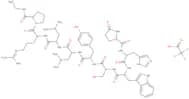
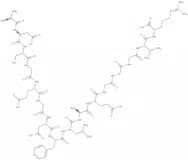
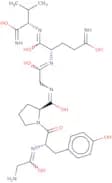
H-Gly-Arg-Gly-Asp-D-Ser-Pro-OH trifluoroacetate salt
CAS:<p>H-Gly-Arg-Gly-Asp-D-Ser-Pro-OH trifluoroacetate salt (HGGDS) is a collagen gel that is used in the treatment of autoimmune diseases, such as arthritis and lupus. HGGDS inhibits the production of fibrinogen, which is a protein involved in blood clotting, by binding to its receptor on human fibroblasts. It also inhibits the production of basic proteins needed for the generation of collagen and activation of integrin receptors, which are involved in cell adhesion and migration. HGGDS also blocks transcription polymerase chain reactions (PCRs), which are necessary for the synthesis of DNA. This can lead to a decrease in cell proliferation and an increase in apoptosis.</p>Formula:C22H37N9O10Purity:Min. 95%Molecular weight:587.58 g/mol4,6-Dichloro-2-methylnicotinic acid
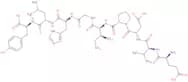
CAS:<p>Please enquire for more information about 4,6-Dichloro-2-methylnicotinic acid including the price, delivery time and more detailed product information at the technical inquiry form on this page</p>Purity:Min. 95%(Des-Gly10,D-His2,D-Ser4,D-Leu6,Pro-NHEt 9)-LHRH trifluoroacetate salt
<p>Please enquire for more information about (Des-Gly10,D-His2,D-Ser4,D-Leu6,Pro-NHEt 9)-LHRH trifluoroacetate salt including the price, delivery time and more detailed product information at the technical inquiry form on this page</p>Formula:C59H84N16O12Purity:Min. 95%Molecular weight:1,209.4 g/mol(Ala13)-Apelin-13 (human, bovine, mouse, rat) acetate salt
CAS:<p>Apelin-13 is a peptide hormone that is secreted from the stomach and small intestine. It may have analgesic effects through its interaction with μ-opioid receptors, which are also activated by morphine. Apelin-13 has been shown to increase locomotor activity in rats, suggesting it can potentiate the antinociceptive effect of morphine.</p>Formula:C63H107N23O16S·xC2H4O2Purity:Min. 95%Molecular weight:1,474.74 g/molACTH (4-10) trifluoroacetate salt
CAS:<p>ACTH (4-10) trifluoroacetate salt is a cholinergic agent that belongs to the class of neurotransmitters. It is synthesized from the naturally occurring hormone ACTH, which is released by the anterior pituitary gland in response to a variety of stimuli. This compound has been shown to have physiological effects on various organs, including adipose tissue and locomotor activity. It also shows neuroprotective effects in animal models and has neurotrophic properties. The therapeutic potential of this compound for brain functions is currently being explored.</p>Formula:C44H59N13O10SPurity:Min. 95%Molecular weight:962.09 g/molBombesin (8-14) acetate salt
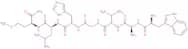
CAS:<p>Bombesin (8-14) acetate salt H-Trp-Ala-Val-Gly-His-Leu-Met-NH2 acetate salt is a bifunctional peptide that has been shown to inhibit the growth of prostate cancer cells. Bombesin (8-14) acetate salt H-Trp-Ala-Val-Gly-His-Leu-Met-NH2 acetate salt also has antiinflammatory properties and is used in treating inflammatory diseases. It inhibits collagen synthesis and fibrinogen activation, which may be important in the treatment of autoimmune diseases such as rheumatoid arthritis. Bombesin (8 14) acetate salt H Trp Ala Val Gly His Leu Met NH2 Acetate Salt has been shown to have no effect on healthy tissues when administered systemically.</p>Formula:C38H57N11O7SPurity:Min. 95%Molecular weight:812 g/mol(D-Arg6,Asn10)-MCH (6-16) amide (human, mouse, rat) trifluoroacetate salt
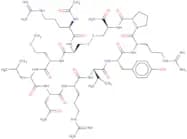
CAS:<p>Please enquire for more information about (D-Arg6,Asn10)-MCH (6-16) amide (human, mouse, rat) trifluoroacetate salt including the price, delivery time and more detailed product information at the technical inquiry form on this page</p>Formula:C60H100N22O14S3Purity:Min. 95%Molecular weight:1,449.77 g/molZ-L-α-aminobutyric acid
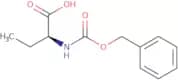
CAS:<p>Z-L-alpha-aminobutyric acid is a homogeneous, optically active, linear phosphinic analogue of alpha-aminobutyric acid. It has been used in the synthesis of phosphinic analogues of cyclosporin and undecapeptides with high yields. The coupling reaction between Z-L-alpha-aminobutyric acid and benzaldehyde was carried out in two steps to produce the desired product. A stepwise condensation between Z-L-alpha-aminobutyric acid and 3,4,5,6 tetrahydropyrimidine was also successful.</p>Formula:C12H15NO4Purity:Min. 98 Area-%Color and Shape:White PowderMolecular weight:237.25 g/molH-Tyr-Cys-Phe-Ala-Trp-Lys-Thr-Phe-Cys-OH trifluoroacetate salt (Disulfide bond)
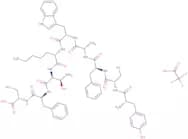
CAS:<p>Please enquire for more information about H-Tyr-Cys-Phe-Ala-Trp-Lys-Thr-Phe-Cys-OH trifluoroacetate salt (Disulfide bond) including the price, delivery time and more detailed product information at the technical inquiry form on this page</p>Formula:C57H71N11O12S2Purity:Min. 95%Molecular weight:1,166.37 g/molH-Asn-Gln-Glu-Gln-Glu(EDANS)-Arg-OH trifluoroacetate salt
<p>Please enquire for more information about H-Asn-Gln-Glu-Gln-Glu(EDANS)-Arg-OH trifluoroacetate salt including the price, delivery time and more detailed product information at the technical inquiry form on this page</p>Formula:C42H62N14O16SPurity:Min. 95%Molecular weight:1,051.09 g/molRVG-9R trifluoroacetate salt
CAS:<p>Please enquire for more information about RVG-9R trifluoroacetate salt including the price, delivery time and more detailed product information at the technical inquiry form on this page</p>Formula:C201H334N82O55S2Purity:Min. 95%Molecular weight:4,843.45 g/mol6-FAM-(Glu13·17·20)-Osteocalcin (1-46) (mouse) trifluoroacetate salt
CAS:<p>Please enquire for more information about 6-FAM-(Glu13·17·20)-Osteocalcin (1-46) (mouse) trifluoroacetate salt including the price, delivery time and more detailed product information at the technical inquiry form on this page</p>Formula:C247H361N57O80S2Purity:Min. 95%Molecular weight:5,472.98 g/molmeso-Tartaric acid monohydrate
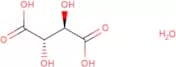
CAS:<p>Meso-tartaric acid monohydrate is a white crystalline substance that is soluble in water and has a strong acidic taste. It is an organic acid, which can be found in many fruits and vegetables. Meso-tartaric acid monohydrate is used as the sodium salt or potassium salt, which may lead to drug interactions with other drugs that are excreted through the kidneys. The product also inhibits the enzyme DPP-IV, which is involved in the degradation of glucagon and insulin. In addition, meso-tartaric acid monohydrate can cause an increase in surfactant sodium dodecyl sulfate (SDS) activity when it interacts with trifluoroacetic acid (TFA). Meso-tartaric acid monohydrate also prevents the growth of coli k-12 by inhibiting protein synthesis. This product has been shown to inhibit dpp-iv inhibitors from forming hydrogen bonds with malonic acid and polymorphon</p>Formula:C4H6O6·H2OPurity:Min. 95%Color and Shape:White PowderMolecular weight:168.1 g/molPreptin (human) trifluoroacetate salt
CAS:<p>Please enquire for more information about Preptin (human) trifluoroacetate salt including the price, delivery time and more detailed product information at the technical inquiry form on this page</p>Formula:C187H275N47O53Purity:Min. 95%Molecular weight:4,029.47 g/molN-[(RS)-1-Carboxy-3-phenyl-propyl]-Ala-Ala-Phe-4-Abz-OH trifluoroacetate salt
CAS:<p>The N-[(RS)-1-carboxy-3-phenyl-propyl]-Ala-Ala-Phe-4-Abz-OH trifluoroacetate salt is a synthetic substrate for the study of metalloendopeptidase. This compound was used to develop a model system to study the function of human liver, and has been shown to inhibit the growth of PC12 cells. The N-[(RS)-1-Carboxy-3-phenyl-propyl]-Ala-Ala-Phe-4-Abz-OH trifluoroacetate salt is also an experimental model for congestive heart failure. This compound has been shown to increase glomerular filtration rate in experimental animals as well as basic fibroblast growth factor activity in cell culture by increasing intracellular calcium levels.</p>Formula:C32H36N4O7Purity:Min. 95%Molecular weight:588.65 g/molNeuropeptide W-23 (rat) trifluoroacetate salt
CAS:<p>Please enquire for more information about Neuropeptide W-23 (rat) trifluoroacetate salt including the price, delivery time and more detailed product information at the technical inquiry form on this page</p>Formula:C119H183N35O29SPurity:Min. 95%Molecular weight:2,600.01 g/molACTH (1-14) trifluoroacetate salt
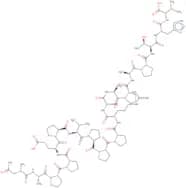
CAS:<p>Please enquire for more information about ACTH (1-14) trifluoroacetate salt including the price, delivery time and more detailed product information at the technical inquiry form on this page</p>Formula:C77H109N21O20SPurity:Min. 95%Molecular weight:1,680.88 g/molNeuroendocrine Regulatory Peptide-4 (human, mouse, rat) trifluoroacetate salt
CAS:<p>Please enquire for more information about Neuroendocrine Regulatory Peptide-4 (human, mouse, rat) trifluoroacetate salt including the price, delivery time and more detailed product information at the technical inquiry form on this page</p>Formula:C87H135N25O24Purity:Min. 95%Molecular weight:1,915.16 g/molTos-Gly-Pro-Lys-AMC trifluoroacetate salt
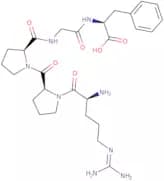
CAS:<p>Please enquire for more information about Tos-Gly-Pro-Lys-AMC trifluoroacetate salt including the price, delivery time and more detailed product information at the technical inquiry form on this page</p>Formula:C30H37N5O7SPurity:Min. 95%Molecular weight:611.71 g/molBradykinin (1-5) trifluoroacetate salt
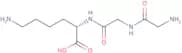
CAS:<p>Bradykinin (1-5) trifluoroacetate salt H-Arg-Pro-Pro-Gly-Phe-OH is a peptide that has been shown to have anti-cancer properties. The effect of Bradykinin (1-5) trifluoroacetate salt H-Arg-Pro-Pro-Gly-Phe-OH on prostate cancer cells was studied in vitro by measuring the extent of cell growth. The results showed a dose dependent decrease in tumor growth rate, suggesting that this peptide may be useful as an adjuvant therapy for prostate cancer. Bradykinin (1-5) trifluoroacetate salt H-Arg-Pro-Pro-Gly-Phe has also been shown to inhibit diabetic nephropathy and reduce proteinuria in diabetic patients. This peptide may also be used to diagnose prostate cancer because it binds to the thrombin receptor, which is present on cancer cells but not</p>Formula:C27H40N8O6Purity:Min. 95%Molecular weight:572.66 g/molH-Gly-Gly-Lys-OH acetate salt
CAS:<p>Please enquire for more information about H-Gly-Gly-Lys-OH acetate salt including the price, delivery time and more detailed product information at the technical inquiry form on this page</p>Formula:C10H20N4O4Purity:Min. 95%Molecular weight:260.29 g/mol(p-Chloro-D-Phe6,Leu17)-VIP (human, mouse, rat) trifluoroacetate salt
CAS:<p>VIP is a potent vasoactive neuropeptide that is found in the heart, brain, and gut. It has been shown to be a potent inhibitor of guanethidine-induced contractions in the femoral vein, as well as atrial contractions. VIP also inhibits spontaneous contractions in the fundic region of the stomach and intestinal motility. VIP has been shown to inhibit vasoactive intestinal polypeptide-induced contractions in isolated rat ileum. VIP is expressed primarily in the enteric nervous system and throughout the gastrointestinal tract.</p>Formula:C148H239ClN44O42Purity:Min. 95%Molecular weight:3,342.21 g/molH-Glu-Arg-OH acetate salt
CAS:Controlled Product<p>Please enquire for more information about H-Glu-Arg-OH acetate salt including the price, delivery time and more detailed product information at the technical inquiry form on this page</p>Formula:C11H21N5O5Purity:Min. 95%Molecular weight:303.32 g/molNeuroendocrine Regulatory Peptide-2 (human) trifluoroacetate salt
<p>Please enquire for more information about Neuroendocrine Regulatory Peptide-2 (human) trifluoroacetate salt including the price, delivery time and more detailed product information at the technical inquiry form on this page</p>Formula:C173H288N56O57Purity:Min. 95%Molecular weight:4,064.48 g/molLHRH (free acid) trifluoroacetate salt
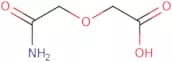
CAS:<p>LHRH (free acid) trifluoroacetate salt Pyr-His-Trp-Ser-Tyr-Gly-Leu-Arg-Pro-Gly-OH trifluoroacetate salt is a decapeptide that is the most potent form of the hormone luteinizing hormone releasing hormone (LHRH). It has been shown to bind to surface receptors and activate a G protein, which activates adenyl cyclase. This leads to increased levels of cyclic adenosine monophosphate (cAMP) in cells. LHRH also binds to blood vessels and causes vasodilation. LHRH also binds to pyroglutamic acid, which is an amino acid found in peptides that have affinity for peptidases. This binding causes the release of peptidases from the cell membrane, uncovers receptor sites, and increases cAMP production. LHRH has also been shown to inhibit kidney function</p>Formula:C55H74N16O14Purity:Min. 95%Molecular weight:1,183.28 g/mol(2-Amino-2-oxoethoxy)acetic acid
CAS:<p>2-Amino-2-oxoethoxy)acetic acid is a product that can be used as a transport agent in the process of extracting glycosides. It has been shown to have strong adsorption properties and is able to extract glycosides from plant material. 2-Amino-2-oxoethoxy)acetic acid has a high affinity for calcium, which is an important component in the adsorption mechanism.</p>Formula:C4H7NO4Purity:Min. 95%Molecular weight:133.1 g/mol(Nle 13,Glu14)-Motilin (human, porcine) trifluoroacetate salt
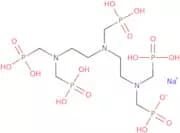
CAS:<p>Please enquire for more information about (Nle 13,Glu14)-Motilin (human, porcine) trifluoroacetate salt including the price, delivery time and more detailed product information at the technical inquiry form on this page</p>Formula:C121H189N33O36Purity:Min. 95%Molecular weight:2,682 g/molDiethylenetriaminepenta(methylenephosphonic acid) sodiumsalt
CAS:<p>Diethylenetriaminepenta(methylenephosphonic acid) sodium salt (DTPMP) is a substance that can be found in the environment. It is toxic to living organisms and may cause toxic effects if it is swallowed or inhaled. DTPMP has been classified as a toxic substance by the United States Environmental Protection Agency (EPA).</p>Formula:C9H18N3Na10O15P5Purity:Min. 95%Color and Shape:LiquidMolecular weight:793.02 g/mol4-[2-(Fmoc-amino)ethyl]-1-piperazineacetic acid dihydrochloride
CAS:<p>Please enquire for more information about 4-[2-(Fmoc-amino)ethyl]-1-piperazineacetic acid dihydrochloride including the price, delivery time and more detailed product information at the technical inquiry form on this page</p>Formula:C23H27N3O4•2HClPurity:Min. 95%Color and Shape:PowderMolecular weight:482.4 g/molCalcium-Like Peptide 3 trifluoroacetate salt
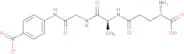
CAS:<p>Please enquire for more information about Calcium-Like Peptide 3 trifluoroacetate salt including the price, delivery time and more detailed product information at the technical inquiry form on this page</p>Formula:C44H68N10O9Purity:Min. 95%Molecular weight:881.07 g/molH-Glu(Ala-Gly-pNA)-OH trifluoroacetate salt
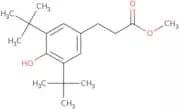
CAS:<p>Please enquire for more information about H-Glu(Ala-Gly-pNA)-OH trifluoroacetate salt including the price, delivery time and more detailed product information at the technical inquiry form on this page</p>Formula:C16H21N5O7Purity:Min. 95%Molecular weight:395.37 g/mol3,5-di-tert-Butyl-4-hydroxyphenylpropionic acid methyl ester
CAS:<p>3,5-di-tert-butyl-4-hydroxyphenylpropionic acid methyl ester is a compound that has been used as an analytical reagent and as a precursor to other chemicals. It is a white solid with a melting point of about 40°C. 3,5-di-tert-butyl-4-hydroxyphenylpropionic acid methyl ester is soluble in hexane, benzene, and diethylether. It also reacts with fatty acids to produce polymers. 3,5-di-tert-butyl-4-hydroxyphenylpropionic acid methyl ester has been shown to be an effective antibacterial agent against Gram negative bacteria such as Escherichia coli and Pseudomonas aeruginosa.</p>Formula:C18H28O3Purity:90%Color and Shape:Off-White PowderMolecular weight:292.41 g/molH-Trp-Nle-Arg-Phe-NH2 acetate salt
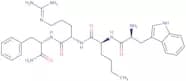
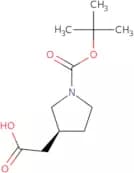
CAS:<p>H-Trp-Nle-Arg-Phe-NH2 acetate salt is a muscle relaxant that binds to the muscle receptor site, which is responsible for contraction of skeletal muscles. It has been shown to be effective in treating anterior retractor mytilus in horses.</p>Formula:C32H45N9O4Purity:Min. 95%Molecular weight:619.76 g/mol(S)-(1-boc-pyrrolidin-3-yl)-acetic acid
CAS:<p>Please enquire for more information about (S)-(1-boc-pyrrolidin-3-yl)-acetic acid including the price, delivery time and more detailed product information at the technical inquiry form on this page</p>Formula:C11H19NO4Purity:Min. 95%Molecular weight:229.27 g/molDefensin HNP-1 (human) trifluoroacetate salt
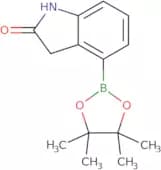
CAS:<p>Defensin HNP-1 is a trifluoroacetate salt of human defensin HNP-1. It has antimicrobial activity against Gram-negative and Gram-positive bacteria, including Mycobacterium tuberculosis, Staphylococcus aureus, Mycoplasma pneumoniae, Streptococcus pneumoniae, Haemophilus influenzae and Enterococcus faecalis. The purified protein also has broad-spectrum activity against cancer cells. Defensin HNP-1 is most active in neutrophils from humans with active cystic fibrosis. The protein binds to the bacterial cell membrane and causes the release of lysosomal enzymes that kill the bacteria. Defensin HNP-1 is also able to inhibit the growth of tumor cells as it can be internalized into these cells by endocytosis.</p>Formula:C150H222N44O38S6Purity:Min. 95%Molecular weight:3,442.04 g/molOxindole-4-boronic acid, pinacol ester
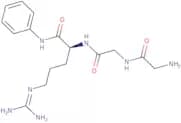
CAS:<p>Please enquire for more information about Oxindole-4-boronic acid, pinacol ester including the price, delivery time and more detailed product information at the technical inquiry form on this page</p>Formula:C14H18BNO3Purity:Min. 95%Molecular weight:259.11 g/molH-Gly-Gly-Arg-anilide acetate salt
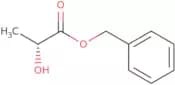
CAS:<p>Please enquire for more information about H-Gly-Gly-Arg-anilide acetate salt including the price, delivery time and more detailed product information at the technical inquiry form on this page</p>Formula:C16H25N7O3Purity:Min. 95%Molecular weight:363.42 g/molD-Lactic acid benzyl ester
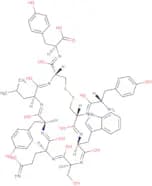
CAS:<p>D-Lactic acid benzyl ester is a chiral molecule that can be used as a feedstock for the production of D-lactic acid. It has been shown to catalyze hydrogenation reactions with an enhanced reaction rate and high selectivity when compared to other methods. The catalytic activity of D-lactic acid benzyl ester can be increased by using zeolites or iron catalyst, which are more expensive than the ligand used in this study. In addition, D-lactic acid benzyl ester was found to be more effective at catalysing the reaction between alkenes and hydrogen gas than other known catalysts. These findings indicate that it may be possible to use D-lactic acid benzyl ester as a cost-effective alternative to other catalysts in industrial processes.</p>Formula:C10H12O3Purity:Min. 95%Molecular weight:180.2 g/molH-Tyr-Cys-Trp-Ser-Gln-Tyr-Leu-Cys-Tyr-OH trifluoroacetate salt (Disulfide bond)
CAS:<p>Please enquire for more information about H-Tyr-Cys-Trp-Ser-Gln-Tyr-Leu-Cys-Tyr-OH trifluoroacetate salt (Disulfide bond) including the price, delivery time and more detailed product information at the technical inquiry form on this page</p>Formula:C58H71N11O15S2Purity:Min. 95%Molecular weight:1,226.38 g/molCaloxin 2A1 trifluoroacetate salt
CAS:<p>Please enquire for more information about Caloxin 2A1 trifluoroacetate salt including the price, delivery time and more detailed product information at the technical inquiry form on this page</p>Formula:C64H91N19O22Purity:Min. 95%Molecular weight:1,478.52 g/molClofibric acid
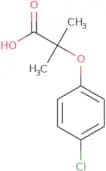
CAS:<p>Clofibric acid is a growth factor-β1 (GF-β1) that is an agonist of the nuclear receptor PPARα. Clofibric acid has been shown to inhibit the activity of benzalkonium chloride, an enzyme that degrades DNA, and it also inhibits polymerase chain reactions. Clofibric acid is believed to act as a competitive inhibitor of the ryanodine receptor. It has been shown to have anti-inflammatory properties in transfection experiments with human cells and may be used in analytical methods for measuring clofibric acid levels in pharmaceutical products.</p>Formula:C10H11ClO3Purity:Min. 95%Molecular weight:214.65 g/molN-(tert-Butyloxycarbonyl)-8-amino-3,6-dioxaoctanoic acid
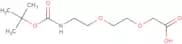
CAS:<p>N-(tert-Butyloxycarbonyl)-8-amino-3,6-dioxaoctanoic acid is a potential drug for hypercholesterolemia. It has been shown to lower LDL cholesterol and triglycerides levels in monkeys. The compound is orally bioavailable and can be taken orally. This drug also has the potential to be developed as a PCSK9 (proprotein convertase subtilisin/kexin type 9) inhibitor.</p>Formula:C11H21NO6Purity:Min. 95%Color and Shape:Clear LiquidMolecular weight:263.29 g/molSodium dimethyldithiocarbamate hydrate
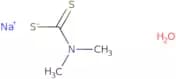
CAS:<p>Sodium dimethyldithiocarbamate hydrate is a salt of dimethyldithiocarbamic acid. It is used as an additive in paints and coatings to prevent corrosion of metal. Sodium dimethyldithiocarbamate hydrate is also used in the production of polyurethane and polyester resins, where it acts as a curing agent. Dimethyldithiocarbamic acid has been shown to be a ligand for the influenza virus, inhibiting viral activity by binding to the hemagglutinin protein. The crystal system of this substance is hexagonal; its salts exist in both acidic and basic forms. The functional theory explains the stabilization of this compound through coordination with nitrogen atoms on one side and phenyl substituents on the other side. Hexamethylenetetramine reacts with sodium chloride to form sodium dimethyldithiocarbamate hydrate, which can then react with methanol or eth</p>Formula:C3H6NNaS2·xH2OPurity:Min. 95%Color and Shape:White PowderMolecular weight:143.2 g/molc3-Ethylbenzoic acid
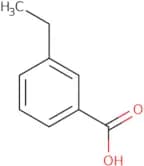
CAS:<p>C3-Ethylbenzoic acid is an organic compound that can be synthesized from the reactants ethyl bromide, propylene oxide, and acetic anhydride. The synthesis of C3-Ethylbenzoic acid is a stepwise process in which the starting materials are converted to intermediates and then reacted to form the desired product. The reaction mechanism involves bond cleavage, which generates a carboxylic acid group on one end of the molecule and a phenyl group on the other end. C3-Ethylbenzoic acid interacts with clausamine and isoprene during transport through cell membranes. This interaction may lead to increased permeability of cell membranes by c3-ethylbenzoic acid.</p>Formula:C9H10O2Purity:Min. 95%Molecular weight:150.17 g/mol3-Cyano-2-methylphenylboronic acid
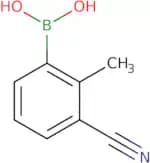
CAS:<p>3-Cyano-2-methylphenylboronic acid is a high quality compound that can be used as a reagent, intermediate, or building block in the synthesis of complex compounds. This chemical is also useful as a speciality chemical and research chemical. 3-Cyano-2-methylphenylboronic acid has versatile uses in organic synthesis due to its versatility in reactions and building blocks.</p>Formula:C8H8BNO2Purity:Min. 95%Color and Shape:PowderMolecular weight:160.97 g/molEthylene glycol monoacetoacetate monomethacrylate
CAS:<p>Ethylene glycol monoacetoacetate monomethacrylate is a metal chelate that is used to treat muscle diseases. It has been shown to act as a gamma-aminobutyric acid agonist and inhibit the release of acetylcholine from nerve endings. This drug can also be used as a chemical stabilizer in the synthesis of polymers in organic chemistry. Ethylene glycol monoacetoacetate monomethacrylate is insoluble in water and soluble in organic solvents such as ethanol, acetone, or benzene. It has been found to have a phase transition temperature at -139°C, which is suitable for applications that require low temperatures. Ethylene glycol monoacetoacetate monomethacrylate reacts with sodium carbonate to form an ester and methacrylic acid (MAA). The reaction solution is typically heated with stirring until it reaches 40°C-50°C. The particle size of</p>Formula:C10H14O5Purity:Min. 95%Color and Shape:Clear LiquidMolecular weight:214.22 g/molFibrinopeptide A (human) trifluoroacetate salt
CAS:<p>Fibrinopeptide A is a peptide that is released from the fibrinolysis of fibrinogen. It can be used as a blood marker for the diagnosis of bowel disease and primary pulmonary hypertension, but not for other diseases such as infectious diseases. Fibrinopeptide A has been shown to be an effective model system for studying thrombin-mediated fibrin polymerization in vitro. This drug also can be used as a tool for investigating the disulfide bond in fibrinogen.</p>Formula:C63H97N19O26Purity:Min. 95%Molecular weight:1,536.56 g/molRenin Substrate 1 trifluoroacetate salt
CAS:<p>Please enquire for more information about Renin Substrate 1 trifluoroacetate salt including the price, delivery time and more detailed product information at the technical inquiry form on this page</p>Formula:C109H157N31O22S2Purity:Min. 95%Molecular weight:2,317.74 g/molpTH-Related Protein (7-34) amide (human, mouse, rat) trifluoroacetate salt
CAS:<p>Please enquire for more information about pTH-Related Protein (7-34) amide (human, mouse, rat) trifluoroacetate salt including the price, delivery time and more detailed product information at the technical inquiry form on this page</p>Formula:C153H247N49O37Purity:Min. 95%Molecular weight:3,364.91 g/molH-D-Val-Leu-Lys-chloromethylketone trifluoroacetate salt
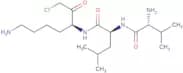
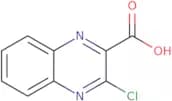
CAS:<p>Please enquire for more information about H-D-Val-Leu-Lys-chloromethylketone trifluoroacetate salt including the price, delivery time and more detailed product information at the technical inquiry form on this page</p>Formula:C18H35ClN4O3Purity:Min. 95%Molecular weight:390.95 g/mol3-Chloroquinoxaline-2-carboxylic acid
CAS:<p>3-Chloroquinoxaline-2-carboxylic acid is a synthetic compound that has been shown to have antimicrobial properties against bacteria. It is a quinoxaline derivative, which is an important class of compounds for the development of new antibiotics. 3-Chloroquinoxaline-2-carboxylic acid has been shown to inhibit bacterial growth through different mechanisms including blocking DNA synthesis, binding to RNA polymerase, and inhibiting protein synthesis. It also has been shown to be effective against drug resistant bacteria such as methicillin resistant Staphylococcus aureus (MRSA).</p>Formula:C9H5ClN2O2Purity:Min. 95%Molecular weight:208.6 g/molPAR-4 (1-6) amide (human) trifluoroacetate salt
CAS:<p>Please enquire for more information about PAR-4 (1-6) amide (human) trifluoroacetate salt including the price, delivery time and more detailed product information at the technical inquiry form on this page</p>Formula:C28H42N8O8Purity:Min. 95%Molecular weight:618.68 g/molMAGE-3 Antigen (168-176) (human) acetate salt
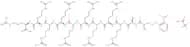
CAS:<p>Please enquire for more information about MAGE-3 Antigen (168-176) (human) acetate salt including the price, delivery time and more detailed product information at the technical inquiry form on this page</p>Formula:C48H71N11O15Purity:Min. 95%Molecular weight:1,042.14 g/molH-Cys(NPys)-D-Arg-D-Arg-D-Arg-D-Arg-D-Arg-D-Arg-D-Arg-D-Arg-D-Arg-NH2 trifluoroacetate salt
CAS:<p>Please enquire for more information about H-Cys(NPys)-D-Arg-D-Arg-D-Arg-D-Arg-D-Arg-D-Arg-D-Arg-D-Arg-D-Arg-NH2 trifluoroacetate salt including the price, delivery time and more detailed product information at the technical inquiry form on this page</p>Formula:C62H118N40O12S2Purity:Min. 95%Molecular weight:1,679.99 g/molTumor Targeted Pro-Apoptotic Peptide trifluoroacetate salt
<p>Please enquire for more information about Tumor Targeted Pro-Apoptotic Peptide trifluoroacetate salt including the price, delivery time and more detailed product information at the technical inquiry form on this page</p>Formula:C94H174N32O22S2Purity:Min. 95%Molecular weight:2,168.72 g/mol7-Hydroxyheptanoic acid
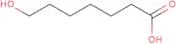
CAS:<p>7-Hydroxyheptanoic acid is a fatty acid that has the hydroxyl group on the seventh carbon. It is biosynthesized from the hydroxylation of heptanal, which is catalyzed by a monooxygenase. The hydroxyl group in 7-hydroxyheptanoic acid can be oxidized to form a carboxylic acid (e.g., 7-ketoheptanoic acid). 7-hydroxyheptanoic acid can also be used as a coating material because it has functional groups and is biodegradable and metal ion free.</p>Formula:C7H14O3Purity:Min. 95%Molecular weight:146.18 g/molBiotinyl-Amyloid b-Protein (1-40) trifluoroacetate salt
CAS:<p>Please enquire for more information about Biotinyl-Amyloid b-Protein (1-40) trifluoroacetate salt including the price, delivery time and more detailed product information at the technical inquiry form on this page</p>Formula:C204H309N55O60S2Purity:Min. 95%Molecular weight:4,556.1 g/mol(Glu17·21·24)-Osteocalcin (1-49) (human) trifluoroacetate salt
<p>Please enquire for more information about (Glu17·21·24)-Osteocalcin (1-49) (human) trifluoroacetate salt including the price, delivery time and more detailed product information at the technical inquiry form on this page</p>Formula:C266H381N67O76S2Purity:Min. 95%Molecular weight:5,797.41 g/molProinsulin C-Peptide (31-63) (porcine) trifluoroacetate salt
CAS:<p>Please enquire for more information about Proinsulin C-Peptide (31-63) (porcine) trifluoroacetate salt including the price, delivery time and more detailed product information at the technical inquiry form on this page</p>Formula:C142H239N47O46Purity:Min. 95%Molecular weight:3,340.71 g/molGLP-1 (7-36)-Lys(6-FAM) amide (human, bovine, guinea pig, mouse, rat) trifluoroacetate salt
CAS:<p>Please enquire for more information about GLP-1 (7-36)-Lys(6-FAM) amide (human, bovine, guinea pig, mouse, rat) trifluoroacetate salt including the price, delivery time and more detailed product information at the technical inquiry form on this page</p>Formula:C176H248N42O52Purity:Min. 95%Molecular weight:3,784.1 g/mol4-Methoxycarbonylphenylboronic acid
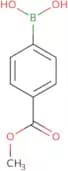
CAS:<p>4-Methoxycarbonylphenylboronic acid is an organic compound that can be synthesized from biphenyl. It is a diazonium salt with a bidentate ligand and a carbonyl group, which allows it to form an intermolecular hydrogen bond. The phenyl group of 4-methoxycarbonylphenylboronic acid can be oxidized to the corresponding carboxylic acid or reduced to the corresponding alcohol.<br>4-Methoxycarbonylphenylboronic acid is also soluble in halides, iodinations, and mercaptoacetic acid. This compound has been used as an acceptor in the oxidation of aluminium with diborane as a catalyst. 4-Methoxycarbonylphenylboronic acid has also been used to synthesize other compounds such as metronidazole (a drug) and erythromycin (an antibiotic).</p>Formula:C8H9BO4Purity:Min. 95%Color and Shape:White PowderMolecular weight:179.97 g/molSubstance P (5-11) trifluoroacetate salt
CAS:<p>Substance P is a bifunctional neuropeptide that acts as both a neurotransmitter and a neurohormone. The amino acid sequence of Substance P is H-Gln-Gln-Phe-Phe-Gly-Leu-Met-NH2. It is found in the brain and spinal cord, but also in other tissues such as the parotid gland and stomach. This peptide is released from nerve cells when they are stimulated by pain or anxiety, and it causes contraction of smooth muscles in the lungs, uterus, and gastrointestinal tract. Animal studies have shown that Substance P can be toxic to neonatal animals, leading to hypothyroidism and death. In vitro studies have shown that this peptide can induce the growth of glioma cells and tumors.</p>Formula:C41H60N10O9SPurity:Min. 95%Molecular weight:869.04 g/mol1-Naphthyl acetate
CAS:<p>1-Naphthyl acetate is a cell-permeable esterase substrate that can be used for the treatment of lymphocytic leukemia, lung cancer, and Alzheimer's disease. It has been shown to inhibit tumor growth in mice by inhibiting cytochrome P450 enzymes. In addition, 1-naphthyl acetate has been found to be effective at inhibiting protein kinase activity in human cells. As a result, it may have potential as a therapeutic agent for leukemia and Alzheimer's disease.</p>Formula:C12H10O2Purity:Min. 95%Color and Shape:PowderMolecular weight:186.21 g/molDL-3-Amino-3-phenylpropionic acid
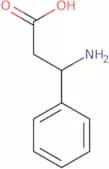
CAS:<p>DL-3-Amino-3-phenylpropionic acid is an amino acid that is synthesized by the reaction of malonic acid and ethyl ester. This compound is a competitive inhibitor of the enzyme pyruvate carboxylase and inhibits this enzyme in the conversion of pyruvic acid to acetyl CoA, which plays a key role in metabolism. DL-3-Amino-3-phenylpropionic acid has been shown to inhibit the growth of bacteria such as Escherichia coli, Salmonella typhimurium and Staphylococcus aureus. The inhibition of pyruvate carboxylase by DL-3-Amino-3-phenylpropionic acid prevents the production of acetaldehyde from pyruvate, which is toxic to cells.</p>Formula:C9H11NO2Purity:Min. 95%Molecular weight:165.19 g/molAmylin (human) trifluoroacetate salt
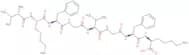
CAS:<p>Amylin is a hormone that regulates the release of insulin from the pancreas. Amylin is a protein that consists of 39 amino acids, and in its natural form it is not soluble in water. The amyloid fibrils are insoluble aggregates of proteins that can be found in the brain tissue of patients with Alzheimer's disease. Amylin has been shown to have an entrapment efficiency greater than 96% by using polymeric particles with a diameter less than 50 microns. These particles are able to increase water solubility and nutrient metabolism, as well as improve evaporation rates. They also provide an increased surface area for absorption and pharmacological properties. Amylin has been shown to lower postprandial glycemia when used with insulin in type II diabetes mellitus patients, and may also be an anorectic agent.</p>Formula:C165H261N51O55S2Purity:Min. 95%Molecular weight:3,903.28 g/molMyristoyl-Phe-Ala-Arg-Lys-Gly-Ala-Leu-Arg-Gln-OH trifluoroacetate salt
CAS:<p>Please enquire for more information about Myristoyl-Phe-Ala-Arg-Lys-Gly-Ala-Leu-Arg-Gln-OH trifluoroacetate salt including the price, delivery time and more detailed product information at the technical inquiry form on this page</p>Formula:C60H105N17O12Purity:Min. 95%Molecular weight:1,256.58 g/molNeuromedin U-23 (rat) trifluoroacetate salt
CAS:<p>Neuromedin U-23 (rat) is a peptide that belongs to the family of tachykinins, which are small neuropeptides that act as neurotransmitters in the central nervous system. It is a potent stimulator of intestinal motility and has been shown to have protective effects against oxidative stress in cells. Neuromedin U-23 (rat) shares sequence similarity with human neuromedin N-19 and binds to the same receptors in the brain, suggesting it may have similar physiological effects. This peptide has been shown to inhibit tumor cell growth by inducing apoptosis, but it does not appear to have any effect on healthy cells.</p>Formula:C124H180N34O31Purity:Min. 95%Molecular weight:2,642.97 g/molIndole-3-acetic-L-alanine
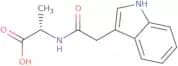
CAS:<p>Indole-3-acetic-L-alanine is a plant hormone that regulates root formation and transport. It is found in all plants, but the concentration varies depending on the plant, tissue type, and growth conditions. It has been shown to regulate root formation in triticum aestivum by inhibiting auxin transport to the roots. Indole-3-acetic acid also inhibits auxin transport to the shoot apex, leading to increased branching in triticum aestivum. This compound is hydrolyzed by root cell enzymes into indole-3-acetate and L-alanine. Genetic mechanisms underlying this phenomenon are not well understood at this time.</p>Formula:C13H14N2O3Purity:Min. 95%Color and Shape:PowderMolecular weight:246.26 g/molH-Leu-Trp-Met-Arg-Phe-OH acetate salt
CAS:<p>H-Leu-Trp-Met-Arg-Phe-OH acetate salt is a molecule that transports amino acids across the cell membrane of bacteria, preventing bacterial growth. It is produced by proctolin and functional groups in dental plaque. This compound has been shown to inhibit the growth of bacteria in vitro by binding to hypochlorous acid, which is part of the antimicrobial activity of human neutrophils. H-Leu-Trp-Met-Arg-Phe-OH acetate salt has been used as a tracer for studying amino acid transport in E. coli cells and its uptake into extracellular vesicles. The product can also be used as an antiplaque agent due to its ability to inhibit the acid transport system and uptake of amino acids from the environment.</p>Formula:C37H53N9O6SPurity:Min. 95%Molecular weight:751.94 g/molAmyloid P Component (27-38) amide trifluoroacetate salt
CAS:<p>Please enquire for more information about Amyloid P Component (27-38) amide trifluoroacetate salt including the price, delivery time and more detailed product information at the technical inquiry form on this page</p>Formula:C68H107N19O17SPurity:Min. 95%Molecular weight:1,494.76 g/mol...(Ala13)-Apelin-13 (human, bovine, mouse, rat) trifluoroacetate salt
CAS:<p>Apelin-13 is a peptide hormone that is involved in the regulation of cardiovascular, respiratory and gastrointestinal functions. It has been shown to stimulate receptor activity and pain sensitivity in animal models. Apelin-13 has been shown to act as an opioid receptor agonist, meaning that it binds to the opioid receptors and activates them. This activation leads to an increase in the production of growth factors and matrix metalloproteinases, which are proteins that break down collagen and other substances in the body. The increased production of these substances can lead to inflammation and tissue destruction. Apelin-13 also interacts with several other receptors including CB2 (a cannabinoid receptor), GPCR (a G protein-coupled receptor), CRHR1 (a corticotropin releasing hormone receptor 1) and Naloxone (an opioid antagonist).</p>Formula:C63H107N23O16S·xC2HF3O2Purity:Min. 95%Molecular weight:1,474.74 g/molPAR-2 (1-6) (mouse, rat) trifluoroacetate salt
CAS:<p>Please enquire for more information about PAR-2 (1-6) (mouse, rat) trifluoroacetate salt including the price, delivery time and more detailed product information at the technical inquiry form on this page</p>Formula:C29H55N9O8Purity:Min. 95%Molecular weight:657.8 g/molAF-16 trifluoroacetate salt
CAS:<p>AF-16 trifluoroacetate salt is a synthetic peptide, which is derived from chemical synthesis with tailored modifications to enhance its stability and efficacy. This compound acts by specifically binding to target receptors or proteins, facilitating the study of biochemical pathways and mechanisms at the molecular level. It is particularly used in biological and biochemical research settings to probe cellular processes, offering insights into protein interactions and signaling pathways.</p>Formula:C71H119N25O25SPurity:Min. 95%Molecular weight:1,754.92 g/mol2-Bromo-4,5-dimethoxybenzoic acid
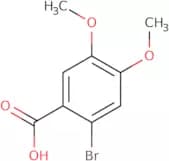
CAS:<p>2-Bromo-4,5-dimethoxybenzoic acid is a synthetic compound that belongs to the group of anticancer drugs. It is a potent inhibitor of mitochondrial membrane depolarization and has been shown to inhibit tumor growth in vivo. 2-Bromo-4,5-dimethoxybenzoic acid also induces cell death by demethylation and hydroxylation of DNA, leading to apoptosis. This compound is synthesized by reacting 3,4-dihydroxybenzoic acid with bromine and potassium hydroxide. Surrogates such as amides are used for this synthesis because the original product is not stable enough. Protocatechuic acid can be produced from 2-bromo-4,5-dimethoxybenzoic acid through hydrolysis.</p>Formula:C9H9BrO4Purity:Min. 95%Color and Shape:PowderMolecular weight:261.07 g/molH-Gly-Pen-Gly-Arg-Gly-Asp-Ser-Pro-Cys-Ala-OH trifluoroacetate salt (Disulfide bond between Pen2 and Cys9)
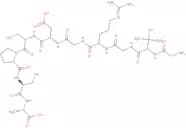
CAS:<p>Gly-Pen-Gly-Arg-Gly-Asp-Ser-Pro-Cys (GPEG) is a peptide that modulates the function of muscle cells and is present in collagen. GPEG has been shown to improve oxidative damage, which occurs during exercise. The effect of GPEG on muscle cells is dependent on the dose. Low doses of GPEG activate proteins that are involved in transcription and increases the synthesis of oxidative enzymes, while high doses inhibit these proteins. GPEG also modulates integrin receptor expression and decreases fibronectin production by vascular smooth muscle cells.</p>Formula:C35H57N13O14S2Purity:Min. 95%Molecular weight:948.04 g/molCell-permeable Caspase-3 Inhibitor I trifluoroacetate salt
CAS:<p>Please enquire for more information about Cell-permeable Caspase-3 Inhibitor I trifluoroacetate salt including the price, delivery time and more detailed product information at the technical inquiry form on this page</p>Formula:C94H158N20O27Purity:Min. 95%Molecular weight:2,000.38 g/mol(Deamino-Cys1,Leu4,Lys8)-Vasopressin trifluoroacetate salt
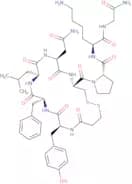
CAS:<p>Vasopressin is a hormone that belongs to the family of peptide hormones. Vasopressin has been shown to be localized in many tissues, including the brain, where it acts as a neurotransmitter and neuromodulator. Vasopressin is released by the paraventricular nucleus of the hypothalamus and stored in the posterior pituitary gland, from which it is released into the circulation when needed. Vasopressin binds to V1 receptors and causes an increase in cytosolic calcium levels through activation of voltage-gated calcium channels. It also stimulates cell growth and proliferation through activation of tyrosine kinase receptors on cells.</p>Formula:C47H67N11O11S2Purity:Min. 95%Molecular weight:1,026.23 g/molSorbin (147-153) amide (porcine) trifluoroacetate salt
CAS:<p>Please enquire for more information about Sorbin (147-153) amide (porcine) trifluoroacetate salt including the price, delivery time and more detailed product information at the technical inquiry form on this page</p>Formula:C33H58N10O9Purity:Min. 95%Molecular weight:738.88 g/molBiotinyl-Amylin (mouse, rat) trifluoroacetate salt
CAS:<p>Please enquire for more information about Biotinyl-Amylin (mouse, rat) trifluoroacetate salt including the price, delivery time and more detailed product information at the technical inquiry form on this page</p>Formula:C177H286N54O55S3Purity:Min. 95%Molecular weight:4,146.69 g/molPACAP-38 (human, mouse, ovine, porcine, rat) trifluoroacetate salt
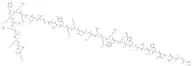
CAS:<p>PACAP-38 is a peptide that has been shown to have a variety of physiological effects, including the regulation of brain functions and immunological responses. PACAP-38 has been found to bind to toll-like receptor 4 (TLR4) in macrophages and neutrophils, which stimulates the production of proinflammatory cytokines. It also interacts with adenylate cyclase, which leads to an increase in cAMP levels. This may be the mechanism by which PACAP-38 regulates brain functions. The biological function of PACAP-38 is not yet clear but it may act as a signal peptide, regulating protein synthesis and gene expression.</p>Formula:C203H331N63O53SPurity:Min. 95%Molecular weight:4,534.26 g/molAmyloid Dan Protein (1-34) (reduced) trifluoroacetate salt
CAS:<p>Please enquire for more information about Amyloid Dan Protein (1-34) (reduced) trifluoroacetate salt including the price, delivery time and more detailed product information at the technical inquiry form on this page</p>Formula:C185H270N48O51S2Purity:Min. 95%Molecular weight:4,046.55 g/molPACAP-38 (31-38) (human, chicken, mouse, ovine, porcine, rat) trifluoroacetate salt
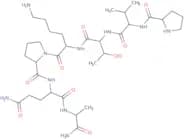
CAS:<p>Please enquire for more information about PACAP-38 (31-38) (human, chicken, mouse, ovine, porcine, rat) trifluoroacetate salt including the price, delivery time and more detailed product information at the technical inquiry form on this page</p>Formula:C47H83N17O11Purity:Min. 95%Molecular weight:1,062.27 g/mol(Deamino-Cys11,D-2-Nal 14,Cys18)-b-MSH (11-22) amide trifluoroacetate salt
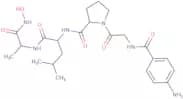
CAS:<p>Please enquire for more information about (Deamino-Cys11,D-2-Nal 14,Cys18)-b-MSH (11-22) amide trifluoroacetate salt including the price, delivery time and more detailed product information at the technical inquiry form on this page</p>Formula:C69H91N19O16S2Purity:Min. 95%Molecular weight:1,506.71 g/mol4-Abz-Gly-Pro-D-Leu-D-Ala-NHOH trifluoroacetate salt
CAS:<p>4-Abz-Gly-Pro-D-Leu-D-Ala-NHOH trifluoroacetate salt is a synthetic, hydroxamic acid that inhibits the activity of collagenase, gelatinase and stromelysin. It also has inhibitory activities against metalloproteinases, such as matrix metalloproteinases and serine proteinases. 4-Abz-Gly-Pro-D-Leu-D-Ala-NHOH trifluoroacetate salt has been shown to inhibit the production of proinflammatory cytokines in human skin fibroblasts. This agent also induces the production of granulocytes in vitro.</p>Formula:C23H34N6O6Purity:Min. 95%Molecular weight:490.55 g/molTRAF6 Peptide trifluoroacetate salt
CAS:<p>Please enquire for more information about TRAF6 Peptide trifluoroacetate salt including the price, delivery time and more detailed product information at the technical inquiry form on this page</p>Formula:C145H238N34O44Purity:Min. 95%Molecular weight:3,161.64 g/molBiotinyl-Atrial Natriuretic Factor (1-28) (human) trifluoroacetate salt
CAS:<p>Please enquire for more information about Biotinyl-Atrial Natriuretic Factor (1-28) (human) trifluoroacetate salt including the price, delivery time and more detailed product information at the technical inquiry form on this page</p>Formula:C137H217N47O41S4Purity:Min. 95%Molecular weight:3,306.75 g/molMca-Arg-Pro-Lys-Pro-Val-Glu-Nva-Trp-Arg-Lys(Dnp)-NH2 trifluoroacetate salt
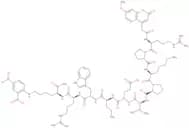
CAS:<p>Please enquire for more information about Mca-Arg-Pro-Lys-Pro-Val-Glu-Nva-Trp-Arg-Lys(Dnp)-NH2 trifluoroacetate salt including the price, delivery time and more detailed product information at the technical inquiry form on this page</p>Formula:C78H110N22O20Purity:Min. 95%Molecular weight:1,675.84 g/molBenzimidazole-5-carboxylic acid
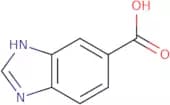
CAS:<p>Benzimidazole-5-carboxylic acid is a monoclonal antibody that binds to the amide group of an amino acid. It has been shown to be a potent inhibitor of cell growth in cervical cancer cells and rat liver microsomes. It also showed inhibitory activity against fatty acid and nucleotide synthesis. Benzimidazole-5-carboxylic acid is a benzimidazole compound that has been shown to have anti-inflammatory effects in animal models and also inhibits the replication of HIV. This drug can inhibit the replication of influenza A virus in vitro and may be useful as an antiviral agent for treatment of influenza A infection.</p>Formula:C8H6N2O2Purity:Min. 98%Color and Shape:PowderMolecular weight:162.15 g/mol(3,5-Diiodo-Tyr1,D-Ala2,N-Me-Phe4,glycinol5)-Enkephalin acetate salt
CAS:Controlled Product<p>Please enquire for more information about (3,5-Diiodo-Tyr1,D-Ala2,N-Me-Phe4,glycinol5)-Enkephalin acetate salt including the price, delivery time and more detailed product information at the technical inquiry form on this page</p>Formula:C26H33I2N5O6Purity:Min. 95%Molecular weight:765.38 g/molACV trifluoroacetate salt
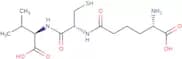
CAS:<p>ACV trifluoroacetate salt H-Aad (Cys-D-Val-OH)-OH trifluoroacetate salt is a nonheme iron that has been shown to be an oxidizing agent. It is used in the synthesis of antibiotics and other organic compounds. ACV trifluoroacetate salt H-Aad (Cys-D-Val-OH)-OH trifluoroacetate salt also has synthetase activity, which catalyzes the formation of a thiolate ligand from two molecules of acetyl coenzyme A (ACCOA) and one molecule of propionyl coenzyme A (PCCOA). This ligand binds to metal ions such as Fe2+, which are then reduced to Fe3+ by the metal cluster. The water ligands on the coordination sphere may be replaced by other ligands, such as lysine.</p>Formula:C14H25N3O6SPurity:Min. 95%Molecular weight:363.43 g/molH-Val-AMC trifluoroacetate salt
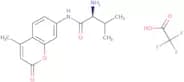
CAS:<p>Please enquire for more information about H-Val-AMC trifluoroacetate salt including the price, delivery time and more detailed product information at the technical inquiry form on this page</p>Formula:C15H18N2O3Purity:Min. 95%Molecular weight:274.32 g/mol(Lys7)-Phalloidin trifluoroacetate
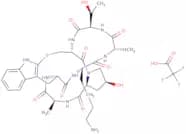
CAS:<p>Please enquire for more information about (Lys7)-Phalloidin trifluoroacetate including the price, delivery time and more detailed product information at the technical inquiry form on this page</p>Formula:C35H49N9O9S•(C2HF3O2)xPurity:Min. 95%Molecular weight:771.88 g/mol(d(CH2)51,Tyr(Me)2,Arg8)-Vasopressin trifluoroacetate salt
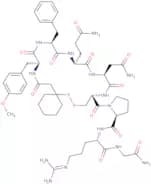
CAS:<p>The monoclonal antibody (mAb) is a recombinant protein that binds to the extracellular region of the vasopressin receptor. It is used in pharmacological research to study the physiological function and pharmacological effects of vasopressin. The mAb has been shown to be minimally toxic, with an LD50 value of greater than 10 mg/kg in mice. It has also been shown to inhibit viruses and inhibit drug-sensitive enzymes. This antibody can be used as a diagnostic tool for congestive heart disease, as well as in experimental models for studying the minimal toxicity and tumor treatment properties of various drugs.</p>Formula:C52H74N14O12S2Purity:Min. 95%Molecular weight:1,151.36 g/mol2-[3-(S)-[3-(2-(7-Chloro-2-quinolinyl)ethenyl)phenyl]-3-hydroxypropyl]benzoic acid methyl ester
CAS:<p>2-[3-(S)-[3-(2-(7-Chloro-2-quinolinyl)ethenyl)phenyl]-3-hydroxypropyl]benzoic acid methyl ester is a synthetic compound that can be used as a reagent in the synthesis of polynucleotides and polypeptides. It can also be used as an inhibitor of ketoreductase, which is an enzyme involved in the synthesis of fatty acids and ketones. 2-[3-(S)-[3-(2-(7-Chloro-2-quinolinyl)ethenyl)phenyl]-3-hydroxypropyl]benzoic acid methyl ester has been shown to inhibit the growth of wild type and mutant strains of E. coli. The molecular weight of this compound is 439.</p>Formula:C28H24ClNO3Purity:Min. 95%Molecular weight:457.95 g/mol6,8-Dichlorochromone-2-carboxylic acid
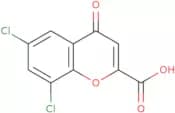
CAS:<p>6,8-Dichlorochromone-2-carboxylic acid is a fine chemical that is used as a building block in the synthesis of complex compounds. It is also a versatile building block that can be used in many reactions, such as nucleophilic substitution, electrophilic addition, and condensation reactions. This compound has CAS number 16722-38-6 and is a reagent for research purposes.</p>Formula:C10H4Cl2O4Purity:Min. 95%Color and Shape:PowderMolecular weight:259.04 g/molAmylin (mouse, rat) trifluoroacetate salt
CAS:<p>Trifluoroacetate salt</p>Formula:C167H272N52O53S2Purity:Min. 95%Molecular weight:3,920.4 g/mol1-Oxo-indan-5-carboxylicacid
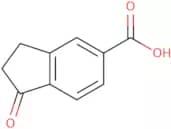
CAS:<p>Please enquire for more information about 1-Oxo-indan-5-carboxylicacid including the price, delivery time and more detailed product information at the technical inquiry form on this page</p>Formula:C10H8O3Purity:Min. 95%Molecular weight:176.17 g/molN-Me-Abz-Amyloid β/A4 Protein Precursor770 (708-715)-Lys(Dnp)-D-Arg-D-Arg-D-Arg amide trifluoroacetate salt
CAS:<p>Please enquire for more information about N-Me-Abz-Amyloid beta/A4 Protein Precursor770 (708-715)-Lys(Dnp)-D-Arg-D-Arg-D-Arg amide trifluoroacetate salt including the price, delivery time and more detailed product information at the technical inquiry form on this page</p>Formula:C70H116N26O18Purity:Min. 95%Molecular weight:1,609.83 g/mol2-(4-Bromobenzo[d][1,3]dioxole-5-carboxamido)acetic acid
CAS:<p>2-(4-Bromobenzo[d][1,3]dioxole-5-carboxamido)acetic acid is a fine chemical that is used in research and as a reagent. It is also used as a building block for more complex compounds and as a versatile scaffold in organic synthesis. 2-(4-Bromobenzo[d][1,3]dioxole-5-carboxamido)acetic acid can be reacted with other chemicals to create new compounds. This chemical has been shown to have antihistamine properties and may also function as an antipsychotic drug.</p>Formula:C9H6BrNO5Purity:Min. 95%Molecular weight:288.05 g/molMethylboronic acid pinacol ester
CAS:<p>Methylboronic acid pinacol ester is an orally administered compound that inhibits the activity of peptidases and imidazole derivatives. It is used as a medicinal preparation for the treatment of cancer and other diseases. Methylboronic acid pinacol ester has been shown to inhibit the growth of bacteria, including Gram-positive bacteria such as methicillin-resistant Staphylococcus aureus (MRSA) and Clostridium perfringens. This compound also has an inhibitory effect on hydroxyl group metabolism, which may be related to its anti-inflammatory properties.</p>Formula:C7H15BO2Purity:Min. 95%Color and Shape:Colourless liquid.Molecular weight:142 g/mol




![N-[(RS)-1-Carboxy-3-phenyl-propyl]-Ala-Ala-Phe-4-Abz-OH trifluoroacetate salt](/_next/image/?url=https%3A%2Fstatic.cymitquimica.com%2Fproducts%2F3D%2Fthumb-webp%2FFR111118.webp&w=3840&q=75)





![4-[2-(Fmoc-amino)ethyl]-1-piperazineacetic acid dihydrochloride](/_next/image/?url=https%3A%2Fstatic.cymitquimica.com%2Fproducts%2F3D%2Fthumb-webp%2FFF48264.webp&w=3840&q=75)










![2-[3-(S)-[3-(2-(7-Chloro-2-quinolinyl)ethenyl)phenyl]-3-hydroxypropyl]benzoic acid methyl ester](/_next/image/?url=https%3A%2Fstatic.cymitquimica.com%2Fproducts%2F3D%2Fthumb-webp%2FFC20038.webp&w=3840&q=75)
![2-(4-Bromobenzo[d][1,3]dioxole-5-carboxamido)acetic acid](/_next/image/?url=https%3A%2Fstatic.cymitquimica.com%2Fproducts%2F3D%2Fthumb-webp%2FFB66447.webp&w=3840&q=75)
