Carboxylic Acids
Carboxylic acids are organic molecules characterized by having a carboxyl-type functional group (-COOH). These acids are fundamental in various chemical reactions, including esterification, amidation, and decarboxylation. Carboxylic acids are widely used in the production of pharmaceuticals, polymers, and agrochemicals. In this section, you can find a large number of carboxylic acids ready to be used. At CymitQuimica, we provide a broad range of high-quality carboxylic acids to support your research and industrial applications.
Found 12453 products of "Carboxylic Acids"
Sort by
Purity (%)
0
100
|
0
|
50
|
90
|
95
|
100
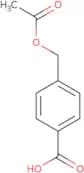
4-Acetoxymethylbenzoic acid
CAS:<p>4-Acetoxymethylbenzoic acid is a chemical compound with the formula CH3CO2C6H4O2. It is a white solid that reacts with butyric acid to form 4-acetoxybutanoic acid. The reaction may be carried out in a sealed tube at room temperature, and the product precipitates as the reaction proceeds. This chemical can also be used in the synthesis of polystyrene through the nitration process. Nitrate, butanoic acid, terephthalic acid, and solvents are some of the reactants required for this process.<br>The following is an example of one possible product description:</p>Formula:C10H10O4Purity:Min. 95%Color and Shape:White/Off-White SolidMolecular weight:194.18 g/mol4-Hydroxy-3-methoxybenzoic acid ethyl ester
CAS:<p>4-Hydroxy-3-methoxybenzoic acid ethyl ester is a synthetic compound that is converted to protocatechuic acid, an antioxidant found in wine. It has been shown to have antioxidative properties in inflammatory bowel disease by inhibiting the formation of reactive oxygen species. Protocatechuic acid also inhibits the growth of bacterial strains such as Listeria monocytogenes and Bacillus cereus, which are often resistant to antibiotics. The mechanism of action is not well understood, but it may be due to its ability to inhibit the production of p-hydroxybenzoic acid, a precursor for bacterial cell wall synthesis. Protocatechuic acid also has anti-inflammatory properties and can be used as a bioactive phenolic in topical preparations such as creams or ointments.</p>Formula:C10H12O4Purity:Min. 95%Color and Shape:PowderMolecular weight:196.2 g/mol3-(1,1-Dioxido-1,2-thiazinan-2-yl)benzoic acid
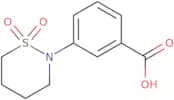
CAS:<p>3-(1,1-Dioxido-1,2-thiazinan-2-yl)benzoic acid is a fine chemical that can be used as a building block for research and development. It is also a reagent and speciality chemical that is useful for the production of different compounds. This compound is an intermediate in many reactions and can be used as a scaffold to produce more complex molecules. CAS No. 53324-51-9</p>Formula:C11H13NO4SPurity:Min. 95%Color and Shape:PowderMolecular weight:255.29 g/molHippuric acid
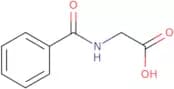
CAS:<p>Hippuric acid is a metabolite of benzoate that is excreted in urine. It can be detected as a marker for bowel disease and cancer, as well as being an indicator of the metabolic effects due to electrochemical impedance spectroscopy. Hippuric acid is also a substrate for the enzyme hippurate hydroxylase, which converts it to benzoate. The biological samples used in this study were from patients with carcinoid syndrome, who have high levels of hippuric acid in their urine due to increased production by tumor cells.</p>Formula:C9H9NO3Purity:Min. 95%Color and Shape:PowderMolecular weight:179.17 g/mol2,3-Dihydroxy-4-methoxycinnamic acid ethyl ester
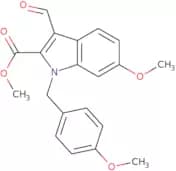
<p>Please enquire for more information about 2,3-Dihydroxy-4-methoxycinnamic acid ethyl ester including the price, delivery time and more detailed product information at the technical inquiry form on this page</p>Purity:Min. 95%Methyl 3-formyl-6-methoxy-1-(4-methoxybenzyl)-1H-indole-2-carboxylate
CAS:Controlled Product<p>Please enquire for more information about Methyl 3-formyl-6-methoxy-1-(4-methoxybenzyl)-1H-indole-2-carboxylate including the price, delivery time and more detailed product information at the technical inquiry form on this page</p>Formula:C20H19NO5Purity:Min. 95%Molecular weight:353.37 g/molCresyl Violet acetate
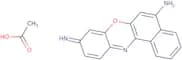
CAS:Controlled Product<p>Cresyl violet acetate is a dye that is used in histology to stain tissue sections. It binds to basic proteins, such as those found in the cytoplasm and nucleus, and has a strong affinity for nucleic acids. Cresyl violet acetate can be used to identify inflammatory lesions and other biological samples. The dye has been shown to induce neuronal death by reducing the redox potentials of neurons through the activation of Toll-like receptors (TLRs). Basic proteins are also involved in oral hypoglycaemic activity.</p>Formula:C18H15N3O3Purity:Limit? 65.%Color and Shape:PowderMolecular weight:321.33 g/molCyclosporin A acetate
CAS:<p>Cyclosporin A is a cyclic non-hydrolyzable glycol ester that inhibits the production of cytokines and inflammatory mediators by binding to specific intracellular receptors. Cyclosporin A acetate is an inactive prodrug that is converted to active cyclosporine in the liver. Cyclosporin A acetate has been shown to be effective in treating autoimmune diseases such as rheumatoid arthritis and psoriasis, as well as atopic dermatitis. Cyclosporin A acetate is used orally and usually taken with food or milk to reduce gastrointestinal irritation. The oral dosage form of this drug contains saccharose as a diluent and surfactant, which reduces the risk of gastrointestinal irritation.</p>Formula:C64H113N11O13Purity:(%) Min. 95%Color and Shape:PowderMolecular weight:1,244.65 g/molIndole-2-carboxylic acid methyl ester
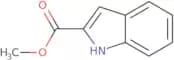
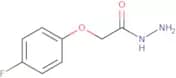
CAS:<p>Indole-2-carboxylic acid methyl ester is a carbazole that can be synthesized from indole and hydrogen chloride. It has been shown to inhibit the production of β-amyloid, an important factor in the pathogenesis of Alzheimer’s disease. Indole-2-carboxylic acid methyl ester has also been shown to have inhibitory effects on ion-exchange, melatonin synthesis, and yields of aziridines. The affinity of indole-2-carboxylic acid methyl ester for aldehydes was found to be very high. It is also able to cross the blood brain barrier into the brain and has been shown to be effective against pancreatic cancer cells in vitro.</p>Formula:C10H9NO2Purity:Min. 95%Color and Shape:Slightly Brown PowderMolecular weight:175.18 g/mol4-Fluorophenoxyacetic acid hydrazide
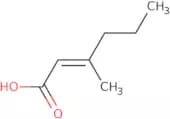
CAS:<p>4-Fluorophenoxyacetic acid hydrazide (4FPAAH) is a palladium complex with anti-cancer activity. It induces apoptosis, or programmed cell death, in myelogenous leukemia cells and breast cancer cells. 4FPAAH has been shown to bind to the ATP binding site of the catalytic domain of topoisomerase II on DNA and inhibit its activity. The molecular modeling studies show that 4FPAAH binds in the same way as cisplatin, which is a platinum-based drug commonly used for cancer treatment. The structural analysis shows that 4FPAAH binds to the nitrogen atoms of the protein and eliminates the possibility of any hydrogen bonding interactions. This mechanism may be due to an electrostatic interaction between the positively charged nitrogen atom in 4FPAAH and negative charge on topoisomerase II's active site.</p>Formula:C8H9FN2O2Purity:Min. 95%Color and Shape:PowderMolecular weight:184.17 g/mol(2E)-3-Methyl-2-hexenoic acid
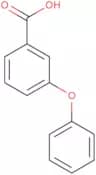
CAS:<p>(2E)-3-Methyl-2-hexenoic acid is a fatty acid that is metabolized by the liver to 3-hydroxy-3-methylhexanoic acid. This compound has been shown to be effective in the treatment of chronic schizophrenia, with clinical studies showing that it may be more effective than other anti-schizophrenia drugs. (2E)-3-Methyl-2-hexenoic acid has also been shown to have antibiotic properties against bacteria such as Staphylococcus aureus, Streptococcus pneumoniae and Pseudomonas aeruginosa. It has also been shown to be effective in treating infectious diseases such as malaria and tuberculosis. (2E)-3-Methyl-2-hexenoic acid binds to bacterial enzymes, inhibiting their function and preventing them from replicating DNA. This binding prevents the formation of an antibiotic inhibitor complex with the enzyme cell wall synthesis that is required for cell wall biosynthesis</p>Formula:C7H12O2Purity:Min. 95 Area-%Color and Shape:White PowderMolecular weight:128.17 g/mol3-Phenoxybenzoic acid
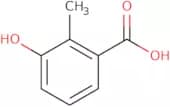
CAS:<p>3-Phenoxybenzoic acid is a metabolite of nonsteroidal anti-inflammatory drugs (NSAIDs) and pyrethroid insecticides. It is an inhibitor of the enzyme matrix metalloproteinases, which are involved in the degradation of collagen. 3-Phenoxybenzoic acid was used as a model system to study the effects of NSAIDs on urinary excretion rates and to identify biomarkers for NSAID use. The metabolite can be detected in urine after ingestion by using analytical methods such as preparative high performance liquid chromatography or electrochemical impedance spectroscopy. 3-Phenoxybenzoic acid is also present in cells from human HL-60 cells and has been shown to inhibit the growth of human leukemia cells by interfering with protein synthesis.</p>Formula:C13H10O3Purity:Min. 95%Color and Shape:PowderMolecular weight:214.22 g/mol3-Hydroxy-2-methylbenzoic acid
CAS:<p>3-Hydroxy-2-methylbenzoic acid is a chemical compound that can be found in urine. It has been shown to have antiviral activity against herpes simplex virus type 1 (HSV-1) and cytomegalovirus (CMV). This compound was synthesized by molecular modeling study, which showed that 3-hydroxy-2-methylbenzoic acid has the potential to inhibit viral replication by attacking the viral DNA. The structure of this molecule was also studied in detail using nuclear magnetic resonance and X-ray crystallography techniques. 3-Hydroxy-2-methylbenzoic acid is a weak base, which can react with an acidic solution to form a salt, such as chloride or sulfonate. This salt can then be used as an active ingredient in drugs to treat infections caused by viruses such as HSV and CMV.</p>Formula:C8H8O3Purity:Min. 95%Color and Shape:White PowderMolecular weight:152.15 g/molMethyl (2Z)-[5-(3-chlorophenyl)-1,3-dihydro-2H-1,4-benzodiazepin-2-ylidene]acetate
CAS:Controlled Product<p>Please enquire for more information about Methyl (2Z)-[5-(3-chlorophenyl)-1,3-dihydro-2H-1,4-benzodiazepin-2-ylidene]acetate including the price, delivery time and more detailed product information at the technical inquiry form on this page</p>Formula:C18H15ClN2O2Purity:Min. 95%Molecular weight:326.78 g/mol1,1'-Bicyclo[1,1,1]pentane-1,3-dicarboxylic acid
CAS:<p>1,1'-Bicyclo[1,1,1]pentane-1,3-dicarboxylic acid is a diacid that has been found to be effective in the synthesis of many organic compounds. It can be used as a building block for other molecules with different functional groups and is an excellent bioisostere for disulfides. The addition of 1,1'-bicyclo[1,1,1]pentane-1,3-dicarboxylic acid to a nucleophilic compound can be used to synthesize an ester. This molecule can also undergo cross-coupling reactions with halogens such as chlorine or bromine. The crystal x-ray diffraction pattern indicates that this molecule has a linear structure.</p>Formula:C7H8O4Purity:Min. 95%Color and Shape:SolidMolecular weight:156.14 g/molNonoxynol-8-carboxylic acid - Average Mn - 600
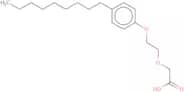
CAS:<p>Nonoxynol-8-carboxylic acid (NONOX) is a benzyl ester of octanoic acid. It has been extensively studied in micellar environment. NONOX has been found to be an effective surfactant with good environmental compatibility and chemical stability.</p>Formula:C17H26O3·(C2H4O)nColor and Shape:Clear Liquid2-(4-Hydroxy-3-methylphenyl)acetic acid
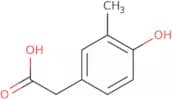
CAS:<p>2-(4-Hydroxy-3-methylphenyl)acetic acid is a small molecule that has been shown to be an effective inhibitor of the enzyme hydroxylase. This enzyme catalyzes the conversion of L-4-hydroxymandelic acid to mandelic acid, which is needed for the biosynthesis of L-DOPA, a precursor in the synthesis of dopamine. 2-(4-Hydoxy-3-methylphenyl)acetic acid has been shown to inhibit this reaction by binding to the active site and blocking access.</p>Formula:C9H10O3Purity:Min. 95%Color and Shape:PowderMolecular weight:166.17 g/mol1-Naphthylacetic acid
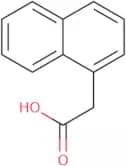
CAS:<p>1-Naphthylacetic acid is a fluorescent compound that can be used as a chemical marker for the identification of sodium salts. It has an optimum concentration of 0.1 mg/L and a maximum concentration of 1 mg/L in water. The fluorescence detector is set to measure the synchronous fluorescence at a wavelength of 515 nm. 1-Naphthylacetic acid is soluble in water and organic solvents, but insoluble in nonpolar solvents such as ether, chloroform, or benzene. This compound can be used for the detection of pesticides with a chemical structure similar to that of 1-naphthylacetic acid, such as 2-chloro-4-(trifluoromethoxy)phenol and 2-chloro-5-(trifluoromethoxy)phenol, using dispersive solid phase extraction (DSPE). The product description should include:</p>Formula:C12H10O2Purity:Min. 98 Area-%Color and Shape:White PowderMolecular weight:186.21 g/mol2,4-Dichlorocinnamic acid
CAS:<p>2,4-Dichlorocinnamic acid is a diphenolase inhibitor that is used in the treatment of lactic acidosis. It inhibits the glyoxylate cycle enzyme, muscle monophenolase activity, and tyrosinase activity. 2,4-Dichlorocinnamic acid also binds to tyrosinase and inhibits the reaction scheme. The binding of this drug to tyrosinase causes irreversible inhibition of the enzyme's catalytic site. 2,4-Dichlorocinnamic acid has been shown to have a low degree of cell toxicity and has a kinetic effect on adsorption kinetics.</p>Formula:C9H6Cl2O2Purity:Min. 95%Color and Shape:White PowderMolecular weight:217.05 g/molmethyl 1-[(4-methylphenyl)sulfonyl]-4-piperidinecarboxylate
CAS:<p>Please enquire for more information about methyl 1-[(4-methylphenyl)sulfonyl]-4-piperidinecarboxylate including the price, delivery time and more detailed product information at the technical inquiry form on this page</p>Formula:C14H19NO4SPurity:Min. 95%Color and Shape:PowderMolecular weight:297.37 g/molAngiotensin acetate
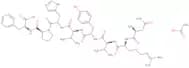
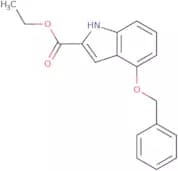
CAS:Controlled Product<p>Angiotensin I is a peptide hormone that acts on the vasculature and other tissues to regulate blood pressure and fluid balance. Angiotensin acetate (AA) is a derivative of angiotensin I, which is used as a building block in organic synthesis. AA can be reacted with an amine or alcohol to form an amide or ester respectively. It is also used as a reagent in the synthesis of various drugs such as beta blockers and ACE inhibitors. Angiotensin acetate has been shown to have anti-fungal properties and can be used as a scaffold for drug design.</p>Formula:C49H70N14O11•(C2H4O2)2Purity:Min. 95%Color and Shape:White PowderMolecular weight:1,151.27 g/mol4-Benzyloxyindole-2-carboxylic acid ethyl ester
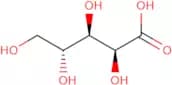
CAS:<p>4-Benzyloxyindole-2-carboxylic acid ethyl ester is a cyclic compound that has been synthesized through an intramolecular carboxylate cyclization. This class of compounds are known for their ability to form propargylic analogues, which have the potential to be used as anticancer drugs. The compound was first reported in 1969 by Schardt and co-workers and was found to have activity against leukemia cells. It has been shown to undergo a series of cyclizations, which are triggered by the presence of oxygen or other electron acceptors.</p>Formula:C18H17NO3Purity:Min. 95%Molecular weight:295.33 g/molArabic acid
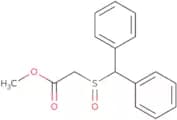
CAS:<p>Arabinose is a hexose sugar that is the principal constituent of the pentosan polysaccharide arabinogalactan. Arabinose has been shown to inhibit the oxidation of glycol by an oxidation catalyst, such as copper, nickel or palladium. Arabinose also inhibits the activity of target enzymes with a high affinity for nitrogen atoms, such as glycol ether hydrolase and galactosyl-transferase. The optimum pH for Arabinose is 7.0 with a range from 6.5 to 8.5. When heated in water, Arabinose decomposes at around 180°C and can be used as a model system to study enzymatic reactions. Arabinose is an organic compound that is found in plants and animals and belongs to the group of sugars. It has been shown to inhibit oxidation catalysts like copper, nickel or palladium and has also been proven effective against enzymes that are sensitive to nitrogen atoms such as</p>Formula:C5H10O6Color and Shape:White PowderMolecular weight:166.13 g/molModafinil carboxylate methyl ester
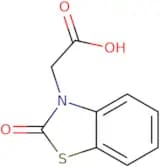
CAS:<p>Modafinil is a wakefulness-promoting agent that has been approved for the treatment of excessive daytime sleepiness associated with narcolepsy. Modafinil carboxylate methyl ester (MCE) is an active pharmaceutical ingredient (API) that is synthesized from modafinil. MCE is a white to off-white powder that is soluble in water and acetonitrile. It has been shown to be identical to the API on the basis of analytical data, including analytical methods such as reversed-phase high-performance liquid chromatography (RP-HPLC), quantified by UV spectrophotometry at 230 nm, and validated by process development.</p>Formula:C16H16O3SPurity:Min. 95%Color and Shape:PowderMolecular weight:288.36 g/mol2-Oxo-3-benzothiazolacetic acid
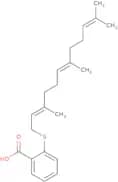
CAS:<p>2-Oxo-3-benzothiazolacetic acid is a fine chemical and building block that has been used as an intermediate in the synthesis of a variety of complex compounds. It can be used in research as a reaction component, and is useful in the manufacture of speciality chemicals. This compound has many uses, including as a reagent for organic syntheses and as a building block for other chemicals. 2-Oxo-3-benzothiazolacetic acid is also known to have high purity, making it an excellent quality reagent.</p>Formula:C9H7NO3SPurity:Min. 95 Area-%Color and Shape:PowderMolecular weight:209.22 g/moltrans,trans-Farnesyl thiosalicylic acid
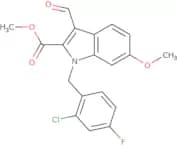
CAS:<p>Farnesyl thiosalicylic acid (FTSA) is a synthetic compound that exhibits potent anticancer activity. FTSA binds to the active site of the enzyme protein kinase C-alpha (PKC-α), which prevents its phosphorylation and activation. This prevents the activation of the mitogen-activated protein kinases, which are involved in cell proliferation and differentiation. FTSA also inhibits cancer cell migration by blocking MMP-9 activity, leading to tumor regression. FTSA has been shown to be effective against chemotherapy resistant breast cancer cells, as well as cancer cells from other tissues such as colon, prostate, and ovary.</p>Formula:C22H30O2SPurity:Min. 95%Color and Shape:White to off-white solid.Molecular weight:358.54 g/molMethyl 1-(2-chloro-4-fluorobenzyl)-3-formyl-6-methoxy-1H-indole-2-carboxylate
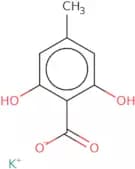
CAS:Controlled Product<p>Please enquire for more information about Methyl 1-(2-chloro-4-fluorobenzyl)-3-formyl-6-methoxy-1H-indole-2-carboxylate including the price, delivery time and more detailed product information at the technical inquiry form on this page</p>Formula:C19H15ClFNO4Purity:Min. 95%Molecular weight:375.78 g/mol2,6-Dihydroxy-4-methylbenzoic acid potassium
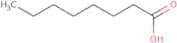
CAS:<p>2,6-Dihydroxy-4-methylbenzoic acid potassium salt (2,6-DMBAK) is a high quality reagent that is used as an intermediate in the synthesis of complex compounds. CAS No. 856177-01-0. It is a white crystalline solid with an mp of about 190 degrees Celsius and a bp of about 315 degrees Celsius. 2,6-DMBAK has been shown to be useful in the synthesis of speciality chemicals and research chemicals. This product can be used as a versatile building block for the preparation of various kinds of chemical compounds, and it also has many applications in organic synthesis because it reacts well with many different types of compounds.</p>Formula:C8H8O4•KPurity:Min. 95%Color and Shape:PowderMolecular weight:207.25 g/molOctanoic acid
CAS:<p>Octanoic acid is a medium-chain fatty acid that is synthesized by the condensation of two molecules of acetyl-CoA. It is an antimicrobial agent that inhibits Gram-positive bacteria, such as Aerobacter aerogenes and Staphylococcus aureus. Octanoic acid has been shown to be effective in inhibiting the growth of Gram-negative bacteria, such as Escherichia coli and Pseudomonas aeruginosa. Octanoic acid has also been shown to have physiological effects on the human body, such as its ability to induce metabolic disorders. It is also used for energy metabolism and structural analysis.</p>Formula:C8H16O2Purity:Min. 98%Color and Shape:Clear LiquidMolecular weight:144.21 g/mol3-(2-(2-(2-Aminoethoxy)ethoxy)ethoxy)propanoic acid HCI
CAS:<p>3-(2-(2-(2-Aminoethoxy)ethoxy)ethoxy)propanoic acid HCI is a PEG compound with two different functional groups (also known as heterobifunctional). Unlike homobifunctional PEG compounds (same functional group on both ends), this type of compounds are more versatile as have two different anchor points. 3-(2-(2-(2-Aminoethoxy)ethoxy)ethoxy)propanoic acid HCI is used as a linker and spacer to add a PEG moiety, via pegylation (a bioconjugation technique) to proteins, peptides, oligonucleotides, small molecules and nanoparticles.</p>Formula:C9H19NO5·HClColor and Shape:Slightly Yellow Yellow Clear Liquid PowderMolecular weight:257.71 g/mol4-Aminobenzoic acid sodium salt
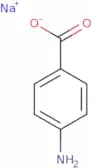
CAS:<p>4-Aminobenzoic acid sodium salt is an aminobenzoic acid that is used as a pharmaceutical intermediate. It is soluble in water and alcohol and has a pH of 4.5. The compound has been shown to inhibit the growth of bacteria by binding to enzymes involved in fatty acid synthesis, which prevents the formation of fatty acids and results in cell death. The compound also inhibits allergic reactions through its inhibition of histamine release from mast cells. 4-Aminobenzoic acid sodium salt has been found to have anti-inflammatory properties, which may be due to its ability to bind to epidermal growth factor receptors on the surface of keratinocytes, leading to increased cell proliferation and less inflammation.</p>Formula:C7H6NO2NaPurity:Min. 95%Color and Shape:PowderMolecular weight:159.12 g/molH-Tyr-Arg-Gly-Asp-Ser-OH trifluoroacetate
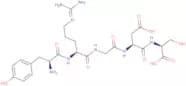
CAS:<p>H-Tyr-Arg-Gly-Asp-Ser-OH trifluoroacetate salt is a peptide that belongs to the class of amides. It is an inhibitor of the growth factor, TGFβ1, and it has been shown to have a high affinity for human serum albumin. H-Tyr-Arg-Gly-Asp-Ser-OH trifluoroacetate salt has been shown to inhibit the growth of cells in culture; this may be due to its ability to bind to proteins, such as collagen and cell culture media. H-Tyr-Arg-Gly-Asp-Ser-OH trifluoroacetate salt has also been shown to have biological properties that are similar to those of human immunoglobulin.</p>Formula:C24H36N8O10•C2HF3O2Purity:Min. 95%Color and Shape:White/Off-White SolidMolecular weight:710.61 g/mol3-Chloro-4-methoxybenzoic acid ethyl ester
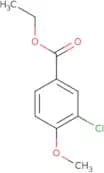
CAS:<p>3-Chloro-4-methoxybenzoic acid ethyl ester is a chemical compound that is used as a reactant in organic synthesis. It has shown high quality and can be used for research. 3-Chloro-4-methoxybenzoic acid ethyl ester can be used as a scaffold to make fine chemicals, pharmaceuticals, and other products. It has been shown to be useful in the synthesis of many complex compounds and as an intermediate or building block for chemical reactions.</p>Formula:C10H11ClO3Purity:Min. 95%Color and Shape:PowderMolecular weight:214.65 g/mol(S)-2-((Methoxycarbonyl)amino)-3-methylbutanoic acid
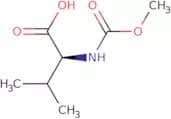
CAS:<p>(S)-2-((Methoxycarbonyl)amino)-3-methylbutanoic acid is a synthetic molecule that has been studied for its antiviral activity against hepatitis C virus. The compound was found to inhibit the replication of the virus, with an IC50 of 0.5 mM in cell culture studies. It also inhibited the replicon and reaction yield of the virus in vitro. (S)-2-((Methoxycarbonyl)amino)-3-methylbutanoic acid is effective against genotype 1 and 2, but not against genotype 3. It is active against a broad range of HCV isolates, including those resistant to other drugs such as ribavirin or telaprevir. The drug has been shown to be well tolerated in animals and humans. END></p>Formula:C7H13NO4Purity:Min. 95%Color and Shape:White PowderMolecular weight:175.18 g/mol1,4,7,10-Tetraazacyclododecane-1,4,7,10-tetraacetic acid
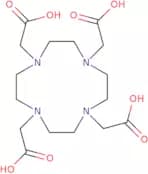
CAS:<p>1,4,7,10-Tetraazacyclododecane-1,4,7,10-tetraacetic acid (DOTA) is a metal chelator or radioligand that is used for the diagnosis of cancer. DOTA, as other analogous compounds such as NOTA, TETA and DTPA, has a high affinity for gadolinium and binds to integrin receptors on the surface of cancer cells. It can then be detected by nuclear magnetic resonance spectroscopy or computed tomography. This agent is also used in conjunction with other drugs to treat certain cancers. The most common use of DOTA is as a component of chemotherapy drugs such as docetaxel and cisplatin. DOTA has been shown to be biocompatible with human serum and metabolic response studies have been conducted in animals without any serious side effects. DOTA has shown to be an effective anti-cancer drug for solid tumors in animals and humans with minimal toxicity due to its coordination geometry.</p>Formula:C16H28N4O8Purity:Min. 95%Color and Shape:White PowderMolecular weight:404.42 g/molPiperidin-1-yl-acetic acid
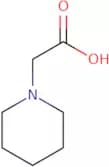
CAS:<p>Piperidin-1-yl-acetic acid is a nitrogen-containing organic compound, which is an alkanoic acid. It has a molecular weight of 104.09 and empirical formula C6H11NO2. Piperidin-1-yl-acetic acid is not soluble in cold water, but it dissolves in boiling water to form a white solid. This compound can be used as an enzyme inhibitor or as a pharmacological agent.<br>Piperidin-1-yl-acetic acid has been shown to inhibit the transcriptional regulation of enzymes that are involved in the production of porphyrins and other heme protein cofactors such as cytochrome c. The compound also inhibits the synthesis of these enzymes by binding to their active sites and inhibiting their function.</p>Formula:C7H13NO2Purity:Min. 95 Area-%Color and Shape:PowderMolecular weight:143.18 g/mol4-Methoxy-3-nitrobenzoic acid methyl ester
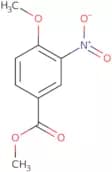
CAS:<p>4-Methoxy-3-nitrobenzoic acid methyl ester (4MNBM) is a potent antitumor agent that inhibits tumor cell proliferation by interfering with DNA replication. 4MNBM selectively binds to the nuclear magnetic resonance and has been shown to inhibit tumor growth in animal models. This drug also shows potent antitumor activity against solid tumor cells, which is due to its ability to induce conformational changes in the DNA of these cells. 4MNBM has been shown to be selective for tumor cells, which may be due to its lack of effect on the metabolism of normal tissue and its ability to bind to proteins in tumor cell nuclei.</p>Formula:C9H9NO5Purity:Min. 95%Color and Shape:Clear LiquidMolecular weight:211.17 g/moltert-Butyl 4-cyanobenzylcarbamate
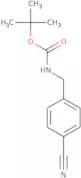
CAS:<p>tert-Butyl 4-cyanobenzylcarbamate (tB4Cbz) is a high quality chemical that can be used as a reagent, complex compound, or useful intermediate in the production of fine chemicals. Tert-Butyl 4-cyanobenzylcarbamate is also a useful scaffold for the synthesis of speciality chemicals and research chemicals. It can be used as a versatile building block for reactions involving amides, nitriles, esters, and amines.</p>Formula:C13H16N2O2Purity:Min. 95%Color and Shape:PowderMolecular weight:232.28 g/mol3,4-Dimethoxy-2-methylphenylpropionic acid
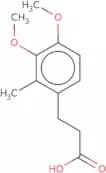
CAS:<p>3,4-Dimethoxy-2-methylphenylpropionic acid is a building block for organic synthesis. It has been used as a research chemical and as a reaction component in the synthesis of other chemicals. 3,4-Dimethoxy-2-methylphenylpropionic acid is also available at high purity levels and can be used as a reagent for analytical purposes.</p>Formula:C12H16O4Purity:Min. 95%Color and Shape:PowderMolecular weight:224.25 g/molTrithiocyanuric acid
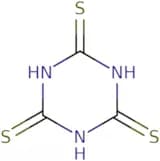
CAS:<p>Trithiocyanuric acid is an organic compound that has chemical stability and optimum concentration in the range of 0.2-0.4%. Trithiocyanuric acid is a monosodium salt, which can be formed by reacting sodium carbonate with cyanuric chloride or cyanuric acid. The structural analysis of trithiocyanuric acid shows that it has hydrogen bonding interactions with water molecules at the N-H and C-O bonds, which may explain its high solubility in water. Trithiocyanuric acid has been used to treat wastewater because it acts as a nitrogen-containing oxidant that facilitates the removal of dissolved organic matter and other chemicals. This process is aided by the formation of thiourea, which reacts with sulfur dioxide to form ammonium sulfate and urea. X-ray diffraction data from trithiocyanurate crystals show that it has two crystalline forms, one of which</p>Formula:C3H3N3S3Purity:Min. 95%Color and Shape:PowderMolecular weight:177.27 g/molHydroxyphosphono-acetic acid - 50% in water
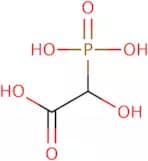
CAS:<p>Hydroxyphosphono-acetic acid is a fine chemical that is used as a versatile building block in the synthesis of complex compounds. It has been shown to be useful as an intermediate in the preparation of research chemicals and as a reaction component in the preparation of speciality chemicals. Hydroxyphosphono-acetic acid is also an important reagent for the production of pharmaceuticals and agrochemicals, including antibiotics, herbicides, fungicides, and plant growth regulators. This compound can also be used as a useful scaffold for drug discovery because it contains a carboxylic acid group that can be modified with various substituents.</p>Formula:C2H5O6PColor and Shape:Clear LiquidMolecular weight:156.03 g/mol(R)-3-Aminobutanoic acid
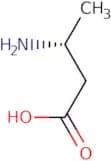
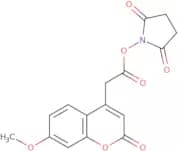
CAS:<p>(R)-3-Aminobutanoic acid is a β-amino acid that is involved in the biosynthesis of other amino acids. It has been shown to have inhibitory effects on lymphoblast cells and to be an intermediate in the synthesis of dioncophylline, a calcium-mobilizing agent. (R)-3-Aminobutanoic acid is also an intermediate in the formation of crotonic acid, which is involved in the synthesis of butyric acid. This compound has been shown to have catalytic activity with a variety of organic reactions because it can act as both a base and a nucleophile. The reaction system may be reversed phase high performance liquid chromatography, gas chromatography, or thin layer chromatography.</p>Formula:C4H9NO2Purity:Min. 95%Color and Shape:PowderMolecular weight:103.12 g/mol7-Methoxycoumarin-4-acetic acid N-succinimidyl ester
CAS:<p>7-Methoxycoumarin-4-acetic acid N-succinimidyl ester is a fluorescent probe for the detection of metalloproteinases. It has been used in assays to measure matrix metalloproteinase activity and to study the kinetics of these enzymes. This compound can be used as a fluorescence focus for the study of extracellular matrix regulation. 7-Methoxycoumarin-4-acetic acid N-succinimidyl ester inhibits matrix metalloproteinases by binding to their active site and blocking access to substrates, preventing the breakdown of extracellular matrix proteins.</p>Formula:C16H13NO7Purity:Min. 97 Area-%Color and Shape:Off-White PowderMolecular weight:331.28 g/molBis[2-[Ethyl[(Heptadecafluorooctyl)Sulphonyl]Amino]Ethyl] (4-Methyl-1,3-Phenylene)Biscarbamate
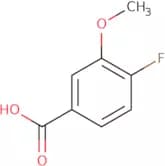
CAS:Controlled Product<p>Bis[2-[Ethyl[(heptadecafluorooctyl)sulphonyl]amino]ethyl] (4-methyl-1,3-phenylene)biscarbamate is a sulfonate that is used as a chemical intermediate. It is a mixture of bis[2-[ethyl(heptadecafluorooctyl)sulphonyl]amino]ethyl (4-methyl-1,3-phenylene)biscarbamate and bis[2-[ethyl(hexadecafluoroheptyl)sulphonyl]amino]ethyl (4-methyl-1,3-phenylene)biscarbamate.</p>Formula:C33H26F34N4O8S2Purity:Min. 95%Color and Shape:PowderMolecular weight:1,316.66 g/mol4-Fluoro-3-methoxybenzoic acid
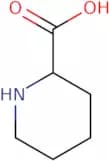
CAS:<p>4-Fluoro-3-methoxybenzoic acid is a chiral, organic compound. It is an estrogen antagonist that binds to the estrogen receptor. 4-Fluoro-3-methoxybenzoic acid has been shown to inhibit tumor growth by blocking the interaction of estradiol with its receptor in the cancer cell line MCF-7. The metabolically active form of this compound is 4′-hydroxymethyl 4′,4″-difluorobenzoate and it can be converted into other metabolites such as 3′,4′,5′,6′-tetrahydroxybenzoic acid. This conversion may be mediated by cytochrome P450 enzymes or through hydrolysis by esterases or glucuronidases. The stereoisomers of 4-fluoro-3 methoxybenzoic acid are erythro and threo forms which have different affinities for</p>Formula:C8H7FO3Purity:Min. 95%Color and Shape:PowderMolecular weight:170.14 g/molDL-Pipecolinic acid
CAS:<p>DL-Pipecolinic acid is a byproduct of the metabolism of fructus ligustri. DL-pipecolinic acid is an intermediate in the biosynthesis of picolinic acid, which is produced from DL-pipecolinic acid by the enzyme picolinic acid carboxylase. The biological activity of DL-pipecolinic acid has been demonstrated in vitro and in vivo assays against wild-type strains. This compound has also been shown to inhibit urinary tract infections and leukemia inhibitory factor (LIF).<br>DL-Pipecolinic acid binds to the disulfide bonds present in proteins, thereby inhibiting protein synthesis and cell division. It also inhibits the growth of bacteria that are resistant to penicillin, ampicillin, and erythromycin.</p>Formula:C6H11NO2Purity:Min. 95%Color and Shape:PowderMolecular weight:129.16 g/mol5-[(3aR,6S,6aS)-2,5,5-trioxo-1,3,3a,4,6,6a-hexahydrothieno[3,4-d]imidazol-6-yl]pentanoic acid
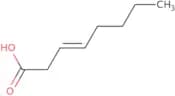
CAS:<p>The compound 5-[(3aR,6S,6aS)-2,5,5-trioxo-1,3,3a,4,6,6a-hexahydrothieno[3,4-d]imidazol-6-yl]pentanoic acid (TIPA) is a diagnostic marker for the diagnosis of urinary tract infections. The compound is present in urine and can be detected with an antibody response. TIPA is excreted by human kidneys in a circadian pattern and has a maximum concentration at pH 7.0. This compound is taken up by bacteria in the urinary tract and its presence can be used to diagnose UTI. TIPA also binds to biotin and polyclonal antibodies that are used for immunohistochemical assays.</p>Formula:C10H16N2O5SPurity:Min. 95%Color and Shape:White To Off-White SolidMolecular weight:276.31 g/moltrans-3-Octenoic acid
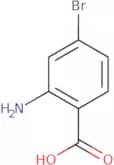
CAS:<p>Trans-3-octenoic acid is a conjugate of estradiol and caproic acid. It can be prepared by reacting estradiol with sodium octanoate in the presence of chlorine. Trans-3-octenoic acid has been shown to have anticancer activity when administered to rats. Trans-3-octenoic acid also has behavioral responses that are pheromonal in nature, leading to an increase in human urine production when it is present. The oxidation products of trans-3-octenoic acid are detected by high performance liquid chromatography (HPLC).</p>Formula:C8H14O2Purity:90%Color and Shape:Clear LiquidMolecular weight:142.2 g/mol2-Amino-4-bromobenzoic acid
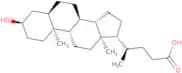
CAS:<p>2-Amino-4-bromobenzoic acid is a molecule that has an acidic carboxylic group and two aromatic amino groups. It has a hydroxyl group and a fluorescence that can be activated or deactivated by ultraviolet light. 2-Amino-4-bromobenzoic acid is used in the synthesis of certain organic compounds. This molecule can be synthesized from other molecules, such as phenol, aminobenzene, and nitrobenzene. The reaction time for this chemical species is dependent on the catalytic agent used during the reaction process. A variety of chemical species are produced when 2-Amino-4-bromobenzoic acid is synthesized, including hydrogen bromide, ammonia, nitrogen gas, and water vapor. The population of 2-Amino-4-bromobenzoic acid is unknown because it is not abundant in nature.</p>Formula:C7H6BrNO2Purity:Min. 95%Color and Shape:Yellow PowderMolecular weight:216.03 g/molLithocholic acid
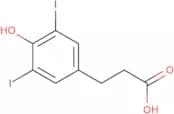
CAS:Controlled Product<p>Bile acid derivative; fat solubilizer</p>Formula:C24H40O3Color and Shape:White Off-White PowderMolecular weight:376.57 g/mol3,5-Diiodo-4-hydroxyphenylpropionic acid
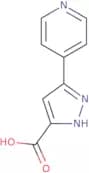
CAS:<p>3,5-Diiodo-4-hydroxyphenylpropionic acid (DIPPA) is a nucleophilic compound that inhibits the catechol-O-methyltransferase enzyme and is used to treat cardiac disease. It has been shown to improve ventricular function in congestive heart failure patients. DIPPA binds to the hydroxyl group of the enzyme's active site and competitively inhibits the binding of catechol or o-methoxybenzaldehyde. This prevents the methylation of catecholamines, which are important for cardiac function. The mechanism of action for DIPPA is similar to that of other drugs that have been found to be effective in treating congestive heart failure such as propranolol or amiodarone.</p>Formula:C9H8I2O3Molecular weight:417.97 g/mol5-Pyridin-4-yl-1H-pyrazole-3-carboxylic acid
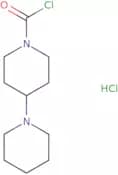
CAS:<p>5-Pyridin-4-yl-1H-pyrazole-3-carboxylic acid is a white crystalline solid. It is soluble in water, methanol and ethanol. The molecular weight of 5-Pyridin-4-yl-1H-pyrazole-3 carboxylic acid is 177.17 g/mol. This compound has been found to have an elemental composition of C, H, N and O with a calculated density of 1.62 g/cm3 in the form of a single crystal x ray diffraction pattern. 5-Pyridin 4 yl 1H pyrazole 3 carboxylic acid has synergistic effects with other drugs used for chemotherapy such as cisplatin and doxorubicin against cancer cells.</p>Formula:C9H7N3O2Purity:Min. 95%Color and Shape:PowderMolecular weight:189.17 g/mol1,4'-Bipiperidine-1-carboxylic chloride hydrochloride
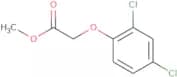
CAS:<p>1,4'-Bipiperidine-1-carboxylic chloride hydrochloride is a phosphorus pentachloride derivative that is used as a binding agent in the synthesis of cyclic trialkylsilyl compounds. It has been shown to inhibit topoisomerase II and III and may be useful in cancer therapy. 1,4'-Bipiperidine-1-carboxylic chloride hydrochloride binds to the active site of topoisomerase II and inhibits DNA replication, leading to cell death. This compound can also be used as a solvent for acetonitrile and chloroform.</p>Formula:C11H19ClN2O·HClPurity:Min. 95%Color and Shape:PowderMolecular weight:267.19 g/mol(2,4-Dichlorophenoxy)acetic acid methyl ester
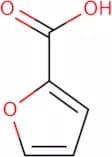
CAS:<p>2,4-Dichlorophenoxyacetic acid methyl ester is a herbicide that inhibits the growth of plants by inhibiting photosynthesis. It is an organic compound with a molecular weight of 168.2 g/mol. This product has been shown to biodegrade in soil and water, as well as be non-persistent in the environment. 2,4-Dichlorophenoxyacetic acid methyl ester is also a pesticide that kills plants by blocking the synthesis of chlorophyll and other plant pigments. This product can be used on trees and shrubs for control of broadleaf weeds and grasses.</p>Formula:C9H8Cl2O3Purity:Min. 95%Color and Shape:PowderMolecular weight:235.06 g/mol2-Furoic acid
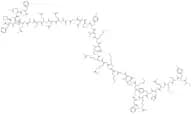
CAS:<p>2-Furoic acid is a compound that belongs to group P2 of the picolinic acid family. It has been shown to have synergistic effects with picolinic acid and a number of other compounds, including sodium fusidate, in inhibiting the growth of Escherichia coli and Staphylococcus aureus. 2-Furoic acid has been identified as a potential drug target for hypertension and may be used as an antihypertensive agent. This compound can be prepared by mixing hydrazine with 2-furoic acid chloride in water or ethanol at room temperature. The product can then be purified using column chromatography or recrystallized from methanol. The mechanism of this reaction is not yet known but it may involve the formation of dehydroascorbic acid by dehydration.</p>Formula:C5H4O3Purity:Min. 95%Color and Shape:PowderMolecular weight:112.08 g/molACTH(1-39) trifluoroacetate
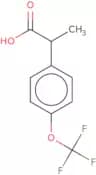
CAS:<p>ACTH(1-39) trifluoroacetate is a synthetic form of ACTH that is used for the diagnosis of autoimmune diseases and bowel disease. It is also used to assess the function of the adrenal gland in cases of suspected Cushing's syndrome. The blood sampling procedure involves withdrawing a small amount of blood from the patient and adding ACTH(1-39) trifluoroacetate to it, which causes an increase in cortisol concentration. ACTH(1-39) trifluoroacetate binds to corticotropin receptors on cells in the body, causing them to release basic proteins that are responsible for inflammation. This drug may be a potential biomarker for metabolic disorders such as obesity. It has been shown to have anti-inflammatory properties and can be used as a nonsteroidal anti-inflammatory drug (NSAID).</p>Formula:C207H308N56O58SPurity:Min. 98 Area-%Color and Shape:PowderMolecular weight:4,541.07 g/mol2-(4-Trifluoromethoxyphenyl)propionic acid
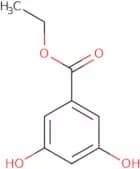
CAS:<p>Please enquire for more information about 2-(4-Trifluoromethoxyphenyl)propionic acid including the price, delivery time and more detailed product information at the technical inquiry form on this page</p>Formula:C10H9F3O3Purity:Min. 95%Molecular weight:234.17 g/mol3,5-Dihydroxybenzoic acid ethyl ester
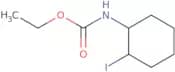
CAS:<p>3,5-Dihydroxybenzoic acid ethyl ester (3,5-DHBA) is a compound that inhibits the growth of cancer cells by binding to the active site of serine protease. It has been shown to inhibit the activity of two enzymes that are involved in phosphatase and hydroxylation reactions. 3,5-DHBA is also a photophysical reagent for palladium complexes which have been used for the treatment of cancers. This compound also binds to oxadiazole, a substance found in plants that may have anticancer properties. The synthesis of 3,5-DHBA has been studied extensively and it has been shown to be synthesized from hydroxybenzoic acid and carbinols.</p>Formula:C9H10O4Purity:90%Color and Shape:PowderMolecular weight:182.17 g/mol(2-Iodocyclohexyl)carbamic acid ethyl ester
CAS:<p>(2-Iodocyclohexyl)carbamic acid ethyl ester is a fine chemical that can be used as a building block, reagent, or speciality chemical in research. It is soluble in organic solvents and can be used as a reaction component, useful intermediate, or useful scaffold. This compound has been shown to react with various groups including amines, alcohols, phenols and thiols.</p>Formula:C9H16INO2Purity:Min. 95%Color and Shape:PowderMolecular weight:297.13 g/molDiethyl iminodiacetate
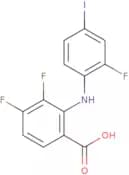
CAS:<p>Diethyl iminodiacetate is a reactive chemical that is used in the polymerization of plastics, paints, and other products. It reacts with the carbonyl group of unsaturated fatty acid to form an ester. This reaction also occurs in biological systems where it can inhibit the activity of enzymes. Diethyl iminodiacetate has been shown to inhibit the growth of bacteria by inhibiting their ability to synthesize proteins. The protonated form of diethyl iminodiacetate is a potent radiation-protective agent for use in veterinary and human medicine. The nitrogen atoms on the compound are responsible for its dendritic structure.</p>Formula:C8H15NO4Purity:Min. 95%Color and Shape:Colorless Clear LiquidMolecular weight:189.21 g/mol2-(2-Fluoro-4-iodoanilino)-3,4-difluorobenzoic acid
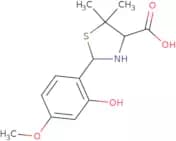
CAS:<p>2-(2-Fluoro-4-iodoanilino)-3,4-difluorobenzoic acid is a potent and selective allosteric antagonist of the adenosine A2A receptor. It has been shown to reduce blood pressure in rats and mice. 2-(2-Fluoro-4-iodoanilino)-3,4-difluorobenzoic acid has also been shown to increase levels of endogenous adenosine by modulating the activity of adenosine deaminase. This drug has been tested in humans with hypertension and was found to be safe and well tolerated at doses between 25mg and 300mg per day.</p>Formula:C13H7F3INO2Purity:Min. 98%Color and Shape:White PowderMolecular weight:393.1 g/mol2-(2-Hydroxy-4-methoxyphenyl)-5,5-dimethyl-4-thiazolidinecarboxylic acid
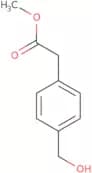
CAS:<p>Please enquire for more information about 2-(2-Hydroxy-4-methoxyphenyl)-5,5-dimethyl-4-thiazolidinecarboxylic acid including the price, delivery time and more detailed product information at the technical inquiry form on this page</p>Formula:C13H17NO4SPurity:Min. 95%Color and Shape:PowderMolecular weight:283.34 g/mol(4-Hydroxymethylphenyl)acetic acid methyl ester
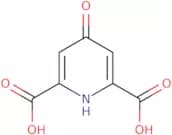
CAS:<p>(4-Hydroxymethylphenyl)acetic acid methyl ester is a fine chemical, useful building block, research chemicals and reagent. It is also a speciality chemical with CAS No. 155380-11-3. This compound can be used as a versatile building block for chemical synthesis, or as a reaction component for the synthesis of complex compounds. The high quality of this compound makes it suitable for use as an intermediate in the synthesis of other chemical compounds. (4-Hydroxymethylphenyl)acetic acid methyl ester is also a useful scaffold for the formation of new molecules or materials such as polymers.</p>Formula:C10H12O3Purity:Min. 95%Molecular weight:180.2 g/molChelidamic acid hydrate
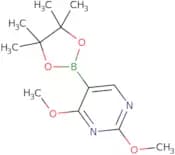
CAS:<p>Chelidamic acid hydrate is an organic compound that belongs to the group of pyridine carboxylic acids. It is a water-soluble, colorless solid with an optimum concentration in the range of 0.1 to 1.0 M. Chelidamic acid hydrate has been used as a proton carrier and was found to be a strong base with a pKb around 12.5 and a high affinity for oxygen atoms, which are present in the form of hydroxyl groups at pH 7, 8, and 9. The compound also has been observed to have cytotoxic effects on prostate cancer cells and human erythrocytes. Chelidamic acid hydrate has shown anticancer activity by causing mitochondrial membrane potential collapse in prostate cancer cells. This activity is due to hydrogen bonding interactions between the solvated electrons and the carboxylate group of the chelidamic acid hydrate molecule that are mediated by light emission from the electron transitions between</p>Formula:C7H5NO5•xH2OPurity:Min. 95%Color and Shape:White PowderMolecular weight:183.12 g/mol2,4-Dimethoxypyrimidine-5-boronic acid, pinacol ester
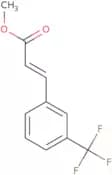
CAS:<p>2,4-Dimethoxypyrimidine-5-boronic acid is a high quality chemical that can be used as a reagent or a complex intermediate. It is an important building block for the synthesis of many compounds and has been shown to be useful in the synthesis of 2,4-dimethoxybenzaldehyde. This compound has been used in the preparation of 2,4-dimethoxypyrimidin-5(6H)-ones and as a reaction component in organic chemistry.</p>Formula:C12H19BN2O4Purity:Min. 97%Molecular weight:266.1 g/mol3-(Trifluoromethyl)cinnamic acid methyl ester
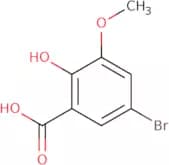
CAS:<p>3-(Trifluoromethyl)cinnamic acid methyl ester is a high quality chemical that can be used as a reagent, intermediate, or building block. It is also a speciality chemical that can be used in research. 3-(Trifluoromethyl)cinnamic acid methyl ester has been shown to be useful for the synthesis of various complex compounds. This compound is also versatile, and can serve as a reaction component for different reactions.</p>Formula:C11H9F3O2Purity:Min. 95%Color and Shape:PowderMolecular weight:230.18 g/mol5-Bromo-2-hydroxy-3-methoxybenzoic acid
CAS:<p>5-Bromo-2-hydroxy-3-methoxybenzoic acid (5BHB) is a phenolic compound that has been shown to have fungicidal properties. The uptake of 5BHB in the brain was studied using positron emission tomography and computerized tomography scans in monkeys. The affinity of 5BHB for the dopamine D2 receptor, and its ability to inhibit methylation reactions, were also investigated. The results show that 5BHB is able to cross the blood-brain barrier and bind with high affinity to the dopamine D2 receptor. These findings suggest that 5BHB may be used as a therapeutic agent for Parkinson's disease.</p>Formula:C8H7BrO4Purity:Min. 95%Color and Shape:PowderMolecular weight:247.04 g/molBiotin-PEG3-propionic acid
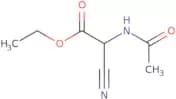
CAS:<p>Biotin-PEG3-propionic acid is a PEG compound with two different functional groups (also known as heterobifunctional). Unlike homobifunctional PEG compounds (same functional group on both ends), this type of compounds are more versatile as have two different anchor points. Biotin-PEG3-propionic acid is used as a linker and spacer to add a PEG moiety, via pegylation (a bioconjugation technique) to proteins, peptides, oligonucleotides, small molecules and nanoparticles.</p>Formula:C19H33N3O7SPurity:Min. 95%Color and Shape:PowderMolecular weight:447.55 g/molEthyl acetamidocyanoacetate
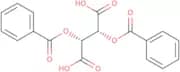
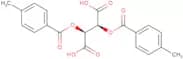
CAS:<p>Ethyl acetamidocyanoacetate is an amide which inhibits the enzyme thrombin. It inhibits the conversion of fibrinogen to fibrin, and thus prevents blood clot formation. Ethyl acetamidocyanoacetate has been shown to inhibit serine protease, one of the most abundant enzymes in the human body. This inhibition causes a decrease in inflammatory diseases caused by these enzymes. Ethyl acetamidocyanoacetate also has analog properties that can be used for solid-phase synthesis.</p>Formula:C7H10N2O3Purity:Min. 98 Area-%Molecular weight:170.17 g/molDi-O-benzoyl L-tartaric acid
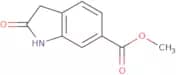
CAS:<p>Di-O-benzoyl L-tartaric acid is a chiral compound that is used in the synthesis of enantiopure compounds. It is a racemic mixture of two diastereoisomers, which means it has an asymmetric carbon atom. The two diastereoisomers can be separated using high performance liquid chromatography (HPLC). Di-O-benzoyl L-tartaric acid is used to produce β-amino acids from α-amino acids, and also as a chiral auxiliary for organic synthesis. Di-O-benzoyl L-tartaric acid can also be obtained by hydrolysis of malonic acid with hydrochloric acid or sodium hydroxide.</p>Formula:C18H14O8Purity:Min. 98 Area-%Color and Shape:White PowderMolecular weight:358.3 g/molMethyl 2-oxoindole-6-carboxylate
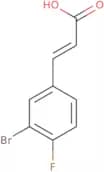
CAS:<p>Intermediate in the synthesis of nintedanib</p>Formula:C10H9NO3Purity:Min. 98 Area-%Color and Shape:PowderMolecular weight:191.18 g/mol3-Bromo-4-fluorocinnamic acid
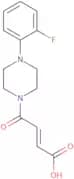
CAS:<p>3-Bromo-4-fluorocinnamic acid is a useful intermediate that reacts with amines to form 3-bromo-4-fluoroaniline, which is used as a building block in the synthesis of pharmaceuticals, agrochemicals, and other organic compounds.</p>Formula:C9H6BrFO2Purity:Min. 95%Color and Shape:PowderMolecular weight:245.05 g/mol3-((2-Fluorophenyl)piperazinylcarbamoyl)prop-2-enoic acid
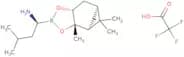
CAS:Controlled Product<p>Please enquire for more information about 3-((2-Fluorophenyl)piperazinylcarbamoyl)prop-2-enoic acid including the price, delivery time and more detailed product information at the technical inquiry form on this page</p>Formula:C14H15Fn2O3Purity:Min. 80%Color and Shape:PowderMolecular weight:278.29 g/mol(S)-BoroLeu-(+)-pinanediol-trifluoroacetate
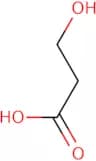
CAS:<p>(S)-BoroLeu-(+)-pinanediol-trifluoroacetate is a useful scaffold, building block, and intermediate for the synthesis of complex compounds. It is a high quality reagent that can be used in research chemicals and speciality chemicals. (S)-BoroLeu-(+)-pinanediol-trifluoroacetate is a versatile building block because it can be used as a reaction component in the synthesis of fine chemicals and as an intermediate in the synthesis of other reagents. CAS No. 477254-69-6</p>Formula:C15H28BNO2·C2HF3O2Purity:Min. 95%Color and Shape:PowderMolecular weight:379.22 g/mol3-Hydroxypropanoic acid - 30% solution in water
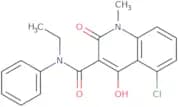
CAS:<p>3-Hydroxypropanoic acid is a fatty acid with a hydroxyl group. It can be found in synthetic pathways that produce glycerol, and is an intermediate in the production of antimicrobial peptides. 3-Hydroxypropanoic acid has been shown to inhibit the growth of bacteria and fungi in vitro assays. This compound also inhibits the activity of enzymes such as malonic acid decarboxylase, which catalyzes the conversion of malonic acid to succinic acid. 3-Hydroxypropanoic acid is used as a model system for congestive heart failure because it has been shown to mimic some aspects of this condition by inhibiting mitochondrial function. The reaction mechanism involves inhibition of oxidative phosphorylation, leading to an accumulation of reactive oxygen species (ROS) and reduced ATP production.</p>Formula:C3H6O3Color and Shape:Colorless Clear LiquidMolecular weight:90.08 g/mol5-Chloro-4-hydroxy-1-methyl-2-oxo-1,2-dihydro-quinoline-3-carboxylic acid ethyl-phenyl-amide
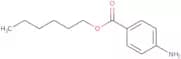
CAS:<p>Laquinimod is an immunomodulator drug that inhibits the activity of the immune system. It binds to toll-like receptor 7, which is a protein on the surface of certain cells that responds to infection and inflammation. Laquinimod has been shown to inhibit neurodegeneration in vitro, which may be due to its ability to bind with neuronal death receptors and block the inflammatory response. Laquinimod also inhibits bowel disease by reducing inflammation and controlling immunity in the intestinal tract. Laquinimod has been shown to have long-term efficacy when administered at physiological levels. This drug is chemically stable, even after exposure to light.</p>Formula:C19H17ClN2O3Purity:Min. 95%Color and Shape:White PowderMolecular weight:356.8 g/mol4-Aminobenzoic acid hexyl ester
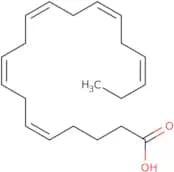
CAS:<p>4-Aminobenzoic acid hexyl ester is a cytoskeletal molecule that interacts with actin and myosin to form filaments. It has been shown to regulate transcriptional activity by reducing the level of reactive oxygen species or hydrogen peroxide, which are thought to induce cell death. 4-Aminobenzoic acid hexyl ester has also been shown to interact with imatinib, which is used in cancer treatment. This interaction may be due to the ability of 4-aminobenzoic acid hexyl ester to inhibit protein–protein interactions between proteins in the Wnt signaling pathway.</p>Formula:C13H19NO2Purity:Min. 95%Color and Shape:PowderMolecular weight:221.3 g/molEicosapentaenoic acid
CAS:<p>Inhibitor of 5-lipoxygenase; reduces thromboxane A2 production</p>Formula:C20H30O2Purity:Min. 96 Area-%Color and Shape:Colorless Clear LiquidMolecular weight:302.45 g/mol(+)-O,O'-Di-p-toluoyl-D-tartaric acid
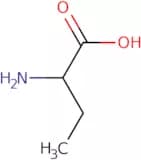
CAS:<p>(+)-O,O'-Di-p-toluoyl-D-tartaric acid is a potent and selective ligand for the dopamine D2 receptor. It was first synthesized in 1968 and has been extensively studied for its interactions with dopamine receptors. (+)-O,O'-Di-p-toluoyl-D-tartaric acid has been shown to be an orthosteric agonist at the D2 receptor, meaning it binds directly to the receptor in the absence of any other compounds. It binds to the extracellular site of the receptor, with a binding affinity that is 10 times more potent than that of apomorphine. The compound has been shown to have antidepressant effects when administered systemically, as well as in animal models of depression. This activity may be due to its ability to selectively activate dopamine D2 receptors in regions such as the prefrontal cortex.</p>Formula:C20H18O8Purity:Min. 95%Color and Shape:PowderMolecular weight:386.35 g/molDL-Aminobutyric acid
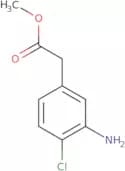
CAS:<p>DL-Aminobutyric acid is an analog of amino acids and a potent inhibitor of protease activity. It has been shown to inhibit the proteolytic activity of amyloid protein in human serum, most likely by competitive inhibition. DL-Aminobutyric acid also inhibits the enzyme activities that are responsible for the production of ammonia from amino acids. DL-Aminobutyric acid is an analyte in blood sampling and has a pH optimum of 8.0. It has been shown to have inhibitory properties on bacteria strains including Staphylococcus aureus and Streptococcus pneumoniae, but not Mycobacterium tuberculosis or Escherichia coli.</p>Formula:C4H9NO2Purity:Min 97%Color and Shape:PowderMolecular weight:103.12 g/mol3-Amino-4-chlorophenylacetic acid methyl ester
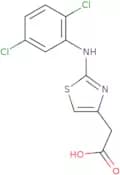
CAS:<p>3-Amino-4-chlorophenylacetic acid methyl ester is a fine chemical that is useful as a building block in the synthesis of complex compounds. It has been used as a reagent and speciality chemical, which can be used for research purposes. CAS No. 59833-69-1</p>Formula:C9H10ClNO2Purity:Min. 95%Molecular weight:199.63 g/mol2-(4-(2,5-Dichlorophenylamino)-3,5-thiazolyl)acetic acid
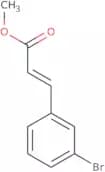
CAS:<p>Please enquire for more information about 2-(4-(2,5-Dichlorophenylamino)-3,5-thiazolyl)acetic acid including the price, delivery time and more detailed product information at the technical inquiry form on this page</p>Purity:Min. 80%3-Bromocinnamic acid methyl ester
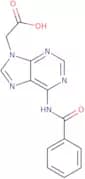
CAS:<p>3-Bromocinnamic acid methyl ester is a chemical compound that belongs to the group of useful scaffolds. It is a versatile building block and can be used as an intermediate in the synthesis of complex compounds. 3-Bromocinnamic acid methyl ester has been found to be a useful research chemical, reaction component, and speciality chemical. This chemical can be used in the production of fine chemicals and other products. 3-Bromocinnamic acid methyl ester is also useful as a reagent for organic reactions.</p>Formula:C10H9BrO2Purity:Min. 95%Color and Shape:PowderMolecular weight:241.08 g/mol6-Benzoylamino-9H-purine-9-acetic acid
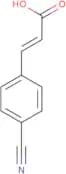
CAS:<p>6-Benzoylamino-9H-purine-9-acetic acid (BAPAA) is a high quality reagent that is used in the synthesis of complex compounds. It is also a useful intermediate in the preparation of fine chemicals, speciality chemicals, and research chemicals. 6-Benzoylamino-9H-purine-9-acetic acid is a versatile building block for the synthesis of novel compounds with desired biological activity. This compound is an excellent reaction component because it can be used to synthesize various chemical structures.</p>Formula:C14H11N5O3Purity:Min. 95%Color and Shape:PowderMolecular weight:297.27 g/mol4-Cyanocinnamic acid
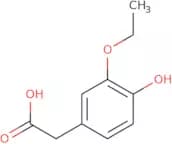
CAS:<p>4-Cyanocinnamic acid is a fatty acid that has been shown to be a substrate for the bacterial enzyme cinnamate 4-hydroxylase. The molecular weight of this compound is 136.16 g/mol, and it has a constant boiling point of 206°C. It can be synthesized from phenylacetic acid and p-coumaric acid using a transesterification reaction. This compound is reactive with carbonyl groups, which makes it useful in the detection of gram-positive bacteria by fluorescent probes or fluorescent dyes. 4-Cyanocinnamic acid is unreactive with esters of carboxylic acids, such as methyl esters, making it useful for the determination of fatty acids in isolates.</p>Formula:C10H7NO2Purity:Min. 95%Color and Shape:PowderMolecular weight:173.17 g/mol3-Ethoxy-4-hydroxyphenylacetic acid
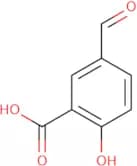
CAS:<p>3-Ethoxy-4-hydroxyphenylacetic acid is a chemical compound that functions as an anaesthetic. It has been shown to produce sedation and anesthesia in animals, but not in humans. 3-Ethoxy-4-hydroxyphenylacetic acid is also a metabolite of the drug propofol, which is used as a general anesthetic.</p>Formula:C10H12O4Purity:Min. 95%Color and Shape:PowderMolecular weight:196.2 g/mol5-Formylsalicylic acid
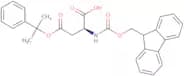
CAS:<p>5-Formylsalicylic acid is a molecule that has the chemical formula HOOC-(CH2)4-COOH. It is an organic acid that is derived from 5-nitrosalicylic acid, which is prepared by reacting sodium carbonate with hydroxybenzoic acid in the presence of ethylene diamine. This compound has been shown to have the ability to form hydrogen bonds with other molecules and itself. 5-Formylsalicylic acid can be synthesized by reacting sodium hydroxide with hydrogen chloride gas in a neutral pH environment. The surface methodology for this compound was determined to be gravimetric analysis, while it exhibits intermolecular hydrogen bonding interactions and matrix effects. Hydrogen bonding interactions are formed through nitrogen atoms and carboxylate groups on the surface of the molecule.</p>Formula:C8H6O4Purity:Min. 95%Color and Shape:PowderMolecular weight:166.13 g/molFmoc-L-aspartic acid β-2-phenylisopropyl ester
CAS:<p>Fmoc-L-aspartic acid beta-2-phenylisopropyl ester is a macrocyclic amino acid with conformational and anti-inflammatory properties. It has been shown to inhibit the proliferation of cancer cells in vitro, as well as the osteolytic, lymphoproliferative, and inflammatory activities in vivo. Fmoc-L-aspartic acid beta-2-phenylisopropyl ester also has antiarrhythmic effects on cardiac tissue that are caused by its ability to bind to chloride channels. This compound also inhibits the production of inflammatory cytokines such as tumor necrosis factor alpha (TNFα) and interleukin 6 (IL6).</p>Formula:C28H27NO6Purity:Min. 95%Color and Shape:PowderMolecular weight:473.52 g/molAmmonium acetate
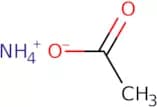
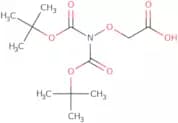
CAS:<p>Ammonium acetate is a salt that is used in the laboratory to synthesize ubiquitin ligases. It has been shown to have receptor activity and can be used to study the interaction between ammonium ions and sodium citrate. Ammonium acetate is a chemical reagent that is used to synthesize ubiquitin ligases, which are proteins that are involved in the degradation of other proteins. Ammonium acetate can also be used as an experimental model for myocardial infarct. The reaction between ammonium and water vapor yields ammonia gas, which can be analyzed with electrochemical impedance spectroscopy (EIS). A solution of ammonium acetate and palladium on zirconium oxide is suitable for coupling reactions, such as amination reactions. This compound has been used as an analytical method for the structural analysis of organic compounds.</p>Formula:C2H7NO2Color and Shape:White Clear LiquidMolecular weight:77.08 g/molBis-Boc-amino-oxyacetic acid
CAS:<p>Bis-Boc-amino-oxyacetic acid is an analog of goserelin acetate. It binds to the androgen receptor in prostate cancer cells, which leads to cytostatic effects. This drug has shown a low potency in human serum and does not bind to human serum proteins.<br>The uptake of Bis-Boc-amino-oxyacetic acid by prostate cancer cells was found to be significantly greater than that of goserelin acetate. The binding affinity of this drug for the androgen receptor is also lower than that of goserelin acetate, making it more selective for prostate cancer cells over other tissues.</p>Formula:C12H21NO7Purity:Min. 95%Color and Shape:White PowderMolecular weight:291.3 g/molTetrakis[N-phthaloyl-(R)-tert-leucinato]dirhodium bis(ethyl acetate) adduct
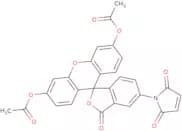
CAS:<p>Tetrakis[N-phthaloyl-(R)-tert-leucinato]dirhodium bis(ethyl acetate) adduct is a reagent that is used in organic synthesis and research. It has been shown to be useful as a scaffold for the synthesis of complex compounds, such as polymers. Tetrakis[N-phthaloyl-(R)-tert-leucinato]dirhodium bis(ethyl acetate) adduct can be used as an intermediate in the production of fine chemicals and speciality chemicals, as well as a versatile building block for the synthesis of diverse chemical compounds.</p>Formula:C56H56N4O16Rh2·C8H16O4Purity:Min. 95%Color and Shape:Yellow To Brown To Dark Green SolidMolecular weight:1423.085-(N-Maleimido)fluorescein diacetate
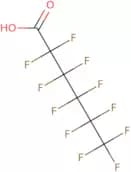
CAS:<p>5-(N-Maleimido)fluorescein diacetate is a fluorescent probe that can be used to detect single-stranded DNA. This compound is not toxic to cells and has been shown to be a good indicator of the presence of double-stranded DNA. 5-(N-Maleimido)fluorescein diacetate is taken up by cells, where it binds to the dsDNA in the nucleus. The fluorescence is then detected using microscopy or flow cytometry. 5-(N-Maleimido)fluorescein diacetate can be used as a fluorescent probe for herpes simplex virus and other DNA viruses. It also binds to liposomes and has been shown to inhibit HIV replication in vitro and in vivo.</p>Formula:C28H17NO9Purity:Min. 95 Area-%Color and Shape:White PowderMolecular weight:511.44 g/molUndecafluorohexanoic acid
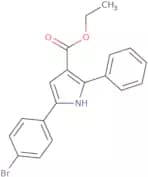
CAS:<p>Undecafluorohexanoic acid is a reactive chemical that has carcinogenic potential. It can permeate the skin and react with water to produce hexafluoropropylene oxide, which is toxic to humans. Undecafluorohexanoic acid also binds to and activates receptors in the body, which leads to many pharmacological effects. The toxicity of undecafluorohexanoic acid has been studied in vitro by measuring its effect on cell growth and mitochondrial membrane potential. It has also been tested for its ability to cause mutations in human cells. This chemical is toxic when ingested or inhaled and can lead to death if not treated quickly.</p>Formula:C6HF11O2Purity:Min. 95%Color and Shape:Clear LiquidMolecular weight:314.05 g/molEthyl 5-(4-bromophenyl)-2-phenylpyrrole-3-carboxylate
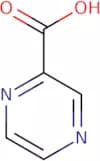
CAS:<p>Please enquire for more information about Ethyl 5-(4-bromophenyl)-2-phenylpyrrole-3-carboxylate including the price, delivery time and more detailed product information at the technical inquiry form on this page</p>Purity:Min. 95%Pyrazine-2-carboxylic acid
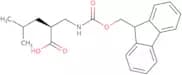
CAS:<p>Pyrazine-2-carboxylic acid is a potent inhibitor of bacterial x-lactamase. It was found that the inhibition of x-lactamase by pyrazine-2-carboxylic acid could be attributed to hydrogen bonding interactions with the active site of the enzyme and a high rate constant for the reaction. The antibacterial efficacy of pyrazine-2-carboxylic acid against wild type Streptococcus pneumoniae and methicillin resistant Staphylococcus aureus (MRSA) was tested and found to be comparable to that of benzylpenicillin. Pyrazine-2-carboxylic acid also has biological properties, such as an inhibitory effect on protein synthesis in bacteria, which may be due to its ability to bind to ribosomes.</p>Formula:C5H4N2O2Purity:Min. 95%Color and Shape:PowderMolecular weight:124.1 g/molFmoc-(S)-2-(aminomethyl)-4-methylpentanoic acid
CAS:<p>Fmoc-(S)-2-(aminomethyl)-4-methylpentanoic acid is a proteinogenic amino acid that is used in the production of casein and other dairy products. It is also found in wheat, where it can be converted to the essential amino acid methionine. Fmoc-(S)-2-(aminomethyl)-4-methylpentanoic acid is classified as a high-quality protein because it contains all eight essential amino acids (EAAs). It has been shown that when dietary intakes are low, malnourished children may benefit from increased intake of this amino acid.</p>Formula:C22H25NO4Purity:Area-% Min. 95 Area-%Color and Shape:PowderMolecular weight:367.44 g/mol4-Amino-2-chlorophenylboronic acid pinacol ester
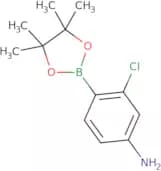
CAS:<p>4-Amino-2-chlorophenylboronic acid pinacol ester is a versatile building block that is used in the synthesis of complex compounds. It can be used as a research chemical, reagent, or speciality chemical depending on the desired use. 4-Amino-2-chlorophenylboronic acid pinacol ester reacts with nucleophiles to form covalent bonds and is also useful as a scaffold for synthesizing other compounds. This compound has been shown to be useful in the synthesis of many different types of chemicals.</p>Formula:C12H17BClNO2Purity:Min. 95%Color and Shape:PowderMolecular weight:253.53 g/molHumic acid
CAS:<p>Humic acid is a complex mixture of organic substances that occurs in the soil and has been shown to exhibit antioxidant, chelating, and antimicrobial activities. Humic acid consists of a mixture of humins, fulvic acids, and other substances that are derived from plant matter. The presence of humic acid in the environment is dependent on the type of plant material it originates from and the conditions under which it was formed. Humic acids have been shown to inhibit oxidative processes by reacting with reactive oxygen species (ROS) such as hydrogen peroxide (H2O2). Humic acid can also be used for wastewater treatment in order to decolorize effluents or remove toxic metals like lead. This process utilizes an acidic complex that is formed by hydrolysis reactions between sodium salts and carbonate.</p>Purity:Min. 95%Methyl 1H-1,2,4-triazole-3-carboxylate
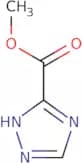
CAS:<p>Methyl 1H-1,2,4-triazole-3-carboxylate is an industrial chemical that is used in the production of diazotization and thiosemicarbazide. It is a coupling agent for the formation of diethyl esters and glycerides. Methyl 1H-1,2,4-triazole-3-carboxylate is also a catalyst for esterification reactions. The reaction mechanism of this compound involves the addition of methanol to formaldehyde to produce methyl formate and water. The esterification reaction occurs when an alcohol reacts with an acid chloride or an acid anhydride to produce an ester and water. This chemical can react with amino acids to produce amines and deamination products. Methyl 1H-1,2,4-triazole-3-carboxylate has been shown to be effective in large scale production reactions due to its high yield</p>Formula:C4H5N3O2Purity:Min. 95%Color and Shape:PowderMolecular weight:127.1 g/molMethyl 1-(mercaptomethyl)cyclopropane acetate
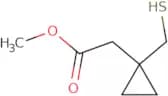
CAS:<p>Methyl 1-(mercaptomethyl)cyclopropane acetate is a fine chemical that is used as a reagent, speciality chemical, and intermediate. It has been shown to be a versatile building block for the synthesis of complex compounds. Methyl 1-(mercaptomethyl)cyclopropane acetate reacts with amines to form an amidine derivative. It is also a useful intermediate in the manufacture of herbicides, insecticides, and pharmaceuticals as well as a reaction component in the synthesis of other fine chemicals. CAS No: 152922-73-1</p>Formula:C7H12O2SPurity:Min. 95%Color and Shape:Clear LiquidMolecular weight:160.23 g/mol


![Methyl (2Z)-[5-(3-chlorophenyl)-1,3-dihydro-2H-1,4-benzodiazepin-2-ylidene]acetate](/_next/image/?url=https%3A%2Fstatic.cymitquimica.com%2Fproducts%2F3D%2Fthumb-webp%2FFM128487.webp&w=3840&q=75)
![1,1'-Bicyclo[1,1,1]pentane-1,3-dicarboxylic acid](/_next/image/?url=https%3A%2Fstatic.cymitquimica.com%2Fproducts%2F3D%2Fthumb-webp%2FFB33678.webp&w=3840&q=75)

![methyl 1-[(4-methylphenyl)sulfonyl]-4-piperidinecarboxylate](/_next/image/?url=https%3A%2Fstatic.cymitquimica.com%2Fproducts%2F3D%2Fthumb-webp%2FFM168868.webp&w=3840&q=75)

![Bis[2-[Ethyl[(Heptadecafluorooctyl)Sulphonyl]Amino]Ethyl] (4-Methyl-1,3-Phenylene)Biscarbamate](/_next/image/?url=https%3A%2Fstatic.cymitquimica.com%2Fproducts%2F3D%2Fthumb-webp%2FFB101999.webp&w=3840&q=75)
![5-[(3aR,6S,6aS)-2,5,5-trioxo-1,3,3a,4,6,6a-hexahydrothieno[3,4-d]imidazol-6-yl]pentanoic acid](/_next/image/?url=https%3A%2Fstatic.cymitquimica.com%2Fproducts%2F3D%2Fthumb-webp%2FFB64039.webp&w=3840&q=75)


![Tetrakis[N-phthaloyl-(R)-tert-leucinato]dirhodium bis(ethyl acetate) adduct](/_next/image/?url=https%3A%2Fstatic.cymitquimica.com%2Fproducts%2F3D%2Fthumb-webp%2FFT60015.webp&w=3840&q=75)