Carboxylic Acids
Carboxylic acids are organic molecules characterized by having a carboxyl-type functional group (-COOH). These acids are fundamental in various chemical reactions, including esterification, amidation, and decarboxylation. Carboxylic acids are widely used in the production of pharmaceuticals, polymers, and agrochemicals. In this section, you can find a large number of carboxylic acids ready to be used. At CymitQuimica, we provide a broad range of high-quality carboxylic acids to support your research and industrial applications.
Found 12453 products of "Carboxylic Acids"
Sort by
Purity (%)
0
100
|
0
|
50
|
90
|
95
|
100
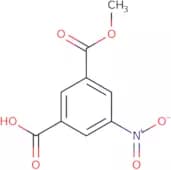
5-Nitroisophthalic acid monomethyl ester
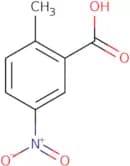
CAS:<p>5-Nitroisophthalic acid monomethyl ester (NIAE) is an acetylating agent that can be used for the preparation of 5-nitroisophthalic acid, which is a precursor to the synthesis of dyes and pharmaceuticals. The acetylation reaction of NIAE with proteins produces an insensitive material. Acetylation also inhibits the activity of serine proteases and virus replication. In addition, it has been found that the catalytic reduction of NIAE with palladium is faster than other synthetic methods. Optimal reaction conditions are obtained by adding chloride ions to the reaction mixture, while reductive conditions are optimal for catalysis. Reaction time can be shortened by using a soluble catalyst such as iodide ion or mercury(II) sulfate. The active site of NIAE contains a nitro group that reacts with substrates in the presence of oxygen, forming a product from which the acetyl group has been removed</p>Formula:C9H7NO6Purity:Min 98%Color and Shape:PowderMolecular weight:225.16 g/mol2-Methyl-5-nitrobenzoic acid
CAS:<p>2-Methyl-5-nitrobenzoic acid is a synthetic compound that has been shown to inhibit the growth of tumor xenografts in mice. This compound has been shown to inhibit the production of prostate-specific antigen and prostate cancer cells, as well as cause apoptosis in prostate cancer cells. 2-Methyl-5-nitrobenzoic acid also inhibits the activity of vitamin D3 and docetaxel, which are both chemotherapeutic agents used to treat prostate cancer. 2-Methyl-5-nitrobenzoic acid is a thermodynamic inhibitor with an IC50 value of 0.1 mM. It is an inhibitor of cellular respiration and mitochondrial function with a Km value of 1 mM. This agent also inhibits tumor perfusion, which may be due to its ability to induce apoptosis in tumor cells.</p>Formula:C8H7NO4Purity:Min. 95%Color and Shape:PowderMolecular weight:181.15 g/mol2-Fluoro-3-nitrobenzoic acid ethyl ester
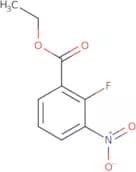
CAS:<p>2-Fluoro-3-nitrobenzoic acid ethyl ester is a versatile, high quality building block with a number of uses in research and industry. It is an intermediate in the synthesis of a range of compounds, including pharmaceuticals and other fine chemicals. 2-Fluoro-3-nitrobenzoic acid ethyl ester is also used as a reagent for the synthesis of complex compounds, such as pharmaceuticals. This compound can be synthesized from readily available starting materials and has been shown to be useful for the preparation of scaffolds for organic synthesis. 2-Fluoro-3-nitrobenzoic acid ethyl ester is not listed on the Chemical Abstract Service (CAS) registry, but it does have an IUPAC name (2-(2,6-difluorophenyl)-5-(1,1,2,2 tetrafluoropropoxy)-3H-[1]py</p>Formula:C9H8FNO4Purity:Min. 95%Color and Shape:Off-White PowderMolecular weight:213.16 g/mol(Des-Gly10,D-Ser4,D-Leu6,Pro-NHEt 9)-LHRH trifluoroacetate
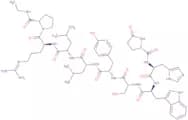
CAS:<p>Please enquire for more information about (Des-Gly10,D-Ser4,D-Leu6,Pro-NHEt 9)-LHRH trifluoroacetate including the price, delivery time and more detailed product information at the technical inquiry form on this page</p>Formula:C59H84N16O12•(C2HF3O2)xPurity:Min. 98 Area-%Color and Shape:PowderMolecular weight:1,209.4 g/molFmoc-D-1,2,3,4-tetrahydronorharman-3-carboxylic acid
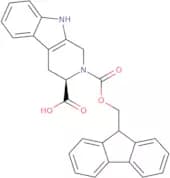
CAS:<p>Fmoc-D-1,2,3,4-tetrahydronorharman-3-carboxylic acid is a fine chemical that is a versatile building block and reaction intermediate. It is a high quality compound with CAS No. 268731-07-3. Fmoc-D-1,2,3,4-tetrahydronorharman-3-carboxylic acid can be used as a reagent for the synthesis of complex compounds and scaffolds. This compound has been shown to have useful properties in the research field.</p>Formula:C27H22N2O4Purity:Min. 95%Molecular weight:438.47 g/moltrans-2,3,4-Trimethoxycinnamic acid
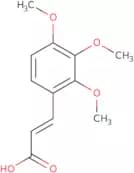
CAS:<p>Trans-2,3,4-trimethoxycinnamic acid is a bioactive chemical that has been shown to have significant antioxidant activity. This compound is a hydrogen peroxide scavenger and can be used in devices to remove hydrogen peroxide from water. Trans-2,3,4-trimethoxycinnamic acid has also been shown to inhibit the production of campesterol and paromomycin in bacteria. Furfural is an inhibitor of trans-2,3,4-trimethoxycinnamic acid and its oxidation products. Trans-2,3,4-trimethoxycinnamic acid can be oxidised by furfural to produce glycerin and formic acid. It also inhibits the formation rate of amides from cinnamyl alcohol.</p>Formula:C12H14O5Purity:Min. 98 Area-%Color and Shape:PowderMolecular weight:238.24 g/mol2,3,5-Trichlorobenzoic acid
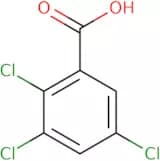
CAS:<p>2,3,5-Trichlorobenzoic acid is a chemical compound that can be synthesized from phenacyl chloride and phthalic anhydride. The synthesis of 2,3,5-trichlorobenzoic acid is accomplished in two steps. First, the phenacyl chloride and ammonium sulfate are mixed together at a temperature of about 100°C for about 12 hours to produce 2-chloro-4-(phenylazo)benzene-1,3-diol (2). This product is then mixed with phthalic anhydride at a temperature of about 150°C for about 6 hours to produce 2,3,5-trichlorobenzoic acid (1). The synthesis of this compound has been shown to be thermophilic and reactive. It has also been shown to have single crystal x-ray diffraction properties.</p>Formula:C7H3Cl3O2Purity:Min. 95%Color and Shape:White PowderMolecular weight:225.46 g/molTaurochenodeoxycholic acid
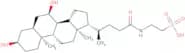
CAS:<p>Taurochenodeoxycholic acid is a bile acid derivative, which is a conjugated form of chenodeoxycholic acid. It is sourced from the bile of mammals, specifically as a conjugate of taurine and chenodeoxycholic acid. This compound participates in the emulsification of dietary fats, which is crucial for lipid digestion and absorption. Additionally, it contributes to the regulation of cholesterol homeostasis by modulating bile acid pool sizes and is involved in signaling pathways that affect lipid metabolism.</p>Formula:C26H45NO6SPurity:Min. 95%Color and Shape:PowderMolecular weight:499.7 g/mol2-Amino-5-bromobenzoic acid methyl ester
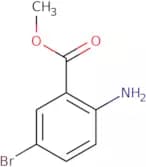
CAS:<p>2-Amino-5-bromobenzoic acid methyl ester is a small molecule with antiviral potency. It has a dipole moment and can form hydrogen bonds. 2-Amino-5-bromobenzoic acid methyl ester inhibits the PDE5 enzyme, which is an enzyme that breaks down cGMP. This inhibition of PDE5 leads to the increase in cGMP, which causes blood vessels to relax and widen. As a result, 2-amino-5-bromobenzoic acid methyl ester has been shown to decrease high blood pressure and improve heart function.</p>Formula:C8H8BrNO2Purity:Min. 95%Color and Shape:PowderMolecular weight:230.06 g/mol2-Furoic acid hydrazide
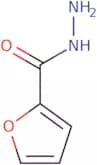
CAS:<p>2-Furoic acid hydrazide is an antifungal agent that inhibits the synthesis of cell membrane lipids by inhibiting the enzyme enoyl-ACP reductase. This compound has been shown to be effective against Candida albicans in vitro and in vivo. 2-Furoic acid hydrazide may also have amoebicidal activity, although this has not yet been confirmed. The mechanism of action of 2-furoic acid hydrazide is currently unknown, but it may be due to its ability to inhibit adenosine receptor antagonists and its interaction with hydrogen bonding interactions.</p>Formula:C5H6N2O2Purity:Min. 95%Color and Shape:PowderMolecular weight:126.11 g/mol4-Maleimidobutyric acid
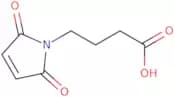
CAS:<p>4-Maleimidobutyric acid is a molecule that is used for the immobilization of peptides and proteins. It has been shown to bind to lysine residues on the surface of epidermal growth factor, which may be due to its ability to form covalent bonds with amino groups. This binding prevents the protein from interacting with cells in culture. 4-Maleimidobutyric acid also inhibits bacterial growth, including activity against Staphylococcus aureus, Bacillus anthracis, Mycobacterium tuberculosis, and Pseudomonas aeruginosa. 4-Maleimidobutyric acid has been shown to inhibit cancer cell proliferation in a Ca2+-dependent manner. It may also be effective as an antimicrobial agent due to its ability to disrupt proton gradients and acidic environments found in bacteria.</p>Formula:C8H9NO4Purity:Min. 98 Area-%Color and Shape:PowderMolecular weight:183.16 g/molEthyl azidoacetate
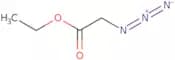
CAS:<p>Ethyl azidoacetate is a synthetic compound that contains an ethyl group and an azide group. It undergoes photolysis in the presence of benzyl groups to produce benzyl azide and ethyl malonic acid. The photoelectron spectra of ethyl azidoacetate show two peaks at 285 and 320 nm, which correspond to the two lowest energy levels in the ground state. The quantum theory predicts that the binding constants for receptors are proportional to the square root of their corresponding dissociation constants, which may explain why it has high binding constants for both cb2 receptor and receptor binding.</p>Formula:C4H7N3O2Purity:Min. 95%Color and Shape:Yellow PowderMolecular weight:129.1 g/mol(S)-trans-2-Amino-4-(2-aminoethoxy)-3-butenoic acid hydrochloride
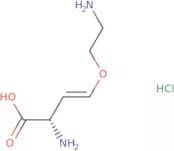
CAS:<p>(S)-trans-2-Amino-4-(2-aminoethoxy)-3-butenoic acid hydrochloride is a chemical pesticide that inhibits the production of ethylene in plants. It is used to control growth and enhance the fruit quality of horticultural crops. It is also used as an inhibitor of serine proteases, which are enzymes that catalyze the hydrolysis of proteins. This product has been shown to act as a growth regulator by inhibiting the activity of serine proteases and blocking the biosynthesis of ethylene. (S)-trans-2-Amino-4-(2-aminoethoxy)-3-butenoic acid hydrochloride also blocks the biosynthesis of human chorionic gonadotropin, a hormone involved in reproduction and development.</p>Formula:C6H13ClN2O3Purity:Min. 97 Area-%Color and Shape:Off-White PowderMolecular weight:196.63 g/mol2-Amino-3-chlorobenzoic acid
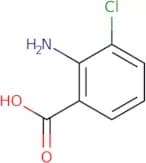
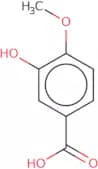
CAS:<p>2-Amino-3-chlorobenzoic acid is a chemical compound that is used as a reagent in the cross-coupling of organic compounds. 2-Amino-3-chlorobenzoic acid has been shown to inhibit the growth of cancer cells in the laboratory and has been used as a pesticide. This compound causes DNA methylation in bacteria, which may be due to its inhibition of methyltetrahydrofolate reductase. 2-Amino-3-chlorobenzoic acid is reactive and should be handled with care because it could cause burns on contact with skin. The carcinogenic potential of this compound has not been determined.</p>Formula:C7H6ClNO2Purity:Min. 95%Color and Shape:PowderMolecular weight:171.58 g/mol3-Hydroxy-4-methoxybenzoic acid
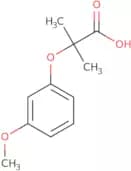
CAS:<p>3-Hydroxy-4-methoxybenzoic acid is a phenolic acid with antiinflammatory activity. It can be found in the leaves of the plant "Anacardium occidentale" or as an intermediate in the synthesis of protocatechuic acid, which is formed by oxidation of 3-hydroxycinnamic acid. 3-Hydroxy-4-methoxybenzoic acid has been shown to inhibit bacterial growth and fungal infection in vitro. The compound also inhibits proinflammatory cytokine production by human monocytes and macrophages, which may be due to its hydroxyl group that can form hydrogen bonds with nucleophilic centers on proteins.<br>3-Hydroxy-4-methoxybenzoic acid can be prepared through extraction from acetate (1g) containing pyridine (2mL) and acetone (2mL). The extract is incubated at 50°C for 20 minutes before being cooled. The</p>Formula:C8H8O4Purity:Min. 95%Color and Shape:PowderMolecular weight:168.15 g/mol2-(3-Methoxyphenoxy)-2-methylpropanoic acid
CAS:<p>2-(3-Methoxyphenoxy)-2-methylpropanoic acid is a reagent, useful intermediate and speciality chemical. It is a versatile building block for the synthesis of complex compounds. This product has CAS No. 140239-94-7, which is a fine chemical with high quality. It is an essential reaction component for the preparation of many other valuable chemicals in the laboratory.</p>Formula:C11H14O4Purity:Min. 95%Color and Shape:PowderMolecular weight:210.23 g/molCadmium diethyldithiocarbamate
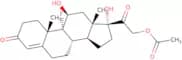
CAS:<p>Cadmium diethyldithiocarbamate is a chemical compound with the molecular formula Cd(C2H5)2S2Cl, which contains a disulfide bond. It is a light-sensitive powder that can be prepared in a variety of ways. Cadmium diethyldithiocarbamate can be used as an analytical reagent for metal ions and other compounds. It is also used in the synthesis of zinc diethyldithiocarbamate, which has been shown to have anti-inflammatory properties in rat models. The divalent hydrocarbon nature of cadmium diethyldithiocarbamate makes it useful as a solid dispersant in liquid chromatography methods.</p>Formula:C10H20CdN2S4Purity:Area-% Min. 95 Area-%Color and Shape:PowderMolecular weight:408.95 g/molFludrocortisone acetate
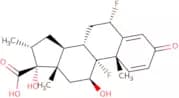
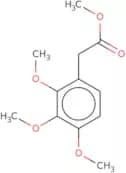
CAS:Controlled Product<p>Fludrocortisone acetate is a corticosteroid hormone used in the treatment of a number of diseases, including infectious diseases. Fludrocortisone acetate can be administered orally or by injection. It is also used to treat bowel disease and as an aid to diagnose subarachnoid hemorrhage. The matrix effect of fludrocortisone acetate has been studied using human serum and polymerase chain reactions (PCR). Fludrocortisone acetate is stable at temperatures below its phase transition temperature, but it undergoes degradation at higher temperatures. This drug is not active against bacteria, fungi, viruses, or parasites.</p>Formula:C23H31FO6Purity:Min. 95%Color and Shape:PowderMolecular weight:422.49 g/molMethyl 2,3,4-trimethoxyphenyl acetate
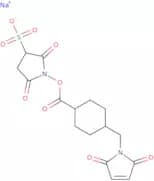
CAS:<p>Methyl 2,3,4-trimethoxyphenyl acetate is a high quality reagent that can be used to synthesize complex compounds. This compound is also useful as an intermediate in the synthesis of fine chemicals and useful scaffolds for chemical research. CAS No. 22480-88-2 Methyl 2,3,4-trimethoxyphenyl acetate is a versatile building block that can be used to synthesize other compounds with a wide range of applications.</p>Formula:C12H16O5Purity:Min. 95%Color and Shape:PowderMolecular weight:240.25 g/molSulfo-SMCC sodium
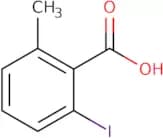
CAS:<p>Crosslinker reacting rapidly with primary amines. It is used as a protein crosslinker where it reacts with cysteine to yield specific conjugates. The cyclohexane bridge confers added stability to the maleimide group making it ideal for maleimide activation of proteins. It is soluble in water and many other aqueous buffers although it is less stable then in DMSO or DMF.</p>Formula:C16H17N2O9SNaPurity:Min. 95 Area-%Color and Shape:White Off-White PowderMolecular weight:436.37 g/mol2-Iodo-6-methylbenzoic acid
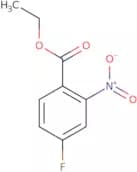
CAS:<p>2-Iodo-6-methylbenzoic acid is a chemical used as an additive in the manufacture of plastics, paints and rubber. It is also a ligand for some transition metals. 2-Iodo-6-methylbenzoic acid has been found to be an active natural product that can be synthesized from phthalimides or other amines. 2-Iodo-6-methylbenzoic acid reacts with donepezil to form a multistep reaction intermediate called A, which is then oxidized by a transition metal to form the final product, aricept. The operational mechanism of this reaction is not yet fully understood, but it may involve an alkene intermediate.</p>Formula:C8H7IO2Purity:Min. 95%Color and Shape:PowderMolecular weight:262.04 g/mol4-Fluoro-2-nitrobenzoic acid ethyl ester
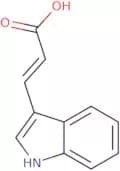
CAS:<p>4-Fluoro-2-nitrobenzoic acid ethyl ester is a fine chemical that can be used as a reagent, intermediate compound, building block, scaffold and building block for speciality chemicals. It has been shown to be an effective chemical in the synthesis of 4-fluoro-2-nitrobenzoic acid, which is a versatile building block with many potential applications. 4-Fluoro-2-nitrobenzoic acid ethyl ester is also useful in reactions involving amines and alcohols as well as metal catalyzed reactions. This product has CAS No. 1072207-10-3.</p>Formula:C9H8FNO4Purity:(%) Min. 85%Color and Shape:Clear LiquidMolecular weight:213.16 g/mol3-(1H-Indol-3-yl)acrylic acid
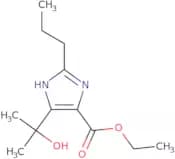
CAS:<p>(2E)-3-(1H-Indol-3-yl)acrylic acid is a chemical compound that can be found in the plant genus "Actinomycetes". It has significant antiproliferative activity and may induce apoptotic cell death. (2E)-3-(1H-Indol-3-yl)acrylic acid is a precursor to the aromatic amino acid l-phenylalanine, which can be used for the synthesis of many other compounds. The compound was first isolated in an ethanolic extract of Actinomycetes bacteria and identified by NMR spectroscopy. In addition, (2E)-3-(1H-Indol-3-yl)acrylic acid is metabolized into chloride and methanol. It is also a low detection substance in urine, making it difficult to detect using current methods.</p>Formula:C11H9NO2Purity:Min. 95%Color and Shape:White PowderMolecular weight:187.19 g/mol4-(1-Hydroxy-1-methylethyl)-2-propyl-1H-imidazole-5-carboxylic acid ethyl ester
CAS:<p>4-(1-Hydroxy-1-methylethyl)-2-propyl-1H-imidazole-5-carboxylic acid ethyl ester is a synthetic drug with pharmacological properties that are similar to those of the natural product medoxomil. It has been shown to be a potent blocker of the GABA receptor and is used for the treatment of epilepsy. 4-(1-Hydroxy-1-methylethyl)-2-propyl-1H-imidazole-5-carboxylic acid ethyl ester has been shown to be an inhibitor of rat liver microsomes and also has a high affinity for the enzyme cilexetil, which is responsible for the conversion of cilexetil into its active form.</p>Formula:C12H20N2O3Purity:Min. 95%Color and Shape:PowderMolecular weight:240.3 g/mol3-Cyclohexylpropiolic acid
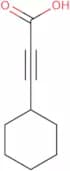
CAS:<p>3-Cyclohexylpropiolic acid is a chemical intermediate that is used in the production of other chemicals. It is a versatile building block with a wide range of reactions and applications. 3-Cyclohexylpropiolic acid has been used as a reagent and as a speciality chemical for research purposes. This compound has also been shown to be useful in the synthesis of complex compounds, such as pharmaceuticals, natural products, pesticides, and dyes. 3-Cyclohexylpropiolic acid can be used as a reaction component or intermediate for the synthesis of many different compounds.</p>Formula:C9H12O2Purity:Min. 95 Area-%Molecular weight:152.19 g/mol2-(4-Bromophenyl)-5,5-dimethyl-1,3-thiazolidine-4-carboxylic acid
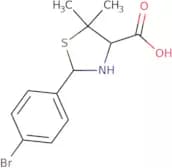
CAS:<p>2-(4-Bromophenyl)-5,5-dimethyl-1,3-thiazolidine-4-carboxylic acid is a fine chemical that can be used as a building block for research chemicals. It can also be used as an intermediate in the synthesis of complex compounds. 2-(4-Bromophenyl)-5,5-dimethyl-1,3-thiazolidine-4-carboxylic acid has been shown to react with various groups including hydroxyls and amines, making it a versatile compound. This compound is synthesized by condensation of 4 bromobenzene with 5,5 dimethyllithium and the subsequent reaction with thiourea. The product is purified by recrystallization from ethanol.</p>Formula:C12H14BrNO2SPurity:Min. 95%Color and Shape:PowderMolecular weight:316.21 g/mol3,5-Dimethoxycinnamic acid
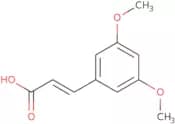
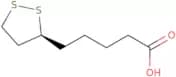
CAS:<p>3,5-Dimethoxycinnamic acid is a compound that belongs to the class of cinnamic acid derivatives. It is a synthetic substance obtained by demethylation of 3,5-dimethoxybenzoic acid. This substance has been shown to have an antifungal activity in vitro against filamentous fungi and many other microorganisms. The antimicrobial effect can be explained by the presence of functional groups such as hydroxyl and methoxyl on the aromatic ring. Hydroxide solution can be used as an analytical reagent for determining the formation rate of this compound.</p>Formula:C11H12O4Purity:Min. 95%Color and Shape:PowderMolecular weight:208.21 g/mol(S)-(-)-α-Lipoic acid
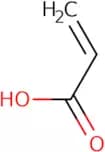
CAS:<p>(S)-(-)-a-Lipoic acid (DLPA) is a reactive, oxidative molecule that has been shown to have antioxidant properties. DLPA is a natural compound found in the human body and is essential for energy metabolism and mitochondrial membrane depolarization. It has been shown to be beneficial in cases of bowel disease and diabetic neuropathy. DLPA has also been shown to be clinically relevant in the treatment of ischemia–reperfusion injury and cisplatin-induced nephrotoxicity, as well as having anti-inflammatory properties. DLPA may also help reduce symptoms of Parkinson's disease and other conditions.</p>Formula:C8H14O2S2Purity:Min. 95%Color and Shape:White PowderMolecular weight:206.33 g/molAcrylic acid - stabilised with MEHQ
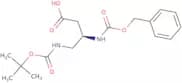
CAS:<p>Acrylic acid is a chemical compound that is naturally found in the environment. It is a colorless liquid with a pungent odor. Acrylic acid has been studied for its antimicrobial properties and has shown high activity against Aerobacter aerogenes. It also has been used as an intermediate in the manufacture of acrylic, acrylate, and methyl ethyl methacrylate. Acrylic acid has been used to produce glycol ethers and other chemicals, such as sodium carbonate and hydrogen bonding interactions. Acrylic acid can be manufactured using the industrial process of neutralization of trifluoroacetic acid with sodium carbonate or sodium hydroxide. The production process is highly dependent on the purity of starting materials, which can cause variations in product quality and chemical stability.</p>Formula:C3H4O2Purity:Min. 95%Color and Shape:PowderMolecular weight:72.06 g/mol(R)-4-(Boc-amino)-3-(Z-amino)butyric acid
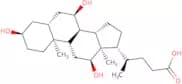
CAS:<p>(R)-4-(Boc-amino)-3-(Z-amino)butyric acid is a synthetic ligand that binds to dna. The binding of this ligand can be monitored by the thermodynamic interaction between the ligand and dna. (R)-4-(Boc-amino)-3-(Z-amino)butyric acid has been shown to bind to the phosphate groups on dna, which are apolar in nature. This ligand also interacts with the vector group of dna, and it has a multivalency of two. It is water soluble and neutral, making it suitable for use in supramolecular chemistry. (R)-4-(Boc-amino)-3-(Z-amino)butyric acid is not very polar and does not have any charges or functional groups that would make it an ionizable species. It can form complexes with carbohydrates because it is neutral, and its interactions with them are</p>Formula:C17H24N2O6Purity:Min. 98 Area-%Color and Shape:PowderMolecular weight:352.38 g/molAllocholic acid
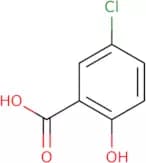
CAS:Controlled Product<p>Allocholic acid is a hydroxylated derivative of allo-inositol. It has been shown to inhibit the formation of peptide hormones and is used in the treatment of cerebrotendinous xanthomatosis. Allocholic acid also inhibits molecules that inhibit enzymes, such as phosphodiesterase and lipase, which are involved in the breakdown of fat. The biological sample preparation methods have been optimized for the extraction of allocholic acid from human feces. The optimum pH for allocholic acid is 4.5-5.0. Allocholic acid can be used to inhibit prostate cancer cells and rat liver microsomes, which are important for the metabolism of fatty acids in the body. The magnesium salt form is more soluble than other salts, making it easier to use in solution form.</p>Formula:C24H40O5Purity:Min. 90 Area-%Color and Shape:White Off-White PowderMolecular weight:408.57 g/mol5-Chlorosalicylic acid
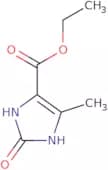
CAS:<p>5-Chlorosalicylic acid is an inhibitor of the enzyme carbonic anhydrase. It is used for the treatment of gout, rheumatoid arthritis, and osteoarthritis. This compound has been shown to be a genotoxic agent, which may result in mutagenic or carcinogenic effects. 5-Chlorosalicylic acid inhibits the growth of probiotic bacteria. It also has anti-inflammatory properties and can be used as a proton donor in organic synthesis reactions.<br>5-Chlorosalicylic acid is a metabolite of acetylsalicylic acid (ASA) that forms when ASA undergoes oxidative deamination in the liver. 5-Chlorosalicylic acid is also formed during metabolism of nonsteroidal anti-inflammatory drugs (NSAIDs).</p>Formula:C7H5ClO3Purity:Min. 95%Color and Shape:White Off-White PowderMolecular weight:172.57 g/molEthyl 5-Methyl-2-oxo-2,3-dihydro-1H-imidazole-4-carboxylate
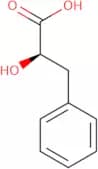
CAS:<p>Please enquire for more information about Ethyl 5-Methyl-2-oxo-2,3-dihydro-1H-imidazole-4-carboxylate including the price, delivery time and more detailed product information at the technical inquiry form on this page</p>Purity:Min. 90%D-(+)-Phenyllactic acid
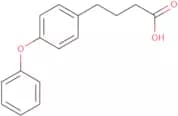
CAS:<p>D-(+)-phenyllactic acid is a pharmaceutical drug that is used to catalyze the asymmetric synthesis of chiral compounds. It is an enantiomer of L-phenyllactic acid, and it has been shown to be effective in the treatment of patients with breast cancer. D-(+)-phenyllactic acid can also be used to catalyze the formation of taxol, a clinical drug which has been shown to inhibit tumor growth. D-(+)-phenyllactic acid binds to the active site of catalase, an enzyme that breaks down hydrogen peroxide in cells. The reaction mechanism for catalysis by D-(+)-phenyllactic acid is not well understood, but it may involve monocarboxylic acids such as formic or acetic acids.</p>Formula:C9H10O3Purity:Min. 95%Color and Shape:White PowderMolecular weight:166.17 g/mol4-(4-Phenoxyphenyl)butyric acid
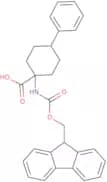
CAS:<p>4-(4-Phenoxyphenyl)butyric acid is a versatile building block that can be used in the synthesis of many different compounds. It has been used as a reaction component or intermediate in the synthesis of pharmaceuticals and agrochemicals, such as atorvastatin and methyltetrahydrofolate. 4-(4-Phenoxyphenyl)butyric acid is also used as a research chemical and has been shown to have antibacterial properties. This compound is soluble in water, making it easy to use in reactions with other reagents. 4-(4-Phenoxyphenyl)butyric acid is an important building block for many organic syntheses because it can be converted into a wide variety of useful compounds.</p>Formula:C16H16O3Purity:Min. 95%Color and Shape:PowderMolecular weight:256.3 g/molFmoc-cis-1-amino-4-phenyl-cyclohexane carboxylic acid
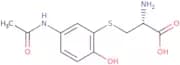
CAS:<p>Fmoc-cis-1-amino-4-phenyl-cyclohexane carboxylic acid is a fine chemical, useful building block, and research chemical. It is a versatile building block that can be used in the synthesis of complex compounds such as pharmaceuticals and agrochemicals. Fmoc-cis-1-amino-4-phenyl-cyclohexane carboxylic acid has been shown to react with various other compounds to form useful intermediates, which can be used to produce more complex molecules. This compound has also been shown to have reagent properties.</p>Formula:C28H27NO4Purity:Min. 95%Color and Shape:PowderMolecular weight:441.52 g/mol3-Cysteinylacetaminophen trifluoroacetic acid salt
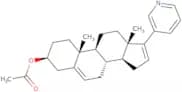
CAS:<p>Acetaminophen is a common pain reliever and fever reducer. It is available over-the-counter in many countries. Acetaminophen is a member of the class of drugs known as analgesic, antipyretic, and anti-inflammatory drugs (APAP). The drug has been shown to be effective for acute pain relief, but not for chronic pain. Acetaminophen has also been found to be an effective analgesic when taken at high doses (above 1000 mg per day) for more than one week. In vivo studies have shown that acetaminophen inhibits mitochondrial membrane potential in hk-2 cells and cd-1 mice. This inhibition leads to apoptosis and cell death. Acetaminophen is not associated with serious side effects when used at the recommended dose, although it can lead to liver damage if taken in large quantities or on a prolonged basis.</p>Formula:C11H14N2O4S·xC2HO2F3Purity:(%) Min. 95%Color and Shape:Brown PowderMolecular weight:270.31 g/molAbiraterone acetate
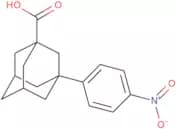
CAS:Controlled Product<p>CYP17 enzyme inhibitor</p>Formula:C26H33NO2Purity:Min. 98 Area-%Color and Shape:PowderMolecular weight:391.55 g/mol3-(4-Nitrophenyl)-1-adamantanecarboxylic acid
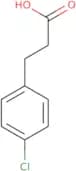
CAS:<p>3-(4-Nitrophenyl)-1-adamantanecarboxylic acid is a high quality, versatile building block compound that has been used as a reagent and as a useful intermediate. This product is commercially available and can be used in the synthesis of complex compounds with many different applications, such as pharmaceuticals, pesticides, dyes, and photographic chemicals. It is also a useful scaffold for the production of speciality chemicals and research chemicals. 3-(4-Nitrophenyl)-1-adamantanecarboxylic acid has been used in reactions involving electron transfer, nucleophilic substitution, and condensation reactions.</p>Formula:C17H19NO4Purity:Min. 95%Molecular weight:301.34 g/mol3-(4-Chlorophenyl)propionic acid
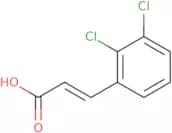
CAS:<p>3-(4-Chlorophenyl)propionic acid is a chemical compound that is used in the preparation of gabapentin. It is an organic solvent that can be used for the calibration and sample preparation of clinical toxicology tests, as well as analytical toxicology tests. 3-(4-Chlorophenyl)propionic acid is often used as an eluant in analytical chemistry to separate organic compounds from solutions. It is also used to extract γ-aminobutyric acid (GABA).</p>Formula:C9H9ClO2Purity:Min. 95%Color and Shape:PowderMolecular weight:184.62 g/mol2,3-Dichlorocinnamic acid
CAS:<p>2,3-Dichlorocinnamic acid is an organic compound that can be synthesized in a multistep process involving the reaction of pyridine with sulfuryl chloride. This reaction forms 2,3-dichloropropiophenone and 2,3-dichloroacetophenone. The latter compound is converted to the desired product by reacting it with thionyl chloride. The final step involves hydrolysis of the ester group to form 2,3-dichlorocinnamic acid.<br>2,3-Dichlorocinnamic acid can also be synthesized from phenylpropiolic acid and chlorosulfuric acid or from methyl propiolate and chlorosulfuric acid. <br>2,3-Dichlorocinnamic acid is a white crystalline solid that melts at 155°C and boils at 287°C. It is soluble in water and has a low yield due to</p>Formula:C9H6Cl2O2Purity:Min. 95%Molecular weight:217.05 g/molMalonic acid disodium salt monohydrate
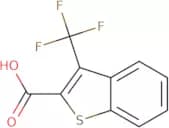
CAS:<p>Malonic acid disodium salt monohydrate is a water-soluble alkanoic acid that is used as a cross-linking agent in the manufacture of polymers. Malonic acid disodium salt monohydrate is also used to produce immunogenic antigens for cancer research and as a synthetic intermediate in the synthesis of pharmaceuticals or agricultural chemicals. Malonic acid disodium salt monohydrate is converted to malic acid by the enzyme cytosolic malate dehydrogenase. Malonic acid disodium salt monohydrate has an acidic pH and can be used to neutralize sodium salts such as sodium bicarbonate. Cell culture studies have shown that exposure to malonic acid disodium salt monohydrate inhibits protein synthesis and cell growth, which may be due to its ability to bind with DNA during transcription.</p>Formula:C3H2Na2O4·H2OPurity:Min 98%Color and Shape:White PowderMolecular weight:166.04 g/mol3-(Trifluoromethyl)-1-benzothiophene-2-carboxylic acid
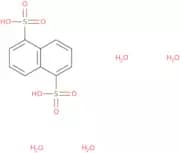
CAS:<p>3-(Trifluoromethyl)-1-benzothiophene-2-carboxylic acid is a versatile building block that can be used as a reagent, speciality chemical, and useful scaffold in research. This compound has been used to synthesize the drug called Raxibacumab, which is an antibody fragment. 3-(Trifluoromethyl)-1-benzothiophene-2-carboxylic acid can be used as a reaction component or intermediate to produce drugs such as Cefotaxime, Penicillin G, and Ampicillin.</p>Formula:C10H5F3O2SPurity:Min. 95%Molecular weight:246.21 g/mol1,5-Naphthalenedisulfonic acid tetrahydrate
CAS:<p>1,5-Naphthalenedisulfonic acid tetrahydrate is an acidic molecule that has been observed in the form of nanodots. It has a molecular weight of 212.2g/mol and a water solubility of 0.01g/L at 20°C. 1,5-Naphthalenedisulfonic acid tetrahydrate is soluble in ethanol and methanol, but insoluble in acetone, diethyl ether, ethyl acetate, and chloroform. 1,5-Naphthalenedisulfonic acid tetrahydrate is a hydrogen bond acceptor and donor in its interactions with other molecules. It interacts synergistically with 3,5-dinitrosalicylic acid to produce a red coloration when dissolved in water or alcohols.</p>Formula:C10H6(SO3H)2•(H2O)4Purity:Min. 95%Color and Shape:PowderMolecular weight:360.36 g/mol2-Ketopimelic acid
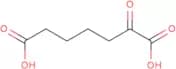
CAS:<p>2-Ketopimelic acid is a fatty acid that is produced by the catalysis of 2-ketoglutarate. It is found in the mitochondrial matrix and in the biosynthesis of fatty acids. The wild-type strain of E. coli has been shown to produce 2-ketopimelic acid during aerobic growth on glucose, while mutant strains did not synthesize this compound. The production of 2-ketopimelic acid requires a functional acyl carrier protein (ACP) and an active enoyl reductase (ER). The biosynthesis of 2-ketopimelic acid can be catalysed by dehydrogenase enzymes such as enoyl reductase, which are involved in the conversion of 3-oxoacyl CoA into 3-hydroxyacyl CoA.<br>2-Ketopimelic acid may also play a role in tuberculosis, as it has been detected in human protein using reaction monitoring techniques</p>Formula:C7H10O5Purity:Min. 95%Color and Shape:PowderMolecular weight:174.15 g/mol2-Fluoro-6-hydroxybenzoic acid
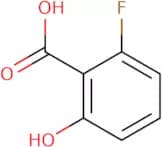
CAS:<p>2-Fluoro-6-hydroxybenzoic acid is a fluorescent compound that is commonly used as a reagent in organic synthesis. It has been shown to be an effective fungicide, and has also been shown to have pesticidal activity against various insects. The stability of 2-fluoro-6-hydroxybenzoic acid in water depends on the pH level; at low pH levels, it is stable and can be used as a fungicide, while at high pH levels, it is unstable and cannot be used as a fungicide. Studies have shown that 2-fluoro-6-hydroxybenzoic acid binds with hydrogen ions to form stable complexes, which may explain its pesticidal properties.</p>Formula:C7H5FO3Purity:Min. 95%Color and Shape:PowderMolecular weight:156.11 g/mol4-(N,N-Diethylamino)cinnamic acid
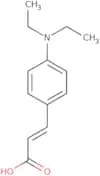
CAS:<p>4-(N,N-Diethylamino)cinnamic acid is a dye-sensitized solar cell sensitizer that has been synthesized from thiophene and acrylic acid. This compound is efficient in dye-sensitized solar cells and can be used to produce solar cells with an efficiency of over 10%.</p>Formula:C13H17NO2Purity:Min. 95%Color and Shape:PowderMolecular weight:219.28 g/mol2-(2-Nitrophenoxy)acetic acid
CAS:<p>2-(2-Nitrophenoxy)acetic acid (NPAA) is a molecule that has been found in plants of the genus Balanites. It has been shown to be an intramolecular hydrogen bond acceptor, which may contribute to its chemical structure and stability. NPAA has also been shown to have a constant pKa value of 4.7, which means it is slightly acidic. NPAA is used as an industrial process sample preparation agent and can be synthesized by reacting phenol with nitric acid.</p>Formula:C8H7NO5Molecular weight:197.14 g/molErgosterol acetate
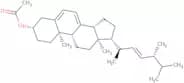
CAS:Controlled Product<p>Ergosterol acetate is a fatty acid that is derived from the fungus, Ganoderma lucidum. It has anti-oxidant properties and can inhibit cholesterol synthesis. Ergosterol acetate has been shown to inhibit the growth of prostate cancer cells in k562 cells and DU-145 cells, but not in Caco-2 cells. The mechanism of action for this effect may be due to its ability to inhibit epoxidase activity and transfer reactions with epoxides. Ergosterol acetate also has been shown to have physiological activities, such as increasing the viability of ganoderma lucidum spores and inhibiting cell proliferation in caco-2 cells.</p>Formula:C30H46O2Purity:Min. 97 Area-%Color and Shape:Slightly Yellow PowderMolecular weight:438.69 g/mol3,3-Diphenylpropionic acid
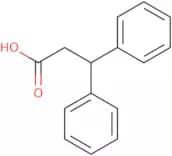
CAS:<p>3,3-Diphenylpropionic acid is a synthetic compound that is used to treat high blood pressure. It is an ester of hydrochloric acid and 3,3-diphenylpropionic acid. 3,3-Diphenylpropionic acid lowers blood pressure by inhibiting the activity of angiotensin II, which causes constriction and shrinking of the blood vessels. The safety profile for this drug has been evaluated in a number of studies in which it was shown that there were no significant adverse effects on the heart or other organs. This drug also has a beneficial effect on diabetic neuropathy and metabolic rate. 3,3-Diphenylpropionic acid is not active against bacteria or fungi but has been shown to be effective against amines by binding to them and preventing their interaction with DNA.</p>Formula:C15H14O2Purity:Min. 95%Color and Shape:White PowderMolecular weight:226.27 g/molFerrocenecarboxylic acid
CAS:Controlled Product<p>Ferrocenecarboxylic acid is a ferrocene compound that has been used as a polymerase chain reaction (PCR) probe. It has been shown to have an antiproliferative effect on leukemia cells, and can be used in the treatment of cancers. Ferrocenecarboxylic acid is membrane permeable and can therefore be used as a cell-impermeable chemotherapeutic agent. This drug also has the ability to bind to target DNA, with this binding being dependent on the functional groups present on the molecule. The ferrocene carboxylate conjugates are also able to react with nucleophiles such as dithiopyridine or pyridinium salts, which may serve as strategies for converting the drug into an MRI contrast agent.</p>Formula:C11H10FeO2Purity:Min. 98 Area-%Color and Shape:Yellow PowderMolecular weight:230.04 g/molAmmonium trifluoroacetate
CAS:<p>Ammonium trifluoroacetate is a chemical compound that has two hydroxyl groups. It is used for the treatment of autoimmune diseases, such as rheumatoid arthritis, and in the synthesis of nomegestrol acetate, which is an estrogenic drug. Ammonium trifluoroacetate is also used to study the biological properties of receptors and other proteins. The thermal expansion property of ammonium trifluoroacetate can be used to determine its concentration in a sample. Ammonium trifluoroacetate also has potent antagonistic effects against HIV infection and can be detected with high sensitivity. Studies have shown that ammonium trifluoroacetate is toxic to humans; however, it does not accumulate in the body.</p>Formula:C2H4F3NO2Purity:Min. 95%Color and Shape:PowderMolecular weight:131.05 g/molZanamivir amine triacetate methyl ester
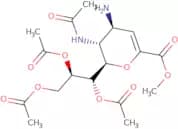
CAS:<p>Anti-viral; neuraminidase inhibitor; effective agains influenza A and B viruses</p>Formula:C18H26N2O10Purity:Min. 95%Color and Shape:Yellow PowderMolecular weight:430.41 g/mol6-Hydrazino-3-pyridinecarboxylic acid
CAS:<p>6-Hydrazino-3-pyridinecarboxylic acid is a potent inhibitor of angiogenesis. It inhibits the activity of vascular endothelial growth factor, which is a potent pro-angiogenic factor. 6HPCA has been shown to inhibit the growth of prostate cancer cells in vitro and tumor growth in vivo. The mechanism for this inhibition may be due to its ability to decrease levels of all-trans retinoic acid (RA), a potent pro-angiogenic molecule. 6HPCA also inhibits the proliferation of human serum, monoclonal antibody, and polymer drug uptake in cell culture systems. In addition, 6HPCA has low toxicity and low pharmacokinetic properties that have been demonstrated by several studies using radiolabeled analogues and autoradiography.</p>Formula:C6H7N3O2Purity:Min. 97 Area-%Color and Shape:PowderMolecular weight:153.14 g/mol4-Hydroxy-3-nitrophenylacetic acid
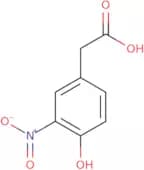
CAS:<p>4-Hydroxy-3-nitrophenylacetic acid is a metabolite of caproic acid in the mouse. It is also an analytical marker for caproic acid in human serum and a biochemical marker for 4-hydroxybenzoic acid in human urine. The affinity of 4-hydroxy-3-nitrophenylacetic acid to antibodies has been shown by its ability to be titrated calorimetrically with antibodies, which are used as a model system. The antibody response has been studied by immunizing mice with 4-hydroxybenzoic acid, which resulted in the production of antibodies that had the same reactivity as those against 4-hydoxy-3-nitrophenylacetic acid. The reaction mechanism of hydrolysis of 4-hydroxybenzoic acid by monoclonal antibodies has been proposed and was supported by the results obtained from titration calorimetry experiments.</p>Formula:C8H7NO5Purity:Min. 95%Color and Shape:Off-White PowderMolecular weight:197.14 g/molMethyl 3-amino-5,6-dichloro-2-pyrazine carboxylate
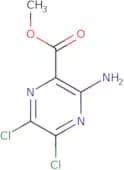
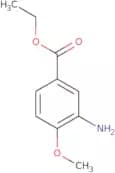
CAS:<p>Methyl 3-amino-5,6-dichloro-2-pyrazine carboxylate is a synthetic molecule that has been synthesized from dimethylamiloride. This chemical has been labeled and used for a variety of homologous and synthetic modifications. It may be used in labeling experiments to identify an unknown compound or to determine the structure of a known compound. The methyl 3-amino-5,6-dichloro-2-pyrazine carboxylate can also be used as a ligand to bind with subunits of proteins or nucleic acids. Photolabile methyl 3-amino-5,6-dichloro-2-pyrazine carboxylate can be synthesized by using light energy to cleave the ester bonds in the chemical. This chemical is useful for assays and techniques such as spectroscopy and nuclear magnetic resonance (NMR).</p>Formula:C6H5Cl2N3O2Purity:Min. 96.5 Area-%Color and Shape:PowderMolecular weight:222.03 g/mol3-Amino-4-methoxybenzoic acid ethyl ester
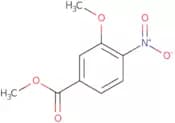
CAS:<p>3-Amino-4-methoxybenzoic acid ethyl ester is a chemical building block that can be used in the synthesis of various organic compounds. It is an important reaction component, and can also be used as a reagent or useful scaffold. 3-Amino-4-methoxybenzoic acid ethyl ester is soluble in organic solvents and has a high quality. This chemical has been shown to be useful for research purposes.</p>Formula:C10H13NO3Purity:Min. 95%Color and Shape:PowderMolecular weight:195.22 g/mol3-Methoxy-4-nitrobenzoic acid methyl ester
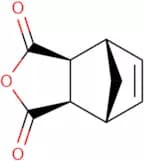
CAS:<p>3-Methoxy-4-nitrobenzoic acid methyl ester is a dianellidin, a type of natural product. It is an ionizing acid that catalyzes the reaction between carboxylic acids and hydroxyl compounds. This compound is used to produce some drugs, such as methyldopate, which is an antiarrhythmic drug that slows heart rate. The catalytic rate of 3-methoxy-4-nitrobenzoic acid methyl ester can be increased by buffers and solvents (e.g., methanol). These compounds increase the concentration of the reactants in solution and reduce the activation energy required for the reaction to take place. Uncatalyzed reactions are slow because there are no molecules to act as intermediates in the process.</p>Formula:C9H9NO5Purity:95%NmrColor and Shape:PowderMolecular weight:211.17 g/molcis-Norbornene-exo-2,3-dicarboxylic anhydride
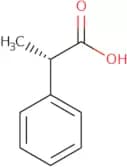
CAS:<p>Cis-Norbornene-exo-2,3-dicarboxylic anhydride is a reactive compound that is used as a precursor in the production of other chemicals. It can be used as an oxidation catalyst for organic synthesis reactions and has been shown to have high reactivity with hydroxyl groups under acidic conditions. Cis-Norbornene-exo-2,3-dicarboxylic anhydride reacts with calcium stearate to form a variety of products including aromatic hydrocarbons and boron nitride. The solubility data for cis-Norbornene-exo-2,3-dicarboxylic anhydride in human serum is available. The quantum theory predicts that cis-Norbornene-exo-2,3-dicarboxylic anhydride will undergo cationic polymerization in an acidic environment. This product also reacts with fatty acids to produce al</p>Formula:C9H8O3Purity:Min. 95%Color and Shape:White PowderMolecular weight:164.16 g/mol(S)-(+)-2-Phenylpropionic acid
CAS:<p>(S)-(+)-2-Phenylpropionic acid is an organic solvent that is catalyzed by a hydroxy group. It has been shown to be active against bacterial strains in the presence of borohydride reduction and immobilized on polystyrene beads. The enzyme activities were stereoselectively inhibited in the presence of (R)-(-)2-phenylpropionic acid, which is an enantiomer of (S)-(+)2-phenylpropionic acid. This inhibition may be due to the ability of this compound to form a more stable radical coupling with fatty acids such as oleic acid. The reaction temperature can affect the stereoselectivity, with higher temperatures favoring (R)-(-)2-phenylpropionic acid.</p>Formula:C9H10O2Purity:Min. 98 Area-%Color and Shape:Clear LiquidMolecular weight:150.17 g/molDL-2-Hydroxyvaleric acid sodium salt
CAS:<p>2-Hydroxyvaleric acid sodium salt is a fine chemical that can be used as a building block for the synthesis of more complex compounds. It is also used as a reagent in research and as a speciality chemical. The CAS number for this compound is 84176-70-5. 2-Hydoxyvaleric acid sodium salt is most commonly used in the synthesis of pharmaceuticals, pesticides, and other chemicals. It has also been shown to be useful in the synthesis of biodegradable polymers and as an intermediate in organic reactions.</p>Formula:C5H9NaO3Purity:Min. 95%Color and Shape:PowderMolecular weight:140.11 g/mol4-Ethoxybenzoic acid
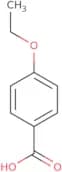
CAS:<p>4-Ethoxybenzoic acid is a phenolic compound that has shown significant cytotoxicity. This molecule has been shown to inhibit the production of tyrosinase, an enzyme that catalyzes the oxidation of tyrosine to produce melanin. 4-Ethoxybenzoic acid also inhibits detoxification enzymes such as glutathione transferases and quinone reductase, which may be responsible for its cytotoxicity. 4-Ethoxybenzoic acid is soluble in organic solvents but insoluble in water. It reacts with other compounds to form insoluble polymers. 4-Ethoxybenzoic acid can react with piperonyl butoxide or caproic acid to form p-hydroxybenzoic acid or friedel-crafts reaction products respectively.</p>Formula:C9H10O3Purity:Min. 95%Color and Shape:PowderMolecular weight:166.17 g/mol5-Fluorosalicylic acid
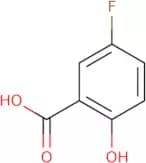
CAS:<p>5-Fluorosalicylic acid is a nonsteroidal anti-inflammatory drug that belongs to the group of 5-substituted salicylates. It has a strong affinity for human serum and can be used as an indicator in the determination of blood glucose. 5-Fluorosalicylic acid also binds to p-nitrophenyl phosphate with high affinity, which is involved in the regulation of cellular energy metabolism and plays a role in the production of ATP. The drug has been shown to form stable complexes with coumarin derivatives, which may have an effect on enzyme activities by modifying their conformational properties. 5-Fluorosalicylic acid has been shown to interact with other drugs, such as acetaminophen or ibuprofen, which may increase the risk of adverse effects.</p>Formula:C7H5FO3Purity:Min. 95%Color and Shape:SolidMolecular weight:156.11 g/molBradykinin triacetate trihydrate
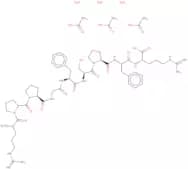
CAS:<p>Bradykinin is a naturally occurring peptide hormone that has been found to have a wide variety of uses. It can be used as a fine chemical, useful scaffold, versatile building block, and useful intermediate in the synthesis of complex compounds. Bradykinin can also act as a reaction component for the synthesis of speciality chemicals, such as pharmaceuticals and research chemicals. Bradykinin is used in the manufacture of medicines for high blood pressure and pain relief, among other things. It is also used in research studies to study the effects of drugs on cell cultures and animals.</p>Formula:C50H73N15O11•(C2H4O2)3•(H2O)3Purity:Min. 95%Color and Shape:PowderMolecular weight:1,294.41 g/mol5-Bromovaleric acid methyl ester
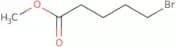
CAS:<p>5-Bromovaleric acid methyl ester is a molecule that can be used as a model system for population growth. It has been shown to activate the CB2 receptor in mice and stimulate the production of polyclonal antibodies. 5-Bromovaleric acid methyl ester may be a potential drug target for treating inflammatory conditions such as psoriasis, Crohn's disease, and ulcerative colitis. The compound has also been shown to inhibit cyclooxygenase enzymes in human platelets. 5-Bromovaleric acid methyl ester can also be used as an analytical tool for determining the concentration of conjugates in urine samples by gas chromatography.</p>Formula:C6H11BrO2Purity:Min. 95%Color and Shape:Clear LiquidMolecular weight:195.05 g/molTetrahydro-2H-pyran-3-ylacetic acid
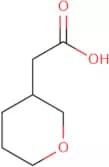
CAS:<p>Tetrahydro-2H-pyran-3-ylacetic acid (THPA) is a chemical that is used as a reagent, speciality chemical and building block in the synthesis of more complex compounds. It is also used as a reaction component and intermediate in the synthesis of various pharmaceuticals. THPA has been shown to be an effective scaffold for creating new drugs that are useful in the treatment of diabetes, cancer and other diseases. This compound can be synthesized from cyclopentanone through a two step process involving oxidation and esterification.</p>Formula:C7H12O3Purity:Min. 95%Color and Shape:Clear LiquidMolecular weight:144.17 g/mol2-Aminophenylboronic acid pinacol cyclic ester
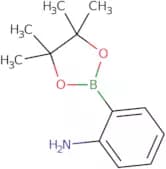
CAS:<p>This compound is a drug target that is an organic molecule found in many pharmaceuticals. It is an acidic, ammonium persulfate-sensitive biomolecule, which can be introduced into cells and tissues to study their function. This compound has been shown to have cancer-fighting abilities, and has potent inhibitory activity against microbial infections. The compound also has suzuki coupling properties, which are used to introduce hemicyanine groups onto other molecules.</p>Formula:C12H18BNO2Purity:Min. 95%Color and Shape:White PowderMolecular weight:219.09 g/mol2-Amino-3-nitrobenzoic acid
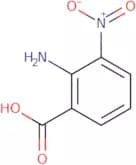
CAS:<p>2-Amino-3-nitrobenzoic acid (2ABN) is a peroxide that is used as an antiviral. 2ABN has been shown to inhibit the formation of reactive oxygen species in cancer cells, leading to apoptosis. It also inhibits the growth of carcinoma cell lines and tissues. 2ABN reacts with chloral hydrate to form a particle that can be encapsulated for delivery and release in vivo. This drug has been expressed in Escherichia coli, which may lead to improved stability and ease of production. 2ABN is thought to have anti-inflammatory properties due to its ability to inhibit the production of prostaglandins. The reactivity of 2ABN with surfactants such as sodium laureth sulfate (SLES) has been shown, which leads to it being used as an emulsifying agent for topical application.</p>Formula:C7H6N2O4Purity:Min. 95%Color and Shape:PowderMolecular weight:182.13 g/mol1-Adamantane acetic acid
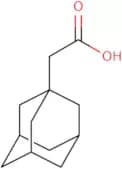
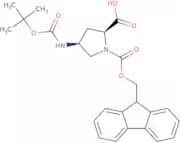
CAS:<p>1-Adamantane acetic acid is a naphthenic organic compound that has physiological effects. It is a hydrogen-bond acceptor and has a trifluoroacetic acid group. The compound inhibits mitochondrial function by inhibiting the enzyme ATPase, which is involved in the synthesis of ATP. 1-Adamantane acetic acid also inhibits tumor growth by inducing apoptosis in cancer cells. It has been shown to have potent antagonist activity against amide neurotransmitters such as acetylcholine and serotonin, which are involved in the regulation of muscle contractions and mood respectively.</p>Formula:C12H18O2Purity:Min. 95%Color and Shape:White PowderMolecular weight:194.27 g/molBoc-(2S,4S)-4-amino-1-Fmoc-pyrrolidine-2-carboxylic acid
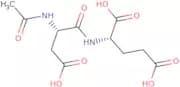
CAS:<p>Useful chiral building block</p>Formula:C25H28N2O6Purity:Min. 95%Molecular weight:452.5 g/molN-Acetyl-L-aspartyl-L-glutamic acid
CAS:<p>N-Acetyl-L-aspartyl-L-glutamic acid is an amino acid that is used as a substrate in the biochemical assay for glutamate. It is also used to measure brain functions. NAAG is a low potency agonist of the NMDA receptor, which may contribute to neuronal death. NAAG is used as a model system to study bowel disease and eosinophil cationic protein. It has been shown to be effective in vitro against cancer cells and fungi. The structural analysis of NAAG has revealed that it contains an acidic group on its side chain, which can be detected with a pH indicator such as phenol red or bromocresol purple.</p>Formula:C11H16N2O8Purity:Min. 95 Area-%Color and Shape:White Off-White PowderMolecular weight:304.25 g/mol1-[[6-(2,5-Dihydro-2,5-dioxo-1H-pyrrol-1-yl)-1-oxohexyl]oxy]-2,5-dioxo-3-pyrrolidinesulfonic acid sodium salt
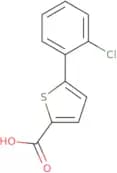
CAS:<p>1-[[6-(2,5-Dihydro-2,5-dioxo-1H-pyrrol-1-yl)-1-oxohexyl]oxy]-2,5-dioxo-3-pyrrolidinesulfonic acid sodium salt is an antibody response enhancer that binds to the Fc receptor of monocytes and macrophages. This binding activates the cells and increases their ability to produce antibodies against infectious agents. This product is used in the treatment of a variety of infections caused by viruses and bacteria. It has been shown to be effective for the treatment of influenza virus infection and other viral diseases such as HIV. The product also contains epidermal growth factor (EGF) which stimulates cell proliferation and differentiation in skin tissue. Antiinfective effects are achieved through inhibition of protein synthesis by silver ions or growth factors such as erythropoietin or photoelectron. This product also inhibits prostaglandin</p>Formula:C14H15N2NaO9SPurity:Min. 95%Color and Shape:SolidMolecular weight:410.33 g/mol5-(2-Chlorophenyl)thiophene-2-carboxylic acid
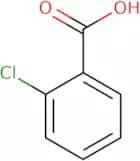
CAS:<p>5-(2-Chlorophenyl)thiophene-2-carboxylic acid is a reagent, complex compound, and useful intermediate that belongs to the class of fine chemicals. CAS No. 500604-91-1 is a speciality chemical that is used as a versatile building block in research chemicals and as a reaction component for the synthesis of new drugs. It is also an excellent building block for synthesizing 1,4-benzothiazepines and other heterocyclic compounds.</p>Formula:C11H7ClO2SPurity:Min. 95%Color and Shape:PowderMolecular weight:238.69 g/mol2-Chlorobenzoic acid
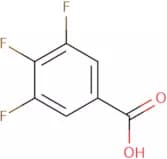
CAS:<p>Please enquire for more information about 2-Chlorobenzoic acid including the price, delivery time and more detailed product information at the technical inquiry form on this page</p>Formula:C7H5ClO2Purity:Min. 95%Color and Shape:White PowderMolecular weight:156.57 g/mol3,4,5-Trifluorobenzoic acid
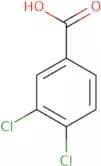
CAS:<p>3,4,5-Trifluorobenzoic acid is a carboxylic acid that is used in animal health. It can be synthesized by the reaction of hydrogen chloride and fluorine. The UV absorption spectrum of 3,4,5-trifluorobenzoic acid is characterized by a tetranuclear structure with maxima at 230 nm and 295 nm. The molecule has a carboxylate group. 3,4,5-Trifluorobenzoic acid absorbs light with wavelengths between 190 to 260 nm. This compound has been reported to have an analytical method based on LC-MS/MS for the determination of its concentration in samples prepared from the hydrolysis of benzoates with nitrous acid. This analytical method uses intermolecular hydrogen bonding as well as amines for sample preparation.</p>Formula:C7H3F3O2Purity:Min. 95%Color and Shape:PowderMolecular weight:176.09 g/mol3,4-Dichlorobenzoic acid
CAS:<p>3,4-Dichlorobenzoic acid (3,4-DCBA) is a compound with the molecular formula C6H2Cl2O2. It is a white solid that has been shown to inhibit the growth of bacteria in tissue culture. 3,4-Dichlorobenzoic acid can be used as a biocide in wastewater treatment because it has a high solubility and low toxicity, and it inhibits the growth of bacteria by binding to hydrogen bonding interactions. 3,4-Dichlorobenzoic acid also inhibits the synthesis of 1-hydroxy-2-naphthoic acid, which is an intermediate in bacterial dioxygenases.</p>Formula:C7H4Cl2O2Purity:Min. 98 Area-%Color and Shape:PowderMolecular weight:191.01 g/mol2-Aminoterephthalic acid
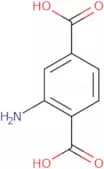
CAS:<p>2-Aminoterephthalic acid is a sulfa drug that has a skeleton containing two nitrogen atoms. It is a white, crystalline powder and can be dissolved in water. 2-Aminoterephthalic acid is used as an intermediate for the preparation of other sulfa drugs. The detection limit of this compound was determined to be 0.5 mg/L with the use of a chemiluminescence method and fluorescence probe. This compound reacts with acid to form an acid complex that can be detected by plasma mass spectrometry or electrochemical impedance spectroscopy.</p>Formula:C8H7NO4Purity:Min. 97 Area-%Color and Shape:White PowderMolecular weight:181.15 g/mol3-(Tritylthio)propionic acid
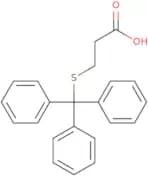
CAS:<p>3-(Tritylthio)propionic acid is a cyclic lipopeptide that has been shown to inhibit the growth of prostate cancer cells and bacteria. The compound has also been shown to be an effective broad-spectrum antimicrobial with a neutral pH. 3-(Tritylthio)propionic acid is synthesized by coupling an amine with a thiol containing molecule in the presence of hydrogen fluoride. This process produces a cyclic peptide that is stabilized by a disulfide bond between two cysteine residues. Hydrogen bonding interactions between 3-(tritylthio)propionic acid molecules allow for the formation of nanomaterials, which may have potential applications in medical imaging.</p>Formula:C22H20O2SPurity:Min. 98 Area-%Color and Shape:White Off-White PowderMolecular weight:348.46 g/molα-Methylhydrocinnamic acid
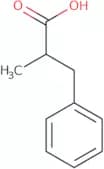
CAS:<p>Alpha-methylhydrocinnamic acid (AMHA) is a synthetic enantiomer of 2-phenylbutyric acid, which has been shown to inhibit the growth of k562 cells. It is also a substrate for fatty acid synthase and may play an important role in fatty acid metabolism. AMHA has been shown to inhibit the production of reactive oxygen species by phagocytic cells exposed to ionizing radiation, which may be due to its ability to scavenge hydroxyl radicals. The effect of AMHA on hematopoietic cells, including neutrophils and bone marrow cells, has not yet been determined.</p>Formula:C10H12O2Purity:Min. 95%Color and Shape:White Clear LiquidMolecular weight:164.2 g/mol5-Aminoisophthalic acid
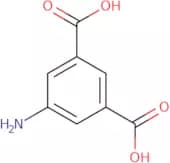
CAS:<p>5-Aminoisophthalic acid is a molecule that belongs to the group of compounds classified as p2, which are characterized by a hydrogen bond. The molecule is synthesized from n-dimethylformamide and glycol ester. It can be used in the synthesis of other compounds, such as 5-aminoisophthalic acid, which has been shown to have hemolytic activity. FTIR spectroscopy analysis reveals that the structure of 5-aminoisophthalic acid has nitrogen atoms in its side chain. This molecule also has an ultraviolet absorption range of about 225 nm to about 300 nm and shows strong absorption bands at around 290 nm and 350 nm.</p>Formula:C8H7NO4Purity:Min. 95%Color and Shape:PowderMolecular weight:181.15 g/mol5,6-Dihydroxy-1H-indole-2-carboxylic acid
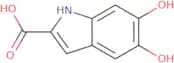
CAS:<p>5,6-Dihydroxy-1H-indole-2-carboxylic acid (5,6 DHICA) is a photosensitizing agent with a long detection time. It has been used in the treatment of cervical cancer and skin cancer. 5,6 DHICA is an inhibitor of tyrosinase, which is responsible for the synthesis of melanin. 5,6 DHICA prevents the conversion of dopachrome to eumelanin by binding to the active site of tyrosinase and inhibiting its activity. This makes it an important drug for the treatment of hyperpigmentation disorders such as vitiligo and melasma.</p>Formula:C9H7NO4Purity:Min. 95%Color and Shape:PowderMolecular weight:193.16 g/mol2-Methoxycinnamic acid methyl ester
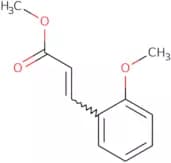
CAS:<p>2-Methoxycinnamic acid methyl ester is a monomer that can be used in the synthesis of magnetic nanoparticles. It has been shown to have high activity and can be used at temperatures between 20°C and 40°C. This reagent is also soluble in organic solvents, making it easy to purify. The size of the particles can be controlled by changing the diameter of the monomer, which can be determined using various techniques such as magnetic separation, filtration, or centrifugation. 2-Methoxycinnamic acid methyl ester was found to have a mesoporous structure when synthesized using an organometallic technique. This reagent is suitable for use in analytical methods such as gas chromatography-mass spectrometry (GC-MS) or liquid chromatography-mass spectrometry (LC-MS).</p>Formula:C11H12O3Purity:Min. 95%Color and Shape:PowderMolecular weight:192.21 g/molAllyl P,P-diethylphosphonoacetate
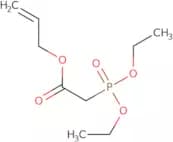
CAS:<p>Allyl P,P-diethylphosphonoacetate is a synthetic organic solvent that is soluble in water. It has an expressed form and an active methylene group. Allyl P,P-diethylphosphonoacetate is used in the synthesis of linear polymers through the addition of fluorine to the carbonyl group. The average particle diameter is 1 nm and it has a hydroxyl group.</p>Formula:C9H17O5PPurity:Min. 95%Color and Shape:Clear LiquidMolecular weight:236.2 g/molBenzophenone-2,4'-dicarboxylic acid
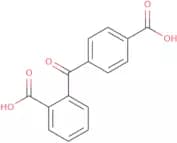
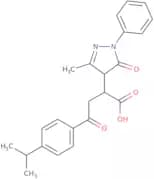
CAS:<p>Benzophenone-2,4'-dicarboxylic acid is a ligand that has been shown to have anion selectivity. It is an organic molecule that can be used in devices such as optical switches and sensors. Benzophenone-2,4'-dicarboxylic acid has been shown to have high fluorescence intensity and it is able to emit light. Benzophenone-2,4'-dicarboxylic acid can be used for the development of novel sensors for both organic and inorganic ions, as well as for ion-exchange membranes. The compound was also found to be luminescent with a bright emission peak at 559 nm, which makes it a promising candidate for fluorescent displays. Benzophenone-2,4'-dicarboxylic acid is also able to form coordinated water molecules when placed in contact with water. This coordinated water molecule may act as a ligand by binding to metal ions or other lig</p>Formula:C15H10O5Purity:Min. 95%Color and Shape:PowderMolecular weight:270.24 g/mol4-(4-(Isopropyl)phenyl)-2-(3-methyl-5-oxo-1-phenyl(2-pyrazolin-4-yl))-4-oxobutanoic acid
CAS:<p>Please enquire for more information about 4-(4-(Isopropyl)phenyl)-2-(3-methyl-5-oxo-1-phenyl(2-pyrazolin-4-yl))-4-oxobutanoic acid including the price, delivery time and more detailed product information at the technical inquiry form on this page</p>Formula:C23H24N2O4Purity:Min. 95%Color and Shape:PowderMolecular weight:392.45 g/molSDF-1α (human) trifluoroacetate salt
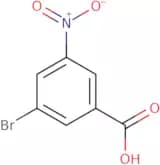
CAS:<p>Please enquire for more information about SDF-1alpha (human) trifluoroacetate salt including the price, delivery time and more detailed product information at the technical inquiry form on this page</p>Formula:C356H578N106O93S4Purity:Min. 95%Molecular weight:7,959.32 g/mol3-Bromo-5-nitrobenzoic acid
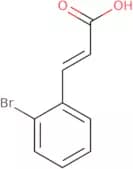
CAS:<p>3-Bromo-5-nitrobenzoic acid is a cancer drug that inhibits the proliferation of cancer cells by binding to amines, which are protonated at physiological pH. This binding leads to an electronic interaction between the bromine atom and the electron cloud of the amine group. The bromine atom is then more attracted to the nucleus, causing it to emit a photon of light. This process is called fluorescence and can be used for imaging cancer cells. 3-Bromo-5-nitrobenzoic acid also has potent antiproliferative activity against cancer cells, which may be due to its ability to bind ligands on target proteins in the cell membrane. It can also lead to apoptosis by interfering with the formation of supramolecular complexes or inhibiting protein synthesis.</p>Formula:C7H4BrNO4Purity:Min. 95%Color and Shape:PowderMolecular weight:246.02 g/mol2-Bromocinnamic acid
CAS:<p>2-Bromocinnamic acid is a synthetic compound that inhibits the reactions of arylating agents with tissues. It has cytotoxic activity and can be used in the treatment of alzheimer's disease. The synthesis of 2-bromocinnamic acid begins with anhydrous acetonitrile, which is heated to form an anhydrous salt. This salt is then dissolved in water and treated with potassium iodide and sodium nitrite. The resultant mixture undergoes a series of reactions to produce 2-bromocinnamic acid, including the addition of molybdenum as a catalyst. The reaction also produces byproducts that are removed by extraction or distillation. Finally, it undergoes a chromophore change from yellow to red in the presence of air due to oxidation by atmospheric oxygen.</p>Formula:C9H7BrO2Purity:Min. 95%Molecular weight:227.05 g/mol4-Bromocinnamic acid
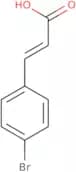
CAS:<p>4-Bromocinnamic acid is a plant metabolite that is found in the leaves of plants belonging to the family Capparaceae. It can be extracted from these leaves using methanol as a solvent and then purified by column chromatography. 4-Bromocinnamic acid has been shown to have antitumor properties and has been studied in a model system for prostate cancer cells. This molecule also has the ability to hydrogen bond with other molecules, including dopamine, which is important for its anti-cancer activity.</p>Formula:C9H7BrO2Purity:Min. 95%Color and Shape:PowderMolecular weight:227.05 g/mol2,2'-Azino-bis(3-ethylbenzothiazoline-6-sulfonic acid) diammonium salt
CAS:<p>ABTS can be used as a peroxidase substrate that gives a metastable cation when in the presence of H2O2. 2,2'-Azino-bis (3-ethylbenzothiazoline-6-sulfonic acid) or ABTS is commonly used in the enzyme-linked immunosorbent assay (ELISA). ABTS is chosen because the enzyme facilitates the reaction to give a green end-product with an absorbance maximum of 420nm and can therefore be detected with a spectrophotometer.</p>Formula:C18H24N6O6S4Purity:Min. 98.0 Area-%Color and Shape:PowderMolecular weight:548.68 g/molDL-2,3-Diaminopropionic acid monohydrochloride
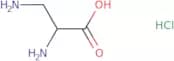
CAS:<p>DL-2,3-Diaminopropionic acid monohydrochloride is used in the preparation of drug samples for clinical chemistry analysis. This chemical has a number of uses, including as a modifier to increase the solubility and stability of drugs in solution and as a reagent to prepare analytical standards. DL-2,3-Diaminopropionic acid monohydrochloride also has been used as an inhibitor in titration methods for the determination of pH. DL-2,3-Diaminopropionic acid monohydrochloride is an inorganic chemical that can be derived from biochemical reactions by hydrolysis or derivatization. It has been shown to have selectivities for elimination reactions involving intramolecular hydrogen transfer.</p>Formula:C3H8N2O2•HClPurity:Min. 95%Color and Shape:White Off-White PowderMolecular weight:140.57 g/mol2-Aminonaphthalene-5,7-disulfonic acid
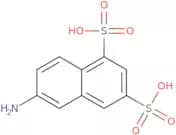
CAS:<p>2-Aminonaphthalene-5,7-disulfonic acid (2ANDA) is a fluorescent and colorless compound that can be used as a tracer for wastewater treatment. 2ANDA is adsorbed onto the surface of suspended solids in wastewater and binds to the hydroxide ions. This binding causes an increase in fluorescence intensity, which can be detected with synchronous fluorescence spectroscopy. 2ANDA also has the ability to form ternary complexes with chloride ions and molecular ions such as sodium hydroxide solution, making it useful for wastewater treatment because it provides information about the concentration of these ions. 2ANDA is soluble in water and may hydrolyze at high pH levels. It has been shown to have good kinetic properties for wastewater treatment by adsorption on granular activated carbon (GAC).</p>Formula:C10H9NO6S2Purity:Min. 95%Color and Shape:PowderMolecular weight:303.31 g/molMethyl 4-methoxyacetoacetate
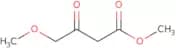
CAS:<p>Methyl 4-methoxyacetoacetate is a synthetic chemical compound that can be used in the synthesis of other substances. It has been shown to react with diacetates and produce hydroxy compounds during the reaction system. The reaction rate is dependent on the temperature and concentration of the reactants, as well as the presence of a catalyst such as hydrochloric acid. Methyl 4-methoxyacetoacetate has also been shown to form crystals when heated at constant temperature, which have been analyzed by X-ray diffraction. These crystals are composed of 2 molecules of methyl 4-methoxyacetoacetate that are held together through hydrogen bonding.</p>Formula:C6H10O4Purity:Min. 95%Color and Shape:Colorless Clear LiquidMolecular weight:146.14 g/molFluticasone 17b-carboxylic acid
CAS:Controlled Product<p>Fluticasone 17b-carboxylic acid is a high quality reagent that is a useful intermediate for the synthesis of complex compounds. It can also be used as a fine chemical and research chemical. Fluticasone 17b-carboxylic acid is an important building block for the synthesis of speciality chemicals, such as anti-inflammatory drugs, and has been used in the synthesis of various other compounds. The versatility of fluticasone 17b-carboxylic acid makes it a valuable scaffold for the design and synthesis of new compounds.</p>Formula:C21H26F2O5Purity:Min. 95%Color and Shape:White PowderMolecular weight:396.42 g/molLipoic acid, reduced
CAS:<p>Lipoic acid, reduced (LAR) is a naturally occurring compound that is found in many living organisms. It has been used to study the mechanisms of DNA binding and protein oxidation. Lipoic acid, reduced has been shown to have anti-inflammatory properties by inhibiting the production of prostaglandins. The rate constant for LAR is 10-3 M-1s-1 at 25°C and pH 7.0, which can be measured using a polymer composition method. This compound also has an optical sensor and chemiluminescence method that are able to measure the rate constant and determine its concentration.</p>Formula:C8H16O2S2Purity:Min. 95%Color and Shape:PowderMolecular weight:208.34 g/molMethyl 2-methyl-3-furancarboxylate
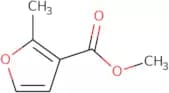
CAS:<p>Methyl 2-methyl-3-furancarboxylate is a chiral molecule that has anti-influenza virus activity. It has been shown to inhibit influenza virus replication in vitro and in vivo. Methyl 2-methyl-3-furancarboxylate inhibits the synthesis of viral proteins by inhibiting the polymerase function of the virus’s RNA polymerase. In addition, this compound inhibits the synthesis of new viruses by disrupting the process of transcription and replication. This molecule also exhibits antiviral activity against other RNA viruses such as Sindbis virus, vesicular stomatitis virus, and polio virus. Methyl 2-methyl-3-furancarboxylate is an aerobic molecule with functionalities that include isoxazoles, pyrazoles, and carbocations. This compound has been used as a starting point for synthesizing other anti-influenza compounds due to its strong antiviral properties and its unique functional groups.</p>Formula:C7H8O3Purity:Min. 95%Color and Shape:Clear LiquidMolecular weight:140.14 g/molEthyl phenothiazine-2-carbamate
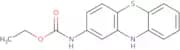
CAS:<p>Ethyl phenothiazine-2-carbamate is a versatile building block that can be used in the synthesis of complex compounds. It has a CAS number of 37711-29-8 and is soluble in organic solvents such as ethanol, acetone, and chloroform. Ethyl phenothiazine-2-carbamate can be used for research and to make reagents and speciality chemicals. This compound is useful in the synthesis of high quality chemical products like pharmaceuticals, agrochemicals, cosmetics, and flavors. It can also be used as an intermediate or scaffold in organic syntheses.</p>Formula:C15H14N2O2SPurity:Min. 95%Molecular weight:286.35 g/mol1-tert-Butyl 3-methyl piperazine-1,3-dicarboxylate
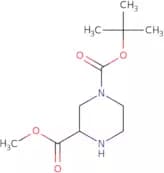
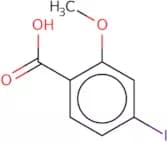
CAS:<p>1-tert-Butyl 3-methyl piperazine-1,3-dicarboxylate is a reaction component with a high quality and versatile building block. It is used as a reagent in research chemicals and speciality chemical synthesis. This product also has many uses in the production of complex compounds and fine chemicals. 1-tert-Butyl 3-methyl piperazine-1,3-dicarboxylate can be used as an intermediate in the production of other chemicals or as a building block for more complicated compounds. CAS No. 129799-08-2</p>Formula:C11H20N2O4Purity:Min. 98%Color and Shape:PowderMolecular weight:244.29 g/mol4-Iodo-2-methoxybenzoic acid
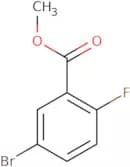
CAS:<p>4-Iodo-2-methoxybenzoic acid is an organic compound that contains a carbonyl group and a copper chelate. It has been shown to be stable in the presence of mercapto, chloroform, and palladium. The chemical structures of 4-iodo-2-methoxybenzoic acid are different from those of other compounds because it contains a chelate ring. Experiments have shown that extracts containing 4-iodo-2-methoxybenzoic acid are more extractable than those without it. This is due to the chelate ring which can act as an ion exchange group, allowing for the extraction of charged ions from the solution.</p>Formula:C8H7IO3Purity:Min. 95%Color and Shape:PowderMolecular weight:278.04 g/mol5-Bromo-2-fluorobenzoic acid methyl ester
CAS:<p>5-Bromo-2-fluorobenzoic acid methyl ester (5BFME) is a synthetic, non-steroidal compound that is used to treat prostate cancer. 5BFME inhibits the production of prostate specific antigen (PSA) and other androgen levels in prostate cancer cells. 5BFME also has an effect on the cell cycle by inhibiting DNA synthesis, which is likely to have a synergistic effect with other anticancer drugs. 5BFME has shown no selectivity toward any type of cell, which may be due to its ability to modulate cellular biochemical pathways.</p>Formula:C8H6BrFO2Purity:Min. 95%Color and Shape:PowderMolecular weight:233.03 g/mol








![1-[[6-(2,5-Dihydro-2,5-dioxo-1H-pyrrol-1-yl)-1-oxohexyl]oxy]-2,5-dioxo-3-pyrrolidinesulfonic acid …](/_next/image/?url=https%3A%2Fstatic.cymitquimica.com%2Fproducts%2F3D%2Fthumb-webp%2FFD24987.webp&w=3840&q=75)