Carboxylic Acids
Carboxylic acids are organic molecules characterized by having a carboxyl-type functional group (-COOH). These acids are fundamental in various chemical reactions, including esterification, amidation, and decarboxylation. Carboxylic acids are widely used in the production of pharmaceuticals, polymers, and agrochemicals. In this section, you can find a large number of carboxylic acids ready to be used. At CymitQuimica, we provide a broad range of high-quality carboxylic acids to support your research and industrial applications.
Found 12453 products of "Carboxylic Acids"
Sort by
Purity (%)
0
100
|
0
|
50
|
90
|
95
|
100
(Asn(4-aminobutyl)1·7·23,Gln(4-aminobutyl)3·11·22)-Amyloid b-Protein (1-40) trifluoroacetate salt
<p>Please enquire for more information about (Asn(4-aminobutyl)1·7·23,Gln(4-aminobutyl)3·11·22)-Amyloid b-Protein (1-40) trifluoroacetate salt including the price, delivery time and more detailed product information at the technical inquiry form on this page</p>Formula:C218H355N65O52SPurity:Min. 95%Molecular weight:4,750.62 g/molIndole-2-acetic acid
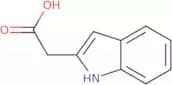
CAS:<p>Indole-2-acetic acid is a coumarin derivative that is found in plants and is used as a dietary supplement. It has been shown to have an inhibitory effect on photosynthetic activity and the growth of bacteria, fungi, and protozoa. Indole-2-acetic acid can be produced by chemical reactions involving aromatic hydrocarbons such as benzene or dioxane. It also inhibits the production of insulin in vivo and has been shown to reduce insulin resistance in rats.</p>Formula:C10H9NO2Purity:Min. 95%Color and Shape:PowderMolecular weight:175.18 g/mola-Ketoglutaric acid
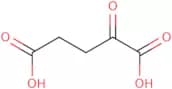
CAS:<p>a-Ketoglutaric acid is a naturally occurring organic compound that is found in the body as well as in plants. It belongs to the group of organic acids and is produced from the breakdown of amino acids, such as leucine and valine. a-Ketoglutaric acid has been shown to have physiological effects on cells and tissues by inhibiting enzymes involved in energy metabolism. In vitro assays have shown that a-ketoglutaric acid has inhibitory properties against plant metabolism. This drug also inhibits the transcriptional regulation of genes for fatty acid synthesis in human erythrocytes.<br>A-ketoglutaric acid has also been shown to inhibit glucose production in rat liver cells, which may be due to its ability to bind covalently with proteins or lipids, changing their structures and functions.</p>Formula:C5H6O5Color and Shape:White Off-White PowderMolecular weight:146.1 g/mol2-((2,4-Dichlorophenyl)amino)-1,3-thiazole-4-carboxylic acid
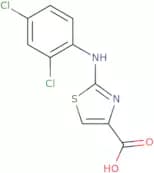
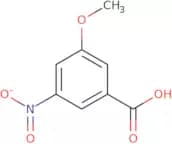
CAS:<p>Please enquire for more information about 2-((2,4-Dichlorophenyl)amino)-1,3-thiazole-4-carboxylic acid including the price, delivery time and more detailed product information at the technical inquiry form on this page</p>Purity:Min. 95%3-Methoxy-5-nitrobenzoic acid
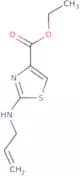
CAS:<p>3-Methoxy-5-nitrobenzoic acid is an organic compound that has mesomorphic and switchable properties. It is a chalcone derivative, with homologues such as 3-hydroxybenzoic acid. It is synthesized from the reaction of nitrous acid and 3-methoxybenzoic acid. The synthesis of this compound can be achieved by two different routes: peroxide oxidation or fluorine substitution. Both routes produce the same product, but offer different advantages. The first route involves the addition of hydrogen peroxide to 3-methoxybenzoic acid, which produces a mixture of products containing 3-methoxy-5-nitrobenzoic acid. This route is advantageous in that it can be conducted at room temperature with high yields, but the disadvantage is that this method produces a mixture of products which may contain undesired byproducts. The second route involves the use of sodium hypofluorite and potassium</p>Formula:C8H7NO5Purity:Min. 95%Color and Shape:PowderMolecular weight:197.14 g/molethyl 4-(prop-2-enylamino)-3,5-thiazolecarboxylate
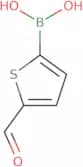
CAS:<p>Please enquire for more information about ethyl 4-(prop-2-enylamino)-3,5-thiazolecarboxylate including the price, delivery time and more detailed product information at the technical inquiry form on this page</p>Purity:Min. 95%5-Formyl-2-thiopheneboronic acid
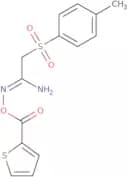
CAS:<p>5-Formyl-2-thiopheneboronic acid is a synthetic molecule that has been shown to be an effective electron microscope stabilizer. It is a boronate ester with a formyl group at the 2-position and a thiophene ring at the 5-position. The chloride in this molecule is used as a functional group, which can then react with other molecules to form new compounds. The functional theory of 5-formyl-2-thiopheneboronic acid includes its ability to form bonds with other molecules and its use as an inorganic base. The particle size of 5-formyl-2-thiopheneboronic acid is unsymmetrical, making it different from other molecules.</p>Formula:C5H5BO3SPurity:Min. 95%Color and Shape:PowderMolecular weight:155.97 g/mol2-Amino-1-aza-3-((4-methylphenyl)sulfonyl)prop-1-enyl thiophene-2-carboxylate
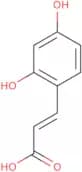
CAS:<p>Please enquire for more information about 2-Amino-1-aza-3-((4-methylphenyl)sulfonyl)prop-1-enyl thiophene-2-carboxylate including the price, delivery time and more detailed product information at the technical inquiry form on this page</p>Formula:C14H14N2O4S2Purity:Min. 95%Color and Shape:PowderMolecular weight:338.4 g/mol2,4-Dihydroxycinnamic acid
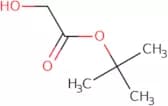
CAS:<p>2,4-Dihydroxycinnamic acid (2,4-DHCA) is a naturally occurring compound that is synthesized by the shikimate pathway. 2,4-DHCA has been shown to inhibit the growth of influenza virus in cell culture. 2,4-DHCA may provide protection from influenza in humans and animals by inhibiting the release of inflammatory cytokines such as tumor necrosis factor and interleukin-1 from cells. This anti-inflammatory effect has been observed in animal models for various inflammatory diseases including arthritis and asthma.</p>Formula:C9H8O4Purity:Min. 95%Color and Shape:PowderMolecular weight:180.16 g/moltert-Butyl 2-hydroxyacetate
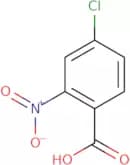
CAS:<p>Tert-Butyl 2-hydroxyacetate is a monomer that can be used for the synthesis of furopyridines. It is an enolate and reacts with guanine in the presence of catalysts, such as dicyclohexyl, to form an alkylating agent. The resulting product is then reacted with a second molecule of guanine to form the desired furopyridine. Tert-Butyl 2-hydroxyacetate can also be used in cross-coupling reactions mediated by palladium, which allow for the synthesis of polymers with high yields and trackability.</p>Formula:C6H12O3Purity:Min. 98%Color and Shape:Clear LiquidMolecular weight:132.16 g/mol4-Chloro-2-nitrobenzoic acid
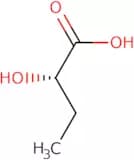
CAS:<p>4-Chloro-2-nitrobenzoic acid is a hydrogen bond donor with a coordination geometry of tetrahedral. It has two functional groups: an organic acid and a nitro group. This compound has been used in molecular modeling to study telomeric interactions. 4-Chloro-2-nitrobenzoic acid is also found in biological systems such as the enzyme chloramphenicol acetyltransferase and the antibiotic chloramphenicol. 4-Chloro-2-nitrobenzoic acid can be synthesized from phosphorus pentachloride and amine, which are both commercially available.</p>Formula:C7H4CINO4Purity:Min. 95%Color and Shape:PowderMolecular weight:305.03 g/mol(S)-2-Hydroxybutyric acid
CAS:<p>(S)-2-Hydroxybutyric acid is a substrate molecule for the enzyme malate dehydrogenase, which catalyzes the conversion of (S)-2-hydroxybutyric acid to propionate and carbon dioxide. This reaction is important in energy production when glycolysis is unable to meet the body's energy requirements. The (S)-2-hydroxybutyric acid can be used as an analytical method for determining insulin resistance by measuring its concentration in urine samples. The logistic regression model was used to predict the probability that a cancer patient would respond positively to treatment with (S)-2-hydroxybutyric acid. Hydroxyl groups are found on both enantiomers of (S)-2-hydroxybutyric acid. In order to determine which enantiomer may have more therapeutic potential, researchers must prepare a sample for analysis and identify which enantiomer is present.</p>Formula:C4H8O3Purity:Min. 97 Area-%Color and Shape:Colorless PowderMolecular weight:104.1 g/molTrimesic acid
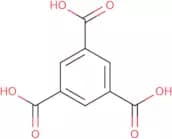
CAS:<p>Trimesic acid is a chemical compound that belongs to the family of pyrazoles. It is stable in water and has a low surface tension. Trimesic acid has been used as a model for developing new drugs for human serum, which is difficult to study due to its complexity. The x-ray crystal structures of trimesic acid have been determined and show that it has three hydrogen bond interactions with the amine group of an amino acid residue on the protein surface, as well as two intermolecular hydrogen bonds with water molecules. Trimesic acid also shows permeation through a membrane made from human serum albumin, which makes it useful as a drug delivery agent.</p>Formula:C9H6O6Purity:Min. 95%Color and Shape:PowderMolecular weight:210.14 g/mol2-Bromo-4-iodobenzoic acid
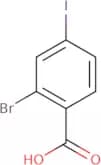
CAS:<p>2-Bromo-4-iodobenzoic acid is a high quality, versatile building block that is used as an intermediate in the synthesis of many fine chemicals and speciality chemicals. It has been found to be useful in the preparation of various pharmaceuticals and agrochemicals, as well as research chemicals. This compound is also a useful scaffold for the synthesis of complex compounds with biological activity. 2-Bromo-4-iodobenzoic acid has been used as a reagent in organic synthesis, and can be used to generate new chemical reaction components for use in laboratory experiments.</p>Formula:C7H4BrIO2Purity:Min. 95%Color and Shape:PowderMolecular weight:326.91 g/mol4-(Chloromethyl)benzoic acid methyl ester
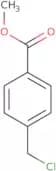
CAS:<p>4-(Chloromethyl)benzoic acid methyl ester is a synthetic compound that inhibits the DPP-IV enzyme, which is involved in the breakdown of the incretin hormones glucagon-like peptide-1 (GLP-1) and glucose-dependent insulinotropic polypeptide (GIP). Its structure consists of a benzene ring with a chloromethyl group on one side and an ester group on the other. 4-(Chloromethyl)benzoic acid methyl ester has been shown to be more potent than other known DPP-IV inhibitors. It has also been shown to have genotoxic impurities and chronic treatment effects, such as cancer.</p>Formula:C9H9ClO2Purity:Min. 95%Color and Shape:PowderMolecular weight:184.62 g/mol2-Amino-5-bromobenzoic acid
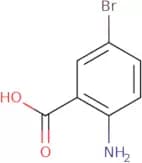
CAS:<p>2-Amino-5-bromobenzoic acid is a chemical compound that is used to synthesize other pharmaceuticals. It has been shown to have potent antiinflammatory activity and inhibit the growth of certain types of cancer cells. 2-Amino-5-bromobenzoic acid also has antiviral properties, and it inhibits the replication of human immunodeficiency virus type 1 (HIV-1) in cell culture. This drug has been shown to be effective against herpes simplex virus type 1 (HSV-1), varicella zoster virus (VZV), and cytomegalovirus (CMV). 2-Amino-5-bromobenzoic acid is poorly soluble in water; therefore, it can be administered intravenously as a prodrug. The absorption of this drug is dependent on pH levels, with higher concentrations found in acidic environments.</p>Formula:C7H6BrNO2Purity:Min. 95%Color and Shape:PowderMolecular weight:216.03 g/mol4-Amino-3-pyridinecarboxylic acid
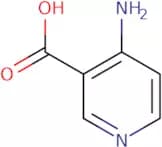
CAS:<p>4-Amino-3-pyridinecarboxylic acid (4APC) is a histidine amino acid. It is an intermediate in the synthesis of 6-aminonicotinic acid, which is an intermediate in the synthesis of nicotinamide, an important vitamin. 4APC has been used as a chemical probe to elucidate the transfer mechanism of amines to histidine. The active methylene group on 4APC can be easily detected by high-throughput analysis using liquid chromatography with fluorescence detection. The 3-aminoisonicotinic acid product can be detected by nmr spectra and electron microscope imaging. A synthetic route for 4APC involves ammonolysis followed by fluorescence resonance energy transfer.</p>Formula:C6H6N2O2Purity:Min. 95%Color and Shape:Brown PowderMolecular weight:138.12 g/mol(2,5-Dioxopyrrolidin-1-yl) 2-azidoacetate
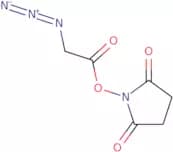
CAS:<p>(2,5-Dioxopyrrolidin-1-yl) 2-azidoacetate is an azide derivative of the amino acid lysine. It is a binder that can form architectures with fatty acids. The binding properties of (2,5-Dioxopyrrolidin-1-yl) 2-azidoacetate depend on the concentration of salt present and the temperature. For example, at low concentrations of salt and at cryogenic temperatures, it binds to DNA and inhibits transcription. Under these conditions, (2,5-Dioxopyrrolidin-1-yl) 2-azidoacetate can be used as a linker for conjugates such as antibodies or fluorescent probes. In contrast, at higher concentrations of salt or at room temperature, (2,5-Dioxopyrrolidin-1-yl) 2-azidoacetate can bind to proteins in place of fatty acids and</p>Formula:C6H6N4O4Purity:Min. 95 Area-%Color and Shape:PowderMolecular weight:198.14 g/molPamidronic acid sodium salt hydrate
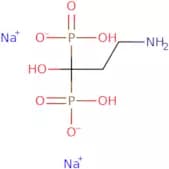
CAS:<p>Farnesyl diphosphate synthase inhibitor</p>Formula:C3H9NNa2O7P2·xH2OPurity:Min. 95%Color and Shape:PowderMolecular weight:279.03 g/mol(2-Oxo-4-phenylpyrrolidin-1-yl)acetic acid
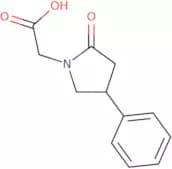
CAS:<p>Phenotropil is a nootropic drug that belongs to the group of aromatic amines. It is a high-activity, active compound with optical activity and an analyzed structure. Phenotropil has been shown to be safe and effective in the treatment of overweight patients with mild cognitive impairment (MCI). Phenotropil has also been used as an adjuvant therapy for brain trauma and cerebrovascular diseases. The most common side effects are nausea, vomiting, diarrhea, dizziness, headache, agitation, drowsiness, insomnia, depression, and hallucinations. Phenotropol can exist as two optical isomers: R-(+)-phenylpiracetam and S-(-)-phenylpiracetam. These optical isomers have different pharmacological properties.</p>Formula:C12H13NO3Purity:Min. 95%Color and Shape:PowderMolecular weight:219.24 g/mol2-Oxo-3-methylbutanoic acid
CAS:<p>2-Oxo-3-methylbutanoic acid is a metabolite that belongs to the group of pantothenic acids. It is synthesized from pantothenate by enzymes in mitochondria, and also occurs as a metabolic intermediate in the body. 2-Oxo-3-methylbutanoic acid has been shown to have potential as a biomarker for congestive heart failure and obesity. The biochemical properties of this metabolite are not yet well understood. However, it has been shown to be an active component in vivo that may play an important role in energy metabolism. Structural analysis on this metabolite has revealed that it can bind calcium ions and form calcium pantothenate, which may be involved in the synthesis of ATP. X-ray diffraction data collected on this metabolite has shown that it has structural similarities with α subunit (ATP synthase). Dehydrogenase activity and calorimetric titration experiments have demonstrated that 2-ox</p>Formula:C5H8O3Purity:Min. 95%Color and Shape:Clear Liquid Solidified MassMolecular weight:116.12 g/molMethyl indole-5-carboxylate
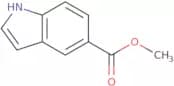
CAS:<p>Methyl indole-5-carboxylate is a hdac inhibitor that has been shown to have anticancer activity. It has been shown to inhibit the growth of hCT116 cells and xenograft tumors in mice. Methyl indole-5-carboxylate is also an active analog for other anticancer agents, such as 5-azacytidine and 5-aza-2'-deoxycytidine. The drug is cytotoxic to L6 cells and increases the expression of p21 protein, which inhibits tumor cell proliferation. This compound is metabolized by cytochrome P450 enzymes into methyl indole carboxylate, which can be further converted into a reactive intermediate that binds DNA.</p>Formula:C10H9NO2Color and Shape:PowderMolecular weight:175.18 g/mol2-((3-Oxocyclohex-1-enyl)amino)benzoic acid
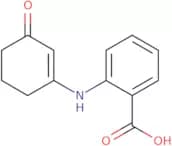
CAS:<p>Please enquire for more information about 2-((3-Oxocyclohex-1-enyl)amino)benzoic acid including the price, delivery time and more detailed product information at the technical inquiry form on this page</p>Formula:C13H13NO3Purity:Min. 95%Color and Shape:PowderMolecular weight:231.25 g/moltrans-Styrylacetic acid
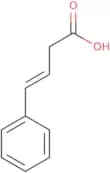
CAS:<p>Trans-styrylacetic acid is a tumorigenic agent. It is an oxidation catalyst and water vapor that binds to the metal hydroxides, inhibiting the hydrogen bond formation. Trans-styrylacetic acid has shown inhibitory properties against inflammatory diseases and cancer. Trans-styrylacetic acid inhibits protein synthesis by binding to dinucleotide phosphate and has been shown to have anti-inflammatory activity in vivo and in vitro. Type strain studies have shown that trans-styrylacetic acid inhibits the growth of cancer cells but not normal cells, indicating its specificity for cancer cells.</p>Formula:C10H10O2Purity:Min. 95 Area-%Color and Shape:PowderMolecular weight:162.19 g/molL-Histidine acetate
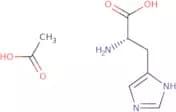
CAS:Controlled Product<p>L-Histidine acetate is a white, crystalline powder that has a constant melting point and can be soluble in water. It has a monoclinic crystal system with a crystal form of α-l-histidine dihydrogen acetate. L-Histidine acetate is an amino acid that is necessary for the biosynthesis of proteins and the metabolism of histamine. L-Histidine acetate has been studied using x-ray diffraction and optical properties to determine its functional groups. The activation energy for this compound is found to be at 4.1 kcal/mol, which is lower than most other compounds in nature. The frequencies of light waves are measured at 3,040 cm-1 and the evaporation rate at 15°C is 0.039 cm3/s.</p>Formula:C6H9N3O2•C2H4O2Purity:Min. 95%Molecular weight:215.21 g/mol3-Fluoro-6-nitrobenzoic acid ethyl ester
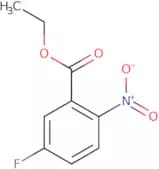
CAS:<p>3-Fluoro-6-nitrobenzoic acid ethyl ester is a high quality chemical that is used as an intermediate in the synthesis of complex compounds. It is also a useful scaffold for the synthesis of other compounds and can be used as a building block in the production of speciality chemicals. 3-Fluoro-6-nitrobenzoic acid ethyl ester has many reactions that it participates in, such as being a reaction component for the synthesis of pharmaceuticals and agrochemicals. This compound is versatile enough to be used in research or for commercial purposes.</p>Formula:C9H8FNO4Purity:Min. 95%Color and Shape:PowderMolecular weight:213.16 g/mol3-Methyl-5-isoxazoleacetic acid
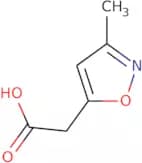
CAS:<p>Please enquire for more information about 3-Methyl-5-isoxazoleacetic acid including the price, delivery time and more detailed product information at the technical inquiry form on this page</p>Formula:C6H7NO3Purity:Min. 95%Molecular weight:141.12 g/mol3,4-Methylenedioxy-5-methoxycinnamic acid
CAS:<p>3,4-Methylenedioxy-5-methoxycinnamic acid is a fine chemical that can be used as a versatile building block in the synthesis of many organic compounds. It is a useful intermediate for research chemicals, reaction components, and specialty chemicals. This compound can be used as a reagent for the synthesis of complex compounds. It has high purity and quality.</p>Formula:C11H10O5Purity:Min. 95%Color and Shape:PowderMolecular weight:222.19 g/mol(3,4-Bis(trifluoromethyl)phenyl)boronic acid
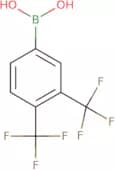
CAS:<p>3,4-Bis(trifluoromethyl)phenylboronic acid is a versatile building block that can be used as a reagent in organic synthesis. It has been shown to be a high quality product with the CAS number 1204745-88-9. This chemical is used to produce fine chemicals and research chemicals. 3,4-Bis(trifluoromethyl)phenylboronic acid is also a useful intermediate in the production of complex compounds and can be used as a building block for speciality chemicals.</p>Formula:C8H5BF6O2Purity:Min. 95%Color and Shape:PowderMolecular weight:257.93 g/mol3-Chloro-4-nitrobenzoic acid
CAS:<p>3-Chloro-4-nitrobenzoic acid (3CNB) is an amine that has been shown to be a 5-HT1A receptor agonist. It has been used in animal models of anxiety, depression and schizophrenia. 3CNB is able to activate the 5-HT1A receptor, which is involved in the regulation of anxiety, mood and other behaviors. The activation energies for the binding of 3CNB to the 5-HT1A receptor are calculated to be 8.3 kcal/mol and 9.2 kcal/mol at pH 7.0 and 10 respectively. A clinical study found that this agent was effective in treating trichomonas vaginalis infections as well as reducing symptoms of irritable bowel syndrome. In vivo studies have revealed that 3CNB is capable of inducing a sustained increase in extracellular serotonin levels in rat brain tissue with a half life of 2 hours. Kinetic studies have also shown that nitro groups enhance</p>Formula:C7H4ClNO4Purity:Min. 98 Area-%Color and Shape:PowderMolecular weight:201.56 g/mol2,6-Dimethoxy-4-methylbenzoic acid
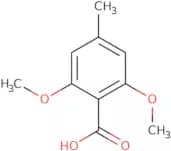
CAS:<p>2,6-Dimethoxy-4-methylbenzoic acid is a carboxylic acid that is used as an intermediate in the production of lithium.</p>Formula:C10H12O4Purity:Min. 95%Color and Shape:PowderMolecular weight:196.2 g/mol3-Methyl-2,4,5-trifluorobenzoic acid
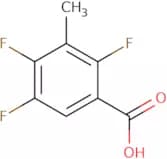
CAS:<p>3-Methyl-2,4,5-trifluorobenzoic acid is a fluoroquinolone antibiotic that inhibits the DNA gyrase and topoisomerase IV. It binds to bacterial 16S ribosomal RNA and inhibits protein synthesis, leading to cell death by inhibiting the production of proteins vital for cell division. 3-Methyl-2,4,5-trifluorobenzoic acid has been shown to be bactericidal in vitro against Gram-negative bacteria such as Escherichia coli and Pseudomonas aeruginosa. This drug also has a target enzyme modification activity with the potential to modify enzymes not usually targeted by fluoroquinolones.</p>Formula:C8H5F3O2Purity:Min. 95%Color and Shape:PowderMolecular weight:190.12 g/molThionin acetate
CAS:<p>Thionin acetate is a chemical compound that has been used as an antiseptic and disinfectant. It is the acetate salt of thionin, which is a protein that binds to DNA, RNA, and proteins. Thionin acetate has been shown to have anti-inflammatory effects in mice. It also inhibits the production of antibodies in response to foreign antigens and reduces the severity of allergic reactions. Thionin acetate also inhibits neutrophil adhesion by binding to neutrophils and preventing their activation. This compound has been used in pharmaceutical preparations for treating wounds or burns. Thionin acetate is soluble in water and alcohols but insoluble in ethers or oils. It can be prepared by reaction between ethylene diamine and hydrogen peroxide with a photoelectron generator.br>br><br>Thionin acetate is a dark brown powder that turns purple on exposure to light because it contains ferric iron ions, which react with oxygen</p>Formula:C12H9N3S•C2H4O2Purity:Min. 95%Color and Shape:PowderMolecular weight:287.34 g/molL-Glutamic acid gamma-(p-nitroanilide) hydrochloride
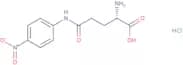
CAS:<p>Please enquire for more information about L-Glutamic acid gamma-(p-nitroanilide) hydrochloride including the price, delivery time and more detailed product information at the technical inquiry form on this page</p>Formula:C11H13N3O5·HClPurity:Min. 95%Color and Shape:SolidMolecular weight:303.7 g/mol2,6-Pyridinedicarboxylic acid
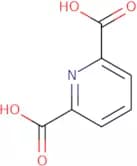
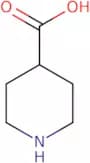
CAS:<p>2,6-Pyridinedicarboxylic acid is a chemical compound that is mainly used as an antimicrobial agent. It binds to DNA by hydrogen bonding interactions and alters the polymerase chain reaction (PCR) process. This leads to inhibition of DNA synthesis and cell death. 2,6-Pyridinedicarboxylic acid has been shown to have synergistic effects when combined with sodium salts. It also inhibits transfer reactions in bacteria, which may be due to its ability to bind to picolinic acid. The structural analysis of 2,6-pyridinedicarboxylic acid showed that it contains a pyridine ring fused with two carboxyl groups. 2,6-Pyridinedicarboxylic acid reacts with picolinic acid in the presence of sodium salts and undergoes a series of reactions leading to the formation of picolinamide, which may explain its inhibitory properties.</p>Formula:C7H5NO4Purity:Min. 95%Color and Shape:PowderMolecular weight:167.12 g/molIsonipecotic acid
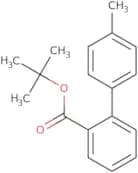
CAS:<p>Isonipecotic acid is a potent antagonist that binds to the response element of the platelet cyclic adenosine monophosphate (cAMP) receptor. This receptor is a regulatory protein that controls the activity of cAMP in cells, including platelets. Isonipecotic acid can be used to treat coronary heart diseases and autoimmune diseases by regulating blood clotting, as well as for treatment of insect resistance and autoimmune diseases. It has been shown to have pharmacokinetic properties that are similar to those of other coumarin derivatives.</p>Formula:C6H11NO2Purity:Min. 95%Color and Shape:White PowderMolecular weight:129.16 g/moltert-Butyl 4'-methylbiphenyl-2-carboxylate
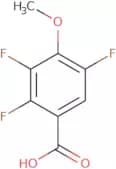
CAS:<p>Tert-Butyl 4'-methylbiphenyl-2-carboxylate is a versatile building block that can be used to synthesize complex compounds. It has CAS No. 114772-36-0 and is a fine chemical, which means it is not intended for use as a food additive, drug or cosmetic ingredient. Tert-Butyl 4'-methylbiphenyl-2-carboxylate is also a reagent, speciality chemical and useful scaffold for the synthesis of pharmaceuticals, pesticides and other chemicals.</p>Formula:C18H20O2Purity:Min. 95%Color and Shape:Slightly Yellow PowderMolecular weight:268.35 g/mol4-Methoxy-2,3,5-trifluorobenzoic acid
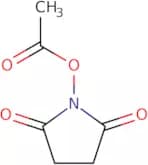
CAS:<p>4-Methoxy-2,3,5-trifluorobenzoic acid is a versatile building block that can be used in the synthesis of complex compounds. It is a high quality chemical that can be used as a reagent or speciality chemical in research. This compound has been shown to have many uses including as an intermediate for the synthesis of other chemicals and as a reaction component. 4-Methoxy-2,3,5-trifluorobenzoic acid can also be used as an important scaffold in the design of new drugs.</p>Formula:C8H5F3O3Purity:Min. 95%Color and Shape:White PowderMolecular weight:206.12 g/molAcetic acid N-hydroxysuccinimide ester
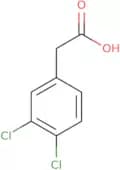
CAS:<p>Acetic acid N-hydroxysuccinimide ester is a reactive compound that reacts with lysine residues in proteins. It is used as an analytical reagent and chemical intermediate. Acetic acid N-hydroxysuccinimide ester reacts with carbonyl groups to form Schiff bases, which are then reacted with amino groups on the protein molecule to form acyl-amino adducts. This reaction can be followed by analysis using high performance liquid chromatography (HPLC) or mass spectroscopy.</p>Formula:C6H7NO4Purity:Min. 97.5 Area-%Color and Shape:White PowderMolecular weight:157.12 g/mol3,4-Dichlorophenylacetic acid
CAS:<p>3,4-Dichlorophenylacetic acid is a chemical compound that can be found in plants and animals. 3,4-Dichlorophenylacetic acid has been shown to inhibit the activity of receptors that are involved in the regulation of blood pressure. It also binds to lysine residues on proteins, which may be part of its inhibitory effect. 3,4-Dichlorophenylacetic acid is a selective ligand for the alpha2A adrenergic receptor. This chemical has a molecular weight of 122.09 g/mol and a chlorine atom in its structure.</p>Formula:C8H6Cl2O2Purity:Min. 95%Color and Shape:PowderMolecular weight:205.04 g/mol5-Methyl-[1,3,4]oxadiazole-2-carboxylic acid, potassium salt
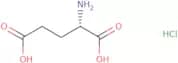
CAS:<p>5-Methyl-[1,3,4]oxadiazole-2-carboxylic acid, potassium salt (5-MOC) is a multistage laser treatment that can be used to treat pigmentation. 5-MOC inhibits the production of melanin in the skin by inhibiting tyrosinase activity. This drug also has been shown to reduce hyperpigmentation by reducing the number of pigment cells. 5-MOC is delivered using an electron microscopic technique and is packaged in a capsule for oral administration. The colorimeter sensor detects the amount of light reflected from the skin surface and converts it into a color value. The sensor measures the amount of light that reflects back from areas with pigmentation problems and determines whether or not they are treated correctly.</p>Formula:C4H3N2O3·KPurity:Min. 95%Color and Shape:PowderMolecular weight:166.18 g/molL-(+)-Glutamic acid HCl
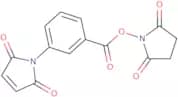
CAS:<p>L-(+)-Glutamic acid HCl is a monosodium salt that belongs to the group of water-soluble organic acids. It has been used as a food additive and in wastewater treatment, as well as for the production of polymers and pharmaceuticals. Glutamate can be converted to glutamic acid by hydrolysis with sodium hydroxide or other strong bases. Glutamic acid is an important biochemical precursor in the synthesis of proteins, peptides, and nucleic acids. It also functions as a neurotransmitter in the central nervous system. L-(+)-glutamic acid HCl has been shown to induce apoptosis in human HL-60 cells by increasing reactive oxygen species (ROS) levels and activating caspase-3 activity in these cells. The crystalline cellulose used in this study was obtained from cellulose powder (Avicel PH101).</p>Formula:C5H9NO4·HClPurity:Min. 95%Color and Shape:White PowderMolecular weight:183.59 g/mol3-N-Maleimidobenzoic acid N-succinimidyl ester
CAS:<p>3-N-Maleimidobenzoic acid N-succinimidyl ester is a potent inhibitor of the enzyme aromatase, the enzyme responsible for the conversion of androgens to estrogens. 3-N-Maleimidobenzoic acid N-succinimidyl ester binds covalently to the active site of aromatase, thereby inhibiting its activity. This drug also has been shown to be effective in reducing the production of blood group antigens in rats. 3-N-Maleimidobenzoic acid N-succinimidyl ester binds to homologous proteins, such as albumins and hemoglobins, and inhibits their function. The drug can be used as an immunogen to produce antibodies against these proteins. Toxicity studies have been conducted with this drug in rats and mice with no observed adverse effects at doses up to 500 mg/kg.</p>Formula:C15H10N2O6Purity:Min. 97 Area-%Color and Shape:PowderMolecular weight:314.25 g/mol7-[4-(4-Fluorophenyl)-6-(1-methylethyl)-2-(N-methyl-N-methylsulfonyl-amino)-pyrimidin-5-yl]-3,5-dihydroxy-hept-6-enoic acid ethyl es ter
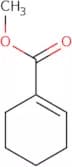
CAS:<p>Rosuvastatin is a statin drug that inhibits cholesterol synthesis by inhibiting the enzyme HMG-CoA reductase. Rosuvastatin has been shown to reduce high-sensitivity C-reactive protein (hsCRP) and low-density lipoprotein cholesterol (LDL-C), which are risk factors for cardiovascular disease, in patients with hypercholesterolemia. Rosuvastatin also has a high degree of potency and specificity for the HMG-CoA reductase enzyme and shows no significant cross-reactivity with other HMG-CoA reductase inhibitors. Rosuvastatin is metabolized by CYP3A4 and CYP2C9. Drugs that inhibit these enzymes may increase the plasma levels of rosuvastatin, while drugs that induce these enzymes may decrease the plasma levels of rosuvastatin.</p>Formula:C24H32FN3O6SPurity:Min. 95%Color and Shape:PowderMolecular weight:509.59 g/molMethyl cyclohexene-1-carboxylate
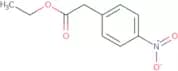
CAS:<p>Methyl cyclohexene-1-carboxylate is a functional group that is used in catalytic asymmetric synthesis. It has been shown to be a useful reactant for the synthesis of cyclopentenone, and it can also be used to synthesize isomers of methyl cyclopentane-1-carboxylate. Methyl cyclohexene-1-carboxylate reacts with organotin compounds to form five-membered rings and vinyl acetate. This compound is an asymmetric synthon that produces yields of up to 97%. Methyl cyclohexene-1-carboxylate can also undergo amide formation with ammonia or an amine, producing an alkene.</p>Formula:C8H12O2Purity:Min. 95%Color and Shape:Clear LiquidMolecular weight:140.18 g/molEthyl (4-nitrophenyl)acetate
CAS:<p>Ethyl (4-nitrophenyl)acetate is a molecule that has been used in biological studies as an active substance for its antibacterial properties. It has been shown to have minimal inhibitory concentration (MIC) of 0.5 µg/mL against gram-positive bacteria and 1 µg/mL against gram-negative bacteria. The molecule is also the main active methylene in the ethyl ester. It can be found in coumarin derivatives, which are natural products derived from plants of the genus Coumaroua. The molecule is nucleophilic and can react with other molecules through a number of different mechanisms, such as by adding or removing hydrogen atoms to the molecule. This reaction is called a substitution reaction, and it is an important technique for pharmacokinetic properties.</p>Formula:C10H11NO4Purity:Min. 95%Color and Shape:PowderMolecular weight:209.2 g/mol4-Hydroxy-3-methoxybenzoic acid ethyl ester
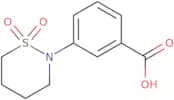
CAS:<p>4-Hydroxy-3-methoxybenzoic acid ethyl ester is a synthetic compound that is converted to protocatechuic acid, an antioxidant found in wine. It has been shown to have antioxidative properties in inflammatory bowel disease by inhibiting the formation of reactive oxygen species. Protocatechuic acid also inhibits the growth of bacterial strains such as Listeria monocytogenes and Bacillus cereus, which are often resistant to antibiotics. The mechanism of action is not well understood, but it may be due to its ability to inhibit the production of p-hydroxybenzoic acid, a precursor for bacterial cell wall synthesis. Protocatechuic acid also has anti-inflammatory properties and can be used as a bioactive phenolic in topical preparations such as creams or ointments.</p>Formula:C10H12O4Purity:Min. 95%Color and Shape:PowderMolecular weight:196.2 g/mol3-(1,1-Dioxido-1,2-thiazinan-2-yl)benzoic acid
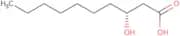
CAS:<p>3-(1,1-Dioxido-1,2-thiazinan-2-yl)benzoic acid is a fine chemical that can be used as a building block for research and development. It is also a reagent and speciality chemical that is useful for the production of different compounds. This compound is an intermediate in many reactions and can be used as a scaffold to produce more complex molecules. CAS No. 53324-51-9</p>Formula:C11H13NO4SPurity:Min. 95%Color and Shape:PowderMolecular weight:255.29 g/mol(R)-3-Hydroxydecanoic acid
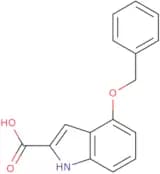
CAS:<p>(R)-3-Hydroxydecanoic acid is a fatty acid that belongs to the group of antimicrobial agents. It has been shown to inhibit the growth of P. aeruginosa in vitro, and to have anti-bacterial activity against gram-positive bacteria. The chemical structure of this compound is similar to that of cyclic lipopeptides, which are known for their antifungal and antibacterial properties. This compound has been shown to inhibit bacterial translocation in vivo, as well as prevent both gram-positive and gram-negative bacteria from attaching to the intestinal wall. (R)-3-Hydroxydecanoic acid also inhibits the production of inflammatory cytokines by human monocytes stimulated with lipopolysaccharide (LPS).</p>Formula:C10H20O3Purity:Min. 95%Color and Shape:PowderMolecular weight:188.26 g/mol4-Benzyloxyindole-2-carboxylic acid
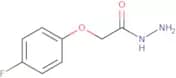
CAS:<p>4-Benzyloxyindole-2-carboxylic acid is a synthetic intermediate. It can be prepared from the hydrazide by reaction with benzaldehyde and subsequent reduction. The carboxylic acid moiety of 4-benzyloxyindole-2-carboxylic acid reacts with an electron source to form a class of compounds that can be used as synthetic intermediates. The diazonium salts formed in this process are then reacted with different electrophiles to give other useful products. 4-Benzyloxyindole-2-carboxylic acid has been used for the synthesis of many organic compounds, such as active compounds, intermediates, and synthetic intermediates, by spectroscopic techniques.</p>Formula:C16H13NO3Purity:Min. 95%Color and Shape:PowderMolecular weight:267.28 g/mol4-Fluorophenoxyacetic acid hydrazide
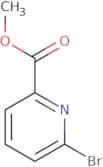
CAS:<p>4-Fluorophenoxyacetic acid hydrazide (4FPAAH) is a palladium complex with anti-cancer activity. It induces apoptosis, or programmed cell death, in myelogenous leukemia cells and breast cancer cells. 4FPAAH has been shown to bind to the ATP binding site of the catalytic domain of topoisomerase II on DNA and inhibit its activity. The molecular modeling studies show that 4FPAAH binds in the same way as cisplatin, which is a platinum-based drug commonly used for cancer treatment. The structural analysis shows that 4FPAAH binds to the nitrogen atoms of the protein and eliminates the possibility of any hydrogen bonding interactions. This mechanism may be due to an electrostatic interaction between the positively charged nitrogen atom in 4FPAAH and negative charge on topoisomerase II's active site.</p>Formula:C8H9FN2O2Purity:Min. 95%Color and Shape:PowderMolecular weight:184.17 g/mol2-Bromo-6-nicotinic acid methyl ester
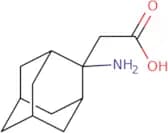
CAS:<p>2-Bromo-6-nicotinic acid methyl ester is a monomer that is used in vivo as a reactive probe. It undergoes a thermally induced reaction with sodium carbonate to form picolinic acid and 2,6-dibromonicotinic acid. The picolinic acid can be converted to its fluorescent analog, which has been shown to be useful for the detection of tumors in mice. This compound also reacts with metal ions such as copper and zinc, which allows it to act as a ligand for metal complexes.</p>Formula:C7H6BrNO2Purity:Min. 95%Color and Shape:PowderMolecular weight:216.03 g/mol(2-Amino-2-adamantyl)acetic acid
CAS:<p>2-Amino-2-adamantylacetic acid is a fine chemical that is used as a building block in the synthesis of many other compounds. It is also used as a research reagent and speciality chemical, and has been shown to be a versatile building block for complex molecules. This compound can be reacted with other chemicals to form useful intermediates that are used in the synthesis of pharmaceuticals and agrochemicals. 2-Amino-2-adamantylacetic acid is listed on the Chemical Abstracts Service (CAS) registry as 1573548-14-7.</p>Formula:C12H19NO2Purity:Min. 95%Color and Shape:White PowderMolecular weight:209.28 g/molcis-2-Amino-1-cyclohexane-carboxylic acid
CAS:<p>Cis-2-Amino-1-cyclohexane-carboxylic acid (ACCA) is a β-amino acid that binds to peptides and cyclohexane rings. ACCA has been shown to have high resistance against denaturation, which may be due to its ability to form hydrogen bonds with water molecules. It also has an analog, cis-2-(aminomethyl)cyclohexanol (CAMCH), which is used in the treatment of Gram-positive bacterial infections. ACCA can be found in glycopeptide antibiotics such as vancomycin and teicoplanin, which are used for the treatment of resistant bacteria including methicillin resistant Staphylococcus aureus (MRSA).</p>Formula:C7H13NO2Purity:Min. 95%Color and Shape:PowderMolecular weight:143.18 g/mol1,1'-Bicyclo[1,1,1]pentane-1,3-dicarboxylic acid
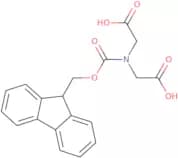
CAS:<p>1,1'-Bicyclo[1,1,1]pentane-1,3-dicarboxylic acid is a diacid that has been found to be effective in the synthesis of many organic compounds. It can be used as a building block for other molecules with different functional groups and is an excellent bioisostere for disulfides. The addition of 1,1'-bicyclo[1,1,1]pentane-1,3-dicarboxylic acid to a nucleophilic compound can be used to synthesize an ester. This molecule can also undergo cross-coupling reactions with halogens such as chlorine or bromine. The crystal x-ray diffraction pattern indicates that this molecule has a linear structure.</p>Formula:C7H8O4Purity:Min. 95%Color and Shape:SolidMolecular weight:156.14 g/molFmoc-iminodiacetic acid
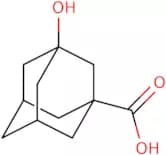
CAS:<p>Fmoc-iminodiacetic acid is a versatile building block and reagent that is used in the synthesis of complex compounds, such as peptides, proteins, and pharmaceuticals. It is also a useful intermediate in organic synthesis reactions. Fmoc-iminodiacetic acid has been shown to be effective as a reactant for the preparation of various scaffolds with high purity and quality.</p>Formula:C19H17NO6Purity:Min. 95%Color and Shape:PowderMolecular weight:355.34 g/mol3-Hydroxy-1-adamantanecarboxylic acid
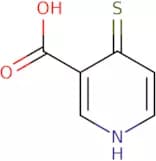
CAS:<p>8-Hydroxyadamantane-1-carboxylic acid (8HA) is a drug that is used in the treatment of HIV. It is a prodrug that is converted to active form by the liver and then excreted by the kidneys. 8HA has antiviral activity against HIV and other viruses. The optimal reaction conditions for this compound are pH 7, chloride concentration 1M, copper concentration 0.5M, and temperature 50°C. 8HA binds to the viral envelope glycoprotein gp120 as well as to host cells in order to inhibit viral replication and replication. This compound also inhibits the production of antibodies, which may be due to its ability to bind with antibody molecules through an ionic bond at a neutral pH.</p>Formula:C11H16O3Purity:Min. 95%Color and Shape:PowderMolecular weight:196.24 g/mol4-Mercaptonicotinic acid
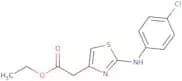
CAS:<p>Please enquire for more information about 4-Mercaptonicotinic acid including the price, delivery time and more detailed product information at the technical inquiry form on this page</p>Formula:C6H5NO2SPurity:Min. 95%Color and Shape:PowderMolecular weight:155.18 g/molethyl 2-(4-(4-chlorophenylamino)-3,5-thiazolyl)acetate
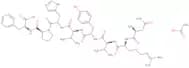
CAS:<p>Please enquire for more information about ethyl 2-(4-(4-chlorophenylamino)-3,5-thiazolyl)acetate including the price, delivery time and more detailed product information at the technical inquiry form on this page</p>Purity:Min. 95%Angiotensin acetate
CAS:Controlled Product<p>Angiotensin I is a peptide hormone that acts on the vasculature and other tissues to regulate blood pressure and fluid balance. Angiotensin acetate (AA) is a derivative of angiotensin I, which is used as a building block in organic synthesis. AA can be reacted with an amine or alcohol to form an amide or ester respectively. It is also used as a reagent in the synthesis of various drugs such as beta blockers and ACE inhibitors. Angiotensin acetate has been shown to have anti-fungal properties and can be used as a scaffold for drug design.</p>Formula:C49H70N14O11•(C2H4O2)2Purity:Min. 95%Color and Shape:White PowderMolecular weight:1,151.27 g/mol4-Benzyloxyindole-2-carboxylic acid ethyl ester
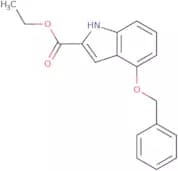
CAS:<p>4-Benzyloxyindole-2-carboxylic acid ethyl ester is a cyclic compound that has been synthesized through an intramolecular carboxylate cyclization. This class of compounds are known for their ability to form propargylic analogues, which have the potential to be used as anticancer drugs. The compound was first reported in 1969 by Schardt and co-workers and was found to have activity against leukemia cells. It has been shown to undergo a series of cyclizations, which are triggered by the presence of oxygen or other electron acceptors.</p>Formula:C18H17NO3Purity:Min. 95%Molecular weight:295.33 g/molArabic acid
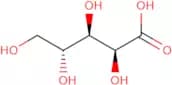
CAS:<p>Arabinose is a hexose sugar that is the principal constituent of the pentosan polysaccharide arabinogalactan. Arabinose has been shown to inhibit the oxidation of glycol by an oxidation catalyst, such as copper, nickel or palladium. Arabinose also inhibits the activity of target enzymes with a high affinity for nitrogen atoms, such as glycol ether hydrolase and galactosyl-transferase. The optimum pH for Arabinose is 7.0 with a range from 6.5 to 8.5. When heated in water, Arabinose decomposes at around 180°C and can be used as a model system to study enzymatic reactions. Arabinose is an organic compound that is found in plants and animals and belongs to the group of sugars. It has been shown to inhibit oxidation catalysts like copper, nickel or palladium and has also been proven effective against enzymes that are sensitive to nitrogen atoms such as</p>Formula:C5H10O6Color and Shape:White PowderMolecular weight:166.13 g/molModafinil carboxylate methyl ester
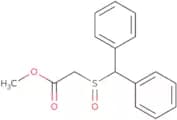
CAS:<p>Modafinil is a wakefulness-promoting agent that has been approved for the treatment of excessive daytime sleepiness associated with narcolepsy. Modafinil carboxylate methyl ester (MCE) is an active pharmaceutical ingredient (API) that is synthesized from modafinil. MCE is a white to off-white powder that is soluble in water and acetonitrile. It has been shown to be identical to the API on the basis of analytical data, including analytical methods such as reversed-phase high-performance liquid chromatography (RP-HPLC), quantified by UV spectrophotometry at 230 nm, and validated by process development.</p>Formula:C16H16O3SPurity:Min. 95%Color and Shape:PowderMolecular weight:288.36 g/mol2-Oxo-3-benzothiazolacetic acid
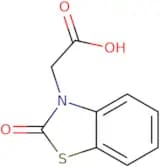
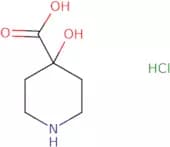
CAS:<p>2-Oxo-3-benzothiazolacetic acid is a fine chemical and building block that has been used as an intermediate in the synthesis of a variety of complex compounds. It can be used in research as a reaction component, and is useful in the manufacture of speciality chemicals. This compound has many uses, including as a reagent for organic syntheses and as a building block for other chemicals. 2-Oxo-3-benzothiazolacetic acid is also known to have high purity, making it an excellent quality reagent.</p>Formula:C9H7NO3SPurity:Min. 95 Area-%Color and Shape:PowderMolecular weight:209.22 g/mol4-Hydroxypiperidine-4-carboxylic acid hydrochloride
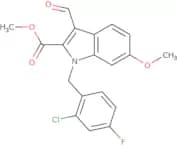
CAS:<p>4-Hydroxypiperidine-4-carboxylic acid hydrochloride (HPCA) is a versatile building block, which can be used as a starting material for the synthesis of complex compounds. It is also a useful intermediate in the synthesis of pharmaceuticals, agrochemicals and other fine chemicals. HPCA has been shown to react with various reagents, such as amines and alcohols. This compound is widely used in research and industrial applications. 4-Hydroxypiperidine-4-carboxylic acid hydrochloride is a white crystalline solid that can be synthesized from piperidone through oxidation with hydrogen peroxide in the presence of sulfuric acid.</p>Formula:C6H11NO3·HClPurity:Min. 95 Area-%Color and Shape:White PowderMolecular weight:181.62 g/molMethyl 1-(2-chloro-4-fluorobenzyl)-3-formyl-6-methoxy-1H-indole-2-carboxylate
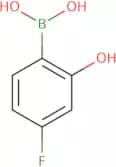
CAS:Controlled Product<p>Please enquire for more information about Methyl 1-(2-chloro-4-fluorobenzyl)-3-formyl-6-methoxy-1H-indole-2-carboxylate including the price, delivery time and more detailed product information at the technical inquiry form on this page</p>Formula:C19H15ClFNO4Purity:Min. 95%Molecular weight:375.78 g/molB-(4-Fluoro-2-hydroxyphenyl)-boronic acid
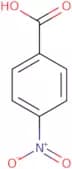
CAS:<p>B-(4-Fluoro-2-hydroxyphenyl)-boronic acid is a fungicide that has been synthesized to inhibit the growth of fungi. This compound is an effective fungicide against a wide variety of plant pathogens. It has been shown to be highly efficient in catalyzing intramolecular cyclization reactions, which are sometimes difficult to perform with traditional methods. The regulatory nature of this compound makes it an excellent candidate for commercial applications in agroscience and industry.</p>Formula:C6H6BFO3Purity:Min. 95%Color and Shape:PowderMolecular weight:155.92 g/molP-Nitrobenzoic acid
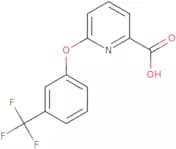
CAS:<p>P-Nitrobenzoic acid is a nitro compound that is used as an intermediate in the synthesis of various pharmaceuticals. It is also used in wastewater treatment to remove protocatechuic acid, which is produced during the oxidation of phenols by peroxidase. P-Nitrobenzoic acid can be synthesized by reacting sodium nitrite with p-hydroxybenzoic acid. The structure of this compound was determined through a series of experiments, and it was found that it has two nitrogen atoms that are incorporated into the benzene ring. This compound reacts with aziridine in an exothermic reaction mechanism to form an unstable five membered ring. This reaction proceeds through a series of steps and eventually forms p-nitrobenzoic acid.</p>Formula:C7H5NO4Purity:Min. 95%Color and Shape:PowderMolecular weight:167.12 g/mol6-(3-(Trifluoromethyl)phenoxy)picolinic acid
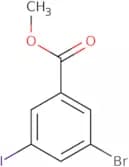
CAS:<p>6-(3-(Trifluoromethyl)phenoxy)picolinic acid is a fine chemical that is used as a building block for complex compounds or as an intermediate for the synthesis of other compounds. It has been used in the synthesis of several pharmaceuticals, such as tamoxifen, and also has been used in research studies. 6-(3-(Trifluoromethyl)phenoxy)picolinic acid can be used to synthesize many different types of compounds, making it a versatile building block with many useful applications.</p>Formula:C13H8F3NO3Purity:Min. 95%Color and Shape:PowderMolecular weight:283.2 g/mol3-Bromo-5-iodobenzoic acid methyl ester
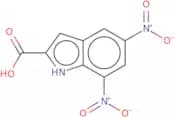
CAS:<p>3-Bromo-5-iodobenzoic acid methyl ester is a reactive, insensitive and phosphine-sensitive chemical that can be used as a probe for the detection of azides and anions. This compound has been shown to be damaging to DNA and peptidic bonds in proteins. 3-Bromo-5-iodobenzoic acid methyl ester reacts with anions such as chloride, bromide, iodide, fluoride, nitrate, and thiocyanate. It also reacts with azides such as sodium azide. The reactivity of 3-bromo-5-iodobenzoic acid methyl ester towards halides and polysulfides is not yet known.</p>Formula:C8H6BrIO2Purity:Min. 95%Color and Shape:PowderMolecular weight:340.94 g/mol5,7-Dinitroindole-2-carboxylic acid
CAS:<p>5,7-Dinitroindole-2-carboxylic acid is a versatile building block that has been used as a reagent in organic synthesis. It has also been shown to be an intermediate in the preparation of 5,7-dichloroindole and other complex compounds. This compound is a reaction component for the synthesis of many useful compounds, including research chemicals and speciality chemicals. 5,7-Dinitroindole-2-carboxylic acid is soluble in most solvents and can be purified by recrystallization or chromatography. The purity can be determined by elemental analysis or nuclear magnetic resonance spectroscopy.</p>Formula:C9H5N3O6Purity:Min. 95%Color and Shape:PowderMolecular weight:251.15 g/molHydroxy-[4-(4-hydroxy-5-bromo-3-iodophenoxy)-3,5-diiodophenyl]acetic acid
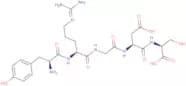
<p>Hydroxy-[4-(4-hydroxy-5-bromo-3-iodophenoxy)-3,5-diiodophenyl]acetic acid is a fine chemical that is useful as a scaffold, versatile building block and an intermediate. Hydroxy-[4-(4-hydroxy-5-bromo-3-iodophenoxy)-3,5-diiodophenyl]acetic acid is typically used in research and development of new compounds. It has been shown to react with various compounds in different ways depending on the desired outcome. Hydroxy-[4-(4-hydroxy-5-bromo-3-iodophenoxy)-3,5-diiodophenyl]acetic acid also has CAS number 10891–02–8 and can be found in catalog numbers 3229209 and 3140016. This compound is of high quality and reagent grade.</p>Formula:C14H8BrI3O5Purity:Min. 95%Molecular weight:716.83 g/molH-Tyr-Arg-Gly-Asp-Ser-OH trifluoroacetate
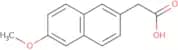
CAS:<p>H-Tyr-Arg-Gly-Asp-Ser-OH trifluoroacetate salt is a peptide that belongs to the class of amides. It is an inhibitor of the growth factor, TGFβ1, and it has been shown to have a high affinity for human serum albumin. H-Tyr-Arg-Gly-Asp-Ser-OH trifluoroacetate salt has been shown to inhibit the growth of cells in culture; this may be due to its ability to bind to proteins, such as collagen and cell culture media. H-Tyr-Arg-Gly-Asp-Ser-OH trifluoroacetate salt has also been shown to have biological properties that are similar to those of human immunoglobulin.</p>Formula:C24H36N8O10•C2HF3O2Purity:Min. 95%Color and Shape:White/Off-White SolidMolecular weight:710.61 g/mol6-Methoxy-2-naphthaleneacetic acid
CAS:<p>6-Methoxy-2-naphthaleneacetic acid (6-MNA) is a nonsteroidal anti-inflammatory drug that is used to treat patients with chronic pain. 6-MNA has been shown to be an effective treatment for osteoarthritis, rheumatoid arthritis and other inflammatory conditions. It inhibits the production of prostaglandins and leukotrienes by inhibiting the enzyme cyclooxygenase, which is responsible for the conversion of arachidonic acid to these mediators. 6-MNA can also inhibit the activity of α1-acid glycoprotein and increase the activity of human serum albumin, which may contribute to its antiinflammatory effect. 6-MNA has several side effects including nausea, vomiting, diarrhea and abdominal pain. These adverse reactions are caused by inhibition of protein synthesis in the stomach lining, which leads to decreased production of mucus and bicarbonate ions.</p>Formula:C13H12O3Purity:Min. 95%Color and Shape:PowderMolecular weight:216.23 g/mol1H-Pyrrolo[3,2-b]pyridine-7-carboxylic acid
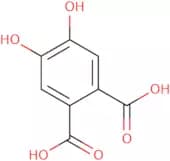
CAS:<p>1H-Pyrrolo[3,2-b]pyridine-7-carboxylic acid is a chemical compound that belongs to the group of organic compounds. The spatial property of 1H-pyrrolo[3,2-b]pyridine-7-carboxylic acid is protrusion. It has a molecular weight of 293.1 g/mol and optical properties of module and positioning. The actuator module position can be used as an on/off switch for the molecule's optical properties.</p>Formula:C8H6N2O2Purity:Min. 95 Area-%Color and Shape:PowderMolecular weight:162.15 g/mol4,5-Dihydroxybenzene-1,2-dicarboxylic acid
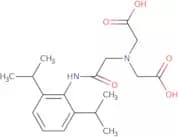
CAS:<p>Protocatechuic acid is an aromatic hydrocarbon that is the main metabolite of 4,5-dihydroxybenzene-1,2-dicarboxylic acid. It is a carbon source for bacteria and has been shown to increase the synthesis of protocatechuate 3,4-dioxygenase (PCO) in rat liver cells when incubated. Protocatechuic acid is also a precursor for the production of 2-hydroxybenzoic acid and 4-hydroxybenzoic acid, which are found in many foods. The genus that produces protocatechuic acid belongs to the class of extradiols. This means that it contains four contiguous double bonds on one side of the molecule. Stenotrophomonas maltophilia is a species with high levels of protocatechuic acid and can be used as an indicator for this compound.</p>Formula:C8H6O6Purity:Min. 95%Color and Shape:PowderMolecular weight:198.13 g/molN-(2,6-Diisopropylphenylcarbamoylmethyl)iminodiacetic acid
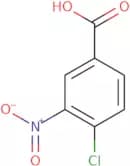
CAS:<p>N-(2,6-Diisopropylphenylcarbamoylmethyl)iminodiacetic acid is a monosodium salt that has been shown to be an inhibitor of the energy metabolism in cells. It is a structural analog of adenosine and inhibits the enzyme adenosine deaminase, which converts adenosine into inosine. Inhibiting this enzyme leads to increased levels of adenosine in the cell and causes depletion of ATP, resulting in cell death. N-(2,6-Diisopropylphenylcarbamoylmethyl)iminodiacetic acid has been shown to have therapeutic potential for autoimmune diseases such as primary sclerosing cholangitis (PSC). This compound also blocks T-cell activation and proliferation by inhibiting protein kinase C and cyclic AMP response element binding protein, leading to decreased inflammation.</p>Formula:C18H26N2O5Purity:Min. 95%Color and Shape:PowderMolecular weight:350.41 g/mol4-Chloro-3-nitrobenzoic acid
CAS:<p>4-Chloro-3-nitrobenzoic acid is a solute that reacts with sodium hydroxide to form 4-chloro-3-nitrophenolate. It also reacts with hydrogen chloride to form 4-chloro-3-nitrobenzoyl chloride. The solubility of the compound in different solvents can be determined by experimental solubility data and structural analysis. <br>4-Chloro-3-nitrobenzoic acid has been shown to inhibit protein synthesis in liver cells, which may be due to its ability to bind copper ions and form a complex that inhibits the activity of copper enzymes. This compound may also react with sodium salts in the presence of heat or light, leading to the formation of an insoluble precipitate. When heated with strong acids such as hydrogen chloride, 4-chloro-3 nitrobenzoic acid reacts with benzene and forms 3,4 dinitrobenezene</p>Formula:C7H4ClNO4Purity:Min. 95%Color and Shape:PowderMolecular weight:201.56 g/mol(3R,5R)-6-Cyano-3,5-dihydroxy-hexanoic acid tert-butyl ester
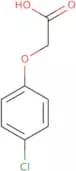
CAS:<p>(3R,5R)-6-Cyano-3,5-dihydroxy-hexanoic acid tert-butyl ester is a building block for organic synthesis. It is a versatile intermediate that can be used in the preparation of pharmaceuticals and other organic compounds. The compound is also used as a reagent to study the biological activity of other compounds. CAS No. 125971-93-9 is a fine chemical that has been shown to have high quality and purity.</p>Formula:C11H19NO4Purity:Min. 98 Area-%Color and Shape:Yellow PowderMolecular weight:229.27 g/mol4-Chlorophenoxyacetic acid
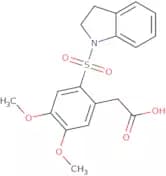
CAS:<p>4-Chlorophenoxyacetic acid is a chemical compound that is used in wastewater treatment. It can be used as a potassium dichromate substitute and exhibits synergic effects with sodium carbonate. 4-Chlorophenoxyacetic acid has been shown to have antimicrobial activity against group P2 bacteria, such as Pseudomonas aeruginosa, Staphylococcus aureus, and Enterococcus faecalis. 4-Chlorophenoxyacetic acid also inhibits the growth of human serum and monoclonal antibodies by inhibiting protein synthesis through intramolecular hydrogen linkage.</p>Formula:C8H7ClO3Color and Shape:PowderMolecular weight:186.59 g/mol2-(4,5-Dimethoxy-2-(indolin-1-ylsulfonyl)phenyl)acetic acid
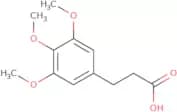
CAS:<p>Please enquire for more information about 2-(4,5-Dimethoxy-2-(indolin-1-ylsulfonyl)phenyl)acetic acid including the price, delivery time and more detailed product information at the technical inquiry form on this page</p>Purity:Min. 95%3-(3,4,5-Trimethoxyphenyl)propionic acid
CAS:<p>3-(3,4,5-Trimethoxyphenyl)propionic acid (TMPPA) is a monocarboxylic acid that is structurally related to the amino acid lysine. It has been shown to have antinociceptive effects in animals and humans. TMPPA inhibits the production of prostaglandins and nitric oxide, which are inflammatory mediators that induce pain. TMPPA also has nociceptive properties in rats when given intraperitoneally or intrathecally, showing a reduction in locomotor activity. This compound also inhibits protein synthesis by binding to the ribosomal protein S6 kinase-1 (RSK-1), which is the target of many antibiotics used for cancer treatment. TMPPA binds to human serum albumin with high affinity and specificity, suggesting it may be useful as an agent for targeting human blood cells or as an antiobesity drug.</p>Formula:C12H16O5Purity:Min. 95%Color and Shape:Clear LiquidMolecular weight:240.25 g/mol5-[(3aR,6S,6aS)-2,5,5-trioxo-1,3,3a,4,6,6a-hexahydrothieno[3,4-d]imidazol-6-yl]pentanoic acid
CAS:<p>The compound 5-[(3aR,6S,6aS)-2,5,5-trioxo-1,3,3a,4,6,6a-hexahydrothieno[3,4-d]imidazol-6-yl]pentanoic acid (TIPA) is a diagnostic marker for the diagnosis of urinary tract infections. The compound is present in urine and can be detected with an antibody response. TIPA is excreted by human kidneys in a circadian pattern and has a maximum concentration at pH 7.0. This compound is taken up by bacteria in the urinary tract and its presence can be used to diagnose UTI. TIPA also binds to biotin and polyclonal antibodies that are used for immunohistochemical assays.</p>Formula:C10H16N2O5SPurity:Min. 95%Color and Shape:White To Off-White SolidMolecular weight:276.31 g/moltrans-3-Octenoic acid
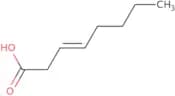
CAS:<p>Trans-3-octenoic acid is a conjugate of estradiol and caproic acid. It can be prepared by reacting estradiol with sodium octanoate in the presence of chlorine. Trans-3-octenoic acid has been shown to have anticancer activity when administered to rats. Trans-3-octenoic acid also has behavioral responses that are pheromonal in nature, leading to an increase in human urine production when it is present. The oxidation products of trans-3-octenoic acid are detected by high performance liquid chromatography (HPLC).</p>Formula:C8H14O2Purity:90%Color and Shape:Clear LiquidMolecular weight:142.2 g/mol2-Amino-4-bromobenzoic acid
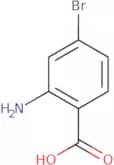
CAS:<p>2-Amino-4-bromobenzoic acid is a molecule that has an acidic carboxylic group and two aromatic amino groups. It has a hydroxyl group and a fluorescence that can be activated or deactivated by ultraviolet light. 2-Amino-4-bromobenzoic acid is used in the synthesis of certain organic compounds. This molecule can be synthesized from other molecules, such as phenol, aminobenzene, and nitrobenzene. The reaction time for this chemical species is dependent on the catalytic agent used during the reaction process. A variety of chemical species are produced when 2-Amino-4-bromobenzoic acid is synthesized, including hydrogen bromide, ammonia, nitrogen gas, and water vapor. The population of 2-Amino-4-bromobenzoic acid is unknown because it is not abundant in nature.</p>Formula:C7H6BrNO2Purity:Min. 95%Color and Shape:Yellow PowderMolecular weight:216.03 g/mol4-Methyl-1-naphthoic acid
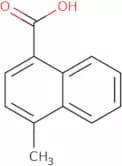
CAS:<p>4-Methyl-1-naphthoic acid (4MN) is a chemical that belongs to the group of diene compounds. It is a precursor in the biosynthesis of naphthoquinones and can be used for the preparation of aziridines and amides. 4MN has shown inhibitory properties against tumor cells and has been used as an experimental anticancer drug. The antineoplastic activity of 4MN may be due to its ability to interfere with DNA replication and cell division.</p>Formula:C12H10O2Purity:Min. 95%Color and Shape:White PowderMolecular weight:186.21 g/mol1,3-Dimethylvioluric acid
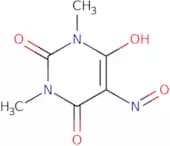
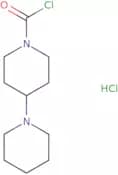
CAS:<p>1,3-Dimethylvioluric acid is a molecule that has been shown to reduce the size of experimental animal models of ventricular myocardium. It also increases the levels of atp and urea nitrogen in the heart, suggesting an increase in cardiac function. This molecule may be used to help prevent or treat cardiovascular diseases such as heart failure. 1,3-Dimethylvioluric acid has also been shown to have pluripotent cell properties and can be used to generate cells that are capable of differentiating into other types of cells. The effective dose for 1,3-dimethylvioluric acid is not known.</p>Formula:C6H7N3O4Purity:Min. 95%Color and Shape:White PowderMolecular weight:185.14 g/mol1,4'-Bipiperidine-1-carboxylic chloride hydrochloride
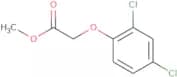
CAS:<p>1,4'-Bipiperidine-1-carboxylic chloride hydrochloride is a phosphorus pentachloride derivative that is used as a binding agent in the synthesis of cyclic trialkylsilyl compounds. It has been shown to inhibit topoisomerase II and III and may be useful in cancer therapy. 1,4'-Bipiperidine-1-carboxylic chloride hydrochloride binds to the active site of topoisomerase II and inhibits DNA replication, leading to cell death. This compound can also be used as a solvent for acetonitrile and chloroform.</p>Formula:C11H19ClN2O·HClPurity:Min. 95%Color and Shape:PowderMolecular weight:267.19 g/mol(2,4-Dichlorophenoxy)acetic acid methyl ester
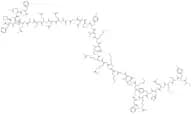
CAS:<p>2,4-Dichlorophenoxyacetic acid methyl ester is a herbicide that inhibits the growth of plants by inhibiting photosynthesis. It is an organic compound with a molecular weight of 168.2 g/mol. This product has been shown to biodegrade in soil and water, as well as be non-persistent in the environment. 2,4-Dichlorophenoxyacetic acid methyl ester is also a pesticide that kills plants by blocking the synthesis of chlorophyll and other plant pigments. This product can be used on trees and shrubs for control of broadleaf weeds and grasses.</p>Formula:C9H8Cl2O3Purity:Min. 95%Color and Shape:PowderMolecular weight:235.06 g/molACTH(1-39) trifluoroacetate
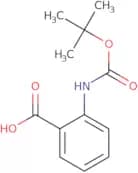
CAS:<p>ACTH(1-39) trifluoroacetate is a synthetic form of ACTH that is used for the diagnosis of autoimmune diseases and bowel disease. It is also used to assess the function of the adrenal gland in cases of suspected Cushing's syndrome. The blood sampling procedure involves withdrawing a small amount of blood from the patient and adding ACTH(1-39) trifluoroacetate to it, which causes an increase in cortisol concentration. ACTH(1-39) trifluoroacetate binds to corticotropin receptors on cells in the body, causing them to release basic proteins that are responsible for inflammation. This drug may be a potential biomarker for metabolic disorders such as obesity. It has been shown to have anti-inflammatory properties and can be used as a nonsteroidal anti-inflammatory drug (NSAID).</p>Formula:C207H308N56O58SPurity:Min. 98 Area-%Color and Shape:PowderMolecular weight:4,541.07 g/molBoc-2-aminobenzoic acid
CAS:<p>Boc-2-aminobenzoic acid is a synthetic amino acid that can be used for the synthesis of recombinant proteins. It contains lysine residues, which are often used in protein engineering. This product is hydrolyzed to form a chloride gas and a hydrochloride salt by the enzyme chloridase. The hydrolysis proceeds through an amine intermediate and proceeds with a rate that is first order in chloride gas and second order in Boc-2-aminobenzoic acid. The kinetic constants for this reaction have been determined using fluorescence resonance energy transfer (FRET) spectroscopy on the solid phase.</p>Formula:C12H15NO4Purity:Min. 95%Color and Shape:PowderMolecular weight:237.25 g/mol(2S,3R)-3-((4R)-2,2-Dimethyldioxolan-4-yl)-2-methyl-2,3-dihydroxypropanoic acid ethyl ester
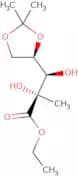
CAS:<p>(2S,3R)-3-((4R)-2,2-Dimethyldioxolan-4-yl)-2-methyl-2,3-dihydroxypropanoic acid ethyl ester is a high quality reagent that is used as an intermediate for the synthesis of complex compounds. It is also a useful building block for the synthesis of speciality chemicals and research chemicals. The versatility of this compound makes it a useful scaffold and building block for reaction components.</p>Formula:C11H20O6Purity:Min. 95%Color and Shape:PowderMolecular weight:248.27 g/mol2-(2-Fluoro-4-iodoanilino)-3,4-difluorobenzoic acid
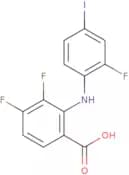
CAS:<p>2-(2-Fluoro-4-iodoanilino)-3,4-difluorobenzoic acid is a potent and selective allosteric antagonist of the adenosine A2A receptor. It has been shown to reduce blood pressure in rats and mice. 2-(2-Fluoro-4-iodoanilino)-3,4-difluorobenzoic acid has also been shown to increase levels of endogenous adenosine by modulating the activity of adenosine deaminase. This drug has been tested in humans with hypertension and was found to be safe and well tolerated at doses between 25mg and 300mg per day.</p>Formula:C13H7F3INO2Purity:Min. 98%Color and Shape:White PowderMolecular weight:393.1 g/molDiethyl 2,6-pyridinedicarboxylate
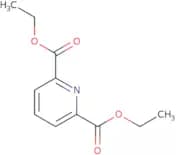
CAS:<p>Diethyl 2,6-pyridinedicarboxylate is a methyl ketone with an unsymmetrical structure. It is used in the synthesis of fatty acids and optical properties. Diethyl 2,6-pyridinedicarboxylate reacts with trifluoroacetic acid and chlorine to form an active methylene. The presence of this active methylene allows for the synthesis of new molecules that are not possible with other reagents. Magnetic resonance spectroscopy has been used to identify the binding constants for diethyl 2,6-pyridinedicarboxylate and fatty acids. This molecule can be studied using MALDI-TOF mass spectrometry, which generates a molecular weight spectrum from 1,000 to 100,000 Da. Diethyl 2,6-pyridinedicarboxylate has been shown to react with water molecules to form hydrogen peroxide.</p>Formula:C11H13NO4Purity:Min. 95%Molecular weight:223.23 g/molN-Acetyl-thiazolidine 4-carboxylic acid
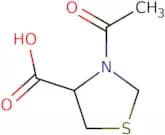
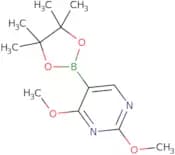
CAS:<p>N-Acetyl-thiazolidine 4-carboxylic acid is a natural product that has been shown to have an acetylation activity. Acetylation of N-Acetyl-thiazolidine 4-carboxylic acid is achieved by reacting it with acetic anhydride in the presence of a base, such as triethylamine. This reaction produces N-acetyl-thiazolidine 4,5 dicarboxylic acid. Acetylation of the compound prevents it from being oxidized, which may prevent the formation of toxic substances. It is also used as a diluent for other medicines and drugs. The acetylated form is sold under the trade name "Thiazone".</p>Formula:C6H9NO3SPurity:Min. 95%Color and Shape:PowderMolecular weight:175.21 g/mol2,4-Dimethoxypyrimidine-5-boronic acid, pinacol ester
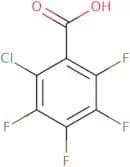
CAS:<p>2,4-Dimethoxypyrimidine-5-boronic acid is a high quality chemical that can be used as a reagent or a complex intermediate. It is an important building block for the synthesis of many compounds and has been shown to be useful in the synthesis of 2,4-dimethoxybenzaldehyde. This compound has been used in the preparation of 2,4-dimethoxypyrimidin-5(6H)-ones and as a reaction component in organic chemistry.</p>Formula:C12H19BN2O4Purity:Min. 97%Molecular weight:266.1 g/mol2,3,4,5-Tetrafluoro-6-chlorobenzoic acid
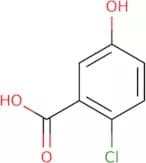
CAS:<p>2,3,4,5-Tetrafluoro-6-chlorobenzoic acid is a useful chemical that can be used as a precursor in the synthesis of many organic compounds. This compound has been shown to be an efficient and reliable reagent for the preparation of high quality 2,3,4,5-tetrafluoro-6-chlorobenzoic acid. It is also an important building block in organic chemistry and has been shown to be versatile enough to react with a wide range of other chemicals. CAS No. 1868-80-0</p>Formula:C7HClF4O2Purity:Min. 95%Color and Shape:PowderMolecular weight:228.53 g/mol2-Chloro-5-hydroxybenzoic acid
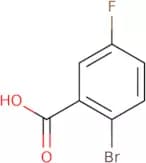
CAS:<p>2-Chloro-5-hydroxybenzoic acid is a compound that contains a hydroxyl group. It is an organic acid and a monomer that can be used in the preparation of coumarin derivatives. 2-Chloro-5-hydroxybenzoic acid can be prepared by oxidation of 2,3,4,5,6 tetrahydrobenzoquinone with hydrogen peroxide followed by hydrolysis. The oxidation step is carried out using potassium permanganate as oxidant and activated manganese dioxide as catalyst. This method yields the desired product in high yield.</p>Formula:C7H5ClO3Purity:Min. 95%Color and Shape:PowderMolecular weight:172.57 g/mol2-Bromo-5-fluorobenzoic acid
CAS:<p>2-Bromo-5-fluorobenzoic acid is a polymerase inhibitor that inhibits the activity of the HIV-1 reverse transcriptase by competitive inhibition. It prevents the synthesis of viral DNA by binding to the RNA template and preventing chain elongation. This drug has been shown to be an effective treatment for some types of cancer, such as lung cancer, because it is not easily metabolized and can therefore reach high concentrations in tissues where it is needed. 2-Bromo-5-fluorobenzoic acid is synthesized from 5-(2′-bromophenoxy)benzothiazole and 2,3,4,5,6-pentafluorobenzoyl chloride in three steps. The synthesis involves bromination of benzothiazole with NBS followed by reaction with 4-fluoroaniline to give the intermediate which is then reacted with pentafluorobenzoyl chloride. This compound</p>Formula:C7H4BrFO2Purity:Min. 95%Color and Shape:PowderMolecular weight:219.01 g/molβ-Naphthoic acid ethyl ester
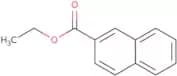
CAS:<p>β-Naphthoic acid ethyl ester (BNAE) is a synthetic compound that has been used as an intermediate in the synthesis of organic compounds. It is also used to prepare hydroxamic acids, which are active methylene compounds. BNAE reacts with nucleophiles and is susceptible to nucleophilic attack. The reaction mechanism for this type of compound involves a cavity with a constant volume, which increases the reactivity of the molecule. This type of reaction can be explained using the functional theory and the use of organic solvents. BNAE is stable when exposed to carbon tetrachloride and hydroxamic acids, but not when exposed to diethyl succinate or chemical agents such as sodium nitrite.</p>Formula:C13H12O2Purity:Min. 95%Color and Shape:PowderMolecular weight:200.23 g/mol





![5-Methyl-[1,3,4]oxadiazole-2-carboxylic acid, potassium salt](/_next/image/?url=https%3A%2Fstatic.cymitquimica.com%2Fproducts%2F3D%2Fthumb-webp%2FFM56554.webp&w=3840&q=75)
![7-[4-(4-Fluorophenyl)-6-(1-methylethyl)-2-(N-methyl-N-methylsulfonyl-amino)-pyrimidin-5-yl]-3,5-di…](/_next/image/?url=https%3A%2Fstatic.cymitquimica.com%2Fproducts%2F3D%2Fthumb-webp%2FFF35383.webp&w=3840&q=75)


![1,1'-Bicyclo[1,1,1]pentane-1,3-dicarboxylic acid](/_next/image/?url=https%3A%2Fstatic.cymitquimica.com%2Fproducts%2F3D%2Fthumb-webp%2FFB33678.webp&w=3840&q=75)
![Hydroxy-[4-(4-hydroxy-5-bromo-3-iodophenoxy)-3,5-diiodophenyl]acetic acid](/_next/image/?url=https%3A%2Fstatic.cymitquimica.com%2Fproducts%2F3D%2Fthumb-webp%2FFH66633.webp&w=3840&q=75)
![1H-Pyrrolo[3,2-b]pyridine-7-carboxylic acid](/_next/image/?url=https%3A%2Fstatic.cymitquimica.com%2Fproducts%2F3D%2Fthumb-webp%2FFP167590.webp&w=3840&q=75)

![5-[(3aR,6S,6aS)-2,5,5-trioxo-1,3,3a,4,6,6a-hexahydrothieno[3,4-d]imidazol-6-yl]pentanoic acid](/_next/image/?url=https%3A%2Fstatic.cymitquimica.com%2Fproducts%2F3D%2Fthumb-webp%2FFB64039.webp&w=3840&q=75)