Carboxylic Acids
Carboxylic acids are organic molecules characterized by having a carboxyl-type functional group (-COOH). These acids are fundamental in various chemical reactions, including esterification, amidation, and decarboxylation. Carboxylic acids are widely used in the production of pharmaceuticals, polymers, and agrochemicals. In this section, you can find a large number of carboxylic acids ready to be used. At CymitQuimica, we provide a broad range of high-quality carboxylic acids to support your research and industrial applications.
Found 12453 products of "Carboxylic Acids"
Sort by
Purity (%)
0
100
|
0
|
50
|
90
|
95
|
100
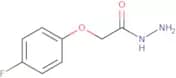
4-Fluorophenoxyacetic acid hydrazide
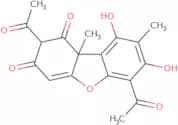
CAS:<p>4-Fluorophenoxyacetic acid hydrazide (4FPAAH) is a palladium complex with anti-cancer activity. It induces apoptosis, or programmed cell death, in myelogenous leukemia cells and breast cancer cells. 4FPAAH has been shown to bind to the ATP binding site of the catalytic domain of topoisomerase II on DNA and inhibit its activity. The molecular modeling studies show that 4FPAAH binds in the same way as cisplatin, which is a platinum-based drug commonly used for cancer treatment. The structural analysis shows that 4FPAAH binds to the nitrogen atoms of the protein and eliminates the possibility of any hydrogen bonding interactions. This mechanism may be due to an electrostatic interaction between the positively charged nitrogen atom in 4FPAAH and negative charge on topoisomerase II's active site.</p>Formula:C8H9FN2O2Purity:Min. 95%Color and Shape:PowderMolecular weight:184.17 g/molUsnic acid
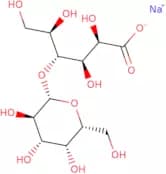
CAS:<p>Usnic acid is a natural compound with significant cytotoxicity. It has been shown to have matrix effects in the environment and oxidative injury on cells. Usnic acid is a component of the herb goldenseal, and has been shown to have pharmacological activities against infectious diseases, such as pandemic influenza. The optical sensor of usnic acid is used as an indicator for environmental pollution and microbial growth.</p>Formula:C18H16O7Purity:Min. 95%Color and Shape:White PowderMolecular weight:344.32 g/molLactobionic acid sodium salt monohydrate
CAS:<p>Lactobionic acid is a white, crystalline powder with a molecular weight of 278.3 g/mol. It is an organic compound that is used as a reactant in organic synthesis, as a reagent for the determination of iron and calcium in biological samples, and as an intermediate in the production of polyesters. Lactobionic acid can be used to synthesize polyester materials with high molecular weights and high purity. The compound has been shown to have anti-inflammatory properties, which may be due to its inhibition of prostaglandin synthesis.</p>Formula:C12H21NaO12·H2OPurity:Min. 95%Color and Shape:PowderMolecular weight:398.3 g/molD,L-Mevalonic acid dicyclohexylammonium salt
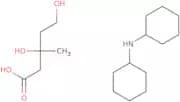
CAS:Controlled Product<p>Mevalonic acid dicyclohexylammonium salt is a reagent, compound, and fine chemical that is used in the synthesis of complex compounds. It has CAS No. 1215802-31-5 and is a useful intermediate, building block, and scaffold for the synthesis of many speciality chemicals. Mevalonic acid dicyclohexylammonium salt is also a versatile building block that can be used as a reaction component in many organic syntheses. This product can be used in research chemicals or as an intermediate for pharmaceuticals.</p>Formula:C18H35NO4Purity:Min. 95%Color and Shape:PowderMolecular weight:329.47 g/molGallic acid monohydrate
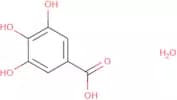
CAS:<p>Gallic acid monohydrate is a natural phenolic compound present in plants, such as oak and sumac. It has been shown to have anticarcinogenic properties in animal models of cancer. Gallic acid monohydrate inhibits the growth of tumor cells by binding to the DNA of tumor cells and inhibiting the synthesis of RNA and proteins. It also possesses antioxidant properties, which may be due to its ability to scavenge free radicals. Gallic acid monohydrate is soluble in water, but not in organic solvents such as ether or chloroform. It exists as two crystalline polymorphs: one anhydrous form that occurs at room temperature and a hydrated form that appears when heated above 40 degrees Celsius. In vitro assays have shown that gallic acid monohydrate is stable when exposed to heat, light, and pH changes.END></p>Formula:C7H8O6Purity:Min. 95%Color and Shape:White PowderMolecular weight:188.13 g/molThiazole-5-carboxylic acid
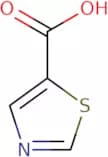
CAS:<p>Thiazole-5-carboxylic acid is a carboxylic acid with an aromatic ring. It is a chiral compound that can exist in the form of two enantiomers, D and L. The D form has been shown to have a lower melting point than the L form. Thiazole-5-carboxylic acid has been shown to be a competitive inhibitor of xanthine oxidase, which is involved in purine metabolism and DNA synthesis. It also has antioxidant properties due to its ability to scavenge free radicals, such as superoxide anion (O2-) and hydroxyl radical (HO).</p>Formula:C4H3NO2SPurity:Min. 95%Molecular weight:129.14 g/mol(2-Oxo-2H-chromen-3-yl)acetic acid
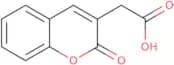
CAS:<p>(2-Oxo-2H-chromen-3-yl)acetic acid is a molecule that has been shown to have antibacterial activity against Staphylococcus aureus and other bacteria. It is an amide that reacts with lysine residues in the bacterial cell wall, which leads to inhibition of growth. (2-Oxo-2H-chromen-3-yl)acetic acid also has conjugates with malic acid, which can be used as a fluorescent indicator for its presence in bacterial cells. This compound has been shown to be active against Gram-positive and Gram-negative bacteria, but not against Mycobacterium tuberculosis or Mycobacterium avium complex. The dilution method is used to determine the concentration of this compound in bacterial cells.</p>Formula:C11H8O4Purity:Min. 95%Color and Shape:PowderMolecular weight:204.18 g/molNonoxynol-8-carboxylic acid - Average Mn - 600
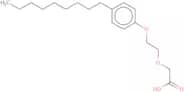
CAS:<p>Nonoxynol-8-carboxylic acid (NONOX) is a benzyl ester of octanoic acid. It has been extensively studied in micellar environment. NONOX has been found to be an effective surfactant with good environmental compatibility and chemical stability.</p>Formula:C17H26O3·(C2H4O)nColor and Shape:Clear Liquid2-(4-Hydroxy-3-methylphenyl)acetic acid
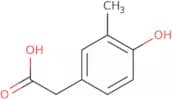
CAS:<p>2-(4-Hydroxy-3-methylphenyl)acetic acid is a small molecule that has been shown to be an effective inhibitor of the enzyme hydroxylase. This enzyme catalyzes the conversion of L-4-hydroxymandelic acid to mandelic acid, which is needed for the biosynthesis of L-DOPA, a precursor in the synthesis of dopamine. 2-(4-Hydoxy-3-methylphenyl)acetic acid has been shown to inhibit this reaction by binding to the active site and blocking access.</p>Formula:C9H10O3Purity:Min. 95%Color and Shape:PowderMolecular weight:166.17 g/molFluoroacetic anhydride
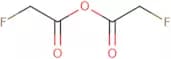
CAS:<p>Fluoroacetic anhydride is a sulfa drug that is used in the preparation of fluoroacetic acid. Fluoroacetic acid has been used to prepare fluorescent derivatives, which are useful for the detection of bile acids and serum proteins. Fluoroacetic acid is also an electrolyte that has been used to measure the concentration of copper ions. This compound is a glycosidic bond, which forms between a hydroxyl group and a carbohydrate or other organic molecule with an oxygen atom at its end. The heterocycle in this compound is bicyclic, meaning it contains two rings linked together by one carbon atom. The fatty acid in this compound consists of a carboxylic acid attached to a hydrocarbon chain with two or more double bonds, which are often unsaturated. Fluoroacetic anhydride may be found in infectious diseases such as tuberculosis and malaria. It may also be found in autoimmune diseases such as lupus erythematos</p>Formula:C4H4F2O3Purity:Min. 95%Color and Shape:Clear LiquidMolecular weight:138.07 g/mol2,4-Dichlorocinnamic acid
CAS:<p>2,4-Dichlorocinnamic acid is a diphenolase inhibitor that is used in the treatment of lactic acidosis. It inhibits the glyoxylate cycle enzyme, muscle monophenolase activity, and tyrosinase activity. 2,4-Dichlorocinnamic acid also binds to tyrosinase and inhibits the reaction scheme. The binding of this drug to tyrosinase causes irreversible inhibition of the enzyme's catalytic site. 2,4-Dichlorocinnamic acid has been shown to have a low degree of cell toxicity and has a kinetic effect on adsorption kinetics.</p>Formula:C9H6Cl2O2Purity:Min. 95%Color and Shape:White PowderMolecular weight:217.05 g/molEthyl 2-nitrilo-2-(2-oxoindolin-3-ylidene)acetate
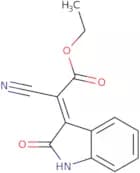
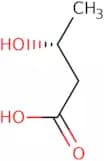
CAS:<p>Please enquire for more information about Ethyl 2-nitrilo-2-(2-oxoindolin-3-ylidene)acetate including the price, delivery time and more detailed product information at the technical inquiry form on this page</p>Purity:Min. 95%(R)-3-Hydroxybutyric acid
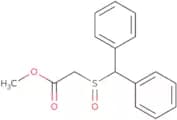
CAS:<p>(R)-3-Hydroxybutyric acid is a cell-permeable, biocompatible polymer that has been shown to be useful as a contrast agent in tissue imaging. It is a derivative of the amino acid glycine and has been used extensively in analytical methods for the detection of terminal residues on polymers. The intramolecular hydrogen bond between the carboxylate group of (R)-3-hydroxybutyric acid and the amide hydrogens of glycine provides an example of hydrogen bonding in polymers. This polymer has also been used for cell lysis, preparative high performance liquid chromatography, and biological studies. (R)-3-Hydroxybutyric acid can be fluorescently labeled with fluorescein or rhodamine dyes to provide structural analysis and biological properties.</p>Formula:C4H8O3Purity:(Titration) Min. 98.0%Color and Shape:PowderMolecular weight:104.1 g/molModafinil carboxylate methyl ester
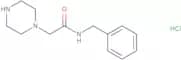
CAS:<p>Modafinil is a wakefulness-promoting agent that has been approved for the treatment of excessive daytime sleepiness associated with narcolepsy. Modafinil carboxylate methyl ester (MCE) is an active pharmaceutical ingredient (API) that is synthesized from modafinil. MCE is a white to off-white powder that is soluble in water and acetonitrile. It has been shown to be identical to the API on the basis of analytical data, including analytical methods such as reversed-phase high-performance liquid chromatography (RP-HPLC), quantified by UV spectrophotometry at 230 nm, and validated by process development.</p>Formula:C16H16O3SPurity:Min. 95%Color and Shape:PowderMolecular weight:288.36 g/molPiperazinophenylacetic acid benzylamide hydrochloride
CAS:<p>Piperazinophenylacetic acid benzylamide hydrochloride is a versatile building block that can be used in the synthesis of complex compounds for research and development. It is a reagent for the preparation of speciality chemicals and also a useful intermediate for the synthesis of reaction components. Piperazinophenylacetic acid benzylamide hydrochloride is a high quality, commercially available chemical that can be used as a scaffold for the preparation of new chemical compounds.</p>Formula:C13H19N3O•HClPurity:Min. 95%Color and Shape:PowderMolecular weight:269.77 g/molBenzo[b]thiophene-2-carboxylic acid
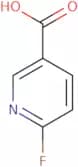
CAS:<p>A raw material for use in pharma, dye and organic synthesis industries.</p>Formula:C9H6O2SPurity:Min. 95%Color and Shape:PowderMolecular weight:178.21 g/mol6-Fluoronicotinic acid
CAS:<p>6-Fluoronicotinic acid is a compound class that is biosynthesized from picolinic acid. It has been found to have biological properties such as the ability to form positrons and spiroindolines. 6-Fluoronicotinic acid can be synthesized by solid-phase synthesis and analyzed using vibrational spectroscopy. This compound class is also a radionuclide, which means it can be used in positron emission tomography (PET) scans of the human body. 6-Fluoronicotinic acid has been shown to bind to cardiac tissue and cancer cells, making it an effective drug for treating these diseases.</p>Formula:C6H4FNO2Purity:Min. 95%Color and Shape:PowderMolecular weight:141.1 g/molP-Nitrobenzoic acid
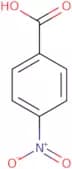
CAS:<p>P-Nitrobenzoic acid is a nitro compound that is used as an intermediate in the synthesis of various pharmaceuticals. It is also used in wastewater treatment to remove protocatechuic acid, which is produced during the oxidation of phenols by peroxidase. P-Nitrobenzoic acid can be synthesized by reacting sodium nitrite with p-hydroxybenzoic acid. The structure of this compound was determined through a series of experiments, and it was found that it has two nitrogen atoms that are incorporated into the benzene ring. This compound reacts with aziridine in an exothermic reaction mechanism to form an unstable five membered ring. This reaction proceeds through a series of steps and eventually forms p-nitrobenzoic acid.</p>Formula:C7H5NO4Purity:Min. 95%Color and Shape:PowderMolecular weight:167.12 g/mol2,6-Dihydroxy-4-methylbenzoic acid potassium
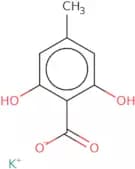
CAS:<p>2,6-Dihydroxy-4-methylbenzoic acid potassium salt (2,6-DMBAK) is a high quality reagent that is used as an intermediate in the synthesis of complex compounds. CAS No. 856177-01-0. It is a white crystalline solid with an mp of about 190 degrees Celsius and a bp of about 315 degrees Celsius. 2,6-DMBAK has been shown to be useful in the synthesis of speciality chemicals and research chemicals. This product can be used as a versatile building block for the preparation of various kinds of chemical compounds, and it also has many applications in organic synthesis because it reacts well with many different types of compounds.</p>Formula:C8H8O4•KPurity:Min. 95%Color and Shape:PowderMolecular weight:207.25 g/molOctanoic acid
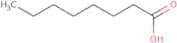
CAS:<p>Octanoic acid is a medium-chain fatty acid that is synthesized by the condensation of two molecules of acetyl-CoA. It is an antimicrobial agent that inhibits Gram-positive bacteria, such as Aerobacter aerogenes and Staphylococcus aureus. Octanoic acid has been shown to be effective in inhibiting the growth of Gram-negative bacteria, such as Escherichia coli and Pseudomonas aeruginosa. Octanoic acid has also been shown to have physiological effects on the human body, such as its ability to induce metabolic disorders. It is also used for energy metabolism and structural analysis.</p>Formula:C8H16O2Purity:Min. 98%Color and Shape:Clear LiquidMolecular weight:144.21 g/mol5,7-Dinitroindole-2-carboxylic acid
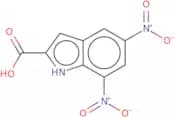
CAS:<p>5,7-Dinitroindole-2-carboxylic acid is a versatile building block that has been used as a reagent in organic synthesis. It has also been shown to be an intermediate in the preparation of 5,7-dichloroindole and other complex compounds. This compound is a reaction component for the synthesis of many useful compounds, including research chemicals and speciality chemicals. 5,7-Dinitroindole-2-carboxylic acid is soluble in most solvents and can be purified by recrystallization or chromatography. The purity can be determined by elemental analysis or nuclear magnetic resonance spectroscopy.</p>Formula:C9H5N3O6Purity:Min. 95%Color and Shape:PowderMolecular weight:251.15 g/molGanoderic acid C6
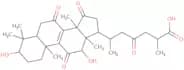
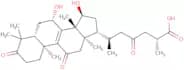
CAS:Controlled Product<p>Ganoderic acid C6 is a natural product with potent anti-cancer and anti-inflammatory activities. It has shown to inhibit the growth of human cancer cells in vitro by targeting the fatty acid synthase enzyme, which is involved in biosynthesis of fatty acids. Ganoderic acid C6 also inhibits hydroxylation of oleic acid, an important step in the synthesis of prostaglandins and leukotrienes. This inhibition leads to a decrease in inflammation and chronic bronchitis. Although ganoderic acid C6 has been shown to have beneficial effects on metabolic disorders, it has also been shown to be toxic to liver cells at high concentrations. The toxicity may be due to its ability to inhibit different enzymes that are involved in fatty acid metabolism.</p>Formula:C30H42O8Purity:Min. 95%Color and Shape:PowderMolecular weight:530.65 g/mol3-Bromo-4-hydroxybenzoic acid
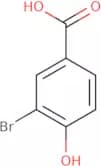
CAS:<p>3-Bromo-4-hydroxybenzoic acid (3BBA) is a hydroxylated benzoic acid that is used as an intermediate in the production of dyes, pharmaceuticals, and other chemicals. 3BBA also has been shown to have anti-inflammatory effects and may be useful for the treatment of heart disease patients. The antimicrobial activity of 3BBA is due to its ability to inhibit bacterial growth by inhibiting the enzyme acetate extract, which is involved in the biosynthesis of fatty acids. This substance also inhibits bacterial growth by binding to particle and p. aeruginosa. 3BBA can be synthesized using ethylene diamine and p-hydroxybenzoic acid in basic dye reactions at pH optimum 7.5.</p>Formula:C7H5BrO3Purity:Min. 95%Color and Shape:SolidMolecular weight:217.02 g/mol3-Mercaptohexyl acetate
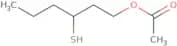
CAS:<p>3-Mercaptohexyl acetate is a chemical that is used in analytical methods to prepare samples for magnetic resonance spectroscopy. 3-Mercaptohexyl acetate is also a potential biomarker, as it can be found in vitro and has been shown to interact with other compounds. The binding of 3-mercaptohexyl acetate to thiols and the effect of carbon disulphide on this binding have been studied. 3-Mercaptohexyl acetate has been shown to interact with receptor binding sites, which may be due to its similarity to natural compounds. Chemical reactions that produce 3-mercaptohexyl acetate are not well understood.</p>Formula:C8H16O2SPurity:Min. 95%Color and Shape:Clear LiquidMolecular weight:176.28 g/mol3-Amino-4-fluorobenzoic acid ethyl ester
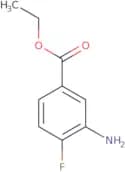
CAS:<p>3-Amino-4-fluorobenzoic acid ethyl ester is a linker that is used to attach a drug molecule to the tautomycin, an analgesic. It has been shown to have nontoxic properties in animals and does not react with intestinal contents. The 3-Amino-4-fluorobenzoic acid ethyl ester also reacts with azide, phosphatase, and hydrocarbons. It is stable in the presence of aromatic hydrocarbons and can be used as a photolabeling agent for introducing a fluorescent group into a molecule.</p>Formula:C9H10FNO2Purity:Min. 95%Color and Shape:PowderMolecular weight:183.18 g/mol3-Fluoro-2-methoxybenzoic acid
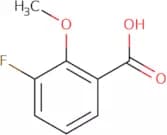
CAS:<p>3-Fluoro-2-methoxybenzoic acid is a chemical compound that is used as a reaction component, reagent, and building block for fine chemicals. It is a versatile intermediate that is useful in the preparation of complex compounds. 3-Fluoro-2-methoxybenzoic acid has been used to synthesize pharmaceuticals, including antipsychotics and anticonvulsants, as well as dyes and pesticides. 3-Fluoro-2-methoxybenzoic acid belongs to the speciality chemical category and can be used in research labs or other specialized settings.<br>3-Fluoro-2-methoxybenzoic acid has CAS No. 106428-05-1.</p>Formula:C8H7FO3Purity:Min. 95%Color and Shape:PowderMolecular weight:170.14 g/mol4-Methoxy-tetrahydro-2h-pyran-4-carboxylic acid
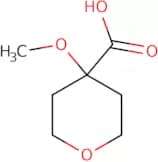
CAS:<p>4-Methoxy-tetrahydro-2h-pyran-4-carboxylic acid is a fine chemical that belongs to the group of research chemicals. It is a versatile building block and useful intermediate in organic synthesis. 4-Methoxy-tetrahydro-2h-pyran-4-carboxylic acid has been used as a reagent for the preparation of the compound 5,5'-dithiobis(4,4'-dimethylvaleronitrile) (CAS No. 1010836-49). This compound has been shown to be an effective antiviral agent against HIV.</p>Formula:C7H12O4Purity:Min. 95 Area-%Color and Shape:PowderMolecular weight:160.17 g/molPiperidin-1-yl-acetic acid
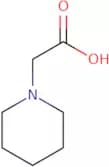
CAS:<p>Piperidin-1-yl-acetic acid is a nitrogen-containing organic compound, which is an alkanoic acid. It has a molecular weight of 104.09 and empirical formula C6H11NO2. Piperidin-1-yl-acetic acid is not soluble in cold water, but it dissolves in boiling water to form a white solid. This compound can be used as an enzyme inhibitor or as a pharmacological agent.<br>Piperidin-1-yl-acetic acid has been shown to inhibit the transcriptional regulation of enzymes that are involved in the production of porphyrins and other heme protein cofactors such as cytochrome c. The compound also inhibits the synthesis of these enzymes by binding to their active sites and inhibiting their function.</p>Formula:C7H13NO2Purity:Min. 95 Area-%Color and Shape:PowderMolecular weight:143.18 g/molChloroplatinic acid hexahydrate
CAS:<p>Chloroplatinic acid hexahydrate is a chemical compound that is used to synthesize other chemicals, such as pharmaceuticals. It has a melting point of 810 degrees Celsius and a boiling point of 927 degrees Celsius. Chloroplatinic acid hexahydrate is soluble in water and reacts with copper chloride to form chloroplatinic acid monohydrate. It can be converted to hydrogen bonding interactions by adding hydroxyl groups or molecules, and it has been shown to have magnetic resonance spectroscopy properties.</p>Formula:H2PtCl6·6H2OColor and Shape:Brown Orange PowderMolecular weight:517.91 g/mol4,5-Dihydroxybenzene-1,2-dicarboxylic acid
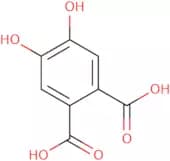
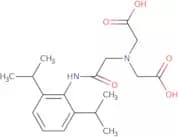
CAS:<p>Protocatechuic acid is an aromatic hydrocarbon that is the main metabolite of 4,5-dihydroxybenzene-1,2-dicarboxylic acid. It is a carbon source for bacteria and has been shown to increase the synthesis of protocatechuate 3,4-dioxygenase (PCO) in rat liver cells when incubated. Protocatechuic acid is also a precursor for the production of 2-hydroxybenzoic acid and 4-hydroxybenzoic acid, which are found in many foods. The genus that produces protocatechuic acid belongs to the class of extradiols. This means that it contains four contiguous double bonds on one side of the molecule. Stenotrophomonas maltophilia is a species with high levels of protocatechuic acid and can be used as an indicator for this compound.</p>Formula:C8H6O6Purity:Min. 95%Color and Shape:PowderMolecular weight:198.13 g/molN-(2,6-Diisopropylphenylcarbamoylmethyl)iminodiacetic acid
CAS:<p>N-(2,6-Diisopropylphenylcarbamoylmethyl)iminodiacetic acid is a monosodium salt that has been shown to be an inhibitor of the energy metabolism in cells. It is a structural analog of adenosine and inhibits the enzyme adenosine deaminase, which converts adenosine into inosine. Inhibiting this enzyme leads to increased levels of adenosine in the cell and causes depletion of ATP, resulting in cell death. N-(2,6-Diisopropylphenylcarbamoylmethyl)iminodiacetic acid has been shown to have therapeutic potential for autoimmune diseases such as primary sclerosing cholangitis (PSC). This compound also blocks T-cell activation and proliferation by inhibiting protein kinase C and cyclic AMP response element binding protein, leading to decreased inflammation.</p>Formula:C18H26N2O5Purity:Min. 95%Color and Shape:PowderMolecular weight:350.41 g/mol1-Octanesulfonic sodium salt monohydrate
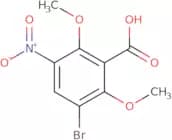
CAS:<p>1-Octanesulfonic acid sodium salt monohydrate is an animal drug that has been used for the long-term treatment of chronic exposure to animals. It can be used as a component of a chromatographic method for the analysis of dopamine in biological fluids. 1-Octanesulfonic acid sodium salt monohydrate has also been shown to have antipsychotic effects, which may be due to its ability to increase dopaminergic neurotransmission by inhibiting the reuptake of dopamine. This drug is not active against human cancer cells, but it does inhibit imatinib (the active form) and other tyrosine kinase inhibitors at micromolar concentrations, making it a potential candidate for use in pharmaceutical dosages as an adjunct therapy for chronic myeloid leukemia.</p>Formula:C8H17O3SNa•H2OPurity:Min. 95%Color and Shape:White PowderMolecular weight:234.29 g/mol3-Bromo-2,6-dimethoxy-5-nitrobenzoic acid
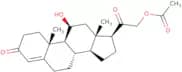
CAS:<p>3-Bromo-2,6-dimethoxy-5-nitrobenzoic acid is a chemical component that can be used as a reagent or building block for the synthesis of other compounds. It is also an intermediate in the synthesis of pesticides and pharmaceuticals. 3-Bromo-2,6-dimethoxy-5-nitrobenzoic acid is a versatile compound with many applications in organic chemistry. This chemical has been shown to have high purity and can be used as a reaction component or reagent in research and development laboratories.</p>Formula:C9H8BrNO6Purity:Min. 95%Color and Shape:PowderMolecular weight:306.07 g/molCorticosterone 21-acetate
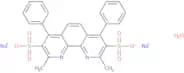
CAS:Controlled Product<p>Corticosterone 21-acetate is a fatty acid that has been used as a pharmaceutical preparation for the treatment of high blood pressure. It also has antihypertensive activity and can be used to treat congestive heart failure. Corticosterone 21-acetate binds to the distal tubule cells in the kidney, causing an increase in the production of hydroxyproline, which leads to increased synthesis of collagen. This drug has been shown to inhibit the growth of some types of cancerous cells and may have synergistic interactions with other drugs that are used to treat cancer. Corticosterone 21-acetate is bound to corticosteroid binding globulin in the blood plasma, preventing it from crossing into tissues.</p>Formula:C23H32O5Purity:Min. 95%Color and Shape:SolidMolecular weight:388.5 g/molBathocuproine disulfonic acid disodium salt hydrate
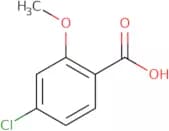
CAS:<p>Bathocuproine disulfonic acid disodium salt hydrate is a copper complex that can be used for the analysis of urine samples. It is a multicellular animal-specific enzyme inhibitor that binds to phosphatase, which is an important component in the metabolism of carbohydrates and proteins. Bathocuproine disulfonic acid disodium salt hydrate inhibits the activity of this enzyme by forming a stable copper complex, thereby preventing the hydrolysis of phosphoric esters. Bathocuproine disulfonic acid disodium salt hydrate has been shown to inhibit growth factor activity in human serum, while inhibiting the reaction vessel corrosion process. This compound also contains functional groups such as sulfonic acid, carboxylate and sulfonamide groups.</p>Formula:C26H18N2Na2O6S2·xH2OPurity:Min. 95%Color and Shape:White PowderMolecular weight:584.57 g/mol4-Chloro-2-methoxybenzoic acid
CAS:<p>4-Chloro-2-methoxybenzoic acid is a chloroacetic acid that is used as an antibacterial agent. It has been shown to have a broad spectrum of activity against bacteria, including gram-positive and gram-negative bacteria. 4-Chloro-2-methoxybenzoic acid is active against both stationary and mobile phases of growth. It has also been shown to be effective in inhibiting the growth of fungi, such as Aspergillus niger, Aspergillus fumigatus, Penicillium notatum, and Fusarium oxysporum. This compound can be synthesized from carboxylic acids by reacting them with sodium nitrite in the presence of dry nitrogen gas to form chloroacetic acid. The chemical formula for this compound is CHClOOC(CH)COOH.</p>Formula:C8H7ClO3Purity:Min. 95%Color and Shape:PowderMolecular weight:186.59 g/mol(1R,2S,3S,5S)-3-(4-Iodophenyl)-8-methyl-8-azabicyclo[3.2.1]octane-2-carboxylicacid methyl ester
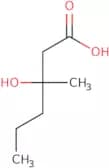
CAS:Controlled Product<p>(1R,2S,3S,5S)-3-(4-Iodophenyl)-8-methyl-8-azabicyclo[3.2.1]octane-2-carboxylicacid methyl ester is a molecule that has been shown to be effective in lowering the symptoms of Parkinson's disease. It also prevents the uptake of dopamine and serotonin in the brain by binding to dopamine and serotonin transporters on the cell membrane. This drug has been shown to be safe at doses up to 100 mg/kg/day in rats, but has not been tested in humans. The drug is stable in neutral pH environments and does not degrade upon exposure to light or oxygen.</p>Formula:C16H20INO2Purity:Min. 95%Molecular weight:385.24 g/mol3-Hydroxy-3-methylhexanoic acid
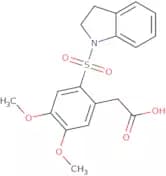
CAS:<p>3-Hydroxy-3-methylhexanoic acid is a fatty acid that is one of the metabolic products of leukocytes. It is formed in the body by conjugation with an acid and is excreted in urine. 3-Hydroxy-3-methylhexanoic acid has been shown to be a substrate for bacterial enzymes, such as corynebacterium, which can convert it to isovaleric acid. The analytical method for measuring 3-hydroxy-3-methylhexanoic acid in urine has been developed and validated on women.</p>Formula:C7H14O3Purity:Min. 95%Color and Shape:Clear LiquidMolecular weight:146.18 g/mol2-(4,5-Dimethoxy-2-(indolin-1-ylsulfonyl)phenyl)acetic acid
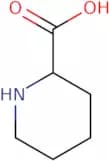
CAS:<p>Please enquire for more information about 2-(4,5-Dimethoxy-2-(indolin-1-ylsulfonyl)phenyl)acetic acid including the price, delivery time and more detailed product information at the technical inquiry form on this page</p>Purity:Min. 95%DL-Pipecolinic acid
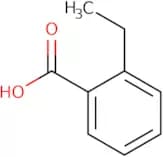
CAS:<p>DL-Pipecolinic acid is a byproduct of the metabolism of fructus ligustri. DL-pipecolinic acid is an intermediate in the biosynthesis of picolinic acid, which is produced from DL-pipecolinic acid by the enzyme picolinic acid carboxylase. The biological activity of DL-pipecolinic acid has been demonstrated in vitro and in vivo assays against wild-type strains. This compound has also been shown to inhibit urinary tract infections and leukemia inhibitory factor (LIF).<br>DL-Pipecolinic acid binds to the disulfide bonds present in proteins, thereby inhibiting protein synthesis and cell division. It also inhibits the growth of bacteria that are resistant to penicillin, ampicillin, and erythromycin.</p>Formula:C6H11NO2Purity:Min. 95%Color and Shape:PowderMolecular weight:129.16 g/mol2-Ethylbenzoic acid
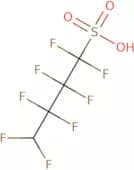
CAS:<p>2-Ethylbenzoic acid is a fatty acid that is found in plants, animals and microorganisms. It dissolves in water to form an amorphous drug with a molecular weight of about 170. 2-Ethylbenzoic acid has been shown to inhibit the activity of several enzymes, such as protein kinases and phospholipases. It also inhibits the activity of liver enzymes involved in the metabolism of drugs and other xenobiotics, such as phenylpropionic acid and malic acid. This drug has been shown to have an inhibitory effect on glucose uptake by cells and may be used as an anti-diabetic agent.</p>Formula:C9H10O2Purity:Min. 95%Color and Shape:PowderMolecular weight:150.17 g/mol1,1,2,2,3,3,4,4-Octafluorobutane-1-sulphonic acid
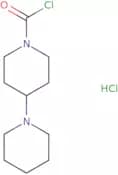
CAS:<p>1,1,2,2,3,3,4,4-Octafluorobutane-1-sulphonic acid is a fine chemical that is used as a reactive intermediate in the synthesis of more complex compounds. It has been shown to be useful in the synthesis of 1H-benzo[d]imidazole derivatives and 2-(trifluoromethyl)thiophenes. This compound has also been used as a reaction component for the preparation of other chemicals such as tetrafluoroethylene oxide. 1,1,2,2,3,3,4,4-Octafluorobutane-1-sulphonic acid is a versatile building block that can be used to create high quality reagents and research chemicals.</p>Formula:C4H2F8O3SPurity:Min. 95%Color and Shape:Clear LiquidMolecular weight:282.11 g/mol1,4'-Bipiperidine-1-carboxylic chloride hydrochloride
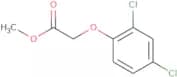
CAS:<p>1,4'-Bipiperidine-1-carboxylic chloride hydrochloride is a phosphorus pentachloride derivative that is used as a binding agent in the synthesis of cyclic trialkylsilyl compounds. It has been shown to inhibit topoisomerase II and III and may be useful in cancer therapy. 1,4'-Bipiperidine-1-carboxylic chloride hydrochloride binds to the active site of topoisomerase II and inhibits DNA replication, leading to cell death. This compound can also be used as a solvent for acetonitrile and chloroform.</p>Formula:C11H19ClN2O·HClPurity:Min. 95%Color and Shape:PowderMolecular weight:267.19 g/mol(2,4-Dichlorophenoxy)acetic acid methyl ester
CAS:<p>2,4-Dichlorophenoxyacetic acid methyl ester is a herbicide that inhibits the growth of plants by inhibiting photosynthesis. It is an organic compound with a molecular weight of 168.2 g/mol. This product has been shown to biodegrade in soil and water, as well as be non-persistent in the environment. 2,4-Dichlorophenoxyacetic acid methyl ester is also a pesticide that kills plants by blocking the synthesis of chlorophyll and other plant pigments. This product can be used on trees and shrubs for control of broadleaf weeds and grasses.</p>Formula:C9H8Cl2O3Purity:Min. 95%Color and Shape:PowderMolecular weight:235.06 g/mol2-Furoic acid
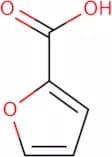
CAS:<p>2-Furoic acid is a compound that belongs to group P2 of the picolinic acid family. It has been shown to have synergistic effects with picolinic acid and a number of other compounds, including sodium fusidate, in inhibiting the growth of Escherichia coli and Staphylococcus aureus. 2-Furoic acid has been identified as a potential drug target for hypertension and may be used as an antihypertensive agent. This compound can be prepared by mixing hydrazine with 2-furoic acid chloride in water or ethanol at room temperature. The product can then be purified using column chromatography or recrystallized from methanol. The mechanism of this reaction is not yet known but it may involve the formation of dehydroascorbic acid by dehydration.</p>Formula:C5H4O3Purity:Min. 95%Color and Shape:PowderMolecular weight:112.08 g/mol2-(2-Bromo-4-methoxyphenyl)acetic acid
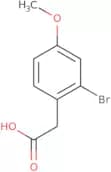
CAS:<p>2-(2-Bromo-4-methoxyphenyl)acetic acid is a versatile building block that is used as a research chemical, reaction component, and reagent. It is also used as a speciality chemical and complex compound. This compound has the CAS number 66916-99-2.</p>Formula:C9H9BrO3Color and Shape:SolidMolecular weight:245.07 g/mol3-Acetylthio-2-methylpropanoic acid
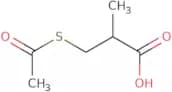
CAS:<p>3-Acetylthio-2-methylpropanoic acid is a byproduct of the reaction between sodium sulfide and acetyl chloride. When 3-acetylthio-2-methylpropanoic acid is reacted with an enzyme, it inhibits the enzyme’s ability to catalyze a reaction. 3-Acetylthio-2-methylpropanoic acid is an enantiomer of 2,3,4,5,6-pentaacetylthiopropionic acid. 3-Acetylthio-2-methylpropanoic acid has been shown to inhibit the activity of the enzyme choline kinase from rat liver. The inhibition of this enzyme prevents the formation of phosphatidylcholine (PC) in fat cells. This product can also be used as a derivatizing agent for gas chromatography in order to identify compounds with similar structures.</p>Formula:C6H10O3SPurity:Min. 95%Color and Shape:PowderMolecular weight:162.21 g/mol5-Formylfuran-2-carboxylic acid
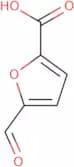
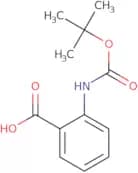
CAS:<p>5-Formylfuran-2-carboxylic acid is an organic compound that has been synthesized by the reaction of 5-hydroxymethylfurfural with trifluoroacetic acid. It is a white solid that is insoluble in water and reacts with base to form a salt. 5-Formyl furan-2-carboxylic acid can be used as a monomer for the synthesis of polymers, which are used in various industries. The polymerization process begins with the formation of a covalent bond between two molecules of 5-formyl furan-2-carboxylic acid and proceeds through a series of steps to form long chains of repeating units. This reaction mechanism is shown below:</p>Formula:C6H4O4Purity:Min. 98 Area-%Color and Shape:PowderMolecular weight:140.09 g/molBoc-2-aminobenzoic acid
CAS:<p>Boc-2-aminobenzoic acid is a synthetic amino acid that can be used for the synthesis of recombinant proteins. It contains lysine residues, which are often used in protein engineering. This product is hydrolyzed to form a chloride gas and a hydrochloride salt by the enzyme chloridase. The hydrolysis proceeds through an amine intermediate and proceeds with a rate that is first order in chloride gas and second order in Boc-2-aminobenzoic acid. The kinetic constants for this reaction have been determined using fluorescence resonance energy transfer (FRET) spectroscopy on the solid phase.</p>Formula:C12H15NO4Purity:Min. 95%Color and Shape:PowderMolecular weight:237.25 g/molTungstosilicic acid hydrate
CAS:<p>Tungstosilicic acid hydrate is an alkanoic acid that has a chemical formula of ZrO(OH)(SO)2. It is insoluble in water and reacts with hydrogen fluoride to form tungsten hexafluoride. Tungstosilicic acid hydrate is used as a catalyst in wastewater treatment, and also has biological properties that can be used for the synthesis of esters. The chemical stability of tungstosilicic acid hydrate is high, and it has been shown to be an excellent catalyst for the hydrogenation of alkenes. Tungstosilicic acid hydrate does not react with protonated amines or amides, which makes it a good candidate for catalyzing reactions involving these functional groups.</p>Formula:H4O40SiW12·xH2OPurity:(%) Min. 80%Color and Shape:PowderMolecular weight:2,878.17 g/molDL-3-Aminoisobutyric acid
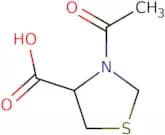
CAS:<p>DL-3-Aminoisobutyric acid (LAA) is a metabolite of the amino acid L-arginine. It is produced in the liver by the enzyme arginase and can be used to diagnose hepatic steatosis. It is also found in urine and human serum, as well as in microbial metabolism. LAA has been shown to regulate gene transcription and metabolism through its ability to inhibit the activity of gamma-aminobutyric acid (GABA), an inhibitory neurotransmitter that regulates energy metabolism and metabolic disorders. In addition, LAA has been shown to have antioxidant properties, which may be related to its role in caproic acid biosynthesis.</p>Formula:C4H9NO2Color and Shape:White Off-White PowderMolecular weight:103.12 g/molN-Acetyl-thiazolidine 4-carboxylic acid
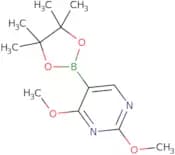
CAS:<p>N-Acetyl-thiazolidine 4-carboxylic acid is a natural product that has been shown to have an acetylation activity. Acetylation of N-Acetyl-thiazolidine 4-carboxylic acid is achieved by reacting it with acetic anhydride in the presence of a base, such as triethylamine. This reaction produces N-acetyl-thiazolidine 4,5 dicarboxylic acid. Acetylation of the compound prevents it from being oxidized, which may prevent the formation of toxic substances. It is also used as a diluent for other medicines and drugs. The acetylated form is sold under the trade name "Thiazone".</p>Formula:C6H9NO3SPurity:Min. 95%Color and Shape:PowderMolecular weight:175.21 g/mol2,4-Dimethoxypyrimidine-5-boronic acid, pinacol ester
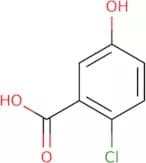
CAS:<p>2,4-Dimethoxypyrimidine-5-boronic acid is a high quality chemical that can be used as a reagent or a complex intermediate. It is an important building block for the synthesis of many compounds and has been shown to be useful in the synthesis of 2,4-dimethoxybenzaldehyde. This compound has been used in the preparation of 2,4-dimethoxypyrimidin-5(6H)-ones and as a reaction component in organic chemistry.</p>Formula:C12H19BN2O4Purity:Min. 97%Molecular weight:266.1 g/mol2-Chloro-5-hydroxybenzoic acid
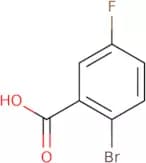
CAS:<p>2-Chloro-5-hydroxybenzoic acid is a compound that contains a hydroxyl group. It is an organic acid and a monomer that can be used in the preparation of coumarin derivatives. 2-Chloro-5-hydroxybenzoic acid can be prepared by oxidation of 2,3,4,5,6 tetrahydrobenzoquinone with hydrogen peroxide followed by hydrolysis. The oxidation step is carried out using potassium permanganate as oxidant and activated manganese dioxide as catalyst. This method yields the desired product in high yield.</p>Formula:C7H5ClO3Purity:Min. 95%Color and Shape:PowderMolecular weight:172.57 g/mol2-Bromo-5-fluorobenzoic acid
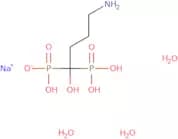
CAS:<p>2-Bromo-5-fluorobenzoic acid is a polymerase inhibitor that inhibits the activity of the HIV-1 reverse transcriptase by competitive inhibition. It prevents the synthesis of viral DNA by binding to the RNA template and preventing chain elongation. This drug has been shown to be an effective treatment for some types of cancer, such as lung cancer, because it is not easily metabolized and can therefore reach high concentrations in tissues where it is needed. 2-Bromo-5-fluorobenzoic acid is synthesized from 5-(2′-bromophenoxy)benzothiazole and 2,3,4,5,6-pentafluorobenzoyl chloride in three steps. The synthesis involves bromination of benzothiazole with NBS followed by reaction with 4-fluoroaniline to give the intermediate which is then reacted with pentafluorobenzoyl chloride. This compound</p>Formula:C7H4BrFO2Purity:Min. 95%Color and Shape:PowderMolecular weight:219.01 g/molAlendronic acid monosodium salt trihydrate - USP
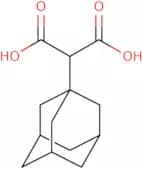
CAS:<p>Farnesyl diphosphate synthase inhibitor; inhibits bone resorption</p>Formula:C4H18NNaO10P2Purity:Min. 95%Color and Shape:White PowderMolecular weight:325.12 g/mol1-Adamantylmalonic acid
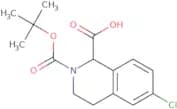
CAS:<p>1-Adamantylmalonic acid is a hydrolytic impurity of the drug adamantine, which belongs to the class of anti-inflammatory drugs. It has been shown that 1-Adamantylmalonic acid can be produced by hydrolysis when piperidine is added to a reaction solution containing malonic acid and an alicyclic compound with a constant structure. The responsiveness of 1-Adamantylmalonic acid to light has been determined in several experiments. It has been shown that this impurity is stable, but it is more sensitive to light than adamantine. Optical properties have also been studied and it was found that 1-Adamantylmalonic acid absorbs in the ultraviolet region and fluoresces at wavelengths between 300 and 320 nm.</p>Formula:C13H18O4Purity:Min. 95%Color and Shape:PowderMolecular weight:238.28 g/mol2-Boc-6-Chloro-3,4-dihydro-1H-isoquinoline-1-carboxylic acid
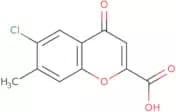
CAS:<p>2-Boc-6-Chloro-3,4-dihydro-1H-isoquinoline-1-carboxylic acid is a useful scaffold for the production of various chemical compounds. It is a versatile building block that can be used as an intermediate in various chemical reactions or as a speciality chemical. 2-Boc-6-Chloro-3,4-dihydro-1H-isoquinoline-1 carboxylic acid has been shown to be a high quality and reliable reagent for use in research and development.</p>Formula:C15H18ClNO4Purity:Min. 95%Color and Shape:White PowderMolecular weight:311.76 g/mol6-Chloro-7-methylchromone-2-carboxylic acid
CAS:<p>6-Chloro-7-methylchromone-2-carboxylic acid is a fine chemical that has been used as a versatile building block for the synthesis of complex compounds. It has been shown to be an effective reaction component in the synthesis of 1,4-benzoquinones and N'-acylhydrazones. 6-Chloro-7-methylchromone-2-carboxylic acid is also a useful intermediate in the preparation of other chemicals, such as pharmaceuticals and pesticides. This compound can be used as an additive to improve the quality of high purity reagents.</p>Formula:C11H7ClO4Purity:Min. 95%Molecular weight:238.62 g/molMethyl 2-oxoindole-6-carboxylate
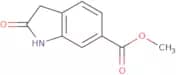
CAS:<p>Intermediate in the synthesis of nintedanib</p>Formula:C10H9NO3Purity:Min. 98 Area-%Color and Shape:PowderMolecular weight:191.18 g/molIron(II) acetate
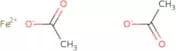
CAS:<p>Iron(II) acetate is a salt formed by the reaction of ethylene diamine and iron(II). It has been proposed as an alternative to iron oxide for use in magnetic separation. Iron(II) acetate is a catalyst for the production of antimicrobial agents, which are used to control the growth of bacteria. Iron(II) acetate has also been shown to accelerate the production of angiogenic factors in response to nutrient solution and can be used as a solid catalyst for hydrogenation reactions. Iron(II) acetate is also used in detergent compositions because it binds with particulates and other small particles, such as soil and dust. This makes it possible for these materials to be removed from fabrics through washing. The particles are magnetically attracted to the iron, which are then removed during the rinse cycle.</p>Formula:C4H6O4FePurity:Min. 95%Molecular weight:173.93 g/molMethyl 1-methylcyclopropane-1-carboxylate
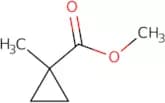
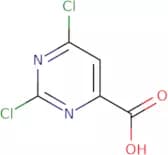
CAS:<p>Please enquire for more information about Methyl 1-methylcyclopropane-1-carboxylate including the price, delivery time and more detailed product information at the technical inquiry form on this page</p>Formula:C6H10O2Purity:Min. 95%Molecular weight:114.14 g/mol2,6-Dichloropyrimidine-4-carboxylic acid
CAS:<p>2,6-Dichloropyrimidine-4-carboxylic acid is a pyrimidine that can be used as a starting material for the synthesis of other compounds. It is an intermediate in the manufacture of anilines and pyrimidines. 2,6-Dichloropyrimidine-4-carboxylic acid is also used in the production of dyes and agrochemicals.</p>Formula:C5H2Cl2N2O2Purity:Min. 95%Color and Shape:White PowderMolecular weight:192.99 g/mol4-(Piperazin-1-yl)benzoic acid hydrochloride
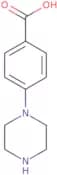
CAS:<p>4-(Piperazin-1-yl)benzoic acid hydrochloride is a chemical intermediate that is used in the synthesis of pharmaceuticals. It has been shown to be a useful scaffold, and can be used as a reaction component and building block in the synthesis of complex compounds. 4-(Piperazin-1-yl)benzoic acid hydrochloride is also versatile, as it has been shown to be an intermediate for the synthesis of fine chemicals.</p>Formula:C11H14N2O2•HClPurity:Min. 95%Color and Shape:PowderMolecular weight:242.7 g/molOctadecylphosphonic acid
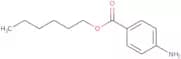
CAS:<p>Octadecylphosphonic acid is a chemical compound that belongs to the group of phosphoric acids. It is a non-volatile, colorless liquid with a pungent smell. The octadecylphosphonic acid molecule has two alkyl chains attached to the phosphate group. This molecule can be formed by the reaction of phosphorus trichloride and an alcohol. Octadecylphosphonic acid has been used as a model system for studying acid-base properties, kinetic energy, and molecular structures.<br>The octadecylphosphonic acid molecule has been studied using photoelectron spectroscopy and electrochemical impedance spectroscopy to understand its chemical structure, which is important in analytical chemistry. This acid complex also plays an important role in fatty acid synthesis by acting as an intermediate in the production of acyl CoA esters from free fatty acids and glycerol 3-phosphate. Octadecylphosphonic acid is also used as a re</p>Formula:C18H39O3PPurity:Min 95%Color and Shape:White PowderMolecular weight:334.47 g/mol4-Aminobenzoic acid hexyl ester
CAS:<p>4-Aminobenzoic acid hexyl ester is a cytoskeletal molecule that interacts with actin and myosin to form filaments. It has been shown to regulate transcriptional activity by reducing the level of reactive oxygen species or hydrogen peroxide, which are thought to induce cell death. 4-Aminobenzoic acid hexyl ester has also been shown to interact with imatinib, which is used in cancer treatment. This interaction may be due to the ability of 4-aminobenzoic acid hexyl ester to inhibit protein–protein interactions between proteins in the Wnt signaling pathway.</p>Formula:C13H19NO2Purity:Min. 95%Color and Shape:PowderMolecular weight:221.3 g/molEicosapentaenoic acid
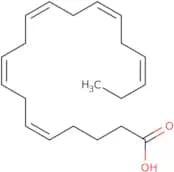
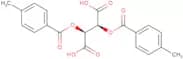
CAS:<p>Inhibitor of 5-lipoxygenase; reduces thromboxane A2 production</p>Formula:C20H30O2Purity:Min. 96 Area-%Color and Shape:Colorless Clear LiquidMolecular weight:302.45 g/mol(+)-O,O'-Di-p-toluoyl-D-tartaric acid
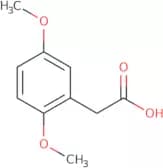
CAS:<p>(+)-O,O'-Di-p-toluoyl-D-tartaric acid is a potent and selective ligand for the dopamine D2 receptor. It was first synthesized in 1968 and has been extensively studied for its interactions with dopamine receptors. (+)-O,O'-Di-p-toluoyl-D-tartaric acid has been shown to be an orthosteric agonist at the D2 receptor, meaning it binds directly to the receptor in the absence of any other compounds. It binds to the extracellular site of the receptor, with a binding affinity that is 10 times more potent than that of apomorphine. The compound has been shown to have antidepressant effects when administered systemically, as well as in animal models of depression. This activity may be due to its ability to selectively activate dopamine D2 receptors in regions such as the prefrontal cortex.</p>Formula:C20H18O8Purity:Min. 95%Color and Shape:PowderMolecular weight:386.35 g/mol2-(2,5-dimethoxyphenyl)acetic acid
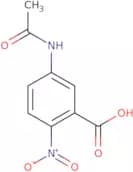
CAS:<p>2-(2,5-dimethoxyphenyl)acetic acid (DMPA) is a potent inhibitor of epidermal growth. It blocks the production of epidermal growth factor, which is a bioactive molecule that is involved in the biosynthesis of epidermal cells. DMPA also inhibits the formation of new blood vessels, which may be due to its ability to bind to silicon and alcaptonuria. DMPA has been shown to have an effect on platelet-derived growth factor and solid-phase synthesis. This drug also binds to factor receptor tyrosine kinase and has been shown to inhibit the growth of certain tumor cells.</p>Formula:C10H12O4Purity:Min. 95%Color and Shape:White PowderMolecular weight:196.2 g/mol5-Acetamido-2-nitrobenzoic acid
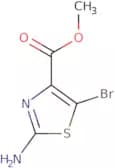
CAS:<p>5-Acetamido-2-nitrobenzoic acid is a metabolic precursor of homarine, which is an important intermediate in the synthesis of pharmaceuticals. 5-Acetamido-2-nitrobenzoic acid is a white crystalline powder that is soluble in water and sparingly soluble in ethanol. It has a molecular weight of 176.1 g/mol and an empirical formula of C7H6NO4P. The compound exists as a zwitterion at neutral pH. The solubility can be increased by adding phosphoric acid or orthophosphoric acid to increase the pH to 3-5, although this may result in the formation of impurities such as orthophosphate or multicolour compounds. 5-Acetamido-2-nitrobenzoic acid is used for the quantitative determination of phosphate in pharmaceutical dosage formulations by regression analysis with multicolour photometry and chromatographic methods.</p>Formula:C9H8N2O5Purity:Min. 95%Color and Shape:SolidMolecular weight:224.17 g/mol2-Amino-5-bromothiazole-4-carboxylic acid methyl ester
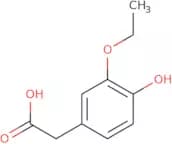
CAS:<p>2-Amino-5-bromothiazole-4-carboxylic acid methyl ester is a reagent that can be used as a building block for the synthesis of complex compounds. It is also an intermediate in the synthesis of other chemical compounds with therapeutic potential. 2-Amino-5-bromothiazole-4-carboxylic acid methyl ester is a fine chemical, which is useful for research purposes. The CAS number for this product is 850429-60-6.</p>Formula:C5H5BrN2O2SPurity:Min. 95%Color and Shape:PowderMolecular weight:237.08 g/mol3-Ethoxy-4-hydroxyphenylacetic acid
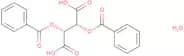
CAS:<p>3-Ethoxy-4-hydroxyphenylacetic acid is a chemical compound that functions as an anaesthetic. It has been shown to produce sedation and anesthesia in animals, but not in humans. 3-Ethoxy-4-hydroxyphenylacetic acid is also a metabolite of the drug propofol, which is used as a general anesthetic.</p>Formula:C10H12O4Purity:Min. 95%Color and Shape:PowderMolecular weight:196.2 g/molDibenzoyl-L-tartaric acid monohydrate
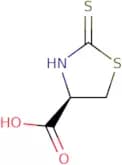
CAS:<p>Dibenzoyl-L-tartaric acid monohydrate is a chiral molecule that can be found in nature. It is soluble in organic solvents, but insoluble in water. Dibenzoyl-L-tartaric acid monohydrate has an affinity for carboxylate ligands and absorbs at 360 nm. The optical rotation of this compound is +20° to -50°, depending on the concentration and pH of the solution. This molecule is a potential pollutant because it can be degraded by oxidation or photolysis, yielding environmentally hazardous compounds. Its conformation may be changed by light or heat and, as a result, its properties may also change.</p>Formula:C18H14O8·H2OPurity:Min. 95%Color and Shape:PowderMolecular weight:376.31 g/mol(4R)-(-)-2-Thioxo-4-thiazolidinecarboxylic acid
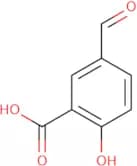
CAS:<p>(4R)-(-)-2-Thioxo-4-thiazolidinecarboxylic acid is a metabolite of the drug diazepam. It has been shown to inhibit DNA polymerase and human prostate cancer cells in vitro, but not in vivo. In addition, it has been found to be an analytical method for detecting diazepam metabolites in urine. The drug is used as a biomarker for monitoring the pharmacokinetics of diazepam and its active form N-desmethyldiazepam. (4R)-(-)-2-Thioxo-4-thiazolidinecarboxylic acid can also be used as a potential biomarker for assessing response to chemotherapy treatment.</p>Formula:C4H5NO2S2Purity:Min. 95%Color and Shape:PowderMolecular weight:163.22 g/mol5-Formylsalicylic acid
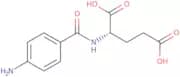
CAS:<p>5-Formylsalicylic acid is a molecule that has the chemical formula HOOC-(CH2)4-COOH. It is an organic acid that is derived from 5-nitrosalicylic acid, which is prepared by reacting sodium carbonate with hydroxybenzoic acid in the presence of ethylene diamine. This compound has been shown to have the ability to form hydrogen bonds with other molecules and itself. 5-Formylsalicylic acid can be synthesized by reacting sodium hydroxide with hydrogen chloride gas in a neutral pH environment. The surface methodology for this compound was determined to be gravimetric analysis, while it exhibits intermolecular hydrogen bonding interactions and matrix effects. Hydrogen bonding interactions are formed through nitrogen atoms and carboxylate groups on the surface of the molecule.</p>Formula:C8H6O4Purity:Min. 95%Color and Shape:PowderMolecular weight:166.13 g/mol4-Aminobenzoyl-L-glutamic acid
CAS:<p>4-Aminobenzoyl-L-glutamic acid (PABA) is a dinucleotide phosphate that can be found in human serum. It has been shown to have receptor activity for epithelial mesenchymal cells and is used as a model organism for folate, group p2 polymerase chain reactions (PCR). PABA is also involved in the reaction mechanism of linear calibration curves.</p>Formula:C12H14N2O5Purity:Min. 95%Color and Shape:PowderMolecular weight:266.25 g/molBis-Boc-amino-oxyacetic acid
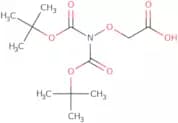
CAS:<p>Bis-Boc-amino-oxyacetic acid is an analog of goserelin acetate. It binds to the androgen receptor in prostate cancer cells, which leads to cytostatic effects. This drug has shown a low potency in human serum and does not bind to human serum proteins.<br>The uptake of Bis-Boc-amino-oxyacetic acid by prostate cancer cells was found to be significantly greater than that of goserelin acetate. The binding affinity of this drug for the androgen receptor is also lower than that of goserelin acetate, making it more selective for prostate cancer cells over other tissues.</p>Formula:C12H21NO7Purity:Min. 95%Color and Shape:White PowderMolecular weight:291.3 g/molGanoderic acid A
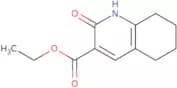
CAS:Controlled Product<p>Ganoderic acid A is a natural compound that is found in the mushroom Ganoderma lucidum. It has been shown to inhibit the proliferation of HL-60 cells, which are commonly used as a model system for human leukemia. The mechanism of action of Ganoderic acid A is not yet fully understood, but it may be due to its ability to inhibit the activation of signal pathways and Ca2+ release from the endoplasmic reticulum. This activity is synergistic with other compounds such as ganoderic acid B and ganoderol B. Ganoderic acid A has been shown to have cytotoxicity against HL-60 cells through a novel analytical method. It is also able to inhibit the growth of various cancers including lung, breast, prostate, and pancreatic cancer cells.</p>Formula:C30H44O7Purity:Min. 95%Color and Shape:White PowderMolecular weight:516.67 g/molEthyl 2-hydroxy-5,6,7,8-tetrahydroquinoline-3-carboxylate
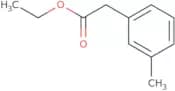
CAS:<p>Ethyl 2-hydroxy-5,6,7,8-tetrahydroquinoline-3-carboxylate is a fine chemical that is used as a building block in the manufacture of other compounds. It is also used as a reagent and speciality chemical. Ethyl 2-hydroxy-5,6,7,8-tetrahydroquinoline-3-carboxylate is an intermediate that can be used to produce other compounds. It can be used as a reaction component or useful scaffold for complex molecules.</p>Formula:C12H15NO3Purity:Min. 95%Color and Shape:PowderMolecular weight:221.25 g/molEthyl 3-tolylacetate
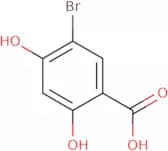
CAS:<p>Ethyl 3-tolylacetate is a colorless or light yellow liquid. It has a boiling point of 123-124 degrees Celsius and a density of 1.067 g/mL. It is soluble in water, but insoluble in ethanol and ether. Ethyl 3-tolylacetate has been used to synthesize hydrochlorides, ethoxycarbonyls, imines, hydrazones, and isatins.</p>Formula:C11H14O2Purity:Min. 95%Color and Shape:PowderMolecular weight:178.23 g/mol5-Bromo-2,4-dihydroxybenzoic acid
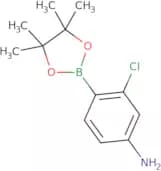
CAS:<p>5-Bromo-2,4-dihydroxybenzoic acid is an organic compound that is found in plants and animals. It is a metabolite of benzoic acid and can be produced by the metabolism of phenylalanine. 5-Bromo-2,4-dihydroxybenzoic acid has been shown to inhibit acetylsalicylic acid synthase, which prevents production of the antiinflammatory drug acetylsalicylic acid. This inhibition also leads to a decrease in the production of malonic acid and hippuric acid. The enzyme synthase gene that produces this metabolite can be found on a miniaturized DNA microchip. This gene has been cloned and sequenced by spatially mapping the genes that produce 5-bromo-2,4-dihydroxybenzoic acid using a microchip. Chromatographic analysis has shown that this compound is resistant to some toxins.</p>Formula:C7H5BrO4Purity:Min. 98 Area-%Color and Shape:PowderMolecular weight:233.02 g/mol4-Amino-2-chlorophenylboronic acid pinacol ester
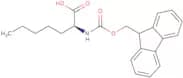
CAS:<p>4-Amino-2-chlorophenylboronic acid pinacol ester is a versatile building block that is used in the synthesis of complex compounds. It can be used as a research chemical, reagent, or speciality chemical depending on the desired use. 4-Amino-2-chlorophenylboronic acid pinacol ester reacts with nucleophiles to form covalent bonds and is also useful as a scaffold for synthesizing other compounds. This compound has been shown to be useful in the synthesis of many different types of chemicals.</p>Formula:C12H17BClNO2Purity:Min. 95%Color and Shape:PowderMolecular weight:253.53 g/molN-Fmoc-S-2-amino-heptanoic acid
CAS:<p>N-Fmoc-S-2-amino-heptanoic acid is a metabolite of the pentose phosphate pathway that is also found in the glycolytic pathway. It is a cell activator and, as such, can be used to stimulate the production of insulin, dopamine, and other metabolic products. N-Fmoc-S-2-amino-heptanoic acid has been shown to reduce levels of glucose in rat brains with administration through the injection route. This compound has also been shown to inhibit glycolytic enzymes and increase cell toxicity.</p>Formula:C22H25NO4Purity:Min. 95%Color and Shape:White Off-White PowderMolecular weight:367.44 g/mol2-[(Carboxymethyl)thio]benzoic acid
CAS:<p>2-[(Carboxymethyl)thio]benzoic acid is a bidentate ligand that binds to metal ions. It is coordinated, ligated, and stacked with the metal ion. The chelating ability of 2-[(Carboxymethyl)thio]benzoic acid allows it to form hydrogen bonds with both the anion and cation. This compound has been used as a catalyst for nitration reactions and for the synthesis of other organic compounds.</p>Formula:C9H8O4SPurity:Min. 95%Molecular weight:212.22 g/moltert-Butyl [(tert-butoxycarbonyl)oxy]carbamate
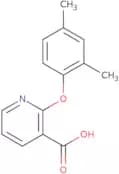
CAS:<p>tert-Butyl [(tert-butoxycarbonyl)oxy]carbamate is a compound that belongs to the class of hydroxylamine derivatives. It is used as a monomer for polystyrene and can be synthesized by reacting tert-butyl alcohol with hydrochloric acid and anhydrous ammonia. This substance has two main functions in the synthesis process: 1) it protects the hydroxamic acid group from hydrolysis by water; 2) it facilitates the extraction of the product from solvent. In addition, tert-Butyl [(tert-butoxycarbonyl)oxy]carbamate is also used in other applications such as the production of carboxylic acid analogues and their use in trackable aminolysis reactions. This substance is not likely to cause adverse effects at low doses, but may have lethal effects at higher doses because of its potential to inhibit protein synthesis.</p>Formula:C10H19NO5Purity:Min. 95%Molecular weight:233.26 g/mol2-(2,4-dimethylphenoxy)pyridine-3-carboxylic acid
CAS:<p>Please enquire for more information about 2-(2,4-dimethylphenoxy)pyridine-3-carboxylic acid including the price, delivery time and more detailed product information at the technical inquiry form on this page</p>Purity:Min. 95%Polymaleic acid, 48% aqueous solution
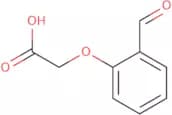
CAS:<p>Polymaleic acid is a homopolymer of maleic acid. It is a very efficient calcium carbonate antiscalant showing excellent performance in high temperature as well as high alkaline cooling water systems. The product is stable in presence of chlorine or other oxidizing biocides. Due to this and high temperature tolerance the material has found use in desalination plants.</p>Formula:(C4H4O4)nPurity:Min. 95%Color and Shape:Clear Liquid2-Formylphenoxyacetic acid
CAS:<p>2-Formylphenoxyacetic acid (FPAA) is a molecule that belongs to the group of p2 molecules. It has been detected in urine samples and can be used as a marker for urinary tract infections. FPAA is an electrochemical detector for copper complexes and has been shown to have antimicrobial activity against Staphylococcus, amines, and carboxylates. The mechanism of its antimicrobial activity may involve hydrogen bonding interactions with the negatively charged groups on the cell wall of bacteria. Chemical structures and structural analysis have shown that FPAA contains two aldehyde groups linked by an ether bond.</p>Formula:C9H8O4Purity:Min. 95%Color and Shape:PowderMolecular weight:180.16 g/mol4-Amino-2-chlorobenzoic acid - 98%
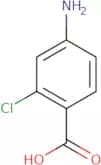
CAS:<p>4-Amino-2-chlorobenzoic acid (4ACBA) is a pharmaceutical chemical that is used in the preparation of pharmaceutical preparations. 4ACBA has been shown to be absorbed through the maternal blood and have an inhibitory effect on rat sciatic nerve. The uptake of 4ACBA was found to be dose dependent, with a maximum concentration reached after 30 minutes. The pharmacokinetic properties of 4ACBA have been shown to be nonlinear, with plasma concentrations decreasing as dosage increases.</p>Formula:C7H6ClNO2Purity:Min. 95%Color and Shape:PowderMolecular weight:171.58 g/mol3,4-Difluoro-5-(trifluoromethyl)benzoic acid
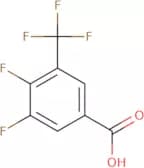
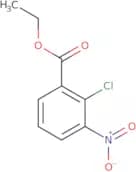
CAS:<p>3,4-Difluoro-5-(trifluoromethyl)benzoic acid is a fine chemical that is used as a versatile building block for the synthesis of complex compounds. It is an intermediate product in the production of pharmaceuticals, such as 3,4-Difluoro-5-(trifluoromethyl)benzonitrile and 3,4-Difluoro-5-(trifluoromethyl)benzamide. This compound has been shown to be useful in the preparation of research chemicals and speciality chemicals.</p>Formula:C8H3F5O2Purity:Min. 95%Color and Shape:White PowderMolecular weight:226.1 g/mol2-Chloro-3-nitrobenzoic acid ethyl ester
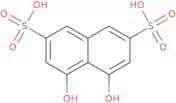
CAS:<p>2-Chloro-3-nitrobenzoic acid ethyl ester is a reactive chemical intermediate that can be used as a building block in organic synthesis. It is a versatile reagent that can be used in many reactions, such as condensation, cyclization, amination, and oxidation. The compound has been shown to be useful in the synthesis of polymers, pharmaceuticals, and natural products. 2-Chloro-3-nitrobenzoic acid ethyl ester is an environmentally friendly compound with a low toxicity profile. It has been classified as a high quality fine chemical with CAS number 3979-45-1.</p>Formula:C9H8ClNO4Purity:Min. 95%Color and Shape:PowderMolecular weight:229.62 g/mol1,8-Dihydroxynaphthylene-3,6-disulfonic acid
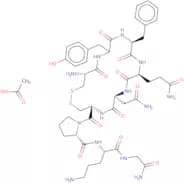
CAS:<p>1,8-Dihydroxynaphthylene-3,6-disulfonic acid is a sulfonic acid that has been shown to be an effective biocide for wastewater treatment. It has the ability to form stable complexes with organic matter and is not readily degraded by chemical reactions. 1,8-Dihydroxynaphthylene-3,6-disulfonic acid has been shown to have a strong affinity for certain metals and can be used to remove them from wastewater. This compound is also able to form stable complexes with metal ions in solution, which leads to the removal of these metals from the water column. The optimum concentration of 1,8-dihydroxynaphthylene-3,6-disulfonic acid varies depending on the specific metal being targeted and ranges from 0.01% to 0.1%.</p>Formula:C10H8O8S2Purity:Min. 95%Color and Shape:White PowderMolecular weight:320.3 g/molOrnipressin acetate
CAS:Controlled Product<p>Ornipressin acetate is a chemical compound that belongs to the group of reaction components. This substance is a useful scaffold for the synthesis of complex compounds and fine chemicals. Ornipressin acetate can be used as a reagent in organic chemistry. It has CAS No. 914453-98-8 and is classified as a speciality chemical. Ornipressin acetate also has versatile building block and intermediate properties.</p>Formula:C45H63N13O12S2·xC2H4O2Purity:Min. 95%Color and Shape:PowderMolecular weight:1,042.19 g/molTaraxasterol acetate
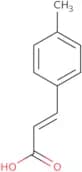
CAS:Controlled Product<p>Taraxasterol acetate is a sesquiterpene lactone that has shown anti-inflammatory activity and inhibits the production of inflammatory cytokines. It also possesses antifungal activity against various fungi, such as Candida albicans and Aspergillus niger. Taraxasterol acetate can be used for the treatment of infectious diseases, as well as for the prevention of inflammation. This compound has been found to work by binding to specific enzymes that are involved in the inflammatory response. These enzyme interactions prevent the production of pro-inflammatory molecules and cytokines, which are substances that trigger an immune response. The structure of taraxasterol acetate is similar to 3-o-caffeoylquinic acid, a natural compound found in plants such as Angelica Dahurica. Taraxasterol acetate is a component of several species of plants, including some medicinal herbs such as Angelicae Dahuricae. This compound can be purified</p>Formula:C32H52O2Purity:Min. 95%Color and Shape:PowderMolecular weight:468.75 g/mol4-Methylcinnamic acid
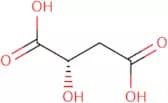
CAS:<p>4-Methylcinnamic acid is a cinnamic acid derivative that is used as an intermediate in the synthesis of various drugs. It can be synthesized from 2-chlorocinnamic acid, which is prepared by reaction with phosphorus pentachloride. 4-Methylcinnamic acid is also able to be oxidized to 4-hydroxycinnamic acid, which has been shown to have anti-aging effects. The molecule can be modeled using molecular dynamics simulations and was found to be polarizable and diffracting.</p>Formula:C10H10O2Purity:Min. 95%Color and Shape:White PowderMolecular weight:162.19 g/molL-(-)-Malic acid
CAS:<p>L-malic acid is a naturally occurring organic compound that can be found in many fruits and vegetables. It is an important intermediate in the citric acid cycle as well as a key component of the Krebs cycle. L-malic acid has been shown to have antiseizure and anti-inflammatory effects, and also inhibits the growth of bacteria such as Staphylococcus aureus. L-malic acid is synthesized from sodium carbonate and lactic acid by reacting with a mineral acid such as hydrochloric, sulfuric, or nitric acid. This reaction produces hydrogen gas, water, and l-malic acid. L-Malic Acid is also used for production of monoclonal antibodies against various targets, including human cells.</p>Formula:C4H6O5Color and Shape:White Off-White PowderMolecular weight:134.09 g/mol6-(Trifluoromethyl)pyridine-2-boronic acid
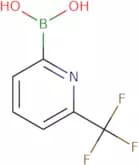
CAS:<p>6-(Trifluoromethyl)pyridine-2-boronic acid is a solid chemical that is soluble in organic solvents. It is a building block for the synthesis of more complex compounds, and also serves as an intermediate in the synthesis of pharmaceuticals. 6-(Trifluoromethyl)pyridine-2-boronic acid has been shown to be useful for the preparation of fine chemicals and has been widely used as a reagent in research.</p>Formula:C6H5BF3NO2Purity:Min. 95%Color and Shape:PowderMolecular weight:190.92 g/mol2-(7-Ethylindol-3-yl)-4-oxo-4-phenylbutanoic acid
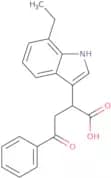
CAS:<p>Please enquire for more information about 2-(7-Ethylindol-3-yl)-4-oxo-4-phenylbutanoic acid including the price, delivery time and more detailed product information at the technical inquiry form on this page</p>Purity:Min. 95%Ethyl 2,5-dimethoxyphenylacetate
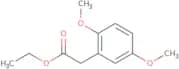
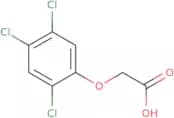
CAS:<p>Ethyl 2,5-dimethoxyphenylacetate is a chemical that has a wide range of uses in the synthesis of complex compounds. It can be used as an intermediate for the production of research chemicals or as a reaction component for speciality chemicals. The compound is also useful in the synthesis of fine chemicals and other useful scaffolds. It has been used as a building block to produce high-quality reagents.</p>Formula:C12H16O4Purity:Min. 95%Color and Shape:PowderMolecular weight:224.25 g/mol2,4,5-Trichlorophenoxyacetic acid
CAS:Controlled Product<p>2,4,5-Trichlorophenoxyacetic acid (2,4,5-T) is a herbicide that inhibits the growth of plants by inhibiting photosynthesis. It can be found in the environment as a contaminant of manufactured items such as vinyl chloride and polyurethane. 2,4,5-T is also used to produce dioxin and polychlorinated biphenyls (PCBs). The mechanism of toxicity involves inhibition of the activity of an enzyme called acetolactate synthase (ALS), which is responsible for synthesizing an important amino acid called L-alanine. ALS inhibitors are toxic to animals because they inhibit the formation of L-alanine and disrupt cellular energy production. In CD-1 mice, 2,4,5-T has been shown to have an inhibitory dose at 1 mg/kg body weight with long-term toxicity at doses up to 5 mg/kg body weight. 2,4,5</p>Formula:Cl3C6H2OCH2CO2HPurity:Min. 95%Color and Shape:PowderMolecular weight:255.48 g/mol


![Benzo[b]thiophene-2-carboxylic acid](/_next/image/?url=https%3A%2Fstatic.cymitquimica.com%2Fproducts%2F3D%2Fthumb-webp%2FFB01173.webp&w=3840&q=75)


![(1R,2S,3S,5S)-3-(4-Iodophenyl)-8-methyl-8-azabicyclo[3.2.1]octane-2-carboxylicacid methyl ester](/_next/image/?url=https%3A%2Fstatic.cymitquimica.com%2Fproducts%2F3D%2Fthumb-webp%2FFI76761.webp&w=3840&q=75)



![2-[(Carboxymethyl)thio]benzoic acid](/_next/image/?url=https%3A%2Fstatic.cymitquimica.com%2Fproducts%2F3D%2Fthumb-webp%2FFC115531.webp&w=3840&q=75)
![tert-Butyl [(tert-butoxycarbonyl)oxy]carbamate](/_next/image/?url=https%3A%2Fstatic.cymitquimica.com%2Fproducts%2F3D%2Fthumb-webp%2FFB130830.webp&w=3840&q=75)