Carboxylic Acids
Carboxylic acids are organic molecules characterized by having a carboxyl-type functional group (-COOH). These acids are fundamental in various chemical reactions, including esterification, amidation, and decarboxylation. Carboxylic acids are widely used in the production of pharmaceuticals, polymers, and agrochemicals. In this section, you can find a large number of carboxylic acids ready to be used. At CymitQuimica, we provide a broad range of high-quality carboxylic acids to support your research and industrial applications.
Found 12453 products of "Carboxylic Acids"
Sort by
Purity (%)
0
100
|
0
|
50
|
90
|
95
|
100
2-Amino-5-bromobenzoic acid methyl ester
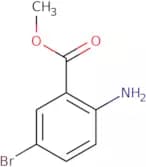
CAS:<p>2-Amino-5-bromobenzoic acid methyl ester is a small molecule with antiviral potency. It has a dipole moment and can form hydrogen bonds. 2-Amino-5-bromobenzoic acid methyl ester inhibits the PDE5 enzyme, which is an enzyme that breaks down cGMP. This inhibition of PDE5 leads to the increase in cGMP, which causes blood vessels to relax and widen. As a result, 2-amino-5-bromobenzoic acid methyl ester has been shown to decrease high blood pressure and improve heart function.</p>Formula:C8H8BrNO2Purity:Min. 95%Color and Shape:PowderMolecular weight:230.06 g/mol2-Acetylcoumaric acid
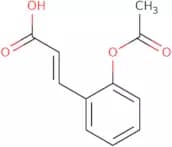
CAS:<p>2-Acetylcoumaric acid is a monohydric, monoketone that can be found in plants and fruits. It is usually found as an oxidation product of hydroxybenzaldehydes and it has neuroprotective properties. The 2-acetylcoumaric acid can be synthesized from propionyl chloride and hydrogen chloride. It is a natural compound that has been shown to have inhibitory effects on the production of proinflammatory cytokines, such as tumor necrosis factor-α (TNF-α), by lipopolysaccharide (LPS). It also inhibits the production of nitric oxide (NO) by LPS.<br>2-Acetylcoumaric acid can be prepared from copper chromite or aspirin by reduction with sodium borohydride in ethanol or acetic acid respectively.</p>Formula:C11H10O4Color and Shape:PowderMolecular weight:206.19 g/mol2-Furoic acid hydrazide
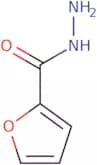
CAS:<p>2-Furoic acid hydrazide is an antifungal agent that inhibits the synthesis of cell membrane lipids by inhibiting the enzyme enoyl-ACP reductase. This compound has been shown to be effective against Candida albicans in vitro and in vivo. 2-Furoic acid hydrazide may also have amoebicidal activity, although this has not yet been confirmed. The mechanism of action of 2-furoic acid hydrazide is currently unknown, but it may be due to its ability to inhibit adenosine receptor antagonists and its interaction with hydrogen bonding interactions.</p>Formula:C5H6N2O2Purity:Min. 95%Color and Shape:PowderMolecular weight:126.11 g/molγ-Polyglutamic acid sodium - MW > 700,000
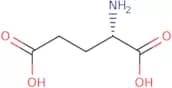
CAS:<p>Gamma-Polyglutamic acid sodium - MW > 700,000 is a high molecular weight biopolymer, which is a salt form of polyglutamic acid. Its unique structure consists of glutamic acid units linked via γ-amide bonds, resulting in a robust and biodegradable polymer.The mode of action of gamma-Polyglutamic acid sodium involves its high water-binding capacity and viscosity, which make it exceptional in forming hydrogels. This property is pivotal in applications that require moisture retention or controlled release of active ingredients. Its biodegradability and non-toxic nature add to its versatility and safety profile.Gamma-Polyglutamic acid sodium is used across various fields, including biotechnology, pharmaceuticals, agriculture, and cosmetics. In biotechnology and pharmaceuticals, it is utilized as a drug delivery vehicle and tissue engineering scaffold due to its compatibility with human tissues. Its agricultural applications include acting as a soil conditioner and enhancing water retention. In cosmetics, it serves as a potent moisturizer and anti-aging ingredient.</p>Formula:(C5H7NO3)n•NaxPurity:Min. 90 Area-%Color and Shape:White PowderPoly(acrylic acid, sodium salt) solution - average molecular weight 15000, 35% in water
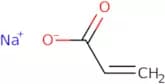
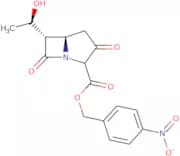
CAS:<p>Poly(acrylic acid) is a polymer that has significant cytotoxicity. The molecular weight of the polymers range from 10,000 to 1,000,000 and it is soluble in water. Poly(acrylic acid) can be used for the treatment of solid tumours and bowel diseases. It has been shown to have a phase transition temperature at around 55°C, which means that it is a liquid at room temperature but becomes a gel when heated. Poly(acrylic acid) is also used as an ionotropic gelation agent in ionotropic electrode gels, and as an additive to increase the viscosity of benzalkonium chloride solutions.</p>Formula:(C3H4O2)x•NaxPurity:Min. 95%Color and Shape:Clear Liquidp-Nitrobenzyl 6-(1'-hydroxyethyl)-azabicyclo(3.2.0)heptane-3,7-dione-2-carboxylate
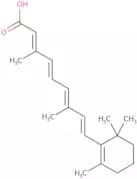
CAS:<p>p-Nitrobenzyl 6-(1'-hydroxyethyl)-azabicyclo(3.2.0)heptane-3,7-dione-2-carboxylate is a drug substance that is used in the manufacture of carbapenem antibiotics. It can be detected by a chloride ion chromatographic method, and the detection limit is 0.5 mg/L in the presence of zinc powder as a modifier. This material is used to prepare carbapenems using an analytical method that includes reaction monitoring by optical rotation, diastereomer chromatography, and transfer.</p>Formula:C16H16N2O7Purity:Min. 95%Color and Shape:PowderMolecular weight:348.31 g/molall-trans-Retinoic acid
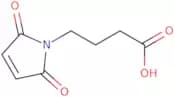
CAS:Controlled Product<p>Retinoic acid receptor (RAR) agonist; inhibits melanocyte activity</p>Formula:C20H28O2Purity:Min. 95%Color and Shape:Yellow PowderMolecular weight:300.44 g/mol4-Maleimidobutyric acid
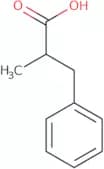
CAS:<p>4-Maleimidobutyric acid is a molecule that is used for the immobilization of peptides and proteins. It has been shown to bind to lysine residues on the surface of epidermal growth factor, which may be due to its ability to form covalent bonds with amino groups. This binding prevents the protein from interacting with cells in culture. 4-Maleimidobutyric acid also inhibits bacterial growth, including activity against Staphylococcus aureus, Bacillus anthracis, Mycobacterium tuberculosis, and Pseudomonas aeruginosa. 4-Maleimidobutyric acid has been shown to inhibit cancer cell proliferation in a Ca2+-dependent manner. It may also be effective as an antimicrobial agent due to its ability to disrupt proton gradients and acidic environments found in bacteria.</p>Formula:C8H9NO4Purity:Min. 98 Area-%Color and Shape:PowderMolecular weight:183.16 g/molα-Methylhydrocinnamic acid
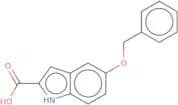
CAS:<p>Alpha-methylhydrocinnamic acid (AMHA) is a synthetic enantiomer of 2-phenylbutyric acid, which has been shown to inhibit the growth of k562 cells. It is also a substrate for fatty acid synthase and may play an important role in fatty acid metabolism. AMHA has been shown to inhibit the production of reactive oxygen species by phagocytic cells exposed to ionizing radiation, which may be due to its ability to scavenge hydroxyl radicals. The effect of AMHA on hematopoietic cells, including neutrophils and bone marrow cells, has not yet been determined.</p>Formula:C10H12O2Purity:Min. 95%Color and Shape:White Clear LiquidMolecular weight:164.2 g/mol5-Benzyloxyindole-2-carboxylic acid
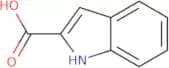
CAS:<p>5-Benzyloxyindole-2-carboxylic acid is a versatile compound that has been used as a building block for the synthesis of diverse chemical compounds. It has been shown to be useful in the synthesis of natural products and pharmaceuticals, such as anticancer drugs, antibiotics, and analgesics. 5-Benzyloxyindole-2-carboxylic acid is also used as an intermediate in the production of other chemical compounds. It has a CAS number of 6640-09-1 and is classified as a research chemical.</p>Formula:C16H13NO3Purity:Min. 95%Color and Shape:PowderMolecular weight:267.28 g/molIndole-2-carboxylic acid
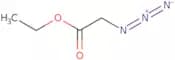
CAS:<p>Indole-2-carboxylic acid is a potent inducer of the cytochrome P450 enzyme. It has been shown to bind to the active site of the enzyme and inhibit its activity. Indole-2-carboxylic acid is an acidic molecule with two hydrogen atoms that are capable of forming an intermolecular hydrogen bond, which may be responsible for its ability to bind to the enzyme. This compound has been shown to inhibit the activity of other enzymes such as xanthine oxidase and phosphodiesterase, which are involved in chemical reactions that produce reactive oxygen species (ROS). ROS are implicated in neuronal death and Parkinson's disease.</p>Formula:C9H7NO2Purity:Min 98%Color and Shape:PowderMolecular weight:161.16 g/molEthyl azidoacetate
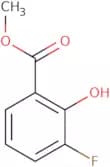
CAS:<p>Ethyl azidoacetate is a synthetic compound that contains an ethyl group and an azide group. It undergoes photolysis in the presence of benzyl groups to produce benzyl azide and ethyl malonic acid. The photoelectron spectra of ethyl azidoacetate show two peaks at 285 and 320 nm, which correspond to the two lowest energy levels in the ground state. The quantum theory predicts that the binding constants for receptors are proportional to the square root of their corresponding dissociation constants, which may explain why it has high binding constants for both cb2 receptor and receptor binding.</p>Formula:C4H7N3O2Purity:Min. 95%Color and Shape:Yellow PowderMolecular weight:129.1 g/mol3-Fluoro-2-hydroxybenzoic acid methyl ester
CAS:<p>3-Fluoro-2-hydroxybenzoic acid methyl ester (3-FHBA) is a high quality chemical compound that is used as an intermediate to produce other compounds. It has been shown to be a useful scaffold for the synthesis of complex compounds with various functional groups. 3-FHBA is also a reagent in the production of fine chemicals, research chemicals, and speciality chemicals. This compound has many uses, including being a versatile building block for reactions in organic synthesis and being a reaction component in the production of many types of products.</p>Formula:C8H7FO3Purity:Min. 95%Color and Shape:White PowderMolecular weight:170.14 g/mol3-(N-(4-Acetylphenyl)carbamoyl)pyridine-2-carboxylic acid
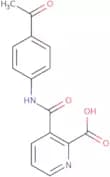
CAS:<p>Please enquire for more information about 3-(N-(4-Acetylphenyl)carbamoyl)pyridine-2-carboxylic acid including the price, delivery time and more detailed product information at the technical inquiry form on this page</p>Formula:C15H12N2O4Purity:Min. 95%Color and Shape:PowderMolecular weight:284.27 g/mol2-Bromo-3-hydroxybenzoic acid
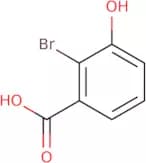
CAS:<p>2-Bromo-3-hydroxybenzoic acid is an inhibitor of HIV protease that has potent antiviral activity. It inhibits the enzyme responsible for the cleavage of the gag and pol polyproteins in HIV, preventing the formation of new virus particles. 2-Bromo-3-hydroxybenzoic acid is orally bioavailable and can be used as a prodrug for other benzamides or urethanes with antiviral potency. This drug is a cyclic inhibitor that binds to the hydrophobic pocket on the surface of HIV protease and prevents it from functioning as an enzyme.</p>Formula:C7H5BrO2Purity:Min. 95%Color and Shape:PowderMolecular weight:201.02 g/molP-Nitrobenzoic acid
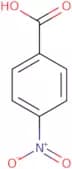
CAS:<p>P-Nitrobenzoic acid is a nitro compound that is used as an intermediate in the synthesis of various pharmaceuticals. It is also used in wastewater treatment to remove protocatechuic acid, which is produced during the oxidation of phenols by peroxidase. P-Nitrobenzoic acid can be synthesized by reacting sodium nitrite with p-hydroxybenzoic acid. The structure of this compound was determined through a series of experiments, and it was found that it has two nitrogen atoms that are incorporated into the benzene ring. This compound reacts with aziridine in an exothermic reaction mechanism to form an unstable five membered ring. This reaction proceeds through a series of steps and eventually forms p-nitrobenzoic acid.</p>Formula:C7H5NO4Purity:Min. 95%Color and Shape:PowderMolecular weight:167.12 g/molL-Aspartic β-7-amido-4-methylcoumarin
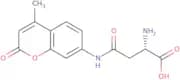
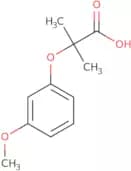
CAS:<p>L-Aspartic acid beta-7-amido-4-methylcoumarin (LAM) is a fluorescent amino acid that can be used to diagnose deficiencies of this amino acid. LAM is an experimental diagnostic chemical and has been tested in rats, rabbits, and humans. It is a fluorescent amino acid that binds to the 7th position on lysine residues in proteins. The binding of the fluorophore to the protein can be detected using fluorescence spectroscopy. The assay measures the intensity of fluorescence at 480 nm and 660 nm which corresponds to excitation at 320 nm and 420 nm respectively. LAM is currently being studied as a potential treatment for cancerous cells and their growth.</p>Formula:C14H14N2O5Purity:Min. 99 Area-%Color and Shape:White PowderMolecular weight:290.27 g/mol2-(3-Methoxyphenoxy)-2-methylpropanoic acid
CAS:<p>2-(3-Methoxyphenoxy)-2-methylpropanoic acid is a reagent, useful intermediate and speciality chemical. It is a versatile building block for the synthesis of complex compounds. This product has CAS No. 140239-94-7, which is a fine chemical with high quality. It is an essential reaction component for the preparation of many other valuable chemicals in the laboratory.</p>Formula:C11H14O4Purity:Min. 95%Color and Shape:PowderMolecular weight:210.23 g/molEthylboronic acid
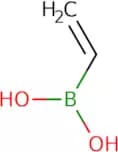
CAS:<p>Ethylboronic acid is a β-amino acid with a serine protease inhibitory effect. It has been shown to inhibit the Toll-like receptor cascade, which is involved in the inflammatory response. Ethylboronic acid also inhibits the serine proteases that are responsible for cleaving peptides at their carboxy termini. This inhibition leads to an increase in the level of active peptides and a decrease in the level of inactive peptides, which can lead to an antimicrobial effect. Ethylboronic acid also inhibits chloride ion channels, which may lead to new treatments for asthma and cancer.</p>Formula:C2H7BO2Purity:Min. 95%Color and Shape:PowderMolecular weight:73.89 g/moltrans,trans-Farnesyl thiosalicylic acid
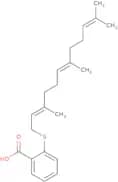
CAS:<p>Farnesyl thiosalicylic acid (FTSA) is a synthetic compound that exhibits potent anticancer activity. FTSA binds to the active site of the enzyme protein kinase C-alpha (PKC-α), which prevents its phosphorylation and activation. This prevents the activation of the mitogen-activated protein kinases, which are involved in cell proliferation and differentiation. FTSA also inhibits cancer cell migration by blocking MMP-9 activity, leading to tumor regression. FTSA has been shown to be effective against chemotherapy resistant breast cancer cells, as well as cancer cells from other tissues such as colon, prostate, and ovary.</p>Formula:C22H30O2SPurity:Min. 95%Color and Shape:White to off-white solid.Molecular weight:358.54 g/mol2-Amino-4-(trifluoromethyl)benzoic acid
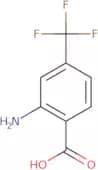
CAS:<p>2-Amino-4-(trifluoromethyl)benzoic acid (2ATB) is a fluorescent compound that is used in assays to study the function of cells. It is a functional theory that 2ATB binds to the skeleton of cells, which are then subjected to optical properties testing. Fluorescence resonance energy transfer has been shown to occur between 2ATB and retinoic acid molecules in the cell nucleus, which may be related to cellular senescence. The structure of 2ATB has been determined by X-ray crystallography and it has been synthesized by halogenation.</p>Formula:C8H6F3NO2Purity:Min. 95%Color and Shape:PowderMolecular weight:205.13 g/mol2,5-Dihydroxybenzenesulfonic acid N-ethylethanamine
CAS:<p>2,5-Dihydroxybenzenesulfonic acid N-ethylethanamine is a drug that has been used to treat muscle spasms. It is a potassium salt of 2,5-dihydroxybenzenesulfonic acid, which is the active form of the drug. The mechanism of this drug is not fully understood but it may act by relaxing smooth muscles in the bladder. This drug has been shown to be effective in combination therapy with sodium ferulate and sodium salts (sodium chloride and sodium bicarbonate) for treating muscle spasms caused by urinary tract infections.<br>Fluorescence measurements are used for analytical determinations because of their high sensitivity and low cost, as well as the ability to provide results quickly. The synchronous fluorescence technique enables rapid quantification of both free and protein bound 2,5-dihydroxybenzenesulfonic acid N-ethylethanamine in urine samples due to its high sensitivity.</p>Formula:C10H17NO5SPurity:Min. 95%Color and Shape:White PowderMolecular weight:263.31 g/mol2-Quinoxalinecarboxylic acid
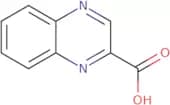
CAS:<p>2-Quinoxalinecarboxylic acid is a monoclonal antibody that binds to fatty acids. It has been shown to be effective in treating solid tumours, autoimmune diseases, and cyclic peptide-induced genotoxicity in biological studies. The compound is stable at physiological pH and can be used for the detection of hydrochloric acid using electrochemical impedance spectroscopy.</p>Formula:C9H6N2O2Purity:Min. 95%Color and Shape:PowderMolecular weight:174.16 g/molSulfo-SMCC sodium
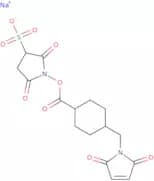
CAS:<p>Crosslinker reacting rapidly with primary amines. It is used as a protein crosslinker where it reacts with cysteine to yield specific conjugates. The cyclohexane bridge confers added stability to the maleimide group making it ideal for maleimide activation of proteins. It is soluble in water and many other aqueous buffers although it is less stable then in DMSO or DMF.</p>Formula:C16H17N2O9SNaPurity:Min. 95 Area-%Color and Shape:White Off-White PowderMolecular weight:436.37 g/mol2-Chlorophenylphenyl-aminomethanesulphonic acid sodium salt
CAS:<p>2-Chlorophenylphenyl-aminomethanesulphonic acid sodium salt is a fine chemical that is a useful building block in research and development. It can be used as a reagent, a CAS No. 132141-36-7, or as a speciality chemical. This compound has been used as an intermediate in the synthesis of complex compounds. It also acts as a versatile building block for various reactions and has been used as a scaffold for the synthesis of new compounds.</p>Formula:C13H11ClNO3S·NaPurity:Min. 95%Molecular weight:319.74 g/mol3-Hydroxy-2-nitrobenzoic acid
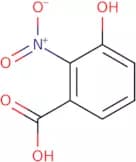
CAS:<p>3-Hydroxy-2-nitrobenzoic acid is a metabolite of 3-hydroxyanthranilic acid, which is an intermediate in the biosynthesis of amino acids. It can be found in animals and plants. 3-Hydroxy-2-nitrobenzoic acid has two isomers: 3,5-dihydroxybenzoic acid and 3,4,5-trihydroxybenzoic acid. The former is more abundant than the latter. In animal tissues, 3-hydroxybenzoic acid can be found as a diacid or as a salt with sodium or potassium. It reacts with various compounds to form oxidation products that have been shown to have sequences that are different from those of their precursors. These oxidation products are analyzed for the presence of their carboxylate group to identify the original compound. This carboxylate group can then be used as a ligand in matrix assisted laser desorption</p>Formula:C7H5NO5Purity:90%Color and Shape:Yellow PowderMolecular weight:183.12 g/molBenzoic acid hydrazide
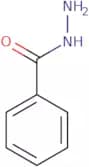
CAS:<p>Benzoic acid hydrazide is an antimicrobial agent that inhibits the growth of bacteria by binding to the active site of benzoyl-coenzyme A reductase, which is an enzyme involved in the biosynthesis of benzoate from benzoate semialdehyde. The optimum concentration for this compound is 1 mM. Benzoic acid hydrazide has been shown to inhibit bacterial growth in biological studies and x-ray crystal structures have been determined for this molecule. It also inhibits the growth of bacteria that are resistant to other types of antibiotics, such as ampicillin, erythromycin, and tetracycline. The mechanism of action for benzoic acid hydrazide appears to be due to its ability to form hydrogen bonding interactions with inhibitor molecules.</p>Formula:C7H8N2OPurity:Min. 95%Color and Shape:PowderMolecular weight:136.15 g/mol2,2-Difluoro-2-[1,1,2,2-tetrafluoro-2-(trifluoromethoxy)ethoxy]acetic acid
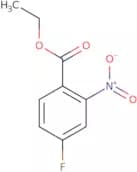
CAS:<p>2,2-Difluoro-2-[1,1,2,2-tetrafluoro-2-(trifluoromethoxy)ethoxy]-acetic acid is a fluorinated compound that can be used as an adsorbent for organic compounds. It is a highly selective material and has high adsorption capacity. The adsorption equilibrium data for 2,2-difluoro-2-[1,1,2,2-tetrafluoro-2-(trifluoromethoxy)ethoxy]-acetic acid are given in the table below. Table: Adsorption Equilibrium Data Temperature (°C) Pressure (kPa) Vapor Pressure (Pa) Equilibrium Vapor Pressure (Pa) Adsorption Capacity (%) 0 0.001 0.0008 0.0012 100</p>Formula:C5HF9O4Purity:Min. 95%Color and Shape:Clear LiquidMolecular weight:296.04 g/mol4-Fluoro-2-nitrobenzoic acid ethyl ester
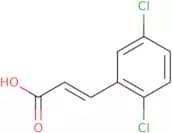
CAS:<p>4-Fluoro-2-nitrobenzoic acid ethyl ester is a fine chemical that can be used as a reagent, intermediate compound, building block, scaffold and building block for speciality chemicals. It has been shown to be an effective chemical in the synthesis of 4-fluoro-2-nitrobenzoic acid, which is a versatile building block with many potential applications. 4-Fluoro-2-nitrobenzoic acid ethyl ester is also useful in reactions involving amines and alcohols as well as metal catalyzed reactions. This product has CAS No. 1072207-10-3.</p>Formula:C9H8FNO4Purity:(%) Min. 85%Color and Shape:Clear LiquidMolecular weight:213.16 g/mol2,5-Dichlorocinnamic acid
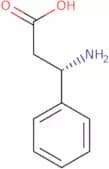
CAS:<p>2,5-Dichlorocinnamic acid is a chemical compound with the formula CHClCOCHCl. It is typically used as a reagent or building block in organic synthesis. 2,5-Dichlorocinnamic acid is an alpha-hydroxycarboxylic acid that exists in two tautomeric forms: the enol form (2,5-dichloro-3-oxopentanoic acid) and the keto form (2,5-dichlorohexanedioic acid). The enol form predominates at pH 7 and above. The keto form predominates at pH 1 and below.</p>Formula:C9H6Cl2O2Purity:Min. 95%Color and Shape:PowderMolecular weight:217.05 g/mol(S)-3-Amino-3-phenylpropionic acid
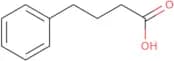
CAS:<p>3-Amino-3-phenylpropionic acid is a β-amino acid that is used in the industrial production of acrylate esters. The acylation reaction of the carboxylic acid group with an alcohol, usually naphthalene or phenol, yields an ester hydrochloride. This is then hydrolyzed to the corresponding amide, which can be further reacted to produce a variety of other compounds. 3-Amino-3-phenylpropionic acid has pharmacokinetic properties that are similar to those of glycine and alanine, but it does not undergo transamination. It also has a very high chloride content and is often used as a reagent for the synthesis of organic chloride salts.</p>Formula:C9H11NO2Purity:Min. 95%Color and Shape:White PowderMolecular weight:165.19 g/mol4-Phenylbutyric acid
CAS:<p>4-Phenylbutyric acid is a prophylactic antibiotic that has minimal toxicity. It has been shown to significantly up-regulate protein synthesis in kidney cells and to have neural cell protective effects. 4-Phenylbutyric acid also inhibits the production of dextran sulfate, which may be useful for the treatment of liver injury. This compound has been tested as an investigational agent for squamous cell carcinoma and other cancers.</p>Formula:C10H12O2Purity:Min. 98%Color and Shape:White PowderMolecular weight:164.2 g/mol(2-[Biotinamido]ethylamido)-3,3'-dithiodipropionic acid N-hydroxysuccinimide ester
CAS:<p>Biotinamido-3,3'-dithiodipropionic acid N-hydroxysuccinimide ester is a biotinylated derivative of the lectin from Streptomyces griseus. It has been shown to bind to the mycolic acid on the surface of mycobacteria and activate inflammatory cells. The lectin has also been used as a vaccine adjuvant for tuberculosis and other bacterial infections. Biotinamido-3,3'-dithiodipropionic acid N-hydroxysuccinimide ester activates Toll-like receptor 4 (TLR4) and induces secretion of tumor necrosis factor alpha (TNF-α). TLR4 is a cell surface receptor that recognizes various microbial products, such as lipopolysaccharides (LPS), peptidoglycan, and unmethylated CpG DNA.</p>Formula:C22H33N5S3O7Purity:Min. 95%Color and Shape:PowderMolecular weight:575.72 g/molMeclofenamic acid sodium salt
CAS:<p>Meclofenamic acid is a non-steroidal anti-inflammatory drug that is used to treat pain and inflammation. It inhibits the production of prostaglandin, which is a natural chemical produced by the body that causes pain, fever, and inflammation. Meclofenamic acid sodium salt can be administered orally or topically. The drug has been shown to reduce disease activity in patients with rheumatoid arthritis and other inflammatory conditions. Meclofenamic acid sodium salt is also used for the treatment of gouty arthritis, osteoarthritis, ankylosing spondylitis, and dysmenorrhea. Meclofenamic acid sodium salt has been shown to have cardiac effects such as bradycardia and heart blockage when taken at high doses over a long period of time.</p>Formula:C14H10Cl2NNaO2Purity:Min. 95%Color and Shape:White PowderMolecular weight:318.13 g/mol2-(4-Hydroxy-3-iodophenyl)acetic acid
CAS:<p>2-(4-Hydroxy-3-iodophenyl)acetic acid is a versatile building block that is used in the production of fine chemicals and research chemicals. Cas No. 19039-15-7, it is a high quality reagent that can be used as a speciality chemical or building block for more complex compounds. This compound can be used as an intermediate in organic synthesis and as a reaction component for organic reactions. It is also a useful scaffold for synthesizing other organic compounds.</p>Formula:C8H7IO3Purity:Min. 95%Color and Shape:PowderMolecular weight:278.04 g/molR-(3)-Hydroxydecanoic acid methyl ester
CAS:<p>R-(3)-Hydroxydecanoic acid methyl ester is a natural antibiotic that has been found to have cytotoxic and immunosuppressive properties. It also inhibits the growth of aerobic bacteria, such as Aeruginosa, and has been shown to be effective against autoimmune diseases such as rheumatoid arthritis. This antibiotic binds to the lectin receptors on the cell surface of bacteria and causes an increase in lectin binding. The interactions between this antibiotic and lectins are the biological basis for its cytotoxicity.</p>Formula:C11H22O3Purity:Min. 98 Area-%Color and Shape:Colorless Clear LiquidMolecular weight:202.29 g/molHyocholic acid
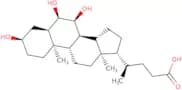
CAS:Controlled Product<p>Hyocholic acid is a bile acid that is a natural compound that has been shown to have cholesterol-lowering effects. It has been shown to inhibit hepatic steatosis and congestive heart failure, as well as bind to the receptor for bile acids, which may lead to physiological effects. The physiological levels of hyocholic acid in the human serum are unknown, but it has been shown to inhibit the activities of hyocholic acid hydrolase and cholesterol 7 alpha-hydroxylase in vitro. This inhibition leads to an accumulation of bile acids and cholesterol in the liver and blood and induces a condition known as hypercholesterolemia.</p>Formula:C24H40O5Purity:Min. 95%Color and Shape:White/Off-White SolidMolecular weight:408.57 g/mol(S)-(-)-α-Lipoic acid
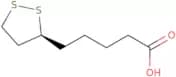
CAS:<p>(S)-(-)-a-Lipoic acid (DLPA) is a reactive, oxidative molecule that has been shown to have antioxidant properties. DLPA is a natural compound found in the human body and is essential for energy metabolism and mitochondrial membrane depolarization. It has been shown to be beneficial in cases of bowel disease and diabetic neuropathy. DLPA has also been shown to be clinically relevant in the treatment of ischemia–reperfusion injury and cisplatin-induced nephrotoxicity, as well as having anti-inflammatory properties. DLPA may also help reduce symptoms of Parkinson's disease and other conditions.</p>Formula:C8H14O2S2Purity:Min. 95%Color and Shape:White PowderMolecular weight:206.33 g/molKulonic acid
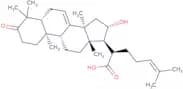
CAS:Controlled Product<p>Kulonin is a plant extract that is used for the treatment of cancer. It has potent antitumor activity and can inhibit the growth of human lung cancer cells, SGC-7901 cells. Kulonin was shown to have antioxidant properties in an oxygenated environment, which may be due to its ability to scavenge reactive oxygen species and inhibit lipid peroxidation. This compound also has a nutritional value and is able to cross the blood-brain barrier, making it a potential candidate for treating brain tumors.</p>Purity:Min. 95%4-Hydroxyphthalic acid
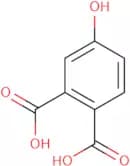
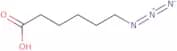
CAS:<p>4-Hydroxyphthalic acid is a hydroxybenzoic acid. It is a reaction product of pyrite and protocatechuic acid. It has been shown to bind to the receptor site in phagocytic cells, which may be due to its ability to form an adduct with the hydroxyl group on the cell membrane. 4-Hydroxyphthalic acid also has antimicrobial properties that inhibit bacterial growth by destroying the cell wall and inhibiting protein synthesis. This compound also has pharmacokinetic properties that make it suitable for drug delivery applications. 4-Hydroxyphthalic acid is metabolized by hydrolysis and oxidation, with most of it being excreted unchanged in urine or bile. The reaction products are converted back into protocatechuic acid, which can be recycled again through other reactions to create more 4-hydroxyphthalic acid.</p>Formula:C8H6O5Purity:Min. 97 Area-%Color and Shape:Off-White PowderMolecular weight:182.13 g/mol6-Azido-hexanoic acid
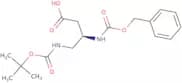
CAS:<p>6-Azido-hexanoic acid is a growth factor that inhibits the binding of TGF-β to its receptor. It has been shown to inhibit the proliferation of cancer cells in vitro and in vivo. 6-Azido-hexanoic acid binds with high affinity to the acidic region of TGF-β, preventing it from binding to its receptor. This molecule also inhibits the activation of the TGF-β receptor complex by decreasing the phosphorylation of Smad 1/5/8. 6-Azido-hexanoic acid has been shown to be effective in pancreatic cancer models and control studies have demonstrated an absence of toxicity or side effects.</p>Formula:C6H11N3O2Purity:Min. 97.0 Area-%Color and Shape:PowderMolecular weight:157.17 g/mol(R)-4-(Boc-amino)-3-(Z-amino)butyric acid
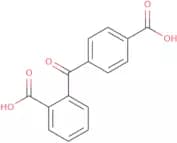
CAS:<p>(R)-4-(Boc-amino)-3-(Z-amino)butyric acid is a synthetic ligand that binds to dna. The binding of this ligand can be monitored by the thermodynamic interaction between the ligand and dna. (R)-4-(Boc-amino)-3-(Z-amino)butyric acid has been shown to bind to the phosphate groups on dna, which are apolar in nature. This ligand also interacts with the vector group of dna, and it has a multivalency of two. It is water soluble and neutral, making it suitable for use in supramolecular chemistry. (R)-4-(Boc-amino)-3-(Z-amino)butyric acid is not very polar and does not have any charges or functional groups that would make it an ionizable species. It can form complexes with carbohydrates because it is neutral, and its interactions with them are</p>Formula:C17H24N2O6Purity:Min. 98 Area-%Color and Shape:PowderMolecular weight:352.38 g/molBenzophenone-2,4'-dicarboxylic acid
CAS:<p>Benzophenone-2,4'-dicarboxylic acid is a ligand that has been shown to have anion selectivity. It is an organic molecule that can be used in devices such as optical switches and sensors. Benzophenone-2,4'-dicarboxylic acid has been shown to have high fluorescence intensity and it is able to emit light. Benzophenone-2,4'-dicarboxylic acid can be used for the development of novel sensors for both organic and inorganic ions, as well as for ion-exchange membranes. The compound was also found to be luminescent with a bright emission peak at 559 nm, which makes it a promising candidate for fluorescent displays. Benzophenone-2,4'-dicarboxylic acid is also able to form coordinated water molecules when placed in contact with water. This coordinated water molecule may act as a ligand by binding to metal ions or other lig</p>Formula:C15H10O5Purity:Min. 95%Color and Shape:PowderMolecular weight:270.24 g/molFerrocenecarboxylic acid
CAS:Controlled Product<p>Ferrocenecarboxylic acid is a ferrocene compound that has been used as a polymerase chain reaction (PCR) probe. It has been shown to have an antiproliferative effect on leukemia cells, and can be used in the treatment of cancers. Ferrocenecarboxylic acid is membrane permeable and can therefore be used as a cell-impermeable chemotherapeutic agent. This drug also has the ability to bind to target DNA, with this binding being dependent on the functional groups present on the molecule. The ferrocene carboxylate conjugates are also able to react with nucleophiles such as dithiopyridine or pyridinium salts, which may serve as strategies for converting the drug into an MRI contrast agent.</p>Formula:C11H10FeO2Purity:Min. 98 Area-%Color and Shape:Yellow PowderMolecular weight:230.04 g/mol2-(Methylamino)ethanesulfonic acid
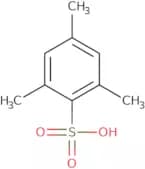
CAS:<p>2-(Methylamino)ethanesulfonic acid is a detergent composition that is a sodium salt of N-methyltaurine. It can be used as an ingredient in various detergent compositions to help remove grease and oil from surfaces. 2-(Methylamino)ethanesulfonic acid has been shown to have anti-inflammatory properties in primary sclerosing cholangitis, an autoimmune disease where bile ducts become inflamed and scarred. The chemical also has been shown to exhibit cationic surfactant properties, which may contribute to its ability to remove oils and dirt.</p>Formula:C3H9NO3SPurity:Min. 95%Color and Shape:Clear LiquidMolecular weight:139.17 g/molMesitylenesulphonic acid hydrate
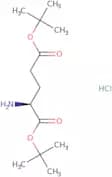
CAS:<p>Mesitylenesulphonic acid hydrate is a high quality chemical that is used as a reagent, complex compound and useful intermediate. It can be used in the production of fine chemicals, research chemicals, speciality chemicals and versatile building blocks. Mesitylenesulphonic acid hydrate has CAS No. 79326-99-1 and is a speciality chemical that can be used as a reaction component for the production of important compounds such as pharmaceuticals, pesticides and herbicides.</p>Formula:C9H12O3S·xH2OPurity:Min. 95%Color and Shape:PowderMolecular weight:200.26 g/molL-Glutamic acid di-tert-butyl ester hydrochloride
CAS:<p>L-glutamic acid di-tert-butyl ester hydrochloride is a synthetic glutamic acid conjugate that can be used in the treatment of cancer. L-Glutamic acid di-tert-butyl ester hydrochloride is a substrate for many enzymes, such as glutamate transporters and glutaminase, which are found in tumor cells. It has been shown to decrease the uptake of docetaxel by tumor xenografts in mice. The expression of L-Glutamic acid di-tert-butyl ester hydrochloride has been observed in tissues during cancerous growth and it is expressed at higher levels than in normal tissues.</p>Formula:C13H25NO4·HClPurity:Min. 95%Color and Shape:White PowderMolecular weight:295.8 g/molN-[S-(2-Pyridylthio)cysteaminyl]ethylenediamine-N,N,N',N'-tetraacetic acid, monoamide - Technical grade 90%
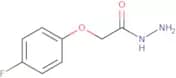
CAS:<p>Furiosus is a monomeric and homodimeric protein that belongs to the group of S-adenosylmethionine synthetases. Furiosus is an enzyme that catalyzes the formation of S-adenosylmethionine from methylamine and ATP. Furiosus interacts with polymerase, subtilis, and catalysis to form a holoenzyme complex. Furiosus has been shown to have cleavage activity against peroxide and hydrogen peroxide, which is due to its ability to generate reactive oxygen species. Furiosus has also been shown to be a molecular modeling target for the development of new antibiotics.</p>Formula:C17H24N4O7S2Purity:Min. 95%Color and Shape:Pale yellow solid.Molecular weight:460.53 g/mol4-Fluorophenoxyacetic acid hydrazide
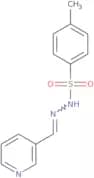
CAS:<p>4-Fluorophenoxyacetic acid hydrazide (4FPAAH) is a palladium complex with anti-cancer activity. It induces apoptosis, or programmed cell death, in myelogenous leukemia cells and breast cancer cells. 4FPAAH has been shown to bind to the ATP binding site of the catalytic domain of topoisomerase II on DNA and inhibit its activity. The molecular modeling studies show that 4FPAAH binds in the same way as cisplatin, which is a platinum-based drug commonly used for cancer treatment. The structural analysis shows that 4FPAAH binds to the nitrogen atoms of the protein and eliminates the possibility of any hydrogen bonding interactions. This mechanism may be due to an electrostatic interaction between the positively charged nitrogen atom in 4FPAAH and negative charge on topoisomerase II's active site.</p>Formula:C8H9FN2O2Purity:Min. 95%Color and Shape:PowderMolecular weight:184.17 g/molBenzenesulfonic acid, 4-methyl-2-(3-pyridinylmethylene)hydrazide
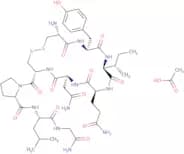
CAS:<p>Please enquire for more information about Benzenesulfonic acid, 4-methyl-2-(3-pyridinylmethylene)hydrazide including the price, delivery time and more detailed product information at the technical inquiry form on this page</p>Purity:Min. 95%Oxytocin acetate
CAS:Controlled Product<p>Oxytocin acetate is an analog of oxytocin, which is a hormone that stimulates the uterus during labor. Oxytocin acetate is synthesized by the chemical conjugation of oxytocin with an acetic acid moiety. The stability of this molecule has been shown to be higher than that of oxytocin. This drug has been shown to have stronger binding affinity for the oxytocin receptor, which may be due to its increased molecular weight. Oxytocin acetate has also been shown to increase levels of growth factors and fatty acids in tissues when administered intramuscularly, as well as stimulating neurotransmission. The onset latency for this drug is shorter than that of oxytocin and it produces a longer duration of action in comparison to other analogs. Oxytocin acetate can also be used cosmetically as a disinfectant and can act as an amide-forming agent in organic synthesis reactions.</p>Formula:C43H66N12O12S2•C2H4O2Purity:Min. 90 Area-%Color and Shape:PowderMolecular weight:1,067.24 g/molAmmonium trifluoroacetate
CAS:<p>Ammonium trifluoroacetate is a chemical compound that has two hydroxyl groups. It is used for the treatment of autoimmune diseases, such as rheumatoid arthritis, and in the synthesis of nomegestrol acetate, which is an estrogenic drug. Ammonium trifluoroacetate is also used to study the biological properties of receptors and other proteins. The thermal expansion property of ammonium trifluoroacetate can be used to determine its concentration in a sample. Ammonium trifluoroacetate also has potent antagonistic effects against HIV infection and can be detected with high sensitivity. Studies have shown that ammonium trifluoroacetate is toxic to humans; however, it does not accumulate in the body.</p>Formula:C2H4F3NO2Purity:Min. 95%Color and Shape:PowderMolecular weight:131.05 g/molComenic acid
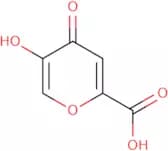
CAS:<p>Comenic acid is a metal chelate that is used as a model system to study the effects of disulfide bonds on signal pathways. It has been shown to reduce neuronal death in a tissue culture model. Comenic acid binds to glutamate, which leads to hydroxylation, and formaldehyde production. This reaction produces sodium salts and cyclic peptides that are toxic to cells. The mechanism of action of comenic acid is not well understood, but it may be due to metal chelation properties and the formation of reactive oxygen species, such as superoxide anion or hydrogen peroxide. Comenic acid also has a protective effect against seizures in mice with epilepsy and magnesium salt can decrease the concentration of this compound in the blood stream.</p>Formula:C6H4O5Purity:Min. 95%Color and Shape:PowderMolecular weight:156.09 g/molHomovanillic acid
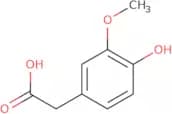
CAS:<p>Homovanillic acid is widely used as a fluorogenic substrate of peroxidase. The reaction is however not specific and has been shown to react also with soybean lipoxygenase in the presence of hydrogen peroxide. Excitation and emission wavelengths for homovanillic acid are 312 and 420 nm, respectively.</p>Formula:C9H10O4Purity:Min. 97.5 Area-%Color and Shape:Red PowderMolecular weight:182.17 g/molNesfatin-1 (human) trifluoroacetate salt
CAS:<p>Please enquire for more information about Nesfatin-1 (human) trifluoroacetate salt including the price, delivery time and more detailed product information at the technical inquiry form on this page</p>Formula:C427H691N113O134Purity:Min. 95%Molecular weight:9,551.74 g/molGlycolic acid - 70% aqueous solution
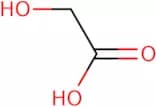
CAS:<p>Glycolic acid is a dicarboxylic acid that is used as a chemical peeling agent for the treatment of hyperkeratotic skin disorders. This product has been shown to inhibit the transcription-polymerase chain reaction (PCR) in maternal blood, which may be due to its ability to form glycolate from glucose and glyceraldehyde-3-phosphate. Glycolic acid inhibits the production of malonic acid by inhibiting the enzyme malonate decarboxylase, which converts malonic acid into succinic acid. The inhibition of this enzyme leads to an accumulation of intracellular glycolate and increased levels of succinic acid in cells. Glycolic acid also inhibits dapagliflozin, an inhibitor of sodium-dependent glucose transport proteins, suggesting that it may have pharmacological effects on diabetes mellitus. Glycolic acid binds with fatty acids by forming ester bonds, thereby preventing them from being incorporated into</p>Formula:C2H4O3Purity:Min. 95%Molecular weight:76.05 g/mol3,4-Dimethylcinnamic acid
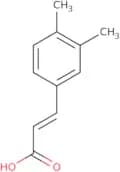
CAS:<p>3,4-Dimethylcinnamic acid is a plant-derived compound that has been shown to have anti-inflammatory properties. It inhibits the production of prostaglandins by inhibiting cyclooxygenase activity and reducing the production of pro-inflammatory eicosanoids. 3,4-Dimethylcinnamic acid also blocks the synthesis of leukotrienes and thromboxanes, which are involved in inflammation as well as allergic reactions and asthma. 3,4-Dimethylcinnamic acid is used to treat skin conditions such as psoriasis, eczema, or dermatitis. This compound can be obtained from plants like Dracaena fragrans (also known as Madagascar dragon tree) or ethnomedicine sources such as the African shrub Anthranilic acid. 3,4-Dimethylcinnamic acid can be synthesized by cross coupling with alkyl halides, ultraviolet irradiation of anthranils with uv</p>Formula:C11H12O2Purity:Min. 95%Color and Shape:White Off-White PowderMolecular weight:176.21 g/mol2,2,4-Trimethyl-1,2,3,4-tetrahydroquinoline-8-carboxylic acid
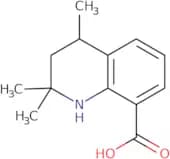
CAS:<p>2,2,4-Trimethyl-1,2,3,4-tetrahydroquinoline-8-carboxylic acid is a versatile building block that can be used as a reagent or speciality chemical in research and development. It is also an intermediate for the synthesis of complex compounds with various properties. This compound has been shown to be useful as a building block for the synthesis of new compounds with potential pharmaceutical applications.</p>Formula:C13H17NO2Purity:Min. 95%Color and Shape:White Off-White PowderMolecular weight:219.28 g/mol2-(2,5-dimethoxyphenyl)acetic acid
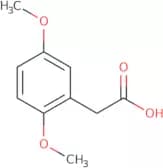
CAS:<p>2-(2,5-dimethoxyphenyl)acetic acid (DMPA) is a potent inhibitor of epidermal growth. It blocks the production of epidermal growth factor, which is a bioactive molecule that is involved in the biosynthesis of epidermal cells. DMPA also inhibits the formation of new blood vessels, which may be due to its ability to bind to silicon and alcaptonuria. DMPA has been shown to have an effect on platelet-derived growth factor and solid-phase synthesis. This drug also binds to factor receptor tyrosine kinase and has been shown to inhibit the growth of certain tumor cells.</p>Formula:C10H12O4Purity:Min. 95%Color and Shape:White PowderMolecular weight:196.2 g/mol3-Bromocinnamic acid methyl ester
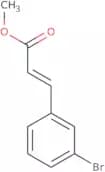
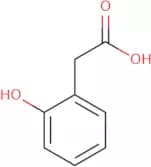
CAS:<p>3-Bromocinnamic acid methyl ester is a chemical compound that belongs to the group of useful scaffolds. It is a versatile building block and can be used as an intermediate in the synthesis of complex compounds. 3-Bromocinnamic acid methyl ester has been found to be a useful research chemical, reaction component, and speciality chemical. This chemical can be used in the production of fine chemicals and other products. 3-Bromocinnamic acid methyl ester is also useful as a reagent for organic reactions.</p>Formula:C10H9BrO2Purity:Min. 95%Color and Shape:PowderMolecular weight:241.08 g/mol2-Hydroxyphenylacetic acid
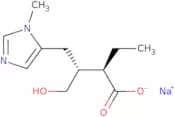
CAS:<p>2-Hydroxyphenylacetic acid is a hydroxylated phenolic acid that is structurally similar to other phenolic acids. It is present in many plants, including tea leaves and coffee beans, where it acts as an antioxidant. 2-Hydroxyphenylacetic acid has been found in the urine of humans and animals following ingestion of excessive amounts of these plants. It is also found in urine samples from patients with certain types of kidney disease. The synthesis of 2-hydroxyphenylacetic acid can be achieved by reacting ethylene diamine with sodium hydroxide solution or hydrochloric acid.</p>Formula:C8H8O3Purity:Min. 95%Color and Shape:Off-White Slightly Brown PowderMolecular weight:152.15 g/molIsopilocarpic acid sodium salt
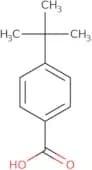
CAS:<p>Isopilocarpic acid sodium salt is a synthetic compound that contains methyl groups and electron. It is an utilizable and liquid chromatographic compound with an acyl group. Isopilocarpic acid sodium salt has been shown to be a prodrug derivative that is hydrolyzed to form the active methylene and hydroxy groups. The aliphatic chain in this compound can be ethylene or benzyl.</p>Formula:C11H17N2NaO3Purity:Min. 95%Color and Shape:White PowderMolecular weight:248.25 g/mol4-tert-Butylbenzoic acid
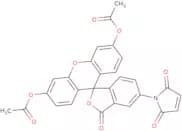
CAS:<p>4-tert-Butylbenzoic acid is a 4-dimethylaminobenzoic acid derivative that has been used as a potential antidepressant. It has shown to have a high solubility in water, which may be due to hydrogen bonding interactions with the amino group of cyclen. The binding constants for 4-tert-butylbenzoic acid and cyclen have been found to be stronger than those for 4-dimethylaminobenzoic acid and cyclen. This suggests that 4-tert-butylbenzoic acid is more potent than 4-dimethylaminobenzoic acid. Process optimization studies on the synthesis of this compound have been carried out using x-ray crystal structures to determine optimum conditions. In vitro experiments using human urine samples revealed that the concentration of 4-tert-butylbenzoic acid was higher in urine samples containing amines than those without amines, suggesting that it may</p>Formula:C11H14O2Purity:Min. 95%Molecular weight:178.23 g/mol5-(N-Maleimido)fluorescein diacetate
CAS:<p>5-(N-Maleimido)fluorescein diacetate is a fluorescent probe that can be used to detect single-stranded DNA. This compound is not toxic to cells and has been shown to be a good indicator of the presence of double-stranded DNA. 5-(N-Maleimido)fluorescein diacetate is taken up by cells, where it binds to the dsDNA in the nucleus. The fluorescence is then detected using microscopy or flow cytometry. 5-(N-Maleimido)fluorescein diacetate can be used as a fluorescent probe for herpes simplex virus and other DNA viruses. It also binds to liposomes and has been shown to inhibit HIV replication in vitro and in vivo.</p>Formula:C28H17NO9Purity:Min. 95 Area-%Color and Shape:White PowderMolecular weight:511.44 g/molDL-Hydroxysuccinic acid sodium
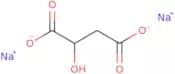
CAS:<p>DL-Hydroxysuccinic acid sodium (DLS) is a metabolite of the enzyme succinic dehydrogenase, which is involved in the conversion of malic acid to acrylate. It is an inhibitor of malic enzyme and glycol ether hydrolase, with toxicity studies showing that DLS inhibits the activity of complex enzymes. DLS has been shown to have interactions with sunitinib and sodium salts. The potential for drug interactions should be considered when administering DLS with other drugs. DL-Hydroxysuccinic acid sodium also has effects on energy metabolism, as it may inhibit enzymes such as malate dehydrogenase and 2-oxoglutarate dehydrogenase.</p>Formula:C4H4Na2O5Purity:Min. 95%Color and Shape:PowderMolecular weight:178.05 g/mol2-Sulphoterephthalic monosodium
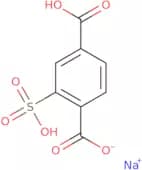
CAS:<p>2-Sulphoterephthalic monosodium (2-SPM) is a zirconium oxide that is synthesized by reacting 5-hydroxymethylfurfural with hydrochloric acid in the presence of 2-aminoterephthalic acid. It has been shown to be an efficient catalyst for the synthesis of 5-hmf from glucose in aqueous media. This product also exhibits strong protonation properties and can be used as a hydrogen bonding donor. The fluorescence properties of 2-SPM have also been studied, which may lead to its potential use as a supramolecular fluorescent probe.</p>Formula:C8H5NaO7SPurity:Min. 95%Color and Shape:White PowderMolecular weight:268.18 g/molPalustric acid
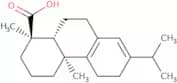
CAS:Controlled Product<p>Palustric acid is a fatty acid that is used to remove organic pollutants from wastewater. It has been shown to have significant interactions with human pathogens such as Pimaric Acid and Levopimaric Acid, which are produced by the degradation of chlorinated compounds. Palustric acid also has an acidic nature, and can cause a thermal expansion in water vapor.</p>Formula:C20H30O2Purity:Min. 95 Area-%Color and Shape:White Off-White PowderMolecular weight:302.45 g/molEthyl 5-methylindole-2-carboxylate
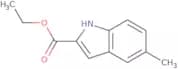
CAS:<p>Ethyl 5-methylindole-2-carboxylate is an antioxidant that is used as a reagent in the synthesis of other compounds. It has been shown to inhibit cancer cell growth in vitro via its ability to inhibit the metabolic activity of human hepatoma cells. Ethyl 5-methylindole-2-carboxylate has also been shown to have cytotoxic activity against human hepatoma cells in vitro, and may be a potential anticancer drug candidate.</p>Formula:C12H13NO2Purity:Min. 95%Color and Shape:PowderMolecular weight:203.24 g/molOctadecylphosphonic acid
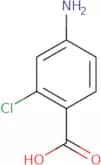
CAS:<p>Octadecylphosphonic acid is a chemical compound that belongs to the group of phosphoric acids. It is a non-volatile, colorless liquid with a pungent smell. The octadecylphosphonic acid molecule has two alkyl chains attached to the phosphate group. This molecule can be formed by the reaction of phosphorus trichloride and an alcohol. Octadecylphosphonic acid has been used as a model system for studying acid-base properties, kinetic energy, and molecular structures.<br>The octadecylphosphonic acid molecule has been studied using photoelectron spectroscopy and electrochemical impedance spectroscopy to understand its chemical structure, which is important in analytical chemistry. This acid complex also plays an important role in fatty acid synthesis by acting as an intermediate in the production of acyl CoA esters from free fatty acids and glycerol 3-phosphate. Octadecylphosphonic acid is also used as a re</p>Formula:C18H39O3PPurity:Min 95%Color and Shape:White PowderMolecular weight:334.47 g/mol4-Amino-2-chlorobenzoic acid
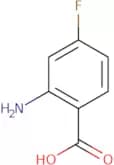
CAS:<p>4-Amino-2-chlorobenzoic acid (4ACB) is a drug that inhibits the absorption of other drugs by binding to their active sites. It is used as an analytical reagent in chromatographic methods for determining protein concentration, and has been shown to be effective in reducing pain in animal models. 4ACB has also been shown to have ochronotic properties, which may be due to its ability to inhibit the formation of reactive oxygen species. 4ACB binds with high affinity to the plasma proteins albumin and alpha1-acid glycoprotein, with a binding constant of 10-8 M. The elimination half-life of 4ACB is approximately 27 hours, and it is excreted primarily through the kidneys.</p>Formula:C7H6ClNO2Purity:Min. 95%Color and Shape:PowderMolecular weight:171.58 g/mol2-Amino-4-fluorobenzoic acid
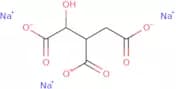
CAS:<p>2-Amino-4-fluorobenzoic acid is a nitrogenous heterocyclic compound. It is an analog of the epidermal growth factor (EGF), which can bind to the EGF receptor and stimulate cell growth and differentiation. 2-Amino-4-fluorobenzoic acid has been shown to have anticancer activity in vitro, as well as in vivo. The synthetic process for this compound involves nitrous acid, hydrochloric acid, and frequency reactions. This product is used industrially for the preparation of other compounds.</p>Formula:C7H6FNO2Purity:Min. 95%Color and Shape:PowderMolecular weight:155.13 g/molDL-Isocitric acid trisodium
CAS:<p>DL-Isocitric acid trisodium salt hydrate is a nutrient solution that is used to provide energy for bacterial growth. DL-Isocitric acid trisodium salt hydrate provides sodium citrate, sodium succinate, and sodium carbonate which are essential for the metabolism of fatty acids. It also stabilizes chemical compounds and can be used as an alternative to the use of antibiotics. DL-Isocitric acid trisodium salt hydrate has been shown to inhibit enzyme activity in bacteria by binding to the active site of enzymes, inhibiting protein synthesis and cell division. The addition of colloidal gold particles can enhance its effectiveness in preventing bacterial growth.</p>Formula:C6H8O7•Na3Purity:Min. 95%Color and Shape:PowderMolecular weight:261.09 g/molEthylenediaminetetraacetic acid tetrasodium salt tetrahydrate
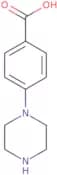
CAS:<p>Ethylenediaminetetraacetic acid tetrasodium salt tetrahydrate is a chemical compound that is used in cell culture to protect cells from oxidative injury. It has been shown to be effective against a variety of antimicrobial agents, such as aromatic hydrocarbons and reactive oxygen species. Ethylenediaminetetraacetic acid tetrasodium salt tetrahydrate has been shown to have antioxidant properties by scavenging reactive oxygen species, which are produced during the process of oxidation. This chemical compound also prevents the breakdown of disulfide bonds and may have a protective effect on DNA by preventing strand breakage. Ethylenediaminetetraacetic acid tetrasodium salt tetrahydrate can be used for sample preparation and inhibits the polymerase chain reaction (PCR) in vitro at low concentrations.</p>Formula:C10H12N2Na4O8·4H2OPurity:Min. 95%Color and Shape:PowderMolecular weight:452.23 g/mol4-(Piperazin-1-yl)benzoic acid hydrochloride
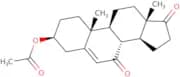
CAS:<p>4-(Piperazin-1-yl)benzoic acid hydrochloride is a chemical intermediate that is used in the synthesis of pharmaceuticals. It has been shown to be a useful scaffold, and can be used as a reaction component and building block in the synthesis of complex compounds. 4-(Piperazin-1-yl)benzoic acid hydrochloride is also versatile, as it has been shown to be an intermediate for the synthesis of fine chemicals.</p>Formula:C11H14N2O2•HClPurity:Min. 95%Color and Shape:PowderMolecular weight:242.7 g/mol7-Oxo-dehydroepiandrosterone acetate
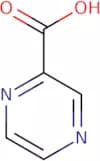
CAS:Controlled Product<p>7-Oxo-dehydroepiandrosterone acetate is a versatile building block that can be used in the synthesis of complex compounds and as a research chemical. It is a reagent, speciality chemical, and useful scaffold for the synthesis of new drugs. 7-Oxo-dehydroepiandrosterone acetate is also used in the manufacturing process as an intermediate or reaction component. The CAS number for this product is 1449-61-2.</p>Formula:C21H28O4Purity:Min. 95%Color and Shape:White Off-White PowderMolecular weight:344.44 g/molPyrazine-2-carboxylic acid
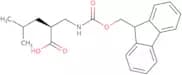
CAS:<p>Pyrazine-2-carboxylic acid is a potent inhibitor of bacterial x-lactamase. It was found that the inhibition of x-lactamase by pyrazine-2-carboxylic acid could be attributed to hydrogen bonding interactions with the active site of the enzyme and a high rate constant for the reaction. The antibacterial efficacy of pyrazine-2-carboxylic acid against wild type Streptococcus pneumoniae and methicillin resistant Staphylococcus aureus (MRSA) was tested and found to be comparable to that of benzylpenicillin. Pyrazine-2-carboxylic acid also has biological properties, such as an inhibitory effect on protein synthesis in bacteria, which may be due to its ability to bind to ribosomes.</p>Formula:C5H4N2O2Purity:Min. 95%Color and Shape:PowderMolecular weight:124.1 g/molFmoc-(S)-2-(aminomethyl)-4-methylpentanoic acid
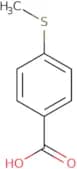
CAS:<p>Fmoc-(S)-2-(aminomethyl)-4-methylpentanoic acid is a proteinogenic amino acid that is used in the production of casein and other dairy products. It is also found in wheat, where it can be converted to the essential amino acid methionine. Fmoc-(S)-2-(aminomethyl)-4-methylpentanoic acid is classified as a high-quality protein because it contains all eight essential amino acids (EAAs). It has been shown that when dietary intakes are low, malnourished children may benefit from increased intake of this amino acid.</p>Formula:C22H25NO4Purity:Area-% Min. 95 Area-%Color and Shape:PowderMolecular weight:367.44 g/mol4-(Methylmercapto)benzoic acid
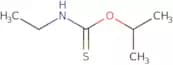
CAS:<p>4-Methylmercapto benzoic acid is a molecule that can be found in urine samples. It is a functional theory that the molecule has UV absorption at wavelengths of 280 nm and is able to bind to metal surfaces. This molecule is also hydroxylated by the enzyme hippuric acid, which binds to it, preventing its excretion in urine. The compound 4-methylmercapto benzoic acid is not present in plants, but it can be synthesized from glucosinolates. 4-Methylmercapto benzoic acid is transported across membranes by passive diffusion and has been shown to have an excretion rate of 0.7% per hour. The solute concentration of human urine is 1 Molar and the solute concentration of plant tissue is 10 Molar.</p>Formula:C8H8O2SPurity:Min. 95%Color and Shape:White PowderMolecular weight:168.21 g/molO-Isopropyl ethylthiocarbamate
CAS:<p>O-Isopropyl ethylthiocarbamate (IPET) is a reactive oxygen species that is used as a substrate film in electrophotographic printing. IPET is also used to inhibit the growth of cancer cells, which may be due to its ability to inhibit the activity of lp-pla2. The target cell for IPET is the receptor subtype P2X7 and it has been shown to be synergistic with sodium sulfide and polarizers. IPET binds to divalent hydrocarbons that are found in pyrite, which can cause an increase in oxidative stress and apoptosis by activating p38 mitogen-activated protein kinase. This chemical has been shown to have anti-inflammatory effects.</p>Formula:C6H13NOSPurity:Min. 95%Color and Shape:Yellow To Dark Brown LiquidMolecular weight:147.24 g/molHumic acid
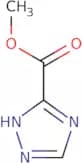
CAS:<p>Humic acid is a complex mixture of organic substances that occurs in the soil and has been shown to exhibit antioxidant, chelating, and antimicrobial activities. Humic acid consists of a mixture of humins, fulvic acids, and other substances that are derived from plant matter. The presence of humic acid in the environment is dependent on the type of plant material it originates from and the conditions under which it was formed. Humic acids have been shown to inhibit oxidative processes by reacting with reactive oxygen species (ROS) such as hydrogen peroxide (H2O2). Humic acid can also be used for wastewater treatment in order to decolorize effluents or remove toxic metals like lead. This process utilizes an acidic complex that is formed by hydrolysis reactions between sodium salts and carbonate.</p>Purity:Min. 95%Methyl 1H-1,2,4-triazole-3-carboxylate
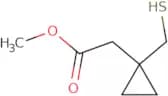
CAS:<p>Methyl 1H-1,2,4-triazole-3-carboxylate is an industrial chemical that is used in the production of diazotization and thiosemicarbazide. It is a coupling agent for the formation of diethyl esters and glycerides. Methyl 1H-1,2,4-triazole-3-carboxylate is also a catalyst for esterification reactions. The reaction mechanism of this compound involves the addition of methanol to formaldehyde to produce methyl formate and water. The esterification reaction occurs when an alcohol reacts with an acid chloride or an acid anhydride to produce an ester and water. This chemical can react with amino acids to produce amines and deamination products. Methyl 1H-1,2,4-triazole-3-carboxylate has been shown to be effective in large scale production reactions due to its high yield</p>Formula:C4H5N3O2Purity:Min. 95%Color and Shape:PowderMolecular weight:127.1 g/molMethyl 1-(mercaptomethyl)cyclopropane acetate
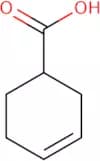
CAS:<p>Methyl 1-(mercaptomethyl)cyclopropane acetate is a fine chemical that is used as a reagent, speciality chemical, and intermediate. It has been shown to be a versatile building block for the synthesis of complex compounds. Methyl 1-(mercaptomethyl)cyclopropane acetate reacts with amines to form an amidine derivative. It is also a useful intermediate in the manufacture of herbicides, insecticides, and pharmaceuticals as well as a reaction component in the synthesis of other fine chemicals. CAS No: 152922-73-1</p>Formula:C7H12O2SPurity:Min. 95%Color and Shape:Clear LiquidMolecular weight:160.23 g/mol3-Cyclohexene-1-carboxylic acid
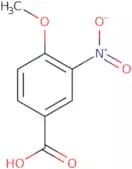
CAS:<p>3-Cyclohexene-1-carboxylic acid is a reactive organic compound with a boiling point of 147°C. It is a solvent that can be used as an acid catalyst in organic synthesis. 3-Cyclohexane-1-carboxylic acid was used to synthesize the stereoisomers of butyl vinyl ether and alkyl phenols. This compound also metabolizes into cyclohexane ring, primary alcohols, halides, fatty acids, and aromatic hydrocarbons.</p>Formula:C7H10O2Purity:Min. 95%Color and Shape:Clear LiquidMolecular weight:126.15 g/mol4-Methoxy-3-nitrobenzoic acid
CAS:<p>4-Methoxy-3-nitrobenzoic acid is a hydroxybenzoic acid, and belongs to the group of heterocyclic compounds. It is a preactivated hydroxybenzoate that can be used in the synthesis of griseoluteic acid with chloride as an electron donor. Griseoluteic acid has inhibitory activities on isolated yield. This compound also has potent antitumor activity, which may be due to its ability to inhibit DNA synthesis and protein synthesis by binding to DNA polymerase and ribosomes respectively. Preparative high performance liquid chromatography (HPLC) using this compound is possible with marine microorganisms as the stationary phase. The x-ray absorption spectrum shows that 4-methoxy-3-nitrobenzoic acid has potential for use as a contrast agent for x-rays in imaging tissues.</p>Formula:C8H7NO5Purity:Min. 98 Area-%Color and Shape:PowderMolecular weight:197.14 g/mol6-Bromo-2-naphtholic acid
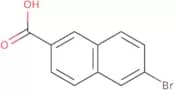
CAS:<p>6-Bromo-2-naphtholic acid is a methanol solvent. It has been shown to have biological properties and can be used in optical imaging. 6-Bromo-2-naphtholic acid is also used to synthesize 1-adamantanol, which is an organic compound that has been shown to have antimicrobial properties. A solution of 6-bromo-2-naphthol in hydrochloric acid was found to react with 4-methoxyphenyl boronic acid to produce a mixture of products that include the desired 1,4,5,8,9,10,11,12 hexahydrobenzo[a]phenanthrene. The vibrational frequencies for this product were determined using IR spectroscopy and the binding constants were calculated using DFT computational methods. The molecular structure of this product was determined using molecular modeling and quantum chemistry. Naphthalene is the parent</p>Formula:C11H7O2BrPurity:Min. 95%Color and Shape:PowderMolecular weight:251.08 g/molN-Fmoc-S-2-amino-heptanoic acid
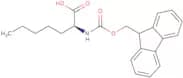
CAS:<p>N-Fmoc-S-2-amino-heptanoic acid is a metabolite of the pentose phosphate pathway that is also found in the glycolytic pathway. It is a cell activator and, as such, can be used to stimulate the production of insulin, dopamine, and other metabolic products. N-Fmoc-S-2-amino-heptanoic acid has been shown to reduce levels of glucose in rat brains with administration through the injection route. This compound has also been shown to inhibit glycolytic enzymes and increase cell toxicity.</p>Formula:C22H25NO4Purity:Min. 95%Color and Shape:White Off-White PowderMolecular weight:367.44 g/mol3,5-di-tert-Butyl-4-hydroxyphenylpropionic acid
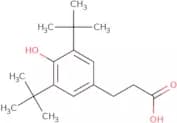
CAS:<p>3,5-Di-tert-butyl-4-hydroxyphenylpropionic acid (BHT) is a phenolic compound that is used as an antioxidant in food and cosmetic products. It has been shown to inhibit the growth of Streptococcus faecalis and Pseudomonas aeruginosa in cell culture. BHT has also been shown to have antioxidative properties in vitro. BHT has been found to react with other molecules (e.g., oxygen, carbon dioxide, or nitric oxide) to produce stable chemical species that are not harmful to cells. These reactions lead to the formation of chemical structures that are less reactive than BHT itself. This property may be due to its ability to scavenge free radicals, thereby preventing lipid peroxidation and oxidative damage.</p>Formula:C17H26O3Purity:Min. 95%Color and Shape:PowderMolecular weight:278.39 g/molFmoc-21-amino-4,7,10,13,16,19-hexaoxaheneicosanoic acid
CAS:<p>Fmoc-21-amino-4,7,10,13,16,19-hexaoxaheneicosanoic acid is a PEG compound with two different functional groups (also known as heterobifunctional). Unlike homobifunctional PEG compounds (same functional group on both ends), this type of compounds are more versatile as have two different anchor points. Fmoc-21-amino-4,7,10,13,16,19-hexaoxaheneicosanoic acid is used as a linker and spacer to add a PEG moiety, via pegylation (a bioconjugation technique) to proteins, peptides, oligonucleotides, small molecules and nanoparticles.</p>Formula:C30H41NO10Purity:Min. 95%Color and Shape:PowderMolecular weight:575.65 g/mol5-Hydroxyveratric acid
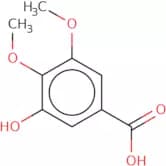
CAS:<p>5-Hydroxyveratric acid is a chemical compound that belongs to the group of useful building blocks and can be used as a research reagent, speciality chemical, or high quality intermediate. It is a versatile building block that can be used in reactions involving carboxylic acids, amides, alcohols, and thiols. 5-Hydroxyveratric acid is also a useful scaffold for the synthesis of complex organic molecules. CAS No. 1916-08-1</p>Formula:C9H10O5Purity:Min. 98 Area-%Color and Shape:White Off-White PowderMolecular weight:198.17 g/mol6-Hydroxy-3-anisic acid
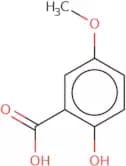
CAS:<p>6-Hydroxy-3-anisic acid is a building block that can be used to synthesize complex compounds. It is a versatile intermediate that can be used in the synthesis of pharmaceuticals, agrochemicals, and fine chemicals. 6-Hydroxy-3-anisic acid has been shown to have high quality and purity, making it a valuable research chemical for scientific studies. It is also useful in the production of specialty chemicals such as dyes and perfumes.</p>Formula:C8H8O4Purity:Min. 98 Area-%Color and Shape:PowderMolecular weight:168.15 g/mol5,5-Diphenylhydantoin-3-butyric acid
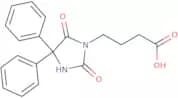
CAS:<p>5,5-Diphenylhydantoin-3-butyric acid is a drug that is classified as a hydantoin derivative. It has been shown to be an active compound in the treatment of human brain tumors. This drug has also been found to be detectable in human serum and urine by means of electrochemical immunoassay.</p>Formula:C19H18N2O4Purity:Min. 95%Color and Shape:PowderMolecular weight:338.36 g/mol2-Amino-1-aza-3-((4-methylphenyl)sulfonyl)prop-1-enyl thiophene-2-carboxylate
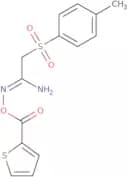
CAS:<p>Please enquire for more information about 2-Amino-1-aza-3-((4-methylphenyl)sulfonyl)prop-1-enyl thiophene-2-carboxylate including the price, delivery time and more detailed product information at the technical inquiry form on this page</p>Formula:C14H14N2O4S2Purity:Min. 95%Color and Shape:PowderMolecular weight:338.4 g/mol(S)-2-Hydroxypentanoic acid
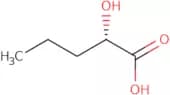
CAS:<p>(S)-2-Hydroxypentanoic acid is a malate molecule that is found in the human body. It can be used as an adjuvant therapy for cancer, and has been shown to have a protective effect on the liver. The structural studies of (S)-2-hydroxypentanoic acid have revealed that it is a substrate molecule, which will bind to the enzyme dehydrogenase. This binding leads to the formation of an enzyme-substrate complex, which can be studied using biochemical methods such as profiles and kinetic studies. The binding of (S)-2-hydroxypentanoic acid to dehydrogenase results in an increase in acid-reactive substances and thiobarbituric acid-reactive substances, which are both indicators of oxidative stress. Research has also shown that mutant enzymes can lead to increased levels of (S)-2-hydroxypentanoic acid.</p>Formula:C5H10O3Purity:Min. 95 Area-%Color and Shape:PowderMolecular weight:118.13 g/molHomovanillic acid sulfate sodium salt
CAS:<p>Homovanillic acid sulfate sodium salt (HVA) is a metabolite of dopamine that is used to diagnose or monitor diseases related to the central nervous system. The HVA concentration in urine can be determined by colorimetric assay, which has been shown to be useful for identifying patients with Parkinson's disease and other degenerative diseases. HVA is also found in blood plasma and cerebrospinal fluid, as well as in many other body tissues. HVA levels are increased during pregnancy, because it is an intermediate in the biosynthesis of estradiol from testosterone. In addition, concentrations of HVA increase with age, due to decreased clearance rates.</p>Formula:C9H8Na2O7SPurity:Min. 95%Color and Shape:PowderMolecular weight:306.2 g/molIndole-4-carboxylic acid
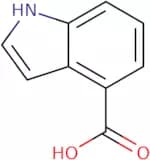
CAS:<p>Indole-4-Carboxylic acid is a molecule that belongs to the group of indole carboxylic acids. It is an organic compound that has a dipole moment and isomers. Indole-4-carboxylic acid can be synthesized by the saponification of indole-7-carboxylic acid, which has two functional groups: a hydroxy group and an amide group. The molecule has a chemical structure with an amide bond between the carboxyl and amino groups at one end, which forms a protonated amide. This protonated amide also has two orientations: trans and cis. The trans orientation is found in human cytochrome P450 and other proteins, while the cis orientation is found in enzymes such as tryptophan synthase, indoleamine 2,3 dioxygenase, or tyrosine hydroxylase.</p>Formula:C9H7NO2Purity:Min. 98 Area-%Color and Shape:PowderMolecular weight:161.16 g/mol2-[(2,4-Dimethylphenyl)amino]nicotinic acid
CAS:<p>Please enquire for more information about 2-[(2,4-Dimethylphenyl)amino]nicotinic acid including the price, delivery time and more detailed product information at the technical inquiry form on this page</p>Formula:C14H14N2O2Purity:Min. 95%Color and Shape:PowderMolecular weight:242.27 g/mol(S)-2-((((9H-Fluoren-9-yl)methoxy)carbonyl)amino)-3-(1H-pyrrolo[2,3-b]pyridin-3-yl)propanoic acid
CAS:<p>Please enquire for more information about (S)-2-((((9H-Fluoren-9-yl)methoxy)carbonyl)amino)-3-(1H-pyrrolo[2,3-b]pyridin-3-yl)propanoic acid including the price, delivery time and more detailed product information at the technical inquiry form on this page</p>Formula:C25H21N3O4Purity:Min. 95%Molecular weight:427.45 g/mol(Des-Gly10,D-Trp6,D-Leu7,Pro-NHEt 9)-LHRH trifluoroacetate salt
<p>Please enquire for more information about (Des-Gly10,D-Trp6,D-Leu7,Pro-NHEt 9)-LHRH trifluoroacetate salt including the price, delivery time and more detailed product information at the technical inquiry form on this page</p>Formula:C64H83N17O12Purity:Min. 95%Color and Shape:PowderMolecular weight:1,282.45 g/mol5-Methylindole-2-carboxylic acid
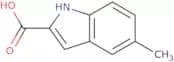
CAS:<p>5-Methylindole-2-carboxylic acid (5MICA) is a synthetic compound that has been shown to be cytotoxic in vitro. It has been shown to inhibit the growth of multiple cancer cell lines, including hepatoma cells, and is currently being studied as a potential anticancer drug. 5MICA inhibits the synthesis of protein and RNA by binding to the ribosome. This inhibition leads to cell death by apoptosis. 5MICA also exhibits an antimicrobial effect against opportunistic fungal pathogens such as Candida albicans, Aspergillus fumigatus, and Cryptococcus neoformans. The mechanism for this inhibition is unknown but may involve inhibition of protein synthesis or other cellular processes.</p>Formula:C10H9NO2Purity:Min. 95%Color and Shape:PowderMolecular weight:175.18 g/mol2,6-Pyridinedicarboxylic acid
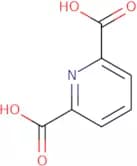
CAS:<p>2,6-Pyridinedicarboxylic acid is a chemical compound that is mainly used as an antimicrobial agent. It binds to DNA by hydrogen bonding interactions and alters the polymerase chain reaction (PCR) process. This leads to inhibition of DNA synthesis and cell death. 2,6-Pyridinedicarboxylic acid has been shown to have synergistic effects when combined with sodium salts. It also inhibits transfer reactions in bacteria, which may be due to its ability to bind to picolinic acid. The structural analysis of 2,6-pyridinedicarboxylic acid showed that it contains a pyridine ring fused with two carboxyl groups. 2,6-Pyridinedicarboxylic acid reacts with picolinic acid in the presence of sodium salts and undergoes a series of reactions leading to the formation of picolinamide, which may explain its inhibitory properties.</p>Formula:C7H5NO4Purity:Min. 95%Color and Shape:PowderMolecular weight:167.12 g/mol



![2,2-Difluoro-2-[1,1,2,2-tetrafluoro-2-(trifluoromethoxy)ethoxy]acetic acid](/_next/image/?url=https%3A%2Fstatic.cymitquimica.com%2Fproducts%2F3D%2Fthumb-webp%2FFD99821.webp&w=3840&q=75)
![(2-[Biotinamido]ethylamido)-3,3'-dithiodipropionic acid N-hydroxysuccinimide ester](/_next/image/?url=https%3A%2Fstatic.cymitquimica.com%2Fproducts%2F3D%2Fthumb-webp%2FFB52737.webp&w=3840&q=75)





![N-[S-(2-Pyridylthio)cysteaminyl]ethylenediamine-N,N,N',N'-tetraacetic acid, monoamide - Technical …](/_next/image/?url=https%3A%2Fstatic.cymitquimica.com%2Fproducts%2F3D%2Fthumb-webp%2FFP27342.webp&w=3840&q=75)






![2-[(2,4-Dimethylphenyl)amino]nicotinic acid](/_next/image/?url=https%3A%2Fstatic.cymitquimica.com%2Fproducts%2F3D%2Fthumb-webp%2FFD136109.webp&w=3840&q=75)
![(S)-2-((((9H-Fluoren-9-yl)methoxy)carbonyl)amino)-3-(1H-pyrrolo[2,3-b]pyridin-3-yl)propanoic acid](/_next/image/?url=https%3A%2Fstatic.cymitquimica.com%2Fproducts%2F3D%2Fthumb-webp%2FFF154979.webp&w=3840&q=75)