Carboxylic Acids
Carboxylic acids are organic molecules characterized by having a carboxyl-type functional group (-COOH). These acids are fundamental in various chemical reactions, including esterification, amidation, and decarboxylation. Carboxylic acids are widely used in the production of pharmaceuticals, polymers, and agrochemicals. In this section, you can find a large number of carboxylic acids ready to be used. At CymitQuimica, we provide a broad range of high-quality carboxylic acids to support your research and industrial applications.
Found 12453 products of "Carboxylic Acids"
Sort by
Purity (%)
0
100
|
0
|
50
|
90
|
95
|
100
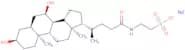
Taurochenodeoxycholic acid sodium
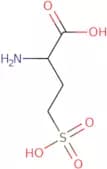
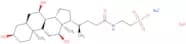
CAS:<p>Taurochenodeoxycholic acid sodium is a bile acid derivative, which is naturally sourced from the bile of mammals. It is synthesized by conjugating chenodeoxycholic acid with taurine, resulting in its sodium salt form. The primary mode of action of taurochenodeoxycholic acid sodium involves its role in the emulsification and absorption of dietary fats and fat-soluble vitamins in the intestines. Additionally, it acts on the liver, where it enhances bile flow and exhibits hepatoprotective properties by modulating bile acid composition and reducing cytotoxicity.</p>Formula:C26H45NO6S•NaPurity:Min. 95%Color and Shape:PowderMolecular weight:522.7 g/molDL-Homocysteic acid
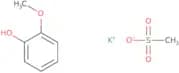
CAS:<p>DL-Homocysteic acid is a polymer with the chemical formula of CH(CH)COOH. It is a metal chelate that has minimal toxicity and is used in the treatment of bowel disease. DL-Homocysteic acid is also used in biological samples to detect covalent linkages and receptor activity. In addition, this compound can be used as an experimental model for oxidative injury and enzyme activities.</p>Formula:C4H9NO5SPurity:Min. 97 Area-%Color and Shape:PowderMolecular weight:183.18 g/molGualicol sulfonic acid potassium salt
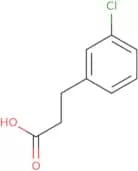
CAS:<p>Gualicol sulfonic acid potassium salt is a potassium salt that has expectorant properties. It can be used for the treatment of respiratory conditions such as bronchitis and asthma. Gualicol sulfonic acid potassium salt is used to treat coughs and other symptoms of respiratory infections, such as bronchitis and asthma. The drug is administered by mouth in tablet form.</p>Formula:C7H7KO5SPurity:Min. 95%Color and Shape:PowderMolecular weight:242.29 g/mol3-Chlorophenyl-3-propanoic acid
CAS:<p>3-Chlorophenyl-3-propanoic acid is an organic compound that is used in the synthesis of a variety of drugs, including analgesics and antibacterials. It is synthesized by reacting chlorides with alcohols. 3-Chlorophenyl-3-propanoic acid acts as a surfactant, which reduces surface tension between two liquids or between a liquid and a solid. It can also be used as an intermediate in the synthesis of other drugs. 3-Chlorophenyl-3-propanoic acid has been shown to have antibacterial properties mediated by its ability to inhibit the enzymes responsible for bacterial fatty acid synthesis. It may have neuroprotective effects, which are due to its inhibition of acetylcholinesterase (AChE) and carboxylesterase (CES). 3-Chlorophenyl-3-propanoic acid also has analgesic properties through its ability to inhibit lipases and monoamine</p>Formula:C9H9ClO2Purity:Min. 95%Color and Shape:PowderMolecular weight:184.62 g/mol3,3',5-Triiodo thyroacetic acid
CAS:<p>3,3',5-Triiodo thyroacetic acid is a synthetic thyroid hormone that acts as a thyroid hormone receptor agonist. It binds to the thyroid hormone receptor, leading to the activation of other transcription factors and increased synthesis of proteins. 3,3',5-Triiodo thyroacetic acid has been shown to increase the metabolic rate in rats by increasing the expression of epidermal growth factor in skin cells and signal transduction in nerve cells. This drug also causes an increase in transcriptional regulation and protein synthesis. 3,3',5-Triiodo thyroacetic acid does not have any known side effects or toxicity.</p>Formula:C14H9I3O4Purity:Min. 95%Color and Shape:White Off-White PowderMolecular weight:621.93 g/molN4-Boc-cytosin-1-yl acetic acid
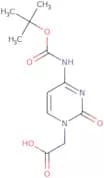
CAS:<p>N4-Boc-cytosin-1-yl acetic acid is a fine chemical that is used as a reagent, and can be used as a building block in the synthesis of various compounds. It has been shown to be an effective intermediate in the synthesis of various compounds, and can be used as a scaffold for drug discovery. N4-Boc-cytosin-1-yl acetic acid is also useful in the production of other chemicals, such as pharmaceuticals and pesticides.</p>Formula:C11H15N3O5Purity:Min. 98 Area-%Color and Shape:PowderMolecular weight:269.25 g/mol2,2-Difluoro-2-[1,1,2,2-tetrafluoro-2-(trifluoromethoxy)ethoxy]acetic acid
CAS:<p>2,2-Difluoro-2-[1,1,2,2-tetrafluoro-2-(trifluoromethoxy)ethoxy]-acetic acid is a fluorinated compound that can be used as an adsorbent for organic compounds. It is a highly selective material and has high adsorption capacity. The adsorption equilibrium data for 2,2-difluoro-2-[1,1,2,2-tetrafluoro-2-(trifluoromethoxy)ethoxy]-acetic acid are given in the table below. Table: Adsorption Equilibrium Data Temperature (°C) Pressure (kPa) Vapor Pressure (Pa) Equilibrium Vapor Pressure (Pa) Adsorption Capacity (%) 0 0.001 0.0008 0.0012 100</p>Formula:C5HF9O4Purity:Min. 95%Color and Shape:Clear LiquidMolecular weight:296.04 g/mol4-Oxo-4-(4-benzylpiperazinyl)but-2-enoic acid
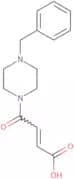
CAS:Controlled Product<p>Please enquire for more information about 4-Oxo-4-(4-benzylpiperazinyl)but-2-enoic acid including the price, delivery time and more detailed product information at the technical inquiry form on this page</p>Formula:C15H18N2O3Purity:Min. 95%Color and Shape:PowderMolecular weight:274.32 g/molPoly-L-glutamic acid sodium, MW 50,000-100,000
CAS:<p>Poly-L-glutamic acid sodium, MW 50,000-100,000 is a treatment agent that belongs to the group of oligopeptides. It is a low-dose therapeutic agent for the treatment of hair loss and alopecia. The amino acid sequence of this product has been shown to be similar to that of methionine and contains carboxyl groups. Poly-L-glutamic acid sodium, MW 50,000-100,000 is formed by the deprotonation and protonation of amino groups and carboxyl groups in an acidic environment.</p>Formula:(C5H9NO4)x•NaxPurity:Min. 95%Color and Shape:PowderHBED-CC-tris(tBu)ester
CAS:<p>Please enquire for more information about HBED-CC-tris(tBu)ester including the price, delivery time and more detailed product information at the technical inquiry form on this page</p>Formula:C38H56N2O10Purity:Min. 95%Color and Shape:PowderMolecular weight:700.86 g/mol4-Aminophthalic acid
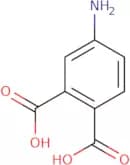
CAS:<p>4-Aminophthalic acid is a dibutyl ester of 4-aminophenol. It is used as a substrate for the production of monoclonal antibodies (MABs) to amines or acylation reactions with fatty acids. The MABs can be used in immunoassays to measure the presence of amines and acylated fatty acids in blood samples. The reaction between 4-aminophthalic acid and p-hydroxybenzoic acid forms an ester that can be detected by magnetic resonance spectroscopy, which makes it useful for detecting p-hydroxybenzoic acid levels in urine samples.</p>Formula:C8H7NO4Purity:Min. 95%Color and Shape:Grey SolidMolecular weight:181.15 g/molEthyl 3-pyRidylacetate
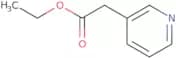
CAS:<p>Ethyl 3-pyRidylacetate is a chiral compound that is used in asymmetric synthesis. It is formed by the reaction of methides with base catalysts. The nmr spectrum of this compound shows three distinct signals, which correspond to the three possible stereoisomers: enolate, trisubstituted, and nucleophilic. These signals are due to the different methylene groups on the molecule. The active methylene group is responsible for alkylation reactions and carbon disulphide formation.</p>Formula:C9H11NO2Purity:Min. 95%Color and Shape:Clear LiquidMolecular weight:165.19 g/molAllyl P,P-diethylphosphonoacetate
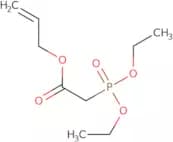
CAS:<p>Allyl P,P-diethylphosphonoacetate is a synthetic organic solvent that is soluble in water. It has an expressed form and an active methylene group. Allyl P,P-diethylphosphonoacetate is used in the synthesis of linear polymers through the addition of fluorine to the carbonyl group. The average particle diameter is 1 nm and it has a hydroxyl group.</p>Formula:C9H17O5PPurity:Min. 95%Color and Shape:Clear LiquidMolecular weight:236.2 g/molBenzophenone-2,4'-dicarboxylic acid
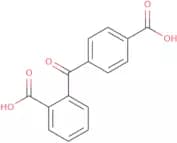
CAS:<p>Benzophenone-2,4'-dicarboxylic acid is a ligand that has been shown to have anion selectivity. It is an organic molecule that can be used in devices such as optical switches and sensors. Benzophenone-2,4'-dicarboxylic acid has been shown to have high fluorescence intensity and it is able to emit light. Benzophenone-2,4'-dicarboxylic acid can be used for the development of novel sensors for both organic and inorganic ions, as well as for ion-exchange membranes. The compound was also found to be luminescent with a bright emission peak at 559 nm, which makes it a promising candidate for fluorescent displays. Benzophenone-2,4'-dicarboxylic acid is also able to form coordinated water molecules when placed in contact with water. This coordinated water molecule may act as a ligand by binding to metal ions or other lig</p>Formula:C15H10O5Purity:Min. 95%Color and Shape:PowderMolecular weight:270.24 g/mol2-(4-Hydroxy-3-iodophenyl)acetic acid
CAS:<p>2-(4-Hydroxy-3-iodophenyl)acetic acid is a versatile building block that is used in the production of fine chemicals and research chemicals. Cas No. 19039-15-7, it is a high quality reagent that can be used as a speciality chemical or building block for more complex compounds. This compound can be used as an intermediate in organic synthesis and as a reaction component for organic reactions. It is also a useful scaffold for synthesizing other organic compounds.</p>Formula:C8H7IO3Purity:Min. 95%Color and Shape:PowderMolecular weight:278.04 g/molNeuropeptide W-23 (human)
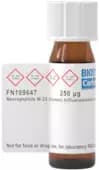
CAS:<p>Neuropeptide W-23 (human) is an antibody that recognizes the neuropeptide receptor, specifically the Neuropeptide Y receptor 1. The antibody binds to the Npy1 receptor and inhibits its activity. Neuropeptide W-23 (human) can be used as a research tool in cell biology and pharmacology studies.</p>Formula:C119H183N35O28SPurity:Min. 95%Molecular weight:2,584.01 g/mol3-Nitrophthalic acid
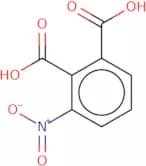
CAS:<p>3-Nitrophthalic acid is an organic compound that has been used in biological studies. It has been shown to bind to DNA and RNA, which may be due to hydrogen bonding interactions with the nitrogen atoms. 3-Nitrophthalic acid is synthesized by reacting sodium carbonate with trifluoroacetic acid, resulting in a carboxylate group. This compound has photochemical properties and can be used as a photosensitizer for the treatment of certain forms of cancer. 3-Nitrophthalic acid reacts with oxygen and generates singlet oxygen, which results in cellular damage.</p>Formula:C8H5NO6Purity:Min. 95%Color and Shape:PowderMolecular weight:211.13 g/molHydrocinnamic acid N-hydroxysuccinimide ester
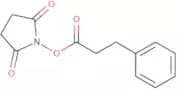
CAS:<p>Please enquire for more information about Hydrocinnamic acid N-hydroxysuccinimide ester including the price, delivery time and more detailed product information at the technical inquiry form on this page</p>Formula:C13H13NO4Purity:Min. 95%Color and Shape:PowderMolecular weight:247.25 g/molPolylactic acid - MW 40,000~80,000
CAS:<p>Polylactic acid is a polymer that has been used as a suture and in tissue engineering. It is synthesized by the polymerization of lactic acid, which is derived from renewable resources such as cornstarch, potatoes, and sugar beets. Polylactic acid has been shown to be effective against squamous carcinoma cells and colorectal adenocarcinoma cells. The mechanism of action for polylactic acid is not fully understood but it may have an effect on mitochondrial membrane potential, blood sampling, multivariate logistic regression, antibacterial efficacy, enzyme activities and transcriptional regulation. This polymer may also inhibit the growth of bacteria through the inhibition of glycol ethers or benzalkonium chloride.</p>Color and Shape:White PowderDiphenylmethane-4,4'-dicarboxylic acid
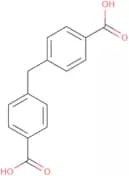
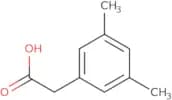
CAS:<p>Diphenylmethane-4,4'-dicarboxylic acid is a synthetic diphenylmethane compound that has fluorescent properties. It also has anti-tumor activity and can be used to treat cancer. Diphenylmethane-4,4'-dicarboxylic acid has been shown to inhibit the growth of tumor cells in vitro by binding to the receptor site on the cell membrane and blocking the release of certain substances. This drug also has an isothermic process that is used for encapsulation. The oxidation products of diphenylmethane-4,4'-dicarboxylic acid are medicines and dyestuffs.</p>Formula:C15H12O4Purity:Min. 90%Color and Shape:PowderMolecular weight:256.25 g/mol(3,5-Dimethylphenyl)acetic acid
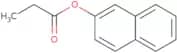
CAS:<p>3,5-Dimethylphenyl)acetic acid is an organic compound with the chemical formula CH3C(O)CH2CH2CO2H. It is a white solid that is insoluble in water and has a boiling point of 300°C. 3,5-Dimethylphenyl)acetic acid was first synthesized by reacting mesitylene with benzene in the presence of alkoxides. The yield of this reaction is high at 75%. This non-peptide, equilibrium compound has been shown to have affinity for 5HT6 receptors and can be used as a lead compound in screening.</p>Formula:C10H12O2Purity:Min. 95%Color and Shape:White PowderMolecular weight:164.2 g/molPropionic acid 2-naphthyl ester
CAS:<p>Propionic acid 2-naphthyl ester is an antibiotic that is produced by Rhodobacter sphaeroides and belongs to the class of carboxylate phosphatase inhibitors. It is a potent inhibitor of acid phosphatases, which are enzymes found in many bacteria, fungi, and plants. It has been shown to inhibit the growth of various types of cancer cells, including melanoma and lung cancer cells. Propionic acid 2-naphthyl ester also binds to antigen-presenting cells and induces the production of cytokines such as IL-6, IL-8, IL-10, and TNF-α. This compound also inhibits cholinesterases in the blood plasma and brain tissue.</p>Formula:C13H12O2Purity:Min. 90%Color and Shape:PowderMolecular weight:200.23 g/molSDF-1α (human) trifluoroacetate salt
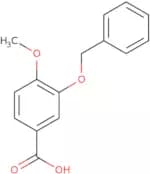
CAS:<p>Please enquire for more information about SDF-1alpha (human) trifluoroacetate salt including the price, delivery time and more detailed product information at the technical inquiry form on this page</p>Formula:C356H578N106O93S4Purity:Min. 95%Molecular weight:7,959.32 g/mol3-Benzyloxy-4-methoxybenzoic acid
CAS:<p>3-Benzyloxy-4-methoxybenzoic acid is a natural product that was isolated as a yellow crystalline powder from the needles of the tree Kirkia. It can be used as a radical and has been shown to have frameworks with galanthamine. 3-Benzyloxy-4-methoxybenzoic acid has been shown to be an inhibitor of protein synthesis in cells, which may be due to its ability to inhibit the activity of ribosomes and protein synthesis.</p>Formula:C15H14O4Purity:Min. 95%Molecular weight:258.27 g/molIralukast
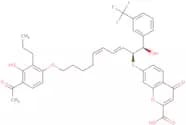
CAS:<p>Iralukast is a leukotriene receptor antagonist that blocks the bronchoconstrictor response. It is used in the treatment of bronchial asthma, chronic obstructive pulmonary disease, and bowel diseases such as ulcerative colitis. Iralukast is not absorbed into the bloodstream and therefore does not inhibit the production of the inflammatory mediators that are responsible for these diseases. Iralukast binds to receptors on cells lining the airways, preventing activation of cells by leukotrienes, which are released by mast cells in response to an allergen or irritant. This binding prevents the release of inflammatory mediators from mast cells and reduces bronchial reactivity. Iralukast also has been shown to inhibit the enzyme activity of phospholipase A2 (PLA2), which has been implicated in inflammatory bowel disease.</p>Formula:C38H37F3O8SPurity:Min. 95%Molecular weight:710.21612DL-Aspartic acid
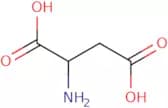
CAS:<p>Aspartic acid is an amino acid that belongs to the group of aspartates. It is synthesized in the human body and used in biochemical reactions. Aspartic acid has been shown to play a role in cancer, bowel disease, and fibrosis. The chemical properties of aspartic acid have been studied using various model systems such as polymerase chain reaction (PCR) and p-nitrophenyl phosphate assay. Aspartic acid is a substrate for the enzyme asparaginase, which converts it into asparagine, another amino acid that can be used by the body.</p>Formula:C4H7NO4Color and Shape:White Off-White PowderMolecular weight:133.1 g/molD-Gluconic acid zinc (II) salt
CAS:<p>D-Gluconic acid zinc salt is an inorganic compound that is used to treat deficiencies of D-gluconate. It is a salt of zinc and D-gluconic acid, which is a natural metabolite found in the human body. This compound can be used to maintain healthy levels of D-gluconate in the tissues and help control symptoms related to deficiencies. The efficiency of this method has been demonstrated by an in vitro test on human femur cells. A profile analysis showed that D-gluconic acid zinc salt was able to minimize the severity of symptoms associated with deficiencies caused by gluconate deficiency, such as tissue sensitivity and bone degradation.</p>Formula:C12H22O14ZnPurity:Min. 95%Color and Shape:White PowderMolecular weight:455.68 g/mol4-Chloro-2-fluorocinnamic acid
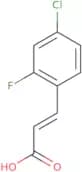
CAS:<p>4-Chloro-2-fluorocinnamic acid is a chemical intermediate that can be used as a building block for the synthesis of other compounds. It has been shown to be useful in the preparation of pharmaceuticals, agrochemicals, and dyestuffs. This chemical has many uses in research, such as being used as a reactant in organic synthesis or as a reagent for derivitization. 4-Chloro-2-fluorocinnamic acid is also an important intermediate for the production of more complex compounds. 4-Chloro-2-fluorocinnamic acid is a versatile building block that can be used in the preparation of many fine chemicals, with its versatility making it an important scaffold for drug discovery.</p>Formula:C9H6ClFO2Purity:Min. 95%Color and Shape:PowderMolecular weight:200.59 g/molUrsocholic acid
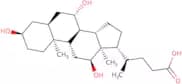
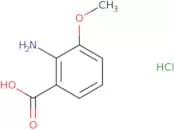
CAS:Controlled Product<p>Ursocholic acid is a bile acid that is used in the treatment of pediatric bowel disease. Ursocholic acid reduces the formation of cholesterol gallstones and its use has been shown to improve the symptoms of congestive heart failure. The mechanism of action for ursocholic acid is not fully understood but it has been shown to increase the amount of serum bile acids and reduce the amount of hydroxyl group in bile acids. Ursocholic acid also increases cell lysis by interacting with hydrophobic regions on the surface of cells. There are high concentrations of ursocholic acid found in human feces, which may be due to its hydrophobic effect. Ursocholic acid also inhibits HIV infection by binding to gp120, preventing gp120 from binding to CD4 receptors on T-cells.</p>Formula:C24H40O5Purity:Min. 95%Color and Shape:PowderMolecular weight:408.57 g/mol3-Methoxyanthranilic acid hydrochloride
CAS:<p>3-Methoxyanthranilic acid hydrochloride is a synthetic, monosubstituted, hydrochloric acid salt of 3-methoxyanthranilic acid and the hydrochloride. It is a colorless crystalline solid that melts at 166 degrees Celsius. 3-Methoxyanthranilic acid hydrochloride is used as an intermediate in the synthesis of caprolactam, which is then used to produce polyamide fibers. The melting point of 3-Methoxyanthranilic acid hydrochloride can be used to identify other compounds with similar structures. This compound has been shown to have antihistamine effects and may be useful for treating allergies or asthma.</p>Formula:C8H9NO3•HClPurity:Min. 95%Color and Shape:PowderMolecular weight:203.62 g/molMethyl 5-bromo-1H-1,2,3-triazole-4-carboxylate
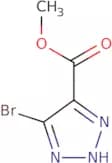
CAS:<p>Methyl 5-bromo-1H-1,2,3-triazole-4-carboxylate is a versatile building block and research chemical that is used in the synthesis of complex compounds. It can be used as an intermediate in the synthesis of pharmaceuticals and other chemicals. Methyl 5-bromo-1H-1,2,3-triazole-4-carboxylate is a high quality reagent and scaffold for organic chemistry. This compound reacts with alcohols to form boronic esters or boronates. It also reacts with amines to form nitrile derivatives.</p>Formula:C4H4BrN3O2Purity:Min. 95%Color and Shape:White PowderMolecular weight:206 g/molIndole-3-butyric acid, potassium salt
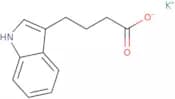
CAS:<p>Plant hormone; auxin; inducer of root development; used in plant rooting</p>Formula:C12H12KNO2Color and Shape:White Yellow PowderMolecular weight:241.33 g/mol1-Hydroxycyclopropanecarboxylic acid methyl ester
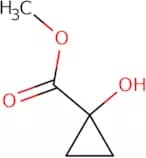
CAS:<p>1-Hydroxycyclopropanecarboxylic acid methyl ester is a potent inhibitor of phosphorylation. It binds to the ATP and ADP molecules, preventing them from binding to the <br>phosphoryl transferase enzyme. This inhibits the phosphorylation of glucose, leading to an accumulation of phosphoglycolate and pyruvate in cells. 1-Hydroxycyclopropanecarboxylic acid methyl ester has been shown to be a potent inhibitor of cyclopropane-fatty acid synthase, which is involved in synthesis of fatty acids for energy storage. The diethyl succinate derivative is also known as ethylene dibromide. Condensation reactions between this compound and carboxylic acids produce diethyl succinates that are used as plasticizers in polymers such as polyvinyl chloride (PVC).</p>Formula:C5H8O3Purity:Min. 95%Molecular weight:116.12 g/mol2-Methoxycinnamic acid methyl ester
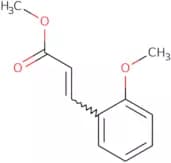
CAS:<p>2-Methoxycinnamic acid methyl ester is a monomer that can be used in the synthesis of magnetic nanoparticles. It has been shown to have high activity and can be used at temperatures between 20°C and 40°C. This reagent is also soluble in organic solvents, making it easy to purify. The size of the particles can be controlled by changing the diameter of the monomer, which can be determined using various techniques such as magnetic separation, filtration, or centrifugation. 2-Methoxycinnamic acid methyl ester was found to have a mesoporous structure when synthesized using an organometallic technique. This reagent is suitable for use in analytical methods such as gas chromatography-mass spectrometry (GC-MS) or liquid chromatography-mass spectrometry (LC-MS).</p>Formula:C11H12O3Purity:Min. 95%Color and Shape:PowderMolecular weight:192.21 g/moltrans-Aconitic acid
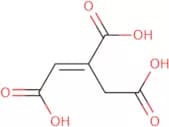
CAS:<p>Trans-aconitic acid is a plant metabolite that can be found in wine, honey, and other foods. It is also produced by the action of yeast on sugars and amino acids. Trans-aconitic acid is used as an analytical reagent in chromatographic analysis due to its high solubility in organic solvents. The biological function of trans-aconitic acid has not yet been determined, but it has been hypothesized that it may be involved in energy metabolism or mitochondrial membrane potential. Trans-aconitic acid binds to nuclear DNA, which could play a role in gene expression or transcriptional regulation. It also inhibits the activity of enzymes such as p-hydroxybenzoic acid form (PHBA) and zirconium oxide (ZrO). Trans-aconitic acid has been shown to inhibit the enzyme form of PHBA with an IC50 value of 0.5 mM.</p>Formula:C6H6O6Purity:Min. 95 Area-%Color and Shape:PowderMolecular weight:174.11 g/mol4-Benzyloxybenzoic acid methyl ester
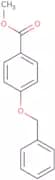
CAS:<p>4-Benzyloxybenzoic acid methyl ester is a chemical compound that is used as a ligand in analytical chemistry. It can be used to extract metals from samples by forming coordination complexes with them. 4-Benzyloxybenzoic acid methyl ester can also be used to synthesize arenes and other organic molecules. This compound has been shown to have anti-cancer effects, which may be due to its ability to inhibit the function of histone deacetylases and thereby suppress the expression of genes involved in cell proliferation.</p>Formula:C15H14O3Purity:Min. 95%Color and Shape:PowderMolecular weight:242.27 g/mol2-Amino-4-fluorobenzoic acid
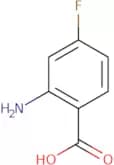
CAS:<p>2-Amino-4-fluorobenzoic acid is a nitrogenous heterocyclic compound. It is an analog of the epidermal growth factor (EGF), which can bind to the EGF receptor and stimulate cell growth and differentiation. 2-Amino-4-fluorobenzoic acid has been shown to have anticancer activity in vitro, as well as in vivo. The synthetic process for this compound involves nitrous acid, hydrochloric acid, and frequency reactions. This product is used industrially for the preparation of other compounds.</p>Formula:C7H6FNO2Purity:Min. 95%Color and Shape:PowderMolecular weight:155.13 g/mol4-Fluoro-3-nitrobenzoic acid
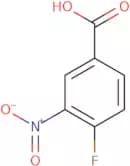
CAS:<p>4-Fluoro-3-nitrobenzoic acid (4FNBA) is a molecule that has been studied for its ability to inhibit the activity of amine oxidases and haloperoxidases. 4FNBA was shown to be a substrate for the model protein, with an equilibrium constant of 2.6 x 10^6 M^(-1). The conversion of 4FNBA to the corresponding quinoxalines was also observed. Molecular docking analysis revealed that 4FNBA binds to the chloride ion and hydrogen bond interactions with nitrogen and oxygen atoms in the protein. This molecule is structurally diverse and may be useful in chemical synthesis or as a drug for treating certain medical conditions.</p>Formula:C7H4FNO4Color and Shape:PowderMolecular weight:185.11 g/mol2,2'-Azino-bis(3-ethylbenzothiazoline-6-sulfonic acid) diammonium salt
CAS:<p>ABTS can be used as a peroxidase substrate that gives a metastable cation when in the presence of H2O2. 2,2'-Azino-bis (3-ethylbenzothiazoline-6-sulfonic acid) or ABTS is commonly used in the enzyme-linked immunosorbent assay (ELISA). ABTS is chosen because the enzyme facilitates the reaction to give a green end-product with an absorbance maximum of 420nm and can therefore be detected with a spectrophotometer.</p>Formula:C18H24N6O6S4Purity:Min. 98.0 Area-%Color and Shape:PowderMolecular weight:548.68 g/molO-Isopropyl ethylthiocarbamate
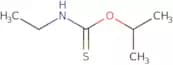
CAS:<p>O-Isopropyl ethylthiocarbamate (IPET) is a reactive oxygen species that is used as a substrate film in electrophotographic printing. IPET is also used to inhibit the growth of cancer cells, which may be due to its ability to inhibit the activity of lp-pla2. The target cell for IPET is the receptor subtype P2X7 and it has been shown to be synergistic with sodium sulfide and polarizers. IPET binds to divalent hydrocarbons that are found in pyrite, which can cause an increase in oxidative stress and apoptosis by activating p38 mitogen-activated protein kinase. This chemical has been shown to have anti-inflammatory effects.</p>Formula:C6H13NOSPurity:Min. 95%Color and Shape:Yellow To Dark Brown LiquidMolecular weight:147.24 g/mol2-Aminonaphthalene-5,7-disulfonic acid
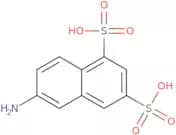
CAS:<p>2-Aminonaphthalene-5,7-disulfonic acid (2ANDA) is a fluorescent and colorless compound that can be used as a tracer for wastewater treatment. 2ANDA is adsorbed onto the surface of suspended solids in wastewater and binds to the hydroxide ions. This binding causes an increase in fluorescence intensity, which can be detected with synchronous fluorescence spectroscopy. 2ANDA also has the ability to form ternary complexes with chloride ions and molecular ions such as sodium hydroxide solution, making it useful for wastewater treatment because it provides information about the concentration of these ions. 2ANDA is soluble in water and may hydrolyze at high pH levels. It has been shown to have good kinetic properties for wastewater treatment by adsorption on granular activated carbon (GAC).</p>Formula:C10H9NO6S2Purity:Min. 95%Color and Shape:PowderMolecular weight:303.31 g/mol4-Amino-2-fluorobenzoic acid
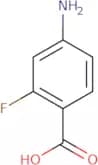
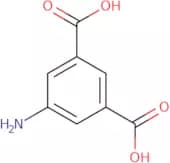
CAS:<p>4-Amino-2-fluorobenzoic acid is a potent inhibitor of formylating enzymes, such as carbonyl reductase and amino acid formyltransferase. It has been shown to be an effective inhibitor of cancer cells in vivo and inhibits the growth of prostate cancer cells. This compound has also been shown to inhibit nitro reduction reactions, which are involved in the carcinogenic process. 4-Amino-2-fluorobenzoic acid reacts with chloride ions to produce a functional group that can react with carbon nanotubes, making it a candidate for use in cancer therapy.</p>Formula:C7H6FNO2Purity:Min. 95%Color and Shape:SolidMolecular weight:155.13 g/mol5-Aminoisophthalic acid
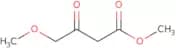
CAS:<p>5-Aminoisophthalic acid is a molecule that belongs to the group of compounds classified as p2, which are characterized by a hydrogen bond. The molecule is synthesized from n-dimethylformamide and glycol ester. It can be used in the synthesis of other compounds, such as 5-aminoisophthalic acid, which has been shown to have hemolytic activity. FTIR spectroscopy analysis reveals that the structure of 5-aminoisophthalic acid has nitrogen atoms in its side chain. This molecule also has an ultraviolet absorption range of about 225 nm to about 300 nm and shows strong absorption bands at around 290 nm and 350 nm.</p>Formula:C8H7NO4Purity:Min. 95%Color and Shape:PowderMolecular weight:181.15 g/molMethyl 4-methoxyacetoacetate
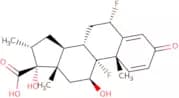
CAS:<p>Methyl 4-methoxyacetoacetate is a synthetic chemical compound that can be used in the synthesis of other substances. It has been shown to react with diacetates and produce hydroxy compounds during the reaction system. The reaction rate is dependent on the temperature and concentration of the reactants, as well as the presence of a catalyst such as hydrochloric acid. Methyl 4-methoxyacetoacetate has also been shown to form crystals when heated at constant temperature, which have been analyzed by X-ray diffraction. These crystals are composed of 2 molecules of methyl 4-methoxyacetoacetate that are held together through hydrogen bonding.</p>Formula:C6H10O4Purity:Min. 95%Color and Shape:Colorless Clear LiquidMolecular weight:146.14 g/molFluticasone 17b-carboxylic acid
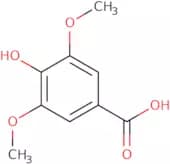
CAS:Controlled Product<p>Fluticasone 17b-carboxylic acid is a high quality reagent that is a useful intermediate for the synthesis of complex compounds. It can also be used as a fine chemical and research chemical. Fluticasone 17b-carboxylic acid is an important building block for the synthesis of speciality chemicals, such as anti-inflammatory drugs, and has been used in the synthesis of various other compounds. The versatility of fluticasone 17b-carboxylic acid makes it a valuable scaffold for the design and synthesis of new compounds.</p>Formula:C21H26F2O5Purity:Min. 95%Color and Shape:White PowderMolecular weight:396.42 g/molSyringic acid
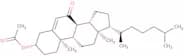
CAS:<p>Syringic acid is a phenolic acid that is found in the bark of the syringa tree (Lilac). It has been used in traditional Chinese medicine preparations to treat conditions such as skin problems and convulsions. Syringic acid is an intermediate in the biosynthesis of hydroxybenzoic acid, which is used as an analytical marker for plant identification. Syringic acid can be extracted from plants using subcritical water extraction or acetate extract. The sample preparation involves preparing samples of plant tissue by grinding them into a powder, followed by extraction with organic solvents. The final step is to purify the extract using column chromatography or recrystallization techniques.</p>Formula:C9H10O5Purity:Min. 98 Area-%Color and Shape:PowderMolecular weight:198.17 g/mol7-Oxo cholesterol 3-acetate
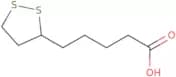
CAS:Controlled Product<p>7-Oxo cholesterol 3-acetate is a cocatalyst for the oxidation of organic compounds. It is used to catalyze the oxidation of alcohols, carboxylic acids, and other organic compounds with hydrogen peroxide. 7-Oxo cholesterol 3-acetate has been shown to be a low energy catalyst that can be used in mild conditions. This compound has been shown to produce diacetyl, which is an important reaction product in the synthesis of vitamin D3 (cholecalciferol). 7-Oxo cholesterol 3-acetate has also been isolated from adipose tissue and shown to have anti-inflammatory properties.</p>Formula:C29H46O3Purity:Min. 95%Color and Shape:PowderMolecular weight:442.67 g/molLipoic acid, reduced
CAS:<p>Lipoic acid, reduced (LAR) is a naturally occurring compound that is found in many living organisms. It has been used to study the mechanisms of DNA binding and protein oxidation. Lipoic acid, reduced has been shown to have anti-inflammatory properties by inhibiting the production of prostaglandins. The rate constant for LAR is 10-3 M-1s-1 at 25°C and pH 7.0, which can be measured using a polymer composition method. This compound also has an optical sensor and chemiluminescence method that are able to measure the rate constant and determine its concentration.</p>Formula:C8H16O2S2Purity:Min. 95%Color and Shape:PowderMolecular weight:208.34 g/mol6-Acetyl-7-methylpyrazolo[1,5-α]pyrimidine-3-carboxylic acid
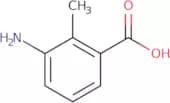
CAS:<p>The 6-Acetyl-7-methylpyrazolo[1,5-α]pyrimidine-3-carboxylic acid is a fine chemical that belongs to the group of speciality chemicals. It is an intermediate that can be used in research or as a building block for more complex compounds. This compound has been shown to have many useful properties, including its versatility as a scaffold and its ability to react with other compounds. The 6-Acetyl-7-methylpyrazolo[1,5-α]pyrimidine-3-carboxylic acid is also considered high quality and can be used in reactions related to the production of pharmaceuticals, agrochemicals, polymers and dyes.</p>Formula:C10H9N3O3Purity:Min. 95%Color and Shape:PowderMolecular weight:219.2 g/mol3-Amino-2-methylbenzoic acid
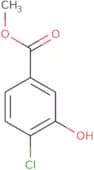
CAS:<p>3-Amino-2-methylbenzoic acid is an organic compound that belongs to the group of heterocyclic compounds. 3-Amino-2-methylbenzoic acid has been shown to inhibit the transport properties of nanotubes and may be used in the development of new materials for drug delivery. It also has potential as a therapeutic agent for the treatment of cancer, diabetes, and bacterial infections. This molecule is unsymmetrical with six hydrogen bonding interactions and three functional groups. The 3-amino group can form an intermolecular hydrogen bond with a proton donor and the two methyl groups can form intramolecular hydrogen bonds with each other.</p>Formula:C8H9NO2Purity:Min. 95%Color and Shape:PowderMolecular weight:151.16 g/mol4-Chloro-3-hydroxybenzoic acid methyl ester
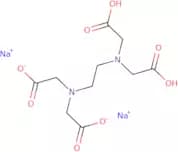
CAS:<p>4-Chloro-3-hydroxybenzoic acid methyl ester is a high quality, versatile building block that can react as a reagent to form complex compounds. It is also used as an intermediate in the synthesis of other fine chemicals. 4-Chloro-3-hydroxybenzoic acid methyl ester is a useful scaffold for chemical research and has been shown to be a speciality chemical with many uses. This compound is also useful as an intermediate in the synthesis of other fine chemicals, such as pharmaceuticals or agrochemicals.</p>Formula:C8H7ClO3Purity:Min. 98%Color and Shape:White PowderMolecular weight:186.59 g/molEthylenediaminetetraacetic acid disodium salt
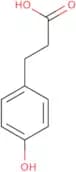
CAS:<p>Ethylenediaminetetraacetic acid disodium salt (EDTA-2Na) is a water-soluble chelating agent that forms a complex with metal ions. EDTA-2Na has been shown to be an effective inhibitor of the polymerase chain reaction (PCR), which is a technique to amplify DNA. EDTA-2Na can be used as a fluorescence probe in biological samples and can also be used in the analysis of reaction solutions. It has been shown to have lubricity properties and can be used as an injection solution for bowel disease. EDTA-2Na is also used in wastewater treatment, where it binds heavy metals and prevents them from being reabsorbed into the environment. The optimum concentration of EDTA-2Na is 1 mM at pH 7.0, with a range from 0.1 mM to 10 mM.</p>Formula:C10H14N2Na2O8Purity:Min. 95%Color and Shape:PowderMolecular weight:336.21 g/mol3-(4-Hydroxyphenyl)propionic acid
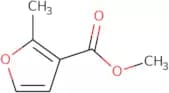
CAS:<p>Potential antioxidant; pharmaceutical intermediate</p>Formula:C9H10O3Purity:Min. 99 Area-%Color and Shape:PowderMolecular weight:166.17 g/molMethyl 2-methyl-3-furancarboxylate
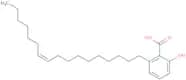
CAS:<p>Methyl 2-methyl-3-furancarboxylate is a chiral molecule that has anti-influenza virus activity. It has been shown to inhibit influenza virus replication in vitro and in vivo. Methyl 2-methyl-3-furancarboxylate inhibits the synthesis of viral proteins by inhibiting the polymerase function of the virus’s RNA polymerase. In addition, this compound inhibits the synthesis of new viruses by disrupting the process of transcription and replication. This molecule also exhibits antiviral activity against other RNA viruses such as Sindbis virus, vesicular stomatitis virus, and polio virus. Methyl 2-methyl-3-furancarboxylate is an aerobic molecule with functionalities that include isoxazoles, pyrazoles, and carbocations. This compound has been used as a starting point for synthesizing other anti-influenza compounds due to its strong antiviral properties and its unique functional groups.</p>Formula:C7H8O3Purity:Min. 95%Color and Shape:Clear LiquidMolecular weight:140.14 g/molGinkgolic acid (C17:1)
CAS:<p>Ginkgolic acid is a monomer of the ginkgolides, which are antimicrobial agents. It is an analytical method for detecting the concentration of ginkgolic acid in a sample. Ginkgolic acid has been shown to cause genotoxic potential in vitro and its use as a medicine should be limited. Ginkgolic acid may also inhibit organic anion transporters as well as organic acids such as chlorogenic acids and 1,3-dicaffeoylquinic acid. Ginkgo extract contains high concentrations of ginkgolic acid, which can be reduced by removing alcohol residues from the extract through distillation or boiling.</p>Formula:C24H38O3Purity:Min. 95 Area-%Color and Shape:White PowderMolecular weight:374.56 g/mol2-Chlorophenylphenyl-aminomethanesulphonic acid sodium salt
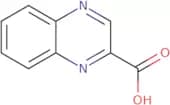
CAS:<p>2-Chlorophenylphenyl-aminomethanesulphonic acid sodium salt is a fine chemical that is a useful building block in research and development. It can be used as a reagent, a CAS No. 132141-36-7, or as a speciality chemical. This compound has been used as an intermediate in the synthesis of complex compounds. It also acts as a versatile building block for various reactions and has been used as a scaffold for the synthesis of new compounds.</p>Formula:C13H11ClNO3S·NaPurity:Min. 95%Molecular weight:319.74 g/mol2-Quinoxalinecarboxylic acid
CAS:<p>2-Quinoxalinecarboxylic acid is a monoclonal antibody that binds to fatty acids. It has been shown to be effective in treating solid tumours, autoimmune diseases, and cyclic peptide-induced genotoxicity in biological studies. The compound is stable at physiological pH and can be used for the detection of hydrochloric acid using electrochemical impedance spectroscopy.</p>Formula:C9H6N2O2Purity:Min. 95%Color and Shape:PowderMolecular weight:174.16 g/molMethyl 2-amino-7,7-dimethyl-4-(3-nitrophenyl)-5-oxo-4,6,7,8-tetrahydro2H-chromene-3-carboxylate
CAS:<p>Please enquire for more information about Methyl 2-amino-7,7-dimethyl-4-(3-nitrophenyl)-5-oxo-4,6,7,8-tetrahydro2H-chromene-3-carboxylate including the price, delivery time and more detailed product information at the technical inquiry form on this page</p>Formula:C19H20N2O6Purity:Min. 95%Color and Shape:PowderMolecular weight:372.37 g/mol4-Cyanobenzoic acid ethyl ester
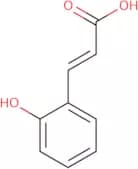
CAS:<p>4-Cyanobenzoic acid ethyl ester is a hydrogen-bonding acceptor that is also able to form exciplexes with styrene. It has a conformation that is similar to that of aminobenzoate, which is a hydrogen-bonding donor. 4-Cyanobenzoic acid ethyl ester reacts with solvents such as benzene and chloroform, undergoing hydration reactions to form the corresponding 4-cyanophenol derivatives. It undergoes cyclization when heated in the presence of ruthenium(II) chloride to produce 1,4-dihydropyridine derivatives. The reaction mechanism for this reaction consists of two steps: an intramolecular nucleophilic attack followed by an intramolecular electrophilic substitution. The deionized water used in this synthetic process eliminates the need for drying agents and stabilizers, making it easier to carry out the synthesis.</p>Formula:C10H9NO2Purity:Min. 95%Color and Shape:PowderMolecular weight:175.18 g/moltrans-2-Hydroxycinnamic acid
CAS:<p>Trans-2-hydroxycinnamic acid is a bioactive phytochemical that has been shown to inhibit the proliferation of 3T3-L1 preadipocytes. It also binds with 4-hydroxycinnamic acid, which is a compound found in coumarin derivatives. Trans-2-hydroxycinnamic acid is an analytical method for determining p-hydroxybenzoic acid, which is a metabolite of trans-2-hydroxycinnamic acid and can be used as an indicator for its presence in food products. Trans-2-hydoxycinnamic acid inhibits mitochondrial membrane potential and induces apoptosis in cancer cells. It also has drug interactions with etoac extract and structural analysis.</p>Formula:C9H8O3Color and Shape:PowderMolecular weight:164.16 g/mol(Des-Gly10,D-Ser4,D-Trp6,Pro-NHEt 9)-LHRH trifluoroacetate salt
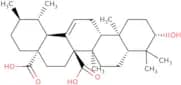
<p>Please enquire for more information about (Des-Gly10,D-Ser4,D-Trp6,Pro-NHEt 9)-LHRH trifluoroacetate salt including the price, delivery time and more detailed product information at the technical inquiry form on this page</p>Formula:C64H83N17O12Purity:Min. 95%Color and Shape:PowderMolecular weight:1,282.45 g/molQuinovic acid
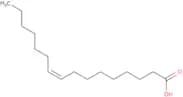
CAS:Controlled Product<p>Quinovic acid is a natural compound that has been shown to have anti-cancer effects. It is an alkanoic acid glycoside derivative, which is extracted from the acetate extract of the genus Quinovic. Quinovic acid inhibits DPP-IV and may be used as an inhibitor of inflammatory reactions in autoimmune disorders. The pharmacokinetic properties of quinovic acid have been studied in mice, which showed that it was rapidly absorbed and eliminated through urine. There are also no known reports of toxicity associated with this substance.</p>Formula:C30H46O5Purity:Min. 95%Color and Shape:White to off-white solid.Molecular weight:486.68 g/molPalmitoleic acid, 70%
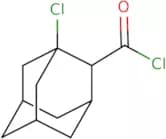
CAS:<p>Palmitoleic acid is a fatty acid that has been shown to have anti-inflammatory effects. Palmitoleic acid inhibits the production of pro-inflammatory cytokines and attenuates the activation of macrophages, as well as inhibiting the expression of genes involved in cell proliferation. Palmitoleic acid has also been shown to be effective against bowel disease, such as Crohn's disease. In a low-dose group, palmitoleic acid inhibited the production of matrix metalloproteinases in 3T3-L1 preadipocytes and hl-60 cells. It also decreased the release of basic proteins from these cells and increased their energy metabolism.</p>Formula:C16H30O2Purity:Min. 70%Color and Shape:Clear LiquidMolecular weight:254.41 g/mol1-Chloroadamantanecarb oxylic acid chloride
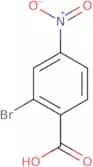
CAS:<p>1-Chloroadamantane carboxylic acid chloride is a chemical compound that can be used as a reagent, building block, or intermediate in organic synthesis. It is soluble in ether and chloroform, but insoluble in water. This chemical is often used as a reactant in organic reactions. 1-Chloroadamantane carboxylic acid chloride has the CAS number 55982-64-4 and was first synthesized by A. W. Hofmann and R. Schmidlin in 1916. 1-Chloroadamantane carboxylic acid chloride is an important precursor for the manufacture of pharmaceuticals, agrochemicals, and other specialty chemicals with high quality and purity requirements.</p>Formula:C11H14Cl2OPurity:Min. 95%Color and Shape:PowderMolecular weight:233.13 g/mol2-Bromo-4-nitrobenzoic acid
CAS:<p>2-Bromo-4-nitrobenzoic acid is a peptidomimetic that binds to farnesyltransferase and inhibits the enzyme activity. This drug is currently in preclinical development for the treatment of cancer. Preliminary studies have shown that 2-bromo-4-nitrobenzoic acid is able to inhibit tumor growth, which may be due to its inhibition of protein prenylation. This drug also has a low cell membrane permeability, which means it can only enter cells when they are actively taking up molecules from their surroundings. The lack of labelling on this drug means that it is not possible to detect its presence in vivo with positron emission tomography (PET) scans.</p>Formula:C7H4BrNO4Purity:Min. 95%Color and Shape:PowderMolecular weight:246.02 g/mola-Lipoic acid
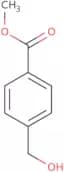
CAS:<p>a-Lipoic acid is a metabolite of the essential amino acid threonine and an antioxidant. It has been shown to be effective in treating bowel disease, oxidative injury, and ischemia-reperfusion injury. a-Lipoic acid has also been shown to have beneficial effects in the treatment of diabetic neuropathy and as an adjuvant therapy for cancer chemotherapies. The biochemical properties of this agent have been studied extensively, with a focus on its protective effects against mitochondrial membrane depolarization and long-term toxicity. There are no reports of genotoxicity or carcinogenicity.</p>Formula:C8H14O2S2Purity:Min. 98 Area-%Color and Shape:Yellow PowderMolecular weight:206.33 g/mol4-(Hydroxymethyl)benzoic acid methyl ester
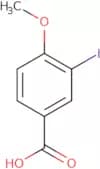
CAS:<p>4-(Hydroxymethyl)benzoic acid methyl ester is a quinazolinone that has been used as an anticancer drug. It is synthesized by cross-coupling of 4-hydroxymethylbenzoic acid and methyl iodide with a cobaltic catalyst, followed by dehydrogenation. The synthesis can also be achieved using a molybdenum catalyst, leading to the same product. 4-(Hydroxymethyl)benzoic acid methyl ester is an efficient method for the synthesis of this compound and has shown anti-cancer activity in animal models. It inhibits serine proteases, including matrix metalloproteinases (MMPs) and cathepsin B, which are enzymes involved in cancer cell invasion and metastasis.</p>Formula:C9H10O3Purity:Min. 95%Color and Shape:PowderMolecular weight:166.17 g/mol3-Iodo-4-methoxybenzoic acid
CAS:<p>3-Iodo-4-methoxybenzoic acid is a biaryl compound that can be synthesized by the cross-coupling reaction of an aryl boronic acid and benzene. 3-Iodo-4-methoxybenzoic acid is a good substrate for Suzuki cross-coupling reactions. The optimisation of this reaction requires sterically unhindered substrates, high solvents, and refluxing conditions. 3-Iodo-4-methoxybenzoic acid is also suitable for the synthesis of esters by esterification with alcohols in the presence of a catalytic amount of acid.</p>Formula:C8H7IO3Purity:Min. 95%Molecular weight:278.04 g/molCecropin A (1-7)-Melittin A (2-9) amide trifluoroacetate salt
CAS:<p>Cecropin A (1-7)-Melittin A (2-9) amide trifluoroacetate salt is a cecropin-melittin hybrid peptide that has been immobilized on cellulose nanofibers for use as an antimicrobial. It has been shown to have strong antimicrobial activity against bacillus subtilis, and the immobilization process ensures that the peptide is not released from the surface of the material. The process of coating with nanopaper and then applying the peptides provides a stable surface with high antimicrobial activity. The synthetic peptides are synthesized by solid phase synthesis using Fmoc chemistry and purified by preparative HPLC.</p>Formula:C89H152N22O15Purity:Min. 95%Color and Shape:PowderMolecular weight:1,770.3 g/mol2-Amino-3-bromo-5-methylbenzoic acid
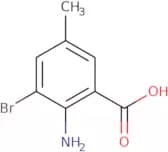
CAS:<p>2-Amino-3-bromo-5-methylbenzoic acid is a fatty acid that belongs to the group of undescribed organic acids. It is found in soil as well as in organisms such as bacteria and fungi. The 2-Amino-3-bromo-5-methylbenzoic acid molecule has been shown to be an antibiotic, inhibiting the growth of bacterial strains belonging to the phyla Actinobacteria and Proteobacteria. It may also be present in plants, where it is channeled out through the roots. This fatty acid also has nucleobase properties, which are essential for DNA replication.br>br><br>span style="font-size: 12px;">2 Amino 3 bromo 5 methyl benzoic acid (2ABMB) was first isolated from soil samples collected from a site near Beijing, China. It is one of many undescribed organic acids that are found</p>Formula:C8H8BrNO2Purity:Min. 95%Color and Shape:PowderMolecular weight:230.06 g/molKojic acid
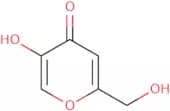
CAS:<p>Fungal metabolite; tyrosinase inhibitor; food additive</p>Formula:C6H6O4Purity:Min. 98 Area-%Color and Shape:White Off-White PowderMolecular weight:142.11 g/molEthyl 5-Benzyloxyindole-2-carboxylate
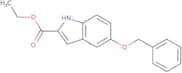
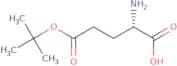
CAS:<p>Ethyl 5-Benzyloxyindole-2-carboxylate is a fine chemical that is used as an intermediate for the synthesis of complex compounds. It can be used as a building block for the synthesis of other chemicals, such as pharmaceuticals and pesticides. This product is also a useful reagent in research, due to its versatility.</p>Formula:C18H17NO3Purity:Min. 98 Area-%Color and Shape:PowderMolecular weight:295.33 g/molL-Glutamic acid 5-tert-butyl ester
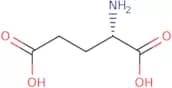
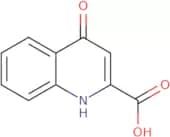
CAS:<p>L-glutamic acid 5-tert-butyl ester (L-GTE) is an amino acid that is classified as a heterocyclic amide. It can be synthesized by the condensation of L-glutamic acid and N-(2-aminoethyl)-N'-(2-propenyl)carbodimide with the tert-butylester of dihydrobenzoin. The protonation of L-GTE with sodium hydroxide produces the corresponding salt, L-glutamic acid 5-(N,N'-dimethylamino)propyl ester. This compound can be used for the synthesis of various amines by reacting it with primary amines in different sequences. L-GTE has also been shown to have antioxidant properties, which may be due to its ability to scavenge hydrogen sulfate radicals.</p>Formula:C9H17NO4Purity:Min. 98 Area-%Color and Shape:White PowderMolecular weight:203.24 g/molKynurenic acid
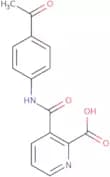
CAS:<p>NMDA antagonist; endogenous negative modulator of α7 nicotinic receptors</p>Formula:C10H7NO3Purity:Min. 95%Color and Shape:Slightly Yellow PowderMolecular weight:189.17 g/mol3-(N-(4-Acetylphenyl)carbamoyl)pyridine-2-carboxylic acid
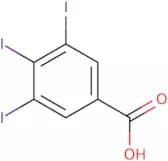
CAS:<p>Please enquire for more information about 3-(N-(4-Acetylphenyl)carbamoyl)pyridine-2-carboxylic acid including the price, delivery time and more detailed product information at the technical inquiry form on this page</p>Formula:C15H12N2O4Purity:Min. 95%Color and Shape:PowderMolecular weight:284.27 g/mol3,4,5-Triiodobenzoic acid
CAS:<p>3,4,5-Triiodobenzoic acid is a mesomeric molecule that has regulatory effects on root formation. It is an inhibitor of the transport of calcium ions and thereby inhibits the uptake of calcium by plant cells. 3,4,5-Triiodobenzoic acid also prevents the formation of intermolecular hydrogen bonds and molecular electrostatic potentials in biological studies. In addition, it has been shown to have a pH optimum of 6.0 and vibrational frequencies at 157 cm-1. This compound is used as a radiopaque contrast agent for X-ray imaging in muscle tissue.</p>Formula:C7H3I3O2Purity:Min. 95%Color and Shape:PowderMolecular weight:499.81 g/mol2,5-Dibromoterephthalic acid
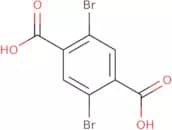
CAS:<p>2,5-Dibromoterephthalic acid is a compound that belongs to the group of dibromoterephthalic acid. The molecule has a supramolecular structure and contains water molecules. 2,5-Dibromoterephthalic acid can be oxidized to form the redox potential and is soluble in water. It has been shown that 2,5-Dibromoterephthalic acid can be absorbed by plants and animals through the skin or through the respiratory system. This compound has been used as an element analysis reagent for chlorine and carboxylates. 2,5-Dibromoterephthalic acid reacts with trifluoroacetic acid to form diethyl ester and hydrogen bond.</p>Formula:C8H4Br2O4Purity:Min. 95%Color and Shape:PowderMolecular weight:323.92 g/molMethylboronic acid
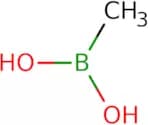
CAS:<p>Methylboronic acid is a cyclic peptide that can be found in plants. It was first discovered as an antimicrobial agent in the 1980s and has since been used to treat infectious diseases. Methylboronic acid reacts with oxygen nucleophiles such as penicillin-binding proteins, leading to their inhibition and subsequent death of bacteria. This compound also has potential for use in treating autoimmune diseases and inflammatory bowel disease due to its ability to inhibit the production of cytokines and other inflammatory mediators.</p>Formula:CH5BO2Purity:Min. 95%Color and Shape:PowderMolecular weight:59.86 g/moltert-Butyl ((1S,2R)-2-aminocyclopentyl)carbamate
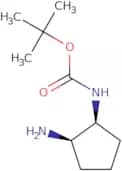
CAS:<p>tert-Butyl ((1S,2R)-2-aminocyclopentyl)carbamate is a fine chemical with versatile uses as a building block in the synthesis of more complex compounds. It is used as an intermediate in the production of pharmaceuticals and research chemicals. This compound has a CAS number of 445479-01-6. The tert-butyl group can be removed from this molecule in order to form a variety of different building blocks. Tert-butyl ((1S,2R)-2-aminocyclopentyl)carbamate is a high quality reagent that can be used for many reactions, such as amination, amidation, and carbamoylation.</p>Formula:C10H20N2O2Purity:Min. 95%Color and Shape:PowderMolecular weight:200.28 g/molTaurocholic acid sodium salt hydrate
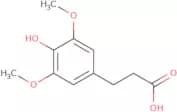
CAS:<p>Taurocholic acid sodium salt hydrate is a potential biomarker for inflammatory bowel disease. It is a chemical that is produced by the liver and stored in the gallbladder. It can be found in the bile, which is made from cholesterol and secreted into the small intestine with fat-soluble substances. Taurocholic acid sodium salt hydrate has been shown to induce necrotic cell death in vitro, which may be due to its ability to activate nuclear factor κB (NF-κB), leading to increased production of cytokines such as tumor necrosis factor-α (TNF-α). The bioavailability of taurocholic acid sodium salt hydrate has been shown to be greater than that of other bile acids in vivo. This bile acid also has protective effects against bacterial translocation because it chaperones bacterial cells and prevents them from attaching to the epithelial cells lining the intestines. Taurocholic acid sodium salt hyd</p>Formula:C26H44NNaO7S·xH2OPurity:Min. 97 Area-%Color and Shape:White Off-White PowderMolecular weight:537.69 g/mol3-(3,5-Dimethoxy-4-hydroxyphenyl)-propionic acid
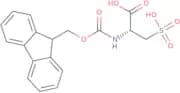
CAS:<p>3-(3,5-dimethoxy-4-hydroxyphenyl)-propionic acid (3DMP) is a phenolic compound that is the major metabolite of sinalbin. It has been shown to be a bioactive compound with anti-inflammatory and antiatherosclerotic properties. 3DMP has also been found to have anti-cancer and anti-microbial activities. 3DMP is catabolized in the liver by cytochrome P450. This process produces metabolites including 3,5-dimethoxybenzoic acid, which can be excreted in urine samples. The physiological effects of 3DMP are mediated through binding to ABC transporters as well as G protein coupled receptors on cells such as BV2 microglial cells.</p>Formula:C11H14O5Purity:Min. 95%Color and Shape:White PowderMolecular weight:226.23 g/molFmoc-L-cysteic acid
CAS:<p>Fmoc-L-cysteic acid is a versatile building block that can be used as a reagent, speciality chemical, or useful scaffold in the synthesis of complex compounds. It is an intermediate to other organic compounds and has been reported to have high purity. Fmoc-L-cysteic acid reacts with amines in the presence of base to produce amides. This compound can also be used as a reaction component or as a scaffold in the synthesis of pharmaceuticals.</p>Formula:C18H17NO7SPurity:Min. 95%Color and Shape:PowderMolecular weight:391.4 g/molLead acetate trihydrate
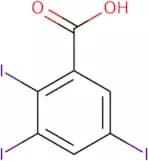
CAS:<p>Lead acetate trihydrate is a polymerase chain reaction (PCR) reagent. It is used in the detection of DNA sequences, typically for forensic or genealogical purposes. Lead acetate trihydrate has been shown to inhibit mitochondrial membrane potential and increase the growth factor-β1 level in experimental models. It also has been shown to cause toxicological effects such as enzyme activities and plasma mass spectrometry changes in animals, as well as physiological effects such as energy metabolism and structural analysis changes, which are related to oxidative injury. The biological sample can be analyzed using chemiluminescence methods.</p>Formula:C4H8O4•Pb•(H2O)3Purity:Min. 95%Color and Shape:PowderMolecular weight:381.37 g/mol2,3,5-Triiodobenzoic acid
CAS:<p>Inhibitor of auxin transport in plants</p>Formula:C7H3I3O2Purity:Min. 98 Area-%Color and Shape:PowderMolecular weight:499.81 g/mol3-[5-(2-Carboxyethyl) pyrazon-2-yl] propionic acid
CAS:<p>3-[5-(2-Carboxyethyl) pyrazon-2-yl] propionic acid is a white crystalline solid that is soluble in methanol and dichloromethane. It is used as a reagent, a complex compound, and an intermediate for the synthesis of fine chemicals. This product also has many uses as a building block for chemical synthesis, such as in the synthesis of speciality chemicals and research chemicals. 3-[5-(2-Carboxyethyl) pyrazon-2-yl] propionic acid can be used as versatile building blocks to form many different compounds with high reactivity and selectivity.</p>Formula:C8H10N2O5Purity:Min. 95%Molecular weight:214.18 g/molγ-Polyglutamic acid sodium - MW > 700,000
CAS:<p>Gamma-Polyglutamic acid sodium - MW > 700,000 is a high molecular weight biopolymer, which is a salt form of polyglutamic acid. Its unique structure consists of glutamic acid units linked via γ-amide bonds, resulting in a robust and biodegradable polymer.The mode of action of gamma-Polyglutamic acid sodium involves its high water-binding capacity and viscosity, which make it exceptional in forming hydrogels. This property is pivotal in applications that require moisture retention or controlled release of active ingredients. Its biodegradability and non-toxic nature add to its versatility and safety profile.Gamma-Polyglutamic acid sodium is used across various fields, including biotechnology, pharmaceuticals, agriculture, and cosmetics. In biotechnology and pharmaceuticals, it is utilized as a drug delivery vehicle and tissue engineering scaffold due to its compatibility with human tissues. Its agricultural applications include acting as a soil conditioner and enhancing water retention. In cosmetics, it serves as a potent moisturizer and anti-aging ingredient.</p>Formula:(C5H7NO3)n•NaxPurity:Min. 90 Area-%Color and Shape:White Powder2-Phenyl-4-quinolinecarboxylic acid
CAS:<p>2-Phenyl-4-quinolinecarboxylic acid is a nonsteroidal anti-inflammatory drug that is commonly used to treat bronchoconstrictor response and inflammatory bowel disease. It is also an antimicrobial agent, which can be used to treat infectious diseases. The compound was found to have structural similarity to other nonsteroidal anti-inflammatory drugs, such as ibuprofen and naproxen. 2-Phenyl-4-quinolinecarboxylic acid has shown the ability to inhibit leukemia inhibitory factor (LIF) production by lymphocytes, which may have a role in the development of leukemia. This drug also possesses antioxidative properties and has been shown to have high values in group P2 polymerase chain reactions.</p>Formula:C16H11NO2Purity:Min. 98.5%Color and Shape:PowderMolecular weight:249.26 g/molH-Orn-Orn-Orn-OH acetate salt
CAS:<p>H-Orn-Orn-Orn-OH acetate salt is a chemical compound with the molecular formula C10H14O2. It is used as a building block in organic chemistry, often as an intermediate for the synthesis of other compounds, or as a reagent.</p>Formula:C15H32N6O4Purity:Min. 95%Color and Shape:PowderMolecular weight:360.45 g/molAminomethylphosphonic acid
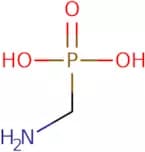
CAS:<p>Aminomethylphosphonic acid has proven action as a mimetic of both D- and L-alanine; it acts as an inhibitor of cell wall enzymes such as D-Ala-D-Ala synthetase, alanine racemase (JAA02406), and UDP-N-acetylmuramyl-L-alanine synthetase</p>Formula:CH6NO3PPurity:Min. 95%Color and Shape:PowderMolecular weight:111.04 g/mol3,5-Diiodo-4(4'-methoxyphenoxy)benzoic acid
CAS:<p>3,5-Diiodo-4-(4'-methoxyphenoxy)benzoic acid is a chemical intermediate that has been used in the synthesis of pharmaceuticals and agricultural chemicals. It is a versatile building block that can be used to produce pharmaceuticals, such as diazepam and bromazepam, and other useful compounds. 3,5-Diiodo-4-(4'-methoxyphenoxy)benzoic acid is a fine chemical with high quality and speciality chemical. It has been extensively researched for its usefulness as a reagent for organic synthesis reactions.</p>Formula:C14H10I2O4Purity:Min. 95%Color and Shape:PowderMolecular weight:496.04 g/molD-Shikimic acid
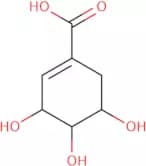
CAS:<p>D-Shikimic acid is a crucial biochemical compound, which is an intermediate in the biosynthesis of many aromatic compounds. It is predominantly sourced from the fruits of Illicium verum, commonly known as the star anise plant, though it can also be produced through fermentation processes using genetically modified Escherichia coli. Its mode of action is as a precursor in the pathway leading to the formation of aromatic amino acids and various secondary metabolites through the shikimate pathway. This pathway is not present in humans and animals, making it a target for antimicrobial agents in plants and bacteria.</p>Purity:Min. 95%3-(2,3-Dihydroxyphenyl)propionic acid
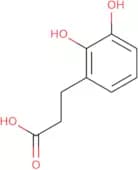
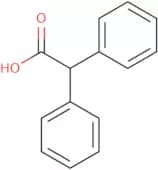
CAS:<p>3-(2,3-Dihydroxyphenyl)propionic acid (3-HPP) is a phenolic acid that is produced by the oxidation of 3-hydroxybenzoic acid. It was found to have antimicrobial activity against Pseudomonas aeruginosa and Staphylococcus aureus. The mechanism of action for 3-HPP is not entirely clear, but it may inhibit the growth of bacteria by interfering with the cell membrane or lysis. This compound has been shown to be able to block disulfiram treatment in rats and increase their blood alcohol levels. Disulfiram treatment is an effective drug used in the management of chronic alcoholism and alcohol abuse. 3-HPP has also been shown to inhibit uv absorption in wild type strains of yeast and may be used as a carbon source for these organisms.</p>Formula:C9H10O4Purity:Min. 95%Color and Shape:PowderMolecular weight:182.17 g/molDiphenylacetic acid
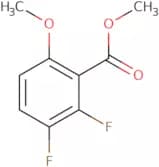
CAS:<p>Diphenylacetic acid is a chiral compound that has been shown to inhibit the synthesis of prostaglandin E2 (PGE2) and other inflammatory mediators, which play a role in autoimmune diseases. The synthesis of these mediators is dependent on the enzyme cyclooxygenase-1 (COX-1). Diphenylacetic acid inhibits COX-1 by forming an acyl ester with arachidonic acid, which blocks the formation of PGE2. This drug also inhibits COX-2 and leukotriene A4 hydrolase, which are enzymes involved in inflammation. Diphenylacetic acid has been shown to be effective in inhibiting the detrusor muscle contractions that cause urinary incontinence.</p>Formula:C14H12O2Purity:Min. 95%Color and Shape:PowderMolecular weight:212.24 g/mol2,3-Difluoro-6-methoxybenzoic acid methyl ester
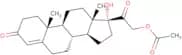
CAS:<p>2,3-Difluoro-6-methoxybenzoic acid methyl ester is a versatile building block that can be used in the production of fine chemicals and research chemicals. It is an intermediate for the synthesis of complex compounds and can be used as a reagent or speciality chemical in research. 2,3-Difluoro-6-methoxybenzoic acid methyl ester is also a useful building block for the synthesis of drugs.</p>Formula:C9H8F2O3Purity:Min. 95%Molecular weight:202.15 g/mol11-Deoxy-17-hydrocorticosterone 21-acetate
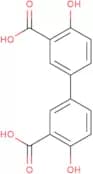
CAS:Controlled Product<p>11-Deoxy-17-hydrocorticosterone 21-acetate is a steroid hormone that is produced in the zona fasciculata of the adrenal cortex. It has been shown to have immunoactive effects and can be used to treat inflammatory conditions such as colitis. 11-Deoxy-17-hydrocorticosterone 21-acetate has also been shown to have antiinflammatory properties, which may be due to its inhibition of cytokine production. The drug is metabolized by cytochrome P450 enzymes, including CYP3A4 and CYP2C8, and bovine serum albumin. This drug also binds to serum albumin, which prevents it from being eliminated from the body, prolonging its half life in the bloodstream.</p>Formula:C23H32O5Purity:Min. 95%Color and Shape:White PowderMolecular weight:388.5 g/mol4,4' -Dihydroxy-3,3'-biphenyldicarboxylic acid
CAS:<p>4,4'-Dihydroxy-3,3'-biphenyldicarboxylic acid is a fine chemical that is used as a building block in the synthesis of pharmaceuticals and other organic compounds. It has been shown to be an effective reagent for the synthesis of 4-hydroxypyridine derivatives. 4,4'-Dihydroxy-3,3'-biphenyldicarboxylic acid can also be used as a reaction component for the preparation of complex compounds such as 2-aminopyridines and 2-aminopyrimidines. This compound is also useful as an intermediate in the synthesis of polymers and other versatile scaffolds. The CAS number for this compound is 13987-45-6.</p>Formula:C14H10O6Purity:Min. 96 Area-%Color and Shape:PowderMolecular weight:274.23 g/mol6-Azido-hexanoic acid
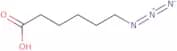
CAS:<p>6-Azido-hexanoic acid is a growth factor that inhibits the binding of TGF-β to its receptor. It has been shown to inhibit the proliferation of cancer cells in vitro and in vivo. 6-Azido-hexanoic acid binds with high affinity to the acidic region of TGF-β, preventing it from binding to its receptor. This molecule also inhibits the activation of the TGF-β receptor complex by decreasing the phosphorylation of Smad 1/5/8. 6-Azido-hexanoic acid has been shown to be effective in pancreatic cancer models and control studies have demonstrated an absence of toxicity or side effects.</p>Formula:C6H11N3O2Purity:Min. 97.0 Area-%Color and Shape:PowderMolecular weight:157.17 g/mol4-Bromo-3-(trifluoromethyl)benzoic acid
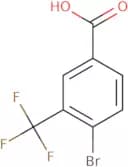
CAS:<p>4-Bromo-3-(trifluoromethyl)benzoic acid is a synthetic molecule that has been used for the synthesis of polymers. It is used in the production of polyketones and polyphenylene, which are monomers for the polymerization process. 4-Bromo-3-(trifluoromethyl)benzoic acid is also used as an electrophile in the acylation step of polycondensation reactions. The biphenylene structure can be synthesized by sequential or simultaneous addition of bromine to phenol with sodium hydroxide or potassium tetrachloroplatinate. This chemical compound can be made into two isomers: 3,4-dibromobenzene dicarboxylic acid and 3,4-dichlorobenzene dicarboxylic acid.</p>Formula:C8H4BrF3O2Purity:Min. 95%Color and Shape:PowderMolecular weight:269.02 g/mol2,5-Thiophenedicarboxylic acid
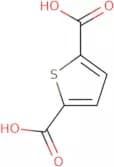
CAS:<p>2,5-Thiophenedicarboxylic acid is an inorganic acid that is a potent inhibitor of the enzyme 2-aminoterephthalic acid (TPA) hydrolase. 2,5-Thiophenedicarboxylic acid has shown antiinflammatory activity and can be used for treating skin cancer. It has been found to inhibit the production of nitric oxide and prostaglandin E2 by inhibiting TPA hydrolase, which is required for the conversion of TPA to its active form. This inhibition causes a reduction in inflammation as well as an anticancer effect. The molecular docking analysis revealed that 2,5-thiophenedicarboxylic acid binds to the active site of TPA hydrolase with high affinity. X-ray crystal structures have revealed coordination geometry between 2,5-thiophenedicarboxylic acid and TPA hydrolase. The fluorescence probe showed that</p>Formula:C6H4O4SPurity:Min. 95%Color and Shape:White PowderMolecular weight:172.16 g/mol2-Nitro-3,4,5-trimethoxybenzoic acid
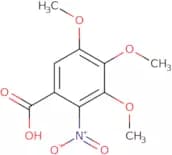
CAS:<p>2-Nitro-3,4,5-trimethoxybenzoic acid (2-NTMB) is a potent anticancer agent that has shown cytotoxic effects in human epidermoid carcinoma cells. It inhibits the growth of cancer cells by interfering with their DNA synthesis and repair. 2-NTMB binds to DNA and blocks the action of enzymes involved in DNA synthesis and repair. This binding leads to cancer cell death through irradiation or by blocking the production of new proteins vital for cell division. 2-NTMB is bioisosteric with combretastatin A4, which means it can be substituted for this drug without significant loss of potency. It also has been shown to be an effective chemotherapeutic agent against breast cancer in mice.</p>Formula:C10H11NO7Purity:Min. 95%Color and Shape:PowderMolecular weight:257.2 g/mol


![2,2-Difluoro-2-[1,1,2,2-tetrafluoro-2-(trifluoromethoxy)ethoxy]acetic acid](/_next/image/?url=https%3A%2Fstatic.cymitquimica.com%2Fproducts%2F3D%2Fthumb-webp%2FFD99821.webp&w=3840&q=75)





![6-Acetyl-7-methylpyrazolo[1,5-α]pyrimidine-3-carboxylic acid](/_next/image/?url=https%3A%2Fstatic.cymitquimica.com%2Fproducts%2F3D%2Fthumb-webp%2FFA119841.webp&w=3840&q=75)





![3-[5-(2-Carboxyethyl) pyrazon-2-yl] propionic acid](/_next/image/?url=https%3A%2Fstatic.cymitquimica.com%2Fproducts%2F3D%2Fthumb-webp%2FFC07077.webp&w=3840&q=75)