Carboxylic Acids
Carboxylic acids are organic molecules characterized by having a carboxyl-type functional group (-COOH). These acids are fundamental in various chemical reactions, including esterification, amidation, and decarboxylation. Carboxylic acids are widely used in the production of pharmaceuticals, polymers, and agrochemicals. In this section, you can find a large number of carboxylic acids ready to be used. At CymitQuimica, we provide a broad range of high-quality carboxylic acids to support your research and industrial applications.
Found 12453 products of "Carboxylic Acids"
Sort by
Purity (%)
0
100
|
0
|
50
|
90
|
95
|
100
2-[4-(2,2-Dichlorocyclopropyl)phenoxy]-2-methylpropanoic acid
CAS:<p>2-[4-(2,2-Dichlorocyclopropyl)phenoxy]-2-methylpropanoic acid (CGP) is a drug that blocks the nuclear receptor PPARγ. It has been shown to reduce cholesterol levels by inhibiting the synthesis of cholesterol, as well as reducing liver lesions in vivo. CGP also inhibits the growth of cancer cells through its ability to bind to DNA and regulate transcriptional activity. The response element for this compound is found in the promoter region of the gene encoding the growth factor-β1 (GF-β1), which is an important regulator of cell proliferation, differentiation, and apoptosis. CGP also inhibits peroxisome proliferator activator receptor α (PPARα) and γ (PPARγ). This inhibition leads to decreased expression of genes involved in lipid metabolism, such as acyl CoA synthase and fatty acid synthetase. CGP has also been shown to be carcinogenic in vivo</p>Formula:C13H14Cl2O3Purity:Min. 98 Area-%Color and Shape:PowderMolecular weight:289.15 g/mol4-Methylphenoxyacetic acid
CAS:<p>4-Methylphenoxyacetic acid is a coumarin derivative that has been shown to accumulate in mammalian cells. It has been used as a substrate for conjugation with sulfur and selenium, yielding solubility data. Conjugates of 4-methylphenoxyacetic acid have been characterized by NMR spectra and chemical structure analysis, which revealed the presence of butyric acid residues. The tissue culture studies showed that the mutant strain was unable to grow in the presence of 4-methylphenoxyacetic acid.</p>Formula:C9H10O3Purity:Min. 95%Color and Shape:White PowderMolecular weight:166.17 g/molTrimesic acid
CAS:<p>Trimesic acid is a chemical compound that belongs to the family of pyrazoles. It is stable in water and has a low surface tension. Trimesic acid has been used as a model for developing new drugs for human serum, which is difficult to study due to its complexity. The x-ray crystal structures of trimesic acid have been determined and show that it has three hydrogen bond interactions with the amine group of an amino acid residue on the protein surface, as well as two intermolecular hydrogen bonds with water molecules. Trimesic acid also shows permeation through a membrane made from human serum albumin, which makes it useful as a drug delivery agent.</p>Formula:C9H6O6Purity:Min. 95%Color and Shape:PowderMolecular weight:210.14 g/mol5-Methylnicotinic acid
CAS:<p>5-Methylnicotinic acid is a synthetic compound that belongs to the class of organic compounds. It is an amide with optical properties and reacts in aqueous solution with hydroxides to form salts. 5-Methylnicotinic acid has been shown to be effective against rupatadine fumarate, sodium hydroxide solution, transfer mechanism, and plasma samples.</p>Formula:C7H7NO2Purity:Min. 95%Color and Shape:PowderMolecular weight:137.14 g/molMeconic acid
CAS:<p>Meconic acid is a metal chelate that binds to metals such as zinc and copper, which are required for the synthesis of prostaglandins. Meconic acid has been shown to have significant interactions with other drugs, including sodium carbonate, acetylcholinesterase inhibitors, and antipsychotics. Meconic acid also inhibits the activity of pestivirus, which affects the nervous system in rats. Studies on long-term toxicity have not been conducted. Meconic acid has been used as a treatment for curcuma aromatica induced hepatitis and is toxic to animals at high doses.</p>Formula:C7H4O7Purity:Min. 95 Area-%Color and Shape:PowderMolecular weight:200.1 g/molEthyl 2-tolylacetate
CAS:<p>Ethyl 2-tolylacetate is a colorless liquid with a fruity odor. It is used as an intermediate in the synthesis of other organic compounds, such as pharmaceuticals and agrochemicals. This compound can be prepared by the reductive coupling of ethyl bromoacetate with toluene via palladium catalysis or by the cross-coupling of ethyl bromoacetate with 2-chloropropiophenone. The regiospecificity of this reaction was found to depend on the nature of the nucleophile and the boronic acid used in the reaction. Ethyl 2-tolylacetate is also used for peptide synthesis and as an ligand for sulphoxides.</p>Formula:C11H14O2Purity:Min. 95%Color and Shape:Clear LiquidMolecular weight:178.23 g/mol4-Bromo-2,6-difluorobenzoic acid
CAS:<p>4-Bromo-2,6-difluorobenzoic acid is a liquid crystal that belongs to the class of fluorinated benzoic acids. It is an activated liquid crystal composed of chiral molecules with substituents on the 4- and 6-positions of the aromatic ring. The compound has been shown to have excellent fluoroarene solubilizing properties in a glycol matrix and can be used as an additive to produce liquid crystals with desired properties.</p>Formula:C7H3BrF2O2Purity:Min. 95%Color and Shape:PowderMolecular weight:237 g/mol1,2-Naphthoquinone-4-sulfonic acid sodium salt
CAS:<p>1,2-Naphthoquinone-4-sulfonic acid sodium salt is a fluorescent probe that reacts with the hydroxyl groups of amino acids and proteins. It has been used to measure glucose levels by injecting it into a living organism and examining the fluorescence emitted in response to an excitation wavelength. The redox potential of this molecule is -0.29 volts, which indicates that it is nucleophilic. 1,2-Naphthoquinone-4-sulfonic acid sodium salt can be used as a dye for labeling amines and other compounds with strong electron withdrawing groups. This compound is often used as a reagent in the synthesis of pharmaceutical preparations such as ceftriaxone. 1,2-Naphthoquinone-4-sulfonic acid sodium salt also reacts with hydrochloric acid to produce amines such as benzeneamine or ethylamine.</p>Formula:C10H5O5S·NaPurity:Min. 98 Area-%Color and Shape:Yellow PowderMolecular weight:260.2 g/molDL-Glutamic acid
CAS:<p>Glutamic acid is a non-essential amino acid that has been shown to play an important role in the pathogenesis of many diseases. Glutamic acid has been shown to be involved in the production of glutamate, which is a neurotransmitter that can lead to neuronal death. Glutamic acid also plays an important role in the maintenance of mitochondrial membrane potential and energy metabolism. Glutamate is an inhibitory neurotransmitter, and it regulates the release of other neurotransmitters, such as dopamine and serotonin. This amino acid may also be involved in brain functions and neurotrophic factors.</p>Formula:C5H9NO4Purity:Min. 95%Color and Shape:White PowderMolecular weight:147.13 g/molAlendronic acid monosodium salt trihydrate - USP
CAS:<p>Farnesyl diphosphate synthase inhibitor; inhibits bone resorption</p>Formula:C4H18NNaO10P2Purity:Min. 95%Color and Shape:White PowderMolecular weight:325.12 g/molKynurenic acid
CAS:<p>NMDA antagonist; endogenous negative modulator of α7 nicotinic receptors</p>Formula:C10H7NO3Purity:Min. 95%Color and Shape:Slightly Yellow PowderMolecular weight:189.17 g/mol5-Bromo-2-hydroxy-3-methoxybenzoic acid
CAS:<p>5-Bromo-2-hydroxy-3-methoxybenzoic acid (5BHB) is a phenolic compound that has been shown to have fungicidal properties. The uptake of 5BHB in the brain was studied using positron emission tomography and computerized tomography scans in monkeys. The affinity of 5BHB for the dopamine D2 receptor, and its ability to inhibit methylation reactions, were also investigated. The results show that 5BHB is able to cross the blood-brain barrier and bind with high affinity to the dopamine D2 receptor. These findings suggest that 5BHB may be used as a therapeutic agent for Parkinson's disease.</p>Formula:C8H7BrO4Purity:Min. 95%Color and Shape:PowderMolecular weight:247.04 g/mol24-Norursodeoxycholic acid
CAS:Controlled Product<p>24-Norursodeoxycholic acid is a synthetic bile acid derivative, which is a modified form derived from natural bile acids. Its primary source is the chemical synthesis of ursodeoxycholic acid analogs. The mode of action involves modulating bile acid composition within the liver, thereby reducing cytotoxicity associated with bile acid accumulation. This modulation helps protect hepatocytes from damage, reducing liver inflammation and fibrosis.</p>Formula:C23H38O4Purity:Min. 95%Color and Shape:PowderMolecular weight:378.55 g/molPotassium acetate
CAS:<p>Potassium acetate is a chemical compound that contains the element potassium. It is a white, water-soluble solid that can be found in many household items such as fertilizers and soaps. Potassium acetate is used as an electrolyte in biological samples because it has a high redox potential and can be easily detected by various analytical methods. The concentration of potassium acetate in biological samples can be determined by measuring the absorbance at 550 nm. This test is useful for determining the level of potassium in blood plasma or serum, which are often used as indicators of kidney function or heart disease. <br>Potassium acetate has been shown to have anti-inflammatory effects and may be beneficial for people with alopecia areata or autoimmune diseases such as rheumatoid arthritis, psoriasis, or lupus. Potassium acetate may also have some benefits for people with fatty acid metabolism disorders or who need calcium pantothenate treatment due to vitamin B deficiency.</p>Formula:C2H3KO2Color and Shape:PowderMolecular weight:98.14 g/molGinkgolic acid (C17:1)
CAS:<p>Ginkgolic acid is a monomer of the ginkgolides, which are antimicrobial agents. It is an analytical method for detecting the concentration of ginkgolic acid in a sample. Ginkgolic acid has been shown to cause genotoxic potential in vitro and its use as a medicine should be limited. Ginkgolic acid may also inhibit organic anion transporters as well as organic acids such as chlorogenic acids and 1,3-dicaffeoylquinic acid. Ginkgo extract contains high concentrations of ginkgolic acid, which can be reduced by removing alcohol residues from the extract through distillation or boiling.</p>Formula:C24H38O3Purity:Min. 95 Area-%Color and Shape:White PowderMolecular weight:374.56 g/molLevomefolic acid
CAS:<p>Levomefolic acid is a derivative of folic acid and belongs to the group of dinucleotide phosphates. It has been shown to have a protective effect against blood clots, and is used in the treatment of pernicious anaemia, megaloblastic anaemia, and leukopenia. Levomefolic acid also inhibits energy metabolism in bacteria. Its mode of action is not fully understood but it has been demonstrated that it inhibits enzyme activities such as methylenetetrahydrofolate reductase (MTHFR) and 5-methyltetrahydrofolate cyclohydrolase. The production of DNA nucleotides has also been shown to be inhibited by the drug. Levomefolic acid has also been shown to have an effect on redox potentials in cancer cell lines. In addition, it has been found that levomefolic acid can be transferred from maternal blood to human serum.</p>Formula:C20H25N7O6Purity:Min. 95 Area-%Color and Shape:White PowderMolecular weight:459.46 g/molEthacrynic acid
CAS:Controlled Product<p>Ethacrynic acid is a non-competitive, reversible inhibitor of the Na+/K+-ATPase. It has been shown to be effective against cancer tissues and infectious diseases such as malaria, tuberculosis, and leishmaniasis. Ethacrynic acid inhibits 2,4-dichlorobenzoic acid (2,4-DCBA)-induced tumor growth in mice by inducing apoptosis in human leukemia cells. Ethacrynic acid also inhibits mitochondrial membrane potential and cellular physiology by decreasing the activity of enzymes which are involved in energy metabolism.</p>Formula:C13H12Cl2O4Purity:Min. 95%Color and Shape:White PowderMolecular weight:303.14 g/molBiotin-PEG3-propionic acid
CAS:<p>Biotin-PEG3-propionic acid is a PEG compound with two different functional groups (also known as heterobifunctional). Unlike homobifunctional PEG compounds (same functional group on both ends), this type of compounds are more versatile as have two different anchor points. Biotin-PEG3-propionic acid is used as a linker and spacer to add a PEG moiety, via pegylation (a bioconjugation technique) to proteins, peptides, oligonucleotides, small molecules and nanoparticles.</p>Formula:C19H33N3O7SPurity:Min. 95%Color and Shape:PowderMolecular weight:447.55 g/molEthyl acetamidocyanoacetate
CAS:<p>Ethyl acetamidocyanoacetate is an amide which inhibits the enzyme thrombin. It inhibits the conversion of fibrinogen to fibrin, and thus prevents blood clot formation. Ethyl acetamidocyanoacetate has been shown to inhibit serine protease, one of the most abundant enzymes in the human body. This inhibition causes a decrease in inflammatory diseases caused by these enzymes. Ethyl acetamidocyanoacetate also has analog properties that can be used for solid-phase synthesis.</p>Formula:C7H10N2O3Purity:Min. 98 Area-%Molecular weight:170.17 g/molBoc-Glu-Lys-Lys-AMC acetate salt
CAS:<p>Boc-Glu-Lys-Lys-AMC acetate salt is a synthetic, potent inhibitor of trypsin and other serine proteases. It is a basic protein with a molecular weight of 9,000 Da that has been obtained by chemical synthesis. This inhibitor binds to the active site of the enzyme and prevents it from cleaving peptide bonds. Boc-Glu-Lys-Lys-AMC acetate salt is an activator of plasminogen in vitro, which may be due to its ability to bind to lysine residues on the surface of tissue plasminogen activator.</p>Formula:C32H48N6O9•C2H4O2Purity:Min. 97 Area-%Color and Shape:PowderMolecular weight:720.81 g/mol(R)-3-(2-Amino-2-oxoethyl)-5-methylhexanoic acid
CAS:<p>(R)-3-(2-Amino-2-oxoethyl)-5-methylhexanoic acid (cis) is an intermediate in the synthesis of a chiral drug. It is prepared by a ring-opening reaction with an alkyl substituent, followed by asymmetric synthesis to provide optically pure cis stereoisomers. This compound has been shown to be active as a desymmetrizer of esters and as an intermediate in the synthesis of biologically active compounds.</p>Formula:C9H17NO3Purity:Min. 95%Color and Shape:White Off-White PowderMolecular weight:187.24 g/molL-2-Aminobutyric acid
CAS:<p>L-2-Aminobutyric acid is a nonessential amino acid that serves as a substrate for enzymes that catalyze the alpha-elimination of hydroxyl groups. This process is used in the synthesis of proteins and other biological molecules. The L-2-Aminobutyric acid is also an analog to 2-aminoethanol, which has been shown to inhibit amyloid protein production in human serum. A synthetic route for the preparation of L-2-Aminobutyric acid has been developed using anhydrous sodium hydroxide and blood sampling from a bacterial strain. L-2-Aminobutyric acid inhibits protease activity and has been shown to have antibacterial properties. The optimum pH for this compound is 5.5, with an approximate intramolecular hydrogen bond distance of 3.1 angstroms.</p>Formula:C4H9NO2Purity:Min. 95%Color and Shape:White PowderMolecular weight:103.12 g/molDL-Pipecolic acid-d9
CAS:Controlled Product<p>DL-Pipecolic acid-d9 is a form of pipecolic acid that is used to prepare samples for analysis. It is analysed in the form of a nonresponsive interaction with bioanalysis, which is then profiled to provide population data. This compound has been validated for neonates and infants. The flow rate for DL-pipecolic acid-d9 is 3 mL/min.</p>Formula:C6H2D9NO2Purity:Min. 95%Color and Shape:PowderMolecular weight:138.21 g/mol2-Methylindole-3-acetic acid
CAS:<p>2-Methylindole-3-acetic acid is a molecule that has been shown to interact with membrane lipids and induce lipid peroxidation. It also interacts with the molecule creatinine, which is excreted in urine, and has been shown to increase urinary levels of creatinine. 2-Methylindole-3-acetic acid has been shown to have antioxidant activity by scavenging radicals and inhibiting lipid peroxidation. The mechanism for this activity is due to its ability to form hydrogen bonds with radicals and react with them, thereby removing them from the cell membrane. 2-Methylindole-3-acetic acid also interacts with receptor protein within the cell, targeting intracellular targets such as DNA and RNA molecules. This compound is an endogenous hormone that may reduce cholesterol levels in cells.<br>2-Methylindole-3-acetic acid was first isolated from the bark of "Indocalamus latifolius" (</p>Formula:C11H11NO2Purity:Min. 95%Molecular weight:189.21 g/mol2,3,4,5-Tetrafluorobenzoic acid ethyl ester
CAS:<p>2,3,4,5-Tetrafluorobenzoic acid ethyl ester is a fine chemical that is useful in the synthesis of complex compounds. It is a versatile building block with many potential applications in research and as a reagent. 2,3,4,5-Tetrafluorobenzoic acid ethyl ester has been shown to have high purity and quality. This compound can be used as a reaction component for other chemical reactions and as an intermediate for the production of pharmaceuticals. CAS No. 122894-73-9</p>Formula:C9H6F4O2Purity:Min. 95%Molecular weight:222.14 g/molMethyl indole-3-acetate
CAS:<p>Methyl indole-3-acetate is a phytochemical that inhibits the growth of cells. It has been shown to induce apoptosis in cancer cells, and also to inhibit carcinogenesis. Methyl indole-3-acetate is found at higher concentrations in the target tissue, such as the prostate gland, than in other tissues. This compound has been shown to inhibit lipid peroxidation in vitro and may be useful for the prevention of oxidative damage as well as for its antitumor activity. The effects of methyl indole-3-acetate on cell growth are related to its ability to bind with amines and uroquinase enzymes. Methyl indole-3-acetate has been shown to have anti-cancer properties in various model systems, including microbial metabolism studies.</p>Formula:C11H11NO2Purity:Min. 99 Area-%Color and Shape:PowderMolecular weight:189.21 g/mol3-Trifluoromethoxyphenylboronic acid
CAS:<p>3-Trifluoromethoxyphenylboronic acid is a lead compound that has the potential to be an efficient and water-soluble inhibitor of protein kinases. It has been shown to have a significant inhibitory effect on vismodegib transport. This compound may also have anticancer properties. 3-Trifluoromethoxyphenylboronic acid binds to the active site of protein kinases, blocking their catalytic activity and inhibiting cell proliferation by interfering with the signaling pathway that regulates cancer cells.</p>Formula:C7H6BF3O3Purity:Min. 90%Color and Shape:PowderMolecular weight:205.93 g/mol2,4-Dihydroxybutanoic acid calcium
<p>2,4-Dihydroxybutanoic acid calcium is a versatile building block that can be used as a reagent or speciality chemical in research. It has many uses as a building block for complex compounds, such as pharmaceuticals and agrochemicals. 2,4-Dihydroxybutanoic acid calcium is also an important intermediate for reactions to produce useful scaffolds. This product is of high quality and can be used in many applications.</p>Formula:(C4H7O4)2•CaPurity:(¹H-Nmr) Min. 95 Area-%Color and Shape:White PowderMolecular weight:278.27 g/mol9,10-Dihydro-5-methoxy-9-oxo-4-acridinecarboxylic acid
CAS:<p>Please enquire for more information about 9,10-Dihydro-5-methoxy-9-oxo-4-acridinecarboxylic acid including the price, delivery time and more detailed product information at the technical inquiry form on this page</p>Formula:C15H11NO4Purity:Min. 95%Color and Shape:PowderMolecular weight:269.25 g/mol(3-Hydroxyphenyl)acetic acid methyl ester
CAS:<p>(3-Hydroxyphenyl)acetic acid methyl ester is an allosteric inhibitor of the serotonin transporter (SERT), which is a target enzyme for many drugs. It has inhibitory activity against 5-HT1A receptors, and other targets that have not yet been elucidated. This compound has been shown to react with coumarin derivatives to form reaction products. The molecular modelling of this drug shows that its uptake is inhibited by the presence of acids, such as hydrochloric acid, in the environment. The rate of reaction between (3-hydroxyphenyl)acetic acid methyl ester and serotonin has been determined experimentally using kinetic data. Molecular modeling predicts that this compound will bind tightly to the SERT protein via hydrogen bonding interactions with amino acids in the binding site.</p>Formula:C9H10O3Purity:Min. 95%Color and Shape:Colorless PowderMolecular weight:166.17 g/mol17α-Hydroxypregnenolone 3,17-diacetate
CAS:Controlled Product<p>17alpha-Hydroxypregnenolone 3,17-diacetate is a fine chemical that can be used as a versatile building block in the synthesis of complex compounds. It is typically used as a reagent or speciality chemical for research purposes, but it also has applications in the production of pharmaceuticals, cosmetics, and other products. This compound has been shown to have high purity and is an excellent reaction component for the synthesis of new scaffolds.</p>Formula:C25H36O5Purity:Min. 95%Color and Shape:PowderMolecular weight:416.55 g/mol2-Fluoro-4-methylbenzoic acid ethyl ester
CAS:<p>2-Fluoro-4-methylbenzoic acid ethyl ester is a versatile building block that is used in the synthesis of complex compounds with a wide variety of biological and chemical properties. This compound has been used as a reagent for research, as well as in the production of pharmaceuticals and other speciality chemicals. It has also been found to be useful in the synthesis of compounds with high quality. 2-Fluoro-4-methylbenzoic acid ethyl ester can be used as an intermediate in reactions, or as a scaffold for further synthesis. The CAS number for this compound is 500579-61-3.</p>Formula:C10H11FO2Purity:Min. 95%Color and Shape:Colourless LiquidMolecular weight:182.19 g/mol3,3',5-Triiodo thyropropionic acid
CAS:<p>Triiodothyropropionic acid is a metabolite of thyroxine, an important hormone that regulates the basal metabolic rate. It has been shown to be involved in the repair mechanism of cardiac and liver cells. Triiodothyropropionic acid is also a major metabolite of thyroxine and it is produced by the action of hydroxylases on thyroxine with water vapor as the substrate. This compound has been shown to increase cardiac function and improve heart tissue repair at physiological levels. The uptake, distribution, and excretion of triiodothyropropionic acid are similar to those for thyroxine. The metabolism of triiodothyropropionic acid occurs mainly in the liver, where it is converted into fatty acids such as 3-hydroxybutyric acid. Triiodothyropropionic acid has been shown to have effects on protein genes and rat liver microsomes.</p>Formula:C15H11I3O4Purity:Min. 95%Color and Shape:PowderMolecular weight:635.96 g/molDL-erythro Ritalinic acid
CAS:Controlled Product<p>DL-erythro Ritalinic acid is a fine chemical that is used as a versatile building block in the synthesis of complex compounds. It is also a useful intermediate in research chemicals and speciality chemicals production. DL-erythro Ritalinic acid can be used as a reaction component to form complex compounds. This chemical has high purity and quality, making it an excellent reagent for use in laboratory reactions.</p>Formula:C13H17NO2Purity:Min. 90%Color and Shape:PowderMolecular weight:219.28 g/molβ-Naphthoic acid ethyl ester
CAS:<p>β-Naphthoic acid ethyl ester (BNAE) is a synthetic compound that has been used as an intermediate in the synthesis of organic compounds. It is also used to prepare hydroxamic acids, which are active methylene compounds. BNAE reacts with nucleophiles and is susceptible to nucleophilic attack. The reaction mechanism for this type of compound involves a cavity with a constant volume, which increases the reactivity of the molecule. This type of reaction can be explained using the functional theory and the use of organic solvents. BNAE is stable when exposed to carbon tetrachloride and hydroxamic acids, but not when exposed to diethyl succinate or chemical agents such as sodium nitrite.</p>Formula:C13H12O2Purity:Min. 95%Color and Shape:PowderMolecular weight:200.23 g/molMethyl phenylacetate
CAS:Controlled Product<p>Methyl phenylacetate is a coumarin derivative that is synthesized by an asymmetric synthesis using a solid catalyst. It has been shown to have antiproliferation activity in cell culture studies and to inhibit the growth of certain cancer cells. The reactions are catalyzed by hydrophobic effect, which helps to bind the methyl phenylacetate with trifluoroacetic acid and form the bound form. This then reacts with hydroxy methyl or dihydroconiferyl alcohol, forming methyl phenacyl acetate as the product.</p>Formula:C9H10O2Purity:Min. 95%Molecular weight:150.17 g/mol5-Methoxyindole-2-carboxylic acid
CAS:<p>5-Methoxyindole-2-carboxylic acid is a molecule that belongs to the class of diazonium salts. It is a potent inhibitor of mitochondrial membrane potential and has been shown to have anti-diabetic effects in animal models. 5-Methoxyindole-2-carboxylic acid also inhibits sperm motility, which may be due to its ability to inhibit uv absorption. This compound has been shown to be an effective agent in the treatment of brain infarctions when administered chronically orally. The mechanism of action is not known, but it may involve inhibition of potassium ion uptake or hydrogen bond formation with fatty acids.</p>Formula:C10H9NO3Color and Shape:PowderMolecular weight:191.18 g/molOctanoic acid
CAS:<p>Octanoic acid is a medium-chain fatty acid that is synthesized by the condensation of two molecules of acetyl-CoA. It is an antimicrobial agent that inhibits Gram-positive bacteria, such as Aerobacter aerogenes and Staphylococcus aureus. Octanoic acid has been shown to be effective in inhibiting the growth of Gram-negative bacteria, such as Escherichia coli and Pseudomonas aeruginosa. Octanoic acid has also been shown to have physiological effects on the human body, such as its ability to induce metabolic disorders. It is also used for energy metabolism and structural analysis.</p>Formula:C8H16O2Purity:Min. 98%Color and Shape:Clear LiquidMolecular weight:144.21 g/mol2-(4-Ethylphenoxy)-2-methylpropanoic acid
CAS:<p>2-(4-Ethylphenoxy)-2-methylpropanoic acid is a versatile building block that can be used as a reagent, speciality chemical, or useful intermediate for the synthesis of various compounds. It is also an important reaction component for the synthesis of 2-(4-ethylphenoxy)ethanol and 2-(4-ethylphenoxy)acetic acid. This compound has been identified by the Chemical Abstracts Service (CAS No. 17413-77-3).</p>Formula:C12H16O3Purity:Min. 95%Color and Shape:PowderMolecular weight:208.25 g/mol4-Ethylbenzoic acid
CAS:<p>4-Ethylbenzoic acid is a fatty acid that can be found in human and animal cells. It is an important intermediate for the synthesis of phenolic acids and it has been shown to have physiological effects on yeast. 4-Ethylbenzoic acid binds to bacterial enzymes, such as acylation reactions, which are involved in energy production. This binding prevents the enzyme from completing its reaction and leads to a decrease in energy production. Acylation reactions are also used by bacteria to produce biofilms, which can lead to chronic infections. The redox potential of 4-ethylbenzoic acid makes it suitable for wastewater treatment because it reacts with hydroxyl ions and reduces their concentration, causing wastewater to become less toxic. The second order rate constant of 4-ethylbenzoic acid was measured using magnetic resonance spectroscopy and structural analysis techniques.</p>Formula:C9H10O2Purity:Min. 95%Color and Shape:PowderMolecular weight:150.17 g/mol1-Adamantylmalonic acid
CAS:<p>1-Adamantylmalonic acid is a hydrolytic impurity of the drug adamantine, which belongs to the class of anti-inflammatory drugs. It has been shown that 1-Adamantylmalonic acid can be produced by hydrolysis when piperidine is added to a reaction solution containing malonic acid and an alicyclic compound with a constant structure. The responsiveness of 1-Adamantylmalonic acid to light has been determined in several experiments. It has been shown that this impurity is stable, but it is more sensitive to light than adamantine. Optical properties have also been studied and it was found that 1-Adamantylmalonic acid absorbs in the ultraviolet region and fluoresces at wavelengths between 300 and 320 nm.</p>Formula:C13H18O4Purity:Min. 95%Color and Shape:PowderMolecular weight:238.28 g/mol(all-Z)-6,9,12,15,18-Heneicosapentaenoic acid ethyl ester 98%, 10mg/ml ethanol solution
CAS:<p>(all-Z)-6,9,12,15,18-Heneicosapentaenoic acid ethyl ester 98% is a quaternary ammonium salt that is useful as a reaction component or reagent. It has been shown to be a useful scaffold for the synthesis of complex compounds with high quality. This chemical can also be used as a building block for the synthesis of speciality chemicals and versatile building blocks. This compound is highly reactive and can be used in reactions with other chemicals to form more complex compounds. (all-Z)-6,9,12,15,18-Heneicosapentaenoic acid ethyl ester 98% has CAS No. 131775-86-5 and is soluble in ethanol solution at 10mg/ml.</p>Formula:C23H36O2Purity:Min. 98 Area-%Color and Shape:Clear LiquidMolecular weight:344.53 g/molTris(hydroxymethyl)aminomethane acetate
CAS:<p>Tris(hydroxymethyl)aminomethane acetate is a compound that binds to antigen binding molecules in biological samples. It is a polymerase chain reaction (PCR) reagent and is used to prepare samples for PCR analysis. Tris(hydroxymethyl)aminomethane acetate has been shown to bind with receptor activity in the treatment of infectious diseases and metabolic disorders, such as alopecia areata and diabetes mellitus. Tris(hydroxymethyl)aminomethane acetate also stabilizes DNA templates for PCR analysis by preventing dNTPs from hydrolyzing prematurely. This prevents the formation of stable complexes with nucleotides, which may be useful in clinical pathology or plant physiology.</p>Formula:C4H11NO3·C2H4O2Purity:(Titration) Min. 98%Color and Shape:White PowderMolecular weight:181.19 g/mol2-Boc-6-Chloro-3,4-dihydro-1H-isoquinoline-1-carboxylic acid
CAS:<p>2-Boc-6-Chloro-3,4-dihydro-1H-isoquinoline-1-carboxylic acid is a useful scaffold for the production of various chemical compounds. It is a versatile building block that can be used as an intermediate in various chemical reactions or as a speciality chemical. 2-Boc-6-Chloro-3,4-dihydro-1H-isoquinoline-1 carboxylic acid has been shown to be a high quality and reliable reagent for use in research and development.</p>Formula:C15H18ClNO4Purity:Min. 95%Color and Shape:White PowderMolecular weight:311.76 g/molFmoc-L-cysteic acid
CAS:<p>Fmoc-L-cysteic acid is a versatile building block that can be used as a reagent, speciality chemical, or useful scaffold in the synthesis of complex compounds. It is an intermediate to other organic compounds and has been reported to have high purity. Fmoc-L-cysteic acid reacts with amines in the presence of base to produce amides. This compound can also be used as a reaction component or as a scaffold in the synthesis of pharmaceuticals.</p>Formula:C18H17NO7SPurity:Min. 95%Color and Shape:PowderMolecular weight:391.4 g/mol3-(4-Fluorobenzoyl)-6-Methoxy-2-Methyl-1H-Indole-1-Acetic Acid
CAS:Controlled Product<p>3-(4-Fluorobenzoyl)-6-Methoxy-2-Methyl-1H-Indole-1-Acetic Acid is a prodrug that is metabolized to 6-fluoro-3,4 dioxo tamoxifen in the liver. It has been shown to have anticholinergic, cytosolic calcium and c1-4 alkyl properties. 3-(4-Fluorobenzoyl)-6-Methoxy-2-Methylindole Acetic Acid also has a basic group, cyclopentane ring, and pyridine ring.</p>Formula:C19H16FNO4Purity:Min. 95%Molecular weight:341.33 g/mol(3-Benzyl-4-oxo-3,4-dihydrophthalazin-1-yl)acetic acid
CAS:<p>3-Benzyl-4-oxo-3,4-dihydrophthalazin-1-yl)acetic acid is a chemical substance that can be used in the synthesis of pharmaceuticals. This chemical has a variety of uses as a reagent and is considered to be of high quality. It is useful in the synthesis of speciality chemicals, versatile building blocks and fine chemicals. 3-Benzyl-4-oxo-3,4-dihydrophthalazin-1-yl)acetic acid can be used as a reaction component for complex compounds or as an intermediate for the synthesis of other compounds.</p>Formula:C17H14N2O3Purity:Min. 95%Color and Shape:PowderMolecular weight:294.3 g/mol6-Chloro-7-methylchromone-2-carboxylic acid
CAS:<p>6-Chloro-7-methylchromone-2-carboxylic acid is a fine chemical that has been used as a versatile building block for the synthesis of complex compounds. It has been shown to be an effective reaction component in the synthesis of 1,4-benzoquinones and N'-acylhydrazones. 6-Chloro-7-methylchromone-2-carboxylic acid is also a useful intermediate in the preparation of other chemicals, such as pharmaceuticals and pesticides. This compound can be used as an additive to improve the quality of high purity reagents.</p>Formula:C11H7ClO4Purity:Min. 95%Molecular weight:238.62 g/molMethyl 2-oxoindole-6-carboxylate
CAS:<p>Intermediate in the synthesis of nintedanib</p>Formula:C10H9NO3Purity:Min. 98 Area-%Color and Shape:PowderMolecular weight:191.18 g/molFmoc-12-amino-4,7,10-trioxadodecanoic acid
CAS:<p>Fmoc-12-amino-4,7,10-trioxadodecanoic acid is a PEG compound with two different functional groups (also known as heterobifunctional). Unlike homobifunctional PEG compounds (same functional group on both ends), this type of compounds are more versatile as have two different anchor points. Fmoc-12-amino-4,7,10-trioxadodecanoic acid is used as a linker and spacer to add a PEG moiety, via pegylation (a bioconjugation technique) to proteins, peptides, oligonucleotides, small molecules and nanoparticles.</p>Formula:C24H29NO7Purity:Min. 97 Area-%Color and Shape:White Off-White Solidified MassMolecular weight:443.49 g/mol2-Aminoterephthalic acid dimethyl ester
CAS:<p>2-Aminoterephthalic acid dimethyl ester is a proton receptor that binds to the C-terminus of the proton receptor. It has been shown to inhibit serine protease activity and chemokine production, which may lead to dysuria. The proton receptor-binding site is composed of a five-membered heteroaryl ring with a methylthio group, which interacts with the protonated amino group at the 2 position of the 2-aminoterephthalic acid. This interaction results in an electrochemical impedance spectroscopy signal that has a low energy.</p>Formula:C10H11NO4Purity:Min. 98.5 Area-%Color and Shape:Off-White PowderMolecular weight:209.2 g/mol3-((2-Fluorophenyl)piperazinylcarbamoyl)prop-2-enoic acid
CAS:Controlled Product<p>Please enquire for more information about 3-((2-Fluorophenyl)piperazinylcarbamoyl)prop-2-enoic acid including the price, delivery time and more detailed product information at the technical inquiry form on this page</p>Formula:C14H15Fn2O3Purity:Min. 80%Color and Shape:PowderMolecular weight:278.29 g/molethyl 2-(4-((4-phenoxyphenyl)amino)-3,5-thiazolyl)acetate
CAS:<p>Please enquire for more information about ethyl 2-(4-((4-phenoxyphenyl)amino)-3,5-thiazolyl)acetate including the price, delivery time and more detailed product information at the technical inquiry form on this page</p>Purity:Min. 95%4-Bromomandelic acid
CAS:<p>4-Bromomandelic acid is a chemical with the molecular formula CHBrO. It is an acid that can be found in the form of a solution at room temperature. It is soluble in water and alcohols, but not in ether or chloroform. 4-Bromomandelic acid is used as a reagent for the identification of carbohydrates and other organic compounds by phase chromatography. 4-Bromomandelic acid can be recycled from triticum aestivum (wheat) straw by washing with hydrochloric acid to remove impurities. The purified product can then be crystallized from trifluoroacetic acid or acetic anhydride, followed by backpressure to remove excess solvent. It has been shown that binding constants for metal ions are increased in the presence of p-hydroxybenzoic acid or biphenyl, which has led to its use as a catalyst for reactions involving these substances.</p>Formula:C8H7BrO3Purity:Min. 95%Color and Shape:PowderMolecular weight:231.04 g/molFlufenamic acid butyl ester
CAS:<p>Flufenamic acid is a nonsteroidal anti-inflammatory drug that relieves pain and inflammation. Flufenamic acid butyl ester is an analog of flufenamic acid. It has been shown to be effective in controlling bowel disease, especially inflammatory bowel disease. Flufenamic acid butyl ester has also been shown to control symptoms of neurodermatitis and autoimmune diseases when used as a nutrient solution. Flufenamic acid butyl ester has not been found to have any statistically significant effect on infectious diseases.</p>Formula:C18H18F3NO2Purity:Min. 95%Color and Shape:Colorless PowderMolecular weight:337.34 g/mol(S)-2-Hydroxybutyric acid
CAS:<p>(S)-2-Hydroxybutyric acid is a substrate molecule for the enzyme malate dehydrogenase, which catalyzes the conversion of (S)-2-hydroxybutyric acid to propionate and carbon dioxide. This reaction is important in energy production when glycolysis is unable to meet the body's energy requirements. The (S)-2-hydroxybutyric acid can be used as an analytical method for determining insulin resistance by measuring its concentration in urine samples. The logistic regression model was used to predict the probability that a cancer patient would respond positively to treatment with (S)-2-hydroxybutyric acid. Hydroxyl groups are found on both enantiomers of (S)-2-hydroxybutyric acid. In order to determine which enantiomer may have more therapeutic potential, researchers must prepare a sample for analysis and identify which enantiomer is present.</p>Formula:C4H8O3Purity:Min. 97 Area-%Color and Shape:Colorless PowderMolecular weight:104.1 g/molLead acetate trihydrate
CAS:<p>Lead acetate trihydrate is a polymerase chain reaction (PCR) reagent. It is used in the detection of DNA sequences, typically for forensic or genealogical purposes. Lead acetate trihydrate has been shown to inhibit mitochondrial membrane potential and increase the growth factor-β1 level in experimental models. It also has been shown to cause toxicological effects such as enzyme activities and plasma mass spectrometry changes in animals, as well as physiological effects such as energy metabolism and structural analysis changes, which are related to oxidative injury. The biological sample can be analyzed using chemiluminescence methods.</p>Formula:C4H8O4•Pb•(H2O)3Purity:Min. 95%Color and Shape:PowderMolecular weight:381.37 g/mol2-Aminoindane-2-carboxylic acid
CAS:<p>2-Aminoindane-2-carboxylic acid is a potent opioid analgesic with a high affinity for kappa-opioid receptors. Molecular modeling studies suggest that it binds to the receptor in an orientation similar to morphine and has a higher binding affinity than morphine. In functional assays, 2-Aminoindane-2-carboxylic acid showed low potency at the delta opioid receptor. It also has been shown to have a high affinity for the kappa opioid receptor and a low affinity for delta opioid receptors, which are associated with respiratory depression. This drug can be made from indole and carboxylic acids or by treating 2 aminoindanone with hydrochloric acid and hydrogen gas.</p>Formula:C10H11NO2Purity:Min. 95%Color and Shape:PowderMolecular weight:177.2 g/molIron(II) acetate
CAS:<p>Iron(II) acetate is a salt formed by the reaction of ethylene diamine and iron(II). It has been proposed as an alternative to iron oxide for use in magnetic separation. Iron(II) acetate is a catalyst for the production of antimicrobial agents, which are used to control the growth of bacteria. Iron(II) acetate has also been shown to accelerate the production of angiogenic factors in response to nutrient solution and can be used as a solid catalyst for hydrogenation reactions. Iron(II) acetate is also used in detergent compositions because it binds with particulates and other small particles, such as soil and dust. This makes it possible for these materials to be removed from fabrics through washing. The particles are magnetically attracted to the iron, which are then removed during the rinse cycle.</p>Formula:C4H6O4FePurity:Min. 95%Molecular weight:173.93 g/mol2-Methylnicotinic acid imidazolide
CAS:<p>2-Methylnicotinic acid imidazolide is a small molecule with the ability to regulate RNA splicing. It has been shown to inhibit the transcription of specific genes by binding to the RNA sequence and forming a stable complex with the mRNA. The chemical structure of 2-methylnicotinic acid imidazolide has also been shown to be similar to that of nicotinamide, which is a precursor for NAD+, a coenzyme involved in cellular metabolism. This may explain how 2-methylnicotinic acid imidazolide regulates gene expression and promotes neuronal health.</p>Formula:C10H9N3OPurity:Min. 95%Color and Shape:PowderMolecular weight:187.2 g/mol(Des-Gly10,D-Trp6,D-Leu7,Pro-NHEt 9)-LHRH trifluoroacetate salt
<p>Please enquire for more information about (Des-Gly10,D-Trp6,D-Leu7,Pro-NHEt 9)-LHRH trifluoroacetate salt including the price, delivery time and more detailed product information at the technical inquiry form on this page</p>Formula:C64H83N17O12Purity:Min. 95%Color and Shape:PowderMolecular weight:1,282.45 g/molDimethyl 1,4-cubanedicarboxylate
CAS:<p>Dimethyl 1,4-cubanedicarboxylate is a synthetic compound that belongs to the group of carbonyl compounds. It is a fluorinated derivative of 1,4-butanediol and has been synthesized in order to study its biological properties. Dimethyl 1,4-cubanedicarboxylate has been shown to antagonize the growth of a number of bacterial strains and to inhibit the enzyme acetylcholinesterase. The synthesis of this compound was achieved through the reaction mechanism involving an amine and a diacid. Dimethyl 1,4-cubanedicarboxylate also reacts with nucleophiles such as hydroxide ions or amines to form a new molecule with an electron-deficient carbonyl group (-CO).</p>Formula:C12H12O4Purity:Min. 95%Molecular weight:220.22 g/mol6-Bromo-2,3-dimethoxybenzoic acid
CAS:<p>6-Bromo-2,3-dimethoxybenzoic acid is a synthetic chemical that has been shown to have antibacterial activity. It has been shown to inhibit the growth of bacteria by binding to the imine group in the bacterial cell wall and preventing its synthesis. 6-Bromo-2,3-dimethoxybenzoic acid has also been shown to be synthesised from 2,3-dimethoxybenzoic acid and bromine. This compound is a benzophenanthridine alkaloid that inhibits protein synthesis and cell division.</p>Formula:C9H9BrO4Purity:Min. 95%Color and Shape:PowderMolecular weight:261.07 g/mol5,6,7,8-Tetrahydro-[1,8]naphthyridine-2-carboxylic acid
CAS:<p>5,6,7,8-Tetrahydro-[1,8]naphthyridine-2-carboxylic acid is a chemical compound with CAS No. 885278-22-8. It is a high quality reagent that can be used as a building block for the synthesis of complex compounds. 5,6,7,8-Tetrahydro-[1,8]naphthyridine-2-carboxylic acid can also be used as a reaction component in chemical synthesis and as an intermediate in the production of various fine chemicals and speciality chemicals.</p>Formula:C9H10N2O2Purity:Min. 98 Area-%Color and Shape:PowderMolecular weight:178.19 g/mol4-Methoxy-3-nitrobenzoic acid
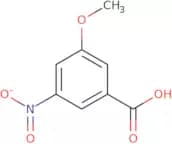
CAS:<p>4-Methoxy-3-nitrobenzoic acid is a hydroxybenzoic acid, and belongs to the group of heterocyclic compounds. It is a preactivated hydroxybenzoate that can be used in the synthesis of griseoluteic acid with chloride as an electron donor. Griseoluteic acid has inhibitory activities on isolated yield. This compound also has potent antitumor activity, which may be due to its ability to inhibit DNA synthesis and protein synthesis by binding to DNA polymerase and ribosomes respectively. Preparative high performance liquid chromatography (HPLC) using this compound is possible with marine microorganisms as the stationary phase. The x-ray absorption spectrum shows that 4-methoxy-3-nitrobenzoic acid has potential for use as a contrast agent for x-rays in imaging tissues.</p>Formula:C8H7NO5Purity:Min. 98 Area-%Color and Shape:PowderMolecular weight:197.14 g/molEthylenediaminetetraacetic acid disodium salt
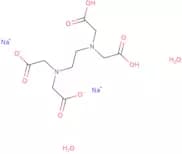
CAS:<p>Ethylenediaminetetraacetic acid disodium salt (EDTA-2Na) is a water-soluble chelating agent that forms a complex with metal ions. EDTA-2Na has been shown to be an effective inhibitor of the polymerase chain reaction (PCR), which is a technique to amplify DNA. EDTA-2Na can be used as a fluorescence probe in biological samples and can also be used in the analysis of reaction solutions. It has been shown to have lubricity properties and can be used as an injection solution for bowel disease. EDTA-2Na is also used in wastewater treatment, where it binds heavy metals and prevents them from being reabsorbed into the environment. The optimum concentration of EDTA-2Na is 1 mM at pH 7.0, with a range from 0.1 mM to 10 mM.</p>Formula:C10H14N2Na2O8Purity:Min. 95%Color and Shape:PowderMolecular weight:336.21 g/mol(+/-)-2-Hydroxydecanoic acid
CAS:<p>2-Hydroxydecanoic acid is a fatty acid that has a hydroxy group and a hydroxyl group. It is used as an active substance in pharmaceutical preparations and as a synthetic chemical intermediate. 2-Hydroxydecanoic acid can be produced by the oxidation of 2-hydroxyoctanoic acid with hydrogen peroxide or sodium perborate. The analytical method for this compound is based on its constant boiling point (184°C). 2-Hydroxydecanoic acid has been shown to have nootropic activity in rats at nanomolar concentrations and also has sustained-release properties when it is incorporated into microspheres. The average particle diameter of these microspheres is 10 micrometers, which makes them suitable for use as a sustained-release drug delivery system.</p>Formula:C10H20O3Purity:Min. 95%Color and Shape:White PowderMolecular weight:188.26 g/mol2,6-Dichloropyrimidine-4-carboxylic acid
CAS:<p>2,6-Dichloropyrimidine-4-carboxylic acid is a pyrimidine that can be used as a starting material for the synthesis of other compounds. It is an intermediate in the manufacture of anilines and pyrimidines. 2,6-Dichloropyrimidine-4-carboxylic acid is also used in the production of dyes and agrochemicals.</p>Formula:C5H2Cl2N2O2Purity:Min. 95%Color and Shape:White PowderMolecular weight:192.99 g/mol(S)-BoroLeu-(+)-pinanediol-trifluoroacetate
CAS:<p>(S)-BoroLeu-(+)-pinanediol-trifluoroacetate is a useful scaffold, building block, and intermediate for the synthesis of complex compounds. It is a high quality reagent that can be used in research chemicals and speciality chemicals. (S)-BoroLeu-(+)-pinanediol-trifluoroacetate is a versatile building block because it can be used as a reaction component in the synthesis of fine chemicals and as an intermediate in the synthesis of other reagents. CAS No. 477254-69-6</p>Formula:C15H28BNO2·C2HF3O2Purity:Min. 95%Color and Shape:PowderMolecular weight:379.22 g/mol3-Hydroxypropanoic acid - 30% solution in water
CAS:<p>3-Hydroxypropanoic acid is a fatty acid with a hydroxyl group. It can be found in synthetic pathways that produce glycerol, and is an intermediate in the production of antimicrobial peptides. 3-Hydroxypropanoic acid has been shown to inhibit the growth of bacteria and fungi in vitro assays. This compound also inhibits the activity of enzymes such as malonic acid decarboxylase, which catalyzes the conversion of malonic acid to succinic acid. 3-Hydroxypropanoic acid is used as a model system for congestive heart failure because it has been shown to mimic some aspects of this condition by inhibiting mitochondrial function. The reaction mechanism involves inhibition of oxidative phosphorylation, leading to an accumulation of reactive oxygen species (ROS) and reduced ATP production.</p>Formula:C3H6O3Color and Shape:Colorless Clear LiquidMolecular weight:90.08 g/mol3-(2-Ethoxyphenyl)propionic acid
CAS:<p>3-(2-Ethoxyphenyl)propionic acid is a versatile building block that can be used as a reagent, speciality chemical, or useful scaffold in the synthesis of complex compounds. 3-(2-Ethoxyphenyl)propionic acid has been shown to have high quality and is a useful intermediate in the synthesis of fine chemicals. This compound has been used as a reactant in organic reactions such as Michael addition and Diels-Alder reactions.</p>Formula:C11H14O3Purity:Min. 95%Molecular weight:194.23 g/mol3-((4-Benzylpiperazinyl)carbonyl)pyridine-2-carboxylic acid
CAS:Controlled Product<p>Please enquire for more information about 3-((4-Benzylpiperazinyl)carbonyl)pyridine-2-carboxylic acid including the price, delivery time and more detailed product information at the technical inquiry form on this page</p>Formula:C18H19N3O3Purity:Min. 95%Color and Shape:PowderMolecular weight:325.36 g/molrac 3-Hydroxydecanoic acid
CAS:<p>Rac 3-hydroxydecanoic acid is a fatty acid that exhibits antifungal activity. It has been shown to inhibit the growth of a number of fungi, including Trichophyton rubrum and Candida albicans, in vitro. Rac 3-hydroxydecanoic acid is active against the na channel, actin filaments, and bacterial strains such as Streptococcus faecalis. This compound also inhibits bacterial translocation and structural analysis. The mechanism of action of rac 3-hydroxydecanoic acid may be due to its ability to cause an acidic pH inside the cell and bind with hydroxyl groups on proteins. br>br> This molecule has been shown to have an effect on fatty acids; it can form a complex with caproic acid and neutralize it's acidic properties. Rac 3-hydroxydecanoic acid has not been shown to have any adverse effects on humans or animals when</p>Formula:C10H20O3Purity:Min. 95%Color and Shape:PowderMolecular weight:188.26 g/molEthyl indole-6-carboxylate
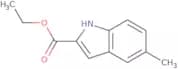
CAS:<p>Ethyl indole-6-carboxylate is a chiral compound with nitrogen atoms. It has a topology and substituents, so it can be substituted in several positions. It also has nitrate, which is an ion that can carry an electric charge. This molecule can form channels and crystals with a single-crystal x-ray diffraction pattern. The hydrocarbon part of the molecule has a crystal system and framework, making it porous. The x-ray diffraction pattern of ethyl indole-6-carboxylate shows its chemistry as well.</p>Formula:C11H11NO2Purity:Min. 95%Molecular weight:189.21 g/mol5-Chloroindole-3-acetic acid
CAS:<p>5-Chloroindole-3-acetic acid (5CI3A) is a compound that belongs to the indole class of compounds. It is structurally similar to the amino acid tryptophan, which makes it a good template molecule for the synthesis of other indoles. 5CI3A is mainly found in plants and bacteria, where it acts as an auxin. In plants, 5CI3A stimulates cell elongation and leaf growth by interacting with plant hormones such as auxins and gibberellins. This compound also binds to serum albumin, which may be responsible for its low toxicity in humans. 5CI3A has been shown to inhibit the activity of human serum albumin by forming hydrogen bonds with it. This inhibition reduces the binding affinity of 5CI3A for other proteins in serum, making it less likely to interact with them than if there were no binding competition.</p>Formula:C10H8ClNO2Color and Shape:PowderMolecular weight:209.63 g/molOctadecylphosphonic acid
CAS:<p>Octadecylphosphonic acid is a chemical compound that belongs to the group of phosphoric acids. It is a non-volatile, colorless liquid with a pungent smell. The octadecylphosphonic acid molecule has two alkyl chains attached to the phosphate group. This molecule can be formed by the reaction of phosphorus trichloride and an alcohol. Octadecylphosphonic acid has been used as a model system for studying acid-base properties, kinetic energy, and molecular structures.<br>The octadecylphosphonic acid molecule has been studied using photoelectron spectroscopy and electrochemical impedance spectroscopy to understand its chemical structure, which is important in analytical chemistry. This acid complex also plays an important role in fatty acid synthesis by acting as an intermediate in the production of acyl CoA esters from free fatty acids and glycerol 3-phosphate. Octadecylphosphonic acid is also used as a re</p>Formula:C18H39O3PPurity:Min 95%Color and Shape:White PowderMolecular weight:334.47 g/mol4-(Acetylamino)-3-nitrobenzoic acid
CAS:<p>4-(Acetylamino)-3-nitrobenzoic acid (AANBA) is a molecule that inhibits the growth of Mycobacterium tuberculosis and influenza virus. It has been shown to have tuberculostatic activity and is able to adsorb to the cavity of the enzyme protein, preventing access by other molecules. AANBA also has antiviral properties that may be due to its ability to inhibit viral particles from binding with a cell surface receptor or inhibiting the synthesis of viral proteins. AANBA binds to the chloride ion in order to maintain the negative charge of the molecule, which is crucial for its antiviral activity.</p>Formula:C9H8N2O5Purity:Min. 95%Color and Shape:Slightly Yellow PowderMolecular weight:224.17 g/mol7-Hydroxycoumarin-3-carboxylic N-succinimidylester
CAS:<p>7-Hydroxycoumarin-3-carboxylic acid N-succinimidylester is a fluorescent probe that is used to monitor the distribution of molecules in cells. It is used as a molecular imaging agent and has been used to image tissues in living animals. This probe can be detected by fluorescence microscopy and confocal microscopy, which are techniques that use light at specific wavelengths to detect the presence of this compound. The emission spectrum of 7-hydroxycoumarin-3-carboxylic acid N-succinimidylester varies depending on its environment, with a maximum emission wavelength of 640 nm when it is in acidic conditions and a maximum emission wavelength of 650 nm when it is in basic conditions.</p>Formula:C14H9NO7Purity:Min. 95%Molecular weight:303.22 g/molThionin acetate
CAS:<p>Thionin acetate is a chemical compound that has been used as an antiseptic and disinfectant. It is the acetate salt of thionin, which is a protein that binds to DNA, RNA, and proteins. Thionin acetate has been shown to have anti-inflammatory effects in mice. It also inhibits the production of antibodies in response to foreign antigens and reduces the severity of allergic reactions. Thionin acetate also inhibits neutrophil adhesion by binding to neutrophils and preventing their activation. This compound has been used in pharmaceutical preparations for treating wounds or burns. Thionin acetate is soluble in water and alcohols but insoluble in ethers or oils. It can be prepared by reaction between ethylene diamine and hydrogen peroxide with a photoelectron generator.br>br><br>Thionin acetate is a dark brown powder that turns purple on exposure to light because it contains ferric iron ions, which react with oxygen</p>Formula:C12H9N3S•C2H4O2Purity:Min. 95%Color and Shape:PowderMolecular weight:287.34 g/molDihydrocortisone 21-acetate
CAS:Controlled Product<p>Dihydrocortisone 21-acetate is a synthetic steroid hormone that has radical mechanism of action. It is used to treat inflammatory and autoimmune diseases, such as rheumatoid arthritis, lupus erythematosus, dermatitis herpetiformis, myasthenia gravis, and Behçet's disease. This drug can be synthesized from the reaction of prednisolone with acetyl chloride. Dihydrocortisone 21-acetate is an ester of hydrocortisone or cortisone. It may also be obtained from plant sources by hydrolysis of chlorocarbonates. Dihydrocortisone 21-acetate is freely soluble in dimethylformamide (DMF) and tetrazolium salts are used as the indicator for its presence.</p>Formula:C23H32O6Purity:Min. 95%Color and Shape:PowderMolecular weight:404.5 g/molFmoc-(R)-4-amino-5-methylhexanoic acid
CAS:<p>Fmoc-(R)-4-amino-5-methylhexanoic acid is a versatile building block, useful scaffold, and useful intermediate. It can be used in the synthesis of complex compounds with high quality and purity. Fmoc-(R)-4-amino-5-methylhexanoic acid is also an important reaction component for research chemicals, speciality chemicals, and many other chemical reactions. It can be used as a reagent in organic synthesis.</p>Formula:C22H25NO4Purity:Min. 95%Color and Shape:PowderMolecular weight:367.44 g/mol5-Chloro-4-hydroxy-1-methyl-2-oxo-1,2-dihydro-quinoline-3-carboxylic acid ethyl-phenyl-amide
CAS:<p>Laquinimod is an immunomodulator drug that inhibits the activity of the immune system. It binds to toll-like receptor 7, which is a protein on the surface of certain cells that responds to infection and inflammation. Laquinimod has been shown to inhibit neurodegeneration in vitro, which may be due to its ability to bind with neuronal death receptors and block the inflammatory response. Laquinimod also inhibits bowel disease by reducing inflammation and controlling immunity in the intestinal tract. Laquinimod has been shown to have long-term efficacy when administered at physiological levels. This drug is chemically stable, even after exposure to light.</p>Formula:C19H17ClN2O3Purity:Min. 95%Color and Shape:White PowderMolecular weight:356.8 g/mol2-Chloroquinoline-8-carboxylic acid
CAS:<p>2-Chloroquinoline-8-carboxylic acid is a fine chemical that is useful as a scaffold for the synthesis of other compounds. It is a versatile building block and can be used in the production of the drug chloroquine. 2-Chloroquinoline-8-carboxylic acid has been used as an intermediate in research chemicals, reaction components in speciality chemical and complex compound. This compound has high quality and can be used as a reagent.</p>Formula:C10H6ClNO2Purity:Min. 95 Area-%Color and Shape:White Off-White PowderMolecular weight:207.61 g/molTetracosactide acetate
CAS:Controlled Product<p>Synthetic peptide; adrenocorticotropic hormone</p>Formula:C136H210N40O31S•(C2H4O2)xPurity:Min. 97 Area-%Color and Shape:PowderMolecular weight:2,933.44 g/mol3-Fluoro-6-nitrobenzoic acid ethyl ester
CAS:<p>3-Fluoro-6-nitrobenzoic acid ethyl ester is a high quality chemical that is used as an intermediate in the synthesis of complex compounds. It is also a useful scaffold for the synthesis of other compounds and can be used as a building block in the production of speciality chemicals. 3-Fluoro-6-nitrobenzoic acid ethyl ester has many reactions that it participates in, such as being a reaction component for the synthesis of pharmaceuticals and agrochemicals. This compound is versatile enough to be used in research or for commercial purposes.</p>Formula:C9H8FNO4Purity:Min. 95%Color and Shape:PowderMolecular weight:213.16 g/molLinolenic acid - 70%
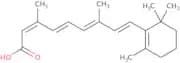
CAS:<p>Linolenic acid is a polyunsaturated fatty acid that belongs to the omega-6 family. It has been shown to have apoptosis-inducing effects in various experimental models and has anti-oxidant properties. Linolenic acid also protects against UV radiation and skin cancer. In addition, linolenic acid may be beneficial for eye disorders such as dry eye syndrome and age-related macular degeneration. Clinical studies have shown that linolenic acid may help with weight loss, improve body mass index, and reduce inflammation.</p>Formula:C18H30O2Purity:Min. 95%Color and Shape:Brown Slightly Yellow Red Clear LiquidMolecular weight:278.43 g/molEicosapentaenoic acid
CAS:<p>Inhibitor of 5-lipoxygenase; reduces thromboxane A2 production</p>Formula:C20H30O2Purity:Min. 96 Area-%Color and Shape:Colorless Clear LiquidMolecular weight:302.45 g/mol3,5-Dinitro-4-hydroxyphenylpropionic acid hydrazide
CAS:<p>3,5-Dinitro-4-hydroxyphenylpropionic acid hydrazide is a versatile building block that can be used in the synthesis of complex compounds. It is an intermediate for the production of research chemicals and reagents, as well as a useful scaffold for making new compounds. This compound has been shown to be stable in air and water and is not toxic when ingested. 3,5-Dinitro-4-hydroxyphenylpropionic acid hydrazide is also soluble in many organic solvents and has low volatility.</p>Formula:C9H10N4O6Purity:Min. 95%Molecular weight:270.2 g/mol4-Hydroxy-4'-biphenylcarboxylic acid
CAS:<p>4-Hydroxy-4'-biphenylcarboxylic acid is a kind of organic compound that has carboxylic acid functional group. It can be used as an intermediate for the synthesis of pharmaceuticals, dyes, and other organic compounds. 4-Hydroxy-4'-biphenylcarboxylic acid can be synthesized from p-hydroxybenzoic acid in the presence of a chloride donor and an acceptor (e.g., sodium hydroxide solution) with oxalyl as the catalyst. Trichloroacetic acid is used to remove the hydroxybenzoic acid byproduct which may cause corrosion and instability problems. The molecular structure of 4-Hydroxy-4'-biphenylcarboxylic acid is shown below:</p>Formula:C13H10O3Purity:Min. 95%Color and Shape:White PowderMolecular weight:214.22 g/mol2,6-Dihydroxybenzoic acid
CAS:<p>2,6-Dihydroxybenzoic acid is a chemical compound with the molecular formula CH(COOH)CO. It has been shown to have high values in biological studies and is a naturally occurring metabolite of p-hydroxybenzoic acid. 2,6-Dihydroxybenzoic acid has been used as a model system for energy metabolism, and it's biological properties are being investigated as potential treatments for diabetes and obesity. This compound also exhibits hypoglycemic effects in humans and has high resistance against bacteria. The reaction mechanism of 2,6-dihydroxybenzoic acid is not well understood but may be due to hydrogen bonding interactions.</p>Formula:C7H6O4Purity:Min. 98 Area-%Color and Shape:PowderMolecular weight:154.12 g/mol4-Phenoxycinnamic acid
CAS:<p>4-Phenoxycinnamic acid is a useful scaffold and building block in organic chemistry. It is a versatile chemical intermediate with a CAS number of 2215-83-0, often used in the synthesis of other molecules. 4-Phenoxycinnamic acid has recently been shown to be an effective reagent for the conversion of nitrobenzene to benzyl alcohols, which are useful in the production of pharmaceuticals. This compound can also be used as a high-quality research chemical and as a speciality chemical for use in laboratory experimentation.</p>Formula:C15H12O3Purity:Min. 95%Color and Shape:PowderMolecular weight:240.25 g/mol4-(4-Formyl-3-methoxyphenoxy)butanoic acid
CAS:Controlled Product<p>4-(4'-Formyl-3'-methoxyphenoxy)butanoic acid is a carboxylate that can be used as a preloaded reagent for the synthesis of peptides, proteins, and other organic molecules. 4-(4'-Formyl-3'-methoxyphenoxy)butanoic acid has been shown to be an efficient linker for solid-phase peptide synthesis. 4-(4'-Formyl-3'-methoxyphenoxy)butanoic acid is labile to hydrolysis and so should be stored in an organic solvent such as dimethylsulfoxide. The carboxylate group is readily available in the form of its sodium salt, which can be synthesized by reacting sodium acetate with formaldehyde.</p>Formula:C12H14O5Purity:Min. 95%Color and Shape:PowderMolecular weight:238.24 g/mol2-Amino-3-chlorobenzoic acid
CAS:<p>2-Amino-3-chlorobenzoic acid is a chemical compound that is used as a reagent in the cross-coupling of organic compounds. 2-Amino-3-chlorobenzoic acid has been shown to inhibit the growth of cancer cells in the laboratory and has been used as a pesticide. This compound causes DNA methylation in bacteria, which may be due to its inhibition of methyltetrahydrofolate reductase. 2-Amino-3-chlorobenzoic acid is reactive and should be handled with care because it could cause burns on contact with skin. The carcinogenic potential of this compound has not been determined.</p>Formula:C7H6ClNO2Purity:Min. 95%Color and Shape:PowderMolecular weight:171.58 g/molOvalbumin (257-264) (chicken) acetate salt
CAS:<p>Ovalbumin (257-264) is an acetate salt of a fragment of the protein ovalbumin.</p>Formula:C45H74N10O13Purity:Min. 95%Color and Shape:SolidMolecular weight:963.13 g/mol1,2,3-Benzenetricarboxylic acid hydrate
CAS:<p>1,2,3-Benzenetricarboxylic acid hydrate (BTAH) is a molecule that has been studied as a potential photosensitizer for photodynamic therapy. This compound is an organic semiconductor with a wide absorption spectrum and a large quantum yield in the visible region. It also has high charge carrier mobility, which makes it suitable for use in electronic devices. BTAH is an additive that can be used to inhibit the formation of cancer cells and reduce inflammation. BTAH has been shown to have anti-inflammatory properties by inhibiting prostaglandin synthesis. The molecular structure of BTAH consists of three benzene rings joined together by two carboxyl groups. The central ring in this molecule is also known as 1,2,3-benzenetricarboxylic acid or 3,4-dihydroxybenzoic acid.</p>Formula:C9H6O6·xH2OPurity:Min. 98 Area-%Color and Shape:PowderMolecular weight:210.14 g/mol(S)-trans-2-Amino-4-(2-aminoethoxy)-3-butenoic acid hydrochloride
CAS:<p>(S)-trans-2-Amino-4-(2-aminoethoxy)-3-butenoic acid hydrochloride is a chemical pesticide that inhibits the production of ethylene in plants. It is used to control growth and enhance the fruit quality of horticultural crops. It is also used as an inhibitor of serine proteases, which are enzymes that catalyze the hydrolysis of proteins. This product has been shown to act as a growth regulator by inhibiting the activity of serine proteases and blocking the biosynthesis of ethylene. (S)-trans-2-Amino-4-(2-aminoethoxy)-3-butenoic acid hydrochloride also blocks the biosynthesis of human chorionic gonadotropin, a hormone involved in reproduction and development.</p>Formula:C6H13ClN2O3Purity:Min. 97 Area-%Color and Shape:Off-White PowderMolecular weight:196.63 g/mol4-Methoxybenzoic acid
CAS:<p>4-Methoxybenzoic acid is a phenolic compound, which is used in the production of bisphenol A. It can also be found as an intermediate in the synthesis of other compounds, such as protocatechuic acid and pachymic acid. 4-Methoxybenzoic acid can be found naturally in a variety of plants, including cranberries. This compound has been shown to inhibit the growth of bacteria by disrupting their cell walls and inhibiting protein synthesis. 4-Methoxybenzoic acid has also been shown to have anti-inflammatory properties, which may be due to its ability to inhibit prostaglandin synthesis.</p>Formula:C8H8O3Purity:Min. 95%Color and Shape:White PowderMolecular weight:152.15 g/mol3-Bromo-4-hydroxycinnamic acid
CAS:<p>3-Bromo-4-hydroxycinnamic acid is a useful building block that is obtained from cinnamic acid by substitution of the hydroxyl group with a bromine atom. It has been used in research as a reagent, speciality chemical, and reaction component. 3-Bromo-4-hydroxycinnamic acid is also an important intermediate for the synthesis of various organic compounds. This compound can be used as a scaffold for the synthesis of complex compounds.</p>Formula:C9H7BrO3Color and Shape:PowderMolecular weight:243.05 g/molIsobutylboronic acid
CAS:<p>Isobutylboronic acid is a chemical compound that is used as an antimicrobial treatment for autoimmune diseases. This drug has a polyene structure and inhibits the production of proinflammatory cytokines such as IL-1, TNF-α, and IL-2. Isobutylboronic acid also inhibits the growth of cancer cells in vitro by inhibiting DNA synthesis. Isobutylboronic acid is also used to determine the mechanisms of organometallic compounds. It can be analyzed using liquid chromatography or gas chromatography techniques. The effective dose for this drug is not yet known.</p>Formula:C4H11BO2Purity:Min. 95%Color and Shape:PowderMolecular weight:101.94 g/mol2-Chloroinosine 3',4',6'-triacetate
CAS:<p>2-Chloroinosine 3',4',6'-triacetate is a reagent, useful intermediate, fine chemical, and speciality chemical. It is used as an important building block in organic synthesis. 2-Chloroinosine 3',4',6'-triacetate can be used as a versatile building block for the synthesis of many other compounds. The high quality and usefulness of this compound make it a good choice for research chemicals.</p>Formula:C16H17ClN4O8Purity:Min. 95%Color and Shape:White to pale yellow solid.Molecular weight:428.78 g/mol4-Amidinobenzoic acid hydrochloride
CAS:<p>4-Amidinobenzoic acid hydrochloride is a catalytic molecule that inhibits serine proteases. It has been shown to be an effective inhibitor of the proteolytic activity of trypsin and chymotrypsin when used at concentrations of 3 mM or higher. 4-Amidinobenzoic acid hydrochloride functions by binding to the active site of the enzyme, preventing access to the substrate. This inhibition is reversible, with a half-life of about 10 minutes. The inhibitory constants for 4-amidinobenzoic acid hydrochloride are in the range of 1 μM to 100 μM.</p>Formula:C8H8N2O2•HClPurity:Min. 95%Color and Shape:PowderMolecular weight:200.62 g/mol2,2-Dimethylsuccinic acid
CAS:<p>2,2-Dimethylsuccinic acid is a chiral compound that has two asymmetric carbon atoms. It is an intermediate in the biosynthesis of maleic acid from succinic acid and it can be synthesized by the addition of potassium ion to malonic acid. 2,2-Dimethylsuccinic acid has been shown to inhibit mitochondrial complex I activity in rat kidney cells. Complex I is responsible for oxidative phosphorylation and the generation of ATP, which provides energy for cell growth and function. This inhibition leads to a decrease in metabolites such as malonic acid and ethylmalonic acid. The accumulation of these metabolites causes metabolic changes that are observed in rats fed with 2,2-dimethylsuccinic acid (e.g., increased levels of polycarboxylic acids).</p>Formula:C6H10O4Purity:Min. 95%Color and Shape:White PowderMolecular weight:146.14 g/mol[(8S,10S,11S,13S,14S,16S)-9-Fluoro-11-Hydroxy-10,13,16-Trimethyl-17-Methylsulfanylcarbonyl-3-Oxo-6,7,8,11,12,14,15,16-Octahydrocyclo penta[a]Phenanthren-17-Yl] Acetate
CAS:Controlled Product<p>(8S,10S,11S,13S,14S,16S)-9-Fluoro-11-Hydroxy-10,13,16-Trimethyl-17-Methylsulfanylcarbonyl-3-Oxo-6,7,8,11,12,14,15,16-Octahydrocyclo penta[a]Phenanthren-17-Yl) Acetate is a fatty acid ester that is used as a pharmaceutical preparation. It has been shown to be an effective treatment for the muscle wasting disease myotonic dystrophy and has been approved by the FDA. (8S,10S,11S,13S,14S,, 16 S)-9 - Fluoro - 11 - Hydroxy - 10 , 13 , 16 - Trimethyl - 17 - Methylsulfanylcarbonyl - 3 - Oxo - 6 , 7 , 8 , 11</p>Formula:C24H31FO5SPurity:Min. 95%Molecular weight:450.56 g/molDesthiazoximic acid ceftiofur
CAS:<p>Desthiazoximic acid ceftiofur is a fine chemical that is a versatile building block for complex compounds. It is used in the research and development of new drugs as well as for the production of intermediates, reagents, and speciality chemicals. Desthiazoximic acid ceftiofur has been shown to be useful in the synthesis of high-quality, useful intermediate compounds and scaffolds for organic synthesis. The CAS number for desthiazoximic acid ceftiofur is 80370-59-8.</p>Formula:C13H12N2O5S2Purity:Min. 98 Area-%Color and Shape:PowderMolecular weight:340.38 g/mol2-Hydroxyisobutyric acid
CAS:<p>2-Hydroxyisobutyric acid (2HIB) is an intermediate in the metabolism of benzoic acid and p-hydroxybenzoic acid, which are important for the production of acids in plants. 2HIB has been shown to have a significant effect on metabolic disorders, such as diabetes mellitus and obesity. It is also used as a structural analysis reagent in human serum samples, where it can be used to determine the body mass index of the individual. The chemical formula of 2HIB is C3H6O2. The molecular weight of 2HIB is 92.1g/mol. The melting point of this compound is 69°C and its boiling point is 225°C at 1 atm pressure.</p>Formula:C4H8O3Purity:Min. 98%Color and Shape:White PowderMolecular weight:104.1 g/mol4-Maleimidobutyric acid
CAS:<p>4-Maleimidobutyric acid is a molecule that is used for the immobilization of peptides and proteins. It has been shown to bind to lysine residues on the surface of epidermal growth factor, which may be due to its ability to form covalent bonds with amino groups. This binding prevents the protein from interacting with cells in culture. 4-Maleimidobutyric acid also inhibits bacterial growth, including activity against Staphylococcus aureus, Bacillus anthracis, Mycobacterium tuberculosis, and Pseudomonas aeruginosa. 4-Maleimidobutyric acid has been shown to inhibit cancer cell proliferation in a Ca2+-dependent manner. It may also be effective as an antimicrobial agent due to its ability to disrupt proton gradients and acidic environments found in bacteria.</p>Formula:C8H9NO4Purity:Min. 98 Area-%Color and Shape:PowderMolecular weight:183.16 g/mol3,4-Dimethyl-6-nitrobenzoic acid
CAS:<p>3,4-Dimethyl-6-nitrobenzoic acid is a nitrated aromatic compound that has been shown to have anticancer activity. It is used as an anticancer agent in the treatment of cancers such as leukemia, lymphoma, and lung cancer. 3,4-Dimethyl-6-nitrobenzoic acid has been shown to be effective against species diversity and diversity of tumor cells. This compound inhibits protein synthesis by binding to ribosomes and inhibiting the production of proteins vital for cell division. 3,4-Dimethyl-6-nitrobenzoic acid also binds to DNA and interferes with transcription and replication of DNA, causing cell death. This compound has been found in wetlands (e.g., <br>the Yangtze River) but its function in these ecosystems is not known.</p>Formula:C9H9NO4Purity:Min. 95%Color and Shape:PowderMolecular weight:195.17 g/mol3-Maleimidopropionic acid
CAS:<p>3-Maleimidopropionic acid, also abbreviated as 3MPA or BMPA, reacts with thiols to form stable conjugates. It is non-cleavable under standard biological conditions.</p>Formula:C7H7NO4Purity:Min. 95%Color and Shape:PowderMolecular weight:169.13 g/mol3-(3-Hydroxyisoxazol-5-yl)propanoic acid
CAS:<p>3-(3-Hydroxyisoxazol-5-yl)propanoic acid is a fine chemical used as a reagent, speciality chemical, and reaction component in the synthesis of complex compounds. It is also used as a building block or scaffold in the synthesis of other compounds. 3-(3-Hydroxyisoxazol-5-yl)propanoic acid is less reactive than other carboxylic acids due to its bulky group at one end. This makes it more stable and easier to handle. 3-(3-Hydroxyisoxazol-5-yl)propanoic acid can be used for research purposes and has been shown to be an effective inhibitor of HIV protease.</p>Formula:C6H7NO4Purity:Min. 95 Area-%Color and Shape:PowderMolecular weight:157.12 g/mol3-Bromocinnamic acid
CAS:<p>3-Bromocinnamic acid is a long-term treatment that inhibits the adenosine receptor, which is an important component of the central nervous system. It has been shown to have biological properties such as cell growth inhibition, depressant effect, and inhibitory effects on HIV replication. 3-Bromocinnamic acid also inhibits the action of sodium salts in vitro and in vivo, suggesting that this drug may be useful for the treatment of epilepsy. 3-Bromocinnamic acid can be used to study the mechanisms by which sirt1 inhibitors act as anticancer drugs. In addition, 3-bromocinnamic acid has been shown to have therapeutic potential for treating Alzheimer's disease and Parkinson's disease.</p>Formula:C9H7BrO2Purity:Min. 95%Color and Shape:PowderMolecular weight:227.05 g/mol2-Amino-5-bromobenzoic acid methyl ester
CAS:<p>2-Amino-5-bromobenzoic acid methyl ester is a small molecule with antiviral potency. It has a dipole moment and can form hydrogen bonds. 2-Amino-5-bromobenzoic acid methyl ester inhibits the PDE5 enzyme, which is an enzyme that breaks down cGMP. This inhibition of PDE5 leads to the increase in cGMP, which causes blood vessels to relax and widen. As a result, 2-amino-5-bromobenzoic acid methyl ester has been shown to decrease high blood pressure and improve heart function.</p>Formula:C8H8BrNO2Purity:Min. 95%Color and Shape:PowderMolecular weight:230.06 g/molTaurochenodeoxycholic acid
CAS:<p>Taurochenodeoxycholic acid is a bile acid derivative, which is a conjugated form of chenodeoxycholic acid. It is sourced from the bile of mammals, specifically as a conjugate of taurine and chenodeoxycholic acid. This compound participates in the emulsification of dietary fats, which is crucial for lipid digestion and absorption. Additionally, it contributes to the regulation of cholesterol homeostasis by modulating bile acid pool sizes and is involved in signaling pathways that affect lipid metabolism.</p>Formula:C26H45NO6SPurity:Min. 95%Color and Shape:PowderMolecular weight:499.7 g/molMethyl(triphenylphosphoranylidene)acetate
CAS:<p>Methyl(triphenylphosphoranylidene)acetate is a bicyclic heterocycle with an amino acid sequence that has been determined by x-ray diffraction data. This compound has shown to be an inhibitor of the enzyme glutathione reductase, which converts oxidized glutathione (GSSG) back to the reduced form (GSH). Methyl(triphenylphosphoranylidene)acetate also inhibits other enzymes such as cytochrome p450 and mycobacterium tuberculosis esterases. The reaction mechanism for methyl(triphenylphosphoranylidene)acetate is not yet known but it may involve the formation of an intramolecular hydrogen bond between the NH group and the oxygen atom on C3. This compound has been shown to have anticancer properties in hl-60 cells, which is consistent with its ability to inhibit prostaglandin synthesis. It also has antioxidant properties due</p>Formula:C21H19O2PPurity:Min. 98 Area-%Color and Shape:White Off-White PowderMolecular weight:334.35 g/mol2-Fluorobenzoic acid
CAS:<p>2-Fluorobenzoic acid is an organic compound that is used as a pharmaceutical intermediate. It has been shown to be effective in treating autoimmune diseases, such as lupus and rheumatoid arthritis, by inhibiting the production of inflammatory cytokines. 2-Fluorobenzoic acid is synthesized from hydrogen fluoride and sodium citrate in the presence of water vapor. X-ray diffraction data have shown that this reaction occurs in a complex with nitrogen atoms and group p2 water molecules. The product formed is an acid complex with benzoate. This compound inhibits wst-1 activity, which can lead to mitochondrial membrane potential loss.</p>Formula:C7H5FO2Purity:Min. 95%Color and Shape:PowderMolecular weight:140.11 g/mol4-Mercaptophenylacetic acid
CAS:<p>4-Mercaptophenylacetic acid is a palladium complex that inhibits the synthesis of proteins by binding to the ribosome and blocking peptide bond formation. The molecule has a polymeric matrix with a high degree of crystallinity and an isolated yield of greater than 95%. 4-Mercaptophenylacetic acid is immobilized on a carboxylate surface and has been shown to have pharmacokinetic properties. It can be used in the treatment of cancer cells and inhibits protein synthesis, leading to cell death. 4-Mercaptophenylacetic acid also has anti-inflammatory activities due to its inhibition of prostaglandin synthesis.</p>Formula:C8H8O2SPurity:Min. 95%Color and Shape:Yellow PowderMolecular weight:168.21 g/molN-Acetyl-L-aspartic acid
CAS:<p>N-Acetyl-L-aspartic acid is a molecule that has been shown to be a potential biomarker for neuronal death, with activity index levels inversely correlating with the number of granule neurons. The chemical stability of N-acetyl-L-aspartic acid was tested using various in vitro methods and found to be stable at a wide range of pHs and temperatures. This compound has also been shown to have a role in brain function, axonal growth, and metabolic disorders. This compound is found naturally in vivo in humans.</p>Formula:C6H9NO5Color and Shape:White PowderMolecular weight:175.14 g/mol4-Acetylbenzoic acid ethyl ester
CAS:<p>4-Acetylbenzoic acid ethyl ester is a receptor binding agent that inhibits the activity of phosphatidylinositol 3-kinase (PI3K), which is a protein involved in cell growth, differentiation and survival. It has been shown to inhibit tumor growth and induce apoptosis in cancer cells. 4-Acetylbenzoic acid ethyl ester also induces cell death in inflammatory diseases by inhibiting the activation of protein kinase C γ (PKC γ) by retinoic acid. This agent has been shown to be active against recombinant human Pparγ and can be used as an additive for cell-based assays.</p>Formula:C11H12O3Purity:Min. 95%Color and Shape:PowderMolecular weight:192.21 g/moltrans-2,3,4-Trimethoxycinnamic acid
CAS:<p>Trans-2,3,4-trimethoxycinnamic acid is a bioactive chemical that has been shown to have significant antioxidant activity. This compound is a hydrogen peroxide scavenger and can be used in devices to remove hydrogen peroxide from water. Trans-2,3,4-trimethoxycinnamic acid has also been shown to inhibit the production of campesterol and paromomycin in bacteria. Furfural is an inhibitor of trans-2,3,4-trimethoxycinnamic acid and its oxidation products. Trans-2,3,4-trimethoxycinnamic acid can be oxidised by furfural to produce glycerin and formic acid. It also inhibits the formation rate of amides from cinnamyl alcohol.</p>Formula:C12H14O5Purity:Min. 98 Area-%Color and Shape:PowderMolecular weight:238.24 g/molBenzohydroxamic acid potassium
CAS:<p>Benzohydroxamic acid potassium salt is an organic compound that is soluble in water, but insoluble in organic solvents. It has a molecular weight of 134.2, and its chemical formula is C7H6N4O3K. It can react with acid solutions to form hydroxamic acids (e.g., benzohydroxamic acid). The nmr spectra of these compounds have been shown to be sensitive to the presence of molybdenum or other metal ions. Benzohydroxamic acid potassium salt can be synthesized by reacting hydrochloric acid with zirconium tetrachloride and carbon tetrachloride in the presence of ethyl bromoacetate. This reaction produces insoluble benzohydroxamic acid potassium salt together with ethyl bromoacetate as a byproduct.<br>Molecular weight: 134.2<br>Chemical formula: C7H6N4O3K<br>Soluble</p>Formula:C7H7NO2•KPurity:Min. 95%Color and Shape:PowderMolecular weight:176.23 g/mol4-n-Butoxyphenylacetic acid butyl ester
CAS:<p>4-n-Butoxyphenylacetic acid butyl ester is a chemical reagent that has been studied extensively as a useful intermediate in organic synthesis. It is of high purity and quality, and can be used for many applications.</p>Formula:C16H24O3Purity:80%Color and Shape:PowderMolecular weight:264.36 g/mol(Des-Gly10,D-Ser4,D-Leu6,Pro-NHEt 9)-LHRH trifluoroacetate
CAS:<p>Please enquire for more information about (Des-Gly10,D-Ser4,D-Leu6,Pro-NHEt 9)-LHRH trifluoroacetate including the price, delivery time and more detailed product information at the technical inquiry form on this page</p>Formula:C59H84N16O12•(C2HF3O2)xPurity:Min. 98 Area-%Color and Shape:PowderMolecular weight:1,209.4 g/molβ-(4-Hydroxy-3-methoxyphenyl)propionic acid methyl ester
CAS:<p>β-(4-Hydroxy-3-methoxyphenyl)propionic acid methyl ester is a fine chemical used as a building block in the synthesis of pharmaceuticals, agrochemicals, and other chemicals. It is also used as a reagent for the detection of alkaloids and for the preparation of valuable speciality chemicals. β-(4-Hydroxy-3-methoxyphenyl)propionic acid methyl ester is an intermediate in organic reactions or can be used to synthesize complex compounds such as antibiotics. It is also an important scaffold that can be modified to produce new drugs with different properties.</p>Formula:C11H14O4Purity:Min. 95%Color and Shape:Clear LiquidMolecular weight:210.23 g/mol3-(Bromomethyl)phenoxyacetic acid
CAS:<p>3-(Bromomethyl)phenoxyacetic acid is a versatile building block that has been used as a reagent for the synthesis of complex compounds. It has also been used in the synthesis of research chemicals, such as 3-bromophenoxyacetic acid, and in the preparation of useful scaffolds. This product is high quality and can be used as an intermediate in the production of pharmaceuticals or other specialty chemicals. The CAS number for this compound is 136645-25-5.</p>Formula:C9H9BrO3Purity:Min. 90%Color and Shape:PowderMolecular weight:245.07 g/mol2,2'-Dithiobisbenzoic acid
CAS:<p>2,2'-Dithiobisbenzoic acid (DTBA) is a chemical compound that has been used as a cross-linking agent for proteins and nucleic acids. DTBA is an aromatic hydrocarbon that can be synthesized from the reaction of sodium carbonate and hydrogen chloride. DTBA's stability in organic solvents makes it a useful reagent for protein cross-linking studies. It can also be used to measure hydrogen bond strengths between two molecules.</p>Formula:C14H10O4S2Purity:Min. 95%Molecular weight:306.36 g/mol3-Cyanocinnamic acid
CAS:<p>3-Cyanocinnamic acid is a reactive, unreactive, and stepwise cycloaddition compound. It can participate in photochemical reactions with other compounds to form photodimers. 3-Cyanocinnamic acid has an optimal reaction temperature of 100°C and a reaction time of 5 minutes. The diradical nature of 3-cyanocinnamic acid makes it sensitive to UV light, and the photochemical reactions are simulated by quantum mechanics calculations. Photodimerisation simulations show that 3-cyanocinnamic acid is capable of forming photodimers with 2-cyanocinnamic acid or 4-cyanocinnamic acid at room temperature.</p>Formula:C10H7NO2Purity:Min. 95%Color and Shape:PowderMolecular weight:173.17 g/mol2-Chloromandelic acid
CAS:<p>2-Chloromandelic acid is an organic compound that belongs to the class of compounds called chloroacetic acids. It has been shown to react with hydroxylamine and form a trifluoroacetamide, which is a useful building block in organic synthesis. 2-Chloromandelic acid can be synthesized from mandelic acid by reacting it with phosphorus pentachloride in the presence of carbon tetrachloride. 2-Chloromandelic acid has been shown to inhibit the growth of Pseudomonas aeruginosa, an opportunistic human pathogen in cystic fibrosis patients. 2-Chloromandelic acid crystallizes as one of two possible polymorphs: Form I or Form II. The solubility data for both forms are available, but only Form I is metastable at room temperature and pressure.</p>Formula:C8H7ClO3Purity:Min. 95%Color and Shape:PowderMolecular weight:186.59 g/mol3,4-Dichlorocinnamic acid
CAS:<p>3,4-Dichlorocinnamic acid is a pentane that has a molecular weight of 144.2 g/mol and melting point of -12 °C. It is soluble in organic solvents such as ethanol and acetone, but insoluble in water. 3,4-Dichlorocinnamic acid is an intermediate in the synthesis of cinnamates from phenylacetic acid and chloroform via methyl esterification with methanol followed by alkylation with chlorine. The reaction rate for this conversion is slow, making it difficult to produce at commercial scale. 3,4-Dichlorocinnamic acid can be obtained by irradiation of 3-chloro-1,2-propanediol with ultraviolet light or by heating hydrotalcite at high temperatures. Hydrotalcite is heated to 600°C where it reacts with air to form 3,4-dichlorocinnamic acid and</p>Formula:C9H6Cl2O2Purity:Min. 95%Color and Shape:PowderMolecular weight:217.05 g/mol2-Fluoro-3-nitrobenzoic acid ethyl ester
CAS:<p>2-Fluoro-3-nitrobenzoic acid ethyl ester is a versatile, high quality building block with a number of uses in research and industry. It is an intermediate in the synthesis of a range of compounds, including pharmaceuticals and other fine chemicals. 2-Fluoro-3-nitrobenzoic acid ethyl ester is also used as a reagent for the synthesis of complex compounds, such as pharmaceuticals. This compound can be synthesized from readily available starting materials and has been shown to be useful for the preparation of scaffolds for organic synthesis. 2-Fluoro-3-nitrobenzoic acid ethyl ester is not listed on the Chemical Abstract Service (CAS) registry, but it does have an IUPAC name (2-(2,6-difluorophenyl)-5-(1,1,2,2 tetrafluoropropoxy)-3H-[1]py</p>Formula:C9H8FNO4Purity:Min. 95%Color and Shape:Off-White PowderMolecular weight:213.16 g/molAsperulosidic acid
CAS:<p>Asperulosidic acid is a glycoside derivative that belongs to the natural compounds. It has been shown to be an enzyme inducer in bacteria, yeast and plants. Asperulosidic acid can be found in the leaves of asperula odorata, a plant commonly known as sweet woodruff. It is also found in fructus asperuli, which is made from the fruit of asperula odorata. Asperulosidic acid has been shown to increase the activity of enzymes such as β-glucuronidase and esterase in bacteria, which may have an effect on their metabolism. This compound also increases the activity of proteases and other enzymes in plants and yeast. The matrix effect can be used to determine the concentration of this compound by measuring its effects on enzyme activity. Matrix effects can be measured using a plate test or by plasma mass spectrometry. Asperulosidic acid has been shown to have growth</p>Formula:C18H24O12Purity:Min. 95%Color and Shape:SolidMolecular weight:432.38 g/mol2-Methyl-5-nitrobenzoic acid
CAS:<p>2-Methyl-5-nitrobenzoic acid is a synthetic compound that has been shown to inhibit the growth of tumor xenografts in mice. This compound has been shown to inhibit the production of prostate-specific antigen and prostate cancer cells, as well as cause apoptosis in prostate cancer cells. 2-Methyl-5-nitrobenzoic acid also inhibits the activity of vitamin D3 and docetaxel, which are both chemotherapeutic agents used to treat prostate cancer. 2-Methyl-5-nitrobenzoic acid is a thermodynamic inhibitor with an IC50 value of 0.1 mM. It is an inhibitor of cellular respiration and mitochondrial function with a Km value of 1 mM. This agent also inhibits tumor perfusion, which may be due to its ability to induce apoptosis in tumor cells.</p>Formula:C8H7NO4Purity:Min. 95%Color and Shape:PowderMolecular weight:181.15 g/molB-(4-Fluoro-2-hydroxyphenyl)-boronic acid
CAS:<p>B-(4-Fluoro-2-hydroxyphenyl)-boronic acid is a fungicide that has been synthesized to inhibit the growth of fungi. This compound is an effective fungicide against a wide variety of plant pathogens. It has been shown to be highly efficient in catalyzing intramolecular cyclization reactions, which are sometimes difficult to perform with traditional methods. The regulatory nature of this compound makes it an excellent candidate for commercial applications in agroscience and industry.</p>Formula:C6H6BFO3Purity:Min. 95%Color and Shape:PowderMolecular weight:155.92 g/mol5-Nitroisophthalic acid monomethyl ester
CAS:<p>5-Nitroisophthalic acid monomethyl ester (NIAE) is an acetylating agent that can be used for the preparation of 5-nitroisophthalic acid, which is a precursor to the synthesis of dyes and pharmaceuticals. The acetylation reaction of NIAE with proteins produces an insensitive material. Acetylation also inhibits the activity of serine proteases and virus replication. In addition, it has been found that the catalytic reduction of NIAE with palladium is faster than other synthetic methods. Optimal reaction conditions are obtained by adding chloride ions to the reaction mixture, while reductive conditions are optimal for catalysis. Reaction time can be shortened by using a soluble catalyst such as iodide ion or mercury(II) sulfate. The active site of NIAE contains a nitro group that reacts with substrates in the presence of oxygen, forming a product from which the acetyl group has been removed</p>Formula:C9H7NO6Purity:Min 98%Color and Shape:PowderMolecular weight:225.16 g/mol2-Methoxy-4-nitrobenzoic acid
CAS:<p>Please enquire for more information about 2-Methoxy-4-nitrobenzoic acid including the price, delivery time and more detailed product information at the technical inquiry form on this page</p>Formula:C8H7NO5Purity:Min. 95%Molecular weight:197.14 g/molHydrocinnamic acid
CAS:<p>Hydrocinnamic acid is an inhibitor of the enzyme carboxyl ester lipase. It is used to treat inflammatory bowel disease and autoimmune diseases, such as Crohn's disease. Hydrocinnamic acid has also been shown to inhibit the production of inflammatory mediators, such as prostaglandins, leukotrienes, and cytokines. This anti-inflammatory effect may be related to its ability to inhibit the activity of lipoxygenases and cyclooxygenases. Hydrocinnamic acid has also been shown to act as a broad-spectrum antimicrobial agent against bacteria, fungi, and viruses.</p>Formula:C9H10O2Purity:Min. 95%Color and Shape:PowderMolecular weight:150.17 g/molGlycine amide acetate
CAS:Controlled Product<p>Glycine amide acetate is a product that contains an imine group. It has been shown to have staining properties when applied to human keratin and is used in the cosmetic industry as a depigmenting agent. Glycine amide acetate has been shown to be effective in the treatment of depression, although it is not yet approved for this use. The molecule also contains an iridoid compound, which may be responsible for its effects on mood.</p>Formula:C2H6N2O•C2H4O2Purity:Min. 95%Color and Shape:PowderMolecular weight:134.13 g/molZinc dibutyldithiocarbamate
CAS:<p>Zinc dibutyldithiocarbamate is a chemical compound that forms a complex with fatty acids. It is used as an absorbent and sample preparation agent in uv spectroscopy. Zinc dibutyldithiocarbamate can also cause allergic reactions and is toxic to cells in the presence of calcium stearate. This chemical is found in reaction solutions, where it reacts with hydrochloric acid and boron nitride to form zinc diethyldithiocarbamate. Zinc dibutyldithiocarbamate has shown growth factor-like properties and was shown to enhance the rate of cell growth on V79 cells when combined with polyene.</p>Formula:C18H36N2S4ZnPurity:Min. 95%Color and Shape:PowderMolecular weight:474.14 g/mol4-Nitrobenzyl (4R,5R,6S)-3-[(diphenylphosphono)oxy]-6-[(R)-1-hydroxyethyl]-4-methyl-7-oxo-1-azabicyclo[3.2.0]hept-2-ene-2-carboxylat e
CAS:<p>4-Nitrobenzyl (4R,5R,6S)-3-[(diphenylphosphono)oxy]-6-[(R)-1-hydroxyethyl]-4-methyl-7-oxo-1-azabicyclo[3.2.0]hept-2-ene-2-carboxylat e is a synthetic compound that is used as an alkalizer and impurity scavenger in the manufacture of pesticides and other organic chemicals. It has been shown to be a stereoselective herbicide with acetonitrile as its primary degradation product. The compound has also been found to be a potent inhibitor of the enzyme carbapenemase, which may lead to increased resistance to antibiotics such as monosodium salt of ertapenem.</p>Formula:C29H27N2O10PPurity:Min. 98 Area-%Color and Shape:White PowderMolecular weight:594.51 g/mol2-Amino-4-(methylsulfonyl)butanoic acid
CAS:<p>2-Amino-4-(methylsulfonyl)butanoic acid is a nonsteroidal anti-inflammatory drug that belongs to the group of sulfonamides. It is a prodrug that is hydrolyzed in vivo to its active form, 4-(methylsulfonyl)butanamide. 2-Amino-4-(methylsulfonyl)butanoic acid has been shown to be effective in the treatment of pain and inflammation in animal models. The mechanism of action has not been fully elucidated, but it may be due to its ability to inhibit prostaglandin synthesis by blocking the enzyme cyclooxygenase. This drug also inhibits glutamate release and may have epigenetic modulating effects on gene expression. 2-Amino-4-(methylsulfonyl)butanoic acid has been found to have matrix effect on physiological effects such as blood pressure, heart rate, and respiration. This drug also binds</p>Formula:C5H11NO4SPurity:Min. 95%Color and Shape:PowderMolecular weight:181.21 g/mol2,5-Dimethoxy-3-nitrobenzoic acid
CAS:<p>2,5-Dimethoxy-3-nitrobenzoic acid is a versatile building block that can be used to synthesize many different compounds. It is often used in the synthesis of complex organic molecules and can be used as a reagent or intermediate. The CAS number for this compound is 17894-26-7.</p>Formula:C9H9NO6Purity:Min. 95%Color and Shape:PowderMolecular weight:227.17 g/mol3-Amino-2,5,6-trifluorobenzoic acid
CAS:<p>3-Amino-2,5,6-trifluorobenzoic acid is a pharmaceutical agent that can be used in the synthesis of dyestuffs and as a matrix for laser desorption/ionization (LDI) mass spectrometry. 3-Amino-2,5,6-trifluorobenzoic acid has been shown to form crystals that are insoluble in water or organic solvents. The crystal morphology was determined by using XRD and FTIR. 3-Amino-2,5,6-trifluorobenzoic acid also has high concentrations of impurities such as 2,4,6-trichloroaniline and 2-(3,4 dichlorophenyl) ethyl amine.</p>Formula:C7H4F3NO2Purity:Min. 95%Color and Shape:PowderMolecular weight:191.11 g/mol4-Bromo-3,5-dimethoxybenzoic acid methyl ester
CAS:<p>4-Bromo-3,5-dimethoxybenzoic acid methyl ester is a crystalline solid that can be obtained from the reaction of 4-bromo-3,5-dimethoxybenzoic acid and methyl iodide. It has been shown to undergo an intramolecular cyclization when irradiated with ultraviolet light. This transformation is characterized by an increase in the length of the C=C bond and the appearance of a new C=O bond. The skeleton of 4-bromo-3,5-dimethoxybenzoic acid methyl ester consists of four five membered rings and two six membered rings. The molecule interacts with ligands such as styrene, mesitylene, vinylated benzyl halides, or halides.</p>Formula:C10H11BrO4Purity:Min. 95%Color and Shape:PowderMolecular weight:275.1 g/mol2-(Benzyloxy)acetic acid
CAS:<p>2-(Benzyloxy)acetic acid is a phenoxy compound that inhibits the enzyme amide and has been used to treat metabolic disorders. It has also been used as an inhibitor of enzymes in the synthetic pathway, such as 2-benzyloxyacetate, which is an intermediate in the biosynthesis of benzoic acid. 2-(Benzyloxy)acetic acid has also been shown to have degenerative disease-fighting properties and has been used to treat autoimmune diseases. This drug is synthetically made from aromatic halides by a process called asymmetric synthesis. The chemical name for this drug is 4-Hydroxy-2-[(2-benzyloxy)acetyl]phenol, but it can also be referred to as benzophenone-1 or BP1.</p>Formula:C9H10O3Purity:Min. 95%Color and Shape:Colorless Clear LiquidMolecular weight:166.17 g/mol5-Ethylindole-3-acetic acid
CAS:<p>5-Ethylindole-3-acetic acid is a high quality chemical that is an intermediate in the synthesis of a variety of complex compounds. It is also a reagent for many reactions and can be used as a building block for more complex compounds. 5-Ethylindole-3-acetic acid has been shown to have antihistamine, analgesic, and antipyretic properties and is useful in treating allergic reactions.</p>Formula:C12H13NO2Purity:Min. 95%Molecular weight:203.24 g/molDL-Hydroxysuccinic acid sodium
CAS:<p>DL-Hydroxysuccinic acid sodium (DLS) is a metabolite of the enzyme succinic dehydrogenase, which is involved in the conversion of malic acid to acrylate. It is an inhibitor of malic enzyme and glycol ether hydrolase, with toxicity studies showing that DLS inhibits the activity of complex enzymes. DLS has been shown to have interactions with sunitinib and sodium salts. The potential for drug interactions should be considered when administering DLS with other drugs. DL-Hydroxysuccinic acid sodium also has effects on energy metabolism, as it may inhibit enzymes such as malate dehydrogenase and 2-oxoglutarate dehydrogenase.</p>Formula:C4H4Na2O5Purity:Min. 95%Color and Shape:PowderMolecular weight:178.05 g/mol2-Fluoro-4-nitrobenzoic acid
CAS:<p>2-Fluoro-4-nitrobenzoic acid (2F4NBA) is an antibiotic that inhibits the growth of bacteria by blocking their amination reactions. 2F4NBA has been shown to be effective against multidrug-resistant pathogens, such as methicillin resistant Staphylococcus aureus and vancomycin resistant Enterococci. The drug has also been shown to inhibit the growth of cancer cells in vivo studies and can be used for the treatment of primary tumors. It is a benzoate analogue with a benzimidazole derivative structure, which is fluorescent and analytical chemistry compatible. 2F4NBA has good pharmacokinetic properties, with a half life time between 4 and 8 hours.</p>Formula:C7H4FNO4Purity:Min. 95%Color and Shape:PowderMolecular weight:185.11 g/molEthyl morpholinoacetate
CAS:<p>Ethyl morpholinoacetate is a molecule that has been shown to have binding activities with DNA and RNA sequences. It has also been shown to be an efficient method for diagnosis of acidic, inflammatory diseases, amines, and antibacterial activity. Ethyl morpholinoacetate binds to the enzyme regulatory site on the ribosome, causing a change in the shape of the ribosome that affects its ability to bind tRNA. The nucleophilic nature of this molecule allows it to be synthesized from morpholine and a nucleophilic reagent such as sodium cyanide or lithium diisopropylamide. This synthetic substrate can then be used in research on chemical structures.</p>Formula:C8H15NO3Purity:Min. 95%Color and Shape:Clear LiquidMolecular weight:173.21 g/mol2-(4-toluenesulfonyl)propionic acid hydrazide
CAS:<p>Please enquire for more information about 2-(4-toluenesulfonyl)propionic acid hydrazide including the price, delivery time and more detailed product information at the technical inquiry form on this page</p>Purity:Min. 95%3,5-Dimethoxy-4-hydroxyphenylacetic acid
CAS:<p>3,5-Dimethoxy-4-hydroxyphenylacetic acid is a phenolic compound that is found in the leaves of plants. It is a major component of the essential oil from the bark of the cinnamon tree. 3,5-Dimethoxy-4-hydroxyphenylacetic acid has been shown to be a potent inhibitor of plant growth and an effective herbicide for weed control in tobacco. 3,5-Dimethoxy-4-hydroxyphenylacetic acid has also been shown to have antiplatelet activity and may be useful in treating thrombosis.</p>Formula:C10H12O5Purity:Min. 95%Color and Shape:Brown PowderMolecular weight:212.2 g/mol(S)-(-)-α-Lipoic acid
CAS:<p>(S)-(-)-a-Lipoic acid (DLPA) is a reactive, oxidative molecule that has been shown to have antioxidant properties. DLPA is a natural compound found in the human body and is essential for energy metabolism and mitochondrial membrane depolarization. It has been shown to be beneficial in cases of bowel disease and diabetic neuropathy. DLPA has also been shown to be clinically relevant in the treatment of ischemia–reperfusion injury and cisplatin-induced nephrotoxicity, as well as having anti-inflammatory properties. DLPA may also help reduce symptoms of Parkinson's disease and other conditions.</p>Formula:C8H14O2S2Purity:Min. 95%Color and Shape:White PowderMolecular weight:206.33 g/mol3,5-Dimethylbenzoic acid ethyl ester
CAS:<p>3,5-Dimethylbenzoic acid ethyl ester is a quinoline derivative that can be synthesised from the reaction of isobutyraldehyde with benzoic acid. This compound yields terminal alkynes and polynuclear compounds in reactions with metals. It can also be prepared by cross-coupling reactions of substituted benzoates with aminobenzoates as ligands. 3,5-Dimethylbenzoic acid ethyl ester is used in preparative chemistry to synthesise other organic compounds.</p>Formula:C11H14O2Purity:Min. 95%Color and Shape:Clear LiquidMolecular weight:178.23 g/molMethyl 3-(4-hydroxyphenyl)benzoate
CAS:<p>Please enquire for more information about Methyl 3-(4-hydroxyphenyl)benzoate including the price, delivery time and more detailed product information at the technical inquiry form on this page</p>Formula:C14H12O3Purity:Min. 95%Color and Shape:PowderMolecular weight:228.24 g/mol4-Amino-5-chloro-2-ethoxybenzoic acid
CAS:<p>4-Amino-5-chloro-2-ethoxybenzoic acid is a phenoxy compound that is synthesized in the laboratory. The chemical structure of this compound has been studied using high performance liquid chromatography and it was found to have pharmacokinetic properties that are consistent with those of other drugs in its class. This drug is being developed as an anti-depressant, targeting the 5HT4 receptor. The bioactive metabolite of 4-amino-5-chloro-2-ethoxybenzoic acid is 4-(4′ hydroxybutyl)phenol, which has been shown to be a potent inhibitor of phosphodiesterase activity.</p>Formula:C9H10ClNO3Purity:Min. 95%Color and Shape:White Off-White PowderMolecular weight:215.63 g/mol4-(N-Butoxy)phenyl acetic acid
CAS:<p>4-(N-Butoxy)phenyl acetic acid is a hydroxamic acid that has been shown to be mutagenic in Salmonella typhimurium. 4-(N-Butoxy)phenyl acetic acid is a ligand that binds to the metal atom of the enzyme hydroxylamine, preventing it from binding to other compounds. This results in an increase in the production of hydroxylamine, which leads to DNA damage and cell death. 4-(N-Butoxy)phenyl acetic acid also has catalytic properties and can interact with chloride ions, due to its electronegativity.</p>Formula:C12H16O3Purity:Min. 98 Area-%Color and Shape:Off-White PowderMolecular weight:208.25 g/mol5-Formyl-2-thiopheneboronic acid
CAS:<p>5-Formyl-2-thiopheneboronic acid is a synthetic molecule that has been shown to be an effective electron microscope stabilizer. It is a boronate ester with a formyl group at the 2-position and a thiophene ring at the 5-position. The chloride in this molecule is used as a functional group, which can then react with other molecules to form new compounds. The functional theory of 5-formyl-2-thiopheneboronic acid includes its ability to form bonds with other molecules and its use as an inorganic base. The particle size of 5-formyl-2-thiopheneboronic acid is unsymmetrical, making it different from other molecules.</p>Formula:C5H5BO3SPurity:Min. 95%Color and Shape:PowderMolecular weight:155.97 g/mol2-(4-Bromophenyl)-5,5-dimethyl-1,3-thiazolidine-4-carboxylic acid
CAS:<p>2-(4-Bromophenyl)-5,5-dimethyl-1,3-thiazolidine-4-carboxylic acid is a fine chemical that can be used as a building block for research chemicals. It can also be used as an intermediate in the synthesis of complex compounds. 2-(4-Bromophenyl)-5,5-dimethyl-1,3-thiazolidine-4-carboxylic acid has been shown to react with various groups including hydroxyls and amines, making it a versatile compound. This compound is synthesized by condensation of 4 bromobenzene with 5,5 dimethyllithium and the subsequent reaction with thiourea. The product is purified by recrystallization from ethanol.</p>Formula:C12H14BrNO2SPurity:Min. 95%Color and Shape:PowderMolecular weight:316.21 g/mol3-Fluoro-5-methylbenzoic acid
CAS:<p>3-Fluoro-5-methylbenzoic acid is a sulfilimine that has been shown to have insecticidal, functional, and biological activities. 3-Fluoro-5-methylbenzoic acid binds to the enzyme diamide reductase in insects, which prevents the production of toxic amines in insects. 3-Fluoro-5-methylbenzoic acid also inhibits the synthesis of anthranilic acid and organosulfur compounds in plants. This sulfilimine is structurally similar to other insecticides such as DDT and carbofuran. It is soluble in water but insoluble in organic solvents.</p>Formula:C8H7FO2Purity:Min. 95%Color and Shape:PowderMolecular weight:154.14 g/mol3-Cyclohexylpropiolic acid
CAS:<p>3-Cyclohexylpropiolic acid is a chemical intermediate that is used in the production of other chemicals. It is a versatile building block with a wide range of reactions and applications. 3-Cyclohexylpropiolic acid has been used as a reagent and as a speciality chemical for research purposes. This compound has also been shown to be useful in the synthesis of complex compounds, such as pharmaceuticals, natural products, pesticides, and dyes. 3-Cyclohexylpropiolic acid can be used as a reaction component or intermediate for the synthesis of many different compounds.</p>Formula:C9H12O2Purity:Min. 95 Area-%Molecular weight:152.19 g/mol2-Chloro-3,5-dinitrobenzoic acid
CAS:<p>2-Chloro-3,5-dinitrobenzoic acid is a chemical reagent that belongs to the group of p2-substituted benzenes. It is used in organic synthesis as a synthon for dimethylnaphthalene, which is an intermediate in the production of polyester fibers and polyurethane. The compound has been shown to induce apoptosis in prostate cancer cells. This effect may be due to its ability to react with amines and form nitrosating species, which may cause DNA damage. 2-Chloro-3,5-dinitrobenzoic acid can also react with 5-nitrosalicylic acid to form a stepwise reaction product.</p>Formula:C7H3ClN2O6Purity:Min. 95%Color and Shape:PowderMolecular weight:246.56 g/mol4-Chloro-3-nitrobenzoic acid methyl ester
CAS:<p>4-Chloro-3-nitrobenzoic acid methyl ester is a chemical compound that inhibits the synthesis of nucleic acids. It binds to the functional groups of DNA, preventing replication and transcription. 4-Chloro-3-nitrobenzoic acid methyl ester also inhibits protein synthesis by inhibiting ribosomal RNA which is required for translation. This agent has been shown to induce apoptotic cell death in leukemia cells, HL60 cells, and other types of cancer cells in vitro. 4-Chloro-3-nitrobenzoic acid methyl ester has a potent inhibitory activity against replicons in vitro and is a synthetic molecule with two sulfoxide functional groups.</p>Formula:C8H6ClNO4Purity:Min. 95%Color and Shape:PowderMolecular weight:215.59 g/mol3-Amino-4-methylbenzoic acid methyl ester
CAS:<p>3-Amino-4-methylbenzoic acid methyl ester (3AMB) is an organic compound that is used as a reagent in the synthesis of amides. It can also be used to synthesize various heterocycles by reacting with aldehydes and ketones. 3AMB has been used as a substrate in assays for amines, yielding high yields. The compound's unsymmetrical structure can be attributed to the presence of different substituents on either side of the central carbon atom. 3AMB has been shown to inhibit metal ion enzymes such as dioxygenases and nitric oxide synthases, which are involved in the metabolism of nitric oxide and oxygen respectively. In addition, 3AMB has been shown to have anti-inflammatory properties and may be a potential candidate for use as an anticoagulant or antiplatelet drug.br>br><br>br>br><br>3AMB is</p>Formula:C9H11NO2Purity:Min. 95%Color and Shape:PowderMolecular weight:165.19 g/mol(S)-(+)-4-Isobutyl-a-methylphenylacetic acid
CAS:<p>Ibuprofen is a non-steroidal anti-inflammatory drug (NSAID) that inhibits the production of prostaglandins and has been shown to be effective in the treatment of pain, fever, and inflammation. Ibuprofen binds to and blocks cyclooxygenase enzymes COX-1 and COX-2, which are responsible for the production of prostaglandins. It also inhibits leukocyte migration, which may reduce symptoms associated with infectious diseases. The molecular docking analysis has shown that ibuprofen interacts with crystalline cellulose through hydrogen bonding interactions. Ibuprofen can be used in conjunction with sodium citrate as an anticoagulant during blood sampling procedures to prevent clotting. This medication can cause side effects such as nausea, stomach upset, heartburn, dizziness, headache, or increased risk of bleeding.></p>Formula:C13H18O2Purity:Min. 95%Color and Shape:White PowderMolecular weight:206.28 g/molP-Nitrobenzoic acid
CAS:<p>P-Nitrobenzoic acid is a nitro compound that is used as an intermediate in the synthesis of various pharmaceuticals. It is also used in wastewater treatment to remove protocatechuic acid, which is produced during the oxidation of phenols by peroxidase. P-Nitrobenzoic acid can be synthesized by reacting sodium nitrite with p-hydroxybenzoic acid. The structure of this compound was determined through a series of experiments, and it was found that it has two nitrogen atoms that are incorporated into the benzene ring. This compound reacts with aziridine in an exothermic reaction mechanism to form an unstable five membered ring. This reaction proceeds through a series of steps and eventually forms p-nitrobenzoic acid.</p>Formula:C7H5NO4Purity:Min. 95%Color and Shape:PowderMolecular weight:167.12 g/mol3-(2,3,4-trimethoxyphenyl)propanoic acid
CAS:<p>3-(2,3,4-Trimethoxyphenyl)propanoic acid is a high quality chemical that is used as a reagent and as a useful intermediate in the production of fine chemicals. CAS No. 33130-04-0 is a versatile building block with many applications in the research and development of compounds for use as pharmaceuticals, agrochemicals, or other chemicals. 3-(2,3,4-Trimethoxyphenyl)propanoic acid can be used to synthesize new chemical substances with different properties than those of the starting material. This compound has been shown to have many uses in organic synthesis due to its versatility and reactivity.</p>Formula:C12H16O5Purity:Min. 98 Area-%Color and Shape:PowderMolecular weight:240.25 g/mol6-Fluoronicotinic acid
CAS:<p>6-Fluoronicotinic acid is a compound class that is biosynthesized from picolinic acid. It has been found to have biological properties such as the ability to form positrons and spiroindolines. 6-Fluoronicotinic acid can be synthesized by solid-phase synthesis and analyzed using vibrational spectroscopy. This compound class is also a radionuclide, which means it can be used in positron emission tomography (PET) scans of the human body. 6-Fluoronicotinic acid has been shown to bind to cardiac tissue and cancer cells, making it an effective drug for treating these diseases.</p>Formula:C6H4FNO2Purity:Min. 95%Color and Shape:PowderMolecular weight:141.1 g/molAmino(naphthalen-2-yl)acetic acid
CAS:<p>Amino(naphthalen-2-yl)acetic acid is a versatile chemical building block that can be used in research, industry and as a high quality reagent. It is a useful scaffold for the synthesis of complex compounds. Amino(naphthalen-2-yl)acetic acid has been shown to be an excellent reactant for the production of fine chemicals and is high quality, with a purity of 99%. This product is also used as a speciality chemical for the production of pharmaceuticals, pesticides, and other chemical products.</p>Formula:C12H11NO2Purity:Min. 95%Color and Shape:PowderMolecular weight:201.22 g/molS,S'-Bis(a,a'-dimethyl-a''-acetic acid)trithiocarbonate
CAS:<p>Bis(trithiocarbonate)s are a group of compounds that are used as reagents, intermediates and building blocks in organic synthesis. They are also used for the preparation of certain pharmaceuticals. Bis(trithiocarbonate)s can be used as a versatile building block for chemical synthesis. It is also an intermediate in the synthesis of various pharmaceuticals, including but not limited to piroxicam and penicillin.</p>Formula:C9H14O4S3Purity:Min. 95 Area-%Color and Shape:Yellow PowderMolecular weight:282.4 g/molN-tert-Boc-L-aspartic acid tert-butyl ester
CAS:<p>N-tert-Boc-L-aspartic acid tert-butyl ester is a chemical compound that is synthesized in the laboratory. It has been shown to have an insulinotropic effect on plasma samples and may be used in the treatment of cancer. The ring opening of N-tert-Boc-L-aspartic acid tert-butyl ester yields L-aspartic acid, which can be used for the synthesis of collagen or glycopeptide. This chemical is also found to stimulate T cells and has been shown to inhibit proliferation of cancer cells in vitro.</p>Formula:C13H23NO6Purity:Min. 95%Color and Shape:White PowderMolecular weight:289.32 g/molSodium carboxyl methylstarch
CAS:<p>Sodium carboxymethyl starch, sometimes abbreviated as CMS or SCMS, is a modified starch derivative widely used as an excipient in pharmaceutical formulations. It is used to support the stability, delivery, and performance of the API in drug products.</p>Purity:Min. 95%Color and Shape:Powder3-(1H-Indol-3-yl)acrylic acid
CAS:<p>(2E)-3-(1H-Indol-3-yl)acrylic acid is a chemical compound that can be found in the plant genus "Actinomycetes". It has significant antiproliferative activity and may induce apoptotic cell death. (2E)-3-(1H-Indol-3-yl)acrylic acid is a precursor to the aromatic amino acid l-phenylalanine, which can be used for the synthesis of many other compounds. The compound was first isolated in an ethanolic extract of Actinomycetes bacteria and identified by NMR spectroscopy. In addition, (2E)-3-(1H-Indol-3-yl)acrylic acid is metabolized into chloride and methanol. It is also a low detection substance in urine, making it difficult to detect using current methods.</p>Formula:C11H9NO2Purity:Min. 95%Color and Shape:White PowderMolecular weight:187.19 g/mol4-Fluoro-2-nitrobenzoic acid ethyl ester
CAS:<p>4-Fluoro-2-nitrobenzoic acid ethyl ester is a fine chemical that can be used as a reagent, intermediate compound, building block, scaffold and building block for speciality chemicals. It has been shown to be an effective chemical in the synthesis of 4-fluoro-2-nitrobenzoic acid, which is a versatile building block with many potential applications. 4-Fluoro-2-nitrobenzoic acid ethyl ester is also useful in reactions involving amines and alcohols as well as metal catalyzed reactions. This product has CAS No. 1072207-10-3.</p>Formula:C9H8FNO4Purity:(%) Min. 85%Color and Shape:Clear LiquidMolecular weight:213.16 g/mol3,5-Diiodo-4(4'-methoxyphenoxy)benzoic acid methyl ester
CAS:<p>3,5-Diiodo-4(4'-methoxyphenoxy)benzoic acid methyl ester (DIMBOA) is a hormone analogue that inhibits the growth of cancer cells by interfering with mitochondrial function. DIMBOA binds to the mitochondria of animal cells and prevents adenosine triphosphate (ATP) production. DIMBOA also blocks the synthesis of DNA and RNA in animal cells, which may be due to its ability to interfere with enzyme activities such as protein synthesis, cell proliferation, and apoptosis. 3,5-Diiodo-4(4'-methoxyphenoxy)benzoic acid methyl ester has been shown to inhibit cellular growth by autophagy. This drug has been shown to have no adverse effects on normal fibroblasts or antigen presenting cells in animals.</p>Formula:C15H12I2O4Purity:Min. 95%Color and Shape:PowderMolecular weight:510.06 g/molMono(2-ethylhexyl) terephthalate
CAS:<p>Please enquire for more information about Mono(2-ethylhexyl) terephthalate including the price, delivery time and more detailed product information at the technical inquiry form on this page</p>Formula:C16H22O4Purity:Min. 95%Color and Shape:PowderMolecular weight:278.34 g/molSesamol acetate
CAS:<p>Sesamol acetate is a benzophenone that has been monitored for reactivity and cytotoxicity. The kinetics of this compound have been investigated and shown to be efficient. It reacts with ft-ir, which is the most sensitive and accurate spectrometer used in real-time monitoring. Sesamol acetate has been found to have a photochemical efficiency of 78% at 590 nm, which is the optimal wavelength for this reaction.</p>Formula:C9H8O4Purity:Min. 95%Color and Shape:PowderMolecular weight:180.16 g/mol4-Isobutylcinnamic acid
CAS:<p>4-Isobutylcinnamic acid is an organic compound that is a derivative of the organic compound acrylic acid. It is an organic ester, which means it is formed by the reaction of an alcohol and an acid. Acrylic acid can be reacted with either ethyl alcohol or isobutyl alcohol to produce 4-isobutylcinnamic acid. The resulting product can be used in the production of polymers and plastics.</p>Formula:C13H16O2Purity:Min. 95%Color and Shape:PowderMolecular weight:204.26 g/molEthyl 4,5-dichloro-1H-indole-2-carboxylate
CAS:<p>Ethyl 4,5-dichloro-1H-indole-2-carboxylate is an organic chemical compound that is a reaction component, reagent, and useful scaffold in the synthesis of pharmaceuticals. It has been shown to have high quality and be a versatile building block for the synthesis of complex compounds. This chemical can be used as a speciality chemical or research chemical.</p>Formula:C11H9Cl2NO2Purity:Min. 95%Color and Shape:White PowderMolecular weight:258.1 g/molGanoderic acid B
CAS:Controlled Product<p>Ganoderic acid B is a fatty acid that can be extracted from the mushroom Ganoderma lucidum. It has been shown to inhibit acetylcholinesterase and butyrylcholinesterase, which are enzymes involved in neurotransmission. This compound also inhibits the production of nitric oxide, prostaglandins, and leukotrienes by inhibiting the activation of phospholipases A2 and cyclooxygenases. In addition, it has been shown to have anti-inflammatory effects and may be used for the treatment of symptoms such as dry eye syndrome, lacrimal gland inflammation, or chronic asthma. Ganoderic acid B can be found in some dietary supplements or food products as an ingredient.</p>Formula:C30H44O7Purity:Min. 95%Color and Shape:White PowderMolecular weight:516.67 g/mol2,3-Difluoro-4-hydroxybenzoic acid
CAS:<p>2,3-Difluoro-4-hydroxybenzoic acid is a protonated molecule that has been experimentally shown to be an antioxidant. It is an electron-donating and electron-withdrawing moiety that can act as a hydrogen atom scavenger. 2,3-Difluoro-4-hydroxybenzoic acid can also be deprotonated by hydroxide ions or other strong acids to form the corresponding carboxylic acid. The dianionic form of this molecule has been shown to have high antioxidant potential in a number of experiments.</p>Formula:C7H4F2O3Purity:Min. 95%Color and Shape:PowderMolecular weight:174.1 g/molSulfo-SMCC sodium
CAS:<p>Crosslinker reacting rapidly with primary amines. It is used as a protein crosslinker where it reacts with cysteine to yield specific conjugates. The cyclohexane bridge confers added stability to the maleimide group making it ideal for maleimide activation of proteins. It is soluble in water and many other aqueous buffers although it is less stable then in DMSO or DMF.</p>Formula:C16H17N2O9SNaPurity:Min. 95 Area-%Color and Shape:White Off-White PowderMolecular weight:436.37 g/molEthyl (1,3,6-trimethyl-2,4-dioxo-2,3,4,7-tetrahydro-1H-pyrrolo[2,3-d]pyrimidin-5-yl)acetate
CAS:Controlled Product<p>Please enquire for more information about Ethyl (1,3,6-trimethyl-2,4-dioxo-2,3,4,7-tetrahydro-1H-pyrrolo[2,3-d]pyrimidin-5-yl)acetate including the price, delivery time and more detailed product information at the technical inquiry form on this page</p>Formula:C13H17N3O4Purity:Min. 95%Molecular weight:279.29 g/mol1,3,6,8-Pyrenetetrasulfonic acid tetrasodium salt - powder
CAS:<p>1,3,6,8-Pyrenetetrasulfonic acid tetrasodium salt is a fluorescent dye that belongs to the group of hydroxide salts. It has been shown to have an absorption maximum at 524 nm and emission maximum at 585 nm. The molecule has a constant pressure of 0.1 mmHg when dissolved in water. 1,3,6,8-Pyrenetetrasulfonic acid tetrasodium salt is soluble in water and hydrochloric acid and has been used as a microcapsule encapsulation agent for copper complexes. This substance also absorbs light due to its dipole moment and can be used as a control experiment for other substances with different optical properties.</p>Formula:C16H6Na4O12S4Purity:Min. 97 Area-%Color and Shape:PowderMolecular weight:610.43 g/molMethyl 2,3,4-trimethoxyphenyl acetate
CAS:<p>Methyl 2,3,4-trimethoxyphenyl acetate is a high quality reagent that can be used to synthesize complex compounds. This compound is also useful as an intermediate in the synthesis of fine chemicals and useful scaffolds for chemical research. CAS No. 22480-88-2 Methyl 2,3,4-trimethoxyphenyl acetate is a versatile building block that can be used to synthesize other compounds with a wide range of applications.</p>Formula:C12H16O5Purity:Min. 95%Color and Shape:PowderMolecular weight:240.25 g/mol5-Methoxy-2-methylbenzoic acid
CAS:<p>5-Methoxy-2-methylbenzoic acid is an intermediate in the synthesis of vitamin D3. It can also be used to synthesize calciferol, a configurationally stable form of vitamin D3 that has been shown to be optically active. Lactonic forms are composed of a 5-methoxy group and a 2-methylbenzoic acid moiety. Enantiomers are compounds with the same chemical formula but different arrangements of their atoms in space and each enantiomer is capable of rotating plane polarized light in opposite directions.</p>Formula:C9H10O3Purity:Min. 95%Color and Shape:PowderMolecular weight:166.17 g/molFludrocortisone acetate
CAS:Controlled Product<p>Fludrocortisone acetate is a corticosteroid hormone used in the treatment of a number of diseases, including infectious diseases. Fludrocortisone acetate can be administered orally or by injection. It is also used to treat bowel disease and as an aid to diagnose subarachnoid hemorrhage. The matrix effect of fludrocortisone acetate has been studied using human serum and polymerase chain reactions (PCR). Fludrocortisone acetate is stable at temperatures below its phase transition temperature, but it undergoes degradation at higher temperatures. This drug is not active against bacteria, fungi, viruses, or parasites.</p>Formula:C23H31FO6Purity:Min. 95%Color and Shape:PowderMolecular weight:422.49 g/molCadmium diethyldithiocarbamate
CAS:<p>Cadmium diethyldithiocarbamate is a chemical compound with the molecular formula Cd(C2H5)2S2Cl, which contains a disulfide bond. It is a light-sensitive powder that can be prepared in a variety of ways. Cadmium diethyldithiocarbamate can be used as an analytical reagent for metal ions and other compounds. It is also used in the synthesis of zinc diethyldithiocarbamate, which has been shown to have anti-inflammatory properties in rat models. The divalent hydrocarbon nature of cadmium diethyldithiocarbamate makes it useful as a solid dispersant in liquid chromatography methods.</p>Formula:C10H20CdN2S4Purity:Area-% Min. 95 Area-%Color and Shape:PowderMolecular weight:408.95 g/molEthyl 5-methylindole-2-carboxylate
CAS:<p>Ethyl 5-methylindole-2-carboxylate is an antioxidant that is used as a reagent in the synthesis of other compounds. It has been shown to inhibit cancer cell growth in vitro via its ability to inhibit the metabolic activity of human hepatoma cells. Ethyl 5-methylindole-2-carboxylate has also been shown to have cytotoxic activity against human hepatoma cells in vitro, and may be a potential anticancer drug candidate.</p>Formula:C12H13NO2Purity:Min. 95%Color and Shape:PowderMolecular weight:203.24 g/mol2-((2,4-Dichlorophenyl)amino)-1,3-thiazole-4-carboxylic acid
CAS:<p>Please enquire for more information about 2-((2,4-Dichlorophenyl)amino)-1,3-thiazole-4-carboxylic acid including the price, delivery time and more detailed product information at the technical inquiry form on this page</p>Purity:Min. 95%3-(4-methoxy-1-naphthyl)acrylic acid
CAS:<p>Please enquire for more information about 3-(4-methoxy-1-naphthyl)acrylic acid including the price, delivery time and more detailed product information at the technical inquiry form on this page</p>Purity:Min. 95%13-cis-Retinoic acid
CAS:Controlled Product<p>An endogenous retinoic acid receptor (RAR) agonist that upregulates forkhead box class O (FoxO) transcription factor. Suppresses activity and proliferation of sebaceous glands. Used for treating nodulocystic acne. Induces differentiation, neurite outgrowth and inhibits proliferation of neuroblastoma cells. A potential chemopreventive agent in non-small cell lung cancer, head and neck squamous cell carcinoma and neuroblastoma.</p>Formula:C20H28O2Purity:Min. 97 Area-%Color and Shape:Yellow PowderMolecular weight:300.44 g/mol4-Ethoxysalicylic acid
CAS:<p>4-Ethoxysalicylic acid is a phosphorus oxychloride derivative that is used as an intermediate in the production of xanthones. Xanthones are used in the manufacture of dyes, pharmaceuticals, and fragrances. This compound also reacts with zinc chloride to give 4-ethoxysalicylate, which is an oxidizing agent. 4-Ethoxysalicylic acid has low toxicity and can be filtered from a reaction mixture by filtration or recrystallization. It can act as a monoamine oxidase inhibitor, which may contribute to its antidepressant properties. A hydrophobic molecule, 4-ethoxysalicylic acid will not dissolve in water but can be dissolved in organic solvents such as alcohols or ethers. It also has a high affinity for blood proteins and will bind to them readily. This property makes it useful as an anti-coagulant drug for treating depression and other mental illness.</p>Formula:C9H10O4Purity:Min. 95%Color and Shape:PowderMolecular weight:182.17 g/mol3-Methoxy-5-nitrobenzoic acid
CAS:<p>3-Methoxy-5-nitrobenzoic acid is an organic compound that has mesomorphic and switchable properties. It is a chalcone derivative, with homologues such as 3-hydroxybenzoic acid. It is synthesized from the reaction of nitrous acid and 3-methoxybenzoic acid. The synthesis of this compound can be achieved by two different routes: peroxide oxidation or fluorine substitution. Both routes produce the same product, but offer different advantages. The first route involves the addition of hydrogen peroxide to 3-methoxybenzoic acid, which produces a mixture of products containing 3-methoxy-5-nitrobenzoic acid. This route is advantageous in that it can be conducted at room temperature with high yields, but the disadvantage is that this method produces a mixture of products which may contain undesired byproducts. The second route involves the use of sodium hypofluorite and potassium</p>Formula:C8H7NO5Purity:Min. 95%Color and Shape:PowderMolecular weight:197.14 g/molMethyl 3-amino-5,6-dichloro-2-pyrazine carboxylate
CAS:<p>Methyl 3-amino-5,6-dichloro-2-pyrazine carboxylate is a synthetic molecule that has been synthesized from dimethylamiloride. This chemical has been labeled and used for a variety of homologous and synthetic modifications. It may be used in labeling experiments to identify an unknown compound or to determine the structure of a known compound. The methyl 3-amino-5,6-dichloro-2-pyrazine carboxylate can also be used as a ligand to bind with subunits of proteins or nucleic acids. Photolabile methyl 3-amino-5,6-dichloro-2-pyrazine carboxylate can be synthesized by using light energy to cleave the ester bonds in the chemical. This chemical is useful for assays and techniques such as spectroscopy and nuclear magnetic resonance (NMR).</p>Formula:C6H5Cl2N3O2Purity:Min. 96.5 Area-%Color and Shape:PowderMolecular weight:222.03 g/mol3,5-Dihydroxyphenylacetic acid
CAS:<p>3,5-Dihydroxyphenylacetic acid is a versatile building block that can be used to synthesize complex molecules. 3,5-Dihydroxyphenylacetic acid is a reagent in organic chemistry and has been used in the synthesis of novel drugs, among other applications. This chemical has been shown to be useful as a building block for the synthesis of high-quality compounds. 3,5-Dihydroxyphenylacetic acid can be used as an intermediate for the synthesis of pharmaceuticals or other chemicals. It is also a useful scaffold for the production of new molecules with desired properties.</p>Formula:C8H8O4Purity:Min. 95%Color and Shape:PowderMolecular weight:168.15 g/mol4-Phenylbenzoic acid methyl ester
CAS:<p>4-Phenylbenzoic acid methyl ester is a bifunctional molecule that has been shown to be an effective antibacterial agent. It contains two oxadiazole moieties, which are structurally similar to sulfonamides and can form a stable amide bond with an amino group. The pharmacophore of 4-phenylbenzoic acid methyl ester is a four-member ring with two nitrogens and two carbons. This compound has been shown to have antibacterial properties by cleaving the magnesium bond in the enzyme methionine synthase, which catalyzes the formation of methionine from homocysteine and ATP. 4-Phenylbenzoic acid methyl ester is also able to cleave bonds in nonpolar solvents such as benzene, chloroform, and dichloromethane.</p>Formula:C14H12O2Purity:Min. 95%Color and Shape:PowderMolecular weight:212.24 g/molPotassium 4-biphenylcarboxylate
CAS:<p>Potassium 4-biphenylcarboxylate is a fine chemical that is a useful intermediate for research chemicals. It is a versatile building block and can be used as a reaction component in the synthesis of complex compounds. Potassium 4-biphenylcarboxylate has been shown to react with polystyrene to form poly(4-phenoxybutadiene), which is known for its high quality and good solubility. Potassium 4-biphenylcarboxylate has also been shown to have antioxidant properties, which may be due to its ability to scavenge reactive oxygen species (ROS).</p>Formula:C13H9O2•KPurity:Min. 95%Color and Shape:PowderMolecular weight:236.31 g/mol4-Aminobenzoyl-L-glutamic acid
CAS:<p>4-Aminobenzoyl-L-glutamic acid (PABA) is a dinucleotide phosphate that can be found in human serum. It has been shown to have receptor activity for epithelial mesenchymal cells and is used as a model organism for folate, group p2 polymerase chain reactions (PCR). PABA is also involved in the reaction mechanism of linear calibration curves.</p>Formula:C12H14N2O5Purity:Min. 95%Color and Shape:PowderMolecular weight:266.25 g/mol2-(Methylamino)ethanesulfonic acid
CAS:<p>2-(Methylamino)ethanesulfonic acid is a detergent composition that is a sodium salt of N-methyltaurine. It can be used as an ingredient in various detergent compositions to help remove grease and oil from surfaces. 2-(Methylamino)ethanesulfonic acid has been shown to have anti-inflammatory properties in primary sclerosing cholangitis, an autoimmune disease where bile ducts become inflamed and scarred. The chemical also has been shown to exhibit cationic surfactant properties, which may contribute to its ability to remove oils and dirt.</p>Formula:C3H9NO3SPurity:Min. 95%Color and Shape:Clear LiquidMolecular weight:139.17 g/molp-Phenylenediamine-2,5-disulphonic acid
CAS:<p>P-Phenylenediamine-2,5-disulphonic acid is a diazonium salt that is used as a chemical in the textile industry. It can be activated with chlorine and hydrolyzed to form 2,5-dichloro-p-phenylenediamine (DCPD). DCPD is a viscose activator, which increases the viscosity of the viscose solution. The activation of p-Phenylenediamine-2,5-disulphonic acid with chlorine produces cyanuric chloride as an intermediate product. Cyanuric chloride has been shown to have a yellow colour when dissolved in water.</p>Formula:C6H8N2O6S2Purity:Min. 95%Color and Shape:PowderMolecular weight:268.27 g/molPoly-L-glutamic acid sodium, MW 50,000-100,000
CAS:<p>Poly-L-glutamic acid sodium, MW 50,000-100,000 is a treatment agent that belongs to the group of oligopeptides. It is a low-dose therapeutic agent for the treatment of hair loss and alopecia. The amino acid sequence of this product has been shown to be similar to that of methionine and contains carboxyl groups. Poly-L-glutamic acid sodium, MW 50,000-100,000 is formed by the deprotonation and protonation of amino groups and carboxyl groups in an acidic environment.</p>Formula:(C5H9NO4)x•NaxPurity:Min. 95%Color and Shape:PowderEthylenediaminetetraacetic acid disodium dihydrate
CAS:<p>Hexadentate chelator</p>Formula:C10H14N2Na2O8·2H2OColor and Shape:White PowderMolecular weight:372.24 g/molCAPSO
CAS:<p>CAPSO, also known as 3-(Cyclohexylamino)-2-hydroxy-1-propanesulfonic acid, is a zwitterionic buffer chemical that has an optimal pH range of 8.9-10.3 and a pKa of 9.6. This buffering agent shows low metal ion binding and high solubility and is commonly used in protein transfer applications and during cell lysis for membrane protein extraction.</p>Formula:C9H19NO4SPurity:Min. 95%Color and Shape:White PowderMolecular weight:237.32 g/mol
![2-[4-(2,2-Dichlorocyclopropyl)phenoxy]-2-methylpropanoic acid](/_next/image/?url=https%3A%2Fstatic.cymitquimica.com%2Fproducts%2F3D%2Fthumb-webp%2FFD11320.webp&w=3840&q=75)

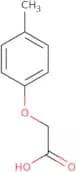
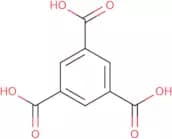

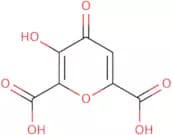
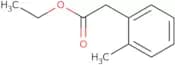
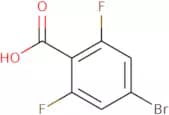

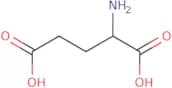
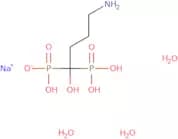
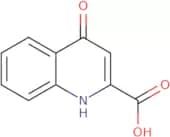
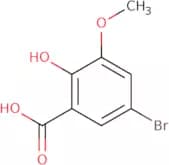
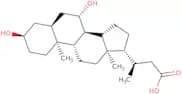
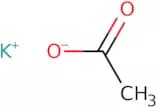
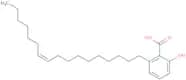
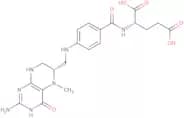


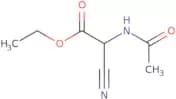
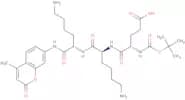
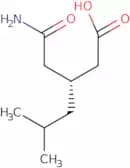
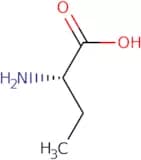
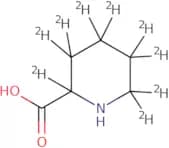
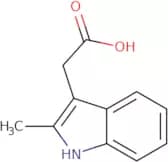
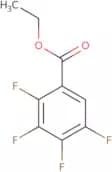
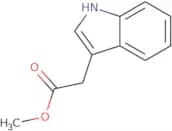
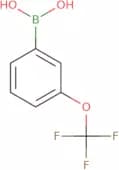
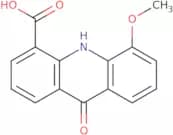
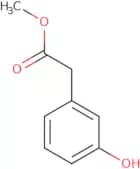
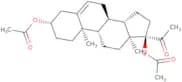
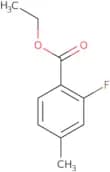
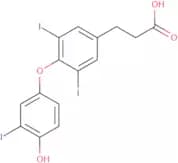
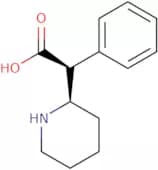
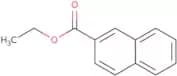
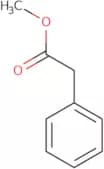
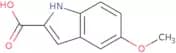
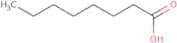
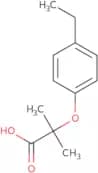
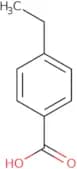
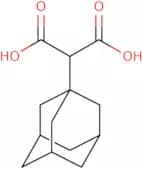
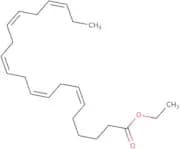
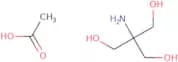
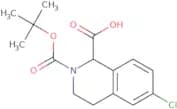
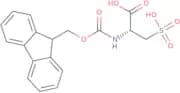
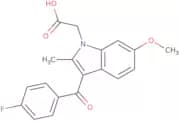
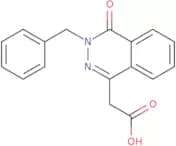
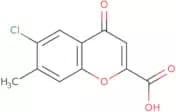
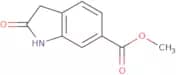
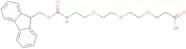
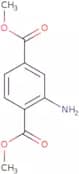
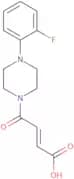
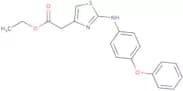
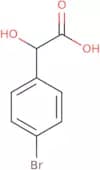
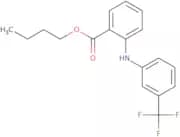
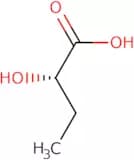

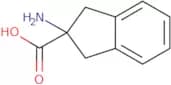
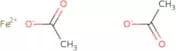
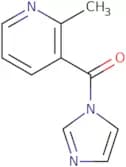
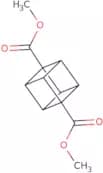
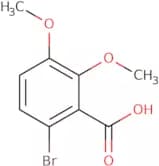
![5,6,7,8-Tetrahydro-[1,8]naphthyridine-2-carboxylic acid](/_next/image/?url=https%3A%2Fstatic.cymitquimica.com%2Fproducts%2F3D%2Fthumb-webp%2FFT56542.webp&w=3840&q=75)
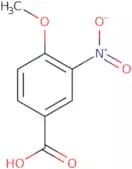
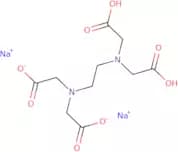
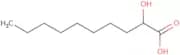
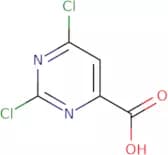
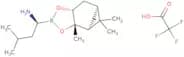
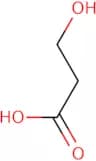
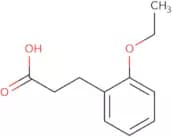
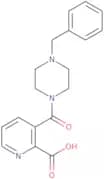
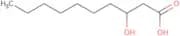
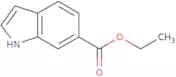
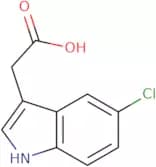

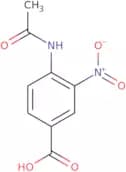
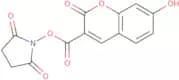

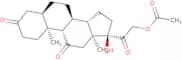
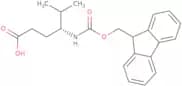
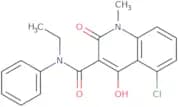
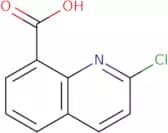
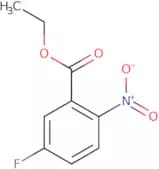
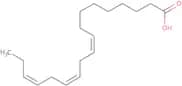
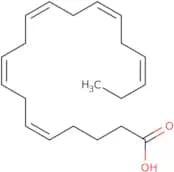
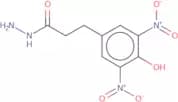
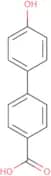
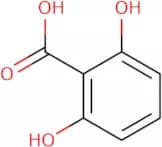
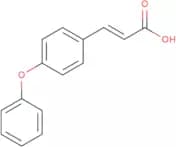
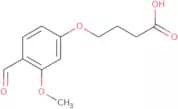
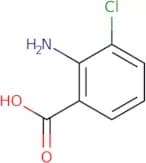
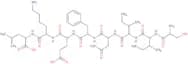
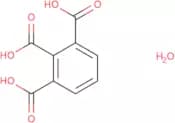
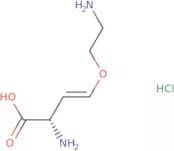
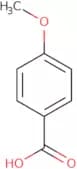
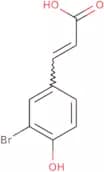
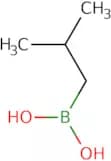

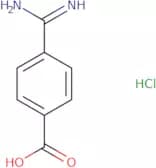
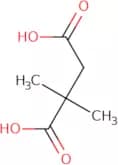
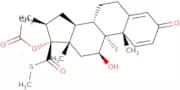
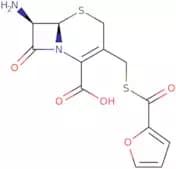
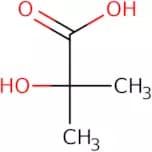
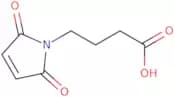
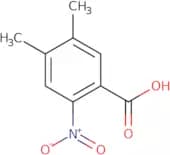
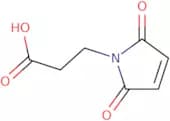
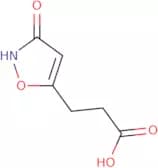
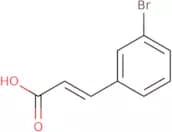
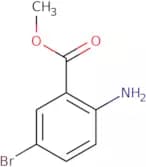
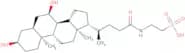
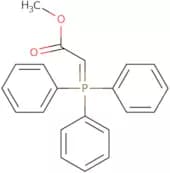

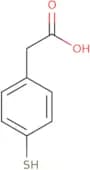
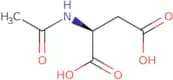
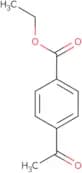
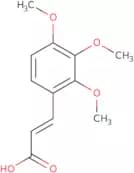

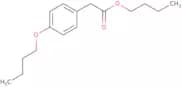
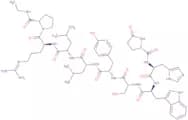
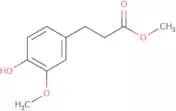
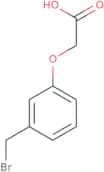
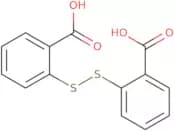
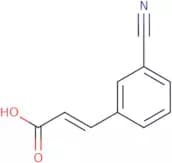
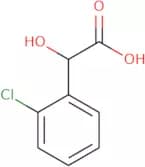
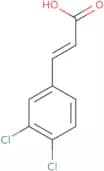
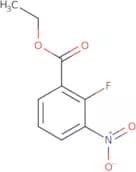
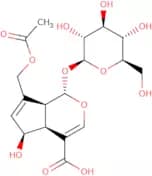
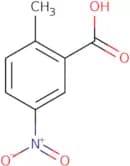
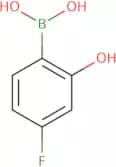
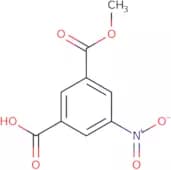
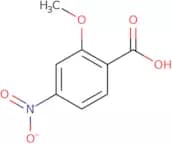
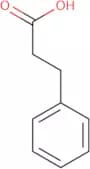
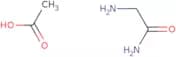

![4-Nitrobenzyl (4R,5R,6S)-3-[(diphenylphosphono)oxy]-6-[(R)-1-hydroxyethyl]-4-methyl-7-oxo-1-azabic…](/_next/image/?url=https%3A%2Fstatic.cymitquimica.com%2Fproducts%2F3D%2Fthumb-webp%2FFM140061.webp&w=3840&q=75)
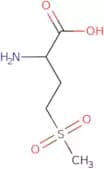

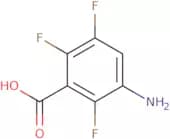
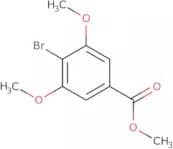
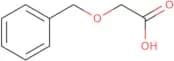
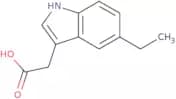
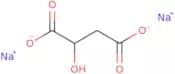

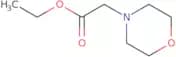
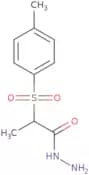

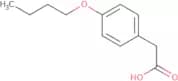
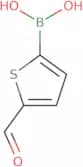
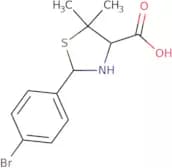
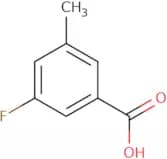
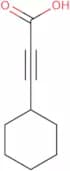
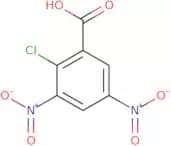
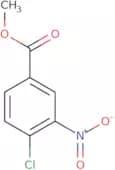
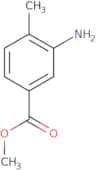
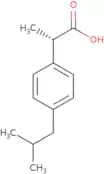
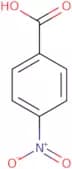
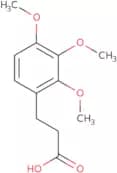
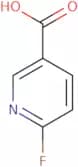
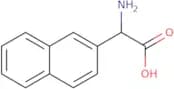
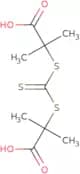
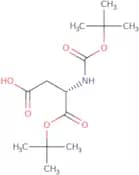
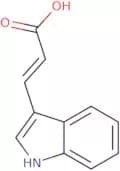
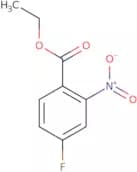
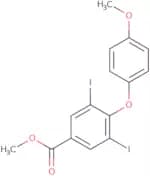
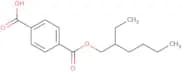
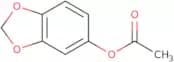
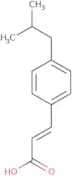
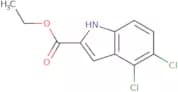
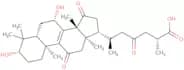
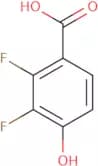
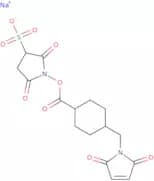
![Ethyl (1,3,6-trimethyl-2,4-dioxo-2,3,4,7-tetrahydro-1H-pyrrolo[2,3-d]pyrimidin-5-yl)acetate](/_next/image/?url=https%3A%2Fstatic.cymitquimica.com%2Fproducts%2F3D%2Fthumb-webp%2FFE128012.webp&w=3840&q=75)