Carboxylic Acids
Carboxylic acids are organic molecules characterized by having a carboxyl-type functional group (-COOH). These acids are fundamental in various chemical reactions, including esterification, amidation, and decarboxylation. Carboxylic acids are widely used in the production of pharmaceuticals, polymers, and agrochemicals. In this section, you can find a large number of carboxylic acids ready to be used. At CymitQuimica, we provide a broad range of high-quality carboxylic acids to support your research and industrial applications.
Found 12453 products of "Carboxylic Acids"
Sort by
Purity (%)
0
100
|
0
|
50
|
90
|
95
|
100
methyl 2,4-dichlorothiazole-5-carboxylate
CAS:Controlled Product<p>Applications methyl 2,4-dichlorothiazole-5-carboxylate (cas# 861708-66-9) is a useful research chemical.<br></p>Formula:C5H3NO2SCl2Color and Shape:NeatMolecular weight:212.052-(Methylamino)octanoic Acid
CAS:Controlled Product<p>Applications 2-(methylamino)octanoic acid (cas# 101080-67-5) is a useful research chemical.<br></p>Formula:C9H19NO2Color and Shape:NeatMolecular weight:173.25(1R,3R,4R,5R)-3,4,5-Trihydroxycyclohexane-1-carboxylic Acid
Controlled ProductFormula:C7H12O5Color and Shape:NeatMolecular weight:176.1678-chloro-2,3-dihydro-1,4-benzodioxine-5-carboxylic Acid
CAS:Controlled Product<p>Applications 8-chloro-2,3-dihydro-1,4-benzodioxine-5-carboxylic Acid (cas# 66411-24-3) is a useful research chemical.<br></p>Formula:C9H7O4ClColor and Shape:NeatMolecular weight:214.62,3,4,5-Tetrahydro-4-oxo-1,1-dioxide-1,5-benzothiazepine-3-acetic acid
CAS:Controlled ProductFormula:C11H11NO5SColor and Shape:NeatMolecular weight:269.2742,5-Dimethylterephthalic Acid
CAS:Controlled Product<p>Applications 2,5-Dimethylterephthalic acid<br></p>Formula:C19H18O6Color and Shape:NeatMolecular weight:342.3431-(2-Hydroxyphenyl)cyclopropane-1-carboxylic Acid
CAS:Controlled ProductFormula:C10H10O3Color and Shape:NeatMolecular weight:178.1852-Aminobenzenesulphonic Acid
CAS:Controlled Product<p>Applications 2-Aminobenzenesulphonic acid (cas# 88-21-1) is a useful research chemical.<br> Not a dangerous good if item is equal to or less than 1g/ml and there is less than 100g/ml in the package<br></p>Formula:C6H7NO3SColor and Shape:Light Brown SolidMolecular weight:173.19Methyl Methoxyacetate
CAS:Controlled Product<p>Applications Methyl Methoxyacetate is a reagent used in the synthesis of diphenylamine-terepthalaldehyde resins which maybe be used as a catalyst for tetrahydropyranylation.<br>References Tanemura, K. et al.: Org. Prep. Proc. Int., 48, 72 (2016); By: Robiette, R. et al.: J. Am. Chem. Soc., 138, 737 (2016);<br></p>Formula:C4H8O3Color and Shape:NeatMolecular weight:104.1tert-Butyl 2-((4S,6R)-6-(chloromethyl)-2,2-dimethyl-1,3-dioxan-4-yl)acetate
CAS:Controlled ProductFormula:C13H23ClO4Color and Shape:NeatMolecular weight:278.773-(4-Biphenyl)propionic Acid
CAS:Controlled Product<p>Applications 3-(4-Biphenyl)propionic Acid is a reactant in the preparation of 1,3,4-oxadiazole containing histone deacetylase inhibitors with anticancer activity.<br>References Valente, S., et. al.: J. Med. Chem., 57, 6259 (2014)<br></p>Formula:C24H34N4O5SColor and Shape:NeatMolecular weight:490.616Ethyl 2-(2,6-Dichlorophenyl)acetate
CAS:Controlled Product<p>Applications Ethyl 2-(2,6-Dichlorophenyl)acetate (cas# 90793-64-9) is a useful research chemical.<br></p>Formula:C10H10O2Cl2Color and Shape:NeatMolecular weight:233.091-Cyclopentenecarboxylic Acid
CAS:Controlled Product<p>Applications 1-Cyclopentenecarboxylic Acid can be used for enantioselective 1,3-dipolar cycloadditions of diazoacetates and solid-phase synthesis of substituted indolines. It can also be used to develop antagonists for A1- and A2-adenosine receptors.<br>References Sibi, M. P., et al.: Org Lett. 9, 1553 (2007); Nicolaou, K. C., et al.: J. Am. Chem. Soc. 122, 2966 (2000); Jacobson, K. A., et al.: Biochem. Pharmacol. 37, 3653 (1988)<br></p>Formula:C6H8O2Color and Shape:NeatMolecular weight:112.133-(Sulfamoylmethyl)benzoic Acid
CAS:Controlled ProductFormula:C8H9NO4SColor and Shape:NeatMolecular weight:215.226rac-trans-5-Hydroxy-1,3-oxathiolane-2-carboxylic Acid
CAS:Controlled Product<p>Stability Epimerize in solution<br>Applications 5-Hydroxy-1,3-oxathiolane-2-carboxylic Acid is used in the synthesis of potent antiviral agent (-)-2’-Deoxy-3’-thiacytidine and its enantiomer.<br>References Jin, H.L., et al.: J. Org. Chem., 60, 2621 (1995);<br></p>Formula:C4H6O4SColor and Shape:NeatMolecular weight:150.152-amino-6-hydroxybenzoic acid
CAS:Controlled Product<p>Applications 2-amino-6-hydroxybenzoic acid (cas# 567-62-4) is a useful research chemical.<br></p>Formula:C7H7NO3Color and Shape:NeatMolecular weight:153.142-Mercapto-succinic Acid diethyl ester
CAS:Controlled Product<p>Applications 2-Mercapto-succinic acid diethyl ester (cas# 23060-14-2) is a useful research chemical.<br></p>Formula:C8H14O4SColor and Shape:NeatMolecular weight:206.262,3-Dihydro-3-oxo-5-isothiazolecarboxylic Acid
CAS:Controlled ProductFormula:C4H3NO3SColor and Shape:NeatMolecular weight:145.14m-Tolylacetic acid
CAS:Controlled Product<p>Applications m-Tolylacetic acid is used as a reactant in the diastereoselective preparation of arylmethylene-isoindolinones.<br>References Anamimoghadam, Ommid, et al.: Beilstein J. of Org. Chem., 13, 2833-2841 (2017)<br></p>Formula:C9H10O2Color and Shape:NeatMolecular weight:150.172',3'-Dideoxy-5'-guanylic Acid
CAS:Controlled Product<p>Applications 2`,3`-Dideoxy-5`-guanylic Acid is a component used in pyrophosphorolysis activated polymerization applied to allele-specific amplification and nucleic acid sequence detection.<br>References Liu, Q.; et al.: PCT Int. Appl. 70 pp. Patent 2001 CODEN:PIXXD2<br></p>Formula:C10H14N5O6PColor and Shape:NeatMolecular weight:331.222tert-Butyl 2-(diethylphosphono)acetate
CAS:Controlled Product<p>Applications tert-Butyl 2-(diethylphosphono)acetate is a chemical reagent used in the synthesis of pharmaceuticals such as Clopidogrel (C587250), s prodrug anticoagulant.<br>References Shaw, S. et al.: J. Org. Chem., 80, 7019 (2015);<br></p>Formula:C10H21O5PColor and Shape:NeatMolecular weight:252.243-[Ethyl[(4-sulfophenyl)methyl]amino]benzenesulfonic Acid
CAS:Controlled ProductFormula:C15H17NO6S2Color and Shape:WhiteMolecular weight:371.4293-Carboxyheptanedioic Acid
CAS:Controlled ProductFormula:C8H12O6Color and Shape:NeatMolecular weight:204.177Chloroformic Acid Chloromethyl Ester
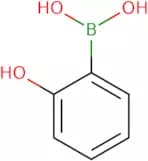
CAS:Controlled Product<p>Stability Very Very Moisture sensitive<br>Applications Chloroformic Acid Chloromethyl Ester is used as a reagent in the synthesis of carbamates and carbonates.<br> Not a dangerous good if item is equal to or less than 1g/ml and there is less than 100g/ml in the package<br>References Safadi, M. et al.: Pharm. Res. 10, 1350 (1993); Loren, J.C. et al.: Synlett, 18, 2847 (2005);<br></p>Formula:C2H2Cl2O2Color and Shape:Colourless OilyMolecular weight:128.942-Hydroxyphenylboronic acid
CAS:Controlled Product<p>Applications 2-Hydroxyphenylboronic acid<br></p>Formula:C6H7BO3Color and Shape:NeatMolecular weight:137.935-Formylfuran-2-boronic Acid Pinacol Ester
CAS:Controlled Product<p>Applications 5-Formylfuran-2-boronic Acid Pinacol Ester could be useful for the diastereoselective synthesis of cyclic peptide macrocycles via Petasis borono-Mannich reaction<br>References Yamaguchi, A., et al.: Chem. Commun. (Cambridge, U. K.), 55, 10567 (2019)<br></p>Formula:C11H15BO4Color and Shape:NeatMolecular weight:222.051,1-Dithiopyrophosphoric Acid
CAS:Controlled ProductFormula:H4O5P2S2Color and Shape:NeatMolecular weight:210.1065-Aminononane-5-carboxylic Acid
CAS:Controlled Product<p>Applications 5-Aminononane-5-carboxylic Acid is a reagent used in the synthesis of Fmoc-α-dialkylamino acids.<br>References Suresh B. et al.: Indian J. Chem. Section B: Chem. Inc. Med., 40B, 70 (2001);<br></p>Formula:C10H21NO2Color and Shape:NeatMolecular weight:187.279Ethyl 4-Oxo-5-hexanoic Acid Ester
CAS:Controlled Product<p>Applications Ethyl 4-Oxo-5-hexanoic Acid Ester is used in the synthesis of analogs of 5-aminolevulinic acid (ALA), which are potential inhibitors of ALA dehydratase (porphobilinogen synthase), an early enzyme of tetrapyrrole biosynthesis;Also, it is an intermediate of 4-Oxo-6-(2-oxo-5-vinylpyrrolidin-1-yl)hexanoic Acid (O858780), which is derived from Ethyl Succinoyl Chloride (E818230), which is used in the synthesis of bivalent ligands for D2/D3 dopamine receptors. Also used in the preparation of antimicrobial pyrrolo-isoquinolinones. Vigabatrin Impurity 2<br>References Appleton, D., et al.: J. Chem. Soc., Perkin Trans., 89-101 (1998); Gogoi, S. et al.: ACS Med. Chem. Lett., 3, 991 (2012)<br></p>Formula:C8H12O3Color and Shape:NeatMolecular weight:156.179tert-Butyl N-(Diaminomethylidene)carbamate
CAS:Controlled Product<p>Applications TERT-BUTYL N-(DIAMINOMETHYLIDENE)CARBAMATE (cas# 219511-71-4) is a useful research chemical.<br></p>Formula:C6H13N3O2Color and Shape:NeatMolecular weight:159.19Methacrylic Acid And Methyl Methacrylate Copolymer
CAS:Controlled Product<p>Applications Methacrylic Acid And Methyl Methacrylate Copolymer (cas# 25086-15-1) is a useful research chemical.<br></p>Formula:(C5H8O2)mon(C4H6O2)mon)coColor and Shape:NeatMolecular weight:186.21γ-Chlorocrotonic Acid (~90%)
CAS:Controlled Product<p>Applications GAMMA-CHLOROCROTONIC ACID (cas# 26340-58-9) is a useful research chemical.<br></p>Formula:C4H5O2ClPurity:~90%Color and Shape:NeatMolecular weight:120.535-(Aminomethyl)furan-2-carboxylic Acid Hydrochloride
CAS:Controlled Product<p>Applications 5-(Aminomethyl)furan-2-carboxylic Acid Hydrochloride is a useful reagent in the preparation of novel heteroaromatic substrates of GABA aminotransferase.<br>References Hawker, D. D., et al.: Bioorg. Med. Chem., 20, 5763 (2012)<br></p>Formula:C6H7NO3•HClColor and Shape:NeatMolecular weight:141.13 + (36.46)(R)-Benzyl (3-Oxo-1-(phenylthio)heptan-2-yl)carbamate
Controlled Product<p>Applications (R)-Benzyl (3-Oxo-1-(phenylthio)heptan-2-yl)carbamate is a derivative of N-Carbobenzyloxy-3-phenylthio-L-alanine (C176530) which is an intermediate in the synthesis of Nelfinavir.<br>References Kaldor, S., et al.: J. Med. Chem., 40, 3979 (1997),<br></p>Formula:C21H25NO3SColor and Shape:NeatMolecular weight:371.4932-Carboxyfuran-5-boronic acid, pinacol ester
CAS:Controlled Product<p>Applications 2-Carboxyfuran-5-boronic acid, pinacol ester<br></p>Formula:C11H15BO5Color and Shape:NeatMolecular weight:238.045Eicosanedioic Acid
CAS:Controlled Product<p>Applications Eicosanedioic Acid is an intermediate used to prepare haloperidol-based bivalent ligands targeting dopamine D2-like receptors.<br>References Salama, I., et al.; Bioorg. Med. Chem. Lett., 24, 3753 (2014)<br></p>Formula:C20H38O4Color and Shape:NeatMolecular weight:342.51Ethyl 2-Amino-1,3-thiazole-4-carboxylate
CAS:Controlled ProductFormula:C6H8N2O2SColor and Shape:NeatMolecular weight:172.2(1R,3S)-1,2,2,3-Tetramethylcyclopentane-1-carboxylic Acid
CAS:Controlled ProductFormula:C10H18O2Color and Shape:NeatMolecular weight:170.249α-[[(1,1-Dimethylethoxy)carbonyl]amino]-2-fluoro-4-hydroxybenzeneacetic Acid
CAS:Controlled ProductFormula:C13H16FNO5Color and Shape:NeatMolecular weight:285.27[(E)-2,4,6-trimethylnon-4-enyl]succinic Acid
Controlled ProductFormula:C16H28O4Color and Shape:NeatMolecular weight:284.3914-Hydroxy-3-sulfamoylbenzoic Acid
CAS:Controlled ProductFormula:C7H7NO5SColor and Shape:NeatMolecular weight:217.1994,5-Dimethoxy-1,2-benzenacetic Acid
CAS:Controlled ProductFormula:C10H12O4Color and Shape:NeatMolecular weight:196.25,6,7,8-tetrahydroquinazoline-6-carboxylic acid
CAS:Controlled Product<p>Applications 5,6,7,8-tetrahydroquinazoline-6-carboxylic acid (cas# 1369096-46-7) is a useful research chemical.<br></p>Formula:C9H10N2O2Color and Shape:NeatMolecular weight:178.192-Acetylthioisobutyric Acid
CAS:Controlled Product<p>Applications 2-Acetylthioisobutyric Acid (cas# 135937-96-1) is a compound useful in organic synthesis.<br>References Souers, A., et al.: Bioorg. Med. Chem. Lett., 8, 2297 (1998), Deaton, D., et al.: Bioorg. Med. Chem. Lett., 18, 732 (2008),<br></p>Formula:C6H10O3SColor and Shape:NeatMolecular weight:162.212-Carboxythiophene-4-boronic Acid Pinacol Ester
CAS:Controlled ProductFormula:C11H15BO4SColor and Shape:NeatMolecular weight:254.112,4-Diamino-5,6,7,8-tetrahydro-6-quinazolinecarboxylic Acid
CAS:Controlled ProductFormula:C9H12N4O2Color and Shape:NeatMolecular weight:208.2172,2-Dimethyl-3-(4-mercaptophenyl)propionic Acid
CAS:Controlled Product<p>Applications 2,2-Dimethyl-3-(4-mercaptophenyl)propionic Acid (cas# 887354-80-5) is a compound useful in organic synthesis.<br></p>Formula:C11H14O2SColor and Shape:NeatMolecular weight:210.29Trifluoromethanesulfonic Acid Magnesium Salt
CAS:Controlled Product<p>Applications Trifluoromethanesulfonic Acid Magnesium Salt is a strong acid that is used as a catalyst for esterification.<br> Not a dangerous good if item is equal to or less than 1g/ml and there is less than 100g/ml in the package<br>References Howells, R. D., et al.: Chemical Rev., 77, 69 (1977);<br></p>Formula:(CF3SO3)2MgColor and Shape:NeatMolecular weight:322.443,5-Dicyanophenylboronic Acid
CAS:Controlled ProductFormula:C8H5BN2O2Color and Shape:NeatMolecular weight:171.948Methyl Benzofuran-6-carboxylate
CAS:Controlled ProductFormula:C10H8O3Color and Shape:NeatMolecular weight:176.1692,2-Diethylhexanoic Acid
CAS:Controlled Product<p>Applications 2,2-Diethylhexanoic Acid is a pollutant that is found in anaerobic environment of river sediments,<br>References Chau, H., et al.: Appl. Biochem. Biotechnol., 70, 853 (1998); McInerney, M., et al.: Appl. Env. Microbiol., 41, 1029 (1981)<br></p>Formula:C10H20O2Purity:>90%Color and Shape:NeatMolecular weight:172.264-(tert-Butyl)benzenesulfonic Acid
CAS:Controlled ProductFormula:C10H14O3SColor and Shape:NeatMolecular weight:214.281Diethyl cis-1,2-Cyclopropanedicarboxylate
CAS:Controlled ProductFormula:C9H14O4Color and Shape:NeatMolecular weight:186.205tert-butyl 2-ethynylmorpholine-4-carboxylate
CAS:Controlled Product<p>Applications tert-butyl 2-ethynylmorpholine-4-carboxylate (cas# 1416229-07-6) is a useful research chemical.<br></p>Formula:C11H17NO3Color and Shape:NeatMolecular weight:211.258Methyl Diethylphosphonoacetate
CAS:Controlled Product<p>Applications Methyl Diethylphosphonoacetate (cas# 1067-74-9) is a useful research chemical.<br></p>Formula:C7H15O5PColor and Shape:NeatMolecular weight:210.16tert-Butyl Diazoacetate, 85%
CAS:Controlled Product<p>Applications An intermediate in the production of Zolpidem metabolites<br> Not a dangerous good if item is equal to or less than 1g/ml and there is less than 100g/ml in the package<br>References Klupsch, F., et al.: Chem. Pharm. Bull., 54, 1318 (2006), Epple, R., et al.: Bioorg. Med. Chem. Lett., 16, 5488 (2006),<br></p>Formula:C6H10N2O2Purity:85%Color and Shape:NeatMolecular weight:142.16Benzo[b]thien-3-ylboronic Acid
CAS:Controlled Product<p>Applications Benzo[b]thien-3-ylboronic acid is used in the synthesis and evaluation of dual wavelength fluorescent benzo[b]thiophene boronic acid derivatives for sugar/glycoprotein sensing.<br>References Akay, S., et al.: Chem. Biol. Drug Des., 70, 279 (2007)<br></p>Formula:C8H7BO2SColor and Shape:NeatMolecular weight:178.02Methyl (3α,5β,6α)-3-(Acetyloxy)-6-bromo-7-oxo-cholan-24-oic Acid Ester
CAS:Controlled Product<p>Applications Methyl (3α,5β,6α)-3-(Acetyloxy)-6-bromo-7-oxo-cholan-24-oic Acid Ester is an intermediate used in the synthesis of ω-Muricholic Acid (M732760), which is used in the regulation of weight gain and lipid metabolism by bacterial bile acid modification in gut for the control of obesity and hypercholesterolemia.<br>References Joyce, Susan A., et al.: Proc. Natl. Acad. Sci. USA, 111, 7421 (2014)<br></p>Formula:C27H41BrO5Color and Shape:NeatMolecular weight:525.5154-(2-Formylamino-phenyl)-4-oxo-butyric Acid
CAS:Controlled ProductFormula:C11H11NO4Color and Shape:NeatMolecular weight:221.209tert-Butyl N-(2-Isocyanatoethyl)carbamate, Technical Grade
CAS:Controlled ProductFormula:C8H14N2O3Color and Shape:NeatMolecular weight:186.2083-Acetylphenylboronic acid
CAS:Controlled Product<p>Applications 3-Acetylphenylboronic acid<br></p>Formula:C8H9BO3Color and Shape:NeatMolecular weight:163.974-Hydroxy-3-nitro-5-sulfamoylbenzoic acid
CAS:Controlled ProductFormula:C7H6N2O7SColor and Shape:NeatMolecular weight:262.1972,3-Dimethylphenylacetic Acid
CAS:Controlled Product<p>Applications 2,3-Dimethylphenylacetic Acid (cas# 30981-98-7) is a compound useful in organic synthesis.<br></p>Formula:C10H12O2Color and Shape:NeatMolecular weight:164.2Dimethyl-1,3-acetonedicarboxylate
CAS:Controlled Product<p>Applications Dimethyl-1,3-acetonedicarboxylate is used in the preparation of optically active lycorane. It has also been substituted into bispidone derivatives for their use as ligands in PET imaging.<br>References Yoshizaki, H. et al.: J. Org. Chem., 60, 2016 (1995); Legdali, T. et al.: J. Org. Chem., 77, 11167 (2012);<br></p>Formula:C7H10O5Color and Shape:NeatMolecular weight:174.154-(tert-Butylthio)phenylboronic Acid
CAS:Controlled ProductFormula:C10H15BO2SColor and Shape:NeatMolecular weight:210.101trans-4,4-Dimethylpent-2-enoic Acid
CAS:Controlled ProductFormula:C7H12O2Color and Shape:NeatMolecular weight:128.1692-(bis(2-(tert-Butoxy)-2-oxoethyl)amino)acetic Acid
CAS:Controlled Product<p>Applications 2-(bis(2-(tert-butoxy)-2-oxoethyl)amino)acetic acid (cas# 171557-31-6) is a useful research chemical.<br></p>Formula:C14H25NO6Color and Shape:NeatMolecular weight:303.355-(2-Aminoethyl)dithio-2-nitrobenzoic Acid
CAS:Controlled Product<p>Applications A more base-stable alternative to Ellman’s reagent for the quantification of thiol contents and enzymatic assays under basic pH conditions. . It reacts with free thiols similar to Ellman’s reagent but has dramatically improved stability under alkaline conditions, making it an excellent alternative to Ellman’s reagent.<br>References Zhang, H., et al.: Bioorg. Chem., 26, 356 (1998), Chen, Y., et al.: Biochem., 43, 11491 (2004),<br></p>Formula:C9H10N2O4S2Color and Shape:NeatMolecular weight:274.32(2S,4S)-(-)-Azetidine-2,4-dicarboxylic Acid
CAS:Controlled ProductFormula:C5H7NO4Color and Shape:NeatMolecular weight:145.113Methyl 4-methylthiazole-5-carboxylate
CAS:<p>Methyl 4-methylthiazole-5-carboxylate (MTMC) is a compound with high chemical and biological activity. MTMC has been shown to inhibit the growth of S. aureus, and also exhibits cytotoxic effects on human cancer A549 cells in vitro. MTMC has been shown to be active against HIV in cell culture and also inhibits the replication of influenza virus. MTMC has significant activity against cancer, and is also effective against immunodeficiencies that are due to viral infection. It can be synthesized by a high-yielding process involving the reaction of methyl 4-nitrobenzoate with thiourea in an organic solvent under reflux conditions. The crystal structure of MTMC was determined by X-ray diffraction methods, revealing that it is centrosymmetric with four molecules present in the asymmetric unit.</p>Purity:Min. 95%Boc-L-aspartic acid a-9-fluorenylmethyl ester
CAS:<p>Boc-L-aspartic acid a-9-fluorenylmethyl ester is a synthetic compound that mimics the structure of acetylcholine. It has been shown to be an efficient method for generating pseudopeptides and cyclic peptides. This compound may be used as a surrogate for acetylcholine in virus research, since it can bind to the same receptor. Boc-L-aspartic acid a-9-fluorenylmethyl ester has also been used to generate monoclonal antibodies that are neutralizing against foot-and-mouth disease viruses.</p>Formula:C23H25NO6Purity:Min. 97 Area-%Molecular weight:411.45 g/mol2-(Bromomethyl)acrylic acid
CAS:<p>2-(Bromomethyl)acrylic acid is a monomer that has been synthesized from bromoacetic acid and acrylic acid. It is an efficient method for the synthesis of 2-bromoethyl acrylate, which can be used as a precursor for polyurethanes and other polymers. The 2-bromoethyl acrylate can be obtained through allylation with ethylene glycol, followed by hydrolysis to produce acrylic acid. This monomer reacts with free hydroxyl groups to form esters and ethers. It also reacts with nitrogen atoms to form amides or nitriles. Cell culture studies have shown that this compound has no toxic effects on human erythrocytes or hepatocytes.</p>Formula:C4H5BrO2Purity:Min. 95%Color and Shape:PowderMolecular weight:164.99 g/molMethyl 4-chloroacetoacetate
CAS:<p>Methyl 4-chloroacetoacetate is a neutral compound that reacts with hydrochloric acid to produce a salt, chloromethyl acetate. The reaction solution is then heated to evaporate the water and produce an organic solution. This reaction produces a molecular model of the compound, which has potent antibacterial activity against gram-positive and gram-negative bacteria.</p>Formula:C5H7ClO3Purity:Min. 95%Color and Shape:Clear LiquidMolecular weight:150.56 g/mol2-Bromo-5,6-dihydro-8h-imidazo[1,2-a]pyrazine-7-carboxylic acid tert-butyl ester
CAS:<p>Please enquire for more information about 2-Bromo-5,6-dihydro-8h-imidazo[1,2-a]pyrazine-7-carboxylic acid tert-butyl ester including the price, delivery time and more detailed product information at the technical inquiry form on this page</p>Formula:C11H16BrN3O2Purity:Min. 95%Molecular weight:302.17 g/mol8-Ethyl-1,3,4,9-tetrahydro-1-(1-methylethyl)pyrano[3,4-b]indole-1-acetic acid
CAS:<p>Please enquire for more information about 8-Ethyl-1,3,4,9-tetrahydro-1-(1-methylethyl)pyrano[3,4-b]indole-1-acetic acid including the price, delivery time and more detailed product information at the technical inquiry form on this page</p>Formula:C18H23NO3Purity:Min. 95%Color and Shape:SolidMolecular weight:301.38 g/molD-Lactic acid lithium
CAS:<p>D(+)-Lactic acid lithium salt is a dipolar molecule with an activation energy of about 44 kJ/mol. It has been studied by NMR techniques and found to have a resonance in the range of 1.8-2.0 ppm, which is characteristic of protons on the oxygen atom. The proton magnetic resonance (PMR) study showed that the d-lactate resonances were very broad and shifted to higher frequencies, whereas the l-lactate resonances were sharp and shifted to lower frequencies. This may be due to the different number of protons on each type of lactate molecule. The magnetic resonance (NMR) study showed that lithium salt was a radical with a spin density distribution around 2.6 ppm in the nmr spectrum.</p>Formula:C3H6O3•LiPurity:Min. 95%Color and Shape:PowderMolecular weight:97.02 g/mol1-Boc-4-aminopiperidine-4-carboxylic acid
CAS:<p>Please enquire for more information about 1-Boc-4-aminopiperidine-4-carboxylic acid including the price, delivery time and more detailed product information at the technical inquiry form on this page</p>Formula:C11H20N2O4Purity:Min. 95%Color and Shape:White To Beige SolidMolecular weight:244.29 g/mol4-Chloroquinoline-6-carboxylicacid
CAS:<p>Please enquire for more information about 4-Chloroquinoline-6-carboxylicacid including the price, delivery time and more detailed product information at the technical inquiry form on this page</p>Formula:C10H6ClNO2Purity:Min. 95%Molecular weight:207.61 g/molCacodylic acid
CAS:<p>Cacodylic acid is a white to brown crystalline powder that is soluble in water. It has been used as an analytical reagent, polymerase chain reaction (PCR) inhibitor, and skin cancer treatment. Cacodylic acid inhibits the activity of the bacterial enzyme activities in humans and other mammals. The mechanism of action of cacodylic acid is not completely understood but it appears that it binds to inorganic iron and blocks its availability for use by bacterial enzymes such as dihydropteroate synthase, which is required for DNA synthesis. This leads to cell death. Cacodylic acid has also been shown to inhibit the growth of human HL-60 cells in vitro, suggesting that it may have carcinogenic potential.</p>Formula:C2H7AsO2Purity:Min. 95%Color and Shape:PowderMolecular weight:138 g/mol17-Methylestra-3,5-diene-3,17b-diol diacetate
CAS:Controlled Product<p>Please enquire for more information about 17-Methylestra-3,5-diene-3,17b-diol diacetate including the price, delivery time and more detailed product information at the technical inquiry form on this page</p>Formula:C23H32O4Purity:Min. 95%Molecular weight:372.5 g/mol(R)-3-Amino-4-(2,4,5-trifluorophenyl)butanoic acid hydrochloride
CAS:<p>Please enquire for more information about (R)-3-Amino-4-(2,4,5-trifluorophenyl)butanoic acid hydrochloride including the price, delivery time and more detailed product information at the technical inquiry form on this page</p>Formula:C10H10F3NO2·HClPurity:Min. 95%Molecular weight:269.65 g/mol2-(Benzofuran-2-yl)acetic acid
CAS:<p>2-(Benzofuran-2-yl)acetic acid is a glp-1 analogue that has been shown to inhibit fatty acid synthesis in the test tube. It has also shown an inhibitory effect on cardiac arrhythmia and chloride ion channel activity, which may be due to the dipole nature of its structure. 2-(Benzofuran-2-yl)acetic acid is not active against microbial infections. The chemical compound is a tautomer of 2-[(benzofuran-2-yl)amino]acetic acid.</p>Purity:Min. 95%Ethyl 2-(2-Amino-4-thiazolyl)-2-(hydroxyimino)acetate
CAS:<p>Ethyl 2-(2-amino-4-thiazolyl)-2-(hydroxyimino)acetate is a phosphomolybdate antibiotic that is used in the treatment of respiratory tract infections. It binds to the bacterial enzyme, phosphomolybdate oxidase, and inhibits the formation of acid in the body. The reaction solution is recycled and activated with an acid catalyst to increase the yield of acetonitrile. The ion-pair formed by ethyl 2-(2-amino-4-thiazolyl)-2-(hydroxyimino)acetate and sodium carbonate is nucleophilic and reacts with nitrous to produce acetonitrile as a side product.</p>Formula:C7H9N3O3SPurity:Min. 95%Molecular weight:215.23 g/moltert-Butyl 2-(2-chloroethoxy)acetate
CAS:<p>Please enquire for more information about tert-Butyl 2-(2-chloroethoxy)acetate including the price, delivery time and more detailed product information at the technical inquiry form on this page</p>Formula:C8H15ClO3Purity:Min. 95%Color and Shape:Clear, colourless liquid.Molecular weight:194.66 g/mol3,5-di-tert-Butyl-4-hydroxyphenylacetic acid
CAS:<p>3,5-Di-tert-butyl-4-hydroxyphenylacetic acid (BHT) is an antiaging agent that has been used in food packaging and cosmetics. BHT is a functionalized triethoxysilane with phenyl groups attached to the silicon atoms. BHT is an antioxidant that protects against lipid peroxidation and prevents the formation of free radicals by reacting with peroxy radicals. It has been shown to have a protective effect on skin cells when applied topically. BHT also has protective effects against environmental stressors such as UV radiation, ozone, and cigarette smoke.</p>Formula:C16H23O3Purity:Min. 95%Molecular weight:263.36 g/molL-(2S,3aS,7aS)-Octahydro-1H-indole-2-carboxylic acid benzyl ester tosylate salt
CAS:<p>Please enquire for more information about L-(2S,3aS,7aS)-Octahydro-1H-indole-2-carboxylic acid benzyl ester tosylate salt including the price, delivery time and more detailed product information at the technical inquiry form on this page</p>Formula:C23H29NO5SPurity:Min. 95%Molecular weight:431.55 g/mol2-Methyl-4-chlorophenoxyacetic acid
CAS:<p>2-Methyl-4-chlorophenoxyacetic acid is a sodium salt of 2-methyl-4-chlorophenoxyacetic acid. It is a herbicide that inhibits photosynthesis by disrupting the electron transport chain in chloroplasts. The hydroxyl group on the phenoxy ring is responsible for its herbicidal activity. 2-Methyl-4-chlorophenoxyacetic acid has been shown to cause significant cell death in tissue culture, which may be due to its ability to inhibit enzymes such as acetylcholinesterase, phosphodiesterase, and carboxypeptidase A2. This chemical also has carcinogenic potential, but no toxicological studies have been conducted in humans or animals.</p>Formula:C9H9ClO3Purity:Min. 95%Molecular weight:200.62 g/molDiethyl 1-[2-(1H-indol-3-yl)ethyl]-2,5-dimethyl-1H-pyrrole-3,4-dicarboxylate
CAS:Controlled Product<p>Please enquire for more information about Diethyl 1-[2-(1H-indol-3-yl)ethyl]-2,5-dimethyl-1H-pyrrole-3,4-dicarboxylate including the price, delivery time and more detailed product information at the technical inquiry form on this page</p>Formula:C22H26N2O4Purity:Min. 95%Molecular weight:382.45 g/mol(2,4-Dimethylphenyl)boronic acid
CAS:<p>(2,4-Dimethylphenyl)boronic acid is an arylboronic acid that is used in organic synthesis. The boron atom of the 2,4-dimethylphenyl group coordinates with the metal atom in the catalyst to form a stable complex. This allows for a multilayer reaction and fluorescence to occur. The activated fluorine atoms can be used to boost the reaction by adding them to the substrate and increasing the rate of oxidation. Astragalus membranaceus and rapeseed extracts have been shown to increase the rate of oxidation as well as inhibiting the formation of disaccharides. These extracts also have shown anti-inflammatory effects when tested on rats. (2,4-Dimethylphenyl)boronic acid has also been found to interact with dihydroisoquinolines, which are compounds that are structurally similar to morphine and codeine.</p>Formula:C8H11BO2Purity:Min. 95%Molecular weight:149.98 g/mol(3a,5b,12a)-3,12-Dihydroxy-7-oxocholan-24-oic acid methyl ester
CAS:Controlled Product<p>(3a,5b,12a)-3,12-Dihydroxy-7-oxocholan-24-oic acid methyl ester is an organic compound that belongs to the family of bile acids. It is synthesized in the liver by a series of reactions involving the conversion of cholesterol. The synthesis of this compound has been studied by x-ray analysis on single crystals and by various electron diffraction methods. This study revealed that the molecule is electron deficient and binds well to chloroform. (3a,5b,12a)-3,12-Dihydroxy-7-oxocholan-24-oic acid methyl ester has also been shown to have a constant molecular weight with a molecular formula of C37H64O4.</p>Formula:C25H40O5Purity:Min. 95%Molecular weight:420.58 g/mol1,3-Dihydroxy-2-naphthoic acid
CAS:<p>1,3-Dihydroxy-2-naphthoic acid is an organic compound that belongs to the binaphthyls. It is a white solid that can be obtained by reacting naphthalene with inorganic phosphite in the presence of acidic potassium carbonate. This reaction system produces 1,3-dihydroxy-2-naphthoic acid and potassium biphosphite as byproducts. The reaction time depends on the concentration of reactants. 1,3-Dihydroxy-2-naphthoic acid has acidic properties and can be used as a catalyst for chemical reactions involving carboxylic compounds. This compound has been shown to be effective at treating abdominal pain caused by intestinal inflammation or infection with a carbon source such as carbohydrates (e.g., glucose) or fats (e.g., oleic acid).</p>Formula:C11H8O4Purity:Min. 95%Molecular weight:204.18 g/mol16-Deacetyl fusidic acid sodium salt
CAS:Controlled Product<p>Please enquire for more information about 16-Deacetyl fusidic acid sodium salt including the price, delivery time and more detailed product information at the technical inquiry form on this page</p>Formula:C29H45NaO5Purity:Min. 95%Molecular weight:496.65 g/molMethyl (2S)-2-methylpyrrolidine-2-carboxylate hydrochloride
CAS:<p>Please enquire for more information about Methyl (2S)-2-methylpyrrolidine-2-carboxylate hydrochloride including the price, delivery time and more detailed product information at the technical inquiry form on this page</p>Formula:C7H13NO2•HClPurity:Min. 95%Molecular weight:179.64 g/moltert-Butyl 4,7-diazaspiro[2.5]octane-7-carboxylate
CAS:<p>Please enquire for more information about tert-Butyl 4,7-diazaspiro[2.5]octane-7-carboxylate including the price, delivery time and more detailed product information at the technical inquiry form on this page</p>Purity:Min. 95%Deoxycholic acid-D4
CAS:Controlled Product<p>Deoxycholic acid-D4 is a bile acid that is produced by the liver. It has been shown to be an indicator of insulin resistance in women with breast cancer. Deoxycholic acid-D4 has also been found to have significant interactions with other drugs, such as phenytoin, carbamazepine, and penicillin. The concentration of deoxycholic acid-D4 in the serum may be reduced by taking these drugs. This drug has a detection time of 3 hours and can be detected by liquid chromatography. Deoxycholic acid-D4 is metabolized through the human metabolism pathway, which includes dietary and logistic regression models.</p>Formula:C24H36D4O4Purity:Min. 95%Molecular weight:396.6 g/molAluminum diacetate hydroxide
CAS:<p>Aluminum diacetate hydroxide is a white powder that is soluble in water. It is used as a laser ablation material and can be used to seal chemical reactions. Aluminum diacetate hydroxide also functions as a gas sensor, with its sensitivity to aromatic hydrocarbons and fatty acids. This compound has clinical use in detergent compositions, where it prevents the formation of foam.</p>Formula:C4H7AlO5Purity:Min. 28%Color and Shape:PowderMolecular weight:162.08 g/molb-Glycerophosphoric acid disodium salt tetrahydrate
CAS:<p>Glycerolipid metabolism component</p>Formula:C3H7O6P·2Na·4H2OPurity:Min. 95%Molecular weight:288.1 g/molrac-cis despropionyl mefentanyl N-trifluoroacetate
CAS:Controlled Product<p>Please enquire for more information about rac-cis despropionyl mefentanyl N-trifluoroacetate including the price, delivery time and more detailed product information at the technical inquiry form on this page</p>Formula:C22H25F3N2OPurity:Min. 95%Molecular weight:390.44 g/mol3-Keto-7a,12a-dihydroxy-5a-cholanic acid
CAS:Controlled Product<p>3-Keto-7a,12a-dihydroxy-5a-cholanic acid is a steroid hormone that is synthesized from cholesterol. It is one of the major hormones involved in the regulation of the menstrual cycle and ovulation. The levels of this hormone increase during ovulation, with maximal concentration occurring at midcycle. 3-Keto-7a,12a-dihydroxy-5a-cholanic acid is converted by enzymes into estradiol and testosterone. 3-Keto-7a,12a-dihydroxy-5a-cholanic acid may also be involved in regulating peptide hormones and pheromones.</p>Formula:C24H38O5Purity:Min. 95%Molecular weight:406.56 g/mol1-tert-Butyl 3-methyl pyrrolidine-1,3-dicarboxylate
CAS:<p>Please enquire for more information about 1-tert-Butyl 3-methyl pyrrolidine-1,3-dicarboxylate including the price, delivery time and more detailed product information at the technical inquiry form on this page</p>Formula:C11H19NO4Purity:Min. 95%Molecular weight:229.27 g/molL-Aspartic acid α-tert-butyl ester
CAS:<p>L-Aspartic acid alpha-tert-butyl ester is a synthetic amino acid that can be used as a substrate for the synthesis of L-cysteine in the presence of selenomethionine. This compound is an auxotroph and cannot be synthesized by the body, so it must be obtained through diet or supplementation. It has been shown to have anti-cancer properties, which may be due to its role in regulating cell proliferation, apoptosis, and angiogenesis. L-Aspartic acid alpha-tert-butyl ester may also inhibit colon cancer cells by preventing them from recycling proteins. This compound was shown to inhibit HCT116 human colon cancer cells in both experimentally and computationally studies. Additionally, this molecule was seen to induce tumor regression in mice with colitis by inhibiting eukaryotic protein synthesis. This inhibition was found to be mediated through a trifluoromethyl group on the molecule's</p>Formula:C8H15NO4Purity:Min. 95%Color and Shape:PowderMolecular weight:189.21 g/molBoc-tranexamic acid
CAS:<p>Tranexamic acid is a non-protein amino acid that is used to reduce the risk of blood loss in surgical procedures. It is an inhibitor of plasmin, which is an enzyme that breaks down clots and fibrin. Tranexamic acid binds to the active site of plasmin and blocks its activity, preventing the breakdown of fibrin clots. Tranexamic acid has been shown to be selective for plasmin, as other enzymes such as urokinase are not blocked by this drug. The picolyl group on tranexamic acid interacts with the benzyl group on plasmin and this interaction may be responsible for the selectivity of tranexamic acid for plasmin over other enzymes.</p>Purity:Min. 95%4-(Ethoxycarbonyl)phenylboronic acid
CAS:<p>4-(Ethoxycarbonyl)phenylboronic acid is a potential use for picric acid detection. It has been shown to be a chemosensor with an electrochemical impedance spectroscopy response that is sensitive to chloride ions. 4-(Ethoxycarbonyl)phenylboronic acid can be used as a linker in multigram-scale synthesis of aryl halides, and its reaction mechanism has been elucidated by crystal x-ray diffraction. The synthesis of this compound is scalable and involves the formation of an apical carboxylate from ethoxycarbonyl phenyl boronic acid and an aryl halide.</p>Formula:C9H11BO4Purity:Min. 95%Color and Shape:PowderMolecular weight:193.99 g/molLys-Bradykinin acetate salt
CAS:<p>Lys-Bradykinin is a peptide that is a member of the group of kinins. It has been shown to be effective at inhibiting the activity of kallikrein, which is an enzyme that converts kininogen to bradykinin. This inhibition lowers the levels of bradykinin in the blood and may be used as a diagnostic tool for identifying diseases such as congestive heart failure, pulmonary edema, and acute renal failure. Lys-Bradykinin can also be used as a model system for studying kinins and their biological effects on various systems. For example, it has been shown to have natriuretic properties in humans by increasing levels of erythropoietin and ANP.</p>Formula:C56H85N17O12Purity:Min. 95%Molecular weight:1,188.38 g/mol(1S,3S)-Methyl 3-aminocyclobutane carboxylate hydrochloride
CAS:<p>Please enquire for more information about (1S,3S)-Methyl 3-aminocyclobutane carboxylate hydrochloride including the price, delivery time and more detailed product information at the technical inquiry form on this page</p>Formula:C6H12ClNO2Purity:Min. 95%Molecular weight:165.62 g/moltert-Butyl 4-(2-oxo-2,4-dihydro-1H-benzo[d][1,3]oxazin-1-yl)piperidine-1-carboxylate
CAS:Controlled Product<p>Please enquire for more information about tert-Butyl 4-(2-oxo-2,4-dihydro-1H-benzo[d][1,3]oxazin-1-yl)piperidine-1-carboxylate including the price, delivery time and more detailed product information at the technical inquiry form on this page</p>Purity:Min. 95%4-(2-Oxopyrrolidin-1-yl)benzoic acid
CAS:<p>4-(2-Oxopyrrolidin-1-yl)benzoic acid (4-OPBA) is a hydrogen bonding inhibitor that is used to study the interactions of cavity proteins. It has shown to interact with glutathione and prostaglandin D2, which are important for hematopoietic and inflammatory responses. 4-OPBA has been observed to bind with a water molecule in the cavity, which may explain its affinity for these molecular targets. The crystal structure of 4-OPBA shows that it forms an interaction with two water molecules and one other molecule in the cavity. This may be due to its ability to form hydrogen bonds with both water molecules as well as the molecule in the cavity.</p>Formula:C11H11NO3Purity:Min. 95%Molecular weight:205.21 g/molD-Glyceric acid calcium dihydrate
CAS:<p>Please enquire for more information about D-Glyceric acid calcium dihydrate including the price, delivery time and more detailed product information at the technical inquiry form on this page</p>Formula:C3H6O4•Ca0•H2OPurity:Min. 95%Molecular weight:288.26 g/molEthylcyclobutanecarboxylate
CAS:<p>Ethylcyclobutanecarboxylate is an organic compound that is used as a drug for the treatment of cancer. It has been shown to inhibit cholesterol ester transfer and has been used in the treatment of pancreatitis, autoimmune diseases, dyslipoproteinemia, and inflammatory diseases. This drug has been shown to reduce insulin resistance and can be used as a treatment for diabetes-associated complications. Ethylcyclobutanecarboxylate is also metabolized into a pharmacologically active form by cb2 receptor. The biological samples that have been studied include plasma and urine; however, it can also be detected in other types of tissue such as brain, stomach, and kidney.</p>Formula:C7H12O2Purity:Min. 95%Molecular weight:128.17 g/molMethyl 5-oxopyrrolidine-3-carboxylate
CAS:<p>Methyl 5-oxopyrrolidine-3-carboxylate is a nonsteroidal anti-inflammatory drug that reduces the production of pro-inflammatory cytokines. It binds to COX-2 and prevents the production of prostaglandins, which are involved in the inflammatory process. Methyl 5-oxopyrrolidine-3-carboxylate has been shown to inhibit mouse hippocampal cells and human THP1 cells, which are important in inflammation. This drug also interacts with other proteins and can be localized to mitochondria membrane potentials. Methyl 5-oxopyrrolidine-3-carboxylate has the potential for use as an anti-inflammatory agent for cellular localization in mitochondria membrane potentials.</p>Formula:C6H9NO3Purity:Min. 95%Molecular weight:143.14 g/molTimapiprant
CAS:Controlled Product<p>Timapiprant is an amide that acts as a selective inhibitor of the prostanoid receptor CRTH2, which is involved in regulating the inflammatory response. Timapiprant inhibits skin eosinophilia, which is associated with inflammatory skin diseases such as atopic dermatitis and psoriasis. It has been shown to be safe in clinical trials and has a good safety profile. The drug's mechanism of action may be due to its ability to inhibit the production of IL-4 and IL-13 by Th2 cells and its ability to inhibit lung function. Timapiprant has shown efficacy in treating allergic rhinitis, asthma, chronic obstructive pulmonary disease, erythema multiforme, pyoderma gangrenosum, and other types of inflammatory skin diseases.</p>Formula:C21H17FN2O2Purity:Min. 95%Molecular weight:348.37 g/molα,α-Difluorophenylacetic acid
CAS:<p>Please enquire for more information about alpha,alpha-Difluorophenylacetic acid including the price, delivery time and more detailed product information at the technical inquiry form on this page</p>Formula:C8H6F2O2Purity:Min. 95%Molecular weight:172.13 g/mol5-Hydroxyisophthalic acid
CAS:<p>5-Hydroxyisophthalic acid is a dicarboxylic acid that has one hydroxyl group. It is an odorless, colorless solid that is soluble in water and ether. 5-Hydroxyisophthalic acid has been found to be a good thermal expansion agent for polypropylene and polyethylene, due to its intermolecular hydrogen bonding ability. This compound also has the ability to form diphenyl ethers with carboxylates, which are used as stabilizers in PVC. 5-Hydoxyisophthalic acid is not very reactive and can be used as a neutral pH stabilizer in alkaline solutions. Hydrogen bonds between 5-hydroxyisophthalic acid molecules allow it to form complexes with sodium salts, such as sodium thiosulfate or sodium nitrite. The coordination geometry of the molecule also allows for hydrogen bonding interactions with other neutral molecules, such as p-hydroxybenzoic acid</p>Formula:C8H6O5Purity:Min. 95%Molecular weight:182.13 g/mol1-(tert-Butoxycarbonyl)-4-methylpiperidine-4-carboxylic acid
CAS:<p>Please enquire for more information about 1-(tert-Butoxycarbonyl)-4-methylpiperidine-4-carboxylic acid including the price, delivery time and more detailed product information at the technical inquiry form on this page</p>Formula:C12H21NO4Purity:Min. 95%Molecular weight:243.3 g/mol4-amino[1,1'-biphenyl]-3-carboxylic acid
CAS:<p>Please enquire for more information about 4-amino[1,1'-biphenyl]-3-carboxylic acid including the price, delivery time and more detailed product information at the technical inquiry form on this page</p>Formula:C13H11O2NPurity:Min. 95%Molecular weight:213.23 g/molEthyl mercaptoacetate
CAS:<p>Ethyl mercaptoacetate (EM) is a metabolite of ethyl diazoacetate (EDA) that reacts with nucleophilic groups such as hydroxyl, amino, and thiol groups. It binds to the receptor binding sites of an enzyme that is involved in inflammatory diseases. EM has been shown to have inhibitory effects on the activity of this enzyme and may be used for the treatment of inflammatory diseases. EM also inhibits the production of epoxides by acting as an alkylating agent on protein cysteine residues. This reaction leads to changes in the nmr spectra which can be used for identification purposes.</p>Formula:C4H8O2SPurity:Min. 95%Molecular weight:120.17 g/mol(trans)-2-Cyclopropylvinylboronic acid pinacol ester
CAS:<p>Please enquire for more information about (trans)-2-Cyclopropylvinylboronic acid pinacol ester including the price, delivery time and more detailed product information at the technical inquiry form on this page</p>Formula:C11H19BO2Purity:Min. 95%Molecular weight:194.08 g/mol9-Bromononanoic acid
CAS:<p>9-Bromononanoic acid is a conjugate of a brominated fatty acid. It is used in the chemical ionization process to produce ions for mass spectrometry analysis. 9-Bromononanoic acid has an inhibitory effect on the growth of bacteria and was shown to be effective against bacterial cell division by inhibiting the synthesis of proteins vital for cell division. 9-Bromononanoic acid also inhibits the production of fatty acids, which may be due to its ability to bind to fatty acids and form esters with them.</p>Formula:C9H17BrO2Purity:Min. 95%Molecular weight:237.13 g/mol2,6-Dichlorophenylacetic acid
CAS:<p>2,6-Dichlorophenylacetic acid is an inhibitor of the enzyme acetylcholinesterase. It has been shown to be effective in a number of functional assays and is efficient at inhibiting the uptake of 2,6-dichlorobenzoic acid in cells. The inhibition of this enzyme by 2,6-dichlorophenylacetic acid may be due to its protonation and binding to the active site. This binding prevents the release of the acetylcholine molecule that has been bound to the enzyme's active site. This results in increased levels of acetylcholine in the synaptic cleft, leading to an increase in neurotransmitter activity, which can have a variety of effects on neuronal function. 2,6-Dichlorophenylacetic acid also inhibits cell proliferation and induces apoptosis (programmed cell death) in Caco-2 cells by inhibiting protein synthesis.</p>Formula:C8H6Cl2O2Purity:Min. 95%Color and Shape:White Off-White PowderMolecular weight:205.04 g/mol3-(1-Ethyl-5-methyl-1H-pyrazol-4-yl)isoxazole-5-carboxylic acid
CAS:<p>Please enquire for more information about 3-(1-Ethyl-5-methyl-1H-pyrazol-4-yl)isoxazole-5-carboxylic acid including the price, delivery time and more detailed product information at the technical inquiry form on this page</p>Formula:C10H11N3O3Purity:Min. 95%Molecular weight:221.21 g/mol4-Cyano-2-methylphenylboronic acid, pinacol ester
CAS:<p>Please enquire for more information about 4-Cyano-2-methylphenylboronic acid, pinacol ester including the price, delivery time and more detailed product information at the technical inquiry form on this page</p>Formula:C14H18BNO2Purity:Min. 95%Molecular weight:243.11 g/mol2-Thiazoleacetic acid
CAS:<p>2-Thiazoleacetic acid is a heterocyclic compound that can bind to iron and is an efficient ligand for the virus. It has been used as a linker in the synthesis of biologically active methylene compounds. 2-Thiazoleacetic acid also has anti-inflammatory properties and is used to treat inflammatory diseases. The compound reacts with hydrochloric acid, forming an acetic acid derivative. This reaction is catalyzed by metal ions such as Fe2+ or Hg2+. 2-Thiazoleacetic acid can be synthesized from two molecules of formaldehyde, two molecules of hydrogen cyanide, and two molecules of hydroxamic acids.</p>Formula:C5H5NO2SPurity:Min. 95%Molecular weight:143.16 g/molL-Menthyl 2,2-dihydroxyacetate
CAS:<p>L-Menthyl 2,2-dihydroxyacetate is a synthetic compound that belongs to the group of salicylic acid derivatives. It is an intermediate in the synthesis of other compounds and can be recycled. L-Menthyl 2,2-dihydroxyacetate reacts with primary amines to form iminoacetic esters and glyoxylates by acidic hydrolysis. The reaction time depends on the type of amine and the acidity of the solution. This compound has been used as a reagent to synthesize maleic anhydride from maleic acid. L-Menthyl 2,2-dihydroxyacetate is also used in methodologies for oxidizing aromatic compounds to produce benzoic acids or phenols.</p>Formula:C12H22O4Purity:Min. 95%Color and Shape:PowderMolecular weight:230.3 g/mol[1-(2-Methoxyethyl)-1H-indol-3-yl]acetic acid
CAS:Controlled Product<p>Please enquire for more information about [1-(2-Methoxyethyl)-1H-indol-3-yl]acetic acid including the price, delivery time and more detailed product information at the technical inquiry form on this page</p>Formula:C13H15NO3Purity:Min. 95%Molecular weight:233.26 g/mol2-(4-Bromophenyl)-2,2'-dimethylacetic acid
CAS:<p>2-Bromo-2-(4-bromophenyl)-2,2'-dimethylacetic acid (2bpd) is the sodium salt of 2-(4-bromophenyl)-2,2'-dimethylacetic acid. It is a metabolite of terfenadine and thionyl chloride. 2bpd has been shown to be an inhibitor of the histamine H1 receptor. This drug is also a brominated derivative of 2-amino-2-methyl-1-propanol, which has been shown to be an inhibitor of the histamine H1 receptor.</p>Formula:C10H11BrO2Purity:Min. 95%Molecular weight:243.1 g/molBoc-L-aspartic acid 4-tert-butyl ester
CAS:<p>Boc-L-aspartic acid 4-tert-butyl ester is a synthetic aminoacylase that is used in the synthesis of ergosterol. It is an efficient and economical reagent for the preparation of esters of aspartic acid, which are used in fungal antifungal agents. Boc-L-aspartic acid 4-tert-butyl ester has been shown to have various physiological functions, including the ability to inhibit ergosterol synthesis by inhibiting the enzyme polymeric ergosterol synthase in fungi. This compound can also be used to synthesize n-substituted aspartates.</p>Formula:C13H23NO6Purity:Min. 95 Area-%Color and Shape:PowderMolecular weight:289.32 g/molGibberellic acid methyl ester
CAS:<p>Gibberellic acid methyl ester is a specialized plant growth regulator, which is synthetically derived from the naturally occurring gibberellins found in plants. These gibberellins are vital phytohormones that regulate various aspects of growth and development in higher plants. Gibberellic acid methyl ester functions by mimicking these natural gibberellins, interacting with plant cellular processes to stimulate and enhance growth. Its mode of action involves promoting cell elongation, division, and differentiation, thereby accelerating plant growth and influencing the lifecycle.</p>Formula:C20H24O6Purity:Min. 95%Molecular weight:360.4 g/moltert-Butyl 4-(2-bromophenyl)piperazine-1-carboxylate
CAS:Controlled Product<p>Please enquire for more information about tert-Butyl 4-(2-bromophenyl)piperazine-1-carboxylate including the price, delivery time and more detailed product information at the technical inquiry form on this page</p>Purity:Min. 95%Fluorometholone acetate
CAS:Controlled Product<p>Fluorometholone acetate is a fluorinated corticosteroid that is used in ophthalmology to treat eye disorders. It has been shown to reduce intraocular pressure in patients with glaucoma and other eye diseases. Fluorometholone acetate inhibits the activity of the glucocorticoid receptor, which prevents it from binding to DNA and altering gene expression. This leads to a decrease in inflammatory responses by decreasing the production of cytokines and chemokines that are involved in inflammation. Fluorometholone acetate also binds to other receptors, such as the mineralocorticoid receptor, which may lead to its use as a potential biomarker for infectious diseases.</p>Formula:C24H31FO5Purity:Min. 95%Molecular weight:418.5 g/molEltrombopag olamine
CAS:<p>Eltrombopag olamine is an orally active drug that belongs to the class of thiazolidinones. It has been used for the treatment of thrombocytopenia in patients with chronic liver disease and myelodysplastic syndrome. Eltrombopag olamine inhibits platelet aggregation by binding to glycoprotein IIb/IIIa receptors on the surface of platelets. The drug is a prodrug that is metabolized in vivo to its active form, eltrombopag. This conversion is catalysed by CYP3A4 and CYP2D6 enzymes and can be inhibited by drugs that inhibit these enzymes, such as trifluoroacetic acid and hydroxyl group-containing compounds. Eltrombopag olamine binds to erythrocytes, which may be due to its ability to form intramolecular hydrogen bonds with nitrogen atoms. The synthesis of elt</p>Formula:C25H22N4O4•(C2H7NO)2Purity:Min. 95%Color and Shape:PowderMolecular weight:564.63 g/mol4-Chloro-3,5-difluorobenzoic acid
CAS:<p>Please enquire for more information about 4-Chloro-3,5-difluorobenzoic acid including the price, delivery time and more detailed product information at the technical inquiry form on this page</p>Formula:C7H3ClF2O2Purity:Min. 95%Molecular weight:192.55 g/mol(D-His1)-Exenatide trifluoroacetate salt
CAS:<p>Please enquire for more information about (D-His1)-Exenatide trifluoroacetate salt including the price, delivery time and more detailed product information at the technical inquiry form on this page</p>Formula:C184H282N50O60SPurity:Min. 95%Molecular weight:4,186.57 g/mol(6R,7R)-3-(Acetoxymethyl)-8-oxo-7-(2-(thiophen-2-yl)acetamido)-5-thia-1-azabicyclo[4.2.0]oct-2-ene-2-carboxylic acid
CAS:<p>(6R,7R)-3-(Acetoxymethyl)-8-oxo-7-(2-(thiophen-2-yl)acetamido)-5-thia-1-azabicyclo[4.2.0]oct-2-ene-2-carboxylic acid is an antimicrobial agent that inhibits bacterial growth by binding to the penicillin binding protein (PBP), which prevents the synthesis of peptidoglycan. This drug has shown effectiveness against gram positive bacteria, including aerobacter aerogenes, as well as infectious diseases in wastewater treatment plants. It has also been demonstrated to be effective in experimental models of infection due to high resistance and cell signaling pathways. The reaction solution was analyzed by plasma mass spectrometry.</p>Formula:C16H16N2O6S2Purity:Min. 98%Color and Shape:White PowderMolecular weight:396.44 g/mol4-Chloro-6-methylnicotinic acid
CAS:<p>4-Chloro-6-methylnicotinic acid (4C6MNA) is a chemical substance that is used in the study of plant leaves and their permeability. This substance has been found to be an excellent indicator of chlorophyll content, as it stains leaf cells with a green color. 4C6MNA is taken up by healthy plant cells and mitochondria, where it binds to the chromophore molecule in the mitochondria. The binding of 4C6MNA to the chromophore molecule leads to the production of fluorescence, which can be detected via microscopy. This substance has been used for laser microbeam studies on natural leaves and tobacco plants.</p>Formula:C7H6CINO2Purity:Min. 95%Molecular weight:275.04 g/mol1-[2-(5-Chloro-1H-indol-3-yl)ethyl]-5-oxopyrrolidine-3-carboxylic acid
CAS:Controlled Product<p>Please enquire for more information about 1-[2-(5-Chloro-1H-indol-3-yl)ethyl]-5-oxopyrrolidine-3-carboxylic acid including the price, delivery time and more detailed product information at the technical inquiry form on this page</p>Formula:C15H15ClN2O3Purity:Min. 95%Molecular weight:306.74 g/molRibonucleic acid free acid
CAS:<p>Ribonucleic acid free acid (ribo-FAA) is a derivative of the immunosuppressive drug rapamycin. It is an immunosuppressant that inhibits the immune system by binding to a protein called FKBP12, which is involved in the activation of T cells and other immune system cells. Ribo-FAA has been shown to be effective in treating HIV patients undergoing active antiretroviral therapy, as well as for treatment of other infectious diseases such as tuberculosis or leishmaniasis. Ribo-FAA binds to FKBP12 and prevents it from activating T cells or other immune system cells, which leads to suppression of the immune response.</p>Purity:Min. 95%Color and Shape:Yellow PowderMycophenolic acid carboxybutoxy ether
CAS:<p>Mycophenolic acid carboxybutoxy ether is an active form of mycophenolic acid. It has been shown to activate the immune system by increasing the production of lymphokines, including interleukin-2 and gamma-interferon. Mycophenolic acid carboxybutoxy ether has been shown to be effective in vivo in models for autoimmune diseases and cancer. This compound has a high affinity for glycoside derivatives, which are important for the formation of body tissues, such as collagen and elastin. The drug binds to monoclonal antibodies that are used in diagnostic tests for cervical cancer and other cancers. Mycophenolic acid carboxybutoxy ether also binds to x-ray diffraction data, which aids in the structural analysis of glycoside derivatives. This drug can be analyzed using surface methodology.</p>Formula:C22H28O8Purity:Min. 95%Molecular weight:420.45 g/molD,L-Threo-b-hydroxy aspartic acid
CAS:<p>D,L-Threo-b-hydroxy aspartic acid is a stereoselective synthetic amino acid that has been used to study the uptake and hydrolysis of D,L-threo-b-hydroxy aspartic acid by rat brain synaptosomes. It has also been used in the synthesis of an L-alanine analogue with the same stereochemistry at the chiral center. The stereoselective synthesis of this compound is achieved by epimerization reaction using d-alanine as a starting material. Threo bhda has been shown to inhibit glutamate release from neurons and stimulate GABA release in synaptosomes, which may be due to its ability to bind to ion channels. Threo bhda has also been found to inhibit the binding of radioactive thymidine to calf thymus DNA with a high degree of stereoselectivity.</p>Formula:C4H7NO5Purity:Min. 95%Molecular weight:149.1 g/mol4-Bromo-2-methylbenzoic acid
CAS:<p>4-Bromo-2-methylbenzoic acid is a nucleophilic compound that can be used for the synthesis of esters, amides and peptides. It is also an intermediate in the synthesis of 4-bromo-2-methylbenzoic acid methyl ester, which can be used as a cardiac marker. The hydroxylamine group on this molecule reacts with electrophiles such as benzoate to form bromoacetic acid derivatives. This reaction is catalyzed by palladium and other metals. The multidimensional nature of this reaction means it can be used for cross-coupling reactions.</p>Formula:C8H7BrO2Purity:Min. 95%Molecular weight:215.04 g/molChlorogenic acid hemihydrate
CAS:<p>Chlorogenic acid hemihydrate is a natural phenolic compound that belongs to the family of flavonol glycosides. The molecule has two caffeoylquinic acids and one chlorogenic acid functional groups, which are responsible for its antioxidant properties. Chlorogenic acid hemihydrate is soluble in water and can be used as a solid dispersion. This compound has been shown to have significant interactions with other drugs, including polymeric matrix, protocatechuic acid, and α-amyrin acetate. It also has been shown to have cell culture and in vivo model evidence of efficacy against cancer cells.</p>Purity:Min. 95%5-Aminoorotic acid
CAS:<p>5-Aminoorotic acid is an antimicrobial agent that has been shown to have anticancer activity. It has a nitrogen atom and two oxygen atoms in the molecule. The chemical structure of 5-aminoorotic acid can be determined using NMR spectroscopy and its biological properties are dependent on hydrogen bonding interactions with other molecules. 5-Aminoorotic acid is a chelate ring, which means it can bind to metal ions such as lanthanum (La3+). 5-Aminoorotic acid has been shown to inhibit the glycol oxidation reaction and may also be able to inhibit other enzymatic reactions. This drug is stable for use in model systems and may also be used for cancer treatment.</p>Formula:C5H5N3O4Purity:Min. 95%Molecular weight:171.11 g/mol3-(4-Chlorophenyl)-1-phenyl-1H-pyrazole-5-carboxylic acid
CAS:Controlled Product<p>Please enquire for more information about 3-(4-Chlorophenyl)-1-phenyl-1H-pyrazole-5-carboxylic acid including the price, delivery time and more detailed product information at the technical inquiry form on this page</p>Formula:C16H11ClN2O2Purity:Min. 95%Molecular weight:298.72 g/molPeptide YY (canine, mouse, porcine, rat)
CAS:<p>Peptide YY (PYY) is a peptide hormone that inhibits gastric emptying and increases intestinal transit time. This peptide can be given as an intubation, perfusion, or intravenous infusion to increase the absorption of nutrients. It also has the potential to reduce body weight in obese people. PYY is a potent activator of protein synthesis and it has been shown to stimulate lipolysis in adipocytes. PYY is found in the ileum and colon, where it may have its effects on appetite suppression and regulation of gastrointestinal motility.</p>Formula:C190H288N54O57Purity:Min. 95%Color and Shape:PowderMolecular weight:4,240.65 g/mol4-Aminomethylphenylacetic acid
CAS:<p>4-Aminomethylphenylacetic acid is a nonsteroidal anti-inflammatory drug that is used to treat inflammation and pain. It belongs to the class of peptidomimetics, which are compounds that mimic the structure of a natural biological molecule. 4-Aminomethylphenylacetic acid has an analog with a lactam ring at position 3, which is not present in other NSAIDs. This structural difference may contribute to its high stability and low reactivity. 4-Aminomethylphenylacetic acid has been shown to exhibit antiviral activity against viruses such as HIV or Hepatitis C virus by inhibiting viral replication.</p>Formula:C9H11NO2·HClPurity:Min. 95%Molecular weight:201.65 g/mol1-(3-Chloro-2-methylphenyl)-5-oxopyrrolidine-3-carboxylic acid
CAS:<p>Please enquire for more information about 1-(3-Chloro-2-methylphenyl)-5-oxopyrrolidine-3-carboxylic acid including the price, delivery time and more detailed product information at the technical inquiry form on this page</p>Formula:C12H12ClNO3Purity:Min. 95%Molecular weight:253.68 g/molγ-Aminobutyric acid
CAS:<p>Gamma-aminobutyric acid (GABA) is a neurotransmitter that inhibits the transmission of nerve impulses in the brain. GABA binds to specific receptors and blocks voltage-dependent calcium channels, which are ion channels that allow the passage of calcium ions into cells. GABA also has a number of other functions, including biochemical properties, its role in brain function and drug interactions. The GABA receptor is found on neurons and is subject to modulation by drugs that interact with GABA receptors. In addition, GABA can react with water vapor to produce hydrogen bonding interactions. This reaction is used in electrochemical impedance spectroscopy as an analytical tool for determining the concentration of free water in a sample.</p>Formula:C4H9NO2Purity:Min. 98.0%Color and Shape:White PowderMolecular weight:103.12 g/mol4-(Piperazinomethyl)benzoic acid, dihydrochloride
CAS:Controlled Product<p>Please enquire for more information about 4-(Piperazinomethyl)benzoic acid, dihydrochloride including the price, delivery time and more detailed product information at the technical inquiry form on this page</p>Formula:C12H18Cl2N2O2Purity:Min. 95%Molecular weight:293.19 g/mol3-Maleimidopropionic acid hydrazonium trifluoroacetate
CAS:<p>Please enquire for more information about 3-Maleimidopropionic acid hydrazonium trifluoroacetate including the price, delivery time and more detailed product information at the technical inquiry form on this page</p>Formula:C7H9N3O3·CHF3CO2Purity:Min. 95%Molecular weight:297.19 g/molMethyl 3-(2,2-dichlorovinyl)-2,2-dimethylcyclopropanecarboxylate
CAS:<p>Methyl 3-(2,2-dichlorovinyl)-2,2-dimethylcyclopropanecarboxylate is a pyrethroid insecticide. It is formulated as an emulsifiable concentrate and applied to the soil surface or injected into the root zone of plants. This insecticide is also used in combination with other pesticides to provide broad spectrum control of insect pests. Methyl 3-(2,2-dichlorovinyl)-2,2-dimethylcyclopropanecarboxylate is chemically synthesized from 2,3-dihydro-1,3-benzodioxole and chloroacetic acid. The mechanism of action for this pesticide is not well understood but may be due to its ability to inhibit hydrolase enzymes. This product also has a low toxicity on mammals and birds that are exposed orally or through inhalation at high concentrations.</p>Formula:C9H12Cl2O2Purity:Min. 95%Color and Shape:LiquidMolecular weight:223.1 g/mol1-Methyl-pyrrolidine-3-carboxylic acid
CAS:<p>1-Methyl-pyrrolidine-3-carboxylic acid is a hepatoprotective agent that has been shown to inhibit the growth of cervical glands in animals. It also has anticarcinogenic and locomotor activity, as well as antidiabetic and depressant activities. The alkaloid 1-methyl-pyrrolidine-3-carboxylic acid can be found in many medicinal plants, including Ganoderma lucidum and Semen erythrophlei. In vitro assays show that this compound inhibits the enzyme lipase, which is involved in fat digestion and pancreatic function. The compound also has a depressant effect on the central nervous system, as shown by animal studies.</p>Formula:C6H11NO2Purity:Min. 95%Color and Shape:PowderMolecular weight:129.16 g/moltert-Butyl diazoacetate
CAS:<p>Tert-Butyl diazoacetate is an ethyl diazoacetate that undergoes a copper-catalyzed alkylation with 4-acetamidobenzene sulfonyl azide. The reaction rate is dependent on the concentration of chloride, which is the only byproduct. This compound has been used in asymmetric synthesis of 4-formylbenzenesulfonyl azide and has shown to be a useful tool for organic chemists due to its size-exclusion chromatography properties. Tert-Butyl diazoacetate also reacts with styrene to produce unsaturated ketones such as salicylaldehyde, which can be further modified. Tert-Butyl diazoacetate is also an important bioactive molecule because it can be isolated from natural sources like horseradish or soybean sprouts.</p>Formula:C6H10N2O2Purity:Min. 95%Molecular weight:142.16 g/molHemokinin 1 (mouse, rat) trifluoroacetate salt
CAS:<p>Hemokinin 1 is a protein that is encoded by the NK1R gene. It has been shown to be associated with insulin resistance, inflammatory diseases, and pain control. Hemokinin 1 is also a potential treatment for viral infections such as HIV and hepatitis C. Hemokinin 1 interacts with nicotinic acetylcholine receptors (nAChRs) in the brain and blood vessels, which leads to an increase in blood pressure. This protein also interacts with hematopoietic cells, which may be responsible for its function as an antinociceptive agent. Hemokinin 1 has been implicated in autoimmune diseases such as arthritis and atrial fibrillation. This protein is expressed mainly in the brain, liver, heart, kidneys and spleen.</p>Formula:C61H100N22O15SPurity:Min. 95%Molecular weight:1,413.65 g/mol4-Chloro-benzene-sulfinic acid sodium salt
CAS:<p>The 4-chloro-benzenesulfinic acid sodium salt is a type of sulfinic acid. It can be used to control experiments involving methides, halides, and human macrophages. Sodium salts of this compound have been shown to inhibit the growth of Candida glabrata and Galleria mellonella in vitro. The 4-chloro-benzenesulfinic acid sodium salt reacts with chloride ion to form a nucleophilic trifluoroacetate anion, which reacts with thiosulfonates to produce type strain. Trifluoroacetic acid is used as a solvent in the reaction.</p>Formula:C6H4ClNaO2SPurity:Min. 95%Molecular weight:198.6 g/mol5-(1H-Indol-3-yl)-1H-pyrazole-3-carboxylic acid
CAS:<p>Please enquire for more information about 5-(1H-Indol-3-yl)-1H-pyrazole-3-carboxylic acid including the price, delivery time and more detailed product information at the technical inquiry form on this page</p>Formula:C12H9N3O2Purity:Min. 95%Molecular weight:227.22 g/mol2-(Phenylmethoxy)-acetic acid hydrazide
CAS:<p>2-(Phenylmethoxy)-acetic acid hydrazide is a synthetic depressant that belongs to the group of phthalimides. It is an orally active drug with a triazolo structure and has been used in the treatment of psychoneurosis and anxiety, but it has also been found to be effective in treating reflexes and diazepine-induced psychosomatic disorders. 2-(Phenylmethoxy)-acetic acid hydrazide may also act as a prodrug for other agents, such as azides or phenylureas.</p>Formula:C9H12N2O2Purity:Min. 95%Molecular weight:180.2 g/molN, N-Bis(Carboxymethyl)-L -glutamic acid tetrasodium salt - ca. 40% in water
CAS:<p>N,N-Bis(carboxymethyl)-L-glutamic acid tetrasodium salt is a cationic surfactant that has been used in the production of personal care products and industrial cleaners. This compound is soluble in water and can be used as a post-treatment to reduce the redox potential of hydrochloric acid. It also has antibacterial efficacy against both Gram-positive and Gram-negative bacteria. N,N-Bis(carboxymethyl)-L-glutamic acid tetrasodium salt has been shown to be effective against tumor cells.</p>Formula:C9H9NO8·4NaPurity:Min. 95%Color and Shape:PowderMolecular weight:351.13 g/molEthyl (ethoxymethylene) cyanoacetate
CAS:<p>Ethyl (Ethoxymethylene) cyanoacetate is a chemical compound that belongs to the family of aldehyde compounds. It is a colorless liquid at room temperature, with an odor similar to that of acetic acid. The compound has been used in the synthesis of epidermal growth factor and diazonium salts. It has also been used in the production of anti-cancer drugs such as malonic acid, which inhibits tumor growth by inhibiting protein synthesis. Ethyl (Ethoxymethylene) cyanoacetate reacts with quinoline derivatives to form carbon disulphide, which can be used as an antimicrobial agent and insecticide.</p>Formula:C8H11NO3Purity:Min. 95%Color and Shape:PowderMolecular weight:169.18 g/molS-(+)-α-Methoxy-α-(trifluoromethyl)phenylacetic acid chloride
CAS:<p>S-(+)-alpha-Methoxy-alpha-(trifluoromethyl)phenylacetic acid chloride is an optical, amide, and epoxidation derivatizing agent that is used to chiralify amines. It is a liquid at room temperature with a molecular weight of 123.87 g/mol. This chemical reacts with alcohols to form esters, which can be identified by their different retention times in chromatography. It also reacts with hydroxyl groups to form ethers and esters, as well as hydroxyls on other molecules such as amino acids, peptides, and proteins. S-(+)-alpha-Methoxy-alpha-(trifluoromethyl)phenylacetic acid chloride has been used for the synthesis of bisoprolol from metoprolol and triethylphosphite.</p>Formula:C10H8ClF3O2Purity:Min. 95%Molecular weight:252.62 g/molPhenobarbital-1-butyric acid
CAS:Controlled Product<p>Please enquire for more information about Phenobarbital-1-butyric acid including the price, delivery time and more detailed product information at the technical inquiry form on this page</p>Formula:C16H18N2O5Purity:Min. 95%Molecular weight:318.32 g/mol4-Ethoxy-3-methoxybenzoic acid
CAS:<p>4-Ethoxy-3-methoxybenzoic acid is a white crystalline solid that belongs to the class of isomers. This compound has been used in biological studies to study the functional theory of bond cleavage, hydroxyl group, and cleavage products. 4-Ethoxy-3-methoxybenzoic acid has also been shown to be a substrate for radical chain reactions, which are initiated by electron transfer from an organic molecule and may produce hydroperoxides or peroxides. The fatty acids found in this chemical react with trichloroacetic acid to form esters and conjugates. These esters are more water soluble than the original fatty acids, making them useful as solvents for organic reactions. 4-Ethoxy-3-methoxybenzoic acid is a precursor for coriolus pigment, which provides coloration for coniferous trees such as pine and spruce.</p>Formula:C10H12O4Purity:Min. 95%Molecular weight:196.2 g/mol4β-Hydroxy cholesterol 4-acetate
CAS:Controlled Product<p>4b-Hydoxy cholesterol 4-acetate is a pleiotropic drug with a wide range of pharmacological activities. It is an inhibitor of the sirtuin family of proteins and may have anti-cancer effects. It has also been shown to be effective in the treatment of depression and myelodysplastic syndrome. The mechanism of action for this agent is not well understood, but it may be due to its ability to inhibit DNA methyltransferases, which would lead to a change in DNA methylation patterns. 4b-Hydroxy cholesterol 4-acetate has also been shown to decrease lipid levels in the blood and increase the activity of liver enzymes that metabolize fatty acids. This drug can also modify lamellar bodies and short-chain fatty acids by inhibiting the enzyme ATP citrate lyase, which catalyzes citrate cleavage into acetyl CoA and oxaloacetate.</p>Formula:C29H48O3Purity:Min. 95%Molecular weight:444.69 g/mol4-Mercaptobutyric acid
CAS:<p>4-Mercaptobutyric acid is a 3-mercaptopropionic acid, which is an intermediate in the biosynthesis of fatty acids. It is a chemical ligation agent that can be used for the synthesis of polymers and pharmaceuticals. 4-Mercaptobutyric acid can also be used to produce butyrolactone, which has been shown to have anticonvulsant properties. The chemical's photochemical properties make it useful for the production of dyes and fluorescent compounds. 4-Mercaptobutyric acid has been shown to inhibit fatty acid synthesis in Sprague-Dawley rats. The compound also possesses anti-inflammatory properties, which may be due to its ability to inhibit the release of prostaglandin E2 (PGE2) from cells.</p>Formula:C4H8O2SPurity:90%MinColor and Shape:Colorless PowderMolecular weight:120.17 g/mol9,9-Bis(2-ethylhexyl)fluorene-2,7-bis(boronic acidpinacolester)
CAS:<p>Please enquire for more information about 9,9-Bis(2-ethylhexyl)fluorene-2,7-bis(boronic acidpinacolester) including the price, delivery time and more detailed product information at the technical inquiry form on this page</p>Formula:C41H64B2O4Purity:Min. 95%Molecular weight:642.57 g/molHydroxybisnorcholenic acid
CAS:Controlled Product<p>Hydroxybisnorcholenic acid is a sterol that is present in high concentrations in the skin and other tissues. It has been shown to have biological properties, such as meiosis, and to be involved in the regulation of ion transport. Hydroxybisnorcholenic acid is also one of the major components of the saponified product of cholesterol. The molecule is a target tissue for control levels of biochemical analysis and modulation by hormones. Hydroxybisnorcholenic acid can be converted into aminosterol, which then undergoes additional conversion to cholesterol.</p>Formula:C22H34O3Purity:Min. 95%Color and Shape:PowderMolecular weight:346.50 g/mol(3-Acetyl-1H-indol-1-yl)acetic acid
CAS:Controlled Product<p>Please enquire for more information about (3-Acetyl-1H-indol-1-yl)acetic acid including the price, delivery time and more detailed product information at the technical inquiry form on this page</p>Formula:C12H11NO3Purity:Min. 95%Molecular weight:217.22 g/molStichodactyla helianthus Neurotoxin (ShK) trifluoroacetate salt
CAS:<p>ShK is an amide toxin that is found in the skin of the tropical marine organism Stichodactyla helianthus. It has been shown to have antimicrobial activity against E. coli and other bacteria, as well as a protective effect on inflammatory bowel disease. ShK has been shown to act by inhibiting protein synthesis, which may be due to its ability to bind to signal peptides and change their conformation.</p>Formula:C169H274N54O48S7Purity:Min. 95%Molecular weight:4,054.78 g/mol1-Cyclopropyl-7-(2,8-diazabicyclo[4.3.0]non-8-yl)-6-fluoro-8-methoxy-4-oxoquinoline-3-carboxylic acid
CAS:<p>This is a broad-spectrum antibacterial agent that inhibits bacterial DNA gyrase. It is active against atypical bacterial species, such as Chlamydia and Mycoplasma, and has been shown to be effective against certain strains of the methicillin-resistant Staphylococcus aureus (MRSA) bacteria. This drug also inhibits the growth of other bacteria by binding to their DNA. The drug is used in combination with other antibiotics to treat infections caused by Clostridium difficile, Helicobacter pylori, Borrelia burgdorferi, and Salmonella enterica. However, this drug does not work against Pseudomonas aeruginosa or Enterobacteriaceae infections.</p>Formula:C21H24FN3O4Purity:Min. 95%Color and Shape:PowderMolecular weight:401.43 g/molLevetiracetam carboxylic acid
CAS:<p>Synaptic vesicle protein 2A ligand; anti-seizure drug</p>Formula:C8H13NO3Purity:Min. 95%Molecular weight:171.19 g/mol(S)-1,2,3,4,5,6,7,8-Octahydro-1-[(4-methoxyphenyl)methyl]isoquinoline (acetate salt )
CAS:<p>(S)-1,2,3,4,5,6,7,8-Octahydro-1-[(4-methoxyphenyl)methyl]isoquinoline (acetate salt ) is a diphosphine that can be used as a catalyst to produce formic acid from methanol and carbon monoxide. This product is an enantiomer of picric acid and has been shown to be an effective additive in the crystallization of picric acid. The acetate salt is also optically pure.</p>Purity:Min. 95%Mesitylboronic acid
CAS:<p>Mesitylboronic acid is a divalent organoboron compound with the molecular formula CHB(O)OH. It is a white solid that is soluble in organic solvents, but not water. Mesitylboronic acid has been used for the palladium-catalyzed cross-coupling of aryl halides and vinylogous esters, yielding substituted pyridines. Mesitylboronic acid also catalyzes the Suzuki coupling reaction of aryl boronic acids and alkenes, producing substituted indoles. This compound has diagnostic applications due to its ability to form a fluorescent complex with certain metal ions. It also plays an important role in insulin resistance due to its ability to form cross-couplings with unsymmetrical boron compounds.</p>Formula:C9H13BO2Purity:Min. 95%Molecular weight:164.01 g/molMethyl4-aminomethyl-1-boc-piperidine-4-carboxylate
CAS:<p>Please enquire for more information about Methyl4-aminomethyl-1-boc-piperidine-4-carboxylate including the price, delivery time and more detailed product information at the technical inquiry form on this page</p>Formula:C13H24N2O4Purity:Min. 95%Molecular weight:272.34 g/mol6-Chloroindole-2-carboxylic acid
CAS:<p>6-Chloroindole-2-carboxylicacid is a potent inhibitor of β-lactamase enzymes. It has been shown to act as a competitive inhibitor with an affinity for the β-lactamase enzyme in the nanomolar range. 6-Chloroindole-2-carboxylicacid is also a potent compound that can be used in experiments and screening. It has been shown to bind to the β-lactamase enzyme, which inhibits its activity, leading to a decrease in fluorescence. 6-Chloroindole-2-carboxylicacid has also been shown to have an inhibitory effect on bacterial cells by inhibiting protein synthesis, DNA replication, and RNA transcription.</p>Formula:C9H6ClNO2Purity:95%NmrMolecular weight:195.6 g/mol4-Mercaptocinnamic acid
CAS:<p>4-Mercaptocinnamic acid is a liquid crystal that belongs to the class of aromatic compounds. It is chiral and has a high melting point. 4-Mercaptocinnamic acid has been used in electronic devices, such as liquid crystal displays and ferroelectric liquid crystals, for its high boiling point and low viscosity. It can also be used as an additive for other chemicals or as a solvent for coatings. The acid group (COOH) in this compound makes it reactive with elements such as chlorine, fluorine, and bromine. It reacts with dicyclohexylcarbodiimide to form cinnamic acid derivatives and toluene to form trifluoromethylbenzenes. This chemical also has alkylthio groups (CH3S) and alkoxy groups (CH2O).</p>Formula:C9H8O2SPurity:Min. 95%Molecular weight:180.22 g/moltert-butyl (2S)-2-Methyl-4-oxopiperidine-1-carboxylate
CAS:<p>Please enquire for more information about tert-butyl (2S)-2-Methyl-4-oxopiperidine-1-carboxylate including the price, delivery time and more detailed product information at the technical inquiry form on this page</p>Formula:C11H19NO3Purity:Min. 95%Molecular weight:213.27 g/mol5-Amino-2-chloropyridine-4-carboxylic acid
CAS:<p>5-Amino-2-chloropyridine-4-carboxylic acid is a potent tyrosine kinase inhibitor. It inhibits the activation of EGFR, which may be due to its binding to the ATP-binding pocket in EGFR. 5-Amino-2-chloropyridine-4-carboxylic acid has been shown to inhibit cancer cell growth and induce apoptosis in vitro. This drug has also been shown to have potent anticancer activity in vivo, as well as inhibitory effect on tumor growth in xenograft models of human cancer cells. In addition, it inhibits the production of formamidine acetate, a precursor for histamine synthesis. 5-Amino-2-chloropyridine-4-carboxylic acid binds to formamide and formamidine acetate with high affinity and therefore inhibits histamine synthesis.</p>Formula:C6H5ClN2O2Purity:Min. 95%Color and Shape:White PowderMolecular weight:172.57 g/mol6-Methoxypyridine-2-boronic acid
CAS:<p>6-Methoxypyridine-2-boronic acid is a boronate ligand that can be used to form coordination complexes with metals. It has been shown to interact with silver ions, which are the most effective ligands for enhancing the fluorescence of organic dyes. 6-Methoxypyridine-2-boronic acid is able to rigidify organic molecules by binding to their steric and electronic properties, making them more resistant to photodegradation. This property makes it an excellent candidate for the use in the development of fluorescent labels in analytical chemistry.</p>Formula:C6H8BNO3Purity:Min. 95%Molecular weight:152.94 g/molChloranilic acid
CAS:<p>Chloranilic acid is a thermally unstable compound that undergoes a number of reactions with the addition of heat. It reacts with nitrogen atoms to form amides, nitriles, and nitro compounds. Chloranilic acid also reacts with polymerases to form stable complexes. The proton at the center of the chloranilic acid molecule is lost when it forms an acid complex. This reaction occurs in aqueous solution as well as in biological systems, where it is used for hydrogen bonding interactions. The stable complexes that are formed by chloranilic acid have been shown to have biological properties such as antimicrobial activity, antiviral activity, and antifungal activity.</p>Formula:C6H2Cl2O4Purity:Min. 95%Color and Shape:Orange To Red SolidMolecular weight:208.98 g/moltert-Butyl 4-(5-nitro-2-oxo-1,3-benzoxazol-3(2H)-yl)piperidine-1-carboxylate
CAS:Controlled Product<p>Please enquire for more information about tert-Butyl 4-(5-nitro-2-oxo-1,3-benzoxazol-3(2H)-yl)piperidine-1-carboxylate including the price, delivery time and more detailed product information at the technical inquiry form on this page</p>Formula:C17H21N3O6Purity:Min. 95%Molecular weight:363.37 g/molDelmadinone acetate
CAS:Controlled Product<p>Delmadinone acetate is an oestrogenic amorphous drug that has been used in the treatment of prostatic hypertrophy, diabetic neuropathy and other conditions. It is a prodrug that is hydrolyzed to delmadinone, its active form, following oral administration. Delmadinone acetate has shown efficacy against a number of pharmacological agents, including fatty alcohols and pharmaceutical dosage form preparations. It binds to fatty acids and carbon sources in the body and is removed by dispersive solid-phase extraction. The effects of this drug are dose-dependent; it can be used for control experiments at low doses but has adverse effects at higher doses.</p>Formula:C23H27ClO4Purity:Min. 95%Color and Shape:PowderMolecular weight:402.91 g/molIndole-3-acetyl-L-glutamic acid
CAS:<p>Indole-3-acetyl-L-glutamic acid is an endogenous substance that is found in plants. It is the conjugated form of indole-3-acetaldehyde and L-glutamic acid. Indole-3-acetylglutamic acid has shown to have antioxidant potential and can be used to regulate plant growth, as well as protect against environmental stresses. Indole-3-acetylglutamic acid also has a role in regulating the production of other hormones, such as ethylene and auxin, which are involved in plant growth regulation.</p>Formula:C15H16N2O5Purity:Min. 98 Area-%Color and Shape:PowderMolecular weight:304.3 g/mol(5-bromo-2-fluorophenyl)boronic Acid
CAS:<p>5-Bromo-2-fluorophenyl)boronic acid is a synthetic chemical that is used in the synthesis of pharmaceuticals and pesticides. This compound is an inhibitor of bace1, which is an enzyme involved in the production of amyloid beta peptide (Aβ) and other proteins implicated in Alzheimer's disease. 5-Bromo-2-fluorophenyl)boronic acid has been shown to be effective at reducing Aβ levels in mice with Alzheimer's disease. It also inhibits pyrethroid, a pesticide that is used on crops to control insects, by binding to the active site of the enzyme. 5-Bromo-2-fluorophenyl)boronic acid has been evaluated for use as a cancer treatment, but these studies have not been completed.</p>Formula:C6H5BBrFO2Purity:Min. 95%Molecular weight:218.82 g/mol4-Amino-3,5-difluorobenzoic Acid
CAS:<p>4-Amino-3,5-difluorobenzoic Acid is a chemical compound that is used to manufacture dyes and pharmaceuticals. It is prepared by the reaction of dimethyl formamide with bromobenzoate and hydrobromic acid. The reaction product is decompressed to remove the toxic hydrogen cyanide gas and then reacted with sodium borohydride in liquid ammonia. This process yields 4-amino-3,5-difluorobenzoic acid which can be purified by recrystallization from water or chloroform.</p>Formula:C7H5F2NO2Purity:Min. 95%Molecular weight:173.12 g/mol2-Diethylaminoethyl 1-cyclohexylcyclohexane-1-carboxylate hydrochloride
CAS:<p>2-Diethylaminoethyl 1-cyclohexylcyclohexane-1-carboxylate hydrochloride is a methyltransferase inhibitor that blocks the synthesis of monoethyl ether, which is used to synthesize dicyclomine. It has been shown to be effective in vitro against biological samples such as rat liver and blood cells. 2-Diethylaminoethyl 1-cyclohexylcyclohexane-1-carboxylate hydrochloride also has been shown to have a pharmacological effect on rats with bowel disease, congestive heart failure, and crystalline cellulose. The chemical structure of 2-Diethylaminoethyl 1-cyclohexylcyclohexane-1-carboxylate hydrochloride is similar to that of phosphorus pentoxide, which makes it difficult for this drug to cross the blood brain barrier.</p>Formula:C19H36ClNO2Purity:Min. 95%Molecular weight:345.95 g/molMethyl 2,4-dichloropyrimidine-6-carboxylate
CAS:<p>Please enquire for more information about Methyl 2,4-dichloropyrimidine-6-carboxylate including the price, delivery time and more detailed product information at the technical inquiry form on this page</p>Formula:C6H4Cl2N2O2Purity:Min. 95%Color and Shape:Off-White To Yellow SolidMolecular weight:207.01 g/molBenzyl 4-aminopiperidine-1-carboxylate
CAS:<p>Please enquire for more information about Benzyl 4-aminopiperidine-1-carboxylate including the price, delivery time and more detailed product information at the technical inquiry form on this page</p>Formula:C13H18N2O2Purity:Min. 95%Color and Shape:PowderMolecular weight:234.29 g/mol4-(4-Chlorophenoxy)butyric acid
CAS:Controlled Product<p>4-(4-Chlorophenoxy)butyric acid (4CBA) is a nitrobenzodiazepine derivative. It has been shown to bind to the benzodiazepine receptor at the same site as benzodiazepines, but with a different conformation. This drug has been shown to be an effective treatment for anxiety, but not depression. In addition, 4CBA has been shown to interact with GABA receptors and modulate their activity. It also appears that this drug may be useful in the treatment of epilepsy and other neurological disorders because it can enhance GABAergic transmission. 4CBA binds to the carboxylate site on GABA A receptors and inhibits chloride ion influx, which leads to membrane hyperpolarization. This binding also causes conformational changes in the receptor protein that have an effect on the binding of other ligands at the same site. The molecular modelling techniques used for this research showed that 4CBA binds in a similar manner as benzod</p>Formula:C10H11ClO3Purity:Min. 95%Molecular weight:214.65 g/mol1-(4-Methoxyphenyl)-3-phenyl-1H-pyrazole-5-carboxylic acid
CAS:Controlled Product<p>Please enquire for more information about 1-(4-Methoxyphenyl)-3-phenyl-1H-pyrazole-5-carboxylic acid including the price, delivery time and more detailed product information at the technical inquiry form on this page</p>Formula:C17H14N2O3Purity:Min. 95%Color and Shape:PowderMolecular weight:294.3 g/mol3-[1-(2-Methoxyethyl)-1H-indol-3-yl]propanoic acid
CAS:Controlled Product<p>Please enquire for more information about 3-[1-(2-Methoxyethyl)-1H-indol-3-yl]propanoic acid including the price, delivery time and more detailed product information at the technical inquiry form on this page</p>Formula:C14H17NO3Purity:Min. 95%Molecular weight:247.29 g/molZoledronic acid trihydrate
CAS:<p>Farnesyl pyrophosphate synthase inhibitor; hepatic de novo lipogenesis inhibitor</p>Formula:C5H16N2O10P2Purity:Min. 95%Molecular weight:326.14 g/molrac 5-Hydroxy valproic acid sodium
CAS:<p>Please enquire for more information about rac 5-Hydroxy valproic acid sodium including the price, delivery time and more detailed product information at the technical inquiry form on this page</p>Formula:C8H16O3•NaPurity:Min. 95%Color and Shape:PowderMolecular weight:183.2 g/mol3a,21-Dihydroxy-5a-pregnane-11,20-dione 21-acetate
CAS:Controlled Product<p>3a,21-Dihydroxy-5a-pregnane-11,20-dione 21-acetate is a short-acting intravenous anaesthetic that is used in surgical procedures. It has been shown to have antinociceptive properties and can be used as a potent analgesic. 3a,21-Dihydroxy-5a-pregnane-11,20-dione 21-acetate binds to the alpha1 adrenergic receptor and blocks the release of noradrenaline from nerve terminals in the brain. This prevents the activation of neurons in the spinal cord that transmit pain signals to the brain. The drug also inhibits the action of gamma aminobutyric acid on neurones and increases levels of cortisol concentration in blood plasma. The mechanism by which 3a,21 -dihydroxy 5a pregnane 11,20 dione 21 acetate produces its anaesthetic effects has not yet been elucidated.</p>Formula:C23H34O5Purity:Min. 95%Molecular weight:390.51 g/molMethyl azido acetate
CAS:<p>Methyl azido acetate is a chemical compound with the molecular formula CH3N3O. It is used in biological studies to study the effects of amides on inflammatory bowel disease and solid tumours. Methyl azido acetate has been shown to be cytotoxic against cells, which may be due to its ability to inhibit integrase enzyme activity.</p>Formula:C3H5N3O2Purity:Min. 95%Color and Shape:Clear LiquidMolecular weight:115.09 g/mol2-(3-Bromophenyl)propanoic acid
CAS:<p>Please enquire for more information about 2-(3-Bromophenyl)propanoic acid including the price, delivery time and more detailed product information at the technical inquiry form on this page</p>Formula:C9H9BrO2Purity:Min. 95%Molecular weight:229.07 g/molFmoc-(S)-3-amino-3-(2-naphthyl)propionic acid
CAS:<p>Please enquire for more information about Fmoc-(S)-3-amino-3-(2-naphthyl)propionic acid including the price, delivery time and more detailed product information at the technical inquiry form on this page</p>Formula:C28H23NO4Purity:Min. 95%Molecular weight:437.49 g/molN-Phenylmethyl-7-methyluric acid
CAS:Controlled Product<p>Please enquire for more information about N-Phenylmethyl-7-methyluric acid including the price, delivery time and more detailed product information at the technical inquiry form on this page</p>Formula:C13H12N4O3Purity:Min. 95%Molecular weight:272.26 g/mol4,6-Diaminobenzene-1,3-dicarboxylic acid
CAS:<p>4,6-Diaminobenzene-1,3-dicarboxylic acid is an inorganic copper compound that is used as a copper salt. It has been shown to be effective as a chelating agent for the treatment of copper toxicity. 4,6-Diaminobenzene-1,3-dicarboxylic acid binds to metal ions and forms a complex with them. This complex can then be excreted from the body through urine or bile.</p>Formula:C8H8N2O4Purity:Min. 95%Molecular weight:196.16 g/mol(2-Hydroxyphenyl)boronic acid
CAS:<p>(2-Hydroxyphenyl)boronic acid is an organic compound that contains a boronate ester group and a hydroxyl group. It is used in the synthesis of lysine-containing peptides, proteins, and other compounds. (2-Hydroxyphenyl)boronic acid is synthesized by cross-coupling reactions using palladium-catalyzed coupling reactions. The most common type of reaction is the Suzuki coupling reaction, which involves the addition of an aryl halide to an aryl or vinyl boronate ester. This reaction is carried out at elevated temperature in organic solvents such as tetrahydrofuran or dioxane. The yield for this reaction can be improved by using catalytic amounts of palladium acetate, which speeds up the rate at which the reaction occurs. The use of catalysts also decreases the need for high temperatures, making it possible to perform this process at</p>Formula:C6H7BO3Purity:Min. 95%Molecular weight:137.93 g/mol4-Bromocrotonic acid - min 98%
CAS:<p>4-Bromocrotonic acid is a 3-mercaptopropionic acid (3-MPA) derivative. It inhibits the enzyme carnitine acyltransferase, which is involved in the uptake of fatty acids into mitochondria and their subsequent β-oxidation. This leads to an accumulation of fatty acids in the cytosol, which can inhibit insulin-stimulated glucose uptake and protein synthesis. 4-Bromocrotonic acid also inhibits glut1, an amp-activated protein kinase enzyme that plays a key role in cellular metabolism, leading to irreversible inhibition. 4-Bromocrotonic acid is used for analytical purposes as it is a good substrate for mitochondrial enzymes.</p>Formula:C4H5BrO2Purity:Min. 98 Area-%Color and Shape:White PowderMolecular weight:164.99 g/molButyl acetate
CAS:<p>Butyl acetate is a reactive solvent that has been used in wastewater treatment. It has also been proposed as an analytical method for the determination of the concentration of butyl ester in mixtures. In this technique, a constant pressure is maintained until the butyl ester is released from the sample matrix and enters into a gas phase. The gas phase is then drawn into a solid-phase microextraction (SPME) fiber and analyzed by gas chromatography/mass spectrometry. Butyl acetate has limited solubility in water, which limits its practical use as a solvent. However, it can be mixed with other solvents such as ethanoate or n-butyl acetate to produce solutions that are more easily soluble in water. The structural analysis of butyl acetate was carried out using infrared spectroscopy and nuclear magnetic resonance (NMR).</p>Formula:C6H12O2Purity:Min. 95%Color and Shape:Clear LiquidMolecular weight:116.16 g/molPhenylacetic acid 2-phenylethyl ester
CAS:Controlled Product<p>Phenylacetic acid 2-phenylethyl ester is an ester of caproic acid and phenylethyl. It is used as a control agent in the manufacture of chemical substances, detergent compositions, and lemongrass oil. Phenylacetic acid 2-phenylethyl ester can be synthesized by reacting methyl anthranilate with benzoic acid in the presence of phosphotungstic acid. The required starting materials are available from commercial sources. The product has a structural formula that can be confirmed by nmr spectroscopy.</p>Formula:C16H16O2Purity:Min. 95%Color and Shape:Clear LiquidMolecular weight:240.3 g/mol
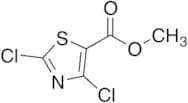


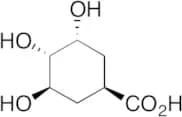
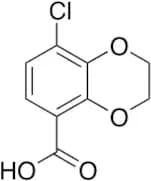

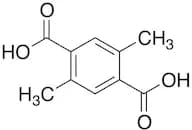

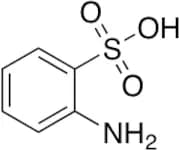


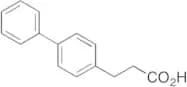
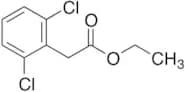

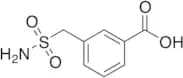
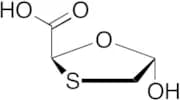
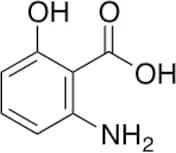
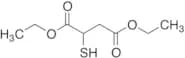
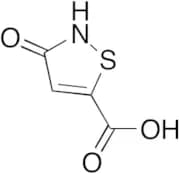
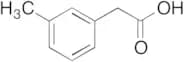
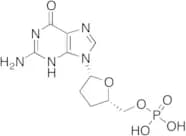
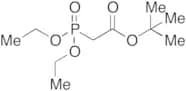
![3-[Ethyl[(4-sulfophenyl)methyl]amino]benzenesulfonic Acid](/_next/image/?url=https%3A%2Fstatic.cymitquimica.com%2Fproducts%2FTR%2Fthumb-webp%2FE925970.webp&w=3840&q=75)
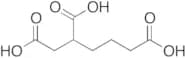
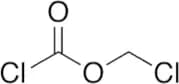

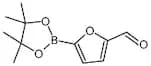
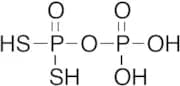

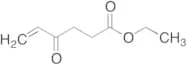
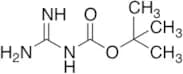
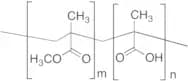

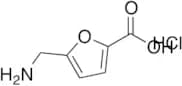

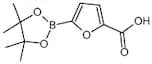

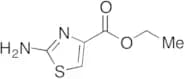
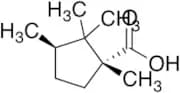
![α-[[(1,1-Dimethylethoxy)carbonyl]amino]-2-fluoro-4-hydroxybenzeneacetic Acid](/_next/image/?url=https%3A%2Fstatic.cymitquimica.com%2Fproducts%2FTR%2Fthumb-webp%2FD472900.webp&w=3840&q=75)
![[(E)-2,4,6-trimethylnon-4-enyl]succinic Acid](/_next/image/?url=https%3A%2Fstatic.cymitquimica.com%2Fproducts%2FTR%2Fthumb-webp%2FT796480.webp&w=3840&q=75)
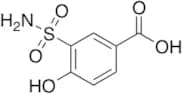
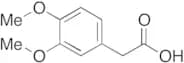
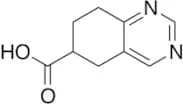
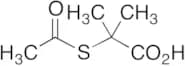
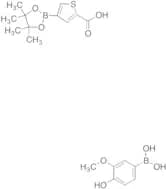
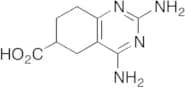

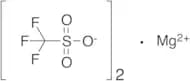
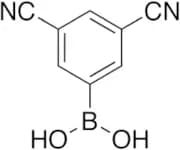
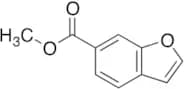

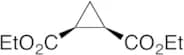
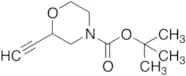

![Benzo[b]thien-3-ylboronic Acid](/_next/image/?url=https%3A%2Fstatic.cymitquimica.com%2Fproducts%2FTR%2Fthumb-webp%2FB206890.webp&w=3840&q=75)
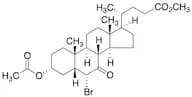
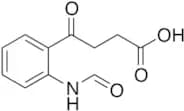
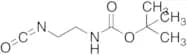


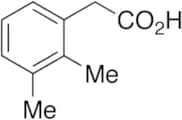
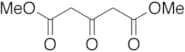
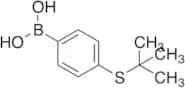
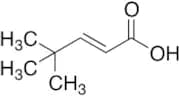
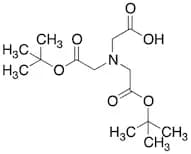
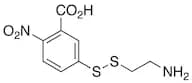
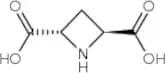
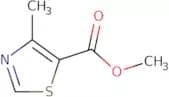

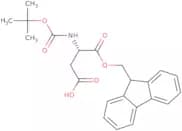
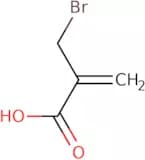
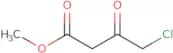
![2-Bromo-5,6-dihydro-8h-imidazo[1,2-a]pyrazine-7-carboxylic acid tert-butyl ester](/_next/image/?url=https%3A%2Fstatic.cymitquimica.com%2Fproducts%2F3D%2Fthumb-webp%2FFB163714.webp&w=3840&q=75)
![8-Ethyl-1,3,4,9-tetrahydro-1-(1-methylethyl)pyrano[3,4-b]indole-1-acetic acid](/_next/image/?url=https%3A%2Fstatic.cymitquimica.com%2Fproducts%2F3D%2Fthumb-webp%2FFE160504.webp&w=3840&q=75)
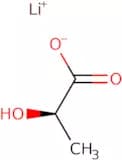

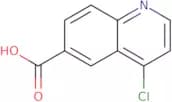
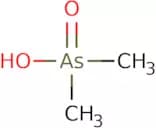
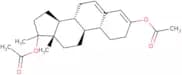
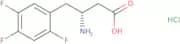
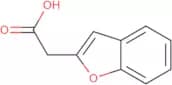

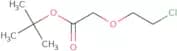
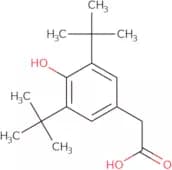

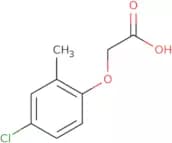
![Diethyl 1-[2-(1H-indol-3-yl)ethyl]-2,5-dimethyl-1H-pyrrole-3,4-dicarboxylate](/_next/image/?url=https%3A%2Fstatic.cymitquimica.com%2Fproducts%2F3D%2Fthumb-webp%2FFD121816.webp&w=3840&q=75)
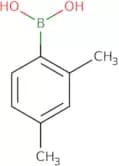
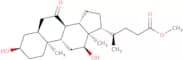
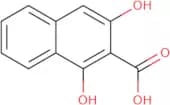
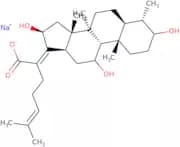
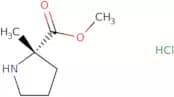
![tert-Butyl 4,7-diazaspiro[2.5]octane-7-carboxylate](/_next/image/?url=https%3A%2Fstatic.cymitquimica.com%2Fproducts%2F3D%2Fthumb-webp%2FFB141975.webp&w=3840&q=75)
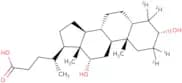
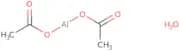
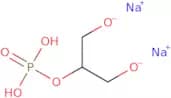
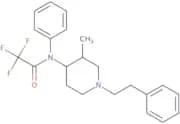
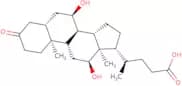
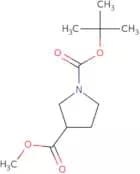
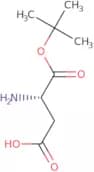
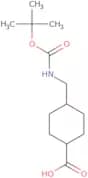
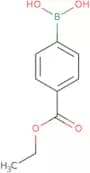
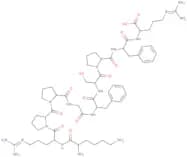
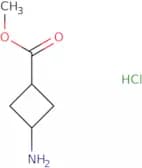
![tert-Butyl 4-(2-oxo-2,4-dihydro-1H-benzo[d][1,3]oxazin-1-yl)piperidine-1-carboxylate](/_next/image/?url=https%3A%2Fstatic.cymitquimica.com%2Fproducts%2F3D%2Fthumb-webp%2FFB142189.webp&w=3840&q=75)
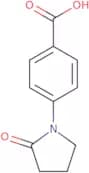
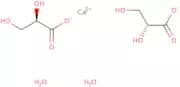
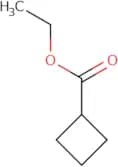
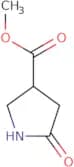
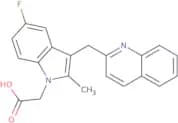
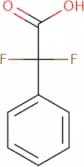

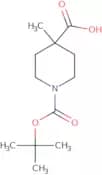
![4-amino[1,1'-biphenyl]-3-carboxylic acid](/_next/image/?url=https%3A%2Fstatic.cymitquimica.com%2Fproducts%2F3D%2Fthumb-webp%2FFA58870.webp&w=3840&q=75)
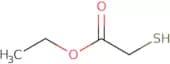
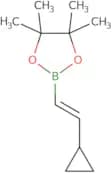

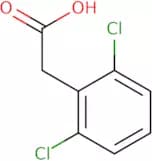
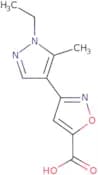
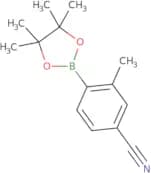
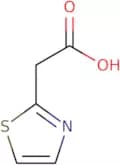

![[1-(2-Methoxyethyl)-1H-indol-3-yl]acetic acid](/_next/image/?url=https%3A%2Fstatic.cymitquimica.com%2Fproducts%2F3D%2Fthumb-webp%2FFM135744.webp&w=3840&q=75)
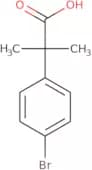

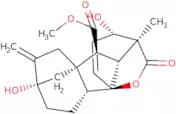


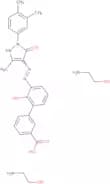
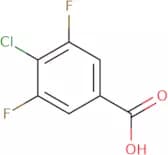
![(6R,7R)-3-(Acetoxymethyl)-8-oxo-7-(2-(thiophen-2-yl)acetamido)-5-thia-1-azabicyclo[4.2.0]oct-2-ene…](/_next/image/?url=https%3A%2Fstatic.cymitquimica.com%2Fproducts%2F3D%2Fthumb-webp%2FFA32097.webp&w=3840&q=75)
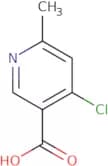
![1-[2-(5-Chloro-1H-indol-3-yl)ethyl]-5-oxopyrrolidine-3-carboxylic acid](/_next/image/?url=https%3A%2Fstatic.cymitquimica.com%2Fproducts%2F3D%2Fthumb-webp%2FFC119446.webp&w=3840&q=75)

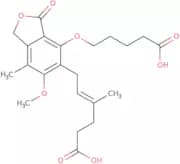
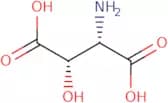
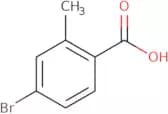
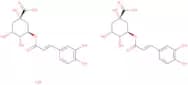
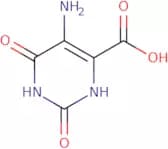
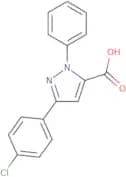
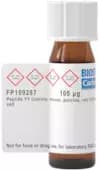

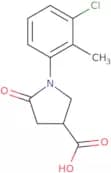

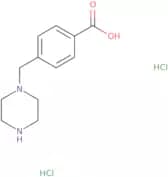
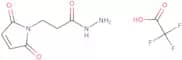
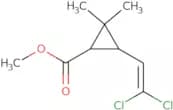
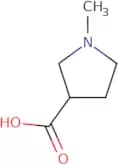
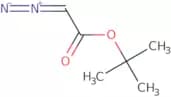
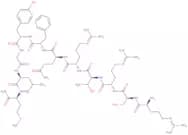
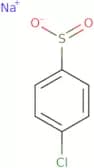
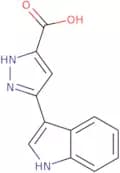

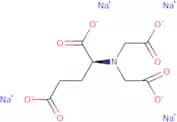
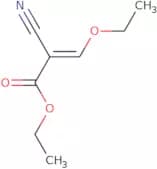
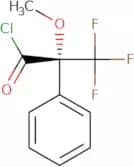
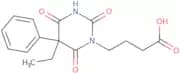
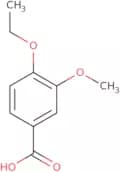
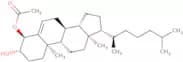
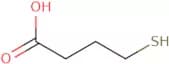
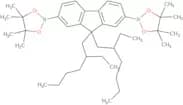

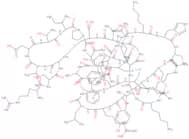
![1-Cyclopropyl-7-(2,8-diazabicyclo[4.3.0]non-8-yl)-6-fluoro-8-methoxy-4-oxoquinoline-3-carboxylic a…](/_next/image/?url=https%3A%2Fstatic.cymitquimica.com%2Fproducts%2F3D%2Fthumb-webp%2FFC102529.webp&w=3840&q=75)
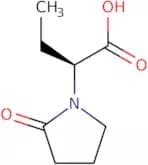
![(S)-1,2,3,4,5,6,7,8-Octahydro-1-[(4-methoxyphenyl)methyl]isoquinoline (acetate salt )](/_next/image/?url=https%3A%2Fstatic.cymitquimica.com%2Fproducts%2F3D%2Fthumb-webp%2FFO29465.webp&w=3840&q=75)
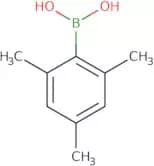
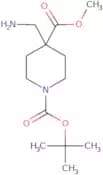

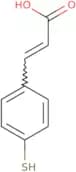
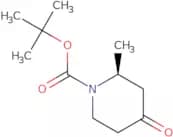
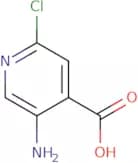
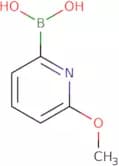
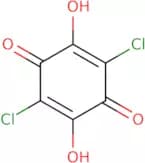
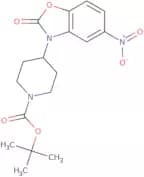
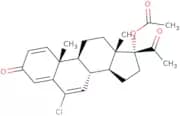
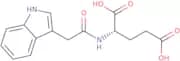
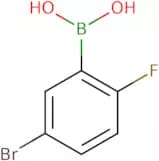

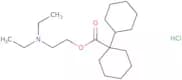
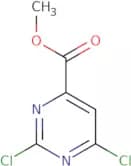
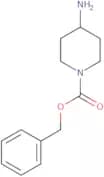

![3-[1-(2-Methoxyethyl)-1H-indol-3-yl]propanoic acid](/_next/image/?url=https%3A%2Fstatic.cymitquimica.com%2Fproducts%2F3D%2Fthumb-webp%2FFM135770.webp&w=3840&q=75)