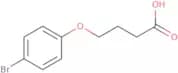
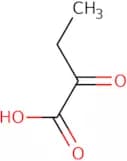
Carboxylic Acids
Carboxylic acids are organic molecules characterized by having a carboxyl-type functional group (-COOH). These acids are fundamental in various chemical reactions, including esterification, amidation, and decarboxylation. Carboxylic acids are widely used in the production of pharmaceuticals, polymers, and agrochemicals. In this section, you can find a large number of carboxylic acids ready to be used. At CymitQuimica, we provide a broad range of high-quality carboxylic acids to support your research and industrial applications.
Found 12453 products of "Carboxylic Acids"
Sort by
Purity (%)
0
100
|
0
|
50
|
90
|
95
|
100
4-Benzothiazoleacetic Acid
CAS:Controlled ProductFormula:C9H7NO2SColor and Shape:NeatMolecular weight:193.222(±)-2-Acetoxybutyric Acid
CAS:Controlled Product<p>Applications (±)-2-Acetoxybutyric Acid is an intermediate in synthesizing 2-Hydroxy-N-(pyridin-4-yl)butanamide (H953495). It is a is a useful synthetic intermediate.<br></p>Formula:C6H10O4Color and Shape:NeatMolecular weight:146.143-(Acetylthio)-2-benzylpropionic Acid
CAS:Controlled Product<p>Applications Racecadotril intermediate. A β-thiopropionyl-amino acid derivative used as β-lactamase inhibitor.<br>References Sanger, F., et al.: Biochem. J., 39, 507 (1945), Dawson, P., et al.: Science, 266, 776 (1994),<br></p>Formula:C12H14O3SColor and Shape:NeatMolecular weight:238.30(2,3-Dihydro-1H-indol-6-yl)-carbamic Acid Tert-butyl Ester
CAS:Controlled ProductFormula:C13H18N2O2Color and Shape:NeatMolecular weight:234.294Maleimido-Tri(Ethylene Glycol)-Acetic Acid
CAS:Controlled ProductFormula:C12H17NO7Color and Shape:NeatMolecular weight:287.2662-Ethylheptanoic Acid
CAS:Controlled Product<p>Applications 2-Ethylheptanoic Acid is used in the preparation of prostaglandin which is for for promoting bone growth<br>References Barrett, S., et al.: PCT Int. Appl., 331 (2015)<br></p>Formula:C9H18O2Color and Shape:NeatMolecular weight:158.245-Pyrimidylboronic Acid
CAS:Controlled Product<p>Applications 5-Pyrimidylboronic Acid, is one of the new heteroarylpyrimidine derivatives via Suzuki cross-coupling reactions.<br>References Saygili N, et al.: Org Biomol Chem. 2004 Mar 21;2(6):852-7. Epub 2004 Feb 23.<br></p>Formula:C4H5BN2O2Color and Shape:NeatMolecular weight:123.914-Hydroxy-3-sulfamoylbenzoic Acid
CAS:Controlled ProductFormula:C7H7NO5SColor and Shape:NeatMolecular weight:217.199(1S,2S)-Cyclopropane-1,2-dicarboxylic Acid Monomenthyl Ester
CAS:Controlled ProductFormula:C15H24O4Color and Shape:NeatMolecular weight:268.3491,5-Anhydro-2,3-dideoxy-D-erythro-hex-2-enitol 4,6-Diacetate
CAS:Controlled ProductFormula:C10H14O5Color and Shape:NeatMolecular weight:214.2153-((E)-(2,4-Dimethylphenyl)diazenyl)-2,4-dihydroxy-5-((4-sulfophenyl)diazenyl)benzoic Acid
Controlled Product<p>Applications 3-((E)-(2,4-Dimethylphenyl)diazenyl)-2,4-dihydroxy-5-((4-sulfophenyl)diazenyl)benzoic Acid is an intermediate in the synthesis of Acid Orange 24 (A189835), which is used in trickling biofilters for wastewater treatment. Acid Orange 24 is used in suncare compositions. It also serves as a raw material for cosmetics. Mutagenicity test for dye compositions in cosmetics.<br>References Garzon-Zuniga, M. A., et al.: Water Environ. Res., 83, 107 (2011); Anon.: IP.com Journal, 11, 5 (2011); Muzzall, J. M., et al.: Mutat. Res., Genet. Toxicol. Testing, 67, 1 (1979)<br></p>Formula:C21H18N4O7SColor and Shape:NeatMolecular weight:470.4554,7,8,9-Tetraacetate-N-acetyl-2-S-phenyl-2-thio-β-neuraminic Acid
CAS:Controlled ProductFormula:C25H31NO12SColor and Shape:NeatMolecular weight:569.5783-Hydroxypivalic Acid
CAS:Controlled Product<p>Applications 3-Hydroxypivalic Acid is a general reagent used in the synthesis of AZD8835, a potent and selective inhibitor of PI3K and PI3Kδ in the treatment of cancers.<br>References Barlaam, B. et al.: Bioorg. Med. Chem. Lett., 25, 5155 (2015);<br></p>Formula:C5H10O3Color and Shape:NeatMolecular weight:118.132-Benzylcyclopropane-1-carboxylic Acid
CAS:Controlled Product<p>Applications 2-benzylcyclopropane-1-carboxylic acid (cas# 103986-55-6) is a useful research chemical.<br></p>Formula:C11H12O2Color and Shape:NeatMolecular weight:176.21p-Toluenesulfonic Acid 3-(3-Trifluoromethylphenyl)propyl Ester
CAS:Controlled ProductFormula:C17H17F3O3SColor and Shape:NeatMolecular weight:358.3752-Butyl-4,6-dihydroxybenzoic Acid
CAS:Controlled Product<p>Applications 2-Butyl-4,6-dihydroxybenzoic Acid is an intermediate in preparation of compounds for study in primin and miconidin biosynthesis routes in Primula obconica.<br>References Horper, W., et al.: Phytochem., 41, 451 (1996);<br></p>Formula:C11H14O4Color and Shape:NeatMolecular weight:210.23Methyl 2-Bromo-1-cyclopentenecarboxylate
CAS:Controlled Product<p>Applications Methyl 2-Bromo-1-cyclopentenecarboxylate is a versatile reactant that can be derived from Cyclopentanone (C988395), which is a compound used in the synthesis of various simple and complex organic compounds. Cyclopentanone is also used in the synthesis of peptidase IV inhibitors for the treatment of type 2 diabetes.<br>References Imamoto, T. et al.: J. Am. Chem. Soc., 112, 5244 (1990); Augeri, D. et al.: J. Med. Chem., 48, 5025 (2005);<br></p>Formula:C7H9BrO2Color and Shape:NeatMolecular weight:205.049Trimethyl Bromoorthoacetate
CAS:Controlled Product<p>Applications Trimethyl Bromoorthoacetate is an intermediate in the synthesis of 3,6-Bis(2-hydroxyethyl)-2-pyrazinepropanoic Acid (B444100), an impurity of Clavulanic Acid (C563750).<br>References Zupke, C., et al.: Biotechnol. Prog., 10, 489 (1994), Finlay, J., et al.: J .Antimicrob. Chemother., 52, 18 (2003),<br></p>Formula:C5H11BrO3Color and Shape:NeatMolecular weight:199.04Methyl 2-(3-Mercaptophenyl)acetate
CAS:Controlled ProductFormula:C9H10O2SColor and Shape:NeatMolecular weight:182.239Ethyl 2-Ethylacetoacetate
CAS:Controlled Product<p>Applications Ethyl 2-Ethylacetoacetate was a useful reagent in systematic investigation of saccharomyces cerevisiae enzymes catalyzing carbonyl reductions.<br>References Kaluzna, I., et al.: J. Am. Chem. Soc., 126, 12827 (2004);<br></p>Formula:C8H14O3Color and Shape:NeatMolecular weight:158.19Trithiocyanuric Acid
CAS:Controlled Product<p>Applications Trithiocyanuric acid (cas# 638-16-4) is a useful research chemical.<br></p>Formula:C3H3N3S3Color and Shape:NeatMolecular weight:177.27Ethyl 2-Acetoxy-2-(diethoxyphosphoryl)acetate
CAS:Controlled Product<p>Applications A useful wittig reagent.<br></p>Formula:C10H19O7PColor and Shape:NeatMolecular weight:282.234-[[2-(2-Amino-4,5-dihydro-4-oxo-5-thiazolyl)acetyl]amino]benzeneacetic Acid
CAS:Controlled ProductFormula:C13H13N3O4SColor and Shape:NeatMolecular weight:223.3112-[(Dipropylamino)sulfonyl]benzoic Acid
CAS:Controlled Product<p>Applications 2-[(Dipropylamino)sulfonyl]benzoic Acid, is a building block used in various chemical synthesis.<br></p>Formula:C13H19NO4SColor and Shape:NeatMolecular weight:285.3593'-Acetoxyacetanilide
CAS:Controlled Product<p>Applications 3-Acetamidophenyl acetate<br></p>Formula:C10H11NO3Color and Shape:NeatMolecular weight:193.2N-(4-Bromo-2-thienyl)-carbamic Acid 1,1-Dimethylethyl Ester
CAS:Controlled Product<p>Applications N-(4-bromo-2-thienyl)-carbamic Acid 1,1-Dimethylethyl Ester, is an intermediate for the synthesis of bicyclic inhibitors of ROCK protein kinsae.<br>References Hahmann, C. et al.: Cell. Mol. Life Sci., 67, 171 (2010);<br></p>Formula:C9H12BrNO2SColor and Shape:NeatMolecular weight:278.166Methyl 4-Bromophenylacetate
CAS:Controlled Product<p>Applications Methyl 4-Bromophenylacetate (cas# 41841-16-1) is a compound useful in organic synthesis.<br></p>Formula:C9H9BrO2Color and Shape:NeatMolecular weight:229.072-(prop-2-ynyloxy)propanoic acid
CAS:Controlled Product<p>Applications 2-(prop-2-ynyloxy)propanoic acid (cas# 134126-59-3) is a useful research chemical.<br></p>Formula:C6H8O3Color and Shape:NeatMolecular weight:128.135-Amino-2-bromobenzoic Acid
CAS:Controlled Product<p>Applications 5-Amino-2-bromobenzoic acid (cas# 2840-02-0) is a useful research chemical.<br></p>Formula:C7H6NO2BrColor and Shape:NeatMolecular weight:216.032-(Dimethoxyphosphoryl)acetic acid
CAS:Controlled Product<p>Stability Moisture Sensitive<br>Applications 2-(Dimethoxyphosphoryl)acetic acid<br></p>Formula:C4H9O5PColor and Shape:NeatMolecular weight:168.09N-(Desmethyl)-tert-butyl Acetate Sildenafil
CAS:Controlled ProductFormula:C26H36N6O6SColor and Shape:NeatMolecular weight:560.6665-(Phenylmethoxy)pentanoic Acid
CAS:Controlled ProductFormula:C12H16O3Color and Shape:NeatMolecular weight:208.254Methyl 1-formylcyclopropanecarboxylate
CAS:Controlled Product<p>Applications Methyl 1-formylcyclopropane-1-carboxylate, is a building block used in the synthesis of chemical compounds.<br></p>Formula:C6H8O3Color and Shape:NeatMolecular weight:128.126Methyl 2,3,4-Trimethoxyphenyl Acetate
CAS:Controlled ProductFormula:C12H16O5Color and Shape:NeatMolecular weight:240.252(2S,3S)-2,3-Diphenylsuccinic Acid
CAS:Controlled ProductFormula:C16H14O4Color and Shape:NeatMolecular weight:270.285-Bromopentylboronic acid
CAS:Controlled Product<p>Applications 5-Bromopentylboronic Acid<br></p>Formula:C5H12BBrO2Color and Shape:NeatMolecular weight:194.864-fluorobutanoic acid
CAS:Controlled Product<p>Applications 4-fluorobutanoic acid (cas# 462-23-7) is a useful research chemical.<br> Not a dangerous good if item is equal to or less than 1g/ml and there is less than 100g/ml in the package<br></p>Formula:C4H7FO2Color and Shape:NeatMolecular weight:106.1(5-Cyanothiophen-3-yl)boronic Acid
CAS:Controlled ProductFormula:C5H4BNO2SColor and Shape:NeatMolecular weight:152.967trans-3-(2-Thenoyl)acrylic Acid
CAS:Controlled ProductFormula:C8H6O3SColor and Shape:NeatMolecular weight:182.196(2,3,4-Trimethoxyphenyl)boronic Acid
CAS:Controlled Product<p>Applications (2,3,4-Trimethoxyphenyl)boronic Acid is a reagent used in the synthesis of heteroaryl, mono and bicyclic compounds which may be used as inhibitors for EGF and PDGF receptor tyrosine kinases. Also used in the synthesis of non-steroidal CYP 17 inhibitors in the treatment of prostate cancer<br>References Hutschenreuter, T. et al.: J. Enz. Inhib. Med. Chem., 19, 17 (2004);<br></p>Formula:C9H13BO5Color and Shape:NeatMolecular weight:212.016-Hydrazinonicotinic acid
CAS:Controlled Product<p>Applications 6-Hydrazinonicotinic acid<br></p>Formula:C6H7N3O2Color and Shape:NeatMolecular weight:153.14Ethyl 1-Bromocyclobutanecarboxylate
CAS:Controlled Product<p>Stability Light Sensitive<br>Applications Ethyl 1-Bromocyclobutanecarboxylate is a reactant in the preparation of aroylindole-substituted phenoxyacetic acid derivatives, which has PPARγ and PPARα agonist activity, pharmacokinetics, and glucose and triglyceride lowering properties.<br> Not a dangerous good if item is equal to or less than 1g/ml and there is less than 100g/ml in the package<br>References Liu, W., et al.: J. Med. Chem., 52, 14 (2009)<br></p>Formula:C7H11BrO2Color and Shape:NeatMolecular weight:207.074-Amino-1-cyclohexene-1-carboxylic Acid
CAS:Controlled ProductFormula:C7H11NO2Color and Shape:NeatMolecular weight:141.168(4-Methylsulfonylphenyl)acetic Acid Ethyl Ester
CAS:Controlled ProductFormula:C11H14O4SColor and Shape:NeatMolecular weight:242.292Methyl Chlorooxoacetate
CAS:Controlled Product<p>Applications Methyl Chlorooxoacetate is used as a reagent in organic synthesis of several compounds including that of coumarin-based probes which fluoresce in response to detection of Pi in cell culture and Caenorhabditis elegans. Also used in the synthesis of phenanthrene β-diketo acids which is being studied as potential HIV-1 integrase inhibitors.<br> Not a dangerous good if item is equal to or less than 1g/ml and there is less than 100g/ml in the package<br>References Wang, H., et al.: Dyes Pigments, 120, 293 (2015); Sharma, H., et al.: Bioorg. Med. Chem. Lett., 23, 6146 (2013);<br></p>Formula:C3H3ClO3Color and Shape:NeatMolecular weight:122.512-Amino-4-cyclohexylbutanoic Acid
CAS:Controlled ProductFormula:C10H19NO2Color and Shape:NeatMolecular weight:185.263(2S)-2-Ethyl Ester-isocyanato-propanoic Acid
CAS:Controlled Product<p>Applications (2S)-2-Ethyl-ester-isocyanato-propanoic acid is used as a reagent in synthetic chemical processes.<br>References Burger, Klaus., et al.: Liebigs Annalen der Chemie. 4, 407-413(1994);<br></p>Formula:C6H9NO3Color and Shape:ColourlessMolecular weight:143.14DL-threo-β-Phenylserine
CAS:Controlled Product<p>Applications 2-amino-3-hydroxy-3-phenylpropanoic acid (cas# 7695-56-9) is a useful research chemical.<br></p>Formula:C9H11NO3Color and Shape:NeatMolecular weight:181.192-Hydroxy-2-indancarboxylic Acid
CAS:Controlled Product<p>Applications 2-hydroxy-2,3-dihydro-1H-indene-2-carboxylic acid (cas# 13193-24-3) is a useful research chemical.<br></p>Formula:C10H10O3Color and Shape:NeatMolecular weight:178.185Dibenzothiophene-2-boronic acid
CAS:Controlled Product<p>Applications Dibenzothiophene-2-boronic acid is a useful reagent for organic synthesis and other chemical processes.<br>References Duncton, M. A. J., et al.: Org. Lett., 10, 3259 (2008)<br></p>Formula:C7H3ClF2OColor and Shape:NeatMolecular weight:176.5482-Pyridylphosphonic Acid
CAS:Controlled Product<p>Applications 2-Pyridylphosphonic Acid is used as ligand in the hydrothermal preparation of copper(II)-lanthanide(III) and zinc(II)-lanthanide(III) pyridylphosphonate coordination polymers.<br>References Ma, Y., et al.: Chem. Eur. J., 13, 4759 (2007);<br></p>Formula:C5H6NO3PColor and Shape:NeatMolecular weight:159.082-Aminobenzeneboronic acid pinacol ester
CAS:Controlled Product<p>Applications 2-Aminobenzeneboronic acid pinacol ester is a reagent used to synthesize regiospecific quinolines. It can also be used to synthesize (±)-Epimeloscine and (±)-Meloscine.<br>References Zhang, H., et al.: J. Am. Chem. Soc. 133, 10376 (2011); Horn, J., et al.: Org. Lett 10, 4117 (2008)<br></p>Formula:C12H20BNO3Color and Shape:NeatMolecular weight:237.103p-Guanidinobenzenesulfonic Acid
CAS:Controlled ProductFormula:C7H9N3O3SColor and Shape:NeatMolecular weight:1934.81rac-Viridifloric Acid
CAS:Controlled ProductFormula:C7H14O4Color and Shape:NeatMolecular weight:162.185-(Aminomethyl)-2-furoic Acid
CAS:Controlled Product<p>Applications 5-(aminomethyl)-2-furoic acid hydrochloride (cas# 934-65-6) is a useful research chemical.<br></p>Formula:C6H7NO3Color and Shape:NeatMolecular weight:141.125(S)-2-Mercaptosuccinic Acid
CAS:Controlled ProductFormula:C4H6O4SColor and Shape:NeatMolecular weight:150.153tert-Butyl [(S)-1-amino-3-(4-iodophenyl)-1-oxopropan-2-yl]carbamate
CAS:Controlled ProductFormula:C14H19IN2O3Color and Shape:NeatMolecular weight:390.2173-Hydroxy-5-nitrobenzoic acid
CAS:Controlled Product<p>Stability Hygroscopic<br>Applications 3-Hydroxy-5-nitrobenzoic acid<br></p>Formula:C7H5NO5Color and Shape:NeatMolecular weight:183.12Hexahydro-4-oxo-1(2H)-azocinecarboxylic Acid 1,1-Dimethylethyl Ester
CAS:Controlled Product<p>Applications Hexahydro-4-oxo-1(2H)-azocinecarboxylic Acid 1,1-Dimethylethyl Ester is a chemical reagent used in organic synthesis.<br></p>Formula:C12H21NO3Color and Shape:NeatMolecular weight:227.36-Aminohexanoic Acid Hydrochloride
CAS:<p>Applications Used in the preparatiom of esters of 6-aminohexanoic acid as antibacterial agents. EACA is reported to inhibit chymotrypsin, Factor VIIa, lysine carbo xy peptidase, plasmin, and plasminogen activator.<br>References Dolezal, P., et al.: Pharm. Res., 10, 1015 (1993), Vavrova, K., et al.: Curr. Med. Chem., 12, 2273 (2005), Holas, T., et al.: Bioorg. Med. Chem., 14, 7671 (2006),<br></p>Formula:C6H13NO2·HClColor and Shape:Off White SolidMolecular weight:167.634Androstenediol 17-Acetate
CAS:Controlled Product<p>Applications Androstenediol 17-Acetate is used in synthetic preparation for direct organocatalytic stereoselective transfer hydrogenation of conjugated olefins of steroids. Androstenediol 17-Acetate is also obtained from Dehydro Epiandrosterone (D229585) which is a major secretory steroidal product of the adrenal gland; secretion progresively declines with aging. May have estrogen-or androgen-like effects depending on the hormonal milieu. Intracellularly converted to androstenedione. It is used in treatment of menopausal syndrome.<br>References Ebeling, P., et al.: Lancet, 343, 1479 (1994); Morales, A.J., et al.: J. Clin. Endocrinol. Metab., 78, 1360 (1994); Ramachary, D.B., et al.: RSC Advances, 3, 13497-13506 (2013); Yahara, M., et al.: J. Toxicol. Sci., 2, 161 (1977);<br></p>Formula:C21H32O3Color and Shape:NeatMolecular weight:332.4772-(Aminosulfonyl)benzoic Acid
CAS:Controlled Product<p>Applications 2-(Aminosulfonyl)benzoic Acid can be used as reactant/reagent in synthesis and pharmacological activity of γ-(phenyloxamido)- and γ-(phenylsulfonyloxamido)butanoic acids.<br>References Georgiyants, V. A., et al.: Farmatsevtichnii Zhurnal, 2, 34 (2010);<br></p>Formula:C7H7NO4SColor and Shape:NeatMolecular weight:201.2Dihydroxyfumaric Acid Dimethyl Ester
CAS:Controlled Product<p>Applications Dihydroxyfumaric Acid Dimethyl Ester is used in the reactions involving of β-sheet formation.<br>References Kemp, D. et al.: J. Org. Chem., 55, 4650 (1990);<br></p>Formula:C6H8O6Color and Shape:NeatMolecular weight:176.1244-Ethoxybutanoic Acid
CAS:Controlled ProductFormula:C6H12O3Color and Shape:NeatMolecular weight:132.1582,3,4,9-Tetrahydro-1H-carbazole-1-carboxylic Acid
CAS:Controlled ProductFormula:C13H13NO2Color and Shape:NeatMolecular weight:215.248Methyl 1-Oxo-2,3-dihydro-1H-indene-2-carboxylate
CAS:Controlled ProductFormula:C11H10O3Color and Shape:NeatMolecular weight:190.195(R)-5-[(Aminoiminomethyl)amino]-2-hydroxy-pentanoic Acid
CAS:Controlled ProductFormula:C6H13N3O3Color and Shape:NeatMolecular weight:175.186Ferroceneacetic acid
CAS:Controlled Product<p>Ferroceneacetic acid is a compound that has been shown to have chemiluminescent properties. It is a potent reductant and oxidant, which means that it can reduce or oxidize other compounds. Ferroceneacetic acid is also an active enzyme, and its redox potential changes depending on the concentration of ferrocene in the solution. Ferroceneacetic acid can be used as a model system for analytical chemistry and electrochemistry.</p>Formula:C12H12FeO2Purity:Min. 95%Color and Shape:PowderMolecular weight:244.07 g/mol7-Aminoheptanoic acid
CAS:<p>7-Aminoheptanoic acid is a fatty acid that contains a hydroxyl group on the seventh carbon of its chain. This compound has been shown to bind to and activate the receptor GPR120. It is also used in the synthesis of pharmaceuticals, such as anti-inflammatory agents, and in analytical methods for detecting peptides. 7-Aminoheptanoic acid can be synthesized by reacting hydrochloric acid with an amine or amide, followed by reaction with an ester hydrochloride. The compound can be purified using preparative high performance liquid chromatography (HPLC).</p>Formula:C7H15NO2Purity:Min. 95%Molecular weight:145.2 g/mol5-(5-Chloro-1-methyl-1H-benzimidazol-2-yl)pentanoic acid
CAS:Controlled Product<p>Please enquire for more information about 5-(5-Chloro-1-methyl-1H-benzimidazol-2-yl)pentanoic acid including the price, delivery time and more detailed product information at the technical inquiry form on this page</p>Formula:C13H15ClN2O2Purity:Min. 95%Molecular weight:266.72 g/mol(6R,7R)-3-(Acetoxymethyl)-8-oxo-7-(2-(thiophen-2-yl)acetamido)-5-thia-1-azabicyclo[4.2.0]oct-2-ene-2-carboxylic acid
CAS:<p>(6R,7R)-3-(Acetoxymethyl)-8-oxo-7-(2-(thiophen-2-yl)acetamido)-5-thia-1-azabicyclo[4.2.0]oct-2-ene-2-carboxylic acid is an antimicrobial agent that inhibits bacterial growth by binding to the penicillin binding protein (PBP), which prevents the synthesis of peptidoglycan. This drug has shown effectiveness against gram positive bacteria, including aerobacter aerogenes, as well as infectious diseases in wastewater treatment plants. It has also been demonstrated to be effective in experimental models of infection due to high resistance and cell signaling pathways. The reaction solution was analyzed by plasma mass spectrometry.</p>Formula:C16H16N2O6S2Purity:Min. 98%Color and Shape:White PowderMolecular weight:396.44 g/mol6-Bromohexanoic acid
CAS:<p>6-Bromohexanoic acid is a fatty acid that has been shown to be an effective agent for the treatment of cancer. It is used in gene therapy to inhibit the growth of cancer cells by binding to and then activating transcription factors. 6-Bromohexanoic acid can also be used as a chemotherapeutic agent and has been shown to cause apoptosis in monoclonal antibody-treated cells. 6-Bromohexanoic acid has pharmacokinetic properties that are similar to those of other fatty acids. The reaction solution was found to have high chemical stability, which may be due to the presence of nitrogen atoms. This reaction solution was found to adsorb onto the surface of monoclonal antibodies and cell culture, altering their properties.</p>Formula:C6H11BrO2Purity:Min. 97.0%Color and Shape:PowderMolecular weight:195.05 g/mol1-[2-(5-Methyl-1H-indol-3-yl)ethyl]-5-oxopyrrolidine-3-carboxylic acid
CAS:Controlled Product<p>Please enquire for more information about 1-[2-(5-Methyl-1H-indol-3-yl)ethyl]-5-oxopyrrolidine-3-carboxylic acid including the price, delivery time and more detailed product information at the technical inquiry form on this page</p>Formula:C16H18N2O3Purity:Min. 95%Molecular weight:286.33 g/mol(4-Chloro-3-(methoxycarbonyl)phenyl)boronic acid
CAS:<p>Please enquire for more information about (4-Chloro-3-(methoxycarbonyl)phenyl)boronic acid including the price, delivery time and more detailed product information at the technical inquiry form on this page</p>Formula:C8H8BClO4Purity:Min. 95%Molecular weight:214.41 g/molOxazepam acetate
CAS:Controlled Product<p>Oxazepam acetate is a chiral drug that has enantiomeric forms. Oxazepam acetate is converted to the corresponding lorazepam by hydrolysis of the acetate ester group. This drug is an analytical method for determining the concentration of oxazepam in human serum and rat liver microsomes. It also has a stereoselective effect on nucleophilic attack, which means it only reacts with one of two possible sites in the molecule. Oxazepam acetate can be used to treat insomnia, anxiety, and seizure disorders.</p>Formula:C17H13ClN2O3Purity:Min. 95%Molecular weight:328.75 g/mol3,5-Difluoromandelic acid
CAS:<p>3,5-Difluoromandelic acid is a biomolecule that is synthesized in the laboratory. It has been shown to have anti-cancer properties by inhibiting the formation of amyloid plaques and inhibiting γ-secretase, which are substances involved in the development of Alzheimer's disease. 3,5-Difluoromandelic acid has been shown to be more potent than other ligands in its class with respect to inhibition of γ-secretase activity. This molecule also shows stereospecificity for the L- and D-isomers of lactam substrates. 3,5-Difluoromandelic acid may be used as a potential lead for development of new drugs for treatment of Alzheimer's disease.</p>Formula:C8H6F2O3Purity:Min. 95%Color and Shape:White PowderMolecular weight:188.13 g/mol5-Hexynoic acid
CAS:<p>5-Hexynoic acid is a chemical compound that has been shown to have anticancer properties. The mechanism of action is not fully understood, but it may be due to its ability to inhibit an enzyme called irreversible acetylcholinesterase, which is involved in the production of several pro-inflammatory mediators. 5-Hexynoic acid has also been shown to inhibit the growth of prostate cancer cells and can be used as a therapeutic agent for prostate cancer. It is synthesized by plants and some microorganisms, although it is not found in humans. 5-Hexynoic acid can be produced from conjugates with glutamic acid or oxalyl chloride in an acidic environment.</p>Formula:C6H8O2Purity:Min. 95%Color and Shape:Clear LiquidMolecular weight:112.13 g/mol20-Dehydro cholesterol 3-acetate
CAS:Controlled Product<p>Please enquire for more information about 20-Dehydro cholesterol 3-acetate including the price, delivery time and more detailed product information at the technical inquiry form on this page</p>Formula:C29H46O2Purity:Min. 95%Molecular weight:426.67 g/mol3-(Bromomethyl)benzoic acid
CAS:<p>3-(Bromomethyl)benzoic acid is a quaternary ammonium salt that has been shown to be an ampk activator. It has been used in the synthesis of mesoporous materials and for the synthesis of sulfoxides, oxindoles, and carboxylic acids. 3-(Bromomethyl)benzoic acid has also been used as a calibrant for nonlinear regression analysis, due to its conformational properties.</p>Formula:C8H7BrO2Purity:Min. 95%Molecular weight:215.04 g/molEltrombopag olamine
CAS:<p>Eltrombopag olamine is an orally active drug that belongs to the class of thiazolidinones. It has been used for the treatment of thrombocytopenia in patients with chronic liver disease and myelodysplastic syndrome. Eltrombopag olamine inhibits platelet aggregation by binding to glycoprotein IIb/IIIa receptors on the surface of platelets. The drug is a prodrug that is metabolized in vivo to its active form, eltrombopag. This conversion is catalysed by CYP3A4 and CYP2D6 enzymes and can be inhibited by drugs that inhibit these enzymes, such as trifluoroacetic acid and hydroxyl group-containing compounds. Eltrombopag olamine binds to erythrocytes, which may be due to its ability to form intramolecular hydrogen bonds with nitrogen atoms. The synthesis of elt</p>Formula:C25H22N4O4•(C2H7NO)2Purity:Min. 95%Color and Shape:PowderMolecular weight:564.63 g/molEthyl 1,2-dimethyl-5-hydroxyindole-3-carboxylate
CAS:Controlled Product<p>Ethyl 1,2-dimethyl-5-hydroxyindole-3-carboxylate (EDMC) is an implantable drug that is used to treat hypertension. It is a diuretic that can be taken orally or injected. EDMC works by reducing the amount of urea nitrogen in the blood and increasing the amount of chlorine atom in the urine. This leads to an increase in active substances such as malonic acid and a decrease in arthropoda. EDMC has been shown to have antihypertensive activity due to its ability to lower diastolic and systolic pressure. The molecule also contains hydroxyl group and aldehyde groups that are analyzed by analytical chemistry.</p>Formula:C13H15NO3Purity:Min. 95%Molecular weight:233.26 g/mol6-(Methoxycarbonyl)spiro[3.3]heptane-2-carboxylic acid
CAS:<p>Please enquire for more information about 6-(Methoxycarbonyl)spiro[3.3]heptane-2-carboxylic acid including the price, delivery time and more detailed product information at the technical inquiry form on this page</p>Formula:C10H14O4Purity:Min. 95%Molecular weight:198.22 g/molBoc-(2R,5S)-5-phenylpyrrolidine-2-carboxylic acid
CAS:<p>Please enquire for more information about Boc-(2R,5S)-5-phenylpyrrolidine-2-carboxylic acid including the price, delivery time and more detailed product information at the technical inquiry form on this page</p>Formula:C16H21NO4Purity:Min. 95%Molecular weight:291.34 g/mol2-(2-Nitrobenzylidene)-3-oxobutanoic acid, methyl ester
CAS:<p>Please enquire for more information about 2-(2-Nitrobenzylidene)-3-oxobutanoic acid, methyl ester including the price, delivery time and more detailed product information at the technical inquiry form on this page</p>Formula:C12H11NO5Purity:Min. 95%Molecular weight:249.22 g/molHydantoin-5-acetic acid
CAS:<p>Hydantoin-5-acetic acid is a molecule that has been studied for its potential use in the stabilization of polymers and plastics. It has shown antibacterial activity against certain bacterial strains including Escherichia coli and Staphylococcus aureus. The molecule has the ability to coordinate with metal ions such as copper, zinc, and iron. The protonation state of the molecule is dependent on the pH of the environment. Hydantoin-5-acetic acid can exist in two tautomeric forms: hydantoin or 5-hydantoin. Hydantoin-5-acetic acid can be used to determine the concentration of hydrogen in proteins through chromatographic methods. This molecule also has Langmuir adsorption isotherm properties, which give it potential for use in supramolecular structures.</p>Formula:C5H6N2O4Purity:Min. 95%Molecular weight:158.11 g/molBenzyl bromoacetate
CAS:<p>Benzyl bromoacetate is a bicyclic heterocycle that is metabolized by the enzyme benzyl alcohol dehydrogenase. The resulting metabolites are then converted to methyl benzoate and benzyl alcohol. It has been shown to inhibit prostate cancer cells and basic fibroblasts, which may be due to its ability to inhibit enzymes involved in fatty acid synthesis. Benzyl bromoacetate also has therapeutic effects on autoimmune diseases such as bowel disease, which may be due to its ability to reduce inflammation and suppress the immune system.</p>Formula:C9H9BrO2Purity:Min. 95%Color and Shape:Clear Colourless To Light (Or Pale) Yellow LiquidMolecular weight:229.07 g/mol4-Aminobicyclo[2.2.2]octane-1-carboxylic acid methyl ester
CAS:<p>Please enquire for more information about 4-Aminobicyclo[2.2.2]octane-1-carboxylic acid methyl ester including the price, delivery time and more detailed product information at the technical inquiry form on this page</p>Formula:C10H17NO2Purity:Min. 95%Molecular weight:183.25 g/mol2-[(2S,3S,4S)-3-Formyl-5-Methoxycarbonyl-2-Methyl-3,4-Dihydro-2H-Pyran-4-Yl]Acetic Acid
CAS:<p>2-[(2S,3S,4S)-3-Formyl-5-Methoxycarbonyl-2-Methyl-3,4-Dihydro-2H-Pyran-4-Yl]Acetic Acid (PCA) is a natural phenolic compound that is found in olive oil. PCA has been shown to possess antioxidant and antiinflammatory properties. It also has minimal toxicity, with no adverse effects on the liver or kidney. PCA is metabolized by hydrolysis to form hydroxytyrosol and tyrosol. Hydroxytyrosol can be further metabolized to produce the aglycon 2-[(2S,3S,4S)-3-(acetyloxy)-5-(hydroxymethyl)oxolan-4-yl]acetic acid (OHA). OHA is an intermediate in the biosynthesis of erythromycin and other macrolide antibiotics such as</p>Formula:C11H14O6Purity:90%MinMolecular weight:242.23 g/molMethyl 1H-imidazole-2-carboxylate
CAS:<p>Please enquire for more information about Methyl 1H-imidazole-2-carboxylate including the price, delivery time and more detailed product information at the technical inquiry form on this page</p>Formula:C5H6N2O2Purity:Min. 95%Molecular weight:126.11 g/molPenetratin trifluoroacetate
CAS:<p>Cell-penetrating peptide derived from the third helix of the Antennapedia protein homeodomain. Penetratin also shows antimicrobial and antifungal activity.</p>Formula:C104H169N35O19S•(C2HF3O2)xPurity:Min. 95%Molecular weight:2,245.75 g/molChloroacetic Acid-13C2
CAS:<p>Please enquire for more information about Chloroacetic Acid-13C2 including the price, delivery time and more detailed product information at the technical inquiry form on this page</p>Purity:Min. 95%2,3,3-Trimethyl-2-norbornyl isothiocyanic acid ester
CAS:<p>Please enquire for more information about 2,3,3-Trimethyl-2-norbornyl isothiocyanic acid ester including the price, delivery time and more detailed product information at the technical inquiry form on this page</p>Formula:C11H17NSPurity:Min. 95%Molecular weight:195.33 g/mol4-Bromocrotonic acid - min 98%
CAS:<p>4-Bromocrotonic acid is a 3-mercaptopropionic acid (3-MPA) derivative. It inhibits the enzyme carnitine acyltransferase, which is involved in the uptake of fatty acids into mitochondria and their subsequent β-oxidation. This leads to an accumulation of fatty acids in the cytosol, which can inhibit insulin-stimulated glucose uptake and protein synthesis. 4-Bromocrotonic acid also inhibits glut1, an amp-activated protein kinase enzyme that plays a key role in cellular metabolism, leading to irreversible inhibition. 4-Bromocrotonic acid is used for analytical purposes as it is a good substrate for mitochondrial enzymes.</p>Formula:C4H5BrO2Purity:Min. 98 Area-%Color and Shape:White PowderMolecular weight:164.99 g/mol1-(4-Bromophenyl)-3-(4-chlorophenyl)-1H-pyrazole-5-carboxylic acid
CAS:Controlled Product<p>Please enquire for more information about 1-(4-Bromophenyl)-3-(4-chlorophenyl)-1H-pyrazole-5-carboxylic acid including the price, delivery time and more detailed product information at the technical inquiry form on this page</p>Formula:C16H10BrClN2O2Purity:Min. 95%Molecular weight:377.62 g/molL-Pyroglutamic acid pentachlorophenyl ester
CAS:Controlled Product<p>Please enquire for more information about L-Pyroglutamic acid pentachlorophenyl ester including the price, delivery time and more detailed product information at the technical inquiry form on this page</p>Formula:C11H6Cl5NO3Purity:Min. 95%Molecular weight:377.43 g/molMethyl 1H-pyrrolo[2,3-b]pyridine-2-carboxylate
CAS:<p>Please enquire for more information about Methyl 1H-pyrrolo[2,3-b]pyridine-2-carboxylate including the price, delivery time and more detailed product information at the technical inquiry form on this page</p>Formula:C9H8N2O2Purity:Min. 95%Molecular weight:176.17 g/mol4-(4-Hydroxymethyl-3-methoxyphenoxy)-butyric acid
CAS:Controlled Product<p>4-(4-Hydroxymethyl-3-methoxyphenoxy)-butyric acid (HMPA) is a synthetic compound that is used in the production of butyric acid. It is also used as a reagent in the preparation of enzymes and enzyme preparations, such as serine proteases. HMPA has been used as an intermediate in the synthesis of ribulose, which is a sugar molecule found in plants. The structure of this compound can be determined by FTIR spectroscopy and by X-ray crystallography. HMPA has been shown to have hydrogen bonding between its molecules, which may account for its stability. Hydrogen bonding accounts for the solidity of this compound and its resistance to heat and solvents.</p>Formula:C12H16O5Purity:Min. 95%Molecular weight:240.25 g/mol1-tert-Butyl 2-methyl 2-methylpyrrolidine-1,2-dicarboxylate
CAS:<p>Please enquire for more information about 1-tert-Butyl 2-methyl 2-methylpyrrolidine-1,2-dicarboxylate including the price, delivery time and more detailed product information at the technical inquiry form on this page</p>Formula:C12H21NO4Purity:Min. 95%Color and Shape:SolidMolecular weight:243.3 g/mol5-Chloro-2-(ethylsulfonyl)pyrimidine-4-carboxylic acid
CAS:<p>Please enquire for more information about 5-Chloro-2-(ethylsulfonyl)pyrimidine-4-carboxylic acid including the price, delivery time and more detailed product information at the technical inquiry form on this page</p>Formula:C7H7ClN2O4SPurity:Min. 95%Molecular weight:250.66 g/molMethyl 5-bromo-1H-pyrazole-3-carboxylate
CAS:<p>Please enquire for more information about Methyl 5-bromo-1H-pyrazole-3-carboxylate including the price, delivery time and more detailed product information at the technical inquiry form on this page</p>Formula:C5H5BrN2O2Purity:Min. 95%Molecular weight:205.01 g/moltert-Butyl 2,7-diazaspiro[3.5]nonane-7-carboxylate
CAS:<p>Please enquire for more information about tert-Butyl 2,7-diazaspiro[3.5]nonane-7-carboxylate including the price, delivery time and more detailed product information at the technical inquiry form on this page</p>Formula:C12H22N2O2Purity:Min. 95%Molecular weight:226.32 g/mol1-[2-(5-Methoxy-1H-indol-3-yl)ethyl]-5-oxopyrrolidine-3-carboxylic acid
CAS:Controlled Product<p>Please enquire for more information about 1-[2-(5-Methoxy-1H-indol-3-yl)ethyl]-5-oxopyrrolidine-3-carboxylic acid including the price, delivery time and more detailed product information at the technical inquiry form on this page</p>Formula:C16H18N2O4Purity:Min. 95%Molecular weight:302.33 g/mol1-[2-(1H-Indol-3-yl)ethyl]-2,5-dimethyl-1H-pyrrole-3-carboxylic acid
CAS:Controlled Product<p>Please enquire for more information about 1-[2-(1H-Indol-3-yl)ethyl]-2,5-dimethyl-1H-pyrrole-3-carboxylic acid including the price, delivery time and more detailed product information at the technical inquiry form on this page</p>Formula:C17H18N2O2Purity:Min. 95%Molecular weight:282.34 g/molL-Menthyl 2,2-dihydroxyacetate
CAS:<p>L-Menthyl 2,2-dihydroxyacetate is a synthetic compound that belongs to the group of salicylic acid derivatives. It is an intermediate in the synthesis of other compounds and can be recycled. L-Menthyl 2,2-dihydroxyacetate reacts with primary amines to form iminoacetic esters and glyoxylates by acidic hydrolysis. The reaction time depends on the type of amine and the acidity of the solution. This compound has been used as a reagent to synthesize maleic anhydride from maleic acid. L-Menthyl 2,2-dihydroxyacetate is also used in methodologies for oxidizing aromatic compounds to produce benzoic acids or phenols.</p>Formula:C12H22O4Purity:Min. 95%Color and Shape:PowderMolecular weight:230.3 g/mol2-Oxovaleric acid
CAS:<p>2-Oxovaleric acid is a monocarboxylic acid that is produced by the oxidation of 2-oxopentanoic acid. It was first discovered as an inhibitory compound for glutamate dehydrogenase, which catalyzes the conversion of glutamate to alpha-ketoglutarate. This inhibition leads to a buildup of glutamate in the cell, which can cause metabolic disorders. The importance of 2-oxovaleric acid was demonstrated using a chromatographic method on type strain cells. The electron microscopic images showed that 2-oxovaleric acid inhibited the growth of bacteria by binding to extracellular Ca2+, carbon source, and animals.</p>Formula:C5H8O3Purity:Min. 95%Molecular weight:116.12 g/mol3-Cyanopropionic acid methyl ester
CAS:<p>3-Cyanopropionic acid methyl ester is a compound that belongs to the class of aliphatic carboxylic acids. It is an intermediate in the production of adiponitrile and acrylonitrile. This compound is used as a feedstock for the manufacture of vinylene, which can be used to produce c1-6 alkyl. 3-Cyanopropionic acid methyl ester can be produced from propylene and hydrogen cyanide in a high salt, activated reaction system. It has been shown that this compound may have metabolic disorders due to its ability to inhibit fatty acid oxidation and increase viscosity. 3-Cyanopropionic acid methyl ester is a colorless liquid at room temperature with a boiling point of 154°C and a molecular weight of 98.14 g/mol.</p>Formula:C5H7NO2Purity:Min. 95%Color and Shape:Clear LiquidMolecular weight:113.11 g/molVitamin B12 e-Monocarboxylic Acid
CAS:Controlled Product<p>Please enquire for more information about Vitamin B12 e-Monocarboxylic Acid including the price, delivery time and more detailed product information at the technical inquiry form on this page</p>Formula:C63H87CoN13O15PPurity:Area-% Min. 95 Area-%Color and Shape:PowderMolecular weight:1,356.35 g/mol4-Cyano-2-methylphenylboronic acid, pinacol ester
CAS:<p>Please enquire for more information about 4-Cyano-2-methylphenylboronic acid, pinacol ester including the price, delivery time and more detailed product information at the technical inquiry form on this page</p>Formula:C14H18BNO2Purity:Min. 95%Molecular weight:243.11 g/molMurideoxycholic acid
CAS:Controlled Product<p>Murideoxycholic acid is a bile acid that is used in combination with other antibiotics to treat infections caused by bacteria. Murideoxycholic acid inhibits the bacterial transport of bile acids, which are important for the digestion of fats and proteins. Murideoxycholic acid binds to the cytochrome P450 enzyme in humans and rats, inhibiting its activity. This binding prevents the production of bile acids from cholesterol in the liver, which prevents their normal excretion into the intestine and leads to an increased risk for gallstones. Murideoxycholic acid also has been shown to inhibit human CYP3A4 enzyme activity. The hydroxyl group on this molecule reacts with ferrous ions to produce hydroxyl radicals, which can lead to oxidative stress and lipid peroxidation.</p>Formula:C24H40O4Purity:Min. 95%Molecular weight:392.57 g/mol2,6-Dichlorophenylacetic acid
CAS:<p>2,6-Dichlorophenylacetic acid is an inhibitor of the enzyme acetylcholinesterase. It has been shown to be effective in a number of functional assays and is efficient at inhibiting the uptake of 2,6-dichlorobenzoic acid in cells. The inhibition of this enzyme by 2,6-dichlorophenylacetic acid may be due to its protonation and binding to the active site. This binding prevents the release of the acetylcholine molecule that has been bound to the enzyme's active site. This results in increased levels of acetylcholine in the synaptic cleft, leading to an increase in neurotransmitter activity, which can have a variety of effects on neuronal function. 2,6-Dichlorophenylacetic acid also inhibits cell proliferation and induces apoptosis (programmed cell death) in Caco-2 cells by inhibiting protein synthesis.</p>Formula:C8H6Cl2O2Purity:Min. 95%Color and Shape:White Off-White PowderMolecular weight:205.04 g/molFluperolone acetate
CAS:Controlled Product<p>Fluperolone acetate is a synthetic steroid that has been used as an anti-inflammatory agent. It is a potent corticosteroid and has been shown to inhibit the growth of microorganisms, such as bacteria and fungi. Fluperolone acetate does not cross the blood-brain barrier into the central nervous system, so it can be used for the treatment of inflammatory diseases in the eye without affecting vision. This drug also has been shown to reduce choroidal neovascularization in patients with age-related macular degeneration. Some biodegradable implants have been made from fluoropolymers, which are biocompatible polymers that are degraded by hydrolysis or enzymatic action in vivo. These implants may provide a sealant for use in surgical procedures and for treating cavities.</p>Formula:C24H31FO6Purity:Min. 95%Molecular weight:434.5 g/mol(1R)-(-)-Menthyl acetate
CAS:<p>(1R)-(-)-Menthyl acetate is a lipase that catalyzes the hydrolysis of esters and amides. It has been immobilized to produce a solid-state biocatalyst that is efficient for the hydrolysis of ester bonds. Candida is an unicellular eukaryotic organism belonging to the phylum Ascomycota, class Saccharomycetes. The enzyme has shown excellent activity against Candida albicans, which causes candidiasis.</p>Formula:C12H22O2Purity:Min. 95%Color and Shape:Clear LiquidMolecular weight:198.3 g/molα-Amino-2H-tetrazole-5-acetic acid
CAS:<p>Alpha-amino-2H-tetrazole-5-acetic acid (AAT) is a neurotoxin that inhibits glutamate receptors and causes neuronal cell death. It also decreases heart function in rats by inhibiting the cardiac sodium channel. AAT has been shown to be effective for inducing neuronal death in Xenopus oocytes, as well as decreasing the expression of certain receptor protein, such as NMDA and AMPA receptor subtypes. AAT is also known to cause apoptosis, which may be due to its inhibition of receptor function.</p>Formula:C3H5N5O2Purity:Min. 95%Color and Shape:Light (Or Pale) Green To Green SolidMolecular weight:143.1 g/molrac 5-Hydroxy valproic acid sodium
CAS:<p>Please enquire for more information about rac 5-Hydroxy valproic acid sodium including the price, delivery time and more detailed product information at the technical inquiry form on this page</p>Formula:C8H16O3•NaPurity:Min. 95%Color and Shape:PowderMolecular weight:183.2 g/molPhosphonooxy acetic acid
CAS:<p>Phosphonooxy acetic acid is a product of the reaction between phosphoglycolate and oxygen. It is involved in photosynthesis and has been shown to have a physiological function in plants. Phosphonooxy acetic acid also has enzyme activities, including hydroxylase and phosphatase activities. The bacterial strain can affect the production of this compound, as well as the plant's physiological conditions. Epidermal growth factor (EGF) is an important protein that regulates cell proliferation and differentiation that has been found to be regulated by phosphonooxy acetic acid in vitro. In addition, structural analysis of this compound has revealed that it binds to transcriptional regulators such as activator protein 1 and nuclear factor-kappa B, which are important for autoimmune diseases. This chemical also has biochemical properties, including its optimum pH of 7.0 and x-ray diffraction data.</p>Formula:C2H5O6PPurity:Min. 95%Color and Shape:SolidMolecular weight:156.03 g/mol1-(2-Naphthylsulfonyl)piperidine-4-carboxylic acid
CAS:<p>Please enquire for more information about 1-(2-Naphthylsulfonyl)piperidine-4-carboxylic acid including the price, delivery time and more detailed product information at the technical inquiry form on this page</p>Formula:C16H17NO4SPurity:Min. 95%Molecular weight:319.38 g/mol(trans)-2-Cyclopropylvinylboronic acid pinacol ester
CAS:<p>Please enquire for more information about (trans)-2-Cyclopropylvinylboronic acid pinacol ester including the price, delivery time and more detailed product information at the technical inquiry form on this page</p>Formula:C11H19BO2Purity:Min. 95%Molecular weight:194.08 g/molEthyl mercaptoacetate
CAS:<p>Ethyl mercaptoacetate (EM) is a metabolite of ethyl diazoacetate (EDA) that reacts with nucleophilic groups such as hydroxyl, amino, and thiol groups. It binds to the receptor binding sites of an enzyme that is involved in inflammatory diseases. EM has been shown to have inhibitory effects on the activity of this enzyme and may be used for the treatment of inflammatory diseases. EM also inhibits the production of epoxides by acting as an alkylating agent on protein cysteine residues. This reaction leads to changes in the nmr spectra which can be used for identification purposes.</p>Formula:C4H8O2SPurity:Min. 95%Molecular weight:120.17 g/molCyclo(-Arg-Gly-Asp-D-Phe-Cys) acetate salt
CAS:<p>Cyclo(-Arg-Gly-Asp-D-Phe-Cys) acetate salt is a peptide that has been modified to be an active targeting agent. It is an amphipathic molecule that can be used to deliver therapeutic agents specifically to cancer cells. Cyclo(-Arg-Gly-Asp-D-Phe-Cys) acetate salt is conjugated to a drug and is taken up by cells through the process of endocytosis. Once inside the cell, the drug is released and binds with the cell membrane, which leads to cell death. The uptake of this peptide has been shown to be pH dependent; it is taken up more readily in acidic environments than in neutral or alkaline environments. This peptide has also been shown to have cytotoxic effects on both MFC7 cells and rat liver cells.</p>Formula:C24H34N8O7SPurity:Min. 95%Molecular weight:578.64 g/molPyridine-3-sulfonic acid
CAS:<p>Pyridine-3-sulfonic acid is a reactive molecule that can exist in two forms. It reacts with iron oxides to form pyridine-3-sulfonic acid amide and reacts with picolinic acid to form pyridine-3-sulfonic acid phosphoric acid complex. Pyridine 3 sulfonic acid is an intermediate in the synthesis of picolinic acid and is involved in the genetic mechanisms of bacteria. It has been shown to be effective at concentrations of 10 mM or higher when used in tissue culture experiments. The optimum concentration for the reaction varies depending on the reactant and its environment, which is why experimentation should be conducted before using it as a reagent.</p>Formula:C5H5NO3SPurity:Min. 95%Molecular weight:159.16 g/molEthyl5-acetyloxy-1,2-dimethylindole-3-carboxylate
CAS:Controlled Product<p>Please enquire for more information about Ethyl5-acetyloxy-1,2-dimethylindole-3-carboxylate including the price, delivery time and more detailed product information at the technical inquiry form on this page</p>Formula:C15H17NO4Purity:Min. 95%Molecular weight:275.3 g/molEthyl 6-methylpyridine-2-carboxylate
CAS:<p>Ethyl 6-methylpyridine-2-carboxylate is a pyridine derivative that has a nitrogen at the 6 position. It is an anionic compound, which is soluble in methanol and dichloromethane. The compound can be used to synthesize pharmaceuticals or as a precursor for polymers. It has been shown to inhibit the growth of tumor cells by binding to type 1 receptor sites on the surface of cancer cells. It also binds to quinine and enolate groups, which are found in many drugs. These binding sites may be exploited for drug design purposes.</p>Formula:C9H11NO2Purity:Min. 95%Molecular weight:165.19 g/molD-Glutamic acid α-amide
CAS:<p>D-Glutamic acid alpha-amide is a carbohydrate that has been shown to have antibiotic properties. It can be produced by chemoenzymatic synthesis and is used as an animal feed additive. D-Glutamic acid alpha-amide is a conjugate of D-glutamic acid with either glycine or beta-alanine. The residue of this compound on red blood cells is measured in order to assess the amount of D-glutamic acid alpha-amide that has been ingested. This compound has also been shown to have antigenic properties, which can elicit immune responses when injected into animals. The meningococcal vaccine that contains D-glutamic acid alpha-amide was found to be effective at stimulating an immune response in mice against meningitis caused by gram negative species, such as Neisseria meningitidis.</p>Formula:C5H10N2O3Purity:Min. 95%Color and Shape:PowderMolecular weight:146.14 g/mol3-Hydroxy-4-amino-butyric acid
CAS:Controlled Product<p>3-Hydroxy-4-amino-butyric acid is a synthetase that catalyzes the formation of 3-hydroxy-4 amino butyric acid from 3-hydroxy butyric acid and ammonia. This reaction occurs in the presence of chloride ions, ethyl bromoacetate and butyric acid. The isolated yield of this reaction is 47%. The product can be converted to 3-amino butyric acid by dehydrating it with hydrochloric acid. 3-Hydroxy-4 amino butyric acid has been shown to have anticancer properties in vitro. It also has been shown to have antiinflammatory properties, which may be due to its ability to inhibit the production of prostaglandin E2, an inflammatory mediator.</p>Formula:C4H9NO3Purity:Min. 95%Color and Shape:PowderMolecular weight:119.12 g/mol3-(6-Chloro-1-isopropyl-1H-benzimidazol-2-yl)propanoic acid
CAS:Controlled Product<p>Please enquire for more information about 3-(6-Chloro-1-isopropyl-1H-benzimidazol-2-yl)propanoic acid including the price, delivery time and more detailed product information at the technical inquiry form on this page</p>Formula:C13H15ClN2O2Purity:Min. 95%Molecular weight:266.72 g/mol5-Oxo Rosuvastatin
CAS:<p>5-Oxo Rosuvastatin is a drug product that has been synthesized from natural ingredients. It is an analytical standard for the impurity, 5-oxo-rosuvastatin, which is a potential impurity in the API, rosuvastatin. This drug product has been custom synthesized in order to provide an Impurity Standard for HPLC. This drug product is also used as a Synthetic Reference Standard for Drug Development and Research and Development.</p>Formula:C22H26FN3O6SPurity:Min. 95%Color and Shape:Off-White To Light (Or Pale) Yellow To Dark Yellow SolidMolecular weight:479.52 g/mol2-Methyl pentanoic acid
CAS:<p>2-Methyl pentanoic acid is a coordination complex that is synthesized by the condensation of propionyl chloride and 2-methylpentanoyl chloride. It has been shown to have anticancer activity against human cervical cancer cells, inhibiting the growth of cells in culture. The mechanism of action may be due to its ability to inhibit the production of mitochondrial proteins, leading to cell death. 2-Methyl pentanoic acid also has a strong affinity for fatty acids and can be used as an inhibitor of fatty acid synthase, which is an enzyme that catalyzes the synthesis of long chain fatty acids in mitochondria. 2-Methyl pentanoic acid can also be used as a treatment for seizures caused by divalproex sodium and isovaleric acid. It inhibits the production of 3-hydroxyisovaleric acid, which is responsible for these seizures, through competitive inhibition with valine at the 3 position on the enzyme's active site.</p>Formula:C6H12O2Purity:Min. 95%Color and Shape:Clear LiquidMolecular weight:116.16 g/mol1-tert-Butyl 3-methyl 1H-indole-1,3-dicarboxylate
CAS:Controlled Product<p>Please enquire for more information about 1-tert-Butyl 3-methyl 1H-indole-1,3-dicarboxylate including the price, delivery time and more detailed product information at the technical inquiry form on this page</p>Formula:C15H17NO4Purity:Min. 95%Molecular weight:275.3 g/molH-Lys-Phe-Lys-OH acetate salt
CAS:<p>H-Lys-Phe-Lys-OH acetate salt is a dinucleotide that contains two molecules of the amino acids lysine and phenylalanine. The H-Lys-Phe-Lys-OH acetate salt interacts with the monoclonal antibody, which then binds to the tumor cells. This interaction can be measured by an oscilloscope and is used for molecular imaging. The constant value is determined by optimizing the concentration of tripeptides and tetrapeptides in order to produce a fluorescent signal from the fatty acids. The glycosidic bond between the H-Lys-Phe-Lys molecule and its acetate salt allows for fluorescence, which can be measured by a monoclonal antibody.</p>Formula:C21H35N5O4Purity:Min. 95%Molecular weight:421.53 g/mol2-(4-Aminophenylthio)acetic acid
CAS:<p>2-(4-Aminophenylthio)acetic acid is an analytical reagent that is used for the determination of nitrite ion. It reacts with nitrous acid to form a red-colored dye. 2-(4-Aminophenylthio)acetic acid has been shown to be an effective anhydrase inhibitor, which can be used in analytical chemistry as a method for determining the concentration of nitrate ion. This compound also has a constant value of 1.5, which can be used to calculate the concentration of nitric acid in hydrochloric acid by using the following equation: 2 NaOH + HCl → NaCl + 2 H2O 1.5 (aq) + 4H+(aq) → 6H2O(l) 6H2O(l) ÷ 1.5 (mol/L) = 3 mol/L 3 mol/L ÷ 0.037 (mol/g) =</p>Formula:C8H9NO2SPurity:Min. 95%Molecular weight:183.23 g/mol1-(tert-Butoxycarbonyl)-4-methylpiperidine-4-carboxylic acid
CAS:<p>Please enquire for more information about 1-(tert-Butoxycarbonyl)-4-methylpiperidine-4-carboxylic acid including the price, delivery time and more detailed product information at the technical inquiry form on this page</p>Formula:C12H21NO4Purity:Min. 95%Molecular weight:243.3 g/mol3'-Chloro-biphenyl-4-carboxylic acid
CAS:<p>Please enquire for more information about 3'-Chloro-biphenyl-4-carboxylic acid including the price, delivery time and more detailed product information at the technical inquiry form on this page</p>Purity:Min. 95%4-Isopropoxyphenylboronic acid
CAS:<p>4-Isopropoxyphenylboronic acid is a boronic acid that can be used as a cross-coupling partner in palladium-catalyzed cross-coupling reactions. It is synthesized by reacting 4-hydroxyphenylacetic acid with 2 equivalents of naphthoquinone diazide. The addition of the 4-isopropoxy group to the phenyl substituent increases the reactivity of this boronic acid. This compound has been used in the synthesis of rofecoxib and cyclooxygenase inhibitors, such as aspirin and ibuprofen. The presence of an electron withdrawing group on one phenyl ring enhances the reactivity of this boronic acid towards nucleophiles, such as amines or alcohols.</p>Formula:C9H13BO3Purity:Min. 95%Molecular weight:180.01 g/moltert-Butyl 4-{[(methylsulfonyl)oxy]methyl}piperidine-1-carboxylate
CAS:<p>Please enquire for more information about tert-Butyl 4-{[(methylsulfonyl)oxy]methyl}piperidine-1-carboxylate including the price, delivery time and more detailed product information at the technical inquiry form on this page</p>Formula:C12H23NO5SPurity:Min. 95%Molecular weight:293.38 g/mol6-Formylpyridine-3-carboxylic acid
CAS:<p>Please enquire for more information about 6-Formylpyridine-3-carboxylic acid including the price, delivery time and more detailed product information at the technical inquiry form on this page</p>Formula:C7H5NO3Purity:Min. 95%Molecular weight:151.12 g/mol1-(Benzyloxy)-6-oxo-1,6-dihydropyridine-2-carboxylic acid
CAS:<p>Please enquire for more information about 1-(Benzyloxy)-6-oxo-1,6-dihydropyridine-2-carboxylic acid including the price, delivery time and more detailed product information at the technical inquiry form on this page</p>Formula:C13H11NO4Purity:Min. 95%Color and Shape:PowderMolecular weight:245.23 g/molAmoxicillin dimer tri-sodium salt (penicilloic acid form) - mixture of diastereomers
<p>Please enquire for more information about Amoxicillin dimer tri-sodium salt (penicilloic acid form) - mixture of diastereomers including the price, delivery time and more detailed product information at the technical inquiry form on this page</p>Formula:C32H27N6Na3O11S2Purity:Min. 95%Molecular weight:804.69 g/molDimethyl 7,7'-dimethoxy-[4,4'-bibenzo[d][1,3]dioxole]-5,5'-dicarboxylate
CAS:<p>Dimethyl 7,7'-dimethoxy-[4,4'-bibenzo[d][1,3]dioxole]-5,5'-dicarboxylate is a biocompatible polymer that can be used in the treatment of liver injury. It has been shown to have an inhibitory effect on hepatic enzyme activities and synchronous fluorescence. Dimethyl 7,7'-dimethoxy-[4,4'-bibenzo[d][1,3]dioxole]-5,5'-dicarboxylate can be used as a matrix for curcuma aromatica to remove wastewater contaminants. This polymer also has the ability to inhibit monoethyl ether-induced liver injury in low-dose groups and reduce hepatitis B virus replication.</p>Formula:C20H18O10Purity:Min. 95%Molecular weight:418.35 g/mol1-(4-Methoxyphenyl)-3-phenyl-1H-pyrazole-5-carboxylic acid
CAS:Controlled Product<p>Please enquire for more information about 1-(4-Methoxyphenyl)-3-phenyl-1H-pyrazole-5-carboxylic acid including the price, delivery time and more detailed product information at the technical inquiry form on this page</p>Formula:C17H14N2O3Purity:Min. 95%Color and Shape:PowderMolecular weight:294.3 g/molEthyl tert-butylacetate
CAS:<p>Ethyl tert-butylacetate is an organic compound with the formula CH3COOC2H5. It is a colorless liquid that is soluble in water, acetone, and ether. The product has a fruity odor and is used as a solvent in perfumes, paints, and varnishes. This material can also be used to synthesize pyridinium chlorides. Ethyl tert-butylacetate reacts with magnesium to produce ethyl magnesium bromide and hydrogen gas.</p>Formula:C8H16O2Purity:Min. 95%Molecular weight:144.21 g/molR-(3)-Benzyloxy myristic acid
CAS:<p>R-(3)-Benzyloxy myristic acid is an adjuvant that is used in vaccines. It is a synthetic molecule with the ability to activate antigen-specific CD4 and CD8 T-cells. R-(3)-Benzyloxy myristic acid has been shown to be an efficient method of enhancing antigen-specific antibody production by stimulating dendritic cells. This agent is also pH sensitive and can be used as a vaccine adjuvant at acidic pH values, which are found in the stomach. R-(3)-Benzyloxy myristic acid has been shown to stimulate T-cell proliferation and increase the expression of co-stimulatory molecules on these cells, increasing the efficiency of immunization.</p>Formula:C21H34O3Purity:Min. 95%Molecular weight:334.49 g/molN-Phenyliminodiacetic acid
CAS:<p>N-Phenyliminodiacetic acid (NPD) is an organic acid that functions as a monomer and polymerization initiator in polyanhydrides. It has been shown to function as a redox potential sensor, having a strong response to changes in the environment. NPD has been shown to be sensitive to reactive oxygen species, such as HCl, which can affect its fluorescence properties. This compound is also active against aneurysms and has been used in simulations of these lesions. NPD also chelates with metal ions and can be used in the treatment of heavy metal poisoning.</p>Formula:C10H11NO4Purity:Min. 95%Molecular weight:209.2 g/mol2-(Benzimidazolylthio) acetic acid
CAS:<p>2-(Benzimidazolylthio) acetic acid is a ligand that can be used as an antihelminthic. It can also be used to produce luminescent substances, inorganic salts and heterocycles. 2-(Benzimidazolylthio) acetic acid reacts with nucleophiles by nucleophilic attack, cleaving the bond and releasing the atom or group. 2-(Benzimidazolylthio) acetic acid has been used to synthesize condensation products with irradiation. This chemical has been shown to have antimicrobial properties against bacteria and fungi.</p>Formula:C9H8N2O2SPurity:Min. 95%Color and Shape:PowderMolecular weight:208.24 g/mol15-Tritylmercapto-4,7,10,13-tetraoxapentadecanoic acid monohydrate
CAS:<p>Please enquire for more information about 15-Tritylmercapto-4,7,10,13-tetraoxapentadecanoic acid monohydrate including the price, delivery time and more detailed product information at the technical inquiry form on this page</p>Formula:C30H36O6S•H2OPurity:Min. 95%Color and Shape:PowderMolecular weight:542.68 g/mol2-Diethylaminoethyl 1-cyclohexylcyclohexane-1-carboxylate hydrochloride
CAS:<p>2-Diethylaminoethyl 1-cyclohexylcyclohexane-1-carboxylate hydrochloride is a methyltransferase inhibitor that blocks the synthesis of monoethyl ether, which is used to synthesize dicyclomine. It has been shown to be effective in vitro against biological samples such as rat liver and blood cells. 2-Diethylaminoethyl 1-cyclohexylcyclohexane-1-carboxylate hydrochloride also has been shown to have a pharmacological effect on rats with bowel disease, congestive heart failure, and crystalline cellulose. The chemical structure of 2-Diethylaminoethyl 1-cyclohexylcyclohexane-1-carboxylate hydrochloride is similar to that of phosphorus pentoxide, which makes it difficult for this drug to cross the blood brain barrier.</p>Formula:C19H36ClNO2Purity:Min. 95%Molecular weight:345.95 g/molBromoacetic acid-13C2
CAS:<p>Please enquire for more information about Bromoacetic acid-13C2 including the price, delivery time and more detailed product information at the technical inquiry form on this page</p>Formula:C2H3BrO2Purity:Min. 95%Color and Shape:PowderMolecular weight:140.95 g/molIsopentylboronic acid
CAS:<p>Isopentylboronic acid is a boron-containing organic compound that is used for the catalysis of cross-coupling reactions, such as the Suzuki reaction. It reacts with aryl halides to form an alkylboronic ester and a metal salt. Isopentylboronic acid is also used to produce trimers in the presence of formyl or nitro groups. Isopentylboronic acid may also be used as a reagent to convert alcohols into chlorides or bromides. This compound has been shown to react with alkali metal ions on one side and alkyl substituents on the other side, leading to deuterium incorporation at the carbon atom adjacent to the carboxylic acid group. Isopentylboronic acid can also be used for dehydrating alcohols and converting alkynes into alkenes when heated in the presence of an alkali metal chloride.</p>Formula:C5H13BO2Purity:Min. 95%Molecular weight:115.97 g/mol(R)-(-)-3-Hydroxybutyric acid methyl ester
CAS:<p>(R)-(-)-3-Hydroxybutyric acid methyl ester is a monocarboxylic acid that is metabolized by phosphofructokinase and other enzymes to produce the corresponding 3-hydroxybutyrate. This compound is synthesized from tiglic acid, which can be obtained from corynebacterium. The production of (R)-(-)-3-Hydroxybutyric acid methyl ester can be optimized by using a biotransformation process. This process includes enzymatic reactions and chemical transformations, such as hydroxylation, carbonylation, and stereoselective synthesis. The metabolic pathway for this compound has been studied using a DNA microarray analysis.</p>Formula:C5H10O3Purity:Min. 95%Molecular weight:118.13 g/mol(1-Chloroisoquinolin-4-yl)boronic acid
CAS:<p>Please enquire for more information about (1-Chloroisoquinolin-4-yl)boronic acid including the price, delivery time and more detailed product information at the technical inquiry form on this page</p>Formula:C9H7BClNO2Purity:Min. 95%Molecular weight:207.42 g/mol(S)-α-Ethyl-2-oxo-1-pyrrolidineacetic acid(R)-α-methylbenzenemethanaminesalt
CAS:Controlled Product<p>Please enquire for more information about (S)-alpha-Ethyl-2-oxo-1-pyrrolidineacetic acid(R)-alpha-methylbenzenemethanaminesalt including the price, delivery time and more detailed product information at the technical inquiry form on this page</p>Formula:C16H24N2O3Purity:Min. 95%Molecular weight:292.37 g/molMethyl 5-oxopyrrolidine-3-carboxylate
CAS:<p>Methyl 5-oxopyrrolidine-3-carboxylate is a nonsteroidal anti-inflammatory drug that reduces the production of pro-inflammatory cytokines. It binds to COX-2 and prevents the production of prostaglandins, which are involved in the inflammatory process. Methyl 5-oxopyrrolidine-3-carboxylate has been shown to inhibit mouse hippocampal cells and human THP1 cells, which are important in inflammation. This drug also interacts with other proteins and can be localized to mitochondria membrane potentials. Methyl 5-oxopyrrolidine-3-carboxylate has the potential for use as an anti-inflammatory agent for cellular localization in mitochondria membrane potentials.</p>Formula:C6H9NO3Purity:Min. 95%Molecular weight:143.14 g/mol2-[4-(2-Methylpropenyl)phenyl]propionic acid
CAS:<p>2-[4-(2-Methylpropenyl)phenyl]propionic acid is an analgesic and antipyretic agent. It has been shown to have antiinflammatory properties, which are mediated through inhibition of prostaglandin synthesis. This agent binds to the enzyme cyclooxygenase and inhibits the biosynthesis of prostaglandins that are responsible for inflammation. 2-[4-(2-Methylpropenyl)phenyl]propionic acid also has optical antipyretic activity, which may be due to its ability to inhibit the release of prostaglandins from arachidonic acid in the hypothalamus. The optical antipyretic activity is most likely due to the enantiomers that this drug contains. 2-[4-(2-Methylpropenyl)phenyl]propionic acid has a pharmacologic profile that includes analgesic and antipyretic activities.END>></p>Formula:C13H16O2Purity:Min. 95%Color and Shape:PowderMolecular weight:204.26 g/mol4-(Butylamino)benzoic acid
CAS:<p>4-(Butylamino)benzoic acid is a non-steroidal anti-inflammatory drug (NSAID) that has been used to treat pain. It is a prodrug, which is metabolized in the liver to 4-(butylamino)-phenylacetic acid, its active form. The 4-(butylamino)benzoic acid molecule has a hydrophobic effect and binds to chloride ions. This binding inhibits the production of prostaglandins, which are mediators of pain. 4-(Butylamino)benzoic acid also reduces the activity of plasma cells that produce antibodies and increases the activity of lymphocytes and platelets, leading to an increase in immunoglobulin levels.</p>Formula:C11H15NO2Purity:Min. 95%Color and Shape:PowderMolecular weight:193.24 g/molN-α-Boc-Nγ-Azido-L-2,4-diaminobutyric acid cyclohexylamine salt
CAS:<p>Please enquire for more information about N-alpha-Boc-Ngamma-Azido-L-2,4-diaminobutyric acid cyclohexylamine salt including the price, delivery time and more detailed product information at the technical inquiry form on this page</p>Formula:C9H16N4O4·C6H13NPurity:Min. 95%Molecular weight:343.42 g/mol5-Oxo-1-(pyridin-3-ylmethyl)pyrrolidine-3-carboxylic acid
CAS:<p>Please enquire for more information about 5-Oxo-1-(pyridin-3-ylmethyl)pyrrolidine-3-carboxylic acid including the price, delivery time and more detailed product information at the technical inquiry form on this page</p>Formula:C11H12N2O3Purity:Min. 95%Molecular weight:220.22 g/mol4-Pyridazinecarboxylic acid
CAS:<p>4-Pyridazinecarboxylic acid is a salt that contains sodium. It is a white crystalline solid that is soluble in water, ethanol, and acetone. It has been shown to be effective against Leishmania species and Cryptococcus neoformans. 4-Pyridazinecarboxylic acid inhibits the growth of these fungi by binding to their cell membrane and inhibiting protein synthesis. 4-Pyridazinecarboxylic acid forms coordination complexes with metal ions that are involved in electron transfer reactions during the oxidative phosphorylation process. This leads to a decrease in ATP production and an increase in reactive oxygen species (ROS), which disrupts the function of macrophages and other phagocytic cells, leading to immunosuppression.</p>Formula:C5H4N2O2Purity:Min. 95%Molecular weight:124.1 g/molMethyl 4-methylthiazole-5-carboxylate
CAS:<p>Methyl 4-methylthiazole-5-carboxylate (MTMC) is a compound with high chemical and biological activity. MTMC has been shown to inhibit the growth of S. aureus, and also exhibits cytotoxic effects on human cancer A549 cells in vitro. MTMC has been shown to be active against HIV in cell culture and also inhibits the replication of influenza virus. MTMC has significant activity against cancer, and is also effective against immunodeficiencies that are due to viral infection. It can be synthesized by a high-yielding process involving the reaction of methyl 4-nitrobenzoate with thiourea in an organic solvent under reflux conditions. The crystal structure of MTMC was determined by X-ray diffraction methods, revealing that it is centrosymmetric with four molecules present in the asymmetric unit.</p>Purity:Min. 95%2-Chloro-4-fluoropyridine-5-boronic acid, pinacol ester
CAS:<p>Please enquire for more information about 2-Chloro-4-fluoropyridine-5-boronic acid, pinacol ester including the price, delivery time and more detailed product information at the technical inquiry form on this page</p>Formula:C11H14BClFNO2Purity:Min. 95%Molecular weight:257.5 g/mol4-Acetamido-4'-isothiocyanatostilbene-2,2'-disulfonic acid, sodium salt
CAS:<p>4-Acetamido-4'-isothiocyanatostilbene-2,2'-disulfonic acid, sodium salt (AITC-S) is a stilbene derivative with inhibitory properties. It has been shown to inhibit the uptake of camp in rat ventricular myocytes and caco-2 cells as well as the release of camp from rat renal proximal tubules. AITC-S also inhibits the transport of camp into the cells. The mechanism by which AITC-S inhibits uptake is not yet known, but it may be due to competition for a common carrier or an effect on intracellular metabolism. This compound has also been shown to have an acute ischemic protective effect on rats when administered before reperfusion following coronary artery occlusion.</p>Formula:C17H12N2Na2O7S3Purity:Min. 95%Molecular weight:498.46 g/molFmoc-trans-4-(aminomethyl)cyclohexane-1-carboxylic acid
CAS:<p>Fmoc-trans-4-(aminomethyl)cyclohexane-1-carboxylic acid is a synthetic amino acid that has been shown in vitro to inhibit the growth of prostate cancer cells. It is an analog of butyric acid, a naturally occurring fatty acid. Fmoc-trans-4-(aminomethyl)cyclohexane-1-carboxylic acid has been synthesized by solid phase methods and labeled with radiotracers such as indium 111 or technetium 99m. The use of Fmoc-trans-4-(aminomethyl)cyclohexane-1-carboxylic acid in vivo is limited by its short circulating half life, rapid metabolism, and high toxicity.</p>Formula:C23H25NO4Purity:Min. 95%Color and Shape:White SolidMolecular weight:379.45 g/molD-Glyceric acid calcium dihydrate
CAS:<p>Please enquire for more information about D-Glyceric acid calcium dihydrate including the price, delivery time and more detailed product information at the technical inquiry form on this page</p>Formula:C3H6O4•Ca0•H2OPurity:Min. 95%Molecular weight:288.26 g/molSodium acetate trihydrate
CAS:<p>Sodium acetate trihydrate is a salt that is used in the production of sodium salts and surface methodology, as well as in analytical methods. It is also used to prepare anhydrous sodium. Sodium acetate trihydrate can be used as a cell lysis agent for water vapor.</p>Formula:CH3COONa·3H2OPurity:Min. 95%Color and Shape:White/Off-White SolidMolecular weight:136.08 g/mol4-(2-Hydroxyethyl)-1H-pyrrole-3-carboxylic acid
CAS:<p>Please enquire for more information about 4-(2-Hydroxyethyl)-1H-pyrrole-3-carboxylic acid including the price, delivery time and more detailed product information at the technical inquiry form on this page</p>Formula:C7H9NO3Purity:Min. 95 Area-%Color and Shape:PowderMolecular weight:155.15 g/mol10,12-Heptadecadiynoic Acid
CAS:<p>10,12-Heptadecadiynoic Acid is a chiral compound that can be used in the treatment of cancer. It is an amphiphilic molecule that has been shown to interact with hydrophobic surfaces such as metal and polymer surfaces. 10,12-Heptadecadiynoic Acid also interacts with biomolecules such as DNA and RNA. This interaction leads to gelation or solvation depending on the solvent used. Irradiation of 10,12-Heptadecadiynoic Acid causes it to form a long-chain polymerized molecule.</p>Purity:Min. 95%4-(2-Oxopyrrolidin-1-yl)benzoic acid
CAS:<p>4-(2-Oxopyrrolidin-1-yl)benzoic acid (4-OPBA) is a hydrogen bonding inhibitor that is used to study the interactions of cavity proteins. It has shown to interact with glutathione and prostaglandin D2, which are important for hematopoietic and inflammatory responses. 4-OPBA has been observed to bind with a water molecule in the cavity, which may explain its affinity for these molecular targets. The crystal structure of 4-OPBA shows that it forms an interaction with two water molecules and one other molecule in the cavity. This may be due to its ability to form hydrogen bonds with both water molecules as well as the molecule in the cavity.</p>Formula:C11H11NO3Purity:Min. 95%Molecular weight:205.21 g/molN-Boc-amino-(4-N-fmoc-piperidinyl)carboxylic acid
CAS:<p>Please enquire for more information about N-Boc-amino-(4-N-fmoc-piperidinyl)carboxylic acid including the price, delivery time and more detailed product information at the technical inquiry form on this page</p>Formula:C26H30N2O6Purity:Min. 95%Molecular weight:466.53 g/molMedronic acid
CAS:<p>Medronic acid is a drug that is used for the treatment of chronic bowel disease. Medronic acid is a prodrug, which is converted to its active form, meclofenamic acid, by esterases in the bowel. Medronic acid has been shown to inhibit the activity of 5-lipoxygenase and cyclooxygenase-2 enzymes, and thereby reduce inflammation. It also decreases the production of prostaglandins and leukotrienes in humans. Medronic acid has been shown to be an effective treatment for bone cancer with no significant side effects. Medronic acid has been shown to inhibit the activity of 5-lipoxygenase and cyclooxygenase-2 enzymes, and thereby reduce inflammation. It also decreases the production of prostaglandins and leukotrienes in humans. Medronic acid has been shown to be an effective treatment for bone cancer with no significant side effects.</p>Formula:CH6O6P2Purity:Min. 95%Color and Shape:White PowderMolecular weight:176 g/molChlormadinol acetate
CAS:Controlled Product<p>Chlormadinol acetate is a stable complex of a fatty acid and an antibiotic that is used to treat infections caused by bacteria. It has been shown to have high resistance to antimicrobial agents, including amoxicillin-clavulanic acid, tetracycline, and multidrug efflux pumps. Chlormadinol acetate has also been shown to inhibit the growth of certain cancer cells in vitro and in vivo using gene therapy. This drug also inhibits bacterial protein synthesis by binding to the 30S ribosomal subunit and preventing the formation of a functional 70S ribosome. Chlormadinol acetate has been shown to be clinically relevant in mice when used with amoxicillin-clavulanic acid or tetracycline.</p>Formula:C23H31ClO4Purity:Min. 95%Molecular weight:406.94 g/mol(1S,3S)-Methyl 3-aminocyclobutane carboxylate hydrochloride
CAS:<p>Please enquire for more information about (1S,3S)-Methyl 3-aminocyclobutane carboxylate hydrochloride including the price, delivery time and more detailed product information at the technical inquiry form on this page</p>Formula:C6H12ClNO2Purity:Min. 95%Molecular weight:165.62 g/molTetrahydro-a-(1-naphthalenylmethyl)-2-furanpropanoic Acid 2-(Diethylamino)ethyl Ester
CAS:Controlled Product<p>Tetrahydro-a-(1-naphthalenylmethyl)-2-furanpropanoic Acid 2-(Diethylamino)ethyl Ester is a fatty acid analog that has antimicrobial properties. It is used in the treatment of bone cancer, and can be used to diagnose and treat other diseases such as glomerular filtration rate, receptor binding, and malonic acid. Tetrahydro-a-(1-naphthalenylmethyl)-2-furanpropanoic Acid 2-(Diethylamino)ethyl Ester binds to receptors on cells, which leads to an increase in the amount of monoamine neurotransmitters released by the cells.</p>Formula:C24H33NO3Purity:Min. 95%Molecular weight:383.52 g/molEthanesulfonic acid
CAS:<p>Ethanesulfonic acid is a free radical scavenger that has been shown to have anti-inflammatory properties. It also has the ability to inhibit lipid peroxidation and prevent the formation of reactive oxygen species in biological samples. Ethanesulfonic acid is used as a solvent for liposomal formulations, which are drugs enclosed in a phospholipid film. Liposomal formulations have been shown to be useful for the treatment of bowel diseases such as inflammatory bowel disease. Ethanesulfonic acid may also be used in treating autoimmune diseases, cancer, influenza virus, and guanine nucleotide-binding proteins.</p>Formula:C2H6O3SPurity:Min. 95%Color and Shape:Colourless To Yellow To Brown LiquidMolecular weight:110.13 g/mol(2S, 3S)-3-(Ethoxycarbonyl)-oxirane-2-carboxylic acid
CAS:<p>Please enquire for more information about (2S, 3S)-3-(Ethoxycarbonyl)-oxirane-2-carboxylic acid including the price, delivery time and more detailed product information at the technical inquiry form on this page</p>Formula:C6H8O5Purity:Min. 95%Color and Shape:Clear LiquidMolecular weight:160.12 g/molDiphenylsulfone-3,3'-disulfonic Acid Disodium Salt
CAS:<p>Please enquire for more information about Diphenylsulfone-3,3'-disulfonic Acid Disodium Salt including the price, delivery time and more detailed product information at the technical inquiry form on this page</p>Purity:Min. 95%6-Hydroxy-5-nitronicotinic acid
CAS:<p>Please enquire for more information about 6-Hydroxy-5-nitronicotinic acid including the price, delivery time and more detailed product information at the technical inquiry form on this page</p>Formula:C6H4N2O5Purity:Min. 95%Molecular weight:184.11 g/mol3-(4-Chlorophenyl)glutaric acid
CAS:<p>3-(4-Chlorophenyl)glutaric acid is a subunit of lanthanide complexes. It has been synthesized from cinchona alkaloids and single-crystal x-ray diffraction data obtained in the absence of ligands. 3-(4-Chlorophenyl)glutaric acid is a desymmetrization reagent and has been shown to be an effective ligand for lanthanide complexes. This compound has the potential to form impurities during the synthesis process, which can lead to morphological changes, luminescence, or high-performance liquid chromatography interference.</p>Formula:C11H11ClO4Purity:Min. 95%Molecular weight:242.66 g/molL-Aspartic acid α-tert-butyl ester
CAS:<p>L-Aspartic acid alpha-tert-butyl ester is a synthetic amino acid that can be used as a substrate for the synthesis of L-cysteine in the presence of selenomethionine. This compound is an auxotroph and cannot be synthesized by the body, so it must be obtained through diet or supplementation. It has been shown to have anti-cancer properties, which may be due to its role in regulating cell proliferation, apoptosis, and angiogenesis. L-Aspartic acid alpha-tert-butyl ester may also inhibit colon cancer cells by preventing them from recycling proteins. This compound was shown to inhibit HCT116 human colon cancer cells in both experimentally and computationally studies. Additionally, this molecule was seen to induce tumor regression in mice with colitis by inhibiting eukaryotic protein synthesis. This inhibition was found to be mediated through a trifluoromethyl group on the molecule's</p>Formula:C8H15NO4Purity:Min. 95%Color and Shape:PowderMolecular weight:189.21 g/molMethyl 2-fluoroacetate
CAS:<p>Methyl 2-fluoroacetate is a nucleophilic drug that has been shown to cause conformational changes in the target protein. It has been shown to be water-soluble, and can be used as a probe for studying biological processes. Methyl 2-fluoroacetate has been shown to be effective against papillary muscle, and is a potential drug for treating cardiac conditions. The mechanism of action of methyl 2-fluoroacetate is not well understood, but it is thought to involve the formation of an alkoxy radical. The molecular structure of methyl 2-fluoroacetate was studied using vibrational spectroscopy and nuclear magnetic resonance (NMR) spectra. This drug was also found to inhibit the growth of tissue culture cells at low concentrations, which may indicate that it can affect cell function.</p>Formula:C3H5FO2Purity:Min. 95%Molecular weight:92.07 g/molDelmadinone acetate
CAS:Controlled Product<p>Delmadinone acetate is an oestrogenic amorphous drug that has been used in the treatment of prostatic hypertrophy, diabetic neuropathy and other conditions. It is a prodrug that is hydrolyzed to delmadinone, its active form, following oral administration. Delmadinone acetate has shown efficacy against a number of pharmacological agents, including fatty alcohols and pharmaceutical dosage form preparations. It binds to fatty acids and carbon sources in the body and is removed by dispersive solid-phase extraction. The effects of this drug are dose-dependent; it can be used for control experiments at low doses but has adverse effects at higher doses.</p>Formula:C23H27ClO4Purity:Min. 95%Color and Shape:PowderMolecular weight:402.91 g/molL-a-Aminosuberic acid
CAS:<p>L-a-aminosuberic acid is a synthetic amino acid that has been used as an analog of L-cysteine. It can be used to induce tumor cell death by inhibiting the uptake of fatty acids in prostate cancer cells. L-a-aminosuberic acid is also able to inhibit the expression of proteins that are involved in prostate cancer, such as monoclonal antibodies and sequences. This compound may be a potential biomarker for the diagnosis of prostate cancer. The low expression levels may be due to the lack of disulfide bond formation, which is necessary for protein activity.</p>Formula:C8H15NO4Purity:Min. 95%Molecular weight:189.21 g/mol3-Keto-7a,12a-dihydroxy-5a-cholanic acid
CAS:Controlled Product<p>3-Keto-7a,12a-dihydroxy-5a-cholanic acid is a steroid hormone that is synthesized from cholesterol. It is one of the major hormones involved in the regulation of the menstrual cycle and ovulation. The levels of this hormone increase during ovulation, with maximal concentration occurring at midcycle. 3-Keto-7a,12a-dihydroxy-5a-cholanic acid is converted by enzymes into estradiol and testosterone. 3-Keto-7a,12a-dihydroxy-5a-cholanic acid may also be involved in regulating peptide hormones and pheromones.</p>Formula:C24H38O5Purity:Min. 95%Molecular weight:406.56 g/mol4-{[1-(tert-Butoxycarbonyl)azetidin-3-yl]oxy}benzoic acid
CAS:<p>Please enquire for more information about 4-{[1-(tert-Butoxycarbonyl)azetidin-3-yl]oxy}benzoic acid including the price, delivery time and more detailed product information at the technical inquiry form on this page</p>Formula:C15H19NO5Purity:Min. 95%Molecular weight:293.32 g/molMethyl 2-methylpropanimidic acid hydrochloride
CAS:<p>Methyl 2-methylpropanimidic acid hydrochloride is a neutralizing agent that can be used to react with water, acids, and bases. It has been shown to react with gaseous compounds at temperatures as high as 200°C. Methyl 2-methylpropanimidic acid hydrochloride is soluble in organic solvents such as alcohols, ethers, and acetone and can be used to prepare esters by reacting with the corresponding alcohol or phenol. In addition, it has been shown to interact with haloalkyl groups and oxazinones. This compound also has nod-like receptor binding properties that have been shown to play a role in mediating the transport of organic solutions into cells. A receptor protein that reacts with methyl 2-methylpropanimidic acid hydrochloride has been identified in some organisms. The stereostructure of this compound resembles that of triazines and other organometallic compounds.</p>Formula:C5H11NO·HClPurity:Min. 95%Molecular weight:137.61 g/mol4'-[[1,4'-Dimethyl-2'-propyl(2,6'-bi-1H-benzimidazol)-1'-yl]-methyl]-1,1'-biphenyl-2-carboxylicacid 1,1-dimethylethylester
CAS:<p>4'-[[1,4'-Dimethyl-2'-propyl(2,6'-bi-1H-benzimidazol)-1'-yl]-methyl]-1,1'-biphenyl-2-carboxylic acid 1,1-dimethylethyl ester (DMBPC) is a drug substance that is used in the manufacture of solid oral dosage forms. It has been shown to be present at low levels as an impurity in other drug substances. The presence of this impurity has been shown to cause problems with the chromatographic and hplc methods used for its quantification. The following are some important aspects of DMBPC: A. Impurities: The purity of DMBPC is 98%. The impurity profile includes 6% 2-propylbenzimidazole (2PB), 3% 4'-[[2-(6' -methoxycarbony</p>Formula:C37H38N4O2Purity:Min. 95%Molecular weight:570.72 g/moltert-Butyl azetidine-3-carboxylate
CAS:<p>Please enquire for more information about tert-Butyl azetidine-3-carboxylate including the price, delivery time and more detailed product information at the technical inquiry form on this page</p>Formula:C8H15NO2Purity:Min. 95%Molecular weight:157.21 g/molEthyl 2-(3-cyano-4-isobutoxyphenyl)-4-methyl-5-thiazolecarboxylate
CAS:<p>Ethyl 2-(3-cyano-4-isobutoxyphenyl)-4-methyl-5-thiazolecarboxylate (ECIT) is a derivative of formyl that has been used as a solvent for industrial and laboratory purposes. ECIT is an amorphous substance with the chemical formula CH3COC6H2CH2COCH=N(C=O)C6H4CN. The compound has been quantified in various solvents, such as n-butyl alcohol and acetonitrile. ECIT is a colorless liquid that boils at 140° C. It has a formyl group and an alkynyl group, which are both reactive groups that can be used to synthesize other compounds. ECIT also contains two stereoisomers: the erythro isomer and the threo isomer. The erythro isomer has the structural formula of CH3COC6H2CH</p>Purity:Min. 95%b-Glycerophosphoric acid disodium salt tetrahydrate
CAS:<p>Glycerolipid metabolism component</p>Formula:C3H7O6P·2Na·4H2OPurity:Min. 95%Molecular weight:288.1 g/mol6-Deschloro-4-chloro cyproterone acetate
CAS:Controlled Product<p>Please enquire for more information about 6-Deschloro-4-chloro cyproterone acetate including the price, delivery time and more detailed product information at the technical inquiry form on this page</p>Formula:C24H29ClO4Purity:Min. 95%Molecular weight:416.94 g/mol2,2,4-Trimethyl-1,2-dihydroquinolin-6-yl phenylacetate
CAS:Controlled Product<p>Please enquire for more information about 2,2,4-Trimethyl-1,2-dihydroquinolin-6-yl phenylacetate including the price, delivery time and more detailed product information at the technical inquiry form on this page</p>Formula:C20H21NO2Purity:Min. 95%Molecular weight:307.39 g/mol4-Cyanobutanoic acid
CAS:<p>4-Cyanobutanoic acid is a colorless organic solvent that is not soluble in water or polar organic solvents. It can be used for the immobilization of proteins, as well as for the desymmetrization and chlorination of aromatic compounds. One of its most common uses is in biocatalysis, where it acts as a substrate binding agent to help catalyze reactions. 4-Cyanobutanoic acid has also been shown to inhibit the growth of bacteria by acting as an electron acceptor during metabolism. This compound can be degraded through hydrolysis with hydrochloric acid or biodegradation.</p>Formula:C5H7NO2Purity:Min. 95%Color and Shape:PowderMolecular weight:113.11 g/molAluminum diacetate hydroxide
CAS:<p>Aluminum diacetate hydroxide is a white powder that is soluble in water. It is used as a laser ablation material and can be used to seal chemical reactions. Aluminum diacetate hydroxide also functions as a gas sensor, with its sensitivity to aromatic hydrocarbons and fatty acids. This compound has clinical use in detergent compositions, where it prevents the formation of foam.</p>Formula:C4H7AlO5Purity:Min. 28%Color and Shape:PowderMolecular weight:162.08 g/molBehenic acid
CAS:<p>Behenic acid is a fatty acid that has been used as a fluorescence probe for the detection of water vapor. It has shown to have antibacterial efficacy against bacteria including Acinetobacter baumannii, Staphylococcus aureus, and Pseudomonas aeruginosa. Behenic acid is also known to inhibit the synthesis of fatty acids in rat liver microsomes and to have biological properties such as the ability to induce hepatic steatosis. This fatty acid is found in some lichens and can be purified from them using an analytical method involving constant-pressure liquid chromatography. Behenic acid is also found in behen oil, which is produced by pressing nuts from the seed of the beech tree.</p>Formula:C22H44O2Purity:Min. 83 Area-%Color and Shape:PowderMolecular weight:340.58 g/molMethyl (2S)-2-methylpyrrolidine-2-carboxylate hydrochloride
CAS:<p>Please enquire for more information about Methyl (2S)-2-methylpyrrolidine-2-carboxylate hydrochloride including the price, delivery time and more detailed product information at the technical inquiry form on this page</p>Formula:C7H13NO2•HClPurity:Min. 95%Molecular weight:179.64 g/molN-Hexylboronic acid
CAS:<p>N-Hexylboronic acid is an organometallic compound that has been used as a model system to study the catalytic mechanism of the Suzuki coupling reaction. It has also been shown to be a substrate film for use in the suzuki coupling reaction when combined with Raney nickel, which can be used to synthesize organic compounds. N-Hexylboronic acid has been shown to inhibit the activity of pancreatic lipase, but not cholesterol esterase or cholesterol ester hydrolase. The skeleton of this molecule is made up of six carbon atoms and one boron atom. Hydrogen chloride and aliphatic hydrocarbons are inhibitors of N-hexylboronic acid.</p>Formula:C6H15BO2Purity:Min. 95%Molecular weight:129.99 g/mol6-Methoxypyridine-2-boronic acid
CAS:<p>6-Methoxypyridine-2-boronic acid is a boronate ligand that can be used to form coordination complexes with metals. It has been shown to interact with silver ions, which are the most effective ligands for enhancing the fluorescence of organic dyes. 6-Methoxypyridine-2-boronic acid is able to rigidify organic molecules by binding to their steric and electronic properties, making them more resistant to photodegradation. This property makes it an excellent candidate for the use in the development of fluorescent labels in analytical chemistry.</p>Formula:C6H8BNO3Purity:Min. 95%Molecular weight:152.94 g/molMethyl4-aminomethyl-1-boc-piperidine-4-carboxylate
CAS:<p>Please enquire for more information about Methyl4-aminomethyl-1-boc-piperidine-4-carboxylate including the price, delivery time and more detailed product information at the technical inquiry form on this page</p>Formula:C13H24N2O4Purity:Min. 95%Molecular weight:272.34 g/mol(R)-(-)-a-[[(4-Ethyl-2,3-dioxo-1-piperazinyl)carbonyl]amino]benzeneacetic Acid
CAS:<p>(R)-(-)-a-[[(4-Ethyl-2,3-dioxo-1-piperazinyl)carbonyl]amino]benzeneacetic Acid is an inhibitor of the enzyme histamine N-methyltransferase (HNMT), which is responsible for the synthesis of histamine. The inhibition of HNMT leads to a decrease in histamine levels and therefore has been used as a treatment for chronic prostatitis, lacrimal gland, and energy efficiency. Histamine N-methyltransferase also participates in the regulation of apoptosis by methylating proapoptotic proteins like Bax, so inhibition can lead to an increase in apoptosis. This chemical is also able to bind with chloride ions and form diphenyl ethers through a reaction solution, which are known to have anticancer properties.</p>Formula:C15H17N3O5Purity:Min. 98 Area-%Color and Shape:PowderMolecular weight:319.31 g/mol4-(4-Bromophenoxy)butanoic acid
CAS:Controlled Product<p>Please enquire for more information about 4-(4-Bromophenoxy)butanoic acid including the price, delivery time and more detailed product information at the technical inquiry form on this page</p>Formula:C10H11BrO3Purity:Min. 95%Molecular weight:259.1 g/mol2-Ketobutyric acid
CAS:<p>2-Ketobutyric acid is a chemical compound that is an intermediate in the metabolism of amino acids. It can be synthesized from malic acid and glutamic acid by asymmetric synthesis. 2-Ketobutyric acid inhibits the production of ATP, leading to metabolic inhibition. Sprague-Dawley rats were used to prove this theory. 2-Ketobutyric acid has also been shown to inhibit insulin resistance and cell culture. Hydrogen bonds between 2-ketobutyric acid and the enzyme glutamate dehydrogenase are thought to be responsible for this effect on glucose uptake and conversion into energy.</p>Formula:C4H6O3Purity:Min. 95%Molecular weight:102.09 g/mol
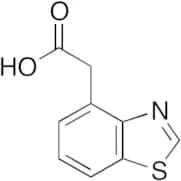


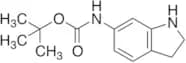
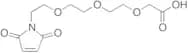
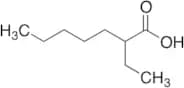
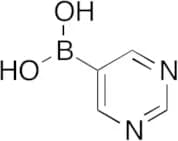
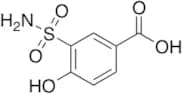
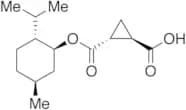
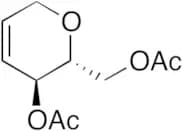
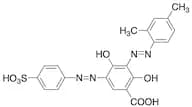

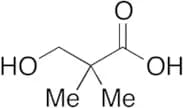

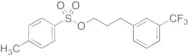
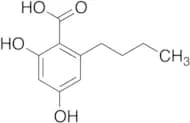
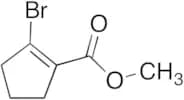
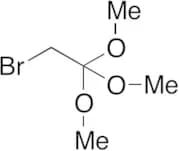
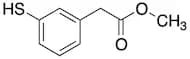
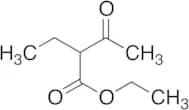

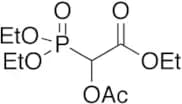
![4-[[2-(2-Amino-4,5-dihydro-4-oxo-5-thiazolyl)acetyl]amino]benzeneacetic Acid](/_next/image/?url=https%3A%2Fstatic.cymitquimica.com%2Fproducts%2FTR%2Fthumb-webp%2FA629388.webp&w=3840&q=75)
![2-[(Dipropylamino)sulfonyl]benzoic Acid](/_next/image/?url=https%3A%2Fstatic.cymitquimica.com%2Fproducts%2FTR%2Fthumb-webp%2FD495440.webp&w=3840&q=75)

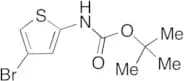
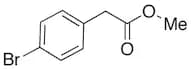
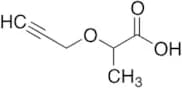

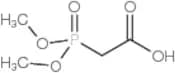
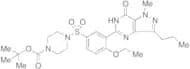
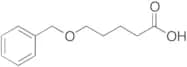


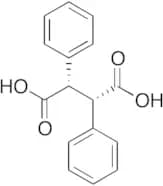
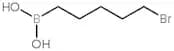
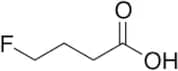
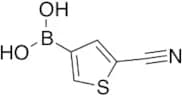
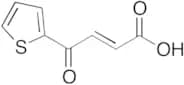
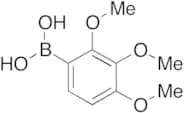
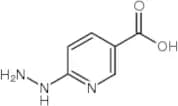

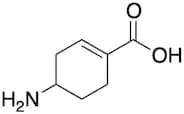
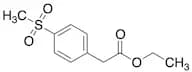
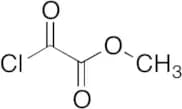
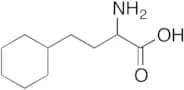
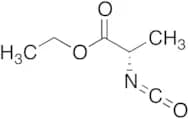

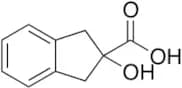
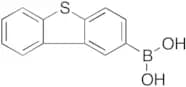
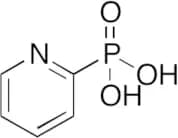


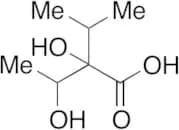
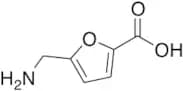
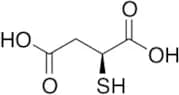
![tert-Butyl [(S)-1-amino-3-(4-iodophenyl)-1-oxopropan-2-yl]carbamate](/_next/image/?url=https%3A%2Fstatic.cymitquimica.com%2Fproducts%2FTR%2Fthumb-webp%2FB689690.webp&w=3840&q=75)

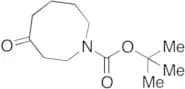
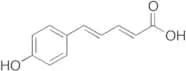

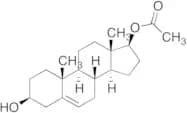
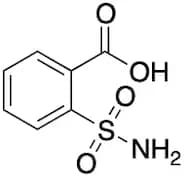
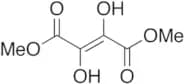
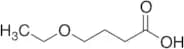
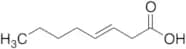

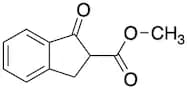
![(R)-5-[(Aminoiminomethyl)amino]-2-hydroxy-pentanoic Acid](/_next/image/?url=https%3A%2Fstatic.cymitquimica.com%2Fproducts%2FTR%2Fthumb-webp%2FA612280.webp&w=3840&q=75)


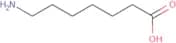
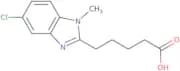
![(6R,7R)-3-(Acetoxymethyl)-8-oxo-7-(2-(thiophen-2-yl)acetamido)-5-thia-1-azabicyclo[4.2.0]oct-2-ene…](/_next/image/?url=https%3A%2Fstatic.cymitquimica.com%2Fproducts%2F3D%2Fthumb-webp%2FFA32097.webp&w=3840&q=75)
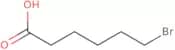
![1-[2-(5-Methyl-1H-indol-3-yl)ethyl]-5-oxopyrrolidine-3-carboxylic acid](/_next/image/?url=https%3A%2Fstatic.cymitquimica.com%2Fproducts%2F3D%2Fthumb-webp%2FFM119447.webp&w=3840&q=75)
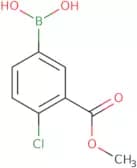
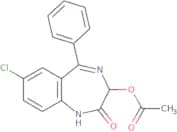
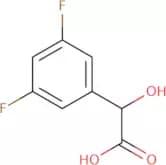

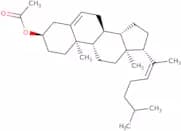
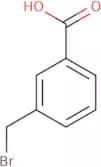
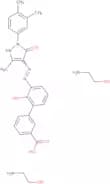
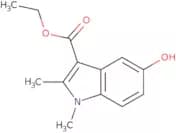
![6-(Methoxycarbonyl)spiro[3.3]heptane-2-carboxylic acid](/_next/image/?url=https%3A%2Fstatic.cymitquimica.com%2Fproducts%2F3D%2Fthumb-webp%2FFM161396.webp&w=3840&q=75)
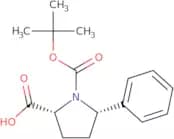
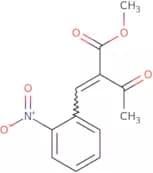
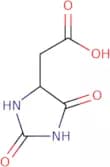
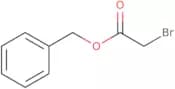
![4-Aminobicyclo[2.2.2]octane-1-carboxylic acid methyl ester](/_next/image/?url=https%3A%2Fstatic.cymitquimica.com%2Fproducts%2F3D%2Fthumb-webp%2FFA44258.webp&w=3840&q=75)
![2-[(2S,3S,4S)-3-Formyl-5-Methoxycarbonyl-2-Methyl-3,4-Dihydro-2H-Pyran-4-Yl]Acetic Acid](/_next/image/?url=https%3A%2Fstatic.cymitquimica.com%2Fproducts%2F3D%2Fthumb-webp%2FFF71925.webp&w=3840&q=75)
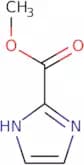

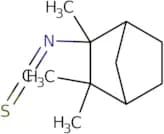
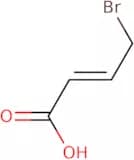
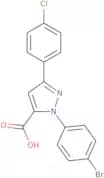
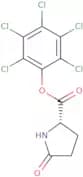
![Methyl 1H-pyrrolo[2,3-b]pyridine-2-carboxylate](/_next/image/?url=https%3A%2Fstatic.cymitquimica.com%2Fproducts%2F3D%2Fthumb-webp%2FFM142039.webp&w=3840&q=75)

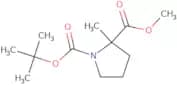

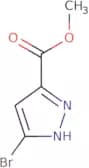
![tert-Butyl 2,7-diazaspiro[3.5]nonane-7-carboxylate](/_next/image/?url=https%3A%2Fstatic.cymitquimica.com%2Fproducts%2F3D%2Fthumb-webp%2FFT138842.webp&w=3840&q=75)
![1-[2-(5-Methoxy-1H-indol-3-yl)ethyl]-5-oxopyrrolidine-3-carboxylic acid](/_next/image/?url=https%3A%2Fstatic.cymitquimica.com%2Fproducts%2F3D%2Fthumb-webp%2FFM119445.webp&w=3840&q=75)
![1-[2-(1H-Indol-3-yl)ethyl]-2,5-dimethyl-1H-pyrrole-3-carboxylic acid](/_next/image/?url=https%3A%2Fstatic.cymitquimica.com%2Fproducts%2F3D%2Fthumb-webp%2FFI117604.webp&w=3840&q=75)

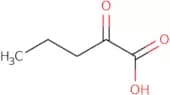
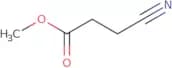
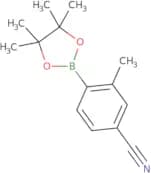
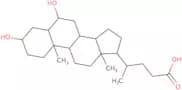
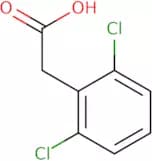
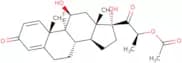
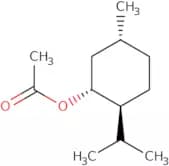
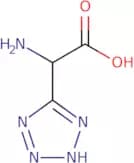
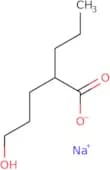
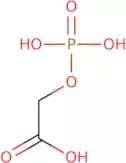
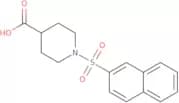
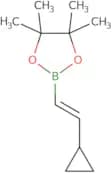
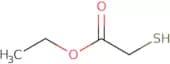
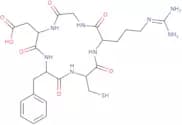
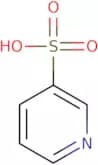

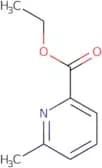
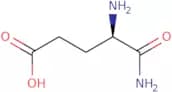
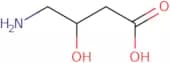

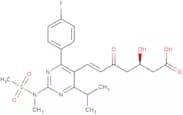
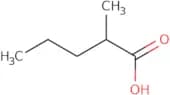

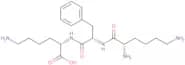
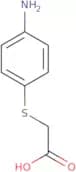
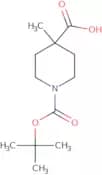
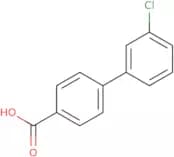
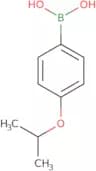
![tert-Butyl 4-{[(methylsulfonyl)oxy]methyl}piperidine-1-carboxylate](/_next/image/?url=https%3A%2Fstatic.cymitquimica.com%2Fproducts%2F3D%2Fthumb-webp%2FFB122853.webp&w=3840&q=75)
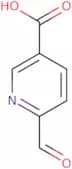


![Dimethyl 7,7'-dimethoxy-[4,4'-bibenzo[d][1,3]dioxole]-5,5'-dicarboxylate](/_next/image/?url=https%3A%2Fstatic.cymitquimica.com%2Fproducts%2F3D%2Fthumb-webp%2FFD139796.webp&w=3840&q=75)

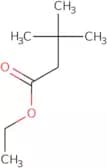
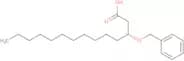
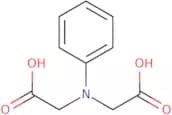
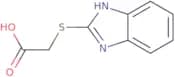
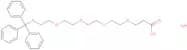
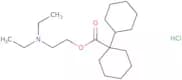

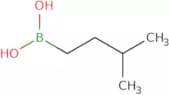

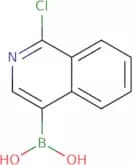
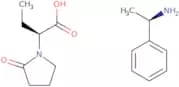
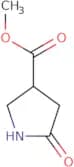
![2-[4-(2-Methylpropenyl)phenyl]propionic acid](/_next/image/?url=https%3A%2Fstatic.cymitquimica.com%2Fproducts%2F3D%2Fthumb-webp%2FFM25939.webp&w=3840&q=75)
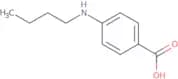
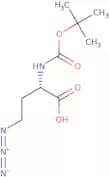

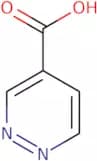
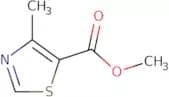
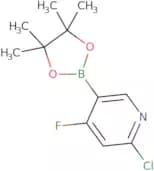
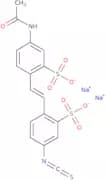
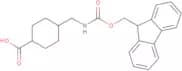
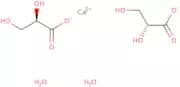
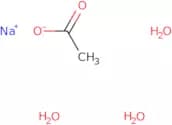
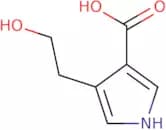
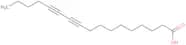
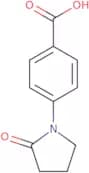
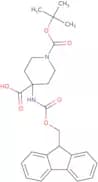
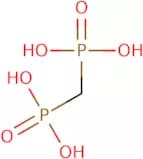
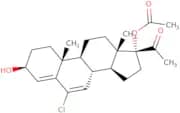
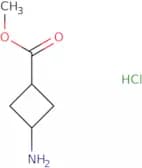
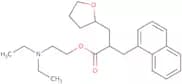
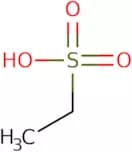

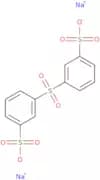

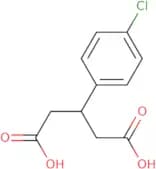
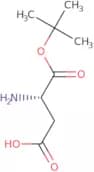
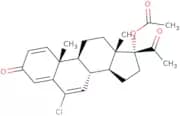
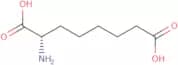
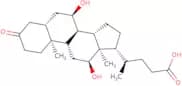
![4-{[1-(tert-Butoxycarbonyl)azetidin-3-yl]oxy}benzoic acid](/_next/image/?url=https%3A%2Fstatic.cymitquimica.com%2Fproducts%2F3D%2Fthumb-webp%2FFB125449.webp&w=3840&q=75)
![4'-[[1,4'-Dimethyl-2'-propyl(2,6'-bi-1H-benzimidazol)-1'-yl]-methyl]-1,1'-biphenyl-2-carboxylicaci…](/_next/image/?url=https%3A%2Fstatic.cymitquimica.com%2Fproducts%2F3D%2Fthumb-webp%2FFD148340.webp&w=3840&q=75)

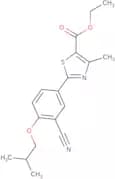
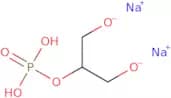
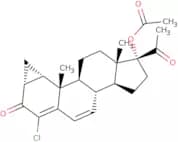

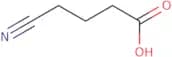
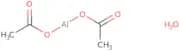

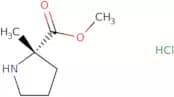
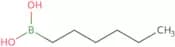
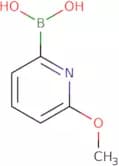
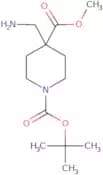
![(R)-(-)-a-[[(4-Ethyl-2,3-dioxo-1-piperazinyl)carbonyl]amino]benzeneacetic Acid](/_next/image/?url=https%3A%2Fstatic.cymitquimica.com%2Fproducts%2F3D%2Fthumb-webp%2FFE60111.webp&w=3840&q=75)