Benzoic Acids
Benzoic acids are aromatic carboxylic acids with the molecular formula C7H6O2, characterized by a benzene ring bonded to a carboxyl group (-COOH). These compounds are widely used as preservatives, intermediates in organic synthesis, and in the production of various chemicals, including dyes and fragrances. Benzoic acids are also important in the food and pharmaceutical industries. At CymitQuimica, we provide a diverse range of high-quality benzoic acids to support your research and industrial needs.
Found 5428 products of "Benzoic Acids"
Sort by
Purity (%)
0
100
|
0
|
50
|
90
|
95
|
100
2-((3-Oxocyclohex-1-enyl)amino)benzoic acid
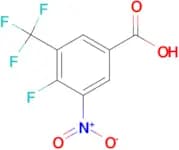
CAS:Formula:C13H13NO3Purity:98.0%Color and Shape:SolidMolecular weight:231.2514-Fluoro-3-nitro-5-(trifluoromethyl)benzoic acid
CAS:Formula:C8H3F4NO4Purity:97%Color and Shape:SolidMolecular weight:253.1092-Chloro-5-pyrrol-1-yl-benzoic acid
CAS:Formula:C11H8ClNO2Color and Shape:SolidMolecular weight:221.645'-(Trifluoromethyl)-[1,1':3',1''-terphenyl]-3,3'',5,5''-tetracarboxylic acid
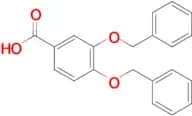
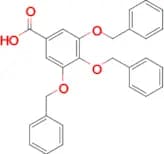
CAS:Purity:98%Molecular weight:474.3439941406253,4-Bis(benzyloxy)benzoic acid
CAS:Purity:95.0%Color and Shape:SolidMolecular weight:334.37100219726563-((4'-methoxy-[1,1'-biphenyl])-4-sulfonamido)benzoic acid
CAS:Purity:95.0%Molecular weight:383.42001342773442,3-Difluoro-4-ethoxybenzoic acid
CAS:Formula:C9H8F2O3Purity:95.0%Color and Shape:SolidMolecular weight:202.1574-[(2,4-dioxo-3-phenyl-1,3-thiazolidin-5-yl)amino]benzoic acid
CAS:Purity:95.0%Molecular weight:328.33999633789062'-Amino-5'-(4-carboxyphenyl)-[1,1':3',1''-terphenyl]-4,4''-dicarboxylic acid
CAS:Purity:97%Molecular weight:453.450012207031252-([1,1'-Biphenyl]-4-ylcarbamoyl)benzoic acid
CAS:Purity:95.0%Color and Shape:SolidMolecular weight:317.343994140625Ref: 10-F320934
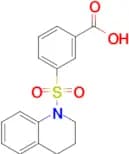
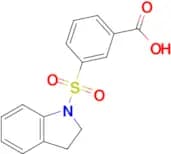
1gTo inquire5gTo inquire5mgTo inquire25mgTo inquire50mgTo inquire100mgTo inquire250mgTo inquire3-(1,2,3,4-tetrahydroquinoline-1-sulfonyl)benzoic acid
CAS:Purity:97%Molecular weight:317.35998535156252-Fluoro-5-((4-oxo-3,4-dihydrophthalazin-1-yl)methyl)benzoic acid
CAS:Purity:95.0%Color and Shape:SolidMolecular weight:298.273010253906254-{[(2,2-dimethyl-2,3-dihydro-1-benzofuran-7-yl)oxy]methyl}benzoic acid
CAS:Purity:95.0%Molecular weight:298.33801269531253′-Aminobiphenyl-4-carboxylic acidhydrochloride
CAS:Formula:C13H12ClNO2Purity:98%Color and Shape:SolidMolecular weight:249.694-(3-Methoxyphenoxymethyl)benzoic acid
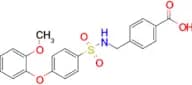
CAS:Formula:C15H14O4Purity:95.0%Color and Shape:SolidMolecular weight:258.2734-(((4-(2-Methoxyphenoxy)phenyl)sulfonamido)methyl)benzoic acid
CAS:Purity:97%Molecular weight:413.440002441406254-Methyl-3-(morpholine-4-sulfonyl)benzoic acid
CAS:Formula:C12H15NO5SPurity:95%Color and Shape:SolidMolecular weight:285.314',5'-Bis(3-carboxyphenyl)-[1,1':2',1''-terphenyl]-3,3''-dicarboxylic acid
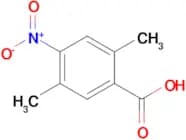
CAS:Purity:98%Molecular weight:558.54199218752,5-Dimethyl-4-nitrobenzoic acid
CAS:Purity:97.0%Color and Shape:SolidMolecular weight:195.17399597167975-[benzyl(2-chlorophenyl)sulfamoyl]-2-chlorobenzoic acid
CAS:Purity:97%Molecular weight:436.299987792968754-(5,7-dioxo-5,7-dihydro-6H-pyrrolo[3,4-b]pyridin-6-yl)benzoic acid
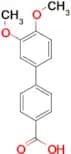
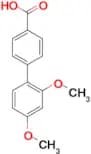
CAS:Purity:95.0%Color and Shape:Solid, White powderMolecular weight:268.22799682617193′,4′-Dimethoxybiphenyl-4-carboxylic acid
CAS:Formula:C15H14O4Purity:95.0%Color and Shape:SolidMolecular weight:258.2732-Chloro-3-iodobenzoic acid
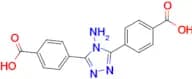
CAS:Formula:C7H4ClIO2Purity:95%Color and Shape:SolidMolecular weight:282.464,4'-(4-Amino-4H-1,2,4-triazole-3,5-diyl)dibenzoic acid
CAS:Purity:97%Molecular weight:324.29598999023444′-Fluoro-biphenyl-2-carboxylic acid
CAS:Formula:C13H9FO2Purity:98%Color and Shape:SolidMolecular weight:216.2112′-Methyl-biphenyl-2-carboxylic acid
CAS:Formula:C14H12O2Purity:95.0%Color and Shape:SolidMolecular weight:212.2483-[benzyl(4-fluorophenyl)sulfamoyl]-4-chlorobenzoic acid
CAS:Purity:97%Molecular weight:419.85000610351564-[(tert-Butoxycarbonyl-cyclopentylamino)-methyl]-benzoic acid
CAS:Formula:C18H25NO4Purity:95.0%Molecular weight:319.4013-(2-oxo-2H-chromen-3-yl)benzoic acid
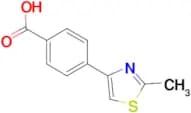
CAS:Purity:95.0%Color and Shape:Liquid, No data available.Molecular weight:266.252014160156254-(2-Methyl-1,3-thiazol-4-yl)benzoic acid
CAS:Formula:C11H9NO2SPurity:95.0%Color and Shape:SolidMolecular weight:219.262′,4′-Dimethoxybiphenyl-4-carboxylic acid
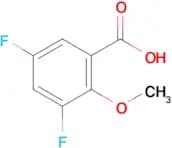
CAS:Formula:C15H14O4Purity:95.0%Color and Shape:SolidMolecular weight:258.2733,5-Difluoro-2-methoxybenzoic acid
CAS:Formula:C8H6F2O3Purity:95.0%Color and Shape:Off-white powderMolecular weight:188.135-[3-(furan-2-amido)benzamido]-2-hydroxybenzoic acid
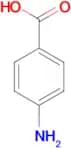
CAS:Purity:95.0%Molecular weight:366.32901000976564-Aminobenzoic acid
CAS:Formula:C7H7NO2Purity:97%Color and Shape:Solid, Crystalline Powder or PowderMolecular weight:137.138Ref: 10-F531281
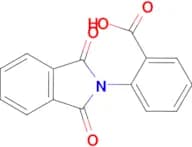
1gTo inquire2gTo inquire5gTo inquire10gTo inquire100mgTo inquire250mgTo inquire500mgTo inquire2-(1,3-dioxo-1,3-dihydro-2H-isoindol-2-yl)benzoic acid
CAS:Purity:98%Molecular weight:267.2399902343755-Fluoro-4′-methoxy-[1,1′-biphenyl]-3-carboxylic acid
CAS:Formula:C14H11FO3Purity:95.0%Color and Shape:SolidMolecular weight:246.2375'-(3,5-Dicarboxyphenyl)-[1,1':3',1''-terphenyl]-3,3'',5,5''-tetracarboxylic acid
CAS:Purity:97%Molecular weight:570.46197509765629-(4-Carboxyphenyl)-9H-carbazole-3,6-dicarboxylic acid
CAS:Purity:98%Molecular weight:375.335998535156252'-Amino-[1,1':3',1''-terphenyl]-4,4''-dicarboxylic acid
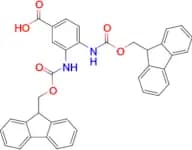
CAS:Purity:98%Molecular weight:333.34298706054693,4-Bis((((9H-fluoren-9-yl)methoxy)carbonyl)amino)benzoic acid
CAS:Purity:97%Color and Shape:SolidMolecular weight:596.63897705078124,4'-(Naphthalene-1,4-diyl)bis(2-hydroxybenzoic acid)
CAS:Purity:98%Molecular weight:400.3859863281253-((3-(N-Cyclopropylsulfamoyl)-7-(2,4-dimethoxypyrimidin-5-yl)quinolin-4-yl)amino)-5-(3,5-difluorophenoxy)benzoic acid
CAS:Purity:98%Molecular weight:649.630004882813Ref: 10-F867169
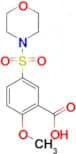
5mgTo inquire10mgTo inquire25mgTo inquire50mgTo inquire100mgTo inquire250mgTo inquire2-Methoxy-5-(morpholine-4-sulfonyl)-benzoic acid
CAS:Formula:C12H15NO6SColor and Shape:SolidMolecular weight:301.314-((4'-chloro-[1,1'-biphenyl])-4-sulfonamido)benzoic acid
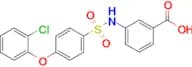
CAS:Purity:95.0%Molecular weight:387.82998657226563-((4-(2-Chlorophenoxy)phenyl)sulfonamido)benzoic acid
CAS:Purity:97%Molecular weight:403.82998657226564-(1h-1,3-Benzodiazol-1-yl)benzoic acid hydrochloride
CAS:Purity:95%Molecular weight:274.700012207031252-(3,7-Dihydroxy-dibenzo[b,f][1,4]oxazepin-11-yl)-benzoic acid
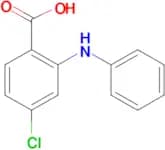
CAS:Color and Shape:Solid, No data available.Molecular weight:347.325988769531254-Chloro-2-phenylamino-benzoic acid
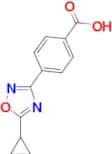
CAS:Formula:C13H10ClNO2Purity:95.0%Color and Shape:SolidMolecular weight:247.684-(5-cyclopropyl-1,2,4-oxadiazol-3-yl)benzoic acid
CAS:Purity:95.0%Molecular weight:230.223007202148442'-Amino-5'-methyl-[1,1':3',1''-terphenyl]-3,3'',5,5''-tetracarboxylic acid
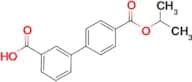
CAS:Purity:98%Molecular weight:435.38800048828125Biphenyl-3,4′-dicarboxylic acid 4′-isopropyl ester
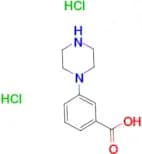
CAS:Formula:C17H16O4Color and Shape:SolidMolecular weight:284.3113-Piperazin-1-yl-benzoic acid dihydrochloride
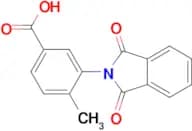
CAS:Formula:C11H16Cl2N2O2Purity:96.0%Color and Shape:SolidMolecular weight:279.163-(1,3-dioxo-1,3-dihydro-2H-isoindol-2-yl)-4-methylbenzoic acid
CAS:Purity:95.0%Molecular weight:281.26699829101564-Methoxybenzoic acid
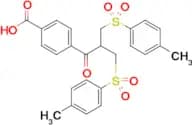
CAS:Formula:C8H8O3Purity:97%Color and Shape:Chunks,Crystalline PowderMolecular weight:152.1494-(3-Tosyl-2-(tosylmethyl)propanoyl)benzoic acid
CAS:Purity:97.0%Color and Shape:Liquid, No data available.Molecular weight:500.57998657226562-(tert-Butoxycarbonyl-methyl-amino)-benzoic acid
CAS:Formula:C13H17NO4Purity:97.0%Color and Shape:No data available.Molecular weight:251.2825'-Methyl-[1,1':3',1''-terphenyl]-3,3'',5,5''-tetracarboxylic acid
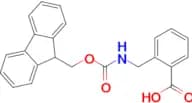
CAS:Purity:98%Molecular weight:420.372985839843752-(Fmoc-aminomethyl)benzoic acid
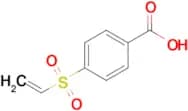
CAS:Purity:98.5%Color and Shape:SolidMolecular weight:373.40798950195314-(Vinylsulfonyl)benzoic acid
CAS:Formula:C9H8O4SPurity:95%Color and Shape:No data available.Molecular weight:212.224-(((4'-methoxy-[1,1'-biphenyl])-4-sulfonamido)methyl)benzoic acid
CAS:Purity:95.0%Molecular weight:397.45001220703125[1,1':4',1''-Terphenyl]-2',3,3'',5,5''-pentacarboxylic acid
CAS:Purity:98%Molecular weight:450.35501098632815-[benzyl(4-methoxyphenyl)sulfamoyl]-2-chlorobenzoic acid
CAS:Purity:97%Molecular weight:431.8900146484375p-Toluic Acid
CAS:<p>Applications p-Toluic Acid is used as a reagent in the synthesis of several organic compounds including that of 2-aryl-1,3,4-oxadiazole derivatives which are potential antibacterial agents. Also used in the synthesis of 4-(bromomethyl) benzoic acid.<br>References Karimi, F., et al.: J. Chem. Pharm. Res., 7, 1028 (2015); Zheng, F., et al.: Guangdong Huagong, 42, 27 (2015);<br></p>Formula:C8H8O2Color and Shape:NeatMolecular weight:136.154-chloro-3-(1H-pyrrol-1-yl)benzoic acid
CAS:Purity:95.0%Color and Shape:SolidMolecular weight:221.639999389648444-Nitrobenzoic acid
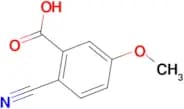
CAS:Formula:C7H5NO4Purity:98%Color and Shape:Solid, Light yellow crystallineMolecular weight:167.122-Cyano-5-methoxybenzoic acid
CAS:Formula:C9H7NO3Purity:≥95%Color and Shape:SolidMolecular weight:177.1592-{[(5,7-dimethyl[1,2,4]triazolo[1,5-a]pyrimidin-2-yl)thio]methyl}benzoic acid
Molecular weight:314.35998535156253-((4-Oxo-3,4-dihydrophthalazin-1-yl)methyl)benzoic acid
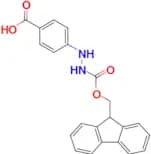
CAS:Purity:95.0%Molecular weight:280.2829895019531Fmoc-4-hydrazinobenzoic acid
CAS:Purity:96.0%Color and Shape:Liquid, No data available.Molecular weight:374.395996093754-(3-Benzyl-4-{[5-(2-fluorophenyl)furan-2-yl]methylidene}-5-oxo-4,5-dihydro-1H-pyrazol-1-yl)benzoic acid
CAS:Purity:98.0%Molecular weight:466.46798706054693-{benzyl[3-(trifluoromethyl)phenyl]sulfamoyl}-4-chlorobenzoic acid
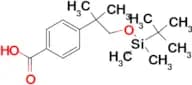
CAS:Purity:97%Molecular weight:469.85998535156254-(1-((TERT-BUTYLDIMETHYLSILYL)OXY)-2-METHYLPROPAN-2-YL)BENZOIC ACID
CAS:Purity:90.0%Molecular weight:308.49301147460944-((4'-methoxy-[1,1'-biphenyl])-4-sulfonamido)benzoic acid
CAS:Purity:95.0%Molecular weight:383.42001342773441-((2'-Carboxy-[1,1'-biphenyl]-4-yl)methyl)-4-methyl-2-propyl-1H-benzo[d]imidazole-6-carboxylic acid
CAS:Purity:97%Molecular weight:428.48800659179694-[(2,3-dihydro-1,4-benzodioxin-2-ylcarbonyl)amino]benzoic acid
CAS:Purity:95.0%Molecular weight:299.28201293945313-Iodobenzoic acid
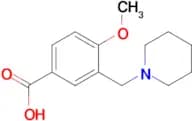
CAS:Formula:C7H5IO2Purity:98%Color and Shape:Solid, Crystalline Powder or PowderMolecular weight:248.0194-Methoxy-3-piperidin-1-ylmethyl-benzoic acid
CAS:Formula:C14H19NO3Color and Shape:SolidMolecular weight:249.313-[(1-methyl-1H-pyrazolo[3,4-d]pyrimidin-4-yl)amino]benzoic acid
CAS:Purity:95.0%Molecular weight:269.26400756835944-(1H-Imidazo[4,5-f][1,10]phenanthrolin-2-yl)benzoic acid
CAS:Purity:98%Molecular weight:340.34201049804694-ethyl-3-(2-{pyrazolo[1,5-a]pyrimidin-6-yl}ethynyl)benzoic acid
CAS:Purity:97.0%Molecular weight:291.309997558593754'-((((9H-fluoren-9-yl)methoxy)carbonyl)amino)-[1,1'-biphenyl]-4-carboxylic acid
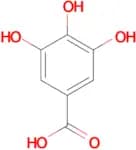
CAS:Purity:95%Molecular weight:435.479003906253,4,5-trihydroxybenzoic acid
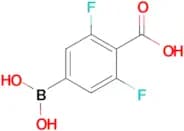
CAS:Formula:C7H6O5Purity:98%Color and Shape:SolidMolecular weight:170.124-Borono-2,6-difluorobenzoic acid
CAS:Formula:C7H5BF2O4Purity:98%Color and Shape:No data available.Molecular weight:201.925-{benzyl[3-(trifluoromethyl)phenyl]sulfamoyl}-2-chlorobenzoic acid
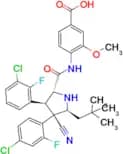
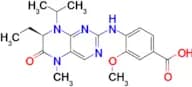
CAS:Purity:97%Molecular weight:469.8599853515625(R)-4-(7-Ethyl-8-isopropyl-5-methyl-6-oxo-5,6,7,8-tetrahydro-pteridin-2-ylamino)-3-methoxy-benzoic acid
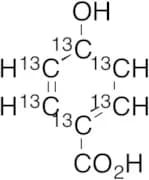
CAS:Purity:95.0%Molecular weight:399.450988769531254-Hydroxybenzoic-1,2,3,4,5,6-13C6 Acid
CAS:Controlled ProductFormula:C6CH6O3Color and Shape:NeatMolecular weight:144.083-((((9h-Fluoren-9-yl)methoxy)carbonyl)amino)-5-hydroxybenzoic acid
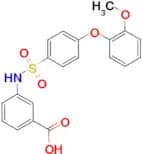
CAS:Purity:98%Molecular weight:375.38000488281253-((4-(2-methoxyphenoxy)phenyl)sulfonamido)benzoic acid
CAS:Purity:95.0%Molecular weight:399.42001342773445-(4-Cyclopropyl-1H-imidazol-1-yl)-2-fluoro-4-methylbenzoic acid
CAS:Purity:97%Molecular weight:260.268005371093754-(3,5,5,8,8-Pentamethyl-5,6,7,8-tetrahydronaphthalene-2-carbonyl)benzoic acid
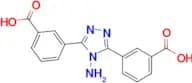
CAS:Purity:95.0%Molecular weight:350.45800781253,3'-(4-Amino-4H-1,2,4-triazole-3,5-diyl)dibenzoic acid
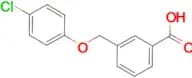
CAS:Purity:97%Molecular weight:324.29598999023443-(4-Chlorophenoxymethyl)benzoic acid
CAS:Formula:C14H11ClO3Purity:95.0%Color and Shape:SolidMolecular weight:262.693-[(4,6-Dimethylpyrimidin-2-yl)amino]benzoic acid
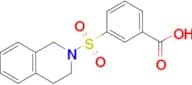
CAS:Formula:C13H13N3O2Purity:95.0%Color and Shape:SolidMolecular weight:243.2663-((3,4-Dihydroisoquinolin-2(1H)-yl)sulfonyl)benzoic acid
CAS:Purity:95.0%Color and Shape:Solid, Cream powderMolecular weight:317.35998535156252-Amino-6-chlorobenzoic acid
CAS:<p>2-Amino-6-chlorobenzoic acid is a fine chemical that is used as a reagent or speciality chemical.</p>Formula:C7H6ClNO2Molecular weight:171.58 g/mol3-Amino-2-hydroxybenzoic acid
CAS:<p>3-Amino-2-hydroxybenzoic acid (AAHB) is a nonsteroidal anti-inflammatory drug that belongs to the group of pharmaceutical preparations. It inhibits the enzyme dehydroascorbate reductase, which is involved in the production of hydrogen peroxide and other reactive oxygen species by phagocytes. Hydrogen peroxide and other reactive oxygen species can cause DNA damage and lead to cancer development. AAHB may also have antimicrobial effects, as it has been shown to inhibit bacterial growth and cell adhesion. AAHB interacts with fatty acids in a similar manner as aspirin does, but with a lower potency. It has been shown to inhibit prostaglandin synthesis by inhibiting lipoxygenase activity. The binding of AAHB at these sites prevents the formation of arachidonic acid from linoleic acid and blocks the conversion of arachidonic acid into prostaglandin H2 (PGH2).</p>Formula:C7H7NO3Purity:Min. 98 Area-%Color and Shape:Off-White PowderMolecular weight:153.14 g/mol5-Amino-2-nitrobenzoic acid
CAS:<p>5-Amino-2-nitrobenzoic acid is a useful chemical building block that is used in the synthesis of complex compounds and useful scaffolds.</p>Formula:C7H6N2O4Molecular weight:182.13 g/molRef: 3D-A-6800
25gTo inquire50gTo inquire100gTo inquire250gTo inquire500gTo inquire-Unit-ggTo inquire4-Hydroxy-3-iodobenzoic acid
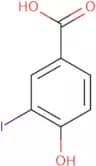
CAS:<p>4-Hydroxy-3-iodobenzoic acid is a synthetic retinoid that is used in the synthesis of various other pharmaceutical compounds. It is also an inhibitor of bacterial growth, which may be due to its ability to bind to receptors on the bacterial cell surface. The antibiotic activity of 4-hydroxy-3-iodobenzoic acid has been demonstrated using an in vitro assay with Escherichia coli and Streptococcus pyogenes. 4-Hydroxy-3-iodobenzoic acid has also been shown to have antiestrogen properties when it competes with estradiol for receptor binding sites. This compound binds to the estrogen receptor and blocks its activity, inhibiting estrogen production by the ovaries or from other sources. Structural analysis of 4-hydroxy-3-iodobenzoic acid revealed that this compound has two functional groups: one group that interacts with nitrogen and another that binds to hydrogen or oxygen. These</p>Formula:C7H5IO3Purity:Min. 95%Color and Shape:PowderMolecular weight:264.02 g/mol2-Methyl-4-nitrobenzoic acid
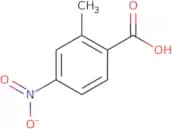
CAS:<p>2-Methyl-4-nitrobenzoic acid is a synthetic drug substance. The crystalline structure of 2-methyl-4-nitrobenzoic acid is polymorphic and it can be obtained in two different forms: anhydrous form and monohydrate form. The reaction yield for this compound is low, which may be due to the presence of additives or deionized water. This drug substance has a high solubility in hydroxide solutions and methylbenzene. It reacts slowly with hydrochloric acid and sodium hydroxide solution to produce 2-methyl-4-nitrobenzoic acid hydrochloride and sodium benzoate, respectively. 2-Methyl-4-nitrobenzoic acid has low bioavailability due to its poor absorption from the gastrointestinal tract into the bloodstream.</p>Formula:C8H7NO4Purity:Min. 95%Color and Shape:PowderMolecular weight:181.15 g/mol2-Bromo-5-methoxybenzoic acid
CAS:<p>2-Bromo-5-methoxybenzoic acid (BMBA) is a natural compound that belongs to the class of ellagitannins. It has been shown to inhibit the proliferation of leukemia cells and induce apoptosis in these cells. The mechanism of this apoptotic activity may be due to BMBA's inhibition of the progesterone receptor, which has been demonstrated by molecular modeling and 13C NMR spectroscopy experiments. This receptor is involved in cancer development and progression. BMBA also inhibits the mitochondrial membrane potential, leading to cell death. In addition, 2-Bromo-5-methoxybenzoic acid has been shown to have anti-inflammatory properties in mice with chronic colitis. This compound also has an effect on bacteria such as Pseudomonas aeruginosa, which was observed using thermodynamic calculations.</p>Formula:C8H7BrO3Purity:Min. 95%Color and Shape:PowderMolecular weight:231.04 g/mol2,6-Dimethylbenzoic acid
CAS:<p>2,6-Dimethylbenzoic acid is a colorless solid that has a molecular weight of 162.2 g/mol and an empirical formula of C7H8O2. It has a melting point of about 82 degrees Celsius and a boiling point of about 315 degrees Celsius. 2,6-Dimethylbenzoic acid is soluble in water at 100 degrees Celsius. It has been shown to act as a potent antagonist for the muscarinic acetylcholine receptors. This compound also has basic properties due to its hydrogen bonding interactions with proteins and other molecules. 2,6-Dimethylbenzoic acid has been shown to be efficient in supramolecular chemistry because it is electron deficient and contains thermodynamic functional groups such as carboxylic acids and alcohols.</p>Formula:C9H10O2Purity:Min. 95%Color and Shape:PowderMolecular weight:150.17 g/molEthyl 3,5-dichloro-4-methoxybenzoate
CAS:<p>Ethyl 3,5-dichloro-4-methoxybenzoate is an organic compound that has a variety of uses. It is an intermediate in the synthesis of various other compounds and as a reagent, it reacts with amines to form ureas. Ethyl 3,5-dichloro-4-methoxybenzoate can also be used as a complex building block for synthesizing other compounds. This chemical can be used as a speciality chemical or research chemical. As a versatile building block, ethyl 3,5-dichloro-4-methoxybenzoate can be used to make reaction components for synthesizing polymers or pharmaceuticals.</p>Formula:C10H10Cl2O3Purity:Min. 95%Color and Shape:PowderMolecular weight:249.09 g/mol2,4-Dimethylbenzoic acid
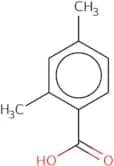
CAS:<p>2,4-Dimethylbenzoic acid is a white solid with the chemical formula CH3C6H2O2. It is an organic acid that can be used as a building block in organic synthesis. The functional groups of 2,4-dimethylbenzoic acid are methyl and carboxyl. The most efficient method for the synthesis of 2,4-dimethylbenzoic acid is by reacting hydrochloric acid with dimethylaniline. This reaction can be carried out in one pot without isolation of intermediates. The structural analysis of 2,4-dimethylbenzoic acid was done using fluorescence lifetimes and hydrochloric acid. The reaction mechanism for the formation of 2,4-dimethylbenzoic acid from dimethylaniline is through a nucleophilic substitution reaction with chloride ion. Sample preparation for 2,4-dimethylbenzoic acid includes dissolution in water and filtration through a 0.45</p>Formula:C9H10O2Purity:Min. 95%Color and Shape:White PowderMolecular weight:150.17 g/mol3-Chloro-5-hydroxybenzoic acid methyl ester
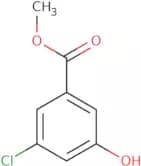
CAS:<p>3-Chloro-5-hydroxybenzoic acid methyl ester is a fine chemical that can be used as a versatile building block and reaction component in the synthesis of complex compounds. It is soluble in organic solvents such as dichloromethane, chloroform, and acetone. 3-Chloro-5-hydroxybenzoic acid methyl ester has CAS No. 98406-04-3 and a molecular weight of 149. 2.</p>Formula:C8H7ClO3Purity:Min. 98 Area-%Color and Shape:White Off-White PowderMolecular weight:186.59 g/mol5-Fluoro-2-methylbenzoic acid
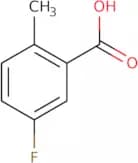
CAS:<p>5-Fluoro-2-methylbenzoic acid is a synthetic compound that has antiviral potency against the influenza A virus. It is the active form of 5-fluoro-2-methylbenzoyl chloride, which is synthesized from a Grignard reagent and an asymmetric synthesis. 5-Fluoro-2-methylbenzoic acid has been shown to have anticancer properties in vitro, which may be due to its ability to inhibit cancer cell growth through interaction with chloride channels. This drug also inhibits the activity of dehydrogenases, which are enzymes that catalyze the oxidation of various substrates by reducing them.</p>Formula:C8H7FO2Purity:Min. 95%Color and Shape:White PowderMolecular weight:154.14 g/mol2-Iodo-5-nitrobenzoic acid
CAS:<p>2-Iodo-5-nitrobenzoic acid is a reactive molecule that reacts with terminal alkynes to form a fluorescent compound. It was immobilized on an electrode and used as a probe in voltammetry studies. 2-Iodo-5-nitrobenzoic acid is also used as a reagent in the synthesis of amides, which are important in many biochemical reactions. The use of this compound may be limited by the toxicity to cells, which can be increased through the presence of cisplatin or 3-aminobenzoic acid. The microenvironment around cancer cells may also alter the reactivity of 2-iodo-5-nitrobenzoic acid.</p>Formula:C7H4INO4Purity:Min. 95%Color and Shape:Beige PowderMolecular weight:293.02 g/mol3,5-Diiodo-4-hydroxybenzoic acid
CAS:<p>3,5-Diiodo-4-hydroxybenzoic acid (3,5 DIBA) is an aminotriazole that inhibits the growth of a wide range of bacteria. 3,5 DIBA inhibits the transport of catechol and 2,6-dichlorobenzoic acid into cells. This inhibition leads to decreased levels of catechol-O-methyltransferase activity and increased levels of lysine decarboxylase activity. The combination of these two reactions causes a decrease in lysine production. Lysine is important for cell division and protein synthesis in bacteria. 3,5 DIBA also inhibits root formation in plants and has been shown to inhibit the uptake of nutrients by plant roots. Also known as: Dibenzoylmethane; 1,2-Benzenediamine, 3-[(2,6-dichlorophenyl)imino]-, diiodide;</p>Formula:C7H4I2O3Purity:Min 97%Color and Shape:PowderMolecular weight:389.91 g/mol2-Methoxy-3-methylbenzoic acid
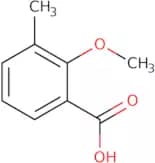
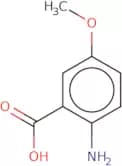
CAS:<p>2-Methoxy-3-methylbenzoic acid is a methoxy methyl, benzyl, methyl ether that can be used as a reagent in organic chemistry. It is an intermediate in the synthesis of phthalic anhydride and in the production of esters and quinones. 2-Methoxy-3-methylbenzoic acid is also used to produce potassium t-butoxide, which can be used for the synthesis of new types of reagents for organic synthesis. The chemical reacts with potassium hydroxide or potassium t-butoxide to form potassium 2-methoxy 3-methyl benzoate, which is soluble in water. This compound can also be produced from methoxy methyl benzyl chloride by reacting it with either potassium or sodium hydroxide.</p>Formula:C9H10O3Purity:Min. 95%Color and Shape:White PowderMolecular weight:166.17 g/mol2-Amino-5-methoxybenzoic acid
CAS:<p>2-Amino-5-methoxybenzoic acid is a useful chemical that can be used as a building block for the synthesis of more complex compounds. It has been used in the synthesis of novel pharmaceuticals and agrochemicals, as well as research chemicals. 2-Amino-5-methoxybenzoic acid is a high quality reagent that can be used in the production of fine chemicals and other specialty chemicals.</p>Formula:C8H9NO3Purity:Min. 95%Color and Shape:PowderMolecular weight:167.16 g/mol2,5-Dimethoxybenzoic acid
CAS:<p>2,5-Dimethoxybenzoic acid (2,5-DMA) is a plant metabolite that belongs to the group of cinnamic acid derivatives. It can be found in plants and has been shown to have systemic effects. 2,5-DMA is involved in the cycloacylation of protocatechuic acid. This reaction is catalyzed by an enzyme called cyclooxygenase and requires molecular oxygen as a cofactor. 2,5-DMA also forms hydrogen bonds with methoxy groups and other molecules. The monoclonal antibodies against 2,5-DMA have been used for radiation therapy and are effective against cancer cells. Model studies show that 2,5-DMA can be converted into more potent metabolites by the action of cytochrome P450 enzymes or glutathione S-transferases.</p>Formula:C9H10O4Purity:Min. 95%Color and Shape:PowderMolecular weight:182.17 g/mol5-Amino-2-nitrobenzoic acid
CAS:<p>5-Amino-2-nitrobenzoic acid is a versatile compound that can be used as a reagent, a reaction component, or as a useful scaffold in research. It reacts with alcohols to produce esters and amides. The high quality of this chemical makes it suitable for use in many different reactions. CAS No. 13280-60-9</p>Formula:C7H6N2O4Molecular weight:182.14 g/molRef: 3D-A-6803
1kgTo inquire100gTo inquire250gTo inquire500gTo inquire2500gTo inquire-Unit-ggTo inquireEthyl 4-ethoxybenzoate
CAS:<p>Ethyl 4-ethoxybenzoate is an antimicrobial agent that inhibits bacterial growth by interfering with the synthesis of DNA. It also has a genotoxic potential and can induce mutations in cells. Ethyl 4-ethoxybenzoate is used as an impurity in pharmaceutical drug production, such as solanum tuberosum extract, to prevent microbial contamination. It also has been shown to inhibit the growth of bacteria in cell cultures by binding to DNA and inhibiting DNA replication. Ethyl 4-ethoxybenzoate is used as a control agent for the detection of antibiotics in natural products, such as ethanol extracts from plants.</p>Formula:C11H14O3Purity:Min. 97.5 Area-%Color and Shape:Colorless Clear LiquidMolecular weight:194.23 g/mol2-Hydroxy-6-methylbenzoic acid
CAS:<p>2-Hydroxy-6-methylbenzoic acid is a natural product that is synthesized by the enzyme p. pastoris. It is a member of the polyketide class of compounds and has shown to have physiological effects such as anti-inflammatory and antioxidant properties. 2-Hydroxy-6-methylbenzoic acid also has been shown to inhibit ATP binding cassette transporter (ABC) proteins, which are involved in drug resistance, from transporting drugs out of cells, making it an attractive candidate for drug discovery.</p>Formula:C8H8O3Purity:Min. 95%Color and Shape:PowderMolecular weight:152.15 g/mol4-Aminobenzoic acid
CAS:<p>4-Aminobenzoic acid is a chemical compound that can be used as an antibacterial agent in wastewater treatment. It has been shown to be effective against Aerobacter aerogenes and other bacteria. 4-Aminobenzoic acid is a basic compound with an aromatic ring and four amine groups. It is often used in the synthesis of polymers, pharmaceuticals, dyes, and pigments. The polymerase chain reaction (PCR) technique uses 4-aminobenzoic acid as a cofactor for DNA synthesis. Electrochemical impedance spectroscopy (EIS) is another application of this chemical compound in which it acts as a redox mediator in the electrical circuit. 4-Aminobenzoic acid also has been shown to have toxic effects on bowel disease cells, which may be due to its ability to react with nucleophilic groups on cell surfaces or by inhibiting the production of essential proteins or enzymes within the cells</p>Formula:C7H7NO2Purity:Min. 98 Area-%Color and Shape:PowderMolecular weight:137.14 g/mol2-Methoxybenzoic acid
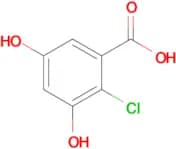
CAS:<p>2-Methoxybenzoic acid is a nonsteroidal anti-inflammatory drug that belongs to the group of acetate extract. This compound has been shown to inhibit the production of prostaglandin E2 by inhibiting cyclooxygenase activity. 2-Methoxybenzoic acid also acts as an antagonist at serotonin 5HT1A receptors, which are involved in the regulation of mood and cognition. It is a competitive inhibitor of p-hydroxybenzoic acid, natural compounds, and protocatechuic acid with hydrogen bond interactions. 2-Methoxybenzoic acid also binds to tissue culture cells and inhibits cell growth through receptor binding.</p>Formula:C8H8O3Purity:Min. 95%Color and Shape:PowderMolecular weight:152.15 g/mol2-Chloro-3,5-dihydroxybenzoic acid
CAS:<p>2-Chloro-3,5-dihydroxybenzoic acid (2C3HB) is a fine chemical that is used as a versatile building block in the synthesis of complex compounds. It is also used as a reagent for the production of pharmaceuticals and other chemicals. 2C3HB has been shown to be an important reaction component for the synthesis of drugs such as methotrexate and 6-fluoro-3-indoxyl-beta-D-galactopyranoside. This compound has a high quality and can be used as a building block in chemical reactions with other compounds.</p>Formula:C7H5ClO4Purity:Min. 90%Color and Shape:PowderMolecular weight:188.56 g/mol5,6-Dichlorovanillic acid
CAS:<p>5,6-Dichlorovanillic acid is a high quality, versatile molecule that can be used as a reagent in organic synthesis or as a building block for the synthesis of complex compounds. It has many useful properties, such as being a fine chemical and research chemicals. 5,6-Dichlorovanillic acid is also a speciality chemical with versatile uses in building blocks or reaction components.</p>Formula:C8H6Cl2O4Purity:Min. 95%Color and Shape:PowderMolecular weight:237.04 g/mol4-Acetylbenzoic acid
CAS:<p>4-Acetylbenzoic acid is a reactive functional group that is used to synthesize esters and amides. It has been shown to have anticancer activity in vitro, which may be due to the disruption of basic cellular proteins involved in DNA replication. 4-Acetylbenzoic acid is soluble in neutral pH and reacts with nucleophiles such as hydroxide ions or alcohols, forming alcohols or acetates respectively. The reaction mechanism for this compound is nucleophilic attack on the carbonyl carbon, followed by loss of water from the leaving group. Significant cytotoxicity has been observed in vitro at concentrations of 2mM and higher. This effect was particularly pronounced for cells exposed to radiation or treated with 4-acetylbenzoic acid before being exposed to radiation.</p>Formula:C9H8O3Purity:Min. 95%Color and Shape:White PowderMolecular weight:164.16 g/molMethyl 5-chlorosalicylate
CAS:<p>Methyl 5-chlorosalicylate is a chemical compound with the molecular formula CHClO. It is a colorless liquid that has a minty odor. Methyl 5-chlorosalicylate is used in organic chemistry as an intermediate to synthesize other compounds, and it can be used in the synthesis of β-cell receptor antagonists. This drug is an analog of salicylic acid and its anti-inflammatory effects are due to the inhibition of chloride channels on macrophages. The drug's neutralizing properties have been shown by experiments with neutralizing antibody levels at physiological levels, which blocks viral replication and prevents cell damage by free radicals.</p>Formula:C8H7ClO3Purity:Min. 95%Color and Shape:White PowderMolecular weight:186.59 g/mol2,4-Dihydroxy-3-methylbenzoic acid
CAS:<p>2,4-Dihydroxy-3-methylbenzoic acid (2,4-DMB) is a potent compound that has been shown to have chemotherapeutic properties. It is a DNA repair agent that also inhibits the activity of topoisomerase II and DNA polymerase III. 2,4-DMB can be used in the treatment of radiation and ionizing radiation induced cancers. The pharmacophore of 2,4-DMB has been identified as being composed of three hydrophobic regions and one hydrophilic region. This pharmacophore has been used to design other potent compounds with similar activity against cancer cells.</p>Formula:C8H8O4Purity:Min. 95%Color and Shape:PowderMolecular weight:168.15 g/mol3-Methoxybenzoic acid
CAS:<p>3-Methoxybenzoic acid is a compound that has two carboxyl groups, one on each of the two benzene rings. It is a white crystalline solid with a melting point of 86°C and a boiling point of 240°C at 1 mmHg. 3-Methoxybenzoic acid can be found in plants such as cranberries and strawberries. It also occurs naturally in animal fat, where it functions as an antioxidant and antimicrobial agent. 3-Methoxybenzoic acid has been shown to have synergistic effects when combined with protocatechuic acid in the treatment of carcinoma cells.</p>Formula:C8H8O3Purity:Min. 95%Color and Shape:PowderMolecular weight:152.15 g/molEthyl 2,4-dihydroxy-6-methylbenzoate
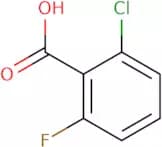
CAS:<p>Ethyl 2,4-dihydroxy-6-methylbenzoate is a phenolic acid that is found in lichens. It has been shown to have anti-cancer and anti-inflammatory properties. The hydrogen bonds of ethyl 2,4-dihydroxy-6-methylbenzoate are the result of an intramolecular hydrogen bonding between the benzoic acid group and the hydroxymethyl group. This compound can also be found in matrix effect health care products as well as wastewater treatment plants. Ethyl 2,4-dihydroxy-6-methylbenzoate has also been shown to inhibit enzymes such as uv absorption and phenolic acids.</p>Formula:C10H12O4Purity:Min. 95%Molecular weight:196.2 g/mol2-Chloro-6-fluorobenzoic acid
CAS:<p>2-Chloro-6-fluorobenzoic acid is an aromatic compound that is used as a solvent in the production of pharmaceuticals, plastics, and dyes. The 2-chloro-6-fluorobenzoic acid molecule has an electron rich ring structure that can undergo nucleophilic attack by a nucleophile such as hydrogen chloride or hydrochloric acid. It also has a high affinity for water molecules, which may be attributed to its aromatic hydrocarbon structure. This allows 2-chloro-6-fluorobenzoic acid to act as a good solvent for many organic compounds. This chemical is classified as a possible human carcinogen and is toxic to the liver cells.</p>Formula:C7H4ClFO2Purity:Min. 95%Color and Shape:PowderMolecular weight:174.56 g/mol4-Aminomethylbenzoic acid
CAS:<p>4-Aminomethylbenzoic acid (4AMBA) is a metabolite that is formed from the amino acid methionine. It has been shown to inhibit the growth of prostate cancer cells in vitro and in vivo. 4-Aminomethylbenzoic acid inhibits the activity of polymerase chain reaction (PCR), which is an enzyme that catalyzes DNA replication. The hydroxyl group on 4-aminomethylbenzoic acid reacts with one of the phosphate groups on DNA, forming a covalent bond and inhibiting DNA synthesis. This inhibition occurs at the step called initiation, where DNA synthesis begins by binding of RNA polymerase to a specific sequence of DNA. In addition, 4-aminomethylbenzoic acid also inhibits the activity of x-ray diffraction data, which is an enzyme that catalyzes RNA transcription. Histological analysis shows that 4-aminomethylbenzoic acid causes congestive heart</p>Formula:C8H9NO2Purity:Min. 98 Area-%Color and Shape:White PowderMolecular weight:151.16 g/mol3,4-Dihydroxybenzoic acid
CAS:<p>Dietary polyphenol</p>Formula:C7H6O4Purity:Min. 95%Color and Shape:PowderMolecular weight:154.12 g/molSalicylic acid
CAS:<p>Salicylic acid is a weak organic acid that is used as a plant hormone. It has been shown to have enzyme activities that may be involved in the regulation of glycol ether metabolism, photosynthetic activity, p-hydroxybenzoic acid biosynthesis and nutrient solution. Salicylic acid also inhibits nitrite ion production by reacting with acetylsalicylic, which is an inhibitor of the enzyme nitric oxide synthase. Salicylic acid may inhibit transcriptional regulation by steric interactions with DNA or by binding to regulatory proteins. The structural analysis of salicylic acid shows an intramolecular hydrogen bond between the hydroxyl group and carbonyl group which could lead to enzyme inhibition.</p>Formula:C7H6O3Purity:Min. 95%Color and Shape:White Off-White PowderMolecular weight:138.12 g/molIsopropyl 4-hydroxybenzoate
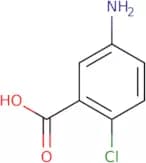
CAS:<p>Isopropyl 4-hydroxybenzoate is a preservative that is used in cosmetics, pharmaceuticals, and other household products. It can be found in a wide range of products, including moisturizers, shampoos, conditioners, hair sprays, sunscreens, skin lotions and creams. Isopropyl 4-hydroxybenzoate has been shown to inhibit the growth of bacteria by binding to their cell walls. This compound also has been shown to have an antimicrobial effect against fungi and yeast in vitro assays. A number of toxicological studies have been conducted on this compound with no observed adverse effects on animals at doses up to 2,000 mg/kg body weight. The activity index for this compound is low; therefore it does not appear to be carcinogenic or mutagenic. Analytical methods for quantifying this preservative are available in the literature.</p>Formula:C10H12O3Purity:Min. 95%Color and Shape:PowderMolecular weight:180.2 g/mol5-Amino-2-chlorobenzoic acid
CAS:<p>5-Amino-2-chlorobenzoic acid is a carboxylate that has antiproliferative effects. It is synthesized through the reaction of morpholine and malonic acid. 5-Amino-2-chlorobenzoic acid has been shown to have an optimal reaction with UV light, which may be due to its structure activity relationship with other carboxylates. It also has a high affinity for metal ions such as magnesium and chloride, which are thought to be important in cancer cell proliferation. 5-Amino-2-chlorobenzoic acid can be used in analytical methods because it is soluble in water and can be obtained through gravimetric analysis.</p>Formula:C7H6ClNO2Color and Shape:PowderMolecular weight:171.58 g/mol3-Formyl-4-hydroxybenzoic acid
CAS:<p>3-Formyl-4-hydroxybenzoic acid is a synthetic compound with anticancer activity. It is an azobenzene that has been shown to have photocatalytic activity. 3-Formyl-4-hydroxybenzoic acid has a carboxylate functional group and the ethyl ester functional group. The anticancer activity of this compound may be due to hydrogen bonding interactions, as well as its ability to cause DNA damage in cells by photolysis and its antiviral potency.</p>Formula:C8H6O4Purity:90%Color and Shape:White PowderMolecular weight:166.13 g/mol3,5-Dibromo-2-anisic acid
CAS:<p>3,5-Dibromo-2-anisic acid is a short chain dodecyl amine with the chemical formula CH2Br2C6H4N. It is an active compound that has been shown to have nematicidal activity and also shows high activity against saprophytes. 3,5-Dibromo-2-anisic acid is synthesized by reacting chlorine with salicylaldehyde in the presence of a base. The compound is used in the synthesis of various other organic compounds such as amides and amines.</p>Formula:C8H6Br2O3Purity:Min. 95%Color and Shape:PowderMolecular weight:309.94 g/mol2,6-Dimethoxybenzoic acid
CAS:<p>2,6-Dimethoxybenzoic acid is a chemical compound with the molecular formula of C9H8O4. It belongs to the group of sesquiterpene lactones and has been shown to have anti-inflammatory properties. 2,6-Dimethoxybenzoic acid exhibits a carboxylate reaction mechanism that can be activated by an enzyme, curculigoside, which hydrolyzes the ester bond in 2,6-dimethoxybenzoic acid. The reaction mechanism involves the group p2 (COOH) on 2,6-dimethoxybenzoic acid reacting with an alcohol on curculigoside to form an ester and protocatechuic acid. The dianthus caryophyllus plant produces 2,6-dimethoxybenzoic acid as a byproduct of its synthesis of protocatechuic acid. This compound is chemically studied using solid phase microextraction</p>Formula:C9H10O4Purity:Min. 95%Color and Shape:PowderMolecular weight:182.17 g/mol2,5-Difluoro-3-methylbenzoic acid methyl ester
CAS:<p>2,5-Difluoro-3-methylbenzoic acid methyl ester is a high quality, complex compound that can be used as a versatile building block in synthesis. It acts as a reagent and can be used as a research chemical. 2,5-Difluoro-3-methylbenzoic acid methyl ester is an intermediate in the production of other chemicals and can also be used as a reaction component or useful scaffold.</p>Formula:C9H8F2O2Purity:Min. 95%Color and Shape:PowderMolecular weight:186.16 g/molMethyl 4-chlorobenzoate
CAS:<p>Methyl 4-chlorobenzoate is a synthetic chemical that belongs to the group of phenyl compounds. It is a solvent for organic solvents and has been shown to be toxic to humans. Methyl 4-chlorobenzoate is used in various industrial applications, such as in the production of pesticides, herbicides, and pharmaceuticals. Methyl 4-chlorobenzoate can also be used as an intermediate for the synthesis of other chemicals, such as chlorinated hydrocarbons. This chemical has been reported to cause environmental pollution and has been classified as a carcinogen by the International Agency for Research on Cancer (IARC).</p>Formula:C8H7ClO2Purity:Min. 98.5%Color and Shape:White PowderMolecular weight:170.59 g/mol4-Formyl-3-hydroxybenzoic acid
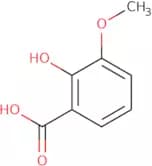
CAS:<p>4-Formyl-3-hydroxybenzoic acid (4FHB) is a member of the phenylacetic acid family. It has been shown to have potential as a substrate for creatine kinase and amines, as well as an inhibitor of the enzyme. 4FHB binds to the surface of silica particles in order to enhance Raman scattering in a solid-phase synthesis. The molecular weight of 4FHB is 148 g/mol, with optical properties that can be described by fluorescence spectroscopy. 4FHB has been shown to be homochiral and tetradentate, with a magnetic resonance spectrum that can be characterized by hydroxyl group and salicylaldehyde groups.</p>Formula:C8H6O4Purity:Min. 96.5 Area-%Color and Shape:PowderMolecular weight:166.13 g/mol2-Hydroxy-3-methoxybenzoic acid
CAS:<p>2-Hydroxy-3-methoxybenzoic acid is a chemical compound that has been studied for its potential use in the treatment of prostate cancer. It is a coordination complex that binds to DNA and inhibits the process of transcription. This compound also possesses anti-inflammatory properties, which are related to its ability to inhibit prostaglandin synthesis. 2-Hydroxy-3-methoxybenzoic acid has been shown to have an effect on human HL60 cells, which may be due to its ability to induce apoptosis. This compound has also been shown to have a high degree of metabolic stability and is not toxic to normal cells at doses up to 100 μM.</p>Formula:C8H8O4Purity:Min. 95%Color and Shape:PowderMolecular weight:168.15 g/mol2,5-Dichlorobenzoic acid methyl ester
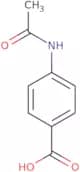
CAS:<p>2,5-Dichlorobenzoic acid methyl ester is a synthetic chemical compound that belongs to the class of aryl chlorides. It is soluble in organic solvents and can be polymerized using the vibrational method. 2,5-Dichlorobenzoic acid methyl ester has been shown to inhibit the growth of various bacteria strains by binding to sulfhydryl groups on proteins and inhibiting protein synthesis. This chemical also inhibits the uptake of sulfate ions by inhibiting the enzyme sulfate adenylyltransferase.</p>Formula:C8H6Cl2O2Purity:Min. 95%Color and Shape:PowderMolecular weight:205.04 g/mol4-Acetamidobenzoic acid
CAS:<p>4-Acetamidobenzoic acid is an aromatic organic compound that is a precursor to many pharmaceuticals, such as acetaminophen, amoxicillin, dapsone, and sulfonamide. It is an intermediate in the formation of 4-hydroxybenzoic acid from benzoic acid. This molecule is also a component of some types of plastics. The chemical's structure and properties are determined by its coordination geometry, which consists of four nitrogen atoms and one hydroxyl group. 4-Acetamidobenzoic acid has been shown to inhibit the growth of certain bacteria by interfering with their metabolic activity. It has also been found to be active against several infectious diseases such as malaria and tuberculosis. The mechanism behind its effectiveness may be due to the fact that it inhibits bacterial fatty acid synthesis or prevents the production of ATP in mitochondria cells.br>br><br>br>br><br>The reaction solution was heated for 20 minutes at 100</p>Formula:C9H9NO3Color and Shape:White PowderMolecular weight:179.17 g/mol3-Amino-2,4,6-triiodobenzoic acid
CAS:<p>3-Amino-2,4,6-triiodobenzoic acid (3AIBA) is a chemical compound that is used as a contrast agent for medical imaging. It has been shown to be useful in the diagnosis of bladder cancer, and is used in the embolization of renal artery and ureteral calculi. 3AIBA functions by binding to the antigen binding sites on the tumor cells and allows visualization with X-rays. It has also been shown to be effective in reducing blood flow in tumors by blocking blood vessels with its cationic monomer. 3AIBA binds to the phosphate groups on DNA and causes crosslinking, which prevents DNA polymerase from binding with DNA. This inhibits DNA synthesis and cell division.</p>Formula:C7H4I3NO2Purity:Min. 95%Color and Shape:PowderMolecular weight:514.83 g/mol2,3-Diaminobenzoic acid methyl ester
CAS:<p>2,3-Diaminobenzoic acid methyl ester is a redox potential catalyst that has been shown to have anticancer activity in vitro and in vivo. It is a 5-ht4 receptor agonist, which causes an increase in the intracellular concentration of cAMP. The anticancer effect of this compound may be due to its ability to inhibit the growth of cancer cells by blocking DNA synthesis and cell division. The biological properties of this drug are not well understood, but it has been shown to have antioxidant effects, as well as proton-reducing and electron-accepting properties. This compound has also been studied electrochemically.</p>Formula:C8H10N2O2Purity:95%NmrColor and Shape:PowderMolecular weight:166.18 g/mol4-Hydroxybenzoic acid
CAS:<p>4-Hydroxybenzoic acid is a plant metabolite that is found in many plants and fruits. 4-Hydroxybenzoic acid has been shown to have anti-diabetic effects in vitro. This compound also has anti-inflammatory properties, which may be due to its ability to inhibit the production of effector proteins such as nitric oxide synthase and cyclooxygenase. The biological activity of 4-hydroxybenzoic acid is dependent on the concentration; at low concentrations it inhibits glucose uptake by cells, while at high concentrations it prevents cell growth.</p>Formula:C7H6O3Purity:Min. 98 Area-%Color and Shape:White Off-White PowderMolecular weight:138.12 g/molMethyl 4-fluorobenzoate
CAS:<p>Methyl 4-fluorobenzoate is a potent inhibitor of human cancer cells. It inhibits tyrosine kinases by binding to an imidazole group and forms a ruthenium complex in the presence of sodium carbonate. Methyl 4-fluorobenzoate has shown inhibitory activity against the amination reaction catalyzed by sulfoxide reductase, which is important for the synthesis of nucleic acids. This inhibition may be due to its ability to reduce oxidized species of thiols, sulfoxides, and disulfides. Further studies are needed to elucidate the mechanism by which methyl 4-fluorobenzoate interacts with redox potentials and functional theory.</p>Formula:C8H7FO2Purity:Min. 95%Color and Shape:Colorless Clear LiquidMolecular weight:154.14 g/molEthyl 4-amino-2-nitrobenzoate
CAS:<p>Ethyl 4-amino-2-nitrobenzoate is a chemical intermediate that is used in the synthesis of other chemicals. It is also a versatile building block with many uses, such as in the production of research chemicals or as a reagent. It has CAS No. 84228-46-6 and can be purchased from various suppliers.</p>Formula:C9H10N2O4Purity:Min. 95%Color and Shape:PowderMolecular weight:210.19 g/moln-Heptyl 4-hydroxybenzoate
CAS:<p>n-Heptyl 4-hydroxybenzoate is a preservative and antimicrobial agent that is used in cosmetics, pharmaceuticals, and food. It is primarily used to inhibit the growth of bacteria and fungi. The mechanism by which heptyl 4-hydroxybenzoate inhibits the growth of microorganisms is not well understood. It has been shown to be an effective inhibitor of Gram-positive bacteria such as Bacillus subtilis, but not against Gram-negative bacteria such as Escherichia coli. Heptyl 4-hydroxybenzoate has been shown to have no effect on the growth of probiotic bacteria such as Lactobacillus acidophilus.<br>The chemical structure of n-heptyl 4-hydroxybenzoate includes a glycol ether moiety and two parabens that are linked by hydrogen bonds. These bonds can be broken by enzymes found in rat liver microsomes, leading to the release of n-</p>Formula:C14H20O3Purity:Min. 95%Color and Shape:White Off-White PowderMolecular weight:236.31 g/mol3,6-Dichloro-2-hydroxy benzoic acid
CAS:<p>3,6-Dichloro-2-hydroxy benzoic acid is a reactive compound that is used as an intermediate in the synthesis of organic compounds. It reacts with the chlorine atom to form a diazonium salt. The diazonium salt then undergoes demethylation, which allows it to be converted into various products such as 3,5-dichloro-2-hydroxybenzoic acid or 2,4-dichloro-3,5-dimethoxybenzoic acid. 3,6-Dichloro-2-hydroxy benzoic acid is a strong base and can react with any acidic compounds present in the reaction vessel. This product has been shown to be effective for wastewater treatment by converting organic compounds into less harmful compounds.</p>Formula:C7H4Cl2O3Purity:Min. 95%Color and Shape:PowderMolecular weight:207.01 g/mol



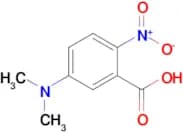
![3-(BENZO[D]THIAZOL-2-YL)BENZOIC ACID](/_next/image/?url=https%3A%2Fstatic.cymitquimica.com%2Fproducts%2F10%2Fthumb-webp%2FF513215.webp&w=3840&q=75)

![5'-(Trifluoromethyl)-[1,1':3',1''-terphenyl]-3,3'',5,5''-tetracarboxylic acid](/_next/image/?url=https%3A%2Fstatic.cymitquimica.com%2Fproducts%2F10%2Fthumb-webp%2FF691067.webp&w=3840&q=75)
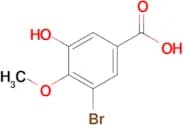
![3-((4'-methoxy-[1,1'-biphenyl])-4-sulfonamido)benzoic acid](/_next/image/?url=https%3A%2Fstatic.cymitquimica.com%2Fproducts%2F10%2Fthumb-webp%2FF512258.webp&w=3840&q=75)

![4-[(2,4-dioxo-3-phenyl-1,3-thiazolidin-5-yl)amino]benzoic acid](/_next/image/?url=https%3A%2Fstatic.cymitquimica.com%2Fproducts%2F10%2Fthumb-webp%2FF511756.webp&w=3840&q=75)


![2'-Amino-5'-(4-carboxyphenyl)-[1,1':3',1''-terphenyl]-4,4''-dicarboxylic acid](/_next/image/?url=https%3A%2Fstatic.cymitquimica.com%2Fproducts%2F10%2Fthumb-webp%2FF621990.webp&w=3840&q=75)
![4-[(4-PHENYLQUINAZOLIN-2-YL)AMINO]BENZOIC ACID](/_next/image/?url=https%3A%2Fstatic.cymitquimica.com%2Fproducts%2F10%2Fthumb-webp%2FF531237.webp&w=3840&q=75)
![2-([1,1'-Biphenyl]-4-ylcarbamoyl)benzoic acid](/_next/image/?url=https%3A%2Fstatic.cymitquimica.com%2Fproducts%2F10%2Fthumb-webp%2FF320934.webp&w=3840&q=75)

![4-{[(2,2-dimethyl-2,3-dihydro-1-benzofuran-7-yl)oxy]methyl}benzoic acid](/_next/image/?url=https%3A%2Fstatic.cymitquimica.com%2Fproducts%2F10%2Fthumb-webp%2FF495315.webp&w=3840&q=75)



![4-([4,2':6',4''-Terpyridin]-4'-yl)benzoic acid](/_next/image/?url=https%3A%2Fstatic.cymitquimica.com%2Fproducts%2F10%2Fthumb-webp%2FF606651.webp&w=3840&q=75)
![4',5'-Bis(3-carboxyphenyl)-[1,1':2',1''-terphenyl]-3,3''-dicarboxylic acid](/_next/image/?url=https%3A%2Fstatic.cymitquimica.com%2Fproducts%2F10%2Fthumb-webp%2FF612551.webp&w=3840&q=75)
![5-[benzyl(2-chlorophenyl)sulfamoyl]-2-chlorobenzoic acid](/_next/image/?url=https%3A%2Fstatic.cymitquimica.com%2Fproducts%2F10%2Fthumb-webp%2FF643175.webp&w=3840&q=75)
![4-(5,7-dioxo-5,7-dihydro-6H-pyrrolo[3,4-b]pyridin-6-yl)benzoic acid](/_next/image/?url=https%3A%2Fstatic.cymitquimica.com%2Fproducts%2F10%2Fthumb-webp%2FF314767.webp&w=3840&q=75)



![3-[benzyl(4-fluorophenyl)sulfamoyl]-4-chlorobenzoic acid](/_next/image/?url=https%3A%2Fstatic.cymitquimica.com%2Fproducts%2F10%2Fthumb-webp%2FF643282.webp&w=3840&q=75)
![4-[(tert-Butoxycarbonyl-cyclopentylamino)-methyl]-benzoic acid](/_next/image/?url=https%3A%2Fstatic.cymitquimica.com%2Fproducts%2F10%2Fthumb-webp%2FF080236.webp&w=3840&q=75)

![5-[3-(furan-2-amido)benzamido]-2-hydroxybenzoic acid](/_next/image/?url=https%3A%2Fstatic.cymitquimica.com%2Fproducts%2F10%2Fthumb-webp%2FF520922.webp&w=3840&q=75)

![5-Fluoro-4′-methoxy-[1,1′-biphenyl]-3-carboxylic acid](/_next/image/?url=https%3A%2Fstatic.cymitquimica.com%2Fproducts%2F10%2Fthumb-webp%2FF218666.webp&w=3840&q=75)
![5'-(3,5-Dicarboxyphenyl)-[1,1':3',1''-terphenyl]-3,3'',5,5''-tetracarboxylic acid](/_next/image/?url=https%3A%2Fstatic.cymitquimica.com%2Fproducts%2F10%2Fthumb-webp%2FF617379.webp&w=3840&q=75)


![2'-Amino-[1,1':3',1''-terphenyl]-4,4''-dicarboxylic acid](/_next/image/?url=https%3A%2Fstatic.cymitquimica.com%2Fproducts%2F10%2Fthumb-webp%2FF695958.webp&w=3840&q=75)


![4-[(1,3-benzothiazol-2-ylthio)methyl]benzoic acid](/_next/image/?url=https%3A%2Fstatic.cymitquimica.com%2Fproducts%2F10%2Fthumb-webp%2FF346549.webp&w=3840&q=75)
![4-((4'-chloro-[1,1'-biphenyl])-4-sulfonamido)benzoic acid](/_next/image/?url=https%3A%2Fstatic.cymitquimica.com%2Fproducts%2F10%2Fthumb-webp%2FF512259.webp&w=3840&q=75)


![2-(3,7-Dihydroxy-dibenzo[b,f][1,4]oxazepin-11-yl)-benzoic acid](/_next/image/?url=https%3A%2Fstatic.cymitquimica.com%2Fproducts%2F10%2Fthumb-webp%2FF020705.webp&w=3840&q=75)

![2'-Amino-5'-methyl-[1,1':3',1''-terphenyl]-3,3'',5,5''-tetracarboxylic acid](/_next/image/?url=https%3A%2Fstatic.cymitquimica.com%2Fproducts%2F10%2Fthumb-webp%2FF693763.webp&w=3840&q=75)



![5'-Methyl-[1,1':3',1''-terphenyl]-3,3'',5,5''-tetracarboxylic acid](/_next/image/?url=https%3A%2Fstatic.cymitquimica.com%2Fproducts%2F10%2Fthumb-webp%2FF606637.webp&w=3840&q=75)

![4-[(quinolin-2-ylcarbonyl)amino]benzoic acid](/_next/image/?url=https%3A%2Fstatic.cymitquimica.com%2Fproducts%2F10%2Fthumb-webp%2FF314732.webp&w=3840&q=75)
![4-(((4'-methoxy-[1,1'-biphenyl])-4-sulfonamido)methyl)benzoic acid](/_next/image/?url=https%3A%2Fstatic.cymitquimica.com%2Fproducts%2F10%2Fthumb-webp%2FF512293.webp&w=3840&q=75)
![[1,1':4',1''-Terphenyl]-2',3,3'',5,5''-pentacarboxylic acid](/_next/image/?url=https%3A%2Fstatic.cymitquimica.com%2Fproducts%2F10%2Fthumb-webp%2FF696034.webp&w=3840&q=75)
![5-[benzyl(4-methoxyphenyl)sulfamoyl]-2-chlorobenzoic acid](/_next/image/?url=https%3A%2Fstatic.cymitquimica.com%2Fproducts%2F10%2Fthumb-webp%2FF643071.webp&w=3840&q=75)



![2-{[(5,7-dimethyl[1,2,4]triazolo[1,5-a]pyrimidin-2-yl)thio]methyl}benzoic acid](/_next/image/?url=https%3A%2Fstatic.cymitquimica.com%2Fproducts%2F10%2Fthumb-webp%2FF912226.webp&w=3840&q=75)
![3-(benzo[d]oxazol-2-yl)benzoic acid](/_next/image/?url=https%3A%2Fstatic.cymitquimica.com%2Fproducts%2F10%2Fthumb-webp%2FF051192.webp&w=3840&q=75)


![4-(3-Benzyl-4-{[5-(2-fluorophenyl)furan-2-yl]methylidene}-5-oxo-4,5-dihydro-1H-pyrazol-1-yl)benzoi…](/_next/image/?url=https%3A%2Fstatic.cymitquimica.com%2Fproducts%2F10%2Fthumb-webp%2FF547680.webp&w=3840&q=75)

![3-{benzyl[3-(trifluoromethyl)phenyl]sulfamoyl}-4-chlorobenzoic acid](/_next/image/?url=https%3A%2Fstatic.cymitquimica.com%2Fproducts%2F10%2Fthumb-webp%2FF642433.webp&w=3840&q=75)
![2-[4-(PROPAN-2-YLOXY)PHENYL]BENZOIC ACID](/_next/image/?url=https%3A%2Fstatic.cymitquimica.com%2Fproducts%2F10%2Fthumb-webp%2FF531273.webp&w=3840&q=75)
![4-((4'-methoxy-[1,1'-biphenyl])-4-sulfonamido)benzoic acid](/_next/image/?url=https%3A%2Fstatic.cymitquimica.com%2Fproducts%2F10%2Fthumb-webp%2FF512292.webp&w=3840&q=75)
![1-((2'-Carboxy-[1,1'-biphenyl]-4-yl)methyl)-4-methyl-2-propyl-1H-benzo[d]imidazole-6-carboxylic ac…](/_next/image/?url=https%3A%2Fstatic.cymitquimica.com%2Fproducts%2F10%2Fthumb-webp%2FF694929.webp&w=3840&q=75)
![4-[(2,3-dihydro-1,4-benzodioxin-2-ylcarbonyl)amino]benzoic acid](/_next/image/?url=https%3A%2Fstatic.cymitquimica.com%2Fproducts%2F10%2Fthumb-webp%2FF314734.webp&w=3840&q=75)


![4-(5-Phenyl-[1,2,4]oxadiazol-3-yl)-benzoic acid](/_next/image/?url=https%3A%2Fstatic.cymitquimica.com%2Fproducts%2F10%2Fthumb-webp%2FF545473.webp&w=3840&q=75)
![3-[(1-methyl-1H-pyrazolo[3,4-d]pyrimidin-4-yl)amino]benzoic acid](/_next/image/?url=https%3A%2Fstatic.cymitquimica.com%2Fproducts%2F10%2Fthumb-webp%2FF314870.webp&w=3840&q=75)

![4-(1H-Imidazo[4,5-f][1,10]phenanthrolin-2-yl)benzoic acid](/_next/image/?url=https%3A%2Fstatic.cymitquimica.com%2Fproducts%2F10%2Fthumb-webp%2FF693742.webp&w=3840&q=75)
![4-ethyl-3-(2-{pyrazolo[1,5-a]pyrimidin-6-yl}ethynyl)benzoic acid](/_next/image/?url=https%3A%2Fstatic.cymitquimica.com%2Fproducts%2F10%2Fthumb-webp%2FF519254.webp&w=3840&q=75)
![4'-((((9H-fluoren-9-yl)methoxy)carbonyl)amino)-[1,1'-biphenyl]-4-carboxylic acid](/_next/image/?url=https%3A%2Fstatic.cymitquimica.com%2Fproducts%2F10%2Fthumb-webp%2FF733075.webp&w=3840&q=75)
![5-{benzyl[3-(trifluoromethyl)phenyl]sulfamoyl}-2-chlorobenzoic acid](/_next/image/?url=https%3A%2Fstatic.cymitquimica.com%2Fproducts%2F10%2Fthumb-webp%2FF642560.webp&w=3840&q=75)




![4,4'-([2,2'-Bipyridine]-4,4'-diyl)dibenzoic acid](/_next/image/?url=https%3A%2Fstatic.cymitquimica.com%2Fproducts%2F10%2Fthumb-webp%2FF693731.webp&w=3840&q=75)

![3-[(4,6-Dimethylpyrimidin-2-yl)amino]benzoic acid](/_next/image/?url=https%3A%2Fstatic.cymitquimica.com%2Fproducts%2F10%2Fthumb-webp%2FF023725.webp&w=3840&q=75)