Pharmaceutical Standards
Pharmaceutical standards are a comprehensive set of reference materials essential for ensuring the safety, efficacy, and quality of pharmaceutical products. This category includes standards for active pharmaceutical ingredients (APIs), which are the core components responsible for therapeutic effects. Additionally, it covers compounds and metabolites relevant to both the pharmaceutical and veterinary industries, providing benchmarks for the accurate measurement and analysis of these substances. Nitrosamine control standards are crucial for detecting and mitigating potentially harmful nitrosamines in drug formulations. Toxicology standards help assess the safety and potential adverse effects of pharmaceutical compounds. Furthermore, enzyme activators and inhibitors standards are vital for research and development, enabling precise studies of biochemical pathways and drug mechanisms. These pharmaceutical standards are indispensable tools for regulatory compliance, quality control, and research, ensuring that pharmaceutical products meet stringent safety and effectiveness criteria.
Subcategories of "Pharmaceutical Standards"
- APIs for research and impurities(273,753 products)
- Enzyme Activators and Inhibitors(2,827 products)
- Nitrosamines(2,606 products)
- Pharmaceutical and Veterinary Compounds and Metabolites(2,603 products)
- Toxicology(13,652 products)
Found 7836 products of "Pharmaceutical Standards"
Sort by
Purity (%)
0
100
|
0
|
50
|
90
|
95
|
100
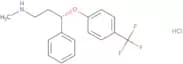
(S)-Fluoxetine hydrochloride
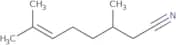
CAS:Controlled Product<p>Selective serotonin reuptake inhibitor; anti-depressant</p>Formula:C17H19ClF3NOPurity:Min. 98 Area-%Color and Shape:PowderMolecular weight:345.79 g/molCitronellyl nitrile
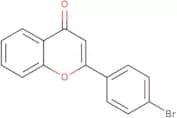
CAS:<p>Synthetic aroma providing fresh citrus fragrance</p>Formula:C10H17NPurity:Min. 95%Color and Shape:Colorless Clear LiquidMolecular weight:151.25 g/mol4'-Bromoflavone
CAS:<p>4'-Bromoflavone is a flavonoid with potent enzyme-inducing properties. It has been shown to affect transcriptional regulation in murine hepatoma cells. 4'-Bromoflavone was also found to be an effective inducer of phase II detoxification enzymes, such as glutathione S-transferase and quinone reductase in the liver of humans. This drug also affects protein synthesis and enzyme activities in mice, rats, and human cells.</p>Formula:C15H9BrO2Purity:Min. 95%Color and Shape:PowderMolecular weight:301.13 g/mol1-(4-Acetoxyphenyl)-2-nitropropene
<p>Please enquire for more information about 1-(4-Acetoxyphenyl)-2-nitropropene including the price, delivery time and more detailed product information at the technical inquiry form on this page</p>Formula:C11H11NO4Purity:Min. 95%Molecular weight:221.21 g/molHuman growth hormone (1-43)
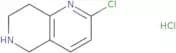
CAS:<p>Human growth hormone is a polypeptide hormone that stimulates the growth of tissues and organs. It also plays a role in the regulation of the metabolism of carbohydrates, fats, and proteins. It is produced by cells in the anterior pituitary gland and acts on cells in many different parts of the body to regulate cell function. Growth hormone is used as a research tool in endocrinology and cell biology. It can be used to study how hormones affect cells both in vitro and in vivo.<br>A recombinant form of human growth hormone (r-hGH) has been approved for treatment of children with deficient or insufficient growth due to idiopathic short stature, chronic renal insufficiency, Turner syndrome, Prader-Willi syndrome, or familial short stature.<br>HGH may also be used to treat adults who are experiencing age-related muscle loss or wasting associated with HIV/AIDS or cancer cachexia.</p>Formula:C240H358N62O67SPurity:Min. 95%Molecular weight:5,215.85 g/mol2-Chloro-5,6,7,8-tetrahydro-1,6-naphthyridine hydrochloride
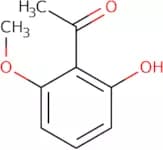
CAS:<p>2-Chloro-5,6,7,8-tetrahydro-1,6-naphthyridine hydrochloride is a fine chemical that can be used as a versatile building block in the synthesis of complex compounds. It is also an important reagent for research purposes and a speciality chemical. It has been reported to show high quality and be a useful intermediate for organic reactions. 2-Chloro-5,6,7,8-tetrahydro-1,6-naphthyridine hydrochloride is also a useful scaffold in the synthesis of novel drugs.</p>Formula:C8H10Cl2N2Purity:Min. 97 Area-%Color and Shape:White Slightly Yellow PowderMolecular weight:205.08 g/mol2-Hydroxy-6-methoxyacetophenone
CAS:<p>2-Hydroxy-6-methoxyacetophenone is a chalcone that belongs to the group of flavonoids. It has been shown to have anticancer properties, inhibiting the growth of colorectal carcinoma cells in a dose-dependent manner. The mechanism of action for 2-hydroxy-6-methoxyacetophenone is not fully understood, but it may be due to its ability to inhibit the enzyme demethylase and induce apoptosis. This compound also has been shown to inhibit the growth of Escherichia coli and Salmonella typhimurium when used at high concentrations. 2-Hydroxy-6-methoxyacetophenone can be synthesized by reacting ethyl acetoacetate with two equivalents of methylamine in the presence of a base such as sodium methoxide or potassium hydroxide.<br>2-Hydroxy-6-methoxyacetophenone has also been shown to inhibit</p>Formula:C9H10O3Purity:Min. 95%Color and Shape:PowderMolecular weight:166.17 g/molDL-Ethyl 2-bromovalerate
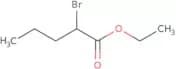
CAS:<p>DL-Ethyl 2-bromovalerate is a fatty acid that inhibits the activity of enzymes involved in fatty acid synthesis. DL-Ethyl 2-bromovalerate has been shown to have anti-inflammatory properties, which may be due to its ability to inhibit prostaglandin synthesis. It also has been found to inhibit the growth of microorganisms such as HIV and Mycobacterium tuberculosis. DL-Ethyl 2-bromovalerate has been used in the treatment of inflammatory bowel disease, as well as congestive heart failure and cardiovascular diseases. This drug also has a pharmacokinetic effect on human population growth, because it can inhibit cell proliferation.</p>Formula:C7H13BrO2Purity:Min. 95%Color and Shape:Clear LiquidMolecular weight:209.08 g/mol2-Chloro-3-nitrobenzoic acid methyl ester
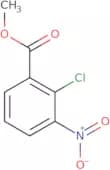
CAS:<p>2-Chloro-3-nitrobenzoic acid methyl ester is a chemical compound that has been shown to inhibit the activity of serotonin. The compound binds to the 5-HT3 receptor on the enteric neurons and inhibits the release of serotonin in the bowel, which is one of the two major sites of action for this drug. This inhibition leads to reduced motility and decreased secretion in the bowel, which helps relieve symptoms in patients with irritable bowel syndrome (IBS). It has also been shown that 2-chloro-3-nitrobenzoic acid methyl ester is able to inhibit the production of serotonin from tryptophan by inhibiting an enzyme called aromatic amino acid decarboxylase.<br>2-Chloro-3-nitrobenzoic acid methyl ester has a high affinity for both rat and human 5ht3 receptors. The kinetics and thermodynamics of this reaction have been studied using methanol as a</p>Formula:C8H6ClNO4Purity:Min. 95%Color and Shape:PowderMolecular weight:215.59 g/mol(2-Hydroxy-5-nitrophenyl)acetone
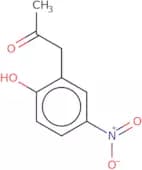
CAS:<p>2-Hydroxy-5-nitrophenyl)acetone is a high quality reagent that has been used as an intermediate in the synthesis of many complex compounds. It is a useful intermediate and building block in organic synthesis. 2-Hydroxy-5-nitrophenyl)acetone is also a versatile building block, which can be used to form chemical derivatives with different functional groups.</p>Formula:C9H9NO4Color and Shape:PowderMolecular weight:195.17 g/molN4-Hydroxycytosine
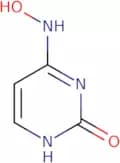
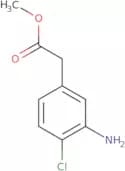
CAS:<p>N4-Hydroxycytosine is an intramolecular hydrogen that inhibits the replication of viruses by inhibiting their DNA polymerase. It is a structural analogue of cytosine and can be found in both left- and right-handed forms, which are termed isomers. The chemical study of N4-hydroxycytosine has shown it to have inhibitory effects on human immunodeficiency virus and hepatitis C virus. 13C-NMR spectroscopy has been used to identify the chemical structure of N4-hydroxycytosine and its reactivity with other molecules. N4-Hydroxycytosine can be synthesized by the reaction between formaldehyde and 2,3,5,6-tetrafluorocytosine.</p>Formula:C4H5N3O2Purity:Min. 95%Color and Shape:PowderMolecular weight:127.1 g/mol3-Amino-4-chlorophenylacetic acid methyl ester
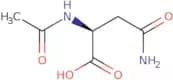
CAS:<p>3-Amino-4-chlorophenylacetic acid methyl ester is a fine chemical that is useful as a building block in the synthesis of complex compounds. It has been used as a reagent and speciality chemical, which can be used for research purposes. CAS No. 59833-69-1</p>Formula:C9H10ClNO2Purity:Min. 95%Molecular weight:199.63 g/molN-Acetyl-L-asparagine
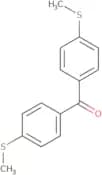
CAS:<p>N-Acetyl-L-asparagine is a synthetic, non-toxic amino acid that inhibits the activity of pancreatic lipase, an enzyme involved in lipid metabolism. N-Acetyl-L-asparagine may be useful in the treatment of obesity and diabetes. This compound also has tumor inhibition properties and is detectable in human urine.<br>N-Acetyl-L-asparagine is synthesized by reacting acetic acid with L-aspartic acid in the presence of trifluoroacetic acid and sulfate ions. The acetyl derivative is then purified by column chromatography on sephadex g-100 to yield N-acetyl asparagine.</p>Formula:C6H10N2O4Purity:Min. 98 Area-%Color and Shape:PowderMolecular weight:174.15 g/mol4,4’-Bis-(methylthio)-benzophenone
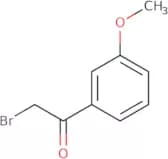
CAS:<p>4,4’-Bis-(methylthio)-benzophenone is a versatile building block that is used in the synthesis of complex compounds. It has a CAS number of 63084-99-1 and can be used as a reagent for research purposes. 4,4’-Bis-(methylthio)-benzophenone is also useful as an intermediate for the synthesis of other compounds or as a component in reactions. This compound is high quality and can be used as an intermediate in the synthesis of many other substances.</p>Formula:C15H14OS2Purity:Min. 95%Color and Shape:PowderMolecular weight:274.4 g/mol2-Bromo-3'-methoxyacetophenone
CAS:<p>2-Bromo-3'-methoxyacetophenone is a reactive compound that has been used as an antiplatelet drug. It is a prodrug of vicagrel, which inhibits the platelet aggregation by blocking the conversion of ADP to ATP. It also has been shown to inhibit the growth of cryptococcus neoformans. This compound binds to matrix proteins and disrupts their structure, leading to a decrease in platelet adhesion. 2-Bromo-3'-methoxyacetophenone has been shown to be metabolized through a number of metabolic transformations, including hydrolysis by esterases or glucuronidases, oxidation by cytochrome P450 enzymes, reduction by glutathione reductase, or conjugation with glucuronic acid. The biological properties of this drug are complex and depend on its concentration and duration of exposure. Its effect on platelet aggregation is due to its ability to inhibit the activity of protein kin</p>Formula:C9H9BrO2Purity:Min. 95%Molecular weight:229.07 g/mol3,4-Dimethylcinnamic acid
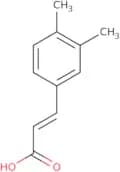
CAS:<p>3,4-Dimethylcinnamic acid is a plant-derived compound that has been shown to have anti-inflammatory properties. It inhibits the production of prostaglandins by inhibiting cyclooxygenase activity and reducing the production of pro-inflammatory eicosanoids. 3,4-Dimethylcinnamic acid also blocks the synthesis of leukotrienes and thromboxanes, which are involved in inflammation as well as allergic reactions and asthma. 3,4-Dimethylcinnamic acid is used to treat skin conditions such as psoriasis, eczema, or dermatitis. This compound can be obtained from plants like Dracaena fragrans (also known as Madagascar dragon tree) or ethnomedicine sources such as the African shrub Anthranilic acid. 3,4-Dimethylcinnamic acid can be synthesized by cross coupling with alkyl halides, ultraviolet irradiation of anthranils with uv</p>Formula:C11H12O2Purity:Min. 95%Color and Shape:White Off-White PowderMolecular weight:176.21 g/mol5-Formylsalicylic acid
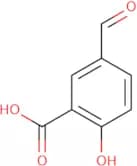
CAS:<p>5-Formylsalicylic acid is a molecule that has the chemical formula HOOC-(CH2)4-COOH. It is an organic acid that is derived from 5-nitrosalicylic acid, which is prepared by reacting sodium carbonate with hydroxybenzoic acid in the presence of ethylene diamine. This compound has been shown to have the ability to form hydrogen bonds with other molecules and itself. 5-Formylsalicylic acid can be synthesized by reacting sodium hydroxide with hydrogen chloride gas in a neutral pH environment. The surface methodology for this compound was determined to be gravimetric analysis, while it exhibits intermolecular hydrogen bonding interactions and matrix effects. Hydrogen bonding interactions are formed through nitrogen atoms and carboxylate groups on the surface of the molecule.</p>Formula:C8H6O4Purity:Min. 95%Color and Shape:PowderMolecular weight:166.13 g/molProtoporphyrin IX
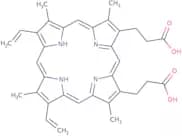
CAS:<p>Protoporphyrin IX is a fluorescent molecule that has been used for diagnosis and treatment of cancers, especially T-cell lymphomas. Protoporphyrin IX is being studied for its potential use as a photosensitizer in photodynamic therapy. The fluorescence emission spectrum of protoporphyrin IX overlaps with the absorption spectrum of hemoglobin, which enables it to be used in diagnosis of diseases such as sickle cell anemia. Protoporphyrin IX also binds to DNA and regulates gene expression. It is involved in mitochondrial functions, energy metabolism, and biochemical research. Protoporphyrin IX has been shown to bind to response elements and activate transcription of genes which are regulated by the proto-oncogene promoter. This molecule's thermodynamic data has been extensively researched and it is currently being evaluated for use in laser ablation technology for cancer treatments.</p>Formula:C34H34N4O4Purity:Min. 95%Color and Shape:Red PowderMolecular weight:562.66 g/mol4-Phenylbenzoic acid methyl ester
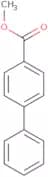
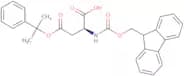
CAS:<p>4-Phenylbenzoic acid methyl ester is a bifunctional molecule that has been shown to be an effective antibacterial agent. It contains two oxadiazole moieties, which are structurally similar to sulfonamides and can form a stable amide bond with an amino group. The pharmacophore of 4-phenylbenzoic acid methyl ester is a four-member ring with two nitrogens and two carbons. This compound has been shown to have antibacterial properties by cleaving the magnesium bond in the enzyme methionine synthase, which catalyzes the formation of methionine from homocysteine and ATP. 4-Phenylbenzoic acid methyl ester is also able to cleave bonds in nonpolar solvents such as benzene, chloroform, and dichloromethane.</p>Formula:C14H12O2Purity:Min. 95%Color and Shape:PowderMolecular weight:212.24 g/molFmoc-L-aspartic acid β-2-phenylisopropyl ester
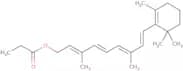
CAS:<p>Fmoc-L-aspartic acid beta-2-phenylisopropyl ester is a macrocyclic amino acid with conformational and anti-inflammatory properties. It has been shown to inhibit the proliferation of cancer cells in vitro, as well as the osteolytic, lymphoproliferative, and inflammatory activities in vivo. Fmoc-L-aspartic acid beta-2-phenylisopropyl ester also has antiarrhythmic effects on cardiac tissue that are caused by its ability to bind to chloride channels. This compound also inhibits the production of inflammatory cytokines such as tumor necrosis factor alpha (TNFα) and interleukin 6 (IL6).</p>Formula:C28H27NO6Purity:Min. 95%Color and Shape:PowderMolecular weight:473.52 g/molRetinyl propionate
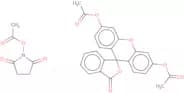
CAS:<p>Retinyl propionate is a fatty acid that is used as a sample preparation for copper-complexed collagen. The matrix effect of retinyl propionate can be seen in the skin cells, bone cells, and cartilage tissue. Retinyl propionate has been shown to increase calcium pantothenate transport rates in human serum and also has a film-forming polymer effect.</p>Formula:C23H34O2Purity:Min. 95.0 Area-%Color and Shape:Yellow Clear LiquidMolecular weight:342.51 g/mol5(6)-Carboxyfluorescein diacetate N-succinimidyl ester
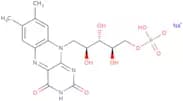
CAS:<p>5(6)-Carboxyfluorescein diacetate N-succinimidyl ester is a high quality chemical that is used as an intermediate in the synthesis of fluorescein, a complex compound. It is also useful as a reagent and building block in the synthesis of other compounds. 5(6)-Carboxyfluorescein diacetate N-succinimidyl ester is soluble in water and can be used to make fine chemicals, such as speciality chemicals and research chemicals. The chemical is also versatile and can be used as a reaction component for synthesizing other compounds.</p>Formula:C29H19NO11Purity:Min. 95%Color and Shape:White PowderMolecular weight:557.46 g/molRiboflavin 5'-phosphate sodium
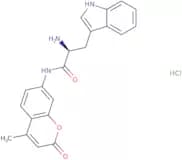
CAS:<p>Riboflavin 5'-phosphate sodium (RB5P) is a form of riboflavin that is used as a co-substrate for the synthesis of other riboflavin-containing compounds. RB5P is an important component in biochemical research, wastewater treatment, and neurodegenerative diseases. The monosodium salt has been shown to be a useful model system for studying the biochemical properties of riboflavin. In vitro studies have shown that RB5P can be used to measure the transfer reactions between nucleotide diphosphates, such as ATP and GTP. RB5P has been used to study the structural analysis and thermodynamic data of dinucleotide phosphate.</p>Formula:C17H20N4NaO9PPurity:73.00 To 79.00%Color and Shape:Yellow Orange PowderMolecular weight:478.33 g/molL-Tryptophan-7-amido-4-methylcoumarin
CAS:<p>Please enquire for more information about L-Tryptophan-7-amido-4-methylcoumarin including the price, delivery time and more detailed product information at the technical inquiry form on this page</p>Formula:C21H19N3O3Purity:Min. 95%Color and Shape:PowderMolecular weight:361.39 g/molAcrivastine
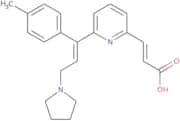
CAS:<p>Acrivastine is a drug that belongs to the group of combination therapy. It is used in the treatment of autoimmune diseases, such as choroidal neovascularization. Acrivastine inhibits the production of prostaglandin E2 (PGE2) and inhibits the release of histamine from mast cells. Acrivastine also has immunosuppressive effects. It binds to H1 receptors and blocks their activation by histamine, which may be responsible for its therapeutic effect on eye disorders and infectious diseases. Acrivastine is chemically stable in acidic or alkaline conditions, but does not dissolve in organic solvents.</p>Formula:C22H24N2O2Purity:Min. 95%Color and Shape:PowderMolecular weight:348.44 g/molDeltonin
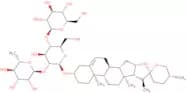
CAS:<p>Deltonin is a natural product with anti-cancer properties. Deltonin induces autophagy in K562 cells and HL-60 cells. It also inhibits the growth of squamous carcinoma cells in mice. Deltonin can induce apoptosis by reducing mitochondrial membrane potential, which leads to the activation of caspase-9, -8, and -3. In addition to inducing autophagy, deltonin can inhibit cell proliferation and migration by attenuating the signal pathways that are responsible for these processes. The mechanism of action for deltonin is not well understood but it may be due to its reactive or activated nature as a chemical structure.</p>Formula:C45H72O17Purity:Min. 95%Color and Shape:White PowderMolecular weight:885.04 g/mol1-[[5-(p-Nitrophenyl)furfurylidene]amino]-hydantoin sodium
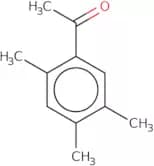
CAS:<p>Dantrolene sodium is a muscle relaxant that belongs to the group of pharmacological agents. It is used to treat muscle spasms and hyperactivity in patients with neuromuscular disorders. Dantrolene sodium inhibits calcium release by blocking the activity of the enzyme ryanodine receptor in skeletal muscle cells. This inhibition prevents uncontrolled contraction of muscles and reduces their energy consumption. The drug also has an effect on malignant hyperthermia, which is caused by an increase in the production of adenosine triphosphate (ATP) due to increased cellular metabolism. Dantrolene sodium can inhibit ATP synthesis, thus reducing energy production and stabilizing cell membranes, thereby preventing cell death in neurons and other tissues.</p>Formula:C14H10N4O5•NaPurity:Min. 95%Color and Shape:Yellow PowderMolecular weight:337.24 g/mol(2',4',5'-Trimethyl)acetophenone
CAS:<p>2,4,5-Trimethylacetophenone is a versatile building block used in the synthesis of complex compounds and research chemicals. It is a high quality chemical that can be used as a reagent or speciality chemical. 2,4,5-Trimethylacetophenone is also an intermediate for the synthesis of other useful compounds. This compound can be used as a reaction component to synthesize various types of scaffolds.</p>Formula:C11H14OPurity:Min. 95%Color and Shape:Clear LiquidMolecular weight:162.23 g/molTyrosinase
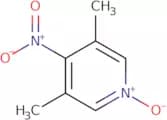
CAS:<p>Copper-containing enzyme that catalyzes the first step in the synthesis of melanin</p>Color and Shape:Powder3,5-Dimethyl-4-nitropyridine 1-oxide
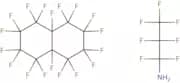
CAS:<p>3,5-Dimethyl-4-nitropyridine 1-oxide is a nitro compound with the chemical formula CHNO. It is an organic compound that has been shown to be carcinogenic in animal studies and has caused cancer in humans. 3,5-Dimethyl-4-nitropyridine 1-oxide can be found in the environment as a result of industrial accidents or environmental pollution. It is found in building materials such as acetonitrile and organic solvents. This compound is not soluble in water, which limits its potential for environmental transport.</p>Formula:C7H8N2O3Purity:Min. 95%Color and Shape:PowderMolecular weight:168.15 g/mol1,1,2,2,3,3,4,4,4a,5,5,6,6,7,7,8,8,8a-Octadecafluoronaphthalene; 1,1,2,2,3,3,3-Heptafluoropropan-1-Amine
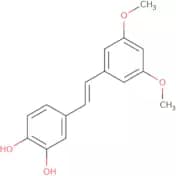
CAS:Controlled Product<p>1,1,2,2,3,3,4,4a,5-Octadecafluoronaphthalene is a fluorinated derivative of an organic compound that is used as an intestinal antiseptic and as a cardioplegic solution. Sodium salts of this drug are used to treat intestinal disorders such as colitis and Crohn's disease. It is also used to treat cardiac diseases such as myocardial infarction by reducing the size of the infarcted area. The drug has been shown to be effective in preventing muscle degeneration in patients with AIDS. 1,1,2,2,3,3-Heptafluoropropan-1-amine is a chemical that belongs to the group of adjuvant therapies. It is used as a pharmaceutical preparation for kinetic studies and particle characterization.</p>Formula:C13H2F25NPurity:Min. 95%Molecular weight:647.12 g/mol3'-Hydroxypterostilbene
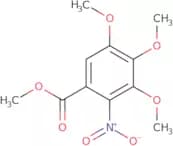
CAS:<p>3'-Hydroxypterostilbene is a natural compound that is found in blueberries, grapes, and other plants. It has been shown to have antioxidant properties and may help to prevent the growth of cancer cells. 3'-Hydroxypterostilbene has also been shown to inhibit tumor growth by inhibiting autophagy and mitochondrial membrane potential. This compound may also be useful for treating microbial infections due to its ability to inhibit bacterial growth by targeting ribosomes.</p>Formula:C16H16O4Purity:Min. 95%Color and Shape:SolidMolecular weight:272.3 g/mol2-Nitro-3,4,5-trimethoxybenzoic acid methyl ester
CAS:<p>2-Nitro-3,4,5-trimethoxybenzoic acid methyl ester is a potential anticancer agent. It has been shown to inhibit the growth of cancer cells in vitro and demonstrates anticancer activity against human tumor xenografts in mice. This compound binds to the epidermal growth factor receptor (EGFR) and inhibits its activity. This binding causes downstream signalling pathways to be suppressed, which ultimately prevents tumor cells from proliferating. 2-Nitro-3,4,5-trimethoxybenzoic acid methyl ester also has directional properties that may allow for selective targeting of cancerous cells.<br>2-Nitro-3,4,5-trimethoxybenzoic acid methyl ester is a white crystalline powder with an orthorhombic crystal system and an amine group on each end of the molecule.</p>Formula:C11H13NO7Purity:Min. 95%Color and Shape:PowderMolecular weight:271.22 g/mol7-Cyano-7-deaza-2’-deoxyguanosine
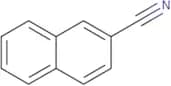
CAS:<p>7-Cyano-7-deaza-2’-deoxyguanosine is a pyrrole nucleoside analog that has been shown to inhibit the replication of herpes simplex virus type 1 and 2 in human cell lines. 7-Cyano-7-deaza-2’-deoxyguanosine is a synthetic nucleoside analog that is structurally similar to deoxyadenosine, but with a cyanide group instead of an oxygen atom. This compound has been shown to have the same biochemical properties as deoxyadenosine, including inhibiting the incorporation of uridine into RNA and DNA. In addition, 7-Cyano-7-deaza-2’-deoxyguanosine inhibits the synthesis of proteins from amino acids by competitive inhibition of ribonucleotide reductase, which catalyzes the conversion of ribonucleotides to deoxyribonucleotides. The enzyme's function</p>Formula:C12H13N5O4Purity:Min. 95%Color and Shape:PowderMolecular weight:291.26 g/molβ-Naphthonitrile
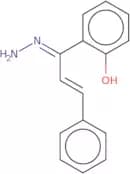
CAS:<p>Beta-naphthonitrile is an organic compound with the formula CH(CN)CO. It is a colorless liquid that is soluble in organic solvents. The molecule consists of a benzene ring with a nitrile group on one side and an ester-like carbonate group on the other. Beta-naphthonitrile has been shown to have anti-inflammatory properties, which may be due to its inhibition of prostaglandin synthesis.</p>Formula:C11H7NPurity:Min. 95%Color and Shape:PowderMolecular weight:153.18 g/mol2'-Hydroxychalcone hydrazone
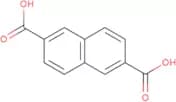
CAS:<p>2'-Hydroxychalcone hydrazone is a fine chemical that has many uses in research and as a building block for other compounds. It can be used as a reagent, intermediate, or reaction component in the synthesis of complex molecules. 2'-Hydroxychalcone hydrazone has CAS No. 4590-70-9, which is the identification number for this compound. The molecular formula is C11H14O4N2, and it has a molecular weight of 242.24 g/mol. This compound can be found in research chemicals catalogs and specialty chemical catalogs.</p>Formula:C15H14N2OPurity:Min. 95%Color and Shape:PowderMolecular weight:238.28 g/mol2,6-Naphthalenedicarboxylic acid
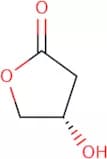
CAS:<p>2,6-Naphthalenedicarboxylic acid is a synthetic organic compound that belongs to the group of fatty acids. It is produced by oxidation of 2,6-naphthoquinone with sodium carbonate and glycol ester in the presence of an oxidation catalyst. The reaction mechanism appears to involve hydrogen bonding interactions between the hydroxyl groups on the glycol ester and the carboxyl groups on 2,6-naphthoquinone. 2,6-Naphthalenedicarboxylic acid has been shown to bind to intracellular targets such as transfer reactions and fatty acid synthesis. The analytical method for this compound is based on its formation of an adduct with p-hydroxybenzoic acid in hydrochloric acid solution.</p>Formula:C12H8O4Purity:Min. 95%Color and Shape:PowderMolecular weight:216.19 g/mol(S)-3-Hydroxy-γ-butyrolactone
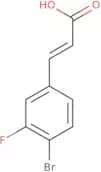
CAS:<p>3-Hydroxy-gamma-butyrolactone is an organic solvent that is used to make malic acid. It is produced by the hydrolysis of butyrolactone with aqueous hydrochloric acid and sodium chloride as an acidic catalyst. 3-Hydroxy-gamma-butyrolactone can be used in organic synthesis reactions, such as the synthesis of oligosaccharides. The reaction time for this organic compound depends on the amount of water present in the reaction mixture. This product is mainly used in chemical laboratories and industrial applications due to its high reactivity.</p>Formula:C4H6O3Purity:Min. 95%Color and Shape:Clear LiquidMolecular weight:102.09 g/mol4-Bromo-3-fluorocinnamic acid
CAS:<p>4-Bromo-3-fluorocinnamic acid is a brominated derivative of cinnamic acid. It is used as an alloying agent in steel production, and can be used to control the content of manganese, nickel, phosphorous, and sulfur in steels. The equation for the preparation of 4-bromo-3-fluorocinnamic acid from cinnamic acid is: <br>4C6H5CO2H + 3HBr → 4C6H5BrFO2 + 2H2O</p>Formula:C9H6BrFO2Purity:Min. 95%Color and Shape:PowderMolecular weight:245.05 g/molPotassium DL-aspartate hemihydrate
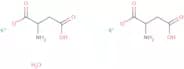
CAS:<p>Potassium DL-aspartate hemihydrate is a versatile building block that can be used as a reagent and as a speciality chemical. It is useful for research and development, as well as for the production of high-quality compounds and intermediates. This compound can be used in organic synthesis reactions and has been shown to be useful in the construction of scaffolds.</p>Formula:C4H7NO4H2O·KPurity:Min. 95%Color and Shape:White PowderMolecular weight:181.21 g/mol2-Amino-4,8-naphthalenedisulfonic acid
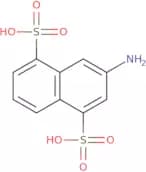
CAS:<p>2-Amino-4,8-naphthalenedisulfonic acid is a structural analog of the natural amino acid phenylalanine. It is an inhibitor of the enzyme tyrosinase, which participates in the oxidation of dopamine to DOPA and subsequent conversion to melanin. 2-Amino-4,8-naphthalenedisulfonic acid has been shown to inhibit the growth of probiotic bacteria and can be used as a food additive. The compound also inhibits the oxidation catalyst that is required for some analytical chemistry tests. 2-Amino-4,8-naphthalenedisulfonic acid has been shown to have toxicological properties in animal studies and this toxicity is exacerbated by its ability to bind with pyridine nucleotides found in cells. The toxicological effects are thought to be related to the inhibition of protein synthesis that leads to cell death.</p>Formula:C10H9NO6S2Purity:Min. 95%Color and Shape:PowderMolecular weight:303.31 g/molO-(2,4-Dinitrophenyl)hydroxylamine
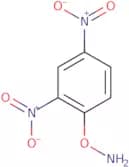
CAS:<p>O-(2,4-dinitrophenyl)hydroxylamine is a synthetic compound that binds to the enzyme bound site of the cap-dependent endonuclease. It is an inhibitor of influenza virus replication in vitro and has shown inhibitory activity against murine leukemia virus. O-(2,4-dinitrophenyl)hydroxylamine is also a model for the study of aminoglycoside antibiotics. The compound inhibits aminoglycoside-induced protein synthesis in eukaryotic cells and may be useful in understanding the mechanism of action and resistance to these antibiotics.</p>Formula:C6H5N3O5Purity:Min. 98 Area-%Color and Shape:Yellow PowderMolecular weight:199.12 g/mol(6α,11β,16α,17α)-6,9-Difluoro-11-hydroxy-16-methyl-spiro[androsta-1,4-diene-17,5'-[1,3]oxathiolane]-2',3,4'-trione
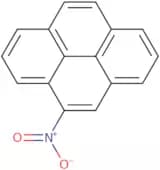
CAS:<p>(6α,11β,16α,17α)-6,9-Difluoro-11-hydroxy-16-methyl-spiro[androsta-1,4-diene-17,5'-[1,3]oxathiolane]-2',3,4'-trione is a fine chemical that can be used as a building block for the synthesis of complex compounds. This compound is also useful as a reagent and specialty chemical. (6α,11β,16α,17α)-6,9-Difluoro-11-hydroxy-16-methyl spiro[androsta-1,4 diene 17.beta., 5'(1'3'oxathiolane)] 2',3',4'-trione has been shown to be an excellent intermediate for organic reactions and may be used as a scaffold in drug design.</p>Formula:C22H24F2O5SPurity:Min. 95%Molecular weight:438.49 g/mol4-Nitropyrene
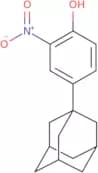
CAS:<p>4-Nitropyrene is a potent carcinogen that binds to the heme of cytochrome P450 and inhibits its activity. This chemical has been shown to inhibit the metabolism of nitroarenes, which are compounds that have been shown to cause cancer in animals. 4-Nitropyrene also produces genotoxic effects on cells in culture by causing DNA damage, including strand breaks, adduct formation, and the formation of pyrimidine dimers. 4-Nitropyrene acts as a tumor promoter in animal models by inducing lung tumors and inhibiting cell differentiation. This chemical is metabolized extensively with metabolic profiles being dependent on the tissue type examined. The analytical methods for this chemical include gas chromatography/mass spectrometry or liquid chromatography/mass spectrometry. Nitrite ion (NO2) is an important metabolite that can be measured using a colorimetric assay.</p>Formula:C16H9NO2Purity:Min. 95%Color and Shape:Slightly Yellow PowderMolecular weight:247.25 g/mol4-(1-Adamantyl)-2-nitrophenol
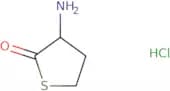
CAS:<p>4-(1-Adamantyl)-2-nitrophenol is a versatile building block that can be used to construct complex compounds. It is a research chemical that can be used as a reagent, as well as in the synthesis of pharmaceuticals and other chemicals. 4-(1-Adamantyl)-2-nitrophenol is soluble in water and ethanol, and has an odorless and colorless appearance. This chemical can be found under the CAS number 32599-84-1.</p>Formula:C16H19NO3Purity:Min. 95%Molecular weight:273.33 g/molDL-Homocysteine thiolactone hydrochloride
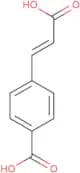
CAS:<p>DL-Homocysteine thiolactone hydrochloride is a compound that has been found in human serum and urine. It is used to measure the concentration of homocysteine in the blood, which may be an indicator of coronary heart disease. DL-Homocysteine thiolactone hydrochloride is used to synthesize the amino acid cysteine, which is vital for cell growth and protein synthesis. DL-Homocysteine thiolactone hydrochloride also has optical properties that make it suitable as a photochromic material. The compound has been shown to be a hydrogen bond donor, which makes it useful for stabilizing proteins in mammalian cells.</p>Formula:C4H8ClNOSPurity:Min. 95%Color and Shape:White PowderMolecular weight:153.63 g/mol4-Carboxycinnamic acid
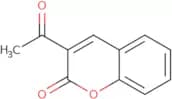
CAS:<p>4-Carboxycinnamic acid is an organic compound that is a derivative of cinnamic acid. It is a colorless solid that is soluble in organic solvents and has high resistance to environmental pollution. 4-Carboxycinnamic acid has been shown to have photocatalytic activity in the presence of UV radiation, with a quantum yield of 0.2% at 365 nm. It also exhibits fluorescence properties, but these are not as strong as the parent compound, cinnamic acid. 4-Carboxycinnamic acid has functional groups that can be activated by hydrogen bonding interactions and uptake into cells. This compound also reacts with sulfonic acids to form sulfinic acids and hydrochloric acid to form chlorocinnamic acids. Chronic pulmonary effects were observed in animals after inhalation of this substance for 30 minutes per day for 10 days. X-ray crystal structures have been determined for 4-carboxycinnamic acid and its</p>Formula:C10H8O4Purity:Min. 95%Color and Shape:PowderMolecular weight:192.17 g/mol3-Acetylcoumarin
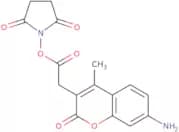
CAS:<p>3-Acetylcoumarin is a coumarin derivative that has been shown to have significant cytotoxicity in vitro. Coumarins are a group of compounds that are used as antimicrobial agents, as well as in polymer compositions and biological studies. 3-Acetylcoumarin has shown anticancer activity against human breast cancer cells (MDA-MB-231) and can be used for the treatment of various cancers. It was found that 3-acetylcoumarin binds to metal carbonyl complexes and forms stable adducts, which is responsible for its cytotoxic effects. This compound also inhibits the growth of bacteria by interfering with the synthesis of proteins necessary for cell division.</p>Formula:C11H8O3Purity:Min. 95%Color and Shape:Off-White PowderMolecular weight:188.18 g/mol7-Amino-4-methyl-3-coumarinacetic acid N-succinimidyl ester
CAS:<p>7-Amino-4-methyl-3-coumarinacetic acid N-succinimidyl ester is a synthetic amino acid with a reactive carboxylic acid group. It is used as a crosslinker in biochemistry and has been shown to have biological properties in plants. 7-Amino-4-methyl-3-coumarinacetic acid N-succinimidyl ester reacts with the acidic groups of proteins, DNA, or RNA, and is an important component of some second order rate constants. This chemical is also used for the neutralization of histological stains such as haematoxylin.</p>Formula:C16H14N2O6Purity:Min. 90 Area-%Color and Shape:PowderMolecular weight:330.29 g/molDL-alanine-β-naphthylamide hydrochloride
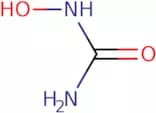
CAS:<p>DL-Alanine-beta-naphthylamide hydrochloride is a fine chemical that is used as a building block for other compounds. It can be used in the synthesis of complex compounds and as a reagent to synthesize speciality chemicals and research chemicals. DL-Alanine-beta-naphthylamide hydrochloride is also a versatile building block that can be used as an intermediate in organic reactions or as a reaction component. This compound has CAS No. 74144-49-3 and is soluble in water.</p>Formula:C13H15ClN2OPurity:Min. 95%Color and Shape:PowderMolecular weight:250.72 g/molHydroxyurea
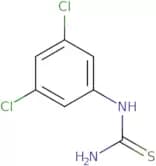
CAS:<p>Hydroxyurea is a prodrug that is activated by the enzyme Jak2, which is found in the mitochondria of cells. Hydroxyurea is used to treat various types of cancer and other diseases, such as sickle cell anemia. It has been shown to be effective in inhibiting the growth of squamous cell carcinomas and myeloid leukemia cells. Hydroxyurea has also been shown to have synergistic effects when combined with other pharmacological agents, such as hydroxycarbamide and cytosine arabinoside. Hydroxyurea inhibits the production of energy in the form of ATP, which leads to death by apoptosis or necrosis. This drug also has inhibitory properties against bacterial infections, especially those caused by Mycobacterium tuberculosis and Mycobacterium avium complex.</p>Formula:CH4N2O2Purity:Min. 97.5 Area-%Color and Shape:White Off-White PowderMolecular weight:76.06 g/mol3,5-Dichlorophenylthiourea
CAS:<p>3,5-Dichlorophenylthiourea is an inorganic compound that can be used as a corrosion inhibitor. It is an acidic compound with a magnetic resonance spectrum that contains amide peaks. This substance is also bifunctional and reacts with potassium dichromate to form an ammonium salt. 3,5-Dichlorophenylthiourea has been shown to inhibit the growth of C. neoformans in human serum and may be useful as a chemotherapy agent for this type of infection. The substance has also been shown to have some effect on chloride ions and may be useful as an environmental pollution control agent or as a chemical substance. 3,5-Dichlorophenylthiourea may react with alkanolamines or polyvinyls in order to form new compounds.</p>Purity:Min. 95%D-Pantolactone
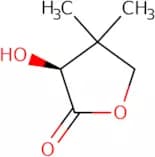
CAS:<p>D-Pantolactone is a lactone that is produced by the bacterial strain Pantoea agglomerans. It is an intermediate in the biosynthesis of pantothenic acid and calcium pantothenate. D-Pantolactone has been shown to have inhibitory properties against HIV infection, but it is not active against other viruses. D-Pantolactone binds to the enzyme hydrolase and blocks the transfer of a proton from ATP to ADP, inhibiting the production of ATP and leading to cell death. The reaction solution for D-pantolactone can be analyzed using nuclear magnetic resonance spectroscopy (NMR) or high performance liquid chromatography (HPLC).</p>Formula:C6H10O3Purity:Min. 98%Color and Shape:White PowderMolecular weight:130.14 g/molAnthracene
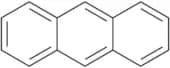
CAS:<p>Anthracene is a fluorescent probe that is used in the detection of hydrochloric acid. The fluorescence intensity of anthracene changes when it interacts with HCl, which makes it a good indicator for detecting this acid. Anthracene has been shown to bind to the bacterial cell wall skeleton and inhibit detoxification enzymes, such as beta-glucuronidase and beta-lactamase. This inhibition can be used to measure the activity of these enzymes. Anthracene has also been shown to have transport properties in inflammatory bowel disease (IBD). Protocatechuic acid has been shown to increase the solubility of anthracene in experimental conditions.</p>Formula:C14H10Purity:(Hplc) Min. 98.5%Color and Shape:PowderMolecular weight:178.23 g/mol4'-Ethylacetophenone
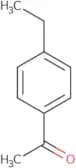
CAS:<p>4'-Ethylacetophenone is an organic compound with the chemical formula C8H10O. It is a colorless liquid that has a spicy odor. This substance can be found in friedel-crafts reactions of capsicum annuum, as well as being one of the reaction products from surinamensis. It can be identified by FT-IR spectroscopy and shows an odorant receptor activity. 4'-Ethylacetophenone is used in the production of ethyl formate, which is used as a solvent and a chemical intermediate in the synthesis of other compounds. The kinetic data for this substance are available, and it has been shown to have functional groups such as chloride and magnetic resonance spectroscopy. 4'-Ethylacetophenone is expressed in Xenopus oocytes.END></p>Formula:C10H12OPurity:Min. 95%Color and Shape:PowderMolecular weight:148.2 g/molAndrosterone sulfate sodium
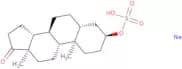
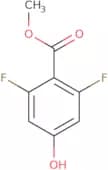
CAS:<p>Androsterone sulfate sodium is a fine chemical that is used as a versatile building block in the synthesis of complex compounds. It is also a valuable reagent in research and speciality chemicals. Androsterone sulfate sodium is used as a high-quality reaction component and can be used as an intermediate to produce other useful compounds. This compound has the CAS number 1852-41-1 and can be used as a scaffold to generate other related compounds.</p>Formula:C19H29NaO5SPurity:Min. 95 Area-%Color and Shape:White PowderMolecular weight:392.49 g/mol2,6-Difluoro-4-hydroxybenzoic acid methyl ester
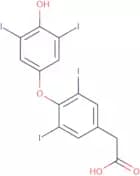
CAS:<p>2,6-Difluoro-4-hydroxybenzoic acid methyl ester is an inhibitor of monoamine oxidase (MAO). It inhibits the oxidation of monoamines such as norepinephrine and serotonin. The inhibition of MAO leads to increase in norepinephrine levels and decrease in serotonin levels. 2,6-Difluoro-4-hydroxybenzoic acid methyl ester has been shown to have antidepressant effects. This drug has also been shown to be effective for treating intraocular hypertension, by inhibiting the formation rate of aqueous humor and lowering intraocular pressure.</p>Formula:C8H6F2O3Purity:Min. 95%Color and Shape:PowderMolecular weight:188.13 g/mol3,3',5-Triiodo thyroacetic acid
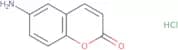
CAS:<p>3,3',5-Triiodo thyroacetic acid is a synthetic thyroid hormone that acts as a thyroid hormone receptor agonist. It binds to the thyroid hormone receptor, leading to the activation of other transcription factors and increased synthesis of proteins. 3,3',5-Triiodo thyroacetic acid has been shown to increase the metabolic rate in rats by increasing the expression of epidermal growth factor in skin cells and signal transduction in nerve cells. This drug also causes an increase in transcriptional regulation and protein synthesis. 3,3',5-Triiodo thyroacetic acid does not have any known side effects or toxicity.</p>Formula:C14H9I3O4Purity:Min. 95%Color and Shape:White Off-White PowderMolecular weight:621.93 g/mol6-Aminocoumarin HCl
CAS:<p>Use as a positive control when detecting nitroreductase activity</p>Formula:C9H7NO2·HClPurity:Min. 95%Molecular weight:197.62 g/mol3,5,3',5'-Tetraiodothyroacetic acid
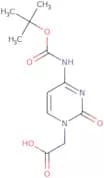
CAS:<p>3,5,3',5'-Tetraiodothyroacetic acid (T4) is a thyroid hormone that can be found in the blood and has been shown to have angiogenic properties. T4 has been shown to bind to integrin receptors on endothelial cells and stimulate the proliferation of these cells. This hormone also has pro-apoptotic activity, inducing programmed cell death in cancer cells. T4 is used as a model system for studying the molecular pathogenesis of thyroid cancer. T4 is also able to inhibit DNA polymerase activity, which may be responsible for its ability to inhibit tumor growth.</p>Formula:C14H8I4O4Purity:Min. 95%Color and Shape:White PowderMolecular weight:747.83 g/molN4-Boc-cytosin-1-yl acetic acid
CAS:<p>N4-Boc-cytosin-1-yl acetic acid is a fine chemical that is used as a reagent, and can be used as a building block in the synthesis of various compounds. It has been shown to be an effective intermediate in the synthesis of various compounds, and can be used as a scaffold for drug discovery. N4-Boc-cytosin-1-yl acetic acid is also useful in the production of other chemicals, such as pharmaceuticals and pesticides.</p>Formula:C11H15N3O5Purity:Min. 98 Area-%Color and Shape:PowderMolecular weight:269.25 g/mol(2E,6Z,8E)-2,6,8-Decatrienoic Acid Methyl Ester
CAS:Controlled Product<p>Applications (2E,6Z,8E)-2,6,8-Decatrienoic Acid Methyl Ester is an spilanthol (S681850) related amide found from Acmella ciliata.<br>References Martin, R., et al.: Phytochem., 23, 1781 (1984);<br></p>Formula:C11H16O2Color and Shape:NeatMolecular weight:180.24Propylene Glycol 2-β-Glucopyranosiduronic Acid Benzyl Ester-d6
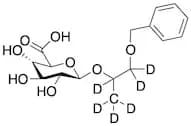
Controlled Product<p>Applications Propylene Glycol 2-β-Glucopyranosiduronic Acid Benzyl Ester-d6 is an intermediate in the synthesis of Isotope labelled Propylene Glycol 2-Glucuronide which is a metabolite of propylene glycol, used in the synthesis of N-terminal kinase inhibitors with cellular activity. Acts as a solvent for various pharmaceutical compounds.<br>References Szczepankiewicz, B. et al.: J. Med. Chem., 49, 3563 (2006); Mateus, R. et al.: Int. J. Pharm., 444, 106 (2013);<br></p>Formula:C16H16D6O8Color and Shape:NeatMolecular weight:348.383-Nitrophthalic Anhydride
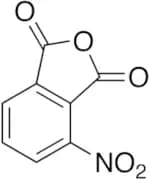
CAS:Controlled Product<p>Applications An intermediate for the synthesis of a benzimidazole PARP inhibitor I (succinate salt) (ABT-472).<br>References Denny, W., et al.: J. Med. Chem., 33, 814 (1990), Anon., et al.: Curr. Med. Chem., 10, 321 (2003),<br></p>Formula:C8H3NO5Color and Shape:Light YellowMolecular weight:193.113Palbociclib 1,2,3,4-Tetra-O-acetyl-β-D-glucuronic Acid Methyl Ester
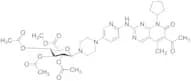
Controlled Product<p>Applications Palbociclib 1,2,3,4-Tetra-O-acetyl-β-D-glucuronic Acid Methyl Ester is an intermediate in synthesizing Palbociclib N-β-D-Glucuronide Sodium Salt (P139910), a derivative of Palbociclib (P139900) which is an experimental drug for the treatment of breast cancer being developed by Pfizer. It is a selective inhibitor of the cyclin-dependent kinases CDK4 and CDK6.<br>References Finn, R., et al.: Breast Cancer Res., 11, 5 (2009)<br></p>Formula:C37H45N7O11Color and Shape:NeatMolecular weight:763.79(3R)-2-(4-Fluorophenyl)-3-[4-(phenylmethoxy)phenyl]-2-azaspiro[3.5]nonane-1,7-dione
CAS:Controlled Product<p>Applications Intermediate in the synthesis of a cholesterol absorption inhibitor.<br>References Kambara, T. et al.; J. Org. Chem. 64, 9282 (1999); Wu, G. et al.; J. Org. Chem. 62, 6412 (1997)<br></p>Formula:C27H24FNO3Color and Shape:NeatMolecular weight:429.48b-Cyclocitral-d5, Technical Grade
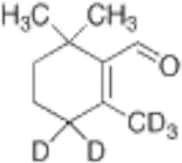
CAS:Controlled Product<p>Stability Temperature Sensitive<br>Applications This compound contains 10-20% of the alpha isomer. The exact amount has not been quantified.<br></p>Formula:C102H5H11OColor and Shape:NeatMolecular weight:157.26Propiolic Acid Sodium Salt (90%)
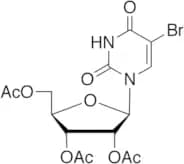
CAS:Controlled Product<p>Applications A bactericidal and fungicidal.<br>References Schoppelrei, J., et al.: J. Phys. Chem., 100, 14343 (1996), Kolb, H., et al.: Drug Discovery Today, 8, 1128 (2003),<br></p>Formula:C3HNaO2Purity:90%Color and Shape:NeatMolecular weight:92.035-Bromo-2',3',5'-tri-O-acetyluridine
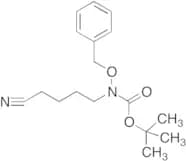
CAS:Controlled Product<p>Applications 5-Bromo-2',3',5'-tri-O-acetyluridine (cas# 105659-32-3) is a compound useful in organic synthesis.<br></p>Formula:C15H17BrN2O9Color and Shape:NeatMolecular weight:449.21N-(4-Cyanobutyl)-N-(phenylmethoxy)-carbamic Acid 1,1-Dimethylethyl Ester
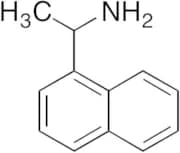
CAS:Controlled Product<p>Applications N-(4-Cyanobutyl)-N-(phenylmethoxy)-carbamic Acid 1,1-Dimethylethyl Ester is an intermediate in synthesizing Deferoxamine-d7 TFA Salt (D228982), a labelled Deferoxamine Mesylate (D228980), which is an iron chelating agent used in therapy for patients with sickle cell diseases and iron overload. Studies suggest that it can exert potential antioxidant neuroprotective effects in stroke patients.<br>References Inati, A. et al.: Am. J. Hematol., 85, 782 (2010); Selim, M.: Translat. Stroke Res., 1, 35 (2010); Cappellini, M.D. et al.: Hemoblobin, 33, 258 (2009)<br></p>Formula:C17H24N2O3Color and Shape:NeatMolecular weight:304.381-(1-Naphthyl)ethylamine
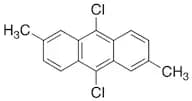
CAS:Controlled Product<p>Applications 1-(1-Naphthyl)ethylamine is used in the enzymic resolution of amines. A chirality modifier.<br>References Kitaguchi, H., et al.: Ann. N. Y. Acad. Sci., 613, 656 (1990); Lee I., et al.: J. Am. Chem. Soc., 130, 14597 (20008)<br></p>Formula:C12H13NColor and Shape:NeatMolecular weight:171.249,10-Dichloro-2,6-dimethylanthracene
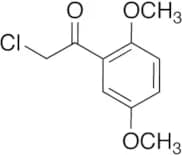
CAS:Controlled Product<p>Applications 9,10-Dichloro-2,6-dimethylanthracene (cas# 887354-46-3) is a compound useful in organic synthesis.<br></p>Formula:C16H12Cl2Color and Shape:NeatMolecular weight:275.171-(2’,5’-Dimethoxyphenyl)-2-chloroethanone
CAS:Controlled Product<p>Applications 1-(2’,5’-Dimethoxyphenyl)-2-chloroethanone (cas# 1204-22-4) is a compound useful in organic synthesis.<br></p>Formula:C10H11ClO3Color and Shape:NeatMolecular weight:214.655-Chloro-2-methoxy-benzoic Acid Methyl Ester-13C2,d6
CAS:Controlled Product<p>Applications 5-Chloro-2-methoxy-benzoic Acid Methyl Ester-13C2,d6 (cas# 1794737-29-3) is a compound useful in organic synthesis.<br></p>Formula:C713C2H3D6ClO3Color and Shape:NeatMolecular weight:208.646-Bromo-2-naphthylamine
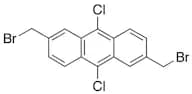
CAS:Controlled Product<p>Applications Used in the new synthesis of alkylsulphanylnaphthalenes and the synthesis and mesomorphic properties of novel naphthylisothiocyanates.<br>References Lauk, u., et al.: Helv. Chim. Acta, 68, 1406 (1985), Collina, S., et al.: Bioorg. Med. Chem., 8, 1925 (2000),<br></p>Formula:C10H8BrNColor and Shape:Light BeigeMolecular weight:222.089,10-Dichloro-2,6-bis(bromomethyl)anthracene
CAS:Controlled Product<p>Applications 9,10-Dichloro-2,6-bis(bromomethyl)anthracene (cas# 887354-43-0) is a compound useful in organic synthesis.<br></p>Formula:C16H10Br2Cl2Color and Shape:NeatMolecular weight:432.962-(Acetylamino)-2-[(3-methoxy-4-nitrophenyl)methyl]-propanedioic Acid 1,3-Diethyl Ester
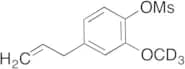
CAS:Controlled Product<p>Applications 2-(Acetylamino)-2-[(3-methoxy-4-nitrophenyl)methyl]-propanedioic Acid 1,3-Diethyl Ester is an intermediate in synthesizing 4-Amino-m-tyrosine (A632020), a degradation product of Pheomelanin, a compound found in hair and skin in humans.<br>References Patil, D. et al.: J. Org. Chem., 49, 997 (1984); Fattorusso, E. et al.: Gazz. Chem. Ital., 98, 1443 (1968);<br></p>Formula:C17H22N2O8Color and Shape:NeatMolecular weight:382.37Eugenol-d3 Methanesulfonate
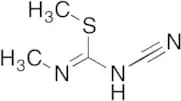
CAS:Controlled Product<p>Applications Eugenol-d3 Methanesulfonate is an intermediate in the synthesis of Labelled Eugenol (E935640), a dental compound which shows cytotoxicity to human oral squamous cell carcinoma and oral cells. When glucosylated, this compound exhibits anti-inflammatory activity.<br>References Koh, T. et al.: In Vivo, 27, 85 (2013); Zhang, P. et al.: Arch. Pharm. Res., 36, 109 (2013);<br></p>Formula:C11D3H11O4SColor and Shape:NeatMolecular weight:245.31N-Cyano-N',S-dimethylisothiourea
CAS:Controlled Product<p>Applications N-Cyano-N',S-dimethylisothiourea, is a building block used in various chemical synthesis.<br></p>Formula:C4H7N3SColor and Shape:NeatMolecular weight:129.18(2R,3E)-2,4-Dimethyl-2-[(1-oxopropyl)thio]-3,5-hexadienoic Acid Ethyl Ester
CAS:Controlled Product<p>Applications (2R,3E)-2,4-Dimethyl-2-[(1-oxopropyl)thio]-3,5-hexadienoic Acid Ethyl Ester is an intermediate in synthesizing (R)-(+)-Thiolactomycin (T350880). It is a natural product inhibitor of β-Ketoacyl-AcpM Synthase A (KasA). It inhibits the synthesis of mycolic acid which is a major cell wall component of Mycobacterium tuberculosis. Also an inhibitor of D-Aspartate oxidase (DDO).<br>References Kapilashrami, K., et al.: J. Biol. Chem., 288, 6045 (2013); Paneerselvam, V., et al.: J. Pharm. Res., 4, 4618 (2011); Katane, M., et al.: Biochimie, 92, 1371 (2010)<br></p>Formula:C13H20O3SColor and Shape:NeatMolecular weight:256.36α-Carboline-15N2
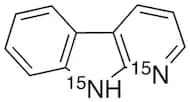
CAS:Controlled Product<p>Applications A carcinogenic compound formed during cooking processes<br>References Zhang, Y.P., et al.: Environ. Mol. Mutagen., 21, 100 (1993), Magdo, I., et al.: Cancer Lett., 81, 201 (1994),<br></p>Formula:C11H815N2Color and Shape:NeatMolecular weight:170.18L-Aspartic Anhydride Hydrochloride
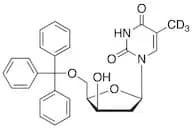
CAS:Controlled Product<p>Applications L-Aspartic Anhydride Hydrochloride is a chemical acylating reagent used in friedel-crafts reactions such as in the preparation of L-homophenylalanine.<br>References Lin, W. et al.: Synthesis, 7, 1007 (2001);<br></p>Formula:C4H5NO3·HClColor and Shape:NeatMolecular weight:115.09 + 36.465’-O-Trityl-3’-β-hydroxythymidine-d3
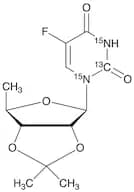
CAS:Controlled Product<p>Applications An intermediate in the preparation of labelled thymidine monophosphate analogues<br>References Vanheusden, V., et al.: Bioorg. Med. Chem. Lett., 12, 2695 (2002),<br></p>Formula:C29H25D3N2O5Color and Shape:NeatMolecular weight:487.565’-Deoxy-2’,3’-O-isopropylidene-5-fluorouridine-13C,15N2
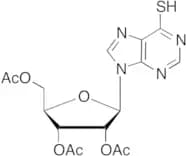
CAS:Controlled Product<p>Applications 5’-Deoxy-2’,3’-O-isopropylidene-5-fluorouridine-13C,15N2 is a compound useful in organic synthesis.<br></p>Formula:CC11H15F15N2O5Color and Shape:WhiteMolecular weight:289.2366-Mercaptopurine-9-β-D-ribofuranoside 2',3',5'-Triacetate
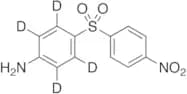
CAS:Controlled Product<p>Applications 2',3',5'-Triacetate derivative of 6-Mercaptopurine-9-β-D-ribofuranoside (M257125), a substrate for adenosine deaminase.<br>References Kashida, T., et al.: Biol. Pharma. Bull., 18, 1492 (1995); Sloan, K.B., et al.: J. Pharma. Sci., 72, 372 (1983);<br></p>Formula:C16H18N4O7SColor and Shape:NeatMolecular weight:410.44-Nitro-4’-aminodiphenyl-d4 Sulfone
CAS:Controlled Product<p>Applications An intermediate in the synthesis of the Daspone metabolite.<br></p>Formula:C12H6D4N2O4SColor and Shape:NeatMolecular weight:282.31Benz[j]aceanthrylen-2(1H)-one13C2 and Benz[e]aceanthrylen-6(5H)-one13C2
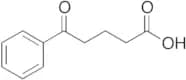
CAS:Controlled Product<p>Applications Intermediate in the synthesis of polycyclic aromatic systems.<br></p>Formula:C2C18H12OColor and Shape:NeatMolecular weight:540.5885-Oxo-5-phenylvaleric Acid
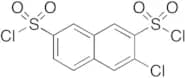
CAS:Controlled Product<p>Applications 5-Oxo-5-phenylvaleric Acid is used in various synthetic preparations. It is used in the synthesis of fulleroid and methanofullerene derivatives. Also used in tertiary amino urea-catalyzed enantioselective iodolactonization.<br>References Hummelen, J., et al.: J. Org. Chem., 60, 532 (1995); Veitch, G., Jacobsen, E.: Angew. Chem. Int. Ed., 49, 7332 (2010);<br></p>Formula:C11H12O3Color and Shape:NeatMolecular weight:192.213-Chloronaphthalene-2,7-disulfonyl Dichloride
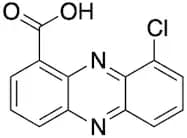
Controlled Product<p>Applications 3-Chloronaphthalene-2,7-disulfonyl Dichloride is an intermediate used in the synthesis of 2,3,6-Trichloronaphthalene (T774070), which can bind to the aryl hydrocarbon receptor (AhR) and induce a wide range of pleotrophic effects.<br>References Petrulis, J., et al.: Toxicol. Lett., 105, 251 (1999), Hilscherova, K., et al.: Environ. Sci. Pollut. Res., 7, 159 (2000),<br></p>Formula:C10H5Cl3O4S2Color and Shape:NeatMolecular weight:359.6339-Chlorophenazine-1-carboxylic Acid
CAS:Controlled Product<p>Applications 9-Chlorophenazine-1-carboxylic Acid is an intermediate in the synthesis of Endophenazine A which is a new phenazine antibiotic isolated from the arthropod associated endosymbiont Streptomyces anulatus and shows antimicrobial activities against Gram-positive bacteria and some filamentous fungi, and herbicidal activity against Lemna minor (duckweed).<br>References Gebhardt, K., et al.: J. Antibiot., 55, 794 (2002)<br></p>Formula:C13H7ClN2O2Color and Shape:NeatMolecular weight:258.66[1,1'-Binaphthalen]-8-ol
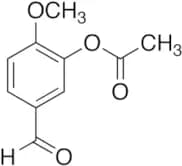
CAS:Controlled Product<p>Applications [1,1'-Binaphthalen]-8-ol is an intermediate in the synthesis of Benzo[j]fluoranthene (B205690), a polycyclic aromatic hydrocarbon that has tumour initiating activity and can be found in soot, oil, water and soil extracts as a common pollutant.<br> Not a dangerous good if item is equal to or less than 1g/ml and there is less than 100g/ml in the package<br>References Rice, J. E., et al.: J. Org. Chem., 58, 1415 (1993);<br></p>Formula:C20H14OColor and Shape:NeatMolecular weight:270.32O-Acetyl Isovanillin
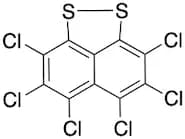
CAS:Controlled Product<p>Applications O-Acetyl Isovanillin (cas# 881-57-2) is a compound useful in organic synthesis.<br></p>Formula:C10H10O4Color and Shape:NeatMolecular weight:194.18Hexachloronaphthalene-1,8-disulfide
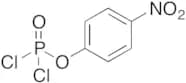
CAS:Controlled Product<p>Applications Hexachloronaphthalene-1,8-disulfide is an intermediate in the synthesis of 1,2,3,7,8-Pentachloronaphthalene which is a persistent organohalogenated pollutant found in the air and wastewater.<br>References Bordajandi, L.R., et. al.: J. Chrom. A., 1186, 312 (2008); Li, F., et. al.: J. Hazard. Mater., 280, 111 (2014); Ryu, J., et. al.: Environ. Sci. Technol., 47, 2394 (2013)<br></p>Formula:C10Cl6S2Color and Shape:NeatMolecular weight:396.964-Nitrophenyl Phosphorodichloridate
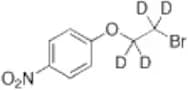
CAS:Controlled Product<p>Applications 4-Nitrophenyl Phosphorodichloridate is used as a reagent in the synthesis of dihydrobenzodioxaphosphocine oxide derivatives which have antioxidant activity.<br> Not a dangerous good if item is equal to or less than 1g/ml and there is less than 100g/ml in the package<br>References Siva Prasad, S., et al.: J. Heterocyclic Chem., no vol., no pp. (2016, ahead of print)<br></p>Formula:C6H4Cl2NO4PColor and Shape:Off-White To Light YellowMolecular weight:255.982-Bromoethyl-4-nitrophenyl Ether-d4
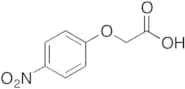
CAS:Controlled Product<p>Applications 2-Bromoethyl-4-nitrophenyl Ether-d4 (cas# 1190017-10-7) is a compound useful in organic synthesis.<br></p>Formula:C8H4D4BrNO3Color and Shape:NeatMolecular weight:250.084-Nitrophenoxyacetic Acid
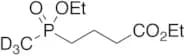
CAS:Controlled Product<p>Applications 4-Nitrophenoxyacetic Acid is a butyl p-nitrophenyl ether metabolite. Plant growth regulatory activity.<br>References Yoshimura, H., et al.: Biochem. Pharmacol., 16, 1953 (1967); Aaberg, B.: Swedish J. Agric. Res., 10, 101 (1980)<br></p>Formula:C8H7NO5Color and Shape:NeatMolecular weight:197.14Desamino P-Ethoxy Glufosinate-d3 Ethyl Ester
CAS:Controlled Product<p>Applications Phinothricin metabolite.<br>References Komossa, D. et al.: Pestic. Biochem. Phys. 43, 95 (1992)<br></p>Formula:C9H16D3O4PColor and Shape:NeatMolecular weight:225.242-(Ethoxymethyl)-α,α-dimethyl-1H-imidazo[4,5-c]quinoline-1-ethanol-d5
CAS:Controlled Product<p>Applications 2-(Ethoxymethyl)-α,α-dimethyl-1H-imidazo[4,5-c]quinoline-1-ethanol-d5 is an intermediate in synthesizing Resiquimod-d5 (R144682), an isotope labelled Resiquimod (R144680) which is an imidazoquinoline derivative that acts as an immune response modifier. Resiquimod shows antitumor and antiviral activity and is used in the treatment of skin lesions such as herpes simplex virus. Resiquimod is a toll-like receptor 9 (TLR7) agonist.<br>References Wu, J.J. et al.: Antivir. Res., 64, 79 (2004); Fife, K.H. et al.: Antimicrob. Agents Chemother., 52, 477 (2008); Szeimies, R.M. et al.: Brit. J. Dermatol., 159, 205 (2008)<br></p>Formula:C17H16D5N3O2Color and Shape:NeatMolecular weight:304.4Palbociclib Tri-O-isobutyryl-β-D-glucuronic Acid Methyl Ester
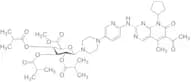
Controlled Product<p>Applications Palbociclib Tri-O-isobutyryl-β-D-glucuronic Acid Methyl Ester is an intermediate in synthesizing Palbociclib N-β-D-Glucuronide Sodium Salt (P139910), a derivative of Palbociclib (P139900) which is an experimental drug for the treatment of breast cancer being developed by Pfizer. It is a selective inhibitor of the cyclin-dependent kinases CDK4 and CDK6.<br>References Finn, R., et al.: Breast Cancer Res., 11, 5 (2009)<br></p>Formula:C43H57N7O11Color and Shape:NeatMolecular weight:847.955-Amino-3-(1-naphthyl)-4-cyano-1-tert-butylpyrazole
CAS:Controlled Product<p>Applications 5-Amino-3-(1-naphthyl)-4-cyano-1-tert-butylpyrazole (cas# 221243-34-1) is a compound useful in organic synthesis.<br>References Bishop, A.C., et al.: J. Am. Chem. Soc., 121, 627 (1999)<br></p>Formula:C18H18N4Color and Shape:NeatMolecular weight:290.36

![1-[[5-(p-Nitrophenyl)furfurylidene]amino]-hydantoin sodium](/_next/image/?url=https%3A%2Fstatic.cymitquimica.com%2Fproducts%2F3D%2Fthumb-webp%2FFN44999.webp&w=3840&q=75)


![(6α,11β,16α,17α)-6,9-Difluoro-11-hydroxy-16-methyl-spiro[androsta-1,4-diene-17,5'-[1,3]oxathiolane…](/_next/image/?url=https%3A%2Fstatic.cymitquimica.com%2Fproducts%2F3D%2Fthumb-webp%2FFD103607.webp&w=3840&q=75)




![(3R)-2-(4-Fluorophenyl)-3-[4-(phenylmethoxy)phenyl]-2-azaspiro[3.5]nonane-1,7-dione](/_next/image/?url=https%3A%2Fstatic.cymitquimica.com%2Fproducts%2FTR%2Fthumb-webp%2FF595420.webp&w=3840&q=75)



![2-(Acetylamino)-2-[(3-methoxy-4-nitrophenyl)methyl]-propanedioic Acid 1,3-Diethyl Ester](/_next/image/?url=https%3A%2Fstatic.cymitquimica.com%2Fproducts%2FTR%2Fthumb-webp%2FA135010.webp&w=3840&q=75)
![(2R,3E)-2,4-Dimethyl-2-[(1-oxopropyl)thio]-3,5-hexadienoic Acid Ethyl Ester](/_next/image/?url=https%3A%2Fstatic.cymitquimica.com%2Fproducts%2FTR%2Fthumb-webp%2FD471970.webp&w=3840&q=75)

![Benz[j]aceanthrylen-2(1H)-one13C2 and Benz[e]aceanthrylen-6(5H)-one13C2](/_next/image/?url=https%3A%2Fstatic.cymitquimica.com%2Fproducts%2FTR%2Fthumb-webp%2FB183542.webp&w=3840&q=75)
![[1,1'-Binaphthalen]-8-ol](/_next/image/?url=https%3A%2Fstatic.cymitquimica.com%2Fproducts%2FTR%2Fthumb-webp%2FB387040.webp&w=3840&q=75)
![2-(Ethoxymethyl)-α,α-dimethyl-1H-imidazo[4,5-c]quinoline-1-ethanol-d5](/_next/image/?url=https%3A%2Fstatic.cymitquimica.com%2Fproducts%2FTR%2Fthumb-webp%2FE892962.webp&w=3840&q=75)