Pharmaceutical Standards
Pharmaceutical standards are a comprehensive set of reference materials essential for ensuring the safety, efficacy, and quality of pharmaceutical products. This category includes standards for active pharmaceutical ingredients (APIs), which are the core components responsible for therapeutic effects. Additionally, it covers compounds and metabolites relevant to both the pharmaceutical and veterinary industries, providing benchmarks for the accurate measurement and analysis of these substances. Nitrosamine control standards are crucial for detecting and mitigating potentially harmful nitrosamines in drug formulations. Toxicology standards help assess the safety and potential adverse effects of pharmaceutical compounds. Furthermore, enzyme activators and inhibitors standards are vital for research and development, enabling precise studies of biochemical pathways and drug mechanisms. These pharmaceutical standards are indispensable tools for regulatory compliance, quality control, and research, ensuring that pharmaceutical products meet stringent safety and effectiveness criteria.
Subcategories of "Pharmaceutical Standards"
- APIs for research and impurities(273,753 products)
- Enzyme Activators and Inhibitors(2,827 products)
- Nitrosamines(2,606 products)
- Pharmaceutical and Veterinary Compounds and Metabolites(2,603 products)
- Toxicology(13,652 products)
Found 7836 products of "Pharmaceutical Standards"
Sort by
Purity (%)
0
100
|
0
|
50
|
90
|
95
|
100
2',4'-Dibromoacetophenone
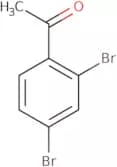
CAS:<p>2',4'-Dibromoacetophenone is a 3',5'-cyclic monophosphate (cAMP) analogue that inhibits protein kinase and phospholipase C. It has been shown to inhibit the production of adenosine in endothelial cells by acting as an antagonist at the adenosine receptor. 2',4'-Dibromoacetophenone also has a strong inhibitory effect on human endothelial cells, which may be due to its ability to inhibit DNA synthesis and protein synthesis. This compound binds to the endothelial cell membrane and blocks the activation of phospholipase A2, preventing the release of arachidonic acid from phospholipids. Arachidonic acid is required for prostaglandin synthesis, which leads to inflammation.</p>Formula:C8H6Br2OPurity:Min. 95%Color and Shape:Slightly Yellow PowderMolecular weight:277.94 g/mol17α-Methyl-19-nortestosterone
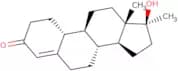
CAS:Controlled Product<p>17alpha-Methyl-19-nortestosterone (17MT) is an anti-cancer agent that has been used as a contraceptive. It inhibits the conversion of testosterone to dihydrotestosterone by competitive inhibition of the enzyme 3beta-hydroxysteroid dehydrogenase, which is responsible for the first step in the biosynthesis of androgens. 17MT has also been shown to inhibit angiotensin II formation, thereby reducing blood pressure. This drug acts as a structural analogue of progesterone and binds to progesterone receptors, as well as other steroid receptors, with high affinity. 17MT also inhibits fatty acid synthesis in cancer cells, leading to decreased tumor growth.</p>Formula:C19H28O2Purity:Min. 95%Color and Shape:PowderMolecular weight:288.42 g/mol2-Hydroxy atorvastatin lactone
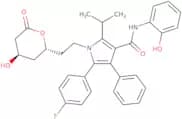
CAS:<p>2-Hydroxyatorvastatin lactone is a prodrug of atorvastatin, which is an HMG-CoA reductase inhibitor. It is used to lower cholesterol and triglycerides in the blood. The drug is administered as a tablet, capsule, or liquid and can be taken with or without food. 2-Hydroxyatorvastatin lactone is metabolized by cytochrome P450 enzymes in the liver to produce active atorvastatin. This metabolism may be inhibited by other drugs that are also metabolized by cytochrome P450 enzymes, such as erythromycin and ketoconazole. 2-Hydroxyatorvastatin lactone has been shown to have an inhibition constant (Ki) of 0.5 μM for human liver microsomes and plasma concentrations of 1 μM or higher are required for therapeutic effect.</p>Formula:C33H33FN2O5Purity:Min. 95%Color and Shape:Off-White Slightly Yellow PowderMolecular weight:556.62 g/molTibolone
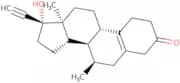
CAS:Controlled Product<p>Tibolone is a synthetic steroidal estrogen with both estrogenic and progestogenic activity. It has been shown to be effective in the treatment of postmenopausal symptoms, especially those related to the breast. Tibolone is also used for prevention of osteoporosis and to prevent recurrence of hormone-dependent cancers such as breast cancer or endometrial cancer. Tibolone binds to both estrogen receptor subtypes (ERα and ERβ) and progesterone receptor (PR), but with higher affinity for ERβ. This leads to increased levels of circulating estradiol and progesterone when compared to other estrogens such as nomegestrol acetate or conjugated equine estrogen. The drug also decreases expression of genes that are regulated by the response element (RE) in ERβ-positive cells, which may contribute to its anti-cancer effects. Tibolone has been shown to be statistically more effective than nomegestrol acetate in reducing hot flashes</p>Formula:C21H28O2Purity:Min. 95%Color and Shape:PowderMolecular weight:312.45 g/molDesmethyl atomoxetine hydrochloride
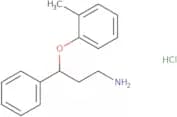
CAS:<p>Desmethyl atomoxetine hydrochloride is a chemical compound that can be used as a reaction component, a reagent, or a useful scaffold. It is an intermediate for the production of other chemicals and has many uses in industry. Desmethyl atomoxetine hydrochloride is also one of the building blocks used to produce speciality chemicals and fine chemicals. This chemical compound has been assigned CAS number 881995-46-6.</p>Formula:C16H19NO•HClPurity:Min. 95%Color and Shape:White To Light (Or Pale) Yellow SolidMolecular weight:277.79 g/mol2-(4-Nitrophenoxy)ethanol
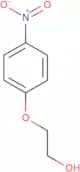
CAS:<p>2-(4-Nitrophenoxy)ethanol (NPEO) is a water soluble, synthetic compound that has been shown to have anti-tumor properties. NPEO was found to be toxic to tumor cells in vitro and inhibits the growth of tumor cells in vivo. NPEO also inhibits the synthesis of DNA and RNA, which are important for cell division. This inhibitory effect may lead to the death of cancer cells by interfering with their ability to grow and divide.</p>Formula:C8H9NO4Purity:Min. 95%Color and Shape:PowderMolecular weight:183.16 g/molPenicilling
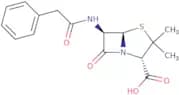
CAS:<p>Penicillin is an antibiotic that inhibits bacterial growth by binding to penicillin-binding proteins, which in turn prevents the bacteria from producing peptidoglycan. Penicillin binds to the enzyme cell wall synthesis and inhibits protein synthesis and cell division. Penicilling can be administered as an intramuscular injection or intravenous injection. The most common adverse reaction is pain at the site of injection, which may be due to toxic epidermal necrolysis. Other adverse reactions include fever, rash, and seizures.</p>Formula:C16H18N2O4SPurity:Min. 95%Color and Shape:PowderMolecular weight:334.39 g/molN-(2-Indol-3-ylethyl)(2-nitrophenyl)formamide
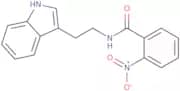
CAS:<p>Please enquire for more information about N-(2-Indol-3-ylethyl)(2-nitrophenyl)formamide including the price, delivery time and more detailed product information at the technical inquiry form on this page</p>Formula:C17H15N3O3Purity:Min. 95%Color and Shape:PowderMolecular weight:309.32 g/molDiflucortolone valerate
CAS:Controlled Product<p>Diflucortolone valerate is a corticosteroid that is used to treat inflammatory skin diseases. It is a prodrug that is hydrolyzed in vivo to diflucortolone, its active form. Diflucortolone valerate has been shown to be effective against alopecia areata and mycological skin infections. The optimum concentration of this drug for treating these conditions is 0.5% or less, with side effects such as erythema, scaling, and burning at the application site occurring at higher concentrations. Diflucortolone valerate also has broad-spectrum antimicrobial activity against bacteria and fungi, including methicillin-resistant Staphylococcus aureus (MRSA) isolates.</p>Formula:C27H36F2O5Purity:Min. 95%Color and Shape:PowderMolecular weight:478.57 g/mol4-Chloro-3-nitrobenzoic acid methyl ester
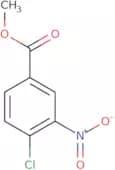
CAS:<p>4-Chloro-3-nitrobenzoic acid methyl ester is a chemical compound that inhibits the synthesis of nucleic acids. It binds to the functional groups of DNA, preventing replication and transcription. 4-Chloro-3-nitrobenzoic acid methyl ester also inhibits protein synthesis by inhibiting ribosomal RNA which is required for translation. This agent has been shown to induce apoptotic cell death in leukemia cells, HL60 cells, and other types of cancer cells in vitro. 4-Chloro-3-nitrobenzoic acid methyl ester has a potent inhibitory activity against replicons in vitro and is a synthetic molecule with two sulfoxide functional groups.</p>Formula:C8H6ClNO4Purity:Min. 95%Color and Shape:PowderMolecular weight:215.59 g/molβ-Naphthoic acid ethyl ester
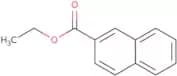
CAS:<p>β-Naphthoic acid ethyl ester (BNAE) is a synthetic compound that has been used as an intermediate in the synthesis of organic compounds. It is also used to prepare hydroxamic acids, which are active methylene compounds. BNAE reacts with nucleophiles and is susceptible to nucleophilic attack. The reaction mechanism for this type of compound involves a cavity with a constant volume, which increases the reactivity of the molecule. This type of reaction can be explained using the functional theory and the use of organic solvents. BNAE is stable when exposed to carbon tetrachloride and hydroxamic acids, but not when exposed to diethyl succinate or chemical agents such as sodium nitrite.</p>Formula:C13H12O2Purity:Min. 95%Color and Shape:PowderMolecular weight:200.23 g/mol(2',4',5'-Trimethyl)acetophenone
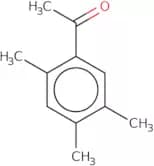
CAS:<p>2,4,5-Trimethylacetophenone is a versatile building block used in the synthesis of complex compounds and research chemicals. It is a high quality chemical that can be used as a reagent or speciality chemical. 2,4,5-Trimethylacetophenone is also an intermediate for the synthesis of other useful compounds. This compound can be used as a reaction component to synthesize various types of scaffolds.</p>Formula:C11H14OPurity:Min. 95%Color and Shape:Clear LiquidMolecular weight:162.23 g/mol3,3',4,4'-Tetrachlorocarbanilide
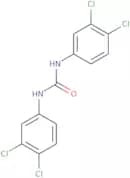
CAS:<p>3,3',4,4'-Tetrachlorocarbanilide (TCA) is an antimicrobial agent that is used in the wastewater treatment process. It is detectable by analytical methods such as chromatography and electrospray mass spectrometry. TCA has a broad spectrum of activity against bacteria, fungi, viruses and protozoa. It is also used as a biocide in deionized water systems where it can be effective against Gram-positive bacteria, Gram-negative bacteria, yeast and protozoa. TCA has been shown to inhibit the growth of triclosan-resistant bacteria found in wastewater samples. The impurities found in TCA are not known at this time.</p>Purity:Min. 95%3, 3'- Dihydroxy- [1, 1'- biphenyl] - 4, 4'- dicarboxylic acid
CAS:<p>3, 3'-Dihydroxy- [1, 1'-biphenyl] - 4, 4'-dicarboxylic acid (3,3'DHBA) is a versatile building block that can be used in the synthesis of various organic compounds. It is a necessary reagent for the production of high quality research chemicals and speciality chemicals. 3, 3'-Dihydroxy- [1, 1'-biphenyl] - 4, 4'-dicarboxylic acid has been reported to be useful as an intermediate in the synthesis of complex compounds with diverse applications. This compound has also been used as a reaction component for organic reactions. CAS No.: 861533-46-2.</p>Formula:C14H10O6Purity:Min. 95%Color and Shape:solid.Molecular weight:274.23 g/mol3-Hydroxy-2-naphthanilide
CAS:<p>3-Hydroxy-2-naphthanilide (3HNA) is a naturally occurring chemical that can be found in human urine. It is used as a marker for early pregnancy. 3HNA can also be detected in maternal blood, but the concentration is lower than in urine. 3HNA reacts with radiation and biological samples to form a diazonium salt and a magnesium salt, which are then reacted to form an analog of 3HNA. This analog has been shown to have phosphatase activity, which can be measured by hydrolyzing the phosphate group from ATP to ADP. The enzyme activities of 3HNA are pH dependent, with optimum at around 7.5. Chemical structures show that the structure of this compound is similar to other compounds called aromatic amines, including benzidine and o-aminobenzoic acid.</p>Formula:C17H13NO2Purity:Min. 95%Color and Shape:PowderMolecular weight:263.29 g/mol9-Anthracenecarbonitrile
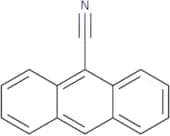
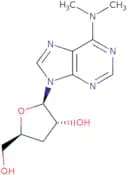
CAS:<p>9-Anthracenecarbonitrile (9ACA) is a molecule that undergoes a phase transition from a solid to a liquid state at below -20°C. This phase transition can be monitored by changes in the vibrational, molecular, and kinetic properties. 9ACA is used for the synthesis of other compounds that have been found to have interesting photophysical and fluorescence properties. 9ACA reacts with carbon disulphide (CS2) to produce 2-cyano-1,3-dithiole-4,5(2H)-dione (CDD), which is then reacted with 3-chloroperoxybenzoic acid (CPBA). This reaction produces a number of products including 2-(trifluoromethyl)anthracene (TFA). It has been determined that the reaction proceeds through an initial step where TFA reacts with CS2 to produce the intermediate CS(TFA). The mechanism of this reaction is not yet</p>Formula:C15H9NPurity:Min. 95 Area-%Color and Shape:PowderMolecular weight:203.24 g/mol3’-Deoxy-N6,N6-dimethyladenosine
CAS:<p>Please enquire for more information about 3’-Deoxy-N6,N6-dimethyladenosine including the price, delivery time and more detailed product information at the technical inquiry form on this page</p>Purity:Min. 95%1,3-Bis(4-fluorophenyl)urea
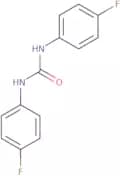
CAS:<p>1,3-Bis(4-fluorophenyl)urea is a crystalline solid that is soluble in organic solvents. It has been used as an intermediate in the synthesis of other compounds. 1,3-Bis(4-fluorophenyl)urea is an electron acceptor and can be used to produce diphenyl ethers. This compound has been synthesized using ethyl acetoacetate and anilines. It can be used to treat infectious diseases such as tuberculosis, where it inhibits protein synthesis and cell growth by disrupting the formation of bacterial DNA.</p>Formula:C13H10F2N2OPurity:Min. 98 Area-%Color and Shape:White Off-White PowderMolecular weight:248.23 g/molCholesterol 3-sulfate sodium
CAS:<p>Cholesterol 3-sulfate sodium salt is a fine chemical that is used as a versatile building block and reagent. It is a useful intermediate that can be used in the synthesis of complex compounds, speciality chemicals, and reaction components. Cholesterol 3-sulfate sodium salt can be used to synthesize cholesterol derivatives. This compound has been shown to have high reactivity with nucleophiles and can be used as a building block for other organic compounds. The CAS number for Cholesterol 3-sulfate sodium salt is 2864-50-8.</p>Formula:C27H45NaO4SPurity:Min. 95%Color and Shape:White PowderMolecular weight:488.7 g/mol4-Aminosalicylic acid hydrazide
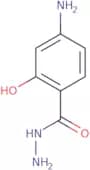
CAS:<p>4-Aminosalicylic acid hydrazide is a reactive functional group that is used as an intermediate in organic synthesis. It has a structural formula of C6H7N3O2 and is a white solid. 4-Aminosalicylic acid hydrazide has been shown to be highly resistant to mycobacterium avium, and can be used for the treatment of tuberculosis. The reactivity of this compound was studied by gravimetric analysis. This reaction is also degradable due to the presence of chloride ions and amido groups.</p>Formula:C7H9N3O2Purity:Min. 95%Color and Shape:PowderMolecular weight:167.17 g/mol3,4-Dimethylcinnamic acid
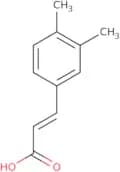
CAS:<p>3,4-Dimethylcinnamic acid is a plant-derived compound that has been shown to have anti-inflammatory properties. It inhibits the production of prostaglandins by inhibiting cyclooxygenase activity and reducing the production of pro-inflammatory eicosanoids. 3,4-Dimethylcinnamic acid also blocks the synthesis of leukotrienes and thromboxanes, which are involved in inflammation as well as allergic reactions and asthma. 3,4-Dimethylcinnamic acid is used to treat skin conditions such as psoriasis, eczema, or dermatitis. This compound can be obtained from plants like Dracaena fragrans (also known as Madagascar dragon tree) or ethnomedicine sources such as the African shrub Anthranilic acid. 3,4-Dimethylcinnamic acid can be synthesized by cross coupling with alkyl halides, ultraviolet irradiation of anthranils with uv</p>Formula:C11H12O2Purity:Min. 95%Color and Shape:White Off-White PowderMolecular weight:176.21 g/molClopidogrel related compound B
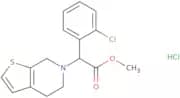
CAS:<p>Clopidogrel related compound B is a sweetener that is used in the pharmaceutical industry. It has shown to have bacteriophage activity and is stable to duplication. This compound also has a genetic code that can be altered by duplications. Clopidogrel related compound B is an orally active molecule and it can be administered as an osmotic or chiral agent. This compound also functions as a surfactant, which contributes to its ability to act as a platelet-aggregating agent. The drug has been shown to be transducible in vitro with high efficiency, making it a good candidate for transduction therapy.</p>Formula:C16H17Cl2NO2SPurity:Min. 95%Color and Shape:PowderMolecular weight:358.28 g/mol2,4-Dimethyl-5-nitropyridine
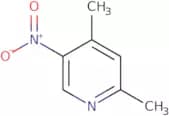
CAS:<p>2,4-Dimethyl-5-nitropyridine is a hydroxyurea analog that inhibits the synthesis of ribonucleotides by competitively binding to the enzyme ribonucleotide reductase. This inhibition leads to the accumulation of diphosphate and deoxyribonucleotides, which are necessary for DNA synthesis. 2,4-Dimethyl-5-nitropyridine was found to be more potent than hydroxyurea as an inhibitor of cellular growth in vitro and cancer cell lines in vivo. The potency of 2,4-dimethyl-5-nitropyridine can be attributed to its ability to bind very tightly with ribonucleotide reductase and form a stable complex.</p>Formula:C7H8N2O2Purity:Min. 95%Color and Shape:Yellow Clear LiquidMolecular weight:152.15 g/molL-(7-Hydroxycoumarin-4-yl) ethylglycine
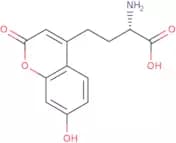
CAS:<p>L-(7-Hydroxycoumarin-4-yl) ethylglycine is a molecule that has been used as a model system to study the binding of inhibitors to enzymes. L-(7-Hydroxycoumarin-4-yl) ethylglycine binds to the enzyme synthetase and inhibits its activity. The inhibition of this enzyme prevents the formation of ATP, which is necessary for the synthesis of proteins. L-(7-Hydroxycoumarin-4-yl) ethylglycine also blocks transcription and translation by binding to DNA binding proteins and inhibiting ribosome function respectively. This agent is an antimicrobial agent that has shown activity against gram positive bacteria such as Staphylococcus aureus, Enterococcus faecalis, and Bacillus cereus, as well as gram negative bacteria such as Escherichia coli, Salmonella typhimurium, Pseudomonas aerugin</p>Formula:C13H13NO5Purity:Min. 98 Area-%Color and Shape:Red PowderMolecular weight:263.25 g/molO-(2,4-Dinitrophenyl)hydroxylamine
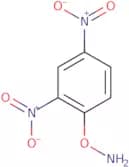
CAS:<p>O-(2,4-dinitrophenyl)hydroxylamine is a synthetic compound that binds to the enzyme bound site of the cap-dependent endonuclease. It is an inhibitor of influenza virus replication in vitro and has shown inhibitory activity against murine leukemia virus. O-(2,4-dinitrophenyl)hydroxylamine is also a model for the study of aminoglycoside antibiotics. The compound inhibits aminoglycoside-induced protein synthesis in eukaryotic cells and may be useful in understanding the mechanism of action and resistance to these antibiotics.</p>Formula:C6H5N3O5Purity:Min. 98 Area-%Color and Shape:Yellow PowderMolecular weight:199.12 g/mol2-Chloroinosine 3',4',6'-triacetate
CAS:<p>2-Chloroinosine 3',4',6'-triacetate is a reagent, useful intermediate, fine chemical, and speciality chemical. It is used as an important building block in organic synthesis. 2-Chloroinosine 3',4',6'-triacetate can be used as a versatile building block for the synthesis of many other compounds. The high quality and usefulness of this compound make it a good choice for research chemicals.</p>Formula:C16H17ClN4O8Purity:Min. 95%Color and Shape:White to pale yellow solid.Molecular weight:428.78 g/molNiclosamide ethanolamine salt
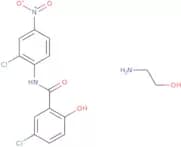
CAS:<p>Chemically a chlorinated salicylanilide, niclosamide is clinically used as an anthelmintic agent. The action of niclosamide has been proven to proceed by inhibiting the STAT3 signaling pathway. Recently, niclosamide, has been considered as an antiproliferative agent in cancer treatment, e.g. melanoma and colorectal cancer. In 2021, niclosamide has been tested for the treatment of COVID-19 patients.</p>Formula:C15H15Cl2N3O5Color and Shape:PowderMolecular weight:388.2 g/molDeoxyshikonin
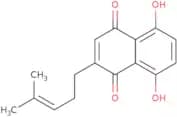
CAS:<p>Deoxyshikonin is an analytical method for determining the amount of shikonin in a sample. It is used in vitro to determine the biological properties of shikonin. Deoxyshikonin has been shown to have synergic effects with other drugs, such as basic structure, skin cancer, and natural compounds. Deoxyshikonin also has in vitro antifungal activity against Candida glabrata.</p>Formula:C16H16O4Purity:Min. 98 Area-%Color and Shape:PowderMolecular weight:272.3 g/mol1-(2,4-Dimethoxyphenyl)-2-nitropropene
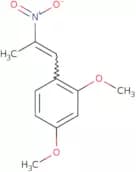
CAS:<p>1-(2,4-Dimethoxyphenyl)-2-nitropropene is a versatile building block that can be used in the synthesis of a wide range of compounds. It is a high quality chemical with a CAS number of 15804-78-1. This compound has been used as an intermediate to synthesize other compounds such as 2-amino-3,5,6-trimethylbenzaldehyde and 1-(2,4-dimethoxyphenyl)-2-(pyrrolidin-1-yl)propene. The compound is also useful as a reagent for reaction components in organic chemistry and biochemistry.</p>Formula:C11H13NO4Purity:Min. 95%Color and Shape:PowderMolecular weight:223.23 g/molDeltonin
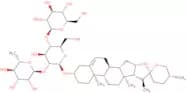
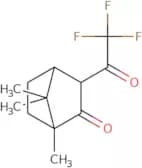
CAS:<p>Deltonin is a natural product with anti-cancer properties. Deltonin induces autophagy in K562 cells and HL-60 cells. It also inhibits the growth of squamous carcinoma cells in mice. Deltonin can induce apoptosis by reducing mitochondrial membrane potential, which leads to the activation of caspase-9, -8, and -3. In addition to inducing autophagy, deltonin can inhibit cell proliferation and migration by attenuating the signal pathways that are responsible for these processes. The mechanism of action for deltonin is not well understood but it may be due to its reactive or activated nature as a chemical structure.</p>Formula:C45H72O17Purity:Min. 95%Color and Shape:White PowderMolecular weight:885.04 g/mol3-Trifluoroacetyl-D-Camphor
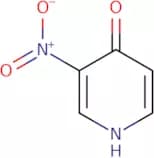
CAS:<p>3-Trifluoroacetyl-D-camphor is a ligand that binds to the quinine site on the mitochondrial membrane potential. It has been shown to have synergistic effects with metal chelates in cancer treatments. 3-Trifluoroacetyl-D-camphor is also a phosphorescent compound that emits photons when excited by light. The emission of light can be used as a probe for determining mitochondrial membrane potential and as a luminophore in devices such as gas sensors. 3-Trifluoroacetyl-D-camphor is found in the mitochondrial membranes of HL60 cells, and its concentration increases when mitochondria are exposed to hydrogen phosphine.</p>Formula:C12H15F3O2Purity:Min. 95%Color and Shape:Clear LiquidMolecular weight:248.24 g/mol4-Hydroxy-3-nitropyridine
CAS:<p>4-Hydroxy-3-nitropyridine is an organic chemical compound with the molecular formula CHNO. It has a structure that is composed of a nitro group bonded to a pyridine ring. 4-Hydroxy-3-nitropyridine can be found in wastewater and as a byproduct of the production of dyes, drugs, and explosives. It has been shown to react with primary amines to form nitrosamines. In its tautomeric form, 4-hydroxy-3-nitropyridine is more reactive and will react with chloride ions to form hydroxylamine. This reaction is used commercially for the synthesis of hydrazine and other products.</p>Formula:C5H4N2O3Purity:Min. 95%Color and Shape:PowderMolecular weight:140.1 g/mol1-[[5-(p-Nitrophenyl)furfurylidene]amino]-hydantoin sodium
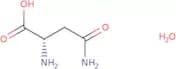
CAS:<p>Dantrolene sodium is a muscle relaxant that belongs to the group of pharmacological agents. It is used to treat muscle spasms and hyperactivity in patients with neuromuscular disorders. Dantrolene sodium inhibits calcium release by blocking the activity of the enzyme ryanodine receptor in skeletal muscle cells. This inhibition prevents uncontrolled contraction of muscles and reduces their energy consumption. The drug also has an effect on malignant hyperthermia, which is caused by an increase in the production of adenosine triphosphate (ATP) due to increased cellular metabolism. Dantrolene sodium can inhibit ATP synthesis, thus reducing energy production and stabilizing cell membranes, thereby preventing cell death in neurons and other tissues.</p>Formula:C14H10N4O5•NaPurity:Min. 95%Color and Shape:Yellow PowderMolecular weight:337.24 g/molL-Asparagine monohydrate
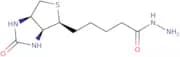
CAS:<p>L-Asparagine monohydrate (LAM) is a water-soluble amino acid that is used in the treatment of metabolic disorders such as diabetes. LAM has been shown to be effective in cell culture and tissue culture experiments, where it was found to increase the production of growth factors, such as insulin and keratinocyte growth factor. This amino acid also has a high degree of kinetic stability and can be used for magnetic resonance spectroscopy studies. LAM is soluble in water, but not in organic solvents. It forms hydrogen bonds with other molecules and is able to form dehydrated crystals. The experimental solubility data for LAM can be found in table 1 below.</p>Formula:C4H10N2O4Purity:(Titration) Min. 99%Color and Shape:White Clear LiquidMolecular weight:150.13 g/molBiotin hydrazide
CAS:<p>Biotin hydrazide is a chromatographic analysis reagent that is used to modify biotin. It can be used as a model system for the study of the interactions between biotin and proteins. Biotin hydrazide reacts with α1-acid glycoprotein, which results in an increase of the conjugate's reactivity. It also has reactive properties and can catalyze oxidative reactions, making it suitable for analytical purposes. This reagent is used in electrochemical impedance spectroscopy to evaluate the effects of carbonylation on protein structure and function.</p>Formula:C10H18N4O2SPurity:Min. 95%Color and Shape:PowderMolecular weight:258.34 g/mol(6S)-5,6,7,8-Tetrahydro-6-[propyl[2-(2-thienyl)ethyl]amino]-1-naphthalenol
CAS:Controlled Product<p>(6S)-5,6,7,8-Tetrahydro-6-[propyl[2-(2-thienyl)ethyl]amino]-1-naphthalenol is a potent and selective dopamine receptor agonist. It acts by binding to the dopamine receptors in the brain. This binding stimulates the release of dopamine and prevents it from being reabsorbed into the neurons, which in turn increases levels of extracellular dopamine in the synapse. (6S)-5,6,7,8-Tetrahydro-6-[propyl[2-(2-thienyl)ethyl]amino]-1-naphthalenol has been shown to have antidepressant effects in animal models of depression. It also has a long half life and can be administered as a transdermal patch for prolonged relief from depression symptoms.</p>Formula:C19H25NOSPurity:Min. 95%Color and Shape:White Off-White PowderMolecular weight:315.47 g/molHydroquinone-2,2'-diacetic acid
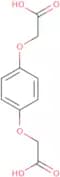
CAS:<p>Hydroquinone-2,2'-diacetic acid is a labile and water soluble ester with activating properties. It is used in bioconjugate chemistry for the modification of proteins and peptides. Hydroquinone-2,2'-diacetic acid can be reused and has been shown to react with a wide range of synthons or linkers. This compound has been shown to induce apoptosis in cancer cells. Hydroquinone-2,2'-diacetic acid also has fluorescence properties that are sensitive to copper ions, making it useful for analytical applications such as protein quantification and detection of metal ions.</p>Formula:C10H10O6Purity:Min. 98 Area-%Color and Shape:PowderMolecular weight:226.18 g/mol(3R,5S)-Fluvastatin-3,5-acetonide tert-butyl ester
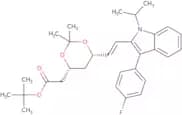
CAS:<p>Fluvastatin-3,5-acetonide tert-butyl ester is a chemical compound that is used as a reaction component in the synthesis of other compounds. It can be used as a reagent or as a useful scaffold for research. Fluvastatin-3,5-acetonide tert-butyl ester is high quality and has versatile applications.</p>Formula:C31H38FNO4Purity:Min. 98 Area-%Color and Shape:White to pale yellow solid.Molecular weight:507.64 g/mol4-Nitrocinnamaldehyde
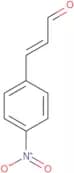
CAS:<p>4-Nitrocinnamaldehyde is a diazonium salt that is used as an efficient method for the synthesis of nitro compounds. Nitro compounds are used in the production of explosives, insecticides, and herbicides. 4-Nitrocinnamaldehyde reacts with hydrochloric acid to produce trifluoroacetic acid, which is then reacted with an organic compound to produce a nitro compound. This reaction has been shown to be irreversible and not sensitive to functional groups. 4-Nitrocinnamaldehyde binds to the enzyme cytochrome P450 reductase, inhibiting its function. The binding of 4-nitrocinnamaldehyde to enzymes such as pyruvate kinase and acetylcholinesterase has also been observed in binding experiments.</p>Formula:C9H7NO3Purity:Min. 95%Color and Shape:PowderMolecular weight:177.16 g/mol3-Bromophenylurea
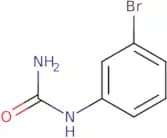
CAS:<p>3-Bromophenylurea is an organic compound that has been synthesized for use as a catalyst in the production of silver ions. The product can be used in scalable synthesis and amines are the nucleophilic component. 3-Bromophenylurea is an advance in the field of bioassay and has been shown to be efficient when used at an optimum concentration. 3-Bromophenylurea is a substructural analogue to urea, which can be prepared from inexpensive materials and reused many times.</p>Purity:Min. 95%3,3'-Dimethylazoxybenzene
CAS:<p>3,3'-Dimethylazoxybenzene is a methylating agent that reacts with an amine to form a triflate. The reactivity of the methylating agent is determined by the electron-donating ability of the methyl group. 3,3'-Dimethylazoxybenzene reacts with electron-poor amines such as aromatic amines to form alkyltriflates. This reaction is not reversible and can lead to DNA damage in cells, which may contribute to cancer formation.</p>Formula:C14H14N2OPurity:Min. 95%Molecular weight:226.27 g/mol1,3,3-Trimethylindolino-b-naphthopyrylospiran [Photochromic Compound]
CAS:<p>1,3,3-Trimethylindolino-b-naphthopyrylospiran is a photochromic compound that is soluble in ethanol solutions. It's hydrophobic and binds to the cavity of a surface method. When the environment changes, such as temperature or light exposure, the molecule undergoes a change in its optical properties. The interaction between 1,3,3-trimethylindolino-b-naphthopyrylospiran and β-cyclodextrin enhances its photochromism. This compound has been shown to decolorize and can be used in materials that are sensitive to UV light.</p>Purity:Min. 95%Color and Shape:White To Light (Or Pale) Yellow Red SolidMolecular weight:327.423-(4'-Bromo[1,1'-biphenyl]-4-yl)-1,2,3,4-tetrahydro-1-naphthalenol
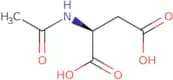
CAS:<p>3-(4'-Bromo[1,1'-biphenyl]-4-yl)-1,2,3,4-tetrahydro-1-naphthalenol is a chemical compound that belongs to the group of bromonaphthalenes. It has been used as a reaction component in organic synthesis and as a reagent for detection of DNA binding. 3-(4'-Bromo[1,1'-biphenyl]-4-yl)-1,2,3,4-tetrahydro-1-naphthalenol can be used as a building block for complex compounds with speciality applications. The compound is an intermediate in the production of pharmaceuticals such as selective estrogen receptor modulators.</p>Formula:C22H19BrOPurity:Min. 95%Color and Shape:PowderMolecular weight:379.29 g/molN-Acetyl-L-aspartic acid
CAS:<p>N-Acetyl-L-aspartic acid is a molecule that has been shown to be a potential biomarker for neuronal death, with activity index levels inversely correlating with the number of granule neurons. The chemical stability of N-acetyl-L-aspartic acid was tested using various in vitro methods and found to be stable at a wide range of pHs and temperatures. This compound has also been shown to have a role in brain function, axonal growth, and metabolic disorders. This compound is found naturally in vivo in humans.</p>Formula:C6H9NO5Color and Shape:White PowderMolecular weight:175.14 g/mol2,5-Dimethylcinnamic acid
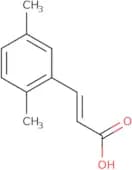
CAS:<p>2,5-Dimethylcinnamic acid is a versatile building block that can be used as a reactant in organic synthesis. This compound has been shown to have high quality and is useful for research purposes and as a speciality chemical. 2,5-Dimethylcinnamic acid can be used as a reagent or reaction component in the preparation of other compounds. It also serves as an important intermediate to synthesize complex molecules. This compound has many applications and is often used as a building block for pharmaceuticals, agrochemicals, and fine chemicals.</p>Formula:C11H12O2Purity:Min. 95%Molecular weight:176.21 g/mol2-Propylglutaric acid
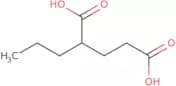
CAS:<p>2-Propylglutaric acid (2PGA) is a metabolic byproduct of the metabolism of branched chain amino acids. It is found in urine samples and has been shown to cause liver lesions in rats. 2PGA is metabolized to propionic acid, which can be detected in urine as a marker for renal dysfunction. 2PGA also increases gamma-aminobutyric acid levels in the brain and may have an effect on GABAergic neurotransmission. The elimination rate of 2PGA is slower than that of propionic acid, which means that it persists longer in the body than other metabolites. This chemical ionization technique can be used to measure the concentration of 2PGA and other fatty acids in biological fluids.</p>Formula:C8H14O4Purity:Min. 95%Color and Shape:PowderMolecular weight:174.19 g/mola-Bisabolol
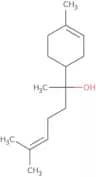
CAS:<p>Bisabolol is a sesquiterpene lactone that is found in plants such as chamomile and rose. Bisabolol has been shown to have amoebicidal activity in vitro, as well as antiinflammatory activity. Bisabolol has also been shown to have mitochondrial membrane potential-modulating effects and to inhibit the growth of human cancer cells. Bisabolol can act intracellularly by inhibiting protein synthesis, which may lead to apoptosis. It also inhibits the production of pro-inflammatory cytokines, such as TNF-α and IL-1β, which are involved in tumorigenesis. Bisabolol can also bind to polymyxin B and form a complex that is more effective than polymyxin B alone at killing bacteria.</p>Formula:C15H26OPurity:Min. 95%Color and Shape:Colorless Clear LiquidMolecular weight:222.37 g/mol7,8-Dihydroxy-4-phenylcoumarin
CAS:<p>7,8-Dihydroxy-4-phenylcoumarin (7,8-DPC) is a coumarin derivative that inhibits human cytochrome P450 enzymes. It binds to the heme group of the enzyme and is reversible by hydroxylation. 7,8-DPC has been shown to inhibit catalytic activity in rat liver microsomes and recombinant human cytochrome P450 enzymes. This molecule has also been shown to be an irreversible inhibitor of human cytochrome P450 2C9. The carbonyl group found on the 7,8-DPC molecule's structure is responsible for its inhibitory activities.</p>Formula:C15H10O4Purity:Min. 95%Color and Shape:PowderMolecular weight:254.24 g/mol3-Bromo-4-hydroxycinnamic acid
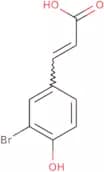
CAS:<p>3-Bromo-4-hydroxycinnamic acid is a useful building block that is obtained from cinnamic acid by substitution of the hydroxyl group with a bromine atom. It has been used in research as a reagent, speciality chemical, and reaction component. 3-Bromo-4-hydroxycinnamic acid is also an important intermediate for the synthesis of various organic compounds. This compound can be used as a scaffold for the synthesis of complex compounds.</p>Formula:C9H7BrO3Color and Shape:PowderMolecular weight:243.05 g/mol(-)-β-Elemene
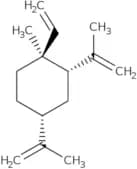
CAS:<p>(-)-beta-Elemene is a natural product with antifungal and anticancer properties. It has been shown to have strong in vitro activity against myeloma cell lines, HL-60 cells, and K562 cells, which are all human cancer cell lines. (-)-beta-Elemene has also been shown to be active against group P2 bacteria, including Streptococcus pneumoniae and Haemophilus influenzae. This compound has been found to inhibit the growth of solid tumours in vivo. (-)-beta-Elemene inhibits the energy metabolism of cells by altering the mitochondrial membrane potential and blocking ATP synthesis. It also induces apoptosis by regulating key cell signaling pathways, such as caspase activation and Akt/mTOR pathway inhibition.</p>Formula:C15H24Purity:Min. 95%Color and Shape:Clear LiquidMolecular weight:204.35 g/mol


![3, 3'- Dihydroxy- [1, 1'- biphenyl] - 4, 4'- dicarboxylic acid](/_next/image/?url=https%3A%2Fstatic.cymitquimica.com%2Fproducts%2F3D%2Fthumb-webp%2FFD164941.webp&w=3840&q=75)



![1-[[5-(p-Nitrophenyl)furfurylidene]amino]-hydantoin sodium](/_next/image/?url=https%3A%2Fstatic.cymitquimica.com%2Fproducts%2F3D%2Fthumb-webp%2FFN44999.webp&w=3840&q=75)
![(6S)-5,6,7,8-Tetrahydro-6-[propyl[2-(2-thienyl)ethyl]amino]-1-naphthalenol](/_next/image/?url=https%3A%2Fstatic.cymitquimica.com%2Fproducts%2F3D%2Fthumb-webp%2FFT76640.webp&w=3840&q=75)

![1,3,3-Trimethylindolino-b-naphthopyrylospiran [Photochromic Compound]](/_next/image/?url=https%3A%2Fstatic.cymitquimica.com%2Fproducts%2F3D%2Fthumb-webp%2FFT62466.webp&w=3840&q=75)
![3-(4'-Bromo[1,1'-biphenyl]-4-yl)-1,2,3,4-tetrahydro-1-naphthalenol](/_next/image/?url=https%3A%2Fstatic.cymitquimica.com%2Fproducts%2F3D%2Fthumb-webp%2FFB164965.webp&w=3840&q=75)