Pharmaceutical Standards
Pharmaceutical standards are a comprehensive set of reference materials essential for ensuring the safety, efficacy, and quality of pharmaceutical products. This category includes standards for active pharmaceutical ingredients (APIs), which are the core components responsible for therapeutic effects. Additionally, it covers compounds and metabolites relevant to both the pharmaceutical and veterinary industries, providing benchmarks for the accurate measurement and analysis of these substances. Nitrosamine control standards are crucial for detecting and mitigating potentially harmful nitrosamines in drug formulations. Toxicology standards help assess the safety and potential adverse effects of pharmaceutical compounds. Furthermore, enzyme activators and inhibitors standards are vital for research and development, enabling precise studies of biochemical pathways and drug mechanisms. These pharmaceutical standards are indispensable tools for regulatory compliance, quality control, and research, ensuring that pharmaceutical products meet stringent safety and effectiveness criteria.
Subcategories of "Pharmaceutical Standards"
- APIs for research and impurities(274,782 products)
- Enzyme Activators and Inhibitors(2,827 products)
- Nitrosamines(2,606 products)
- Pharmaceutical and Veterinary Compounds and Metabolites(2,849 products)
- Toxicology(13,652 products)
Found 7836 products of "Pharmaceutical Standards"
Sort by
Purity (%)
0
100
|
0
|
50
|
90
|
95
|
100
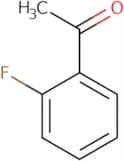
2'-Fluoro acetophenone
CAS:<p>2'-Fluoro acetophenone is a chiral compound that can be used as an organic overlayer to control the enantiomeric purity of organic reactions. The cavity in the molecule provides an electronic interaction that stabilizes the radical form of 2'-fluoroacetophenone. This cavity also allows for hydrogenation reactions to occur more quickly and with less byproduct formation than other types of reactions. Additionally, this reaction occurs at a lower temperature than most other reactions, making it optimal for industrial production.</p>Formula:C8H7FOPurity:Min. 95%Color and Shape:Clear LiquidMolecular weight:138.14 g/mol5-Hydroxyaloin a 6'-o-acetate
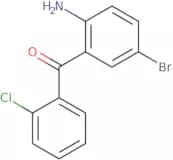
CAS:5-Hydroxyaloin A 6'-O-acetate is a naturally occurring polysubstituted anthraquinone glycoside, which is derived primarily from Aloe species. It is synthesized through biosynthetic pathways in the Aloe vera plant, where anthraquinones are acetylated to enhance their biological activity. This compound is known for its potential bioactive properties, including anti-inflammatory and antioxidant activities, which are attributed to its ability to modulate various biochemical pathways.Formula:C23H24O11Purity:Min. 95%Molecular weight:476.43 g/mol2-Amino-5-bromo-2'-chlorobenzophenone
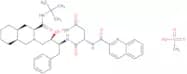
CAS:<p>2-Amino-5-bromo-2'-chlorobenzophenone (2ABPC) is an aniline derivative that induces a reversible inhibition of the NMDA receptor. This agent has been shown to inhibit glutamate binding and to have a high affinity for the NMDA receptor. 2ABPC is also able to inhibit cancer growth by binding and neutralizing the receptors that allow for ligand-mediated activation of the NMDA receptor. 2ABPC has been shown to be effective in preventing dorsal root ganglia from developing into cancerous cells, which may be due to its ability to bind receptors that are involved in cell proliferation.</p>Formula:C13H9BrClNOPurity:Min. 95%Color and Shape:SolidMolecular weight:310.57 g/molSaquinavir mesylate
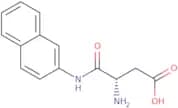
CAS:Anti-viral; HIV protease inhibitorFormula:C38H50N6O5•CH4O3SPurity:Min. 95%Color and Shape:PowderMolecular weight:766.95 g/molL-Aspartic acid β-naphthylamide
CAS:L-Aspartic acid beta-naphthylamide is a dietary amino acid that is metabolized to oxaloacetate in the liver. This metabolite is then converted to aspartate and glutamate, which are both important for brain functions. L-Aspartic acid beta-naphthylamide has been shown to have regulatory effects on peptide hormones, such as inhibiting the synthesis of angiotensin II and vasopressin in rats. L-Aspartic acid beta-naphthylamide also has anti-cancer properties, which may be due to its ability to inhibit the growth of cancer cells by hydrolyzing proteins and enzymes involved in fatty acid synthesis.Formula:C14H14N2O3Purity:Min. 95%Molecular weight:258.27 g/mol3'-Hydroxyquinophthalone
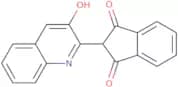
CAS:<p>3'-Hydroxyquinophthalone is a fatty acid that is found in the seed oil of the African tree Acokanthera schimperi. It has shown to be reactive with alcohols and other organic chemicals and has been found to be an antimicrobial agent. 3'-Hydroxyquinophthalone is also a photosynthetic pigment, which means it will absorb light and use it to produce energy. This compound was observed to have a constant pressure of 0.5 atm (5 psi) when exposed to sunlight. The chemical structure of 3'-hydroxyquinophthalone consists of two long chains of alkanoic acid molecules that are linked together by polymeric matrixes. When this compound reacts with water, it forms hydrogen ions and hydroxide ions, which are absorbed by the alkanoic acid chains in the chemical structure, resulting in adsorption onto the surface of water droplets or onto other surfaces such as soil particles or clothing fibers.</p>Formula:C18H11NO3Purity:90%Color and Shape:Brown SolidMolecular weight:289.29 g/molL-Adrenaline
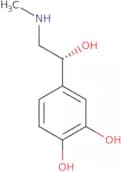
CAS:Controlled Product<p>L-Adrenaline is a hormone that belongs to the group of nonsteroidal anti-inflammatory drugs. It is used in combination therapy for the treatment of asthma, chronic obstructive pulmonary disease and other respiratory diseases. L-Adrenaline has also been shown to increase blood pressure and heart rate. L-Adrenaline may interact with other medication such as cardiac glycosides and calcium channel blockers, so it is important to consult with a doctor before taking this drug. L-Adrenaline is a potent vasoconstrictor that can cause primary pulmonary hypertension, which can lead to heart failure. The epinephrine in this drug binds to receptors on cells in the lungs, increasing bronchial secretions, which reduces the symptoms of anaphylaxis.</p>Formula:C9H13NO3Purity:Min. 95%Color and Shape:PowderMolecular weight:183.2 g/mol2-Hydroxy-4-methoxyacetophenone
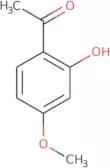
CAS:<p>2-Hydroxy-4-methoxyacetophenone is a compound that has been shown to have a minimal toxicity profile and a wide range of pharmacological activities. It inhibits the activity of NF-κB, which is an inflammatory signaling protein, and also has antioxidant properties. 2-Hydroxy-4-methoxyacetophenone has been shown to reduce the severity of cardiovascular disease by inhibiting oxidative injury in the mitochondria and reducing oxidative stress. This drug also reduces atherosclerotic lesions and prevents hypoglycemia by increasing glucose uptake in tissues. Moreover, it can be used to treat leukemia inhibitory factor in patients with chronic myeloid leukemia (CML).</p>Formula:C9H10O3Purity:Min. 95%Color and Shape:PowderMolecular weight:166.17 g/molUreaformaldehyde
CAS:<p>Ureaformaldehyde is a synthetic slow-release fertilizer that contains urea and formaldehyde. It has been shown to be highly active as a slow-release fertilizer in Langmuir adsorption isotherm studies. Ureaformaldehyde also has the ability to mineralize chloride and hydrogen bond to soil particles, increasing the availability of these ions for plant uptake. Ureaformaldehyde is also used in analytical methods such as chromatographic determination of fatty acids, which are an important component of animal and vegetable oils. !--</p>Formula:(CH4N2O•CH2O)xPurity:Min. 95%Color and Shape:Clear LiquidMolecular weight:90.08 g/mol5-Hydroxy-1,4-naphthalenedione
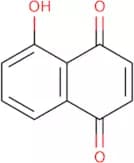
CAS:<p>Blocks RNA polymerases I, II, and III; inhibits PPlases</p>Formula:C10H6O3Purity:Min. 98 Area-%Color and Shape:PowderMolecular weight:174.15 g/mol2-Amino-5-nitro-2'-fluorobenzophenone
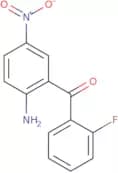
CAS:<p>2-Amino-5-nitro-2'-fluorobenzophenone is a prodrug that is activated by thiourea, a chemical agent that is used to break down the drug. It is an anti-inflammatory drug that acts as a selective COX inhibitor and has been shown to be effective in vivo against primary tumors. 2-Amino-5-nitro-2'-fluorobenzophenone has also been shown to have antiangiogenic properties and has been used to treat inflammatory diseases such as arthritis and psoriasis. This drug can be radiolabeled with carbon, fluorine, or iodine isotopes for use in positron emission tomography (PET) imaging of primary tumors. The drug binds to response elements on cells through electrostatic interactions between the molecular orbitals of the 2 amino groups and the nucleophilic centers of these molecules.</p>Formula:C13H9FN2O3Purity:Min. 95%Color and Shape:PowderMolecular weight:260.22 g/mol3,5-Difluoro-4-(trifluoromethyl)acetophenone
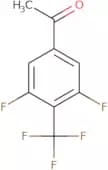
CAS:<p>3,5-Difluoro-4-(trifluoromethyl)acetophenone is a high quality chemical that is used as a reagent in organic synthesis and as a building block for the synthesis of other compounds. It has been shown to be an effective intermediate in the production of fine chemicals and speciality chemicals. This compound can also be used as a building block for the synthesis of useful scaffolds or useful building blocks. 3,5-Difluoro-4-(trifluoromethyl)acetophenone is versatile and can react with various functional groups.</p>Formula:C9H5F5OPurity:Min. 95%Molecular weight:224.13 g/mol6-Hydroxy-2,3,4-trimethoxyacetophenone
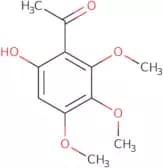
CAS:<p>6-Hydroxy-2,3,4-trimethoxyacetophenone (6HTMA) is a natural product that has been shown to have potent inhibitory activities against PC12 cells. This compound also possesses neuroprotective and antioxidative properties. 6HTMA was able to inhibit acetylation of proteins, which may be responsible for its neuroprotective activity. Furthermore, 6HTMA has been shown to possess anti-oxidant and anti-tuberculous activities.</p>Formula:C11H14O5Purity:Min. 95%Color and Shape:PowderMolecular weight:226.23 g/mol3-Isopropylamino-1,2-propanediol
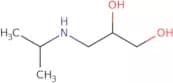
CAS:<p>Metoprolol tartrate impurity N is an impurity of metoprolol succinate and has been shown to have photocatalytic activity. Metoprolol tartrate impurity N has been found in commercially available pharmaceutical products. It has been validated by both phase chromatography and hydrophilic interaction chromatography, with the latter providing a more detailed separation of the compound's various reaction intermediates. Impurities such as metoprolol tartrate impurity N may be present in commercial products due to the use of pyridinium salt as a solvent in the manufacturing process. The enantiomeric purity of metoprolol tartrate impurity N was determined to be 99%.</p>Formula:C6H15NO2Purity:Min. 95%Color and Shape:PowderMolecular weight:133.19 g/mol5-Chlorovanillic acid
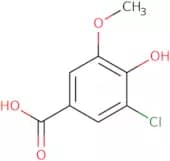
CAS:<p>5-Chlorovanillic acid is a weight compound that belongs to the group of methoxylated compounds. It is a precursor in the catabolic pathway of vanillic acid, which is synthesized from p-hydroxybenzoic acid. This compound can be found as one of the major phenolic acids in many plants and fruits, such as strawberries and apples. 5-Chlorovanillic acid has been shown to be an inhibitor for the growth of bacterial strains in culture, including C. perfringens. It has also been shown to have anti-inflammatory properties by inhibiting prostaglandin synthesis.</p>Formula:C8H7ClO4Purity:80%Color and Shape:PowderMolecular weight:202.59 g/molethyl 2-cyano-3-(4-nitrophenyl)prop-2-enoate
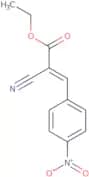
CAS:<p>Ethyl 2-cyano-3-(4-nitrophenyl)prop-2-enoate is a functionalized molecule that contains a dipole. It has high selectivity for 1,3-dipolar cycloadditions because the electron density of the methylene group is greater than that of the aldehyde group. The mechanistic theory for this reaction is that the electron density on the methylene group in ethyl 2-cyano-3-(4-nitrophenyl)prop-2-enoate will cause it to become more reactive than the aldehyde group. The dipoles in this molecule are oriented such that they can react with each other to form an intermediate and then an adduct. This isomerization occurs through either dipolarophilic or electrocyclic mechanisms.</p>Purity:Min. 95%Eosin B Spirit Soluble
CAS:<p>Eosin B is a chemical compound that is used as a dye in histology. It has been used in the past as an anti-fungal agent and can be activated by light, which makes it useful for photodynamic therapy treatments. Eosin B is also used in devices such as lasers and phototherapy lamps to activate tissue repair or destroy tissue.</p>Formula:C20H8Br2N2O9Purity:Min. 95%Color and Shape:PowderMolecular weight:580.09 g/mol3'-Fluoro-4'-methoxyacetophenone
CAS:<p>3'-Fluoro-4'-methoxyacetophenone is a chalcone that has been shown to have vibrational frequencies of 3.1, 3.2, and 3.3 cm-1. The conformation of this molecule is in the cis form with a 2,6-diisopropylphenyl group on the cyclohexane ring. This molecule has two functional groups: a hydroxyl and a methoxy group. These molecules are soluble in organic solvents such as benzene and chloroform, but not in water or ethanol due to their high polarity. The crystal structure of this molecule was determined by x-ray diffraction experiments at room temperature and found to be monoclinic with space group C2/c with lattice constants a = 5.853 Å, b = 12.638 Å, c = 6.225 Å and β = 120° ± 10° at 25 °C</p>Formula:C9H9FO2Purity:Min. 95%Color and Shape:PowderMolecular weight:168.16 g/mol4,5,7-Trimethylcoumarin
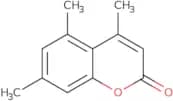
CAS:<p>4,5,7-Trimethylcoumarin is a fine chemical that can be used as a versatile building block in organic synthesis. The compound is a useful intermediate and research chemical with CAS No. 14002-91-6. It is also used as a reaction component in the production of other chemicals. 4,5,7-Trimethylcoumarin has been shown to have high quality and is an important reagent for the production of pharmaceuticals and agrochemicals.</p>Formula:C12H12O2Purity:Min. 98 Area-%Color and Shape:PowderMolecular weight:188.22 g/mol5-Methyl-2-nitrophenol
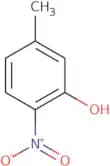
CAS:<p>5-Methyl-2-nitrophenol is a phytotoxic chemical that is used as a synthetic intermediate in organic chemistry. It has been shown to have a high bioconcentration factor and can be found in wastewater. The major use of 5-methyl-2-nitrophenol is the synthesis of 2,4,6-trinitrophenylhydrazine (TNP) which is used as an analytical reagent for the determination of nitrates. The reaction mechanism of 5-methyl-2-nitrophenol involves intramolecular hydrogen transfer from the methylene group to the nitro group and subsequent elimination of HCl. This reaction product can be found by using analytical methods such as gas chromatography, mass spectrometry, or nuclear magnetic resonance spectroscopy. Functional groups on the reactant include phenols and nitro groups with the following endpoints: hydrochloric acid (HCl), kinetic method, and vapor pressure</p>Formula:C7H7NO3Purity:Min. 95%Color and Shape:PowderMolecular weight:153.14 g/mol22-Fluorovitamin D3
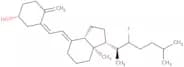
CAS:22-Fluorovitamin D3 is a synthetic analog of vitamin D3, which is derived from chemical synthesis involving fluorination at the C-22 position. This modification results in a compound that mimics the structure and activity of naturally occurring vitamin D3 but with altered pharmacokinetics and metabolic stability. The fluorine atom, due to its size and electronegativity, influences the binding affinity and activity of the compound at vitamin D receptors.Formula:C27H43FOPurity:Min. 95%Molecular weight:402.63 g/molAlbopilosin A
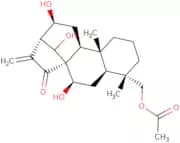
CAS:Albopilosin A is a chemical compound that is a reaction component, reagent, and useful scaffold. It is an intermediate in the synthesis of other compounds. Albopilosin A has been shown to be a useful building block for complex compounds. It has a CAS number of 151041-65-5 and is classified as a speciality chemical or research chemical.Formula:C22H32O6Purity:Min. 95%Molecular weight:392.49 g/mol25-Hydroxyvitamin D3 monohydrate
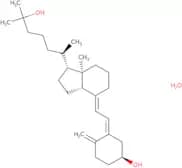
CAS:<p>25-Hydroxyvitamin D3 monohydrate is a vitamin D analog that has been shown to reduce elevated levels of parathyroid hormone and improve bone mineral density. It is used for the treatment of chronic kidney disease, hyperparathyroidism, and osteoporosis. 25-Hydroxyvitamin D3 monohydrate has been found to be effective in the treatment of these conditions because it increases the body's production of calcitriol, the active form of vitamin D. Calcitriol promotes calcium absorption in the gut and reduces renal excretion of calcium by inhibiting parathyroid hormone synthesis. This drug also inhibits pro-inflammatory cytokines such as IL-1β, IL-6, and TNF-α.</p>Formula:C27H44O2·H2OPurity:Min. 97 Area-%Color and Shape:White PowderMolecular weight:418.65 g/molAtorvastatin ethyl ester
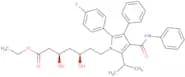
CAS:<p>Atorvastatin ethyl ester is a prodrug of atorvastatin that is used for the treatment of hypercholesterolemia. It inhibits HMG-CoA reductase, which reduces cholesterol production in the liver. The permeation rate of atorvastatin ethyl ester is increased by coadministration with c1-c10 fatty acids, which can be achieved by taking it with food. Atorvastatin ethyl ester has been shown to have antithrombotic and anti-inflammatory effects, which are due to its inhibition of the synthesis of thromboxane A2 and prostaglandin E2. Atorvastatin also inhibits protein synthesis in some cells, such as hepatocytes and neutrophils, but not in others such as fibroblasts or platelets. This may be related to the expression of an enzyme called cytosolic phospholipase A2 (cPLA2).</p>Formula:C35H39FN2O5Purity:Min. 95%Color and Shape:PowderMolecular weight:586.69 g/mol2-Bromo-6-fluorobenzoic acid methyl ester
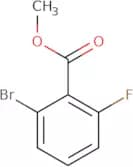
CAS:2-Bromo-6-fluorobenzoic acid methyl ester is a fine chemical that belongs to the family of brominated compounds. It is a useful building block in the synthesis of diverse organic molecules, as well as a reagent for research and speciality chemicals. 2-Bromo-6-fluorobenzoic acid methyl ester is used as a versatile building block in the synthesis of complex compounds, as well as an intermediate or scaffold in organic chemistry. This product can be used to synthesize many diverse products while maintaining high quality and purity.Formula:C8H6BrFO2Purity:Min. 95%Color and Shape:PowderMolecular weight:233.03 g/mol2-(2-Thiazolylazo)-p-cresol
CAS:2-(2-Thiazolylazo)-p-cresol structure enables it to form complexes with certain metal ions, changing color in the process. This color change is highly useful in titrimetric analyses (quantitative chemical analysis method) to determine the concentration of metal ions in a solution. The substrates are colored orange-yellow (absorbance maximum= 375 nm). After the enzymatic conversion, the resulting TAC shows an intense, soluble red-violet color (544 nm) in an alkaline medium (pH = 10.3).Formula:C10H9N3OSPurity:Min. 96 Area-%Color and Shape:Yellow To Orange Brown SolidMolecular weight:219.26 g/mol(3,4-Dichlorophenyl)acetic acid methyl ester
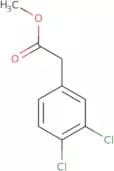
CAS:<p>(3,4-Dichlorophenyl)acetic acid methyl ester is a versatile building block and reagent that can be used in the synthesis of complex compounds. It is also a useful intermediate and reaction component for the synthesis of high-quality chemical products. This compound has been shown to be useful in the production of speciality chemicals, including research chemicals and fine chemicals.</p>Formula:C9H8Cl2O2Purity:Min. 95%Color and Shape:PowderMolecular weight:219.06 g/mol2-(1-Naphthoxy)-acetic acid
CAS:2-(1-Naphthoxy)-acetic acid is a natural product that is found in urine samples. It has been found to have various biological effects, such as inhibiting sugar transport and root formation. 2-(1-Naphthoxy)-acetic acid can also be used to inhibit the transcription of certain genes by interacting with the response elements for these genes. 2-(1-Naphthoxy)-acetic acid binds to monoclonal antibodies and can be used in immunoprecipitation experiments.Formula:C12H10O3Purity:Min. 95%Color and Shape:PowderMolecular weight:202.21 g/molO-Cresolphthalein
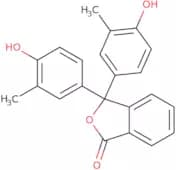
CAS:<p>O-Cresolphthalein is a gadolinium chelate that is used as a contrast agent for magnetic resonance imaging (MRI) of the brain, spine, and joints. The gadolinium ion is bound to the cresol molecule, which has an attached hydroxyl group. This complex attaches to the phosphorous pentoxide and creates a precipitate of metal hydroxides in the presence of water and sodium carbonate. O-Cresolphthalein is also used in clinical pathology to measure glomerular filtration rate (GFR), which is important for diagnosing renal disease. MRI scans are used to diagnose osteogenic genes that are associated with bone diseases such as osteoporosis.</p>Formula:C22H18O4Purity:Min. 95 Area-%Color and Shape:PowderMolecular weight:346.38 g/mol4-(2-Bromoethyl)-acetophenone technical
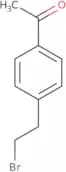
CAS:4-(2-Bromoethyl)-acetophenone is a fine chemical that is useful as a scaffold for the synthesis of complex compounds. It is also used in research chemicals, reaction components, and other speciality chemicals. It has CAS No. 40422-73-9 and can be found in high quality form.Formula:C10H11BrOPurity:Min. 75 Area-%Color and Shape:PowderMolecular weight:227.1 g/mol3-Bromo-4-methoxycinnamic acid
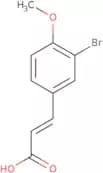
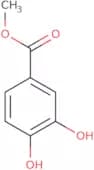
CAS:<p>3-Bromo-4-methoxycinnamic acid is an organic compound that is used as a reagent, a useful scaffold, and a useful intermediate. It has been shown to be an excellent building block for the synthesis of complex compounds. 3-Bromo-4-methoxycinnamic acid can be used in the production of fine chemicals.</p>Formula:C10H9BrO3Purity:Min. 95%Color and Shape:PowderMolecular weight:257.08 g/mol3,4-Dihydroxybenzoic acid methyl ester
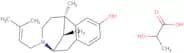
CAS:<p>3,4-Dihydroxybenzoic acid methyl ester is a natural compound that has been isolated from Linteus. This compound has been shown to have antiinflammatory activity and to inhibit the production of pro-inflammatory cytokines, such as tumor necrosis factor-alpha (TNF-α) and interleukin 1β (IL-1β). It also inhibits toll-like receptor 4 (TLR4), which is a protein that can bind to lipopolysaccharides on the surface of bacteria. 3,4-Dihydroxybenzoic acid methyl ester has been found to decrease mitochondrial membrane potential in cells treated with hydrogen fluoride. This agent is used in organic synthesis for the preparation of derivatives with high purity. The extract from Etoac can be used as a model organism for the study of its structure and function.</p>Formula:C8H8O4Purity:Min. 95%Color and Shape:PowderMolecular weight:168.15 g/molPentazocine lactate
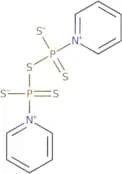
CAS:Controlled Product<p>Pentazocine lactate is an opioid that binds to the kappa-opioid receptor. It has a low potency and is used as an analgesic. Pentazocine lactate has been shown to be effective in the treatment of eosinophilic fasciitis, which is a rare inflammatory disease of the skin and soft tissue. Side effects for this drug include respiratory depression and sedation, constipation, nausea/vomiting, urinary retention, erythema multiforme, pruritus, erythema nodosum, thrombocytopenia, and fever. Pentazocine lactate may also interact with other drugs such as antidepressants or antipsychotics.</p>Formula:C19H27NO·C3H6O3Purity:Min. 95%Molecular weight:375.5 g/molPentathiodiphosphorus(V) acid P,P'bis(pyridinium betaine)
CAS:<p>Please enquire for more information about Pentathiodiphosphorus(V) acid P,P'bis(pyridinium betaine) including the price, delivery time and more detailed product information at the technical inquiry form on this page</p>Formula:C10H10N2P2S5Color and Shape:PowderMolecular weight:380.48 g/mol3-Cyano-4,6-dimethylcoumarin
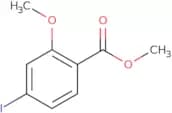
CAS:<p>3-Cyano-4,6-dimethylcoumarin is a phenolic compound with potent inhibitory activity against bacteria. It has been shown to bind to the hydroxyl group of the coumarin ring and inhibit the growth of Gram-negative and Gram-positive bacteria. 3-Cyano-4,6-dimethylcoumarin also inhibits the growth of fungi by binding to the hydroxyl group on a phenolic hydroxyl substituent. 3-Cyano-4,6-dimethylcoumarin can be used as an antimicrobial agent for various types of infections.</p>Formula:C12H9NO2Purity:Min. 95%Color and Shape:PowderMolecular weight:199.21 g/mol4-Iodo-2-methoxybenzoic acid methyl ester
CAS:<p>4-Iodo-2-methoxybenzoic acid methyl ester is a high quality chemical that can be used as a versatile building block in chemical synthesis. It is a complex compound that has been shown to be an effective reagent for research, which can be used in the synthesis of new complex compounds. 4-Iodo-2-methoxybenzoic acid methyl ester is also useful as an intermediate or reaction component in organic syntheses. This chemical is available for purchase at a CAS number of 148490-97-5.</p>Formula:C9H9IO3Purity:Min. 95%Color and Shape:PowderMolecular weight:292.07 g/molα-Methylhydrocinnamic acid
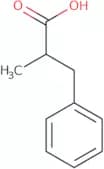
CAS:<p>Alpha-methylhydrocinnamic acid (AMHA) is a synthetic enantiomer of 2-phenylbutyric acid, which has been shown to inhibit the growth of k562 cells. It is also a substrate for fatty acid synthase and may play an important role in fatty acid metabolism. AMHA has been shown to inhibit the production of reactive oxygen species by phagocytic cells exposed to ionizing radiation, which may be due to its ability to scavenge hydroxyl radicals. The effect of AMHA on hematopoietic cells, including neutrophils and bone marrow cells, has not yet been determined.</p>Formula:C10H12O2Purity:Min. 95%Color and Shape:White Clear LiquidMolecular weight:164.2 g/molIsobavachalcone
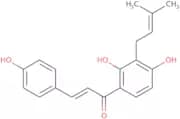
CAS:<p>Isobavachalcone is a natural compound that belongs to the group of flavonoids. It has been shown to be cytotoxic at high concentrations (e.g., 50 μM) in HL-60 cells and induce apoptosis by increasing the expression of pro-apoptotic proteins. Isobavachalcone also has anti-inflammatory properties, which may be due to its ability to inhibit the production of reactive oxygen species and increase the expression of nuclear DNA binding protein DDB2. Isobavachalcone can be used as an analytical tool for determining mitochondrial membrane potential and for identifying compounds with autophagic activity.</p>Formula:C20H20O4Purity:Min. 98 Area-%Molecular weight:324.37 g/molPenicillin G benzathine anhydrous
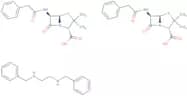
CAS:<p>Penicillin G benzathine anhydrous is a penicillin antibiotic. It is used to treat bacterial infections, including syphilis, streptococcal pharyngitis, and other infectious diseases. Penicillin G benzathine anhydrous is administered intramuscularly or intravenously. The drug can be detected in the blood after administration, which makes it useful for diagnosis of infectious diseases. Penicillin G benzathine anhydrous has shown statistically significant efficacy in treatment trials that were conducted on patients with infectious diseases. However, there have been increasing reports of high resistance to this drug in recent years. Interferon alfa-2b may be used as adjunctive therapy for resistant cases.</p>Formula:C16H20N2•(C16H18N2O4S)2Purity:Min. 95%Color and Shape:White PowderMolecular weight:909.13 g/mol4-Phenoxycinnamic acid
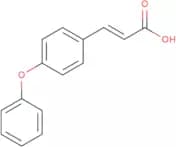
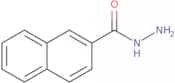
CAS:<p>4-Phenoxycinnamic acid is a useful scaffold and building block in organic chemistry. It is a versatile chemical intermediate with a CAS number of 2215-83-0, often used in the synthesis of other molecules. 4-Phenoxycinnamic acid has recently been shown to be an effective reagent for the conversion of nitrobenzene to benzyl alcohols, which are useful in the production of pharmaceuticals. This compound can also be used as a high-quality research chemical and as a speciality chemical for use in laboratory experimentation.</p>Formula:C15H12O3Purity:Min. 95%Color and Shape:PowderMolecular weight:240.25 g/molβ-Naphthoylhydrazine
CAS:<p>Beta-Naphthoylhydrazine is a chemical inhibitor that binds to the enzyme diacylglycerol, which is involved in the synthesis of cholesterol. It has been shown to inhibit the uptake of cholesterol by ovary cells and human serum lipase. Beta-Naphthoylhydrazine potently inhibits reactive oxygen species and may be used in the treatment of inflammation and cancer.</p>Formula:C11H10N2OPurity:Min. 95%Color and Shape:PowderMolecular weight:186.21 g/mol2-Methylanthracene
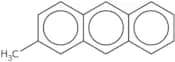
CAS:2-Methylanthracene is a diazonium salt that inhibits the growth of bacteria by binding to DNA, thereby preventing transcription and replication. 2-Methylanthracene has an inhibitory effect at pH 6.0 but no inhibitory effect at pH 8.0 due to its solubility data. The aromatic hydrocarbon is soluble in water and has a solute concentration of 1.5 g/L at pH 6.0 and 5 g/L at pH 8.0. 2-Methylanthracene binds to the DNA of bacteria in cell culture through steric interactions with the hydrophobic aromatic rings, inhibiting bacterial growth and causing cell death by interfering with protein synthesis and DNA replication.Formula:C15H12Purity:Min. 95%Color and Shape:Off-White PowderMolecular weight:192.26 g/molChromotropic acid disodium dihydrate
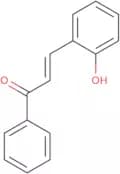
CAS:<p>Chromotropic acid dihydrate is a chromogenic compound that has an adsorption mechanism and is used as an analytical reagent. Chromotropic acid disodium dihydrate (CDA) is used in the determination of hydrochloric acid, natural gas and other liquids. It also can be used to measure the concentration of tyramine hydrochloride. CDA has been shown to be effective in the measurement of molecular orbitals and kinetic constants. The optical sensor is sensitive to wavelengths ranging from 200-900 nm, with a peak absorption at around 500 nm. This sensor can be used for many types of chemical reactions, such as organic synthesis, hydrogenation, and oxidation.</p>Formula:C10H6O8S2Na2·2H2OPurity:Min. 95%Color and Shape:Off-White PowderMolecular weight:400.29 g/mol2-Hydroxychalcone
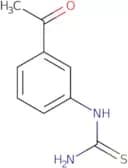
CAS:<p>2-Hydroxychalcone is a chemical compound that has been shown to have hypoglycemic effects in mice and rats. It also inhibits the efflux pump of cancer cells, which prevents the drug from being pumped out of the cell, and thus increases its concentration inside the cell. 2-Hydroxychalcone is structurally similar to epidermal growth factor (EGF). The nitrogen atoms are important for its activity as they can form hydrogen bonds with water molecules and help stabilize the protein's conformation. 2-Hydroxychalcone has been shown to have anti-cancer properties in vitro and in vivo, with a particular effect on prostate cancer cells. It also inhibits tumor growth by reducing the production of insulin-like growth factor 1 (IGF1) levels.</p>Formula:C15H12O2Purity:Min. 95%Color and Shape:PowderMolecular weight:224.25 g/mol1-(3-Acetylphenyl)-2-thiourea
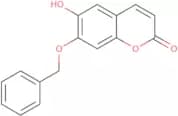
CAS:<p>1-(3-Acetylphenyl)-2-thiourea is an antibacterial agent that has been shown to be effective against escherichia coli and staphylococcus aureus. It inhibits bacterial growth by inhibiting the synthesis of proteins, leading to cell death. The compound does not exhibit activity against subtilis or klebsiella but does inhibit the growth of escherichia coli and staphylococcus aureus at concentrations of 0.05 mg/ml. 1-(3-Acetylphenyl)-2-thiourea exhibits constant activity over a wide range of pH values, with the optimum pH being 5.5 to 6.5. The drug also exhibits constant activity in the presence of methanol or triethylamine as well as in the presence of subtilis or klebsiella, with slightly increased activity observed when triethylamine is used as a solvent.</p>Formula:C9H10N2OSPurity:Min. 95%Color and Shape:PowderMolecular weight:194.25 g/mol6,7-Dihydroxycoumarin-7-benzyl ether
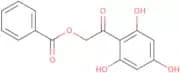
CAS:<p>6,7-Dihydroxycoumarin-7-benzyl ether is an antioxidant compound with a variety of uses. It has been shown to have clastogenic effects in in vitro tests. 6,7-Dihydroxycoumarin-7-benzyl ether has also been used as a screening tool for antioxidants and has found use in the fields of medicine and natural sources. The chemical structure of 6,7-dihydroxycoumarin-7-benzyl ether is heterocyclic aromatic rings with two hydroxyl groups at positions 6 and 7 on the coumarin nucleus. This molecule has prooxidant activity and can be described using chemical descriptors such as molecular weight and logP values.</p>Formula:C16H12O4Purity:Min. 95%Molecular weight:268.26 g/molomega-Benzoyloxy phloracetophenone
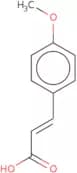
CAS:<p>Omega-Benzoyloxy phloracetophenone is a fine chemical that is used as a building block in organic synthesis. It is also a versatile building block that can be used to synthesize many different types of compounds. This compound has been shown to react with alcohols, amines, and thiols to form esters, amides, and sulfones respectively. Omega-Benzoyloxy phloracetophenone is also a useful intermediate and scaffold in the synthesis of complex compounds.</p>Formula:C15H12O6Purity:Min. 95%Molecular weight:288.25 g/mol4-Methoxycinnamic acid
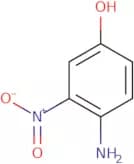
CAS:4-Methoxycinnamic acid is a derivative that is activated by light exposure. It has been shown to have antimicrobial activity against Gram-positive bacteria and yeast, but not Gram-negative bacteria. 4-Methoxycinnamic acid is an analytical reagent that can be used to measure the dry weight of skin cancer cells, as well as to study the genotoxic effects of human liver cells. The chemical has also been shown to be genotoxic in mouse bone marrow cells and human lymphocytes. 4-Methoxycinnamic acid has been found to cause synchronous fluorescence when exposed to UV light, which may be due to its ability to react with molecular oxygen. This reaction produces a linear model with two products: 4-hydroxybenzoic acid and 2,5-dihydroxybenzoic acid.Formula:C10H10O3Purity:Min. 95%Color and Shape:PowderMolecular weight:178.18 g/mol4-Amino-3-nitrophenol
CAS:<p>4-Amino-3-nitrophenol is a reactive aminophenol that can be synthesized from hydrogen sulfate and diethyl ester. It is used in the synthesis of amines and other chemicals, as well as in analytical methods for determining the concentration of nitrates, nitrites, and aminophenols. 4-Amino-3-nitrophenol has been shown to have photocatalytic activity.</p>Formula:C6H6N2O3Purity:Min. 95%Color and Shape:PowderMolecular weight:154.12 g/mol2,2'-Dimethylbibenzyl
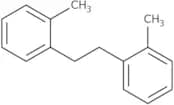
CAS:<p>2,2'-Dimethylbibenzyl is a chemical compound that has been used as a precursor for the synthesis of other chemicals. It can be synthesized by reacting dodecyl chloride with an aryl halide, then reacting the product with anhydrous hydroxyl group in the presence of a radical coupling agent. The reaction products are chlorosulfonic acid and 2,2'-dimethylbibenzyl. This chemical compound is a strong electron acceptor and can help to produce radical coupling reactions. It also reacts with protonated water to form sulfoxide and trifluoroacetic acid.</p>Formula:C16H18Purity:Min. 95%Color and Shape:PowderMolecular weight:210.31 g/mol3-(Trifluoromethyl)Phenylurea
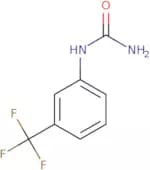
CAS:<p>3-(Trifluoromethyl)phenylurea is a chemotherapeutic agent that is used to treat leukemia and other cancers. It has been shown to be effective in the regression of tumors in mice, when given at a concentration of 1-2 mg/kg. 3-(Trifluoromethyl)phenylurea inhibits cell growth by binding to DNA and inhibiting RNA synthesis. The optimal concentrations for 3-(trifluoromethyl)phenylurea are determined using an equation that includes coefficients obtained from stepwise regression analysis. The coefficient values are also optimized using topological descriptors and genetic algorithms.</p>Formula:C8H7F3N2OPurity:Min. 95%Molecular weight:204.15 g/molMertansine
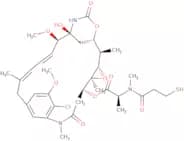
CAS:N2'-Deacetyl-N2'-(3-mercapto-1-oxopropyl)-maytansine is a thiol-containing derivative of maytansine. Maytansine and its derivatives kill cells by interfering with the formation of microtubules, and causing the depolymerisation of already formed microtubules. Antibody conjugates of N2'-Deacetyl-N2'-(3-mercapto-1-oxopropyl)-maytansine and the murine monoclonal antibody TA. 1, using linkers containing either a disulfide bond or a thioether bond, have been synthesised. These antibody conjugates bind to the HER-2/new oncogene protein that is expressed on human breast tumor cells.Formula:C35H48ClN3O10SPurity:Min. 95%Color and Shape:White Off-White Yellow PowderMolecular weight:738.29 g/molGrape seed extract - Technical
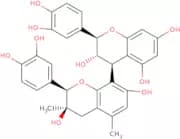
CAS:<p>Grape seed extract is a natural compound that is extracted from the seeds of grape plants. It contains growth factors, such as growth factor-β1 and dinucleotide phosphate (NADP). Grape seed extract also has enzyme activities including natural compounds, biocompatible polymers, and antimicrobial agents. The extract can be used to prevent bacterial growth on surfaces by inhibiting the enzymatic activity of cell walls. The extract has been shown to have antibacterial effects against human serum and mitochondria membrane potential in a model system.</p>Formula:C30H12O6Purity:Min. 95%Color and Shape:Red PowderMolecular weight:468.41 g/mol3,5-Diisopropylsalicylic acid
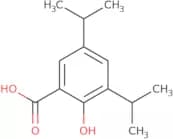
CAS:3,5-Diisopropylsalicylic acid is a reactive chemical substance that has been shown to be an effective anti-inflammatory agent. The compound is active against wild-type viruses and copper complexes. 3,5-Diisopropylsalicylic acid also has been shown to inhibit the growth of human cancer cells in vitro. This drug can be used as an analytical reagent for the detection of water vapor in gas chromatography and other techniques. The acute toxicities associated with 3,5-diisopropylsalicylic acid are not well understood, but it has been shown to have a negative effect on body mass index. It also may affect pluripotent cells and radiation therapy. There are reports of drug interactions when used with certain medications such as acetaminophen or ibuprofen.Formula:C13H18O3Purity:Min. 95%Color and Shape:PowderMolecular weight:222.28 g/mol3-Fluoro-2-hydroxybenzoic acid methyl ester
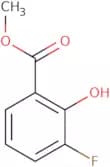
CAS:<p>3-Fluoro-2-hydroxybenzoic acid methyl ester (3-FHBA) is a high quality chemical compound that is used as an intermediate to produce other compounds. It has been shown to be a useful scaffold for the synthesis of complex compounds with various functional groups. 3-FHBA is also a reagent in the production of fine chemicals, research chemicals, and speciality chemicals. This compound has many uses, including being a versatile building block for reactions in organic synthesis and being a reaction component in the production of many types of products.</p>Formula:C8H7FO3Purity:Min. 95%Color and Shape:White PowderMolecular weight:170.14 g/mol4'-Dimethylaminoacetophenone
CAS:<p>4'-Dimethylaminoacetophenone is a fluorescent probe that has been shown to be a potential use for measuring the activation energy of radical chain reactions. It has been shown to have synergistic effects with hydroxyl group radicals, and can be used as an indicator for carbon tetrachloride. The fluorescence properties of 4'-dimethylaminoacetophenone are dependent on the polarity of the solvent in which it is dissolved. This compound is a colorless liquid that is soluble in acetonitrile, but insoluble in water. 4'-Dimethylaminoacetophenone also has sunscreen properties, which may be due to its ability to absorb UV radiation.</p>Formula:C10H13NOPurity:Min. 95%Color and Shape:PowderMolecular weight:163.22 g/mol2,2'-Dihydroxy-4-methoxybenzophenone
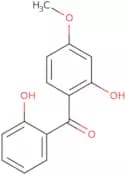
CAS:<p>2,2'-Dihydroxy-4-methoxybenzophenone (DHMB) is a chemical compound used in the manufacturing of sunscreens. It is also used as an antioxidant and antiinflammatory agent in topical preparations. The genotoxic effects of DHMB are well documented, but it is unclear whether these effects are due to UV radiation or other mechanisms. DHMB has been shown to be toxic to cells in vivo and in vitro. There have been reports of skin cancer developing on the ears of rats following chronic exposure to this chemical. DHMB binds to the estrogen receptor, which may be responsible for its genotoxic activity. This chemical has also been shown to inhibit the growth of bacteria such as Pseudomonas aeruginosa and Escherichia coli by binding with fatty acids on the cell membrane surface. DHMB is used for wastewater treatment because it can bind with heavy metals and remove them from water sources.</p>Formula:C14H12O4Purity:Min. 95%Color and Shape:Yellow To Dark Yellow SolidMolecular weight:244.24 g/molGlycerin rosin ester
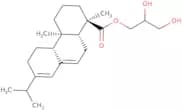
CAS:<p>Glycerin rosin ester is a polyunsaturated, hydrogenated, fatty acid that is used as a cross-linking agent. It is a mixture of glycerin and calcium stearate with traces of choroidal neovascularization. Glycerin rosin ester is used in the production of pharmaceutical preparations to increase the viscosity and stability of the formulation. Glycerin rosin ester has been shown to have a low thermal expansion coefficient, which allows it to be used as a hydrogen bond. This product also has an allergic effect on skin and can cause irritation if touched or inhaled. The transport rate for this product is 0.5 kilometers per hour at 20 degrees Celsius.</p>Formula:C3H8O3Color and Shape:Off-White PowderMolecular weight:92.092'-Hydroxyacetophenone
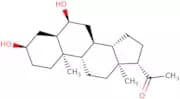
CAS:<p>2'-Hydroxyacetophenone is a hydroxylated acetophenone derivative. It is used in the synthesis of coumarin derivatives, which are used as pharmaceuticals and natural compounds. 2'-Hydroxyacetophenone has been found to be cytotoxic against HL-60 cells, which is a line of leukemia cells in humans. It also has anti-cancer properties that may be due to its ability to inhibit water vapor and nitrogen gas release from cervical cancer cells. The structural analysis of 2'-hydroxyacetophenone has shown that it contains an intramolecular hydrogen bond with the proton on the oxygen atom. This bond is responsible for stabilizing the molecule's structure and maintaining its 3D geometry.</p>Formula:C8H8O2Purity:Min. 95%Color and Shape:Clear LiquidMolecular weight:136.15 g/mol5β-Pregnan-3α,6α-diol-20-one
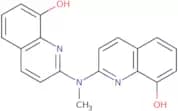
CAS:Controlled Product<p>5β-Pregnan-3α,6α-diol-20-one is an anticoagulant that inhibits the action of thrombin. It has been shown to inhibit the inflammatory response in a number of autoimmune diseases and inflammatory disorders. This drug also has a nitro group, which can be reduced to an hydroxyl group by reaction with sodium nitrite or other reducing agents. The antimicrobial properties of 5β-pregnan-3α,6α-diol-20-one are thought to be due to its ability to form particle aggregates with magnetic particles. These aggregates have an inhibitory effect on bacterial growth.</p>Formula:C21H34O3Purity:Min. 95%Color and Shape:PowderMolecular weight:334.49 g/mol2,2'-(Methylimino)diquinolin-8-ol
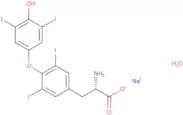
CAS:<p>Please enquire for more information about 2,2'-(Methylimino)diquinolin-8-ol including the price, delivery time and more detailed product information at the technical inquiry form on this page</p>Formula:C19H15N3O2Purity:Min. 95%Molecular weight:317.34 g/mol3,3',5,5'-Tetraiodo-L-thyronine sodium hydrate
CAS:<p>3,3',5,5'-Tetraiodo-L-thyronine sodium hydrate is a synthetic thyroid hormone that is used to treat hypothyroidism and myxedema coma. It is also used as an ingredient in pharmaceuticals. 3,3',5,5'-Tetraiodo-L-thyronine sodium hydrate has been shown to be effective in the treatment of hypothyroidism and myxedema coma. The drug exhibits a high degree of bioequivalence with levothyroxine sodium tablets.<br>MRP2/ABCG2 transport proteins are expressed at high levels in the liver and gut epithelium and play a role in the absorption of 3,3',5,5'-tetraiodo-L-thyronine sodium hydrate from the small intestine into blood circulation. This drug binds to sorbitol and d-mannitol through hydrogen bonding interactions. These interactions may be responsible for</p>Formula:C15H10I4NNaO4•(H2O)xPurity:Min. 97 Area-%Color and Shape:PowderMolecular weight:798.853-Ethoxycinnamic acid
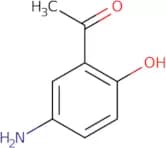
CAS:<p>3-Ethoxycinnamic acid is a polyhydric alcohol that has been shown to inhibit the growth of various microorganisms. 3-Ethoxycinnamic acid inhibits the growth of microorganisms by binding to the alkenyl groups in the cell membrane, thereby preventing them from synthesizing their own fatty acids. The binding of 3-ethoxycinnamic acid to alkali metal ions also prevents their uptake into the cell, which leads to an accumulation of these ions outside the cell and eventually results in cell death. 3-Ethoxycinnamic acid is soluble in water and may be used as a stain or quaternary ammonium compound.</p>Formula:C11H12O3Purity:Min. 95%Color and Shape:SolidMolecular weight:192.21 g/mol5-Amino-2-hydroxyacetophenone
CAS:<p>5-Amino-2-hydroxyacetophenone is a chemical compound that belongs to the class of active substances. It is an intermediate in Friedel-Crafts acylation reactions, which are used to form alkyl esters by reaction with chloroformates. In these reactions, 5-Amino-2-hydroxyacetophenone is converted into a chloroformate in the presence of an acid catalyst. The reactions proceed rapidly, with the acetone or ester as the solvent. The frequency of 5-amino-2-hydroxyacetophenone can be correlated to its deformation energy and various chemical parameters such as electron density and force constants. 5-Amino-2-hydroxyacetophenone is uniquely characterized by intramolecularly hydrogen bonding organic solvents such as acetone and nitrobenzene.</p>Formula:C8H9NO2Purity:Min. 95%Molecular weight:151.16 g/molErythropoietin
CAS:<p>Erythropoietin is a glycoprotein hormone, which is primarily produced by interstitial fibroblasts in the kidney in response to hypoxia. Its main mode of action involves binding to erythropoietin receptors on the surface of erythroid progenitor cells in the bone marrow, thereby initiating a signaling cascade that results in the proliferation and differentiation of these progenitors into mature red blood cells.</p>Purity:(Capillary Zone Electrophoresis) Min. 98.0%Color and Shape:Powder5-Bromovanillin
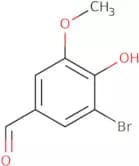
CAS:<p>5-Bromovanillin is an antimicrobial agent that inhibits the growth of bacteria by binding to the enzyme vanillin. It is used as a natural compound, in which it can be found in plants and fruits such as Eugenia caryophyllata and Vanilla planifolia. 5-Bromovanillin has been shown to have a potent inhibitory effect on bacterial growth. The inhibitory effect of this compound is due to its ability to coordinate with the vanillin molecule, forming a complex that blocks the reaction mechanism of the enzyme. This complex also reacts with p-hydroxybenzoic acid, which disrupts the cell membrane and causes leakage of cellular contents. 5-Bromovanillin has been studied using surface methodology and electrochemical impedance spectroscopy (EIS). These studies demonstrated that 5-bromovanillin has a high affinity for methanol solvent and inhibitor molecules, which may contribute to its antimicrobial activity.</p>Formula:C8H7BrO3Purity:Min. 95%Color and Shape:Yellow PowderMolecular weight:231.04 g/molEthyl 4-methoxycinnamate
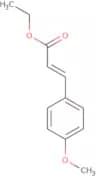
CAS:<p>Ethyl 4-methoxycinnamate is a white crystalline solid that is soluble in water. It is used as a food additive, and has been shown to have anti-bacterial, analgesic, and antioxidant properties. The compound interacts with the β-cyclodextrin molecule when it is dissolved in water. This interaction leads to a decrease in its solubility in water.</p>Formula:C12H14O3Purity:Min. 95%Color and Shape:PowderMolecular weight:206.24 g/molFmoc-O-tert-butyl-D-threonine
CAS:<p>Fmoc-O-tert-butyl-D-threonine is an ion pair that is synthesized using an asymmetric synthesis process. The molecule has been shown to have antiproliferative effects in animals and humans and can inhibit neutrophil function. This synthetic compound has a glycan (a carbohydrate) attached to the side chain, which may be important for its biological activity. Fmoc-O-tert-butyl-D-threonine was synthesized on a solid phase and functional groups were introduced as part of the synthesis process. This molecule also has an inhibitory effect on ulceration in animals.</p>Formula:C23H27NO5Purity:Min. 95%Color and Shape:PowderMolecular weight:397.46 g/molTestosterone benzoate
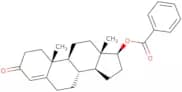
CAS:Controlled Product<p>Testosterone benzoate is a steroid that is used to produce testosterone. It is prepared by treating the sodium salt of testosterone with trifluoroacetic acid and then reacting it with benzoic acid. Testosterone benzoate has been used as an analytical marker for the presence of testosterone in biological samples. The use of this substance as an analytical reagent was first reported in 1955, when it was found to be more sensitive than the traditional means of detection (i.e., thin-layer chromatography). The matrix effect can significantly affect the results obtained using this test, so care must be taken to ensure that it is not present when testing for testosterone.<br>Testosterone benzoate reacts with oestradiol or estradiol benzoate under acidic conditions to form anhydrous sodium carbonate and water. This reaction may be used to assay for oestradiol or estradiol benzoate in biological samples containing testosterone benzoate.</p>Formula:C26H32O3Purity:Min. 95%Color and Shape:PowderMolecular weight:392.53 g/molPolycaprolactone diol - MW 525-575
CAS:<p>Biodegradable polymer</p>Formula:C4H8O3(C6H10O2)nColor and Shape:Clear LiquidHydroxy naphthol blue
CAS:<p>羟基萘酚蓝是一种合成偶氮染料,是一种含有官能团RN=N-R的化合物。羟基萘酚蓝三钠盐和二钠盐用作分光光度法测定碱土和镧系元素含量的指示剂,最长为~650 nm(λ麦克斯= 647.6 纳米)。羟基萘酚蓝钠盐的常见用途的一个例子是通过测量钙和镁的浓度来确定水的硬度。在碱性或碱性pH值下,羟基萘酚蓝与金属离子形成粉红色/红色络合物,用EDTA滴定后,羟基萘酚蓝被释放出来,使溶液变成蓝色,指示终点。</p>Formula:C20H11N2O11S3·3NaColor and Shape:Black Blue PowderMolecular weight:620.48 g/mol2,2'-Biphenol
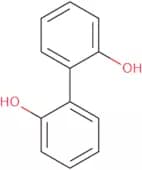
CAS:<p>2,2'-Biphenol is a phenolic compound that is used in the synthesis of polymers. The thermal expansion coefficient of 2,2'-biphenol can be measured by DSC and found to be ˜6.5 × 10⁻⁴/°C. The UV absorption spectrum of 2,2'-biphenol shows three bands at wavelengths of 290 nm, 320 nm, and 370 nm. 2,2'-Biphenol has been shown to adsorb onto biological surfaces through an adsorption mechanism. It has been observed that this adsorption occurs via x-ray crystal structures and kinetic measurements have shown that the adsorption process is rate-limited by intramolecular hydrogen bonding between the protonated phenolic hydroxyl group and the aromatic ring. The activation energies for protonation and desorption have been determined to be ˜30 kJ/mol and ˜30 kJ/mol respectively. Ac</p>Formula:C12H10O2Purity:Min. 98 Area-%Color and Shape:White PowderMolecular weight:186.21 g/molL-Tyrosinol hydrochloride
CAS:<p>L-Tyrosinol hydrochloride is a chiral molecule that is the hydrogenated form of L-tyrosine. It is an intermediate in the synthesis of L-dopa, which is used to treat Parkinson's disease. The enzymatic reaction that converts L-tyrosinol hydrochloride to L-dopa requires adenosine 5'-phosphosulfate as cofactor and histidine as a catalyst. The conversion of L-tyrosinol hydrochloride to L-dopa occurs with high yield and has been shown to be stereoselective. This synthetic pathway has been shown to have an activation energy of 53 kcal/mol and a reaction time of 30 minutes at room temperature.</p>Formula:C9H13NO2·HClColor and Shape:White Off-White PowderMolecular weight:203.67 g/molMethyl 2-amino-7,7-dimethyl-4-(3-nitrophenyl)-5-oxo-4,6,7,8-tetrahydro2H-chromene-3-carboxylate
CAS:<p>Please enquire for more information about Methyl 2-amino-7,7-dimethyl-4-(3-nitrophenyl)-5-oxo-4,6,7,8-tetrahydro2H-chromene-3-carboxylate including the price, delivery time and more detailed product information at the technical inquiry form on this page</p>Formula:C19H20N2O6Purity:Min. 95%Color and Shape:PowderMolecular weight:372.37 g/molTomoxetine hydrochloride
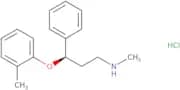
CAS:Controlled Product<p>Noradrenalin reuptake inhibitor</p>Formula:C17H22ClNOPurity:(%) Min. 95%Color and Shape:White PowderMolecular weight:291.82 g/mol3,4-Dimethoxy-2-methylcinnamic acid
CAS:<p>3,4-Dimethoxy-2-methylcinnamic acid is a fine chemical that can be used as a building block to produce complex compounds. It is also an intermediate in the synthesis of chemicals such as cinnamyl alcohol, cinnamaldehyde, and 2-methyl-3-(4'-methoxyphenyl)propanoic acid. This compound is useful for research purposes as it has been shown to be an effective reaction component in organic reactions. 3,4-Dimethoxy-2-methylcinnamic acid is a high quality reagent with CAS No. 868562-26-9.</p>Formula:C12H14O4Purity:Min. 95%Color and Shape:PowderMolecular weight:222.24 g/mol4-Ethoxysalicylic acid
CAS:<p>4-Ethoxysalicylic acid is a phosphorus oxychloride derivative that is used as an intermediate in the production of xanthones. Xanthones are used in the manufacture of dyes, pharmaceuticals, and fragrances. This compound also reacts with zinc chloride to give 4-ethoxysalicylate, which is an oxidizing agent. 4-Ethoxysalicylic acid has low toxicity and can be filtered from a reaction mixture by filtration or recrystallization. It can act as a monoamine oxidase inhibitor, which may contribute to its antidepressant properties. A hydrophobic molecule, 4-ethoxysalicylic acid will not dissolve in water but can be dissolved in organic solvents such as alcohols or ethers. It also has a high affinity for blood proteins and will bind to them readily. This property makes it useful as an anti-coagulant drug for treating depression and other mental illness.</p>Formula:C9H10O4Purity:Min. 95%Color and Shape:PowderMolecular weight:182.17 g/molNaphthol AS-LC
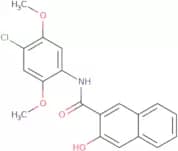
CAS:<p>Naphthol AS-LC is a reactive ester compound that has been used as a histological stain for cells and tissues. It can be used to detect the presence of propionate in homogenates. Naphthol AS-LC stains are also commonly used to determine the location of proteins and esters in cells, as well as to identify acid phosphatase activity in submandibular gland tissue. The reaction time for this reagent is short, so it can be used on samples that require rapid staining. Naphthol AS-LC is sensitive to light, which may cause it to lose its color or react with other compounds.</p>Formula:C19H16ClNO4Purity:Min. 95%Color and Shape:PowderMolecular weight:357.79 g/mol7-Hydroxy-2-naphthalene sulfonic acid sodium
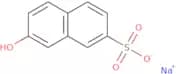
CAS:<p>7-Hydroxy-2-naphthalene sulfonic acid sodium (7HNS) is a fluorescent probe that can be used for the detection of cross-links in collagen and elastin. The sensitivity of this compound is very high, with a detection limit of 1 pmol/ml. 7HNS binds to the lysine residues in collagen and elastin, forming covalent bonds that are detectable by fluorescence. It has been used in the analysis of tissues such as cartilage, bone, skin, and blood vessels.</p>Formula:C10H7NaO4SPurity:Min. 93 Area-%Color and Shape:PowderMolecular weight:246.22 g/mol6-Fluoro-2-(2'-fluorobiphenyl-4-yl)-3-methylquinoline-4-carboxylic acid
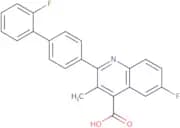
CAS:<p>Brequinar sodium is a drug that belongs to the class of quinoline carboxylic acid derivatives. It has been shown to be effective in the treatment of infectious diseases and bowel disease. Brequinar sodium inhibits bacterial growth by binding to DNA-dependent RNA polymerase, thereby preventing transcription and replication. The high frequency of human activity has been shown using a patch-clamp technique on human erythrocytes. This active form is metabolized through a number of metabolic transformations, including hydrolysis by esterases or glucuronidases, oxidation by cytochrome P450 enzymes, reduction by glutathione reductase, or conjugation with glucuronic acid. Brequinar also specifically binds to markers expressed at high levels in Mycobacterium tuberculosis strains (e.g., ESX-1 secretion system protein) and inhibits cell growth in culture.</p>Formula:C23H15F2NO2Purity:Min. 97 Area-%Color and Shape:White/Off-White SolidMolecular weight:375.37 g/mol(R)-Carprofen
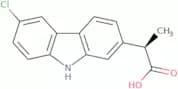
CAS:(R)-Carprofen is a nonsteroidal anti-inflammatory drug that is used to treat pain and inflammation associated with arthritis, as well as other conditions. It is one of the most potent inhibitors of prostaglandin synthesis in human serum, but it has only moderate potency in bile and little or no affinity for fatty acids. The inhibition potential of carprofen has been shown to be stereoselective, with the (S)-enantiomer being up to 10 times more potent than the (R)-enantiomer. Carprofen is metabolized by conjugation with glucuronic acid and excreted in urine. Carprofen also has an inhibitory effect on endogenous substances such as diazepam, which may be due to its ability to inhibit CYP3A4.Formula:C15H12ClNO2Purity:Min. 95%Color and Shape:White to off-white solid.Molecular weight:273.71 g/molCholesterol oleate
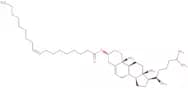
CAS:Controlled Product<p>Cholesterol oleate is a mixture of cholesterol and the fatty acid oleic acid. It is used as a pharmaceutical ingredient in the production of tablets for hyperproliferative diseases. Cholesterol oleate is enzymatically inactivated by esterase enzymes, which convert it to cholesteryl erucate. This product has been shown to be effective at inhibiting lipolysis and reducing body weight gain in rats with induced hyperlipidemia. Cholesterol oleate has been shown to have a neutral pH, making it suitable for use as an excipient with acidic or basic drugs. The phase transition temperature of cholesterol oleate is -30 °C, making it suitable for storage at room temperature. Cholesterol oleate has been used as a phase transfer agent in the manufacture of pharmaceutical preparations with high lipid content such as biologicals and vaccines.</p>Formula:C45H78O2Purity:Min. 85%Color and Shape:PowderMolecular weight:651.1 g/molSn(IV) mesoporphyrin IX dichloride
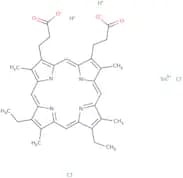
CAS:<p>Sn(IV) mesoporphyrin IX dichloride is a synthetic porphyrin derivative, which is a metalloporphyrin complex formed by the incorporation of tin into the porphyrin structure. This compound originates from the modification of mesoporphyrin IX, a naturally occurring tetrapyrrole, and is further functionalized with chloride ligands. The mode of action of Sn(IV) mesoporphyrin IX dichloride primarily involves the inhibition of heme oxygenase, an enzyme responsible for the catabolism of heme into biliverdin, carbon monoxide, and free iron. This inhibition results in the modulation of heme metabolism, which can have broad implications in various physiological and pathological processes.</p>Formula:C34H36Cl2N4O4SnPurity:Min. 95%Color and Shape:PowderMolecular weight:754.29 g/mol(6S)-5,6,7,8-Tetrahydro-6-[propyl[2-(2-thienyl)ethyl]amino]-1-naphthalenol hydrochloride
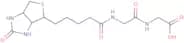
CAS:Controlled Product(6S)-5,6,7,8-Tetrahydro-6-[propyl[2-(2-thienyl)ethyl]amino]-1-naphthalenol hydrochloride is a reagent that can be used as an intermediate for the synthesis of many complex compounds. It is a useful building block for the synthesis of pharmaceuticals with speciality chemicals and research chemicals. This compound has been shown to be a versatile building block in the synthesis of natural products, pharmaceuticals and other organic molecules. (6S)-5,6,7,8-Tetrahydro-6-[propyl[2-(2-thienyl)ethyl]amino]-1-naphthalenol hydrochloride is also a reaction component that can be used to synthesize many chemical substances with different functional groups.Formula:C19H26ClNOSPurity:Min. 95%Color and Shape:White PowderMolecular weight:351.93 g/molBiotinyl-Gly-Gly-OH
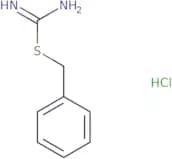
CAS:<p>Please enquire for more information about Biotinyl-Gly-Gly-OH including the price, delivery time and more detailed product information at the technical inquiry form on this page</p>Formula:C14H22N4O5SPurity:Min. 95%Molecular weight:358.41 g/molS-Benzylisothiourea hydrochloride
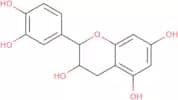
CAS:<p>S-Benzylisothiourea hydrochloride (SBIT) is a potent inhibitor of the influenza virus by binding to the polymerase domain of the virus’s RNA-dependent RNA polymerase. SBIT inhibits viral transcription and replication, as well as viral assembly, release, and infectivity. SBIT has been shown to inhibit avian influenza A/H5N1 in cell culture and in mice models with no observable adverse effects. The mechanism of action for this drug is not yet understood but may be related to its ability to inhibit the kinase domain of avian influenza NS1 protein which is involved in regulating inflammatory responses.</p>Formula:C8H10N2S·HClPurity:Min. 95%Color and Shape:PowderMolecular weight:202.71 g/mol(+/-)-Epicatechin
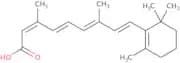
CAS:<p>(+/-)-Epicatechin is a phenolic compound found in many plants. It has been shown to have antioxidant properties and to protect cells from oxidative damage. Epicatechin has also been shown to have anti-inflammatory effects, which may be due to its ability to inhibit the production of inflammatory cytokines such as IL-1β and TNF-α. (+/-)-Epicatechin has also been shown to increase insulin sensitivity and enhance glucose uptake. The physiological effects of (+/-)-epicatechin are mediated through its binding with receptors on the surface of cells, including PPARs and GPR40, which stimulate the activity of enzymes involved in fat metabolism.</p>Formula:C15H14O6Purity:Min. 95%Color and Shape:PowderMolecular weight:290.27 g/mol13-cis-Retinoic acid
CAS:Controlled Product<p>An endogenous retinoic acid receptor (RAR) agonist that upregulates forkhead box class O (FoxO) transcription factor. Suppresses activity and proliferation of sebaceous glands. Used for treating nodulocystic acne. Induces differentiation, neurite outgrowth and inhibits proliferation of neuroblastoma cells. A potential chemopreventive agent in non-small cell lung cancer, head and neck squamous cell carcinoma and neuroblastoma.</p>Formula:C20H28O2Purity:Min. 97 Area-%Color and Shape:Yellow PowderMolecular weight:300.44 g/molL-Aspartic β-7-amido-4-methylcoumarin
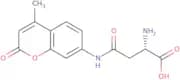
CAS:<p>L-Aspartic acid beta-7-amido-4-methylcoumarin (LAM) is a fluorescent amino acid that can be used to diagnose deficiencies of this amino acid. LAM is an experimental diagnostic chemical and has been tested in rats, rabbits, and humans. It is a fluorescent amino acid that binds to the 7th position on lysine residues in proteins. The binding of the fluorophore to the protein can be detected using fluorescence spectroscopy. The assay measures the intensity of fluorescence at 480 nm and 660 nm which corresponds to excitation at 320 nm and 420 nm respectively. LAM is currently being studied as a potential treatment for cancerous cells and their growth.</p>Formula:C14H14N2O5Purity:Min. 99 Area-%Color and Shape:White PowderMolecular weight:290.27 g/molCholesterol n-Octanoate
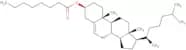
CAS:Controlled Product<p>Cholesterol n-Octanoate is a chiral compound that belongs to the group of p2, film-forming polymers. This polymer is used in laboratories for diagnosis, and also as an adjunct in the treatment of pancreatic disorders. Cholesteryl esters are produced by the hydrolysis of cholesterol esterase (CE) with the addition of cholesteryl acetate and a fatty acid. The activation energy for this reaction is 14.5 kcal/mol. CE activity is inhibited by lipolytic enzymes such as pancreatic lipase and hepatic lipase. In humans CEs are located primarily in the liver, with smaller amounts found in the intestines, adrenal cortex, testes, ovaries, placenta, adipose tissue, and other organs.</p>Formula:C35H60O2Purity:Min. 95%Color and Shape:PowderMolecular weight:512.85 g/mol4-(Benzyloxyphenyl)acetic acid methyl ester
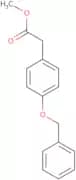
CAS:4-(Benzyloxyphenyl)acetic acid methyl ester is a synthetic, phenolic, tetronic, enolates, hydrophobic, tetrahydrofuran. It is used as a precursor to a variety of chemicals including pharmaceuticals and polymerase inhibitors. 4-(Benzyloxyphenyl)acetic acid methyl ester can be synthesized by reacting benzaldehyde with 4-nitrophenol in the presence of lithium enolates. It has been shown to have acidic properties and inhibits polymerase activity.Formula:C16H16O3Purity:Min. 95%Color and Shape:PowderMolecular weight:256.3 g/molBromocresol green, sodium salt
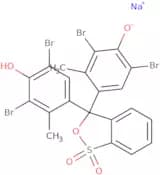
CAS:<p>Bromocresol green is a dye that is used in biological assays to measure the kinetics of fluorescence. It is a type of tryptophan-releasing compound that releases a yellowish-green light when it absorbs light at wavelengths between 350 and 450 nm. Bromocresol green has been quantified by measuring the intensity of the fluorescence emission as a function of time. This can be done visually or using an instrument called a fluorometer, which detects changes in light intensity over time. Bromocresol green can be used to detect the presence of amino acid residues in proteins through protonation reactions with their tryptophan residues and subsequent quenching with acetonitrile. The bromocresol green dye is also used in lithographic printing, where it serves as an acceptor for electrons from an arene (aromatic hydrocarbon). This process generates energy for lithography and also provides contrast between regions with different electron densities.</p>Formula:C21H14Br4O5SNaColor and Shape:PowderMolecular weight:721 g/mol4-Bromo-2-chlorocinnamic acid
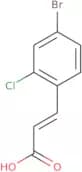
CAS:<p>4-Bromo-2-chlorocinnamic acid is a useful chemical in the synthesis of organic compounds. It is an intermediate in the production of pharmaceuticals and other organic compounds. The compound has been used as a research chemical and as a building block for the production of complex chemicals. 4-Bromo-2-chlorocinnamic acid has also been used as a building block for the production of fine chemicals, such as dyes, perfumes, and pesticides.</p>Formula:C9H6BrClO2Purity:Min. 95%Color and Shape:PowderMolecular weight:261.5 g/mol5β-Pregnane-3α,20α-diol
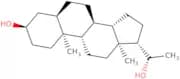
CAS:Controlled Product<p>5β-Pregnane-3α,20α-diol is a human metabolite of estradiol that has been found to be an active inhibitor of the enzyme activity of GABA transaminase. It has been shown to have therapeutic potential in the prevention and treatment of cervical cancer, as well as other cancers. 5β-Pregnane-3α,20α-diol has also been found to inhibit ovarian activity. The diagnostic method for this metabolite is based on monoclonal antibody (MAb) reactivity with immunosorbent assay (ELISA) and gas chromatography/mass spectrometry (GC/MS). Women who have high values for this metabolite may be at risk for uterine cancer or breast cancer.</p>Formula:C21H36O2Purity:Min. 98 Area-%Color and Shape:White PowderMolecular weight:320.51 g/mol3'-Fluoro-4'-methoxy-beta-methyl-beta-nitrostyrene
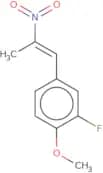
CAS:<p>3'-Fluoro-4'-methoxy-beta-methyl-beta-nitrostyrene is a reactive building block that can be used in the synthesis of many different compounds. It is a fine chemical and a reagent which is useful in organic chemistry. 3'-Fluoro-4'-methoxy-beta-methyl-beta-nitrostyrene is used as a reaction component for the synthesis of many different compounds, including pharmaceuticals, agrochemicals, and other specialty chemicals. It has CAS number 1023717-11-4 and can be used as an intermediate compound or building block for the production of complex compounds.</p>Formula:C10H10FNO3Purity:Min. 95%Color and Shape:PowderMolecular weight:211.19 g/molFmoc-3,5-diiodo-D-tyrosine
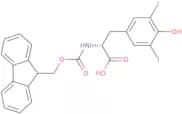
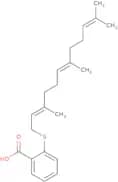
CAS:<p>Please enquire for more information about Fmoc-3,5-diiodo-D-tyrosine including the price, delivery time and more detailed product information at the technical inquiry form on this page</p>Formula:C24H19I2NO5Purity:Min. 95%Color and Shape:PowderMolecular weight:655.22 g/moltrans,trans-Farnesyl thiosalicylic acid
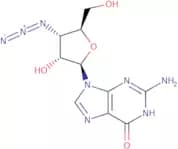
CAS:<p>Farnesyl thiosalicylic acid (FTSA) is a synthetic compound that exhibits potent anticancer activity. FTSA binds to the active site of the enzyme protein kinase C-alpha (PKC-α), which prevents its phosphorylation and activation. This prevents the activation of the mitogen-activated protein kinases, which are involved in cell proliferation and differentiation. FTSA also inhibits cancer cell migration by blocking MMP-9 activity, leading to tumor regression. FTSA has been shown to be effective against chemotherapy resistant breast cancer cells, as well as cancer cells from other tissues such as colon, prostate, and ovary.</p>Formula:C22H30O2SPurity:Min. 95%Color and Shape:White to off-white solid.Molecular weight:358.54 g/mol3’-Azido-3’-deoxyguanosine
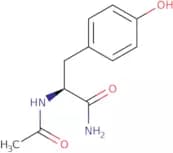
CAS:<p>Please enquire for more information about 3’-Azido-3’-deoxyguanosine including the price, delivery time and more detailed product information at the technical inquiry form on this page</p>Formula:C10H12N8O4Purity:Min. 95%Molecular weight:308.09815Acetyl-L-tyrosine amide
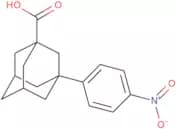
CAS:<p>Acetyl-L-tyrosine amide is an analog of L-tyrosine that is used as an active substance in the field of uv absorption. Acetyl-L-tyrosine amide reacts with sodium hydroxide to form a soluble salt, which has been shown to have binding constants that are comparable to those of human serum. This compound also has fluorescence properties and can be used for the determination of neutral pH. The reaction products formed between acetyl-L-tyrosine amide and sodium hydroxide are hydrolyzed by acids and yield a molecule with rotameric properties. These rotameric properties can be modeled using a protein model without affecting the stability or function of the protein.</p>Formula:C11H14N2O3Purity:Min. 95%Color and Shape:PowderMolecular weight:222.24 g/mol3-(4-Nitrophenyl)-1-adamantanecarboxylic acid
CAS:3-(4-Nitrophenyl)-1-adamantanecarboxylic acid is a high quality, versatile building block compound that has been used as a reagent and as a useful intermediate. This product is commercially available and can be used in the synthesis of complex compounds with many different applications, such as pharmaceuticals, pesticides, dyes, and photographic chemicals. It is also a useful scaffold for the production of speciality chemicals and research chemicals. 3-(4-Nitrophenyl)-1-adamantanecarboxylic acid has been used in reactions involving electron transfer, nucleophilic substitution, and condensation reactions.Formula:C17H19NO4Purity:Min. 95%Molecular weight:301.34 g/mol
















![(6S)-5,6,7,8-Tetrahydro-6-[propyl[2-(2-thienyl)ethyl]amino]-1-naphthalenol hydrochloride](/_next/image/?url=https%3A%2Fstatic.cymitquimica.com%2Fproducts%2F3D%2Fthumb-webp%2FFT27763.webp&w=3840&q=75)