Pharmaceutical Standards
Pharmaceutical standards are a comprehensive set of reference materials essential for ensuring the safety, efficacy, and quality of pharmaceutical products. This category includes standards for active pharmaceutical ingredients (APIs), which are the core components responsible for therapeutic effects. Additionally, it covers compounds and metabolites relevant to both the pharmaceutical and veterinary industries, providing benchmarks for the accurate measurement and analysis of these substances. Nitrosamine control standards are crucial for detecting and mitigating potentially harmful nitrosamines in drug formulations. Toxicology standards help assess the safety and potential adverse effects of pharmaceutical compounds. Furthermore, enzyme activators and inhibitors standards are vital for research and development, enabling precise studies of biochemical pathways and drug mechanisms. These pharmaceutical standards are indispensable tools for regulatory compliance, quality control, and research, ensuring that pharmaceutical products meet stringent safety and effectiveness criteria.
Subcategories of "Pharmaceutical Standards"
- APIs for research and impurities(274,905 products)
- Enzyme Activators and Inhibitors(2,827 products)
- Nitrosamines(2,605 products)
- Pharmaceutical and Veterinary Compounds and Metabolites(2,871 products)
- Toxicology(13,652 products)
Found 7836 products of "Pharmaceutical Standards"
Sort by
Purity (%)
0
100
|
0
|
50
|
90
|
95
|
100
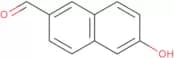
6-Hydroxy-2-naphthaldehyde
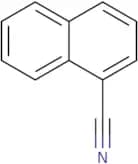
CAS:<p>6-Hydroxy-2-naphthaldehyde is a reactive compound that is used to measure the fluorescence resonance of mitochondria. It is a fluorophore that has been used as a probe for the measurement of membrane permeability, and as a hydroxyl group it can be converted into 6-hydroxy-2-naphthalenecarboxylic acid which is used in the production of dyes. 6-Hydroxy-2-naphthaldehyde has been shown to have congestive heart effects in mice, but this effect may be due to its ability to induce naphthalene and formamide.</p>Formula:C11H8O2Purity:Min. 95%Molecular weight:172.18 g/molNaphthalene-1-carbonitrile
CAS:<p>Naphthalene-1-carbonitrile is a synthetic compound that can bind to the glucocorticoid receptor and activate it. It has been shown to inhibit the growth of human breast cancer cells in cell culture by inhibiting the production of estrogen, which is known to promote the proliferation of these cells. Naphthalene-1-carbonitrile also binds to a number of other sites on the glucocorticoid receptor, such as hydroxyl groups and carbonyl groups. The structural analysis of naphthalene-1-carbonitrile reveals that this chemical is capable of forming hydrogen bonds between molecules. This property may be responsible for its ability to inhibit the growth of bacteria by binding to their DNA and preventing transcription and replication.</p>Formula:C11H7NPurity:Min. 95%Molecular weight:153.18 g/mol7-Carbethoxyamino-4-methylcoumarin
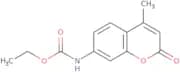
CAS:<p>7-Carbethoxyamido-4-methylcoumarin is a aminocoumarin that exhibits anticancer activity. It is able to inhibit the activity of DPP-IV, an enzyme that degrades insulin in the body.<br>7-Carbethoxyamido-4-methylcoumarin has been shown to inhibit cancer cells and lung cancer cell lines, as well as breast cancer cells and cells with diabetes. This compound has also been shown to have anticancer activity in vivo in rats.</p>Formula:C13H13NO4Purity:Min. 90%Color and Shape:PowderMolecular weight:247.25 g/mol1-Phenyl-1H-5-(2'-hydroxy-5'-methylphenyl)pyrazole
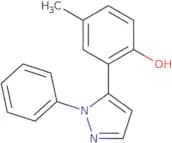
CAS:1-Phenyl-1H-5-(2'-hydroxy-5'-methylphenyl)pyrazole is a chemical compound with the molecular formula C14H10N2O. It is a white crystalline solid that can be used as a building block, intermediate, or reagent in organic synthesis. It is soluble in most solvents, but insoluble in water. 1-Phenyl-1H-5-(2'-hydroxy-5'-methylphenyl)pyrazole has been used as a useful scaffold for high quality compounds and research chemicals. The CAS number for this chemical compound is 90617-39-3.Formula:C16H14N2OPurity:Min. 95%Molecular weight:250.3 g/molN-Cbz-L-tyrosine
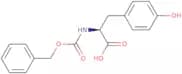
CAS:N-Cbz-L-tyrosine is a covalently modified amino acid that has been shown to be an effective protease inhibitor. The compound binds to the active site of enzymes, blocking their ability to hydrolyze proteins. In addition, N-Cbz-L-tyrosine has been shown to inhibit aminopeptidases and carboxypeptidases with IC50 values of 0.5 mM and 1 mM, respectively. This protein stabilizer has been shown to have a solubility data of 0.4 g/100 mL in water and 0.3 g/100 mL in methanol. It also has a molecular weight of 184.2 g/mol and a pH optimum of 7.0 (±0.2).Formula:C17H17NO5Purity:Min. 95%Color and Shape:White PowderMolecular weight:315.32 g/mol6-Methoxy-1,2,3,4-tetrahydronaphthalene-2-carboxylic acid
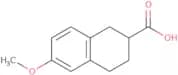
CAS:6-Methoxy-1,2,3,4-tetrahydronaphthalene-2-carboxylic acid (MTN) is a polyphenol that has been shown to be effective against Alzheimer's disease in vitro and in vivo. MTN is able to bind to the polymerase chain reaction (PCR) product of APP and inhibit it from binding to heme oxygenase. MTN also prevents the accumulation of amyloid plaques by inhibiting the formation of beta-amyloid protein. MTN binds to thioflavin T and can be used as a fluorescent probe for immunofluorescence staining. MTN also inhibits the expression levels of APP and PS1 proteins in APP/PS1 transgenic mice by modulating the activity of transcriptional factors such as CREB.Formula:C12H14O3Purity:Min. 95%Color and Shape:PowderMolecular weight:206.24 g/molEthyl 3-aminocinnamate
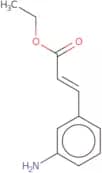
CAS:<p>Ethyl 3-aminocinnamate is a versatile building block for the synthesis of complex compounds. It is also a useful intermediate for the synthesis of reaction components, such as antihistamines and antigens. Ethyl 3-aminocinnamate can be used to synthesize speciality chemicals, such as research chemicals and reagents. This compound has high purity and is a useful scaffold for the preparation of related compounds.</p>Formula:C11H13NO2Purity:Min. 95%Molecular weight:191.23 g/mol2,2'-Dichloro diphenyl disulfide
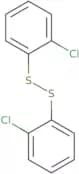
CAS:<p>2,2'-Dichloro diphenyl disulfide is a high quality chemical that is widely used as a reagent. It belongs to the category of complex compounds and has been extensively studied as an intermediate for the synthesis of pharmaceuticals. 2,2'-Dichloro diphenyl disulfide is also useful as a building block or scaffold for the preparation of a wide range of useful chemicals. This product can be used in research laboratories and by industry as a versatile building block in organic synthesis, with applications including use as a reaction component in the production of pharmaceuticals and agrochemicals.</p>Formula:C12H8Cl2S2Purity:Min. 95%Color and Shape:PowderMolecular weight:287.23 g/mol1-(1-Naphthyl)piperazine hydrochloride
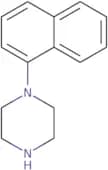
CAS:<p>1-(1-Naphthyl)piperazine hydrochloride is a 5-HT3 receptor antagonist that has been shown to act as a potent serotonergic agent in the central nervous system of mammals. It is believed to inhibit the presynaptic serotonin uptake, resulting in an increase of serotonin concentration at the postsynaptic 5-HT1A receptor cells. 1-(1-Naphthyl)piperazine hydrochloride has also been shown to be a potent 5-HT1A receptor agonist and has antinociceptive effects following administration. This drug has been found to be more selective for the peripheral nervous system than other drugs of this type. It does not cross the blood-brain barrier and therefore does not interfere with mental function or behavior.</p>Formula:C14H16N2·HClPurity:Min. 95%Molecular weight:248.75 g/mol3,5-Difluoro-4-hydroxybenzoic acid methyl ester
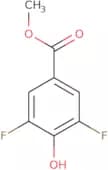
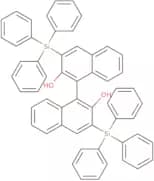
CAS:<p>3,5-Difluoro-4-hydroxybenzoic acid methyl ester (DFHBME) is a chemical compound that belongs to the class of useful building blocks. It is used in research as a reagent and in the synthesis of various complex compounds. DFHBME reacts with nucleophiles such as amines or alcohols to produce useful intermediates or scaffolds for organic synthesis. This compound is also useful as a speciality chemical due to its high quality and versatility.</p>Formula:C8H6F2O3Purity:Min. 95%Color and Shape:PowderMolecular weight:188.13 g/mol(R)-3,3'-Bis(triphenylsilyl)-1,1'-binaphthalene-2,2'-diol
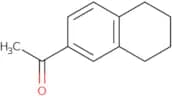
CAS:(R)-3,3'-Bis(triphenylsilyl)-1,1'-binaphthalene-2,2'-diol is a high quality chemical and useful scaffold that can be used as a reagent for the synthesis of complex compounds. This compound has CAS No. 111822-69-6 and is an intermediate for the preparation of fine chemicals and speciality chemicals. It is also a versatile building block that can be used in research or as a reaction component to produce useful scaffolds.Formula:C56H42O2Si2Purity:Min. 95%Color and Shape:White PowderMolecular weight:803.1 g/mol6-Acetyl-1,2,3,4-tetrahydronaphthalene
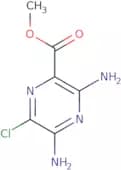
CAS:<p>6-Acetyl-1,2,3,4-tetrahydronaphthalene is a β-unsaturated ketone that has been shown to have anticancer activity in vitro. It can be used as an analgesic and has a low safety profile. This compound interacts with thiourea and sodium hypochlorite, which are compounds commonly used in the laboratory to induce DNA damage. 6-Acetyl-1,2,3,4-tetrahydronaphthalene also inhibits viral replication through interaction with iminium groups of nucleotide bases.</p>Formula:C12H14OPurity:Min. 95%Color and Shape:Clear LiquidMolecular weight:174.24 g/mol3,5-Diamino-6-chloropyrazine-2-carboxylic acid methyl ester
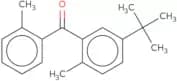
CAS:<p>3,5-Diamino-6-chloropyrazine-2-carboxylic acid methyl ester is a low binding, mitochondrial labeling agent. It is photolabile and can be used in the study of respiratory complex activity. 3,5-Diamino-6-chloropyrazine-2-carboxylic acid methyl ester has been shown to inhibit the enzyme mitochondrial complex I and II. The azido group on the molecule is homologous to a phosphate group in ATP and can be used as a substrate analogue for ATP synthase. This allows 3,5-Diamino-6-chloropyrazine-2-carboxylic acid methyl ester to be used as an experimental tool for studying ATP synthesis.</p>Formula:C6H7ClN4O2Purity:Min. 95%Color and Shape:PowderMolecular weight:202.6 g/mol2,2'-Dimethyl-5-tert-butylbenzophenone
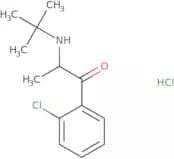
CAS:2,2'-Dimethyl-5-tert-butylbenzophenone is a versatile building block that can be used for the synthesis of complex compounds. It is also a reagent and speciality chemical that has many applications in research. 2,2'-Dimethyl-5-tert-butylbenzophenone is a high quality compound with many uses as a reaction component or scaffold for organic synthesis. It is available from Sigma Aldrich in both powder and liquid form. The CAS number of this compound is 50460-53-2.Formula:C19H22OPurity:Min. 95%Molecular weight:266.38 g/mol2-(tert-Butylamino)-2'-chloropropiophenone hydrochloride
CAS:Controlled Product2-(tert-Butylamino)-2'-chloropropiophenone hydrochloride (BAPCH) is a fine chemical that is used as a building block in the synthesis of other compounds. It can be used as a reagent or speciality chemical in research, and is also an intermediate for the synthesis of other chemicals. BAPCH has a CAS number of 1049718-57-1, and is a versatile building block with many reactions. BAPCH has been shown to be useful in complex syntheses that require reactive groups and scaffolds.Formula:C13H19Cl2NOPurity:Min. 95%Color and Shape:White To Off-White SolidMolecular weight:276.2 g/mol5-Bromo-2-nitrophenol
CAS:<p>5-Bromo-2-nitrophenol is an organic compound that is used in the industrial production of drugs and dyes. It is soluble in ethanol, but insoluble in water. 5-Bromo-2-nitrophenol can be obtained by extracting it from the filtrate of a solution of potassium tert-butyl ether with aqueous ethanol. The extraction process involves adding morpholine to the solution, which is then heated and refluxed. This process yields high yields of 5-bromo-2-nitrophenol.</p>Formula:C6H4BrNO3Purity:Min. 95%Color and Shape:Yellow solid.Molecular weight:218 g/mol2-Nitrophenol
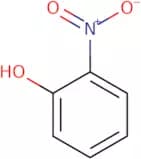
CAS:2-Nitrophenol has been used as an antimicrobial agent. 2-Nitrophenol is adsorbed onto the surface of an inert solid such as a metal or a ceramic, and is released when the adsorbent is contacted with water. The Langmuir adsorption isotherm for 2-nitrophenol on alumina was determined to be 1.4x10⁻³ mol/cm2. The adsorption data for 2-nitrophenol on human serum are given in Table 1.Formula:O2NC6H4OHPurity:Min. 95%Color and Shape:PowderMolecular weight:139.11 g/mol3,3'-Diaminobenzidine tetrahydrochloride
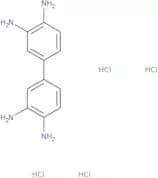
CAS:<p>3,3'-Diaminobenzidine tetrahydrochloride or DAB hydrochloride is the hydrochloride salt of biphenyl tetra-aniline. DAB hydrochloride is a water-soluble formulation of DAB and is used in immunohistochemical staining of nucleic acids and proteins. DAB hydrochloride is used in Alzheimer's disease research, Aβ protein amyloid plaques are targeted by a primary antibody, and subsequently by a secondary antibody, which is conjugated with a peroxidase enzyme. This will bind DAB as a substrate and oxidize causing a colour change. 3,3’-Diaminobenzidine tetrahydrochloride is also available as the tetrahydrochloride hydrate and as the free base.</p>Formula:C12H14N4•4HClPurity:Min. 95%Color and Shape:Off-White PowderMolecular weight:360.12 g/mol3-Bromosalicylic acid
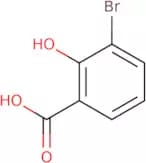
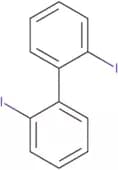
CAS:<p>3-Bromosalicylic acid is a metabolite of salicylic acid and has shown clinical use in the treatment of cancer. 3-Bromosalicylic acid is synthesized from cyclohexanol and chlorine. It is a toxic compound that has been shown to inhibit protein synthesis in bacteria, including soil bacteria, but not in mammalian cells. This is due to its interaction with organic ligands that are present in the bacterial cell wall and not in mammalian cells. 3-Bromosalicylic acid also has been found to be a ligand for the receptor, PI3Kδ inhibitor, which inhibits tumor growth and metastasis by inhibiting phosphatidylinositol 3-kinase (PI3K) delta activity.</p>Formula:C7H5BrO3Purity:Min. 95%Color and Shape:PowderMolecular weight:217.02 g/mol2,2'-Diiodobiphenyl
CAS:<p>2,2'-Diiodobiphenyl is a preparative reagent that can be used to prepare diazonium salts. It is prepared by reacting an alkynyl group with an activatable probe. The product of this reaction has the same reactivity as the parent compound, but with a different spatial orientation and chemical properties. The 2,2'-diiodophenyl can be used for the preparation of carbazoles and transfer reactions. The following are some examples of 2,2'-diiodophenyl compounds:<br>-Ethane-1,1'-dibromo-2,2'-diiodobiphenyl<br>-Carbazole-4-carboxaldehyde<br>-Naphthalene-1,5-dicarboxaldehyde</p>Formula:C12H8I2Purity:Min. 95%Color and Shape:PowderMolecular weight:406 g/mol2-Fluoro-4-methylbenzoic acid methyl ester
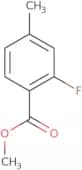
CAS:2-Fluoro-4-methylbenzoic acid methyl ester is a versatile building block useful for the synthesis of a variety of compounds. It is an important intermediate and research chemical that can be used as a reaction component or speciality chemical. 2-Fluoro-4-methylbenzoic acid methyl ester is also a useful building block with high quality and reagent.Formula:C9H9FO2Purity:Min. 95%Color and Shape:Clear LiquidMolecular weight:168.16 g/molγ-L-glutamyl-b-naphthylamide
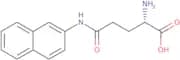
CAS:Gamma-L-glutamyl-b-naphthylamide is a high quality, reagent, complex compound that is used as an intermediate in the production of fine chemicals such as speciality chemicals and research chemicals. Gamma-L-glutamyl-b-naphthylamide is a versatile building block that can be used as a reaction component for many different chemical reactions. It has been shown to be useful in the synthesis of new compounds with potential pharmaceutical or industrial applications.Formula:C15H16N2O3Purity:Min. 95%Molecular weight:272.3 g/molVanillin - synthetic
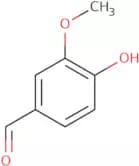
CAS:Vanillin is an inhibitor molecule that has been shown to have antimicrobial activity against a bacterial strain. Vanillin binds to the surface of bacteria and prevents them from adhering to surfaces, which may be due to its high values for biological properties. This compound is also an inhibitor molecule in the polymerase chain reaction (PCR). It binds to the DNA polymerase enzyme, preventing it from synthesizing DNA. Vanillin inhibits bacterial growth by binding to DNA-dependent RNA polymerase, thereby preventing transcription and replication. The high frequency of human activity has been shown using a patch-clamp technique on human erythrocytes.Formula:C8H8O3Purity:Min. 95%Color and Shape:White Clear LiquidMolecular weight:152.15 g/mol5-Chloro-2-nitrocinnamic acid
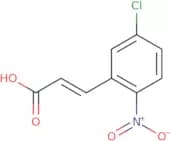
CAS:<p>5-Chloro-2-nitrocinnamic acid is a fine chemical with a CAS number of 20357-28-2. It is a versatile building block that can be used as a reaction component or intermediate in the synthesis of more complex compounds. The high purity and quality of 5-Chloro-2-nitrocinnamic acid makes it an ideal reagent for research purposes, and it can be used as a building block for the synthesis of useful scaffolds.</p>Formula:C9H6ClNO4Purity:Min. 95%Molecular weight:227.6 g/molN,N'-Di-(tert-Butoxycarbonyl)thiourea
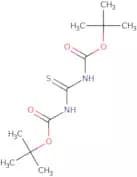
CAS:<p>N,N'-Di-(tert-Butoxycarbonyl)thiourea is a sterically bulky anion that has been synthesized to interact with amines and amido groups. It has been shown to be a good substrate for p-nitrophenyl phosphate, which is an important molecule in the metabolism of melanoma tumor cells. N,N'-Di-(tert-Butoxycarbonyl)thiourea has also been used as a synthetic building block for conjugates with other molecules. This molecule is able to form supramolecular complexes and may be useful in kinetic studies. The most interesting application of this molecule is its use in the efficient method of removing mercury from water, which is accomplished by oxidation of mercuric chloride by N,N'-Di-(tert-Butoxycarbonyl)thiourea.</p>Formula:C11H20N2O4SPurity:Min. 95%Color and Shape:PowderMolecular weight:276.35 g/mol1-(4-Nitrophenyl)-2-nitropropene
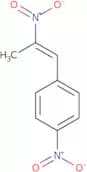
CAS:<p>1-(4-Nitrophenyl)-2-nitropropene is a chemical compound that is used as a reagent, intermediate, and building block in the synthesis of other compounds. It can be used as a precursor for the production of aniline derivatives, which are useful in the manufacture of dyes and pharmaceuticals. 1-(4-Nitrophenyl)-2-nitropropene is also useful as a scaffold for the synthesis of other compounds. It reacts with sodium hydroxide to produce sodium nitrite and 4-nitrocatechol. This compound has also been shown to be an effective way to synthesize acetic acid from acetaldehyde.</p>Formula:C9H8N2O4Purity:Min. 95%Molecular weight:208.17 g/mol2,4,6-Trimethoxybenzoic acid methyl ester
CAS:<p>2,4,6-Trimethoxybenzoic acid methyl ester is a yellow crystalline solid that can be dissolved in acetone, chloroform, ether, and benzene. It has a molecular weight of 164.3 g/mol and its chemical name is 2,4,6-trimethoxybenzoic acid methyl ester. It has a melting point of 144 °C and can be found in the hexanones group. This product is manufactured in Australia and its registry number is 135949-06-8.</p>Formula:C11H14O5Purity:Min. 95%Molecular weight:226.23 g/mol3,3'-Dimethyl-2,2'-bithiophenyl
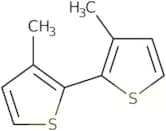
CAS:<p>3,3'-Dimethyl-2,2'-bithiophenyl is a thermochromic polymeric compound that has been used as a colorant in polymers. The compound has a linear structure consisting of two thiophene rings with methyl groups at the 3 and 2 positions. The 3,3'-dimethyl group is attached to the second carbon atom of the thiophene ring and the 2,2'-bithiophenyl group is attached to the first carbon atom of the thiophene ring. The color changes from yellow to orange when heated to above 200 °C. This color change is due to conformational changes in the molecule that occur with thermal energy input.</p>Formula:C10H10S2Purity:Min. 95%Color and Shape:Yellow PowderMolecular weight:194.32 g/molDipyrone
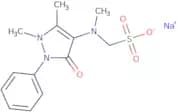
CAS:<p>Dipyrone is an anti-inflammatory and analgesic drug that belongs to the group of non-steroidal anti-inflammatory drugs. It has been shown to inhibit the production of prostaglandins, which are involved in inflammation, by inhibiting cyclooxygenase. The polymerase chain reaction (PCR) method is a biochemical technique used to amplify a segment of DNA, typically for use as a genetic marker or for cloning a particular gene. A PCR assay can be used to detect the presence of bacterial DNA in a sample. Dipyrone has been shown to possess chemiluminescence activity, which is indicative of its ability to bind with DNA. This binding inhibits transcription and replication and may be responsible for the toxic effects on epidermal cells observed in animal studies. Dipyrone also has been shown to have anti-inflammatory activities through its inhibition of cyclooxygenase and its ability to inhibit neutrophil migration and function.</p>Formula:C13H16N3NaO4SPurity:Min. 95%Color and Shape:White SolidMolecular weight:333.34 g/mol2-Amino-4'-chloroacetophenone hydrochloride
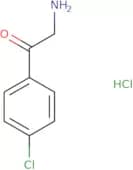
CAS:Controlled Product<p>2-Amino-4'-chloroacetophenone hydrochloride is a cytotoxic compound that inhibits the polymerization of tubulin. It has been shown to have cytotoxic effects and inhibit the growth of cancer cells in vitro at low micromolar concentrations. 2-Amino-4'-chloroacetophenone hydrochloride is a member of the cytotoxic class of compounds and can be used to slow or stop cell division by inhibiting the production of proteins vital for cell division, such as tubulin. This effect is due to its ability to bind to the beta subunit of tubulin, which disrupts its structure and prevents polymerization from occurring.</p>Formula:C8H8ClNO•HClPurity:Min. 95%Color and Shape:PowderMolecular weight:206.07 g/mol3'-Chlorophenylacetylene
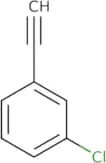
CAS:<p>3'-Chlorophenylacetylene is an organic compound that is used in the production of styrene via a macroinitiator. 3'-Chlorophenylacetylene reacts with azides to form diazo compounds, which are then hydrolyzed to produce terminal alkynes. These terminal alkynes can be dehydrogenated to produce acrylonitrile and vinyl acetate. The compound can also react with silicon to produce organometallic complexes. 3'-Chlorophenylacetylene is commonly analyzed using nuclear magnetic resonance spectroscopy (NMR). This molecule has been used as a conjugate for drug delivery systems and as a supramolecular catalyst for organic reactions.</p>Formula:C8H5ClPurity:Min. 95%Molecular weight:136.58 g/mol1-(3-Fluorophenyl)-2-nitropropene
CAS:<p>1-(3-Fluorophenyl)-2-nitropropene is a versatile building block that can be used as a reagent, speciality chemical, or a reaction component. This compound is also useful for the synthesis of complex compounds. 1-(3-Fluorophenyl)-2-nitropropene has been shown to react with various electrophiles, including carbonyl compounds and nitro compounds, to give substituted products. This chemical is classified as a high quality compound and can be used in the synthesis of pharmaceuticals and other fine chemicals.</p>Formula:C9H8FNO2Purity:Min. 95%Molecular weight:181.16 g/mol2,2'-Dimethylazoxybenzene
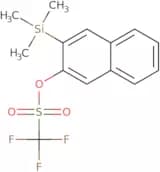
CAS:2,2'-Dimethylazoxybenzene is the active chemical in this product. It has been shown to be a reactive molecule that can undergo electron reduction. It is also an acidic compound that reacts with amines and carbon nanotubes to form azobenzene and nitrotoluene respectively. The mechanism of the reaction is not well understood but it is thought that a molecule with a double bond adjacent to the azoxy group may react with one of the hydrogen atoms on the double bond causing elimination of nitrogen gas and formation of azobenzene or nitrotoluene.Formula:C14H14N2OPurity:Min. 95%Color and Shape:PowderMolecular weight:226.27 g/mol3-(Trimethylsilyl)-2-naphthyl trifluoromethanesulfonate
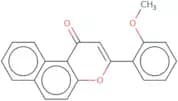
CAS:<p>3-(Trimethylsilyl)-2-naphthyl trifluoromethanesulfonate is a synthetic molecule that is used to synthesize benzofurans. 3-(Trimethylsilyl)-2-naphthyl trifluoromethanesulfonate is activated by reaction with N-bromosuccinimide, which creates an electrophilic carbon center. This electrophilic center reacts with nucleophiles such as alcohols, amines, and thiols to form a new bond. The product of this reaction is benzoylated, which can then undergo further reactions to form other compounds. X-ray crystallography has been used to characterize the structure of 3-(trimethylsilyl)-2-naphthyl trifluoromethanesulfonate.</p>Formula:C14H15F3O3SSiPurity:Min. 95%Color and Shape:Colorless Clear LiquidMolecular weight:348.41 g/molbeta-2'-Methoxynaphthoflavone
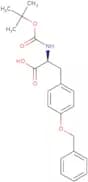
CAS:<p>beta-2'-Methoxynaphthoflavone is a fine chemical that is useful as a scaffold for complex compounds, as a building block for speciality chemicals, and as an intermediate in the synthesis of research chemicals. It can be used in pharmaceuticals, agrochemicals, and other industries. beta-2'-Methoxynaphthoflavone has been found to be a versatile building block with high quality that can be used to synthesize a variety of compounds. This compound also has the ability to react with other chemicals such as ammonia or amines.</p>Formula:C20H14O3Purity:Min. 95%Molecular weight:302.32 g/molBoc-O-benzyl-L-tyrosine
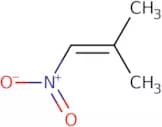
CAS:Boc-O-benzyl-L-tyrosine is a sweetener that is synthesized in a liquid phase. It has been shown to prevent muscle loss and increase the uptake of glutamate. Boc-O-benzyl-L-tyrosine may also act as an δ opioid receptor agonist, which prevents the release of peptides from cells. This substance is synthesised by benzylation of L-tyrosine with dicarbonate and irradiation with UV light. The Boc group protects the molecule from being broken down by enzymatic activity, allowing it to be used in lab experiments. Boc-O-benzyl-L-tyrosine has potent antagonist effects on opioid receptors, which may be related to its analgesic properties.Formula:C21H25NO5Purity:Min. 95%Color and Shape:White PowderMolecular weight:371.43 g/mol2-Methyl-1-nitroprop-1-ene
CAS:<p>2-Methyl-1-nitroprop-1-ene is a labile molecule that can be readily synthesized from 2-methyl propanal and nitrous acid. The postulated reaction mechanism for the formation of 2-methyl-1-nitroprop-1-ene begins with the nucleophilic attack of the azide anion on the carbonyl group of 2 methyl propanal, forming a tetrahedral intermediate. This intermediate undergoes a stepwise reaction to form 2 methyl 1 nitropropane. Nitro groups have been observed in both the product and starting material, which could indicate a transfer mechanism.</p>Formula:C4H7NO2Purity:Min. 95%Color and Shape:Clear LiquidMolecular weight:101.1 g/mol2,2'-Dithiobisbenzanilide
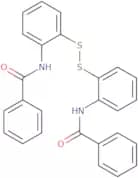
CAS:<p>2,2'-Dithiobisbenzanilide is a dithiobenzoic acid derivative which can be used as a reagent in analytical chemistry. It has been shown to cleave the fatty acids of boron nitride and to provide valuable information on their structure. 2,2'-Dithiobisbenzanilide reacts with boron nitride at elevated temperatures to form crystalline products that are soluble in organic solvents such as chloroform. The mononuclear complex formed by this reaction has been characterized by X-ray diffraction studies.</p>Formula:C26H20N2O2S2Purity:Min. 95%Color and Shape:PowderMolecular weight:456.58 g/mol2-Ethoxy-4-methoxycinnamic acid
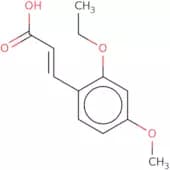
CAS:<p>2-Ethoxy-4-methoxycinnamic acid is a synthetic chemical with the CAS number 1372859-34-1. It is a versatile building block that can be used for the synthesis of many complex compounds. 2-Ethoxy-4-methoxycinnamic acid is one of a number of scaffolds that are useful for creating fine chemicals and research chemicals. This compound is also an intermediate in many reactions and can be used as a reagent to produce other substances.</p>Formula:C12H14O4Purity:Min. 95%Molecular weight:222.24 g/mol2'-Bromo-4'-fluoroacetanilide
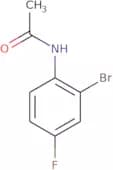
CAS:<p>2'-Bromo-4'-fluoroacetanilide is a synthetic derivative of acetanilide that is used in the treatment of diabetes mellitus. It has been shown to have antidiabetic properties as well as to inhibit the formation of nitrosamines, which are carcinogenic compounds. The synthesis of 2'-bromo-4'-fluoroacetanilide involves the addition of bromine and sodium hydrogen to acetylated acetanilide. This reaction occurs in a reaction vessel at an elevated temperature, with the solvent being an organic solvent. The final product is isolated by distillation and purified by recrystallization or column chromatography. Molecular docking analysis has shown that 2'-bromo-4'-fluoroacetanilide binds to ATP synthase, which is involved in gluconeogenesis and glycolysis, leading to its ability to inhibit glucose production in cells.</p>Formula:C8H7BrFNOPurity:Min. 95%Molecular weight:232.05 g/mol2,2'-Dichloro-1,1'-biphenyl-4,4'-diamine
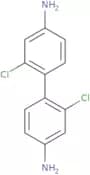
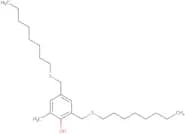
CAS:<p>2,2'-Dichloro-1,1'-biphenyl-4,4'-diamine is a chemical that belongs to the class of organic compounds known as amines. It is insoluble in water and has a molecular weight of 190.8 g/mol. 2,2'-Dichloro-1,1'-biphenyl-4,4'-diamine has been shown to be carcinogenic in animals and can cause coagulation problems in humans. The compound also shows anti-inflammatory properties by inhibiting the production of prostaglandins.</p>Formula:C12H10Cl2N2Purity:Min. 95%Color and Shape:White/Off-White SolidMolecular weight:253.13 g/mol4,6-Bis(octylthiomethyl)-o-cresol
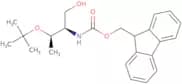
CAS:4,6-Bis(octylthiomethyl)-o-cresol is a synthetic, long-acting, and developable plasticizer. It is used to make polystyrene more flexible and improve its impact resistance. This chemical has been shown to be compatible with a wide range of polymers, including polycarbonate and polyethylene. 4,6-Bis(octylthiomethyl)-o-cresol is used in the manufacture of plastics that are exposed to organic acids and phosphites for extended periods of time in order to optimize their properties. The use of this chemical can lead to improved processability and reduced costs.Formula:C25H44OS2Purity:Min. 98 Area-%Color and Shape:White Solidified MassMolecular weight:424.75 g/molFmoc-O-tert-butyl-L-threoninol
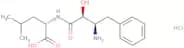
CAS:<p>Fmoc-O-tert-butyl-L-threoninol is an aminoacyl chloroformate ester that is used in the synthesis of peptides. It has a conjugate acid chloride and a disulfide bond. The chloroformate group reacts with the carboxylic acid moiety of L-threonine to form an ester, which can then be cleaved by hydrolysis to yield L-threonine. This product is also used for the synthesis of peptides in which the threonine residue is conjugated to another amino acid such as cysteine or glutamic acid.<br>Fmoc-O-tert-butyl-L-threoninol is synthesized from l-threonine and isobutene via a phase chromatography process. The synthetic intermediate Fmoc-(S)-OH is reacted with trifluoroacetic acid (TFA)</p>Formula:C23H29NO4Purity:Min. 98 Area-%Color and Shape:White PowderMolecular weight:383.48 g/molBestatin hydrochloride
CAS:Aminopeptidase inhibitor; analgesicFormula:C16H24N2O4•HClPurity:Min. 95%Color and Shape:PowderMolecular weight:344.83 g/molN-Methyl-N-(1-naphthyl)-2-iodobenzamide
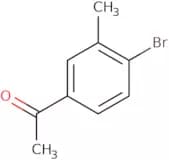
CAS:N-Methyl-N-(1-naphthyl)-2-iodobenzamide is a chemical building block that is used in the synthesis of new compounds. It reacts with other chemicals to form new compounds, and can be used as a reaction component or reagent. N-Methyl-N-(1-naphthyl)-2-iodobenzamide has been shown to have high quality and is useful as a research chemical. This compound can be used as a versatile building block in the synthesis of complex compounds and fine chemicals.Formula:C18H14INOPurity:Min. 95%Molecular weight:387.21 g/mol4'-Bromo-3'-methylacetophenone, 75%
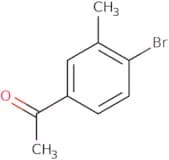
CAS:<p>4'-Bromo-3'-methylacetophenone, 75% is a high quality reagent that is a useful intermediate for the synthesis of complex compounds. It has CAS No. 37074-40-1 and can be used as a fine chemical or speciality chemical in research. This product is also a versatile building block that can be used as an intermediate in reactions and as a reaction component.</p>Formula:C9H9BrOPurity:Min. 95%Molecular weight:213.07 g/mol4',2-Dihydroxy-3-methoxychalcone
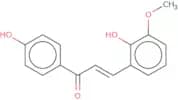
CAS:<p>4,2-Dihydroxy-3-methoxychalcone is a fine chemical that is useful in the synthesis of various pharmaceuticals and other chemicals. It is a versatile building block that can be used as a reaction component or intermediate in the synthesis of complex compounds. 4,2-Dihydroxy-3-methoxychalcone has been shown to be a high quality reagent for use in the synthesis of speciality chemicals and research chemicals. This compound is also useful as a scaffold for the development of new drugs.</p>Formula:C16H14O4Purity:Min. 95%Molecular weight:270.28 g/mol2,3-Dichloro-5,8-dihydroxy-1,4-naphthalenedione
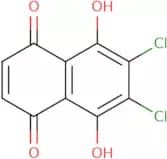
CAS:2,3-Dichloro-5,8-dihydroxy-1,4-naphthalenedione (DDD) is a chemical inhibitor of the proton response pathway. It is an analog of 2,3,7,8-tetrachlorodibenzo-p-dioxin (TCDD). DDD has been shown to enhance the induction of apoptosis in human macrophages and leishmania parasites. This agent also inhibits the growth of some tumor cell lines and enhances the cytotoxicity of other chemotherapeutic drugs. DDD has low bioavailability due to its high lipophilicity and rapid metabolism by esterases and glucuronidases.Formula:C10H4Cl2O4Purity:Min. 95%Color and Shape:Red PowderMolecular weight:259.04 g/mol3-Methylcinnamic acid
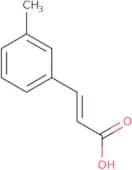
CAS:<p>3-Methylcinnamic acid is an organic acid that is a phenylpropanoid metabolite. It is synthesized from malonic acid by hydroxylation and sulfonation, and then converted to cinnamic acid derivatives. 3-Methylcinnamic acid has been shown to inhibit the activity of heterocyclic amine-producing enzymes and has a strong inhibitory effect on the formation of triticum aestivum. 3-Methylcinnamic acid has been found to have diverse chemical properties that are useful for industrial purposes.</p>Formula:C10H10O2Purity:Min. 95%Color and Shape:PowderMolecular weight:162.19 g/molalpha-Naphthamide
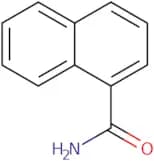
CAS:<p>Alpha-naphthamide is a high-resistance antimicrobial agent that belongs to the group of benzalkonium chloride. It is used in disinfectant products and has been shown to be effective against invertebrates such as mosquitoes and leeches. Alpha-naphthamide binds to the dinucleotide phosphate and inhibits enzyme activities by acting as an alkylsulfonyl and cytosolic Ca2+ inhibitor, leading to cell death. Alpha-naphthamide has also been shown to inhibit multidrug efflux pump activity in bacterial cells, which may be due to its structural similarity with c1-c6.</p>Formula:C11H9NOPurity:Min. 95%Color and Shape:SolidMolecular weight:171.2 g/mol3,3'-Iminodipropionitrile
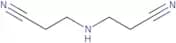
CAS:<p>3,3'-Iminodipropionitrile (IDPN) is a chiral molecule that has been studied as an experimental model for copper chloride toxicity. IDPN has been shown to inhibit the production of stem cell factor and atp levels in a mouse model. IDPN also reduces locomotor activity and alters histological analysis of the mouse hippocampus. 3,3'-Iminodipropionitrile is a toxic compound that can be used in tissue culture studies to study the effects of amines on cells.</p>Formula:C6H9N3Purity:Min. 95%Molecular weight:123.16 g/molN-(2-Chloro-5-Nitrophenyl)Benzamide
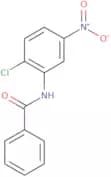
CAS:<p>Please enquire for more information about N-(2-Chloro-5-Nitrophenyl)Benzamide including the price, delivery time and more detailed product information at the technical inquiry form on this page</p>Formula:C13H9ClN2O3Purity:Min. 95%Color and Shape:PowderMolecular weight:276.67 g/mol3,3'-Diiodoazoxybenzene
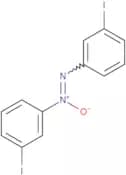
CAS:Please enquire for more information about 3,3'-Diiodoazoxybenzene including the price, delivery time and more detailed product information at the technical inquiry form on this pageFormula:C12H8I2N2OPurity:Min. 95%Molecular weight:450.01 g/mol5-(3-Nitrophenyl)-1H-pyrazole-3-carboxylic acid
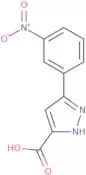
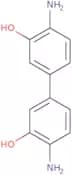
CAS:5-(3-Nitrophenyl)-1H-pyrazole-3-carboxylic acid is a molecule that inhibits the proliferation of cancer cells in vitro. This compound has been shown to inhibit the growth of human breast cancer cells in culture, with IC50 values of 7.8 µM for MCF-7 and 5.6 µM for A549 cells. It also inhibits cell growth in MDA-MB231 cells, which are human breast carcinoma cells, with IC50 values of 4.5 µM for MCF-7 and 2.4 µM for A549 cells. The mechanism by which this drug inhibits cancer cell proliferation is not clear but may be due to its ability to interfere with DNA synthesis or protein synthesis.Formula:C10H7N3O4Purity:Min. 95%Color and Shape:PowderMolecular weight:233.18 g/mol3,3'-Dihydroxybenzidine
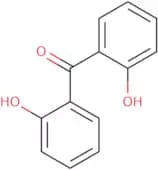
CAS:<p>3,3'-Dihydroxybenzidine (DHB) is a proton-containing heterocyclic compound that is structurally related to benzidine. It is an aromatic compound with two methoxy groups and one hydroxy group. DHB is used as a reagent in the determination of phenols by measuring the formation of a yellow-colored product. The thermal stability of DHB has been shown to be greater than 80°C, which makes it useful for high temperature applications such as thermally induced DNA cleavage. When exposed to chlorine gas, DHB reacts to form chloride and hydroxy groups, which are also present in other aromatic compounds. The chemical structures of DHB can be determined using magnetic resonance spectroscopy.</p>Formula:C12H12N2O2Purity:Min. 98 Area-%Color and Shape:Off-White To Brown SolidMolecular weight:216.24 g/mol2,2'-Dihydroxybenzophenone
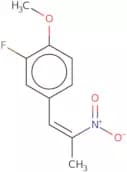
CAS:<p>2,2'-Dihydroxybenzophenone is a light-absorbing compound that belongs to the class of dibenzophenones. It has been shown to have cancer-cell inhibitory effects and its anti-tumor effects are due to its ability to inhibit DNA synthesis in tumor cells. 2,2'-Dihydroxybenzophenone has been shown to bind with proteins through hydrogen bonding interactions at the carbonyl group and the hydroxy group. It also has a strong absorption band in the UV region, which makes it useful for UV curing of polymers. This compound can be used as an antioxidant in food products because it does not react with other molecules.</p>Formula:C13H10O3Purity:Min. 95%Color and Shape:SolidMolecular weight:214.22 g/mol1-(3-Fluoro-4-methoxyphenyl)-2-nitropropene
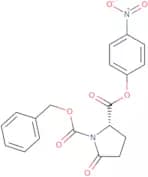
CAS:<p>1-(3-Fluoro-4-methoxyphenyl)-2-nitropropene is a chemical compound with the molecular formula CHNO. It is a high quality reagent that is useful for preparing complex compounds, scaffolds and building blocks for use in research and development. 1-(3-Fluoro-4-methoxyphenyl)-2-nitropropene is a fine chemical that can be used as a versatile building block in reactions.</p>Formula:C10H10FNO3Purity:Min. 95%Molecular weight:211.19 g/molZ-L-pyroglutamic acid 4-nitrophenyl ester
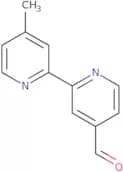
CAS:<p>Please enquire for more information about Z-L-pyroglutamic acid 4-nitrophenyl ester including the price, delivery time and more detailed product information at the technical inquiry form on this page</p>Formula:C19H16N2O7Purity:Min. 95%Molecular weight:384.34 g/mol4'-Methyl-2,2'-bipyridine-4-carboxaldehyde
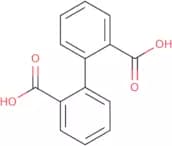
CAS:4'-Methyl-2,2'-bipyridine-4-carboxaldehyde is a heterocyclic compound that contains a nitro group. It has the chemical formula C8H6N2O and the molecular weight of 122.15 g/mol. This compound belongs to the class of formyl compounds and it is composed of two formyl groups and one hydrogen atom. The bipyridines are linked by a methylene bridge to form a six-membered ring. The compound can be used as an intermediate for the synthesis of other organic compounds such as pharmaceuticals, dyes, water repellents, pesticides, and herbicides.Formula:C12H10N2OPurity:Min. 95%Color and Shape:PowderMolecular weight:198.22 g/mol2,2'-Biphenyldicarboxylic acid
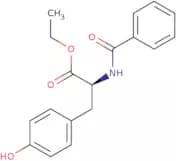
CAS:2,2'-Biphenyldicarboxylic acid belongs to the group of diphenic compounds and is synthesized by the reaction of 2-bromobenzene and sodium carbonate. It has a molecular formula of C12H10O4 with an empirical formula of C8H6O4. The compound is an intramolecular hydrogen bond acceptor and an intermolecular hydrogen bond donor. 2,2'-Biphenyldicarboxylic acid has been shown to have analytical chemistry properties for measuring nitrogen content in organic compounds, as well as being used in the synthesis of p-hydroxybenzoic acid. This compound also has metabolic disorders such as cancer, diabetes mellitus, and Alzheimer's disease because it is a hydrogen bond acceptor that can be oxidized into p-hydroxybenzoic acid.Formula:C14H10O4Purity:Min. 95%Color and Shape:PowderMolecular weight:242.23 g/molBenzoyl-L-tyrosine ethyl ester
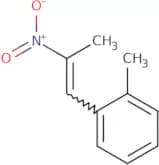
CAS:<p>Benzoyl-L-tyrosine ethyl ester is a copolymer of benzoyl-L-tyrosine and polyethylene glycol. It is a mesoporous material that has an ability to bind with DNA and inhibit the activity of enzymes such as proteases, trypsin, and chymotrypsin. Benzoyl-L-tyrosine ethyl ester inhibits the enzymatic activity of these enzymes by binding to the active site on their surface; it also inhibits the production of inflammatory mediators. This product has been shown to have potent inhibitor properties in vitro, but its efficacy in vivo has not been evaluated.</p>Formula:C18H19NO4Purity:Min. 95%Color and Shape:PowderMolecular weight:313.35 g/mol1-(2-Methylphenyl)-2-nitropropene
CAS:1-(2-Methylphenyl)-2-nitropropene is a high quality reagent that is used as a complex compound, useful intermediate, and fine chemical. It has been shown to be a versatile building block for the synthesis of various organic compounds. 1-(2-Methylphenyl)-2-nitropropene is a speciality chemical with CAS No. 103205-27-2. This compound can be used in research chemicals or as a reaction component for the synthesis of other substances.Formula:C10H11NO2Purity:Min. 95%Molecular weight:177.2 g/molN-α-Fmoc-Nε-7-methoxycoumarin-4-acetyl-L-lysine
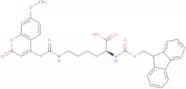
CAS:N-alpha-Fmoc-Nepsilon-7-methoxycoumarin-4-acetyl-L-lysine is a fluorogenic molecule that is synthesized by the solid phase method. It is an analog of lysine, which is a bioactive amino acid. This compound binds to copper and exhibits fluorescence emission at 585 nm when excited at 488 nm. N-alpha-Fmoc-Nepsilon-7-methoxycoumarin-4-acetyl-L-lysine can be used as a substrate for bone growth in vitro and in vivo. It can also be used as a labeling reagent for bone tissue, such as bone sections or cells. It has been shown to produce osteogenic activity in vitro and in vivo.Formula:C33H32N2O8Purity:Min. 97 Area-%Color and Shape:PowderMolecular weight:584.62 g/molPhenylazosalicylic acid
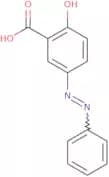
CAS:<p>Phenylazosalicylic acid is a crystalline solid that belongs to the group of phenylacetic acids. It is synthesized by the reaction of nitric acid with salicylic acid, which is produced from the distillation of wood. Phenylazosalicylic acid has a molecular weight of 150.09 g/mol and a melting point of 123°C. The molecule is unionized in water and can be found in wastewater effluent at concentrations as high as 3 ppm. This compound has acidic properties and reacts with picric acid to form phenylazosalicylic picrate, which is used for the treatment of anthrax. Phenylazosalicylic acid also shows proton-pumping activity, which may be due to its ability to bind to anionic sites on proteins such as carbonic anhydrase II and H+/K+ ATPase.</p>Formula:C13H10N2O3Purity:Min. 95%Color and Shape:Orange PowderMolecular weight:242.23 g/molDelta-Valerolactone
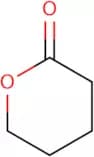
CAS:<p>Delta-Valerolactone is a sodium salt that has a water-soluble, low melting point and a high vapor pressure. It has been used as a sample preparation agent in NMR spectroscopy and is also used in the manufacture of cosmetics. The compound has been shown to be active against Escherichia coli K-12 and rat liver microsomes. Delta-Valerolactone does not have any significant effect on the activity of enzymes such as acetylcholinesterase, butylcholinesterase or aminopyrine N-demethylase. This compound can also be found in human urine samples at concentrations of up to 2 mg/L.</p>Formula:C5H8O2Purity:Min. 98 Area-%Color and Shape:Colorless Slightly Yellow Clear LiquidMolecular weight:100.12 g/molCimetropium bromide
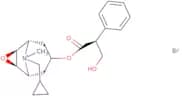
CAS:<p>Cimetropium bromide is a pharmacological agent that binds to muscarinic receptors, inhibiting the release of acetylcholine. It is used in the treatment of bowel disease, such as constipation and irritable bowel syndrome. Cimetropium bromide has been shown to be effective in treating symptoms of these diseases, including decreased intestinal motility, increased stool consistency, and relief from abdominal pain. Cimetropium bromide has also been found to be effective in reducing symptoms of inflammatory bowel disease. This drug inhibits the release of acetylcholine by binding with muscarinic receptors on the smooth muscle cells lining the intestine and bladder. Cimetropium bromide is a potent antimuscarinic agent that can cause dry mouth and blurred vision.</p>Formula:C21H28BrNO4Purity:Min. 95%Color and Shape:White PowderMolecular weight:438.36 g/mol3,5-Dinitrosalicylic acid sodium
CAS:<p>3,5-Dinitrosalicylic acid sodium is an inorganic compound that is used as a biochemical reagent. It can be used to measure the phosphatase activity of muscle and liver samples, as well as to determine the level of autophagy in cells. 3,5-Dinitrosalicylic acid sodium has been shown to inhibit the activity of a number of enzymes, including acid phosphatase and thiourea. When combined with chloroplast or mitochondria, it can be used to determine the rate of electron transport chain. 3,5-Dinitrosalicylic acid sodium binds to sulfhydryl groups on proteins and prevents them from being used for other purposes. This process optimization leads to engulfment followed by lysosomal degradation.</p>Formula:C7H3N2NaO7Purity:Min. 95%Color and Shape:PowderMolecular weight:250.1 g/mol1-(3-Methylphenyl)-2-nitropropene
CAS:<p>1-(3-methylphenyl)-2-nitropropene is a versatile building block that is used in the synthesis of complex compounds. It is also an intermediate for the synthesis of other chemicals, such as reaction components and useful scaffolds. It has been shown to be high quality and useful as reagent and speciality chemical.</p>Formula:C10H11NO2Purity:Min. 95%Molecular weight:177.2 g/mol7-Nitrocoumarin
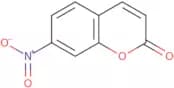
CAS:<p>7-Nitrocoumarin is an agent that inhibits the growth of protozoa by inhibiting enzyme activities, specifically those involved in glycolysis. It has been shown to be a potent inhibitor of surface proteins and functional assays. 7-Nitrocoumarin is also active against trophozoites in vitro. The compound has been shown to be nontoxic to mammalian cells, with a constant of 0.3 μM for inhibition of resazurin reduction. The mechanism of action for 7-nitrocoumarin is not well understood, but it may involve oxidation products such as nitro groups, which are indicated by the prefix '7-'.</p>Formula:C9H5NO4Purity:Min. 95%Color and Shape:PowderMolecular weight:191.14 g/mol3'-(Tetrafluoroethoxy)-β-methyl-β-nitrostyrene
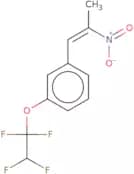
CAS:3'-(Tetrafluoroethoxy)-beta-methyl-beta-nitrostyrene is a versatile building block that can be used as a reaction component for the synthesis of more complex compounds. This compound is also known to have speciality chemical and research chemical properties. 3'-(Tetrafluoroethoxy)-beta-methyl-beta-nitrostyrene has been shown to be an effective reagent for the synthesis of high quality complex compounds.Formula:C11H9F4NO3Purity:Min. 95%Molecular weight:279.19 g/mol4'-Bromo-3'-methylacetophenone, 98%
CAS:<p>4'-Bromo-3'-methylacetophenone is a brominated derivative of acetophenone. It is a fine chemical that is used as a building block in the synthesis of organic compounds and research chemicals. 4'-Bromo-3'-methylacetophenone is also used as an intermediate in the production of pharmaceuticals, dyes, and pesticides. This compound reacts with amines to form N-substituted ureas. It is also used as a speciality chemical in high-quality paint manufacture, as a versatile building block for industrial applications, and as an intermediate for the production of other chemicals.</p>Formula:C9H9BrOPurity:Min. 95%Color and Shape:Clear LiquidMolecular weight:213.1 g/mol1,1,3,3-Tetramethyl-2-thiourea
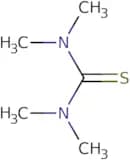
CAS:<p>1,1,3,3-Tetramethyl-2-thiourea is a model molecule that acts as a chemoattractant protein. The interaction of 1,1,3,3-tetramethyl-2-thiourea with the p2 group of an acidic reaction solution produces hydrogen bonding interactions that are highly reactive. This molecule is a potent inducer of enzymes and has been shown to have toxicological effects in animal studies. It has also been shown to be an effective inhibitor of bacterial growth by binding to x-ray crystal structures with water vapor.</p>Formula:C5H12N2SPurity:Min. 95%Color and Shape:White To Yellow SolidMolecular weight:132.23 g/molGly-pro-4-methoxy-β-naphthylamide
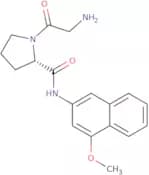
CAS:Gly-pro-4-methoxy-beta-naphthylamide is a synthetic substrate that is used to measure the activity of human plasma phosphatases. Gly-pro-4-methoxy-beta-naphthylamide is synthesized in an organic solvent and then reacted with diazonium salt to form a glycosylated aminophosphonic acid. The product is purified by chromatography and identified by mass spectrometry. Gly-pro-4-methoxy beta naphthylamide has been shown to inhibit the growth of cancer cells in vitro, as well as having antiinflammatory properties. This drug also has been shown to be effective in treating patients with severe hyperbilirubinemia who are undergoing hematopoietic stem cell transplantation.Formula:C18H21N3O3Purity:Min. 95%Molecular weight:327.38 g/mol2'(2-Thienylidene)-4-methylacetophenone
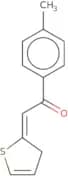
CAS:<p>2'(2-Thienylidene)-4-methylacetophenone is a chemical intermediate that is a useful scaffold for the synthesis of complex compounds. This compound has been used as an intermediate in the preparation of many pharmaceuticals, such as 2-thienylidene-4-methylbenzoic acid, which has anti-inflammatory properties. 2'(2-Thienylidene)-4-methylacetophenone can also be used to synthesize other compounds. It is a versatile building block and a valuable reagent that can be used in research and development.</p>Formula:C13H12OSPurity:Min. 95%Molecular weight:216.3 g/molN-Methyl-DL-aspartic acid
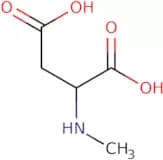
CAS:N-Methyl-DL-aspartic acid (NMDA) is a pharmacological agent that binds to the glutamate receptor and increases the intracellular calcium concentration in cells. NMDA has been shown to cause neuronal death in mouse hippocampal cells, as well as rat striatal cells. It can also act as a messenger molecule and enhance growth factor production. NMDA binds to the N-methyl-D-aspartate receptor, which is located on the surface of neurons in the brain. This binding causes an influx of sodium ions into the cell, resulting in an increase in the intracellular calcium concentration. This increase leads to changes in cellular function, including increased growth factor production and neuronal death.Formula:C5H9NO4Purity:Min. 95%Color and Shape:PowderMolecular weight:147.13 g/mol3,5-Dimethoxy-4-methylbenzoic acid methyl ester
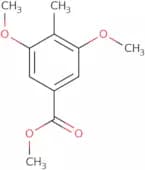
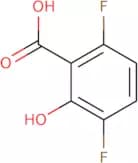
CAS:<p>3,5-Dimethoxy-4-methylbenzoic acid methyl ester (DMMBME) is a synthetic compound that is used as an immunogen to generate antibodies against fungal proteins. DMMBME is specifically used to identify the presence of bryoria and australian fungi in plants. The chemical structure of DMMBME can be oxidized by depsidones, which leads to the production of reactive oxygen species that are believed to be responsible for the oxidative coupling of target proteins. This reaction can be catalyzed by a number of enzymes such as nidulin, which is found in plant roots.</p>Formula:C11H14O4Purity:Min. 95%Color and Shape:PowderMolecular weight:210.23 g/mol3,6-Difluoro-2-hydroxybenzoic acid methyl ester
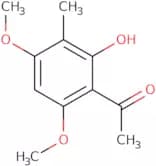
CAS:<p>3,6-Difluoro-2-hydroxybenzoic acid methyl ester is a combination of two substances that are used as deodorants and antiperspirants. They work by blocking the pores in the skin, which prevents perspiration and reduces body odor. 3,6-Difluoro-2-hydroxybenzoic acid methyl ester is not an anti-inflammatory drug.</p>Formula:C7H4F2O3Purity:Min. 95%Molecular weight:174.1 g/mol4',6'-Dimethoxy-2'-hydroxy-3-methylacetophenone
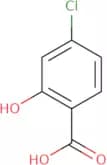
CAS:<p>4,6-Dimethoxy-2-hydroxy-3-methylacetophenone belongs to the group of natural products. It is a phenolic compound that has been isolated from the leaves of plants in the genus Eucalyptus. 4,6-Dimethoxy-2-hydroxy-3-methylacetophenone has shown cytotoxic activity against cancer cells in an animal bioassay and inhibits tumor growth by inhibiting protein synthesis. This compound also exhibits chemosystematic properties and may be useful for research on natural products.</p>Formula:C11H14O4Purity:Min. 95%Color and Shape:White PowderMolecular weight:210.23 g/mol4-Chlorosalicylic acid
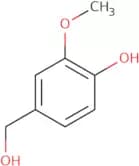
CAS:4-Chlorosalicylic acid is an inhibitor of bacterial growth that belongs to the group of phenolic compounds. It has been shown to inhibit the growth of bacteria in cell culture and be effective against a wide range of species, including Escherichia coli and Staphylococcus aureus. 4-Chlorosalicylic acid inhibits bacterial enzyme activities, such as 5-nitrosalicylic acid hydroxylase and diphenolase activities. This compound has also been shown to have anti-inflammatory properties, which may be due to its ability to inhibit prostaglandin synthesis. 4-Chlorosalicylic acid is an active intermediate in the production of other drugs such as 2,4-dichloroacetophenone and 2,5-dichlorobenzonitrile.Formula:C7H5ClO3Purity:Min. 95%Color and Shape:PowderMolecular weight:172.57 g/molVanillyl alcohol
CAS:<p>Vanillyl alcohol is a vanillin derivative that exhibits strong antibacterial activity. It can be used in the food industry as a natural preservative, and it has synergic effects with eugenol. Vanillyl alcohol shows antimicrobial properties against Gram-positive and Gram-negative bacteria, including Staphylococcus aureus, Pseudomonas aeruginosa, Escherichia coli, and Enterococcus faecalis. Vanillyl alcohol exhibits synergic effects with eugenol. In vivo models show that vanillyl alcohol is not toxic to humans, but it may be toxic to wild-type strains of bacteria.</p>Formula:C8H10O3Purity:Min. 98 Area-%Color and Shape:White PowderMolecular weight:154.16 g/mol6-Methyl-4-hydroxycoumarin
CAS:<p>6-Methyl-4-hydroxycoumarin is a coumarin derivative that has been shown to have potent inhibitory activity against both Gram-positive and Gram-negative bacteria. It also inhibits the growth of leukemia cells and shows anti-inflammatory properties. The photophysical studies of this molecule show that it has absorption bands in the visible region, which may be attributed to its hydroxyl group. 6-Methyl-4-hydroxycoumarin has also been shown to be an effective inhibitor of LPS (lipopolysaccharide)-stimulated RAW 264.7 cells, as well as benzofuran derivatives that have been shown to have inflammatory propertys.</p>Formula:C10H8O3Purity:Min. 95%Color and Shape:PowderMolecular weight:176.17 g/mol3-Cyanomethylbenzoic acid methyl ester
CAS:3-Cyanomethylbenzoic acid methyl ester is a synthetic chemical compound that is used as an intermediate in the production of other chemicals. It is a chlorination agent that reacts with toluene and methanol in the presence of chlorine to produce 3-chloromethylbenzoic acid methyl ester. This reaction also produces a byproduct called sulphone, which can be converted into acylation reagents for use in organic synthesis. The chloride ion can be used for cyanation reactions, which are useful for producing dyes or pharmaceuticals.Formula:C10H9NO2Purity:Min. 95%Color and Shape:SolidMolecular weight:175.18 g/mol4-Aminosalicylic acid sodium salt dihydrate
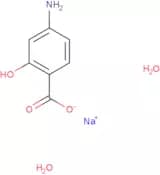
CAS:<p>4-Aminosalicylic acid sodium salt dihydrate is a molecule that has been shown to be useful for the diagnosis of viral, autoimmune, and cancerous diseases. It is a diagnostic agent that can be used in both the diagnosis and treatment of bowel disease. 4-Aminosalicylic acid sodium salt dihydrate can also be used to treat cavity formation in teeth. It binds to fatty acids in the target tissue, which leads to cell death by apoptosis. This drug has been shown to be effective against inflammatory bowel disease (IBD) as well as other types of bowel disease. This drug has been shown to have no adverse effects on healthy cells or tissues, but it may cause kidney toxicity when taken orally or injected intravenously.</p>Formula:C7H6NNaO3·2H2OPurity:Min. 95%Color and Shape:White PowderMolecular weight:211.15 g/mol4-Amino-pyridine-2-carboxylic acid methyl ester
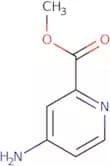
CAS:<p>4-Amino-pyridine-2-carboxylic acid methyl ester is a compound that is used as a reactant, reagent, and building block in organic synthesis. It is also useful for the preparation of complex compounds. 4-Amino-pyridine-2-carboxylic acid methyl ester is soluble in water and has a melting point of 183°C. The CAS number for this chemical is 71469-93-7.</p>Formula:C7H8N2O2Purity:Min. 95%Color and Shape:White PowderMolecular weight:152.15 g/molDL-Erythro-dihydrosphingosine synthetic
CAS:DL-Erythro-dihydrosphingosine synthetic is a nonsteroidal anti-inflammatory drug that blocks the activity of Bcl-2, a protein involved in apoptosis. This compound has been shown to have anti-cancer effects in hl-60 cells and squamous cell carcinomas. DL-Erythro-dihydrosphingosine synthetic also inhibits the matrix metalloproteinase activity of MMPs, which are enzymes that degrade the extracellular matrix and can cause cancer cell invasion and metastasis. The optimum concentration for this compound is 1 µM.Formula:C18H39NO2Purity:Min. 95%Color and Shape:White PowderMolecular weight:301.51 g/mol3',5'-Dichloroacetophenone
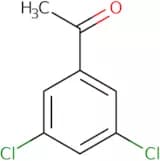
CAS:3',5'-Dichloroacetophenone is a synthetic pyrazoline that is a colorless liquid with an aromatic odor. It is soluble in ethyl acetate, chloroform, benzene, and other organic solvents. 3',5'-Dichloroacetophenone has significant effects on the protonation of amines, which are compounds containing nitrogen and hydrogen. This chemical has been shown to be able to react with anions like chloride or sulfide to form hypophosphorous acid. The symmetric structure of 3',5'-dichloroacetophenone is also susceptible to halide attack and can be synthesized from phenylhydrazine and piperidine.Formula:C8H6Cl2OPurity:Min. 95%Color and Shape:LiquidMolecular weight:189.04 g/molN-Methyl-N-(1-naphthyl)-1-chlorobenzamide
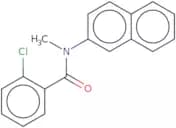
CAS:N-Methyl-N-(1-naphthyl)-1-chlorobenzamide is a versatile and useful chemical that can be used in the preparation of many different compounds. It is a reaction component and reagent, as well as a useful scaffold for the synthesis of many different compounds. It has high quality and is used in research chemicals. N-Methyl-N-(1-naphthyl)-1-chlorobenzamide has CAS No. 74881-60-0 and is a speciality chemical. It can also be used as a versatile building block or intermediates for the synthesis of more complex compounds.Formula:C18H14ClNOPurity:Min. 95%Molecular weight:295.76 g/mol1,5-Naphthalenediol
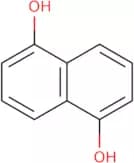
CAS:1,5-Naphthalenediol is a metabolite of naphthalene and has been found to be an electrochemical marker for the detection of naphthalene. It is considered a chemical indicator for naphthalene exposure, as it can be detected in urine and blood samples. 1,5-Naphthalenediol is a heterocyclic organic compound that has been shown to have potential medical uses. It has been shown to function as an anti-inflammatory agent by inhibiting prostaglandin synthesis and can also inhibit the growth of keratinocytes. The detection time for 1,5-naphthalenediol is about 2 hours after exposure.Formula:C10H8O2Purity:Min. 95%Molecular weight:160.17 g/molIndole-3-acetyl-L-alanine acid methyl ester
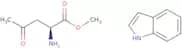
CAS:<p>Please enquire for more information about Indole-3-acetyl-L-alanine acid methyl ester including the price, delivery time and more detailed product information at the technical inquiry form on this page</p>Formula:C14H16N2O3Purity:Min. 95%Molecular weight:260.29 g/molDiphenyliodanium 9,10-dimethoxyanthracene-2-sulfonate
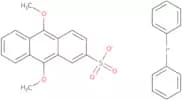
CAS:Diphenyliodanium 9,10-dimethoxyanthracene-2-sulfonate is an organic compound that belongs to the class of vinyl ethers. It can be used as a photosensitive material in photolithography. The mechanism of the photoinduced crosslinking reaction has been studied by mechanistic study and shown to proceed through a Friedel-Crafts type reaction followed by a transfer mechanism. This compound can also be prepared by irradiating an ammonium formate solution with ultraviolet light. Diphenyliodanium 9,10-dimethoxyanthracene-2-sulfonate is soluble in hydroxide solution and reacts with uv irradiation to produce radicals at the carbonyl group.Formula:C28H23IO5SPurity:Min. 95%Molecular weight:598.45 g/mol5alpha-Pregnane-3,20-dione
CAS:Controlled Product<p>5alpha-Pregnane-3,20-dione is a naturally occurring sex steroid hormone. It is produced by the ovaries and testes in humans and other mammals, as well as by the adrenal glands in small amounts. 5alpha-Pregnane-3,20-dione has been shown to inhibit the enzyme activity of hepatic microsomes that are responsible for the conversion of progesterone to 17beta-hydroxyprogesterone (17betaOHP). This inhibition is due to its ability to bind to glucocorticoid receptors. 5alpha-Pregnane-3,20-dione also inhibits fatty acid synthesis in liver cells. The drug's antiproliferative effects on ovarian cells are mediated through a number of mechanisms including transcriptional repression of progesterone receptors and estradiol benzoate binding sites on DNA. 5alpha-Pregnane-3,20-dione has been shown to have an optimal</p>Formula:C21H32O2Purity:Min. 95%Color and Shape:PowderMolecular weight:316.48 g/molL-Pantolactone
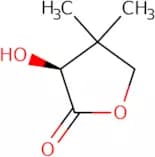
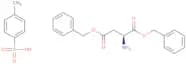
CAS:L-Pantolactone is an organic compound that belongs to the group of pantothenic acid derivatives and is a metabolite of pantothenic acid. It can be synthesized by the asymmetric synthesis of cinchonidine using calcium pantothenate as a starting material. L-Pantolactone has been shown to have regulatory effects on the levels of various molecules, such as sequences, which may result in improved enzyme activity. The compound is found to have acidic properties and reacts with hydrochloric acid to form hydrogen tartrate.Formula:C6H10O3Purity:Min. 95%Color and Shape:White To Off-White SolidMolecular weight:130.14 g/molL-Aspartic acid dibenzyl ester p-toluenesulfonate salt
CAS:Aspartic acid derivativeFormula:C18H19NO4·C7H8O3SPurity:Min. 95%Color and Shape:White PowderMolecular weight:485.55 g/mol1'H-Spiro[cyclopentane-1,2'-quinazolin]-4'(3'H)-one
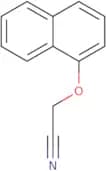
CAS:1'H-Spiro[cyclopentane-1,2'-quinazolin]-4'(3'H)-one is a pyrimidine with two conformations. The first conformation is a chair, which has an axial bond and four equatorial bonds. The second conformation is a boat, which has two axial bonds and three equatorial bonds. This molecule can form hydrogen bonds with other molecules in the same class. The systematic name of this molecule is (1-methyl-2-(2-(pyridin-2-yl)ethyl)-1H-benzimidazol-5-yl)methanol and it has six membered ring and five membered ring.Formula:C12H14N2OPurity:Min. 95%Color and Shape:PowderMolecular weight:202.25 g/mol2-Naphthyloxyethanenitrile
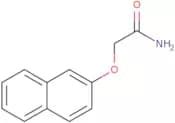
CAS:<p>Please enquire for more information about 2-Naphthyloxyethanenitrile including the price, delivery time and more detailed product information at the technical inquiry form on this page</p>Formula:C12H9NOPurity:Min. 95%Color and Shape:PowderMolecular weight:183.21 g/mol2-(2-naphthyloxy)ethanamide
CAS:<p>Please enquire for more information about 2-(2-naphthyloxy)ethanamide including the price, delivery time and more detailed product information at the technical inquiry form on this page</p>Purity:Min. 95%2-(2-Thienylidene)-4-phenoxyacetophenone
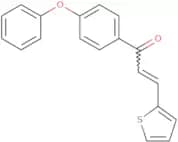
CAS:<p>Please enquire for more information about 2-(2-Thienylidene)-4-phenoxyacetophenone including the price, delivery time and more detailed product information at the technical inquiry form on this page</p>Formula:C19H14O2SPurity:Min. 95%Color and Shape:PowderMolecular weight:306.38 g/molMethyl 3-nitrocinnamate
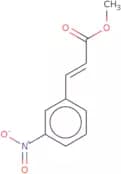
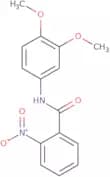
CAS:Methyl 3-nitrocinnamate is a chemical compound that belongs to the group of useful scaffolds. It is a versatile building block with a variety of uses in research and development of pharmaceuticals. Methyl 3-nitrocinnamate is also used as a reaction component and a speciality chemical, and it can be used as an intermediate or reagent in the production of other chemicals. Methyl 3-nitrocinnamate reacts readily with nucleophiles such as amines, alcohols, and thiols. This substance has high quality properties like purity and stability.Formula:C10H9NO4Molecular weight:207.18 g/molN-(3,4-Dimethoxyphenyl)(2-nitrophenyl)formamide
CAS:<p>Please enquire for more information about N-(3,4-Dimethoxyphenyl)(2-nitrophenyl)formamide including the price, delivery time and more detailed product information at the technical inquiry form on this page</p>Formula:C15H14N2O5Purity:Min. 95%Color and Shape:PowderMolecular weight:302.28 g/mol(2-naphthylmethylene)methane-1,1-dicarbonitrile
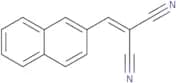
CAS:2-Naphthylmethylene methane 1,1-dicarbonitrile (2NMCD) is a zwitterionic cyclobutane. It is synthesized by the reaction of 2-naphthylmethylene bromide and carbon tetrachloride in acetonitrile. This synthesis results in a mixture of cis and trans isomers with yields of about 50%. The cis isomer has been shown to have control experiments and yields similar to those of the trans isomer.Purity:Min. 95%











![1'H-Spiro[cyclopentane-1,2'-quinazolin]-4'(3'H)-one](/_next/image/?url=https%3A%2Fstatic.cymitquimica.com%2Fproducts%2F3D%2Fthumb-webp%2FFS125569.webp&w=3840&q=75)