Pharmaceutical Standards
Subcategories of "Pharmaceutical Standards"
- APIs for research and impurities(277,367 products)
- Enzyme Activators and Inhibitors(2,829 products)
- Nitrosamines(2,663 products)
- Pharmaceutical and Veterinary Compounds and Metabolites(2,891 products)
- Toxicology(13,353 products)
Found 8146 products of "Pharmaceutical Standards"
(NZ)-4-chloro-N-[1-[2-(4-nitrophenyl)ethyl]piperidin-2-ylidene]benzenesulfonamide
CAS:Controlled ProductPlease enquire for more information about (NZ)-4-chloro-N-[1-[2-(4-nitrophenyl)ethyl]piperidin-2-ylidene]benzenesulfonamide including the price, delivery time and more detailed product information at the technical inquiry form on this page
Formula:C19H20ClN3O4SPurity:Min. 95%Molecular weight:421.9 g/molRef: 3D-FN154024
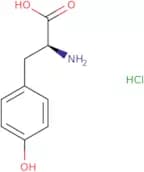
Discontinued productL-Tyrosine hydrochloride
CAS:L-Tyrosine hydrochloride is a pharmaceutical preparation that has been used clinically in the treatment of infectious diseases, cancer, and autoimmune diseases. Tyrosine is an amino acid with a hydroxyl group on its side chain. Tyrosine can be synthesized from phenylalanine by hydroxylation of the phenolic group and decarboxylation of the carboxylic acid group. It is also a precursor to catecholamines and other important biological molecules. L-Tyrosine hydrochloride is used as an intermediate in the production of monoclonal antibodies for use in cancer research. In addition, it has been shown to be an effective inhibitor of virus replication when combined with ester hydrochloride, which prevents the release of progeny virus particles from infected cells.
Formula:C9H11NO3·HClPurity:Min. 95%Molecular weight:217.65 g/molRef: 3D-FT46951
Discontinued productp-Cresol
CAS:单酚香气;胶粘剂;密封剂;抗氧化剂;消毒剂
Formula:C7H8OPurity:Min. 95%Color and Shape:Colorless Clear LiquidMolecular weight:108.14 g/molRef: 3D-FC01590
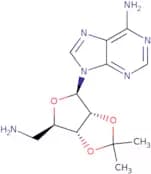
Discontinued product5'-Amino-5'-deoxy-2',3'-O-(1-methylethylidene)-adenosine
CAS:Please enquire for more information about 5'-Amino-5'-deoxy-2',3'-O-(1-methylethylidene)-adenosine including the price, delivery time and more detailed product information at the technical inquiry form on this page
Formula:C13H18N6O3Purity:Min. 95%Molecular weight:306.32 g/molNaphthalene
CAS:Naphthalene is a chemical that is used for wastewater treatment and as a pesticide. It is also used in the manufacturing of polymers, resins, and plastics. Naphthalene has antimicrobial properties due to its hydrophobic effect. Naphthalene's antimicrobial activity is based on its ability to react with the skeleton of bacterial cells and disrupt the integrity of their outer membrane. Naphthalene also interacts with proteins and DNA, causing cell death. The molecular mechanisms of naphthalene's antibacterial activity are not well understood but have been studied using Hl-60 cells, which are immortalized human monocytic leukemia cells. This study showed that naphthalene affects the cell cycle by inhibiting protein synthesis in bacteria through binding to ribosomes or by disrupting the dna replication process.
Formula:C10H8Purity:Min. 95%Molecular weight:128.17 g/molRef: 3D-FN10260
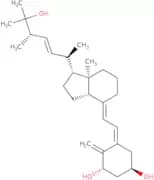
Discontinued product1a,25-Dihydroxy vitamin D2
CAS:1a,25-Dihydroxy vitamin D2 is a compound that exhibits various characteristics and applications. It is known for its bioavailability and water-soluble properties, making it easily absorbed by the body. This compound has been extensively studied in the field of research chemicals. One of the notable features of 1a,25-Dihydroxy vitamin D2 is its potential therapeutic effects on ganglioside GM2-related disorders. It has been shown to interact with GM2 activator proteins and fatty acids, which are involved in the metabolism of GM2 gangliosides. This interaction may have implications for the treatment of certain neurological conditions. Additionally, 1a,25-Dihydroxy vitamin D2 has been investigated for its role in modulating immune responses and inflammatory processes. Studies have suggested that this compound can inhibit the production of pro-inflammatory substances like prostaglandins, offering potential anti-inflammatory benefits. Moreover, 1a,25-Dihydroxy vitamin D
Formula:C28H44O3Purity:Min. 95%Color and Shape:White PowderMolecular weight:428.65 g/molRef: 3D-FD22066
Discontinued product3,4'-Dihexyl-2,2'-bithiophene
CAS:Please enquire for more information about 3,4'-Dihexyl-2,2'-bithiophene including the price, delivery time and more detailed product information at the technical inquiry form on this page
Purity:Min. 95%Ref: 3D-FD44193
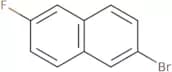
Discontinued product2-bromo-6-fluoronaphthalene
CAS:2-bromo-6-fluoronaphthalene is a molecule that has been shown to be a good electron donor in organic solar cells. It is also an analgesic and antinociceptive agent. 2-Bromo-6-fluoronaphthalene has shown to have antiinflammatory effects and inhibit the production of prostaglandins, which are chemical messengers that induce inflammation. The molecular structure of 2-bromo-6-fluoronaphthalene consists of two bromine atoms attached to two naphthalene rings. The bromine atoms provide strong electron donating properties and the naphthalene rings provide stability for the molecule.
Formula:C10H6BrFPurity:Min. 95%Molecular weight:225.06 g/molRef: 3D-FB105673
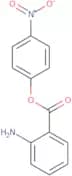
Discontinued product4-Nitrophenyl Anthranilate
CAS:Controlled Product4-Nitrophenyl anthranilate is a potent inhibitor of serine protease. It is synthesized by reacting an anthranilate with an hydroxyl group in the presence of ultraviolet light, and can be used as a fluorescent probe. 4-Nitrophenyl anthranilate binds to the active site of serine protease, and prevents the hydrolysis of proteins by blocking the cleavage of peptide bonds at the carboxylic acid termini. This compound has been shown to inhibit human serum albumin and cell nuclei in vitro. The reaction mechanism for this compound is unknown, but it is believed that it may involve a photo-induced electron transfer mechanism.
Formula:C13H10N2O4Purity:Min. 95%Color and Shape:PowderMolecular weight:258.23 g/molRef: 3D-FN61994
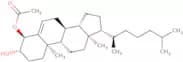
Discontinued product4β-Hydroxy cholesterol 4-acetate
CAS:Controlled Product4b-Hydoxy cholesterol 4-acetate is a pleiotropic drug with a wide range of pharmacological activities. It is an inhibitor of the sirtuin family of proteins and may have anti-cancer effects. It has also been shown to be effective in the treatment of depression and myelodysplastic syndrome. The mechanism of action for this agent is not well understood, but it may be due to its ability to inhibit DNA methyltransferases, which would lead to a change in DNA methylation patterns. 4b-Hydroxy cholesterol 4-acetate has also been shown to decrease lipid levels in the blood and increase the activity of liver enzymes that metabolize fatty acids. This drug can also modify lamellar bodies and short-chain fatty acids by inhibiting the enzyme ATP citrate lyase, which catalyzes citrate cleavage into acetyl CoA and oxaloacetate.
Formula:C29H48O3Purity:Min. 95%Molecular weight:444.69 g/molRef: 3D-FH23949
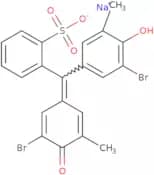
Discontinued productBromocresol purple sodium salt
CAS:Bromocresol purple sodium salt is a dye that emits light when it is irradiated with light of a particular wavelength. It has been used to detect amniotic fluid contamination in the laboratory and as an absorber in polymer films. Bromocresol purple sodium salt absorbs ultraviolet and visible light, which causes it to emit red light. The molecules of bromocresol purple sodium salt are long-chain triazoles, which absorb water vapor and emit infrared radiation. This property can be used to detect the presence of alkali metals. The luminescent property of bromocresol purple sodium salt can be enhanced by adding an alkali metal, such as potassium or lithium chloride, to the solution where it is dissolved.
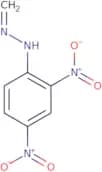
Formula:C21H15Br2O5S·NaPurity:Min. 95%Molecular weight:562.2 g/molFormaldehyde-2,4-dinitrophenylhydrazone
CAS:Formaldehyde-2,4-dinitrophenylhydrazone (FDNH) is a chemical compound that inhibits the production of galacturonic acid. It is used as an analytical method to measure the concentration of galacturonic acid in biological samples. FDNH reacts with galacturonic acid to form a diazonium salt and a hydrazone derivative. The diazonium salt can be measured by liquid chromatography, while the hydrazone derivative can be measured by gas chromatography. This test has been used to measure the concentration of galacturonic acid in plants, pharmaceutical drugs, and reaction products.Formula:C7H6N4O4Purity:Min. 95%Molecular weight:210.15 g/molRef: 3D-FF146197
Discontinued product7-Amino-4-(trifluoromethyl)coumarin
CAS:7-Amino-4-(trifluoromethyl)coumarin is a coumarin derivative that has been used as a fluorescence probe for the study of enzyme activities. It can be used as a potential biomarker for autoimmune diseases, and has also been shown to have tyrosine kinase domain binding activity. 7-Amino-4-(trifluoromethyl)coumarin can bind to the hydroxyl group in tyrosine residues with high affinity, and binds to the nitrogen atoms in protein kinases with low affinity. This compound is able to form intermolecular hydrogen bonds and steric interactions with peptide hormones.
Formula:C10H6F3NO2Purity:Min. 95%Molecular weight:229.16 g/molRef: 3D-FA74300
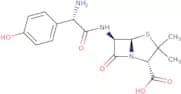
Discontinued productAmoxicillin trihydrate impurity B
CAS:Amoxicillin trihydrate impurity B is an impurity of amoxicillin trihydrate, a penicillin antibiotic. Impurities are substances that are not intentionally added to the drug and may be formed during the manufacturing process. Impurities can affect the quality and safety of drugs, although their presence does not necessarily indicate a problem with the drug. Impurities in amoxicillin trihydrate include clavulanate potassium (impurity A) and heptane-2-carboxylic acid (impurity C). Impurity A is present in small quantities, typically less than 1% of the total amount of amoxicillin trihydrate. Impurity C is present in larger quantities and can make up to 10% of the total amount of amoxicillin trihydrate.
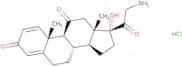
Formula:C16H19N3O5SPurity:Min. 95%Molecular weight:365.41 g/mol21-Amino-17-hydroxypregna-1,4-diene-3,11,20-trioneHydrochloride
CAS:Controlled ProductPlease enquire for more information about 21-Amino-17-hydroxypregna-1,4-diene-3,11,20-trioneHydrochloride including the price, delivery time and more detailed product information at the technical inquiry form on this pageFormula:C21H28ClNO4Purity:Min. 95%Molecular weight:393.9 g/molRef: 3D-FA150828
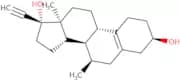
Discontinued product3a-Hydroxy tibolone
CAS:Controlled ProductTibolone is a synthetic hormone that is used in the treatment of menopausal symptoms and breast cancer. Tibolone has been shown to be an effective treatment for menopausal symptoms, such as hot flashes and vaginal dryness, by providing relief from these symptoms. Tibolone has also been shown to have anti-cancer effects. This drug may be useful for treating breast cancer because it can inhibit the growth of cancer cells by binding to estrogen receptors and blocking estrogen-induced cell proliferation. Tibolone also stimulates angiogenesis, which is the formation of new blood vessels in order to provide nutrients and oxygen to growing tissue. It has been shown that this drug inhibits the synthesis of hepg2 cells in vitro, which are involved in the production of angiogenic factors. Tibolone may also have clinical relevance as a chemopreventive agent against prostate cancer.BR> Tibolone has also been shown to stimulate sulphatase activity in vitro, which may contribute to
Formula:C21H30O2Purity:Min. 95%Molecular weight:314.46 g/molRef: 3D-FH24140
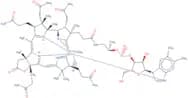
Discontinued productVitamin B12 c-lactone
CAS:Please enquire for more information about Vitamin B12 c-lactone including the price, delivery time and more detailed product information at the technical inquiry form on this page
Formula:C63H85CoN13O15PPurity:Area-% Min. 95 Area-%Molecular weight:1,354.33 g/molRef: 3D-FV167409
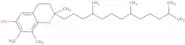
Discontinued productTocopherols
CAS:Tocopherols are fat-soluble vitamins that belong to the family of tocopherols and tocotrienols. Tocopherols have a number of biochemical properties and antioxidant properties. These properties make them important for maintaining energy metabolism in cells, preventing oxidation of other molecules, and protecting the body from damage by reactive oxygen species. Tocopherols are found in a variety of biological sources such as plants, vegetable oils, nuts, grains, fruits and vegetables. The most common form is alpha-tocopherol (a-T). Other forms include gamma-tocopherol (g-T), delta-tocopherol (d-T), beta-tocopherol (b-T), and alpha-tocotrienol (a-TT). Biochemical assays for tocopherols and tocotrienols use p-hydroxybenzoic acid as an analytical reagent. This vitamin can be found in human serum or in
Purity:Min. 95%Ref: 3D-FT168528
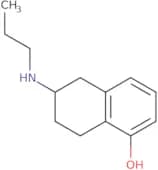
Discontinued productrac-5,6,7,8-tetrahydro-6-(propylamino)-1-naphthalenol
CAS:Controlled ProductRotigotine is a substance that belongs to the class of active compounds. It has been shown to have optical activity, but this property is not well understood. Rotigotine is a racemic mixture with two enantiomers, which are mirror images of each other. The optical rotation of rac-5,6,7,8-tetrahydro-6-(propylamino)-1-naphthalenol is given as +28°. This property can be determined by measuring the angle of rotation when light passes through the substance in solution in contact with a polarizer and analyzer.Formula:C13H19NOPurity:Min. 95%Molecular weight:205.3 g/molRef: 3D-FR27619
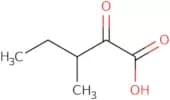
Discontinued product(±)-3-Methyl-2-oxovaleric acid
CAS:(±)-3-Methyl-2-oxovaleric acid is a fatty acid that is found in the mitochondria of liver cells and other tissues. It is an intermediate in the citric acid cycle and can be converted into acetyl-CoA, which is used for energy production. (±)-3-Methyl-2-oxovaleric acid has been shown to cause necrotic cell death when it binds to the mitochondrial membrane potential and causes a loss of ATP production. This results in a lack of energy for the cell, leading to cell death. (±)-3-Methyl-2-oxovaleric acid has also been shown to inhibit protein synthesis by decreasing uptake and increasing creatine kinase activity. This inhibition leads to decreased body formation and tissue culture growth in vitro. In vivo, (±)-3-Methyl-2-oxovaleric acid causes primary sclerosing cholangitis, a disease characterized by inflammation of bile ducts that
Formula:C6H10O3Purity:Min. 95%Color and Shape:White PowderMolecular weight:130.14 g/mol
![(NZ)-4-chloro-N-[1-[2-(4-nitrophenyl)ethyl]piperidin-2-ylidene]benzenesulfonamide](/_next/image/?url=https%3A%2Fstatic.cymitquimica.com%2Fproducts%2F3D%2Fthumb-webp%2FFN154024.webp&w=3840&q=75)