Pharmaceutical Standards
Pharmaceutical standards are a comprehensive set of reference materials essential for ensuring the safety, efficacy, and quality of pharmaceutical products. This category includes standards for active pharmaceutical ingredients (APIs), which are the core components responsible for therapeutic effects. Additionally, it covers compounds and metabolites relevant to both the pharmaceutical and veterinary industries, providing benchmarks for the accurate measurement and analysis of these substances. Nitrosamine control standards are crucial for detecting and mitigating potentially harmful nitrosamines in drug formulations. Toxicology standards help assess the safety and potential adverse effects of pharmaceutical compounds. Furthermore, enzyme activators and inhibitors standards are vital for research and development, enabling precise studies of biochemical pathways and drug mechanisms. These pharmaceutical standards are indispensable tools for regulatory compliance, quality control, and research, ensuring that pharmaceutical products meet stringent safety and effectiveness criteria.
Subcategories of "Pharmaceutical Standards"
- APIs for research and impurities(274,845 products)
- Enzyme Activators and Inhibitors(2,827 products)
- Nitrosamines(2,605 products)
- Pharmaceutical and Veterinary Compounds and Metabolites(2,869 products)
- Toxicology(13,652 products)
Found 7836 products of "Pharmaceutical Standards"
Sort by
Purity (%)
0
100
|
0
|
50
|
90
|
95
|
100
1a,25-Dihydroxy vitamin D2
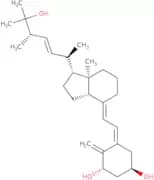
CAS:<p>1a,25-Dihydroxy vitamin D2 is a compound that exhibits various characteristics and applications. It is known for its bioavailability and water-soluble properties, making it easily absorbed by the body. This compound has been extensively studied in the field of research chemicals. One of the notable features of 1a,25-Dihydroxy vitamin D2 is its potential therapeutic effects on ganglioside GM2-related disorders. It has been shown to interact with GM2 activator proteins and fatty acids, which are involved in the metabolism of GM2 gangliosides. This interaction may have implications for the treatment of certain neurological conditions. Additionally, 1a,25-Dihydroxy vitamin D2 has been investigated for its role in modulating immune responses and inflammatory processes. Studies have suggested that this compound can inhibit the production of pro-inflammatory substances like prostaglandins, offering potential anti-inflammatory benefits. Moreover, 1a,25-Dihydroxy vitamin D</p>Formula:C28H44O3Purity:Min. 95%Color and Shape:White PowderMolecular weight:428.65 g/mol17a-Methyl-4-[(phenylthio)methyl]testosterone
CAS:Controlled ProductPlease enquire for more information about 17a-Methyl-4-[(phenylthio)methyl]testosterone including the price, delivery time and more detailed product information at the technical inquiry form on this pageFormula:C27H36O2SPurity:Min. 95%Molecular weight:424.64 g/mol4-Fluoro-3-nitropyridine
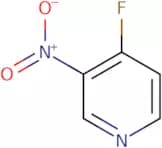
CAS:<p>4-Fluoro-3-nitropyridine is a reactive chemical that can react with alcohols, amines, and amino acids. It has been shown to have absorption spectra in the ultraviolet region of the light spectrum. 4-Fluoro-3-nitropyridine is also a pyridine derivative.</p>Formula:C5H3FN2O2Purity:Min. 95%Color and Shape:Off-White PowderMolecular weight:142.09 g/mol5-Bromo-1H-indole-2-carboxylic acid methyl ester
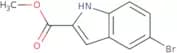
CAS:<p>5-Bromo-1H-indole-2-carboxylic acid methyl ester is a drug that belongs to the class of carboxylates. It has been shown to inhibit the growth of tumor cells in vitro and in vivo. The antitumor activity of this compound may be due to its ability to stabilize planar indole moieties, which are cytotoxic. 5-Bromo-1H-indole-2-carboxylic acid methyl ester interacts with other molecules through intermolecular interactions and can form an indole ring system that has a trifluoromethyl group and a carboxylate group in its structure.</p>Formula:C10H8BrNO2Purity:Min. 95%Molecular weight:254.08 g/mol7-Amino-4-(trifluoromethyl)coumarin
CAS:<p>7-Amino-4-(trifluoromethyl)coumarin is a coumarin derivative that has been used as a fluorescence probe for the study of enzyme activities. It can be used as a potential biomarker for autoimmune diseases, and has also been shown to have tyrosine kinase domain binding activity. 7-Amino-4-(trifluoromethyl)coumarin can bind to the hydroxyl group in tyrosine residues with high affinity, and binds to the nitrogen atoms in protein kinases with low affinity. This compound is able to form intermolecular hydrogen bonds and steric interactions with peptide hormones.</p>Formula:C10H6F3NO2Purity:Min. 95%Molecular weight:229.16 g/mol24(S)-Hydroxycholesterol
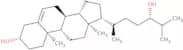
CAS:Controlled Product<p>24(S)-Hydroxycholesterol is a cholesterol metabolite that is synthesized by the liver and can be found in human serum. It has been shown to be an important inducer of transcriptional regulation, as it regulates the expression of genes involved in lipid metabolism and inflammatory response. 24(S)-Hydoxycholesterol is also an activator of the peroxisome proliferator-activated receptor (PPAR) and may cause hepatic steatosis. This molecule has potent activity in inducing polymerase chain reaction (PCR) and protein synthesis in neuronal cells, leading to neuronal death. The molecule also induces apoptosis by caspase-independent cell death, which is mediated by mitochondrial membrane potential. 24(S)-Hydoxycholesterol may serve as a biomarker for nonsteroidal anti-inflammatory drugs (NSAIDs), with low potency against these drugs.br></p>Formula:C27H46O2Purity:Min. 95%Color and Shape:PowderMolecular weight:402.65 g/mol1,8-Dinitropyrene
CAS:1,8-Dinitropyrene is a genotoxic and mutagenic potential agent. It has been shown to induce nitric oxide synthase activity in rat liver microsomes, which may be due to its ability to activate the redox potential of the cells. 1,8-Dinitropyrene also induces enzyme activities such as p450 and nitroreductase in rat liver microsomes. This chemical has an analytical detection limit of 0.05 ppm and can be used as a marker for environmental exposure. 1,8-Dinitropyrene is genotoxic and carcinogenic in rats but not mice. It has been shown to induce mutations at the thymidine position of calf-thymus DNA and is potent inducer of genetic mutation in vitro.Formula:C16H8N2O4Purity:Min. 95%Color and Shape:PowderMolecular weight:292.25 g/molEstradiol 3-valerate
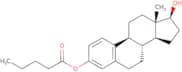
CAS:Controlled Product<p>Please enquire for more information about Estradiol 3-valerate including the price, delivery time and more detailed product information at the technical inquiry form on this page</p>Formula:C23H32O3Purity:Min. 95%Color and Shape:PowderMolecular weight:356.5 g/mol2-Bromo-4'-nitroacetophenone
CAS:2-Bromo-4'-nitroacetophenone is a chemical compound that has been shown to be active in enzyme inhibition experiments. It has been found to inhibit the activity of histidine decarboxylase, which catalyzes the conversion of histidine to histamine, and uv absorption. 2-Bromo-4'-nitroacetophenone binds to the active site of P450 enzymes, inhibiting their catalytic activity. This compound also inhibits fatty acid oxidation by binding to fatty acid hydroxylase and hydrogen bonds with tyrosine residues in proteins. 2-Bromo-4'-nitroacetophenone is structurally similar to 2-bromoacetophenone, which has been shown to have antihistaminic properties.Formula:C8H6BrNO3Purity:Min. 95%Color and Shape:PowderMolecular weight:244.04 g/mol2,6-Bis(hydroxymethyl)-p-cresol
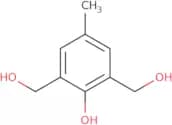
CAS:2,6-Bis(hydroxymethyl)-p-cresol (BHMC) is a cross-linking agent that reacts with the hydroxyl groups of polymers to form covalent bonds. This reaction is irreversible and has been shown to be effective in thermal expansion applications. BHMC is insoluble in water and so can be used as a proton donor for the synthesis of polymer hydrogels. BHMC has also been used as a molecular modeling probe for studying protein structure and function. This compound reacts with nucleophiles by nucleophilic attack on the carbonyl carbon atom, producing an intermediate that tautomerizes to the corresponding enone. The reaction mechanism involves formation of a tetranuclear transition state followed by acid catalysis. Functional groups such as -OH, -NH2, or -COOH are required for this reaction to occur. NMR spectra have shown that there are three different chemical structuresFormula:C9H12O3Purity:Min. 95%Color and Shape:PowderMolecular weight:168.19 g/molO-tert-Butyl-L-threonine 2-chlorotrityl resin
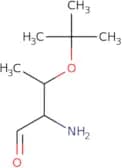
<p>Please enquire for more information about O-tert-Butyl-L-threonine 2-chlorotrityl resin including the price, delivery time and more detailed product information at the technical inquiry form on this page</p>Purity:Min. 95%Isoamyl cinnamate
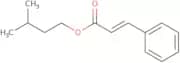
CAS:<p>Isoamyl cinnamate is a synthetic compound that is used as an intermediate for the production of detergents. It has been shown to inhibit the growth of yeast and fungi, such as Cryptococcus neoformans and Candida glabrata. Isoamyl cinnamate also has anti-microbial properties that may be related to its ability to produce propionate, which can kill bacteria in urine samples. This compound is not known to bioaccumulate or cause toxicity in humans at normal doses.</p>Formula:C14H18O2Purity:Min. 95%Color and Shape:Clear LiquidMolecular weight:218.29 g/molN-Methyl-O-methyl-L-tyrosine hydrochloride
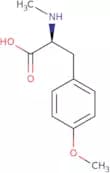
CAS:<p>N-Methyl-O-methyl-L-tyrosine hydrochloride (NMT) is an organic compound that is synthesized from D-alanine. It has been shown to inhibit the production of didemnin, a protein that regulates the cell cycle, in mcf-7 cells. NMT has also been shown to stop the growth of human breast cancer cells and increase the lifespan of mice with cancerous tumors. NMT is a macrocyclic molecule, which means it has a ring structure made up of at least six atoms. The conformation of this molecule may be cyclic or linear.</p>Formula:C11H15NO3·HClPurity:Min. 95%Molecular weight:245.7 g/molN-Cyano-N',S-dimethylisothiourea
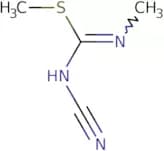
CAS:<p>Please enquire for more information about N-Cyano-N',S-dimethylisothiourea including the price, delivery time and more detailed product information at the technical inquiry form on this page</p>Formula:C4H7N3SPurity:Min. 95%Molecular weight:129.18 g/mol(3a,5a,17a)-19-Norpregnane-3,17-diol
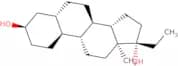
CAS:Controlled Product<p>Please enquire for more information about (3a,5a,17a)-19-Norpregnane-3,17-diol including the price, delivery time and more detailed product information at the technical inquiry form on this page</p>Formula:C20H34O2Purity:Min. 95%Molecular weight:306.48 g/mol3a-Hydroxy tibolone
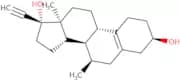
CAS:Controlled Product<p>Tibolone is a synthetic hormone that is used in the treatment of menopausal symptoms and breast cancer. Tibolone has been shown to be an effective treatment for menopausal symptoms, such as hot flashes and vaginal dryness, by providing relief from these symptoms. Tibolone has also been shown to have anti-cancer effects. This drug may be useful for treating breast cancer because it can inhibit the growth of cancer cells by binding to estrogen receptors and blocking estrogen-induced cell proliferation. Tibolone also stimulates angiogenesis, which is the formation of new blood vessels in order to provide nutrients and oxygen to growing tissue. It has been shown that this drug inhibits the synthesis of hepg2 cells in vitro, which are involved in the production of angiogenic factors. Tibolone may also have clinical relevance as a chemopreventive agent against prostate cancer.BR> Tibolone has also been shown to stimulate sulphatase activity in vitro, which may contribute to</p>Formula:C21H30O2Purity:Min. 95%Molecular weight:314.46 g/molδ9,11-Dehydro-17b-estradiol 17-valerate
CAS:Controlled ProductPlease enquire for more information about Delta9,11-Dehydro-17b-estradiol 17-valerate including the price, delivery time and more detailed product information at the technical inquiry form on this pageFormula:C23H30O3Purity:Min. 96 Area-%Molecular weight:354.48 g/molD-Aspartic acid b tert-butyl ester
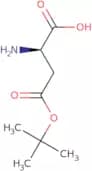
CAS:<p>D-Aspartic acid b tert-butyl ester (DATB) is an antimicrobial agent that has been shown to inhibit the growth of drug-resistant bacteria. DATB has been shown to be active against both gram-positive and gram-negative bacteria, with a selectivity for those with a peptidoglycan cell wall. DATB inhibits the synthesis of amide and peptide bonds and has been shown to have a wide range of uses in the production of antibiotics, such as carbamates and natural products.</p>Formula:C8H15NO4Purity:Min. 95%Color and Shape:PowderMolecular weight:189.21 g/mol14,15-Dehydro budesonide
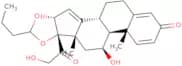
CAS:<p>Please enquire for more information about 14,15-Dehydro budesonide including the price, delivery time and more detailed product information at the technical inquiry form on this page</p>Formula:C25H32O6Purity:Min. 95%Molecular weight:428.52 g/mol(NZ)-4-chloro-N-[1-[2-(4-nitrophenyl)ethyl]piperidin-2-ylidene]benzenesulfonamide
CAS:Controlled Product<p>Please enquire for more information about (NZ)-4-chloro-N-[1-[2-(4-nitrophenyl)ethyl]piperidin-2-ylidene]benzenesulfonamide including the price, delivery time and more detailed product information at the technical inquiry form on this page</p>Formula:C19H20ClN3O4SPurity:Min. 95%Molecular weight:421.9 g/molValeric acid hydrazide
CAS:Valeric acid hydrazide (VAH) is a monoclonal antibody that binds to the receptor molecule. The binding of VAH to the receptor molecule leads to a change in the reaction mechanism and prevents the initiation of an immune response. This drug has been shown to have therapeutic properties in a number of autoimmune diseases, such as rheumatoid arthritis and multiple sclerosis, by blocking the production of TNF-α and other inflammatory cytokines. Valeric acid hydrazide also shows biological properties against cancerous cells. It inhibits the growth factor activity, which is believed to be responsible for tumor formation and growth. This agent may also inhibit angiogenesis by preventing endothelial cell proliferation and migration.Formula:C5H12N2OPurity:Min. 95%Molecular weight:116.16 g/mol1-(2-Naphthylsulfonyl)piperidine-4-carboxylic acid
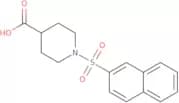
CAS:Please enquire for more information about 1-(2-Naphthylsulfonyl)piperidine-4-carboxylic acid including the price, delivery time and more detailed product information at the technical inquiry form on this pageFormula:C16H17NO4SPurity:Min. 95%Molecular weight:319.38 g/molGuanylurea
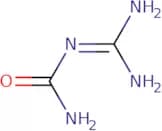
CAS:Guanylurea is a compound that contains nitrogen and intramolecular hydrogen. It has been shown to be effective in the treatment of tissue culture for pharmacological purposes. Guanylurea has also been shown to be an efficient catalyst for the process optimization of sodium salts. It can also be used as a reactant in analytical methods such as vitro assays and activated carbon adsorption.Formula:C2H6N4OPurity:Min. 95%Molecular weight:102.1 g/molD,L-Alanosine sodium salt
<p>Please enquire for more information about D,L-Alanosine sodium salt including the price, delivery time and more detailed product information at the technical inquiry form on this page</p>Formula:C3H6N3NaO4Purity:Min. 95%Molecular weight:171.09 g/molN-α-Z-L-lysine 4-nitrophenyl ester hydrochloride
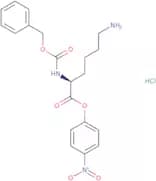
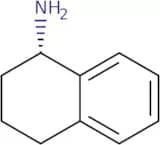
CAS:<p>N-alpha-Z-L-lysine 4-nitrophenyl ester hydrochloride is a protease that belongs to the family of serine proteases. It is produced by the biotechnological process of enzymatic extraction from the natural polysaccharide carrageenan. This product has been used in the production of high yield and purified enzymes for industrial applications. The enzyme has been shown to have cysteine and hydrolytic activity, as well as being able to break peptidic bonds in peptides. N-alpha-Z-L-lysine 4-nitrophenyl ester hydrochloride also has a high specificity for proteolytic cleavage of proteins at their carboxy terminal end.</p>Formula:C20H23N3O6•HClPurity:Min. 95%Molecular weight:437.87 g/molS-(+)-1-Aminotetrahydronaphthalene
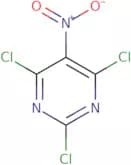
CAS:<p>S-(+)-1-Aminotetrahydronaphthalene is an amido derivative that is the enantiomer of S-(-)-1-amino-N,N'-diphenylformamide. It has been shown to have anti-obesity effects in mice by increasing energy expenditure and reducing food intake. S-(+)-1-Aminotetrahydronaphthalene also inhibits the release of fatty acids from adipose tissue, which may be due to its ability to suppress lipolysis. The molecular mechanism for these effects is not yet known, but it is thought that the amide group on this compound interacts with certain protein surfaces and steric interactions are involved in its activity.</p>Formula:C10H13NPurity:Min. 95%Molecular weight:147.22 g/mol2,4,6-Trichloro-5-nitropyrimidine
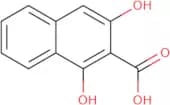
CAS:<p>2,4,6-Trichloro-5-nitropyrimidine is a purine derivative that inhibits the cell proliferation of cancer cells. It has been shown to inhibit the activity of kinases and to induce apoptosis in human cancer cells in vitro. This drug also has antiproliferative potential against erythrocytes and is being investigated as a treatment for renal disease. 2,4,6-Trichloro-5-nitropyrimidine shows inhibitory effects on the phosphorylation of roscovitine by ATP and may be used to treat patients with glomerulonephritis. 2,4,6-Trichloro-5-nitropyrimidine can be synthesized from 2,4,6-trichloropyrimidinethiol and nitric acid according to the following equation: CClNO + HNO → CClNOH + NO 2 Cl + 3 HNO</p>Formula:C4Cl3N3O2Purity:Min. 97 Area-%Molecular weight:228.42 g/mol1,3-Dihydroxy-2-naphthoic acid
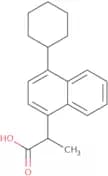
CAS:<p>1,3-Dihydroxy-2-naphthoic acid is an organic compound that belongs to the binaphthyls. It is a white solid that can be obtained by reacting naphthalene with inorganic phosphite in the presence of acidic potassium carbonate. This reaction system produces 1,3-dihydroxy-2-naphthoic acid and potassium biphosphite as byproducts. The reaction time depends on the concentration of reactants. 1,3-Dihydroxy-2-naphthoic acid has acidic properties and can be used as a catalyst for chemical reactions involving carboxylic compounds. This compound has been shown to be effective at treating abdominal pain caused by intestinal inflammation or infection with a carbon source such as carbohydrates (e.g., glucose) or fats (e.g., oleic acid).</p>Formula:C11H8O4Purity:Min. 95%Molecular weight:204.18 g/molVedaprofen
CAS:<p>Vedaprofen is a nonsteroidal anti-inflammatory drug that belongs to the class of drugs known as NSAIDs. It inhibits the activity of the enzyme cyclooxygenase (COX), which causes inflammation and pain. Vedaprofen has been shown to be effective in treating bowel disease, inflammatory bowel disease, and autoimmune diseases, such as arthritis. Vedaprofen also has antimicrobial properties, inhibiting bacterial growth by binding to the COX enzyme in the cell membrane. The α subunit is one of the effector proteins for COX-1 and COX-2, and vedaprofen binds to this protein preventing its activation. This inhibitory effect on COX-1 and COX-2 leads to a reduction in production of prostaglandins (PGs) that are responsible for inflammatory responses. Vedaprofen may be administered orally or intravenously depending on the severity of symptoms. The oral route is preferred because it does not require</p>Formula:C19H22O2Purity:Min. 95%Molecular weight:282.38 g/molIsomethadone hydrochloride
CAS:Controlled Product<p>Isomethadone hydrochloride is the drug substance in a solid oral dosage form. It is an active substance that can be used to treat inflammatory diseases and target tissue. Isomethadone hydrochloride is a type of natural polymer with a metal ion as its active ingredient. The absorption mechanism for this drug is not known, but it appears to work by causing dysfunction in the membranes of cells. Isomethadone hydrochloride has been shown to cause addiction in animals and humans, and may have potential toxic effects on liver function. Symptoms of Isomethadone hydrochloride overdose include: <br>-Nausea and vomiting<br>-Constipation<br>-Loss of appetite<br>-Headache<br>-Drowsiness <br>-Confusion <br>-Muscle spasms <br>-Tremors and seizures</p>Formula:C21H28ClNOPurity:Min. 95%Molecular weight:345.91 g/molcis-trans Nepetalactone
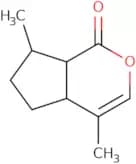
CAS:<p>荆芥内酯是一种驱虫的化合物,使猫薄荷开花植物能够吸引猫。据信,荆芥内酯可以通过模仿猫的信息素来改变猫的行为。</p>Formula:C10H14O2Purity:Min. 97 Area-%Color and Shape:Colorless Clear LiquidMolecular weight:166.22 g/mol2'-[(1H-Tetrazol-5-yl)biphenyl-4-yl]methanol
CAS:<p>Please enquire for more information about 2'-[(1H-Tetrazol-5-yl)biphenyl-4-yl]methanol including the price, delivery time and more detailed product information at the technical inquiry form on this page</p>Formula:C14H12N4OPurity:Min. 95%Molecular weight:252.27 g/molMethyl-1-naphthalenemethylamine
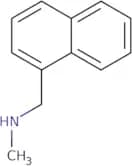
CAS:Methyl-1-naphthalenemethylamine is a synthetic drug that is used as an anti-fungal agent. It is used to treat dermatophytosis and onychomycosis caused by Trichophyton mentagrophytes. Methyl-1-naphthalenemethylamine has been shown to have a clinical response in patients with the skin condition tinea pedis. This drug inhibits the growth of fungi by inhibiting cell membrane synthesis, which leads to cell death. Methyl-1-naphthalenemethylamine has been shown to be effective against Trichophyton mentagrophytes in plasma samples from patients with tinea pedis who were treated with this drug. The effectiveness of this drug may be due to its ability to inhibit the synthesis of polysaccharides, proteins, and lipids in the fungal cell membrane, or its ability to inhibit protein synthesis by binding with ribosFormula:C12H13NPurity:Min. 95%Color and Shape:Clear LiquidMolecular weight:171.24 g/molHistatin 5
CAS:<p>Histatin 5 is a peptide that has been shown to have antimicrobial activity against Candida albicans, Candida glabrata, and Cryptococcus albicans. It is believed to exert its effect by binding to copper ions and inhibiting the mitochondrial functions of the pathogen. Histatin 5 also has pro-apoptotic properties and may be used as an experimental treatment for infectious diseases caused by opportunistic fungal strains.</p>Formula:C133H195N51O33Purity:Min. 95%Molecular weight:3,036.3 g/mol3,3'-Diaminodiphenylmethane
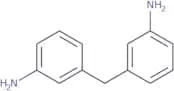
CAS:3,3'-Diaminodiphenylmethane is a diamine that is used in organic synthesis as an electron-deficient ligand. It is used to prepare metal complexes and as a catalyst for the preparation of various organic compounds. 3,3'-Diaminodiphenylmethane has been used as an imprinting agent to generate fluorescent labels on proteins, nucleotides, and peptides. 3,3'-Diaminodiphenylmethane also emits fluorescence when irradiated with ultraviolet light. This compound can be used to identify amines in urine samples by reacting with them under acidic conditions.Formula:C13H14N2Purity:Min. 95%Color and Shape:White To Tan To Orange SolidMolecular weight:198.26 g/mol(S)-1,2,3,4-Tetrahydro-5-methoxy-N-propyl-2-naphthalenamine hydrochloride
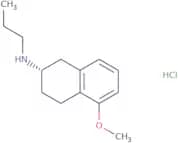
CAS:Controlled Product<p>Please enquire for more information about (S)-1,2,3,4-Tetrahydro-5-methoxy-N-propyl-2-naphthalenamine hydrochloride including the price, delivery time and more detailed product information at the technical inquiry form on this page</p>Formula:C14H22ClNOPurity:Min. 95%Molecular weight:255.78 g/mol3-O-Acetyl-26-hydroxy cholesterol
CAS:Controlled ProductPlease enquire for more information about 3-O-Acetyl-26-hydroxy cholesterol including the price, delivery time and more detailed product information at the technical inquiry form on this pageFormula:C29H48O3Purity:Min. 95%Molecular weight:444.69 g/mol3-Cyanopropionic acid methyl ester
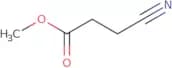
CAS:3-Cyanopropionic acid methyl ester is a compound that belongs to the class of aliphatic carboxylic acids. It is an intermediate in the production of adiponitrile and acrylonitrile. This compound is used as a feedstock for the manufacture of vinylene, which can be used to produce c1-6 alkyl. 3-Cyanopropionic acid methyl ester can be produced from propylene and hydrogen cyanide in a high salt, activated reaction system. It has been shown that this compound may have metabolic disorders due to its ability to inhibit fatty acid oxidation and increase viscosity. 3-Cyanopropionic acid methyl ester is a colorless liquid at room temperature with a boiling point of 154°C and a molecular weight of 98.14 g/mol.Formula:C5H7NO2Purity:Min. 95%Color and Shape:Clear LiquidMolecular weight:113.11 g/mol5-Octanoylsalicylic acid
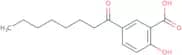
CAS:<p>5-Octanoylsalicylic acid is an anti-inflammatory and antioxidant agent that has been shown to have skin-conditioning properties. It has been found to be effective in the treatment of skin diseases, such as erythema, scaling, and itching, due to its ability to inhibit tyrosinase activity. 5-Octanoylsalicylic acid has also been shown to increase cellular proliferation and lymphocyte transformation in vitro. This compound is a precursor of all-trans-retinoic acid (a form of vitamin A), which is used for the treatment of acne. 5-Octanoylsalicylic acid can be synthesized from methyl ethyl ketone and potassium dichromate by a Friedel-Crafts reaction. It is also found in fruits such as apples, bananas, peaches, and oranges. Animal studies have shown that chronic oral administration may lead to a decrease in dehydroascorbic acid levels and an increased risk</p>Formula:C15H20O4Purity:Min. 95%Molecular weight:264.32 g/molTriethyl Orthovalerate
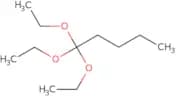
CAS:Triethyl orthovalerate is an amide with a cyclic structure. It is used as a model protein for the study of the effects of structural modifications on protein stability and function. Triethyl orthovalerate has been shown to be an inhibitor of prostaglandin synthesis in human cells, which may be due to its ability to inhibit the enzyme amidase.Formula:C11H24O3Purity:Min. 95%Molecular weight:204.31 g/mol2-Bromo-3-methylbutenoic acid methyl ester
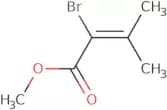
CAS:<p>Please enquire for more information about 2-Bromo-3-methylbutenoic acid methyl ester including the price, delivery time and more detailed product information at the technical inquiry form on this page</p>Formula:C6H9BrO2Purity:Min. 95%Molecular weight:193.04 g/mol4’-Hydroxy diclofenac-13C6
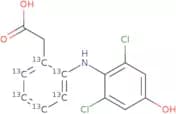
CAS:Please enquire for more information about 4’-Hydroxy diclofenac-13C6 including the price, delivery time and more detailed product information at the technical inquiry form on this pageFormula:C6C8H11Cl2NO3Purity:Min. 95%Color and Shape:PowderMolecular weight:318.15 g/mol3-Chloro-2-nitropyridine
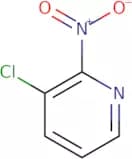
CAS:<p>3-Chloro-2-nitropyridine is a chemical compound that has been shown to have anticancer activity. It is a structural analog of the nucleophilic piperazine, which can react with hydrogen fluoride in an electrophilic substitution reaction to form 3-chloro-2-nitropyridine oxide. The anticancer activity of this compound may be due to its ability to inhibit the growth of tumor cells by binding to the d4 receptor, inhibiting the production of inflammatory cytokines and growth factors. 3-Chloro-2-nitropyridine has also been shown to have antiinflammatory activities, which may be due to its inhibition of nitric oxide synthesis and 5'-lipoxygenase.</p>Formula:C5H3N2O2ClPurity:Min. 95%Color and Shape:PowderMolecular weight:158.54 g/mol4-Nitrophenol
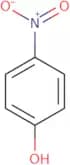
CAS:4-Nitrophenol is a chemical compound that is used in wastewater treatment to remove iron and copper ions. 4-Nitrophenol has been shown to catalyze the oxidation of picolinic acid by copper chloride, forming oxalic acid. The redox potential of 4-nitrophenol is -0.53 V, which makes it a suitable electron acceptor for the reaction. The reaction mechanism of this process involves the formation of a nitroso radical intermediate, which reacts with copper ions to form copper nitroso complexes and then reacts with oxygen to form hydroxylamine radicals. This reaction can also be followed using fluorescence probe measurements or electrochemical impedance spectroscopy (EIS).Formula:C6H5NO3Purity:Min. 95%Color and Shape:PowderMolecular weight:139.11 g/mol(Asp371)-Tyrosinase (369-377) (human) acetate salt
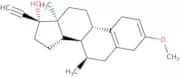
CAS:<p>Tyrosinase protein:<br>Peptide Tyrosinase (Asp371) – HLA-A*0201 (YMDGTMSQV) is a human tyrosinase-derived (369-377) peptide by posttranslational conversion of the sequence YMNGTMSQV. Tyrosinase is an oxidase membrane-bound protein. Tyrosinase play a key role in the melanin synthesis pathway. Tyrosinase is presented on the surface of HLA-A*02:01 melanomas and also expressed in melanocytes. Tyrosinase has been still suggested to be a tumor antigen and might be implicated in improvement of immunotherapeutic strategies such as for efficient anticancer vaccine development.<br>Applications of Peptide Tyrosinase (Asp371) – HLA-A*0201 (YMDGTMSQV):<br>Peptide Tyrosinase (Asp371) – HLA-A*0201 (YMDGTMSQV) is used to stimulate specific cytotoxic T lymphocytes (CTL) in PBMCs and then to analyze CTL response especially the cytokine production by ELISPOT assay. Peptide Tyrosinase (Asp371) – HLA-A*0201 (YMDGTMSQV) is also involved in experimental therapies of metastatic melanoma by allogeneic hematopoietic stem cell transplantation. In fact, cytotoxic T cells were generated from peripherical blood mononuclear cells (PBMCs) of HLA-A*02:01 healthy donors after being stimulated by injection of Asp371 antigen (2). This strategy raises issues which concern the graft versus tumor (GvT) effect and graft versus host disease (GvHD).</p>Formula:C42H66N10O16S2Purity:Min. 95%Molecular weight:1,031.16 g/mol2-Dehydro-3-methoxy tibolone
CAS:Controlled Product<p>Please enquire for more information about 2-Dehydro-3-methoxy tibolone including the price, delivery time and more detailed product information at the technical inquiry form on this page</p>Formula:C22H30O2Purity:Min. 95%Molecular weight:326.47 g/mol(R)-Perillaldehyde
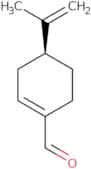
CAS:<p>(R)-Perillaldehyde is an activated cardenolide that binds to flavoproteins and inhibits the oxygenation of 4-hydroxycoumarin. It is a stereoselective, substrate binding, and oxygenated flavoenzyme inhibitor. The orientation of perillaldehyde with respect to the flavin may be important for its activity in the enzyme's active site.</p>Formula:C10H14OPurity:Min. 95%Molecular weight:150.22 g/molChloro[2-(di-tert-butylphosphino)-2',4',6'-triisopropyl-1,1'-biphenyl][2-(2-aminoethyl)phenyl)]palladium(II)
CAS:Controlled Product<p>Chloro[2-(di-tert-butylphosphino)-2',4',6'-triisopropyl-1,1'-biphenyl][2-(2-aminoethyl)phenyl)]palladium(II) is a molecule that inhibits the adenosine receptor in autoimmune diseases and cancer. It also has an inhibitory effect on the membrane transport of glucose, glucosan, and aziridine. This drug can be used to treat inflammatory diseases such as diabetes, asthma, and inflammatory bowel disease. The geometric isomers of this molecule are not identical in shape or size and can have different effects on the body.</p>Formula:C37H55ClNPPdPurity:Min. 95%Molecular weight:686.69 g/mol2,3,7,8,12,13,17,18-Octaethylporphyrin
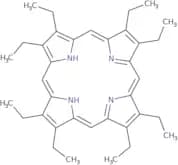
CAS:<p>2,3,7,8,12,13,17,18-Octaethylporphyrin (OEP) is a porphyrin with an octaethyl chain that has been shown to have a high fluorescence quantum yield. It can be synthesized by reacting malonic acid with 2,3-diamino-6-nitrophenol and the reaction mechanism is the same as for hematoporphyrin. The absorption spectrum of OEP shows a maximum at 330 nm and the emission spectrum peaks at 450 nm. The conformational properties of OEP are similar to those of hematoporphyrin. X-ray crystal structures show that the nitrogen atoms in OEP form a planar configuration that is different from other porphyrins. 2,3,7,8,12,13,17,18-Octaethylporphyrin (OEP) is a porphyrin with an octaethyl</p>Formula:C36H46N4Purity:Min. 95%Molecular weight:534.78 g/molClovamide
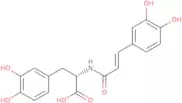
CAS:<p>Clovamide is a bioactive compound, which is a naturally occurring phenolic amide found primarily in certain plant species. This compound is derived from sources such as the leaves of Trifolium pratense (red clover) and certain leguminous plants. With its molecular structure comprising both phenolic acid and amino acid moieties, clovamide exhibits significant antioxidant properties.</p>Formula:C18H17NO7Purity:Area-% Min. 95 Area-%Color and Shape:PowderMolecular weight:359.33 g/mol

![17a-Methyl-4-[(phenylthio)methyl]testosterone](/_next/image/?url=https%3A%2Fstatic.cymitquimica.com%2Fproducts%2F3D%2Fthumb-webp%2FFM25693.webp&w=3840&q=75)




![(NZ)-4-chloro-N-[1-[2-(4-nitrophenyl)ethyl]piperidin-2-ylidene]benzenesulfonamide](/_next/image/?url=https%3A%2Fstatic.cymitquimica.com%2Fproducts%2F3D%2Fthumb-webp%2FFN154024.webp&w=3840&q=75)


![2'-[(1H-Tetrazol-5-yl)biphenyl-4-yl]methanol](/_next/image/?url=https%3A%2Fstatic.cymitquimica.com%2Fproducts%2F3D%2Fthumb-webp%2FFT28188.webp&w=3840&q=75)


![Chloro[2-(di-tert-butylphosphino)-2',4',6'-triisopropyl-1,1'-biphenyl][2-(2-aminoethyl)phenyl)]pal…](/_next/image/?url=https%3A%2Fstatic.cymitquimica.com%2Fproducts%2F3D%2Fthumb-webp%2FFC156938.webp&w=3840&q=75)