Pharmaceutical Standards
Pharmaceutical standards are a comprehensive set of reference materials essential for ensuring the safety, efficacy, and quality of pharmaceutical products. This category includes standards for active pharmaceutical ingredients (APIs), which are the core components responsible for therapeutic effects. Additionally, it covers compounds and metabolites relevant to both the pharmaceutical and veterinary industries, providing benchmarks for the accurate measurement and analysis of these substances. Nitrosamine control standards are crucial for detecting and mitigating potentially harmful nitrosamines in drug formulations. Toxicology standards help assess the safety and potential adverse effects of pharmaceutical compounds. Furthermore, enzyme activators and inhibitors standards are vital for research and development, enabling precise studies of biochemical pathways and drug mechanisms. These pharmaceutical standards are indispensable tools for regulatory compliance, quality control, and research, ensuring that pharmaceutical products meet stringent safety and effectiveness criteria.
Subcategories of "Pharmaceutical Standards"
- APIs for research and impurities(274,914 products)
- Enzyme Activators and Inhibitors(2,827 products)
- Nitrosamines(2,605 products)
- Pharmaceutical and Veterinary Compounds and Metabolites(2,871 products)
- Toxicology(13,652 products)
Found 7836 products of "Pharmaceutical Standards"
Sort by
Purity (%)
0
100
|
0
|
50
|
90
|
95
|
100
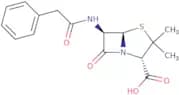
Penicilling
CAS:<p>Penicillin is an antibiotic that inhibits bacterial growth by binding to penicillin-binding proteins, which in turn prevents the bacteria from producing peptidoglycan. Penicillin binds to the enzyme cell wall synthesis and inhibits protein synthesis and cell division. Penicilling can be administered as an intramuscular injection or intravenous injection. The most common adverse reaction is pain at the site of injection, which may be due to toxic epidermal necrolysis. Other adverse reactions include fever, rash, and seizures.</p>Formula:C16H18N2O4SPurity:Min. 95%Color and Shape:PowderMolecular weight:334.39 g/mol17-Hydroxy-6-methylpregna-4,6-diene-3,20-dione
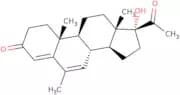
CAS:Controlled Product17-Hydroxy-6-methylpregna-4,6-diene-3,20-dione is a progestin that is used as an antiretroviral agent in the treatment of HIV. It has been shown to be effective for chronic cough and cancer. 17-Hydroxy-6-methylpregna-4,6-diene-3,20-dione can be used for the treatment of infectious diseases such as HIV by inhibiting viral replication and reducing the amount of virus in the blood. This drug can also be used to treat some cancers and solid tumours. It has been shown to have long term efficacy in these conditions due to its ability to block cell division. 17 hydroxy pregnane 4,6 diene 3,20 dione is also used in the treatment of geriatric patients with chronic illnesses or who are immunocompromised due to its ability to stimulate appetite.Formula:C22H30O3Purity:Min. 98 Area-%Color and Shape:White Off-White PowderMolecular weight:342.47 g/mol3-Nitrophenylguanidine nitrate
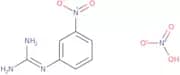
CAS:<p>3-Nitrophenylguanidine nitrate is a drug that targets the enzyme kinases, which are involved in the regulation of cell growth and division. It has been shown to inhibit the activity of stromal tumor cells, as well as chronic myeloid leukemia cells. 3-Nitrophenylguanidine nitrate inhibits protein synthesis by inhibiting demethylation and efflux, which enables imatinib to bind to the target site. This drug also has a rapid onset of action and can be used for monitoring chronic myeloid leukemia patients without the need for positron emission tomography (PET) scanning.</p>Formula:C7H8N4O2•HNO3Purity:Min. 95%Color and Shape:PowderMolecular weight:243.18 g/molL-Methionine
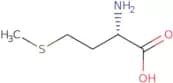
CAS:L-Methionine is a non-essential amino acid that belongs to the group of essential amino acids. It is a major constituent of proteins and is used in the metabolism of lipids, carbohydrates, and nucleic acids. Methionine is also involved in the synthesis of cysteine, which is an important antioxidant. L-Methionine can be found in many foods such as eggs, dairy products, fish, poultry, soybean products, peanuts, beans and seeds. Studies have shown that L-methionine has effects on liver function and may be useful for prevention or treatment of liver disorders such as primary sclerosing cholangitis (PSC). This compound also plays a role in the formation of body tissues and cells. L-Methionine has been shown to increase glutathione levels which are important for detoxification reactions and protection against oxidative stress. It also helps regulate calcium metabolism by reducing calcium absorption from food and increasing excretion viaFormula:C5H11NO2SPurity:(Titration) 98.5 To 101.5%Color and Shape:White PowderMolecular weight:149.21 g/mol2-Bromo-5-fluorocinnamic acid
CAS:2-Bromo-5-fluorocinnamic acid is a high quality, reagent, complex compound of the chemical family of phenols. It has CAS No. 939410-87-4 and is a useful intermediate in the synthesis of fine chemicals. The compound has been used as a speciality chemical for research purposes and has been found to be a versatile building block for the synthesis of new compounds. 2-Bromo-5-fluorocinnamic acid can be used as a reaction component in organic synthesis reactions, such as esterification, nucleophilic substitution, and condensation reactions.Formula:C9H6BrFO2Purity:Min. 95%Color and Shape:PowderMolecular weight:245.05 g/molUrsodeoxycholic acid methyl ester
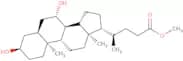
CAS:Controlled Product<p>Ursodeoxycholic acid methyl ester is a bile acid that is produced from ursodeoxycholic acid. It is used as a drug to dissolve gallstones and reduce the risk of recurrent gallstones in patients who have had a cholecystectomy. Ursodeoxycholic acid methyl ester also reduces cholesterol levels by preventing its reabsorption in the small intestine and enhancing its excretion in the bile. This agent has been shown to modulate cell proliferation and differentiation, especially in cerebral tissue and muscle cells. Ursodeoxycholic acid methyl ester can be synthesized from ursodeoxycholic acid by saponification with base followed by methylation with methanol. The synthesis of this agent involves an elimination reaction between c1-c3 alcohols, which leads to impurities such as formaldehyde, acetone, glycerol, acetic acid, and butyric acid.</p>Formula:C25H42O4Purity:Min. 95%Color and Shape:White PowderMolecular weight:406.6 g/mol2-Hydroxy-6-methoxyacetophenone
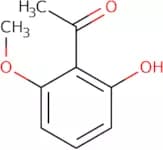
CAS:<p>2-Hydroxy-6-methoxyacetophenone is a chalcone that belongs to the group of flavonoids. It has been shown to have anticancer properties, inhibiting the growth of colorectal carcinoma cells in a dose-dependent manner. The mechanism of action for 2-hydroxy-6-methoxyacetophenone is not fully understood, but it may be due to its ability to inhibit the enzyme demethylase and induce apoptosis. This compound also has been shown to inhibit the growth of Escherichia coli and Salmonella typhimurium when used at high concentrations. 2-Hydroxy-6-methoxyacetophenone can be synthesized by reacting ethyl acetoacetate with two equivalents of methylamine in the presence of a base such as sodium methoxide or potassium hydroxide.<br>2-Hydroxy-6-methoxyacetophenone has also been shown to inhibit</p>Formula:C9H10O3Purity:Min. 95%Color and Shape:PowderMolecular weight:166.17 g/mol2-Methoxy-5-nitrophenol
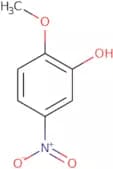
CAS:2-Methoxy-5-nitrophenol (2MNOP) is a compound that has been shown to inhibit the growth of bacteria in nutrient solutions by reducing the activity of glutamate pyruvate transaminase and pyridoxine hydrochloride. 2MNOP is a potent inhibitor of bacterial enzyme activities, such as neutral ph, hydrochloric acid, nitro, and toxicity studies. It is not active against eukaryotic cells or plants. The uptake of 2MNOP is enhanced by the presence of diamine tetraacetic acid and ethylene diamine. 2MNOP has also been shown to be effective against multi-walled carbon nanotubes.Formula:C7H7NO4Purity:Min. 95%Color and Shape:PowderMolecular weight:169.13 g/molN-Methyl mesoporphyrin IX
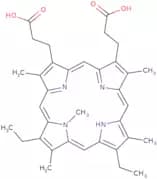
CAS:N-Methyl mesoporphyrin IX is a molecule that inhibits the activity of enzymes such as carboxylesterases, proteases, and aminopeptidases. It binds to the active site of these enzymes and blocks the enzyme's activity. N-Methyl mesoporphyrin IX has been shown to inhibit cancer cells in humans and can be used as an adjunct treatment for cancer. This drug also has anti-inflammatory properties due to its ability to inhibit prostaglandins synthesis. N-Methyl mesoporphyrin IX has been shown to have an effect on plant physiology by inhibiting plant growth and photosynthesis. N-Methyl mesoporphyrin IX is also able to enhance hybridization reactions between dsDNA duplexes, which may be useful in research involving DNA sequencing or gene mapping.Formula:C35H40N4O4Purity:Min. 95%Color and Shape:PowderMolecular weight:580.72 g/mol4,4'-Bis(bromomethyl)-2,2'-bipyridine
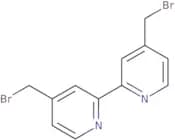
CAS:<p>4,4'-Bis(bromomethyl)-2,2'-bipyridine is a cyclic molecule that can be synthesized by the reaction of 4-bromo-2,2'-bipyridine with a brominating agent. It is used as a precursor to ruthenium catalysts in organic synthesis, and as an additive in dendrimers. The compound has been shown to have light absorption properties and can be used in photovoltaics and electropolymerization.</p>Formula:C12H10N2Br2Purity:Min. 95%Color and Shape:PowderMolecular weight:342.03 g/molDL-Ethyl 2-bromovalerate
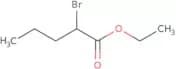
CAS:<p>DL-Ethyl 2-bromovalerate is a fatty acid that inhibits the activity of enzymes involved in fatty acid synthesis. DL-Ethyl 2-bromovalerate has been shown to have anti-inflammatory properties, which may be due to its ability to inhibit prostaglandin synthesis. It also has been found to inhibit the growth of microorganisms such as HIV and Mycobacterium tuberculosis. DL-Ethyl 2-bromovalerate has been used in the treatment of inflammatory bowel disease, as well as congestive heart failure and cardiovascular diseases. This drug also has a pharmacokinetic effect on human population growth, because it can inhibit cell proliferation.</p>Formula:C7H13BrO2Purity:Min. 95%Color and Shape:Clear LiquidMolecular weight:209.08 g/mol2-Chloro-3-nitrobenzoic acid methyl ester
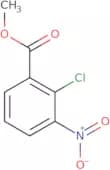
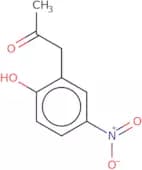
CAS:2-Chloro-3-nitrobenzoic acid methyl ester is a chemical compound that has been shown to inhibit the activity of serotonin. The compound binds to the 5-HT3 receptor on the enteric neurons and inhibits the release of serotonin in the bowel, which is one of the two major sites of action for this drug. This inhibition leads to reduced motility and decreased secretion in the bowel, which helps relieve symptoms in patients with irritable bowel syndrome (IBS). It has also been shown that 2-chloro-3-nitrobenzoic acid methyl ester is able to inhibit the production of serotonin from tryptophan by inhibiting an enzyme called aromatic amino acid decarboxylase. 2-Chloro-3-nitrobenzoic acid methyl ester has a high affinity for both rat and human 5ht3 receptors. The kinetics and thermodynamics of this reaction have been studied using methanol as aFormula:C8H6ClNO4Purity:Min. 95%Color and Shape:PowderMolecular weight:215.59 g/mol(2-Hydroxy-5-nitrophenyl)acetone
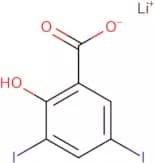
CAS:<p>2-Hydroxy-5-nitrophenyl)acetone is a high quality reagent that has been used as an intermediate in the synthesis of many complex compounds. It is a useful intermediate and building block in organic synthesis. 2-Hydroxy-5-nitrophenyl)acetone is also a versatile building block, which can be used to form chemical derivatives with different functional groups.</p>Formula:C9H9NO4Color and Shape:PowderMolecular weight:195.17 g/molLithium 3,5-diiodosalicylic acid
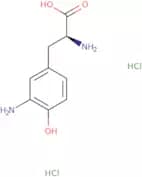
CAS:<p>Lithium 3,5-diiodosalicylic acid (Li3,5I2SA) is a cross-linking agent that has been shown to inhibit phosphatase activity and receptor binding in vitro. It also inhibits sugar transport, which is important for the functioning of human cells. Li3,5I2SA has been used to study the action of drugs on cancer cells and spermatozoa. This compound has also been tested as an inhibitor of membrane lipid peroxidation. Li3,5I2SA attaches to red blood cell membranes by binding to sites with high concentrations of monoclonal antibodies. The sequences of this compound have not yet been fully elucidated.</p>Formula:C7H4I2O3•LiPurity:Min. 98 Area-%Color and Shape:PowderMolecular weight:396.85 g/mol3-Amino-L-tyrosine dihydrochloride
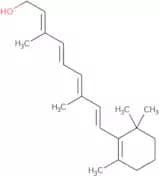
CAS:<p>Please enquire for more information about 3-Amino-L-tyrosine dihydrochloride including the price, delivery time and more detailed product information at the technical inquiry form on this page</p>Formula:C9H12N2O3•(HCl)2Purity:Min. 95%Molecular weight:269.12 g/molall-trans-Retinol
CAS:All-trans-retinol is a form of vitamin A that is an important component of the visual system and helps maintain healthy skin. Retinol is found in many animal products and can be taken as a dietary supplement. Retinol can react with other chemicals to form all-trans-retinoic acid, which has been shown to inhibit the growth of human carcinoma cells in culture by binding to the ATP binding cassette transporter. All-trans-retinol also inhibits the uptake of retinaldehyde and retinoic acid into cells, which may be due to its ability to bind to cell membranes or react with chemical inhibitors.Formula:C20H30OPurity:Min. 95 Area-%Color and Shape:Yellow PowderMolecular weight:286.45 g/mol4-Keto retinol
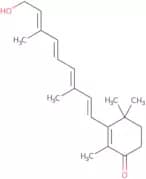
CAS:<p>4-Keto retinol is an analog of vitamin A, which is used in the treatment of various diseases. It has been shown to reduce the levels of PGE2 and increase the redox potential in cells. 4-Keto retinol has also been shown to increase locomotor activity and improve energy metabolism. The structural analysis of 4-keto retinol has revealed that it binds to DNA polymerase, inhibiting transcriptional activity. The pharmacokinetic properties of this drug have been studied in rats and mice, but not yet humans. This compound will most likely be administered orally or intravenously with a dosage range from 0.01 mg/kg to 10 mg/kg per day.</p>Formula:C20H28O2Purity:Min. 95%Color and Shape:PowderMolecular weight:300.44 g/molCinnamaldehyde
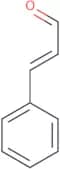
CAS:<p>Cinnamaldehyde is an aldehyde that occurs naturally in plants such as cinnamon, apples, and cumin. It is used as a flavoring agent for foods and beverages, as well as in perfumes. Cinnamaldehyde has been shown to have minimal toxicity and minimal mutagenic or carcinogenic potential. This compound has been shown to exhibit antimicrobial activity against bacteria by inhibition of bacterial cell growth through inhibition of the synthesis of proteins essential for cell division. Cinnamaldehyde also exhibits anti-inflammatory properties by inhibiting prostaglandin synthesis. The antimicrobial effects of cinnamaldehyde are due to its ability to bind to the enzyme alcohol dehydrogenase, which prevents the conversion of alcohols into aldehydes. Cinnamaldehyde can be found in many natural compounds such as cinnamic acid and eugenol.</p>Formula:C6H5CHCHCHOPurity:Min. 95%Color and Shape:Colorless Clear LiquidMolecular weight:132.16 g/molDL-Pantolactone
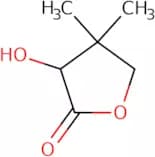
CAS:DL-Pantolactone is a chiral lactone compound. In cosmetics, it is often used in formulations aimed at improving skin hydration and elasticity as it is an emulsion stabiliser. In pharmaceuticals it can be used as an intermediate in organic synthesis. The D-enantiomer is often used as a chiral auxiliary.Formula:C6H10O3Purity:Min. 95%Color and Shape:White PowderMolecular weight:130.14 g/molN-Acetyl-L-asparagine
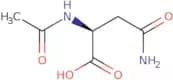
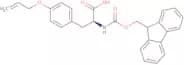
CAS:N-Acetyl-L-asparagine is a synthetic, non-toxic amino acid that inhibits the activity of pancreatic lipase, an enzyme involved in lipid metabolism. N-Acetyl-L-asparagine may be useful in the treatment of obesity and diabetes. This compound also has tumor inhibition properties and is detectable in human urine. N-Acetyl-L-asparagine is synthesized by reacting acetic acid with L-aspartic acid in the presence of trifluoroacetic acid and sulfate ions. The acetyl derivative is then purified by column chromatography on sephadex g-100 to yield N-acetyl asparagine.Formula:C6H10N2O4Purity:Min. 98 Area-%Color and Shape:PowderMolecular weight:174.15 g/molFmoc-O-allyl-L-tyrosine
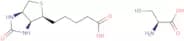
CAS:<p>Please enquire for more information about Fmoc-O-allyl-L-tyrosine including the price, delivery time and more detailed product information at the technical inquiry form on this page</p>Formula:C27H25NO5Purity:Min. 95%Color and Shape:PowderMolecular weight:443.49 g/molN-Biotinyl-L-cysteine
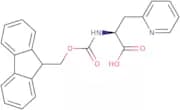
CAS:<p>N-Biotinyl-L-cysteine is a biotinylated derivative of the amino acid L-cysteine. It is used in chemical ligation reactions to enhance the reactivity of the glyceraldehyde-3-phosphate dehydrogenase (GAPDH) enzyme, which is important for glycolysis. N-Biotinyl-L-cysteine is also used to target GAPDH to cardiac cells and other cells that express this enzyme. This targeting allows for selective delivery of drugs to cardiac cells and other heart tissues. N-Biotinyl-L-cysteine has been shown to be reactive with cellular components such as DNA, RNA, and proteins. This reactive nature can be beneficial in biomolecular studies such as those involving disulfide bonds.</p>Formula:C13H21N3O4S2Purity:Min. 95%Color and Shape:White PowderMolecular weight:347.46 g/molFmoc-3-(2'-pyridyl)-L-alanine
CAS:<p>Fmoc-3-(2'-pyridyl)-L-alanine is an acid molecule that has been shown to have anti-cancer properties. It is a polysaccharide polymer used in the preparation of polyvinyl alcohol and polyvinyl acetate. The phosphatase activity of Fmoc-3-(2'-pyridyl)-L-alanine was first observed in the 1970s, when it was found to be an effective inhibitor of acid phosphatase. This structural study has also revealed the effects of Fmoc-3-(2'-pyridyl)-L-alanine on cancer cells, which may be due to its ability to prevent cell division and genetic control. Fmoc-3-(2'-pyridyl)-L-alanine is also known as a monoclonal antibody that can bind to specific structures on cancer cells, such as antigens and receptors, which may be responsible for these effects.</p>Formula:C23H20N2O4Purity:Min. 95%Color and Shape:SolidMolecular weight:388.42 g/mol3-(4-methoxy-1-naphthyl)acrylic acid
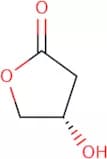
CAS:Please enquire for more information about 3-(4-methoxy-1-naphthyl)acrylic acid including the price, delivery time and more detailed product information at the technical inquiry form on this pagePurity:Min. 95%(S)-3-Hydroxy-gamma-butyrolactone
CAS:<p>3-Hydroxy-gamma-butyrolactone is an organic solvent that is used to make malic acid. It is produced by the hydrolysis of butyrolactone with aqueous hydrochloric acid and sodium chloride as an acidic catalyst. 3-Hydroxy-gamma-butyrolactone can be used in organic synthesis reactions, such as the synthesis of oligosaccharides. The reaction time for this organic compound depends on the amount of water present in the reaction mixture. This product is mainly used in chemical laboratories and industrial applications due to its high reactivity.</p>Formula:C4H6O3Purity:Min. 95%Color and Shape:Clear LiquidMolecular weight:102.09 g/moltrans-Cinnamaldehyde
CAS:Cinnamaldehyde is a natural compound that has shown to have antiviral and antimicrobial properties. It has been shown to inhibit the toll-like receptor, which is a protein on the surface of cells that detects bacteria and other microorganisms. Cinnamaldehyde is also able to inhibit c. glabrata growth in vitro at concentrations between 10 and 100 μM, as well as copper-mediated cell death in hl-60 cells. Cinnamaldehyde has been shown to cause neuronal death by interfering with cellular physiology. This compound can be used in the treatment of infectious diseases because it inhibits bacterial dna gyrase, dna topoisomerase, and rna synthesis.Formula:C9H8OPurity:Min. 95%Color and Shape:PowderMolecular weight:132.16 g/molent-Fisetinidol-(4α->8)-catechin-(6->4α)-ent-fisetinidol
CAS:Ent-Fisetinidol-(4alpha->8)-catechin-(6->4alpha)-ent-fisetinidol is a complex flavan-3-ol oligomer, which is a type of polyphenolic compound commonly found in various plant species. This compound is derived primarily from plants such as those in the genus *Acacia* and other similar species rich in condensed tannins. The mode of action of this oligomer involves its ability to engage in antioxidant activities, which include scavenging free radicals and chelating metal ions that facilitate oxidative stress in biological systems.Formula:C45H38O16Purity:Min. 95%Color and Shape:PowderMolecular weight:834.77 g/mol2-Bromocinnamic acid
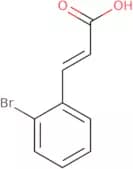
CAS:<p>2-Bromocinnamic acid is a synthetic compound that inhibits the reactions of arylating agents with tissues. It has cytotoxic activity and can be used in the treatment of alzheimer's disease. The synthesis of 2-bromocinnamic acid begins with anhydrous acetonitrile, which is heated to form an anhydrous salt. This salt is then dissolved in water and treated with potassium iodide and sodium nitrite. The resultant mixture undergoes a series of reactions to produce 2-bromocinnamic acid, including the addition of molybdenum as a catalyst. The reaction also produces byproducts that are removed by extraction or distillation. Finally, it undergoes a chromophore change from yellow to red in the presence of air due to oxidation by atmospheric oxygen.</p>Formula:C9H7BrO2Purity:Min. 95%Molecular weight:227.05 g/mol4-Chloro-2-fluorocinnamic acid
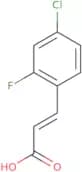
CAS:4-Chloro-2-fluorocinnamic acid is a chemical intermediate that can be used as a building block for the synthesis of other compounds. It has been shown to be useful in the preparation of pharmaceuticals, agrochemicals, and dyestuffs. This chemical has many uses in research, such as being used as a reactant in organic synthesis or as a reagent for derivitization. 4-Chloro-2-fluorocinnamic acid is also an important intermediate for the production of more complex compounds. 4-Chloro-2-fluorocinnamic acid is a versatile building block that can be used in the preparation of many fine chemicals, with its versatility making it an important scaffold for drug discovery.Formula:C9H6ClFO2Purity:Min. 95%Color and Shape:PowderMolecular weight:200.59 g/mol2,6-Dimethoxynaphthalene
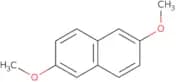
CAS:<p>2,6-Dimethoxynaphthalene is a skeleton that belongs to the naphthalene class of compounds. It is a white crystalline solid that is soluble in organic solvents. This compound has been used as an intermediate for the synthesis of dyes and pharmaceuticals, but it is most commonly used as a precursor to reactive carboxylic acid derivatives. The sulfonation of 2,6-dimethoxynaphthalene with SO3 leads to the formation of ethyl diazoacetate and subsequent acylation reactions can be used to produce esters. The reaction mechanism for these reactions involves proton transport from the sulfur atom to the oxygen atom on ethyl diazoacetate. Supramolecular chemistry studies have shown that this reaction also takes place at low temperatures without the need for an acid catalyst.</p>Formula:C12H12O2Purity:Min. 98 Area-%Molecular weight:188.22 g/mol3,4-Dibenzyloxycinnamic acid
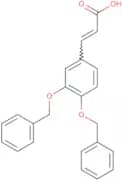
CAS:<p>3,4-Dibenzyloxycinnamic acid is a reagent that is used in the synthesis of complex compounds. It can be used as a useful intermediate in the production of fine chemicals and has been shown to be a useful scaffold or building block for research chemicals. This compound is versatile and can be utilized as a reaction component in the manufacture of speciality chemicals. 3,4-Dibenzyloxycinnamic acid is also classified as a speciality chemical because it has not been widely used commercially but is still highly sought after by researchers.</p>Formula:C23H20O4Purity:Min. 95%Color and Shape:PowderMolecular weight:360.4 g/mol3’,5’-Di-O-acetyl-2’-azido-2’-deoxyuridine
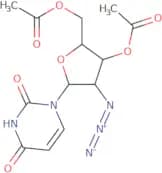
CAS:Please enquire for more information about 3’,5’-Di-O-acetyl-2’-azido-2’-deoxyuridine including the price, delivery time and more detailed product information at the technical inquiry form on this pagePurity:Min. 95%4-Chlorocinnamide
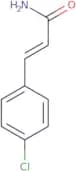
CAS:4-Chlorocinnamide is an organochlorine compound that has been found to have antibacterial properties. It inhibits the shikimate pathway in bacteria, which is essential for bacterial growth. This molecule has been shown to bind with the cation channel of the nerve cells in the trigeminal nerve and inhibit their function. The inhibition of this channel leads to reduced sensitivity to pain. 4-Chlorocinnamide is also a precursor in the synthesis of stilbene derivatives, which are used as anticancer drugs.Formula:C9H8ClNOPurity:Min. 95%Color and Shape:PowderMolecular weight:181.62 g/molAcriflavine hydrochloride
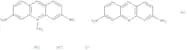
CAS:Acriflavine hydrochloride is a drug that belongs to the class of acridines, which are used as antiseptics and disinfectants. Acriflavine has been shown to have significant cytotoxic effects on mammalian cells, with a high degree of DNA binding activity. It binds to DNA in the nucleus and interferes with replication and transcription. Acriflavine hydrochloride inhibits cell division by binding to the kinetoplast (a region of mitochondrial DNA) during mitosis. This drug also has an effect on cell metabolism, decreasing ATP production and increasing lactate production in mitochondria. Acriflavine hydrochloride also prevents the formation of reactive oxygen species, which can lead to cellular damage.Formula:C27H28Cl4N6Purity:Min. 95%Color and Shape:Yellow PowderMolecular weight:578.36 g/molLoxoprofen sodium
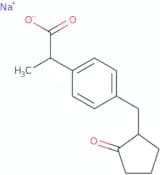
CAS:<p>Inhibitor of prostaglandin production; non-steroidal COX inhibitor</p>Formula:C15H17NaO3Purity:Min. 98 Area-%Color and Shape:PowderMolecular weight:268.28 g/mol(+)-Limonene oxide,mixture of cis/trans isomers
CAS:Limonene oxide is a mixture of cis/trans isomers that belongs to the group of aziridines. It can be produced by catalytic ring-opening polymerization, or by copolymerization with other monomers. Limonene oxides are obtained as a mixture of cis and trans isomers. The trans isomer has been reported to have a shorter reaction time and higher selectivity than the cis isomer. Limonene oxide can be used in the production of polycarbonates, which are used in many different products such as containers for food and drink, packaging materials, and electronics. Limonene oxide can also be used for the synthesis of epoxides and n-oxides. These compounds are used in medical applications such as anti-cancer drugs, antibiotics, antifungals, antivirals, contraceptives, and more.Formula:C10H16OPurity:Min. 95%Molecular weight:152.23 g/mol4-Methoxycoumarin
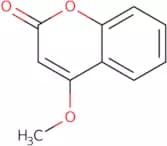
CAS:4-Methoxycoumarin is a type of coumarin derivative that contains a hydroxy group. It is synthesized by the reaction of methoxyphenol and acetoacetic acid in the presence of an acid catalyst. This compound has been used in the synthesis of other coumarin derivatives, such as benzocoumarins, which are used for their cytostatic effects against plant cells. 4-Methoxycoumarin is also found in plants and has been shown to be active against some viruses. 4-Methoxycoumarin can be converted into its monohydroxylated form, which reacts with hydrogen ions to produce a protonated cationic surfactant. The resulting flow system can be used for analytical purposes.Formula:C10H8O3Purity:Min. 95%Molecular weight:176.17 g/mol1,1'-Dioctadecyl-3,3,3',3'-tetramethylindodicarbocyanine perchlorate
CAS:<p>1,1'-Dioctadecyl-3,3,3',3'-tetramethylindodicarbocyanine perchlorate (DiI) is a useful scaffold for the synthesis of complex compounds. It is a high-quality research chemical that is used in the synthesis of speciality chemicals and fine chemicals. DiI reacts with diazonium salts to produce blue or red fluorescent compounds. This compound can be used as a reagent for the production of amino acids or amines. It also reacts with other organic compounds to form complexes. The CAS number for DiI is 127274-91-3.</p>Formula:C61H99N2•ClO4Purity:Min. 95%Color and Shape:Red To Brown SolidMolecular weight:959.9 g/mol6-Hydroxymelatonin
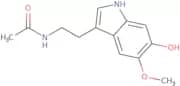
CAS:6-Hydroxymelatonin is a chemoattractant protein that is involved in the regulation of iron homeostasis. It has been shown to have antioxidative properties and can be used for the treatment of cancer. 6-Hydroxymelatonin also has glucuronide conjugate, which can be detected using LC-MS/MS methods. In vivo studies on humans have shown that 6-hydroxymelatonin stimulates human macrophages and skin cells. Melatonin treatment has been shown to decrease the levels of 6-hydroxymelatonin in humans, which may lead to its anti-inflammatory effects.Formula:C13H16N2O3Purity:Min. 95%Color and Shape:White PowderMolecular weight:248.28 g/mol3-Fluoro-4-hydroxycinnamic acid
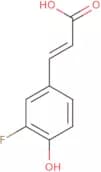
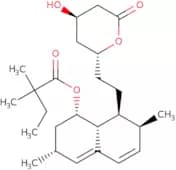
CAS:<p>3-Fluoro-4-hydroxycinnamic acid is a phenol that is an intermediate in the biocatalytic conversion of pyruvate to phenols. It has been shown to be a good candidate for use in organic synthesis, due to its ability to catalyze the reaction between benzene and hydrogen peroxide. 3-Fluoro-4-hydroxycinnamic acid also has potential applications in science and catalysis.</p>Formula:C9H7FO3Color and Shape:PowderMolecular weight:182.15 g/molSimvastatin
CAS:<p>HMG-CoA reductase inhibitor</p>Formula:C25H38O5Purity:Min. 98 Area-%Color and Shape:PowderMolecular weight:418.57 g/mol2,2'-Oxydianiline
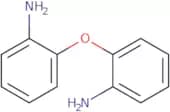
CAS:2,2'-Oxydianiline is a diazonium salt that has been used as a pharmaceutical intermediate for the synthesis of other drugs. It is also used in the manufacture of dyes and pigments. 2,2'-Oxydianiline is an electron-deficient molecule which can react with aromatic residues. The aromatic residue reacts with the electron-deficient molecule to form a covalent bond between them. This process is called electrophilic aromatic substitution reaction. This reaction rate depends on the concentration of the reactants and their relative rates of diffusion (the rate of movement of molecules from high concentrations to low concentrations). 2,2'-Oxydianiline has been shown to have an effect on viscosity by binding to cholesterol in lipoproteins and increasing its solubility in water.Formula:C12H12N2OPurity:Min. 98 Area-%Color and Shape:PowderMolecular weight:200.24 g/mol9-cis-Retinol acetate
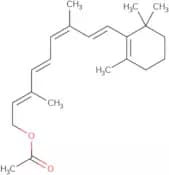
CAS:<p>9-cis-Retinol acetate is a synthetic retinoid that has been shown to have antioxidant properties. It prevents the oxidation of lipids, proteins and DNA by inhibiting the activity of enzymes such as cyclooxygenase and lipoxygenase, which are responsible for generating reactive oxygen species. 9-cis-Retinol acetate also increases glutathione levels, which scavenges reactive oxygen species. 9-cis-Retinol acetate can be used to treat oxidative injury in different tissues such as the skin, liver, bowel, lung and eye. 9-cis-Retinol acetate can be used in low doses to prevent oxidative injury in the human fetus during pregnancy or in high doses to treat oxidant injuries caused by radiation exposure or chemotherapy.</p>Formula:C22H32O2Purity:Min. 95%Color and Shape:Pale yellow oil.Molecular weight:328.49 g/mol3, 3'- Dihydroxy- [1, 1'- biphenyl] - 4, 4'- dicarboxylic acid
CAS:<p>3, 3'-Dihydroxy- [1, 1'-biphenyl] - 4, 4'-dicarboxylic acid (3,3'DHBA) is a versatile building block that can be used in the synthesis of various organic compounds. It is a necessary reagent for the production of high quality research chemicals and speciality chemicals. 3, 3'-Dihydroxy- [1, 1'-biphenyl] - 4, 4'-dicarboxylic acid has been reported to be useful as an intermediate in the synthesis of complex compounds with diverse applications. This compound has also been used as a reaction component for organic reactions. CAS No.: 861533-46-2.</p>Formula:C14H10O6Purity:Min. 95%Color and Shape:solid.Molecular weight:274.23 g/molGrowth hormone releasing protein-2
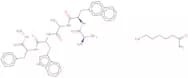
CAS:Please enquire for more information about Growth hormone releasing protein-2 including the price, delivery time and more detailed product information at the technical inquiry form on this pageFormula:C45H55N9O6Purity:Min. 95%Color and Shape:PowderMolecular weight:817.98 g/mol5-Hydroxymethylcytosine
CAS:5-Hydroxymethylcytosine is a metabolite of the nucleic acid cytosine. It is an epigenetic modification that alters gene expression without changing the DNA sequence. 5-Hydroxymethylcytosine has been shown to be a potential biomarker of cellular transformation and is involved in axonal growth, transcriptional regulation, and leukemia inhibitory factor. 5-Hydroxymethylcytosine binds to nuclear dna, which inhibits replication by binding to the duplexes of dna (the double helix) and halting transcriptional elongation. 5-Hydroxymethylcytosine also binds cell factor, which is necessary for cell proliferation and differentiation.Formula:C5H7N3O2Purity:Min. 95 Area-%Color and Shape:Off-White PowderMolecular weight:141.13 g/molDesmethyl ketoprofen
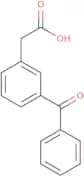
CAS:Desmethyl ketoprofen is a nonsteroidal anti-inflammatory drug that belongs to the group of amides. It is an acidic agent and is used to relieve pain and inflammation in the body. Desmethyl ketoprofen has been shown to be effective at relieving pain in humans, with a potential dose range of 10 mg to 100 mg. This compound has also been shown to be a potential biomarker for cancer, as it has been found in high concentrations in urine samples from patients with large cell lung cancer. Desmethyl ketoprofen is rapidly absorbed after oral administration, reaching peak plasma levels within 2 hours. The drug undergoes extensive metabolism in the liver by microsomal enzymes, primarily CYP2C9 and CYP3A4. It is eliminated primarily through biliary excretion (as metabolites) and renal excretion (as unchanged drug).Formula:C15H12O3Purity:Min. 95%Color and Shape:Off-White To Beige SolidMolecular weight:240.25 g/mol2,4-Dimethyl-5-nitropyridine
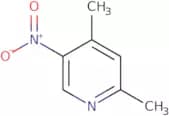
CAS:<p>2,4-Dimethyl-5-nitropyridine is a hydroxyurea analog that inhibits the synthesis of ribonucleotides by competitively binding to the enzyme ribonucleotide reductase. This inhibition leads to the accumulation of diphosphate and deoxyribonucleotides, which are necessary for DNA synthesis. 2,4-Dimethyl-5-nitropyridine was found to be more potent than hydroxyurea as an inhibitor of cellular growth in vitro and cancer cell lines in vivo. The potency of 2,4-dimethyl-5-nitropyridine can be attributed to its ability to bind very tightly with ribonucleotide reductase and form a stable complex.</p>Formula:C7H8N2O2Purity:Min. 95%Color and Shape:Yellow Clear LiquidMolecular weight:152.15 g/mol2,2'-Dihydroxy-6,6'-dinaphthyldisulphide
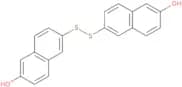
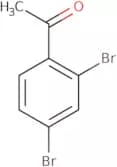
CAS:<p>2,2'-Dihydroxy-6,6'-dinaphthyldisulphide (DIDS) is a potent surfactant that can be used to induce inflammation and tissue damage in an animal model. This compound is also reactive in the presence of histochemical stains. DIDS reacts with disulfides found in the cytoplasm of cells to produce sulfenic acid intermediates. These intermediates are then converted into sulphonic acid by oxidation, which results in histochemical staining of tissues. Abdominal tissue samples stained with DIDS show a decrease in the number of neutrophils and macrophages as well as an increase in mast cells. Histochemical staining has been shown to be useful for diagnosing autoimmune diseases such as Crohn's disease or ulcerative colitis.</p>Formula:C20H14O2S2Purity:Min. 95%Color and Shape:PowderMolecular weight:350.46 g/mol2',4'-Dibromoacetophenone
CAS:<p>2',4'-Dibromoacetophenone is a 3',5'-cyclic monophosphate (cAMP) analogue that inhibits protein kinase and phospholipase C. It has been shown to inhibit the production of adenosine in endothelial cells by acting as an antagonist at the adenosine receptor. 2',4'-Dibromoacetophenone also has a strong inhibitory effect on human endothelial cells, which may be due to its ability to inhibit DNA synthesis and protein synthesis. This compound binds to the endothelial cell membrane and blocks the activation of phospholipase A2, preventing the release of arachidonic acid from phospholipids. Arachidonic acid is required for prostaglandin synthesis, which leads to inflammation.</p>Formula:C8H6Br2OPurity:Min. 95%Color and Shape:Slightly Yellow PowderMolecular weight:277.94 g/mol






![3, 3'- Dihydroxy- [1, 1'- biphenyl] - 4, 4'- dicarboxylic acid](/_next/image/?url=https%3A%2Fstatic.cymitquimica.com%2Fproducts%2F3D%2Fthumb-webp%2FFD164941.webp&w=3840&q=75)