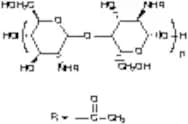
Glycoscience
Glycoscience is the study of carbohydrates and their derivatives, as well as the interactions and biological functions they participate in. This field of research is crucial for understanding a wide variety of biological processes, including cell recognition, signaling, immune response, and disease development. Glycoscience has important applications in biotechnology, medicine, and the development of new drugs and therapies. At CymitQuimica, we offer a wide selection of high-quality, high-purity products for glycoscience research. Our catalog includes monosaccharides, oligosaccharides, polysaccharides, glycoconjugates, and specific reagents, designed to support researchers in their studies on the structure, function, and applications of carbohydrates in biological systems. These resources are intended to facilitate scientific discoveries and practical applications in various areas of bioscience and medicine.
Subcategories of "Glycoscience"
- Aminosugars(108 products)
- Glyco-Related Antibodies(282 products)
- Glycolipids(46 products)
- Glycosaminoglycans (GAGs)(55 products)
- Glycosides(419 products)
- Monosaccharides(6,621 products)
- Oligosaccharides(3,681 products)
- Polysaccharides(503 products)
Found 11041 products of "Glycoscience"
Sort by
Purity (%)
0
100
|
0
|
50
|
90
|
95
|
100
α-D-Galactose-13C6 1-Phosphate Dipotassium Salt
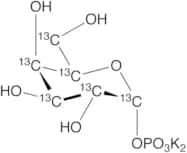
CAS:<p>Applications Isotope labelled analog of α-D-Galactose 1-Phosphate, the phosphate conjugate of α-D-Galactose (G155260), a natural aldohexose which is ubiquitous in bacteria, plants, and animals, including human brains.<br>References Sang, J.L., et al.: J. Bacteriol., 190, 7932 (2008);<br></p>Formula:C6H11O9PKColor and Shape:NeatMolecular weight:342.2722,5-Anhydro-D-mannitol
CAS:Controlled Product<p>Applications A carbohydrate metabolism regulator that has been shown to inhibit gluconeogenesis from lactate plus pyruvate and from substrates that enter the gluconeogenic pathway as triose phosphate.<br>References Joet, T., et al.: Biochem. J., 381, 905 (2004), Girardin, E., et al.: J. Biol. Chem., 280, 38059 (2005), Nghiem, N., et al.: App. Biochem. Biotechnol., 141, 335 (2007),<br></p>Formula:C6H12O5Color and Shape:NeatMolecular weight:164.16Sucrose
CAS:<p>Stability Hygroscopic<br>Applications Yuanzhen sugar is a polysaccharide polymer, containing a certain amount of fructooligosaccharides.<br>References Watanabe, T., et al.: Biosci. Biotech. Biochem., 72, 3167 (2008), You, Y., et al.: J. Agric. Food Chem., 57, 709 (2009),<br></p>Formula:C12H22O11Color and Shape:WhiteMolecular weight:342.30Dextran 10 - MW 9,000 to 11,000
CAS:<p>Dextran is α-(1,6)-linked α-D-glucan with α-(1,3)-linked glucose branch points produced by fermentation of Leuconostoc mesenteroides via the action of the enzyme dextransucrase on sucrose. The main use for native dextran is as an extender in blood transfusions and products having a range of sharp cutoff molecular weights are produced commercially for this and other applications. A complex of iron with dextran, known as iron dextran, is used as a source of iron for baby piglets which are often anaemic at birth.</p>Color and Shape:White PowderD-Threitol
CAS:<p>D-Threitol is a carbohydrate that has been shown to have anti-microbial activity against a number of microbes, including E. coli, Klebsiella pneumoniae, Bacillus subtilis, and Staphylococcus aureus. It may also be useful in the treatment of microbial infections in the respiratory tract. D-Threitol is an analogue of threitol with an acyl chain at the 4 position instead of the 5 position. The allyl carbonate moiety can be cleaved by acid to form an acid complex, which is more stable than D-threitol. D-Threitol binds to antibody response sites on cells, thereby preventing cells from responding to pathogens or other foreign bodies by initiating appropriate immune responses. This binding also prevents bacteria from attaching themselves to cell walls.</p>Formula:C4H10O4Purity:Min. 98 Area-%Color and Shape:PowderMolecular weight:122.12 g/molN-[2-(4'-Nitrophenyl)-1-cyano-3-butene]-2,3,4,6-tetra-O-pivaloyl-D-glucopyranoside
<p>The product is a methylation, saccharide, Polysaccharide, CAS No., Click modification, Modification, Oligosaccharide, Custom synthesis, Glycosylation and High purity. The product is a fluorination and complex carbohydrate.</p>Formula:C36H51N3O11Purity:Min. 95%Molecular weight:701.8 g/mol2'',3'',4''-Tri-O-benzylfucosyllactose
<p>Please enquire for more information about 2'',3'',4''-Tri-O-benzylfucosyllactose including the price, delivery time and more detailed product information at the technical inquiry form on this page</p>Formula:C39H50O15Purity:Min. 95%Color and Shape:White To Off-White SolidMolecular weight:758.81 g/molPenta-mannuronic acid sodium
<p>b1-4 penta mannuronosaccharide-from alginate by enzyme or acid hydrolysis</p>Formula:C30H37O31Na5Purity:Min. 95%Color and Shape:White PowderMolecular weight:1,008.55 g/mol2-O-(a-D-Galactopyranosyl)-a-L-fucopyranosyl propylamine
<p>Please enquire for more information about 2-O-(a-D-Galactopyranosyl)-a-L-fucopyranosyl propylamine including the price, delivery time and more detailed product information at the technical inquiry form on this page</p>Formula:C15H29NO10Purity:Min. 95 Area-%Molecular weight:383.39 g/mol4-Methoxyphenyl 4-O-{4-O-[[2-O-Ac-3-O-[2,4-di-O-(3,4,6-tri-O-Ac-2-deoxy-2-PhthN-β-D-Glc)-3,6-di-O-Bn-α-D-Man]-β-D-Man]]-3,6-di-O-Bn- 2-deoxy-2-PhthN-β-D-Glc}-3-O-Bn-6-O-(tri-O-Bn-α-L-Fuc)-2-deoxy-2-PhthN-β-D-Glc
<p>4-Methoxyphenyl 4-O-{4-O-[[2-O-Ac-3-O-[2,4-di-O-(3,4,6-tri-O-Ac-2'-deoxy-[2,3]-Bn] -b'-DGlc]-3,6'-di-'O-[(3',4',6'-tri-'O-'Ac)-2'-deoxy-[2'', 3''] -Bn]-a'-DMan]] -b'-DMan]] -3,6'-di-'O-[(3',4',6'--tri-'O-'Ac)-2' ',' 3'' ',' 6'' '--Deoxy-[2' ', 3' ',' 4'' ', 6'' '--Bn] -a'-DMan]] -b' DMan]] -6'-Octaacetate], is a complex carbohydrate that has been modified with a methyl</p>Formula:C151H152N4O47Purity:Min. 95%Molecular weight:2,774.82 g/molBenzyl 2-acetamido-3,4-di-O-acetyl-2-deoxy-a-D-galactopyranoside
CAS:<p>Benzyl 2-acetamido-3,4-di-O-acetyl-2-deoxy-a-D-galactopyranoside is a glycosylation agent that is used in the synthesis of complex carbohydrate. It has the CAS No. 55652-76-1 and is custom synthesized to meet customers' requirements. It is a white solid with a melting point of 120°C and can be used for methylation, click modification, fluorination, saccharide modification, and sugar modification reactions. Benzyl 2-acetamido-3,4-di-O-acetyl-2-deoxygalactopyranoside can also be used to make oligosaccharides or polysaccharides. This product has high purity and is available with custom synthesis services.</p>Formula:C19H25NO8Purity:Min. 95%Color and Shape:White To Off-White SolidMolecular weight:395.4 g/molBlood group H type I tetrasaccharide
<p>The H type I tetrasaccharide is a glycosylated molecule that belongs to the class of complex carbohydrates. It is an oligosaccharide with a high purity and high degree of methylation. The H Type I Tetrasaccharide is an important component in immunoglobulin G and can be used in the modification of proteins and other compounds, such as oligosaccharides. The H Type I Tetrasaccharide has been shown to have anti-inflammatory properties due to its ability to inhibit the release of pro-inflammatory cytokines from mast cells.</p>Formula:C26H45NO20Purity:Min. 95%Color and Shape:PowderMolecular weight:691.63 g/molHeptyl b-D-glucopyranoside
CAS:<p>Heptyl b-D-glucopyranoside is a natural product that belongs to the class of 5HT agonists. It was originally isolated from plants and has been shown to have antiinflammatory activity. It has also been observed to have effects on human serum, lymphocyte transformation, high salt, polymerase chain reaction (PCR), and kinetic energy. Heptyl b-D-glucopyranoside is synthesized by reacting heptanol with 5-hydroxybenzaldehyde in the presence of an acid catalyst.</p>Formula:C13H26O6Purity:Min. 95%Color and Shape:White PowderMolecular weight:278.34 g/mol2,3,5-Tri-O-benzyl-D-arabino-1,4-lactone
CAS:<p>2,3,5-Tri-O-benzyl-D-arabino-1,4-lactone is a carbonyl compound that has been used to synthesize carbonyl compounds. It has been shown to catalyze the formation of benzaldehyde from acetoacetic ester in the presence of hydrochloric acid. The melting point of 2,3,5-tri-O-benzyl-D-arabino-1,4--lactone is reported to be between 138° and 141°C.</p>Formula:C26H26O5Purity:Min. 95%Color and Shape:PowderMolecular weight:418.48 g/molMethyl 3,5-di-O-benzyl-β-D-ribofuranoside
CAS:<p>Methyl 3,5-di-O-benzyl-b-D-ribofuranoside is a synthetic glycoconjugate. The methyl group at the 3 position of the ribose is substituted with a fluorine atom. This modification results in increased resistance to nucleases and enhanced cell penetration. Methyl 3,5-di-O-benzyl-b-D-ribofuranoside can be used for the synthesis of complex carbohydrates that are not accessible by other methods.</p>Formula:C20H24O5Purity:Min. 95%Color and Shape:Yellow PowderMolecular weight:344.4 g/molSucrose dodecanoate
CAS:<p>Sucrose dodecanoate is a sugar ester that has been shown to be a 5-HT agonist. It is used as an absorption enhancer for the treatment of choroidal neovascularization. Sucrose dodecanoate was also found to have trypsin-like protease activity and cyclic peptide properties. This drug has been shown to increase insulin sensitivity and growth factor levels in animal models, which may be due to its effects on serine proteases. Sucrose dodecanoate is available as a pharmaceutical dosage form containing fatty acid esters at a concentration of 10%. It has a viscosity of approximately 100 cP, which is expected to provide good bioavailability.</p>Formula:C12H24O2•(C12H22O11)xColor and Shape:Clear LiquidMolecular weight:342.3 g/mol4-O-Methyl-β-L-arabinopyranose
CAS:<p>4-O-Methyl-β-L-arabinopyranose is an L-arabinose glycoside</p>Formula:C6H12O5Purity:Min. 95%Color and Shape:PowderMolecular weight:164.16 g/mol1-Deoxy-1-fluoro-D-tagatose
<p>1-Deoxy-1-fluoro-D-tagatose is a sugar with the chemical formula C6H12O6. It has a high purity and can be custom synthesized. The modification of this sugar includes fluorination, glycosylation, and methylation. 1-Deoxy-1-fluoro-D-tagatose is also an oligosaccharide that consists of one monosaccharide and one saccharide. This compound belongs to the group of complex carbohydrates because it is made up of many different sugars that are linked together in chains.</p>Purity:Min. 95%D-Mannitol
CAS:<p>Mannitol is a sugar alcohol occurring widely in plants and they are exudates, for example, in olive and plane trees (Collins, 2006). It is produced commercially by the catalytic hydrogenation of fructose (Zelin, 2019). Mannitol is used extensively in food and pharmaceutical industries because of its unique functional properties. It is about 50% as sweet as sucrose and has a desirable cooling effect often used to mask bitter tastes. Mannitol is non-cariogenic and has a low caloric content. Mannitol is an osmotic diuretic that is metabolically inert in humans and is used for: the promotion of diuresis before irreversible renal failure becomes established, the promotion of urinary excretion of toxic substances, as an Antiglaucoma agent, and as a renal function diagnostic aid (OâNeil, 2013). Additonally, in 2020, mannitol was approved by the FDA as add-on maintenance therapy for the control of pulmonary symptoms associated with cystic fibrosis in adult patients (McKenna, 2020).</p>Formula:C6H14O6Purity:Min. 95%Color and Shape:White PowderMolecular weight:182.17 g/molPhenyl 2,3,4,6-tetra-O-acetyl-b-D-thiogalactopyranoside
CAS:<p>Phenyl 2,3,4,6-tetra-O-acetyl-b-D-thiogalactopyranoside is a sugar that belongs to the class of glycosides. It is a white crystalline powder and has a molecular weight of 459.8. The chemical formula for this compound is C 12 H 18 O 9 . Phenyl 2,3,4,6-tetra-O-acetyl-b-D-thiogalactopyranoside is used in the synthesis of oligosaccharides and polysaccharides. It can be used to modify the structure of saccharides and sugar molecules by methylation or fluorination. This product also has CAS No. 24404-53-3 and can be custom synthesized according to your specifications.</p>Formula:C20H24O9SPurity:Min. 95%Color and Shape:PowderMolecular weight:440.47 g/molD-Allose
CAS:<p>Anti-proliferative in cancer cells</p>Formula:C6H12O6Purity:Min. 95%Color and Shape:White PowderMolecular weight:180.16 g/mol2,3-O-Isopropylidene-D-ribofuranose
CAS:<p>Pharmaceutical intermediate</p>Formula:C8H14O5Purity:Min. 95%Color and Shape:PowderMolecular weight:190.19 g/mol(3S, 4R) -Dihydro- 3-hydroxy- 3- methyl-4-tert butyldimethylsilyloxy- 2(3H) - furanone
<p>(3S,4R) -Dihydro-3-hydroxy-3-methyl-4-tert butyldimethylsilyloxy-2(3H) -furanone is a fluorinated glycosylated monosaccharide. This compound is used as a synthetic intermediate in the custom synthesis of saccharides and oligosaccharides.</p>Purity:Min. 95%1-O-Benzyl-2N, 3-O-carbonyl-α-L-sorbofuranosylamine
CAS:<p>Apigenin is a flavone, which is a type of phenolic compound. It is one of the most widely distributed plant flavonoids found in nature. Apigenin has been shown to inhibit glucose uptake and intestinal transport in mice. Apigenin also has been shown to have anti-inflammatory properties, as well as the ability to suppress the growth of cancer cells in vitro. The expression of apigenin was observed after incubation with caco-2 cells and was upregulated when maltose was added to the media. Apigenin can be used as an additive for food products that are high in sugar content, such as cakes and cookies.</p>Formula:C14H17NO6Purity:Min. 95%Color and Shape:Colourless LiquidMolecular weight:295.29 g/molMethyl cellulose - viscosity ca 15cP
CAS:<p>Methyl cellulose is a water-soluble polymer that is used as a binder or thickener in pharmaceutical, food, and ceramic processing applications. Methylcellulose has an unusual lower critical solution temperature (LCST) between 40 °C and 50 °C. At temperatures below the LCST it is readily soluble in water; above the LCST it is not soluble, which has a paradoxical effect that heating a saturated solution of methylcellulose will turn it solid, because methylcellulose will precipitate out. The temperature at which this occurs depends on DS-value, with higher DS-values giving lower solubility and lower precipitation temperatures because the polar hydroxyl groups are masked.</p>Color and Shape:White Powder1,2,3,4-Tetra-O-acetyl-6-O-triisopropylsilyl-b-D-galactopyranose
<p>1,2,3,4-Tetra-O-acetyl-6-O-triisopropylsilyl-b-D-galactopyranose is a carbohydrate modified with fluorine and is a member of the saccharide family. It is a synthetic sugar that can be custom synthesized to produce high purity and high quality products. This product has been used in glycosylation reactions and click chemistry modifications.</p>Formula:C23H40O10SiPurity:Min. 95%Molecular weight:504.66 g/mol2, 5- Anhydro- 3- [(2, 5- anhydro- 3- azido- 3- deoxy- 4- O- tert.butyldimethylsilyl- L- xylonoyl) amino] - 3- deoxy- 4- O- tert but yldimethylsilyl-D-xylonic acid methyl ester
<p>2, 5-Anhydro-3- [(2, 5- anhydro- 3-azido- 3-deoxy- 4-O-tert.butyldimethylsilyl-L-xylonoyl) amino] -3-deoxy-[4-(2,5,-anhydro-, 3,4,6 -trioxo-, 2,5,-dideoxy-) -D--xylonic acid methyl ester] is a synthetic sugar with a fluorination group and is used as a building block for oligosaccharides and complex carbohydrates. This product is synthesized by the reaction of 2,5 anhydro D--mannitol with ethyl chloroformate followed by the addition of dimethylaminoazobenzene to form an azido sugar derivative. The product is then reacted with tert butyldimethylsilyl chloride to form the silylated derivative. The product has been</p>Purity:Min. 95%4-Azido-4,6-dideoxy-2,3-O-isopropylidene-D-talono-1,5-lactone
<p>4-Azido-4,6-dideoxy-2,3-O-isopropylidene-D-talono-1,5-lactone is an oligosaccharide that is synthesized using the Click chemistry. It is a modification of the natural product methylated L -rhamnosyl-(1→2)-D -talonolactone. 4-Azido-4,6-dideoxy-2,3-O-isopropylidene D -talono 1,5 lactone has been shown to inhibit the growth of Mycobacterium tuberculosis and Mycobacterium avium complex bacteria.</p>Purity:Min. 95%2-Deoxy-2-fluoro-D-glucose
CAS:<p>Inhibitor of hexokinase isozymes and cellular glycosylation</p>Formula:C6H11FO5Purity:Min. 95%Color and Shape:White PowderMolecular weight:182.15 g/molFurcellaran
CAS:<p>Furcellaran (Danish agar) is similar to κ-carrageenan but is less sulphated (50%). It has been extracted from Furcellaria lumbricalis, which is mainly harvested off the coast of Denmark. This species, which is common to most parts of Europe, occurs as a loose form and only reproduces vegetatively.<br>The image was kindly provided by Prof Mike Guiry from Cork who runs ‘The Seaweed Site’.</p>Color and Shape:Powder1,4-Anhydro-D-xylitol
CAS:<p>1,4-Anhydro-D-xylitol is a solid catalyst that is used for the synthesis of 1,4-anhydro-D-glucitol. The reaction follows a nucleophilic attack by sodium citrate on the oxygen atom at the anomeric position of D-xylose. 1,4-Anhydro-D-xylitol has been shown to be present in fruit extracts and it has been hypothesized that it may have biological activity as a growth factor or as a polylactic acid (PLA) or fatty acid film-forming polymer.</p>Formula:C5H10O4Purity:Min. 95%Color and Shape:PowderMolecular weight:134.13 g/molD-Apiose - Aqueous solution
CAS:<p>D-Apiose is a triterpenoid saponin that is isolated from the bark of the Quillaja saponaria tree. It has been shown to inhibit tumor growth and induce cell death in animal models. D-Apiose is also known to be an inhibitor of sugar transport, hydroxylation, and ribitol dehydrogenase, which are all important cellular processes. This compound induces cell lysis by binding to cellular organelles such as the mitochondria and endoplasmic reticulum. Cell lysis leads to the release of intracellular contents into the extracellular environment, which can have potent antitumor activity. The hydroxyl group on D-Apiose allows it to react with ribitol dehydrogenase, which catalyzes a reaction involving the conversion of ribitol into 2-deoxyribose 5-phosphate. The ultimate product of this reaction is galacturonic acid, which may have anti-</p>Formula:C5H10O5Purity:Min. 95%Color and Shape:Clear LiquidMolecular weight:150.13 g/molPropargyl a-D-galactopyranoside
CAS:<p>Propargyl a-D-galactopyranoside (PGAL) is a synthetic compound that belongs to the group of oligosaccharides. PGAL can be used in the synthesis of glycosylated saccharides, such as glycoproteins and glycolipids. The modification of PGAL with fluorine atoms is known to increase its stability. It has been shown that PGAL can be modified with methyl groups without affecting its chemical properties. Furthermore, PGAL can be modified with click chemistry reactions, which are chemoselective reactions that are catalyzed by copper(I) ions.</p>Formula:C9H14O6Purity:Min. 95%Color and Shape:White to off-white oily solid.Molecular weight:218.21 g/molD-Arabinose-5-phosphate disodium salt
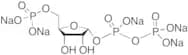
CAS:<p>D-Arabinose-5-phosphate disodium salt is an inorganic compound that is a substrate for the enzyme, sedoheptulose-7-phosphate (S7P) reductase. D-Arabinose-5-phosphate disodium salt is converted to sedoheptulose 7 phosphate by this enzyme, which participates in the pentose phosphate pathway. This reaction takes place at pH 5.6 and 30°C, with Mn2+ ions as cofactors and a constant of 0.001 M. The time it takes for the reaction to reach equilibrium is about 10 minutes, and the kinetic constant for this reaction is 0.0004 s−1 M−1. D-Arabinose-5-phosphate disodium salt can be prepared through a number of different techniques including ion exchange chromatography or extraction from corn starch using phosphoric acid and hydrochloric acid. It also requires various metal</p>Formula:C5H9Na2O8PPurity:Min. 95 Area-%Color and Shape:PowderMolecular weight:274.07 g/molD-Erythrono-1.4-lactone
<p>D-Erythrono-1.4-lactone is a carbohydrate that belongs to the group of oligosaccharides. It is a synthetic sugar with the CAS number 687-83-0. This carbohydrate is a monosaccharide with an oxygen atom in the alpha position, which has been fluorinated and methylated. The methylation on this sugar can be accomplished by either a glycosylation or click chemistry modification. This sugar can be used as an anti-tumor agent or as an adjuvant for chemotherapy treatments.</p>Purity:Min. 95%3,4-O-(1',1',3',3'-Tetraisopropyl-1,3-disiloxanediyl)-L-rhamnal
CAS:<p>3,4-O-(1',1',3',3'-Tetraisopropyl-1,3-disiloxanediyl)-L-rhamnal is a synthetic sugar that is used as a building block for the synthesis of glycoproteins and other polymers. It can be methylated to give 3,4-O-(1',1',3',3'-tetramethyl-1,3-disiloxanediyl)-L-rhamnal, which is an inhibitor of protein glycosylation. 3,4-O-(1',1',3',3'-Tetraisopropyl-1,3-disiloxanediyl)-L-rhamnal has been fluorinated to give 3,4-O-(2'-fluoroethylidene) -L-rhamnal and used in Click chemistry reactions.</p>Formula:C18H36O4Si2Purity:Min. 95%Molecular weight:372.65 g/molPalatinose hydrate
CAS:<p>Palatinose hydrate is a polyol that is produced by the hydrolysis of inulin. It has been shown to have antibacterial activity against Lactococcus lactis, an important probiotic bacteria. Palatinose hydrate also has an amine group that can react with the carbonyl group of other compounds. This makes it effective against bacteria such as Echinocandin, which contains a reactive carbonyl group. Palatinose hydrate is used in food products and has been shown to have anti-viral properties. The viscosity of this compound can be increased by mixing with glycerol or sorbitol.</p>Formula:C12H22O11·xH2OPurity:Min. 95%Color and Shape:PowderMolecular weight:342.3 g/molMethyl 2-acetamido-4,6-di-O-acetyl-2,3-dideoxy-3-fluoro-D-mannopyranoside
CAS:<p>Methyl 2-acetamido-4,6-di-O-acetyl-2,3-dideoxy-3-fluoro-D-mannopyranoside is a custom synthesis of a modified monosaccharide. It is fluorinated and methylated at the 2 and 6 positions respectively. The acetyl group at position 2 is replaced with an acetamido group to increase the stability of the molecule. This product has not been studied in vivo or in vitro. It is not on any international lists of prohibited substances and it is not banned by any sporting organization.</p>Formula:C13H20FNO7Purity:Min. 95%Molecular weight:321.3 g/molMethyl 2,3-di-O-p-toluenesulfonyl-6-O-trityl-a-D-glucopyranoside
CAS:<p>Methyl 2,3-di-O-p-toluenesulfonyl-6-O-trityl-a-D-glucopyranoside is a custom synthesis of a natural product. It is an analogue of the disaccharide sucrose (CAS No. 69649-64-5). Methyl 2,3-di-O-p-toluenesulfonyl 6-[(trityloxy)methyl]-a-(1,2:4,5)-D glucopyranoside reacts with fluoride ion to form methyl 2,3 di -O - p - toluenesulfonyl 6-[(trityloxy)methyl]-a-(1,2:4,5)-D glucopyranoside fluoride ion. The monosaccharides are linked by glycosyl bonds and can be modified by different reactions such as oxidation or reduction. The saccharide can be modified</p>Formula:C40H40O10S2Purity:Min. 95%Molecular weight:744.87 g/molD-myo-inositol 3-phosphate
CAS:<p>D-myo-inositol 3-phosphate (IP3) is a molecule that is involved in the metabolism of carbohydrates, fats, and proteins. It is synthesized from D-myo-inositol 1,4,5-trisphosphate through the action of an enzyme called phosphatidylinositol kinase. IP3 binds to the calmodulin protein and has been shown to have biological properties, such as cytosolic or chloroplastic localization and transcriptional regulation. IP3 also participates in the synthesis of DNA and RNA. The sequence of IP3 has been determined for plants such as Solanum tuberosum and Arabidopsis thaliana.</p>Formula:C6H13O9PPurity:Min. 95%Molecular weight:260.14 g/molA2 Glycan, 2-AB labelled
<p>The A2 Glycan is a custom synthesized oligosaccharide that is labelled with 2-AB. It contains the following sugars: Oligosaccharide, sugar, Synthetic, Fluorination, Custom synthesis, Methylation, Monosaccharide, Polysaccharide. The A2 Glycan has a purity of > 99%. CAS No. for this product is not available. Modification includes Click modification and complex carbohydrate.</p>Purity:Min. 95%Methyl 2,3,4-tri-O-benzyl-6-O-triisopropylsilyl-a-D-galactopyranoside
CAS:<p>Methyl 2,3,4-tri-O-benzyl-6-O-triisopropylsilyl-a-D-galactopyranoside is a synthetic oligosaccharide that has been modified with fluorination and methylation. It belongs to the class of carbohydrates and is used in custom synthesis. This product can be used to modify glycosylated proteins and nucleic acids.</p>Formula:C37H52O6SiPurity:Min. 95%Molecular weight:620.89 g/molα1,3-Galactobiosyl β-methyl glycoside
<p>a1,3-Galactobiosyl b-methyl glycoside is a fluorinated saccharide that possesses the same chemical structure as N-acetylgalactosamine. It has been synthesized by click modification with methyl iodide and methyl bromoacetate. The synthesis of this compound was achieved by glycosylation of galactose with 1,3-diiodo-2,2'-bithiopropane followed by methylation of the resulting glycosylation product with methyl bromoacetate to form the desired compound. This carbohydrate can be used in a variety of applications including anti-inflammatory drugs, antibiotics, and cancer treatments.</p>Formula:C13H24O11Purity:Min. 95%Color and Shape:White/Off-White SolidMolecular weight:356.32 g/molL-Xylose
CAS:<p>L-Xylose is a monosaccharide that is found in many plants. It is used as a sweetener, and also has been shown to be beneficial in the treatment of diabetic neuropathy. L-Xylose can be metabolized by the enzyme xylitol dehydrogenase to produce energy for the cell. The enzyme catalyzes the conversion of xylitol to D-xylulose and then D-xylulose 1-phosphate, which can be converted into ATP for use by cells. L-Xylose is not metabolized by bacterial enzymes and does not affect blood sugar levels. L-Xylose has been shown to have an effect on taste perception, with a sweet taste at concentrations of 10 milligrams per liter (mg/L). This sweet taste is due to its hydroxymethyl group on the C2 position, which reacts with sodium ions in the mouth. The optimum pH for L-xylose</p>Formula:C5H10O5Purity:Min. 99.0 Area-%Molecular weight:150.13 g/mol3-O-Acetyl-1,2-O-isopropylidene-α-D-glucofuranose
CAS:<p>3-O-Acetyl-1,2-O-isopropylidene-a-D-glucofuranose is a synthetic sugar that can be custom synthesized and modified. It has been shown to be an excellent substrate for glycosylation, where it can be used as a sugar donor or acceptor. This sugar can also be fluorinated and complexed with other sugars. 3-O-Acetyl-1,2-O-isopropylidene-a-D-glucofuranose is a high purity carbohydrate with CAS No. 24807-96-3.</p>Formula:C11H18O7Purity:Min. 95%Color and Shape:White To Off-White SolidMolecular weight:262.26 g/mol(2R,3S,4R)-2-Benzylamino-2-methyl-3,4-dihydroxypyrrolidine
<p>(2R,3S,4R)-2-Benzylamino-2-methyl-3,4-dihydroxypyrrolidine is a synthetic compound that can be used as a research tool for the study of protein glycosylation. It has been shown to be an efficient glycosylant and can be used in the synthesis of oligosaccharides and saccharides. The compound was first synthesized by adding two methyl groups to the amino group at the nitrogen atom in position 2 of pyrrolidine. This modification allows for the attachment of sugar molecules through an amide bond. (2R,3S,4R)-2-Benzylamino-2-methyl-3,4-dihydroxypyrrolidine is not currently used in any commercial products.</p>Purity:Min. 95%α-D-Mannopyranosyl L-threonine
CAS:<p>a-D-Mannopyranosyl L-threonine is a carbohydrate with the molecular formula C6H14O5. It is a white crystalline powder that has a sweet taste. This product can be used as an ingredient in food and beverage products, such as confectionery products, soft drinks, dairy products, baked goods, and chewing gum. It may also be used in pharmaceuticals, such as chewable tablets or capsules for oral use.</p>Formula:C10H19NO8Purity:Min. 95%Color and Shape:PowderMolecular weight:281.26 g/mol2,3,4,6-Tetra-O-benzyl-a-D-glucopyranosyl trichloroacetimidate
CAS:<p>2,3,4,6-Tetra-O-benzyl-a-D-glucopyranosyl trichloroacetimidate is a supernucleophile that reacts with saccharides to form glycosides. It is a reactive compound that can be used in syntheses to create new disaccharides. 2,3,4,6-Tetra-O-benzyl-a-D-glucopyranosyl trichloroacetimidate was used in the synthesis of a glycoside analogue of glucopyranose. This compound has also been shown to react with imidates.</p>Formula:C36H36Cl3NO6Purity:Min. 95%Color and Shape:White PowderMolecular weight:685.03 g/mol1,3-O-Benzylidene-4-O-DMT-D-threitol
<p>1,3-O-Benzylidene-4-O-DMT-D-threitol is an oligosaccharide that is used as a synthetic building block for the synthesis of complex carbohydrates. This compound has been modified to include fluorine and methyl groups. It can be synthesized via a click reaction with 3,4,5,6-tetraiodoacetone. 1,3-O-Benzylidene-4-O-DMT-D-threitol is soluble in water and aqueous solutions and can be used as a carbohydrate marker. The modification of this compound allows it to be detected by electrophoresis or chromatography due to changes in its mobility and charge.</p>Purity:Min. 95%2-C-(2,3,4,6-Tetra-O-acetyl-b-D-glucopyranosyl) ethyne
CAS:<p>2-C-(2,3,4,6-Tetra-O-acetyl-b-D-glucopyranosyl) ethyne is a fluorescent reagent that is used to detect glycosylation. It reacts with the glucose residue of an oligosaccharide or polysaccharide to form a fluorescent product. This product can be detected by fluorescence spectroscopy. 2-C-(2,3,4,6-Tetra-O-acetyl-b-D-glucopyranosyl) ethyne has been shown to react with Oligo 1 and Oligo 2 in the following reaction:<br>2-[(2,3,4,6 Tetra -O -acetyl -b -D -glucopyranosyl )ethynyl]</p>Formula:C16H20O9Purity:Min. 95%Molecular weight:356.32 g/molN-(4-Fluorobenzyliden)imino-2,3,4,6-tetra-O-pivaloyl-b-D-glucopyranoside
<p>N-(4-Fluorobenzyliden)imino-2,3,4,6-tetra-O-pivaloyl-b-D-glucopyranoside is a custom synthesis of an oligosaccharide that has been modified with fluorination and methylation. This synthetic compound has the CAS number 108879-94-5. It is a polysaccharide that contains saccharides and glycosylation. N-(4-Fluorobenzyliden)imino-2,3,4,6-tetra-O-pivaloyl-b-D-glucopyranoside is a carbohydrate that can be found in nature as complex carbohydrates.</p>Formula:C33H48FNO9Purity:Min. 95%Molecular weight:621.73 g/molThiamet G
CAS:<p>Inhibits β-N-acetylglucosaminidase, also known as O-GlcNAcase (OGA), which cleaves the O-linked glycans from glycoproteins. Interferes with O-GlcNAc cycling and leads to the accumulation of O-GlcNAcylated proteins. Thiamet G elicits neuroprotective effects by modulating microglia/macrophages and inhibiting hyperphosphorylation of the microtubule-associated protein tau in models of stroke and Alzheimer’s disease. Thiamet G also has implications on diabetes and cardiovascular pathologies.</p>Formula:C9H16N2O4SPurity:Min. 95%Color and Shape:PowderMolecular weight:248.3 g/molSialylglycopeptide
CAS:<p>Starting material for semi-synthesis of N-glycans</p>Formula:C112H189N15O70Purity:(Hplc) Min. 95%Color and Shape:White PowderMolecular weight:2,865.76 g/mol1,3,4,6-Tetra-O-acetyl-2-deoxy-2-fluoro-D-glucopyranose
CAS:<p>1,3,4,6-Tetra-O-acetyl-2-deoxy-2-fluoro-D-glucopyranose is a sugar that can be used as a starting material for the synthesis of other sugars. It has been shown to crystallize in a number of different forms, including monoclinic and hexagonal crystals. Crystals are grown from solvents such as silver nitrate or chloride. The molecule has three stereoisomers, which are mirror images of each other. These isomers have different chemical properties and react differently with various substances. This property can be utilized to synthesize desired compounds with desired functionalities.</p>Formula:C14H19FO9Purity:Min. 95 Area-%Color and Shape:PowderMolecular weight:350.29 g/molTiazofurin
CAS:<p>Tiazofurin is a novel anticancer agent that inhibits the activity of various enzymes, including dehydrogenase and acetyl-CoA carboxylase. Tiazofurin shows significant cytotoxicity against human leukemia cells in vitro. It also has an anti-infectious effect on hl-60 cells and k562 cells, which are carcinoma cell lines. Tiazofurin has been shown to have a higher inhibitory effect on dextran sulfate than on basic protein in vitro, suggesting that it may be more effective as an anticancer compound against cancerous tumors with high levels of glycolipids.</p>Formula:C9H12N2O5SPurity:Min. 95%Color and Shape:Off-White Slightly Brown PowderMolecular weight:260.27 g/molO-(2,3,4,6-Tetra-O-acetyl-b-D-galactopyranosyl)-N-hydroxysuccinimide
CAS:<p>O-(2,3,4,6-Tetra-O-acetyl-b-D-galactopyranosyl)-N-hydroxysuccinimide is a synthetic glycosylation reagent. It has the CAS number 896730-84-0 and is available for custom synthesis. O-(2,3,4,6-Tetra-O-acetyl-b-D-galactopyranosyl)-N-hydroxysuccinimide is used in the synthesis of oligosaccharides and saccharides. It is also used in click chemistry to modify proteins and other biomolecules. This product has a purity of 99% or higher and can be modified at any position with fluorination or methylation.</p>Formula:C18H23NO12Purity:Min. 95%Molecular weight:445.37 g/molFuc-a-1-2-Gal-b-1-3-GalNAc-b-1-4-Gal-b-1-4-Glc-b-ethylazide
<p>Fuc-a-1-2-Gal-b-1-3-GalNAc-b-1-4-Gal-b is a methylated oligosaccharide that binds to the C3 position of NANA (N acetylneuraminic acid) residues. It has been shown to be an effective inhibitor of tumor growth and angiogenesis, which may be due to its ability to inhibit the synthesis of glycoproteins and glycolipids in tumors. Fucogalactose can also be modified with different fluorinated groups, such as 4F or 18F, for use in positron emission tomography imaging. This product is available for custom synthesis and modification.</p>Purity:Min. 95%1,2,3,4-Tetra-O-pivaloyl-6-O-(tert-butyldiphenylsilyl)-b-D-glucopyranose
<p>1,2,3,4-Tetra-O-pivaloyl-6-O-(tert-butyldiphenylsilyl)-b-D-glucopyranose is a custom synthesis of an oligosaccharide with a polysaccharide. The carbohydrate is modified with fluorination and methylation. This product has high purity and is synthesized using click chemistry. Monosaccharides are attached to the sugar backbone in order to form complex carbohydrates. This product can be used as a synthetic sugar or in the production of other oligosaccharides.</p>Formula:C42H62O10SiPurity:Min. 95%Molecular weight:755.04 g/mol3,4-O-Isopropylidene-D-mannitol
CAS:<p>3,4-O-Isopropylidene-D-mannitol (IPM) is a d-mannitol that has been synthesized by an acid-catalyzed condensation reaction. It is a highly reactive compound with acidic properties and, as such, can be used as a buffer in acid environments. The product of this synthesis was also found to have anticancer activity in vitro, which may be due to its ability to induce apoptosis and inhibit cell proliferation. IPM possesses a hydroxyl group at the 3 position of the molecule and a hydrophilic nature. This makes it suitable for surface-enhanced Raman spectroscopy (SERS) studies and other detection methods.</p>Formula:C9H18O6Purity:Min. 95%Color and Shape:White Off-White PowderMolecular weight:222.24 g/mol2,4Anhydro-5-azido-5-deoxy-D-lyxonic acid isopropyl ester
<p>2,4Anhydro-5-azido-5-deoxy-D-lyxonic acid isopropyl ester is a synthetic glycosylation reagent that has been used in the synthesis of oligosaccharides and polysaccharides.<br>2,4Anhydro-5-azido-5-deoxy-D-lyxonic acid isopropyl ester can be used for the modification of sugar chains, including methylations and fluorinations.</p>Purity:Min. 95%4, 6- O- [(R) - Phenylmethylene] -a- D-glucopyranose
CAS:<p>4,6-O- (R)- Phenylmethylene -a- D-glucopyranose is a modification of the sugar glycoside glucose. This compound is synthesized from glucose by methylation and fluorination. The synthesis process begins with the addition of sodium borohydride to a solution of glucose in methanol. The next step involves the treatment of this mixture with phenylmagnesium bromide followed by phenylmethylene bromine. The final step involves heating the reaction mixture at reflux for 10 hours. 4,6-O- (R)- Phenylmethylene -a- D-glucopyranose is extremely pure and offers a wide range of applications in the fields of biochemistry, medicinal chemistry, and polymer science.</p>Formula:C13H16O6Purity:Min. 95%Molecular weight:268.26 g/moltrans-Zeatin-7-glucoside
CAS:<p>Trans-zeatin-7-glucoside is an abscisic acid (ABA) metabolite that can be found in plant tissue. It is used as a natural product to regulate growth and development. Trans-zeatin-7-glucoside has been shown to inhibit the biosynthesis of gibberellins, which are plant hormones that promote cell elongation. This compound is purified from plant tissues by chromatographic methods, such as reversed phase HPLC or ion exchange chromatography. The sample preparation involves extraction with a solvent such as methanol or chloroform followed by purification on an analytical column. Immunoaffinity chromatography is also used for sample preparation, which involves binding to antibody molecules on the surface of a solid support material. Trans-zeatin-7-glucoside can be detected using analytical methods such as gas chromatography or liquid chromatography coupled with mass spectrometry. Trans-zeatin-7-</p>Formula:C16H23N5O6Purity:Min. 95 Area-%Color and Shape:PowderMolecular weight:381.38 g/molHyaluronic acid sodium salt - MW 120,000
CAS:<p>Please enquire for more information about Hyaluronic acid sodium salt - MW 120,000 including the price, delivery time and more detailed product information at the technical inquiry form on this page</p>Formula:(C14H20NO11Na)nMethyl 6-O-tert-butyldimethylsilyl-2,3-O-isopropylidene-α-D-lyxo-hexopyranosid-4-ulose
<p>Methyl 6-O-tert-butyldimethylsilyl-2,3-O-isopropylidene-alpha-D-lyxo-hexopyranosid-4-ulose is a fluorinated sugar that can be used for the synthesis of oligosaccharides and carbohydrates. This sugar has been custom synthesized and has been modified with methylation and click chemistry. The CAS number for this product is 93558-18-7.</p>Purity:Min. 95%Liothyronine-acyl-D-glucuronide
<p>Liothyronine-acyl-D-glucuronide is a synthetic compound that is used as a replacement therapy for hypothyroidism. It has been shown to be effective in the treatment of myxedema coma and thyroid storm. Liothyronine-acyl-D-glucuronide is a complex carbohydrate with a sugar moiety attached to its side chain, which may be modified by reactions such as fluorination, monosaccharide synthesis, oligosaccharide synthesis, glycosylation, polysaccharide synthesis, or click modification. This product has high purity and is custom synthesized to your specifications for research purposes only.</p>Formula:C21H20I3NO10Purity:Min. 95%Molecular weight:827.1 g/molD-Mannose - F
CAS:<p>Abundant and critical component of natural glycans and glycoproteins</p>Formula:C6H12O6Purity:Min. 98 Area-%Color and Shape:PowderMolecular weight:180.16 g/molMethyl 2,3-dideoxy-3-fluoro-5-O-pivaloyl-L-ribofuroside
<p>Methyl 2,3-dideoxy-3-fluoro-5-O-pivaloyl-L-ribofuroside is a custom synthesis that is a complex carbohydrate. It has CAS No. and is Polysaccharide, Modification, saccharide, Methylation, Glycosylation and Click modification. Methyl 2,3-dideoxy-3-fluoro-5-O-pivaloyl--L--ribofuroside is available in high purity and with high quality. This product can be used for the synthesis of other products such as sugar or carbohydrates. The fluorination process on this product makes it more stable to hydrolysis and oxidation reactions.</p>Purity:Min. 95%Phenyl 3-O-benzyl-b-D-thioglucopyranoside
CAS:<p>Phenyl 3-O-benzyl-b-D-thioglucopyranoside is a synthetic, fluorinated monosaccharide that has been used as a glycosylation and polysaccharide for various applications. It can be used as a reagent in Click chemistry due to its ability to undergo facile and selective methylation. Phenyl 3-O-benzyl-b-D-thioglucopyranoside is also used in the synthesis of complex carbohydrates and sugar modification.</p>Purity:Min. 95%Mucic acid
CAS:<p>Mucic acid is a metal chelate that stimulates the metabolism of carbohydrates, fats and proteins. It also plays a role in the production of energy in the body. Mucic acid has been shown to have a protective effect against infectious diseases, as it activates toll-like receptor 2 (TLR2) and TLR4, which are molecules involved in innate immunity. Mucic acid has been shown to protect against influenza virus infection by increasing the expression of interferon-gamma (IFN-γ) and IL-12, which are cytokines that inhibit viral replication. Mucic acid can be used as a fluorescence probe for detection of polymorphonuclear leucocytes in blood samples.</p>Formula:C6H10O8Purity:Min. 95%Color and Shape:White PowderMolecular weight:210.14 g/molb-D-Glucopyranosyl azide
CAS:<p>b-D-Glucopyranosyl azide is a Glycosylation agent that is used in the synthesis of complex carbohydrates and oligosaccharides. It is also used for Click modification, fluorination, and polysaccharide modification. The compound is a white crystalline solid that is soluble in water at low concentrations. It has a molecular weight of 180.18 g/mol and melting point of 220°C.</p>Formula:C6H11N3O5Purity:Min. 95%Color and Shape:White PowderMolecular weight:205.17 g/mol4-O-Acetyl-3,6-di-O-benzyl-2-deoxy-2-phthalimido-b-D-glucopyranosyl trichloroacetimidate
CAS:<p>4-O-Acetyl-3,6-di-O-benzyl-2-deoxy-2-phthalimido-b-D-glucopyranosyl trichloroacetimidate is a methylated saccharide that can be obtained through the Click modification of an oligosaccharide. It is a custom synthesis that has been modified with fluorination. This product is available in high purity and has been glycosylated. It is also a synthetic carbohydrate with a complex structure.</p>Formula:C32H29Cl3N2O8Purity:Min. 95%Molecular weight:675.94 g/mol3-Deoxy-3,3-difluoro-1,2-O-Di-O-isopropylidene-a-D-glucofuranose
<p>3-Deoxy-3,3-difluoro-1,2-O-Di-O-isopropylidene-a-D-glucofuranose is an alpha, beta unsaturated carbonyl sugar. It can be used as a building block to synthesize oligosaccharides or glycosylations. It has been shown that 3DG reacts with the amino group of proteins and peptides leading to the formation of methylated sugars. This compound can also be used to modify saccharides such as by converting them into click or substitution derivatives. 3DG is readily available in high purity and is stable under a variety of conditions.</p>Formula:C9H14F2O5Purity:Min. 95%Molecular weight:240.2 g/mol1,2,3,4,5-Penta-O-acetyl-β-D-fructose
CAS:<p>1,2,3,4,5-Penta-O-acetyl-β-D-fructose is a synthetic oligosaccharide that is modified with fluorine to produce a variety of products. This product is used in the synthesis of complex carbohydrates and has been shown to have high purity. It is used for methylation reactions and can be found in saccharides and polysaccharides. The CAS number for this compound is 20764-61-8.</p>Formula:C16H22O11Purity:Min. 95%Color and Shape:White PowderMolecular weight:390.34 g/molHyaluronate rhodamine - Molecular Weight - 250kDa
<p>Hyaluronate Rhodamine is a synthetic, high-purity, fluorescent dye that can be used in the study of glycosylation and sugar modifications. It is a carbohydrate modified by methylation and fluorination. Hyaluronate Rhodamine has a molecular weight of 250kDa. The sugar component of the molecule is composed of an oligosaccharide with a saccharide repeat unit of 1-3 linked to a polysaccharide chain, which has been modified by methylation and glycosylation.</p>Purity:Min. 95%4-Methylphenyl 2,3,4,6-tetra-O-acetyl-β-D-thioglucopyranoside
CAS:<p>4-Methylphenyl 2,3,4,6-tetra-O-acetyl-b-D-thioglucopyranoside is an antibiotic that is used to treat infections caused by a wide range of pathogens. This drug is active against Gram-negative and Gram-positive bacteria, including some resistant strains. 4MPTGA inhibits the growth of bacteria by binding to their ribosomes and preventing protein synthesis. It has been shown to have antimicrobial activity against E. coli and other Enterobacteriaceae species as well as other Gram negative bacteria such as Salmonella typhi and Proteus mirabilis. 4MPTGA has also been shown to be effective against the common animal health pathogen Staphylococcus aureus</p>Formula:C21H26O9SPurity:Min. 95%Color and Shape:White PowderMolecular weight:454.49 g/mol1-O-Methyl-α-D-galactopyranoside monohydrate
CAS:<p>1-O-Methyl-α-D-galactopyranoside is a gratuitous α-galactosidase inducer.</p>Formula:C7H16O7Molecular weight:212.20 g/molD-ido-Heptono-1,4-lactone
<p>D-ido-Heptono-1,4-lactone is a glycosylation product of heptose with d-ido-D-glucofuranose and is a synthetic sugar. It has an Oligosaccharide, sugar, Synthetic, Fluorination, Custom synthesis, Methylation, Monosaccharide, Polysaccharide, saccharide Click modification. It has CAS No., Modification.</p>Purity:Min. 95%2,3-Dimethyl-γ-cyclodextrin
<p>This gamma-cyclodextrin (γ-CD) derivative is a modified cyclic oligosaccharide composed of eight glucose units, featuring a larger cavity size than α- and β-cyclodextrins. This structural characteristic allows γ-CDs to form inclusion complexes with a wider range of guest molecules, making it particularly versatile in various industries. In the food sector, it is used as a carrier and stabilizer for flavors, fat-soluble vitamins, and polyunsaturated fatty acids, protecting volatile compounds from evaporation. In pharmaceuticals, it enhances the solubility and bioavailability of poorly water-soluble drugs and, thanks to its larger ring size, allows for the encapsulation of larger molecules or even entire drug molecules. γ-CDs and derivatives are also used for environmental remediation and, in analytical chemistry, for the extraction and concentration of target substances.</p>Formula:C64H112O40Purity:Min. 95%Molecular weight:1,521.55 g/mol1-Cyano-2-deoxy-3,5-di-O-toluoyl-α-D-ribofuranose
<p>1-Cyano-2-deoxy-3,5-di-O-toluoyl-a-D-ribofuranose is a fluorinated monosaccharide that is synthesized by the glycosylation of 1,2:3,4:6,7:8,9-hexahydrobenzo[e]pyrrolo[1,2a]pyrazinone with 2,6:3',5'-dioxo-[1]benzothiophene. This compound has been shown to be an effective inhibitor of the enzyme glycogen synthase kinase 3β (GSK3β) and may have potential as a therapeutic agent for type II diabetes.</p>Formula:C22H21NO5Purity:Min. 95%Molecular weight:379.41 g/molL-Xylonic acid-1,4-lactone
CAS:<p>L-Xylonic acid-1,4-lactone is an enzyme that functions as a glycolytic enzyme. It catalyzes the conversion of D-xylose to L-xylonic acid and L-xylonic acid-1,4-lactone. This enzyme is expressed in leukemia HL60 cells and is activated by acidic conditions. L-Xylonic acid-1,4-lactone has been shown to be catabolized by the enzyme xylanase. The kinetic properties of this reaction have been studied using mass spectrometric techniques and biochemical methods. The rate of the reaction was found to be dependent on the presence of divalent cations (Mg2+ or Ca2+) or monovalent ions (Na+ or K+). L-Xylonic acid 1,4 lactone also catabolizes glucose with a similar rate constant.</p>Formula:C5H8O5Purity:Min. 95 Area-%Color and Shape:White PowderMolecular weight:148.11 g/mol2-Acetylamino-3,4-O-benzylidene-2-deoxy-D-arabino-1,4-lactone
<p>2-Acetylamino-3,4-O-benzylidene-2-deoxy-D-arabino-1,4-lactone is a synthetic compound that is used to modify the carbohydrate chains in Glycopeptides. This modification can be done by either fluorination or methylation. The click modification has been shown to be effective for complex carbohydrates such as oligosaccharides and polysaccharides.</p>Purity:Min. 95%Kojitetraose
CAS:<p>Kojitetraose is a nutrient that is synthesised in the human body and found in foods such as dairy products, meat, eggs, and vegetables. Kojitetraose is a phosphorylase substrate and can be used to study thermophilic phosphorylases. It has been shown that the stereoselectivity of phosphorylases can be determined by the configuration of the glycosidic bond in the reactant or product. Structural studies have also shown that Kojitetraose binds to teichoic acid and trehalose, which are components of bacterial cell walls. Kojitetraose has been shown to stimulate intestinal contractions in rats and increase salivary secretion.</p>Formula:C24H42O21Purity:Min. 95%Molecular weight:666.58 g/molPropargyl a-D-mannopyranoside
CAS:<p>Propargyl a-D-mannopyranoside is a custom synthesis chemical. It is an intermediate in the synthesis of oligosaccharides and polysaccharides. It is also used as an inhibitor of methylation reactions, which are important in DNA replication. The chemical has been modified with fluorine groups at its 3' position to provide high purity. This modification also allows the synthesis of complex carbohydrates that contain multiple saccharide units. Propargyl a-D-mannopyranoside is synthesized by reacting mannose with propargyl bromide under basic conditions, followed by hydrolysis of the ester group to give propargyl a-D-mannopyranoside.</p>Formula:C9H14O6Purity:One SpotColor and Shape:PowderMolecular weight:218.2 g/mol6-O-Acetylglycitin
CAS:<p>6-O-Acetylglycitin is a bioactive compound that has been shown to have many physiological activities. It is the acetylated form of glycitin, which is a precursor in the synthesis of glycogen in the liver. 6-O-Acetylglycitin has been shown to promote the repair mechanism of hepatic steatosis and exhibits anti-cancer effects by inhibiting poly(ADP-ribose) polymerase chain reaction (PCR) and uvb-induced polymerase chain reaction (PCR). This compound also inhibits growth of cancer cells in vitro. 6-O-Acetylglycitin has been shown to have an analog with pharmaceutical preparations.</p>Formula:C24H24O11Purity:Min. 98 Area-%Color and Shape:PowderMolecular weight:488.44 g/mol2,3-O-Isopropylidene-D-lyxonic acid-1,4-lactone
CAS:<p>2,3-O-Isopropylidene-D-lyxonic acid-1,4-lactone (2,3-OIPDL) is a fluorinated polysaccharide that is synthesized from glycosylation of 1,4-lactone with 2,3-O-isopropylidene D-lyxonic acid. This compound has been shown to have high purity and is used in the modification of carbohydrates.</p>Formula:C8H12O5Purity:Min. 98 Area-%Color and Shape:White Off-White PowderMolecular weight:188.18 g/molBenzyl β-D-glucopyranosiduronic acid
CAS:<p>Benzyl b-D-glucopyranosiduronic acid is a synthetic monosaccharide that is used for the synthesis of oligosaccharides, polysaccharides, and saccharides. It has been shown to be a substrate for methylation reactions and can be modified with fluorination or click chemistry. The CAS number for this compound is 5285-02-9.</p>Formula:C13H16O7Purity:Min. 95%Color and Shape:Off-White PowderMolecular weight:284.26 g/molGlycyl-lacto-N-fucopentaose VI
<p>Glycyl-lacto-N-fucopentaose VI is a polysaccharide that is synthesized by the enzymatic activity of glycosylase, methylase, and fluorinase. It can be modified with click chemistry to introduce a fluorine atom at the C4 position of the glucose molecule. This modification can be used for the synthesis of oligosaccharides. Glycyl-lacto-N-fucopentaose VI has CAS number 108897-96-5 and is available in high purity and custom synthesis.</p>Formula:C34H59N3O25Purity:Min. 95%Molecular weight:909.84 g/molBenzyl a-D-xylopyranoside
CAS:<p>Benzyl a-D-xylopyranoside is a benzyl galactofuranose that is synthesized from the condensation of benzaldehyde and D-xylose. This compound has been shown to be an excellent target molecule for the detection of Mycobacterium tuberculosis, as it constitutes about 10% of the mycolic acid in this organism. Benzyl a-D-xylopyranoside can also be used to detect other bacteria such as Actinomyces, Streptomyces, and Corynebacterium. The yield of this compound is high and its regiospecificity is complete.</p>Formula:C12H16O5Purity:Min. 95%Color and Shape:PowderMolecular weight:240.25 g/molb-D-Glucan-from yeast (Saccharomyces cerevisiae)
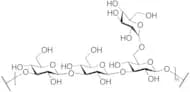
CAS:<p>In addition to the β-glucans from cereals, another group of β-glucans are found in the cell walls of yeast (Saccharomyces cerevisiae), bacteria and fungi, with significantly differing physicochemical properties dependent on source. Typically these β-glucans form a linear backbone with 1,3 β-glycosidic bonds but vary with respect to molecular mass, solubility, viscosity, branching structure, and gelation properties, causing diverse physiological effects in animals. They are structural components in the cell walls of Saccharomyces cerevisiae and to provide stability, they have a few b-1,6 branch points that lock into other cell wall components (1 in 5 glucose residues). So in any extraction you get a few 1,6 linked glucose residues ~5%.<br>The yeast and fungal β-glucans have been investigated for their ability to modulate the immune system. They are also used in various nutraceutical and cosmetic products, as texturing agents, and as fibre supplements. Their detailed molecular structures are key to the physical properties that they exhibit, such as water solubility, viscosity, gelation properties and physiological functions.<br>The image was kindly provided by Dr. Chris Lawson.</p>Purity:(%) Min. 80%Color and Shape:Off-White Powder3, 6-Anhydro- 1, 2-O- isopropylidene -7-O-tert butyldimethylsilyl-D- glycero- D- altro- heptitol
<p>3,6-Anhydro-1,2-O-isopropylidene-7-O-tert butyldimethylsilyl-D-glycero-D-altroheptitol is a methylated saccharide that belongs to the class of polysaccharides. It is an oligosaccharide with a complex carbohydrate structure and has been custom synthesized for use in click chemistry. 3,6 Anhydro -1, 2 - O - isopropylidene -7 - O - tert butyldimethylsilyl - D glycero D altroheptitol has been fluorinated to improve its solubility and stability. This product has high purity and is available in bulk quantities.</p>Purity:Min. 95%5-Deoxy-L-arabinose
CAS:<p>5-Deoxy-L-arabinose is a tetramethylurea derivative that has been synthesized for the treatment of hyperphenylalaninemia, an atypical form of phenylketonuria. It is an analog of 5-deoxy-l-ribose and can be used to generate molybdate from ammonium molybdate. This product also has antiviral activity and can be used to inhibit the growth of filamentous fungi, such as Verticillium dahliae. 5-Deoxy-L-arabinose can be used as a phase separator in chromatography. It is stereoselective and does not react with acid catalysts.</p>Formula:C5H10O4Purity:Min. 95%Color and Shape:Slightly Yellow Clear Viscous LiquidMolecular weight:134.13 g/mol1,3,5-Tri-O-benzoyl-2-O-methyl-D-ribofuranose
CAS:<p>1,3,5-Tri-O-benzoyl-2-O-methyl-D-ribofuranose is a modified sugar with three benzoyl groups. It has a molecular weight of 498.18 g/mol and the chemical formula C32H32F6N8O8. The compound is synthesized by the condensation of 2,3,4,5-tetraacetylpyridine with 2,3,4,5-tetraacetylthiophene in the presence of potassium fluoride and sodium hydroxide in aqueous methanol at room temperature. This product is used to study glycosylation reactions and to modify oligosaccharides for research purposes. 1,3,5-Tri-O-benzoyl-2-O-methyl--D--ribofuranose is soluble in water and ethanol but insoluble in ether or chloroform.This product has</p>Formula:C27H24O8Purity:Min. 85 Area-%Color and Shape:White PowderMolecular weight:476.47 g/molBenzyl 3-O-benzyl-4,6-O-benzylidene-2-deoxy-2-N-phthalamido-a-D-glucopyranoside
CAS:<p>Benzyl 3-O-benzyl-4,6-O-benzylidene-2-deoxy-2-N-phthalamido-a-D-glucopyranoside is a sugar that is used as a building block for the synthesis of glycosaminoglycans. This sugar can be fluorinated, glycosylated, or methylated and is a synthetically modified oligosaccharide with an average molecular weight of about 880 Da. The monomer unit consists of two glucose residues linked by an α(1→4) glycosidic bond. It has been shown to have antihypertensive properties in vitro and in vivo.</p>Formula:C35H31NO7Purity:Min. 95%Color and Shape:White to off-white solid.Molecular weight:577.62 g/molCyanomethyl 2,3,4,6-tetra-O-acetyl-b-D-thioglucopyranoside
CAS:<p>Cyanomethyl 2,3,4,6-tetra-O-acetyl-b-D-thioglucopyranoside is a synthetic glycosylation agent. It is an acetal derivative of b-D-thioglucopyranoside with a terminal methyl group at C2 and a fluorine atom at C6. This product can be used to modify saccharides and sugars in a variety of ways. It has been shown to react with various carbohydrates including polysaccharides and oligosaccharides. Synthetic glycosylations are often used in the synthesis of complex carbohydrates for use in pharmaceuticals or chemical engineering. The CAS number for this product is 61145-33-3.</p>Formula:C16H21NO9SPurity:Min. 95%Molecular weight:403.41 g/molMethyl 2,6-dideoxy-a-D-glucopyranoside
<p>Methyl 2,6-dideoxy-a-D-glucopyranoside is a custom synthesis of an oligosaccharide that is modified with fluorination. It is a saccharide, or carbohydrate, that has been methylated and glycosylated. The modification of this complex carbohydrate has been achieved through the use of the Click reaction. This product has been purified to high purity and is ready for use in research and development.</p>Formula:C7H14O4Purity:Min. 95%Molecular weight:162.18 g/molEthyl 4,6-O-benzylidene-β-D-thiogalactopyranoside
CAS:<p>Ethyl 4,6-O-benzylidene-b-D-thiogalactopyranoside is a synthetically produced carbohydrate typically used as a building block in oligo-saccharide synthesis.</p>Formula:C15H20O5SPurity:Min. 95%Color and Shape:PowderMolecular weight:312.39 g/mol4-Toluoyl 3,4-di-O-acetyl-2-O-benzyl-a-L-thiofucopyranoside
CAS:<p>4-Toluoyl 3,4-di-O-acetyl-2-O-benzyl-a-L-thiofucopyranoside is a custom synthesis that has been modified with fluorination and methylation. It is a monosaccharide with a CAS No. 1632312-32-3. 4Toluoyl 3,4 di O acetyl 2 O benzyl A L thiofucopyranoside is an oligosaccharide and polysaccharide. The Carbohydrate complex has been glycosylated and saccharified with the addition of a sugar or carbohydrate to form glycoproteins or glycopeptides.</p>Purity:Min. 95%2-Keto-L-gulonic acid hydrate
CAS:<p>2-Keto-L-gluonic acid hydrate, also called 2-oxo-gulonic acid hydrate, L-xylo-2-hexulosonic acid hydrate (2-KLG) and D-sorbosonic acid hydrate, is an important intermediate in the synthesis of L-ascorbic acid (vitamin C) and can be produced by modified E. herbicola.</p>Formula:C6H10O7•(H2O)xPurity:Min. 95%Color and Shape:PowderMolecular weight:194.14 g/mola1-3[a1-6]a1-6[a1-3]Mannopentaose
CAS:<p>Found in glycoproteins including ovalbumin and human immunoglobulin M</p>Formula:C30H52O26Purity:Min. 95 Area-%Color and Shape:White PowderMolecular weight:828.72 g/mol1,2-Dideoxy-5-O-DMT-D-ribose
CAS:<p>1,2-Dideoxy-5-O-DMT-D-ribose is a methylation inhibitor that inhibits the transfer of a methyl group from S-adenosylmethionine to a substrate. This modification can be found in many biological systems, including DNA and RNA. It is also used as an intermediate in the synthesis of other compounds such as oligosaccharides and polysaccharides. 1,2-Dideoxy-5-O-DMT-D-ribose has been shown to inhibit the growth of bacteria by inhibiting bacterial cell wall synthesis. It is believed to work by binding to glycosidic bonds in bacterial cell walls, preventing the formation of new bonds and therefore inhibiting cell wall biosynthesis.<br>1,2 - Dideoxy - 5 - O - DMT - D - ribose can be used for fluorination reactions with various types of compounds, including sugars and other complex carbohydrates.</p>Formula:C26H28O5Purity:Min. 97 Area-%Color and Shape:White PowderMolecular weight:420.5 g/mol