Steroids
Subcategories of "Steroids"
Found 1696 products of "Steroids"
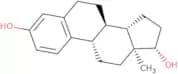
Estriol
CAS:Controlled ProductEstriol is a steroidal estrogen, which is a naturally occurring hormone primarily sourced from the placenta during pregnancy. Its mode of action involves binding to estrogen receptors, thereby exerting its effects as part of the broader group of estrogens. Estriol has a relatively lower affinity for estrogen receptors compared to estradiol, contributing to its unique pharmacological profile.In scientific research and clinical settings, Estriol is employed in hormone replacement therapy, especially in postmenopausal women, due to its milder estrogenic effects and lower associated risks compared to other estrogens. It is also studied for its potential benefits in urogynecological health, such as the treatment of menopausal symptoms like vaginal atrophy. Furthermore, its application is under investigation for autoimmune conditions such as multiple sclerosis, given its immunomodulatory properties. Ongoing research aims to delineate the therapeutic potential and safety profile of Estriol in various clinical contexts.Formula:C18H24O3Purity:Min. 97 Area-%Color and Shape:White PowderMolecular weight:288.38 g/molBetamethasone - Bio-X ™
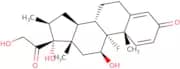
CAS:Controlled ProductBetamethasone is a potent anti-inflammatory agent that belongs to the group of corticosteroids. It is used in the treatment of a number of inflammatory diseases, such as allergic states, dermatologic disorders and gastrointestinal disorders. This drug binds to glucocorticoid receptors inhibiting inflammatory signals whilst promoting anti-inflammatory signals.Formula:C22H29FO5Purity:Min. 95%Color and Shape:PowderMolecular weight:392.46 g/molBetamethasone
CAS:Controlled ProductBetamethasone is a synthetic corticosteroid, which is an analogue of a glucocorticoid sourced from adrenal cortex hormones. Its mode of action involves modulating the immune response by inhibiting the release of substances in the body that cause inflammation. This is achieved through its binding affinity to glucocorticoid receptors, leading to transcriptional changes that suppress pro-inflammatory cytokine production and other mediators of inflammation.
Formula:C22H29FO5Purity:Min. 97 Area-%Color and Shape:White PowderMolecular weight:392.46 g/molb-Estradiol
CAS:Controlled ProductEstradiol is a synthetic or naturally occurring form of estrogen, predominantly sourced from ovarian secretions in females. It performs its mode of action by binding to estrogen receptors, ERα and ERβ, subsequently regulating gene expression and modulating various biological processes including reproductive system development, bone density maintenance, and cardiovascular function.Formula:C18H24O2Purity:Min. 97 Area-%Color and Shape:PowderMolecular weight:272.38 g/mol2'-Hydroxyformononetin
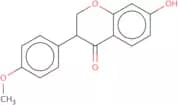
CAS:2'-Hydroxyformononetin is a naturally occurring isoflavone, which is predominantly found in certain plants such as red clover and soy. It is a type of phytoestrogen, which exhibits estrogen-like activity due to its ability to bind estrogen receptors. The mode of action involves modulating estrogen receptor pathways, which in turn can affect various physiological processes related to hormone balance and cell proliferation.Formula:C16H12O5Purity:Min. 95%Color and Shape:PowderMolecular weight:284.26 g/molPolyphyllin D
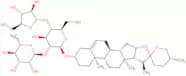
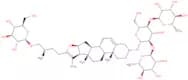
CAS:Polyphyllin D is a natural compound, which is a steroidal saponin extracted from the rhizome of Paris polyphylla, a traditional Chinese medicinal plant. It exhibits significant biological activities and has garnered interest for its potential therapeutic applications. Polyphyllin D exerts its effects primarily through the disruption of cellular processes, including the induction of apoptosis, modulation of the cell cycle, and inhibition of angiogenesis. It achieves these actions by influencing multiple molecular pathways, such as the mitochondrial apoptotic pathway and autophagy regulation.Formula:C44H70O16Purity:Min. 95%Color and Shape:PowderMolecular weight:855.02 g/molDioscin
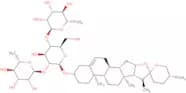
CAS:Dioscin is a steroidal saponin, which is a naturally occurring compound found in various plants, notably in species such as Dioscorea nipponica and Dioscorea zingiberensis. These plants belong to the yam family, which are well-regarded for their medicinal properties. The mode of action of dioscin involves modulation of various biochemical pathways, including the suppression of inflammatory cytokines and inhibition of cancer cell proliferation. Additionally, dioscin has been shown to promote apoptosis in cancer cells through the activation of caspases and disruption of mitochondrial function.
Formula:C45H72O16Purity:Min. 95%Color and Shape:PowderMolecular weight:869.05 g/molDihydroformononetin
CAS:Dihydroformononetin is an isoflavonoid phytoestrogen, which is a type of naturally occurring compound found primarily in leguminous plants. It is derived from plant sources such as red clover and soybeans, known for their rich isoflavone content. This compound undergoes metabolic conversion in plants and potentially in the human body, exerting effects through interactions with estrogen receptors.Formula:C16H14O4Purity:Min. 95%Color and Shape:White PowderMolecular weight:270.28 g/molHydrocortisone acetate
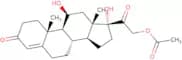
CAS:Controlled ProductHydrocortisone acetate is a synthetic corticosteroid, which is a product derived from the modification of natural adrenal cortex hormones. It functions as an anti-inflammatory and immunosuppressive agent through its interaction with glucocorticoid receptors, leading to the modulation of gene expression involved in immune and inflammatory responses. This interaction inhibits the release of pro-inflammatory mediators and reduces the permeability of capillaries, thereby diminishing inflammation and immune activity.Formula:C23H32O6Purity:Min. 97 Area-%Color and Shape:PowderMolecular weight:404.5 g/molPseudoprotodioscin
CAS:Pseudoprotodioscin is a bioactive saponin compound, which is primarily derived from various plant sources, including members of the genus Tribulus. The compound is part of a larger family of steroidal saponins known for their diverse biological activities. Its mode of action includes influencing cellular pathways through modulation of enzyme activity and interaction with steroid hormone receptors, contributing to its bioactivity.Formula:C51H82O21Purity:Min. 95%Color and Shape:White PowderMolecular weight:1,031.18 g/molBeclomethasone dipropionate
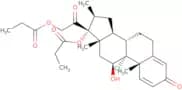
CAS:Controlled ProductBeclomethasone dipropionate is a synthetic corticosteroid, which is derived from beclomethasone, a glucocorticoid steroid. Its mode of action involves binding to specific intracellular glucocorticoid receptors. This binding modulates the transcription of glucocorticoid-responsive genes, leading to the synthesis of anti-inflammatory proteins and the inhibition of pro-inflammatory cytokine production. This reduces airway inflammation, edema, and mucus production, and enhances the responsiveness of beta-adrenergic receptors in the bronchial smooth muscle, facilitating bronchodilation.Formula:C28H37ClO7Purity:Min. 95%Color and Shape:PowderMolecular weight:521.04 g/molBetamethasone 21-phosphate disodium
CAS:Betamethasone 21-phosphate disodium is a synthetic glucocorticoid, which is a man-made analog of naturally occurring steroid hormones produced in the adrenal cortex. Its molecular structure allows for enhanced potency and solubility, making it highly effective for use in various clinical settings. As a glucocorticoid, Betamethasone 21-phosphate disodium functions by binding to glucocorticoid receptors, regulating the expression of anti-inflammatory proteins, and inhibiting the production of pro-inflammatory cytokines. This mechanism of action reduces inflammation and suppresses the immune response, making it valuable in the treatment of conditions that involve excessive inflammation. It is commonly used in the management of conditions such as allergic reactions, certain types of arthritis, and skin diseases. Its ability to rapidly modulate inflammatory pathways also makes it useful in emergency settings for conditions like acute asthma exacerbations and severe allergic reactions. As a water-soluble ester, it allows for diverse administration routes, including oral, intravenous, and topical applications, depending on the clinical requirement.Formula:C22H28FNa2O8PPurity:Min. 95%Color and Shape:White PowderMolecular weight:516.4 g/molGracillin
CAS:Gracillin is a steroidal saponin, which is a bioactive compound derived from the plant genus Dioscorea. This natural product is characterized by its complex glycoside structure, where a sugar moiety is attached to a steroid-like aglycone. The mode of action of Gracillin involves its interaction with cellular membranes, leading to increased cell membrane permeability. This action is thought to disrupt normal cellular functions, making it a compound of interest for studying membrane dynamics.Formula:C45H72O17Purity:Min. 95%Color and Shape:White PowderMolecular weight:885.04 g/molBufalin
CAS:Bufalin is a bufadienolide compound, which is a type of steroid derived primarily from toad venom, specifically from the skin and parotid venom glands of the toad species Bufo gargarizans. Its mode of action involves the inhibition of Na+/K+-ATPase, an enzyme critical for maintaining the electrochemical gradient across cell membranes. By disrupting this gradient, Bufalin affects cellular ion homeostasis and induces apoptosis in various cancer cell lines.Formula:C24H34O4Purity:Min. 95%Color and Shape:White PowderMolecular weight:386.52 g/molEquilenin
CAS:Equilenin is a steroidal estrogen, which is a type of naturally occurring hormone. It is derived primarily from the urine of pregnant mares and belongs to the class of conjugated equine estrogens. In terms of its mode of action, equilenin functions by binding to estrogen receptors in various tissues, thereby modulating gene expression and influencing cellular activity. This interaction supports the management of estrogen deficiencies in postmenopausal women and can influence the regulation of certain metabolic processes.Formula:C18H18O2Purity:Min. 95%Color and Shape:PowderMolecular weight:266.33 g/molent-Fisetinidol-(4α->8)-catechin-(6->4α)-ent-fisetinidol
CAS:Ent-Fisetinidol-(4alpha->8)-catechin-(6->4alpha)-ent-fisetinidol is a complex flavan-3-ol oligomer, which is a type of polyphenolic compound commonly found in various plant species. This compound is derived primarily from plants such as those in the genus *Acacia* and other similar species rich in condensed tannins. The mode of action of this oligomer involves its ability to engage in antioxidant activities, which include scavenging free radicals and chelating metal ions that facilitate oxidative stress in biological systems.Formula:C45H38O16Purity:Min. 95%Color and Shape:PowderMolecular weight:834.77 g/molErizimoside
CAS:Please enquire for more information about Erizimoside including the price, delivery time and more detailed product information at the technical inquiry form on this pageFormula:C35H52O14Purity:Min. 95%Color and Shape:PowderMolecular weight:696.78 g/molSegesterone
CAS:Controlled ProductSegesterone is a synthetic progestin, which is a chemically engineered hormone analogue. It is synthesized from steroid precursors, specifically designed to mimic the naturally occurring hormone progesterone. Segesterone acts primarily through binding to progesterone receptors, exerting its effects by modulating gene expression related to reproductive processes. This mechanism inhibits ovulation, alters cervical mucus to prevent sperm penetration, and modifies the endometrial lining to reduce the likelihood of implantation.Formula:C21H28O3Purity:Min. 95%Molecular weight:328.4 g/mol7-Dehydrostigmasterol
CAS:Controlled Product7-Dehydrostigmasterol is a phytosterol, which is a type of steroid alcohol derived from plant sources, particularly within the metabolic pathway of various sterols. This compound acts as an intermediate in the biosynthesis of other phytosterols, functioning within key enzymatic conversion processes that are part of the larger sterol metabolic network.Purity:Min. 95%Betamethasone enol aldehyde Z isomer
CAS:Controlled ProductBetamethasone enol aldehyde Z isomer is a synthetic corticosteroid, which is derived from modifications of the naturally occurring glucocorticoid, cortisol. Its structure has been altered to enhance anti-inflammatory and immunosuppressive potency. As a Z isomer, it exhibits specific stereochemistry, potentially affecting its pharmacokinetics and interactions at the molecular level.Formula:C22H27FO4Purity:Min. 95 Area-%Color and Shape:PowderMolecular weight:374.45 g/mol