Cinnamic Acids
Found 660 products of "Cinnamic Acids"
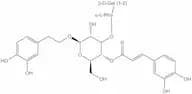
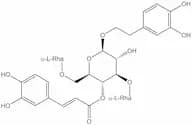
Plantamajoside
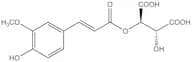
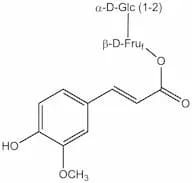
CAS:Natural glycosideFormula:C29H36O16Purity:≥ 95.0 % (HPLC)Color and Shape:PowderMolecular weight:640.6Trans-fertaric acid
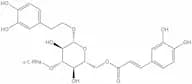
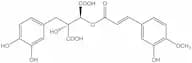
CAS:Carboxylic acid with additional oxygen functionsFormula:C14H14O9Purity:≥ 90.0 % (HPLC)Color and Shape:PowderMolecular weight:326.26Isoverbascoside
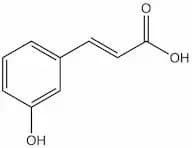
CAS:Natural glycosideFormula:C29H36O15Purity:≥ 90.0 % (HPLC)Color and Shape:PowderMolecular weight:624.6Trans-m-coumaric acid
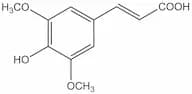
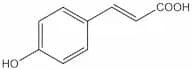
CAS:Carboxylic acid with phenol functionFormula:C9H8O3Purity:≥ 98.0 % (HPLC)Color and Shape:PowderMolecular weight:164.16Trans-sinapic acid
CAS:Carboxylic acid with additional oxygen functionsFormula:C11H12O5Purity:≥ 95.0 % (HPLC)Color and Shape:PowderMolecular weight:224.212-methoxycinnamaldehyde
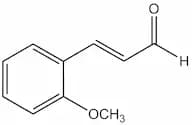
CAS:Aldehyde etherFormula:C10H10O2Purity:≥ 98.0 % (HPLC)Color and Shape:CrystalsMolecular weight:162.195-feruloylquinic acid
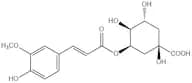
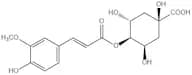
CAS:Carboxylic acid with additional oxygen functionsFormula:C17H20O9Purity:≥ 90.0 % (HPLC)Color and Shape:PowderMolecular weight:368.344-feruloylquinic acid
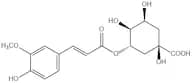
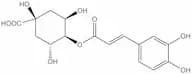
CAS:Carboxylic acid with additional oxygen functionsFormula:C17H20O9Purity:≥ 90.0 % (HPLC)Color and Shape:PowderMolecular weight:368.343-feruloylquinic acid
CAS:Carboxylic acid with additional oxygen functionsFormula:C17H20O9Purity:≥ 90.0 % (HPLC)Color and Shape:PowderMolecular weight:368.34Hexahydrocurcumin
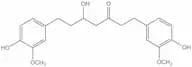
CAS:Ketone phenolFormula:C21H26O6Purity:≥ 90.0 % (HPLC)Color and Shape:PowderMolecular weight:374.433-feruloyl-4-caffeoylquinic acid
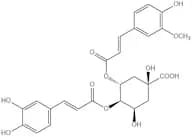
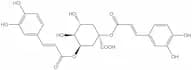
CAS:Carboxylic acid with additional oxygen functionsFormula:C26H26O12Purity:≥ 90.0 % (HPLC)Color and Shape:PowderMolecular weight:530.481,5-dicaffeoylquinic acid
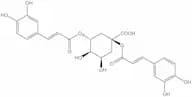
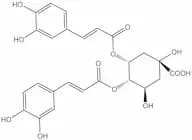
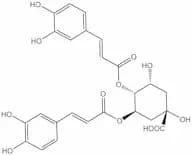
CAS:Carboxylic acid with additional oxygen functionsFormula:C25H24O12Purity:≥ 98.0 % (HPLC)Color and Shape:PowderMolecular weight:516.463,4-dicaffeoylquinic acid
CAS:Carboxylic acid with additional oxygen functionsFormula:C25H24O12Purity:≥ 95.0 % (HPLC)Color and Shape:PowderMolecular weight:516.46Bisdemethoxycurcumin
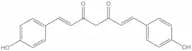
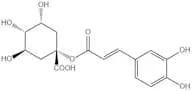
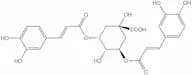
CAS:Ketone phenolFormula:C19H16O4Purity:≥ 95.0 % (HPLC)Color and Shape:PowderMolecular weight:308.33Chlorogenic acid
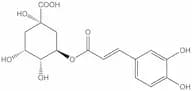
CAS:Carboxylic acid with additional oxygen functionsFormula:C16H18O9Purity:≥ 95.0 % (HPLC)Color and Shape:PowderMolecular weight:354.31Tetrahydrocurcumin
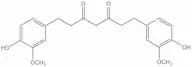
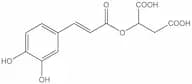
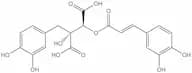
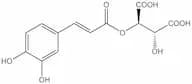
CAS:Ketone phenolFormula:C21H24O6Purity:≥ 95.0 % (HPLC)Color and Shape:PowderMolecular weight:372.42Caffeoylmalic acid
CAS:Carboxylic acid with phenol functionFormula:C13H12O8Purity:≥ 95.0 % (HPLC)Color and Shape:PowderMolecular weight:296.23Ethyl trans-caffeate
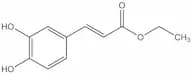
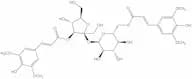
CAS:Carboxylic acid with phenol functionFormula:C11H12O4Purity:≥ 90.0 % (HPLC)Color and Shape:PowderMolecular weight:208.213',6-disinapoylsucrose
CAS:Natural glycosideFormula:C34H42O19Purity:≥ 98.0 % (HPLC)Color and Shape:PowderMolecular weight:754.694,5-dicaffeoylquinic acid
CAS:Carboxylic acid with additional oxygen functionsFormula:C25H24O12Purity:≥ 95.0 % (HPLC)Color and Shape:PowderMolecular weight:516.461-caffeoylquinic acid
CAS:Carboxylic acid with phenol functionFormula:C16H18O9Purity:≥ 95.0 % (HPLC)Color and Shape:PowderMolecular weight:354.31Cryptochlorogenic acid
CAS:Carboxylic acid with additional oxygen functionsFormula:C16H18O9Purity:≥ 98.0 % (HPLC)Color and Shape:PowderMolecular weight:354.31Rosin
CAS:Natural glycosideFormula:C15H20O6Purity:≥ 98.0 % (HPLC)Color and Shape:PowderMolecular weight:296.32Poliumoside
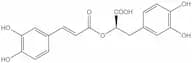
CAS:Natural glycosideFormula:C35H46O19Purity:≥ 95.0 % (HPLC)Color and Shape:PowderMolecular weight:770.74Rosmarinic acid
CAS:Carboxylic acid with phenol functionFormula:C18H16O8Purity:≥ 95.0 % (HPLC)Color and Shape:PowderMolecular weight:360.32Cynarin
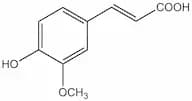
CAS:Carboxylic acid with additional oxygen functionsFormula:C25H24O12Purity:≥ 98.0 % (HPLC)Color and Shape:PowderMolecular weight:516.46Trans-ferulic acid
CAS:Carboxylic acid with additional oxygen functionsFormula:C10H10O4Purity:≥ 95.0 % (HPLC)Color and Shape:PowderMolecular weight:194.19Calceolarioside b
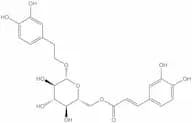
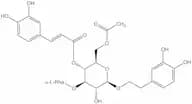
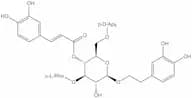
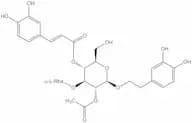
CAS:Natural glycosideFormula:C23H26O11Purity:≥ 95.0 % (HPLC)Color and Shape:PowderMolecular weight:478.456-acetylacteoside
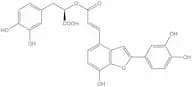
CAS:Natural glycosideFormula:C31H38O16Purity:≥ 98.0 % (HPLC)Color and Shape:PowderMolecular weight:666.63Salvianolic acid d
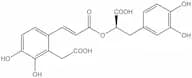
CAS:Carboxylic acid with phenol functionFormula:C20H18O10Purity:≥ 90.0 % (HPLC)Color and Shape:PowderMolecular weight:418.36Trans-p-methoxycinnamic acid ethyl ester
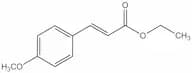
CAS:Carboxylic acid with additional oxygen functionsFormula:C12H14O3Purity:≥ 95.0 % (HPLC)Color and Shape:PowderMolecular weight:206.24Trans-5-hydroxyferulic acid
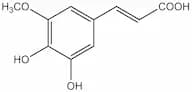
CAS:Carboxylic acid with additional oxygen functionsFormula:C10H10O5Purity:≥ 90.0 % (HPLC)Color and Shape:PowderMolecular weight:210.18Forsythoside b
CAS:Natural glycosideFormula:C34H44O19Purity:≥ 95.0 % (HPLC)Color and Shape:PowderMolecular weight:756.71Echinacoside
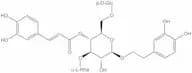
CAS:Natural glycosideFormula:C35H46O20Purity:≥ 95.0 % (HPLC)Color and Shape:PowderMolecular weight:786.742'-acetylacteoside
CAS:Natural glycosideFormula:C31H38O16Purity:≥ 95.0 % (HPLC)Color and Shape:PowderMolecular weight:666.63Fukinolic acid
CAS:Carboxylic acid with additional oxygen functionsFormula:C20H18O11Purity:≥ 90.0 % (HPLC)Color and Shape:PowderMolecular weight:434.35Cimicifugic acid f
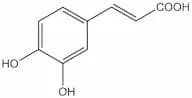
CAS:Carboxylic acid with additional oxygen functionsFormula:C21H20O10Purity:≥ 90.0 % (HPLC)Color and Shape:PowderMolecular weight:432.38Trans-caffeic acid
CAS:Carboxylic acid with phenol functionFormula:C9H8O4Purity:≥ 98.0 % (HPLC)Color and Shape:PowderMolecular weight:180.16Trans-p-coumaric acid
CAS:Carboxylic acid with phenol functionFormula:C9H8O3Purity:≥ 95.0 % (HPLC)Color and Shape:PowderMolecular weight:164.16Salvianolic acid c
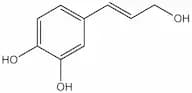
CAS:Oxygen-heterocyclic compoundFormula:C26H20O10Purity:≥ 98.0 % (HPLC)Color and Shape:PowderMolecular weight:492.43Caffeoyl alcohol
CAS:Phenol alcoholFormula:C9H10O3Purity:≥ 95.0 % (HPLC)Color and Shape:PowderMolecular weight:166.183,5-dicaffeoylquinic acid
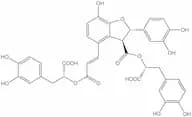
CAS:Carboxylic acid with additional oxygen functionsFormula:C25H24O12Purity:≥ 95.0 % (HPLC)Color and Shape:PowderMolecular weight:516.46Salvianolic acid b
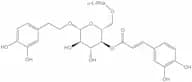
CAS:Oxygen-heterocyclic compoundFormula:C36H30O16Purity:≥ 90.0 % (HPLC)Color and Shape:PowderMolecular weight:718.63Verbascoside
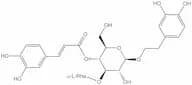
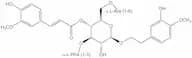
CAS:Natural glycosideFormula:C29H36O15Purity:≥ 90.0 % (HPLC)Color and Shape:PowderMolecular weight:624.6Angoroside c
CAS:Natural glycosideFormula:C36H48O19Purity:≥ 95.0 % (HPLC)Color and Shape:PowderMolecular weight:784.75Leontopodic acid a
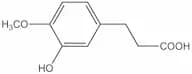
CAS:Carboxylic acid with additional oxygen functionsFormula:C37H34O19Purity:≥ 90.0 % (HPLC)Color and Shape:PowderMolecular weight:782.65Dihydroisoferulic acid
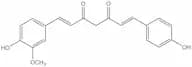
CAS:Carboxylic acid with additional oxygen functionsFormula:C10H12O4Purity:≥ 95.0 % (HPLC)Color and Shape:PowderMolecular weight:196.2Curcumin
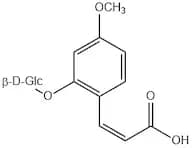
CAS:Ketone phenolFormula:C21H20O6Purity:≥ 98.0 % (HPLC)Color and Shape:PowderMolecular weight:368.39Cis-2-hydroxy 4-methoxycinnamic acid 2-glucoside
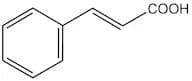
CAS:Natural glycosideFormula:C16H20O9Purity:≥ 90.0 % (HPLC)Color and Shape:PowderMolecular weight:356.32Trans-cinnamic acid
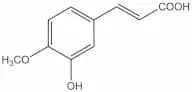
CAS:Aromatic monobasic carboxylic acidFormula:C9H8O2Purity:≥ 98.0 % (HPLC)Color and Shape:PowderMolecular weight:148.16Trans-isoferulic acid
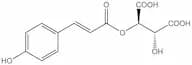
CAS:Carboxylic acid with additional oxygen functionsFormula:C10H10O4Purity:≥ 95.0 % (HPLC)Color and Shape:PowderMolecular weight:194.19Trans-coutaric acid
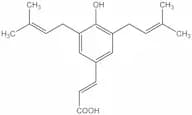
CAS:Carboxylic acid with additional oxygen functionsFormula:C13H12O8Purity:≥ 90.0 % (HPLC)Color and Shape:PowderMolecular weight:296.23Artepillin c
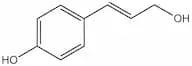
CAS:Carboxylic acid with phenol functionFormula:C19H24O3Purity:≥ 90.0 % (HPLC)Color and Shape:PowderMolecular weight:300.39P-coumaroyl alcohol
CAS:Phenol alcoholFormula:C9H10O2Purity:≥ 98.0 % (HPLC)Color and Shape:PowderMolecular weight:150.18Chicoric acid
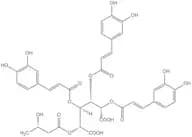
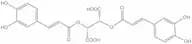
CAS:Tartaric acid esterFormula:C22H18O12Purity:≥ 95.0 % (HPLC)Color and Shape:PowderMolecular weight:474.38Forsythoside a
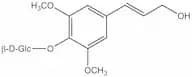
CAS:Natural glycosideFormula:C29H36O15Purity:≥ 90.0 % (HPLC)Color and Shape:PowderMolecular weight:624.6Eleutheroside b
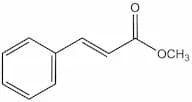
CAS:Natural glycosideFormula:C17H24O9Purity:≥ 95.0 % (HPLC)Color and Shape:PowderMolecular weight:372.37Methyl trans-cinnamate
CAS:Aromatic monobasic carboxylic acidFormula:C10H10O2Purity:≥ 98.0 % (HPLC)Color and Shape:PowderMolecular weight:162.19Demethoxycurcumin
CAS:Ketone phenolFormula:C20H18O5Purity:≥ 90.0 % (HPLC)Color and Shape:PowderMolecular weight:338.36Caftaric acid
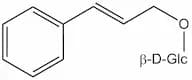
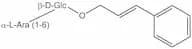
CAS:Carboxylic acid with additional oxygen functionsFormula:C13H12O9Purity:≥ 95.0 % (HPLC)Color and Shape:PowderMolecular weight:312.23Rosavin
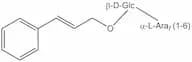
CAS:Natural glycosideFormula:C20H28O10Purity:≥ 95.0 % (HPLC)Color and Shape:PowderMolecular weight:428.44Rosarin
CAS:Natural glycosideFormula:C20H28O10Purity:≥ 98.0 % (HPLC)Color and Shape:PowderMolecular weight:428.44Cimicifugic acid b
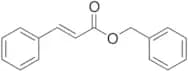
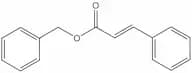
CAS:Carboxylic acid with additional oxygen functionsFormula:C21H20O11Purity:≥ 98.0 % (HPLC)Color and Shape:PowderMolecular weight:448.38Benzyl cinnamate
CAS:Aromatic monobasic carboxylic acidFormula:C16H14O2Purity:≥ 98.0 % (HPLC)Color and Shape:SolidMolecular weight:238.29Lithospermic acid
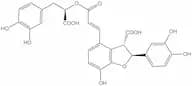
CAS:Oxygen-heterocyclic compoundFormula:C27H22O12Purity:≥ 90.0 % (HPLC)Color and Shape:PowderMolecular weight:538.47Neochlorogenic acid
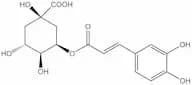
CAS:Carboxylic acid with additional oxygen functionsFormula:C16H18O9Purity:≥ 95.0 % (HPLC)Color and Shape:PowderMolecular weight:354.31Ref: 10-F674063
1gTo inquire5gTo inquire10gTo inquire2.5gTo inquire50mgTo inquire100mgTo inquire250mgTo inquire500mgTo inquireBenzyl Cinnamate
CAS:Applications BENZYL CINNAMATE (cas# 103-41-3) is a useful research chemical.
Formula:C16H14O2Color and Shape:WhiteMolecular weight:238.28Isoamyl 4-Methoxycinnamate
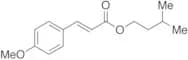
CAS:Controlled ProductApplications Isoamyl 4-Methoxycinnamate is used in the highly protective sunscreen composition against the UVA/UVB.
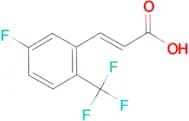
References Cuderman, P., et al: Anal. Bioanal. Chem., 387, 1343 (2007), Zhao, X., et al.: Environ. Sci. Technol., 42, 1201 (2008), Dubrovski, P., et al.: Text Res. J., 79, 351 (2009),Formula:C15H20O3Color and Shape:NeatMolecular weight:248.325-Fluoro-2-(trifluoromethyl)cinnamic acid
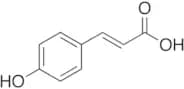
CAS:Formula:C10H6F4O2Color and Shape:SolidMolecular weight:234.15trans-p-Coumaric Acid
CAS:Applications trans-p-Coumaric Acid is the E-isomer of p-Coumaric Acid (C755365), a hydroxy derivative of Cinnamic Acid with antioxidant properties. p-Coumaric acid is a is a major component of lignocellulose. Studies suggest that p-Coumaric Acid may reduce the risk of cancer by reducing the formation of carcinogenic nitrosamines.
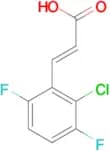
References Kikugawa, K. et al.: J. Agric. Food Chem., 1, 780 (1983); Ferguson, L.R. et al.: Mol. Nutrit. Food Res., 585 (2005); Chung, F.L. et al.: IARC Sci. Pub., 57, 797 (1984);Formula:C9H8O3Color and Shape:BeigeMolecular weight:164.162-Chloro-3,6-difluorocinnamic acid
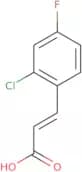
CAS:Formula:C9H5ClF2O2Color and Shape:SolidMolecular weight:218.582-Chloro-4-fluorocinnamic acid
CAS:2-Chloro-4-fluorocinnamic acid is an organic compound that is a useful building block, reagent, and speciality chemical. It is a versatile intermediate for the production of other organic compounds. 2-Chloro-4-fluorocinnamic acid can be used as a reaction component or a scaffold in the synthesis of complex compounds. The synthesis of this product is also possible by coupling it with an appropriate amine, such as 4-(diethylamino)benzaldehyde.Formula:C9H6ClFO2Purity:Min. 95%Color and Shape:PowderMolecular weight:200.59 g/mol2-Nitro-4-(trifluoromethyl)cinnamic acid
CAS:2-Nitro-4-(trifluoromethyl)cinnamic acid is a versatile building block that can be used in the synthesis of complex compounds. It is a useful reagent, speciality chemical, and reaction component. 2-Nitro-4-(trifluoromethyl)cinnamic acid has been shown to be an intermediate for the synthesis of other compounds such as anti-tuberculosis drugs, antibiotics, and pharmaceuticals. This compound also has high quality and can be used as a scaffold for the synthesis of other compounds.Formula:C10H6F3NO4Purity:Min. 95%Molecular weight:261.15 g/molCaffeic acid
CAS:Caffeic acid is naturally produced by the metabolism of plants and fungi. Caffeic acid has an antioxidant activity that can be higher than tocopherol in oil-in-water emulsions. Caffeic acid has proven antimicrobial activity against Staphylococcus aureus. In mice, caffeic acid inhibits the enzyme 5-lipoxygenase thus inhibititing the biosynthesis of the inflammatory mediators leukotrienes.
Formula:C9H8O4Purity:Min. 98 Area-%Color and Shape:PowderMolecular weight:180.16 g/molCaffeic acid
CAS:Caffeic acid is naturally produced by the metabolism of plants and fungi. Caffeic acid has an antioxidant activity that can be higher than tocopherol in oil-in-water emulsions. Caffeic acid has proven antimicrobial activity against Staphylococcus aureus. In mice, caffeic acid inhibits the enzyme 5-lipoxygenase thus inhibititing the biosynthesis of the inflammatory mediators leukotrienes.Formula:C9H8O4Purity:Min. 98.0 Area-%Molecular weight:180.16 g/molRef: 3D-C-1500
1kgTo inquire25gTo inquire250gTo inquire500gTo inquire2500gTo inquire-Unit-ggTo inquirecis-4-Chloro-3-nitrocinnamic acid
Cis-4-Chloro-3-nitrocinnamic acid is an aromatic organic compound with potential utility in biochemical research and synthesis. This compound is typically derived from synthetic chemical processes involving chlorination and nitration reactions on cinnamic acid derivatives. Its molecular structure, characterized by both chloro and nitro functional groups, allows it to interact in unique ways with various biochemical pathways and molecular frameworks.
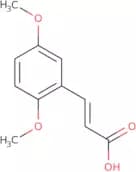
Formula:C9H6ClNO4Purity:Min. 95%Color and Shape:White PowderMolecular weight:227.6 g/mol2,5-Dimethoxycinnamic acid
CAS:2,5-Dimethoxycinnamic acid is an unsymmetrical phenolic compound that is synthesized from caffeic acid. It has been shown to have a number of biological activities such as anti-inflammatory, coagulation, and inhibitory effects on platelet aggregation. 2,5-Dimethoxycinnamic acid has also been shown to be a potent inhibitor of platelet aggregation and thrombosis formation in vitro. This natural compound is also found in plants such as green tea leaves which contain the polyphenols epigallocatechin gallate and hydroxyanisole. The chromophore group in the molecule is responsible for the yellow color of this substance.Formula:C11H12O4Purity:Min. 95%Color and Shape:PowderMolecular weight:208.21 g/molEthyl 4-aminocinnamate
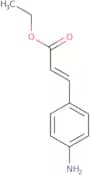
CAS:Ethyl 4-aminocinnamate is a supramolecular, homologous, activated, linear polymer. It is used as an amine and phosphazene ligand in mesomorphic solid-state chemistry. It has a reversible covalent bond that can be thermally broken and re-formed. This property allows for the synthesis of polymers with functional groups on both ends of the molecule. The nitro group on this compound can be reduced to amine to give another functional group. Ethyl 4-aminocinnamate has been shown to have pharmacokinetic properties that are similar to those of ethyl 4-aminobenzoate (EB). EB is an inhibitor of NS5B polymerase that blocks RNA synthesis and leads to inhibition of viral replication. EB also inhibits ring opening reactions in the presence of nitro groups, which may explain its inhibitory effect on HIV RNA synthesis.Formula:C11H13NO2Purity:Min. 95%Color and Shape:PowderMolecular weight:191.23 g/molMethyl 4-hydroxycinnamate
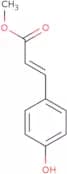
CAS:Methyl 4-hydroxycinnamate is a protocatechuic acid that can be produced by the reaction of hydrochloric acid and b16 mouse melanoma. This chemical has been shown to have an anti-inflammatory effect in rats with inflammatory bowel disease. Methyl 4-hydroxycinnamate is also a natural compound found in plants, such as celery, cinnamon, and apples. The mechanism of this chemical's action is unknown but it has been shown to inhibit the activity of rat liver microsomes. It is theorized that methyl 4-hydroxycinnamate may inhibit the production of proinflammatory substances by altering the membrane composition or activity of enzymes.br>br> br>br> Methyl 4-hydoxycinnamate may be synthesized from anhydrous sodium acetate and an acid complex in a model system using reaction solution. The product is then purified using column chromatography before being reacted with methylamine and sulfurFormula:C10H10O3Purity:Min. 95%Color and Shape:PowderMolecular weight:178.18 g/mol4-Chloro-3-nitrocinnamic acid
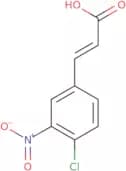
CAS:4-Chloro-3-nitrocinnamic acid is a thionyl chloride derivative of cinnamic acid. It is used as an intermediate in the preparation of pharmaceuticals and dyestuffs. 4-Chloro-3-nitrocinnamic acid inhibits the activity of amides, dimethylformamide, alkaline hydrolysis, xylene, carboxyphenyl, cinnamic, refluxing, nitrophenyl and carboxylic acids. 4-Chloro-3-nitrocinnamic acid reacts with chloride to form the corresponding chloride salt. This compound can also react with formamide to form an amide salt. The ester group of 4-chloro-3-nitrocinnamic acid can be cleaved by nitro compounds to produce nitro derivatives.Formula:C9H6ClNO4Purity:Min. 95%Color and Shape:Off-White PowderMolecular weight:227.6 g/molFerulic acid
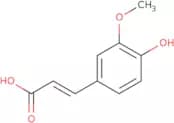
CAS:Ferulic acid is a plant polyphenol that has been shown to induce apoptosis in human leukemia cells and inhibit the production of tumor necrosis factor-α (TNF-α), thereby improving glucose tolerance. Ferulic acid inhibits the mitochondrial membrane potential by binding to the Mcl-1 protein and inducing its degradation, leading to anion radical scavenging. This compound also has significant cytotoxicity in a model system and has been shown to have hypoglycemic effects in animal studies. Ferulic acid also induces cell cycle arrest by inhibiting the expression of cyclin D1, which is involved in regulating the G1 phase of the cell cycle.
Formula:C10H10O4Purity:Min. 95%Color and Shape:PowderMolecular weight:194.18 g/moltrans-Ferulic acid
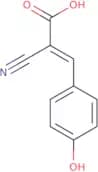
CAS:Hydroxycinnamic acid; inhibitor of 5-LO and 12-LO enzymesFormula:C10H10O4Purity:Min. 99.0 Area-%Color and Shape:White PowderMolecular weight:194.18 g/mola-Cyano-4-hydroxycinnamic acid
CAS:a-Cyano-4-hydroxycinnamic acid is a cyclic peptide that has been shown to have cytotoxic and antimicrobial properties. It has been shown to be effective in reducing the viability of cells in vitro by interfering with DNA synthesis and cell signaling pathways, as well as causing oxidative stress. This compound also induces apoptosis in squamous carcinoma cells and hypoxic tumor cells; this effect may be due to its ability to induce the release of cytochrome c from mitochondria. a-Cyano-4-hydroxycinnamic acid has been shown to produce antibacterial activity against Gram-positive bacteria, such as Streptococcus pneumoniae and Staphylococcus aureus, but not against Gram-negative bacteria, such as Escherichia coli or Pseudomonas aeruginosa.Formula:C10H7NO3Color and Shape:Slightly Yellow PowderMolecular weight:189.17 g/molcis-4-Hydroxycinnamic acid
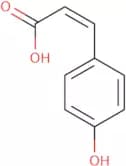
CAS:Cis-4-Hydroxycinnamic acid is a phenolic acid that is found in plants and is a natural compound. It has been shown to be an inhibitor of cell proliferation. Cis-4-Hydoxycinnamic acid inhibits the synthesis of DNA and RNA, which may inhibit the growth of bacteria and fungi. This compound can be extracted from plant materials by acetate extract or preparative high-performance liquid chromatography (HPLC). Cis-4-Hydoxycinnamic acid also has anti-inflammatory properties, which may be due to its inhibition of prostaglandin synthesis.
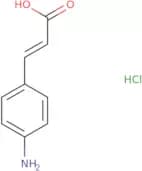
Formula:C9H8O3Purity:Min. 95%Color and Shape:PowderMolecular weight:164.16 g/mol4-Aminocinnamic acid hydrochloride
CAS:4-Aminocinnamic acid hydrochloride (4ACA) is a synthetic compound that inhibits the bacterial membrane by binding to the polypeptide chain of the protein. It is a water-soluble polymer that is capable of enhancing the water solubility of other compounds and has been shown to inhibit the growth of typhimurium. 4ACA binds to chalcone, anilines, and styrene, which are all substrates for bacterial enzymes. The interaction between 4ACA and these substrates alters their chemical properties and provides resistance to bacteria.Formula:C9H9NO2·HClPurity:Min. 95%Color and Shape:Off-White PowderMolecular weight:199.63 g/mol2,3-Methylenedioxycinnamic acid
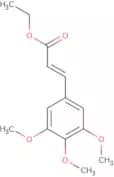
CAS:2,3-Methylenedioxycinnamic acid is a synthetic, isomeric compound. It has been postulated that this compound could be a topoisomerase poison and that it mediates the alkenylation of protoberberine alkaloids. The physicochemical properties of 2,3-methylenedioxycinnamic acid have not been determined.Formula:C10H8O4Purity:Min. 95%Color and Shape:PowderMolecular weight:192.17 g/molEthyl 3,4,5-trimethoxycinnamate
CAS:Ethyl 3,4,5-trimethoxycinnamate is a cinnamic acid derivative that has significant cytotoxicity and anticancer activity. It inhibits the growth of Leishmania parasites by inhibiting the production of gamma-aminobutyric acid, which is essential for cell division and survival. Ethyl 3,4,5-trimethoxycinnamate has been shown to inhibit the growth of cancer cells in vitro by binding to DNA at dipole sites and disrupting the integrity of the molecule. This compound also has optical properties that may be due to its ability to absorb light in the blue region of the spectrum. The anti-cancer effects of ethyl 3,4,5-trimethoxycinnamate may be related to its ability to inhibit cell growth.Formula:C14H18O5Purity:Min. 95%Color and Shape:SolidMolecular weight:266.29 g/mol4-Aminocinnamic acid
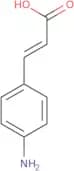
CAS:4-Aminocinnamic acid is a monomer that can be polymerized to form polymers. It is soluble in organic solvents and is resistant to UV light. 4-Aminocinnamic acid has been shown to have photochemical properties and can be used to produce hydrogen bonds with other molecules. This compound has been used as a carbon source for microbial growth and has been shown to be an effective genetic control agent for the bacteria Escherichia coli. 4-Aminocinnamic acid has also been shown to inhibit the growth of butyric acid producing bacteria, such as Clostridium butyricum, while promoting the growth of lactic acid producing bacteria, such as Lactobacillus plantarum.
Formula:C9H9NO2Purity:90%Color and Shape:PowderMolecular weight:163.17 g/mol3,4,5-Trimethoxycinnamic acid
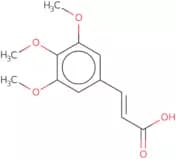
CAS:3,4,5-Trimethoxycinnamic acid (TMC) is a hydroxycinnamic acid that is an intermediate in the synthesis of protocatechuic acid. TMC has been found to have an inhibitory effect on the matrix metalloproteinase activity in the cerebellar granule cells and may be useful for treating allergic reactions. It also has anti-inflammatory properties and can be used as a replacement for sodium carbonate in certain industrial processes. TMC also has been shown to have GABA-ergic effects, increasing locomotor activity and reducing anxiety. TMC can also be used as a Chinese herb for the treatment of ganoderma lucidum.Formula:C12H14O5Purity:Min. 98 Area-%Color and Shape:PowderMolecular weight:238.24 g/mol3,4,5-Tricaffeoylquinic acid
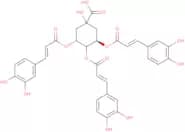
CAS:3,4,5-Tricaffeoylquinic acid is a caffeoylquinic acid derivative that exerts an inhibitory effect on the Toll-like receptor. It also has anti-inflammatory properties. 3,4,5-Tricaffeoylquinic acid has been shown to exhibit strong antiviral and antibacterial activity against infectious diseases such as influenza and tuberculosis. The compound has also been used as a natural dye for food products and cosmetics. 3,4,5-Tricaffeoylquinic acid is used in vitro assays for the identification of compounds with potential antioxidant activity. This compound is also used as a matrix effect to determine the bioavailability of other drugs in vitro and may be useful in analytical methods for determining benzalkonium chloride levels.
Formula:C34H30O15Purity:Min. 95%Color and Shape:PowderMolecular weight:678.59 g/mol3-Methoxycinnamic acid methyl ester
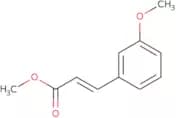
CAS:3-Methoxycinnamic acid methyl ester is a high quality, versatile building block for the synthesis of complex compounds. It is an intermediate in the synthesis of reagents and fine chemicals. 3-Methoxycinnamic acid methyl ester has been used in research as a scaffold to create new chemical entities. This compound has been used as a reaction component in multistep syntheses and as a precursor to speciality chemicals.
Formula:C11H12O3Purity:Min. 95%Color and Shape:Colorless PowderMolecular weight:192.21 g/mol






![(2e)-3-[4-(heptyloxy)-3-methoxyphenyl]prop-2-enoic acid](/_next/image/?url=https%3A%2Fstatic.cymitquimica.com%2Fproducts%2F10%2Fthumb-webp%2FF674063.webp&w=3840&q=75)