Nucleosides
Found 3569 products of "Nucleosides"
3-Ribofuranosyl-4,9-dihydro-4,6,7-trimethyl-9-oxoimidazo(1,2-a)purine
CAS:3-Ribofuranosyl-4,9-dihydro-4,6,7-trimethyl-9-oxoimidazo(1,2-a)purine is a nucleoside with the chemical formula C8H8N5O5. It is used in research as a phylogenetic marker and index fossil. 3RFP is found as a natural product in some plants and animals, but it can also be synthesized chemically. 3RFP has been shown to posttranscriptionally inhibit rRNA synthesis by binding to the ribonucleotide reductase enzyme. This inhibits the production of RNA needed for protein synthesis and cell division. 3RFP has been shown to have structural diversity that has yet to be fully explored due to its rarity.Purity:Min. 95%2,3'-Anhydro-N4-benzoyl-2'-deoxycytidine 5'-CE phosphoramidite
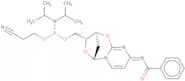
2,3'-Anhydro-N4-benzoyl-2'-deoxycytidine 5'-CE phosphoramidite is a novel nucleoside analog that has been synthesized to have the same chemistry as 2,3'-dideoxycytidine 5'-C phosphoramidite. It has antiviral and anticancer properties. This compound can be used in the synthesis of oligonucleotides for DNA sequencing and for gene therapy. 2,3'-Anhydro-N4-benzoyl-2'-deoxycytidine 5'-CE phosphoramidite is not toxic to normal cells, but it inhibits replication of viruses such as HIV and herpes simplex virus.Formula:C25H32N5O5PPurity:Min. 95%Molecular weight:513.54 g/mol5’-O-DMT-2’-b-C-methyladenosine
5’-O-DMT-2’-b-C-methyladenosine is a modified nucleoside with antiviral and anticancer activity. It is an activator of DNA synthesis, and can be used as a precursor for phosphoramidites for the synthesis of oligonucleotides. The 5’-O-DMT group in this compound may be replaced with other activating groups to synthesize different modified nucleosides.
Purity:Min. 95%N6-Dimethyl-3’-b-C-methyladenosine
CAS:N6-Dimethyl-3’-b-C-methyladenosine is a novel nucleoside analog that has antiviral and anticancer properties. It is a phosphoramidite, which can be used as an activator for the synthesis of modified oligonucleotides. N6-Dimethyl-3’-b-C-methyladenosine has been shown to activate ribonucleosides and deoxyribonucleosides in vitro. This compound also has anticancer properties, which may be due to its ability to act as an activator in the synthesis of DNA.Purity:Min. 95%1'-13CCytidine
CAS:Please enquire for more information about 1'-13CCytidine including the price, delivery time and more detailed product information at the technical inquiry form on this pageFormula:CC8H13N3O5Purity:Min. 95%Color and Shape:PowderMolecular weight:244.21 g/mol5'-O-p-Anisoyl-D3-thymidine
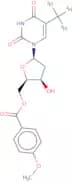
Controlled Product5'-O-p-Anisoyl-D3-thymidine is a nucleoside analogue that is used in antiviral and anticancer treatments. It is synthesized by the condensation of 3,4-dihydroxyacetophenone with 2,6-diaminopurine followed by phosphorylation of the 5' hydroxyl group. This product has been shown to be an activator of both DNA polymerase and RNA polymerase. In addition, it can inhibit the production of viral proteins such as HIV protease without affecting protein synthesis in mammalian cells. It also inhibits cancer cell growth by stopping DNA replication at the G2 phase. 5'-O-p-Anisoyl-D3-thymidine has been shown to be highly purified and can be used for research purposes. This product may have a CAS number but it will not be listed on this website due to company policy.Formula:C18H17N2O7D3Purity:Min. 95%Molecular weight:379.38 g/molN2-Phenylacetyl-L-guanosine
N2-Phenylacetyl-L-guanosine is a nucleoside that has been synthetically modified to have the desired properties of an anticancer agent. This compound inhibits DNA synthesis and is therefore cytotoxic to cells. It also inhibits RNA synthesis and is antiviral. N2-Phenylacetyl-L-guanosine has been found to be effective in preventing the growth of leukemia cells, breast cancer cells, prostate cancer cells, and ovarian cancer cells. N2-Phenylacetyl-L-guanosine is a nucleotide analogue that can be used as a building block for DNA or RNA synthesis. It can be used as a phosphate donor in phosphoramidite chemistry and can activate other nucleosides for use in chemical biology.
Formula:C18H19N5O6Purity:Min. 95%Molecular weight:401.37 g/mol4,6-Diamino-2-(b-D-ribofuranosyl)-2H-pyrazolo[3,4-d]pyrimidine
CAS:4,6-Diamino-2-(b-D-ribofuranosyl)-2H-pyrazolo[3,4-d]pyrimidine is a nucleoside monophosphate that is used as an antiviral agent. It inhibits the synthesis of viral DNA and RNA by inhibiting the activity of enzymes needed for nucleotide synthesis. 4,6-Diamino-2-(b-D-ribofuranosyl)-2H-pyrazolo[3,4-d]pyrimidine has shown anticancer properties in vitro against human colon cancer cells. This drug has been shown to inhibit the growth of tumor cells with high expression levels of cyclin D1 and low levels of p27 (a cell cycle regulatory protein).Purity:Min. 95%N2,N2-Dimethylguanosine
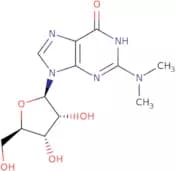
CAS:N2,N2-Dimethylguanosine is a purine nucleoside that is found in human serum. It belongs to the group of purines and has been shown to be involved in energy metabolism. N2,N2-Dimethylguanosine has been shown to be present at high levels in patients with autoimmune diseases such as rheumatoid arthritis. The x-ray crystal structures of wild-type strains of Escherichia coli and Streptococcus pneumoniae have been determined, which revealed that this compound interacts with the enzyme activity for primary sclerosing cholangitis. This nucleoside can also be detected by LC-MS/MS methods and multivariate logistic regression analysis.Formula:C12H17N5O5Purity:Min. 98 Area-%Color and Shape:Off-White PowderMolecular weight:311.3 g/mol2',3'-Dideoxy-5-iodouridine
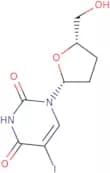
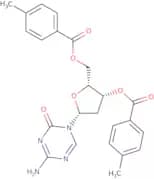
CAS:2',3'-Dideoxy-5-iodouridine is a synthetic nucleoside analog derived from uridine, one of the natural building blocks of RNA. This molecule has been chemically modified to disrupt the normal processes of DNA and RNA synthesis, making it a candidate for antiviral and anticancer research.Formula:C9H11IN2O4Purity:Min. 95%Color and Shape:PowderMolecular weight:338.1 g/mol1-(2'-Deoxy-3',5'-di-O-toluoyl-b-D-ribofuranosyl)-4-amino-1,2-dihydro-2-oxo-1,3,5-triazine
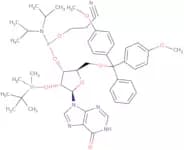
CAS:1-(2'-Deoxy-3',5'-di-O-toluoyl-b-D-ribofuranosyl)-4-amino-1,2-dihydro-2-oxo-1,3,5-triazine is a nucleoside derivative that features a modified pyrimidinone (triazine) base attached to a protected deoxyribose sugar. This molecule can be used in research.Formula:C24H24N4O6Purity:Min. 95%Color and Shape:White To Off-White SolidMolecular weight:464.48 g/mol2'-O-tert-Butyldimethylsilyl-5'-O-DMT-inosine 3'-CE phosphoramidite
CAS:2'-O-tert-Butyldimethylsilyl-5'-O-DMT-inosine 3'-CE phosphoramidite is a modified ribonucleoside with antiviral and anticancer properties. Its DNA synthesis inhibitory activity has been shown in vitro. It is capable of inhibiting the growth of cells infected with influenza A virus, herpes simplex virus type 2, and human lymphocytic leukemia cells. This compound can also be used to produce synthetic oligonucleotides for research purposes. SELECTIVE: The following description should only be used for products that are specifically designed for one gender or age group:Formula:C46H61N6O8PSiPurity:Min. 96 Area-%Color and Shape:PowderMolecular weight:885.07 g/mol2'-Deoxy-5'-DMT-5-(prop-2-yn-1-ylcarbamoyl)uridine 3'-CE phosphoramidite
2'-Deoxy-5'-DMT-5-(prop-2-yn-1-ylcarbamoyl)uridine 3'-CE phosphoramidite is a diphosphate nucleoside that is used in the synthesis of DNA. It has been modified with an acetyl group at the 2' position and a propargylamine group at the 5' position. This modification improves its stability to hydrolysis by esterases and also increases binding affinity for cationic lipids. The purified material is suitable for use in a variety of DNA syntheses, including PCR amplification, gene cloning, and site-directed mutagenesis.Purity:Min. 95%6-Amino-1-(2'-deoxy-a-D-ribofuranosyl)-4-methoxy-1H- pyrazolo[3,4-d]pyrimidine
6-Amino-1-(2'-deoxy-a-D-ribofuranosyl)-4-methoxy-1H- pyrazolo[3,4-d]pyrimidine is a modified nucleoside that is an antiviral agent and anticancer drug. It inhibits viral replication by inhibiting the activity of DNA polymerase. 6-[Amino(2'-deoxyribofuranosyl)]-1-(2'-deoxyribofuranosyl)-4-methoxypyrazolo[3,4-d]pyrimidine has been shown to inhibit the growth of cancer cells without affecting healthy cells.Purity:Min. 95%3'-O-Allylguanosine
3'-O-Allylguanosine is a antiviral agent that belongs to the group of synthetic nucleosides. It is a monophosphate analog of guanosine and an activator of ribonucleotide reductase. 3'-O-Allylguanosine has been shown to be effective against cancer cells in vitro. It has also been shown to inhibit DNA synthesis and promote DNA degradation in human leukemia cells, suggesting its potential use for the treatment of leukemia.
Formula:C13H17N5O5Purity:Min. 95%Molecular weight:323.3 g/mol5'-Amino-5'-deoxyguanosine
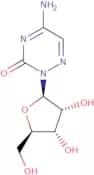
CAS:5'-Amino-5'-deoxyguanosine (5-ADG) is an intermediate in the de novo synthesis of guanine nucleotides. It can be synthesized from 5-aminoimidazole ribonucleotide and guanosine monophosphate (GMP). 5-ADG is a substrate for the enzyme GTP cyclohydrolase, which converts it to GMP. This intermediate can also be formed by the action of phosphoryl chloride on 5-aminoimidazole ribonucleotide. The reaction of 5-ADG with malonic acid leads to the formation of inosinic acid, which has been postulated to be a precursor of purines. This conversion is catalyzed by adenylosuccinate synthetase and the enzyme adenylosuccinase.Formula:C10H14N6O4Purity:Min. 95 Area-%Color and Shape:PowderMolecular weight:282.26 g/mol6-Azacytidine
CAS:6-Azacytidine is a molecule that contains a hydroxyl group and a glycosidic bond. It has been shown to inhibit the growth of mollicutes, which are non-cellular bacteria. 6-Azacytidine has also been shown to be toxic in animal tissue culture studies. The drug can be eliminated through the urine or bile after being metabolized by the liver. 6-Azacytidine is not active against human cells in cell culture, but it does show some toxicity against human liver cells.Formula:C8H12N4O5Purity:Min. 95%Color and Shape:PowderMolecular weight:244.2 g/mol2-Chloro-N,N-dimethyl-2’C-methyladenosine
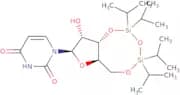
CAS:2-Chloro-N,N-dimethyl-2’C-methyladenosine is a synthetic nucleoside that inhibits viral DNA synthesis. It is a modified deoxyribonucleoside that contains a chloro group at the 2’ position of the sugar ring and a methyl group at the 3’ position. This drug has antiviral activity against herpes simplex virus type 1 (HSV-1) and herpes simplex virus type 2 (HSV-2), respiratory syncytial virus (RSV), and influenza A virus. It also displays anticancer activity in vitro. This drug inhibits cancer cell growth by interfering with DNA replication and triggering apoptosis through inhibition of protein kinase C and activation of caspases.Purity:Min. 95%3',5'-O-(1,1,3,3-Tetraisopropyl-1,3-disiloxanediyl)uridine
CAS:Used as aprotected uridine nucleoside in RNA synthesis. The 1,1,3,3-tetraisopropyl-1,3-disiloxanediyl (TIPDS or TBDPSi2) group serves as a bulky and selectively acid-labile protecting group for the 3' and 5' hydroxyl groups of the uridine ribonucleoside during RNA oligonucleotide synthesis.Formula:C21H38N2O7Si2Purity:Min. 95%Color and Shape:White PowderMolecular weight:486.71 g/mol2-Methylthioadenosine
CAS:2-Methylthioadenosine is a purine nucleoside which induces necrotic cell death. It is the first of its kind to be shown to have activity against squamous carcinoma cells, and is activated by nucleoside phosphorylase in order to produce its cytotoxic form. 2-Methylthioadenosine also inhibits the transcription-polymerase chain reaction and increases oxidative injury. This drug has been shown to have receptor activity in brain cells, as well as chemotactic activity for gland cells. 2-Methylthioadenosine has been used as a model organism for polymerase chain reactions, and has been shown to inhibit p2y receptors in the human colon cancer cell line HT29.
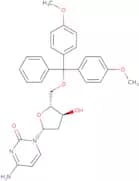
Formula:C11H15N5O4SPurity:Min. 95%Color and Shape:White Off-White PowderMolecular weight:313.34 g/mol2'-Deoxy-5'-O-DMT-cytidine
CAS:2'-Deoxy-5'-O-DMT-cytidine is an organic compound. It is a synthetic, combinational and amine nitrogen containing heterocyclic compound that is used in organic synthesis. This chemical is also used as a building block for the synthesis of heterocyclic compounds with other functional groups such as thionyl, formulae, chlorides and hydrogen atoms.Formula:C30H31N3O6Purity:Min. 95 Area-%Color and Shape:White PowderMolecular weight:529.58 g/molAcetyl coenzyme A sodium salt
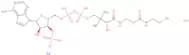
CAS:Acetyl-coenzyme A is an important intermediate in the metabolism of carbohydrates, fats, and proteins. It is a cytosolic molecule that is synthesized from Acetyl-CoA and ATP. The Michaelis–Menten kinetics describe the relationship between the concentration of acetyl-coenzyme A and the rate of its consumption. Acetyl co-enzyme A is found in many different tissues, including plants, animals, and humans. It has an important role in regulating cellular growth and differentiation by activating various enzymes involved in metabolic pathways. Acetyl CoA can be acetylated to form acetyl CoA carboxylic acid (ACC) which then turns into malonyl CoA through a series of reactions. Malonyl CoA then enters the Krebs cycle as a key intermediate for generating energy from fatty acids.Formula:C23H38N7O17P3S·xNaPurity:Min. 95%Color and Shape:PowderMolecular weight:809.57 g/mol5’-Deoxy-5’-iodo-2’-O-(2-methoxyethyl)-5-methyluridine
CAS:5’-Deoxy-5’-iodo-2’-O-(2-methoxyethyl)-5-methyluridine is an antiviral drug that inhibits the synthesis of viral DNA. It is synthesized by reacting 5'-deoxyadenosine monophosphate with 2'-O-(2-methoxyethyl)iodoacetamide and methylating the resulting product with methyl iodide. 5'-Deoxy-5’-iodo-2’-O-(2-methoxyethyl)-5-methyluridine has a novel structure and can be used as an activator of ribonucleosides in DNA synthesis. The drug also has anticancer properties, which may be due to its ability to inhibit cellular proliferation by inhibiting the enzyme DNA polymerase or by arresting cells at the G1 phase of the cell cycle.Purity:Min. 95%2’,3’-Anhydro-7-deazaadenosine
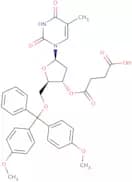
CAS:2’,3’-Anhydro-7-deazaadenosine is a modified nucleoside that is used in the treatment of viral infections. It is an antiviral drug that has been shown to have anticancer properties. 2’,3’-Anhydro-7-deazaadenosine can be synthesized from deoxyribonucleosides and diphosphates. The compound has been shown to inhibit the synthesis of DNA by binding to the enzyme DNA polymerase and blocking the formation of a phosphodiester bond between the 5' phosphate group and 3'-OH group. This may lead to inhibition of DNA replication and transcription. 2’,3’-Anhydro-7-deazaadenosine also inhibits protein synthesis by inhibiting RNA polymerase activity.Purity:Min. 95%5'-O-DMT-thymidine 3'-O-succinate triethylammonium salt
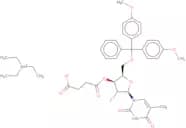
CAS:5'-O-DMT-thymidine 3'-O-succinate triethylammonium salt is a novel antiviral agent that inhibits viral replication by competing with natural nucleosides for incorporation into the viral DNA or RNA. The 5'-O-DMT group prevents the elimination of thymidine from the monophosphate form. This product has a high purity and quality, as well as potent antiviral activity against HIV and other viruses.Formula:C35H36N2O10·xC6H15NPurity:Min. 95%Color and Shape:PowderMolecular weight:745.86 g/molN6-Benzoyl-5'-O-benzoyl-2'-O-tert-butyldimethylsilyladenosine 3'-CE phosphoramidite
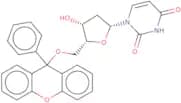
N6-Benzoyl-5'-O-benzoyl-2'-O-tert-butyldimethylsilyladenosine 3'-CE phosphoramidite is an activator that is used to synthesize modified nucleosides. N6-Benzoyl-5'-O-benzoyl-2'-O-tert-butyldimethylsilyladenosine 3'-CE phosphoramidite has been shown to activate the synthesis of ribonucleosides, deoxyribonucleosides and other modified nucleosides. It reacts with a variety of DNA, RNA and protein substrates, including those containing phosphate groups. N6-Benzoyl-5'-O-benzoyl-2'-O-tert-butyldimethylsilyladenosine 3'-CE phosphoramidite has also been shown to have anticancer activity in vitro and in vivoFormula:C39H52N7O7PSiPurity:Min. 95%Molecular weight:789.95 g/mol2'-Deoxy-5'-O-pixyluridine
2'-Deoxy-5'-O-pixyluridine (2DPU) is a novel, synthetic nucleoside that is an active ingredient in antiviral and anticancer drugs. 2DPU has been shown to inhibit the replication of human immunodeficiency virus type 1 (HIV-1) by inhibiting the viral enzyme HIV reverse transcriptase. The phosphoramidite form of 2DPU is used as a building block for DNA synthesis and for the synthesis of other nucleosides. The monophosphate form of 2DPU is used in the synthesis of antiviral drugs, including acyclovir, zidovudine, and ribavirin.Formula:C28H24N2O6Purity:Min. 95%Molecular weight:484.51 g/molN4-Acetyl-5'-O-DMT-2'-O-methylcytidine
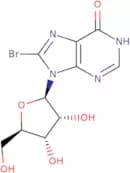
CAS:N4-Acetyl-5'-O-DMT-2'-O-methylcytidine is a cytidine analogue that has been synthesized to be used as an enzyme-linked probe. It is labelled with biotin and can be detected by binding to an antibody which has been labelled with a fluorescent tag. Cytidine analogues are synthesized on a solid phase and then cleaved from the support material. The spacer arm is added to the 5' end of the nucleotide and the 3'-OH group is modified with 2'-O-methyl groups. N4-Acetyl-5'-O-DMT-2'-O-methylcytidine has been shown to be sensitive in techniques such as solid phase synthesis, nucleic acid research, and immunoassays.Formula:C33H35N3O8Purity:Min. 95%Color and Shape:Off-White PowderMolecular weight:601.65 g/mol8-Bromoinosine
CAS:8-Bromoinosine is a potent chemical probe that can be used to study the molecular mechanism of cGMP-dependent protein kinase (PKG). 8-Bromoinosine reacts with the acceptor site in PKG, which is located at the base of the active site cleft. Electrons from hydrogen bond donor sites on 8-bromoadenosine are transferred to chloride ion and the resulting 8-bromoinosine chloride complex is an effective inhibitor of PKG. It has been shown that stereoselectivity plays a role in this reaction mechanism.
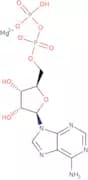
Formula:C10H11BrN4O5Purity:Min. 95%Color and Shape:PowderMolecular weight:347.13 g/molAdenosine 5'-diphosphate magnesium salt
CAS:Adenosine 5'-diphosphate magnesium salt (ADP-Mg) is a pharmacological agent that has inhibitory properties. It is used as a model system to study platelet function and the effect of adenosine on platelet aggregation. ADP-Mg is also used as a reagent in the study of protein synthesis and regulation. This chemical has been shown to potentiate the activity of serotonin receptors, which may contribute to its anti-inflammatory effects. Adenosine 5'-diphosphate magnesium salt also inhibits papillary muscle contractions by inhibiting Ca2+ currents, leading to an improved ejection fraction in patients with congestive heart failure.Formula:C10H13N5O10P2·MgPurity:Min. 95%Color and Shape:PowderMolecular weight:449.49 g/mol4'-C-Azido-2'-deoxy-2'-fluoro-4-[bis(2-hydroxyethyl)]-b-D-arabinocytidine
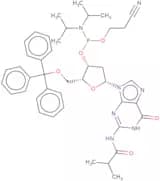
CAS:4'-C-Azido-2'-deoxy-2'-fluoro-4-[bis(2-hydroxyethyl)]-b-D-arabinocytidine is a novel nucleoside analog with antiviral and anticancer activities. It is a chemical compound with the molecular formula C8H14N6O5P and a molecular weight of 288.28 g/mol. 4'-C-Azido-2'-deoxy-2'-fluoro-4-[bis(2-hydroxyethyl)]-b-D-arabinocytidine has the CAS number 136045902, which can be found in PubChem Compound Database.Purity:Min. 95%2'-Deoxy-N2-isobutyryl-5'-O-tritylguanosine 3'-CE phosphoramidite
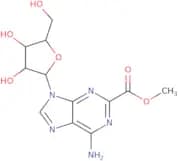
2'-Deoxy-N2-isobutyryl-5'-O-tritylguanosine 3'-CE phosphoramidite is a novel nucleoside analogue that has antiviral and anticancer properties. This compound is synthesized by the reaction of 5'-O-tritylguanosine with 2'-deoxyribonucleosides in high purity. The final product is purified by chromatography and characterized using mass spectrometry and nuclear magnetic resonance spectroscopy.Purity:Min. 95%2-Methoxycarbonyl adenosine
CAS:2-Methoxycarbonyl adenosine is a modified nucleoside and nucleotide. It is an antiviral agent that has been shown to be effective against herpes simplex virus type 1 (HSV-1) and varicella zoster virus (VZV). 2-Methoxycarbonyl adenosine also has anticancer activity, which may be due to its ability to inhibit DNA synthesis. This agent can also be used as a phosphoramidite for the synthesis of oligonucleotides and as a monophosphate for the synthesis of ribonucleosides. 2-Methoxycarbonyl adenosine is also available in high purity and high quality with CAS No. 70255-70-8.Purity:Min. 95%2'-O-Methylcytidine-5'-triphosphate sodium salt - 100mM aqueous solution
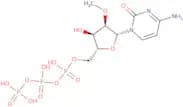
CAS:2'-O-Methylcytidine-5'-triphosphate sodium salt is a synthetic, modified nucleoside analog. It can be used as an antiviral agent and anticancer drug to inhibit viral replication and tumor growth. 2'-O-Methylcytidine-5'-triphosphate sodium salt has the ability to activate cellular DNA synthesis. This compound also inhibits RNA polymerase activity in cancer cells, which inhibits the production of proteins vital for cell division. 2'-O-Methylcytidine-5'-triphosphate sodium salt can be used as a phosphoramidite building block for the synthesis of oligonucleotides with novel structures.Formula:C10H18N3O14P3·xNaPurity:Min. 95%Color and Shape:Clear LiquidMolecular weight:497.18 g/mol2-Thiouridine-5'-monophosphate triethylammonium salt - aqueous solution
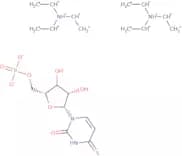
CAS:2-Thiouridine-5'-monophosphate triethylammonium salt is a synthetic nucleotide analog that inhibits the growth of cells by binding to the anticodon region, which blocks the entrance of amino acids into the ribosome. It also inhibits cell growth by preventing glycosidic bond formation and inhibiting purine metabolism. This drug has functional groups that allow it to be purified by chromatography and diffraction techniques. The drug is not active against bacteria that are resistant to glutamic acid, such as Mycobacterium tuberculosis or Mycobacterium avium complex. 2-Thiouridine-5'-monophosphate triethylammonium salt is a precursor for other drugs, such as cytidine 5'-triphosphate, which can be used in chemotherapy treatments.Formula:C21H43N4O8PSPurity:Min. 95%Color and Shape:Clear LiquidMolecular weight:542.63 g/molN6-Benzoyl-5'-O-DMT-2'-O-propynyladenosine 3'-CE phosphoramidite
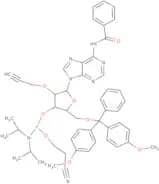
CAS:N6-Benzoyl-5'-O-DMT-2'-O-propynyladenosine 3'-CE phosphoramidite is a modified nucleoside, which is an important building block for DNA and RNA synthesis. It is synthesized by the condensation of 6-benzoyladenosine with 2'-O-propynyladenosin. The stability of this compound has been demonstrated by its resistance to hydrolysis and oxidation, while it can also be activated with a variety of activators, including NaBH4 or NaCNBH3. This novel nucleotide has shown anticancer activity in vivo and antiviral activity against HIV.
Formula:C50H54N7O8PPurity:Min. 95%Molecular weight:911.98 g/molb-Nicotinamide adenine dinucleotide phosphate disodium salt
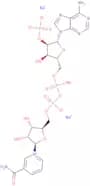
CAS:Coenzyme and regenerating electron donor in catabolic processesFormula:C21H26N7Na2O17P3Purity:Min. 93 Area-%Color and Shape:White PowderMolecular weight:787.4 g/mol6-Chloro-7-deaza-9-(b-D-ribofuranosyl)purine
CAS:6-Chloro-7-deaza-9-(b-D-ribofuranosyl)purine is a novel nucleoside that has been shown to be an efficient activator of the transcription factor NFκB in vitro. 6-Chloro-7-deaza-9-(b-D-ribofuranosyl)purine is synthesized by phosphoramidite chemistry and purified by HPLC. It has been demonstrated to inhibit the replication of human immunodeficiency virus (HIV) in a dose dependent manner, which may be due to its ability to inhibit the synthesis of viral DNA and RNA. This product is highly pure and can be used for many purposes, including as a synthetic building block for DNA or as an antiviral drug.Formula:C11H12ClN3O4Purity:Min. 95%Color and Shape:White PowderMolecular weight:285.69 g/molN-Benzoyl-2'-deoxy-2'-fluoroadenosine, 3'-(hydrogen phosphonate)
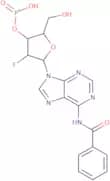
CAS:N-Benzoyl-2'-deoxy-2'-fluoroadenosine, 3'-(hydrogen phosphonate) is a novel nucleoside that inhibits the replication of virus by binding to viral RNA. It is synthesized by reacting 2'-deoxy-2'-fluoroadenosine with pentafluorophenyl phosphate in the presence of an activator such as dicyclohexylcarbodiimide or N-hydroxysuccinimide. The synthesis of N-benzoyl-2'-deoxy-2'-fluoroadenosine, 3'-(hydrogen phosphonate) can be accomplished using commercially available nucleosides and phosphoramidites.Purity:Min. 95%3'-O-[(Propan-2-ylidene)amino]-thymidine 5'-triphosphate
CAS:3'-O-[(Propan-2-ylidene)amino]-thymidine 5'-triphosphate is an antiviral and anticancer agent that is used for the synthesis of DNA and RNA. It is a novel nucleoside analog that has been modified to be activated by phosphoramidite chemistry. 3'-O-[(Propan-2-ylidene)amino]-thymidine 5'-triphosphate is synthesized from 2,6-diisopropylaniline, methyl 3-(aminomethyl)-1H-pyrrole-2,4-dicarboxylate, and propylamine in cyclohexane at reflux.Formula:C13H22N3O14P3Purity:Min. 95%Molecular weight:537.25 g/mol6-Amino-1-(2'-deoxy-b-D-ribofuranosyl)-4-hydrazino-1H-pyrazolo[3,4-d]pyrimidine
6-Amino-1-(2'-deoxy-b-D-ribofuranosyl)-4-hydrazino-1H-pyrazolo[3,4-d]pyrimidine (6ADRP) is a synthetic nucleoside that is used as an activator of ribonucleosides and diphosphates in DNA synthesis. 6ADRP has antiviral activity against HIV and herpes simplex virus type 1. It binds to the viral DNA polymerase and prevents the addition of nucleotides to the growing DNA strand. 6ADRP is phosphorylated by T7 kinase to form the active metabolite, 6-amino-1-(2'-deoxy-[alpha]-D-ribofuranosyl)-5'-triphosphate (6ATP), which inhibits viral replication by preventing the formation of RNA primers.Purity:Min. 95%3'-Deoxy-3'-fluoro-isocytidine
3'-Deoxy-3'-fluoro-isocytidine is a nucleoside that belongs to the class of Deoxyribonucleosides. It is a novel nucleoside that has antiviral and anticancer properties. 3'-Deoxy-3'-fluoro-isocytidine inhibits viral replication by inhibiting the action of DNA polymerase. It also inhibits cancer cell proliferation through inhibition of DNA synthesis and protein synthesis, as well as induction of apoptosis. 3'-Deoxy-3'-fluoro-isocytidine is phosphorylated by ribonucleotide reductase in the erythrocyte to yield its active form, deoxycytidine monophosphate (dCMP).Purity:Min. 95%2'-Deoxy-2'-fluoroadenosine
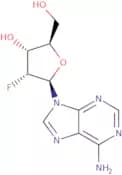
CAS:2’-Deoxy-2’-fluoro nucleosides and nucleotides have been shown to demonstrate anti-viral activity against influenza, SARS and HIV. More specifically the phosphonate of 2'-Deoxy-2'-fluoroadenosine has been evaluated as an inhibitor of Hepacivirus C (HCV).Formula:C10H12FN5O3Purity:Min. 95%Color and Shape:White PowderMolecular weight:269.24 g/mol5-(N-Methyl-N-trifluoromethylacetyl)aminomethyluridine
CAS:5-(N-Methyl-N-trifluoromethylacetyl)aminomethyluridine is a novel antiviral agent that is synthesized by treating uracil with methyl trifluoroacetate. It has a high quality and purity, and can be used as an antiviral drug to treat hepatitis B, herpes simplex virus type 1 (HSV-1), and herpes simplex virus type 2 (HSV-2).Purity:Min. 95%1-(4’-Azido-2’-deoxy-2’-fluoro-b-D-arabinofuranosyl)N4-(n-palmitoyl)-cytosine
1-(4’-Azido-2’-deoxy-2’-fluoro-b-D-arabinofuranosyl)N4-(n-palmitoyl)-cytosine is a deoxyribonucleoside, modified nucleoside that is synthesized by using a novel phosphoramidite chemistry. 1-(4’-Azido-2’-deoxy-2’-fluoro-b-D-arabinofuranosyl)N4-(n-palmitoyl)-cytosine is an activator of ribonucleotide reductase and can be used in anticancer and antiviral therapy.Purity:Min. 95%3'-O-Methylguanosine 5'-triphosphate lithium
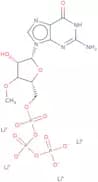
CAS:3'-O-Methylguanosine 5'-triphosphate lithium is a nucleotide that has been synthesized and characterized. It is a biochemical regulatory molecule that is involved in the synthesis of DNA, RNA, and proteins. 3'-O-Methylguanosine 5'-triphosphate lithium binds to the guanine nucleotide binding protein G, which acts as an allosteric activator of the enzyme ribonucleotide reductase. The reconstituted enzyme system containing 3'-O-methylguanosine 5'-triphosphate lithium has demonstrated a high level of fidelity in the replication of dna templates.
Formula:C11H18N5O14P3•Li4Purity:Min. 95%Color and Shape:PowderMolecular weight:564.97 g/mol8-Hydroxyadenosine
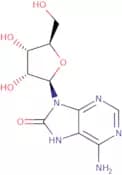
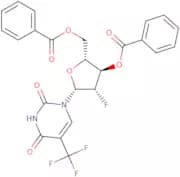
CAS:8-Hydroxyadenosine (8-OHdG) is a purine nucleoside that is formed as a result of oxidative DNA damage. It is not an essential metabolite because it can be synthesized de novo. 8-OHdG has been shown to have potent anti-tumor activity in vitro and in vivo, which may be due to its ability to inhibit DNA replication. The biological effects of 8-OHdG are attributed to its ability to form hydrogen bonds with guanine residues in the double helix, and electrochemical detectors have been developed for its detection.Formula:C10H13N5O5Purity:Min. 98 Area-%Color and Shape:PowderMolecular weight:283.25 g/mol3’,5’-Di-O-benzoyl-2’-deoxy-2’-fluoro-5-trifluoromethyl-arabinouridine
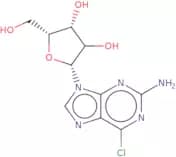
CAS:Please enquire for more information about 3’,5’-Di-O-benzoyl-2’-deoxy-2’-fluoro-5-trifluoromethyl-arabinouridine including the price, delivery time and more detailed product information at the technical inquiry form on this pagePurity:Min. 95%2-Amino-6-chloro-9-(b-D-ribofuranosyl)purine
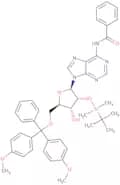
CAS:Intermediate in the synthesis of nelarabineFormula:C10H12ClN5O4Purity:Min. 97 Area-%Color and Shape:Off-White PowderMolecular weight:301.69 g/molN6-Benzoyl-2'-O-tert-butyldimethylsilyl-5'-O-DMT-adenosine
CAS:N6-Benzoyl-2'-O-tert-butyldimethylsilyl-5'-O-DMT-adenosine is a nucleoside that can be used in the synthesis of oligomers. It is a synthetic nucleoside with an absorption maximum at 410 nm and emission maximum at 522 nm. This compound has been shown to be efficient in the synthesis of phosphoramidites and ligands, as well as in rna synthesis and modifications. N6-Benzoyl-2'-O-tert-butyldimethylsilyl-5'-O-DMT-adenosine may inhibit bacterial growth by binding to the ribosome, preventing protein synthesis.
Formula:C44H49N5O7SiPurity:Min. 97 Area-%Color and Shape:PowderMolecular weight:787.97 g/mol9-(5'-tert-Butyldiphenylsilyl-2'-deoxy-b-D-xylofuranosyl)guanine
9-(5'-tert-Butyldiphenylsilyl-2'-deoxy-b-D-xylofuranosyl)guanine is a novel nucleoside that has been synthesized by the phosphoramidite method. It is a monophosphate, which can be activated to yield an anticancer agent. 9-(5'-tert-Butyldiphenylsilyl-2'-deoxy-b-D-xylofuranosyl)guanine is chemically modified with a silyl group at the 5' position of the sugar moiety and a tertiary butyldiphenylsilyl group at the 2' position of the sugar moiety. It has been shown to inhibit DNA synthesis and viral replication, as well as to have antiangiogenic activity.Purity:Min. 95%2'-Deoxy-N6-DMF-5'-O-MMT-adenosine 3'-CE phosphoramidite
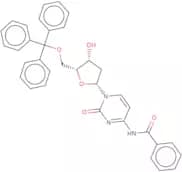
CAS:2'-Deoxy-N6-DMF-5'-O-MMT-adenosine 3'-CE phosphoramidite is a high purity, diphosphate nucleotide analog. It is an anticancer drug that inhibits DNA synthesis and can be used to treat cancer. The 2'-deoxy-N6-DMF moiety has been shown to inhibit the activity of DNA polymerase and other enzymes involved in DNA replication. This compound also has a novel mechanism of action that is not present in any other known anticancer drugs. CAS No. 195375-66-7.br>br>2'-Deoxy-N6-DMF 5'-O-MMT adenosine 3'-cephosphoramidite is often used as a building block for oligonucleotide synthesis because it is resistant to the removal of phosphate groups by alkaline phosphatases. The lack of phosphate groups makes this compound more stable than standard nucleotidesFormula:C42H51N8O5PPurity:Min. 95%Molecular weight:778.9 g/molN4-Benzoyl-2'-deoxy-5'-O-tritylcytidine
CAS:N4-Benzoyl-2'-deoxy-5'-O-tritylcytidine is a nucleoside analog that is used as an antiviral agent. It inhibits DNA synthesis by inhibiting the enzyme DNA polymerase, which is essential for the replication of viral and cellular DNA. N4-Benzoyl-2'-deoxy-5'-O-tritylcytidine also has anticancer activity, which may be due to its ability to inhibit ribonucleotide reductase and thereby block the production of RNA.Formula:C35H31N3O5Purity:Min. 95%Molecular weight:573.65 g/mol5-Fluoro-4’-C-methyluridine
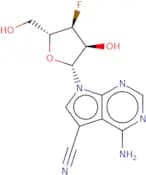
CAS:5-Fluoro-4’-C-methyluridine is a novel antiviral agent that is structurally related to the nucleoside analogue cytidine. It has been shown to be an activator of DNA polymerase, which may contribute to its antiviral activity. 5-Fluoro-4’-C-methyluridine has been shown to inhibit the growth of cancer cells by modifying the synthesis of deoxyribonucleic acid (DNA) and ribonucleic acid (RNA). 5-Fluoro-4’-C-methyluridine has also been shown to have anticancer effects, as it inhibits cell proliferation and induces apoptosis.Purity:Min. 95%3’-deoxy-3’-fluorotoyocamycin
CAS:3’-deoxy-3’-fluorotoyocamycin is a nucleoside, ribonucleoside and antiviral agent. It inhibits the replication of DNA viruses by inhibiting the viral enzyme RNA polymerase. This drug also has anticancer activity and can be used to treat leukemia and other cancers. 3’-deoxy-3’-fluorotoyocamycin can be used as a monophosphate or diphosphate activator for phosphoramidites in the synthesis of modified DNA. It is also a novel drug that has been modified to contain an additional phosphate group at position 3' on the sugar moiety. The CAS number for this compound is 847649-44-9.Purity:Min. 95%5'-Deoxy-5'-fluorothymidine
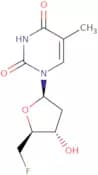
CAS:5'-Deoxy-5'-fluorothymidine is a cytotoxic agent that inhibits the synthesis of DNA by binding to the enzyme thymidylate synthase and preventing the formation of thymine nucleotide. 5'-Deoxy-5'-fluorothymidine has shown to be effective against herpes simplex virus, murine bone, and tissue culture cells. This drug also inhibits cellular proliferation in vitro and can be used in chemotherapy treatment. 5'-Deoxy-5'-fluorothymidine is synthesized from guanine by an enzyme called deoxyguanosine kinase. The biosynthesis of this drug involves two steps: conversion of guanine to xanthosine monophosphate (XMP) and conversion of XMP to 5'-deoxy-5'-fluorothymidine (dFTP).Formula:C10H13FN2O4Purity:Min. 95%Molecular weight:244.22 g/molIsocytidine triphosphate triethylamine
CAS:Isocytidine triphosphate triethylamine salt is a nucleoside that has been modified to include an amino group. It is a monophosphate, which means it contains one phosphate group. Isocytidine triphosphate triethylamine salt has shown anticancer properties as it inhibits the synthesis of DNA and RNA. This compound also prevents the activation of transcription factors, such as NF-κB, that are important in cancer cell proliferation.Formula:C9H16N3O14P3•(C6H15N)xPurity:Min. 95%Color and Shape:PowderMolecular weight:483.15 g/mol5’-Azido-5’-deoxy-2’-O-methyl-5-methyluridine
CAS:5’-Azido-5’-deoxy-2’-O-methyl-5-methyluridine is a novel nucleoside with the ability to activate ribonucleosides and phosphoramidites. It is a modified nucleoside that has been shown to have anticancer and antiviral properties. 5’-Azido-5’-deoxy-2’-O-methyl-5-methyluridine also inhibits the synthesis of viral RNA and DNA, which may result in its antiinflammatory properties. 5’-Azido-5’deoxy -2′O methyl -5′ methyl uridine has a CAS number of 187733–73–9.
Purity:Min. 95%8-Bromoguanosine 3',5'-cyclic monophosphate sodium salt
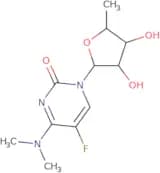
CAS:Activator of cGMP-dependent protein kinasesFormula:C10H10BrN5NaO7PPurity:Min. 95%Color and Shape:PowderMolecular weight:446.08 g/mol5’-Deoxy-N4-dimethyl-5-fluorocytidine
CAS:5’-Deoxy-N4-dimethyl-5-fluorocytidine is a novel antiviral agent that inhibits the synthesis of viral RNA. It is synthesized by the de novo purine nucleotide biosynthesis pathway and is activated by phosphorylation to a 5'-diphosphate. This compound has been shown to inhibit the replication of herpes simplex virus type 1 in cell culture. In addition, it has been shown to have anticancer activity against human leukemia cells in vitro and in vivo.Purity:Min. 95%6-Dimethylamino-9-(b-D-ribofuranosyl)purine
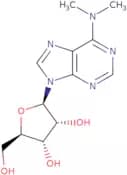
CAS:6-Dimethylamino-9-(b-D-ribofuranosyl)purine (6-DMAP) is an analog of adenine that has been shown to have anticancer activity in human serum and tissue culture. 6-DMAP can inhibit the synthesis of ATP, leading to cell death by significantly inhibiting cellular processes such as glycolysis and DNA replication. 6-DMAP also has a significant cytotoxicity on various types of cancer cells and plant tissues. The mechanism of action for the anticancer activity of 6-DMAP is not yet known, but it may be due to its ability to interfere with purine metabolism or its ability to form covalent bonds with DNA.
Formula:C12H17N5O4Purity:Min. 98 Area-%Color and Shape:White PowderMolecular weight:295.3 g/mol1-(2'-Deoxy-5'-O-DMT-2'-fluoro-β-D-arabinofuranosyl)thymine 3'-O-succinate triethylammonium
1-(2'-Deoxy-5'-O-DMT-2'-fluoro-b-D-arabinofuranosyl)thymine 3'-O-succinate triethylammonium salt is a compound used in the synthesis of oligonucleotides. The synthesis of such compounds often involves the use of protecting groups, such as the 4,4'-dimethoxytrityl (DMT) group, to prevent unwanted reactions during the synthesis process. The 2'-fluoro modification is of particular interest due to its potential to alter the chemical and biological properties of the resulting oligonucleotides. Fluorinated nucleosides and their analogs have been extensively studied for their antiviral and anticancer activitiesFormula:C35H34FN2O10•C6H16NPurity:Min. 95%Molecular weight:763.87 g/molAdenosine 5'-diphosphate monosodium salt
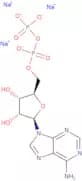
CAS:Used for energy storage and in nucleic acid metabolismFormula:C10H14N5NaO10P2Purity:Min. 98 Area-%Color and Shape:White Off-White PowderMolecular weight:449.18 g/mol2'-O-(2-Methoxyethyl)-5-methylcytidine 5'-monophosphate
2'-O-(2-Methoxyethyl)-5-methylcytidine 5'-monophosphate is a novel nucleoside analog that is phosphorylated to its active form, 5'-O-(4,4'-dimethoxytrityl)-2'-O-(2-methoxyethyl)-5-methylcytidine monophosphate, which has antiviral and anticancer properties. It can be used as an activator for oligonucleotide synthesis and DNA synthesis. This product is available in high purity (>98%) and high quality. CAS No.: 181297-76-7Purity:Min. 95%4-Demethylwyosine
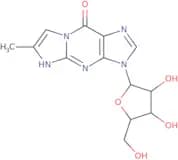
CAS:4-Demethylwyosine is a metabolite found in the bacterium Pyrococcus furiosus. It is an intermediate in the biosynthesis of 2-amino-3,5-dimethyoxybenzoic acid. 4-Demethylwyosine has been shown to inhibit cancer cell proliferation by inhibiting the synthesis of lysine residues and base formation. This inhibition may be due to its methyl transferase activity, which leads to decreased levels of methionine, or it may be due to its ability to act as a carboxylate group donor. 4-Demethylwyosine has also been shown to bind with DNA and RNA, regulating posttranscriptional processes such as protein translation and transcription.Formula:C13H15N5O5Purity:Min. 80 Area-%Color and Shape:PowderMolecular weight:321.29 g/mol5'-O-DMT-2'-O-methyl-N6-phenoxyacetyladenosine
CAS:5'-O-DMT-2'-O-methyl-N6-phenoxyacetyladenosine is a novel synthetic nucleoside with antiviral and anticancer activities. It is a phosphoramidite that can be used to synthesize oligonucleotides of any sequence. It is a nucleoside analogue that has been shown to inhibit the activity of DNA gyrase and topoisomerase IV, which are enzymes that maintain the integrity of bacterial DNA. 5'-O-DMT-2'-O-methyl-N6-phenoxyacetyladenosine is also an activator of viral transcription and replication. 5'-O-DMT-2'-O-methyl-N6-phenoxyacetyladenosine has been shown to be active against methicillin resistant Staphylococcus aureus (MRSA) and Clostridium perfringens, although it is not active against acid fast bacteria suchFormula:C40H39N5O8Purity:Min. 95 Area-%Color and Shape:PowderMolecular weight:717.77 g/mol4-Amino-6-hydroxypyrazolo(3,4-D)pyrimidine
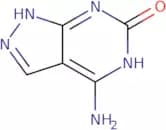
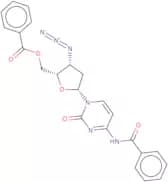
CAS:4-Amino-6-hydroxypyrazolo(3,4-D)pyrimidine is an anti-inflammatory drug that is used to treat bowel disease. It is also used as a polymer conjugate to treat cancer, and in the prevention of transplant rejection. 4-Amino-6-hydroxypyrazolo(3,4-D)pyrimidine has been shown to have antioxidant properties and may be effective in preventing inflammatory diseases such as inflammatory bowel disease. It has also been shown to act as an antihypertensive agent by inhibiting angiotensin I converting enzyme (ACE).Formula:C5H5N5OPurity:Min. 95%Molecular weight:151.13 g/mol3'-Azido-N4-benzoyl-5'-O-benzoyl-2',3'-dideoxycytidine
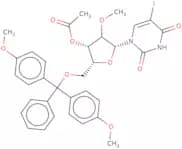
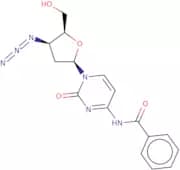
3'-Azido-N4-benzoyl-5'-O-benzoyl-2',3'-dideoxycytidine is a synthetic nucleoside with antiviral and anticancer properties. It is a modified nucleoside that has been synthesized from 2,3'-dideoxycytidine. 3'-Azido-N4-benzoyl-5'-O-benzoyl-2',3'-dideoxycytidine has shown to be effective against HIV and influenza virus. 3'-Azido-N4-benzoyl-5'-O-benzoyl-2',3'-dideoxycytidine binds to the viral RNA polymerase, preventing the production of viral mRNA. This drug also inhibits DNA synthesis by binding to deoxynucleotide triphosphates (dNTPs) and prevents DNA synthesis by inhibiting the enzyme DNA polymerase.Formula:C23H20N6O5Purity:Min. 95%Molecular weight:460.44 g/mol3'-O-Acetyl-5'-O-DMT-5-iodo-2'-O-methyuridine
CAS:3'-O-Acetyl-5'-O-DMT-5-iodo-2'-O-methyuridine is a novel nucleoside analog with antiviral and anticancer activities. It is an activator that binds to the ribonucleotide reductase enzyme, which is essential for the production of RNA and DNA. This compound has been shown to inhibit the growth of several cancer cells in vitro.Purity:Min. 95%1-(2-C-Methyl-b-D-ribofuranosyl)-5-nitropyridine-2(1H)-one
1-(2-C-Methyl-b-D-ribofuranosyl)-5-nitropyridine-2(1H)-one is an antiviral agent that belongs to the class of monophosphate deoxyribonucleosides. It is a novel compound that has been shown to be an activator of high purity and quality. 1-(2-C-Methyl-b-D-ribofuranosyl)-5-nitropyridine-2(1H)-one is synthesized from modified ribonucleosides and phosphoramidites. The antiviral activity of this drug against DNA viruses (e.g., herpes, adenovirus) and RNA viruses (e.g., influenza virus) has been shown in vitro and in vivo. In addition, 1-(2-C-Methyl-b--D--ribofuranosyl)-5--nitropyridine--2(1H)--Purity:Min. 95%3’-Deoxy-3’-α-C-methyl-N6,N6-dimethyladenosine
3’-Deoxy-3’-alpha-C-methyl-N6,N6-dimethyladenosine is a nucleoside with anticancer activity. It is a novel nucleoside that has been shown to have antiviral and antitumor activities. Research has shown that 3’-Deoxy-3’-alpha-C-methyl-N6,N6-dimethyladenosine inhibits tumor growth in animals without toxicity to the normal cells of the body. This nucleoside also has an effect on DNA and RNA synthesis, which may be due to its ability to inhibit viral replication enzymes.Purity:Min. 95%2'-O-(2-Methoxyethyl)-5-methyluridine 5'-monophosphate
2'-O-(2-Methoxyethyl)-5-methyluridine 5'-monophosphate is an antiviral nucleoside with anticancer properties that is synthesized from 2'-deoxyuridine monophosphate and 5-methyluridine. This novel compound has shown antiviral activity against HIV, herpes simplex virus type 1, and herpes simplex virus type 2. It also inhibits the growth of human breast cancer cells in vitro.Purity:Min. 95%Acetyl hypoxanthine
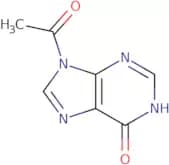
CAS:Acetyl hypoxanthine is an inorganic compound that has a cyclophosphate group. It can be synthesized from the reaction of acetic acid and 6-chloropurine, which is activated with trifluoroacetic acid and irradiated with ultraviolet light. Acetyl hypoxanthine can then be synthesized by ammonolysis of chloroacetone using ammonia or by chlorinating acetylene with chlorine. The advantages of this compound are its high yield and low cost.Formula:C7H6N4O2Purity:Min. 95 Area-%Color and Shape:PowderMolecular weight:178.15 g/mol3'-O-Methyl-5-methylcytidine
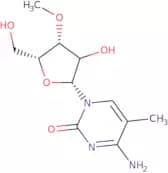
CAS:3'-O-Methyl-5-methylcytidine is a nucleoside with antiviral and anticancer properties. It has been shown to be an activator of RNA polymerase, the enzyme that catalyzes the transcription of DNA into RNA. 3'-O-Methyl-5-methylcytidine binds to the active site of RNA polymerase and is able to stimulate transcription in vitro. This drug has also been shown to have high purity and high quality.Formula:C11H17N3O5Purity:Min. 95%Color and Shape:PowderMolecular weight:271.27 g/molCholest-5-en-3-ol, 3-CEphosphoramidite
CAS:Cholest-5-en-3-ol, 3-CEphosphoramidite is a modified nucleoside that is used in the synthesis of DNA and RNA. It has antiviral and anticancer properties. Cholest-5-en-3-ol, 3-CEphosphoramidite inhibits tumor growth by inhibiting DNA synthesis in cells. The drug also has antiviral activity because it inhibits viral replication by blocking the incorporation of deoxyribonucleotides into viral DNA. Cholest-5-en-3-ol, 3-CEphosphoramidite can be used in the synthesis of oligodeoxyribonucleotides containing modified bases or phosphodiester linkages or both. It is also used to synthesize other novel compounds with anticancer properties.Purity:Min. 95%Coenzyme A sodium salt hydrate
CAS:Coenzyme A is a biochemical that is required for the synthesis of fat molecules. It also plays an important role in the activation of fatty acids, as well as in the production of collagen and growth factor-β1. Coenzyme A sodium salt hydrate (CAS) is a cofactor that participates in various metabolic processes, including process optimization and conjugation reactions. It has been shown to increase the transcription of insulin-sensitive genes, which may be due to its ability to inhibit the activity of nonsteroidal anti-inflammatory drugs. This product can be used in transfection experiments and fluorescence assays for cervical cancer or insulin sensitivity.Formula:C21H36N7O16P3SNaPurity:Min. 95%Color and Shape:PowderMolecular weight:790.53 g/molN3-Cyanoethyl-5’-O-DMT-2’-O-methyluridine
N3-Cyanoethyl-5’-O-DMT-2’-O-methyluridine is a nucleoside that is synthesized from 5'-O-DMT-2’-O-methyluridine. It has antiviral and anticancer properties, as well as an inhibitory effect on DNA synthesis. N3-Cyanoethyl-5’-O-DMT-2’-O methyluridine is a novel nucleoside with DMT and methylated uracil at the 3' position of the sugar moiety. Synthesis may be achieved by using phosphoramidites or modified nucleosides such as N3-(cyanoethyl)-5'-0-(dimethoxytrityl)thymidine. This product meets high purity standards, with a CAS number of 68719–77–8.Purity:Min. 95%5'-O-[Bis(4-methoxyphenyl)(phenyl)methyl]-2'-deoxy-N-isobutyrylguanosine
CAS:5'-O-[Bis(4-methoxyphenyl)(phenyl)methyl]-2'-deoxy-N-isobutyrylguanosine is a synthetic nucleoside that is used as a building block in the synthesis of oligonucleotides. This chemical has an electronegativity value of 1.7, which means that it is more electronegative than guanine (1.0). It also has a conjugated system and is stable under a range of conditions. 5'-O-[Bis(4-methoxyphenyl)(phenyl)methyl]-2'-deoxy-N-isobutyrylguanosine reacts with tetrazole in the presence of phosphoramidite, yielding the corresponding 5'-O-(4,4'-dimethoxytrityl)-2'-deoxy-N-isobutyrylguanosine, which can then be used toFormula:C35H37N5O7Purity:Min. 98 Area-%Color and Shape:White PowderMolecular weight:639.71 g/mol3'-(N-Methyl-anthraniloyl)-2'-deoxy-adenosine-5'-triphosphate triethylammonium salt
CAS:3'-(N-Methyl-anthraniloyl)-2'-deoxy-adenosine-5'-triphosphate triethylammonium salt is an antiviral agent that inhibits the synthesis of viral RNA. It is a modified nucleoside monophosphate with antiviral activity, which has been shown to be effective against HIV and other retroviruses. 3'-(N-Methyl-anthraniloyl)-2'-deoxy-adenosine-5'-triphosphate triethylammonium salt is also used as a building block for novel anticancer drugs that inhibit cell proliferation by inhibiting DNA synthesis and inducing programmed cell death (apoptosis). This compound has been shown to be an activator of transcription factors, including NFκB, AP1, and SP1.Formula:C18H23N6O13P3Purity:Min. 95%Molecular weight:624.33 g/mol3'-Azido-N4-benzoyl-2',3'-dideoxycytidine
CAS:3'-Azido-N4-benzoyl-2',3'-dideoxycytidine is a novel nucleoside analog with antiviral and anticancer activities. It is used for the treatment of HIV, hepatitis B and C, herpes, and influenza. 3'-Azido-N4-benzoyl-2',3'-dideoxycytidine has been shown to inhibit the proliferation of cells in culture and to induce apoptosis in various cancer cell lines.
The synthesis of 3'-azido-N4-benzoyl-2',3'-dideoxycytidine starts with the condensation of 4-(hydroxymethyl)phenylacetic acid (1) with 2,6-dichloroisonicotinic acid chloride (2) in the presence of triethylamine to give 4-(hydroxymethyl)phenylacetic acid chloride (3). The N4 benzoylFormula:C16H16N6O4Purity:Min. 95%Color and Shape:Off-White PowderMolecular weight:356.34 g/mol2',3',5'-Tri-O-acetyl-2-fluoroadenosine
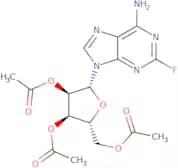
CAS:2',3',5'-Tri-O-acetyl-2-fluoroadenosine is nucleoside analog of adenosine for use in research. The addition of a fluorine to an adenosine can change adenosine's properties such as its hydrogen bonding ability and how it interacts with water and other biological molecules. It can also increase the stability of adenosine and increase its half-life in biological systems.
Formula:C16H18FN5O7Purity:Min. 95%Color and Shape:White To Off-White SolidMolecular weight:411.34 g/mol8-Bromoadenosine 3',5'-cyclic monophosphate sodium salt
CAS:Membrane-permeable brominated cAMP analog and activator of cAMP-dependent protein kinase A (PKA). In stem cell research, the compound enhanced the induction of pluripotency and efficiency of cellular reprogramming of human neonatal fibroblasts that were transduced with different transcription factors.Formula:C10H10BrN5O6P·NaPurity:Min. 95%Color and Shape:White PowderMolecular weight:430.08 g/mol2'-O-Acetyl-3'-azido-3'-deoxy-5'-O-(p-toluoyl)-6-azauridine
2'-O-Acetyl-3'-azido-3'-deoxy-5'-O-(p-toluoyl)-6-azauridine is a novel, modified nucleoside. It has antiviral activity and can be used as a building block for the synthesis of oligonucleotide analogues. 2'-O-Acetyl-3'-azido-3'-deoxy-5'-O-(p-toluoyl)-6-azauridine is a monophosphate that is phosphorylated to form an active ribonucleoside. It can be used in high purity as a building block for the synthesis of oligonucleotide analogues. This compound has been shown to have anticancer effects and DNA binding activities.Purity:Min. 95%N3-Methylcytidine
CAS:N3-Methylcytidine is a synthetic analog of uridine. It is used for the treatment of syncytial virus infection, which is a group of diseases caused by viruses that have an RNA genome and replicate by forming syncytia—large groups of infected cells. N3-Methylcytidine inhibits the synthesis of proteins in cells and inhibits the growth of bacteria. This drug has been shown to inhibit actin polymerization and prevents cell spreading. N3-Methylcytidine also binds to RNA polymerase II and blocks its interaction with DNA, inhibiting protein synthesis at the ribosome level. N3-Methylcytidine is metabolized in vivo into methylated cytidine, which can be detected in urine samples using chemical biology methods or fluorescence resonance energy transfer (FRET) analysis. Synonyms: N3-methyluridine; 3-methyluridineFormula:C10H15N3O5Purity:Min. 95%Color and Shape:White PowderMolecular weight:257.24 g/mol3'-Deoxy-N-dimethylformamidine- 5'-O-DMT-guanosine-2'-O-succinoyl-long chain alkylamino-CPG
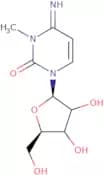
3'-Deoxy-N-dimethylformamidine-5'-O-DMT-guanosine-2'-O-succinoyl-long chain alkylamino-CPG is an anticancer, antiviral, and modified nucleoside. It is a novel monophosphate nucleoside that can be used in the synthesis of DNA or RNA. 3'-Deoxy-N-dimethylformamidine is a synthetic phosphoramidite that is activated with triethylamine and reacts with 5'--DMT--guanosine to yield a novel nucleoside. The compound has high purity and high quality.Purity:Min. 95%5-O-[[[(1S)-1-Methyl-2-(1-methylethoxy)-2-oxoethyl]amino]-phenoxyphosphinyl]-cytidine
CAS:5-O-[[[(1S)-1-Methyl-2-(1-methylethoxy)-2-oxoethyl]amino]-phenoxyphosphinyl]-cytidine is a modified nucleoside analog that inhibits the synthesis of DNA and RNA. It has been shown to have antiviral, anticancer, and antiinflammatory activities. 5-O-[[[(1S)-1-Methyl-2-(1-methylethoxy)-2-oxoethyl]amino]-phenoxyphosphinyl]-cytidine is a ribonucleoside that can be used as a building block for the production of deoxyribonucleosides (i.e., as an activator). This product also has high purity and quality, as well as being novel in structure.Formula:C21H29N4O9PPurity:Min. 95%Color and Shape:White to off-white solid.Molecular weight:512.45 g/mol5'-O-DMT-2'-O-methyl-N6-phenoxyacetyladenosine 3'-CE phosphoramidite
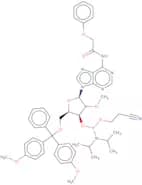
5'-O-DMT-2'-O-methyl-N6-phenoxyacetyladenosine 3'-CE phosphoramidite is a monophosphate, which is a phosphate group that is attached to the 5' carbon on the ribose ring of RNA. This monophosphate has been modified with a 2'-O-methyl group at the 6 position of the adenosine moiety. It has also been modified with a phenoxyacetyl group at the 2 position of the adenosine moiety. The phosphoramidite backbone is an ester bond between phosphorus and nitrogen atoms, and it can be used to make DNA or RNA in vitro. This compound has anticancer properties and antiviral activities against HIV, HSV, and HBV. 5'-O-DMT-2'-O-methyl-N6-phenoxyacetyladenosine 3'-CE phosphoramidite has novel properties that have notFormula:C49H56N7O9PPurity:Min. 95%Color and Shape:White PowderMolecular weight:918.01 g/mol1-(5-O-Acetyl-2,3-dideoxy-ß-L-glycero-pent-2-enofuranosyl)-5-fluorouracil
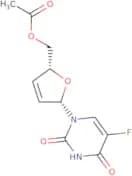
CAS:1-(5-O-Acetyl-2,3-dideoxy-ß-L-glycero-pent-2-enofuranosyl)-5-fluorouracil is a modified nucleoside analog with structural alterations that enhance its biological properties and stability. The compound features 5-fluorouracil as the nucleobase, a fluorinated pyrimidine often used in chemotherapy due to its ability to interfere with DNA replication. The sugar component is 2,3-dideoxy-β-L-glycero-pent-2-enofuranose and has a specific glycerol and enol configuration, which alters its interactions with enzymes involved in nucleic acid metabolism. The compound includes a 5-O-acetyl protecting group at the 5'-position, which shields the hydroxyl group during synthesis.
Formula:C11H11FN2O5Purity:Min. 95%Molecular weight:270.21 g/mol8-Benzyloxy-9-(β-D-xylofuranosyl)guanine
8-Benzyloxy-9-(beta-D-xylofuranosyl)guanine (8BXG) is a novel nucleoside analog that inhibits the growth of cancer cells. It binds to the ribonucleotide reductase enzyme and inhibits the synthesis of DNA, thus preventing cell proliferation. 8BXG has been shown to inhibit viral replication in vitro with high potency. This compound is a monophosphate, which can be phosphorylated by adenosine kinase to form its active form. 8BXG is also an activator of ribonucleotide reductase in vitro, leading to increased anticancer activity.Purity:Min. 95%2’-O-Acetyl-3,5-bis-O-(2,4-dichlorobenzyl)adenosine
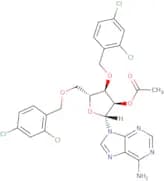
CAS:2’-O-Acetyl-3,5-bis-O-(2,4-dichlorobenzyl)adenosine (OAAD) is a novel nucleoside that has been modified to be phosphorylated by the enzyme ribonucleotide kinase. It is an antiviral and anticancer agent that affects the synthesis of DNA. OAAD inhibits viral replication in vitro and in vivo by inhibiting DNA synthesis.Formula:C26H23Cl4N5O5Purity:Min. 95%Molecular weight:627.3 g/molAdenosine 3',5'-diphosphate disodium salt
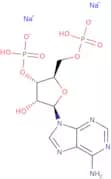
CAS:Adenosine 3',5'-diphosphate disodium salt is a nucleotide that is found in all cells and is involved in the regulation of many physiological processes, including energy metabolism and blood flow. It has inhibitory effects on platelets and calcium ion channels. Adenosine 3',5'-diphosphate disodium salt also inhibits the synthesis of prostaglandins by blocking the conversion of arachidonic acid to prostaglandin H2, which leads to an anti-inflammatory effect. Adenosine 3',5'-diphosphate disodium salt has been shown to be effective in treating primary pulmonary hypertension and bowel disease. The reaction solution can be used for polymerase chain reactions, multivariate logistic regression, or other applications.Formula:C10H15N5O10P2·2NaPurity:Min. 96 Area-%Color and Shape:White Beige PowderMolecular weight:473.18 g/molN4-Acetyl-2'-O-tert-butyldimethylsilyl-5'-O-DMT-5-methylcytidine 3'-CE phosphoramidite
N4-Acetyl-2'-O-tert-butyldimethylsilyl-5'-O-DMT-5-methylcytidine 3'-CE phosphoramidite is a novel monophosphate nucleotide that can be used for the synthesis of DNA and RNA. It has antiviral, anticancer, and activating properties. N4-Acetyl-2'-O-tert-butyldimethylsilyl-5'-O-DMT-5-methylcytidine 3'-CE phosphoramidite is synthesized by modifying cytosine with an acetyl group at the 4th position in the ribose ring, a tertiary butyldimethylsilyl group at the 2nd position on the 5' carbon atom, and a DMT group at the 5' position on the 5' carbon atom. The CAS number for this compound is 868312050.Purity:Min. 95%1-Methyl-2'-O-methylinosine
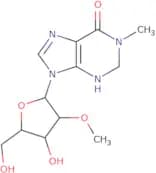
CAS:1-Methyl-2'-O-methylinosine is a nucleoside that is naturally found in RNA. It is the methylated form of inosine, which is a nonessential amino acid and purine nucleotide. 1-Methyl-2'-O-methylinosine's chemical name is β--D--ribofuranosyl-(1'→2')--N--(6-fluoro-3-indoxyl)glycinamide monohydrochloride. This nucleoside has been researched for its potential use as an indexing tool for phylogenetic research of DNA and RNA. 1-Methyl-2'-O-methylinosine has also been shown to be structurally similar to other nucleic acids and has been classified as a nucleoside.Formula:C12H16N4O5Purity:Min. 95%Molecular weight:296.28 g/molE-5-(2-Carbomethoxyvinyl)-2'-deoxyuridine
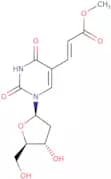
CAS:E-5-(2-Carbomethoxyvinyl)-2'-deoxyuridine is a nucleoside that is a modified form of uridine. It is a nucleotide analog that inhibits the synthesis of DNA and RNA and can be used to treat cancer. E-5-(2-Carbomethoxyvinyl)-2'-deoxyuridine is an activator that activates the phosphoramidites in the synthesis of DNA and RNA. This drug can also be used as antiviral therapy for herpes simplex virus type 1, influenza virus, and HIV. E-5-(2-Carbomethoxyvinyl)-2'-deoxyuridine has been shown to have anti-inflammatory properties by inhibiting prostaglandin synthesis.Formula:C13H16N2O7Purity:Min. 95%Color and Shape:White to off-white solid.Molecular weight:312.28 g/mol2'-Deoxy-5'-O-DMT-inosine 3'-CE phosphoramidite
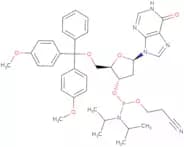
CAS:2'-Deoxy-5'-O-DMT-inosine 3'-CE phosphoramidite is a novel, modified nucleoside monophosphate. It is an activator of antiviral and anticancer activities. It is synthesized by the condensation of 5-bromo-2'-deoxyuridine with 2-chloroethyl chloroformate followed by reaction with ethylenediaminetetraacetic acid (EDTA) and sodium cyanoborohydride in aqueous solution. The product was purified by silica gel column chromatography.Formula:C40H47N6O7PPurity:Min. 98 Area-%Color and Shape:White PowderMolecular weight:754.83 g/mol2’,3’-Bis-O-tert-butyldimethylsilyl-5’-deoxy-4’,5’-Didehydrouridine
CAS:2’,3’-Bis-O-tert-butyldimethylsilyl-5’-deoxy-4’,5’-Didehydrouridine is a phosphoramidite that is used in the synthesis of DNA, RNA and nucleotide analogues. It has antiviral and antitumor properties and can be used for the treatment of leukemia. 2’,3’-Bis-O-tert-butyldimethylsilyl-5’-deoxyuridine is an activator for ribonucleotides and deoxyribonucleotides. It also has anticancer properties due to its ability to inhibit DNA replication, which may lead to apoptosis or cell death.Purity:Min. 95%2'-Deoxy-2'-fluoroguanosine
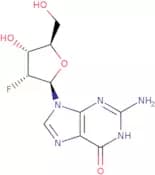
CAS:2'-Deoxy-2'-fluoroguanosine is a modified nucleoside analog where the base is guanine, the sugar is deoxyribose, and a fluoro group is attached to the 2' position of the sugar ring. This modification potnetially enhances the stability and nuclease resistance of the nucleoside, making it a useful tool in molecular biology and drug development.
Formula:C10H12FN5O4Purity:Min. 98 Area-%Color and Shape:White PowderMolecular weight:285.23 g/mol2’,3’-Bis-O-tert-butyldimethylsilyl-5’-O-DMT-uridine
CAS:2’,3’-Bis-O-tert-butyldimethylsilyl-5’-O-DMT-uridine is a high purity, novel nucleoside that has antiviral properties. It is a phosphoramidite monophosphate that is synthesized by reacting 5’-O-DMT uridine with bis(2,2,2-trichloroethyl)dimethylsilane and 2,6,8,-trioxabicyclo[3.3.1]nonane in the presence of triethylamine. This product can be used as an activator for DNA synthesis or to synthesize deoxyribonucleosides.Purity:Min. 95%N4-Benzoyl-2’,3’-di-O-tert-butyldimethylsilyl-5’-O-DMT-N4-methylcytidine
N4-Benzoyl-2’,3’-di-O-tert-butyldimethylsilyl-5’-O-DMT-N4-methylcytidine is a modified nucleoside that is used as an antiviral agent. It inhibits the activity of reverse transcriptase, which is an enzyme that catalyzes the conversion of RNA into DNA. This nucleoside inhibits viral replication and prevents the production of new viruses in cells infected by HIV. N4-Benzoyl-2’,3’-di-O -tert -butyldimethylsilyl -5’ -O -DMT -N4 methylcytidine also inhibits DNA synthesis by inhibiting the activity of DNA polymerases. This drug has been shown to be effective against cancer cells and may have anticancer properties.Purity:Min. 95%Adenosine 5′-phosphosulfate triethylammonium salt
Adenosine 5′-phosphosulfate triethylammonium salt serves as a donor of sulfate groups in biochemical processes, such as in the synthesis of sulfate esters. The triethylammonium salt form improves the solubility and stability of the compound, making it useful in laboratory applications involving enzymatic assays and the synthesis of sulfated biomolecules.
Formula:C10H14N5O10PS·xC6H15NPurity:Min. 98.0 Area-%Color and Shape:PowderMolecular weight:427.29 g/mol






![4,6-Diamino-2-(b-D-ribofuranosyl)-2H-pyrazolo[3,4-d]pyrimidine](/_next/image/?url=https%3A%2Fstatic.cymitquimica.com%2Fproducts%2F3D%2Fthumb-webp%2FND162980.webp&w=3840&q=75)

![6-Amino-1-(2'-deoxy-a-D-ribofuranosyl)-4-methoxy-1H- pyrazolo[3,4-d]pyrimidine](/_next/image/?url=https%3A%2Fstatic.cymitquimica.com%2Fproducts%2F3D%2Fthumb-webp%2FNA162964.webp&w=3840&q=75)








![4'-C-Azido-2'-deoxy-2'-fluoro-4-[bis(2-hydroxyethyl)]-b-D-arabinocytidine](/_next/image/?url=https%3A%2Fstatic.cymitquimica.com%2Fproducts%2F3D%2Fthumb-webp%2FNA167989.webp&w=3840&q=75)

![3'-O-[(Propan-2-ylidene)amino]-thymidine 5'-triphosphate](/_next/image/?url=https%3A%2Fstatic.cymitquimica.com%2Fproducts%2F3D%2Fthumb-webp%2FNP145591.webp&w=3840&q=75)
![6-Amino-1-(2'-deoxy-b-D-ribofuranosyl)-4-hydrazino-1H-pyrazolo[3,4-d]pyrimidine](/_next/image/?url=https%3A%2Fstatic.cymitquimica.com%2Fproducts%2F3D%2Fthumb-webp%2FNA162940.webp&w=3840&q=75)















![5'-O-[Bis(4-methoxyphenyl)(phenyl)methyl]-2'-deoxy-N-isobutyrylguanosine](/_next/image/?url=https%3A%2Fstatic.cymitquimica.com%2Fproducts%2F3D%2Fthumb-webp%2FND02998.webp&w=3840&q=75)



![5-O-[[[(1S)-1-Methyl-2-(1-methylethoxy)-2-oxoethyl]amino]-phenoxyphosphinyl]-cytidine](/_next/image/?url=https%3A%2Fstatic.cymitquimica.com%2Fproducts%2F3D%2Fthumb-webp%2FNM46513.webp&w=3840&q=75)