Nucleosides
Found 3569 products of "Nucleosides"
7-(2-C-Methyl-b-D-ribofuranosyl)-7H-pyrrolo[2,3-d]pyrimidin-2-amine
CAS:7-(2-C-Methyl-b-D-ribofuranosyl)-7H-pyrrolo[2,3-d]pyrimidin-2-amine (Ampyra) is a synthetic nucleoside activator of the deoxyribonucleoside monophosphate (dNMP) and dNMP diphosphate (dNDP) pathways. It has antiviral and anticancer activities, as well as an inhibitory effect on DNA synthesis by blocking the polymerization of deoxyribonucleotides. It is also an inhibitor of histone acetyltransferase and may be useful in the treatment of Alzheimer's disease. Ampryra is a novel compound with high purity and high quality. It is phosphoramidite that can be used for the preparation of oligodeoxynucleotides for use in DNA sequencing or gene therapy.Purity:Min. 95%2-Chloro-6-O-methylinosine
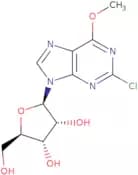
CAS:2-Chloro-6-O-methylinosine is a modified nucleoside analog. Its structure is based on inosine and at position 2 a chlorine atom replaces the hydrogen. At position 6, the keto oxygen (normally part of the purine ring) is O-methylated, forming a methoxy group (-OCH₃)Formula:C11H13ClN4O5Purity:Min. 95%Color and Shape:PowderMolecular weight:316.7 g/mol8-Bromoinosine
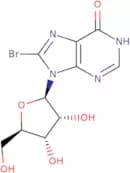
CAS:8-Bromoinosine is a potent chemical probe that can be used to study the molecular mechanism of cGMP-dependent protein kinase (PKG). 8-Bromoinosine reacts with the acceptor site in PKG, which is located at the base of the active site cleft. Electrons from hydrogen bond donor sites on 8-bromoadenosine are transferred to chloride ion and the resulting 8-bromoinosine chloride complex is an effective inhibitor of PKG. It has been shown that stereoselectivity plays a role in this reaction mechanism.
Formula:C10H11BrN4O5Purity:Min. 95%Color and Shape:PowderMolecular weight:347.13 g/mol2,3'-Anhydro-5'-O-tert-butyldiphenylsilylthymidine
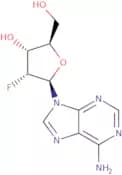
2,3'-Anhydro-5'-O-tert-butyldiphenylsilylthymidine is a synthetically modified thymidine analog for use in researchPurity:Min. 95%Color and Shape:White to off-white solid.2'-Deoxy-2'-fluoroadenosine
CAS:2’-Deoxy-2’-fluoro nucleosides and nucleotides have been shown to demonstrate anti-viral activity against influenza, SARS and HIV. More specifically the phosphonate of 2'-Deoxy-2'-fluoroadenosine has been evaluated as an inhibitor of Hepacivirus C (HCV).Formula:C10H12FN5O3Purity:Min. 95%Color and Shape:White PowderMolecular weight:269.24 g/mol9-(2-Deoxy- 2- fluoro- b- D- xylofuranosyl) -9H- purin- 6- amine
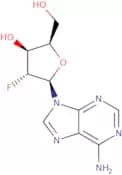
CAS:9-(2-Deoxy- 2-fluoro- b-D-xylofuranosyl) -9H- purin- 6- amine is an activator that has been shown to have anti cancer, antiviral, and antifungal properties. It is a novel monophosphate nucleoside that is synthesized from deoxyribonucleosides. 9-(2-Deoxy-2 fluoro b D xylofuranosyl) -9H purin 6 amine has demonstrated activity against HIV and cytomegalovirus. It also has anticancer properties by inhibiting DNA synthesis and the production of tumor necrosis factor. 9-(2-Deoxy 2 fluoro b D xylofuranosyl) -9H purin 6 amine can be phosphorylated to form a nucleotide or used as a synthon for the preparation of new nucleosides. This product is available in high purity and qualityFormula:C10H12FN5O3Purity:Min. 95%Molecular weight:269.23 g/mol6-Chloro-7-deaza-9-(b-D-ribofuranosyl)purine
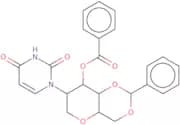
CAS:6-Chloro-7-deaza-9-(b-D-ribofuranosyl)purine is a novel nucleoside that has been shown to be an efficient activator of the transcription factor NFκB in vitro. 6-Chloro-7-deaza-9-(b-D-ribofuranosyl)purine is synthesized by phosphoramidite chemistry and purified by HPLC. It has been demonstrated to inhibit the replication of human immunodeficiency virus (HIV) in a dose dependent manner, which may be due to its ability to inhibit the synthesis of viral DNA and RNA. This product is highly pure and can be used for many purposes, including as a synthetic building block for DNA or as an antiviral drug.Formula:C11H12ClN3O4Purity:Min. 95%Color and Shape:White PowderMolecular weight:285.69 g/mol1,5-Anhydro-3-O-benzoyl-4,6-O-benzylidene-2-deoxy-2-(N4-benzoylcytidin-1-yl)-D-altro-hexitol
CAS:1,5-Anhydro-3-O-benzoyl-4,6-O-benzylidene-2-deoxy-2-(N4-benzoylcytidin-1-yl)-D-altro-hexitol is a synthetic nucleoside analog for use in researchFormula:C24H22N2O7Purity:Min. 95%Color and Shape:White To Off-White SolidMolecular weight:450.45 g/mol1-(2’-Deoxy-2’-fluoro-b-D-arabinofuranosyl)-N3-[3-(tert-butoxycarbonyl)amino]propyluracil
CAS:1-(2’-Deoxy-2’-fluoro-b-D-arabinofuranosyl)-N3-[3-(tert-butoxycarbonyl)amino]propyluracil is a nucleoside with antiviral and anticancer properties. It is an activator of DNA synthesis and has been shown to inhibit the proliferation of cancer cells. 1-(2’-Deoxy-2’-fluoro-b-D-arabinofuranosyl)-N3-[3-(tert-butoxycarbonyl)amino]propyluracil is a modified nucleoside that has been synthesized by modifying the sugar moiety of ribonucleosides or deoxyribonucleosides. It contains a 2'-deoxypyrimidine base, which can be substituted with different atoms or groups to produce different drugs. The drug inhibits viral replication by inhibiting the growth ofPurity:Min. 95%5'-O-p-Anisoyl-3'-azido-2',3'-dideoxyuridine
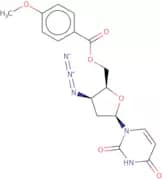
5'-O-p-Anisoyl-3'-azido-2',3'-dideoxyuridine is a compound that inhibits DNA synthesis and viral replication. It is an antiviral agent that inhibits the activation of virus by blocking the incorporation of deoxyribonucleotide triphosphates into viral DNA chains. This compound also has anticancer activity, which may be due to its ability to inhibit RNA synthesis in tumor cells.Formula:C17H17N5O6Purity:Min. 95%Molecular weight:387.35 g/molO6-Methylguanosine
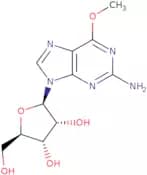
CAS:Intermediate in the synthesis of nelarabineFormula:C11H15N5O5Purity:Min. 95%Color and Shape:PowderMolecular weight:297.27 g/molN-Acetyl-2'-O-[(tert-butyl)dimethylsilyl]-5'-O-DMT-6'-O-methylguanosine-3'-CE phosphoramidite
CAS:N-Acetyl-2'-O-[(tert-butyl)dimethylsilyl]-5'-O-DMT-6'-O-methylguanosine-3'-CE phosphoramidite is a nucleoside and nucleotide analog. It is synthesized by reacting 2'-deoxyguanosine with acetyl chloride, 5'-dimethoxytrityl chloride, and 3'-Ce phosphoramidite in an organic solvent. N-Acetyl-2'-O-[(tert-butyl)dimethylsilyl]-5'-O-DMT-6'-O-methylguanosine has been shown to inhibit the growth of cancer cells and viruses in cell culture studies. It is also a potent inhibitor of HIV replication in vitro.Formula:C49H66N7O9PSiPurity:Min. 95%Color and Shape:PowderMolecular weight:956.15 g/mol5-Carbamoylmethyluridine
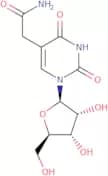
CAS:5-Carbamoylmethyluridine is a nucleoside that is structurally related to uridine. It is synthesized from uridine by methyl esterification with carbamic acid and methoxycarbonyl chloride. 5-Carbamoylmethyluridine interacts with actin filaments and has been shown to alter the expression of messenger RNA in eukaryotes. 5-Carbamoylmethyluridine also acts as a competitive inhibitor of the formation of a ternary complex, which includes ATP, GTP, and UTP, at the level of ribonucleotide reductase. This inhibition leads to decreased synthesis of messenger RNA in cells.Formula:C11H15N3O7Purity:Min. 95 Area-%Color and Shape:White PowderMolecular weight:301.25 g/mol2'-O-Methylcytidine-5'-triphosphate sodium salt - 100mM aqueous solution
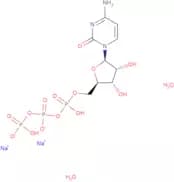
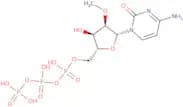
CAS:2'-O-Methylcytidine-5'-triphosphate sodium salt is a synthetic, modified nucleoside analog. It can be used as an antiviral agent and anticancer drug to inhibit viral replication and tumor growth. 2'-O-Methylcytidine-5'-triphosphate sodium salt has the ability to activate cellular DNA synthesis. This compound also inhibits RNA polymerase activity in cancer cells, which inhibits the production of proteins vital for cell division. 2'-O-Methylcytidine-5'-triphosphate sodium salt can be used as a phosphoramidite building block for the synthesis of oligonucleotides with novel structures.Formula:C10H18N3O14P3·xNaPurity:Min. 95%Color and Shape:Clear LiquidMolecular weight:497.18 g/molCytidine-2'-monophosphate sodium
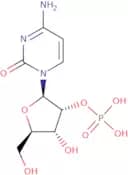
CAS:Cytidine-2'-monophosphate sodium (CMP) is a nucleotide that is used as a monophosphate or diphosphate. It can be used to synthesize DNA and RNA. CMP also has antiviral, anticancer, and high purity properties. CMP is an activator of DNA polymerases and helps in the synthesis of DNA. It has novel properties that make it different from other nucleotides, such as its modified sugar moiety.Formula:C9H12Na2N3O8PPurity:Min. 90%Color and Shape:PowderMolecular weight:367.18 g/molDeoxyribonucleic acid low molecular weight from salmon sperm
CAS:This low molecular DNA (deoxyribonucleic acid) from salmon sperm is a fragment that is an effective indicator of the presence of guanine in urine samples, and can be used to detect lipoperoxidation in animal hemocytes. It has also been shown to be a sublethal oxidative stress agent for human urine, which induces irreversible oxidation in the enzyme activities of signal detection. According to some recent research studies, this product is being investigated as an environmental pollutant indicator and could be used as an effective wastewater treatment method.Color and Shape:Powder5'-O-Benzyl-2'-deoxyinosine 3'-CE phosphoramidite
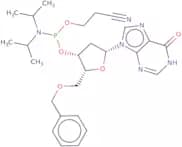
5'-O-Benzyl-2'-deoxyinosine 3'-CE phosphoramidite is an activator of DNA synthesis. It has antiviral and anticancer properties, which have been shown in animal models. This compound is a novel nucleoside phosphoramidite that can be used to synthesize oligonucleotides. The CAS number for this product is 98469-45-7.Formula:C26H35N6O5PPurity:Min. 95%Molecular weight:542.58 g/molQueuine hydrochloride
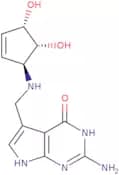
CAS:Queuine is a modified nucleoside found in tRNA. It is synthesized from guanosine by the enzyme queuine tRNA-ribosyltransferase, which converts guanosine to queuosine. Queuine hydrochloride is a synthetic form of queuine that can be used for research purposes to examine the anticodon loop and other structural features of the molecule. The prokaryotic and eukaryotic organisms studied showed different levels of synthesis of queuine, with bacteria synthesizing more than mammals. Bacteria were found to have a greater affinity for queuine than eukaryotes, which may be due to modification of the trna anticodon loop or to differences in ribosomal proteins.Formula:C12H15N5O3·HClPurity:(%) Min. 90%Color and Shape:Light (Or Pale) Beige To Light (Or Pale) Purple SolidMolecular weight:313.74 g/mol3'-b-Azido-2',3'-dideoxy-5'-O-DMT-uridine
3'-b-Azido-2',3'-dideoxy-5'-O-DMT-uridine is a modified nucleoside that is synthesized by the phosphoramidite method. It is a novel antiviral drug with anticancer properties. This active compound has been shown to be an activator of ribonucleotide reductases, which are enzymes that catalyze the conversion of ribonucleotides to deoxyribonucleotides. 3'-b-Azido-2',3'-dideoxy-5'-O-DMT-uridine is not cytotoxic at concentrations up to 40 mM, and it has been shown to inhibit replication of human immunodeficiency virus type 1 (HIV) in tissue culture.Purity:Min. 95%2'-Deoxy-5'-O-DMT-inosine 3'-thio CE phosphoramidite
CAS:2'-Deoxy-5'-O-DMT-inosine 3'-thio CE phosphoramidite is a modified phosphoramidite. It is used in the synthesis of antiviral and anticancer nucleosides. 2'-Deoxy-5'-O-DMT-inosine 3'-thio CE phosphoramidite has been shown to be an effective inhibitor of HIV reverse transcription, with selectivity for HIV over other retroviruses. It also inhibits viral replication at low concentrations, which makes it a promising candidate for the development of drugs against AIDS.
Formula:C40H47N6O6PSPurity:Min. 95%Color and Shape:PowderMolecular weight:770.88 g/mol6-Amino-2,5-dihydro-2-(b-D-ribofuranosyl)-4H-pyrazolo[3,4-d]pyrimidin-4-one
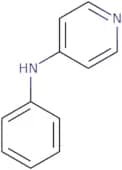
CAS:6-Amino-2,5-dihydro-2-(b-D-ribofuranosyl)-4H-pyrazolo[3,4-d]pyrimidin-4-one is a novel chemical. It is a nucleoside analog that has been shown to inhibit the growth of cancer cells in vitro and in vivo. 6-Amino-2,5-dihydro-2-(b-D ribofuranosyl)-4H pyrazolo[3,4 d]pyrimidin 4 one has also been shown to inhibit viral replication. It is phosphoramidites that are modified with bifunctional linkers for coupling to DNA or RNA molecules. 6 amino 2 5 dihydro 2 (b D ribofuranosyl) 4 H pyrazolo 3 4 d pyrimidine 4 one has high purity and high quality.Purity:Min. 95%N-Phenylpyridin-4-amine
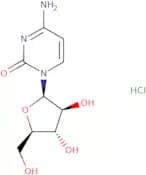
CAS:N-Phenylpyridin-4-amine is a tautomeric compound that has been shown to inhibit the growth of cancer cells. It is able to bind to tyrosine kinase and inhibit its activity, which affects the proliferation of cancer cells. N-Phenylpyridin-4-amine also inhibits mitochondrial functions by inhibiting cytochrome c oxidase. This drug also has an anti-inflammatory effect, inhibiting the production of cytokines such as IL1β, IL6, and TNFα. The biological function of N-Phenylpyridin-4-amine is not yet fully understood. It may be due to the inhibition of protein tyrosine phosphatases (such as PTP1B), which are involved in insulin signalling pathways.Formula:C11H10N2Purity:Min. 95%Color and Shape:White Off-White PowderMolecular weight:170.21 g/molCytarabine hydrochloride
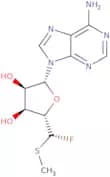
CAS:Anti-viral; anti-neoplasticFormula:C9H13N3O5·HClPurity:Min. 98 Area-%Color and Shape:White PowderMolecular weight:279.68 g/mol5'-Deoxy-5'-fluoro-5'-(methylthio)adenosine
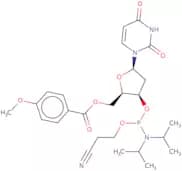
CAS:5'-Deoxy-5'-fluoro-5'-(methylthio)adenosine is an analogue of adenosine that has inhibitory activities on the biosynthetic pathway of polyamines. It has been shown to have a cytostatic effect on murine leukemia cells in vitro. 5'-Deoxy-5'-fluoro-5'-(methylthio)adenosine inhibits the production of polyamines by interfering with the enzyme responsible for their biosynthesis, ornithine decarboxylase. 5'-Deoxy-5'-fluoro-5'-(methylthio)adenosine also inhibits the growth of murine leukemia cells and other leukemia cell lines, including L1210 and MM1.Formula:C11H14FN5O3SPurity:Min. 95%Molecular weight:315.33 g/mol5'-O-p-Anisoyl-2'-deoxyuridine 3'-CE phosphoramidite
5'-O-p-Anisoyl-2'-deoxyuridine 3'-CE phosphoramidite is an anticancer nucleoside analog that inhibits viral replication. It is a modified nucleoside with a 5' anisoyl group and a 2' deoxyuridine moiety. This compound is synthesized by reacting the 5'-O-p-anisoyl-2'-deoxyuridine 3'-cyclohexylphosphate with phosphorus oxychloride to form the 5'-O-p-anisoyl-2'-deoxyuridine 3'-cyanoethyl phosphoramidite, which can be used for the synthesis of DNA or RNA. The phosphoramidite can also be used as an activator in polymerase chain reactions (PCR).Formula:C26H35N4O8PPurity:Min. 95%Molecular weight:562.55 g/mol1-(2'-O-4-C-Methylene-b-D-ribofuranosyl)thymine
CAS:1-(2'-O-4-C-Methylene-b-D-ribofuranosyl)thymine is a nucleoside analog with a modified ribofuranosyl sugar, which includes a 2'-O-4'-C-methylene bridge that constrains the sugar conformation.Formula:C11H14N2O6Purity:Min. 95%Color and Shape:PowderMolecular weight:270.24 g/molN4-Acetyl-5'-O-DMT-2'-O-methylcytidine
CAS:N4-Acetyl-5'-O-DMT-2'-O-methylcytidine is a cytidine analogue that has been synthesized to be used as an enzyme-linked probe. It is labelled with biotin and can be detected by binding to an antibody which has been labelled with a fluorescent tag. Cytidine analogues are synthesized on a solid phase and then cleaved from the support material. The spacer arm is added to the 5' end of the nucleotide and the 3'-OH group is modified with 2'-O-methyl groups. N4-Acetyl-5'-O-DMT-2'-O-methylcytidine has been shown to be sensitive in techniques such as solid phase synthesis, nucleic acid research, and immunoassays.Formula:C33H35N3O8Purity:Min. 95%Color and Shape:Off-White PowderMolecular weight:601.65 g/molN4-Benzoyl-5'-O-DMT-2'-O-(2-methoxyethyl)-5-methylcytidine
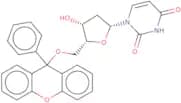
CAS:N4-Benzoyl-5'-O-DMT-2'-O-(2-methoxyethyl)-5-methylcytidine is a new nucleoside analogue that is a phosphoramidite. It has been synthesized as an anticancer agent and antiviral drug. N4-Benzoyl-5'-O-DMT-2'-O-(2-methoxyethyl)-5-methylcytidine has been shown to inhibit the growth of human tumor cells in vitro, suggesting that it may have anticancer activity. This compound also inhibits viral replication by inhibiting DNA synthesis and RNA transcription in infected cells.Formula:C41H43N3O9Purity:Min. 97 Area-%Color and Shape:PowderMolecular weight:721.79 g/mol2'-Deoxy-5'-O-pixyluridine
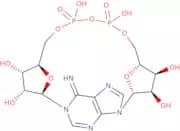
2'-Deoxy-5'-O-pixyluridine (2DPU) is a novel, synthetic nucleoside that is an active ingredient in antiviral and anticancer drugs. 2DPU has been shown to inhibit the replication of human immunodeficiency virus type 1 (HIV-1) by inhibiting the viral enzyme HIV reverse transcriptase. The phosphoramidite form of 2DPU is used as a building block for DNA synthesis and for the synthesis of other nucleosides. The monophosphate form of 2DPU is used in the synthesis of antiviral drugs, including acyclovir, zidovudine, and ribavirin.Formula:C28H24N2O6Purity:Min. 95%Molecular weight:484.51 g/molCyclic adenosine 5'-diphosphate ribose ammonium salt
CAS:Cyclic Adenosine 5'-diphosphate ribose ammonium salt (CADPRAM) is a potent inhibitor of cyclic nucleotide phosphodiesterases (PDEs). CADPRAM reversibly inhibits PDEs and prevents the hydrolysis of cAMP. This inhibition can lead to an increase in cytosolic Ca2+. CADPRAM also inhibits polymerase chain reaction, which is why it cannot be used for the treatment of infectious diseases. CADPRAM has been shown to inhibit the activity of enzymes that are known to play a role in clinical pathology, such as adenylate cyclase and phosphodiesterase type 3.Formula:C15H21N5O13P2·NH3Purity:Min. 95%Color and Shape:White solid.Molecular weight:558.33 g/mol1-(4'-Azido-2'-deoxy-2'-fluoro-b-D-arabinofuranosyl)N4-(n-arachidoyl)-cytosine
1-(4'-Azido-2'-deoxy-2'-fluoro-b-D-arabinofuranosyl)N4-(n-arachidoyl)-cytosine is a modified nucleoside. The synthesis of this compound was achieved by the use of a novel activator, which activates the azido group to give a reactive intermediate that reacts with the 5' position of cytidine. The monophosphate form has been shown to be an antiviral agent. It has also been shown to activate the transcription factor NFAT and activate the expression of genes involved in cellular proliferation and differentiation, such as c-Jun and c-Fos.Purity:Min. 95%N4-Benzoyl-2'-deoxy-2'-fluorocytidine
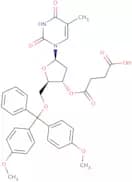
CAS:N4-Benzoyl-2'-deoxy-2'-fluorocytidine is a novel, synthetic nucleoside that has been shown to inhibit the growth of cancer cells and is being investigated as a potential anticancer drug. N4-Benzoyl-2'-deoxy-2'-fluorocytidine has also been found to be active against HIV, Herpes simplex virus type 1 (HSV-1) and 2 (HSV-2), and influenza A virus. It prevents the replication of viruses by inhibiting DNA synthesis in the host cell.Formula:C16H16FN3O5Purity:Min. 95%Color and Shape:PowderMolecular weight:349.31 g/mol5'-O-DMT-thymidine 3'-O-succinate triethylammonium salt
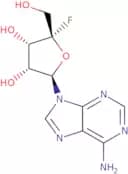
CAS:5'-O-DMT-thymidine 3'-O-succinate triethylammonium salt is a novel antiviral agent that inhibits viral replication by competing with natural nucleosides for incorporation into the viral DNA or RNA. The 5'-O-DMT group prevents the elimination of thymidine from the monophosphate form. This product has a high purity and quality, as well as potent antiviral activity against HIV and other viruses.Formula:C35H36N2O10·xC6H15NPurity:Min. 95%Color and Shape:PowderMolecular weight:745.86 g/mol4'-C-Fluoroadenosine
CAS:4'-C-Fluoroadenosine is a fluorine-substituted analog of adenosine, which has been shown to have minimal toxicity in animals. 4'-C-Fluoroadenosine inhibits the uptake of trypanosomes by macrophages and has been shown to be effective in treating Leishmania donovani infections in mice. Its mechanism of action is not yet clear, but it may involve inhibiting the enzymatic activity of enzymes involved in the metabolism of adenosine and/or enhancing the activity of those that are involved in catalysing adenoside triphosphate synthesis.Purity:Min. 95%3’-Deoxy-5-fluoro-3’-methyluridine
CAS:3’-Deoxy-5-fluoro-3’-methyluridine is a nucleoside that has antiviral and anticancer properties. It is synthesized from 5-fluorouracil, which is a prodrug that is activated by 3’-deoxy-5-fluoro-3’-methyl uridine to produce 5′,6′ difluorodeoxyadenosine. This compound can be used in the treatment of hepatitis B virus and hepatitis C virus infections. 3’-Deoxy-5-fluoro-3’ methyluridine has also been shown to inhibit the growth of cancer cells in vitro.Purity:Min. 95%5'-O-Benzoyl-2'-deoxyinosine
5'-O-Benzoyl-2'-deoxyinosine is an antiviral agent that inhibits the replication of certain viruses. It is a nucleoside analog that contains a benzoyl group at the 5' position and a 2'-deoxyribose sugar moiety. It has been shown to inhibit the growth of cancer cells in vitro and to produce cytotoxic effects on human lymphocytes. This compound is synthesized by reacting an appropriate ribonucleotide with phosphoramidite reagents, which are used as starting materials for DNA synthesis.Purity:Min. 95%2'-Deoxynucleoside-5'-triphosphate mixture
2'-Deoxynucleoside-5'-triphosphate mixture are a group of phosphorylated compounds that are used in the synthesis of DNA. They are used as antiviral and anticancer agents, as well as activators for certain enzymes. They are also used to synthesize deoxyribonucleotides. The 2'-deoxynucleoside-5'-triphosphate mixture is purified and modified to produce high purity products for research purposes. These compounds have novel properties, making them suitable for creating new drugs with improved efficacy and reduced side effects.
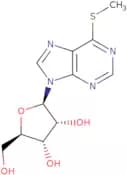
Purity:Min. 95%6-Methylmercapto-9-(b-D-ribofuranosyl)purine
CAS:6-Methylmercapto-9-(b-D-ribofuranosyl)purine (6MMPR) is a nucleotide analog that is synthesized through the process of ribosylation. It has been shown to be reactive and inflammatory in the colon, which may be due to its role as an enzyme inhibitor. 6MMPR inhibits target enzymes such as 2-methylthio-6-chloropurine riboside, which are involved in DNA synthesis and repair. This drug also has anti-inflammatory properties, which may be due to its ability to inhibit the production of inflammatory cytokines by activated immune cells. 6MMPR is used for the treatment of bowel diseases such as Crohn's disease and ulcerative colitis.Formula:C11H14N4O4SPurity:Min. 95%Color and Shape:White PowderMolecular weight:298.32 g/mol3-Iodo-1-(2-C-methyl-b-D-ribofuranosyl)-1H-pyrazolo[3,4-d]pyrimidin-4-amine,
CAS:3-Iodo-1-(2-C-methyl-b-D-ribofuranosyl)-1H-pyrazolo[3,4-d]pyrimidin-4-amine is a novel antiviral monophosphate nucleotide analog. It has been shown to be an effective activator of the enzyme ribonucleotide reductase, which is involved in DNA synthesis and repair. 3Iodo possesses anticancer activity, inhibiting the proliferation of cancer cells by interfering with DNA synthesis. The compound also inhibits tumor cell growth in vivo by inducing apoptosis. 3Iodo has been shown to inhibit HIV replication and may have potential as a treatment for HIV/AIDS.Purity:Min. 95%2'-Deoxy-5-formylcytidine
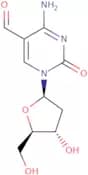
CAS:2'-Deoxy-5-formylcytidine is a nucleoside analog that is used as a chemotherapeutic agent. It is cytotoxic to cells by binding to DNA and preventing the synthesis of DNA, RNA, and protein. The drug has been shown to induce cellular senescence in human fibroblasts, which can be reversed by the addition of deuterium. 2'-Deoxy-5-formylcytidine also inhibits the production of reactive oxygen species (ROS) by inducing the expression of antioxidant enzymes such as superoxide dismutase 2 and glutathione peroxidase 1. The oxidation products are misincorporated into DNA strands, leading to intramolecular hydrogen bonds with cytosine bases. These modifications lead to denaturation of DNA and inhibition of transcription and replication. 2'-Deoxy-5-formylcytidine also interacts with oligodeoxynucleotides, which leads to misincFormula:C10H13N3O5Purity:Min. 97 Area-%Color and Shape:White PowderMolecular weight:255.23 g/mol2'-O-Allylcytidine
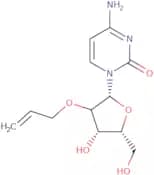
CAS:2'-O-Allylcytidine is a synthetic nucleotide that contains an allylated amino function. It is synthesized by the regiospecific allylation of uridine and guanosine. 2'-O-Allylcytidine has been used in research studies for the synthesis of oligonucleotides with specific sequences and for high-yield production of synthons.Formula:C12H17N3O5Purity:Min. 95%Color and Shape:PowderMolecular weight:283.28 g/mol1-(2'-Deoxy-2'-fluoro-b-D-arabinofuranosyl)6-methylpurine
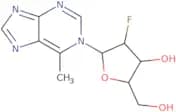
CAS:1-(2'-Deoxy-2'-fluoro-b-D-arabinofuranosyl)6-methylpurine is a synthetic nucleoside analog that has been shown to be an activator of DNA synthesis in mammalian cells. It has antiviral, anticancer, and antibiotic properties due to its ability to inhibit the growth of a variety of cancer cells. 1-(2'-Deoxy-2'-fluoro-b-D-arabinofuranosyl)6-methylpurine also inhibits viral replication by interfering with the replication machinery. This nucleoside analog is a modified form of 6MP and has high purity and quality.Purity:Min. 95%2-Deoxy-2-Fluoro-a-D-arabinofuranosylamine
CAS:2-Deoxy-2-Fluoro-a-D-arabinofuranosylamine is a novel antiviral agent that is synthesized from 2,4,6-trichlorobenzoyl chloride and 2,4,6-trifluorophenylglycine. It has been shown to be effective in inhibiting the replication of HIV and HSV types 1 and 2. This compound also has anticancer activity against colorectal cancer cells. The synthesis of this compound results in high purity with a high yield.Formula:C5H10FNO3Purity:Min. 95%Molecular weight:151.14 g/mol3’-b-Azido-2’,3’-dideoxy-5’-O-(4-methoxytrityl)uridine
CAS:3’-b-Azido-2’,3’-dideoxy-5’-O-(4-methoxytrityl)uridine (AZDU) is a modified nucleoside that is used as an antiviral agent. AZDU inhibits viral DNA synthesis by acting as a competitive inhibitor of the enzyme ribonucleotide reductase. AZDU has also been shown to inhibit tumor cell growth in vitro and in vivo. In addition, AZDU has been found to have anticancer activity against human leukemia cells, which may be due to its ability to inhibit DNA synthesis.Purity:Min. 95%6-Amino-1-(2'-deoxy-a-D-ribofuranosyl)-4-methoxy-1H- pyrazolo[3,4-d]pyrimidine
6-Amino-1-(2'-deoxy-a-D-ribofuranosyl)-4-methoxy-1H- pyrazolo[3,4-d]pyrimidine is a modified nucleoside that is an antiviral agent and anticancer drug. It inhibits viral replication by inhibiting the activity of DNA polymerase. 6-[Amino(2'-deoxyribofuranosyl)]-1-(2'-deoxyribofuranosyl)-4-methoxypyrazolo[3,4-d]pyrimidine has been shown to inhibit the growth of cancer cells without affecting healthy cells.Purity:Min. 95%CTP 2Na
CAS:CTP serves as a molecule of high energy. It acts as a coenzyme in glycerophospholipid biosynthesis and protein glycosylation.Formula:C9H14N3Na2O14P3Purity:Min. 95.0 Area-%Color and Shape:White PowderMolecular weight:527.12 g/mol2,3'-Anhydro-5'-O-tert-butyldimethylsilyl-N4-benzoyl-2'-deoxycytidine
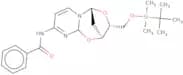
CAS:2,3'-Anhydro-5'-O-tert-butyldimethylsilyl-N4-benzoyl-2'-deoxycytidine is an antiviral agent that is a synthetic nucleoside analogue. It acts as an activator of monophosphate and as a DNA phosphoramidite. 2,3'-Anhydro-5'-O-tert-butyldimethylsilyl-N4-benzoyl-2'-deoxycytidine has been shown to inhibit the growth of cancer cells and is being studied for its anticancer activity. This drug also inhibits ribonucleotide reductase, which prevents the conversion of ribonucleotides to deoxyribonucleotides, thereby inhibiting DNA synthesis.Formula:C22H31N3O4SiPurity:Min. 95%Molecular weight:429.6 g/molN4-Acetyl-2'-deoxy-5'-O-DMT-5-methylcytidine 3'-CE phosphoramidite
CAS:N4-Acetyl-2'-deoxy-5'-O-DMT-5-methylcytidine 3'-CE phosphoramidite is a novel nucleoside and deoxyribonucleoside that has been synthesized by the chemical modification of cytidine. It is an anticancer drug and antiviral agent, which has been shown to activate DNA polymerase, inhibit RNA synthesis and have antiviral activities against HIV, HSV, CMV, and VZV. N4-Acetyl-2'-deoxy-5'-O-DMT-5-methylcytidine 3'-CE phosphoramidite has high purity with low impurities (0.1% DMSO), making it a valuable nucleoside for use in synthesis of ribonucleotide analogues.Formula:C42H52N5O8PPurity:Min. 97 Area-%Color and Shape:White Off-White PowderMolecular weight:785.86 g/mol6-O-Methylinosine
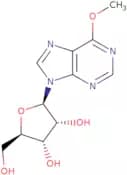
CAS:6-O-Methylinosine is a modified nucleoside that is used in the synthesis of recombinant proteins. It is synthesized from the reaction of methylphosphate and 6-O-methylguanosine. The phosphate group of the 6-O-methylguanosine molecule reacts with methylphosphate in an acid or neutral environment, while it reacts with phosphoric acid in a basic environment. This reaction can be monitored by measuring the amount of free phosphate groups present after the reaction. The rate of this reaction can be increased by increasing temperature and pH. 6-O-Methylinosine has been shown to have anticancer activity, which may be due to its ability to inhibit enzyme catalysis and modify DNA structure.Formula:C11H14N4O5Purity:Min. 95%Color and Shape:White PowderMolecular weight:282.25 g/molN4-Benzoyl-3'-O-tert-butyldimethylsilyl-5'-O-DMT-N4-methylcytidine
N4-Benzoyl-3'-O-tert-butyldimethylsilyl-5'-O-DMT-N4-methylcytidine is a nucleoside that is chemically modified by the addition of a benzoyl group. It has antiviral, anticancer and antiretroviral activities. N4-Benzoyl-3'-O-tert-butyldimethylsilyl-5'-O-DMT-N4-methylcytidine inhibits viral DNA synthesis by inhibiting both viral DNA polymerase and reverse transcriptase, which are enzymes required for the production of viral DNA. It also inhibits cancer cell growth by forming covalent bonds with deoxyribonucleic acid (DNA) in the cancer cells and initiating apoptosis. This nucleoside has been shown to be active against HIV, Herpes Simplex Virus Type 1 (HSV1), and Human CytomegalovPurity:Min. 95%
![7-(2-C-Methyl-b-D-ribofuranosyl)-7H-pyrrolo[2,3-d]pyrimidin-2-amine](/_next/image/?url=https%3A%2Fstatic.cymitquimica.com%2Fproducts%2F3D%2Fthumb-webp%2FNM14094.webp&w=3840&q=75)



![1-(2’-Deoxy-2’-fluoro-b-D-arabinofuranosyl)-N3-[3-(tert-butoxycarbonyl)amino]propyluracil](/_next/image/?url=https%3A%2Fstatic.cymitquimica.com%2Fproducts%2F3D%2Fthumb-webp%2FND162853.webp&w=3840&q=75)
![N-Acetyl-2'-O-[(tert-butyl)dimethylsilyl]-5'-O-DMT-6'-O-methylguanosine-3'-CE phosphoramidite](/_next/image/?url=https%3A%2Fstatic.cymitquimica.com%2Fproducts%2F3D%2Fthumb-webp%2FPA152483.webp&w=3840&q=75)


![6-Amino-2,5-dihydro-2-(b-D-ribofuranosyl)-4H-pyrazolo[3,4-d]pyrimidin-4-one](/_next/image/?url=https%3A%2Fstatic.cymitquimica.com%2Fproducts%2F3D%2Fthumb-webp%2FNA162979.webp&w=3840&q=75)







![3-Iodo-1-(2-C-methyl-b-D-ribofuranosyl)-1H-pyrazolo[3,4-d]pyrimidin-4-amine,](/_next/image/?url=https%3A%2Fstatic.cymitquimica.com%2Fproducts%2F3D%2Fthumb-webp%2FNI14087.webp&w=3840&q=75)


![6-Amino-1-(2'-deoxy-a-D-ribofuranosyl)-4-methoxy-1H- pyrazolo[3,4-d]pyrimidine](/_next/image/?url=https%3A%2Fstatic.cymitquimica.com%2Fproducts%2F3D%2Fthumb-webp%2FNA162964.webp&w=3840&q=75)