Monosaccharides
Subcategories of "Monosaccharides"
- Alloses(11 products)
- Arabinoses(21 products)
- Erythroses(11 products)
- Fructoses(9 products)
- Fucoses(36 products)
- Galactosamine(41 products)
- Galactose(262 products)
- Glucoses(365 products)
- Glucuronic Acids(52 products)
- Glyco-substrates for Enzyme(78 products)
- Guloses(6 products)
- Idoses(4 products)
- Inositols(15 products)
- Lyxoses(4 products)
- Mannoses(65 products)
- O-Glycans(48 products)
- Psicoses(3 products)
- Rhamnoses(10 products)
- Riboses(61 products)
- Sialic Acids(100 products)
- Sorboses(4 products)
- Sugars(174 products)
- Tagatoses(4 products)
- Taloses(8 products)
- Xyloses(20 products)
Found 6138 products of "Monosaccharides"
Benzyl D-glucopyranoside
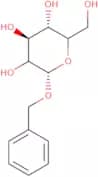
CAS:Benzyl D-glucopyranoside is a synthetic reagent that is used in the synthesis of carbohydrates. The benzyl group is an important part of this molecule, as it can be used to synthesize homologues by substituting the hydroxyl group with other groups. This chemical has been shown to inhibit bacterial disease and carbohydrate antigen production in cells. The stereoisomers are not active against bacteria, but the D-glucopyranoside form is more effective than the L-glucopyranoside form. Benzyl D-glucopyranoside also inhibits lipid peroxidation, which is an indication of its antioxidant activity.Formula:C13H18O6Purity:Min. 95%Color and Shape:White To Off-White SolidMolecular weight:270.28 g/mol(3R, 5R) -1-Benzyl-3, 4, 5- piperidinetriol hydrochloride
(3R, 5R) -1-Benzyl-3, 4, 5- piperidinetriol hydrochloride is a synthetic compound that is used for the production of oligosaccharides and saccharides. This molecule is a part of the glycosylation reaction and has been modified to produce a variety of carbohydrate products. The CAS number for this compound is 6078-73-5 and it can be synthesized in various lengths. The chemical name for this compound is (3R, 5R)-1-(benzyloxycarbonyl)-3,4,5-piperidinetriol hydrochloride.Purity:Min. 95%N-(Fmoc)-C-b-D-galacturonyl methylamine
Fmoc-C-b-D-galacturonyl methylamine is a custom synthesis that is used in the modification of oligosaccharides and carbohydrates. It is also used as a precursor for the synthesis of glycosylated saccharides by methylation, glycosylation, and fluorination. Fmoc-C-b-D-galacturonyl methylamine has been shown to be an excellent starting material for the production of high purity complex carbohydrates.Purity:Min. 95%D-Gluconic acid calcium salt
CAS:D-Gluconic acid calcium salt is a chemical that inhibits the activity of enzymes in the pathway of methyl glycosides. It has been shown to inhibit cortisol production and reduce the concentration of this hormone in cell culture. D-Gluconic acid calcium salt also inhibits enzyme activities, such as cholesterol esterase and lipase, which are involved in lipid metabolism. This chemical has been shown to be an effective inhibitor of benzalkonium chloride (a disinfectant used for sterilization) and chinese herb (used as a traditional medicine). D-Gluconic acid calcium salt can also inhibit locomotor activity and lower cholesterol levels in mice.Formula:C6H11O7CaPurity:Min. 95%Color and Shape:White PowderMolecular weight:215.19 g/molD-Talono-1,4-lactone
CAS:D-Talono-1,4-lactone is a stereoselective drug that inhibits the synthesis of c-glycosides and is used to study the mechanisms of action of these compounds. It has been shown to have antibacterial activity against gram-negative pathogens such as Escherichia coli, Salmonella typhi, Klebsiella pneumoniae, and Acinetobacter baumannii. D-Talono-1,4-lactone also has inhibitory activities against gram negative bacteria. This compound may be a potential biomarker for the detection of gram negative bacteria in water samples. The mechanism of action of this drug is not known but it is likely due to its ability to inhibit bacterial growth.
Formula:C6H10O6Purity:Min. 95%Color and Shape:PowderMolecular weight:178.14 g/mol4'-Demethylpodophyllotoxin-2,3-Di-O-dichloroacetyl-4,6-O-ethylidene-b-D-glucopyranoside
4'-Demethylpodophyllotoxin-2,3-Di-O-dichloroacetyl-4,6-O-ethylidene-b-D-glucopyranoside is a glycoside of podophyllotoxin with an OCHOCHCHCl group. It is a modification of the natural product and can be used as a building block for the synthesis of polysaccharides. It has CAS number 109710-33-5 and can be custom synthesized to meet your specifications. This compound is very pure and has been modified to have high purity. It is also very stable in solution due to its chemical stability. This compound is a synthetic sugar that can be used in glycosylation reactions, making it applicable for many uses including the synthesis of oligosaccharides.Purity:Min. 95%1,6-Bis- O- Tert.butyldimethylsilyl- 3, 4- O-isopropylidene)-2,5-O-methanesulfonyl-D- mannitol
1,6-Bis-O-tert.butyldimethylsilyl-3,4-O-isopropylidene)-2,5-O-methanesulfonyl-D-mannitol is a sugar that is used as a starting material for the synthesis of glycosides. This compound has been shown to react with click chemistry and undergo fluorination, glycosylation, methylation, and modification reactions. It has been shown to be useful in the synthesis of oligosaccharides and monosaccharides. The chemical formula for 1,6-Bis-O-tert.butyldimethylsilyl-3,4-O-[isopropylidene)-2,5 - O]-methanesulfonyl--D--mannitol is C14H30OSiMesO8S2.Purity:Min. 95%L-Tagatose
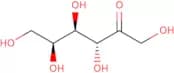
CAS:Low-calorie sweetener; additive in detergents, cosmetics, and pharmaceuticalsFormula:C6H12O6Purity:Min. 98 Area-%Color and Shape:White PowderMolecular weight:180.16 g/molIxoroside
CAS:Ixoroside is a coumarin derivative that has been shown to inhibit the activity of an enzyme called epidermal growth factor receptor. The chemical diversity of this compound has made it difficult to study its biological properties and mechanisms. Ixoroside has been studied in vitro for its effects on eye disorders and for its potential to be used as a monoclonal antibody. It has also been shown to have toxicological studies with no significant adverse effects observed. Ixoroside is found in the genus Nepeta, where it is mainly found in Nepeta cataria and Fructus ixorii species plants, which are used in traditional Chinese medicine. It can also be found in other plants such as Eucalyptus globulus, which is commonly used in cough suppressants.Formula:C16H24O9Purity:Min. 95%Molecular weight:360.36 g/mol(2a, 3b, 4a) -N-Benzyl-3- benzyloxy-2, 4-azetidinedimethanol
(2a, 3b, 4a) -N-Benzyl-3- benzyloxy-2, 4-azetidinedimethanol is a custom synthesis of glycosylation. It is an oligosaccharide that has been synthesized by reacting methylated glycosylations with a fluorinated saccharide. The molecular weight of this product is approximately 540 g/mol and the CAS No. is 82408-19-8. This product can be used for Methylation and Click modification. This product is highly pure and has been custom synthesized to meet your specifications.Purity:Min. 95%D-Mannose
CAS:D-mannose is an organic compound and a naturally occurring sugar that is found in many plants. It has been shown to inhibit the growth of bacteria such as Escherichia coli, Staphylococcus aureus, and Klebsiella pneumoniae by binding to bacterial cells. D-mannose inhibits bacterial cell wall synthesis by acting as an alternative substrate for glycolysis, which leads to inhibition of protein synthesis. D-mannose may also act as a competitive inhibitor of certain enzymes such as proteases. This product has been shown to be effective against drug-resistant strains of bacteria by inhibiting the production of fatty acid synthase and other proteins involved in the synthesis of antimicrobial resistance.Formula:C6H12O6Purity:Min. 99 Area-%Molecular weight:180.16 g/molRef: 3D-M-1001
-Unit-kgkgTo inquire1kgTo inquire5kgTo inquire250gTo inquire500gTo inquire2500gTo inquireHyacinthine crystals
Hyacinthine is a sugar that is synthesized in the laboratory. It is modified with fluorine, methyl, and click chemistry. Hyacinthine has been shown to have antifungal, antiviral, and antitumour properties. It also has been shown to have anti-inflammatory effects. Hyacinthine can be used as a probe for the study of glycosylation reactions or as a model for the synthesis of complex carbohydrates.Purity:Min. 95%2,3-Di-O-benzyl-L-threonic acid-1,4-lactone
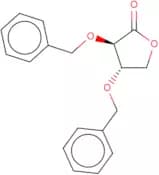
CAS:2,3-Di-O-benzyl-L-threonic acid-1,4-lactone is a custom synthesis of an Oligosaccharide. It has CAS No. 150575-74-9 and is Polysaccharide, Modification, saccharide, Methylation, Glycosylation, Carbohydrate. 2,3-Di-O-benzyl-L-threonic acid-1,4-lactone has Click modification and is Fluorination and Synthetic.Formula:C18H18O4Purity:Min. 95%Molecular weight:298.33 g/mol3,4,6-Tri-O-acetyl-L-glucal
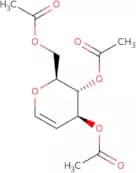
CAS:Resource for the synthesis of 2-azido- and 2-deoxy-L-glucoses and 1,2-epoxidesFormula:C12H16O7Purity:Min. 95%Color and Shape:White PowderMolecular weight:272.25 g/molD-myo-inositol 3-phosphate
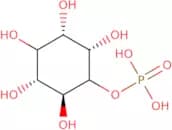
CAS:D-myo-inositol 3-phosphate (IP3) is a molecule that is involved in the metabolism of carbohydrates, fats, and proteins. It is synthesized from D-myo-inositol 1,4,5-trisphosphate through the action of an enzyme called phosphatidylinositol kinase. IP3 binds to the calmodulin protein and has been shown to have biological properties, such as cytosolic or chloroplastic localization and transcriptional regulation. IP3 also participates in the synthesis of DNA and RNA. The sequence of IP3 has been determined for plants such as Solanum tuberosum and Arabidopsis thaliana.Formula:C6H13O9PPurity:Min. 95%Molecular weight:260.14 g/mol1,2,3,4-Tetra-O-benzoyl-6-O-trityl-b-D-galactopyranose
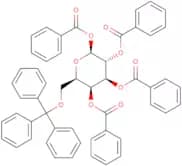
CAS:1,2,3,4-Tetra-O-benzoyl-6-O-trityl-b-D-galactopyranose is a custom synthetic sugar that can be modified using a variety of glycosylation and modification techniques. This product has been synthesized and purified to high purity standards. It is an Oligosaccharide, Polysaccharide, Modification, saccharide with CAS No. 100740-75-8.Formula:C53H42O10Purity:Min. 95%Molecular weight:838.89 g/mol2,3,5-Tri-O-acetyl-L-arabinofuranosyl fluoride
2,3,5-Tri-O-acetyl-L-arabinofuranosyl fluoride is a monosaccharide sugar that has been fluorinated. It is a custom synthesis of methylation and click modification. The CAS number for this product is 565-64-8. This product has been modified to make it more resistant to degradation by enzymes such as alpha amylase and beta amylase. It is also used for polysaccharide synthesis and saccharides with higher purity than other products on the market. This product is synthesized from natural sources, making it high in purity and suitable for use in food production.END>Formula:C11H15FO7Purity:Min. 95%Color and Shape:Colourless To Yellow LiquidMolecular weight:278.23 g/mol2,5-Anhydro-D-mannofuranose
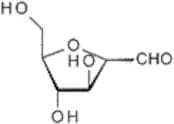
CAS:2,5-Anhydro-D-mannofuranose is a biologically active compound that belongs to the group of inorganic acids. It has been shown to be an inhibitor of heparin-induced thrombocytopenia. 2,5-Anhydro-D-mannofuranose inhibits platelet aggregation and prolongs bleeding time in rats by blocking glycosidic bond formation. This compound is also found as a constituent of oligosaccharides and nitrous oxide. Structural analysis has revealed that this molecule contains reactive groups and is acidic in nature. The analytical method for this compound is α1-acid glycoprotein. Monoclonal antibodies against fatty acid have been used for its detection in human serum.Formula:C6H10O5Purity:Min. 85 Area-%Color and Shape:PowderMolecular weight:162.14 g/molCroscarmellose sodium
CAS:Superdisintegrant used in pharmaceutical formulationsColor and Shape:White PowderMolecular weight:982.44L-Mannonic acid-1,4-lactone
CAS:L-Mannonic acid-1,4-lactone is an acidic compound that has kinetic properties. It is used in the assays of chloride ions and neutral pH. L-Mannonic acid-1,4-lactone also has conjugates with hydrolytic activity and can be used as a synthetic intermediate for other organic compounds. L-Mannonic acid-1,4-lactone can be found in group P2 of the periodic table because it contains a hydroxyl group and an organic group with a methyl ethyl side chain. L-Mannonic acid-1,4-lactone hydrolyzes at high temperatures and may exhibit synergistic effects when combined with other agents. This product is also used to incubate cells such as k562 cells.
Formula:C6H10O6Purity:Min. 95%Color and Shape:PowderMolecular weight:178.14 g/mol2,3,4-Tri-O-benzyl-D-glucuronide methyl ester
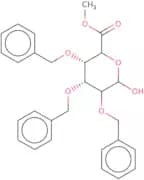
2,3,4-Tri-O-benzyl-D-glucuronide methyl ester is an organic compound that is structurally classified as a saccharide. It can be used as an intermediate in the synthesis of oligosaccharides and glycosylated proteins. This product has been modified with Click chemistry, which is a method for modifying chemical structures with a simple reaction between two groups. The modification is stable in acidic conditions and can be removed by treatment with base. 2,3,4-Tri-O-benzyl-D-glucuronide methyl ester also contains fluorine atoms that have been introduced during the synthetic process.Formula:C28H30O7Purity:Min. 95%Color and Shape:White PowderMolecular weight:478.53 g/molCalcium L(-)-arabonate tetrahydrate
CAS:Calcium L-Arabonate is a calcium salt of arabic acid. Calcium L-Arabonate is an absorbable form of calcium that has been shown to be effective in the prevention and treatment of osteoporosis. This compound was discovered in 1867, but was not used for medicinal purposes until the early 1900s when it was found to be effective in treating the symptoms of rickets.Formula:C10H20O12·Ca·(H2O)4Purity:Min. 95%Color and Shape:White PowderMolecular weight:444.38 g/mol1,6-Anhydro-3,4-O-isopropylidene-b-D-galactopyranose
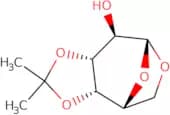
CAS:1,6-Anhydro-3,4-O-isopropylidene-b-D-galactopyranose is a custom synthesis of a complex carbohydrate that has been modified with methylation and glycosylation. It is a saccharide with the CAS number 52579-97-2. This product is highly pure and can be fluorinated for synthesizing other sugars or carbohydrates. The purity of this product is greater than 98%.Formula:C9H14O5Purity:Min. 95%Color and Shape:White PowderMolecular weight:202.2 g/mol3-Deoxy-D-glycero-D-galacto-2-nonulosonic acid
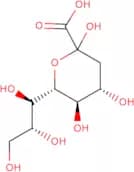
CAS:3-Deoxy-D-glycero-D-galacto-2-nonulosonic acid (3DG) is a monosaccharide that is present in many biological molecules, such as glycoproteins and glycoconjugates. 3DG is found in the sialic acid residues of glycoproteins and has been shown to have anticancer properties through its ability to inhibit cell growth. This compound also inhibits the synthesis of DNA and RNA by binding to bacterial 16S ribosomal RNA, inhibiting protein synthesis and cell division. 3DG has been used in biocompatible polymers for medical applications, such as drug delivery systems.Formula:C9H16O9Purity:Min. 98 Area-%Color and Shape:White Yellow PowderMolecular weight:268.22 g/mol1,2-O-Isopropylidene-3-O-benzyl-D-allofuranose
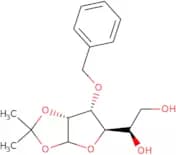
CAS:Chiral resource for synthesis of bioactive sugars and antiviral nucleosidesFormula:C16H22O6Purity:Min. 95%Color and Shape:PowderMolecular weight:310.34 g/molMethyl 2,3:4,5:6,7-Tri-O-isopropylidene-D-glycero-D-talo-heptonate
CAS:Methyl 2,3:4,5:6,7-Tri-O-isopropylidene-D-glycero-D-talo-heptonate is a methyl glycoside that can be used for the modification of saccharides and oligosaccharides. This product is also useful as an intermediate in the synthesis of complex carbohydrates.Formula:C17H28O8Purity:Min. 95%Molecular weight:360.4 g/mol1-Deoxygalactonojirimycin hydrochloride salt
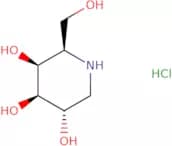
CAS:Specific and potent inhibitor of lysosomal α-galactosidase with IC50 in nanomolar range. It acts as pharmacological chaperone and assists folding of the wild type and mutant versions of the enzyme. It places itself in the instable active site and prevents the damage to the enzyme during the passage through Golgi apparatus, endoplasmatic reticulum and lysosome axis. The exposure to this compound leads to increased levels of functional α-galactosidase in models for lysosomal storage disorders and brings therapeutic benefits to patients with Fabry disease.Formula:C6H13NO4·HClPurity:Min. 95 Area-%Color and Shape:White PowderMolecular weight:199.63 g/mol1,2,3,4-Tetra-O-acetyl-L-rhamnopyranose
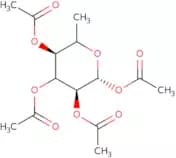
CAS:1,2,3,4-Tetra-O-acetyl-L-rhamnopyranose is an acetylated disaccharide that is glycosylated with mercuric triflate and glycoalkaloid acceptors. It has been shown to be a glycosylation coupling agent for theophylline in solanum species. 1,2,3,4-Tetra-O-acetyl-L-rhamnopyranose can also act as a steroidal glycoalkaloid acceptor and has been identified in Solanum species.
Formula:C14H20O9Purity:Min. 95%Color and Shape:Colorless PowderMolecular weight:332.3 g/mol(2S, 3S, 4S) -2- (Hydroxymethyl) - 1- methyl- 3, 4- pyrrolidinediol
CAS:Ketoconazole is an anti-infective agent that is used in the treatment of fungal and yeast infections. It has been shown to inhibit the transcriptional activation of many genes, including those encoding for α subunit of RNA polymerase and sequences involved in drug metabolism. Ketoconazole also inhibits the formation of benzimidazole compounds in bacteria, which are used by some bacteria to protect themselves against other antibiotics. The biological function of ketoconazole is not yet fully understood, but it has been shown to have a negative effect on pancreatic function in CD-1 mice.Purity:Min. 95%L-Iditol
CAS:L-Iditol is a sugar alcohol that is found in small quantities in nature and is used as a food additive and pharmaceutical excipient. L-Iditol has been shown to inhibit the growth of bacteria such as Escherichia coli K-12 at concentrations of 0.1% to 1%. This compound was also shown to have a protective effect on human erythrocytes from oxidative damage. The long-term toxicity of L-Iditol has not been well studied, but it does not seem to be toxic when ingested in doses up to 2000 mg/kg body weight.Formula:C6H14O6Purity:Min. 95%Color and Shape:White PowderMolecular weight:182.17 g/molα-D-Glucosamine pentaacetate
CAS:Alpha-D-glucosamine pentaacetate is a carbohydrate that is a member of the glycoconjugates family. It is an acetylated form of alpha-D-glucosamine and is used in the synthesis of glycoproteins and glycosaminoglycans. Alpha-D-Glucosamine pentaacetate has been shown to be an effective inhibitor of methylation reactions. It can also be used as a fluorinating agent in organic synthesis or Click chemistry, which involves the reaction between an azide group and an alkyne group. Alpha-D-Glucosamine pentaacetate has been shown to be a potent antiviral agent against herpes simplex virus 1 (HSV1) by blocking viral adsorption and penetration into cells, inhibiting DNA replication, and reducing viral titers.Formula:C16H23NO10Molecular weight:389.36 g/molRef: 3D-G-2960
-Unit-ggTo inquire25gTo inquire50gTo inquire100gTo inquire250gTo inquire500gTo inquireMethyl 5-amino-5-deoxy-a-D-ribofuranoside
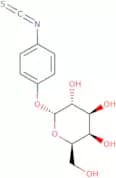
CAS:Methyl 5-amino-5-deoxy-a-D-ribofuranoside is a synthetic monosaccharide that has been modified with fluorination and glycosylation. It belongs to the group of saccharides, which are carbohydrates. Methyl 5-amino-5-deoxy -a-D-ribofuranoside is used in the synthesis of oligosaccharides and polysaccharides. The compound has a molecular weight of 268.3 g/mol and a CAS number of 262600-85-1.Formula:C6H13NO4Purity:Min. 95%Molecular weight:163.17 g/molα-D-Galactopyranosyl phenylisothiocyanate
CAS:a-D-Galactopyranosyl phenylisothiocyanate is a compound that is used in the synthesis of saccharides and oligosaccharides. It reacts with a variety of sugars, including glucose, sucrose, maltose and lactose, to produce methylated derivatives. This reagent is also useful for the synthesis of glycosides. The product can be used in custom synthesis or as a fluorinated carbohydrate.
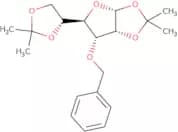
Formula:C13H15NO6SPurity:Min. 95%Color and Shape:Off-White SolidMolecular weight:313.33 g/mol3-O-Benzyl-1,2:5,6-di-O-isopropylidene-α-D-allofuranose
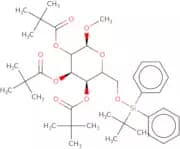
CAS:3-O-Benzyl-1,2:5,6-di-O-isopropylidene-α-D-allofuranose is a carbohydrate that belongs to the group of saccharides. It is an oligosaccharide with a molecular weight of 607.3 g/mol and a CAS number of 22331-21-1. 3OBAF is used in the synthesis of complex carbohydrates or as a sugar substitute and can be custom synthesized to meet your specifications. This product is available for sale and can be shipped internationally.Formula:C19H26O6Purity:Min. 95%Color and Shape:White Off-White PowderMolecular weight:350.41 g/molMethyl 6-O-tert-butyldiphenylsilyl-2,3,4-tri-O-pivaloyl-a-D-mannopyranoside
Methyl 6-O-tert-butyldiphenylsilyl-2,3,4-tri-O-pivaloyl-a-D-mannopyranoside is a synthetic glycosylation reagent. It is used in the synthesis of oligosaccharides and polysaccharides. Methyl 6-O-tert-butyldiphenylsilyl-2,3,4-tri-O—pivaloyl -a—D—mannopyranoside has been shown to be highly pure with a CAS number of 2907939–87–6.Formula:C38H56O9SiPurity:Min. 95%Molecular weight:684.95 g/mol2-Acetamido-3,4,6-tri-O-acetyl-2-deoxy-β-D-glucopyranosyl-Fmoc serine
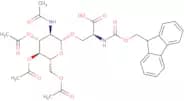
CAS:2-Acetamido-3,4,6-tri-O-acetyl-2-deoxy-β-D-glucopyranosyl Fmoc serine is a modified sugar that is synthesized by the glycosylation of 2,3,4,6-tetra‑O‑acetyl‑2‑deoxy‑α‑D‑glucopyranose with an amino acid. It is used in peptide synthesis and as a building block for other oligosaccharides and saccharides. This compound has been shown to be useful in the production of complex carbohydrates.Formula:C32H36N2O13Purity:Min. 95 Area-%Color and Shape:White To Off-White SolidMolecular weight:656.63 g/mol1,2,3,4,6-Penta-O-(3,4,5-tri-O-benzylgalloyl)-b-D-glucopyranose
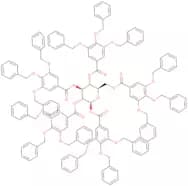
CAS:1,2,3,4,6-Penta-O-(3,4,5-tri-O-benzylgalloyl)-b-D-glucopyranose is a custom synthesis, complex carbohydrate that has been modified with methylation and glycosylation. It is also a saccharide that can be found in the form of an Oligosaccharide or Polysaccharide. The CAS No. for this compound is 122625-60-9. This compound has a purity level of 99% and is 100% synthetic. It has been fluorinated to make it more stable. 1,2,3,4,6-Penta-O-(3,4,5-tri-O-benzylgalloyl)-b-D-glucopyranose can be used in pharmaceuticals as a sugar or carbohydrate. It can also be used as a food additive for flavoring purposesFormula:C146H122O26Purity:Min. 95%Molecular weight:2,292.52 g/mol6-O-Acetylglycitin
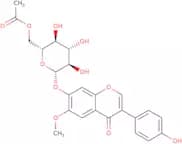
CAS:6-O-Acetylglycitin is a bioactive compound that has been shown to have many physiological activities. It is the acetylated form of glycitin, which is a precursor in the synthesis of glycogen in the liver. 6-O-Acetylglycitin has been shown to promote the repair mechanism of hepatic steatosis and exhibits anti-cancer effects by inhibiting poly(ADP-ribose) polymerase chain reaction (PCR) and uvb-induced polymerase chain reaction (PCR). This compound also inhibits growth of cancer cells in vitro. 6-O-Acetylglycitin has been shown to have an analog with pharmaceutical preparations.
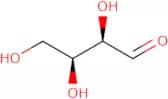
Formula:C24H24O11Purity:Min. 98 Area-%Color and Shape:PowderMolecular weight:488.44 g/molL-Threose - aqueous solution
CAS:L-Threose is a sugar molecule that is used as a structural component of DNA and RNA. It is also an important part of the energy metabolism in cells. L-Threose can be enzymatically inactivated by glycosidases, which are enzymes that hydrolyze glycosidic bonds. The inhibition of glycosidases by L-threose may be useful for the prevention or treatment of diseases associated with enzyme activity, such as diabetes mellitus type II. L-Threose has been shown to have inhibitory properties against sephadex G-100, a membrane protein found in bacteria. L-Threose may be useful as a control agent for research into the response element of polymerase chain reaction (PCR).
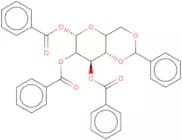
Formula:C4H8O4Purity:Min. 60 Area-%Color and Shape:Clear LiquidMolecular weight:120.1 g/mol1,2,3-Tri-O-benzoyl-4,6-O-benzylidene-b-D-galactopyranose
1,2,3-Tri-O-benzoyl-4,6-O-benzylidene-b-D-galactopyranose is a synthetic glycosylate that can be used for the introduction of oligosaccharide chains onto proteins. It is a monosaccharide and part of a complex carbohydrate. 1,2,3-Tri-O-benzoyl-4,6-O-benzylideneb -D galactopyranose can be methylated and fluorinated. The synthesis of this compound is custom, making it possible to order in high purity.Formula:C34H28O9Purity:Min. 95%Molecular weight:580.58 g/mol2,3,4,6-Tetra-O-benzyl-D-mannopyranosyl fluoride
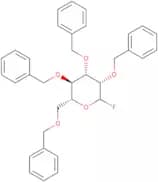
CAS:2,3,4,6-Tetra-O-benzyl-D-mannopyranosyl fluoride is a glycosylamine that has been synthesized from l-threonine. The chemical structure of this compound can be classified as a pyranose sugar with an O-methylated benzyl group at the C2 position. This sugar is synthesized by reductive cleavage of the methyl ether and subsequent reaction with sodium borohydride. The conformational analysis of the molecule was performed using molecular mechanics calculations and quantum mechanical simulations. In addition, electron paramagnetic resonance (EPR) experiments were conducted to determine the chemical shift in the 1H NMR spectrum and to identify the acceptor or donor in the molecule. Trichloroacetimidates are used as monomers for this type of synthesis because they provide good yields and can be easily prepared by reacting chloroacetic acid with chloral hydrate.Formula:C34H35FO5Purity:Min. 95%Color and Shape:Yellow PowderMolecular weight:542.64 g/mol1,3,4,6-Tetra-O-acetyl-2-{2-[(2-aminoethyl)amino]-acetamido]}-2-deoxy-D-glucopyranose
1,3,4,6-Tetra-O-acetyl-2-{2-[(2-aminoethyl)amino]-acetamido}-2-deoxy-D-glucopyranose is a custom synthetic sugar that has been modified to include fluorine atoms in the 1,3 and 4 positions. This sugar can be used as a fluorescent probe for DNA methylation. The fluorine atoms in 1,3 and 4 positions provide increased stability and prevent the sugar from being hydrolyzed by esterases.Purity:Min. 95%Methyl 2,3-O-isopropylidene-α-L-rhamnopyranoside
CAS:Methyl 2,3-O-isopropylidene-a-L-rhamnopyranoside is a custom synthesis that was developed to meet the specifications of our customer. It is a high purity, custom synthesis that has undergone click modification and glycosylation. This product is a monosaccharide with an Oligosaccharide modification.Formula:C10H18O5Purity:Min. 95%Color and Shape:Clear LiquidMolecular weight:218.25 g/mol(2S,3R,4R,5S)-3-O-Benzyl-3,4,5-trihydroxypiperidine-2-carboxylic acid
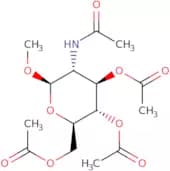
(2S,3R,4R,5S)-3-O-Benzyl-3,4,5-trihydroxypiperidine-2-carboxylic acid is a synthetic compound. It is a fluorinated glycosylated oligosaccharide with the molecular formula C14H21FNO6. This compound has been modified with methylation, monosaccharide and polysaccharide modifications. It is also a complex carbohydrate that can be custom synthesized and purified to high purity. CAS No.: 366864-11-1Purity:Min. 95%Methyl 2-acetamido-3,4,6-tri-O-acetyl-2-deoxy-β-D-glucopyranoside
CAS:Methyl 2-acetamido-3,4,6-tri-O-acetyl-2-deoxy-β-D-glucopyranoside is an Oligosaccharide that is used in the preparation of complex carbohydrates. It has a CAS number of 2771-48-4 and can be synthesized using a custom synthesis. This product is available in high purity and monosaccharide form. It has been glycosylated and methylated as well as fluorinated and saccharified.Formula:C15H23NO9Purity:Min. 95%Color and Shape:White Off-White PowderMolecular weight:361.34 g/mol(3R, 5R) -1-Benzyl-3, 4, 5- piperidinetriol
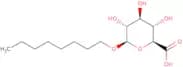
(3R, 5R) -1-Benzyl-3, 4, 5- piperidinetriol is a modification of the parent compound. The modification of the parent compound is accomplished by the introduction of a benzyl group at the 3' and 5' positions of the molecule. This modification can be used to synthesize oligosaccharides, which are complex carbohydrates. (3R, 5R) -1-Benzyl-3, 4, 5- piperidinetriol is synthesized from high purity (99%) monosaccharide methylated with formaldehyde in aqueous solution with hydrochloric acid and sodium hydroxide as catalysts. It has CAS number 8056-97-2 and molecular weight of 231.24 grams per mole.Purity:Min. 95%Octyl b-D-glucuronic acid
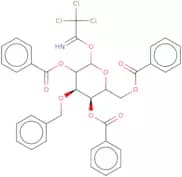
CAS:Octyl b-D-glucuronic acid is a custom synthesis of an oligosaccharide with a high purity. It is a modification of a carbohydrate, which is a complex carbohydrate. This product has been synthesized by methylation and glycosylation. Octyl b-D-glucuronic acid has many applications in the chemical industry due to its fluoroquinolone resistance and its high purity. This product is used as an excipient in pharmaceuticals, foods, and cosmetics.Formula:C14H26O7Purity:Min. 95%Color and Shape:PowderMolecular weight:306.36 g/mol2,4,6-Tri-O-benzoyl-3-benzyl-D-mannopyranosyl trichloroacetimidate
2,4,6-Tri-O-benzoyl-3-benzyl-D-mannopyranosyl trichloroacetimidate is a synthetic glycosylation compound. It can be used for the synthesis of complex carbohydrates, such as polysaccharides and oligosaccharides. This product is a high purity, custom synthesis that has been modified with fluorination and methylation. CAS No.: 59978-06-0Formula:C36H30Cl3NO9Purity:Min. 95%Molecular weight:726.98 g/molD-Galactosamine hydrochloride - Synthetic origin
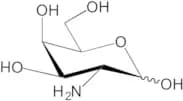
CAS:D-Galactosamine (GalN) is an aldohexose (2-Amino-2-deoxygalactose) in which the hydroxyl group at position 2 is replaced by an amino group (Collins, 2006). Galactosamine (as the N-Acetyl derivative) forms a key part of both N- and O-linked glycoproteins, glycolipids and glycosaminoglycans. Treatment of experimental animals with D-galactosamine / lipopolysaccharide causes lethal liver injury characterized by apoptosis of the hepatocyte and it is used as a laboratory model to study the effect of therapeutic agents (Hirono, 2001).Formula:C6H13NO5·HClPurity:Min. 98 Area-%Color and Shape:White PowderMolecular weight:215.63 g/mol(2R,3S,4R)-4-C-((2R,3S)-N-Benzyl-3-tert.butylsilyloxy-2-azetidinyl)-3-O-tert.butyldimethylsilyl-2,3,4-trihydroxybutanoic acid methyl ester
(2R,3S,4R)-4-C-((2R,3S)-N-Benzyl-3-tert.butylsilyloxy-2-azetidinyl)-3-O-tert.butyldimethylsilyl-2,3,4-trihydroxybutanoic acid methyl ester is a synthetic glycosylation that has been modified with fluorination and custom synthesis. It is a high purity product at CAS No. 90132-76-6 that can be modified with click chemistry. The product is sold by the gram and has a purity of >98%.Purity:Min. 95%2-Formylphenyl b-D-glucopyranoside
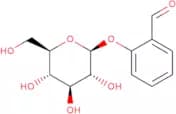
CAS:2-Formylphenyl b-D-glucopyranoside is a phenolic compound that has been shown to have high resistance to transport. It has been shown to possess surface methodology and this property can be used for the delivery of compounds. 2-Formylphenyl b-D-glucopyranoside has also been shown to inhibit plant enzyme activities such as detoxification enzymes and carbohydrate chemistry, which are important in the uptake of natural compounds. In addition, it is able to bind with amines and hydroxyl groups on cells, which may be due to its receptor cell properties. 2-Formylphenyl b-D-glucopyranoside can be synthesized by reacting trifluoroacetic acid with an amine and a hydroxyl group in the presence of glycol ethers or natural compounds.
Formula:C13H16O7Purity:Min. 95%Color and Shape:PowderMolecular weight:284.26 g/mol6-Deoxy-L-altritol
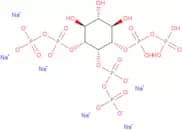
6-Deoxy-L-altritol is a carbohydrate that belongs to the class of saccharides. It is a synthetic carbohydrate, and its structure is similar to that of D-mannitol. 6-Deoxy-L-altritol can be used for medical purposes as it inhibits bacterial growth and is an anti-inflammatory agent. 6-Deoxy-L-altritol has been modified with fluorine atoms to give it potent antibacterial activity against Gram negative bacteria, such as Salmonella typhi, Escherichia coli, and Pseudomonas aeruginosa. This modification also makes 6-deoxy L-altritol stable at high temperatures and resistant to acid hydrolysis.Purity:Min. 95%myo-Inositol trispyrophosphate hexasodium salt
CAS:Myo-Inositol trispyrophosphate (ITPP) hexasodium salt is a drug with anti-cancer properties. It is an allosteric effector that interact with hemoglobin, releasing oxygen into the target tissues to avoid hypoxia. Several studies has shown an increase on the affinity of hemoglobin to oxygen when using ITPP, fact that demonstrated it can be a good strategy for the treatment of several cardiovascular diseases.Formula:C6H6Na6O21P6Purity:Min. 95%Color and Shape:White Off-White PowderMolecular weight:737.88 g/molPropargyl b-D-galactopyranoside
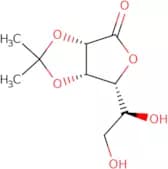
CAS:Propargyl b-D-galactopyranoside is a custom synthesis that is a modified form of galactose. The modification was accomplished by adding fluorine to the sugar. Methylation of the sugar was also done, and it has been shown to have anti-tuberculosis properties. It also has been shown to inhibit the growth of bacteria in vitro and in vivo, including Mycobacterium tuberculosis.Formula:C9H14O6Purity:Min. 95%Color and Shape:PowderMolecular weight:218.2 g/mol2,3-O-Isopropylidene-L-gulonic acid-1,4-lactone
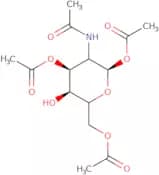
CAS:2,3-O-Isopropylidene-L-gulonic acid-1,4-lactone is a synthetic sugar that has been fluorinated. The methyl group at the C2 position of this compound can be modified by various methods to give different derivatives. 2,3-O-Isopropylidene-L-gulonic acid-1,4-lactone is an oligosaccharide that is found in natural glycosides and saccharides. It is also used for click chemistry modifications in complex carbohydrate chemistry. This compound is CAS number 94840-08-1.Formula:C9H14O6Purity:Min. 95%Color and Shape:White To Off-White SolidMolecular weight:218.21 g/mol2-Acetamido-1,3,6-tri-O-acetyl-2-deoxy-a-D-glucopyranose
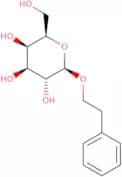
CAS:2-Acetamido-1,3,6-tri-O-acetyl-2-deoxy-a-D-glucopyranose is a synthetic monosaccharide that can be used as an intermediate in the preparation of oligosaccharides. The compound is fluorinated and then reacted with acetyl chloride to produce an acetamido derivative. This product can be used for glycosylation reactions with polysaccharides. It has been shown to react with diols and triols to form methyl ethers via the Click chemistry reaction. 2-Acetamido-1,3,6-tri-O-acetyl-2,5,6,-triiodohexanoic acid is a modification of this product that has been shown to inhibit bacterial growth in vitro.Formula:C14H21NO9Purity:Min. 95%Color and Shape:Clear oil.Molecular weight:347.32 g/molPhenylethyl β-D-galactopyranoside
CAS:Phenylethyl b-D-galactopyranoside is a galactose compound that can be hydrolyzed by esterases in the presence of water. It is toxic to organisms, such as E. coli and S. typhimurium, at high concentrations and can be used for the treatment of infections caused by these bacteria. Phenylethyl b-D-galactopyranoside has been shown to have a permeability effect on cells, which may be due to its ability to inhibit the production of ATP in the cell membrane by blocking specific enzymes that are responsible for ATP synthesis.Formula:C14H20O6Purity:Min. 95%Color and Shape:PowderMolecular weight:284.31 g/molN-(Phenyl-1-propenyl)imino-2,3,4,6-tetra-O-pivaloyl-D-glucopyranoside
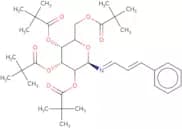
N-(Phenyl-1-propenyl)imino-2,3,4,6-tetra-O-pivaloyl-D-glucopyranoside (NPG) is a synthetic oligosaccharide. It is an Methylation and Click modification of the natural glycosylation product of glucose with pivalic acid. NPG has been shown to inhibit the Glycosylation enzyme by methylating it and preventing it to be able to catalyze the attachment of a sugar molecule to an amino acid residue. This inhibition prevents the production of complex carbohydrates in bacteria. NPG is also fluorinated at the 2,3,4,6 positions on the glucose ring which allows for better binding to bacterial cells. NPG has been shown to bind specifically to mycobacterial cell wall glycolipids and inhibit their synthesis as well as other bacterial cells such as staphylococcus aureus.Formula:C35H51NO9Purity:Min. 95%Molecular weight:629.78 g/mol1,3,4,6-Tetra-O-acetyl-a-D-galactopyranose
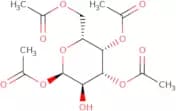
CAS:1,3,4,6-Tetra-O-acetyl-a-D-galactopyranose is a custom synthesis of 1,3,4,6-tetra-O-acetyl-a-D-galactopyranose. It is used in the modification of saccharides and polysaccharides. The modification is done by Click chemistry with the incorporation of fluorine in the sugar ring. This product is available as a white powder and has a CAS number of 19186-40-4.Formula:C14H20O10Purity:Min. 95%Color and Shape:White PowderMolecular weight:348.3 g/molEthyl 4,6-O-benzylidene-b-D-galactopyranoside
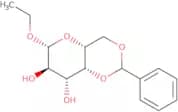
CAS:Ethyl 4,6-O-benzylidene-β-D-galactopyranoside is a carbohydrate that belongs to the monosaccharide class. It is glycosylated with an ethyl group at the hydroxyl group at the 6th position and methylated on the benzene ring at the 4th position. This modification has been shown to increase its solubility in water and its stability in basic solutions. The synthesis of this compound is performed through a click reaction, which allows for high purity and custom synthesis. Ethyl 4,6-O-benzylidene-β-D-galactopyranoside can be used as a sugar substitute or in pharmaceuticals for treatment of diabetes mellitus type 2.Formula:C15H20O6Purity:Min. 95%Color and Shape:PowderMolecular weight:296.32 g/molMethyl 4,6-O-benzylidene-2,3-di-O-(p-toluenesulfonyl)-α-D-glucopyranoside
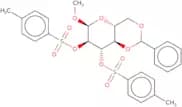
CAS:Methyl 4,6-O-benzylidene-2,3-di-O-(p-toluenesulfonyl)-a-D-glucopyranoside is a custom synthesis that has been modified with fluorination, methylation, and click modification. It is a monosaccharide that can be found in saccharides and polysaccharides. This product is also a synthetic carbohydrate with the CAS number of 6884-01-1. Methyl 4,6-O-benzylidene-2,3-di-O-(p-toluenesulfonyl)-a -D -glucopyranoside has been shown to have antihyperglycemic properties by inhibiting the action of alpha amylase on starch. This product also inhibits the activity of alpha amylase on glycogen and lactose.Formula:C28H30O10S2Purity:Min. 95%Molecular weight:590.66 g/molEthyl 3,5,6-tri-O-benzyl-D-glucofuranoside
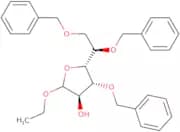
CAS:Ethyl 3,5,6-tri-O-benzyl-D-glucofuranoside is a modification of the natural carbohydrate D-glucose and has been synthesized by methylation. This product has a purity of 99% and is made up of three monosaccharides: D-glucose, D-mannose, and D-galactose. It also contains an oligosaccharide chain that consists of 6 sugar units. Ethyl 3,5,6-tri-O-benzyl-D-glucofuranoside is insoluble in water but soluble in acetone. The molecular weight of this product is 522.2 g/mol.Formula:C29H34O6Purity:Min. 95%Color and Shape:Yellow Clear LiquidMolecular weight:478.58 g/molN-Acetyl-3-fluoro-neuraminic acid sodium
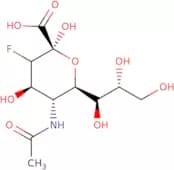
CAS:N-Acetyl-3-fluoro-neuraminic acid sodium (AFNA) is an inhibitor that binds to the terminal sialic acid residue of the glycoprotein neuraminidase in influenza viruses, preventing the virus from attaching to cells. AFNA is a fluorinated derivative of mannosamine and is synthesized by reacting an aldolase with sulfur trifluoride. AFNA has been shown to inhibit sialidases and utilising enzymes, which are necessary for viral replication. AFNA also inhibits bacterial sialidases, which are required for the synthesis of cell wall components.
Formula:C11H18FNO9•Nax327Purity:Min. 95%Color and Shape:PowderMolecular weight:326.25 g/molBenzyl 2-deoxy-2-phthalimido-β-D-glucopyranoside
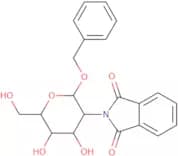
CAS:Benzyl 2-deoxy-2-phthalimido-b-D-glucopyranoside is a custom synthesis that belongs to the group of complex carbohydrates. It is an oligosaccharide or polysaccharide that is modified with methylation, glycosylation, and carbamylation, and has a CAS number of 80035-32-1. This compound has been used in the synthesis of saccharides for the preparation of an antibody drug conjugate. Benzyl 2-deoxy-2-phthalimido-b-D-glucopyranoside is also known as 6Fluoro 3 indoxyl beta D galactopyranoside.Formula:C21H21NO7Purity:Min. 95%Molecular weight:399.39 g/mol1,3,4,6-Tetra-O-acetyl-2-deoxy-2-phthalimido-b-D-glucopyranoside
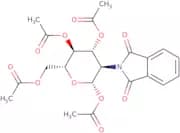
CAS:The interaction of 1,3,4,6-tetra-O-acetyl-2-deoxy-2-phthalimido-b-D-glucopyranoside with DNA is selective for the hydroxyl group and for the stacking of its glycosidic bonds. The data obtained from the spectra show that this compound interacts with the sugar moiety of nucleosides to yield a product with a lower melting point. The binding constants are high and the yields are low.
Formula:C22H23NO11Purity:Min. 95%Color and Shape:White PowderMolecular weight:477.42 g/mol1,2,3-Tri-O-methyl-α-D-glucopyranose
CAS:1,2,3-Tri-O-methyl-a-D-glucopyranose is a sugar that is used in glycosylation and fluorination reactions. This product can be custom synthesized to your specifications. It is available in high purity and with a variety of modifications. 1,2,3-tri-O-methyl-a-D-glucopyranose has been modified with methyl groups at the C1 and C6 positions. These modifications are useful for studies on glycosylation and fluorination reactions.Formula:C9H18O6Purity:Min. 95%Color and Shape:PowderMolecular weight:222.24 g/mol5-Azido- 5, 6- dideoxy- 2, 3- O-isopropylidene- D- gulonic acid-1,4-lactone
CAS:5-Azido-5,6-dideoxy-2,3-O-isopropylidene-D-gulonic acid-1,4-lactone is a carbohydrate that belongs to the group of saccharides. It is a synthetic sugar that has been modified with fluorine atoms on the 2 and 3 position of the sugar. 5-Azido-5,6-dideoxygulonic acid 1,4lactone has been shown to be resistant to enzymatic degradation by α amylase and β amylase. The compound also has a high level of purity (>98%) and custom synthesis capabilities.Purity:Min. 95%(1R) -1- [(2S, 3R) - 3- Hydroxy- 1- methyl - 2- azetidinyl] -1, 2- ethanediol
(1R) -1- [(2S, 3R) - 3- Hydroxy- 1- methyl - 2- azetidinyl] -1, 2- ethanediol is a fluorinated sugar that is used in the synthesis of oligosaccharides and polysaccharides. This synthetic monosaccharide can be modified by glycosylation, methylation, and click chemistry. It has an CAS number and a high purity.Purity:Min. 95%(3aS, 6aS) -Dihydro- 2, 2, 6a- trimethyl-furo[3, 4- d] - 1, 3- dioxol- 4(3aH) - one
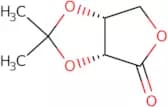
(3aS, 6aS) -Dihydro-2,2,6a-trimethyl-furo[3,4-d]-1,3-dioxol-4(3aH)-one is a white crystalline powder that is soluble in chloroform and ether. It can be used as a synthetic intermediate for the preparation of other products. It has been shown to be effective in methylation reactions on saccharides and polysaccharides. This product is available with custom synthesis options and can be modified with click chemistry or fluorination. This product is also available with high purity levels and fluorescence properties.Purity:Min. 95%4-(4-(2-(trifluoromethyl)phenyl)-3-(E)-buten-2-one-1-yl)piperidine-2,6-dione
4-(4-(2-(trifluoromethyl)phenyl)-3-(E)-buten-2-one-1-yl)piperidine-2,6-dione is a custom synthesis that can be modified to include fluorination, methylation, and monosaccharide modifications. This molecule has been shown to have click modification and oligosaccharide modifications with saccharides. It is a polysaccharide that is glycosylated with carbohydrate.Purity:Min. 95%Tetra-O-acetyl-L-rhamnopyranose
CAS:Tetra-O-acetyl-L-rhamnopyranose is a custom synthesis, complex carbohydrate. It is an Oligosaccharide, Polysaccharide, Modification, saccharide with Methylation, Glycosylation, Carbohydrate that has CAS No. 7404-35-5. Tetra-O-acetyl-L-rhamnopyranose has High purity and Fluorination properties. This product can be Synthetic or Custom synthesis for industrial applications.Formula:C14H20O9Purity:Min. 95%Molecular weight:332.3 g/mol4,6-O-Benzylidene-1,2,3-tri-O-pivaloyl-a-D-mannopyranose
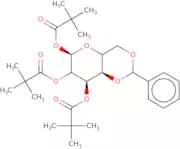
4,6-O-Benzylidene-1,2,3-tri-O-pivaloyl-a-D-mannopyranose is an oligosaccharide that is synthesized by the fluorination of a monosaccharide. It can be used for glycosylation and polysaccharide synthesis. The product has a CAS number of 53487-04-9 and a high purity level of 98%.Formula:C28H40O9Purity:Min. 95%Molecular weight:520.61 g/molBenzoyl 2,3-O-isopropylidene-D-lyxofuranoside
CAS:Benzoyl 2,3-O-isopropylidene-D-lyxofuranoside is a high purity custom synthesis sugar. This compound can be synthesized by Click modification, fluorination, and glycosylation. It has CAS No. 110808-28-1. The molecular formula is C12H14O8 and the molecular weight is 360.2 g/mol. Benzoyl 2,3-O-isopropylidene-D-lyxofuranoside is used as an intermediate in the synthesis of saccharides including complex carbohydrates such as oligosaccharides and monosaccharides.Formula:C15H18O6Purity:Min. 95%Molecular weight:294.3 g/molMethyl 2,3,4-tri-O-benzoyl-6-O-tert-butyldiphenylsilyl-a-D-glucopyranoside
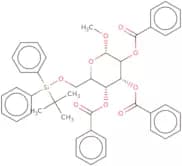
Methyl 2,3,4-tri-O-benzoyl-6-O-tert-butyldiphenylsilyl-a-D-glucopyranoside is an oligosaccharide that has been modified with methylation and fluorination. The modification of the sugar with a methyl group at the 6 position on the glucopyranoside ring gives it increased stability against hydrolysis. This product can be used as a reagent in glycosylation or polysaccharide synthesis.Formula:C44H44O9SiPurity:Min. 95%Molecular weight:744.92 g/mol2,3-O-Isopropylidene-D-erythronolactone
CAS:2,3-O-Isopropylidene-D-erythronolactone is a chromophore that has been synthesised. It is a chiral heterocycle with an anion linker and a boron trifluoride etherate group. The carbon chain of 2,3-O-isopropylidene-D-erythronolactone has been found to be essential for its antibacterial activity against tuberculosis. This compound binds to the adenosine receptor in the bacterial cell membrane and inhibits bacterial growth.Formula:C7H10O4Purity:Area-% Min. 95 Area-%Color and Shape:PowderMolecular weight:158.15 g/mol2-Azido-2-deoxy-2,4-di-C-methyl-L-lyxono-1.4-lactone
2-Azido-2-deoxy-2,4-di-C-methyl-L-lyxono-1.4-lactone is a synthetic sugar that belongs to the group of carbohydrates. It is a monosaccharide that has been modified with fluorination and glycosylation. This carbohydrate has also been methylated, which makes it useful for click chemistry reactions. 2-Azido-2-deoxy-2,4-diCmethyl L -lyxono 1,4 -lactone is used in the synthesis of complex carbohydrates and oligosaccharides. !--END-->Purity:Min. 95%1-Deoxynojirimycin
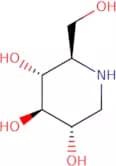
CAS:Glucose analog and potent inhibitor of α-glucosidases of class I and II. It interferes with N-linked glycosylation and oligosaccharide processing. The compound inhibits intestinal α-glucosidase and has protective effects against obesity-induced hepatic injury as well as mitochondrial dysfunction. It also has neuroprotective effects since it reduces senescence-related cognitive impairment, neuroinflammation and amyloid beta deposition in mice.Formula:C6H13NO4Purity:Min. 98 Area-%Color and Shape:White PowderMolecular weight:163.17 g/molN-Butyldeoxynojirimycin hydrochloride
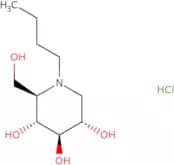
CAS:Competitive inhibitor of ceramide-glycosyltransferase used for substrate reduction therapy in lysosomal storage disorders. It inhibits glucosylceramide synthase, which catalyses the initial step in glycosphingolipid biosynthetic pathway. This compound delays the onset of symptoms in type 1 Gaucher disease, Sandhoff disease and Tay-Sachs disease. It also reduces brain abnormalities in mucolipidosis type IV.
Formula:C10H21NO4•HClPurity:Min. 95%Color and Shape:PowderMolecular weight:255.74 g/mol2-C-(tert.Butylmethylsilyloxy)methyl-2,3:5,6-di-O-isopropylidene-D-mannono-1.4-lactone
2-C-(tert.Butylmethylsilyloxy)methyl-2,3:5,6-di-O-isopropylidene-D-mannono-1.4-lactone is a custom synthesis of a complex carbohydrate with Oligosaccharide, CAS No., Polysaccharide and Modification properties. It is a saccharide that is Methylation and Glycosylation modified. This product has Click modification and Carbohydrate properties. 2C-(tert.Butylmethylsilyloxy)methyl-2,3:5,6-di-O-isopropylidene-D-mannono 1,4 lactone is a high purity product with Fluorination and Synthetic properties.Purity:Min. 95%D-Mannose-6-O-sulphate sodium salt
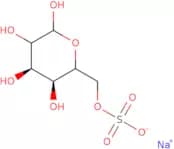
CAS:D-Mannose-6-O-sulphate sodium salt (DMS) is a synthetic sugar that is used in the preparation of biopolymers. It is a complex carbohydrate that is composed of both saccharide and phosphate groups. DMS has been modified to contain methyl groups, which can be used for click chemistry reactions. The CAS number for this compound is 204575-08-6. DMS has been shown to be useful as a fluorination reagent. It has also been synthesized using click chemistry, which allows it to be incorporated into polymers and other organic compounds.Formula:C6H11O9SNaPurity:Min. 95%Color and Shape:PowderMolecular weight:282.2 g/moln-Octyl-β-D-glucopyranoside
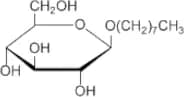
CAS:Octyl-beta-D-glucopyranoside is an alkylglycoside non-ionic detergent and is one of the most commonly used in membrane protein isolation. As it is uncharged, it is unlikely to cause protein denaturation or refolding issues, allowing for the isolation of intact macromolecular complexes without affecting protein-protein interactions. Octyl-beta-D-glucopyranoside, also known as octylglucoside or OG, forms small, uniformed micelles and has an aggregation number of between 27-100. It is readily dialyzable from membrane protein preparations due to its high Critical Micelle Concentration (CMC) of 18-20mM. Octyl-beta-D-glucopyranoside has similar uses and properties to that of another frequently used surfactant, Octyl-beta-D-thioglucopyranoside.Formula:C14H28O6Molecular weight:292.38 g/mol4,6-O-(4-Methoxybenzylidene)-1,2,3-tri-O-pivaloyl-b-D-glucopyranose
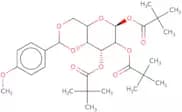
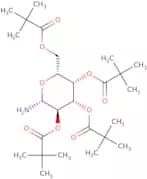
4,6-O-(4-Methoxybenzylidene)-1,2,3-tri-O-pivaloyl-b-D-glucopyranose is a Glycosylation compound that has been modified with methyl groups on the 4 and 6 carbons of the sugar. It is a complex carbohydrate that has been fluorinated at the C5 position. This product is available for custom synthesis in quantities of 10g or more. The CAS number for this compound is 13357007.Formula:C29H42O10Purity:Min. 95%Molecular weight:550.65 g/mol2,3,4,6-Tetra-O-pivaloyl-b-D-galactopyranosyl amine
CAS:2,3,4,6-Tetra-O-pivaloyl-b-D-galactopyranosyl amine is a glycosylated monosaccharide with four pivaloyl groups. It is an important component of the glycoconjugate family and has been used in research as a model for glycoprotein synthesis. This compound is synthesized from 2,3,4,6-tetra-O-pivaloylglucose through the use of Click chemistry and fluorination. The 2,3,4,6-Tetra-O-pivaloylglucose can be modified to produce a variety of sugar derivatives including methylated sugars and polysaccharides. This product is custom synthesized to meet customer specifications. 2,3,4,6-Tetra-O-pivaloylglucose can be obtained by reacting 2 equivalents of triacetinFormula:C26H45NO9Purity:Min. 95%Color and Shape:PowderMolecular weight:515.64 g/mol5,6-O-Isopropylidene-phlorigidoside B
5,6-O-Isopropylidene-phlorigidoside B is a glycosylation inhibitor that belongs to the class of oligosaccharides and synthetic compounds. This compound has been shown to inhibit the synthesis of complex carbohydrates by reacting with a phosphoryl group on an activated sugar. The 5,6-O-isopropylidene group on the molecule is fluorinated and methylated, which may be used for custom synthesis or modification. 5,6-O-Isopropylidene-phlorigidoside B can also be used as a fluorescent probe in fluorescence microscopy.
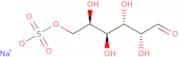
Purity:Min. 95%D-Galactose-6-O-sulphate sodium
CAS:D-Galactose-6-O-sulphate sodium salt is used as a diagnostic agent to measure the level of galactose in blood and tissues. The enzyme that hydrolyzes D-galactose-6-O-sulphate, galactose oxidase, is present in leukocytes and chorionic villi. The enzymatic assay for this chemical is based on the reaction between D-galactose and sulfite to form D-galactosulfonic acid. This reaction is catalysed by a sulphatase enzyme. A fluorimetric method can be used to measure the formation of D-galactosulfonic acid.Formula:C6H11O9SNaPurity:Min. 95%Color and Shape:White PowderMolecular weight:282.2 g/mol3-Deoxy-3-fluoro-D-xylopyranose
3-Deoxy-3-fluoro-D-xylopyranose is a carbohydrate, modification, saccharide and oligosaccharide. It is an Oligosaccharide sugar that has a CAS number of 104863-98-2. 3DFX can be custom synthesized in high purity with methylation and glycosylation. This product can be used for click modification with the desired molecule.Purity:Min. 95%Methyl 4,6-O-benzylidene-2-benzyloxycarbonylamino-2-deoxy-a-D-glucopyranose
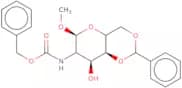
CAS:Methyl 4,6-O-benzylidene-2-benzyloxycarbonylamino-2-deoxy-a-D-glucopyranose is a custom synthesized compound. It is a polysaccharide that is modified with fluorine and methyl groups. The chemical structure of this compound includes a glucose molecule with an amino group at the C1 position and an acetyl group at the C4 position. This modification increases the solubility and stability of this compound. Methyl 4,6-O-benzylidene-2-benzyloxycarbonylamino-2-deoxy--A D glucopyranose has been used in research as a model for glycosylation.Formula:C22H25NO7Purity:Min. 95%Molecular weight:415.44 g/molGDP-L-fucose disodium - low endotoxin grade
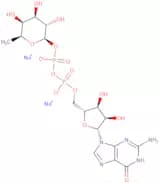
CAS:GDP-L-fucose is a natural fucosyl donor and substrate for fucosyltransferases (FUT) that catalyses the fucosylation of, for example, human milk oligosaccharides or glycoproteins. GDP-L-fucose is widely used in (chemo)enzymatic synthesis of glycans. Cymit Quimicaesis of GDP-L-fucose, a nucleotide sugar consisting of an L-fucose that is β-glycosidically linked to the nucleotide guanosine diphosphate (GDP), is achieved either through de novo synthesis via GDP-mannose or through a salvage pathway from free fucose. Fucosylation is catalysed by fucosyltransferases (~ 13 FUT genes have been identified in the human genome to date) to generate α-1,2, α-1,3, α-1-4 and α-1-6 linkages of fucose to other sugars, as well as direct linkages to peptides, with release of GDP (Lairson, 2008).Formula:C16H23N5O15P2Na2Purity:Min. 95%Color and Shape:White PowderMolecular weight:633.31 g/molL-Fuculose - aqueous solution
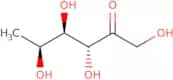
CAS:Fuculose is a monosaccharide that is a constituent of fucose-containing glycoproteins. It is found in the blood and urine, as well as in various tissues, such as liver, lung, kidney, and spleen. The biological properties of L-fuculose are related to its ability to form hydrogen bonds with other molecules. Fuculose has been shown to be an effective activator for cutaneous lesions in mice models. The structural analysis of L-fuculose has revealed that it contains a reactive site for the synthesis of glycosaminoglycans and polysaccharides. Fuculose has also been shown to increase the proliferation of some cells, including corynebacterium glutamicum and human umbilical vein endothelial cells (HUVECs). This property may be due to its ability to activate growth factors or interfere with cell signaling pathways.
Formula:C6H12O5Purity:Min. 95%Color and Shape:Clear LiquidMolecular weight:164.16 g/molD-Fructose
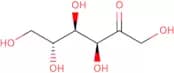
CAS:D-Fructose (Fru) is the most common reducing keto-hexose and is often known as levulose, arabino-hexulose, fruit sugar (Collins, 2006). In an aqueous solution, fructose exhibits mutarotation (approx., 70-75% β-pyranose, 20-23% β-furanose, 5% α-furanose, 2% α-pyranose, 0.7% open chain) (Angyal, 1984). Sucrose from sugar cane and sugar beet is made up of 50% fructose and is found in many fruits and vegetables; it is the predominant sugar in apples, grapes, oranges and watermelon, as well as comprising of up to half of the total sugars in honey. High fructose corn syrup (HFCS) containing around 50% fructose is an important food ingredient produced from glucose syrup by the action of the enzyme glucose isomerase (Hanover, 1993). However, dietary sugars including fructose, have long been implicated in the epidemic of obesity. Evidence to link the relation of foods and beverages containing fructose with overweight or obesity has recently been obtained (Zurbau, 2020).Formula:C6H12O6Purity:Min. 99 Area-%Color and Shape:White PowderMolecular weight:180.16 g/mol2-Acetamido-1,3,4,6-tetra-O-benzyl-2-deoxy-a-D-glucopyranoside
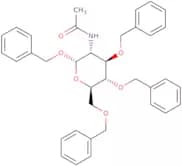
CAS:2-Acetamido-1,3,4,6-tetra-O-benzyl-2-deoxy-a-D-glucopyranoside is a modification of the natural carbohydrate. It is an oligosaccharide synthesized with custom synthesis. The synthetic process involves the methylation and glycosylation of the monosaccharides. Fluorination and saccharide linkages are also used in the production of this compound. 2-Acetamido-1,3,4,6-tetra-O-benzyl-2-deoxyglucopyranoside can be used as a building block for complex carbohydrates or as a research reagent for glycobiology.Formula:C36H39NO6Purity:Min. 95 Area-%Color and Shape:PowderMolecular weight:581.7 g/molL-Glucono-1,4-lactone
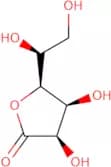
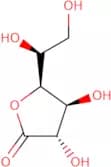
CAS:L-Glucono-1,4-lactone is a substance that belongs to the group of compounds known as alpha hydroxy acids. It is produced in the body by an enzyme called l-gluconolactonase and is present in small quantities in many fruits and vegetables. L-Glucono-1,4-lactone has been shown to prevent skin aging and protect against UV light damage through its antioxidant properties. This compound can be found in sunscreens or it can be taken orally to provide protection from the sun. Clinical data on L-Glucono-1,4-lactone treatments are not yet available.
Formula:C6H10O6Purity:Min. 95%Color and Shape:PowderMolecular weight:178.14 g/molN-Acetyl-D-glucosamine - plant source
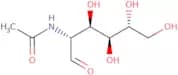
CAS:N-acetyl D-glucosamine (GlcNAc) is an aldohexose (2-acetamido-2-deoxyglucose) in which the hydroxyl group at position 2 is replaced by NHAc (Collins, 2006). N-acetyl D-glucosamine forms the exoskeletons of molluscs and insects as the building block of the polysaccharide chitin (Rudrapatnam, 2003). N-acetyl D-glucosamine is a key component of N- and O-linked glycans, present in glycolipids and the glycosaminoglycan hyaluronic acid (Fallacara, 2018). A recent study has suggested that N-acetyl D-glucosamine may have therapeutic potential for COVID-19 as it affects the spike protein-ACE2 receptor interaction during the infection with SARS-CoV-2 virus (Baysal, 2021).Formula:C8H15NO6Purity:Min. 98 Area-%Color and Shape:PowderMolecular weight:221.21 g/molHyacinthacine A2
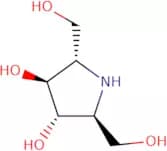
CAS:Hyacinthacine A2 (HA2) is a diastereomer of hyacinthacine A3. It is a radical coupling compound that has been shown to be stereoselective. HA2 selectively reacts with d-arabinose and other sugar molecules, but not with L-arabinose or other sugar molecules, which makes it useful in the synthesis of polyhydroxylated compounds. HA2 has been found to inhibit the growth of bacteria such as Staphylococcus aureus and Clostridium perfringens, making it an antibacterial agent. HA2 also inhibits protein synthesis and cell division by binding to DNA-dependent RNA polymerase, preventing transcription and replication. This inhibition is due to conformational changes in the molecule as well as radical mechanisms.Formula:C8H15NO3Purity:Min. 95%Molecular weight:173.21 g/molN-[2-(4'-Methoxyphenylacetonitrile)]-2,3,4,6-tetra-O-pivaloyl-D-glucopyranoside
N-[2-(4'-Methoxyphenylacetonitrile)]-2,3,4,6-tetra-O-pivaloyl-D-glucopyranoside is a custom synthesis of a carbohydrate. It is a synthetic saccharide that is modified by fluorination and methylation. This compound has high purity and can be custom synthesized to order.
Formula:C35H52N2O10Purity:Min. 95%Molecular weight:660.79 g/mol3-O-Benzyl-2-deoxy-D-arabinopyranose
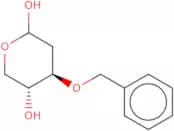
3-O-Benzyl-2-deoxy-D-arabinopyranose is a modified sugar that can be used in the synthesis of oligosaccharides. It is a white powder that has a purity level of more than 99%. The CAS number for 3-O-Benzyl-2-deoxy-D-arabinopyranose is 52397-07-8. This product can be custom synthesized to meet your specific needs. It can also be methylated, glycosylated, or modified with a click chemistry reaction.
Formula:C12H16O4Purity:Min. 95%Molecular weight:224.25 g/mol6-Cyclohexylhexyl-4-O-(a-D-glucopyranosyl)-b-D-glucopyranoside
CAS:The 6-cyclohexylhexyl-4-O-(a-D-glucopyranosyl)-b-D-glucopyranoside is a monoclonal antibody that targets acetylcholine. It binds to nicotinic acetylcholine receptors in the nervous system, preventing the binding of acetylcholine and thereby inhibiting the transmission of nerve impulses. The antibody has been shown to inhibit multidrug resistance in cell culture. This may be due to its ability to bind hydroxyl groups on molecules that are known inhibitors of multidrug resistance. This drug also has an amphipathic nature, which allows it to penetrate lipid bilayers and membranes.Formula:C24H44O11Molecular weight:508.60 g/molRef: 3D-W-201950
-Unit-ggTo inquire1gTo inquire5gTo inquire10gTo inquire500mgTo inquire2500mgTo inquire1-Amino-2,5-anhydro-D-glucitol
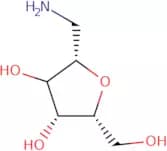
CAS:1-Amino-2,5-anhydro-D-glucitol is a synthetic monosaccharide with the chemical formula C6H12O6. It is often used in custom synthesis and click modification of polysaccharides and oligosaccharides. The fluorination of this compound can be done to obtain a fluorinated 1-amino-2,5-anhydro-D-glucitol. 1AADG can also be modified at its methyl group to produce N,N'-diacetylmethylenecyclohexane carboxamide (CAS No. 2166517-07). This product has been shown to inhibit the growth of bacteria such as Clostridium perfringens and Mycobacterium tuberculosis.Formula:C6H13NO4Purity:Min. 95%Molecular weight:163.17 g/molHyacinthacine B3
CAS:Hyacinthacine B3 is a compound that was synthesized by the Sharpless asymmetric dihydroxylation of polyhydroxylated aldehyde. It has inhibitory activities against nitrogen atoms and amines, which are important for the synthesis of proteins. The compounds with petasis amines have been shown to be effective in the treatment of influenza A virus.Formula:C9H17NO4Purity:Min. 95%Molecular weight:203.24 g/mol








![1,3,4,6-Tetra-O-acetyl-2-{2-[(2-aminoethyl)amino]-acetamido]}-2-deoxy-D-glucopyranose](/_next/image/?url=https%3A%2Fstatic.cymitquimica.com%2Fproducts%2F3D%2Fthumb-webp%2FMT145162.webp&w=3840&q=75)



![(1R) -1- [(2S, 3R) - 3- Hydroxy- 1- methyl - 2- azetidinyl] -1, 2- ethanediol](/_next/image/?url=https%3A%2Fstatic.cymitquimica.com%2Fproducts%2F3D%2Fthumb-webp%2FMH163529.webp&w=3840&q=75)
![(3aS, 6aS) -Dihydro- 2, 2, 6a- trimethyl-furo[3, 4- d] - 1, 3- dioxol- 4(3aH) - one](/_next/image/?url=https%3A%2Fstatic.cymitquimica.com%2Fproducts%2F3D%2Fthumb-webp%2FMD170601.webp&w=3840&q=75)



![N-[2-(4'-Methoxyphenylacetonitrile)]-2,3,4,6-tetra-O-pivaloyl-D-glucopyranoside](/_next/image/?url=https%3A%2Fstatic.cymitquimica.com%2Fproducts%2F3D%2Fthumb-webp%2FMM08496.webp&w=3840&q=75)