Monosaccharides
Monosaccharides are the simplest form of carbohydrates and serve as fundamental building blocks for more complex sugars and polysaccharides. These single sugar molecules play critical roles in energy metabolism, cellular communication, and structural components of cells. In this section, you will find a wide variety of monosaccharides essential for research in biochemistry, molecular biology, and glycoscience. These compounds are crucial for studying metabolic pathways, glycosylation processes, and developing therapeutic agents. At CymitQuimica, we offer high-quality monosaccharides to support your research needs, ensuring precision and reliability in your scientific investigations.
Subcategories of "Monosaccharides"
- Alloses(11 products)
- Arabinoses(21 products)
- Erythroses(11 products)
- Fructoses(9 products)
- Fucoses(36 products)
- Galactosamine(41 products)
- Galactose(260 products)
- Glucoses(365 products)
- Glucuronic Acids(51 products)
- Glyco-substrates for Enzyme(77 products)
- Guloses(6 products)
- Idoses(4 products)
- Inositols(15 products)
- Lyxoses(4 products)
- Mannoses(65 products)
- O-Glycans(48 products)
- Psicoses(3 products)
- Rhamnoses(10 products)
- Riboses(61 products)
- Sialic Acids(100 products)
- Sorboses(4 products)
- Sugars(173 products)
- Tagatoses(4 products)
- Taloses(8 products)
- Xyloses(20 products)
Show 17 more subcategories
Found 6088 products of "Monosaccharides"
Sort by
Purity (%)
0
100
|
0
|
50
|
90
|
95
|
100
2-C-Methyl-D-arabino-1,4-lactone
<p>2-C-Methyl-D-arabinose is a modification of the sugar arabinose. It is an oligosaccharide that can be synthesized in the laboratory. 2-C-Methyl-D-arabinose can be used as a custom synthesis and has been identified by its CAS number, which is 76447-07-6. This compound is a monosaccharide that has a molecular formula of C5H10O4 and an atomic weight of 150.12 g/mol. It is also referred to as methylated arabinose or D(+)-2,3,4,5,6 tetra‑O-methyl‑D‑arabino‑1,4‑lactone. 2-C-Methyl-D-arabinose is also a polysaccharide that contains glucose subunits with modifications such as fluorination or saccharides with glycosylation or methylation.</p>Purity:Min. 95%3-C-Methyl-allonolactone
<p>3-C-Methyl-allonolactone is an oligosaccharide that is modified by methylation, glycosylation, and polysaccharide. It is a custom synthesis and has a high purity. 3-C-Methyl-allonolactone may be used as a precursor to 3-carbon sugars.</p>Purity:Min. 95%4-Aminophenyl b-D-lactopyranoside
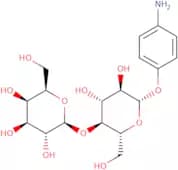
CAS:<p>4-Aminophenyl b-D-lactopyranoside is a chemical compound that has been used to optimize the production of human immunoglobulin. It has been shown to have diagnostic value for several viruses, including Epstein-Barr virus and cytomegalovirus. Electron microscopic studies have revealed organisms agglutinated by 4-aminophenyl b-D-lactopyranoside. The receptor binding properties and antigen concentration of this compound have been determined using agglutinin and lectin techniques. This molecule also has inhibitory potency on the synthesis of polypeptides, which are essential for the growth of certain organisms.</p>Formula:C18H27NO11Purity:Min. 95%Color and Shape:Off-White PowderMolecular weight:433.41 g/mol6'-O-Acetylpaniculoside II
<p>6'-O-Acetylpaniculoside II is an oligosaccharide that contains a methylated saccharide. It has CAS No. 836-50-4 and Click modification, which is a chemical reaction between the glycone of a saccharide and an electrophile. 6'-O-Acetylpaniculoside II is also a glycosylation product of a polysaccharide and it can be custom synthesized to produce high purity carbohydrates. This compound is fluorinated for complex carbohydrate chemistry.</p>Purity:Min. 95%6-Cyclohexylhexyl-4-O-(a-D-glucopyranosyl)-b-D-glucopyranoside
CAS:<p>The 6-cyclohexylhexyl-4-O-(a-D-glucopyranosyl)-b-D-glucopyranoside is a monoclonal antibody that targets acetylcholine. It binds to nicotinic acetylcholine receptors in the nervous system, preventing the binding of acetylcholine and thereby inhibiting the transmission of nerve impulses. The antibody has been shown to inhibit multidrug resistance in cell culture. This may be due to its ability to bind hydroxyl groups on molecules that are known inhibitors of multidrug resistance. This drug also has an amphipathic nature, which allows it to penetrate lipid bilayers and membranes.</p>Formula:C24H44O11Molecular weight:508.60 g/molRef: 3D-W-201950
1gTo inquire5gTo inquire10gTo inquire500mgTo inquire2500mgTo inquire-Unit-ggTo inquire1-Epi-adenophorine
<p>1-Epi-adenophorine is a synthetic molecule that can inhibit the activity of enzymes. It is an epoxide that forms from the 1,2-epoxidation of cinnamic acid and has been shown to have many effects on various enzymes, including inhibiting enzyme activities. This drug has been used in the synthesis of miglustat, a macrocyclic molecule that inhibits a number of enzymes involved in protein folding and cell proliferation. 1-Epi-adenophorine is also effective as a cancer therapeutic agent by inhibiting glycosidases and cellular glycosylation.</p>Purity:Min. 95%Hyacinthacine A2
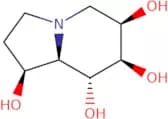
CAS:<p>Hyacinthacine A2 (HA2) is a diastereomer of hyacinthacine A3. It is a radical coupling compound that has been shown to be stereoselective. HA2 selectively reacts with d-arabinose and other sugar molecules, but not with L-arabinose or other sugar molecules, which makes it useful in the synthesis of polyhydroxylated compounds. HA2 has been found to inhibit the growth of bacteria such as Staphylococcus aureus and Clostridium perfringens, making it an antibacterial agent. HA2 also inhibits protein synthesis and cell division by binding to DNA-dependent RNA polymerase, preventing transcription and replication. This inhibition is due to conformational changes in the molecule as well as radical mechanisms.</p>Formula:C8H15NO3Purity:Min. 95%Molecular weight:173.21 g/mol5,6-O-Isopropylidene-phlorigidoside B
<p>5,6-O-Isopropylidene-phlorigidoside B is a glycosylation inhibitor that belongs to the class of oligosaccharides and synthetic compounds. This compound has been shown to inhibit the synthesis of complex carbohydrates by reacting with a phosphoryl group on an activated sugar. The 5,6-O-isopropylidene group on the molecule is fluorinated and methylated, which may be used for custom synthesis or modification. 5,6-O-Isopropylidene-phlorigidoside B can also be used as a fluorescent probe in fluorescence microscopy.</p>Purity:Min. 95%1-Deoxy-D-sorbofuranose
<p>1-Deoxy-D-sorbofuranose is a custom synthesis that is an oligosaccharide with a complex carbohydrate structure. It has a molecular weight of 399.54, and CAS No. of 1092-19-3. 1DDS is modified with methylation, glycosylation, click modification and fluorination. 1DDS is also an Oligosaccharide and Polysaccharide with high purity (99.5%), Mw of 399.54 g/mol, MWt of 603.2 g/mol, Mz of 1204.8 g/mol, Purity of 99%.</p>Purity:Min. 95%1,4-Dideoxy-1,4-imino-L-altritol
<p>The compound 1,4-dideoxy-1,4-imino-L-altritol is a synthetic carbohydrate that is made of a monosaccharide and an oligosaccharide. The monosaccharide is a simple sugar with the chemical formula C5H10O5. The oligosaccharide has the chemical formula C2n+1(C3H3O3)n. The monosaccharide has four carbons and one oxygen molecule. The oligosaccharide also has five carbon atoms, but it also has three oxygen molecules. The two sugars are linked by a glycosidic linkage. <br>The compound was created to be used in the synthesis of complex carbohydrates. It can be modified to have fluorine atoms added to it, methyl groups added to it, or both. It can also be modified to make it into an ester or an amide. It is soluble in water and alcohol</p>Purity:Min. 95%4-(b-D-Mannopyranosyl)-D-rhamnose
<p>4-(b-D-Mannopyranosyl)-D-rhamnose is a glycosylation agent that can be methylated and fluorinated. It is also capable of being modified with the Click reaction to add polysaccharide or oligosaccharide moieties. 4-(b-D-Mannopyranosyl)-D-rhamnose is an important building block for complex carbohydrates, which are important in many aspects of life. This product is available in custom synthesis, high purity, and CAS No.</p>Purity:Min. 95%3-Amino-3-deoxy-D-glucose HCl
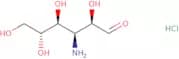
CAS:<p>3-Amino-3-deoxy-D-glucose HCl is a synthetic compound that inhibits the efflux of glucose from cells. It has been shown to inhibit growth in Saccharomyces cerevisiae, which may be due to its ability to inhibit the function of an efflux pump. 3-Amino-3-deoxy-D-glucose HCl has also shown antifungal activity against Candida albicans and Aspergillus fumigatus.</p>Formula:C6H13NO5·HClPurity:Min. 98 Area-%Color and Shape:Slightly Yellow PowderMolecular weight:215.63 g/molD-Glucuronic acid, free acid
CAS:<p>D-Glucuronic acid (GlcA) is D-glucose with position six oxidised to a carboxyl group (Collins, 2006). It is a common component of a number of gums and mucilages structurally related to pectins, where it is can be present as a terminal non reducing end residue (Renard, 1999). Glucuronic acid is also found in bacterial polysaccharides, such as, xanthan gum produced by Xanthomonas campestris (Faria, 2011), and in glycosaminoglycans, such as, heparan sulfate (Casale, 2020).</p>Formula:C6H10O7Molecular weight:194.14 g/mol(+)-syringaresinol-4,4'-bis-O-b-D-glucopyranoside
<p>(+)-syringaresinol-4,4'-bis-O-b-D-glucopyranoside is a synthetic compound that is fluorinated with (2,2,2-trifluoroethyl)trimethylsilane. It is a sugar molecule that is an oligosaccharide. This compound has been synthesized from syringic acid and (+)-syringaresinol by glycosylation and methylation. It is insoluble in water and has a melting point of 129°C. The CAS number for this compound is 73987-07-8.</p>Purity:Min. 95%Chloramphenicol-β-D-galactopyranoside
CAS:<p>Chloramphenicol-beta-D-galactopyranoside is a carbohydrate that can be used in the synthesis of various carbohydrates. This product is fluorinated at the beta-position and has a saccharide modification. It is also an oligosaccharide with a high purity, methylated, glycosylated, and click modified.</p>Formula:C17H22Cl2N2O10Molecular weight:485.27 g/mol3,5-Di-O-lauryl-D-xylofuranose
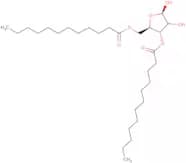
CAS:<p>3,5-Di-O-lauryl-D-xylofuranose is a custom synthesized monosaccharide that is used as a raw material for the synthesis of complex carbohydrates. It has been modified with fluorine and methyl groups to produce 3,5-di-O-lauryl-D-xylofuranose. This compound can be used in the production of polysaccharides or saccharides. The chemical name for this compound is 3,5-di-O-[(9Z)-hexadecenyl]-2-(1E,3E)-dioxaheptalene.</p>Formula:C29H54O7Purity:Min. 95%Molecular weight:514.73 g/mol6-Deoxy-3,5-O-benzylidene-D-gulonolactone
<p>6-Deoxy-3,5-O-benzylidene-D-gulonolactone is a Methylated Oligosaccharide that is custom synthesized for your needs. It has CAS No. and is available in high purity with a Click modification to the sugar as well as Fluorination. This product is also a Carbohydrate, which is a Polysaccharide and Saccharide that can be used in many applications such as medical research, food production, or industrial processes. 6-Deoxy-3,5-O-benzylidene-D-gulonolactone is made from Monosaccharides and Sugars and can be modified to meet your needs.</p>Purity:Min. 95%5-Thio-a-D-mannose
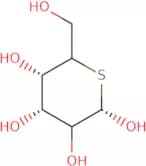
CAS:<p>5-Thio-a-D-mannose is a disaccharide that contains a sulfhydryl group. It has been shown to be a cellular and trackable molecule, which can be acetylated by mercuric chloride. The glycosidases of this molecule are mannosidases, which cleave the 5th carbon from the glycosidic linkage of the sugar. This is an important process for a variety of biological functions, such as the synthesis of DNA and proteins. In addition, this disaccharide is involved in various metabolic pathways, including glycolysis and gluconeogenesis.</p>Formula:C6H12O5SPurity:Min. 95%Molecular weight:196.22 g/molN-Cbz-D-glucosamine
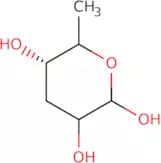
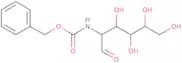
CAS:<p>N-Cbz-D-glucosamine is a synthetic molecule that is used in the synthesis of oligosaccharides. It is an acceptor for choline hydroxylase and participates in the biosynthesis of glycoproteins. N-Cbz-D-glucosamine inhibits virus RNA synthesis and has been shown to be effective against uninfected cells. The ring opening of the molecule leads to the formation of a cyclic amide, which can inhibit protein synthesis by binding to ribosomes.</p>Formula:C14H19NO7Purity:Min. 95%Color and Shape:PowderMolecular weight:313.3 g/mol6-Deoxy-L-psicose
CAS:<p>6-Deoxy-L-psicose is a d-arabinose analog that can be used as a substrate in the enzymatic synthesis of L-arabinose. It has been shown to inhibit the activity of phosphatase and glutamicum enzymes in vitro. 6-Deoxy-L-psicose binds to the active site of the enzyme through its phosphate group, which prevents access by an incoming substrate. The phosphate group also acts as an electron donor for the enzyme, stabilizing it through hydrogen bonding interactions. X-ray structures of 6-deoxy-L-psicose bound to corynebacterium glutamicum have revealed a ternary complex with two molecules of corynebacterium glutamicum and one molecule of 6-deoxy-L-psicose.</p>Formula:C6H12O5Purity:Min. 95%Molecular weight:164.16 g/molCyanidin-3-O-lathyroside chloride
CAS:<p>Cyanidin-3-O-lathyroside chloride is a synthetic compound with antioxidant and anti-inflammatory effects. It is activated by the chloride ion, leading to increased bioavailability of the molecule. Cyanidin-3-O-lathyroside chloride has been shown to have anticancer properties, as well as an ability to activate calcium metabolism in cells. This compound also has a low bioavailability, which may be due to its hydrophobic nature and the fact that it is not orally active. This compound has been shown to be beneficial for cancer therapy because of its ability to inhibit cancer growth, induce apoptosis in cancer cells, and reduce tumor size. Cyanidin-3-O-lathyroside chloride has also been shown to have positive effects on fertility when taken at high doses orally.</p>Formula:C26H29O15•ClPurity:Min. 95%Color and Shape:PowderMolecular weight:616.95 g/molD-Erythrulose - 1M Aqueous solution
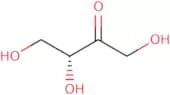
CAS:<p>D-erythrulose is a monosaccharide with the chemical structure of erythrose. It is structurally related to glycolaldehyde, which is a precursor in the biosynthesis of ribose. D-Erythrulose has been used for diagnosis and identification of various bacteria, such as C. glutamicum and Brucella species, by serological tests, as well as for the detection of gene products in E. coli K-12 cells. The determination of ATP levels in Brucella species has also been performed using magnetic resonance spectroscopy (MRS) after incubation with D-erythrulose.</p>Formula:C4H8O4Purity:Min. 90 Area-%Color and Shape:Clear LiquidMolecular weight:120.1 g/molb-D-Thiogalactose
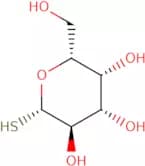
CAS:<p>Thiogalactose is a naturally occurring disaccharide that has been shown to have anti-inflammatory properties. It inhibits the production of inflammatory cytokines, such as tumor necrosis factor-α (TNF-α), and suppresses the growth of experimental colitis in mice. Thiogalactose also denatures fatty acids and prevents 3t3-l1 preadipocytes from undergoing cellular transformation. This compound also inhibits the uptake of bovine serum albumin by macrophages, which may be due to its alkylthio group. Thiogalactose has been shown to inhibit proliferation of cultured human cells, including monocytic leukemia cells, when used at concentrations less than 10 mM.</p>Formula:C6H12O5SPurity:Min. 95%Color and Shape:PowderMolecular weight:196.22 g/molMethyl 2-deoxy-a-D-ribopyranoside
CAS:<p>Methyl 2-deoxy-a-D-ribopyranoside is a sugar molecule that is used in the synthesis of glycosides, saccharides, oligosaccharides, and polysaccharides. It has been shown to be an effective reagent for the fluorination of saccharides and sugars. Methyl 2-deoxy-a-D-ribopyranoside is also used for modification of complex carbohydrates and other organic molecules.</p>Formula:C6H12O4Purity:Min. 95%Molecular weight:148.16 g/molL-Glycero-L-galacto-heptose
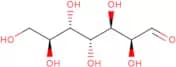
CAS:<p>L-Glycero-L-galacto-heptose is a cyclitol that is structurally similar to glycerol and galactose. It has been found in the Australian sea urchin Strongylocentrotus franciscanus. L-Glycero-L-galacto-heptose can be synthesized by reacting methyl glycosides with calcium ions. This reaction produces an electrophoretic mobility that is greater than that of glycerol, which may be due to the greater degree of hydrogen bonding between methyl glycosides and calcium ions. The presence of hydroxyl groups on the sugar residue allows for the formation of hydrogen bonds with neighboring molecules. These interactions lead to a conformation that is different from other cyclitols, such as D-glycero-D-galactopyranose, which has no hydroxyl group on its sugar residue.</p>Formula:C7H14O7Purity:Min. 95%Molecular weight:210.2 g/molL-g-Ethylidene glutanic acid
<p>L-g-Ethylidene glutamic acid is an organic compound that is used in the production of pharmaceuticals, agrochemicals, and other chemicals. It can be synthesized by the methylation of L-glutamic acid with formaldehyde and sodium cyanoborohydride. L-g-Ethylidene glutamic acid has also been modified by a click reaction to create a fluorinated derivative. This product is a white crystalline solid that has a CAS number. The product is available at high purity and can be ordered as either monosaccharide or polysaccharide.<br>L-g-Ethylidene glutamic acid is a sugar that belongs to the carbohydrate family and can be classified as complex carbohydrates because it comprises two or more sugars linked together. This product may also be referred to as an oligosaccharide or polysaccharide, depending on its molecular size.</p>Purity:Min. 95%Calcium-D-arabonate
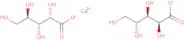
CAS:<p>Calcium-D-arabonate is a fatty acid that is used as a functional ingredient in the food industry. It has been shown to increase the rate of reactions, such as glycosidic bond cleavage and polymerization, by acting as an oxidation catalyst. This product also has a high molecular weight and can be used to modify the structure of polymers. Calcium-D-arabonate is often used in model systems because it reacts with other substances at a pH optimum of 6.0-7.5.</p>Formula:C5H9O6CaPurity:Min. 98%Color and Shape:White PowderMolecular weight:185.16 g/molEthyl b-D-fructopyranoside
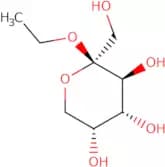
CAS:<p>Salidroside is a phenylpropanoid, a type of secondary metabolite. It is found in the plant family Ranunculaceae and can be extracted from the roots of Rhodiola rosea (golden root) and other plants in this family. Salidroside has been shown to have anti-inflammatory properties, which may be due to its inhibition of prostaglandin synthesis. Salidroside also has strong antioxidant properties, which may be due to its ability to scavenge free radicals. Salidroside can be used as an additive for foods such as breads and pastries because it inhibits the formation of phthalic acid that is produced by baking.</p>Formula:C8H16O6Purity:Min. 95%Molecular weight:208.21 g/molUDP-6-amino-6-deoxy-D-glucose
CAS:<p>UDP-6-Amino-6-deoxyglucose is a fluorinated monosaccharide that can be used as a glycosylation or polysaccharide modification reagent. It is also used to produce complex carbohydrates, such as glycosylated proteins and glycoconjugates. The synthesis of this product involves the use of Click chemistry, which allows for the selective attachment of any molecule with an amine group. This product has been shown to have high purity and is ideal for use in pharmaceuticals, agrochemicals, food additives, and other applications.</p>Purity:Min. 95%2,5-Anhydro-D-mannitol
CAS:<p>2,5-Anhydro-D-mannitol is a glucose analogue that is metabolized by the body to produce energy. It has been shown to inhibit the proliferation of HL-60 cells in vitro, and also inhibits glucose uptake and utilization in liver cells. 2,5-Anhydro-D-mannitol has been shown to have a direct effect on cellular metabolism and ATP levels. This molecule interacts with cell surface glycoproteins and nitrous oxide (NO) through hydrogen bonding interactions. 2,5-Anhydro-D-mannitol also appears to regulate peptide hormone production in the liver. The hydroxyl group on this molecule is responsible for its redox potential. In addition, 2,5-Anhydro-D-mannitol can induce cell lysis by interfering with protein synthesis due to its enzyme activities.</p>Formula:C6H12O5Purity:Min. 98 Area-%Color and Shape:PowderMolecular weight:164.16 g/mol4-O-Methyl-β-L-arabinopyranose
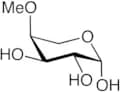
CAS:<p>4-O-Methyl-β-L-arabinopyranose is an L-arabinose glycoside</p>Formula:C6H12O5Purity:Min. 95%Color and Shape:PowderMolecular weight:164.16 g/mol1-Deoxy-D- tagatofuranose
<p>1-Deoxy-D-tagatofuranose is a sugar that is found in many plants. It is a monosaccharide with a carbohydrate group at the reducing end of the molecule. 1-Deoxy-D-tagatofuranose has been synthesized by Click chemistry, which enables selective modification of its hydroxyl groups. This sugar is methylated, glycosylated, and fluorinated to make it more stable and resistant to chemical degradation. 1-Deoxy-D-tagatofuranose has various applications such as use as a food additive and as a pharmaceutical drug in the treatment of cancer.</p>Purity:Min. 95%1,2,3,5-Tetra-O-benzoyl-2-C-methyl-b-D-ribofuranose
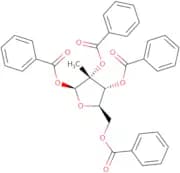
CAS:<p>Building block for the synthesis of 2'-C-methyl substituted nucleosides</p>Formula:C34H28O9Purity:Min. 95%Color and Shape:White Off-White PowderMolecular weight:580.58 g/molMethyl 6-chloro-6-deoxy-a-D-altropyranoside
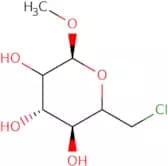
<p>Methyl 6-chloro-6-deoxy-a-D-altropyranoside is a custom synthesis that has been modified to have fluorination and methylation. This product is a monosaccharide that has been synthesized with the click modification and oligosaccharides. It is also polysaccharides and glycosylations, which are complex carbohydrates. These modifications can be found by CAS number.</p>Formula:C7H13ClO5Purity:Min. 95%Molecular weight:212.63 g/molD-Glucosamine sulfate
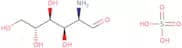
CAS:<p>D-Glucosamine sulfate is a pharmacological agent that has been shown to have activity against oxidative injury in vitro and in vivo. It inhibits the production of reactive oxygen species and lipid peroxidation, which are believed to be responsible for the development of liver disease. D-Glucosamine sulfate has also been shown to have activity against infectious diseases, with a particular focus on the inhibition of Toll-like receptor 4 signaling. The polymerase chain reaction (PCR) technique was used to detect the expression of glucosamine synthetase and other genes encoding enzymes that synthesize glucosamine in Mycobacterium tuberculosis. This drug may also be useful for treatment of inflammatory diseases such as rheumatoid arthritis, as it has been shown to inhibit prostaglandin synthesis, which is involved in the inflammatory response.</p>Formula:C6H13NO5•H2SO4Purity:Min. 95%Color and Shape:White PowderMolecular weight:277.25 g/molN-Benzyl-3,5-dideoxy-3,5-imino-D-lyxofuranose
<p>N-Benzyl-3,5-dideoxy-3,5-imino-D-lyxofuranose is a fluorinated sugar with a complex carbohydrate. It is synthesized by glycosylation of N-benzylglycine and D-lyxofuranose. This compound can be used for the synthesis of glycoproteins, polysaccharides and other complex carbohydrates. It has been modified using methylation and click chemistry to produce a wide range of derivatives. The compound can be used for research purposes in glycobiology, biochemistry, and materials science.</p>Purity:Min. 95%Deoxygalactonojirimycin acetonide
<p>Deoxygalactonojirimycin acetonide is a custom-synthesized, complex carbohydrate that belongs to the group of Oligosaccharides. It is a modified saccharide with methylation and glycosylation. Deoxygalactonojirimycin acetonide is an active ingredient that has been synthesized for use in cancer research. This compound is a high-purity, fluorinated sugar with Click modification that can be used to study the structure-activity relationships of carbohydrate-based drugs.</p>Purity:Min. 95%6-Epi-castanospermine
CAS:<p>6-Epi-castanospermine is a nitro compound that is synthesized by the allylic oxidation of castanospermine. It has been shown to inhibit glycosidases and glycosidase inhibitors in vitro, including those from the families of α-amylase, α-L-arabinofuranosidases, β-hexosaminidases, α-glucuronidases, and phytases. 6-Epi-castanospermine has also been used as an intermediate for the synthesis of chiral polyhydroxylated compounds. The 13C NMR spectrum of this compound was found to be diagnostic for its structural assignment.</p>Formula:C8H15NO4Purity:Min. 95 Area-%Color and Shape:White Off-White PowderMolecular weight:189.21 g/molβ-Xylobiose hexa-O-acetate
CAS:<p>β-Xylobiose hexa-O-acetate is an acetyl protected xylobiose</p>Formula:C22H30O15Purity:Min. 95%Color and Shape:PowderMolecular weight:534.46 g/molMonogalactosyldiacylglycerol
<p>Monogalactosyldiacylglycerol (MGDG) is a polyunsaturated fatty acid, specifically a galactolipid. MGDG is synthesized by plants and plays an important role in plant physiology. MGDG is involved in the regulation of transcription and translation and also has anti-cancer properties. It has been shown that MGDG can inhibit the proliferation of breast cancer cells such as MDA-MB-231 cells through its interactions with miR-205, a microRNA that regulates cellular growth, differentiation, and apoptosis. The biochemical properties of MGDG are similar to those of diacylglycerol (DAG), which is also involved in transcriptional regulation. It has also been shown that MGDG inhibits the growth of MDA-MB-231 cells when exposed to high salt concentrations.</p>Formula:C45H74O10Purity:Min. 95%Molecular weight:775.06 g/molD-myo-Inositol-1,3,5-triphosphate sodium salt
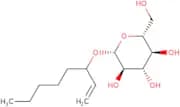
<p>D-myo-Inositol-1,3,5-triphosphate sodium salt is a Glycosylation, complex carbohydrate. It can be Methylated, Click modified, Polysaccharide, Fluorinated and Saccharide. D-myo-Inositol-1,3,5-triphosphate sodium salt can be Modified by Modification and Sugar. D-myo-Inositol-1,3,5-triphosphate sodium salt is Synthetic. It has CAS No. and Monosaccharide Custom synthesis. D-myo-Inositol-1,3,5-triphosphate sodium salt is High purity.</p>Formula:C6H12O15P3·xNaPurity:Min. 95%Molecular weight:417.07 g/mol1-Octen-3-ol glucoside
CAS:<p>1-Octen-3-ol glucoside is a synthetic, fluorinated sugar that is modified with glycosylation, methylation, and click chemistry. It contains a high degree of purity and is custom synthesized to order. This product can be used as a substitute for other sugars in the production of oligosaccharides, saccharides, and polysaccharides.<br>1-Octen-3-ol glucoside has been shown to have various modifications including glycosylation, methylation, and click chemistry. It is often used when there are restrictions on the types of sugars that can be used in the synthesis of complex carbohydrates.</p>Formula:C14H26O6Purity:Min. 95%Color and Shape:PowderMolecular weight:290.35 g/molEthylmaltol glucoside
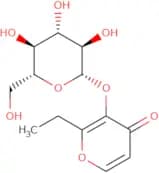
CAS:<p>Ethyl maltol glucoside is a methylated and fluorinated sugar that is used as an intermediate in the synthesis of oligosaccharides or polysaccharides. It has been shown to be an efficient and selective substrate for glycosyltransferases. Ethyl maltol glucoside has been modified with click chemistry, which enables it to be incorporated into complex carbohydrates. This modification also allows for the synthesis of monosaccharides, which are common building blocks of many other types of sugars. Ethyl maltol glucoside is soluble in water and can be purified by recrystallization. It is also available in high purity, with a CAS number of 1838567-35-3.</p>Formula:C13H18O8Purity:Min. 95%Color and Shape:PowderMolecular weight:302.28 g/mol(Piperidine-2,6-dione-4-yl) b-D-ribofuranoside
<p>Methylation of a saccharide is the covalent addition of a methyl group to one of the hydroxyl groups. This process may be achieved through an electrophilic substitution reaction with a methylating agent such as dimethyl sulfate. In the case of polysaccharides, this process can be carried out in vitro using enzymes called glycosyltransferases. The mechanism for glycosyltransferase-mediated methylation was elucidated by Michaelis and Menten in 1913.</p>Purity:Min. 95%UDP-N-acetyl-D-mannosaminuronic acid
CAS:<p>UDP-N-acetyl-D-mannosaminuronic acid is a monosaccharide that is synthesized from UDP and N-acetyl-D-mannosamine. It is an important precursor for the synthesis of glycoproteins, lipopolysaccharides, and proteoglycans in bacteria. Mutants have been identified in Escherichia coli and Staphylococcus aureus that lack the enzyme UDP-N-acetylglucosamine 2’:3’ phosphotransferase, which is required for the biosynthesis of UDP-N-acetylglucosamine. The enzyme responsible for this reaction is acetamidase/uridine diphosphate mannosyltransferase. This enzyme catalyzes the transfer of mannose from uridine diphosphate (UDP) to N acetylglucosamine to form UDP N acetyl D mannosaminuronic acid</p>Formula:C17H25N3O18P2Purity:Min. 95%Molecular weight:621.3 g/molAllyl 4,6-O-benzylidene-L-glucopyranoside
<p>Allyl 4,6-O-benzylidene-L-glucopyranoside is a modification of the carbohydrate allyl 4,6-O-benzylidene-D-glucopyranoside. This modification can be synthesized from benzyl alcohol and sodium hydroxide in the presence of sodium borohydride. Allyl 4,6-O-benzylidene-L-glucopyranoside is a monosaccharide with a CAS number of 159430-38-3. It is an important component of many polysaccharides and glycosides. This compound has been fluorinated to produce allyl 4,6-(difluoroacetoxy)-L glucopyranoside (CAS No. 160105). <br>Allyl 4,6 - O - benzyldene - L - glucopyranoside has high purity and is available for custom</p>Formula:C16H20O6Purity:Min. 95%Color and Shape:White to off-white solid.Molecular weight:308.33 g/mol2-Azidomethyl-2-deoxy-D-ribono-1.5-lactone
<p>2-Azidomethyl-2-deoxy-D-ribono-1.5-lactone is a custom synthesis of an oligosaccharide with a carbohydrate chain that has been modified by methylation and glycosylation. It is a high purity product that can be used in the synthesis of complex carbohydrates, such as polysaccharides, and has been fluorinated to create a click modification. This compound has an CAS number and can be used in the synthesis of saccharides or sugars. It can also be used for the preparation of complex carbohydrates, such as polysaccharides, and has been fluorinated to create a click modification.</p>Purity:Min. 95%Isopropyl 2,3,4,6-tetra-O-acetyl-b-D-thiogalactopyranoside
CAS:<p>Isopropyl 2,3,4,6-tetra-O-acetyl-b-D-thiogalactopyranoside is a carbohydrate that is a modification of the sugar galactose. It is a synthetic monosaccharide with a high purity and custom synthesis. The chemical modification includes fluorination and methylation. This compound has been shown to be effective in inhibiting bacterial growth and is used in the treatment of tuberculosis.</p>Purity:Min. 95%(3R,4R)-2-Methyl-2,3,4,5-tetrahydroxypentane
<p>(3R,4R)-2-Methyl-2,3,4,5-tetrahydroxypentane is a synthetic compound. It is a glycosylation reagent that can be used to modify the sugar moiety in oligosaccharides and complex carbohydrates. (3R,4R)-2-Methyl-2,3,4,5-tetrahydroxypentane is also used for fluorination reactions and click chemistry modifications. This product has been shown to have high purity and can be custom synthesized. The CAS number for this compound is 36610-02-6.</p>Purity:Min. 95%Lactonamycin
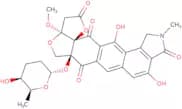
CAS:<p>Lactonamycin is a linker that contains an oxygenated functional group. It can be found in some active natural products and has been synthesized in the laboratory. Lactonamycin is used as a model system for biosynthesis, where it was shown to efficiently produce glycosidic bonds when supplied with carbon sources such as glucose. The biological properties of Lactonamycin include its ability to inhibit microbial infection and inflammation, which may be due to its hydroxy group.</p>Formula:C28H27NO12Purity:Min. 95%Molecular weight:569.51 g/molL-Idose - Aqueous solution
CAS:<p>L-Idose is an aqueous solution of dextrose and anhydrous dextrose. It is a carbohydrate that provides energy to the body. L-Idose can be used to minimize the effects of certain organisms, such as bacteria, yeast, and fungi. It also helps to maintain blood glucose levels in people with diabetes by providing a source of glucose for their metabolism. L-Idose can be found in fruits and other foods that contain carbohydrates, such as breads, cereals, pastas, rice, potatoes, pasta sauces, chips, and crackers.</p>Formula:C6H12O6Purity:Min. 98 Area-%Color and Shape:Colorless Clear LiquidMolecular weight:180.16 g/molMethyl 6-deoxy-β-D-glucopyranoside
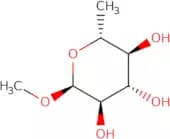
CAS:<p>Methyl 6-deoxy-b-D-glucopyranoside is a custom synthesis that produces methylated sugars. It is a high purity, complex carbohydrate with a molecular weight of 312.06 g/mol and CAS No. 6340-52-9. Methyl 6-deoxy-b-D-glucopyranoside is produced by the click modification of glucose, which is an oligosaccharide composed of six molecules of glucose linked together. This product has been used in the synthesis of polysaccharides and saccharides.</p>Formula:C7H14O5Purity:Min. 95%Color and Shape:PowderMolecular weight:178.18 g/molTiazofurin
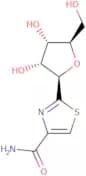
CAS:<p>Tiazofurin is a novel anticancer agent that inhibits the activity of various enzymes, including dehydrogenase and acetyl-CoA carboxylase. Tiazofurin shows significant cytotoxicity against human leukemia cells in vitro. It also has an anti-infectious effect on hl-60 cells and k562 cells, which are carcinoma cell lines. Tiazofurin has been shown to have a higher inhibitory effect on dextran sulfate than on basic protein in vitro, suggesting that it may be more effective as an anticancer compound against cancerous tumors with high levels of glycolipids.</p>Formula:C9H12N2O5SPurity:Min. 95%Color and Shape:Off-White Slightly Brown PowderMolecular weight:260.27 g/molMethyl 6-deoxy-α-D-glucopyranoside
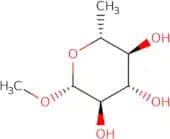
CAS:<p>Methyl 6-deoxy-α-D-glucopyranoside is a synthetic monosaccharide. It is an important building block in the synthesis of glycosides, polysaccharides, and oligosaccharides. The product also has many applications in click chemistry, fluorination, and polysaccharide modification. Methyl 6-deoxy-α-D-glucopyranoside is available for custom synthesis to suit your specifications.</p>Formula:C7H14O5Purity:Min. 98 Area-%Color and Shape:White PowderMolecular weight:178.18 g/mol1,2:5,6-Di-O-isopropylidene-D-mannitol
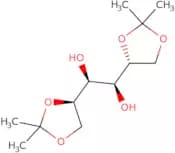
CAS:<p>1,2:5,6-Di-O-isopropylidene-D-mannitol (IDM) is a chemical compound that has been shown to have physiological activities. It has been studied for its potential use as an antimicrobial agent against bacteria and fungi. IDM is structurally similar to 2,3:5,6-Tri-O-methylenetetrahydrofolate (THF), which can be used in the synthesis of polysaccharides and DNA bases. IDM also has properties that may be beneficial in treating congenital heart disease.</p>Formula:C12H22O6Purity:Min. 98 Area-%Color and Shape:White PowderMolecular weight:262.3 g/mol2-Deoxy-L-fucose
CAS:<p>2-Deoxy-L-fucose is a sugar that is found in the human body. It has been shown to have anti-tumour properties and can be used as a chemotherapeutic agent in the treatment of solid tumours. 2DFL binds to the receptor for fucose, which is expressed in many types of cancer cells. It also inhibits DNA synthesis by stabilizing a complex between the sugar and dna template, inhibiting the binding of monoclonal antibodies to cancer cells, and preventing glycosidic bond formation on cancer cells. 2DFL has also been shown to inhibit microbial biotransformation and cell culture.</p>Formula:C6H12O4Purity:Min. 95%Color and Shape:PowderMolecular weight:148.16 g/mol1-Amino-D-butane-2,3,4-triol
<p>1-Amino-D-butane-2,3,4-triol is a custom synthesis of 1,2,3,4-1-amino butane. It has been modified with fluorination and methylation. This product has a CAS number of 20897-16-0. The molecular weight is 152.17 g/mol and the molecular formula is C6H11NO3. This product is a synthetic compound that consists of monosaccharides and oligosaccharides. The glycosylation is Oligosaccharide and saccharide. It can be found in the carbohydrate category as it contains complex carbohydrates.</p>Purity:Min. 95%2,3-O-Isopropylidene-D-ribofuranose
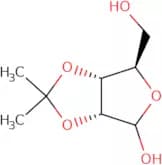
CAS:<p>Pharmaceutical intermediate</p>Formula:C8H14O5Purity:Min. 95%Color and Shape:PowderMolecular weight:190.19 g/molGlucuronic acid-GEL
<p>Glucuronic acid-GEL is a monosaccharide that has been modified with a methyl group. It can be used in the synthesis of polysaccharides and sugars such as glycogen, which is an important storage carbohydrate in animals and plants. Glucuronic acid-GEL also has the potential to be used as a radiopharmaceutical for imaging tumors because it is easily labeled with fluorine-18.<br>Glucuronic acid-GEL is synthesized by linking two molecules of glucose through a glycosyl bond. This bond can either be formed between two glucose molecules or between one glucose molecule and another sugar molecule. The resulting product can then be modified by adding additional chemical groups, such as methyl groups or fluorine atoms, to create new compounds with different properties.</p>Purity:Min. 95%2, 4- Anhydro- N-benzyl-3,5-O-[(R)-benzylidene]- 6-deoxy-D- mannonamide
<p>2, 4-Anhydro-N-benzyl-3,5-O-[(R)-benzylidene]-6-deoxy-D-mannonamide is a sugar. It has high purity and can be custom synthesized to suit your needs. This sugar can be modified with a click modification or fluorination. It can also be glycosylated or methylated for your desired outcome. The CAS number for this sugar is 29098-86-2. The molecular weight of this sugar is 359.8 g/mol and the chemical formula is C14H27NO4. The Oligosaccharide content for this sugar is between 1% and 10%. The Monosaccharide content for this sugar is between 100% and 90%. This product has been classified as complex carbohydrate by the IUPAC nomenclature system.</p>Purity:Min. 95%(2S, 3S, 4S) -2- (Hydroxymethyl) - 2- methyl- 3, 4- pyrrolidinediol
CAS:<p>The product is a Carbohydrate, Modification, saccharide, Oligosaccharide. It is an artificial sugar that has been synthesized and modified for use in the food industry. The material is a complex carbohydrate with a high purity level and custom synthesis. It can be used in the production of sweeteners or as a flavor enhancer. The product is fluorinated to slow down its rate of degradation, which allows it to be used as an ingredient in processed foods. The product also has glycosylation sites that can be methylated or click-modified.</p>Formula:C6H13NO3Purity:Min. 95%Molecular weight:147.17 g/mol1,2-Di-O-acetyl-3-deoxy-3-fluoro-5-toluoyl-D-ribofuranose
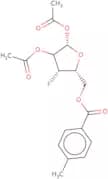
CAS:<p>1,2-Di-O-acetyl-3-deoxy-3-fluoro-5-toluoyl-D-ribofuranose is a custom synthesis product that is used as a glycosylation and methylation agent. It can be used in the synthesis of complex carbohydrates, Methylation, Click modification, or Fluorination. The product is available in different quantities and can be custom synthesized to meet your needs. It has CAS No. 1612192-28-5 and can be used for research purposes. This product has been shown to have high purity and is synthesized by a qualified manufacturer with over 20 years of experience.</p>Formula:C17H19FO7Purity:Min. 95%Molecular weight:354.33 g/mol4-Deoxy-D-glucose
CAS:<p>4-Deoxy-D-glucose is a neutral, odorless chemical that is used in the synthesis of glycosides. It has a hydroxy group and a methyl group attached to the 4th carbon atom. The hydroxy group on the 4th carbon atom can act as a nucleophile and react with electrophilic groups such as ketones or alcohols. This reaction mechanism leads to the formation of sugar products called methyl glycosides. There are many side effects associated with this chemical, including allergic reactions, which can be due to its structural similarity to glucose. The optimum pH for this chemical is 7.4, which makes it an acid-stable molecule. 4-Deoxy-D-glucose is found in nature and is biosynthesized by plants and animals in order to produce blood group antigens (ABO system). It also plays an important role in the ternary complex that regulates cell division in bacteria.</p>Formula:C6H12O5Purity:Min. 98 Area-%Color and Shape:PowderMolecular weight:164.16 g/mol1,4-Dideoxy-1,4-imino-D-mannitol HCl
CAS:<p>1,4-Dideoxy-1,4-imino-D-mannitol HCl is a custom synthesis, modification and fluorination of mannitol. This compound is synthesized by the click modification of a monosaccharide and oligosaccharide. It is a saccharide with an average molecular weight of 584.45 g/mol. 1,4-Dideoxy-1,4-imino-D-mannitol HCl has been used to study glycosylation and sugar binding in carbohydrate research. CAS No.: 114976-76-0</p>Formula:C6H13NO4·HClPurity:Min. 95%Color and Shape:PowderMolecular weight:199.63 g/mol(2R, 3R, 4R, 5S) -3,4-Dihydroxy-2, 5- pyrrolidinedimethano l
CAS:<p>(2R, 3R, 4R, 5S) -3,4-Dihydroxy-2, 5- pyrrolidinedimethanol is an organic compound that is a modification of the sugar erythrose. It has been synthesized from 2,3,4,5-tetrahydroxybenzaldehyde and 2-fluoro-1-(trifluoromethyl)benzene. The compound has been used for the preparation of oligosaccharides and polysaccharides. It is also used as a raw material for the synthesis of complex carbohydrate compounds and saccharide derivatives. (2R, 3R, 4R, 5S) -3,4-Dihydroxy-2, 5- pyrrolidinedimethanol is used in the production of fluorinated saccharides.</p>Purity:Min. 95%2,4,7,8,9-Pentaacetyl-N- [(2- propyn- 1- yloxy) carbonyl] - b- neuraminic acid methyl ester
CAS:<p>2,4,7,8,9-Pentaacetyl-N-[(2-propen-1-yloxy)carbonyl]-b-neuraminic acid methyl ester is a Glycosylation reagent that is used in the synthesis of oligosaccharide and polysaccharide. The product can be modified to produce Click modifications and complex carbohydrates. It has been shown to have high purity and can be custom synthesized.</p>Formula:C24H31NO15Purity:Min. 95%Molecular weight:573.5 g/mol4-Formylphenyl 2-acetamido-2-deoxy-b-D-glucopyranoside
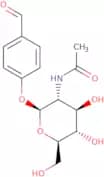
CAS:<p>This product is a custom synthesis of a complex carbohydrate. It has the CAS number 135608-48-9, and is a fluorinated saccharide with an acetamide group in the 4-position. It is synthesized from 2,3-dihydroxybenzoic acid and methyl bromoacetate, which are reacted to form the mesylate ester. This product can be modified by methylation or glycosylation to produce desired derivatives. The purity of this compound is high, with no contaminants detected.</p>Formula:C15H19NO7Purity:Min. 95%Color and Shape:PowderMolecular weight:325.31 g/mol2-Azido- 2- deoxy- 5, 6- O- isopropylidene -L- gulonic acid g- lactone
<p>2-Azido-2-deoxy-5,6-O-isopropylidene-L-gulonic acid g-lactone is a synthetic compound that is used as a building block in the synthesis of various saccharides. It can be modified to form glycosylation products and complex carbohydrates. The chemical name for this compound is 2-azido-2,3,4,5,6 -pentafluoroethane sulfonic acid. This molecule has a molecular weight of 162.14 and a molecular formula of C9H9F7O4S. It has an empirical formula of C8H12FO5S. 2-Azido-2,3,4,5,6 -pentafluoroethane sulfonic acid is soluble in water and ethanol and can be stored at room temperature for up to one year without decomposing.</p>Purity:Min. 95%2-Azidoethyl 2,3,4,6-tetra-O-acetyl-b-D-glucopyranoside
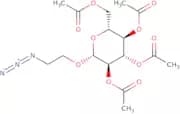
CAS:<p>2-Azidoethyl 2,3,4,6-tetra-O-acetyl-b-D-glucopyranoside is a sugar that is custom synthesized. It is a synthetic compound that has been fluorinated and methylated. This product can be used for glycosylation or oligosaccharide synthesis. It is a high purity product with a purity of 98% and has been modified with click chemistry. The CAS number for this product is 140428-81-5.</p>Formula:C16H23N3O10Color and Shape:White PowderMolecular weight:417.37 g/mol1-Deoxy- 3, 4- O- isopropylidene-D- erythro- 2- pentulofuranose
<p>1-Deoxy- 3, 4- O- isopropylidene-D-erythro-2 pentulofuranose is a mannitol derivative. It is a carbohydrate that has been modified by fluorination and methylation and glycosylation. It can be synthesized from erythritol and 2,3,4-trihydroxybenzaldehyde. This product can be custom synthesized to order with high purity in quantities of 10 grams or more.</p>Purity:Min. 95%4-Methylphenyl 2,3,4-tri-O-benzyl-b-D-thioglucuronide benzyl ester
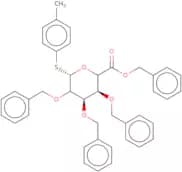
CAS:<p>4-Methylphenyl 2,3,4-tri-O-benzyl-b-D-thioglucuronide benzyl ester is a carbohydrate that is synthesized from the monosaccharide 4-methylphenol and bromoacetaldehyde. It is a custom synthesis that can be modified with fluorination or methylation. The purity of this product is high and it has been synthesized using a click modification.</p>Formula:C41H40O6SPurity:Min. 95%Molecular weight:660.82 g/mol2-O-b-D-Glucopyranosyl-L-ascorbic acid
CAS:<p>L-Ascorbic acid is a white crystalline solid that can be obtained from the tissues of many fruits and vegetables. L-Ascorbic acid is soluble in water, but insoluble in alcohol. It can be found in two forms: an oxidized form (dehydroascorbic acid) and a reduced form (L-ascorbic acid). The conversion between the two forms is catalyzed by ascorbate oxidase. L-Ascorbic acid has antioxidant properties, which scavenge free radicals, and prevent the oxidation of LDL cholesterol to its more atherogenic form. This compound also helps to alkalize bodily fluids and neutralizes pollution, making it useful for treating or preventing cervical cancer or diabetes. L-Ascorbic acid also acts as a preservative by inhibiting bacterial growth.</p>Formula:C12H18O11Purity:Min. 95%Molecular weight:338.26 g/mol3-O-Benzyl-1,2:5,6-di-O-isopropylidene-a-D-glucofuranose
CAS:<p>3-O-Benzyl-1,2:5,6-di-O-isopropylidene-a-D-glucofuranose is a custom synthesis for use in the methylation of oligosaccharides and polysaccharides. It has been used in the Click modification of saccharide derivatives, as well as in the fluorination of complex carbohydrates. 3-O-Benzyl-1,2:5,6-di-O-isopropylidene-a-D-glucofuranose is a monosaccharide that can be used to synthesize sugar. This chemical is also able to modify carbohydrate molecules with various functional groups. 3BzGluFur is a high purity product that can be used to create monosaccharides and sugars with various modifications.</p>Formula:C19H26O6Purity:Min. 95%Color and Shape:Slightly Yellow Clear LiquidMolecular weight:350.41 g/mol4-C-Methyl- 2, 3- O-isopropylidene -D- lyxono-1,5- lactone
<p>4-C-Methyl- 2, 3- O-isopropylidene -D- lyxono-1,5- lactone is a custom synthesis. It is a complex carbohydrate with the CAS number of 67903-96-6.<br>It has a molecular weight of 287.39 g/mol and a purity of >99%. 4CMMDL has been modified with methylation at the C4 position and glycosylation at the C2 position. The modification on this molecule is called Click chemistry.<br>This molecule contains a sugar group that is an oligosaccharide with 11 saccharides, which are all glucose molecules. This sugar group has been fluorinated at the C2 position to form 4CMMDLF (also known as Fluorogalactofuranose). <br>The chemical formula for 4CMMDLF is C12H8O11F2, and it has a molar mass of 5</p>Purity:Min. 95%(2R, 3R, 4R) -3- Benzyloxy- 1- benzyl-4- (hydroxymethyl) - 2- azetidinecarboxylic acid N-methylamide
<p>(2R, 3R, 4R) -3- Benzyloxy- 1- benzyl-4- (hydroxymethyl) - 2- azetidinecarboxylic acid N-methylamide is a synthetic monosaccharide that can be used for carbohydrate modification. In addition to its use in the synthesis of saccharides and oligosaccharides, this compound has been shown to be useful as a fluorination reagent. This compound is also available with custom synthesis and high purity. (2R, 3R, 4R) -3-Benzyloxy-1-benzyl-4-(hydroxymethyl)-2-azetidinecarboxylic acid N-methylamide is an excellent methylation reagent and glycosylation agent. It can be used in the click chemistry modification of proteins and other biomolecules.</p>Purity:Min. 95%N-(2-Phenyl-1-cyano-3-butene)-2,3,4,6-tetra-O-pivaloyl-D-glucopyranoside
<p>N-(2-Phenyl-1-cyano-3-butene)-2,3,4,6-tetra-O-pivaloyl-D-glucopyranoside is a compound that is used as an intermediate in the synthesis of glycosylated polysaccharides. It has been used to synthesize saccharides and oligosaccharides with a wide range of compositions. This compound can be custom synthesized to meet your specifications.</p>Formula:C37H54NO9Purity:Min. 95%Molecular weight:656.84 g/mol1,2,3,4-Tetra-O-benzyl-6-O-tert-butyldiphenylsilyl-b-D-galactopyranose
<p>1,2,3,4-Tetra-O-benzyl-6-O-tert-butyldiphenylsilyl-b-D-galactopyranose is a custom synthesis of an oligosaccharide. It is a complex carbohydrate that is composed of a glycosylated polysaccharide with a molecular weight of 676. It has been modified by methylation and fluorination (a click modification). The carbohydrate has been synthesized using high purity, fluoroquinolone resistant reagents.</p>Formula:C50H54O6SiPurity:Min. 95%Molecular weight:779.07 g/mol(3S,4S, 5S) -4,5-O-Isopropylidene-3-O-tert.butyldimethylsilyl-1- nonyl-3, 4, 5- piperidinetriol
<p>The following is a description of the product that was generated by a professional copywriter.</p>Purity:Min. 95%4- β- D-Ribofuranosyl-2, 6- piperidinedione
CAS:<p>4-beta-D-Ribofuranosyl-2,6-piperidinedione is a sugar that can be used as a building block in the synthesis of saccharides and oligosaccharides. It has been shown to be useful for glycosylation reactions and click reactions. 4-beta-D-Ribofuranosyl-2,6-piperidinedione is also used in the synthesis of complex carbohydrates.</p>Formula:C10H15NO6Purity:Min. 95%Molecular weight:245.23 g/mol(1S) -1- [(2S, 3R,4S) -4-(Acetoxy)methyl-3-benzyloxy- N-benzyl-1- azetidinyl] -di-O-acetyl-1, 2- ethanediol
<p>1,2-Ethanediol is a polyhydroxy alcohol that is used in the synthesis of complex carbohydrates. It can be found as an Oligosaccharide in plants, which are composed of three or more sugar molecules. 1,2-Ethanediol is also found in the glycosylation reaction for the modification of saccharides and carbohydrates. This process adds glucose to a protein or peptide molecule through a condensation reaction with the amino acid N-acetylglucosamine. Glycosylation usually occurs in animal cells, but can also occur in plants and microorganisms. The addition of methyl groups by Methylation to 1,2-ethanediol is used to create Methylated derivatives of this compound. A click modification to this compound can be done using a Copper(I) azide complex and an alkyne reagent to add a terminal alkene group to 1,2-ethanediol. Fluorination at</p>Purity:Min. 95%Methyl 3,4-di-O-benzyl-2-deoxy-a-D-glucopyranoside
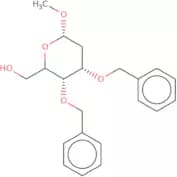
<p>Methyl 3,4-di-O-benzyl-2-deoxy-a-D-glucopyranoside (MBG) is a synthetic compound that is modified at the C3 position with a benzyl group. MBG is an oligosaccharide and polysaccharide that has been shown to have potential as a drug for the treatment of cancer. It has been shown to inhibit tumor growth in animals and human cells by inhibiting DNA synthesis and protein synthesis. Additionally, it can be used for the prevention of postoperative adhesions by inhibiting collagen formation.</p>Formula:C21H26O5Purity:Min. 95%Molecular weight:358.43 g/mol2-Deoxy-2-fluoro-D-glucose 6-phosphate barium salt
CAS:<p>2-Deoxy-2-fluoro-D-glucose 6-phosphate barium salt is a glucose analogue used in positron emission tomography (PET) imaging of cancer. It is an inhibitor of glycolysis and phosphofructokinase, which are enzymes that catalyze the conversion of glucose to pyruvate. 2-Deoxy-2-fluoro-D-glucose 6-phosphate barium salt is taken up by the cell by active transport, then metabolized into 2 deoxy 2 fluoro D mannose phosphate and finally converted to glucosylceramide. The PET scan detects the accumulation of this molecule in cells with high glycolytic activity, such as cancer cells. This compound has been shown to inhibit hepatocellular carcinoma (HCC) cell growth in vitro and in vivo.</p>Formula:C6H10FO8P·BaPurity:Min. 95%Color and Shape:PowderMolecular weight:397.44 g/mol(Ribo) 3,4-O-Isopropylidene-2,4-di-C-methyl-L-ribono-1.5-lactone
<p>(Ribo) 3,4-O-Isopropylidene-2,4-di-C-methyl-L-ribono-1.5-lactone is a custom synthesis that can be produced in various quantities and with various modifications to meet your needs. It is a high purity compound that is available for both research and industrial use. This compound has been fluorinated and modified to create a complex carbohydrate. It is an oligosaccharide of polysaccharide that can be used as a monosaccharide or sugar in the synthesis of polysaccharides or saccharides. This product is not intended for medical use.</p>Purity:Min. 95%(2R, 3R, 4R, 5R) -3, 4-Dihydroxy- 2, 5- bis(hydroxymethyl) -1- pyrrolidinepropanoic acid tert butyl ester
<p>This is a custom synthesis. It can be used as a sugar, click modification, fluorination, glycosylation, and synthetic. This product is CAS No. 634-74-8 with many modifications to make it work for your needs. We have oligosaccharides and monosaccharides that can be modified to create complex carbohydrates.</p>Purity:Min. 95%Dimethyl (2S)-2-((4R)-3-O-benzyl-1,2-O-isopropylidene-D-threos-4-yl)succinate
<p>Dimethyl 2-((4R)-3-O-benzyl-1,2-O-isopropylidene-D-threos--4-yl)succinate is a glycosylate compound that is used in the synthesis of saccharides and oligosaccharides. This product can be custom synthesized to order as a monosaccharide or oligosaccharide and can be fluorinated or methylated. Dimethyl (2S)-2-(4R)-3-O-benzyl-1,2--O--isopropylidene D--threo--4--yl)succinate has CAS number 49627–08–0 and molecular weight of 334.24 g/mol. This product is not intended for therapeutic use.</p>Purity:Min. 95%(5S)-3-Benzyloxycarbonylamino-5-(hydroxymethyl)-2(5H)-furanone
<p>(5S)-3-Benzyloxycarbonylamino-5-(hydroxymethyl)-2(5H)-furanone, also known as (5S)-3-benzyloxycarbonylamino-5-(hydroxymethyl)furan-2(5H)one or 5′,6′-dihydroxy-3′,4′,5′-trimethoxyacetophenone is a modification of the carbohydrate with an Oligosaccharide. This modification is a custom synthesis that has been synthesized and provided in high purity and CAS number. It is a monosaccharide that can be methylated or glycosylated and has many different uses including in polysaccharides such as sugar. The fluorination of this saccharide provides it with an extra protection against degradation.</p>Purity:Min. 95%1-Chloro-2-deoxy-3,5-di-O-toluoyl-a-D-ribofuranose
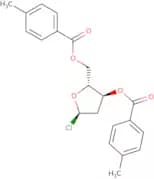
CAS:<p>1-Chloro-2-deoxy-3,5-di-O-toluoyl-a-D-ribofuranose (also known as Hoffer’s chlorosugar) is a synthetic building block used in nucleic acid research to afford an array of both alpha and beta linked 2’-deoxyribose derivatives. Naturally occurring nucleosides are typically beta linked and the efficient synthesis of alpha linked analogues, which are often more stable, offers access to interesting variations in 3D structure and biochemical reactivity.</p>Formula:C21H21ClO5Purity:Min. 90 Area-%Color and Shape:PowderMolecular weight:388.84 g/mol1-Deoxy- 3- O- tert.butyldimethylsilyl - 4, 5- O- isopropylidene -D- fructose
<p>1-Deoxy-3-O-tert.butyldimethylsilyl -4,5-O-isopropylidene -D-fructose is a glycosylation reagent used to modify the carbohydrate moieties of proteins and other molecules. It reacts with a protein to produce an alpha O-linked glycosylation at the N terminus of the protein. 1DOTBSDF can be prepared by reacting 1,3,5,7-tetraacetylbenzene with methyl methanolate in the presence of butyllithium. The product is purified by crystallization from hexane and diethylether and has a melting point range of 114°C – 117°C. This compound has been reported in the literature as being used for Click modification reactions that have been reported to have improved yields in comparison to other methods.</p>Purity:Min. 95%2-Fluoro-4-nitrophenyl 2-azido-2-deoxy-b-D-galactopyranoside
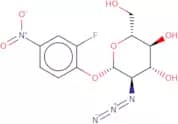
CAS:<p>2-Fluoro-4-nitrophenyl 2-azido-2-deoxy-b-D-galactopyranoside is a synthetic glycosylation agent that has been used in the synthesis of oligosaccharides and polysaccharides. This reagent is also used for click modification, which is a chemical reaction that produces an azide group on the saccharide. Click modification can be used to modify complex carbohydrates with fluorine or methyl groups. 2-Fluoro-4-nitrophenyl 2-azido-2-deoxy-b-D galactopyranoside has a CAS number of 2088233–73–0.</p>Formula:C12H13FN4O7Purity:Min. 95%Color and Shape:Off-White To Yellow SolidMolecular weight:344.25 g/mol1-Deoxy-D-xylulose 5-phosphate sodium salt
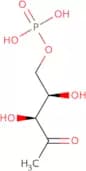
CAS:<p>1-Deoxy-D-xylulose 5-phosphate sodium salt is a synthetic monosaccharide that is used in the synthesis of glycosylated, fluorinated, methylated, and click modified polysaccharides. It is also used to modify sugars and oligosaccharides. It can be synthesized from D-xylose by treatment with phosphoryl chloride. This product has CAS number 798554-58-2 and is available in high purity.</p>Formula:C5H11O7P·xNaPurity:Min. 95%Color and Shape:PowderMolecular weight:214.11 g/mol(S)-3-((3aR,5R,6S,6aR)-6-(Benzyloxy)-2,2-dimethyltetrahydrofuro[2,3-d][1,3]dioxol-5-yl)propane-1,2-diol
CAS:<p>(S)-3-((3aR,5R,6S,6aR)-6-(Benzyloxy)-2,2-dimethyltetrahydrofuro[2,3-d][1,3]dioxol-5-yl)propane-1,2-diol is a guanosine triphosphatase inhibitor that binds to the enzyme and blocks its activity. It also has anti-cancer properties due to its ability to inhibit DNA methylation. The drug is activated by nitro groups in the presence of formaldehyde or formic acid to give 3-(N-nitrosomethyl)benzoyloxymethyl butyrylguanine (NMGB). This metabolite is then hydrolyzed into an aldehyde and dialkylamino group which are thought to be responsible for the anticancer activity. NMGB inhibits cancer cell growth by inhibiting protein synthesis and reducing metabolic activities.</p>Formula:C17H24O6Purity:Min. 95%Molecular weight:324.37 g/mol(2R, 3S, 4R) -4-Acetamido- 3 benzhydryloxybis(trimethylsilyloxy)silyloxy - 2- [( benzhydryloxybis(trimethylsilyloxy)silyloxy) methyl ] - 1- benzyl- pyrrolidine
<p>(2R, 3S, 4R) -4-Acetamido- 3 benzhydryloxybis(trimethylsilyloxy)silyloxy - 2- [( benzhydryloxybis(trimethylsilyloxy)silyloxy) methyl ] - 1- benzyl- pyrrolidine is a modification of an oligosaccharide. It is a high purity, custom synthesis and synthetic. This compound has CAS No., Monosaccharide, Methylation, Glycosylation, Polysaccharide, sugar and Fluorination.</p>Purity:Min. 95%Tert.Butyl 2-deoxy-4,5-O-isopropylidene-D-gluconate(mannonate)
<p>Tert.Butyl 2-deoxy-4,5-O-isopropylidene-D-gluconate(mannonate) is an oligosaccharide that is synthesized from D-mannose and D-glucuronic acid. It has a high purity and is custom synthesized to meet customer requirements. Tert.Butyl 2-deoxy-4,5-O-isopropylidene-D-gluconate(mannonate) has been modified with fluorine, methylation and click chemistry for various purposes.</p>Purity:Min. 95%(3aR,SR,6S,7R,7aR)-5-(Acetoxymethyl)-2-(ethylamino)-5,6,7,7atetrahydro-3aH-pyrano[3,2-d]thiazole-6,7-diyl diacetate
CAS:<p>(3aR,SR,6S,7R,7aR)-5-(Acetoxymethyl)-2-(ethylamino)-5,6,7,7atetrahydro-3aH-pyrano[3,2-d]thiazole-6,7-diyl diacetate is a synthetic sugar that has a high purity and can be custom synthesized. It is the product of the Click modification and contains fluorination and glycosylation. This compound has been shown to have methylation and modification capabilities as well as oligosaccharide and monosaccharide capabilities. It also has complex carbohydrate properties.</p>Formula:C15H22N2O7SPurity:Min. 95%Color and Shape:Off-White PowderMolecular weight:374.41 g/mol2,3:5,6-Di-O-isopropylidene-2-C-(tert.butyldimethylsilyloxy)methyl-D-allono-1,4-lactone
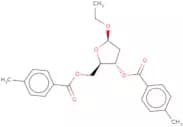
<p>2,3:5,6-Di-O-isopropylidene-2-C-(tert.butyldimethylsilyloxy)methyl-D-allono-1,4-lactone is a sugar molecule. It is composed of two monosaccharides, D and L allose. The D allose is an alpha(1→2)-linked glucose with the terminal hydroxyl group on C2 and the L allose is a beta(1→4)-linked galactose with the terminal hydroxyl group on C4. The chemical formula for 2,3:5,6-Di-O-isopropylidene-2-C-(tert.butyldimethylsilyloxy)methyl-D-allono-1,4-lactone is C12H22O11.</p>Purity:Min. 95%Ethyl 2-deoxy-3,5-di-O-toluoyl-D-xylofuranoside
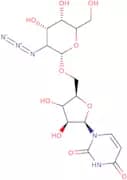
<p>Ethyl 2-deoxy-3,5-di-O-toluoyl-D-xylofuranoside is a monosaccharide or a modified sugar. It is used in the synthesis of complex carbohydrates and can be fluorinated to prepare a water soluble fluorinated saccharide. Ethyl 2-deoxy-3,5-di-O-toluoyl-D-xylofuranoside is an intermediate in the modification of oligosaccharides and polysaccharides. The chemical name for this compound is ethyl 2 deoxy 3,5 di O toluoyl D xylo furanoside.</p>Formula:C23H26O6Purity:Min. 95%Molecular weight:398.45 g/mol5'-O-(2-Azido-2-deoxy-D-mannopyranosyl)-uridine
CAS:<p>5'-O-(2-Azido-2-deoxy-D-mannopyranosyl)-uridine is a complex carbohydrate that is used in the synthesis of oligosaccharides, polysaccharides, and other glycosylated molecules. This compound can be modified with methylation, click modification, fluorination, or saccharide moieties. It is a synthetic molecule that has CAS 635293-07-1 and has been custom synthesized to achieve high purity.</p>Formula:C15H21N5O10Purity:Min. 95%Molecular weight:431.35 g/mol3,6-Dideoxy-D-arabino-hexose
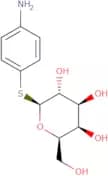
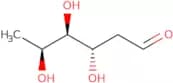
CAS:<p>3,6-Dideoxy-D-arabino-hexose is a sugar that is found in bacterial cell walls. It is made up of three components: 3,6-dideoxy-D-glycero-hexose and two fatty acids. The chemical structure of 3,6-dideoxy-D-arabino-hexose has been determined by chemical synthesis and spectroscopic analysis. This sugar residue is also used in the biosynthesis of the lipid A antigen found on gram negative bacteria.</p>Formula:C6H12O4Purity:Min. 95 Area-%Color and Shape:PowderMolecular weight:148.16 g/mol4-Aminophenyl β-D-thiogalactopyranoside
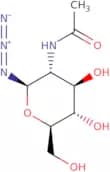
CAS:<p>4-Aminophenyl β-D-thiogalactopyranoside is a custom synthesis of a fluorinated saccharide. It is an oligosaccharide that has been modified with a click modification, which is an atom transfer radical polymerization. The chemical name for 4-aminophenyl β-D-thiogalactopyranoside is 2,5-difluorobenzoyl-(1→4)-4-(4'-aminophenoxy)butyryl-(1→2)-β-D-thiogalactopyranoside. The CAS number for 4-aminophenyl β-D-thiogalactopyranoside is 29558-05-2. This product has high purity and can be used as a substitute for saccharides in the synthesis of polysaccharides or oligosaccharides.</p>Formula:C12H17NO5SPurity:Min. 95%Color and Shape:PowderMolecular weight:287.33 g/mol2-Acetamido-2-deoxy-b-D-glucopyranosyl azide
CAS:<p>2-Acetamido-2-deoxy-b-D-glucopyranosyl azide is a biodegradable, environmentally oriented compound that has been shown to be compatible with polylactic acid. This compound has shown unevenness in the hydroxy group and a functional group sensitive to hydrolysis. The molecular weight of 2-acetamido-2-deoxy-b-D-glucopyranosyl azide is 154.14 g/mol. It is soluble in water and has a natural environment frequency of 0.0005%.</p>Formula:C8H14N4O5Purity:Min. 95 Area-%Color and Shape:White PowderMolecular weight:246.22 g/mol











![2, 4- Anhydro- N-benzyl-3,5-O-[(R)-benzylidene]- 6-deoxy-D- mannonamide](/_next/image/?url=https%3A%2Fstatic.cymitquimica.com%2Fproducts%2F3D%2Fthumb-webp%2FMA163977.webp&w=3840&q=75)



![2,4,7,8,9-Pentaacetyl-N- [(2- propyn- 1- yloxy) carbonyl] - b- neuraminic acid methyl ester](/_next/image/?url=https%3A%2Fstatic.cymitquimica.com%2Fproducts%2F3D%2Fthumb-webp%2FMP168633.webp&w=3840&q=75)




![(1S) -1- [(2S, 3R,4S) -4-(Acetoxy)methyl-3-benzyloxy- N-benzyl-1- azetidinyl] -di-O-acetyl-1, 2- e…](/_next/image/?url=https%3A%2Fstatic.cymitquimica.com%2Fproducts%2F3D%2Fthumb-webp%2FMA163358.webp&w=3840&q=75)



![(S)-3-((3aR,5R,6S,6aR)-6-(Benzyloxy)-2,2-dimethyltetrahydrofuro[2,3-d][1,3]dioxol-5-yl)propane-1,2…](/_next/image/?url=https%3A%2Fstatic.cymitquimica.com%2Fproducts%2F3D%2Fthumb-webp%2FMB45373.webp&w=3840&q=75)

![(3aR,SR,6S,7R,7aR)-5-(Acetoxymethyl)-2-(ethylamino)-5,6,7,7atetrahydro-3aH-pyrano[3,2-d]thiazole-6…](/_next/image/?url=https%3A%2Fstatic.cymitquimica.com%2Fproducts%2F3D%2Fthumb-webp%2FMA159713.webp&w=3840&q=75)